


Home / Design services / Case studies
Planes, supply chains, and automobiles
Vice President of Global EV Programs, Ford Motor Company
Featured work



Stopping hospital infections in their tracks
Taking a personalized hand-sanitizing device to the next level.
Over 2 million Americans contract hospital-acquired infections (HAI), resulting in 100,000 deaths and over $30 billion in costs to the healthcare system per year. Experts agree: Simply improving staff hand-washing habits could prevent these needless infections.
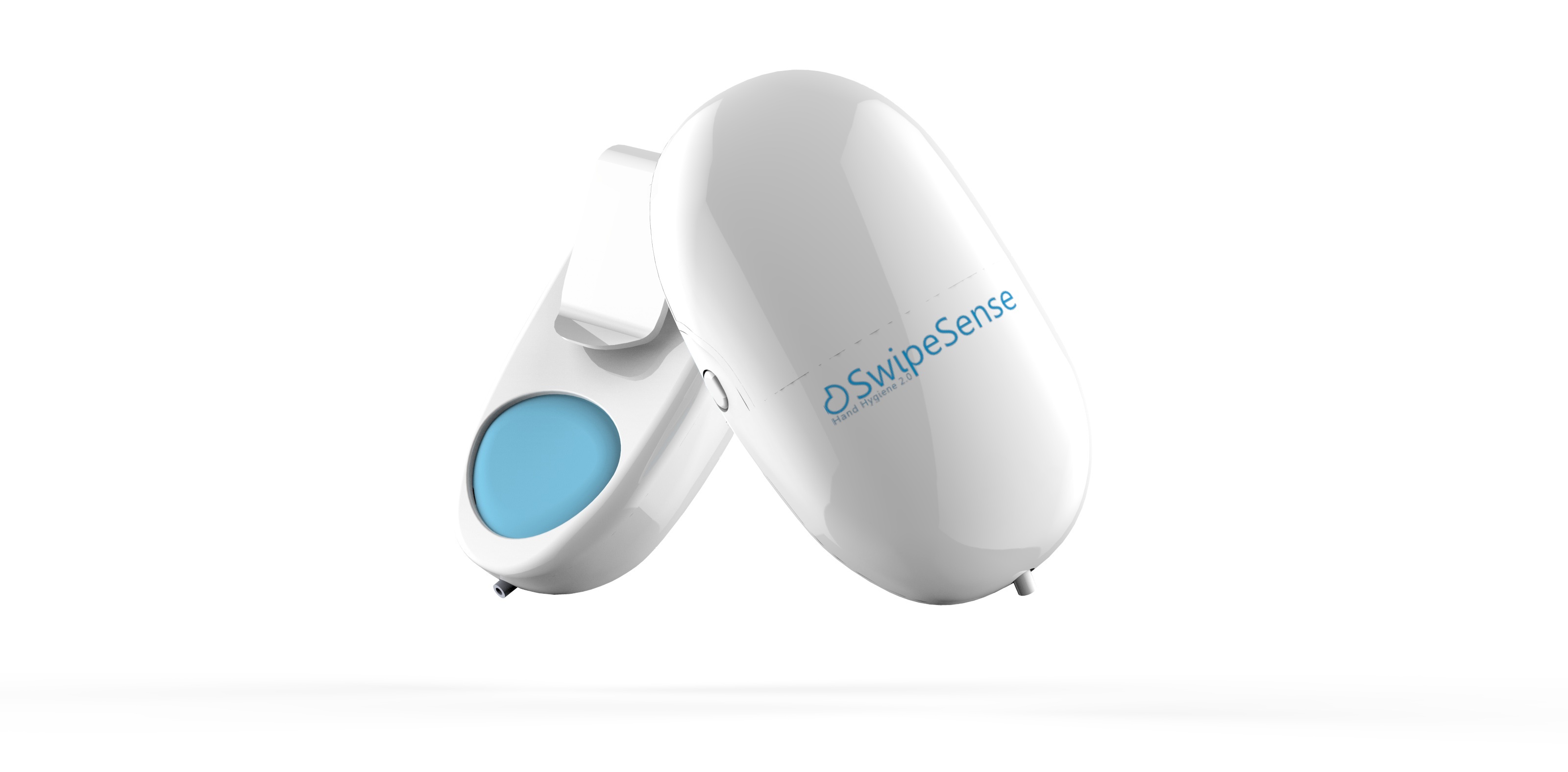
SwipeSense, a healthcare startup founded by two Northwestern University graduates, aims to incentivize good hand-hygiene via smart, wearable alcohol-based gel dispensers that clip easily onto scrubs, with a web-based monitoring platform that records every time users disinfect their hands. Together with wall-mounted proximity sensors, the system wirelessly tracks hand-washing practices, allowing doctors and nurses to see and download daily, weekly, or monthly reports.

SwipeSense founders Iseri and Malina had developed a working prototype of the hand-sanitizing device and needed help pushing it to the next level. Together with IDEO, the teams evolved and refined the final physical and digital experience, and examined how an expanded data offering could provide added value to their business and the healthcare system at large.
After more than 70 design iterations, SwipeSense landed on the current sleek, modern, user-friendly design. The eventual goal: Make the patent-pending system ubiquitous in America’s 5,700 hospitals, much like wall-mounted hand-sanitizing devices are today—and save 100,000 lives each year.

Singapore’s road to a human-centered government
Connecting public services with citizens’ needs.
As a small, young nation, Singapore has come a long way in a short time. Its cost-conscious education system enables social mobility, its public healthcare system is a model of success, and it has achieved financial independence. What’s more, 80 percent of its citizens reside in Singapore’s desirable and attainable public housing complexes.
But even with these successes, Singapore wanted to improve upon its existing systems. In 2008, government agencies came to IDEO to help connect the intention behind their policies with how their services were delivered to the public. To bridge the gap, IDEO Singapore partnered with five government agencies on more than 12 projects.
A few highlights:
Singapore’s Ministry of Health
The Ministry subsidizes up to 80 percent of healthcare costs. Understanding their financial options may, at times, be difficult for patients, especially in situations where they’re grappling with stressful medical conditions. Although the government has reassured Singaporeans that no one will be denied medical treatment even if they can’t pay, public sentiment that healthcare in Singapore is increasingly unaffordable still pervades.
So the Ministry worked with IDEO to give patients financial peace of mind at a time when their well-being is of utmost importance, and to improve their healthcare experience overall. Inspired by doctors’ ability to talk about patients’ diagnoses across a range of potential outcomes, IDEO designed a more patient-centric care cost discussion guide, and developed a new digital tool designed to help patients better understand and predict healthcare costs. The care cost discussion guide is currently being prototyped in two hospitals.
IDEO’s work with the Ministry of Health (MOH) extends to the communication strategy for a newly introduced government-sponsored insurance policy, MediShield Life. MOH recognized that government communications needed to incorporate important nuances to engage citizens around the new policies and benefits. Together with MOH, IDEO developed ideas for a citizen engagement strategy that brought to life a journey that includes how Singaporeans learn about a policy, sign up, and understand benefits and subsidies.
The Ministry of Manpower
One of the Ministry’s roles is to process work passes for foreigners, who make up 30 percent of the nation’s workforce. The Ministry was known for its speed and efficiency, but not its customer service. IDEO partnered with the Ministry’s Work Pass Division to design all of the touchpoints around acquiring a new work pass—from the letters applicants receive to the website, physical space, and the interactions that occur there.
In addition, IDEO embarked on a series of projects with the Ministry of Manpower (MOM) aimed at streamlining and simplifying its communications. Together, they addressed the question, “How do we create communications that are easily understood and better engage MOM’s customers?” Starting with the most common letters sent out by MOM’s Work Pass Division, they defined a more customer-oriented tone of voice and visual style. To scale up the new approach, IDEO trained many MOM officers to write with the customer’s perspective in mind.
The National Population and Talent Division
The agency asked IDEO to better understand the underlying reasons for Singapore’s all-time-low birthrate and design ways to encourage Singaporeans to have more children.
The Ministry of National Development
More than 80 percent of Singapore’s citizens live in public housing. The Ministry asked IDEO to bring to life Singaporeans’ notion of home and identify ways to keep their aspirations at the center of their work.
Building creative confidence across Singapore’s public sector will be an ongoing journey, but the country is actively building the tools it needs to maintain its citizen-centered approach in an increasingly complex world.

Redesigning death
Helping people live fully right up to the end.
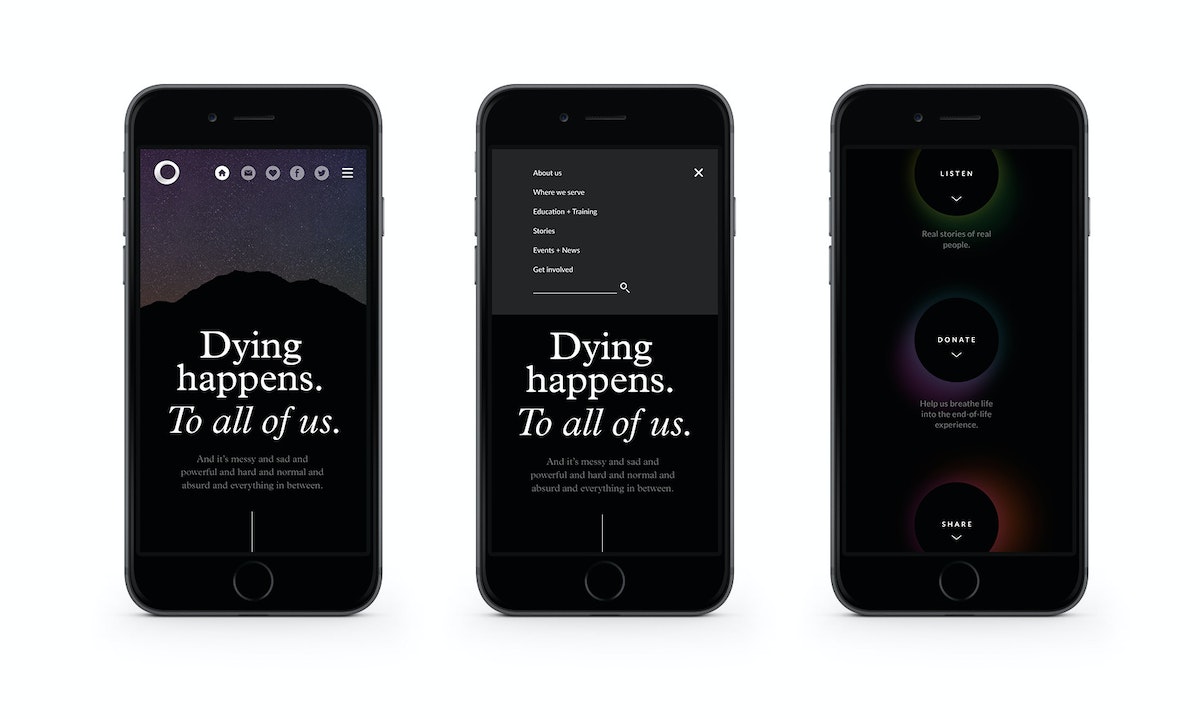
After losing both legs below the knee and half of one arm in an accident, Dr. BJ Miller knows what it feels like to be near death. But after recovering, Miller became a doctor, joined the faculty of UCSF, and is now leading a conversation about patient-centered care and redesigning the experience of how we die. But such systemic change will require pioneering thinking, as our healthcare system, designed to cure, not caretake for the long term, prepares for an exploding elderly and chronically ill population.
Together with IDEO, Dr. Miller and Zen Hospice Project are bringing design to a broken system in hopes of helping people live fully right up until the end. Miller was invited to TED in March, 2015 to deliver the closing talk. In concert, IDEO designed a landing page and call to action to support Zen Hospice Project’s mission, flagging the campaign with the hashtag #designabetterending.
Early renderings for a new palliative care facility that would enliven end-of-life care with rich, engaging experiences are also in the works. Read more about the collaboration in California Sunday Magazine and join the movement to help us design a better ending.

Putting a human face on big data
Giving eBay deep customer insights through a new digital tool.
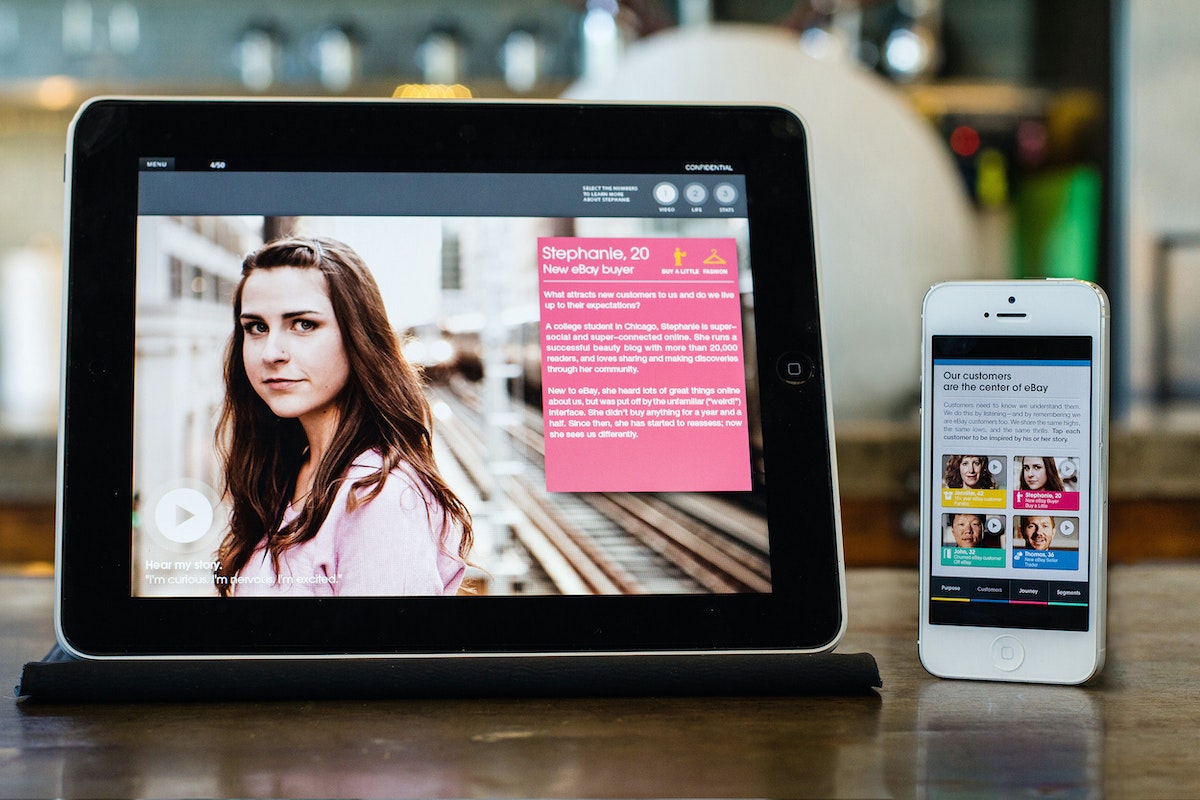
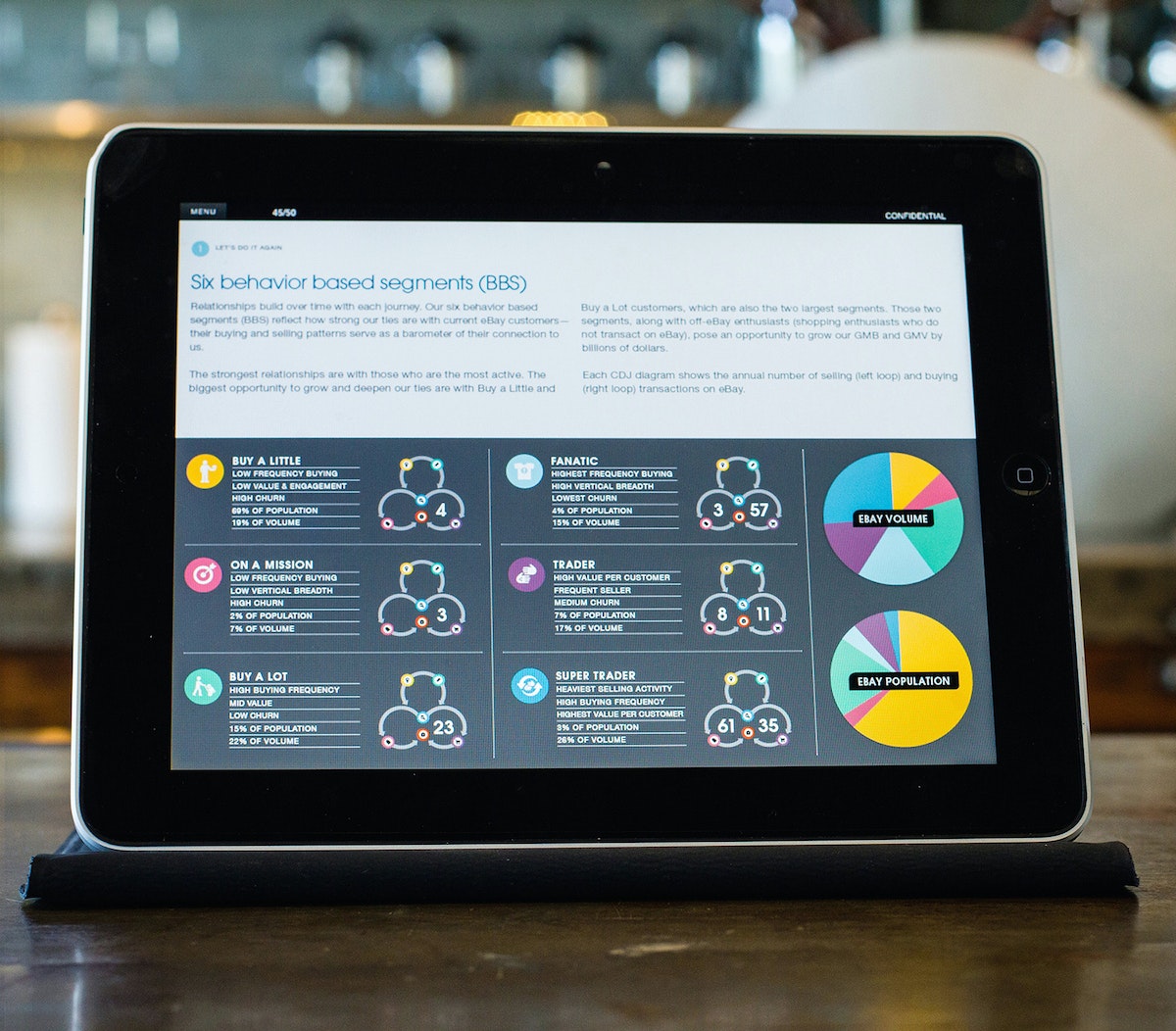
Stephanie is a college student. She runs a successful beauty blog and shares new finds with her 20,000 followers. Jennifer is married and lives in Chicago. She considers fashion to be an expression of her identity. How do we know all of this about Stephanie and Jennifer? They’re both eBay shoppers the IDEO team met while designing a better way for the retail giant to get to know their customers.
It’s easy to forget that behind data cells exist flesh-and-blood people. eBay has 128 million buyers and sellers, and wanted to find meaningful stories about real people in order to uncover their wants, needs, and behaviors.
The company partnered with IDEO to create a digital ecosystem that integrates Big Data, business opportunities, and customer stories drawn from IDEO interviews to give employees deeper insight into how and why people use the site.
The app, which launched in September 2012, is available on desktop and mobile devices to eBay employees worldwide. It’s an easily accessible resource for eBay employees where they can glean insights about their customers by learning about key customer types. The app brings customer needs to life using words, images, and video interviews from select research participants. The power of that experience prompted eBay to overhaul its website, too, giving it a fresh, human-centered appeal.
Pop-up store as learning lab
A Southern fashion retailer lures millennials with offshoot brand.
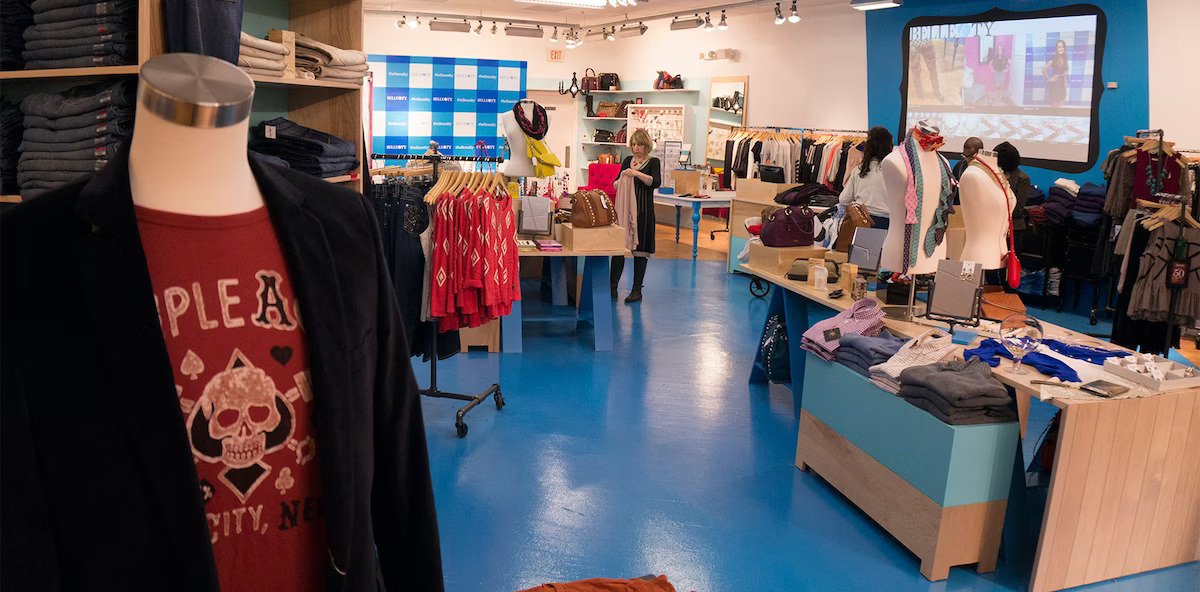
Many younger customers described venerable fashion retailer Belk as “their grandmother’s store.” Belk, with 300 stores in 16 Southern states, was looking for ways to stay competitive and woo these style-savvy millennials. The goal was to create a trendy, social, affordable, and distinctly Southern shopping experience.
Belk’s innovation team and IDEO conducted research with twenty-somethings to develop the look, feel, merchandising strategy, and service experience of a new offshoot brand. Fresh and modern, Belk’s new pop-up store Belle & Ty features contemporary fashion along with a real-time Instagram wall, a style lounge, personal stylists, and weekly trunk shows. The pop-up store also serves as a learning lab for Belk, a place to prototype offerings for a new generation. Local fashion bloggers called the store “a must-stop shop during Christmas,” and Sue Curley, VP of Innovation at Belk, said, “Belle & Ty has been a great learning lab for us to connect with an important customer segment, test new ideas, learn, adjust, and test again.”
New digital ways to pay
A flexible, functional form of payment.
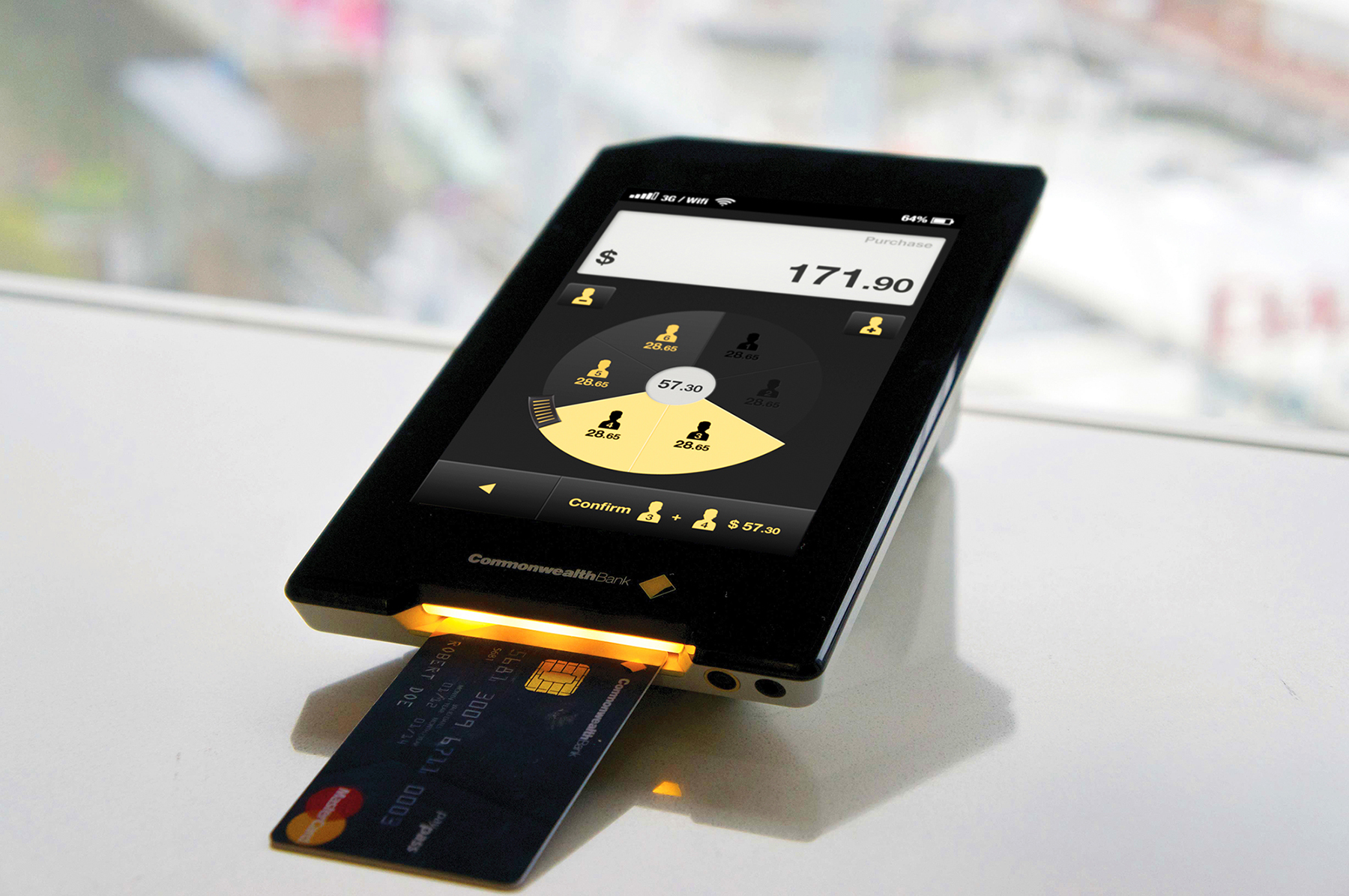
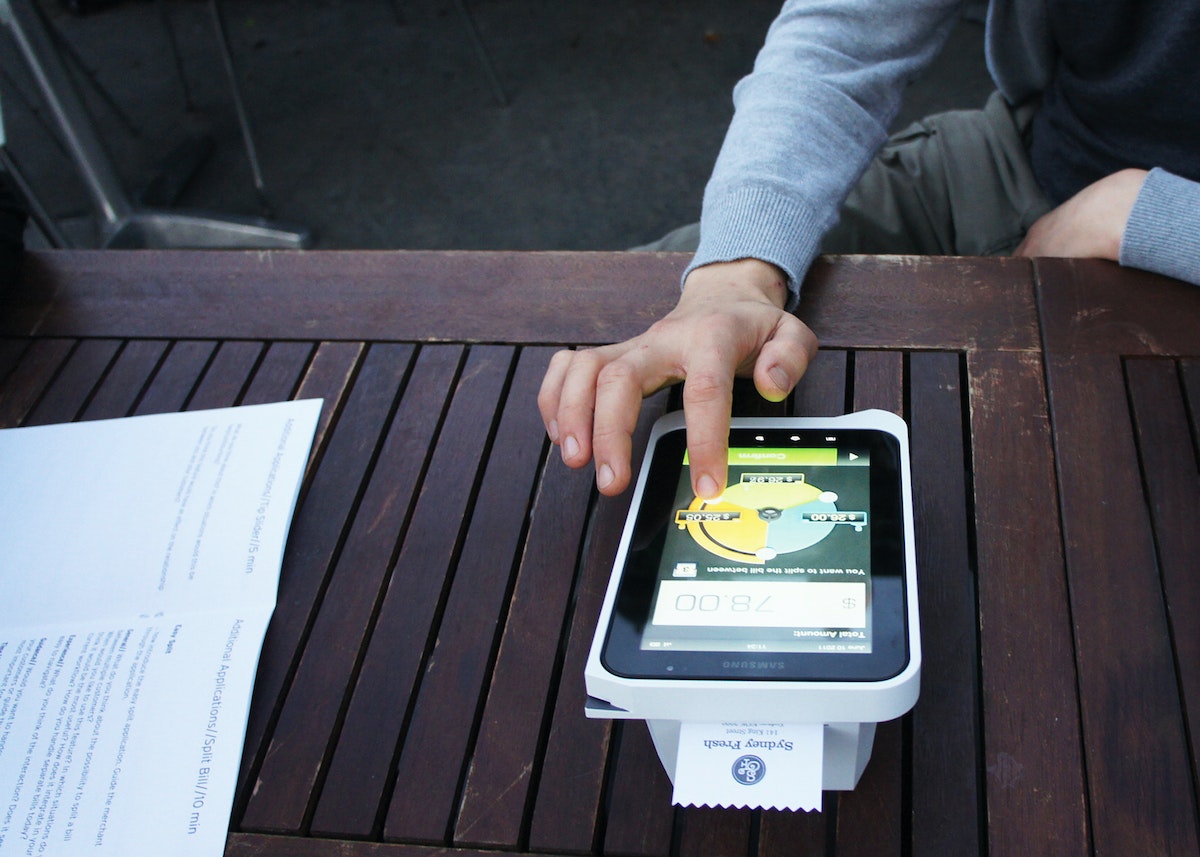
Commonwealth Bank of Australia was interested in helping customers and businesses build close connections. They believed the way to do this would be by creating richer interactions around different forms of payment. The bank approached IDEO to explore these opportunities, and the result is a new retail business platform—Pi—and a portable payment device—Albert.
Pi brings a new level of flexibility, functionality, and customization to the face-to-face interaction between a cashier and a customer, improving everything from the process of splitting the bill in a restaurant to helping a guest find more personalized experiences at a hotel.
Insights
In the team’s research in Australia, the UK, and Germany, they found a few key insights that informed the design. First, they saw that an ideal platform should support the full spectrum of human behaviors around payment. Second, platforms can add value by improving the relationships among banks, merchants, and customers. And third, the payment experience should be customized to fit a specific setting, working one way in a luxury boutique and another in a gas station.
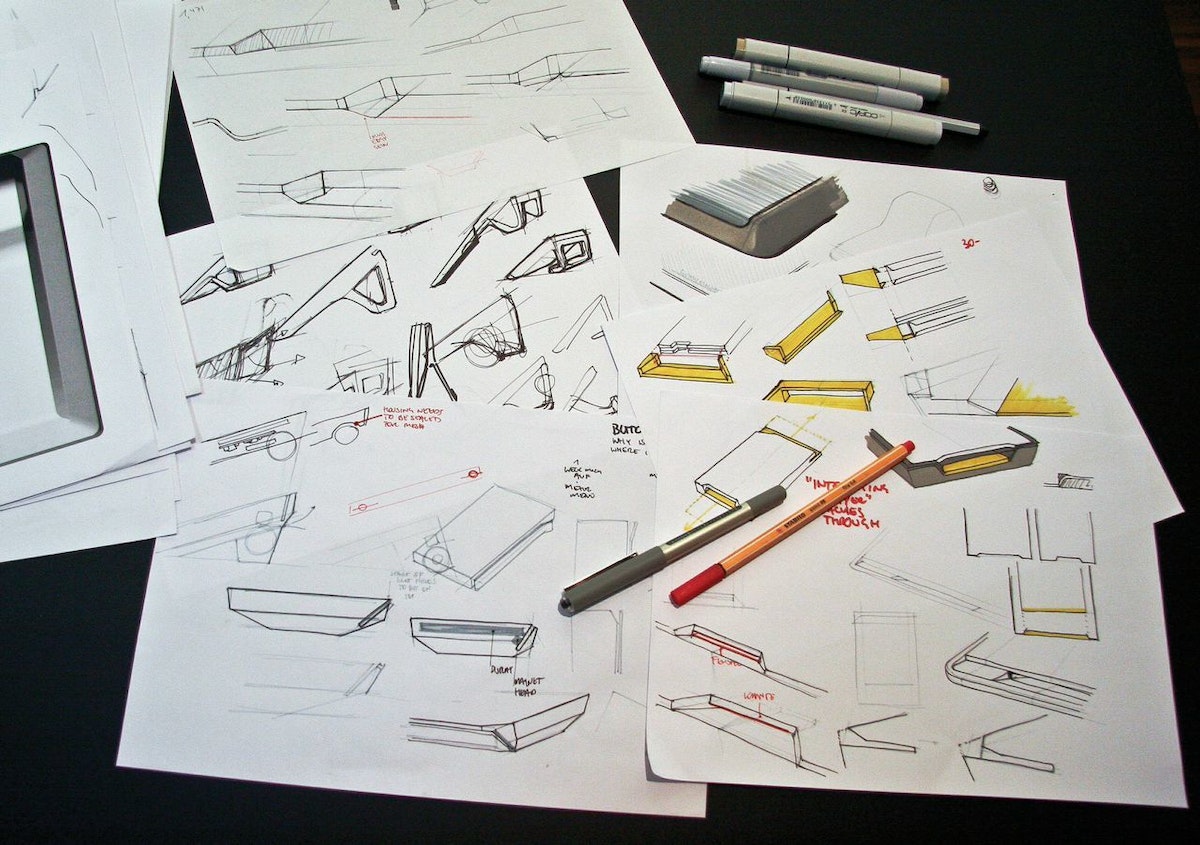
IDEO, CBA, and Wincor Nixdorf worked together closely to steward the design of Pi And Albert through product development and implementation, and to gather feedback from merchants during rapid, iterative cycles.
Results
The platform is flexible enough to benefit organizations of all sizes: Larger merchants can incorporate Pi as part of their existing network, while smaller merchants can grow their business using powerful business tools. And customers of all kinds can easily access a variety of payment methods and helpful applications.
Albert offers a large touchscreen that’s intuitive to use, the safety of virtually encrypted PIN entry, and a variety of ways to access data connections. A large battery provides power when retailers are on the go, and a modular housing means that Albert can be used in all kinds of situations. The device is built to handle current card payment methods but can also adapt to how cards might be accepted in the future, and even eliminates the need to swivel a screen from cashier to customer during the payment process.
Making health insurance enrollment easy
Designing a digital platform prototype for Californians to sign up for health insurance.
Forty million Americans became newly eligible for health coverage when the Patient Protection and Affordable Care Act (ACA) was fully implemented in 2014. Some enrolled in health insurance for the first time, while others were able to get better access to affordable health coverage.
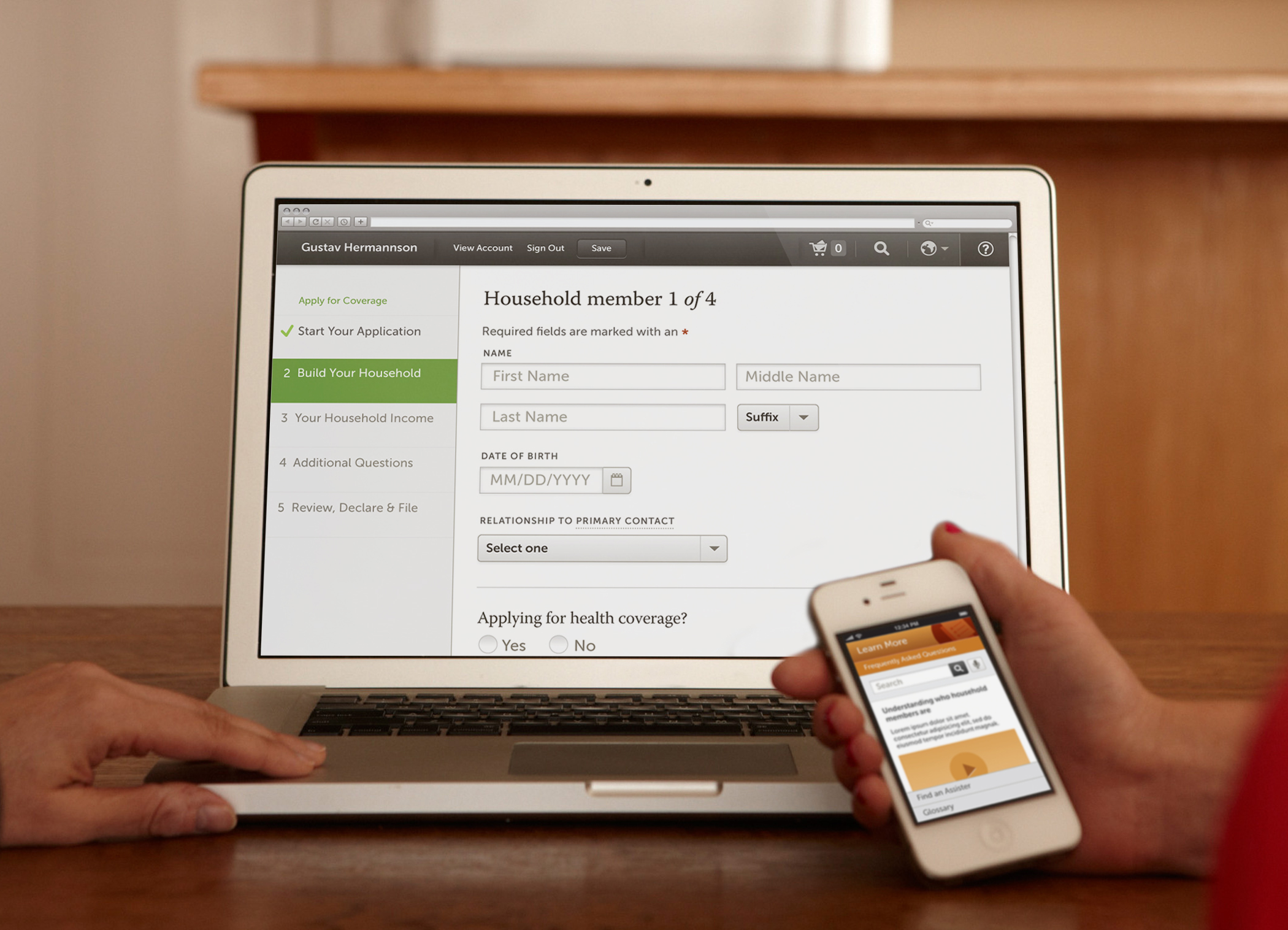
In preparation for the millions of applications, states were required to develop ways for people to sign up for health insurance online for plans that were operated by state and federal governments under the ACA. To help public and private agencies to meet the requirements, a coalition of nine national and state-based foundations, led by the California Health Care Foundation (CHCF) developed a digital enrollment prototype, and hired IDEO to lead the consumer research and design effort.
After a yearlong collaborative process, the resulting 300-page design manual and design reference prototype illustrates a customizable approach to public and private health insurance enrollment.
The flexible set of design standards developed for Enroll UX 2014 aims to make online health insurance enrollment simple, intuitive, and easy to navigate at scale.

Inspiring scientists in their research
Encouraging experts from different fields to collaborate on big ideas.
To encourage PhD candidates to think differently about how they tackle tough science problems, the University of California, San Francisco (UCSF) and IDEO embarked on a fruitful collaboration.
Three PhD candidates were tasked with the following challenge: Cultivate new audiences and uses for a microscope. Drawing inspiration from cell phone microscope CellScope, the trio arrived at a prototype that was less reliant on technology and easily disassembled and reassembled. How? By using the most basic building blocks: Legos.
Made of custom 3-D-printed parts and standard toy building blocks, the LegoScope, which functions as a microscope, can easily snap pieces in and out to hold different components. Both the device and the team-based process are now being used in various other campus projects to change how researchers think about conducting and advancing scientific research.
“The best work in the future is going to be done by teams of people with very different expertise, who know different things and think about things in different ways, who come together to focus on one big problem,” said Keith Yamamoto, vice chancellor of research at UCSF, who led the initiative.