


Home / Design services / Case studies
Planes, supply chains, and automobiles
Vice President of Global EV Programs, Ford Motor Company
Featured work




A real-time data service for food industry workers
Using design thinking to pivot from food-discovery app to food-data provider.
Fueled by a mission to “help everyone love what they eat,” the Chicago-based food-tech startup Food Genius created a consumer-facing mobile app that used a complex algorithm to track more than 16 million restaurant menu items and classify consumers’ dining-out behaviors.
After the year-old startup became part of IDEO’s Startup in Residence program in Chicago, the company changed its focus from consumers to the food industry.
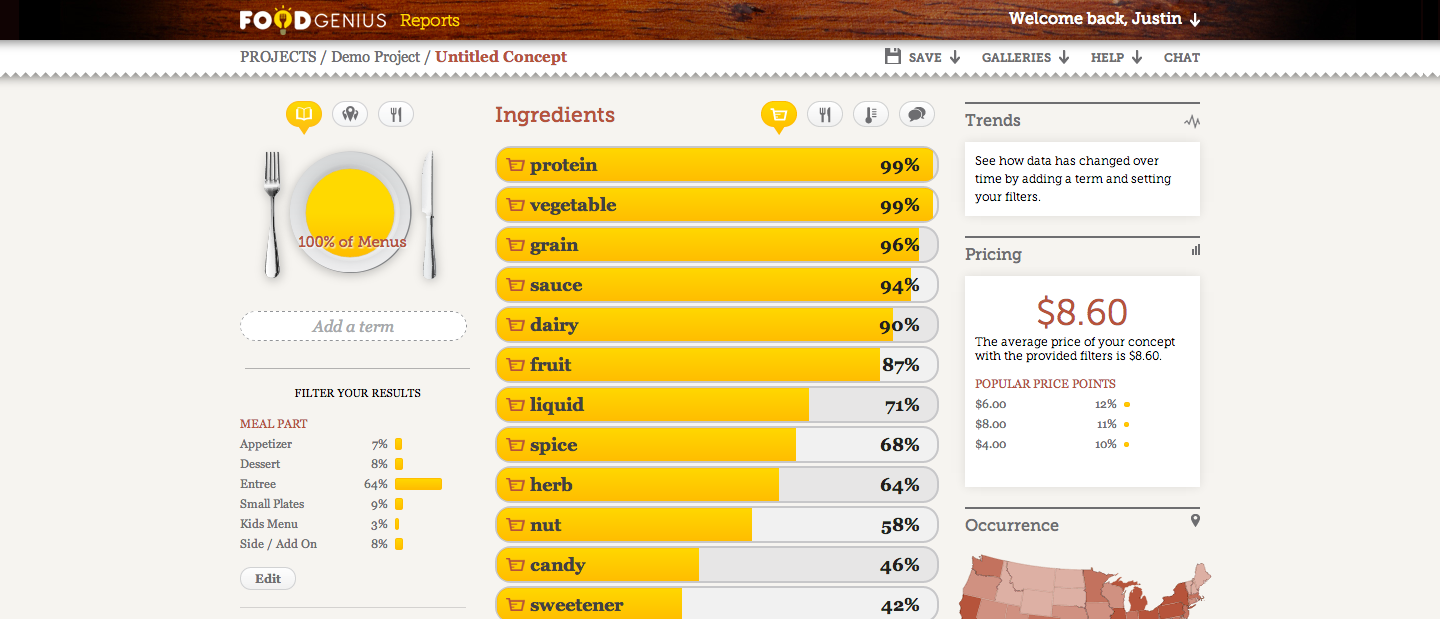
To build their food industry-focused platform, the designers collaborated on a number of business and technological development strategies, product road-mapping, and a prototype viral marketing experience called Curry Crawl to test the usability of the new API.
In April 2016, Food Genius was acquired by US Foods. "What was really striking about US Foods is that they take a very analytics-driven approach to their business," said Justin Massa, founder and former CEO of Food Genius. "They bought the technology knowing it's going to be able to do great stuff."
Using design thinking to create a better car
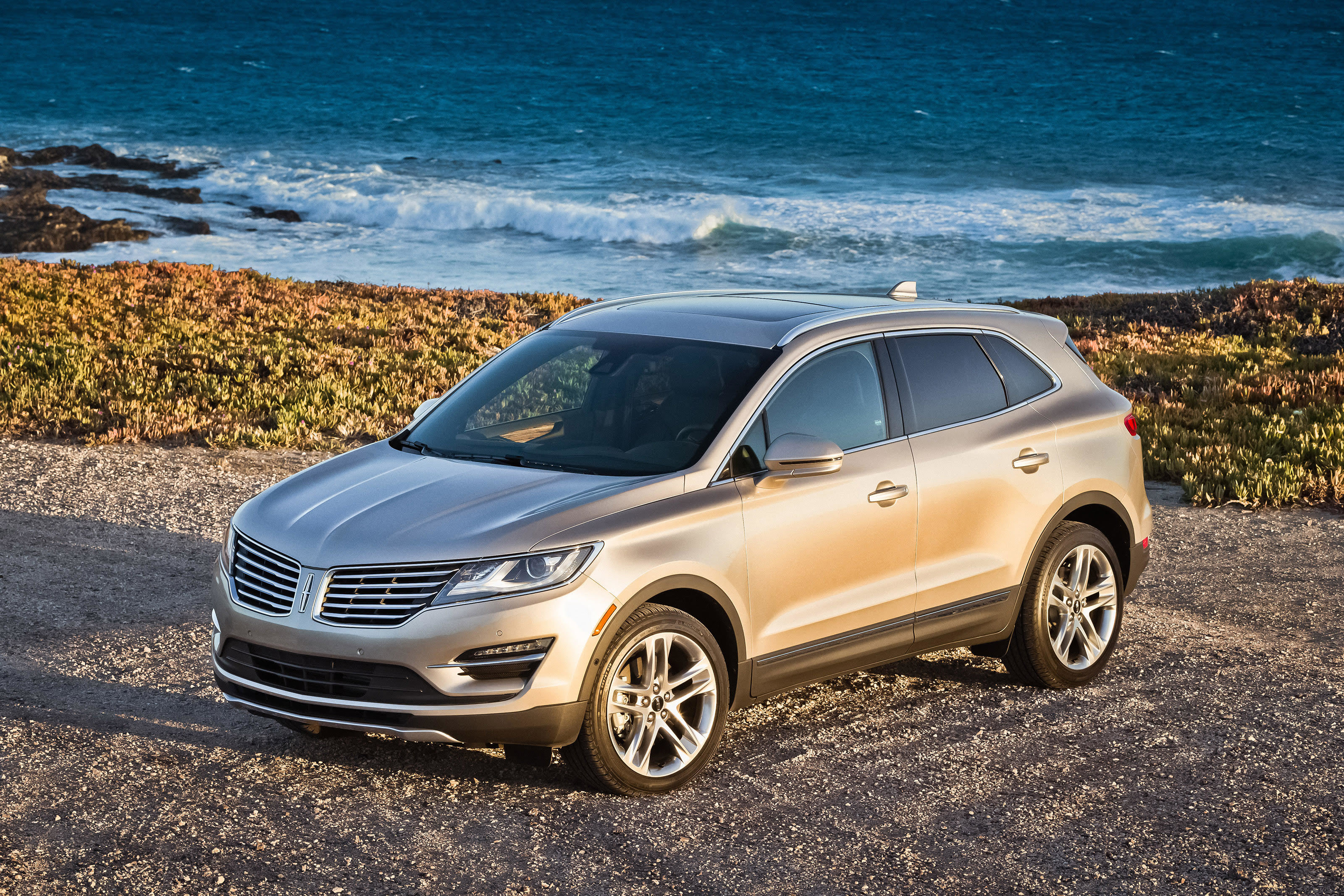
A legacy car brand embraces design thinking and collaboration to develop the luxury crossover Lincoln MKC.
Designing a new car takes years and requires strong collaboration between thousands of people. So when the Lincoln Motor Company began developing the luxury crossover Lincoln MKC, they invited IDEO to share key design-thinking methods to employees and departments to improve the process and to land on a better product.
IDEO built a pop-up studio inside an old manufacturing bay at the company’s Dearborn, Michigan, headquarters, and organized a collaboration between IDEO designers-in-residence and Lincoln employees from different departments. During the six-month collaboration, the IDEO team built a full-scale interactive car prototype to make various in- and out-of-car experiences tangible, and collected user feedback along the way. And they shared key design-thinking methods, which helped galvanize action across different teams, and sped up understanding of design thinking.
The MKC is credited with helping the Lincoln brand outpace growth in the luxury segment by more than two-to-one over competitors. Next up is turning the heads of luxury customers in China, where Lincoln plans to open 60 stores in 50 cities by 2016.
"By bringing together all our key internal stakeholders, the MKC meets and exceeds customer expectation," said Scott Tobin, Director, Lincoln Product Development.
Transforming the banking experience
A Peruvian bank creates a more welcoming environment for customers.
Despite recent advances in Peru's banking infrastructure, the Peruvian public remains largely disengaged with its country’s banks. About 75 to 80 percent of the population lacks a bank account, preferring to safeguard cash at home versus entrust it to any institution. This represents a huge challenge—and opportunity—for Interbank, one of Peru’s largest financial-services firms.
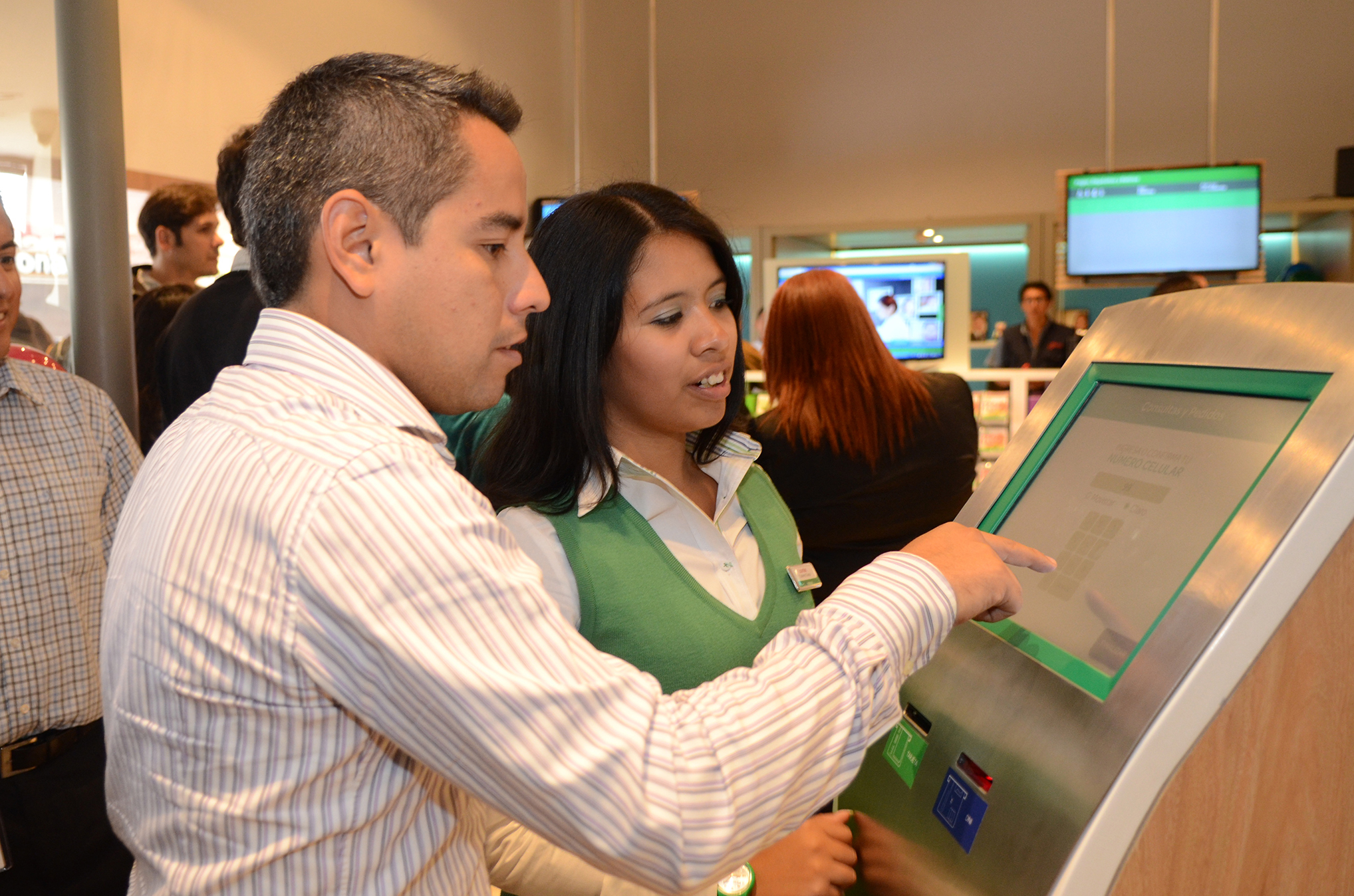
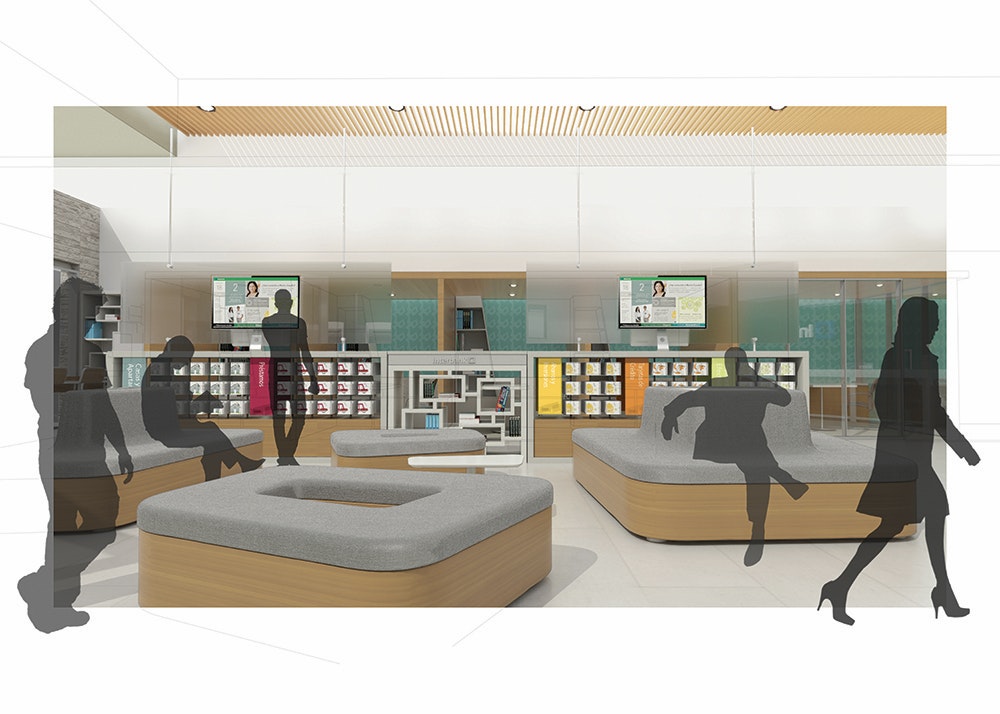
Interbank and IDEO designed a customer experience that would differentiate the Interbank brand and capture a larger share of market. The result, an experimental space called Interbank Explora, is intended to serve as an “innovation lab,” where the company can continue to try the most advanced financial service offerings and get feedback from clients.
This fun and expressive environment—designed for customers, with customers—provides a sharp contrast to competing banks in Peru, which tend to be sterile, formal places that look like hospitals and have long lines. In its initial 60 days of operation, Explora exceeded expectations: Sales more than doubled overall, customer satisfaction rates improved from 33 to 84 percent, and profitability grew, including a 138 percent gain in non-interest-income activities.
The next-generation hotel experience
Getting the details right to improve travelers' stays.
Whether it’s the receptionist’s smile at check-in, the tasty snack at the bar, the thoughtfully designed lobby, or an easy-to-use mobile app, a hotel is no longer just a place to sleep—every detail plays a part in how much customers enjoy their stay.
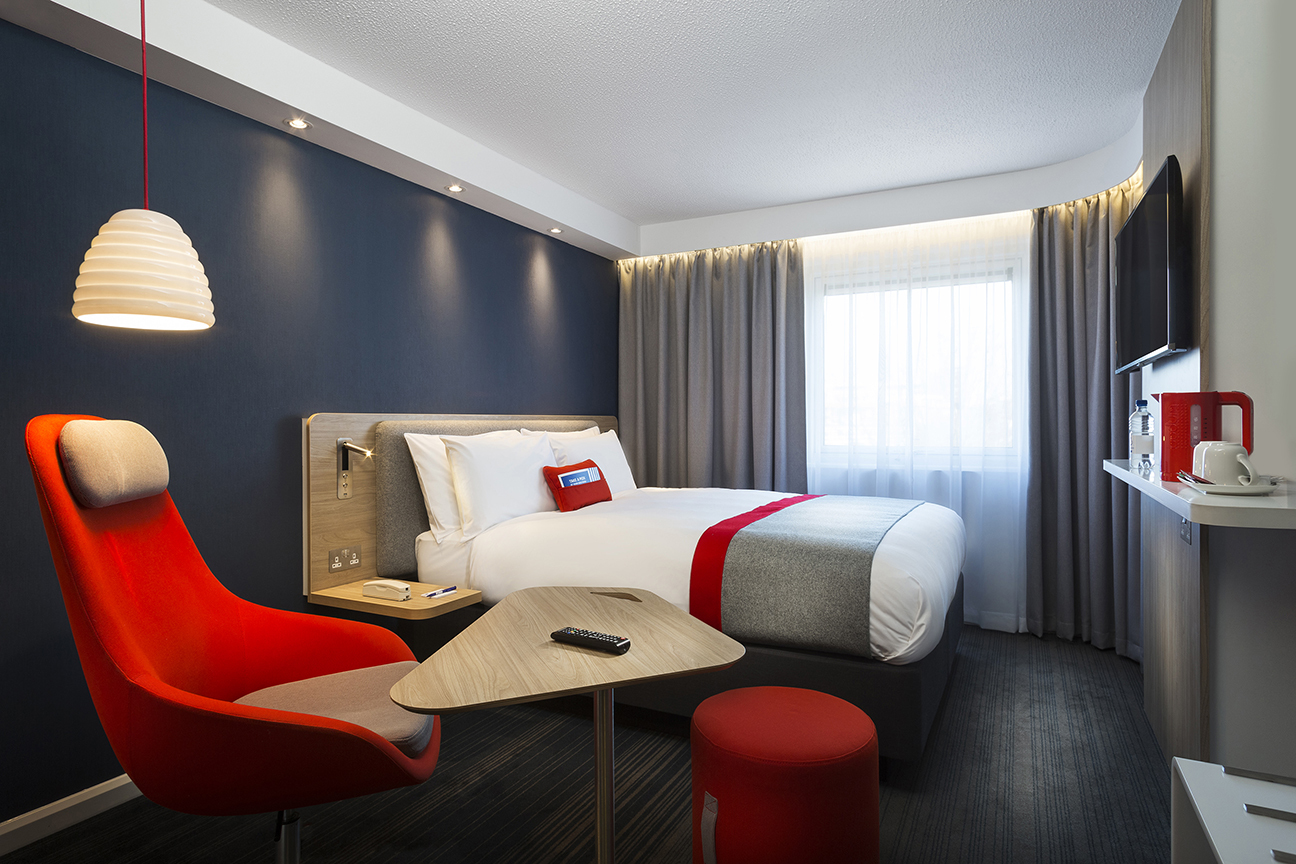
Multinational hotel company IHG asked IDEO to help revamp its Holiday Inn Express brand in Europe—everything from public spaces to food and beverage, digital, and guest room interiors. Through their research, designers learned that the brand’s guests are independent and value-conscious, and appreciate a human touch. And yes, they prize good design.
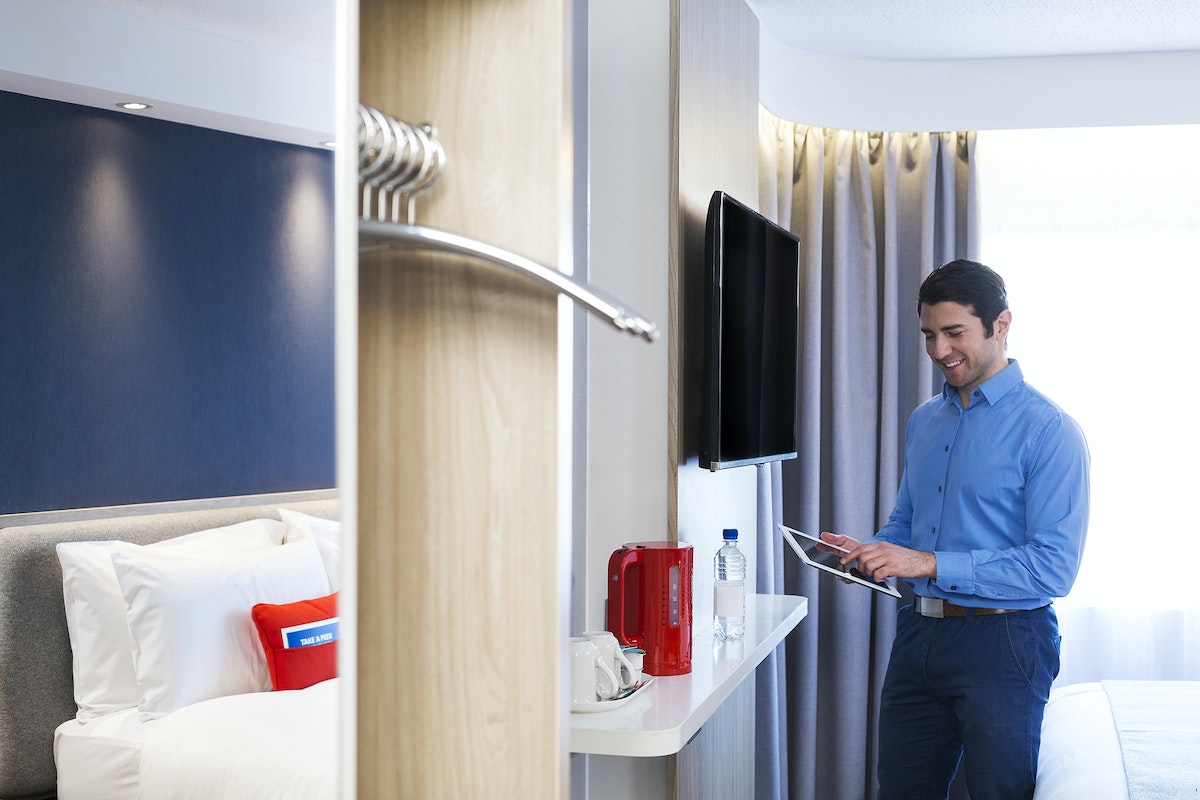
Designers created a series of principles that informed every part of the hotel chain’s next-generation experience—things like a to-go concept for breakfast, an easy way for guests to stream their own media through their room’s TV, and assigned quiet floors for business-weary travelers.
As IHG rolls out the next-generation guest experience in the UK and across Europe, smart travelers can expect to check in to a high-touch, well-designed hotel.
“A hotel room is no longer just a place to sleep. This investment in guest insight and innovation is enabling us to stay ahead of the game,” said Mike Greenup, Vice President, Brand Management, Holiday Inn Brand Family, Europe.
This startup revolutionized an industry through design
Launching a nationwide venture that redefines and simplifies how customers engage with their pharmacy.
Dealing with medication can often be a bigger pain than the ailment itself. Standing in long lines at the pharmacy, keeping up with expiration dates, making sure you take this medicine with food and that one on an empty stomach—it can be overwhelming.
An online pharmacy called PillPack had a mission to make it easier. PillPack worked to build a prescription home-delivery system that takes the pain out of the whole process. The venture brought their business to IDEO’s Cambridge office as a startup-in-residence, and worked with designers to fine-tune their offer and showcase it to the world.
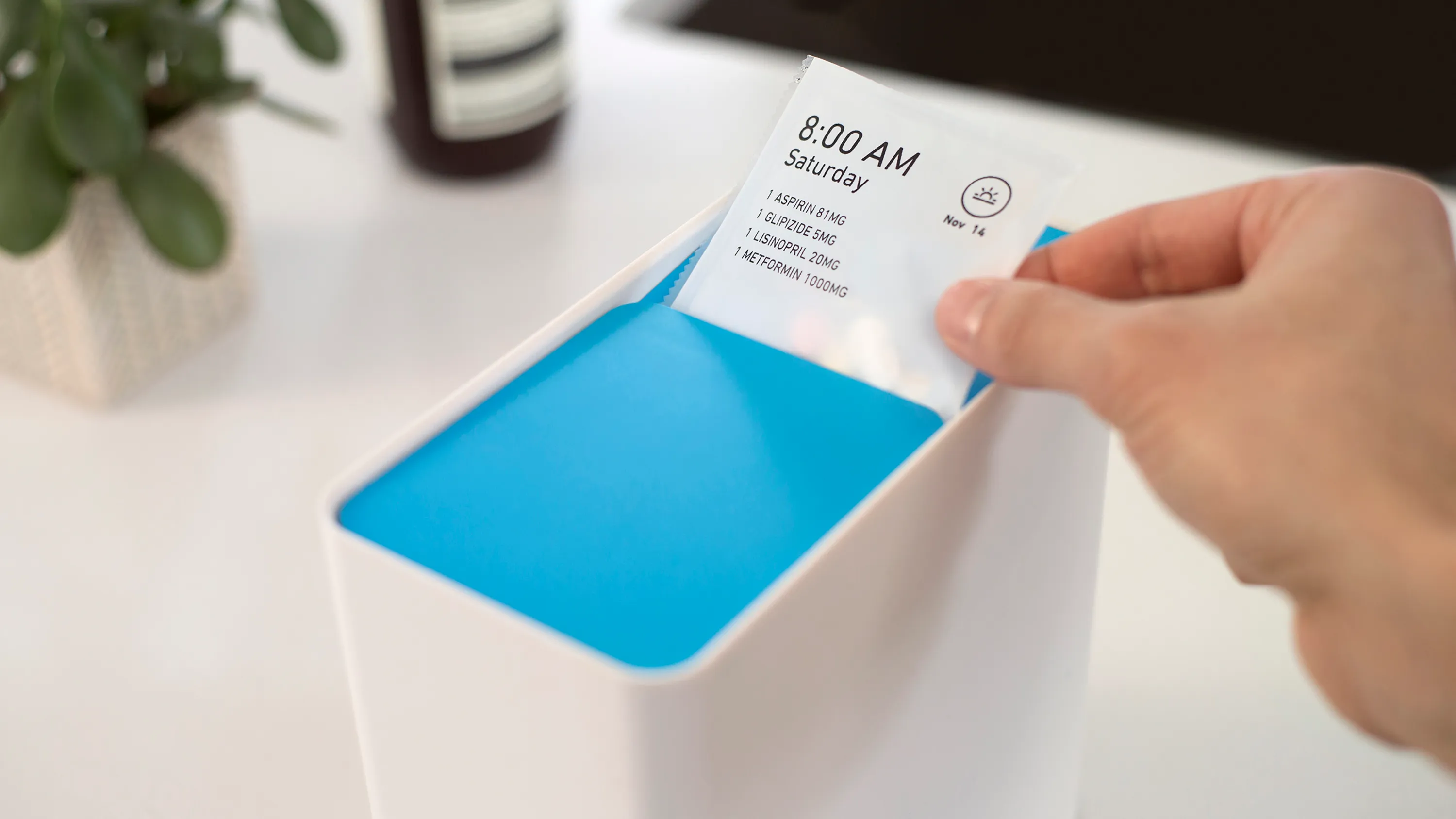
Here’s how it works: Your doctor sends your prescriptions straight to the pharmacists at PillPack, who organize the medications—including refills, over-the-counter drugs, vitamins, and supplements—into presorted, personalized packets. These tidy little packets are labeled by date and time and delivered to your doorstep. Every 14-day supply of medication fits neatly into an IDEO-designed durable dispenser that is meant to become part of customers’ routines and fit seamlessly into their homes. IDEO also designed a travel pouch that makes taking medicine on-the-go simple and discreet. For those who need a human to talk to, pharmacists at PillPack's pharmacies are available anytime via phone or email to answer questions.
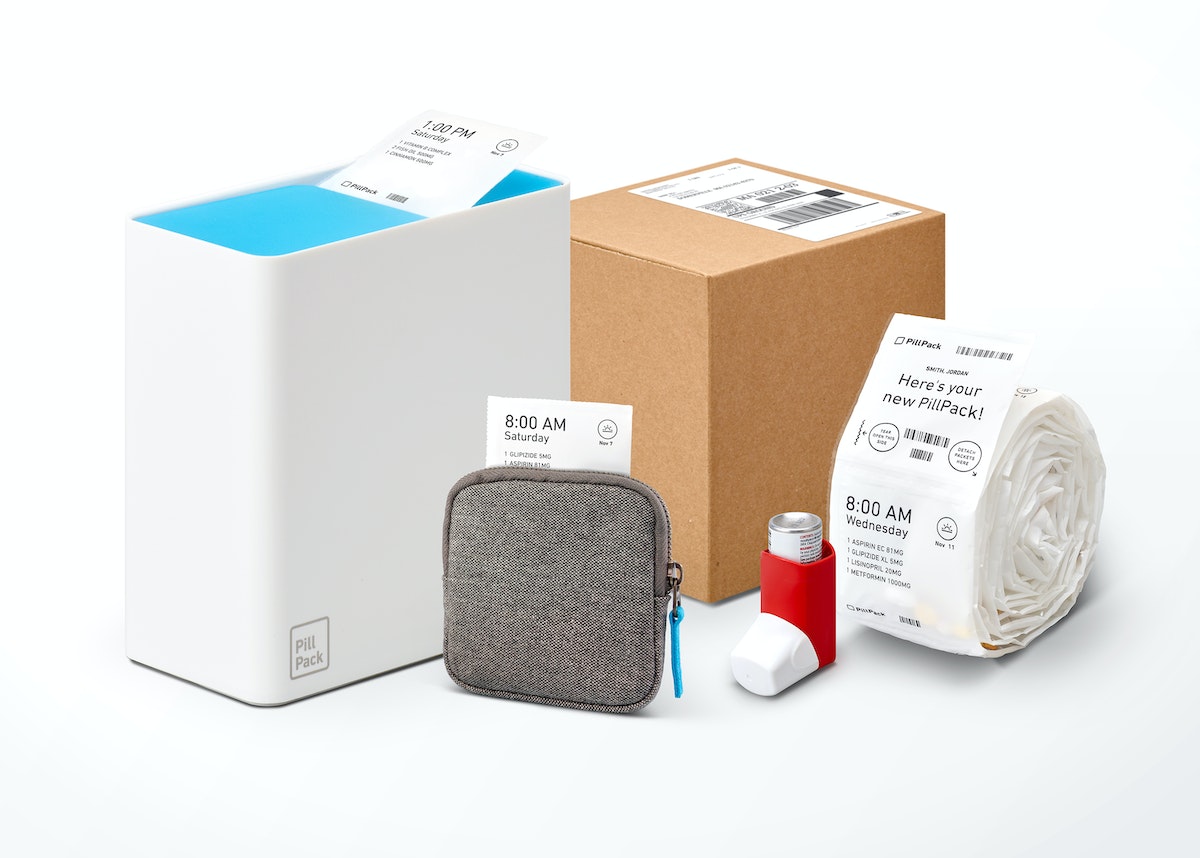
PillPack was the second startup-in-residence to work with IDEO Cambridge. Company founders Elliot Cohen and TJ Parker joined forces with the design team to redefine how consumers engage with their pharmacy. During the three-month residency, the teams focused on making sure that every customer interaction with PillPack—from signing up for the service online to using its product daily—was straightforward and reassuring.
Designers worked to refine the company’s brand vision, strategy, and identity across channels, and used this framework to completely redesign PillPack’s website, as well as a private dashboard for customers and a suite of physical products.
The result was a set of tools that reflected a true understanding of PillPack’s customers, a well-articulated product and service, and a human-centered approach. PillPack is still the only independent pharmacy in the U.S. that serves customers nationwide.
“PillPack has revealed the massive potential of combining design thinking and the drug market... This simple innovation makes life easier for seniors who can be a bit forgetful and have difficulty with bottles,” Wired wrote in an article about the company. “Younger patients with active lifestyles and chronic diseases can just pull as many packets as they need and go. All told, PillPack means you’ll never have to help your grandma sort pills into a tacky day-of-the-week organizer again.”
In June 2018, Amazon outbid other retailers to acquire PillPack for $1 billion.

The next-generation bike saddle
A revolutionary new material that's instantly broken in.
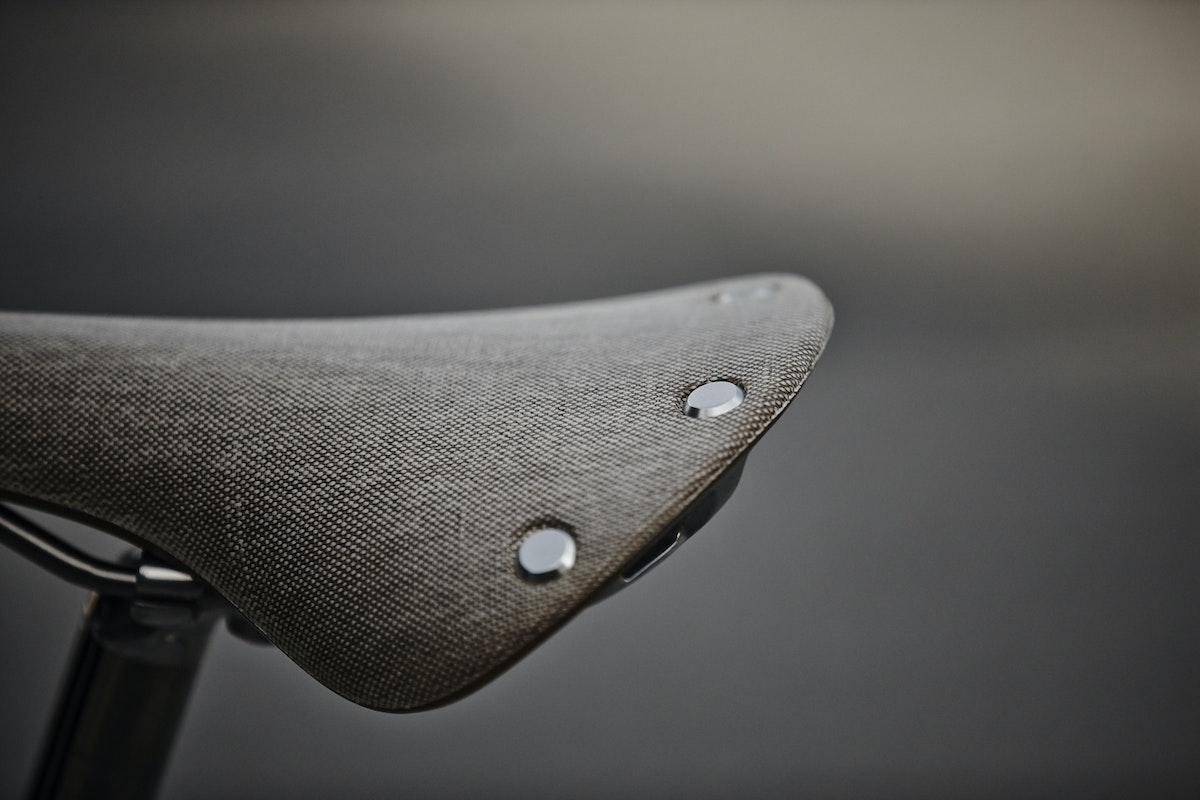
When Brooks England decided to design its first new bike saddle in decades, it was essential that the design pay respect to the company’s heritage. Known for its craftsmanship, durable products, and quirky British insistence on doing things differently, Brooks has earned fierce loyalty from cyclists. But IDEO discovered a group of riders who were more in love with the idea of a Brooks saddle than the reality of having to earn a perfect fit on leather seats for your derriere over time.
Together, Brooks and IDEO created the Cambium C17, a seat that provides the same durability as traditional Brooks leather, but offers instant comfort and weather protection with a new material made of vulcanized natural rubber with a layer of woven organic cotton fused to the top. The winner of the Eurobike Gold Award upon launch in 2013, the C17 respects the essence of Brooks while reawakening the company's inventive spirit.
The next-generation heart monitor
Using mobile devices to help track heart health.
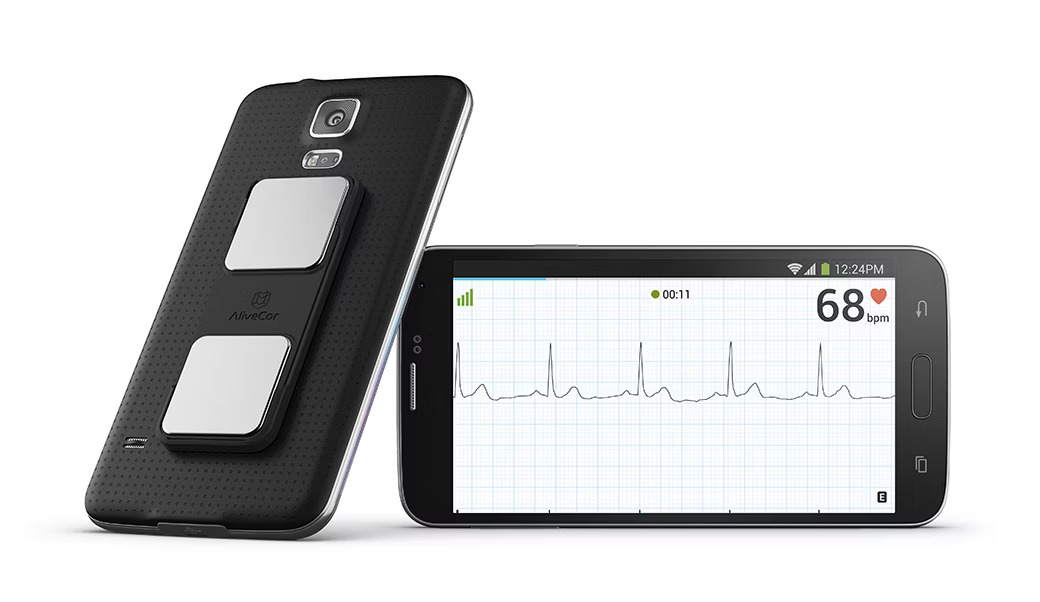
AliveCor asked IDEO to help design a monitor that fit into the user’s lifestyle and would make collecting information effortless.
The final result, the AliveCor Heart Monitor, is 50 percent thinner and 40 percent lighter than the earlier version, with all of the same medical-grade functionality. Today, patients use the monitor to record ECGs, detect AF and normal rhythms, and track a comprehensive list of symptoms, medications, and activities, putting their health and peace of mind into their own hands.
The first notebook-style computer
Turning bulky computers into businesslike laptop machines.
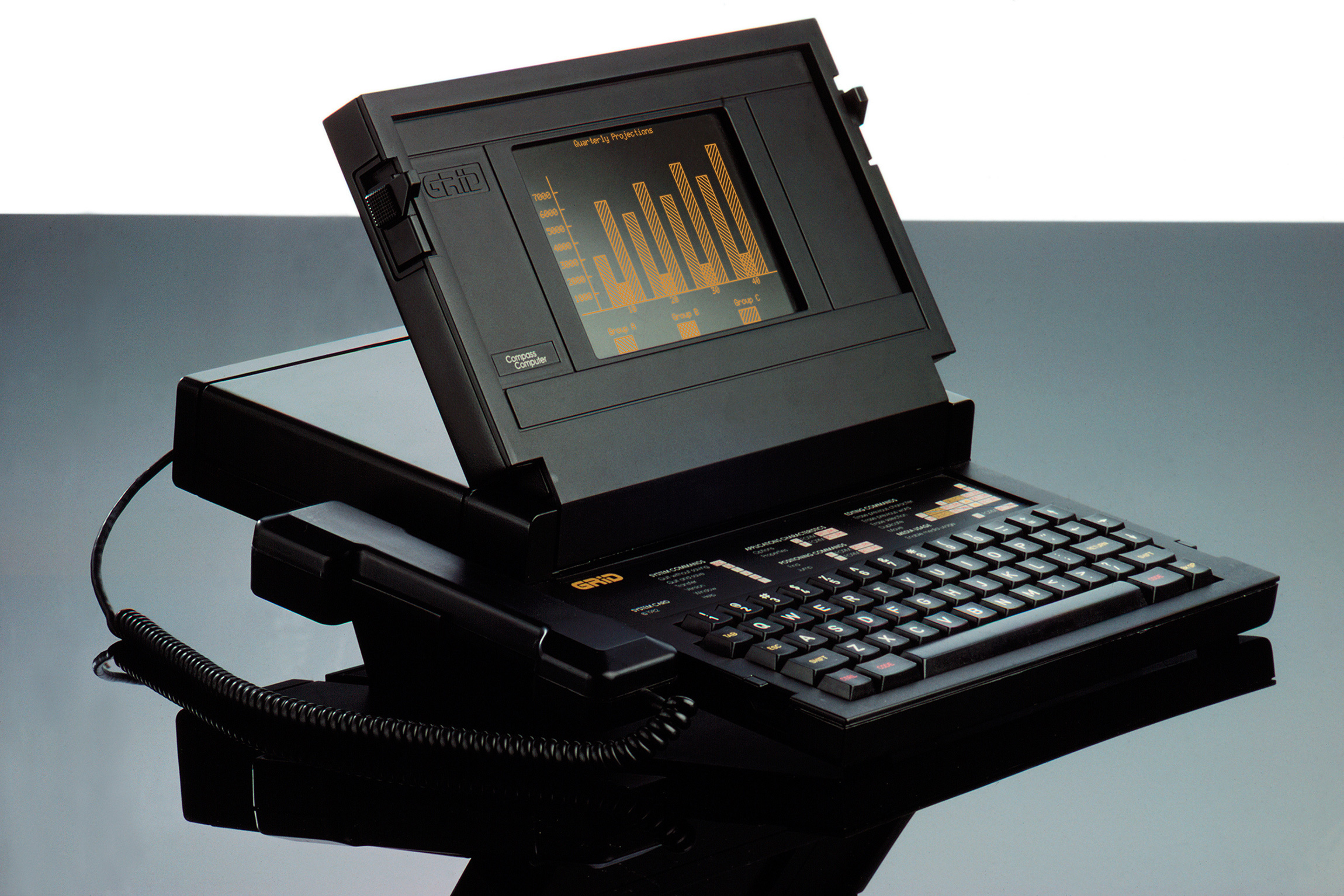
In the early 1980s, IDEO designed the first notebook-style computer for GRiD Systems, helping computers make the transition from bulky portable/transportable models to sleeker, more businesslike laptop machines.
In addition to sales revenues from the product, GRiD also received significant licensing revenues based on its ownership of the patented IDEO-designed configuration for laptops.