


Home / Design services / Case studies
Planes, supply chains, and automobiles
Vice President of Global EV Programs, Ford Motor Company
Featured work



Designing for smarter mobility
Helping Ford evolve from an automaker to a mobility provider.
Hundreds of millions of people, from excitable teens driving their first hatchback, to new parents going in for a minivan, have driven Fords off lots around the world since the first Ford Model A was produced in 1903. And cars have changed how we shop, travel, and work; they’ve reshaped our homes, towns, and the world’s infrastructure.
Today, Ford, along with the entire industry, is at an inflection point. As millions around the world move into gridlocked, polluted cities, the allure of owning a shiny new car has dulled. In some places, young people are driving less, and getting their licenses later or not at all. Lightening their load, city dwellers are relying on ride-sharing services and other alternatives to individual ownership.
Technology underpins that shift from ownership to usership. Smartphones, sensors, and open data have enabled new ways of getting from point A to B: from car-sharing services like Zipcar to taxi services like Uber or clever transport apps like Citymapper that help people skip effortlessly between the bus, a shared bike scheme, and renting a car.
While the owner of the very first commercially available Model A—Chicagoan dentist, Ernest Pfennig—couldn’t see more than a century ago how cars would change the world, Ford is squinting into its future by prototyping it now. Building on a longstanding relationship with IDEO, the carmaker approached us, along with a number of other partners, to undertake two of 25 experiments exploring a car company’s place in the changing world of mobility.
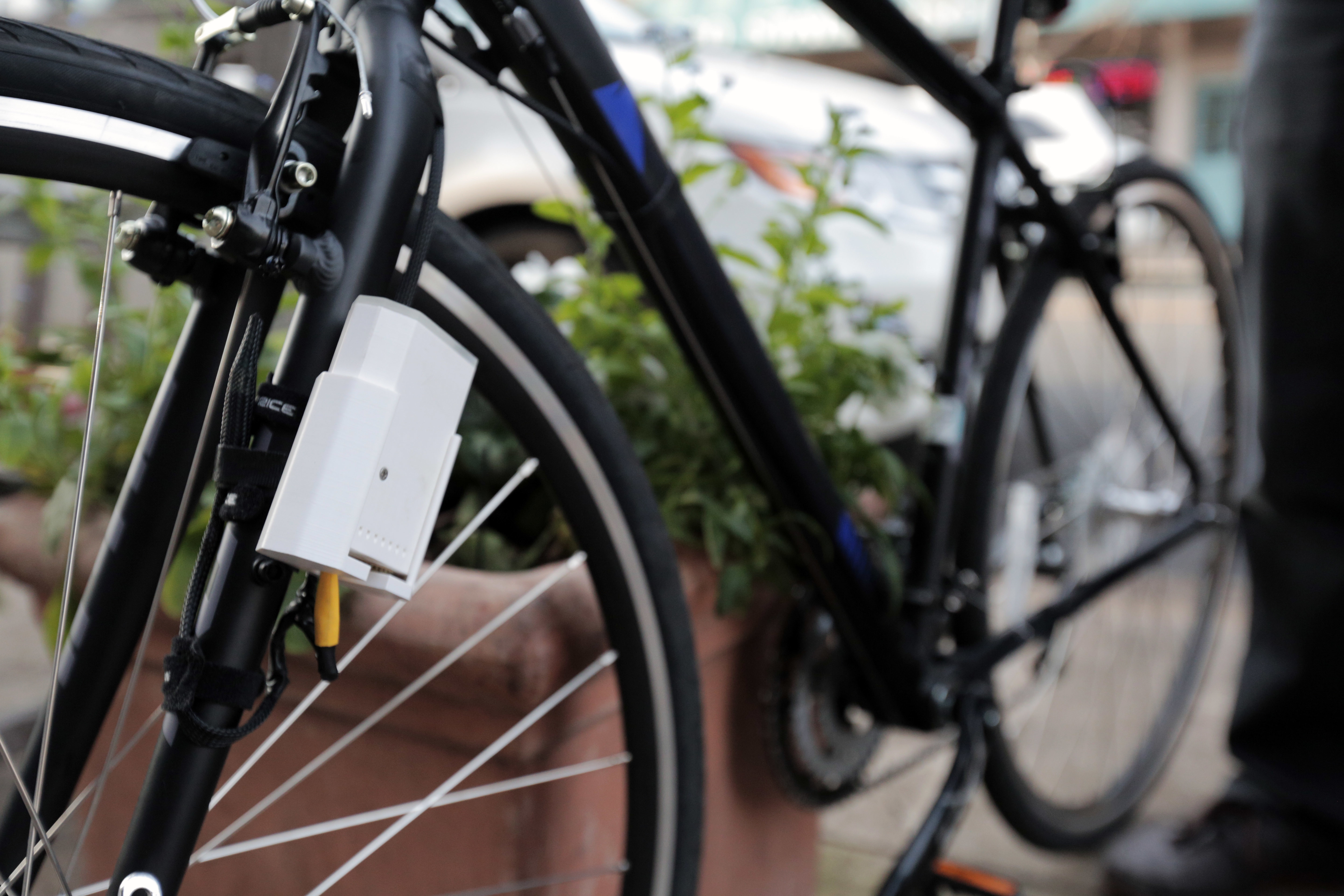
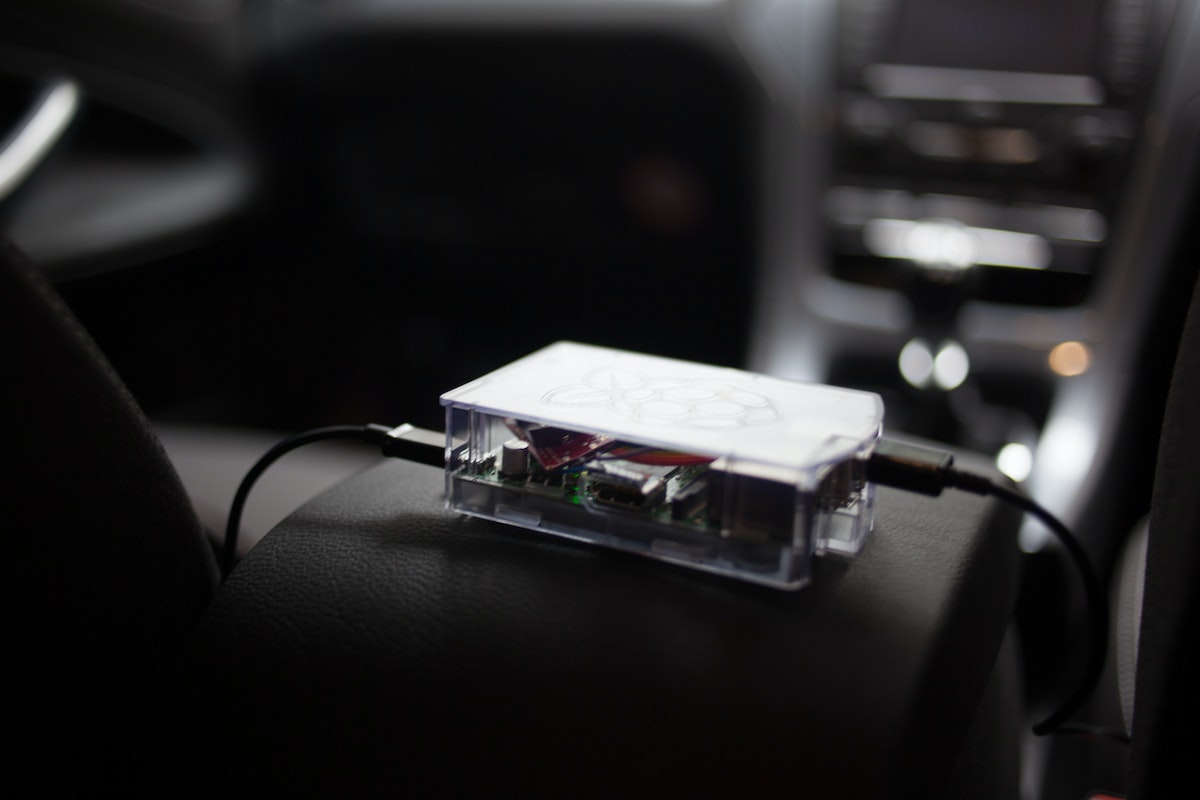
The first, Data-Driven Insurance, investigates a new pay-as-you-go insurance offer based on people’s driving behavior, as measured by a small adapter plugged into the car. The second, Infocycle, plots a snapshot of how bikes traverse the city and interact with cars and public transport by using Ford’s open source API, Open XC, to track cyclists around San Francisco.
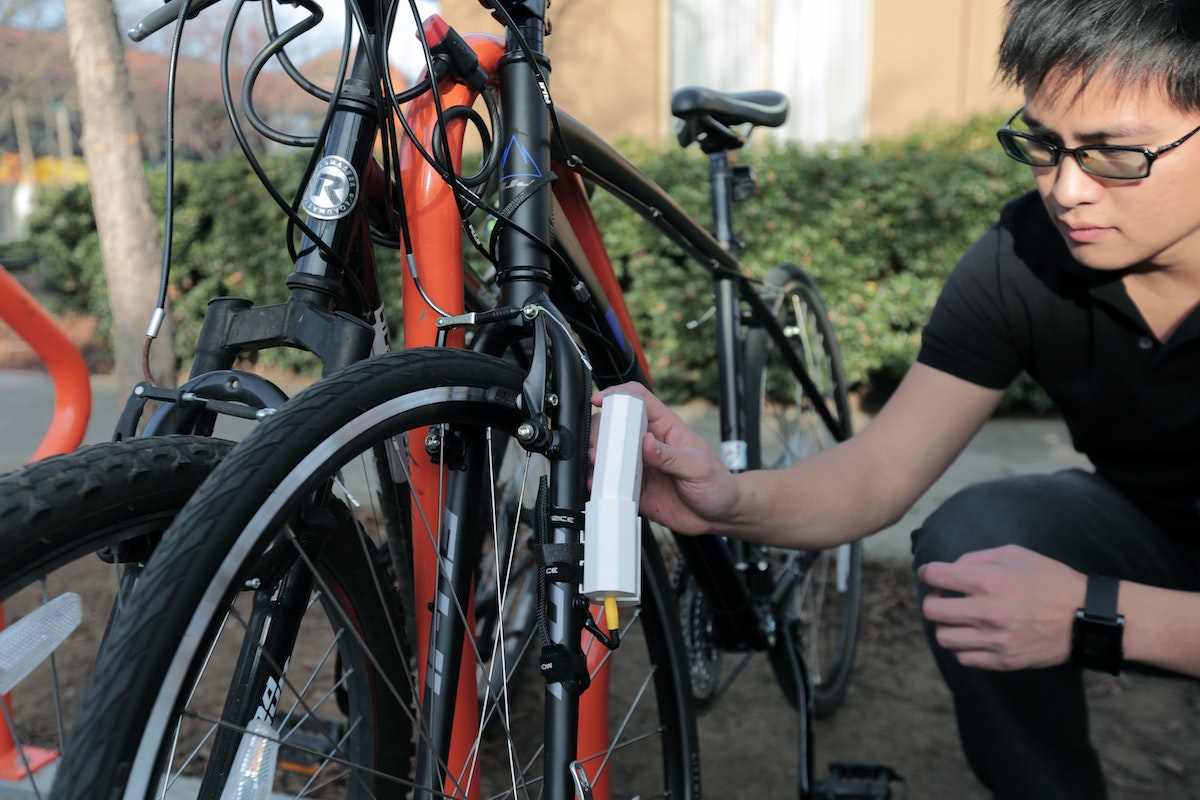
Tackling the tangled ecosystems of bike sharing, private cars, and open city data proved an international effort. The two projects brought together a multidisciplinary team of researchers, hardware and software developers, data scientists, and interaction, industrial, and business designers from IDEO’s San Francisco, Palo Alto, Chicago, and London studios.
Have we cracked the future of mobility? Probably not. And that’s okay, says Fields. Smart mobility is simply part of Ford’s journey of evolution. Along with global competitions, collaborations with universities, and opening up their hardware and software platform Open XC, these experiments help Ford meet the needs of a fast-changing mobile world. “As we drive innovation in every part of our business,” Fields said, “we are determined to learn, to take risks, to challenge custom and question tradition, and to change our business going forward.”
More information on Ford’s Smart Mobility projects can be found here.
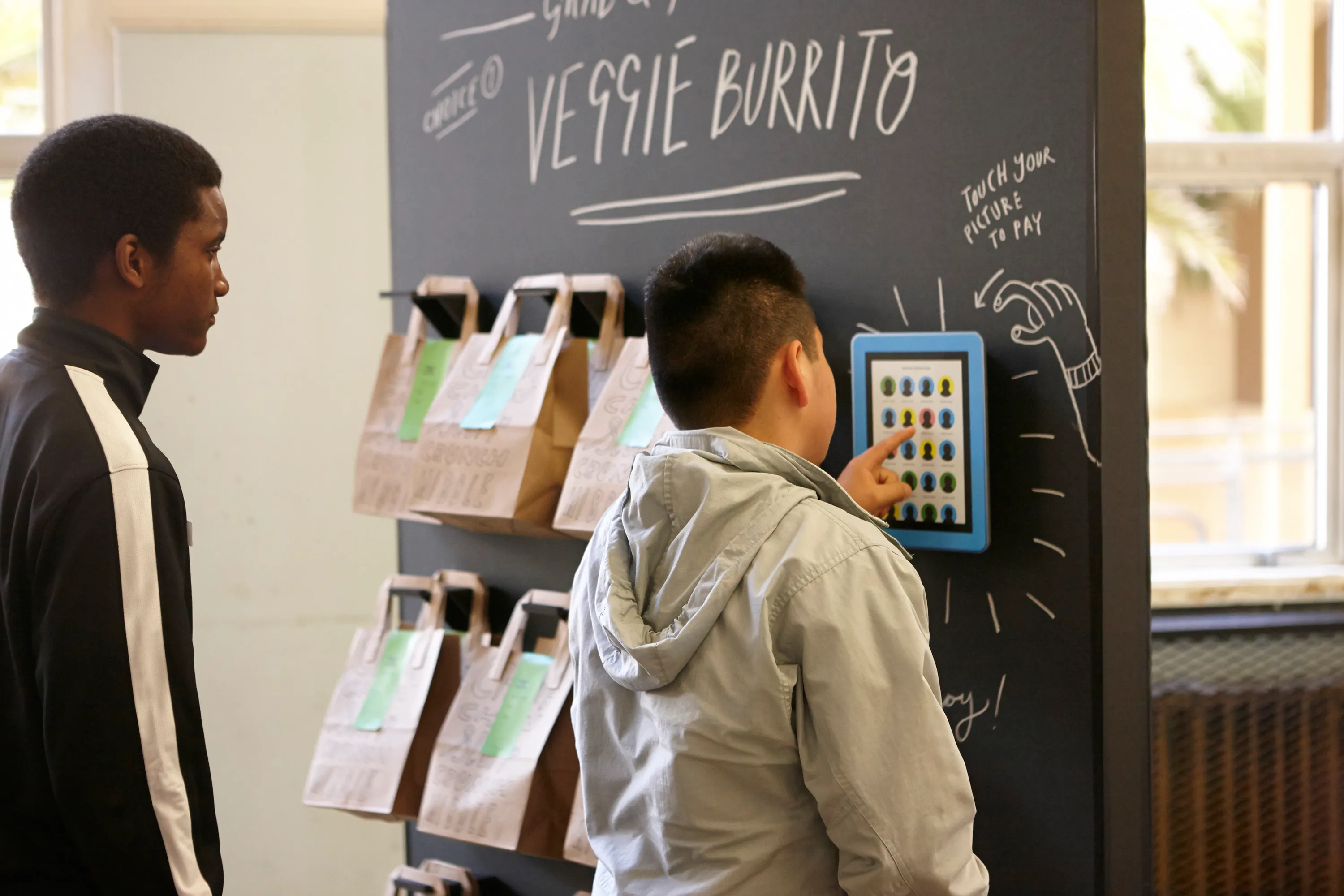
A student-centered cafeteria experience
Reimagining the food system in a large district.
To bring students healthy food at school, San Francisco Unified School District had already hired Revolution Foods, a caterer that serves some of the highest-nutrition meals in the nation. But when the lunch bell rang, 72 percent of those who could afford lunch weren’t showing up; students didn’t want to wait in the long lines or rush to finish, so they headed off-campus to eat.
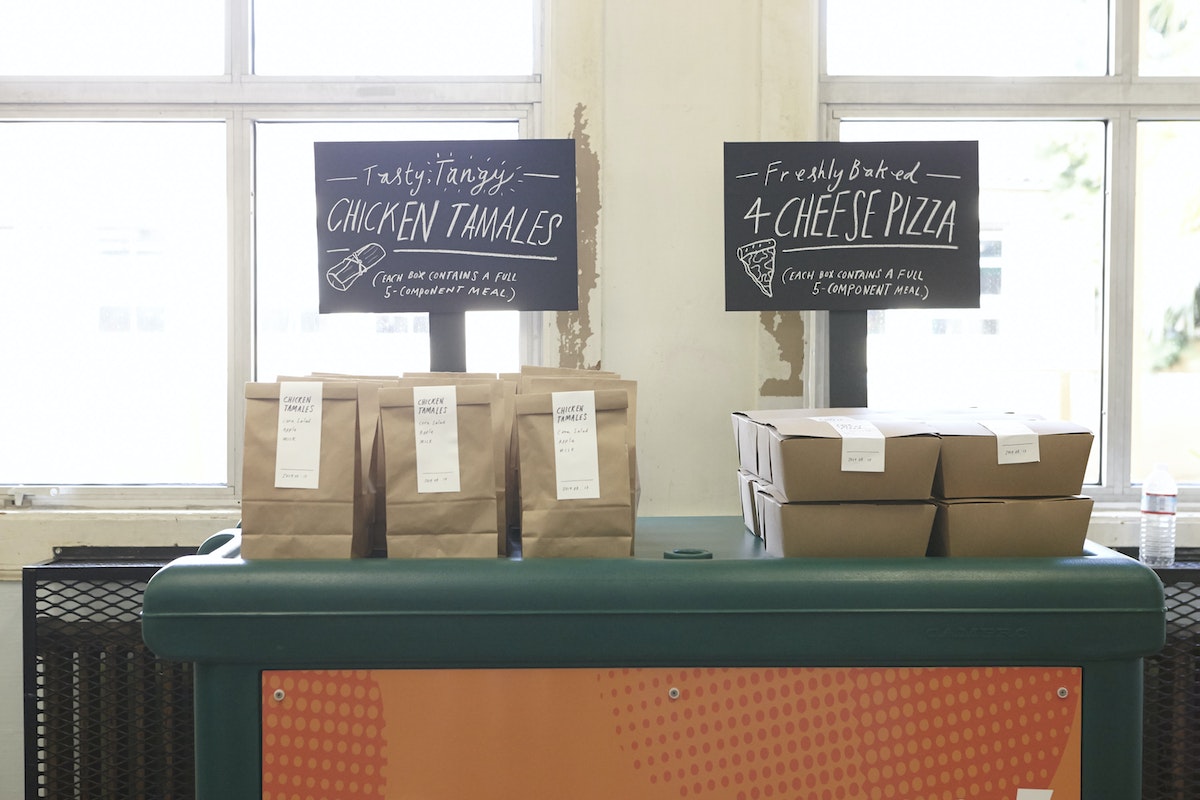
Working alongside more than 1,300 students, parents, union leaders, nutrition staff, board commissioners, principals, teachers, and community groups, IDEO and SFUSD redesigned school lunch. Together, they developed recommendations for three age-appropriate dining experiences, from communal eating to student-designed spaces to new technology platforms, and worked to develop a robust business model.
In September 2013, the San Francisco Unified School Board expressed unanimous enthusiasm for IDEO’s work, clearing the path for this new vision of student-centered lunch to take root.
You can learn more about the cafeteria, and hear firsthand from the students, in this immersive, interactive story.
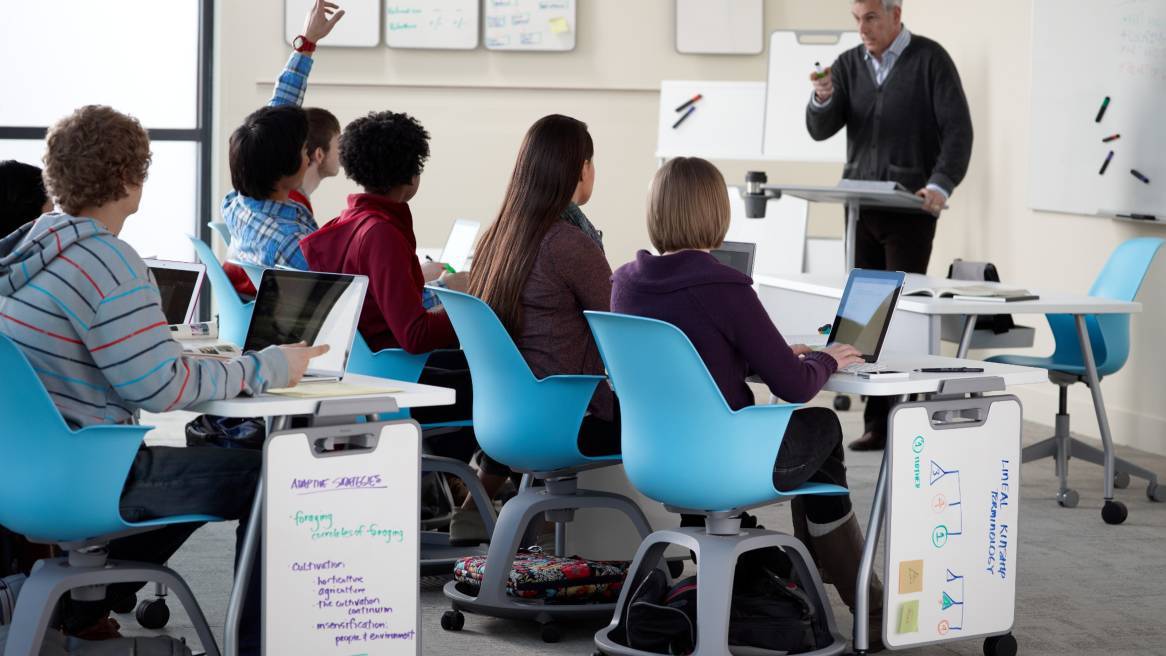
Redesigning where we work and learn
An evolving relationship between Steelcase and IDEO that positions the company as a leader in shaping our work environment.
Steelcase and IDEO have been collaborating for more than 25 years. The relationship has influenced furniture design across a range of environments, from work spaces to hospitals to schools, and has resulted in numerous design awards for iconic pieces like the Node Chair for classrooms and the innovative modern office chair Leap WorkLounge.
At the heart of the relationship lie trust and a spirit of collaboration, said IDEO founder David Kelley, allowing the space for innovation. “It has to be the collaboration between our inherent innovation capabilities and their extraordinary internal knowledge about the market and what they do best,” Kelley said. The way IDEO began working with Steelcase decades ago has influenced the way they continue to work today, involved in all areas of the business, from design and engineering to strategy and marketing.
The first collaboration in 1989 was for a new Steelcase division called Details, and featured desktop products to go along with its already successful line of office furniture. From the beginning, IDEO founder David Kelley and a group of designers were involved in helping Steelcase with decision-making on every level of the new division, from product strategy to hiring and everything in between. The particular blend of strategy, design, and engineering used to help Details become successful actually became the prototype project for the future IDEO, and is the blueprint for how IDEO works today.
What followed were a series of projects in which Steelcase and IDEO explored moving away from the traditional office cubicle toward furniture that was more architectural and open. More than 10 years ago, Steelcase noticed that the way people worked was changing from static work in offices to more fluid environments that were technology-enabled with laptops and mobile phones. This insight led to two collaborations, Room Wizard and media:scape, design efforts that captured this changing landscape by extending intelligent work to be supported by digital products, not just physical ones.
Jim Hackett, former CEO of Steelcase, said that an early brainstorming exercise in IDEO’s Palo Alto studio made him realize the power of a human-centered design approach. “They asked me to come to Palo Alto for a brainstorming exercise, so I went through the literal exercise that IDEO was having clients do at the time,” Hackett said. “As I was cutting foam core on the floor of one of the studios, I was thinking: I would never work the same way again after doing this. Not just designers should work like this, but anybody who is a knowledge worker should work like this.”
The collaboration’s many successes had a profound impact on Steelcase, and on Hackett personally: “I’m so humbled, I can’t even express it. I can’t tell you how many waves of joy come over me when I’m at IDEO. It’s just an extraordinary part of my life.”
Over the years, the two companies have been in nearly daily communication, a practice that has informed the work of both. While Hackett brought Steelcase’s perspective of corporate boardrooms and running a global company, Kelley and IDEO were working in the most innovative place in the world, saturated in design. Both companies agree that neither would be the same today without the experience gleaned from the other.
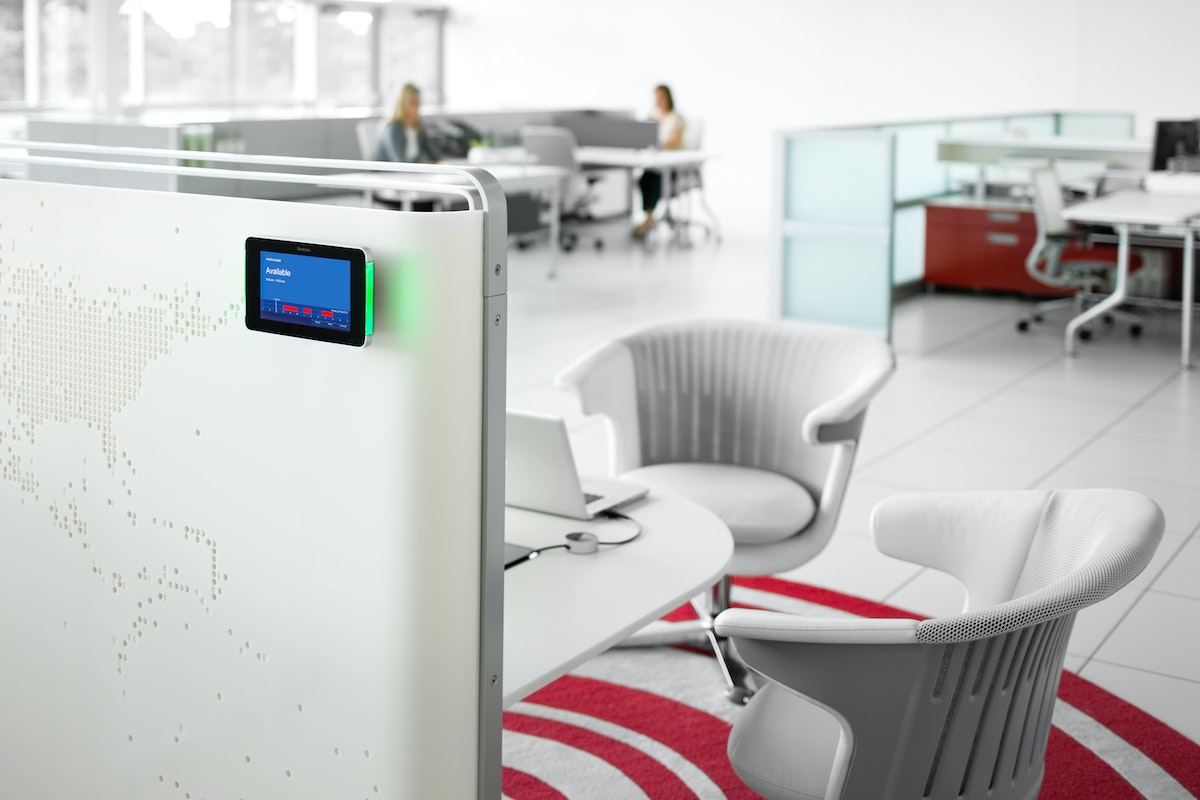
Some of the projects include:
RoomWizard
Aiming to connect the convenience of digital technology to physical spaces, the teams designed RoomWizard, a web-accessible touch-screen display that provides the real-time status of shared meeting rooms, simplifying the process of reserving and managing those spaces.
Leap WorkLounge and Ottoman
Building on their earlier work on the Leap Chair, the teams created a work chair with the comfort and style of a classic club chair, a luxury Leap Chair that takes work away from the desk.
i2i Chair
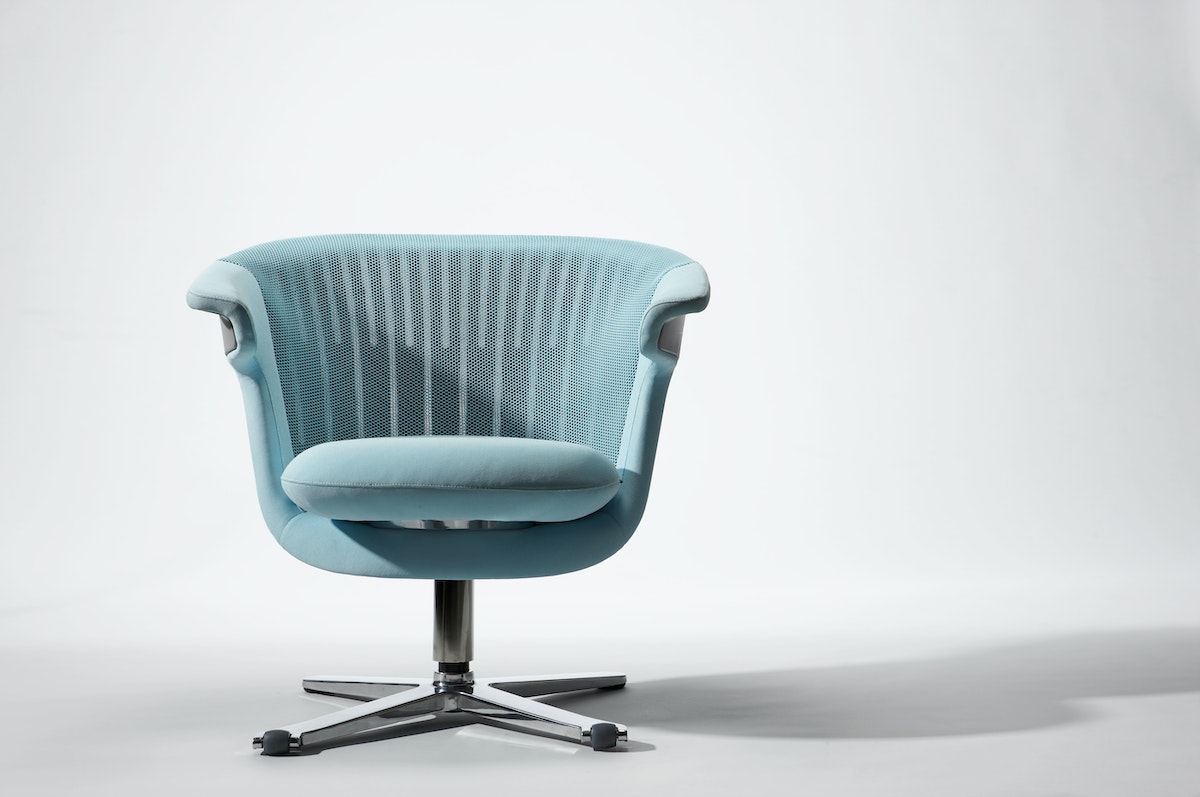
In researching the needs of a growing number of collaborative settings, Steelcase identified an opportunity to combine task and lounge seating. Named for the collaboration it enables, the i2i chair supports a variety of postures, including sideways, reclining, perching, and leaning. Winner of the Spark Gold Award, 2010, and the IDEA Silver Award, 2009.
Amia Chair
Steelcase and IDEO designed a task chair with modern ergonomic capabilities that accommodated a wide range of body types at a lower price point. Winner of the IDEA Bronze Award from IDSA and BusinessWeek, 2009.
media:scape
Steelcase asked IDEO to help evaluate and design a “walk up and connect” experience that merged furniture and technology to help teams access and share information. Designed to look light, open, and inviting, media:scape used a pedestal table with cleverly embedded hardware and interactive technology to foster group work. Winner of the IDEA Bronze award for Office & Productivity, 2011.
Node Chair
IDEO collaborated with Steelcase to design a platform for improving the classroom experience. The final product, dubbed the Node chair, has received praise for promoting student collaboration, allowing educators to reconfigure classrooms to fit different teaching styles, and enabling institutions to save money by making spaces more flexible and accommodating for varied uses. Winner of five design awards.
Watch: A love letter to Node.

Planned Parenthood's new way forward
Designing innovative, patient-centered experiences for a healthcare pioneer.
A great healthcare experience shouldn’t be a luxury. It should be available to everyone, regardless of who they are, where they live, or what they need.
Planned Parenthood health centers have opened their doors to every woman and man for 100 years with this core conviction, offering services ranging from pap tests, cancer screenings, and breast exams to contraception, treatment for sexually transmitted infections, counseling, and education.
As the healthcare landscape continues to shift, Planned Parenthood is evolving to lead the progress. For the past year, the organization worked side by side with IDEO to rethink and prototype a patient and employee experience that elevates individuals and their health and well-being.
Together, the teams designed a number of patient and employee interactions and corresponding prototypes that address different patient needs: education, personalization, connection, and support for any decision.
Concepts in Development
These concepts are being rolled out across health centers around the country:
Welcoming Waiting Areas
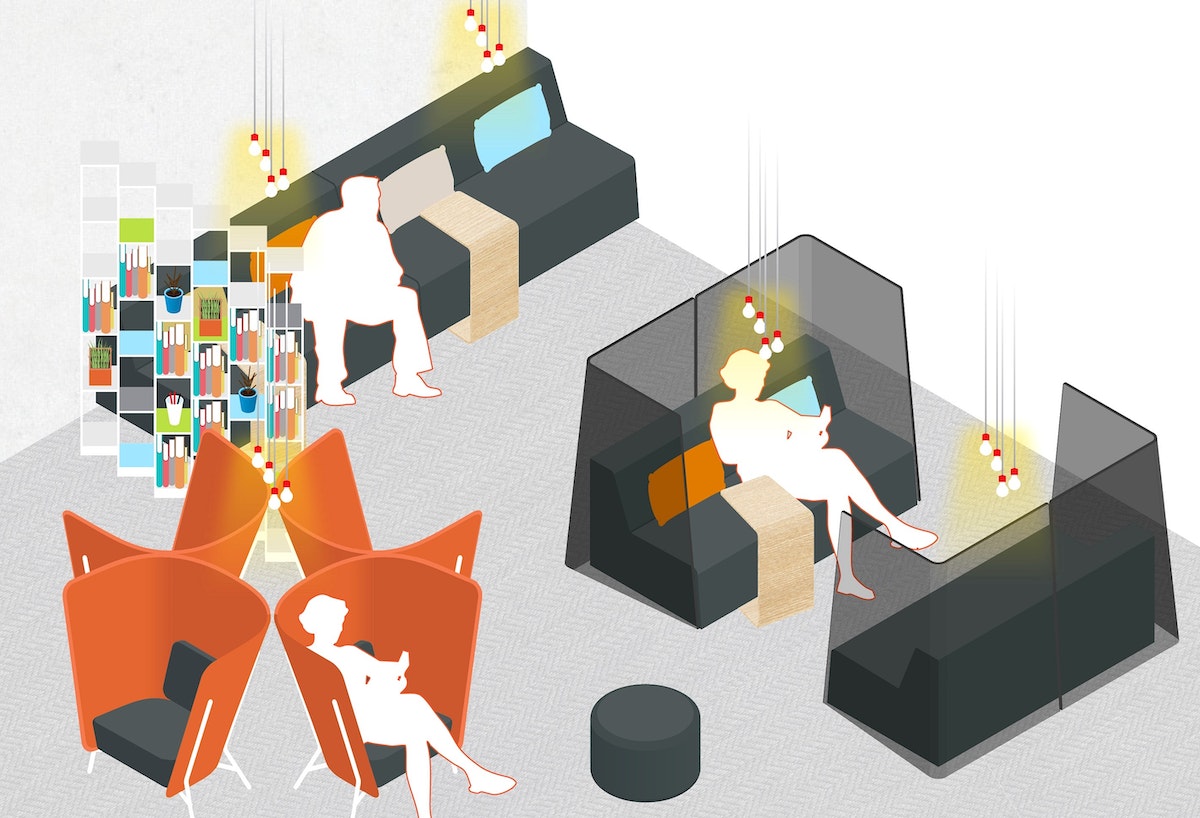
To help set the right tone for patients from the time they enter the door, the teams designed waiting rooms that offer different types of environments for different needs. The Hub is an area that transforms the passive waiting room experience to a greeting area that’s staffed by knowledgeable guides who help orient patients, and quiet nesting spaces for reflection and privacy. Patients can spend time with friends and family in a social, kid-friendly common area, and those who want to get involved to support Planned Parenthood’s mission can learn about health and advocacy information. This modular design toolkit can adapt to the individual buildings, budgets, and community needs of any existing Planned Parenthood health center.
Restorative Recovery Rooms
For women who are recovering from surgical procedures, small thoughtful details have a magnified positive impact. Redesigned recovery rooms have been separated into semi-private spaces, accommodating loved ones who want to join patients after a procedure. Soothing colors and soft, warm fabrics create a comforting environment, and service gestures including cards with words of support and encouragement from staff reinforce Planned Parenthood’s promise. A take-home kit provides clear information about what to expect during recovery and recommendations for follow-up care.
Unifying Employees
Because the heart of Planned Parenthood is its dedicated employees, we developed and launched an engagement and training program that provides staff with the tools and support they need to do their best work. In This Together, an employee engagement training, prepares staff to work with a vastly diverse community, reduce stigma around health choices, and empower patients to take control of their care. It’s based on a clearly defined set of workplace values and service standards, common goals that help employees across the global organization work together to provide top-notch experiences at every location.
Vision for the Future
These concepts are in varying stages of development, with plans to launch coming soon.
Patient-Physician Tool and Educational App
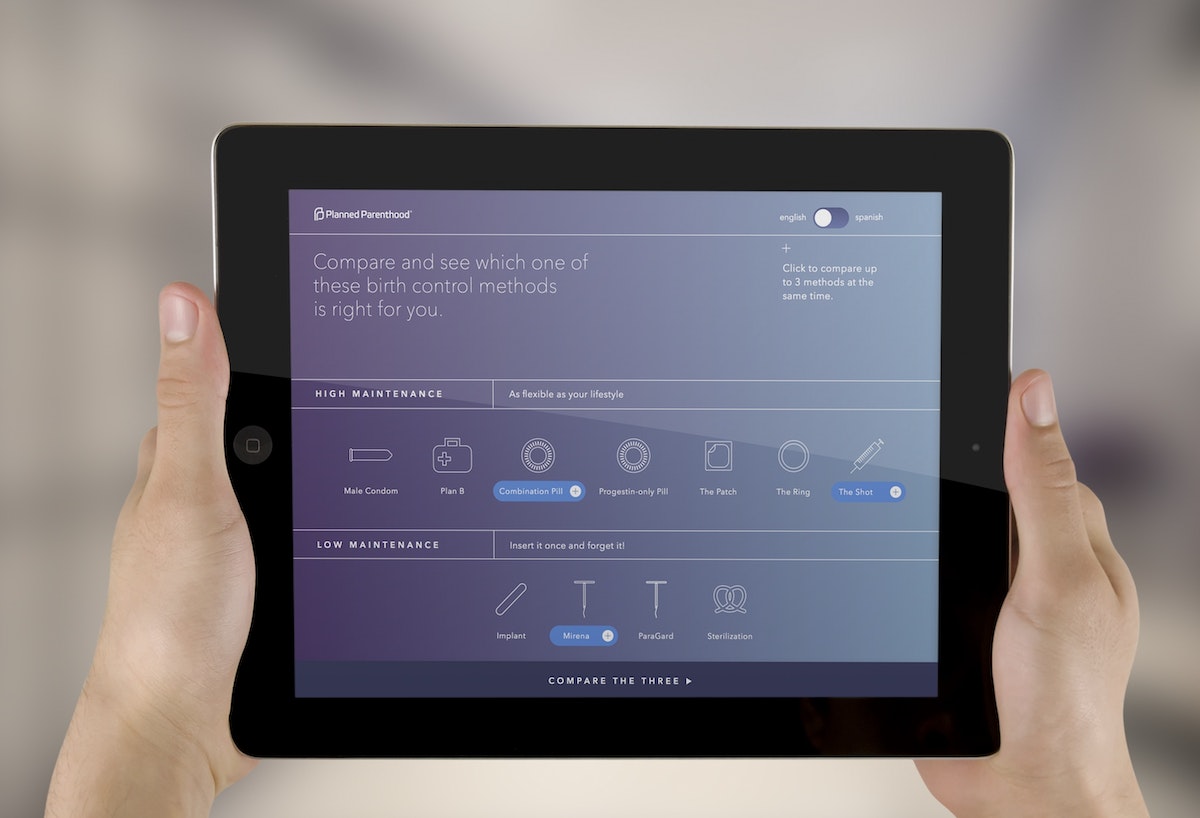
Visit Companion is a prototype for a suite of digital tools that help patients learn about their reproductive health choices and create personalized plans with their clinicians. While they wait, or anytime before a visit, patients can learn the answers to common questions related to their appointment and see side-by-side comparisons of their care options. The app uses familiar language and symbols to describe symptoms and side effects, and it provides a record of what was discussed during the visit as well as reminders for follow-up appointments.
Simplified Medical Forms
For the 2 million-plus patients who visit Planned Parenthood health centers, there’s an opportunity to make appointments more convenient and straightforward. Currently in prototyping stages, Friendly Forms is an easy-to-understand, interactive digital questionnaire written in simple, conversational language that was designed by replicating how Planned Parenthood clinicians speak to their patients. The forms adapt as patients answer questions, giving only the prompts that are relevant. Patients will be able to complete Friendly Forms any time before their appointment, so it’s easier to complete the forms accurately.
Holistic Women’s Health Care
Women who rely on Planned Parenthood for their sexual and reproductive healthcare can benefit from having trusted clinicians guide their care throughout their lifetime. Through the Well Woman Plus program, Planned Parenthood will connect women to trusted providers for care beyond physical exams and birth control consultation. Clinicians will use interactive digital and physical tools to map out lifelong health care milestones and help patients think proactively about their future, from family planning to preventive screenings.
To learn more, go to PlannedParenthoodExperience.org.
Find out more about Planned Parenthood's approach to creativity in this Q&A with executive vice president and chief brand officer Dawn Laguens.
Launching an innovation lab to benefit Peruvians
Catalyzing rapid growth and transformation within a broad portfolio of businesses, including retail ventures, healthcare services, insurance, and banking.
La Victoria Lab (LVL) is a group of designers, anthropologists, architects, and entrepreneurs working on improving the lives of the Peruvian middle class. Founded in 2014, LVL is the Innovation Lab of Intercorp, an economic group of 35 companies spanning banks, malls, cinemas, schools, health care clinics, and more. Intercorp was founded by Carlos Rodríguez-Pastor, one of Peru’s most successful entrepreneurs, employs more than 90,000 people, and accounts for almost 4 percent of the country’s gross domestic product.
Peru is one of South America’s fastest growing economies, with a healthy 6 percent year-on-year growth from 2007 to 2017, on average. That rising economic tide, along with government policy, has created extraordinary social mobility: Between 2005 and 2017, the share of poverty fell from 55% to 22%, of a population of 32 million.
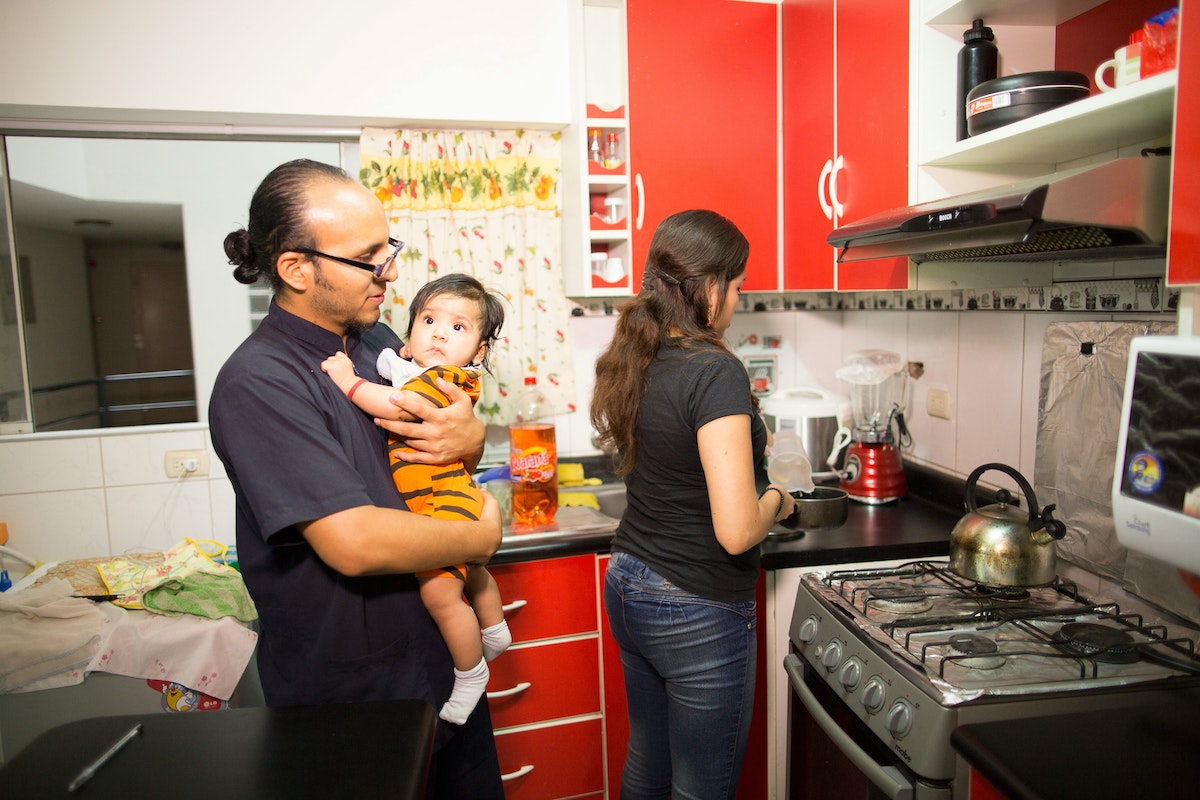
Know The Customer
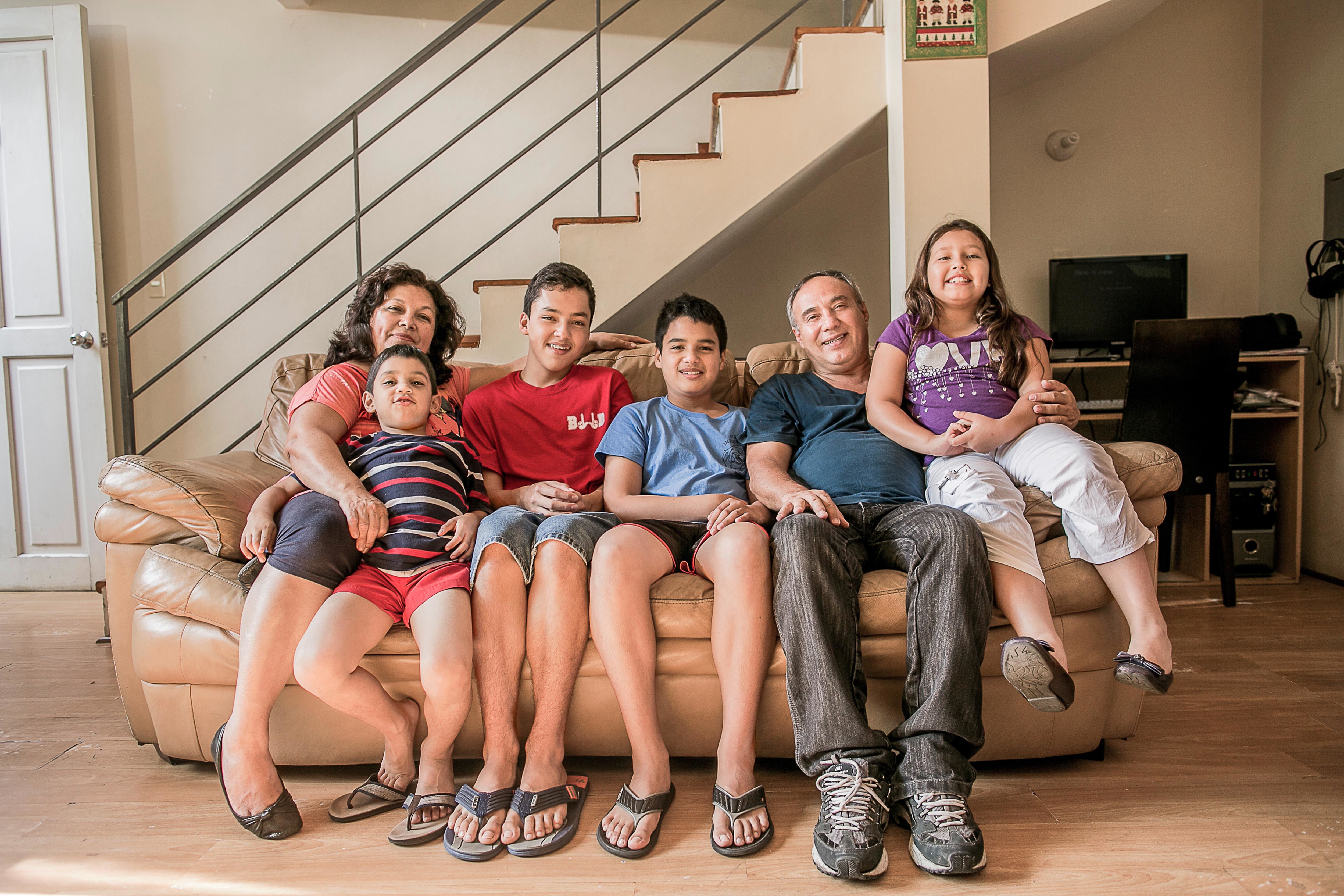
As Peruvians’ lives have improved, the new middle class's needs and aspirations have changed: They’re entrepreneurial, expect great services, and want the best for their children. That challenge and opportunity led Rodríguez-Pastor to enlist IDEO to bring our empathic approach to the construction of Innova Schools, a new school system, and to redesign Interbank's customer experience"
Success in these two projects bred ambition. Intercorp, Rodríguez-Pastor realized, needed to build two capabilities: a deep, bedrock understanding of the new middle class, and an innovation capability with which his companies could create new products, services, and experiences. “I want a little IDEO,” Rodriguez-Pastor said, and the germ of LVL took root.
A Lab Takes Shape
In early 2014, as contractors broke ground on the Lab, its founders set about hiring an eclectic team from across the globe and undertook their first project: to deeply understand the needs, desires, hopes, and dreams of the emerging middle class.
Three months of ethnographic research was followed by three months of bringing their insights to life. LVL’s team surrounded themselves with mementos of people’s lives: toys, products, ads, as well as video interviews with families, to help Intercorp’s executives literally step into the lives of their prospective customers.

Solutions and Skills
Powered by those insights, La Victoria Lab has brought human-centered problem-solving to a variety of Intercorp’s companies, including new retail ventures, and improving the cinema-going and banking experience.
In 2015, the Lab began scaling its efforts to build innovation capabilities across all of the portfolio companies by using IDEO’s innovation readiness assessment, Creative Difference. Each company received a report of their strengths and improvement areas, and as a result, LVL facilitated workshops and community groups focused on building essential capabilities.
"Creative Difference is the first tool that has allowed my team and the organization to have a precise picture of where we are in the spectrum of doing truly innovative work. Now, we can identify our strengths and areas of improvement, we can develop work plans and actions based on data, and can start to really dig deep into innovation,” says Aurelia Alvarado, Director of Innovation, Innova Schools.
La Victoria Lab’s experiments are catalyzed by Intercorp’s scale, reach, and national ambition. Innova Schools, for example, is now Peru’s biggest private school network (read more about Innova here). And Interbank’s new retail experience rolled out to more than 180 branches nationally.
As LVL matures, its focus is changing, says Hernan Carranza, Chief Innovation Officer, Intercorp. “There's a transition taking place at La Victoria Lab, from a studio undertaking typical design projects, to a platform for impact-led journeys that start at pipeline discovery, defining key performance indicators, all the way to implementation and stewardship."
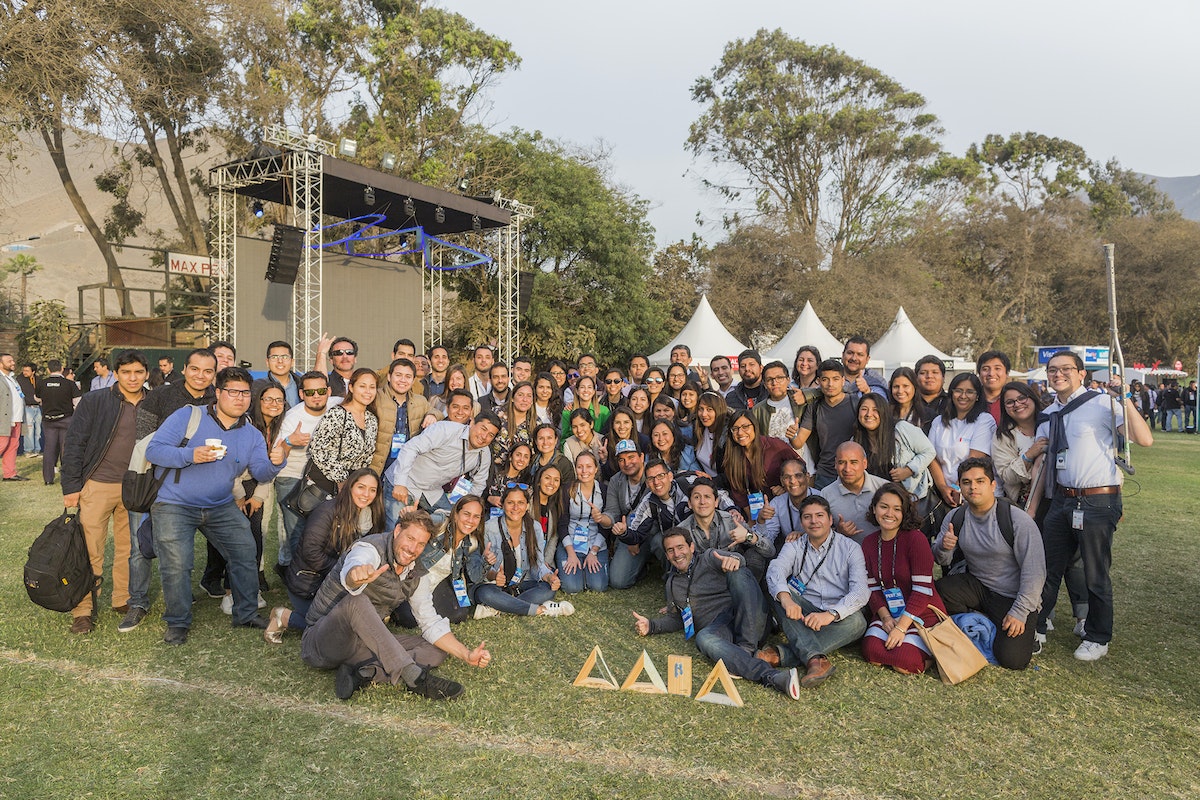
Just as important as the projects it delivers is the wider intent of LVL. The aim is for IDEO’s role within La Victoria Lab to wane, as Intercorp’s waxes, and the company’s internal Innovation capability and culture strengthen. LVL’s ventures range from mindset-changing initiatives, such as curating Peru's largest innovation festival, to deeply transformative endeavors targeted at reinventing the core value propositions of Intercorp's insurance, drugstores, and medical services. It envisions massive cross-organizational transformation.
“Innovation,” said Rodríguez-Pastor, “is too important to be outsourced.”
Keep up to date with the latest projects from La Victoria Lab: lavictoria.pe
"For the latest developments on our work with Intercorp, head to "The Possibilities Business: An Oral History of Organization Transformation"
A design partnership that changed electronics
An influential and award-winning long-term collaboration between Samsung and IDEO.
Since the early 1990s, Samsung and IDEO have shared a history of influential and award-winning collaboration. Together, the two companies have worked on more than 50 projects, the offerings created by this partnership spanning a broad spectrum, from a series of conceptual multimedia devices to industry-changing monitors, TVs, laptops, mobile phones and interfaces, computer peripherals, and mobile platform strategies. But beyond the design of products brought to their global market, the Samsung/IDEO partnership used the human-centered design approach to produce the innovation that ended up transforming the electronics giant’s entire business.
After years of being an industry fast-follower, Samsung approached IDEO with the idea of an immersive cultural exchange. Samsung designers, marketers, and strategists came to Palo Alto and set up a studio near IDEO to learn everything they could from the US consumer market and IDEO’s design approach. Together, the teams began to design groundbreaking electronics products, while using design thinking to look at the entire business through a new lens. By putting users at the center of the process, and beginning to understand their needs and emerging behaviors, Samsung found it could not only satisfy existing customers, but also begin to anticipate market shifts. This tipping point led Samsung to evolve into a market leader.
Samsung and IDEO created a design powerhouse, following a journey from designing products to services to experiences, interactions, and innovation that moved Samsung away from consumer electronics toward an even bigger market of back-end services and interactive and systems-based services.
Culturally, the partnership with IDEO has helped Samsung adopt new ways to integrate internal teams, a human-centered design approach and iterative prototyping, and the methodologies to merge technology and design to create a leading-edge consumer line and brand. As evidence of Samsung’s rise to being one of the world’s largest design-driven companies, the company has more than doubled its internal design teams since 2000, according to the article “Samsung Design” in BusinessWeek Online.
Some of the projects include:
LCD Computer monitors
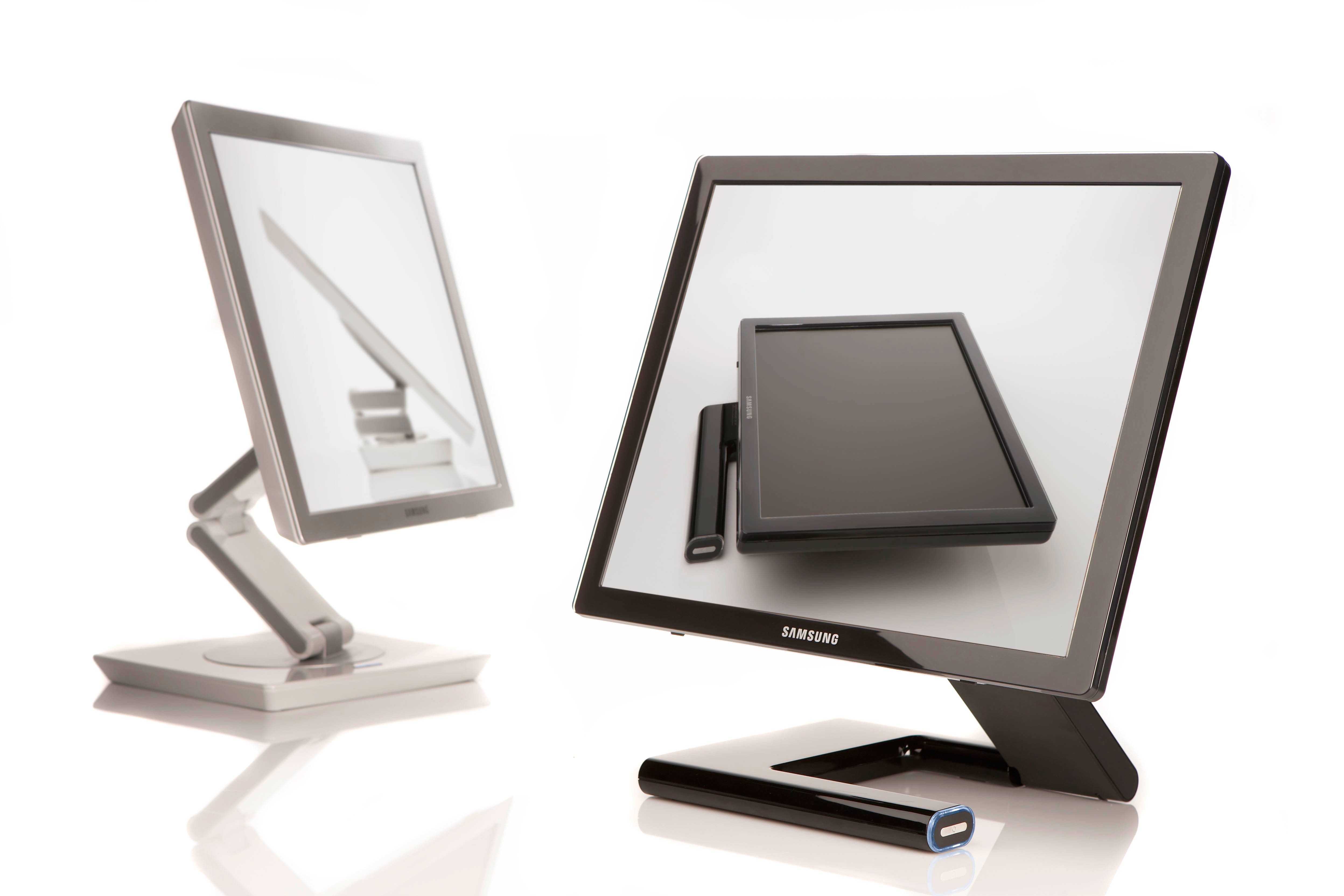
Samsung and IDEO created the industry-standard 970P and 971P monitors, featuring clean surfaces, contrasting textures, and a simple design for a premium look and feel. Designed with IDEO founder Mike Nuttall, they won both the 2009 iF Award and a 2007 IDEA Gold award.
Brand awareness for Samsung Memory
Wanting to raise awareness about Samsung Memory’s products that enhance the performance of electronic devices, IDEO and Samsung designed a humorous campaign that highlighted consumers’ need for Samsung Memory.
SimpleMedia and TotalMedia home entertainment concepts
IDEO and Samsung designed two concepts: SimpleMedia combined a computer, television, DVD, fax, and telephone; TotalMedia featured an adjustable screen and LCD projector combination. Although neither was ever produced, they were honored with design awards from ID Magazine and BusinessWeek, respectively.
SyncMaster 400TFT Flat Panel Display
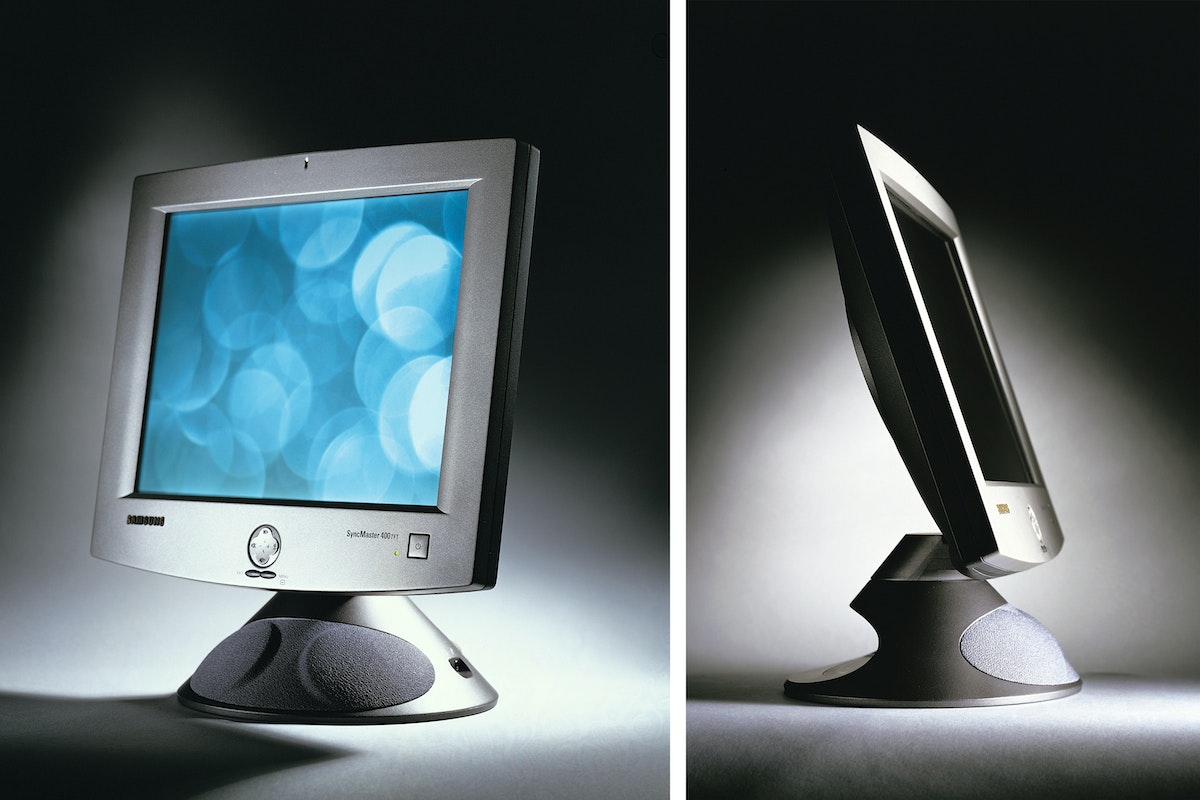
Samsung and IDEO designed the SyncMaster LCD flatscreen multimedia monitor to be thin and elegant, and it garnered several design awards in Korea, Germany, and the U.S. The British magazine T3 called it “the sexiest monitor we’ve ever seen.”
Designing a brand to scale big
A small, handmade line of granola lands on tables across the country.
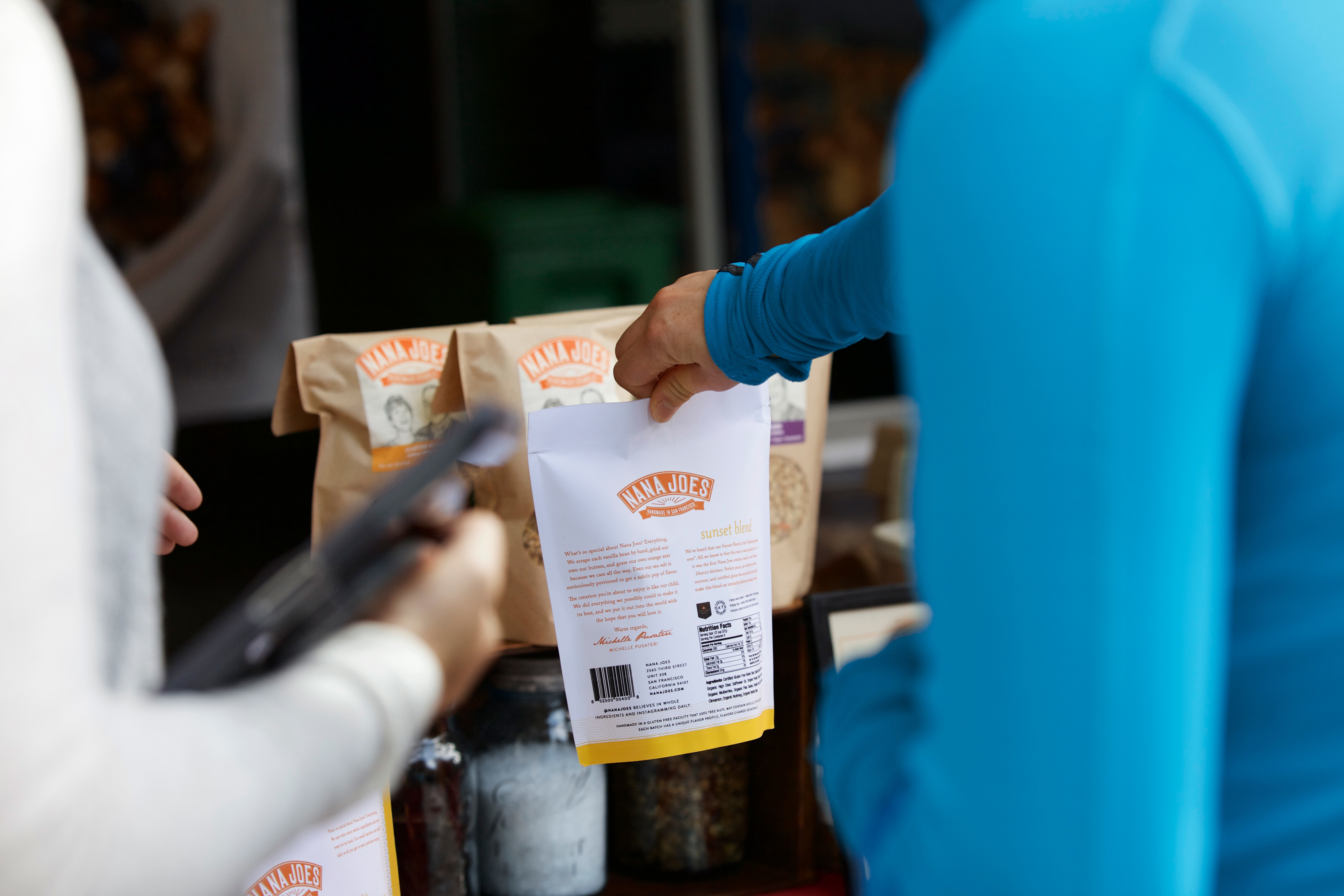
Nana Joes, a beloved San Francisco granola company, was born from an avid surfer’s desire to bring healthy breakfast back to the kitchen table. Embracing the philosophy that good food is about wholesome ingredients prepared with care, the startup took pride in carefully scraping each vanilla bean by hand and soon gained a devoted following at farmers markets around the Bay Area.
As Nana Joes’ reputation grew beyond the hills of San Francisco, the company asked IDEO to explore how to take a small company and scale the brand for national distribution, while keeping its heart and handcrafted ethos at its core.
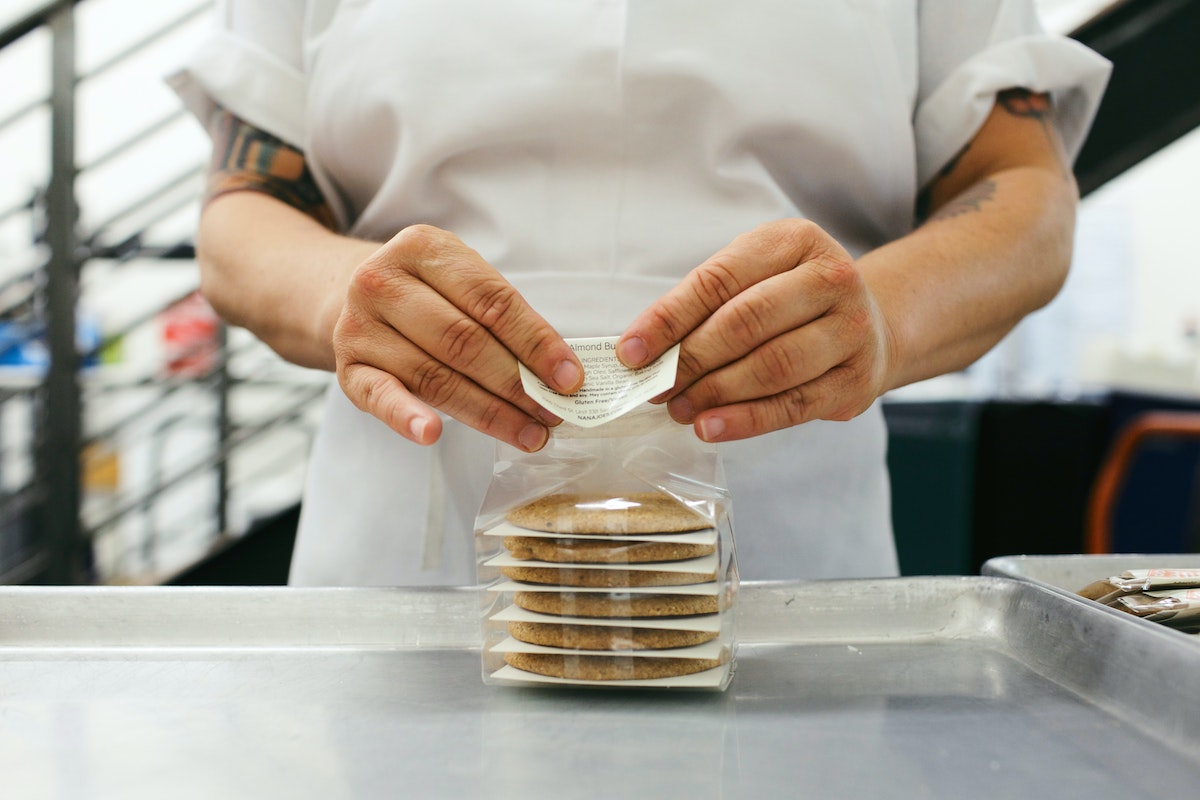
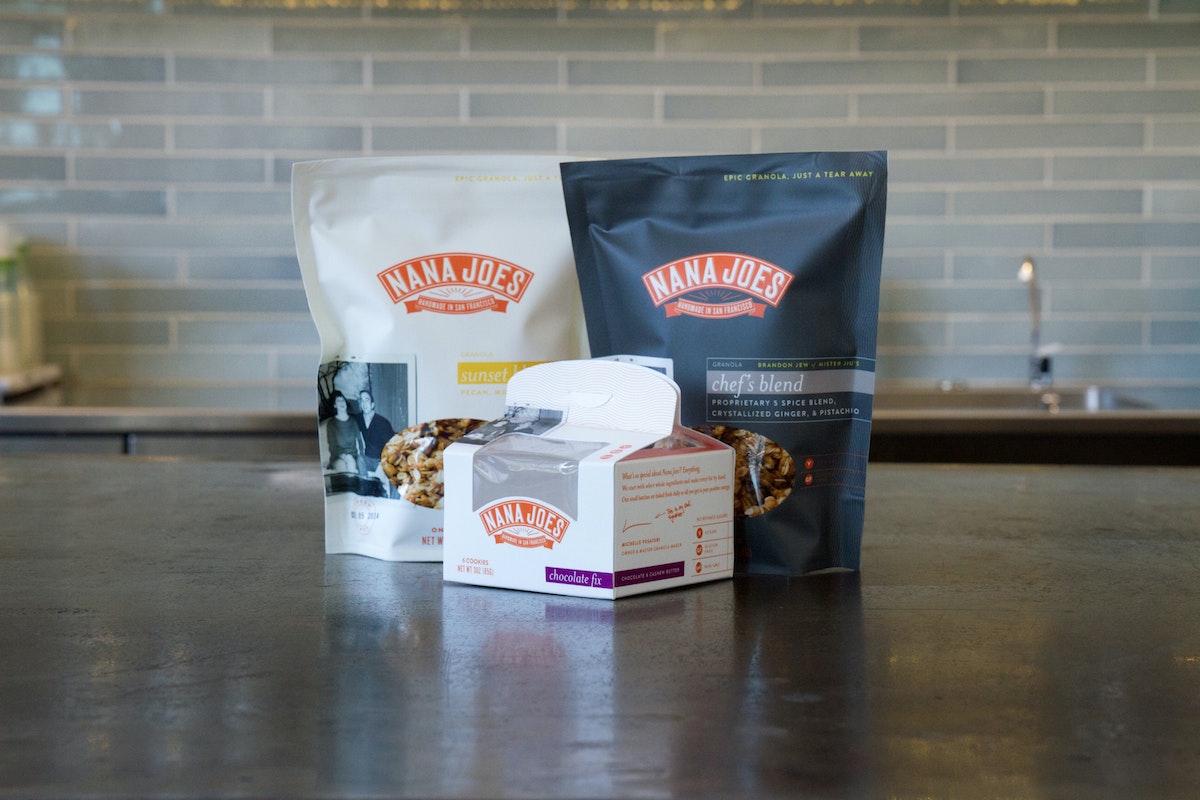
A team of IDEO designers set out to position Nana Joes for growth by developing a brand identity and packaging system that would resonate with customers and reduce operational complexity. The entire team went on factory tours and met with packaging suppliers to identify solutions that would be easily manufactured en masse, but still retain the familiar handcrafted feel. With mock-up packaging in hand, they hit local farmers markets to conduct live in-market prototyping with both loyal and new customers and met with retail buyers to get their real-time reactions to how the brand and packaging stood out on shelves.
The final deliverables included new branding and packaging for the entire line of granola, granola bars, and cookie products, as well as a guide for Nana Joes to operationalize the rollout by 2016.
How a legacy phone book company reinvented itself
An Australian directories company transitioned from makers of the first phone book to digital services and beyond.
The legacy company that produced the first phone book in Australia more than 130 years ago—and the disruptive change it represented—became directories company Sensis. As Sensis made the transition from a print directory to a digital service in recent years, the company came to IDEO to foster a startup mindset.
Together, Sensis and IDEO identified four ways for Sensis to become more agile: Focus on the company’s core skills, revitalize the product development process, develop insights about Sensis’ global competitors, and strengthen connections to current and potential customers.
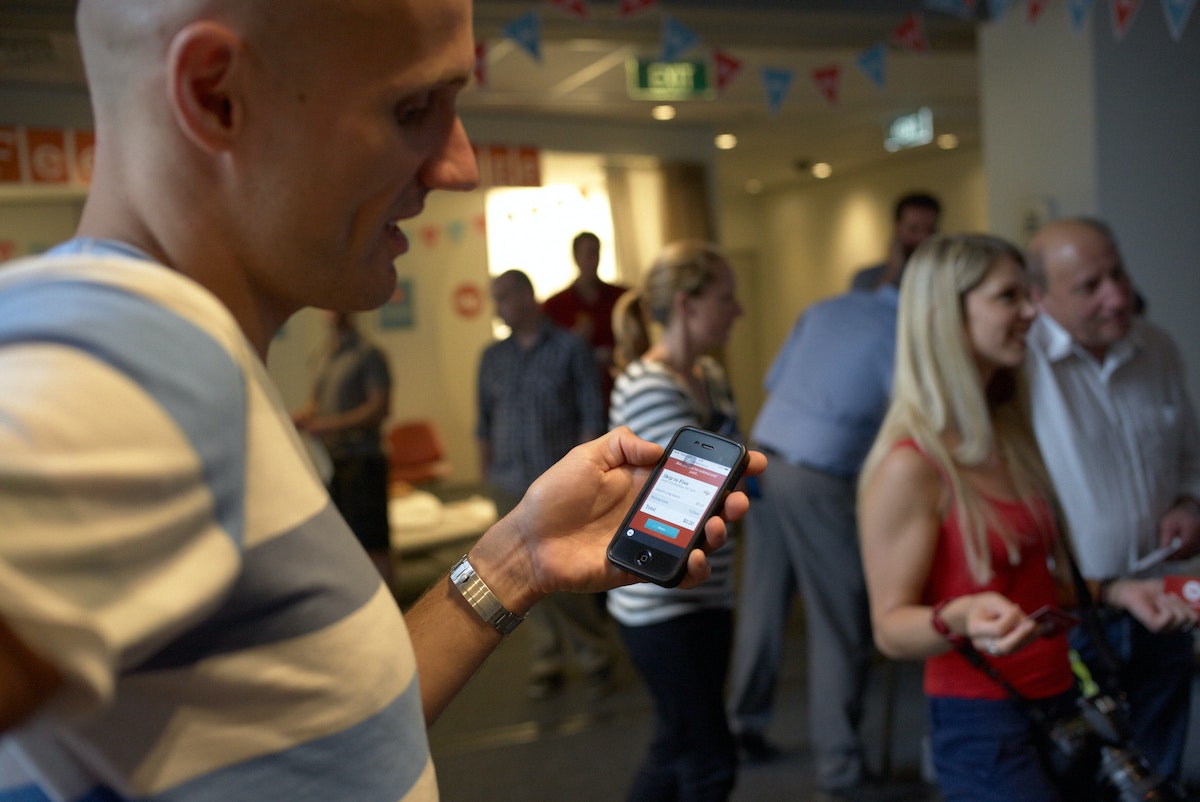
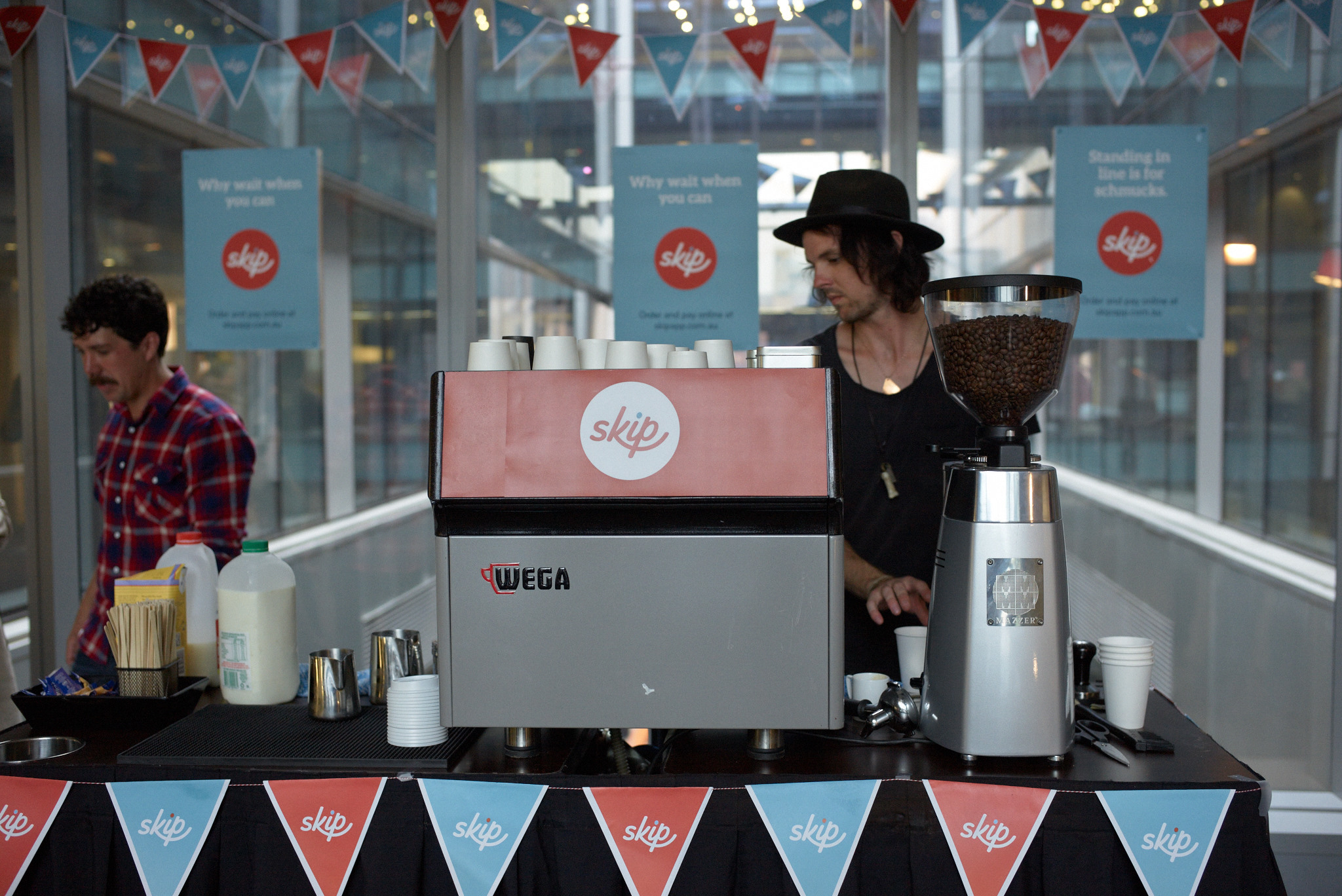
After prototyping more than 65 ideas, the team decided on an app, Skip, with which a customer connects remotely to her favorite café right from her phone, sends her order, and schedules a time to pick it up. Then she breezes past the line when she arrives at the café.
To understand how this app might work in the real world, the team fanned out across Melbourne, talked directly with café owners and their customers, gathering data, and watching behavior, then launched the live app just 10 weeks after developing the first prototype.
Watch: Team members from Sensis and IDEO share their experiences.