Designing a global plan for disaster response
Creating a network that connects veterans across continents.
Team Rubicon, formed in 2010 as a response to the devastating earthquake in Haiti, is made up of former military veterans who swoop into help in times of disaster. The organization started with six vets in the US who were eager to transfer their battlefield readiness in to frontline relief efforts, and has grown to more than 28,000 volunteers across the world.
To explore its growing global effort and to shape the future of the organization’s venture, Team Rubicon approached IDEO for help. After an 11-week collaboration with government, military, and veteran groups, a vision for Team Rubicon Global emerged. Inspired by sources as diverse as TED and The Hell’s Angels, the three-tier model consisted of an anchor network to share best practices across the organization and two supporting platforms designed to help countries with varying capacity and needs.
Team Rubicon Global coordinated its first deployment in April 2015, when a quake struck Nepal, sending US and UK teams to double down on the rescue effort. According to Vince Moffit, Team Rubicon USA Incident Commander, that incident alone validated the network effect of IDEO’s work. “We couldn’t have done this without Team Rubicon UK,” he said.
And for the veterans who are part of Team Rubicon, the shared desire to serve—applying skills ideally suited for disaster response—creates a renewed sense of purpose, community, and leadership that helps reintegration to civilian life.

Designing new products based on cultural beliefs
Helping a Chinese manufacturer become a part of healthy living.
Midea, one of China’s largest appliance manufacturers, wanted to identify growth opportunities in the domestic consumer market, while focusing on people’s cultural beliefs around health and well-being. During the course of the project, IDEO found that Midea could play a key role in building a healthier nation.
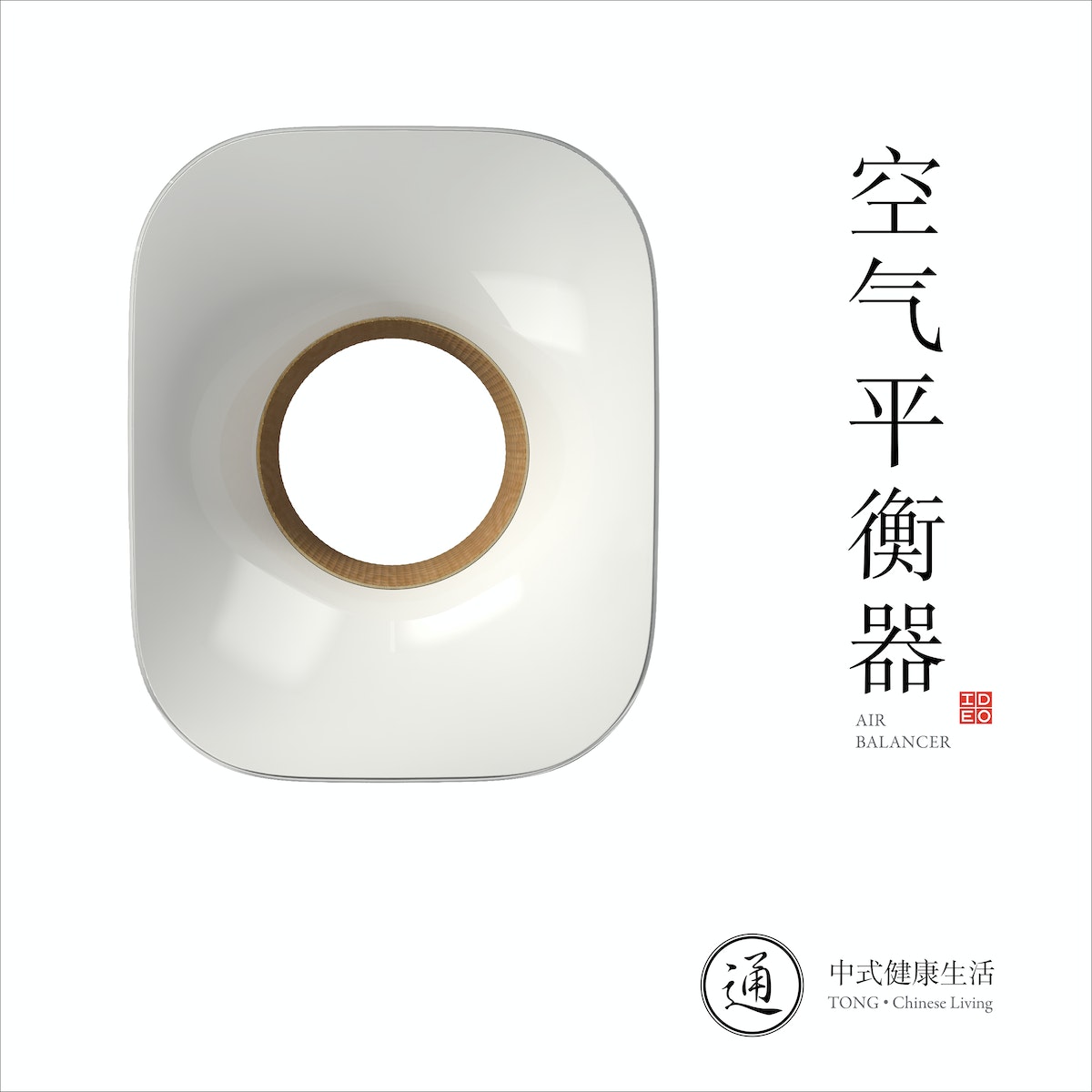
The team set out to design potential future products for Tong (“through, whole, and to understand”) that are built around the basic themes of eating, breathing, and being: an easy-to-use, hassle-free herbal tea dispenser, an air balancer that improves and balances the quality of air in the home, and a body-balancing mobile phone app that encourages users to rebalance their body condition where needed, through movements created with the Chinese philosophies of well-being in mind.
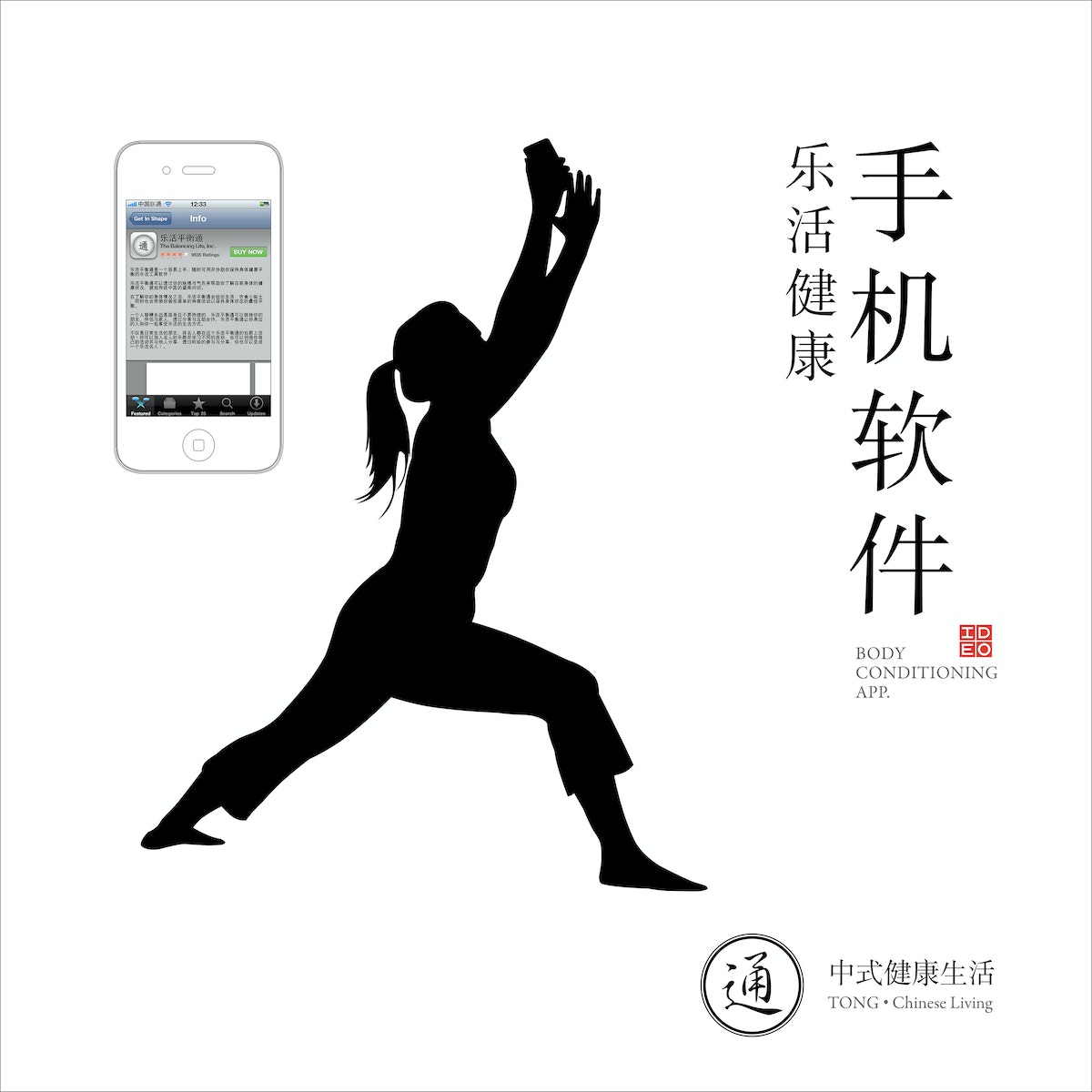
The Tong project was featured extensively in the press, and opened further conversations with Midea about creating new value and extending into new markets.
Customer-friendly utility bills
Improving how low-income customers manage their bills.
Put food on the table or keep the furnace running on a frigid day? It’s an unfortunate choice many low-income families in Flint, Michigan, face.
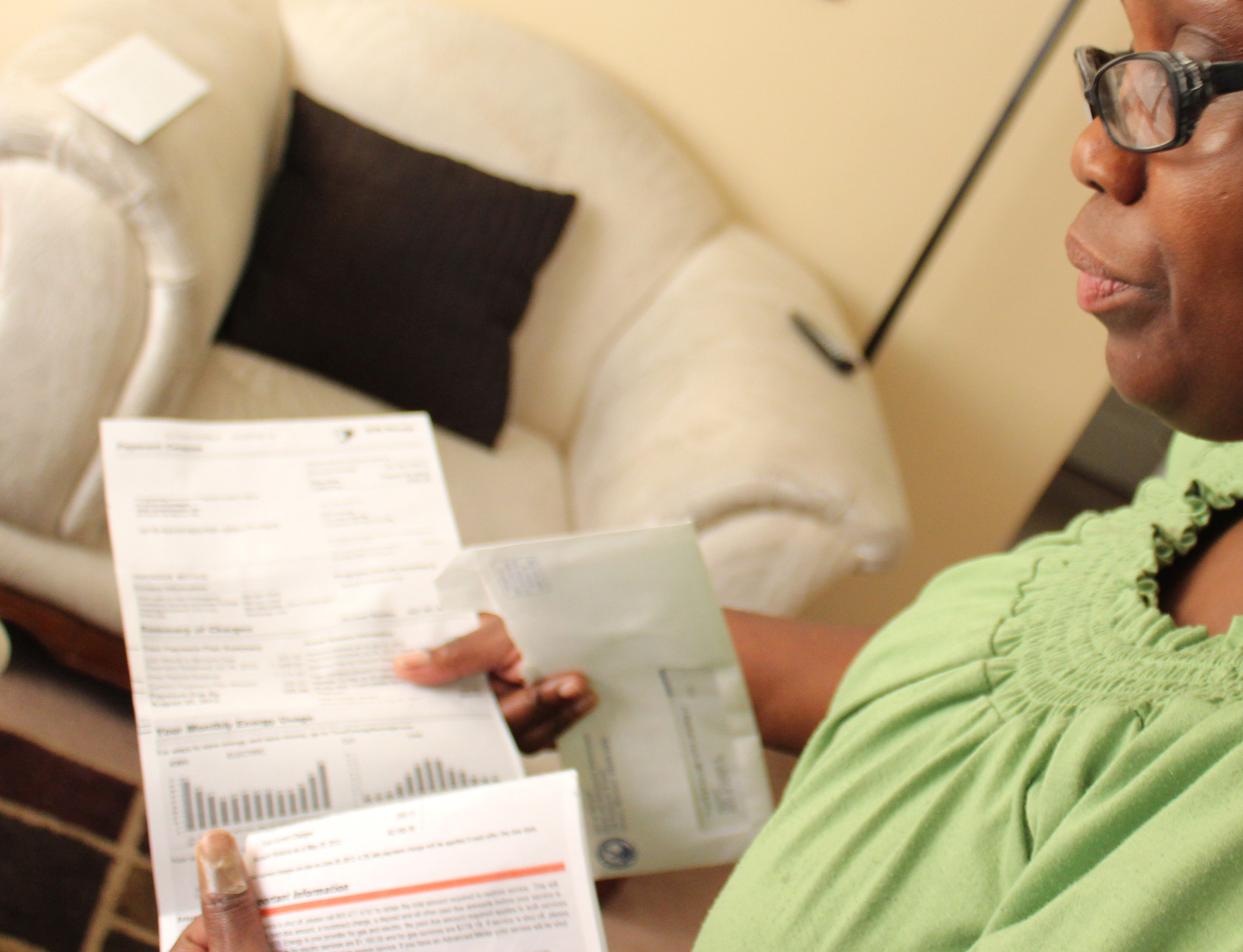
To help customers in Flint and other Michigan towns stay on top of their utility bills and better understand the relationship between their energy consumption and the resulting costs, Consumers Energy partnered with IDEO and utility assistance provider The Heat and Warmth Fund (THAW) to create an innovative pilot billing program called Clear Control in late 2013.
The pilot was designed with three major human-centered changes to the traditional utility experience:
- Instead of monthly bills, participants received two bills per month. Shorter billing periods allowed for smaller, more frequent payments, helping customers match available funds with their ability to pay.
- Daily text updates on energy usage and bill amounts kept consumption top of mind.
- Consumers Energy offered personalized, in-home audits to help customers make low-cost, high-impact changes to their energy bills.
A year later, the results of the pilot are energizing. Clear Control participants accumulated no new debt, while the control group owed $300; pilot customers used 20 percent less electricity, reducing their bills by $200 per year; and 95 percent of participants paid their bills in full and on time, compared with 35 percent in the control group. The utility company simultaneously benefited by avoiding arrearages, late-payment fees, and shutoffs. Consumers plans to incorporate Clear Control lessons into its overall energy assistance program design and development moving forward.
"It’s no longer ‘me’ against ‘them’—now it’s ‘us,’" said one Clear Control participant.
Creating the first usable mouse
IDEO designs the original mouse for Apple.
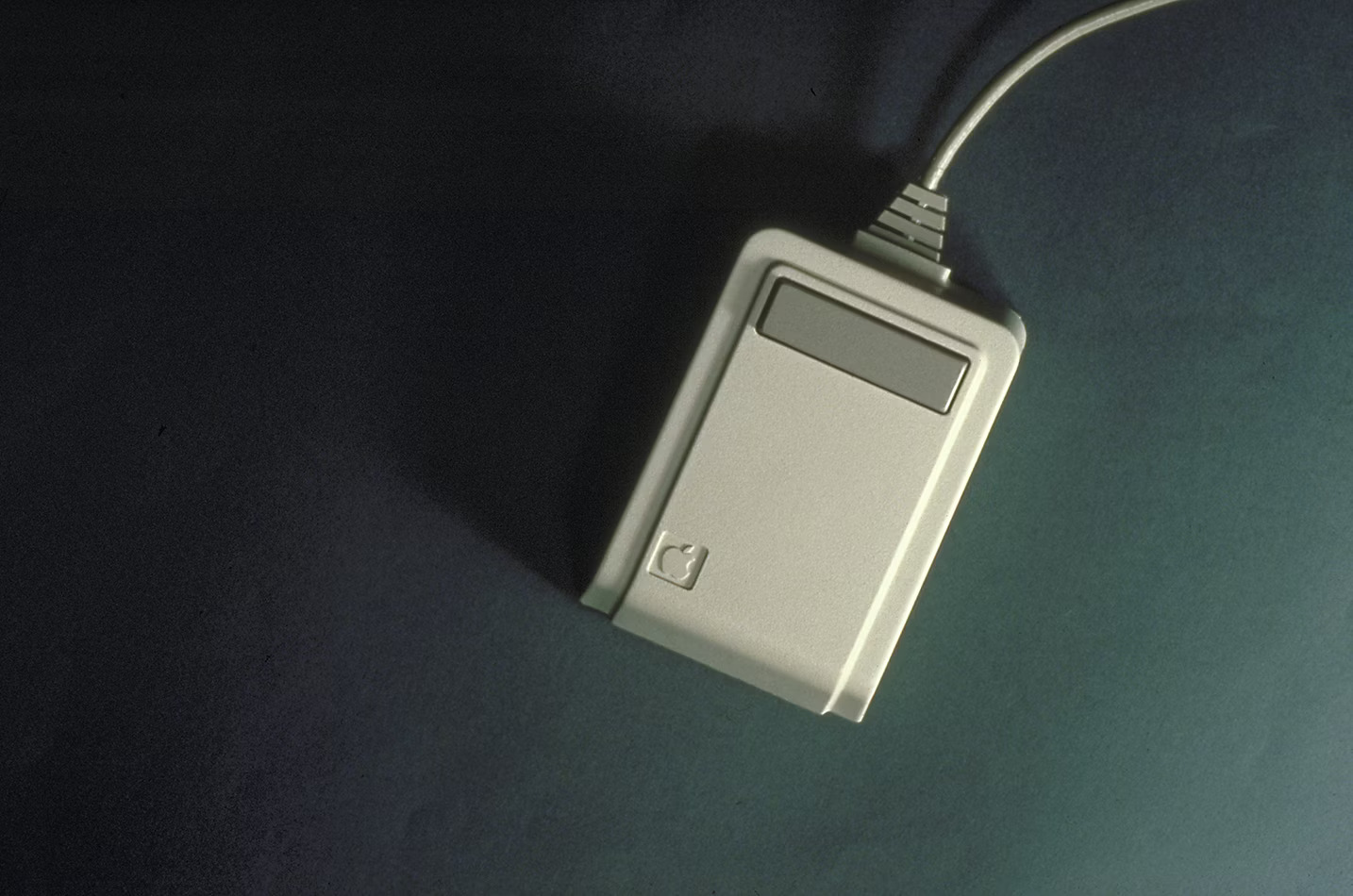
In 1980, Apple asked IDEO to develop a mouse for their radical new computer, the Lisa. Previous attempts at mouse design, by Douglas Englebart and Xerox PARC, yielded results that were too expensive and hard to make. The Apple mouse needed to be more reliable and less than 10 percent of the cost of the earlier versions.
To start, the design team created a cheaper, much-improved mechanism that would operate the mouse, and found that a complex, plastic "ribcage" would hold the pieces together. The team similarly tested and refined the mouse’s other key components, from the audible and tactile click of the button to the rubberized coating on the ball. A record turntable spun for days, logging “mouse miles” to check the reliability of the electromechanical assembly.
The resulting mouse proved mechanically and economically sound and was changed only slightly when adapted for use with the first Macintosh computer. The basic mechanism design is used in virtually all mechanical mouses produced to date.
Thoughtless Acts: The Morning Paper
Making the airport feel like home
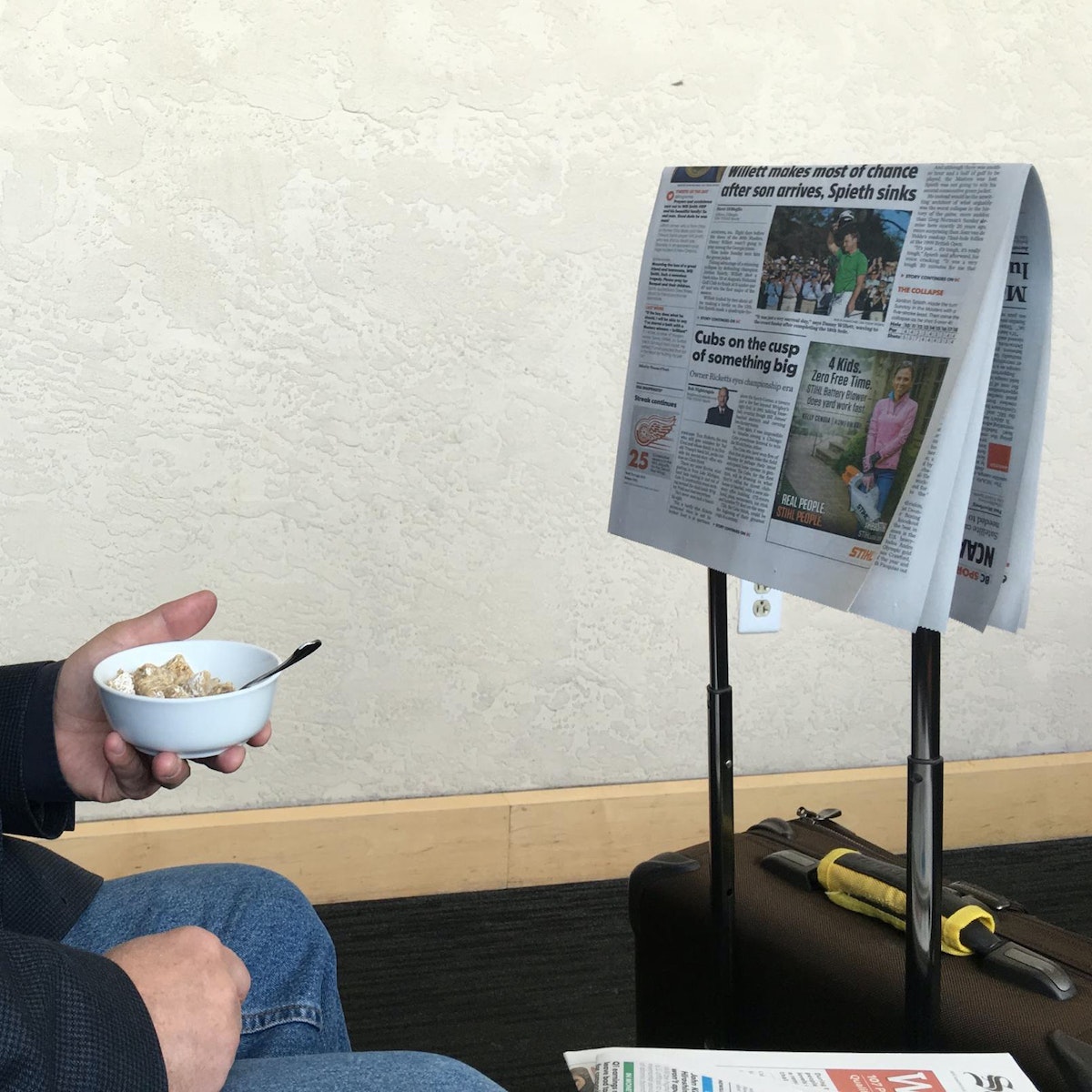
I took this picture in the San Francisco airport. Airport lounges are shared places where you're invited to make yourself at home temporarily. I love watching how individuals and groups position themselves to take personal ownership of space and make it work for them by creating boundaries and surfaces with whatever is on hand. This heads-up newspaper display system was a clever repurposing of roll-aboard luggage that I hadn't seen before. In one elegant move, this traveler has provided himself with an information screen (the bottom half of a page anyway), hands-free support to read in comfort while eating his cereal, and a clear delineation of personal space and visual privacy.
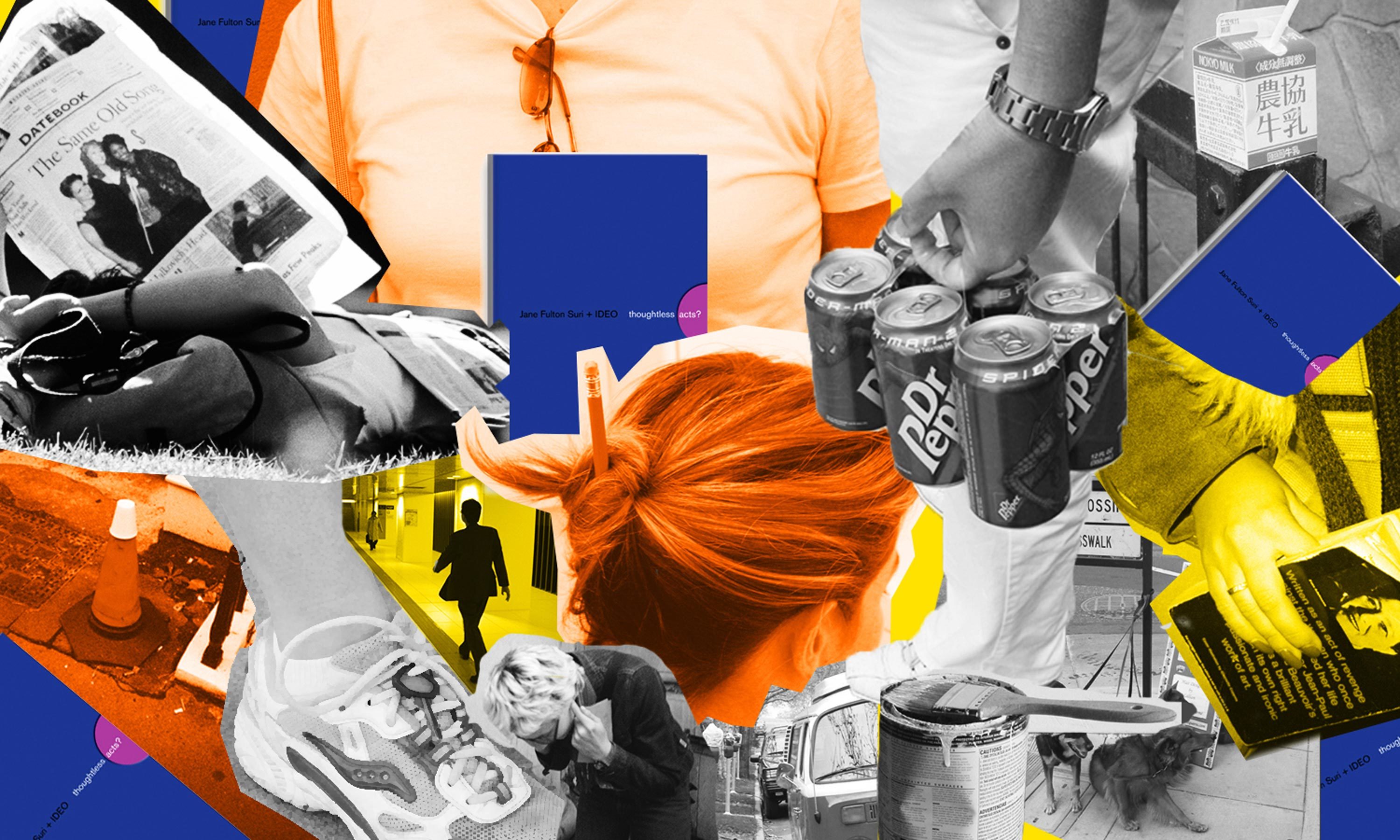
Thoughtless acts reveal just how natural it is for everyone to design, modify, and rearrange the world to make it work better for them. We draw on that capacity everyday in our quest to create useful products and services for others.

6 Ways to Kick Off Creative Meetings
Try these meeting warmups to spark creative ideas

1. Sketch Your Neighbor
Most people default to verbal/analytical mode, so getting people to use their hands and get involved with pen and paper can prove to be a very refreshing gear shift. As the name suggests, Sketch Your Neighbor requires everyone to draw the person next to them. Set a timer for a minute or two and let loose. For the majority of people who claim that they can't draw, this exercise involves a certain amount of vulnerability—and that's the point. If everyone is used to failing in front of each other, the group dynamic is going to be more open, generous, and positive.
2. The Name Game
When you're dealing with strangers, learning everyone's name can be a significant challenge. The improv legends at Second City use a game to get past this. Everyone stands in a circle and takes turns saying their name while making a gesture. Everyone else repeats the name, while copying the gesture. They go around the circle doing the same thing one more time, and then everyone has to do the whole thing from memory. The association of movement with the name is a shortcut to embedding it in long-term memory. That, plus that fact that everyone has made themselves look ridiculous, leads to an open and fun meeting.

3. The Stretch
Sitting hunched in a chair while someone drones on and on feels like going through a slow death. Getting people out of their chairs is a quick way to perk up energy levels and set the stage for collaboration. The Stretch is a very simple exercise: A facilitator asks everyone to stretch their arms up to the ceiling, tilt them to the left and the right, and then shake them out. It takes less than a minute, and allows the meeting leader to take control of the room and wakes people up.
4. Last Word, First Word
One problem with meetings is that we aren't great at listening to each other. This is even more of a problem if people are glued to their phones and laptops. We cribbed this game from Second City, too. Everyone pairs up and has a conversation. The rule is that the first word of your sentence must be the same as the last word of the sentence your partner just said. This requires listening to their entire sentence before beginning to frame your reply. Sadly, for most of us, this is an unusual behavior.
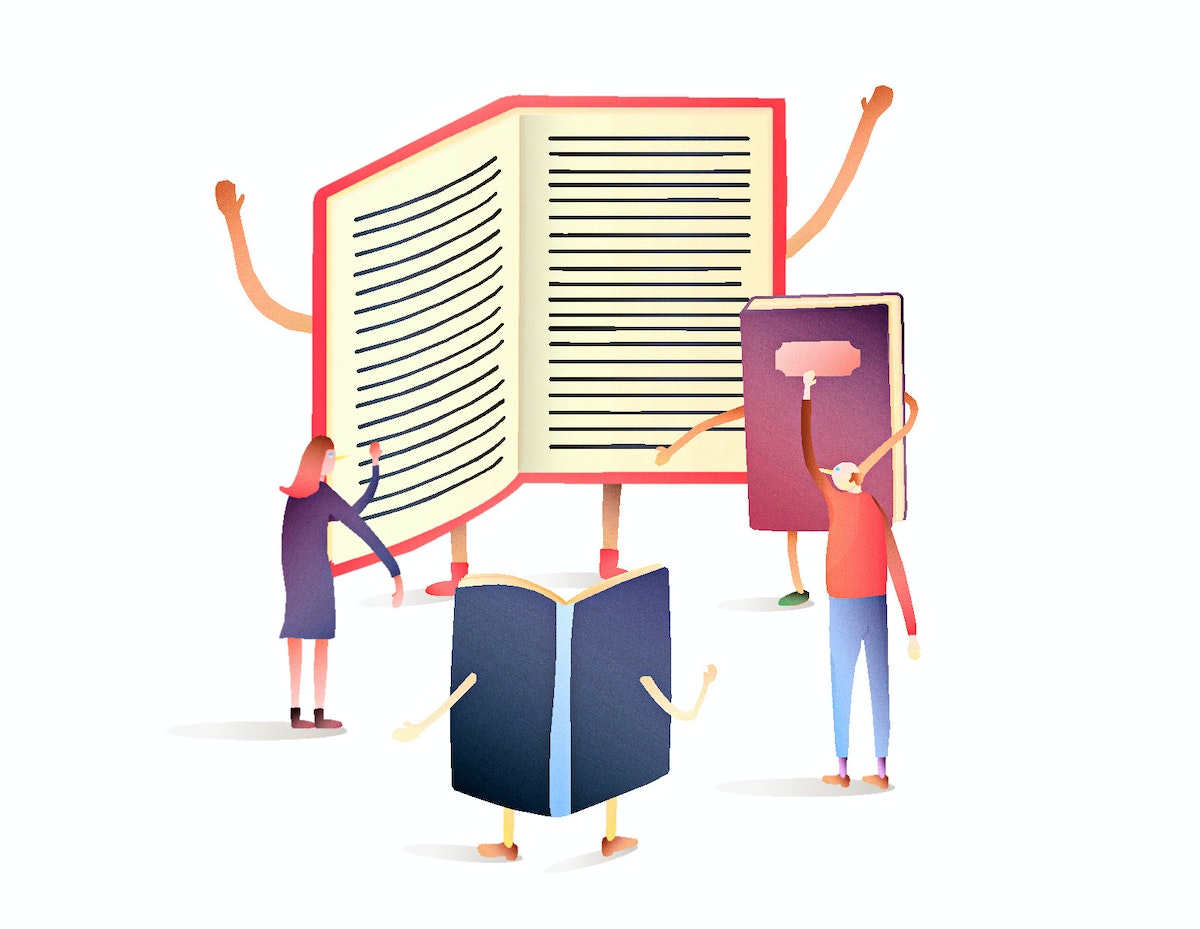
5. The Story Opener
One of the keys to a good creative meeting is to have everyone show up as their whole, human self, rather than their"work self." A quick way to get there to have everyone tell a quick personal story. For example, ask your colleagues to talk about a youthful hobby. If possible, connect the story topic to the purpose of the meeting. Talking about ways to motivate a team? Ask them to tell a story about the moment in their life when they felt most excited. The main benefit comes from having each person tell a story from the heart, which will bond everyone for the rest of the meeting.
6. Dance Lesson
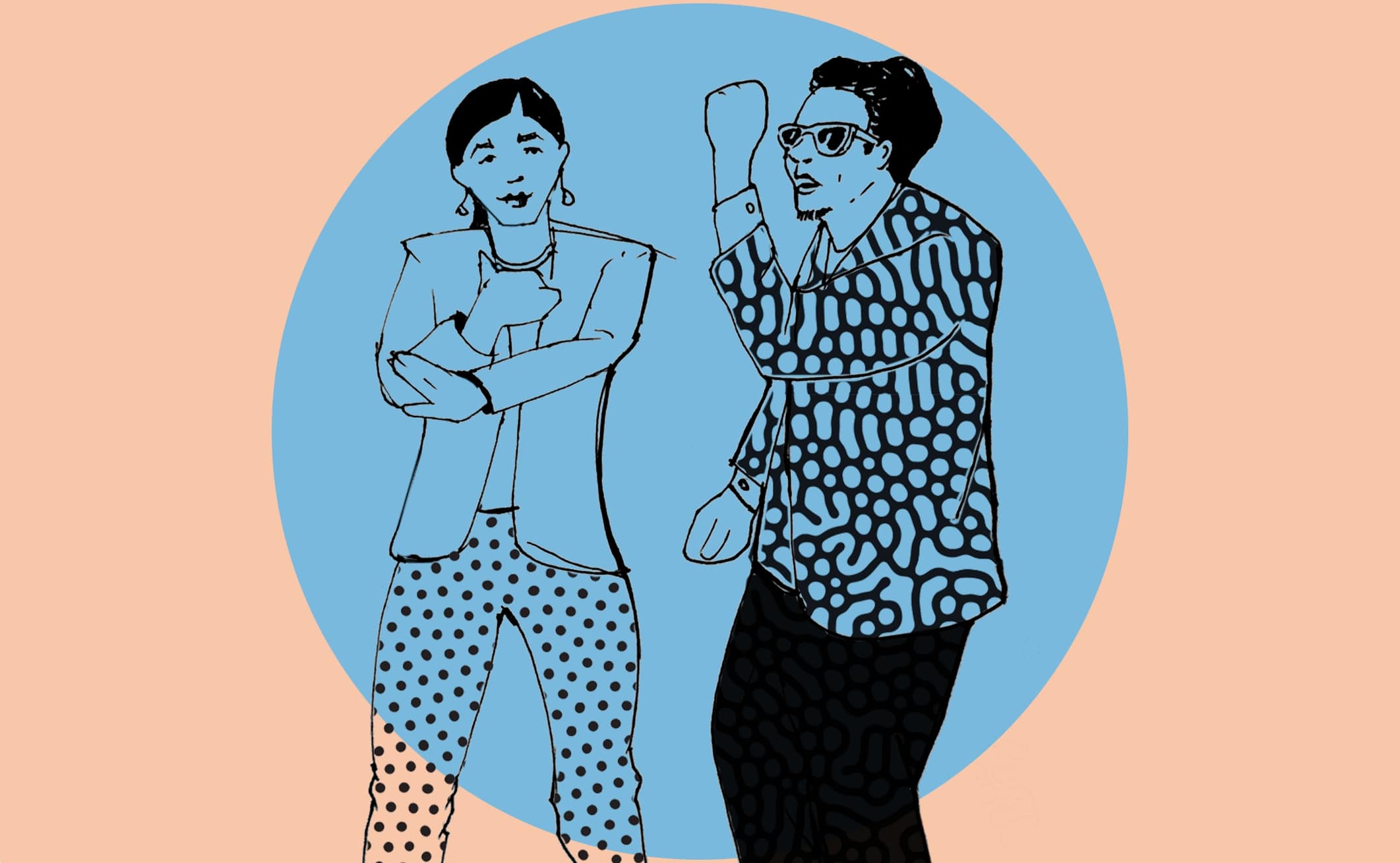
If you're ready for an added level of risk, get people to do rhythmic movement in unison. This requires a charismatic (i.e. shameless) facilitator or a very willing group of participants—or, ideally, both. The facilitator takes the group through a set of dance moves, and then everyone performs them together to music. If you start a meeting like this, nothing that happens afterwards will faze anybody.
Illustrations by Steve Har.
In the age of Slack, Asana, and other tools for collaboration, in-person meetings are losing ground. It’s true that having a great meeting isn't easy, and too often we fall into dull routines. But it’s also true that real magic can happen when people are face-to-face in a room together. To get people to be fully present and spark creative ideas, try these meeting warmups.
How to Fire Up St. Patrick's Day
Meet Webby, the official BARbecue of IDEO Chicago
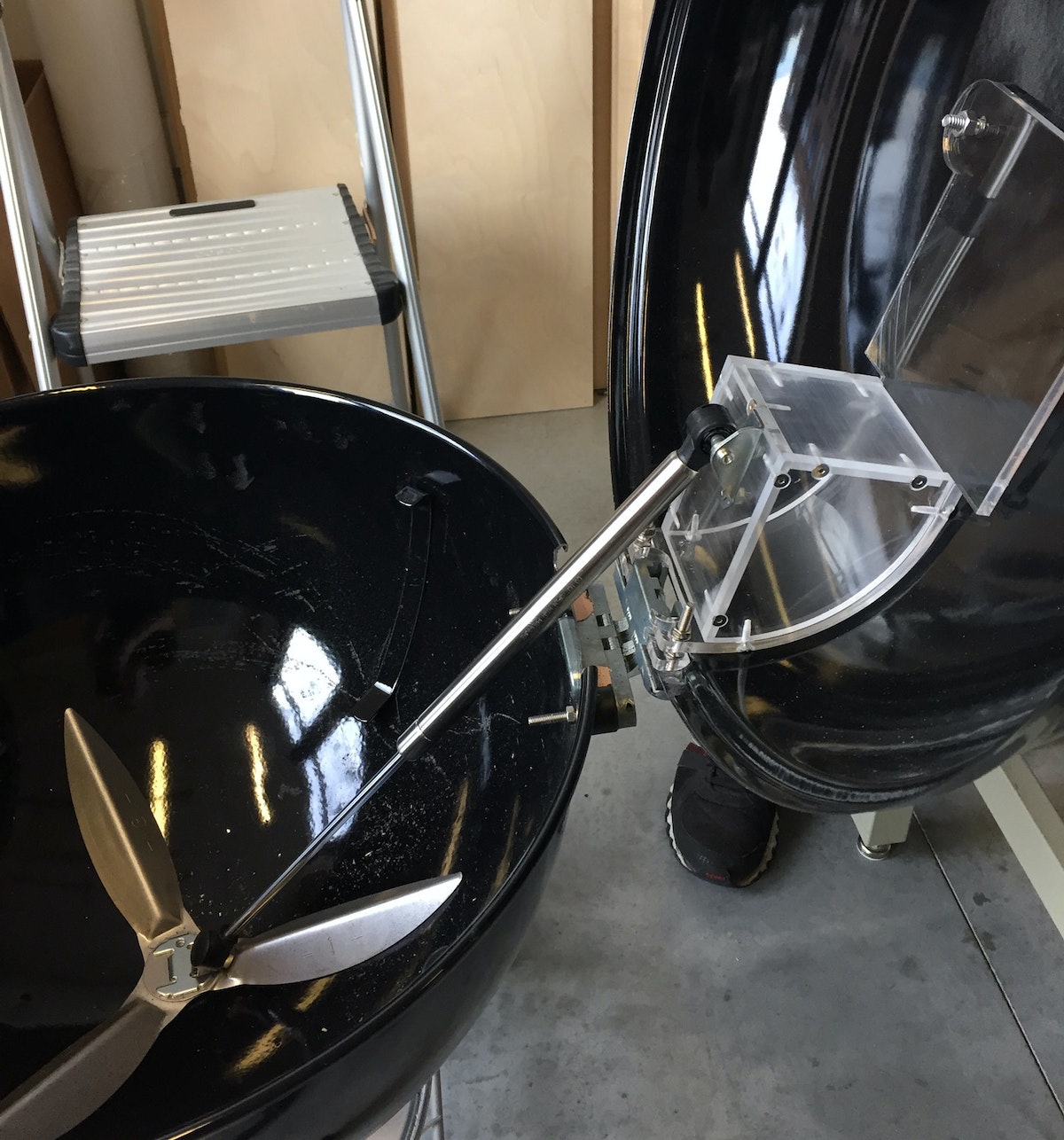
The boozy makeover started with the lid. We wanted opening the bar to be one-handed and easy, and have some dramatic flair, so we added a gas-spring hinge to connect the lid and kettle. Figuring out where and how to attach the hinge, then drilling out a slot, ended up being the hardest and most time-consuming part of the build. Go figure.
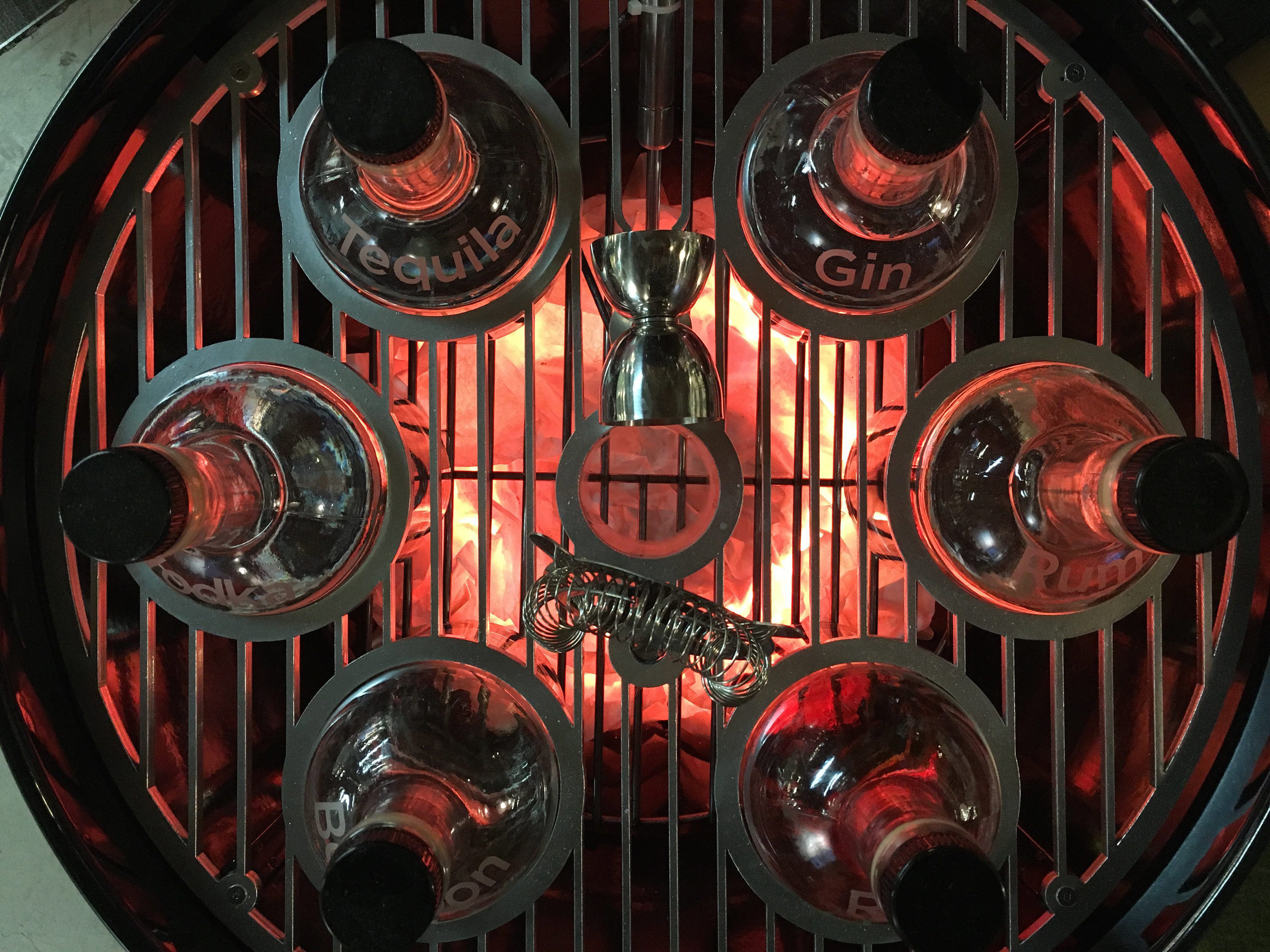
Once the gas spring was in, we designed a cooking grate—laser cut out of acrylic and spray painted silver—to accommodate six hand-lettered liquor bottles.
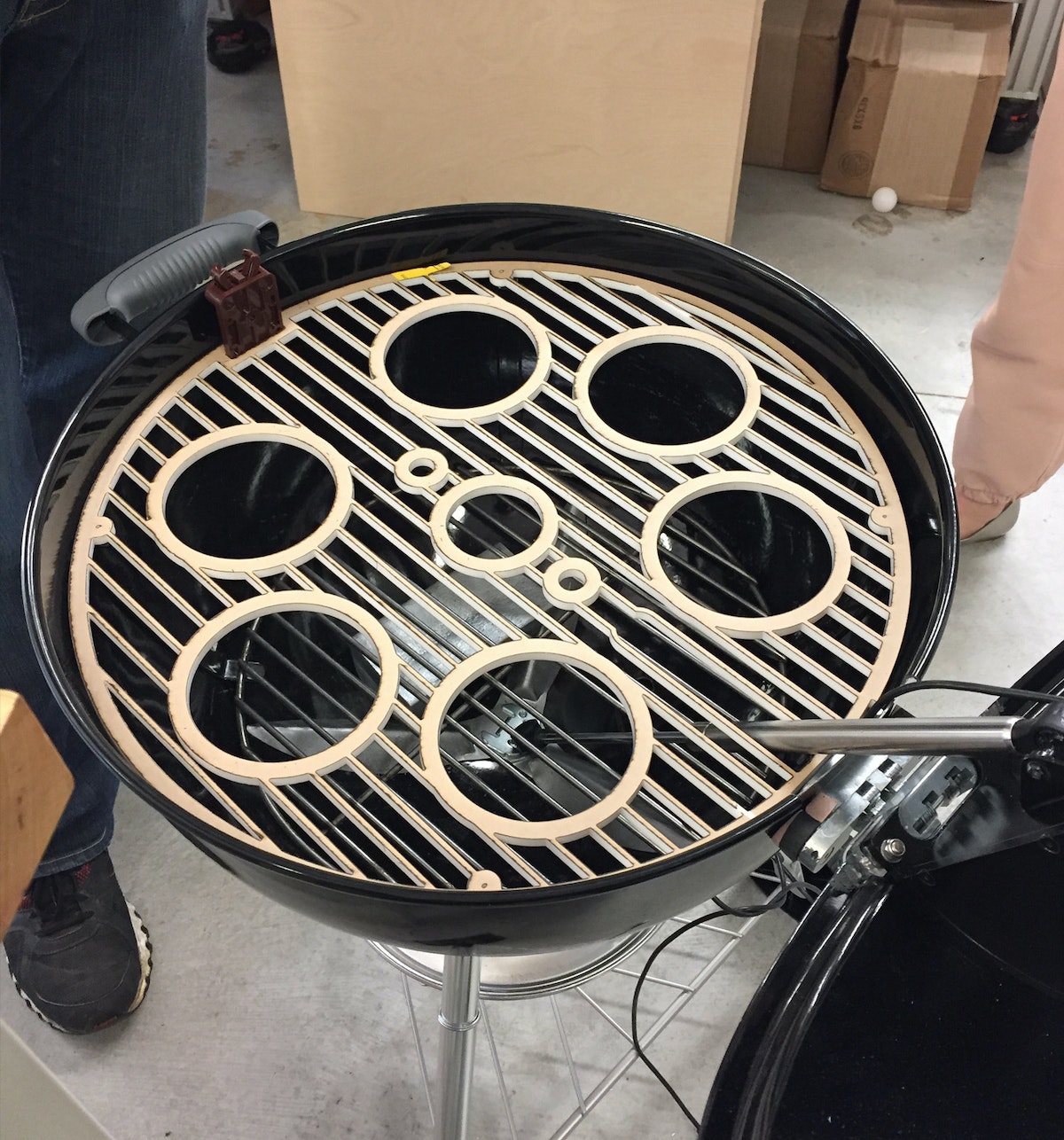
Next, we added a Bluetooth speaker to the inside of the lid for what we called the “Complete Party Effect,” and a push-push latch to make opening and shutting the grill seamless. A few holes in the leg of the grill and—boom!—we had cord management.
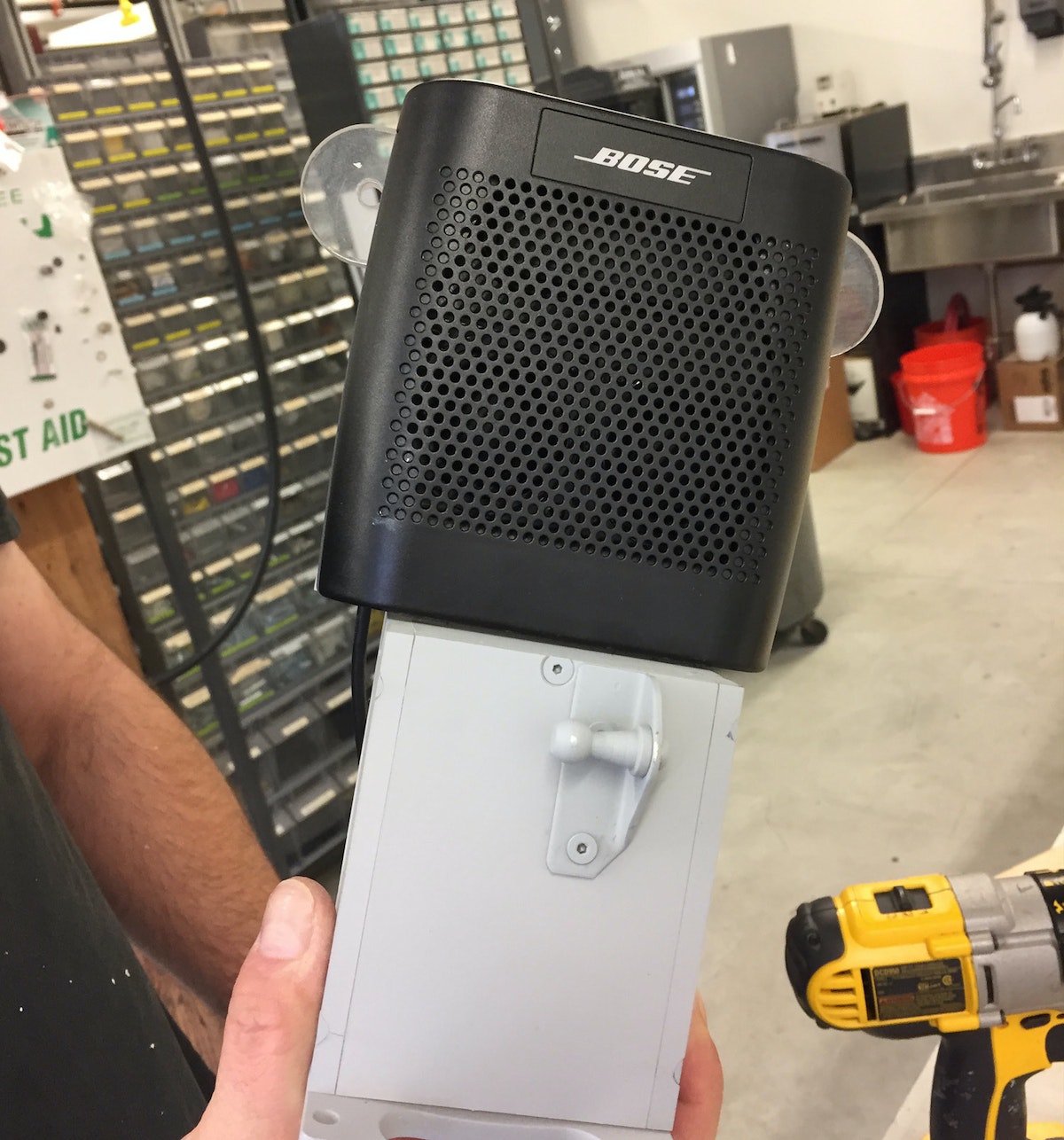
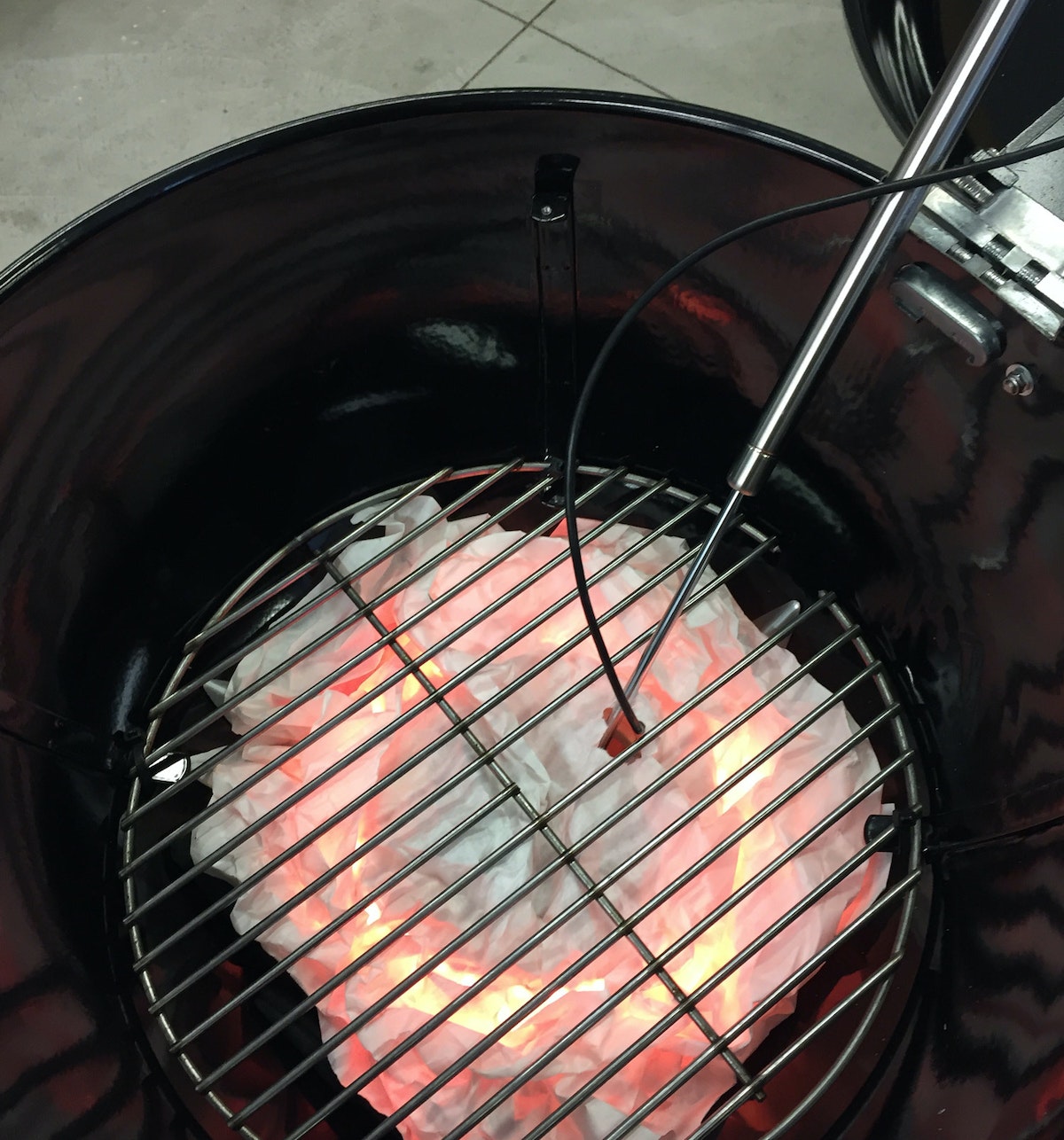
We thought we were finished when Chris Gold, mechanical engineer extraordinaire, walked into the Shop. “How can you have a grill wet-bar thingy without glowing embers?” Good point. Ten minutes, a strip of LEDs, and some quick coding later, Chris had made a modern fire. We crinkled some paper to diffuse the lights and give it some texture and we put it under the bottom grate. Embers: check.
But a grill isn’t real grill until it is loved. So this year, we’ll be throwing one hell of a St. Paddy’s Day Happy Hour by queuing up a good Irish jig and giving Webby a proper welcome to the IDEO Chicago family.
Video by Sophie Feng
Special thanks to Annette Ferrara, Party Designer in Chief, for the idea!
Even though our Midwestern hearts haven’t quite thawed yet, springtime is right around the corner. For too many long, cold months, IDEO Chicago’s Weber Original Kettle grill—that icon of carefree springtime afternoons and a beloved local brand—has been collecting cobwebs in the corner. We thought: What better way to welcome spring than to bust out our beloved grill and transform it into a tricked-out studio wet bar? And just in time. With the start of spring comes everyone's favorite excuse to drink with coworkers: St. Patrick’s Day. (Chicagoans are particularly notorious for celebrating the holiday in style, from our rowdy St. Paddy's Parade to literally dyeing the Chicago River green.)
Designer’s Playlist #5
A few things IDEO London's Tony Browne can't stop thinking about
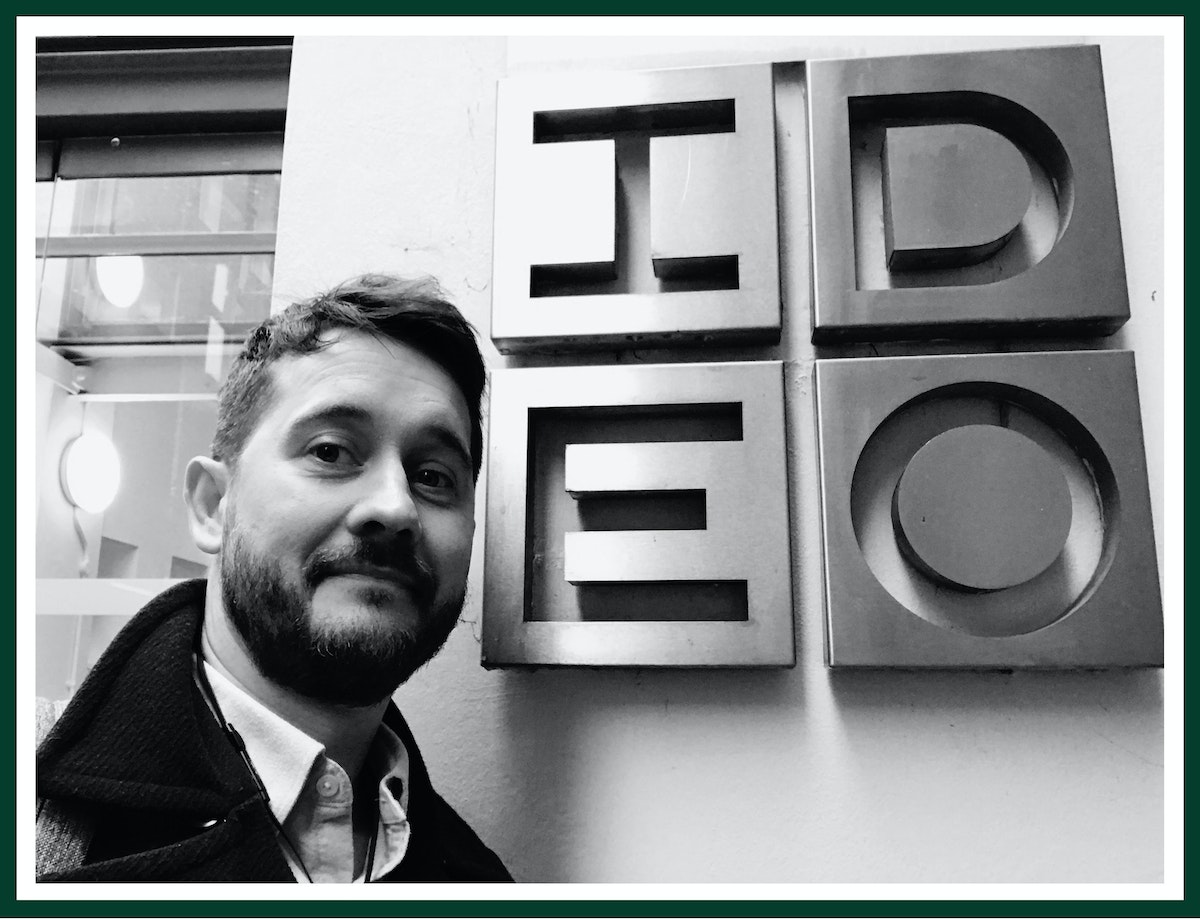
Name: Tony Browne
Location: London
Role at IDEO: I’m an organizational design director. I help people build modern, purposeful organizations through design, and a more human use of technology.
Joined IDEO: January 2017
Twitter: @misterbrowne
Titillating Fact: I was crowned UK Computer Gaming champion in 1994 and haven’t really given up the joystick in the 20 years since. Approximately 60 percent of our household arguments are over who is allowed on our Playstation—me, or my 5 year old son, Spencer.
1. Corporate Rebels
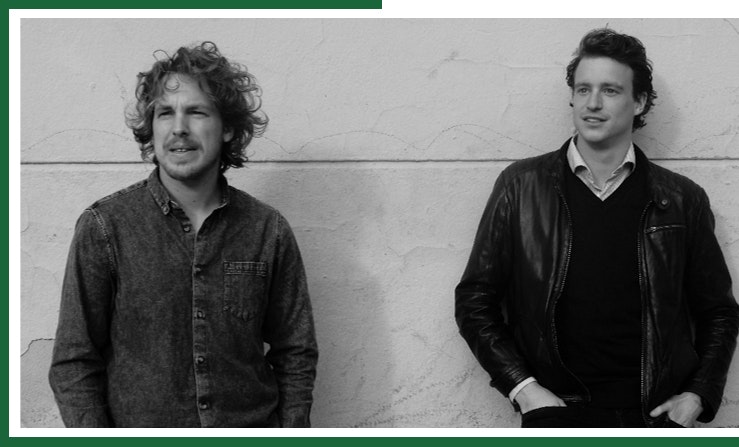
I mean, just look at them. With their long hair, nonchalant stance, and leather/denim apparel, Joost and Pim have corporate rebellion chic down. But they didn’t start out like that. In fact, they came from a fairly standard finance and consultancy background—until they quit their jobs, and committed to traveling the world in search of “rebellious” organizations.
Their blog has some great case studies about companies that are experimenting with radically different ways of working. Check out their insights into Zappos, Gutmann, and my personal favorite, West Coast tomato processing company Morning Star.
2. The Meaning Conference
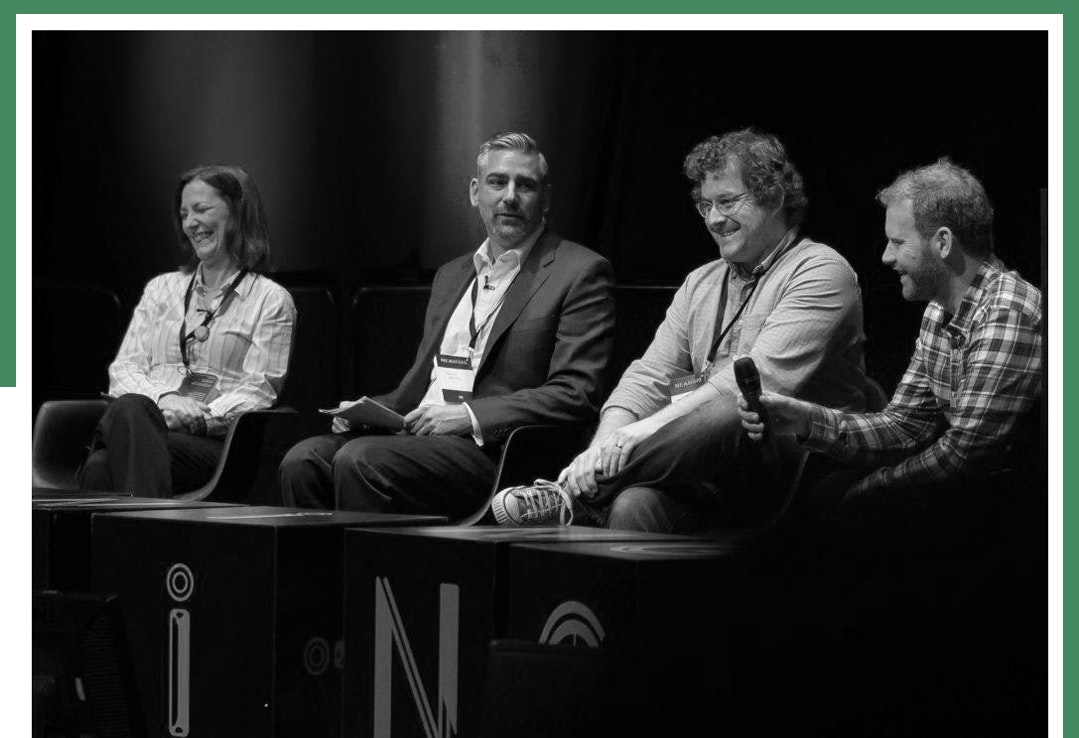
Established in 2012, the Meaning conference is an annual UK event for those of us who believe there is more—so much more—to business than making money. It started off as a fairly small, low-key affair, but by 2016 it had grown enormously, attracting leading UK economists, global business leaders, and politicians. I always come away from the event buoyed by conversations with passionate and like-minded people, and excited that meaning and purpose are really starting to be taken seriously in the business world.
Look out for news of the 2017 event (where I’ll be a volunteer).
3. A16Z Podcast
I’m a tiny bit obsessed by all things digital. I love technology, and I love thinking about how it is blowing up business models, transforming organizations, and creating entirely new sectors. The A16Z podcast from venture capitalists Andreessen Horowitz (16 refers to the number of letters between the A and the Z in their names) is the best I’ve found to help keep my thinking current and fresh. There are other podcasts that may be closer to the cutting edge of technology trends, but none that are able to translate it all into usable business insight as well as A16Z does.
In this series, we ask IDEO designers to share the stuff they're digging right now—tools, books, music, sites, people, places—so you, too, can drink from the fount of inspiration bubbling up here. This week's guest star: Tony Browne.

Lindsey Turner
I’m passionate about building brands, products, and experiences that help organizations show up with meaning and momentum.
I help organizations cut through complexity by shaping how they show up, through brand strategy, identity, and storytelling.
Working at the intersection of brand and business, I bring an editorial eye and a bias toward making—turning ideas into tangible experiences that people can understand, trust, and believe in.
My work spans government, healthcare, financial services, media, and consumer goods, from launching Gen Z-focused ventures to building innovation labs and reimagining legacy brands. I relish moments of ambiguity and enjoy translating across teams, perspectives, and priorities to move ideas forward.
I started my career in editorial and digital design, shaping cross-platform experiences and identity systems in publishing and agency environments. That foundation still shapes how I work today: I’m detail-oriented, collaborative, and overreliant on the Oxford comma. I hold a BFA in Visual Communication from the School of the Art Institute of Chicago.

Rachel Young
My work helps organizations see who their products aren't working for—and build the will and the tools to do something about it
For 25 years, I've asked the same question: Who does this design exclude—and what are we going to do about it?
My work spans human-centered strategy, inclusive design, and qualitative research, with clients ranging from Microsoft, Google, and Verizon to the National Science Foundation, and San Francisco Unified School District.
Before IDEO, I taught elementary school in East Palo Alto and spent a decade doing design work with social service organizations—where I learned firsthand what it costs people when systems are built without them in mind.
I am currently writing User Error, a nonfiction book about digital access and the design decisions behind it. I live in Oakland, California.

Brian Pelsoh
I lead with craft, ensuring our work is creatively excellent: rooted in deep human insight and imagination, while also grounded in the realities of business and technology.
My expertise spans brand, communication, and product design across tech, education, the arts, and social impact.
I believe great work demands both high-level vision and obsessive attention to detail, and only happens through collaboration.
I bring an inclusive, hands-on approach and a deep understanding of business, which enables me to consistently deliver excellence while always asking why.
Before joining IDEO, I worked at the brand firms Pentagram and VSA Partners. I began my career as a designer, leading teams at the School of the Art Institute of Chicago and the Milwaukee Art Museum. I hold an MFA in graphic design from Maryland Institute College of Art and a BFA in communication design from the Milwaukee Institute of Art & Design, and have taught at some of the best design schools in the US.

Tony Wong
I am responsible for IDEO’s long-term success in China and working with clients to use design as a tool to enable growth.
I am responsible for IDEO’s long-term success in China and working with clients to use design as a tool to enable growth. Specifically, I have helped Chinese companies design holistic brand solutions through the development of their products, communication, services, and innovation teams, and I have helped multinationals expand their presence and influence in China.
I advise global leaders on developing China-led innovation and capabilities.
In over 15 years in IDEO Shanghai, I have worked on projects that use design to elevate the quality of the experience of healthcare products and services, streamline processes that increase productivity, create spaces and programs that promote and enable inclusive communities, and build next generation mobility solutions that are planet-positive.
Before joining IDEO, I worked at Philips Electronics and the Electrolux Group in Italy, the Netherlands, and Singapore on a number of breakthrough commercial products. I am a member of the Young President Organization in Shanghai.

How to use AI as an editor, not a writer
Ed White shares how he uses AI as an editor—not a writer—to sharpen storytelling, rehearse ideas, and preserve the productive friction that makes creative work better.
Ed White has a rule he's tested on his own writing: hold yourself as the writer, and let AI be your editor. Ed is a Senior Design Director at IDEO's London studio, where he co-leads the firm's AI portfolio across Europe. Before IDEO, he spent 12 years as a writer and editor at the Financial Times, Wired, and Contagious. So when he talks about when to use AI for storytelling and when not to, it comes from two decades of crafting his storytelling skills.
In this episode, Mina Seetharaman talks with Ed about two specific tools he uses to keep AI in an editor's seat: a "roasting agent" prompted to critique his drafts without any sugarcoating, and a simulated audience he rehearses pitches on before the real thing. They also get into what Ed is hearing from design leaders at Anthropic, Lovable, Shopify, and Google Creative Lab about how creative work is changing, and why he thinks the friction of writing something yourself is worth protecting rather than automating away.

Building a personal AI for the messiness of life: Sida Li
Becca Carroll talks with Cue co-founder Sida Li about designing a personal AI for the messiness of everyday life—not just work. They explore how Sida stays anchored to human needs while navigating fast-changing technology, product tradeoffs, business-model experimentation, and the realities of building an AI company today.
Most AI products today are built for work—a space with clear problems and established systems. One founder noticed a gap: personal life is messier, harder to systematize, and mostly left behind by the AI boom. So she built Cue, a personal AI that lives inside iMessage and group chats, to go where the other tools haven't.
In this episode, Becca Carroll, IDEO's Chief Strategy Officer, talks with Sida Li, co-founder and CEO of Shared Context Lab, about staying anchored to a human need while the technology around her keeps changing shape, why she treats her business model with the same rigor she'd bring to a product, and what it feels like to build a company at this particular, disorienting moment in AI.
The conversation also gets into how Sida makes design decisions: the language Cue uses to describe itself, the tradeoffs behind building inside iMessage instead of a new app, and a real story about a business idea that didn’t pan out.
This is the second in a two-part series profiling founders from IDEO's Startups-in-Residence program. The first conversation is with Johannes Seemann, founder of Sooner, on designing GenAI for the emotional side of money.

Designing GenAI for the emotional side of money: Johannes Seemann
Designing financial tools around the feelings that shape money decisions.
Most personal financial tools are built to run the numbers and optimize towards a budget. While that works for some, most people experience money as a lived relationship that does not neatly fit into a spreadsheet. Johannes Seemann and Becca Carroll discuss why money is emotional before it is mathematical, and what a human-centered approach to building a generative AI financial product looks like in practice.

The curious leader's edge in uncertainty: Scott Shigeoka
How genuine curiosity helps leaders navigate uncertainty with greater confidence.
Mina Seetharaman talks with Scott Shigeoka, author of Seek and Head of Curiosity Cultivation at the Eames Institute, about what distinguishes genuinely curious leadership from performative curiosity, how power dynamics shape curiosity, and why practicing curiosity can restore energy rather than drain it.
Looks like you might be in search of something very specific?
Or reset the filters above and try another angle.
Here’s some random inspiration

Podcasts about creative leadership

Articles about the power of prototyping