
Nurturing a creative culture
How writing a book about our shared values helped articulate what it means to be successful at IDEO.
How do you know when you’re successful in your work? You can check off a list of technical skills and expertise you bring to the table. You can use a career development rubric to make sure you’re hitting the right goals. But often, it’s your behaviors—the intangibles that are the most difficult to articulate—that make the most impact. Things like your ability to stay optimistic or your willingness to adapt when there’s no roadmap.
Because of the nature of our work at IDEO, these intangibles are a big part of what defines the experience of working at the company. So in 2012, a global team of designers from our U.S., Europe, and Asia offices came together to codify these values and behaviors as part of a larger effort to evolve IDEO’s career development platform. More often than not, when IDEOers hit road bumps in their career, it was not about what they were doing, but how they were doing it.
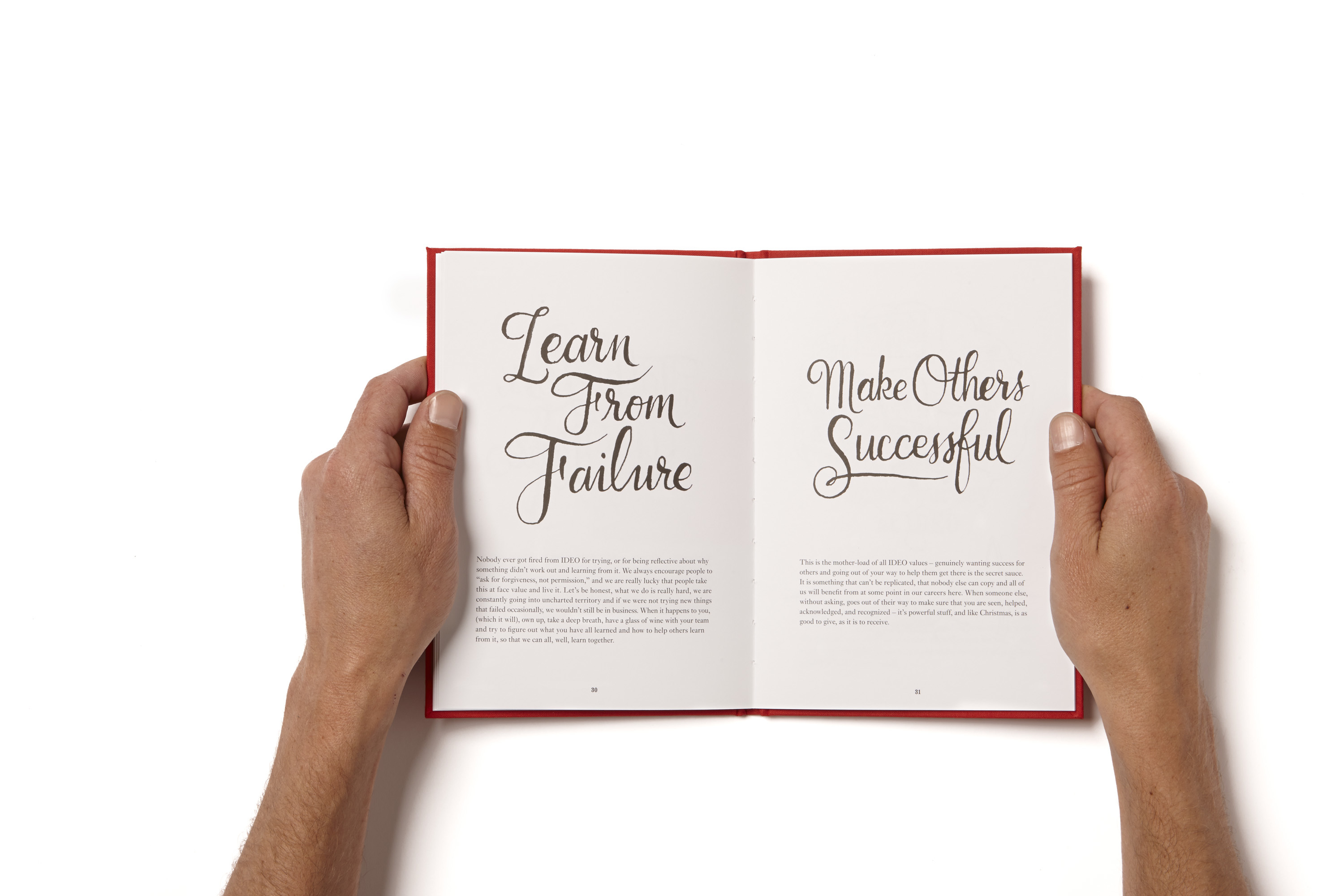
The team agreed that, in addition to identifying the technical requirements needed to progress through one’s career, it was just as crucial to give IDEOers the tools they need to navigate the complex culture. So they captured the values they believed were foundational to the culture and most strongly shared across the IDEO community, and put them to paper in The Little Book of IDEO. The title is meant to reflect its purpose for readers—a handbook that’s compact, useful, and free of any corporate jargon.

For IDEO-ers, this red cloth-bound guide provides a shared lexicon around both the hard and soft skills we need to succeed. It describes things like why IDEO is so loosely structured, where it comes from, and where it’s headed.
Most importantly, the book identifies the organization’s seven core values. These are by design specific, actionable, and integral to the kind of work we do and the environment in which we do it, going beyond common sense and general ethical practice. The intention: to foster meaningful conversations within the community about life at IDEO, and how to achieve success along the way. With each succinct expression comes a deeper explanation of why it matters, and how it shapes our experience at IDEO.
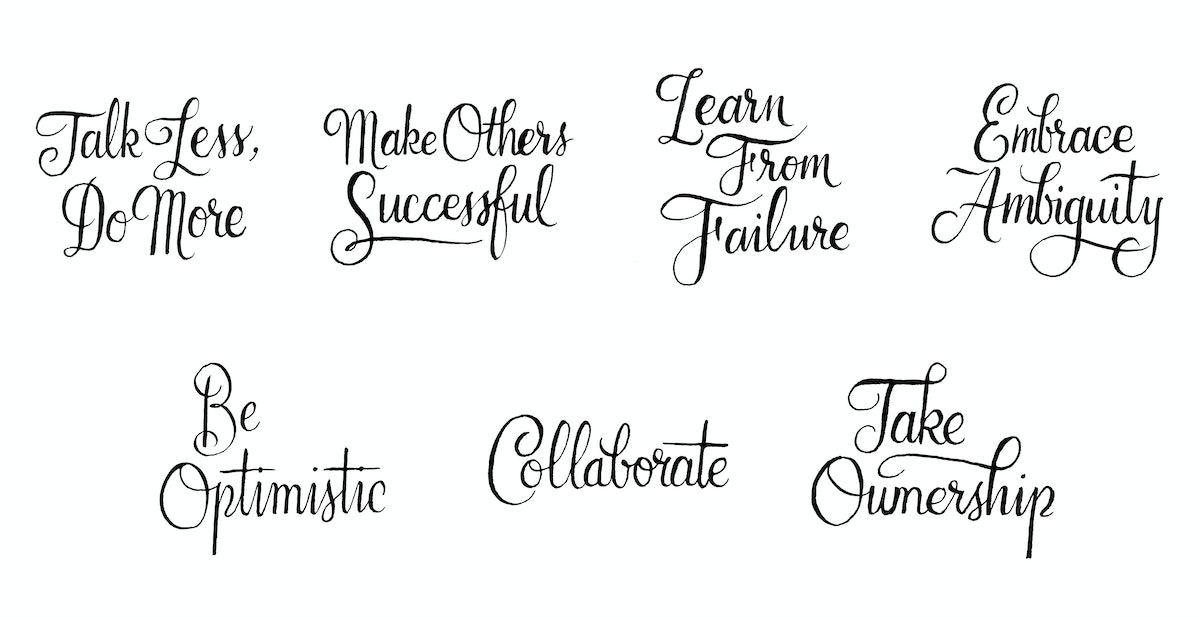
Over the years, the book has been roundly embraced by the IDEO community as an honest articulation of who we are, as opposed to what we aspire to be, and what we appreciate most about working together. When IDEOers first got their hands on it, a movement took shape to create videos that bring each of the core values to life. To depict the value of "Embracing Ambiguity," for example, New York-based designers built a makeshift cardboard rowboat, and while simulating a storm, navigated their way through uncharted territory with teamwork and optimism. San Francisco produced a Jacques Cousteau inspired look at the lifestyle and behaviors of designers in their natural collaborative habitat.
Through the process of making the videos, IDEOers came together to reflect on each of the values, talking through what resonated and what didn’t. It gave them a sense of ownership, and a platform through which to share their interpretations.
A Global Conversation
IDEO has a global presence—offices in two countries in Europe, two countries in Asia, and multiple locations across the U.S. As an organization that embraces a human-centered culture, it felt important to learn if the values resonated with the IDEO community in all of these locations, especially in a country like China, whose working culture is so different from the west. We saw the authenticity and resonance of the values as essential for attracting, motivating, and retaining local talent.
So how did The Little Book of IDEO land in Shanghai? Exploring this question would illuminate insights into how our own clients are often challenged to keep their company culture resonant within the global landscape.
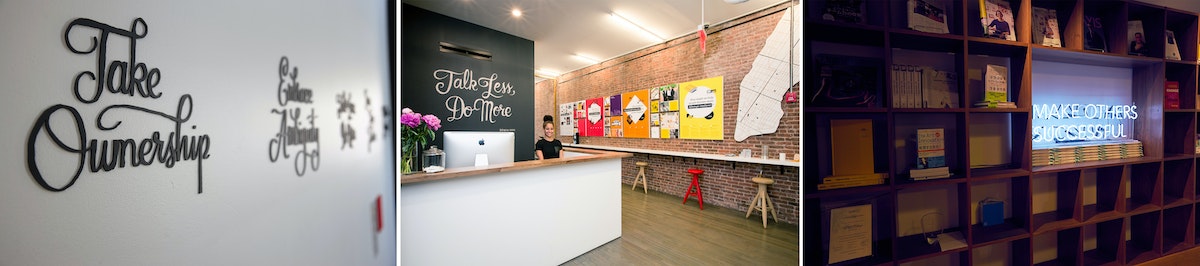
A team of IDEOers in our Shanghai office took on the challenge of exploring the meaning behind each of the values. They were surprised with what they discovered—that despite the firm’s Western origins, locals felt largely connected to the values. It even helped to further solidify their identity as a community, even if it may have been in tension with local working culture, because it was rooted in a set of shared beliefs.
In some instances, the Shanghai team built on the existing values in order to refine the meaning for the local context. For example, the core value "Be Optimistic" rings true, but could sound naive when translated directly to Chinese, implying "rose-tinted glasses.” So in the Mandarin edition, an extra phrase was added to convey the measuredness we mean when we talk about optimism at IDEO. The lesson here: The treatment of something as fundamental and nuanced as our values requires authenticity and emotional connection, and therefore more of a transcreation process than straight translation.
Lasting Power
As an organization, we are designed to be flexible. This means we’re always changing—even when it comes to how we are structured—so that we can respond to the kinds of challenges that clients come to us for. In the midst of our constant evolution, The Little Book of IDEO is as resonant today as it was when it was published.

The future guest experience
Designing new guest and employee journeys that deliver on the promise of an iconic brand.
kate spade new york has been an iconic fashion brand since the early 90s, when its handbags first stormed the Manhattan fashion scene. Since then, the company has expanded and evolved into a global lifestyle brand.
With e-commerce reshaping the retail landscape and redefining the role of brick and mortar stores in recent years, kate spade new york leadership asked: How can we make the kate spade new york specialty store experience, well, more special?
kate spade new york already held the key to a new way of thinking about a multichannel customer experience: a brand promise “to inspire her to lead an interesting life.” Hoping to bring that promise to life in store, they engaged IDEO to help make it happen. The solution was for kate spade new york to take the brand message from words to action in the form of a customized guest journey. The team created more than 100 design concepts and strategies for building a retail experience that rewards curiosity and sparks artistic and literary exploration.
“In partnership with IDEO, we spoke extensively with our customers and associates to better understand how we can provide the most engaging and fulfilling in-store experience,” said Mary Beech, Executive Vice President and Chief Marketing Officer at Kate Spade & Company. “The new store elements that we introduced speak to our customer’s personality and appetite for adventure while aiming to enhance engagement with new and existing customers.”
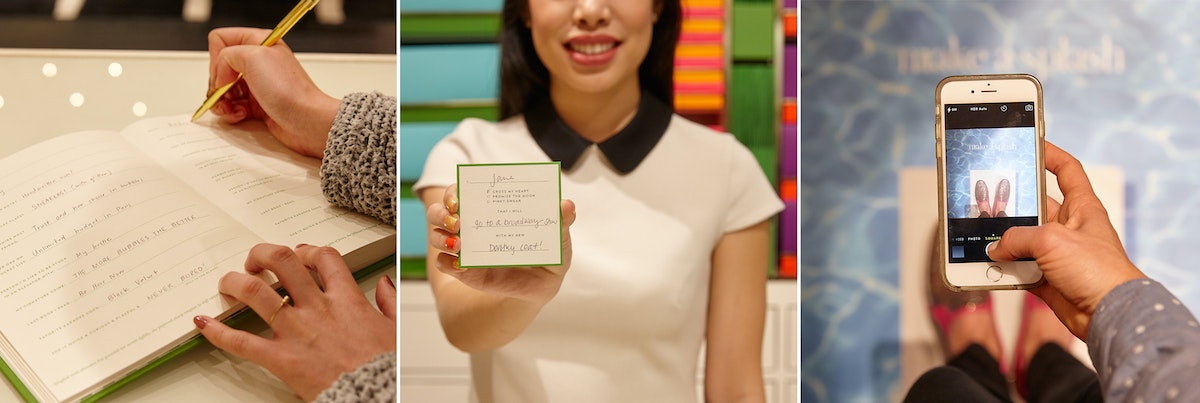
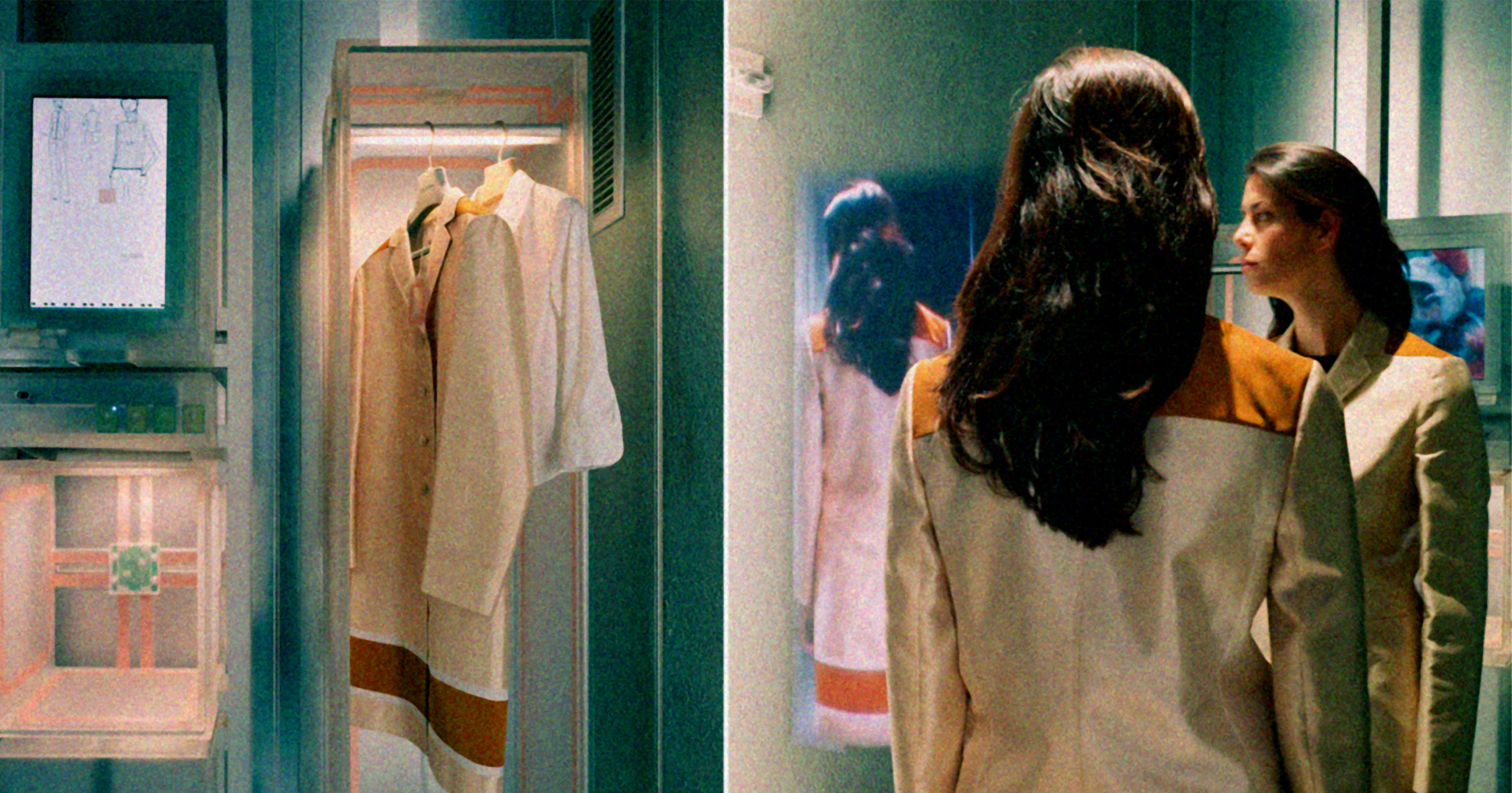
The team knew that striking the right balance of digital tools in in-store interactions was pivotal in allowing two people to have a more rich and collaborative face-to-face connection. The concepts include things like “pack a purse” to test drive how many everyday items can fit in different style handbags, cheeky “dare cards” that challenge customers to go on an exciting adventure with their new purchase, and digital moments like the “shoe selfie” platform that would allow a guest to share “I’m thinking about them” heels or just-purchased flats with her social network. IDEO live-prototyped a selection of concepts in stores around the country and saw a high correlation between customers’ positive reactions and their subsequent purchasing decisions.
“At kate spade new york, our brand promise is to inspire women to live a more interesting life,” said Jenica Myszkowski, Vice President of Stores at Kate Spade & Company. “Our new and improved guest journey experience puts our customers at the center, allowing us to more fully deliver on our brand promise in our retail stores with a stronger vision and purpose for our stores and our store teams.”
To deliver the newly envisioned guest service experience, the role of the sales associates needed to be redesigned, as well. The kate spade new york and IDEO team created a new role: the Muse, whose job is to live the brand promise of an interesting life and to inspire customers to do the same. The reimagined role ultimately shifted the focus in specialty stores from selling to inspiring and building long-lasting relationships with guests.

Two kinds of athletes, one strong brand
Designing a brand that served both elite athletes and everyday fitness enthusiasts.
Athletes’ Performance and its subsidiary, Core Performance, were both founded on a single mission: to enhance human performance through a holistic approach to mindset, nutrition, movement, and recovery. Athletes’ Performance focused on elite professional athletes, and Core Performance provided corporate fitness programs and workouts for employees hoping to lead more healthful lives, and both found a footing in the competitive health and fitness market.
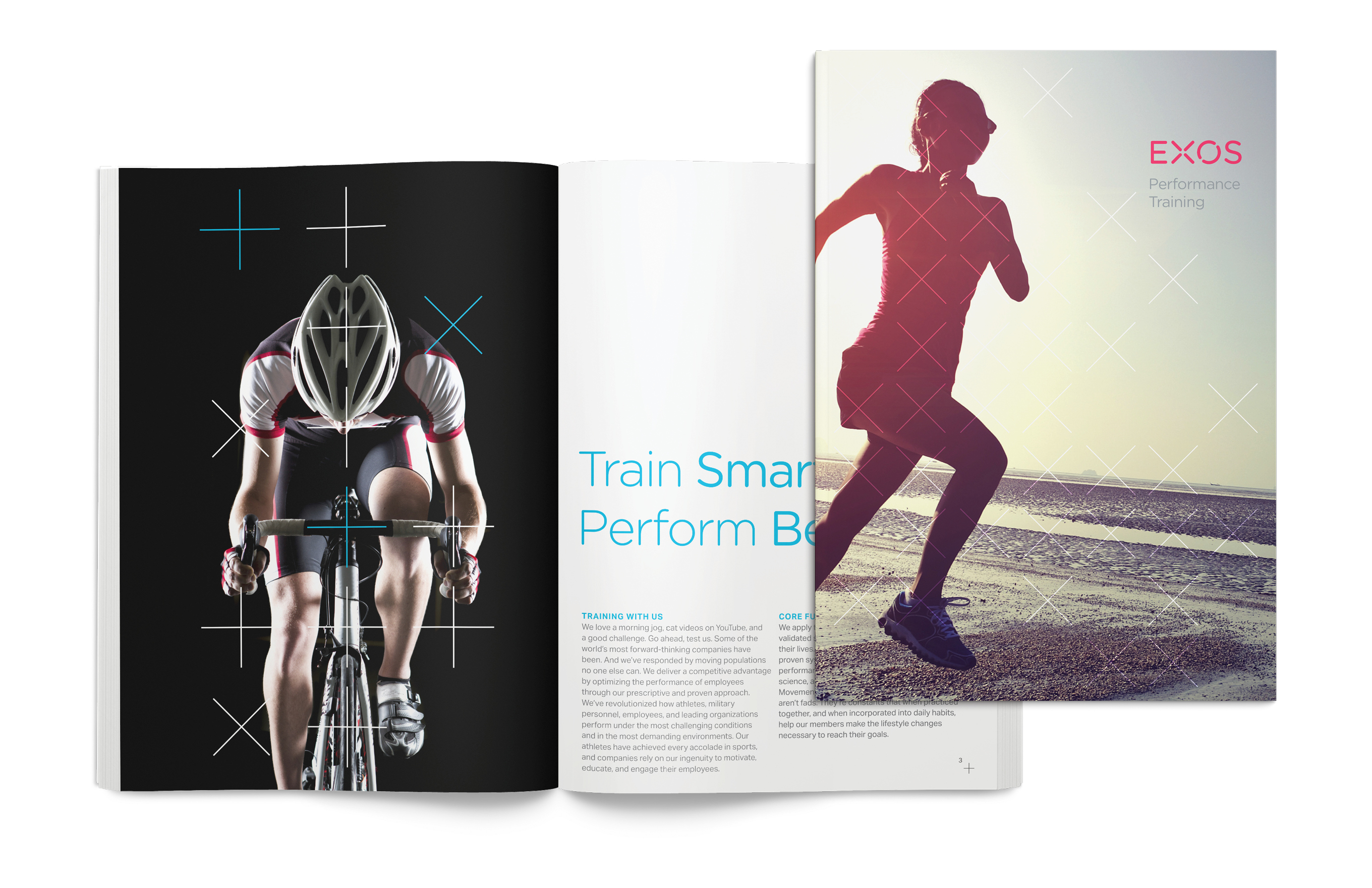
Faced with a challenge to redefine the brands, IDEO designers collaborated with the founder and integrated marketing team to unite Athletes’ Performance and Core Performance under one name that would cut across the health, fitness, and wellness markets to reach a full breadth of audiences and partners. Under a new name, EXOS, the teams created a brand identity system unified by its founding mission and focus on human performance.
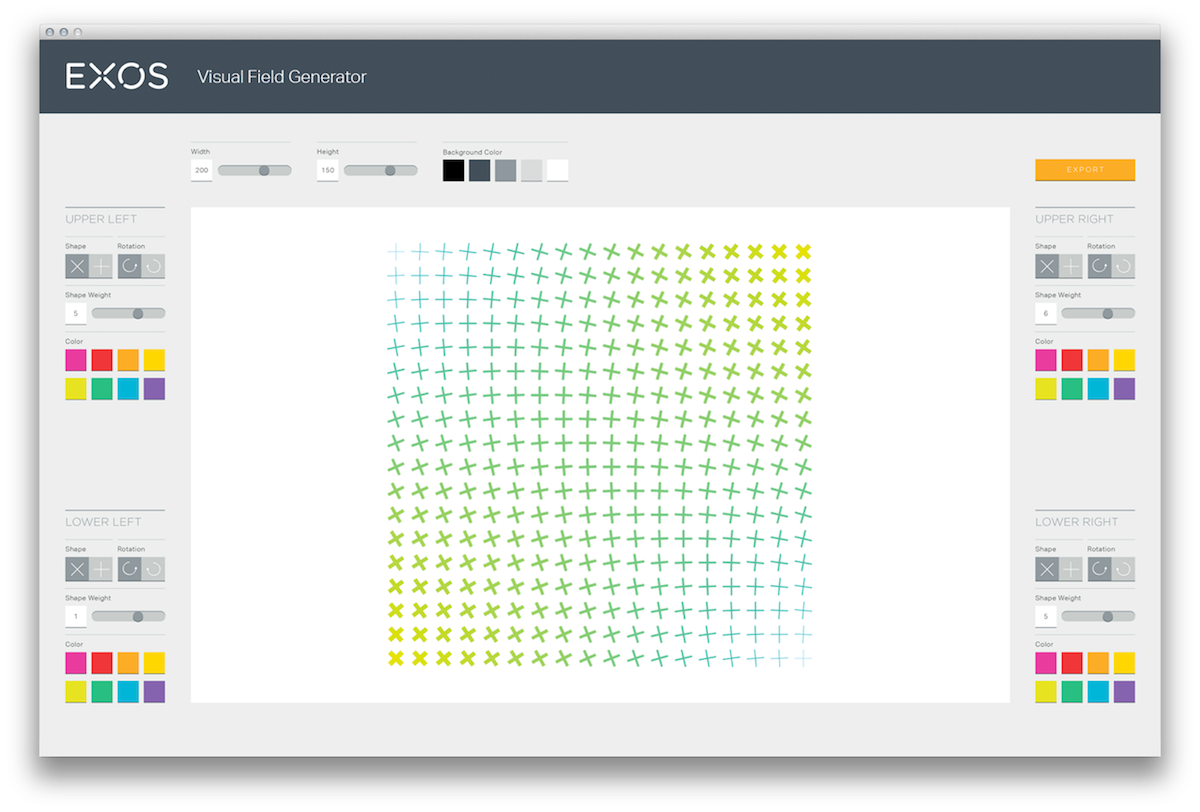
For the new EXOS brand, IDEO designers created a visual language using “x” and “+” to highlight the progress from goals to achievement, as well as a system of interaction for athletes of all performance levels. The team also created a bespoke digital tool, outfitted with custom software, which gave designers both guidance within the brand guidelines and creativity to explore new products and contexts.
Making sure a bank stays great as it grows
Designing digital tools and brand concepts for Umpqua Bank.
Imagine this: Your company has just gone through a $2 billion merger. You show up at work to find an invitation from the CEO asking you to help shape the bank’s future. This is what happened when Umpqua acquired Sterling Financial Corporation in 2014, doubling its size and resulting in the creation of the West Coast’s largest community bank overnight. With a mission to be “the world’s greatest bank,” CEO Ray Davis seized the moment to reinvest in design across the organization.
Umpqua asked IDEO to help examine the brand they had and take it to a new level. They wanted to find out: how can we leverage our strength and reputation by activating the brand in new ways to deepen employee and customer engagement and foster continued growth?
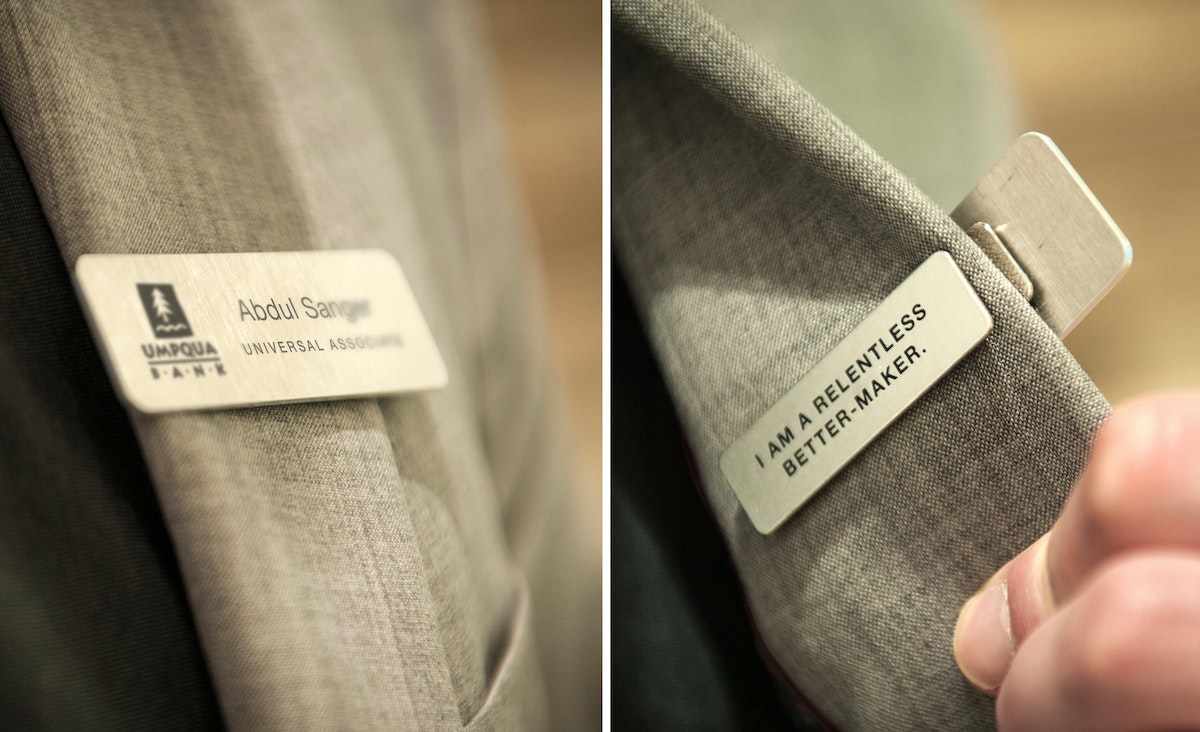
IDEO identified three core brand opportunities and a newly articulated purpose statement that became a launch pad for more than 15 different concepts to express the brand internally and externally.
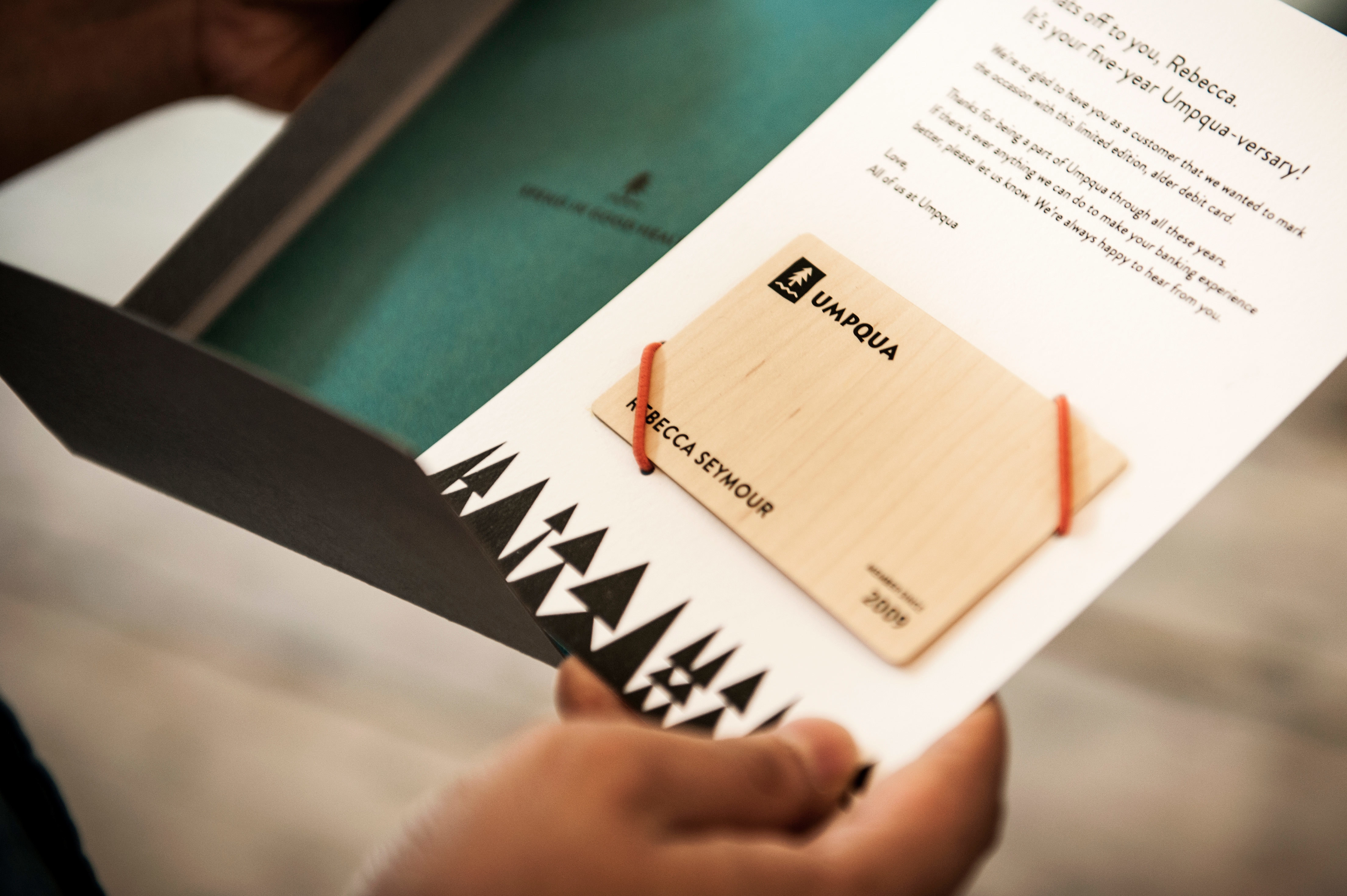
Inside Umpqua, company evangelists handed out notebooks with tips on “how to be better-makers,” and associates now participate in collaborative design challenges through an internal tool built on IDEO’s OI Engine, software that fosters open innovation. The design challenges are drawing unprecedented participation of 84 percent among employees and are having a real impact on the organization. Of the five they’ve run in two years, the company has implemented three winning ideas including a buddy program for new hires or transferees that upwards of 1,000 associates could experience over the next year.
WATCH: Umpqua Bank on using the OI Engine platform
IDEO also worked with Umpqua’s team to conceive digital products including a new digital app called Raindrop that lets people bank in the way that they think about saving and spending, not the way a bank does. It’s due for release in 2016.
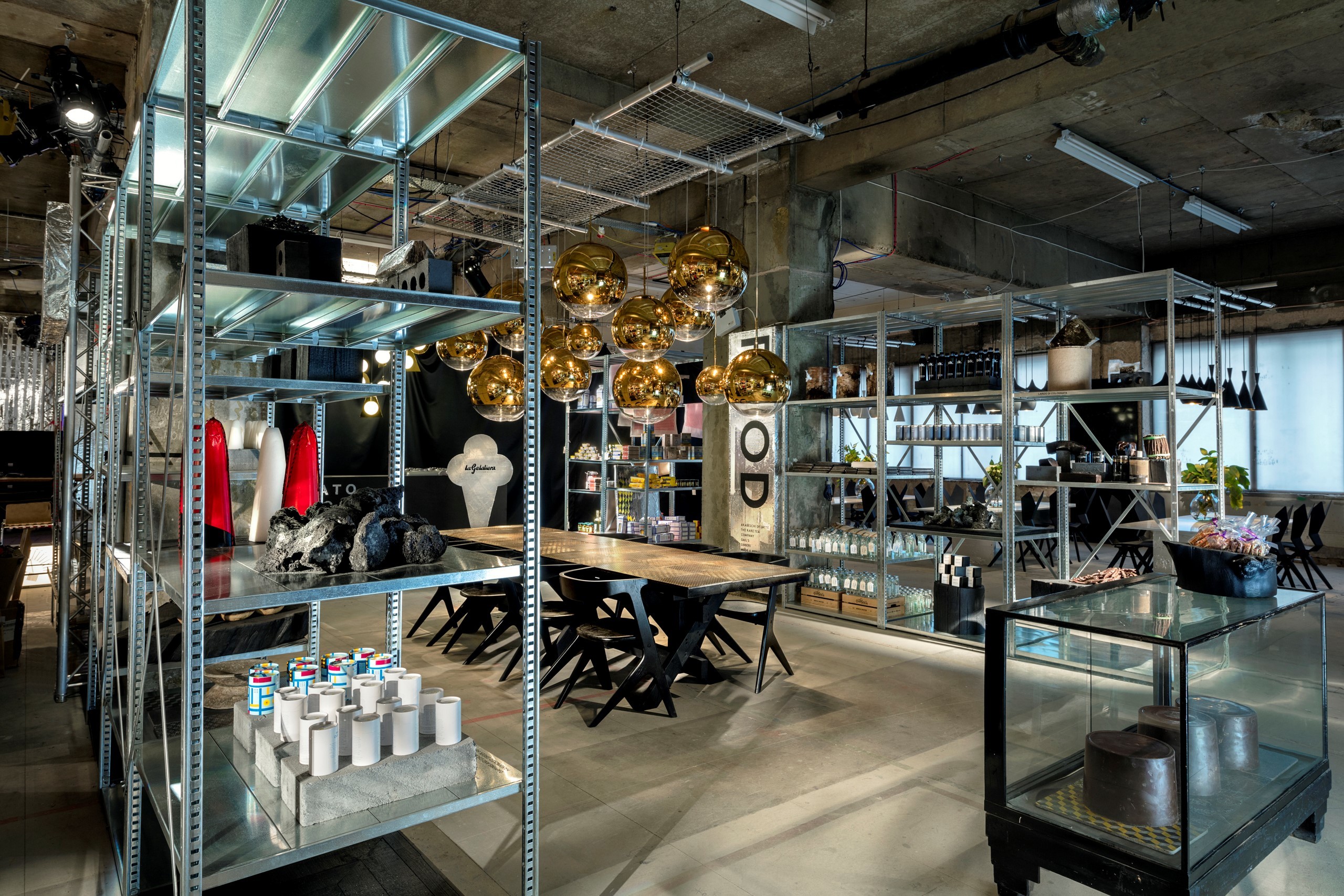
To introduce all of this work, IDEO set up an immersive exhibition at Umpqua’s headquarters in Portland. Teams large and small, including the executive and associates from across the company, walked through the exhibit and witnessed how the brand impacts every aspect of their business, from employee engagement to product development. It was signed on the spot by Davis, who invited employees to sign their names, too.

3 Creative Exercises to Make Change Stick in 2019
Setting resolutions and actually sticking to them can be very different things
Whether you’re looking to be more productive at work or make a more personal change, it helps to have a roadmap. Here are three low-fi methods to help you stick with your intentions for the New Year.

1. Start at the finish line
“Designing Your Life” (DYL) is a popular Stanford d.school course (and now, best-selling book) that helps you leverage design thinking to creatively envision your future. The curriculum guides you to identify and flesh out several different paths (or “odyssey plans”) that your future might take, in order to discover what’s possible and gain clarity about what matters most.
We can apply this same process to 2019. What are various directions that the next 365 days might take? What decisions or moments might guide the path ahead?
Try this:
- Close your eyes and visualize where you might be at the end of 2019, in as many as three different scenarios.
- Choose the path that excites you most, and write a eulogy, looking back on the passing of 2019. What did you learn, do, and experience? What events or opportunities created meaningful twists and turns along the way?
- Reflect on the eulogy and see if you can identify any surprising patterns or trends in the language. These might hint at a few of your New Year’s resolutions or areas that matter to you for 2019.
- Store the eulogy in a place where you’ll stumble upon it throughout the year, or seal the letter in an envelope to open one year from today.

2. Step into your discomfort zone
Doing things that scare us can be healthy and inspiring. Take Jia Jiang, who overcame his fear of rejection by spending 100 days asking for what he thought he would never receive—everything from a “burger refill” at a restaurant to a live radio interview. Not only did he gain confidence in asking for what he truly wanted, but he even walked away with some critical yeses to his asks, opening the door for him to do things he never thought possible.
What fears do you want to conquer in 2019? Here’s one way to get started:
- Draw three concentric circles on a piece of paper, like a target. The innermost circle is your comfort zone. As you move farther from the bullseye, you get farther outside your comfort zone. Everything outside the circle or by the edges of the paper are activities you need the most courage to do.
- Starting from the center and extending to the outermost ring, write down five to 10 activities in each area that you want to do but might need a little extra nudge to make happen.
- Compare your comfort zone map with a partner. Did you flag skydiving as “level-three scary,” only to find that it’s squarely within your partner’s innermost comfort zone? Maybe they could show you the ropes. See if there are also activities where the opposite is true, and your partner can lean on you in return.

3. Break up with it
Do you have a proclivity for showing up late all the time, or a tendency to scroll mindlessly through your Instagram feed in the morning, rather than starting your day intentionally? Do you have a behavior, activity, or even a physical belonging that you want to say goodbye to in 2019, so that you can make room for what you really want?
Once you know what you want to break up with, try this:
- Write a breakup letter. As you’re writing, consider: Why are you done with this behavior, activity, or thing, and what’s going to replace it? Why is this change so critical to make in 2019? How will you make sure that you don’t end up getting back together again? Sign the letter at the end and date it, as you would with a formal contract or pledge.
- Keep the letter in a place where you’ll be reminded to follow through, like on your nightstand or in your wallet.
Ever since I was little, I’ve been experimenting with different ways to mix up my New Year’s resolution routine—from vision boards and journey maps to classic spreadsheets and lists of lists. But setting resolutions and actually sticking to them can be very different things.
Our Top 10 Stories of 2018
Take a look back at the IDEO blog's greatest hits
The list is chock full of tips and tools to help you bring a creative mindset to your life and work. We hear you loud and clear: Look out for more how-tos and to-dos in 2019!
PS: Sign up for our weekly email newsletter to stay up to date with The Octopus in the new year.
1. 5 Brainstorming Exercises for Introverts
Shy people of the world, unite! Try these five creative brainstorming exercises to help the introverts among us feel more comfortable contributing their ideas.

2. An IDEO Recruiter’s 5 Tips for Writing a Better Cover Letter
Prepping for a job interview? Use these five tips from a seasoned IDEO recruiter to help you write a compelling, well-crafted cover letter.
3. This Deck of Cards Will Change the Way You Work
It can be a challenge finding the right language for critiquing creative work. That’s why a team of IDEO designers created this deck of cards to establish a shared vocabulary for cross-disciplinary teams.

4. Why Gesture is the Next Big Thing in Design
Soon, communicating with our AI assistants by talking into thin air may no longer be our only—or best—option. Here’s why gesture interfaces could be the future of interaction.
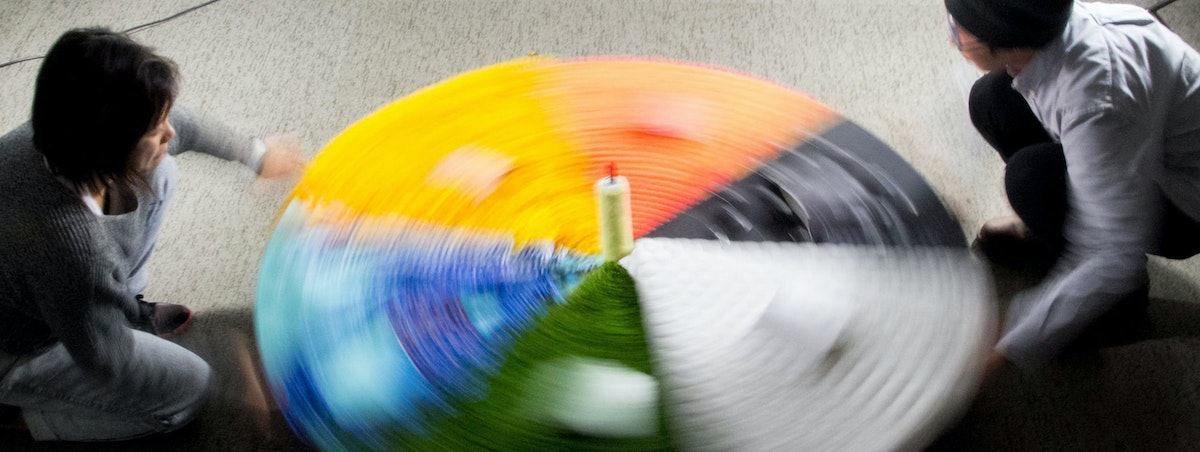
5. Why Workplace Culture Matters (And How to Build a Good One)
You might think workplace culture is about ping pong tables and sparkling water, but really, it’s about creating the conditions for employees to do the best work of their lives. Here’s how to level up your company’s culture.
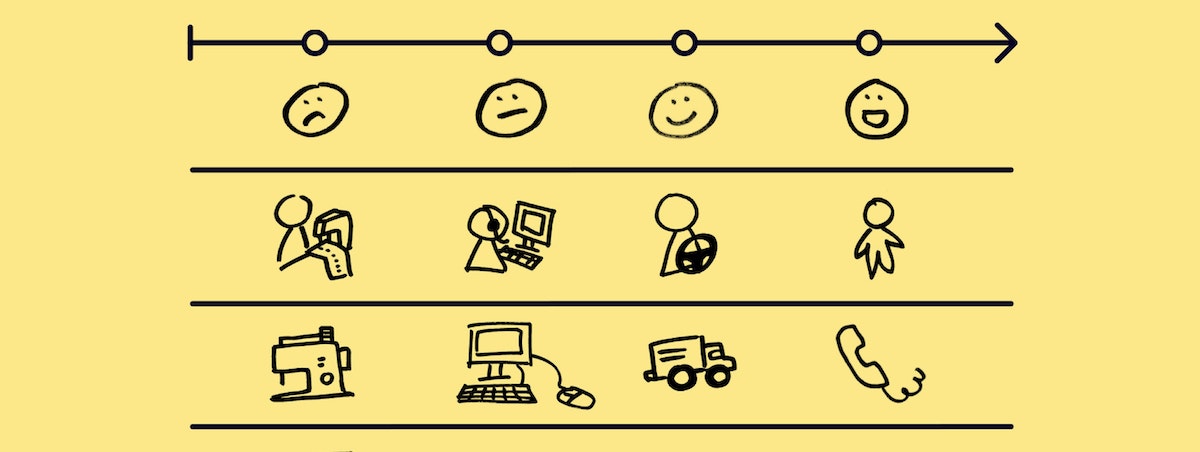
6. 3 Tips to Help You Prototype a Service
Prototyping is a powerful tool in the design process, but not every prototype can be built out of cardboard and foam core. IDEO U shares tips from their newest course to help you prototype intangible service experiences.
7. 15 Podcasts Playing in IDEO Ears Right Now
Looking for some fresh audio inspiration? Feast your ears on these 15 podcasts hand-selected by IDEO designers.

8. 3 Ways to Get Comfortable with Ambiguity
As designers, it’s our job to help build the future we want to see. While that freedom can be liberating, the ambiguity can also be tough to navigate. Try these mindset shifts to help you embrace uncertainty like it’s no big thing.
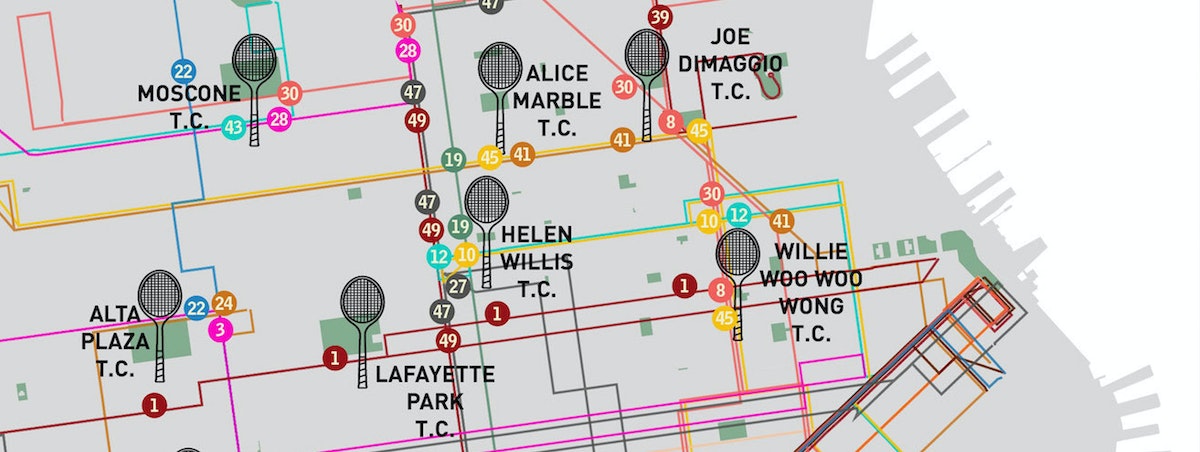
9. A Cartography Nerd’s Guide to Custom Map-Making
IDEO’s resident cartography nerd shares his step-by-step guide to designing a custom interactive map.

10. 6 Ways to Hack Your Workspace and Find More Joy at Work
Research shows that feeling joy at work not only increases our wellbeing, but also our job performance. Get started with these colorful ideas from guest contributor Ingrid Fetell Lee, a designer who studies joy.
From workplace culture to best practices for brainstorming to the future of interaction—2018 has been a year of creative growth for The Octopus. To celebrate, we’ve rounded up our greatest hits—the top ten stories that you, dear readers, have read and shared most this year.
Visit the Workplace of Tomorrow With These 4 Futuristic Designs
In the future, we don't think our 9-to-5s will be 9-to-5s at all
People are talking about what the world will look like once machines take over jobs. But before (and if) we ever get there, the way humans experience the workplace will change in other ways, too. Recently, while a group of us were in between client projects, we spent a week asking questions about just that—the future of work.
We dug into topics like technology, flexible hours, global teams, connection, and community. Once we had our ideas, we prototyped quickly. Building these physical models made the intangible more tangible, which was helpful when talking about something as abstract as the future of work.
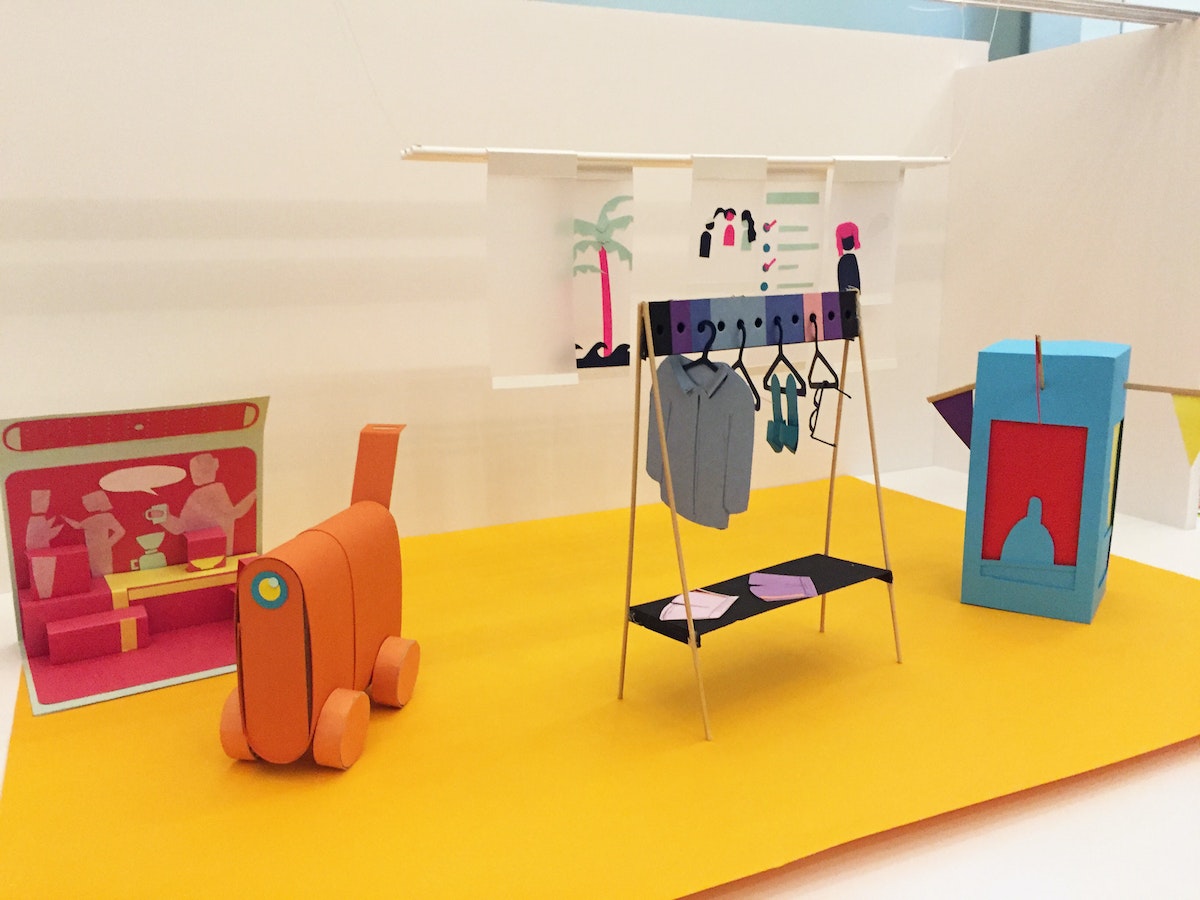
In addition to these physical prototypes, we created the following visuals to illustrate what we think might be the future of our nine-to-fives (which we don’t expect to be nine-to-five at all). Here are the four questions we asked and the playful ideas we came up with to help people navigate the ever-changing professional world.
1. How might we foster belonging, connection, and accountability?
Technology lets you work from almost anywhere. But the unforeseen cost of this is often a loss of community, both inside the office space and for those working remotely.
Imagine a small, portable “wormhole” that connects you to a place and those inside. The portal projects the visuals and sounds of your office and coworkers into your space, so you’re no longer alone. Based on your need, the signal strength can be adjusted to convey atmospheric office noise or actual hallway conversations. By turning the device on, you also notify others that you’re available and working.
2. How might we enable our environment to change to support different modes?
With our lives becoming more flexible and connected, the same needs to be true for our spaces. A certain room might need to host an interactive meeting, but also allow heads-down time.
Imagine a digital and physical piece of furniture that transforms your environment. Spatially, the window hides certain areas. Digitally, it displays dynamic images. You can move the window to the wall to showcase a relaxing video of ocean waves, or on top of your kitchen counter to display recipes. Merge multiple windows into a large canvas to turn virtual face-to-face conversations into room-to-room conversations.
3. How might virtual spaces gain a physical presence?
Lawyers, therapists, and teachers are now having more virtual meetings with clients and students. What if this virtual connection came to life in the physical world through new types of digital brick-and-mortar service stations?
What if there was an array of large, screen-based portals throughout your city? The screens create virtual shop windows that integrate into existing shopping streets, letting pedestrians peek inside retail stores and virtually interact with owners. Buildings constructed with the screens can host private conversations with dietitians or job counselors. The screens can create small-scale versions of existing services, too: Banking booths made of screens let tellers offer financial advice to customers.
4. How might we manage changing rhythms, rituals, and transitions?
For many of us, our minds primarily switch between home and work mode. Our environment, attire, and tasks reflect the current mode. The big advantage of this mental separation? Focus.
We envisioned a wearable assistant that autonomously creates your optimal daily schedule based on your relationships and connections using set units of time. The notion of nine-to-five is replaced by alternating, colorful blocks representing work and life activities. The bracelet reminds you of work meetings and the best time to call your parents who live across the globe. If you’re not feeling like exercising, remove the block or push it back in time. The device rearranges your schedule while you focus on the present task.
Asking questions, brainstorming, and quickly prototyping can help bring even the most abstract ideas to life. And even if the prototypes are a little more whimsical than serious, they help us imagine the future in a creative and human-centered way.
The team that worked on these ideas included Julian Kraan, Dogan Sekercioglu, Chloe Lee, Kim Cullen, Matty Martin, Geemay Chia, Andy Deakin, Jayne Jeffries, and Matt Marchand.
As designers, our work begins by asking good questions. They range from the straightforward—how might we make ice cream more portable?—to the wild—how might we design the workplace of the future?
Your New Pet Velociraptor, Plus 7 Other Toys From the IDEO Play Lab
Your inner child is going to love this
On our team, our currency is joy. In a not-too-far-off and awesome future, I hope parents begin to tell their kids, “You can’t do your homework until you go outside and play for an hour.”
Even though we love those everyday objects that turn into toys, we have some favorites on store shelves too. 2018 was another year of fun in our Palo Alto office—we got to work with toy companies on everything from transformative, nostalgia-based toys to new electronic games. Here are some of those favorites, invented by the IDEO Play Lab.
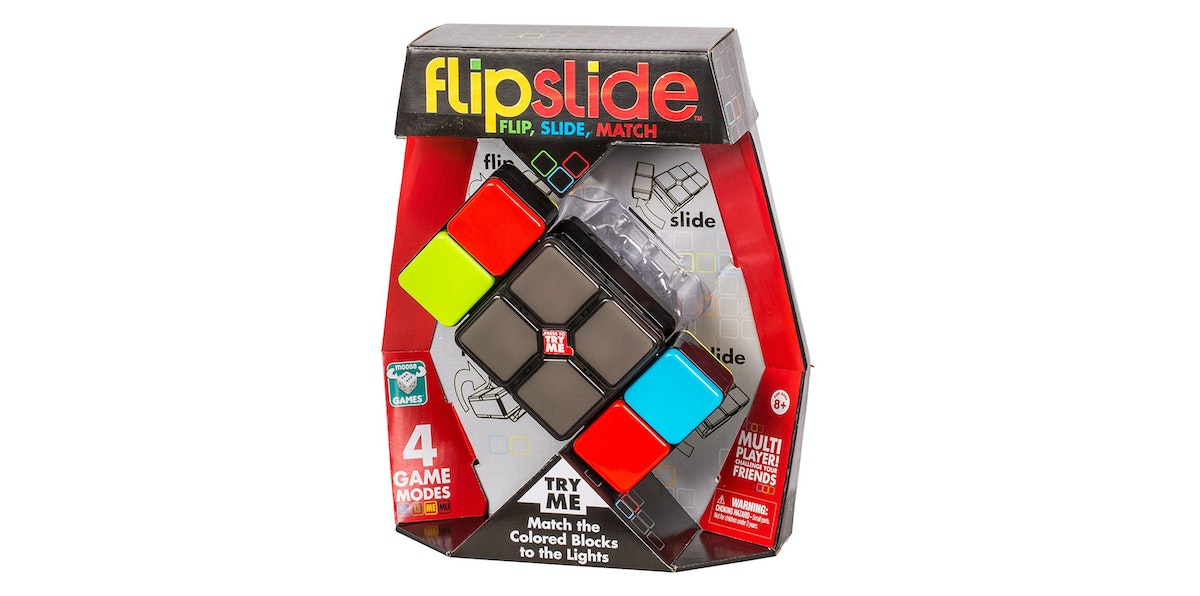
1. Flipslide
If a Rubik’s Cube and Simon had a baby, it would be Flipside. This fast-paced puzzle game can be played by yourself, against a friend, or with the whole family.
2. Hungry Bunnies
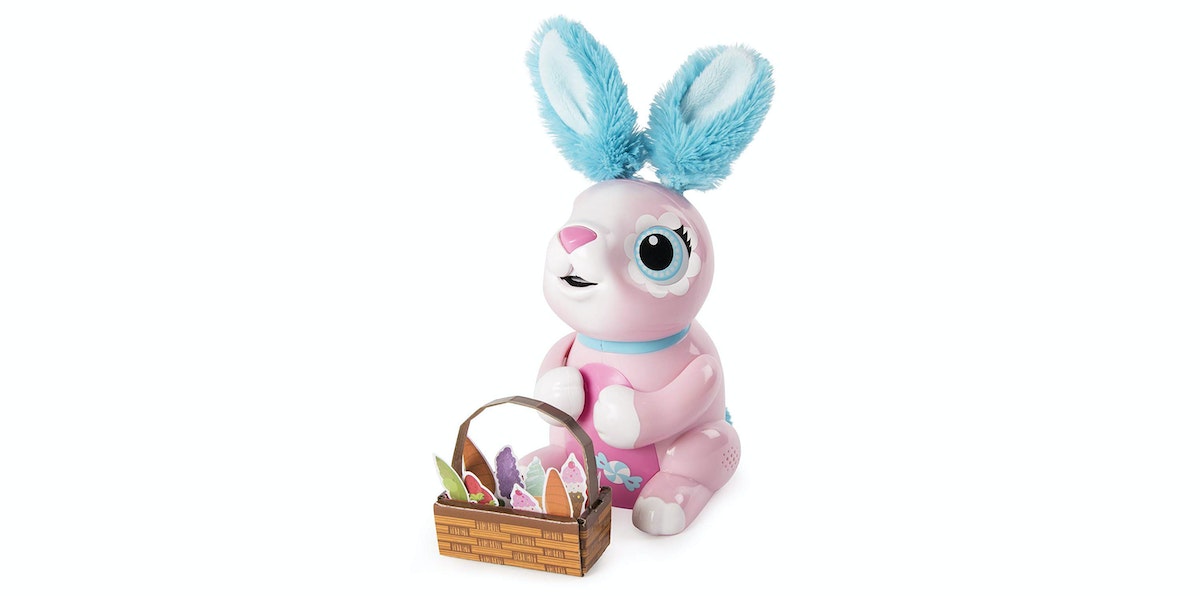
Adopt a (robotic) pet for the holidays. This adorable bunny really eats, but you won’t have to blow your budget on carrots—its favorite food is paper. It also laughs, sings, and comes complete with cuddly, fluffy ears.
3. Scooby Doo Transforming Mystery Machine
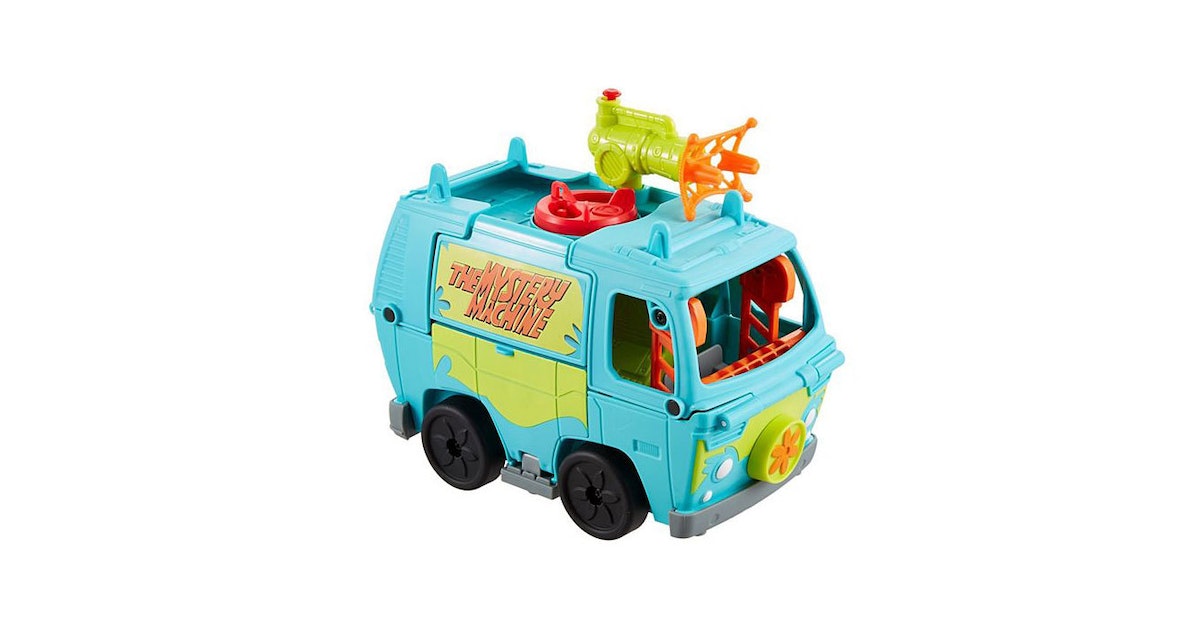
Look out, meddling kids! This toy transforms from the classic Mystery Machine into Scooby and the gang’s crime fighting HQ. Perfect for the preschooler who you want to introduce to your favorite nostalgic cartoon.
4. RC Mobile Command Center
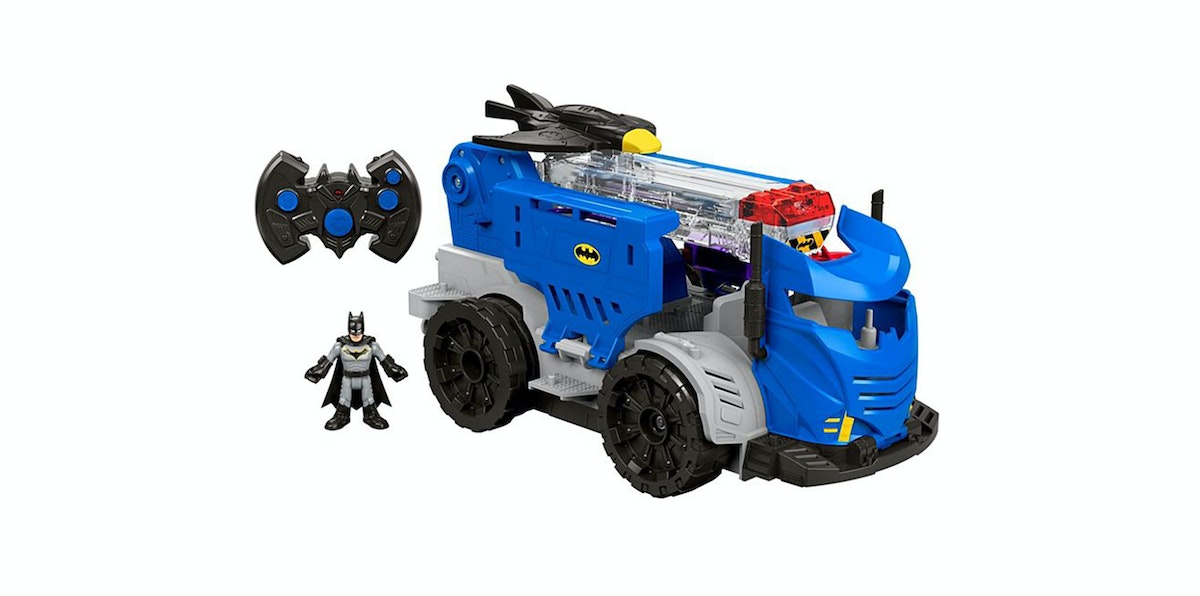
More preschool fun, but with Batman this time! Also, a missile launcher. What kid doesn’t want a toy with a missile launcher? And on second thought, what adult doesn’t want a toy with a missile launcher?
5. Creative Cafe Barista Bar
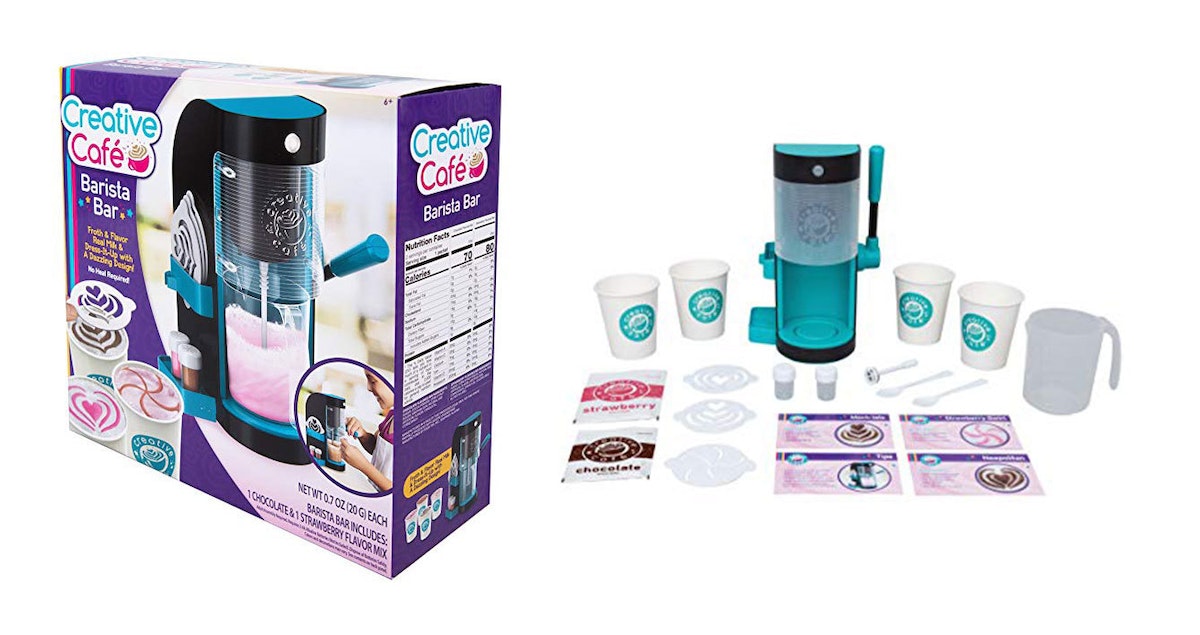
Think Starbucks, but with brighter colors and a kid-safe milk frother. Latte art stencils are included so little ones can create their own designs.
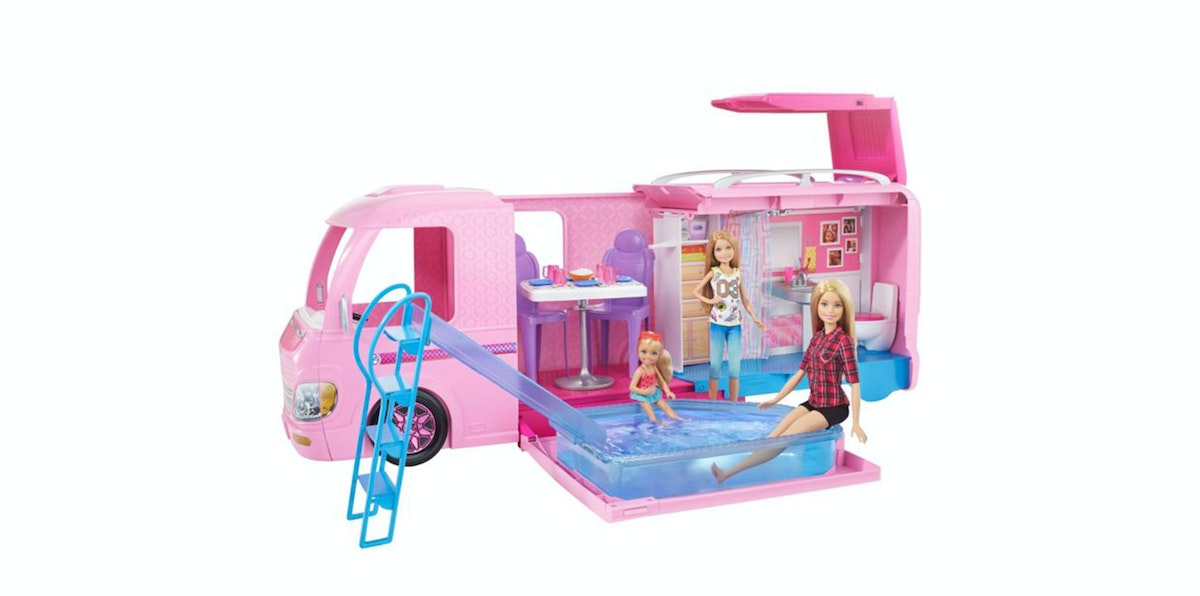
6. Barbie Dream Camper
Barbie’s had a lot of sweet rides over the years, but this one makes road trips a breeze. The camper folds out to a full two feet and includes a play pool that holds real water. After going down the slide, Barbie can dry off roast marshmallows around the campfire. Kids will spend hours discovering all the features of this toy, so a vacation for Barbie means a vacation for parents too.
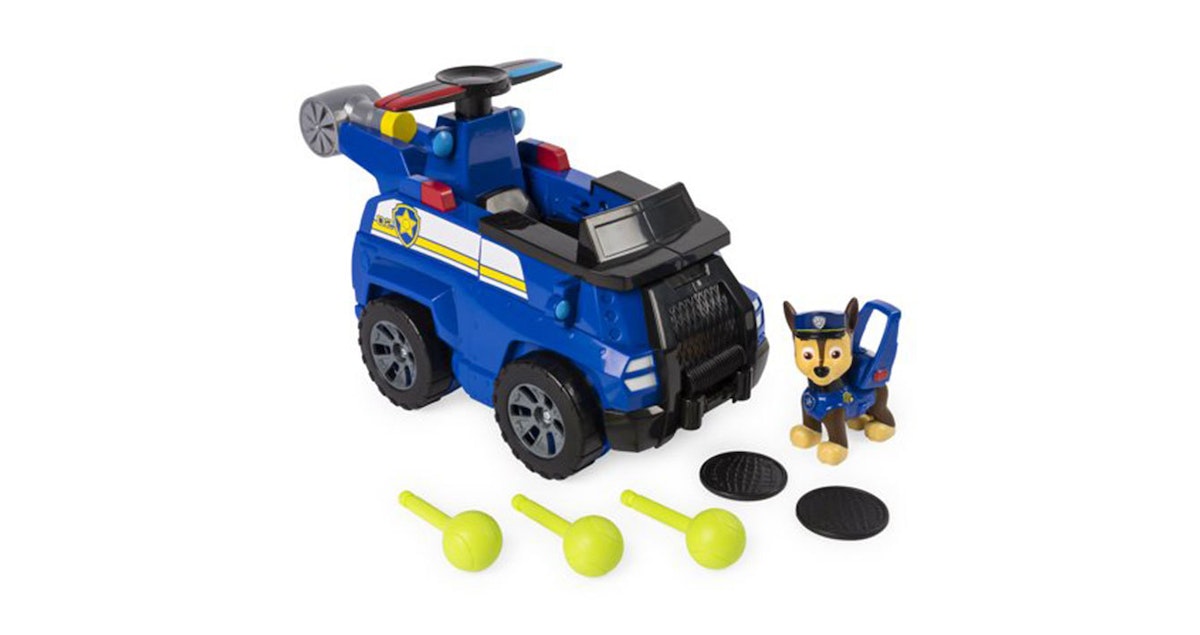
7. Paw Patrol Flip & Fly Chase
Paw Patrol is one of the most popular (not to mention cutest) shows for kids. Chase the German Shepherd’s vehicle is a dual truck and rescue jet—just lift to transform your truck into an airplane!
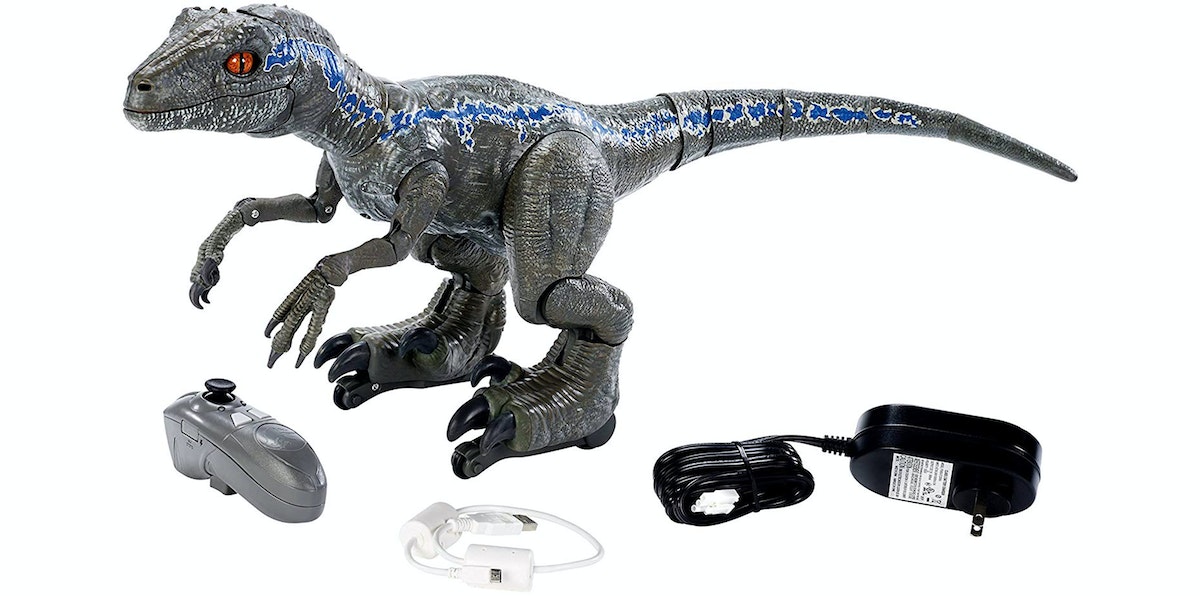
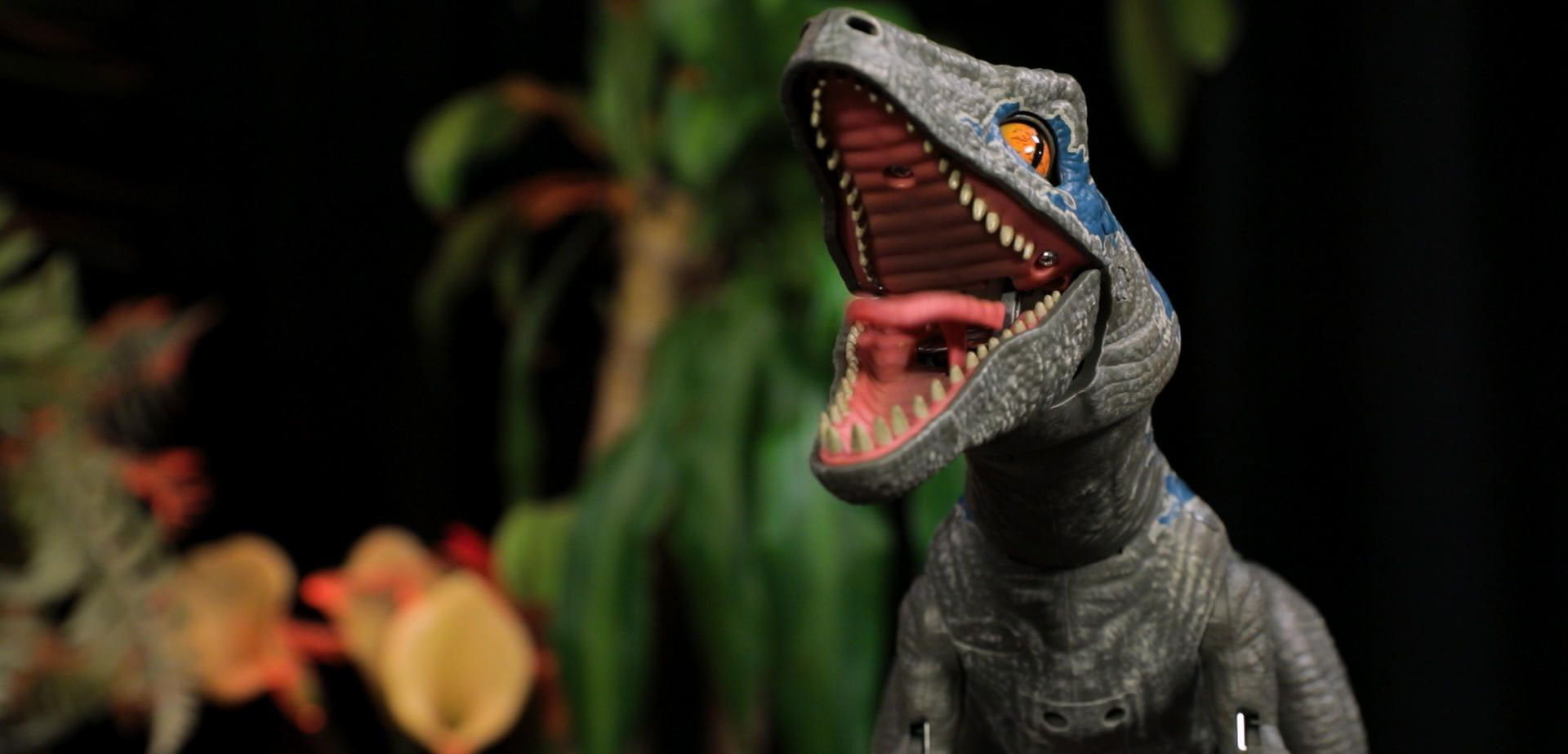
8. Jurassic World Alpha Training Blue Raptor
You've always wanted a pet velociraptor, right? Right. Now’s your chance—this interactive toy allows you to train your own pet dinosaur. You can even use it as a guard animal, set to alert you when anyone gets too close to your office—or, uh, your kid’s bedroom.
Header image via CNET.
At the IDEO Play Lab, we believe that a good toy is one that promotes play. Of course, all sorts of things can promote play—it’s hard to top pots, pans, and a wooden spoon for a one-year old, or a giant cardboard box for toddlers. (Tip: Never recycle those giant boxes too quickly!)

Lindsey Turner
I’m passionate about building brands, products, and experiences that help organizations show up with meaning and momentum.
I help organizations cut through complexity by shaping how they show up, through brand strategy, identity, and storytelling.
Working at the intersection of brand and business, I bring an editorial eye and a bias toward making—turning ideas into tangible experiences that people can understand, trust, and believe in.
My work spans government, healthcare, financial services, media, and consumer goods, from launching Gen Z-focused ventures to building innovation labs and reimagining legacy brands. I relish moments of ambiguity and enjoy translating across teams, perspectives, and priorities to move ideas forward.
I started my career in editorial and digital design, shaping cross-platform experiences and identity systems in publishing and agency environments. That foundation still shapes how I work today: I’m detail-oriented, collaborative, and overreliant on the Oxford comma. I hold a BFA in Visual Communication from the School of the Art Institute of Chicago.

Rachel Young
My work helps organizations see who their products aren't working for—and build the will and the tools to do something about it
For 25 years, I've asked the same question: Who does this design exclude—and what are we going to do about it?
My work spans human-centered strategy, inclusive design, and qualitative research, with clients ranging from Microsoft, Google, and Verizon to the National Science Foundation, and San Francisco Unified School District.
Before IDEO, I taught elementary school in East Palo Alto and spent a decade doing design work with social service organizations—where I learned firsthand what it costs people when systems are built without them in mind.
I am currently writing User Error, a nonfiction book about digital access and the design decisions behind it. I live in Oakland, California.

Brian Pelsoh
I lead with craft, ensuring our work is creatively excellent: rooted in deep human insight and imagination, while also grounded in the realities of business and technology.
My expertise spans brand, communication, and product design across tech, education, the arts, and social impact.
I believe great work demands both high-level vision and obsessive attention to detail, and only happens through collaboration.
I bring an inclusive, hands-on approach and a deep understanding of business, which enables me to consistently deliver excellence while always asking why.
Before joining IDEO, I worked at the brand firms Pentagram and VSA Partners. I began my career as a designer, leading teams at the School of the Art Institute of Chicago and the Milwaukee Art Museum. I hold an MFA in graphic design from Maryland Institute College of Art and a BFA in communication design from the Milwaukee Institute of Art & Design, and have taught at some of the best design schools in the US.

Tony Wong
I am responsible for IDEO’s long-term success in China and working with clients to use design as a tool to enable growth.
I am responsible for IDEO’s long-term success in China and working with clients to use design as a tool to enable growth. Specifically, I have helped Chinese companies design holistic brand solutions through the development of their products, communication, services, and innovation teams, and I have helped multinationals expand their presence and influence in China.
I advise global leaders on developing China-led innovation and capabilities.
In over 15 years in IDEO Shanghai, I have worked on projects that use design to elevate the quality of the experience of healthcare products and services, streamline processes that increase productivity, create spaces and programs that promote and enable inclusive communities, and build next generation mobility solutions that are planet-positive.
Before joining IDEO, I worked at Philips Electronics and the Electrolux Group in Italy, the Netherlands, and Singapore on a number of breakthrough commercial products. I am a member of the Young President Organization in Shanghai.

How to use AI as an editor, not a writer
Ed White shares how he uses AI as an editor—not a writer—to sharpen storytelling, rehearse ideas, and preserve the productive friction that makes creative work better.
Ed White has a rule he's tested on his own writing: hold yourself as the writer, and let AI be your editor. Ed is a Senior Design Director at IDEO's London studio, where he co-leads the firm's AI portfolio across Europe. Before IDEO, he spent 12 years as a writer and editor at the Financial Times, Wired, and Contagious. So when he talks about when to use AI for storytelling and when not to, it comes from two decades of crafting his storytelling skills.
In this episode, Mina Seetharaman talks with Ed about two specific tools he uses to keep AI in an editor's seat: a "roasting agent" prompted to critique his drafts without any sugarcoating, and a simulated audience he rehearses pitches on before the real thing. They also get into what Ed is hearing from design leaders at Anthropic, Lovable, Shopify, and Google Creative Lab about how creative work is changing, and why he thinks the friction of writing something yourself is worth protecting rather than automating away.

Building a personal AI for the messiness of life: Sida Li
Becca Carroll talks with Cue co-founder Sida Li about designing a personal AI for the messiness of everyday life—not just work. They explore how Sida stays anchored to human needs while navigating fast-changing technology, product tradeoffs, business-model experimentation, and the realities of building an AI company today.
Most AI products today are built for work—a space with clear problems and established systems. One founder noticed a gap: personal life is messier, harder to systematize, and mostly left behind by the AI boom. So she built Cue, a personal AI that lives inside iMessage and group chats, to go where the other tools haven't.
In this episode, Becca Carroll, IDEO's Chief Strategy Officer, talks with Sida Li, co-founder and CEO of Shared Context Lab, about staying anchored to a human need while the technology around her keeps changing shape, why she treats her business model with the same rigor she'd bring to a product, and what it feels like to build a company at this particular, disorienting moment in AI.
The conversation also gets into how Sida makes design decisions: the language Cue uses to describe itself, the tradeoffs behind building inside iMessage instead of a new app, and a real story about a business idea that didn’t pan out.
This is the second in a two-part series profiling founders from IDEO's Startups-in-Residence program. The first conversation is with Johannes Seemann, founder of Sooner, on designing GenAI for the emotional side of money.

Designing GenAI for the emotional side of money: Johannes Seemann
Designing financial tools around the feelings that shape money decisions.
Most personal financial tools are built to run the numbers and optimize towards a budget. While that works for some, most people experience money as a lived relationship that does not neatly fit into a spreadsheet. Johannes Seemann and Becca Carroll discuss why money is emotional before it is mathematical, and what a human-centered approach to building a generative AI financial product looks like in practice.

The curious leader's edge in uncertainty: Scott Shigeoka
How genuine curiosity helps leaders navigate uncertainty with greater confidence.
Mina Seetharaman talks with Scott Shigeoka, author of Seek and Head of Curiosity Cultivation at the Eames Institute, about what distinguishes genuinely curious leadership from performative curiosity, how power dynamics shape curiosity, and why practicing curiosity can restore energy rather than drain it.
Looks like you might be in search of something very specific?
Or reset the filters above and try another angle.
Here’s some random inspiration

Podcasts about creative leadership

Articles about the power of prototyping