
Helping Peru’s top hot sauce find US success
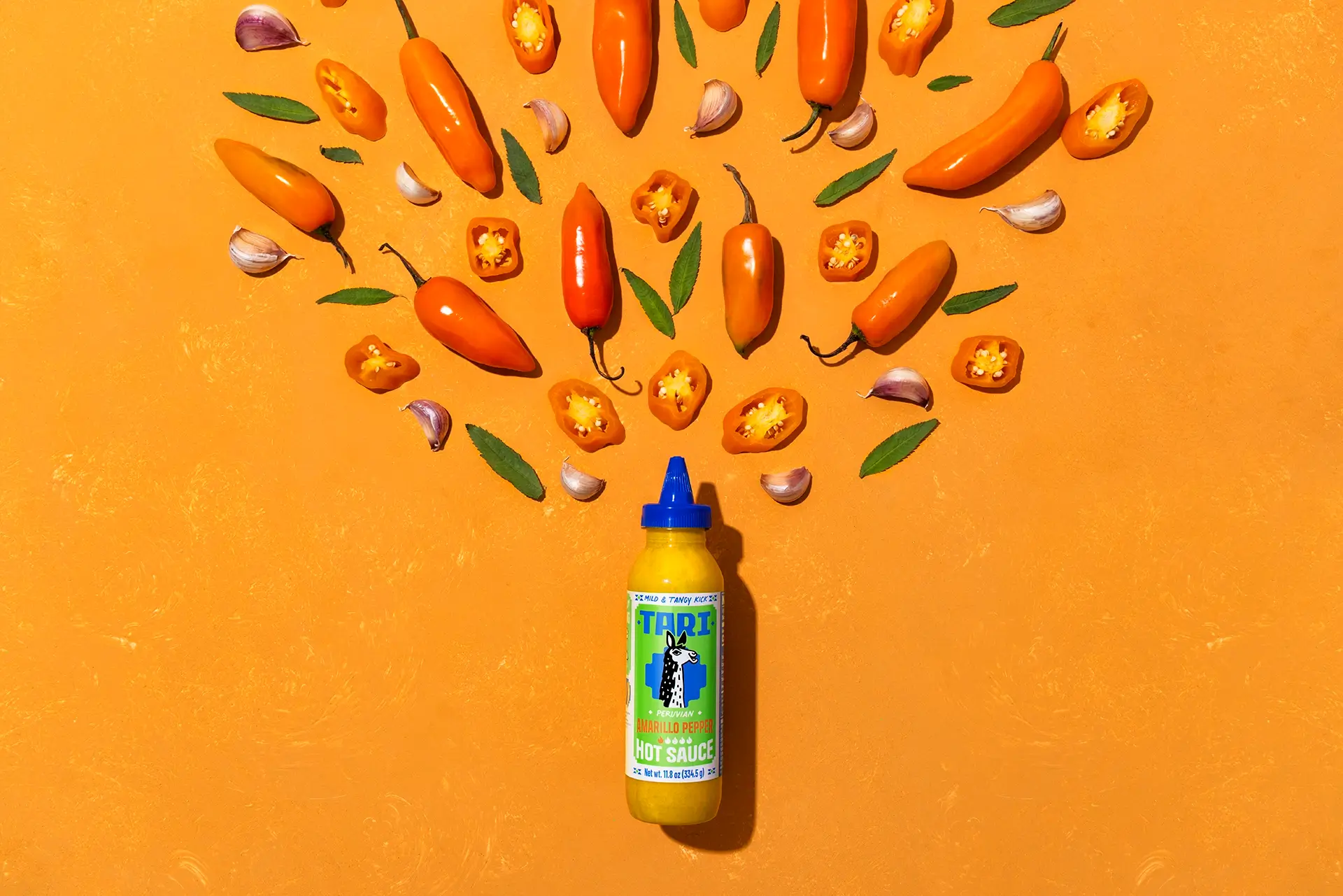
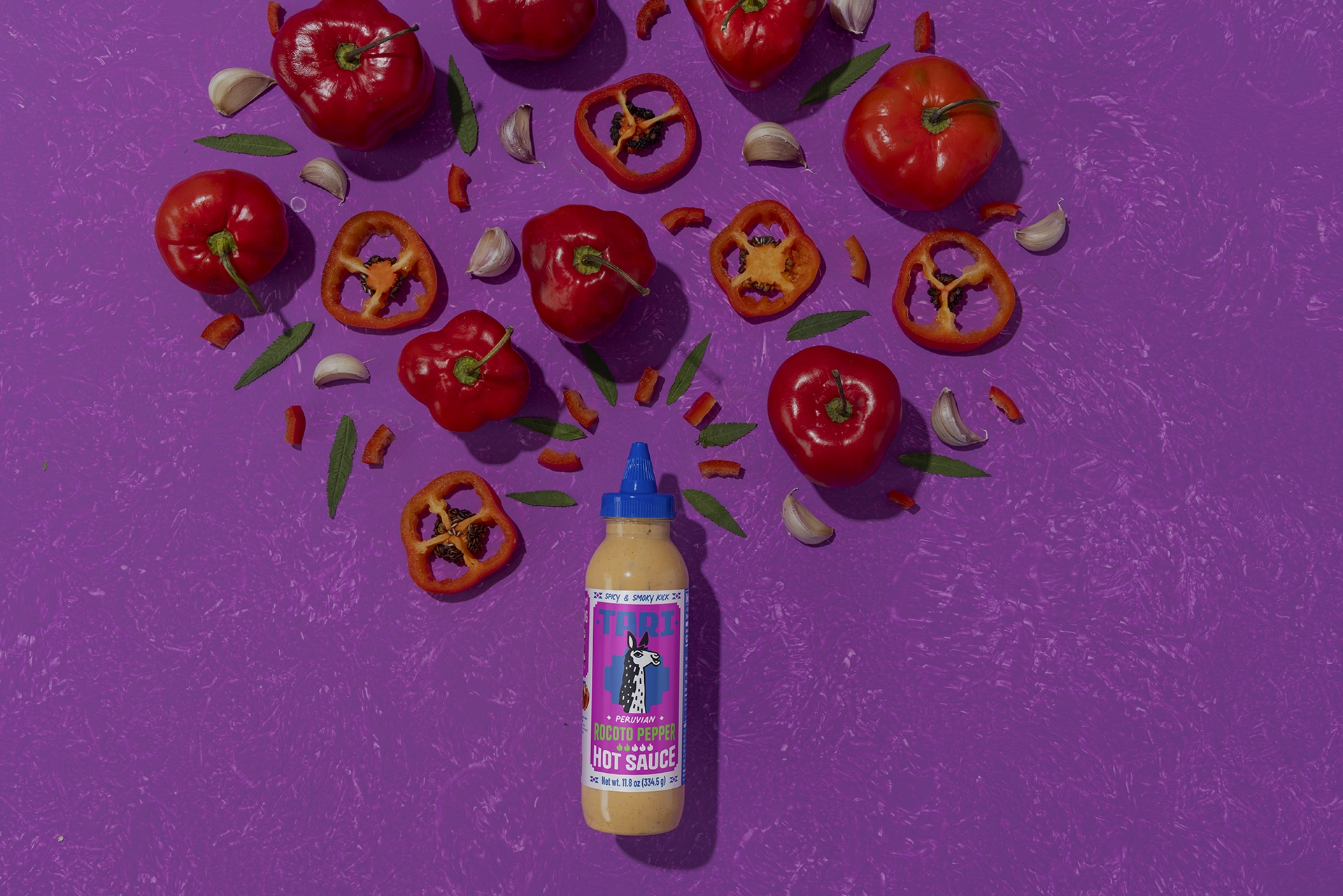
Introducing Tari, a flavorful new kick for everyday American foods.
Alicorp has direct operations in Peru, Bolivia, Ecuador, and Chile, manages export operations in more than 30 countries, and oversees over 150 brands. While its AlaCena sauces are ubiquitous in South America, the brand’s North American market primarily consisted of purchases made via Amazon by Peruvians living abroad. To help the CPG giant expand meaningfully and sustainably onto US grocery shelves—and achieve its ambitious $50 million retail sales goal in five years—Alicorp and IDEO collaborated on multiple projects over a two-year period. The partnership began in early 2020 with consumer research and product strategy, ultimately leading to the development of initial product branding, positioning for launch, and an in-market pilot in late 2021.
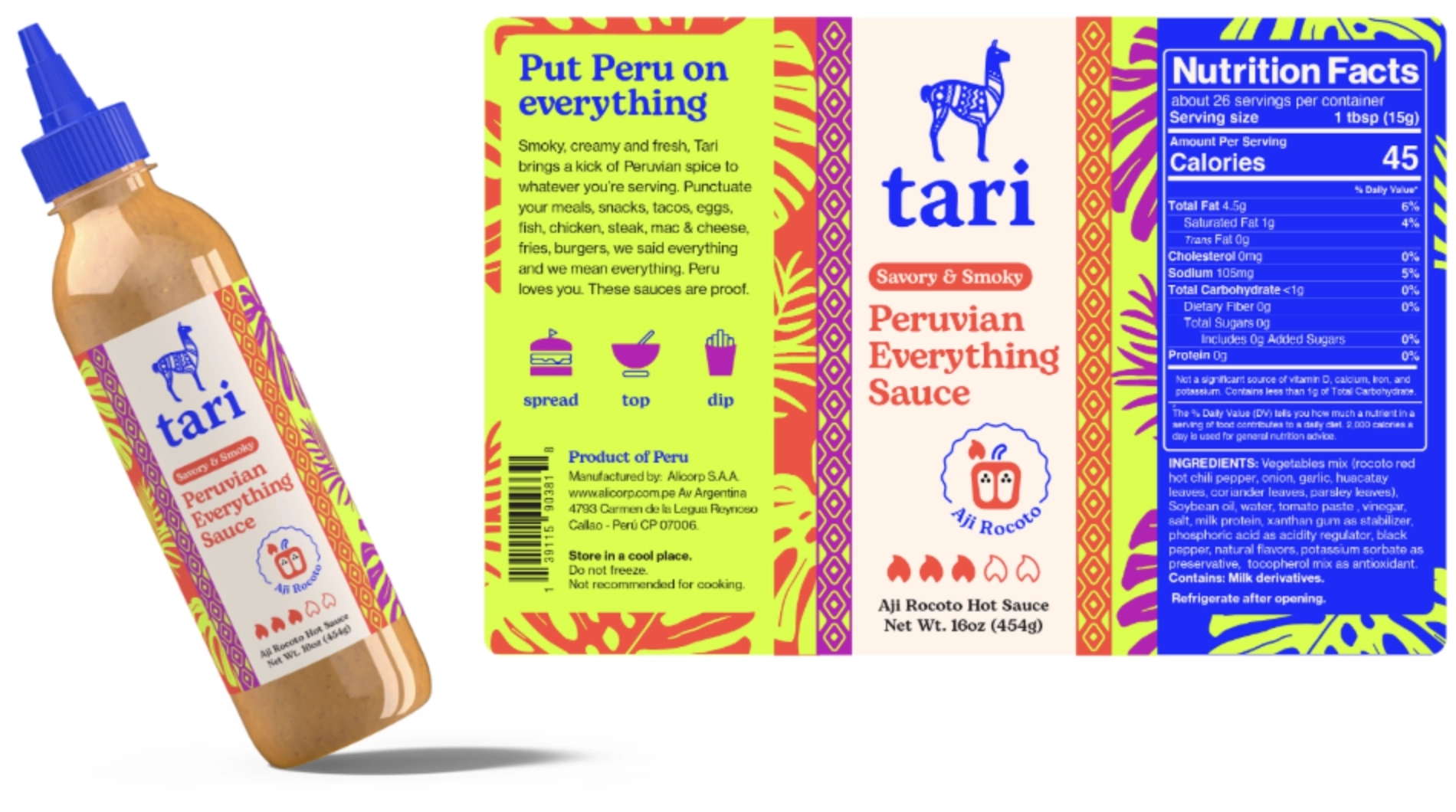
Through a combination of large-scale digital surveys and in-depth, in-person and remote research interviews, IDEO discovered that AlaCena’s Tari and Uchucuta’s hot sauce recipes resonated the most with US consumers. Made from native Aji Amarillo and Rocoto chili peppers ground using a traditional Andean “batán” technique, consumers appreciated their complex flavors and enjoyed how they enhanced, not overpowered, everyday foods like burgers and fries. The sauces’ authentic Peruvian culinary roots were also a key differentiator. In addition to consumers, IDEO consulted with industry experts—including executives from large-scale grocery chains and chief merchants of leading big-box stores—to explore retail and marketing trends and identify potential innovation partners for Alicorp in the US.
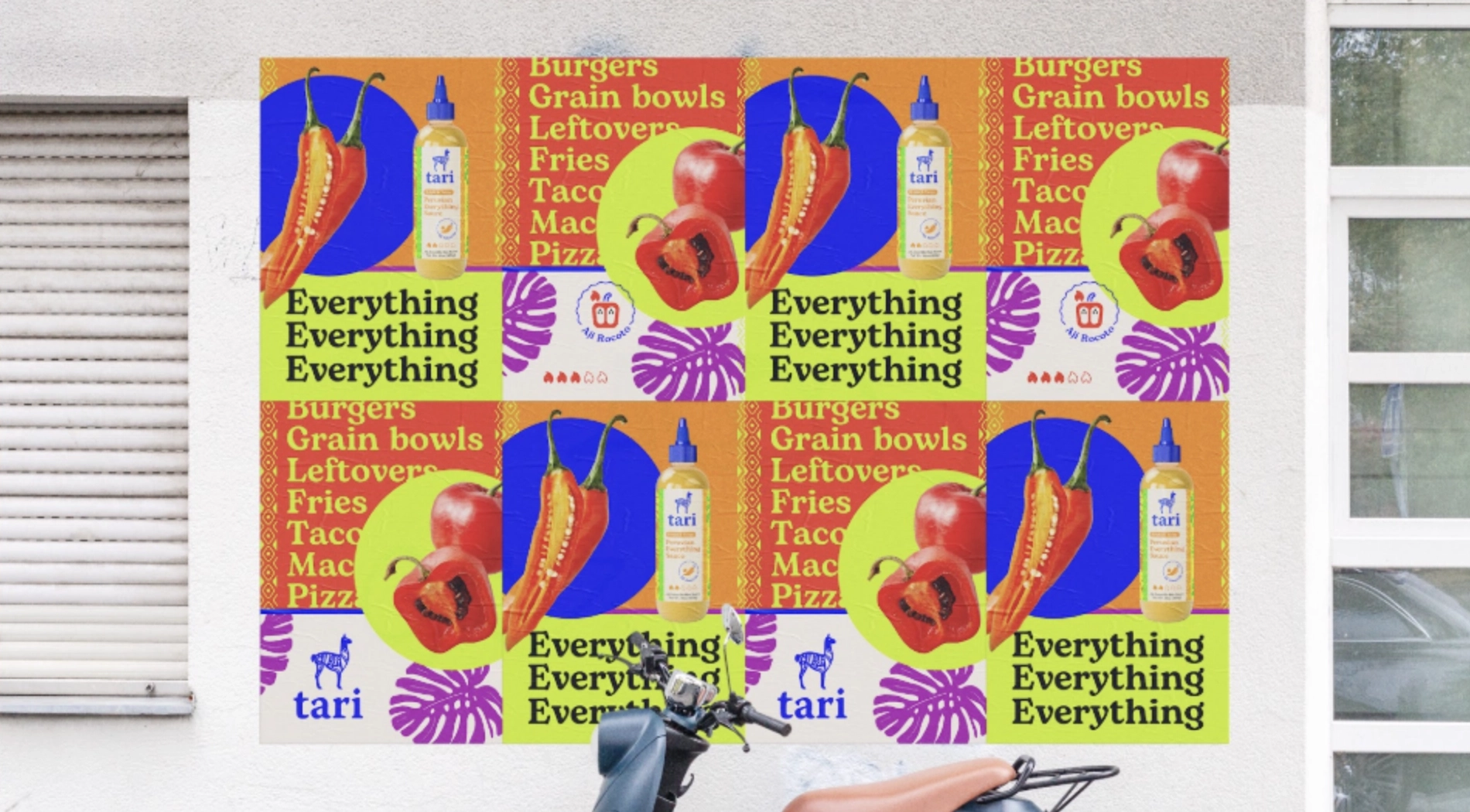
Based on the research, IDEO recommended a few changes to ensure a successful launch: Lead with the Tari brand, which was the most memorable and easiest to pronounce, and position it as an “everything sauce.” Change the packaging from a large plastic pouch to a smaller squeeze bottle to better align with consumers’ expectations and stand out on the inside of refrigerator doors. Adjust the product formulation to appeal to mainstream consumers looking for cleaner labels. And visually celebrate Tari’s Peruvian roots through bright colors, traditional textiles, and a llama, an animal closely associated with the Andes Mountains. In addition to these recommendations, IDEO provided a comprehensive go-to-market retail strategy that included potential US regions for launch, retail brokers, distributors, manufacturers, and R&D and pilot retail lab partners, as well as job descriptions for a new North American-based sales team.
While Alicorp worked on reformulation and packaging strategies, IDEO refined Tari’s initial branding strategy. Steeped in Peruvian aesthetics, the brand’s new look and feel featured a vibrant color palette, geometric patterns, and—of course—a friendly llama icon, which could also be found on all in-store point-of-sale items IDEO designed for Tari's pilot launch in late 2021.
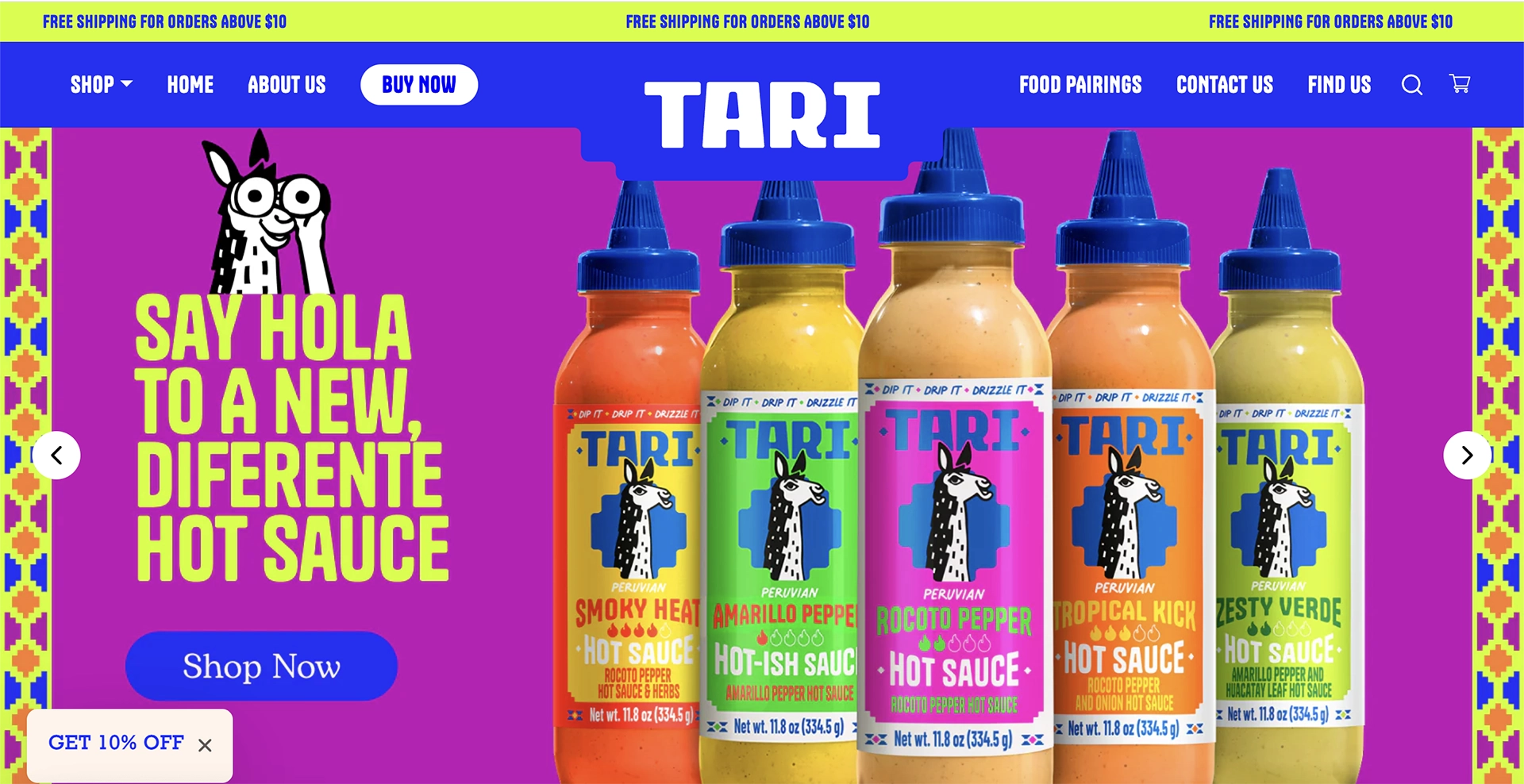
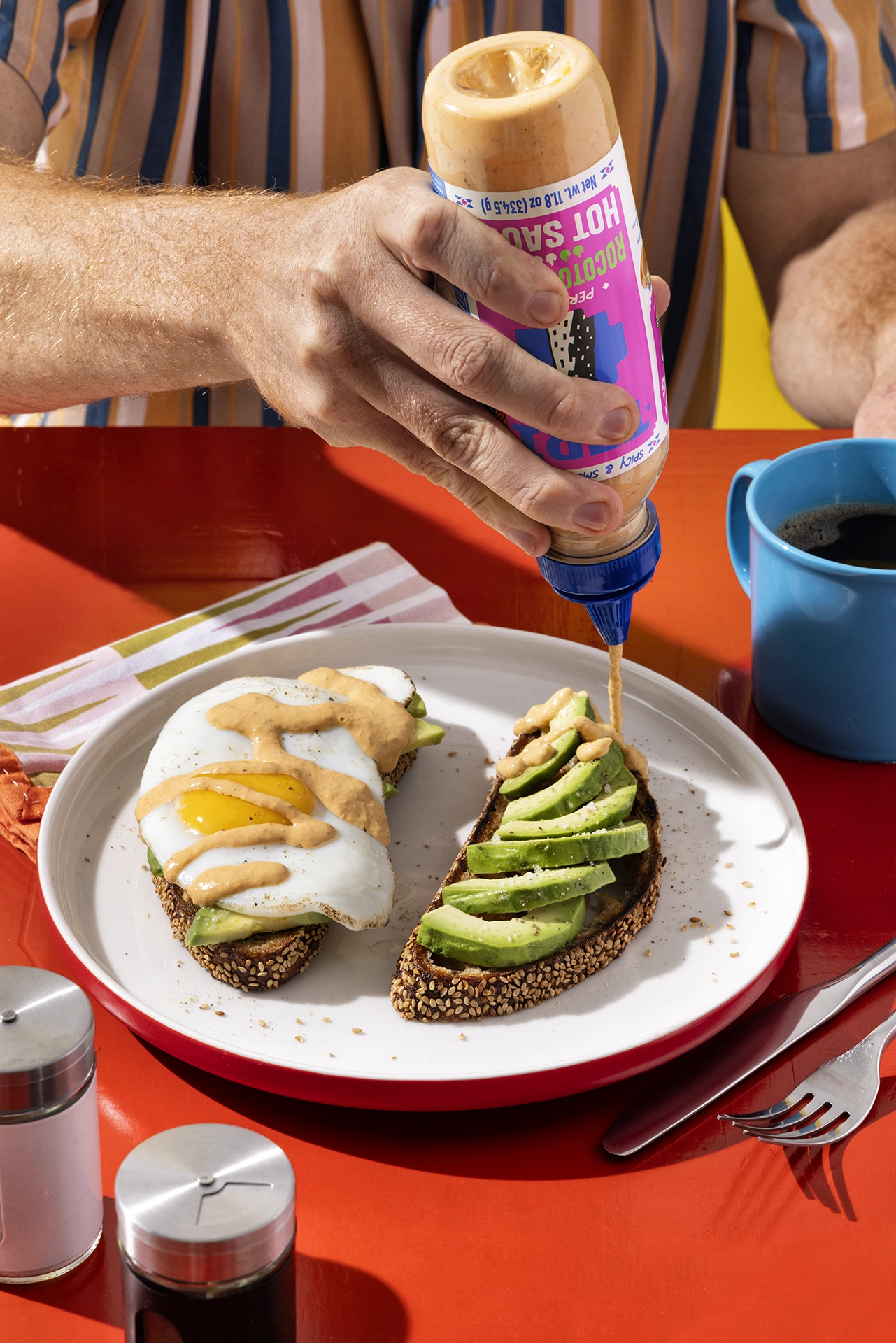
The successful 12-week in-market pilot in Tom Thumb grocery stores gave Alicorp the confidence to have its in-house design team make the brand even bolder and more eye catching, and to launch two flavors, Amarillo Pepper and Rocoto Pepper, on Amazon and in over 50 retail stores in late 2024.
Since then, the popular sauces consistently rank among the top 50 percent of the fastest-selling products on US shelves, with 80 percent of sales revenue representing new business. In 2025, Tari expanded its offerings with three additional flavors: Zesty Verde, Tropical Kick, and Smoky Heat. Today, Tari is in transit to 3,000 major grocery stores, including Wegmans, Meijer, Central Market, and The Fresh Market, as well as available for purchase on Amazon.
Alicorp had a vision to expand its beloved and delicious hot sauces to the US market, but needed help fine-tuning the brand and product for an American audience.
3,000
major US grocers, including Wegmans and Meijer, have signed on to sell Tari hot sauces
80%
of Tari’s sales revenue represents new business, a significant expansion of the overall category
Ranked in the top 50%
of the fastest-selling products on US grocery shelves
Transforming sick days with play
Playhouse MD brings comfort, connection, and a little joy to pediatric care.
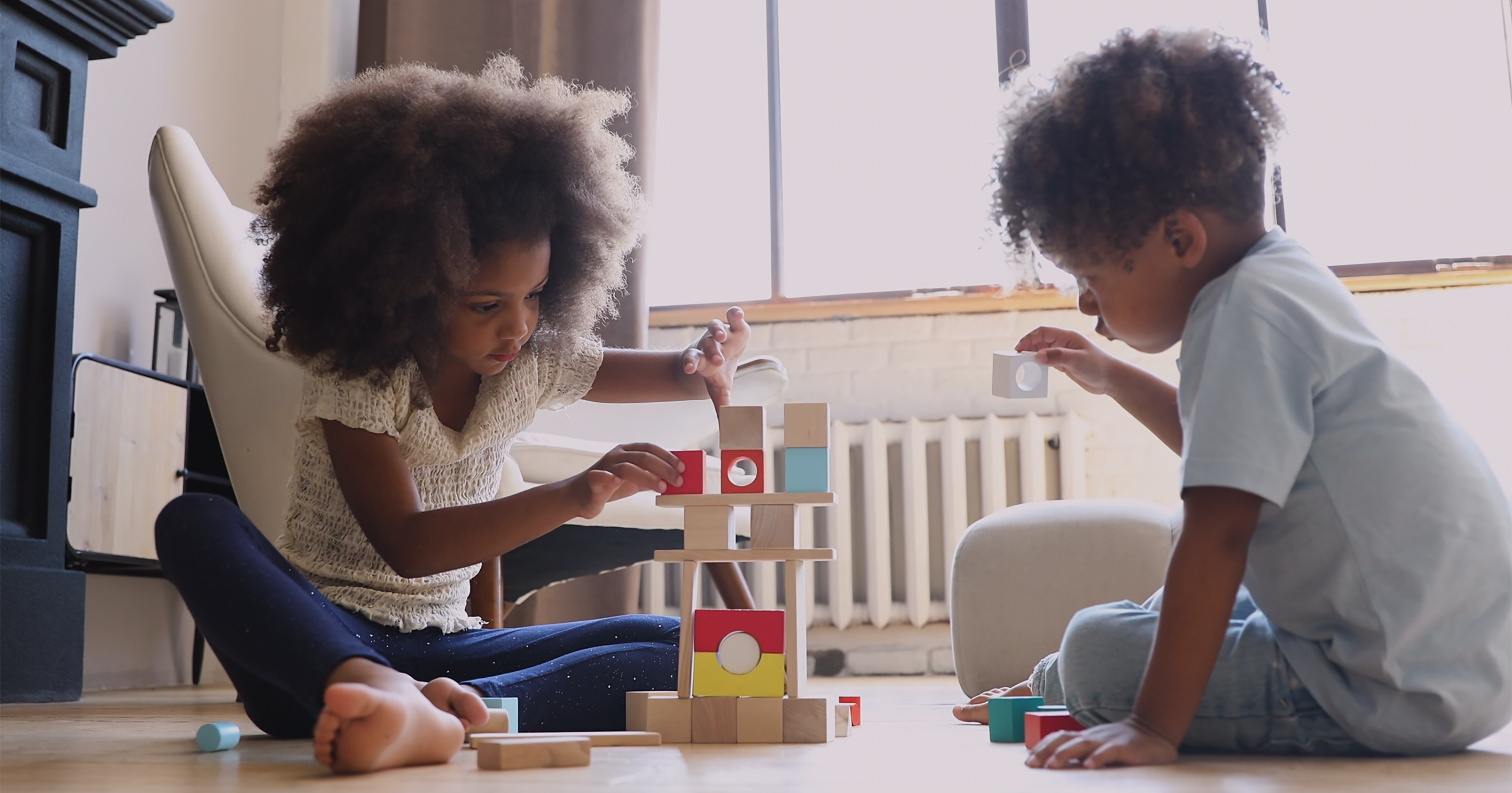
Fevers. Boogers. Yucky meds. IDEO Play Lab designers dove deeply into the challenges of sick days and doctors’ appointments through video diaries, online surveys, and in-person interviews with parents, healthcare providers, and small children in homes and pediatric offices across the US. They heard about the struggles of giving medicines, wonky thermometer readings, kids having “stethoscope scaries,” and, worst of all, what happens when kiddos hear the “s-word”—shot.
The research confirmed Sydney and Kaitlin’s initial hunches about playful healthcare products and provided the team with insights on how to move forward. The answer was a formula of sorts. To help reduce kids’ anxiety and keep them calm at the doctor, give them a choice in their care whenever possible. Build familiarity with doctor’s visits and medical devices through playful moments at home. Redirect their attention away from fear. Design for multisensory richness. And provide age-appropriate narratives about healthcare experiences.

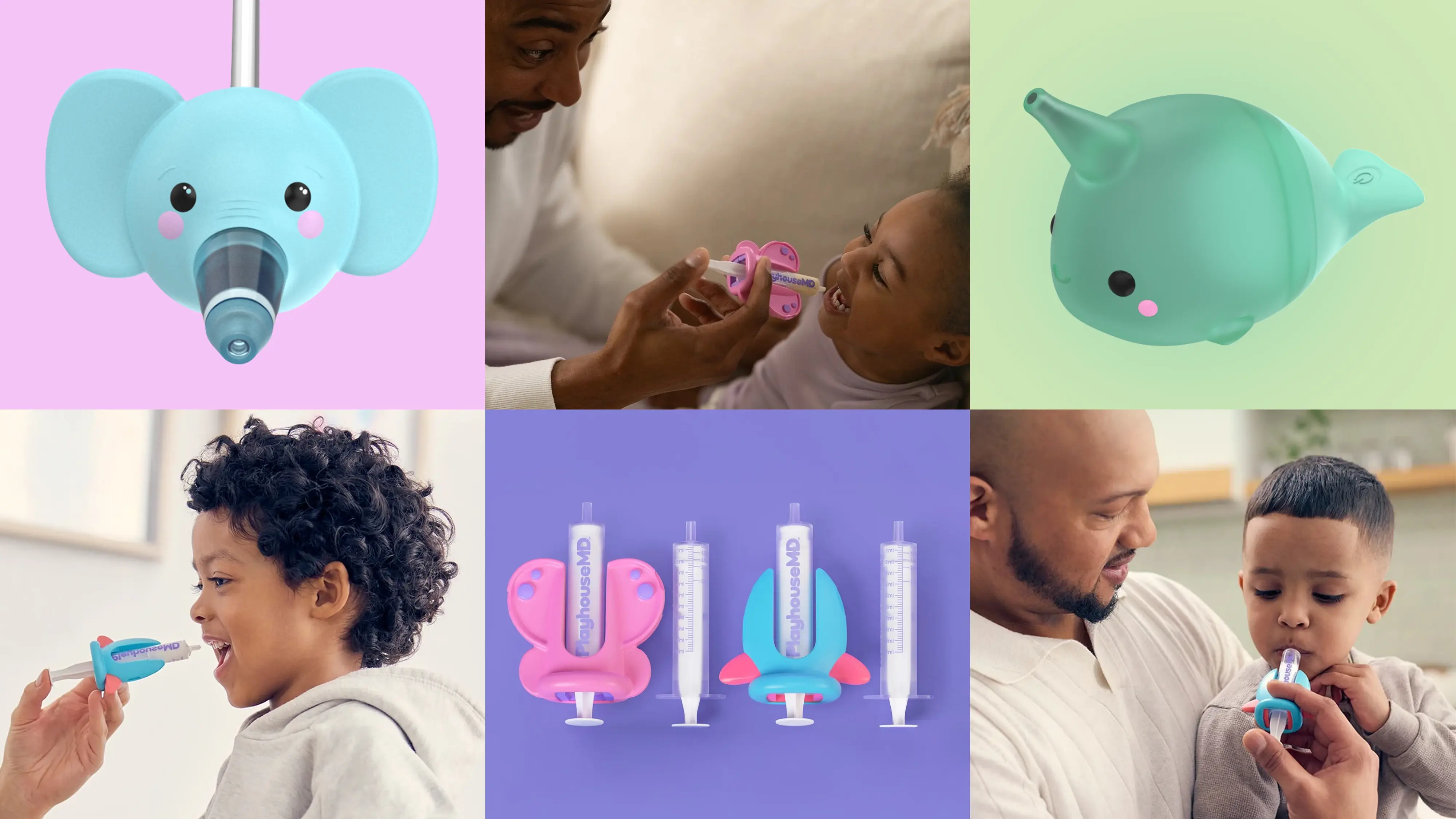
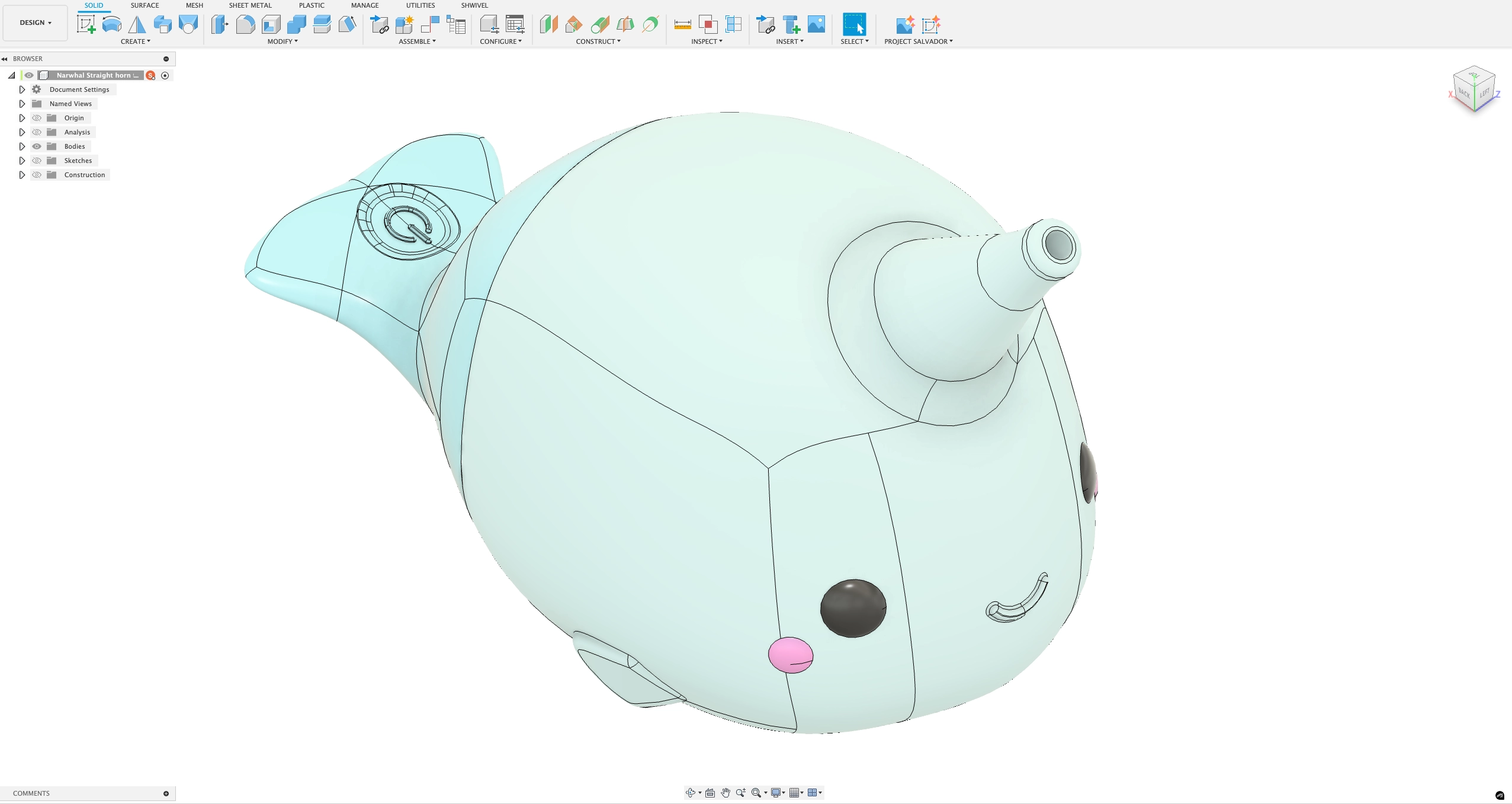
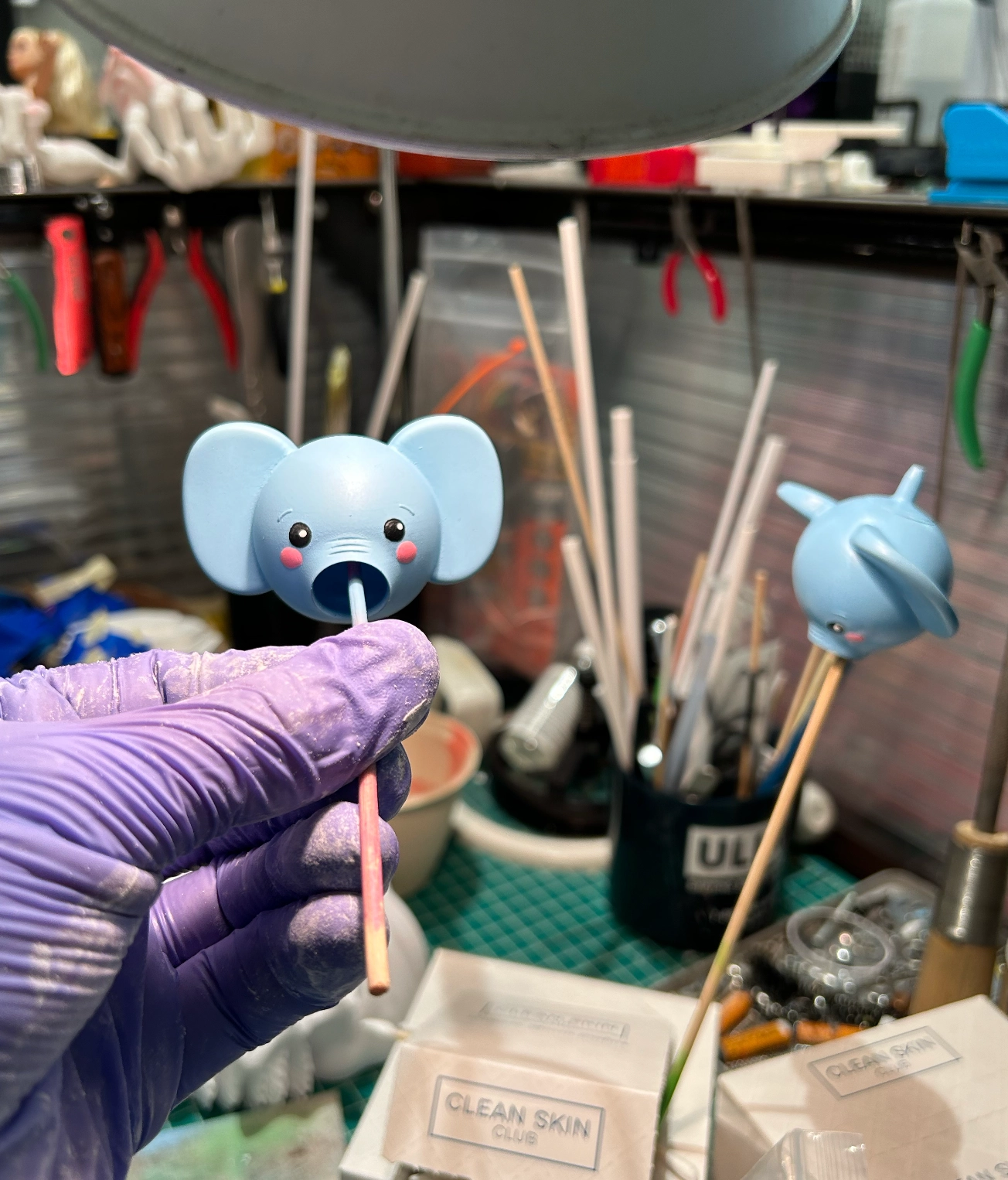
Inspired by this kid-centric formula, the IDEO Play Lab team worked closely with Sydney, Kaitlin, and their co-founder, Michael Kamins, to iterate on several designs, winnowing down more than 150 brainstorm ideas into a dozen tangible prototypes (or tinker models) that were shown to doctors, nurses, parents, and young kids for feedback. The designs—a rocket ship medicine dispenser, an elephant-shaped nose aspirator, and a narwhal nasal bulb, among others—were intended to evoke a sense of playfulness, comfort, and familiarity, with features designed for maximum cuteness. Some even lit up and played sounds, like popular toys.
While the designs passed the fun test with kids, they also needed to be functional for parents, trusted by doctors, easily manufactured, and affordable. Eventually, they would need to be approved by the FDA as regulated medical devices. Playhouse MD also requested patentable innovations to help protect their products from imitation.
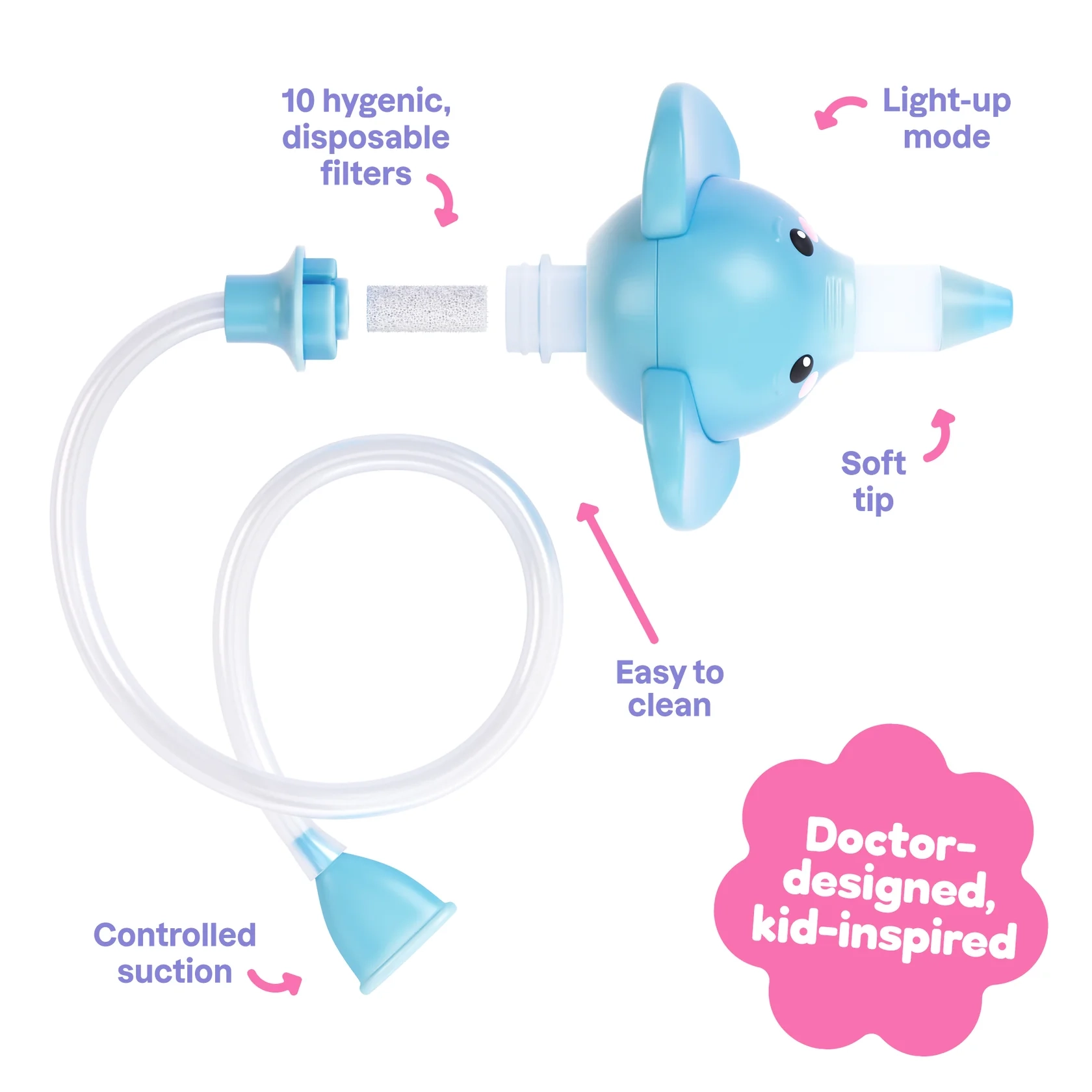
With these constraints in mind, IDEO Play Lab delivered a collection of nine unique, high-fidelity prototypes that add a dose of fun to caretaking challenges in homes and doctors’ offices. The final designs were durable, medically sanitizable, and safe for testing with real kids, which helped the startup secure multiple rounds of funding and bring its first products to market in 18 months.
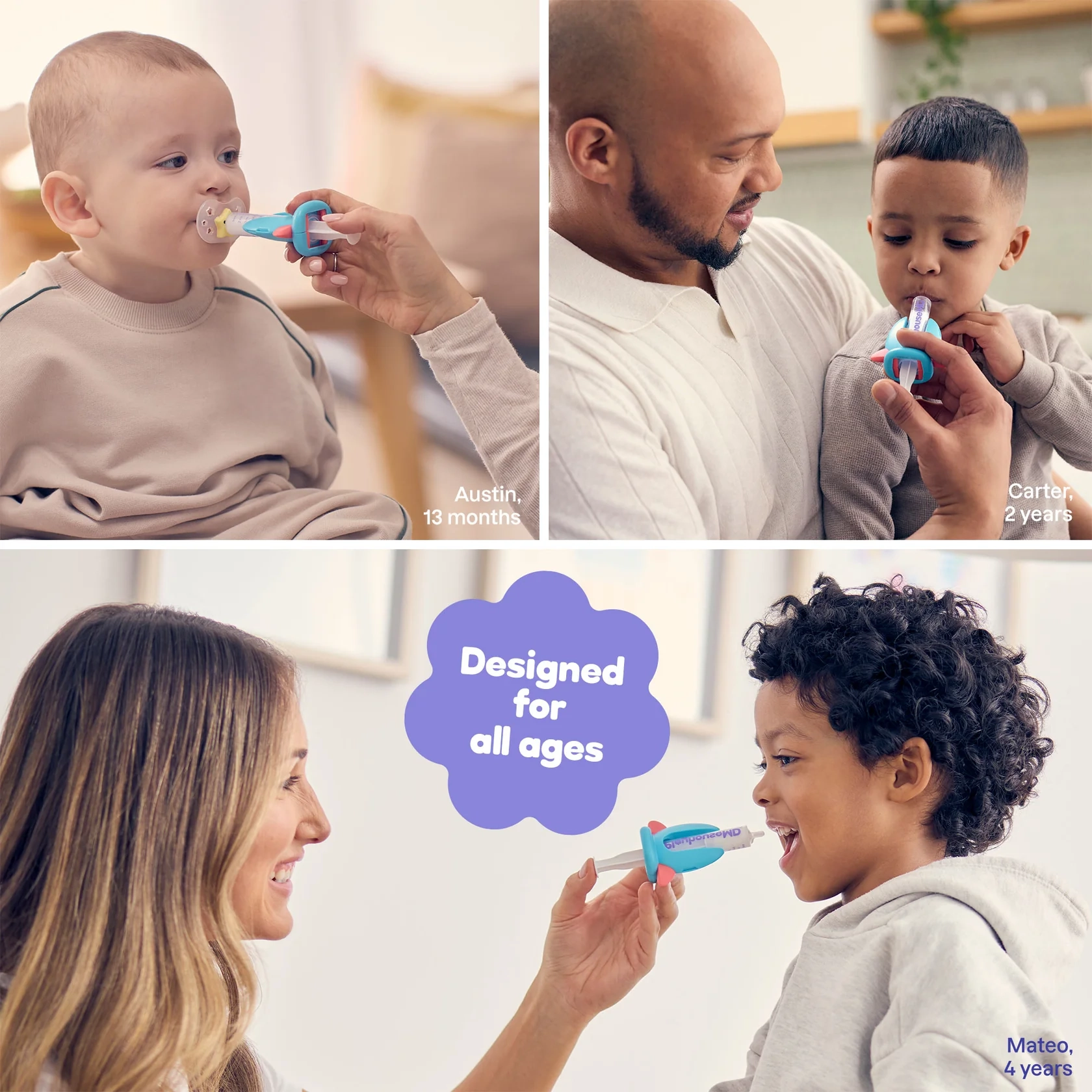
Playhouse MD began selling its first four direct-to-consumer products on its website in June 2025: two Medicine Buddies (medicine dispensers shaped like a rocket ship and a butterfly) and two Booger Buddies (a light-up nasal aspirator elephant called Luna and a light-up nasal bulb narwhal named Noa, which was named one of The Best Inventions of 2025 by TIME). The products are available at Target and Babylist stores, and on Amazon through leading medical distributor McKesson Medical-Surgical.
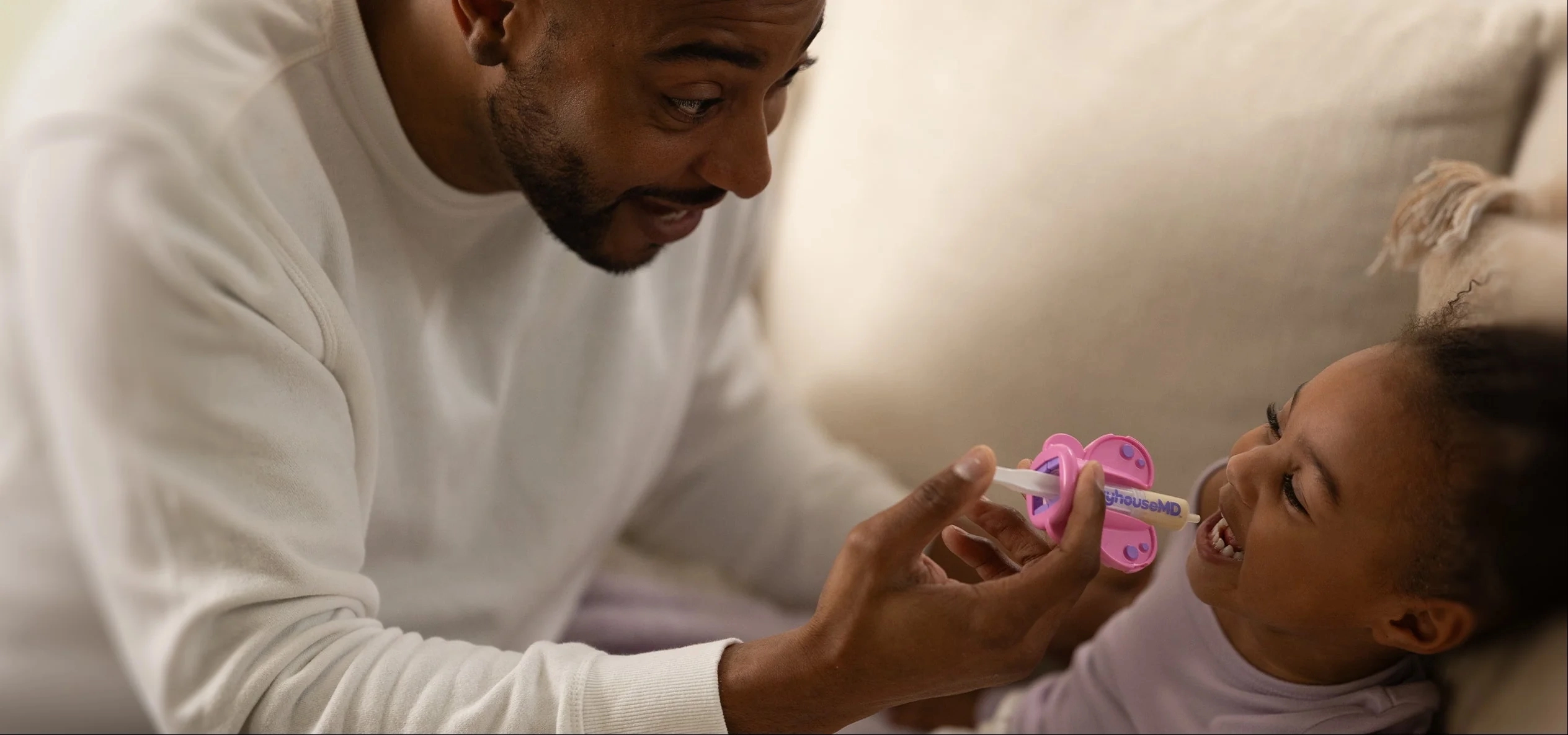
Most companies design child healthcare devices with parents’ or doctors’ tastes in mind; none, however, focus on what will make kids smile, too.
TIME Best Inventions of 2025
in the Parenting Category, Playhouse MD's Light-Up Nasal Bulb
1 ½ years
from initial brainstorms to in-market launch of 4 kid-centric medical products
Designing a next-gen airway visualization system
Improving patient outcomes with the GlideScope ClearFit Video Laryngoscope.
Verathon offers one of the broadest portfolios of video laryngoscopes on the market. While these life-saving devices increase the likelihood of successful first-time intubations, reducing trauma and speeding recovery times, they are more costly and can be more challenging to learn how to use than traditional mechanical ones, which rely on directly looking at the vocal cords. Wanting to make it easier for cost-conscious hospital administrators to transition from traditional laryngoscopes to Verathon’s video systems, the medical device manufacturer asked IDEO to technically and visually unite its next-gen reusable baton and stats, ensuring they worked together seamlessly, flexibly, and intuitively during the most routine and demanding healthcare moments.
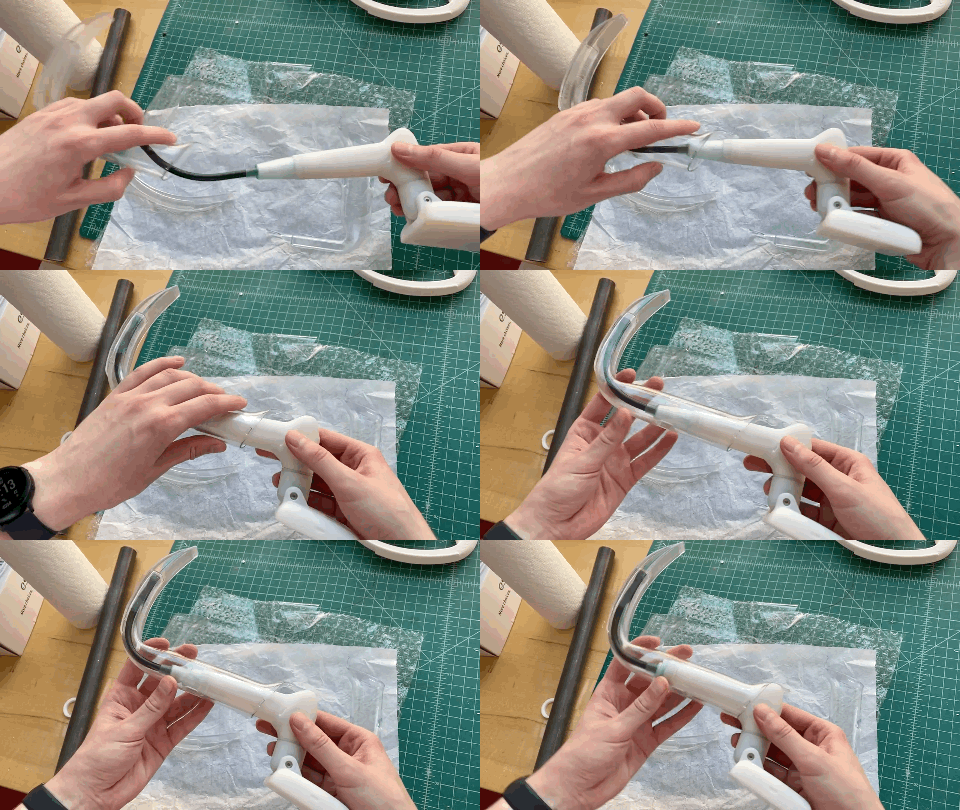
The IDEO and Verathon teams used a prototype-led approach to safely gain feedback from anesthesiologists and emergency physicians. Research participants were given various intubation models to simulate surgical use cases and understand ergonomic trade-offs between different design directions. Insights from the field led to design principles such as prioritizing device balance over weight reduction, providing flexibility to accommodate a variety of gripping positions, making connection points between various parts clear, intuitive, and secure, and ensuring the device was easy to clean.
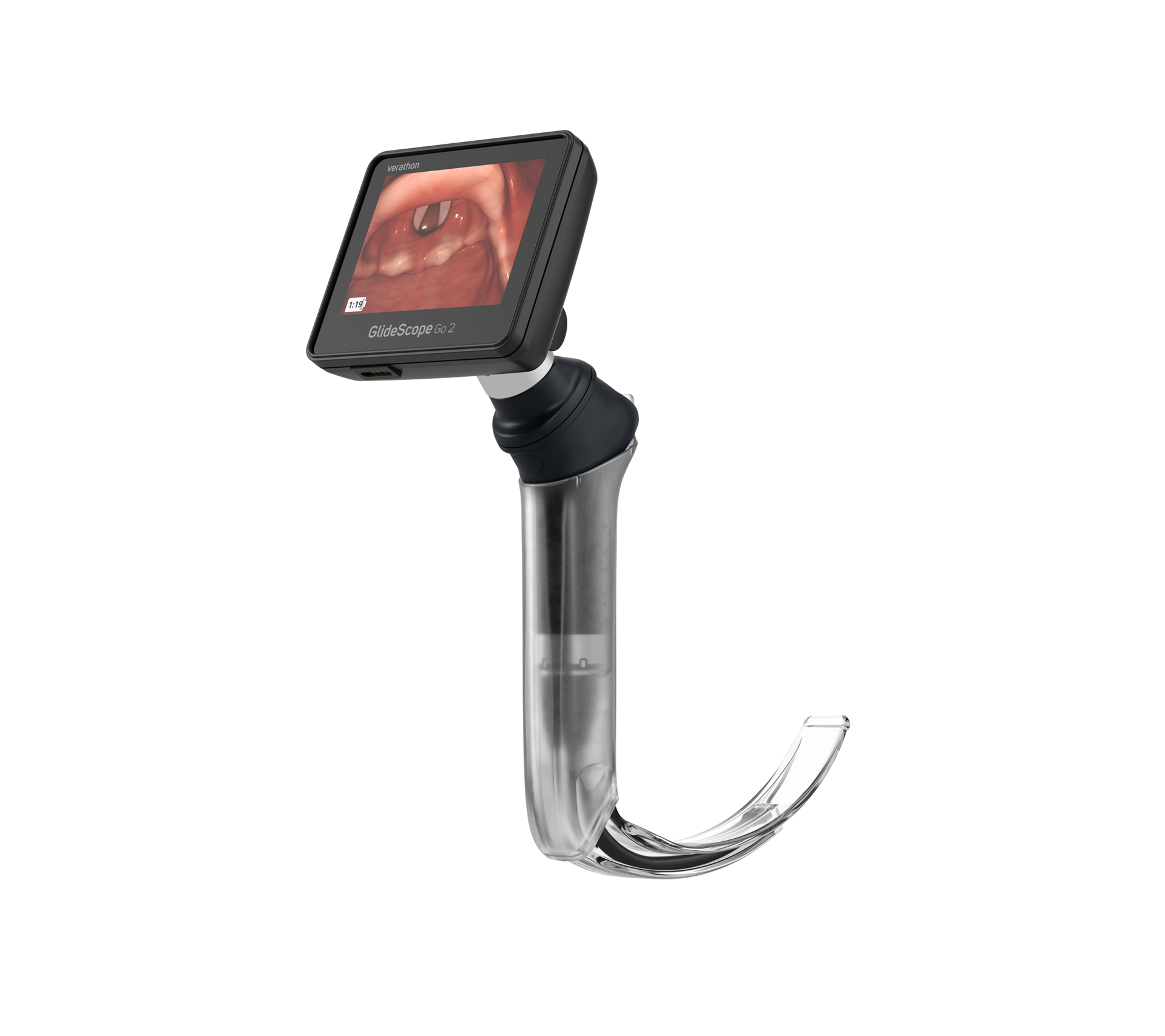
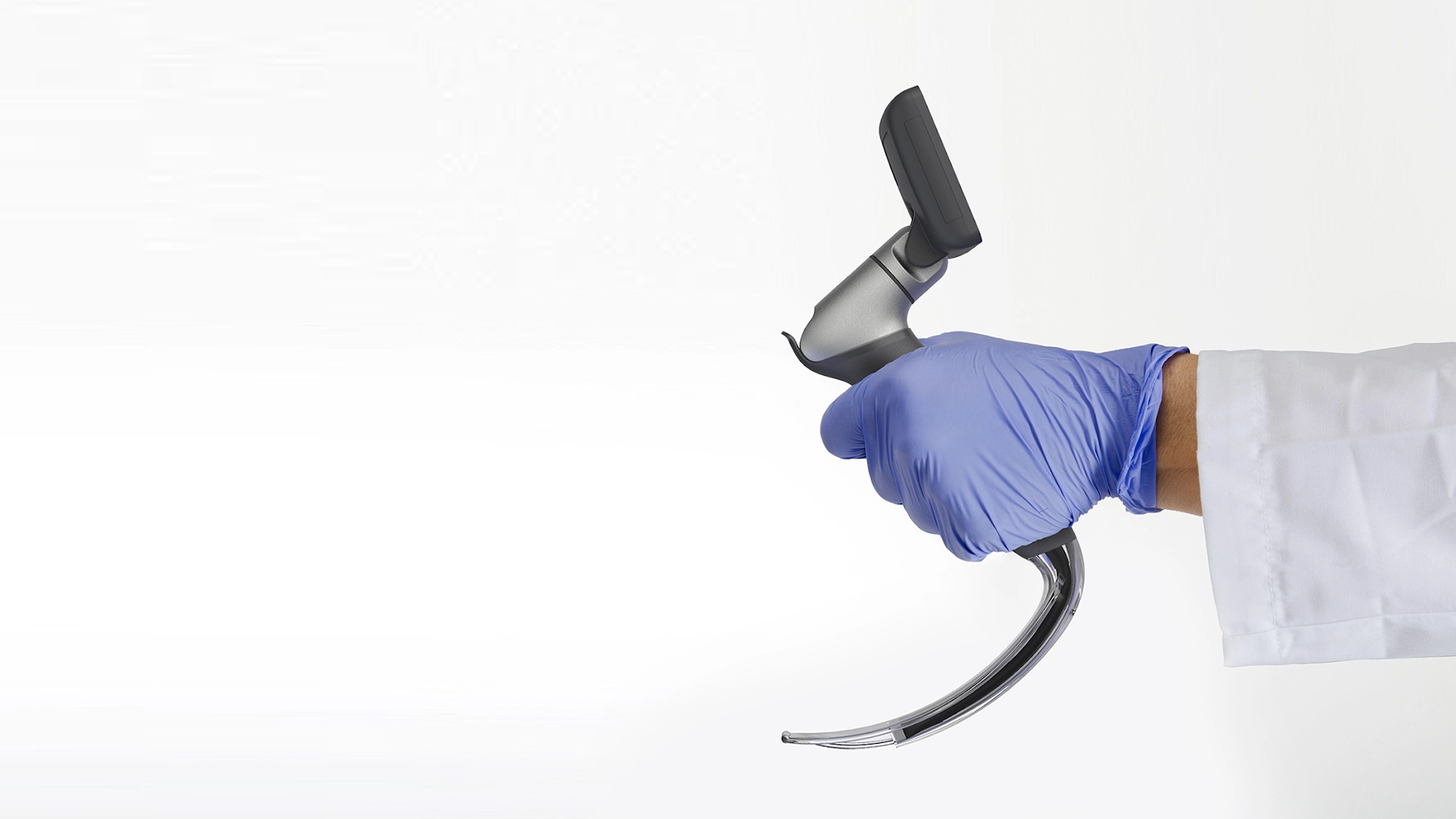
Inspired by physician feedback, the team designed an innovative video baton that felt both familiar and new, supported the ergonomics of diverse holding styles, and fit Verathon’s wide range of stat sizes (one of its competitive advantages). To prevent accidental disconnections, users receive clear tactile, visual, and sound feedback when the monitor and cover are correctly attached to the baton. IDEO chose color, materials, and finishes to help clinicians quickly distinguish between parts of the system and easily identify reusable components from single-use ones.
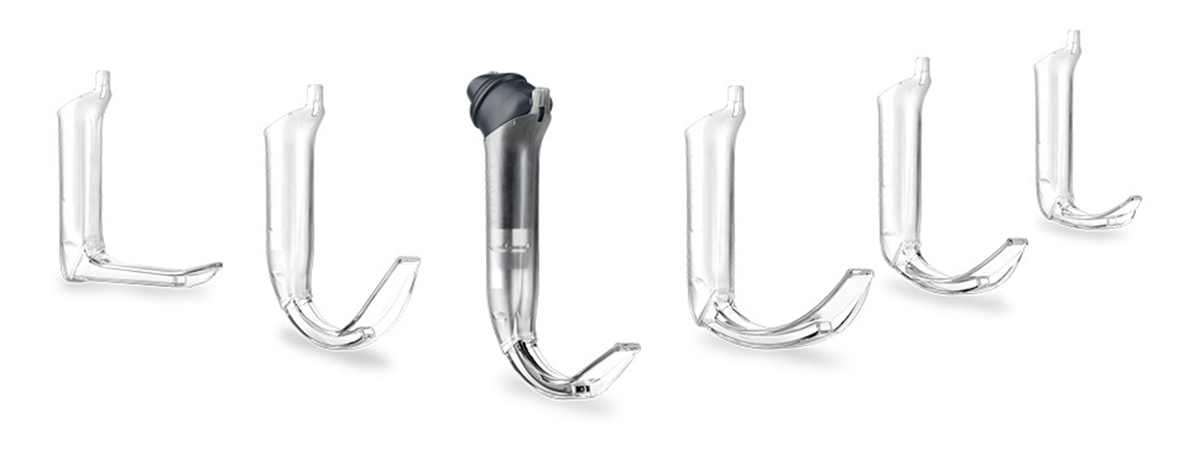
Verathon’s new GlideScope ClearFit stats-based video laryngoscope hit the market in August 2025. Combining one reusable baton with an industry-leading selection of six single-use stats, it’s compatible with both the GlideScope® Go™ 2 handheld and GlideScope® Core™ cart-based systems. Magnetic QuickConnect™ technology allows doctors to seamlessly switch between platforms, giving hospitals a standardized airway management solution that simplifies workflows, streamlines inventory, enhances medical education and training, and promotes cost-effective care.
Verathon invented video laryngoscopy technology. Twenty years later, the COVID-19 pandemic spurred more competitors to enter the market.
Cutting-edge technologies like video laryngoscopes are critical—and costly—devices. Hospital systems want to invest in the most comprehensive, flexible, adaptable, and affordable tools for quality patient care
6 shapes and sizes
of single-use covers fit one video baton, enabling health workers to quickly access different throat anatomies
Improving STEM education in the Philippines
GBF Class Builder supports teachers to advance learning for students.
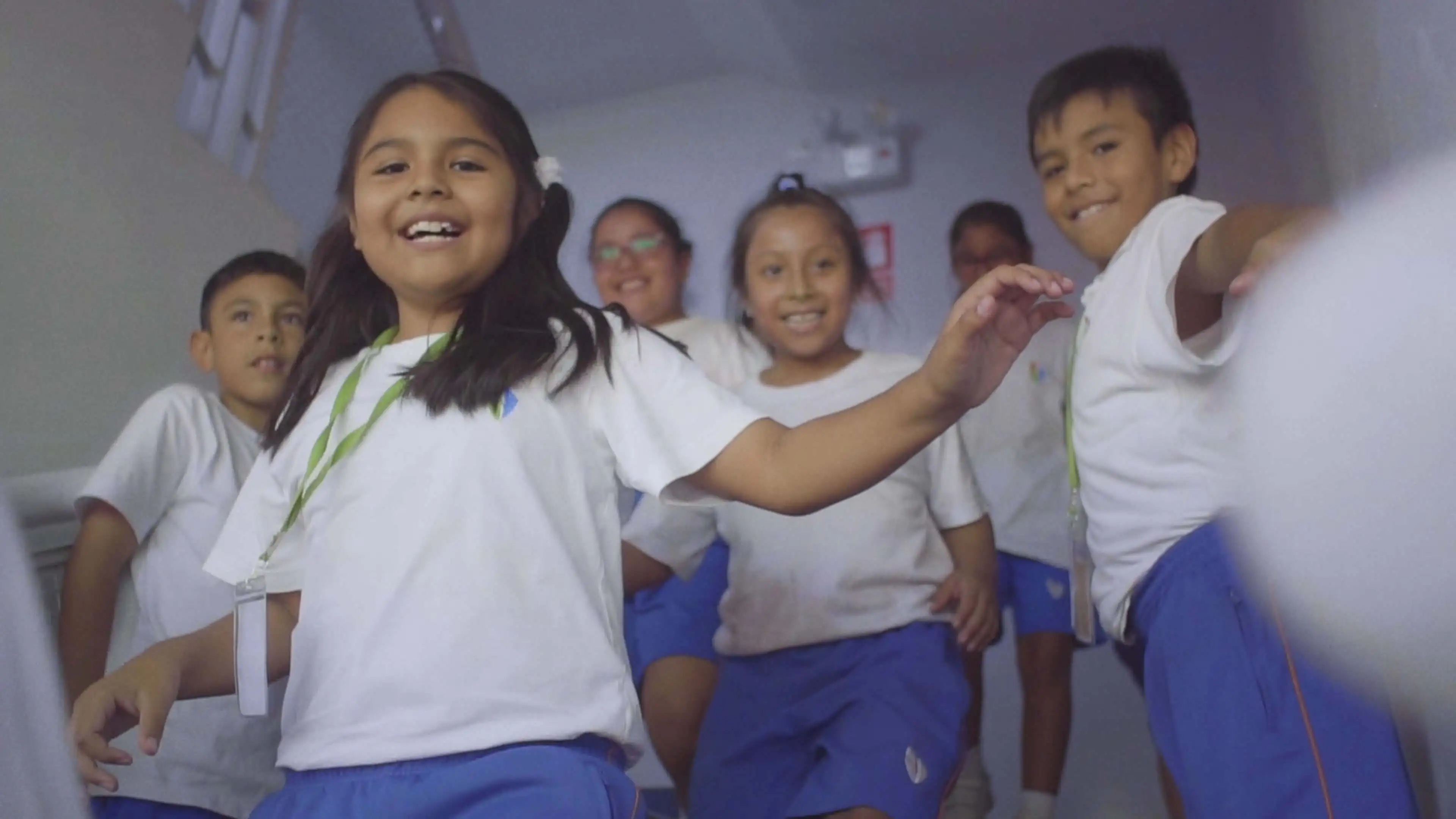
Since its founding in 1992 by the Gokongwei family, which also operates one of the nation’s largest conglomerates, JG Summit Holdings, GBF has supported Philippine education through student scholarships, teacher training funds, and donations to top universities. Over its 30-plus-year history, GBF has reached more than 200,000 teachers and impacted over 1.5 million learners nationwide. When the foundation approached IDEO in 2021, it wanted to move the needle on STEM education in the country’s struggling public schools.
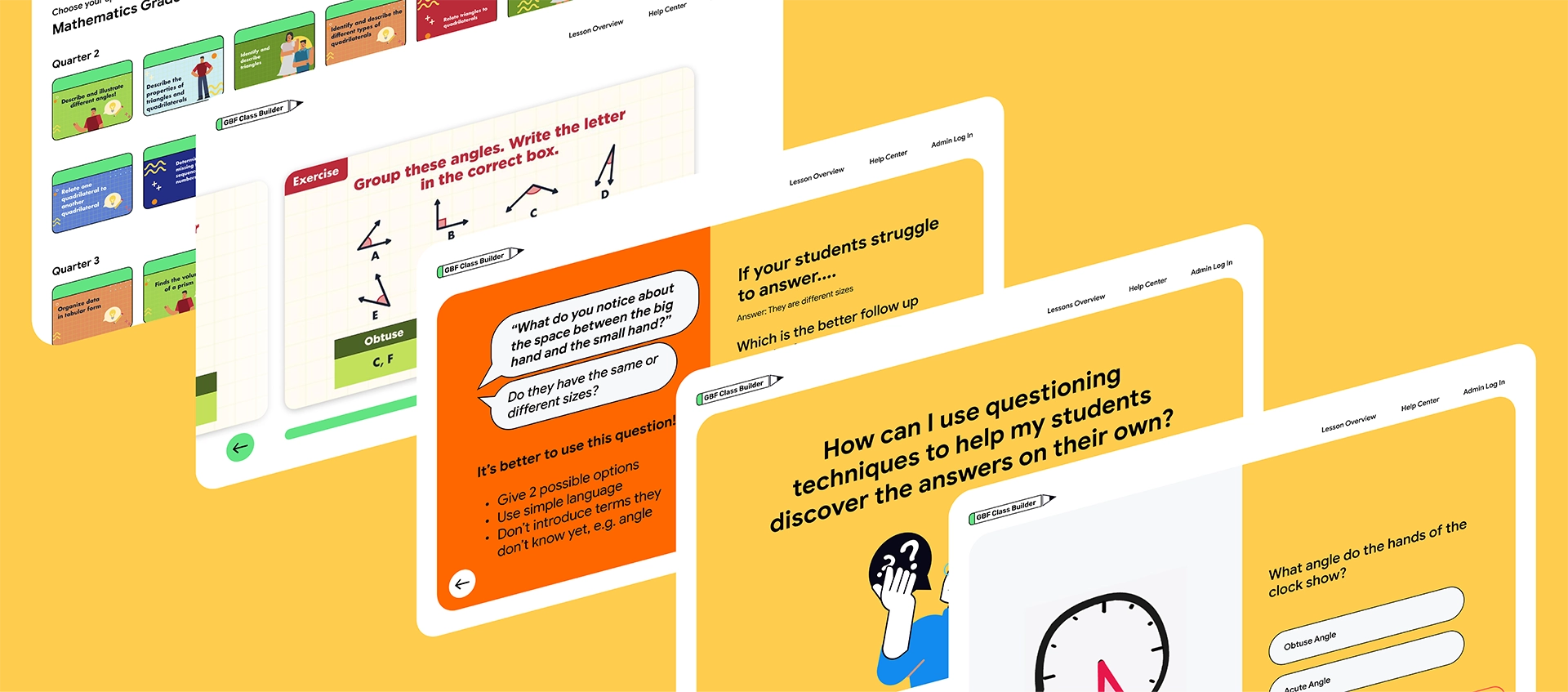
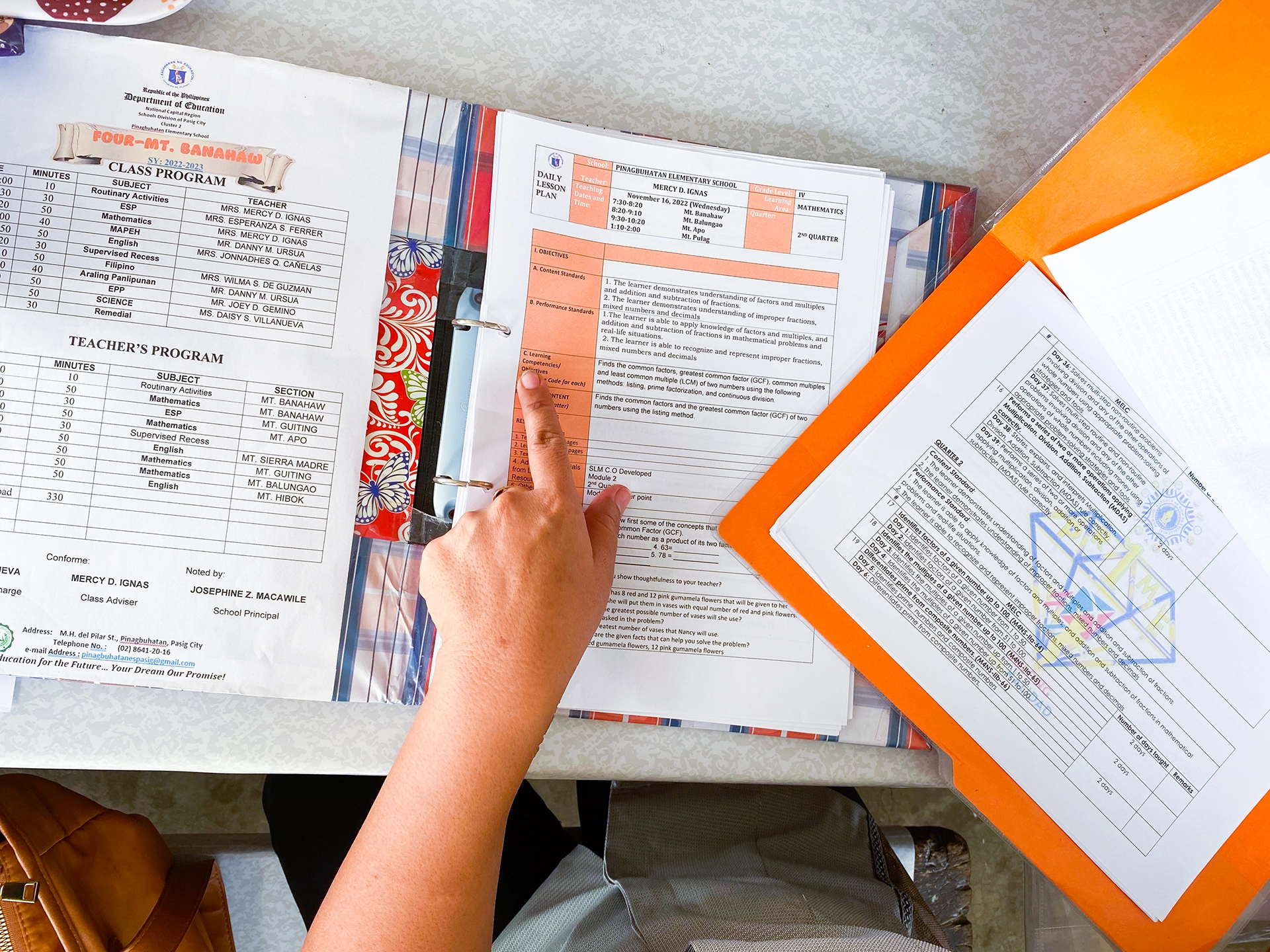
The IDEO and GBF teams interviewed more than 100 subject-matter experts across various government agencies, leading technology companies, and top national universities and educational institutions to build a comprehensive understanding of the current state of STEM in the Philippines. To experience classroom struggles firsthand, the team also shadowed STEM educators and principals. The research revealed that time-strapped teachers needed help mastering overall STEM content, preparing for their classes, and selecting the most suitable activities for their students. They also didn’t always feel supported in their own career development journeys. But the burden of daily responsibilities didn’t leave them any time for outside learning opportunities, either.
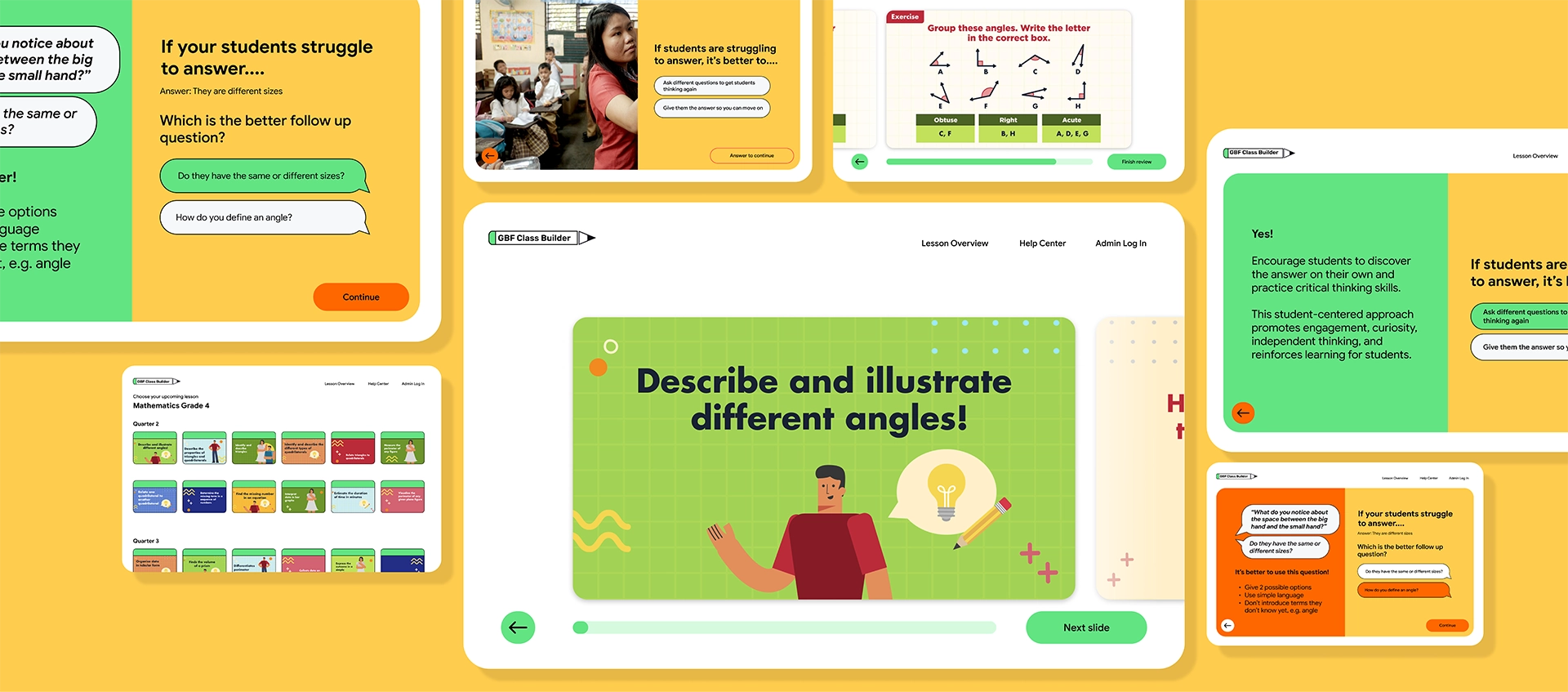
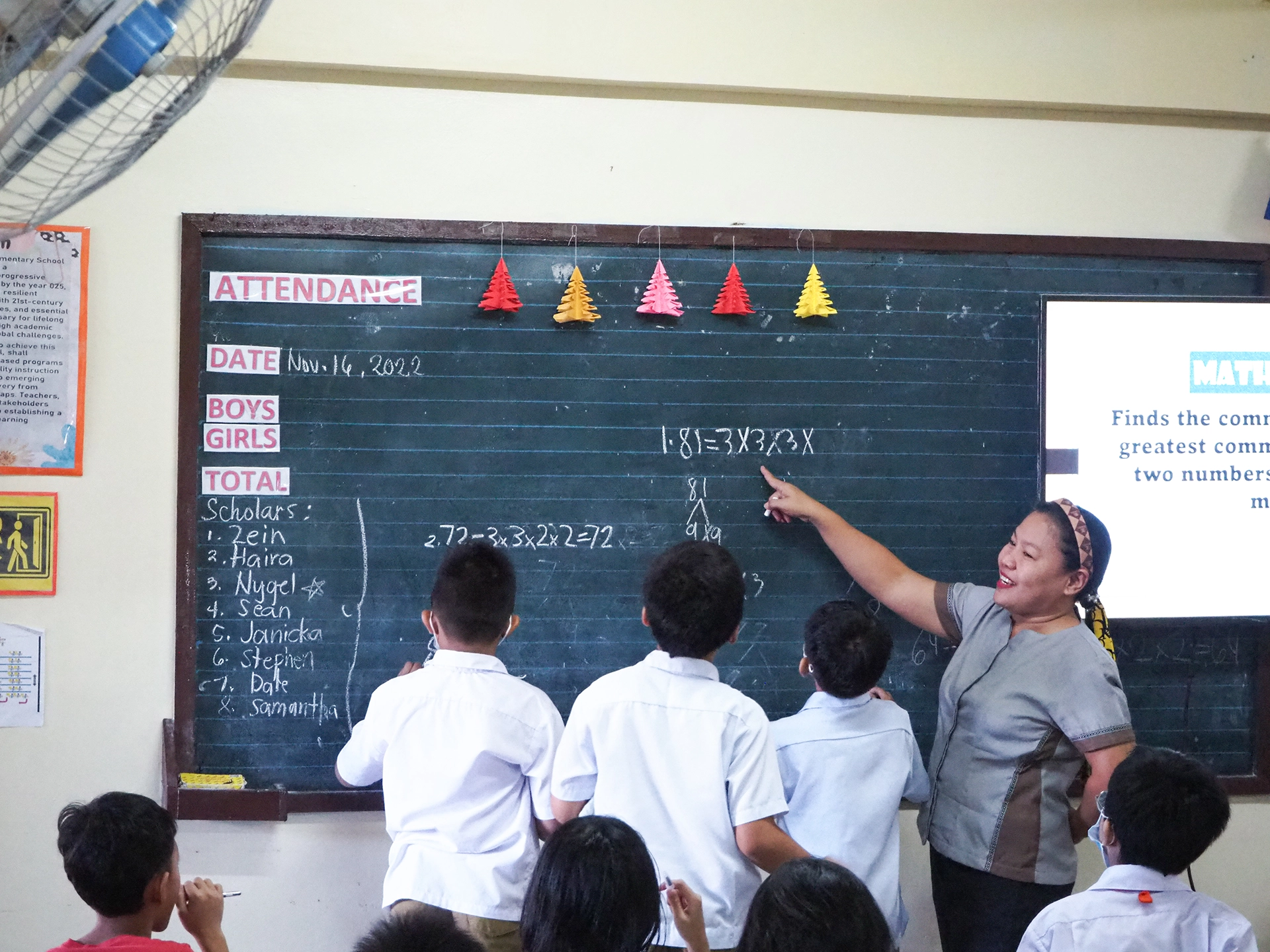
Recognizing that empowering teachers empowers students, the team created an innovative lesson prep tool, the GBF Class Builder, that's based on these insights. Using existing technology and course materials designed to align with school curricula, IDEO developed a working prototype of the Class Builder in under a week, with minimal investment. The team then systematically improved it over several “build-test-iterate” feedback cycles in real classrooms over the course of four months.
The final GBF Class Builder is a targeted program that helps STEM teachers deliver compelling lessons for their students, learn new teaching strategies, and build content mastery along the way. In addition to helping design the Class Builder, IDEO continues to advise GBF on key aspects of the program's piloting and rollout. This includes advising on how to implement the content development, think through the curriculum development process, support in designing feature iterations, define metrics for success, and decide which additional roles GBF will need to support the ambitious program going forward.
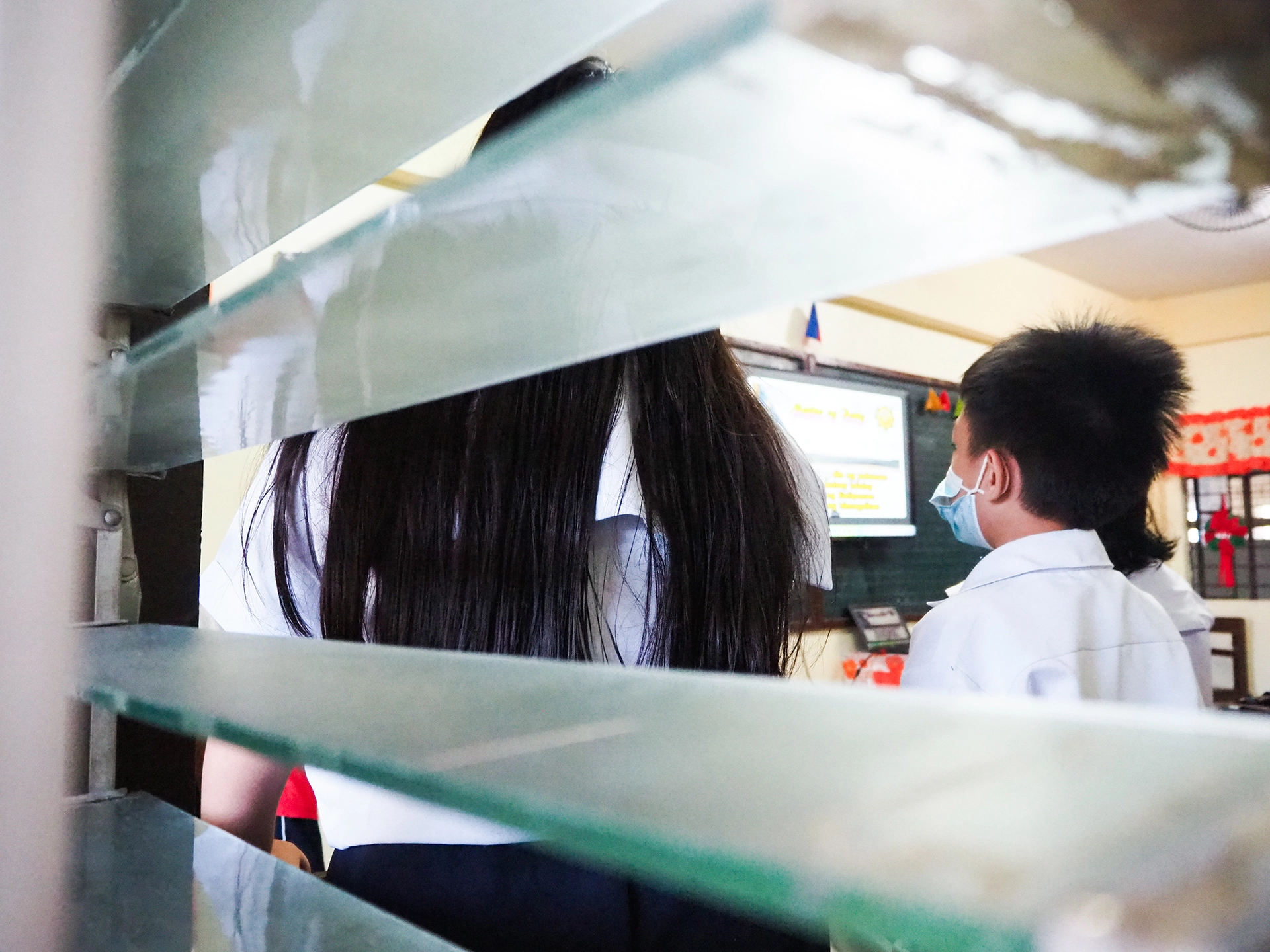
The foundation launched the GBF Class Builder at its 30th-anniversary celebration in 2023. Feedback from pilot 3,500 public schools and 15,000 teachers has been overwhelmingly positive. “Through the GBF Class Builder, we envision our teachers to be more confident and effective in class, more ready to face the challenges of the future, while enjoying every class—feeling proud to be a teacher, " says Grace Colet, Executive Director of GBF.
The ambitious program continues to scale and is on track to be rolled out in public schools nationwide by 2029.
90% of 10-year-olds in the Philippines can’t read a simple text, according to a Southeast Asia Primary Learning Metrics report. Eighty-three percent of Filipino 10-year-olds lack minimum proficiency in math.
More than 15,000 teachers in 3,500 public schools
are now using the innovative GBF Class Builder program
94%
of teachers report the GBF Class Builder has improved student engagement, while 89% say it saves them 1-2 hours in prep time per lesson
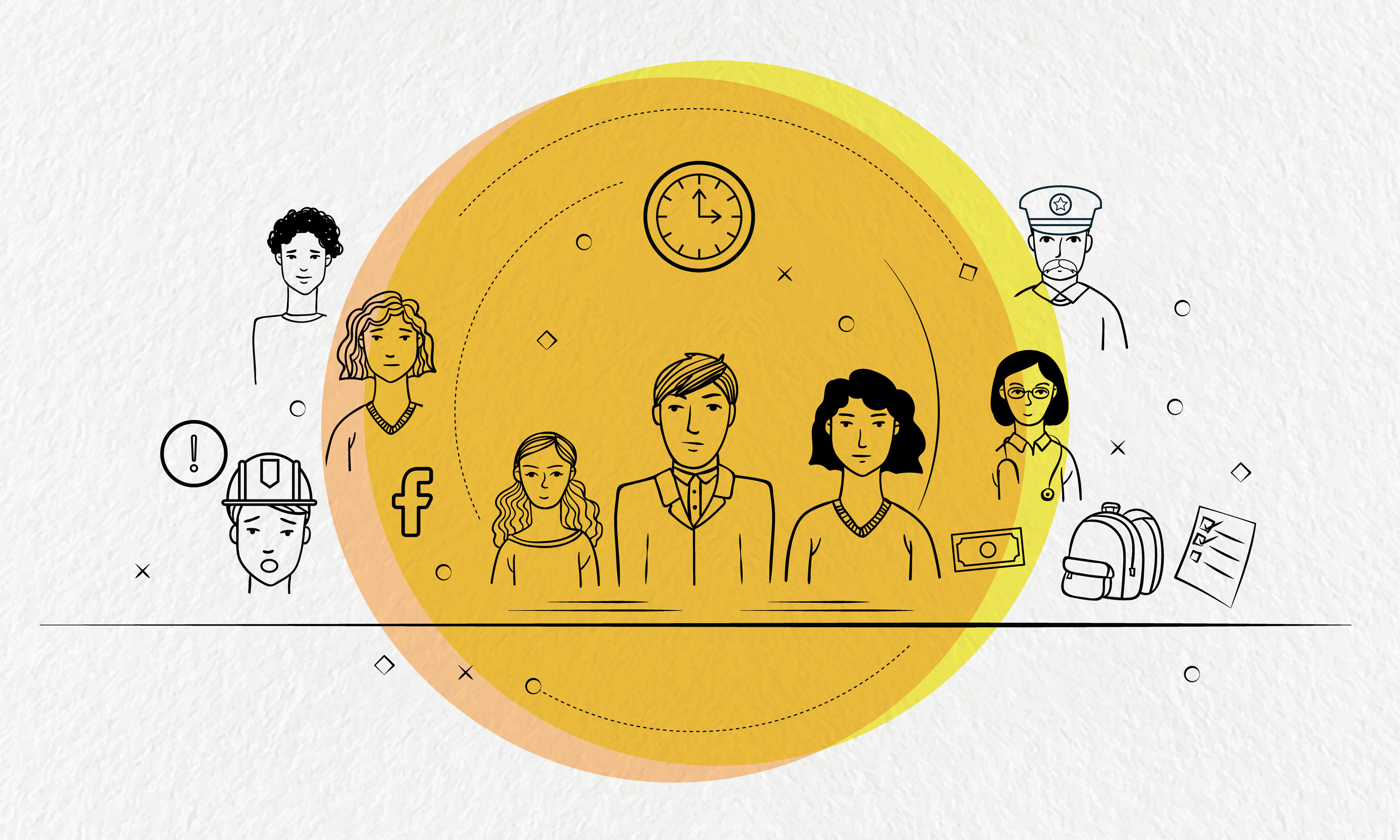
A Designer's Guide to Emergency Preparedness
IDEO designers share their non-scary, non-overwhelming disaster preparedness plan
As designers who have worked on multiple preparedness and relief projects, we start by understanding why people choose not to prepare, then identify ways to make resilience easier.
Just like buying life insurance, or saving for a rainy day, a future emergency is an abstraction that’s hard to connect to our day-to-day priorities. And unlike seeing everyone else’s trash cans line the curb once a week, preparedness doesn’t have any visible prompts to encourage all of us to get with the program.
Symbols of participation can be powerful change agents, and we know that something as simple as filling out a checklist or talking about a plan can make the abstract tangible.
So what can you do today, for tomorrow?
Break down the process into bite-sized tasks, attach them to a concrete timetable, and connect with the people around you. By building strong connections with your community and taking the time to create a plan, you’ll be more equipped when the big one hits (whatever the big one might be.)
Here are a few simple steps to get you started—collaboratively—in just a week. Share this with your family, your roommate, your colleagues, or your book club.
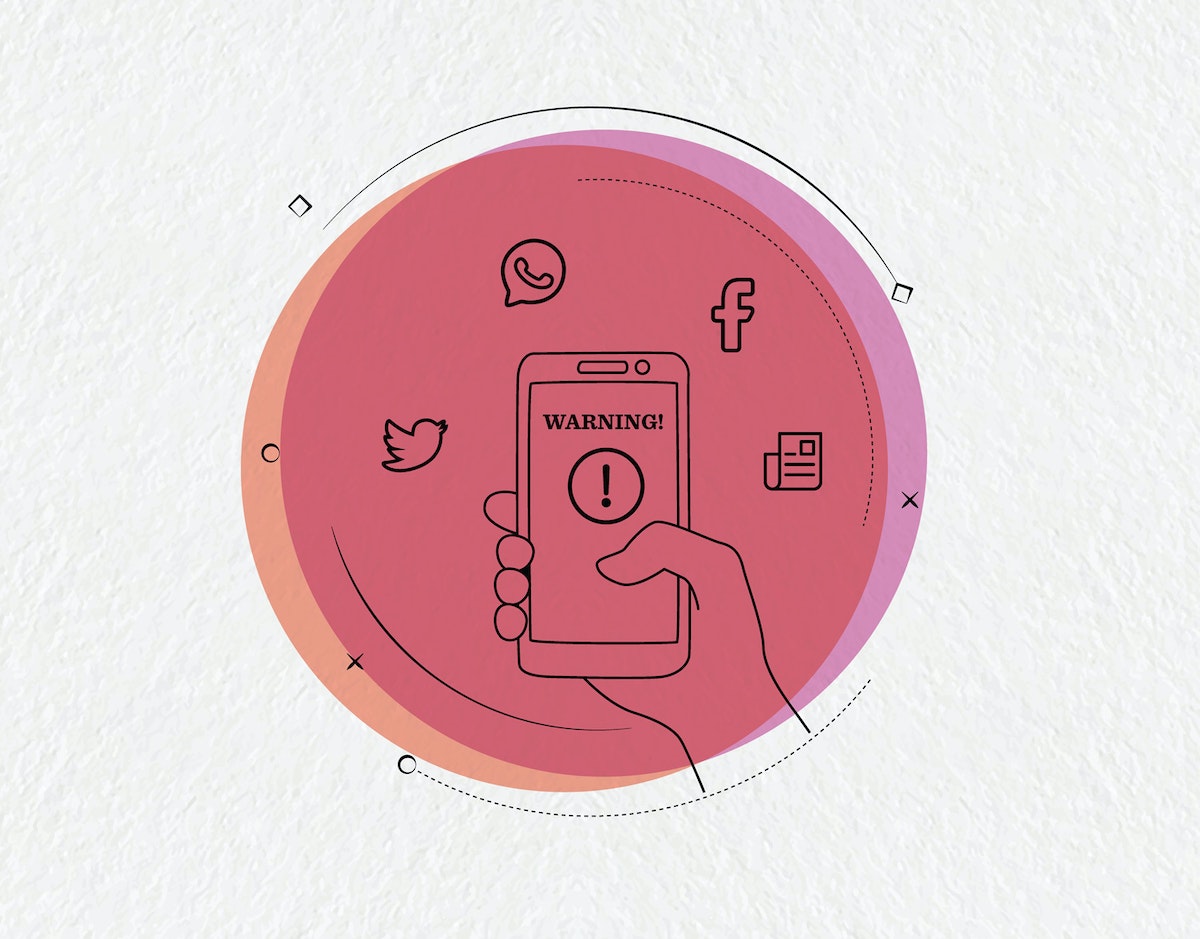
Now: Follow Local Alerts
Make sure you know what’s going on around you. Follow local emergency alerts from the Fire Department and/or your local Department of Emergency Management on the social media platform you use most (Twitter, Facebook, NextDoor, etc.).
Tomorrow: Copy Your Documents
Scan and store a copy of your important documents. Take a photo of or scan your driver’s license, passport, lease/ownership documents, social security card, and other important documents. Save them (somewhere safe) in the cloud.
This weekend: Gather Your Stuff
Start assembling an emergency kit. Print out a of essentials, useful stuff, and personal items to get started. You’ll be surprised at how much you already have—it’s just a matter of getting it all in one place. And when it comes to supplies, a good rule of thumb is to have enough for three days.
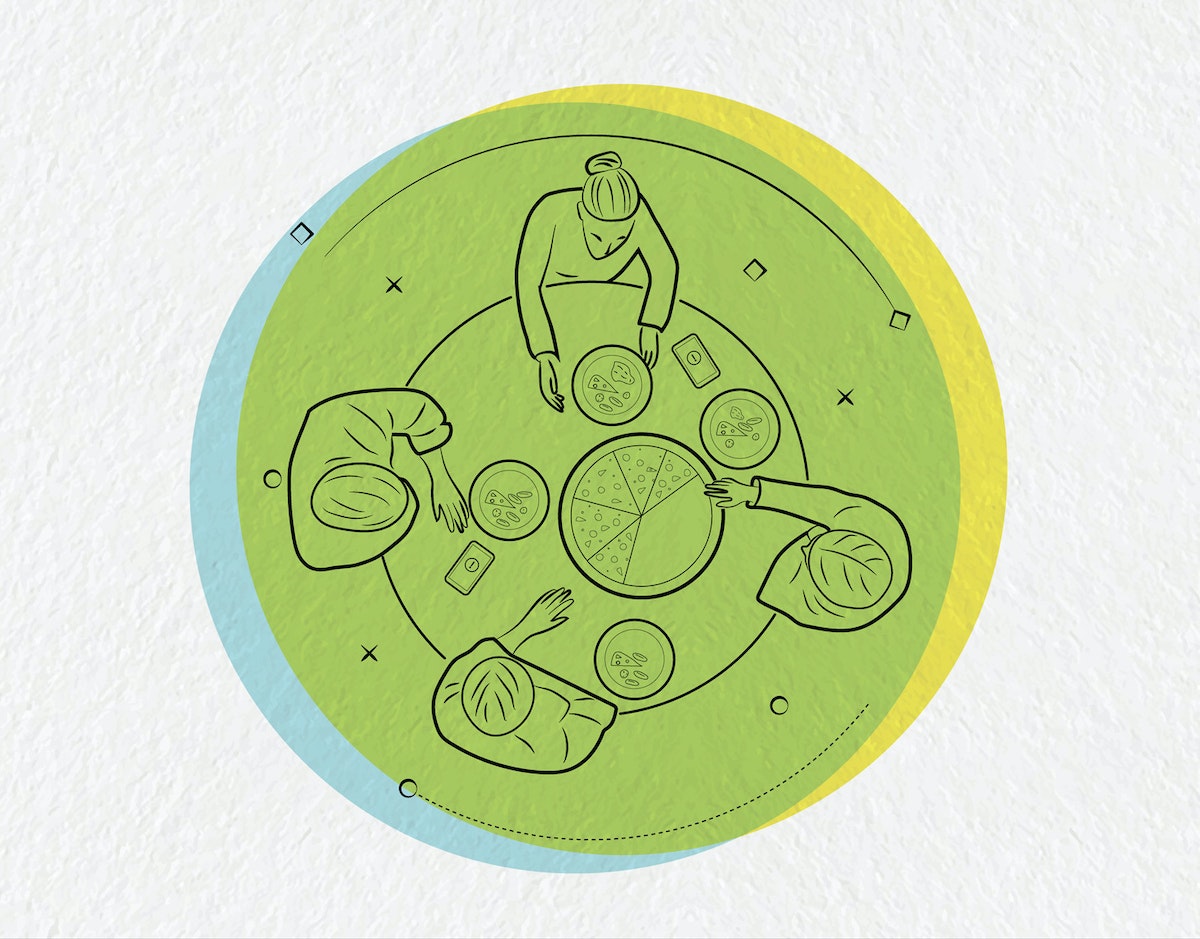
Next week: Make a Plan
Make an emergency plan with your people. Have friends or family over for dinner and hatch it together. It’s like giving a spare key to a neighbor. Do it once, and hopefully, you'll never need to use it.
Cross these four things off your list, and we’ll all be better off when the next wildfire or bomb cyclone hits.
This winter, wildfires raged across California. The air has been heavy with smoke and thick with the power of Mother Nature. And the Left Coast isn’t the only place to be hit by a natural disaster recently (Hello Eastern Seaboard, Houston, Puerto Rico, Florida). As climate change accelerates, getting prepared is on all of our minds.
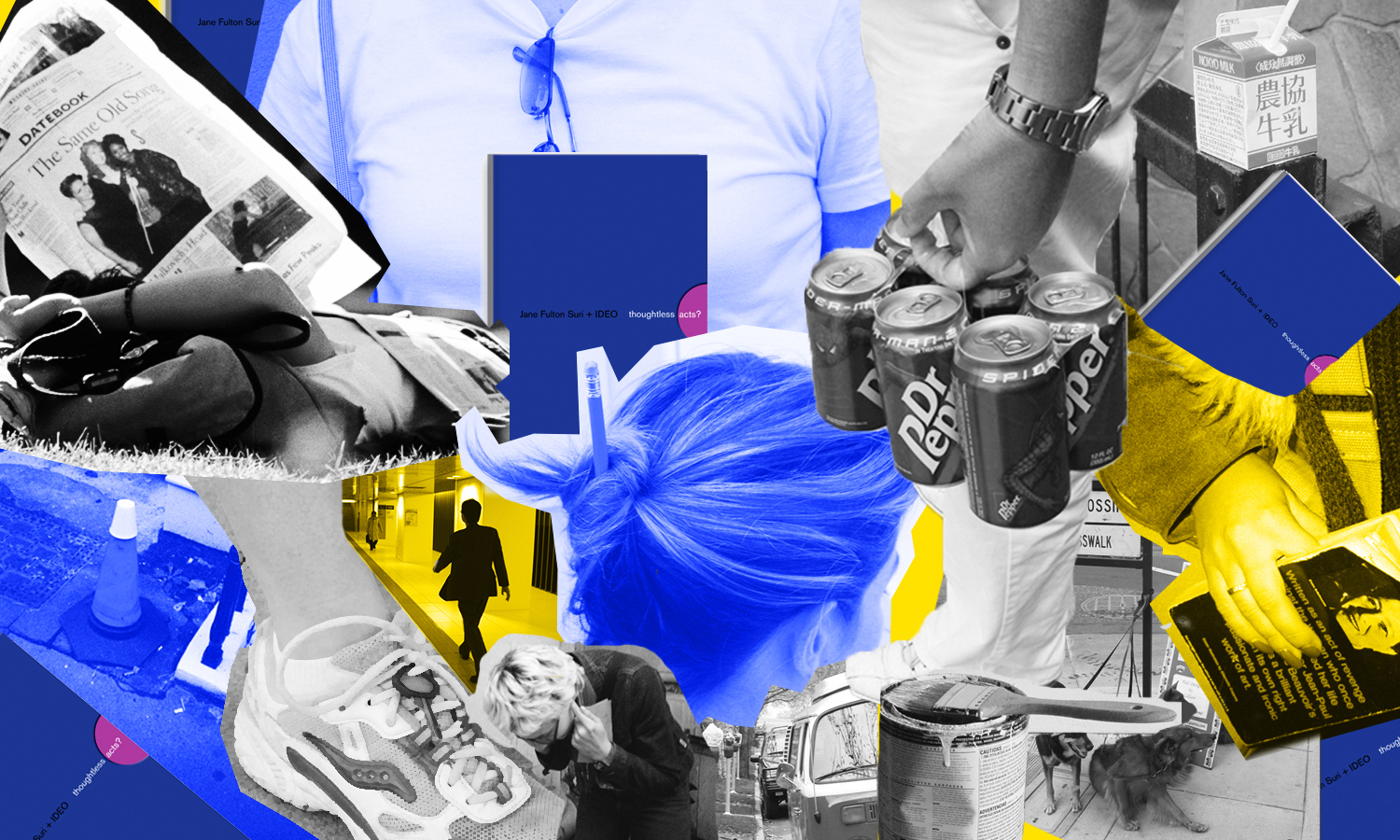
Thoughtless Acts: Escape the Rain
Thoughtless Acts: Escape the Rain. The intuitive ways we adapt and react to things in our environments
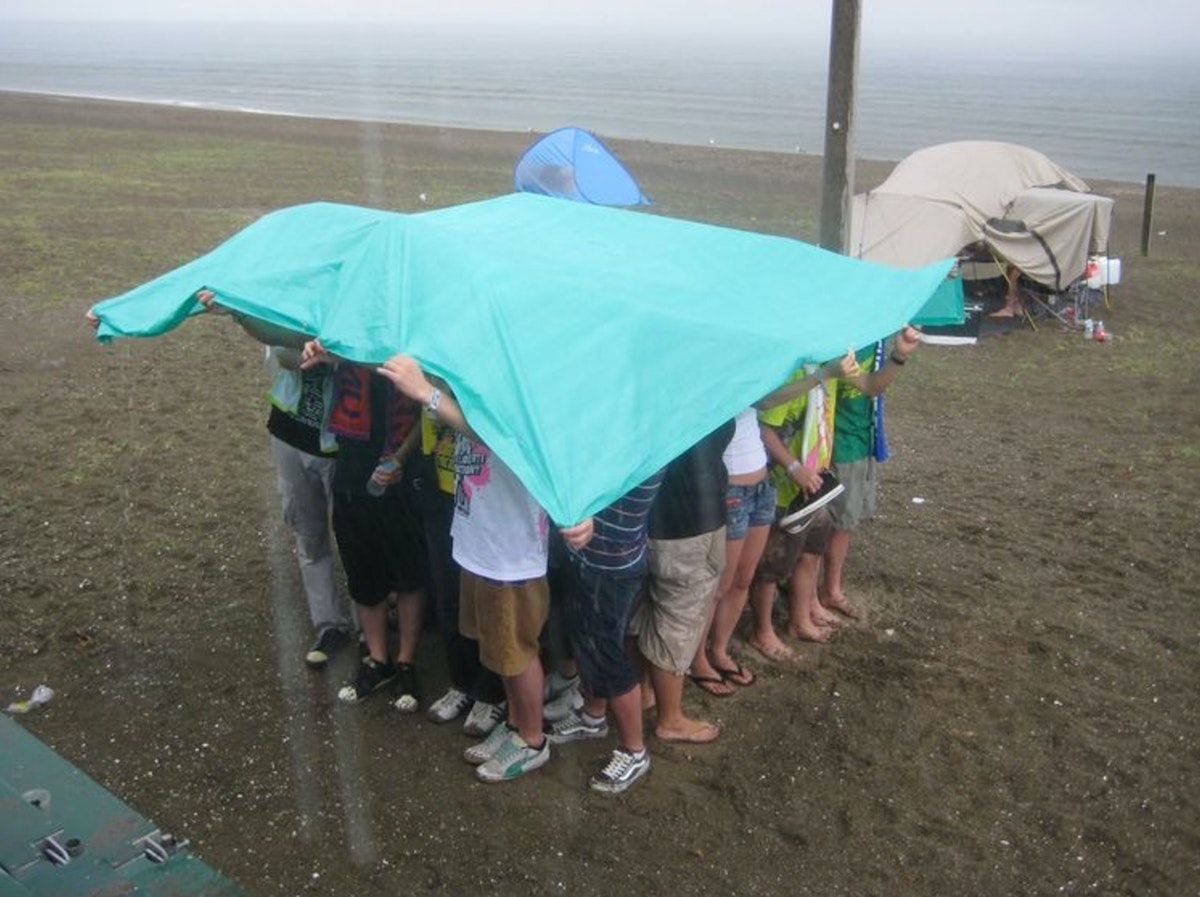
I took this picture at the beach festival in Chiba, Japan. Sudden rain is hard to avoid in the Japanese summer. When it started pouring at the beach, a man covered himself with the tarp he had been sitting on. After about five minutes, a bunch of people joined him under the tarp, which had been turned into an improvised umbrella. I loved that the man helped his fellow festival-goers escape the rain without a second thought.
Human-centered design requires us to observe human behavior with beginner's eyes, so that we can spot the innate ways people interact with the world around them. We call these intuitive and unconscious reactions Thoughtless Acts, and IDEO designers collect photos of them to inspire their work.
An Unscientific 5-Step Plan for Reaching Your Goals
Jake Knapp shares his slacker-friendly plan for sticking with resolutions
Then one year I read The Happiness Project by Gretchen Rubin, and was quite taken by this line: “What you do every day matters more than what you do once in a while.”
Huh, I thought.
The next January, I made a resolution to "Run every day." To exercise daily, I had to change my mindset. I couldn’t be too hard on myself — if there were only 10 minutes, then a 10 minute run had to be okay. In other words, I had to be a bit of a slacker.
It worked!
Building a small daily habit was way easier than a big sometimes habit. Don’t get me wrong, it wasn’t like magic. I fell off the wagon several times, but each time I managed to get back on. Since the goal was doable, if I missed a day or two, I didn’t have to break the ice when I resumed. It worked, and the habit stuck!
Next, I tried a New Year’s Resolution for writing. Previously, I’d only bothered writing if I had at least 90 minutes of uninterrupted time (which is pretty rare). Using my new slacker method, I resolved to "Write every day, even just 10 minutes."
Again, it was easier to stay in rhythm, and the habit stuck. (Although I had to get a little creative to stay focused.)
I even tried this approach with meditating, which always seemed like The Hardest Thing In The World. To make it a daily habit, I downgraded my expectations. I didn’t wake up early. I didn’t meditate for 60 minutes. I didn’t force myself to sit in silence on a zen pillow.
Instead (nerd alert!) I just used Headspace every day, on the bus or even while I was falling asleep. And I decided that even 10 minutes of meditation “counted.” The habit stuck.
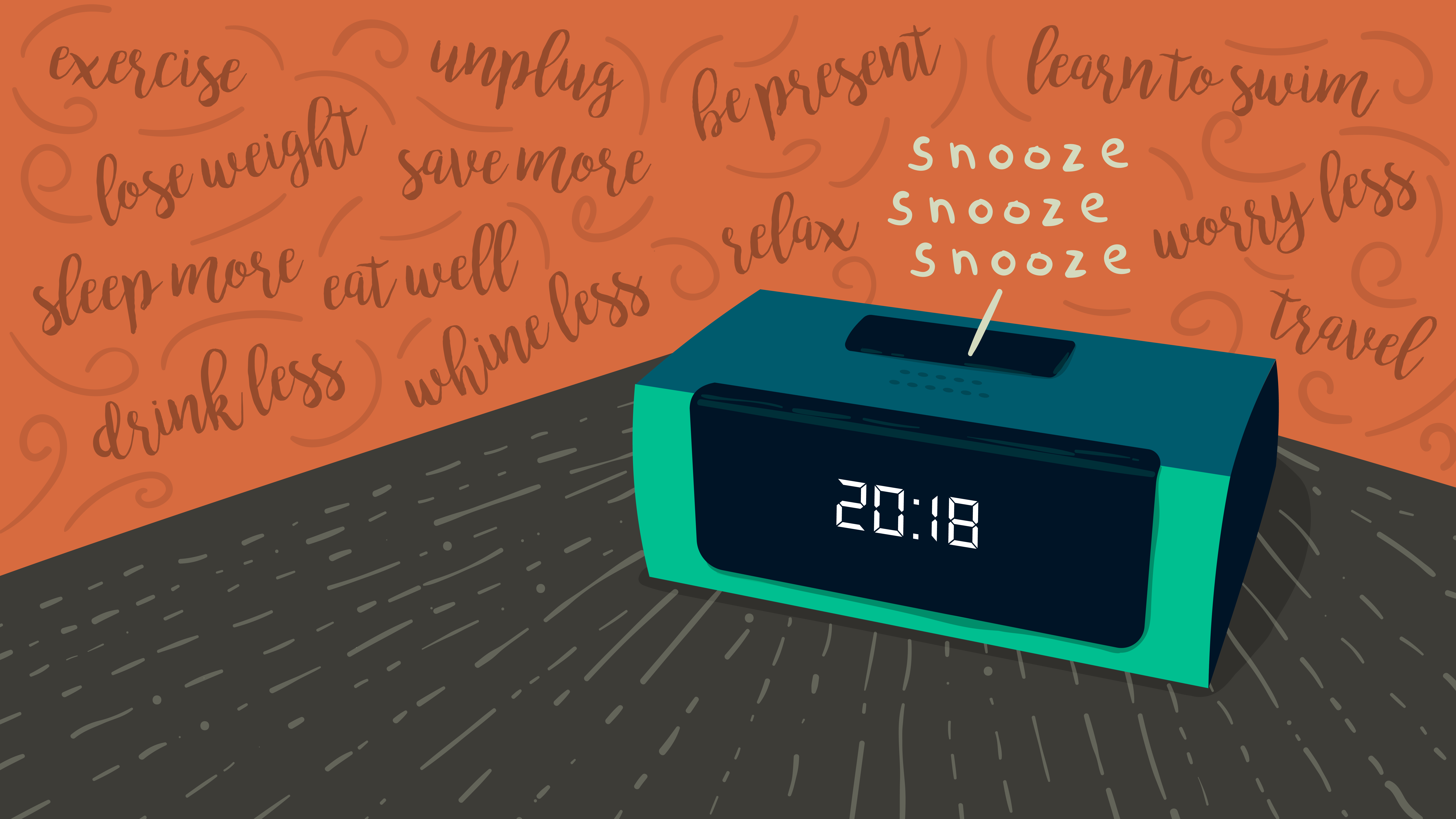
Sometimes the magic doesn’t work. Sometimes I’ll keep the same resolution two or three years in a row before it sticks. (This year I’ll finally stretch my hamstrings!) Still, for me, getting even 50% of my resolutions to stick is pretty good.
So take it for what it’s worth. But if you’ve been frustrated with resolutions in the past, consider applying my Unscientific 5-Step Recipe:
1. Dial it back
Don’t be too ambitious. Like, do you really want to run a marathon? I mean, you’ve seen people at the end of marathons, right? They look pretty tired.
Seriously though, we have a culture of intense expectations, and many of us are too hard on ourselves. It’s okay to dial back your goal and make it more doable. Resolving to read 500 books is admirable… but resolving to make (or maintain) a daily reading habit is also great.
2. Make it very specific
My “Exercise more” resolution is a prime example of way-too-vague. “Run every day” is better, “Run around the park in the morning” is better still. Best of all would be something like “Exercise every day, ideally running in the morning, but other forms of exercise and other times of day are also cool.” You get the idea.
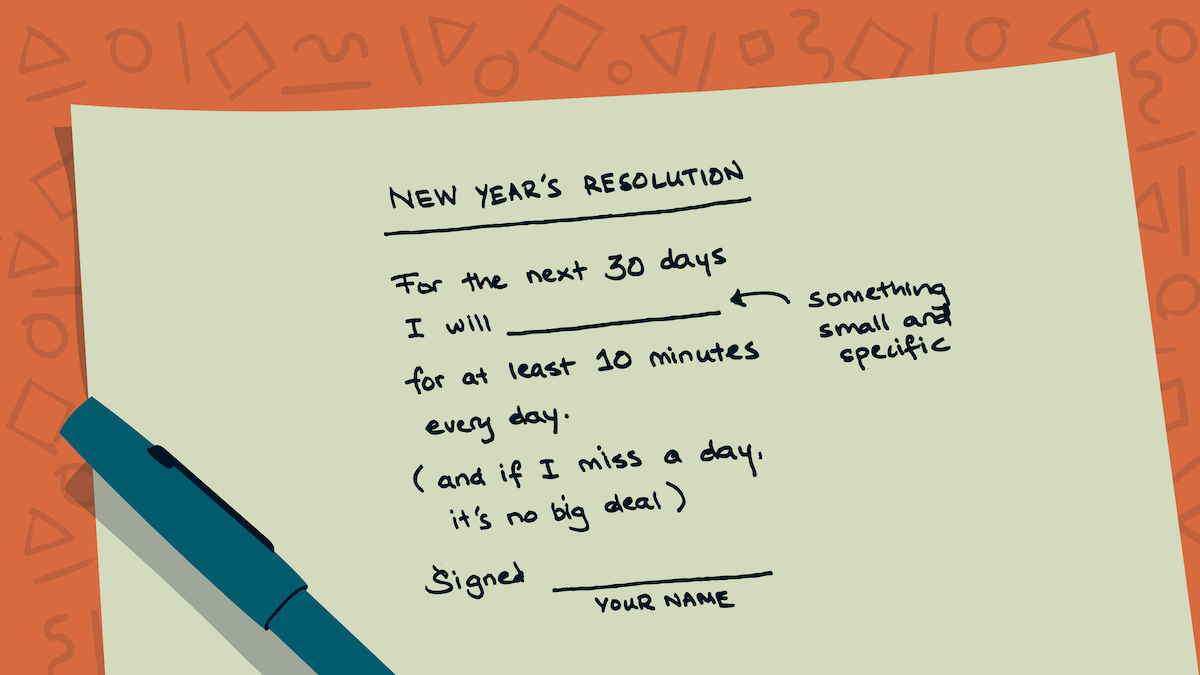
3. Add the magic words "for at least 10 minutes every day"
If you decide 10 minutes a day is enough to count, you’ll find it way easier to do it every day. And if you do it every day, it’s way easier to keep the habit.
4. Do it every day for a month
Don't think about al 365 days at once. If you make it through January (or any 30 consecutive days), there's a pretty good chance the habit will stick for the year. If you don't believe me, ask Jerry Seinfeld.
5. Be nice to yourself if you miss a day or two
Just start again. In fact, if you miss a day or two but get right back on it, you don’t even have to count it as breaking your 30-day streak. I hereby grant you permission!
Who knows, your small habit might set the foundation for bigger things. But don’t worry about it in January. Be kind to yourself as you maintain the rhythm, and let the good things happen. They will.
Now go write yourself a nice doable resolution. Good luck, fellow slacker—you got this!
To learn more about Jake's methods subscribe to his newsletter here.
My New Year’s Resolutions used to fail every time.
For example, I set a resolution to “Exercise more.” I vaguely imagined running marathons and wearing headbands. Then in January, I took two or three long runs and forgot about the resolution. It was sorta like that every year.

10 Resolutions for a Creative, Inclusive New Year
We asked the design community—inside and outside IDEO—for their New Year’s resolutions
Here are just a few of our resolutions for 2018:
1. I want to start using my calendar to evaluate whether or not I’m spending my energy on my priorities. All too often, calendars get hijacked by old habits, process without purpose, and trying to please others. I want to start holding myself accountable. —Scott Belsky, founder of Behance
2. My resolutions this year are the same as they were last year: to use the complexity and swirl in the world as a source of inspiration, not just frustration. To look for light, joy, and optimism. To trust the inherent good in people. To be part of the renaissance that always follows the revolution. I’m keen for design to step up to the plate and take on topics such as inclusion, tolerance, equality, and masculinity. 2018 is a year of making change, not just wishing for it to happen. —Paul Bennett, Chief Creative Officer, IDEO
3. I plan to do more design with my kids. My four-year-old is a self-proclaimed artist who draws in every spare minute; my two-year-old is beginning to spend more than one minute on art at a time. I want get both of them involved in coming up with their own "design challenges" and to surround both of them with the materials and space to get inspired. —Sally Madsen, IDEO
4. One of my goals is to bring new technologies to the forefront of the social impact work we're doing at IDEO.org. With short design sprints, it’s hard to bring new, wild inspiration into the solutions we create, but I'm trying to adopt this perspective as much as possible. For example, I have an idea to use blockchain and mobile money to create a credit-rating system in countries where unbanked people struggle to apply for loans. —Angie Fu, IDEO.org
5. In 2018, I will continue doing "fewer things better." One way that shows up for me is reducing social media. I placed all my social apps in a folder titled "AM/PM" on the last screen of my phone. Unless it's work related, I stick to opening the folder only in the morning or evening. Additionally, I moved the iBooks app to the front screen, so whenever I get the itch to tap, I'll distract myself with a book instead of a blog. —Joe Gebbia, Co-Founder and CPO, Airbnb
6. My New Year’s resolution from four years ago was to post a sketch on my Tumblr for every day of the year, and it’s continued. It’s the only resolution I’ve ever kept. I’m doing it again this year, by hook or crook! —Lisa Brown, illustrator

7. I'm getting close to finishing my fifth sketchbook. I've done 57 full-page illustrations so far! I would love to make it into a coffee table art book through a Kickstarter next year. I also want to get back into 3D work in my free time (woodworking, sculpting, etc.). I find that making things in my free time fuels work in other areas of my life and helps boost and maintain my creative energy. —Felicia Chiao, IDEO
8. I'm working on allowing the entire design process to yield reward, joy, and satisfaction, rather than just the end result. This is necessary when working on major house projects with a finish line dangling from an impossibly long stick that seems too far away to reach. I can spend the next year (or three) wishing it were done, or enjoy the process as much as possible and suffer less. —Sally Sosa, IDEO
9. My New Year's resolution is to focus on women as users of design. The #MeToo movement has shown that women experience so many things in common, but don't have a voice or community of support during difficult professional moments. I care so much about advancing this cause, and yet I realize that in my work as a business designer I almost never think about users’ genders; instead, I think about their physical, emotional, and psychological needs.
I believe women are worthy of being addressed as a user group (with the understanding that there’s a ton of nuance within such a huge population). For 2018, let's look for all the ways women are not seen or heard and give them a better, more equal stage through design. —Kerry O’Connor, IDEO
10. I’ve been making a conscious effort to travel to at least three new cities or countries throughout the year. (This year’s cities: Malaga in Spain, Lisbon and Peniche in Portugal, and Trieste in Italy.) This resolution helps me step out of my comfort zone by removing any bearings I have and forcing me to look at simple things, such as getting around town, eating, and exercising, through the lens of the place I find myself in.
Just sitting in a cafe in the town square gives me interesting insights into a local culture and can easily trigger a new way of thinking about a problem I’m currently mulling over. Don’t just travel—explore. —Irene Novicelli, IDEO
The start of a new year offers us the chance to both reflect on the past and look ahead to a more fulfilling, generous, and hopeful future. What are your aspirations for the next trip around the Sun? We asked our designers and some of their creative friends, including the founders of Behance and Airbnb.

Lindsey Turner
I’m passionate about building brands, products, and experiences that help organizations show up with meaning and momentum.
I help organizations cut through complexity by shaping how they show up, through brand strategy, identity, and storytelling.
Working at the intersection of brand and business, I bring an editorial eye and a bias toward making—turning ideas into tangible experiences that people can understand, trust, and believe in.
My work spans government, healthcare, financial services, media, and consumer goods, from launching Gen Z-focused ventures to building innovation labs and reimagining legacy brands. I relish moments of ambiguity and enjoy translating across teams, perspectives, and priorities to move ideas forward.
I started my career in editorial and digital design, shaping cross-platform experiences and identity systems in publishing and agency environments. That foundation still shapes how I work today: I’m detail-oriented, collaborative, and overreliant on the Oxford comma. I hold a BFA in Visual Communication from the School of the Art Institute of Chicago.

Rachel Young
My work helps organizations see who their products aren't working for—and build the will and the tools to do something about it
For 25 years, I've asked the same question: Who does this design exclude—and what are we going to do about it?
My work spans human-centered strategy, inclusive design, and qualitative research, with clients ranging from Microsoft, Google, and Verizon to the National Science Foundation, and San Francisco Unified School District.
Before IDEO, I taught elementary school in East Palo Alto and spent a decade doing design work with social service organizations—where I learned firsthand what it costs people when systems are built without them in mind.
I am currently writing User Error, a nonfiction book about digital access and the design decisions behind it. I live in Oakland, California.

Brian Pelsoh
I lead with craft, ensuring our work is creatively excellent: rooted in deep human insight and imagination, while also grounded in the realities of business and technology.
My expertise spans brand, communication, and product design across tech, education, the arts, and social impact.
I believe great work demands both high-level vision and obsessive attention to detail, and only happens through collaboration.
I bring an inclusive, hands-on approach and a deep understanding of business, which enables me to consistently deliver excellence while always asking why.
Before joining IDEO, I worked at the brand firms Pentagram and VSA Partners. I began my career as a designer, leading teams at the School of the Art Institute of Chicago and the Milwaukee Art Museum. I hold an MFA in graphic design from Maryland Institute College of Art and a BFA in communication design from the Milwaukee Institute of Art & Design, and have taught at some of the best design schools in the US.

Tony Wong
I am responsible for IDEO’s long-term success in China and working with clients to use design as a tool to enable growth.
I am responsible for IDEO’s long-term success in China and working with clients to use design as a tool to enable growth. Specifically, I have helped Chinese companies design holistic brand solutions through the development of their products, communication, services, and innovation teams, and I have helped multinationals expand their presence and influence in China.
I advise global leaders on developing China-led innovation and capabilities.
In over 15 years in IDEO Shanghai, I have worked on projects that use design to elevate the quality of the experience of healthcare products and services, streamline processes that increase productivity, create spaces and programs that promote and enable inclusive communities, and build next generation mobility solutions that are planet-positive.
Before joining IDEO, I worked at Philips Electronics and the Electrolux Group in Italy, the Netherlands, and Singapore on a number of breakthrough commercial products. I am a member of the Young President Organization in Shanghai.

How to use AI as an editor, not a writer
Ed White shares how he uses AI as an editor—not a writer—to sharpen storytelling, rehearse ideas, and preserve the productive friction that makes creative work better.
Ed White has a rule he's tested on his own writing: hold yourself as the writer, and let AI be your editor. Ed is a Senior Design Director at IDEO's London studio, where he co-leads the firm's AI portfolio across Europe. Before IDEO, he spent 12 years as a writer and editor at the Financial Times, Wired, and Contagious. So when he talks about when to use AI for storytelling and when not to, it comes from two decades of crafting his storytelling skills.
In this episode, Mina Seetharaman talks with Ed about two specific tools he uses to keep AI in an editor's seat: a "roasting agent" prompted to critique his drafts without any sugarcoating, and a simulated audience he rehearses pitches on before the real thing. They also get into what Ed is hearing from design leaders at Anthropic, Lovable, Shopify, and Google Creative Lab about how creative work is changing, and why he thinks the friction of writing something yourself is worth protecting rather than automating away.

Building a personal AI for the messiness of life: Sida Li
Becca Carroll talks with Cue co-founder Sida Li about designing a personal AI for the messiness of everyday life—not just work. They explore how Sida stays anchored to human needs while navigating fast-changing technology, product tradeoffs, business-model experimentation, and the realities of building an AI company today.
Most AI products today are built for work—a space with clear problems and established systems. One founder noticed a gap: personal life is messier, harder to systematize, and mostly left behind by the AI boom. So she built Cue, a personal AI that lives inside iMessage and group chats, to go where the other tools haven't.
In this episode, Becca Carroll, IDEO's Chief Strategy Officer, talks with Sida Li, co-founder and CEO of Shared Context Lab, about staying anchored to a human need while the technology around her keeps changing shape, why she treats her business model with the same rigor she'd bring to a product, and what it feels like to build a company at this particular, disorienting moment in AI.
The conversation also gets into how Sida makes design decisions: the language Cue uses to describe itself, the tradeoffs behind building inside iMessage instead of a new app, and a real story about a business idea that didn’t pan out.
This is the second in a two-part series profiling founders from IDEO's Startups-in-Residence program. The first conversation is with Johannes Seemann, founder of Sooner, on designing GenAI for the emotional side of money.

Designing GenAI for the emotional side of money: Johannes Seemann
Designing financial tools around the feelings that shape money decisions.
Most personal financial tools are built to run the numbers and optimize towards a budget. While that works for some, most people experience money as a lived relationship that does not neatly fit into a spreadsheet. Johannes Seemann and Becca Carroll discuss why money is emotional before it is mathematical, and what a human-centered approach to building a generative AI financial product looks like in practice.

The curious leader's edge in uncertainty: Scott Shigeoka
How genuine curiosity helps leaders navigate uncertainty with greater confidence.
Mina Seetharaman talks with Scott Shigeoka, author of Seek and Head of Curiosity Cultivation at the Eames Institute, about what distinguishes genuinely curious leadership from performative curiosity, how power dynamics shape curiosity, and why practicing curiosity can restore energy rather than drain it.
Looks like you might be in search of something very specific?
Or reset the filters above and try another angle.
Here’s some random inspiration

Podcasts about creative leadership

Articles about the power of prototyping