
.svg)



From incremental change to breakthrough innovation
How Master Kong reinvented the instant noodle, from the inside out.
Looking to understand the role of instant noodles in middle-class Chinese life, the IDEO team conducted in-home research with consumers across a range of life stages and levels of attachment to noodle culture and convenience foods. The first finding was reassuring: Everyone kept instant noodles at home. The category still had a place in middle-class kitchens. But beneath that was a more complicated, emotional story—and an unmet need for convenience and quality to coexist in a single product.
The team discovered that instant noodles are more than just a quick, on-the-go meal; they are a nostalgic comfort food that evokes fond memories. But since their heyday, their role in daily life has evolved. Once a complete meal in itself, instant noodles now often function as a versatile flavor base or culinary accent in other dishes. Because they don’t align with the healthier, higher-quality, and more novel food choices that middle-class consumers aspire to, noodle shops, delivery noodles, or fresh-cooked instant options often win out. Yet, even these alternatives come with trade-offs. Delivered noodles lose texture during transport. Sit-down noodle shops preserve quality but offer limited flavors. Cooking from scratch meets the bar for both texture and flavor, but requires a significant time investment. As one young mother said, “If I could get the texture of fresh-cooked noodles without turning on the stove, I’d buy that instant noodle for sure.”
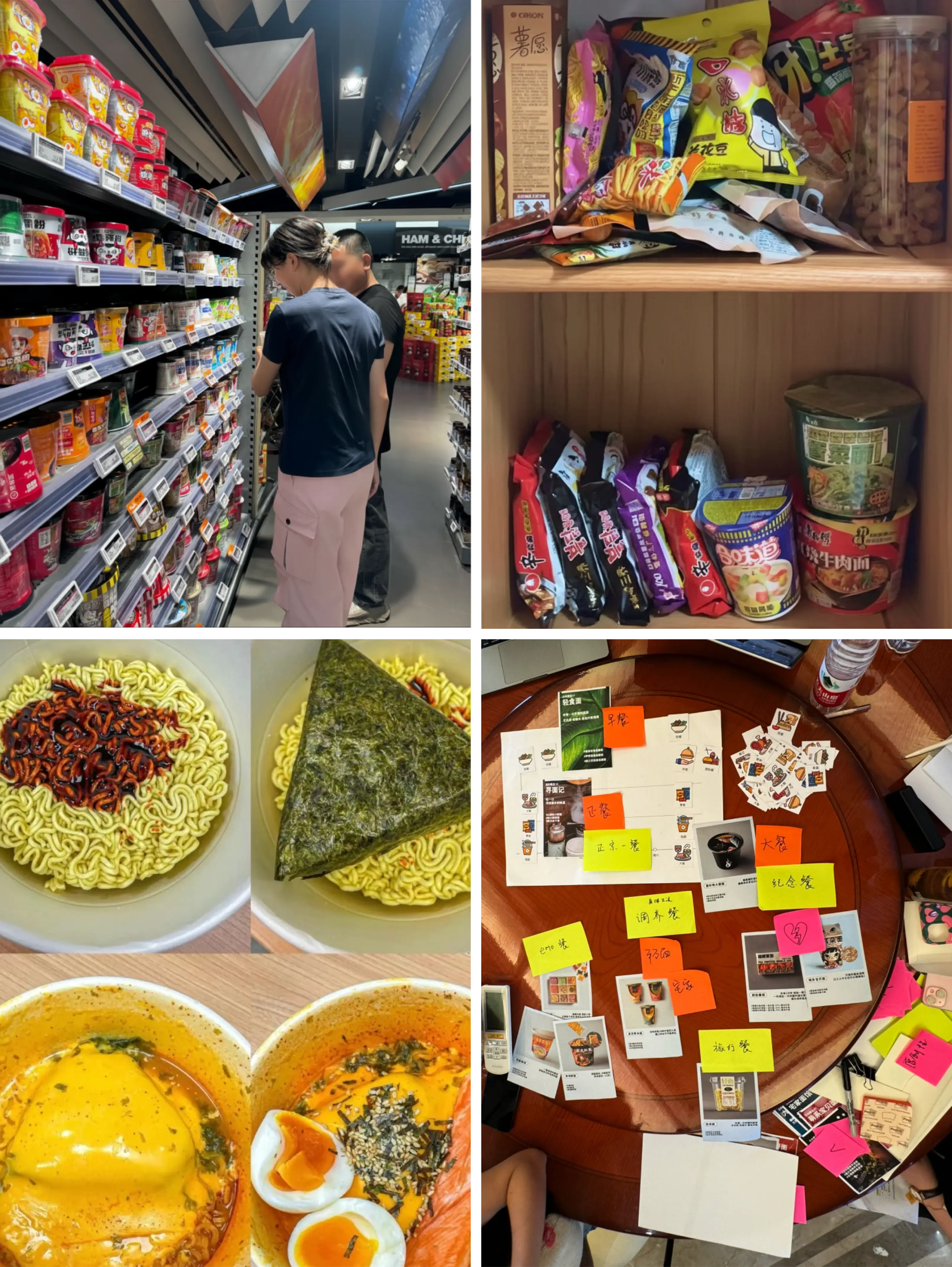
The research inspired the creation of a new category, which the team termed “fresh-brewed noodles.” More than just a noodle or broth upgrade, Master Kong’s fresh-brewed noodles would offer the speed of instant noodles with the quality of freshly cooked options, plus flavors not found in traditional noodle shops. The strategic positioning was clear. Executing it by making fresh-brewed noodles mass-producible, affordable, and eventually profitable presented a category-innovation challenge. To get there, IDEO designed a series of dual-track co-creation workshops with the Master Kong team and consumers.
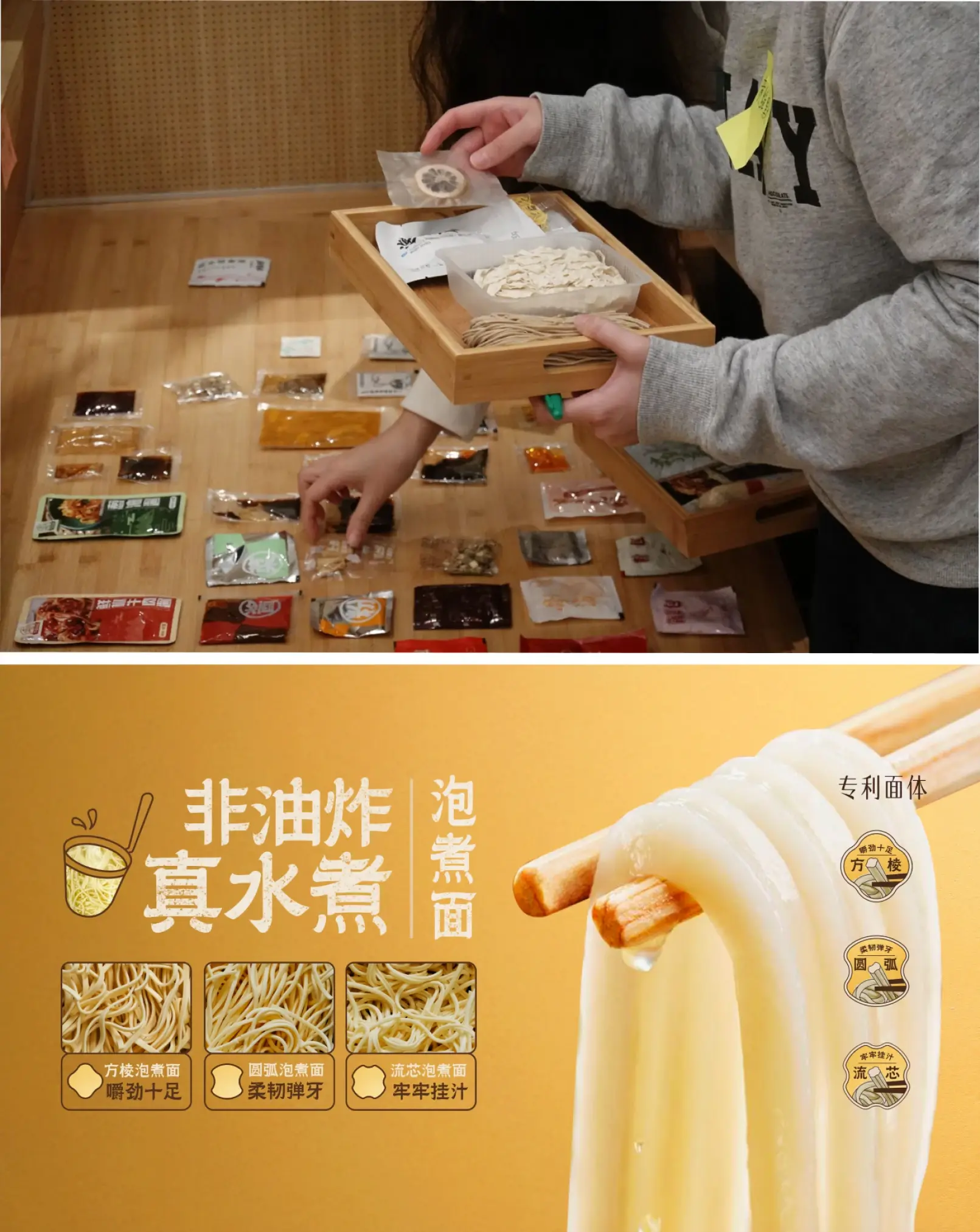
One track focused on prototyping the core product experience: noodles, broth, and toppings. IDEO and Master Kong’s R&D team began by studying the traditional craft of Chinese noodle-making, starting in Shanxi, a region renowned for its noodles. Through successive rounds of prototyping and consumer tasting, the team identified a critical insight: for “fresh-brewed noodles” to be convincing, the innovation had to be centered on the noodles themselves.
Texture alone was not enough. Consumers needed to see a meaningful difference before they tasted the product. IDEO translated this insight into a distinctive noodle profile: irregular, dimensional shapes designed to remain springy, hold sauce and broth, and mimic the resilience of freshly cooked noodles using only hot water. Because this visible shape represented the product’s core value proposition, it became a hero feature on the packaging. The graphic design made a bold visual statement about the noodle form, turning a technical R&D breakthrough into an immediately legible consumer promise: these are not ordinary instant noodles.
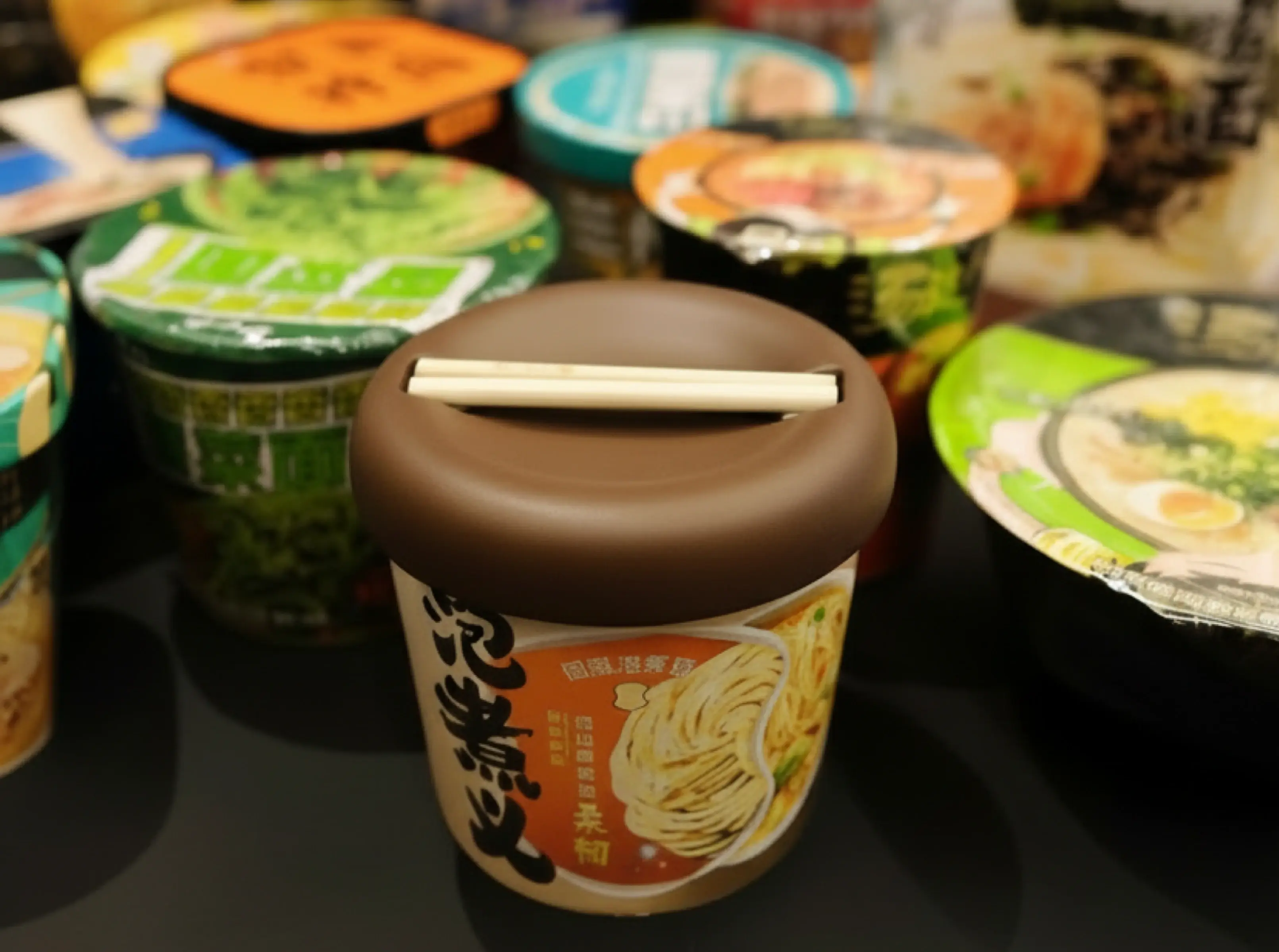
A parallel track explored the broader commercial experience: trend-forward and reimagined classic flavor profiles, light yet deeply satisfying broths, carefully selected toppings, and packaging that signals a new level of quality on store shelves. One key insight was that utensils carry meaning. Conventional instant noodles are often associated with disposable plastic forks, while higher-quality noodles are eaten with chopsticks. IDEO translated this cultural cue into the design of the bowl’s lid.
Instead of treating utensils as an afterthought, the team designed a solid, rounded, heat-retaining lid that embeds a pair of small wooden chopsticks. The gesture creates a small ritual of anticipation and reframes the product—not just a convenient instant meal, but a more considered noodle experience. Once opened, the product fulfills that promise with satisfyingly bouncy noodles, a rich liquid broth pouch that replaces the traditional oil-and-powder packet, and a vegetable packet reformulated with more premium whole ingredients.
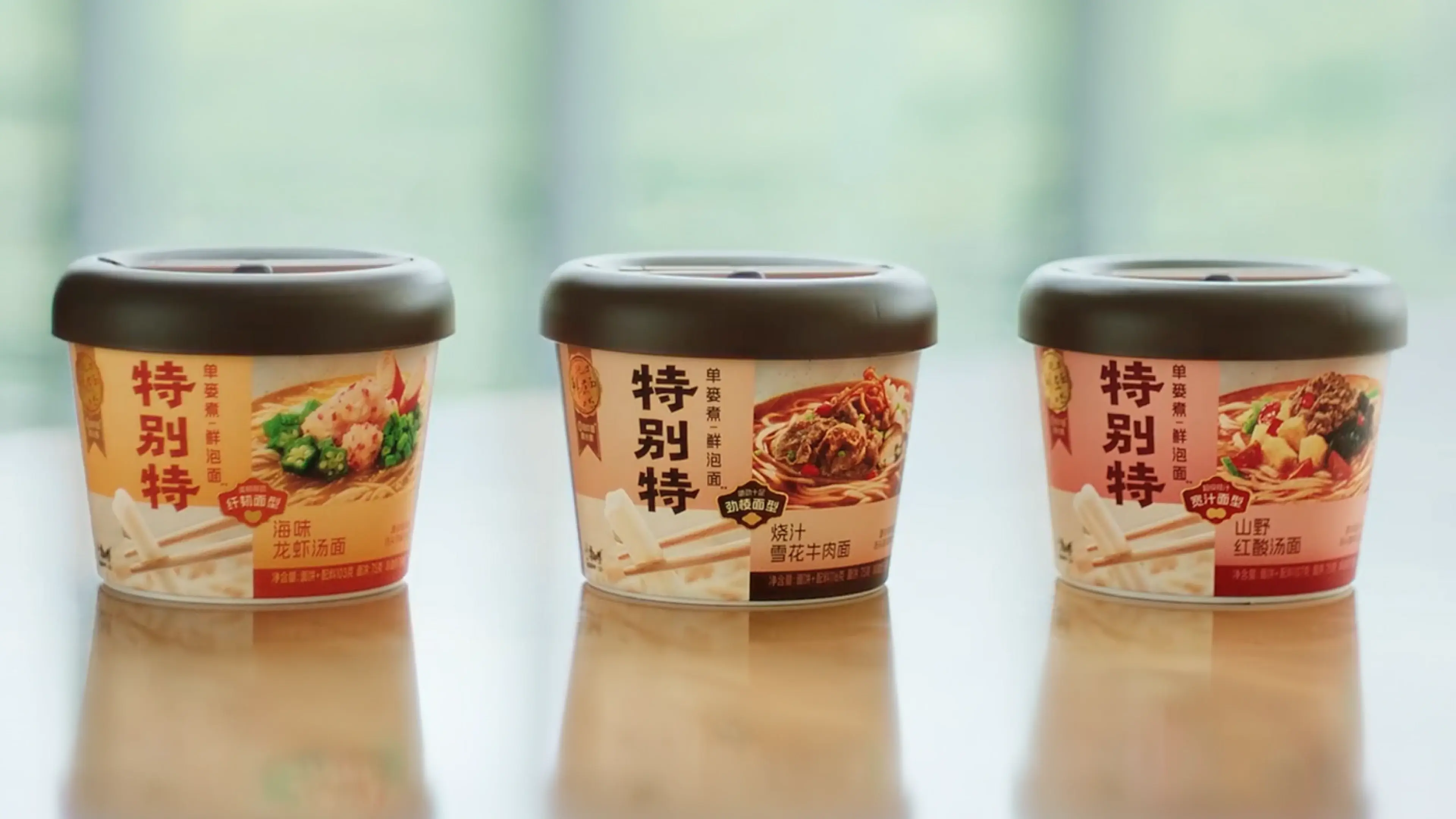
The first batch of “Te Bie Te” Fresh-Brewed Noodles—Chinese wordplay that emphasizes “special”—launched in August 2025 with three trendy and tried-and-true flavors. Within just three days, sales exceeded 100,000 bowls. Within a week, “Te Bie Te” topped the instant noodle category sales ranking on Douyin, China’s domestic counterpart to TikTok. The outcome was bigger than a product launch—it served as proof that a mature, declining category could be fundamentally reinvented to meet consumers’ real needs. For Master Kong, the project became a North Star and a model for internal category innovation in beverages, ready-to-eat foods, and beyond.

Once a popular, affordable staple, the instant noodle category in China has been declining rapidly due to shifting demographics, rising food delivery options, and increasing customer demand for healthier, more nutritious meals.
According to the World Instant Noodles Association, between 2020 and 2023, China’s instant noodle consumption fell by 4 billion packs.
100,000+
“Te Bie Te” bowls sold in the first 3 days on the market
#1
on Douyin’s instant noodle category ranking within one week of launch

Making international education future-fit & affordable
Lexel brings world-class learning to Malaysia’s middle class.
Taylor’s legacy began in 1969 with the founding of Taylor’s College and soon expanded to include Taylor’s University, one of Southeast Asia’s top private universities, as well as many other institutions that serve 35,000 students per year. The family-owned group also operates Taylor’s International Schools, Garden International School, and Nexus International School for students ages 4 to 18. In Kuala Lumpur, Malaysia’s capital city, annual tuition at premium private schools like these ranges from about $10,000 to $25,000 USD. Taylor’s wanted to do something different: provide the same level of academic rigor and immersive learning experiences at one-third the cost.
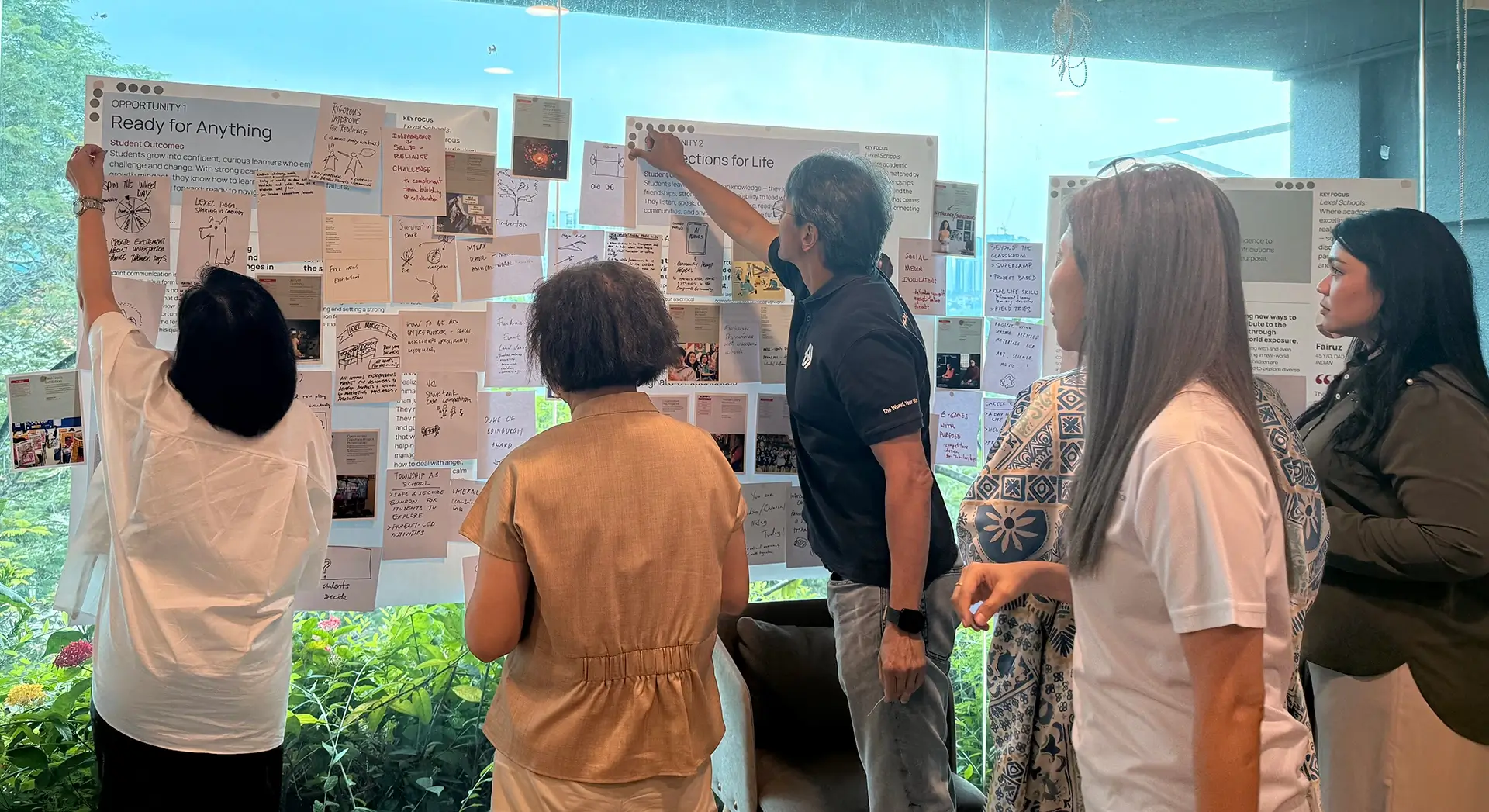
IDEO began by speaking with over three dozen students, parents, teachers, and experts across the capital to understand what was working, what wasn’t, and what was missing from such moderately priced international schools.
A few themes quickly emerged. Families, students, and teachers were worried about the stability of these new private schools, which tended to have higher-than-normal teacher turnover rates and were plagued by financial instability, negatively impacting talent attraction and retention, as well as student learning. Parents appreciated that the schools offered holistic learning experiences, such as field trips to rural areas, including jungles, but wished they were more consistently part of the curriculum. And now, the looming challenge of AI—how to use it, how to teach it, and how to teach with it—was in the background, a persistent cause for concern. The big unmet need? Reassurance that Taylor’s was thinking long-term and systematically about developing the skills, knowledge, and mindsets that would prepare students for an ever-changing world. Parents wanted a school that measured growth in academic, social, and character terms over generations, not just school semesters.
With these insights in hand, IDEO began developing a design Playbook for Taylor’s new brand—Lexel International Schools. A combination of “lexicon” and “excellence,” Lexel’s mission is “building what lasts, learning for life.”

The schools are centered around three key differentiators:
- Always Ahead: Lexel schools commit to staying current with the topics and subject matter they teach, as well as the tools they provide to students, parents, and teachers.s.
- Learning That Builds for Life: The schools ensure programmatic, systemic, and consistent learning experiences from Pre-K to Year 11. Interested students can even continue their post-secondary journey in partnership with Taylor’s University and other higher education institutions within the Taylor’s ecosystem.
- Educators for the Long Run: These schools commit to ongoing investments in professional growth opportunities for teachers and stable learning environments for students.
Four Lexel Literacies—AI, Digital, Financial, and Nutrition—integrated into the Cambridge Curriculum bring the school’s vision and mission to life.
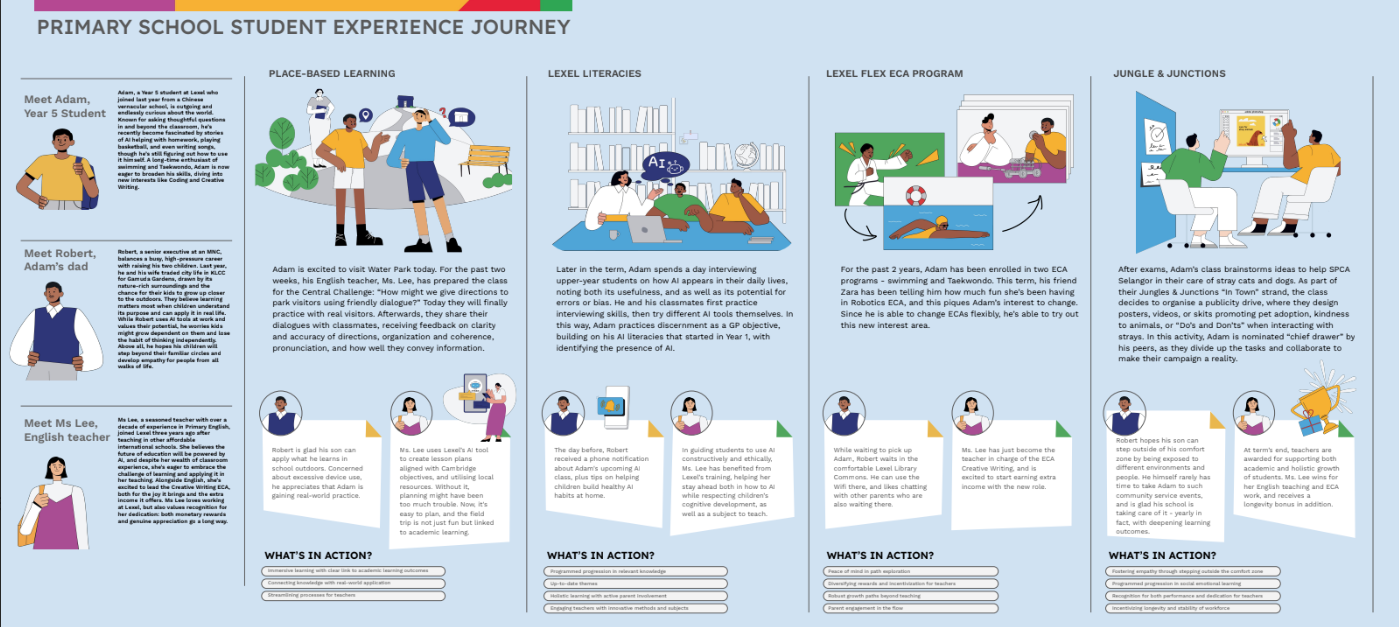
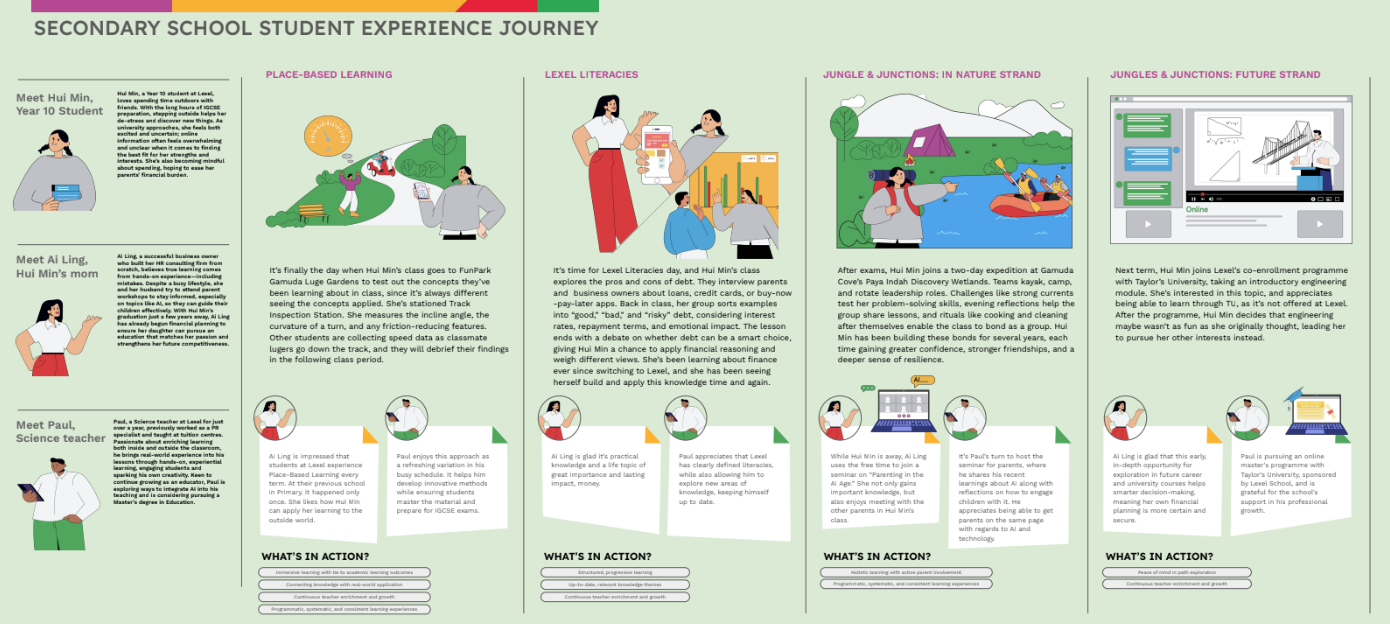
By systematically integrating AI literacy into its spiral education framework, in particular, an approach where major topics are revisited multiple times through a curriculum to build fluency over time, Lexel ensures parents that the school is thinking a decade ahead from Day One, setting the school apart. In addition to enhancing AI fluency, Lexel offers unique end-of-term experiences called Jungles & Junctions.
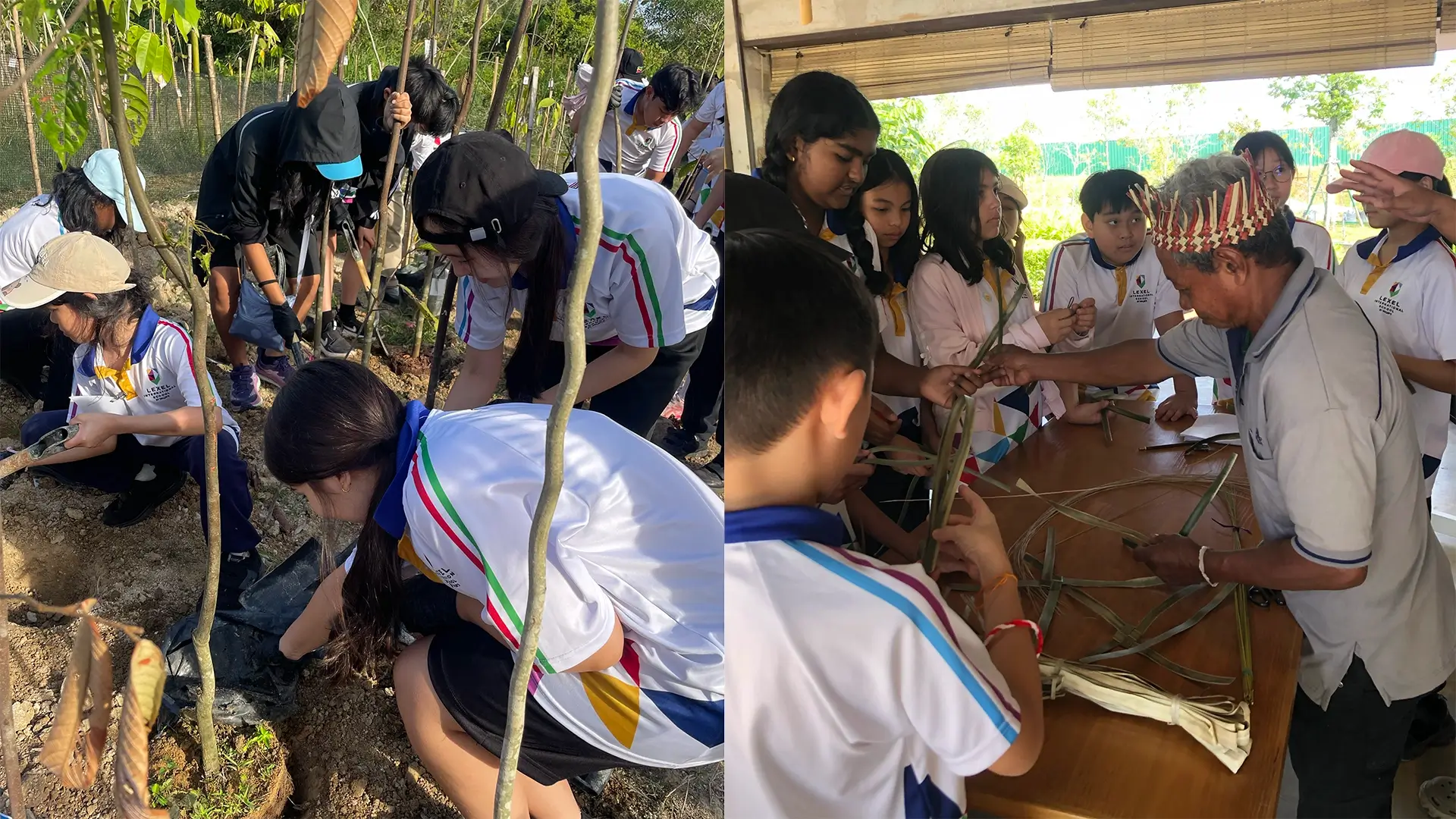
Combining three important strands of learning—community engagement, nature-based personal and interpersonal development, and career and university exploration—Jungles & Junctions leverages Taylor’s extended educational network and Lexel’s strategic founding campus within the Gamuda Gardens development in Selangor. Surrounded by tropical rainforests, the township’s residential neighborhoods, theme park, and various sports facilities, including an Olympic-length swimming pool, are transformed into an extended Lexel campus, with a GenAI-driven planner to help teachers streamline the organization of class outings. “The Township is Your Campus” became the tagline for this approach.
In September 2025, just months after IDEO’s collaboration ended, Taylor’s began classes at its first Lexel International School. By mid-year, the new school had achieved 115% of its year-one student enrollment target, with significant inbound demand for Year 2 already demonstrating the school’s market resonance.
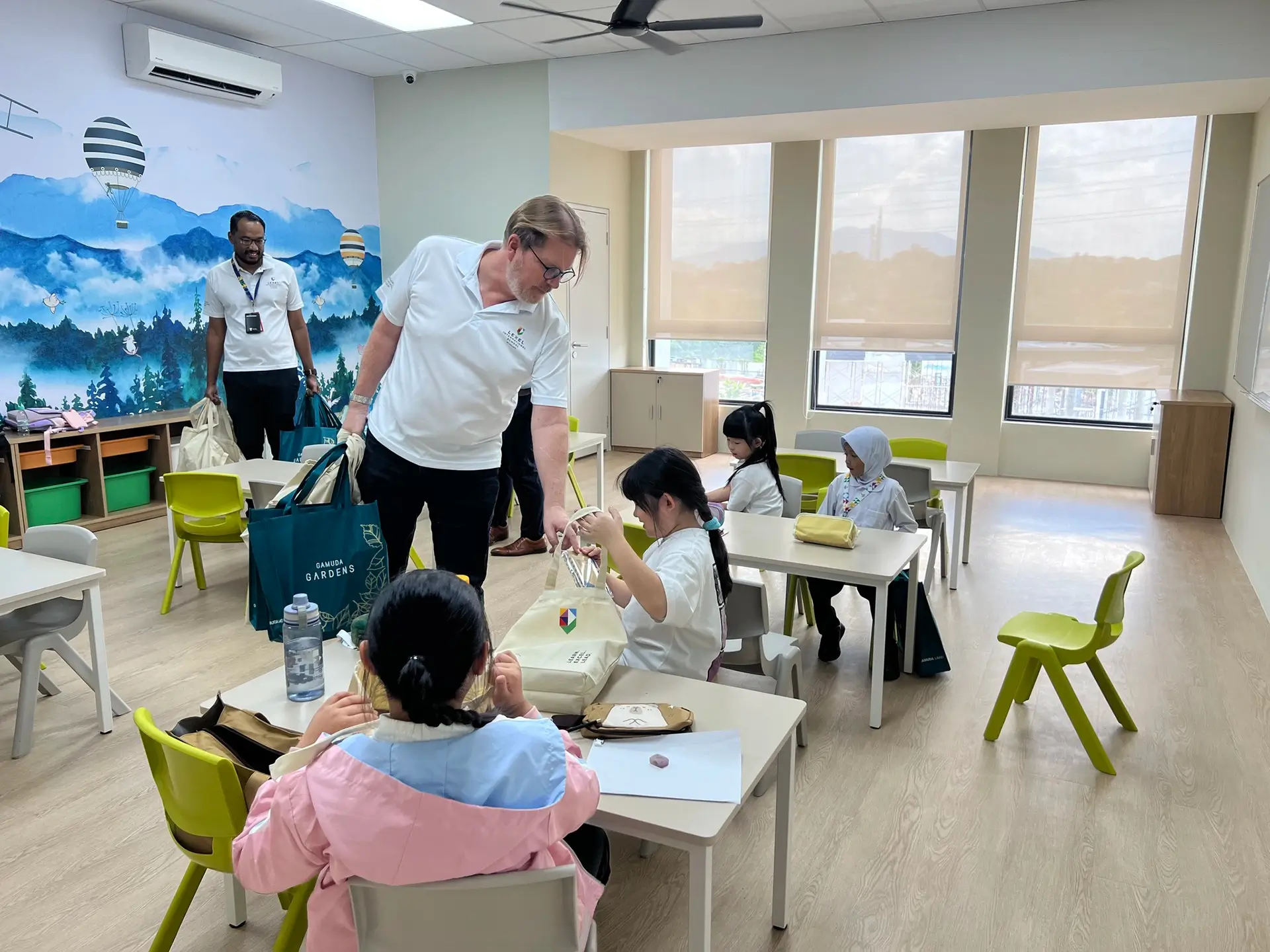
The modern campus features spacious classrooms, science and technology labs, a library, a multipurpose hall, and a canteen. Annual tuition ranges from about $2,800 USD for pre-K students to about $6,100 USD for secondary students.

Most importantly, by combining Taylor’s deep academic expertise, Gamuda Land’s development prowess, and IDEO’s innovative design Playbook, Lexel brings quality, affordable international education closer to home for Malaysian families. According to one parent, “My daughter looks forward to going to school every day … and has a lot of opportunities to express herself. On a scale of 1 to 10, I give [Lexel] an 11.” Based on the IDEO Playbook, a second flagship campus in the Southern Klang Valley, which is scheduled to open in September 2026, has already exceeded its year-one target enrollment expectations, with plans to continue extending the Lexel network to other parts of Malaysia and the wider Southeast Asian region in the near future.
Malaysia’s private international school sector has grown significantly as parents seek quality English-language education. However, high tuition fees and limited access to reputable schools are continual challenges for those in the emerging middle class.
115%
of Lexel’s student enrollment target reached during the launch year of its first campus
Year 1 enrollment target exceeded
at Lexel's second campus several months ahead of classes commencing
Delivering an unbiased news experience
Straight Arrow News transforms fact-based news consumption.
The American news industry has long been a competitive and saturated market. This has only intensified with the emergence of social media outlets and AI-generated news. Even so, SAN’s rigorously unbiased, fact-based reporting style and rich video storytelling had enabled the ambitious startup to rise above the media fray in just three short years.
With a strong foundation to build on, IDEO sought to further differentiate SAN’s cutting-edge news product and build deeper engagement with a wider audience through a new user experience.
.webp)
Collaborating closely, IDEO and SAN began by delving deeply into media consumption habits. They met with early SAN superfans, news consumers who spent hours a day absorbing content from traditional outlets like Fox and USA Today, and those who looked to their Ring doorbell app or Reddit for news. The takeaways? People were tired of clickbait and clunky interfaces. They sought clear, factual news that was easily accessible, with additional context to help them interpret events and understand their significance. They craved more than one perspective on important topics, so stories felt balanced rather than polarized. They also valued having control over how they consumed news, so making it easy to switch between text, video, and audio formats was crucial.
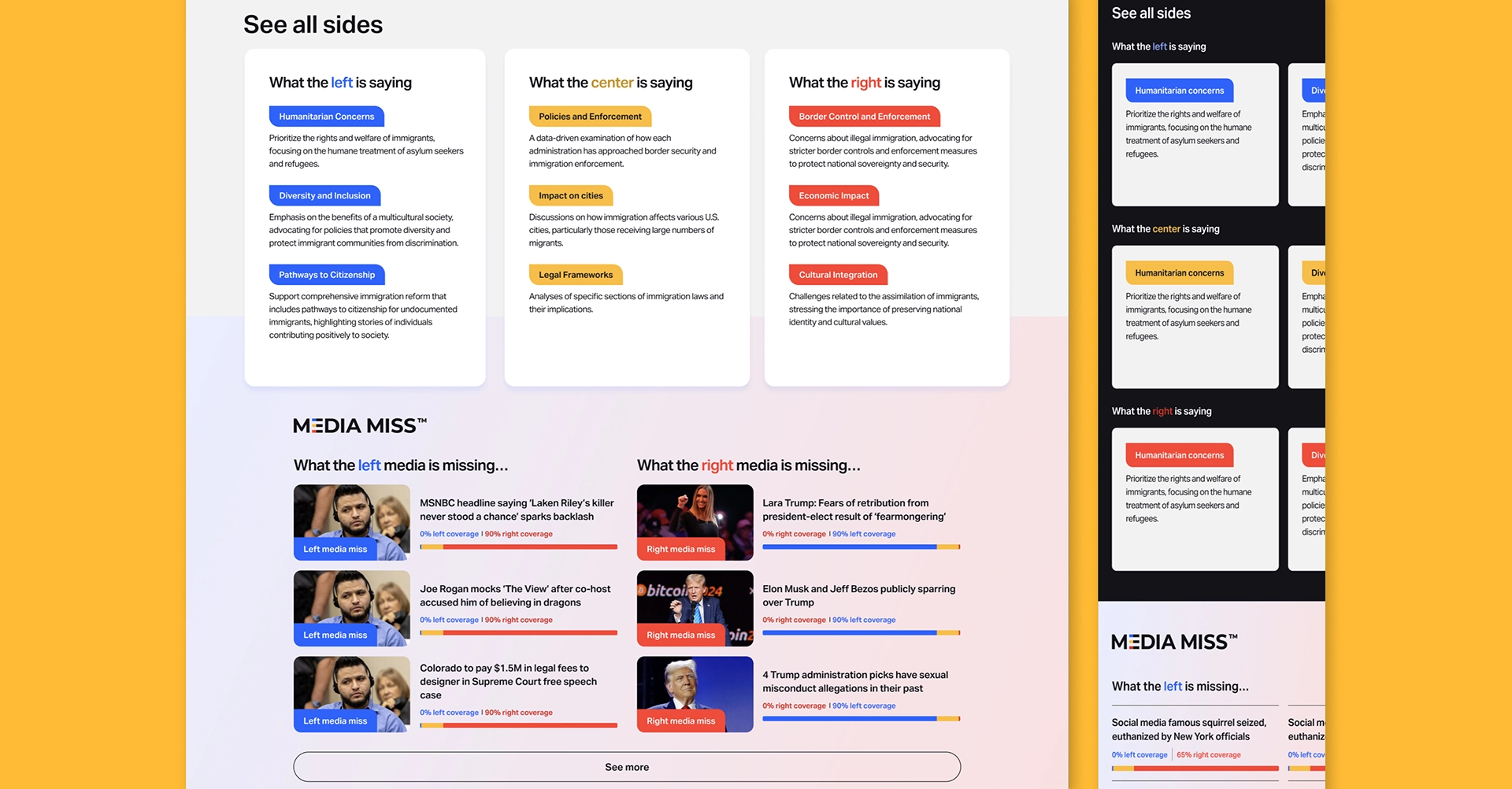
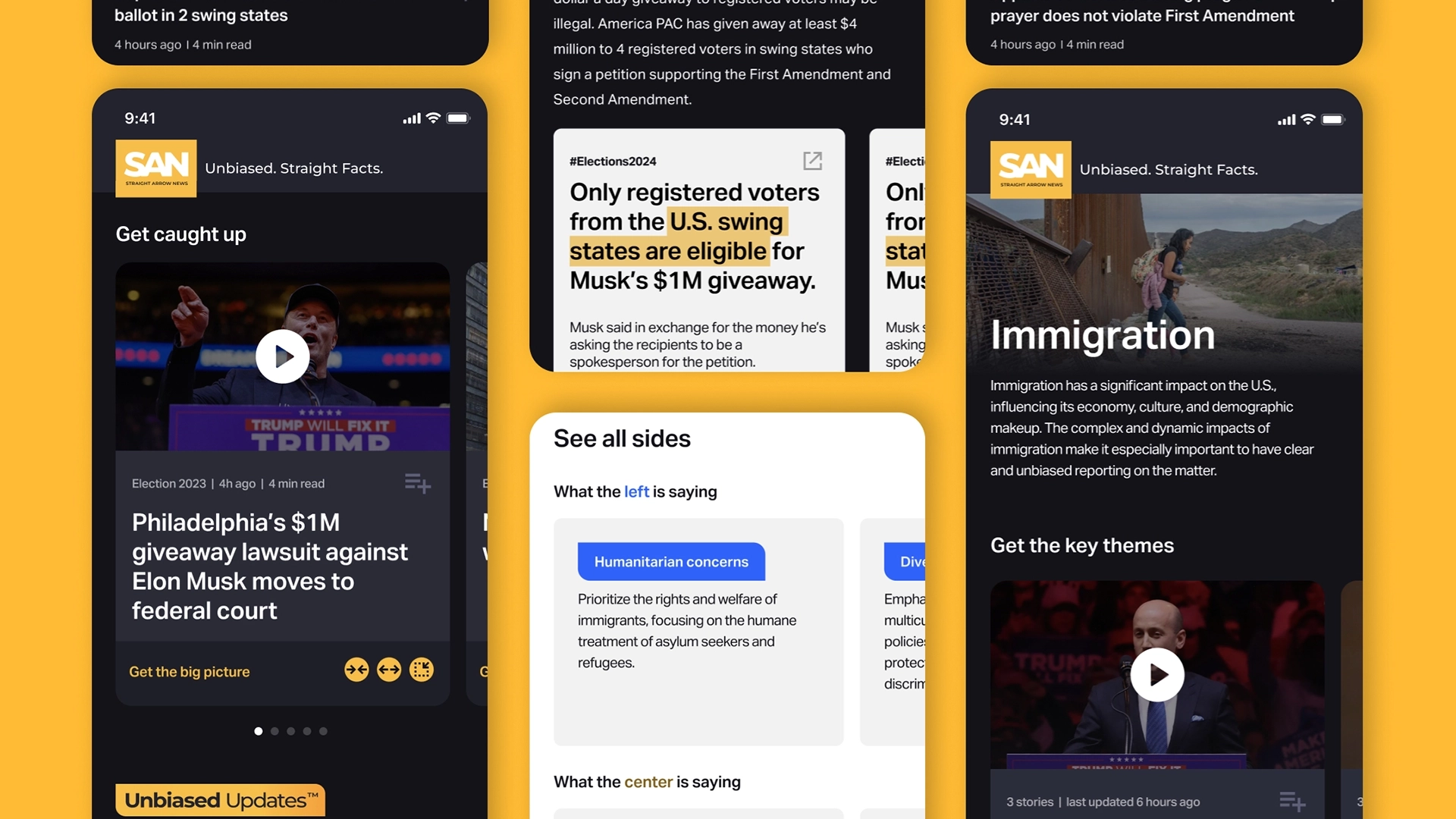
Together, IDEO and SAN created features across SAN’s website and app that put facts, trust, and transparency at the core of the product experience. Fact Cards distill key data points into clear, shareable units, while the Sources feature allows readers to trace information directly back to its original source. To make complex stories easier to grasp, Big Picture insights drill down into why events matter, surfacing underlying themes, historical parallels, differences in reporting, and common ground. The Why This Story Matters section provides readers with clear framing and sets the story within a broader context, while the Timeline illustrates how events unfold over days, months, or even years. An antidote to news polarization, See All Sides presents left, right, and center narratives for key topics side-by-side, and Media Landscape visualizations reveal how coverage varies across outlets. Finally, to ensure SAN fits seamlessly into readers’ daily lives, the redesigned Today Page is organized into three highly scannable sections: Latest News, Top Stories, and SAN Originals. The combined features create a balanced, clear, and non-polarizing news experience, making it easy for readers to delve deeper into the sources of their news.
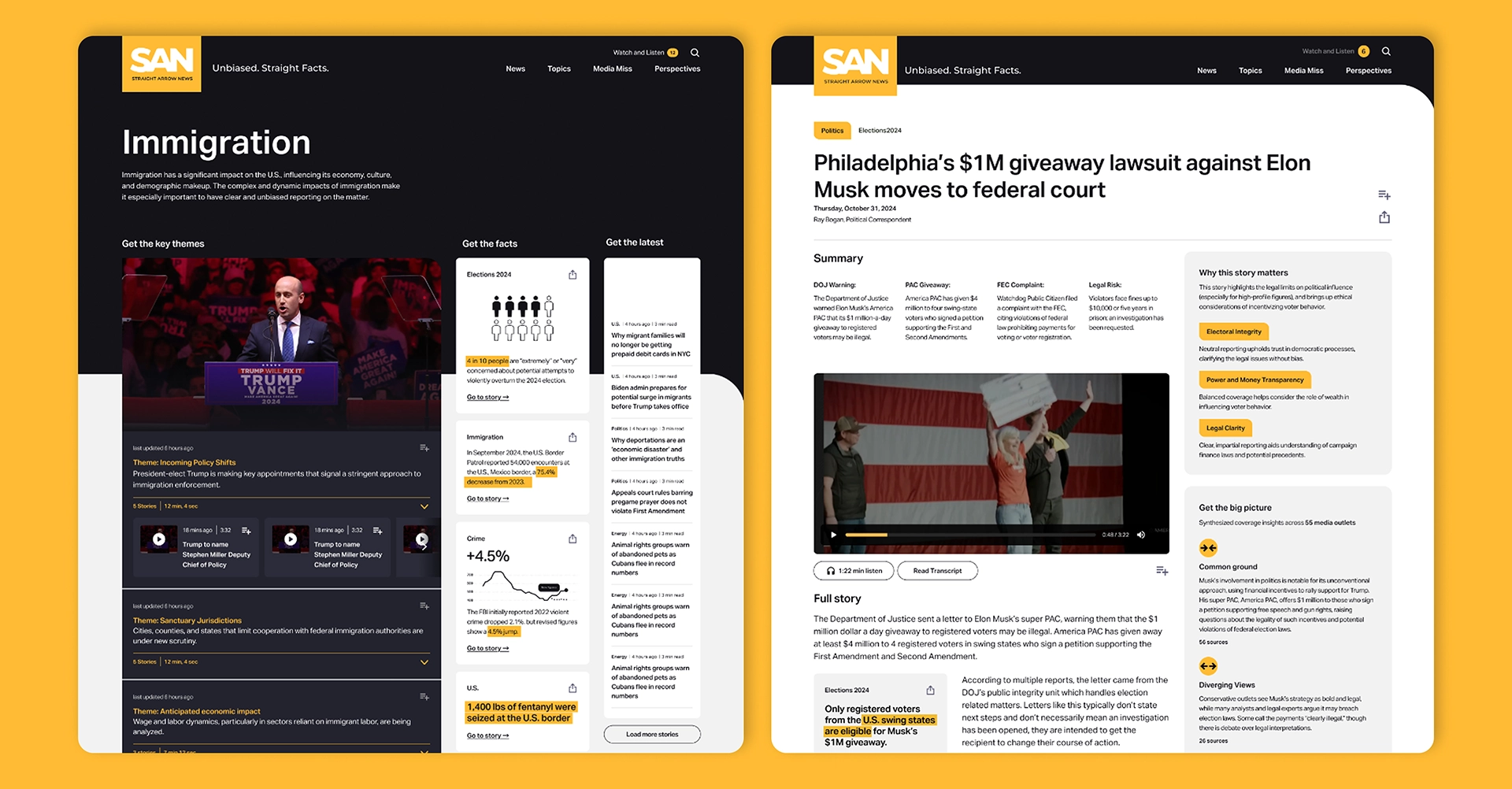
SAN now delivers a news experience as modern, dynamic, and trustworthy as its journalism. A month after its debut, the SAN app’s page views increased 1,170 percent year over year compared to June 2024, while active users rose 700 percent. Readers also give the updated mobile experience a 4.8 rating on the Apple App Store. “Our team is delivering reporting that’s both deeply factual and accessible,” said Derek Mead, SAN’s Chief Content Officer. “This redesign is pivotal to the direction journalism needs to take and the leadership role Straight Arrow News is taking on as we help guide the news industry into a brighter future.”
SAN built a loyal readership and gained recognition for its unbiased reporting. To expand and stand out from legacy media, SAN wanted a redesigned user experience that reflected its commitment to fact-based journalism.
1,170%
increase in app page views YoY
700%
increase in active users
4.8 rating
on the Apple App Store
Preventing newborn RSV
A toolkit to increase global adoption of Beyfortus, the world’s first RSV immunization for babies.
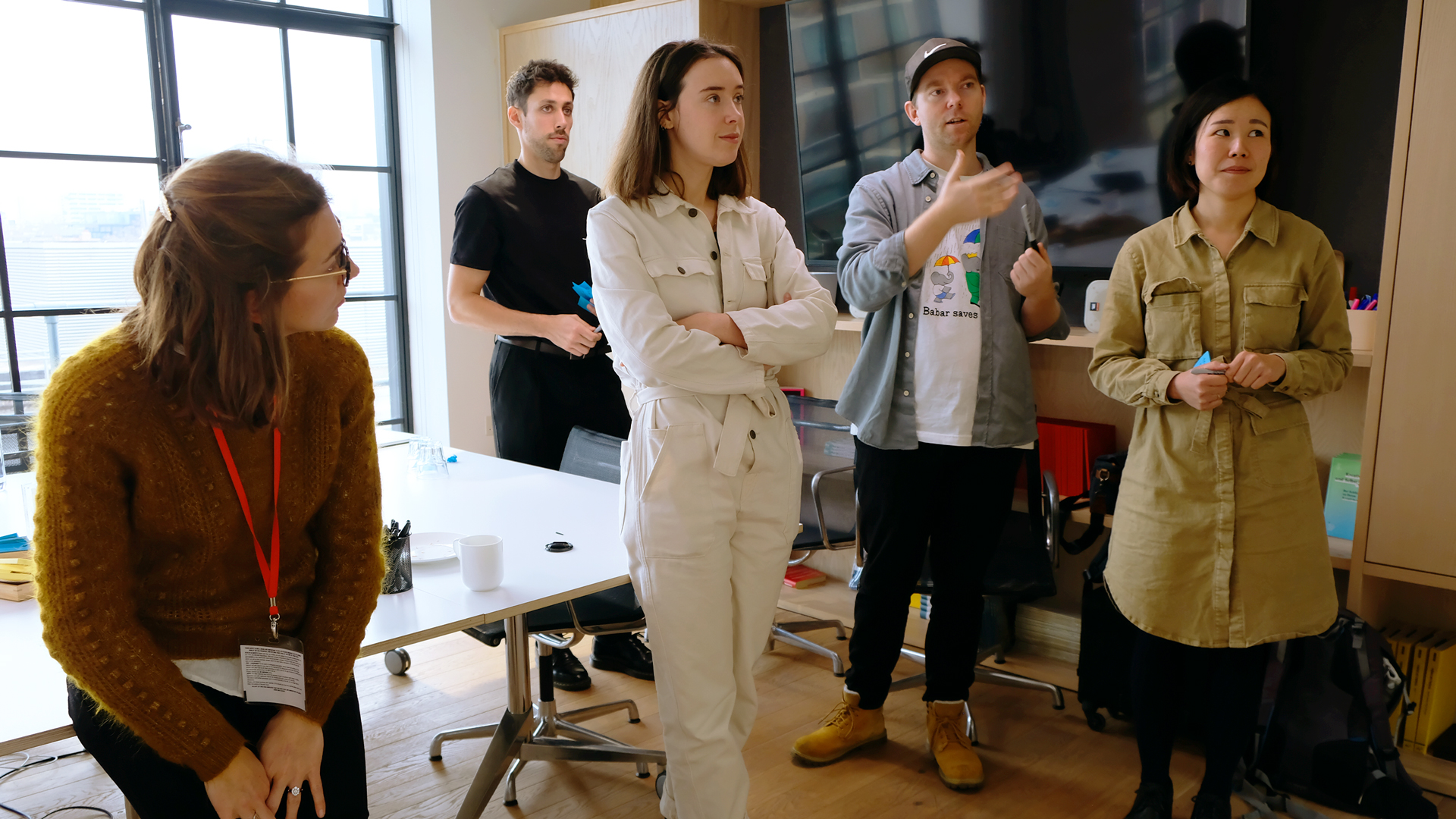
Sanofi was the first company to supply the polio vaccine worldwide. Because of the global fight against the disease, endemic wild poliovirus transmission is now limited to just two countries. However, attitudes toward vaccines and immunizations have shifted significantly. To ensure a smooth launch of Beyfortus in a time of increased vaccine hesitancy, Sanofi asked IDEO to conduct research across four important and very different healthcare markets: Germany, Spain, China, and the US.
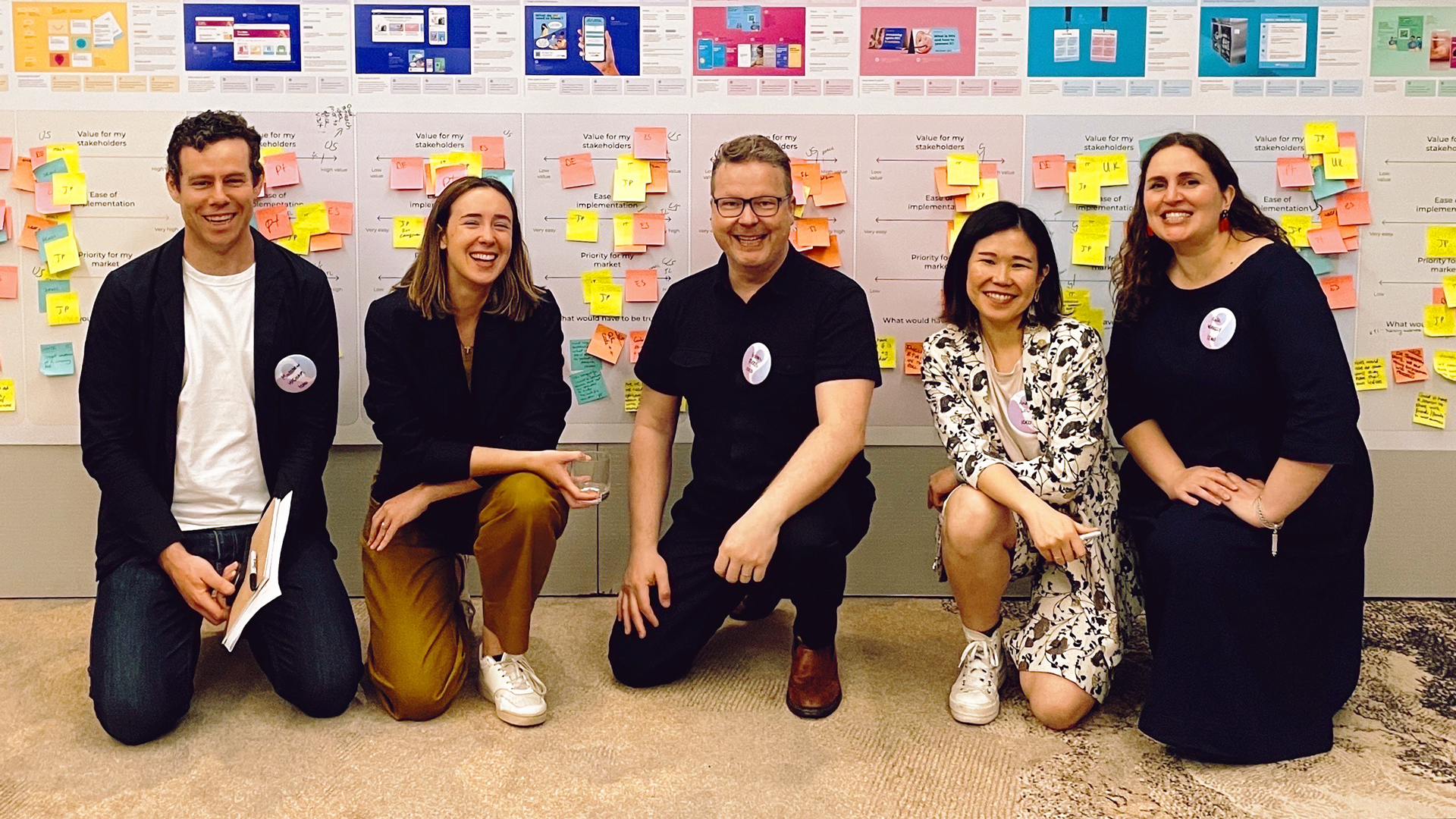
IDEO worked with parents, caregivers, healthcare professionals, and healthcare administrators to identify potential barriers to vaccine adoption and understand the emotional needs of all stakeholders involved in the immunization process. Navigating cultural differences and diverse healthcare environments, the team uncovered a set of insights.
For healthcare professionals, the team discovered there was no one-size-fits-all approach to immunization training across Sanofi’s 20-plus global markets. While consistency of key information was important, trainings needed to be flexible and customizable. This way, regardless of whether the vaccine was administered by midwives, OB-GYNs, nurses, or doctors, they could confidently discuss the pros and cons across cultural contexts and administer the drug correctly.
For new parents, receiving information about a new immunization immediately after giving birth could be too stressful. But simply leaving pamphlets about Beyfortus in waiting rooms didn't address their real concerns, either. Caregivers needed to engage in conversations earlier in their pregnancies and continue them after leaving the hospital, when they might have additional questions.

IDEO translated these research insights into a highly accessible global communication toolkit that uses simple, straightforward language, metaphors, and illustrations to support informed conversations between healthcare providers and parents before, during, and after a child is born. IDEO then conducted a series of market-fit co-design workshops with representatives of Sanofi’s global immunization business to iterate on the print and digital tools, make them more resonant with regional customers, and ensure compliance with local regulations. IDEO handed the toolkits over for development to support the launch of Beyfortus in January 2024, just in time for RSV season.
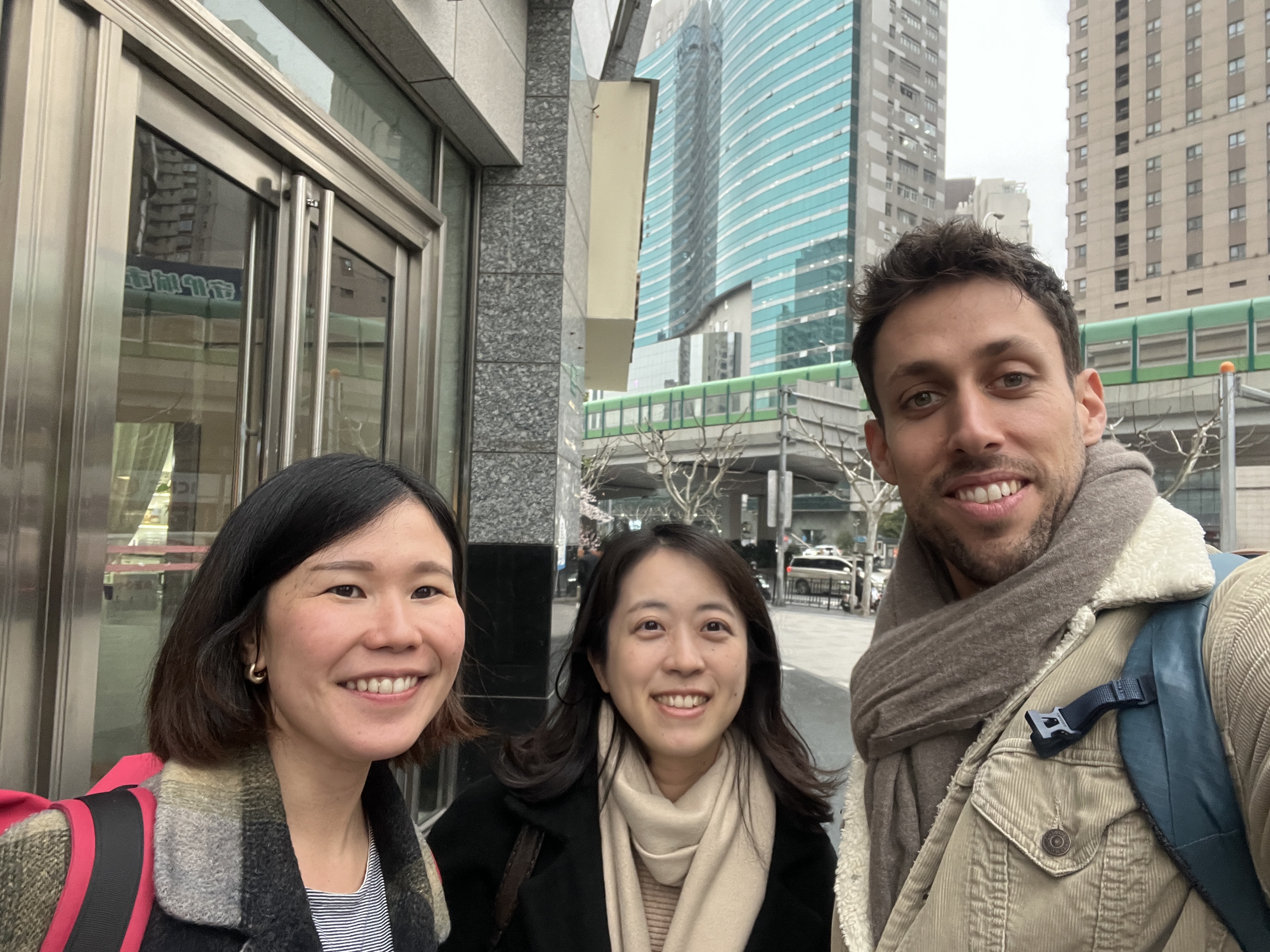
Beyfortus saw enormous demand in its first year, demonstrating strong efficacy in real-world applications and achieving blockbuster status as a $1.8 billion therapy. Sanofi’s global launch team credits the patient-centric toolkit with increased requests for communication materials from its regional markets as well as from healthcare and government organizations that have typically been hard to reach, key goals of its global-local launch strategy.
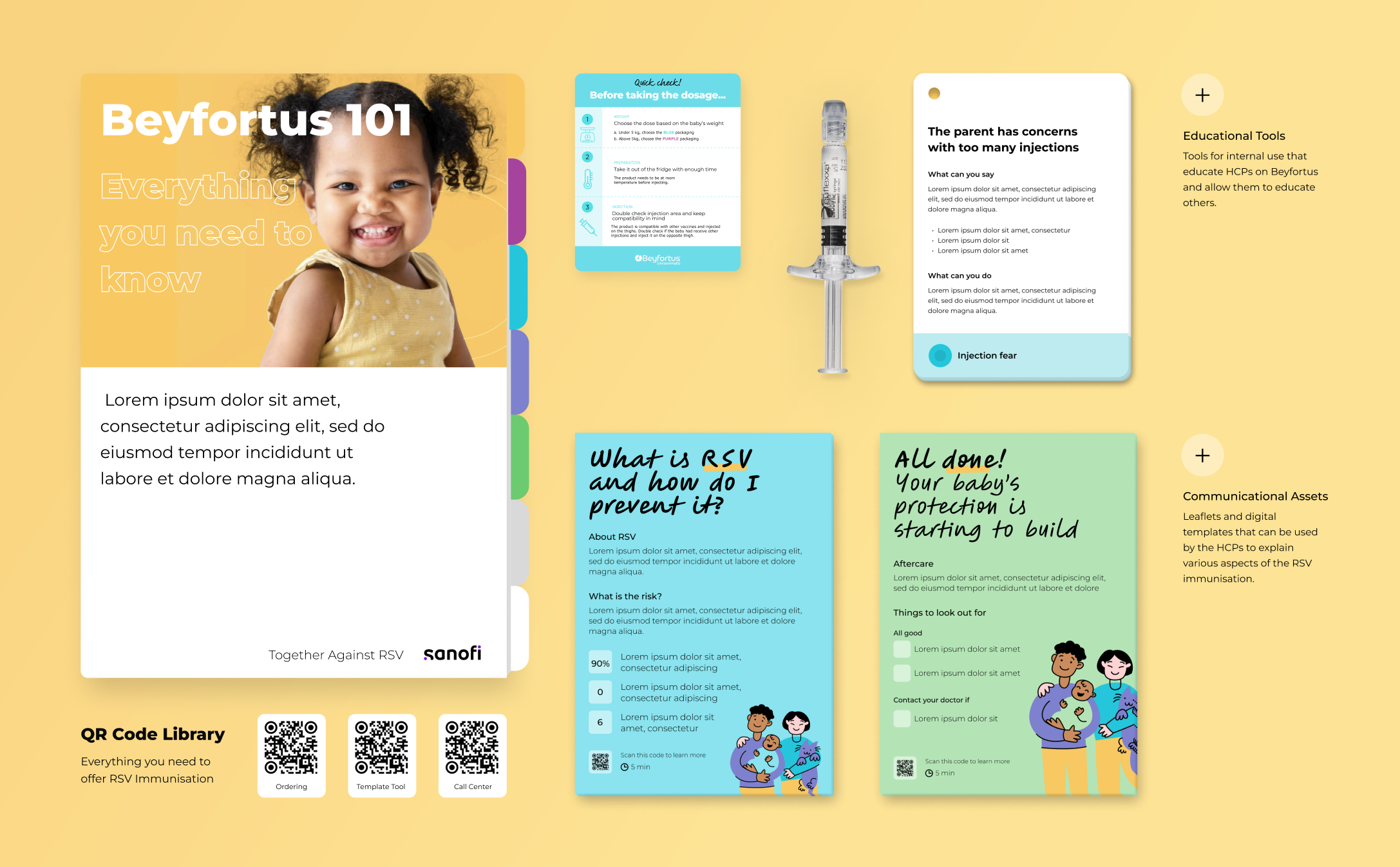
Since its development, Beyfortus has received swift regulatory approval from the US, EU, China, and Japan, with patient demand causing Sanofi to triple its worldwide manufacturing capacity to meet the needs of the 2024-25 RSV season. Ahead of the larger global distribution of Beyfortus, IDEO and Sanofi partnered with equity expert consultants, Fearless Futures, to conduct a DEI review and worked with doctors and nurses who participated in the initial drug launch to make the materials even more accessible, relevant, and successful for 2025 and beyond. To date, six million babies—and counting—have been immunized with Beyfortus.
Worldwide, childhood vaccination hesitancy among parents fluctuates between 25-45%, according to the World Health Organization (WHO), a trend it considers one of the biggest global threats to public health.
85.9%
reduction in hospitalizations for infants who received Beyfortus compared to those who did not (2023–24 RSV season)
$1.8B
in first-year sales of Beyfortus
Why workplace culture matters (and how to build a good one)
5 ways to create an environment that inspires innovative work
I didn’t start out working at an enlightened company—I started out working in the art world, in upscale art galleries, private art clubs, and various museums. My surroundings were beautiful, but I was miserable. The politics and sexism were intense. I never felt like I could speak my mind.
Luckily, I eventually landed at IDEO. For the past 10-plus years, I’ve helped create events, experiences, and rituals that keep our studio culture healthy and our designers happy. Now, I’m Co-Director of the experience team in Chicago. Our mission: Design for belonging.
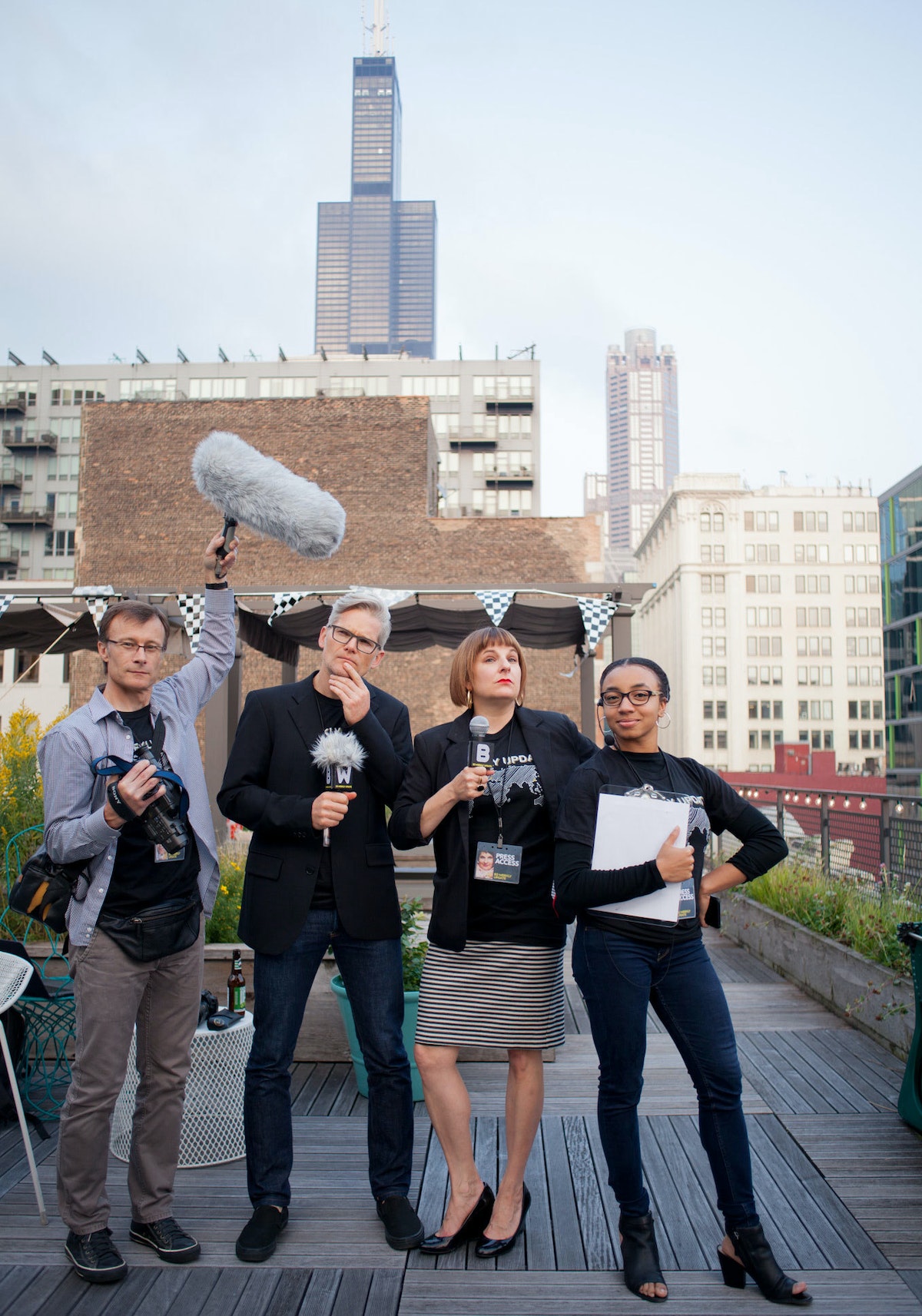
My team and I use tools like our studio space, food, events, experiences, and rituals to help make everyone who comes through our doors feel welcome, supported, and empowered to do the best work of their lives. We do things like throw spur-of-the moment pop-ups that break up the afternoon, and plan group lunches so people will eat together—like a family—instead of having sad lunches alone at their desks. We even plan crafting sessions and inspirational field trips.
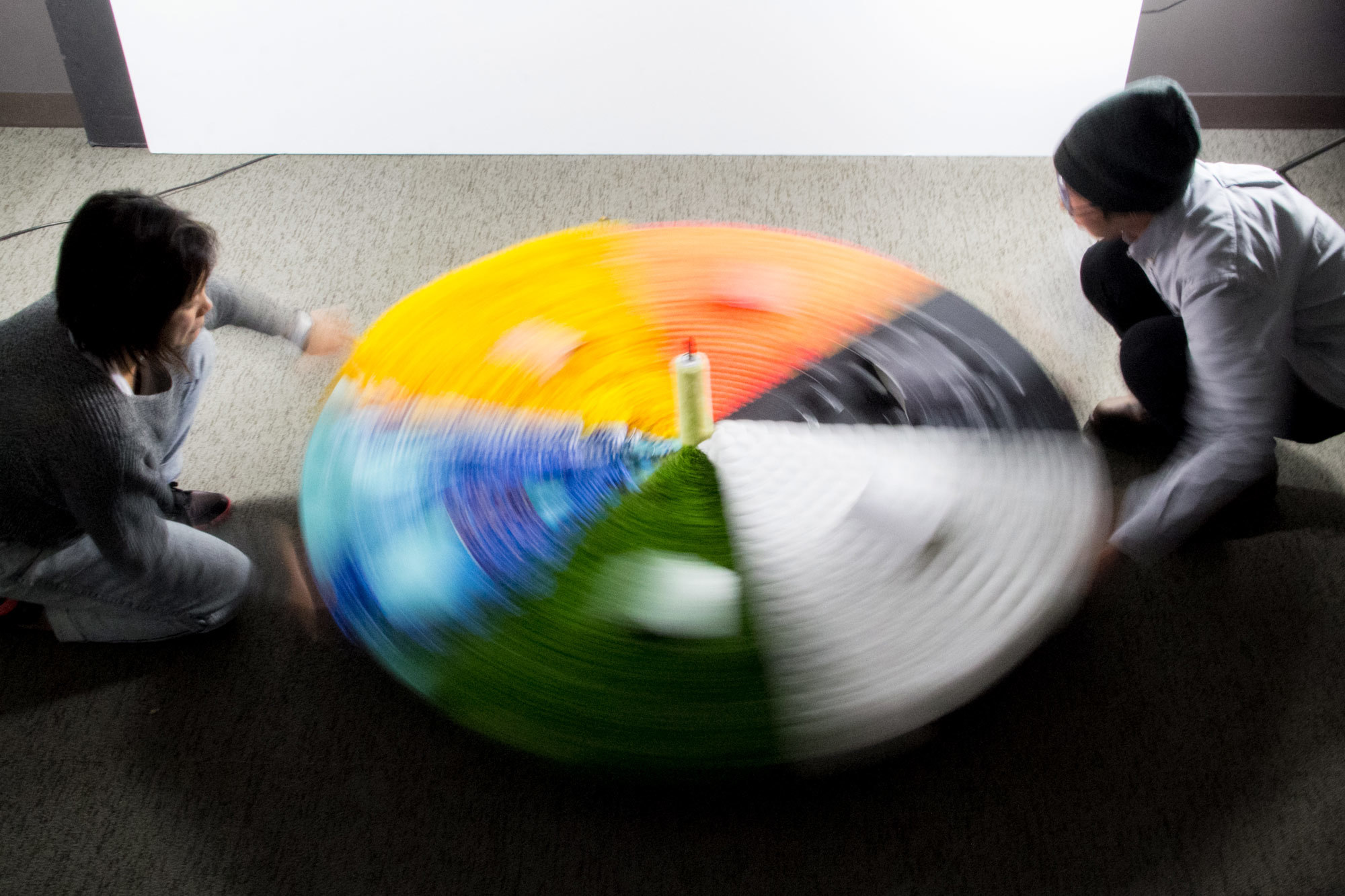
Not convinced that thoughtful extras like spa water and storytelling events can actually help fuel the ideas that drive revenue? Consider the case of Uber.
Remember Travis Kalanick, the former CEO?
The deposed chief executive set the tone for the company’s culture. Under him, Uber flouted local laws and criticized competitors in its quest for success. Thanks to the company’s pervasive “bro” culture, sexual harassment and discrimination were rampant. Employees were pitted against one another, and management turned a blind eye to infractions from top performers.
Contrast Kalanick’s approach to leadership and culture to Microsoft CEO Satya Nadella, who took the company’s reins in 2014. He inherited a company lacking innovation—and relevance. Microsoft’s stock performance was flat. His goal was to shift the culture from “know-it-all” to “learn-it-all.” “Microsoft’s culture had been rigid,” he wrote in his book, Hit Refresh. “Each employee had to prove that he or she was the smartest person in the room. The culture change I wanted was centered on exercising a growth mindset every day.”
Three years later, not only are employees happier, more innovative, and empathic, but the company has generated more than $250 billion in market value—more than Uber, Airbnb, Netflix, Spotify, Snapchat, and WeWork—combined.
As an experience director, I’m laser-focused on making sure employees feel safe to fail and explore, that they feel connected to others, and that they have what they need to solve problems and come up with innovative solutions. My job is to set the conditions for great work.
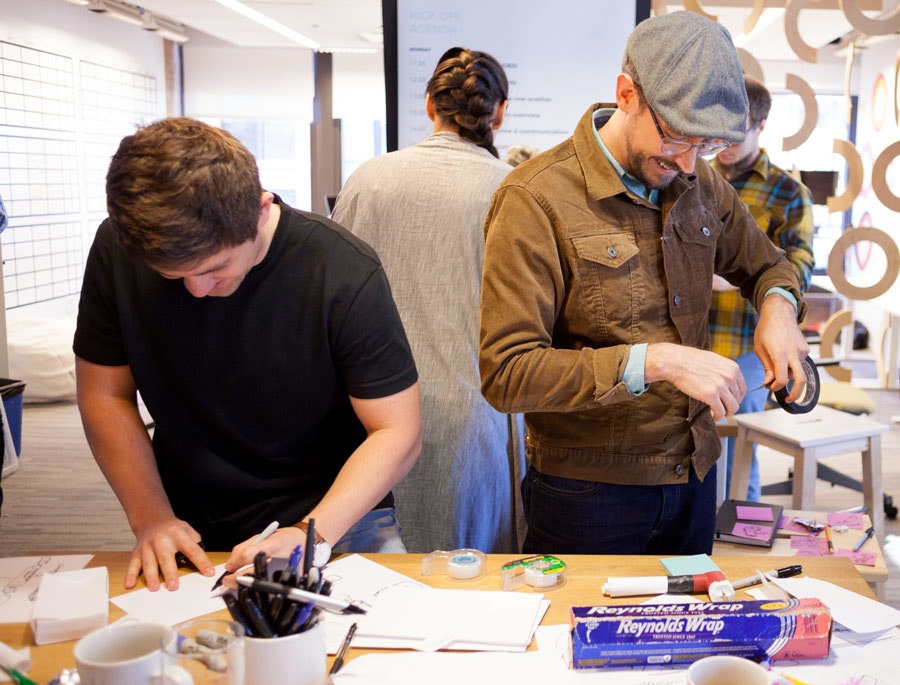
So how do you actually do that? Here are five ways to jump-start your company culture.
1. Define and build on your company’s cultural values
Values are the compass that an organization uses to select staff members, reward current employees, and make business decisions. If you’re just starting a company and need to define your values from scratch, Greenhouse, the company that designed the recruiting software IDEO uses, has a helpful culture mapping exercise to help get you started. Need further inspiration? Check out Google’s values: “Focus on the user and all else will follow.” “It’s best to do one thing really, really well.” “Fast is better than slow.” “Great just isn’t good enough.”
2. Leverage naturally-occurring behaviors
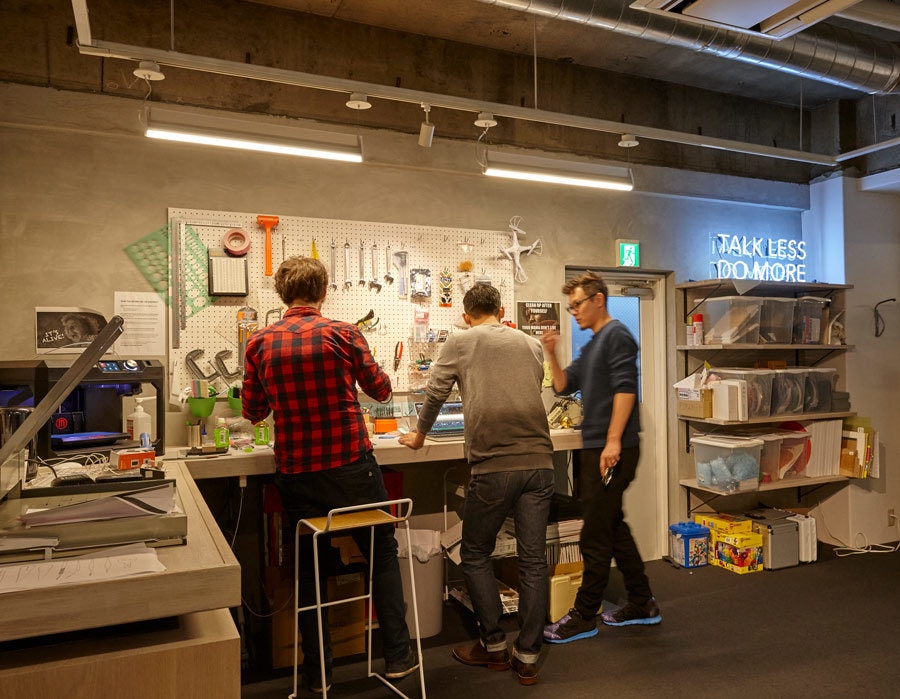
Put on your anthropologist hat. What interesting or unusual things are people already doing around the office that you could build on? (It’s faster and easier to build on existing behaviors than to encourage new ones.) At one company, I noticed people were wary of talking to strangers. Unfortunately, since it was a co-working space, almost everyone was a stranger. I also observed that people would use the kitchen as a shortcut to the bathroom, and that it was a neutral zone—no one group owned it. High foot traffic + no ownership = opportunity to spark casual conversation and community! You can do what I did—look for unused spaces in your own workplace and use questions on Post-it Notes to spur random conversations—or move shared resources like printers or snacks to the middle of the space instead of tucking them away in a corner.
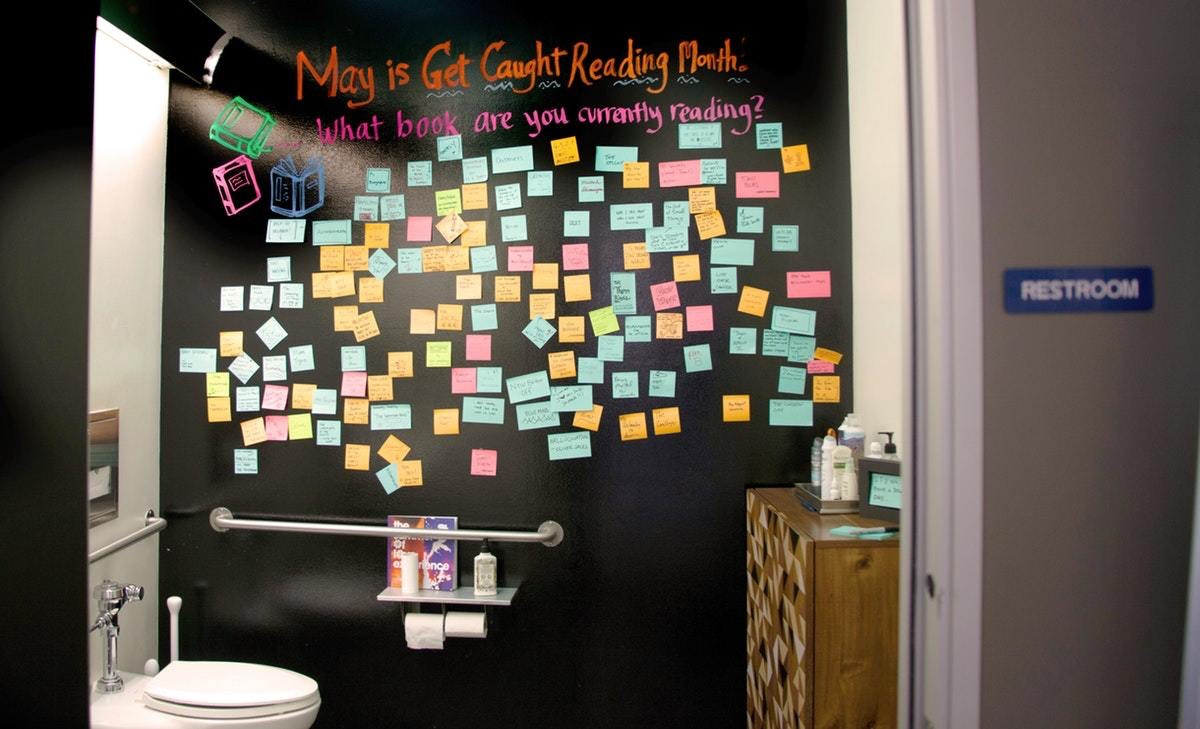
3. Identify and empower cultural mavens
As an experience director, I’m always look for new collaborators. Though some cultural experiences can come from the top down, others work better when they come from the bottom up. They feel more authentic. I’m always trying to identify new cultural mavens within our organization, and I empower them by giving them some time, money, or resources to bring their ideas to life. For example, at IDEO, we noticed a few of our designers were natural teachers and always went out of their way to show others how to learn a new skill. This aligned perfectly with two of our company values—“Learn from Failure” and “Make Others Successful”—so we gave those designers a budget and set them free to build on their ideas. Now we regularly have Nerd Nights where people learn to code, and Shop Class where we make things like concrete planters and leather wallets.
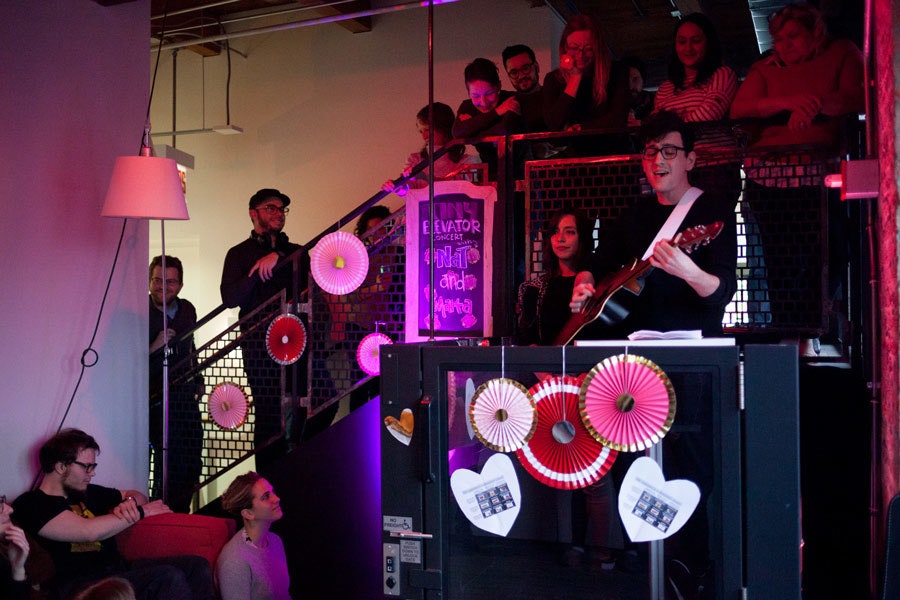
4. Prioritize face-to-face interactions
Digital tools are efficient, sure, but the only way to build authentic, human relationships is face-to-face. Period. When you find yourself using a digital tool to communicate with an individual or a group, think: Could this be done in person instead? Am I hiding behind this tool, this emoji? Encourage others to get out from behind their screens, too. One easy way? Get people to eat their meals together.
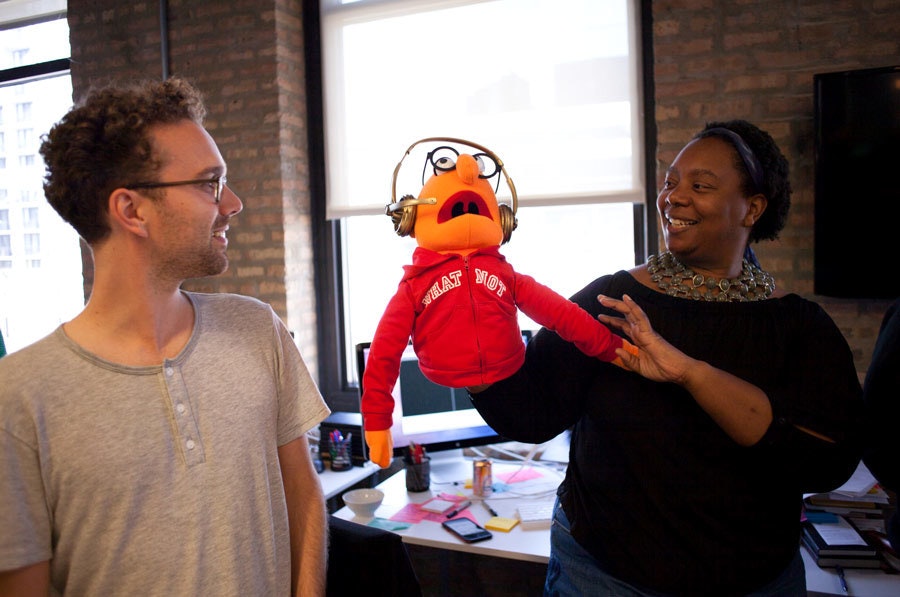
5. Design meaningful rituals
We participate in rituals in institutions, politics, and religion all the time. But they’re not commonly talked about in the world of business, even though they’re a simple way to make cultural values tangible. At IDEO, I was part of a team that started IDEO Stories, a Moth-like live storytelling event designed to help teach our designers how to tell better project stories. After the first event, it became clear it wasn’t just a good way to learn a new skill—it was a way to celebrate an individual’s unique backstory and unite the community.
For the last seven years in Chicago, we’ve also held an Annual Studio Awards party, an Oscars-inspired evening where the community votes on award-worthy project work from the past year. Categories are tweaked each year to incentivize emerging behaviors that are beneficial to our business.
Have ideas for rituals of your own? Share them with us on Twitter, so we can inspire each other.

Often, people want to write culture off as a slew of perks you might find at tech companies. But really, culture is about creating an environment that makes it possible for people to work together to come up with innovative products and ideas—the same products and ideas that drive revenue.

Thoughtless Acts: Mobile hat rack
Thoughtless Acts: Mobile Hat Rack. The intuitive ways we adapt and react to things in our environments

We met a beer and sausage vendor in Germany who keeps an array of hats stored on his gearshift, a humorous-looking makeshift hat hook. When we asked him more about it he explained that he often sells his wares at football games, so it’s important that he wear the right football club’s hat. “One time, when I wore the wrong one by accident, they called me an ass and tipped the van over,” he said. “You always have to howl with the wolves.”
Human-centered design requires us to observe human behavior with beginner's eyes, so that we can spot the innate ways people interact with the world around them. We call these intuitive and unconscious reactions Thoughtless Acts, and IDEO designers collect photos of them to inspire their work.
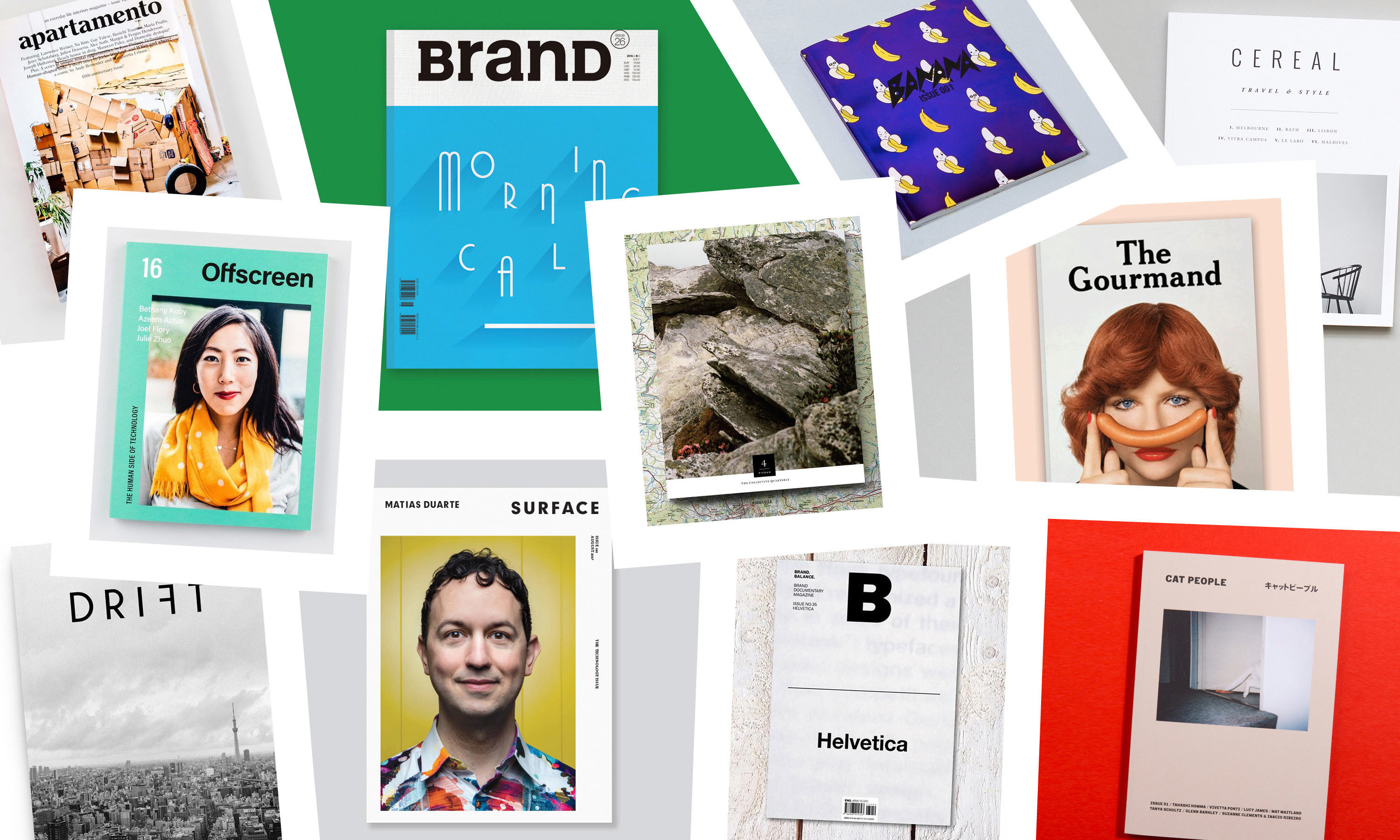
11 magazines that keep us inspired
Learn which glossies inspire IDEO designers all month, every month
You can’t beat the smell of fresh ink, the texture and weight of high-quality paper, and the sound as you flip through the pages. When holding a magazine, I’m not simply reading it—I’m immersed in it.
I asked my fellow designers which publications they find the most exciting, and I’ve included a few of my favorites, too:
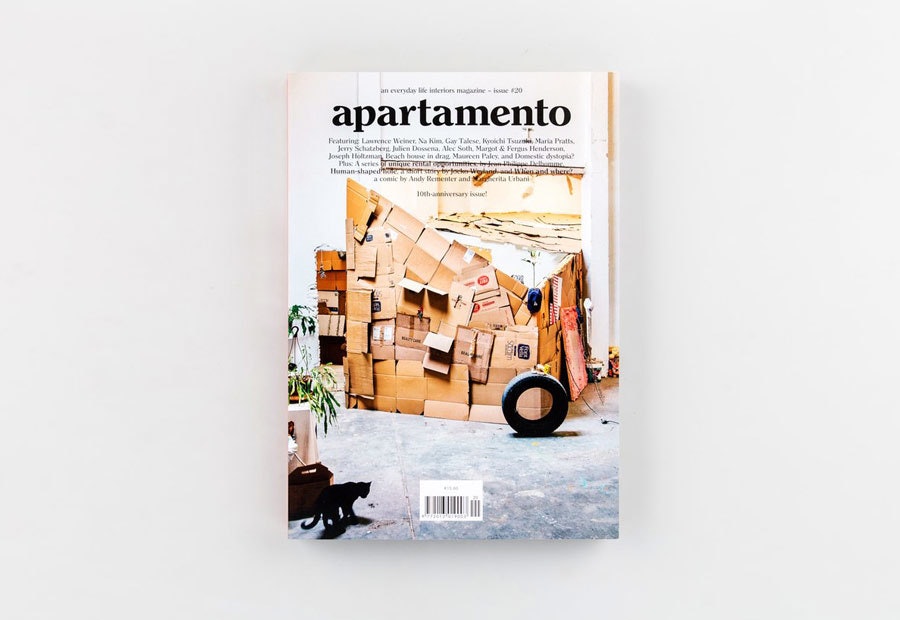
1. Apartamento
Yes, I suppose it’s an interior design magazine, but instead of focusing on beautiful, minimalist, multi-million-dollar houses (not that there's anything wrong with that), Apartamento covers real, lived-in homes and the creative people who occupy them. Raw portrait photography, cluttered spaces, and intimate interviews show how people really choose to live. Based in Barcelona, Spain, it’s survived through subscription revenue and a higher newsstand price, and has bucked the trend of featuring numerous ads or sponsored content. Plus, its perfect novel size, centered layout, patterned spine, and chunky typography are delightfully raw and unfussy. —Lindsey Turner, IDEO Cambridge
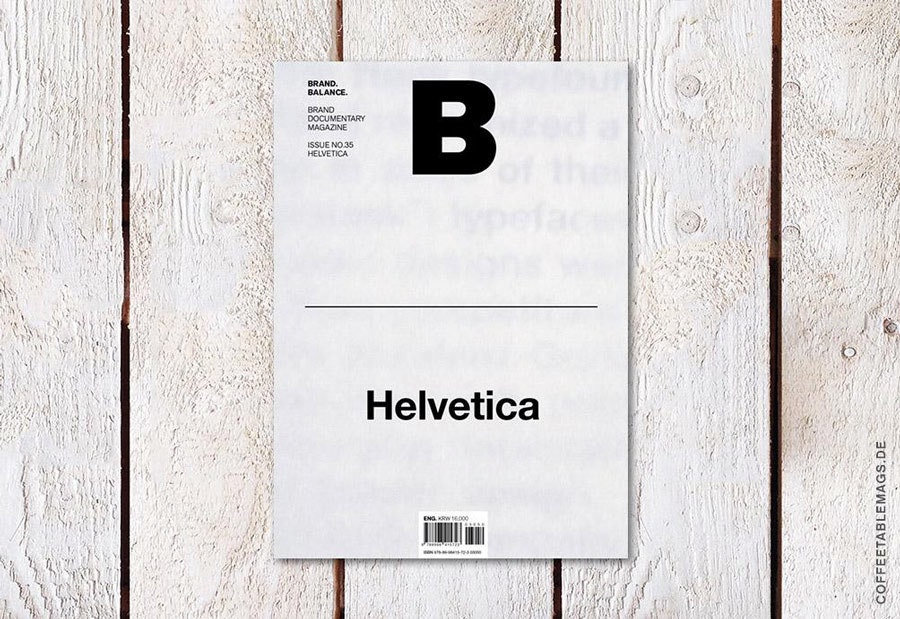
2. B
B magazine is published in South Korea. Every issue, it takes an advertisement-free, documentary approach to a single iconic brand. It’s covered many amazing brands, from the luxury to the mundane, including LEGO, Ray-Ban, and Bic. Each issue goes deep into the people, history, evolution, products, experiences, and philosophies of the brand it covers. Fans and collectors are also often included. I recommend it to anyone who likes branding and brand strategy, or just loves products and design. The many ways it looks at a brand and all its expressions goes far beyond simple identity and logo. —Clark Scheffy, IDEO San Francisco
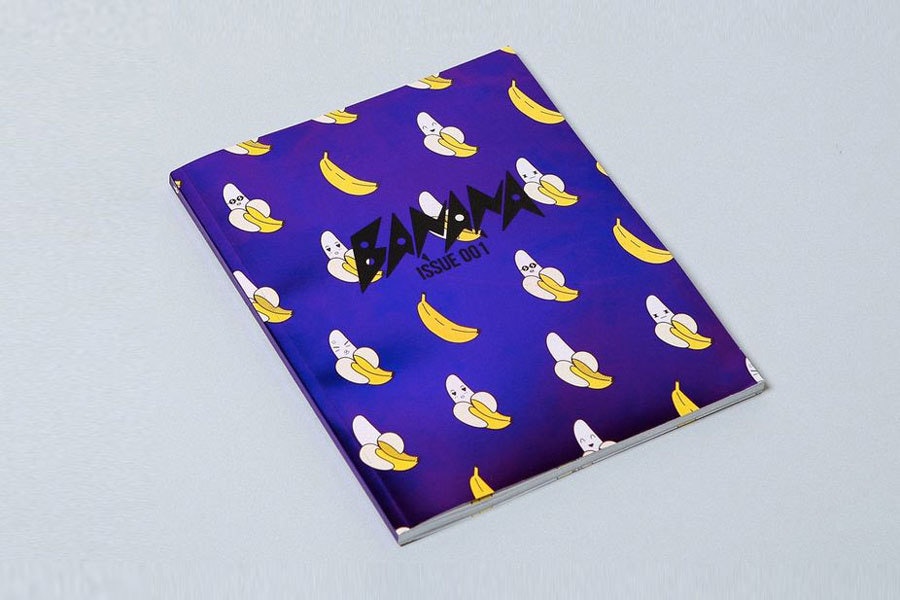
3. Banana
In 2014, first generation Asian-Americans Vicky Ho and Kathleen Tso launched Banana magazine, a lifestyle magazine dedicated to exploring the intersection of Eastern and Western cultures. Ho and Tso are not claiming to be experts in Asian culture, but rather are discovering it right alongside their readers. Their goal is to understand what this third identity—neither Asian nor American, but Asian-American—means. As a designer, I think it’s fascinating to understand how cultures can blend together. With the growing influence of Asian countries on design trends, this magazine is relevant, vibrant, and bold, and offers great graphic design inspiration. —Coline Prevost, IDEO Palo Alto
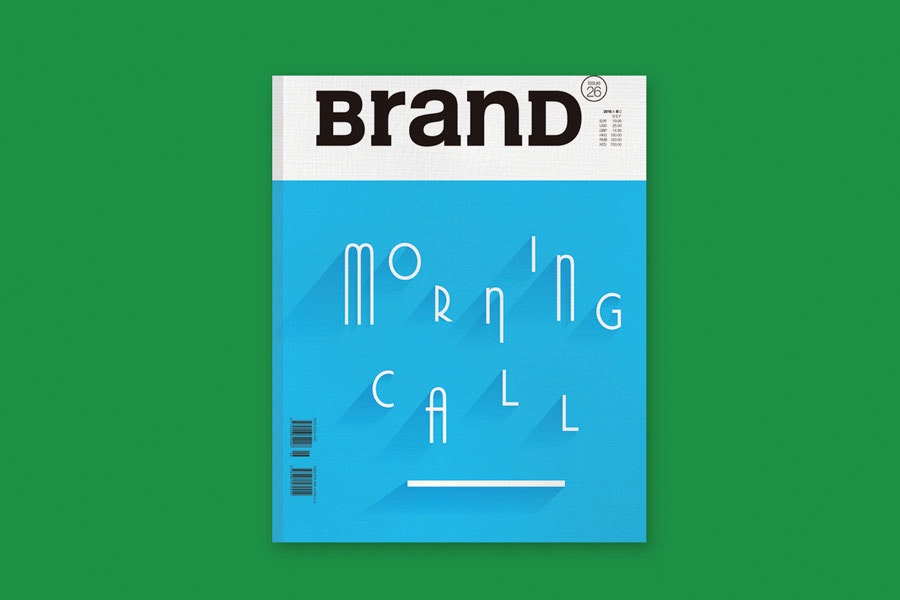
4. [BranD]
[BranD] is a Hong Kong-based magazine that explores communication design in visual art, advertising, products, graphic design, and architecture. It brings together designers, artists, art directors, marketing specialists, and business-minded people of all stripes to share new ways to express ideas and brands visually. I'm an avid reader of [BranD] for inspiration in my craft; it's a great vehicle to stay connected to the ways other designers are stretching their own skills and building their crafts in a discipline—comms design—that is always evolving. —Joshua Lavra, IDEO San Francisco
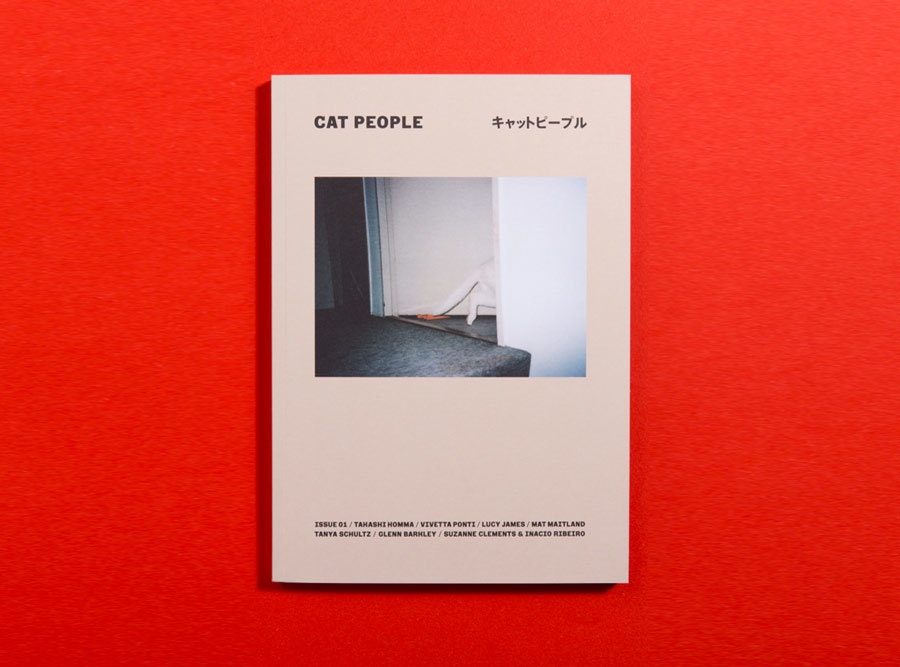
5. Cat People
Cat People is an English-Japanese bilingual magazine featuring interviews and works by cat-obsessed artists, designers, photographers, and writers. It’s only in its first issue, but it’s already sold out. I’m very excited for future editions because this magazine promises magnificent inspiration for design and feline die-hards (like me). —Camden Foley, IDEO Palo Alto
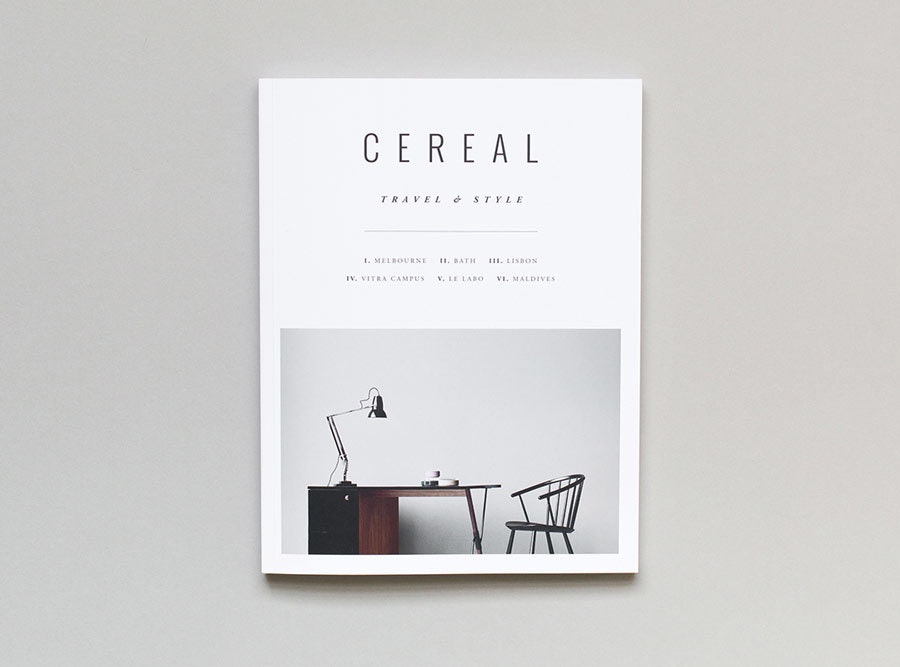
6. Cereal
Cereal is a biannual travel and style magazine based in the United Kingdom. Each issue highlights engaging interviews and stories about unique design, art, and fashion on a specific theme, such as sustainability or desire. I’ve followed this magazine since its inception in 2016 and have every issue to date. Cereal’s publisher offers beautiful magazines, city guides, art prints, and even a children’s book—all with some of the best photography and design I’ve ever seen. —Camden Foley, IDEO Palo Alto
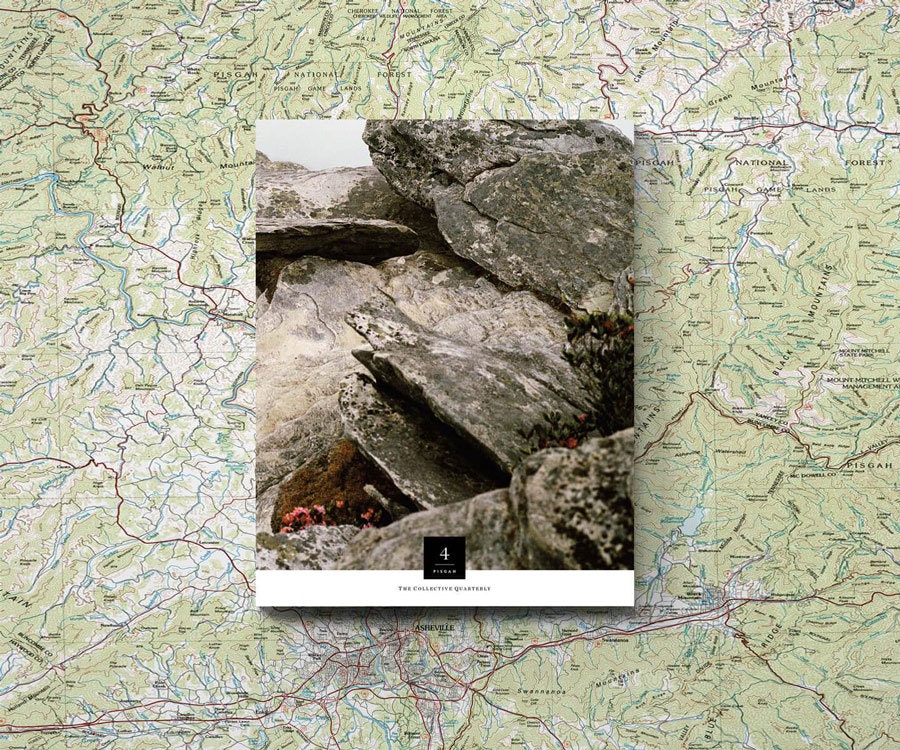
7. The Collective Quarterly
The Collective Quarterly is a magazine about travel and creativity across the U.S. The magazine staff—a rotating team of writers, photographers, illustrators, and other creatives—visits small towns or regions around the country to interview artists, creators, and other cornerstones of local life. As a photographer, the exceptional photography caught my eye, particularly that of one of the co-founders, who still shoots film photos like I do. It’s inspired me to get out with my camera more often. I recommend the magazine to anyone who seeks a deeper appreciation of creativity in intimate communities, hopes to explore non-urban corners of the country, or wants to bask in the magic of film photos. —Tara Safaie, IDEO San Francisco
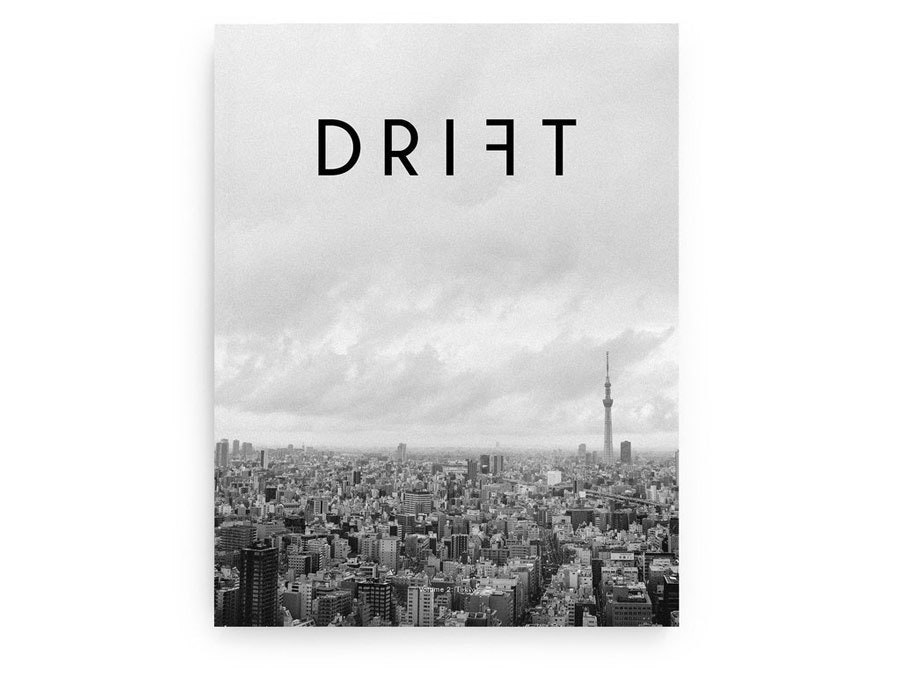
8. Drift
Back when I was a barista, my mornings were spent adjusting the espresso machine's grind and my tamp to each bean's age and provenance. I learned that coffee is ubiquitous, yet highly circumstantial; you can find it in virtually any city, and yet each urban environment and its inhabitants have radically different rituals, cultures, and methods of consumption for this most essential drink. Drift transports its readers to different cities and their respective coffee cultures, allowing readers to intimately engage with new adventures in new places through a common cup of joe. —Adam Cristobal, IDEO Palo Alto
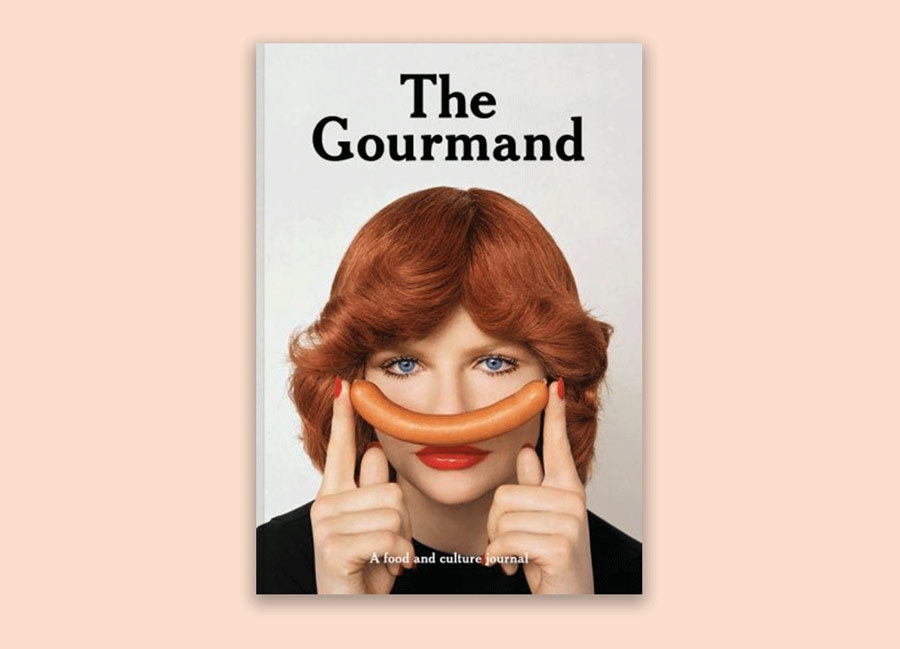
9. The Gourmand
As we reach the peak of our food media zeitgeist, The Gourmand has emerged as one of the leading alternative voices in the space, covering everything from new ways of visualizing food emoji to Georgia O'Keeffe's strict diet. Boasting both witty writing and distinct art direction, the magazine offers a unique perspective and inspirational fodder to foodies, designers, and creatives of all stripes as we look for more visually appetizing ways to engage with the world. —Adam Cristobal, IDEO Palo Alto
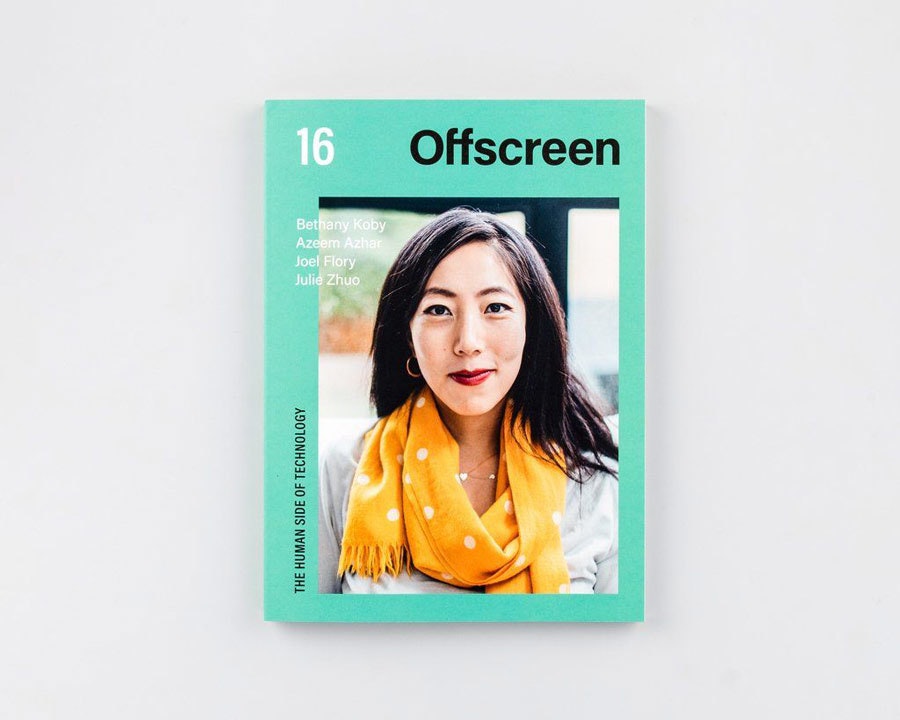
10. Offscreen
Offscreen is a print magazine published three times a year, as well as a weekly newsletter, that takes a thoughtful, human-centred approach to technology. It’s is a slow counterbalance to the fast pace of popular media, exploring creativity and design through introspective writing and thoughtful human stories. Offscreen is a proponent of the “slow web,” celebrating the idea that not all that is instant and convenient is necessarily good for us. —Nathan Paterson, IDEO Tokyo
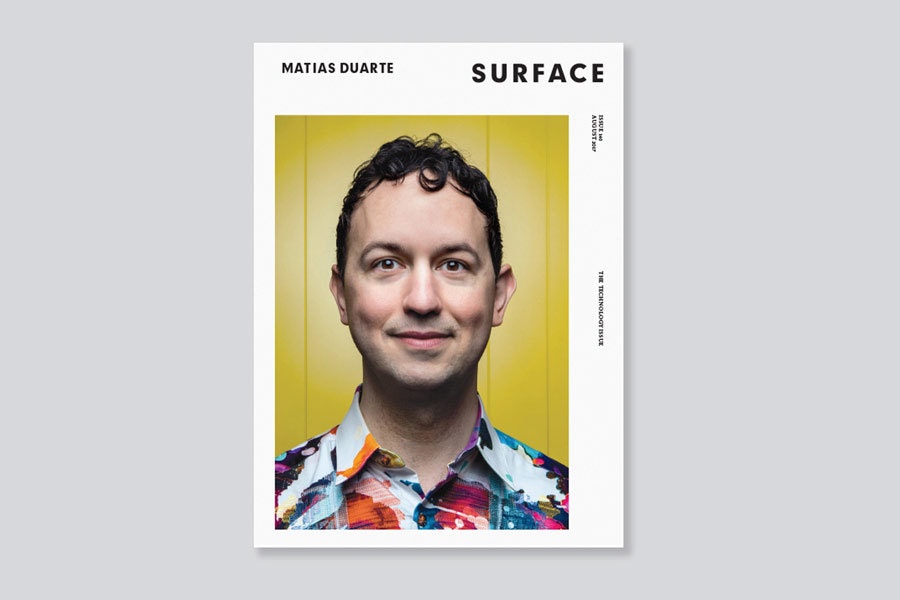
11. Surface
Surface is a New York magazine that covers a little of everything—design, architecture, fashion, culture, and travel. I picked it up because I judge magazines by their covers. Each cover features a great close-up portrait of a creative person—an architect, musician, industrial designer, etc. The portrait is paired with restrained, Swiss-style black typography and a grid well versed in white space. The magazine examines culture through the lens of design and has a whiff of one of my favorite blogs, Sight Unseen. It's conspicuous consumption for sure, but sometimes that's what magazines are for. —Lindsey Turner, IDEO Cambridge
Next time you want to explore cutting-edge design—or just enjoy a little eye candy—crack the cover of one of these magazines for an inspiring read.
Thanks to the digital revolution, fewer and fewer of us are getting our hands on paper copies of books, magazines, or newspapers these days. Online subscriptions and digital versions can fill the void, but sometimes, picking up a glossy magazine is simply the best way to absorb inspiration.

Why your office needs a laugh detector
How one data scientist set out to track the volume of laughter as a measure of success
As a data scientist, this idea got my gears turning: What if I could use machine learning to build a laugh-detecting algorithm?
Prototyping is a great way to explore how emerging technologies will play a role in our connected future. But instead of focusing on how we will teach our machines to sense human behavior, I’m interested in designing what we will do with the information our devices are learning. In a world filled with machines that learn and interact with us, it’s important that they are able to respond to all parts of our humanity—including the things that make us laugh.
I wanted to see what kind of laugh detection prototype I could build in a few weeks. Here’s how I did it:
1. Building the algorithm
To build the laugh-detecting algorithm, I knew that I wanted to use deep learning, so I turned to Keras, a programming library which makes creating neural networks fast and simple. To train the laugh detector, I needed to use sequences of audio as the input and predict whether or not laughter would result as the output. Fortunately, I found Audioset, a collection of over two million 10-second audio clips with labels from over 6,000 categories. Using a subset of the Audioset collection that is half laughter and half speech, I was able to get a laughter detection model running with 87 percent accuracy within a few days.

After creating a training dataset, I got started on the machine learning challenge. The Audioset data does not contain the extracted raw audio, only a 128-length feature vector for each second of input, which is created using a convolutional network operating on the raw audio spectrogram. These feature vectors will be the input for the machine learning algorithm, and the output will be a binary label of whether the input contained laughter. Since I am working with a relatively large dataset, I wanted to use some deep learning methods, so I turned to keras, an API that makes creating and training neural networks extremely simple, while still leveraging the computational efficiency of optimized tensor computation libraries like TensorFlow and Theano.
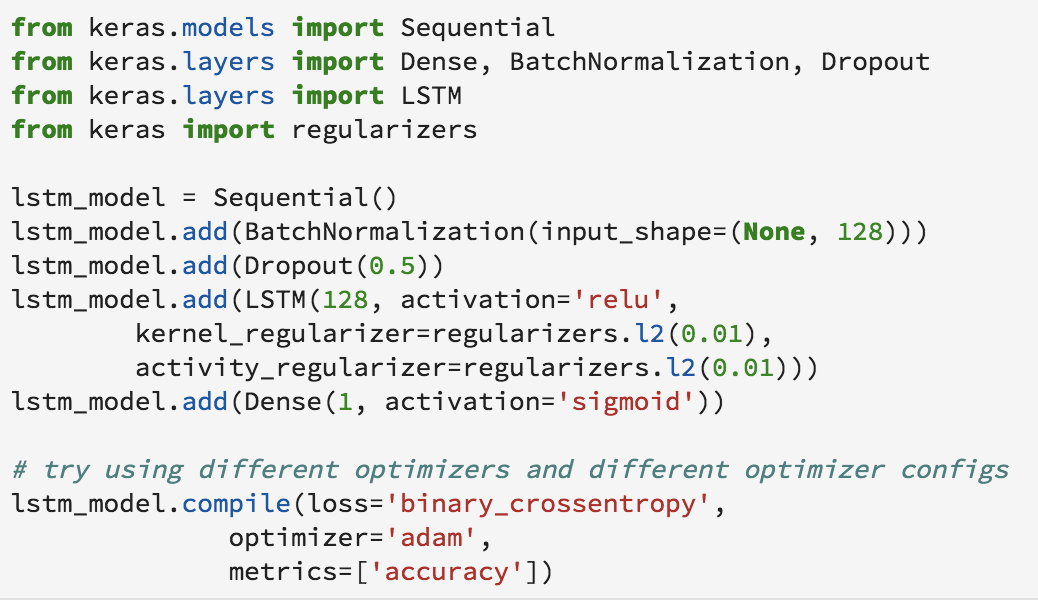
Since the model input is sequential, I wanted to try a recurrent neural network first. I started with a single layer LSTM model that quickly converged to 87% accuracy. Learning from the code in a very similar project, I found that applying batch normalization to the LSTM input was very important for getting the model to converge. One of the headaches of deep learning is that seemingly trivial details like this can have a large impact on convergence. I was happy with the performance of my first LSTM model, but I decided to try out a couple more options before moving on. I tried a 3-layer LSTM (because if one layer is good, three must be better), then I tried a simple logistic regression model to see if the fancy RNN architecture made a difference. The models performed with 88% and 86% accuracy, respectively, which showed me that, in this case, more layers did not equate to more power.
Ultimately, I ended up choosing the single layer LSTM, even though it was larger than the logistic regression model, because it was able to handle variable length input. The training data was all sequences that were 10 seconds long, but I wanted the laughter detector to be able to respond quicker than that. While the logistic regression could only operate on input that was the same length as the training data, the LSTM model can still operate on any input length, as long as it is split into one-second chunks.
To take the trained model and run it as a live laugh detector, I put together a python script that pulled together a few different steps. First, the audio is captured from the microphone using pyaudio and chunked into three-second clips. (The length of these clips is an adjustable parameter.) The raw audio is then fed into the pre-trained vggish network and converted to a sequence of feature vectors with the same parameters I used for creating the Audioset training data. The sequence is then fed into the trained LSTM model, and the laughter prediction score is returned and written to a timestamped .csv file. By default, the raw audio is then discarded, and only the score is saved. That way, there are no concerns about storing or transmitting anyone’s private conversations. By running the audio capture and processing in separate threads, I was able to run this continuously without any lag on my laptop.
2. Designing the experience
Once I had the ability to measure laughter, I had to tackle the real design challenge: How do we implement the laugh detector in project spaces without making it seem obnoxious or creepy?
I enlisted the help of a few smart colleagues to approach the challenge from multiple angles: a software designer experienced in designing for play, an environments designer to explore how the detector would show up in a project space, and a communication designer who’s written on the science of laughter.
We had a brainstorm around what we might be able to do with a laughter detector, and the ideas poured in. Perhaps we could use laughter as a weekly indicator of morale (similar to Bhutan’s gross national happiness), or host a competition between project teams for who laughed the most? If we could determine when people are laughing, maybe we could figure out why they are laughing, too. We could determine when laughter is genuine or just polite, which jokes are the funniest, or even measure who is laughed at the most.
Some of the more wild ideas included a gif of an IDEO Chicago director Jon Wettersten (below) who laughs along with us, or an alert that would play videos of clowns if we went too long without laughing.
Ultimately, we wanted to select ideas that would give teams insight into their laughter, but not be too intrusive or prescriptive.
Information systems shouldn’t overwhelm users—particularly when that information concerns people’s moods. There are times when it’s appropriate to not be laughing; you don’t want your smartwatch telling you to laugh more during your grandma’s funeral. And if we were to build a device that listens for laughter, we'd need to make sure that we communicate and maintain people’s expectations of privacy.
With all this in mind, we narrowed it down to two concepts that we would take forward into the prototyping phase.
3. Hatching prototypes
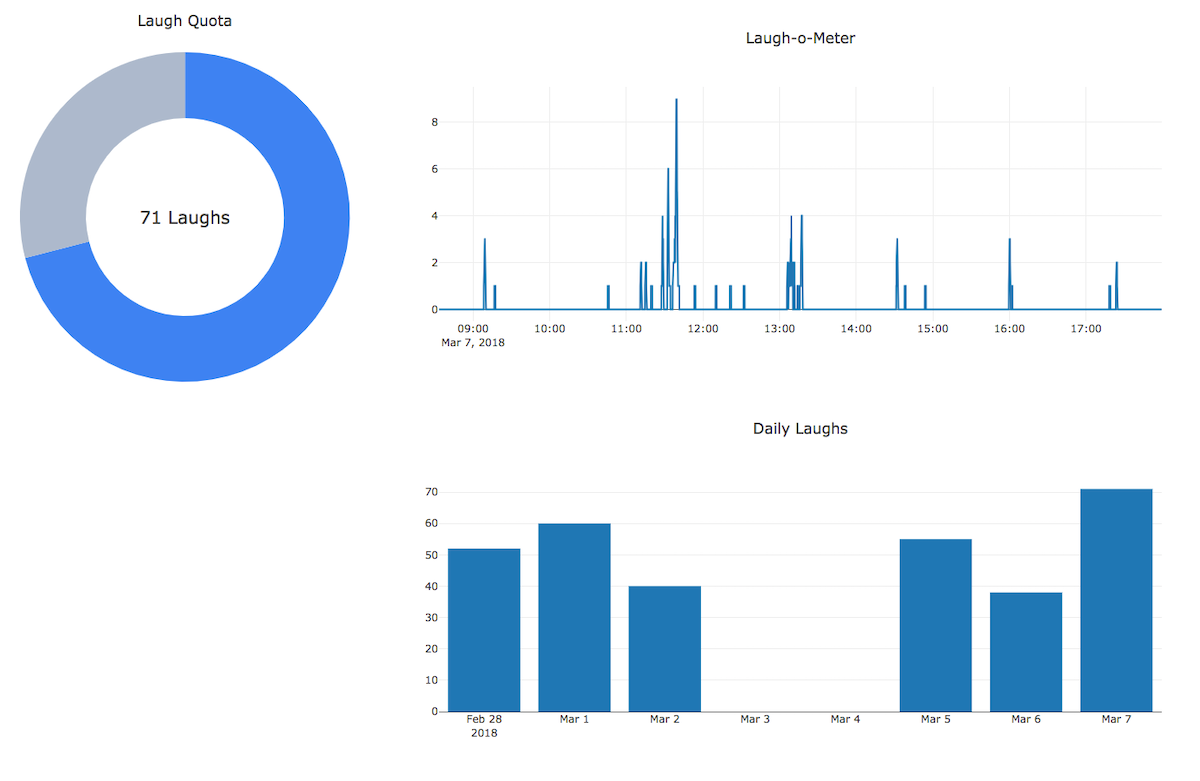
The first thing we made was a simple information dashboard built in Dash. We referred to this design as a “FitBit for laughter,” as it was meant to help teams set goals and measure their progress towards those goals.
This raised the the question, what if you could track your emotional health in the same way that you tracked your physical health? What kind of goals would you set? What would your “laughter workout” look like?
To start, we measured laughs by time of day over a period of 24 hours, laughs per day over the past week, and how close teams are to achieving a daily “laugh quota.”
The second prototype used the output of the laugh detector to control the color and intensity of a Hue lightbulb. When there is a lot of laughter in a room, the light glows a bright yellow to mirror the warmth that laughter brings to a space. When there is less laughter, it transitions to a dim blue to help teams stay calm and focused. In this way, the environment responds to the activities and emotion of its inhabitants.
What if the smart systems we create could react not only to a user’s presence or interaction, but adapt to the user’s mood? How might we design smart systems or spaces that are emotionally responsive?
4. User testing
We wanted to see how people would react to the laugh-bulb, so we got a few colleagues to sit down and test it out. The original plan was to play funny videos to stimulate laughter, but as soon as people sat down, they started joking so much, the videos were unnecessary.
Laughter is a reinforcing behavior; when you laugh, the people around you laugh too, creating a virtuous cycle that can leave you laughing until you’re sore. Seeing the light grow brighter as the room fills with laughter adds energy to that cycle. The group that came in to test the laugh-bulb ended up laughing so much that you could hear them throughout the studio.
WATCH: Testing the laugh-bulb prototype.
Next up, I’d love to put these prototypes in front of more people to see whether quantifying laughter can affect their mood. And I'm left wondering, which emotional or mental health signals could be measured and recorded next?
As more aspects of our lives are recorded, we are going to be able to quantify and improve our lives in ways we can’t yet imagine. Let’s design these systems not just to make us smarter, but to make us more joyful, too.

Play goes hand in hand with innovation. I learned this from Brendan Boyle, director of IDEO's Play Lab, who says that if you measure the amount of laughter in a project space, the teams who chuckle most are also the most successful.

Lindsey Turner
I’m passionate about building brands, products, and experiences that help organizations show up with meaning and momentum.
I help organizations cut through complexity by shaping how they show up, through brand strategy, identity, and storytelling.
Working at the intersection of brand and business, I bring an editorial eye and a bias toward making—turning ideas into tangible experiences that people can understand, trust, and believe in.
My work spans government, healthcare, financial services, media, and consumer goods, from launching Gen Z-focused ventures to building innovation labs and reimagining legacy brands. I relish moments of ambiguity and enjoy translating across teams, perspectives, and priorities to move ideas forward.
I started my career in editorial and digital design, shaping cross-platform experiences and identity systems in publishing and agency environments. That foundation still shapes how I work today: I’m detail-oriented, collaborative, and overreliant on the Oxford comma. I hold a BFA in Visual Communication from the School of the Art Institute of Chicago.

Rachel Young
My work helps organizations see who their products aren't working for—and build the will and the tools to do something about it
For 25 years, I've asked the same question: Who does this design exclude—and what are we going to do about it?
My work spans human-centered strategy, inclusive design, and qualitative research, with clients ranging from Microsoft, Google, and Verizon to the National Science Foundation, and San Francisco Unified School District.
Before IDEO, I taught elementary school in East Palo Alto and spent a decade doing design work with social service organizations—where I learned firsthand what it costs people when systems are built without them in mind.
I am currently writing User Error, a nonfiction book about digital access and the design decisions behind it. I live in Oakland, California.

Brian Pelsoh
I lead with craft, ensuring our work is creatively excellent: rooted in deep human insight and imagination, while also grounded in the realities of business and technology.
My expertise spans brand, communication, and product design across tech, education, the arts, and social impact.
I believe great work demands both high-level vision and obsessive attention to detail, and only happens through collaboration.
I bring an inclusive, hands-on approach and a deep understanding of business, which enables me to consistently deliver excellence while always asking why.
Before joining IDEO, I worked at the brand firms Pentagram and VSA Partners. I began my career as a designer, leading teams at the School of the Art Institute of Chicago and the Milwaukee Art Museum. I hold an MFA in graphic design from Maryland Institute College of Art and a BFA in communication design from the Milwaukee Institute of Art & Design, and have taught at some of the best design schools in the US.

Tony Wong
I am responsible for IDEO’s long-term success in China and working with clients to use design as a tool to enable growth.
I am responsible for IDEO’s long-term success in China and working with clients to use design as a tool to enable growth. Specifically, I have helped Chinese companies design holistic brand solutions through the development of their products, communication, services, and innovation teams, and I have helped multinationals expand their presence and influence in China.
I advise global leaders on developing China-led innovation and capabilities.
In over 15 years in IDEO Shanghai, I have worked on projects that use design to elevate the quality of the experience of healthcare products and services, streamline processes that increase productivity, create spaces and programs that promote and enable inclusive communities, and build next generation mobility solutions that are planet-positive.
Before joining IDEO, I worked at Philips Electronics and the Electrolux Group in Italy, the Netherlands, and Singapore on a number of breakthrough commercial products. I am a member of the Young President Organization in Shanghai.

Unlock a Creative Confidence mindset
IDEO Partner Tom Kelley is passionate about moving organizations and people from understanding and utilizing the tools of design thinking to unlocking a creative confidence mindset. In this Creative Confidence series chat, Tom and Suz will discuss how to make room for creativity within hierarchical organizations, Tom’s philosophy on leading for creativity, and growing from design thinking into creative confidence as an individual and an organization.
Looks like you might be in search of something very specific?
Or reset the filters above and try another angle.
Here’s some random inspiration

Podcasts about creative leadership

Articles about the power of prototyping
