
.svg)



A student-centered cafeteria experience
Reimagining the food system in a large district.
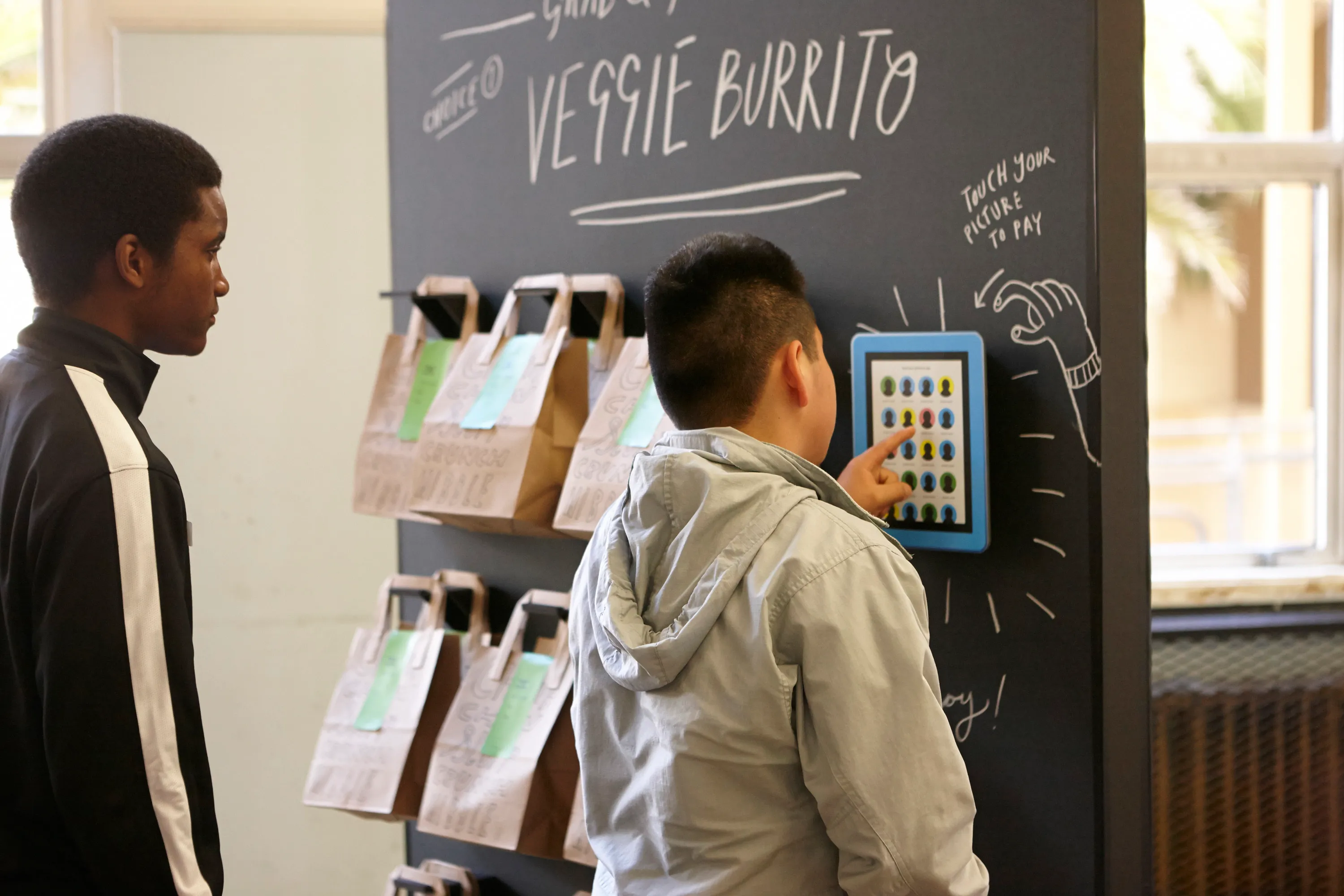
To bring students healthy food at school, San Francisco Unified School District had already hired Revolution Foods, a caterer that serves some of the highest-nutrition meals in the nation. But when the lunch bell rang, 72 percent of those who could afford lunch weren’t showing up; students didn’t want to wait in the long lines or rush to finish, so they headed off-campus to eat.
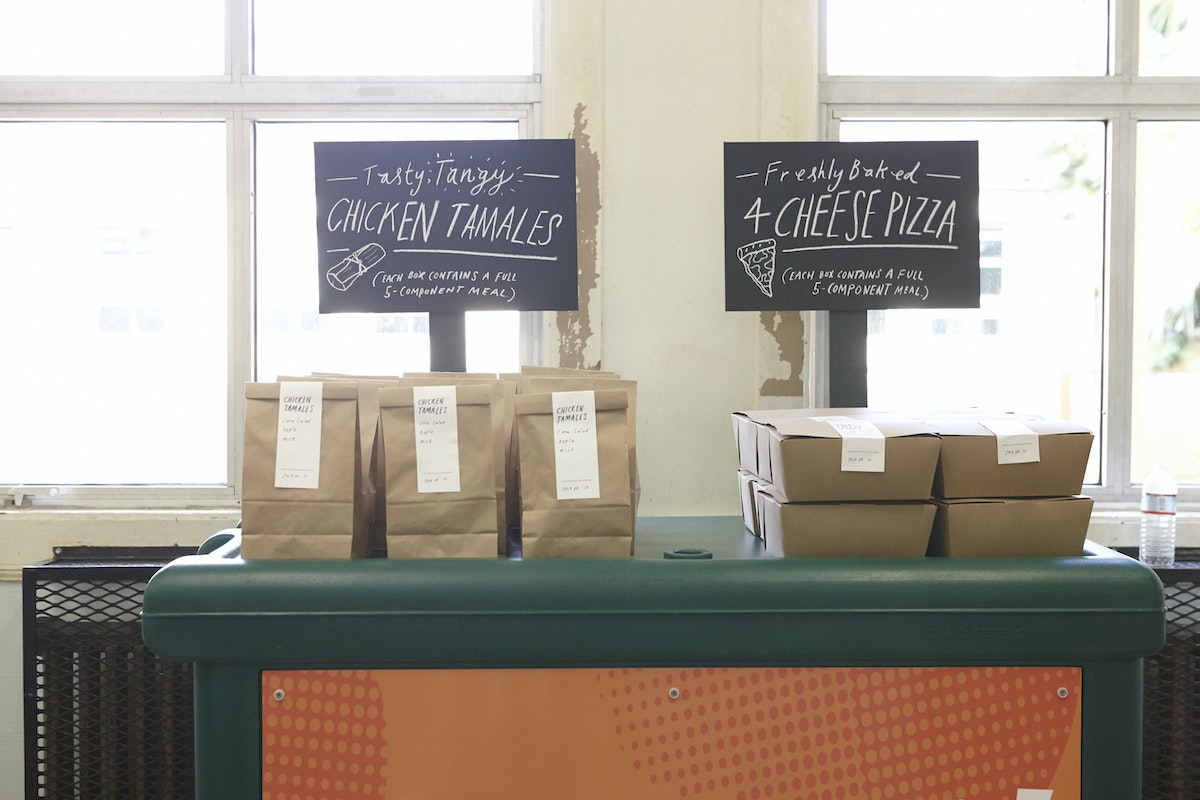
Working alongside more than 1,300 students, parents, union leaders, nutrition staff, board commissioners, principals, teachers, and community groups, IDEO and SFUSD redesigned school lunch. Together, they developed recommendations for three age-appropriate dining experiences, from communal eating to student-designed spaces to new technology platforms, and worked to develop a robust business model.
In September 2013, the San Francisco Unified School Board expressed unanimous enthusiasm for IDEO’s work, clearing the path for this new vision of student-centered lunch to take root.
You can learn more about the cafeteria, and hear firsthand from the students, in this immersive, interactive story.
Redesigning where we work and learn
An evolving relationship between Steelcase and IDEO that positions the company as a leader in shaping our work environment.
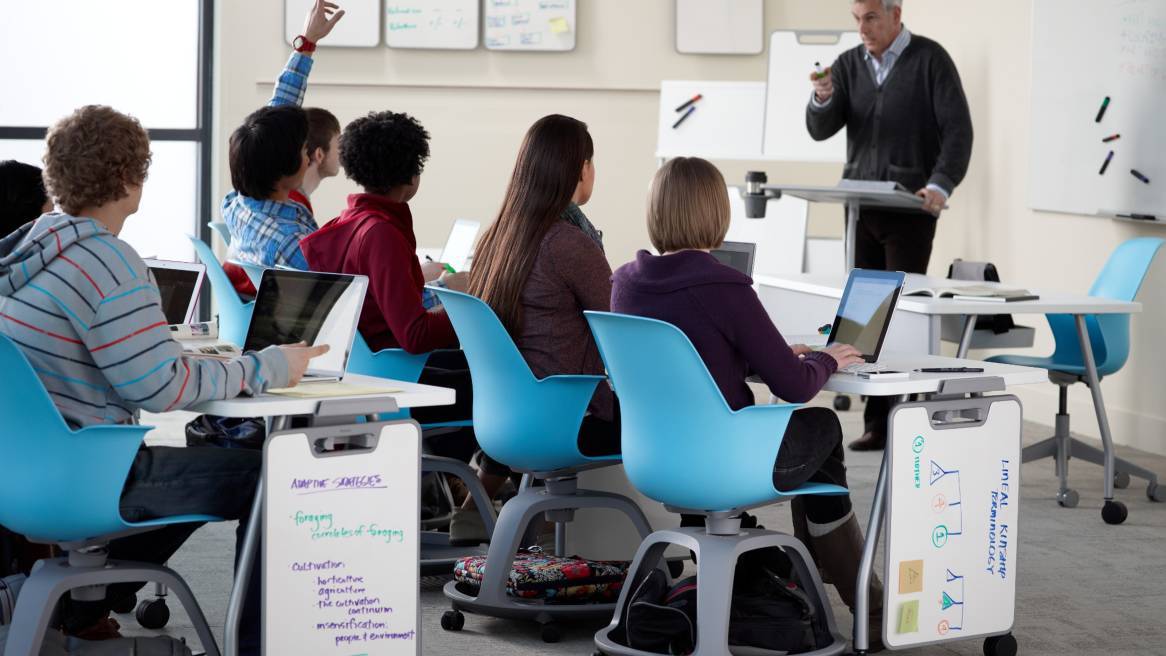
Steelcase and IDEO have been collaborating for more than 25 years. The relationship has influenced furniture design across a range of environments, from work spaces to hospitals to schools, and has resulted in numerous design awards for iconic pieces like the Node Chair for classrooms and the innovative modern office chair Leap WorkLounge.
At the heart of the relationship lie trust and a spirit of collaboration, said IDEO founder David Kelley, allowing the space for innovation. “It has to be the collaboration between our inherent innovation capabilities and their extraordinary internal knowledge about the market and what they do best,” Kelley said. The way IDEO began working with Steelcase decades ago has influenced the way they continue to work today, involved in all areas of the business, from design and engineering to strategy and marketing.
The first collaboration in 1989 was for a new Steelcase division called Details, and featured desktop products to go along with its already successful line of office furniture. From the beginning, IDEO founder David Kelley and a group of designers were involved in helping Steelcase with decision-making on every level of the new division, from product strategy to hiring and everything in between. The particular blend of strategy, design, and engineering used to help Details become successful actually became the prototype project for the future IDEO, and is the blueprint for how IDEO works today.
What followed were a series of projects in which Steelcase and IDEO explored moving away from the traditional office cubicle toward furniture that was more architectural and open. More than 10 years ago, Steelcase noticed that the way people worked was changing from static work in offices to more fluid environments that were technology-enabled with laptops and mobile phones. This insight led to two collaborations, Room Wizard and media:scape, design efforts that captured this changing landscape by extending intelligent work to be supported by digital products, not just physical ones.
Jim Hackett, former CEO of Steelcase, said that an early brainstorming exercise in IDEO’s Palo Alto studio made him realize the power of a human-centered design approach. “They asked me to come to Palo Alto for a brainstorming exercise, so I went through the literal exercise that IDEO was having clients do at the time,” Hackett said. “As I was cutting foam core on the floor of one of the studios, I was thinking: I would never work the same way again after doing this. Not just designers should work like this, but anybody who is a knowledge worker should work like this.”
The collaboration’s many successes had a profound impact on Steelcase, and on Hackett personally: “I’m so humbled, I can’t even express it. I can’t tell you how many waves of joy come over me when I’m at IDEO. It’s just an extraordinary part of my life.”
Over the years, the two companies have been in nearly daily communication, a practice that has informed the work of both. While Hackett brought Steelcase’s perspective of corporate boardrooms and running a global company, Kelley and IDEO were working in the most innovative place in the world, saturated in design. Both companies agree that neither would be the same today without the experience gleaned from the other.
Some of the projects include:
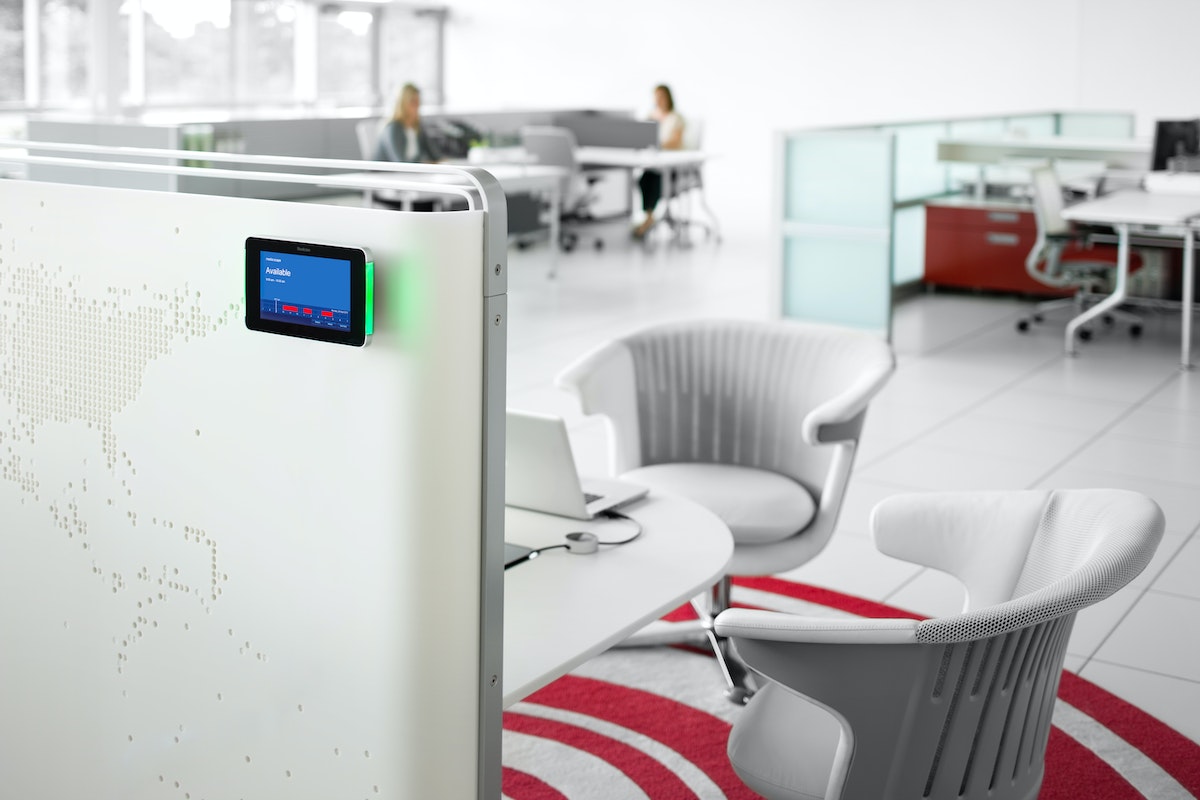
RoomWizard
Aiming to connect the convenience of digital technology to physical spaces, the teams designed RoomWizard, a web-accessible touch-screen display that provides the real-time status of shared meeting rooms, simplifying the process of reserving and managing those spaces.
Leap WorkLounge and Ottoman
Building on their earlier work on the Leap Chair, the teams created a work chair with the comfort and style of a classic club chair, a luxury Leap Chair that takes work away from the desk.
i2i Chair
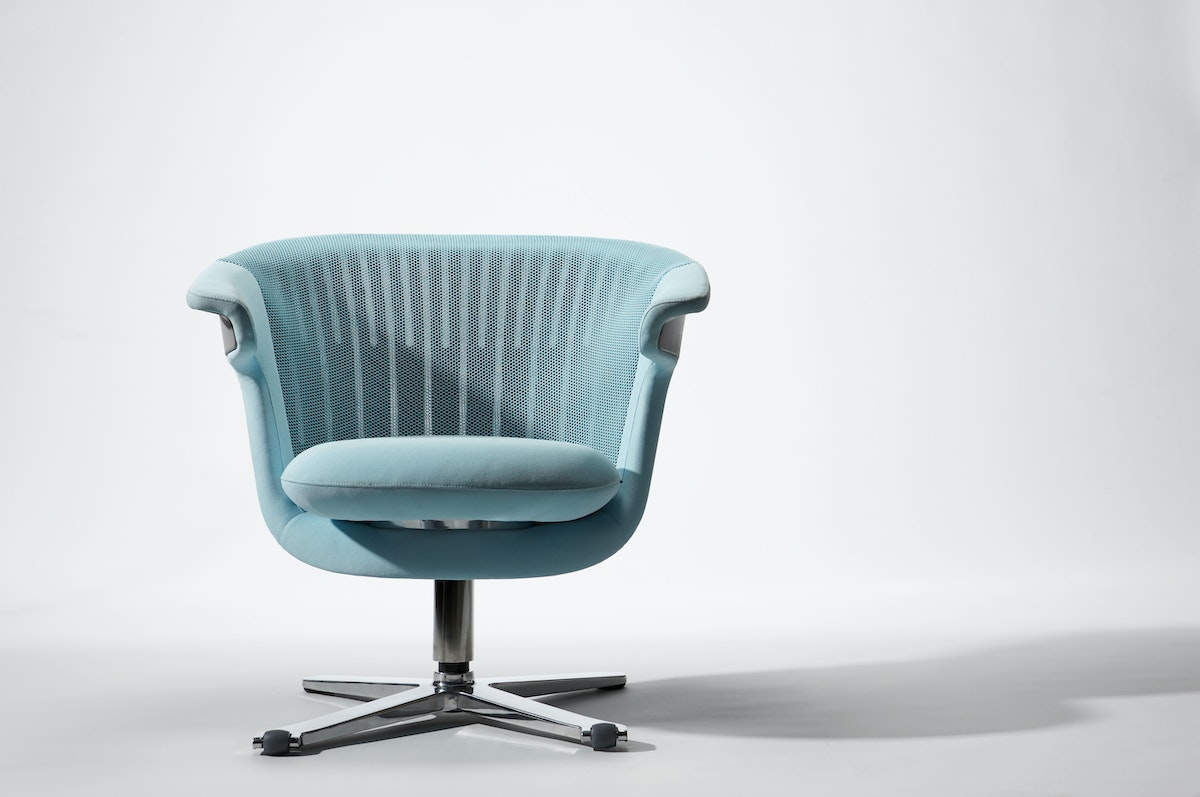
In researching the needs of a growing number of collaborative settings, Steelcase identified an opportunity to combine task and lounge seating. Named for the collaboration it enables, the i2i chair supports a variety of postures, including sideways, reclining, perching, and leaning. Winner of the Spark Gold Award, 2010, and the IDEA Silver Award, 2009.
Amia Chair
Steelcase and IDEO designed a task chair with modern ergonomic capabilities that accommodated a wide range of body types at a lower price point. Winner of the IDEA Bronze Award from IDSA and BusinessWeek, 2009.
media:scape
Steelcase asked IDEO to help evaluate and design a “walk up and connect” experience that merged furniture and technology to help teams access and share information. Designed to look light, open, and inviting, media:scape used a pedestal table with cleverly embedded hardware and interactive technology to foster group work. Winner of the IDEA Bronze award for Office & Productivity, 2011.
Node Chair
IDEO collaborated with Steelcase to design a platform for improving the classroom experience. The final product, dubbed the Node chair, has received praise for promoting student collaboration, allowing educators to reconfigure classrooms to fit different teaching styles, and enabling institutions to save money by making spaces more flexible and accommodating for varied uses. Winner of five design awards.
Watch: A love letter to Node.

Planned Parenthood's new way forward
Designing innovative, patient-centered experiences for a healthcare pioneer.
A great healthcare experience shouldn’t be a luxury. It should be available to everyone, regardless of who they are, where they live, or what they need.
Planned Parenthood health centers have opened their doors to every woman and man for 100 years with this core conviction, offering services ranging from pap tests, cancer screenings, and breast exams to contraception, treatment for sexually transmitted infections, counseling, and education.
As the healthcare landscape continues to shift, Planned Parenthood is evolving to lead the progress. For the past year, the organization worked side by side with IDEO to rethink and prototype a patient and employee experience that elevates individuals and their health and well-being.
Together, the teams designed a number of patient and employee interactions and corresponding prototypes that address different patient needs: education, personalization, connection, and support for any decision.
Concepts in Development
These concepts are being rolled out across health centers around the country:
Welcoming Waiting Areas
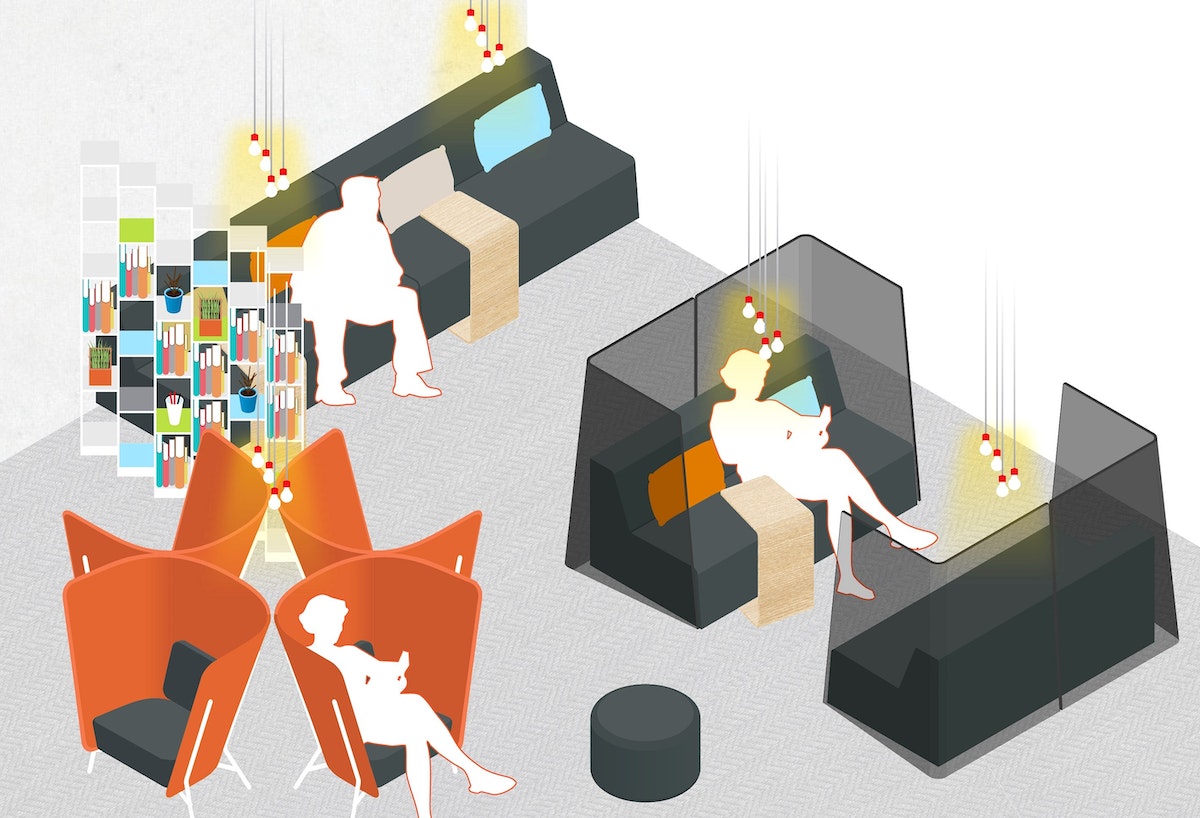
To help set the right tone for patients from the time they enter the door, the teams designed waiting rooms that offer different types of environments for different needs. The Hub is an area that transforms the passive waiting room experience to a greeting area that’s staffed by knowledgeable guides who help orient patients, and quiet nesting spaces for reflection and privacy. Patients can spend time with friends and family in a social, kid-friendly common area, and those who want to get involved to support Planned Parenthood’s mission can learn about health and advocacy information. This modular design toolkit can adapt to the individual buildings, budgets, and community needs of any existing Planned Parenthood health center.
Restorative Recovery Rooms
For women who are recovering from surgical procedures, small thoughtful details have a magnified positive impact. Redesigned recovery rooms have been separated into semi-private spaces, accommodating loved ones who want to join patients after a procedure. Soothing colors and soft, warm fabrics create a comforting environment, and service gestures including cards with words of support and encouragement from staff reinforce Planned Parenthood’s promise. A take-home kit provides clear information about what to expect during recovery and recommendations for follow-up care.
Unifying Employees
Because the heart of Planned Parenthood is its dedicated employees, we developed and launched an engagement and training program that provides staff with the tools and support they need to do their best work. In This Together, an employee engagement training, prepares staff to work with a vastly diverse community, reduce stigma around health choices, and empower patients to take control of their care. It’s based on a clearly defined set of workplace values and service standards, common goals that help employees across the global organization work together to provide top-notch experiences at every location.
Vision for the Future
These concepts are in varying stages of development, with plans to launch coming soon.
Patient-Physician Tool and Educational App
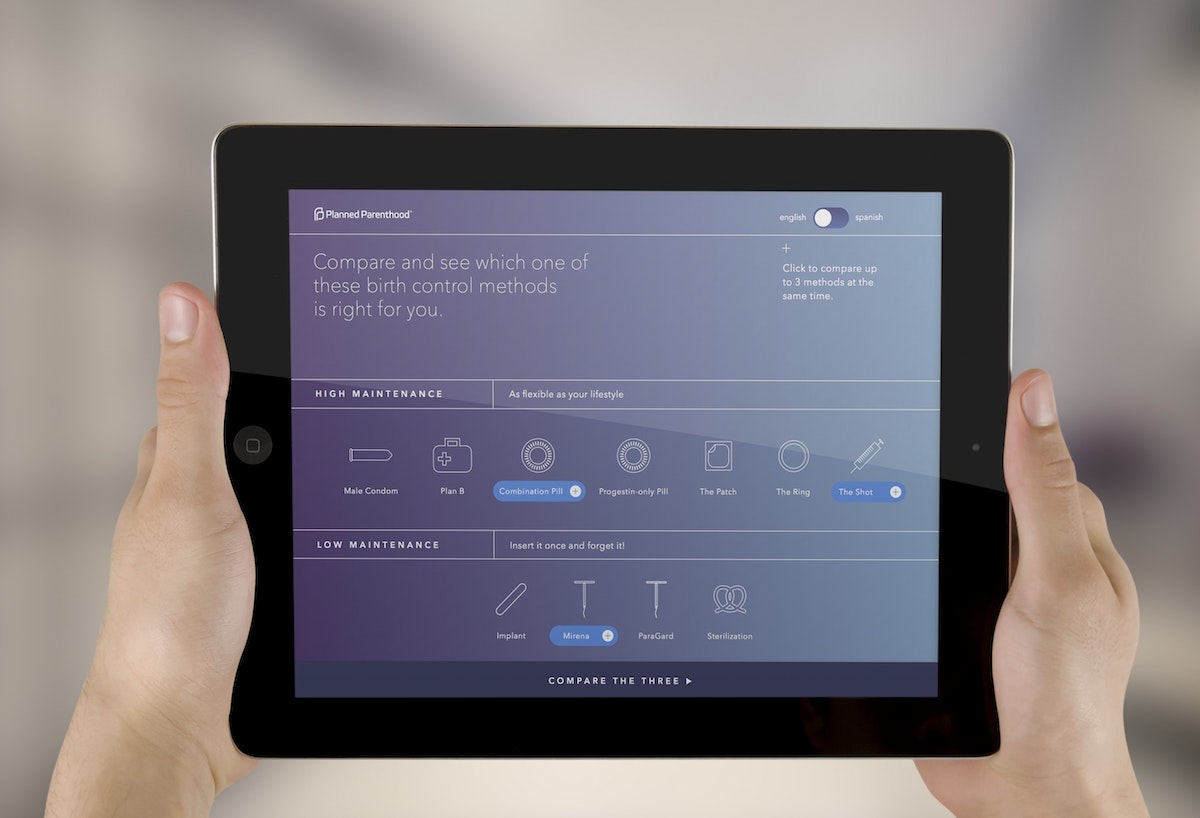
Visit Companion is a prototype for a suite of digital tools that help patients learn about their reproductive health choices and create personalized plans with their clinicians. While they wait, or anytime before a visit, patients can learn the answers to common questions related to their appointment and see side-by-side comparisons of their care options. The app uses familiar language and symbols to describe symptoms and side effects, and it provides a record of what was discussed during the visit as well as reminders for follow-up appointments.
Simplified Medical Forms
For the 2 million-plus patients who visit Planned Parenthood health centers, there’s an opportunity to make appointments more convenient and straightforward. Currently in prototyping stages, Friendly Forms is an easy-to-understand, interactive digital questionnaire written in simple, conversational language that was designed by replicating how Planned Parenthood clinicians speak to their patients. The forms adapt as patients answer questions, giving only the prompts that are relevant. Patients will be able to complete Friendly Forms any time before their appointment, so it’s easier to complete the forms accurately.
Holistic Women’s Health Care
Women who rely on Planned Parenthood for their sexual and reproductive healthcare can benefit from having trusted clinicians guide their care throughout their lifetime. Through the Well Woman Plus program, Planned Parenthood will connect women to trusted providers for care beyond physical exams and birth control consultation. Clinicians will use interactive digital and physical tools to map out lifelong health care milestones and help patients think proactively about their future, from family planning to preventive screenings.
To learn more, go to PlannedParenthoodExperience.org.
Find out more about Planned Parenthood's approach to creativity in this Q&A with executive vice president and chief brand officer Dawn Laguens.
Launching an innovation lab to benefit Peruvians
Catalyzing rapid growth and transformation within a broad portfolio of businesses, including retail ventures, healthcare services, insurance, and banking.
La Victoria Lab (LVL) is a group of designers, anthropologists, architects, and entrepreneurs working on improving the lives of the Peruvian middle class. Founded in 2014, LVL is the Innovation Lab of Intercorp, an economic group of 35 companies spanning banks, malls, cinemas, schools, health care clinics, and more. Intercorp was founded by Carlos Rodríguez-Pastor, one of Peru’s most successful entrepreneurs, employs more than 90,000 people, and accounts for almost 4 percent of the country’s gross domestic product.
Peru is one of South America’s fastest growing economies, with a healthy 6 percent year-on-year growth from 2007 to 2017, on average. That rising economic tide, along with government policy, has created extraordinary social mobility: Between 2005 and 2017, the share of poverty fell from 55% to 22%, of a population of 32 million.
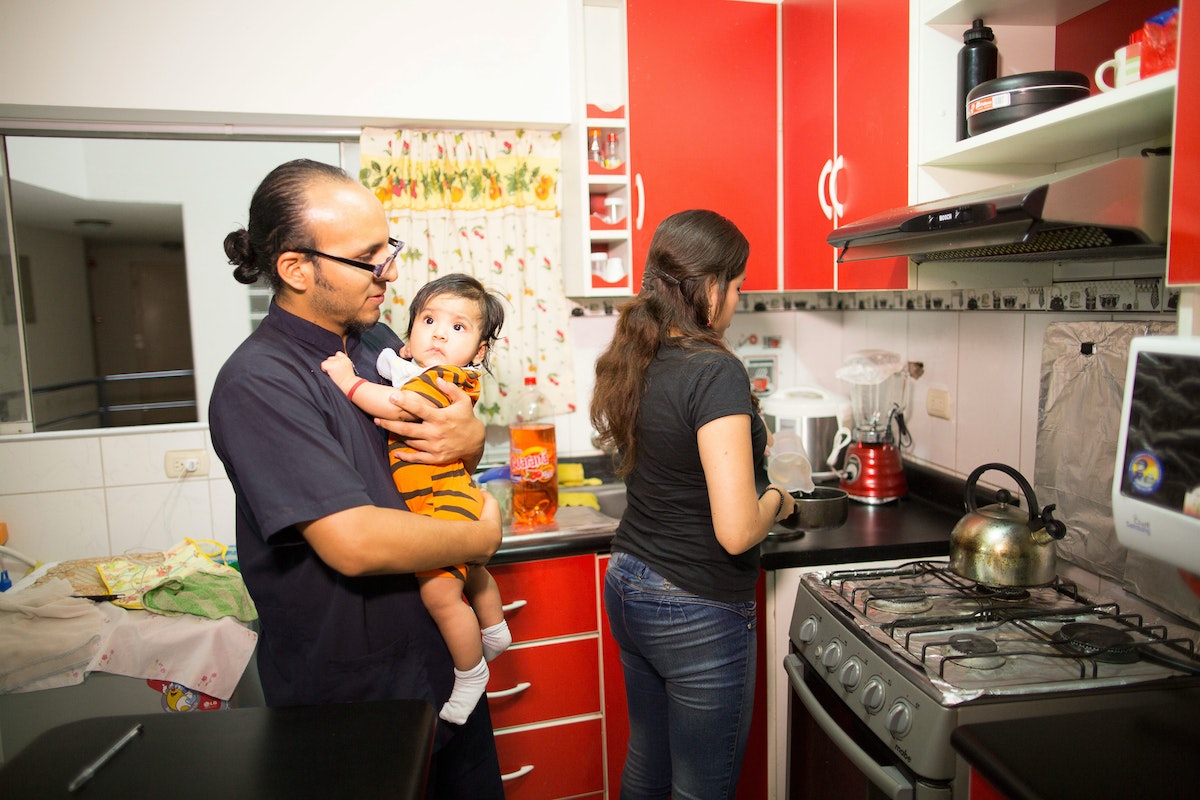
Know The Customer
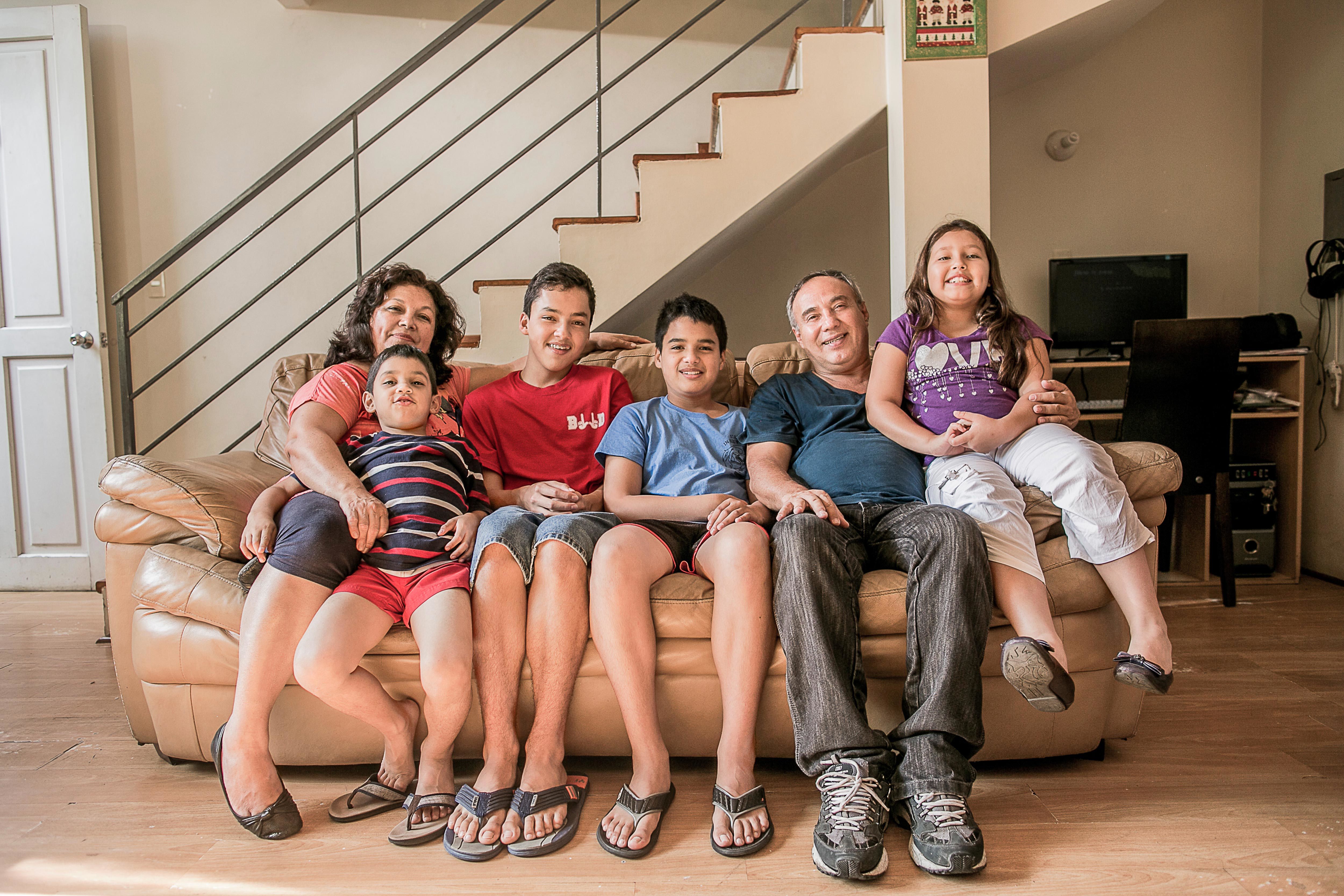
As Peruvians’ lives have improved, the new middle class's needs and aspirations have changed: They’re entrepreneurial, expect great services, and want the best for their children. That challenge and opportunity led Rodríguez-Pastor to enlist IDEO to bring our empathic approach to the construction of Innova Schools, a new school system, and to redesign Interbank's customer experience"
Success in these two projects bred ambition. Intercorp, Rodríguez-Pastor realized, needed to build two capabilities: a deep, bedrock understanding of the new middle class, and an innovation capability with which his companies could create new products, services, and experiences. “I want a little IDEO,” Rodriguez-Pastor said, and the germ of LVL took root.
A Lab Takes Shape
In early 2014, as contractors broke ground on the Lab, its founders set about hiring an eclectic team from across the globe and undertook their first project: to deeply understand the needs, desires, hopes, and dreams of the emerging middle class.
Three months of ethnographic research was followed by three months of bringing their insights to life. LVL’s team surrounded themselves with mementos of people’s lives: toys, products, ads, as well as video interviews with families, to help Intercorp’s executives literally step into the lives of their prospective customers.

Solutions and Skills
Powered by those insights, La Victoria Lab has brought human-centered problem-solving to a variety of Intercorp’s companies, including new retail ventures, and improving the cinema-going and banking experience.
In 2015, the Lab began scaling its efforts to build innovation capabilities across all of the portfolio companies by using IDEO’s innovation readiness assessment, Creative Difference. Each company received a report of their strengths and improvement areas, and as a result, LVL facilitated workshops and community groups focused on building essential capabilities.
"Creative Difference is the first tool that has allowed my team and the organization to have a precise picture of where we are in the spectrum of doing truly innovative work. Now, we can identify our strengths and areas of improvement, we can develop work plans and actions based on data, and can start to really dig deep into innovation,” says Aurelia Alvarado, Director of Innovation, Innova Schools.
La Victoria Lab’s experiments are catalyzed by Intercorp’s scale, reach, and national ambition. Innova Schools, for example, is now Peru’s biggest private school network (read more about Innova here). And Interbank’s new retail experience rolled out to more than 180 branches nationally.
As LVL matures, its focus is changing, says Hernan Carranza, Chief Innovation Officer, Intercorp. “There's a transition taking place at La Victoria Lab, from a studio undertaking typical design projects, to a platform for impact-led journeys that start at pipeline discovery, defining key performance indicators, all the way to implementation and stewardship."
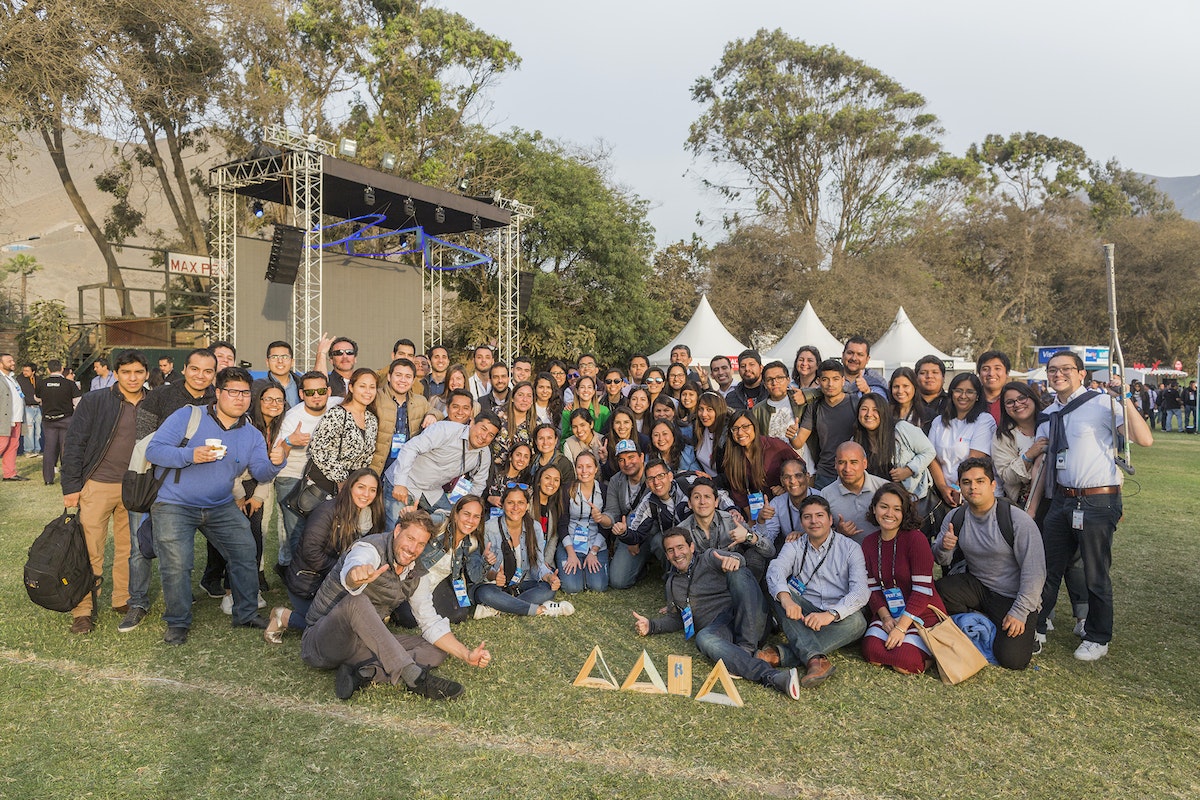
Just as important as the projects it delivers is the wider intent of LVL. The aim is for IDEO’s role within La Victoria Lab to wane, as Intercorp’s waxes, and the company’s internal Innovation capability and culture strengthen. LVL’s ventures range from mindset-changing initiatives, such as curating Peru's largest innovation festival, to deeply transformative endeavors targeted at reinventing the core value propositions of Intercorp's insurance, drugstores, and medical services. It envisions massive cross-organizational transformation.
“Innovation,” said Rodríguez-Pastor, “is too important to be outsourced.”
Keep up to date with the latest projects from La Victoria Lab: lavictoria.pe
"For the latest developments on our work with Intercorp, head to "The Possibilities Business: An Oral History of Organization Transformation"

The Plant Scientist Who's Analyzing People's Pandemic Dreams
Do unusual times make for unusual dreams?
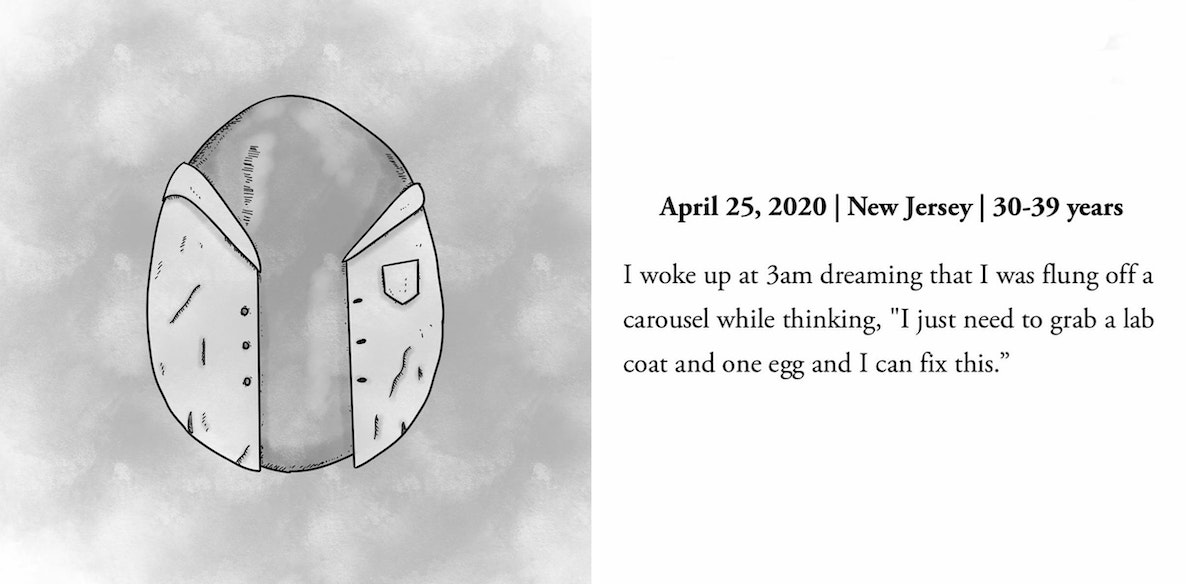
This is just one of the many strange and vivid dreams I’ve had since sheltering-in-place in California's Bay Area. I’ve dreamt about accidentally taking a Zoom call while still laying in bed in my pajamas; about fighting off an army of unexpected visitors to my house with a broomstick; and seeking refuge in a leaky submarine to escape an oil spill.
Turns out I’m not the only one having weird and unsettling COVID-19 dreams. Sisters Erin and Grace Gravley decided to track our collective dreams on their website i dream of covid in hopes of finding patterns. I spoke with Grace, who pairs quirky illustrations with each dream posted on the site, about quarantine dream patterns and her predictions for the post-COVID world.
In one sentence, who are you?
A California-born aspiring botanist and unofficial video game expert.

What do you do? How did you learn it?
I am a plant scientist by training and trade, and I would venture to say that anyone with a deep love of botany must also be, on some level, an artist. I first got seriously into drawing and digital illustration as a means of drawing botanical illustrations. These were mostly either to help me remember interesting details about a plant species, but also a bit of a labor of love. Pretty soon I found myself drawing anything from cartoon Valentine’s Day cards to my favorite video game characters. Lots of what I have learned has been through my own trial and error, watching YouTube videos about how the heck Procreate works, and looking at other artists’ works and seeing how they do what they do.
How did the i dream of covid project come about?
This project comes from the mind of my sister Erin. After reading Charlotte Beradt’s The Third Reich of Dreams, a book that chronicled the dreams of people living under Hitler’s regime, she was fascinated by the idea that a shared societal experience could be reflected in the individual unconscious. She decided to create a website cataloging these dreams and asked me to create a logo for her. I volunteered to illustrate the dreams and from then on it has been a collaboration. I have been drawing like a madwoman every day since!
What patterns are you seeing so far?
Many! Some of the most interesting ones that I have noticed are recurring themes about hygiene and windows. The hygiene ones make some sense, as we have been washing our hands more than ever before, and there is some sense of unwashed things being potentially dangerous. They manifest in interesting ways, though, like feeling disturbed by people eating with their hands or having stress-dreams about obsessively scrubbing surfaces to no avail of cleanliness.
The ones with windows really fascinate me. I wonder if they are associated with feeling trapped. Sometimes they show up as beacons of hope, or the place the dreamer is watching the dream play out from. For people who are stuck indoors, especially in cities, a window may be the only “outside” access they have, and maybe that inspires hope. Often these windows appear as sources of evil in these dreams, like the virus is going to come in through the window, or someone is peering outside of the window looking at something scary or horrific.
Could you describe your personal favorite dream from the project?
There are so many great dreams, but my personal favorite is called “In here it is also sad.” This dream was submitted in Portuguese by a dreamer in Brazil and was translated by my polyglot cousin, Philip Georgis. In the dream, the dreamer is dying of illness and is struggling to breathe. They are sitting on a balcony and thinking about everything they’ve experienced in life, and their final sentiment is, “All I could think was that nothing was missing.”
There’s so much fear about how we can ensure our own safety that many of our dreams become about the changes in day-to-day life, or fears that are manifested into objects like shadows or windows. It is interesting and profound to consider feeling at peace with contracting COVID and how that would change our lives and relationships. In the end, it’s a dream about love, community, and loss. I think that resonates with our experiences right now; it cuts to the core of our fears and does so beautifully.

Have you had any weird COVID dreams of your own? What have they been about?
Yes, definitely! I did not start having strange dreams until well into shelter-in-place, but now I am having them pretty frequently. Most of mine are about feeling scared that my mom will find out that I am not following the necessary COVID safety measures. For example, I had one last week where I was going on a date to a baseball game at Oracle Park. We were sitting in the bleachers and I realized that I wasn’t having a very good time. I kept feeling uncomfortable and distracted and was a bit puzzled as to what was bothering me so much. All of a sudden I realized that we were in packed bleachers and doing exactly the opposite of social distancing. I turned to my date and said, “Oh no. If my mom finds out that I am not wearing a mask and am in this big crowd, she’s going to kill me!”
What are your 3 favorite quarantine possessions?
I’m considered essential personnel, so I’m still going in to work every day and am not truly quarantined, so I think my quarantine experience has been different from most folks. But here are mine:
- The Philodendron hederaceum vine that hangs in the window. Watching it grow gives me hope
- The prism that shoots rainbows all over my bedroom every day starting at 3 pm
- My crochet needles and yarn; they ease the tension
How do you see the world post-COVID-19?
This one is tough for me. I talk about it a lot with my friends and family, and I have mixed feelings about it. I worry a lot about the folks who have been and will become disenfranchised because of the pandemic, and about our ability as a country to take care of those people in an equitable and just way.
On the flip side, I have hope for us as a world to be more conscious of those we unfortunately often forget. One of the beautiful things about this situation is that we are paying more attention to the other people in our communities. We worry about those who are elderly, houseless, immunocompromised, and undocumented in a way that we haven’t before. I hope in post-COVID life we continue to do this: to protect those people who need to be protected the most, to care about one another whether we know them or not.
What’s your number one bucket list item once shelter-in-place is lifted?
Camping! I love the outdoors and cannot wait to be able to spend time in nature again.
Who are you creative crushin’ on lately?
Cait Gale of Death or Glory Tattoo in Davis, California. She does classic style tattoos and artwork; she gave me a bison tattoo a few months back that I am very much in love with. I have also been reading a lot of short stories lately, and have been particularly drawn to Edwidge Danticat’s writing. Krik? Krak! is one of the best books I have ever read.
While in my backyard cleaning, I notice a set of cellar doors propped open slightly by a hose. In my two years of living in this house, I’ve never noticed these doors before. The hose props them open just enough to reveal a world beyond the doors. I almost don’t dare look, but my curiosity gets the best of me. I open the doors and walk down a steep staircase to find an entire apartment, fully furnished, with no signs of occupancy. There’s an art studio, a living area with many, many (too many) couches, a kitchenette, and an office area. It’s small but quaint, and I figure that the previous owner of the house must have abandoned it. Whatever the case, my main excitement is hatching a plan to remodel the space so I could have an office away from my actual house.
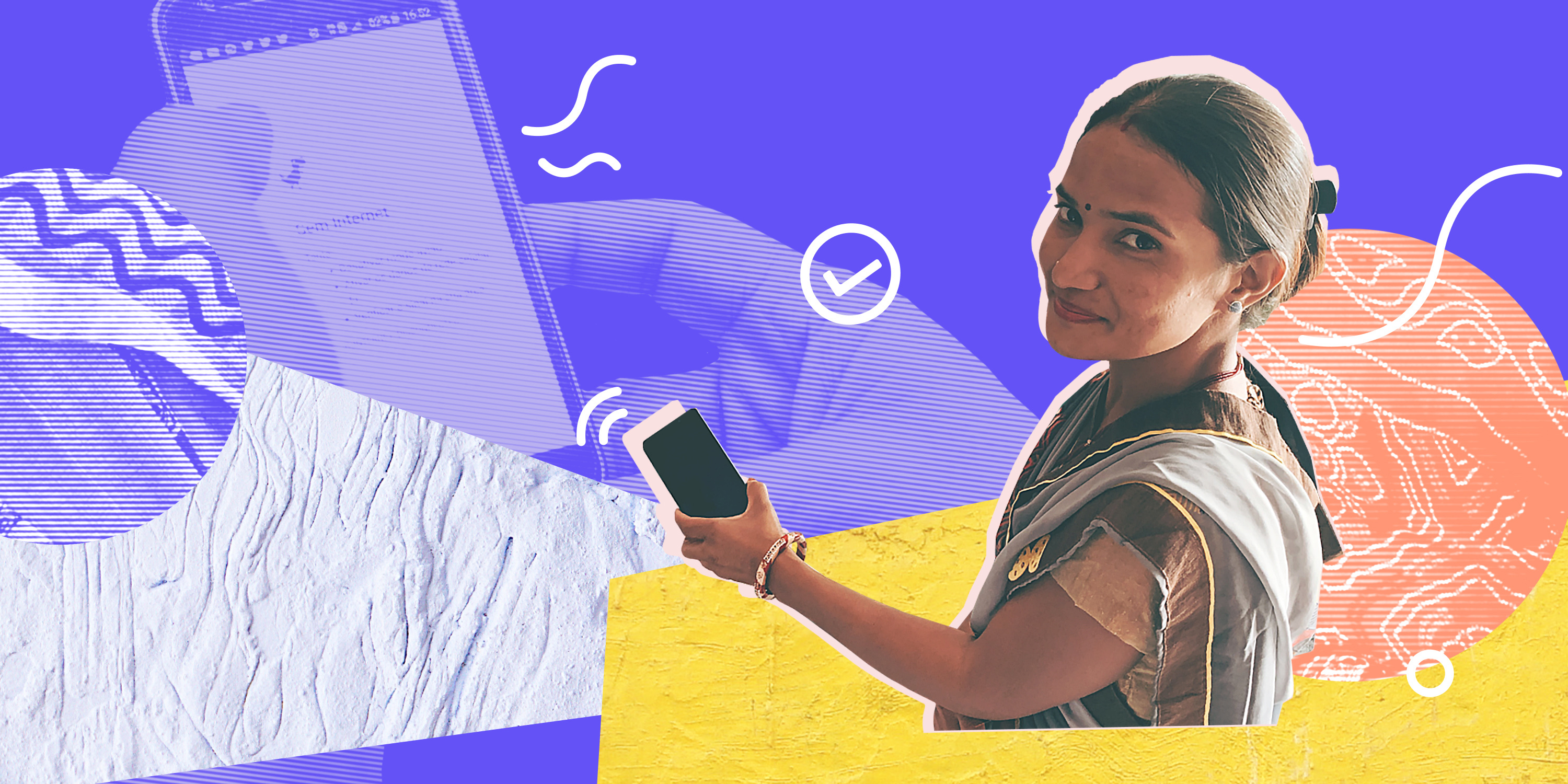
5 Tools to Design for Digital Confidence
The next wave of internet users is coming online across the globe. Are your products ready?
The internet has no owner’s manual. For someone new to it, technology can be exciting...but also intimidating. As COVID-19 accelerates the shift to digital across nearly every industry and facet of life, building digital confidence in new internet users is more important than ever. It’s important to the small merchant in Chennai who is now sending photos of their inventory to customers; the mother receiving remittance payments from her son in Jakarta; and the daily wage earner in Dhaka looking for work—all doing so on their phone for the first time.
In collaboration with Google’s Next Billion Users team and the Bill & Melinda Gates Foundation, we set out to help product teams build more inclusive digital services. Together, we created digitalconfidence.design, a suite of design tools to help teams build digital services that work for everyone. Regardless of where they live, what language they speak, or which device they use.
Whether you’re a designer, developer, researcher, or product manager, here are five tools to use when designing or building for the next wave of internet users.
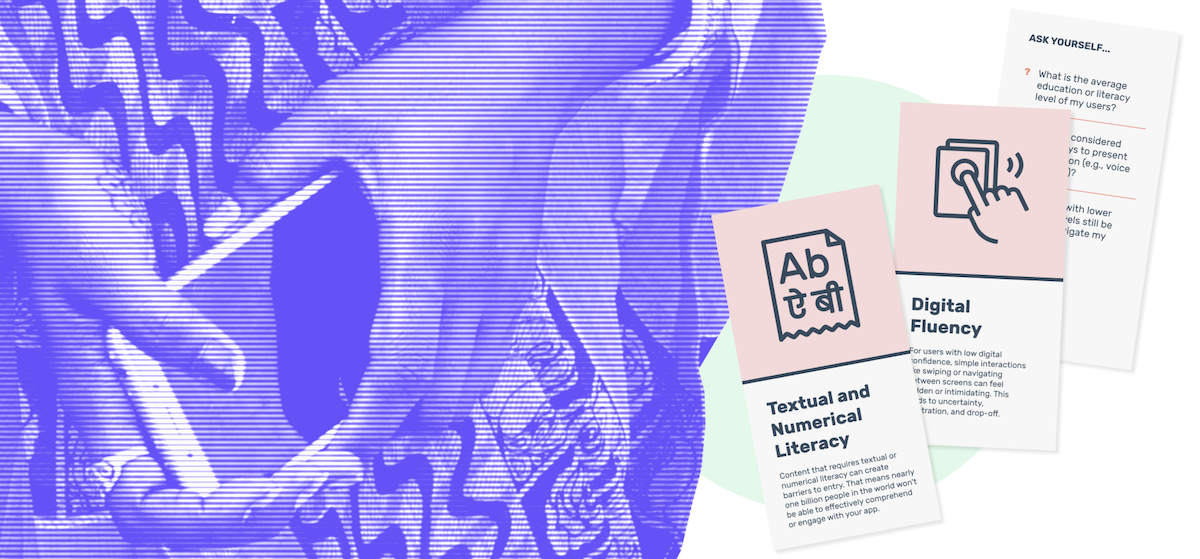
Build empathy with user context cards
The next wave of internet users has unique needs and context—and they may be very different from the users your product team has designed for in the past. For instance, that shopping cart icon you click on to finish a purchase may not ring a bell for someone living in a rural area without a supermarket.
Consider what we learned from Huria, a woman in Kupang, Indonesia, who has always paid the local shopkeeper in cash. When explaining why she didn’t use a digital payment app, she told us, “If I click the wrong button, my money might go somewhere else." For someone used to in-person transactions, the lack of physical artifacts (like receipts and ATM cards) can contribute to a sense that their money isn’t secure, or raise doubts about whether their transactions are successful.
Understanding the needs of users is the first step in designing a product that works for them. How digitally fluent are your target users? What are their typical behaviors? Our user context cards can help your team articulate who you’re designing for by understanding their unique context.
Download the cards here
Align on your challenge with sprint focus cards
Whether you're running a sprint or defining your roadmap, the first step is aligning on the challenge you’ll focus on. Like the unique needs and context, new internet users also face unique challenges when they interact with digital tools for the first time.
Almost a third of all search queries in India are voice searches. “Talking is easy,” a person outside of Jaipur told us, “but typing is hard.” Voice interactions can be error-prone, though, and for someone who’s still figuring out his or her smartphone, that can be alienating; users might even blame themselves.
Many new internet users are also used to learning new skills and troubleshooting problems alongside friends, family, and neighbors. In Bangalore, the Google team met a woman who had just gotten a smartphone. As they sat down to talk with her, they realized she left her phone by the door. They asked if she wanted to show it to them. “Why would I do that until my daughter’s home?” she asked.
As you get to know your users, your team may discover a handful of needs you could address. Choosing which challenge your team will focus on—like optimizing for voice or developing clear onboarding and assistance flows—will help deliver the best product for your end users. This set of sprint focus cards will help your team align on your design challenge by unpacking common obstacles new internet users face.
Download the cards here
Get inspired by other solutions
Creativity often starts with inspiration. How do other apps design for slow, intermittent, or unreliable network connections? How do communication apps account for multilingual users? How do payments apps make complex interactions less overwhelming?
We've curated a selection of inspirational thought-starters and apps to fuel your team's creative process. Browse provocations that’ll spark conversation among your team or check out other apps that are already addressing the real-world challenges of new internet users.
Explore the inspiration tool here
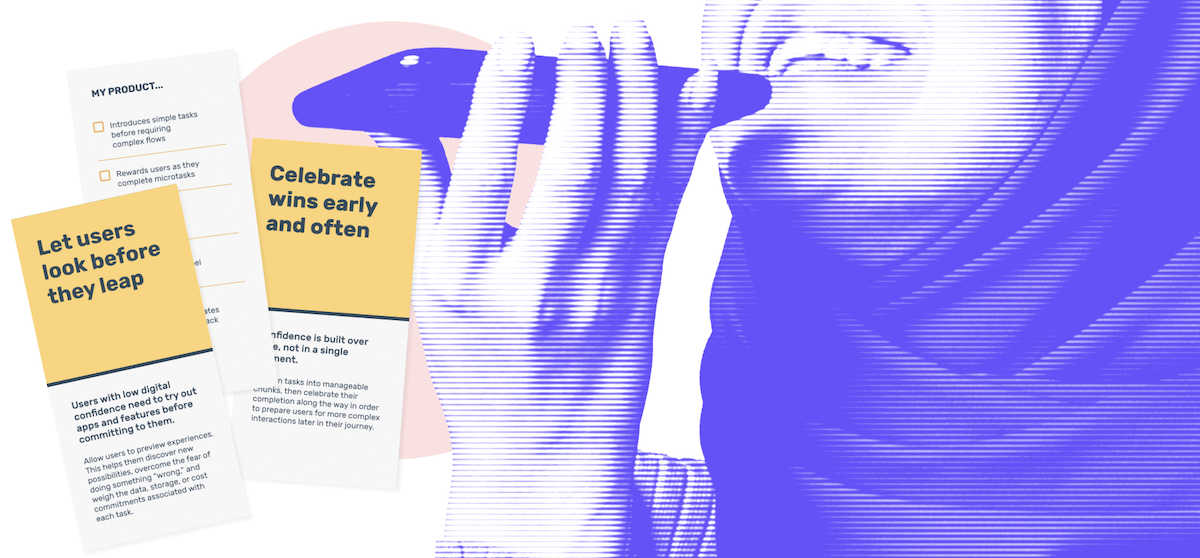
Use design principles cards to guide your decisions
Design principles are the North Star of your solution. They’re an actionable tool to guide your team’s design decision-making. Clear design principles keep the team focused on the needs of end users—like Poonam from outside of Delhi, who told us that digital accounts were confusing. “Why do I need Google to set up my phone?” she asked. Her Android runs on Google software, where having a Gmail account is a prerequisite. But without knowledge of the companies behind the tools, the relationship was hazy, and even a potential barrier to entry.
Our research uncovered the need to let users, like Poonam, “look before they leap.” Users with less digital confidence prefer to try out apps and features without risk before committing. Allowing them to preview experiences will help them discover new possibilities and overcome the fear of doing something “wrong.”
Aligning on design principles that center users with less digital confidence—like offering multiple modes of interaction, providing timely guidance, and celebrating wins early and often—can produce a more accessible and inclusive product. Use the design principles cards to find actionable strategies to guide your work and inform design decisions.
Download the cards here
Measure your effectiveness with the test framework
By now, you have a prototype. It’s time to answer a tough question: How can your team make sure the product you’re building makes a difference for your intended audience?
Answer: Ask your users! Understanding how real people respond to your product is the only way to ensure you’re effectively building digital confidence. A thorough test framework will help you define your testing goals, choose the right methodology, and align on success metrics.
Download the framework here
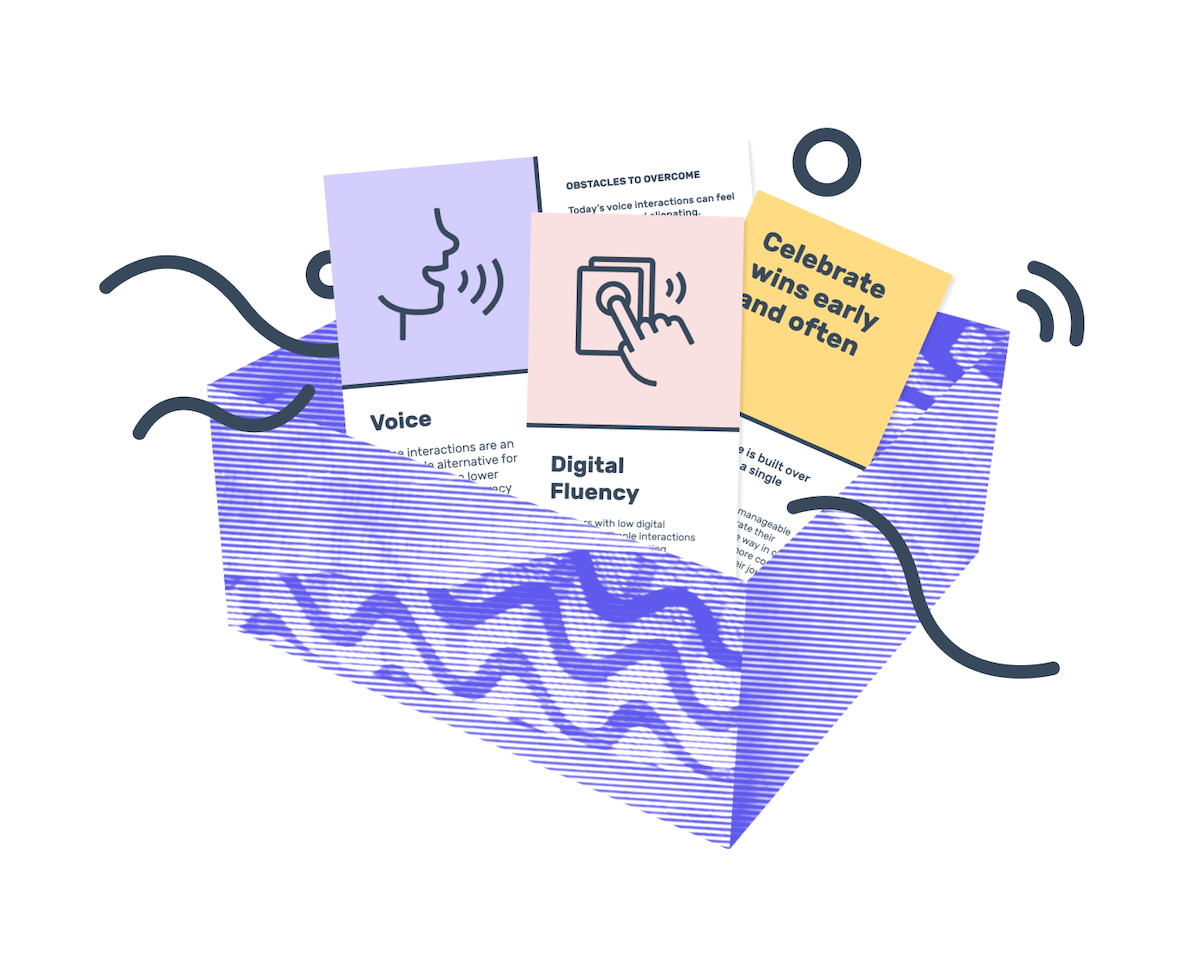
Building digital services that work for everyone is now more important than ever. We’re inspired by all of the stories we hear of product teams around the world using these tools to design for the next wave of internet users.
As of May 2020, we’ve validated the Digital Confidence Design Tools and methodology with twenty-two product teams, including Google Pay, Flipkart, Airtel, and Hindustan Unilever. Dozens of prototypes built during our tests are being piloted and measured with new internet users around the world—and our hope is that dozens more are built to connect users in emerging markets with everything the internet has to offer.
About Last Mile Money
The Digital Confidence Design Tools came out of Last Mile Money—a five-year innovation initiative between global design firm IDEO and the Bill & Melinda Gates Foundation to connect underserved communities to the digital economy.
About Google’s Next Billion Users team
The Next Billion Users (NBU) team is dedicated to ensuring that Google’s products are meeting the needs of the next billion people coming online. With these needs in mind, the team gathers users insights to build products that help new internet users make the most of the internet. Google's NBU team is also committed to contributing to the ecosystem to create a more inclusive internet where anyone can thrive.
Today—whatever day you’re reading this—more than a million people will come online for the first time. Tomorrow and the day after, a million more will follow. A million people increasingly from emerging markets and rural areas, where connectivity is on the rise and data costs are coming down. A million people whose first exposure to the digital world is usually through their phone.

16 Artist Interpretations of Amabie, a Mythical Japanese Creature Said to Ward Off Disease
The sea spirit monster has become a symbol of hope, a public health mascot, and a meme
As COVID-19 spreads across the world, Amabie has gone viral, with interpretations shared by cartoonists, students, illustrators, craftsmen, even chefs.
Deeply inspired by this act of creative resilience, optimism, and solidarity, we asked IDEO designers across the globe to share their interpretations of the protective creature. If you feel the same, join us in creating your own interpretation of Amabie—and tag @IDEO on Instagram or Twitter.
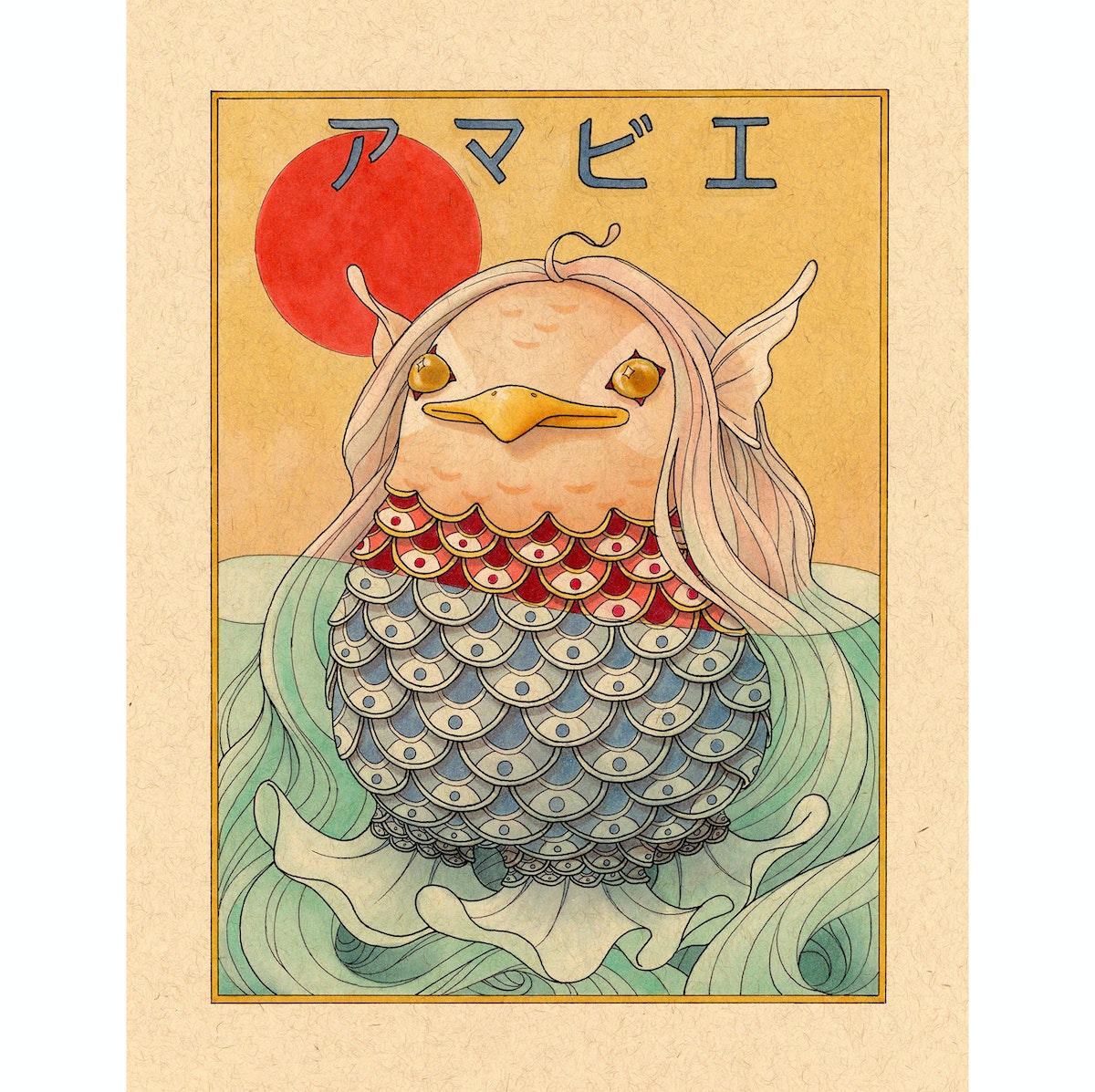
Felicia Chiao is a San Francisco-based industrial designer by day and illustrator by night.
"My Amabie was drawn traditionally on brown toned paper and colored with Copic Sketch Markers. It was such a strange creature to draw, I just tried not to think too hard about it and have some fun."
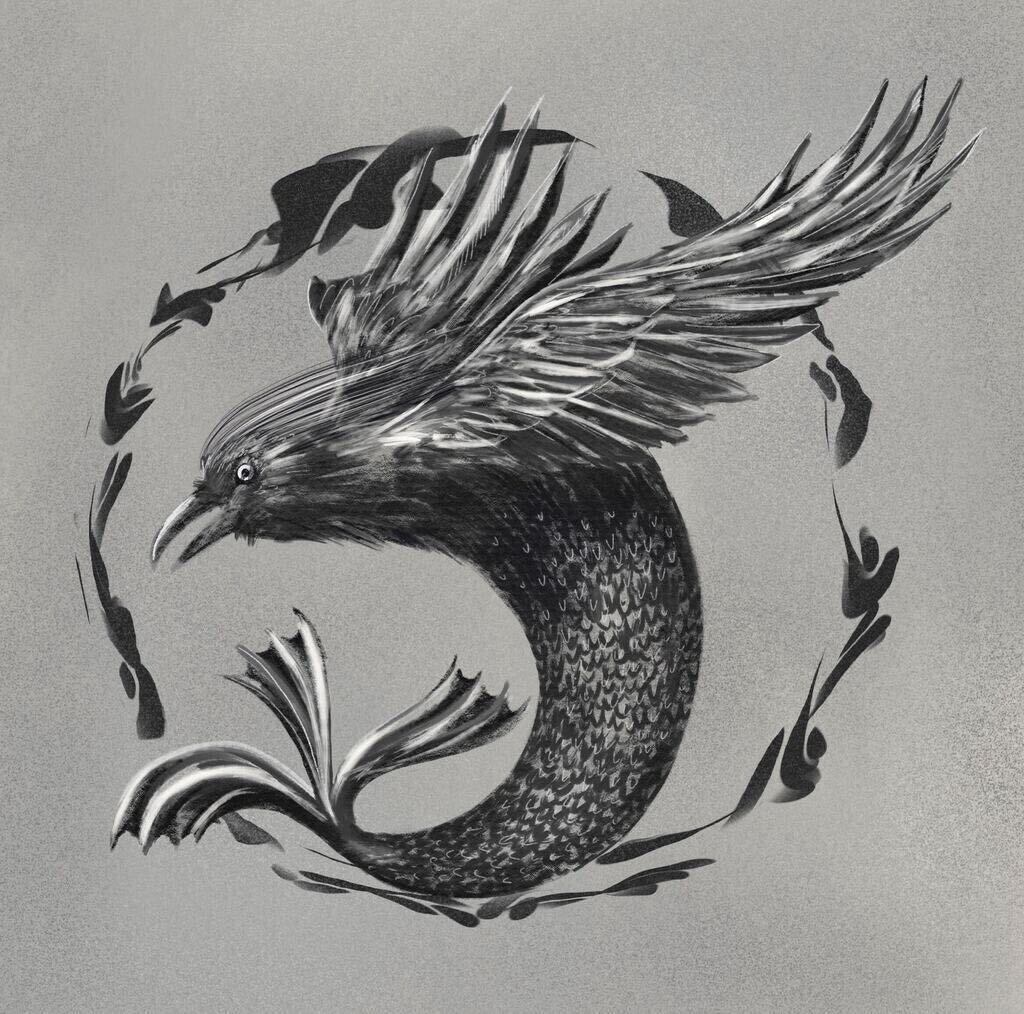
Gemma Lord (London, UK) is a designer and occasional color-inner. She really wants a dog.
"I wanted to capture a darker side of Amabie—a Borgesian-like creature, who for centuries lurked in the lesser-known crevices of folklore, and who has suddenly been recast into the uncomfortably bright light of our imaginations in the hope of warding off COVID-19."

Lauren Ito (San Francisco, CA) is a design researcher and community organizer. She can almost always be found by the sea.
"I was inspired by Amabie creating ripples of growth and resilience. As a plant enthusiast and forager, I made an altar collage of natural materials—including many plants propagating in my home as I shelter in place. I hope my amabie interpretation prompts a pause of reflection to honor our collective strength in the face of adversity."
May Kodama (San Francisco, CA) is a graphic designer who likes to doodle a lot.
"This is the self-care Amabie! I wanted to depict an Amabie who was taking good care of herself while sheltering in place, and hopefully encourage others to do the same. Drawn on Procreate and animated in Photoshop."
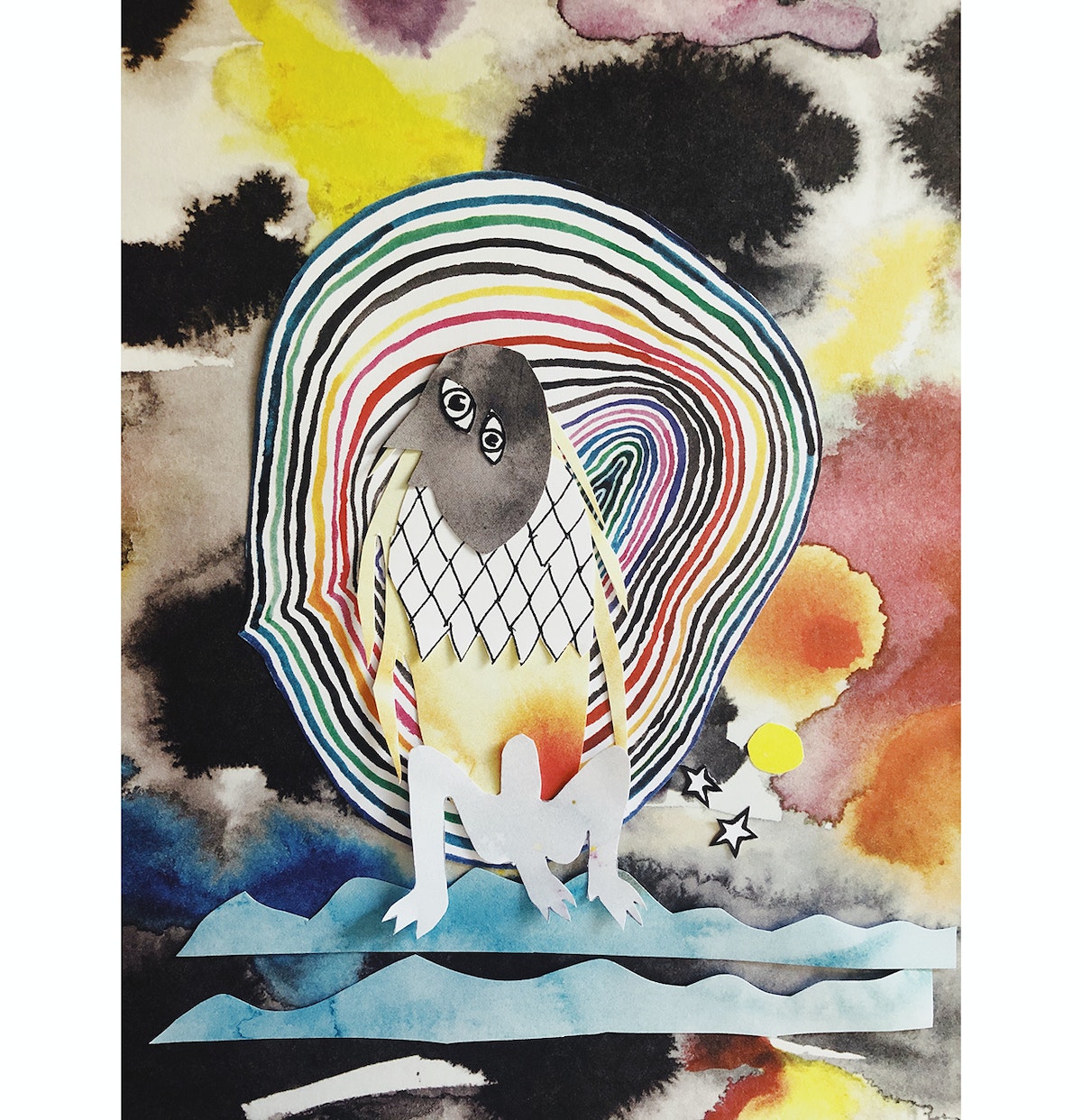
Tracee Worley (Oakland, CA) is a systems designer at IDEO San Francisco. She finds much design inspiration in ritual, spirituality, and mysticism.
"My Amabie appeared to me in a meditation and told me to visualize her in psychedelic splendor, emerging from a vat of molten gold floating upon the sea. She also told me to set this collage on my bedside table for five days and five nights, so that’s what I’m going to do!"
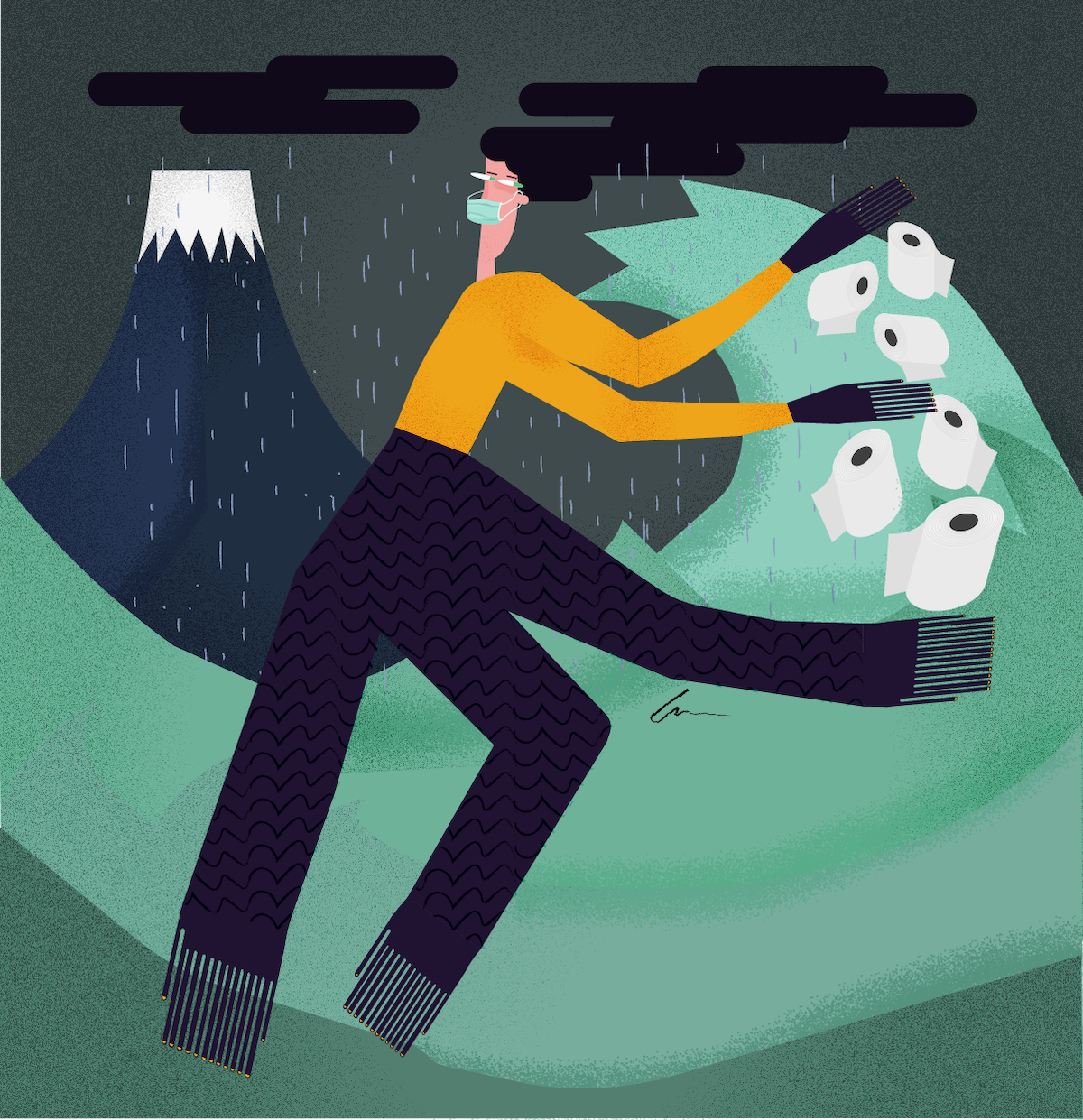
Luca Ponticelli (London, UK) is a commucation designer and serial doodler. On an average day, you'll find him dissecting the latest political news while sipping on a dark espresso.
"Mythology says she’s the entity announcing epidemics, so I wanted to compare the intensity of the crisis to the power of a sea storm, which she impersonates. The toilet rolls and the face masks, hiding her beak, are pinning this image down to our present day, making it undeniably 2020."

Meagan Durlak (Brooklyn, NY) is a designer director who believes that making is not just about thinking, but about exploring.
"With a symmetrical body, a neutral yet whimsical expression, and textural strokes throughout her bulbous hair, I hoped to capture the essence of the Amabie as a welcoming and warm creature who symbolizes the hope we all need during these uncertain times. She is an imaginary being whose spirit allows us to pin our future dreams and desires onto her elusive existence."
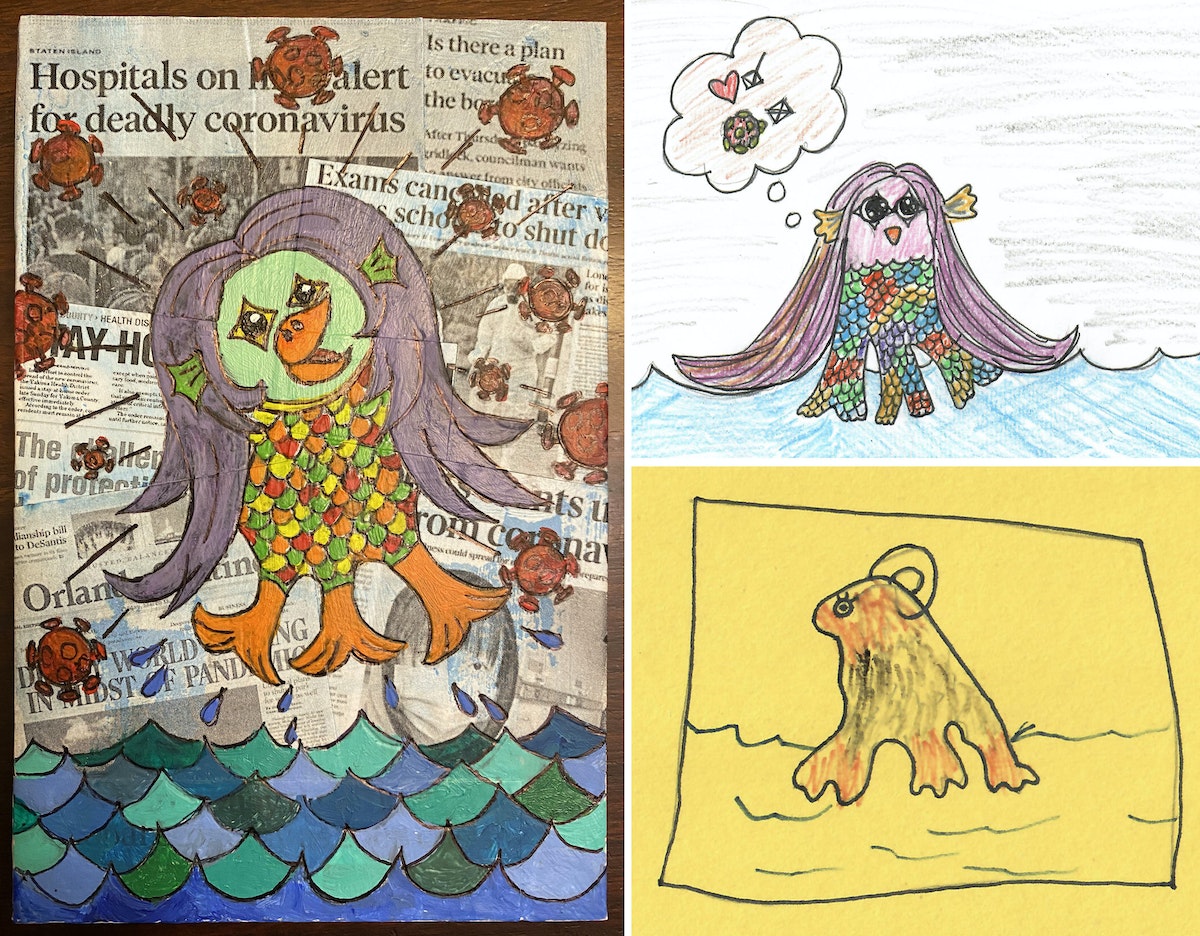
Michelle Lee (San Francisco, CA) leads IDEO’s Design for Play team and is proud mom to 2 budding artists—Neve, who has a full-time gig as a 3rd grader/soccer star, and Ren, who makes his living as a 1st grader/skateboarder.
Michelle’s Amabie (left) embraces her superhero powers, screeching away the coronavirus through acrylic paint and ink atop a collage of today’s newspaper headlines. Neve’s (top right) is a cerebral Amabie, choosing love over sickness, and is conceived through colored pencil and black ink. Ren (bottom right) opts for Amabie’s hairier cousin, bringing him to life with markers on construction paper.
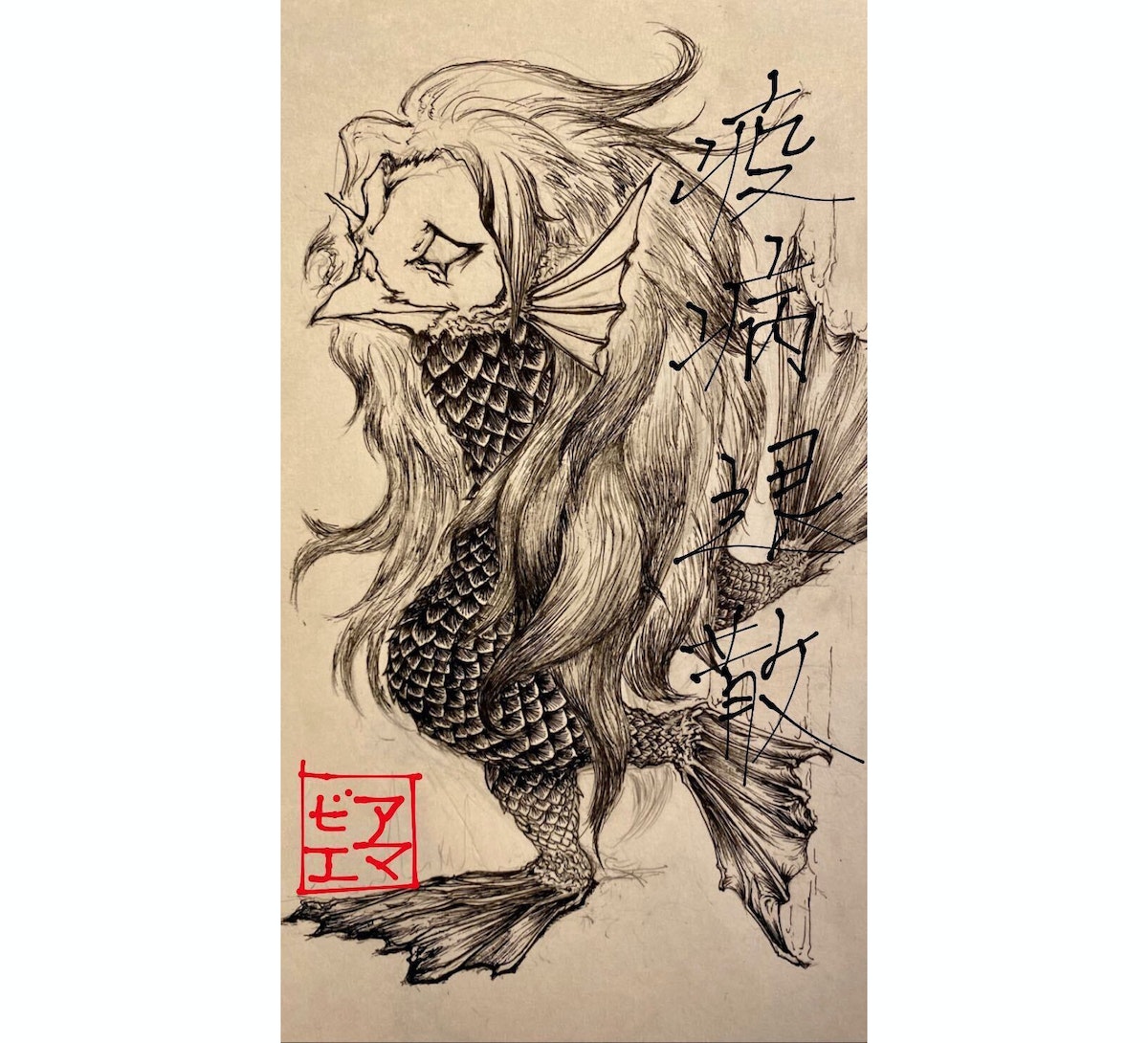
Koko Takatori (Tokyo, Japan) is a design researcher at IDEO Tokyo. She is also a certified scientific illustrator and a cat lover.
"The Amabie illustration from the Edo period depicts it having three fin-like legs. “Three-legged” seems to be a common motif for divine creatures in Japan (like Yatagarasu), so I wanted to emphasize the legs and express its divinity through pen and ink strokes. I also wondered and researched how Amabie could’ve walked with its fin-like legs, resulting in legs that resemble those of pinnipeds. The four Kanji characters mean “warding off disease” and the little red seal says Amabie."
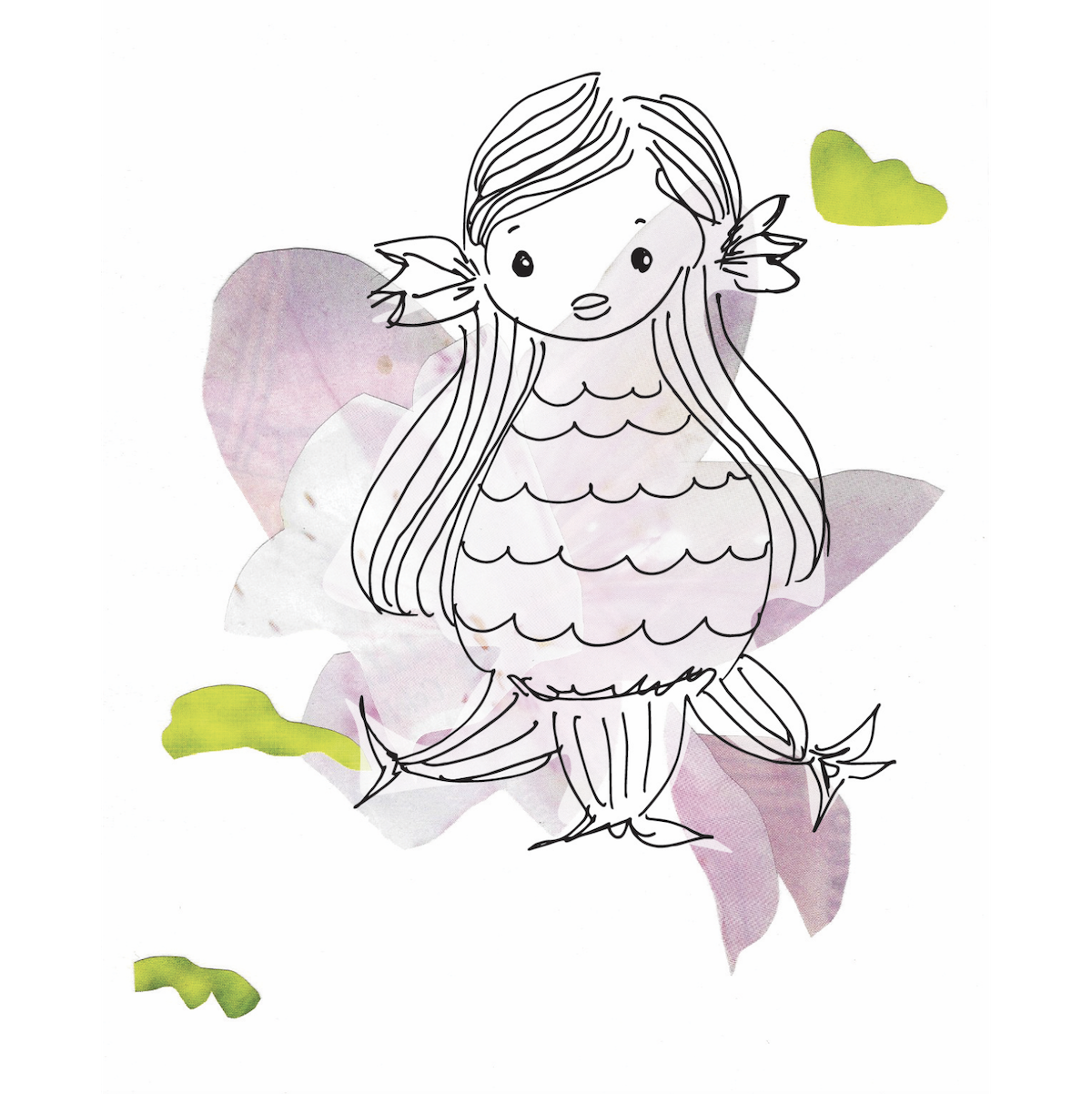
Tiffany Chen and Allison Press (San Francisco, CA and Pittsboro, NC respectively)
Tiffany loves to draw. Allison loves to collage. They combined their favorite artistic flavors into a yummy swirl. Allison collaged a flowery nest, then Tiffany drew an Amabie newly hatched into the scene.
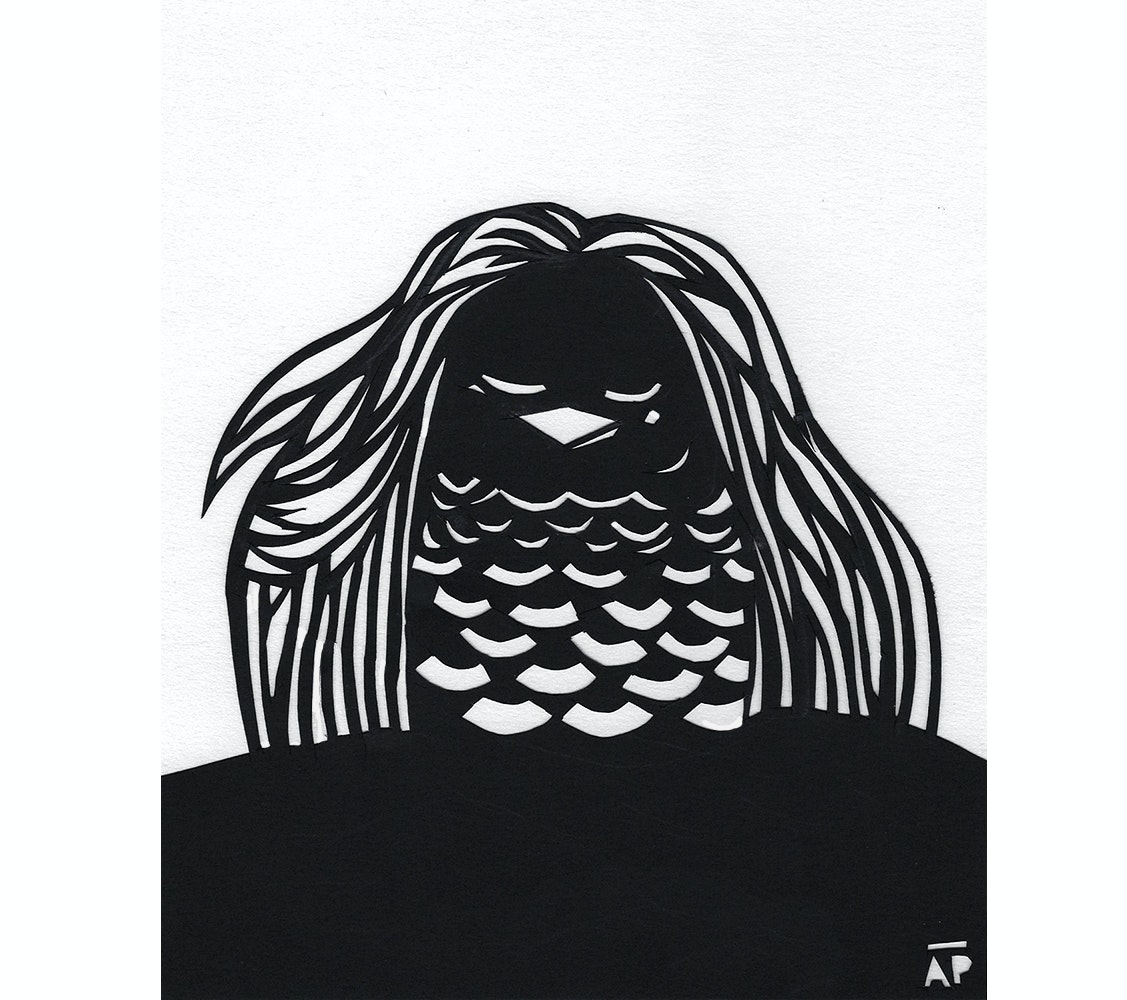
Allison Press (Pittsboro, NC) is a former theater kid pursuing design-powered public service.
"I was inspired by Kirie, the Japanese art of papercutting. I love paper cut art because of its mystery. It creates a scene using only light and shadow. A viewer’s imagination fills in the rest. It felt like a ripe medium to depict a mythical, centuries-old creature like Amabie."

AJ Mapes (Oakland, CA) is a designer in IDEO's learning studio.
"I'm interested in exploring contrasts, so for my interpretation I wanted to see what Amabie might look like if drawn with clean geometry and organic textures."

Mark Dingo Francisco (Tokyo, Japan) is a visual communication designer at IDEO Tokyo. With a background in illustration, graphic design, branding and identity, Dingo aims to provide clear, effective, and emotive storytelling.
"My interpretation of Amabie aims to convey the surrealness of the COVID-19 situation along with the phenomenon of drawing Amabie’s portrait as a ripple effect, while maintaining an aquatic vibe to harken back to its yokai roots."
In the fight against COVID-19, a sea spirit monster called Amabie (Ah-mah-bee-yay) has emerged from 19th-century Japanese folklore as a symbol of hope, a public health mascot, and an internet meme. According to legend, Amabie appeared to a government official in 1846, predicting six years of good harvests followed by a wave of diseases. In order to stave off disease, Amabie left instructions that people should draw its image and share it far and wide. The creature's common features include a beak, long hair, and fin-like legs. The rest is up to the artist.
5 Leaders Reflect on How the Pandemic Has Reshaped Their Thinking
Do perspectives from the past hold true in the current climate?
The goal of the Journal has always been to celebrate the powerful combination of design thinking and business acumen, and the resulting magic and positive impact of applying this duo to the world’s gnarliest problems. Nearly one year later, as we face what some are calling the biggest challenge of our time, this objective remains the same. In this spirit, we revisited five Journal stories from the past year, and asked the authors to reconsider their perspectives in light of the COVID-19 crisis: Has your opinion shifted? If so, how?
For some authors, much of their original thinking is now more relevant and valuable than ever. And for others, this question sparked new ideas and rich insights about design-led business that can help leaders face this moment with resilience, courage, and creativity. Here are their thoughts on what their original ideas mean in the context of the present moment.
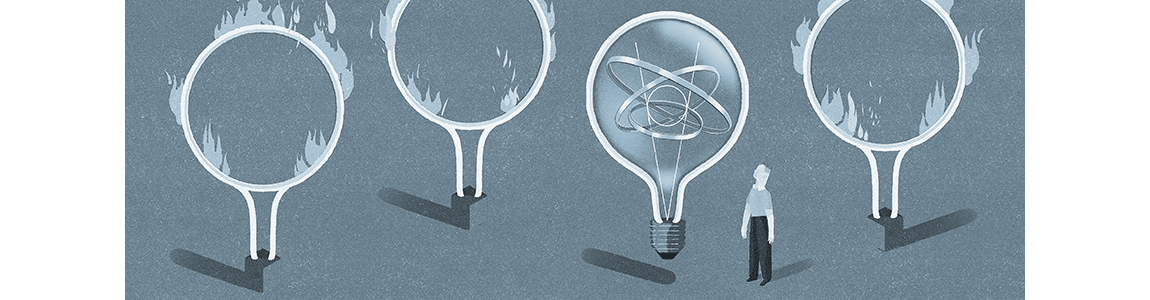
Don’t Throw Away Your Innovation Budget
In July 2019, IDEO Senior Portfolio Director Joe Brown shared the three most common traps companies fall into when investing in new innovation projects.
“It seems like everyone I talk to is looking to cut back on non-essential spending and nonsense innovation. It’s slash and burn time in budget town. It can feel scary to decide which innovation projects are most vital to keep or to kill.
Since the COVID-19 crisis started, I keep turning to the Outcome framework in this Journal article to help leaders decide which bets are important to keep right now. If you have to cut your spending, which efforts can you afford to cut? It can also be scary to feel like your work is falling under the knife. So, I’ve been turning to the Metrics framework to help teams threatened by cuts demonstrate the value of their projects—even if those projects haven’t yet generated profits. If you’re looking to strategically re-evaluate your innovation portfolio, this piece is worth another look.”
Joe Brown's recommendation for further reading: Roaring Out of Recession, Harvard Business Review

The Three Qualities Leaders Need in an Uncertain Future
Suzanne Gibbs Howard, IDEO Partner and IDEO U Dean and Founder, challenged the commonly-held belief that leaders must always have the right answer and that this high level of certainty is what leads to success.
“When I wrote this article last year, though I was thinking deeply about navigating uncertainty, I had no idea that by March 2020, I would be experiencing it directly and wondering how to lead through this crisis.
Many of the principles in this article hold up in answer to 2020’s big questions: What are the things I need to hold to in order to navigate uncertainty? How can I continue to convene people even when we can only do this remotely? How can I stay curious, even when I am exhausted from homeschooling and taking care of parents and other friends in need? And how can I retain fierce optimism in a time of crisis at home, at work, and across the globe?
This is a time for leaders to rework their pact with society. If I could add an additional quality to this article, it would be boldness. Today I’m wondering this: How do we rebuild our world post-COVID differently from the way we approached rebuilding in the wake of 9/11 and the 2008 recession? How do we go beyond small tweaks to the systems, and instead set up a more resilient, inclusive, and sustainable future? How do we not only survive uncertainty, but thrive? We must be bold.”
Suzanne Gibbs Howard's recommendation for further reading: COVID-19 Is a Chance for Business Leaders to Rework Their Pact With Society, Politico
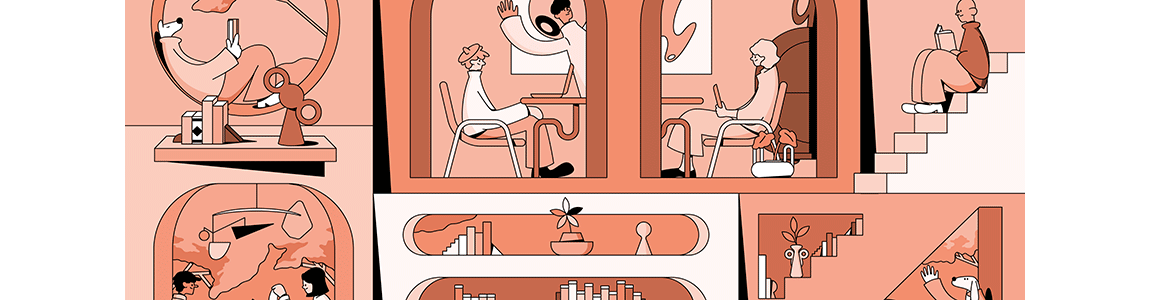
The Learning Program That Aims to Make Cities More Economically Resilient
In this piece, former IDEO Senior Portfolio Director Sarah Zaner and Rick Wartzman, Head of the Drucker Institute’s KH Moon Center for a Functioning Society, reflected on how they helped instill a culture of lifelong learning in South Bend, Indiana.
“With over 30 million people newly unemployed in the US, the need to reskill much of the nation’s workforce has reached a level of urgency not seen since the Great Depression. It’s tempting to meet the problem with technology that promises to scale massively and quickly. But before we design big, tech-centered solutions, we must remember that behind the statistics are struggling people. The challenge we’re facing as a society goes beyond the need to reskill millions. We also need to forge the resilience and unlock the agency needed for individuals and communities to create and take part in a hopeful future.
This Journal piece describes how The Drucker Institute, IDEO, the city of South Bend, Indiana, and the St. Joseph County Public Library created a system for lifelong learning. The goal of Bendable was always to help South Bend be more resilient in the face of a changing economy. And then, scale that model in a hyper-local way across the US. Now, in light of the COVID-19 crisis, it’s more important than ever that we collaborate across sectors and with communities to create cities of lifelong learning.”
Sarah Zaner's recommendation for further reading: COVID-19: A Time of Immense Uncertainty, Working Nation
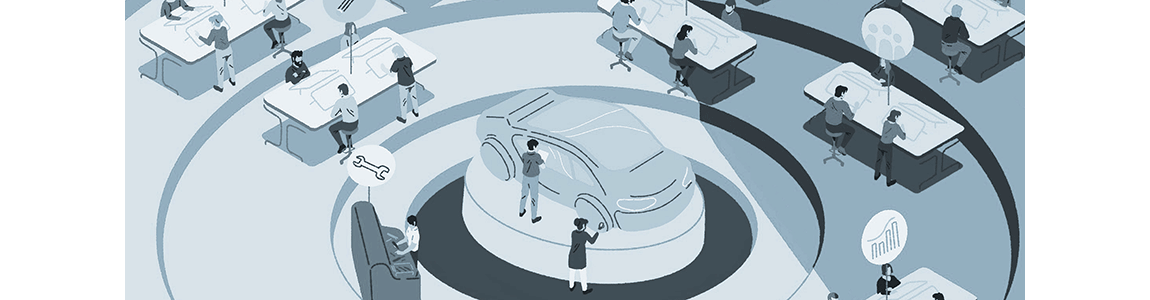
How Design is Driving Ford to Reimagine What a Car Company Can Be
In December 2019, IDEO Partner and Chief Operating Officer Iain Roberts discussed how design thinking is permeating Ford, transforming the century-old automaker’s corporate and cultural DNA.
“Earlier this year, I wrote about how design is changing the way Ford develops their vehicles for the better. In the present moment, the power and potential of this design movement could not be more apparent within Ford, or more relevant for other organizations.
Design thinking principles like human-centeredness, agility, and a bias toward building have helped Ford quickly pivot in response to the pandemic, creating medical equipment that meets the needs of those working tirelessly for us on the front-lines. Amongst many impressive efforts, one stands out for me: D.Ford employees designed a protective face shield in the span of a weekend, and now Ford has produced nearly 20 million units to meet the demand for personal protective equipment (PPE).
While design has been core to improving Ford’s fundamental business and ability to create new vehicles and products, CEO Jim Hackett and I are also seeing it play out in unexpected ways and spread to other parts of the business. Human resources, legal, and manufacturing teams are closely collaborating and focusing on people as they approach challenging questions like, “How can we reopen our factories in a way that ensures our workers are protected and safe?”
For Ford, it’s not just about producing cars or medical equipment—it’s about people, their safety, and their needs. The way that Ford has responded to the crisis not only proves that human-centered design is there to stick, but points to its ability to support and guide companies through ever-changing circumstances.”
Iain Roberts' recommendation for further reading: Ford’s Swift Pivot to PPE Showcases the Automaker’s Competitive Edge in Design, Fortune

Prototype the Future of Your Business With This 4-Step Design Exercise
Joe Gerber, Managing Director of IDEO CoLab, explained how design fiction can help leaders break free of present-day realities and envision a genuinely novel future for their businesses.
“I recently finished teaching Design the Future at UC Berkeley’s Haas School of Business with my IDEO colleagues Joanne Cheung and Sandeep Pahuja. The class started right as the country began to shut down, and classes at Berkeley were either cancelled or shifted online.
That was about three months ago, which simultaneously feels like a lifetime ago and yesterday. This is still a time of tremendous uncertainty, but one thing has become quite clear: getting back to “normal” is not possible, because the fundamentals have changed. By staying home, we’ve been forced to see things that we can’t unsee: Many of us don’t need to work in an office, our health system is broken, and much more.
Very real disruptions aside, this was the perfect time to teach Design the Future online. Design fiction and other futuring techniques are created for these moments of uncertainty. They often come across as fantastical and unrealistic, but if used correctly, they offer a rigorous strategic framework for leaders to proactively build toward preferred futures.
By definition, strategy is about making choices to guide the future. As we continue to venture into the fog, we can all think like futurists. Design fiction creates space for imagining the unimaginable, but can also anchor us in the choices we have in the present to rebuild the future.”
Joe Gerber's recommendation for further reading: Nassim Taleb: A Definition of Antifragile and Its Implications, Farnam Street
Header illustration by Devin Peek
In May 2019, we launched The IDEO Journal, a digital publication that shares stories at the intersection of business and design. For the past year, in partnership with readers and IDEO leaders, teams, and clients, we’ve explored topics like social innovation, creative leadership, organizational purpose, scaling startups, and much more.

Lindsey Turner
I’m passionate about building brands, products, and experiences that help organizations show up with meaning and momentum.
I help organizations cut through complexity by shaping how they show up, through brand strategy, identity, and storytelling.
Working at the intersection of brand and business, I bring an editorial eye and a bias toward making—turning ideas into tangible experiences that people can understand, trust, and believe in.
My work spans government, healthcare, financial services, media, and consumer goods, from launching Gen Z-focused ventures to building innovation labs and reimagining legacy brands. I relish moments of ambiguity and enjoy translating across teams, perspectives, and priorities to move ideas forward.
I started my career in editorial and digital design, shaping cross-platform experiences and identity systems in publishing and agency environments. That foundation still shapes how I work today: I’m detail-oriented, collaborative, and overreliant on the Oxford comma. I hold a BFA in Visual Communication from the School of the Art Institute of Chicago.

Rachel Young
My work helps organizations see who their products aren't working for—and build the will and the tools to do something about it
For 25 years, I've asked the same question: Who does this design exclude—and what are we going to do about it?
My work spans human-centered strategy, inclusive design, and qualitative research, with clients ranging from Microsoft, Google, and Verizon to the National Science Foundation, and San Francisco Unified School District.
Before IDEO, I taught elementary school in East Palo Alto and spent a decade doing design work with social service organizations—where I learned firsthand what it costs people when systems are built without them in mind.
I am currently writing User Error, a nonfiction book about digital access and the design decisions behind it. I live in Oakland, California.

Brian Pelsoh
I lead with craft, ensuring our work is creatively excellent: rooted in deep human insight and imagination, while also grounded in the realities of business and technology.
My expertise spans brand, communication, and product design across tech, education, the arts, and social impact.
I believe great work demands both high-level vision and obsessive attention to detail, and only happens through collaboration.
I bring an inclusive, hands-on approach and a deep understanding of business, which enables me to consistently deliver excellence while always asking why.
Before joining IDEO, I worked at the brand firms Pentagram and VSA Partners. I began my career as a designer, leading teams at the School of the Art Institute of Chicago and the Milwaukee Art Museum. I hold an MFA in graphic design from Maryland Institute College of Art and a BFA in communication design from the Milwaukee Institute of Art & Design, and have taught at some of the best design schools in the US.

Tony Wong
I am responsible for IDEO’s long-term success in China and working with clients to use design as a tool to enable growth.
I am responsible for IDEO’s long-term success in China and working with clients to use design as a tool to enable growth. Specifically, I have helped Chinese companies design holistic brand solutions through the development of their products, communication, services, and innovation teams, and I have helped multinationals expand their presence and influence in China.
I advise global leaders on developing China-led innovation and capabilities.
In over 15 years in IDEO Shanghai, I have worked on projects that use design to elevate the quality of the experience of healthcare products and services, streamline processes that increase productivity, create spaces and programs that promote and enable inclusive communities, and build next generation mobility solutions that are planet-positive.
Before joining IDEO, I worked at Philips Electronics and the Electrolux Group in Italy, the Netherlands, and Singapore on a number of breakthrough commercial products. I am a member of the Young President Organization in Shanghai.

Building a personal AI for the messiness of life: Sida Li
Most AI products today are built for work—a space with clear problems and established systems. One founder noticed a gap: personal life is messier, harder to systematize, and mostly left behind by the AI boom. So she built Cue, a personal AI that lives inside iMessage and group chats, to go where the other tools haven't.
In this episode, Becca Carroll, IDEO's Chief Strategy Officer, talks with Sida Li, co-founder and CEO of Shared Context Lab, about staying anchored to a human need while the technology around her keeps changing shape, why she treats her business model with the same rigor she'd bring to a product, and what it feels like to build a company at this particular, disorienting moment in AI.
The conversation also gets into how Sida makes design decisions: the language Cue uses to describe itself, the tradeoffs behind building inside iMessage instead of a new app, and a real story about a business idea that didn’t pan out.
This is the second in a two-part series profiling founders from IDEO's Startups-in-Residence program. The first conversation is with Johannes Seemann, founder of Sooner, on designing GenAI for the emotional side of money.

Designing GenAI for the emotional side of money: Johannes Seemann
Most personal financial tools are built to run the numbers and optimize towards a budget. While that works for some, most people experience money as a lived relationship that does not neatly fit into a spreadsheet. Johannes Seemann and Becca Carroll discuss why money is emotional before it is mathematical, and what a human-centered approach to building a generative AI financial product looks like in practice.

The curious leader's edge in uncertainty: Scott Shigeoka
Mina Seetharaman talks with Scott Shigeoka, author of Seek and Head of Curiosity Cultivation at the Eames Institute, about what distinguishes genuinely curious leadership from performative curiosity, how power dynamics shape curiosity, and why practicing curiosity can restore energy rather than drain it.

How constraints make us more creative: David Epstein
Mina Seetharaman talks with David Epstein, author of Inside the Box and Range, about why total freedom often produces average work, how leaders can design useful limits on purpose, and what organizations such as General Magic and Pixar reveal about the relationship between boundaries and creativity.
Looks like you might be in search of something very specific?
Or reset the filters above and try another angle.
Here’s some random inspiration

Podcasts about creative leadership

Articles about the power of prototyping
