


Home / Design services / Case studies
Planes, supply chains, and automobiles
Vice President of Global EV Programs, Ford Motor Company
Featured work


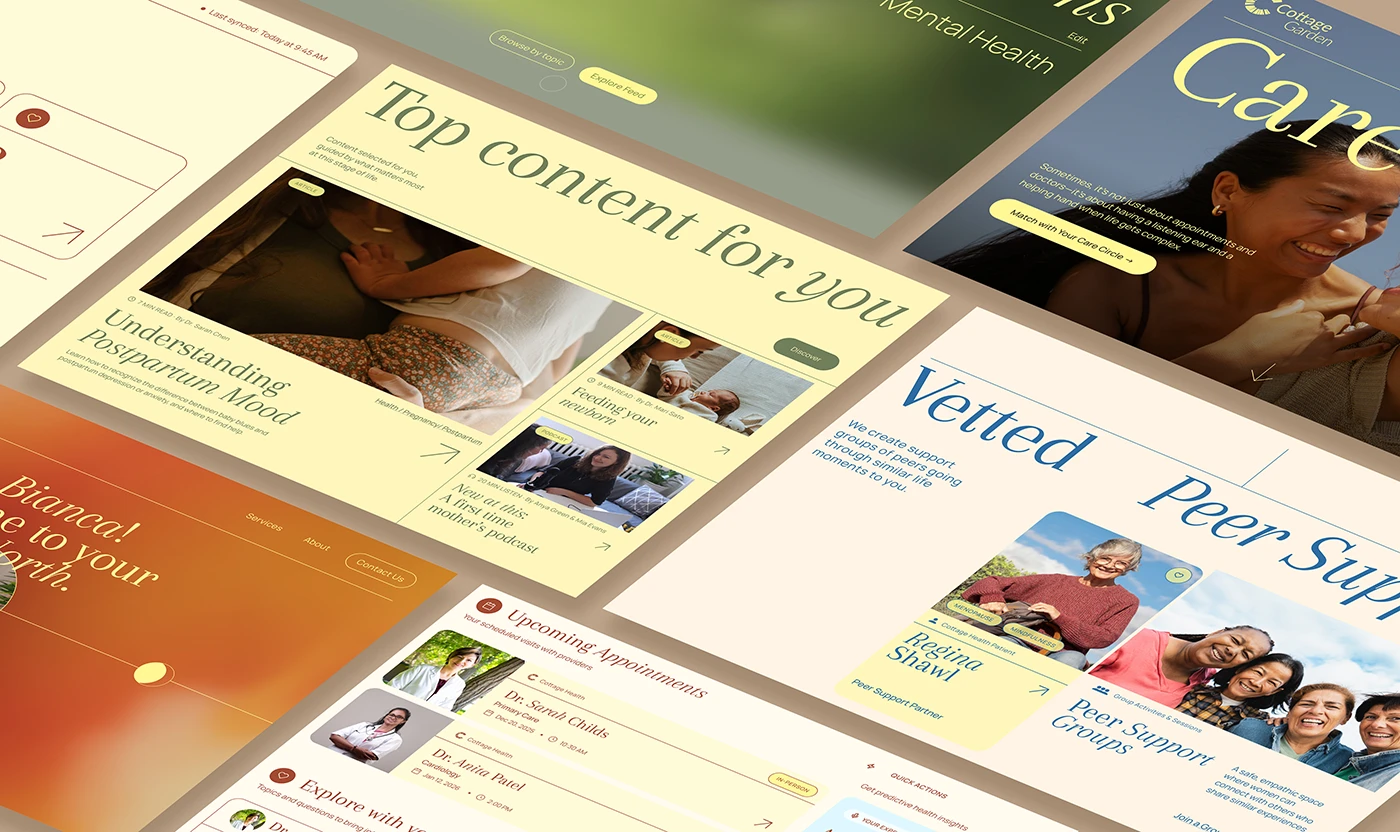


Designing a global plan for disaster response
Creating a network that connects veterans across continents.
Team Rubicon, formed in 2010 as a response to the devastating earthquake in Haiti, is made up of former military veterans who swoop into help in times of disaster. The organization started with six vets in the US who were eager to transfer their battlefield readiness in to frontline relief efforts, and has grown to more than 28,000 volunteers across the world.
To explore its growing global effort and to shape the future of the organization’s venture, Team Rubicon approached IDEO for help. After an 11-week collaboration with government, military, and veteran groups, a vision for Team Rubicon Global emerged. Inspired by sources as diverse as TED and The Hell’s Angels, the three-tier model consisted of an anchor network to share best practices across the organization and two supporting platforms designed to help countries with varying capacity and needs.
Team Rubicon Global coordinated its first deployment in April 2015, when a quake struck Nepal, sending US and UK teams to double down on the rescue effort. According to Vince Moffit, Team Rubicon USA Incident Commander, that incident alone validated the network effect of IDEO’s work. “We couldn’t have done this without Team Rubicon UK,” he said.
And for the veterans who are part of Team Rubicon, the shared desire to serve—applying skills ideally suited for disaster response—creates a renewed sense of purpose, community, and leadership that helps reintegration to civilian life.
Designing new products based on cultural beliefs
Helping a Chinese manufacturer become a part of healthy living.
Midea, one of China’s largest appliance manufacturers, wanted to identify growth opportunities in the domestic consumer market, while focusing on people’s cultural beliefs around health and well-being. During the course of the project, IDEO found that Midea could play a key role in building a healthier nation.
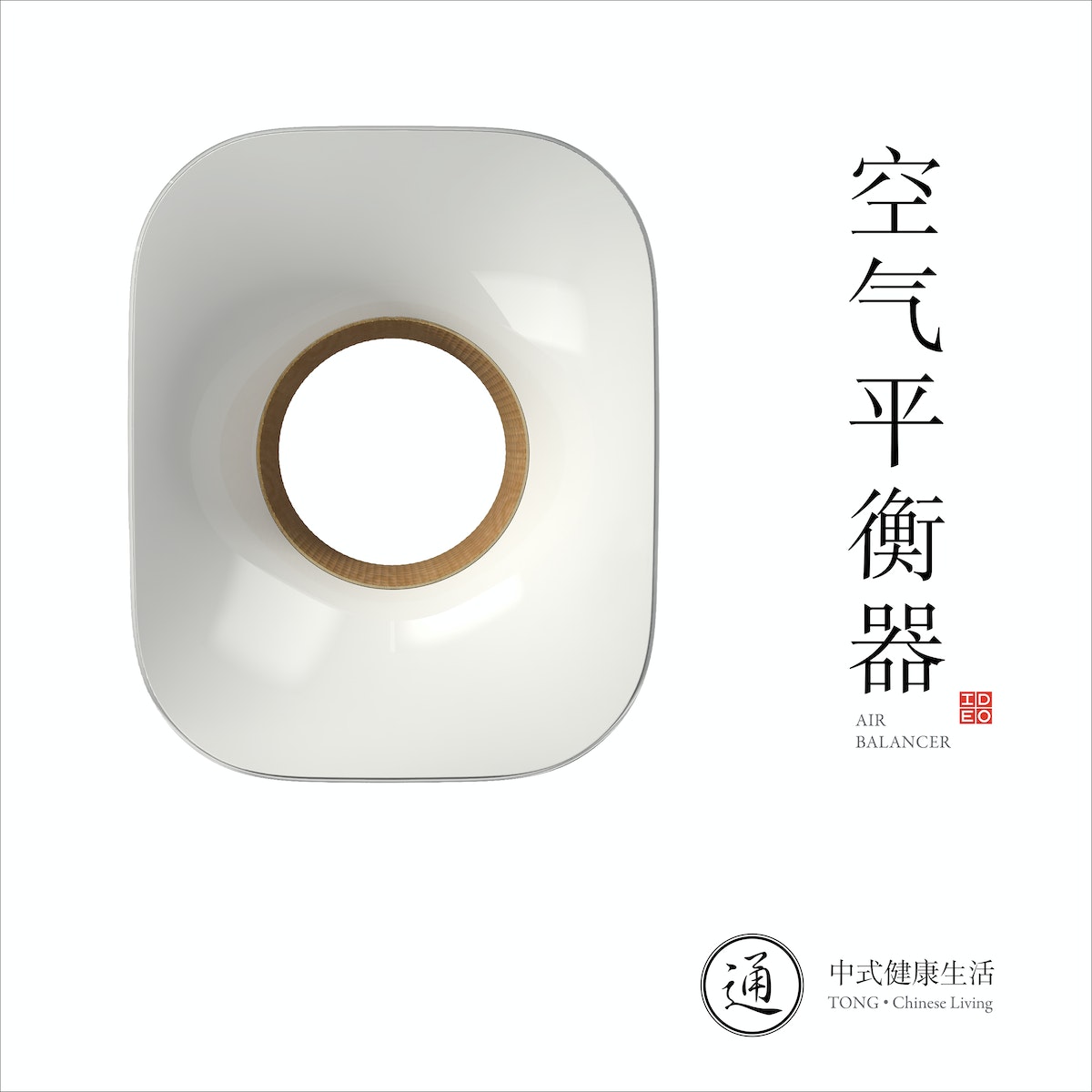
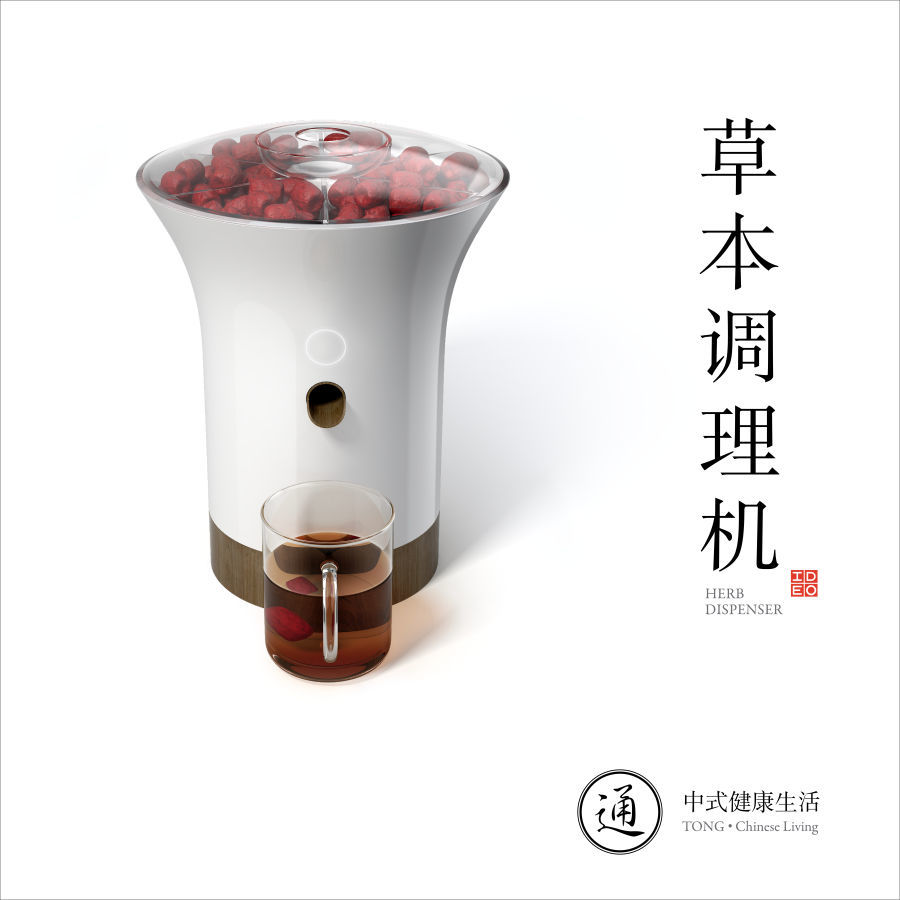
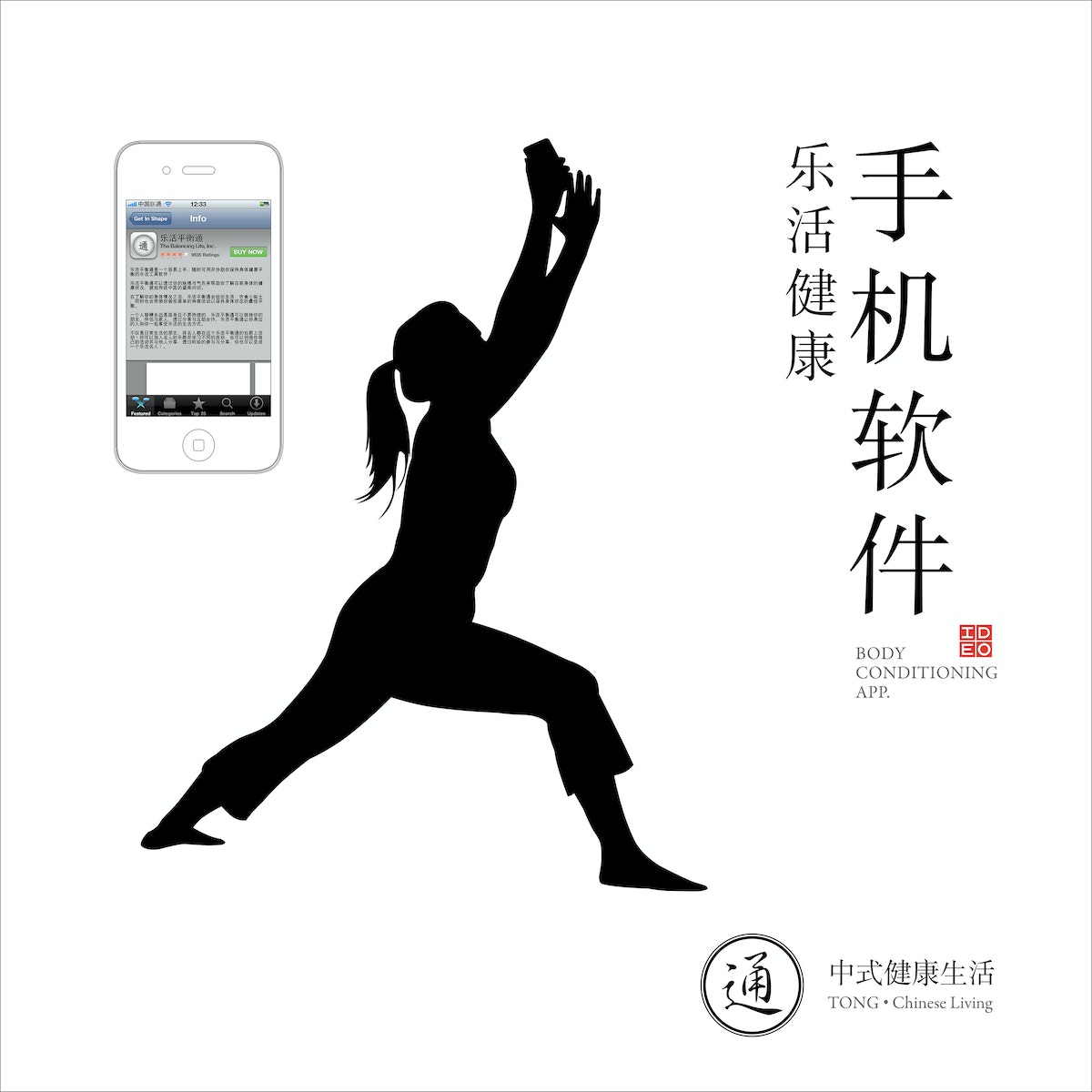
The team set out to design potential future products for Tong (“through, whole, and to understand”) that are built around the basic themes of eating, breathing, and being: an easy-to-use, hassle-free herbal tea dispenser, an air balancer that improves and balances the quality of air in the home, and a body-balancing mobile phone app that encourages users to rebalance their body condition where needed, through movements created with the Chinese philosophies of well-being in mind.
The Tong project was featured extensively in the press, and opened further conversations with Midea about creating new value and extending into new markets.
Customer-friendly utility bills
Improving how low-income customers manage their bills.
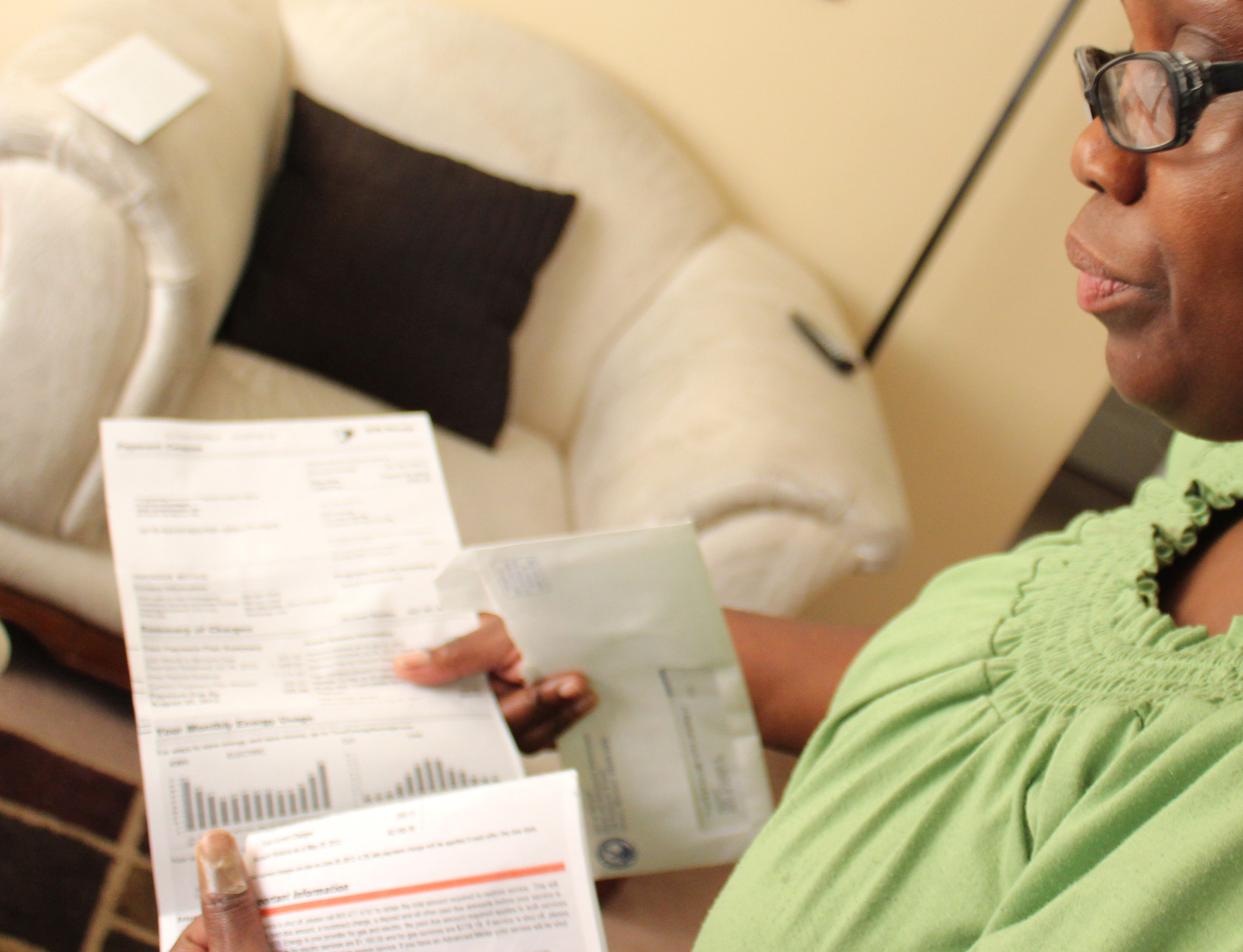
Put food on the table or keep the furnace running on a frigid day? It’s an unfortunate choice many low-income families in Flint, Michigan, face.
To help customers in Flint and other Michigan towns stay on top of their utility bills and better understand the relationship between their energy consumption and the resulting costs, Consumers Energy partnered with IDEO and utility assistance provider The Heat and Warmth Fund (THAW) to create an innovative pilot billing program called Clear Control in late 2013.
The pilot was designed with three major human-centered changes to the traditional utility experience:
- Instead of monthly bills, participants received two bills per month. Shorter billing periods allowed for smaller, more frequent payments, helping customers match available funds with their ability to pay.
- Daily text updates on energy usage and bill amounts kept consumption top of mind.
- Consumers Energy offered personalized, in-home audits to help customers make low-cost, high-impact changes to their energy bills.
A year later, the results of the pilot are energizing. Clear Control participants accumulated no new debt, while the control group owed $300; pilot customers used 20 percent less electricity, reducing their bills by $200 per year; and 95 percent of participants paid their bills in full and on time, compared with 35 percent in the control group. The utility company simultaneously benefited by avoiding arrearages, late-payment fees, and shutoffs. Consumers plans to incorporate Clear Control lessons into its overall energy assistance program design and development moving forward.
"It’s no longer ‘me’ against ‘them’—now it’s ‘us,’" said one Clear Control participant.
Creating the first usable mouse
IDEO designs the original mouse for Apple.
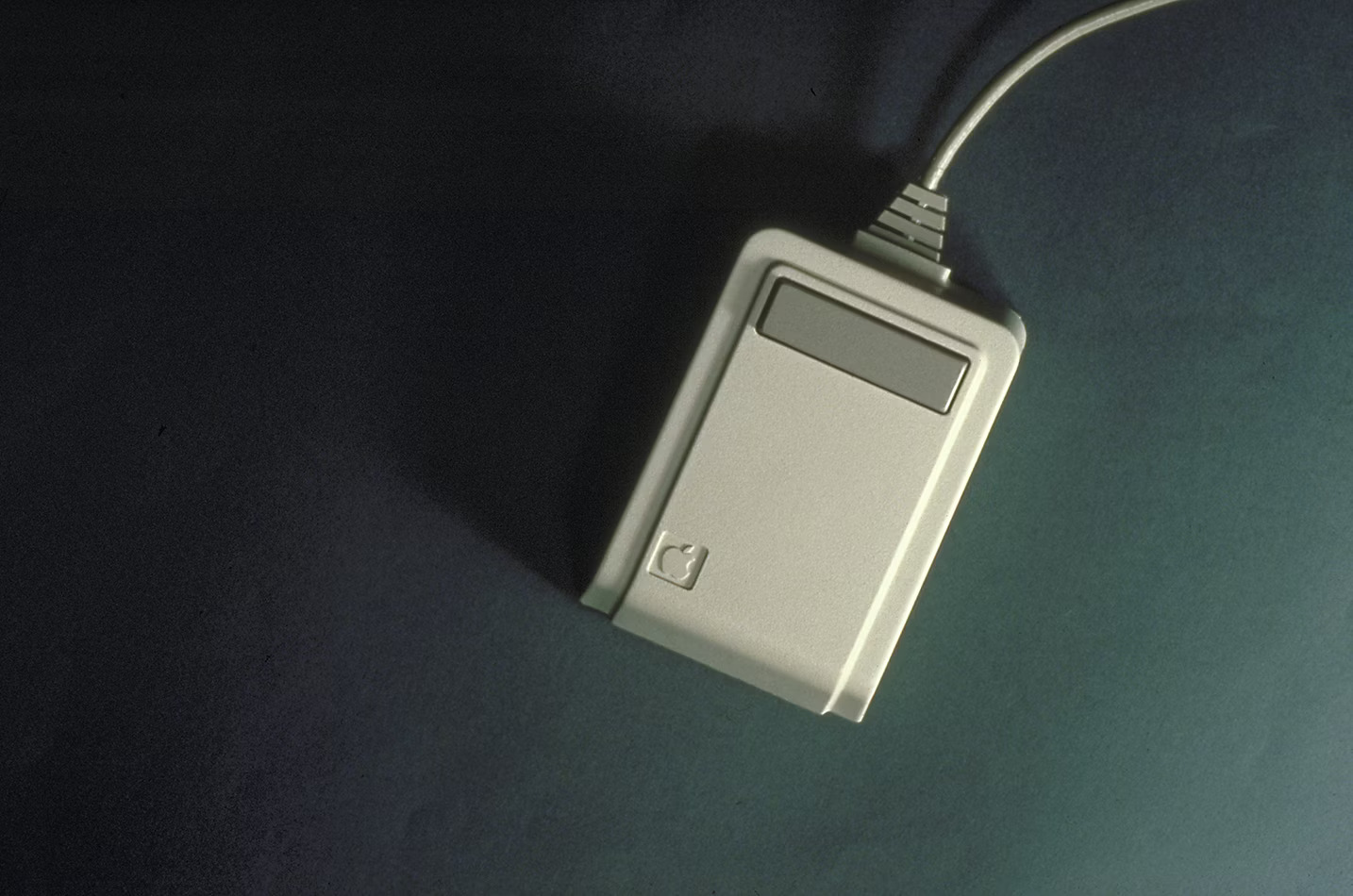
In 1980, Apple asked IDEO to develop a mouse for their radical new computer, the Lisa. Previous attempts at mouse design, by Douglas Englebart and Xerox PARC, yielded results that were too expensive and hard to make. The Apple mouse needed to be more reliable and less than 10 percent of the cost of the earlier versions.
To start, the design team created a cheaper, much-improved mechanism that would operate the mouse, and found that a complex, plastic "ribcage" would hold the pieces together. The team similarly tested and refined the mouse’s other key components, from the audible and tactile click of the button to the rubberized coating on the ball. A record turntable spun for days, logging “mouse miles” to check the reliability of the electromechanical assembly.
The resulting mouse proved mechanically and economically sound and was changed only slightly when adapted for use with the first Macintosh computer. The basic mechanism design is used in virtually all mechanical mouses produced to date.
Building a new venture to restore trust in China’s food system
Launching a new restaurant and retail venture that connects food from seed to table.
Food is the heart of most cultures. In China, one of the oldest cultures in the world, food is central to family gatherings and celebrations. It’s what binds people, a tangible way of showing love and respect. But in recent years, the Chinese food industry has suffered from concerns around safety.
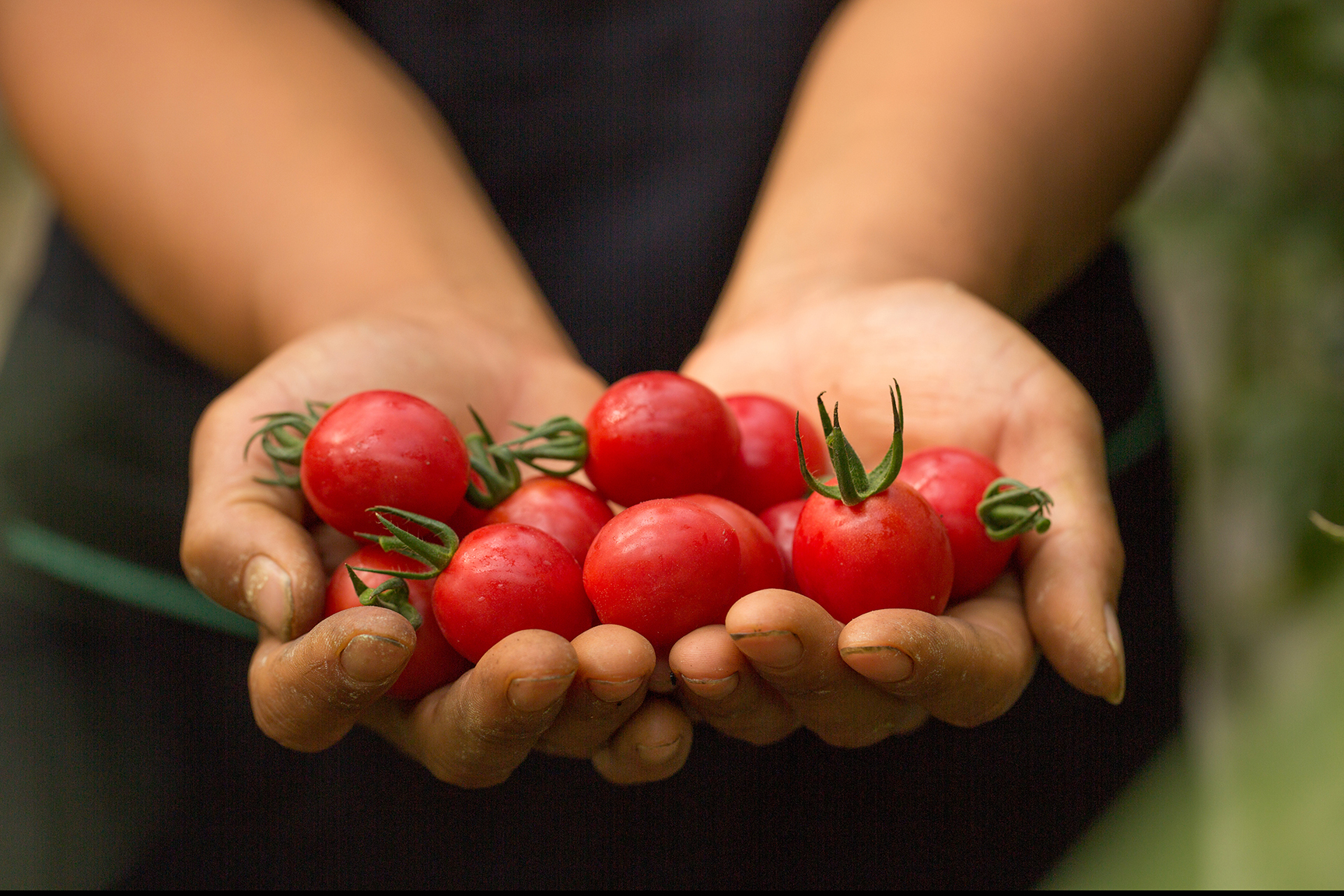
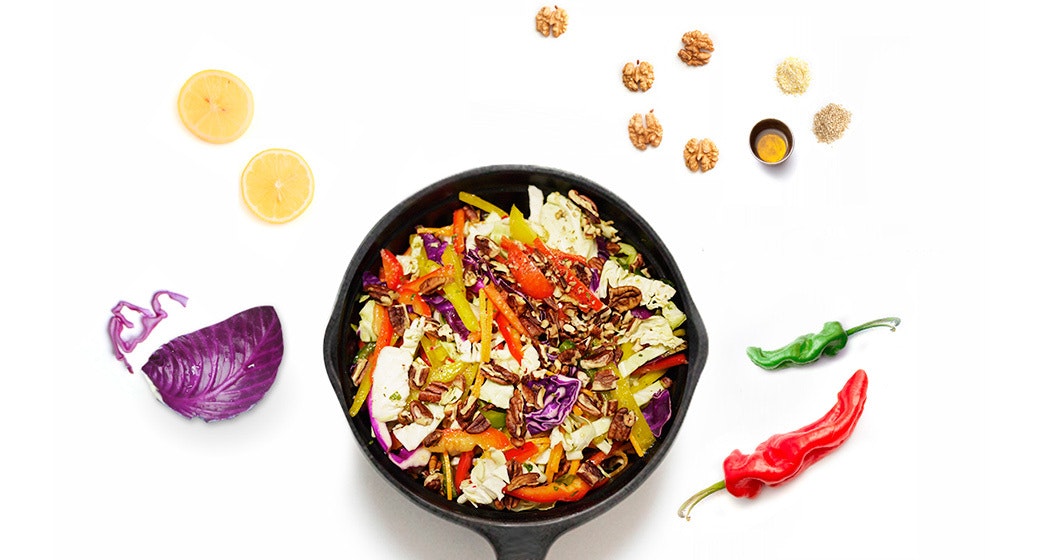
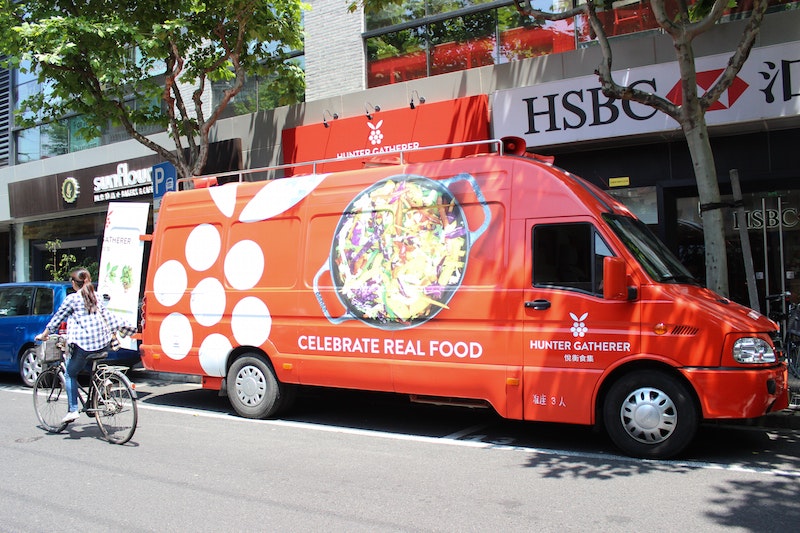
Two siblings, Harn and Anmao Sun, set out on an ambitious venture: to create a trusted source of food in China and, by setting an example, to instigate a movement around conscious farming practices. The American-born entrepreneurs launched Hunter Gatherer, a restaurant and retail food space built around a transparent supply chain, from farm to table to grocery shelves. The venture is based on growing and serving what they call real food: The ingredients are chemical-free and come from known and trusted sources—food they’d eat themselves. The purpose of the venture is simple: to serve people real food that is their right.
Having studied and worked in the US, Harn and Anmao grew accustomed to browsing farmers markets on Saturday mornings or picking up a burrito at Chipotle. But when they returned to China, they were unsure about the safety of the food they were eating.
“In China, you wouldn’t go to a food stand, because you’d be concerned about the ingredients,” Anmao said. “You can’t take the safety for granted.”
Hunter Gatherer’s very existence challenges bedrock assumptions about how food is produced in China. A long and depressing list of scandals—milk contaminated with melamine, pork produced from diseased pigs, used cooking oil repackaged and sold as new—has rocked the public trust.
“In China, agriculture is going through a huge change,” Anmao said. “In the US, agriculture operations are regulated. Farmers’ practices are regulated. If they use pesticides, there are limits because these farmers understand that once a certain threshold is hit, additional pesticides will not yield more crops. But in China, pesticide use came about 30 years after the US and Europe, and because of a lack of full understanding, farmers in China incorrectly operate under the assumption that more pesticides means more crop yields. Also, with over 250 million farmers in China, it becomes immensely difficult to properly regulate everyone.”
New Ventures
Harn and Anmao wanted to restore trust in the simple act of eating in China, and they came to IDEO to build a scalable business based on that vision. This was essentially a startup, a shared commitment between IDEO and Hunter Gatherer.
“I’ve lived in Shanghai for the past seven years, and as a relatively active and health-conscious person, I’ve had to invest quite a bit of time in finding food that I trust,” said Charles Hayes, managing director of IDEO Shanghai. “That investment has been both in the time it takes to research the sources of ingredients but also a literal investment in paying a high price for imported food just for that extra peace of mind.”
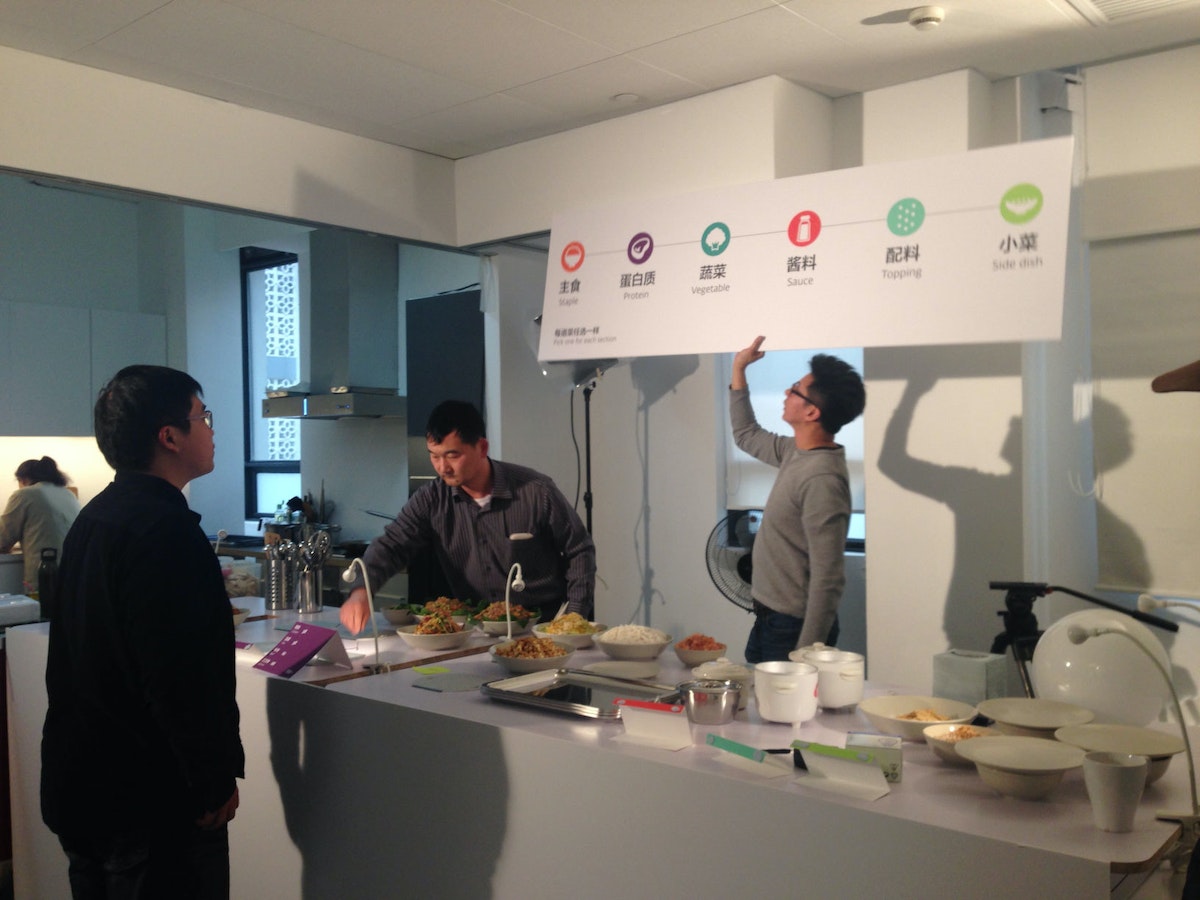
Anmao and Harn took up residence in the IDEO Shanghai offices to incubate their business. Together with IDEO designers, they tested packaging, cooked countless meals, and found ways to introduce unfamiliar ingredients to Chinese consumers. They discussed different concepts of lunch and dinner, and how notions of freshness in Chinese culture might affect cold-storage systems. In IDEO’s prototyping kitchen, the teams tested all manner of different foods, flavors, colors, mixes, and price points, and they brought consumers in to try them out. IDEO designers, along with the founding team, also worked on the brand and positioning of what would eventually become the Hunter Gatherer enterprise—its location, human resources, and marketing strategies.
As the restaurant concept came together, finding the right food sources had to be addressed. Traditional agriculture couldn’t be trusted; organic certifications were available on the black market, and safety protocols around chemical use were nonexistent. Anmao and Harn decided to invest in their own farms. They met with farmers, asked questions about their methods, and walked in the fields to see for themselves. Eventually they settled on two plots of land outside Shanghai and began developing more than 80 different crops to be used in the restaurant.
From Seed to Table
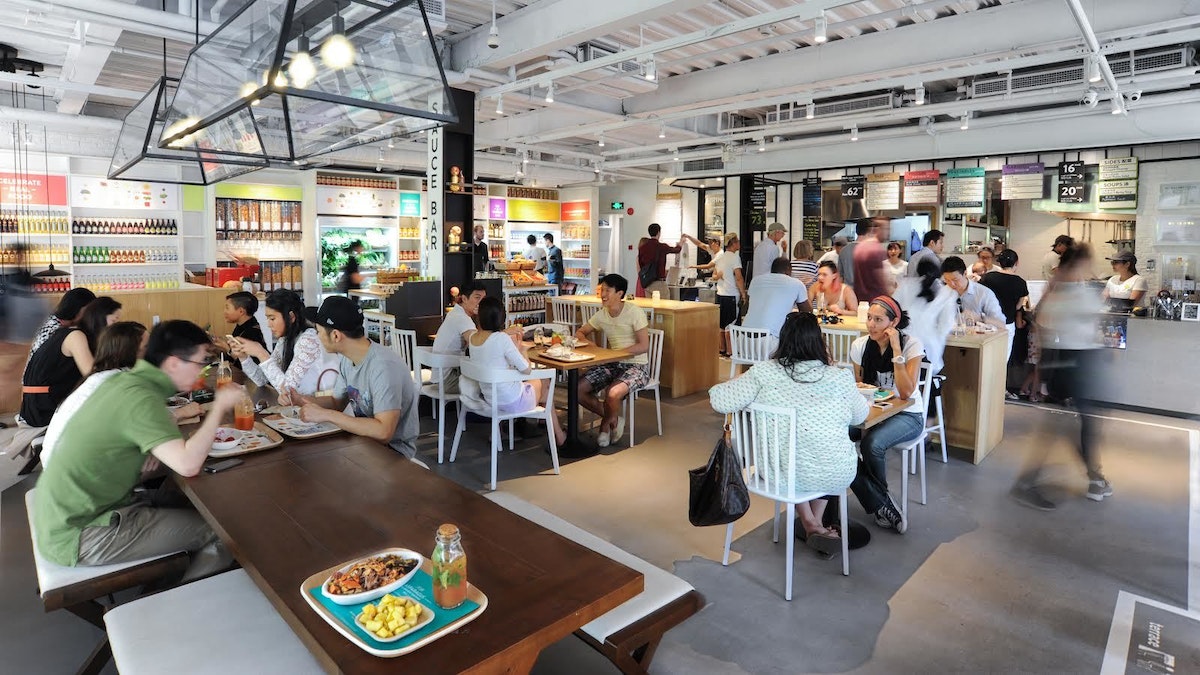
When it came time to find the right space for the first location, Anmao and Harn discovered an open, airy storefront on Anfu Road in Shanghai’s tree-lined former French Concession area. They designed and built a retail space and kitchen, and along with IDEO designers, they trained the staff and organized workflows. The staff set the tables with Mason jars filled with flowers, hung photographs of the farmers who grew the food, and put up a sign that showcases the percentage of vegetables coming directly from the Hunter Gatherer farms, already more than 70 percent in less than a year after opening.
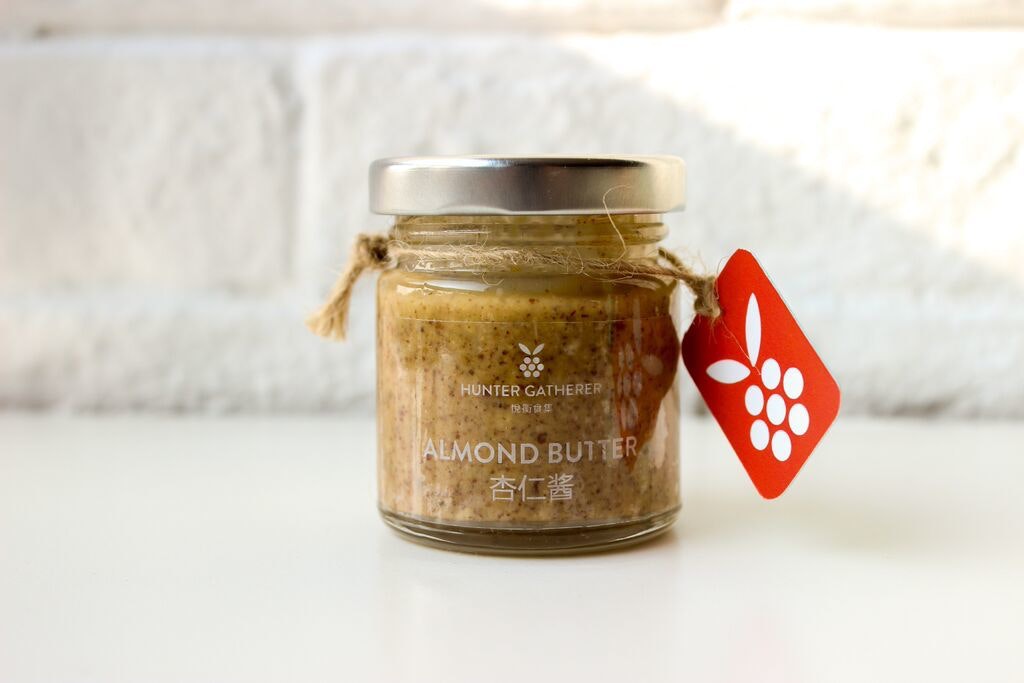
Customers can shop for fresh vegetables, locally sourced and imported canned and jarred goods, bins of cereal, freshly made smoothies, artisan sauces, and exotic chocolates. Upstairs, they can feast on delicious dishes in the homey restaurant.
Reviews have been glowing. One customer raved about the machine that grinds fresh nuts. Another loved the open space, the “good vibes,” and the refreshing cucumber water. Young people go there on dates, and families return for the delicious menu variety.
The convivial space has blossomed into more than just a restaurant and grocery store. It’s become a gathering place of sorts, both for the community and for partners who share the same vision. Farmers and food purveyors are invited to showcase their products at seasonal events and to mingle with customers and share recipes and stories.
“Hunter Gatherer has come to symbolize a kind of lifestyle the Chinese people have been looking for,” said Eugene Lin, an IDEO business designer. “A place they can enjoy hanging out with friends, as well as a movement and mission they can stand behind.”
A Digital Future
This is just the beginning of the venture. The plan is to open 40 more locations throughout China. But the vision for Hunter Gatherer’s growth is bigger than brick-and-mortar restaurants—where the business will truly scale is in the digital space. Eventually, the plan is to launch a Hunter Gatherer online grocery store from which anyone can buy food grown from trusted sources.
“We have to create trust with the consumer. It’s the most difficult and most valuable thing to do in China, especially with food,” Anmao said. “Our brick-and-mortar locations will establish that increased trust. Then we can go online and grow the idea to the rest of the country.”
Will Hunter Gatherer have a hand in changing the way that the world’s most populous nation thinks about food? Its principles are already spreading, from neighboring farmers adopting more sustainable planting methods, to a growing market for products like wine.
But the true sign of success will be almost invisible—the moment when an increase in demand will result in safe food for everyone and when real food becomes commonplace.

Changing the way biotech innovates
Building a culture of user-centered innovation in the name of science.
Life Technologies, a global biotech company that supplies scientists with products and services, needed to grow big, from a $4 billion to a $10 billion enterprise. So it hired IDEO to help seed innovation across the company.
"When we started out, it was an R&D thing for driving innovation in new products. Now it’s not just R&D; user-centered innovation is a central part of our culture. It’s what we do throughout the organization," said Amy Cuneo, Associate Director, Customer Insights.
Over a three-year engagement, IDEO helped transform Life Technologies’ corporate culture through the introduction of User-Centered Innovation (UCI), an optimistic, experiential approach to problem-solving. Far outperforming its ambitious goal, Life Technologies is now a $13.6 billion company and uses UCI to inspire innovation throughout the 10,000-person organization.
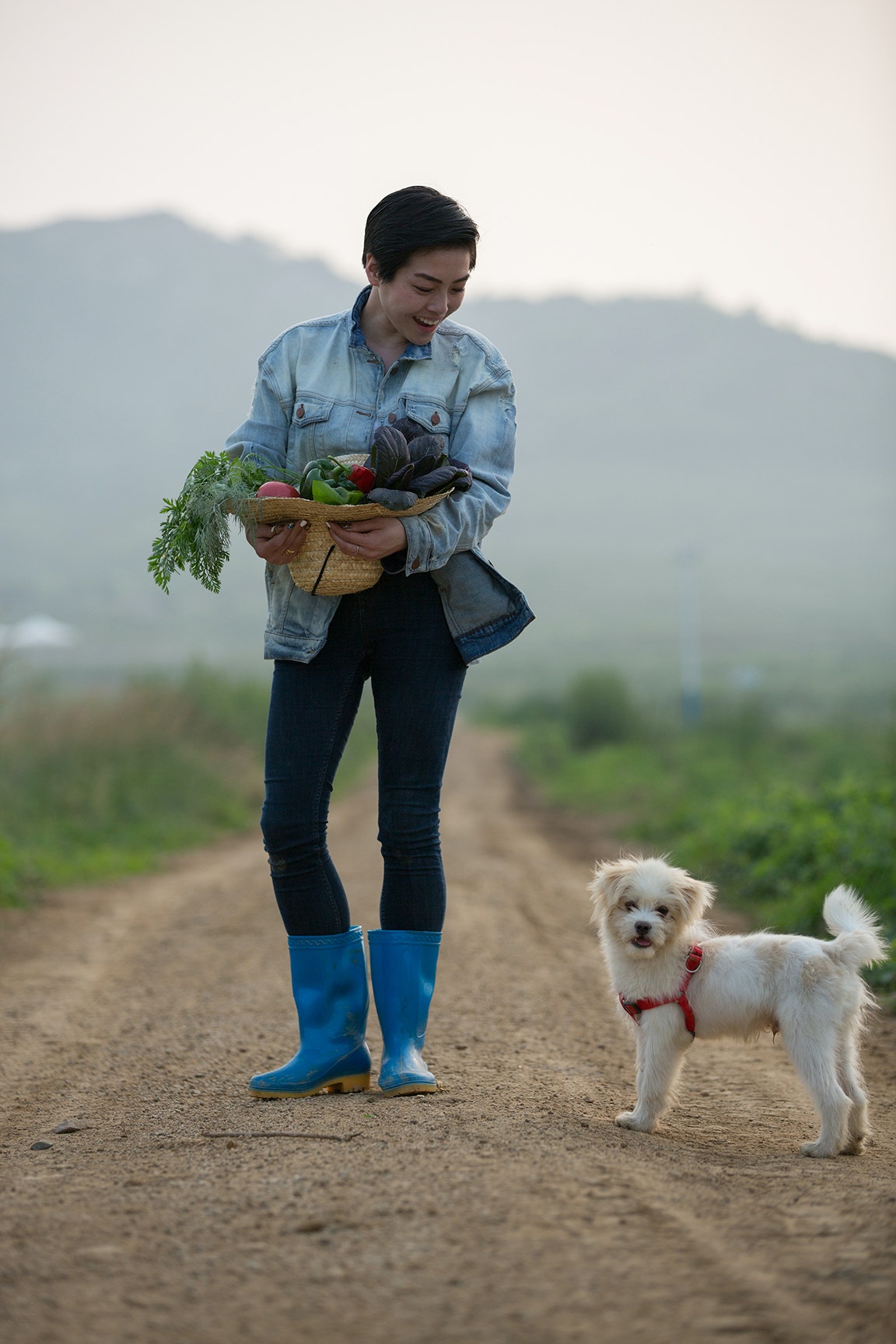
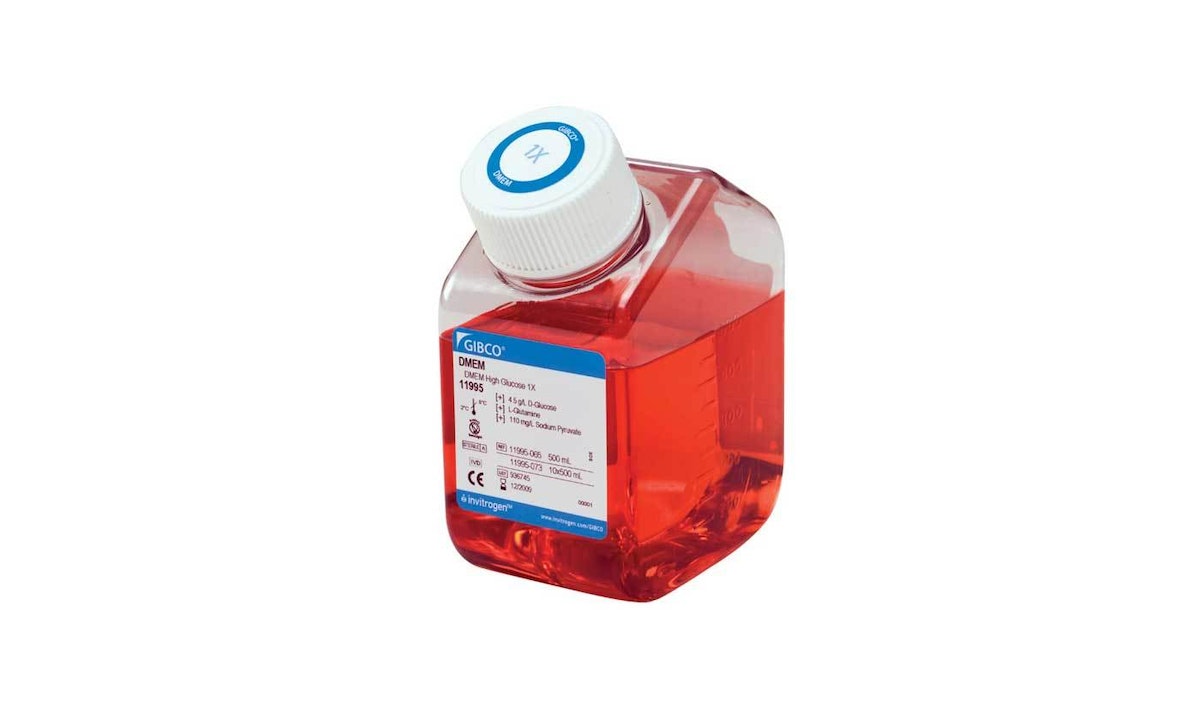
After working with Life Technologies, IDEO designers came up with three products that have gone to market, including, a new bottle that showcases superior handling and storage, easier identification, and additional room for supplements. And Life Technologies has transformed from a company that aspires to focus on customers to one that truly does.
Building a birth control support network for women
A multimedia public service campaign as a vehicle to encourage smart choices.
Unplanned pregnancies are a big problem in the US, especially among unmarried 18- to 29-year-olds. Seven in 10 pregnancies in this demographic are unplanned, a statistic that applies to women of all ethnicities and socioeconomic levels. Complicating matters are the social tension between abstinence-only and contraception-inclusive education, and the difficulty and expense associated with obtaining prescription birth control.
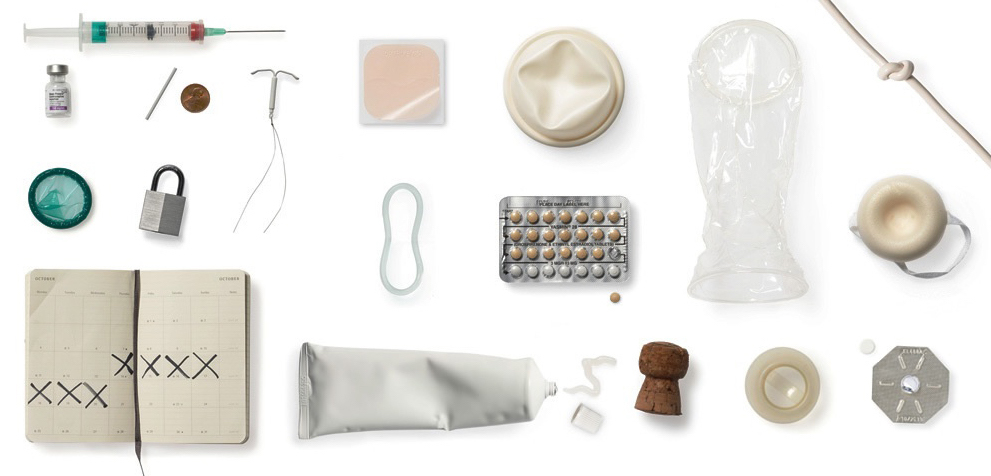
Since 2009, IDEO has worked closely with the National Campaign to Prevent Teen and Unplanned Pregnancy, a nonprofit NGO, to address this pressing social challenge. One of the first insights on the project was identifying the need for comprehensive birth control support. Designers looked at ways to transform birth control from a prescription (a piece of paper that is handed to you by a doctor) into a subscription (a program that ensures you start using birth control, use it correctly, and migrate to more effective methods).
Given the complex and potentially overwhelming subject matter, the IDEO team interviewed women in the target demographic; talked with doctors, counselors, and other experts with varying opinions about birth control; and hosted roundtable discussions. They developed several concepts and scenarios that allowed members of the National Campaign to see sex and pregnancy through the eyes of the young women they’re working to reach.
Research and prototyping efforts led to the design of Bedsider, a multi-touchpoint birth control support system with a carefully crafted sex-positive brand, which is uncommon for the healthcare industry. Bedsider focuses on five key areas (awareness, motivational drivers, digital offerings, services, and loyalty) and acts as a vehicle for behavioral change that’s flexible, with room to grow into a much larger movement.
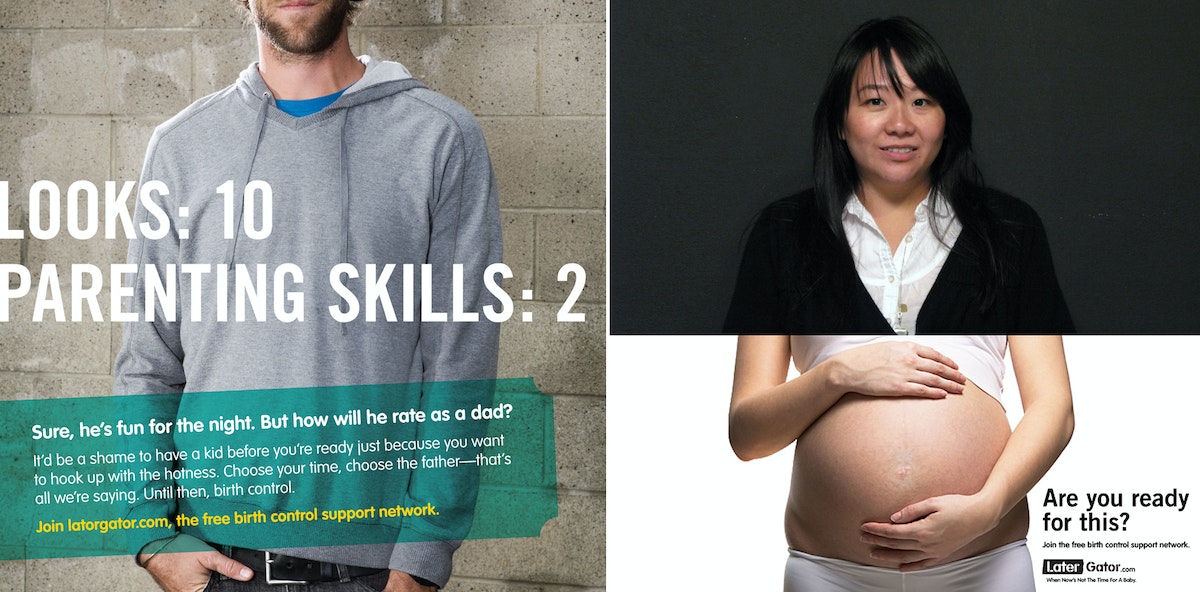
The Ad Council and the National Campaign debuted a multiyear, multimedia public service campaign in November 2011. The Bedsider website offers comprehensive education about existing birth control methods. This includes opt-in reminder services, personal stories from women across the country on why they chose a particular method, a phone service that provides information in both English and Spanish, features such as “Fact or Fiction” (hilarious animated clips debunking popular myths), a “Frisky Friday” newsletter, and more.
Bedsider has launched nationally with the help of an Ad Council campaign that drives sexually active women ages 18–24 to Bedsider.org. The multimedia Public Service Announcement effort includes television, radio, print, web, and nontraditional advertising, as well as an integrated social media program.
“We hope that Bedsider will be a useful tool for women to learn about their birth control options, better manage their birth control, and in the process avoid getting pregnant until they’re ready,” said Planned Parenthood of South Florida and the Treasure Coast in its monthly newsletter. Planned Parenthood and Philliber Research Associates joined forces with the National Campaign to Prevent Teen and Unplanned Pregnancy to help test and evaluate Bedsider.
Through a social media campaign called #ThxBirthControl, people are voicing their thoughts about what birth control has made possible for women, men, families, and society. It’s all part of Thanks, Birth Control Day, launched in November 2013 as part of a continuing initiative to encourage positive conversations and more consistent use of birth control by the National Campaign to Prevent Teen and Unplanned Pregnancy. To celebrate the movement, IDEO wrote, scored, and performed an animated musical featuring condoms and pill packs dancing the cancan.
According to an independent evaluation of the program, Bedsider is the first digital intervention in reproductive health in the U.S.—with adults as an audience—that has shown to prevent unplanned pregnancy. Turns out that when women and men have the ability to plan, prevent, or space pregnancies, they’re more likely to finish school, achieve their goals, and ultimately have healthier families, according to the nonprofit organization.
Bringing bikes to the streets of Chicago
Using the joy and freedom of cycling to brand Chicago’s bike-sharing initiative.
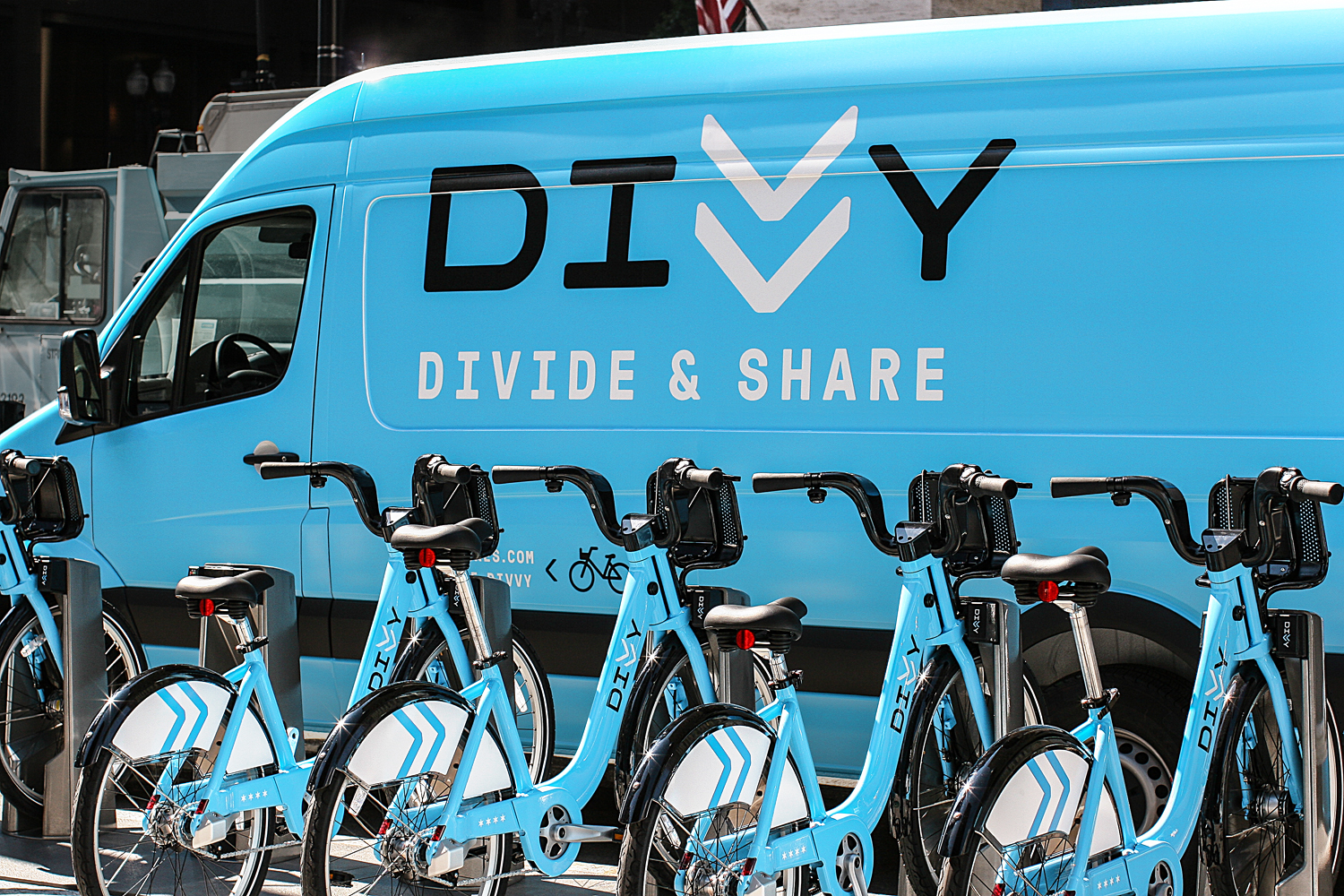
Chicago’s federally funded, citywide bike-sharing service, called Divvy, makes a fleet of bicycles available to commuters and tourists 24 hours a day. Alta Bicycle Share (which runs bike-sharing systems in Boston, the Bay Area, DC, and New York City) collaborated with IDEO to spread Divvy’s message, “Divide and Share!” to the cyclists and would-be cyclists of Chicago through the brand.
The new brand would appear on its bikes, stations, company vans, member fobs, and website—and it needed to be ready to hit the streets in just six months. IDEO partnered with local brand strategy studio Firebelly Design to collaborate on a solution. IDEO led the early research, conceptual brand development, and naming phase of the project; the Firebelly team led the visual design and developed the brand guidelines.
The brand has become a functional and fun part of Chicago’s transportation landscape and has been embraced by Chicago commuters. Just three weeks after it launched, the City of Chicago called the Divvy Bikes program the busiest bike-sharing system in the world. Six months into the service, enthusiastic cyclists have racked up over 780,000 trips and 1.7 million-plus miles, and over 12,000 Chicagoans have become members.