


Home / Design services / Case studies
Planes, supply chains, and automobiles
Vice President of Global EV Programs, Ford Motor Company
Featured work


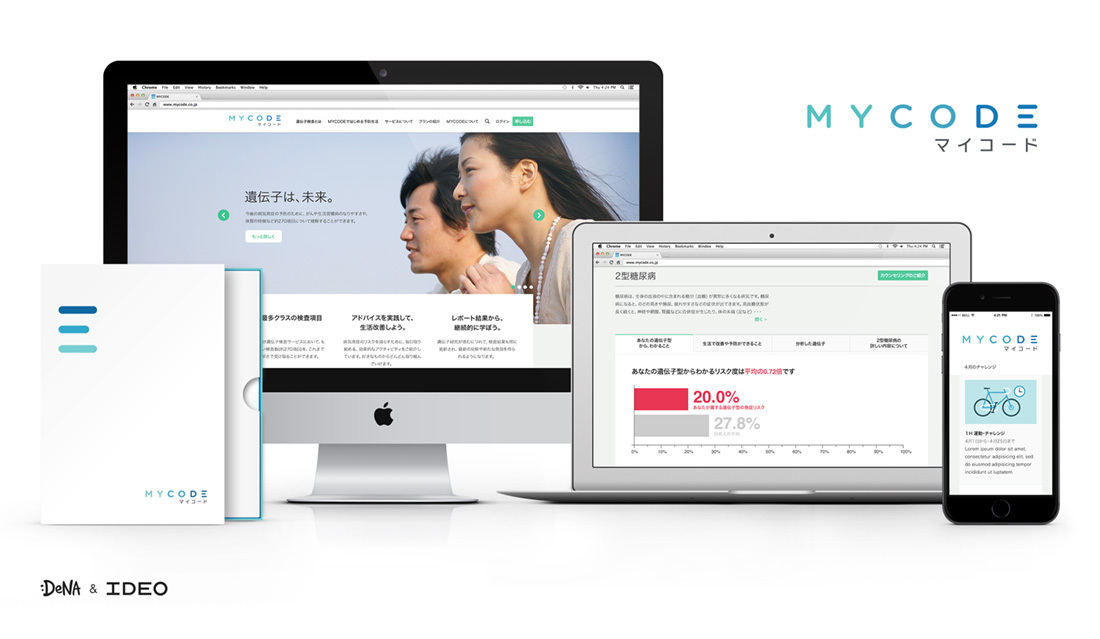

Bringing mass-market genetic testing to Japan
A Japanese mobile internet company quickly builds a genetic testing business.
After watching her husband suffer from cancer, Tomoko Namba, founder of Japan’s leading mobile internet company, DeNA, wanted to empower people with better health information to aid them in making medical decisions. DeNA partnered with IDEO to help with the design of a genetic test that had mass-market appeal.
Together, IDEO and DeNA designed all the consumer touchpoints from the ground up for the expanding new business, called MYCODE. The aim was not only to create a functioning, usable product, but also to introduce the notion of genetic testing in a privacy-sensitive country that for the most part, hadn’t yet considered it an option. What would make MYCODE resonate with mass-market Japan? How could genetic testing results be shared in a way that was accurate but also actionable and motivating?
The team worked with doctors, nutritionists, medical governing bodies, and more, setting up fast, iterative cycles, and conceptualizing and prototyping almost every aspect of MYCODE in just 16 weeks. Data design, home testing experience, purchase flow, and how the service would be used over the long-term were all considered, along with traditional branding elements, like name, logo, and visual identity.
The result is a product that puts reliable genetic information into the hands of Japanese consumers, helping them to make more informed healthcare decisions. MYCODE went to market in August 2014, just nine months after the engagement with IDEO began. Not only did MYCODE fulfill Namba’s mission, it helped the company find new ways to grow: Upon announcement of the new service, DeNA’s share price jumped 6.7 percent.
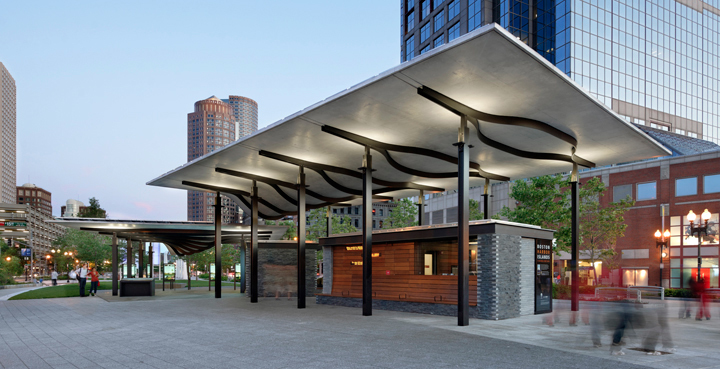
Bringing tourists to a hidden coastal gem
An open-air pavilion to entice visitors to one of Boston’s best-kept recreational secrets.
Once considered one of Boston’s best-kept secrets, Boston Harbor Islands National Park was looking to increase visibility and entice visitors to its network of 34 islands, a Civil War–era fort, historic lighthouses, and more than 50 square miles of bays, harbors, and rivers within the Boston Harbor basin.
Together with the National Park Service, Boston Harbor Alliance, architecture firm Utile, and landscape architecture firm Reed Hilderbrand, IDEO and the National Park Service came up with a plan to design a pavilion on the Rose F. Kennedy Greenway, which reconnects the city’s historic waterfront to the downtown area. The team believed a successful pavilion would sell boat tickets, attract passers-by, and enable a positive encounter with the islands. Today, the structure serves as the primary gateway linking Boston to the Harbor Islands, equipping the city with an experiential anchor to better connect visitors with Boston’s coastal gems.
The Boston Harbor Islands Pavilion was officially unveiled on June 2, 2011, and honored with an Honor Award for Design Excellence from the Boston Society of Architects, the 2011 Grand Honor Award from the Associated General Contractors of New England, and a Silver Award from the 2012 ACEC/MA Engineering Excellence Awards.
The Boston Harbor Island Alliance, which acts as a steward for the 34 islands, anticipates that the pavilion will positively impact the number of visitors this year.
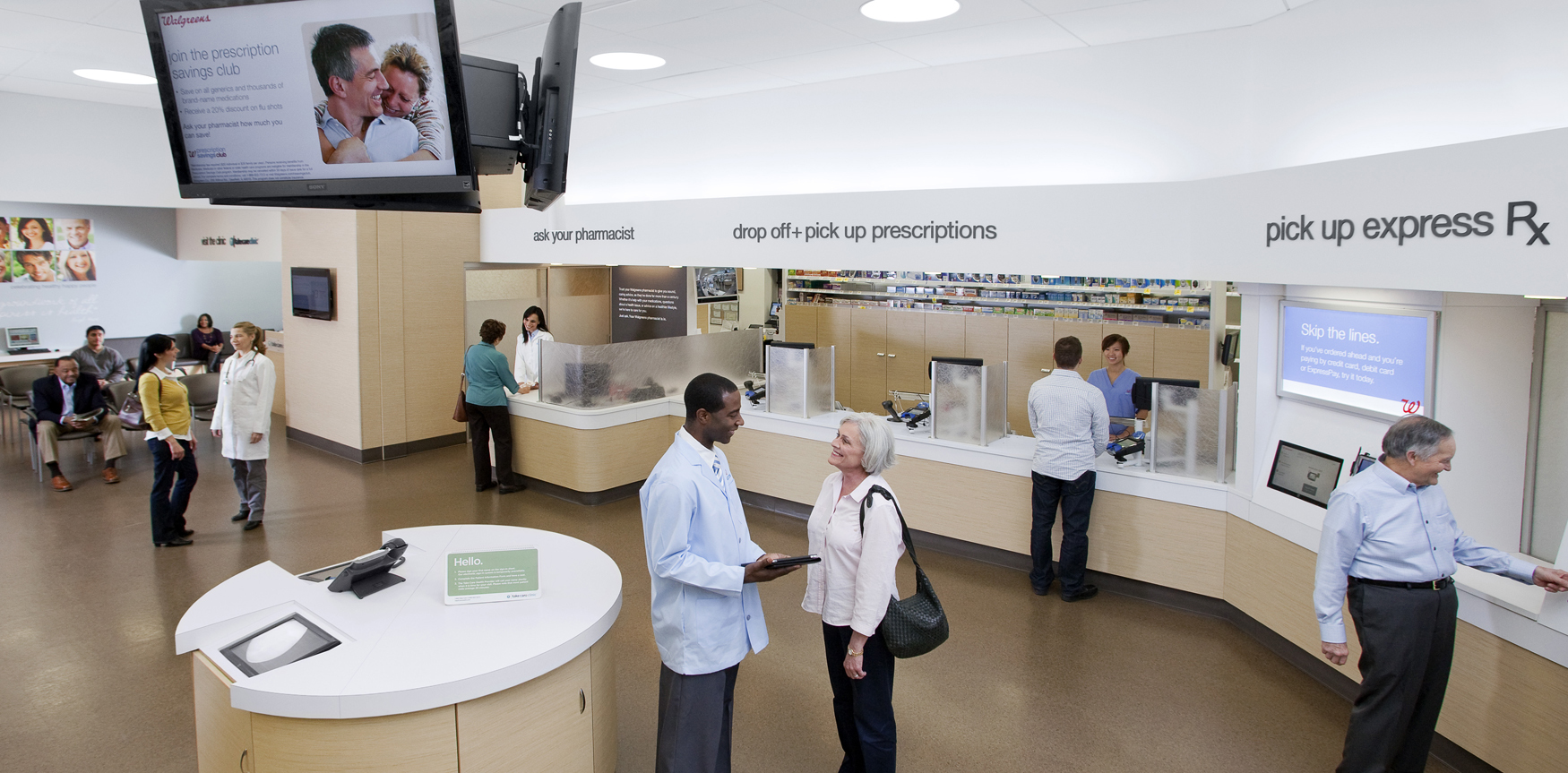
Bringing back the neighborhood pharmacy
Helping a retail chain build healthier relationships with customers.
In 1901, Charles R. Walgreen, Sr., opened up a small neighborhood pharmacy on Chicago’s South Side. Today, Walgreens is the largest drug retail chain in the US with more than 8,200 locations in all 50 states. As healthcare reform has become top of mind in the US and patient-centered care increasingly the norm, Walgreens sees its scale as an opportunity to rethink the role of the community pharmacy in the 21st century. The company collaborated with IDEO to redesign its pharmacy experience in order to foster rich, trust-based relationships between customers and the most highly trained medical professionals on staff—pharmacists.
Most Americans—75 percent—live within five miles of a Walgreens. With the Affordable Care Act bringing millions more Americans into the healthcare system, Walgreens’ proximity and reach provided a big opportunity to become a convenient and trusted touchpoint for patients outside of hospitals and doctors’ offices, especially those suffering from chronic conditions such as diabetes and heart disease. The challenge: Use design to shift customer perception of Walgreens from just another convenience store to a local place at “the corner of happy and healthy,” where customers could receive everyday health and wellness advice. In other words, bring Charles R. Walgreen’s vision of a community pharmacy to unprecedented scale.
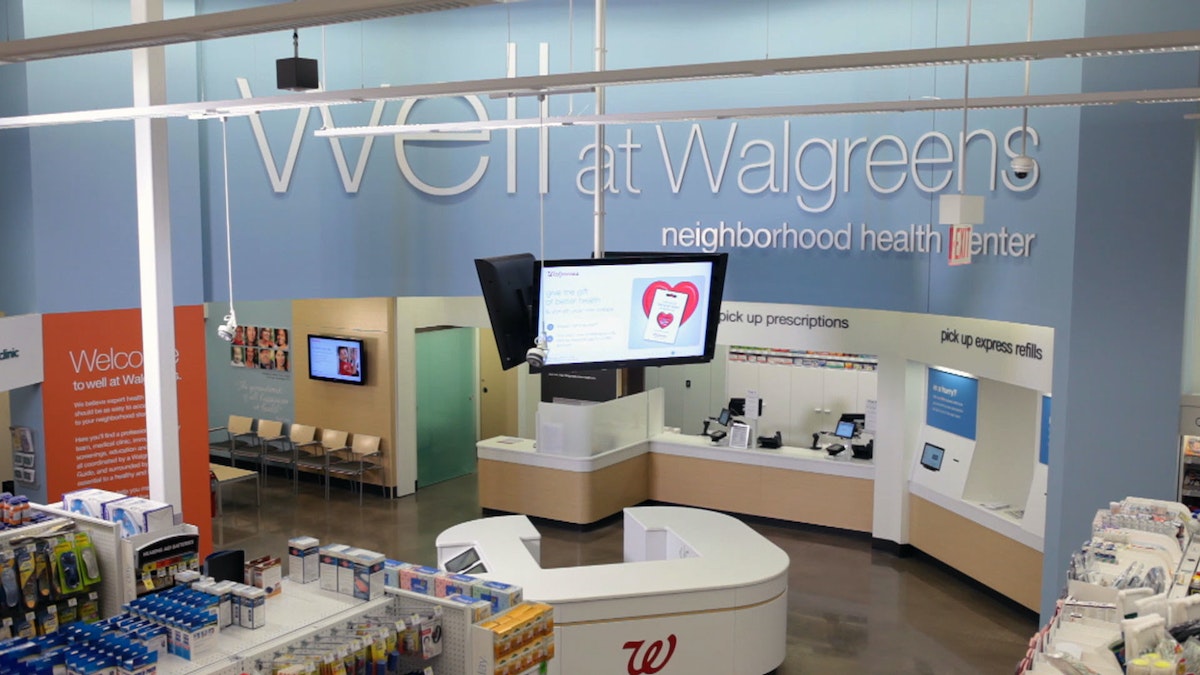
IDEO built out two full-size prototypes of a reimagined Walgreens pharmacy designed to cultivate better relationships between customers and pharmacists. Key to building good relationships were private consultation rooms that allowed for close conversations, and friendly health guides that helped customers browse over-the-counter medications or schedule “take care” appointments. Pharmacists, usually barricaded behind their high counter at the rear of the store, were now positioned out on the pharmacy floor, ready to listen and—most important—ensure continuity of care.
"Patients are engaging with pharmacists even more often to ask about everything—including their medication, health conditions, and prescription regimens," said Nimest Jhaveri, Divisional Vice President, Pharmacy Transformation.
The new Well Experience format was launched in two pilot locations in Chicago just a few months after the prototypes were built. Combining IDEO’s pharmacy work with Walgreens’ new approaches to beauty products, fresh food, and online shopping, 750 Well Experience locations have opened in the US and Puerto Rico—including 14 flagship stores in major cities—and an additional 1,000 are planned for the coming years.
Walgreens is also expanding the scope of its Take Care Clinics, which are usually staffed by nurses or physician’s assistants, to include the diagnosis, treatment, and monitoring of chronic diseases such as diabetes that are typically handled by doctors. The company considers its Well Experience pharmacies a work in progress and plans to keep evolving the design based on customer feedback.
An ingenious way to preserve wine
A double-duty bottle opener that's an industry game-changer.
Opening a bottle of wine is typically a moment of no return, because what remains after the first pour almost immediately begins to oxidize.
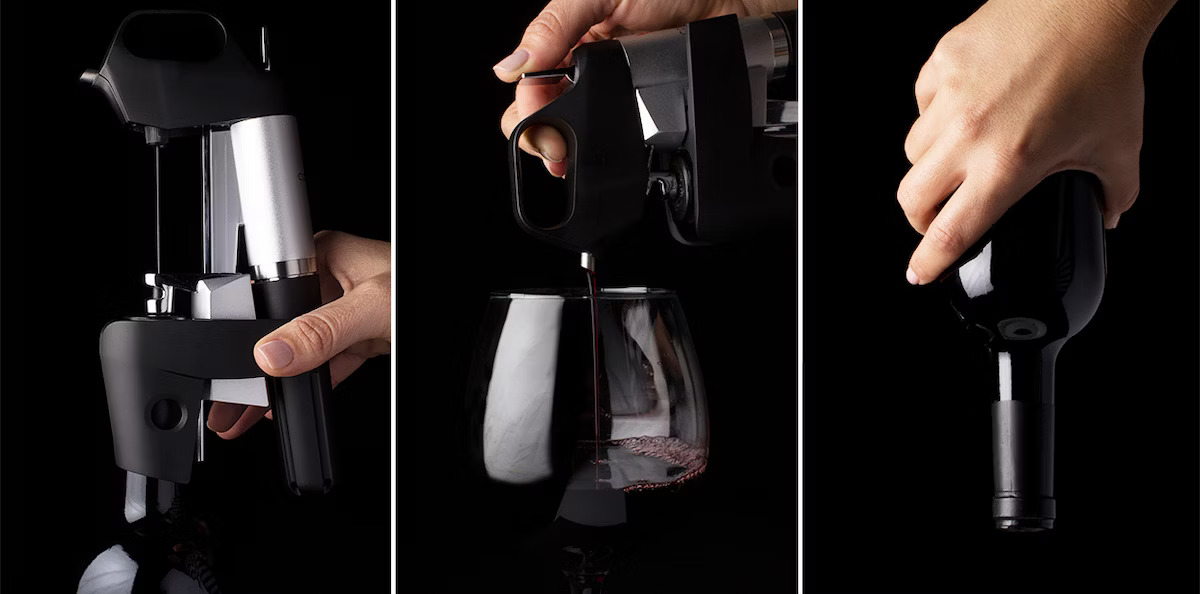
But Greg Lambrecht knew there was a better way. He came up with an idea to pour the wine without opening the bottle. With a new device, a slender needle is inserted into the cork, and argon, an inert gas, pressurizes the bottle to pour a single glass. Remove the needle, and the tiny puncture in the cork naturally reseals, maintaining the integrity of the wine in the bottle.
Working with Lambrecht, IDEO refined the look, feel, and user experience of his device, designing and building a prototype that captured the expression of his eureka moment. Using this prototype, Lambrecht raised significant seed funding for his startup, and launched the Coravin System in July 2013. The company continues to grow year after year.
Lambrecht introduced the only product of its kind sold in the global market, and preliminary sales have far exceeded expectations. What’s more, for wine lovers everywhere, there’s finally a solution to savor and preserve every last drop.
An ATM designed for you
Making customer interactions fast and easy—without requiring any new hardware.
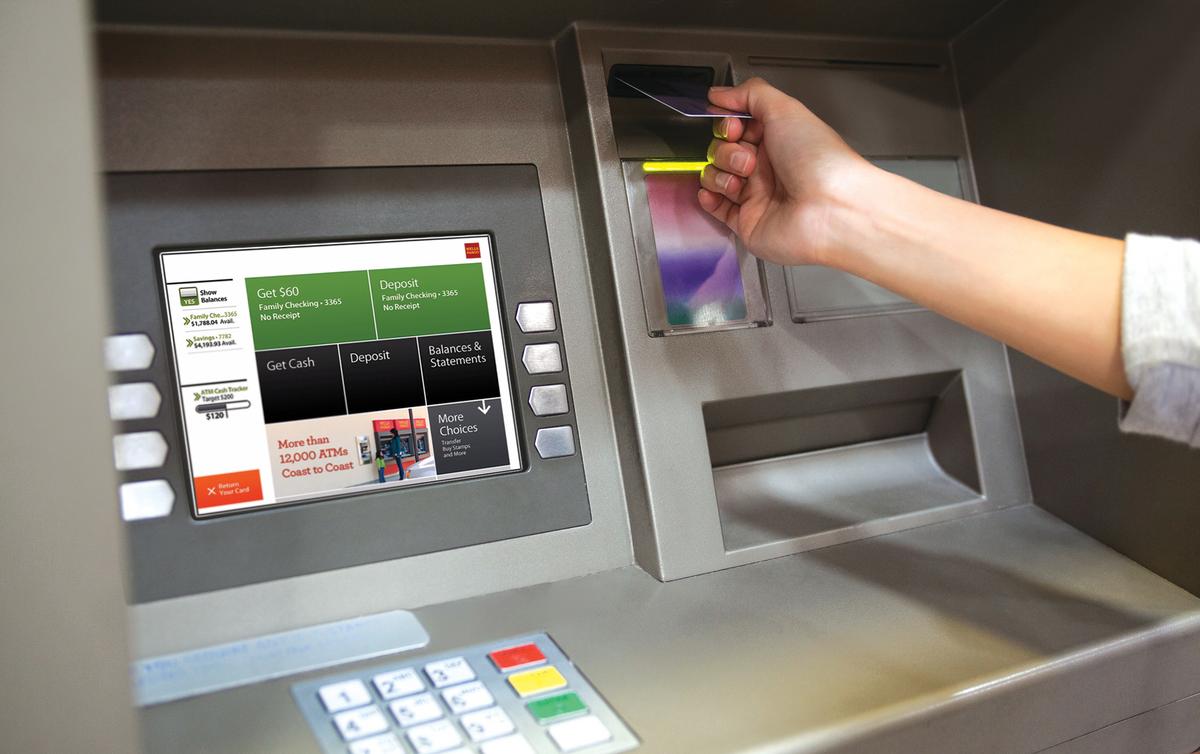
Wells Fargo, one of the United States’ largest banks, wanted to enable customers get to the ATM functions they wanted faster. The updated interface needed to be different enough to have a tangible impact, and had to appeal to an extremely broad audience. What’s more, any changes made to the interface had to be compatible with the existing hardware of all of the ATMs in operation nationwide.
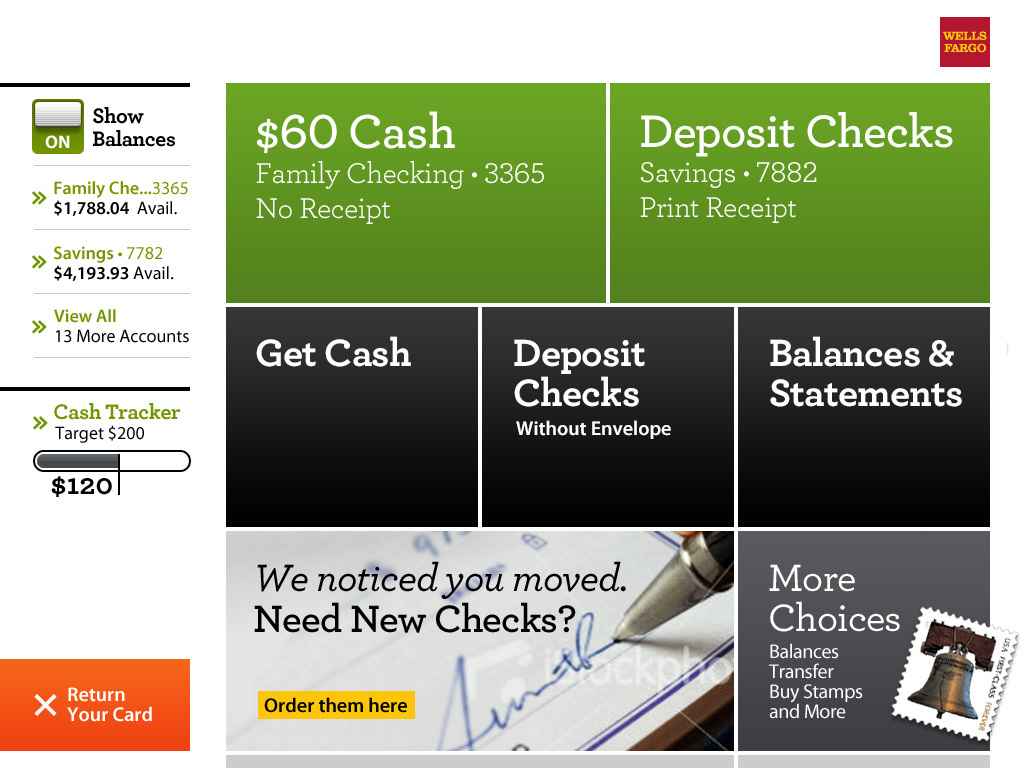
Wells Fargo and IDEO worked to enhance and customize the ATM user experience by making it innovative, fast, and easy—without requiring any new hardware. The interface’s entire layout is personalized, based on what a user does most at the ATM. It gives users an immediate glance at their account balances (which they can also hide) and highlights the touch screen 'buttons' that they use most (by putting them at the top of the screen in green). New data hierarchy also facilitates skimming for fast decision-making and provides messages and notifications based on a customer’s priorities. “[The design] shows an intense attention to detail,” noted American Banker.
PHOTO ILLUSTRATION BY MAGGIE LYNN, IMAGE COURTESY OF BIZJOURNALS.COM
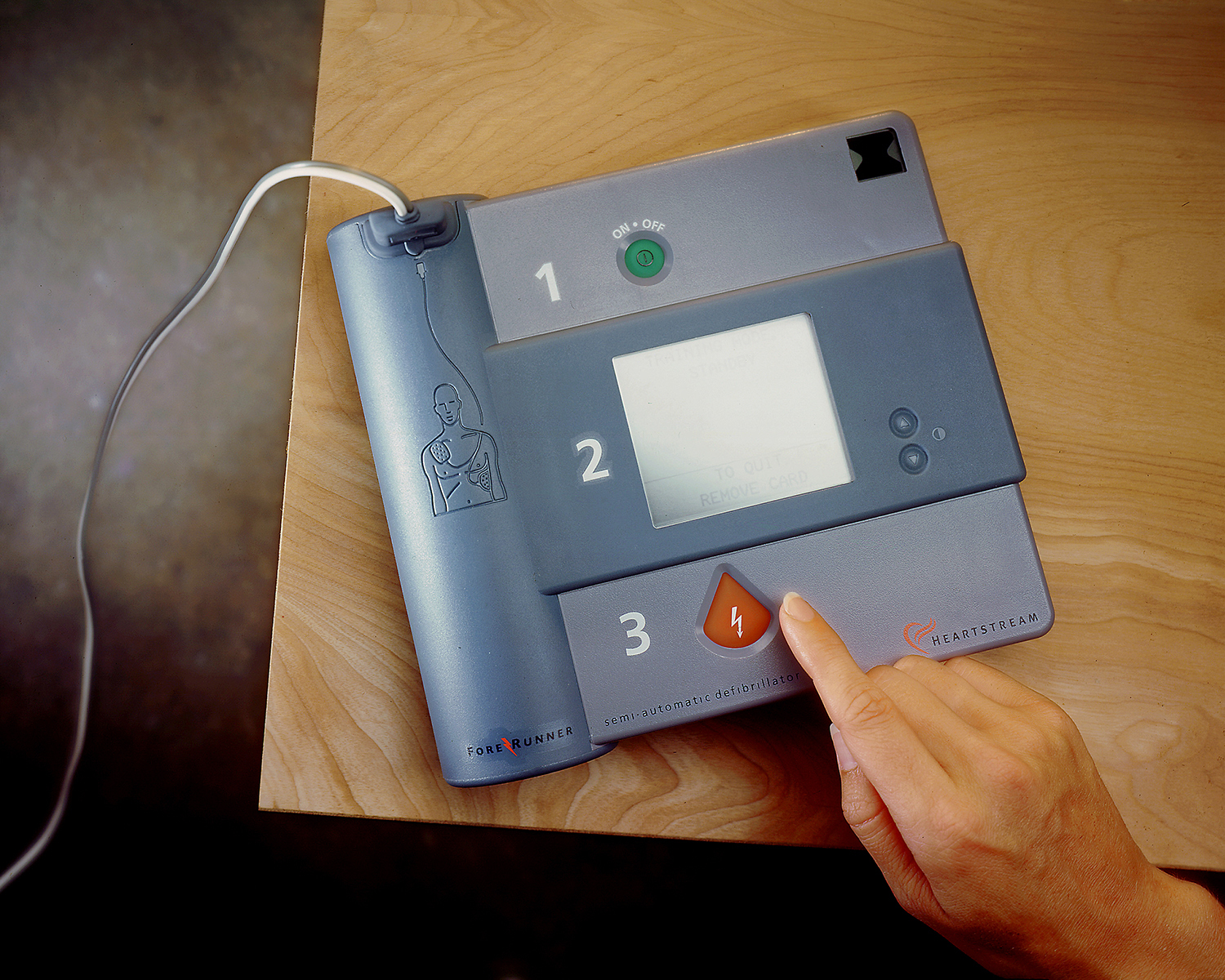
A portable, life-saving defibrillator
Designing a complicated device that’s affordable and transportable.
As many as one-third of the 300,000 annual cardiac arrest fatalities in the US could be avoided if defibrillation was applied within minutes of the cardiac event.
Working with Heartstream, IDEO tested the effectiveness of alternative defibrillator configurations with different users to help develop a highly mobile and easy-to-operate product. Heartstream systematically refined the concept with the goal of making its defibrillators affordable, transportable, and as ubiquitous as fire extinguishers.
(This device is now manufactured by Philips.)
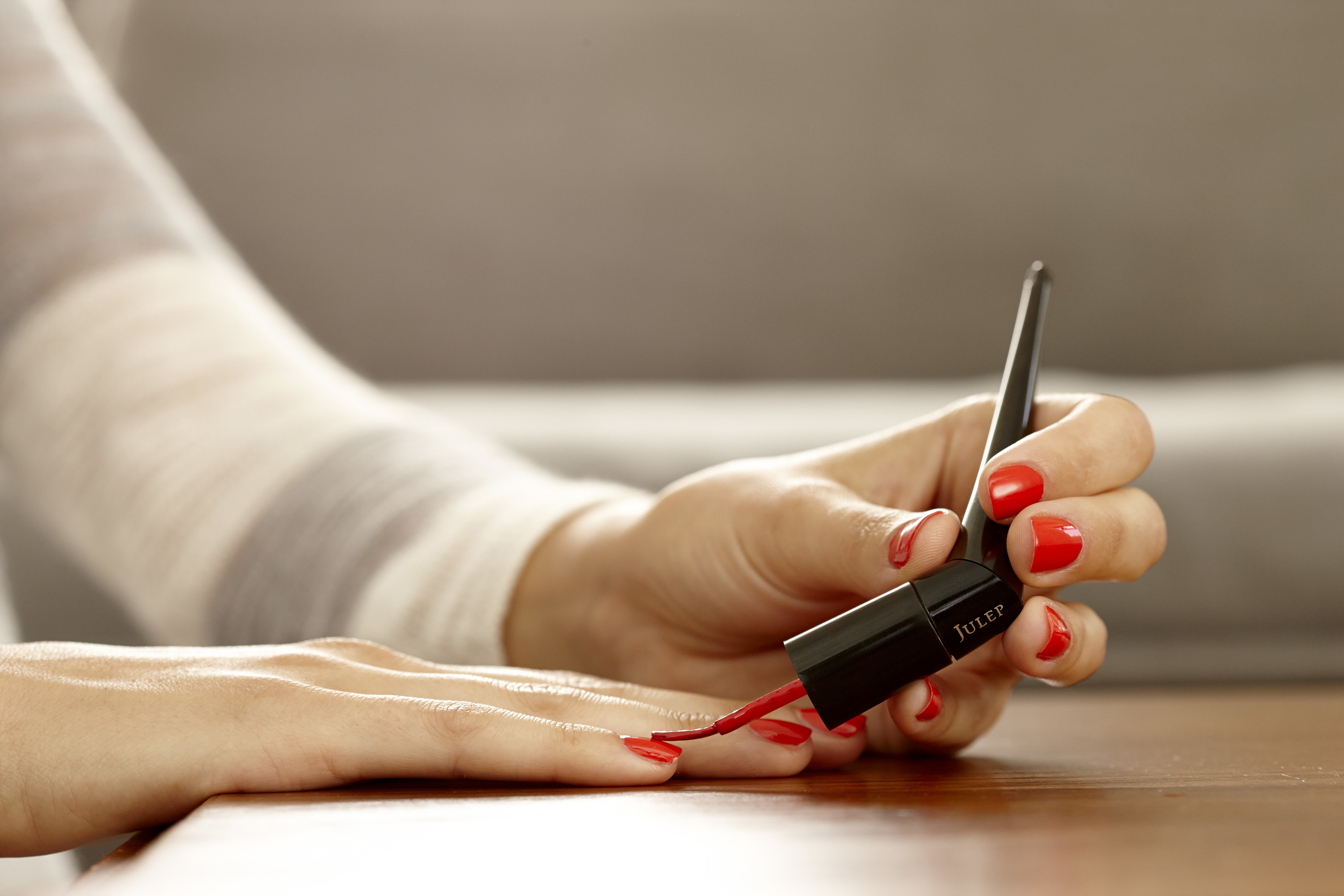
A new venture changes the way we polish nails
Redesigning the nail-painting experience for both hands.
Julep, a fast-growing beauty brand, noticed a problem that has vexed generations of nail polish users: The wand on the bottle is awkward and clumsy to use.
After rounds of user research, IDEO and Julep came up with the solution: the Plié Wand. The elegantly tapered handle sits easily in the hand and connects magnetically with a wand finely calibrated for precision. And for maximum flexibility, it bends to rest gently in the hand, making it an ambidextrous instrument.
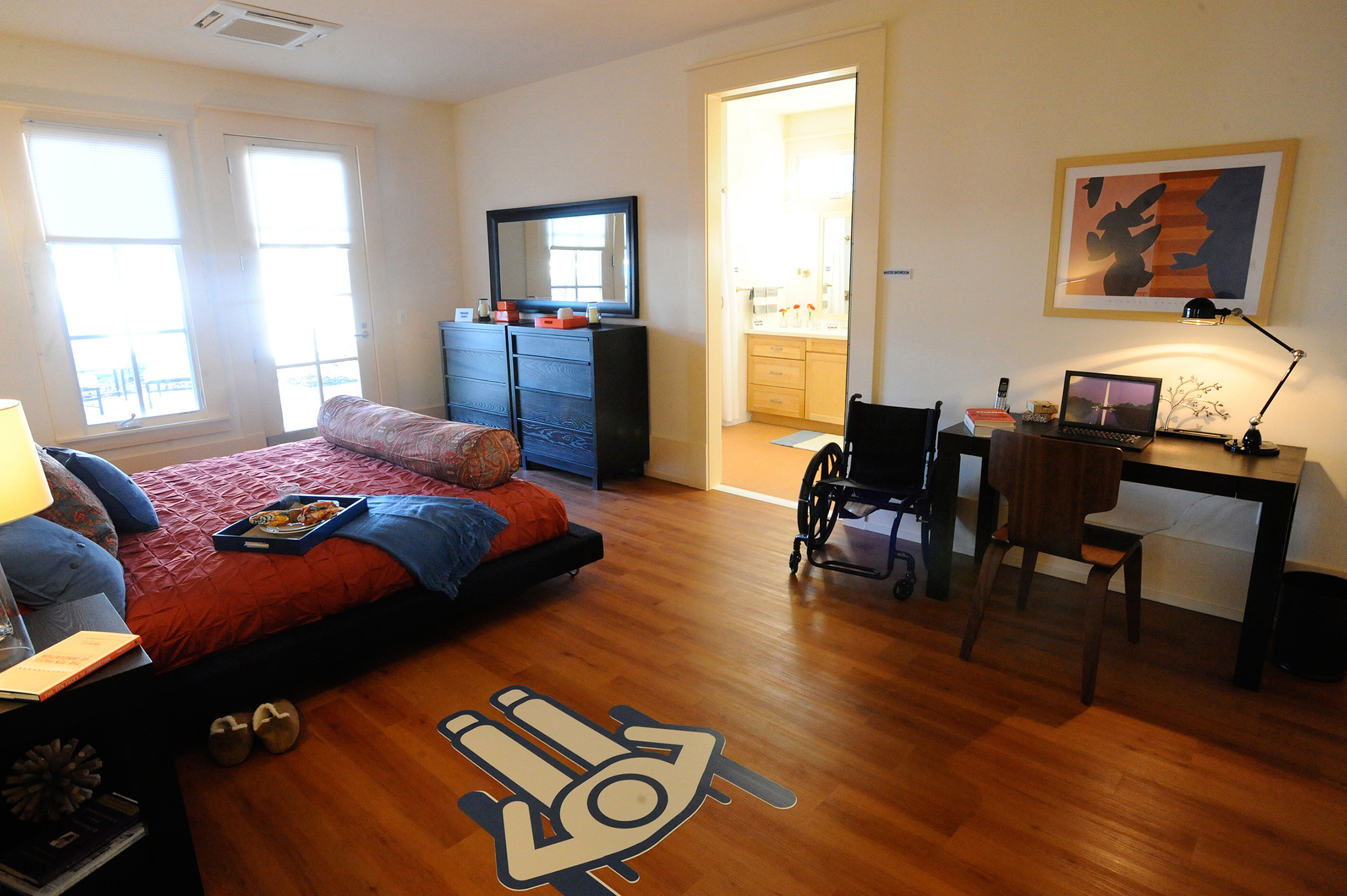
A new kind of home for disabled soldiers
Designing accessible homes for disabled US military veterans and their families.
Injured US servicemen and servicewomen returning from war must adapt to a home, finding workarounds to cope with their surroundings based on individual capabilities and preferences. Clark Realty Capital, a Virginia-based real estate firm that has partnered with the Department of Defense on more than $4.7 billion in privatized housing, collaborated with IDEO on a new model for building accessible homes on military installations.
Facing the challenge of visualizing and designing the ideal home for soldiers injured in the field, Clark Realty Capital and IDEO designed floor plans and amenities that would meet or exceed the Americans with Disabilities Act (ADA) standards and be versatile enough to accommodate varied physical and psychological needs. The IDEO design team took an in-depth look at accessibility issues, interviewing and observing civilians and injured soldiers, and asked questions that shed light on how active-duty service members resume civilian life after debilitating injuries. What could make their experience more dignified and healthy, and what might reconnect them with family, close friends, and the world? The team uncovered seven contrasts that defined the complex needs of disabled soldiers and their families, and used these as direction and inspiration for adaptable homes for specific physical, mental, and emotional needs that also fit into the context of everyday life.
The final deliverable consisted of the home design but also included a book and poster that featured floor plans, elevations, and interior renderings. A compelling video montage depicting three real-life military families in the context and challenges of their current homes further reinforced the goals of this worthwhile endeavor.
US Army Fort Belvoir and Clark Realty Capital unveiled the homes on November 30, 2011, in Fort Belvoir, Virginia.