
.svg)




Bringing tourists to a hidden coastal gem
An open-air pavilion to entice visitors to one of Boston’s best-kept recreational secrets.
Once considered one of Boston’s best-kept secrets, Boston Harbor Islands National Park was looking to increase visibility and entice visitors to its network of 34 islands, a Civil War–era fort, historic lighthouses, and more than 50 square miles of bays, harbors, and rivers within the Boston Harbor basin.
Together with the National Park Service, Boston Harbor Alliance, architecture firm Utile, and landscape architecture firm Reed Hilderbrand, IDEO and the National Park Service came up with a plan to design a pavilion on the Rose F. Kennedy Greenway, which reconnects the city’s historic waterfront to the downtown area. The team believed a successful pavilion would sell boat tickets, attract passers-by, and enable a positive encounter with the islands. Today, the structure serves as the primary gateway linking Boston to the Harbor Islands, equipping the city with an experiential anchor to better connect visitors with Boston’s coastal gems.
The Boston Harbor Islands Pavilion was officially unveiled on June 2, 2011, and honored with an Honor Award for Design Excellence from the Boston Society of Architects, the 2011 Grand Honor Award from the Associated General Contractors of New England, and a Silver Award from the 2012 ACEC/MA Engineering Excellence Awards.
The Boston Harbor Island Alliance, which acts as a steward for the 34 islands, anticipates that the pavilion will positively impact the number of visitors this year.
Bringing back the neighborhood pharmacy
Helping a retail chain build healthier relationships with customers.
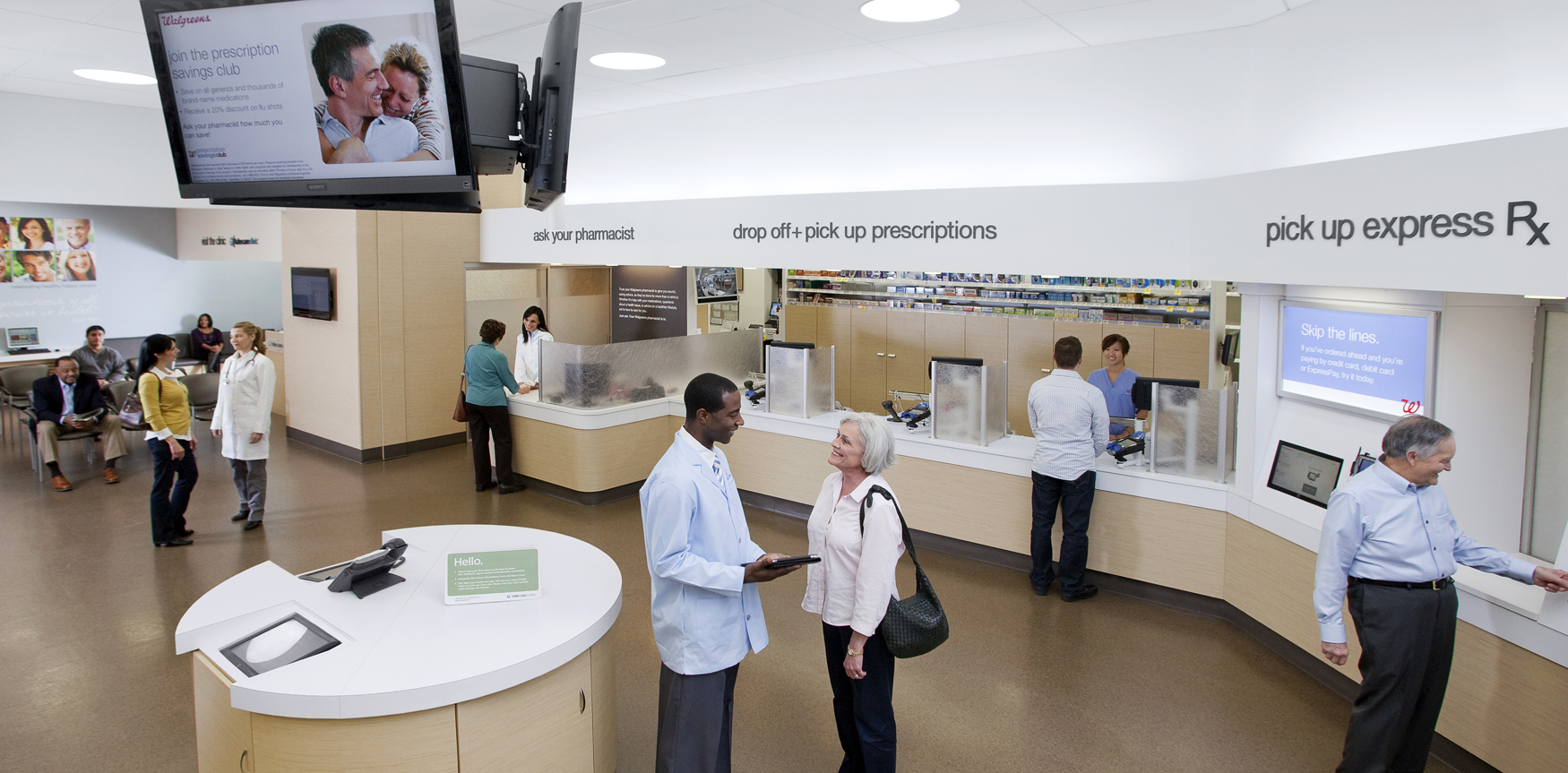
In 1901, Charles R. Walgreen, Sr., opened up a small neighborhood pharmacy on Chicago’s South Side. Today, Walgreens is the largest drug retail chain in the US with more than 8,200 locations in all 50 states. As healthcare reform has become top of mind in the US and patient-centered care increasingly the norm, Walgreens sees its scale as an opportunity to rethink the role of the community pharmacy in the 21st century. The company collaborated with IDEO to redesign its pharmacy experience in order to foster rich, trust-based relationships between customers and the most highly trained medical professionals on staff—pharmacists.
Most Americans—75 percent—live within five miles of a Walgreens. With the Affordable Care Act bringing millions more Americans into the healthcare system, Walgreens’ proximity and reach provided a big opportunity to become a convenient and trusted touchpoint for patients outside of hospitals and doctors’ offices, especially those suffering from chronic conditions such as diabetes and heart disease. The challenge: Use design to shift customer perception of Walgreens from just another convenience store to a local place at “the corner of happy and healthy,” where customers could receive everyday health and wellness advice. In other words, bring Charles R. Walgreen’s vision of a community pharmacy to unprecedented scale.
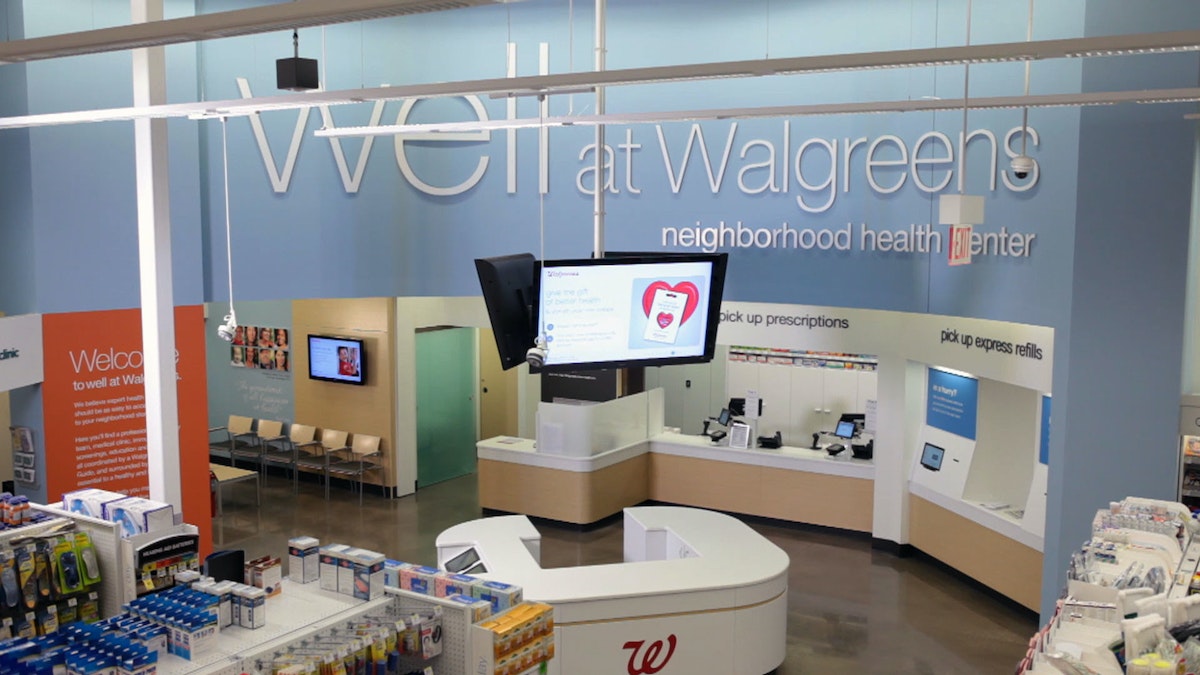
IDEO built out two full-size prototypes of a reimagined Walgreens pharmacy designed to cultivate better relationships between customers and pharmacists. Key to building good relationships were private consultation rooms that allowed for close conversations, and friendly health guides that helped customers browse over-the-counter medications or schedule “take care” appointments. Pharmacists, usually barricaded behind their high counter at the rear of the store, were now positioned out on the pharmacy floor, ready to listen and—most important—ensure continuity of care.
"Patients are engaging with pharmacists even more often to ask about everything—including their medication, health conditions, and prescription regimens," said Nimest Jhaveri, Divisional Vice President, Pharmacy Transformation.
The new Well Experience format was launched in two pilot locations in Chicago just a few months after the prototypes were built. Combining IDEO’s pharmacy work with Walgreens’ new approaches to beauty products, fresh food, and online shopping, 750 Well Experience locations have opened in the US and Puerto Rico—including 14 flagship stores in major cities—and an additional 1,000 are planned for the coming years.
Walgreens is also expanding the scope of its Take Care Clinics, which are usually staffed by nurses or physician’s assistants, to include the diagnosis, treatment, and monitoring of chronic diseases such as diabetes that are typically handled by doctors. The company considers its Well Experience pharmacies a work in progress and plans to keep evolving the design based on customer feedback.
An ingenious way to preserve wine
A double-duty bottle opener that's an industry game-changer.
Opening a bottle of wine is typically a moment of no return, because what remains after the first pour almost immediately begins to oxidize.
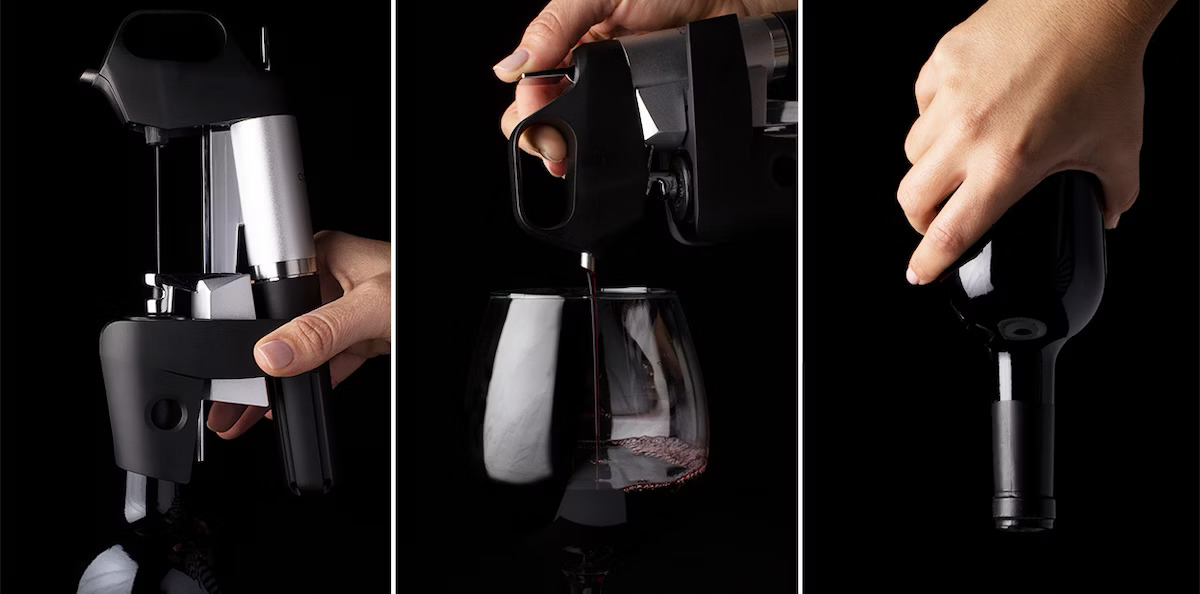
But Greg Lambrecht knew there was a better way. He came up with an idea to pour the wine without opening the bottle. With a new device, a slender needle is inserted into the cork, and argon, an inert gas, pressurizes the bottle to pour a single glass. Remove the needle, and the tiny puncture in the cork naturally reseals, maintaining the integrity of the wine in the bottle.
Working with Lambrecht, IDEO refined the look, feel, and user experience of his device, designing and building a prototype that captured the expression of his eureka moment. Using this prototype, Lambrecht raised significant seed funding for his startup, and launched the Coravin System in July 2013. The company continues to grow year after year.
Lambrecht introduced the only product of its kind sold in the global market, and preliminary sales have far exceeded expectations. What’s more, for wine lovers everywhere, there’s finally a solution to savor and preserve every last drop.
An ATM designed for you
Making customer interactions fast and easy—without requiring any new hardware.
Wells Fargo, one of the United States’ largest banks, wanted to enable customers get to the ATM functions they wanted faster. The updated interface needed to be different enough to have a tangible impact, and had to appeal to an extremely broad audience. What’s more, any changes made to the interface had to be compatible with the existing hardware of all of the ATMs in operation nationwide.
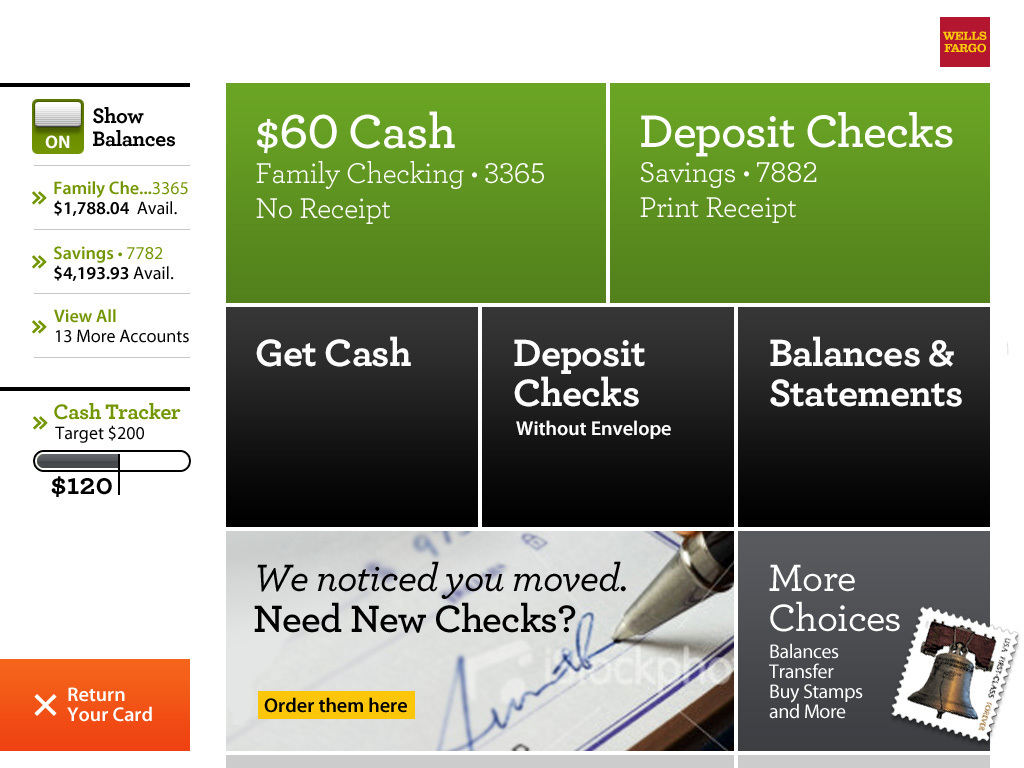
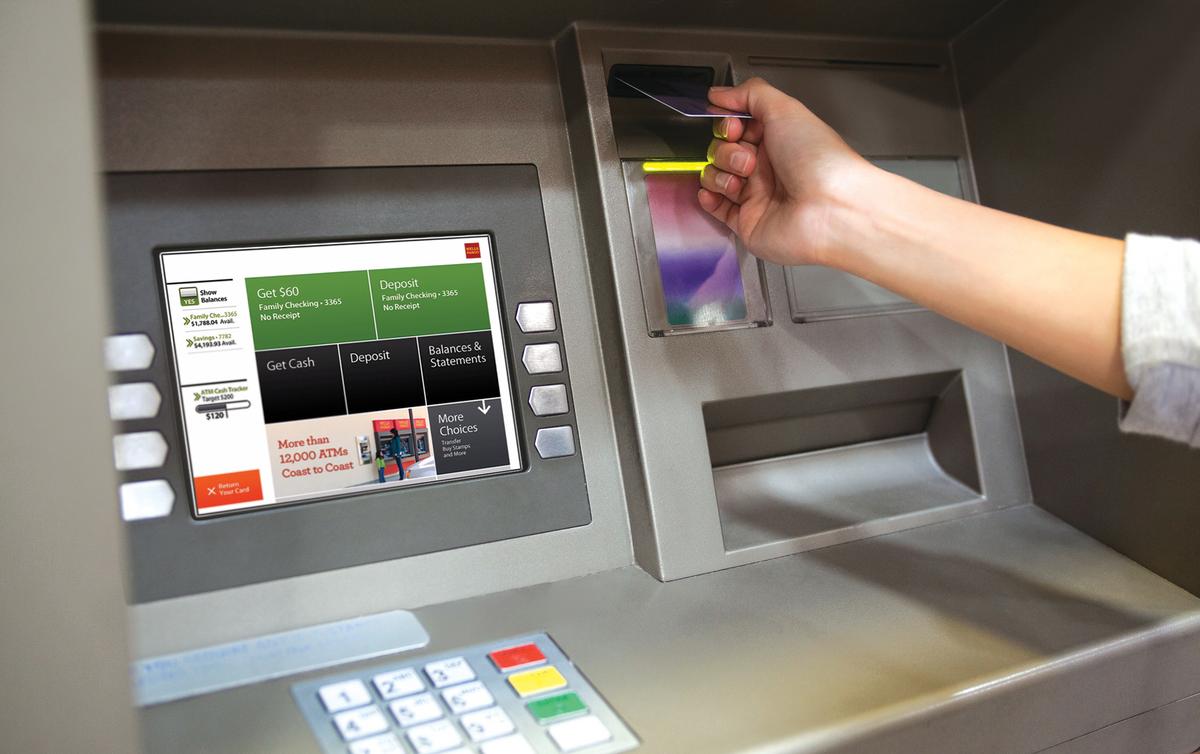
Wells Fargo and IDEO worked to enhance and customize the ATM user experience by making it innovative, fast, and easy—without requiring any new hardware. The interface’s entire layout is personalized, based on what a user does most at the ATM. It gives users an immediate glance at their account balances (which they can also hide) and highlights the touch screen 'buttons' that they use most (by putting them at the top of the screen in green). New data hierarchy also facilitates skimming for fast decision-making and provides messages and notifications based on a customer’s priorities. “[The design] shows an intense attention to detail,” noted American Banker.
PHOTO ILLUSTRATION BY MAGGIE LYNN, IMAGE COURTESY OF BIZJOURNALS.COM
.jpeg)
Quick + Dirty Design Tips: After Effects
If you're looking for help with After Effects, today's your lucky day
After Effects is one of my favorite prototyping tools. I use it to animate web and mobile interactions, or to demonstrate physical interactions by augmenting UI and sound over video footage.
AE is super powerful, but has a deep and twisty interface with lots of corners to navigate. The timeline is one of its most daunting aspects. Things can escalate quickly, and before you know it, your project is a labyrinth of layers, expressions, effects, and comps. Here are a few tips to help you find your way.
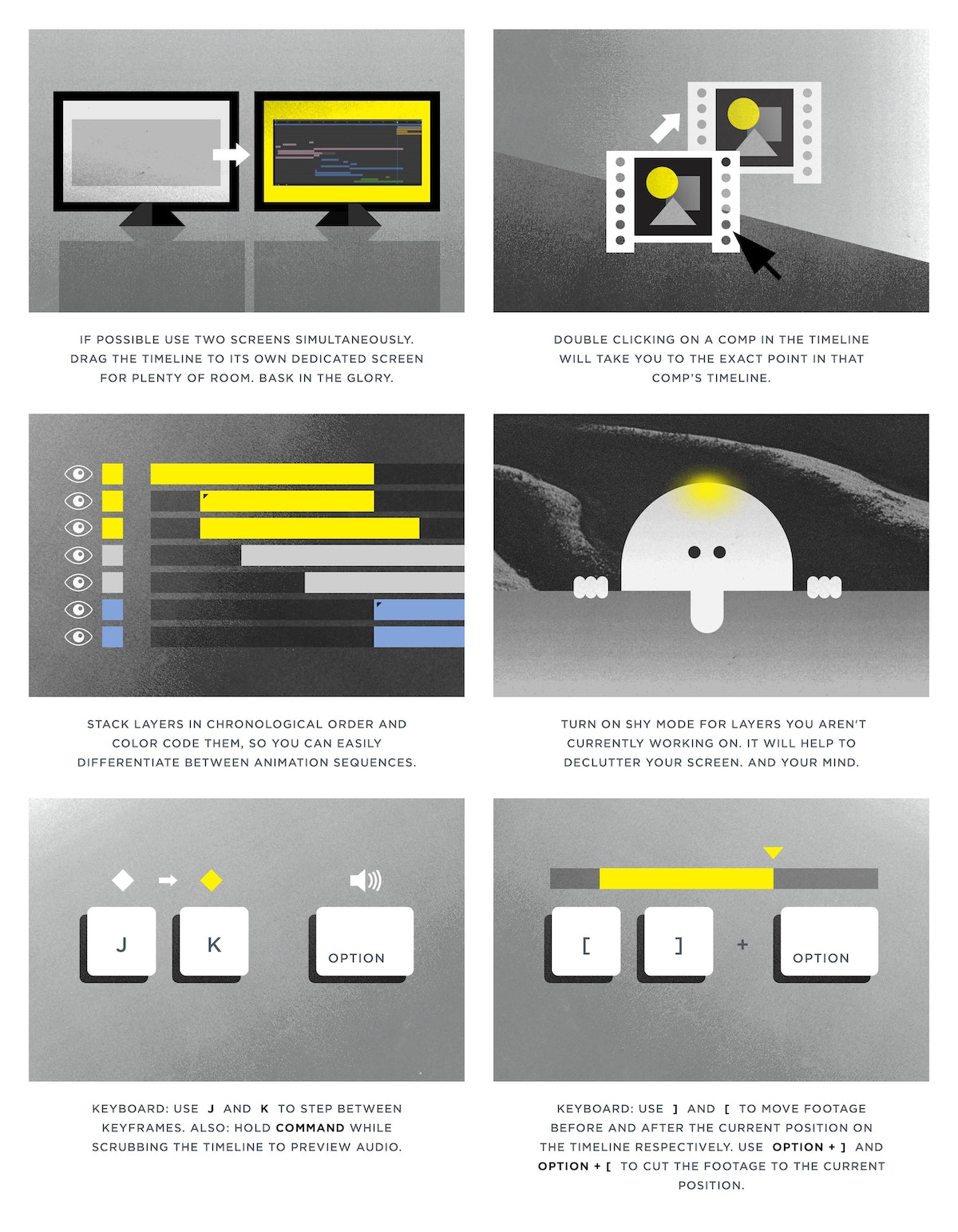
Sometimes you need to cut to the chase. A deadline is looming and there's no time to luxuriate in lessons from your go-to experts. You need bite-sized tutorials to beef up your skills, one morsel at a time. If you're looking for help with After Effects, today's your lucky day.
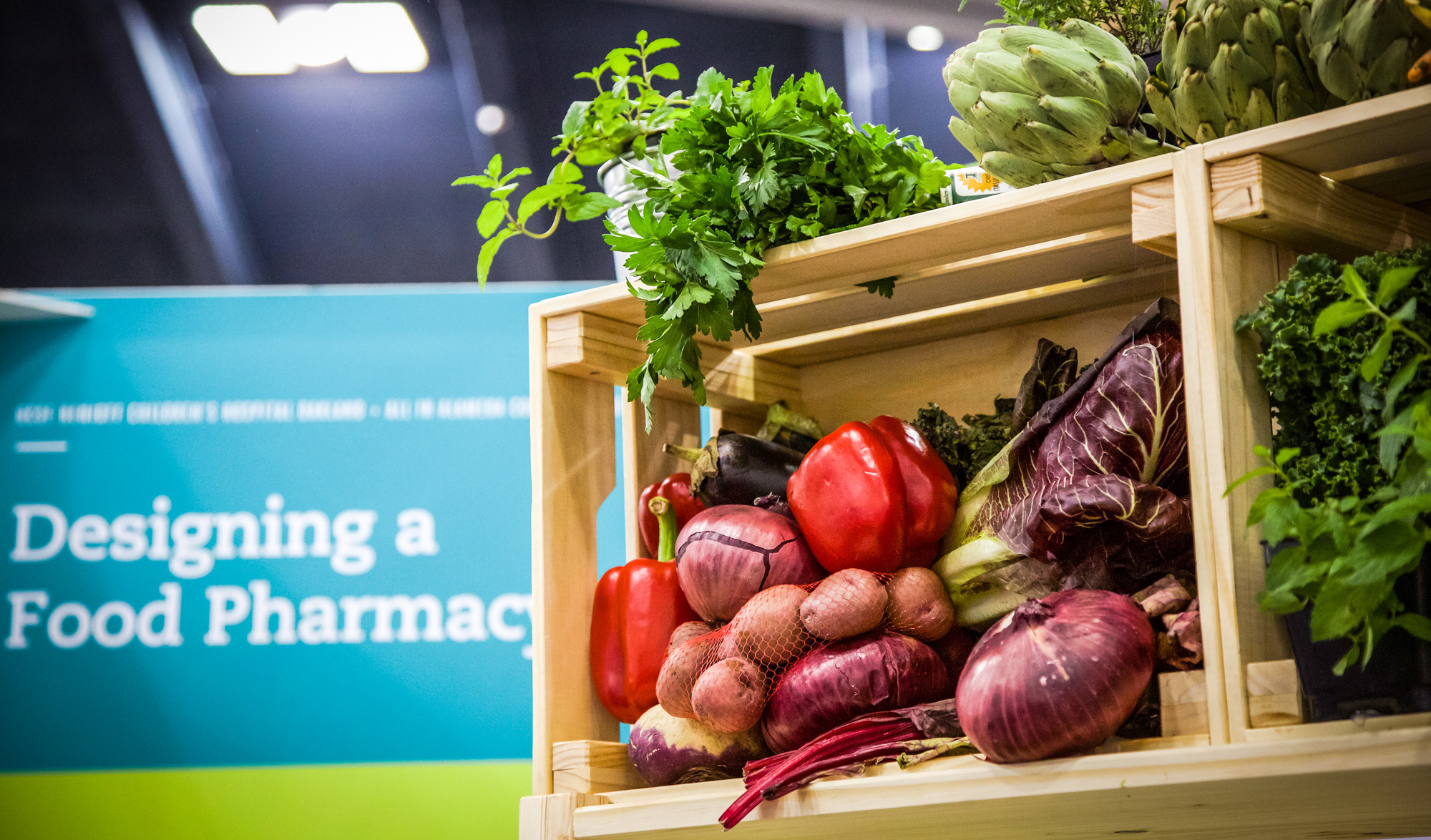
What If We Could Prescribe Food as Medicine?
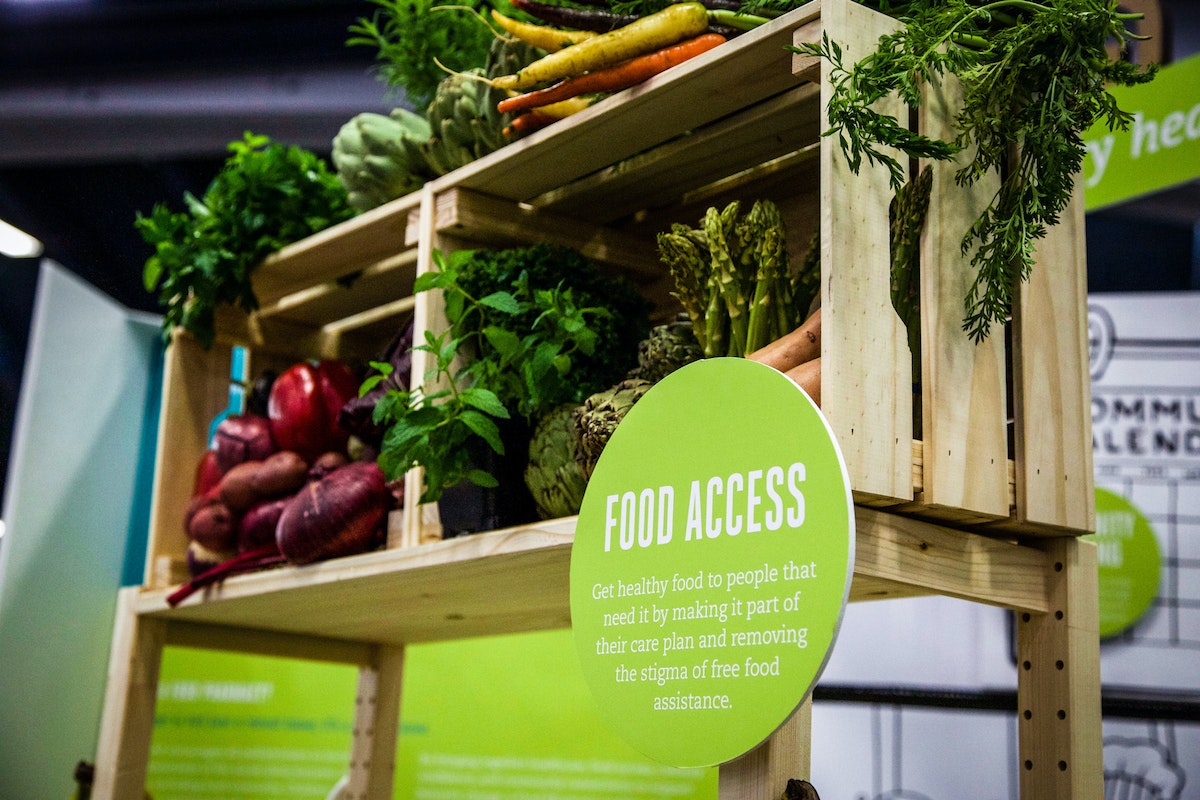
Imagine walking into a pharmacy that looks more like a farmer's market, the open shelves stocked with vegetables, roots, and herbs
When we were invited to create a booth for the American Academy of Pediatrics conference, we had two weeks and limited resources. We sat down, sketched out a floor plan, and had lively discussions about how to bring families’ everyday struggles with healthy food to life.
It’s our nature to be makers, so we jumped into the prototyping shop with scrap wood, some cardboard, hot glue, and some farmer’s market produce. As we would soon learn, this was not the typical way one builds a booth for a conference like this.
But the important thing wasn’t the level of production, it was the message: healthcare has a huge opportunity to lead the conversation about food and health in a way that is compelling and accessible for everyone. What if doctors could prescribe food as part of a therapeutic care plan and make it possible for families to access food that will keep their loved ones well? What if we reimagined nutrition education with hands-on learning that emphasizes the joy of food rather than the restrictive messaging often associated with food and health? How could we transform healthcare and communities by promoting food as medicine?
Together with our collaborators—led by Supervisor Wilma Chan and her “ALL IN” Alameda County initiative to end poverty and UCSF Benioff Children’s Hospital Oakland along with Alameda County Public Health Department, Alameda County Community Food Bank and Dig Deep Farms—we synthesized input from doctors, nutritionists, policy makers, hospital administrators, and public health workers to create a vision of how people might use a Food Pharmacy. Through illustrations and personal stories we brought our collective vision to life, gave it a name, and designed recipes and cooking tools for our booth.
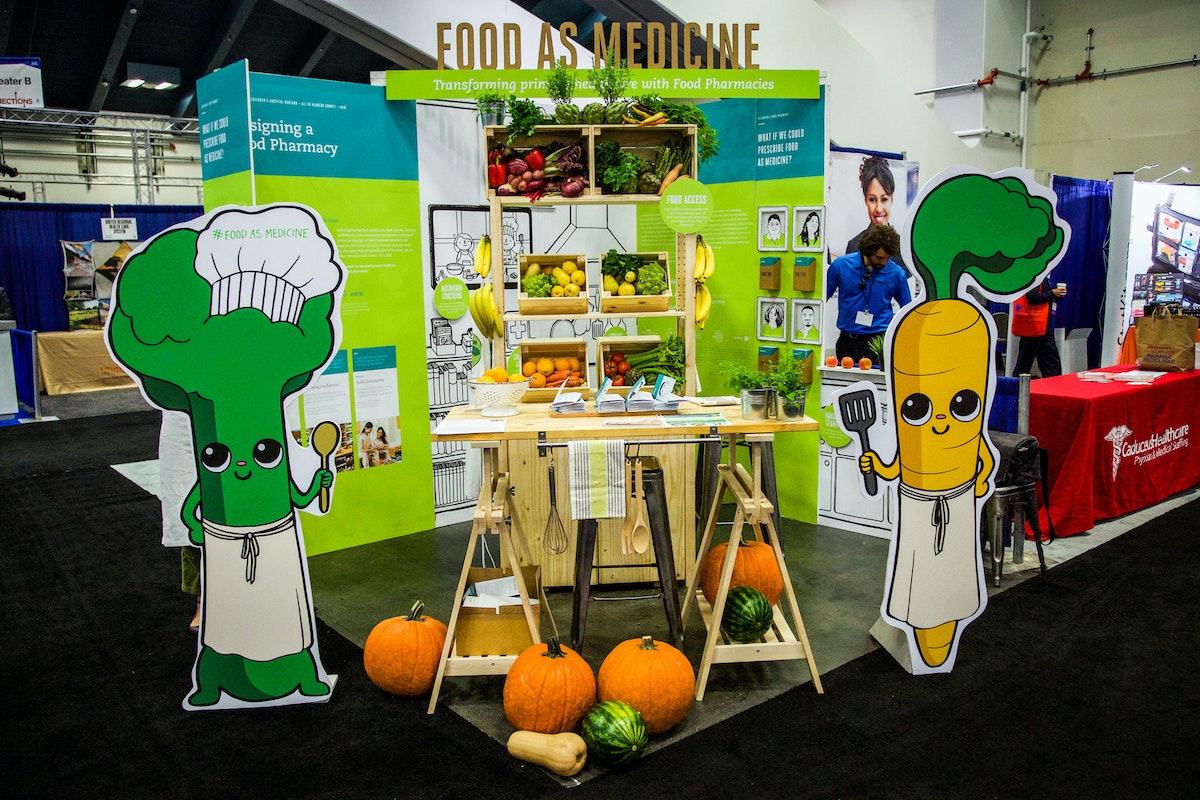
Our handmade booth with its bright colors and fresh produce stood out in the towering sea of sleek glowing structures. The focal point was a cornucopia of fresh fruits and vegetables, like kale, eggplant, imperfect apples, pumpkins, bananas, and hefty carrots still a bit dirty from the farm, all spilling out in an exuberant mess. It didn’t matter that we hacked together IKEA furniture and used leftover wood for the booth frame. It was rough. It was real. It matched our message that health care needs to meet people where they are. And because of this, it was a hit.
Some of the most pressing human-centered innovations—especially as they relate to health and food—can be prototyped in a much more humble way. Sometimes all it takes is an enthusiastic and collaborative team, a couple of glue guns, a pile of vegetables, and some imagination.
If you’re interested in joining the conversation, get in touch with us at vbarad@ideo.com.
Imagine walking into a pharmacy that looks more like a farmer's market, the open shelves stocked with vegetables, roots, and herbs. And instead of a dull waiting room there are interactive cooking classes and food sampling stations. Imagine a future in which food is seen as medicine.
5 Ways to Supercharge Your iPhone for Creativity
Is the iPhone the greatest tool for creativity ever invented, or its worst enemy?
1. Choose your creativity apps wisely
Try as many as possible, then edit them down to the few you use regularly and that can fit on your home screen.
If you're a writer, there are many notes apps that offer distraction-free writing (IA Writer, Daedalus). Day One is a great choice for people who use journaling as a creative practice. For photographers, there are a wealth of tools (pro-quality editing apps like VSCO, exotic image-modifiers like Prisma). My personal favorite is Over, which allows you to add text your photos via a simple, fluid interface.
For those running brainstorms in the non-digital world, 3M's Post-It app is a surprisingly effective way to capture a wall full of notes, then reorganize and export them to others apps. For doodlers, Procreate is the gold standard. (You might prefer to use this app on an iPad, unless you have eerily-thin fingers).
2. Curate inspiration feeds
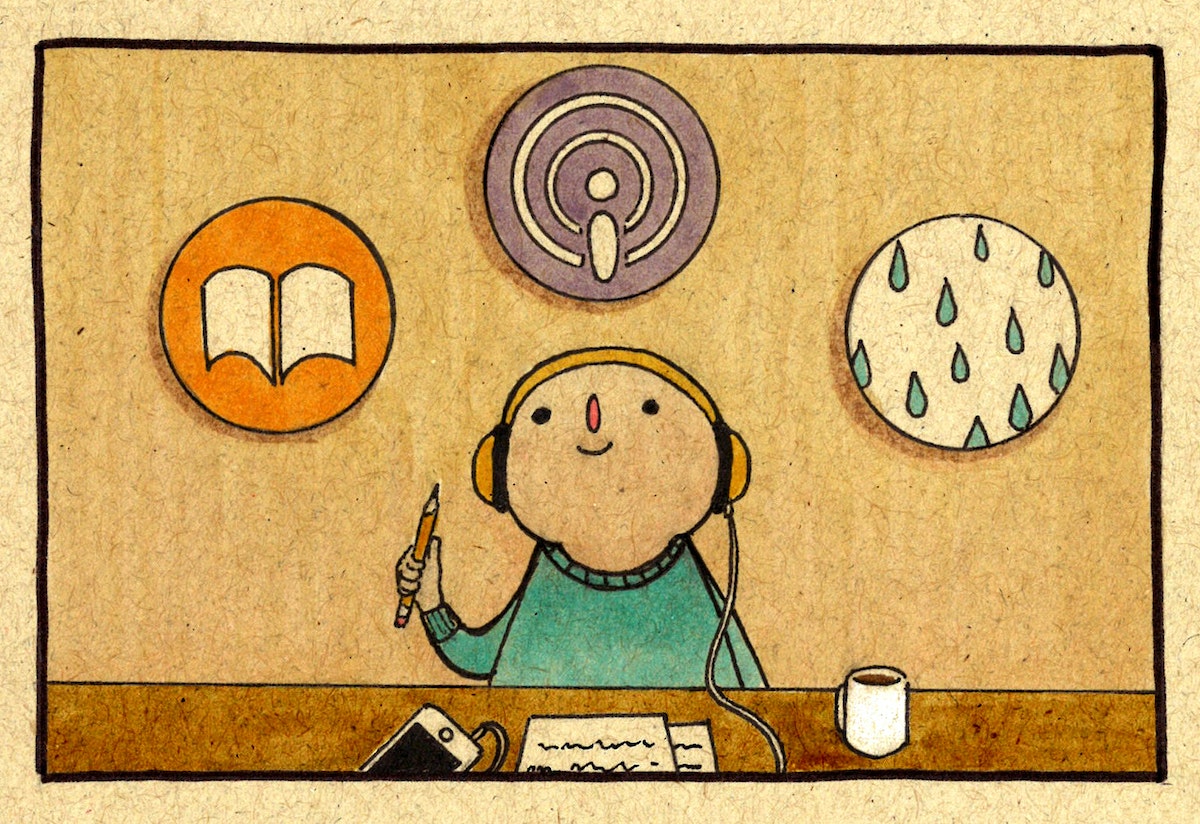
Aside from tools, you’ll want apps that supply a steady stream of inspiration. Some obvious ones: the Kindle app for reading, Audible for audiobooks, and a well-designed podcast player (we recommend Overcast). Other good sources of waiting room material are the various read-it-later apps, such as Instapaper or Pocket, and if you’re still reading this post, the Longform app. One note of caution here: don’t overwhelm yourself with a pile of material that feels like work to get through. Delete regularly.
3. Audit your distraction
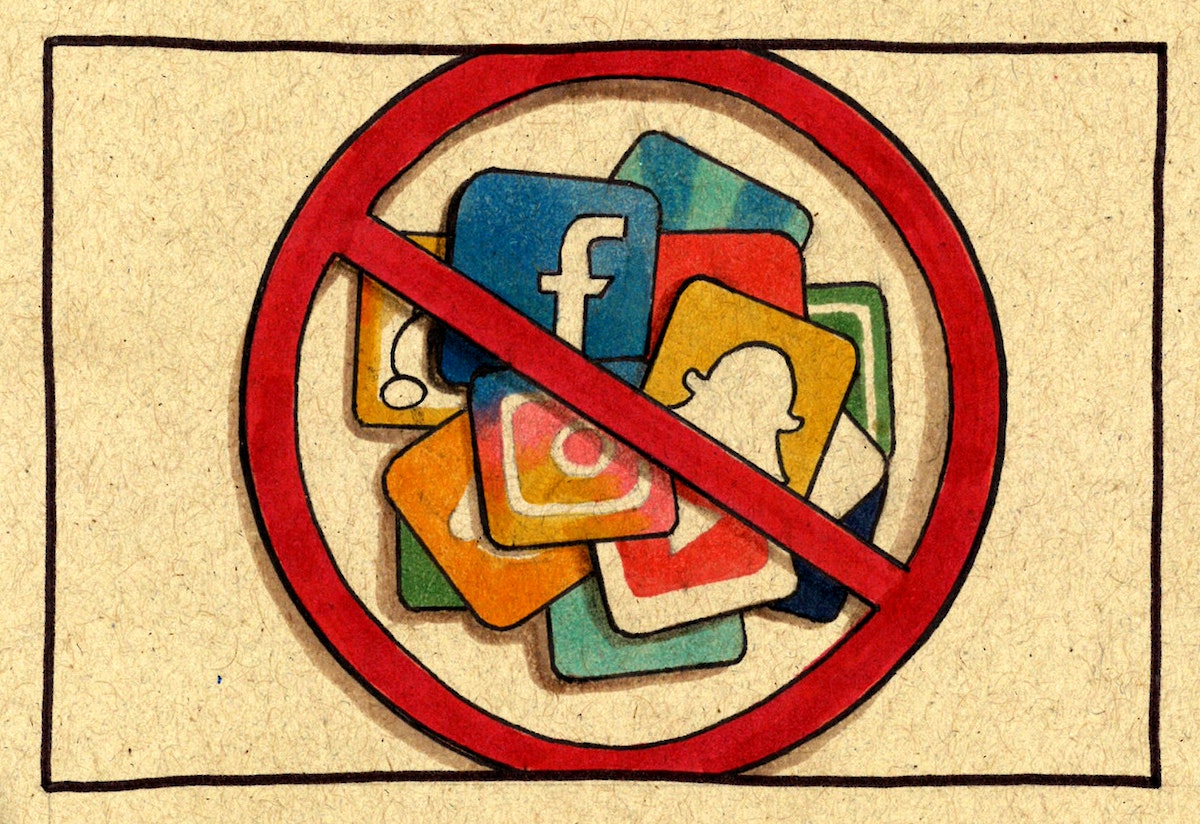
Ok, time to get real. How are you really using your phone? Are there certain apps or websites that you check repeatedly every day? Do you have habits that are vaporizing your time (We're looking at you, Facebook, Snapchat, Instagram, YouTube, Reddit).
If so, engineer some limits on usage. One simple approach is to put all the apps that distract you on a separate screen, or even to hide them away inside a folder—putting a bit of friction between you and your addiction. Use that brief moment of additional swiping as a reminder to ask yourself whether you *really* want to go down the rabbit hole. Might there be something better to do with your time?
4. Support your focus
When you do decide to commit to a creative task, there are a number of apps that can help support you. Many swear by the Pomodoro technique, which involves a commitment to focus for 25min chunks, with 5min breaks in between. There are many Pomodoro timers in the app store, though Apple's stock clock app works just fine, too.
If you’re easily distracted, try a white noise app. Rain Rain provides a vast array of variations on the sound of raindrops falling from the sky, alongside airliner and washing machine soundscapes.
For a slightly less boring selection of background sounds, fire up Spotify and search “ambient playlists”. Brian Eno's Music For Airports is an excellent writing companion.
5. Change your morning ritual
With all your apps organized on your phone, you should be all set for a more creative relationship with your device. You only need one more thing: discipline. One trick is to think about your "first apps.” When you grab your phone in the morning or after getting on the bus, what are the first apps that you open? Do you have a set pattern? Are those really the apps that you want to be opening or are you a slave to habit? Try opening a creativity enhancer first and see how that changes your perspective for the day.
And sure, we know you're not going to write a novel while waiting in line for an ATM. But instead of losing yourself in a Facebook fugue state, maybe you could take a minute to construct a groove in Figure, or play around with a photo in Prisma. There. Didn't that feel good?
Illustrations by Felicia Chiao.
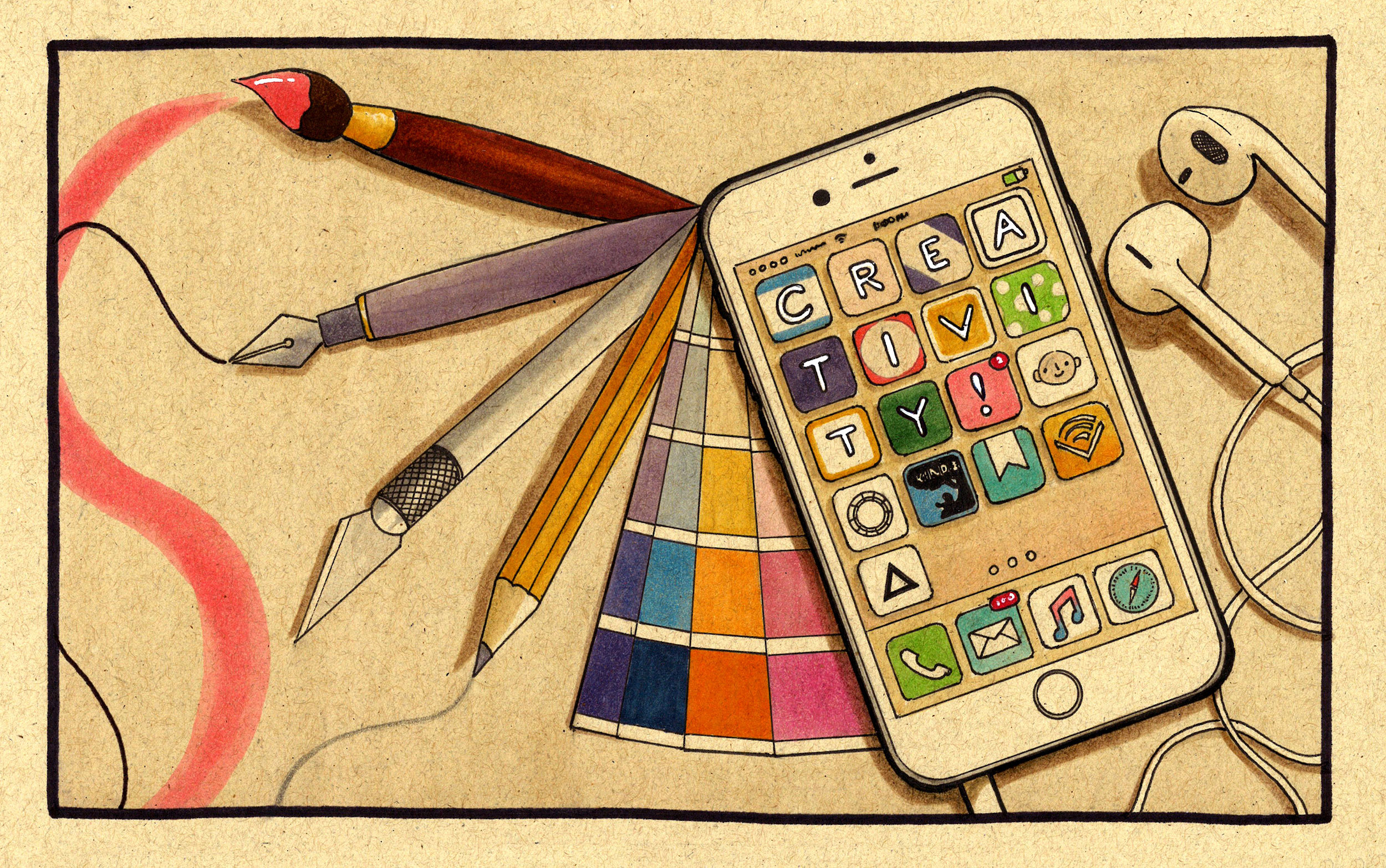
Is the iPhone the greatest tool for creativity ever invented, or its worst enemy? The answer is... both. On the one hand, the smartphone is the Swiss Army Knife of writing, research, photography, and planning tools. On the other, it is an attention-sucking black hole, consuming all of your free time in a gaming and social media vortex. Here are a few ways to make that computer in your pocket best serve your creative goals.

What We Talk About When We Talk About Death
A preview of the inaugural Let's Re:Imagine End of Life event
That's starting to change. With 76 million Baby Boomers gazing down that long, winding road, aid-in-dying laws gaining ground (California's passed in June of this year), and an epic list of recent bestselling books on the topic, many written by doctors, death is having a moment.
Which led us to ask: How can design play a role?
To find out, we teamed up with local hospital network Sutter Health, the Helix Centre in London, and the Ungerleider Palliative Care Education Fund to launch OpenIDEO’s End of Life Challenge. Thousands of people around the world participated, submitting ideas for tools, services, and platforms that might improve the way we prepare for and navigate the end of life.

Some incredible ideas came across the transom. Imagine the relief of a soundscape that cancels out the maddening noise of bleeping machines in hospitals, or a digital platform that provides respite vouchers for family caregivers who desperately need a break.
Struck by the volume of ideas the challenge generated, we wanted to make sure the momentum didn't end there. A team formed to send out a call to a loose network of healthcare professionals, designers, artists, storytellers, organizations, and individuals to see if it made sense to join forces and build a public event.

Re:Imagine End of Life kicks off Monday evening, October 24th, 2016, and runs through the week in San Francisco. With multiple events every night in San Francisco and the East Bay, there are plenty of opportunities to join the conversation.
Tonight (10/24), at Grace Cathedral, Dr. BJ Miller, Dana Cho, and I will lead a workshop on how design can play a role in the way we die. OpenIDEO Challenge participants Brad Wolfe, Ken Rosenfeld, and Yoko K will share the ideas they are developing.
Other highlights include:
- Death over Dinner at the Battery
- An immersive VR art experience
- How Doctors Die, with Dr. Ira Byock and Dr. Joon Yun
- An evening of stories and music with You're Going to Die
- Open conversations at Zen Hospice Project
Want to know more? The event's organizers can be reached at hello@letsreimagine.org.
No one knows when it will happen. Could be 30 years. Could be next week. What we do know is that we are all dying. And that how we die—perhaps the most important event human beings share—is something we never talk about.

Lindsey Turner
I’m passionate about building brands, products, and experiences that help organizations show up with meaning and momentum.
I help organizations cut through complexity by shaping how they show up, through brand strategy, identity, and storytelling.
Working at the intersection of brand and business, I bring an editorial eye and a bias toward making—turning ideas into tangible experiences that people can understand, trust, and believe in.
My work spans government, healthcare, financial services, media, and consumer goods, from launching Gen Z-focused ventures to building innovation labs and reimagining legacy brands. I relish moments of ambiguity and enjoy translating across teams, perspectives, and priorities to move ideas forward.
I started my career in editorial and digital design, shaping cross-platform experiences and identity systems in publishing and agency environments. That foundation still shapes how I work today: I’m detail-oriented, collaborative, and overreliant on the Oxford comma. I hold a BFA in Visual Communication from the School of the Art Institute of Chicago.

Rachel Young
My work helps organizations see who their products aren't working for—and build the will and the tools to do something about it
For 25 years, I've asked the same question: Who does this design exclude—and what are we going to do about it?
My work spans human-centered strategy, inclusive design, and qualitative research, with clients ranging from Microsoft, Google, and Verizon to the National Science Foundation, and San Francisco Unified School District.
Before IDEO, I taught elementary school in East Palo Alto and spent a decade doing design work with social service organizations—where I learned firsthand what it costs people when systems are built without them in mind.
I am currently writing User Error, a nonfiction book about digital access and the design decisions behind it. I live in Oakland, California.

Brian Pelsoh
I lead with craft, ensuring our work is creatively excellent: rooted in deep human insight and imagination, while also grounded in the realities of business and technology.
My expertise spans brand, communication, and product design across tech, education, the arts, and social impact.
I believe great work demands both high-level vision and obsessive attention to detail, and only happens through collaboration.
I bring an inclusive, hands-on approach and a deep understanding of business, which enables me to consistently deliver excellence while always asking why.
Before joining IDEO, I worked at the brand firms Pentagram and VSA Partners. I began my career as a designer, leading teams at the School of the Art Institute of Chicago and the Milwaukee Art Museum. I hold an MFA in graphic design from Maryland Institute College of Art and a BFA in communication design from the Milwaukee Institute of Art & Design, and have taught at some of the best design schools in the US.

Tony Wong
I am responsible for IDEO’s long-term success in China and working with clients to use design as a tool to enable growth.
I am responsible for IDEO’s long-term success in China and working with clients to use design as a tool to enable growth. Specifically, I have helped Chinese companies design holistic brand solutions through the development of their products, communication, services, and innovation teams, and I have helped multinationals expand their presence and influence in China.
I advise global leaders on developing China-led innovation and capabilities.
In over 15 years in IDEO Shanghai, I have worked on projects that use design to elevate the quality of the experience of healthcare products and services, streamline processes that increase productivity, create spaces and programs that promote and enable inclusive communities, and build next generation mobility solutions that are planet-positive.
Before joining IDEO, I worked at Philips Electronics and the Electrolux Group in Italy, the Netherlands, and Singapore on a number of breakthrough commercial products. I am a member of the Young President Organization in Shanghai.

How to use AI as an editor, not a writer
Ed White shares how he uses AI as an editor—not a writer—to sharpen storytelling, rehearse ideas, and preserve the productive friction that makes creative work better.
Ed White has a rule he's tested on his own writing: hold yourself as the writer, and let AI be your editor. Ed is a Senior Design Director at IDEO's London studio, where he co-leads the firm's AI portfolio across Europe. Before IDEO, he spent 12 years as a writer and editor at the Financial Times, Wired, and Contagious. So when he talks about when to use AI for storytelling and when not to, it comes from two decades of crafting his storytelling skills.
In this episode, Mina Seetharaman talks with Ed about two specific tools he uses to keep AI in an editor's seat: a "roasting agent" prompted to critique his drafts without any sugarcoating, and a simulated audience he rehearses pitches on before the real thing. They also get into what Ed is hearing from design leaders at Anthropic, Lovable, Shopify, and Google Creative Lab about how creative work is changing, and why he thinks the friction of writing something yourself is worth protecting rather than automating away.

Building a personal AI for the messiness of life: Sida Li
Becca Carroll talks with Cue co-founder Sida Li about designing a personal AI for the messiness of everyday life—not just work. They explore how Sida stays anchored to human needs while navigating fast-changing technology, product tradeoffs, business-model experimentation, and the realities of building an AI company today.
Most AI products today are built for work—a space with clear problems and established systems. One founder noticed a gap: personal life is messier, harder to systematize, and mostly left behind by the AI boom. So she built Cue, a personal AI that lives inside iMessage and group chats, to go where the other tools haven't.
In this episode, Becca Carroll, IDEO's Chief Strategy Officer, talks with Sida Li, co-founder and CEO of Shared Context Lab, about staying anchored to a human need while the technology around her keeps changing shape, why she treats her business model with the same rigor she'd bring to a product, and what it feels like to build a company at this particular, disorienting moment in AI.
The conversation also gets into how Sida makes design decisions: the language Cue uses to describe itself, the tradeoffs behind building inside iMessage instead of a new app, and a real story about a business idea that didn’t pan out.
This is the second in a two-part series profiling founders from IDEO's Startups-in-Residence program. The first conversation is with Johannes Seemann, founder of Sooner, on designing GenAI for the emotional side of money.

Designing GenAI for the emotional side of money: Johannes Seemann
Designing financial tools around the feelings that shape money decisions.
Most personal financial tools are built to run the numbers and optimize towards a budget. While that works for some, most people experience money as a lived relationship that does not neatly fit into a spreadsheet. Johannes Seemann and Becca Carroll discuss why money is emotional before it is mathematical, and what a human-centered approach to building a generative AI financial product looks like in practice.

The curious leader's edge in uncertainty: Scott Shigeoka
How genuine curiosity helps leaders navigate uncertainty with greater confidence.
Mina Seetharaman talks with Scott Shigeoka, author of Seek and Head of Curiosity Cultivation at the Eames Institute, about what distinguishes genuinely curious leadership from performative curiosity, how power dynamics shape curiosity, and why practicing curiosity can restore energy rather than drain it.
Looks like you might be in search of something very specific?
Or reset the filters above and try another angle.
Here’s some random inspiration

Podcasts about creative leadership

Articles about the power of prototyping
