
.svg)


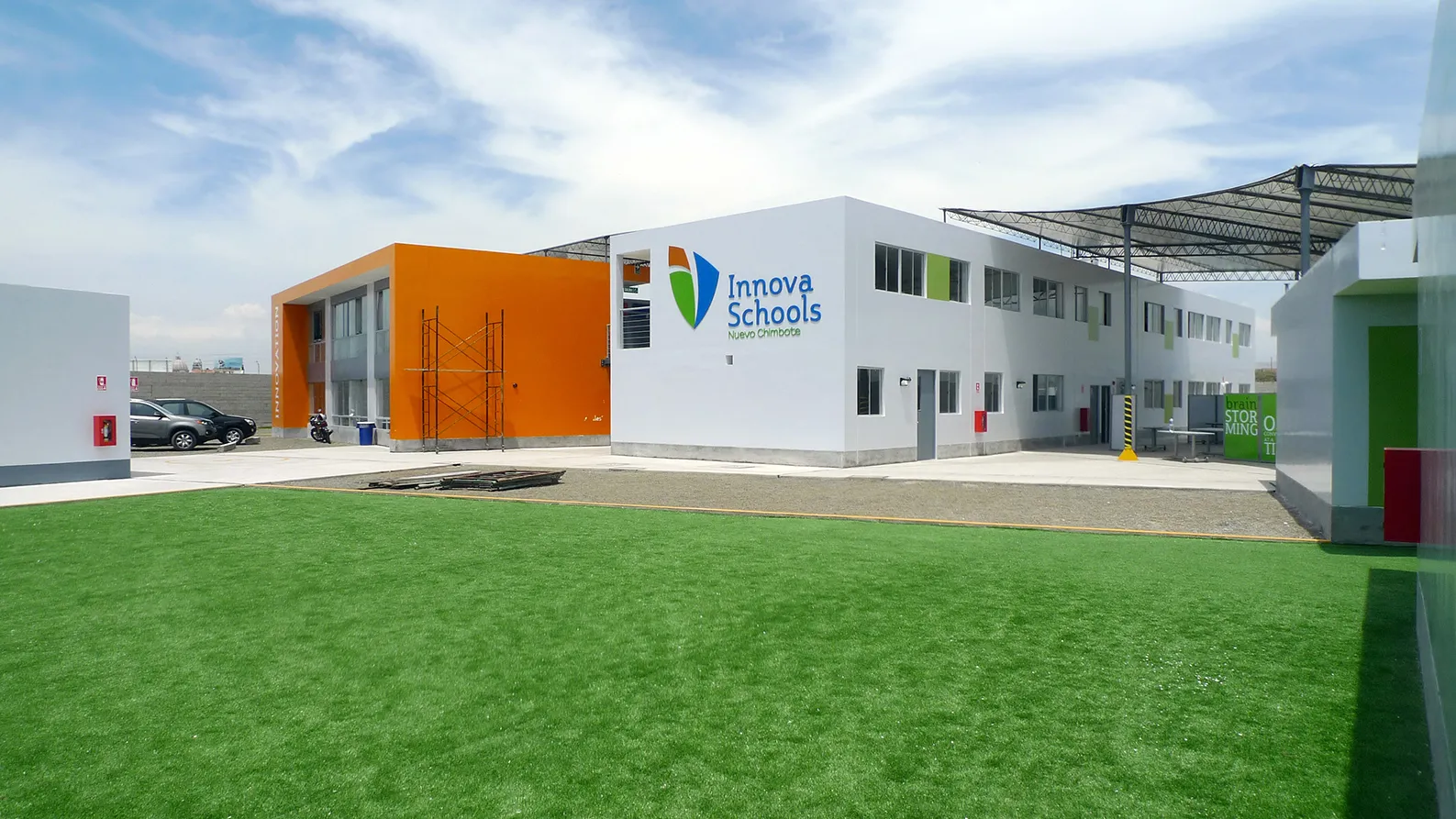

Designing a school system from the ground up
Scaling an entire network of schools for the growing Peruvian middle class.
How do you lift up the middle class in a developing country?
That was the challenge facing Peruvian entrepreneur Carlos Rodriguez-Pastor, who hired IDEO to build an entire network of schools powered by a progressive new learning model. IDEO’s mandate: to redesign Innova’s entire K–12 learning experience, from the curriculum to the teacher training to the school buildings, with an eye toward expansion and a goal to provide international-quality education at an affordable price—about $100 a month.
Innova Schools is a part of Intercorp, a family of 35 businesses that span everything from banks to retail stores and added schools to its portfolio. In 2010, the company had five existing schools but realized that its existing model could not grow. The shortage of well-trained, high-quality teachers in Peru, combined with rising land costs, meant the schools would need to radically change course to succeed.
To learn about scalable school models around the world, IDEO researchers visited inspirational schools and learning programs, and looked to analogous systems like retail, hospitality, and health care to understand their approaches to scale. Throughout the project, they collaborated with teachers, students, and the Innova Schools team in co-designing the work itself.
Together, Innova Schools and IDEO developed the curriculum, teaching strategies, buildings, operational plans, and underlying financial model to run the network of schools.
"I was blown away by Innova Schools," said Salman Khan, founder of Khan Academy. "It's inspiring to see such an affordable school deliver a quality of education that would rival schools in the richest countries."
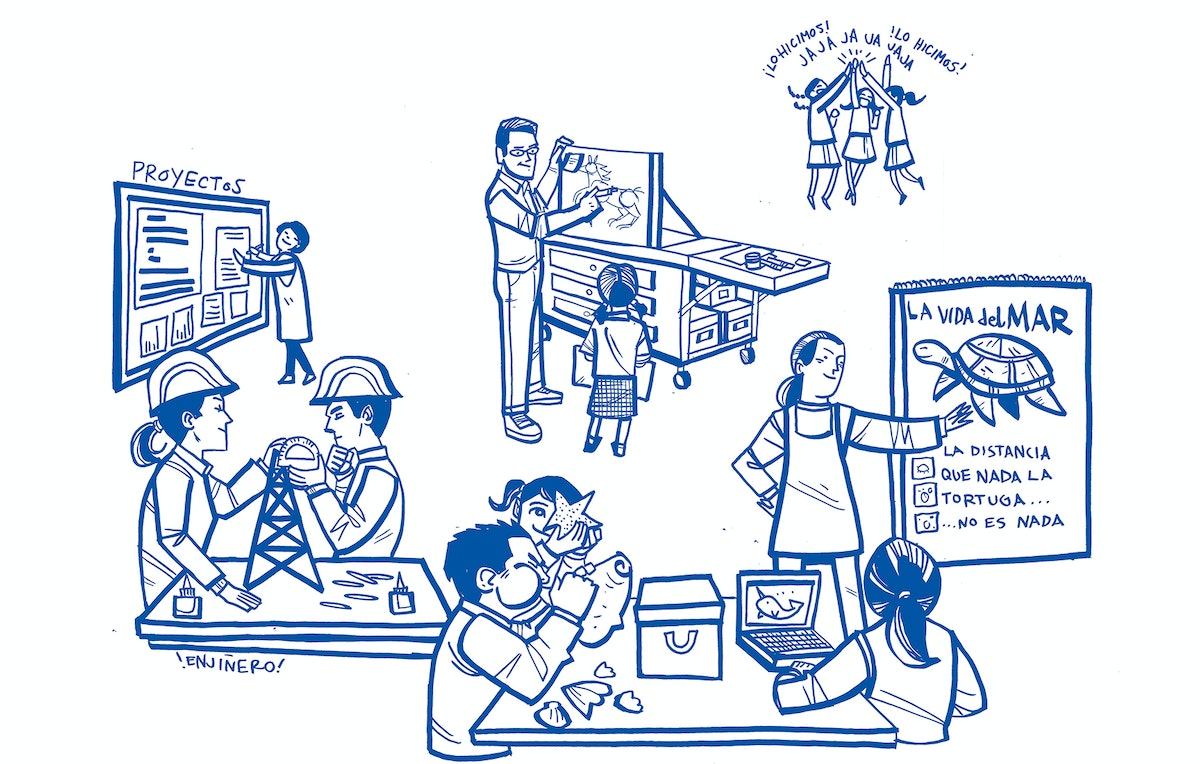
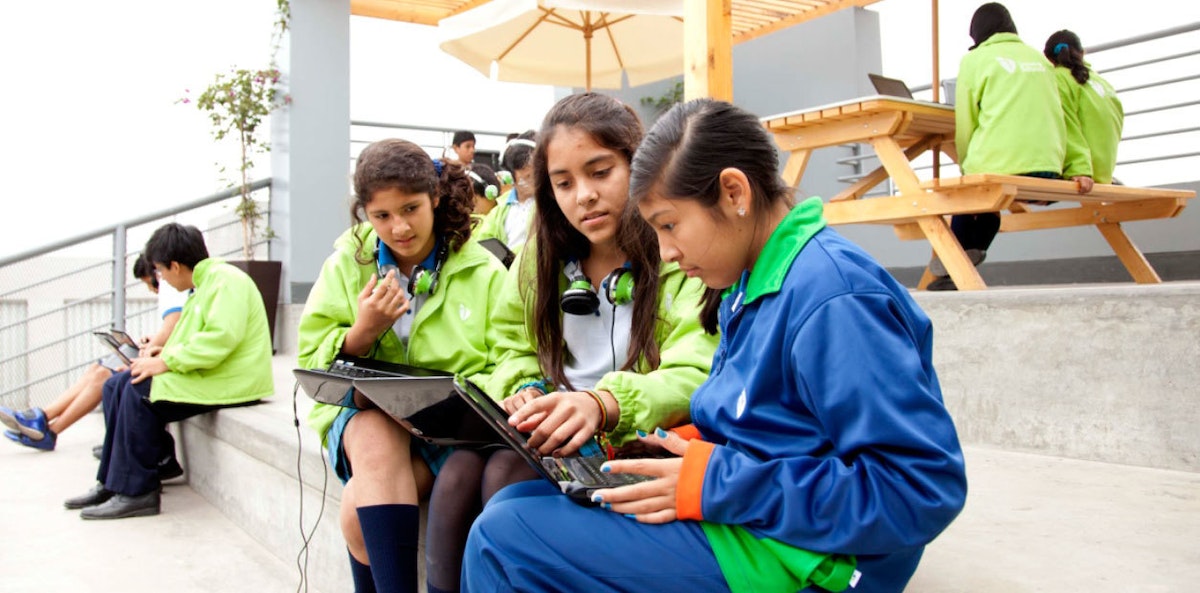
The new Innova Schools combine teacher-led, project-based learning in small groups with self-directed time using digital learning tools. Teachers monitor students’ work online and offer personalized guidance. Parents can view their children’s progress online as well.
Dynamic learning environments include community spaces, media labs, rooftop study areas, amphitheaters, and cafés that are optimized for flexibility: furniture on wheels, movable walls, and efficient uses of space to allow for different modes of learning.
An online Teacher Resource Center includes a database of more than 18,000 custom lesson plans based on a progressive new teaching approach. The center helps teachers learn their craft and gives them a chance to connect across the network.
The business model of Innova Schools was developed at the same time as the school experience. Designers leveraged the economies of scale that come from building a network of schools and centralized tools, such as data systems that allow all the schools to learn together.
The project has allowed Innova to open more schools at an affordable cost to families, ultimately giving more of Peru’s youth the chance to compete in the global economy. This comprehensive approach to system design ranks as one of Latin America’s most ambitious privately funded educational projects, and is on track to become the largest private school network in the region. To date, Innova has opened 63 schools in Peru that are serving more than 50,000 students.
A good system design doesn’t end with strategy. The work on Innova Schools also had a huge influence on the company, according to Rodriguez-Pastor. Through the creation of new roles and an aligned set of values, Innova’s central office has become a much more nimble and creative organization. They’re constantly scanning the world for inspiration in how to best educate their students, while building out the new innovations. They realize that design thinking can become an integrated part of their daily management of this growing network of schools.
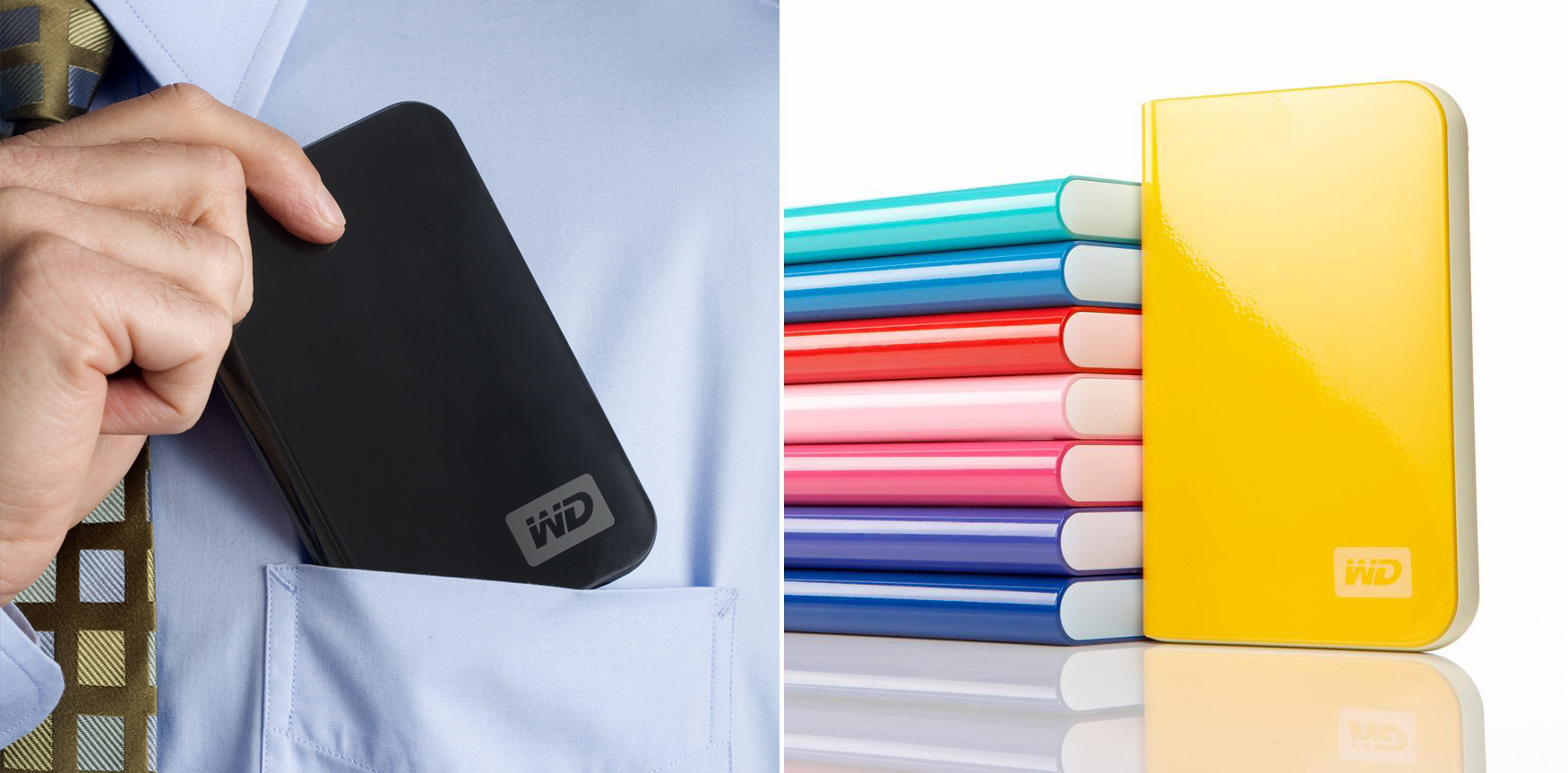
Designing a top-selling hard drive
Through a long-term collaboration, Western Digital and IDEO have created one of the world’s best-selling hard drives.
Western Digital, the leading provider of external digital-storage solutions and a pioneer in the field, and IDEO collaborated on a number of products that produced reliable, secure, high-performance hard drives for personal and professional use and have won numerous design awards.
The projects include:
- MyBook external hard drive: IDEO and Western collaborated to find a new design language for their external hard drive MyBook. In just six months, MyBook became the number-one hard drive in the Americas, and grew US market share by more than 50 percent.
- MyBook II: Looking to regain MyBook’s original number-one position in the hard drive market, IDEO and Western came together again to refresh the original design, finding ways to further differentiate the product and the brand, and winning a 2008 Spark Bronze Award.
- MyPassport: Western and IDEO designed the 320GB, ultra-portable USB-powered hard drive that appeals to the mobile user, which won both the 2008 IDEA Bronze Award from IDSA and BusinessWeek, and the 2009 iF Award.
- MyBook and MyPassport 3.0: Again, IDEO and Western collaborated on bringing the popular MyBook external hard drive to the next level in the hardware, the software, and the packaging. IDEO also created in-store merchandising, the graphics and information featured on product packaging (and the “out-of-box experience”).
Designing a city emergency plan
Helping cities prepare for emergencies with a resourceful toolkit.
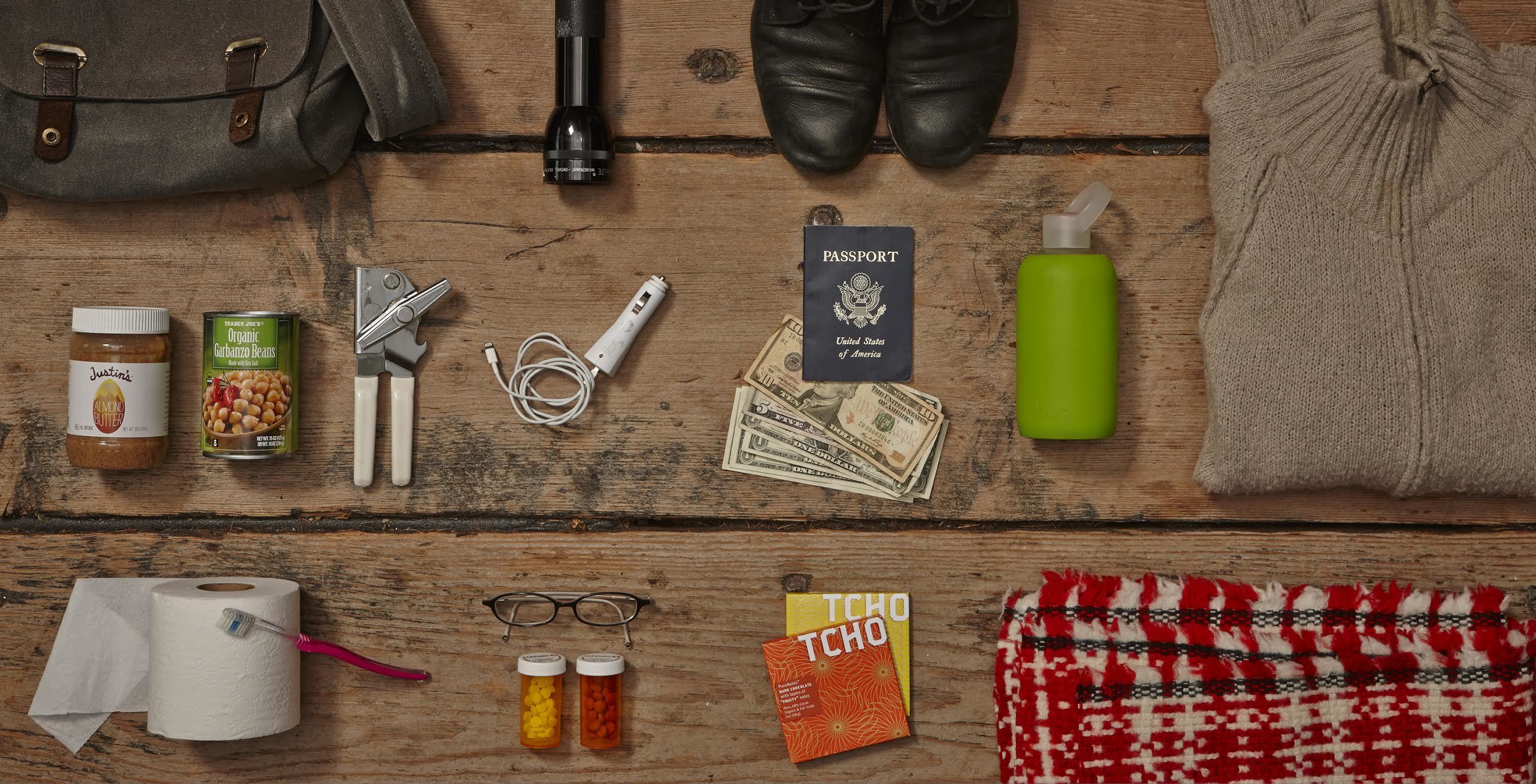
The city of San Francisco wanted to help its people become better prepared in case of emergency. While no one feels totally prepared for a natural disaster, people who are most connected within a local network fare better in an emergency.
So the San Francisco Department of Emergency Management (SF DEM) and IDEO teamed up to create SF72, a revolutionary platform that helps to reach people where they are. In times of emergency, the city will need citizens to be self-supporting for 72 hours (or longer) before local services or outside help kicks in. With that in mind, IDEO developed an accessible platform to help people prepare for those 72 hours in simple ways that fit into their daily lives.
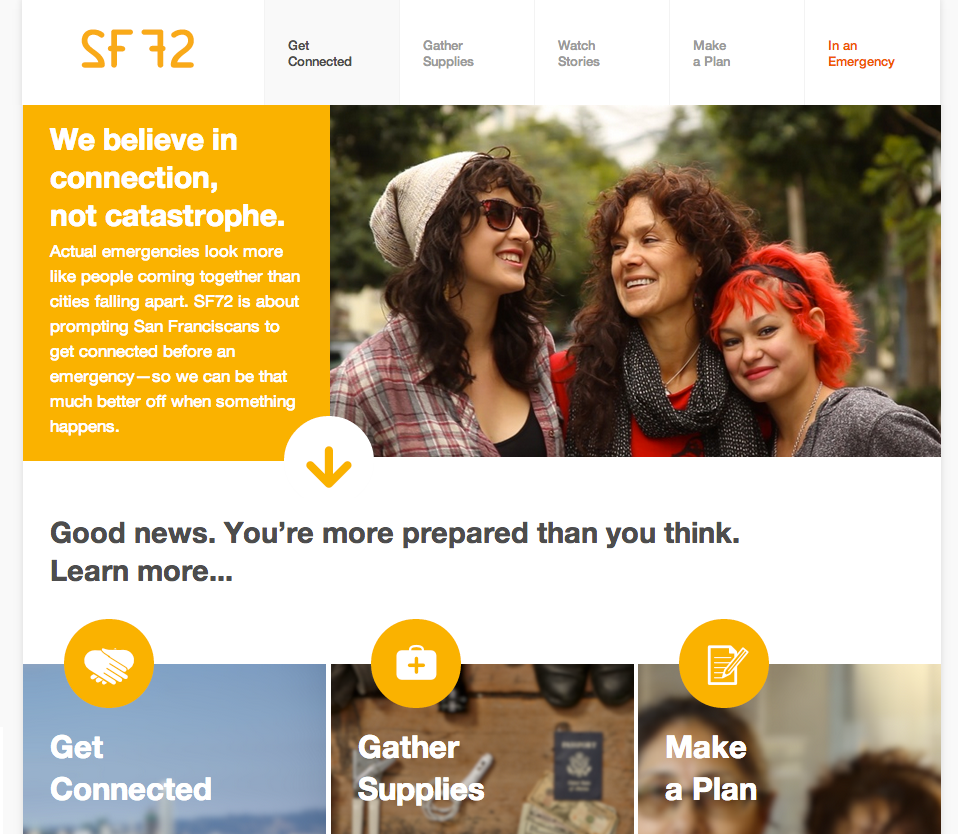
The SF72 website helps people with five important tasks: Get connected, gather supplies, watch stories, make a plan, and have access to an updated Google map. SF72’s content is hyperlocal, but IDEO and SF DEM also created an open-source toolkit for cities worldwide. From San Jose to Denver, other locales are using the simple toolkit to create a City72 platform of their own. Most recently, the city of Oakland collaborated with Code for America to develop its own platform. The City72 Toolkit enables SF72’s ethos of social connection for resilience to scale and grow—city by city.

Designing a global plan for disaster response
Creating a network that connects veterans across continents.
Team Rubicon, formed in 2010 as a response to the devastating earthquake in Haiti, is made up of former military veterans who swoop into help in times of disaster. The organization started with six vets in the US who were eager to transfer their battlefield readiness in to frontline relief efforts, and has grown to more than 28,000 volunteers across the world.
To explore its growing global effort and to shape the future of the organization’s venture, Team Rubicon approached IDEO for help. After an 11-week collaboration with government, military, and veteran groups, a vision for Team Rubicon Global emerged. Inspired by sources as diverse as TED and The Hell’s Angels, the three-tier model consisted of an anchor network to share best practices across the organization and two supporting platforms designed to help countries with varying capacity and needs.
Team Rubicon Global coordinated its first deployment in April 2015, when a quake struck Nepal, sending US and UK teams to double down on the rescue effort. According to Vince Moffit, Team Rubicon USA Incident Commander, that incident alone validated the network effect of IDEO’s work. “We couldn’t have done this without Team Rubicon UK,” he said.
And for the veterans who are part of Team Rubicon, the shared desire to serve—applying skills ideally suited for disaster response—creates a renewed sense of purpose, community, and leadership that helps reintegration to civilian life.

Thoughtless Acts: Back-Pocket Breakfast
Thoughtless acts are fascinating to me simply because I enjoy discovering the details in the everyday interactions around me. They also help me remember that, as designers of products and systems, we will never anticipate everything that people do.
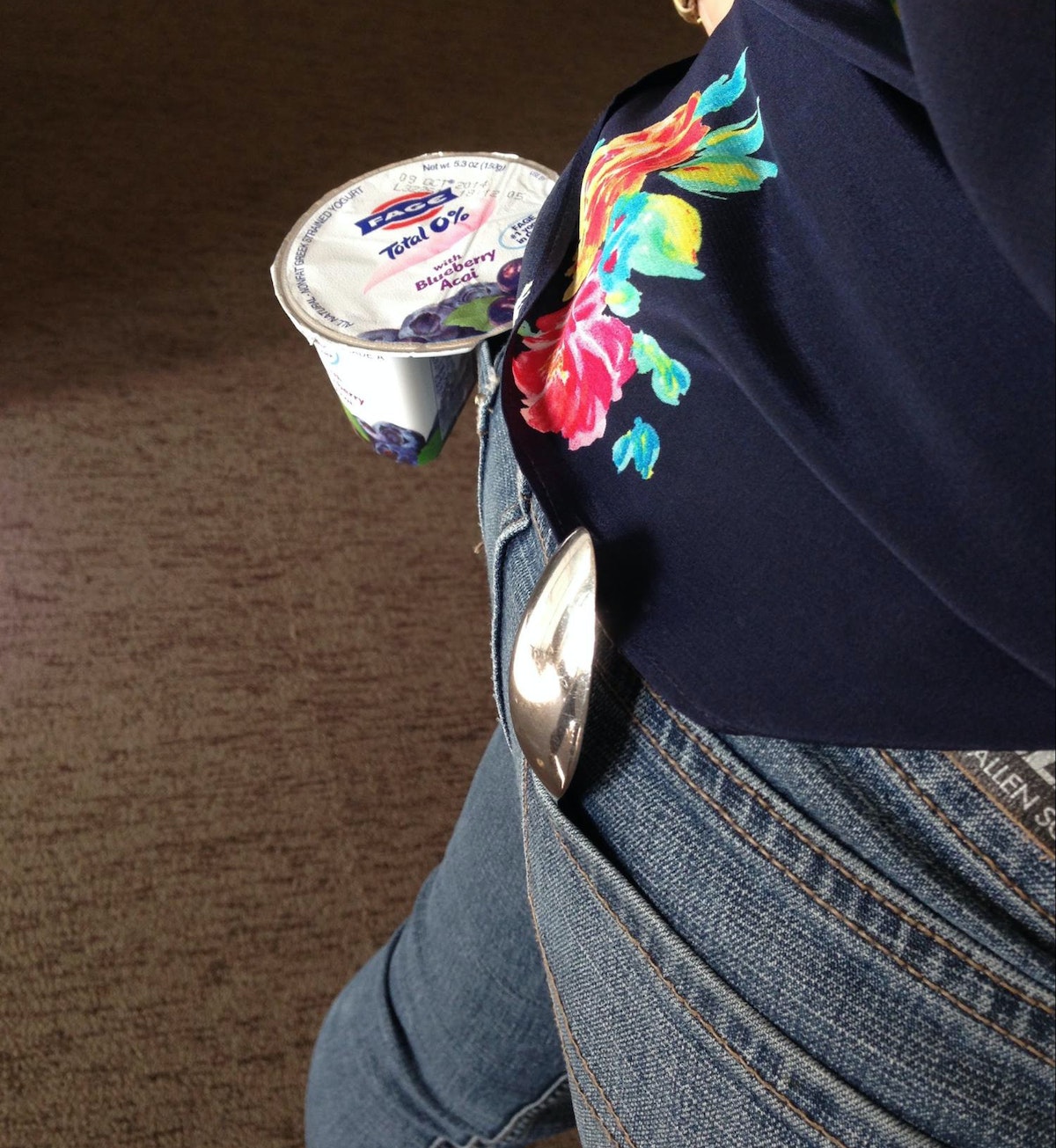
In this picture you see one of my colleagues on her morning trip from our studio kitchen to her desk. She's carrying her morning coffee, purse, and phone in the usual way—so her hands are full. But to save a second trip, she's cleverly stashed her breakfast supplies in the back-pockets of her jeans. A spoon, yes, but would you think it possible to carry a tub of yogurt in your back pocket? This tub has a molded split—intended to keep the yogurt and fruit in separate compartments—but that split creates a perfectly-sized and balanced hook. It's an unanticipated benefit that turned out to be very handy.
Thoughtless acts are fascinating to me simply because I enjoy discovering the details in the everyday interactions around me. They also help me remember that, as designers of products and systems, we will never anticipate everything that people do. It's best if we strive to humbly provide simple, understandable, responsive and reliable things that allow natural human creativity to thrive.
A Day in the Life of a Design Researcher
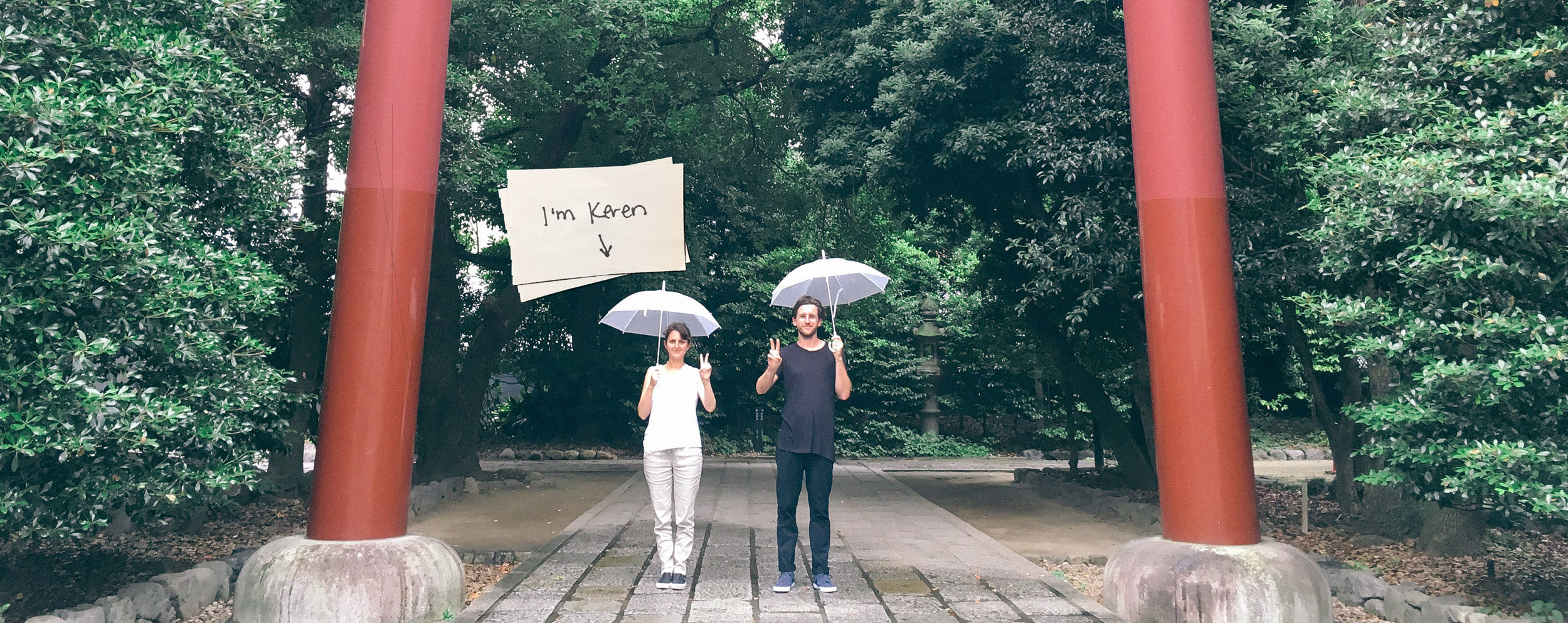
Follow a design researcher through her day conducting field research in Tokyo
For my latest project, I worked with a Japanese insurance company to explore the mindset of "digital natives." Who are they, and what do they care about? After doing ethnographic research, we made a film to communicate what we learned. Juggling the roles of producer, creative director, and design researcher, I worked alongside Sean, a videographer, to bring the story to life. We looped back with one of our research participants in Tokyo and tagged along with her for a day, asking some targeted questions.
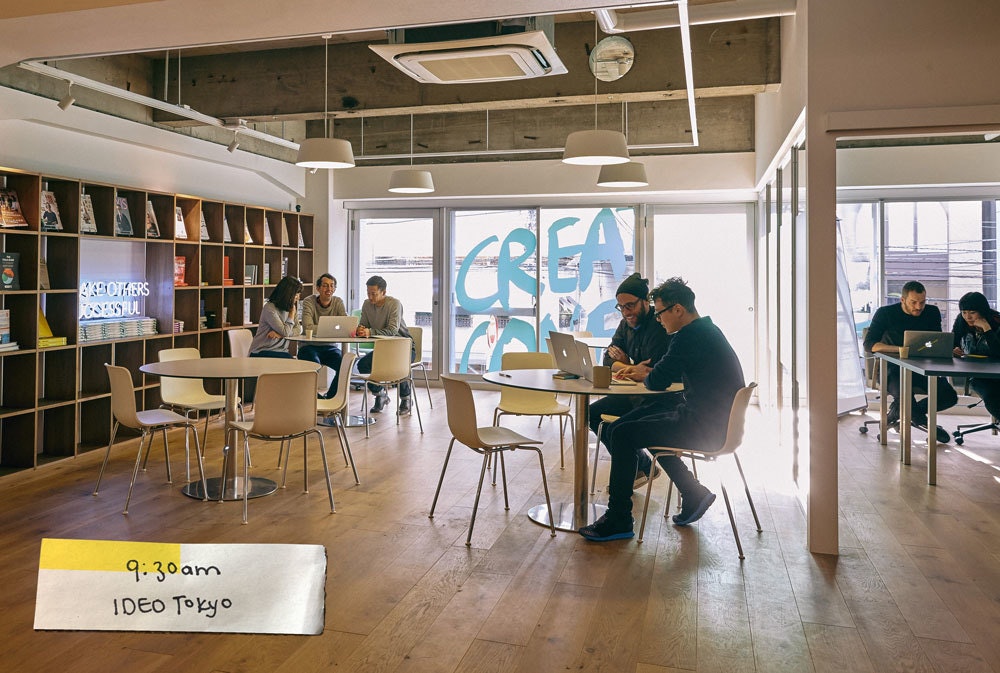
9:30 AM: Arriving at IDEO's Tokyo studio to start the day.
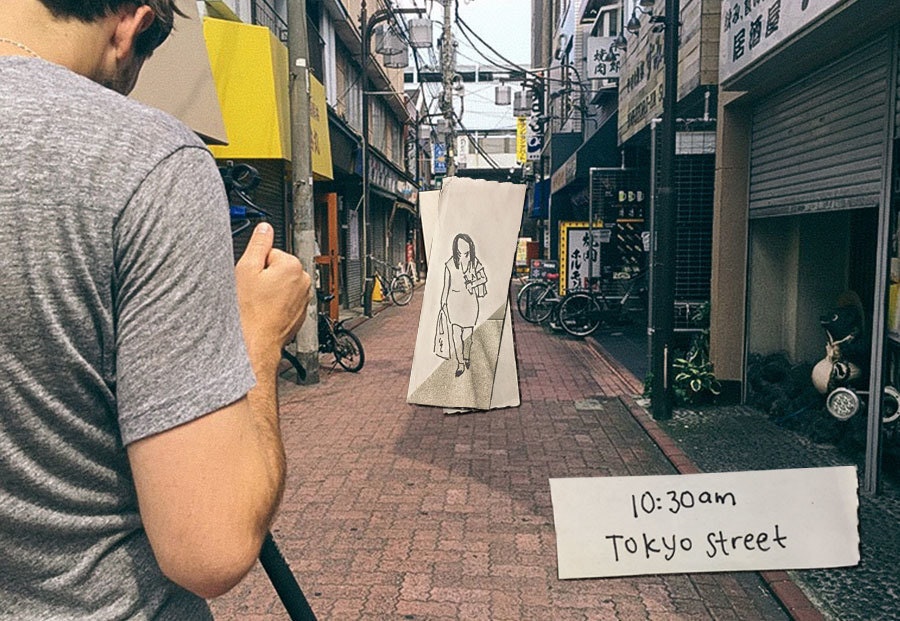
10:30 AM: From the studio we set out to meet our subject, Yoko*, and begin filming.
The purpose of the film was to bring the client closer to the people they want to serve, to help them understand the texture of their lives and what matters to them. We chose film as a medium because of its intimacy—allowing the viewer to feel as if they are hanging out in Yoko’s world for a day.
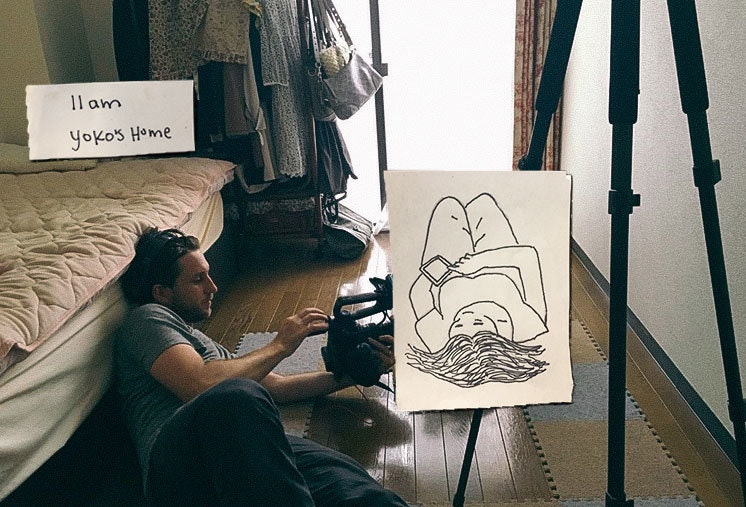
We had a translator with us to be sure we understood the nuance and intent of what Yoko told us. We tried to get to the heart of things. When people truly feel as though you're listening, they start to reveal themselves. That’s the magic that happens in design research. You are there to listen, not to respond.
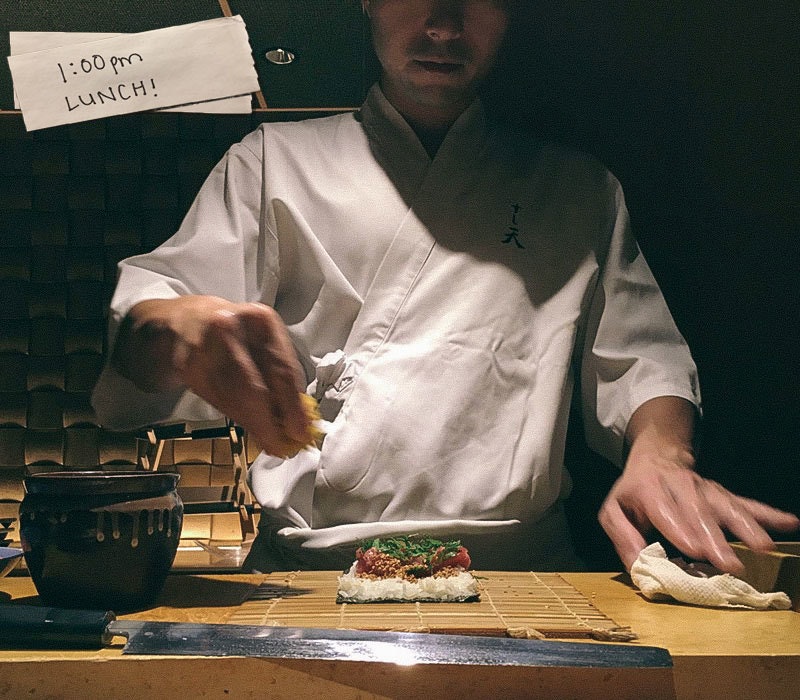
1:00 PM: Taking a break to enjoy some authentic local cuisine.
You can learn a lot about a culture's rituals and values through food!
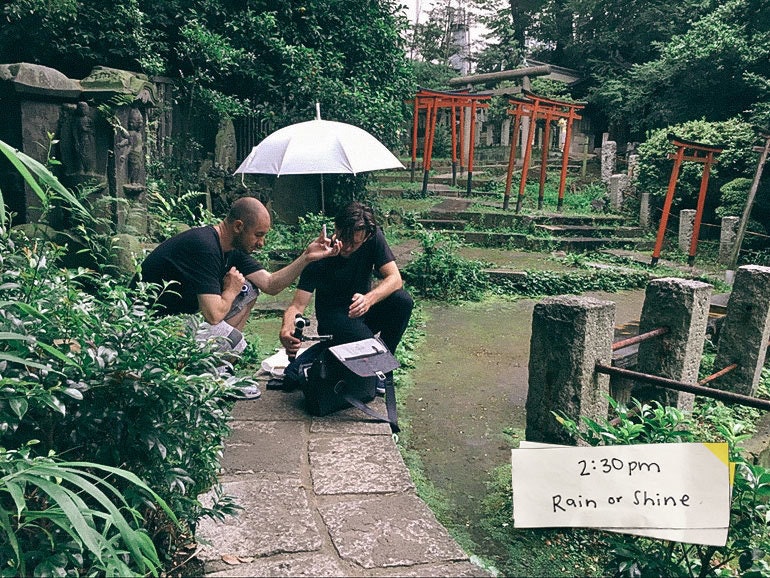
2:30 PM: Capturing B-roll to round out the story.
Doing the research is one thing, but how do we capture and share it in a way that incites action? If we’ve created nothing more than an esoteric emotional piece, we’ve failed. We set out to inspire change in our client organizations.
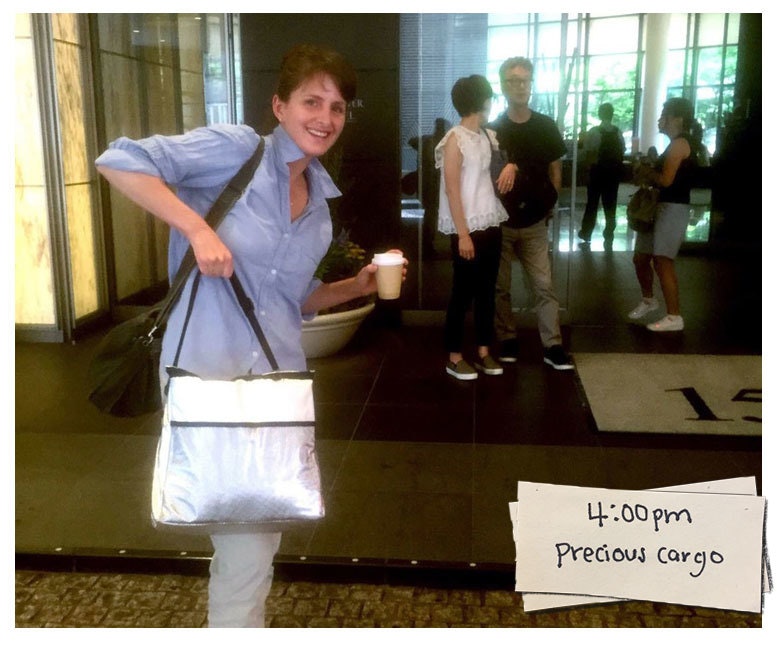
4:00 PM: Precious cargo.
As a nursing mother, I have to juggle a whole new set of responsibilities on business trips. The ice cooler is the new messenger bag.
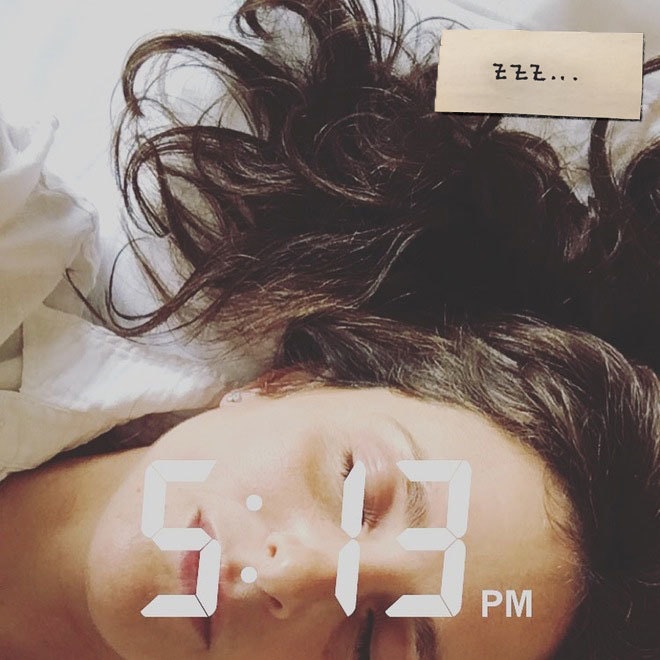
5:13 PM: Jet lag is no joke! Catching a pre-dinner cat nap.
Traveling to cool places around the world can sometimes seem more glamorous than it is. But still, I always find myself filled with so much inspiration. I run on adrenaline, and then at some point I crash.
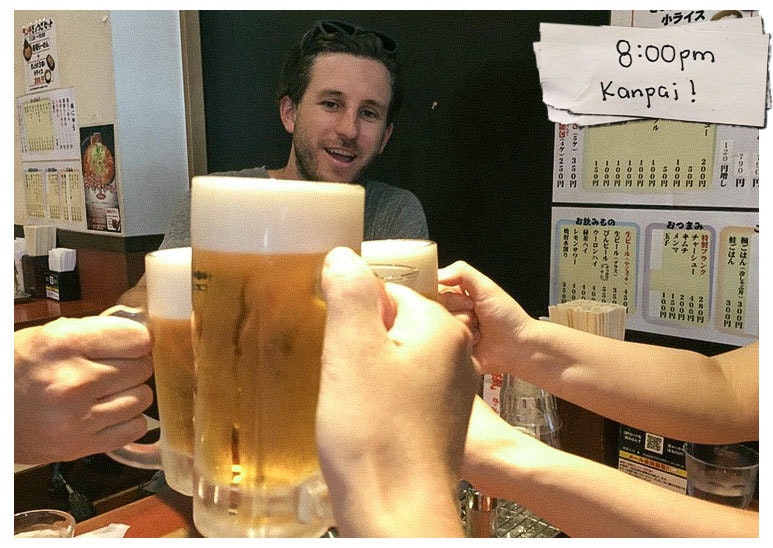
8:00 PM: A happy team moment at the end of a long day.
Want to get to know your team quickly? Travel together! The shared experience of exploring new places while working hard is a great way to bond.
Learning about different cultures and customs is one of my favorite parts of design research. We get to understand so much about people by looking in on the day to day of their lives, their habits and routines. Cultures can vary, but regardless of where we are in the world, human needs are so similar. Uncovering these needs and helping to design for them can feel incredibly fulfilling.
*We've changed the name of our interview subject out of respect for her privacy.
When people ask me what I do for a living, I say, “I try to understand why people do the things they do.” What inspires them to act? What motivates them to make certain decisions? What really makes them tick, or what makes them feel understood? Design research is like being a reporter or anthropologist or therapist—you’re given access to people’s lives that feels like a great privilege, and with that privilege comes great responsibility.
7 Tips and Tricks for Eye-Catching Window Design
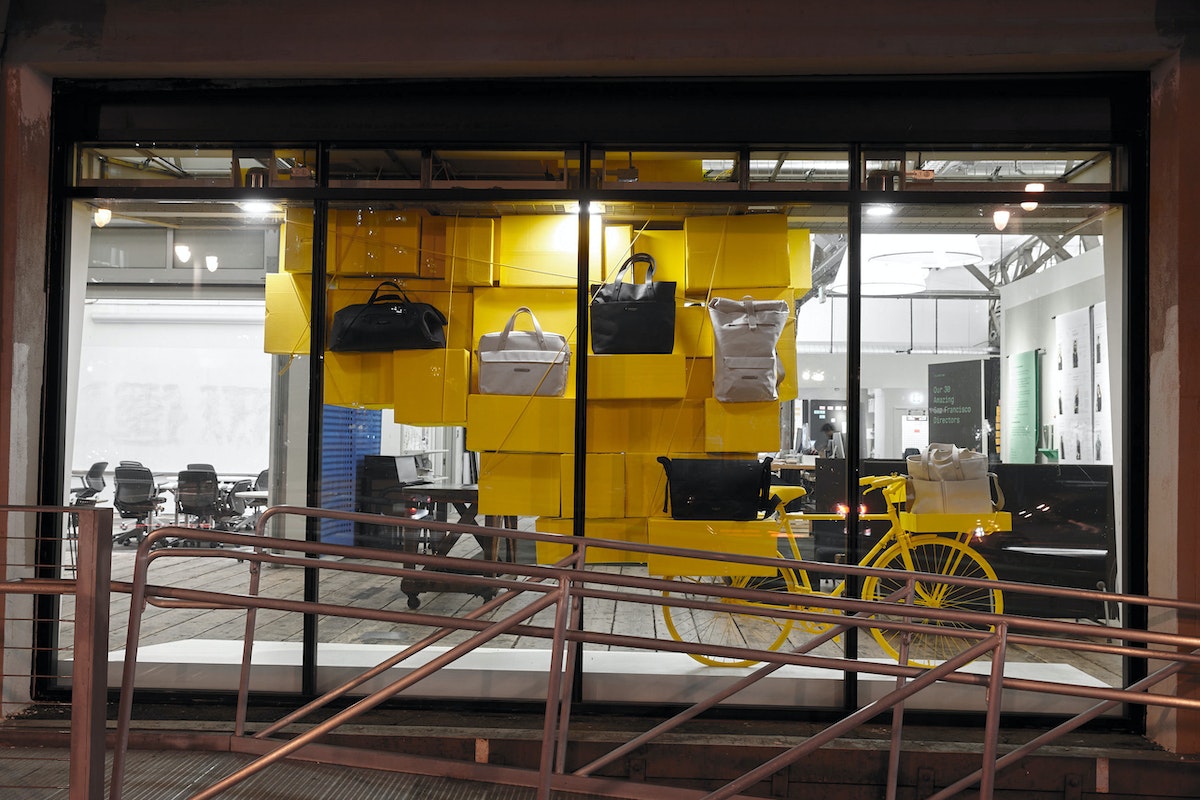
When the IDEO San Francisco studio moved its office to Pier 28, we landed a whole new design challenge: a massive, floor-to-ceiling front window along the Embarcadero. For the first time, we had a public display case to highlight our events and projects, and we had to figure out how to best activate it, while sticking to some pretty strict rules.
Since we moved in, Andy Deakin and I have teamed up to build out our displays. As industrial designers, we’re not trained in the art of window displays, but we’ve developed our own principles, drawing on our work creating physical exhibits or immersive experiences—and the rules set by the Port Authority.
Unlike traditional window fronts, ours comes with an elaborate set of constraints. The building is owned by the Port Authority of San Francisco, which has strict guidelines for what can be put on display. No direct advertising, no big logos, and nothing that looks too much like retail. The location also presents its own challenges: We have to create something strong enough to compete with the towering Bay Bridge above, and the bright sunlight along the Embarcadero. And every design has to do double duty—it needs to have meaning for people walking by on the street, as well as our coworkers and clients inside the building.
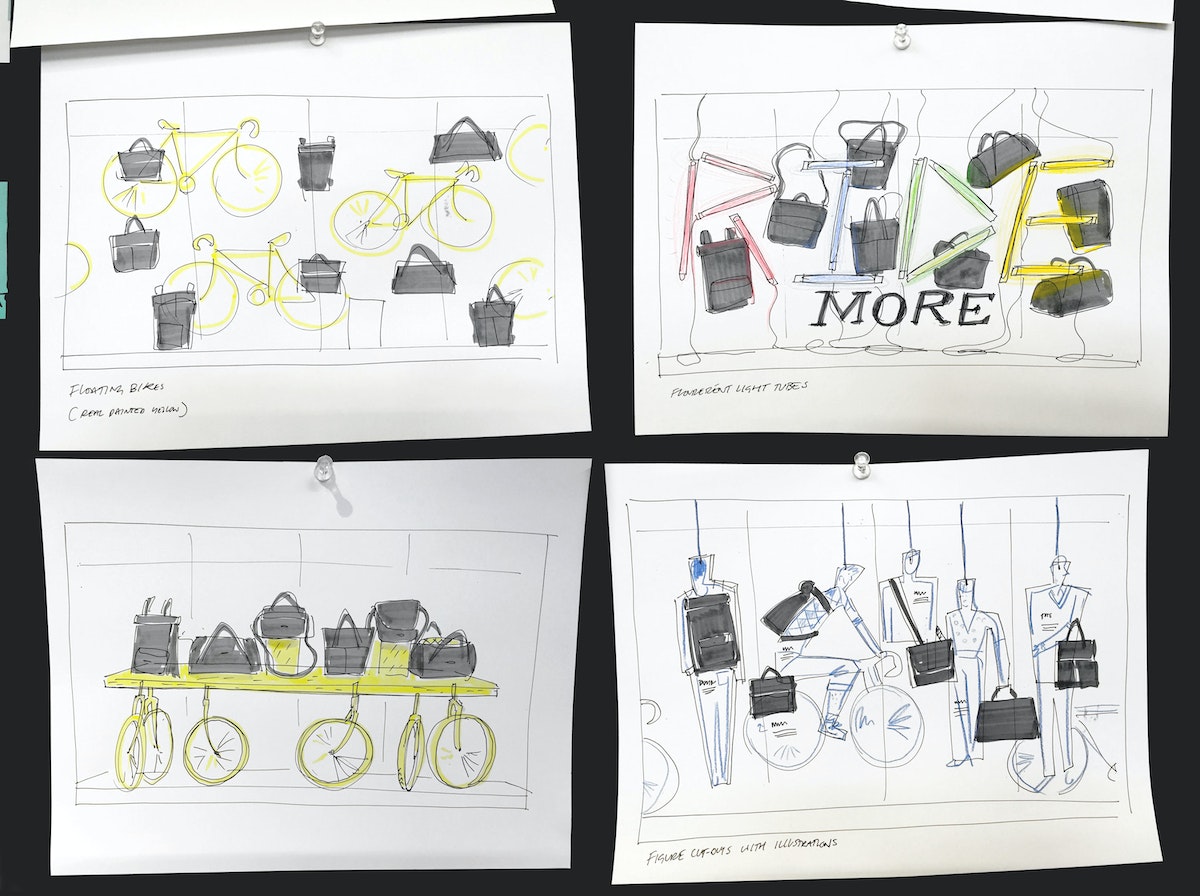
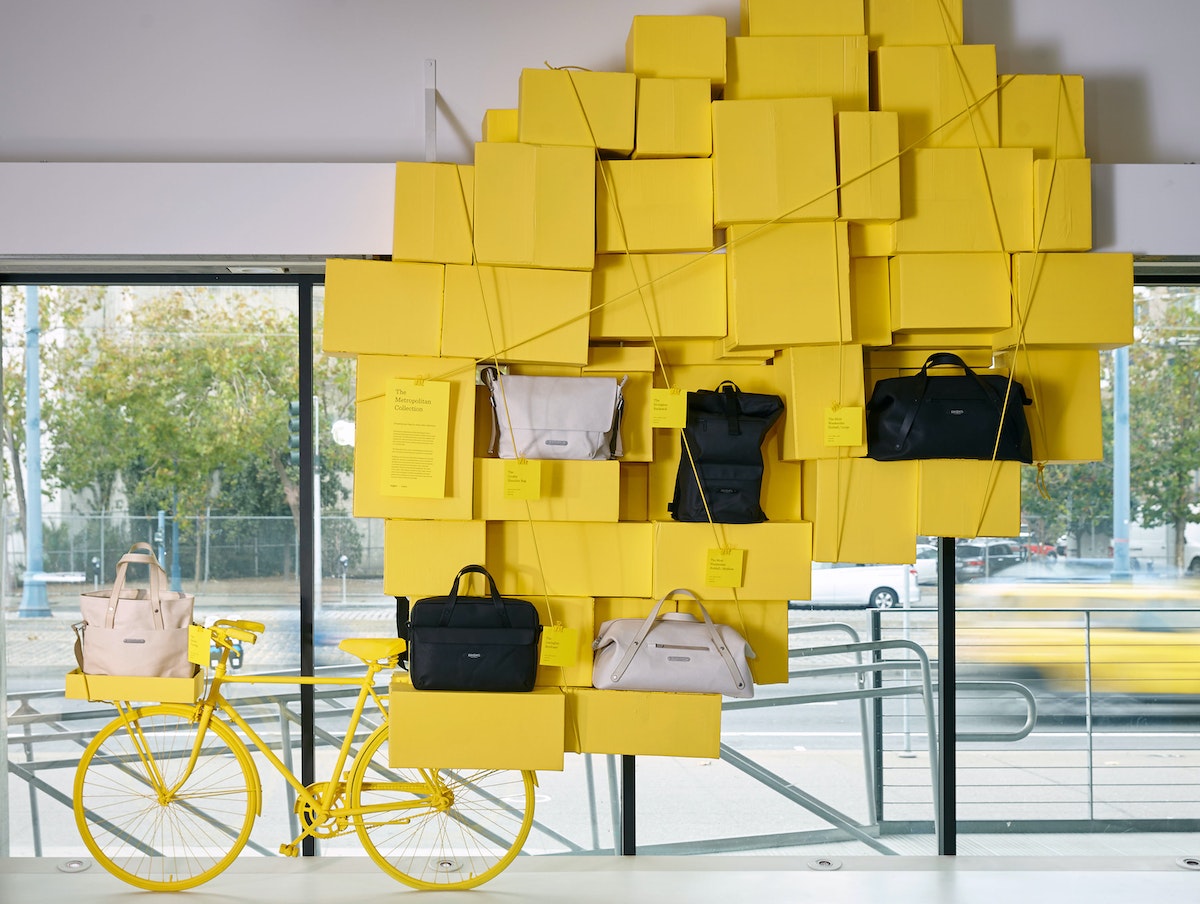
Our latest window design centers on a new line of cycling bags IDEO created with Brooks England. This time, the biggest challenge was showing off the gear without making the window feel too much like a store. We pulled inspiration from displays and exhibitions we admired, then brainstormed and sketched different iterations as a team before landing on the final concept: a bright yellow bike strapped with a mountain of boxes, which act as shelves for the bags to perch on.
Here are our seven rules for window design.
1. Set the Focus
What is the central focal point of the visual story you’re telling? Distinguish between primary elements and stage-setters. Try using only one material throughout, or in the case of the Brooks window, dip everything in one color to simplify the backdrop and create a neutral stage for the centerpiece—the bags.
2. Exaggerate Scale
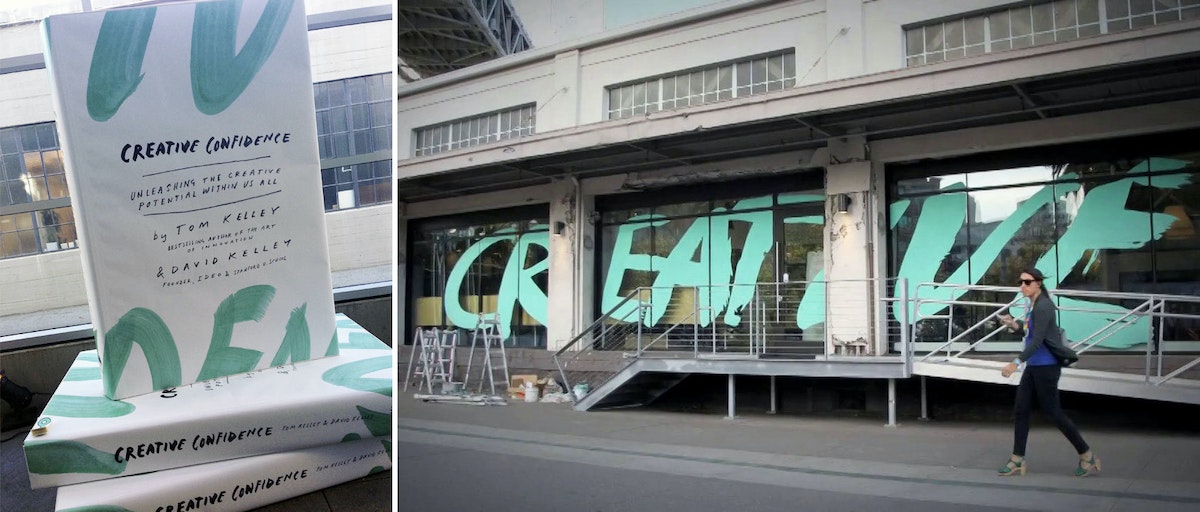
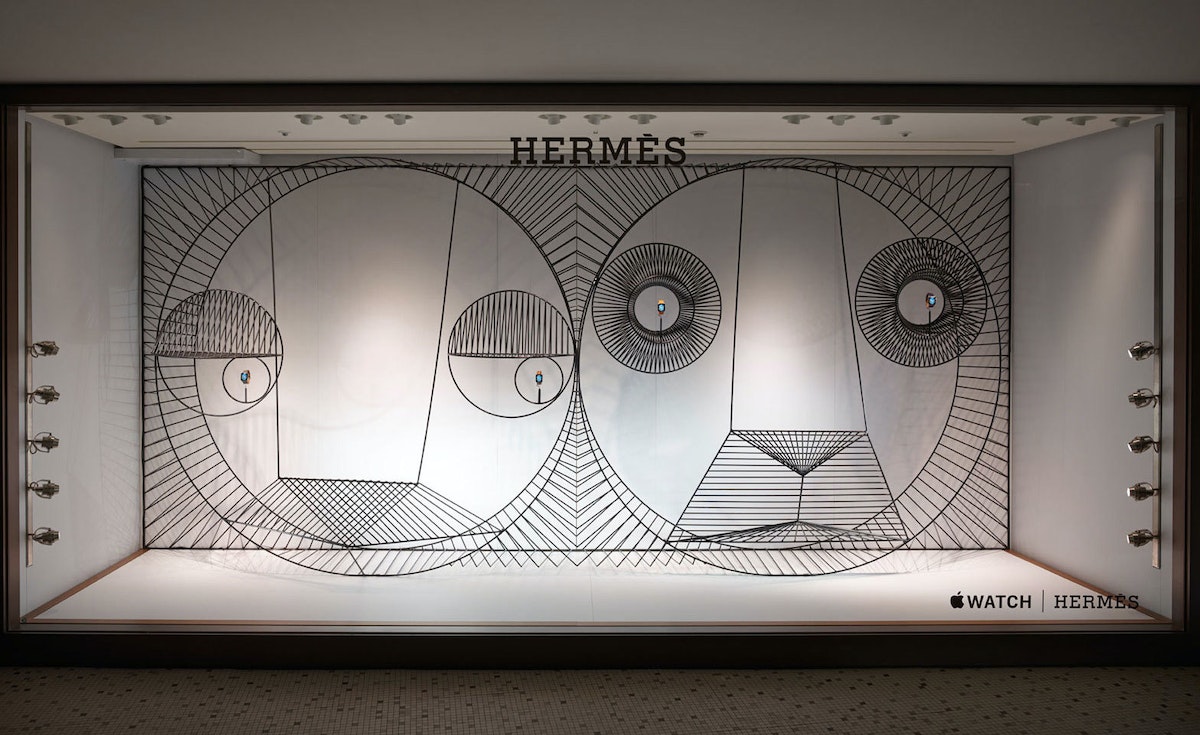
Playing with scale helps create a big impact—especially if you want to amplify small objects to fill an entire window. We loved the Selfridges window display of giant flowers for the Apple watch, and employed this trick when we built a display for the launch the launch of Tom and David Kelley’s Creative Confidence. For that project, we created a six-foot-tall stack of books to fill the window.
3. Repeat a Theme
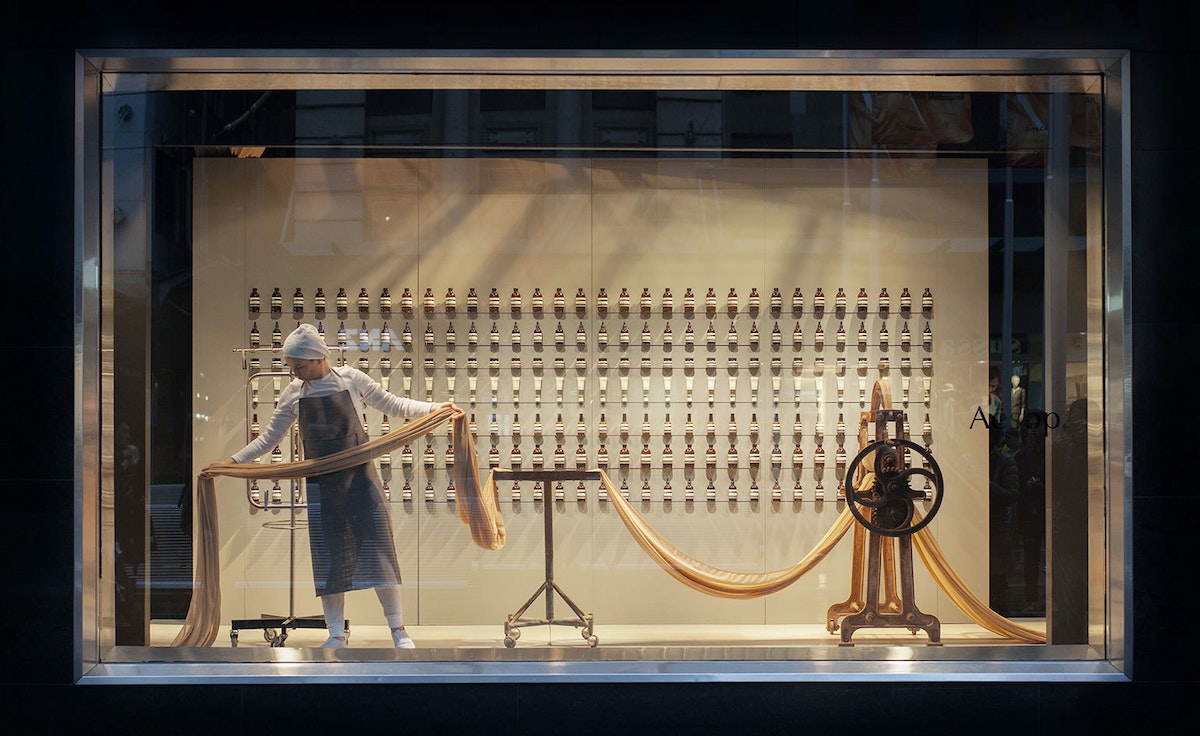
Whether it’s boxes, sticks, chairs, or lightbulbs, selecting one item and repeating it to completely fill the space is a simple trick to create an impressive sense of complexity. Aesop is a master of this and we’ve borrowed the technique for numerous exhibits.
4. Create Depth
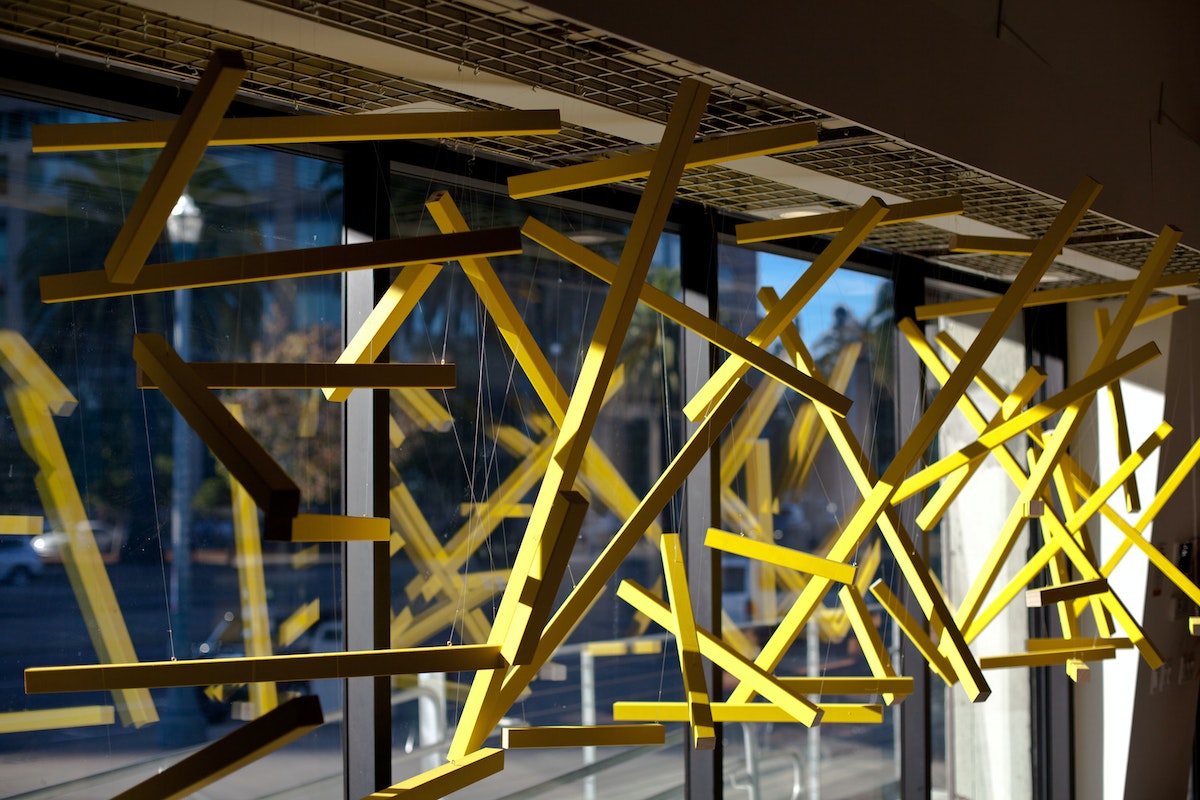
Many windows create the illusion of depth when they’re actually quite two-dimensional. Using layers and forced perspective—similar to the tricks of theatrical set design—helps to draw the viewer in. Thomas Brisebras’ MAKE installation was a great example. Seemingly random floating sticks transformed into the word MAKE as you walked past the window. His was certainly the most Instagrammed window we’ve created so far.
5. Add Momentum
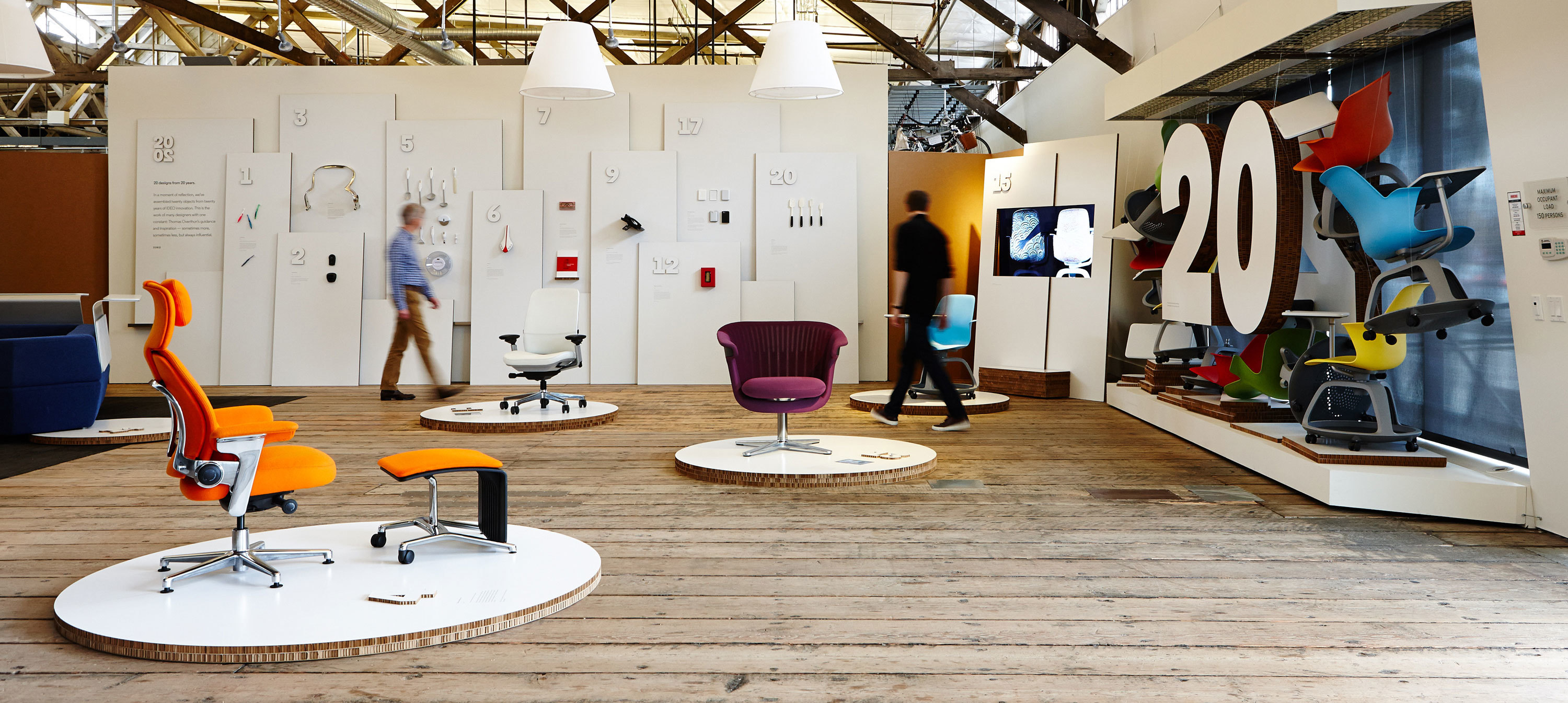
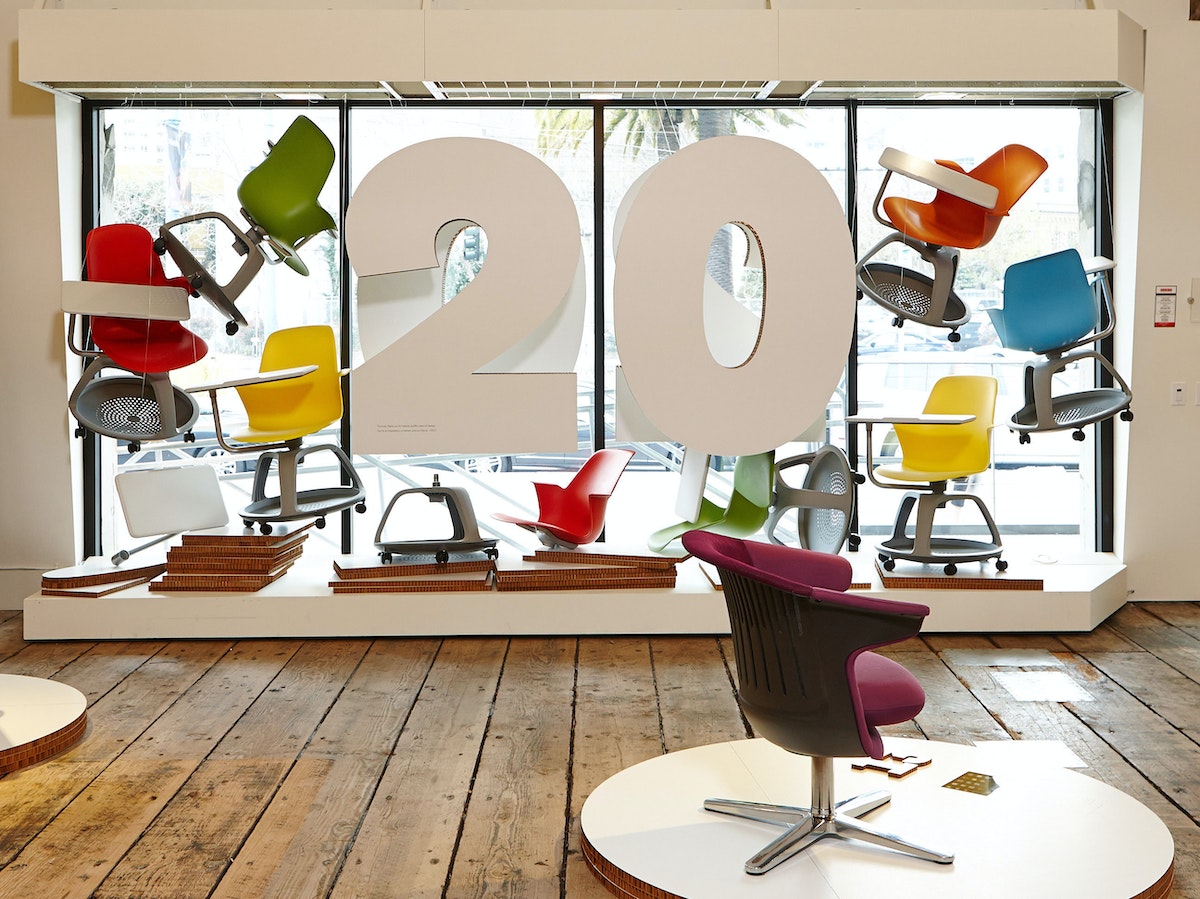
When they're composed in a particular way, static compositions can feel almost like they are in motion. Objects can be suspended in midair or positioned to make it seem like they're flying through the scene. When we created our 2020 event window, we installed multiple Steelcase Node chairs to give the impression they were jumping in the air.
6. Design for Duration
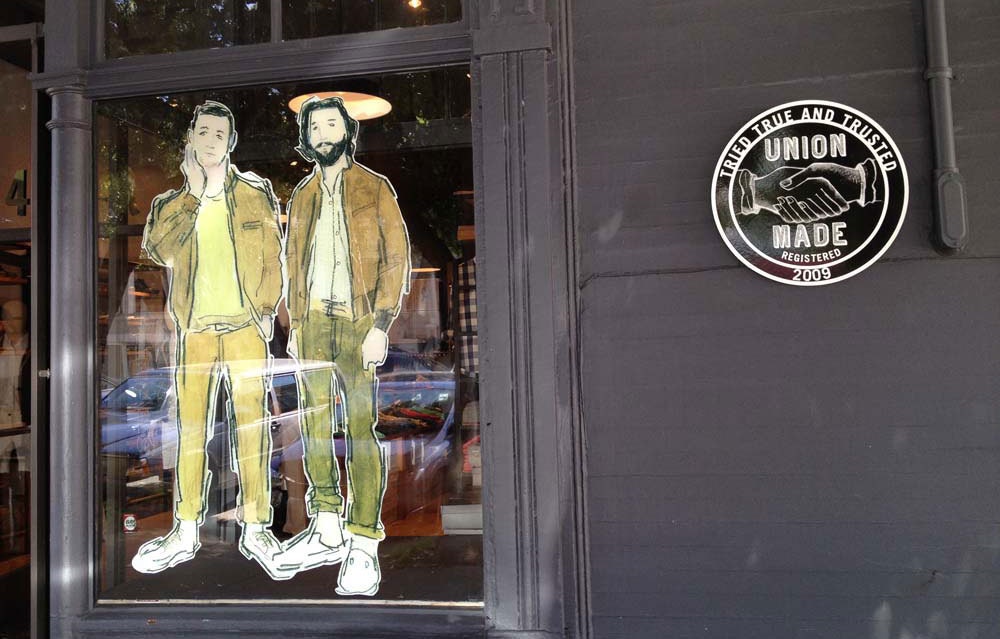
Our window budget often limits the types of materials and construction methods we can use. But keeping the duration of the display in mind can help guide the choice of materials. If it is only intended to last for a few weeks, exploring what you can do with cardstock might make the most sense. Unionmade, a San Francisco store, does a nice job of repurposing everyday objects and designing with lo-fi materials to suit their quick refresh rate.
7. Above All, Entertain
And don’t forget inject some play and humor into the mix. Watching people on the street look up and get the joke is half the fun.
When the IDEO San Francisco studio moved its office to Pier 28, we landed a whole new design challenge: a massive, floor-to-ceiling front window along the Embarcadero. For the first time, we had a public display case to highlight our events and projects, and we had to figure out how to best activate it, while sticking to some pretty strict rules.
Designing for DEF CON
How to trick out your very own Bender Badge
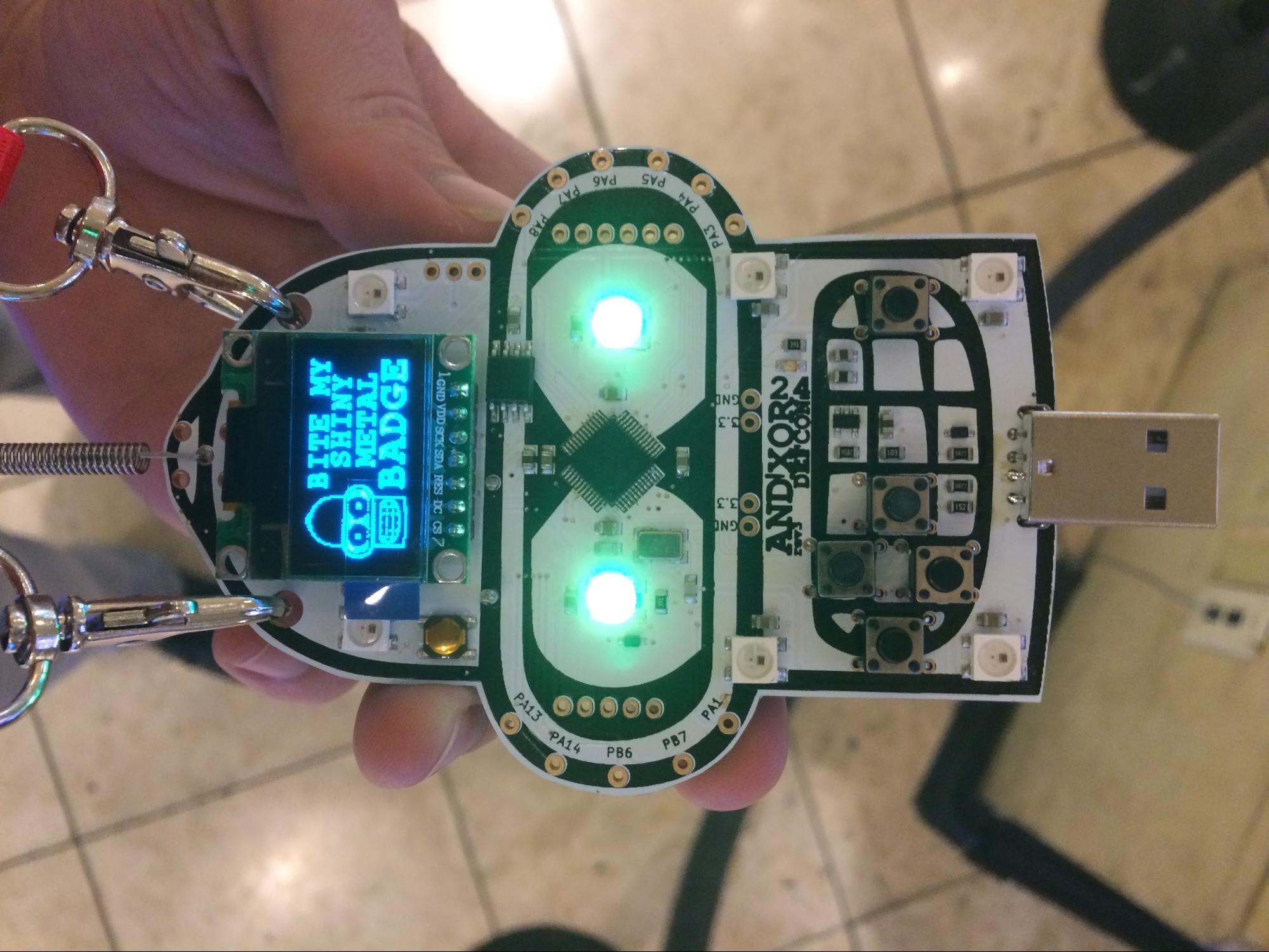
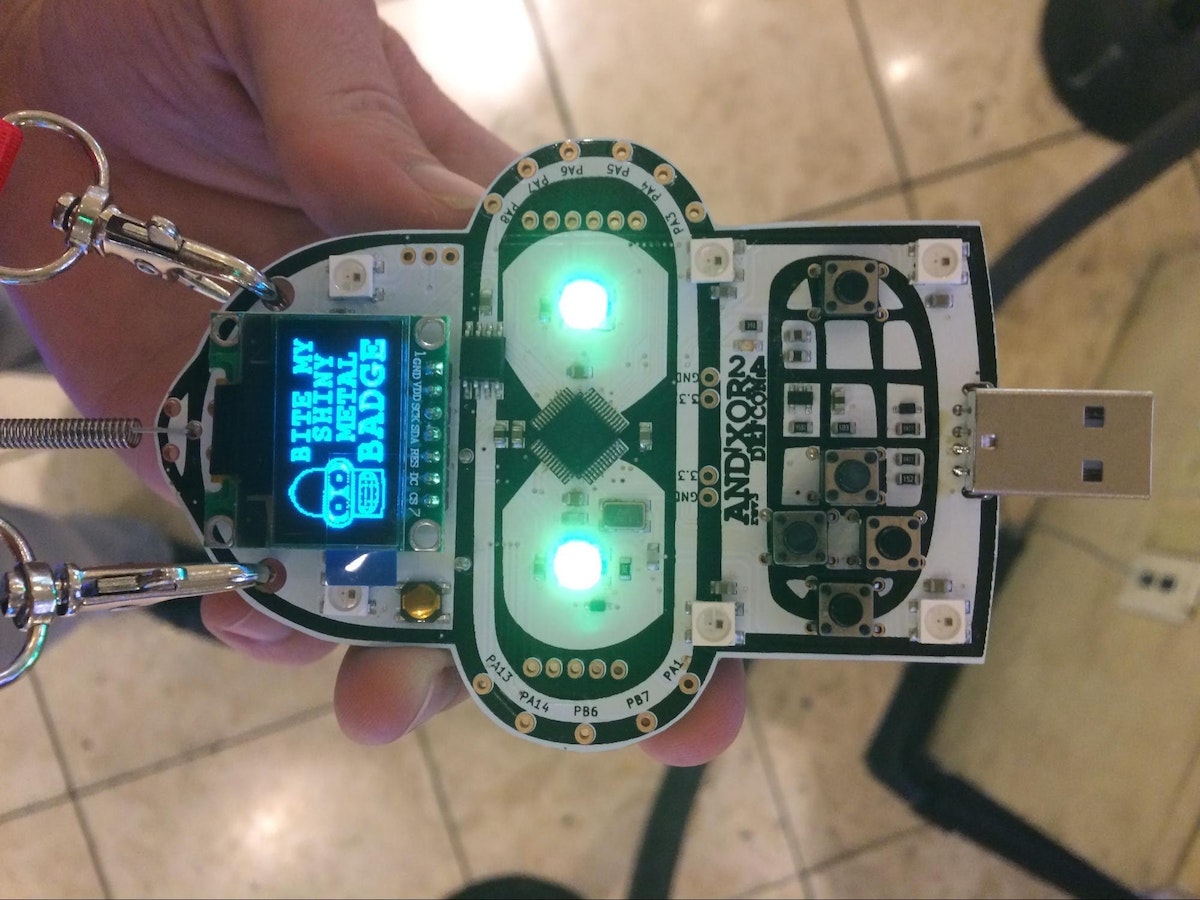
Last year, about a month before the con, I came across a Bender Badge project by AND!XOR—a group of hackers from California—on Hackaday. The Bender Badge is a nod to the robot character from Futurama and it comes packaged with games and flashy lights in the shape of his head. It’s also designed to be hacked (the barrier to entry is low—it can be programmed using the Arduino IDE). It seemed like a good place to focus my excitement.
For years, I have been looking for an opportunity to design something for DEF CON that interacts with sound. Networking and parties are a big part of the con, and often these events feature live DJs and music. I also wanted to create a design that relates to Bender's personality—he's often drinking and smoking, so a cigar seemed appropriate. Optimal choice: a cigar-shaped microphone.
The Bender Badge comes equipped with a standard set of hardware components (buttons, LEDs, and a display). Since the project was still in development, and I didn’t know which parts would be in the final version, I decided to build an add-on. The badge kit features an STM32F103 microcontroller, which includes an analog-to-digital converter (ADC). This allows the microcontroller to receive analog audio data by sampling it at high speeds and converting it into digital values. My goal was to use a microphone to capture the surrounding audio data and then convert that data into frequency components via Fourier analysis—specifically, using the discrete Fourier transform (DFT). The results of the Fourier analysis can be displayed as a bar graph. This is commonly referred to as a spectral analysis, and in this case, it would focus on frequencies between 20 and 20,000 Hz (the range for human hearing).
Proof of Concept
I built the microphone circuit to make sure it was configured properly before creating the printed circuit board (PCB). The circuit starts with the microphone to capture surrounding audio. Next, the signal from the microphone is amplified so that the microcontroller can receive a wider range of data from the ADC, which results in better definition from the Fourier transform. Lastly, the amplified signal goes through a low-pass filter to suppress any frequencies above 20,000 Hz that could interfere with the analysis.
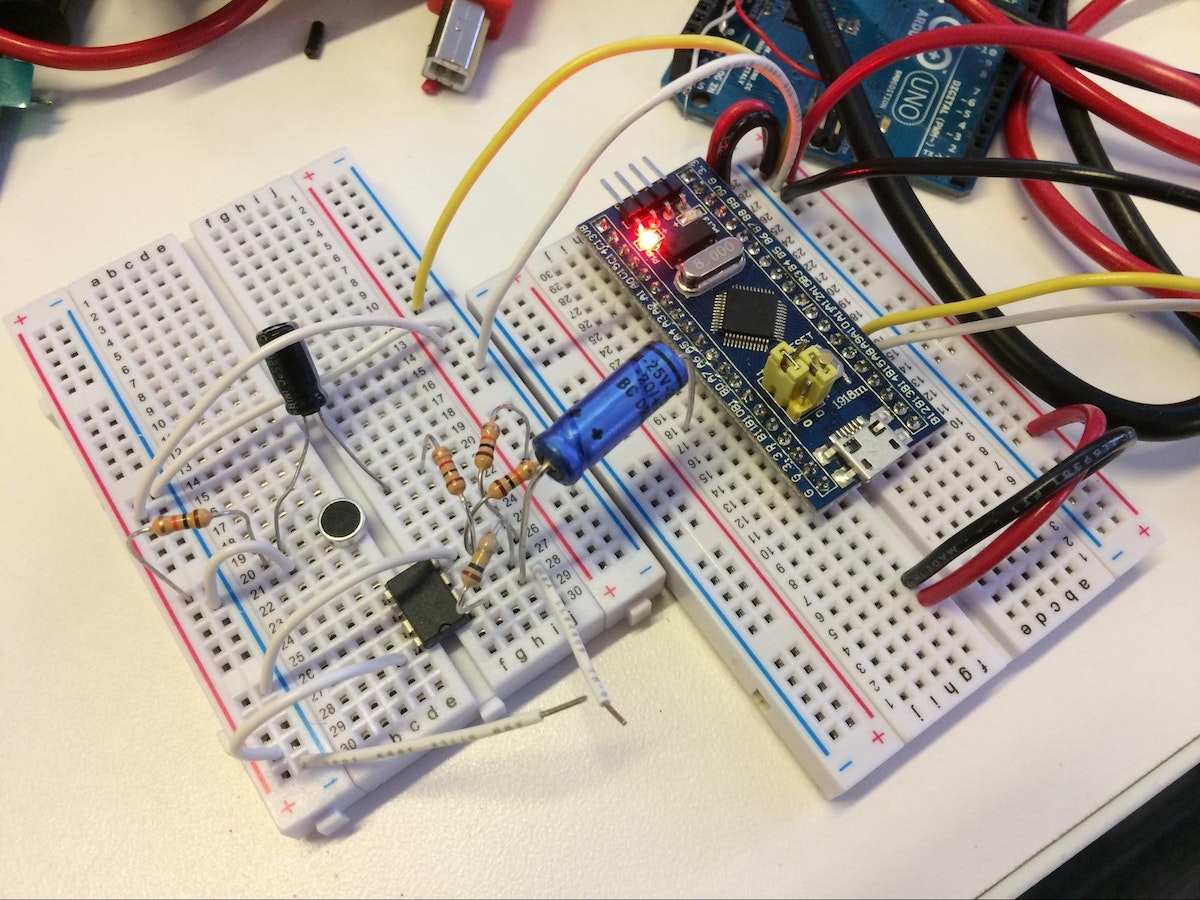
The greatest challenge during this stage was implementing the DFT on the STM32 microcontroller. Thankfully, there is an algorithm called the fast Fourier transform (FFT) that speeds up the computation for the DFT, but it's still a complex and time consuming calculation. Performing the FFT and then updating the display is a time-sensitive task. If the display is updated too slowly, it will look choppy and less responsive. Luckily, I came across a library developed by STMicroelectronics that was already optimized to work with my specific microcontroller.
Circuit Board Design
One of my biggest hurdles in designing the PCB was board size. I didn’t know the exact size of the Bender Badge, but I attempted to scale everything based on the buttons and the screen. From there, I figured out what size I wanted the circuit board to be so that it looked proportional to the badge. I was able to make the badge look like a cigar by adding silkscreen to the top layer (the label, paper edges, and ash at the end), and by cutting the PCB into a cigar shape.
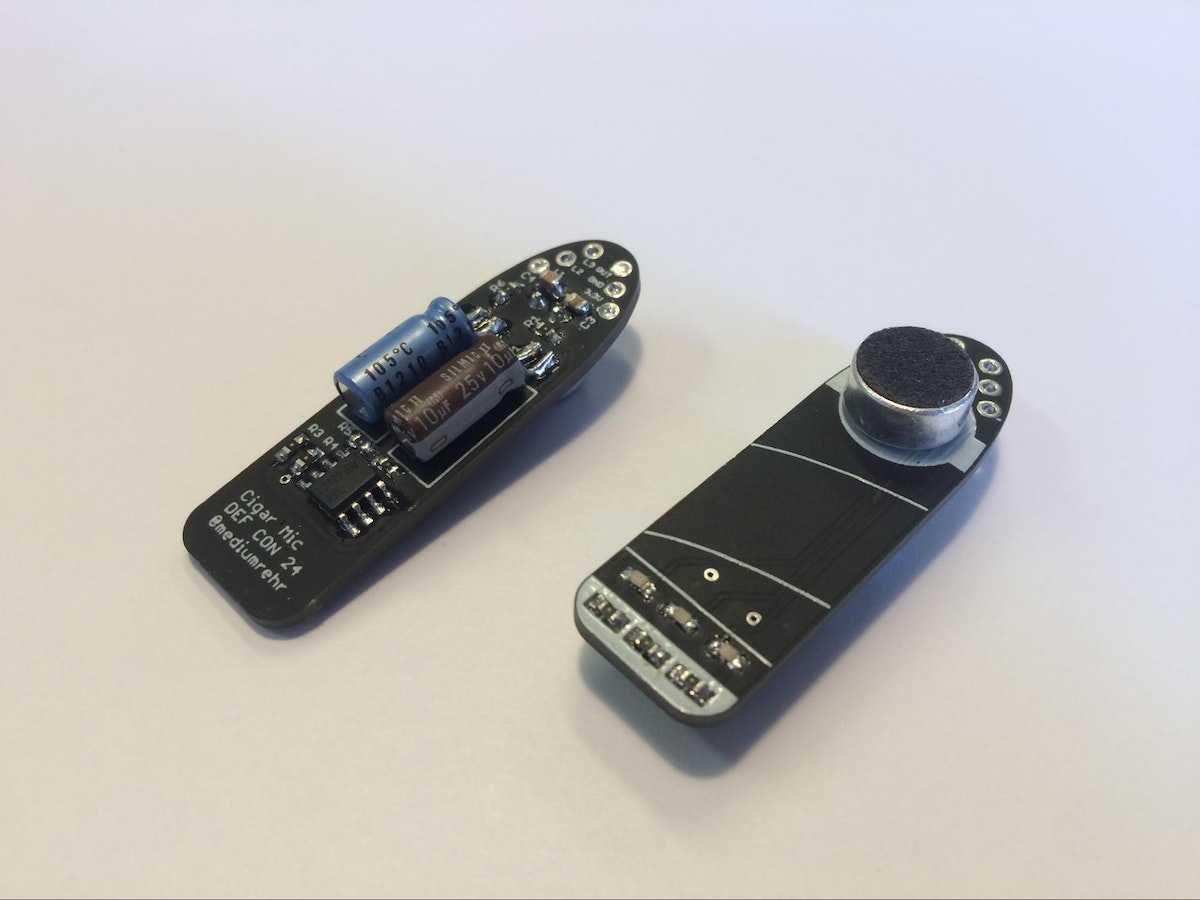
I placed most of the surface mount parts on the bottom of the circuit board to keep them hidden. The microphone stayed on the top layer to efficiently capture surrounding audio. (It also fit nicely as part of the cigar label.) I also added orange LED "ash" to the end of the top layer to make it look like the cigar was lit. These LEDs were meant to be triggered by acoustic activity, so that they would flicker and look more like embers than a solid light.
Firmware Finalizing
Two weeks before DEF CON was set to start, I submitted the PCB design for fabrication, and I created a prototype of the board. The majority of the leftover work involved converting the FFT output into something that could be shown on the display. The FFT outputs an array of frequency groupings, known as bins, where the size of a bin (or frequency grouping) is based on the audio sampling rate and size of the FFT. The bin size can be thought of as the output resolution of the FFT, and for the cigar mic the bins are about 39 Hz (40,000 Hz/1024) wide. Bins are important because they contain information on the amplitude of frequencies within each group. If the cigar mic does not pick up any surrounding audio between 1-39 Hz (the first bin), the value for that bin will be close to zero; but if there is activity within that frequency range, there will be a value greater than zero relative to how loud that frequency source is.
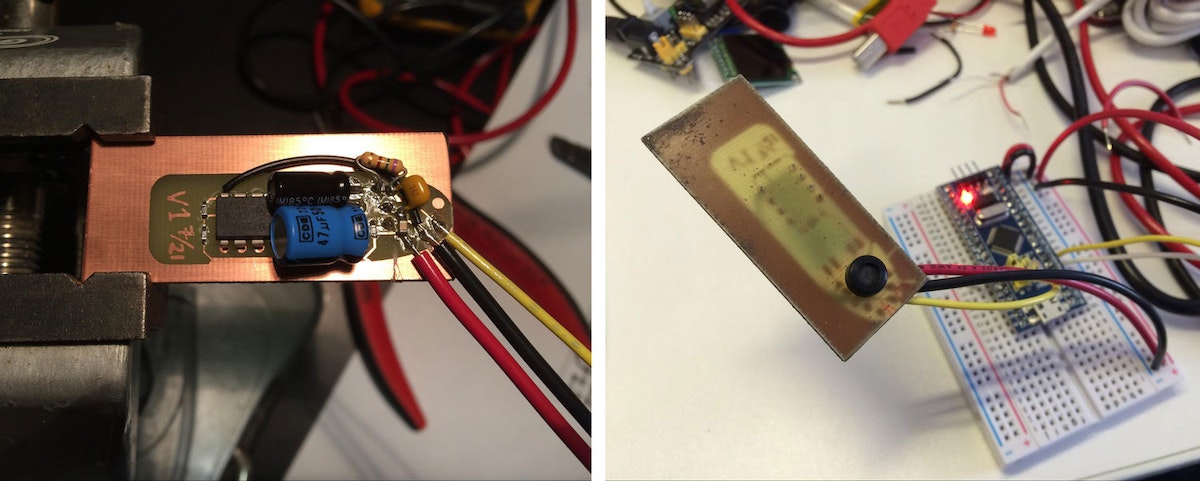
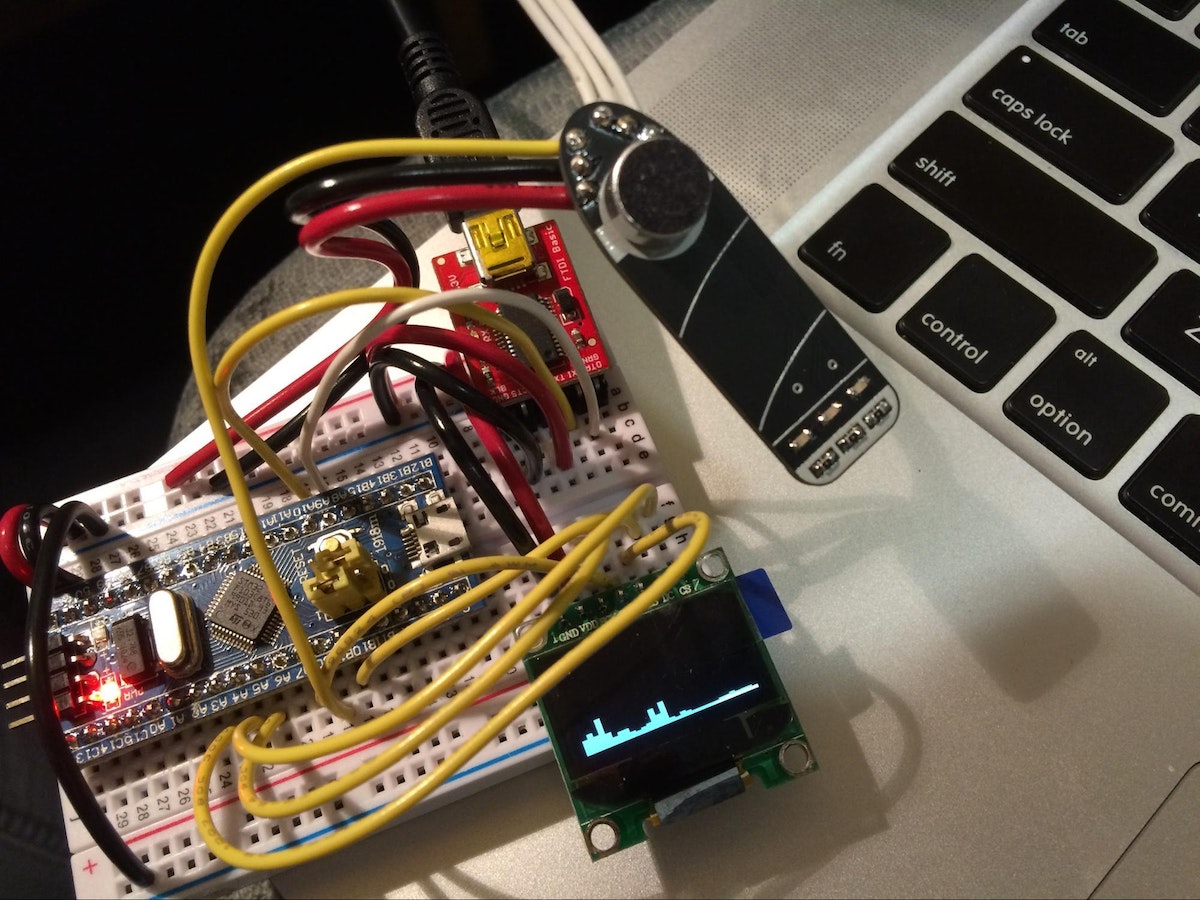
The FFT bins are grouped to create a bar graph that displays frequency data logarithmically (fewer bins grouped together at lower frequencies, and more bins grouped together at higher frequencies) in an effort to resemble human hearing. The display consists of 32 individual bars that are 4 pixels wide.
Assembly and Debugging
Once the circuit boards came back from fabrication, the first step was to assemble and test one. I connected the output of the PCB (the connection that sends the captured audio data to the microcontroller’s ADC) to an oscilloscope to see if the microphone was capturing audio and if the preamplifier was increasing the amplitude. I encountered two errors in my design. First, the microphone was incorrectly oriented, and second, I had flipped two pins on the preamplifier, which resulted in significant distortion. Both were easy fixes, but added extra time to the assembly process. As a result, I was working up until I got to DEF CON, and then some.
Shortly after I arrived in Vegas, I met up with the AND!XOR guys and showed them my addition. They loved it, and within a few hours, I had my cigar wired up, and my code running on their Bender Badge. It was awesome (and relieving) to see it all come together. Now I just have to figure out what to do for DEF CON 25.
If you want to learn more, check out my GitHub page for the project, which includes PCB files and badge firmware.
Every year, it's hard for me to contain my excitement as DEF CON approaches, so I try to focus that enthusiasm into various projects. (For the uninitiated, DEF CON is one of the world’s largest hacking conventions. The days are long, the sleeping is limited, and it’s Vegas in the middle of summer.) In the past five-plus years, designing and programming custom badges to share at DEF CON has become increasingly popular.

Lindsey Turner
I’m passionate about building brands, products, and experiences that help organizations show up with meaning and momentum.
I help organizations cut through complexity by shaping how they show up, through brand strategy, identity, and storytelling.
Working at the intersection of brand and business, I bring an editorial eye and a bias toward making—turning ideas into tangible experiences that people can understand, trust, and believe in.
My work spans government, healthcare, financial services, media, and consumer goods, from launching Gen Z-focused ventures to building innovation labs and reimagining legacy brands. I relish moments of ambiguity and enjoy translating across teams, perspectives, and priorities to move ideas forward.
I started my career in editorial and digital design, shaping cross-platform experiences and identity systems in publishing and agency environments. That foundation still shapes how I work today: I’m detail-oriented, collaborative, and overreliant on the Oxford comma. I hold a BFA in Visual Communication from the School of the Art Institute of Chicago.

Rachel Young
My work helps organizations see who their products aren't working for—and build the will and the tools to do something about it
For 25 years, I've asked the same question: Who does this design exclude—and what are we going to do about it?
My work spans human-centered strategy, inclusive design, and qualitative research, with clients ranging from Microsoft, Google, and Verizon to the National Science Foundation, and San Francisco Unified School District.
Before IDEO, I taught elementary school in East Palo Alto and spent a decade doing design work with social service organizations—where I learned firsthand what it costs people when systems are built without them in mind.
I am currently writing User Error, a nonfiction book about digital access and the design decisions behind it. I live in Oakland, California.

Brian Pelsoh
I lead with craft, ensuring our work is creatively excellent: rooted in deep human insight and imagination, while also grounded in the realities of business and technology.
My expertise spans brand, communication, and product design across tech, education, the arts, and social impact.
I believe great work demands both high-level vision and obsessive attention to detail, and only happens through collaboration.
I bring an inclusive, hands-on approach and a deep understanding of business, which enables me to consistently deliver excellence while always asking why.
Before joining IDEO, I worked at the brand firms Pentagram and VSA Partners. I began my career as a designer, leading teams at the School of the Art Institute of Chicago and the Milwaukee Art Museum. I hold an MFA in graphic design from Maryland Institute College of Art and a BFA in communication design from the Milwaukee Institute of Art & Design, and have taught at some of the best design schools in the US.

Tony Wong
I am responsible for IDEO’s long-term success in China and working with clients to use design as a tool to enable growth.
I am responsible for IDEO’s long-term success in China and working with clients to use design as a tool to enable growth. Specifically, I have helped Chinese companies design holistic brand solutions through the development of their products, communication, services, and innovation teams, and I have helped multinationals expand their presence and influence in China.
I advise global leaders on developing China-led innovation and capabilities.
In over 15 years in IDEO Shanghai, I have worked on projects that use design to elevate the quality of the experience of healthcare products and services, streamline processes that increase productivity, create spaces and programs that promote and enable inclusive communities, and build next generation mobility solutions that are planet-positive.
Before joining IDEO, I worked at Philips Electronics and the Electrolux Group in Italy, the Netherlands, and Singapore on a number of breakthrough commercial products. I am a member of the Young President Organization in Shanghai.

How to use AI as an editor, not a writer
Ed White shares how he uses AI as an editor—not a writer—to sharpen storytelling, rehearse ideas, and preserve the productive friction that makes creative work better.
Ed White has a rule he's tested on his own writing: hold yourself as the writer, and let AI be your editor. Ed is a Senior Design Director at IDEO's London studio, where he co-leads the firm's AI portfolio across Europe. Before IDEO, he spent 12 years as a writer and editor at the Financial Times, Wired, and Contagious. So when he talks about when to use AI for storytelling and when not to, it comes from two decades of crafting his storytelling skills.
In this episode, Mina Seetharaman talks with Ed about two specific tools he uses to keep AI in an editor's seat: a "roasting agent" prompted to critique his drafts without any sugarcoating, and a simulated audience he rehearses pitches on before the real thing. They also get into what Ed is hearing from design leaders at Anthropic, Lovable, Shopify, and Google Creative Lab about how creative work is changing, and why he thinks the friction of writing something yourself is worth protecting rather than automating away.

Building a personal AI for the messiness of life: Sida Li
Becca Carroll talks with Cue co-founder Sida Li about designing a personal AI for the messiness of everyday life—not just work. They explore how Sida stays anchored to human needs while navigating fast-changing technology, product tradeoffs, business-model experimentation, and the realities of building an AI company today.
Most AI products today are built for work—a space with clear problems and established systems. One founder noticed a gap: personal life is messier, harder to systematize, and mostly left behind by the AI boom. So she built Cue, a personal AI that lives inside iMessage and group chats, to go where the other tools haven't.
In this episode, Becca Carroll, IDEO's Chief Strategy Officer, talks with Sida Li, co-founder and CEO of Shared Context Lab, about staying anchored to a human need while the technology around her keeps changing shape, why she treats her business model with the same rigor she'd bring to a product, and what it feels like to build a company at this particular, disorienting moment in AI.
The conversation also gets into how Sida makes design decisions: the language Cue uses to describe itself, the tradeoffs behind building inside iMessage instead of a new app, and a real story about a business idea that didn’t pan out.
This is the second in a two-part series profiling founders from IDEO's Startups-in-Residence program. The first conversation is with Johannes Seemann, founder of Sooner, on designing GenAI for the emotional side of money.

Designing GenAI for the emotional side of money: Johannes Seemann
Designing financial tools around the feelings that shape money decisions.
Most personal financial tools are built to run the numbers and optimize towards a budget. While that works for some, most people experience money as a lived relationship that does not neatly fit into a spreadsheet. Johannes Seemann and Becca Carroll discuss why money is emotional before it is mathematical, and what a human-centered approach to building a generative AI financial product looks like in practice.

The curious leader's edge in uncertainty: Scott Shigeoka
How genuine curiosity helps leaders navigate uncertainty with greater confidence.
Mina Seetharaman talks with Scott Shigeoka, author of Seek and Head of Curiosity Cultivation at the Eames Institute, about what distinguishes genuinely curious leadership from performative curiosity, how power dynamics shape curiosity, and why practicing curiosity can restore energy rather than drain it.
Looks like you might be in search of something very specific?
Or reset the filters above and try another angle.
Here’s some random inspiration

Podcasts about creative leadership

Articles about the power of prototyping
