
.svg)


The next-generation bike saddle
A revolutionary new material that's instantly broken in.
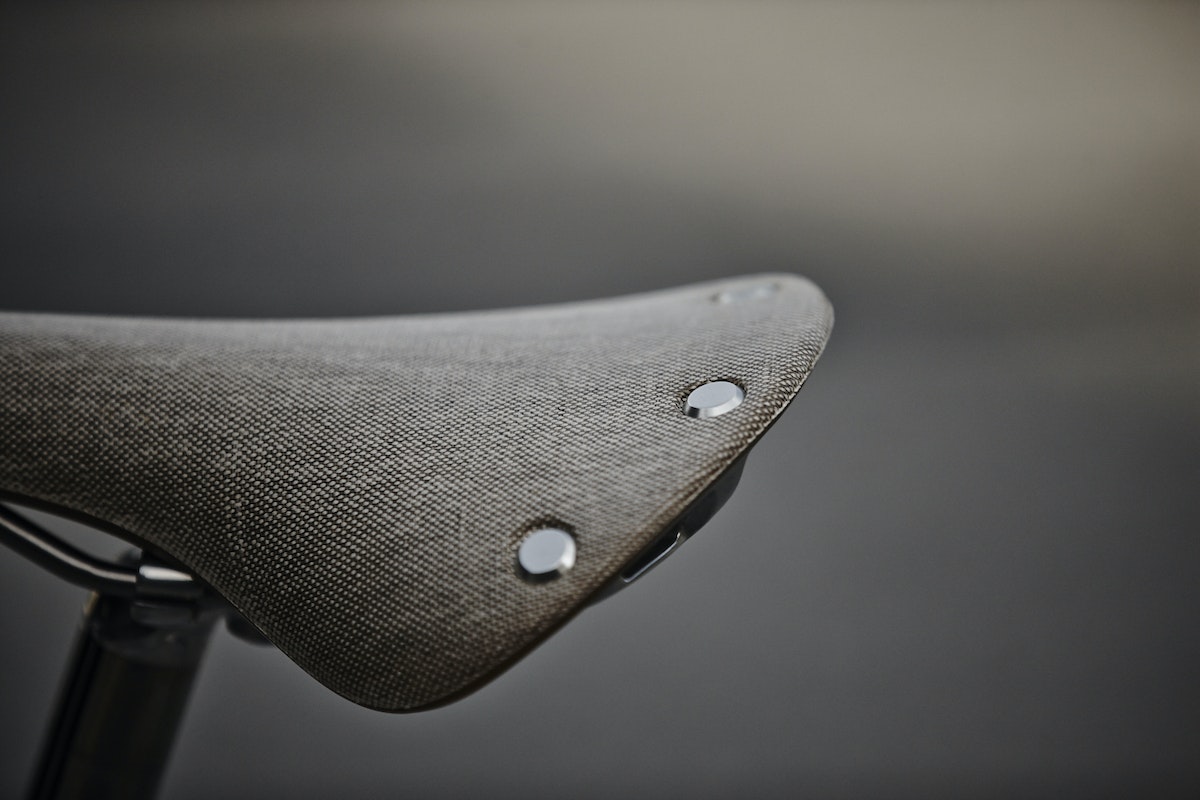
When Brooks England decided to design its first new bike saddle in decades, it was essential that the design pay respect to the company’s heritage. Known for its craftsmanship, durable products, and quirky British insistence on doing things differently, Brooks has earned fierce loyalty from cyclists. But IDEO discovered a group of riders who were more in love with the idea of a Brooks saddle than the reality of having to earn a perfect fit on leather seats for your derriere over time.
Together, Brooks and IDEO created the Cambium C17, a seat that provides the same durability as traditional Brooks leather, but offers instant comfort and weather protection with a new material made of vulcanized natural rubber with a layer of woven organic cotton fused to the top. The winner of the Eurobike Gold Award upon launch in 2013, the C17 respects the essence of Brooks while reawakening the company's inventive spirit.

The next-generation heart monitor
Using mobile devices to help track heart health.
AliveCor asked IDEO to help design a monitor that fit into the user’s lifestyle and would make collecting information effortless.
The final result, the AliveCor Heart Monitor, is 50 percent thinner and 40 percent lighter than the earlier version, with all of the same medical-grade functionality. Today, patients use the monitor to record ECGs, detect AF and normal rhythms, and track a comprehensive list of symptoms, medications, and activities, putting their health and peace of mind into their own hands.
The first notebook-style computer
Turning bulky computers into businesslike laptop machines.
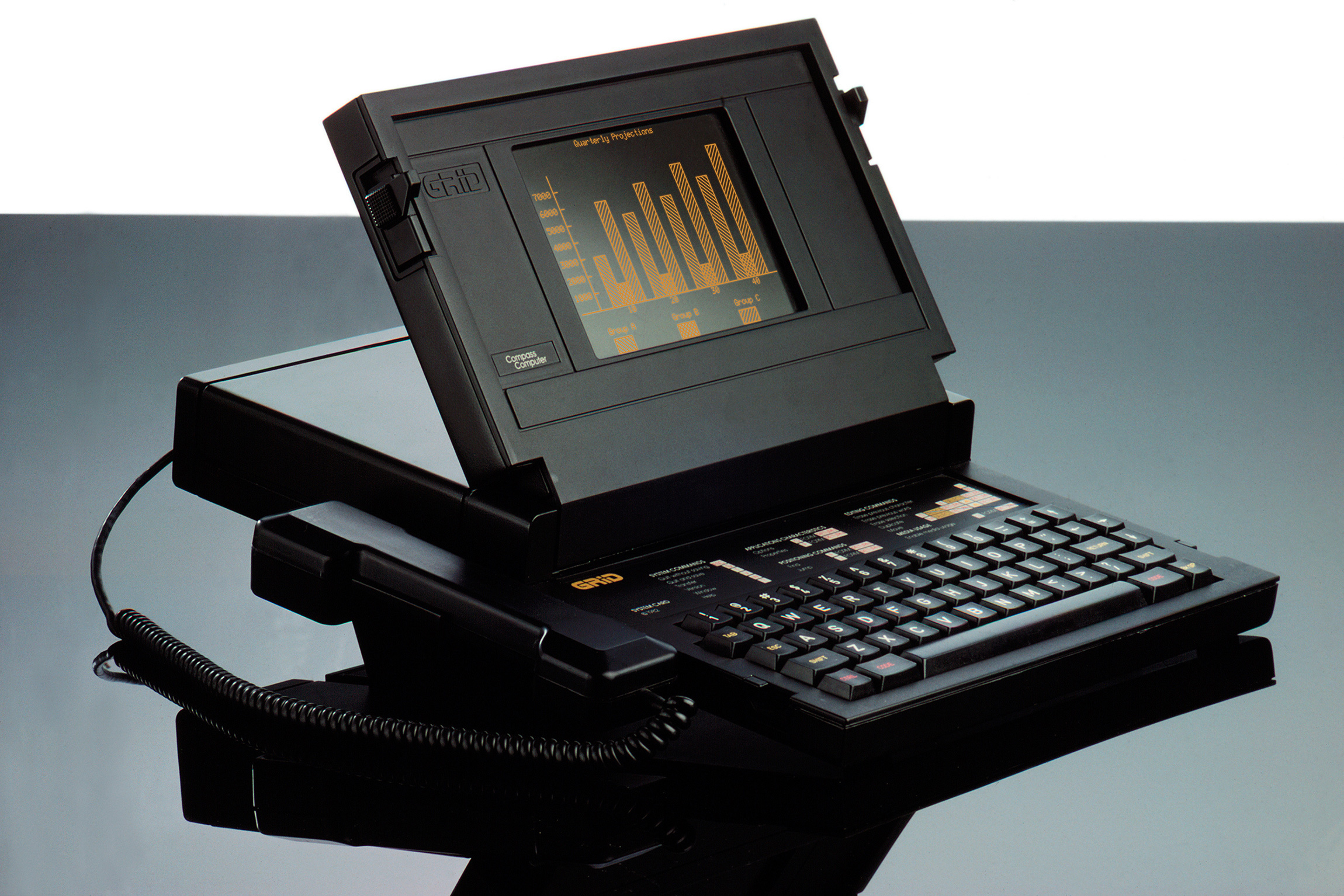
In the early 1980s, IDEO designed the first notebook-style computer for GRiD Systems, helping computers make the transition from bulky portable/transportable models to sleeker, more businesslike laptop machines.
In addition to sales revenues from the product, GRiD also received significant licensing revenues based on its ownership of the patented IDEO-designed configuration for laptops.
Stopping hospital infections in their tracks
Taking a personalized hand-sanitizing device to the next level.
Over 2 million Americans contract hospital-acquired infections (HAI), resulting in 100,000 deaths and over $30 billion in costs to the healthcare system per year. Experts agree: Simply improving staff hand-washing habits could prevent these needless infections.
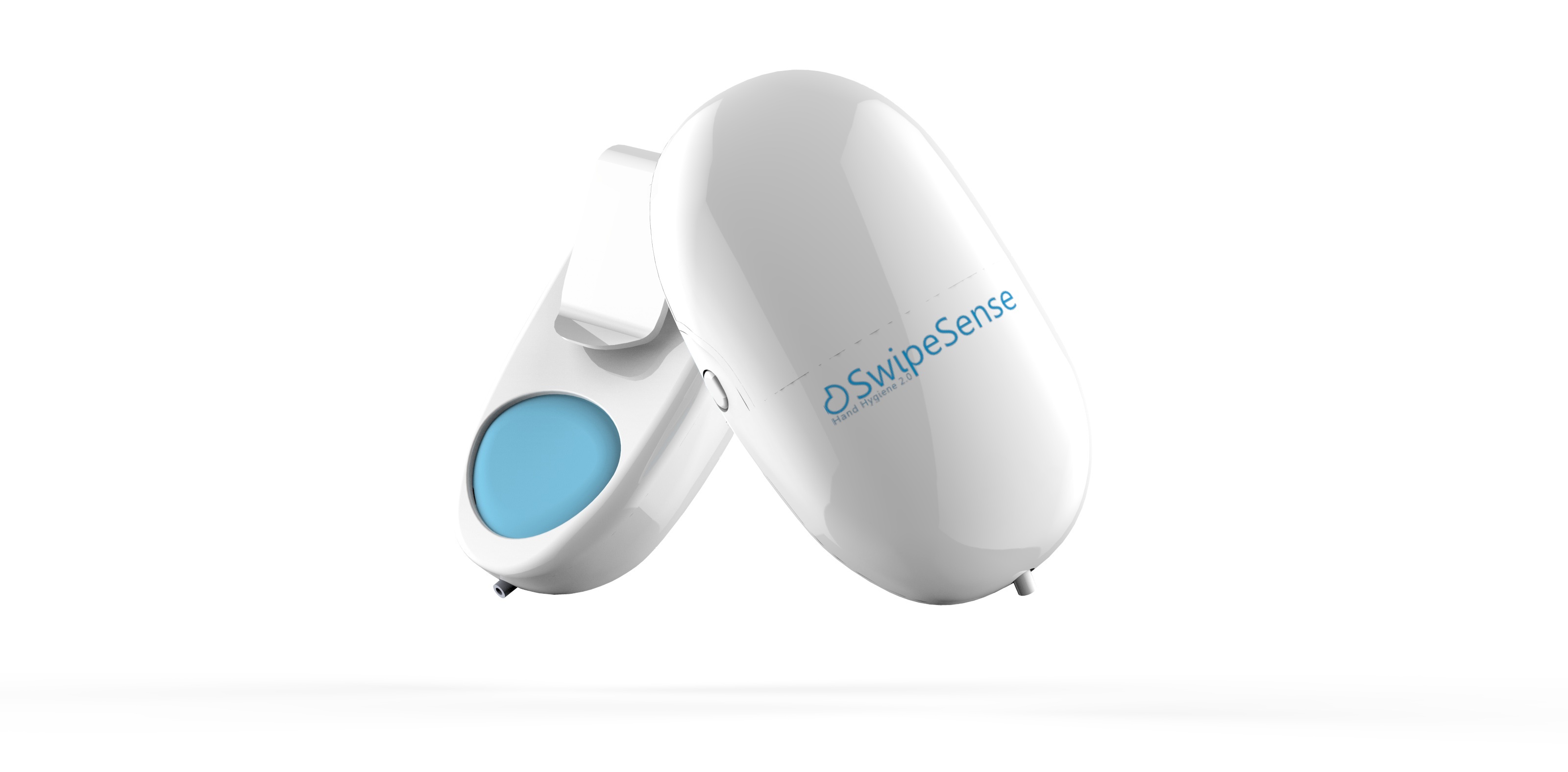
SwipeSense, a healthcare startup founded by two Northwestern University graduates, aims to incentivize good hand-hygiene via smart, wearable alcohol-based gel dispensers that clip easily onto scrubs, with a web-based monitoring platform that records every time users disinfect their hands. Together with wall-mounted proximity sensors, the system wirelessly tracks hand-washing practices, allowing doctors and nurses to see and download daily, weekly, or monthly reports.

SwipeSense founders Iseri and Malina had developed a working prototype of the hand-sanitizing device and needed help pushing it to the next level. Together with IDEO, the teams evolved and refined the final physical and digital experience, and examined how an expanded data offering could provide added value to their business and the healthcare system at large.
After more than 70 design iterations, SwipeSense landed on the current sleek, modern, user-friendly design. The eventual goal: Make the patent-pending system ubiquitous in America’s 5,700 hospitals, much like wall-mounted hand-sanitizing devices are today—and save 100,000 lives each year.

How Learning Photography Will Make You Better At Everything Else
How taking up a photography hobby can influence your design
Fifteen years have now passed, and in that time, I’ve developed a sincere passion for the medium. I’ve worked with many photographers both in the studio and on location, and also have shot my own work, both at IDEO and personally. Though I consider myself a designer first and a photographer second, I realize now just how much this art form has influenced the way I work. The overlapping values in each discipline have sharpened my focus and demanded a constant reassessment of line, color, and composition.
Here’s how photography can help you become a better...
1. ART DIRECTOR
Being able to identify not only the subject but also the photographic styles that will work with your concept adds richness to the message. For example, is the experience that you are creating intended for families or teenage fashionistas? Should the audience feel like they’re part of the story, or like they’re being challenged by the subject? Does the graphic design feature geometric lines or organic shapes? Try answering questions like these and choose appropriate imagery with consideration for lighting, color, tone and camera perspective to help define the experience.
2. UI & UX DESIGNER
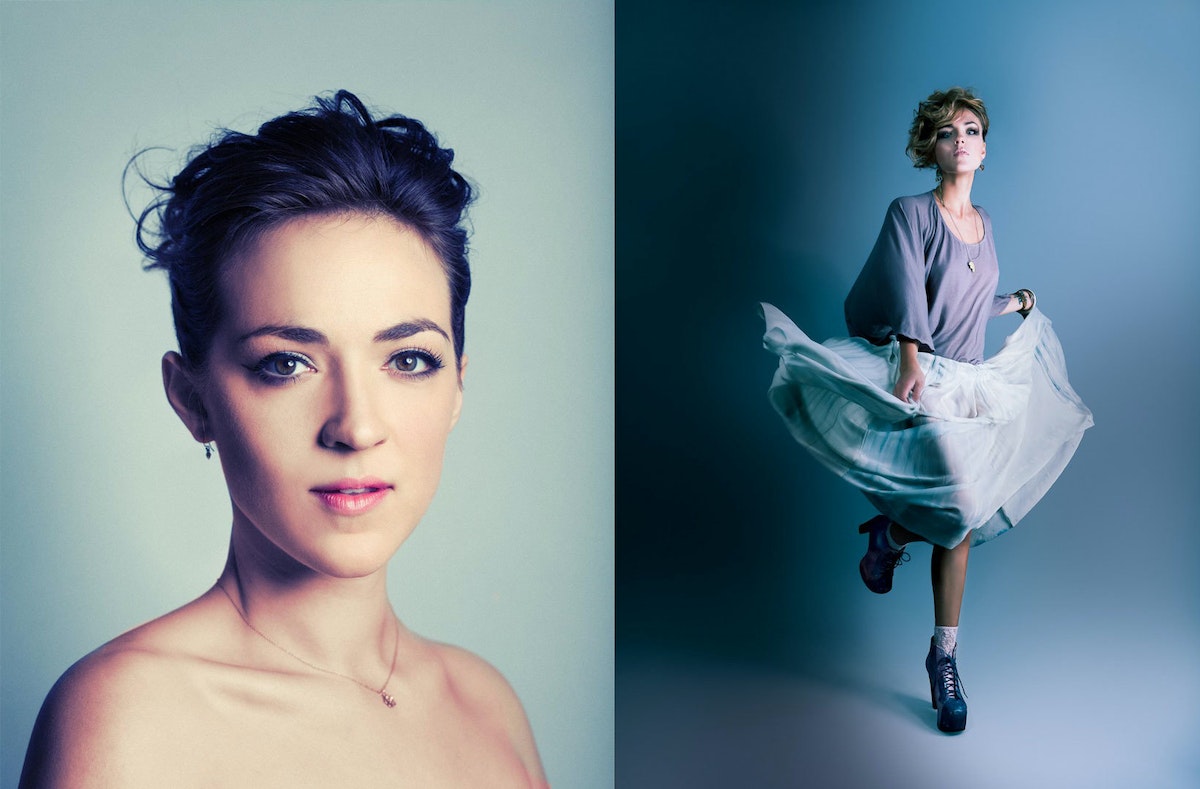
Photographic composition translates well to design composition. In photography there are many ways to draw the viewer’s eye to the intended subject or to communicate a message. In UI/UX, it is often beneficial to limit your color palette and reduce visual noise. In photography, creating an image with areas of equal tonal values or color helps to simplify and focus. You are making conscious decisions to help the viewer (or user) make choices. Interestingly, when photography is used in conjunction with UI elements, designers often have to figure out how to maintain the legibility of text, important links, and buttons. You can sometimes get away with using a dark tint (usually an opacity of black) over the image, although this can appear dark and muddy. Use a gradient overlay rather than a full tint. It will look less heavy. Video tends to be more forgiving as your eye can distinguish the type more easily against the moving content.


3. DESIGN RESEARCHER
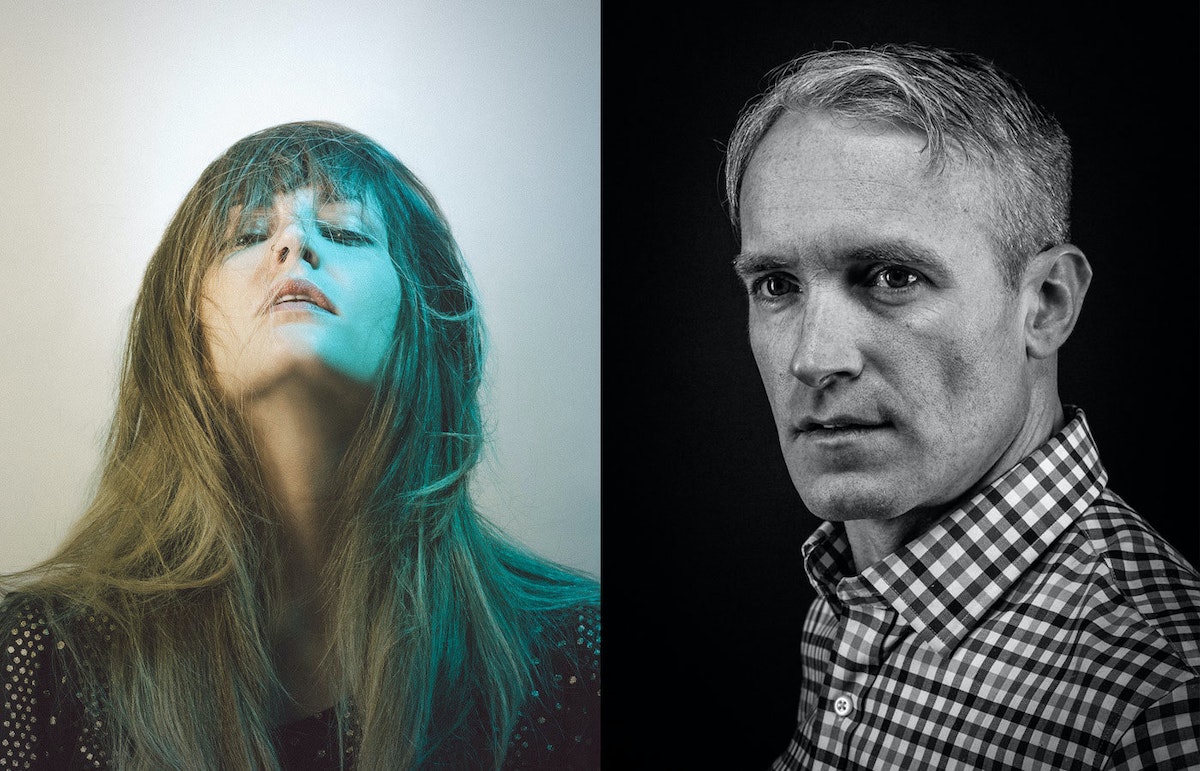
Most people aren’t comfortable in front of the camera, and I don’t blame them — it can feel awkward and vulnerable. Creating a good rapport with a subject can ease their stress, and is essential to capturing their true character. This is my favorite aspect of portrait photography — connecting with people — and it can be hard to do in a limited period of time.
Getting to know a person before you just start shooting away is a lot like breaking the ice before diving into an interview . As Ann Kim, a design researcher at IDEO, says, “Building trust is essential to successful design research.”
As an exercise, try photographing a colleague or acquaintance. Spend time getting to know your subject before shooting their portrait. Share your final image with a few people. Ask them who they think your subject is, and what they are like. It will be interesting to compare their feedback to the experience you had with your subject.
4. STORYTELLER
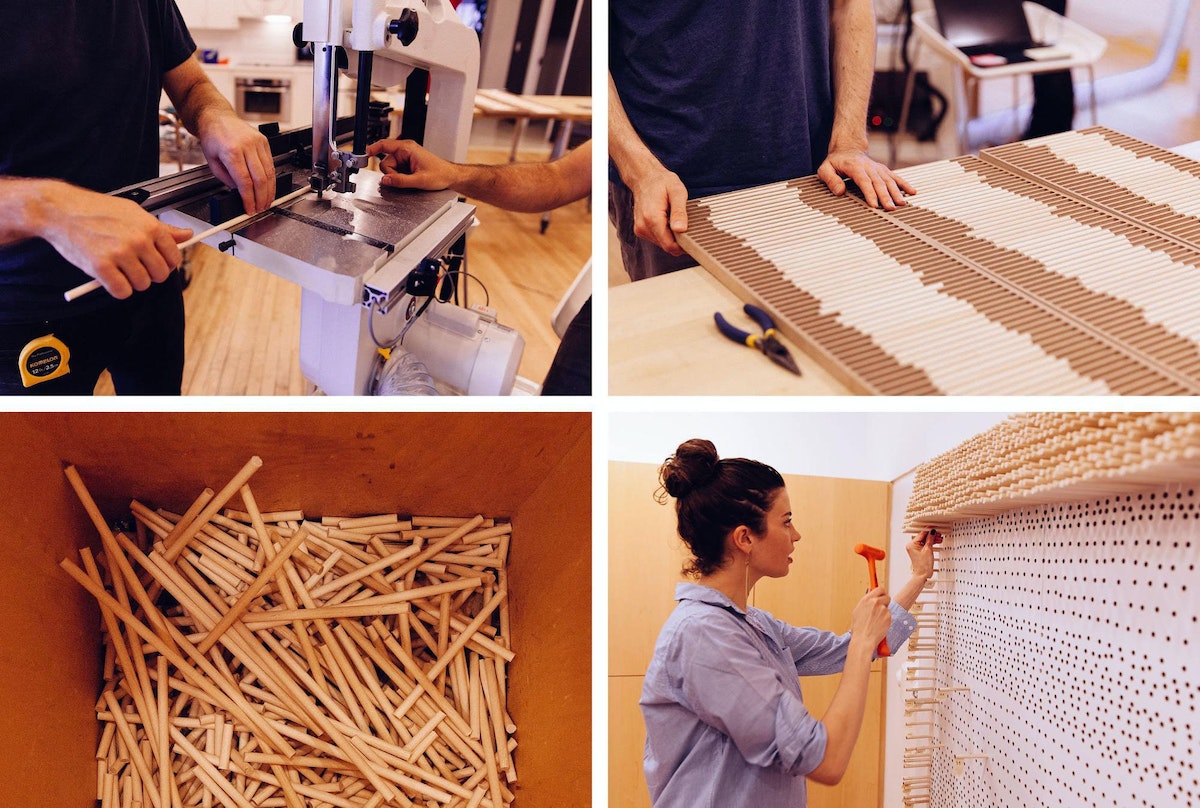
Use photographs to document each stage of a design project to visually enhance your story. Capture images of your experiences during research and inspiration trips. Record user interactions through video and photography. These tools build trust by placing the user front and center, bringing focus back to the intended audience. Build your narrative by introducing the components of your design first. For the big finale, show the human response to the product or prototype as a holistic system or journey.
Photographing your process also ensures that you have assets for sharing work with colleagues or collaborators which helps to inform and inspire.
I would love to hear how other designers and creators connect with photography — both the process and the perspective it gives. How has it influenced your work? What has it helped you to see more clearly? What hurdles has it helped you to clear? Direct message me your responses on Twitter.
Have fun shooting!
Many moons ago, when I was a couple of years out of college working at a digital agency in London, they handed me the responsibility of directing my first photo shoot. Cue anxiety. As a junior designer, I had limited experience with professional photography. I didn’t understand enough about the medium to give adequate direction to a photographer. On the day of our shoot, it seemed like magic watching the photographer and his assistants make it happen — the combination of their technical knowledge and efficient process was fascinating.
Non-Boring Podcast with Futurist Kevin Kelly
Kevin Kelly's "The Inevitable" will have you peeling back layers
Kelly masterfully weaves together what he calls the 12 forces, tech trends driving us into the future. In Kelly’s view, the forces—Becoming, Flowing, Filtering, Remixing, etc—lean on and reinforce each other. Each is a combination of technologies and societal factors that give us a preview of what the future will look like. In the Cognifying chapter, Kelly details the ways artificial intelligence is already catalyzing technological disruption, and imagines the infinite ways it will continue to change our experience. What happens when physical objects aren’t just smart, but also constantly learning? Like many of the chapters in the book, Cognifying is both entirely relatable and totally mind bending; you unpeel layer after layer, occasionally pausing to savor the individual seeds.
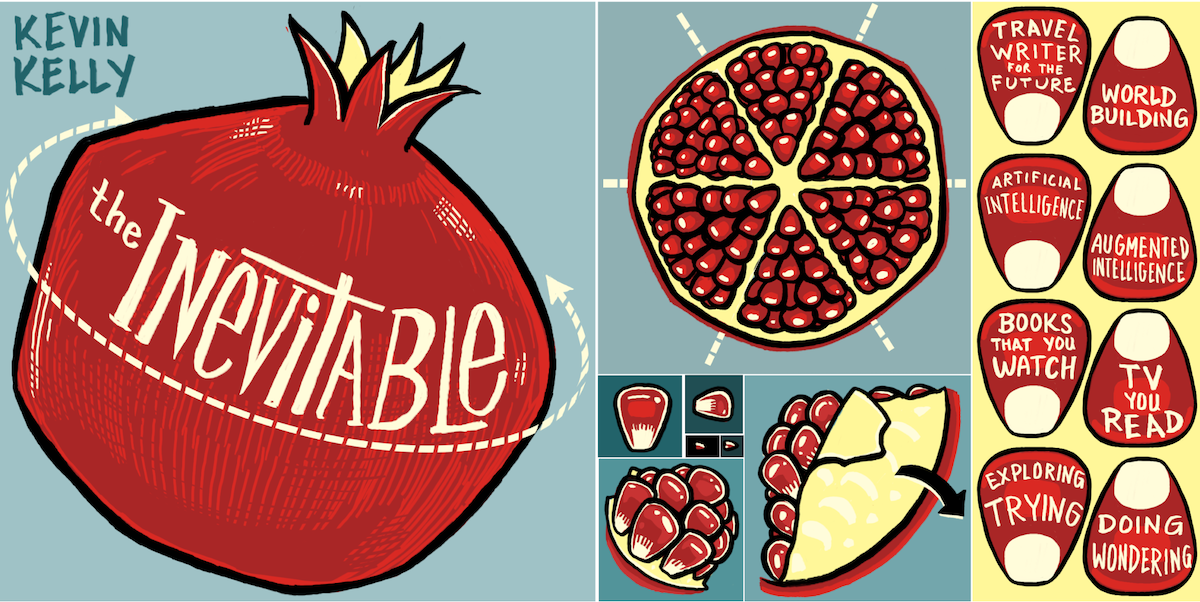
As Rodriguez notes in the episode, each chapter almost seems like a book unto itself. “It feels like what we get here at IDEO with a group of people in a project space for six months.” It turns out, some of these chapters started 10 years ago as blog posts, then went through ruthless revisions by magazine editors, and were rewritten again over the years, eventually ripening into this multifaceted fruit.
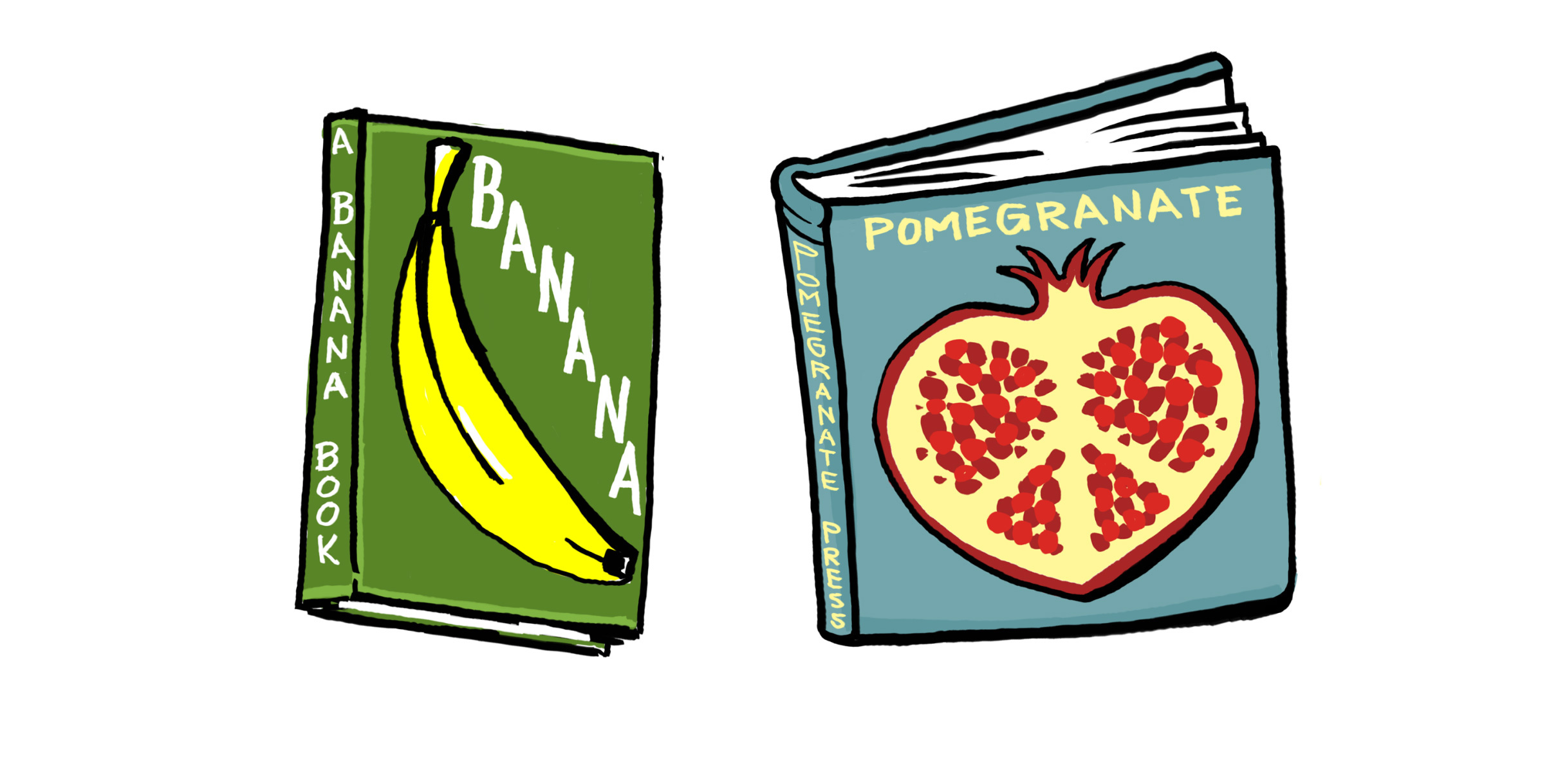
Some business books are like bananas: easy to consume, bland, too mushy. But when IDEO Futures host Diego Rodriguez dug into podcast guest Kevin Kelly’s latest book, The Inevitable, it felt like something entirely different. Kelly’s book outlines the technological trends that will drive every aspect of business going forward. It’s no banana. It’s more like a pomegranate—layered and fractal. Peeling back the layers requires work, but the rewards are juicy.
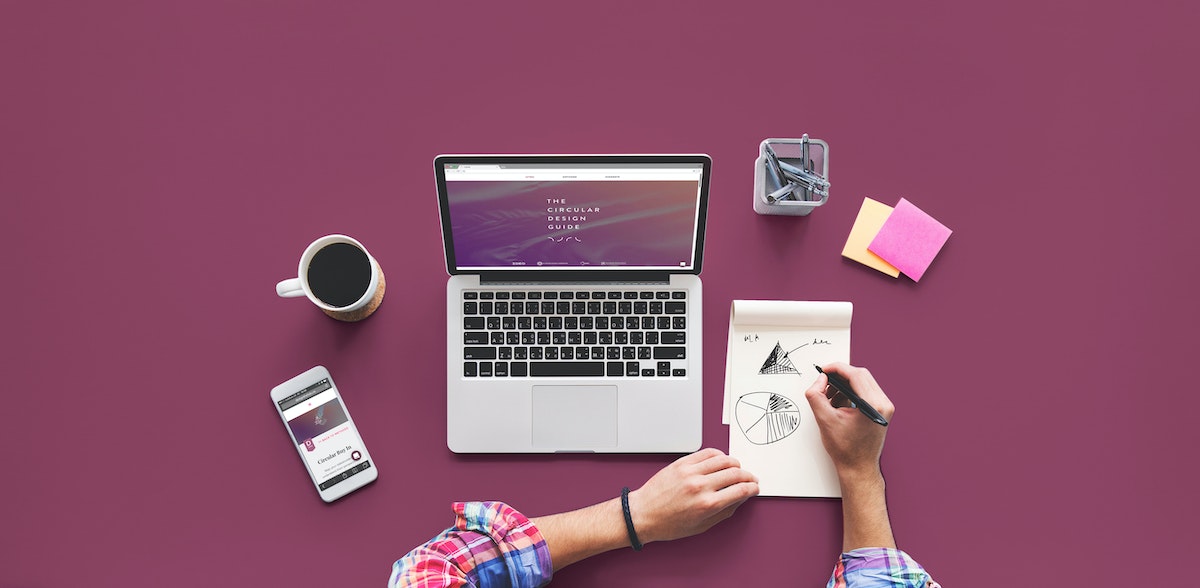
Designing a circular economy
What if we had a new way to design products, services, and businesses that were good for people, the planet, and business?
That’s the radical promise of the Circular Economy: moving from our traditional take-make-dispose economy, to one that has a closed loop, where materials, nutrients, and data are continuously repurposed.
Working with the Ellen MacArthur Foundation, which aims to inspire a shift to that new model, we’ve designed this guide to meet an emerging need among industry leaders: an alternative, restorative, and regenerative approach to business, one that creates new value and delivers long-term economic, social and ecological prosperity.
Transitioning the Circular Economy into the mainstream will be one of the biggest creative challenges of our time. But we believe design thinking is an ideal approach for tackling this complex, systemic, ambitious challenge.
Created for innovators, entrepreneurs and intrapreneurs, the guide aims to raise awareness of the Circular Economy, nurture a systems perspective, and share practical innovation methods.
We hope these ideas will galvanize readers to start designing tomorrow’s breakthrough businesses.
Get started at circulardesignguide.com.
What if we had a new way to design products, services, and businesses that were good for people, the planet, and business?
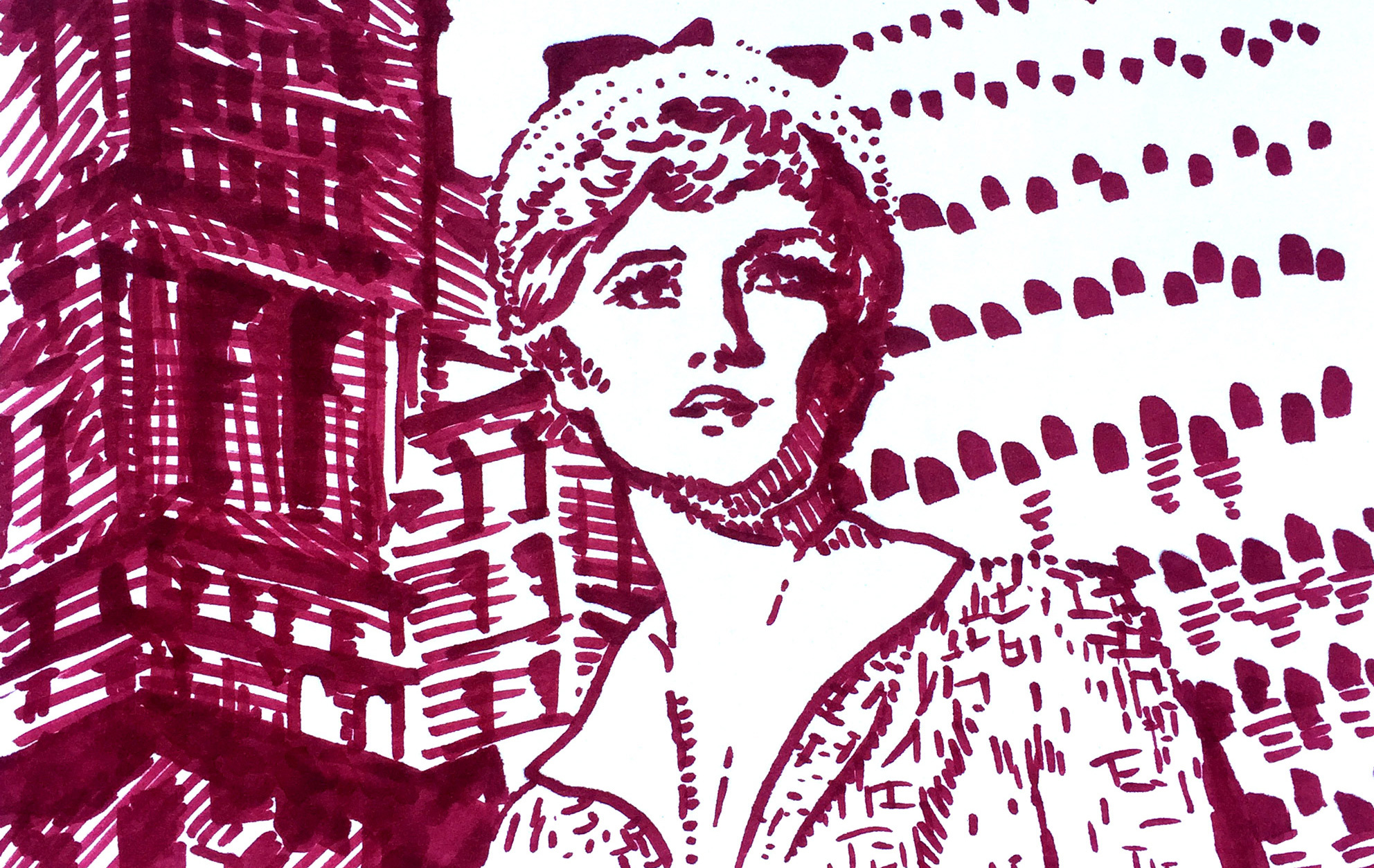
What’s in my Moleskine: Ashley Holtgraver
A look into the lives of complicated women
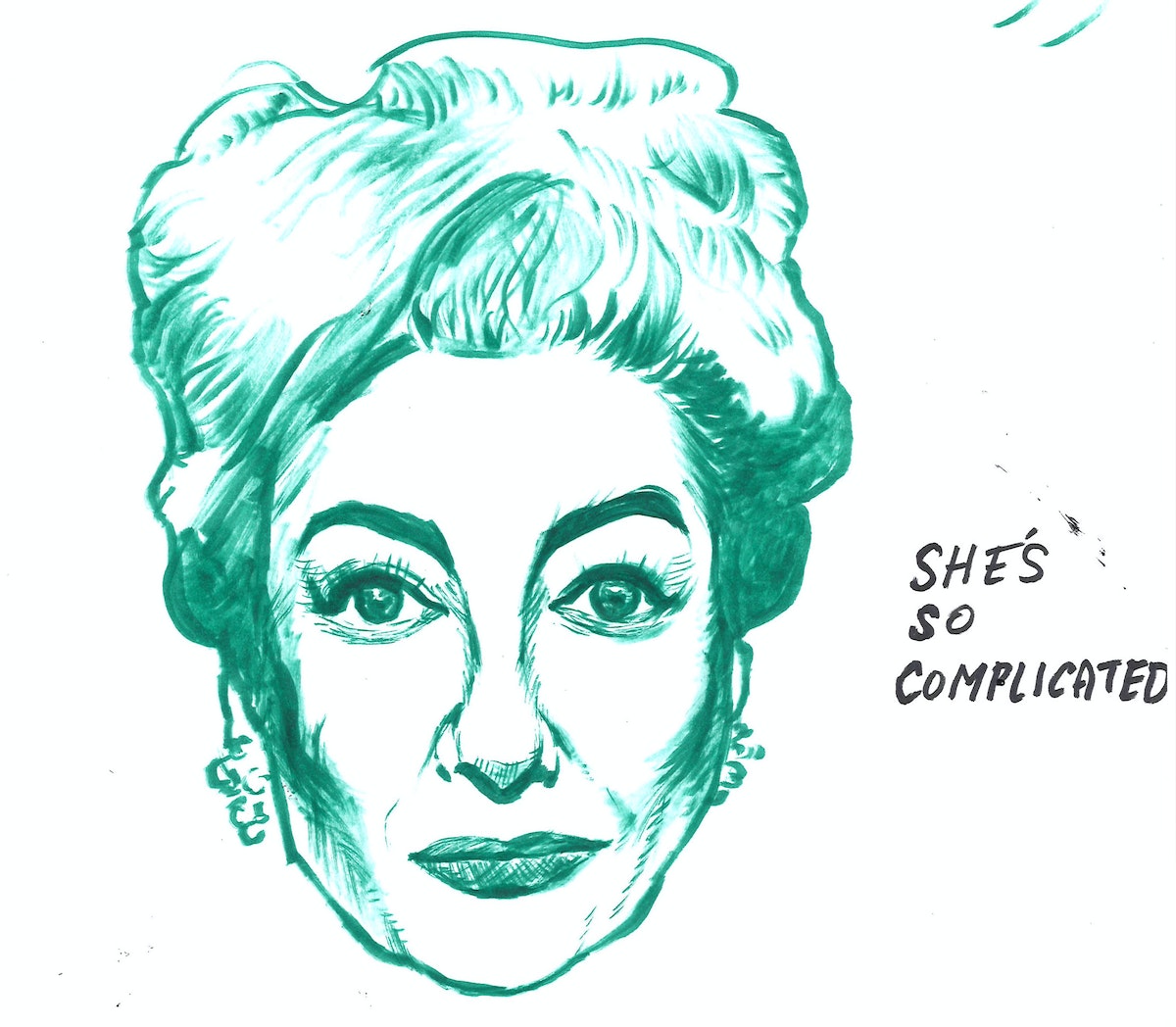
I’ve always loved drawing. I had cool, encouraging parents who’d do things like let me draw an invitation to my 6th birthday party, then go make copies of it so that I had personalized cards to send out.
I remember discovering my mom’s college sketchbook in the basement when I was a teenager, and feeling like it gave me a window into who she was at that time of her life. I started keeping sketchbooks in 10th grade, and have managed to hold on to almost all of them since then.

In my career as a programmer, I live and work inside my computer screen. My professional body of work can sometimes feel so ephemeral—everything I’ve ever made could be wiped out by a really strong magnet. So it feels really nice to have some solid, double-layered bookshelves and bins full of sketchbooks to step back and look at sometimes.
Lately, I’ve been drawing complicated women in the evenings. A woman’s physicality is so much more political than a man’s—and to me, this makes it so much more powerful. A woman has more expectations placed on her physical looks—her clothes, her hair, even her expression—and that only makes it that much more of a provocation when those expectations are thwarted.

When I was a kid, I’d spend hours drawing Ariel from Disney’s A Little Mermaid. I'd sometimes catch myself unconsciously copying her expression with my own face. Even at 9 years old, I’d feel a little embarrassed when I felt a big, fake grin on my face. I liked Ariel and her gadgets and gizmos aplenty, but I wasn’t like Ariel. I was faking it.
Then in high school, when it was time for my exciting locking-myself-in-my-room-and-drawing-self-portraits period, I had to shift into thinking intentionally about what my face was doing while I drew from the mirror. I found that whether I was trying to make a specific kind of face, whatever came out ended up feeling like a character. And that somehow felt instantly more powerful than just the image in the mirror.
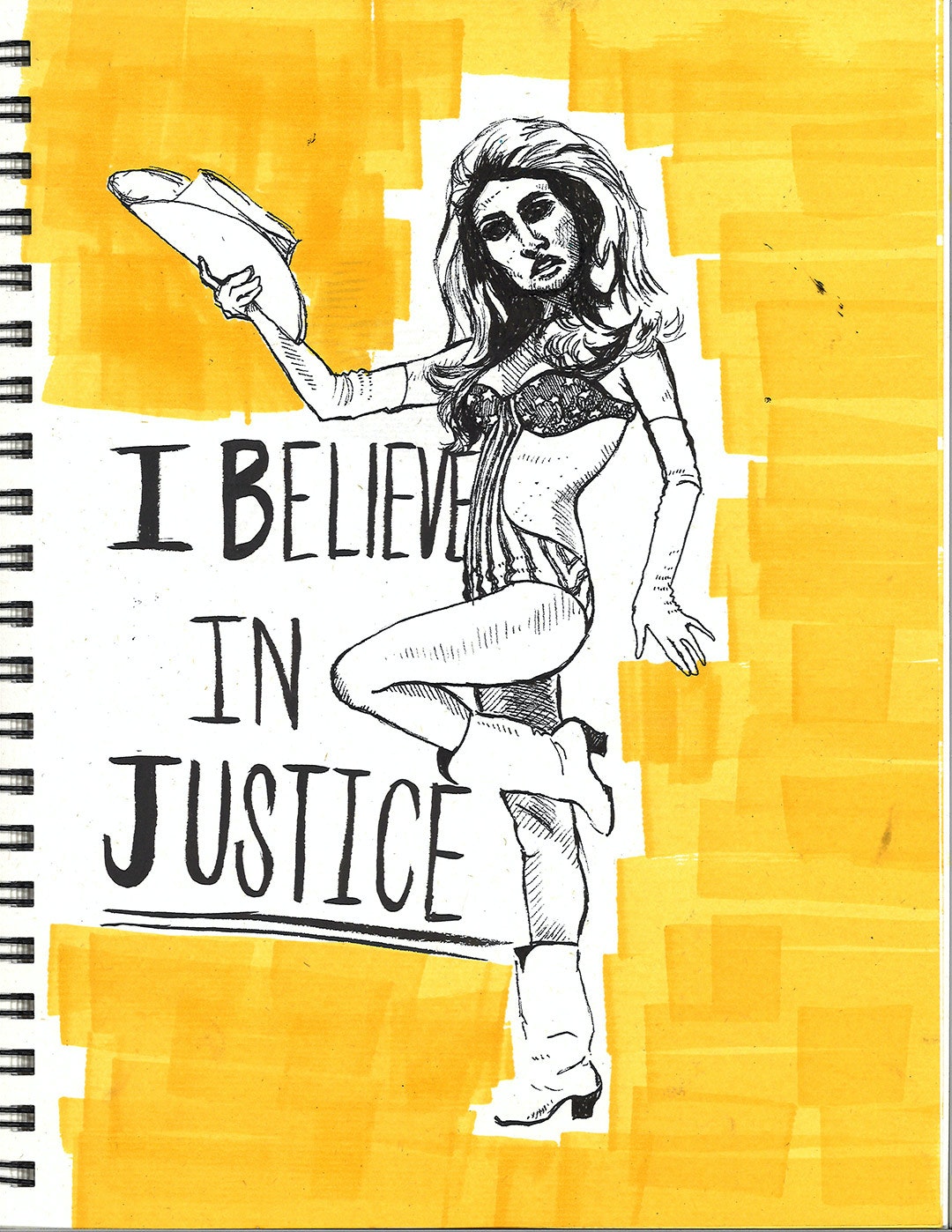
The women I like to draw now capture some element of that feeling. They may not be the definition of self-possessed, they may or may not be confident and composed, but they are self-aware, and in control of what they are putting out into the world. They may be performing a little, but they're doing it on their own terms, for their own benefit.
They’re from noir movies and punk bands. They’re artists, journalists, wastoids, and dweebies. I like to think they lived for themselves and as themselves—the most provocative act there is for any human. I admire them and want to see myself in them
“I have been drawing complicated women in the evenings lately.” Cambridge software designer Ashley Holtgraver reveals the secrets of her notebooks.

Lindsey Turner
I’m passionate about building brands, products, and experiences that help organizations show up with meaning and momentum.
I help organizations cut through complexity by shaping how they show up, through brand strategy, identity, and storytelling.
Working at the intersection of brand and business, I bring an editorial eye and a bias toward making—turning ideas into tangible experiences that people can understand, trust, and believe in.
My work spans government, healthcare, financial services, media, and consumer goods, from launching Gen Z-focused ventures to building innovation labs and reimagining legacy brands. I relish moments of ambiguity and enjoy translating across teams, perspectives, and priorities to move ideas forward.
I started my career in editorial and digital design, shaping cross-platform experiences and identity systems in publishing and agency environments. That foundation still shapes how I work today: I’m detail-oriented, collaborative, and overreliant on the Oxford comma. I hold a BFA in Visual Communication from the School of the Art Institute of Chicago.

Rachel Young
My work helps organizations see who their products aren't working for—and build the will and the tools to do something about it
For 25 years, I've asked the same question: Who does this design exclude—and what are we going to do about it?
My work spans human-centered strategy, inclusive design, and qualitative research, with clients ranging from Microsoft, Google, and Verizon to the National Science Foundation, and San Francisco Unified School District.
Before IDEO, I taught elementary school in East Palo Alto and spent a decade doing design work with social service organizations—where I learned firsthand what it costs people when systems are built without them in mind.
I am currently writing User Error, a nonfiction book about digital access and the design decisions behind it. I live in Oakland, California.

Brian Pelsoh
I lead with craft, ensuring our work is creatively excellent: rooted in deep human insight and imagination, while also grounded in the realities of business and technology.
My expertise spans brand, communication, and product design across tech, education, the arts, and social impact.
I believe great work demands both high-level vision and obsessive attention to detail, and only happens through collaboration.
I bring an inclusive, hands-on approach and a deep understanding of business, which enables me to consistently deliver excellence while always asking why.
Before joining IDEO, I worked at the brand firms Pentagram and VSA Partners. I began my career as a designer, leading teams at the School of the Art Institute of Chicago and the Milwaukee Art Museum. I hold an MFA in graphic design from Maryland Institute College of Art and a BFA in communication design from the Milwaukee Institute of Art & Design, and have taught at some of the best design schools in the US.

Tony Wong
I am responsible for IDEO’s long-term success in China and working with clients to use design as a tool to enable growth.
I am responsible for IDEO’s long-term success in China and working with clients to use design as a tool to enable growth. Specifically, I have helped Chinese companies design holistic brand solutions through the development of their products, communication, services, and innovation teams, and I have helped multinationals expand their presence and influence in China.
I advise global leaders on developing China-led innovation and capabilities.
In over 15 years in IDEO Shanghai, I have worked on projects that use design to elevate the quality of the experience of healthcare products and services, streamline processes that increase productivity, create spaces and programs that promote and enable inclusive communities, and build next generation mobility solutions that are planet-positive.
Before joining IDEO, I worked at Philips Electronics and the Electrolux Group in Italy, the Netherlands, and Singapore on a number of breakthrough commercial products. I am a member of the Young President Organization in Shanghai.

Building a personal AI for the messiness of life: Sida Li
Most AI products today are built for work—a space with clear problems and established systems. One founder noticed a gap: personal life is messier, harder to systematize, and mostly left behind by the AI boom. So she built Cue, a personal AI that lives inside iMessage and group chats, to go where the other tools haven't.
In this episode, Becca Carroll, IDEO's Chief Strategy Officer, talks with Sida Li, co-founder and CEO of Shared Context Lab, about staying anchored to a human need while the technology around her keeps changing shape, why she treats her business model with the same rigor she'd bring to a product, and what it feels like to build a company at this particular, disorienting moment in AI.
The conversation also gets into how Sida makes design decisions: the language Cue uses to describe itself, the tradeoffs behind building inside iMessage instead of a new app, and a real story about a business idea that didn’t pan out.
This is the second in a two-part series profiling founders from IDEO's Startups-in-Residence program. The first conversation is with Johannes Seemann, founder of Sooner, on designing GenAI for the emotional side of money.

Designing GenAI for the emotional side of money: Johannes Seemann
Most personal financial tools are built to run the numbers and optimize towards a budget. While that works for some, most people experience money as a lived relationship that does not neatly fit into a spreadsheet. Johannes Seemann and Becca Carroll discuss why money is emotional before it is mathematical, and what a human-centered approach to building a generative AI financial product looks like in practice.

The curious leader's edge in uncertainty: Scott Shigeoka
Mina Seetharaman talks with Scott Shigeoka, author of Seek and Head of Curiosity Cultivation at the Eames Institute, about what distinguishes genuinely curious leadership from performative curiosity, how power dynamics shape curiosity, and why practicing curiosity can restore energy rather than drain it.

How constraints make us more creative: David Epstein
Mina Seetharaman talks with David Epstein, author of Inside the Box and Range, about why total freedom often produces average work, how leaders can design useful limits on purpose, and what organizations such as General Magic and Pixar reveal about the relationship between boundaries and creativity.
Looks like you might be in search of something very specific?
Or reset the filters above and try another angle.
Here’s some random inspiration

Podcasts about creative leadership

Articles about the power of prototyping
