
.svg)



A student-centered cafeteria experience
Reimagining the food system in a large district.
To bring students healthy food at school, San Francisco Unified School District had already hired Revolution Foods, a caterer that serves some of the highest-nutrition meals in the nation. But when the lunch bell rang, 72 percent of those who could afford lunch weren’t showing up; students didn’t want to wait in the long lines or rush to finish, so they headed off-campus to eat.
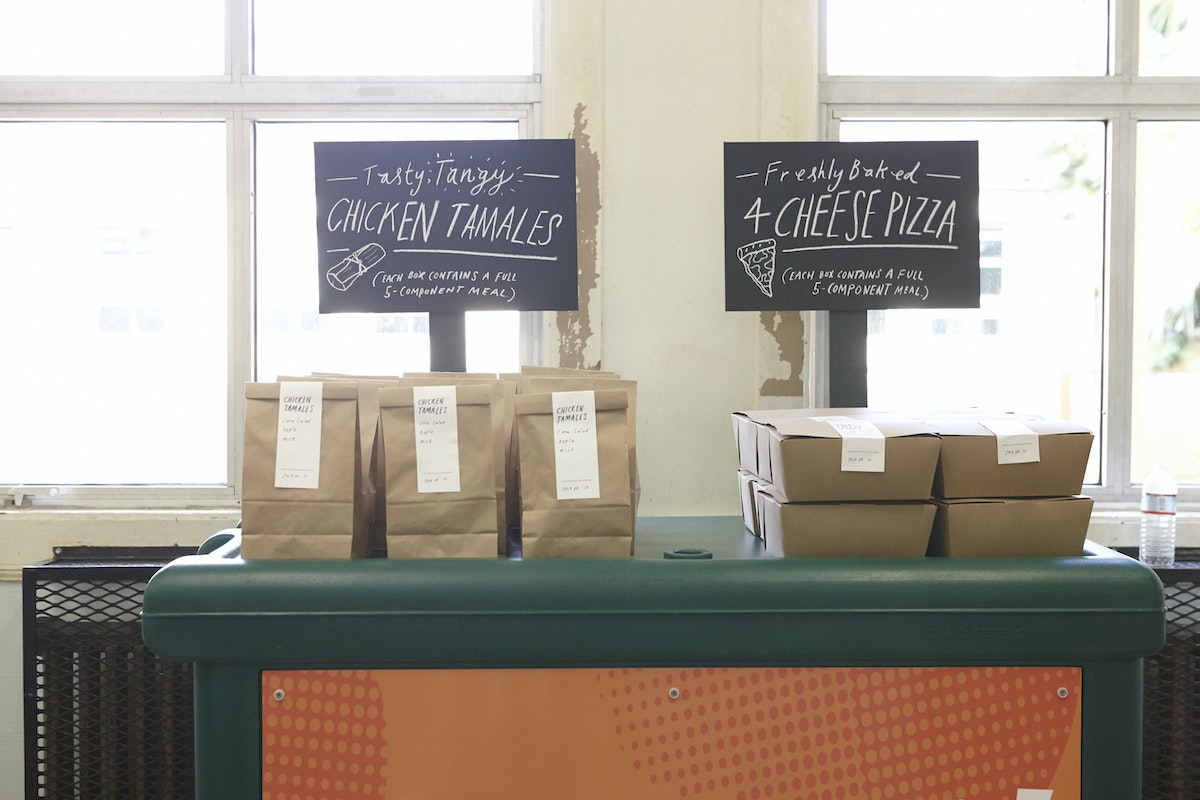
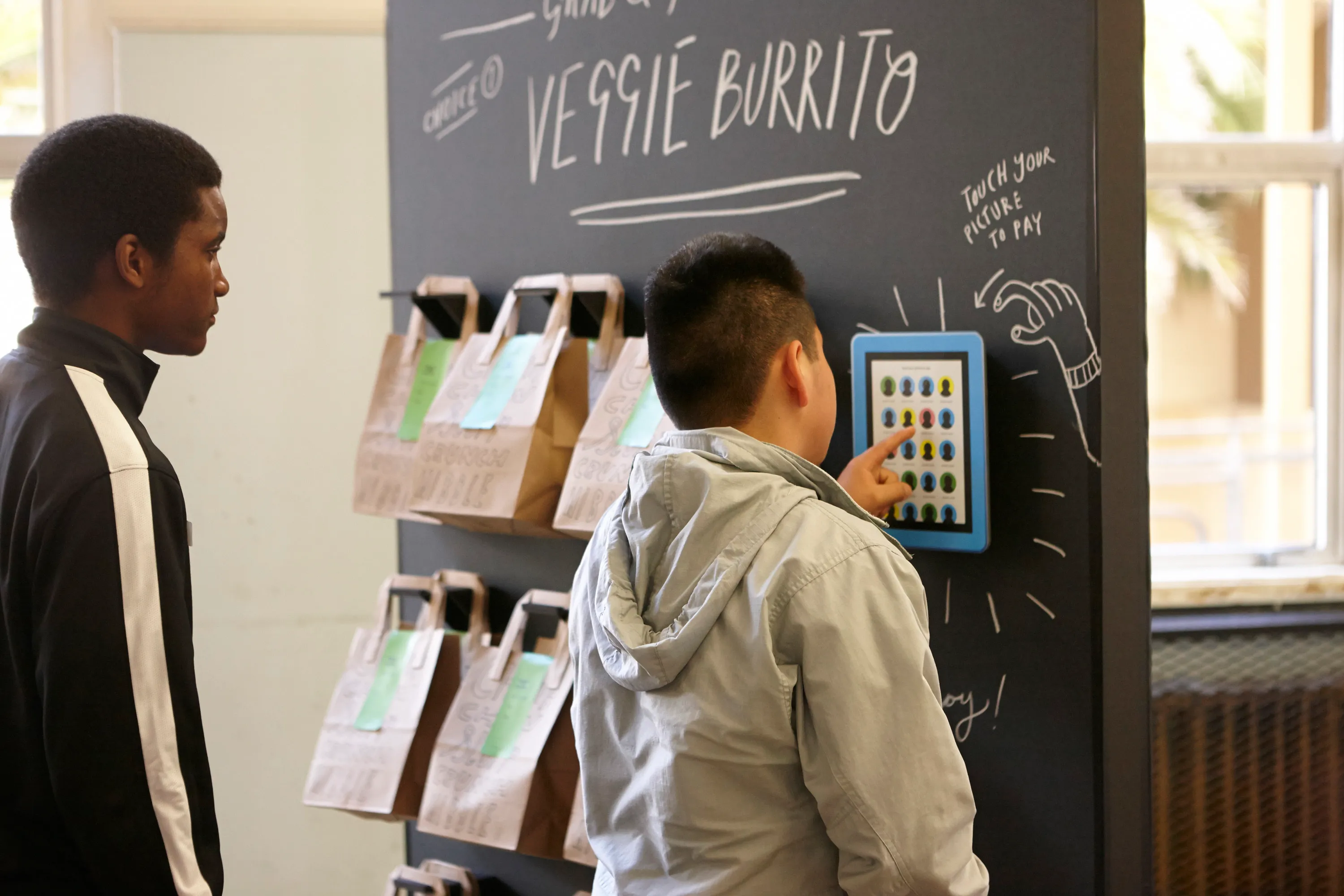
Working alongside more than 1,300 students, parents, union leaders, nutrition staff, board commissioners, principals, teachers, and community groups, IDEO and SFUSD redesigned school lunch. Together, they developed recommendations for three age-appropriate dining experiences, from communal eating to student-designed spaces to new technology platforms, and worked to develop a robust business model.
In September 2013, the San Francisco Unified School Board expressed unanimous enthusiasm for IDEO’s work, clearing the path for this new vision of student-centered lunch to take root.
You can learn more about the cafeteria, and hear firsthand from the students, in this immersive, interactive story.
Redesigning where we work and learn
An evolving relationship between Steelcase and IDEO that positions the company as a leader in shaping our work environment.
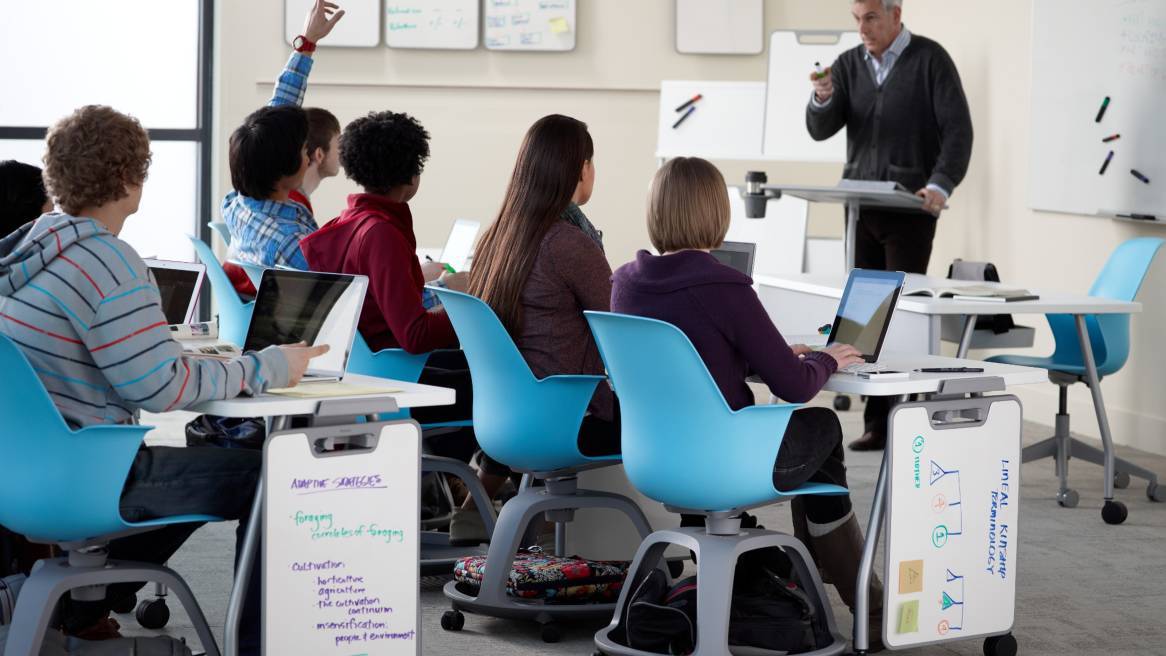
Steelcase and IDEO have been collaborating for more than 25 years. The relationship has influenced furniture design across a range of environments, from work spaces to hospitals to schools, and has resulted in numerous design awards for iconic pieces like the Node Chair for classrooms and the innovative modern office chair Leap WorkLounge.
At the heart of the relationship lie trust and a spirit of collaboration, said IDEO founder David Kelley, allowing the space for innovation. “It has to be the collaboration between our inherent innovation capabilities and their extraordinary internal knowledge about the market and what they do best,” Kelley said. The way IDEO began working with Steelcase decades ago has influenced the way they continue to work today, involved in all areas of the business, from design and engineering to strategy and marketing.
The first collaboration in 1989 was for a new Steelcase division called Details, and featured desktop products to go along with its already successful line of office furniture. From the beginning, IDEO founder David Kelley and a group of designers were involved in helping Steelcase with decision-making on every level of the new division, from product strategy to hiring and everything in between. The particular blend of strategy, design, and engineering used to help Details become successful actually became the prototype project for the future IDEO, and is the blueprint for how IDEO works today.
What followed were a series of projects in which Steelcase and IDEO explored moving away from the traditional office cubicle toward furniture that was more architectural and open. More than 10 years ago, Steelcase noticed that the way people worked was changing from static work in offices to more fluid environments that were technology-enabled with laptops and mobile phones. This insight led to two collaborations, Room Wizard and media:scape, design efforts that captured this changing landscape by extending intelligent work to be supported by digital products, not just physical ones.
Jim Hackett, former CEO of Steelcase, said that an early brainstorming exercise in IDEO’s Palo Alto studio made him realize the power of a human-centered design approach. “They asked me to come to Palo Alto for a brainstorming exercise, so I went through the literal exercise that IDEO was having clients do at the time,” Hackett said. “As I was cutting foam core on the floor of one of the studios, I was thinking: I would never work the same way again after doing this. Not just designers should work like this, but anybody who is a knowledge worker should work like this.”
The collaboration’s many successes had a profound impact on Steelcase, and on Hackett personally: “I’m so humbled, I can’t even express it. I can’t tell you how many waves of joy come over me when I’m at IDEO. It’s just an extraordinary part of my life.”
Over the years, the two companies have been in nearly daily communication, a practice that has informed the work of both. While Hackett brought Steelcase’s perspective of corporate boardrooms and running a global company, Kelley and IDEO were working in the most innovative place in the world, saturated in design. Both companies agree that neither would be the same today without the experience gleaned from the other.
Some of the projects include:
RoomWizard
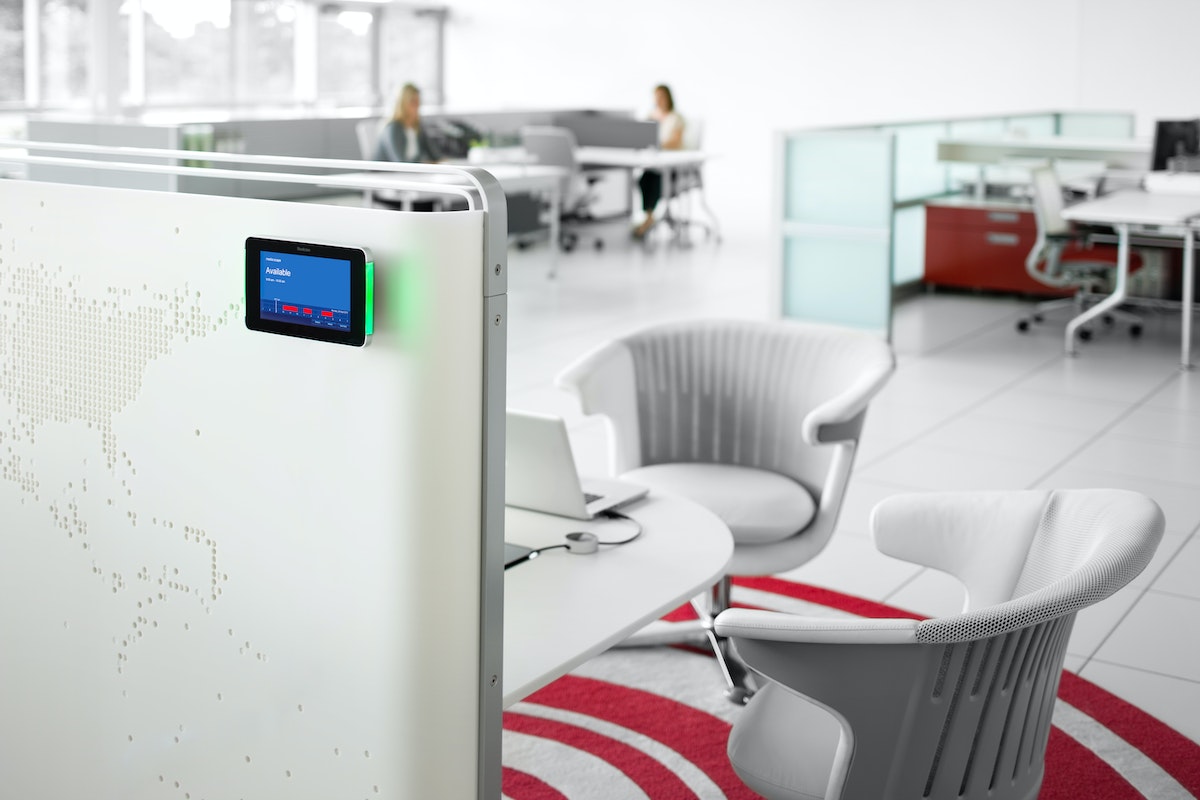
Aiming to connect the convenience of digital technology to physical spaces, the teams designed RoomWizard, a web-accessible touch-screen display that provides the real-time status of shared meeting rooms, simplifying the process of reserving and managing those spaces.
Leap WorkLounge and Ottoman
Building on their earlier work on the Leap Chair, the teams created a work chair with the comfort and style of a classic club chair, a luxury Leap Chair that takes work away from the desk.
i2i Chair
In researching the needs of a growing number of collaborative settings, Steelcase identified an opportunity to combine task and lounge seating. Named for the collaboration it enables, the i2i chair supports a variety of postures, including sideways, reclining, perching, and leaning. Winner of the Spark Gold Award, 2010, and the IDEA Silver Award, 2009.
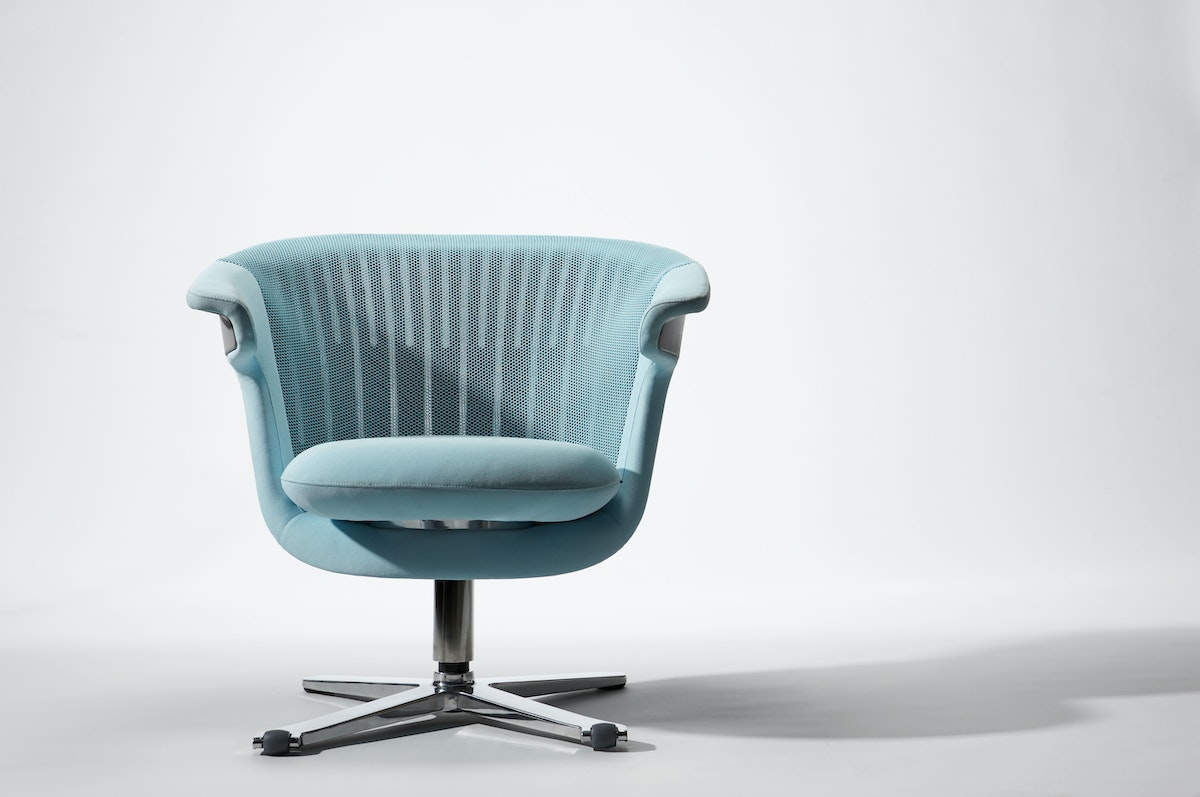
Amia Chair
Steelcase and IDEO designed a task chair with modern ergonomic capabilities that accommodated a wide range of body types at a lower price point. Winner of the IDEA Bronze Award from IDSA and BusinessWeek, 2009.
media:scape
Steelcase asked IDEO to help evaluate and design a “walk up and connect” experience that merged furniture and technology to help teams access and share information. Designed to look light, open, and inviting, media:scape used a pedestal table with cleverly embedded hardware and interactive technology to foster group work. Winner of the IDEA Bronze award for Office & Productivity, 2011.
Node Chair
IDEO collaborated with Steelcase to design a platform for improving the classroom experience. The final product, dubbed the Node chair, has received praise for promoting student collaboration, allowing educators to reconfigure classrooms to fit different teaching styles, and enabling institutions to save money by making spaces more flexible and accommodating for varied uses. Winner of five design awards.
Watch: A love letter to Node.

Planned Parenthood's new way forward
Designing innovative, patient-centered experiences for a healthcare pioneer.
A great healthcare experience shouldn’t be a luxury. It should be available to everyone, regardless of who they are, where they live, or what they need.
Planned Parenthood health centers have opened their doors to every woman and man for 100 years with this core conviction, offering services ranging from pap tests, cancer screenings, and breast exams to contraception, treatment for sexually transmitted infections, counseling, and education.
As the healthcare landscape continues to shift, Planned Parenthood is evolving to lead the progress. For the past year, the organization worked side by side with IDEO to rethink and prototype a patient and employee experience that elevates individuals and their health and well-being.
Together, the teams designed a number of patient and employee interactions and corresponding prototypes that address different patient needs: education, personalization, connection, and support for any decision.
Concepts in Development
These concepts are being rolled out across health centers around the country:
Welcoming Waiting Areas
To help set the right tone for patients from the time they enter the door, the teams designed waiting rooms that offer different types of environments for different needs. The Hub is an area that transforms the passive waiting room experience to a greeting area that’s staffed by knowledgeable guides who help orient patients, and quiet nesting spaces for reflection and privacy. Patients can spend time with friends and family in a social, kid-friendly common area, and those who want to get involved to support Planned Parenthood’s mission can learn about health and advocacy information. This modular design toolkit can adapt to the individual buildings, budgets, and community needs of any existing Planned Parenthood health center.
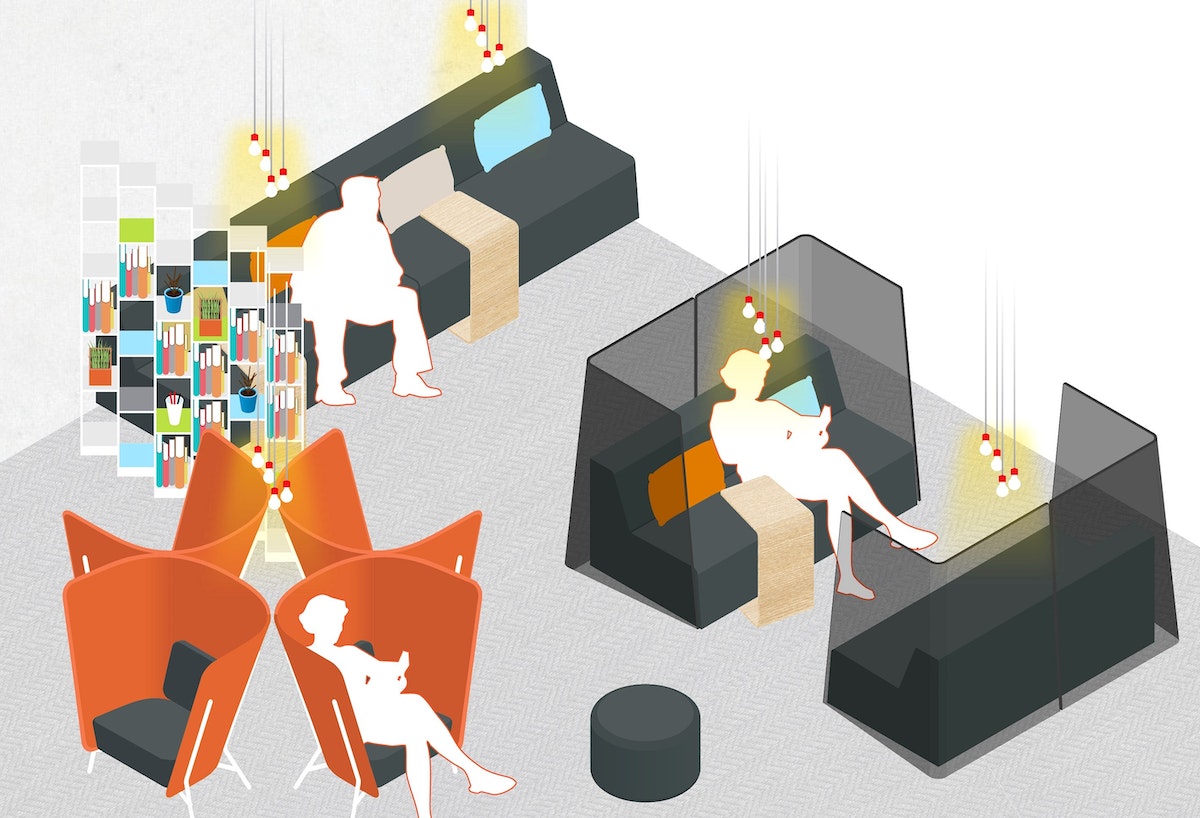
Restorative Recovery Rooms
For women who are recovering from surgical procedures, small thoughtful details have a magnified positive impact. Redesigned recovery rooms have been separated into semi-private spaces, accommodating loved ones who want to join patients after a procedure. Soothing colors and soft, warm fabrics create a comforting environment, and service gestures including cards with words of support and encouragement from staff reinforce Planned Parenthood’s promise. A take-home kit provides clear information about what to expect during recovery and recommendations for follow-up care.
Unifying Employees
Because the heart of Planned Parenthood is its dedicated employees, we developed and launched an engagement and training program that provides staff with the tools and support they need to do their best work. In This Together, an employee engagement training, prepares staff to work with a vastly diverse community, reduce stigma around health choices, and empower patients to take control of their care. It’s based on a clearly defined set of workplace values and service standards, common goals that help employees across the global organization work together to provide top-notch experiences at every location.
Vision for the Future
These concepts are in varying stages of development, with plans to launch coming soon.
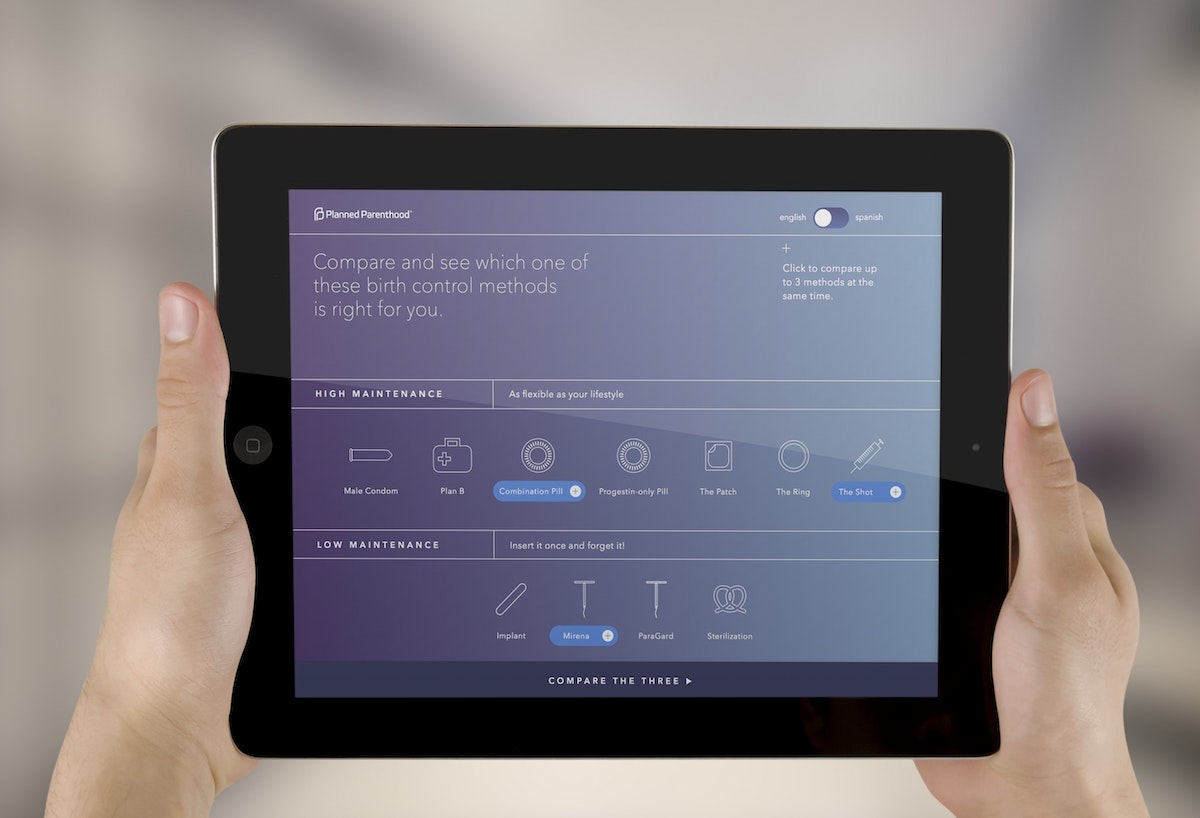
Patient-Physician Tool and Educational App
Visit Companion is a prototype for a suite of digital tools that help patients learn about their reproductive health choices and create personalized plans with their clinicians. While they wait, or anytime before a visit, patients can learn the answers to common questions related to their appointment and see side-by-side comparisons of their care options. The app uses familiar language and symbols to describe symptoms and side effects, and it provides a record of what was discussed during the visit as well as reminders for follow-up appointments.
Simplified Medical Forms
For the 2 million-plus patients who visit Planned Parenthood health centers, there’s an opportunity to make appointments more convenient and straightforward. Currently in prototyping stages, Friendly Forms is an easy-to-understand, interactive digital questionnaire written in simple, conversational language that was designed by replicating how Planned Parenthood clinicians speak to their patients. The forms adapt as patients answer questions, giving only the prompts that are relevant. Patients will be able to complete Friendly Forms any time before their appointment, so it’s easier to complete the forms accurately.
Holistic Women’s Health Care
Women who rely on Planned Parenthood for their sexual and reproductive healthcare can benefit from having trusted clinicians guide their care throughout their lifetime. Through the Well Woman Plus program, Planned Parenthood will connect women to trusted providers for care beyond physical exams and birth control consultation. Clinicians will use interactive digital and physical tools to map out lifelong health care milestones and help patients think proactively about their future, from family planning to preventive screenings.
To learn more, go to PlannedParenthoodExperience.org.
Find out more about Planned Parenthood's approach to creativity in this Q&A with executive vice president and chief brand officer Dawn Laguens.
Launching an innovation lab to benefit Peruvians
Catalyzing rapid growth and transformation within a broad portfolio of businesses, including retail ventures, healthcare services, insurance, and banking.
La Victoria Lab (LVL) is a group of designers, anthropologists, architects, and entrepreneurs working on improving the lives of the Peruvian middle class. Founded in 2014, LVL is the Innovation Lab of Intercorp, an economic group of 35 companies spanning banks, malls, cinemas, schools, health care clinics, and more. Intercorp was founded by Carlos Rodríguez-Pastor, one of Peru’s most successful entrepreneurs, employs more than 90,000 people, and accounts for almost 4 percent of the country’s gross domestic product.
Peru is one of South America’s fastest growing economies, with a healthy 6 percent year-on-year growth from 2007 to 2017, on average. That rising economic tide, along with government policy, has created extraordinary social mobility: Between 2005 and 2017, the share of poverty fell from 55% to 22%, of a population of 32 million.
Know The Customer
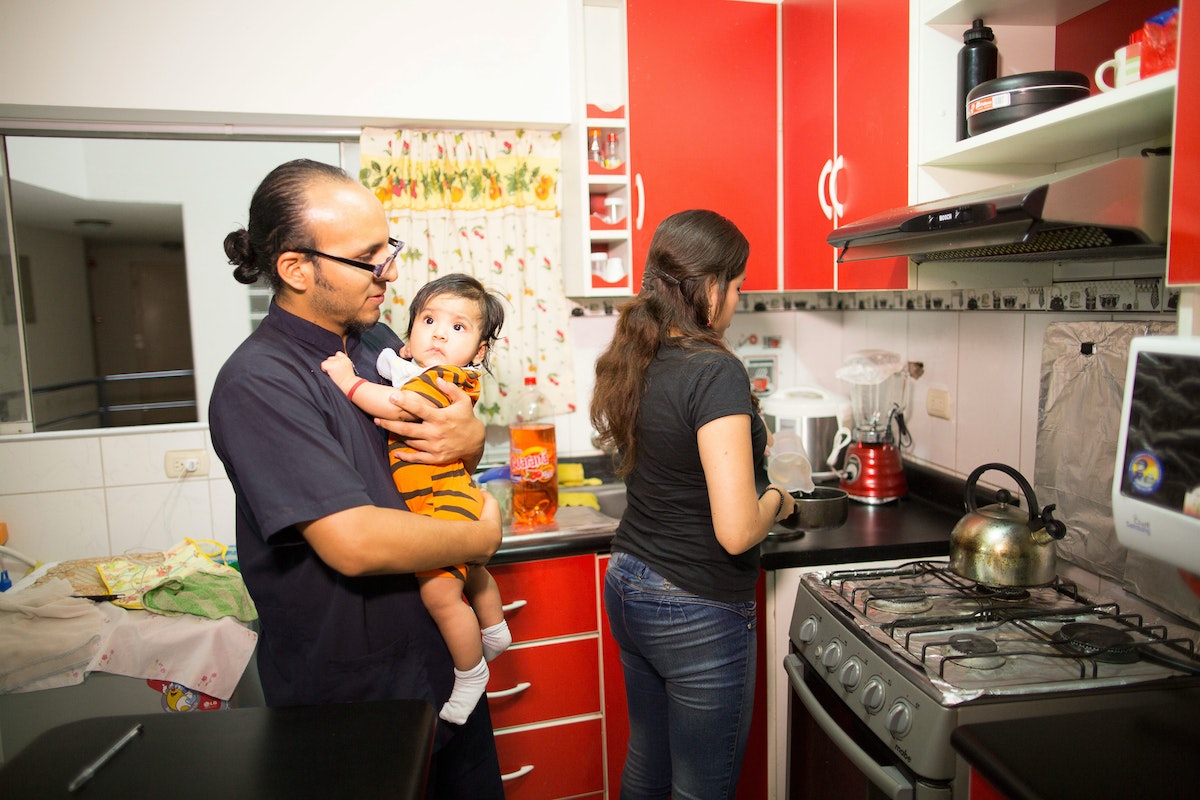
As Peruvians’ lives have improved, the new middle class's needs and aspirations have changed: They’re entrepreneurial, expect great services, and want the best for their children. That challenge and opportunity led Rodríguez-Pastor to enlist IDEO to bring our empathic approach to the construction of Innova Schools, a new school system, and to redesign Interbank's customer experience"
Success in these two projects bred ambition. Intercorp, Rodríguez-Pastor realized, needed to build two capabilities: a deep, bedrock understanding of the new middle class, and an innovation capability with which his companies could create new products, services, and experiences. “I want a little IDEO,” Rodriguez-Pastor said, and the germ of LVL took root.
A Lab Takes Shape
In early 2014, as contractors broke ground on the Lab, its founders set about hiring an eclectic team from across the globe and undertook their first project: to deeply understand the needs, desires, hopes, and dreams of the emerging middle class.
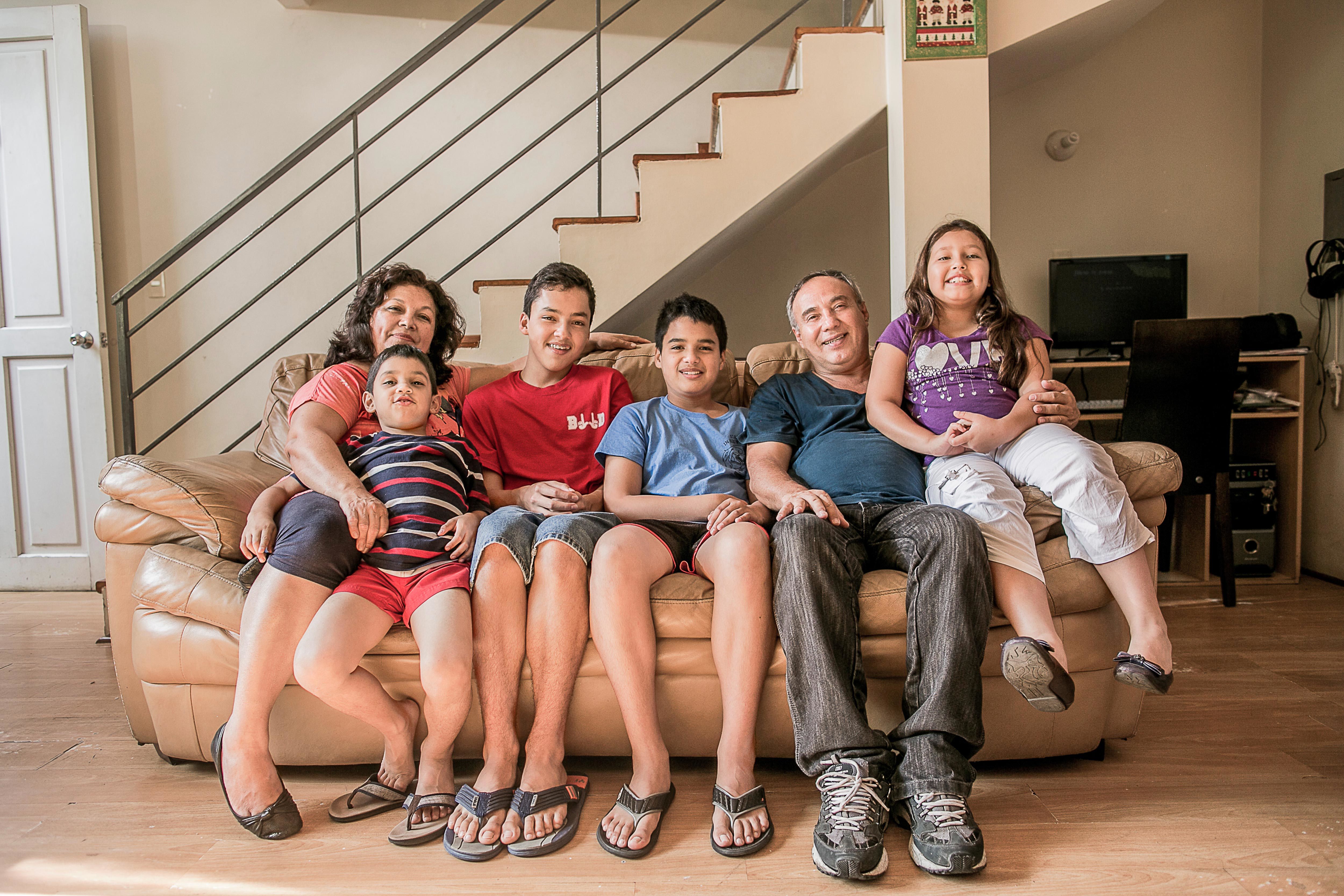
Three months of ethnographic research was followed by three months of bringing their insights to life. LVL’s team surrounded themselves with mementos of people’s lives: toys, products, ads, as well as video interviews with families, to help Intercorp’s executives literally step into the lives of their prospective customers.

Solutions and Skills
Powered by those insights, La Victoria Lab has brought human-centered problem-solving to a variety of Intercorp’s companies, including new retail ventures, and improving the cinema-going and banking experience.
In 2015, the Lab began scaling its efforts to build innovation capabilities across all of the portfolio companies by using IDEO’s innovation readiness assessment, Creative Difference. Each company received a report of their strengths and improvement areas, and as a result, LVL facilitated workshops and community groups focused on building essential capabilities.
"Creative Difference is the first tool that has allowed my team and the organization to have a precise picture of where we are in the spectrum of doing truly innovative work. Now, we can identify our strengths and areas of improvement, we can develop work plans and actions based on data, and can start to really dig deep into innovation,” says Aurelia Alvarado, Director of Innovation, Innova Schools.
La Victoria Lab’s experiments are catalyzed by Intercorp’s scale, reach, and national ambition. Innova Schools, for example, is now Peru’s biggest private school network (read more about Innova here). And Interbank’s new retail experience rolled out to more than 180 branches nationally.
As LVL matures, its focus is changing, says Hernan Carranza, Chief Innovation Officer, Intercorp. “There's a transition taking place at La Victoria Lab, from a studio undertaking typical design projects, to a platform for impact-led journeys that start at pipeline discovery, defining key performance indicators, all the way to implementation and stewardship."
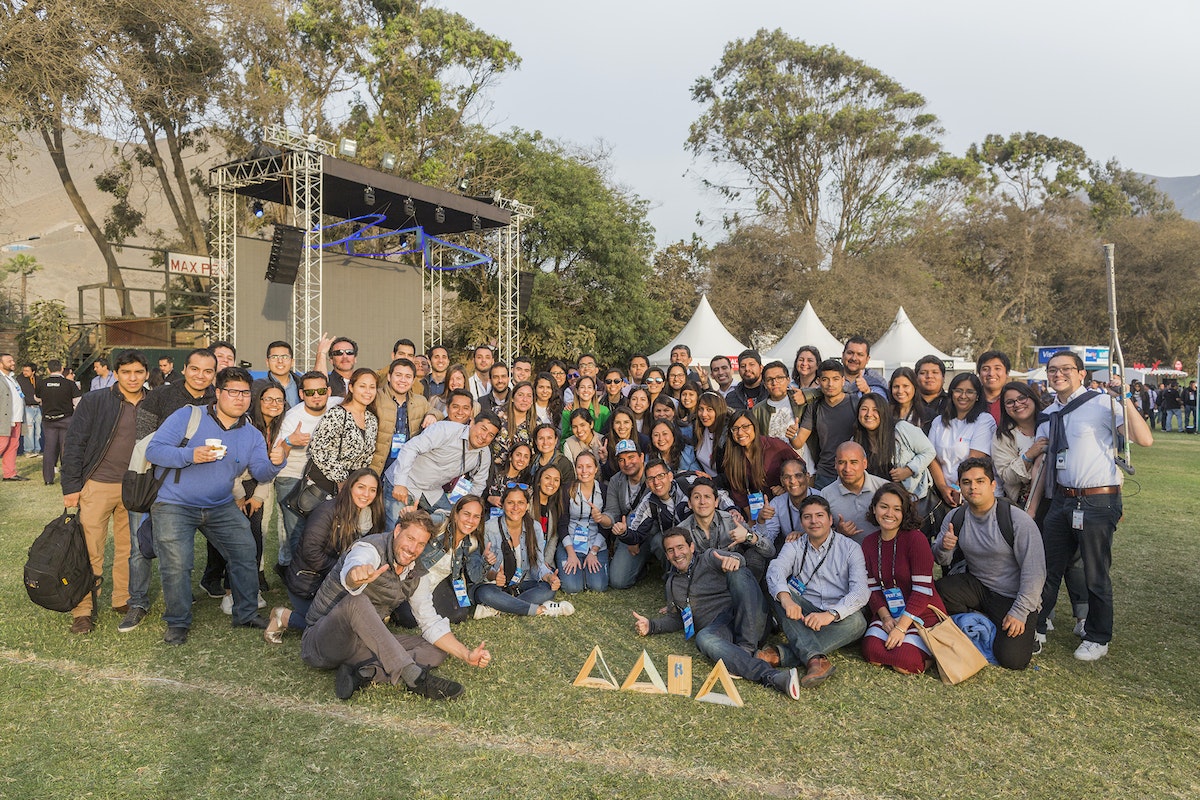
Just as important as the projects it delivers is the wider intent of LVL. The aim is for IDEO’s role within La Victoria Lab to wane, as Intercorp’s waxes, and the company’s internal Innovation capability and culture strengthen. LVL’s ventures range from mindset-changing initiatives, such as curating Peru's largest innovation festival, to deeply transformative endeavors targeted at reinventing the core value propositions of Intercorp's insurance, drugstores, and medical services. It envisions massive cross-organizational transformation.
“Innovation,” said Rodríguez-Pastor, “is too important to be outsourced.”
Keep up to date with the latest projects from La Victoria Lab: lavictoria.pe
"For the latest developments on our work with Intercorp, head to "The Possibilities Business: An Oral History of Organization Transformation"
The Magic Patio
Behind the curtain at a secret magic theater in San Francisco
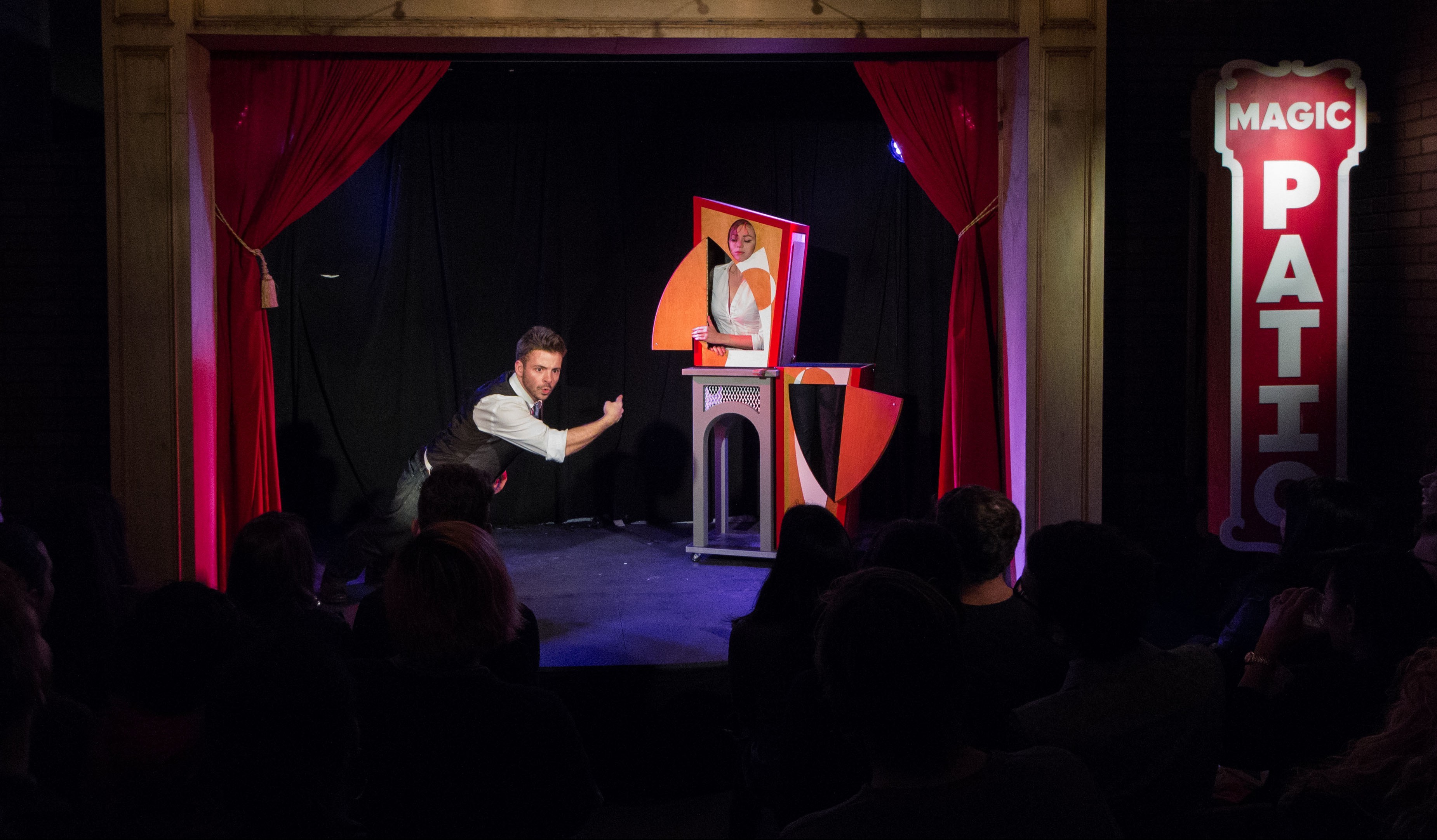
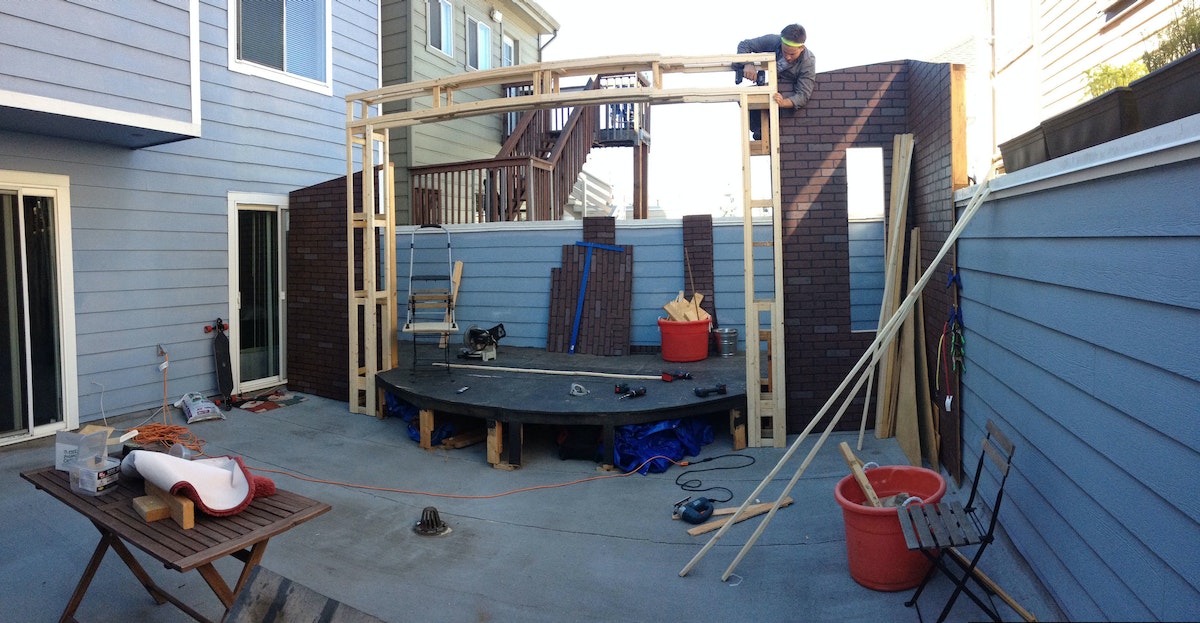
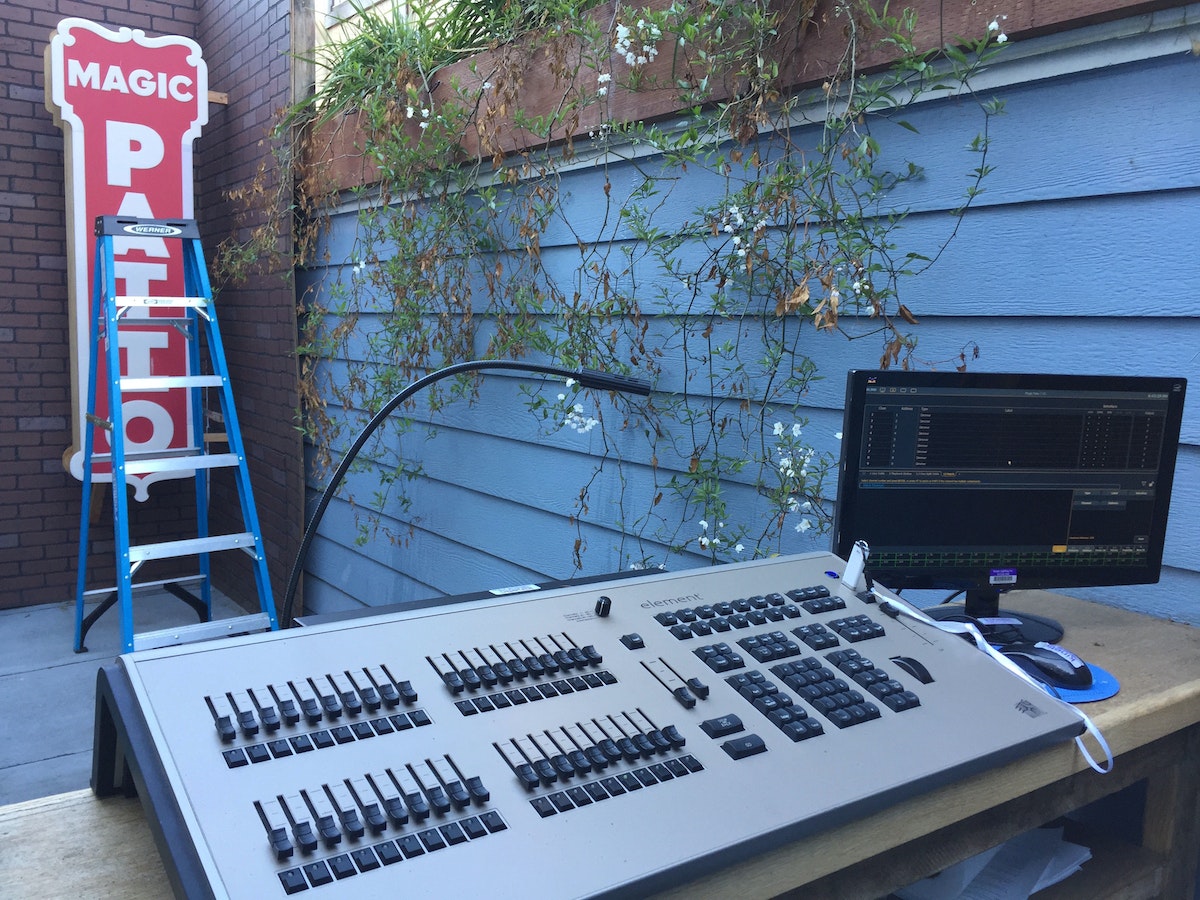
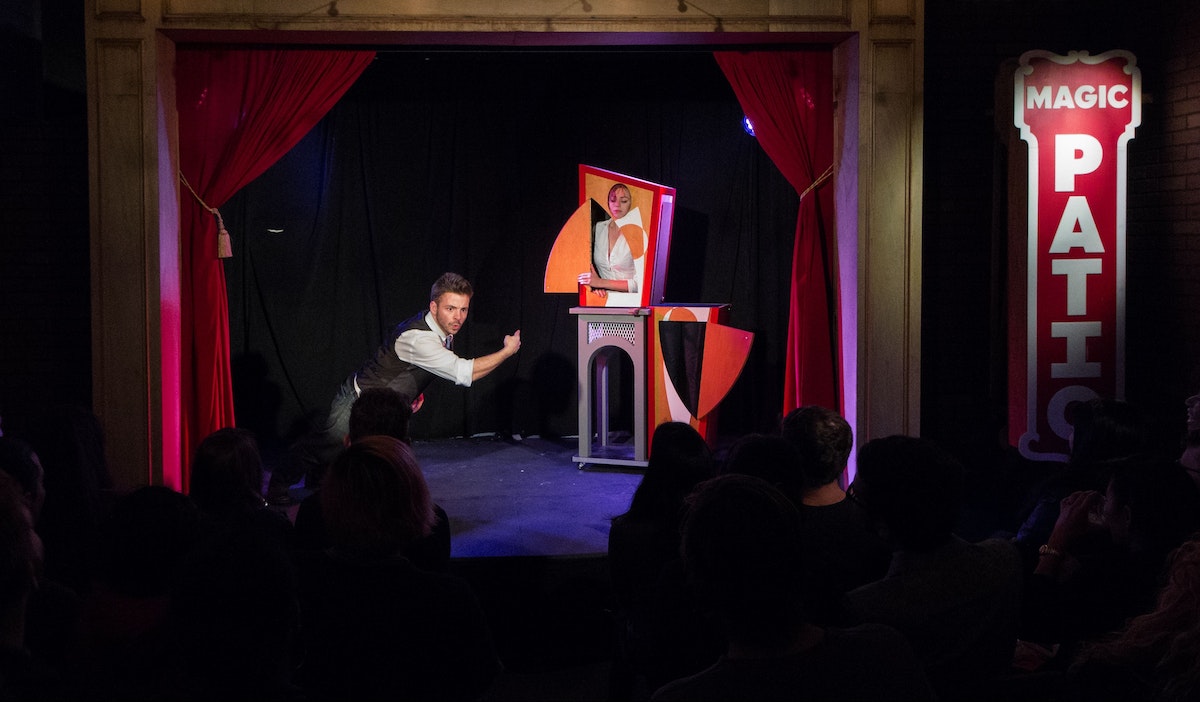
He created The Magic Patio, a custom-made stage and theater outside his building where he hosts invite-only, speakeasy-style events. The Magic Patio is specifically designed for a small, intimate experience of classic illusion, because Evans aims to recreate a bygone era of magic—specifically, 1890-1910—when the best illusions in the world were being performed at a tiny theater in London called Egyptian Hall, for an audience of about 100. I recently featured the Magic Patio for San Francisco magazine’s “Hidden City” issue (read the article online here). For Labs, Evans revealed some of the design and technical details hidden behind the curtain.
You built the box for your saw-the-lady-in-half illusion in IDEO’s shop. What did your fellow engineers bring to the project?
This is a design by illusion designer Jim Steinmeyer called Modern Art. It has slides that let the top half of the box slide over, and they create a sort of rail, like train tracks. But if you’re doing illusion design, the question is always how you can make it look like a piece of furniture as opposed to a magic prop. Not that the box actually looks like a piece of furniture, but if you actually have a rail sitting on top of it, it’s clearly a rig. I worked with Peter Bronk from the shop, and what he designed is genius. The slides are countersunk into the table, making them completely invisible. They’re milled on the CNC out of Delrin, which is a super low-friction material. The tolerance is to like one ten thousandth of an inch, and you can’t lift the top half up because it has T-slots that lock underneath. Magicians look at this prop and they’re like, “How did you get that?!” This is engineering, not a theater prop. When you’re doing tricks five feet away from the audience, it’s got to be super top notch, like product-design quality. There was no way I could have done this without IDEO.
How does your immersion in IDEO’s engineering community help you develop your craft as a magician?
This show, “Illusions of Grandeur,” is meant to be the first act of a two-act show, and the second show, “Vodvil,” which is going to premiere in May, will be all new tricks, three of which are the most complicated I’ve ever conceived of. By far the most complex trick is completely original, and it’s inspired by engineering, not magic. It’s based on a really cool technique, a visual principle, that doesn’t seem to be used very much anymore. Without giving anything away, I can say that it takes incredible control of audience and lighting, which you can have when you have your own theater.
You take advantage of total control to design surprisingly small details, such as scent. Why?
When I designed the experience, I was thinking about how many juxtapositions we could play with, which is key because it’s this show from 100 years ago that’s staged in 2015. There is a transition between entering from the street and arriving on the patio, in which you first walk up this super sketchy alleyway. It smells like pee, but we very purposefully didn’t change that. When you go through the door into the lobby, there is a specifically designed scent that we put into the room. A perfumery called Tigerlily on Valencia Street worked with me for a month trying to find the right scent. It plays with indoors and outdoors, so it’s got some woods notes to it, but then it’s also got a lot of warmth, something seductive and mysterious, a little musky. So you go from pee smell to that, and to complete the transition to outdoors, we have a different scent that we use on the patio. It’s very woodsy, and it’s also from a perfumer in San Francisco.
You’ve said that good designers and good magicians share the ability to create a sense of wonder. What does that mean you, and how did you express it with the Magic Patio?
Childlike wonder is a beautiful concept. Kids have not experienced half the world, so everything new they encounter changes the way they see the world around them. That’s the definition of wonder that I like—something that changes your perspective of the world. If you’ve been in this world for 30-plus years and then suddenly something you see makes you be like, “whoa, whoa, whoa… wait a second,” that’s a beautiful moment. But beyond that instant during a magic trick, I hope that when people leave the Patio, they think, “What else am I maybe not looking at closely enough?” I get emails after the show saying, “I just left there in this state of non-alcoholic buzz, and I was walking through San Francisco in awe, thinking, ‘I love this city! What else does it have to offer?’” Those are the responses that make me think we’re doing this right.
How do you balance your commitment to magic with your work as a designer?
I made my full living doing magic for two years. The reason I don’t do it full time is that it’s a very lonely pursuit—it’s me on my computer writing scripts, practicing magic in front of a mirror, taking video of myself, watching footage. When shows are coming up, sometimes I’ll spend a full 40 hours a week preparing, on top of IDEO work, but it fulfills me very personally and creatively. Simultaneously, IDEO gives me culture and people. It’s a beautiful pairing.
Keep a close eye on Andrew Evans—he might be an innocent-looking product designer in IDEO’s Palo Alto studio, but he’s also a professional magician and a master of sleight of hand. Evans travels around the world speaking about the intersection of design and magic, and now, he’s made his San Francisco apartment a nexus of the two.

How We Did It: GIF Dance Party
Coding the Internet's best party
Over the last three years I have been creating interactive experiences that bring some of these unexpected moments back to the Internet by putting emphasis on smiles and little else. No clients, no social media sharing, no analytics, no SEO, no log-in, no users, no brand, and no monetary objectives—smiles have become my motivation and my currency. Late at night, I stare intensely into my glowing rectangle, firing code into it, and imagining how I might turn the drab, emotionless faces of everyday, seen-it-all web surfers into expressions of delight.
While there are a number of projects on my site Fuzzy Wobble Dot Com that exist in the “smiles-as-currency” domain, I am going to share one of my favorites with you today: GIF DANCE PARTY. The name should give you a hint as to where this is headed…
The animated GIF was invented in the late '80s, but when GIF DANCE PARTY began back in 2012, they were still primarily used in blinking web banners for sleazy ad campaigns. Tumblr was the only mainstream site at the time with a GIF vernacular.
My fascination with both Tumblr and animated GIFs was surging at this time, and I could sense that there was an opportunity to bring animated GIFs out of the depths of Tumblr and into a more familiar context. This idea lead to an eight-hour coding session that resulted in the first release of the GIF DANCE PARTY website, which allowed visitors to create and share their own digital dance parties.
Despite my sub-mediocre coding skills at the time, the site was surprisingly functional. As with damn near everything in web dev, all the integral parts of the site had been executed thousands of times before, and with a little Googlin' and digital glue, the concept was realized. The code base was solid, although a serious problem remained: Transparent GIFs were extremely rare, never mind transparent dance GIFs, which were imperative to the concept. After many web searches, I found only four—not enough for a respectable digital dance party by any online standards.
So I asked my friends to help me with the tedious process of removing the backgrounds from GIF dancers, pixel by pixel, frame by frame, to generate the collection of transparent dancers featured in the first GIF DANCE PARTY release. Now, three years later, the GIF DANCE PARTY website has amassed an arsenal of more than 120 iconic dancers.
Over the years, GIF DANCE PARTY received millions of hits from around the world. The captivating nature of the animated GIF, injected into a familiar party context, touched the Internet in all the right places. I even had a collection of dancing cats in there for good measure. Today, GIF DANCE PARTY continues to make the rounds. On November 2, 2015 it made it to the front page of Reddit again, where one user commented:

The project was quite well received by my colleagues at IDEO, so we decided to set up a green screen and make our very own IDEO Boston (now IDEO Cambridge) GIF Dance Party.
It was extremely rewarding to maximize the smile-to-effort ratio with a project that could have so easily been discredited as "silly" had I not been surrounded by such creative and supportive people.
But the unfortunate outcome of this, a project that stemmed from a drive to create smiles, was that I could never see any of those smiles. At one point I considered turning on users’ webcams to use face detection and count the smiles, replacing the Facebook “like” widget with a smile counter (pretty sure this would have deterred a number of visitors). The only way to witness these smiles was to create an IRL experience—A GIF DANCE PARTY installation.
With the use of projectors, 3D cameras, and countless lines of code, we would be able to digitize partygoers into dance GIFs. These dance GIFs could become part of a wild and dynamic visual spectacle, projected for all to see. Together, the GIF DANCE PARTY VJ and partygoers would work together to create an otherworldly GIF DANCE PARTY digital dance floor.
There was no chance my Googlin’-and-digital-glue approach was going to work on a project of this scale. I put out a call for creative coders, which was answered by an exceptional team: Matt F., Wes T., Joe S., and Matt G. For many, many Saturdays, we met in hungover or otherwise compromised states and managed to stab away at the massive challenge of bringing GIF DANCE PARTY to an installation space with C++ and OpenFrameworks. Six months later:
We had a hit installation. We started booking frequent gigs. Jaws were dropping. What started off as not much more than a "cool art installation" evolved into a project that had a massive positive impact on partygoers. As we observed: This is the evolution of the photo booth. We have tapped into the selfie-lust habits of the modern day partygoer. But unlike the conventional photo booth experience, we went hyper dynamic, we went hyper visual, and for the first time in photo booth history, we introduced selflessness to the selfie. An experience for you, and an experience for all.

Partygoers were able to interact with the party environment in a way that was unprecedented. While traditional photo booths disconnect partygoers from the environment, our experience blasted them right into the center of it, no different than installing a Slip'N Slide down the middle of the dance floor.
As a team of artists, coders, and designers, we continue to experiment and evolve the experience. From website to installation, GIF DANCE PARTY has been a delightful project, not just for the users and participants but also for the creators. Smiles all around, and more to come.
I remember my first introduction to the web back in the mid '90s. It was a place of mad discovery. There was a great deal of uncertainty when clicking a link—where you would end and up and what you would see. The Internet was not a serious place. It was more of a playground, full of unexpected moments.
Kitchen Creative
A tasty testament to the London studio's communal, culinary adventures
The Greek Shepherd’s Pie. Coconut Meatballs. The Mediterranean Yacht in Linen.
You won’t find these unlikely sounding recipes in any other cookbook, and you certainly can’t eat them anywhere. But last summer, these culinary creations graced the table and palates of our London studio.
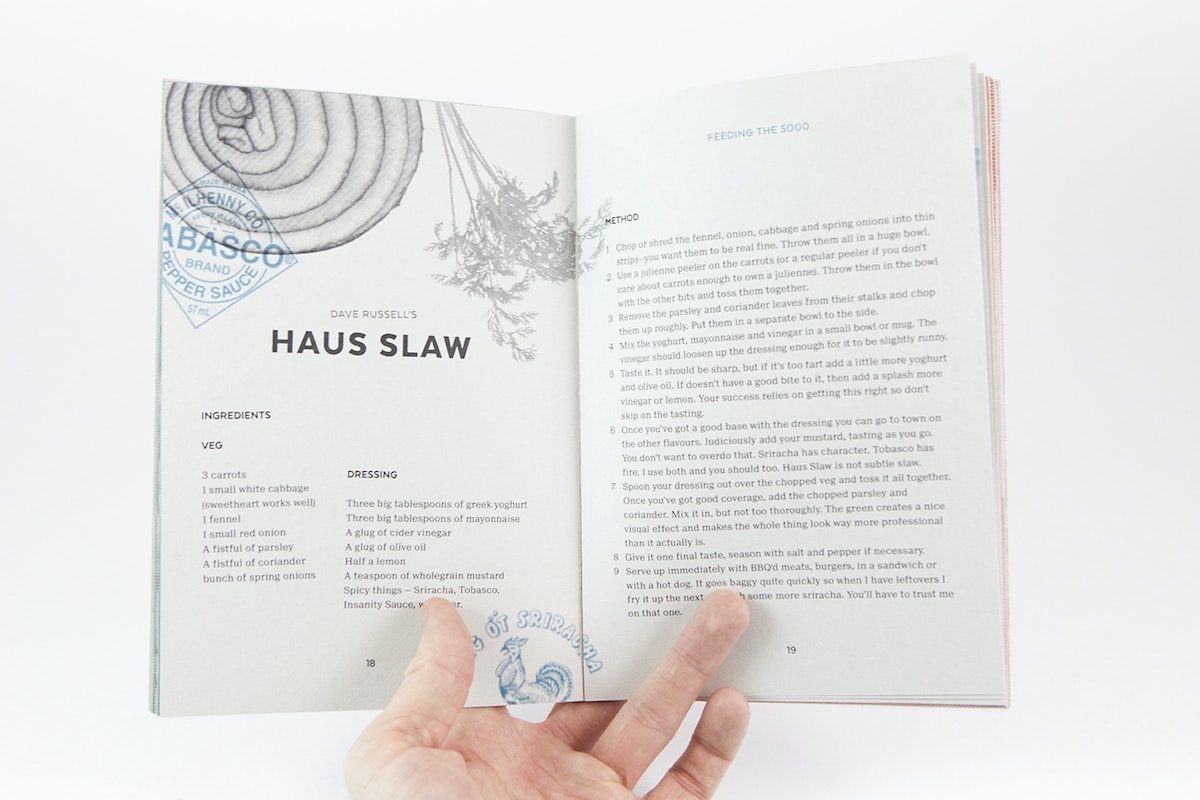
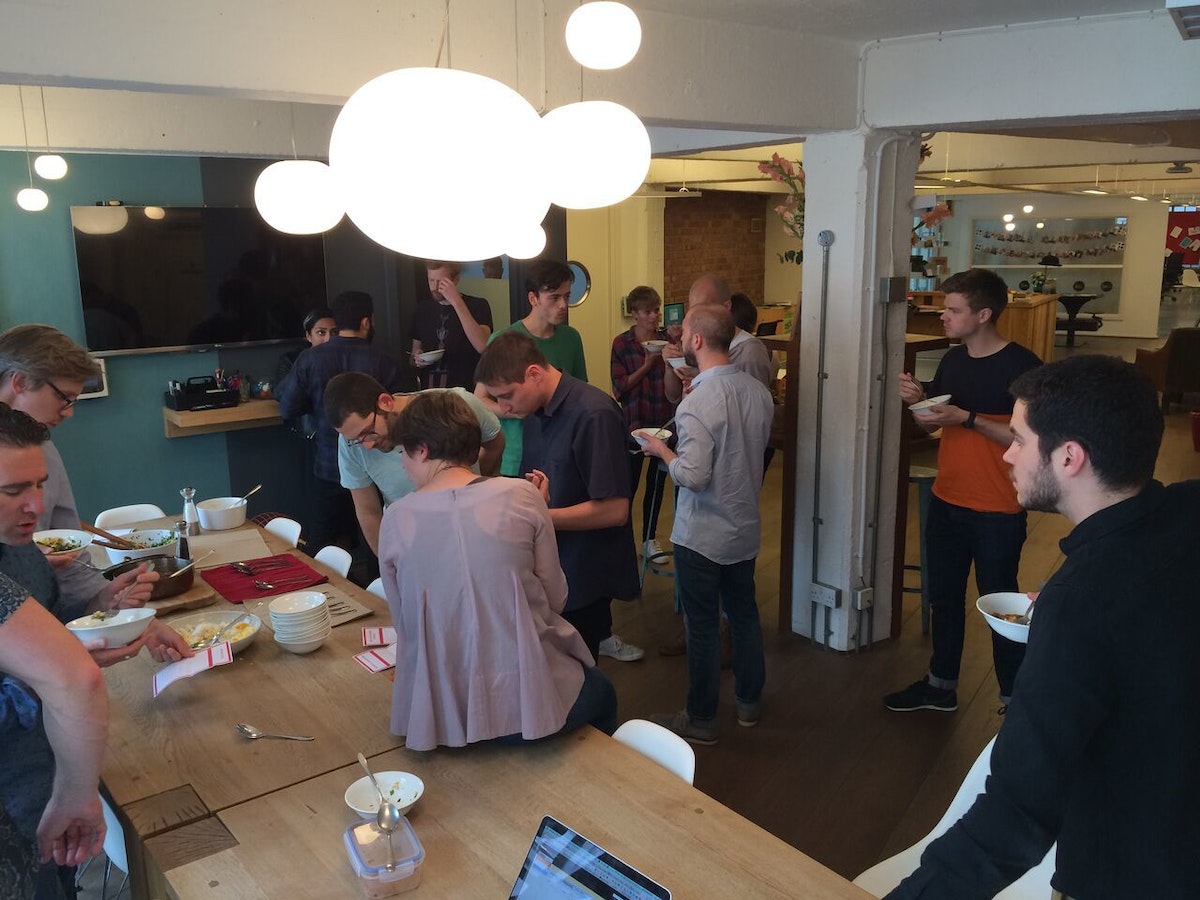
Eat My Dish came out of a desire to bring the studio together outside of our beloved social haunts (i.e, the pub). We wanted to do something that was hands on, creative and open to everyone.
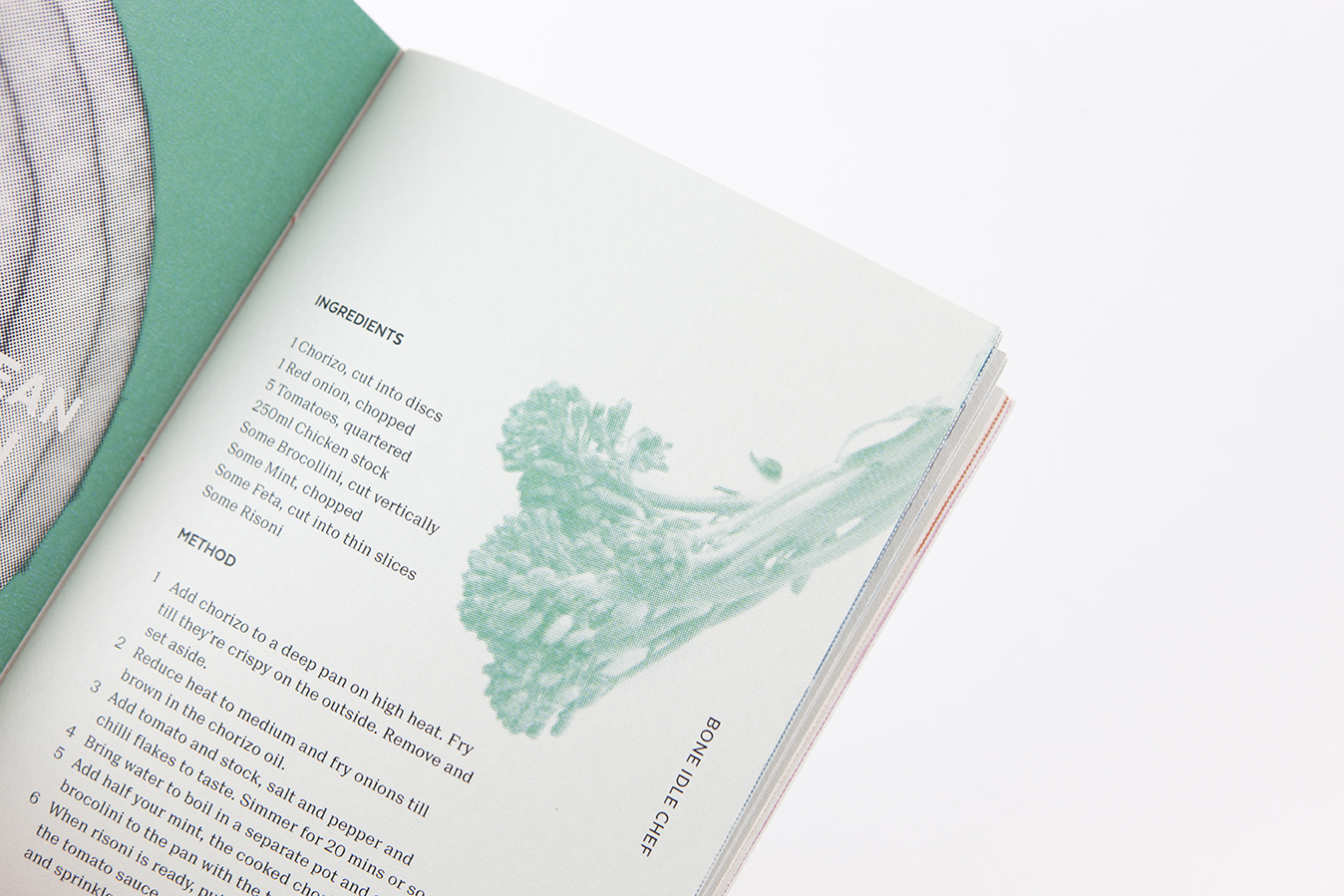
The rules were simple. Everyone was given a £10 budget for their dish. They had to cook offsite, and had to feed the studio. Entries were grouped in four categories: Culinary Peacock, Student Throwback, Feeding The 5,000, and the Bone Idle Chef.
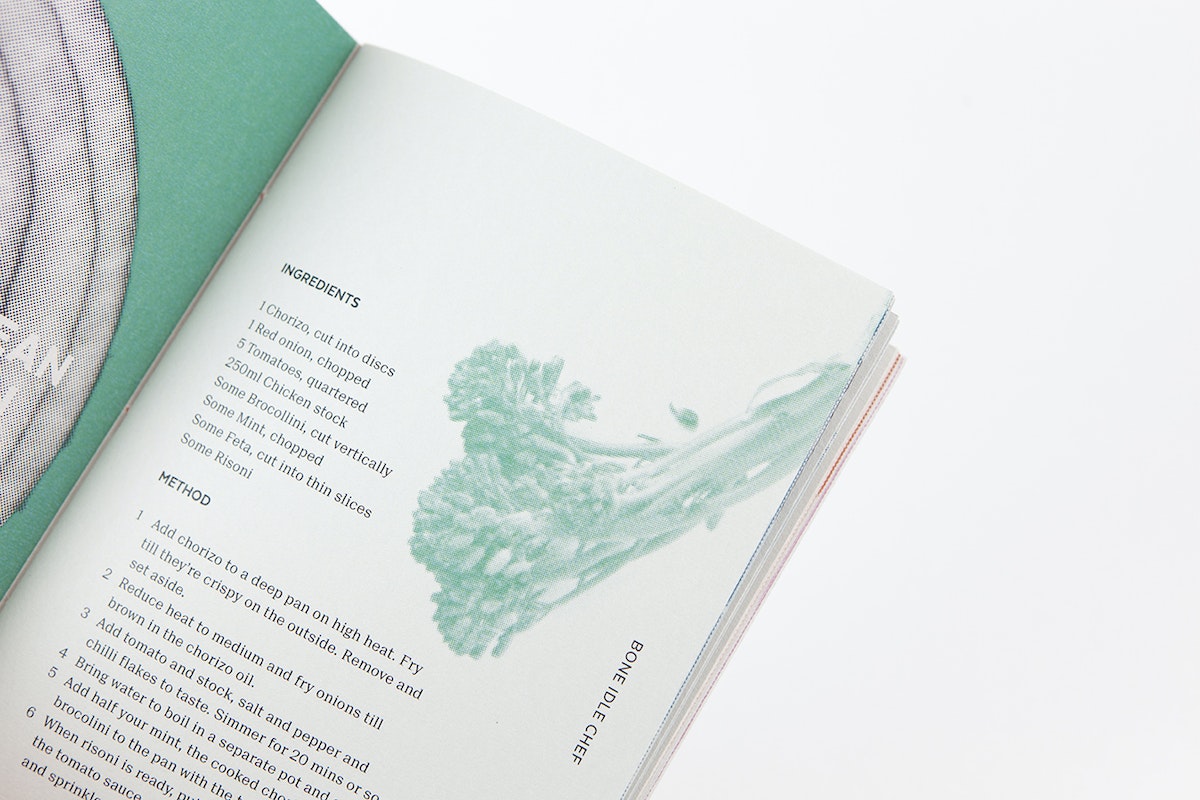
It was a resounding success. Every Thursday afternoon, we summoned the whole studio to sample the recipes of the week. Our resident chefs would watch nervously as a crowd of designers descended on their dishes brandishing spoons and napkins. They devoured everything, every week, mumbling grateful compliments to the chef between mouthfuls. Things even got a bit competitive, with several dark horses impressing the studio against all odds (one participating chef claimed at the time to not even own a chopping board).
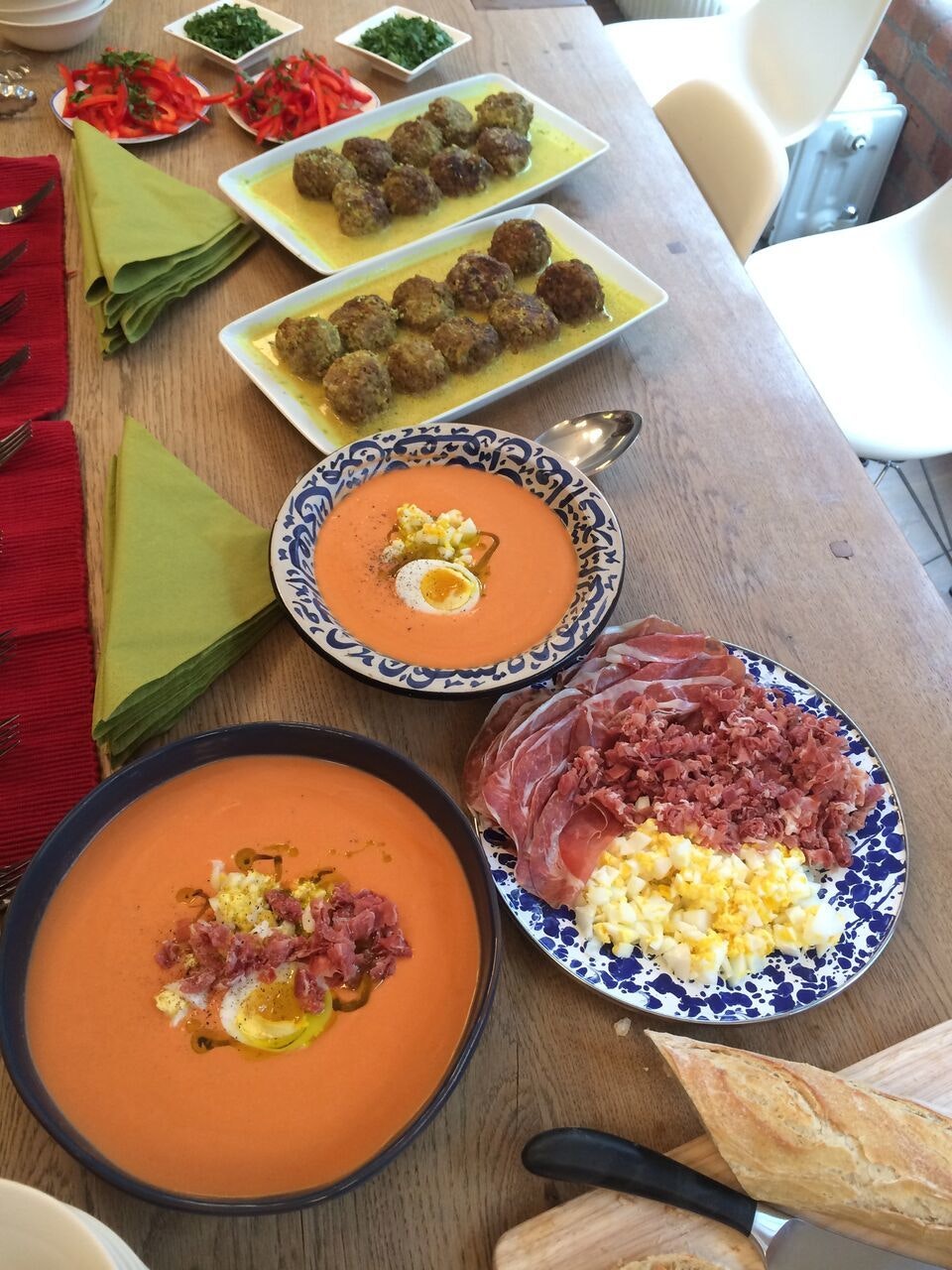
The UK has not historically been known for the quality of its food (unless your definition of quality includes jellied eels and deep-fried Mars bars) but things have started to shift in recent years. London in particular represents every style of food going, from late-night hole in the wall noodles to Nordic Michelin-starred blow-outs.
The studio’s recipes reflect the city’s culinary diversity, featuring dishes with roots in Brazil, Hungary, Iran and beyond, and catering to every occasion, from quick bites to dinner party extravaganzas.
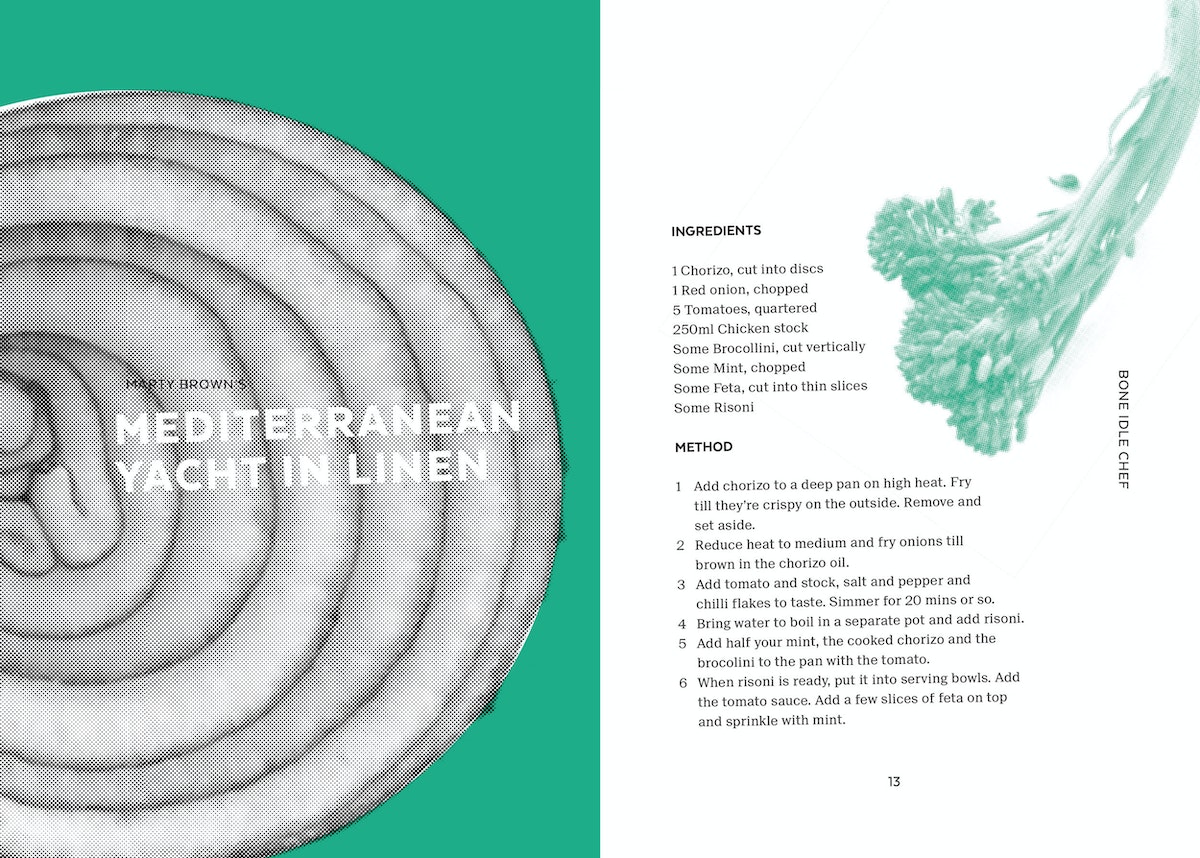
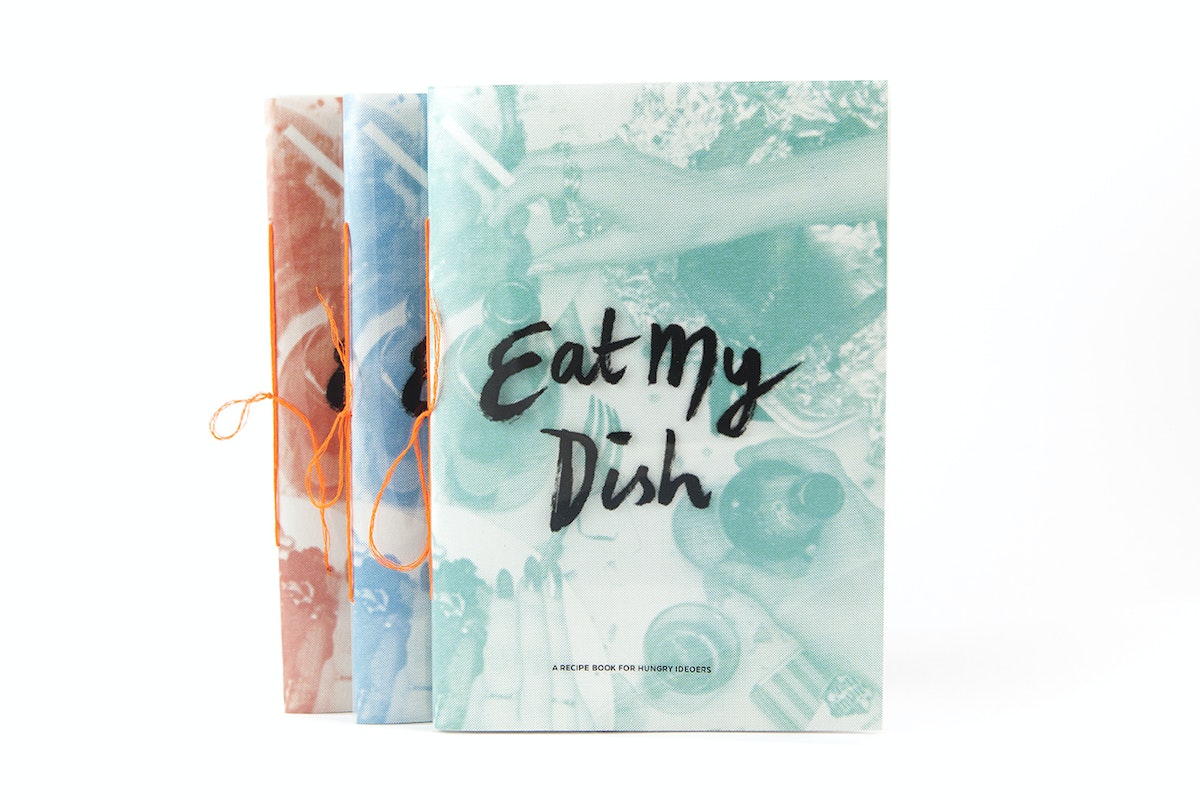
At the end of it all, we compiled the Eat My Dish recipe book. It’s been lovingly hand bound in four colours with neon thread and sent out to our studios around the world. We hope it inspires many a happy meal.
How to Hack Your Next Circuit Board Project
A toaster oven makes building circuits a piece of cake
A few of the microchips on my PCB had unexposed connections to the board that I couldn’t solder by hand. I thought I’d have to send it out to be assembled, which could take a couple of days.
The hack
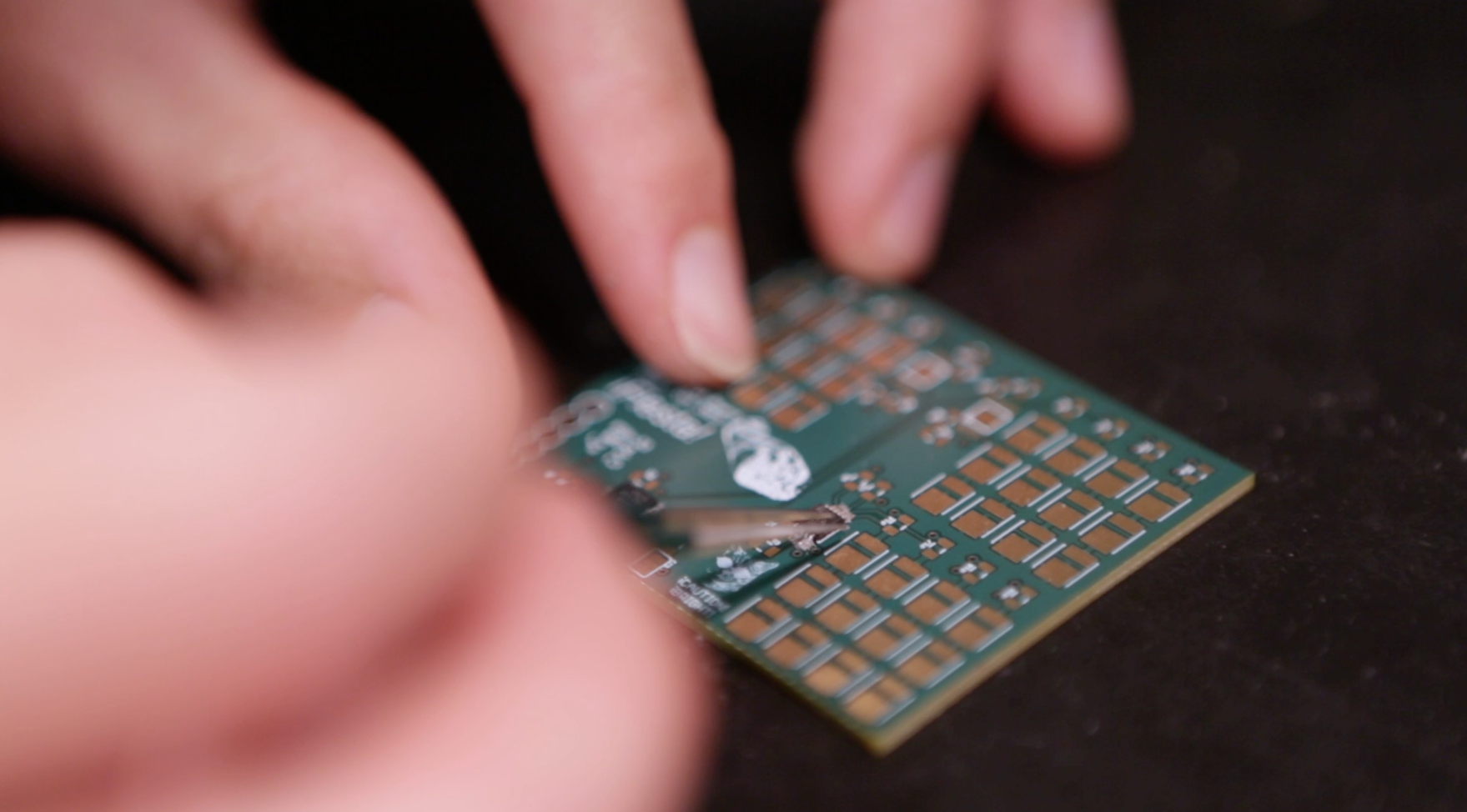
Instead of sending it out, I took a tip from my colleague and simply put some solder paste (small balls of solder in a sea of flux) under the microchips and popped the whole board in a toaster oven at 450° for a couple of minutes.
Safety first
Common sense may tell you that baking electrical components is a bad idea, but if you pay close attention and remove the board immediately after the solder liquefies, it’s a killer quick-and-dirty shortcut. Once the board has cooled, you can attach more sensitive components like LEDs and headers—the icing on the cake, so to speak.
The Easy-Bake Circuit Board Recipe
1. Apply solder paste to the PCB on all pads for parts with unexposed or hard-to-reach connections to the board. (Note: You don't need a whole lot of solder paste. Too much paste can result in bridging pins and will need to be cleaned up later.)
2. Carefully align the parts to be baked on the pads with solder paste.
3. Place the partially populated (or fully populated, if all your parts can be baked) PCB into the oven and set it to 450°.*
4. Watch for the moment when the solder balls liquefy (the solder will go from dull to shiny), about 1-2 minutes. The flux will help the solder hug tightly to any metal.
5. Carefully remove the PCB from the oven a few seconds after the solder liquifies. The extra couple seconds ensures all the solder has had time to liquefy.
6. Turn off the oven.
7. Let the PCB and solder connections cool down.
8. If possible, check solder connections under a microscope.
9. Clean up any bridging and test the connections.
10. Populate the rest of the board with parts you can solder by hand.
IMPORTANT: Always check the part's datasheet for temperature tolerances before putting it into the oven.
Pretty sure Charles Strite, inventor of the modern toaster, didn't see this coming.
Big thanks to Dave Vondle for the hackspiration and Sophie Feng for the awesome video!
I’m always on the lookout for shortcuts, especially when I’m on deadline for a project. Recently, another electrical engineer showed me a cool, time-saving trick that’s useful for all kinds of projects that involve a printed circuit board (PCB). I happened to be building up an LED test board for backlighting icons on a steering wheel prototype, a process similar to making a layer cake.

Lindsey Turner
I’m passionate about building brands, products, and experiences that help organizations show up with meaning and momentum.
I help organizations cut through complexity by shaping how they show up, through brand strategy, identity, and storytelling.
Working at the intersection of brand and business, I bring an editorial eye and a bias toward making—turning ideas into tangible experiences that people can understand, trust, and believe in.
My work spans government, healthcare, financial services, media, and consumer goods, from launching Gen Z-focused ventures to building innovation labs and reimagining legacy brands. I relish moments of ambiguity and enjoy translating across teams, perspectives, and priorities to move ideas forward.
I started my career in editorial and digital design, shaping cross-platform experiences and identity systems in publishing and agency environments. That foundation still shapes how I work today: I’m detail-oriented, collaborative, and overreliant on the Oxford comma. I hold a BFA in Visual Communication from the School of the Art Institute of Chicago.

Rachel Young
My work helps organizations see who their products aren't working for—and build the will and the tools to do something about it
For 25 years, I've asked the same question: Who does this design exclude—and what are we going to do about it?
My work spans human-centered strategy, inclusive design, and qualitative research, with clients ranging from Microsoft, Google, and Verizon to the National Science Foundation, and San Francisco Unified School District.
Before IDEO, I taught elementary school in East Palo Alto and spent a decade doing design work with social service organizations—where I learned firsthand what it costs people when systems are built without them in mind.
I am currently writing User Error, a nonfiction book about digital access and the design decisions behind it. I live in Oakland, California.

Brian Pelsoh
I lead with craft, ensuring our work is creatively excellent: rooted in deep human insight and imagination, while also grounded in the realities of business and technology.
My expertise spans brand, communication, and product design across tech, education, the arts, and social impact.
I believe great work demands both high-level vision and obsessive attention to detail, and only happens through collaboration.
I bring an inclusive, hands-on approach and a deep understanding of business, which enables me to consistently deliver excellence while always asking why.
Before joining IDEO, I worked at the brand firms Pentagram and VSA Partners. I began my career as a designer, leading teams at the School of the Art Institute of Chicago and the Milwaukee Art Museum. I hold an MFA in graphic design from Maryland Institute College of Art and a BFA in communication design from the Milwaukee Institute of Art & Design, and have taught at some of the best design schools in the US.

Tony Wong
I am responsible for IDEO’s long-term success in China and working with clients to use design as a tool to enable growth.
I am responsible for IDEO’s long-term success in China and working with clients to use design as a tool to enable growth. Specifically, I have helped Chinese companies design holistic brand solutions through the development of their products, communication, services, and innovation teams, and I have helped multinationals expand their presence and influence in China.
I advise global leaders on developing China-led innovation and capabilities.
In over 15 years in IDEO Shanghai, I have worked on projects that use design to elevate the quality of the experience of healthcare products and services, streamline processes that increase productivity, create spaces and programs that promote and enable inclusive communities, and build next generation mobility solutions that are planet-positive.
Before joining IDEO, I worked at Philips Electronics and the Electrolux Group in Italy, the Netherlands, and Singapore on a number of breakthrough commercial products. I am a member of the Young President Organization in Shanghai.

Building a personal AI for the messiness of life: Sida Li
Most AI products today are built for work—a space with clear problems and established systems. One founder noticed a gap: personal life is messier, harder to systematize, and mostly left behind by the AI boom. So she built Cue, a personal AI that lives inside iMessage and group chats, to go where the other tools haven't.
In this episode, Becca Carroll, IDEO's Chief Strategy Officer, talks with Sida Li, co-founder and CEO of Shared Context Lab, about staying anchored to a human need while the technology around her keeps changing shape, why she treats her business model with the same rigor she'd bring to a product, and what it feels like to build a company at this particular, disorienting moment in AI.
The conversation also gets into how Sida makes design decisions: the language Cue uses to describe itself, the tradeoffs behind building inside iMessage instead of a new app, and a real story about a business idea that didn’t pan out.
This is the second in a two-part series profiling founders from IDEO's Startups-in-Residence program. The first conversation is with Johannes Seemann, founder of Sooner, on designing GenAI for the emotional side of money.

Designing GenAI for the emotional side of money: Johannes Seemann
Most personal financial tools are built to run the numbers and optimize towards a budget. While that works for some, most people experience money as a lived relationship that does not neatly fit into a spreadsheet. Johannes Seemann and Becca Carroll discuss why money is emotional before it is mathematical, and what a human-centered approach to building a generative AI financial product looks like in practice.

The curious leader's edge in uncertainty: Scott Shigeoka
Mina Seetharaman talks with Scott Shigeoka, author of Seek and Head of Curiosity Cultivation at the Eames Institute, about what distinguishes genuinely curious leadership from performative curiosity, how power dynamics shape curiosity, and why practicing curiosity can restore energy rather than drain it.

How constraints make us more creative: David Epstein
Mina Seetharaman talks with David Epstein, author of Inside the Box and Range, about why total freedom often produces average work, how leaders can design useful limits on purpose, and what organizations such as General Magic and Pixar reveal about the relationship between boundaries and creativity.
Looks like you might be in search of something very specific?
Or reset the filters above and try another angle.
Here’s some random inspiration

Podcasts about creative leadership

Articles about the power of prototyping
