
.svg)


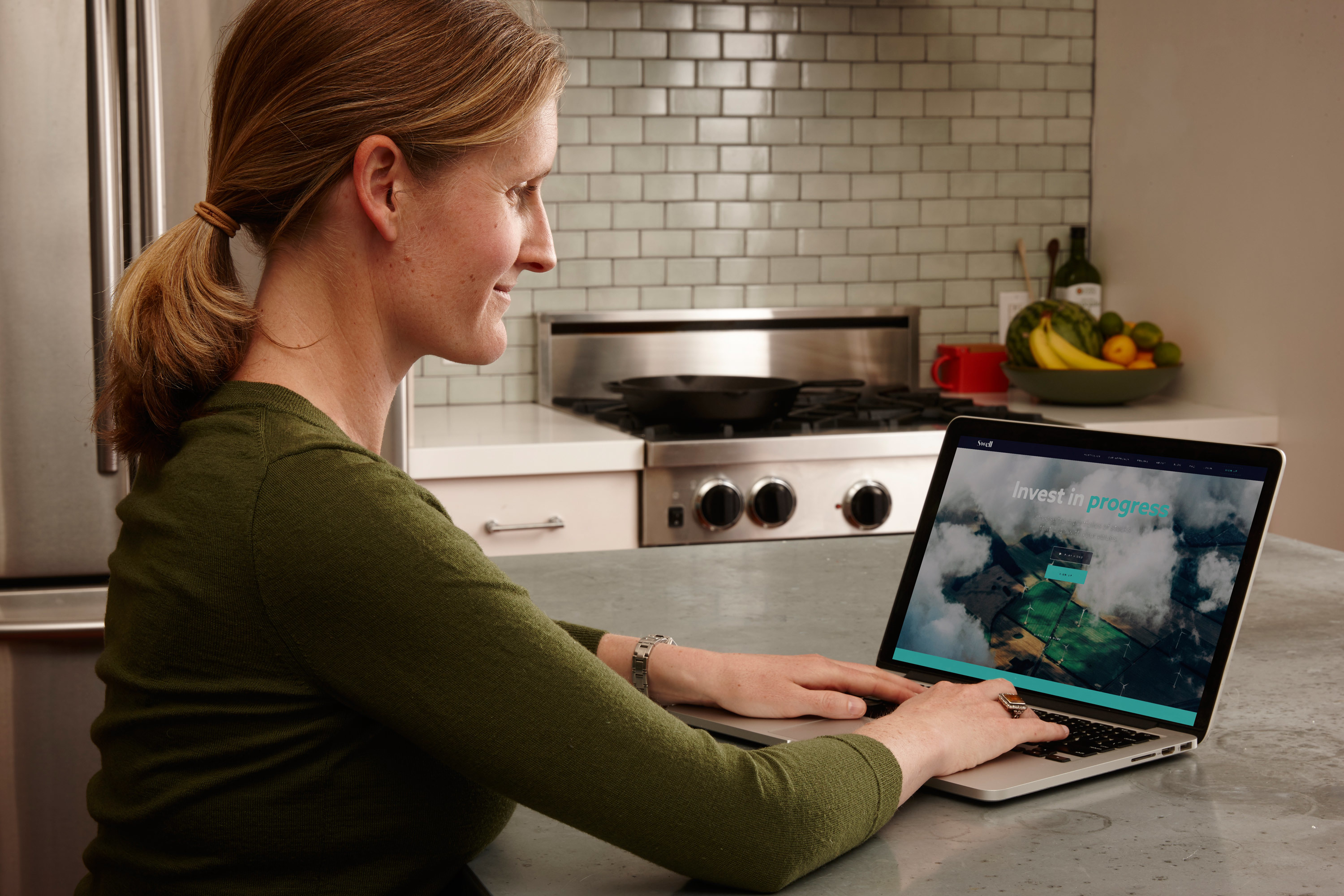

Arming a 19th-century company with a 21st-century digital venture
Swell enabled values-driven consumers to make informed investment decisions.
For the socially-conscious, investing can be a tricky proposition. The same people who wish to vote with their wallets may find that their options for investment funds and 401K plans are rife with companies that violate causes they believe in. So far, there have been few options in the marketplace that give consumers the opportunity to put their money in financial products that not only cut out environmental and social offenders, but actually contribute to the well-being of the environment and society.
Dave Fanger, a financial professional, was determined to design a solution. He approached IDEO to help create a startup venture for socially-conscious investors. Pacific Life, a Fortune 500 financial services company and Fanger’s employer at the time, offered the resources to develop and launch the idea. The online impact investment platform gave consumers the opportunity to invest in high-growth industries that are addressing global, environmental, and social challenges. Swell rigorously screened companies for both impact and performance, so consumers could be confident that their investments were in line with their values.
A holistic approach
Embedded as core team members, IDEO designers worked alongside Swell’s founder to shape the company. In just one year, they went from an initial concept and prototype to an SEC-registered investment adviser with a fully developed business model, a digital platform with initial investors, and well-defined branding that set the look and feel of the values-driven company. The IDEO team helped to hire the initial team of employees, working to ensure that the fintech startup would have the creative talent it needed to operate post-launch, as well as a defined culture that would help it grow.
A new investment platform
From the outset, it was important for the team to build an innovative, digitally-fluent, and customer-centered platform to make it easy for investors to back causes they care about. Working in close collaboration with software development partner Carbon Five, Swell and IDEO committed to act nimbly, take risks, move fast, and ditch decks for prototypes. Understanding the motivations of the investor—their values and what drives their investment decisions—was key, so the team leveraged IDEO’s network to form a consumer council, which helped to quickly iterate and refine prototypes throughout the duration of the product development process. Having that core group involved every step of the way made it easy for the team to keep consumers at the center of the design and validate key decisions quickly.
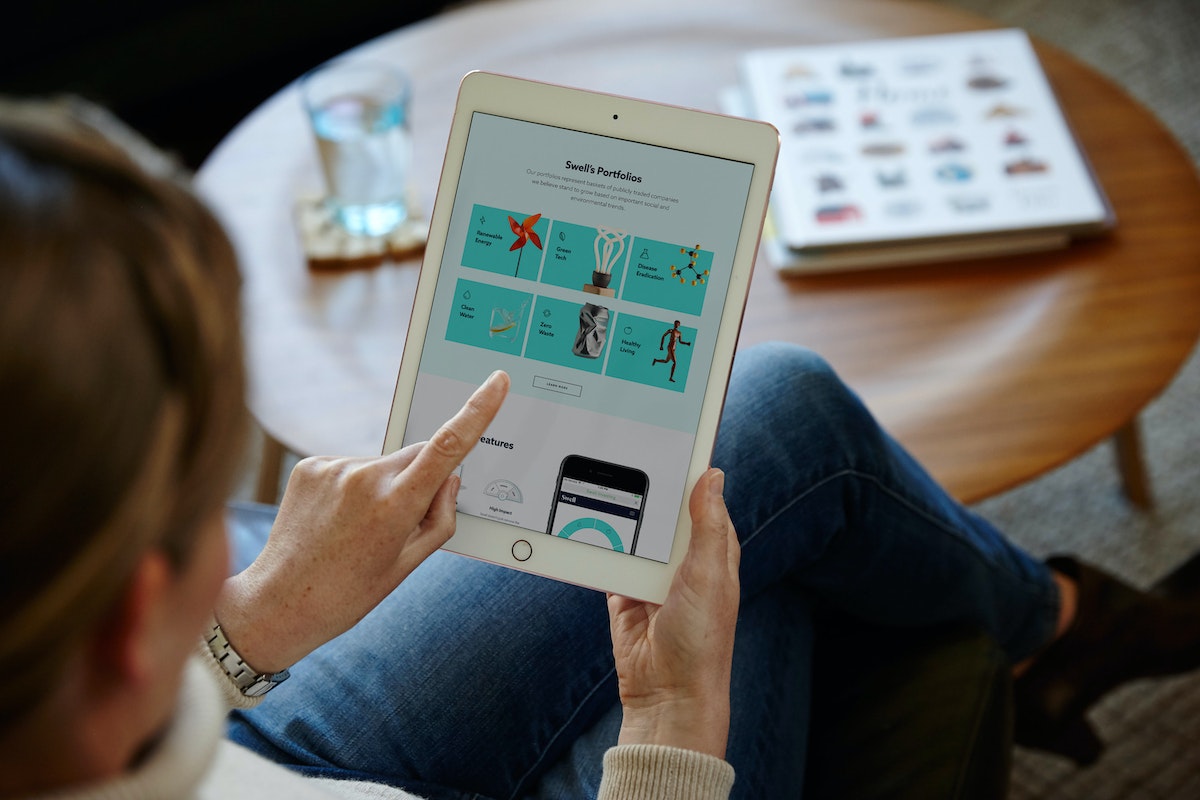
Swell offered consumers portfolios of companies that work to solve some of today's biggest challenges. The six impact portfolios offered were: green tech, renewable energy, zero waste, clean water, healthy living, and disease eradication.
As of June 2019, Swell had attracted over 15,000 investors—more than half under the age of 34—and $35 million AUM. Nearly 40 percent of investors were making investments on a recurring basis.

For kids, a new tactile way to learn coding
Helping Google design a set of blocks that can be arranged to code almost anything.
Learning to code isn’t just about knowing symbols and syntax—it can help unlock kids’ imagination by inspiring them to build new things and interact with everyday objects through discovery and play.
With that in mind, Google Creative Lab came to IDEO to help with user experience and product design on their new coding tool for children. The result of the collaboration, Project Bloks, is a simple and interactive experience that teaches kids how to code using physical blocks. This establishes a new paradigm for learning computer science: it takes a language typically only understood through screens and keyboards, and makes it tangible.
Project Bloks was also designed as an open hardware platform, enabling developers and educators to build tangible programming applications that are innovative, educational and fun.
Kid-centered design
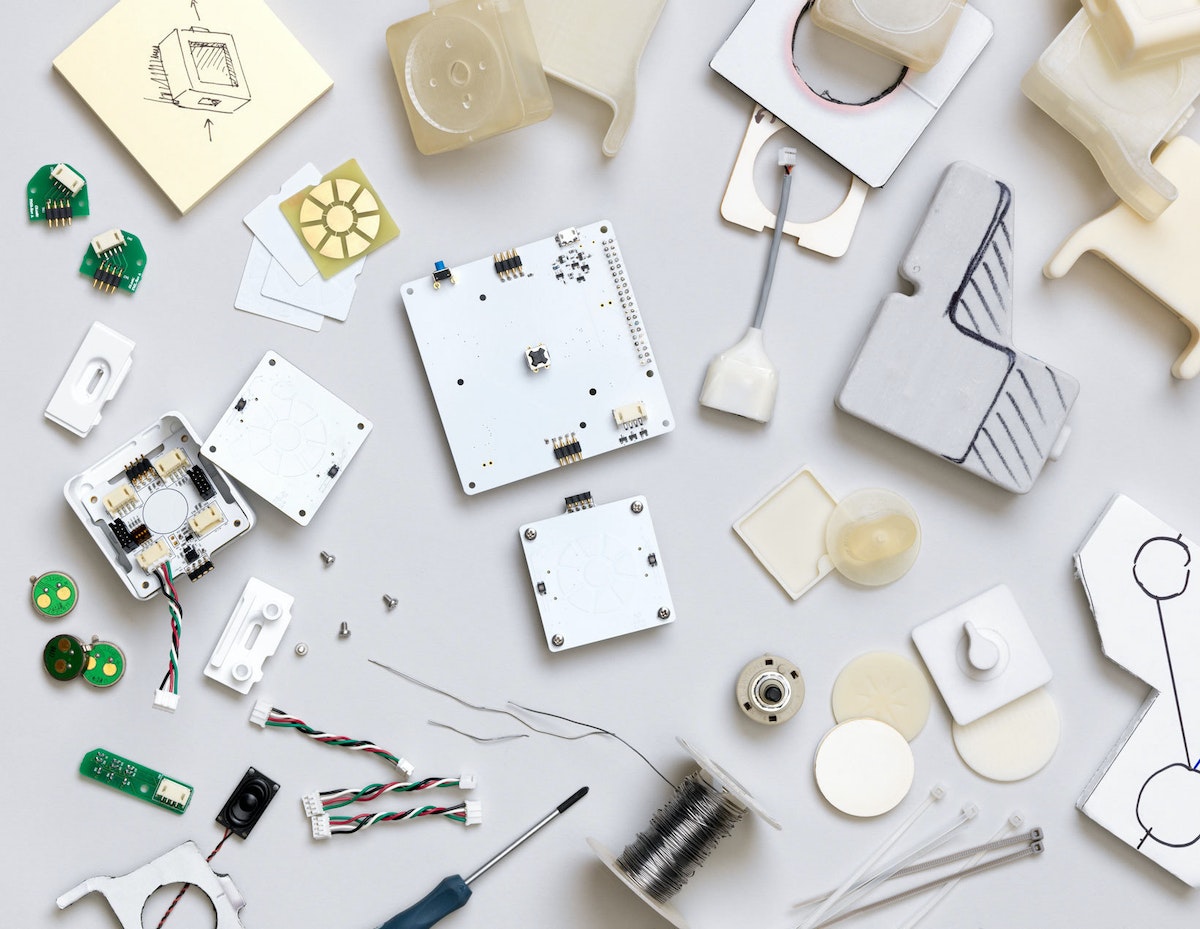
From the very beginning, how kids physically play and learn were at the center of the project. Designers quickly iterated using sketches, foam core, paper, Play-Doh, and 3D-printed models to see how slight changes informed children’s experiences. Understanding what deepened kids’ engagement, increased their curiosity and changed their behaviors drove the language, taxonomy, architecture, and physical form of Bloks.
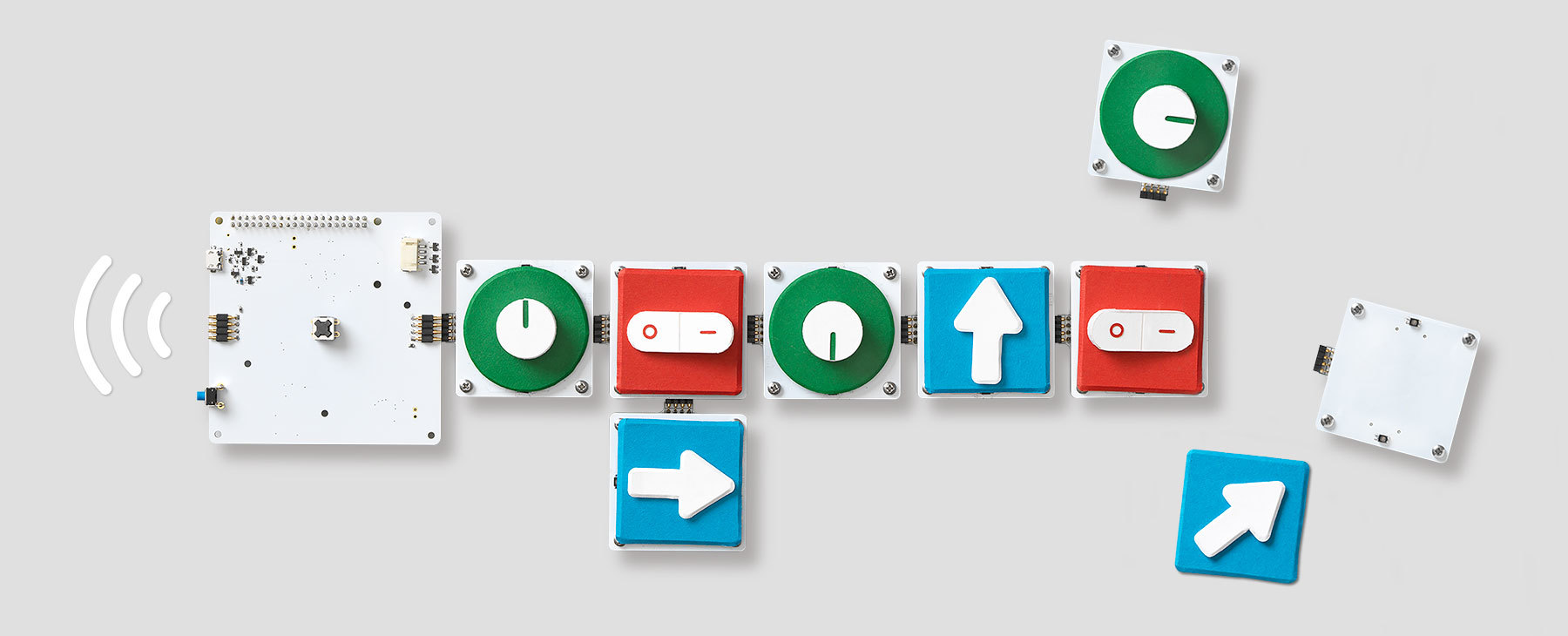
Because play and physical building is an important way in which many kids develop skills, designers began with a set of blocks and sought to help them discover coding through tangible objects. Each block was given a specific function and shape, guiding kids to arrange, combine, and rearrange the blocks to create commands and control things like robots or speakers in the real world. Children could also create block patterns together by physically building on each other’s ideas.
An inside look at the design process. Video by Google.
Designing for early learners also forced the team to rethink how a new language could be taught. An early version of the blocks was based on how programmers typically code, from top to bottom. However, the team quickly realized that the orientation had to be driven by the child’s natural instincts. Given young children are just learning to read from left to right, designers observed that the switch in directions was too confusing and changed the arrangement of Bloks commands to go left-right in addition to top-bottom.
The final outcome of Project Bloks was an interactive coding kit comprised of three key parts - pucks, baseboards and a brainboard. The puck is a critical component that controls a command, whether it’s an on/off switch or the ability to move in a particular direction. It’s the piece that enables children to move from words to the world of graphics and play. The puck is easy to produce and can take an unlimited range of forms and functions, enabling the Bloks system to scale.
The baseboard reads the puck’s instruction and is activated when a puck is placed on top. The brainboard provides the power and connectivity. When hooked up to a baseboard or a chain of baseboards, the brainboard sends the instructions—turn left, jump, get louder—to a connected object, like a rocket or a speaker.
The boards can be rearranged, sequenced, and packaged however kids like, opening up a vast realm of possibilities. Children can code anything from a toy robot drawing a shape on a piece of paper, to a sensor turning on a fan when the temperature gets too high.
Enabling innovation for education
Beyond a tangible coding kit, what makes Bloks unique is that it’s an open platform. Educators, developers, and designers can build on it to accelerate new ways of teaching and exploring tangible programming. The platform can fit into various curriculums around the world. The pucks can take on different shapes and graphics. The material used can be fabricated by 3D printing.
The Bloks platform is a new vernacular that allows kids to interact with the language of code in a way that’s less prescriptive and more open-form, like a sandbox. And the more kids play with Bloks, the more opportunities they discover for what they can create with a little bit of code.
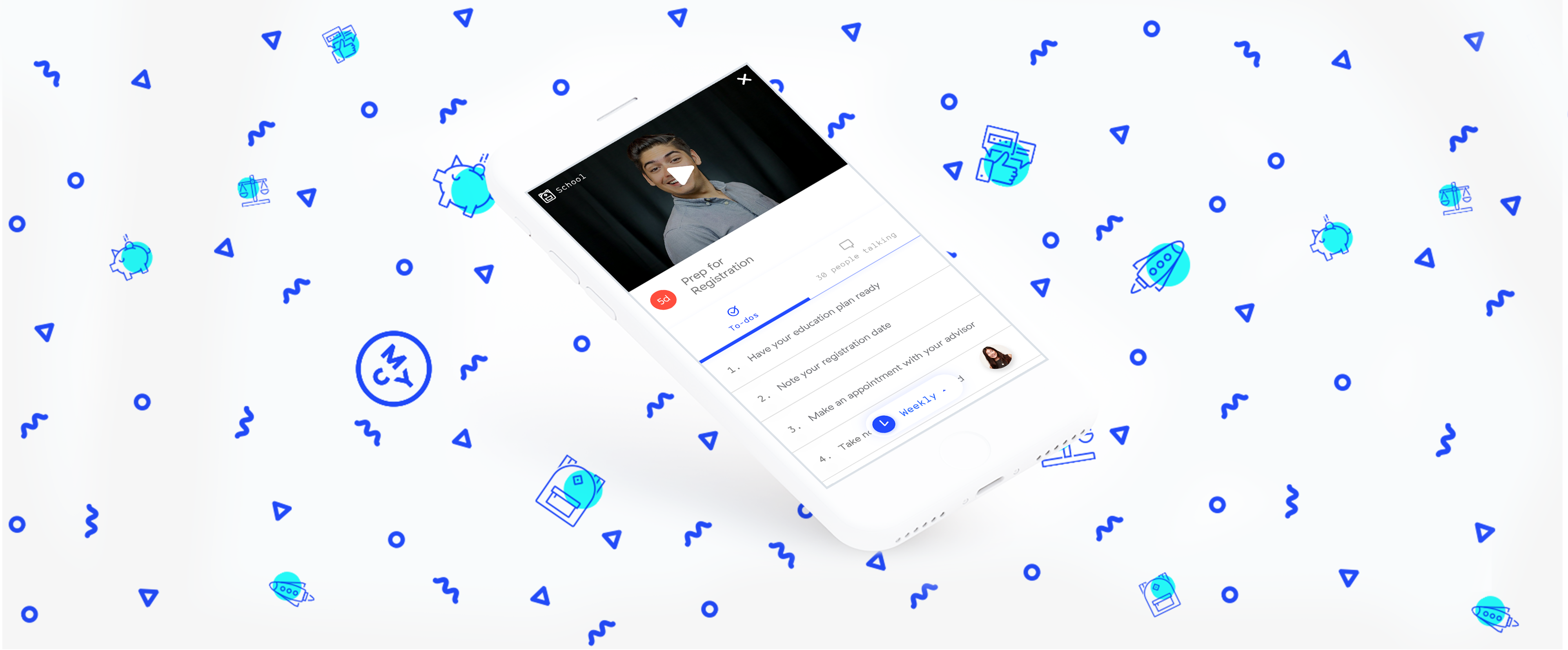
Helping students navigate college and beyond
Creating a digital experience to support first-generation college students.
For students who are the first in their families to pursue higher education, navigating college can often feel like navigating a foreign country. Challenges like not having enough money or poor access to support services can make graduating an insurmountable hurdle. In fact, only 55% of these students in the United States end up completing their degrees.
To help change this statistic, IDEO partnered with Beyond 12, an organization that provides personalized, virtual coaching to first-generation college students to help them learn how to register for classes, apply for financial aid, and much more. The challenge was to scale Beyond 12’s successful coaching model using technology in order to benefit as many students as possible.
In 2014, IDEO designed the MyCoach app, with the goal of helping students take ownership of their education and feel in control of their future. After the early version of the app was named as a finalist in the prestigious Robin Hood Foundation College Success Prize, Beyond 12 piloted the product with 3,500 college students across the US. Following the pilot, Beyond 12 and IDEO went back to work, using the resulting insights and data to design the next evolution of MyCoach.
First and foremost, IDEO sought to develop a more flexible model for Beyond 12 to enable scalability of the offering. As some students need more support than others, a blended business model was envisioned to recognize the spectrum of students’ needs. Engaging in-app content forms a supportive layer that helps students get organized, stay on track, and learn the skills they need to stay in college, while students who need more hands-on assistance can connect directly with coaches. An invisible data layer works behind the scenes to assess student risk and dynamically tailor student support throughout the school year.
Once the app’s model was solidified, creating a user experience that compels students to use it became essential to its efficacy. Growing up with technology has reshaped how many students engage with the world, and tools like Snapchat have set a new dynamic for participation. Youth today are the masters of their own digital worlds, fluidly jumping between conversations, engaging with stimulating content and contributing their own perspectives. As a result, MyCoach needed to speak students’ language and to create content that was authentically youthful and effective in order to be effective. By drawing inspiration from popular social sites, digital experiences and games, the team designed a user experience that keeps pace with a digitally native state of mind.
IDEO Designer, Isabela Sá explains the approach that led to MyCoach’s design and content strategy, “We created an app that makes no distinction between content and utility. We borrowed the content-first approach of social apps like Snapchat and Instagram and used it to teach students the skills and strategies they need to graduate. With that, the digital experience became more human. The intricate system that we had designed to power the whole thing was hidden below the surface. For students, the app was just the means to learn how to help themselves and get in touch with a coach when they needed one.”
Development is underway for the next version of MyCoach, which will allow Beyond 12 to scale its offering to reach exponentially more students in need.
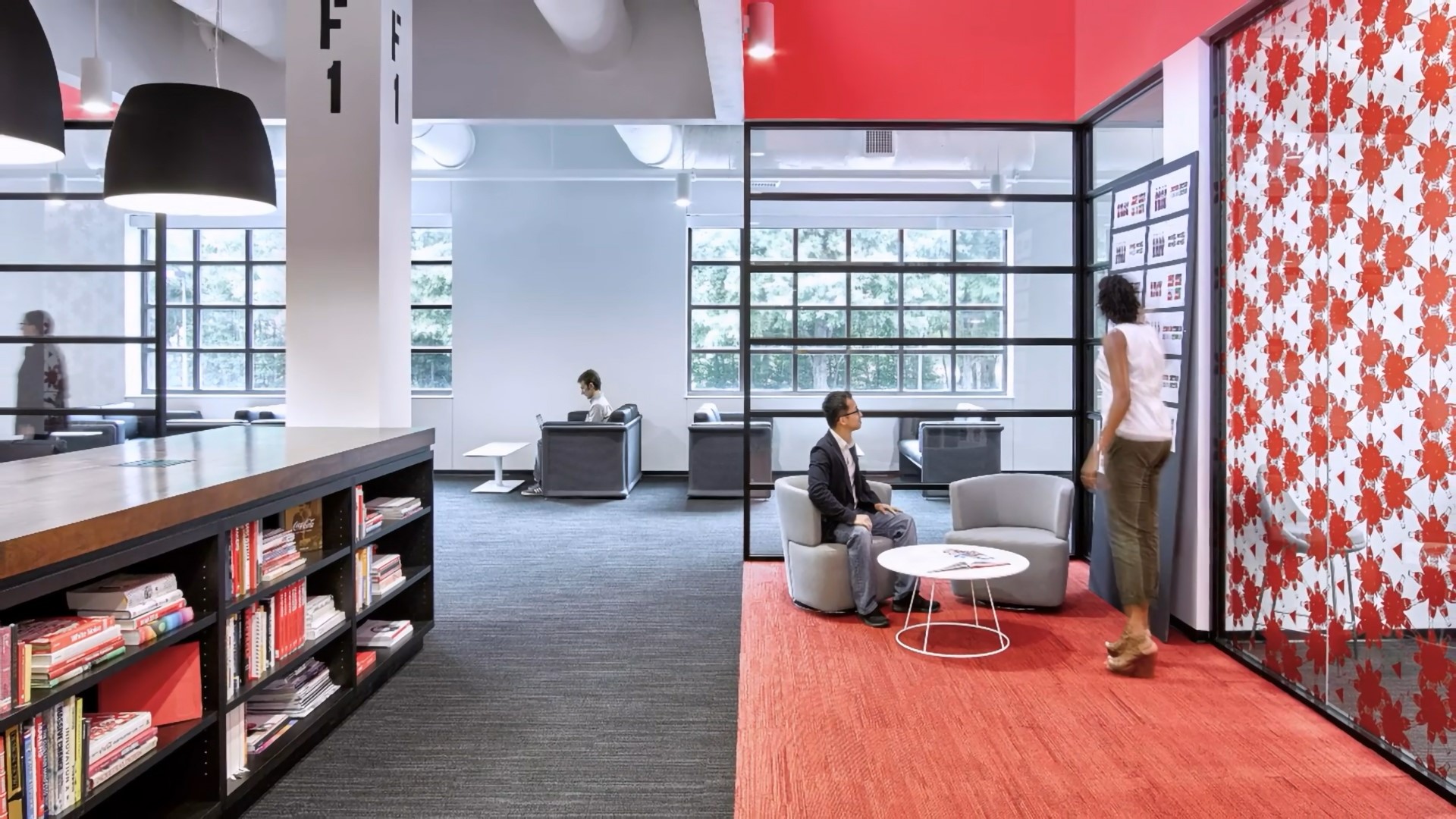
Redesigning how Coca-Cola works, plays, and profits
Designing for Coca-Cola’s 2020 vision strategy.
Coca-Cola is one of the world's most iconic brands. More than 5,000 people work at its global headquarters in Atlanta.
Back in 2010, Coca-Cola found itself at a major crossroads. As the company grew, it became clear that in order to stay competitive, any kind of campus renovation would have to take into account a vision of the future of how people work at Coca-Cola. Before the company hired architects, they came to IDEO to help design this important part of their 2020 vision strategy; ultimately the redesign would change the way the company works, plays, and profits.
Imagery courtesy of Coca-Cola, Gensler, and IDEO

These Insanely Detailed Cityscapes Are Drawn by Hand
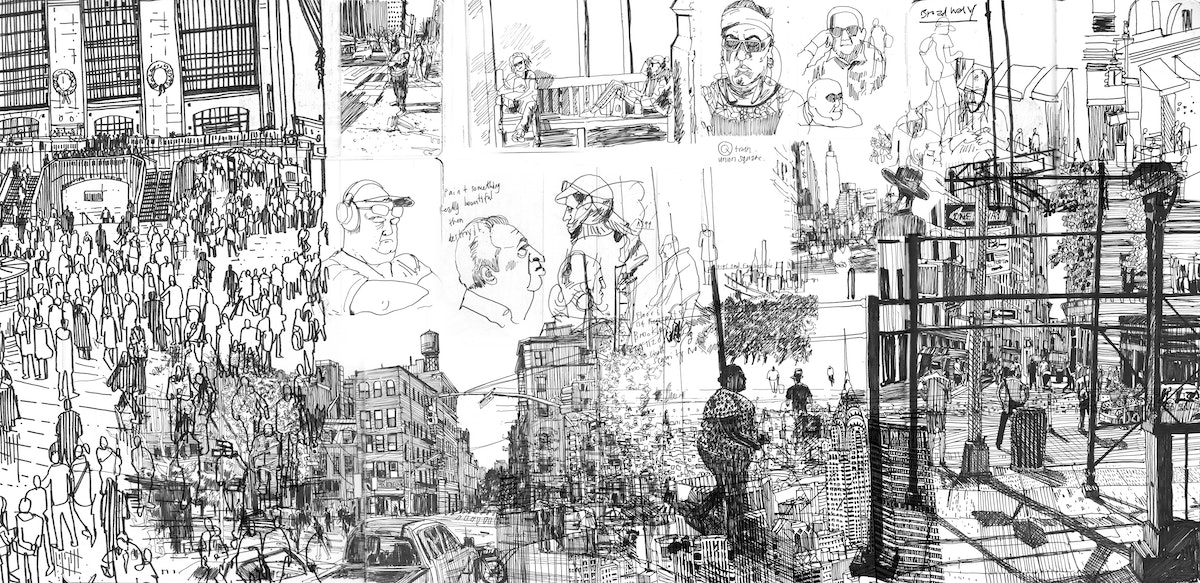
UK artist Patrick Vale drew a giant map of San Francisco on our office wall
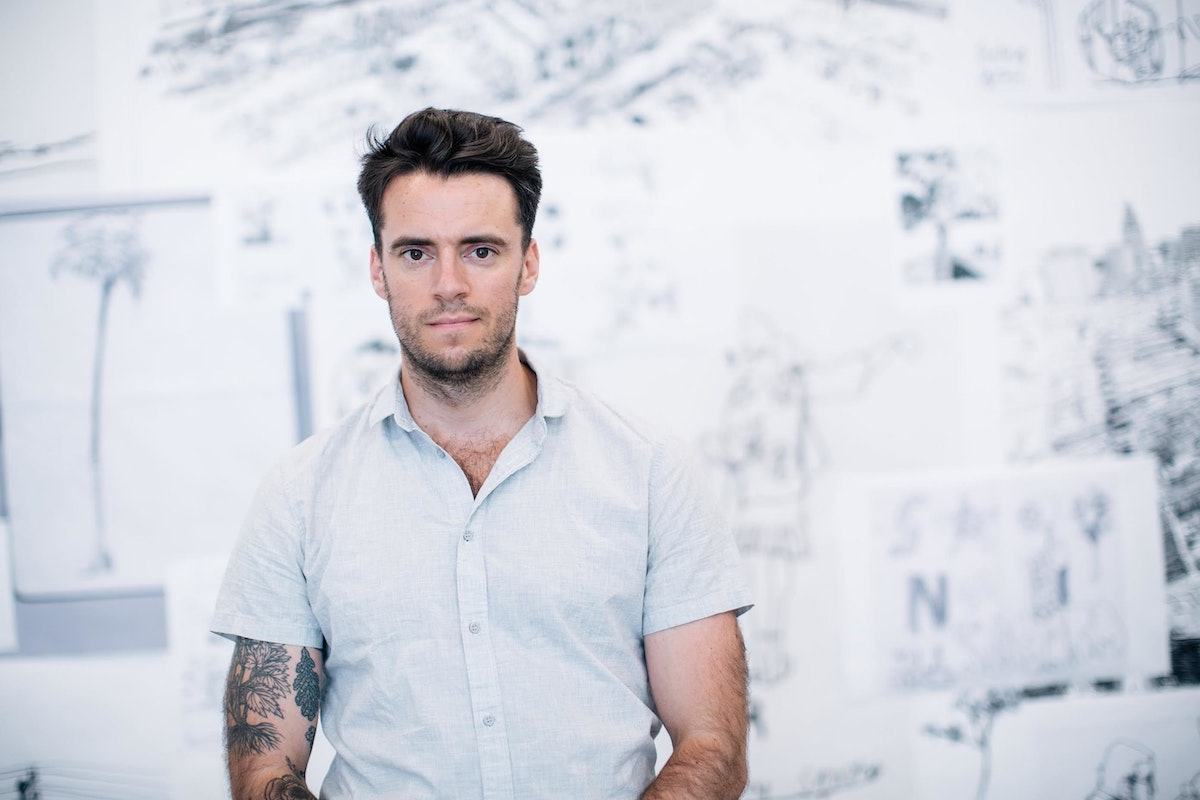
In one sentence who are you?
Artist from Bristol, UK, currently living in NYC.
What do you do? How did you learn it?
I draw and paint every day. It is hard to pinpoint how I learned to draw, but I have been practicing since I was a young lad. I would always draw what was around me.
I have always been inspired by artists who draw with an energetic, loose line. Quentin Blake, Ralph Steadman, Chris Orr, Robert Weaver, and Linda Kitson were artists I looked up to.
As I got into my early teens, I really got immersed in depicting the urban environment. This was fueled by picture books that my dad would bring back from trips to the US. American cities didn’t look like UK ones.
I went to art college, but I largely stuck to my guns and just made the work that I wanted to make. To be honest, I’m making it up as I go along.
WATCH: IDEO San Francisco mural, 2017
3 favorite possessions?
My sketchbooks from the last 25 years and a giant Spitfire that I made and had hanging in my old studio.
What does a typical work session look like?
I am normally juggling three projects, so I try to split up the day and do a few hours on each.
I tend to do the large-scale work in my studio apartment, and then I have a desk in a shared studio where I do smaller jobs.
So I guess I work in two to three hour bursts, and then go do something else. Obviously, if there is a pressing deadline, that goes out the window. I do 12-plus hour sessions sometimes.
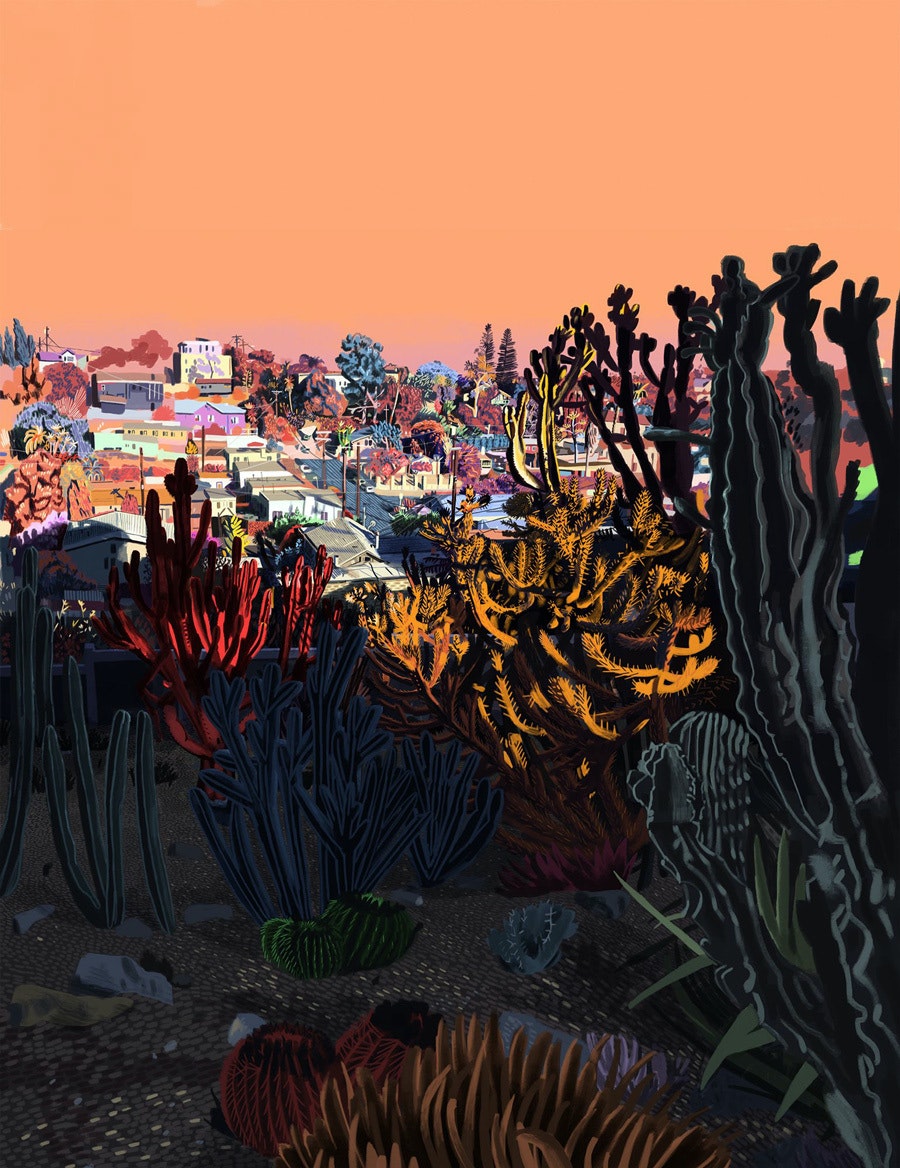
How do you get over creative block?
Go running, to the gym, or for a pint. Talk to a friend and then go out and draw something. Or just start something. Sometimes I think too much.
I also keep a small, pocket-sized sketchbook on my person, so that when I am traveling about the city I can draw people and things that catch my eye. It is a lovely way to see stuff. People spend so much time looking at their phones these days, they miss out on so many things that are happening in real life.
How do you see the world in 2078?
Warm.
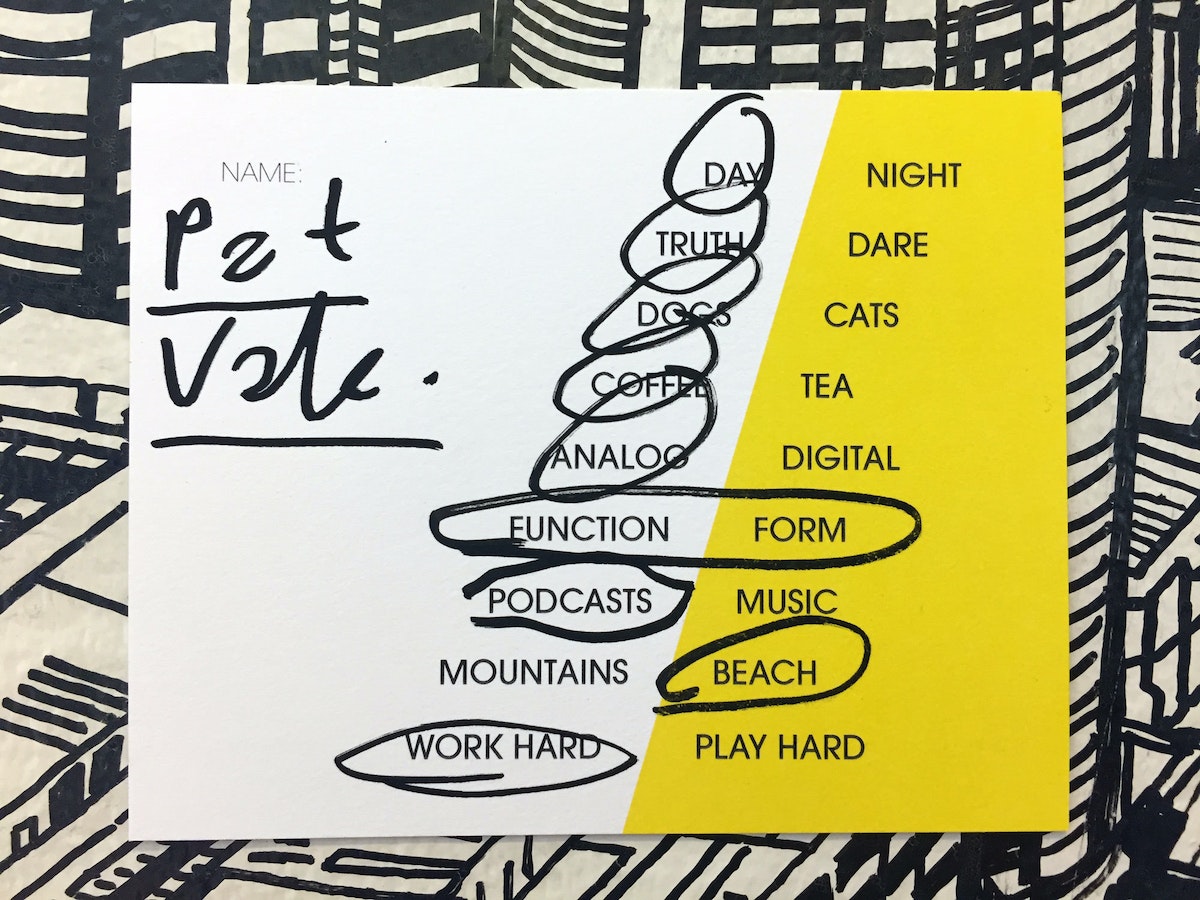
What’s your number one bucket list item?
I’d like to watch a cricket test match in the Caribbean.
Who are you creative crushin’ on lately?
I am looking at painters a lot these days. Here are a few: Peter Doig, Paul Davis, Jacob Lawrence, Jules de Balincourt, Enoc Perez, John Virtue, Edward Hopper, George Bellows…
I first discovered Patrick Vale's work while sourcing muralists for an installation in our entryway. I became entranced by the organized madness of his large-scale cityscapes—the attention to detail, consistency, and sheer patience they required to complete. Pat embedded himself in IDEO's San Francisco studio for more than a week—morning, noon, and night—to create an alternative map-view of San Francisco. I caught up with him to get the backstory.

Thinking About Starting a Side Business? Read This.
This IDEO designer started a coffee shop on the side
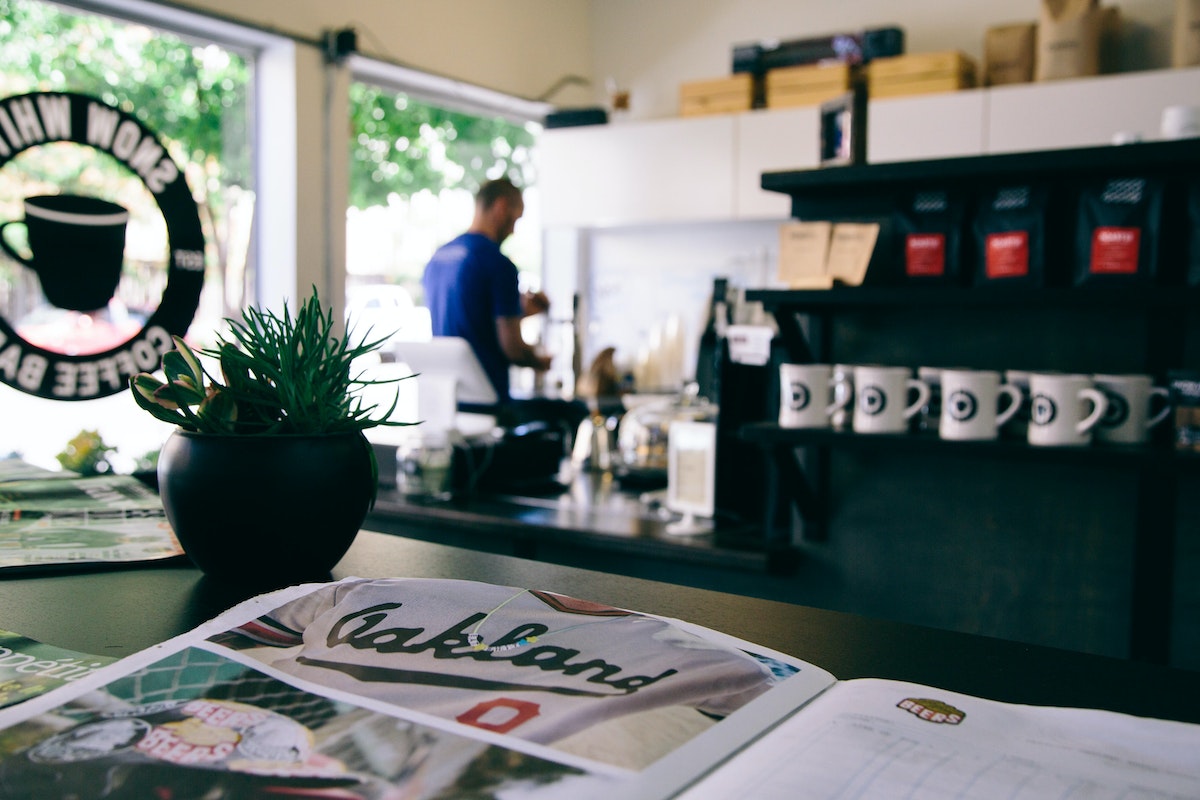
As the person in charge of the overall employee experience for IDEO San Francisco, I should have known better. Neither my husband nor I have any experience running a coffee business. Had we known how hard it would be, we would have surely taken one look at the space and balked. Instead, we tore down walls, stood in line at the city building department, had our eyes opened wide, cried out in frustration, and in the process, learned a hell of a lot.
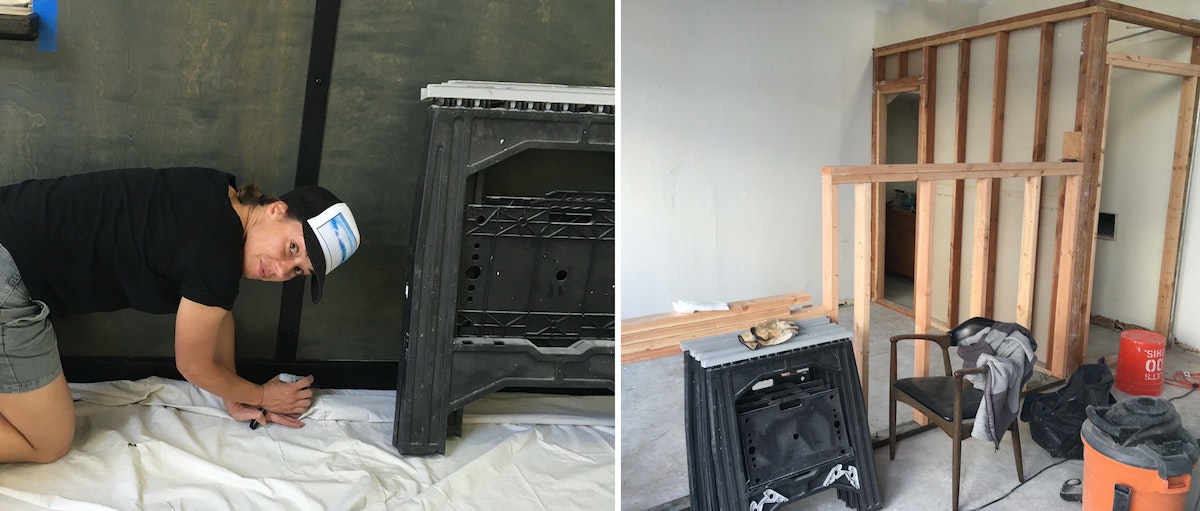
Thinking about starting a side business after hours? Here are 5 lessons we learned the hard way:
1. The laws won’t bend around your business
Turns out it’s staggeringly difficult to open a city-approved and permitted food establishment in a space where there hadn’t previously been one. The ADA laws (The Americans with Disabilities Act) are incredibly intricate. When IDEO opened a new office to house our growing business, I already understood the language the architect used to describe ADA issues we might face, and how bureaucratic and difficult the permit process might be.
2. Designing a great experience = problem solving
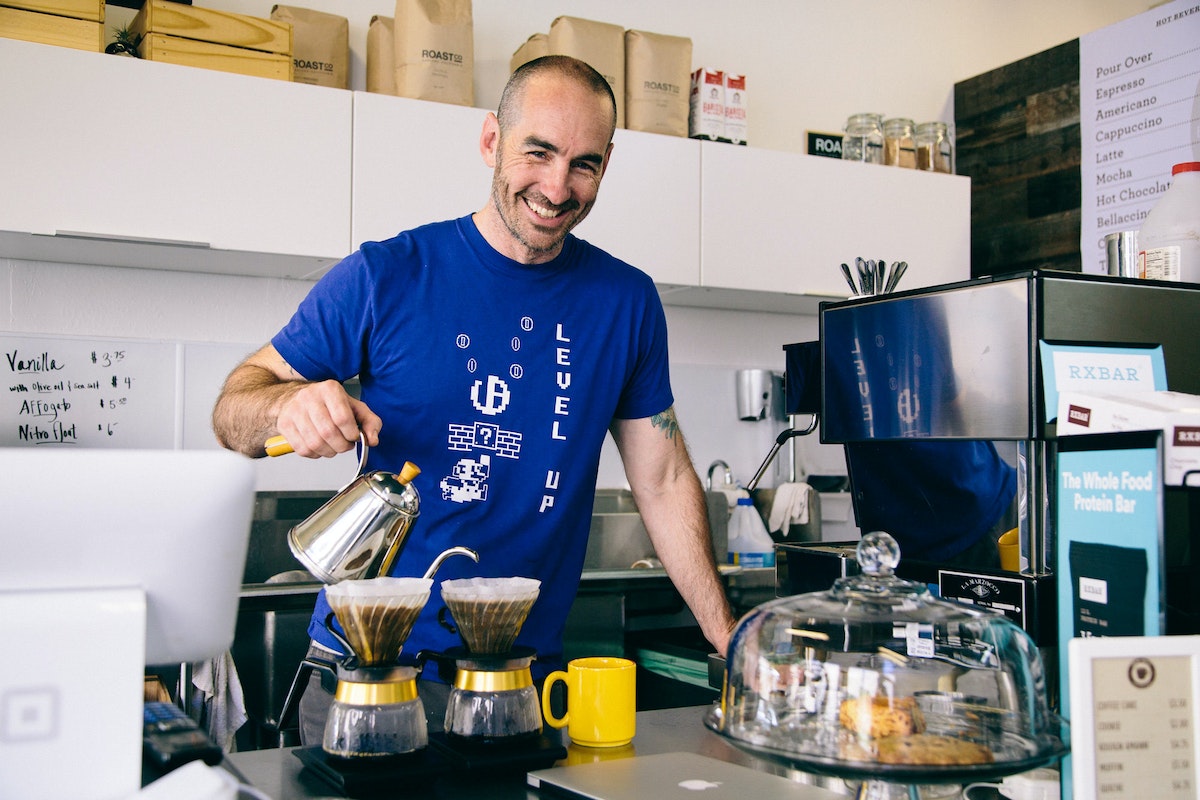
If you're starting a side biz, think hard about which learnings from your day job are transferable. Working in experience design, I already knew what it was like to be in a constant state of problem solving, failing quickly, and learning from it all. My relationship with the IDEO community and my commitment to giving them what they want—and to saying no when necessary—was paramount. I use my skills in thinking about space, how best to use it, and how to realize potential problems before they surface every day at Snow White.

3. Everything will go wrong
We installed an ice cream machine that failed almost immediately. (Who knew your ice cream machine won’t stay cold enough if your shop isn't air conditioned?) We’ve also dealt with the lack of a freezer or a proper ice machine, too little dry storage, and leaking sinks. When you're starting a new business, expect to be prototyping and problem solving around obstacles constantly.
4. Take breaks and rely on your community
We’ve learned when to say no and when to take a break. That has been essential to avoiding burnout. Expect to call in lots of favors and make sure you return those favors over time. We’ve made strong relationships with our community by asking them for favors when we need to, and giving back to them when we can.
5. Blind faith is your friend
Some lessons are less tactile, like how being fearless pays off in the end. It allows me to make quick changes without feeling paralyzed. We all let barriers get in the way. We come up with reasons why something won’t work. The blind faith we had when we decided to open the shop is in itself a lesson—and the most important one we learned. I've taken that lesson back to IDEO (and we certainly have better coffee in the office now too!).
A year later, the learning continues. We’re constantly trying new things to evolve our business. Stop by Snow White Coffee Bar for a latté some time and let our defiance inspire you to jump into something you think you can’t.
Last winter, while walking down a busy shop-lined street a block from our home in Oakland, my husband and I noticed a handwritten FOR LEASE sign posted in the window of a dirty dry cleaners. “This is such a great location, someone should put a coffee shop here!” we joked. But it was no joke—four months later, on April 20, 2016, we opened the doors to Snow White Coffee Bar.
5 Exercises That Break Down Barriers
How to get comfortable in a room full of strangers
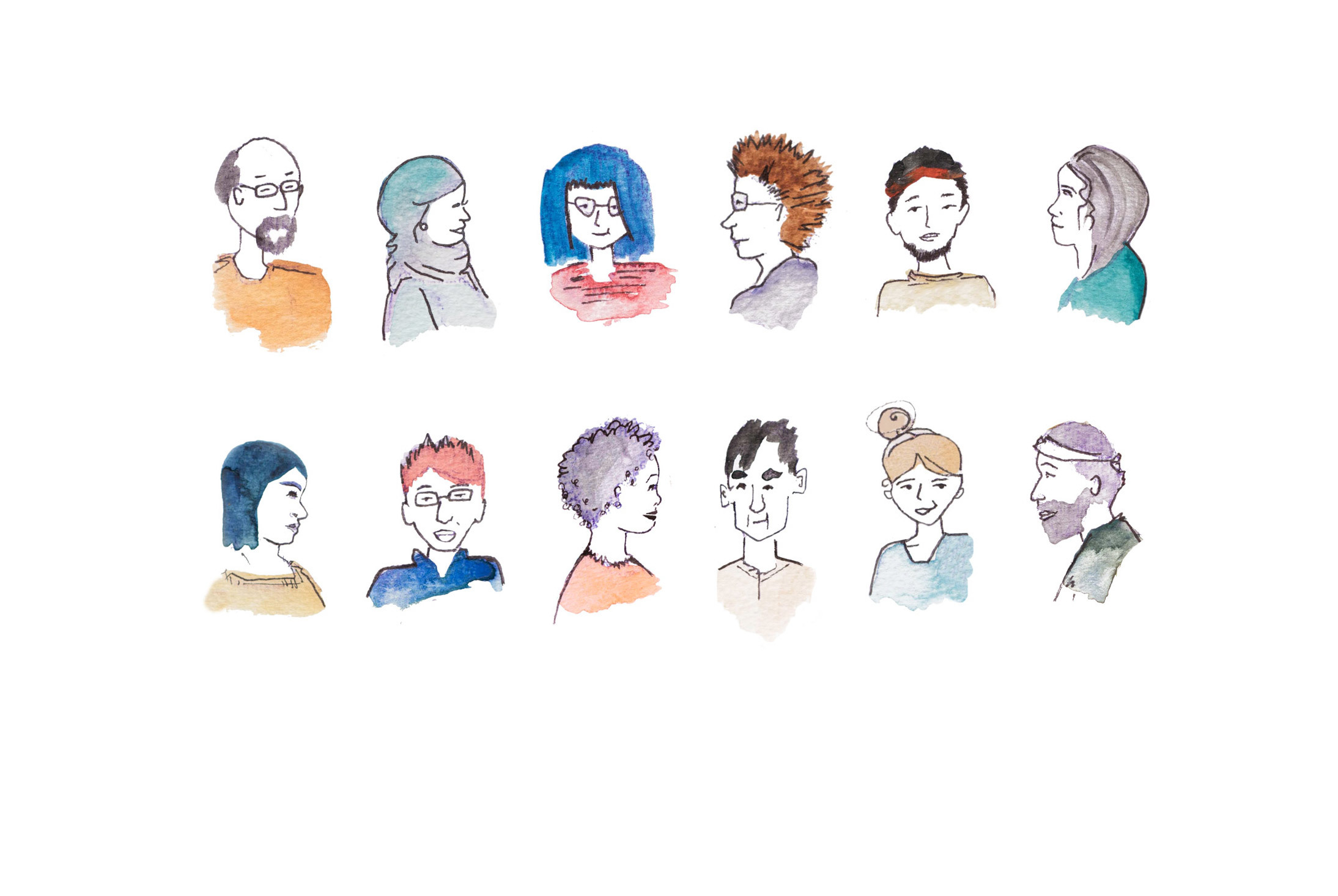
Inspired by the New York Times’ piece on How to Fall in Love with Anyone, I reached out to my fellow IDEOers and asked about some of their favorite ways to break down barriers when meeting new people—especially in a group setting. They showered me with activity ideas.
Here are my top 5 favorite ways to break down barriers:

1. 3 Things in 3 Minutes
Everyone partners up with someone, ideally a person they don’t know well. Each pair has three minutes to discover three things they have in common that go beyond the obvious, like “We’re both in this room together,” or “We’re both wearing glasses.” After three minutes, everyone shares what they’ve learned with the group. Discoveries get pretty specific and have ranged from “We both have an adopted 11-year-old daughter from Guatemala” to “Our moms went to high school together in Detroit!”

2. Whose Life Is It Anyway?
Each person brings photos of their life (house, room, stuff, friends, etc.). The only rule is they can’t be in the images. When the group comes together, each person puts up their photos, and everyone has to guess whose life is whose. After each person is revealed, they have an opportunity to share a few components from their lives that are represented in the photographs.

3. Grouping Game
Create a series of categories that a group can use to organize themselves. They might be as simple as “cat person or dog person” or “Mac user or PC user,” or provide a bit more context about people’s background, such as “oldest, middle, youngest, or only child” or “religious or non-religious.” Once you have a handful of categories, call them out one-by-one, and have people form groups based on how they identify. For each round, have people ask one of the other questions of another group. By the end of the exercise, they will have been part of a dozen or so different “communities,” each comprised of a different set of people.

4. Acknowledgement Line
Have the group form two lines facing each other. Then, have them partner with the person they’re facing and take turns following these prompts (even if you know nothing about them):
- What do you want to know about this person? (Curiosity)
- What do you appreciate about this person? (Appreciation)
- What do you want to share about yourself with this person? (Acknowledgement)
- What can you contribute or give to this person? (Contribution)

5. Uniqueness Share
Each person takes turns sharing a fact about who they are or what they've done. If someone else in the room has done it before, then the person sharing needs to come up with another fact about themselves. So, if one person says, “I biked across the country,” and someone else says, “I’ve done that too!” then you would need find another fact, such as “I lived in Thailand.” Keep going until you find something that is truly unique about each person.
Any one of these exercises will help bring a feeling of common humanity into view. So, next time you enter a room full of strangers, save the cheesy icebreakers and admit that you’re a cat person instead.
Thanks to Mollie West Duffy, Neil Stevenson, Deirdre Cerminaro, Caryn Voskuil, and Heather Currier Hunt for their contributions.
Walking into a room of strangers can feel daunting. Small talk is hard enough, and it’s even trickier to delve into deeper topics right off the bat. I chuckled when I found out that the Dictionary of Obscure Sorrows has a term for the realization that every person has a story as complex as yours. But how do you unlock those stories with someone you've just met?
3 Design Lessons From a Dream Hotel
What I learned about hospitality from SingleThread Farms
Working in food and hospitality design, I’m always on the lookout for what's new in the space. So, the moment I heard about SingleThread, I booked a night for my husband and me as an anniversary gift.
I suppose it’s an occupational hazard that I couldn’t help but notice the thoughtfully considered details that give SingleThread its hospitality superpowers. We were swept off our feet personally, but I also walked away with design insights that I took back to work.
At IDEO, we look to extremes for inspiration—people, brands, or environments that exaggerate specific behaviors. When we designed a line of ergonomic kitchen tools, we prototyped with both sous chefs and with those suffering from arthritis. Edge cases reveal what is or is not working, helping us generate opportunities for innovation.
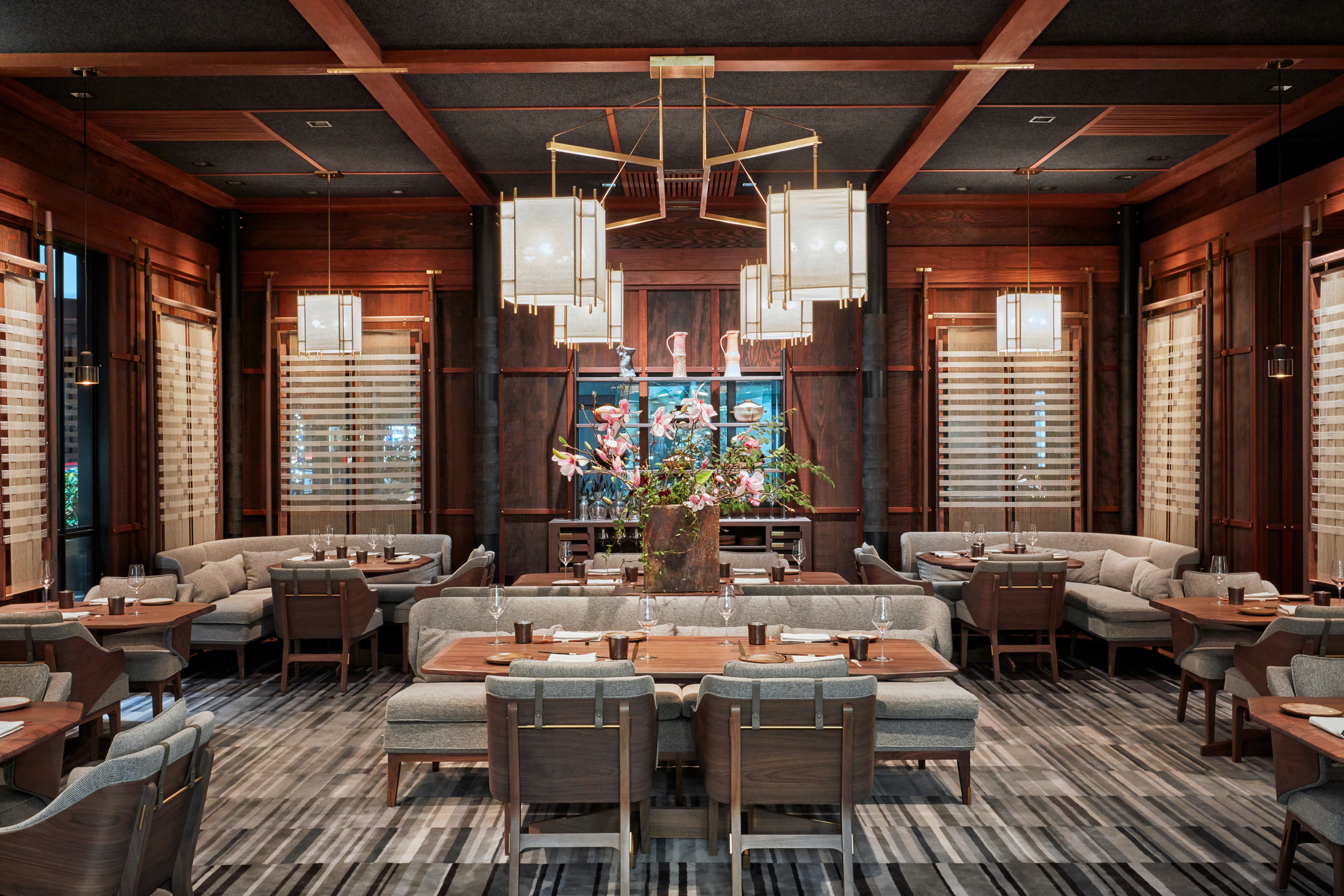
SingleThread is most certainly an edge case. The name says it all—their vision is highly crafted, and a thread of that vision is woven into every detail of the experience.
3 lessons SingleThread Farms taught me about designing modern hospitality:
1. Don't tell your brand story, weave it in
At some hotels, the brand or theme takes over everything. Sweden’s IceHotel, Japan’s Robot Hotels, Underwater, and Disney's Star Wars hotel might be fun once or twice, but they're less about a tailored guest experience, and more about their own story.
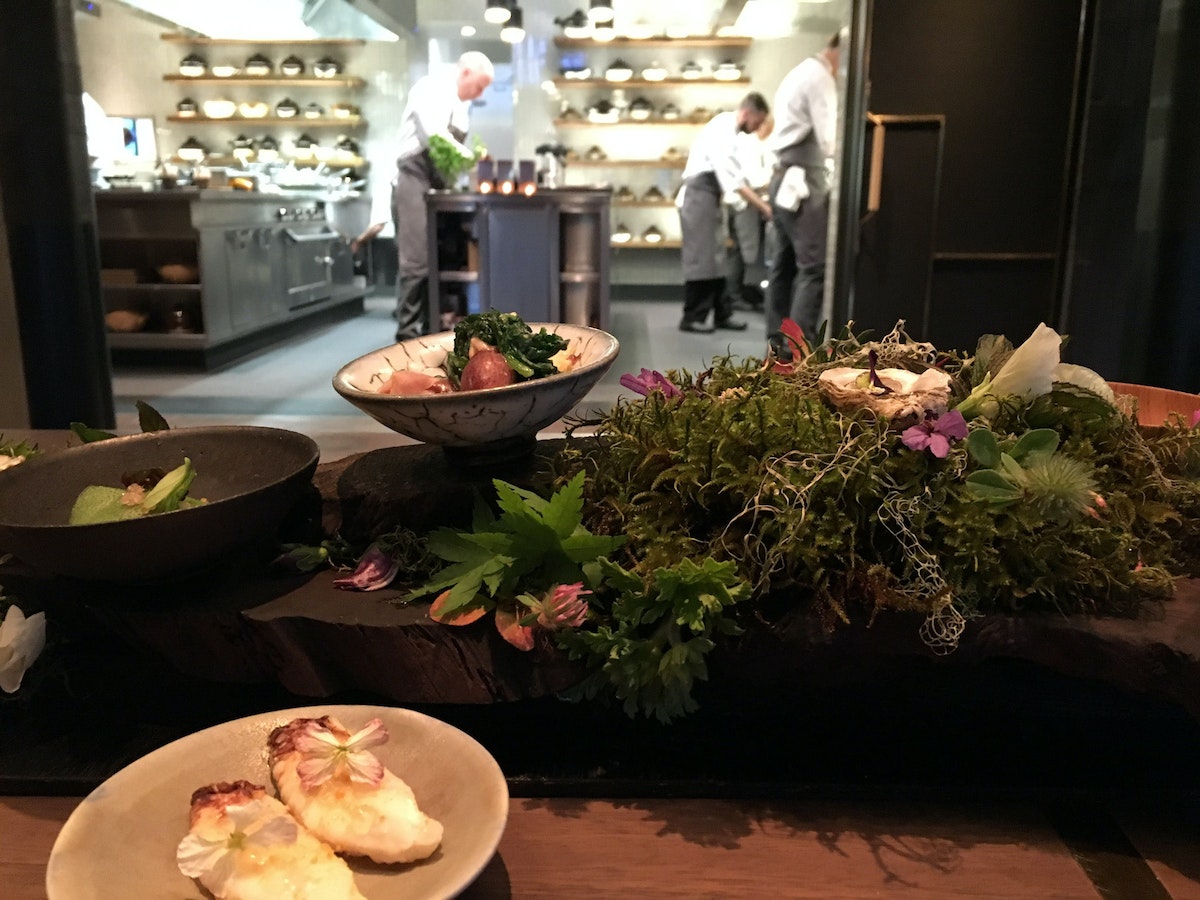
To say that SingleThread’s theme is “farm to table” would be a gross oversimplification. The larger purpose, as its creators Kyle and Katina Connaughton shared with us, is “to be an extension of our home.” That is demonstrated in every detail, from the open kitchen serving a kaiseki-inspired menu that changes with the micro-seasonal produce Katina has pulled out of the ground that day, to the guest rooms upstairs, where the mini-bar is replaced by a curated selection of gratuit handmade snacks and beverages.
About halfway into our 11-course dining journey, we were presented with a basket of mismatched sake cups and invited to “choose one that speaks to us.” That was a first.
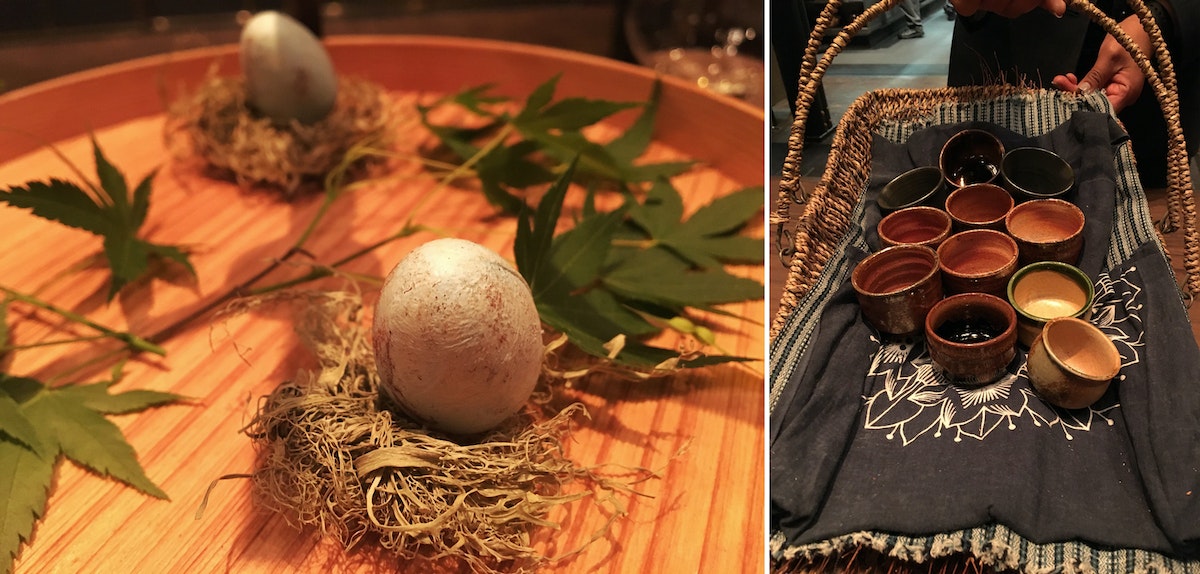
2. Aim for personal, not personalized
Personalization, the longstanding holy grail of the hospitality industry, is being reframed in the sharing economy. Airbnb's “belong anywhere” message is made real by guided experiences that help guests feel at home in the local culture.
SingleThread builds in degrees of freedom that make the experience feel personal, not programmed: A towel hook thoughtfully placed just outside the shower door so you aren’t left to tiptoe across the floor, a wooden ladle atop a tray over the bath, pre-filled with soaking salts.
At a nightly pre-dinner meeting, the staff reviews guests’ bios and dietary requests so they can adjust the dining experience in a seamless, subtle way.
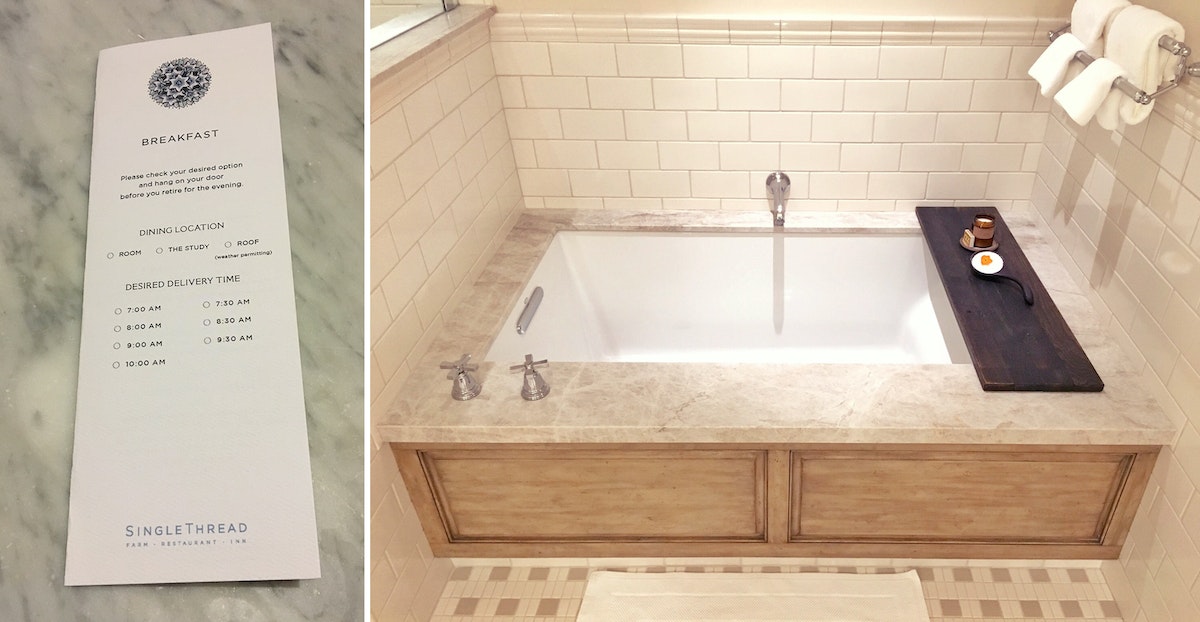
3. Put smart tech in a supporting role
Tech features in hospitality are growing fast. From Disney’s MagicBands to mobile check-in apps, hospitality providers are looking for new ways to meet guests’ needs.
SingleThread has mastered hidden tech, integrating just enough to create a highly sensual, human-centered experience that connects them more deeply with their guests.
Guests prepay through a reservation ticket system called Tock, so that any transactions that might take them out of the moment—tipping the bellhop, front desk check-in—are removed from the equation.
A front door camera helps to ensure you are greeted by name when you walk inside.
For keyless entry into your room, you’re invited to create your own passcode.
Each room is equipped with a Teforia tea system that calibrates the exact time, temperature, and amount of water needed to brew you the perfect cup.
These smart tech moments aren't show-stoppers. They're there to remove friction from the experience.
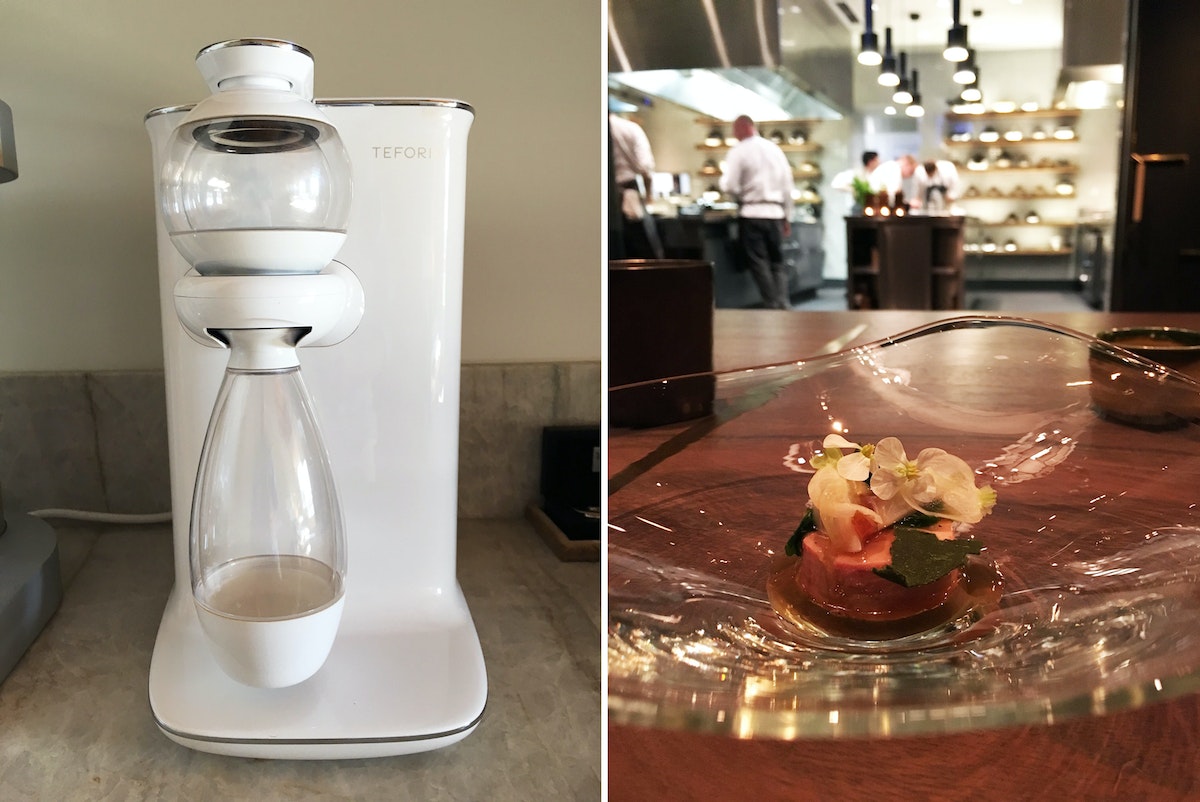
Though SingleThread Farms is a boutique hotel, it doesn’t take five stars, or dollar signs, to show guests you truly understand their needs. It was the small design moments that made our stay an experience I (and my marriage) will never forget.
Have your own outstanding hospitality experience to share? Share with me on Twitter @MeijaJ with the hashtag #HospitalitySuperpower.
Header image by Garrett Rowland.
Where would you like your breakfast served? Your room? The study? The roof? This was the kind of tough decision I faced during my stay at the SingleThread Farms, the highly anticipated inn and restaurant that opened in Healdsburg late last year. After the 90 minute trek from San Francisco, I was welcomed by name and guided to my room, where I tapped a code I’d made up for keyless entry. I never touched a credit card during my stay.

Lindsey Turner
I’m passionate about building brands, products, and experiences that help organizations show up with meaning and momentum.
I help organizations cut through complexity by shaping how they show up, through brand strategy, identity, and storytelling.
Working at the intersection of brand and business, I bring an editorial eye and a bias toward making—turning ideas into tangible experiences that people can understand, trust, and believe in.
My work spans government, healthcare, financial services, media, and consumer goods, from launching Gen Z-focused ventures to building innovation labs and reimagining legacy brands. I relish moments of ambiguity and enjoy translating across teams, perspectives, and priorities to move ideas forward.
I started my career in editorial and digital design, shaping cross-platform experiences and identity systems in publishing and agency environments. That foundation still shapes how I work today: I’m detail-oriented, collaborative, and overreliant on the Oxford comma. I hold a BFA in Visual Communication from the School of the Art Institute of Chicago.

Rachel Young
My work helps organizations see who their products aren't working for—and build the will and the tools to do something about it
For 25 years, I've asked the same question: Who does this design exclude—and what are we going to do about it?
My work spans human-centered strategy, inclusive design, and qualitative research, with clients ranging from Microsoft, Google, and Verizon to the National Science Foundation, and San Francisco Unified School District.
Before IDEO, I taught elementary school in East Palo Alto and spent a decade doing design work with social service organizations—where I learned firsthand what it costs people when systems are built without them in mind.
I am currently writing User Error, a nonfiction book about digital access and the design decisions behind it. I live in Oakland, California.

Brian Pelsoh
I lead with craft, ensuring our work is creatively excellent: rooted in deep human insight and imagination, while also grounded in the realities of business and technology.
My expertise spans brand, communication, and product design across tech, education, the arts, and social impact.
I believe great work demands both high-level vision and obsessive attention to detail, and only happens through collaboration.
I bring an inclusive, hands-on approach and a deep understanding of business, which enables me to consistently deliver excellence while always asking why.
Before joining IDEO, I worked at the brand firms Pentagram and VSA Partners. I began my career as a designer, leading teams at the School of the Art Institute of Chicago and the Milwaukee Art Museum. I hold an MFA in graphic design from Maryland Institute College of Art and a BFA in communication design from the Milwaukee Institute of Art & Design, and have taught at some of the best design schools in the US.

Tony Wong
I am responsible for IDEO’s long-term success in China and working with clients to use design as a tool to enable growth.
I am responsible for IDEO’s long-term success in China and working with clients to use design as a tool to enable growth. Specifically, I have helped Chinese companies design holistic brand solutions through the development of their products, communication, services, and innovation teams, and I have helped multinationals expand their presence and influence in China.
I advise global leaders on developing China-led innovation and capabilities.
In over 15 years in IDEO Shanghai, I have worked on projects that use design to elevate the quality of the experience of healthcare products and services, streamline processes that increase productivity, create spaces and programs that promote and enable inclusive communities, and build next generation mobility solutions that are planet-positive.
Before joining IDEO, I worked at Philips Electronics and the Electrolux Group in Italy, the Netherlands, and Singapore on a number of breakthrough commercial products. I am a member of the Young President Organization in Shanghai.

Building a personal AI for the messiness of life: Sida Li
Most AI products today are built for work—a space with clear problems and established systems. One founder noticed a gap: personal life is messier, harder to systematize, and mostly left behind by the AI boom. So she built Cue, a personal AI that lives inside iMessage and group chats, to go where the other tools haven't.
In this episode, Becca Carroll, IDEO's Chief Strategy Officer, talks with Sida Li, co-founder and CEO of Shared Context Lab, about staying anchored to a human need while the technology around her keeps changing shape, why she treats her business model with the same rigor she'd bring to a product, and what it feels like to build a company at this particular, disorienting moment in AI.
The conversation also gets into how Sida makes design decisions: the language Cue uses to describe itself, the tradeoffs behind building inside iMessage instead of a new app, and a real story about a business idea that didn’t pan out.
This is the second in a two-part series profiling founders from IDEO's Startups-in-Residence program. The first conversation is with Johannes Seemann, founder of Sooner, on designing GenAI for the emotional side of money.

Designing GenAI for the emotional side of money: Johannes Seemann
Most personal financial tools are built to run the numbers and optimize towards a budget. While that works for some, most people experience money as a lived relationship that does not neatly fit into a spreadsheet. Johannes Seemann and Becca Carroll discuss why money is emotional before it is mathematical, and what a human-centered approach to building a generative AI financial product looks like in practice.

The curious leader's edge in uncertainty: Scott Shigeoka
Mina Seetharaman talks with Scott Shigeoka, author of Seek and Head of Curiosity Cultivation at the Eames Institute, about what distinguishes genuinely curious leadership from performative curiosity, how power dynamics shape curiosity, and why practicing curiosity can restore energy rather than drain it.

How constraints make us more creative: David Epstein
Mina Seetharaman talks with David Epstein, author of Inside the Box and Range, about why total freedom often produces average work, how leaders can design useful limits on purpose, and what organizations such as General Magic and Pixar reveal about the relationship between boundaries and creativity.
Looks like you might be in search of something very specific?
Or reset the filters above and try another angle.
Here’s some random inspiration

Podcasts about creative leadership

Articles about the power of prototyping
