
.svg)




Rethinking the food bank
A crucial resource reconsiders everything to design more dignity into its digital tools.
Giving food assistance is about more than handing over a box of groceries. It’s about allowing people to make their own choices.
But the pandemic only narrowed people’s choices. Undeterred, Northern Illinois Food Bank (NIFB) put people’s needs above everything else, leading to innovations that could improve food banks everywhere. IDEO recruited neighbors to co-design a new digital tool intended to improve people’s access to food. Local residents provided more than insights—they steered design decisions and helped transform the relationship between NIFB and the community.
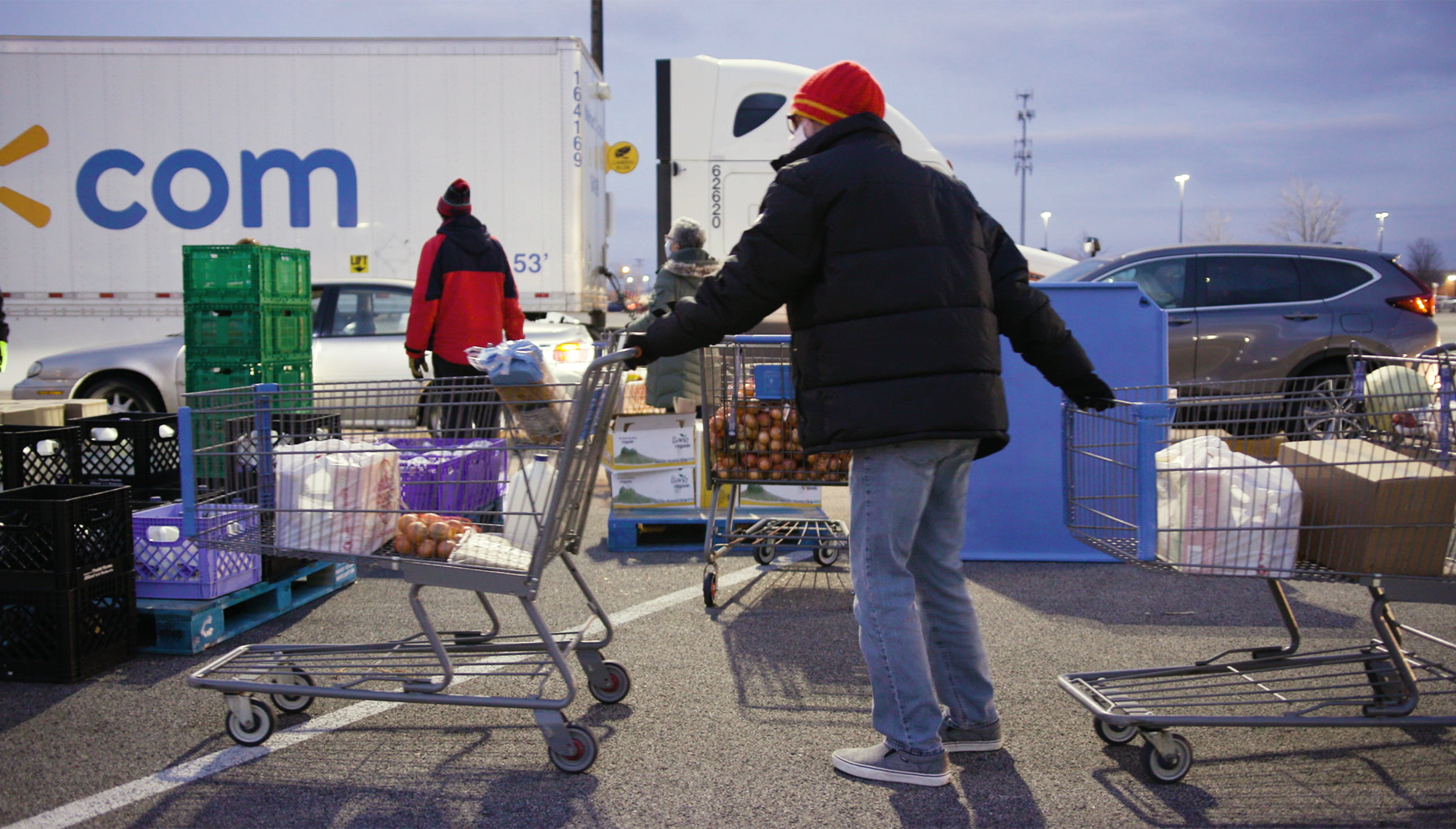
Northern Illinois Food Bank’s My Pantry Express app allows people to browse and order groceries online and to choose a pickup time and location that works for their schedule. We designed the app to provide useful information on dietary preferences and to be inclusive of cultural differences. The result allows choice and flexibility, helps prevent food waste, and preserves the dignity of shoppers throughout the process by making My Pantry Express feel like any other grocery site.
Ultimately, Northern Illinois Food Bank and IDEO’s strategy for success relied on new metrics. In addition to measuring effectiveness in pounds of food distributed, we found new ways to measure shoppers’ satisfaction—a solution that works better for all parties involved because it was designed by all parties involved.
An estimated 1 in 8 Americans experience food insecurity.
The food insecurity rate is 2-3x higher for persons of color than for white households.
60% of food insecure households do not use food pantries.
1.9M
meals distributed through My Pantry Express in 2021
50%
increase in distribution from prior year
New skill city
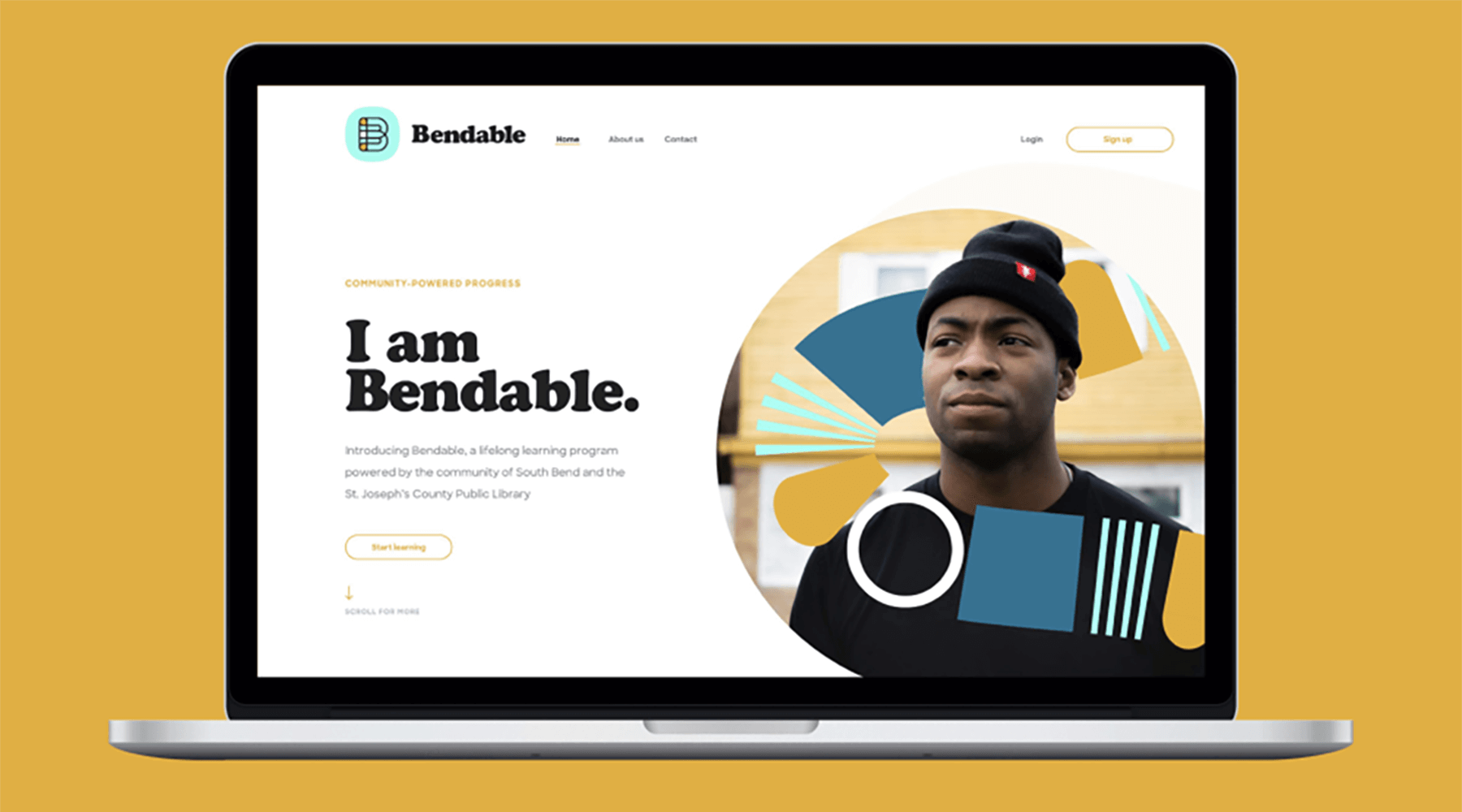
The people of South Bend, IN, have the power to design a lifelong learning platform for themselves.
To create Bendable, IDEO worked alongside the people closest to the problem, so every important decision grew out of their experience.
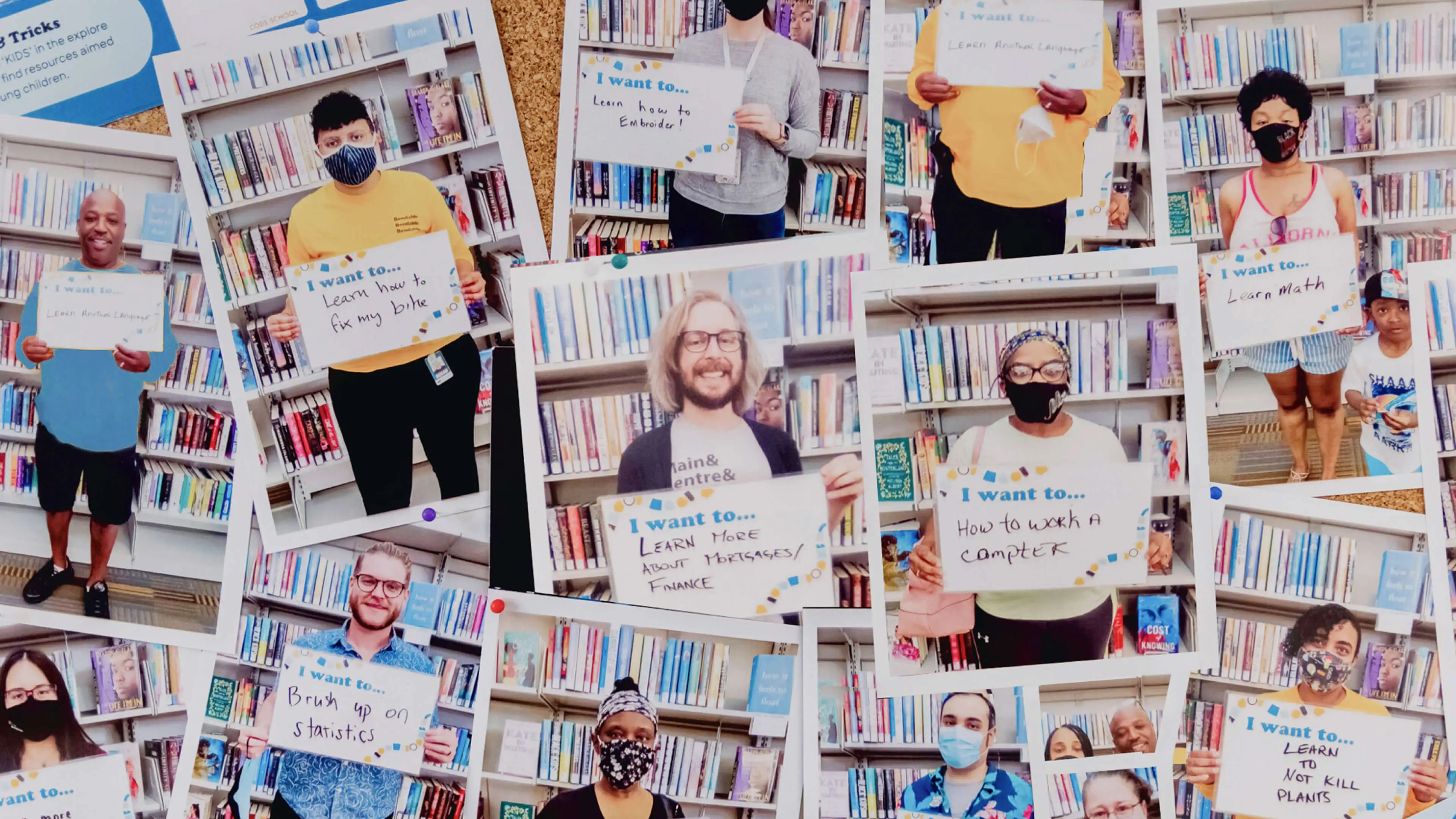
IDEO and the Drucker Institute aligned with the library system and city leaders in South Bend, Indiana, on a single objective: build a learning platform that offered education opportunities to people affected by the decline of manufacturing in the region. But even the earliest phases of research revealed that there’s no common profile that matched the diversity of learners. There are innumerable reasons why people seek to learn and as many barriers holding them back.
Knowing this, South Bend residents were the acknowledged authority for this work, and a design consultancy all their own. This radically simplified crucial decisions. Negative associations around traditional education led people to seek knowledge from those they already trusted. And they often lacked awareness about or the ability to access the many free resources already available.
The residents of South Bend helped the entire consortium see that the city wasn’t under-resourced but under-connected. That insight, and the power the community and the library system held to rectify it, made Bendable into the people-driven, connection-based learning platform it is today.
By 2025, as many as 85 million jobs will be displaced by automation, yet 97 million new ones could emerge.
More than a third of adults pursuing postsecondary education before the COVID-19 pandemic were forced to abandon those plans.
25
programs and other resources offerings are now available to residents of South bend
4
states have begun to integrate Bendable into library systems
Making voting easier
The country’s largest jurisdiction creates a more accessible voting experience.
Protecting the right to vote means ensuring that all citizens can cast their ballots privately, independently, and easily.
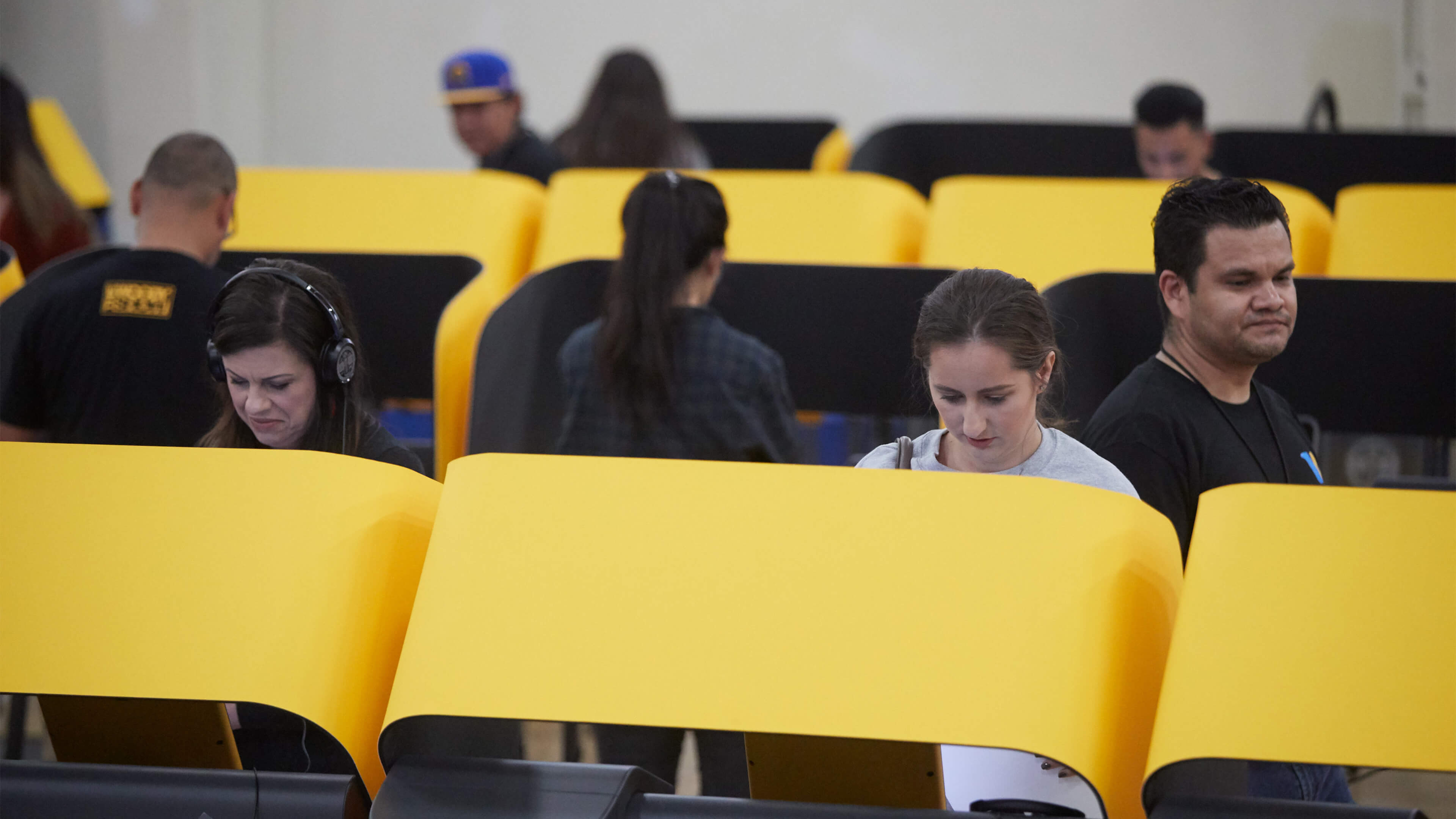
With that principle in mind, Los Angeles County sought out a design strategy firm to create a next-generation, customizable system that would meet the needs of its large and diverse voter population while satisfying myriad voting regulations. The result: an accessible, self-enclosed ballot-marking device with a touchscreen that allows any voter to easily navigate, mark, verify, and submit a paper ballot. We also worked to improve the entire voting experience, including vote-by-mail ballots, interactive sample ballots, and the tally process.
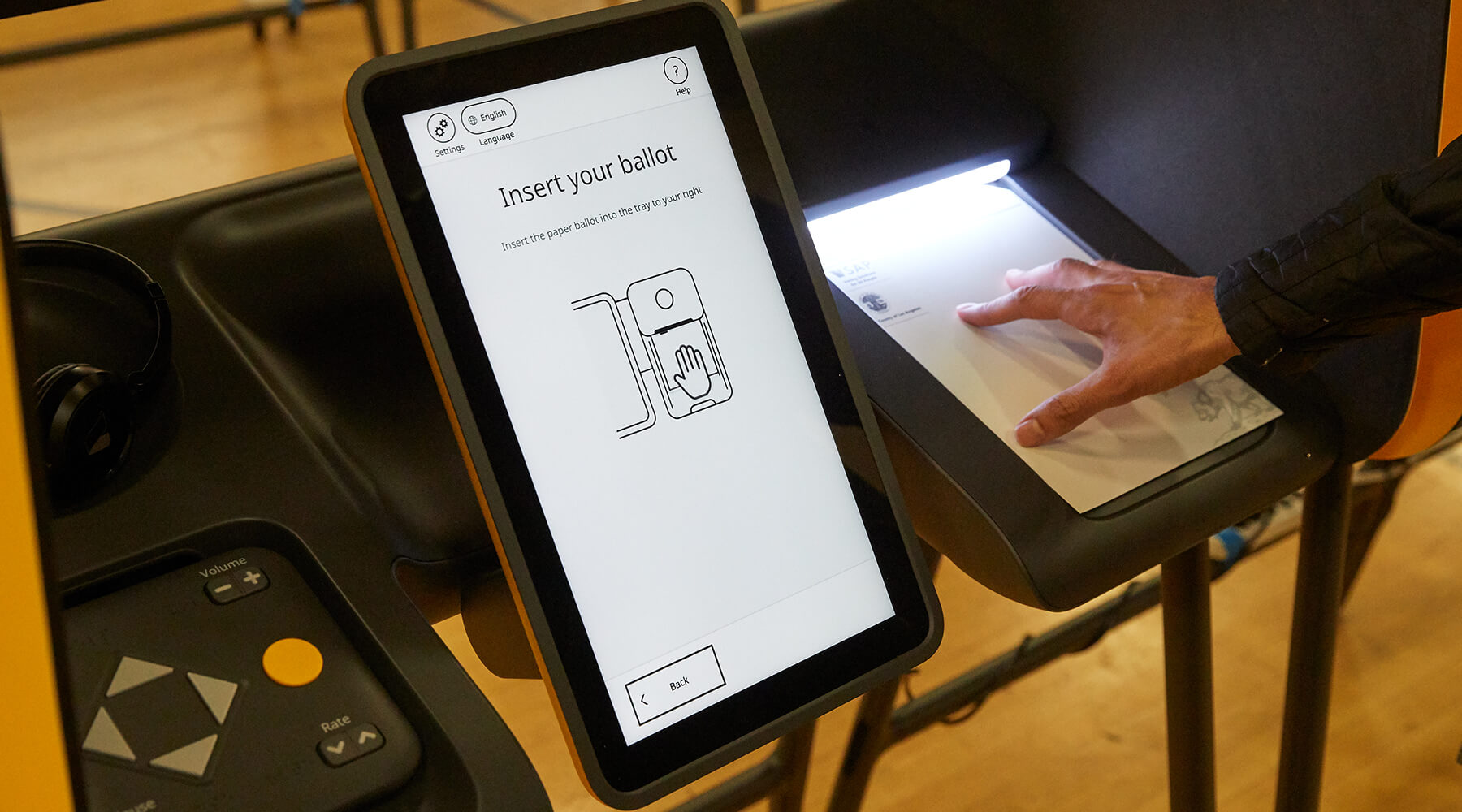
As with any inclusive design, details matter. Voters with vision impairment or reading disabilities can opt for audio and tactile experiences with the push of a few simple buttons. And for voters who prefer to read the ballot in their native language—Spanish, Chinese, Korean, or any one of the 11 others supported by the county—the device lets them select their preference.
After extensive research and testing with constituents, we designed a solution that makes voting easier for anyone. And knowing that the only constant is change, we made the system flexible enough to adapt to emerging needs and technologies, protecting voters’ rights now and in the future. Read the full case study here.
26% of American adults have some type of disability. In the 2020 election, 18% of disabled voters nationally reported difficulty voting, about twice as many as non-disabled voters.
In 2020, national voter turnout among disabled people was 7% lower than among non-disabled people in the same age group.
"Intuitive & secure"
was the sentiment most Los Angeles County voters expressed about the new voting system after the 2020 primary election

Human problems, human solutions
A conservation leader rewrites the role humans play in the narrative of climate change.
Conservation International is made up of conservation experts. To bolster its work, we bring a focus on scale, speed, and the human element to every project.
How does that look in the field? To restore the forest of Fiji, Conservation International paid a cash incentive to the community to buy, plant, and care for new trees and foliage. But once those cash incentives stopped flowing, the work ground to a halt. Taking a human-centered-design approach, one employee uncovered an insight: Fijians are more motivated to help in exchange for longer-term, noncash incentives like building infrastructure in villages. Small projects such as footpaths, repairs to communal trucks, beehives, or sports programs for youth continually reminded the community that the environment is a provider for their families, imparting a feeling of shared ownership in its conservation.
Stories like this, repeated around the globe, are how we hope to help Conservation International find sustainable outcomes. Our work together, including a six-month fellowship to help emerging leaders develop new capabilities, and a series of strategic, future-focused events for executives, has brought more tangibility and deeper collaboration to the organization.
Together we hope to create businesses, food solutions, and energy alternatives that conserve nature, and improve human health—because humans are a part of nature, too.
The scientific community overwhelmingly agrees that we have ten years to drastically cut greenhouse gas emissions or humanity will suffer devastating consequences.
We need to conserve one third of the global ocean using area-based measures and ensure at least 75% of seafood is harvested using socially responsible, environmentally sustainable methods by 2030.
75% of the world’s poor rely on agriculture for their livelihoods, which in turn depends on nature for pollination, irrigation, and soil replenishment.
20
leaders integrated human-centered design into annual goals, project pipelines, and fundraising efforts
20%
of the organization is now involved in design-thinking projects
Redesigning the Bagel
Why "sketching" with food will make you a better cook
Here's an example: When I was working as a chef in fine dining, I set out to reinvent a classic—my all-time fave—the bagel, lox, and cream cheese sandwich.
My former boss, Chef Joan Roca, once told me that his most prized dining experience was when he ate the best version of a beloved dish:
"For me, there is nothing like eating the best bowl of spaghetti Bolognese I've ever tried—I don't care if you've come up with the most revolutionary dish made from watermelon and chicken feet, it just doesn't resonate in my memory banks like the familiar flavors of Bolognese do."
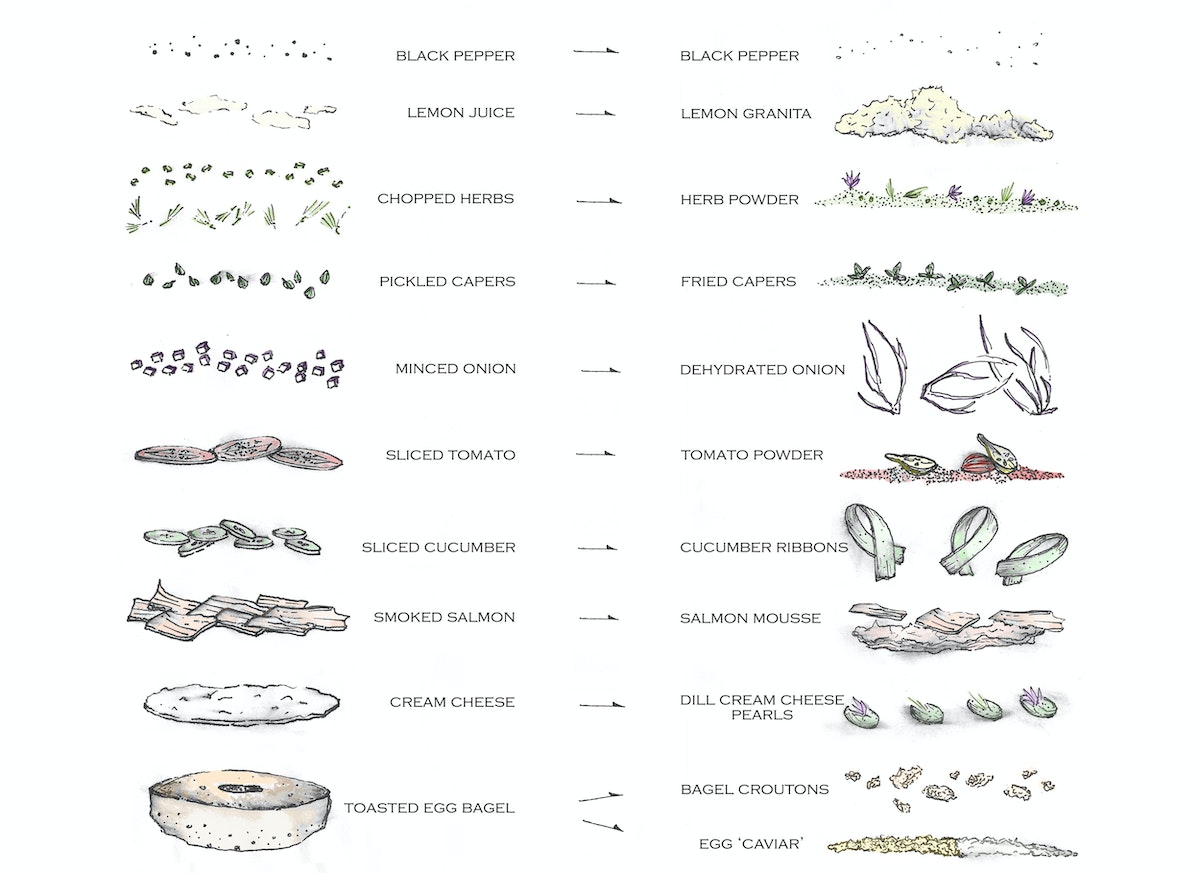
The process of reinvention or "deconstruction" is fairly common practice in the modern kitchen. Once you've deconstructed something, it unlocks myriad ideas. Here's what design thinking looks like in the kitchen, as expressed through a new version of the classic breakfast sandwich.
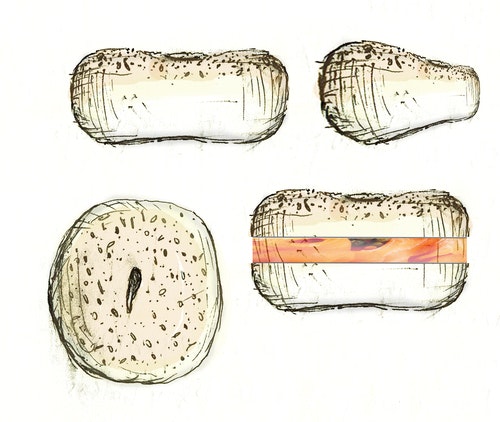
1. DEFINE THE DESIGN CHALLENGE: REINVENTING THE BAGEL SANDWICH
Bagel, lox, and cream cheese immediately transports me to the kitchen table at my Nana's house on a Saturday morning. The flavors are classic, yet sophisticated; a perfect dish to deconstruct for a modern appetizer.
To help you play along, here's a brief definition of deconstruction in the chef's world. The concept, which was made famous by catalan chef Ferran Adria, is to reimagine the elements of an established dish in order to create something new. I love deconstruction because it allows me play with one of my favorite elements of cooking and eating—memory.
2. DESIGN RESEARCH
The next step in recreating the bagel, lox, and cream cheese sandwich was to look into the origins and variations of the dish. I wasn't surprised to learn that the word "Lox" stems from the Yiddish word for salmon, “laks”. (There are Scandinavian roots, too, where fishermen preserved salmon in saltwater brine).
What I didn't know was that in 1869, the transcontinental railroad began transporting barrels of salted salmon—giving rise to its popularity in New York City, especially among the Eastern European Jewish immigrants who came over to the U.S. with a taste for cured and smoked fish.
As for the remaining ingredients: Bagels were first seen on the silk route in China, and then refined in Italy in the 14th century. My polish grandfather told me he used to buy "hard bagels with a huge hole" as a child in Radom, Poland. Capers came from Italy, cream cheese has roots in Britain, and tomatoes came from the new world.
So, none of the key ingredients to the sandwich come from New York City, but it was New Yorkers who put them together. The fact that the combo wasn't "old country" made me more relaxed about reinventing it—at least I knew that my version wasn't bastardizing some 1000-year-old dish, the dish itself had always been a food bastard.
I realized that in order to successfully transport myself back to my grandmother's kitchen table, I had to leave the core elements in their original, unadulterated form somewhere in the dish.
I looked at more than 50 restaurant versions and cookbook recipes for bagels, lox, and cream cheese. Then, I extracted all of the possible elements and techniques that went into the sandwich.
The ingredients included: lemon, lime, chili pepper, black ground pepper, white pepper, cayenne pepper, red onions, white onions, radish, avocado, cucumber, butter, cream cheese, capers, caperberries, olives, pickled scallions, hard boiled egg, chives, dill, tomato. I looked at the whole spectrum of preparations that were applied to each ingredient on my list: fried, scrambled, or hard-boiled eggs; raw, baked, or smoked salmon; pickled or marinated vegetables. There was an almost endless variety of combinations!
3. SYNTHESIS
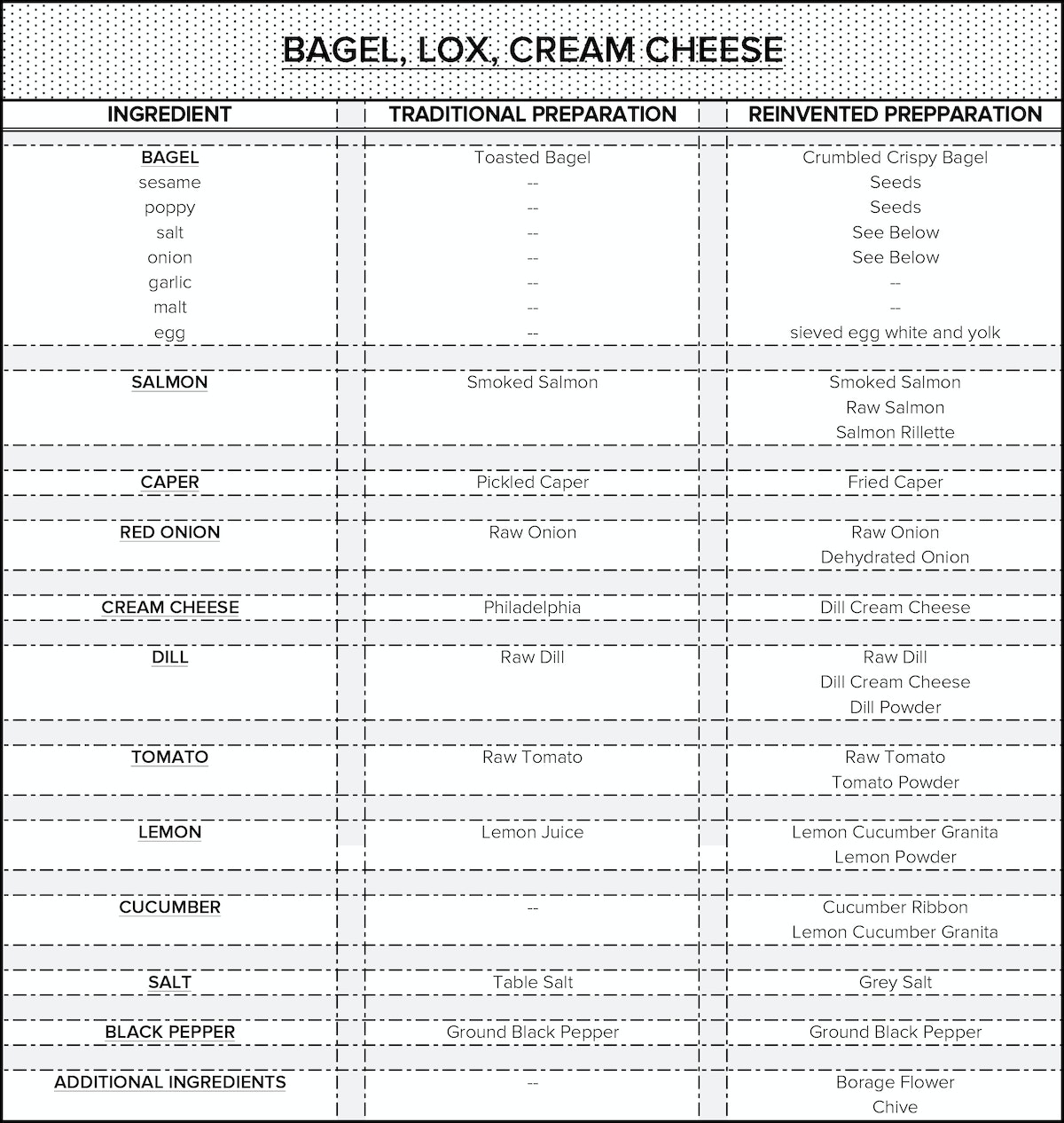
I created a spreadsheet with the list of ingredients and techniques I'd compiled in my research. The lefthand column listed each possible ingredient; the middle column listed the traditional preparations for each ingredient; and the righthand column listed the options for modern techniques that could be applied in place of the traditional ones.
4. ITERATION (AND FAILURE)
I began to deconstruct the dish ingredient by ingredient, deciding if and how I was going to affect each preparation and presentation. Sometimes I chose dramatic changes like converting drops of lemon juice into an icy lemon granita or transforming smoked salmon into an aerated mousse shot from and ISI foamer. But I also used more common techniques: an alternative cut on a cucumber, dehydration of fresh onions to make chips and powder; crumbled and sautéed bagel in olive oil. Some ingredients were left untouched like the black pepper or some were simply substituted like using marinated cherry tomatoes instead of sliced tomatoes.
I prototyped 10 to 12 iterations of each ingredient before settling on a final version. Conceiving a modern version of the dish that triggered my childhood memory was a bigger challenge than I had imagined. The first 4 to 5 prototypes sacrificed flavor for fancy techniques. One of the versions I came up with was just a bunch of powders—terrible!
Finally, I realized that in order to successfully transport myself back to my grandmother's formica kitchen table, I had to leave the core elements—bagel, lox, and cream cheese—in their original, unadulterated form somewhere in the dish.
5. IMPLEMENTATION
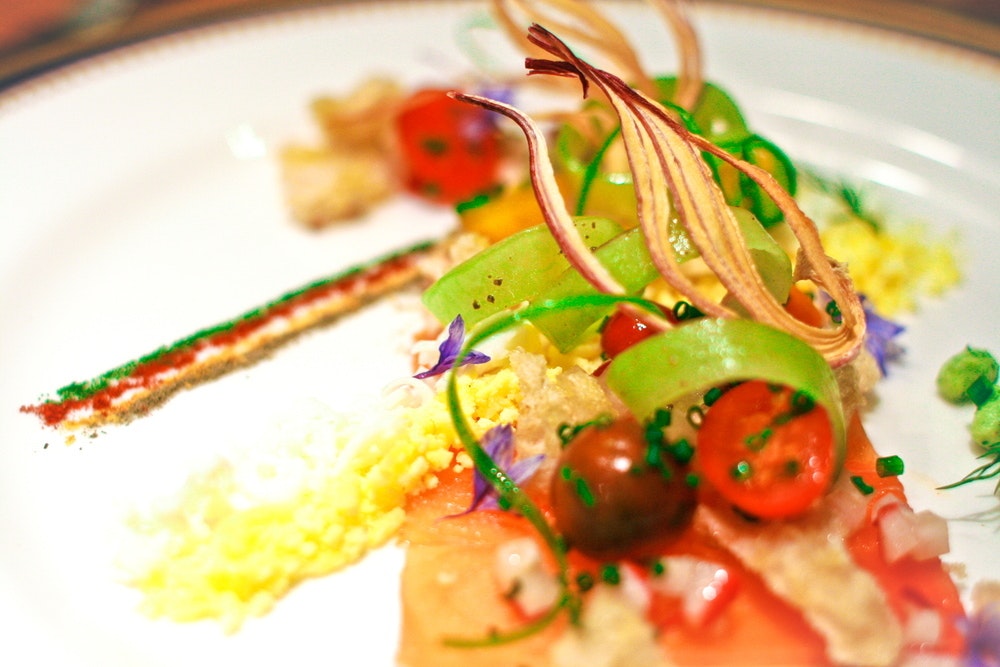
My final version of the dish was a fluid mix of old and new: the presentation and techniques of the dish placed it strongly in the modern kitchen while the flavors remained old-world.
The final version included smoked salmon, toasted bagel, cherry tomato, fresh dill and Philadelphia cream cheese. It also featured smoked salmon rillettes; sieved egg whites and yolks; a Meyer lemon granita; dehydrated purple onions; powdered chives, powdered tomato, and powdered lemon zest (some of the powders made the final cut!); sweet, fried capers; cucumber ribbons, pickled shallots and nitro-dill cream cheese (cream cheese of the future).
When I sat down to enjoy the dish, I could almost hear my Polish Nana telling me, "Ess, mein shayna yingele, ess." (Eat, my beautiful child, eat.) And so I did.
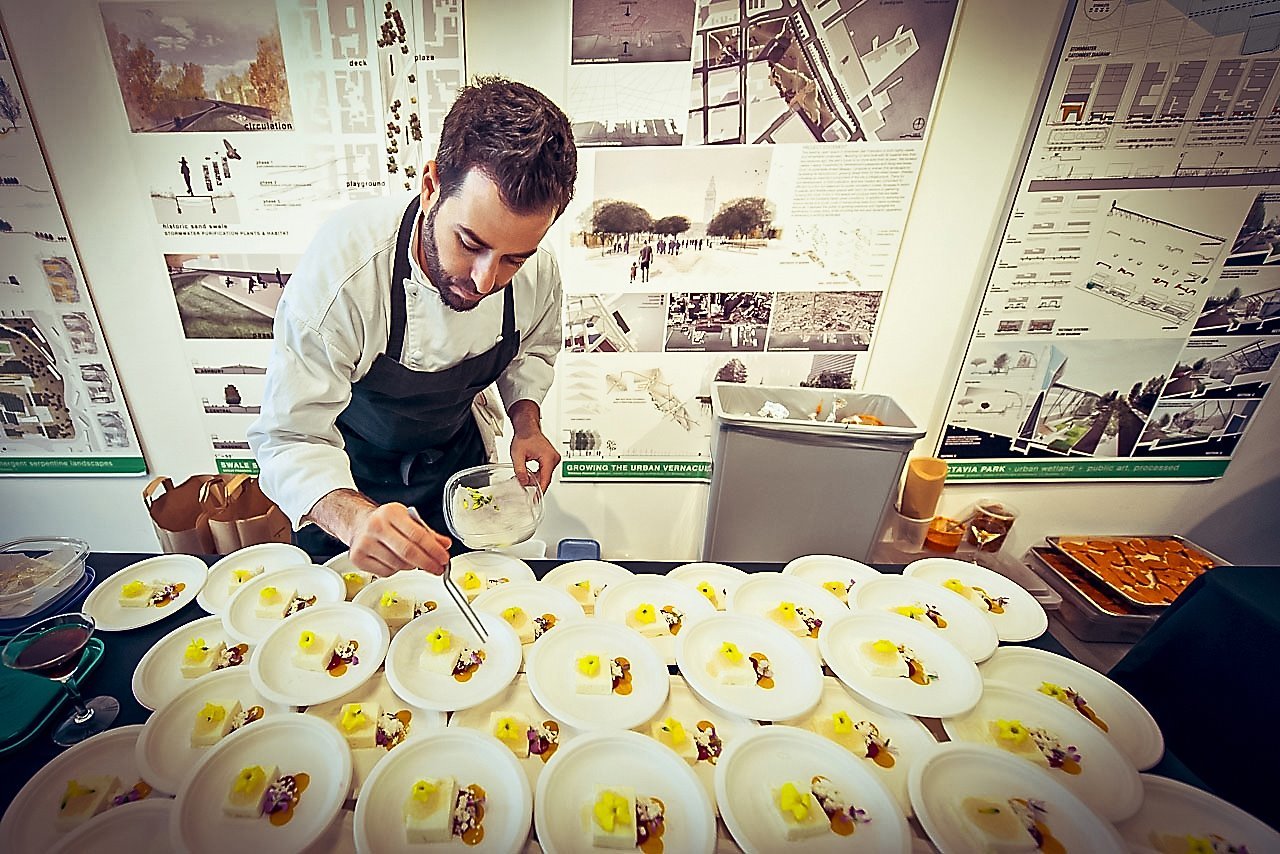
Hi, I'm Danny, the culinary resident in IDEO San Francisco's Food Studio. I've been cooking professionally for many years, and now that I'm here, I've discovered that designers and chefs have a lot in common. We both sketch out initial ideas and then iterate quickly until the product is tasty and ready to consume.
The Imagination Man
Q&A with Scott Barry Kaufman, who wants you to understand creativity
What does the Imagination Institute do?
We are looking at how we measure imagination, so we can explore ways to increase it. The other part of our activity is studying how imagination plays a role in different fields. For this, we’ve been running events (like the one you attended) in which we gather leaders in domains such as education, futurology, psychology, physics, even comedy.
Why pull from different disciplines?
We want to understand what kind of mind is best suited for creating progress within these specific fields. The hope is that we could get some idea of how to develop that kind of imagination in schools. In the school system at the moment, it’s one-size-fits-all. But individual differences matter!
What would you teach, if you were trying to get more creativity into schools?
The value of personal expression. There are so many forces in our lives that put other people’s words in our head. But creativity research findings show how important it is to be able to insulate yourself, and not be contaminated by other selves. Often the best way we can help others is by developing our highest potentialities to their fullest, and schools are doing a pretty crummy job of that at the moment.
Business leaders want the outputs of creativity, but they often have an unconscious bias against creative behaviors and personalities
How do you continue to be inspired by others without losing yourself?
If you are secure in your sense of self, you can be open to new experiences. It’s the people who have the most fragile egos who are insecure and not creative because they are so scared that they could be wrong.
Tell me more about openness to experience. You mention that a lot.
Openness to experience is a personality trait that can be measured. It has been shown to be the number one predictor of creativity. To be creative, you need to constantly be growing. Openness allows that.
Who’s your psychology hero?
I am hugely interested in Maslow and the humanistic psychologists of the 50s and 60s. When they talked about creativity, they viewed it as the height of being. All these ideas are so relevant today, in our age of constant anxiety, with all the pressure to pay attention to other people’s goals.
What’s your take on creativity?
It’s a very vulnerable way to be—to be curious, and a little crazy.
Embracing the messiness of your mind.
Business leaders ask for creativity, but I think people are actually conflicted about what they really want. They want the outputs of creativity but they often have an unconscious bias against creative behaviors and personalities.
Want to know more about how to flex your creative muscle? Go buy Scott’s book, Wired To Create.
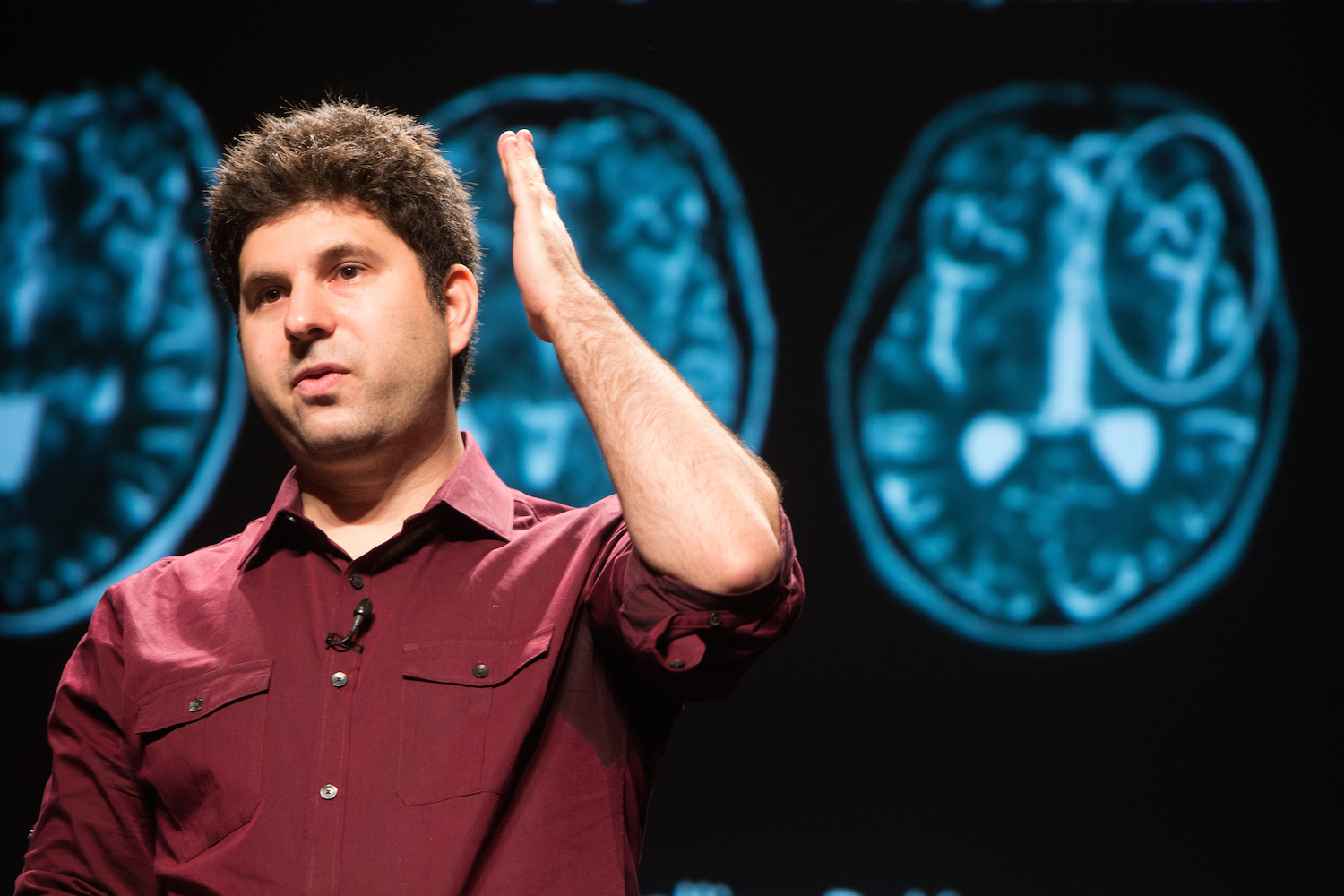
I came across psychologist Scott Barry Kaufman at an event hosted by the Imagination Institute, where Kaufman is scientific director. Before being locked in a room for two days to discuss the philosophy and psychology of education, all participants had their brains scanned in an MRI machine. Only later did I realize this was typical Kaufman: He’s made a career of fearlessly mixing hard science with culture to create fresh angles on a question IDEO asks on a regular basis: How can we all be more creative?
The Power of Oops
Making art out of mistakes
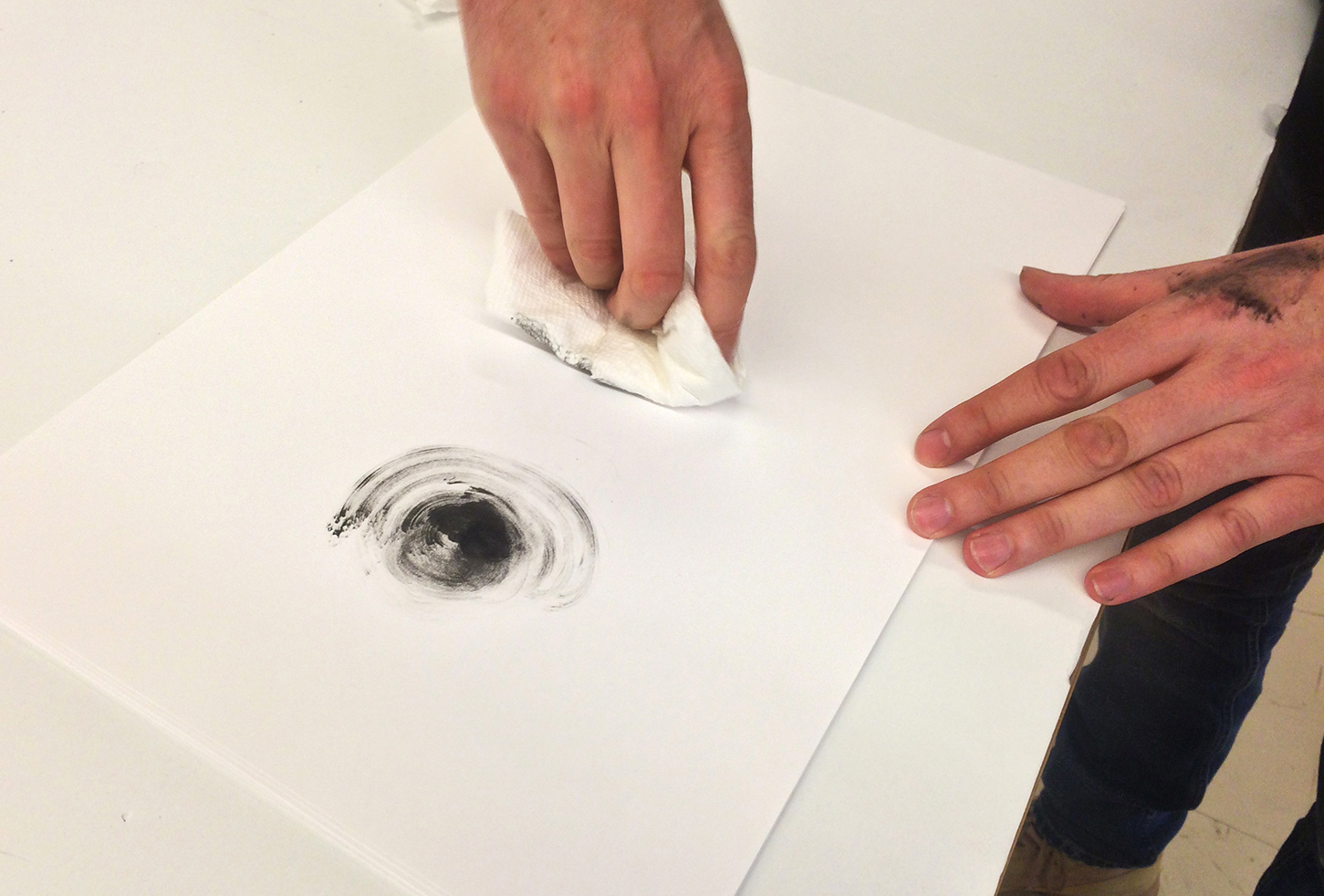
Two weeks ago, I was witness to such a moment myself. A colleague and friend, the imaginative Mr. Brown, was doodling a mob of amiable monsters and charming creatures with ink, a brush, and some paper.
Pretty, yes. Cute, maybe. But it was when he was cleaning up that he came across a real gem: With ink-stained hands, he scrunched some paper towel to mop up the inky mess. He dabbed the offensive blob, gave a little twist and twirl with the paper towel, and lifted his hand away.
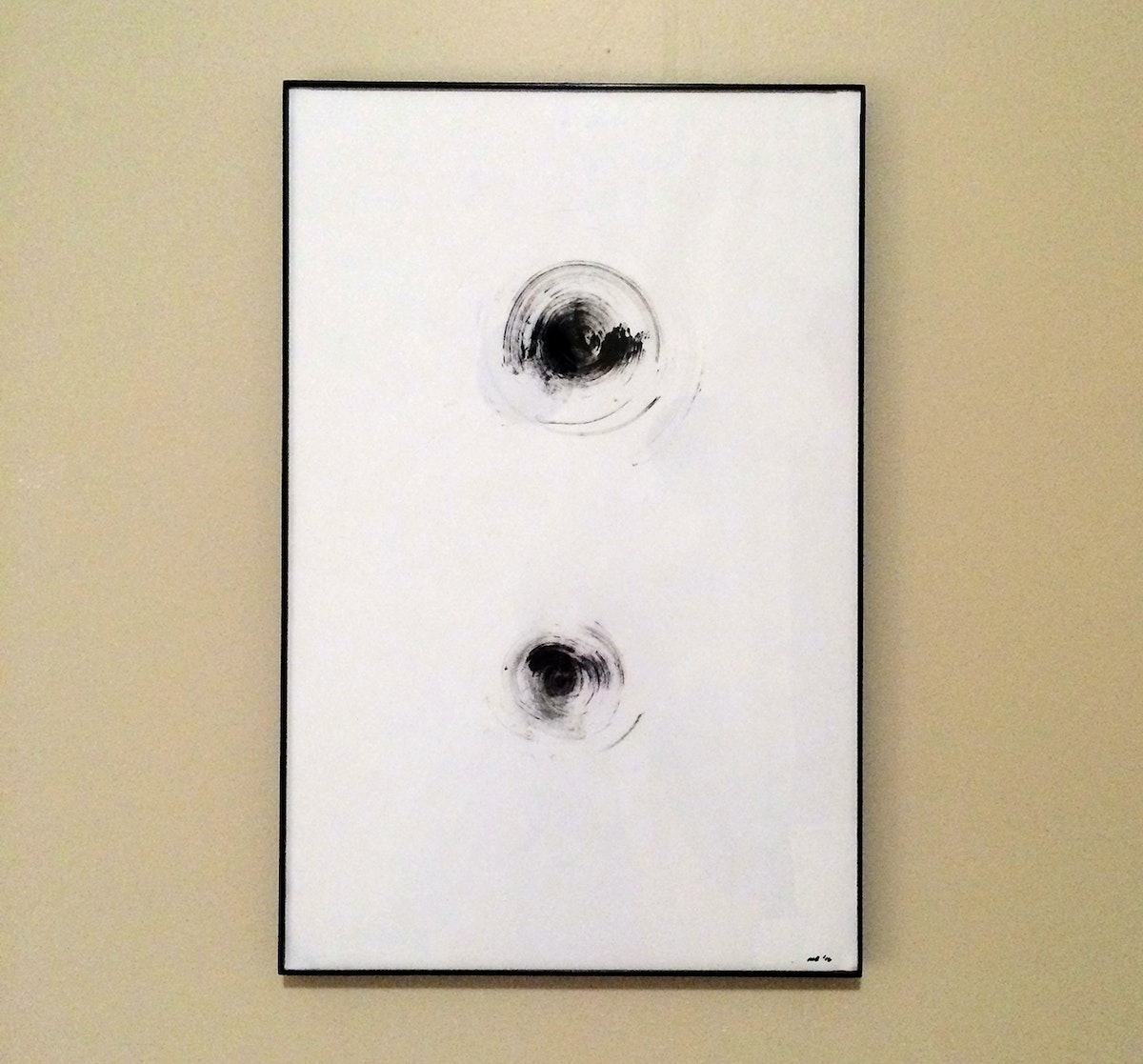
Underneath shone a ravishing vortex which drew one’s imagination into its depths. Not one to shy away from allowing his imagination to wander, he kept twirling, twisting, and whirling.

Being the cheap bugger that I am, and living in a home filled with empty walls, when I spied these beauties I immediately requested if I could have one once he was done.
His inky booboos are now hanging at home—a prized possession.
It goes without saying that some of the best ideas were borne from a fortuitous mistake: Alexander Fleming had his mold, Archimedes submerged himself in a bath, and Spencer Silver accidently created the perfect adhesive for Post-it notes (IDEO thanks you, Mr Silver).
Need Feedback? Here’s 5 Ways to Reinvent the Focus Group.
Think dinner party, not two-way mirror
To better understand the madness of the focus group, I decided to do a bit of research on how it came to be.
The story begins in 1938, when a psychoanalyst named Ernest Dichter left Vienna to escape the Nazis and headed for the US. When he arrived in New York, he made an interesting career decision. Instead of helping individuals understand their problems, he decided to offer his psychoanalytic services to corporations.
One of Dichter's first clients was General Mills, which had a problem with its Betty Crocker cake mix. Its food scientists had formulated a dry mix that required only the addition of water. Once placed in the oven, it miraculously blossomed into instant cake. But after a good start, sales flattened. The executives were baffled: The product was more convenient. Why weren’t the housewives buying it?
Dichter gathered groups of women and put them through exercises derived from Freud’s methods of probing the unconscious, including free association and Rorschach tests. He explored their feelings about relationships and their role in the family. And then he started asking them about cake.
What he took away from these sessions was that cake was more than just a sweet baked product. It was loaded with sexual symbolism. He was particularly fascinated by the ritual of the wedding cake, which featured the husband taking a long knife and plunging it into the white cake.
His conclusions, like a good cake, were multilayered. First, the cake was symbolic of the wife’s relationship to the husband, and so she felt guilty making it by just adding some water to powder. Second, the sexually charged nature of the cake meant that it had associations with fertility, even childbirth.
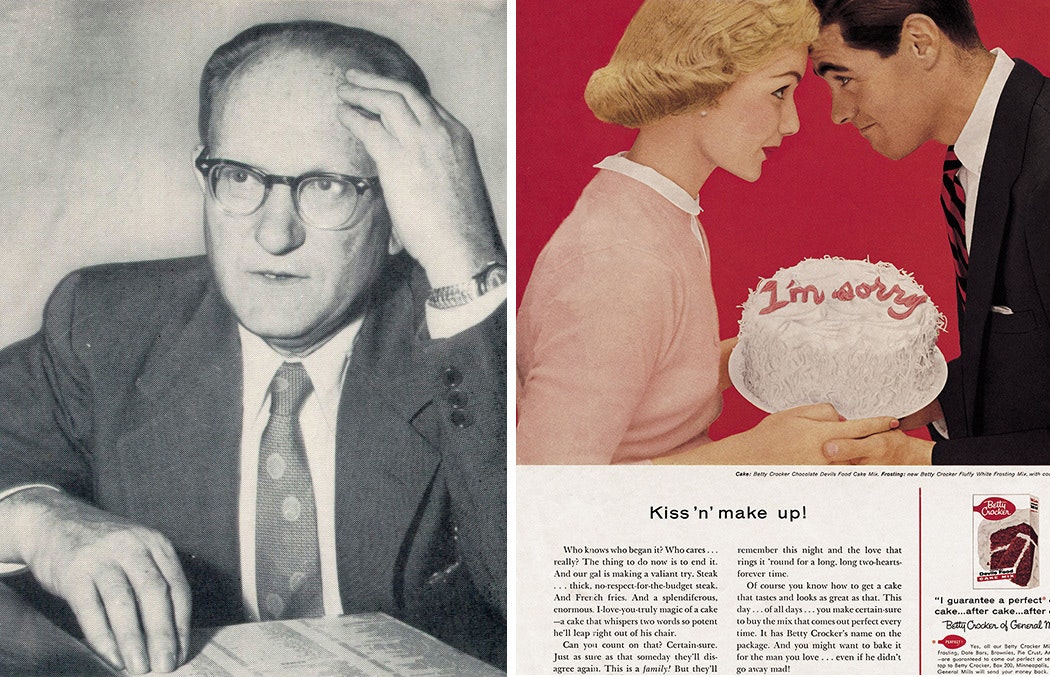
Ernest Dichter and a Betty Crocker ad from the 1950s that anoints cake as the great unifier—almost as good as make-up sex.
His solution to these complex issues was simple: General Mills should remove the powdered egg from the formulation, and instead require housewives to add their own fresh eggs.
It’s hard to know whether the executives were swayed by Dichter’s Sexual Theory of Cake, or whether they liked the fact that removing the eggs would save money. Either way, they took his advice. And, sure enough, sales soared.
In the following decades, Dichter imitators turned his methodology into a hackneyed formula, and the focus group lost its way. We wondered if we could bring emotion and surprise back with a 21st-century reboot of the technique. Here are the five principles we followed:
1. Break the mirror
Hiding in a dark room behind a two-way mirror distances you from the consumer. If you want to find out what makes people tick, get eye to eye with them in the room. If you find this uncomfortable, suck it up: Discomfort is a sign that you’re learning something.
2. Lose the clipboard
The dynamic of “moderator and participant” creates an authority relationship in the room, which can lead to participants saying what they think they are “supposed” to say. Try having the questions served up differently—such as pulling them at random out of a jar. People will share more when they feel they’re having a natural conversation.
3. Think dinner party, not jury service
The original idea of focus groups was to create an environment in which people encouraged each other to share their feelings. Today’s sessions are often stiff and with the same amount of social interaction you’d expect from people doing jury service. So, do whatever you can to create a warm social environment. In our recent experiment, we started the session with 30 minutes of improv exercises, run by a trainer from Second City.
4. Record video confessionals
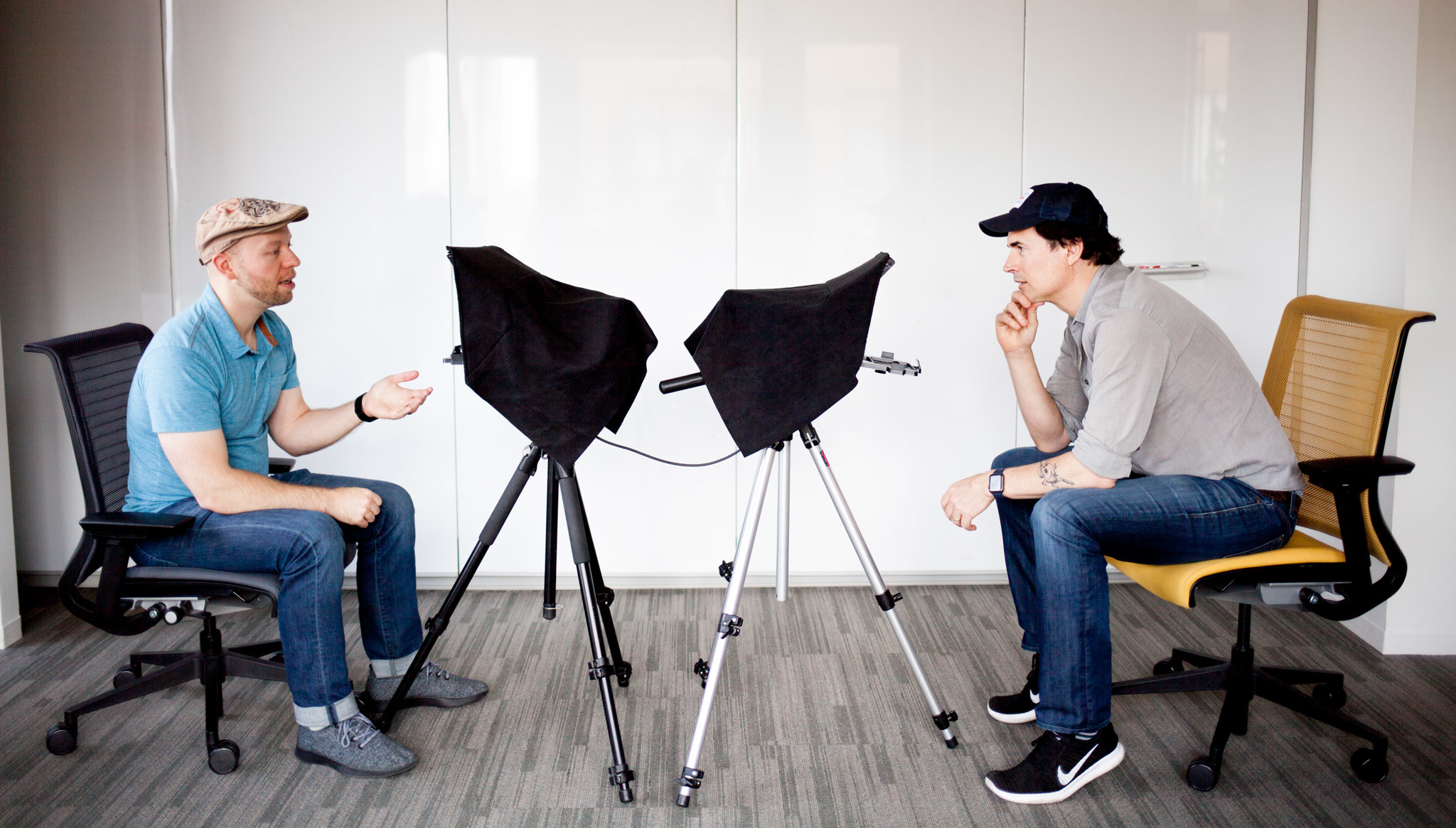
When Dichter ran focus groups, he would make all the interpretations and deliver a report to the client. These days, the client needs to feel some empathy themselves. The best way to achieve this is video, but an intrusive camera lens can cause people to clam up. We solved this by running interviews using a hidden-camera technique pioneered by the documentary filmmaker Errol Morris (see below).
5. Talk about the why
All the clever methods in the world won’t help if you don’t have the core goal in mind: understanding the motivations behind human behavior. We live in an age of data: We have more information than ever before that will tell us what people are up to. But the greatest inspiration comes when you can form theories about the why. Despite being more than a half century old, the focus group is still one of the best techniques for achieving this.
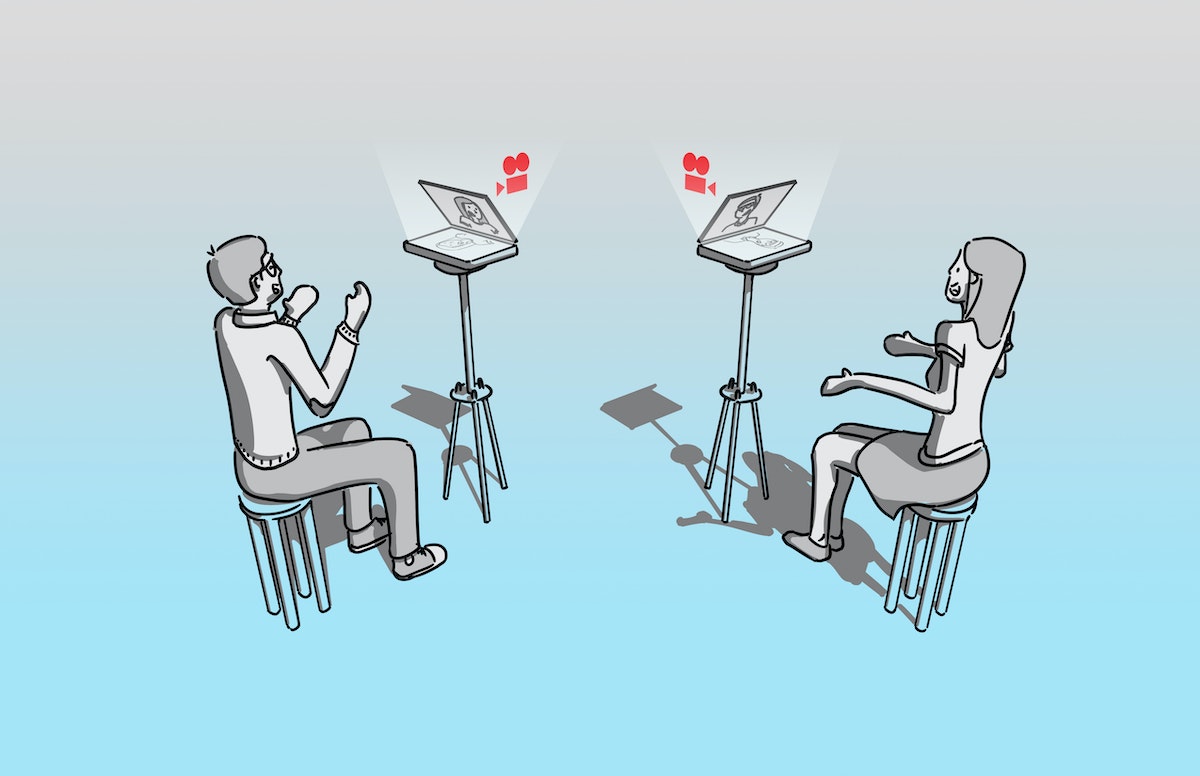
The Errol Morris–pioneered "Interrotron" puts interviewees at ease by giving them the impression they're speaking to another human, not a camera lens.
Focus groups suck, right? Bored people sitting in front of a mirror, delivering canned opinions on demand. Everyone from Silicon Valley to Amy Schumer pokes fun at them. But it wasn’t always this way: When focus groups started in the 1950s, they represented an exciting new way to probe the emotions and motivations underpinning human behavior. How did they get so staid and safe?

Lindsey Turner
I’m passionate about building brands, products, and experiences that help organizations show up with meaning and momentum.
I help organizations cut through complexity by shaping how they show up, through brand strategy, identity, and storytelling.
Working at the intersection of brand and business, I bring an editorial eye and a bias toward making—turning ideas into tangible experiences that people can understand, trust, and believe in.
My work spans government, healthcare, financial services, media, and consumer goods, from launching Gen Z-focused ventures to building innovation labs and reimagining legacy brands. I relish moments of ambiguity and enjoy translating across teams, perspectives, and priorities to move ideas forward.
I started my career in editorial and digital design, shaping cross-platform experiences and identity systems in publishing and agency environments. That foundation still shapes how I work today: I’m detail-oriented, collaborative, and overreliant on the Oxford comma. I hold a BFA in Visual Communication from the School of the Art Institute of Chicago.

Rachel Young
My work helps organizations see who their products aren't working for—and build the will and the tools to do something about it
For 25 years, I've asked the same question: Who does this design exclude—and what are we going to do about it?
My work spans human-centered strategy, inclusive design, and qualitative research, with clients ranging from Microsoft, Google, and Verizon to the National Science Foundation, and San Francisco Unified School District.
Before IDEO, I taught elementary school in East Palo Alto and spent a decade doing design work with social service organizations—where I learned firsthand what it costs people when systems are built without them in mind.
I am currently writing User Error, a nonfiction book about digital access and the design decisions behind it. I live in Oakland, California.

Brian Pelsoh
I lead with craft, ensuring our work is creatively excellent: rooted in deep human insight and imagination, while also grounded in the realities of business and technology.
My expertise spans brand, communication, and product design across tech, education, the arts, and social impact.
I believe great work demands both high-level vision and obsessive attention to detail, and only happens through collaboration.
I bring an inclusive, hands-on approach and a deep understanding of business, which enables me to consistently deliver excellence while always asking why.
Before joining IDEO, I worked at the brand firms Pentagram and VSA Partners. I began my career as a designer, leading teams at the School of the Art Institute of Chicago and the Milwaukee Art Museum. I hold an MFA in graphic design from Maryland Institute College of Art and a BFA in communication design from the Milwaukee Institute of Art & Design, and have taught at some of the best design schools in the US.

Tony Wong
I am responsible for IDEO’s long-term success in China and working with clients to use design as a tool to enable growth.
I am responsible for IDEO’s long-term success in China and working with clients to use design as a tool to enable growth. Specifically, I have helped Chinese companies design holistic brand solutions through the development of their products, communication, services, and innovation teams, and I have helped multinationals expand their presence and influence in China.
I advise global leaders on developing China-led innovation and capabilities.
In over 15 years in IDEO Shanghai, I have worked on projects that use design to elevate the quality of the experience of healthcare products and services, streamline processes that increase productivity, create spaces and programs that promote and enable inclusive communities, and build next generation mobility solutions that are planet-positive.
Before joining IDEO, I worked at Philips Electronics and the Electrolux Group in Italy, the Netherlands, and Singapore on a number of breakthrough commercial products. I am a member of the Young President Organization in Shanghai.

Building a personal AI for the messiness of life: Sida Li
Most AI products today are built for work—a space with clear problems and established systems. One founder noticed a gap: personal life is messier, harder to systematize, and mostly left behind by the AI boom. So she built Cue, a personal AI that lives inside iMessage and group chats, to go where the other tools haven't.
In this episode, Becca Carroll, IDEO's Chief Strategy Officer, talks with Sida Li, co-founder and CEO of Shared Context Lab, about staying anchored to a human need while the technology around her keeps changing shape, why she treats her business model with the same rigor she'd bring to a product, and what it feels like to build a company at this particular, disorienting moment in AI.
The conversation also gets into how Sida makes design decisions: the language Cue uses to describe itself, the tradeoffs behind building inside iMessage instead of a new app, and a real story about a business idea that didn’t pan out.
This is the second in a two-part series profiling founders from IDEO's Startups-in-Residence program. The first conversation is with Johannes Seemann, founder of Sooner, on designing GenAI for the emotional side of money.

Designing GenAI for the emotional side of money: Johannes Seemann
Most personal financial tools are built to run the numbers and optimize towards a budget. While that works for some, most people experience money as a lived relationship that does not neatly fit into a spreadsheet. Johannes Seemann and Becca Carroll discuss why money is emotional before it is mathematical, and what a human-centered approach to building a generative AI financial product looks like in practice.

The curious leader's edge in uncertainty: Scott Shigeoka
Mina Seetharaman talks with Scott Shigeoka, author of Seek and Head of Curiosity Cultivation at the Eames Institute, about what distinguishes genuinely curious leadership from performative curiosity, how power dynamics shape curiosity, and why practicing curiosity can restore energy rather than drain it.

How constraints make us more creative: David Epstein
Mina Seetharaman talks with David Epstein, author of Inside the Box and Range, about why total freedom often produces average work, how leaders can design useful limits on purpose, and what organizations such as General Magic and Pixar reveal about the relationship between boundaries and creativity.
Looks like you might be in search of something very specific?
Or reset the filters above and try another angle.
Here’s some random inspiration

Podcasts about creative leadership

Articles about the power of prototyping
