
.svg)




Better sales, less waste
H&M transforms its operations to cut excess inventory.
Globally, the European Commission reports, a truckload of textiles heads to landfills or is incinerated every single second.
The fashion industry accounts for some 10 percent of greenhouse gas emissions worldwide.
Less than 1 percent of the materials used to make clothing is recycled, according to a report by the Ellen MacArthur Foundation.
The best way to keep clothes out of a landfill? Don’t make them.
Picture this: Not long ago, it wasn’t unusual for a customer to walk into an H&M store and not be able to find a basic white t-shirt in their size. Why? Like most long-established retail operations, H&M was operating with a push model—placing seasonal bets on what the demand for a given item of clothing might be, locking orders far in advance, and hoping that they were able to sell out. Make a mistake in that kind of model, though, and you can end up with customers unable to find the basics they rely on, or excess inventory you can’t sell. That’s a problem for the business, but for the environment as well—and one that doesn’t fit H&M’s aggressive sustainability goals.
Though H&M had tried to tackle the problem before, the launch of the H&M Group Design Studio, co-created with IDEO, gave the retailer the confidence to go after it again. The team started out by mapping out the complex network of people that make up its supply chain across the globe, meeting with everyone from designers to garment suppliers, logistics managers, and even folks selling the final product in H&M stores.
They then created an algorithm for more precise ordering, as well as a tool that provides a shared view of information. Instead of placing orders, the new automated flow—dubbed “Cruise Control"—allows staff to work with a demand forecast that gives them more time to focus on customer-centric operations, like providing guidance and inspiration. It also makes it easier for H&M to follow the demands of the market, and place much more accurate bets on what consumers will want, when. Already, H&M has significantly increased sales while cutting excess inventory—a result that improves its bottom line, as well as its environmental impact.
Estimates project that by 2030, global apparel consumption will hit 102 million tons.
22%
reduction in stock during a pilot program
34%
increase in sales during a pilot program

Fueling innovation in Boston
How the Boston Society for Architecture is leveraging member expertise to increase its impact.
To foster creative projects that spoke to the needs of local communities and environments, the BSA began to engage its members in collaborative, user-led design. The organization launched its first-ever innovation challenge, putting out a call for all members to pitch their ideas for projects in the built environment.
The BSA expected those pitches to have dollar signs attached. To the organizer’s surprise, only one asked for funding. The rest requested less tangible, but equally meaningful support: advice, connections, specific expertise. Those are resources that the BSA has aplenty, but hadn’t learned how to leverage well.
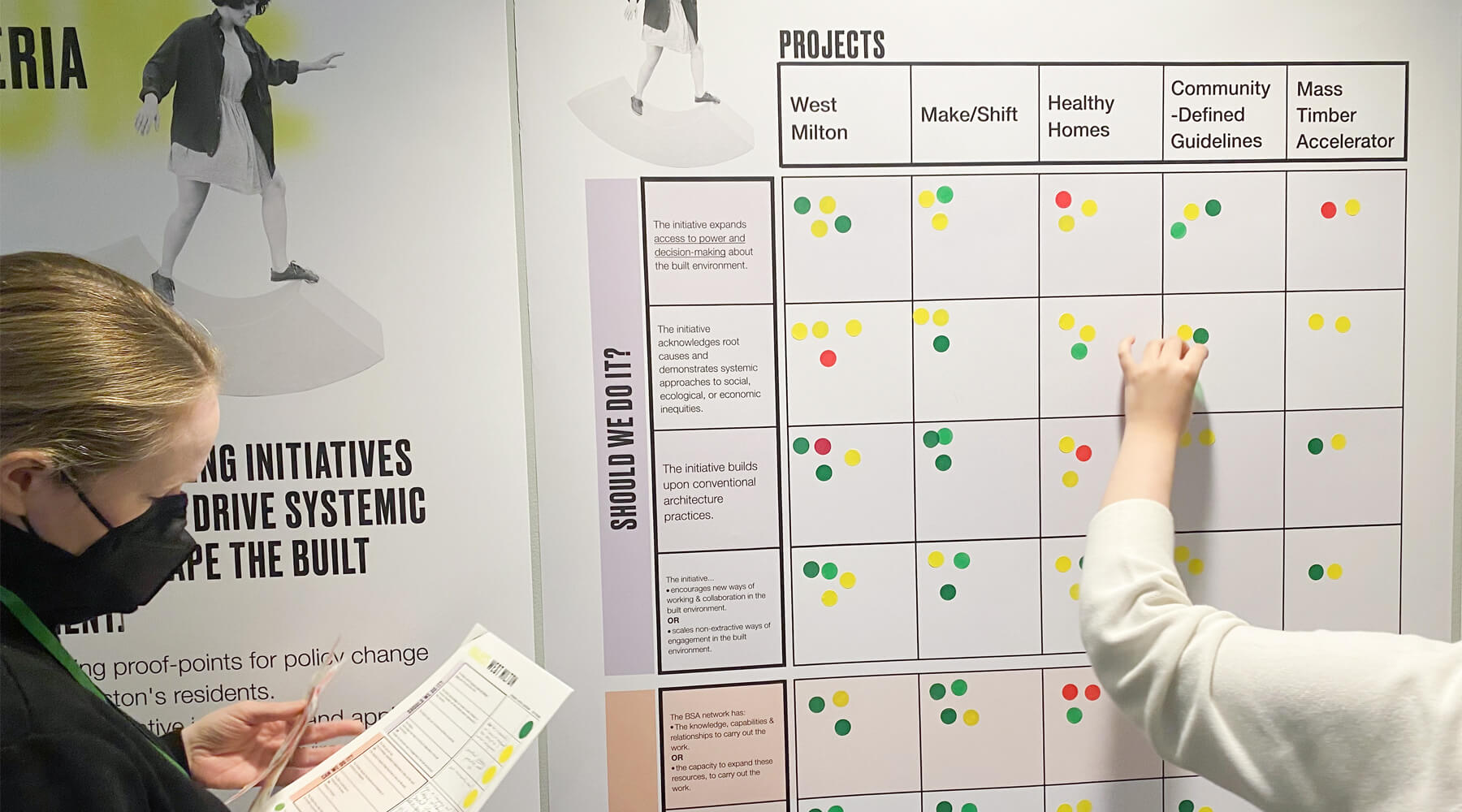
From that first go at an innovation challenge, the BSA learned how to better support its members. It also learned that to lead with purpose and make strategic choices, one must develop the confidence to say no. Instead of spreading itself thin across many projects, the organization decided to take small steps, focusing on one initiative at a time, so that it can deliver focused impact and stay true to its evolving mission.
With 36% of global energy going to buildings and 8% of global emissions caused by cement alone, the architectural community is inextricably intertwined with both the causes and solutions related to climate change.
According to a survey conducted by the AIA, the architecture profession in the US is less diverse than the population as a whole. This lack of diversity can contribute to a disconnect between architects and the communities they serve.
31
submissions received from innovators in the Boston region working on equity and sustainability challenges
5
innovation teams invited to pitch ideas
Student-centered solutions
How an organizational culture change is helping newbies at NYU navigate campus life.
The resources that NYU students needed were organized by administrative department, and buried on disparate websites and calendars. But students don’t think in terms of departments—they just need to know where their classes are.
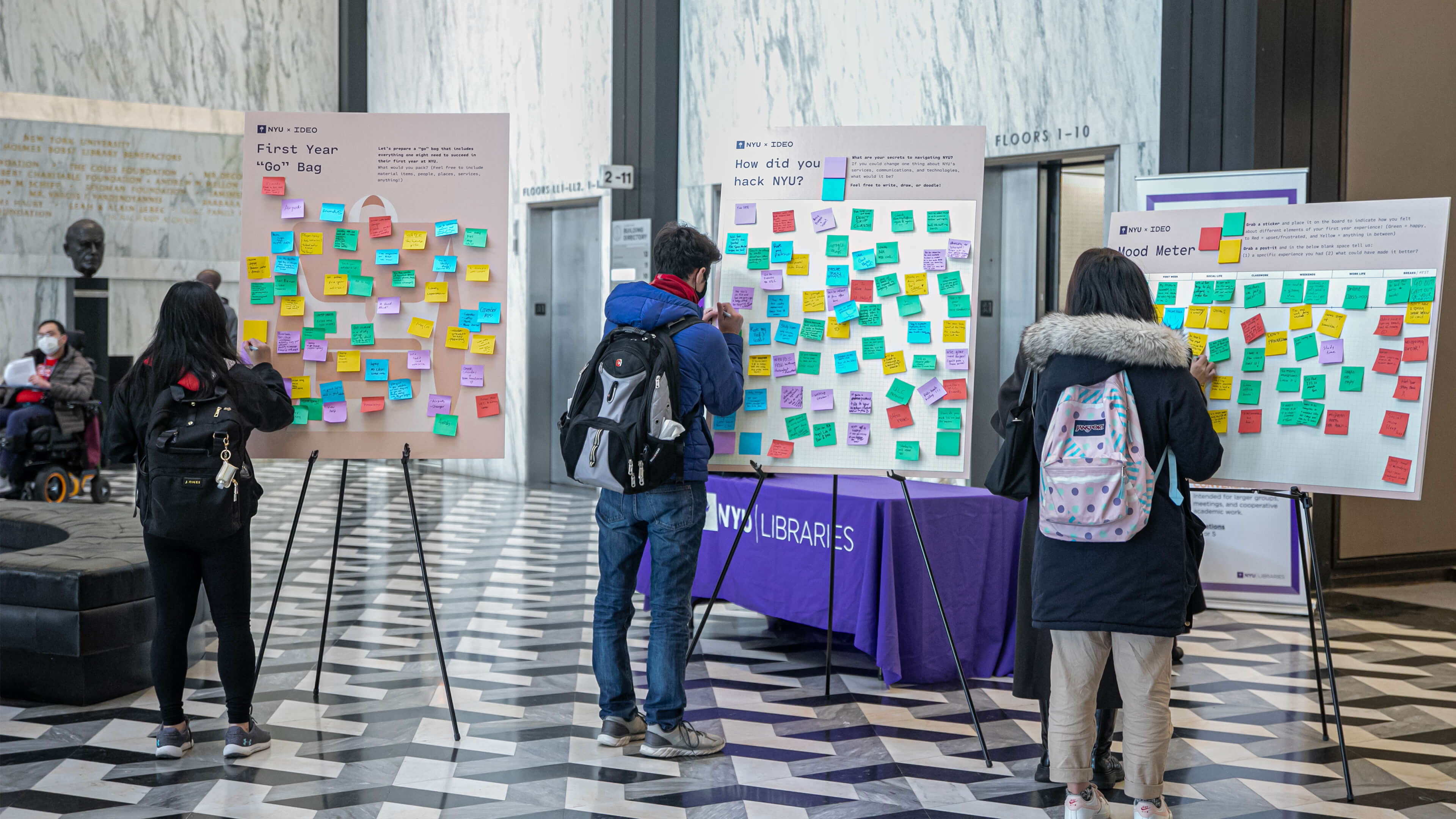
All of this became patently clear as IDEO shadowed students. Team members visited classrooms, walked with them through their days, and hosted pop-ups in highly trafficked areas to get ideas from passersby. That helped the team develop a common understanding of the overall student journey and grounded employees in the key moments that can either make or break a student’s experience. Visualizing their journey helped departments gain a shared understanding of the fractured communications challenge and develop possible solutions.
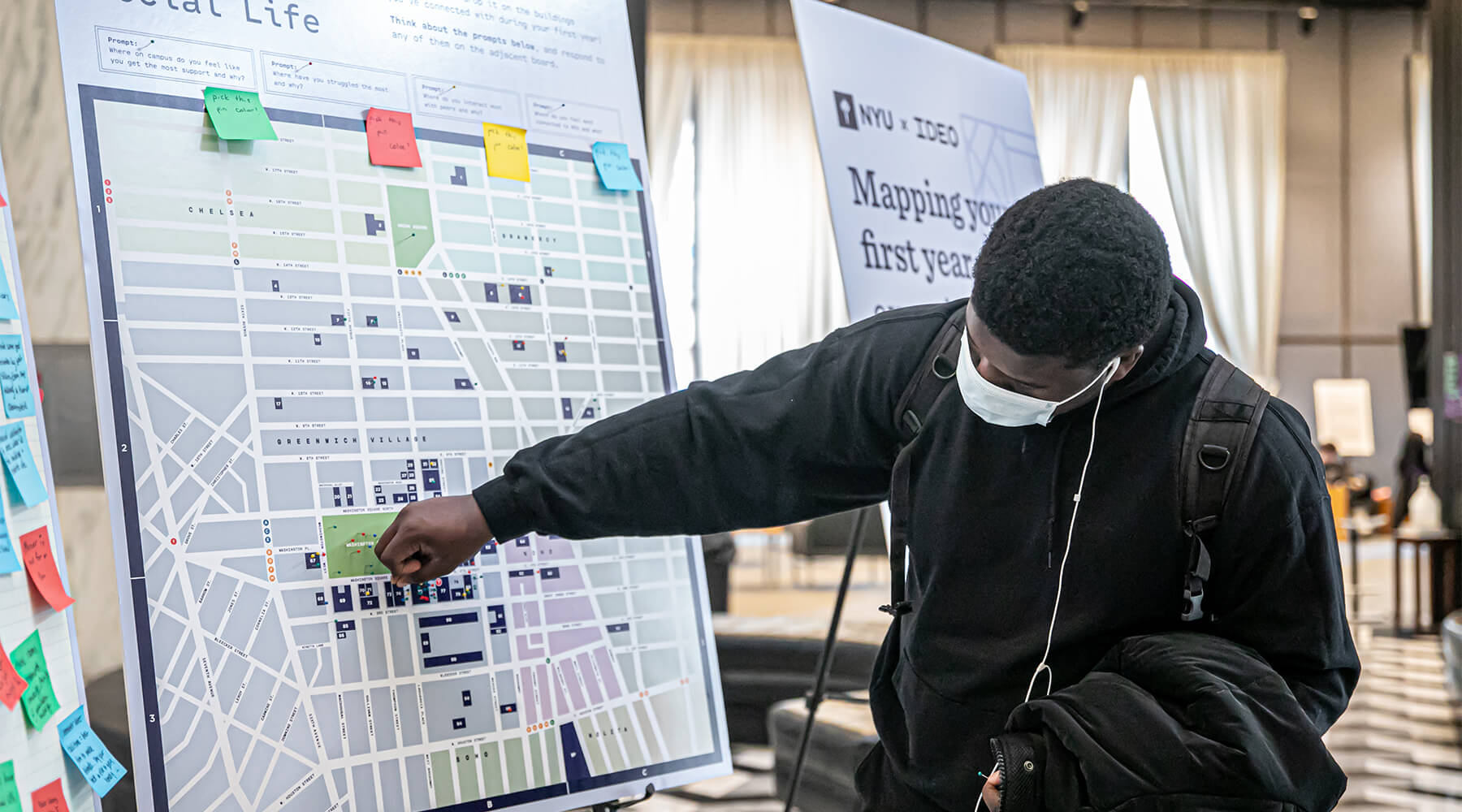
To synthesize those insights, we formed cross-functional action learning groups, challenging existing practices at the university and coming up with new ways of working. Participants came from a diverse set of departments, including enrollment management, student affairs, marketing and communications, IT, global inclusion, student services, the provost’s office, digital communications, and more. The cohorts sketched early hypotheses and got feedback from faculty, administrators, and students from all of NYU's undergraduate schools to refine initial concepts.
Collaborating with students gave staff a first-hand look at what students were struggling with and a way to engage students directly in addressing those challenges. Just as importantly, there was an overall culture shift at NYU: Administrators started with questions instead of agendas, came together around a table, and reached beyond their job descriptions to meet the needs of students.
First-year students reported receiving hundreds of paper forms, and email from more than 70 unique senders.
NYU needed to offer students the right resources at the right time—and collaborate to serve them as a unified administration.
New services
in-production include centralized calendars, dynamic campus mapping, and customized notifications
Design-thinking cohorts
now support the student experience

She knows best
A major athleisure brand passes the mic so women can define community for themselves.
Diversity alone isn’t enough—in marketing or any other facet of business. Today’s brands must authentically engage with and create the conditions for co-design with existing communities.
That sort of deep, meaningful engagement with customers doesn’t happen over Instagram. It requires a playbook, a prototype, and a healthy amount of trust. So, IDEO worked with Athleta and Gap to tap into the wisdom of a council of women who represent intersectional identities and lived experiences. The council surfaced powerful insights for the brand, like the fact that active women don’t need a brand to empower them—they already feel powerful.

After only a few weeks, Athleta experienced the difference between research and a truly reciprocal relationship. The way their brand engages with communities is adding depth, understanding, and authenticity to Athleta’s content, products, and experiences. And women can feel the difference.
76% of US adults say that the media promotes an unattainable body image for women.
Fewer than 1 in 10 businesses review for inclusion as part of product design and marketing campaigns.
>2X
user growth in 2022
13,000+
Athleta WellPro well-being providers active on the platform

Thoughtless Acts: Glove Compartment
Thoughtless Acts: Glove Compartment. The intuitive ways we adapt and react to things in our environments
Spring in London vibrates with the tweeting of birds and the drilling of construction excavators. It’s a surreal symphony of nature and gentrification.
I was late for work and speeding up my usual way when I got detoured by a few meters of plastic barrier. As I walked around the construction equipment, I heard one worker shout to another.
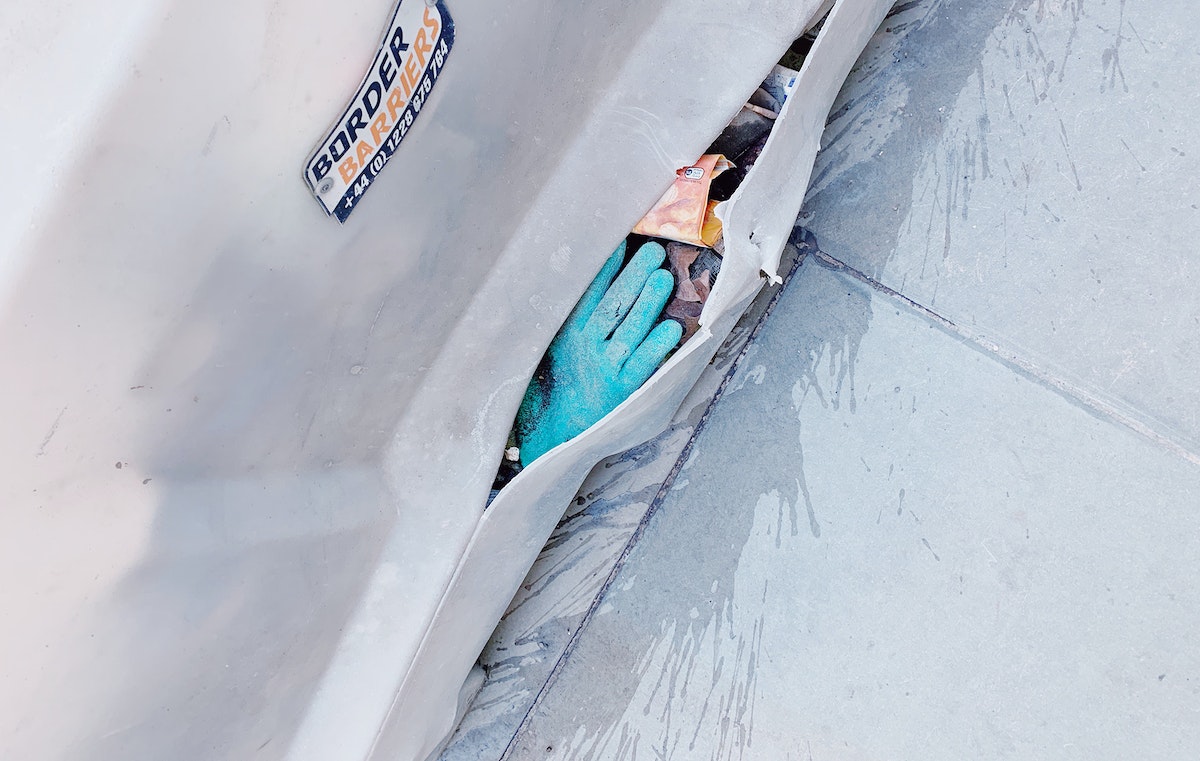
"I'll pick up my gloves and be right back," he said. He walked by me and leaned towards a hole in the temporary barrier where his gloves were neatly stored.
"Excuse me," I started with my typical nosey flair. "Why do you keep your gloves in there?" He must have a locker, I thought to myself, or even a pocket where to store them on site.
"I work on different areas of the site,” he said, “and I need different gloves based on the job. These barriers crack very easily, so they provide the perfect storage space when I need it and where I need it."
As I looked at his hiding spot, I thought about designing for the end of life of products, like construction barriers, mailboxes, and or a simple shoebox. It was the first time I considered the new use cases that can come from deterioration and change.
As he walked away, he smiled tightly; I had acknowledged his hidden creative side.
Human-centered design requires us to observe human behavior with beginner's eyes, so that we can spot the innate ways people interact with the world around them. We call these intuitive and unconscious reactions Thoughtless Acts, and IDEO designers collect photos of them to inspire their work.

7 Experiments That Push the Edges of AI and Design
Designers at IDEO are constantly exploring the possibilities—and potential pitfalls—of a future where humans and machines are ever more entangled

1. What a Computer Learns From Watching Hours of Cartoons
Find out what happened when an IDEO CoLab designer tried training a neural network to generate its own cartoons—and what he learned about the danger of bias in training data. Read the story!

2. Inviting Algorithms to the Design Team
Your future design partner may be an algorithm. Here’s what emerged from an experimental collaboration between a graphic designer, a data scientist, and an algorithm. Read the story!

3. To Design a Better Future, Embrace the Uncomfortable
How can we explore the future of technology? By prototyping it. Check out the 5 near-future concepts that came out of a new IDEO exploration called The Discomfort Zone. Read the story!
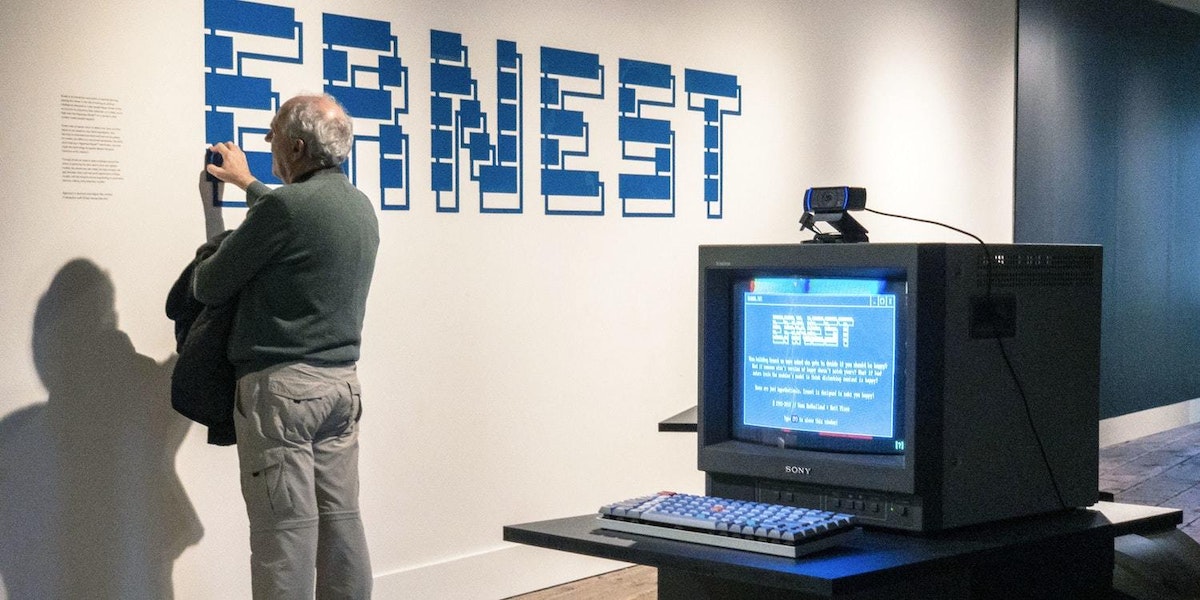
4. No Beards Allowed: Exploring Bias in Facial Recognition AI
One IDEO designer created a facial recognition AI game that helps users understand how machine learning models are trained—and subtly hints at the areas where bias could creep in. Read the story!

5. We Built a Bot to Assign Parking Spots. It Fought Back.
When IDEO Cambridge moved into a new studio with a too-small parking lot, they built a bot to manage traffic... but the bot fought back. Here’s what this rogue AI taught the team about “raising” a bot—and how they tamed it. Read the story!
Bonus: Check out the follow-up post where a design researcher explores how his colleagues' interactions with the bot signaled shifts in studio culture.

6. Training a Computer to Find Shapes in the Clouds
The average 25-to-34-year-old only spends 13 minutes a day relaxing. Here’s what happened when one IDEO intern tried "outsourcing" some of her leisure time to a computer. Read the story!
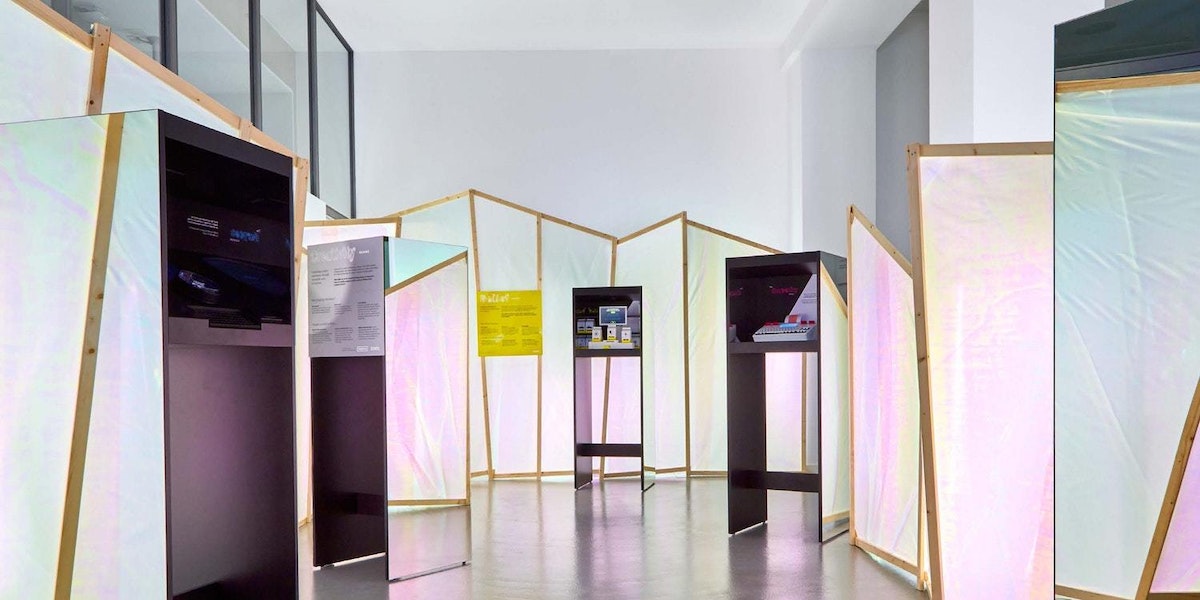
7. What the AI Products of Tomorrow Might Look Like
How can designers leverage the power of AI to build a better future? To explore this question, we created an award-winning speculative design exhibition called HyperHuman. Read the story!
As designers, we help build the future we want to see. So when a new technology emerges, we're always eager to take it for a test run, push its edges, and see how it fits into visions of the future. When it comes to AI, the opportunities are endless, but the stakes are high—our work can have serious implications that affect the lives of real people at unprecedented scale. Designers at IDEO are constantly working on cutting-edge experiments that explore the possibilities—and potential pitfalls—of a future where humans and machines are ever more entangled. Read on to explore a few of those experiments and the lessons we’ve learned along the way.

What Does it Really Mean to “Act Like a Startup”?
Legacy companies are often told to move fast and break things, but the reality isn’t always that simple
But the painful reality is that most corporations don’t enjoy the conditions necessary to enable true startup behaviors. The DNA of a large, established business looks far different than that of a fledgling company. And just like with actual startups, creating new ventures is hard, risky, and doesn’t always pan out.
So how, exactly, can you design the conditions for success?
If you have a big company’s DNA, you need to catalyze strategic changes—small mutations that make it possible for a startup model and mindset to thrive inside a much different species. Sometimes, it happens naturally. If a legacy company hits an acute adapt-or-die moment, there’s no choice but to change (à la Netflix or Microsoft). But for companies where transformation is inevitable but not immediate, it’s entirely possible to engineer the conditions that generate pressure for a controlled shift. Here are three ways senior management can provoke the conditions for success.
1. Question your business model
Many legacy companies have been successful because they’ve focused on their core business, while many startups have flourished by routinely abandoning theirs. The key is to do both: Keep the core business running while a new venture pursues something entirely different.
Recently, American Family Insurance was looking to innovate outside of its traditional business model while staying true to its mission to help working families. One of its customers' biggest pain points was an inability to save enough money for an emergency. A $400 surplus—a cushion to get through a medical crisis, for example—was beyond many people’s reach.
Initially, American Family thought budgeting tools might provide a solution, but from the very first research interview, it was clear that budgeting wasn’t the barrier—cash-strapped people budget masterfully. The problem was having enough income to put away a little extra.
So, the insurance company embraced a radically new opportunity, creating a service to help families living on the edge bridge the gap between their paychecks and their security threshold. The company built a new business venture called Moonrise—a platform that would allow businesses to tap into an on-demand workforce, and allow people to access short-term work when they found themselves on shaky financial ground.
The solution was outside the scope of the legacy company’s core offering, but by moving outside of its business model, American Family Insurance was able to create an entirely new venture that helped its core customers solve a chronic, unaddressed problem.
2. Be an early adapter
It’s nearly impossible for an entire corporate organism to pivot rapidly in response to what’s happening around it, but startups have the innate superpower to move fast and get in early. When an emerging need or trend appears on the horizon, they can leap to create new products—or even new markets—far more quickly than large corporations. To achieve speed and adaptability, the new venture must be carved off and treated as its own autonomous, responsive entity.
Take the case of the 150-year old financial company that decided to widen the scope of its business to meet the growing desire for socially-responsible investment options. The company recognized early signals that the consumer desire for Environmental, Social and Governance (ESG) investing and impact investing was increasing rapidly, especially among younger generations, with whom they didn’t have many relationships. Chasing a high-growth opportunity for a new market segment, they set out to create a digital-first product that focused on socially-responsible investing.
To get started, the company didn’t simply announce a new division, or task an existing team with creating something new. Instead, they hired a founder and an outside startup team of 10. They built a company and a culture that was totally separate from their parent company’s offering, allowing the venture to take risks, prototype early and often, and above all, move fast. Throughout the venture’s development, the team continuously evolved the experience and business model by pushing prototypes to potential customers, adapting and pivoting until they reached product-market fit. By creating a team with the impetus and the culture to hit the ground running, the venture launched in just 18 months—and put its product in the hands of its consumers before its competitors.
3. Select for resilience and relentlessness
No matter the industry, startup leaders tend to have a few shared qualities that are more common among the entrepreneurial set than among seasoned CEOs. For a new venture to really work, the people behind it need to be driven by curiosity and insight, and have the skills necessary to prototype and iterate their way toward a tangible outcome. They can’t carry the static burden of “the way we do things around here.”
Intercorp, a massive Peruvian economic group of more than 30 companies, including banks, malls, cinemas, and schools, sought to build and design an innovation studio. Instead of solely relying on the business units to drive their own innovation processes, the company opted to create a central entity that could solve problems across its offerings, focusing on the needs of Peru’s rising middle class.
Intercorp purposely built La Victoria Lab in a middle-class Peruvian neighborhood—outside the walls of the corporate HQ—to immerse the team in the human-centered problems it’s trying to solve. The company also put together an interdisciplinary team of resilient and relentless talent, and set it up to embrace design thinking, identify new opportunities, and constantly prototype new value propositions. This talent stays close to the customer in order to shape new ventures in development, works through rapid digital-first prototyping, and operates within constrained timelines to get results. To drive disruptive new growth opportunities, small, cross-functional teams work quickly to design and launch digital businesses that compete with Intercorp’s core companies. Through La Victoria Lab, Intercorp’s leadership is intentionally creating urgency and applying positive pressure to disrupt its own businesses and remain competitive.
As a leader of an established company, you can’t ignore its history or DNA—nor would you want to; it’s what made the company successful in the first place. But you can constructively provoke necessary changes that allow new ventures to flourish. By openly embracing new business models, pursuing (and possibly creating) new markets, attracting and empowering entrepreneurially-minded talent, and even imposing a few artificial constraints like tight timeframes or lean budgets, companies can begin to fundamentally evolve not only what they do, but also how they do it. It’s the only way to ensure long-term market leadership—and sometimes even survival.
The tricky part of all of this, is that true venture-building, much like innovation itself, cannot be a corporate hobby. It cannot be wedged into spare time and pursued only when employees have white space on their calendars. It has to be modeled from the top, by senior leadership. One of the things that makes startup entrepreneurs effective, and ultimately successful, is their grit, determination and dedication to creating lasting change in the face of all obstacles. It's why others join them on their mission. Make it one of the reasons that others join you.
Visuals by Elin Svensson.
As tech valuations rise, and more and more unicorns are born, legacy businesses everywhere hear the message that they need to act more like startups. If you want to innovate, stay relevant, and grow, the advice goes, then you have to take risks, be nimble, and throw money at potential solutions.

Corporate Innovation Needs a Shakeup. Here’s a Blueprint.
Use these steps to shift from one-and-done to repeated cycles of innovation
A few years ago, we started a project to figure out how we might address these challenges. To start, we spoke to dozens of executives, design leads, product developers, and engineers around the globe—people who work at small startups and large conglomerates in a number of different industries and countries. We were particularly interested in learning more about the ways organizations come up with ideas, how those ideas are evaluated, and how they collaborate within teams and across departments to bring those ideas to market.
Today we’re sharing the results of our research. Here are the highlights of what we discovered, plus some practical tips for creating an environment and culture that can foster innovation over and over again.
1. Leaders are attracted to a new scientific and objective approach to evaluating ideas, but very few organizations actually practice it
Most of the organizations we talked to struggled to decide which ideas they should invest in. It’s not because they didn’t have top talent or novel ideas, but because they didn’t have a consistent rubric to help them evaluate and prioritize. That’s a problem that not only slows things down, but can also lead to good ideas never getting the support they need.

On the flip side, we found a very small proportion of cutting-edge internal labs provided a consistent set of metrics for making meritocratic, data-informed choices about which ideas to invest in. Having a clear and fair set of metrics means that employees are better engaged, ideas get a fair shot, and employees can’t blame the organization when ideas are cut.
So how can you set that tone at your organization?
- Choose your most important metrics and be consistent. This ensures stakeholders on your team can make evidence-based decisions, giving every idea a chance based on merit.
- Empower decision-makers to say no. Once they have the data in front of them, they need frameworks to make decisions based on customer feedback—not internal bias.
- Make sure you have a diverse crowd evaluating your ideas. Bring together people from inside and outside your organization’s walls to help you see your blind spots.
2. Design and innovation teams need to know when to apply the right methods—but can’t be forced into a linear process
Tools, guidance, and structure are an integral part of any good design practice, but overly prescribed processes restrict creativity. Being too rigid about the timing or order of certain phases can quickly quash team engagement—if phases have to be ultra-quick, people may contribute too superficially; too long and teams lose momentum.
As Jens Uehlecke, Managing Director at Greenhouse Innovation Labs, told us, “My team thrives with just enough structure to help them know that things are going according to plan, where they can still customize the process and get feedback along the way.”
So how do you walk that line between ultra-rigid and maniacally unstructured?
- Don’t focus on a single, linear process. Empower your team to use the right approach and tool at the right time, and document them clearly.
- Encourage teams to re-evaluate their method to stay at the cutting edge of design, research, and technology.
3. Organizations struggle to access customer feedback because it requires a lot of time, resources, and expertise
Accessing customer feedback early and often is a crucial part of making evidence-based decisions, but it can also be a major bottleneck. It rarely happens regularly or effectively enough: Survey tools often are difficult to use and have too many features, and sourcing the right audience can be expensive.
Chris Lindland, CEO of the crowd-sourced clothing company Betabrand, told us that after his company created an effective way to gather customer feedback, “It was exciting for designers to get results back and it took the guesswork out of understanding what our customers wanted.”
Here are a handful of ways for you to make feedback-gathering process easier:
- Communicate a process to conduct qualitative and quantitative research. Provide guidance for creating customer discussion guides and rubrics for selecting which customers to talk to.
- Let people across the company know how they can talk to a customer directly. Most tech companies even have the technology to make it happen in just hours—all while following privacy guidelines.
4. Ideas sourced from across the company often lose steam because there’s no pathway for them to make an impact on the business
Many leaders we spoke with rely on company-wide idea gathering—often in the form of open innovation challenges—to uncover ideas from across the organization. But the transition from idea to implementation is a fragile one. As one innovation challenge manager at a financial institution told us, “There’s often a lack of a clear process and accountability after the challenge is completed and an idea is selected.”

Innovation management tools usually start with a challenge and end once that one idea is chosen. Often, ideas with potential get cut because teams aren’t able to take ownership, or aren’t able to arrive at a version of the idea that would benefit the business.
So how can your organization turn ideas into action?
- Cluster ideas based on the problems they solve. This helps highlight business value, and from there, you can prioritize based on each idea’s potential.
- Don’t set a finite deadline on your long-term strategic goals. Leave the door open for new ideas that relate to your strategic priorities. Periodically sponsor the ideas that float to the top; avoid one-and-done competitions.
- Help ideas live beyond the scope of a challenge. Don’t expect everyone to perfect their idea during a short timeframe. Encourage teams with promising ideas to keep getting feedback. Create clear and transparent opportunities for those ideas to be re-evaluated.
5. Passionate minorities need opportunities to do work that challenges the status quo
Relying purely on the judgement of internal stakeholders, employee forums, or upvoting of ideas reinforces groupthink. As a result, a cadre of similar ideas often continue to get approval while new ideas struggle to gain momentum. As Joe Gerber, Managing Director of IDEO CoLab says, “You need to give ideas surface area so that the minority of people in an organization with a similar hunch can explore their passion.”

To protect divergent ideas, make sure to:
- Help passionate people identify each other and build off of each other’s work. Use internal channels to help people broadcast their ideas, hypotheses, and expertise across the organization.
- Bypass organizational bias with customer feedback. Don’t require ideas to be internally vetted or approved before any customer gets to see them. Include customer feedback as an early and integrated part of managing your innovation pipeline.
We hope these tips will help make the process of solving big challenges and taking on your company—or the world’s problems—just a bit smoother.
Illustrations by Cassandra Fountaine
The toughest part about being a truly innovative company is figuring out how to let new ideas grow—then figuring out which ones are worth further investment. It’s not easy. Many high-potential ideas hit roadblocks or spur questions from leadership before there are answers. There isn’t always a straightforward formula for success.

Lindsey Turner
I’m passionate about building brands, products, and experiences that help organizations show up with meaning and momentum.
I help organizations cut through complexity by shaping how they show up, through brand strategy, identity, and storytelling.
Working at the intersection of brand and business, I bring an editorial eye and a bias toward making—turning ideas into tangible experiences that people can understand, trust, and believe in.
My work spans government, healthcare, financial services, media, and consumer goods, from launching Gen Z-focused ventures to building innovation labs and reimagining legacy brands. I relish moments of ambiguity and enjoy translating across teams, perspectives, and priorities to move ideas forward.
I started my career in editorial and digital design, shaping cross-platform experiences and identity systems in publishing and agency environments. That foundation still shapes how I work today: I’m detail-oriented, collaborative, and overreliant on the Oxford comma. I hold a BFA in Visual Communication from the School of the Art Institute of Chicago.

Rachel Young
My work helps organizations see who their products aren't working for—and build the will and the tools to do something about it
For 25 years, I've asked the same question: Who does this design exclude—and what are we going to do about it?
My work spans human-centered strategy, inclusive design, and qualitative research, with clients ranging from Microsoft, Google, and Verizon to the National Science Foundation, and San Francisco Unified School District.
Before IDEO, I taught elementary school in East Palo Alto and spent a decade doing design work with social service organizations—where I learned firsthand what it costs people when systems are built without them in mind.
I am currently writing User Error, a nonfiction book about digital access and the design decisions behind it. I live in Oakland, California.

Brian Pelsoh
I lead with craft, ensuring our work is creatively excellent: rooted in deep human insight and imagination, while also grounded in the realities of business and technology.
My expertise spans brand, communication, and product design across tech, education, the arts, and social impact.
I believe great work demands both high-level vision and obsessive attention to detail, and only happens through collaboration.
I bring an inclusive, hands-on approach and a deep understanding of business, which enables me to consistently deliver excellence while always asking why.
Before joining IDEO, I worked at the brand firms Pentagram and VSA Partners. I began my career as a designer, leading teams at the School of the Art Institute of Chicago and the Milwaukee Art Museum. I hold an MFA in graphic design from Maryland Institute College of Art and a BFA in communication design from the Milwaukee Institute of Art & Design, and have taught at some of the best design schools in the US.

Tony Wong
I am responsible for IDEO’s long-term success in China and working with clients to use design as a tool to enable growth.
I am responsible for IDEO’s long-term success in China and working with clients to use design as a tool to enable growth. Specifically, I have helped Chinese companies design holistic brand solutions through the development of their products, communication, services, and innovation teams, and I have helped multinationals expand their presence and influence in China.
I advise global leaders on developing China-led innovation and capabilities.
In over 15 years in IDEO Shanghai, I have worked on projects that use design to elevate the quality of the experience of healthcare products and services, streamline processes that increase productivity, create spaces and programs that promote and enable inclusive communities, and build next generation mobility solutions that are planet-positive.
Before joining IDEO, I worked at Philips Electronics and the Electrolux Group in Italy, the Netherlands, and Singapore on a number of breakthrough commercial products. I am a member of the Young President Organization in Shanghai.

Building a personal AI for the messiness of life: Sida Li
Most AI products today are built for work—a space with clear problems and established systems. One founder noticed a gap: personal life is messier, harder to systematize, and mostly left behind by the AI boom. So she built Cue, a personal AI that lives inside iMessage and group chats, to go where the other tools haven't.
In this episode, Becca Carroll, IDEO's Chief Strategy Officer, talks with Sida Li, co-founder and CEO of Shared Context Lab, about staying anchored to a human need while the technology around her keeps changing shape, why she treats her business model with the same rigor she'd bring to a product, and what it feels like to build a company at this particular, disorienting moment in AI.
The conversation also gets into how Sida makes design decisions: the language Cue uses to describe itself, the tradeoffs behind building inside iMessage instead of a new app, and a real story about a business idea that didn’t pan out.
This is the second in a two-part series profiling founders from IDEO's Startups-in-Residence program. The first conversation is with Johannes Seemann, founder of Sooner, on designing GenAI for the emotional side of money.

Designing GenAI for the emotional side of money: Johannes Seemann
Most personal financial tools are built to run the numbers and optimize towards a budget. While that works for some, most people experience money as a lived relationship that does not neatly fit into a spreadsheet. Johannes Seemann and Becca Carroll discuss why money is emotional before it is mathematical, and what a human-centered approach to building a generative AI financial product looks like in practice.

The curious leader's edge in uncertainty: Scott Shigeoka
Mina Seetharaman talks with Scott Shigeoka, author of Seek and Head of Curiosity Cultivation at the Eames Institute, about what distinguishes genuinely curious leadership from performative curiosity, how power dynamics shape curiosity, and why practicing curiosity can restore energy rather than drain it.

How constraints make us more creative: David Epstein
Mina Seetharaman talks with David Epstein, author of Inside the Box and Range, about why total freedom often produces average work, how leaders can design useful limits on purpose, and what organizations such as General Magic and Pixar reveal about the relationship between boundaries and creativity.
Looks like you might be in search of something very specific?
Or reset the filters above and try another angle.
Here’s some random inspiration

Podcasts about creative leadership

Articles about the power of prototyping
