


Home / Design services / Case studies
Planes, supply chains, and automobiles
Vice President of Global EV Programs, Ford Motor Company
Featured work




Human problems, human solutions
A conservation leader rewrites the role humans play in the narrative of climate change.
The scientific community overwhelmingly agrees that we have ten years to drastically cut greenhouse gas emissions or humanity will suffer devastating consequences.
We need to conserve one third of the global ocean using area-based measures and ensure at least 75% of seafood is harvested using socially responsible, environmentally sustainable methods by 2030.
75% of the world’s poor rely on agriculture for their livelihoods, which in turn depends on nature for pollination, irrigation, and soil replenishment.
Conservation International is made up of conservation experts. To bolster its work, we bring a focus on scale, speed, and the human element to every project.
How does that look in the field? To restore the forest of Fiji, Conservation International paid a cash incentive to the community to buy, plant, and care for new trees and foliage. But once those cash incentives stopped flowing, the work ground to a halt. Taking a human-centered-design approach, one employee uncovered an insight: Fijians are more motivated to help in exchange for longer-term, noncash incentives like building infrastructure in villages. Small projects such as footpaths, repairs to communal trucks, beehives, or sports programs for youth continually reminded the community that the environment is a provider for their families, imparting a feeling of shared ownership in its conservation.

Stories like this, repeated around the globe, are how we hope to help Conservation International find sustainable outcomes. Our work together, including a six-month fellowship to help emerging leaders develop new capabilities, and a series of strategic, future-focused events for executives, has brought more tangibility and deeper collaboration to the organization.
Together we hope to create businesses, food solutions, and energy alternatives that conserve nature, and improve human health—because humans are a part of nature, too.
20
leaders integrated human-centered design into annual goals, project pipelines, and fundraising efforts
20%
of the organization is now involved in design-thinking projects

Finding hidden talent
A social enterprise rewires America’s labor market through inclusive design.
83% of HR professionals said they had difficulty finding suitable candidates in the past 12 months.
62% of Black people, 55% of Hispanic people, and 50% of non-Hispanic white people have become skilled through alternative routes, such as community college, workforce training, boot camps, certification programs, military service, or job experience.
Over the past 40 years, inflation-adjusted wages have increased 8% for college graduates with a bachelor’s degree while decreasing by 15% for people with only a high school degree.
American businesses are on notice: To be competitive in today’s market, you must diversify your workforce.
One way to widen the talent pool is to pay closer attention to people who have acquired their skills through alternative routes. Millions of Americans learn on the job, in community colleges, at boot camps, or through life experience. According to Opportunity@Work, more than 70 million Americans are overlooked because of degree requirements. Despite their abilities, these “STARs” (those who are skilled through alternative routes) find themselves stuck in jobs for which they’re overqualified and underpaid.
Opportunity@Work, an innovative social enterprise, reached out to IDEO to help collaborate with companies, talent developers, and STARs seeking career growth. To make this overlooked talent pool more visible, we created a campaign and video to rally companies. We also designed a data dashboard to help regional employer networks identify qualified talent and potential partnerships with skill-building programs. And to provide STARs with direct support, we scaffolded the job-seeking experience, focusing on key moments like the interview process.
It’s time for businesses searching for talent to open their eyes, look to the STARs, and see what they’re missing.
Thousands
of state jobs in Maryland no longer require a four-year college degree
skills-based
The White House is adjusting educational requirements for I.T. professionals in favor of a skills-based approach
Experts on the front lines
Recognizing the power and creativity of essential workers.
A large portion of the job churn since March 2020 has been concentrated in frontline services such as accommodation, food services, and retail.
Lack of career growth is the number one reason people leave their jobs according to more than 18,000 frontline workers across 150 companies.
For many organizations, frontline workers like grocery store clerks, nurses, hospitality workers, and transit employees are an essential part of doing business.
So much so that they continued to show up at the office throughout the COVID-19 pandemic even as everyone else went remote. As the point of contact with customers and key systems, these workers often know exactly when, where, and why things don’t work, and they come up with powerful hacks and workarounds to make things better. Yet these insights and innovations rarely make it to the corporate office. And that’s a problem: large organizations often hire design and innovation consulting firms while not taking advantage of a latent source of deep, in-house expertise. It’s equally discouraging to workers who would gladly share their ideas if they were only asked. No surprise, then, that frontline workers are quitting their jobs in droves.
What could companies learn by listening?
IDEO partnered with the Ford Foundation to create the Worker Voice Design Lab, where leaders from a port authority, an airline, and a health care provider worked alongside frontline workers. That led to the planting of a seed of innovation in each organization, with interventions designed with and by workers implemented operationally at the core of the business. In one case, a group of workers zeroed in on specific problems with such clarity that they were quickly able to develop a digital prototype for testing. No one was less surprised than the workers themselves, who simply said: Well, nobody ever asked us before. Sometimes the most innovative idea a leader can have is to listen, learn, and act on their employee’s smart ideas.
2 pilot initiatives
being led by frontline workers in 2022

Customer powered
How Ford transformed itself to take on the future of mobility.
Passenger vehicles produced 41% of carbon dioxide emissions worldwide in 2020.
One in every 20 passenger vehicles sold in the United States is a Ford F-150.
Before going electric, the Ford F-150 emitted about 100 tons of CO2 over a 200,000-mile lifespan.
The climate era demands new offers and new ways of working.
Would you like to be able to plug your jigsaw into your truck? How about taking a fully reclined snooze after a long day of fishing? Questions like these led to quick prototypes that ended up in Ford’s new, electrified F-150 truck, which has more outlets than the average apartment and can power your entire home. This was no small update. The way Ford reimagined the truck experience from powertrain to power nap is emblematic of how much customer-centricity is now embedded in Ford’s culture.
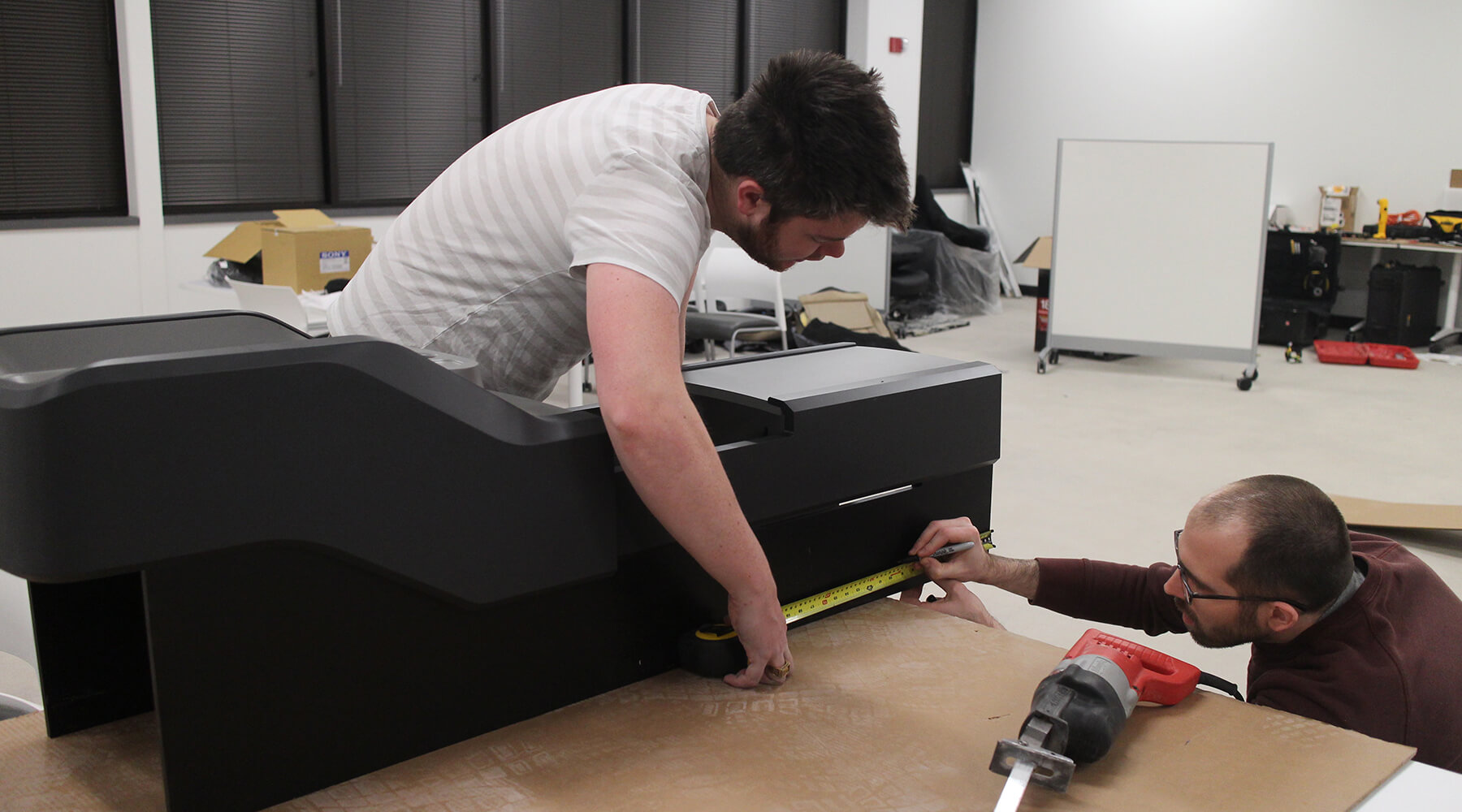
For well over a decade, we’ve partnered with Ford in the U.S., the EU, and China to help the organization bring to life a shared vision of the future of mobility. Together we scaled new capabilities throughout the company by running proof-of-concept “beacon” projects and, to embed this new customer-centric mindset, built a human-centered-design hub called D-Ford. This organization within the organization has become a magnet for talent and is spread across six global locations: London, Shanghai, Melbourne, São Paulo, Palo Alto, and Detroit. Ford’s commitment to serving the needs of people and the planet is what propelled the rethink of the F-150, the best-selling vehicle in the U.S. for over 40 years. It was a high-stakes move, and one that represents a major turning point for the automaker: For the first time, its primary profit source would be electric. The new Lightning is still built Ford tough, but also built for the future.
200,000
pre-orders of the electric F-150 truck, named one of Time's Best Inventions of 2021
Most Innovative Design Company of 2022
according to Fast Company
Beyond the bag
A coalition of retail leaders join forces to address single-use plastic-bag waste.
A hundred billion plastic bags are used in the US every year, and less than 10% of them are recycled.
Every year, plastic retail bags are among the top ten items found on beaches and waterways worldwide.
America’s leading retailers share a common goal—doing less harm to the planet.
The systemic challenges standing in the way require a bold new approach, and no single company can solve them alone. So Closed Loop Partners convened a group consisting of founding partners CVS Health, Target, and Walmart, along with 12 other leading retailers. As the innovation partner, IDEO helped launch a global search for breakthrough sustainable ideas that yielded more than 450 submissions from startups and entrepreneurs to reinvent the single-use plastic retail bag, with nine finalists entering a six-month accelerator.
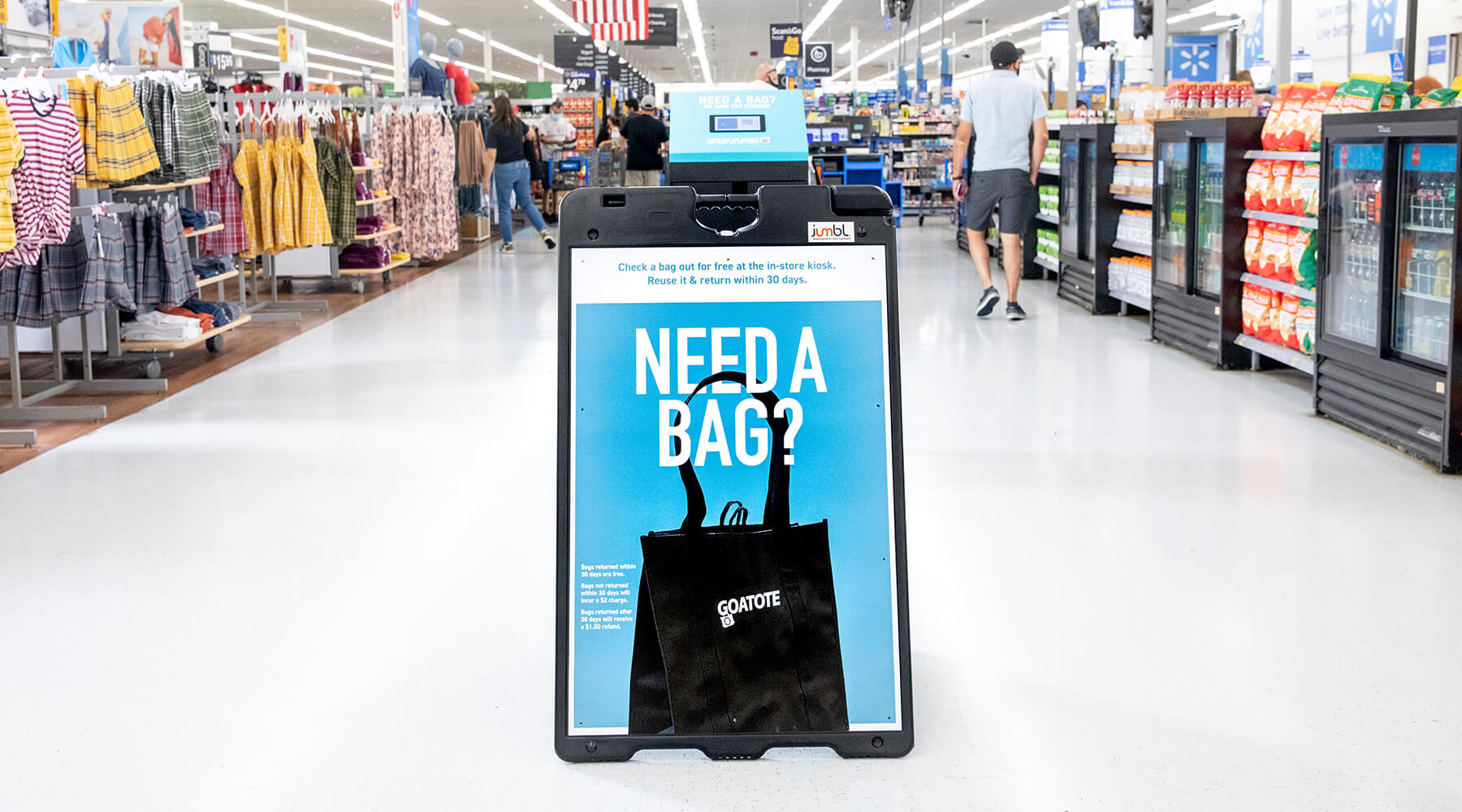
New alternatives ranged from biodegradable solutions to systems that kept reusable bags in rotation. IDEO teams not only facilitated collaboration between startups and sustainability leads from partner retailers, but also provided a boost of additional expertise from industrial, data, and business designers. In a matter of months, teams were able to launch prototypes in select CVS Health, Target, and Walmart stores in California and New Jersey.
Everyone involved in the consortium knew that replacing single-use plastic retail bags is a problem that won’t be solved quickly or easily. But the Beyond the Bag challenge helped them learn that designing for the policy and infrastructure of tomorrow requires tangible steps, taken together, today.
9
stores tested solutions across Northern California
Millions of dollars
raised by two startups
2
startups acknowledged by Fast Company's World Changing Ideas Awards
A helping hand
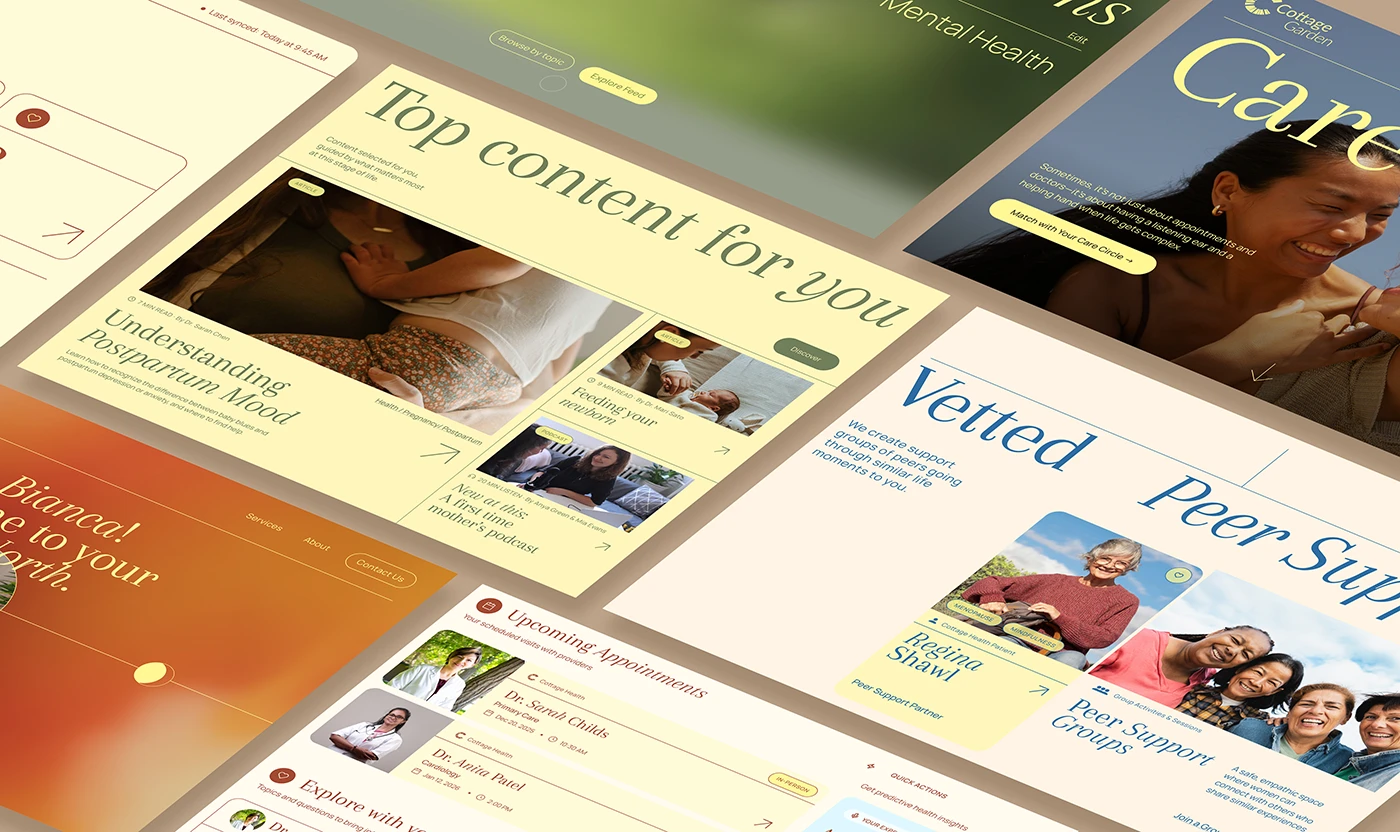
Massachusetts puts families at the heart of mental health.
In 2020, a coalition of the nation’s leading experts in pediatric health issued an urgent warning that the mental health crisis among children had become a national emergency.
The percentage of emergency department visits for mental health crises rose by 24% for children between the ages of 5 and 11, and 31% for those 12 to 17, compared with 2019.
The urgency of attending to our children’s mental health cannot be overstated.
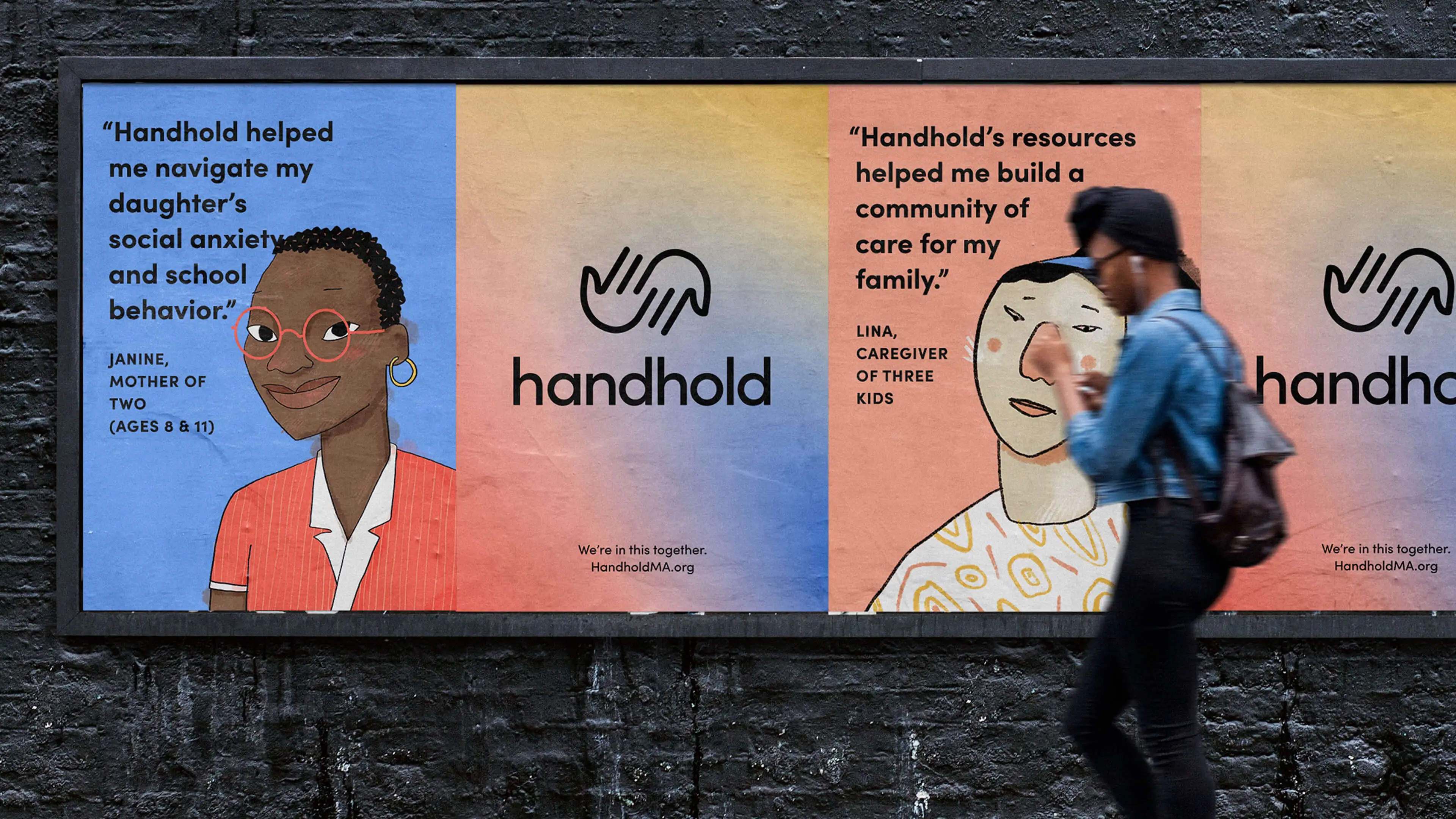
Concern about their well-being was already on the rise in the decade prior to the pandemic. Alongside social inequity, the COVID era has seen soaring rates of depression, anxiety, trauma, loneliness, and suicidal thoughts. Knowing that mental health is influenced by numerous systemic factors, we met with families of all income levels and heard from practitioners throughout Massachusetts. In some communities, mental health is candidly discussed, in others it remains a taboo subject. Through these conversations, we learned that mental health requires both individuals and their families to be educated, supported, and empowered.
HandholdMA.org helps families find services that work for them and gives them easy access to information on a range of mental health topics. It allows parents to learn from and support one another as they navigate the landscape of mental health together. We took special care to make resources feel approachable for those in communities of color, and curated new resources for everyone from preschoolers to teens—because mental health challenges do not discriminate.
87,000
site visits to to HandholdMA.org since launch
223,000
people reached in bilingual social media campaign

Evolving to meet young consumers
Accelerating vivo’s transformation journey to connect with China’s young consumer.
China consumes roughly 30% of the world’s smartphones—which presents a tremendous market opportunity for brands looking to capture young consumers’ loyalty.
To help shift vivo’s thinking from a focus on products to a focus on brand-building, IDEO set out to help the company understand how young consumers experience fun—a core tenet of the vivo brand. The new concept store needed to convey joy and fun in a meaningful and memorable way. The project was about more than just designing the space; it was also about piloting into vivo’s future brand systems.
To kick off the project, the IDEO team conducted user research in four different cities in China, then shared the stories of young Chinese consumers with the vivo team. Their interviews revealed that young people value experiences that enrich their lives and create a feeling of positive personal transformation. They seek opportunities to discover new experiences, express themselves in different ways, expand and deepen their social connections, and build knowledge and skills. By leaning on this definition of “enjoyment,” IDEO helped vivo identify the value proposition of the concept store, helping consumers express themselves in new and different ways. The store would allow every visitor to see something unique and find a fresh perspective.
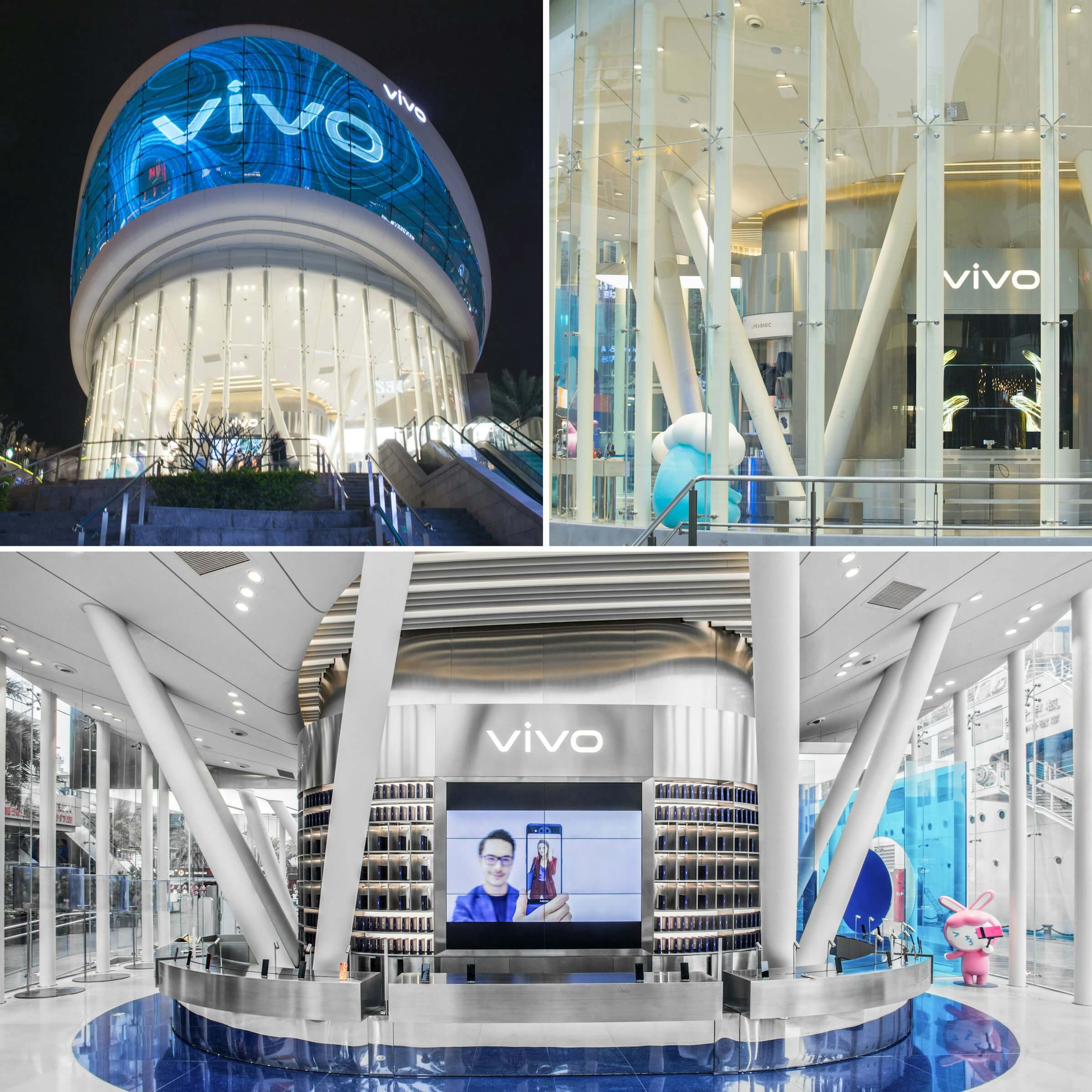
The vivo team took that value proposition into a design brief and later built out the space and interactive experiences. The second floor of the store is dedicated entirely to interactive experiences using photo booths, sound recording, and lighting technology, designed to provide consumers with the kind of enjoyment they seek. vivo launched the concept store in Shenzhen on March 22, 2019, marking an important milestone in vivo’s transformation from a smartphone maker to a consumer brand.
Top 1
in China's smartphone market, topping both shipments (sale-in) and retail sales (sale-out), in the first half of 2024
260M active users
within two years of vivo Lab's official opening, with 70% of them young users
Transformation through creative leadership
Tsinghua University launches China’s first leadership course focused on design thinking.
After 40 years of rapid change, China has reached a pivotal point in its growth trajectory. Across the globe, traditional drivers of economic growth have slowed down, creating opportunity define the new economy.
The Chinese government has laid out a wide range of ambitious policy plans to ensure that China successfully manages this transition, and that the country continues to grow and lead.
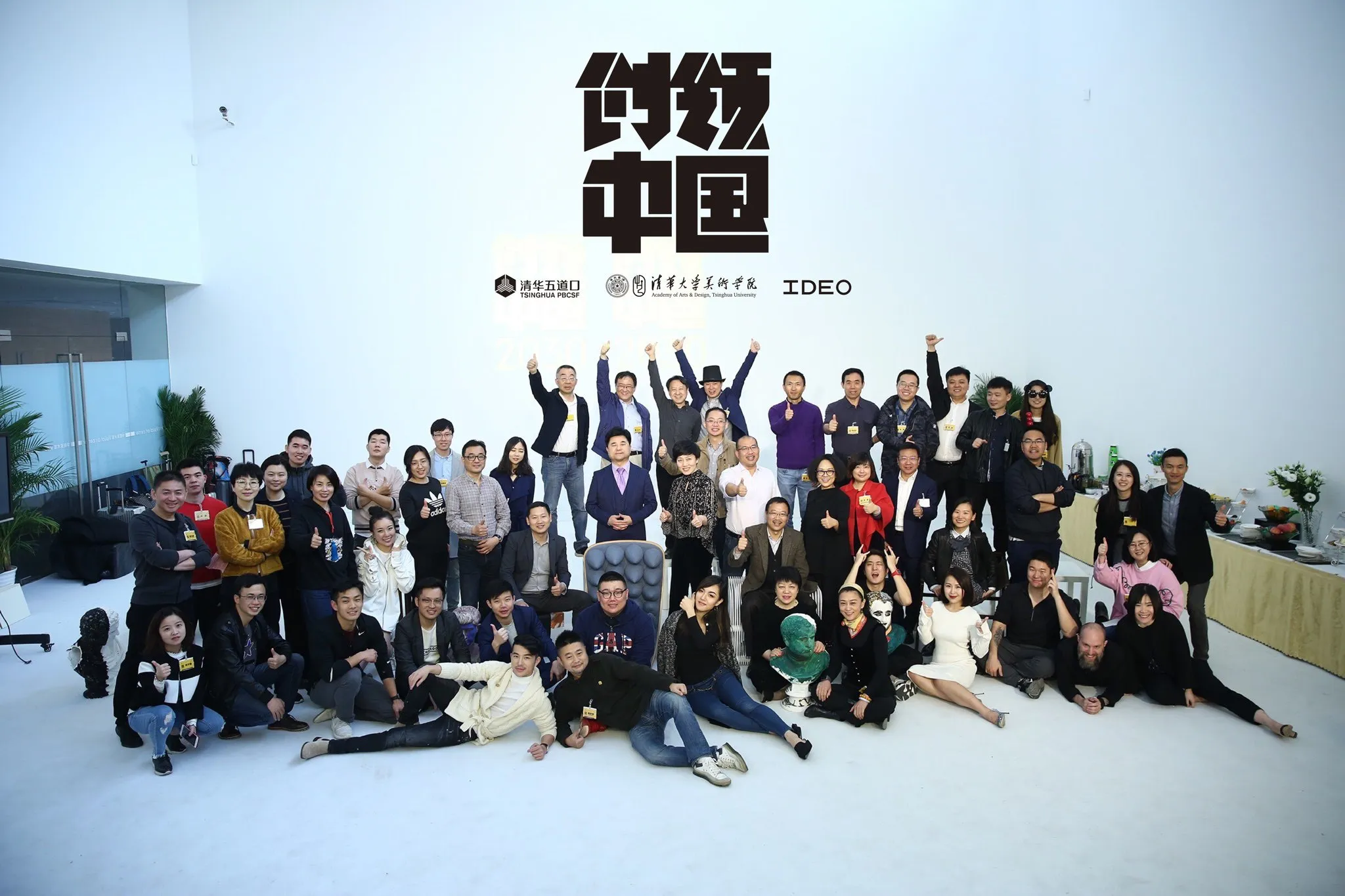
The program Tsinghua and IDEO created together consisted of six modules focused on creative leadership: Rediscover Design, Build Design as a Core Competency, Creating the Conditions for Creativity, The Financial Levers for Innovation, Designing for the Fourth Industrial Revolution, and Leading for Tomorrow. 73 Chinese and foreign experts helped teach the modules, including former Forbidden City Palace Museum director Shan Jixiang, the father of Japanese industrial design, Masayuki Kurokawa, and Jake Knapp, author of the book Sprint.
The program’s first cohort included more than 30 entrepreneurs from 20 different industries across nine cities. Participants completed the courses throughout the year, taking full advantage of holistic, interactive teaching and the opportunity to share their own practical experiences. Their feedback consistently demonstrated how the course had given them fresh approaches to problems their companies faced, whether improving internal communication or helping them see the clients they serve from a new perspective.
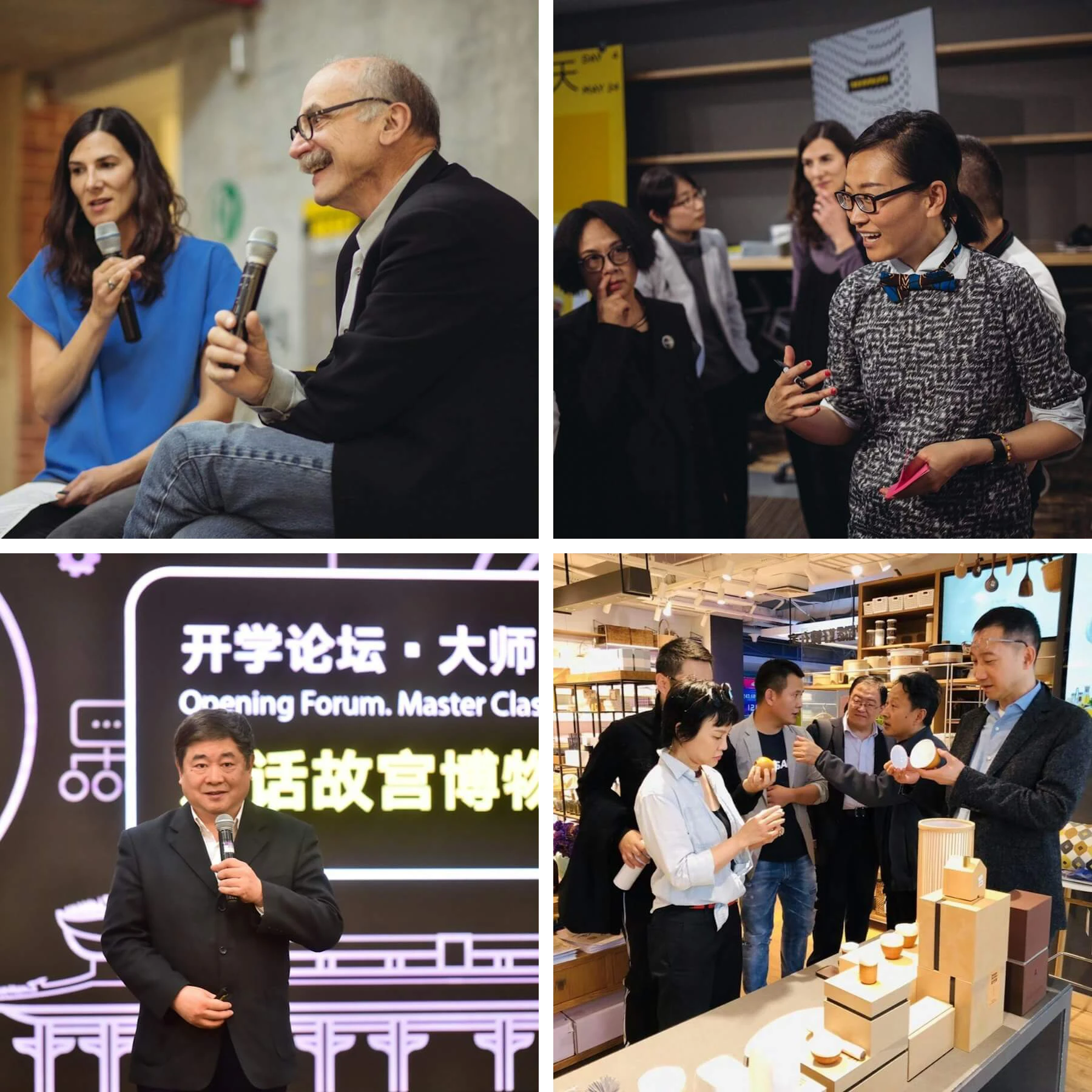
Liu Feng, the founder of a fast growing tourism development company, was particularly inspired by the Creating the Conditions for Creativity module’s six pillars of corporate transformation concept. Using these pillars, he not only refined the mission and value of his company, but also launched a series of measures to improve all aspects of its operations, from customer service to annual company gatherings. With a newly empowered team, he significantly increased the agility of the organization.
Ting Zhihong, the chairwoman of China’s leading logistics technology company, managed to double its profit during the course. She said her biggest takeaway from the course was how important it is to empower the team. Her company has now set up several platforms that give employees more room to experiment, create, and take part in frontline decision-making, bringing them closer to the company’s management.
Hu Chao, founder and CEO of China’s largest e-commerce platform for childcare goods, found that while other executive courses simply teach knowledge, Lead a Creative China taught him the importance of placing people at the center of what his company is doing.
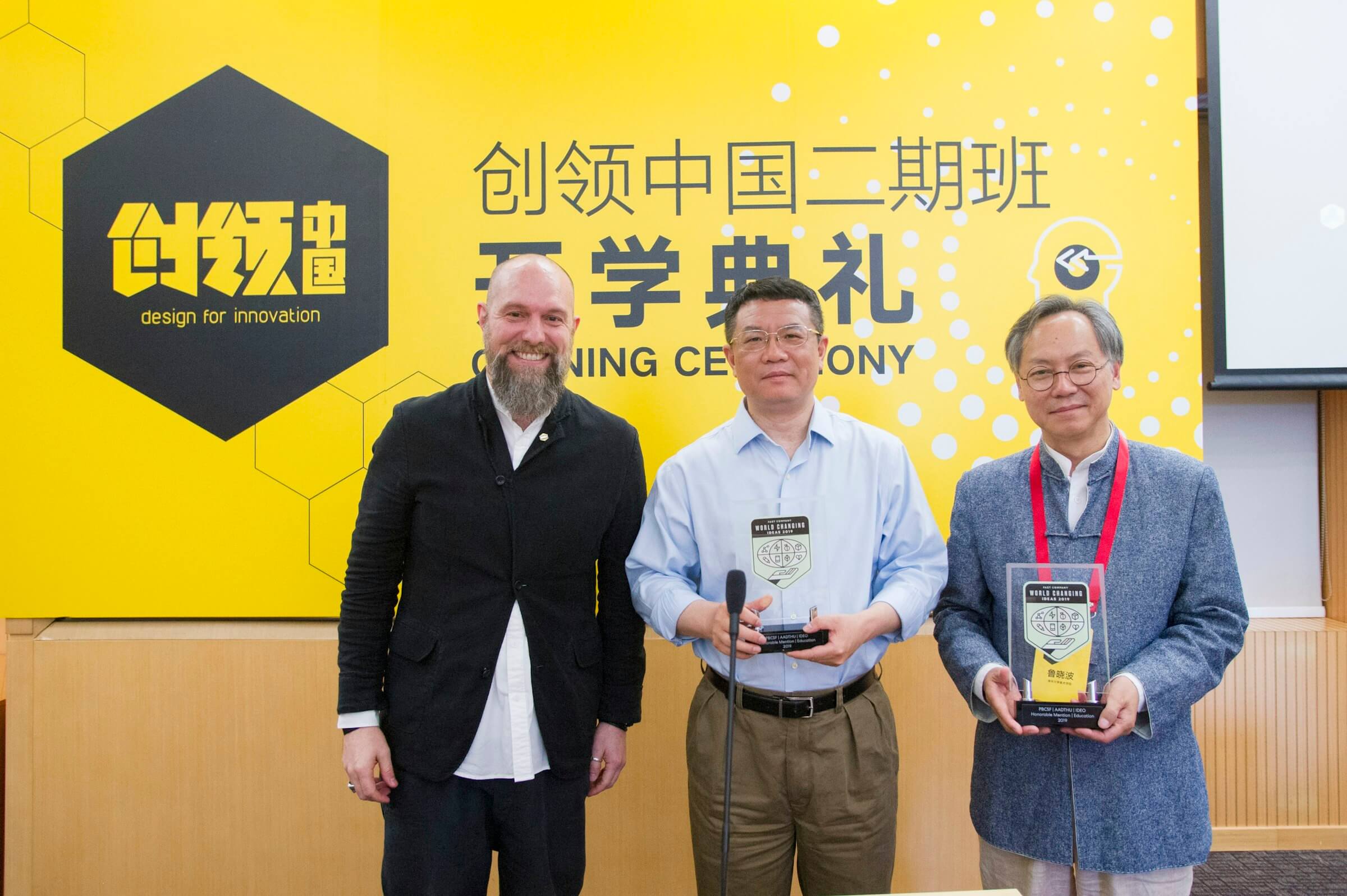
The first cohort of the program graduated in December 2018. On April 8th, 2019, the Lead a Creative China program received an honorable mention in the education category as part of Fast Company’s 2019 World Changing Ideas Awards, becoming the only award-winning Chinese project in the category.