


Home / Design services / Case studies
Planes, supply chains, and automobiles
Vice President of Global EV Programs, Ford Motor Company
Featured work


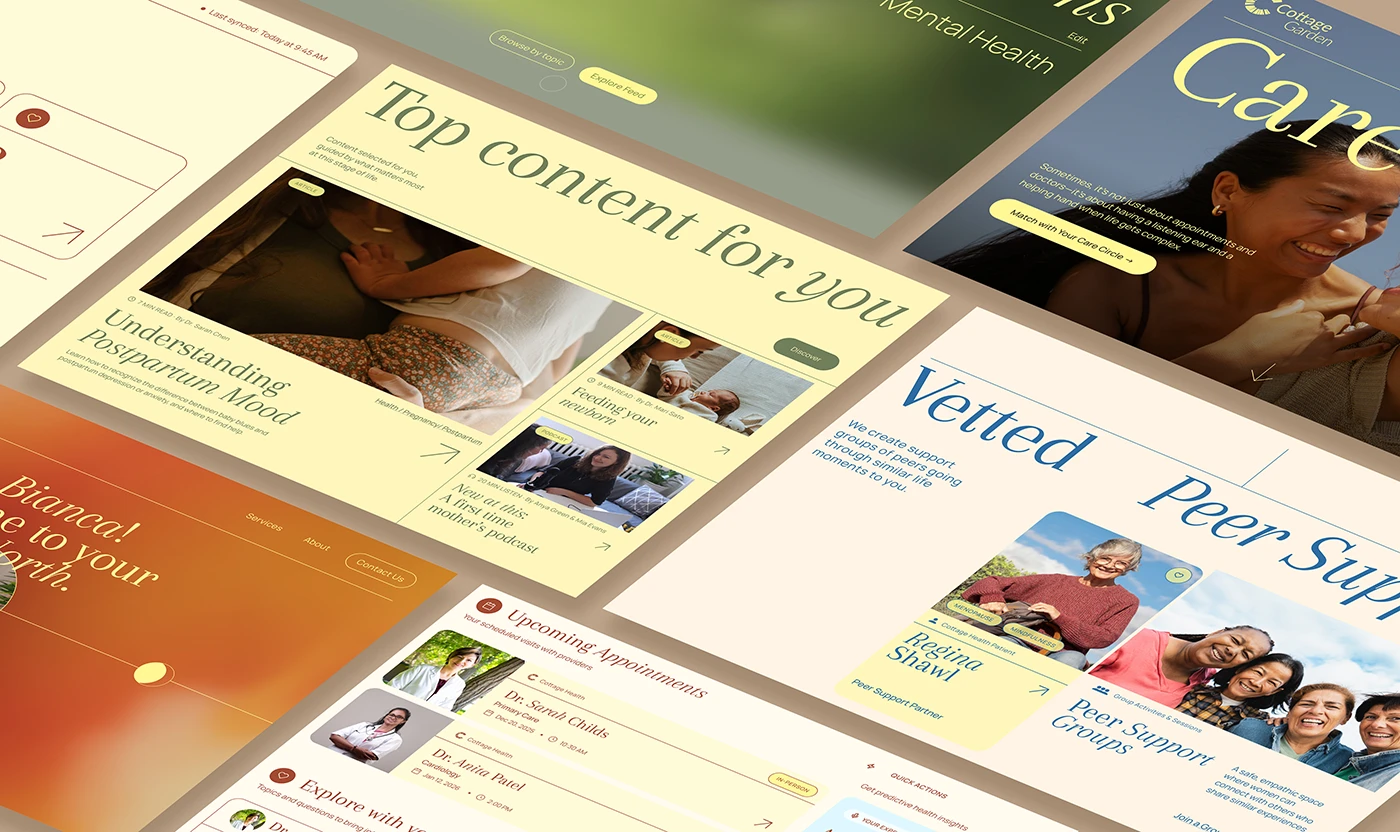
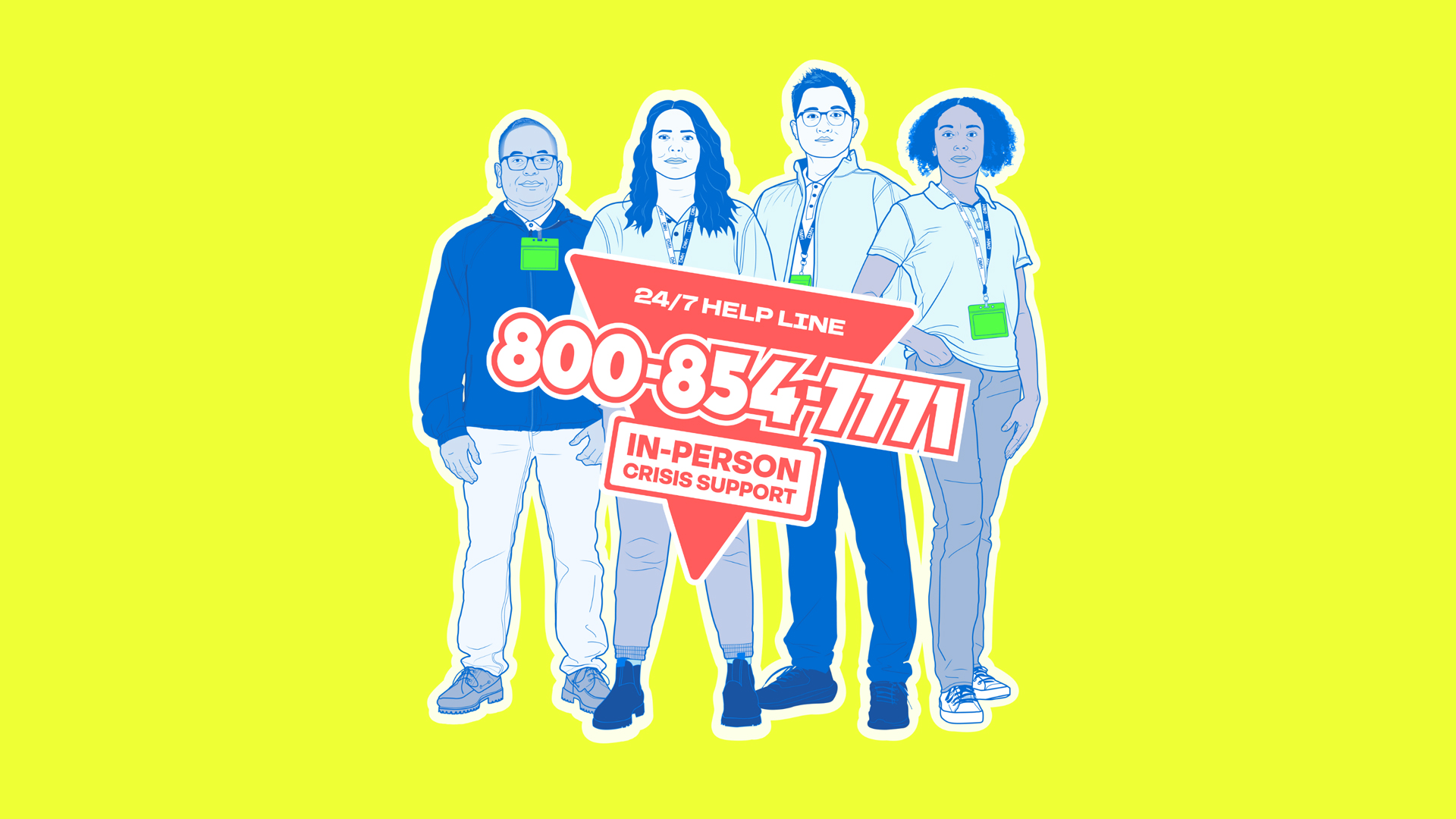

Introducing LA’s mental health crisis first responders
Helping a kinder, safer emergency support arrive first on the scene.
LA County Department of Mental Health created an innovative new program to provide urgent, compassionate care to Angelenos experiencing a mental health crisis but needed help driving awareness of its service across the region.
Calling 911 is an entrenched behavior in an emergency. However, dispatching police officers who are not trained in mental health can make a bad situation worse. In 2022, 39 percent of people shot by LA police officers were in the midst of a mental health crisis.
LACDMH is the nation’s largest public mental health department, serving over 10 million people. The agency provides critical support for the most vulnerable, including staffing a toll-free, 24/7 Help Line. Since late 2024, more than 70 Field Intervention Teams—comprised of mental health clinicians (social workers, psychologists, licensed psychiatric technicians, and registered nurses) and community health workers (trained peers or community members with lived experience)—have been dispatched around the county to help de-escalate mental health crises quickly, compassionately, and without force.
Because those experiencing a crisis are often too disoriented, confused, or otherwise unable to seek help for themselves, IDEO’s communication strategy targeted reaching “trusted messengers”—parents, spouses, siblings, and friends of people who have a mood or personality disorder like schizophrenia or bipolar disorder. The campaign aimed to define mental health crises, help people understand what to expect when they call, build trust in FITs, and divert mental health crisis calls away from 911.
To understand what drives these specially trained mental health professionals to do this type of work—and what sparks trusted messengers to call for help—IDEO met and interviewed former clients and loved ones who had reached out to the county for support during a mental health crisis. The team also interviewed multiple FIT staff to learn more about how they approach clients and families.
The research inspired the communication strategy’s central idea: position FIT members as real-life superheroes and first responders. By associating FITs with that term, the campaign changes the narrative and communicates their compassion and expertise to those in crisis. Custom illustrated portraits feature actual FIT staff in strong, action-figure-style poses, while a bright, eye-catching color palette and clear, direct language convey confidence and inspire trust.
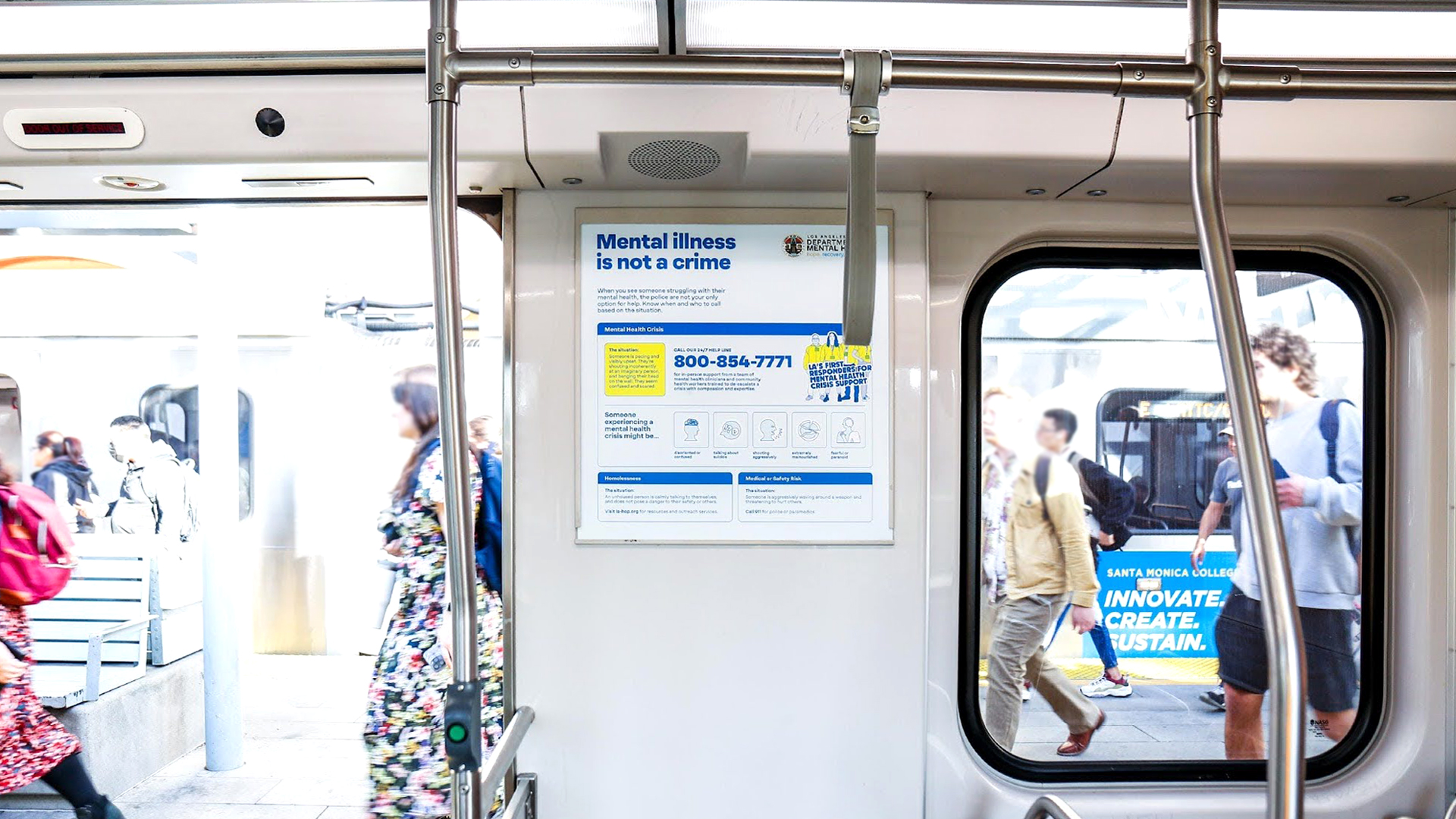
The team explored their initial design directions in a series of focus groups with LA residents, trusted messengers, and county and mental health workers to better understand the impact of the potential messaging and visuals. The research uncovered the importance of clarity, even in an inherently emotional situation. The IDEO team discovered that transparency—and real personal stories—would be the key to building public trust in ACR.
Between March and June of 2025, the robust awareness campaign will run across LA County in a number of languages on city buses, in Metro stations, on social media, streaming TV, radio, and more. An updated landing page on LACDMH’s website includes in-depth information and educational videos about mental health crises, as well as heartfelt testimonials from staff and former clients who have been helped by the service.
172 million impressions
delivered via digital and physical ads across LA
50% increase
in calls to the ACR helpline, year-over-year, attributed to IDEO’s awareness messaging
24%
of Angelenos now name LACDMH as the first to call in a mental health crisis, leapfrogging 911 or the police, which slipped 14.3 points

A return to simplicity with a bottled tea brand
Bringing the grounding and authenticity of tea culture into the rhythm of modern life.
Sugary bottled teas were once very popular in China. Today, rising consumer demand for healthier beverage options has expanded the market for sugar-free tea.
Master Kong (known internationally as Tingyi Holding Corporation) is number one in market share in both instant noodles and ready-to-drink teas, with over $10 billion USD in annual revenue. While China has a rich tea culture, most sugar-free bottled tea on store shelves markets itself as “healthy” and “tasty.” Wanting to set itself apart from the competition by uncovering new consumer needs, Master Kong reached out to IDEO. Together, Master Kong and IDEO immersed themselves in modern Chinese tea culture and built a new, premium, sugar-free bottled tea brand that resonates deeply with contemporary tea drinkers.
During research, the combined IDEO/Master Kong team took a two-pronged approach to uncovering new opportunities: industry exploration and consumer research. The team visited various tea-related businesses, from traditional tea houses to modern beverage shops, as well as “third place” tea spaces outside of home or work. They also conducted in-depth, in-home interviews with consumers with various levels of interest in tea, delving deeply into their daily routines to better understand their lifestyles and any emotional or functional needs related to tea.
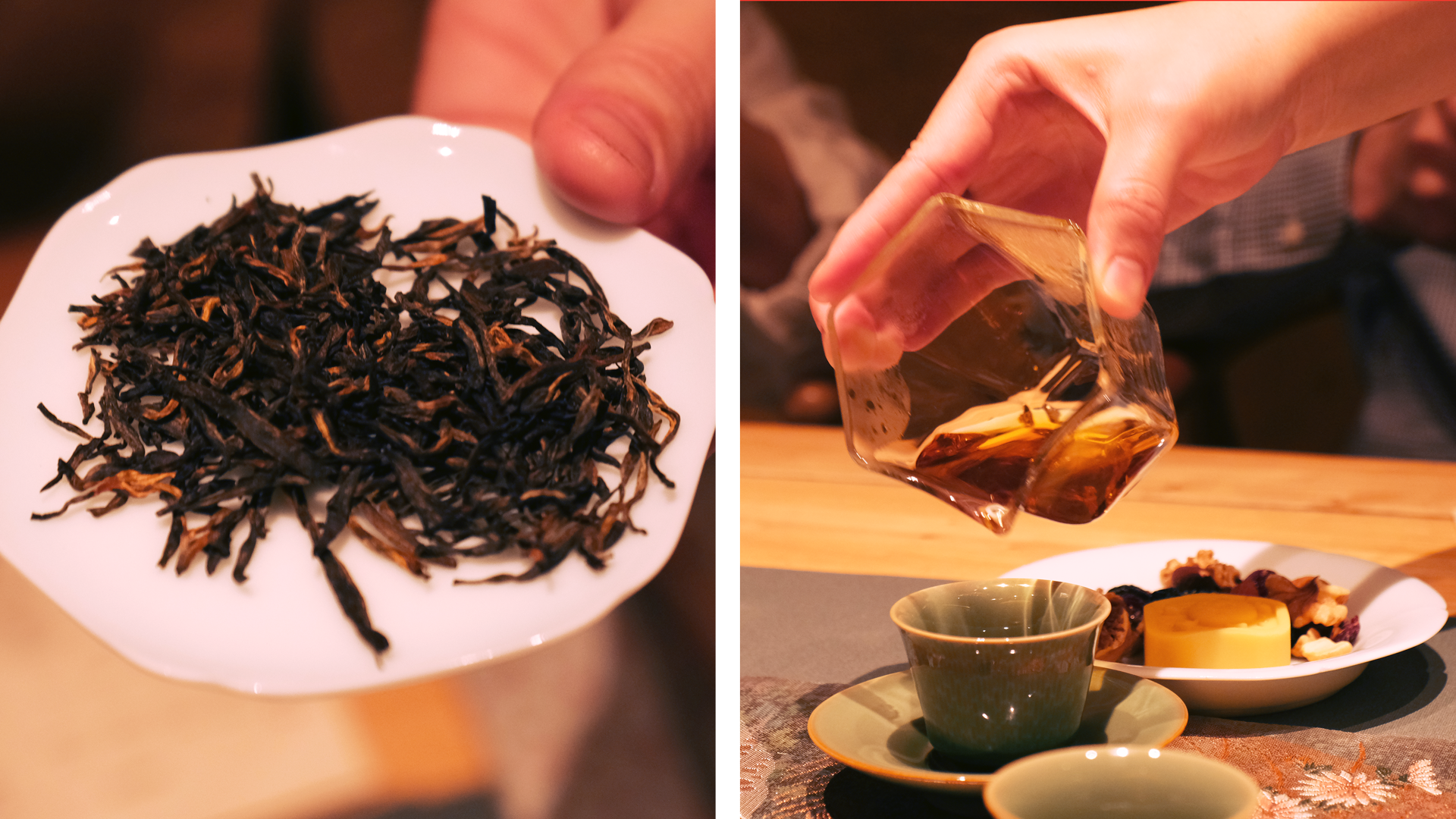
The team discovered that the essence of Chinese tea culture resonated with contemporary consumers’ longing for authenticity, simplicity, and physical rejuvenation in their fast-paced lives. This insight presented a unique opportunity for Master Kong. Instead of positioning its new sugar-free tea brand as merely a “healthy alternative” to other beverages, it could spark a meaningful connection to tea culture, seamlessly integrating into various moments of modern life.
Armed with this insight, IDEO designers and dozens of Master Kong beverage team members participated in a series of immersive, hands-on tea innovation workshops. Teams of experts from R&D, marketing, supply chain, and other company departments temporarily set aside their job titles to explore, iterate, and refine dozens of new tea concepts that were commercially viable, feasible for mass production, and aligned with consumer needs. The cross-departmental collaboration allowed for a broad mix of perspectives, experiences, and expertise, enriching the innovation process.

The co-creation sessions led to a new sugar-free tea product and flagship brand called Cha De Chuan Ren (“Descendants of the Tea”), which celebrates fine, origin-sourced tea and the passion and dedication of tea farmers. The novel concept resonated strongly with consumers and was validated during subsequent rounds of quantitative market testing, ensuring its relevance and market potential.
Cha De Chuan Ren launched with two signature flavors: Tieguanyin (green tea) from Fujian and Pu’er (black tea) from Yunnan. The unique mottled bottle design pays tribute to traditional handcrafted glass containers and the handiwork of tea farmers. The tactile paper label, which features Jia Ma-inspired woodblock illustrations of local tea fields and tea farmers’ hands, nods to the artisanal craft of tea making and the source of the tea inside.
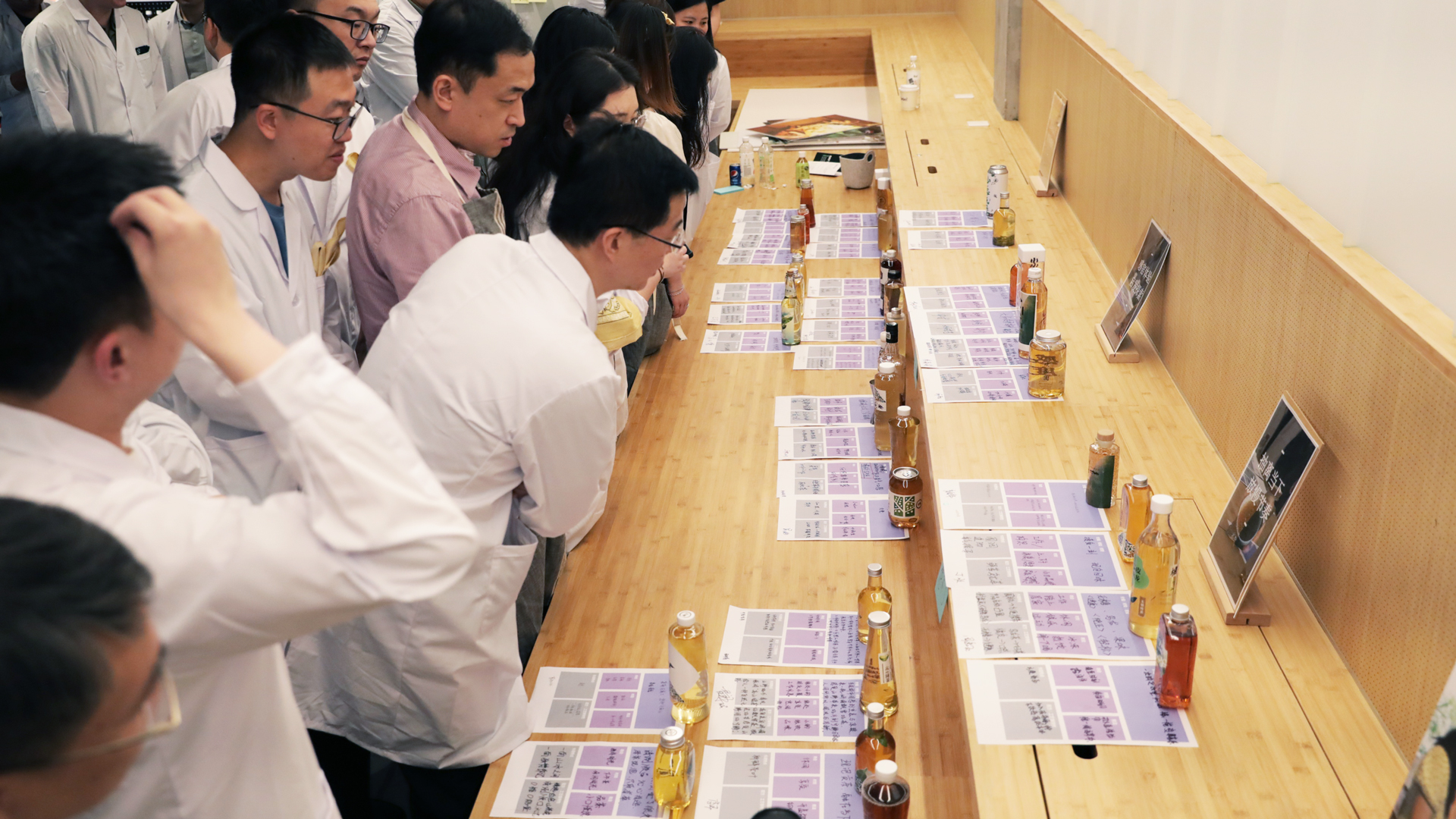
“Descendants of the Tea” debuted on Tmall in April 2024. It claimed the top spot on the commerce site’s Tea Beverage V-List in August and September. Offline, it launched in FamilyMart convenience stores in May and has since expanded nationwide. The new brand received a 2024 Red Dot Award for “Brands & Communication Design.”
“We are honored to collaborate with IDEO, a global leader in innovation, as our strategic partner. ‘Descendants of the Tea’ is not just an exceptional product but also a tribute to the rich heritage of tea culture. Only by continuously integrating culinary traditions with innovation can we sustainably meet consumers’ true needs.”
Richard Chen
CEO, Master Kong (Tingyi Holding Corporation)
“Innovation is incredibly fragile. If even one leader is unsupportive or hesitant, the culture of innovation can collapse. I always encourage my team to take risks, as long as they’re not high stakes. After all, what’s the worst that can happen? At the very least, we’ll have a fair chance at creating something new.”
Wei Hong-Chen
Chairman of Master Kong Beverage Holdings Co., Ltd.
#1
on Tmall’s Tea Beverage V-List, August- September 2024
2024 Red Dot Award Winner
for Brands & Communication Design
A luxury water bottle takes precision engineering to the extreme
Elevating the everyday with next-level design.
In the US, the reusable water bottle market is estimated to increase from $10.2B in 2024 to $14.1B by 2031, with 69 percent of Gen Zers owning at least one. Customization trends, such as personalized design and branding, are anticipated to boost the market, ripe territory for disruptive startups such as OKAPA. (Persistence Market Research)
Once a practical accessory for hikers and outdoor enthusiasts, reusable water bottles have gone mainstream. Yet none check all the boxes in terms of purity of taste, hygiene, durability, functionality, and beauty.
Twenty years ago, carrying a single-use plastic water bottle was a status symbol—no more. Growing awareness of the negative environmental impact of plastic pollution, combined with the adoption of healthier lifestyles and social media influencer trends, has made reusable water bottles “it” accessories for on-the-go consumers. While brands such as Stanley, Yeti, S’well, and Hydro Flask own the under-$100 market, fashion brands such as Louis Vuitton, Chanel, Dior, and Prada have etched out a new and growing market for high-end bottles that appeal to discerning, trend-conscious young people looking to perfect their hydration habits.
Spotting an opportunity to disrupt the predominantly utilitarian water bottle market, Steinmann partnered closely with IDEO, tasking the team with developing an industrial design that perfected the tactile and sensory user experience, from drinking and carrying to disassembling and cleaning thoroughly. The collaboration deepened over time, with Steinmann and IDEO working together to develop the high-level engineering concept, the OKAPA logo mark, and packaging ideas.
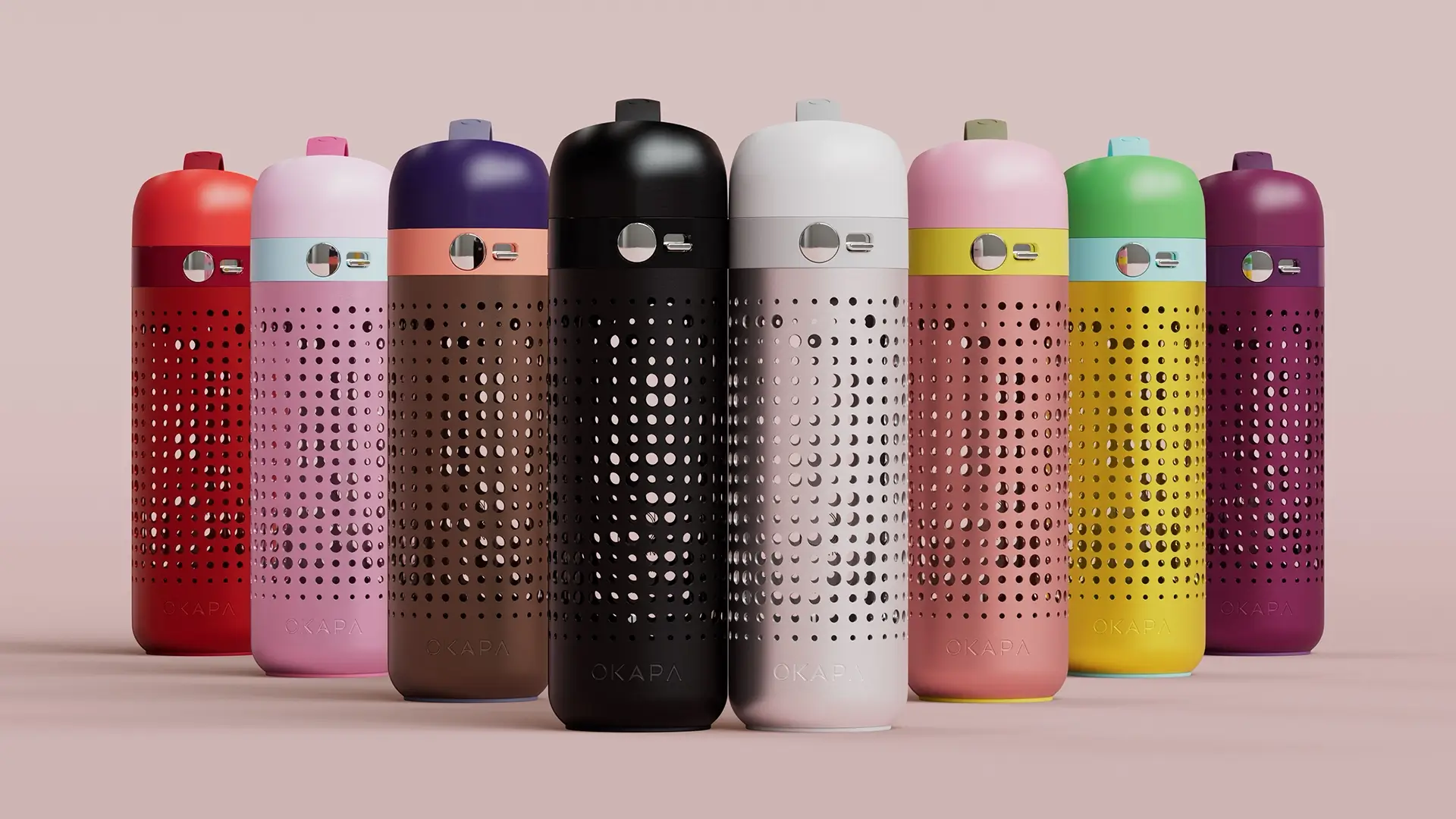
Key user-centered features of the OKAPA bottle include a medical-grade German borosilicate glass interior for superior taste of hot or cold beverages with no lingering odors; a Swiss-engineered thermoplastic lockable and leak-proof tilt cap that can be easily operated with one hand when driving or doing other activities; and an ergonomically shaped mouthpiece for a pleasurable drinking experience. Precision-engineered for maximum longevity, the inner glass bottle is suspended via a shock-absorbing system inside a bead-blasted, extruded, and anodized aluminum outer shell. Eight modular parts come apart easily for either a quick or thorough cleaning.
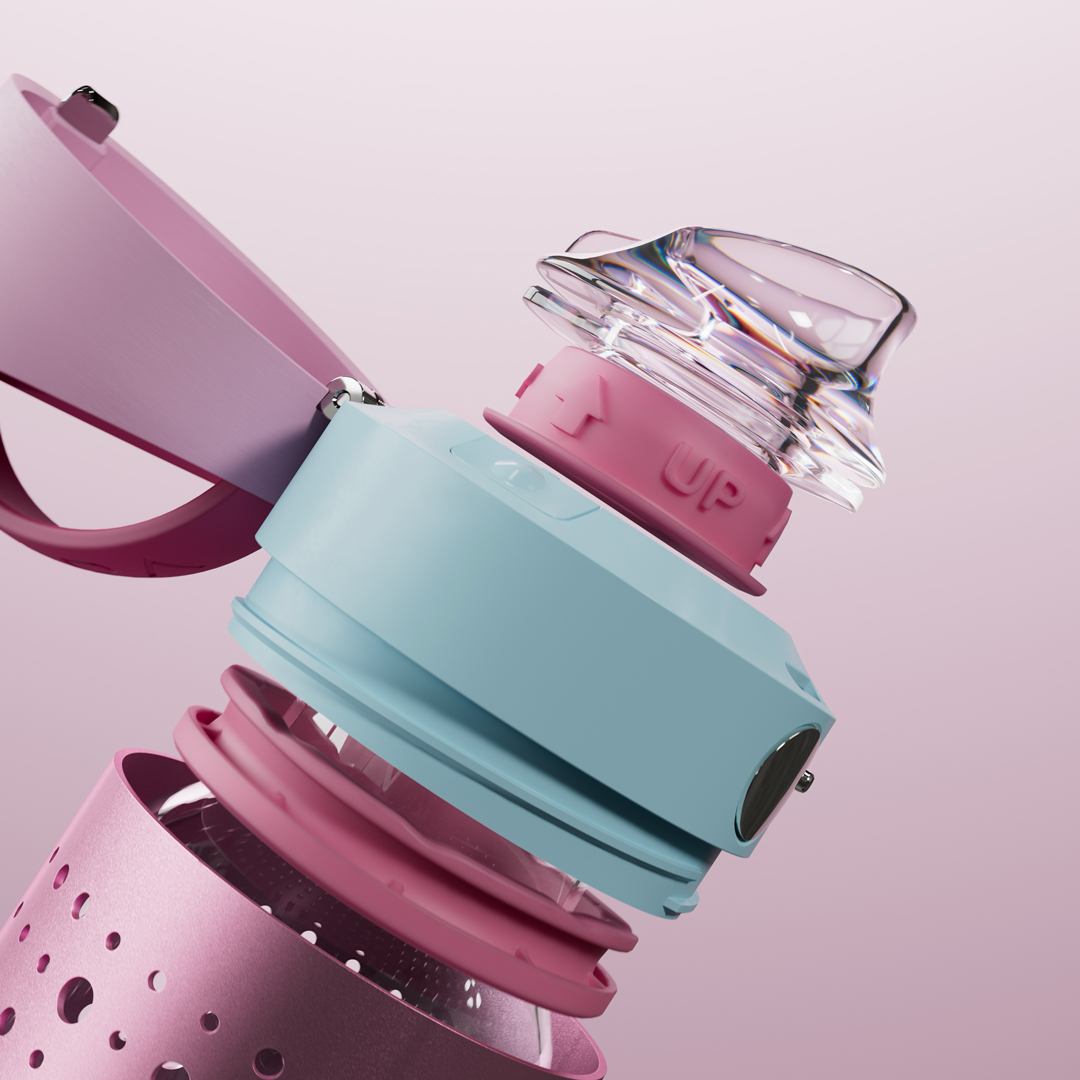
At its core, the OKAPA bottle elevates an everyday ritual through meticulous design and uncompromising engineering. Launched in January 2025, the new bottles are available in eight contemporary colorways curated by renowned color and materials specialist Beatrice Santiccioli (BSD), including Misti Pinku, Goldie Samba, and Fetishe Noir, among others.
8
modular pieces ensure hygienic cleaning is quick and easy
100%
recyclable materials in each bottle
Brand as a conservation strategy
The Cornell Lab of Ornithology unites as “One Lab,” galvanizing a conservation movement.
The Cornell Lab’s 300+ scientists, professors, staff, and students were passionately dedicated to their individual team’s unique conservation projects, but segmented internal systems could stymie their collective impact.
The Cornell Lab of Ornithology’s mission is to interpret and conserve the earth’s biological diversity through research, education, and citizen science. Over its 110-plus-year history, its offerings grew to include everything from a quarterly magazine, popular websites and apps with millions of users (Merlin, eBird), partnerships with outside organizations, and the world’s largest database of photographs and audio recordings of birds. This abundance is a testament to the passionate enthusiasm of its employees. Still, it confused potential members and led to siloed internal efforts, preventing the Lab from advancing its urgent collective vision. “Birds and biodiversity are in peril,” said Executive Director Dr. Ian Owens. “We must take radical action with a coherent vision, united voice, and purpose.”
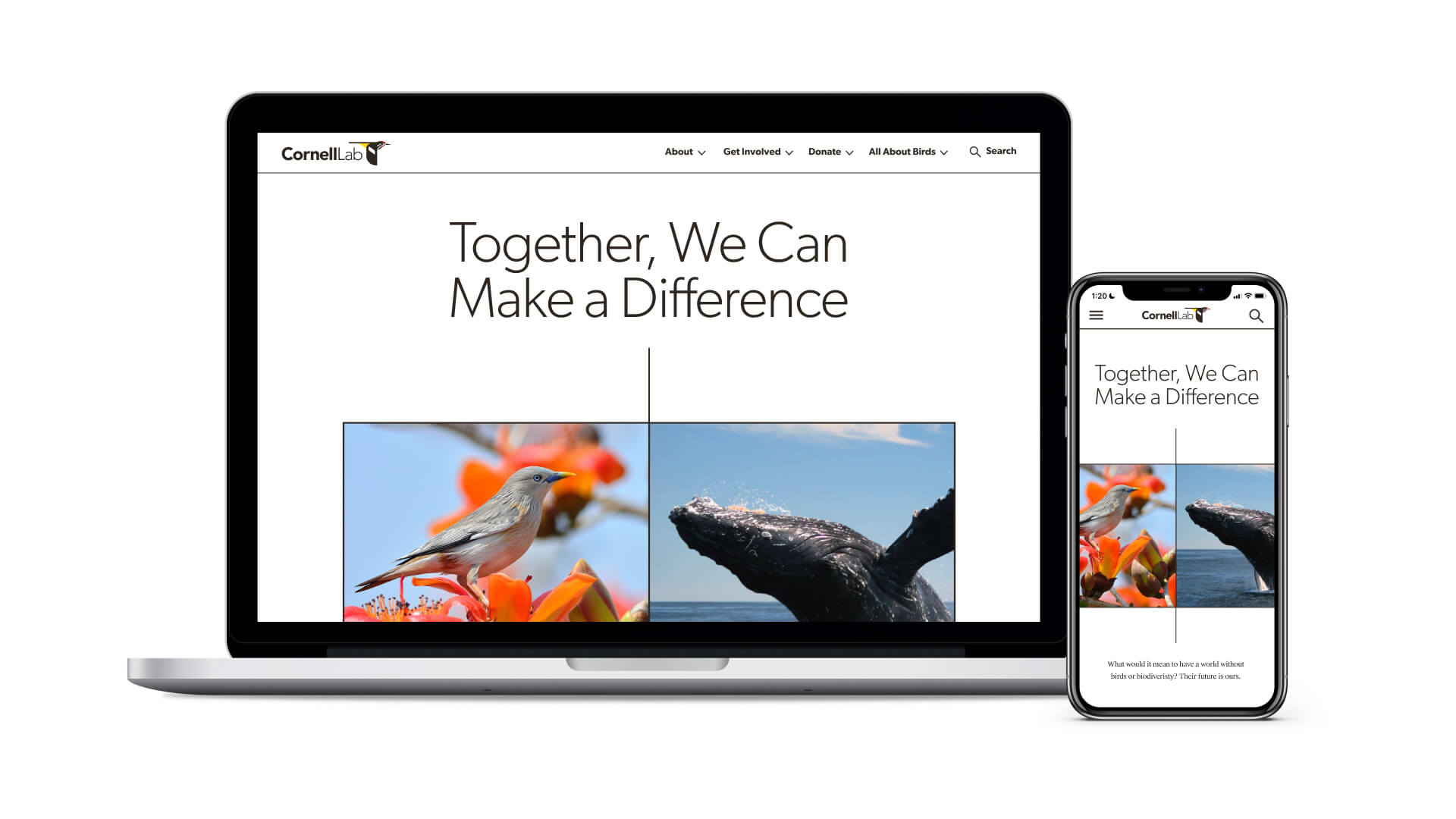
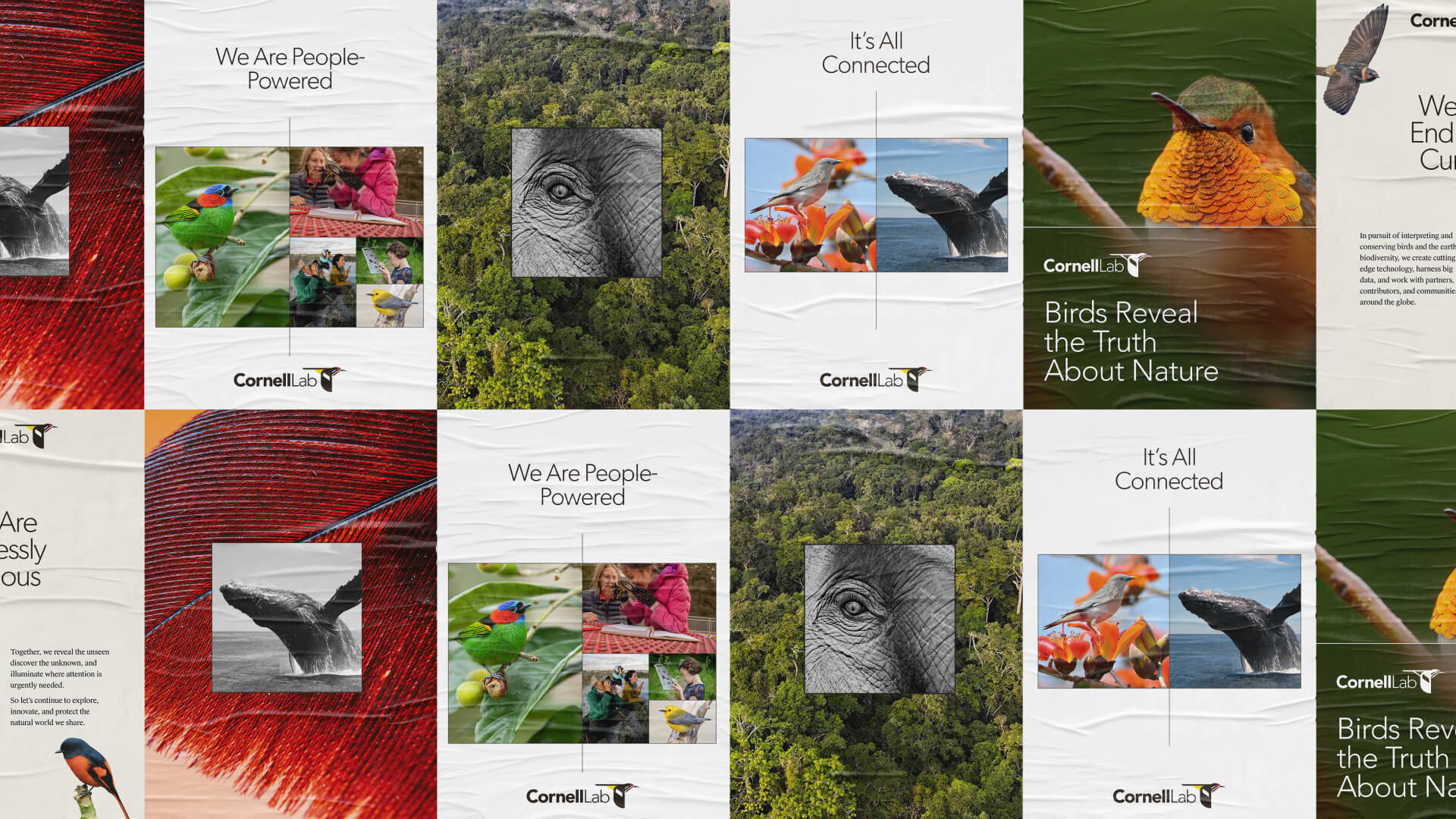
IDEO began by helping the Lab better define its audience. While primarily composed of people passionate about birds, IDEO discovered its larger audience was nature lovers interested in biodiversity, bioacoustics, conservation, and science. From there, IDEO created a brand strategy and architecture focused on helping the Lab streamline its efforts under the “One Lab” brand. The brand architecture visually articulated the relationship between Cornell University, the Cornell Lab of Ornithology, and the Lab’s many products and offerings. IDEO designed a comprehensive brand identity system to work across mediums, including a simplified logo system, new colors, type, graphic language, voice and tone, and key messaging.
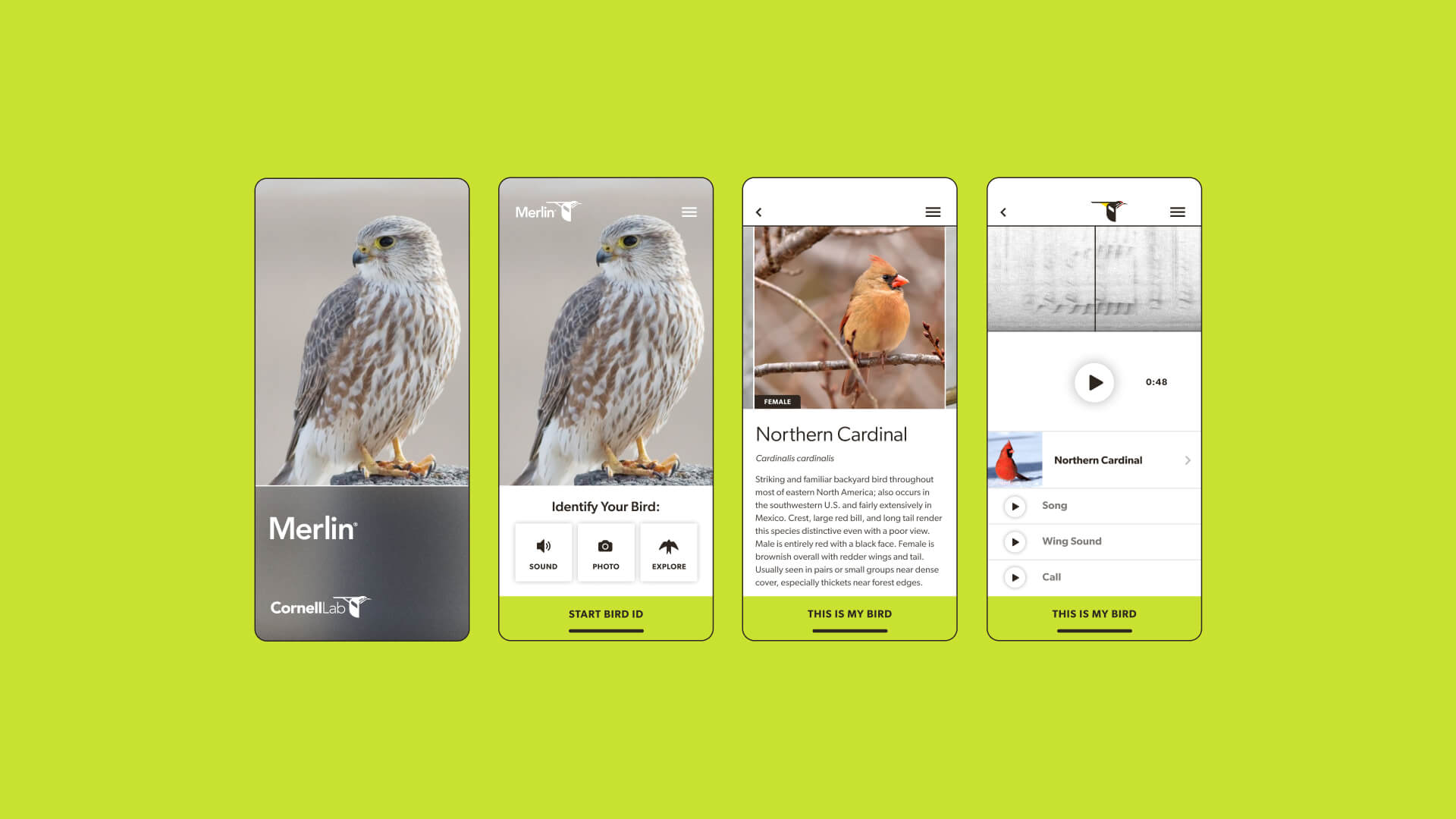
When the Lab’s design team began implementing the new branding elements across its website and many digital products, it became clear that the organization also needed IDEO’s help in creating tools to facilitate cross-department collaboration. To better understand the day-to-day nuances of the organization, IDEO designers worked out of the Lab, co-creating a brand activation playbook. The playbook, launched in 2023, contains recommendations for new cross-functional working groups (partnerships, visual identity, and brand voice), as well as exercises and interactive tools designed to build trusting relationships, gain alignment, foster collaboration, and manage change at scale.
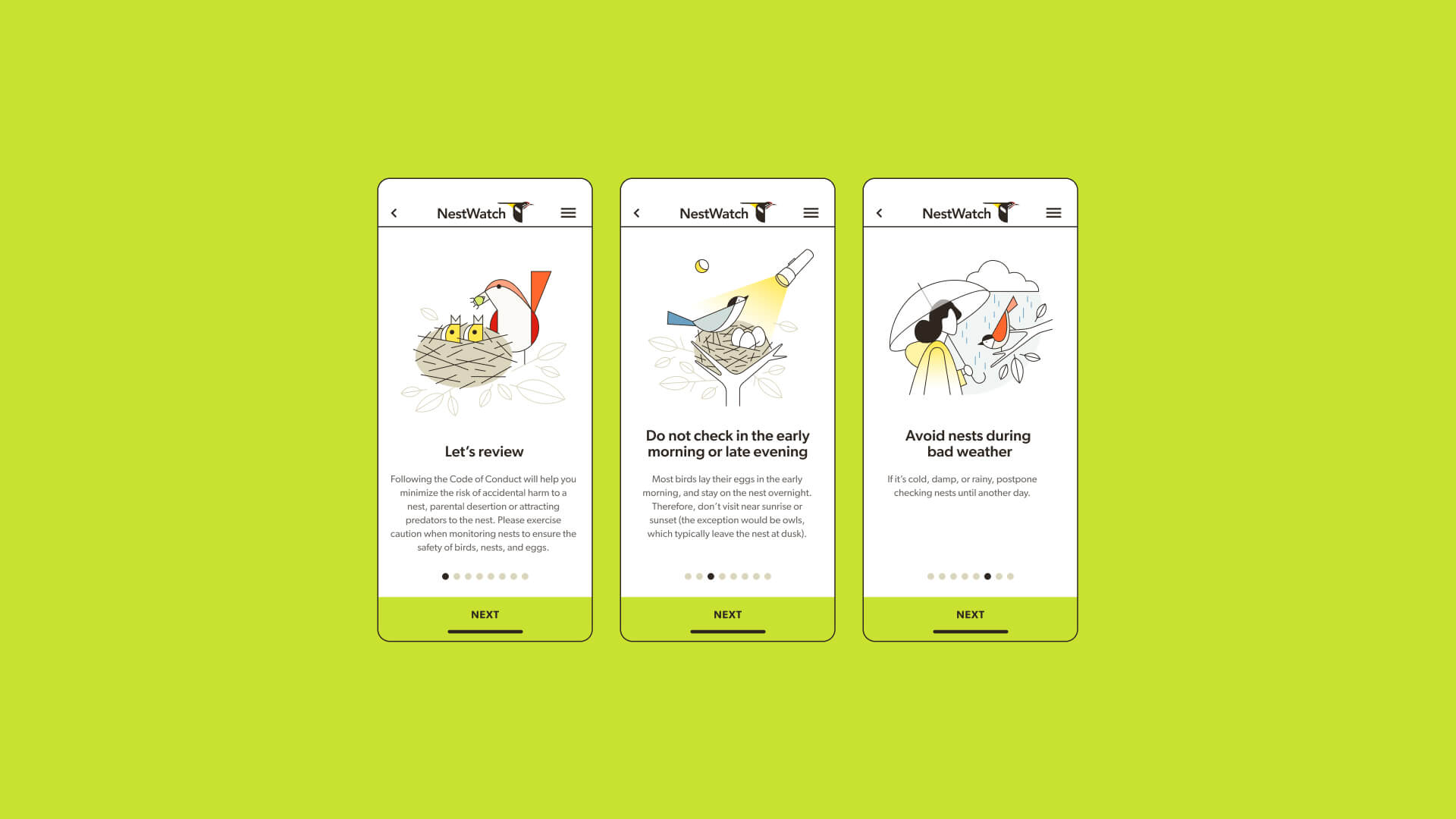
Post-collaboration, the Lab has applied the new brand across its website, apps including Merlin and eBird, Living Bird magazine, email and newsletter templates, and its line of merchandise. A new internal brand guidelines site has become central to employee onboarding, while new working groups are helping to bring down barriers between teams and spur collective action. Like a flock of birds, the Lab now sings one collective song.
1 brand
unifying 300+ employees and 8 departments

Charting a bold educational future
Ascend Public Charter Schools designs a “grown-up” vision for its young educational network.
In the summer of 2021, one in four K-12 teachers was ready to quit. Pandemic stressors and increased curriculum scrutiny were to blame, according to a 2021 Rand Survey.
In 2022, 44% of K-12 workers reported burnout, the most of any US professions the time, according to a Gallup Poll.
Pandemic exhaustion and leadership turnover left Ascend’s new CEO eager to align staff around an exciting new vision.
Founded in 2008, Ascend Public Charter Network prides itself on providing “rich, joyful learning experiences that unlock lives of boundless choice” for its students, 93 percent of whom identify as Black or Latinx. The organization is also proud of being Black-led: 78 percent of staff and 80 percent of the executive team are people of color. Using co-design and joy, IDEO held a mirror up to Ascend’s core optimistic spirit during a moment of anxiety and change, helping its new CEO, staff, students, and parents reflect a dynamic, collectively imagined vision.
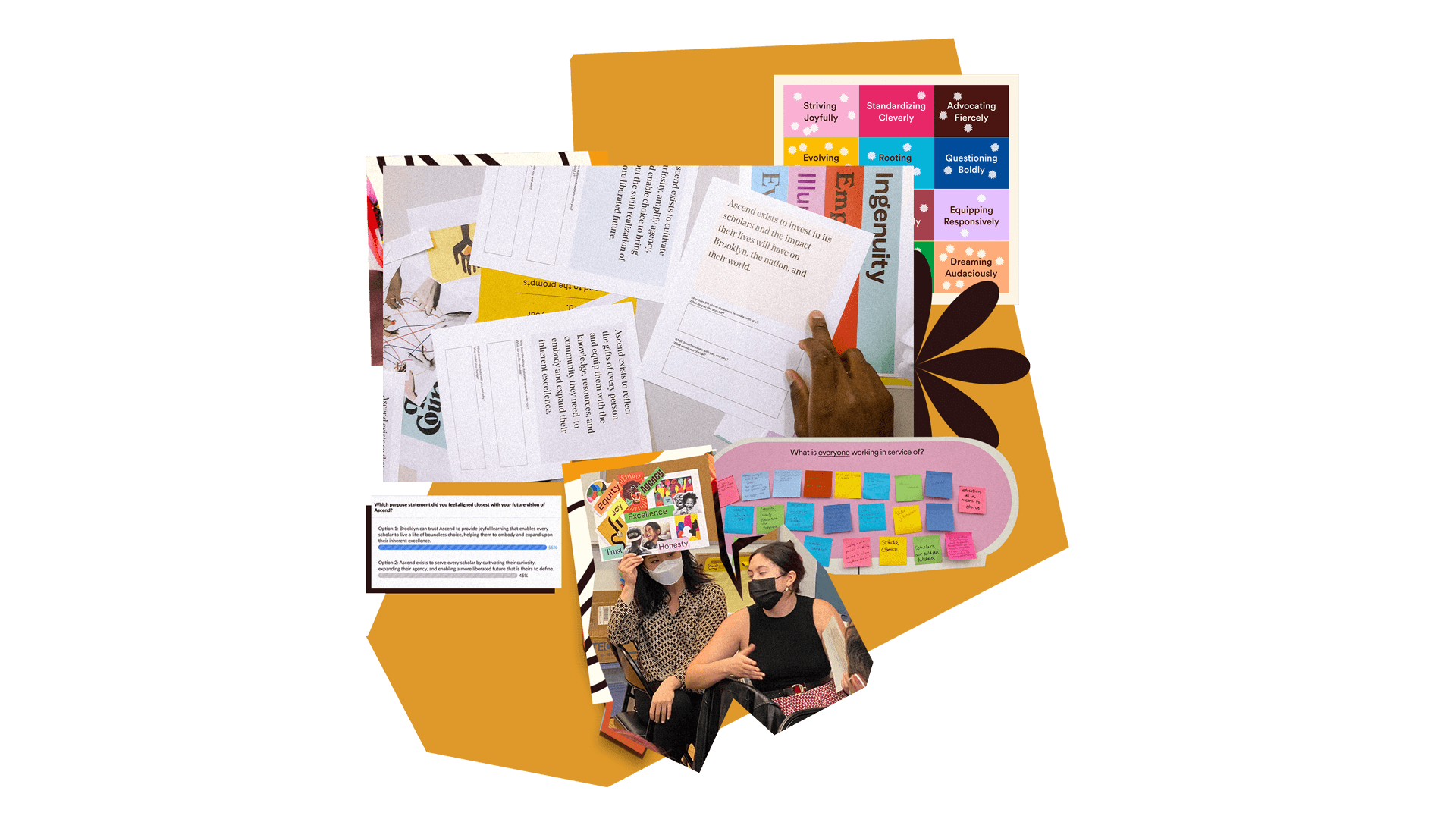
While the project’s goal was serious, the combined team centered the collaboration on bringing back fun, beauty, and imagination to those who could use it most: educators. Through engaging interactive activities, the IDEO team invited principals, PTA members, student council representatives, and board members to join “organizationally sanctioned play” moments like creating collaged vision boards and writing poems about Ascend’s impact. These interventions helped burned-out educators escape the day-to-day tasks of running schools and dream expansively about Ascend’s future. The team also solicited written, visual, and audio stories, asking community members to describe Ascend at its very best.

Stitching together submissions from 551 students, 75 parents, and 16 staff members, the co-design sessions resulted in a powerful new purpose, mission, and values, as well as a vibrant visual language and activation tools to bring Ascend’s vision of a “dope,” “unapologetically Brooklyn” charter network to life. The joyful, eye-catching visuals are embedded throughout its 17 Brooklyn schools, staff recruiting and training materials, and digital presence.
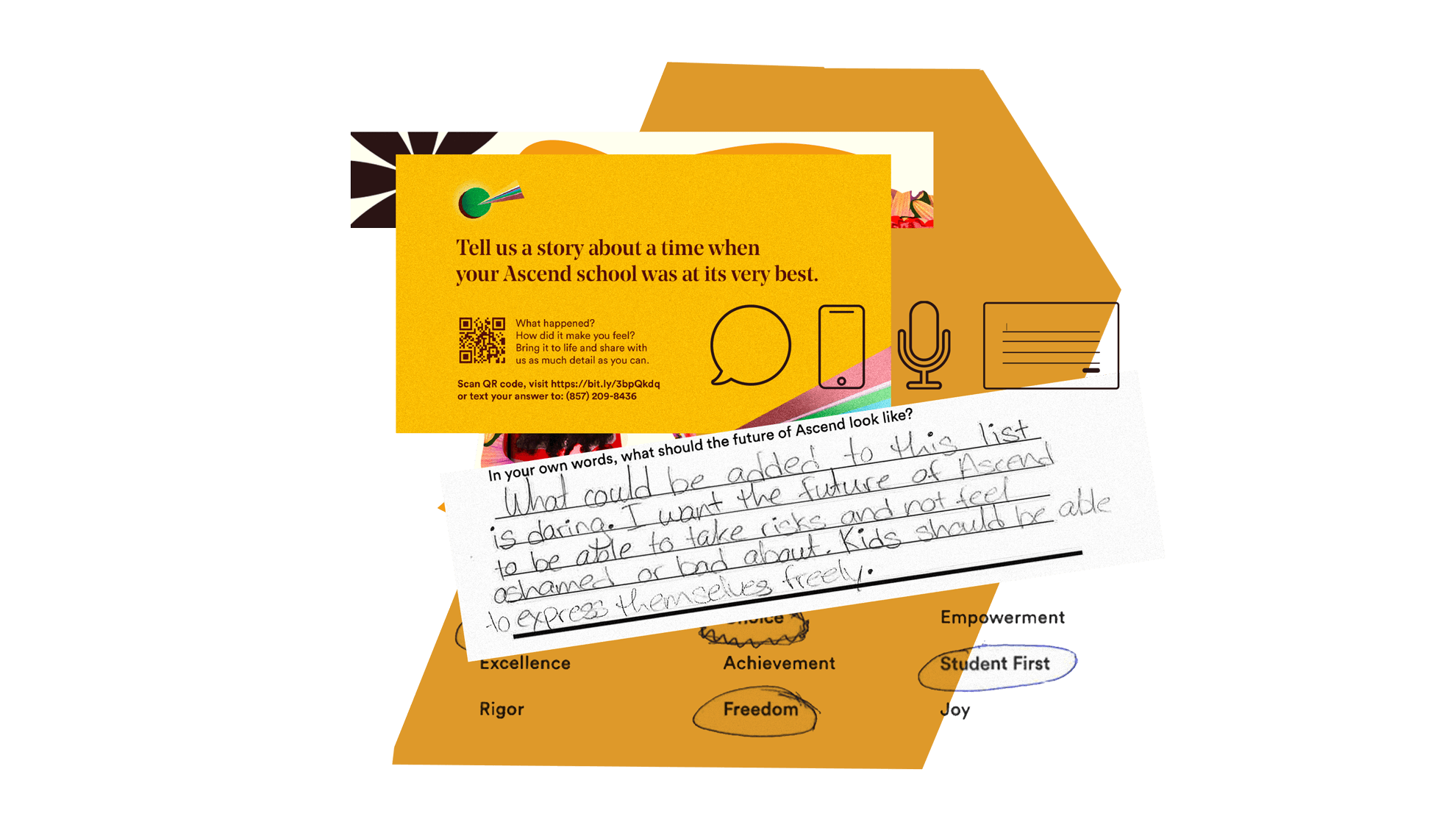
Shortly after the collaboration with IDEO, Ascend received an unsolicited $11 million donation from MacKenzie Scott's foundation, Yield Giving, the most significant gift the then-14-year-old institution had ever received. The pivotal funding will allow the organization, with its bold new “grown-up” vision, to focus on becoming the school of choice in Brooklyn by 2027.
$11M grant
Ascend received an $11M grant from the MacKenzie Scott Foundation a few months after the collaboration
1 collective vision
to guide a network of 17 schools

A blueprint for transforming pediatric obesity care
Charting a healthy path for children and families on Medicaid.
21% of US children are obese. 40% of Latino youth are either overweight or obese.
26% of kids on Medicaid experience childhood obesity, compared with 11% on private insurance.
525,600 minutes: Total time per year parents spend caring for their children. 17 minutes: Average time a pediatrician spends with a child during their annual exam, a small window to address a complex chronic condition such as obesity.
Obesity exists at the complex intersection of a clinical condition and a cultural force. Clinically, it comes with a diagnosis and treatment plan. Culturally, it is influenced by beliefs, identity, and self-worth, making it deeply personal and often taboo. Families, healthcare providers, and experts tend to avoid the fraught “o-word,” opting for euphemisms instead. For families on Medicaid, these challenges are even more pronounced. Award-winning health-tech startup Clarity Pediatrics, together with designers from IDEO, IDEO.org, and with support from Rise Together Ventures, sought to uncover the obstacles to healthier lifestyles and create a free report for US pediatricians who want to bend the curve on the childhood obesity epidemic.
Research with kids and parents on Medicaid in Dallas, Texas, and California’s Bay Area, along with interviews with healthcare providers and experts across the country, uncovered stories of stigma and frustration. Parents spoke of the daily challenges of balancing multiple jobs, sourcing affordable healthy food, and finding time to make necessary lifestyle changes. They described rushed pediatric visits that left them with unclear next steps and feelings of blame. Provider conversations echoed these struggles, noting time constraints and limited follow-up options.
Ultimately, food had become a daily torment for these families. Eating was unavoidable and also one of the few affordable indulgences low-income parents were able to provide. Once kids left their own homes, they were surrounded by unhealthy temptations, making it feel impossible for parents to maintain control. The popularity of costly new weight-loss medications and surgical procedures added another layer of complexity for families who had been underserved by—and therefore distrustful of—America’s healthcare system. With so much of the responsibility placed on parents to self-direct care, inequities deepened, adding to the burden of families already at a breaking point.
To design a path forward, IDEO and IDEO.org mapped a family’s needs before, during, and after pediatric visits. This work revealed critical parts of the journey where families needed more support: recognizing early signs of obesity, navigating provider conversations, and sustaining healthier habits at home.
These insights informed a theory of change framework that provides actionable guidance for stakeholders involved in obesity care. Grounded in three opportunity areas along the patient journey—building awareness, confidence, and capacity—the framework highlights how trust, dignity, and systemic support can lead to lasting outcomes.
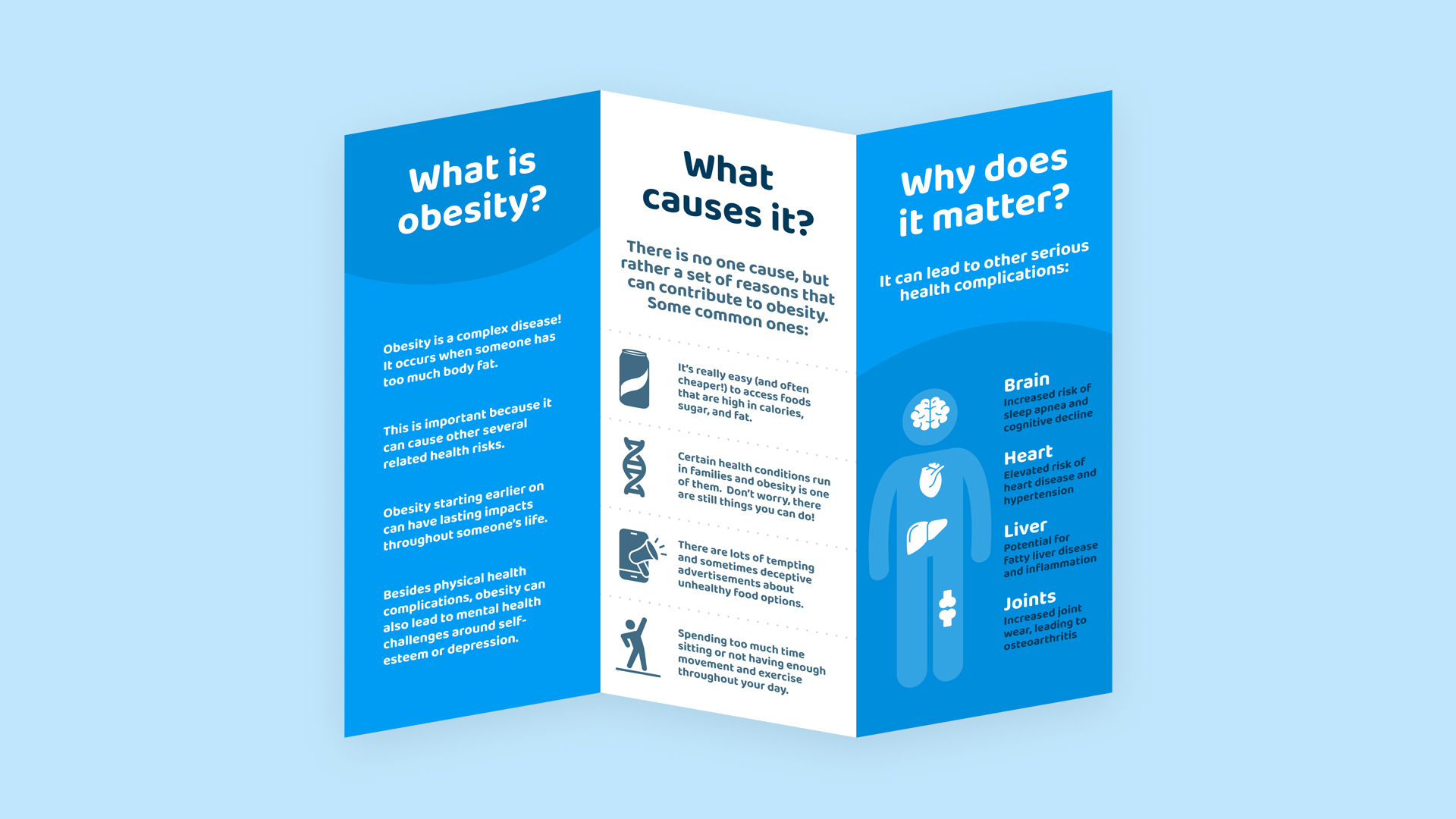
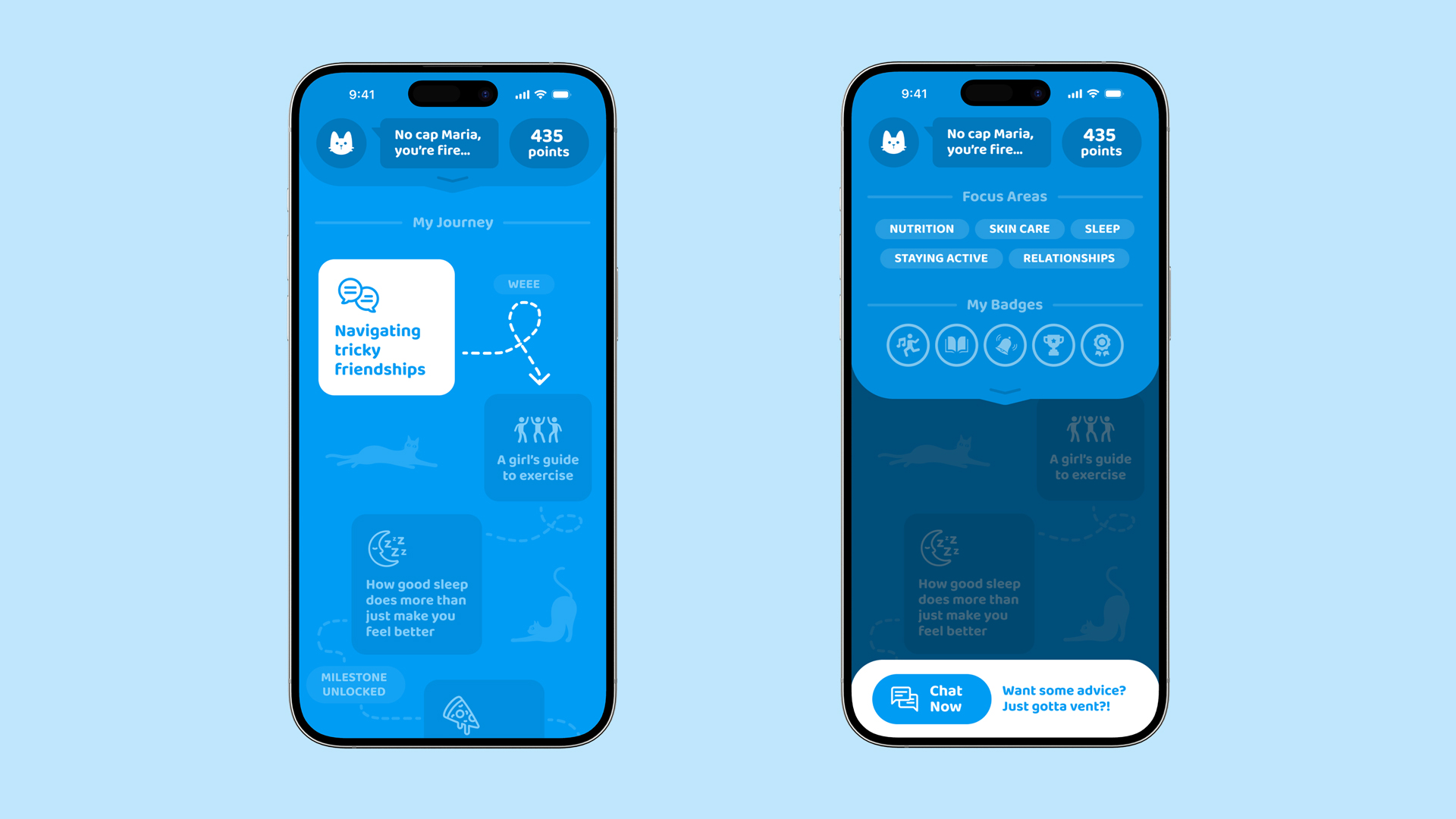
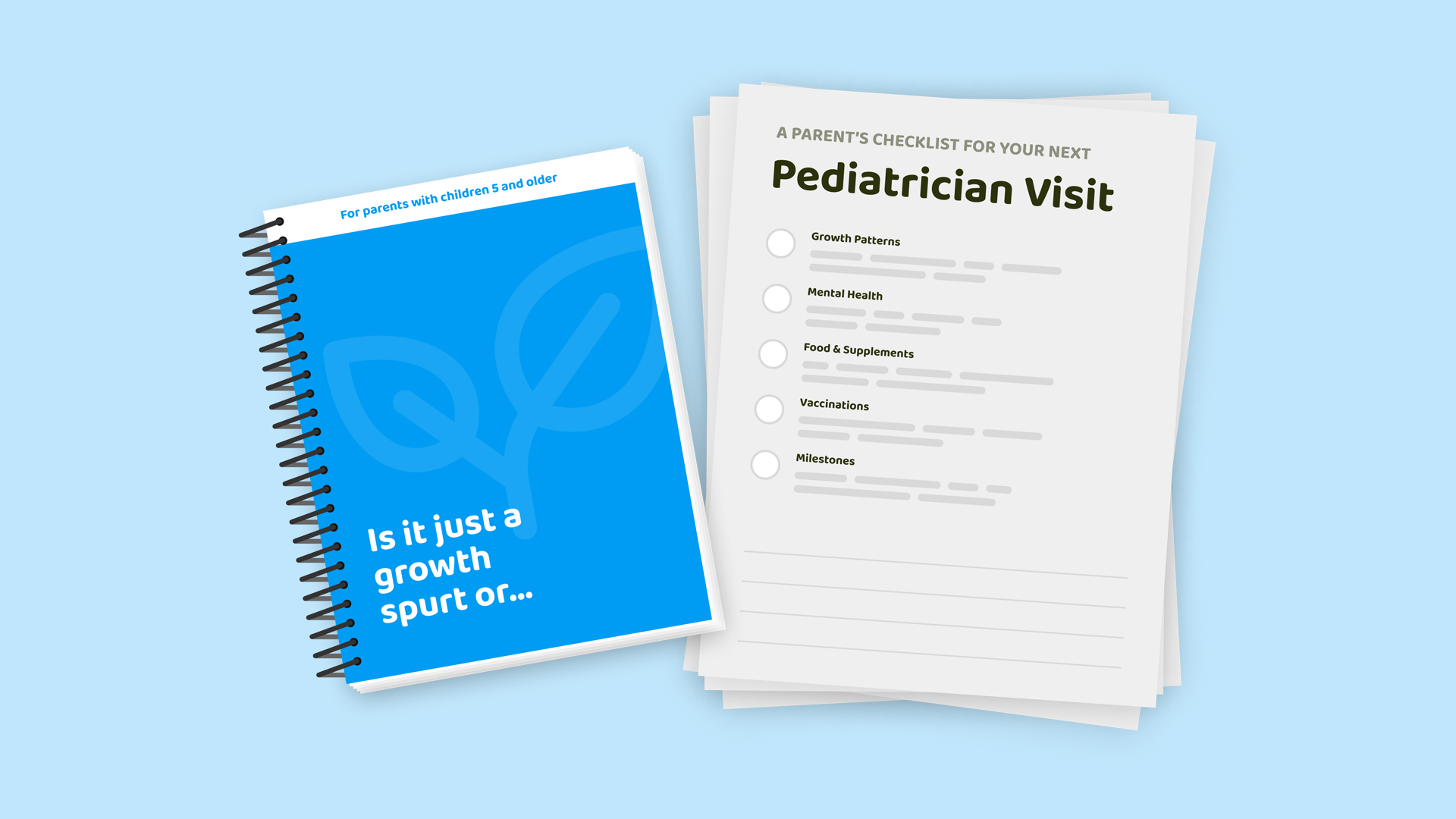
IDEO and IDEO.org also developed 10 user-centered concepts spanning digital, physical, and service offerings to reduce stigma and empower families to sustain healthier lives. These ideas address dignified diagnoses and structural inequities, among other pressing issues. Complementing these concepts, IDEO created a short documentary of a mother discussing her family’s experience navigating childhood obesity to help pediatric providers—many of whom have had very different lived experiences from the families and patients they serve—better understand the realities of the daily struggles of many families on Medicaid.
Designed for the public good, the interactive website and free downloadable report, Reimagining Childhood Obesity, contain research findings, design recommendations, and a theory of change framework. The goal: provide practical, actionable guidelines for pediatricians, educators, healthcare organizations, and innovators to meet families and kids where they are and support them as they move toward a healthier future.
10
user-centered ideas to help pediatricians reduce the stigma of childhood obesity in an accessible report
3
opportunity areas for building trust with young patients and providing family support
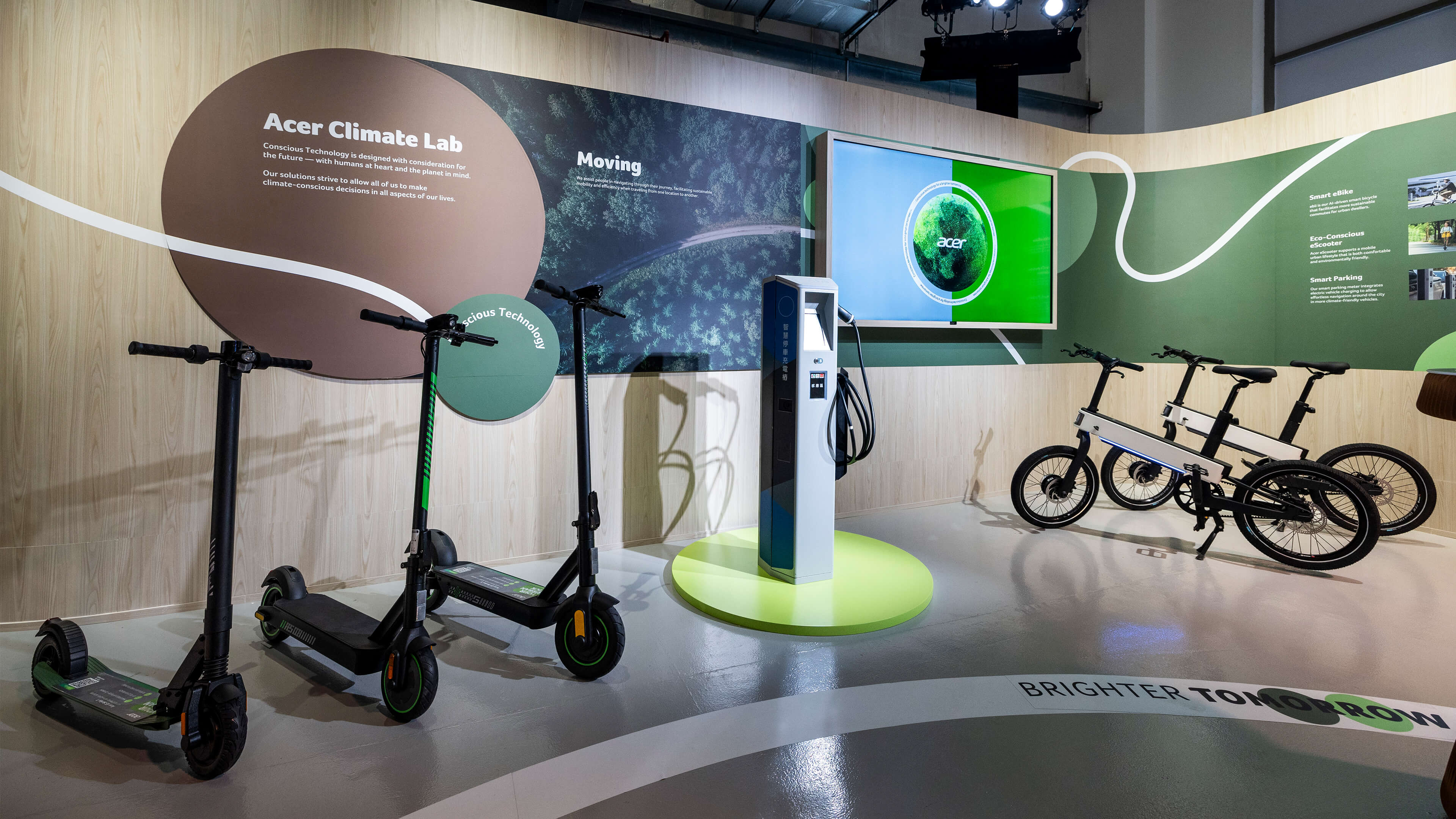
Building Acer’s Climate Lab
How a consumer electronics giant is turning sustainability into an engine for growth.
In a survey, 65% of respondents said they want to buy brands that advocate sustainability, yet only about 26% actually do.
Nearly one in two consumers say they either don’t know what information to trust, or that nothing can influence how much they trust a business’s commitment to sustainability.
With its reach, Acer saw an opportunity to power positive choices in the billions.
But new products and services won’t succeed if consumers don’t want them, no matter how sustainable they are. A few years go, the Harvard Business Review’s report, "The Elusive Green Consumer," found that about two-thirds of those surveyed said they wanted to buy brands that advocated sustainability. But only a quarter actually did.
Meanwhile, the market for climate era products is only growing: In 2022, Forbes found that nearly 90 percent of the Gen X consumers they surveyed said they’d be willing to spend more on sustainable products, compared to just over a third two years before. The desire was only higher among Millennials and Gen Z; they just didn’t like what was on offer.
To drive sales and growth, and meet its sustainability commitments, Acer needed to capitalize on desirability, deepening the connection between Acer’s sustainable options and consumer needs, lowering the barrier to purchase. To that end, Acer and IDEO created the Acer Climate Lab, a cross-organizational team and initiative, to launch the company on a transformative journey to deepen the connection between Acer's conscious technology and the realities of people's lives and needs across four strategic areas.
Together, the combined team conducted extensive research to better understand consumer attitudes and behaviors toward sustainable products, and identified everyday areas where Acer’s conscious technology might be able to have the most significant impact: living, working, moving, and learning.
- Living: Envisions homes as hubs of energy efficiency and climate resilience, leveraging technology to optimize energy use, enhance air quality, and enable proactive climate management. These concepts include technologies like smart energy systems, adaptive air solutions, and integrated home management platforms explore how technology can support sustainable daily living.
- Working: Reimagines the workplace with flexible, sustainable technology solutions that prioritize resource optimization and circular practices. Concepts such as Acer Loop could provide a subscription-based model that ensures access to the latest technology, supports remote work, and reduces electronic waste through effective recycling and rehoming practices.
- Moving: Focuses on the transformation of urban mobility by integrating technology into systems that promote sustainable transportation. Concepts could include e-mobility hubs that highlight how urban spaces could offer seamless access to shared, low-emission travel options, reducing reliance on traditional carbon-heavy methods.
- Learning: Explores pathways to sustainable education by imagining environments where technology supports circularity and accessibility. This includes ideas like refurbished devices for students, repair and reuse programs, and educational spaces designed with climate-positive principles, nurturing eco-conscious habits in future generations.
Together with Red Peak and Sid Lee, the team launched the culmination of the work at COP28, the United Nations Climate Change Conference in Dubai, positioning Acer as a pioneer in climate positive technology. The exhibit included immersive experiences and interactive displays demonstrating how Acer's sustainable solutions seamlessly integrate into everyday life. Visitors could engage with scenarios depicting sustainable living, working, moving, and learning, emphasizing the practical benefits of Acer’s innovations.
Acer's journey through the Climate Lab project underscores a commitment to sustainability that goes beyond mere compliance. With this new cross-business team tackling the real-world barriers faced by consumers, Acer is paving the way for a more inclusive, sustainable future. This initiative not only aligns with global climate goals, but also sets a precedent for the tech industry, demonstrating that with the right approach, sustainability and innovation can go hand in hand.
1 cohesive strategy
for climate era products across 6 different fields

A better way to teach writing, with AI
Ethiqly empowers time-strapped teachers to provide feedback at scale.
Teachers know 1:1 interaction is key to student success, but an EdWeek survey found only 46% of teachers’ time is spent teaching, while 25 hours/week goes to other tasks like grading and making lesson plans.
With the introduction of generative AI, Ethiqly and IDEO saw a unique opportunity to help teachers, by cutting down the time it takes to provide each student with feedback on their writing assignments. But to get there, they had to learn from the experts themselves. To kick off the project, the team headed into the classroom to co-design with students and teachers.
One of the first problems they discovered? Traditional methods of grading essays are laborious and inefficient for high school teachers, who are already notoriously busy and overworked. What teachers really wanted was to spend time giving each student the personalized feedback that helps them grow. Meanwhile, students really struggled to get started on their writing assignments, overwhelmed by looking at a blank page.
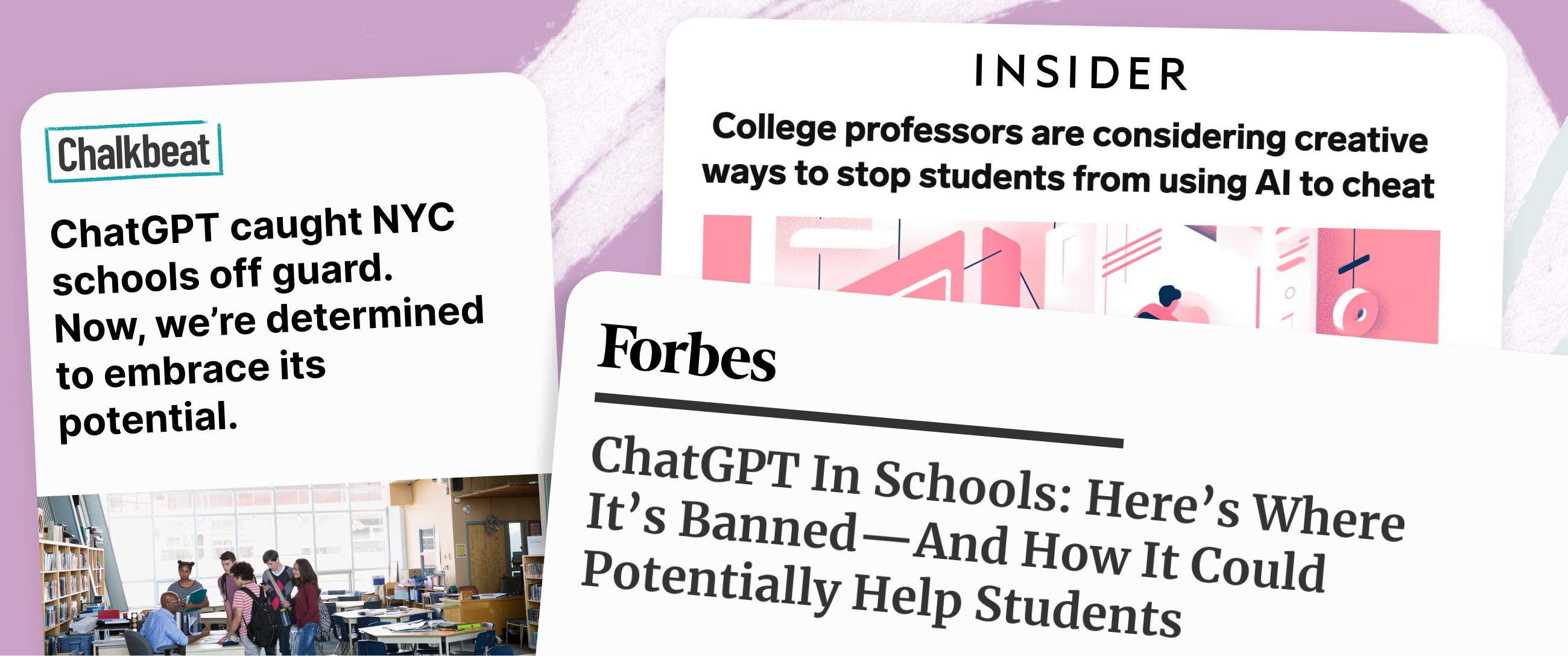
Together, the team started to think about how it could harness AI to make personalized instruction more accessible for all students, helping teachers provide better feedback at scale, and giving students the support they need to not only get started on their writing assignments, but improve their work.
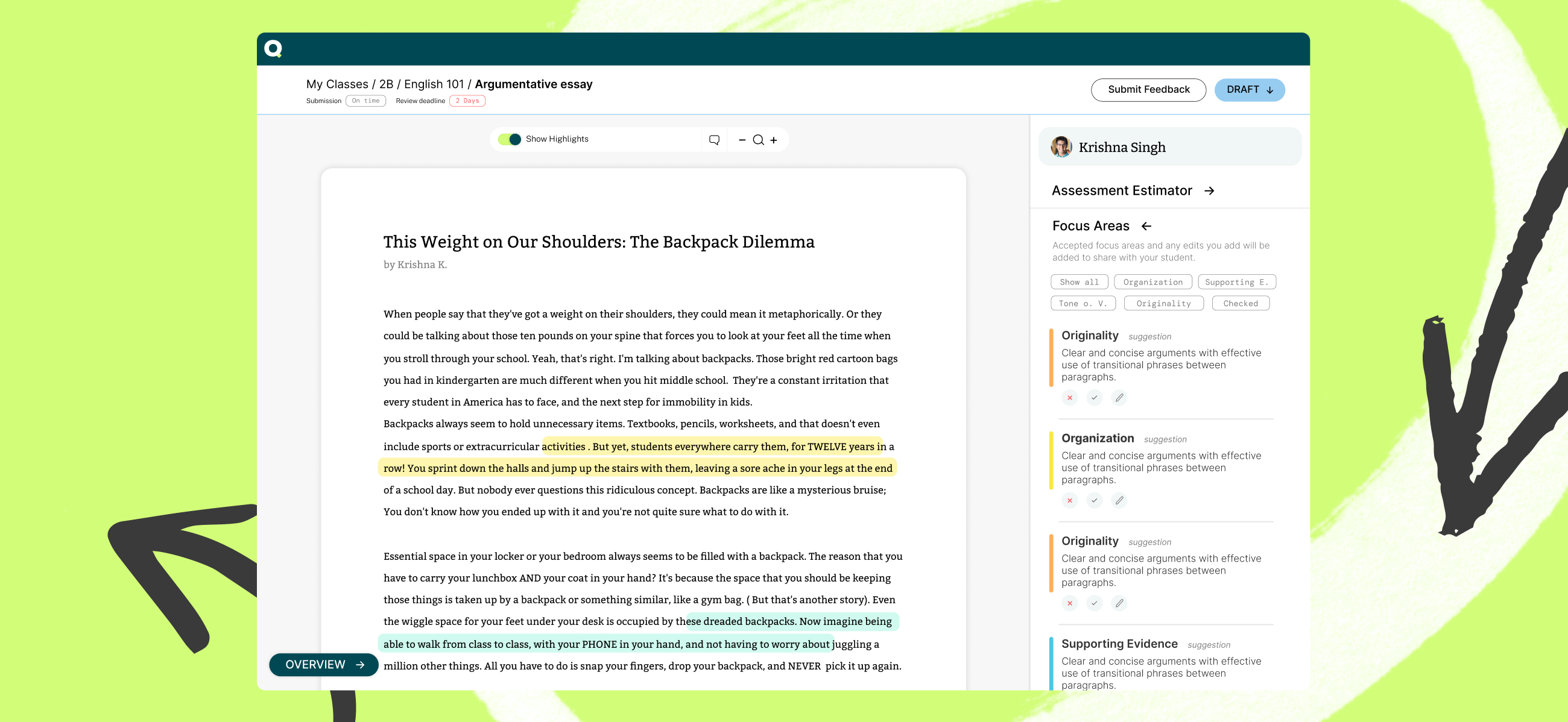
With insights directly from students and teachers, the IDEO team built working prototypes, allowing them to beta test the product in schools, and demonstrate value to investors. They also developed a brand identity and style guide for launch, which came to life in a pitch deck, landing page, and other brand expressions.
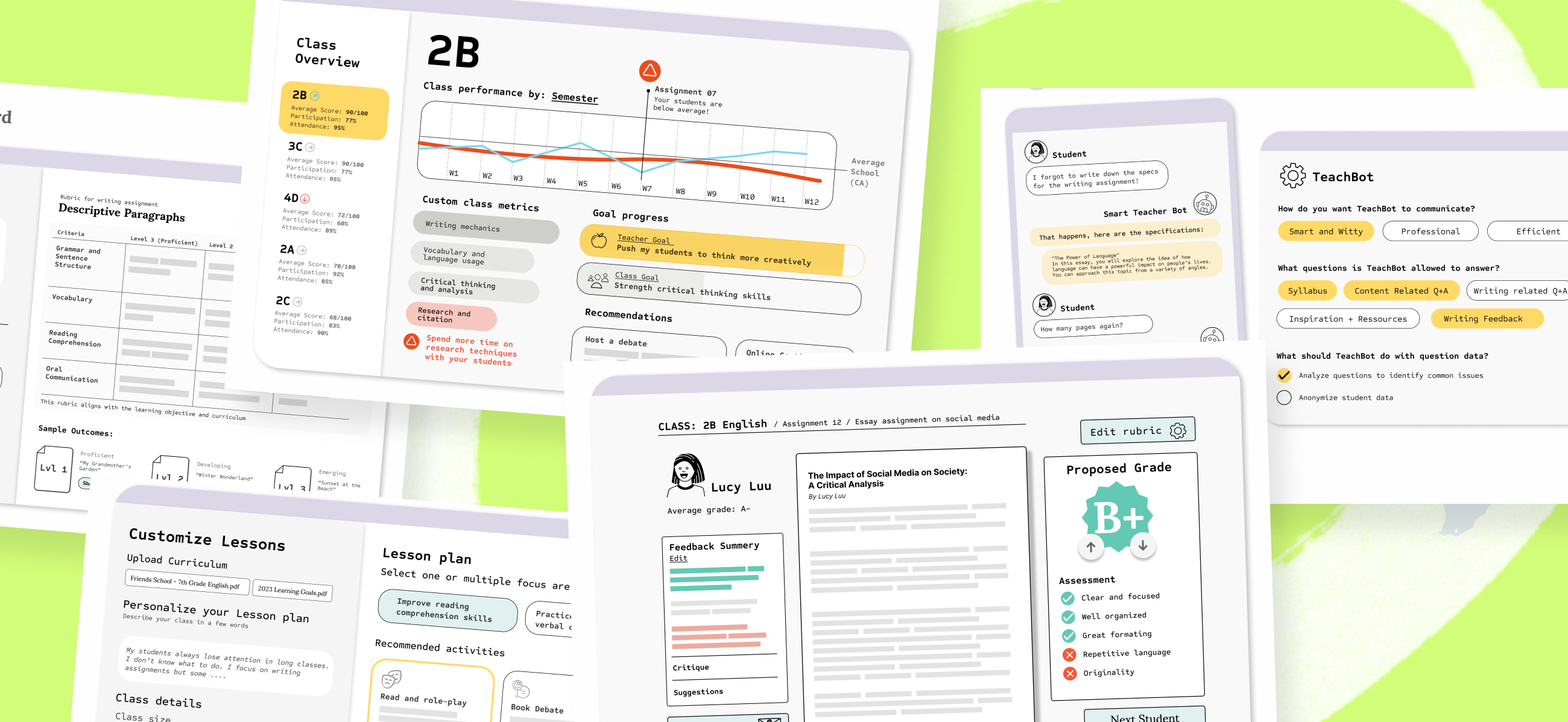
The resulting product is a sophisticated blend of AI technology and user-friendly interfaces that empower teachers and inspire students. The goal isn’t just to get to a finished essay, but to assist students in developing critical thinking skills. Ethiqly's tools help students organize their thoughts and get writing by providing contextual prompts and suggestions—without doing the work for them. And the AI assistant supports teachers by suggesting comments based on evaluation criteria they have set, and teachers choose which feedback is relevant for their individual students. Students never see it without teacher approval.
As one teacher told the team, “With leveraging AI more in education, there’s this fear that it’s deprofessionalizing the field or it’s a direct replacement of a teacher in a classroom. I think it gives us meaningful data, so that we can actually teach the way that we want to in order to support our students.” Now, Ethiqly is in use in classrooms in 25 countries, positively impacting students across the globe. In 2026, Carnegie Learning, a K-12 education company dedicated to helping teachers teach and students learn, acquired Ethiqly.
25 countries…and growing
Ethiqly’s reach in classrooms around the world
4 years
from launch to acquisition