


Home / Design services / Case studies
Planes, supply chains, and automobiles
Vice President of Global EV Programs, Ford Motor Company
Featured work




Transforming the way you learn about your DNA with a genomics startup
Helping people harness their genetic information by launching the first store for products powered by DNA.
Accessing our genetic code is as easy as spitting in a tube, but how can we benefit from all that DNA data? IDEO surveyed more than 1,000 Americans about the gene sequencing services they want. "Give me things I can act on,” one respondent said. “Give me advice, action plans, apps, and tools. Information is just air until I can put it to use." As it turns out, tools that can translate our genetic information into better life choices—to improve our health, chart our family history, or even find an effective exercise routine—are hard to come by.
Inspired to organize and apply the wealth of genetic data in all of us, Helix envisioned the first online platform for products that offer insights based on a person’s unique DNA sequence. The startup’s founders approached IDEO to help them get to launch by identifying their future market segments and designing their brand and product offering.
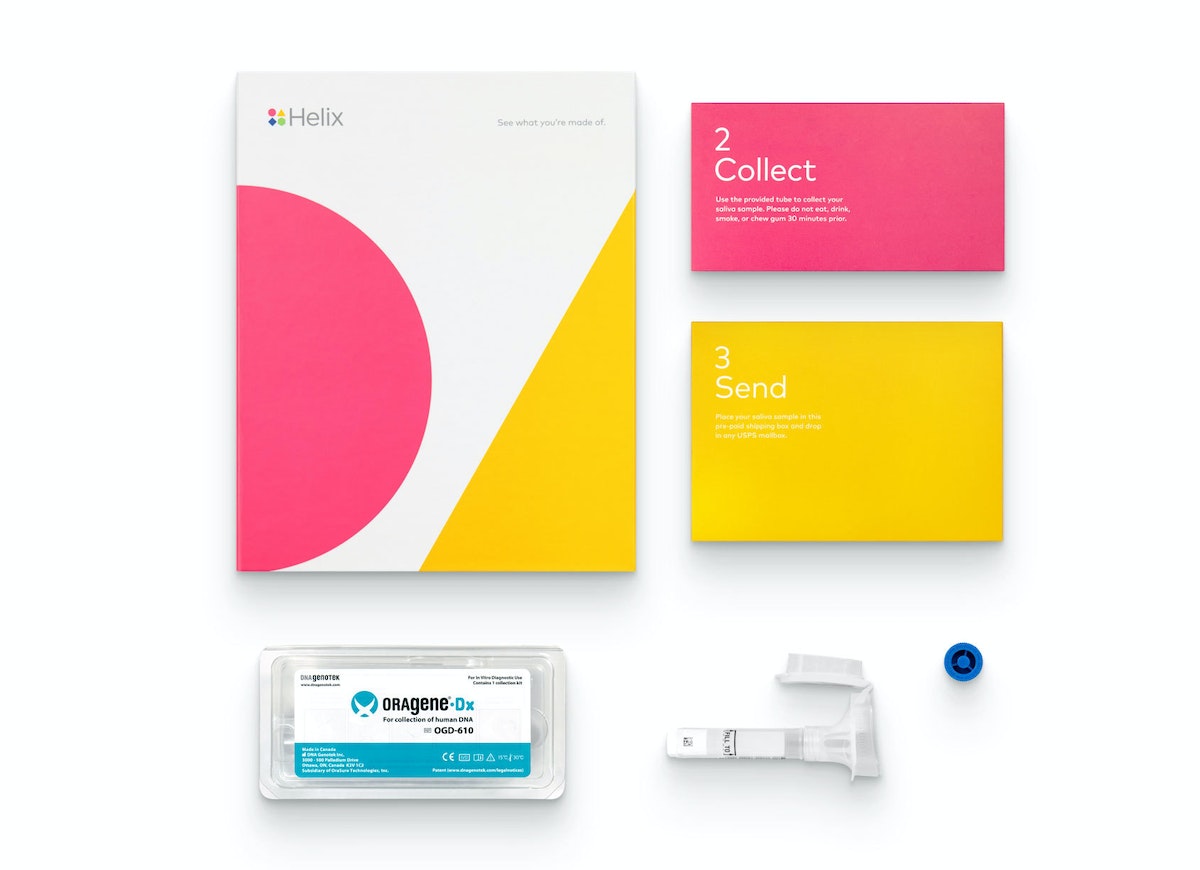
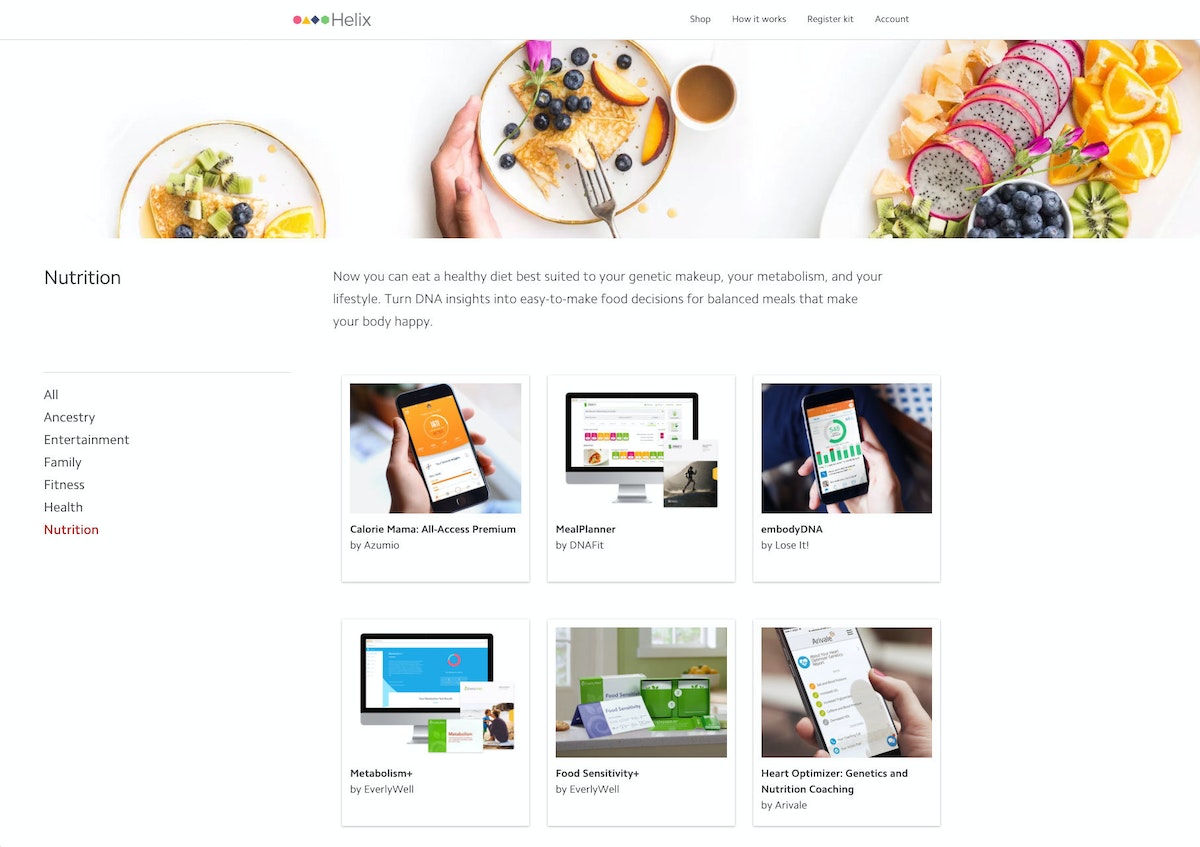
Helix sequences all 22,000 of your genes from one saliva sample—sent in a mail-in kit—and hosts a marketplace of products developed by trusted brands and innovative developers that explore your health, ancestry, entertainment, family, fitness, and nutrition. Similar to the Apple app store, Helix lets you pay individually for the products you want and is a platform for developers to launch new offerings over time. After you've provided a DNA sample once, every product in the Helix store is made available to you on-demand. So, as new products are launched and new discoveries are made in the field of genomics, the data from your original sample is all you’ll need to keep exploring your personal genetic insights.
IDEO engaged a range of users, including early adopters of at-home genetic tests and “quantified self” enthusiasts, and surveyed potential Helix customers across the country. That qualitative and quantitative research validated Helix’s “app store” business model and provided key insights into the products people were most interested in.
Through the partnership, Helix uncovered what users need most from a genomics company:
- to prioritize the accuracy and privacy of DNA test results
- to encourage a sense of discovery and exploration of our genes
- to celebrate each individual’s unique qualities
A team of ethnographers, data scientists, and designers at IDEO helped direct the startup’s brand approach (including its name, Helix) and crafted a blueprint for how the company connects with customers and presents its product. The Helix store launched in July 2017.
Our DNA used to be a mystery—something we guessed at by observing our parents. Now, easy access to our genetic code—and the tools to truly understand it—arrives on our doorstep.
Designing the first all-in-one, wearable breast pump
Collaborating with the startup team at Willow that reimagined the breast pumping experience.
All moms want to give their babies the best start in life, and for many, that means nourishing their babies with breastmilk. However, breast pumping is often inconvenient and uncomfortable. Tethered to the wall, undressed, and surrounded by cords and dangling bottles, most mothers who pump are interacting with technology that hasn’t fundamentally changed in more than 25 years.
Passionate about solving this challenge, the startup Willow set out to completely re-imagine the breast pumping experience. The team at Willow envisioned a “dream pump” that would deliver what moms want most: mobility and discretion.
The Willow team approached IDEO to be a close partner in bringing their product to life. As a cross-disciplinary team of researchers, industrial designers, and mechanical engineers, IDEO, Willow, and Function Engineering worked together seamlessly to identify mothers’ unmet needs and resolve engineering complexities with a simple and elegant design.
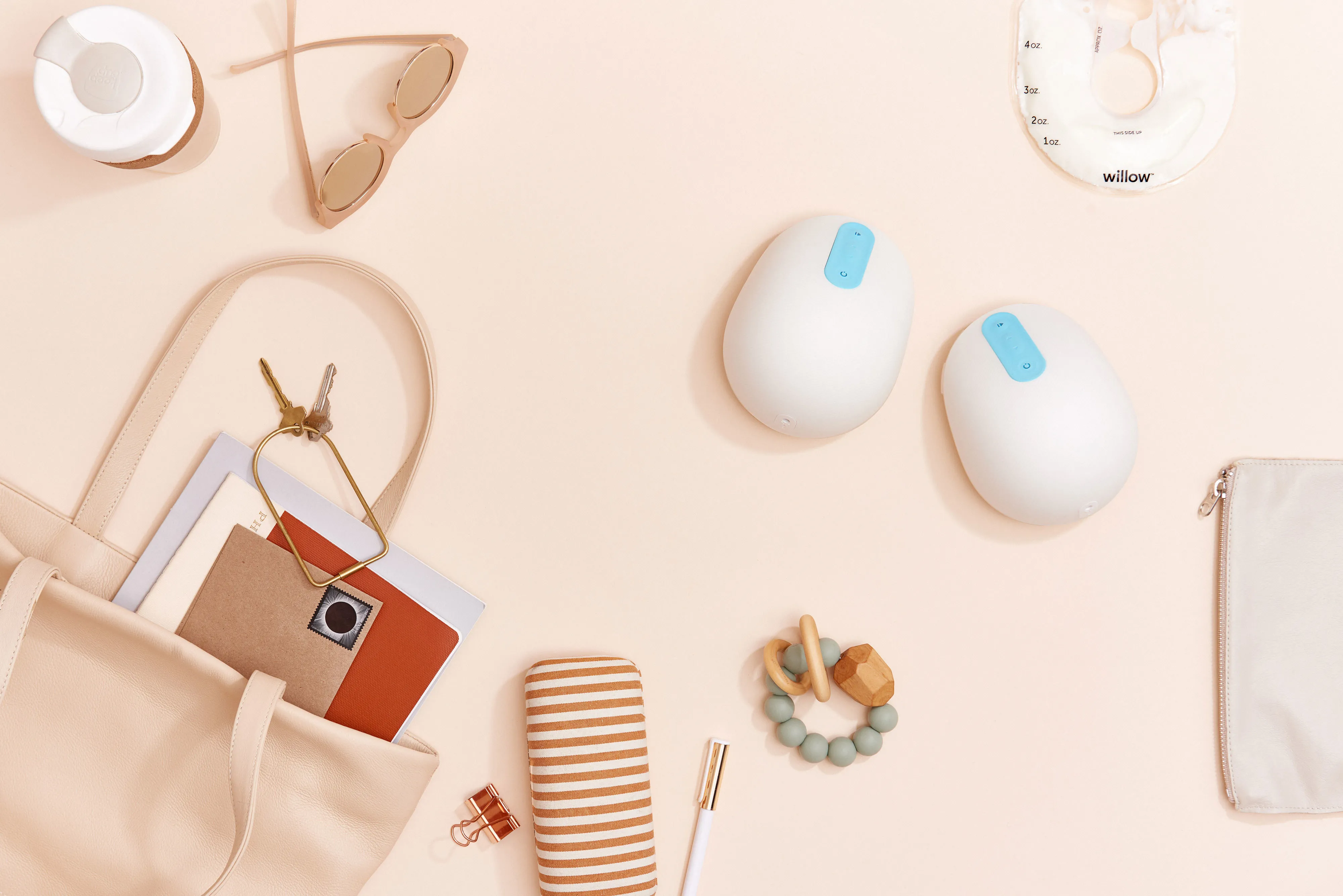
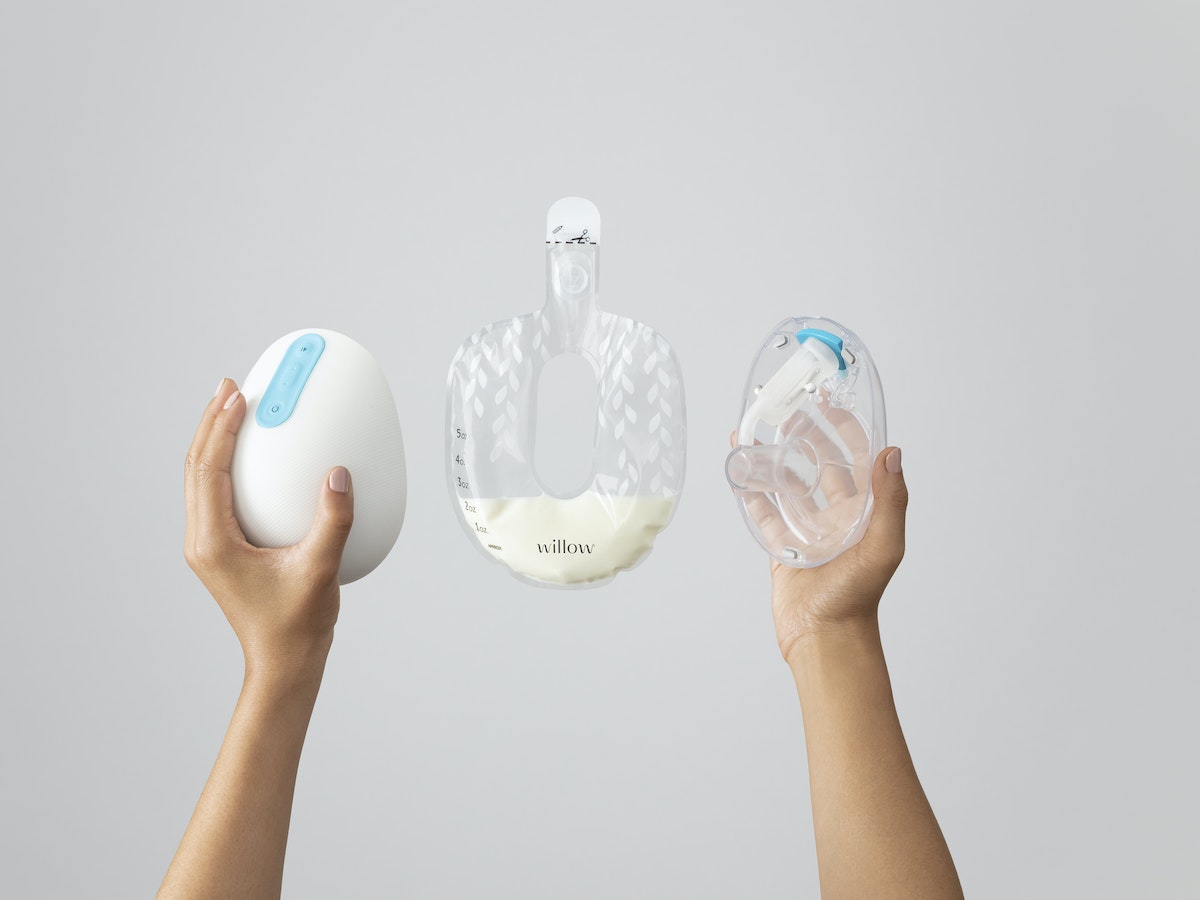
The resulting product, Willow, is the first all-in-one, wearable breast pump that cuts the cords, ditches the mess of bottles, and fits easily inside a bra. Mobile, discreet, and hands-free, Willow allows women to achieve their breastfeeding goals without pressing pause on their own lives.

The final design of Willow was informed by research and in-person interviews with dozens of mothers, ranging from first-time to experienced pumpers. Insights about their personal routines, challenges, and workarounds guided the design team as they built more than 60 physical prototypes to understand how Willow could best fit into mothers’ lives. Learnings from those prototypes helped the team to define the size, shape, color, and materials of Willow, as well as each step in the pumping process.
One key design element that emerged from this iterative process was the simplicity of Willow’s architecture, which makes the pump easy to use, assemble, and clean. The pump contains just a few basic parts that snap together, and only two parts that need to be cleaned (both are dishwasher-safe).
Considering how personal the breast pumping experience is, the team aimed to help the pump feel less like a stark, mechanical device and more like a considered, modern, and personal accessory—a goal ultimately achieved through the pump’s colors, texture, and finish.
Because of Willow, mothers no longer need to plan their lives around pumping—it can happen anywhere, at anytime. Willow gives moms back their time and freedom and gives them choice; now moms can play with an older child, work, or enjoy precious relaxation time at home. With Willow, pumping breastmilk finally fits seamlessly into women’s active everyday lives.

Improving quality of life for young adults with schizophrenia
Designing a digital platform that continually motivates and engages patients.
More than 50 million people worldwide suffer from schizophrenia, yet only half receive psychiatric treatment. When they do, it usually involves medication and one-on-one therapy to treat the most visible symptoms, including hallucinations and paranoia. But the disease can also cause debilitating symptoms that medication can’t easily treat, such as social anxiety and isolation, lack of motivation, and memory deficits.
For people living with these symptoms, what might seem like simple activities—socializing, spending time outdoors, exercising—can sometimes feel overwhelming. And if patients aren’t given effective care, they can become even more isolated, and their physical health and quality of life suffer. They’re far more likely to let the rest of their treatment regimen slip, skipping medication or therapy sessions.
To help address these challenges, a digital health research group at the University of California, San Francisco (UCSF) approached IDEO with an idea to supplement the longstanding medication-and-therapy model with a tool to alleviate hard-to-treat symptoms, and more importantly, improve patients’ quality of life. It would require identifying unmet needs among patients and determining which kinds of interactions could have the greatest impact on young people with mental illness.
The outcome of that collaboration is PRIME, or Personalized Real-time Intervention for Motivational Enhancement, a digital platform that empowers young people with schizophrenia with the tools, motivation, and community of support they need to achieve their goals.
The simplicity of PRIME belies its deep functionality. The easy-to-use mobile app helps patients stay motivated to stick with behaviors that boost their health, social skills, and productivity, and it provides motivational coaching from trusted professionals and social connections with other patients.
How It Works
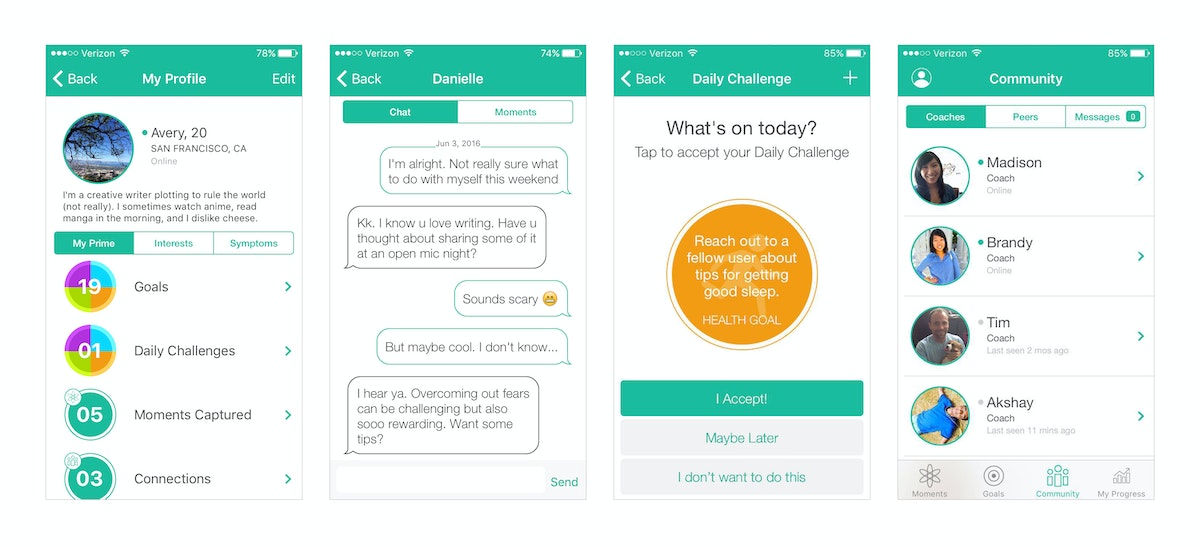
The PRIME app lets users set daily goals based on their particular needs. There are more than 500 small challenges to try—from inviting a friend to play basketball to spending time with a family member—and users can see their progress tracked through incremental successes over time.
Whenever users need help, trained motivational coaches are on hand to provide cognitive behavioral therapy coaching, encourage patients to achieve their goals (and to push beyond their comfort zones), and support their interactions with other users.
Tapping into its vibrant social network to help patients feel less isolated, PRIME prompts users to snap photos of happy moments, highlight important events in their lives, and share challenges they’re proud to have accomplished. Unlike Facebook, which can be overwhelming for some patients with schizophrenia, PRIME is a closed community where users can talk freely about their challenges with others who are just like them.
Click above to hear our audio story, or listen on SoundCloud.
To measure the efficacy of PRIME, UCSF and IDEO combined traditional metrics, such as Patient Health Questionnaire scores and time spent in the app, with new metrics evaluating patients’ quality of life. For example, they studied the pictures of things that made users happy before and while using the app, and measured the frequency, depth, and quality of patients’ social interactions in the app based on word choice and punctuation.
Learnings from these human-centered metrics helped the team iterate further on PRIME’s design, so that the platform would generate even higher levels of engagement and stronger improvements in patients’ motivation and social functioning. In this 2016 peer-reviewed, clinical study, 80 percent of patients with schizophrenia achieved their daily goals, and users logged into the app an average of 4.5 times a week, far more than the expected rate of once a week.
PRIME has also made an impact on patients and their families on a personal level. The mother of one research participant was thrilled with the results. She told IDEO, “I wish you could have witnessed my daughter’s first response to seeing the faces and profiles on her phone. She looked at me, smiled, and said, ‘Everyone looks normal. Everyone looks like people you see every day.’ It was as if she looked into a mirror that reflected possibility and hope.”
Human-Centered Design
The PRIME platform is an example of how the human-centered design process can lead to first-of-its-kind innovations in the field of mental health care. PRIME designers conducted comprehensive interviews that led to a deep understanding of patients as whole people, not just conditions or sets of symptoms.
For Dr. Danielle Schlosser, lead researcher on the PRIME project at UCSF, collaborating with IDEO and applying design thinking to her research on mental health was illuminating. "[It] showed us that in order to engage our users, we needed to provide a safe and supportive community that directly catered to their needs. The insights we gained enabled us to create an experience that inspires patients to improve their quality of life by emphasizing their strengths. Working with IDEO helped us make powerful, creative leaps in our process, and build a digital health platform that’s already deeply impacting patients’ lives.”
The success of PRIME in treating schizophrenia has led to additional federal research funding, and the platform is now being expanded to treat a wider range of mental health conditions.
For example, in this recent, peer-reviewed study, PRIME helped patients with moderately severe depression experience a 50 percent reduction in symptoms, with a noticeable difference in just two weeks—far faster than the average of four to six weeks it takes for traditional medication and therapy to yield improvements. By the end of the depression study, 90 percent of participants said they had achieved their treatment goals, such as to “become happier” or to “feel less lonely.”
Numerous patients with schizophrenia and depression have already benefitted from PRIME’s unique offering, and the team is exploring ways to commercialize and scale PRIME to reach more people with mental health conditions.

Preparing New Yorkers for future flooding
Helping homeowners understand how to protect their future amid shifting flood zone policy and climate change.
New Yorkers are a tough lot, but damaging coastal storms will continue to test their resilience. More than 400,000 people live within the city’s floodplain and are at physical and economic risk. In the face of both natural and manmade challenges—from superstorms to confusing insurance regulations—many New Yorkers are not aware of their flood risk, or even that they should be thinking about it at all.
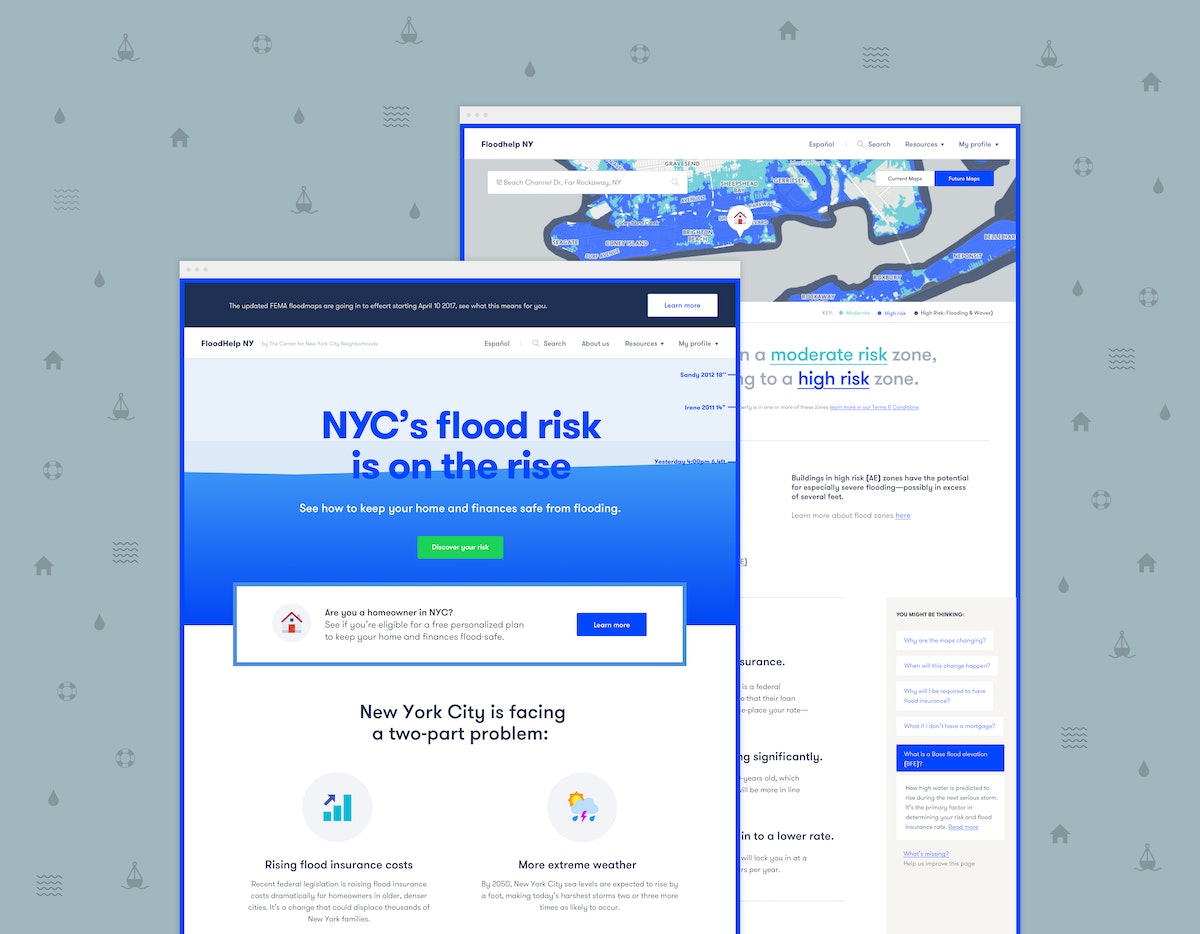
The Center for NYC Neighborhoods‚ a nonprofit that champions affordable homeownership for middle- and working-class families and communities, engaged IDEO to create a resource that could help New Yorkers keep their homes and finances safe. Launched in September 2016 with funding from New York State's Governor's Office of Storm Recovery, FloodHelpNY is an expansive platform that dismantles the complexity surrounding flood insurance and gives homeowners clear and simple guidance for assessing their flood risk and taking action toward resiliency.
Facing the complexities of insurance policy, shifting flood regulations, climate change, and citizen engagement, the design team began by engaging two vastly different groups of New Yorkers—those who had been battered by past storms and those not yet affected. Homeowners in the first camp were angry and frustrated by a system that had let them down after Superstorm Sandy. Homeowners in the second camp were simply unaware of their risk and had little idea of what might happen. The right design solution needed to encourage both groups to take action and learn about flood risk and insurance regulations, while also addressing divergent levels of need and preparedness.
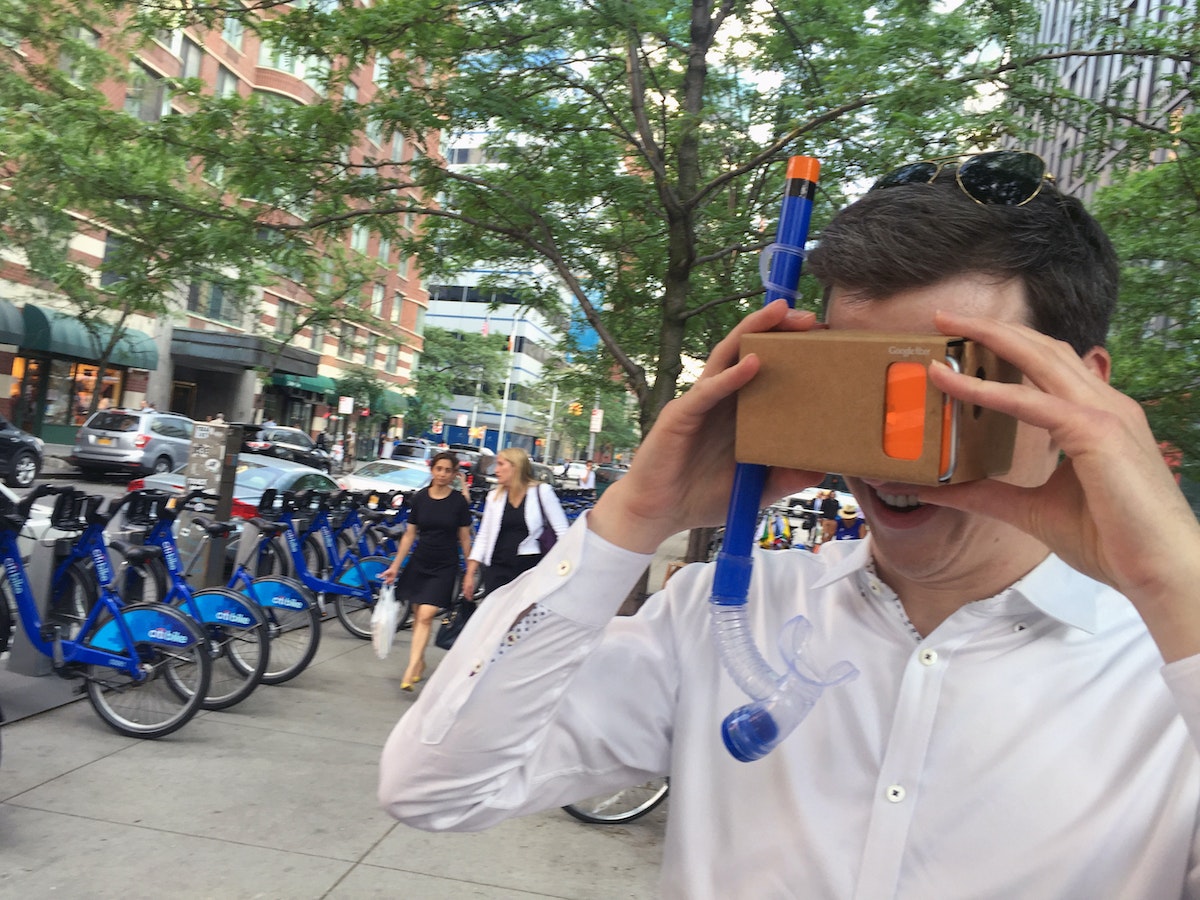
To co-design solutions with homeowners, IDEO set up pop-up stations at neighborhood meetings in Canarsie, Red Hook, and Gerritsen Beach, and had flood-affected residents create paper prototypes of the resources they wanted in place the next time a storm hit. The team learned how residents contextualized their individual risk, which information they prioritized, and how their frustration could inform a better outcome. In Lower Manhattan, where residents are less aware of flood risk, the team set up a pop-up station with virtual reality viewers that simulated water rushing into the surrounding streets, a visceral wake up call that got them talking about flood recovery.
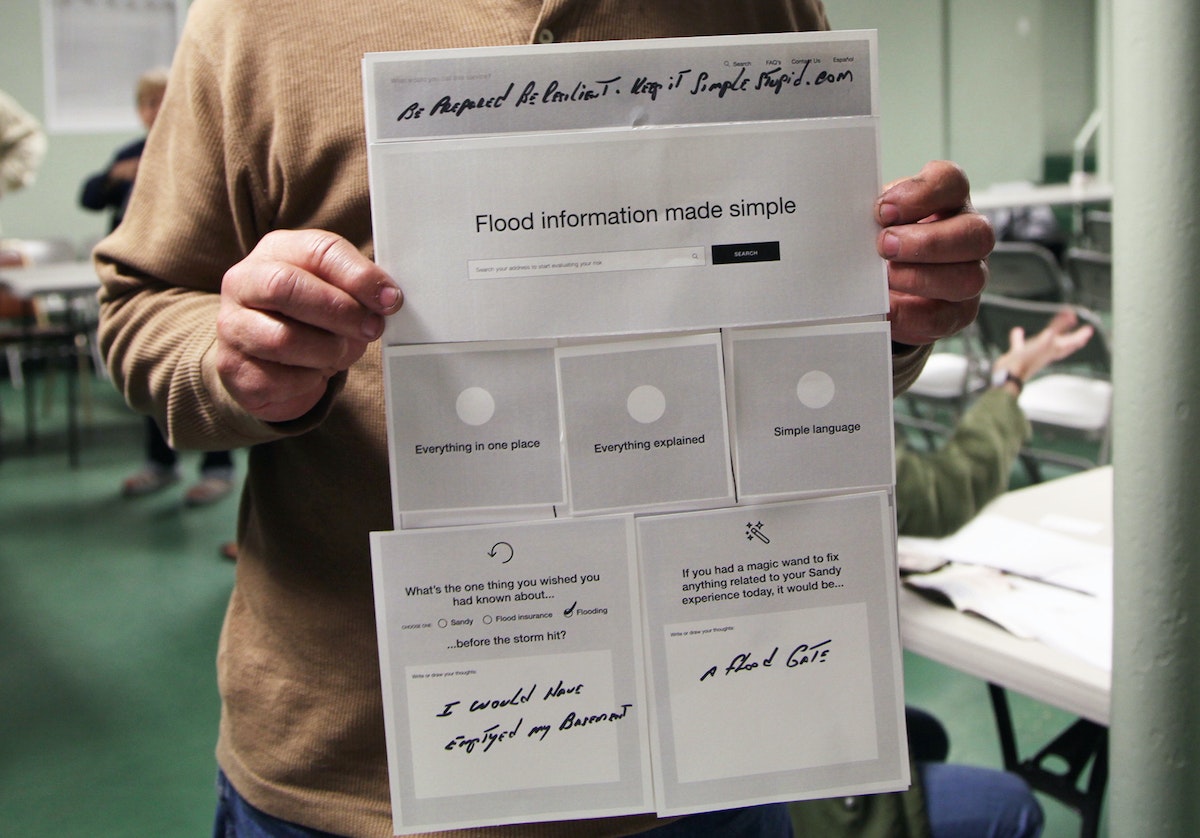
Less than a month after launch, FEMA began promoting FloodHelpNY as a key resource for building flood resilience. The platform helps all New Yorkers learn what flood zone they’re in, or will be in, how that affects their insurance rates, and what steps they can take to mitigate their risk. It features a first-of-its-kind flood insurance rate calculator that can help homeowners get a rough idea of the costs they could face as insurance prices go up. It is also the main conduit to apply for the Home Resiliency Audit, a New York State-funded program that equips at-risk homeowners with vital documentation valued at over $800 that confirms their actual elevation and insurance costs—all with the personalized assistance of an engineer and housing counselor team. In the coming months, FloodHelpNY will expand further to offer homeowners free backflow valves that reduce the chance of sewers backing up during flooding, as well as access to more existing benefits for resiliency.
The New York City floodplain, which is expected to grow as tides continue to rise, threatens neighborhoods that are among New York’s oldest and most historic. The people who live there make the city work: teachers, police officers, subway operators. Many of these homeowners will watch their flood insurance premiums surge, year over year. It’s a troubling future, but one that FloodHelpNY is designed to help New Yorkers face, by guiding them toward greater resilience and assuring them that they aren’t alone.
A game-changing approach to sleep for athletes
Helping Rise Science, a sleep analytics startup, optimize its customer experience and scale the business.
Athletes looking to score big on game day could hit the gym, but they’d probably be better off hitting the sheets instead, according to Rise Science, a sleep analytics startup. Harnessing the latest sleep science, Rise helps players significantly improve reaction time and decrease false starts, lapses, and injuries, among other benefits.
While attending Northwestern University, the co-founders of Rise Science created a simple sleep app and light-touch coaching service, which they prototyped on the school’s Big Ten football team with positive results. They came to IDEO to optimize their customer experience and scale the business, and joined IDEO’s Startup in Residence program.
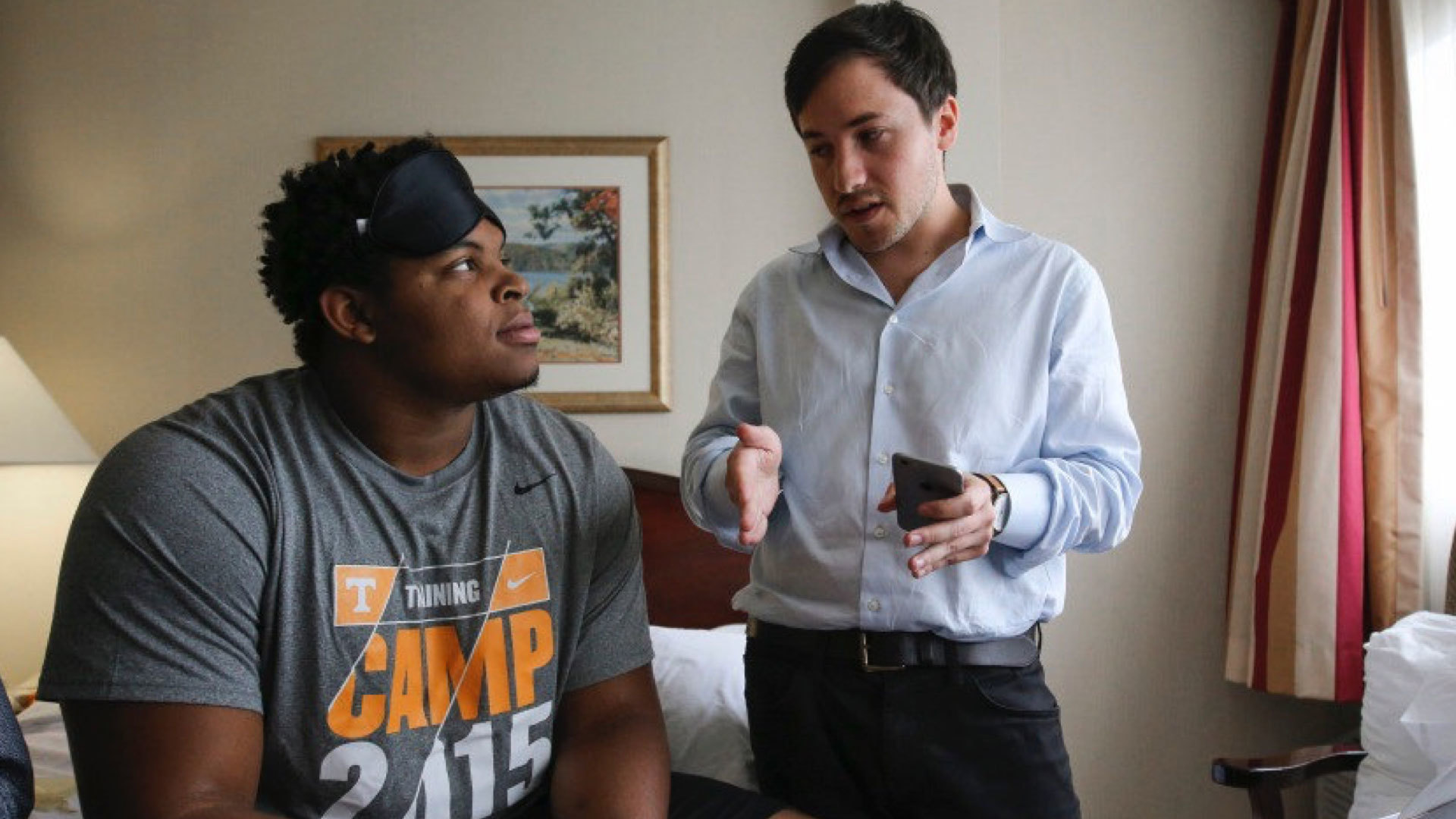
While observing coaches and players using Rise, IDEO saw the opportunity to better integrate the digital and hardware experiences and design a more robust, intuitive, and service-heavy on-boarding experience during the first few weeks using the system, when breaking old habits and incorporating new ones are most challenging.
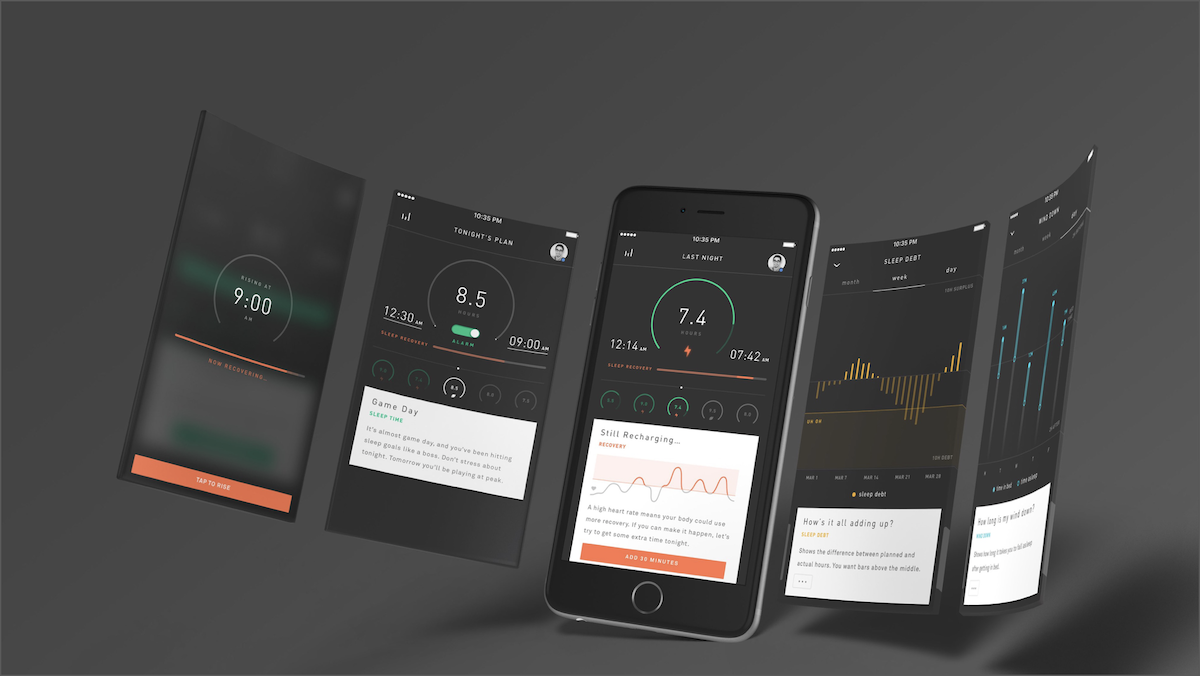
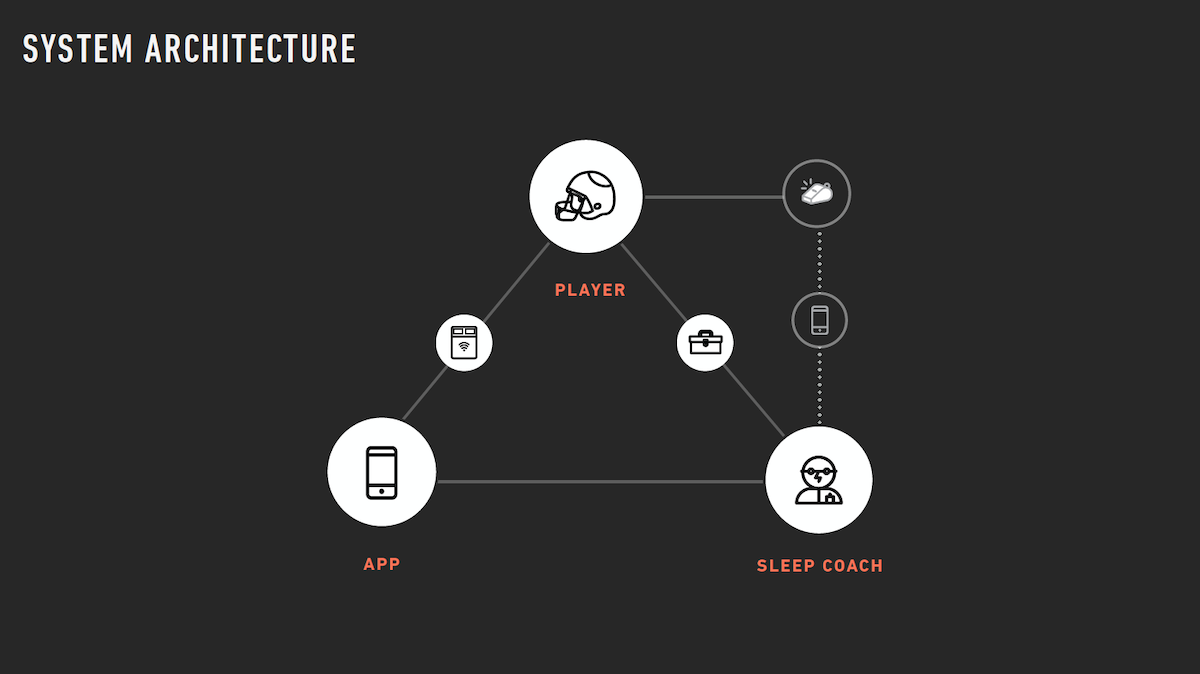
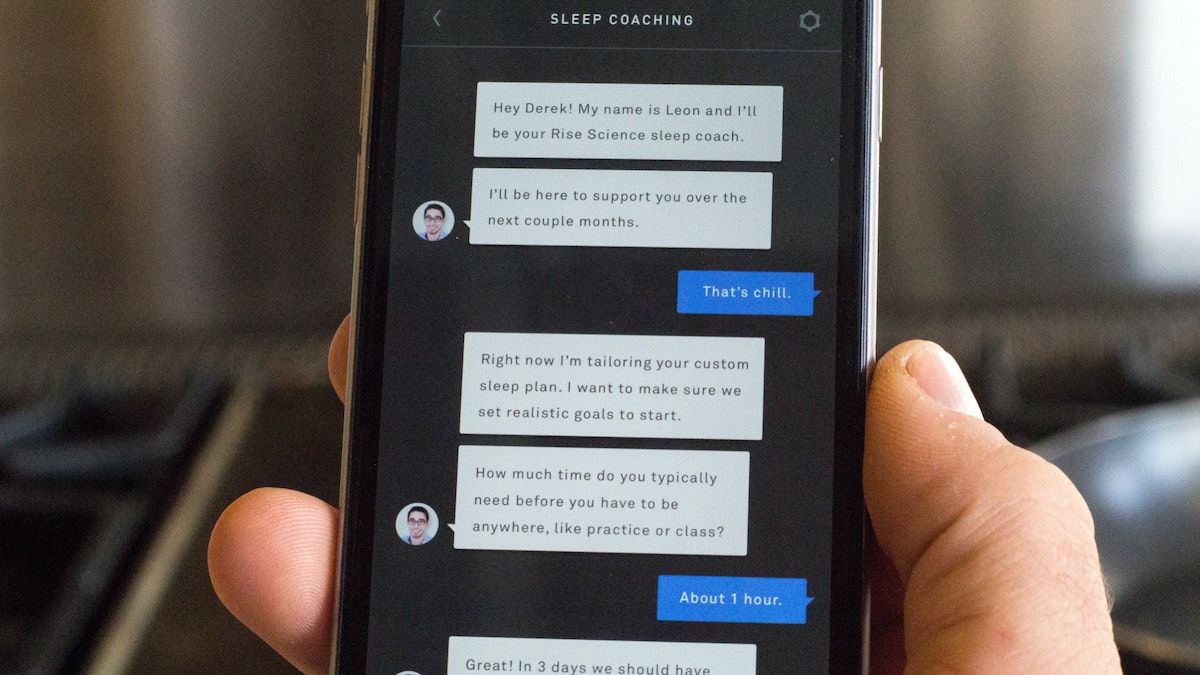
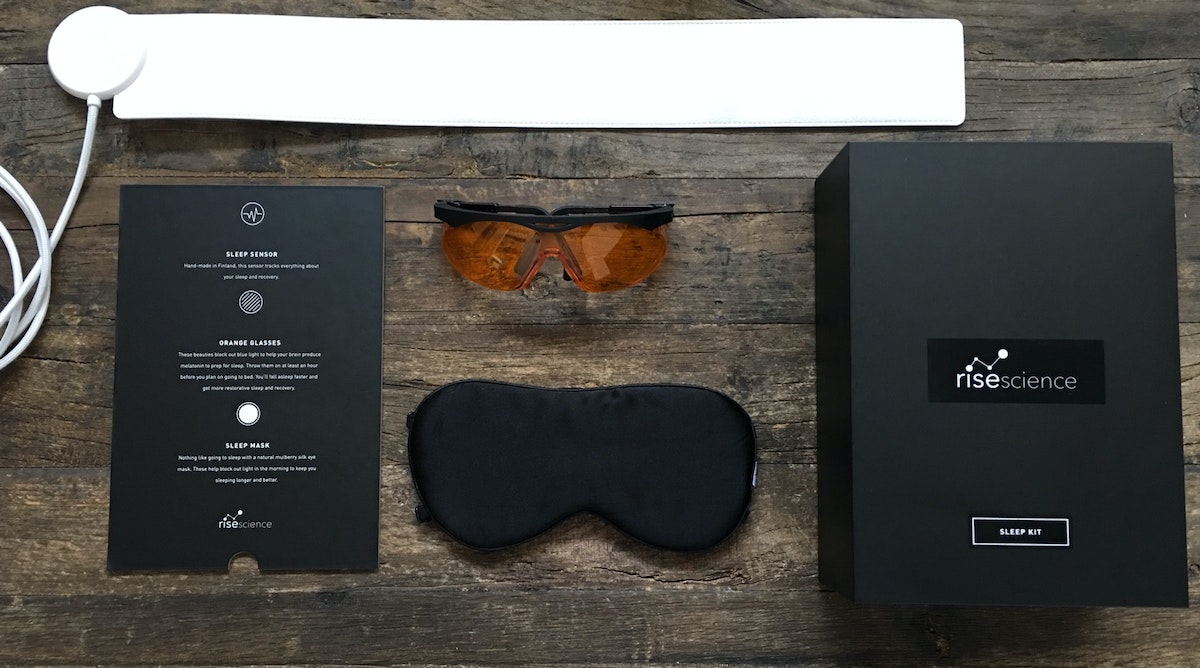
At the end of the residence program, Rise left IDEO with a rebranded and optimized sleep training system. Here’s how it works: Players and coaches receive a short, in-person introduction to sleep coaching by a Rise employee. Players who opt in to the service receive a sleep-training kit that includes the Rise Coaching App; adaptive sleep plans tailored to their chronotype, age, game schedule, and training load; a part-human, part-machine sleep coach that continuously supports each player, monitors progress, and gives timely feedback; in-context education that provides daily and weekly sleep insights; and products like UV glasses, sleep mask, and bed sensor. In just a week of using Rise’s full sleep program, 97 percent of players report getting 54 more restorative minutes of sleep per night.
Recently, Rise Science added the Chicago Bulls, Miami Dolphins, and the University of West Virginia to their sleep-training roster, enhancing their performance, one good night’s sleep at a time.
“Coming into IDEO, we knew our service was letting customers down. When we left, we had the blueprint for the next version of Rise. We were able to solve and optimize sleep at a much larger scale,” said Jeff Kahn, co-founder and CEO of Rise Science.

Arming a 19th-century company with a 21st-century digital venture
Swell enabled values-driven consumers to make informed investment decisions.
For the socially-conscious, investing can be a tricky proposition. The same people who wish to vote with their wallets may find that their options for investment funds and 401K plans are rife with companies that violate causes they believe in. So far, there have been few options in the marketplace that give consumers the opportunity to put their money in financial products that not only cut out environmental and social offenders, but actually contribute to the well-being of the environment and society.
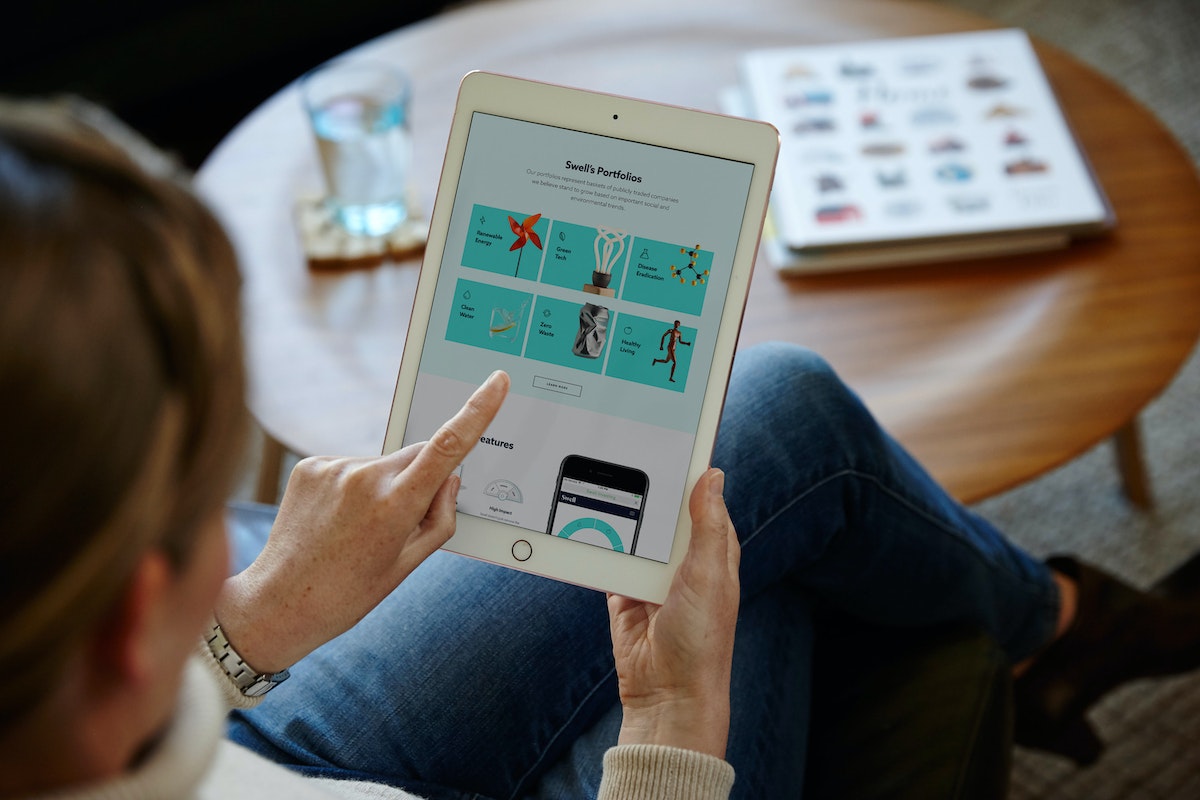
Dave Fanger, a financial professional, was determined to design a solution. He approached IDEO to help create a startup venture for socially-conscious investors. Pacific Life, a Fortune 500 financial services company and Fanger’s employer at the time, offered the resources to develop and launch the idea. The online impact investment platform gave consumers the opportunity to invest in high-growth industries that are addressing global, environmental, and social challenges. Swell rigorously screened companies for both impact and performance, so consumers could be confident that their investments were in line with their values.
A holistic approach
Embedded as core team members, IDEO designers worked alongside Swell’s founder to shape the company. In just one year, they went from an initial concept and prototype to an SEC-registered investment adviser with a fully developed business model, a digital platform with initial investors, and well-defined branding that set the look and feel of the values-driven company. The IDEO team helped to hire the initial team of employees, working to ensure that the fintech startup would have the creative talent it needed to operate post-launch, as well as a defined culture that would help it grow.
A new investment platform
From the outset, it was important for the team to build an innovative, digitally-fluent, and customer-centered platform to make it easy for investors to back causes they care about. Working in close collaboration with software development partner Carbon Five, Swell and IDEO committed to act nimbly, take risks, move fast, and ditch decks for prototypes. Understanding the motivations of the investor—their values and what drives their investment decisions—was key, so the team leveraged IDEO’s network to form a consumer council, which helped to quickly iterate and refine prototypes throughout the duration of the product development process. Having that core group involved every step of the way made it easy for the team to keep consumers at the center of the design and validate key decisions quickly.
Swell offered consumers portfolios of companies that work to solve some of today's biggest challenges. The six impact portfolios offered were: green tech, renewable energy, zero waste, clean water, healthy living, and disease eradication.
As of June 2019, Swell had attracted over 15,000 investors—more than half under the age of 34—and $35 million AUM. Nearly 40 percent of investors were making investments on a recurring basis.

For kids, a new tactile way to learn coding
Helping Google design a set of blocks that can be arranged to code almost anything.
Learning to code isn’t just about knowing symbols and syntax—it can help unlock kids’ imagination by inspiring them to build new things and interact with everyday objects through discovery and play.
With that in mind, Google Creative Lab came to IDEO to help with user experience and product design on their new coding tool for children. The result of the collaboration, Project Bloks, is a simple and interactive experience that teaches kids how to code using physical blocks. This establishes a new paradigm for learning computer science: it takes a language typically only understood through screens and keyboards, and makes it tangible.
Project Bloks was also designed as an open hardware platform, enabling developers and educators to build tangible programming applications that are innovative, educational and fun.
Kid-centered design
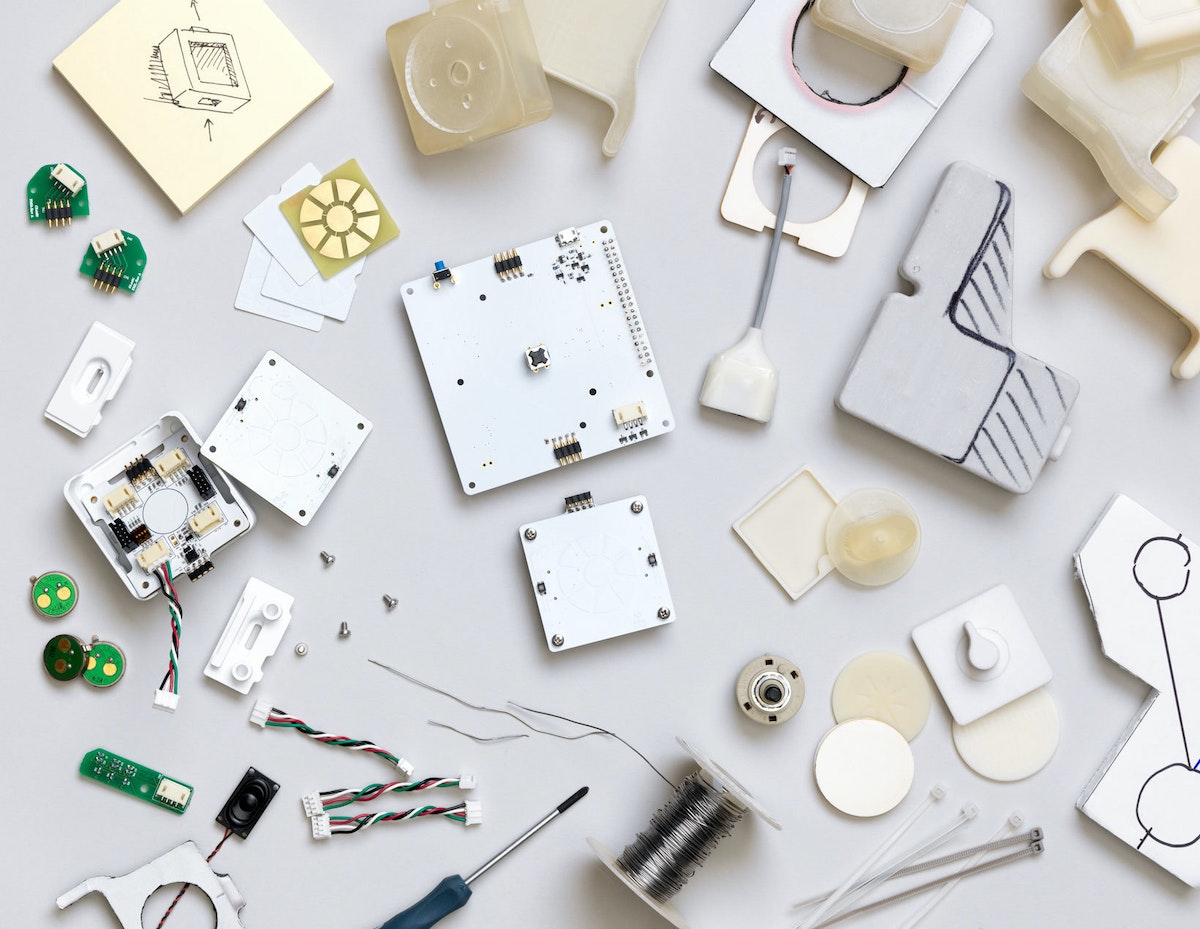
From the very beginning, how kids physically play and learn were at the center of the project. Designers quickly iterated using sketches, foam core, paper, Play-Doh, and 3D-printed models to see how slight changes informed children’s experiences. Understanding what deepened kids’ engagement, increased their curiosity and changed their behaviors drove the language, taxonomy, architecture, and physical form of Bloks.
Because play and physical building is an important way in which many kids develop skills, designers began with a set of blocks and sought to help them discover coding through tangible objects. Each block was given a specific function and shape, guiding kids to arrange, combine, and rearrange the blocks to create commands and control things like robots or speakers in the real world. Children could also create block patterns together by physically building on each other’s ideas.
An inside look at the design process. Video by Google.
Designing for early learners also forced the team to rethink how a new language could be taught. An early version of the blocks was based on how programmers typically code, from top to bottom. However, the team quickly realized that the orientation had to be driven by the child’s natural instincts. Given young children are just learning to read from left to right, designers observed that the switch in directions was too confusing and changed the arrangement of Bloks commands to go left-right in addition to top-bottom.
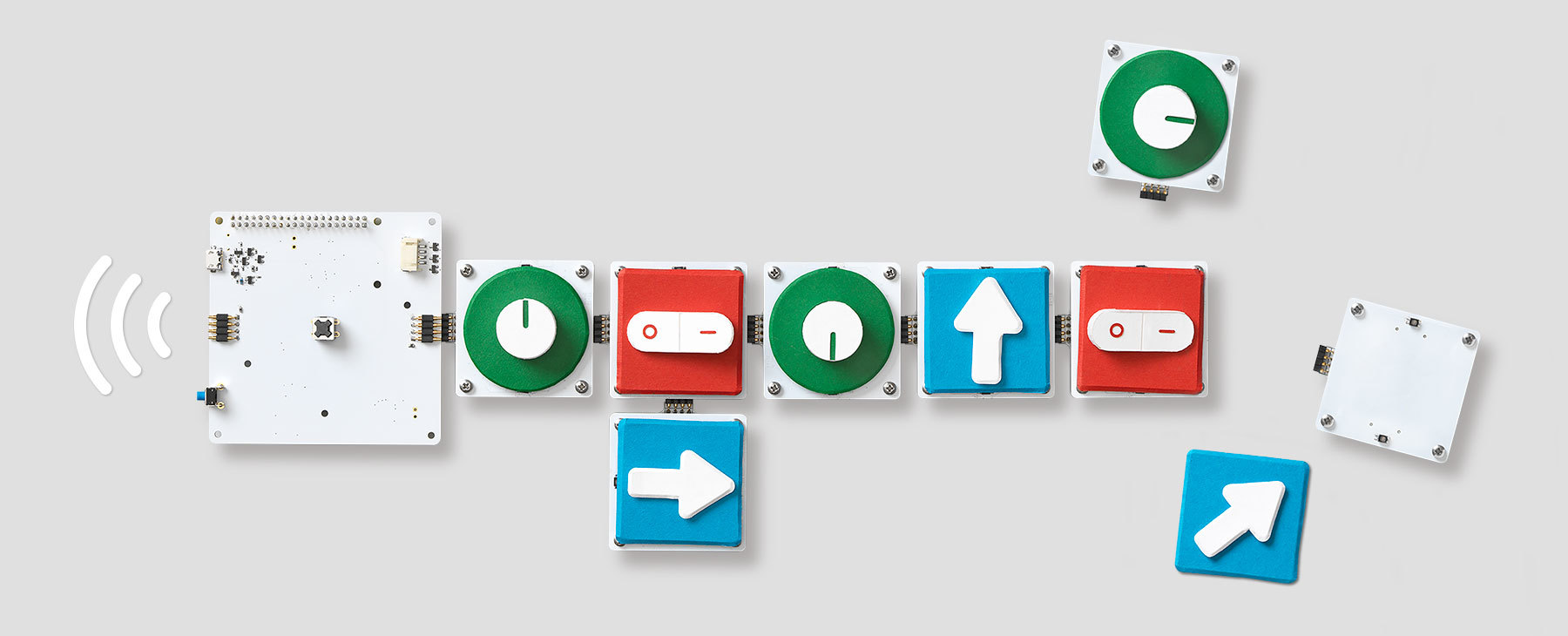
The final outcome of Project Bloks was an interactive coding kit comprised of three key parts - pucks, baseboards and a brainboard. The puck is a critical component that controls a command, whether it’s an on/off switch or the ability to move in a particular direction. It’s the piece that enables children to move from words to the world of graphics and play. The puck is easy to produce and can take an unlimited range of forms and functions, enabling the Bloks system to scale.
The baseboard reads the puck’s instruction and is activated when a puck is placed on top. The brainboard provides the power and connectivity. When hooked up to a baseboard or a chain of baseboards, the brainboard sends the instructions—turn left, jump, get louder—to a connected object, like a rocket or a speaker.
The boards can be rearranged, sequenced, and packaged however kids like, opening up a vast realm of possibilities. Children can code anything from a toy robot drawing a shape on a piece of paper, to a sensor turning on a fan when the temperature gets too high.
Enabling innovation for education
Beyond a tangible coding kit, what makes Bloks unique is that it’s an open platform. Educators, developers, and designers can build on it to accelerate new ways of teaching and exploring tangible programming. The platform can fit into various curriculums around the world. The pucks can take on different shapes and graphics. The material used can be fabricated by 3D printing.
The Bloks platform is a new vernacular that allows kids to interact with the language of code in a way that’s less prescriptive and more open-form, like a sandbox. And the more kids play with Bloks, the more opportunities they discover for what they can create with a little bit of code.

Helping students navigate college and beyond
Creating a digital experience to support first-generation college students.
For students who are the first in their families to pursue higher education, navigating college can often feel like navigating a foreign country. Challenges like not having enough money or poor access to support services can make graduating an insurmountable hurdle. In fact, only 55% of these students in the United States end up completing their degrees.
To help change this statistic, IDEO partnered with Beyond 12, an organization that provides personalized, virtual coaching to first-generation college students to help them learn how to register for classes, apply for financial aid, and much more. The challenge was to scale Beyond 12’s successful coaching model using technology in order to benefit as many students as possible.
In 2014, IDEO designed the MyCoach app, with the goal of helping students take ownership of their education and feel in control of their future. After the early version of the app was named as a finalist in the prestigious Robin Hood Foundation College Success Prize, Beyond 12 piloted the product with 3,500 college students across the US. Following the pilot, Beyond 12 and IDEO went back to work, using the resulting insights and data to design the next evolution of MyCoach.
First and foremost, IDEO sought to develop a more flexible model for Beyond 12 to enable scalability of the offering. As some students need more support than others, a blended business model was envisioned to recognize the spectrum of students’ needs. Engaging in-app content forms a supportive layer that helps students get organized, stay on track, and learn the skills they need to stay in college, while students who need more hands-on assistance can connect directly with coaches. An invisible data layer works behind the scenes to assess student risk and dynamically tailor student support throughout the school year.
Once the app’s model was solidified, creating a user experience that compels students to use it became essential to its efficacy. Growing up with technology has reshaped how many students engage with the world, and tools like Snapchat have set a new dynamic for participation. Youth today are the masters of their own digital worlds, fluidly jumping between conversations, engaging with stimulating content and contributing their own perspectives. As a result, MyCoach needed to speak students’ language and to create content that was authentically youthful and effective in order to be effective. By drawing inspiration from popular social sites, digital experiences and games, the team designed a user experience that keeps pace with a digitally native state of mind.
IDEO Designer, Isabela Sá explains the approach that led to MyCoach’s design and content strategy, “We created an app that makes no distinction between content and utility. We borrowed the content-first approach of social apps like Snapchat and Instagram and used it to teach students the skills and strategies they need to graduate. With that, the digital experience became more human. The intricate system that we had designed to power the whole thing was hidden below the surface. For students, the app was just the means to learn how to help themselves and get in touch with a coach when they needed one.”
Development is underway for the next version of MyCoach, which will allow Beyond 12 to scale its offering to reach exponentially more students in need.