
Building a new venture to restore trust in China’s food system
Launching a new restaurant and retail venture that connects food from seed to table.
Food is the heart of most cultures. In China, one of the oldest cultures in the world, food is central to family gatherings and celebrations. It’s what binds people, a tangible way of showing love and respect. But in recent years, the Chinese food industry has suffered from concerns around safety.
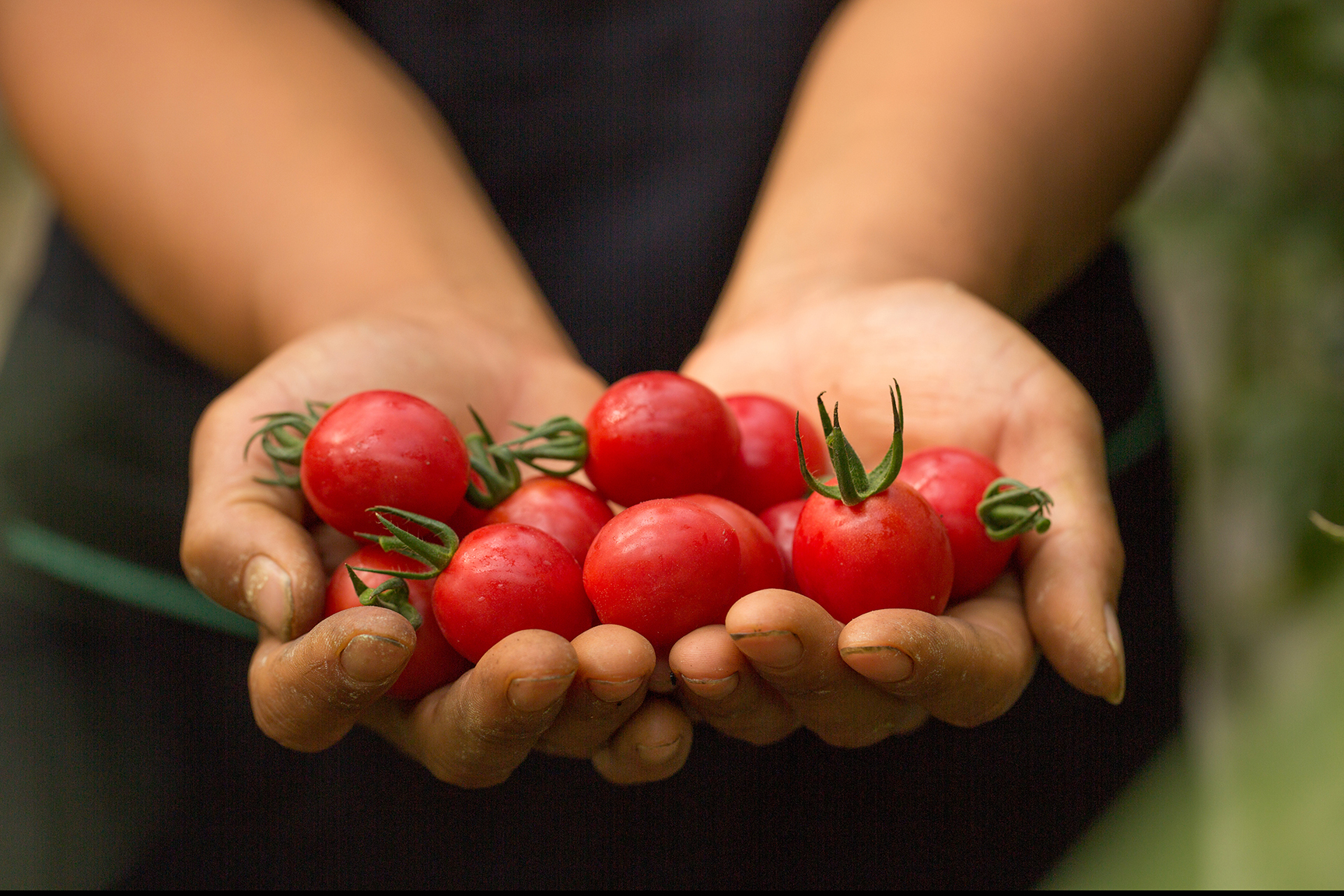
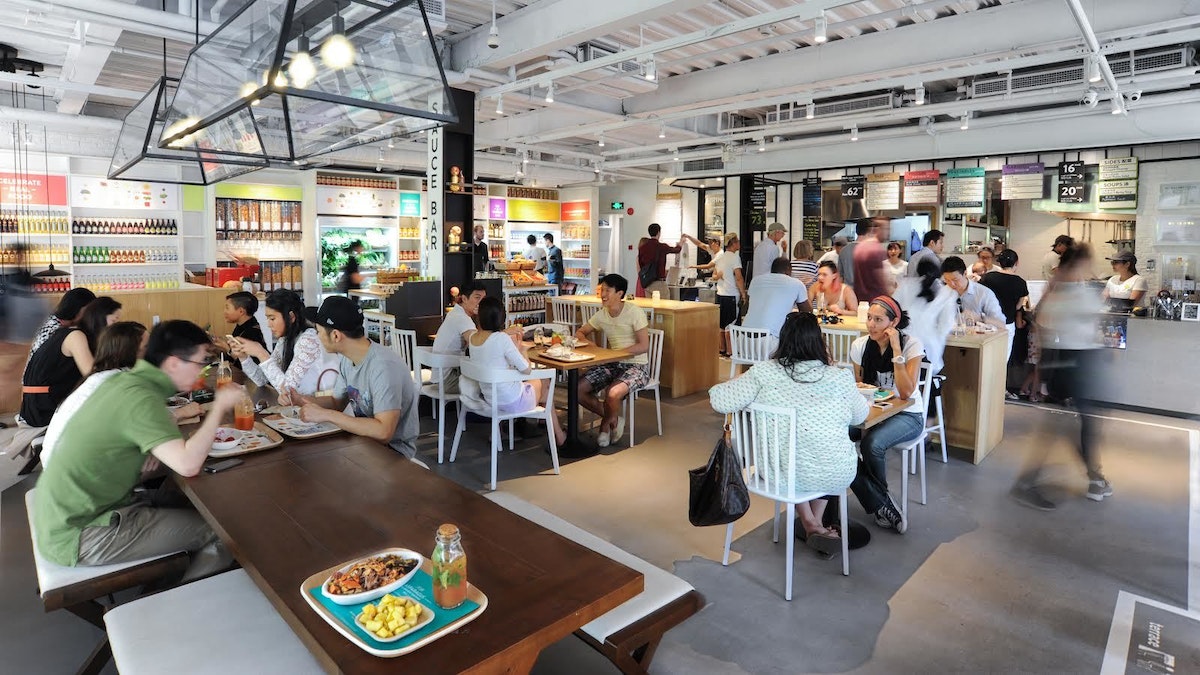
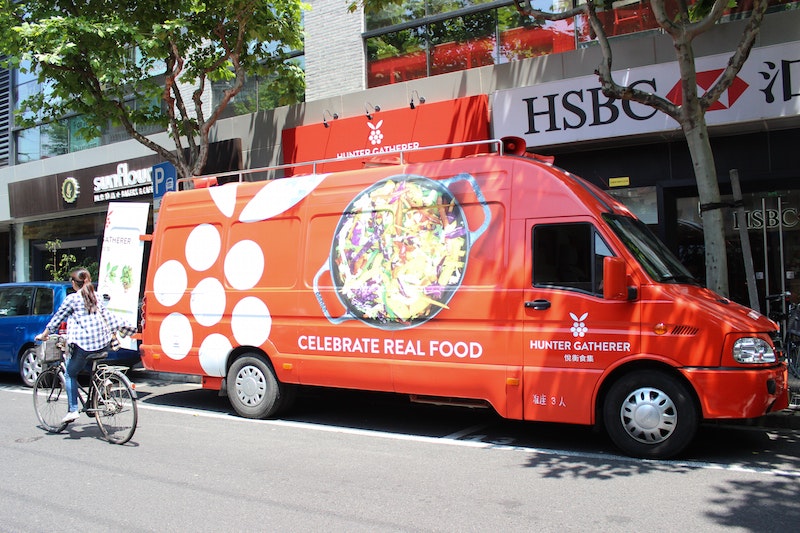
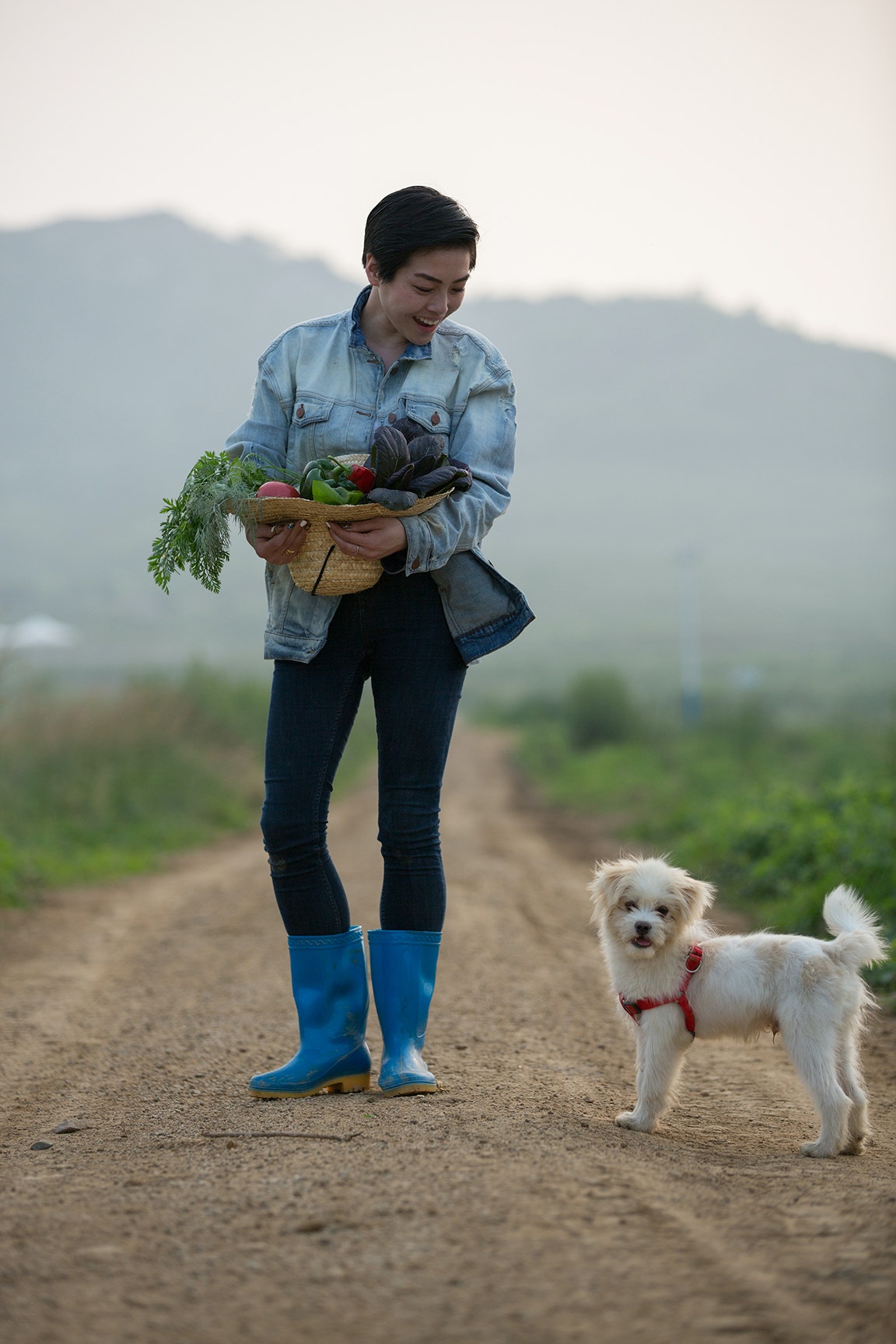
Two siblings, Harn and Anmao Sun, set out on an ambitious venture: to create a trusted source of food in China and, by setting an example, to instigate a movement around conscious farming practices. The American-born entrepreneurs launched Hunter Gatherer, a restaurant and retail food space built around a transparent supply chain, from farm to table to grocery shelves. The venture is based on growing and serving what they call real food: The ingredients are chemical-free and come from known and trusted sources—food they’d eat themselves. The purpose of the venture is simple: to serve people real food that is their right.
Having studied and worked in the US, Harn and Anmao grew accustomed to browsing farmers markets on Saturday mornings or picking up a burrito at Chipotle. But when they returned to China, they were unsure about the safety of the food they were eating.
“In China, you wouldn’t go to a food stand, because you’d be concerned about the ingredients,” Anmao said. “You can’t take the safety for granted.”
Hunter Gatherer’s very existence challenges bedrock assumptions about how food is produced in China. A long and depressing list of scandals—milk contaminated with melamine, pork produced from diseased pigs, used cooking oil repackaged and sold as new—has rocked the public trust.
“In China, agriculture is going through a huge change,” Anmao said. “In the US, agriculture operations are regulated. Farmers’ practices are regulated. If they use pesticides, there are limits because these farmers understand that once a certain threshold is hit, additional pesticides will not yield more crops. But in China, pesticide use came about 30 years after the US and Europe, and because of a lack of full understanding, farmers in China incorrectly operate under the assumption that more pesticides means more crop yields. Also, with over 250 million farmers in China, it becomes immensely difficult to properly regulate everyone.”
New Ventures
Harn and Anmao wanted to restore trust in the simple act of eating in China, and they came to IDEO to build a scalable business based on that vision. This was essentially a startup, a shared commitment between IDEO and Hunter Gatherer.
“I’ve lived in Shanghai for the past seven years, and as a relatively active and health-conscious person, I’ve had to invest quite a bit of time in finding food that I trust,” said Charles Hayes, managing director of IDEO Shanghai. “That investment has been both in the time it takes to research the sources of ingredients but also a literal investment in paying a high price for imported food just for that extra peace of mind.”
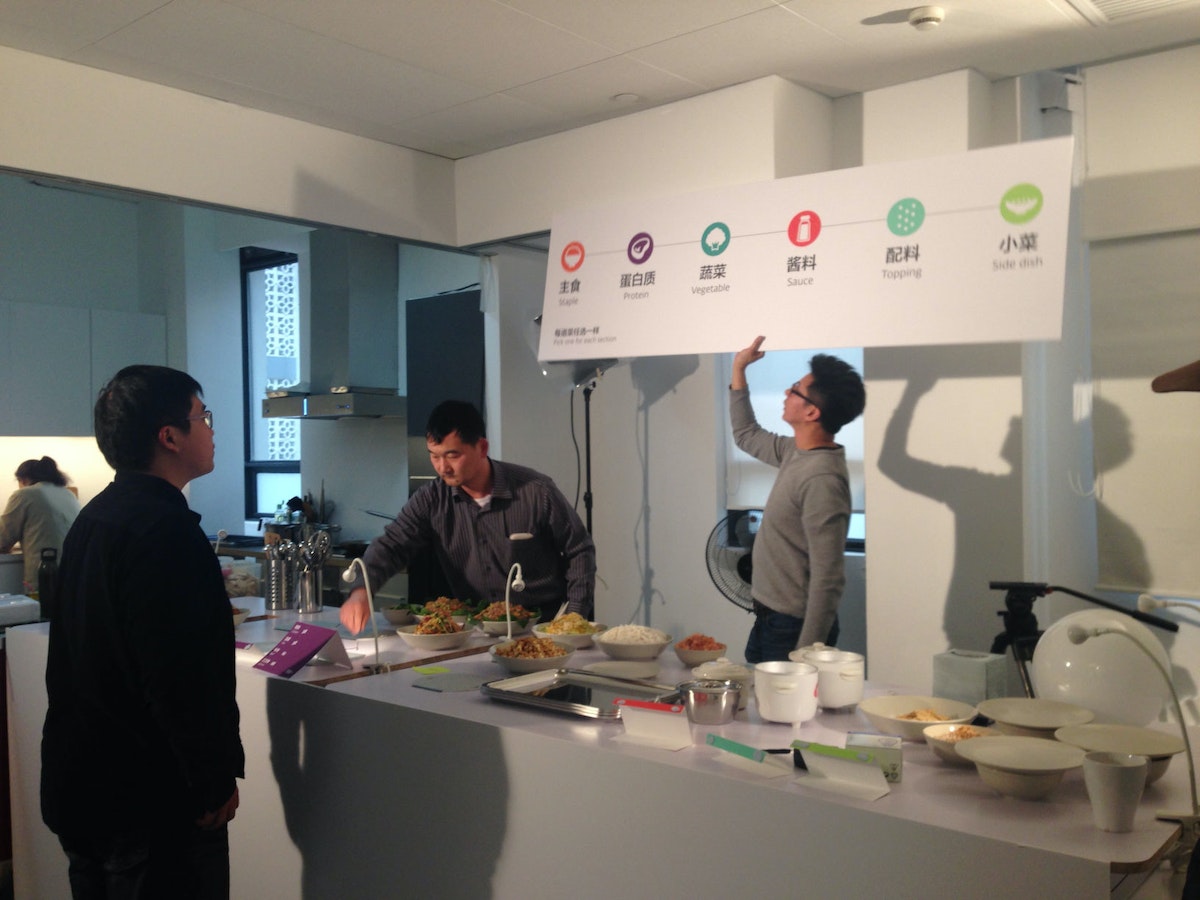
Anmao and Harn took up residence in the IDEO Shanghai offices to incubate their business. Together with IDEO designers, they tested packaging, cooked countless meals, and found ways to introduce unfamiliar ingredients to Chinese consumers. They discussed different concepts of lunch and dinner, and how notions of freshness in Chinese culture might affect cold-storage systems. In IDEO’s prototyping kitchen, the teams tested all manner of different foods, flavors, colors, mixes, and price points, and they brought consumers in to try them out. IDEO designers, along with the founding team, also worked on the brand and positioning of what would eventually become the Hunter Gatherer enterprise—its location, human resources, and marketing strategies.
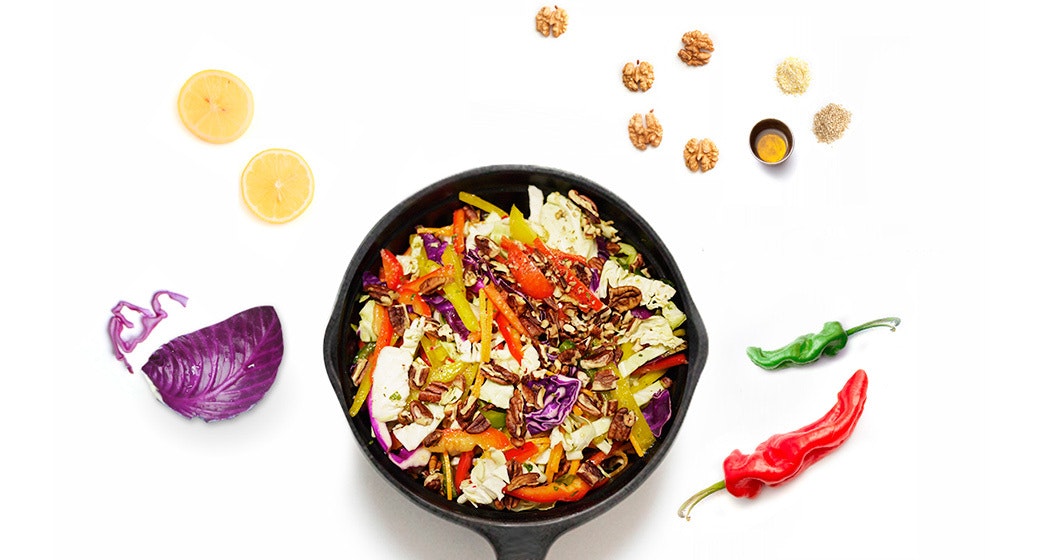
As the restaurant concept came together, finding the right food sources had to be addressed. Traditional agriculture couldn’t be trusted; organic certifications were available on the black market, and safety protocols around chemical use were nonexistent. Anmao and Harn decided to invest in their own farms. They met with farmers, asked questions about their methods, and walked in the fields to see for themselves. Eventually they settled on two plots of land outside Shanghai and began developing more than 80 different crops to be used in the restaurant.
From Seed to Table
When it came time to find the right space for the first location, Anmao and Harn discovered an open, airy storefront on Anfu Road in Shanghai’s tree-lined former French Concession area. They designed and built a retail space and kitchen, and along with IDEO designers, they trained the staff and organized workflows. The staff set the tables with Mason jars filled with flowers, hung photographs of the farmers who grew the food, and put up a sign that showcases the percentage of vegetables coming directly from the Hunter Gatherer farms, already more than 70 percent in less than a year after opening.
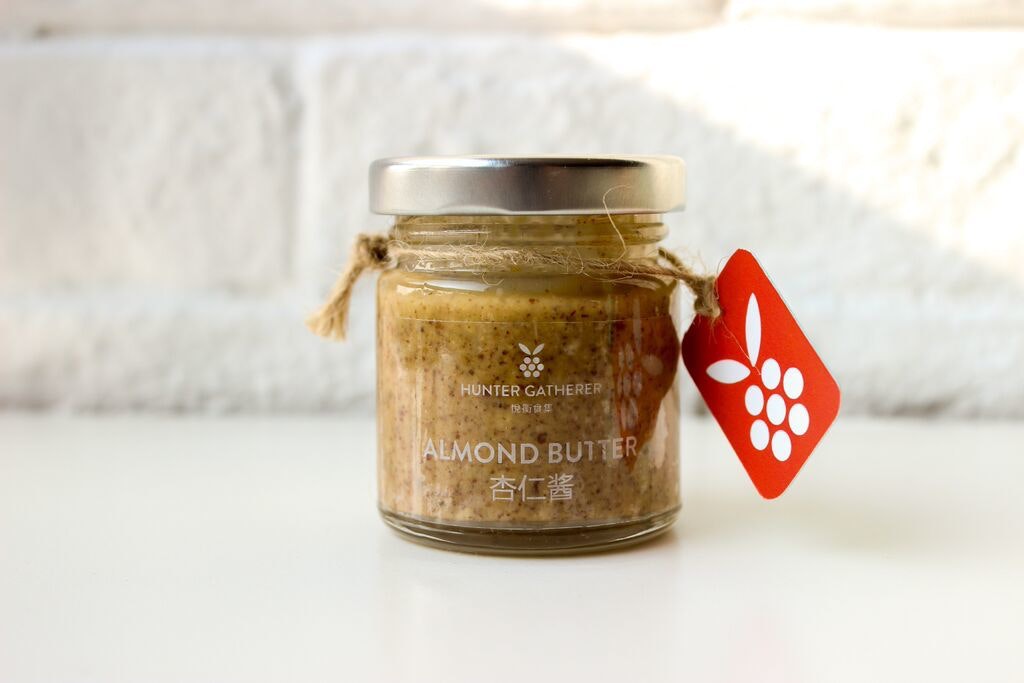
Customers can shop for fresh vegetables, locally sourced and imported canned and jarred goods, bins of cereal, freshly made smoothies, artisan sauces, and exotic chocolates. Upstairs, they can feast on delicious dishes in the homey restaurant.
Reviews have been glowing. One customer raved about the machine that grinds fresh nuts. Another loved the open space, the “good vibes,” and the refreshing cucumber water. Young people go there on dates, and families return for the delicious menu variety.
The convivial space has blossomed into more than just a restaurant and grocery store. It’s become a gathering place of sorts, both for the community and for partners who share the same vision. Farmers and food purveyors are invited to showcase their products at seasonal events and to mingle with customers and share recipes and stories.
“Hunter Gatherer has come to symbolize a kind of lifestyle the Chinese people have been looking for,” said Eugene Lin, an IDEO business designer. “A place they can enjoy hanging out with friends, as well as a movement and mission they can stand behind.”
A Digital Future
This is just the beginning of the venture. The plan is to open 40 more locations throughout China. But the vision for Hunter Gatherer’s growth is bigger than brick-and-mortar restaurants—where the business will truly scale is in the digital space. Eventually, the plan is to launch a Hunter Gatherer online grocery store from which anyone can buy food grown from trusted sources.
“We have to create trust with the consumer. It’s the most difficult and most valuable thing to do in China, especially with food,” Anmao said. “Our brick-and-mortar locations will establish that increased trust. Then we can go online and grow the idea to the rest of the country.”
Will Hunter Gatherer have a hand in changing the way that the world’s most populous nation thinks about food? Its principles are already spreading, from neighboring farmers adopting more sustainable planting methods, to a growing market for products like wine.
But the true sign of success will be almost invisible—the moment when an increase in demand will result in safe food for everyone and when real food becomes commonplace.
Changing the way biotech innovates
Building a culture of user-centered innovation in the name of science.
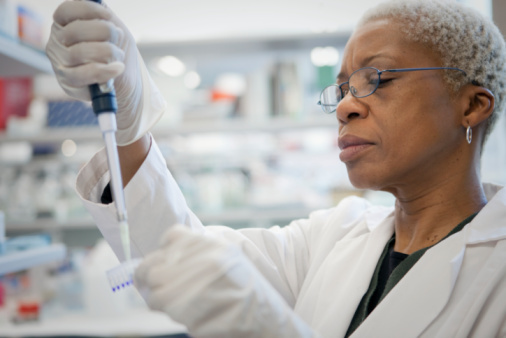
Life Technologies, a global biotech company that supplies scientists with products and services, needed to grow big, from a $4 billion to a $10 billion enterprise. So it hired IDEO to help seed innovation across the company.
"When we started out, it was an R&D thing for driving innovation in new products. Now it’s not just R&D; user-centered innovation is a central part of our culture. It’s what we do throughout the organization," said Amy Cuneo, Associate Director, Customer Insights.
Over a three-year engagement, IDEO helped transform Life Technologies’ corporate culture through the introduction of User-Centered Innovation (UCI), an optimistic, experiential approach to problem-solving. Far outperforming its ambitious goal, Life Technologies is now a $13.6 billion company and uses UCI to inspire innovation throughout the 10,000-person organization.
After working with Life Technologies, IDEO designers came up with three products that have gone to market, including, a new bottle that showcases superior handling and storage, easier identification, and additional room for supplements. And Life Technologies has transformed from a company that aspires to focus on customers to one that truly does.

Building a birth control support network for women
A multimedia public service campaign as a vehicle to encourage smart choices.
Unplanned pregnancies are a big problem in the US, especially among unmarried 18- to 29-year-olds. Seven in 10 pregnancies in this demographic are unplanned, a statistic that applies to women of all ethnicities and socioeconomic levels. Complicating matters are the social tension between abstinence-only and contraception-inclusive education, and the difficulty and expense associated with obtaining prescription birth control.
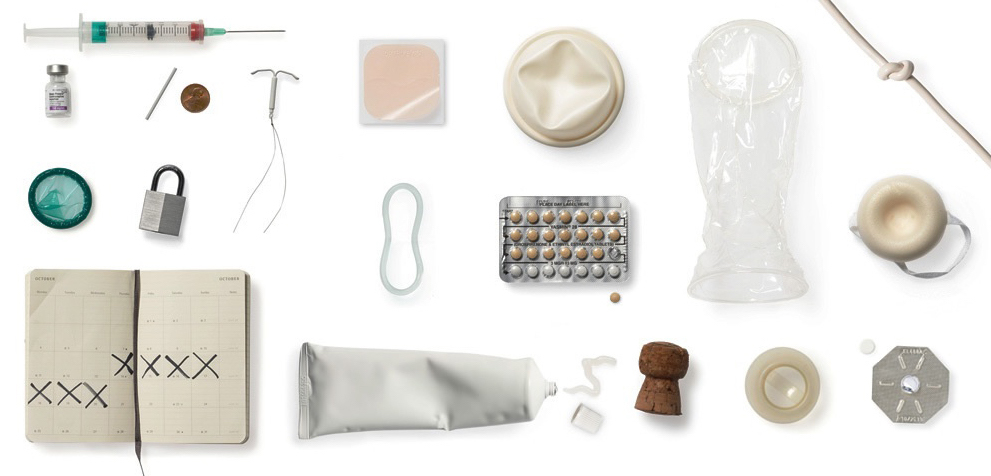
Since 2009, IDEO has worked closely with the National Campaign to Prevent Teen and Unplanned Pregnancy, a nonprofit NGO, to address this pressing social challenge. One of the first insights on the project was identifying the need for comprehensive birth control support. Designers looked at ways to transform birth control from a prescription (a piece of paper that is handed to you by a doctor) into a subscription (a program that ensures you start using birth control, use it correctly, and migrate to more effective methods).
Given the complex and potentially overwhelming subject matter, the IDEO team interviewed women in the target demographic; talked with doctors, counselors, and other experts with varying opinions about birth control; and hosted roundtable discussions. They developed several concepts and scenarios that allowed members of the National Campaign to see sex and pregnancy through the eyes of the young women they’re working to reach.
Research and prototyping efforts led to the design of Bedsider, a multi-touchpoint birth control support system with a carefully crafted sex-positive brand, which is uncommon for the healthcare industry. Bedsider focuses on five key areas (awareness, motivational drivers, digital offerings, services, and loyalty) and acts as a vehicle for behavioral change that’s flexible, with room to grow into a much larger movement.
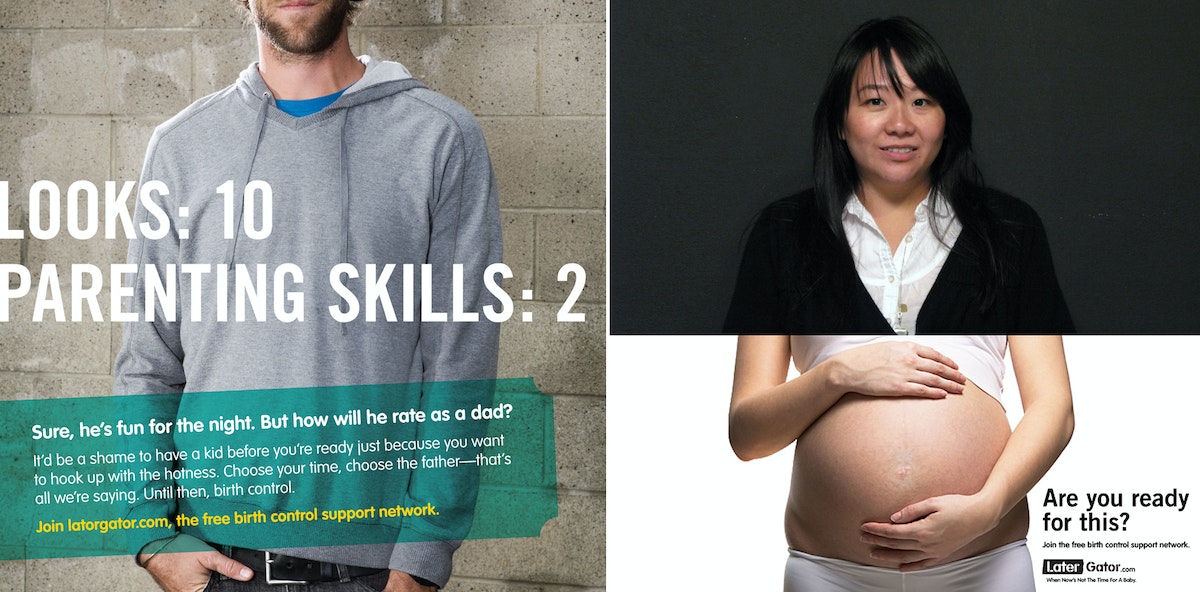
The Ad Council and the National Campaign debuted a multiyear, multimedia public service campaign in November 2011. The Bedsider website offers comprehensive education about existing birth control methods. This includes opt-in reminder services, personal stories from women across the country on why they chose a particular method, a phone service that provides information in both English and Spanish, features such as “Fact or Fiction” (hilarious animated clips debunking popular myths), a “Frisky Friday” newsletter, and more.
Bedsider has launched nationally with the help of an Ad Council campaign that drives sexually active women ages 18–24 to Bedsider.org. The multimedia Public Service Announcement effort includes television, radio, print, web, and nontraditional advertising, as well as an integrated social media program.
“We hope that Bedsider will be a useful tool for women to learn about their birth control options, better manage their birth control, and in the process avoid getting pregnant until they’re ready,” said Planned Parenthood of South Florida and the Treasure Coast in its monthly newsletter. Planned Parenthood and Philliber Research Associates joined forces with the National Campaign to Prevent Teen and Unplanned Pregnancy to help test and evaluate Bedsider.
Through a social media campaign called #ThxBirthControl, people are voicing their thoughts about what birth control has made possible for women, men, families, and society. It’s all part of Thanks, Birth Control Day, launched in November 2013 as part of a continuing initiative to encourage positive conversations and more consistent use of birth control by the National Campaign to Prevent Teen and Unplanned Pregnancy. To celebrate the movement, IDEO wrote, scored, and performed an animated musical featuring condoms and pill packs dancing the cancan.
According to an independent evaluation of the program, Bedsider is the first digital intervention in reproductive health in the U.S.—with adults as an audience—that has shown to prevent unplanned pregnancy. Turns out that when women and men have the ability to plan, prevent, or space pregnancies, they’re more likely to finish school, achieve their goals, and ultimately have healthier families, according to the nonprofit organization.
Bringing bikes to the streets of Chicago
Using the joy and freedom of cycling to brand Chicago’s bike-sharing initiative.
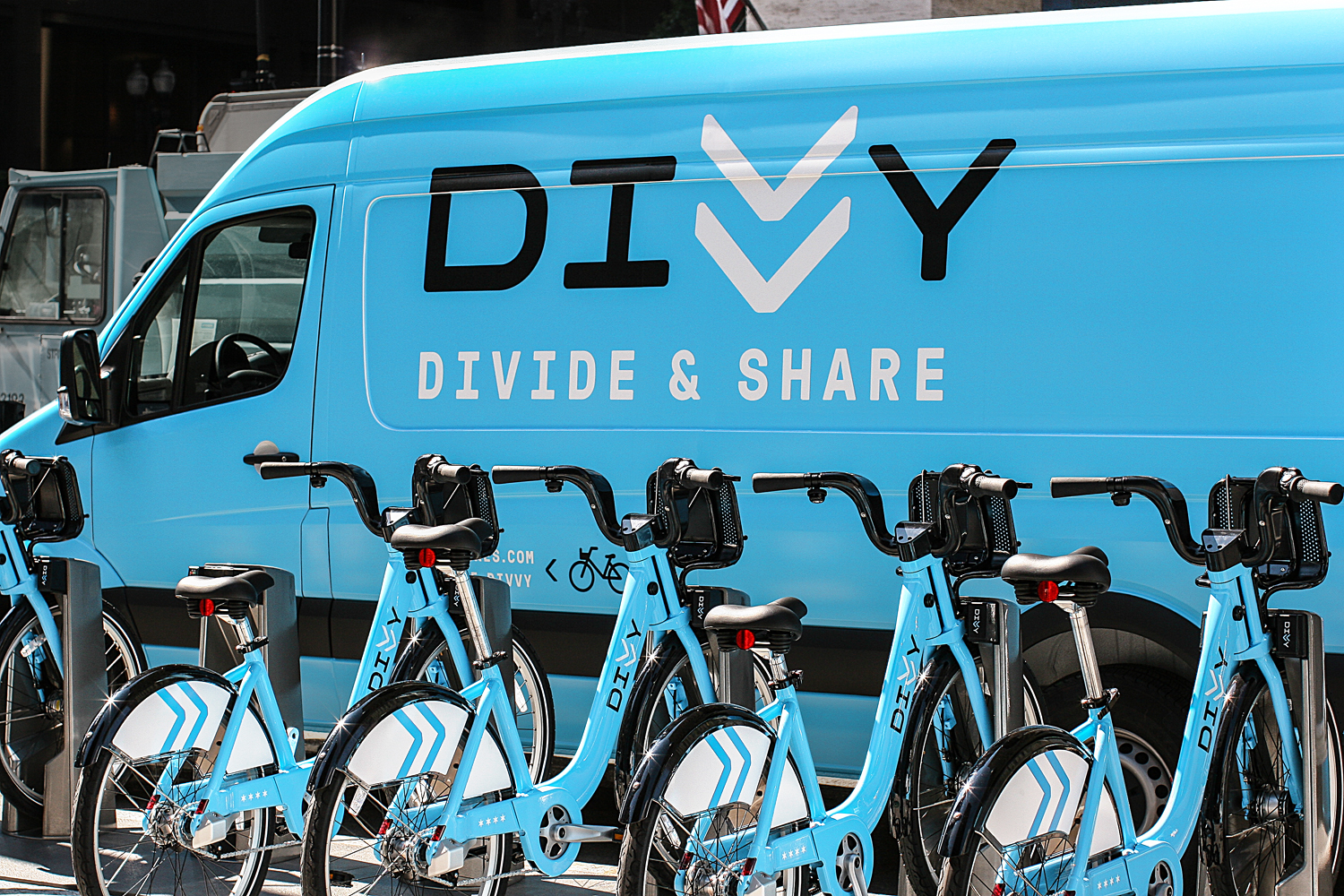
Chicago’s federally funded, citywide bike-sharing service, called Divvy, makes a fleet of bicycles available to commuters and tourists 24 hours a day. Alta Bicycle Share (which runs bike-sharing systems in Boston, the Bay Area, DC, and New York City) collaborated with IDEO to spread Divvy’s message, “Divide and Share!” to the cyclists and would-be cyclists of Chicago through the brand.
The new brand would appear on its bikes, stations, company vans, member fobs, and website—and it needed to be ready to hit the streets in just six months. IDEO partnered with local brand strategy studio Firebelly Design to collaborate on a solution. IDEO led the early research, conceptual brand development, and naming phase of the project; the Firebelly team led the visual design and developed the brand guidelines.
The brand has become a functional and fun part of Chicago’s transportation landscape and has been embraced by Chicago commuters. Just three weeks after it launched, the City of Chicago called the Divvy Bikes program the busiest bike-sharing system in the world. Six months into the service, enthusiastic cyclists have racked up over 780,000 trips and 1.7 million-plus miles, and over 12,000 Chicagoans have become members.
Designing a circular economy
What if we had a new way to design products, services, and businesses that were good for people, the planet, and business?
That’s the radical promise of the Circular Economy: moving from our traditional take-make-dispose economy, to one that has a closed loop, where materials, nutrients, and data are continuously repurposed.
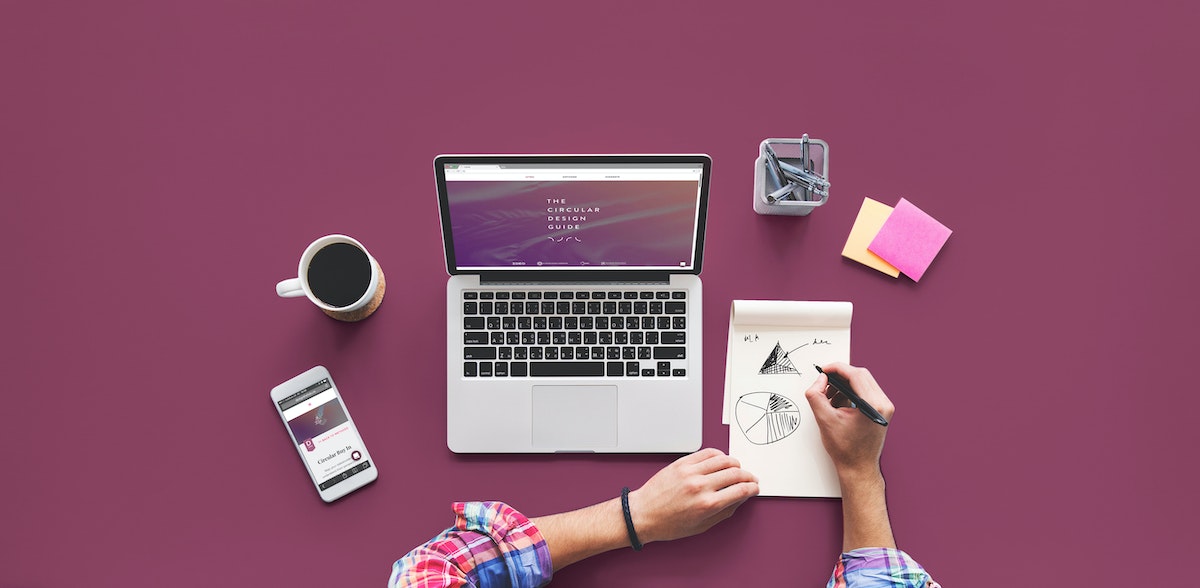
Working with the Ellen MacArthur Foundation, which aims to inspire a shift to that new model, we’ve designed this guide to meet an emerging need among industry leaders: an alternative, restorative, and regenerative approach to business, one that creates new value and delivers long-term economic, social and ecological prosperity.
Transitioning the Circular Economy into the mainstream will be one of the biggest creative challenges of our time. But we believe design thinking is an ideal approach for tackling this complex, systemic, ambitious challenge.
Created for innovators, entrepreneurs and intrapreneurs, the guide aims to raise awareness of the Circular Economy, nurture a systems perspective, and share practical innovation methods.
We hope these ideas will galvanize readers to start designing tomorrow’s breakthrough businesses.
Get started at circulardesignguide.com.
What if we had a new way to design products, services, and businesses that were good for people, the planet, and business?
What’s in my Moleskine: Ashley Holtgraver
A look into the lives of complicated women
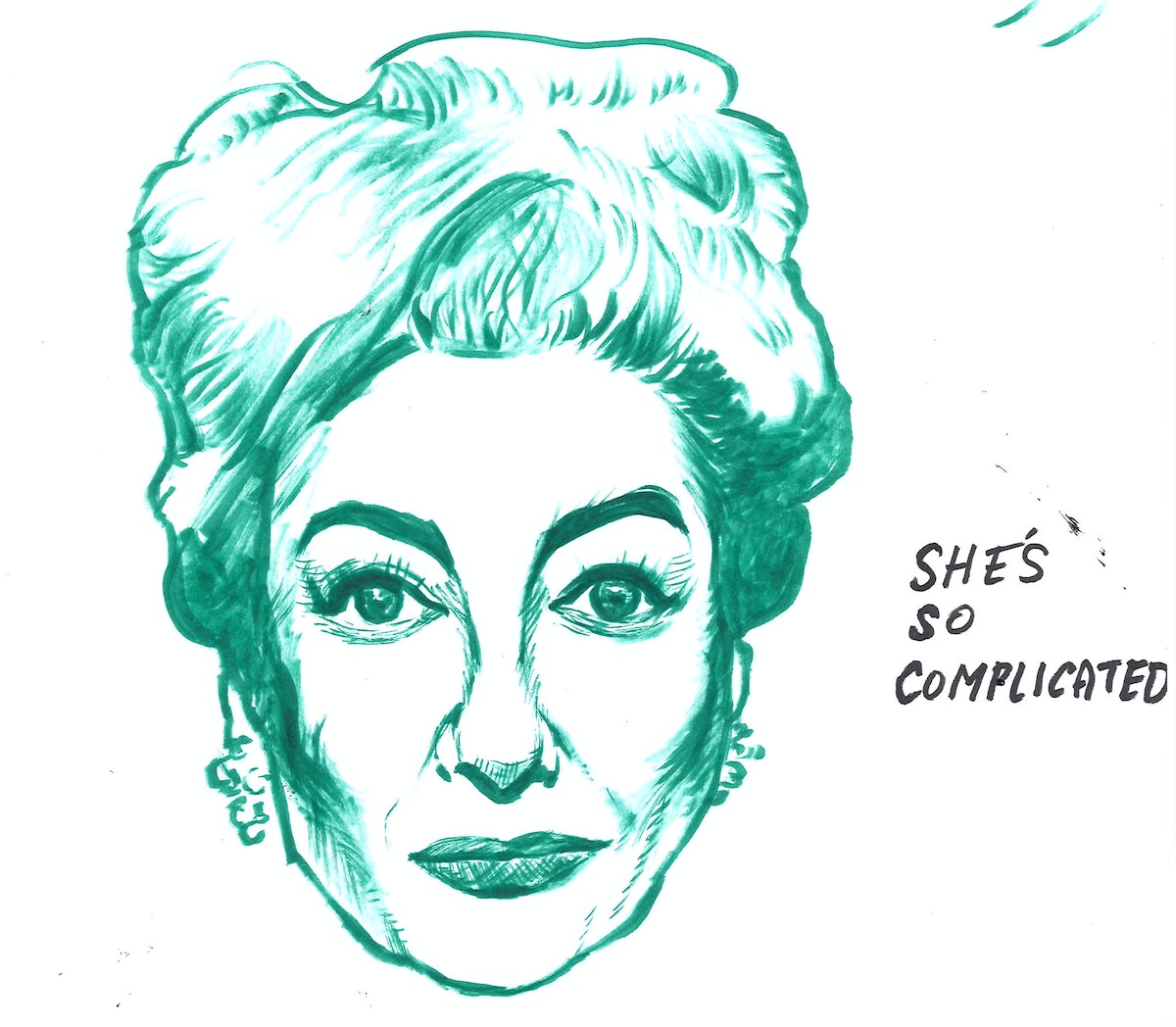
I’ve always loved drawing. I had cool, encouraging parents who’d do things like let me draw an invitation to my 6th birthday party, then go make copies of it so that I had personalized cards to send out.
I remember discovering my mom’s college sketchbook in the basement when I was a teenager, and feeling like it gave me a window into who she was at that time of her life. I started keeping sketchbooks in 10th grade, and have managed to hold on to almost all of them since then.

In my career as a programmer, I live and work inside my computer screen. My professional body of work can sometimes feel so ephemeral—everything I’ve ever made could be wiped out by a really strong magnet. So it feels really nice to have some solid, double-layered bookshelves and bins full of sketchbooks to step back and look at sometimes.
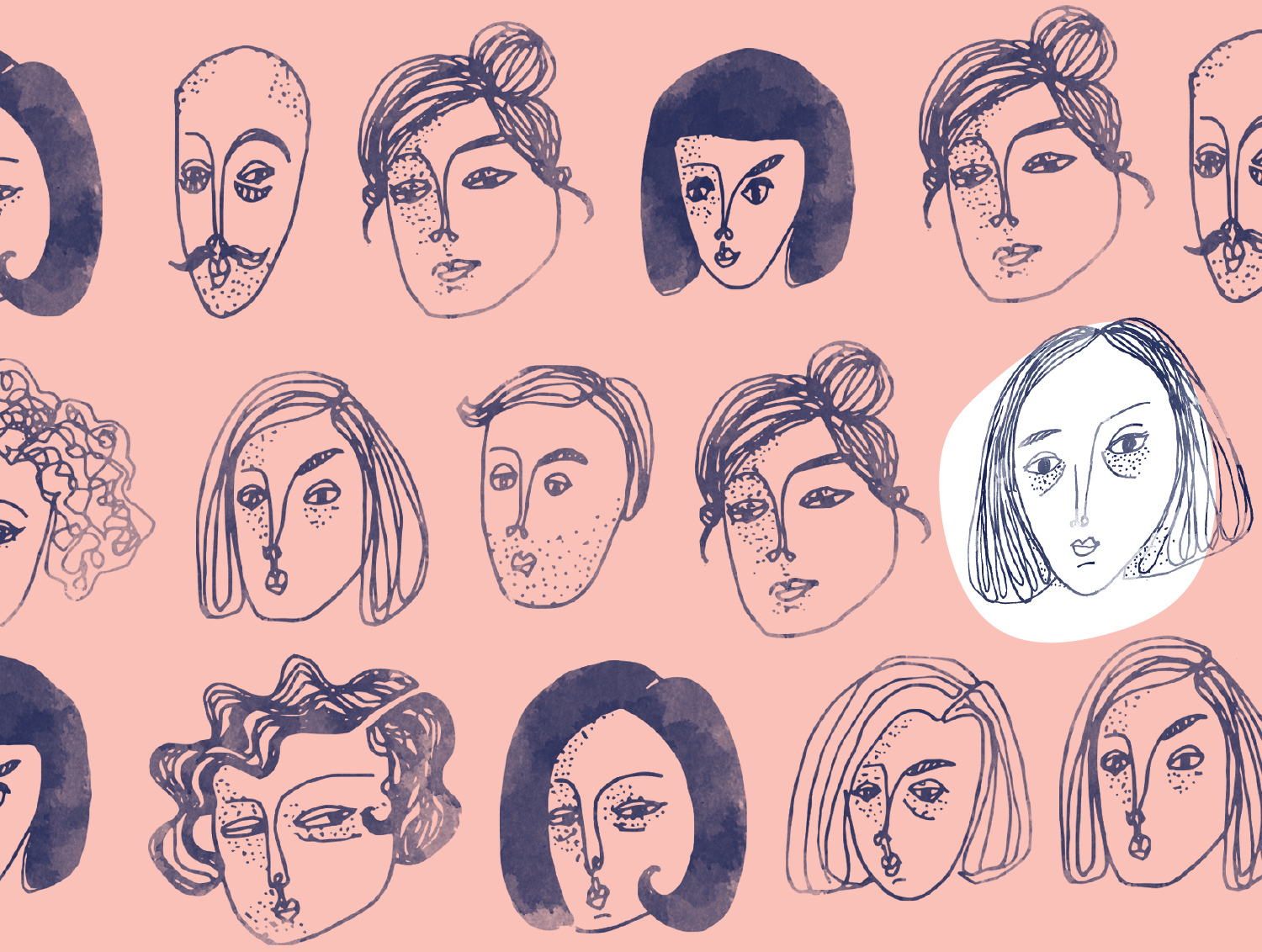
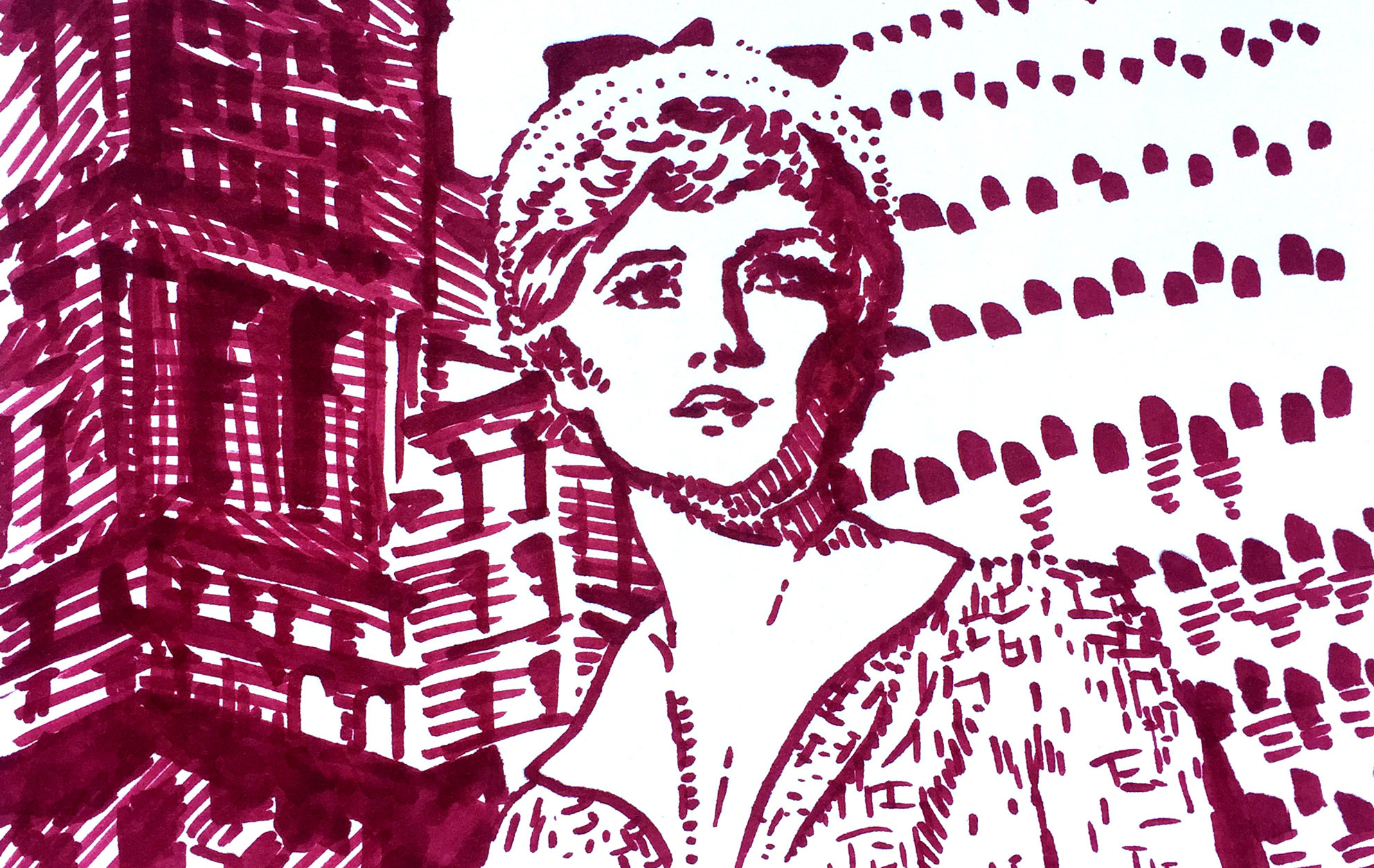
Lately, I’ve been drawing complicated women in the evenings. A woman’s physicality is so much more political than a man’s—and to me, this makes it so much more powerful. A woman has more expectations placed on her physical looks—her clothes, her hair, even her expression—and that only makes it that much more of a provocation when those expectations are thwarted.

When I was a kid, I’d spend hours drawing Ariel from Disney’s A Little Mermaid. I'd sometimes catch myself unconsciously copying her expression with my own face. Even at 9 years old, I’d feel a little embarrassed when I felt a big, fake grin on my face. I liked Ariel and her gadgets and gizmos aplenty, but I wasn’t like Ariel. I was faking it.
Then in high school, when it was time for my exciting locking-myself-in-my-room-and-drawing-self-portraits period, I had to shift into thinking intentionally about what my face was doing while I drew from the mirror. I found that whether I was trying to make a specific kind of face, whatever came out ended up feeling like a character. And that somehow felt instantly more powerful than just the image in the mirror.
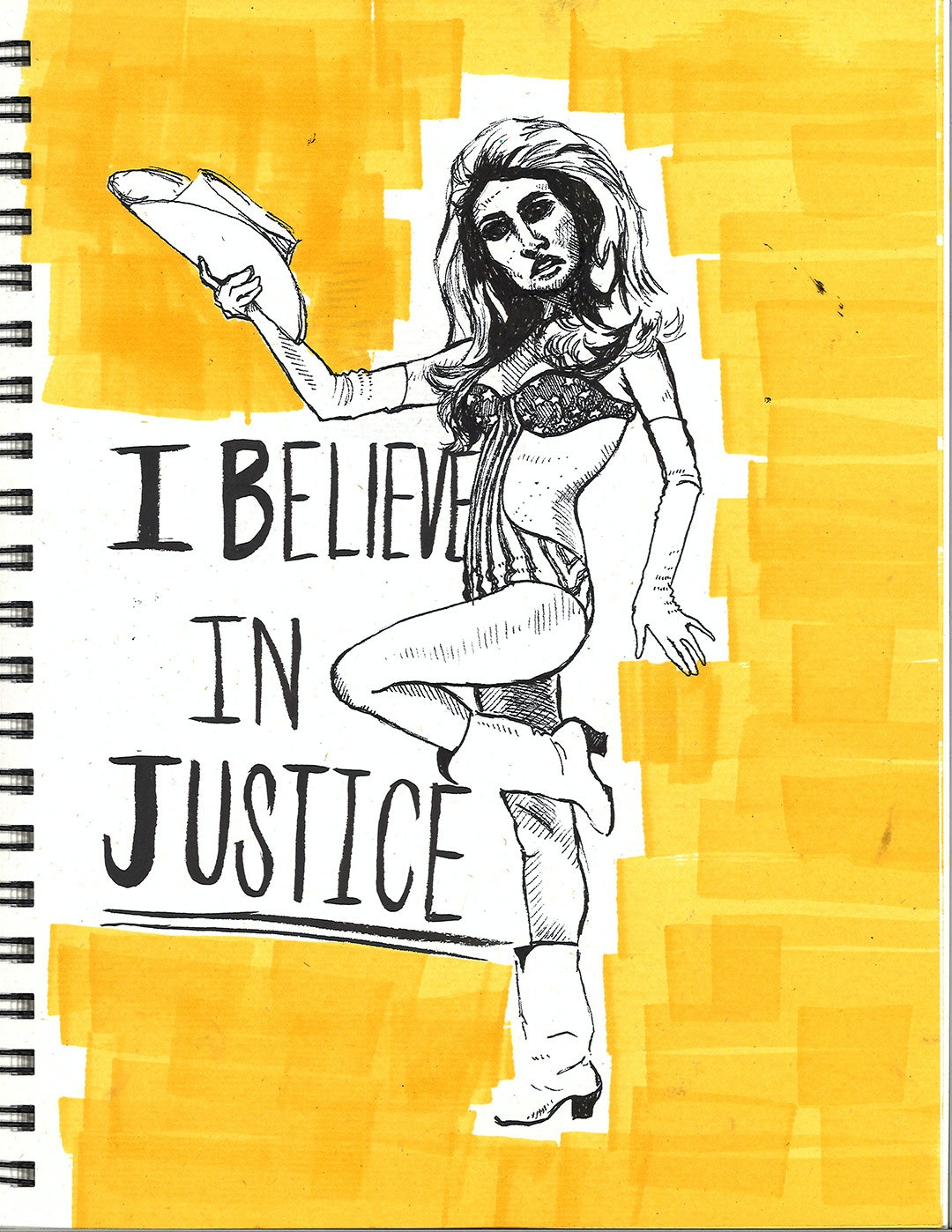
The women I like to draw now capture some element of that feeling. They may not be the definition of self-possessed, they may or may not be confident and composed, but they are self-aware, and in control of what they are putting out into the world. They may be performing a little, but they're doing it on their own terms, for their own benefit.
They’re from noir movies and punk bands. They’re artists, journalists, wastoids, and dweebies. I like to think they lived for themselves and as themselves—the most provocative act there is for any human. I admire them and want to see myself in them
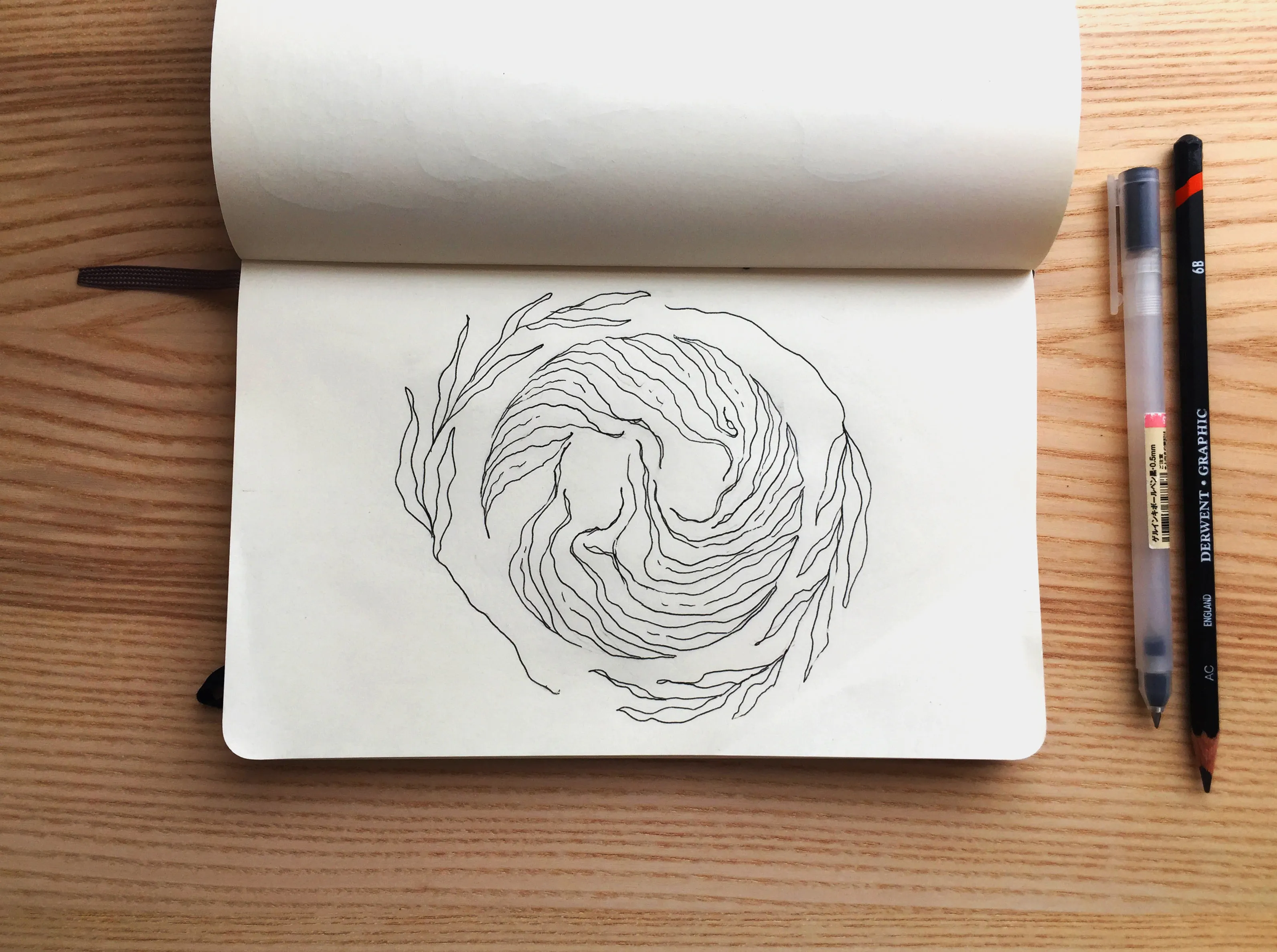
“I have been drawing complicated women in the evenings lately.” Cambridge software designer Ashley Holtgraver reveals the secrets of her notebooks.
Thoughtless Acts: Save For Tomorrow
The intuitive ways we adapt and react to things in our environments
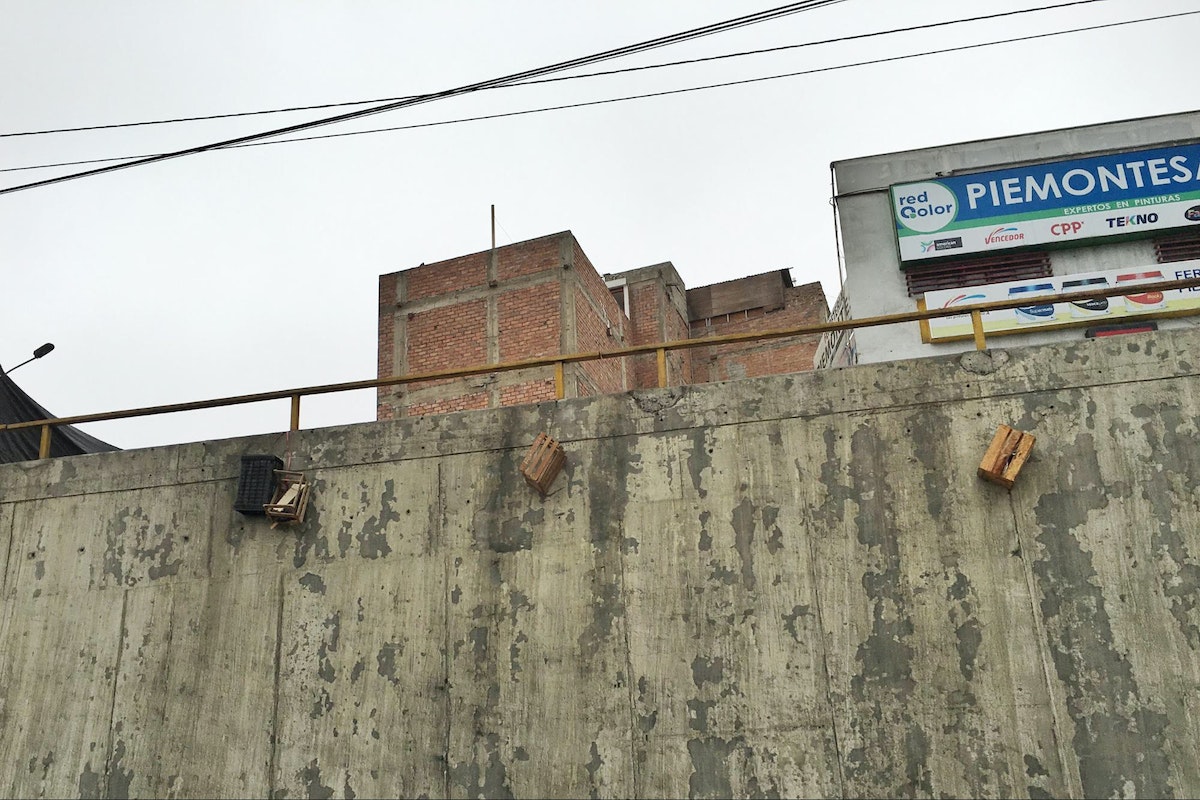
In Lima, Peru, people who give out free newspapers or sell water and snacks on the on-ramps to the highway use these little wooden crates to sit on or put products on. To avoid carrying the crates home every night, they tie a rope between the box and the railing, then drop it over the edge overnight. This keeps them from getting cleared or taken because they're virtually invisible from the other side. The crates aren't that valuable, but it's probably a hassle for vendors to carry them around or find new ones every day.
Human-centered design requires us to observe human behavior with beginner's eyes, so that we can spot the innate ways people interact with the world around them. We call these intuitive and unconscious reactions thoughtless acts, and IDEO designers collect photos of them to inspire the invention of new products, services, and experiences.
What's the Last Sound You'll Ever Hear?
Bringing new design to the way we die
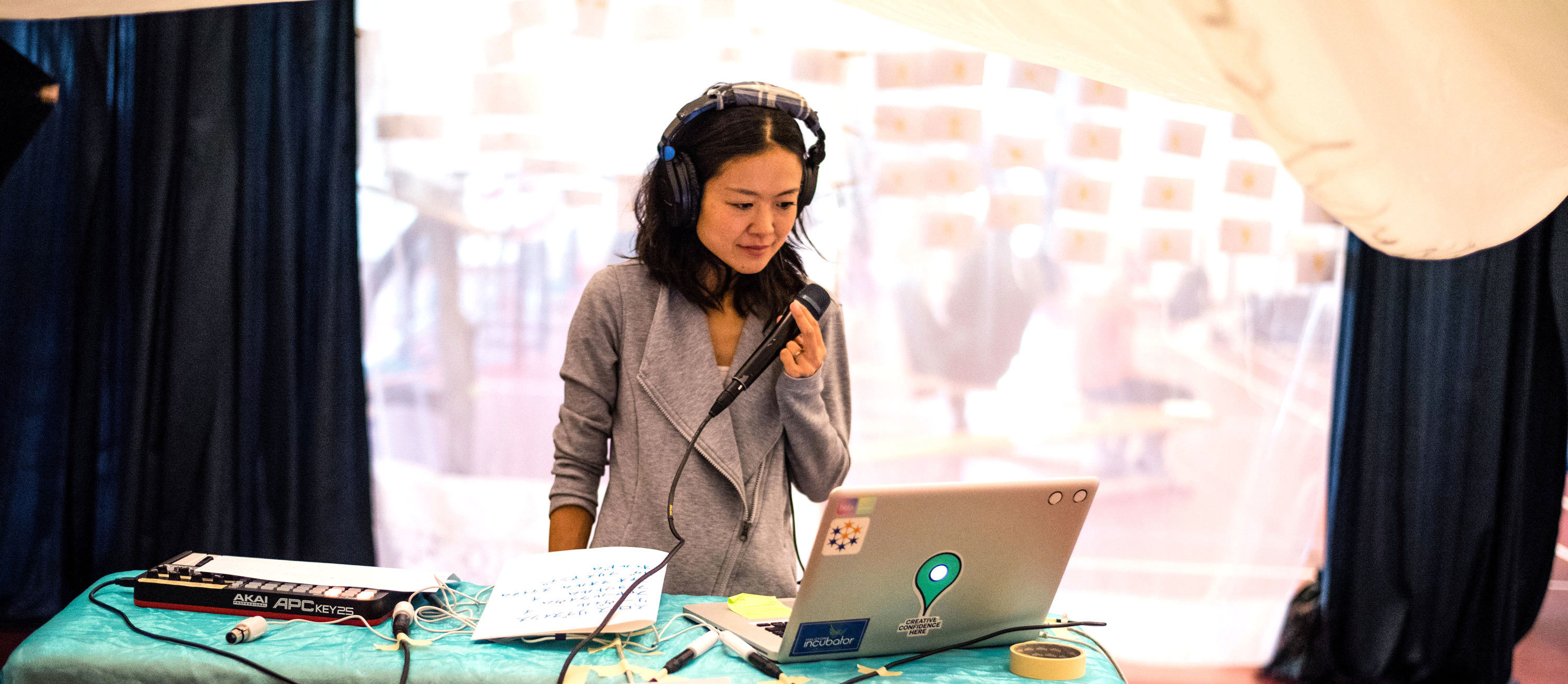
Bringing new design to the way we die—what we see, touch, feel, and hear—is an idea with a strong tailwind. Advocates like BJ Miller, who was profiled in the New York Times this week, are spreading the message that we can do better for people who are dying if we pay close attention to human needs.
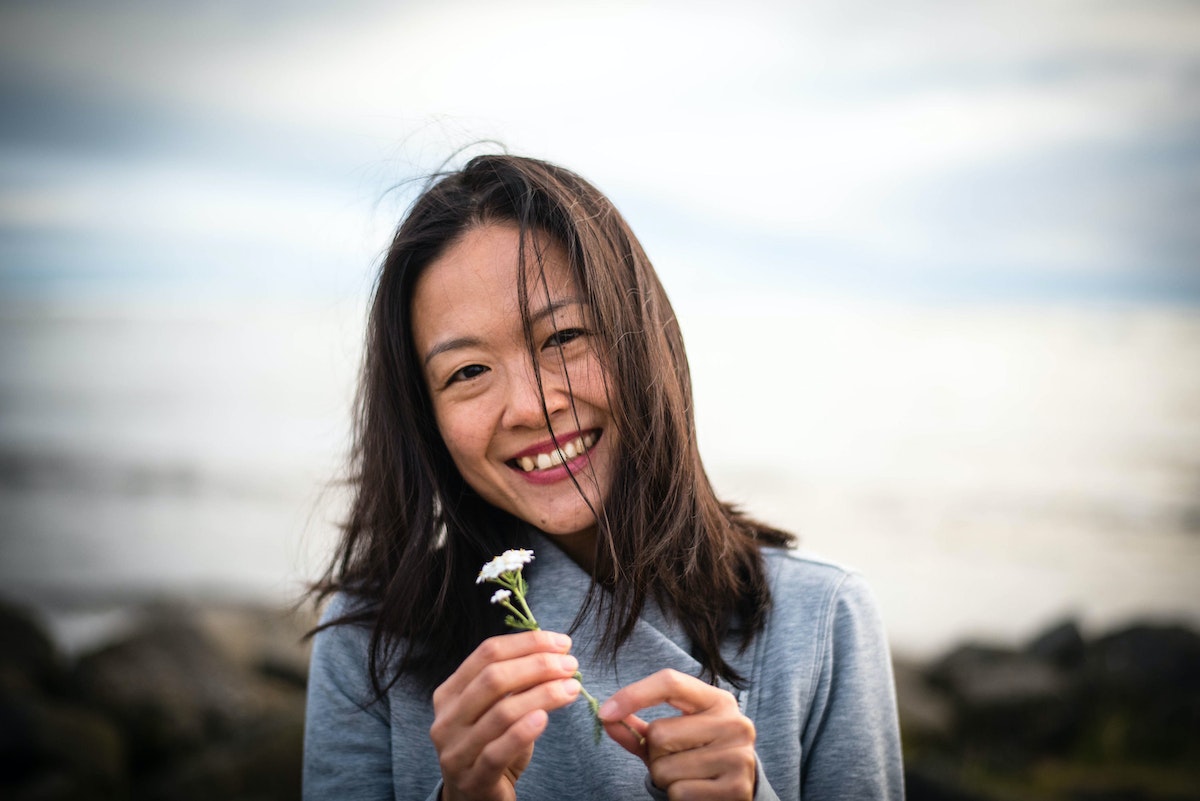
Sen, who gives Miller a nod in her video (see below), felt this firsthand when she was hospitalized for an illness. As a musician who started playing the piano when she was 3, Sen found the sounds of the emergency room traumatizing, and left committed to do something to save others from having the same experience.
We became instant fans of Sen’s work when she submitted it to our OpenIDEO challenge on end-of-life care, and gave a talk during Re: Imagine, a subsequent citywide conversation about death. We caught up with her in Washington D.C., where she’s a fellow at the Halcyon Incubator, a program that supports social entrepreneurs, and asked how she’s planning to bring beautiful sound to the people who need them most.
IDEO: WHY IS MUSIC SO IMPORTANT AT THE END OF LIFE?
I would say sound is important at the end of life, which includes, but is not limited to, music. For instance, a lot of people mention nature sounds as something they want to hear at the end of life; other examples are voices of loved ones, laughter, etc. You can hear people's responses here.
Sound is important because some people say hearing is the last sense to go when we die. I believe it has a profound effect on our sense of dignity, not just for the person dying, but also for those around them.
IDEO: HAVE YOU SEEN EXAMPLES OF THIS?
Morgan, a palliative care nurse in NY, got in touch with me after she saw the idea on OpenIDEO. She said that her team started to play a song moments before a patient's death to liberate them from the ventilator, with the expectation that they would die in the next few moments. The question inspired her to use her own iPhone to play music for the patients. One cancer patient she became very close with shared his favorite music, and she played that for him. People’s preferences are different, so it’s tough to find something that’s universal. It’s very awkward to say, “I’m assuming you’re going to die soon, what kind of music do you like?” I got the impression that it was helping her team and the family members as much as the patient. You can’t interview the patient after they’ve passed away—“how was your dying experience?”—but you can talk to the family and the nurses. I heard from cancer nurses at Sibley that when a cure is not possible, they are empowered to heal in other ways—do something seemingly simple that makes a big impact.
A couple of people mentioned that they played music when their grandparents passed away. “I had a sense that she could hear the music or my voice even though she couldn’t react to me,” or “I have faith that she could hear me.” It’s a story that we create for ourselves, but, as those who are left behind, feeling that we have made a positive impact gives us a sense of peace.
IDEO: ARE YOU PILOTING SEN SOUND IN HOSPITALS?
Yes, we are already working with Sibley Innovation Hub (part of Johns Hopkins Medicine)—though not necessarily focused on "end of life"—to test our ideas to transform the sound experience for patients.
As for the "end of life" sound—for now it's an art/conceptual project. I record the voices of people sharing stories of the sound they wish to hear at the end of life, to raise awareness on the importance of sound.
I also believe that it is a way to build resiliency in the community, by allowing us to approach the taboo subject with a somewhat light-hearted, playful way. It's dreadful to imagine death itself, but by imagining the sound, it's somewhat more approachable.
I would love to continue exploring ways to implement the idea with hospice and palliative care centers, and we are in conversation with a couple of facilities. I have done this as an artist and will always continue to do that, but I’m at the point where I’m transitioning to trying to inspire a team to do this.
It’s going to take time: Any medical conference you go to is about winning the fight [against death]. But this is a project to build resiliency in the community. There’s no wrong answer. If a young person says to me “I don’t like to think about how I’m going to die,” that’s okay. But I want to help people build a sense of community, to create music or sound or jam with the person with the same illness but not the same geographical location—connecting people who really need it through music and art.
For more about Yoko's work check out her piece in the OpenIDEO End of Life story collection.
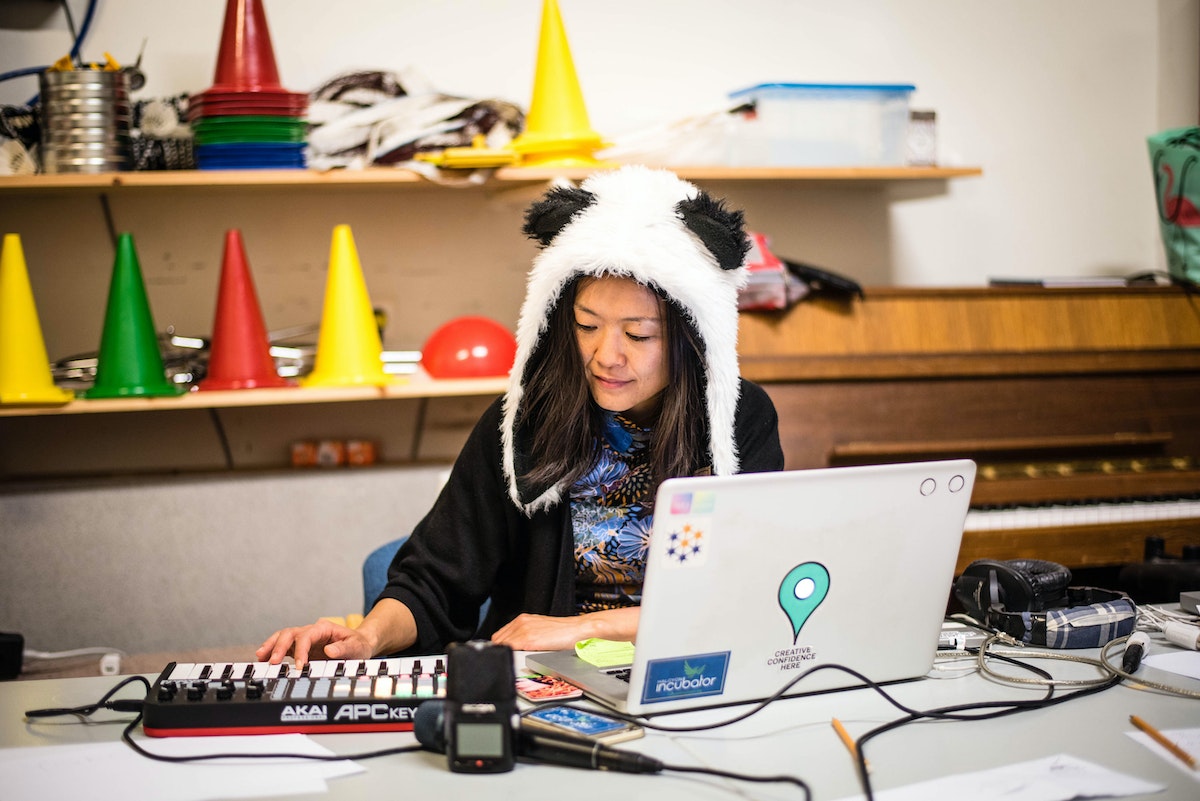
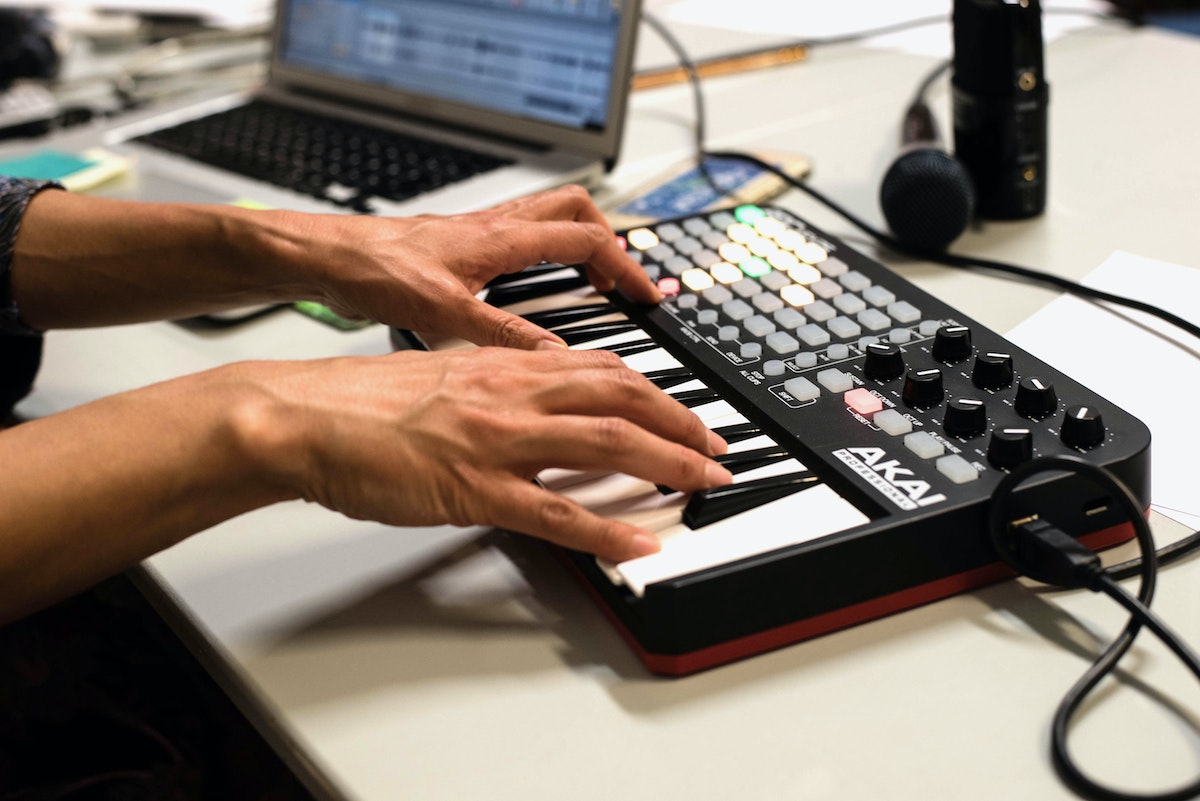
Humans really like the sound of the ocean. We like it so much, the lapping of waves top the list of last sounds we wish to hear before we die. That’s one thing you’ll learn from Yoko K. Sen, an ambient electronic musician whose project, Sen Sound, aims to transform what we hear at the end of life, replacing shrill alarm bells and bleeping machines of the hospital with a soothingly oceanic sonic environment.

Lindsey Turner
I’m passionate about building brands, products, and experiences that help organizations show up with meaning and momentum.
I help organizations cut through complexity by shaping how they show up, through brand strategy, identity, and storytelling.
Working at the intersection of brand and business, I bring an editorial eye and a bias toward making—turning ideas into tangible experiences that people can understand, trust, and believe in.
My work spans government, healthcare, financial services, media, and consumer goods, from launching Gen Z-focused ventures to building innovation labs and reimagining legacy brands. I relish moments of ambiguity and enjoy translating across teams, perspectives, and priorities to move ideas forward.
I started my career in editorial and digital design, shaping cross-platform experiences and identity systems in publishing and agency environments. That foundation still shapes how I work today: I’m detail-oriented, collaborative, and overreliant on the Oxford comma. I hold a BFA in Visual Communication from the School of the Art Institute of Chicago.

Rachel Young
My work helps organizations see who their products aren't working for—and build the will and the tools to do something about it
For 25 years, I've asked the same question: Who does this design exclude—and what are we going to do about it?
My work spans human-centered strategy, inclusive design, and qualitative research, with clients ranging from Microsoft, Google, and Verizon to the National Science Foundation, and San Francisco Unified School District.
Before IDEO, I taught elementary school in East Palo Alto and spent a decade doing design work with social service organizations—where I learned firsthand what it costs people when systems are built without them in mind.
I am currently writing User Error, a nonfiction book about digital access and the design decisions behind it. I live in Oakland, California.

Brian Pelsoh
I lead with craft, ensuring our work is creatively excellent: rooted in deep human insight and imagination, while also grounded in the realities of business and technology.
My expertise spans brand, communication, and product design across tech, education, the arts, and social impact.
I believe great work demands both high-level vision and obsessive attention to detail, and only happens through collaboration.
I bring an inclusive, hands-on approach and a deep understanding of business, which enables me to consistently deliver excellence while always asking why.
Before joining IDEO, I worked at the brand firms Pentagram and VSA Partners. I began my career as a designer, leading teams at the School of the Art Institute of Chicago and the Milwaukee Art Museum. I hold an MFA in graphic design from Maryland Institute College of Art and a BFA in communication design from the Milwaukee Institute of Art & Design, and have taught at some of the best design schools in the US.
Tony Wong
I am responsible for IDEO’s long-term success in China and working with clients to use design as a tool to enable growth.
I am responsible for IDEO’s long-term success in China and working with clients to use design as a tool to enable growth. Specifically, I have helped Chinese companies design holistic brand solutions through the development of their products, communication, services, and innovation teams, and I have helped multinationals expand their presence and influence in China.
I advise global leaders on developing China-led innovation and capabilities.
In over 15 years in IDEO Shanghai, I have worked on projects that use design to elevate the quality of the experience of healthcare products and services, streamline processes that increase productivity, create spaces and programs that promote and enable inclusive communities, and build next generation mobility solutions that are planet-positive.
Before joining IDEO, I worked at Philips Electronics and the Electrolux Group in Italy, the Netherlands, and Singapore on a number of breakthrough commercial products. I am a member of the Young President Organization in Shanghai.
How to use AI as an editor, not a writer
Ed White shares how he uses AI as an editor—not a writer—to sharpen storytelling, rehearse ideas, and preserve the productive friction that makes creative work better.
Ed White has a rule he's tested on his own writing: hold yourself as the writer, and let AI be your editor. Ed is a Senior Design Director at IDEO's London studio, where he co-leads the firm's AI portfolio across Europe. Before IDEO, he spent 12 years as a writer and editor at the Financial Times, Wired, and Contagious. So when he talks about when to use AI for storytelling and when not to, it comes from two decades of crafting his storytelling skills.
In this episode, Mina Seetharaman talks with Ed about two specific tools he uses to keep AI in an editor's seat: a "roasting agent" prompted to critique his drafts without any sugarcoating, and a simulated audience he rehearses pitches on before the real thing. They also get into what Ed is hearing from design leaders at Anthropic, Lovable, Shopify, and Google Creative Lab about how creative work is changing, and why he thinks the friction of writing something yourself is worth protecting rather than automating away.

Building a personal AI for the messiness of life: Sida Li
Becca Carroll talks with Cue co-founder Sida Li about designing a personal AI for the messiness of everyday life—not just work. They explore how Sida stays anchored to human needs while navigating fast-changing technology, product tradeoffs, business-model experimentation, and the realities of building an AI company today.
Most AI products today are built for work—a space with clear problems and established systems. One founder noticed a gap: personal life is messier, harder to systematize, and mostly left behind by the AI boom. So she built Cue, a personal AI that lives inside iMessage and group chats, to go where the other tools haven't.
In this episode, Becca Carroll, IDEO's Chief Strategy Officer, talks with Sida Li, co-founder and CEO of Shared Context Lab, about staying anchored to a human need while the technology around her keeps changing shape, why she treats her business model with the same rigor she'd bring to a product, and what it feels like to build a company at this particular, disorienting moment in AI.
The conversation also gets into how Sida makes design decisions: the language Cue uses to describe itself, the tradeoffs behind building inside iMessage instead of a new app, and a real story about a business idea that didn’t pan out.
This is the second in a two-part series profiling founders from IDEO's Startups-in-Residence program. The first conversation is with Johannes Seemann, founder of Sooner, on designing GenAI for the emotional side of money.
Designing GenAI for the emotional side of money: Johannes Seemann
Designing financial tools around the feelings that shape money decisions.
Most personal financial tools are built to run the numbers and optimize towards a budget. While that works for some, most people experience money as a lived relationship that does not neatly fit into a spreadsheet. Johannes Seemann and Becca Carroll discuss why money is emotional before it is mathematical, and what a human-centered approach to building a generative AI financial product looks like in practice.
The curious leader's edge in uncertainty: Scott Shigeoka
How genuine curiosity helps leaders navigate uncertainty with greater confidence.
Mina Seetharaman talks with Scott Shigeoka, author of Seek and Head of Curiosity Cultivation at the Eames Institute, about what distinguishes genuinely curious leadership from performative curiosity, how power dynamics shape curiosity, and why practicing curiosity can restore energy rather than drain it.
Looks like you might be in search of something very specific?
Or reset the filters above and try another angle.
Here’s some random inspiration
Podcasts about creative leadership
Articles about the power of prototyping