
.svg)



Reintroducing The Lawrence Hall of Science
A lively new brand reenergizes a STEM learning institution.
Named after Ernest O. Lawrence, UC Berkeley’s first Nobel Laureate, The Lawrence Hall of Science’s wide-ranging products, services, and tools developed organically over half a century. To begin to make sense of the breadth and depth of its offerings, IDEO asked leadership and staff to surface the myriad activities, audiences, and relationships with external partners, enabling the group to visualize—and make sense of—the totality of The Lawrence brand.
During in-depth research with parents and kids, educators, and experts, IDEO discovered that each of these audiences had distinct mindsets. Parents and kids engaged with The Lawrence to explore, have fun, and dive deeper into a specific topic. Educators utilized it for professional learning opportunities and to discover new, exciting classroom tools. While experts, including UC Berkeley faculty, STEM educators across the US, and funders, viewed the center as a resource for best-in-class STEM education research. The mindsets highlighted The Lawrence’s unique capabilities, but the complexity also created some opportunity areas, including ways to use storytelling to create emotional resonance around The Lawrence’s core values and how to design a unified narrative to connect the dots across audiences and offers.
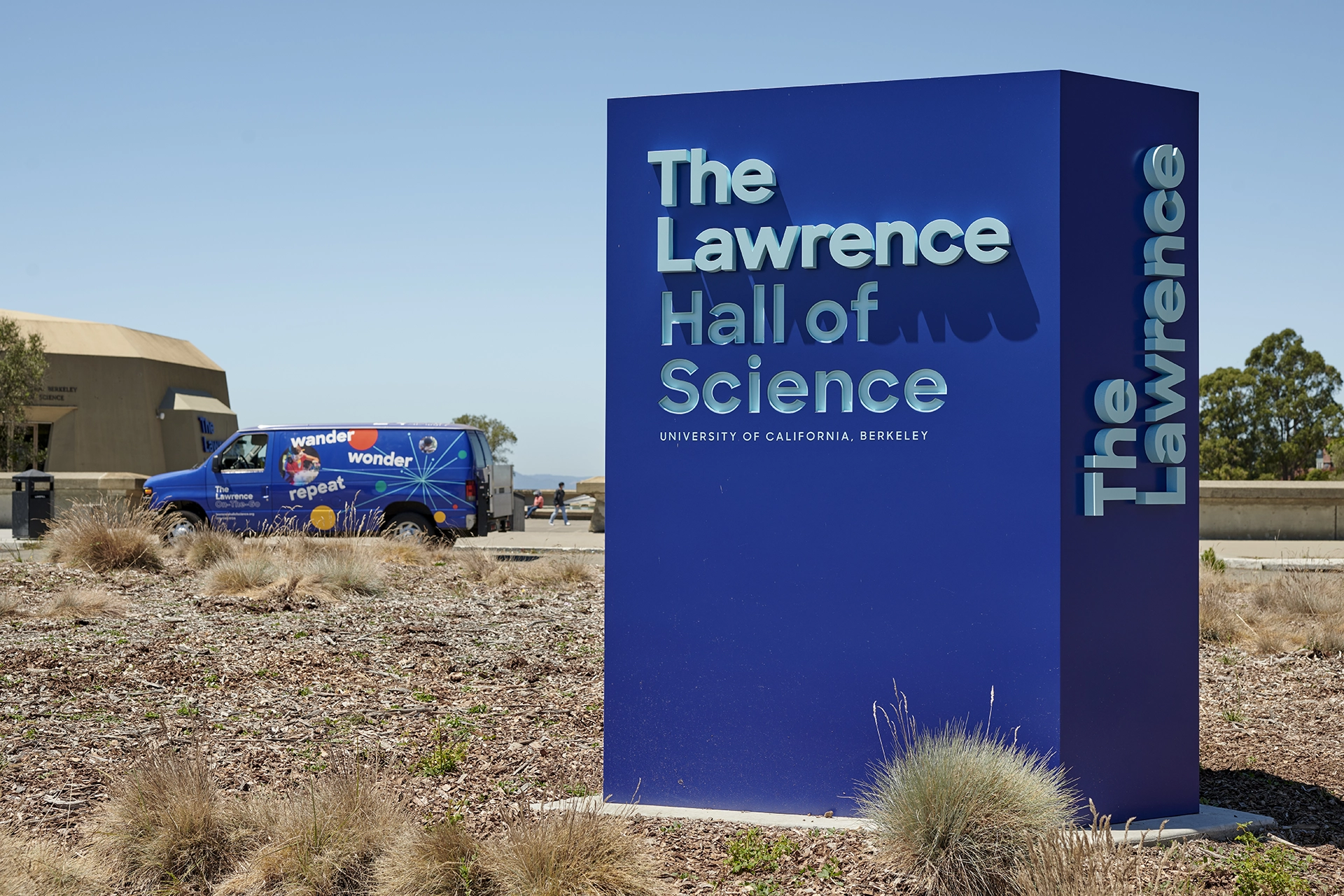
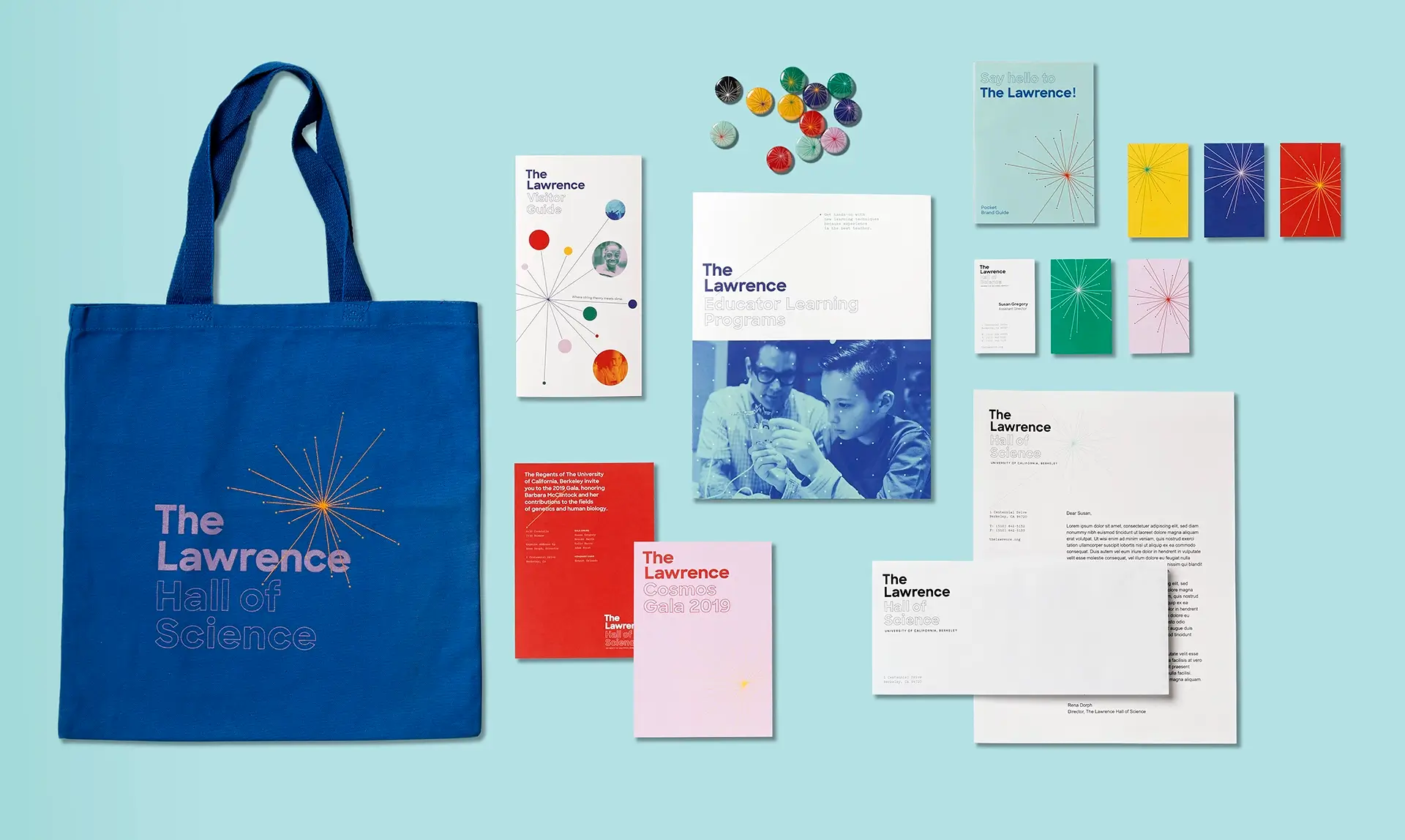
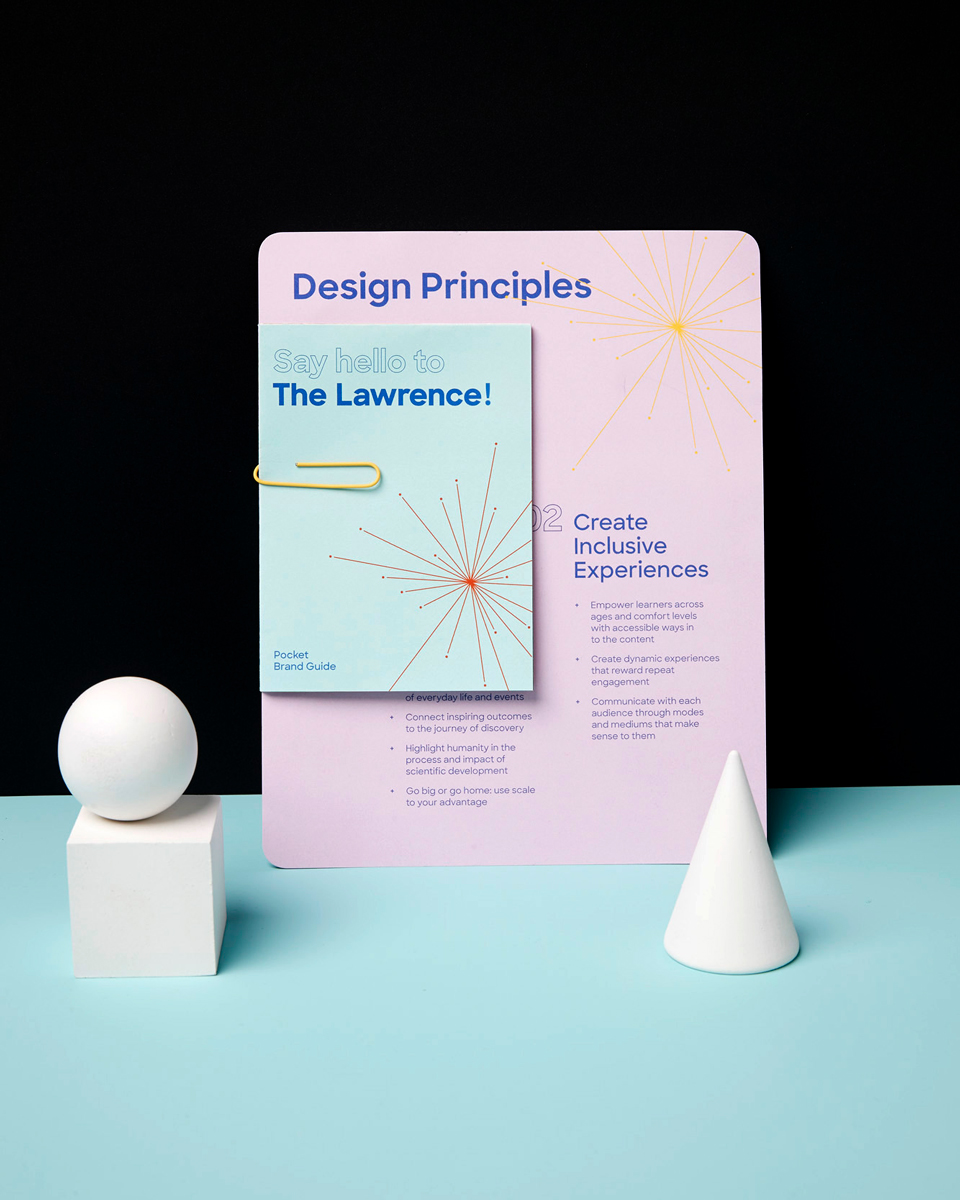
Building on its strengths as an institution and the identified opportunity areas, IDEO created a modern, vibrant, and flexible brand that strategically and visually unites all of The Lawrence’s offerings, working across digital and physical media. Grounded by a grid system, the updated brand identity is simultaneously rigorous and fun, featuring a bright color palette and signature retro-cool super-nova mark. Different offerings are bundled together based on different audience needs, preventing confusion and easing navigation. Even the name of the science museum, The Lawrence Hall of Science, was updated to a more contemporary and approachable, The Lawrence, inspired by The Met.
The Lawrence unveiled its new brand with much fanfare in late 2018 as part of its year-long 50th anniversary celebrations. Visitors can see the updated identity across all public-facing elements, including The Lawrence’s website, curriculum and educator materials, letterhead, collateral, and exhibition and wayfinding signage. The redesigned brand has been credited with bolstering the popularity of the science center among families and schools and causing ticket sales to return to—and exceed—pre-pandemic levels. Internally, the rebranding effort has helped generate excitement and energy across departments, helping solidify a collective future strategy and vision for its next 50 years.

The Lawrence Hall of Science’s diverse offerings had grown extensively over the decades, creating a confusing and disjointed experience for its various audiences. On the eve of its 50th anniversary, Lawrence leadership sought a brand refresh to better connect with its target audiences and differentiate itself in the STEM education ecosystem.
Over $6M in new funding
raised to transform and modernize The Lawrence, thanks to IDEO's rebranding effort
Reinventing classic British pubs and inns
Greene King’s upscale Everly Hotels Collection combines modern comfort with local impact.
When Greene King approached IDEO in early 2022, it was (and still is) one of the UK’s leading hospitality brands, with over 2,600 pubs, restaurants, and hotels. At that time, consumers in the UK and other parts of the world were beginning to rediscover the joys of travel after years of pandemic lockdowns. Greene King’s newly formed Venture Hotels Team wanted to understand how guest expectations had shifted during Covid-19 and how a new customer-centric hotel brand and signature service experience might meet—or exceed—their expectations.
To get inspired, the IDEO team interviewed a range of travelers of different ages and backgrounds, met with hospitality and luxury experts, and conducted immersion visits, including visiting high-end hotels. The research revealed modern travelers want unique hotel experiences that cater to their curiosity, support local communities, and are environmentally sustainable. Luxury, which once meant “exclusive,” was now about enabling one-of-a-kind cultural experiences. Today’s travelers value inclusivity, accessibility, and well-being; they want to feel welcome, do things at their own pace and have thoughtfully curated options to choose from. They also expect hospitality practices to be ethical and sustainable, contributing to the welfare of local communities and the planet.
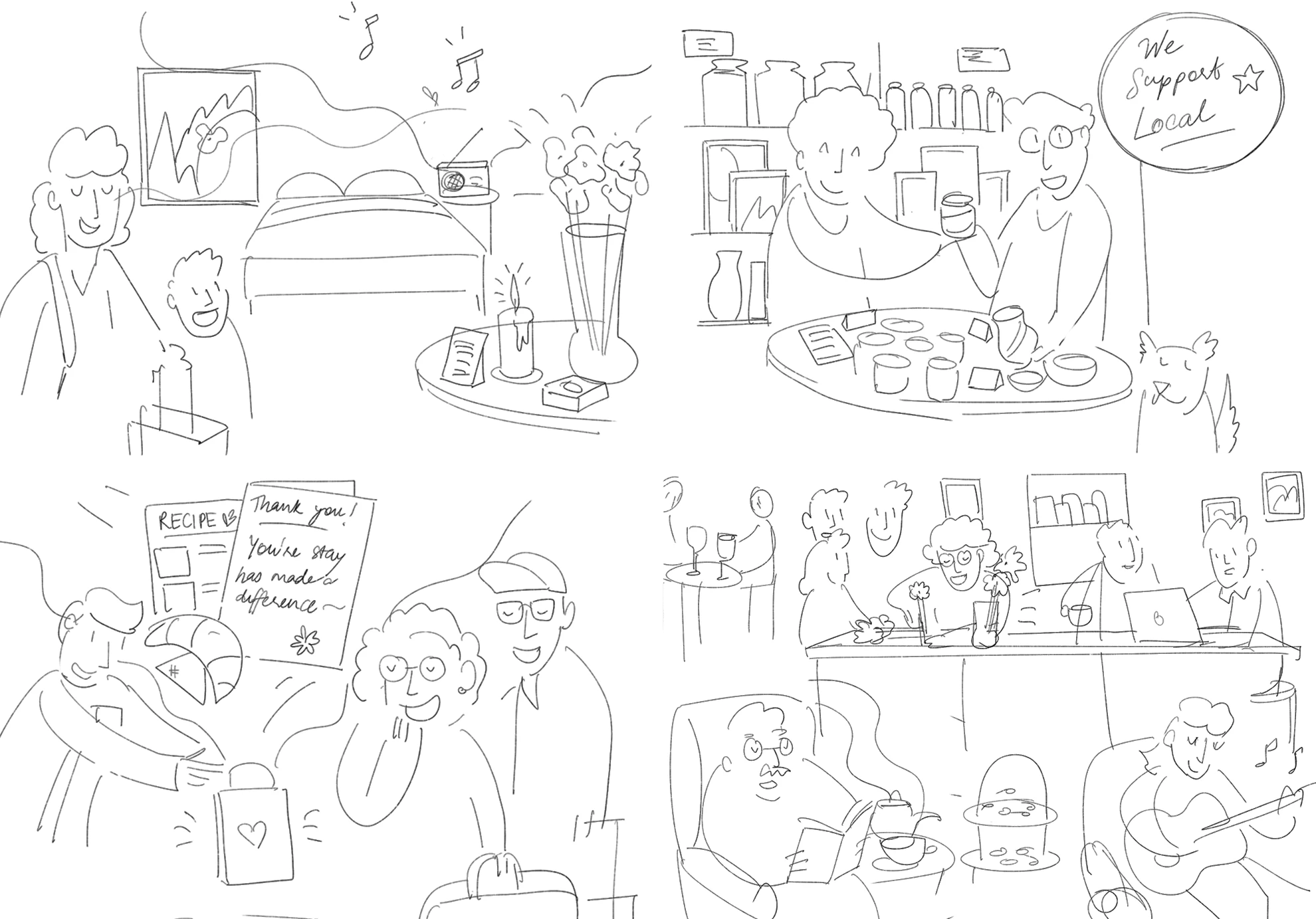
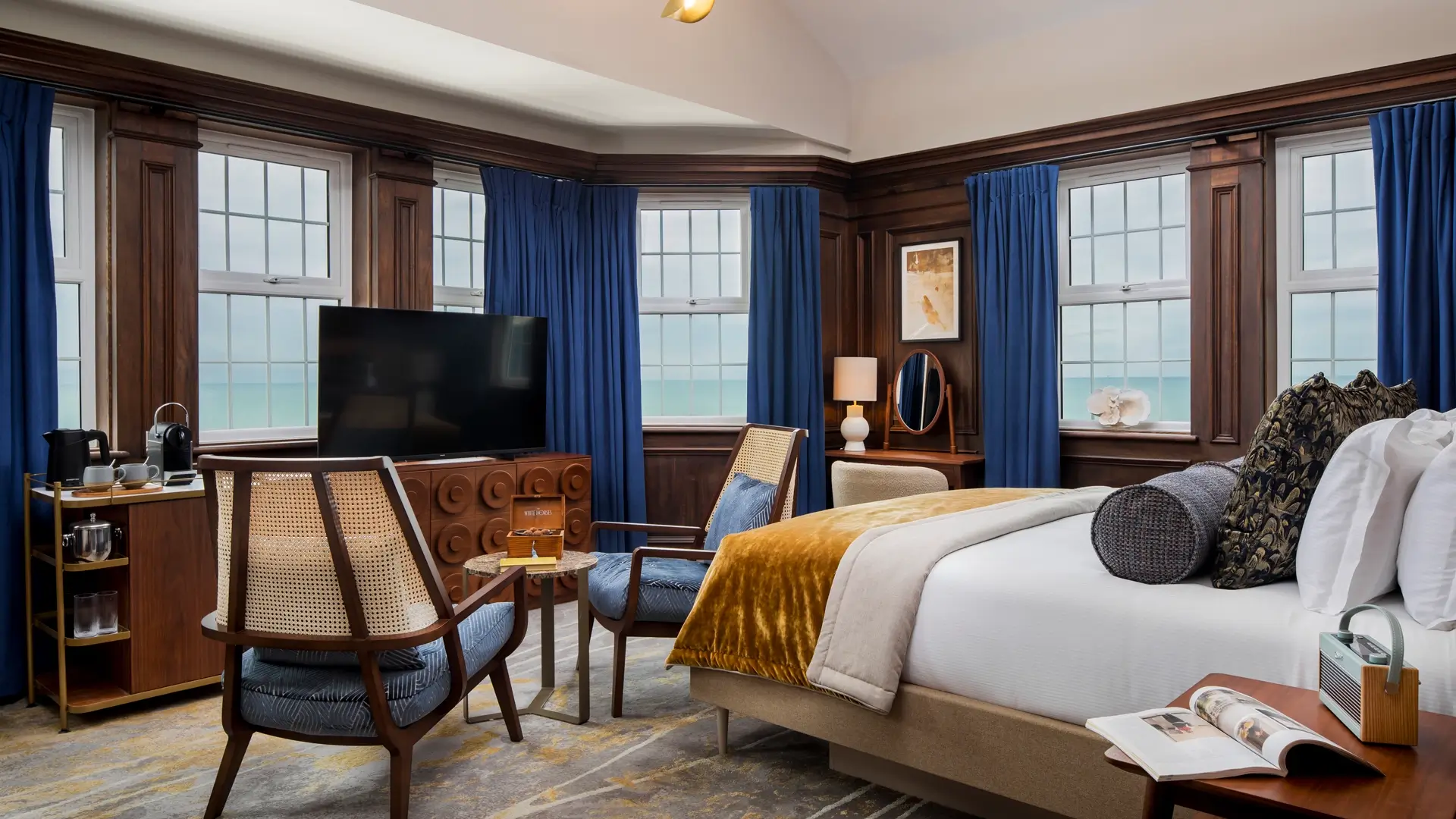
Building off this research, IDEO crafted a new entry proposition for Greene King’s new Everly Hotels Collection called “The Discover Collection,” which leverages the best parts of a classic British pub and inn—bespoke historic locations full of character, culture, and stories—while offering guests a modern experience from pre-arrival to departure, all grounded in supporting the communities they are in.
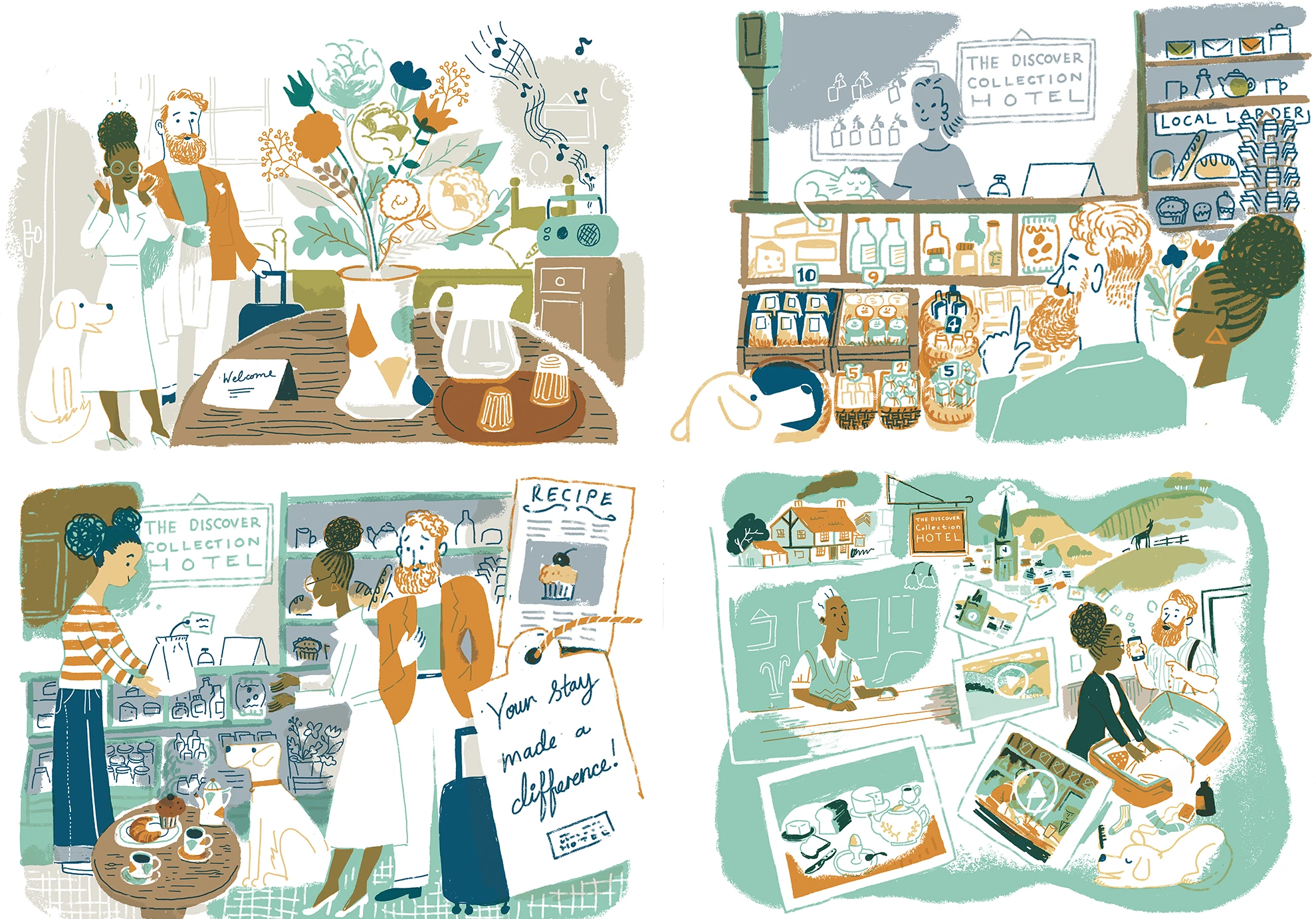
Signature moments include a warm welcome during check-in, as well as staff recommendations and local maps highlighting neighborhood gems. During their stay, guests enjoy expansive seasonal food menus, as well as a beverage menu that includes a wide variety of locally brewed, distilled, and crafted drinks by local suppliers. Rooms feature a smuggler's treasure chest with a surprise treat. Art and books from local talent are on display throughout the hotel, and local experts lead activities and events. Guests tangibly experience Greene King’s commitment to sustainability through its use of local materials, produce, talent, and partnerships, all designed to support the surrounding community. Upon departure, guests receive a personalized postcard.

In addition to the hotel experience moments, IDEO delivered branding recommendations for The Everly Hotels Collection, including visual identity and tone of voice that provide a cohesive look and feel for the collection of hotels while simultaneously showcasing each property's unique character. This was all packaged as an experience playbook, with design principles and briefs to help guide implementation decision-making across Greene King’s marketing, digital, interior design, and food and beverage teams.
A few months after the project ended, Greene King launched The Everly Hotels Collection. Its pilot hotel, The White Horses in Rottingdean, East Sussex, opened within the year. The new brand and guest experience strengthened bonds with Greene King’s loyal customers and first-time guests, ensuring the brand's relevance and appeal in a competitive market. More hotels are planned in the future in other scenic UK locations.
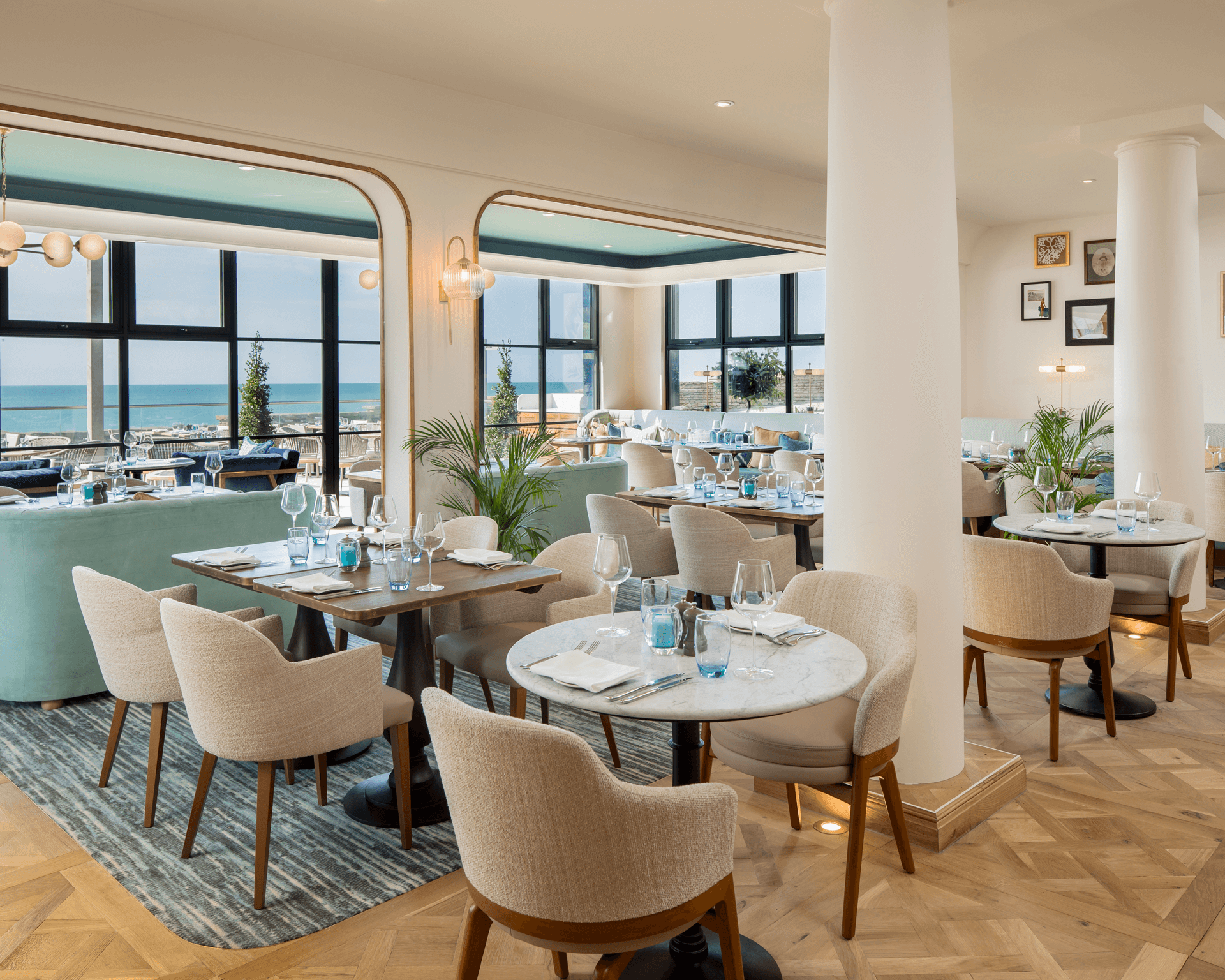
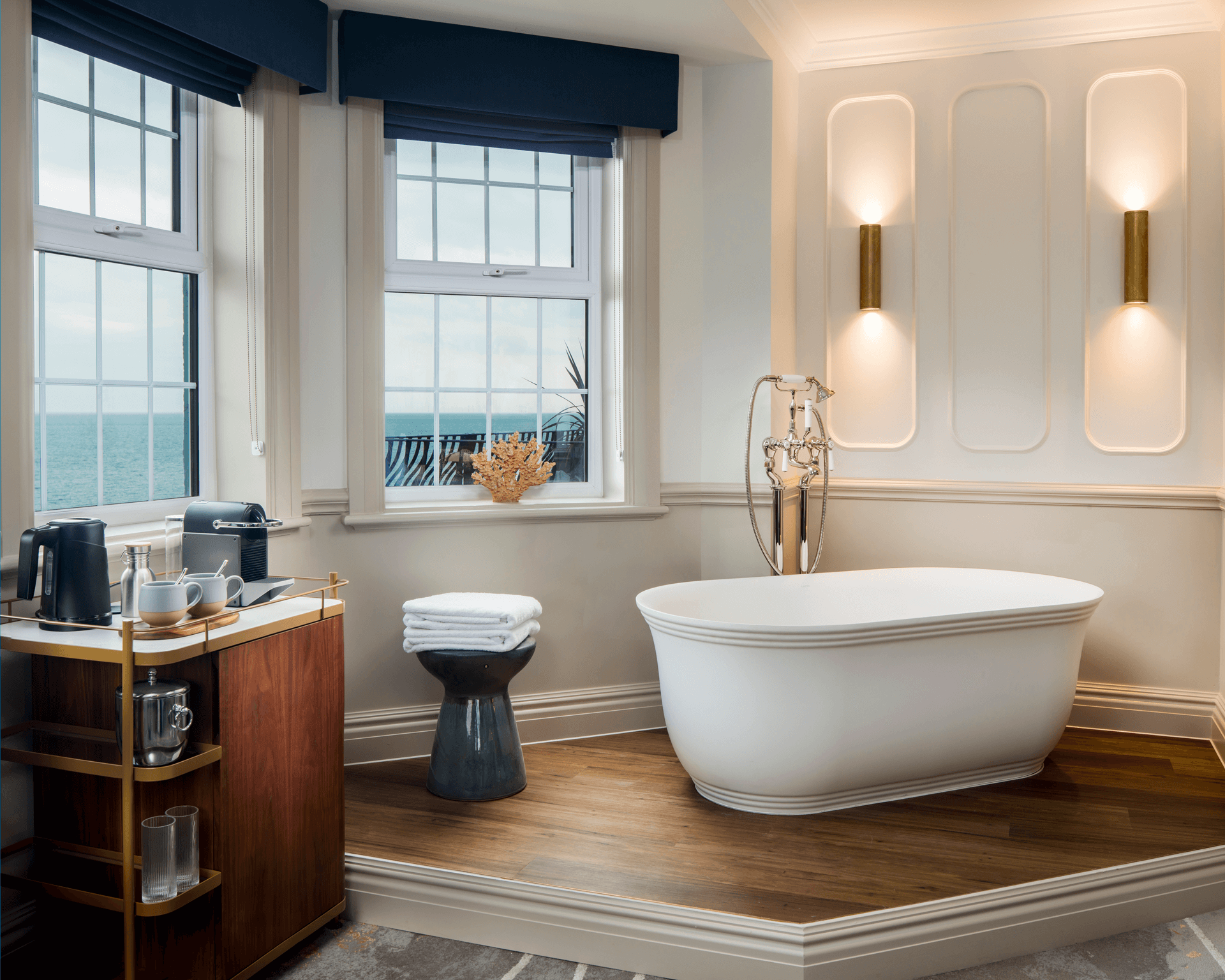
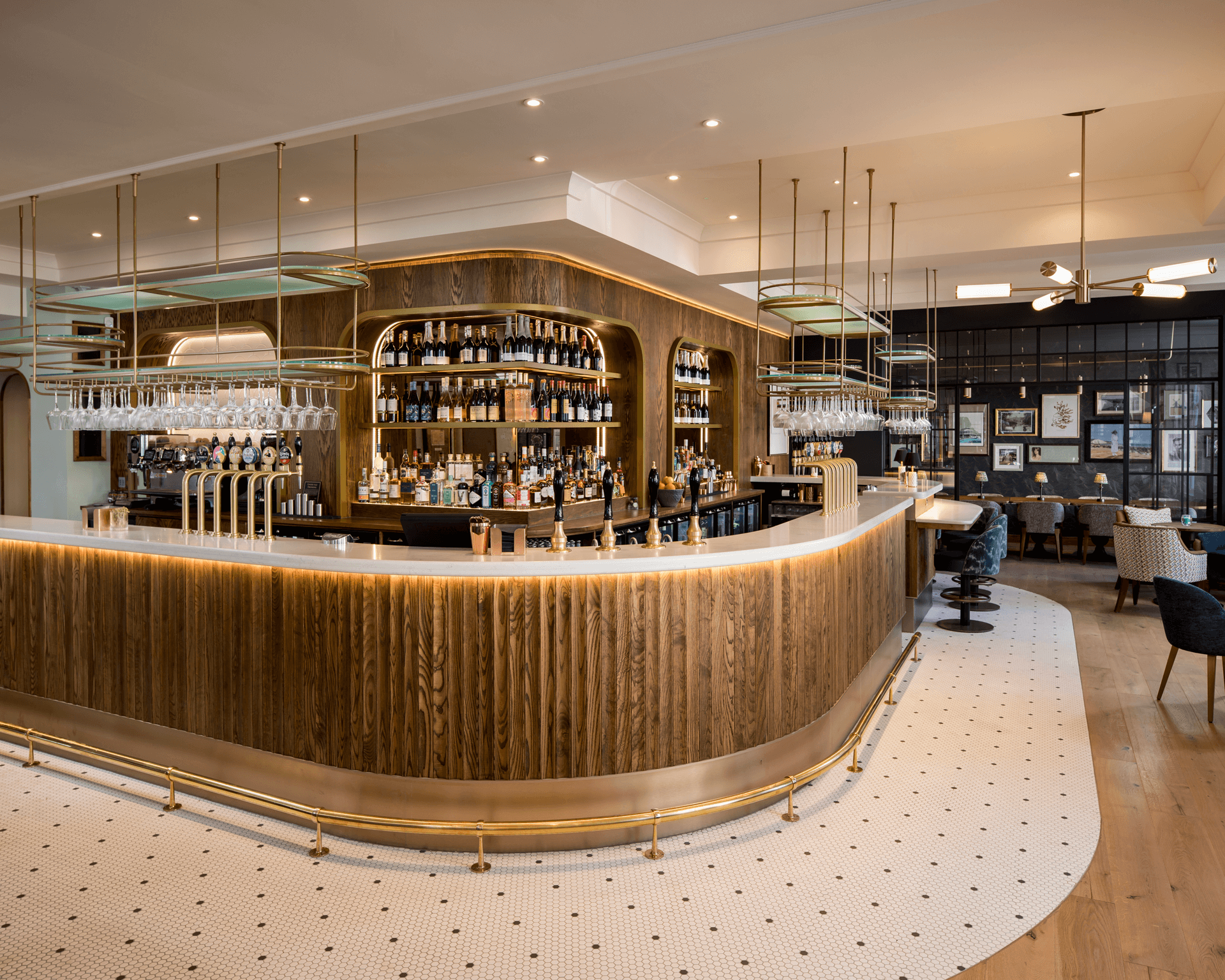
Greene King wanted guests to have a consistent brand experience while maintaining the storied charm that makes each property unique.
2 years
from concept to the launch of Greene King’s boutique Everly Hotels Collection
1 pilot hotel
The White Horses opened in Rottingdean in 2024
A new paradigm in data storage
Designing the iodyne Pro Data and Pro Mini hard drives.
The hard drive space is full of companies competing over technology and performance. But iodyne wanted to add another layer, focusing on user needs and product aesthetics to better position the company to meet the values of a broader audience and create compelling new entrants into this crowded market.
Together, IDEO and iodyne jumped into in-depth discovery research to learn more about the needs of their end users. The team sat down with photographers, videographers, and digital imaging technicians, asking questions about their file management systems, how they used hard drives in the field, and how they stored them for transport and at home. They also headed to the source, visiting studios and home office set-ups to understand the full range of potential use cases.
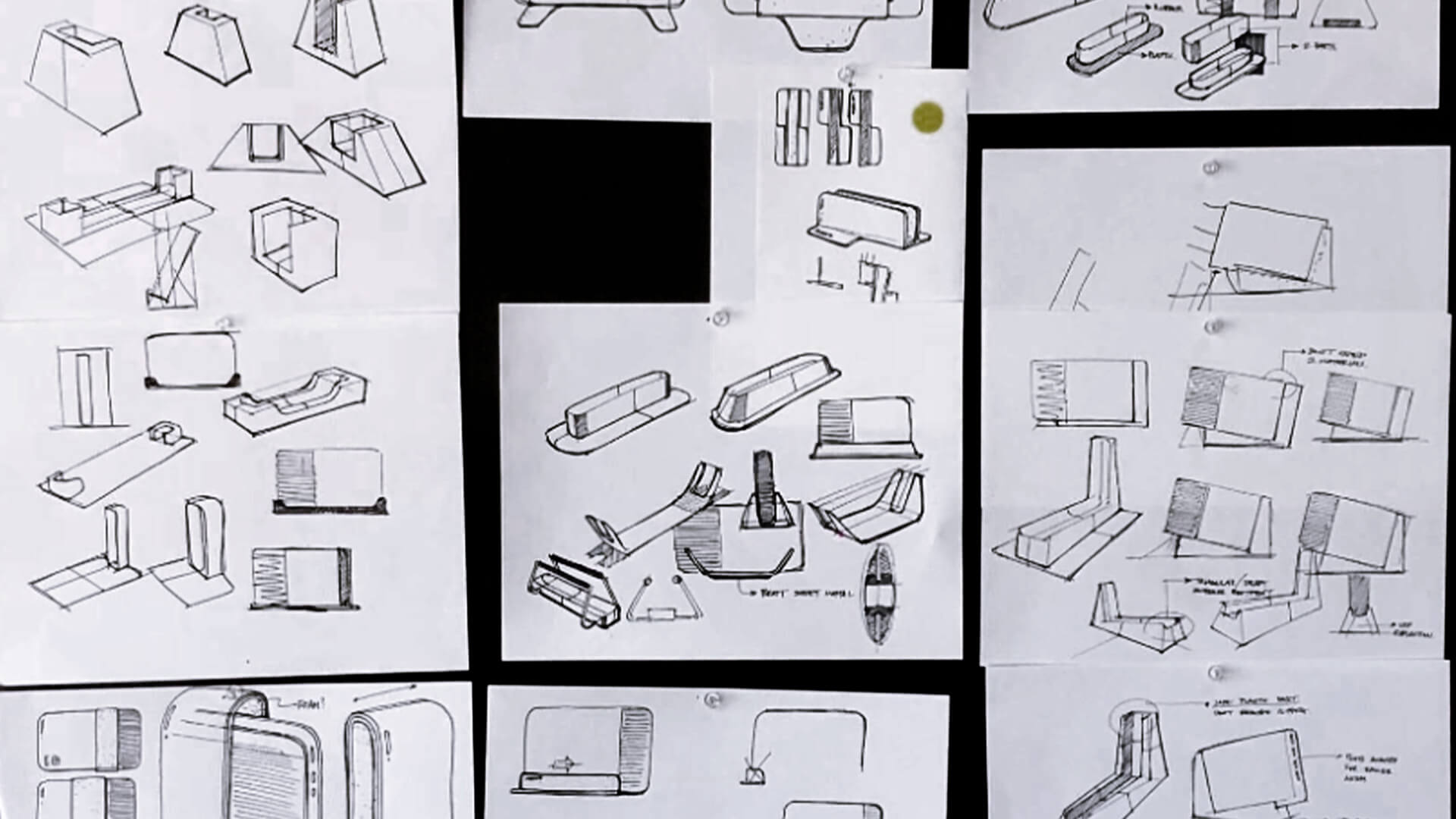
A few big discoveries leaped out. No one had a single storage solution to rely on. Users constantly transferred data from different hard drives designed for different purposes (in the field versus at home), accumulating hundreds of old hard drives over time. Traditional hard drives also don’t allow multiple users to work off them simultaneously or come with software systems that help keep projects and tasks organized, protected, and sharable. Meanwhile, the ever-shrinking size and weight of laptops—and people’s willingness to take them everywhere—set a new benchmark for portability, one that iodyne could lean into.
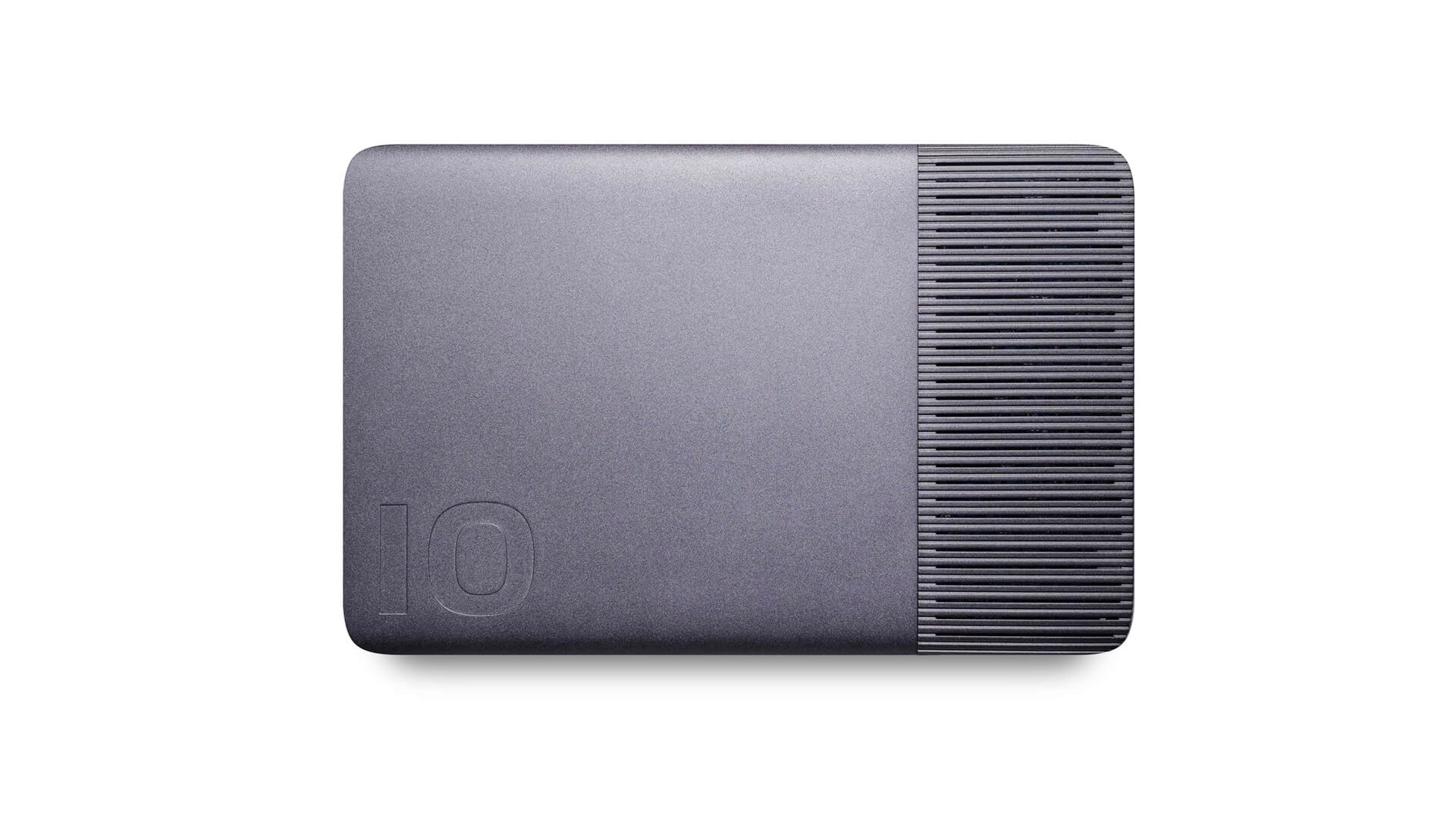
With these and other insights in hand, the team brought unrivaled performance and aesthetics together to create a far superior user experience. IDEO and iodyne developed Pro Data’s engineering architecture, collaborating on thermal performance analysis, material choice, inspection of sample parts, and even packaging design. By combining integrated venting, multiple laptop-quality fans, smart power management, and 20 thermal sensors, the team was able to minimize cooling fan loads and reduce noise and power consumption. A single, centralized, and consolidated storage space makes sharing data among teammates easy, too—up to four computers can connect to the Pro Data at the same time and access the same files. The redesigned Pro Data creates new value for consumers in a highly mobile, secure package that can go from desktop to backpack and back again.
The iodyne Pro Data hard drive launched in 2021 to overwhelmingly positive reviews. Storage Review wrote “Nothing else comes close to this level of performance in a package this size,” while Jemery Boros of StarGate Studios said “I don’t think I could have done the shoot without Pro Data. It was easy to use, fast, and kept all of our data safe on the other side of the world.” The drives have since been used in the making of major motion pictures from F1 to A Complete Unknown.
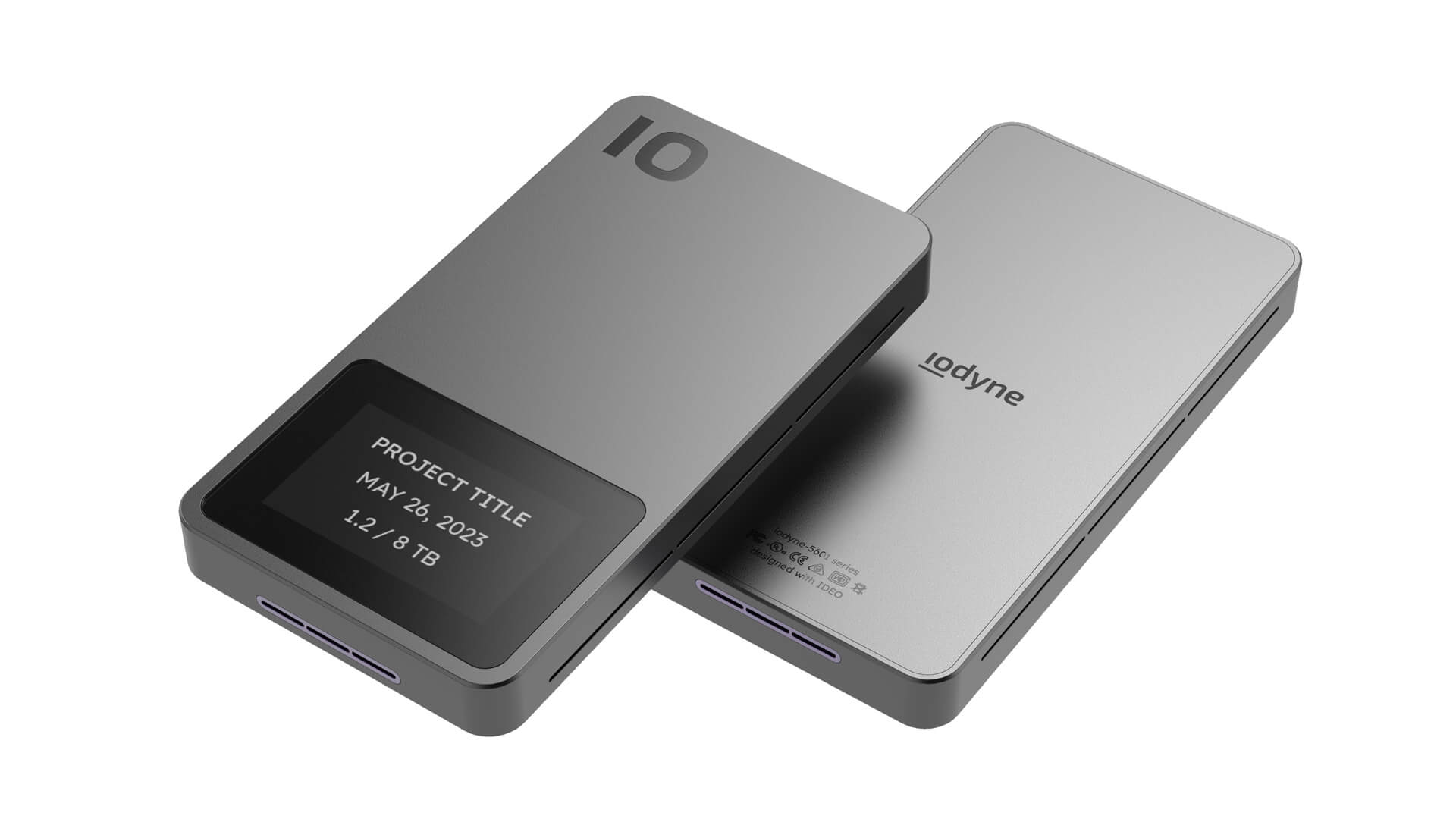
Spurred by Pro Data’s success, iodyne decided to create a second product with IDEO, a Pro Mini that could provide the same cutting-edge performance and sleek design but scaled down to fit the needs of customers who required less storage capacity in an even more portable package. Pairing Pro phone-quality industrial design with a unique internal solid-state cooling architecture that imposed key constraints on airflow was critical.
IDEO worked with iodyne to create the Pro Mini’s internal layout and collaborated with an emerging engineering company to incorporate novel solid-state cooling technology, positioning the vents to maximize airflow and optimizing how users physically interact with the device. The team also addressed users’ durability concerns, advising iodyne on part selection as samples came in from vendors. The new Pro Mini is set to ship in the second half of 2025.
Hard drives are essential tools of the trade for people with large troves of media to store and transfer, like photographers and videographers. But beyond rolls of masking tape and label makers, there isn’t an easy way to see what’s on each drive without literally going through them one by one.
Traditional hard drives generate a lot of heat and need fans to cool them, making them bulky, loud, and slowing transfer speeds.
Many external hard drives are treated like commodities. They’re designed for mass production rather than for durability and aesthetics.
2 cutting-edge hard drives
to market in 3 years
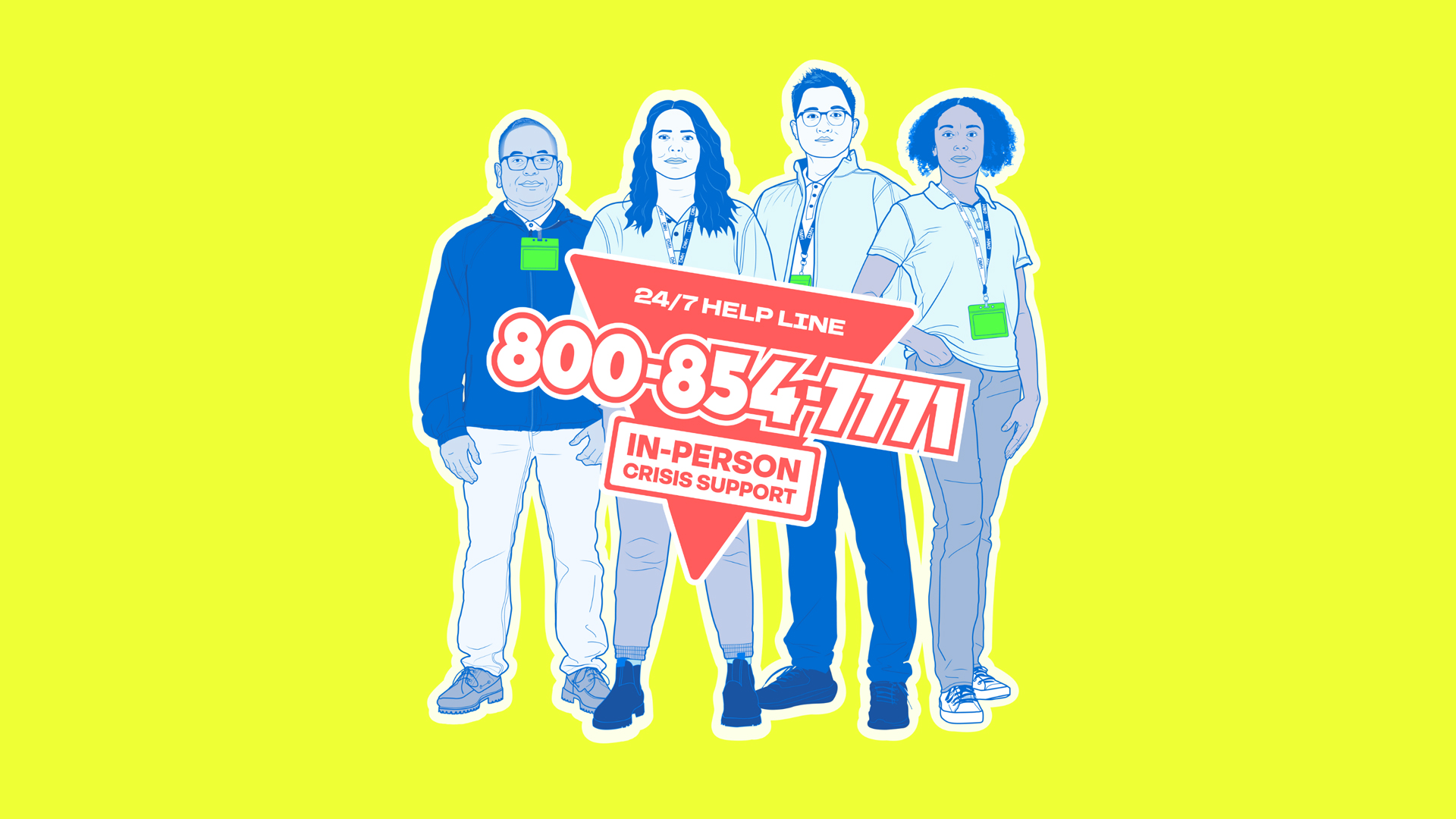
Introducing LA’s mental health crisis first responders
Helping a kinder, safer emergency support arrive first on the scene.
LACDMH is the nation’s largest public mental health department, serving over 10 million people. The agency provides critical support for the most vulnerable, including staffing a toll-free, 24/7 Help Line. Since late 2024, more than 70 Field Intervention Teams—comprised of mental health clinicians (social workers, psychologists, licensed psychiatric technicians, and registered nurses) and community health workers (trained peers or community members with lived experience)—have been dispatched around the county to help de-escalate mental health crises quickly, compassionately, and without force.
Because those experiencing a crisis are often too disoriented, confused, or otherwise unable to seek help for themselves, IDEO’s communication strategy targeted reaching “trusted messengers”—parents, spouses, siblings, and friends of people who have a mood or personality disorder like schizophrenia or bipolar disorder. The campaign aimed to define mental health crises, help people understand what to expect when they call, build trust in FITs, and divert mental health crisis calls away from 911.
To understand what drives these specially trained mental health professionals to do this type of work—and what sparks trusted messengers to call for help—IDEO met and interviewed former clients and loved ones who had reached out to the county for support during a mental health crisis. The team also interviewed multiple FIT staff to learn more about how they approach clients and families.
The research inspired the communication strategy’s central idea: position FIT members as real-life superheroes and first responders. By associating FITs with that term, the campaign changes the narrative and communicates their compassion and expertise to those in crisis. Custom illustrated portraits feature actual FIT staff in strong, action-figure-style poses, while a bright, eye-catching color palette and clear, direct language convey confidence and inspire trust.
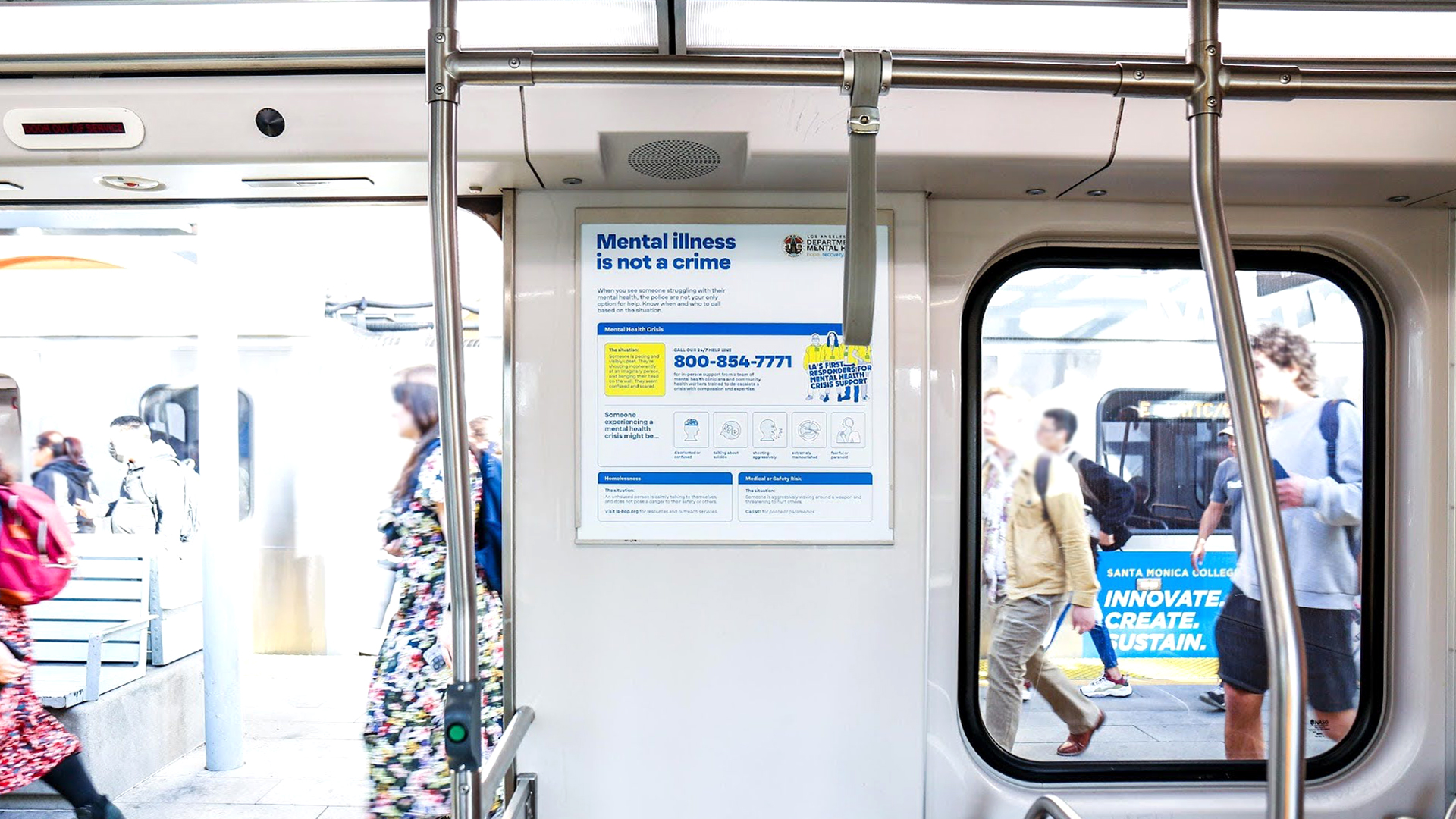
The team explored their initial design directions in a series of focus groups with LA residents, trusted messengers, and county and mental health workers to better understand the impact of the potential messaging and visuals. The research uncovered the importance of clarity, even in an inherently emotional situation. The IDEO team discovered that transparency—and real personal stories—would be the key to building public trust in ACR.
Between March and June of 2025, the robust awareness campaign will run across LA County in a number of languages on city buses, in Metro stations, on social media, streaming TV, radio, and more. An updated landing page on LACDMH’s website includes in-depth information and educational videos about mental health crises, as well as heartfelt testimonials from staff and former clients who have been helped by the service.
LA County Department of Mental Health created an innovative new program to provide urgent, compassionate care to Angelenos experiencing a mental health crisis but needed help driving awareness of its service across the region.
Calling 911 is an entrenched behavior in an emergency. However, dispatching police officers who are not trained in mental health can make a bad situation worse. In 2022, 39 percent of people shot by LA police officers were in the midst of a mental health crisis.
172 million impressions
delivered via digital and physical ads across LA
50% increase
in calls to the ACR helpline, year-over-year, attributed to IDEO’s awareness messaging
24%
of Angelenos now name LACDMH as the first to call in a mental health crisis, leapfrogging 911 or the police, which slipped 14.3 points
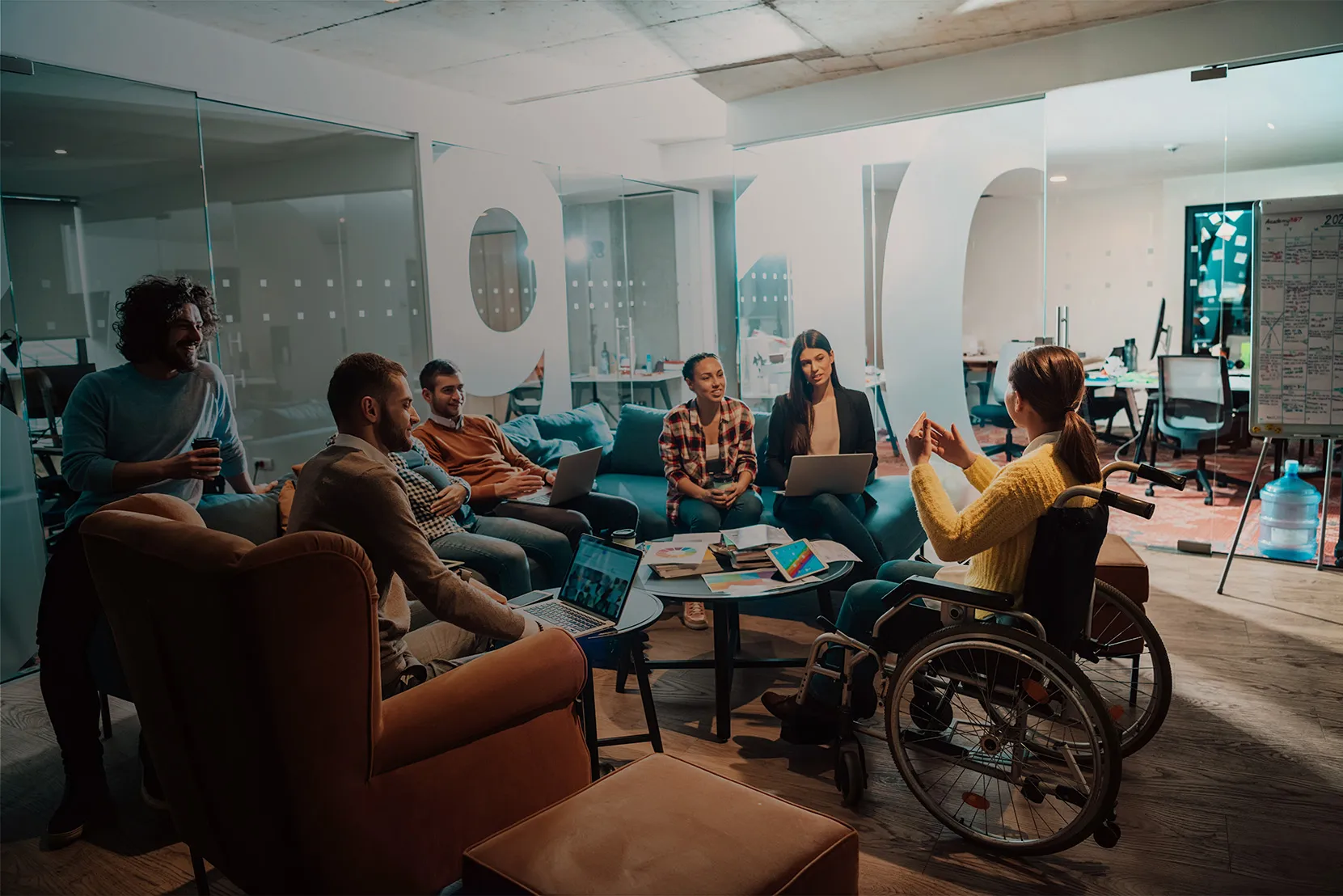
ExperienceInnovation workshop for teams
An immersive design-thinking experience.
Design thinking is an approach to innovation that draws from the designer’s toolkit—taking a human-centered approach to translating ideas into tangible strategies and offerings. Design thinking accelerates innovation, helping create better solutions for the challenges facing business and society.
ExperiencePoint, in collaboration with IDEO, created the simulation game ExperienceInnovation to provide a direct experience with design thinking. Teams compete to solve a realistic and complex challenge while engaging with the terms, techniques, and thought patterns of successful innovators.
Built for designers and non-designers alike, ExperienceInnovation creates an energizing, practical, and relevant learning experience that supports tangible business objectives using leading-edge technology. The workshop is optimized for a half- or full-day experience and is available as an in-class exercise, or online for remote teams. To date, over 15,000 people from a variety of companies and industries have completed ExperienceInnovation experience.
Learn more about ExperienceInnovation.
ExperienceInnovation is a workshop in innovation, giving teams meaningful experience with design thinking.
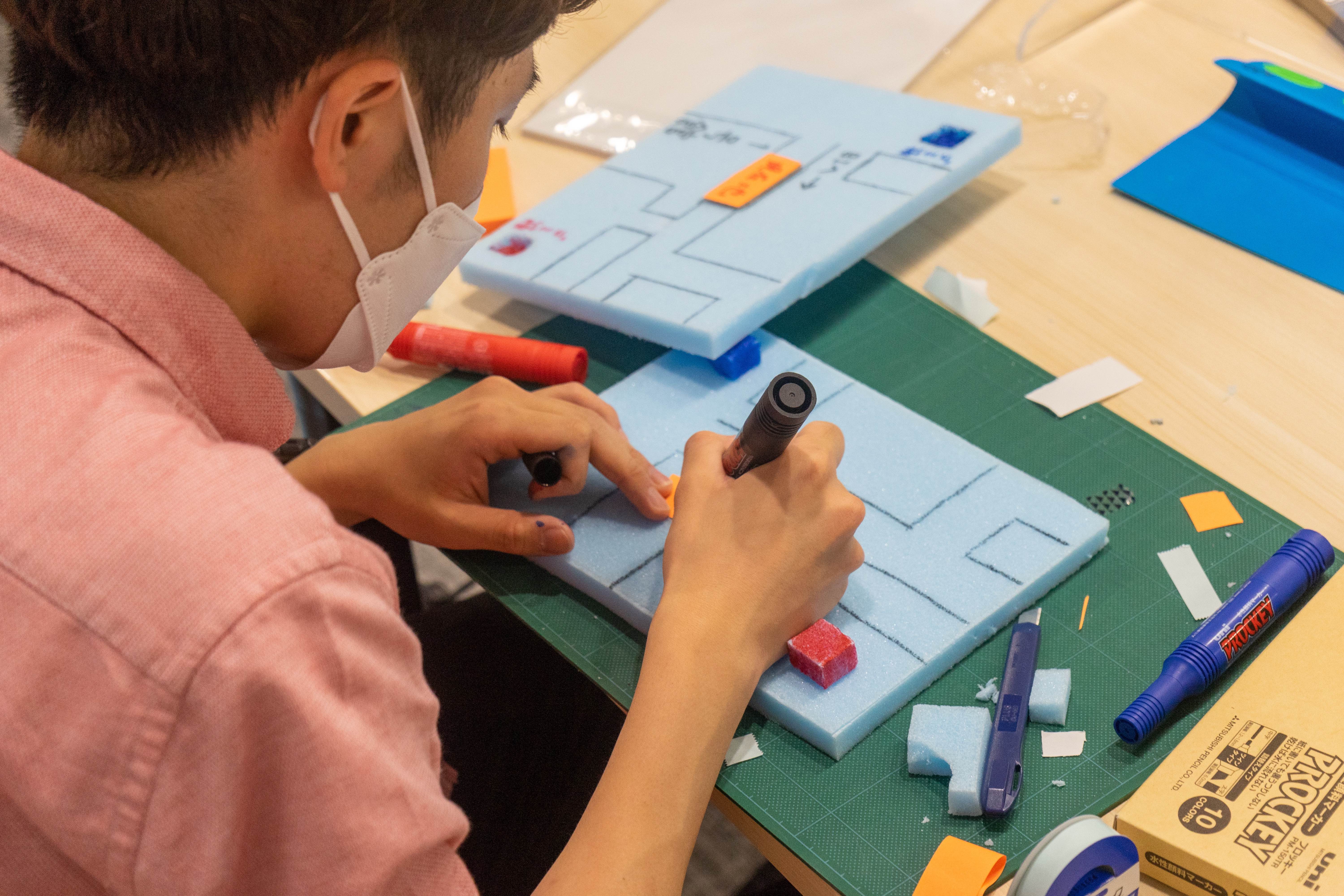
大学生のクリエイティブ・コンフィデンスを6週間で「ぶち上げる」
「プロトタイピング力」とは、大きく分けて2つある。それは、その課題を解決する上での「WHAT(何を作るべきか)」と「HOW(どう作るか)」である。この2つを両方使いこなし、自ら解決策を試作できるようになった時、自己効力感(Self Efficacy)が「ぶち上がる」のである。そんな自己効力感のマインドセットについて書かれているのがクリエイティブ・コンフィデンス日本語版ではクリエイティブ・マインドセット)だ。クリエイティブ・コンフィデンスに満ちた個人はどのような課題に直面しようと、自らの創造力とモノづくりの技術で何らかの解決策を提供できると確信し嬉々としてアクションを起こすことができる。それこそがデザインの持つ力であり、これからの時代に不可欠な能力だ。
理系も文系も、言い訳のできない時代
これまで数多くの中学、高校、大学でデザイン思考を教えてきた中で一つ問題に感じるのは、多くの学校で「WHAT」と「HOW」を分けて考えてしまっていることである。文系の学校の場合「WHAT」の議論には熱を入れるが、文系だからという言い訳をしてなかなか「HOW」に触れようとしない。理系や工学系の場合は、「HOW」のトレーニングは積むが「WHAT」は別の誰かの仕事と考えている。しかし、ECサイトを誰もが数分で立ち上げることができ、アプリだってスプレッドシート一つでノーコードで作れて、どんなノウハウもYoutubeを通して無料で学べる昨今において、理系だ文系だ、はもはや言い訳にはならない。思いついたアイディアを、誰かに作ってもらうのを待つのではなく、自らの手でプロトタイプするマインドセット、それこそが現代の教育の目指すべき姿だ。
そのために必要なのは、なるべく早い段階から、小さい成功体験を積み上げることだ。最初からSDGsのような巨大な社会課題に挑むのではなく、まずは目の前にいるたった一人の誰かのために「最高の贈り物を届ける」だけ。そのくらいライトな捉え方でデザインを行うことが大切である。成城大学のキャリアセンターから「デザイン思考をベースとした授業をやってもらえないか」というお誘いを頂いたのは、そんなことを考えている最中だった。
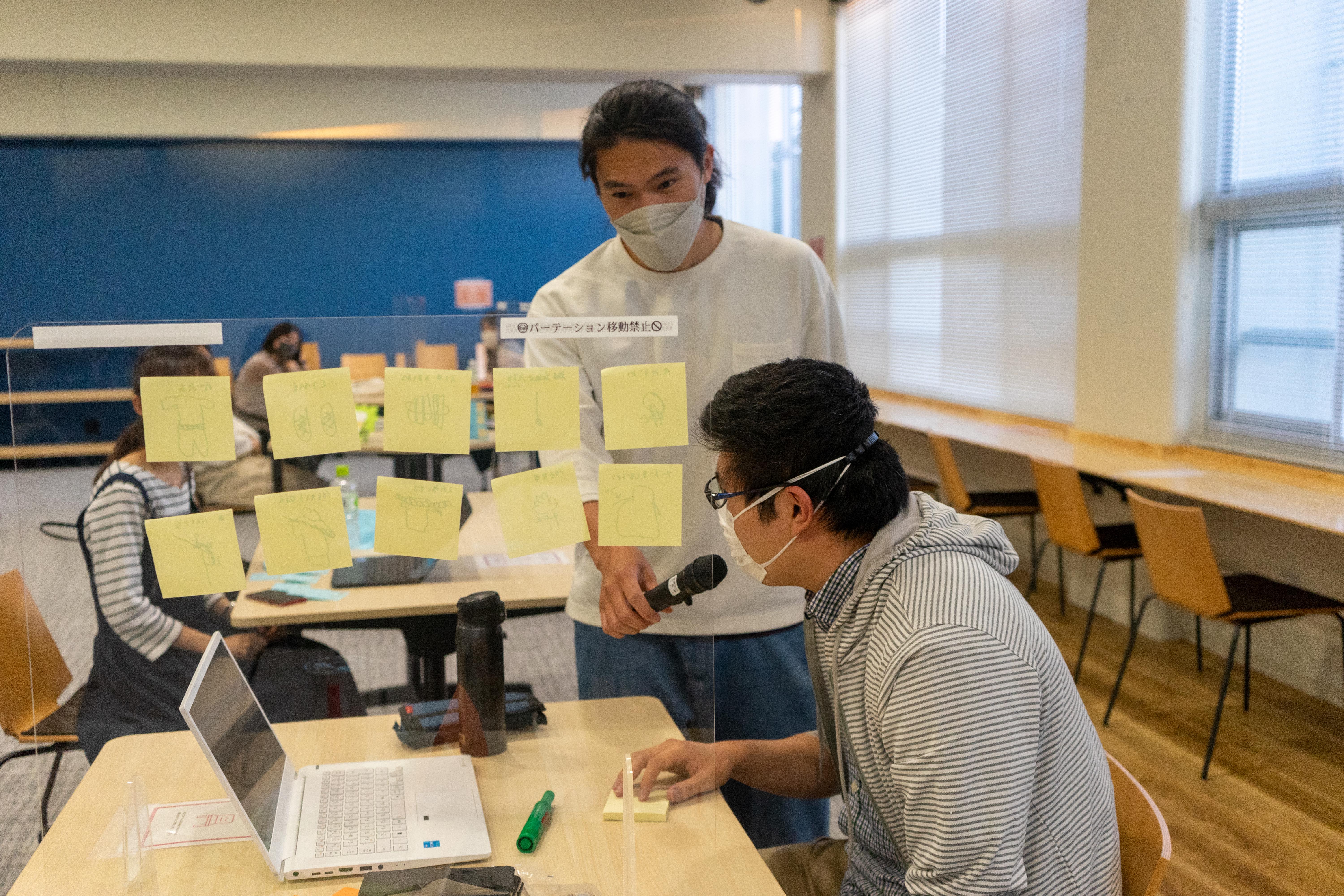
DESIGN THINKING LABという6週間の実験
「DESIGN THINKING LAB―モノづくりを通して、世界の見方を変えるー」というタイトルの元に実施することとなった6週間の授業では、「どのようにして、コロナ対策下のキャンパスライフをより一層楽しくできるだろうか?」をテーマに約20人の有志の学生たちに課題を発見し、解決策を考え、プロトタイプを作り、それを学内で実装してもらった。デザイン思考のいわゆる5つのステップのようなビジネスライクなフォーマットでは学生たちはすぐにそっぽを向いてしまうため、あくまでも「たった一人の同級生のための最高の贈り物」を作るための6週間であることを強調した。
その結果、僕がこれまで行ってきた数々の授業の中でも格別に素晴らしいアウトプットが文系の学生たちの手から次々と作り出されていった。中でも、食堂の券売機の見づらさに嫌気が刺したとある3年生の学生が、より見やすいデザインのラベルを作り勝手に券売機に貼り付けた結果、食堂スタッフに大ウケし、成城大学の公式のインスタグラムアカウントにも取り上げられ、公式運用されたケースには度肝を抜かれた。これこそが、本当の意味での課題の発見および解決能力であり、小さくも大きな成功体験なのである。
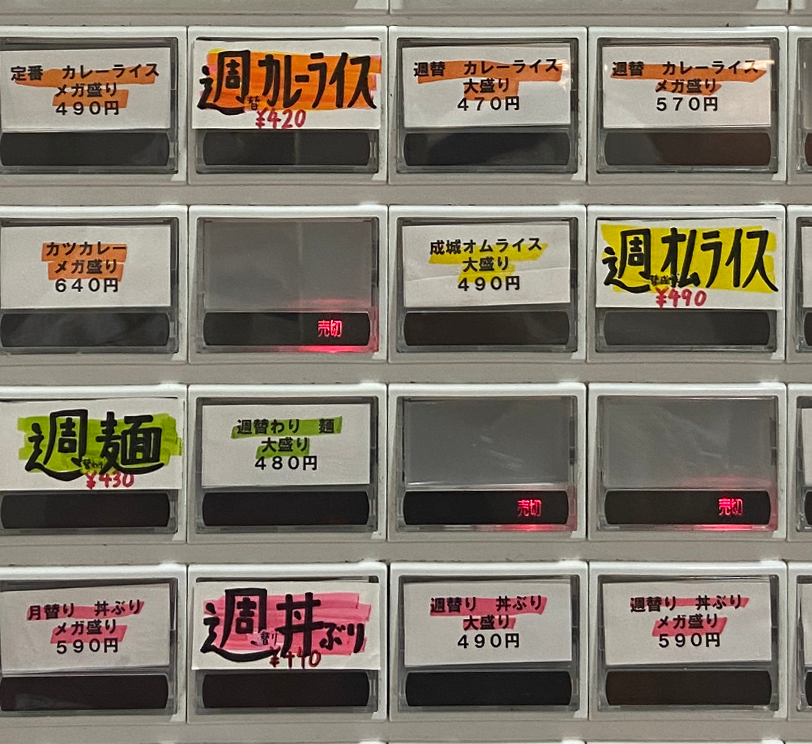
言葉の議論に逃げない、プロトタイプは現場に持っていく
今回の6週間の授業を設計する上で特に意識したことは2つある。まず一つは、言葉の議論に逃げないことである。大企業の役員であろうと、メーカーのエンジニアであろうと、大学生であろうと、得てしてヒトは抽象的な言葉の議論が大好きな生き物である。脳内で妄想を膨らませてるときは楽しいし、言葉の定義の議論などは夜な夜な続いてしまう。しかし、具体的な解決策を実装しよう、という時には、決して言葉に逃げてはいけない。描いて、作って、見せて、頭の中にふわふわしたイメージに残酷なほどに具体的な形を授けないといけないのである。これを習慣付けるトレーニングを積んだ人は、世界中どこに行っても必ず事を成すことができる。
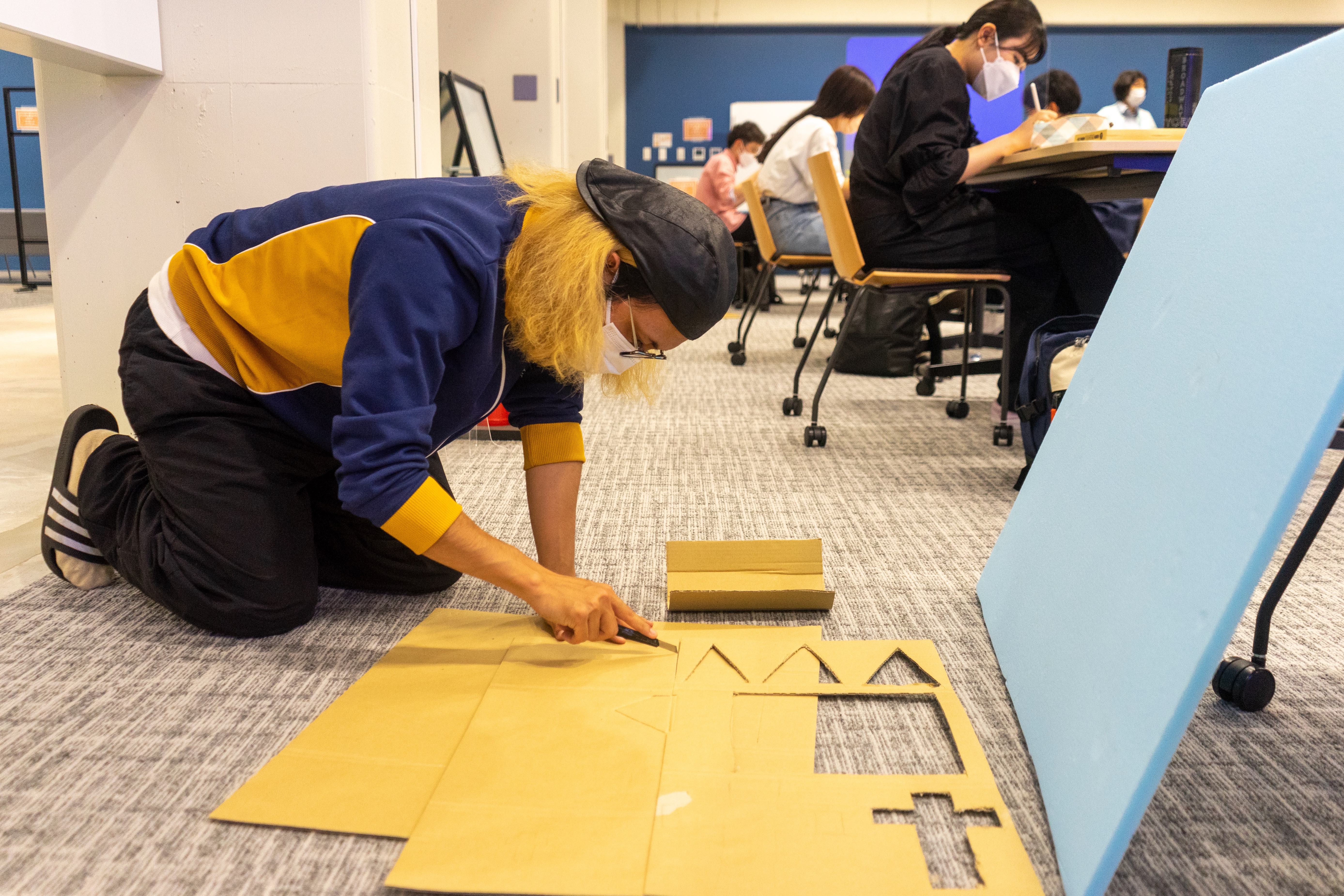
もう一つ意識したのは、作成したプロトタイプを、少し無茶をしてでもゲリラ的に現場に実装してみる、ということである。せっかくプロトタイプを作っても、それが机の上に置いてあっては無価値だ。券売機の例のように、正規のルートで許可をとらなくても勝手にやってしまうことで、却って早く受け入れられることは往々にしてある。今回の授業では、他にもゴミ箱の見つけづらさを解消するためにゴミ箱アイコンを各所に貼り付けてみたり、殺風景な部室棟の至るところに可愛いキャラクターのイラストを張り巡らしたり等というアウトプットがあった。IDEOではマントラのように「Don’t ask for permission, ask for forgiveness (許可をもらうな、許しを乞え)」というが、大学生であっても少し背中を押せば意気揚々とそれをやってのけた。(当然、裏で大学の事務局の方々のサポートは沢山あったのだと思い、最後まで献身的にサポートしてくださった姿勢には頭が上がらない。)
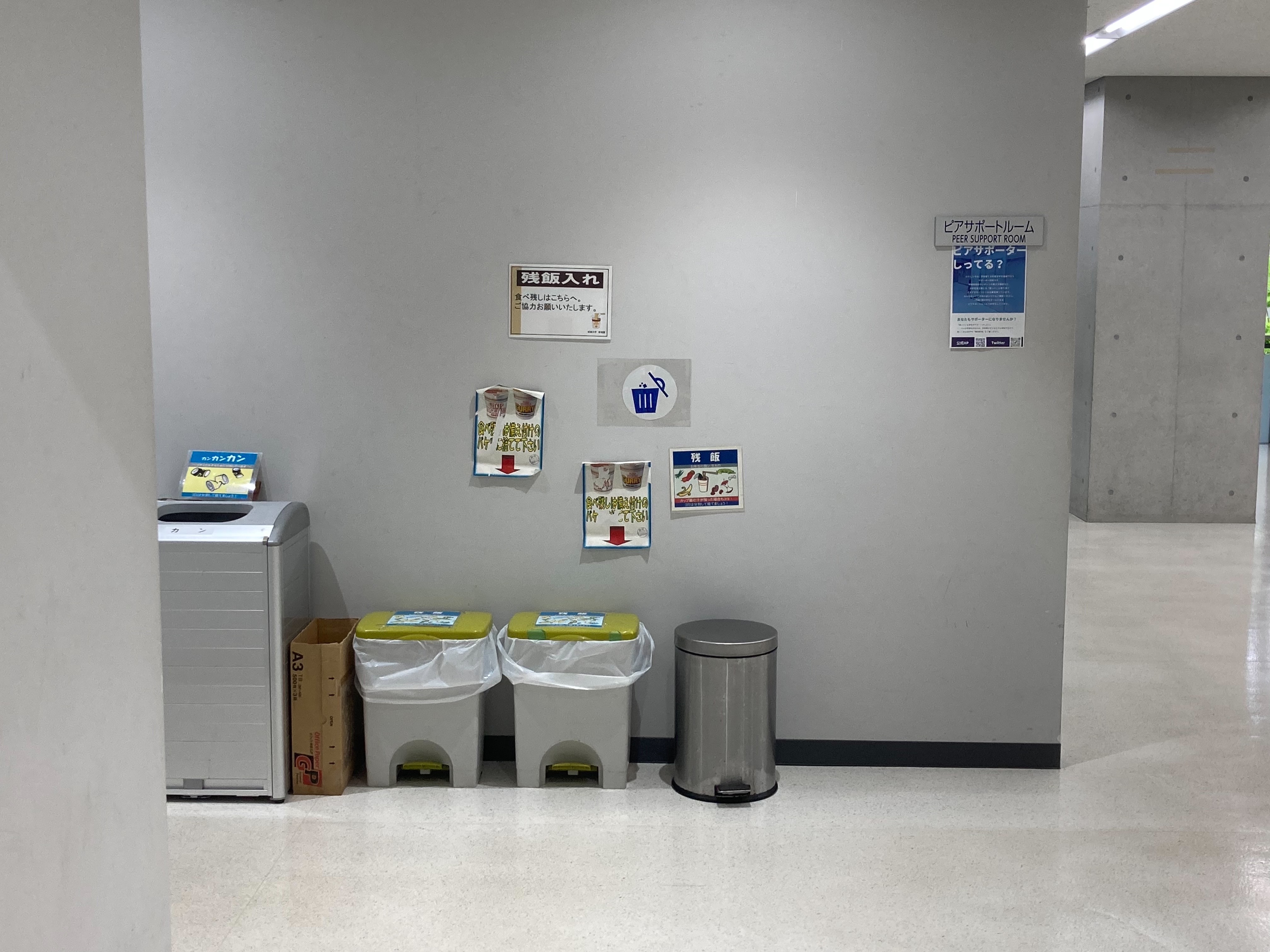
もちろん、今回の授業のやり方が完成形だとは全く思っていないし、6週間という期間が十分だったとも思っていない。ましてや、今年の5月に経済産業省が出した「未来人材ビジョン」レポートにあるように、こうした探究的な授業には我々のような企業がどんどん参画していくべきにも関わらず、現段階では企業側の水準にあった予算を学校側が捻出できている訳でもない。まだまだ課題はあるが、それでも、たったの6週間でも、美大生でなくても、デザインというツールを通して学生たちのクリエイティブ・コンフィデンスを(少しは)ぶち上げることができたという事実は、これからの教育のあり方の一つの取っ掛かりを作れたと思う。
僕たちの日常は問題にあふれている。悪化する国際情勢から、数日前に僕のウェットスーツに突如空いた穴まで、事の大小問わず、問題ばかりである。そういった問題を、自らの手で解決していく志と技能を育むことが、本来の教育の目的であると思う。現に、多くの教育機関のビジョンステートメントには、課題の発見および解決能力の育成という趣旨が多種多様な文言で書かれている。しかし、実際に率先して課題解決に向けて動く人材になるために欠かせないと思うスキルが一つある。それは、「プロトタイピング力」である。
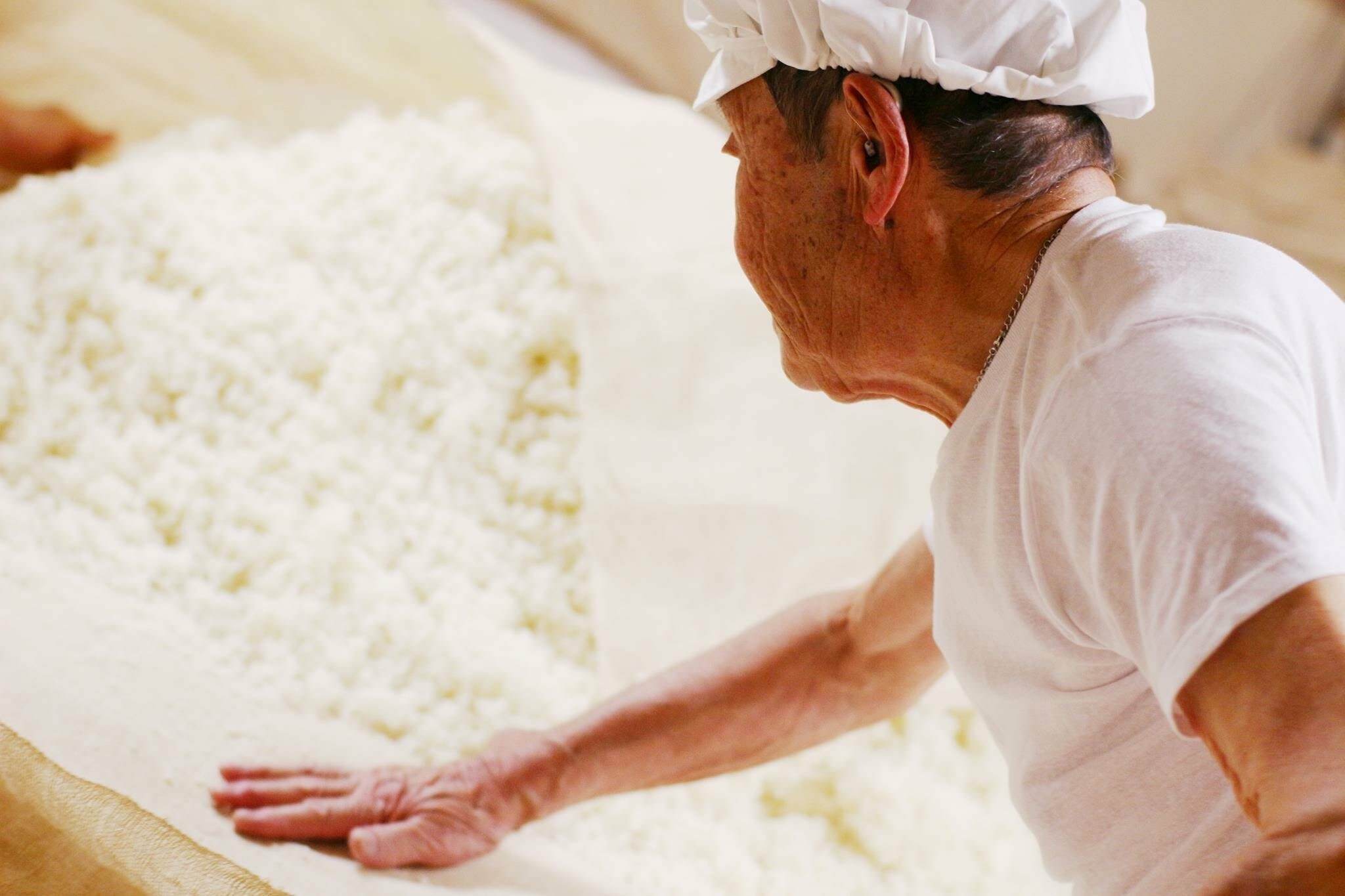
日本酒のブランドデザインに込めた作り手の心
アメリカで学んだデザインで、日本らしさが持つ美しさを世界へ。
日本とアメリカの狭間で
私はそもそもお酒が好きです。東北の秋田県で生まれ育ったので、日本の米文化・酒文化は私の細胞の中に深く浸透しています。少し市街から外れると広がる田園風景と、季節毎に移り変わる田んぼの表情・匂いは私の大事な原体験のひとつです。祝いの席にはお酒が必ず出て、杯を交わしながら大人が賑やかに話しをしているのを見て、子供ながらに「お酒は楽しいもの」だと感じていました。また五穀豊穣を願う竿灯まつりは、東北を代表する夏の風物詩でもあり、稲穂を模した何千ともいう柔らかい提灯の灯りが夜の町に揺らぐ光景は、是非一度は見てもらいたい日本を代表する文化です。
現在私はIDEO Tokyoでコミュニケーション・デザイナーとして働いていますが、デザインの基礎はアメリカで学びました。在学中も、卒業後も、海外のデザイン会社で仕事をする機会に恵まれましたが、日々さまざまなグラフィックを作る中で感じたのは、同僚のデザイナーたちの作品に比べて、自分が表現するモノはどうしても日本的になることでした。海外のデザインに感化されながらも、水のような、空気のような、すっと入り込んでくるアジアのデザインに惹かれている自分がいました。日々違う表現に触れる中で、自分の中で消化して出てくるものは、自然と自分のルーツに近づいていく。日本社会に馴染めずに飛び出した私ですが、故郷である日本との強いつながりを感じました。
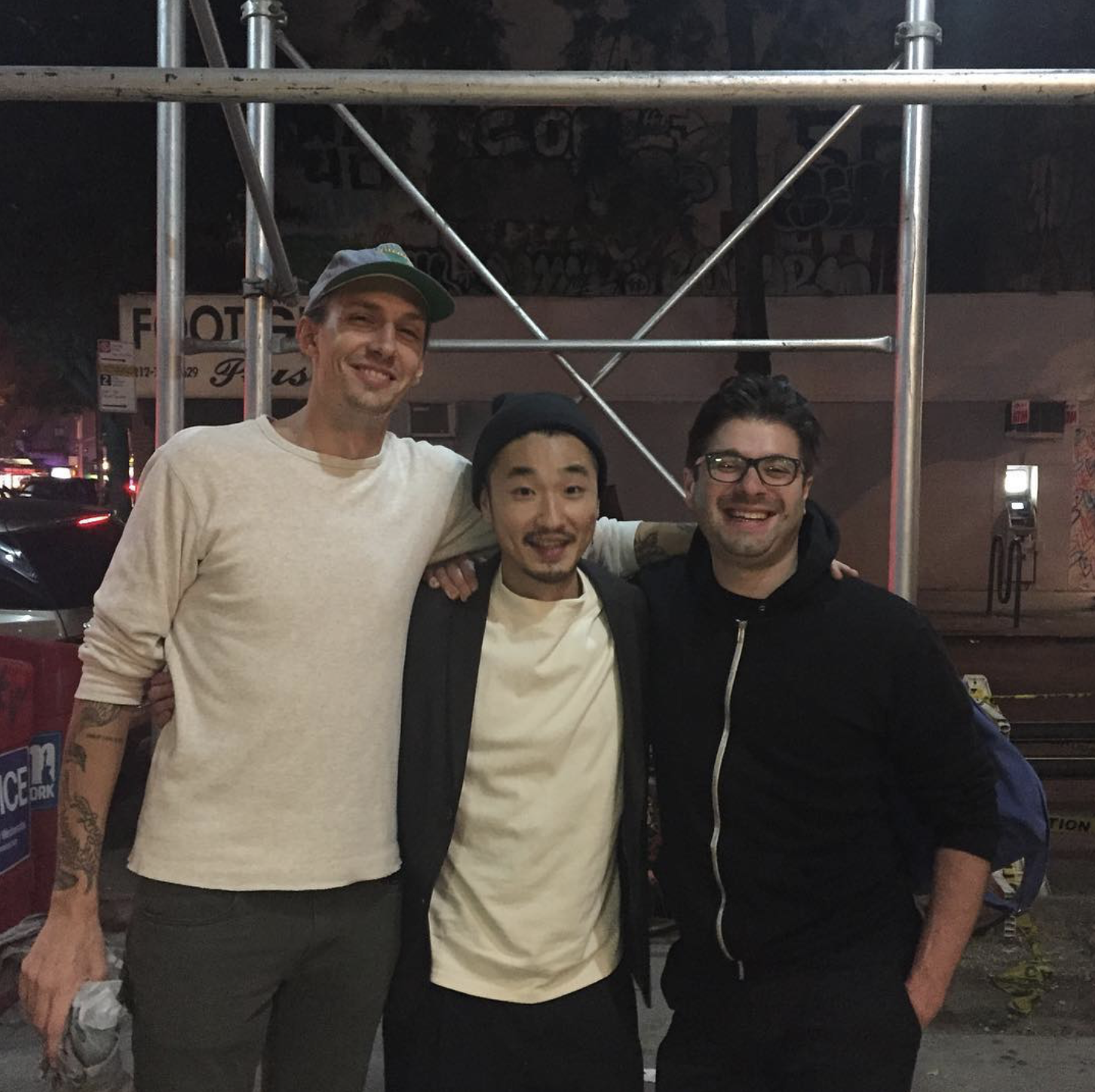
その一方で常に葛藤があったことも事実です。日本でデザインを勉強してきた人たちが表現する日本らしさに本能的に魅力を感じるものの、私には日本でデザインを学んだ経験がありません。原体験は日本ですが、デザインの手法は海外で身につけたため、どうしても日本的になり切らない。ある意味でどっち付かずの状態とも言えます。
IDEOで働くようになってからも、そんな葛藤を抱えていた中、日本酒応援団のリブランディングの話が舞い込んできました。何かデザイナーとしてのきっかけを掴めるかもしれない。ワクワクする気持ちがある一方で、「日本酒」という日本文化を代表するものを扱うことに、プレッシャーも感じていました。
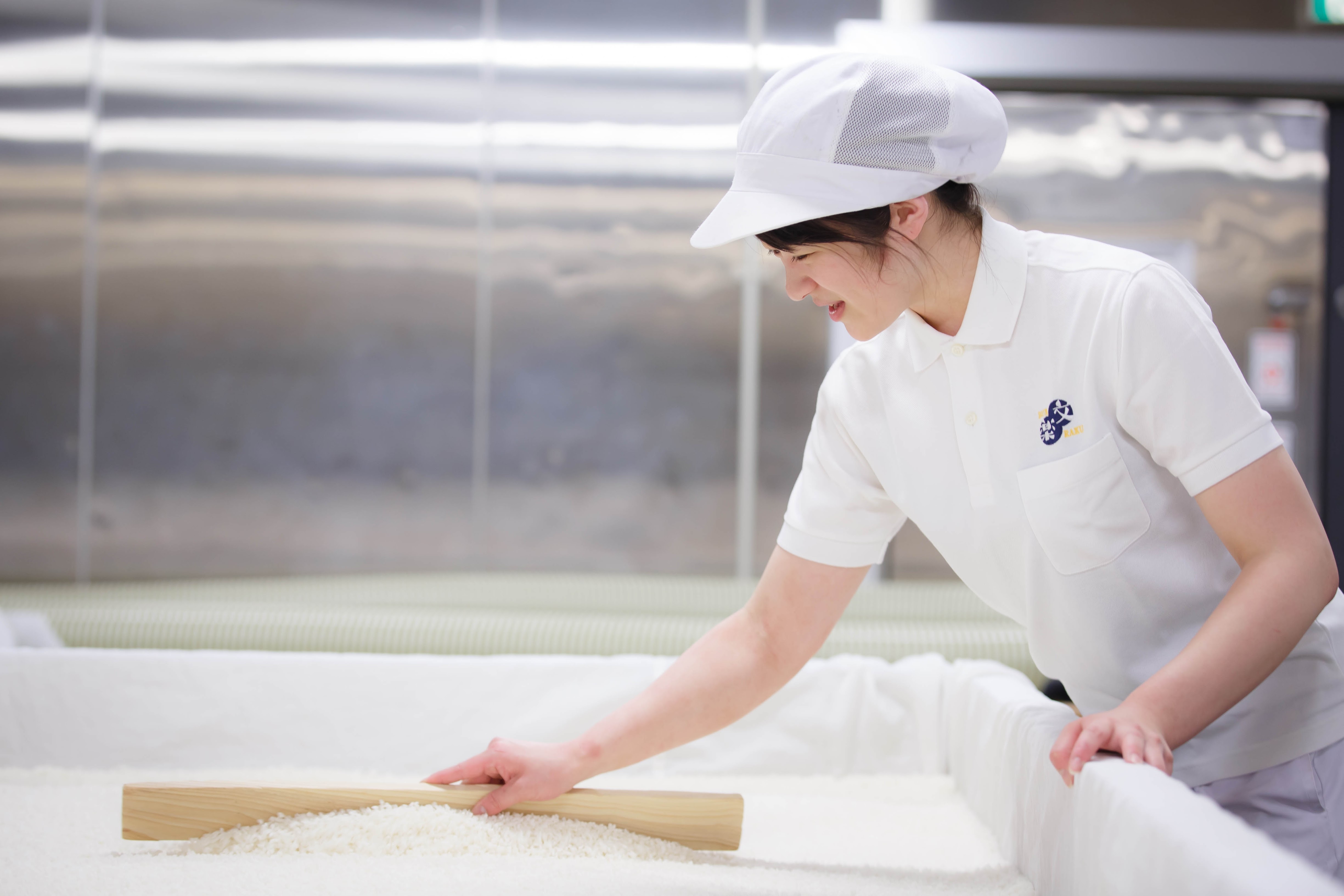
「応援」したくなったきっかけ
今回のプロジェクトの依頼は、日本酒応援団のリブランドとそれに伴う商品パッケージの作成です。日本酒応援団は、全国各地の蔵とパートナーシップを結び、自社オリジナルの無濾過生原酒を醸造、提供しているブランドです。今後、海外のマーケットを目指す上で、世界に通用するようなブランドにしていきたいということで、お話をいただきました。
日本酒応援団は、それぞれの蔵・地域との結び付きが非常に強い会社で、酒造だけではなく、お米の生産者たちとの関係性も大事にしています。代表の古原忠直さんからビジョンやミッションを聞いたときに、「思い」と「ストーリー」がしっかりとあると感じました。ビジョンやミッションが形式化している中で、それが実際に実践できている会社はそこまで多くありません。
新たな名前には、お酒が作られる地域と、お酒作りに関わる人たちとの関係性を大事にするKinship(親しい関係・関連をもつ)、そして日本の美しい文化を表す”美”(み=Mi)
この二つを合わせて”KINMI”と名付けました。
リモートでも人々の想いに触れられた
本来であれば実際の蔵に出向いて、酒造を囲む環境を観察したり、そこで働く人たちと話したり、蔵の中の様子を書き留める様なリサーチをしたかったのですが、コロナ禍だったためそれが叶いませんでした。そこで非常に助けになったのが、KINMI(旧名:日本酒応援団)のYoutubeチャンネルにあるオンライン酒蔵ツアーでした。酒作りのプロセスを丁寧に説明しながら、米作りに携わる方々や酒造で働く人々の思いも知ることができる。そんな優良コンテンツが満載のチャンネルです。
特に印象に残っているのが、国東の「萱島酒造」の元蔵人で、現在は米生産者として働かれている岡泰弘さんのエピソードです。岡さんが家業の農業を継ぐために萱島酒造を退職することになった際、萱島社長と交わした話が紹介されていました。地域を支えていくという大きな目標を持ち、米作りという新たな挑戦に挑む岡さんに対して、萱島社長は「お前が作る米は全部持ってこい、俺の所で買って作ってやる」と言ったそうで、この激励の言葉に心強さを感じたとおっしゃっていました。
この話だけでもお酒が一杯やれてしまいそうですが、お酒が作られている舞台裏ではこのような思いとストーリーが絡み合って、それが日本酒としてカタチになっている。それを、日本酒応援団という媒体を通して世界に発信していかなくてはいけないのだ、と感じました。
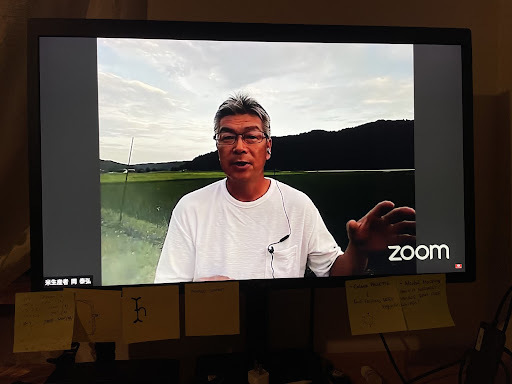
伝統に寄せず日本らしさをデザインする
日本らしさを担保しつつも、伝統に寄せすぎないデザインを作るのは終始課題としてありました。
様々なボトルを店頭で見ていると、競合他社のアプローチは大きく2つの流れに別れています。一つは、蔵の歴史を生かしてそれを前面に押し出し、直球的な日本の伝統スタイルを具現化するやり方。有名な書家の方たちに一筆お願いし、それをボトルのセンターに。日本酒応援団自体は歴史も深くなく、あくまでも地域を押し上げる媒体として機能すべきなので、最初から選択肢として外しました。
そしてもう一つは、一見するとナチュラルワインのようなラベルのデザイン。日本の人たちにとっては意外性があり面白いかもしれませんが、海外のマーケットに目を向けるとどうしても日本らしさが圧倒的に無くなってしまう。今回のリブランディングは海外マーケットへの進出が大きな目的の一つだったため、日本のお酒だと理解してもらうことは絶対的に外せない条件でした。
その上で、全国にある5つの蔵、それぞれの個性がしっかりと立つようにデザインをする事も、ブランドのビジョン・ミッションを体現する上で大事なポイントです。これは日本酒応援団が既に行っていたリサーチ、そして既存のラベルデザインの意匠からインスピレーションをもらいながら、アイコニックなものになるようにデザインを進めていきました。NOTOのラベルでは能登の豊かな里山里海の風景と、日本海の海の幸に合う味わいを表現。NAGAOKAは日本を代表する長岡花火を意識して、大きく夜空に輝く花をラベルに落とし込みました。
「新しさ」ということにあまりこだわらず、むしろ日本酒のもつ世界観は踏襲しつつ、幅広い層に共感してもらえることを意識しました。より親しみを感じてもらい、現代の生活にも馴染めるようなものに。それと同時に海外でも日本というオリジンを感じ取ってもらえるものになったと自負しています。
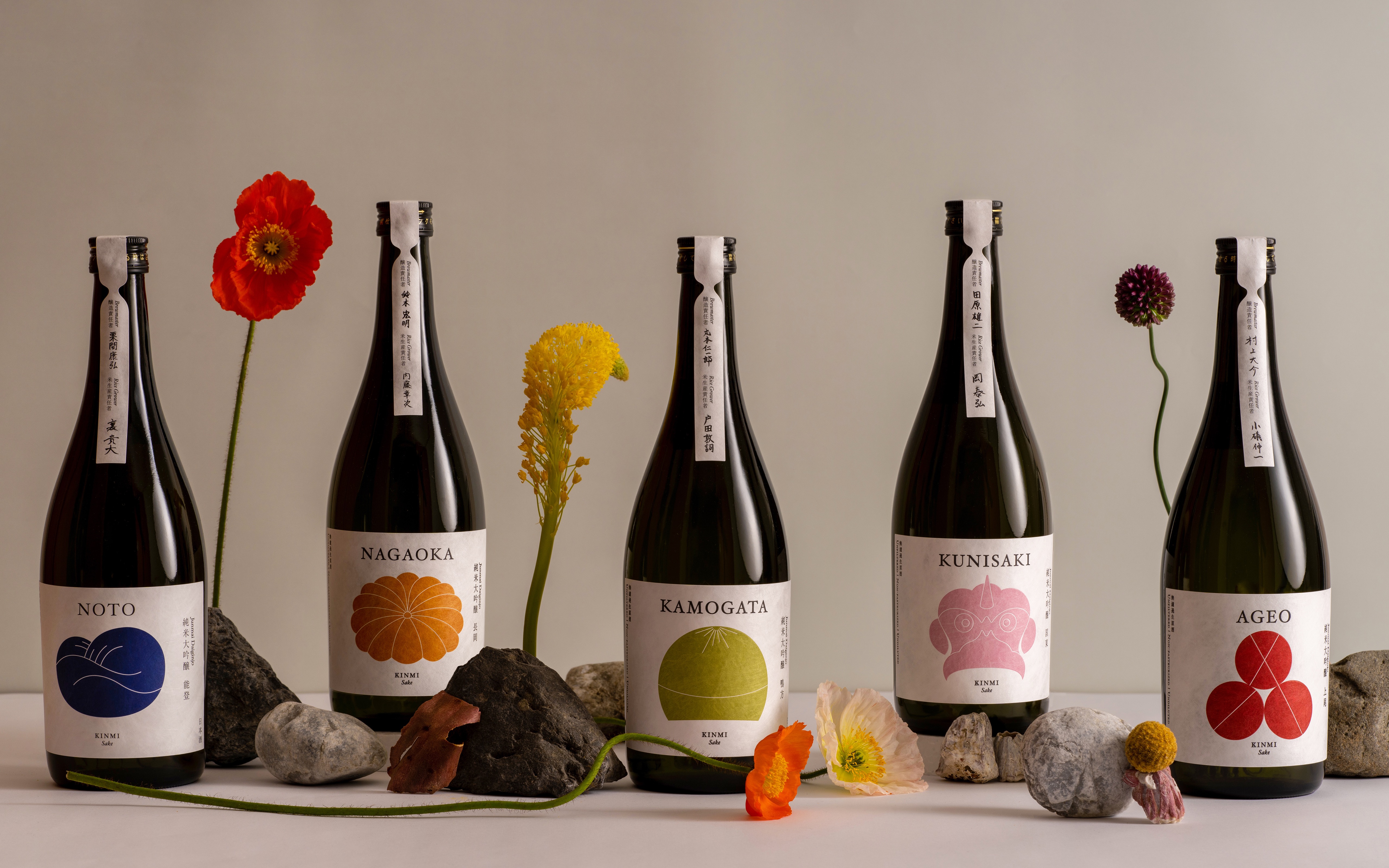
アメリカで学んだ自分が表現する日本らしさ
表層的に日本を表現したものがまだまだ溢れている海外のマーケットですが、国籍を問わず本当に良いものを見分ける力は潜在的に備わっていると感じています。だからこそ本当に良い日本らしさを伝統的なアプローチに寄せすぎず伝えたいという思いは強かったです。
当初は日本らしさを代表するものを扱うことにプレッシャーも感じていましたが、幼い頃から日本酒が身近にあり、海外でデザインを学んだ自分だからこそ、日本酒が持つ日本らしさというのを本質的に表現することができたと思っており、デザイナーとして今回のプロジェクトに関われたことをとてもありがたく思っています。
そして何より大切にしたかったのは、日本酒作りのプロセス、それに関わる人たちの心の美しさであり、それをデザインに宿らせることです。今回のプロジェクトを通じて表現できたものはその片鱗にすぎないのかもしれませんが、これからのKINMIの取り組みを通して、その美を世界に伝搬していくお手伝いができるのを楽しみにしています。
アメリカで学んだデザインで、日本らしさが持つ美しさを世界へ。
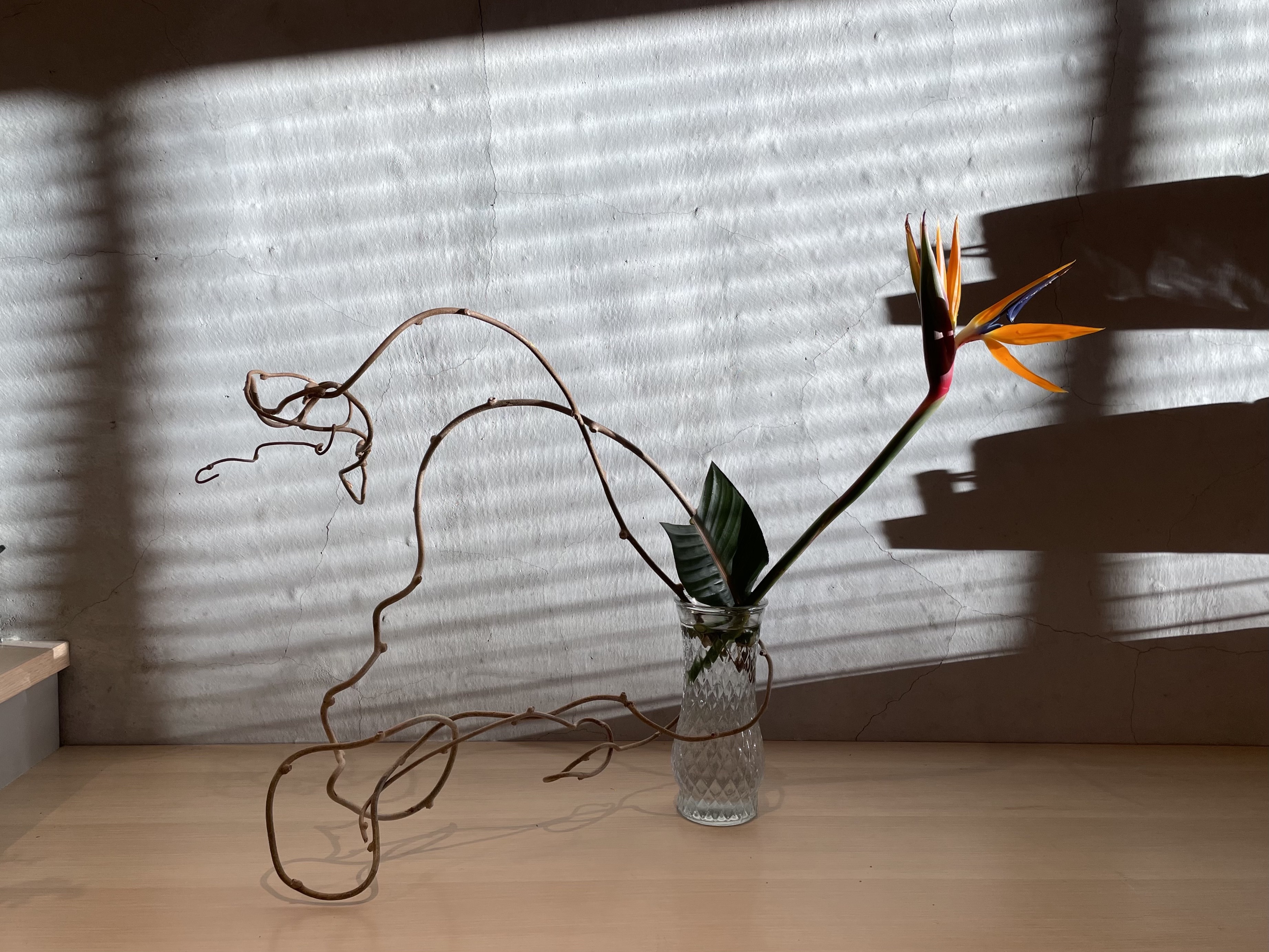
花をいかすこと、アイデアをいかすこと
花をいけるとき、心が躍る瞬間が2回ある。1回目は蕾がきれいに開いたとき。2回目はその花がきれいに枯れたとき。
いけばなをはじめてみて
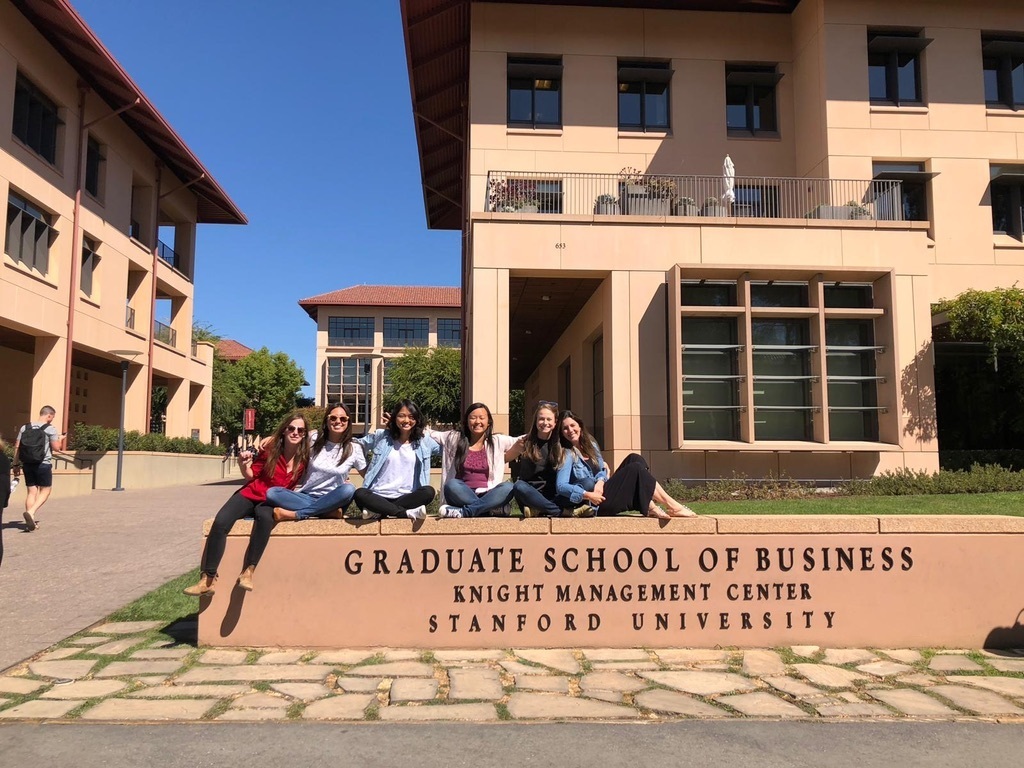
アメリカのビジネススクールに在学中、キャンパスから通える三味線・琴・いけばなの教室の中からいけばなを選んだのは、単純にやってて一番ワクワクしたからだ。教室でいけた花をそのまま持って帰ることはできないので、一度分解して、家でいけなおす。教室で感じたワクワクを家でまた感じることができ、それをルームメイトと共有できることも継続につながった。
いけばなでは、花をいける過程を大切にしている。花との向き合い方を自分なりに掴んでいくことが、花、そして自分を引き出すことにつながる。ビジネスデザイナーとしてIDEOで実践してきたデザイン思考も、アイデアを作り込む過程から学ぶことが多い。一つ一つの行為やその意図についても考える機会が増え、いけばなとデザイン思考に意外と共通点が多いことに気づいた。そしてどちらも、ビジネスの現場での私の視野を広げてくれている。
制約によって発展させる
いけばなを習い始めて一番驚いたのは、切ることが意外にも怖いということ。花の輪郭や枝の美しさ、「線」や「余白」を際立たせるために、小枝や葉を切り落とす。でも、一度切ったら後戻りができない。繊細さのなかに、結構、勇気と大胆さがいる。
「きれいだからもったいない」と思って切ることを躊躇していると、その迷いは作品に如実にあらわれる。いけばなはとても正直なのだ。逆に思い切って切ってみたはいいものの、短く切りすぎて失敗したと思うことも。でも、今度はその花材を活かすいけ方を探せばいい。花器を変えてみたり、あわせる花材を変えてみたり、やり方はいくらでもある。「切ってしまった」ことで自由度が減り、使いづらいと思うかもしれない。だが、逆にみえてくることもある。
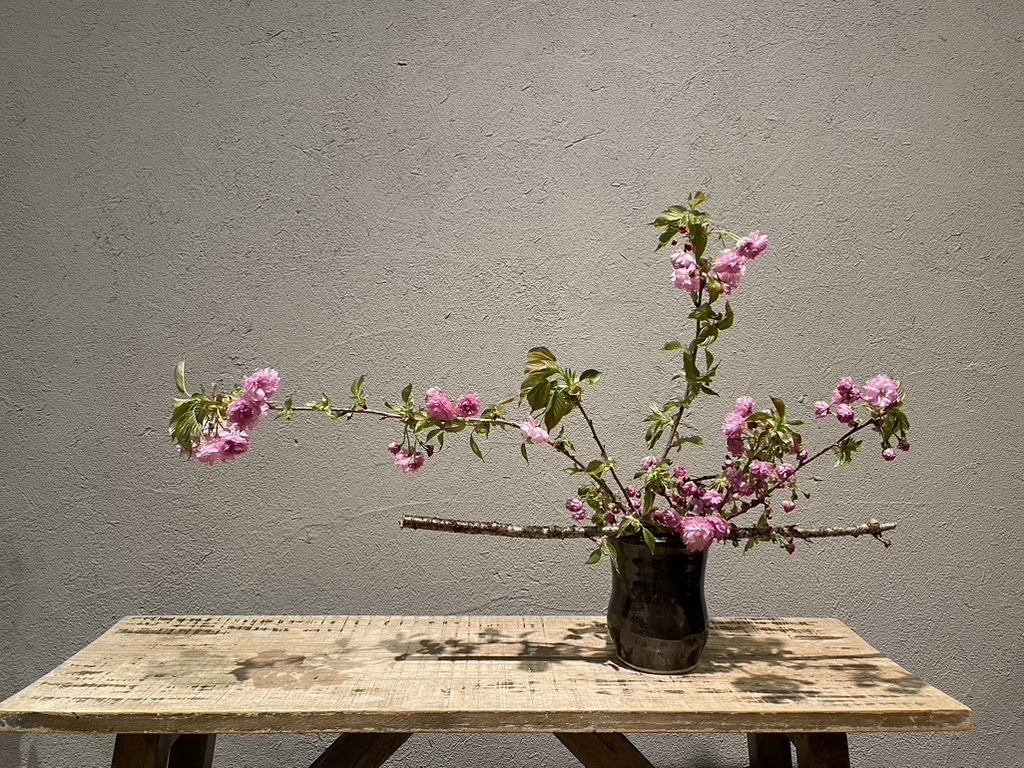
花材による制約はIDEOでいうCreative Constraint(クリエイティブ・コンストレイント:制約がクリエイティビティを高めるという考え方)だ。制約はクリエイティビティを阻むバリアと思われがちだが、クリエイティブ・コンストレイントは一歩、半歩踏み出すための方向性を示すディレクションであり、むしろ、試行錯誤を促し、とことん考えさせる動力だ。IDEOではあえてクリエイティブ・コンストレイントを使ってアイデアをブレストすることがある。例えば「明日から◯◯が消えたら」、「子供しかいない世界だったら」という制約を作ってアイデアをブレストする。
流派によっての違いはあるが、いけばなでは基本の「型」を学んだ後、「自由花」を実践していく。でも、いきなり自由と言われてもどこから手を付ければいいか分からない。だから、テーマを決める(線を極める、色を対比させる)。場所を考える(自宅の玄関、ホテルのロビー)。主役を決める(ひまわり、南天)。制約を課すことで表現の幅を思案する。
ビジネスデザイナーは、市場規模や予算など、ビジネス上の制約で外枠を作ってアイデアをフィルターしていく役割だと思われがちだが、IDEOでは制約を一つの支点として扱い、アイデアを発展させようとする。いまのアイデアのままではユーザーが限られ、市場規模が小さすぎる。だったら購入単価をあげる工夫はできないか、サービスの使用頻度を増やせないかなどの問いかけでアイデアの可能性をチームと巡る。言うは易しでなかなか上手くいかないことも多いが、制約とどう付き合うかが大事なのであり、自分にとって大きなマインドシフトだった。
作り手として責任、作り手としての主観を持つ
花は切り花になった瞬間からカウントダウンがはじまってしまう。だからこそ、その花が「いきる」姿を探すために、花の声に寄り添いたい。心を無にして花と対峙し、そこから見えてきたことを表現する。花との向き合いがいけばなの出発点だ。
花道家の上野雄次さんの花いけ教室に参加したとき、「いけばなはアート性が高い。それは作り手の主観が入るから」と話していたのが印象的だった。テーブルに飾って360度あらゆる方向から楽しめるフラワーアレンジメントに対して、床の間から発展したいけばなは見る人の目線が自然と限定される*。対峙する人に対して花の顔をどう設定するか。床の間という小さな舞台でどんな世界観を作るか。器に張った水や差し込む光でその世界観をどう演出するかを意識する分、作り手の意思が大事になるとのこと。
花材に、作り手の意思、主観が融合することで一つの作品ができる。だから、同じ花材を扱っていても、作り手の花の声の解釈によって表現は変わる。そこに個性がにじみ出て、自分らしさが「いきる」。

デザイン思考の基本は「人間中心」であること。いかにユーザーに寄り添い、核心を引き出す問いを立てられるかが大事になってくる。そこに聞き手の意思は入らないと思われがちだが、IDEOではあらゆる場面で個人の主観が求められる。ユーザーがなぜその言動をしたのかを想像したり、直感的に感じたことを持ち寄り、対話をすることで、多角的にユーザーの声を振り返る。同じインタビューを見聞きしてても人によって捉え方は違うし、大事だと思うポイントも人それぞれ。だから、同じテーマでも、チームによってインサイトやそこから生まれるアイデアが変わってくる。IDEOでいう「人間中心」とはユーザーに限ったことではない。ユーザーから得たインサイトに自らの意思をかけあわせてデザインしていく。
ビジネスの現場では客観性が重視されがちだ。具体性のあるロジックは多くの人に理解されやすい。でも、いけばなを習いはじめて、IDEOでの仕事をはじめて、その場その場で感じた直感や曖昧な主観をもっと大事にしたいと思うようになった。未発達で感覚的でもいいから、人に伝えることでそれが誰かの思考のヒントになるかもしれないし、言語化する過程で新しい気付きが得られるかもしれない。「なぜか」はわからないけど、「何か」を感じた自分の直感を大事にしたい。
*建築や生活様式の西洋化でいけばなも多方面から見られることを意識するようになっている。
ありかなしかなら、ありを選ぶ
桜は折ってもよい。これはれっきとした折り溜めという技法だ。ハランやニューサイランは水中に沈めてもよい。葉が丈夫なので数日水に浸かっていても雑菌が繁殖するリスクが少ない。ガラスの花器を使ってハランを水中にいけると鮮やかな緑が生える。
「これはありですか?」と先生に聞くと大抵力強い「あり!」が返ってくる。それでも花材の性質上、やらない方がいいことはあるし、まだ知らないこの世界の暗黙のルールがあるのではとつい考え込んでしまうときがある。そんなときは、ありの前提で、思うがままにいける。結果的になしだったとしても、それは学びになる。

「プロトタイプしよう」。IDEOではよく聞く言葉だ。プロジェクト中、これでもかというくらいたくさんのプロトタイプを作る。そして、それは商品・サービスに限ったことではない。仕事のやり方もよくプロトタイプする。Zoom疲れから、何か別の方法はないかとオンライン会議ツールのAroundやSlack Huddleを利用してチーム会議をしてみたり。クライアントに自己紹介アクティビティとしてTIKTOK動画を作らせたり。全社で年間のプロジェクト全ての振り返りをするポートフォリオレビューという会で夏フェスをテーマに「音」でそれぞれのプロジェクトを表現してみたり。好評で続くものもあれば「そんなこともやったね」とあっさり消えるものもある(大半が後者だ)。
「プロトタイプ」と言うと気が楽になる。完璧・完成ではない前提だから、気軽に試してみようと思える。最初から正解を弾き出そうとするとみえる世界が偏ったり、仕事の進め方も慣れた手法にデフォルトしがちだが、プロトタイプのマインドセットでいると柔軟になり、幅が広がる。上手くいかなかったら、すぐやめればいい。IDEOもありかなしかだったら、ありを選ぶ。

出典:『UN FIORE CON AMORE』ブルーノ・ムナーリ
変わり続けるから、学び続けられる
いけばなを習いはじめて、IDEOでの仕事をはじめて、物事への向き合い方が変わったように思う。花は、一度いけて終わりではない。次の日、そしてその次の日と、花の状態に合わせて、いけなおし、かたちを変えていく。アイデアも、商品やサービスとして市場に出て完成ではない。ユーザーの声を取り入れながら進化し続けなければ、いつか置いていかれる。
花もアイデアも「生きている」。変化するたびに学びがある。そして、さまざまな花とアイデアと対峙することで、私自身も変わっていく。デザイナーとして、人として、どのように変容していくのか、これからもその過程を楽しみたい。
花をいけるとき、心が躍る瞬間が2回ある。1回目は蕾がきれいに開いたとき。2回目はその花がきれいに枯れたとき。

Lindsey Turner
I’m passionate about building brands, products, and experiences that help organizations show up with meaning and momentum.
I help organizations cut through complexity by shaping how they show up, through brand strategy, identity, and storytelling.
Working at the intersection of brand and business, I bring an editorial eye and a bias toward making—turning ideas into tangible experiences that people can understand, trust, and believe in.
My work spans government, healthcare, financial services, media, and consumer goods, from launching Gen Z-focused ventures to building innovation labs and reimagining legacy brands. I relish moments of ambiguity and enjoy translating across teams, perspectives, and priorities to move ideas forward.
I started my career in editorial and digital design, shaping cross-platform experiences and identity systems in publishing and agency environments. That foundation still shapes how I work today: I’m detail-oriented, collaborative, and overreliant on the Oxford comma. I hold a BFA in Visual Communication from the School of the Art Institute of Chicago.

Rachel Young
My work helps organizations see who their products aren't working for—and build the will and the tools to do something about it
For 25 years, I've asked the same question: Who does this design exclude—and what are we going to do about it?
My work spans human-centered strategy, inclusive design, and qualitative research, with clients ranging from Microsoft, Google, and Verizon to the National Science Foundation, and San Francisco Unified School District.
Before IDEO, I taught elementary school in East Palo Alto and spent a decade doing design work with social service organizations—where I learned firsthand what it costs people when systems are built without them in mind.
I am currently writing User Error, a nonfiction book about digital access and the design decisions behind it. I live in Oakland, California.

Brian Pelsoh
I lead with craft, ensuring our work is creatively excellent: rooted in deep human insight and imagination, while also grounded in the realities of business and technology.
My expertise spans brand, communication, and product design across tech, education, the arts, and social impact.
I believe great work demands both high-level vision and obsessive attention to detail, and only happens through collaboration.
I bring an inclusive, hands-on approach and a deep understanding of business, which enables me to consistently deliver excellence while always asking why.
Before joining IDEO, I worked at the brand firms Pentagram and VSA Partners. I began my career as a designer, leading teams at the School of the Art Institute of Chicago and the Milwaukee Art Museum. I hold an MFA in graphic design from Maryland Institute College of Art and a BFA in communication design from the Milwaukee Institute of Art & Design, and have taught at some of the best design schools in the US.

Tony Wong
I am responsible for IDEO’s long-term success in China and working with clients to use design as a tool to enable growth.
I am responsible for IDEO’s long-term success in China and working with clients to use design as a tool to enable growth. Specifically, I have helped Chinese companies design holistic brand solutions through the development of their products, communication, services, and innovation teams, and I have helped multinationals expand their presence and influence in China.
I advise global leaders on developing China-led innovation and capabilities.
In over 15 years in IDEO Shanghai, I have worked on projects that use design to elevate the quality of the experience of healthcare products and services, streamline processes that increase productivity, create spaces and programs that promote and enable inclusive communities, and build next generation mobility solutions that are planet-positive.
Before joining IDEO, I worked at Philips Electronics and the Electrolux Group in Italy, the Netherlands, and Singapore on a number of breakthrough commercial products. I am a member of the Young President Organization in Shanghai.

How to use AI as an editor, not a writer
Ed White shares how he uses AI as an editor—not a writer—to sharpen storytelling, rehearse ideas, and preserve the productive friction that makes creative work better.
Ed White has a rule he's tested on his own writing: hold yourself as the writer, and let AI be your editor. Ed is a Senior Design Director at IDEO's London studio, where he co-leads the firm's AI portfolio across Europe. Before IDEO, he spent 12 years as a writer and editor at the Financial Times, Wired, and Contagious. So when he talks about when to use AI for storytelling and when not to, it comes from two decades of crafting his storytelling skills.
In this episode, Mina Seetharaman talks with Ed about two specific tools he uses to keep AI in an editor's seat: a "roasting agent" prompted to critique his drafts without any sugarcoating, and a simulated audience he rehearses pitches on before the real thing. They also get into what Ed is hearing from design leaders at Anthropic, Lovable, Shopify, and Google Creative Lab about how creative work is changing, and why he thinks the friction of writing something yourself is worth protecting rather than automating away.

Building a personal AI for the messiness of life: Sida Li
Becca Carroll talks with Cue co-founder Sida Li about designing a personal AI for the messiness of everyday life—not just work. They explore how Sida stays anchored to human needs while navigating fast-changing technology, product tradeoffs, business-model experimentation, and the realities of building an AI company today.
Most AI products today are built for work—a space with clear problems and established systems. One founder noticed a gap: personal life is messier, harder to systematize, and mostly left behind by the AI boom. So she built Cue, a personal AI that lives inside iMessage and group chats, to go where the other tools haven't.
In this episode, Becca Carroll, IDEO's Chief Strategy Officer, talks with Sida Li, co-founder and CEO of Shared Context Lab, about staying anchored to a human need while the technology around her keeps changing shape, why she treats her business model with the same rigor she'd bring to a product, and what it feels like to build a company at this particular, disorienting moment in AI.
The conversation also gets into how Sida makes design decisions: the language Cue uses to describe itself, the tradeoffs behind building inside iMessage instead of a new app, and a real story about a business idea that didn’t pan out.
This is the second in a two-part series profiling founders from IDEO's Startups-in-Residence program. The first conversation is with Johannes Seemann, founder of Sooner, on designing GenAI for the emotional side of money.

Designing GenAI for the emotional side of money: Johannes Seemann
Designing financial tools around the feelings that shape money decisions.
Most personal financial tools are built to run the numbers and optimize towards a budget. While that works for some, most people experience money as a lived relationship that does not neatly fit into a spreadsheet. Johannes Seemann and Becca Carroll discuss why money is emotional before it is mathematical, and what a human-centered approach to building a generative AI financial product looks like in practice.

The curious leader's edge in uncertainty: Scott Shigeoka
How genuine curiosity helps leaders navigate uncertainty with greater confidence.
Mina Seetharaman talks with Scott Shigeoka, author of Seek and Head of Curiosity Cultivation at the Eames Institute, about what distinguishes genuinely curious leadership from performative curiosity, how power dynamics shape curiosity, and why practicing curiosity can restore energy rather than drain it.
Looks like you might be in search of something very specific?
Or reset the filters above and try another angle.
Here’s some random inspiration

Podcasts about creative leadership

Articles about the power of prototyping
