
.svg)


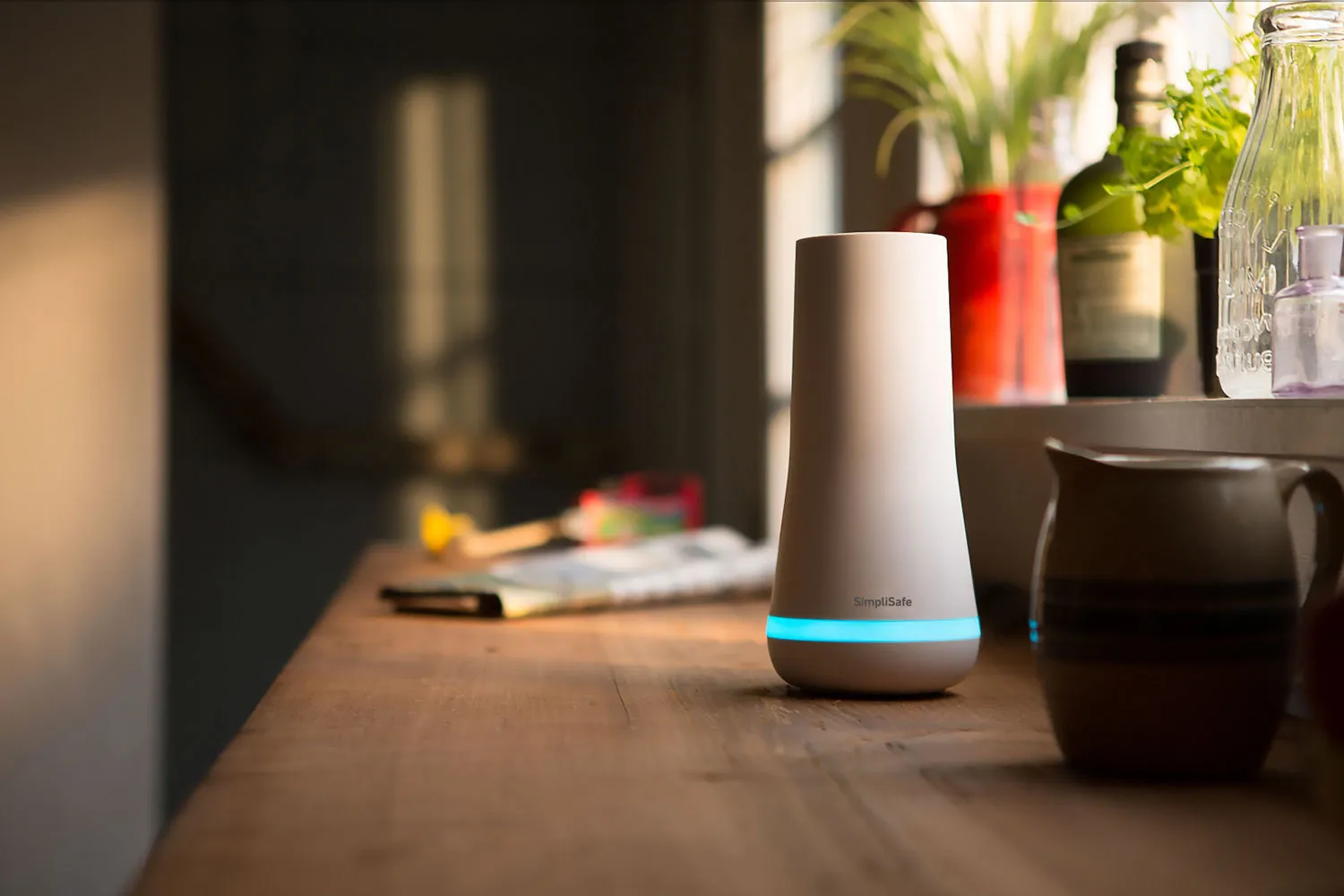

Designing for peace of mind with a leader in home security
Rethinking the hardware, experience, and interaction of connected products designed to protect you.
Only 20 percent of American homes are protected by security systems, and most of these systems are installed after a break-in.
Home security veteran SimpliSafe hoped to convince the other 80 percent of home-dwellers to invest in preventative technology so the break-in never happens. The company approached IDEO to refresh and simplify the look and feel of its connected products to reach this wider audience and help them feel safe.
Interviews with potential customers revealed insights that informed the new design. Families told the researchers that existing security systems are expensive, bulky, and hard to install and use. Instead, systems should be unobtrusive, but responsive to your needs. They should react appropriately in emergencies, while also protecting your privacy.
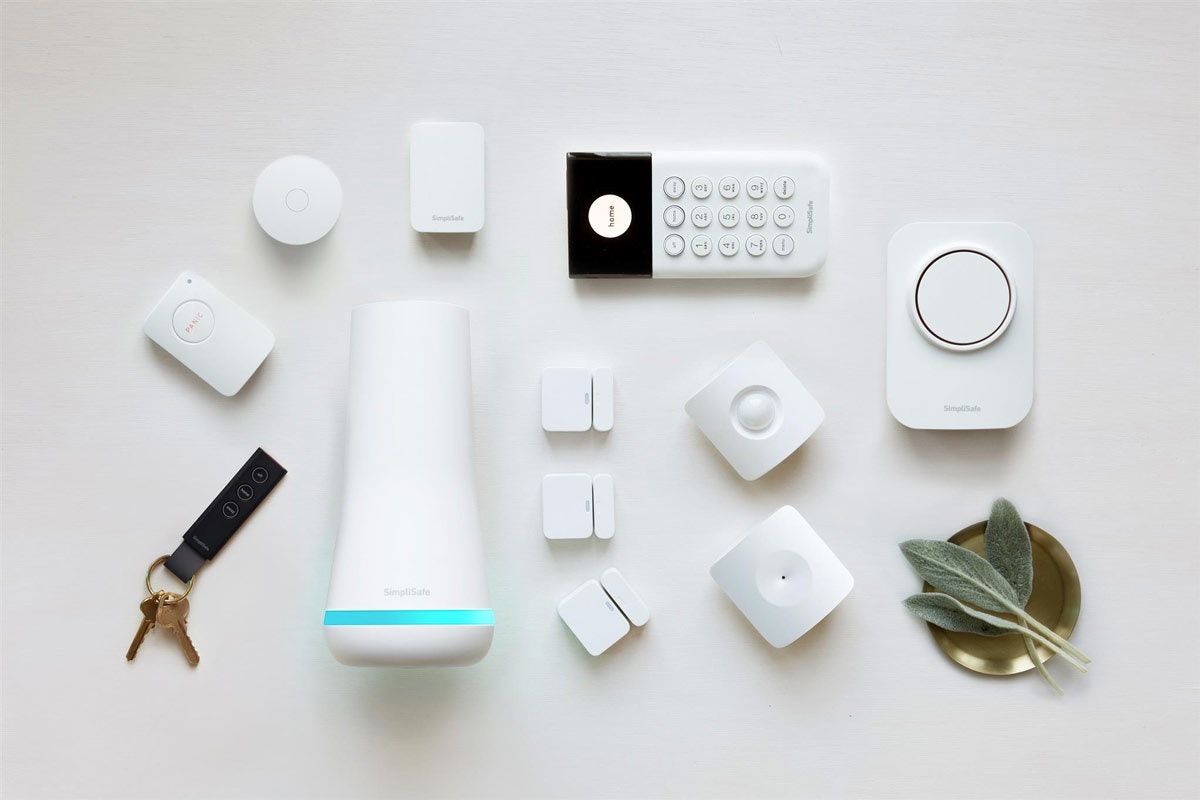
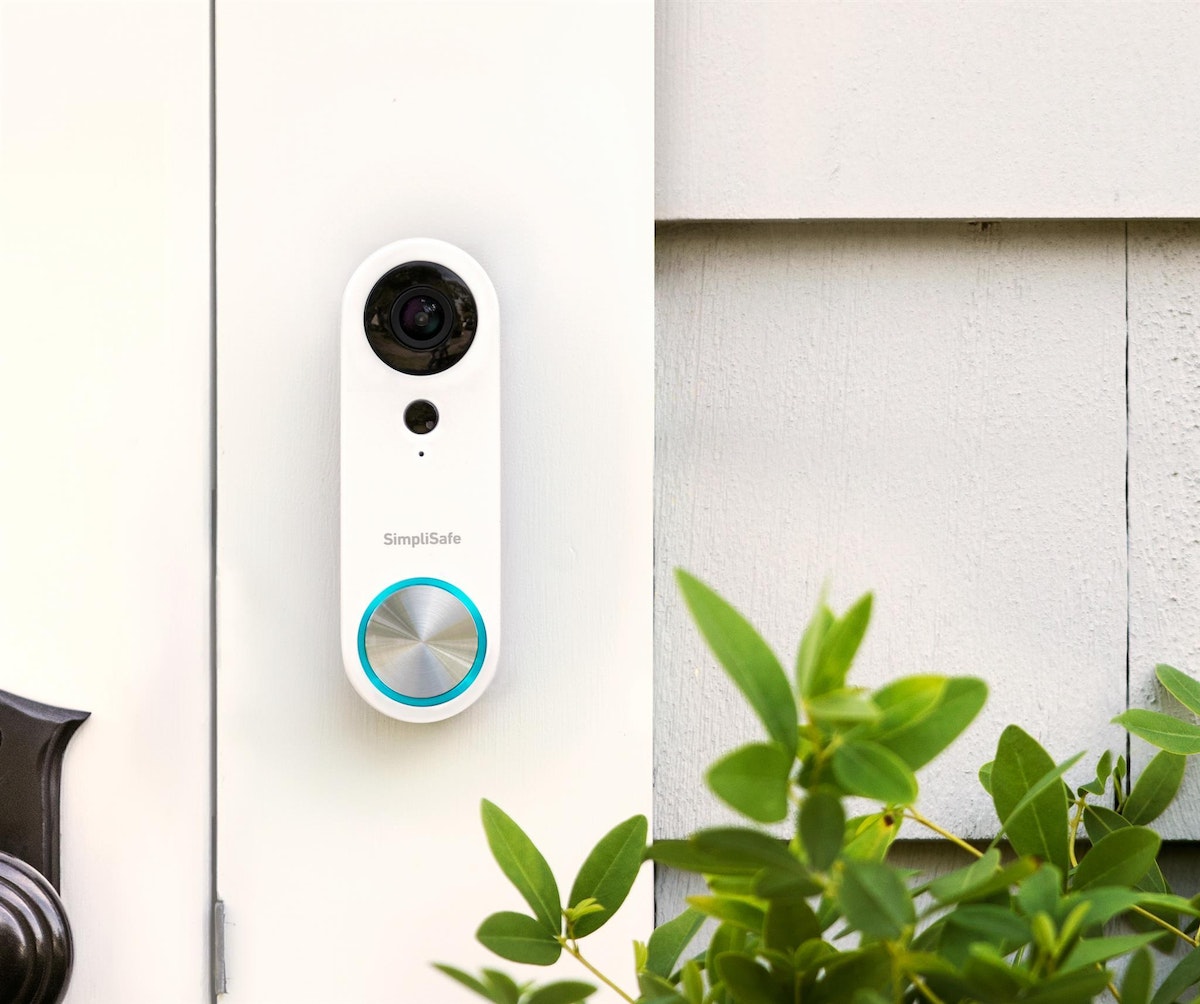
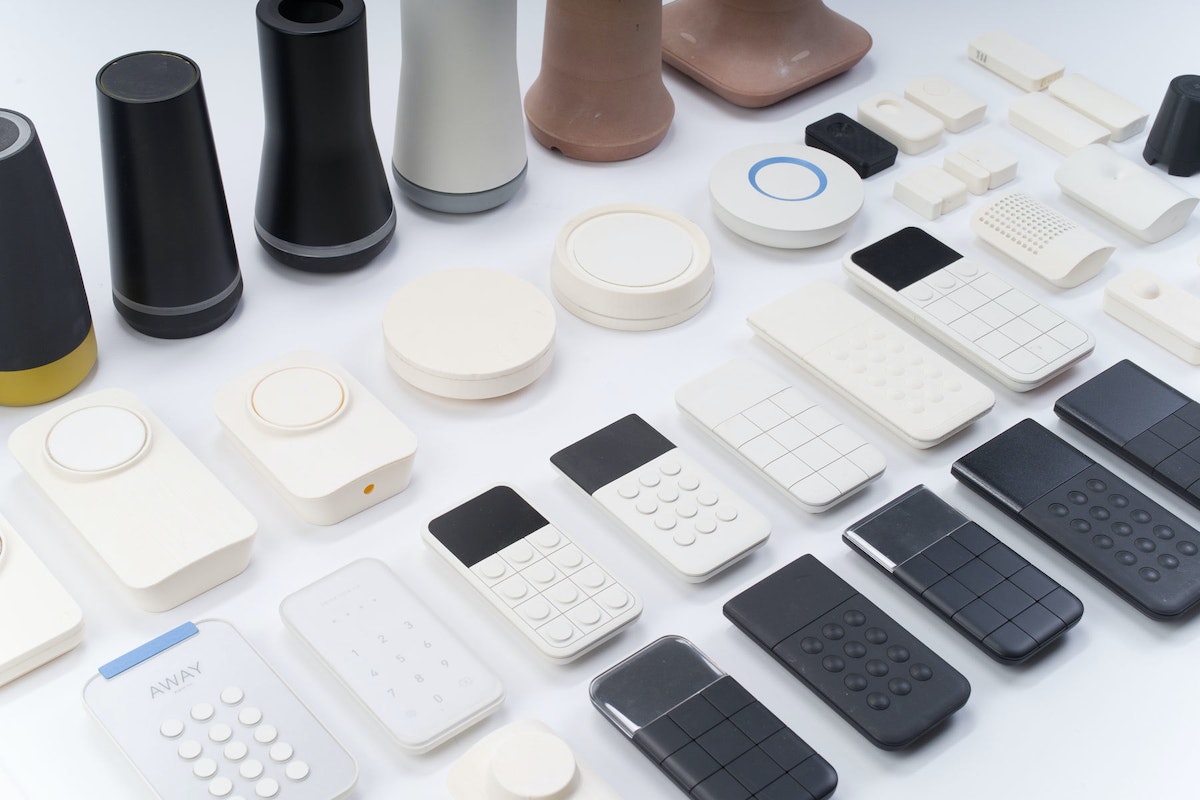
Responding to those requests, IDEO overhauled the design and interaction of more than a dozen SimpliSafe products, including a wireless, touch-to-wake keypad; easy to install sensors; and a smart home base that acts as the brains of the system. Additionally, IDEO designed SimpliSafe's first step outside of the home—a video doorbell that can be used in tandem with the namesake home security system or on its own. Making the system enjoyable and intuitive to use means families are more likely to use it consistently—and correctly.
The team developed a consistent design language across SimpliSafe’s physical products, user interface, and digital presence. That clear visual language lets you know what each component does right out of the box; for example, the glass break sensor looks like a human eardrum that might actually hear a window shattering. The design also reduced the size of entry sensors by four times, while improving their range and battery life. Tapered backs and swept-front surfaces for all of these sensors help them blend into your home. The new system’s clean, understated appearance instills confidence without stoking fear of what could happen.
SimpliSafe’s keypad and base station guide you through setting up the system with voice feedback, while gentle LED lights and sound cues let you know at a glance that the system is armed correctly and you’re in safe hands. The system is also equipped with multiple layers of backup, so you don’t have to worry if the power or Internet goes down.
And the system responds intelligently, tailoring the way it reacts to match different scenarios. For instance, it sends a gentle reminder if a window is left open but a police response if a window is broken in. The design team also incorporated a first-of-its-kind privacy shutter on the system’s security camera so families can opt out of being recorded at home.
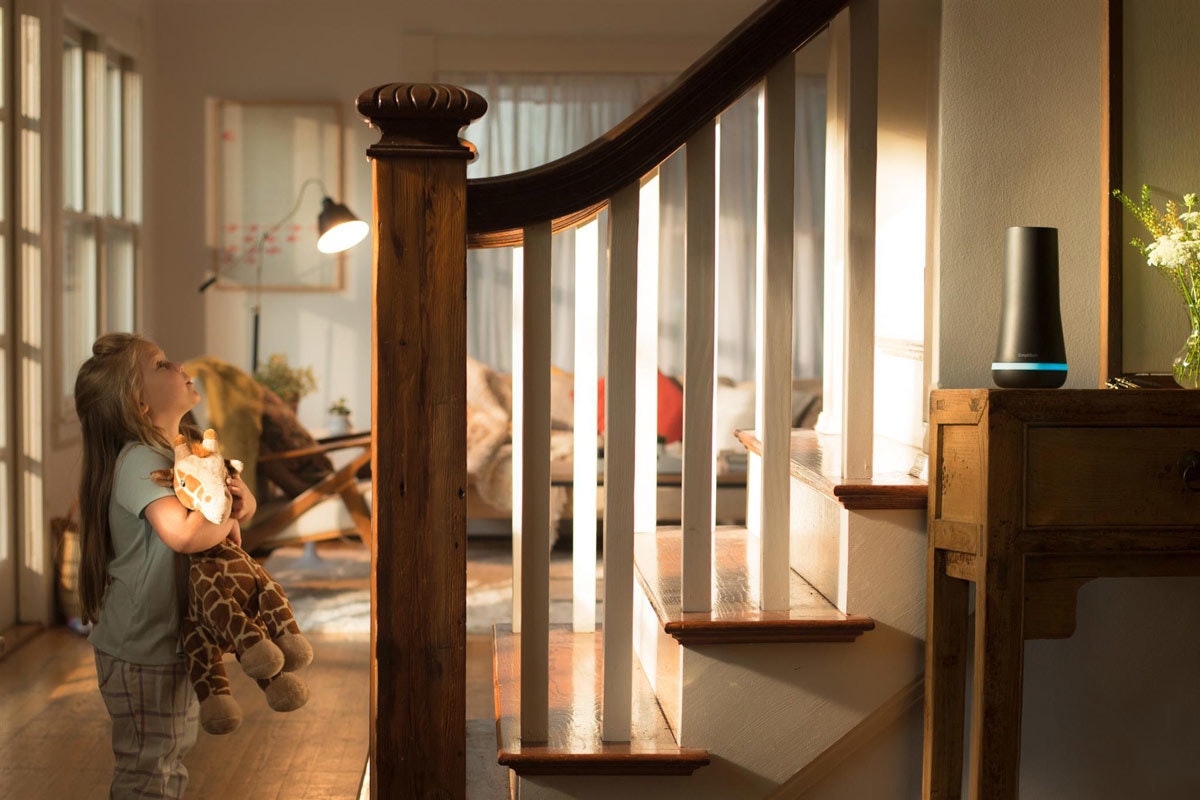
SimpliSafe launched its redesigned security system in early 2018, replacing the company’s two previous generations of products at the same price point. Already, the revamped system has cut the number of support calls from new customers.
In June 2018, venture fund and private equity firm Hellman & Friedman acquired SimpliSafe in a deal that valued the company at about $1 billion.

Rethinking college admissions
Designing a more efficient and inclusive way to read applications.
With a record number of applicants, stiff competition for top students, and a desire to make classes more diverse, college admissions teams are feeling the strain. Bowdoin College in Maine, one of the top liberal arts schools in the U.S., received more applications for the class of 2022 than for any other in its 224-year history.
Whitney Soule, Bowdoin’s Dean of Admissions and Student Aid, saw her staff at risk of burning out. On the advice of Bowdoin’s president, Clayton Rose, she invited IDEO to embed at the college and help design a new way of working. The IDEO team studied Bowdoin’s workflow and zeroed in on the application process as an area ripe for redesign.
By observing how Bowdoin counselors read applications, IDEO learned what drove their decisions. Mindful of how their choices could impact young people’s lives, counselors prioritized a meticulous reading of each application. But this thorough approach meant they often engaged in redundant work or delayed making final decisions.
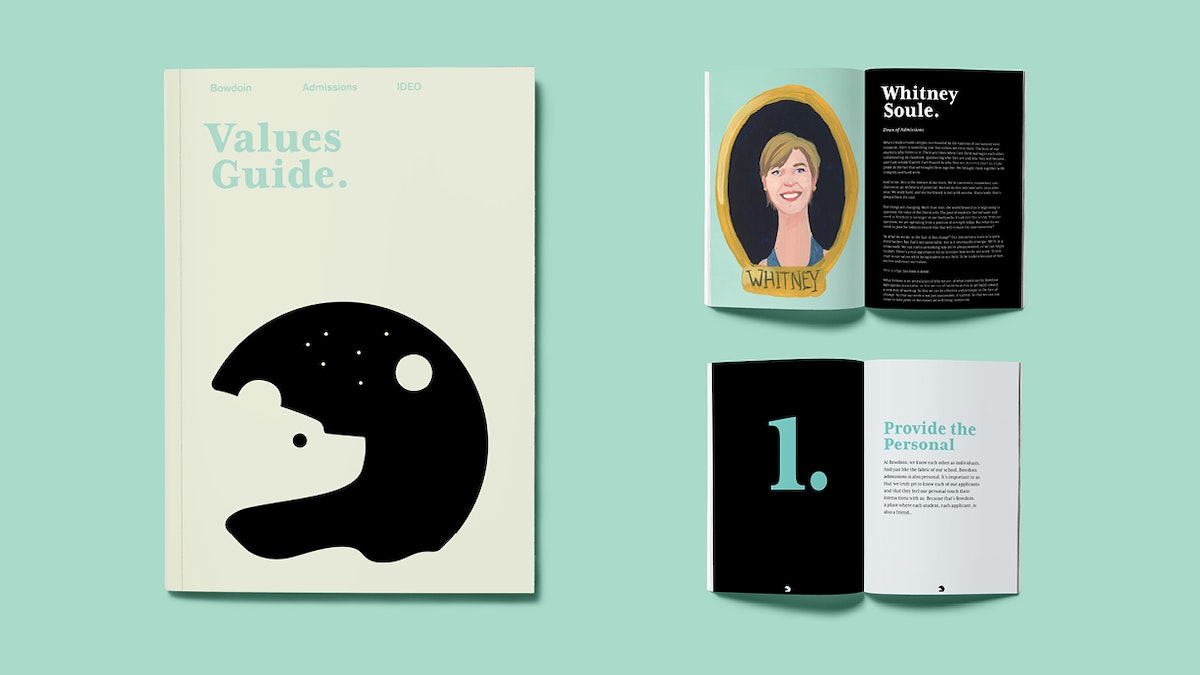
IDEO designers translated their insights into a book for staff, featuring watercolor portraits of the admissions team and a clear articulation of their values—from integrity to inclusion. The book was IDEO’s promise that introducing a new reading process wouldn’t mean sacrificing Bowdoin’s personal touch.
Then, the designers and counselors ran A/B tests using real applications from past years, unwinding long-held beliefs about how they “should” be read. Soule and her team experimented by adjusting timelines and other factors that determine when and how applications move from a first read to a second read to a committee discussion.
Soule gave her team explicit permission to toss their typical playbook. Seeing their own process with fresh eyes, counselors realized they could be more confident in their expertise and tweak their workflow to meet changing demands.
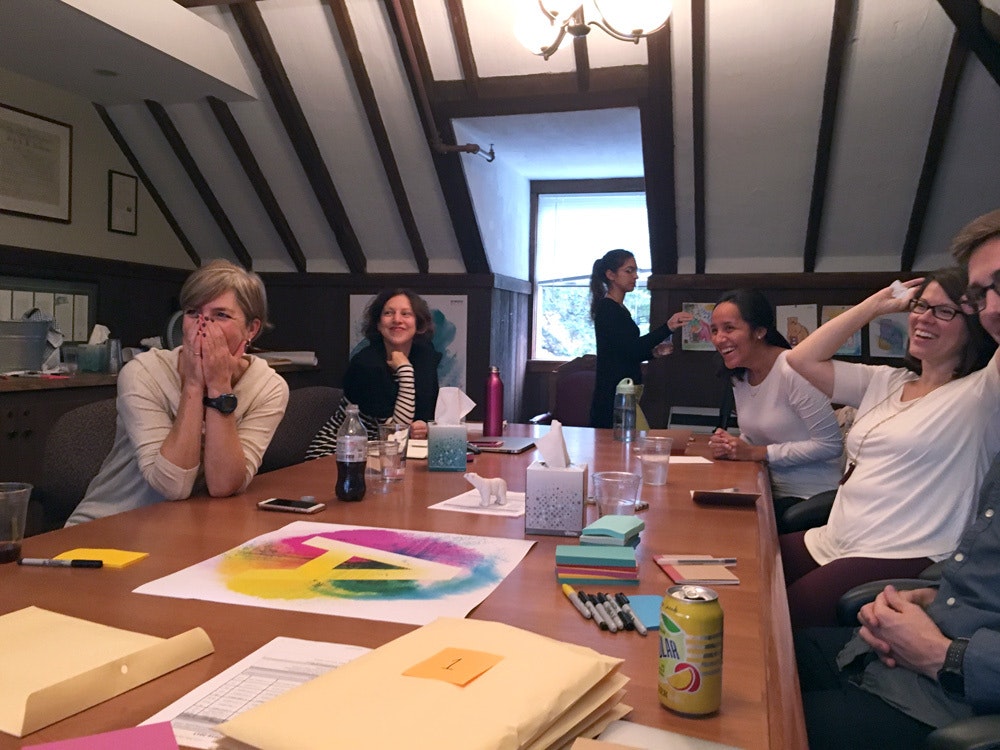
A/B testing proved that some variables had little effect on the team’s final admissions decisions. With that in mind, IDEO redesigned the reading process and included a system called “magic sort,” which helps parse groups of applications based on a new set of counselor assessments in order to route each to its next round of reviews more efficiently.
The IDEO-Bowdoin team put the revised technique to work right away, processing 300 new applications from the annual QuestBridge program for low-income students. Counselors found they were able to make equally valid decisions while cutting the amount of overlapping work they faced by 40 percent, compared to years past.
Working with IDEO challenged us to change the way we work together—and we learned a new method of problem solving that we continue to use. We are better equipped to elicit creativity, then channel it into the practical implementation of new solutions. It’s been transformative!
WHITNEY SOULE, DEAN OF ADMISSIONS AND STUDENT AID, BOWDOIN COLLEGE
The new reading method let staff cope with a growing volume of applications, while balancing the need to evaluate individual students with the need to think holistically about the makeup of Bowdoin’s student body. Counselors adapted the technique to the rest of the year’s admissions cycle, including early-decision, regular decision, and transfer applications.
To extend what her team learned to other departments, Soule has led several design thinking workshops across campus. Her success as a leader has mirrored the growth of her team and the college; by empowering staff with new tools and the freedom to experiment, Soule and Bowdoin are leading by example in the evolving world of higher education.

Reinventing the chandelier
Designing an elegant, modern lighting experience for an iconic brand.
For half a century, Swarovski has crafted iconic chandeliers dripping with the brand’s signature crystals. With the rise of new interface technology, the company came to IDEO for help to design the chandelier of the future.
IDEO designers set out to create beautiful, emotional experiences by layering technology onto Swarovski’s lighting offerings. Whether it’s setting the tone for a sophisticated retail experience, creating subtle ambiance at a romantic dinner for two, or providing true quality light to read a book, the team considered how a chandelier can enrich personal moments throughout the day.
Swarovski and IDEO assembled a multidisciplinary group, including industrial and UX designers, brand experts, and engineers to quickly vet, build, test, and refine their ideas.
Designers from IDEO and Swarovski worked together to completely reimagine the crystal chandelier.
Together, the team designed a new tech-infused chandelier and family of other light fixtures. At first glance, the chandelier resembles a simple, sleek metal disc. But when you turn it on and peer inside, an endless number of crystals swirl far into the distance—an Infinite Aura.
The Infinite Aura collection also includes pendant and wall lights. The team developed a mobile app that proactively modifies light settings based on the time of day, and also lets users customize their experience—including adjusting brightness and color to set a personal mood, or “Aura.”
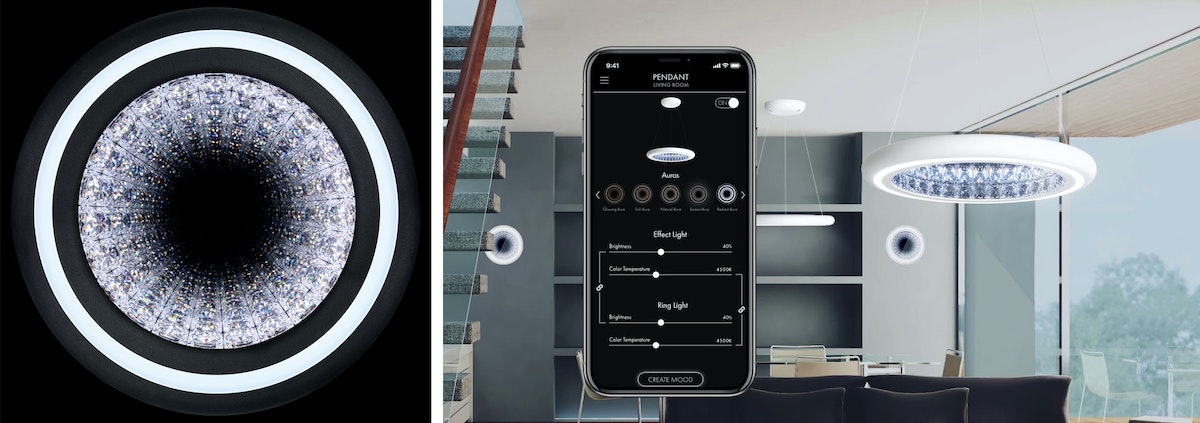
Unlike most fixtures, Infinite Aura doesn’t just give off ambient light; families can also benefit from high-quality functional light, directed downward to help them focus on a task or diffused upward and downward to create a subtle ambiance. In a similar way, the chandelier can expertly illuminate a library, hotel lobby, or concert hall.
The new lighting line adds greater functionality and emotional resonance to today’s smart buildings, while retaining Swarovski’s timeless elegance. Infinite Aura debuted in Frankfurt, Germany in March and will be available internationally in fall 2018.


A new employment venture to increase customer engagement and financial security
Introducing Moonrise, a digital platform that helps companies hire untapped talent and workers make ends meet.
More than half of Americans don’t have the cash to cover a $400 emergency expense like a car repair or trip to the hospital. Taking that reality to heart, American Family Insurance, a Fortune 500 company that offers auto, home, business, and life insurance, was seeking a way to make an impact by helping people earn and protect—not just insure—the things they value.
American Family approached IDEO with an ambitious goal: to innovate in a way that would help working families—many of them existing American Family customers—who need a financial cushion in case of the unexpected. This new mission fell in line with American Family’s overall orientation toward increased social responsibility, including committing to a liveable wage for all employees, helping with student loans, and providing college scholarships and tuition reimbursement for employees’ children.
In early discussions, American Family thought people might need budgeting tools, but from the very first research interview, a different urgent need emerged: people needed a way to shore up their savings enough to protect against unforeseen needs. This same story came from numerous places. In Tennessee, the IDEO design team sat in the kitchen of a working single mom of four, who explained how her lifestyle was built around her extremely constrained budget. She couldn’t afford childcare, so she’d organized her home to allow her 11-year-old to watch the younger kids: partitioned snacks, timers on the TV, chore charts on the fridge. She managed her budget meticulously, it was clear, and she didn’t need new financial tools. What she really needed, she said, was extra income cushions so a surprise expense like a doctor’s visit or stretch investment like a kid’s basketball uniform wouldn't derail her plans. Like many of the people the team visited across the country, she didn't want to take on debt; she wanted extra work and the dignity and peace of mind that comes with it.
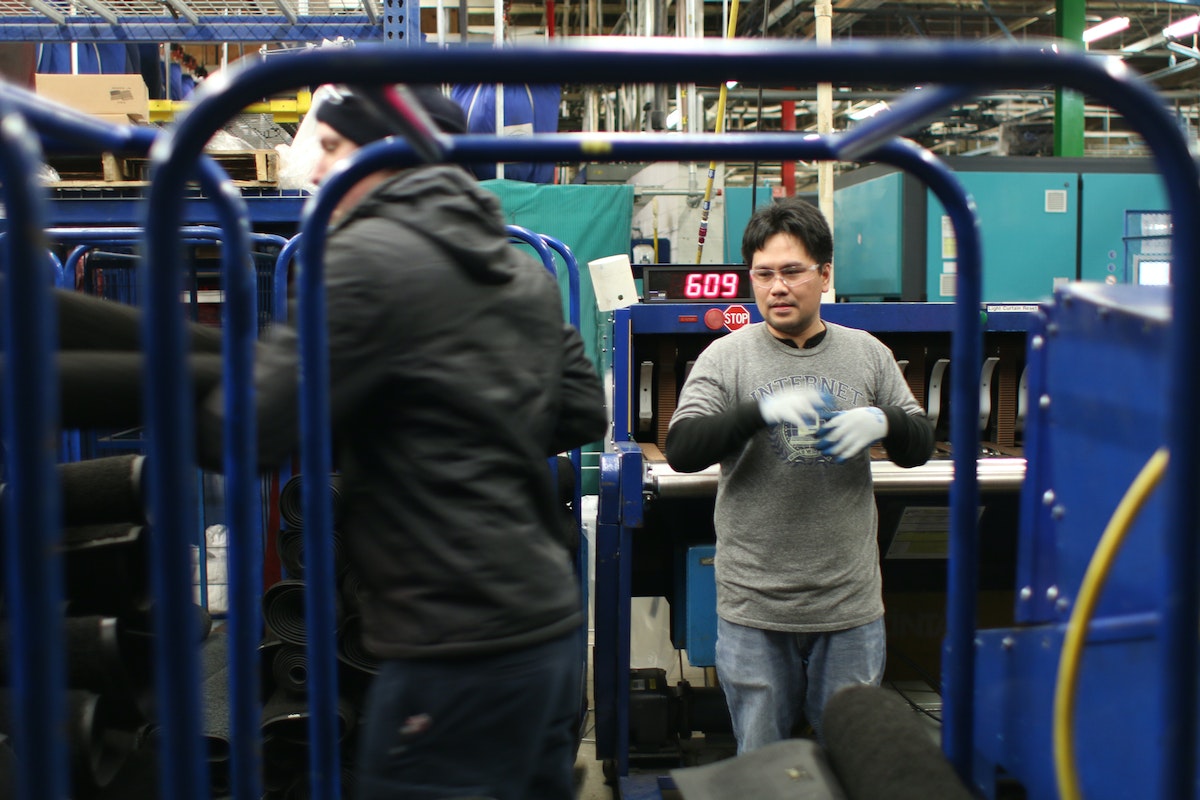
Could we, the team wondered, offer people who already have jobs the extra hours and income they need in a way that reduces, rather than exacerbates, the stress they already face? Would employers get on board?
The short answer was yes. Today’s businesses depend on on-demand work, including seasonal warehouse and retail shifts. Typically, companies look to temp agencies whose model is built on staffing with the goal of permanent placement. Moonrise enables companies to tap into a workforce that's already employed, allowing them the benefits of passive recruiting (reliability, consistency), but for short term work.
Knowing innovation was the path to growth, American Family took a chance by embracing a radically new brief: Create a service to help families living on the edge bridge the gap between the size of their paychecks and the size of their dreams. The result was a new business venture called Moonrise.
When customers told us that having an easy way to earn extra money could improve their lives, we were compelled to pursue a solution. Moonrise is a business with a human-centered mission. We’re proud it’s part of our American Family.
Jack Salzwedel, Chairman & CEO, American Family Insurance
The Moonrise platform lets workers sign up for shifts with partner organizations through a simple text message interface, and get paid as soon as their shifts are done. Employers who sign up to partner with Moonrise can list open shifts on the platform.
“Moonrisers” are W-2 employees of Moonrise, not contractors, so they don’t have to pay self-employment taxes. They also get personalized business and comment cards to take to job sites, making their interactions with employers feel more professional. In this way, Moonrise helps workers not only build a buffer against unexpected bills, but also explore new positions and fields—and perhaps even land new full-time work with Moonrise partners.
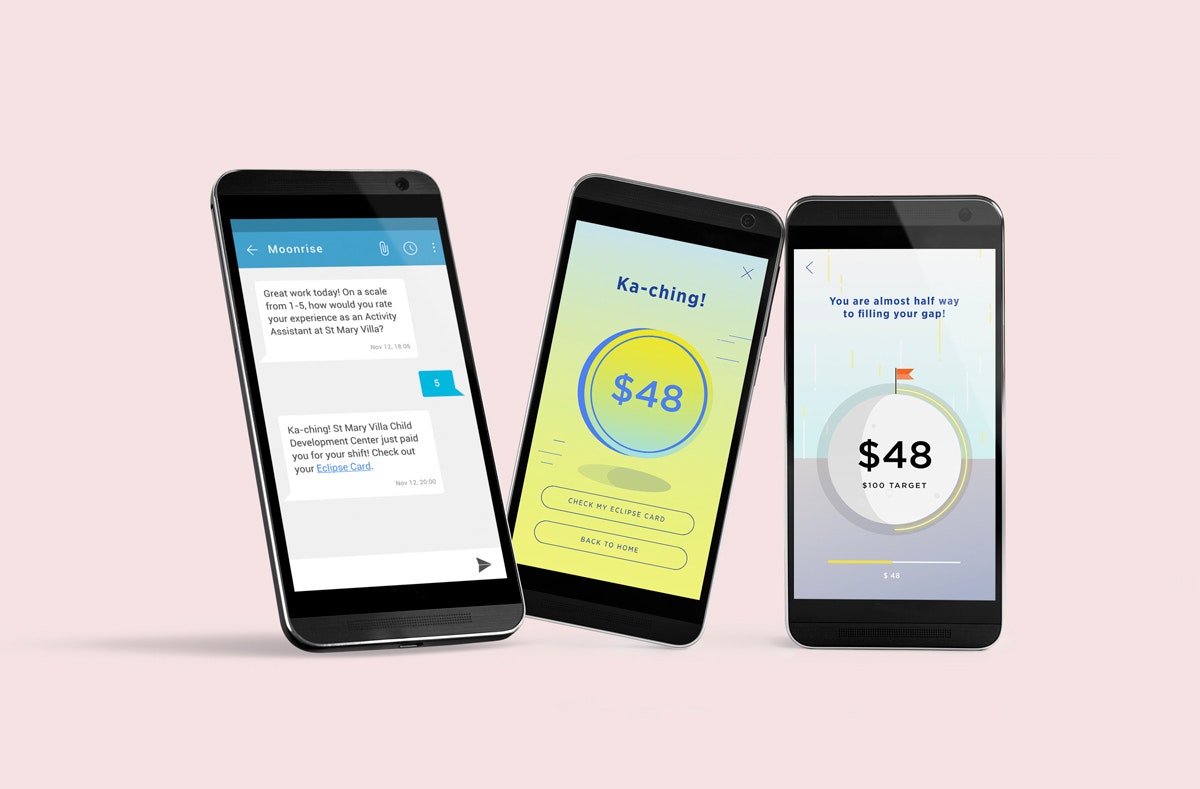
To test the program in real time, IDEO and American Family assembled 11 Moonrisers, six employers, and a team of designers and programmers to work out kinks in the platform. During a one-week live pilot in Wisconsin, Moonrisers finished a combined 28 work shifts, earning an average of $121 each, while IDEO designers worked behind the scenes to keep the process running smoothly.
Based on the success of the pilot, American Family created a new startup company called Moonrise, which became a wholly owned subsidiary of American Family. Moonrise launched to the public in the Chicago area in 2018, with plans for an eventual nationwide rollout. Moonrise signed Enterprise Rent-A-Car as its first employer and actively matches workers in Chicago with shifts, while continuing to build more corporate partnerships.
Since launching in 2018, over 7,000 people have applied to become Moonrisers, more than 7,000 shifts have been fulfilled, and over $500,000 has been put into the pockets of hardworking Moonrisers. Additionally, Moonrise will be expanding into 3 additional states in 2019.
IDEO and American Family Insurance interviewed customers of The General—a division of American Family—about how they budget to make ends meet. In this conversation, customer Chandra told designers how $62 could be the difference between breaking down and breaking even for her family.
It’s not always easy for established companies to innovate, especially outside their core business. But innovation is a high priority for American Family. Creating an employee -centered startup like Moonrise solves an urgent problem and distinguishes them from their competition. Together, American Family and IDEO identified a pressing human need and built a program from the ground up to meet it.
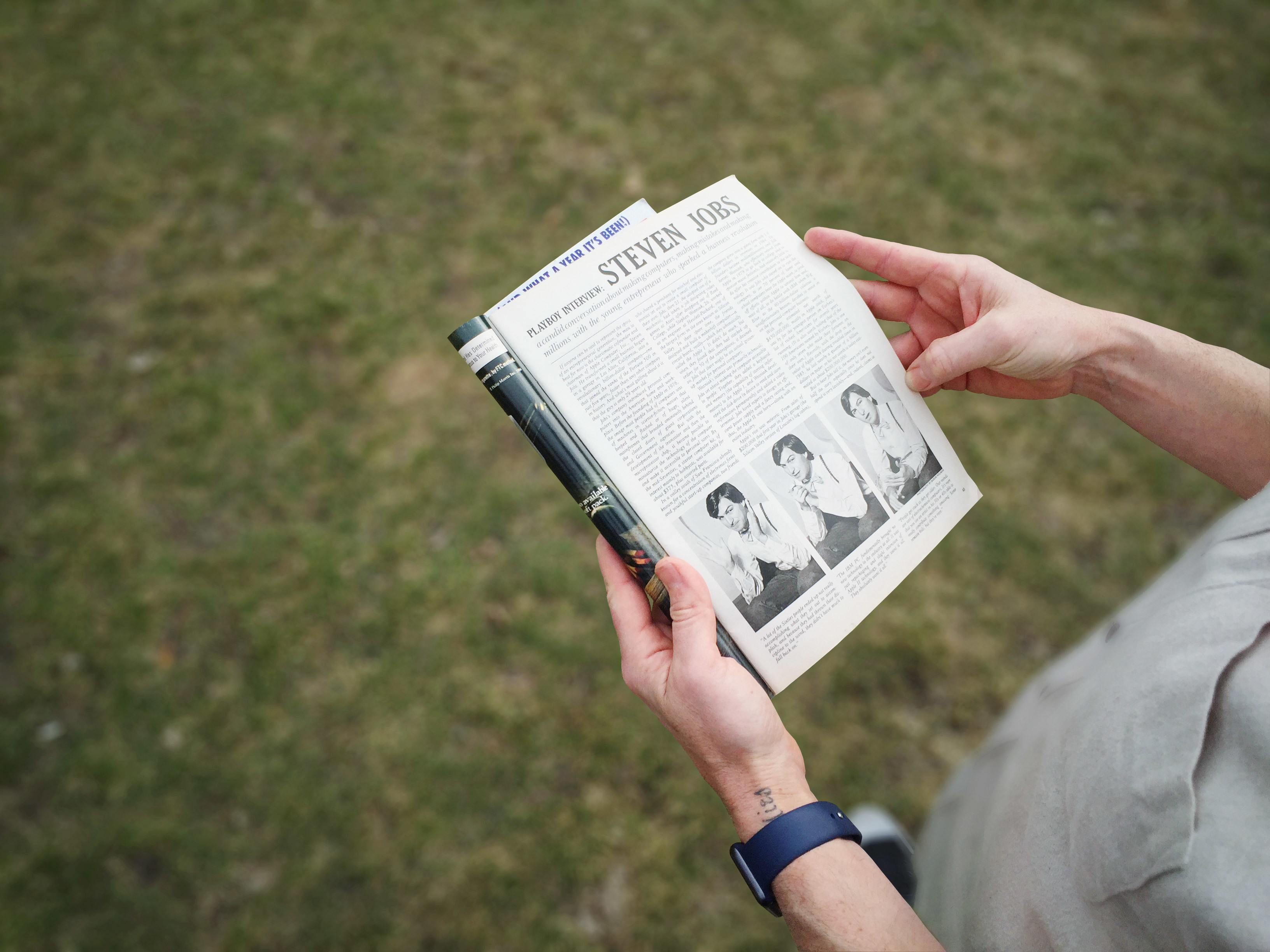
Putting a Dent in the Universe
Steve Jobs, creativity & death
It’s not just the squirrel that is looking at me. A cemetery employee purrs past in a golf cart, giving me the once-over. I am an intruder. The etiquette of cemeteries is strange. You come here for funerals, at which you’re allowed to be sad and to contemplate mortality. The rest of the time, you’re supposed to be getting on with your life.
I look up at the oak trees again. I recognize them from a video posted on YouTube by an Italian man. Like me, he was here looking for the grave of Steve Jobs.
Steve Jobs died in 2011, of complications arising from pancreatic cancer. Now he’s somewhere around here, just a couple of miles from his house, in an unmarked grave in the Alta Mesa cemetery.
I remember watching The Daily Show on the day his death was announced.
“For him to die young seems so strange,” said Jon Stewart. “With other people of his magnitude, like Henry Ford and Thomas Edison, you feel like we wrung everything out of them. They were old when they died. With Steve Jobs, you really got the sense… we’re not done with you yet.”
Looking at Alta Mesa’s barren grassy field, broken only by tarnished plaques and a couple of windswept bouquets, I wonder if Jobs would have ever got around to redesigning the death experience...
Looking for the rest of Neil's post? Please continue reading on Medium.
I’m in a graveyard in Palo Alto, California. The sky overhead is cornflower blue. Wind rustles through surrounding oak trees. A squirrel trots out onto a tree branch and squints at me. It’s like nature is doing everything it can to emphasize the contrast between its own glorious aliveness and the utter deadness of the humans underfoot.
Quantifying Nemo
FishBit's connected aquarium is off the hook
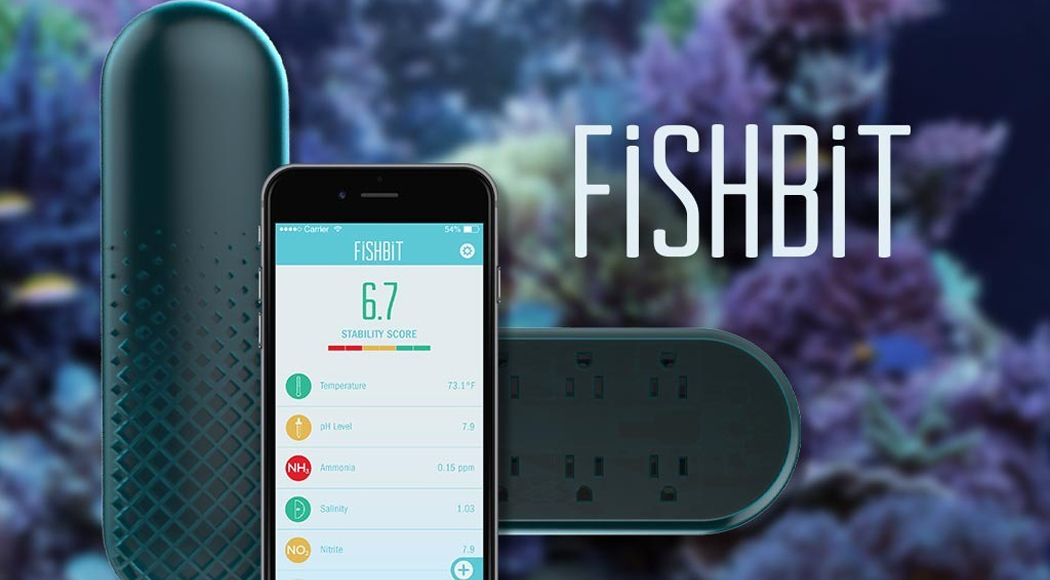
This clever new app and connected device allows aquarium owners to remotely check the health of their tanks. Recently, we spoke with Garrett Winther, an IDEO Chicago engineer by day and FishBit co-founder by night, about how he got involved in the scrappy seven-person startup and how they plan to win over the aquarium market—hook, line, and sinker.
What’s FishBit?
FishBit is the connected aquarium. Owning a large tank, especially a saltwater one, is notoriously difficult and expensive. Fish can die if the water’s pH levels change .1 percent up or down, so there are both emotional and financial stresses that come with owning a tank. FishBit allows owners to remotely control their tank’s chemical balance and keep maintenance activities on schedule.
How did FishBit start?
One of our cofounders, Nathan Levine, grew up with a fish tank. Then, he left for college and asked his dad to take care of it. When he came home for a visit, his whole tank was dead. It was one of those events where he asked himself, “There’s got to be a better way...”
Years later, when the Internet of Things became a reality, Nathan decided to do something about his remote-aquarium-monitoring idea. He’s an iOS developer. He knew how to build software, but he needed someone who could build physical electronic and mechanical prototypes. That’s where I came in.
What’s the development process been like?
My role has been less about final engineering and more about using human-centered prototyping methods to build FishBit the right way. We created the first working FishBit prototype with full sensors and an iOS app in just a weekend. Then, we showed the prototypes to aquarium owners in Chicago, got feedback, and iterated on the design—much like we’d do at IDEO.

What are you learning from being a startup?
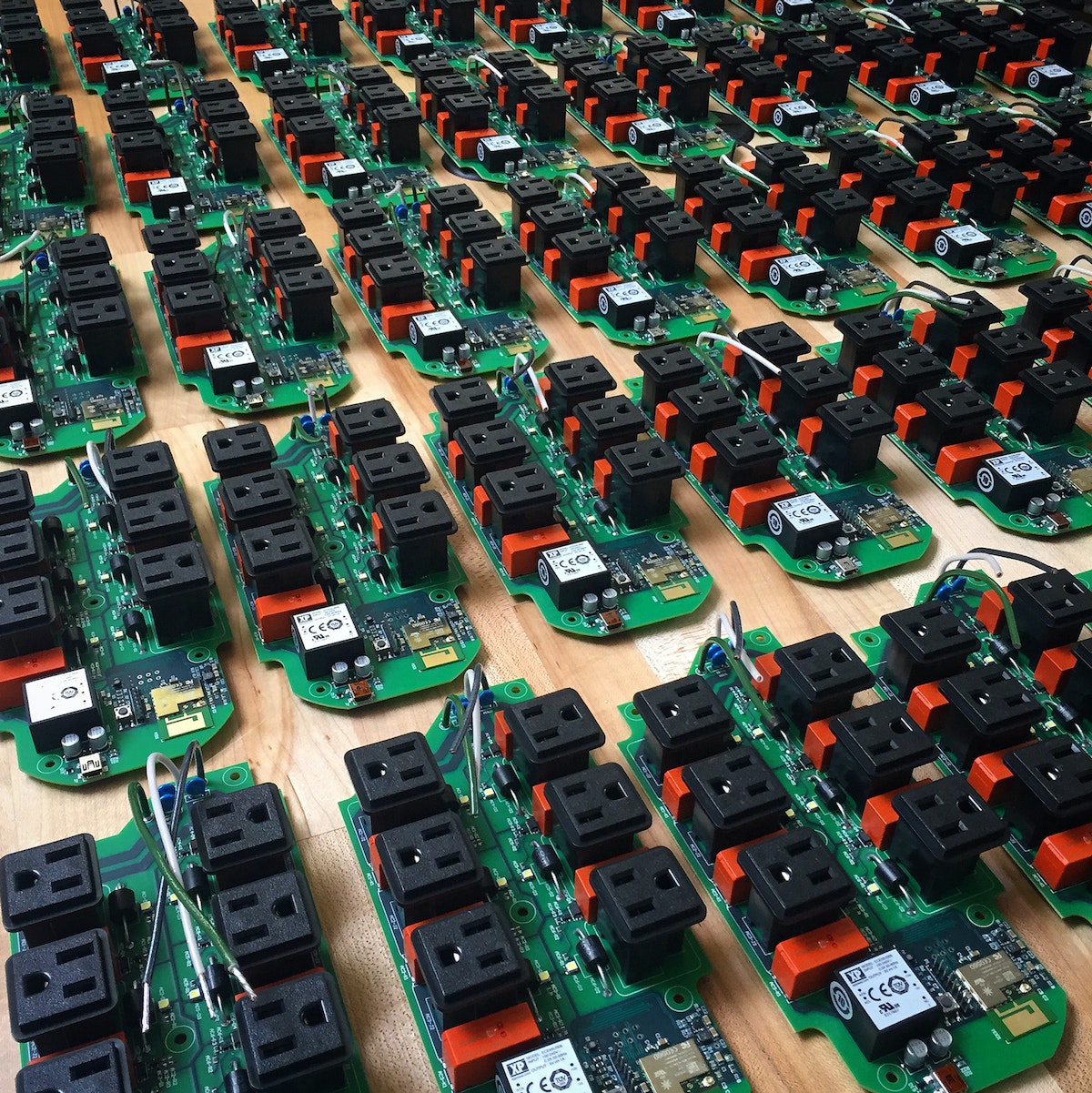
How to nimbly prototype hardware and how to launch a product quickly into market. With FishBit, we launched on Kickstarter in a very limited fashion (just 30 Beta units) so we could put it into users' hands and start testing it in real-life situations. We hand-built those 30 units with CNC machines and some interesting molding technologies. Instead of waiting three weeks to have something professionally manufactured, we had something tangible in a few hours and learned something along the way.
What’s next?
We've fulfilled our initial Kickstarter backers' orders and made sure those Beta units lived in people's tanks safely and did everything they were supposed to. This February, we launched another Kickstarter campaign to sell our core product—the device and app—to the masses.
Do you own a fish tank?
I currently have a 30-gallon freshwater tank with three tiny fish in it. It’s challenging. Maybe when FishBit exists, I can upgrade to salt water.
Owning a saltwater aquarium can feel like opening a can of worms, especially for nervous newbies. Tiny imbalances in pH, temperature, and salinity levels can mean the difference between life and death for Nemo and friends.
Thankfully, there's FishBit.

Only in Chicago
3 of our favorite local spots
1. The Plant, 1400 W 46th St, 773-847-5523, plantchicago.com
It’s urban agriculture and food business incubation at its finest. This net-zero-energy Southwest side building defies all Midwestern norms with vertical farming, aquaponics, and small-batch kombucha brewing.
Weekends offer farmers markets featuring the building’s tenants (think: kombucha, cheese, pasties, and produce) as well as behind-the-scenes tours.
- Hood: Back of the Yards
- Will set you back: $10 for a tour
- Don't leave without: buying Pleasant House Bakery mushroom or chicken pasties and checking out the aquaponics setup
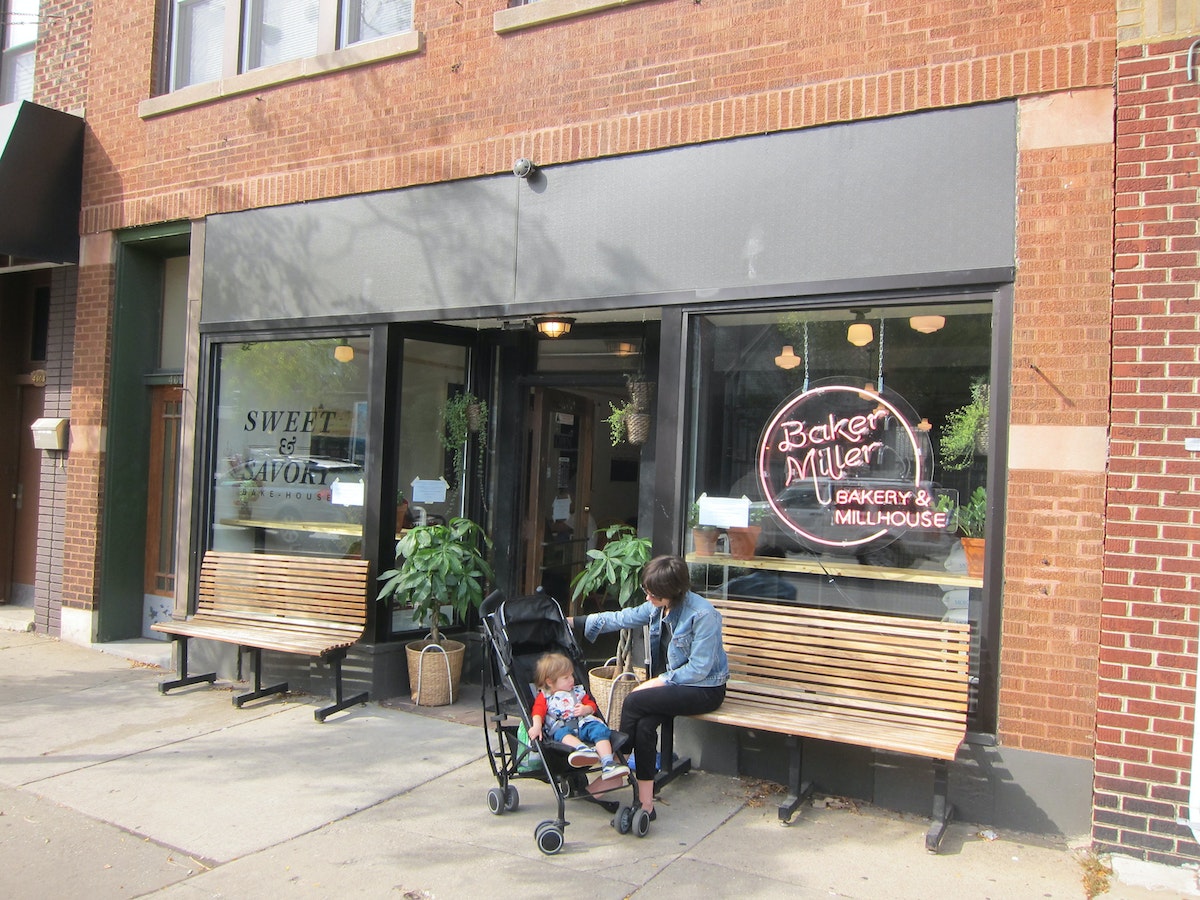
2. Baker Miller Bakery & Millhouse, 4610 N Western Ave, 773-654-3610, bakermillerchicago.com
An outstanding slice of pie is hard, though not impossible, to find. A self-taught miller who uses only the best organic grains he can source from his network of farmers and prefers building a local community to garnering national attention? Not so common. Owners Dave and Megan Miller (yep, it was meant to be) just might be at the forefront of a new food movement. And with a Beard nomination under their belt, we're not the only ones who think so.
- Hood: Lincoln Square
- Will set you back: $5 for a slice of pie or less than $10 for an entrée
- Don't leave without: trying at least two types of pie
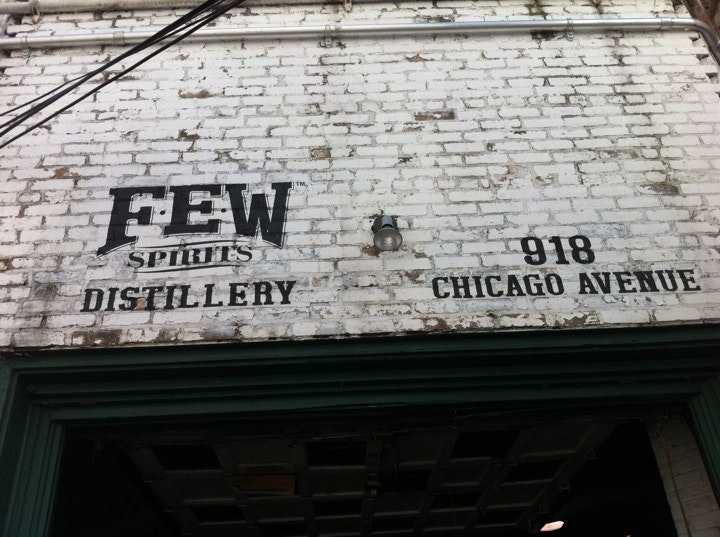
3. Few Spirits, 918 W Chicago Ave, Evanston, 847-920-8628, fewspirits.com
Chances are Chicago isn’t the first city that comes to mind when you think "craft spirits," but it's actually a hotbed of Midwestern distilling. Located in a nearby suburb, Evanston’s Few Spirits makes and sells bourbon and rye whiskey, American and barrel gin, and, occasionally, the infamous wormwood-based liquor, Malört. Wind your way through a back alley to this modest spot on Saturdays for tours and tastings; just make sure to sign up in advance.
- Hood: Evanston
- Will set you back: $10 for a tour, more for a bottle
- Don’t leave without: spending some quality time in the tasting room
We spend so much time scavenging other cities for inspiration, we sometimes forget that our own backyard is chock-full of places that reflect Chicago's true grit, gusto, and occasional grace. Follow our lead to experience some of the best spots in town.
Inside the Brain Machine
How neuroscience changed how I think about creativity
In reality, I was nervous. The machine was sealed behind an air-tight door with thick safety glass and emergency warning lights. And some of Dr. Newberg’s preparatory questions had been a little unnerving:
“Have you ever had a pot explode while you’re cooking?” he’d asked. He was concerned I might have some residual fragments of metal in my eye. “In the magnetic field, it would tear through your eyeball.”
I lay back and stared at the ceiling. The fluorescent light panels had been fitted with transparencies showing a blue sky framed by cherry blossoms. I appreciated the attempt to cheer the patient up, but the image looked so radiantly perfect that it made me think about the afterlife.
There's nothing wrong with you, I told myself, this is just a psychology experiment.
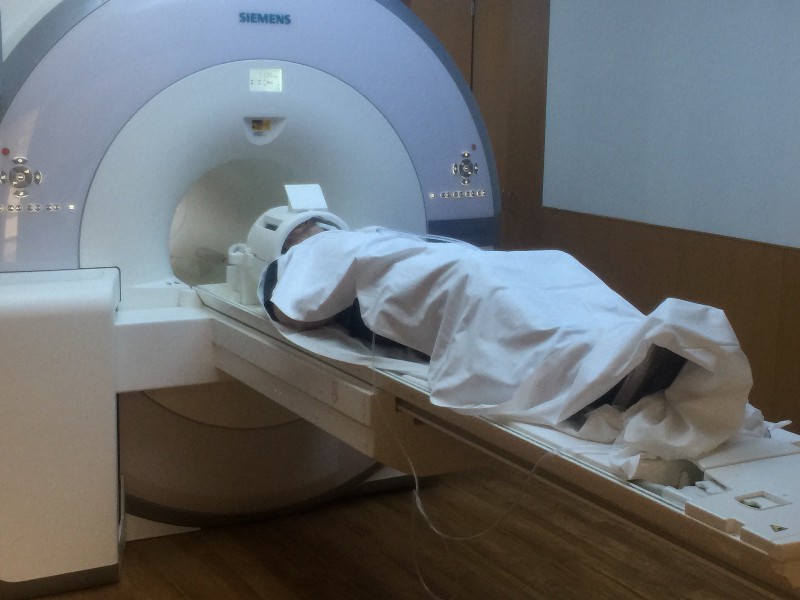
I shivered. The machine’s giant doughnut was filled with liquid helium, supercooled to 450 degrees below zero. Dr. Newberg draped a white sheet over me, which added warmth, but made me look like a corpse. Then he retreated to the control room. I heard his voice in my headphones.
“Ready to go?”
Read the rest of Neil's post on Medium.
I climbed onto the narrow bed that jutted out in front of the MRI machine. “How do you feel?” asked Dr. Andrew Newberg, the neuroscientist in charge of the experiment. “Great!” I said over-brightly, like I was about to receive a spa treatment rather than a brain scan.

Lindsey Turner
I’m passionate about building brands, products, and experiences that help organizations show up with meaning and momentum.
I help organizations cut through complexity by shaping how they show up, through brand strategy, identity, and storytelling.
Working at the intersection of brand and business, I bring an editorial eye and a bias toward making—turning ideas into tangible experiences that people can understand, trust, and believe in.
My work spans government, healthcare, financial services, media, and consumer goods, from launching Gen Z-focused ventures to building innovation labs and reimagining legacy brands. I relish moments of ambiguity and enjoy translating across teams, perspectives, and priorities to move ideas forward.
I started my career in editorial and digital design, shaping cross-platform experiences and identity systems in publishing and agency environments. That foundation still shapes how I work today: I’m detail-oriented, collaborative, and overreliant on the Oxford comma. I hold a BFA in Visual Communication from the School of the Art Institute of Chicago.

Rachel Young
My work helps organizations see who their products aren't working for—and build the will and the tools to do something about it
For 25 years, I've asked the same question: Who does this design exclude—and what are we going to do about it?
My work spans human-centered strategy, inclusive design, and qualitative research, with clients ranging from Microsoft, Google, and Verizon to the National Science Foundation, and San Francisco Unified School District.
Before IDEO, I taught elementary school in East Palo Alto and spent a decade doing design work with social service organizations—where I learned firsthand what it costs people when systems are built without them in mind.
I am currently writing User Error, a nonfiction book about digital access and the design decisions behind it. I live in Oakland, California.

Brian Pelsoh
I lead with craft, ensuring our work is creatively excellent: rooted in deep human insight and imagination, while also grounded in the realities of business and technology.
My expertise spans brand, communication, and product design across tech, education, the arts, and social impact.
I believe great work demands both high-level vision and obsessive attention to detail, and only happens through collaboration.
I bring an inclusive, hands-on approach and a deep understanding of business, which enables me to consistently deliver excellence while always asking why.
Before joining IDEO, I worked at the brand firms Pentagram and VSA Partners. I began my career as a designer, leading teams at the School of the Art Institute of Chicago and the Milwaukee Art Museum. I hold an MFA in graphic design from Maryland Institute College of Art and a BFA in communication design from the Milwaukee Institute of Art & Design, and have taught at some of the best design schools in the US.

Tony Wong
I am responsible for IDEO’s long-term success in China and working with clients to use design as a tool to enable growth.
I am responsible for IDEO’s long-term success in China and working with clients to use design as a tool to enable growth. Specifically, I have helped Chinese companies design holistic brand solutions through the development of their products, communication, services, and innovation teams, and I have helped multinationals expand their presence and influence in China.
I advise global leaders on developing China-led innovation and capabilities.
In over 15 years in IDEO Shanghai, I have worked on projects that use design to elevate the quality of the experience of healthcare products and services, streamline processes that increase productivity, create spaces and programs that promote and enable inclusive communities, and build next generation mobility solutions that are planet-positive.
Before joining IDEO, I worked at Philips Electronics and the Electrolux Group in Italy, the Netherlands, and Singapore on a number of breakthrough commercial products. I am a member of the Young President Organization in Shanghai.

How to use AI as an editor, not a writer
Ed White shares how he uses AI as an editor—not a writer—to sharpen storytelling, rehearse ideas, and preserve the productive friction that makes creative work better.
Ed White has a rule he's tested on his own writing: hold yourself as the writer, and let AI be your editor. Ed is a Senior Design Director at IDEO's London studio, where he co-leads the firm's AI portfolio across Europe. Before IDEO, he spent 12 years as a writer and editor at the Financial Times, Wired, and Contagious. So when he talks about when to use AI for storytelling and when not to, it comes from two decades of crafting his storytelling skills.
In this episode, Mina Seetharaman talks with Ed about two specific tools he uses to keep AI in an editor's seat: a "roasting agent" prompted to critique his drafts without any sugarcoating, and a simulated audience he rehearses pitches on before the real thing. They also get into what Ed is hearing from design leaders at Anthropic, Lovable, Shopify, and Google Creative Lab about how creative work is changing, and why he thinks the friction of writing something yourself is worth protecting rather than automating away.

Building a personal AI for the messiness of life: Sida Li
Becca Carroll talks with Cue co-founder Sida Li about designing a personal AI for the messiness of everyday life—not just work. They explore how Sida stays anchored to human needs while navigating fast-changing technology, product tradeoffs, business-model experimentation, and the realities of building an AI company today.
Most AI products today are built for work—a space with clear problems and established systems. One founder noticed a gap: personal life is messier, harder to systematize, and mostly left behind by the AI boom. So she built Cue, a personal AI that lives inside iMessage and group chats, to go where the other tools haven't.
In this episode, Becca Carroll, IDEO's Chief Strategy Officer, talks with Sida Li, co-founder and CEO of Shared Context Lab, about staying anchored to a human need while the technology around her keeps changing shape, why she treats her business model with the same rigor she'd bring to a product, and what it feels like to build a company at this particular, disorienting moment in AI.
The conversation also gets into how Sida makes design decisions: the language Cue uses to describe itself, the tradeoffs behind building inside iMessage instead of a new app, and a real story about a business idea that didn’t pan out.
This is the second in a two-part series profiling founders from IDEO's Startups-in-Residence program. The first conversation is with Johannes Seemann, founder of Sooner, on designing GenAI for the emotional side of money.

Designing GenAI for the emotional side of money: Johannes Seemann
Designing financial tools around the feelings that shape money decisions.
Most personal financial tools are built to run the numbers and optimize towards a budget. While that works for some, most people experience money as a lived relationship that does not neatly fit into a spreadsheet. Johannes Seemann and Becca Carroll discuss why money is emotional before it is mathematical, and what a human-centered approach to building a generative AI financial product looks like in practice.

The curious leader's edge in uncertainty: Scott Shigeoka
How genuine curiosity helps leaders navigate uncertainty with greater confidence.
Mina Seetharaman talks with Scott Shigeoka, author of Seek and Head of Curiosity Cultivation at the Eames Institute, about what distinguishes genuinely curious leadership from performative curiosity, how power dynamics shape curiosity, and why practicing curiosity can restore energy rather than drain it.
Looks like you might be in search of something very specific?
Or reset the filters above and try another angle.
Here’s some random inspiration

Podcasts about creative leadership

Articles about the power of prototyping
