
.svg)


Giving ed tech entrepreneurs a window into the classroom
Designing tools that students like and teachers need.
The Bill & Melinda Gates Foundation partnered with IDEO to explore how to harness the potential of technology to support teachers in delivering high-quality education at scale.
By talking to the people on the front lines—teachers, students, entrepreneurs, and technologists—IDEO discovered a dual challenge: Teachers need a broader array of quality tools to use in the classroom, and the ed tech entrepreneurs need a window into the classroom to create the most effective technology products.

With this insight in hand, IDEO worked with the Gates Foundation to design, build, and launch Teachers Know Best, a digital platform aimed at connecting those creating new tools and technologies with the people who ultimately use them. Powered by the results of a large-scale survey of 3,000 educators and 1,200 students, the interactive resource acts as the bridge to connect entrepreneurs to classrooms. The site provides invaluable insight to help startups focus, refine, and scale their work, and provides essential information on how schools find and select products to use in the classroom, as well as a forum for teachers and students to rate and respond to more than 500 existing resources.
The resulting platform is a boon for tech entrepreneurs, educators, and students alike—giving entrepreneurs a clearer understanding of what's needed, and giving teachers and students a voice. Teachers Know Best launched in May, 2015 for entrepreneurs and educators at the New School Ventures Fund Summit.

From libraries to learning labs
Librarians use design thinking to create new services for patrons.
What’s the future of libraries? As information goes digital and reading rooms become a thing of the past, what’s the best use and function of libraries going forward?
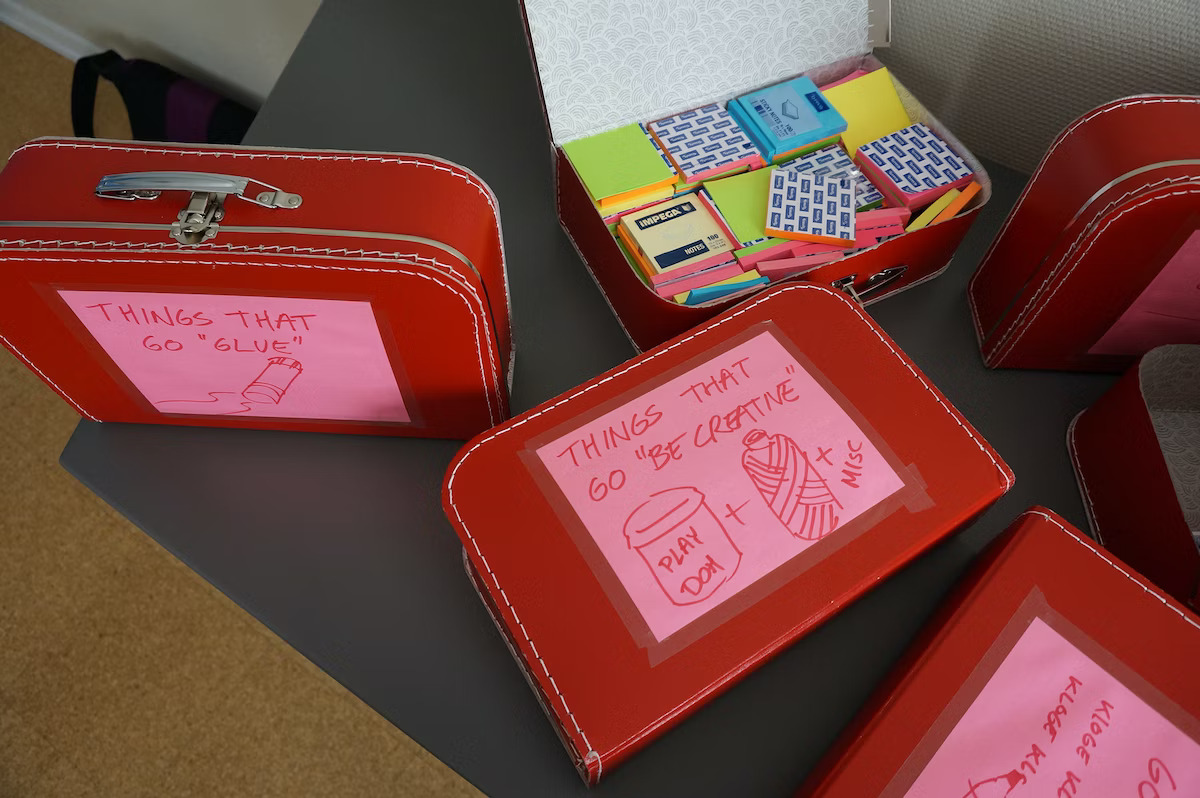
Chicago Public Library and Denmark’s Aarhus Public Libraries, together with IDEO, wanted to find out. With a grant from the Bill & Melinda Gates Foundation, they created the Design Thinking Toolkit for Libraries: reading and workshop materials that can be used by any front-line library staffer to adapt to library users’ changing needs.
Using the Toolkit, library staffers engaged with patrons to test out brave new ideas that change our perception of the typical library: an anything-but-quiet teen expression lab with music- and art-making tools, a “tech spa” for users looking for how-to information, and a series of narrative storytelling workshops for kids that use play as a springboard for learning. In Chicago, these experiments spurred the implementation of a new play space in the children’s library section of the Albany Park branch, and the creation of new roles for librarians that focus specifically on teens’ needs.
You can download the toolkit, and find more resources, at designthinkingforlibraries.com.

Firing up a new pro soccer experience
Defining the Chicago Fire brand in order to win over new fans.
Major League Soccer champions the Chicago Fire wanted to convince new fans to come to its stadium, but knew that competition for fans’ attention—and wallets—in Chicago was fierce. The Fire partnered with IDEO to create memorable marketing campaigns and fan experiences to get more Chicagoans fired up and filling its seats.
Inspired by Section 8 fans and fervent Club supporters, IDEO homed in on six defining brand personality traits: human, gritty, irreverent, indie, Chicago pride, and globally curious, then used them to design game-day experiences to match. In addition, knowing the Fire’s marketing pockets weren’t as deep as its competitors, IDEO zagged and took a different approach to messaging: Eye-catching billboards featured headlines lifted directly from Section 8 fan chants, edgy posters showed soccer players as superheroes, and anything-but-traditional scarves and t-shirts sported bold wording and graphics of players’ faces.

Faster, more accurate spinal surgery
High-powered instruments for spinal surgeries ease doctors' burden.
While reconstructive spinal surgeries can be life-changing, even minimally invasive spinal procedures can require hours under anesthesia for patients, and be physically demanding for surgeons and staff. Over time, the repetitive physical strain can limit the ability of highly skilled orthopedic surgeons to perform these surgeries.
Spinal-surgery company Medtronic partnered with IDEO to design, engineer, and build POWEREASE, a next-generation surgical instrument system that revolutionizes the techniques used to perform spinal surgeries. The result is a system of powered medical tools created specifically to meet the needs of surgeons during reconstructive procedures.
By integrating cutting-edge industrial design, human-centered research findings, and boundary-pushing engineering work, the team was able to solve some highly technical challenges, like efficiently breaking off set screws while imparting minimal torque on the surgical construct in the patient, and seamlessly integrating nerve monitoring and image navigation capabilities into the instruments.
Medtronic’s initial tests show that when compared to manual instruments, the new powered instrument system significantly reduces the time and improves the accuracy of reconstructive spinal surgery procedures.
Designer’s Playlist #3
A few things IDEO San Francisco's Andrea Oh can't stop thinking about
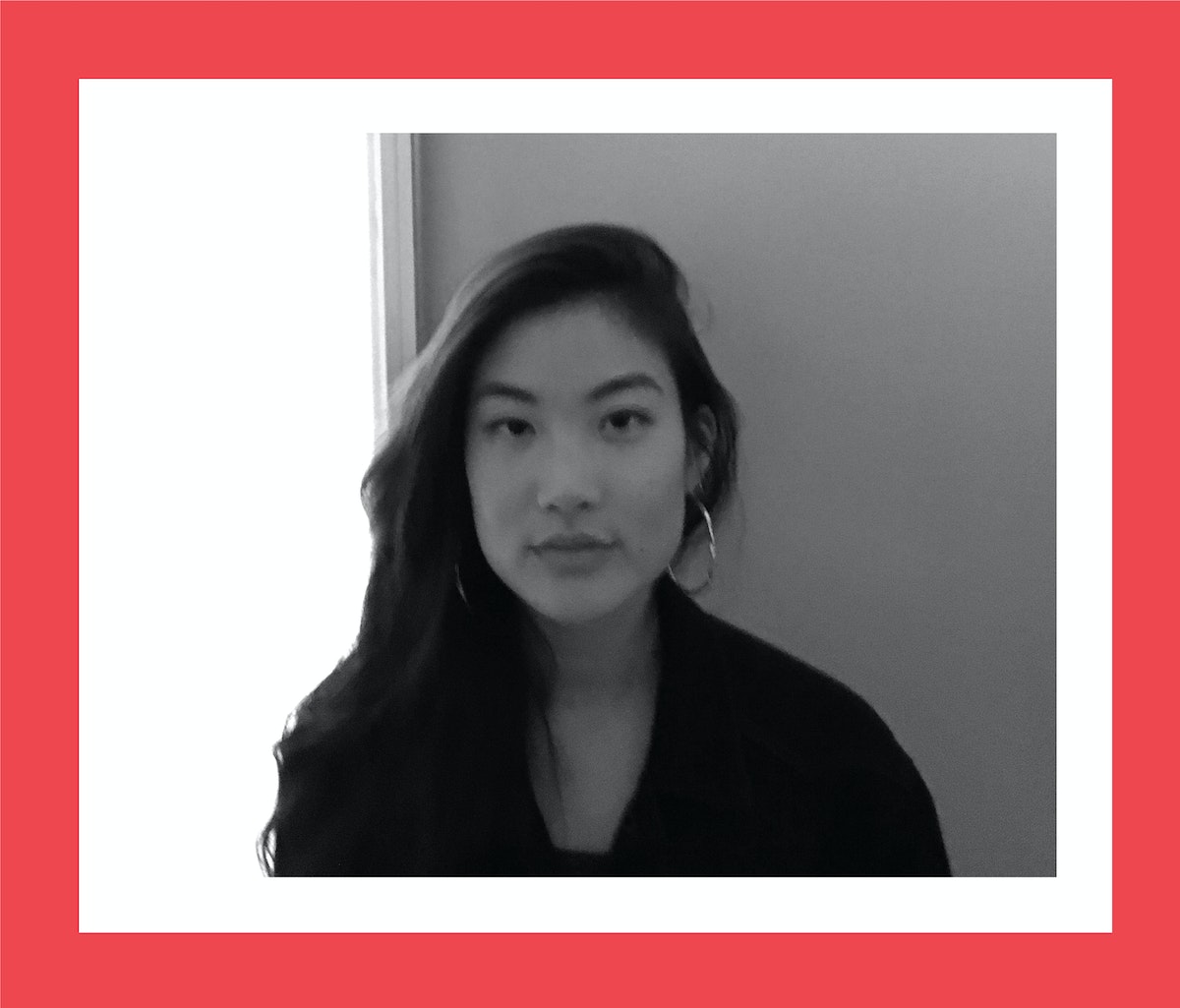
Name: Andrea Oh
Location: San Francisco
Role at IDEO: Front Desk Concierge, Experience team. Steward of magical work-life experiences. Gatekeeper of the guest Wi-Fi. (She guards it with a Gandalf staff made out of Twix chocolate).
Joined IDEO: August 2015
Instagram: @fermdaza
Titillating Fact: Matcha is my life! For someone who doesn’t drink coffee, a dose of matcha powder mixed in with water in the morning is my saving grace.
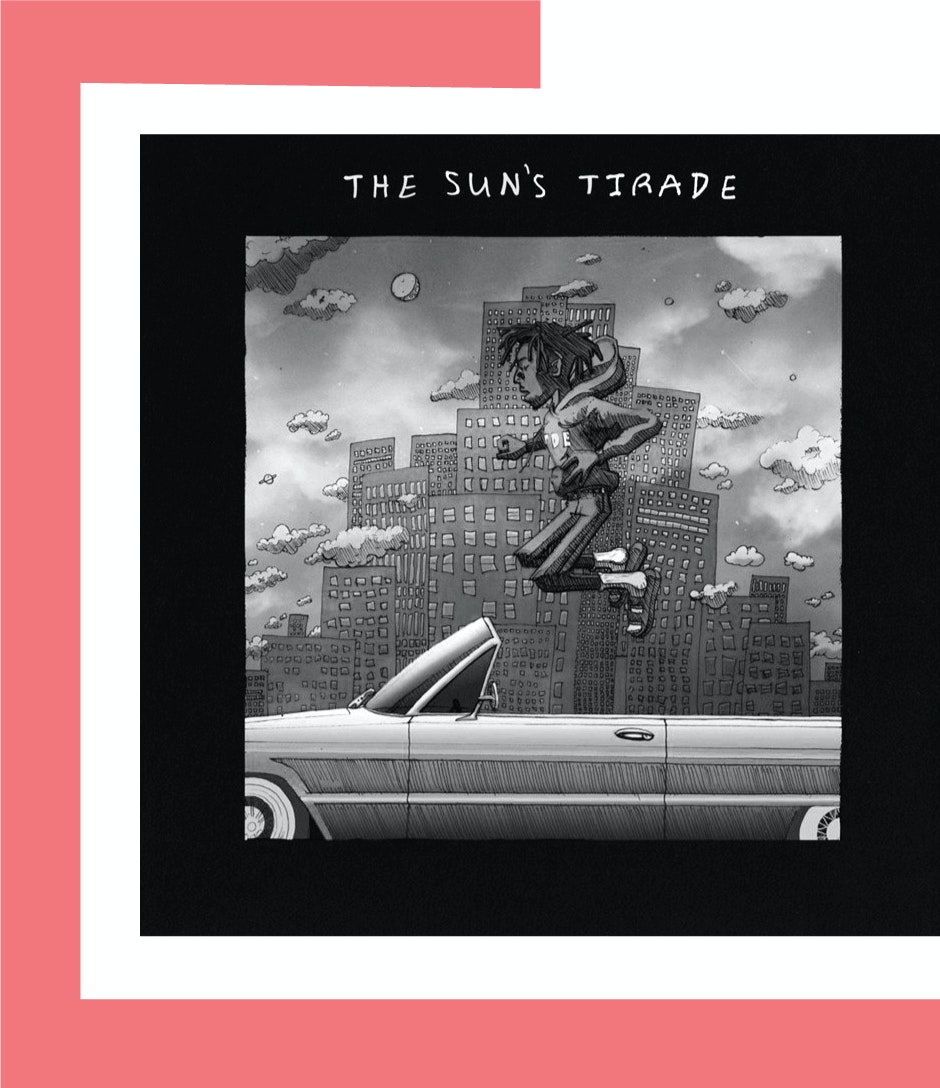
1. Isaiah Rashad: "The Sun’s Tirade" (2016)
There are a couple albums I’ve been gravitating towards in the past month, but the one that’s been in constant rotation—and I mean constant—is the debut release of Top Dawg Entertainment-signed rapper Isaiah Rashad, The Sun’s Tirade. His earnest, poetic musings on butter-smooth production make for perfect late-summer listening. Roll the windows down while you’re at it.
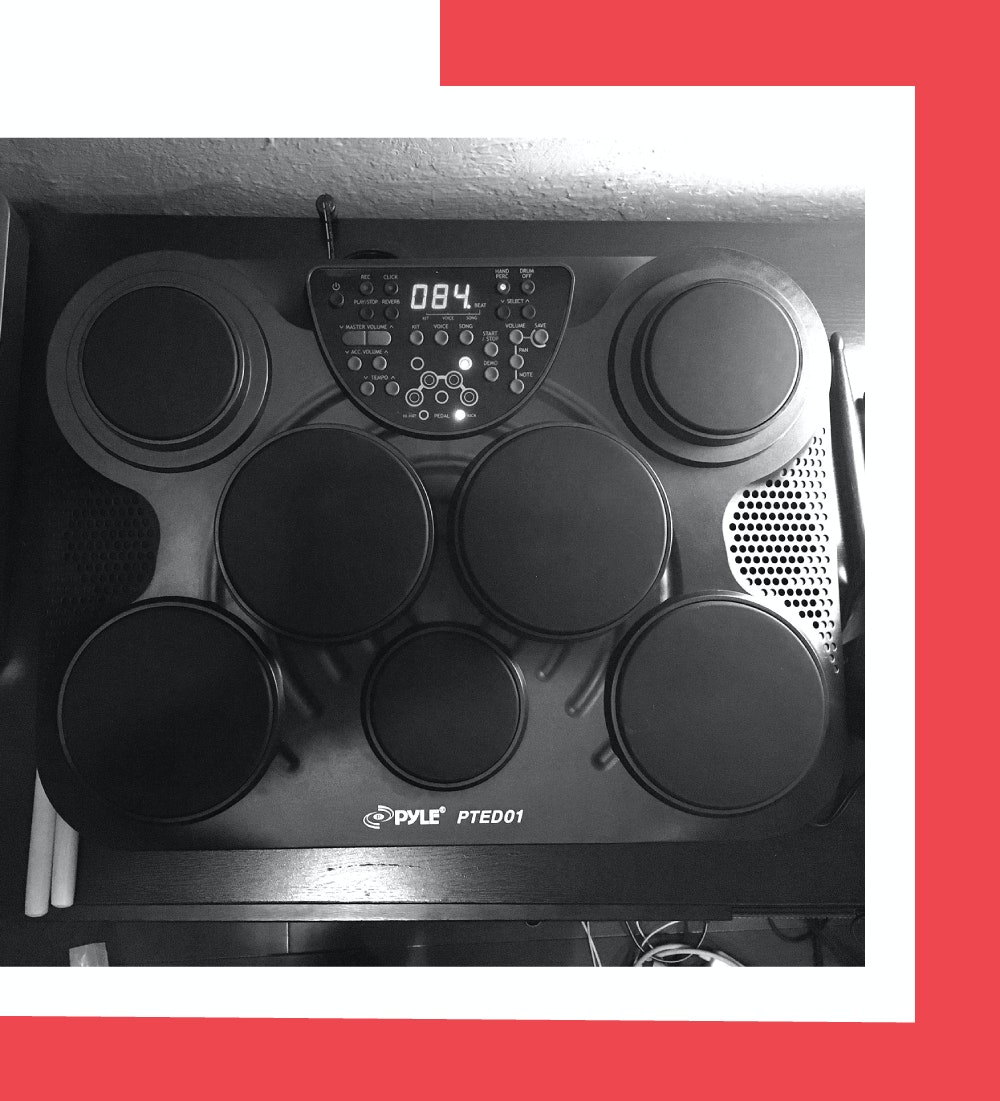
2. Drumming around with Pyle-Pro PTED01
I used to take drum lessons when I was younger and regrettably fell out of the habit of playing as I got older and distracted by high-school-Andrea things. I’ve had an itch to take it up again so I recently just purchased this electronic drum kit to practice exercises and learn new grooves and fills (YouTube tutorials are your friend). I don’t have the space to house a real set and classes in the city are steeper than I can afford, so this is a good alternative to keep that itch scratched.
3. Warsan Shire
I’ve been reaching a lot for Warsan Shire these days. She is a Somali-British writer, activist, educator—and one of my favorite female voices in contemporary poetry. She explores themes ranging from love, sexual violence, religion, war, displacement, and the immigrant experience. Her words are often sharp and unapologetic. I love that her writing is a celebration of womanhood and the female body, as well as a tribute to Somali culture and her ancestry.
Watch: Warsan Shire reads her poem “Conversations About Home (at the Deportation Centre)” from Teaching My Mother How To Give Birth.
Header image by Markus Spiske.
In this series, we ask IDEO designers to share the stuff they're digging right now—tools, books, music, sites, people, places—so you, too, can drink from the fount of inspiration bubbling up here. This week's guest star: Andrea Oh.
5 Ways to Get Creatively Inspired Before Breakfast
Kickstart your day with these creative exercises
1. Free Writing
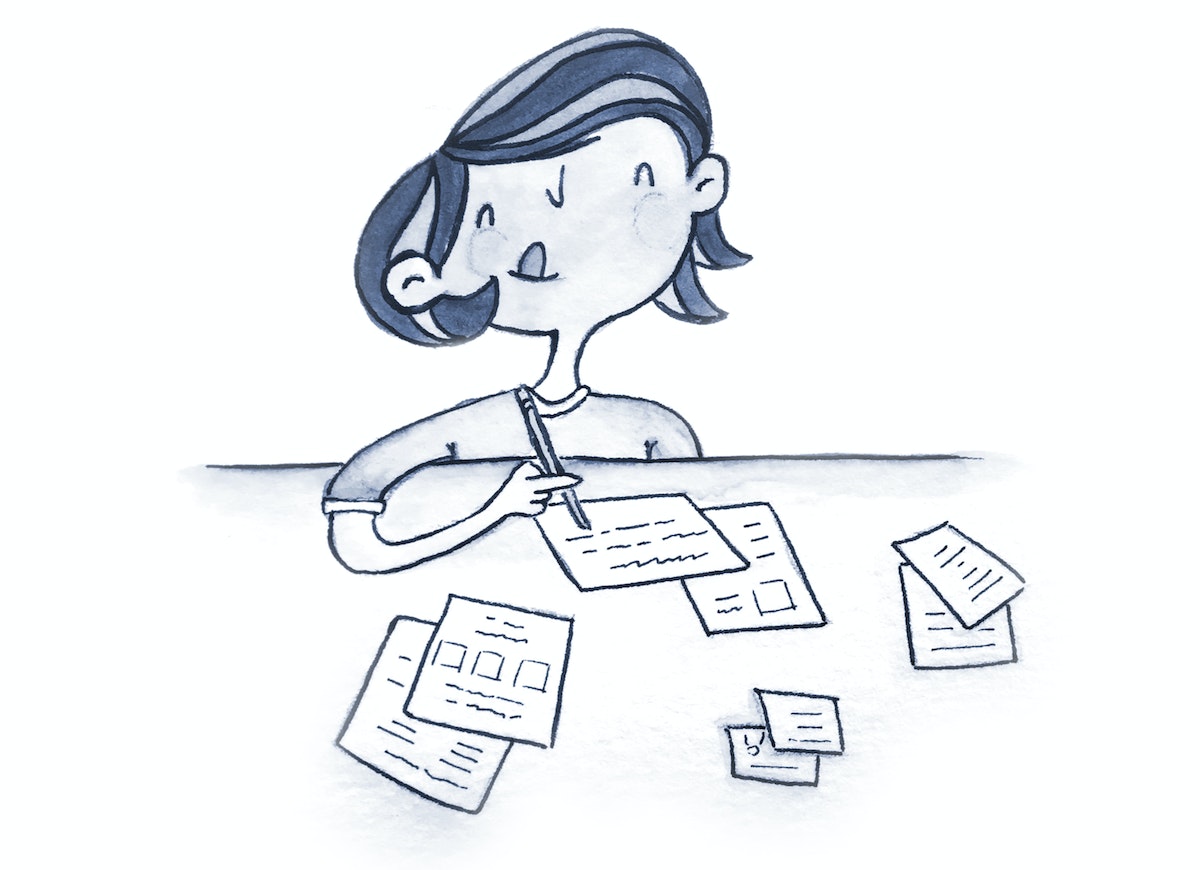
Creativity manuals like the Artist's Way talk about the power of the "Morning Pages"—a ritual in which you start writing just after waking up, and bang out some prose before your conscious, self-critical self has fully come online. Conveniently, there's an app for that. Flowstate is a word processor with a twist: You set a timer, then write until it dings. If you hesitate for more than a couple of seconds, the app will delete everything that you've put down so far. Although it sounds like torture, the app can actually help you let go of editing and enter a state of uncritical flow.
2. Phone Denial
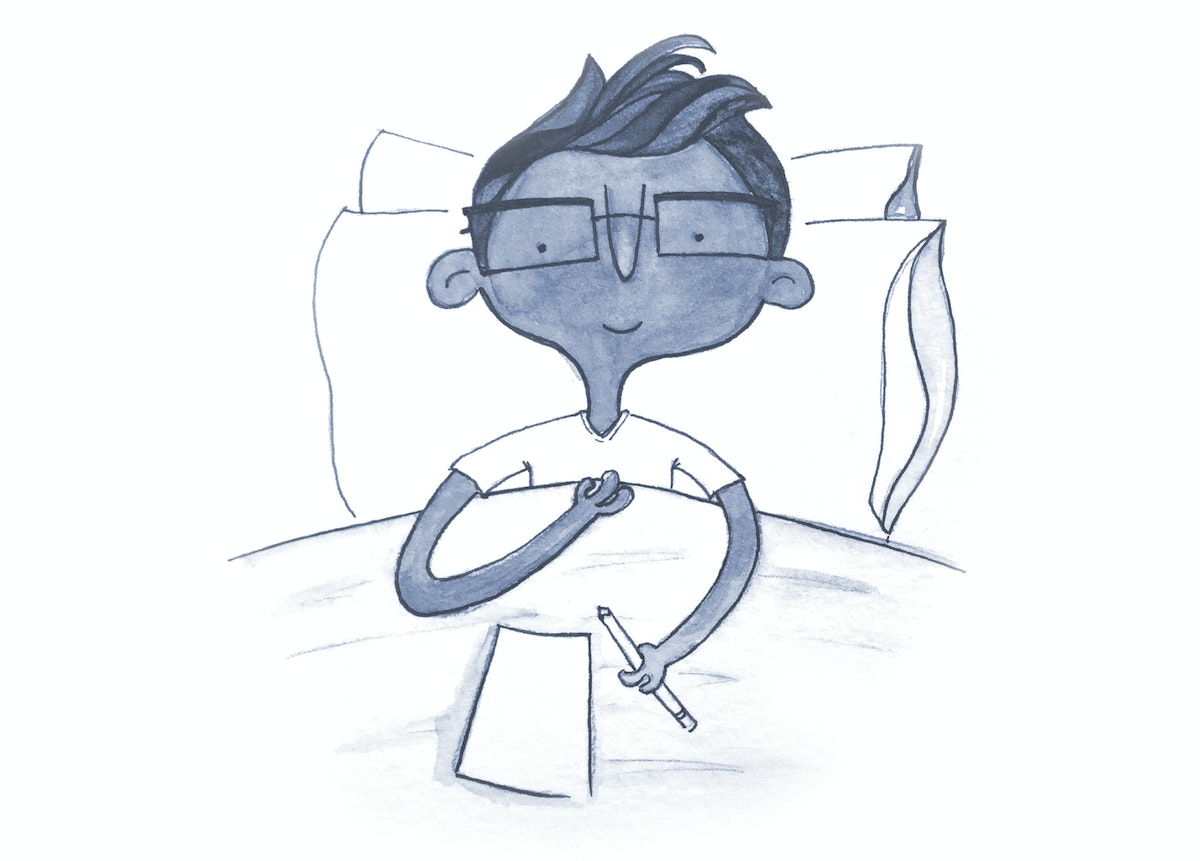
Before going to bed, move your phone charger to another room. Then, put a pencil and paper in its place on your nightstand. Now, when you wake up, instead of looking at Google News or Facebook, write down some thoughts that are related to how you're feeling, what is important for you, and how you're going to make a creative impact today. If that feels too involved right after waking up, draw a picture of something instead. Either way, don't let yourself get distracted by your phone until you've engaged your creativity.
3. Disposable Poetry
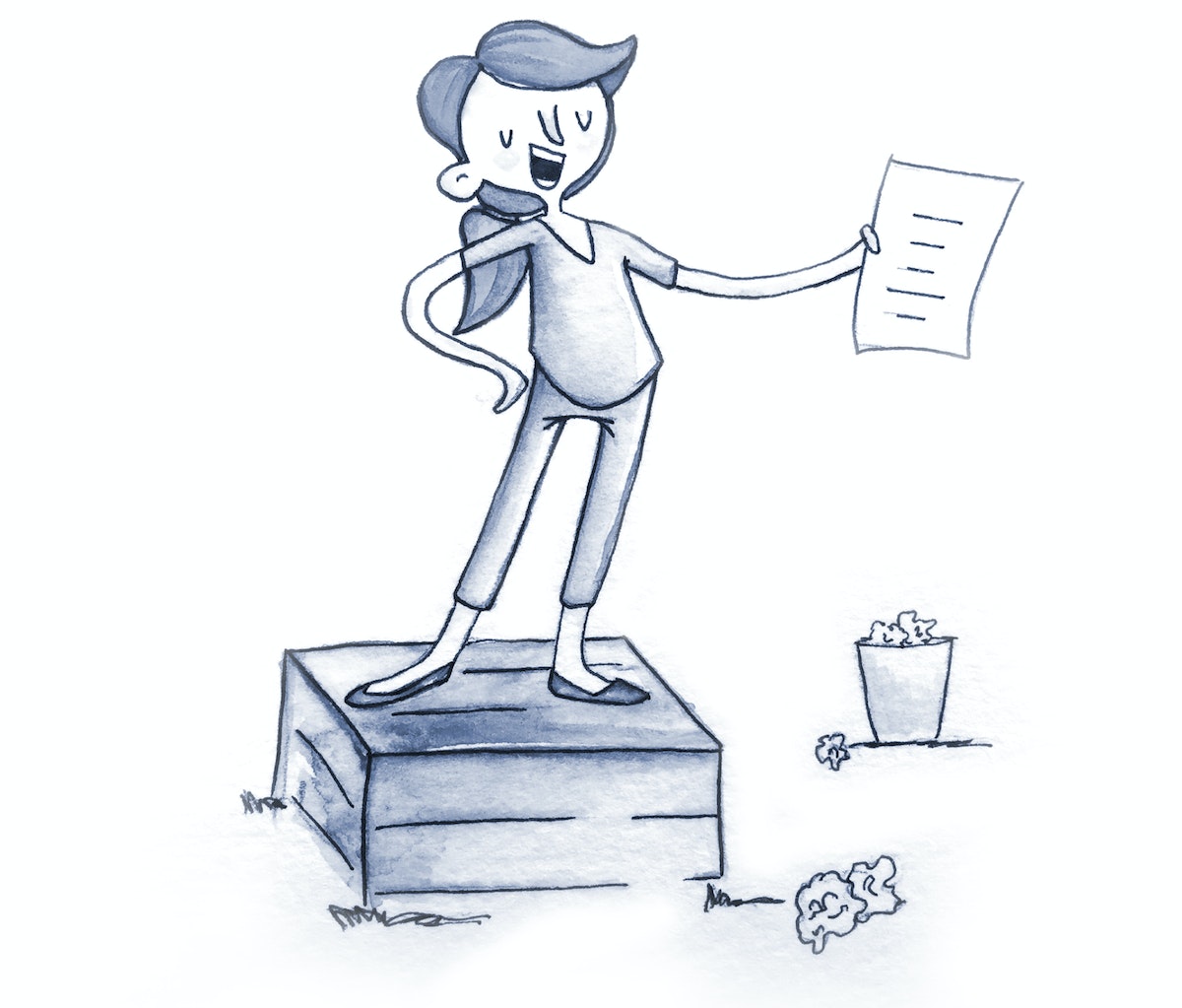
When Kurt Vonnegut was 84, he received a letter from a high school student, asking him to visit his school. The writer refused, claiming that he was now so old that he now "resembled an iguana." Instead of visiting, he sent a letter that contained a creative exercise. "Write a six-line poem, about anything, but rhymed. No fair tennis without a net. Make it as good as you possibly can." Then, Vonnegut said, the poem was to be torn up and discarded. "You will find that you have already been gloriously rewarded for your poem. You have experienced becoming, learned a lot more about what’s inside you, and you have made your soul grow." As a tribute to the great Mr. Vonnegut, try his ritual every morning.
4. Creative Collaging
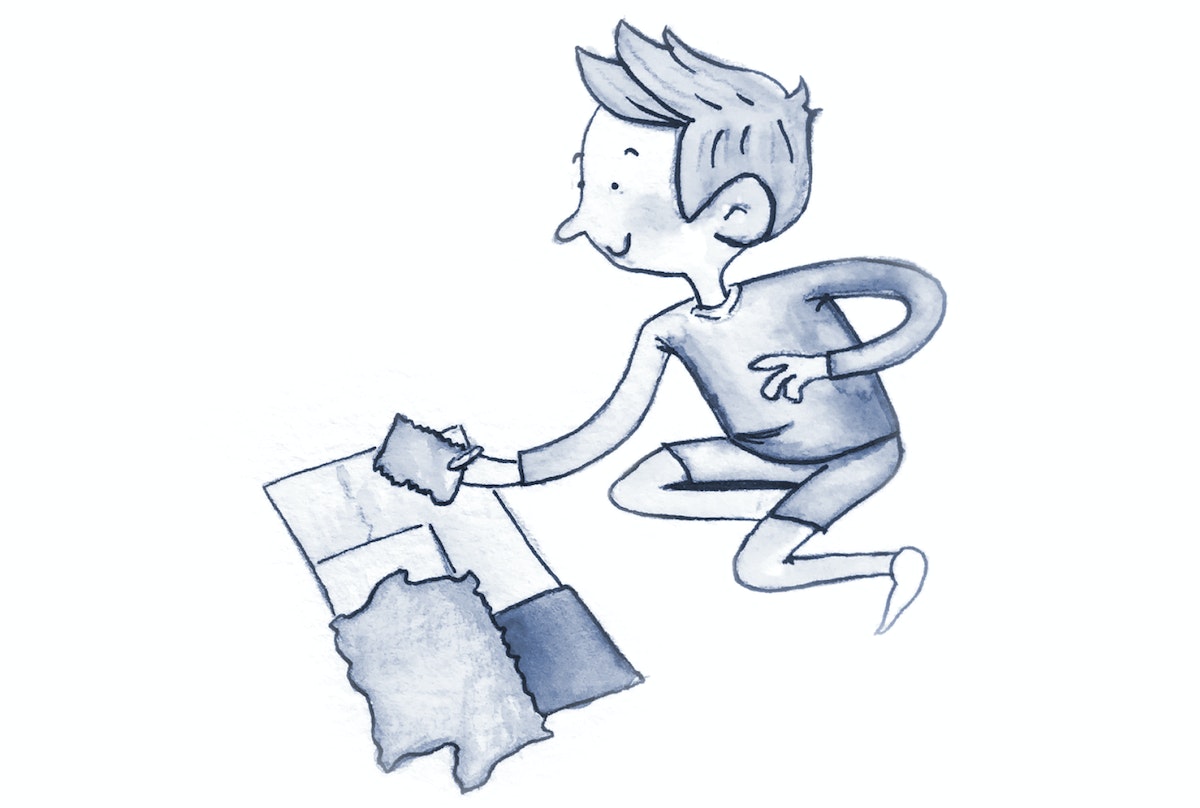
Collect any old magazines or catalogues lying around your house. Leaf through them and cut out any interesting pictures or headlines. Assemble these into a collage. Take a photo of the collage and post it to Instagram, Facebook, or whatever social media site you use. Doesn't that feel better than posting a picture of yourself playing with your dog, or the avocado toast that you had for breakfast? Of course it does. You just stepped away from the ordinary world for a moment and created something original. For bonus points, download the Boomerang Gmail extension, and you can email your pictures to your future self—in a month or even a year. Think of it as a way to remind future you to stay creative.
5. Walking and Observing
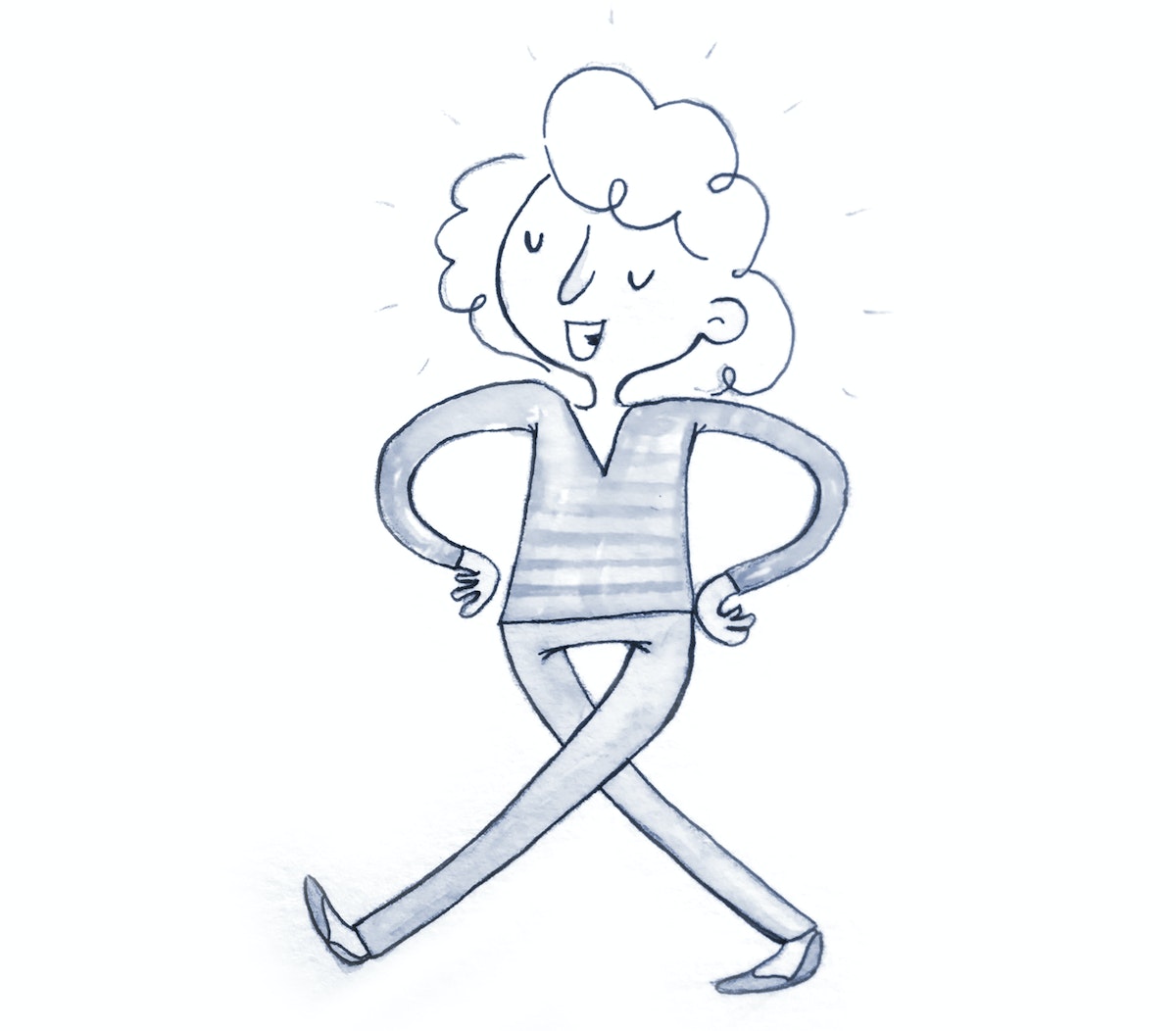
Everyone from Beethoven to Steve Jobs relied on the inspirational powers of a walk. Neuroscience backs up their belief: A walk will remove you from the distractions of conversations and technology, freeing the mind to explore new associations between the ideas already in your head. Why not skip breakfast altogether and walk to work? Look around as you do so, and see if you notice anything unusual or surprising in the environment. Take a gander at other people too. Try to put yourself in their shoes, and imagine what they're thinking or feeling. Remind yourself that everybody sees the world differently, and that this kaleidoscope of human perceptions and viewpoints is a wonderful thing. Remember that inspiration is all around you—you just have to stop occasionally to breathe it in.
Illustrations by Megan Crabtree.
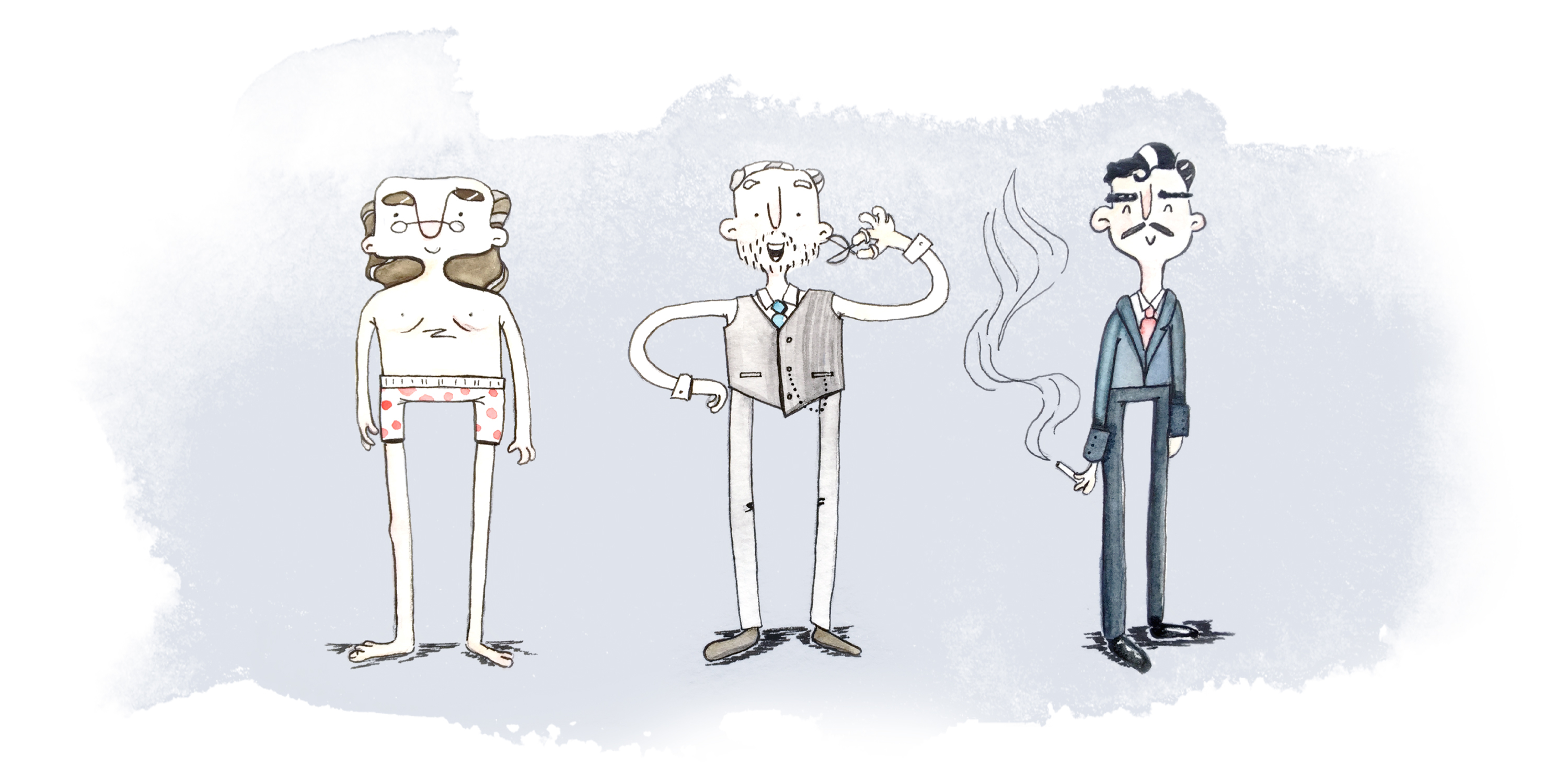
Benjamin Franklin used to spend his mornings naked. Sigmund Freud would trim his beard. Marcel Proust smoked opium. There are many ways to start the day in a creative frame of mind. If you want an alternative to being nude, beardy, or high, here are some of our favorites.
Calling All Lovers of Music and Bad Puns
We designed this post for you
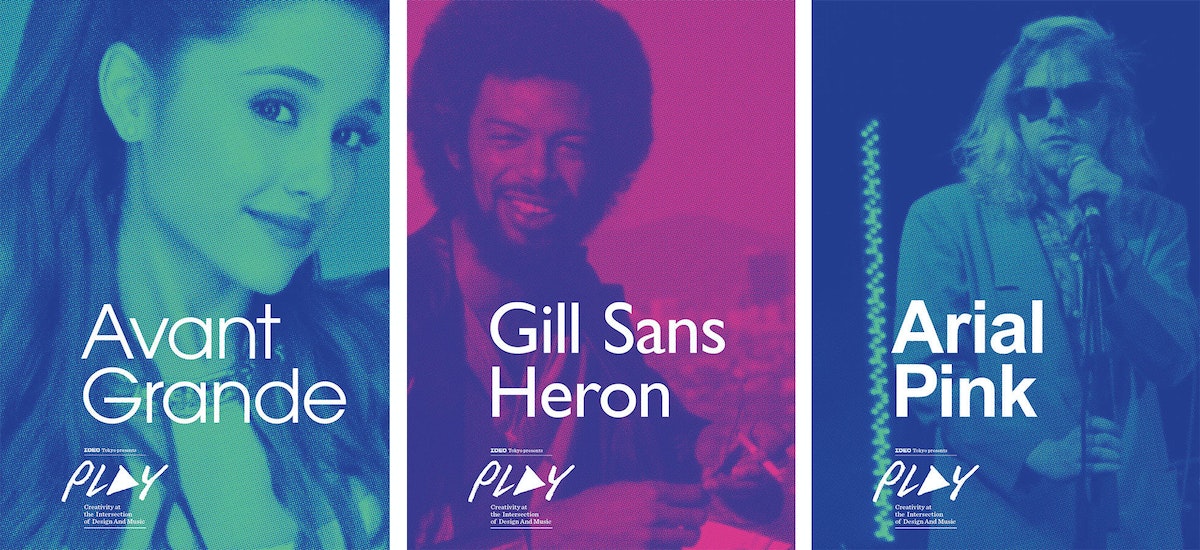

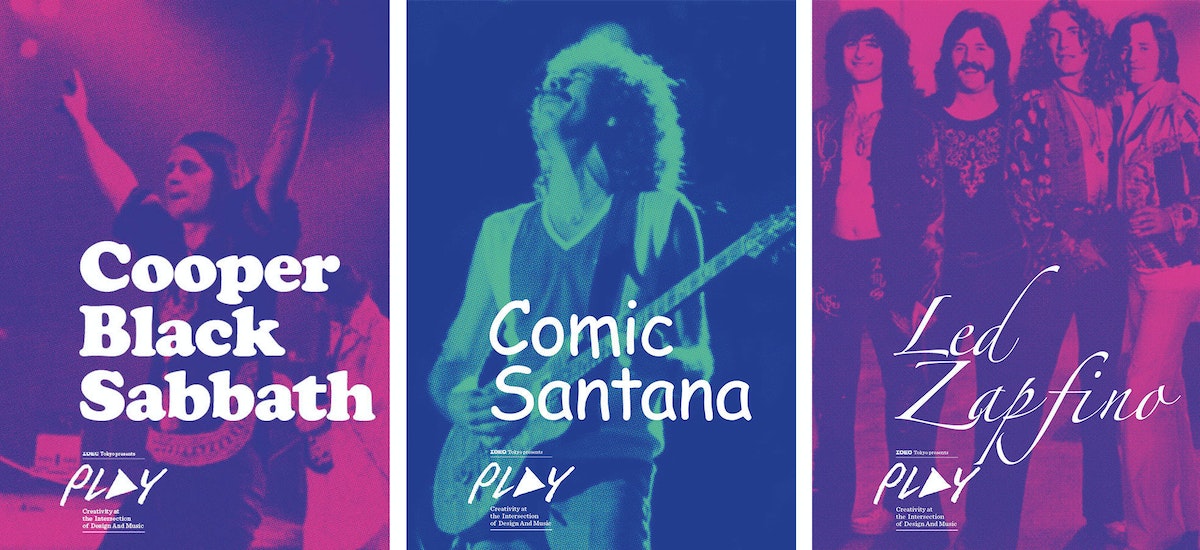
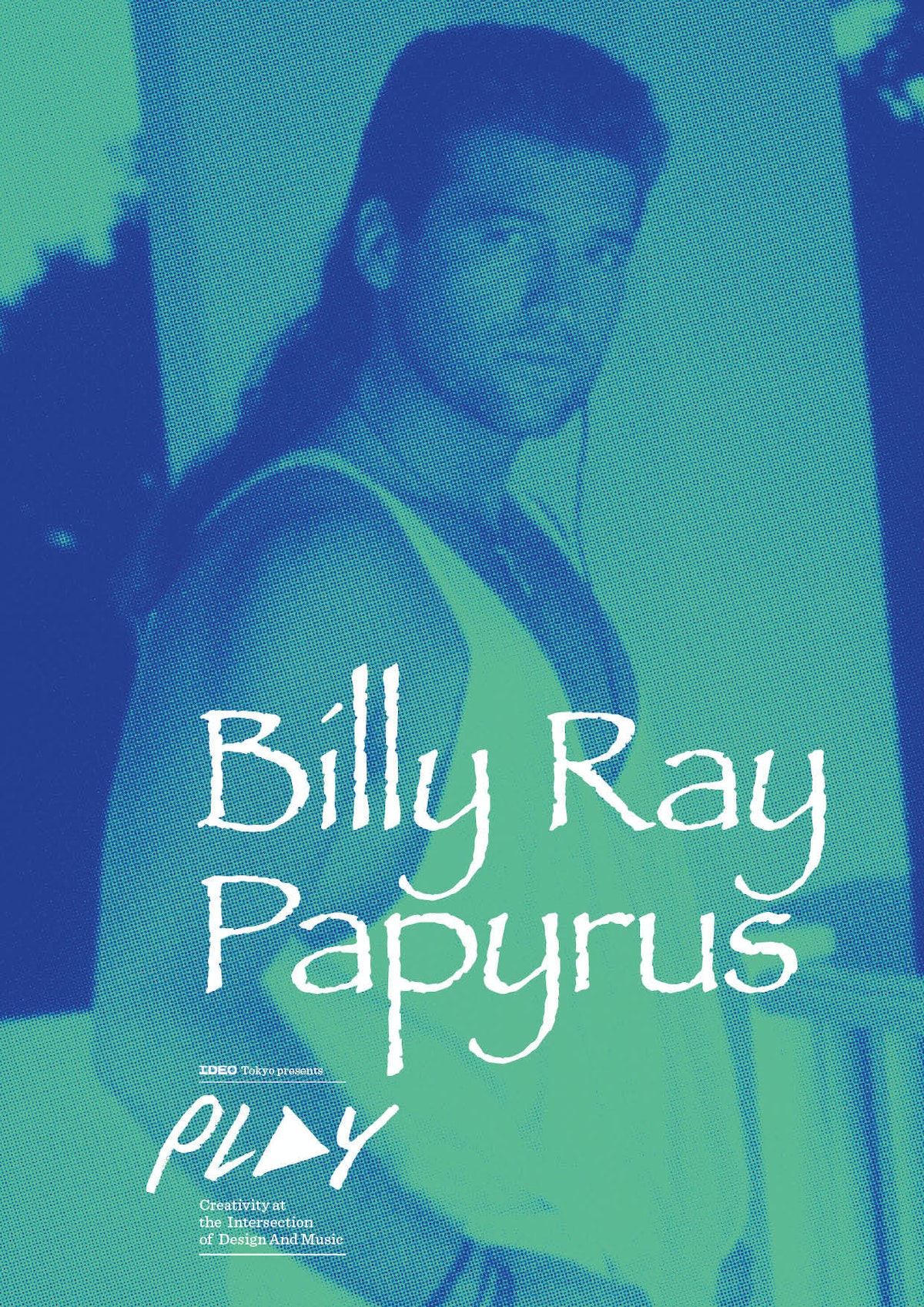
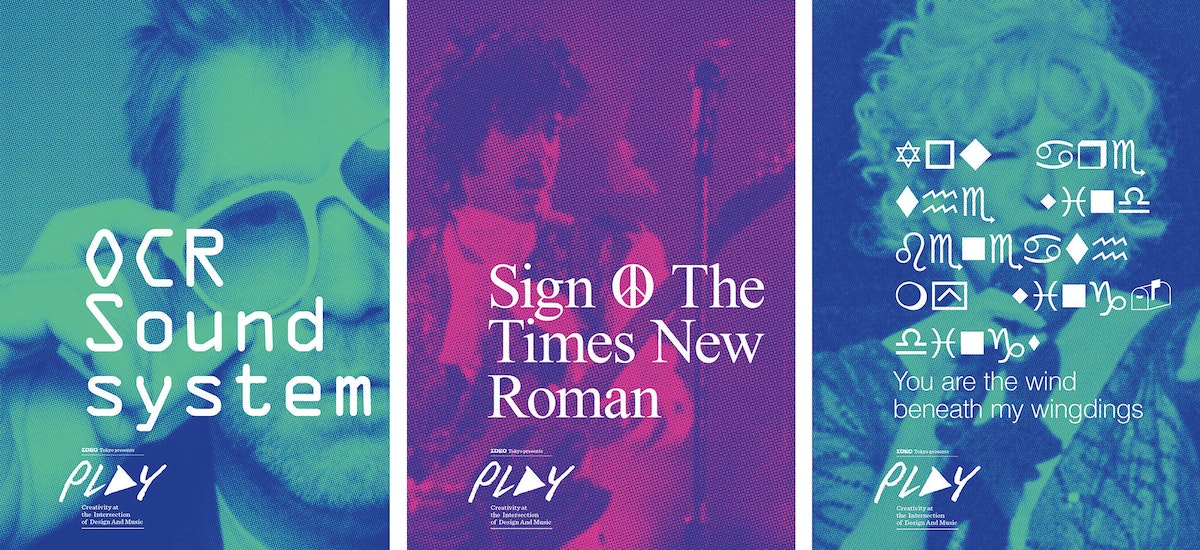
This post is a source of parody and is for entertainment, education and commentary purposes only.
You may have heard: Designers like fonts. They dream in Helvetica. Letterforms may play as central a role in a designer's life as their favorite bands. Knowing this, our Tokyo studio threw an event called "PLAY - Creativity at The Intersection of Design + Music." We needed posters to promote it, and asked ourselves: How might we bring music and design together? The exercise quickly devolved into a competition for who could come up with the worst font-band pun. There's a slim overlap in the venn diagram of people who appreciate both Frank Zappa and Zapf Dingbats, but that is exactly who we were aiming for. Got your own #ideobandfont? Do share.
Why Getting Mortified Can Make You a Better Designer
What our designers do after hours
What was the spark?
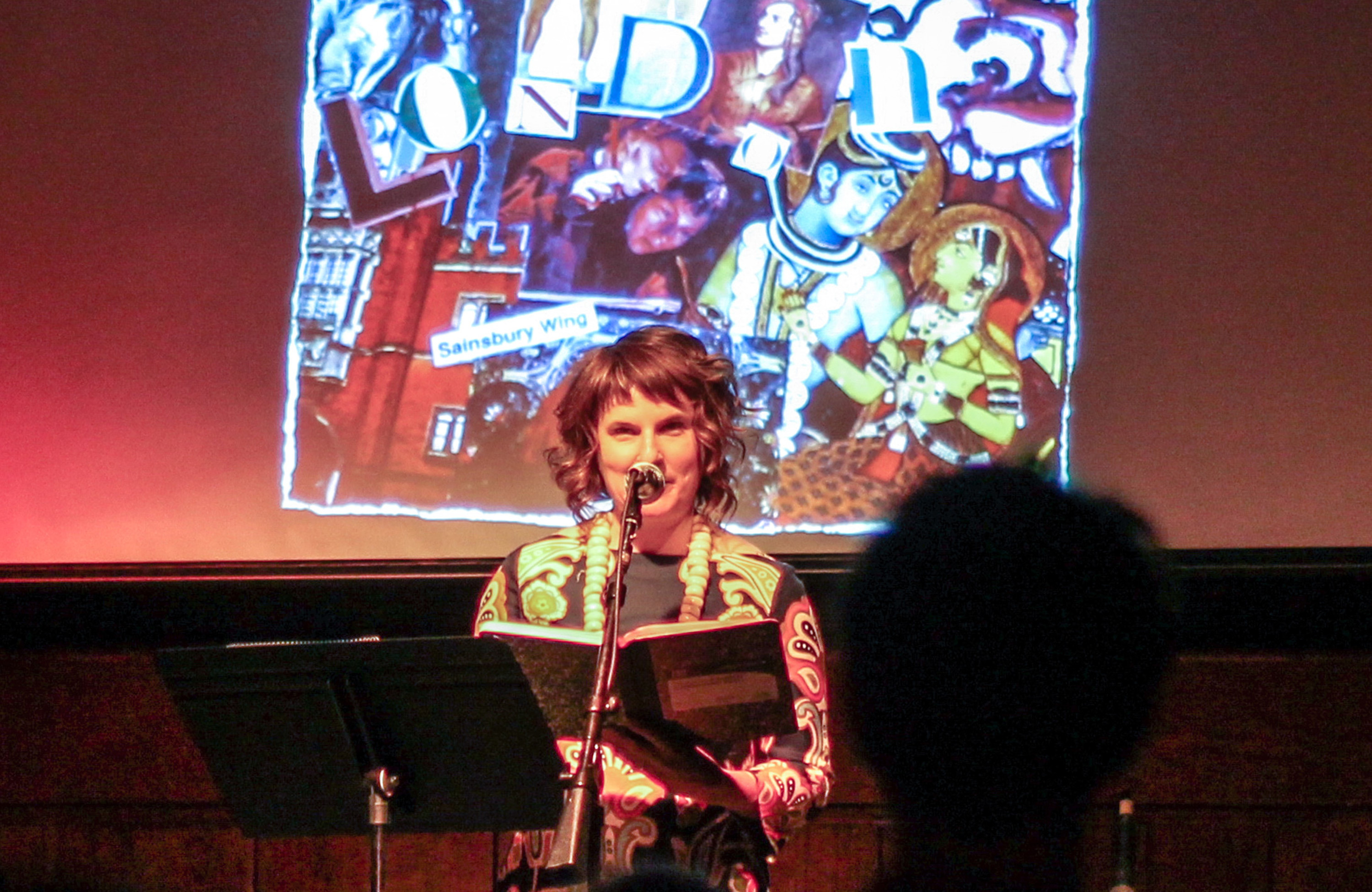
I’m the type of person who always has a plan B. For my entire working life, I’ve had a side hustle. It made perfect sense to me, then, that in 2006, while I was working as the Chicago editor of Flavorpill, I’d accept the challenge to be a local producer for Mortified, a grassroots comedy show started by Dave Nadelberg in Los Angeles five years earlier. Even though, at that time, I was more comfortable behind a laptop than on stage, the show’s premise — everyday people reading their childhood diaries in front of a live audience — had everything I liked in comedy and storytelling: It was awkward, cathartic, redemptive, and totally relatable to anyone who was once a kid. It turned regular people into comedy stars. I jumped at the chance.
Most memorable Mortified moment? (Say that five times fast...)
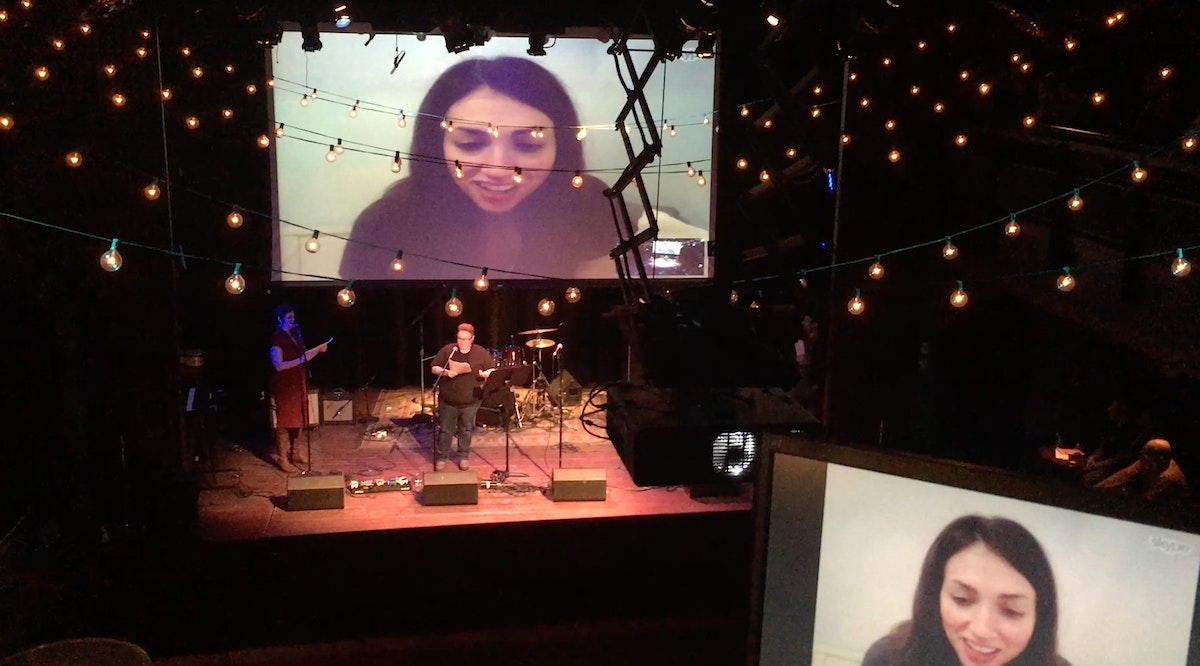
For this year's Valentine Schmalentine show, we surprised one of our favorite performers, Kerstyne Kromer, by inviting her childhood celebrity crush Eden Riegel to Skype in and read the part Kerstyne had created for her in one of her childhood soap operas. In the early 2000s, Eden played Bianca Montgomery, the first openly lesbian character on All My Children. Watching Bianca's struggles on daytime TV helped Kerstyne eventually come out to her family and friends. Kerstyne almost passed out from happiness.
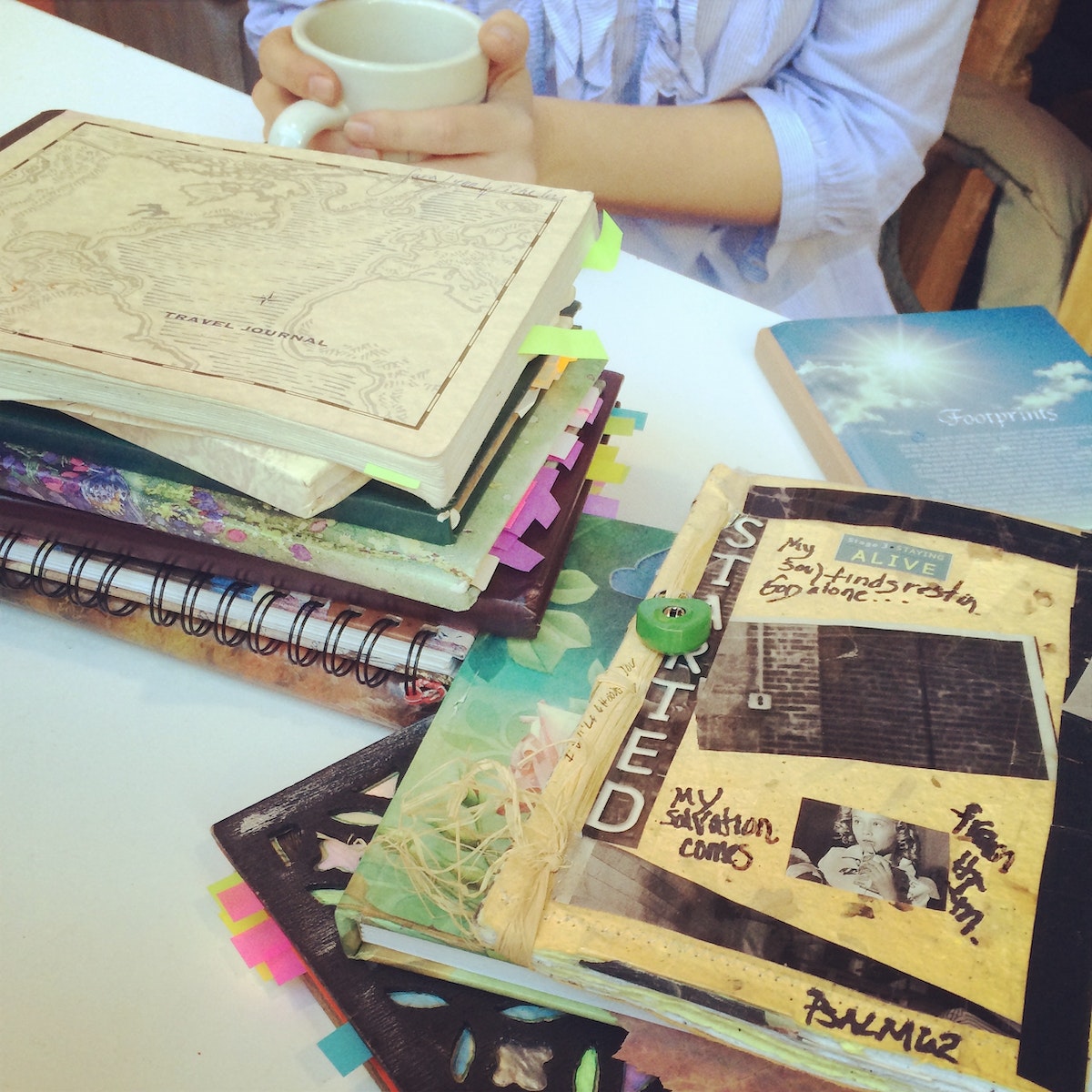
For a decade, my friends and I have been "sharing the shame" in Chicago.
What keeps you going?
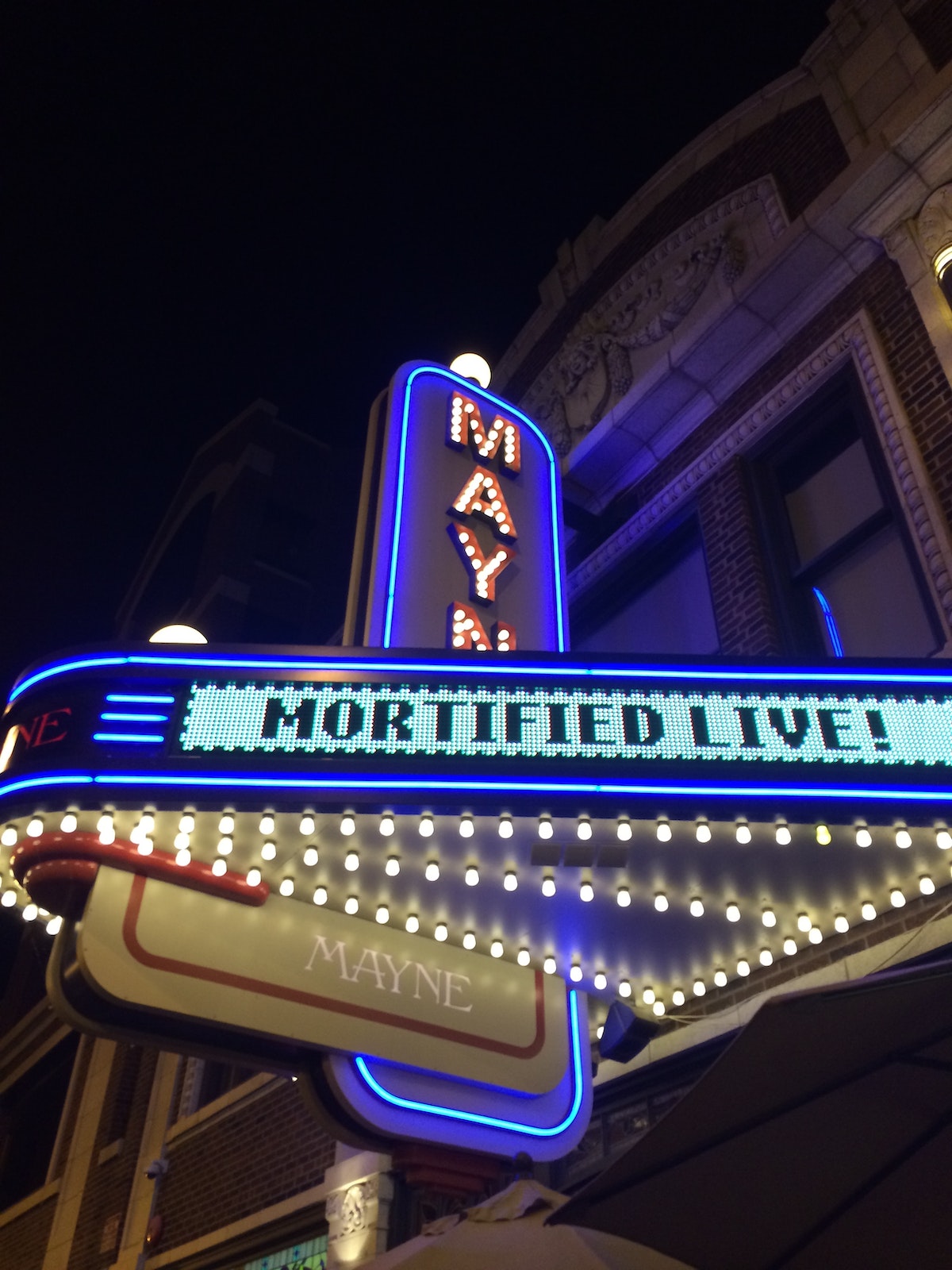
We just celebrated Mortified Chicago’s 10th anniversary, which is astounding to me. I never thought we’d be around this long, or that I’d still be co-producing six Mortified shows a year at big venues like Lincoln Hall and The Promontory while working at IDEO. (Or that Mortified, which is now 15, would expand into books, a podcast, a TV series, a film, etc.) What energizes and inspires me is meeting new people and helping them unearth long-lost stories from their childhood. It’s an incredible privilege to have total strangers open up to you and tell you amazing and sometimes painful stories from their past. The night of the show, I love to sit in the A/V booth, hear the waves of laughter, and watch as the audience falls in love with our performers. It’s immensely gratifying to know I had a hand in making that moment possible.
What lessons from your after-hours project do you bring into your day job?
Three things immediately come to mind: I’m a better listener, I’m more empathic, and I’m a stronger storyteller. Human-centered design is all about having empathy for the end user in order to design a more desirable product, service, or fill in the blank. I also draw on many of the same techniques I use on our performers to help our designers prep for big client meetings and public speaking opportunities. Although, in the case of IDEOers, I hope nothing about their experience will be mortifying.
Annette Ferrara has been publicly embarrassing people for a decade. As a producer of Mortified, a live comedy show, she spends nights and weekends coaching people on how to get up on stage and read from their deeply personal, purple-prosed, and yes, mortifying childhood diaries. We asked her about the side project, and how it has influenced her work.

Lindsey Turner
I’m passionate about building brands, products, and experiences that help organizations show up with meaning and momentum.
I help organizations cut through complexity by shaping how they show up, through brand strategy, identity, and storytelling.
Working at the intersection of brand and business, I bring an editorial eye and a bias toward making—turning ideas into tangible experiences that people can understand, trust, and believe in.
My work spans government, healthcare, financial services, media, and consumer goods, from launching Gen Z-focused ventures to building innovation labs and reimagining legacy brands. I relish moments of ambiguity and enjoy translating across teams, perspectives, and priorities to move ideas forward.
I started my career in editorial and digital design, shaping cross-platform experiences and identity systems in publishing and agency environments. That foundation still shapes how I work today: I’m detail-oriented, collaborative, and overreliant on the Oxford comma. I hold a BFA in Visual Communication from the School of the Art Institute of Chicago.

Rachel Young
My work helps organizations see who their products aren't working for—and build the will and the tools to do something about it
For 25 years, I've asked the same question: Who does this design exclude—and what are we going to do about it?
My work spans human-centered strategy, inclusive design, and qualitative research, with clients ranging from Microsoft, Google, and Verizon to the National Science Foundation, and San Francisco Unified School District.
Before IDEO, I taught elementary school in East Palo Alto and spent a decade doing design work with social service organizations—where I learned firsthand what it costs people when systems are built without them in mind.
I am currently writing User Error, a nonfiction book about digital access and the design decisions behind it. I live in Oakland, California.

Brian Pelsoh
I lead with craft, ensuring our work is creatively excellent: rooted in deep human insight and imagination, while also grounded in the realities of business and technology.
My expertise spans brand, communication, and product design across tech, education, the arts, and social impact.
I believe great work demands both high-level vision and obsessive attention to detail, and only happens through collaboration.
I bring an inclusive, hands-on approach and a deep understanding of business, which enables me to consistently deliver excellence while always asking why.
Before joining IDEO, I worked at the brand firms Pentagram and VSA Partners. I began my career as a designer, leading teams at the School of the Art Institute of Chicago and the Milwaukee Art Museum. I hold an MFA in graphic design from Maryland Institute College of Art and a BFA in communication design from the Milwaukee Institute of Art & Design, and have taught at some of the best design schools in the US.

Tony Wong
I am responsible for IDEO’s long-term success in China and working with clients to use design as a tool to enable growth.
I am responsible for IDEO’s long-term success in China and working with clients to use design as a tool to enable growth. Specifically, I have helped Chinese companies design holistic brand solutions through the development of their products, communication, services, and innovation teams, and I have helped multinationals expand their presence and influence in China.
I advise global leaders on developing China-led innovation and capabilities.
In over 15 years in IDEO Shanghai, I have worked on projects that use design to elevate the quality of the experience of healthcare products and services, streamline processes that increase productivity, create spaces and programs that promote and enable inclusive communities, and build next generation mobility solutions that are planet-positive.
Before joining IDEO, I worked at Philips Electronics and the Electrolux Group in Italy, the Netherlands, and Singapore on a number of breakthrough commercial products. I am a member of the Young President Organization in Shanghai.

Building a personal AI for the messiness of life: Sida Li
Most AI products today are built for work—a space with clear problems and established systems. One founder noticed a gap: personal life is messier, harder to systematize, and mostly left behind by the AI boom. So she built Cue, a personal AI that lives inside iMessage and group chats, to go where the other tools haven't.
In this episode, Becca Carroll, IDEO's Chief Strategy Officer, talks with Sida Li, co-founder and CEO of Shared Context Lab, about staying anchored to a human need while the technology around her keeps changing shape, why she treats her business model with the same rigor she'd bring to a product, and what it feels like to build a company at this particular, disorienting moment in AI.
The conversation also gets into how Sida makes design decisions: the language Cue uses to describe itself, the tradeoffs behind building inside iMessage instead of a new app, and a real story about a business idea that didn’t pan out.
This is the second in a two-part series profiling founders from IDEO's Startups-in-Residence program. The first conversation is with Johannes Seemann, founder of Sooner, on designing GenAI for the emotional side of money.

Designing GenAI for the emotional side of money: Johannes Seemann
Most personal financial tools are built to run the numbers and optimize towards a budget. While that works for some, most people experience money as a lived relationship that does not neatly fit into a spreadsheet. Johannes Seemann and Becca Carroll discuss why money is emotional before it is mathematical, and what a human-centered approach to building a generative AI financial product looks like in practice.

The curious leader's edge in uncertainty: Scott Shigeoka
Mina Seetharaman talks with Scott Shigeoka, author of Seek and Head of Curiosity Cultivation at the Eames Institute, about what distinguishes genuinely curious leadership from performative curiosity, how power dynamics shape curiosity, and why practicing curiosity can restore energy rather than drain it.

How constraints make us more creative: David Epstein
Mina Seetharaman talks with David Epstein, author of Inside the Box and Range, about why total freedom often produces average work, how leaders can design useful limits on purpose, and what organizations such as General Magic and Pixar reveal about the relationship between boundaries and creativity.
Looks like you might be in search of something very specific?
Or reset the filters above and try another angle.
Here’s some random inspiration

Podcasts about creative leadership

Articles about the power of prototyping
