
.svg)



Empowering school leaders to create change through design
How small actions can lead to big shifts in schools.
There’s a lot of excitement in the education sector about the need to equip students with skills like critical thinking, collaboration, and communication, to prepare them for a global, innovation-driven economy. But that’s easier said than done. Major changes are needed to move from a decades-old model towards creating new ways to educate students. Schools and their leaders, particularly in low-income contexts, often lack the necessary resources and support.
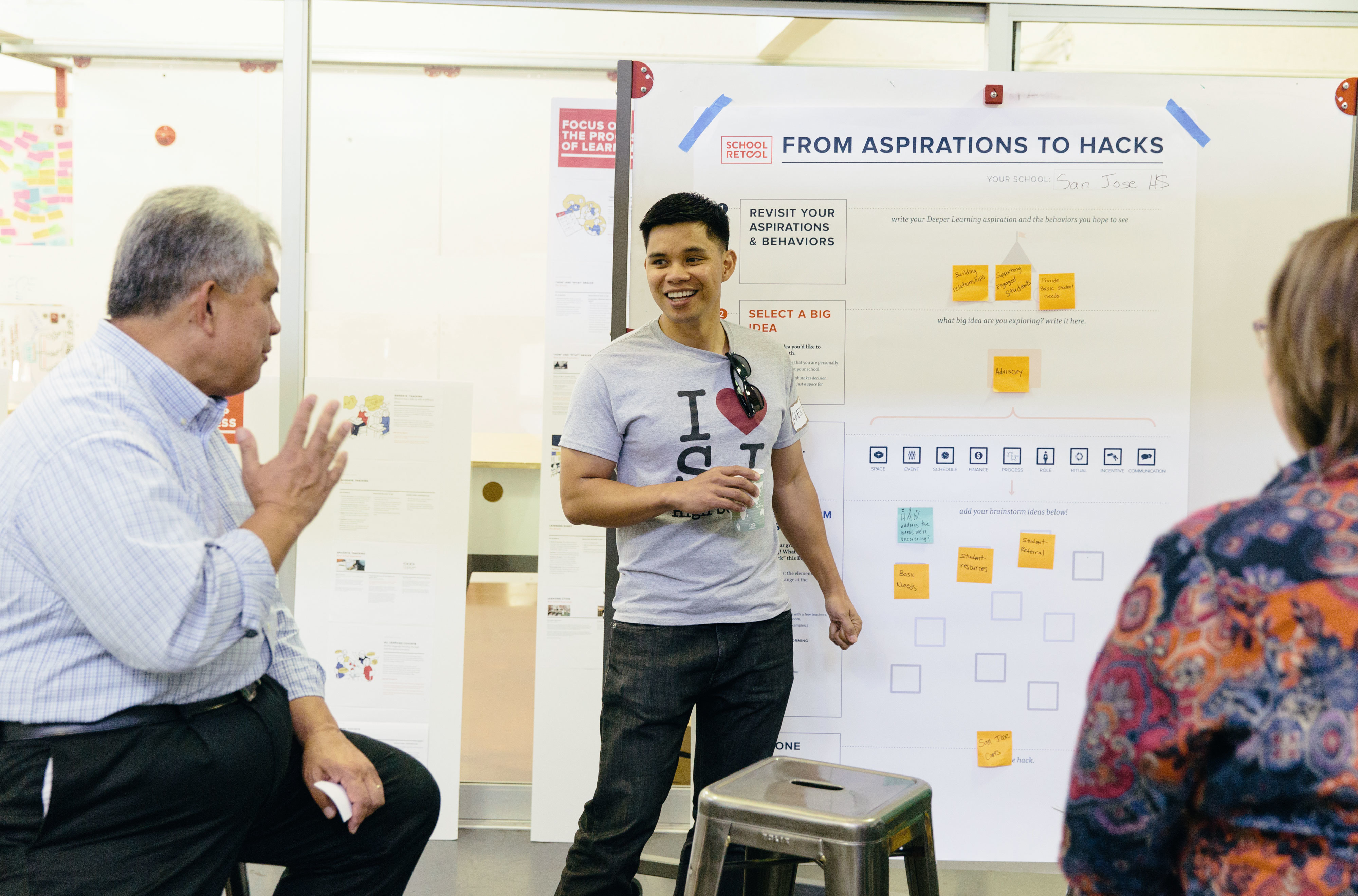
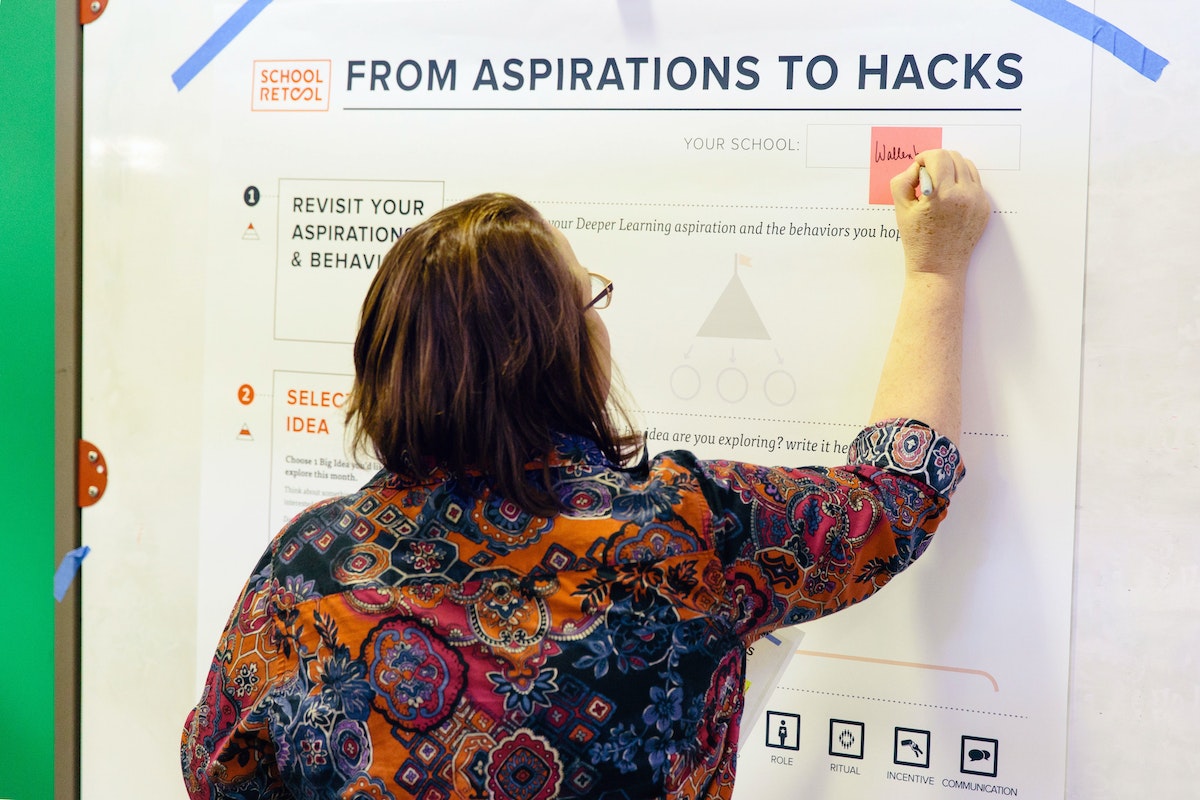
But given the right tools, school leaders can be the key to bringing this much-needed change to their schools. Knowing this, The William and Flora Hewlett Foundation partnered with IDEO and the Stanford d.school to create School Retool, a four-month-long professional development fellowship that trains principals to take a do-it-yourself approach to school change by conducting small, scrappy experiments called “hacks.”
The best part: They use the resources they already have available to address their schools’ needs now, without waiting for external funding or assistance. School Retool is available to principals at public schools where 60 percent or more of students qualify for free and reduced lunch, which is a common measure of poverty. The School Retool program provides research-based strategies for improving student outcomes, as well as training and one-on-one coaching on how to redesign school culture through easily achievable changes.
A Scaled Approach
School Retool addresses a common challenge in creating change across schools: Each school has its own people, culture, and needs, so programs need to be flexible. The fellowship helps school leaders define their aspirations, and provides them with inspiration through “Big Ideas” that have proven to be successful in different contexts in education. It then supports them to start small with hacks that help them learn how to implement these ideas in their own school. The program scales through regional cohorts of principals who learn from each other as they go through a process of setting goals, designing hacks, reflecting on the learning and progress, and making improvements to the next iteration.
Small Steps Toward Big Change
As School Retool has rolled out at schools across the country over the past two years, it’s becoming evident that small changes are adding up to major progress, and that the small hacks approach is helping leaders go from planning to doing. Take, for example, Marthaa Torres, the principal of a low-income San Francisco high school who started with a small experiment with one struggling student, trying to create a more personalized learning plan for him. “The hacking approach is a framework that will help me eventually get to the kind of school that I’m trying to create,” Torres said. To build on the learnings of her “hack,” she created and expanded a personalized coaching program for the student’s peer group of older Latino boys. Her goal is to roll out additional advisory support in the next school year. What started as a “hack” to give agency to a single student is beginning to affect the school-wide culture by incorporating student voice into decision making.
Creating a Movement
The School Retool fellowship launched in 2015 with a pilot for 16 principals from seven San Francisco Bay Area school districts, reaching more than 12,000 students. School Retool has since hosted cohorts for school leaders in Washington D.C., Detroit, Virginia, Idaho, and Colorado. By the end of 2016, 164 school leaders of over 114,000 students had participated in the fellowship program.
In addition to the in-depth work with school leaders, School Retool is creating a national dialogue around change in schools. Its first national effort drew more than 1,500 principals in the Shadow A Student Challenge, who spent a day walking in students’ shoes to build empathy and gain insight into their students’ school lives.
Learn more about how more school leaders are enacting change: bringing a sense of true belonging to a school’s culture; engaging students as active learners; hacking towards literacy; retooling for equity; and more.
WATCH: Marthaa Torres: Adopting a Hacking Mindset on Vimeo.
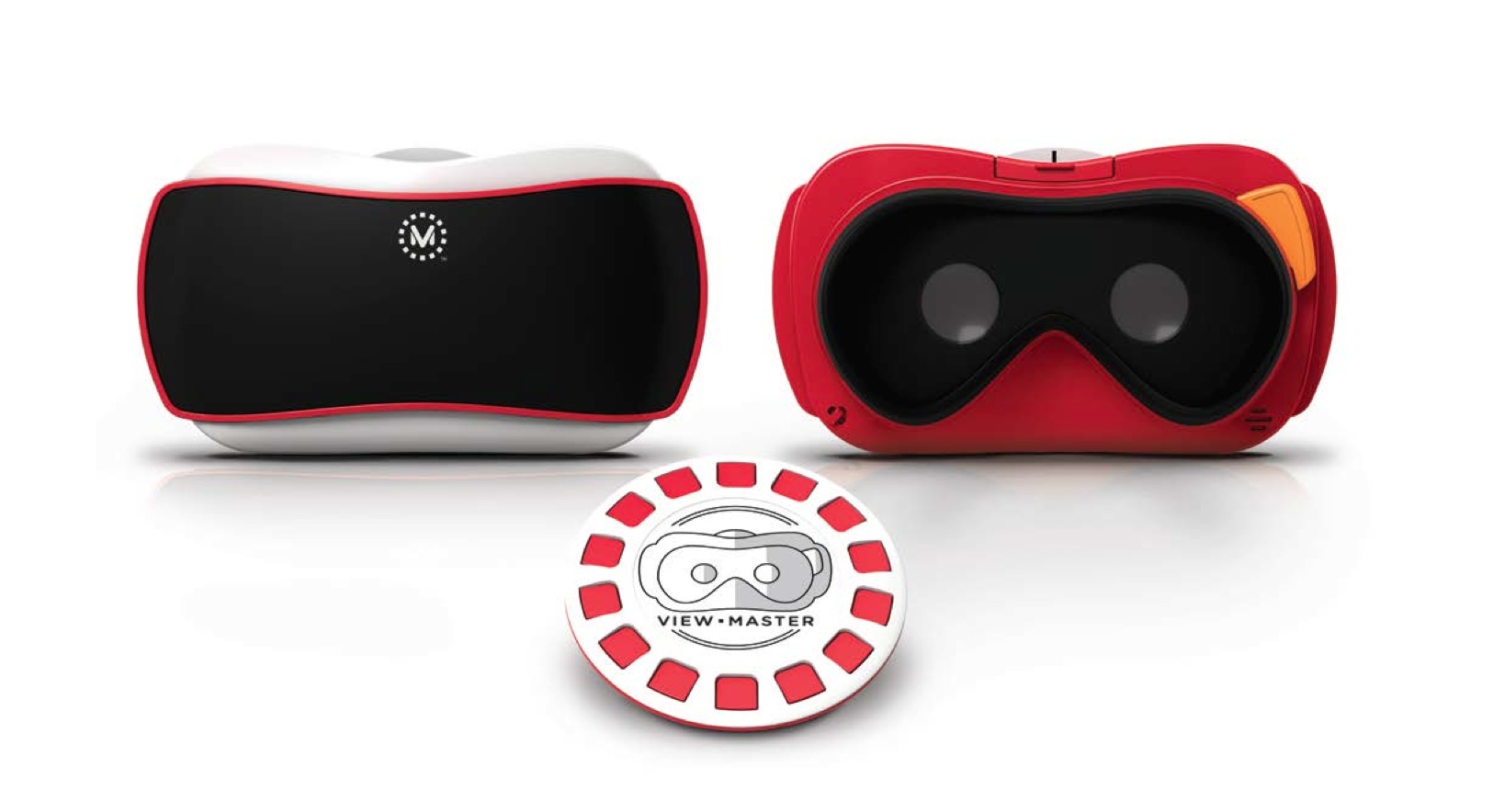
Modernizing the next-generation View-Master
Designing a new virtual reality case for an iconic toy.
Remember your first View-Master? The sound and feel of that iconic camera-snapping motion, the excitement of seeing those vivid images in the form of your own personal slideshow? Introduced in 1939, this stereoscopic toy brought beautiful landscapes and famous attractions to the eyes of kids around the world.
Flash-forward more than 75 years, and the View-Master has been reincarnated to spark that same sense of wonder for the digital age. The redesigned model, the result of a project collaboration between IDEO and Mattel, is a modern case that bridges technology with play. The new View-Master preserves the classic features of the original toy, such as the original lever and wheel, but offers a much more immersive, 360-degree virtual experience.
Here’s how it works: Download the View-Master app and slide a smartphone into the sleek new red-and-white headset. From there, the phone’s camera will scan the QR codes on the reels to view a wide variety of images, such as wildlife, outer space, and a dinosaur landscape. Two slightly different images are displayed side by side on the device's screen. As each of your eyes looks at just the image directly in front of it and tries to reconcile it with what the other eye is seeing, a 3D effect is created. By moving your head around with the viewer over your eyes and taking advantage of the sensors within your phone to sense direction and position, you can travel through each of the scenes, exploring each of the different settings.
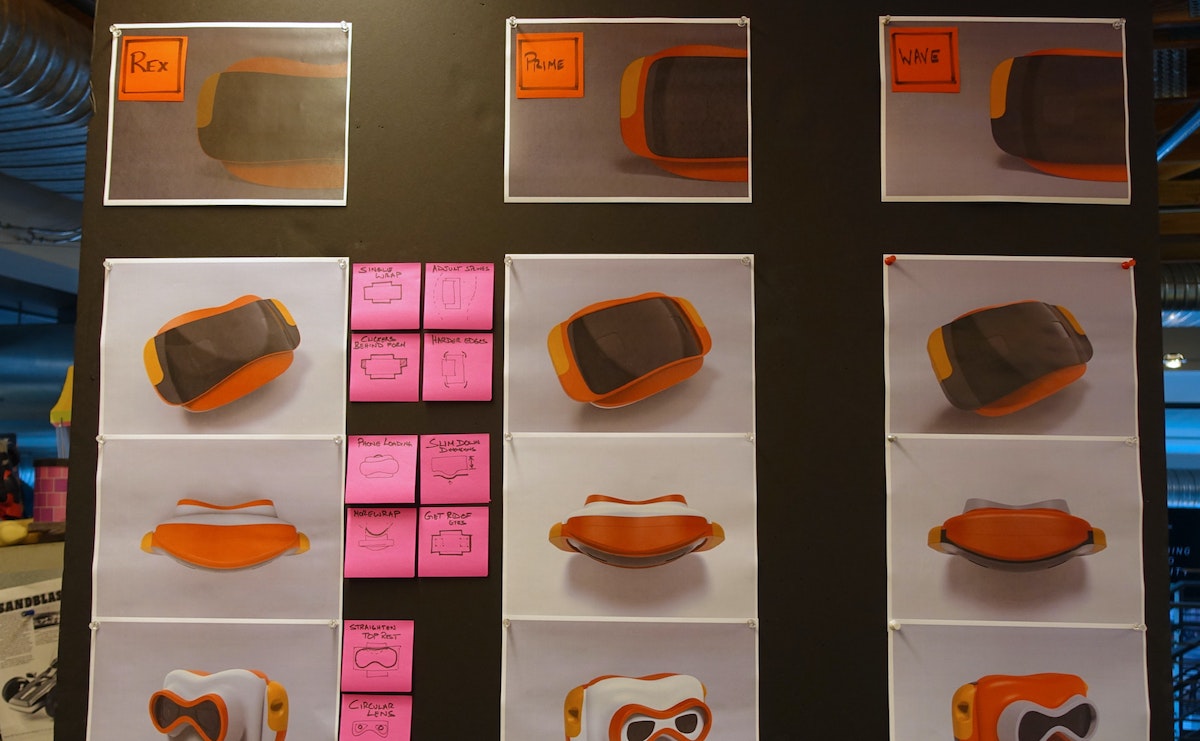
After working alongside Mattel to understand the heritage of the View-Master brand, researching the potential for VR and play, and exploring a variety of materials for the new device, designers created several prototypes that they tested with their core market: kids. As a result, the final design accounted for things like whether it could pass a drop-test or fit into kids’ hands.
Beyond the joy of pure play, the technology that powers the new View-Master also opens up a new world of possibilities for learning. Imagine turning a page in a textbook and seeing dinosaurs come to life. Or a virtual tour of an art museum through a set of View-Masters.
"We view this as just the beginning," said Doug Wadleigh, a Mattel executive, in an interview with CNET. "Obviously, we're getting in this space pretty early. The goal is to create the View-Master brand for the next 75 years."
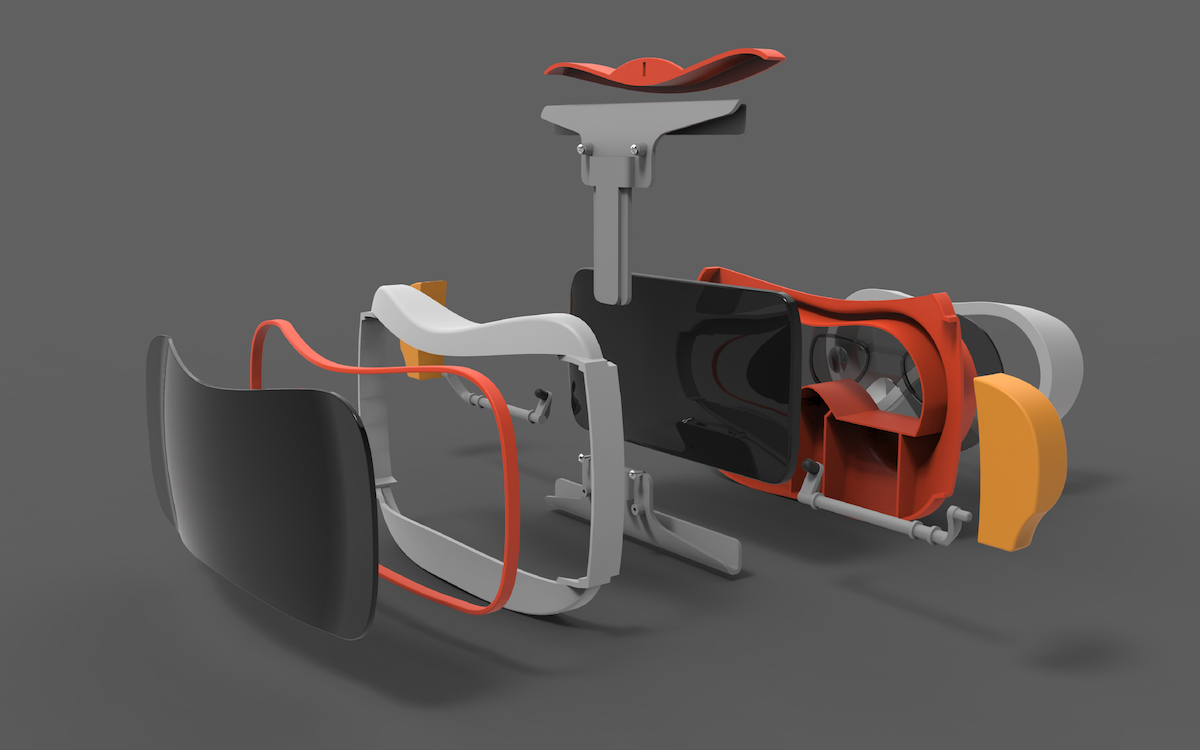
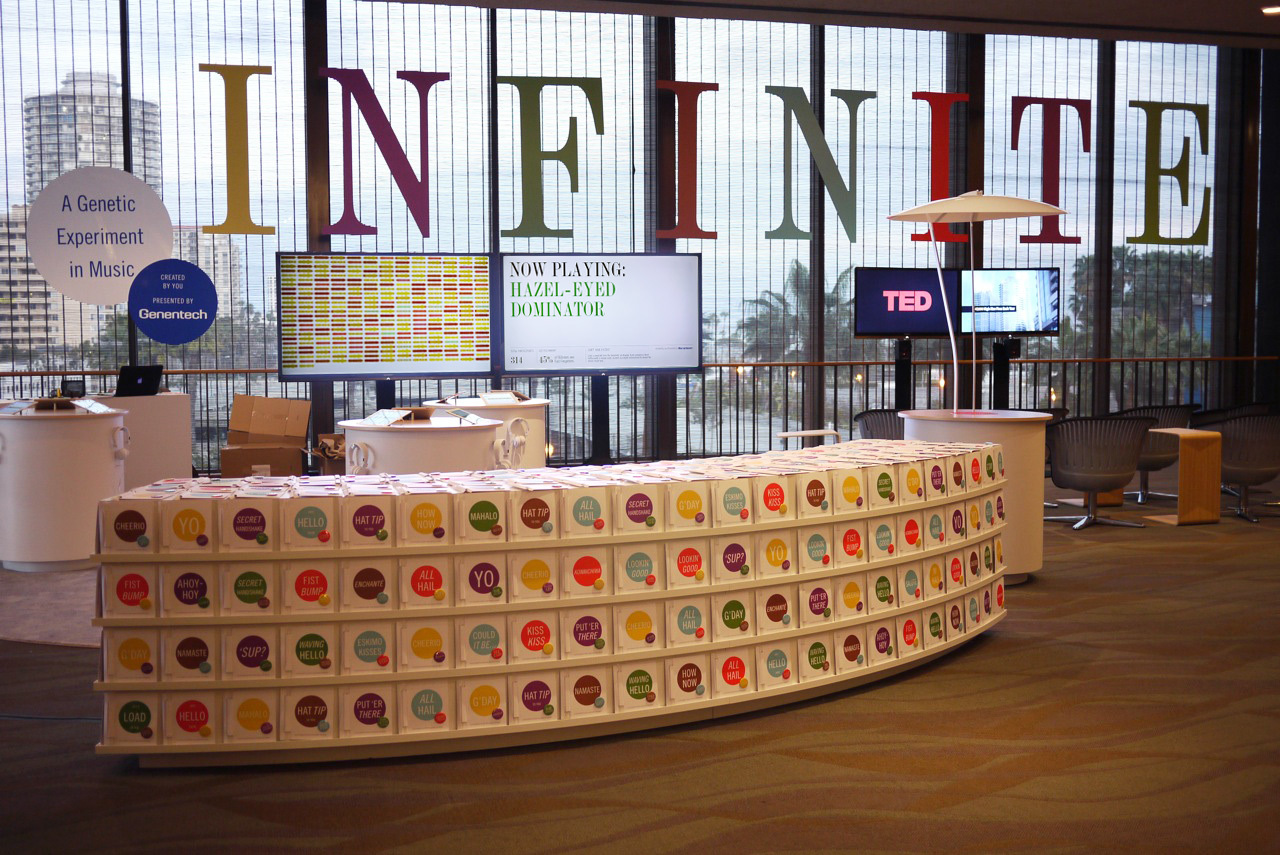
Orchestrating a genetic symphony
An interactive TED exhibit that turns genes into music to spark conversation about personalized medicine.
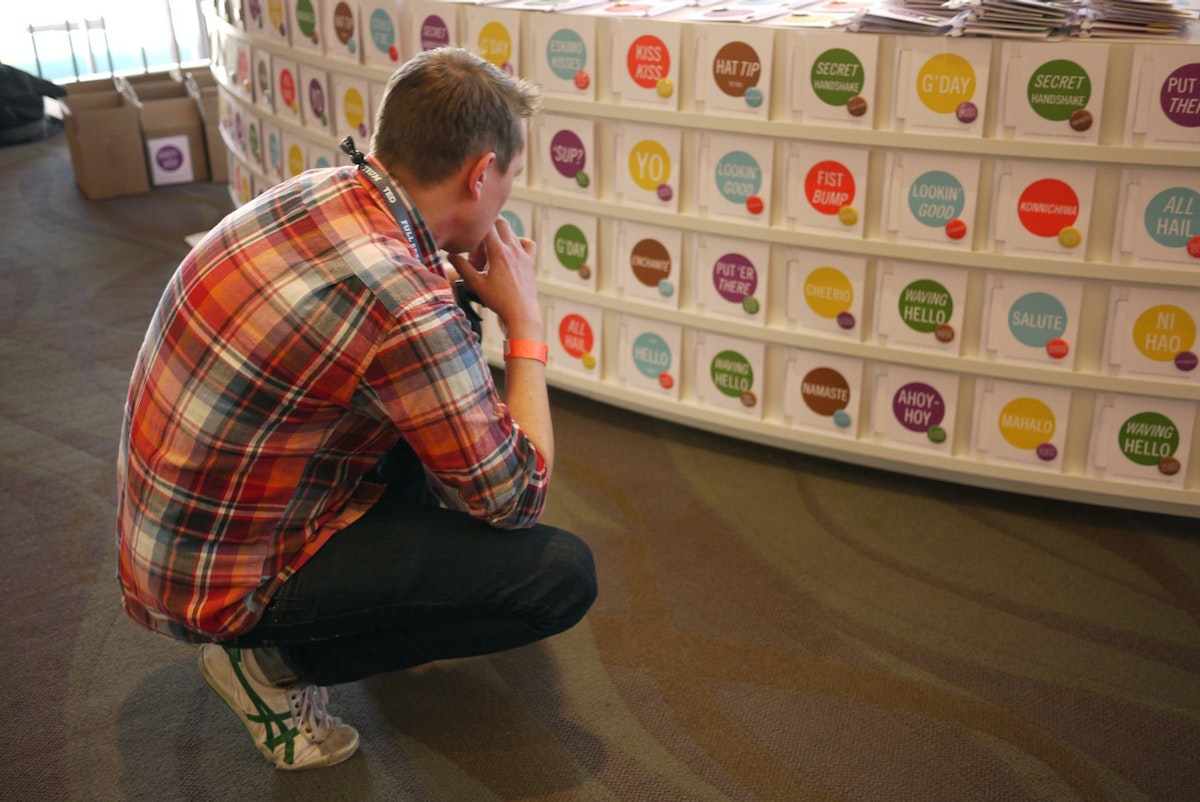
Genentech is a biotech company that tackles difficult-to-treat medical conditions across the globe by creating innovative treatments. As a sponsor of the TED2012 conference, Genentech approached IDEO to partner in creating a “social space” for the TED exhibit hall that would captivate participants in an interactive brand experience and garner excitement around the future of personalized medicine.
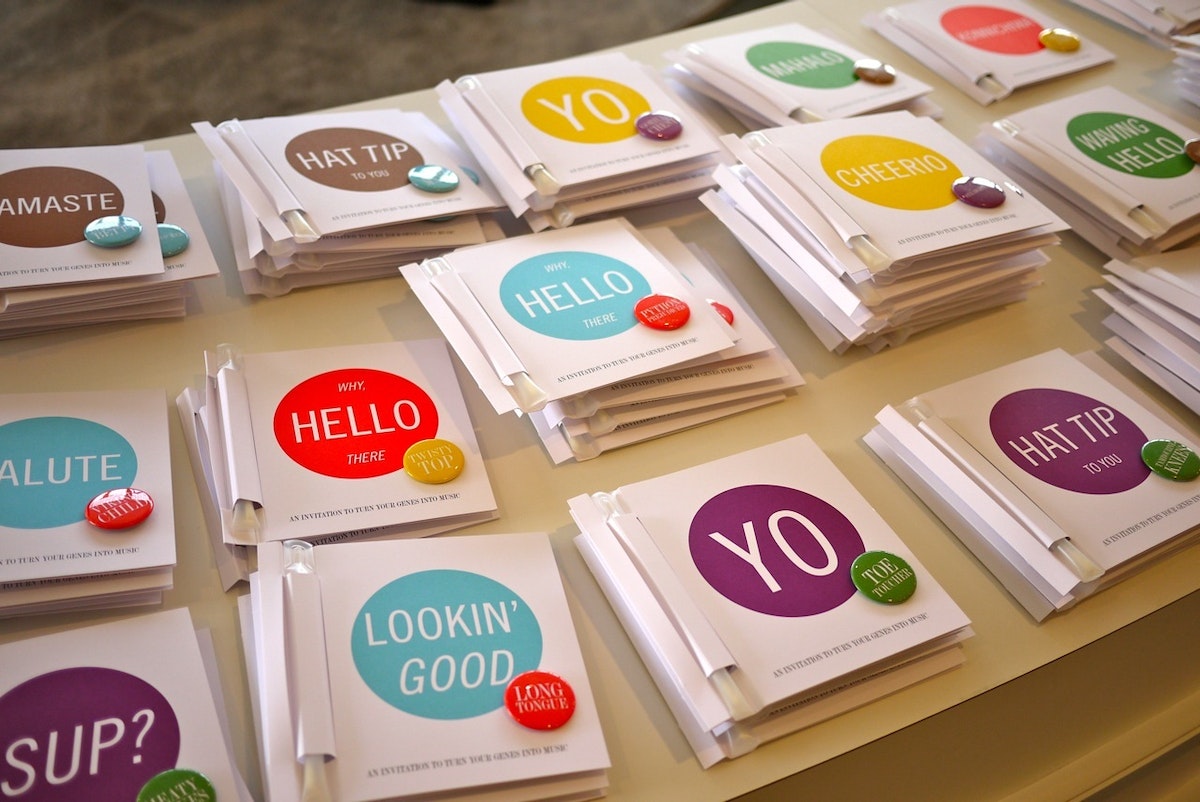
To make leading-edge science more accessible to the masses, the team landed on an exciting new provocation: What if we could turn genes into music? IDEO worked closely with Genentech to develop an immersive genetic experiment that could incorporate traits of the TED community, using the company’s brand new technology for overnight gene analysis. A TED participant would choose a colorful trait pin packaged with a cheek swab kit and corresponding barcode, allowing them to leave a genetic sample one day and return the next day to discover that four SNPs of DNA had been analyzed overnight and translated into a unique musical track.
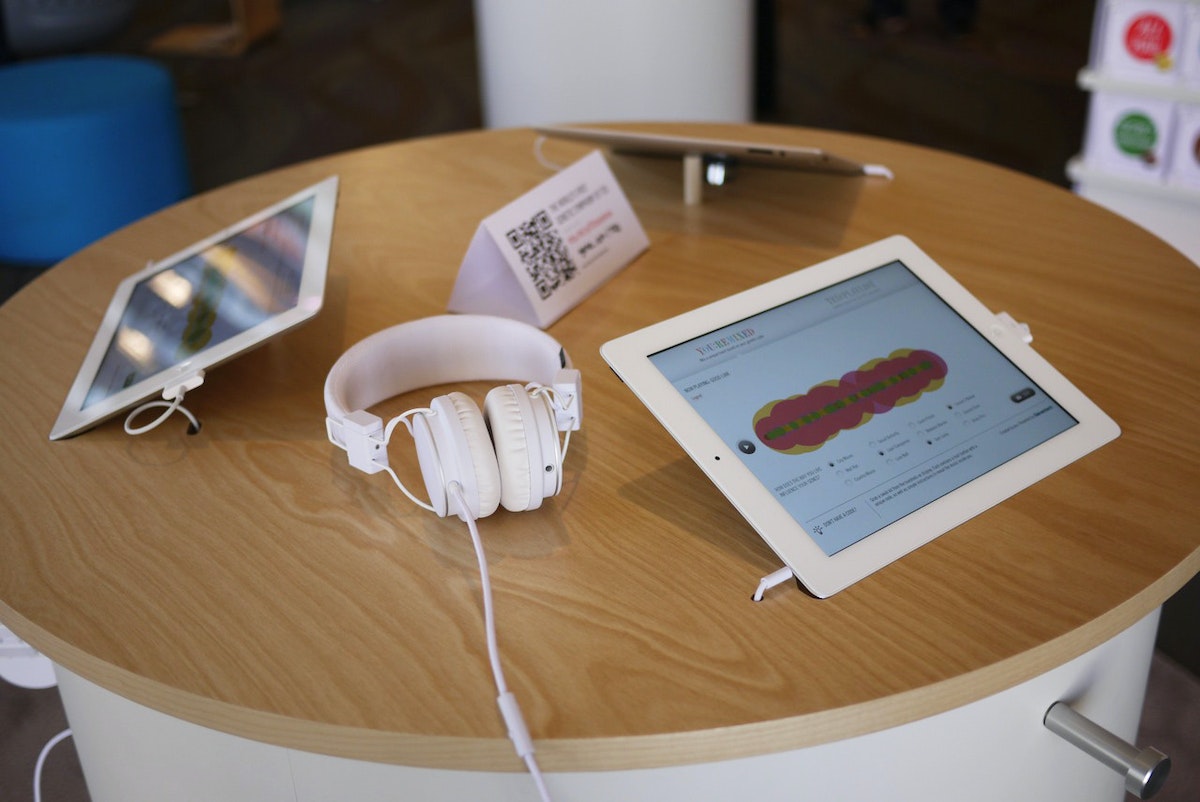
The IDEO team developed the concept, prototyped it with scientists, musicians, and sound engineers, and designed every element of the physical and digital experience—from the swab kit and packaging, to the built space and listening stations, iPad app, and other digital touchpoints. At the heart of the experience was music, including an algorithm that could generate 6500 unique musical combinations to reflect the genetic diversity of the TED participants.
Genentech’s “Infinite Variations” exhibit at TED2012 created the world’s first genetic symphony, an innovative and colorful blend of science and music. With the exhibit, Genentech sparked novel, approachable conversations about the role of genetics in medicine.
Of the 1850 attendees, over 1100 joined the genetic experiment in music and walked away with a new understanding of personalized science—and of their own genetic makeup.
Healthy lunchbox foods that are good for the planet
A conversation with Megan Miller, cofounder of Bitty Foods.
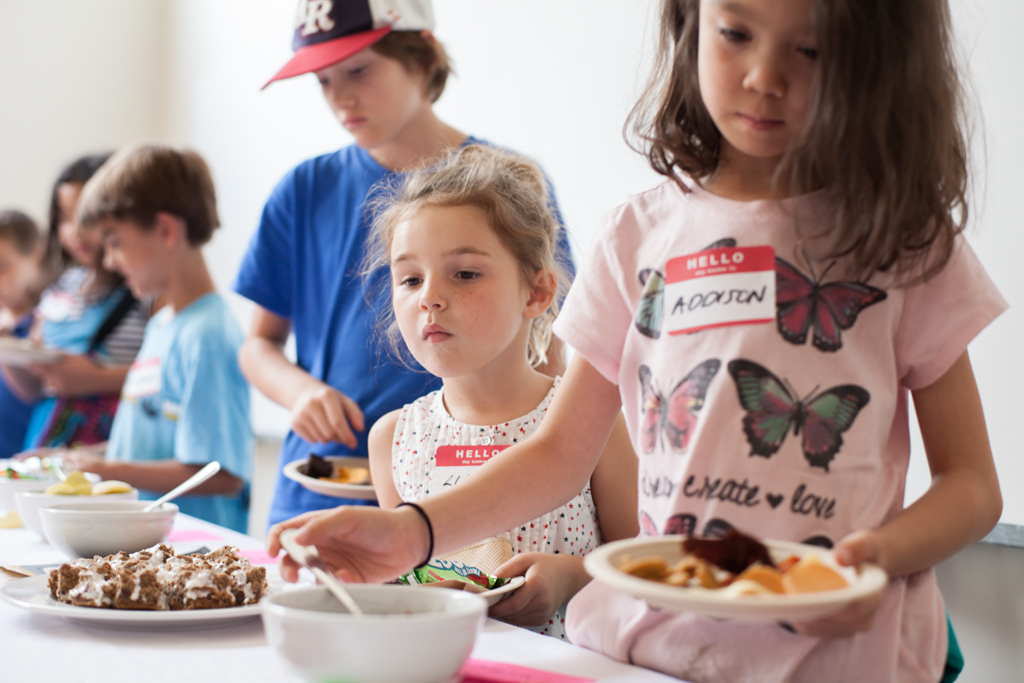
What happens when you serve kids food made with cricket flour? And what do parents think? That’s what IDEO and Bitty Foods sought to learn during a collaboration to explore new kinds of lunchbox foods as a means to discover opportunities for alternative sources of protein.
We talked to Megan Miller, cofounder of Bitty, the Bay Area startup that makes delicious foods with cricket flour, about the collaboration.
Listen to the full audio story below, or go to Soundcloud.

4 Ways Hip-Hop Changed the Way I Work
I wanted to try something new this year. Something that scared me a little bit. So I signed up for a hip-hop class.
1. Get out of your head
When the music comes on, I let go of what’s in my head and let my body take over. Learning the steps mechanically will never get me into the groove—I have to connect to the music to find my flow.
Design work is no different. Exploring the future of the credit card (yes, that’s part of “design” work here at IDEO) probably won’t have you jumping out of bed; you have to find something in the challenge that moves you. In this case, it was understanding that the card could be about access—to that trip you often dream of taking, to the most amazing cup of coffee in a little-known cafe, to that stunning bag that is clearly missing from your collection. This shift, from payment to access, unlocks a whole new way of thinking about the opportunity. When you move beyond executing the mechanics and find a way connect to the opportunity on a deeper, more personal level, you will be able to bring your best creative energy to it.
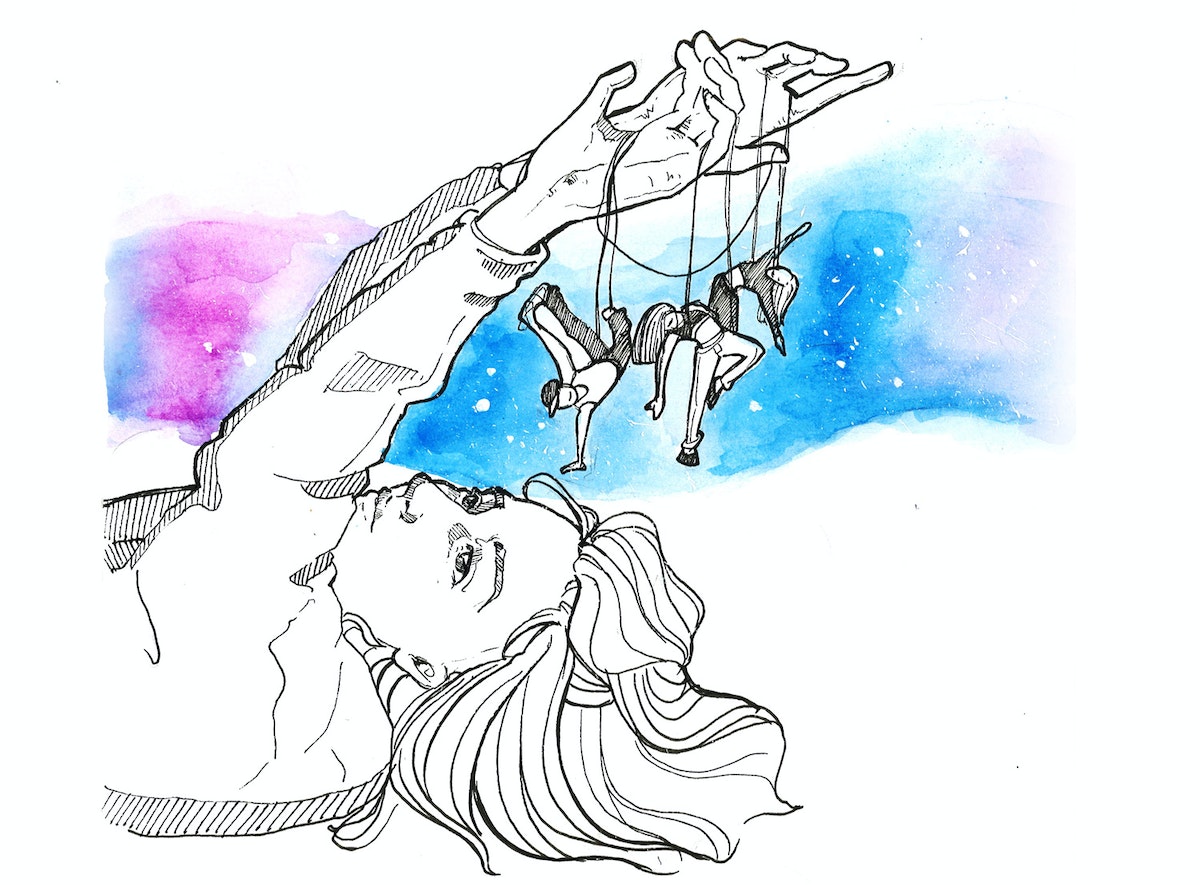
2. Learn as you go
In class, we don’t see the full routine at the beginning. We learn it in parts and build as we go. This requires trust and patience: trust that the parts will add up to something bigger, and the patience to go through a process of trial, error, and repetition.
This runs counter to how I (and many people) work. Designers like to move fast—to begin with a vision and quickly start building it out. For example, imagine a smart, voice-activated delivery service for an older adult. You can probably already envision a prototype in your mind. But how will the service interact in a way that feels appropriately human? If the user asks the same question again and again, how will it respond to her? How might it share relevant information with her family and caregivers? Designing these details is critical to getting the service right. Even when the vision comes easily, following through requires is an exploratory process that requires patience. Putting in the time and effort to learn something new is sure to pay off when some unexpected revelation emerges.
3. Add your flare
Once I know the mechanics of the dance, the real work starts: a subtle swing of my hips, the way I hold my hands, adding my flare to a key transition. This is where I make what I’ve learned my own.
It can be scary to take something that’s been expertly designed and change it. When working through a new digital ecosystem for a retailer, a visually compelling user interface could stop you from questioning possible disconnects in the customer experience or retailer mechanics. But being part of a design team is about looking for places where your unique perspective adds depth and insight to what you collectively create. So don’t be afraid to put your post-it sketch on top of a beautiful screen. Sharing your point of view gets you to an even better design.
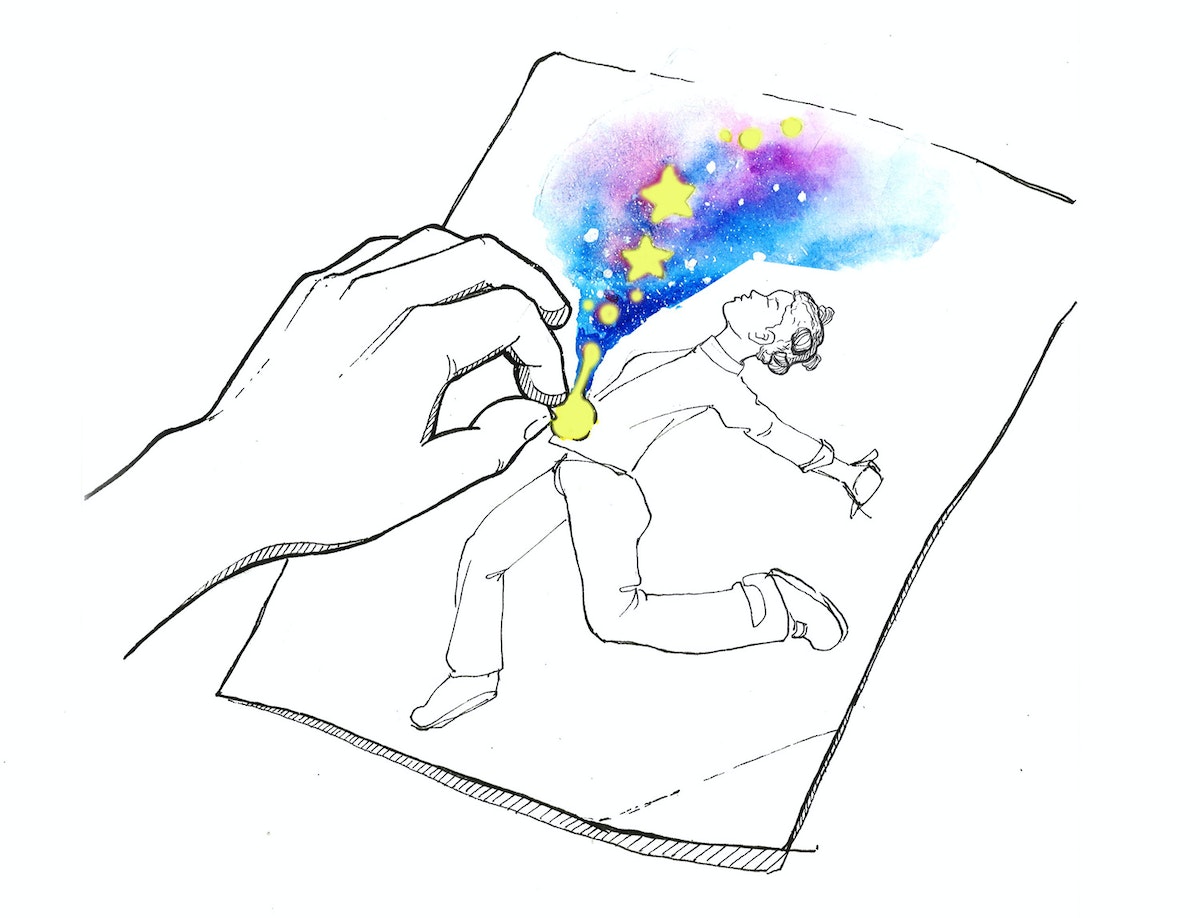
4. Get inspired, not competitive
During class I seek out the people in the room who pick up the moves quickly and execute them perfectly. When I start comparing myself to them, I always lose. But when I shift my perspective and instead draw energy and take pointers from those dancers, it opens up a world of possibilities. My moves improve and so does my confidence.
We all have high expectations for our work. But when you look at other people as reference points for how you’re failing, self-doubt invariably creeps in, preventing you from doing your best work. What if the next time you start to judge yourself, you pair up with a designer who inspires you to explore the challenge side-by-side? Your design jam session may not get you as sweaty as a hip-hop jam session, but you'll likely still find yourself smiling—and doling out a few high-fives along the way.
Illustrations by Yue Yuan.
I wanted to try something new this year. Something that scared me a little bit. (Okay, a lot.) So I signed up for a hip-hop class. On the first day I almost didn’t go, but an hour into class I was covered in sweat, smiling from ear to ear, and high-fiving my fellow classmates. On Monday morning I found that what I learned in class had followed me to work. It was more than just the music in my head—there were other lessons to take from that class. Here’s what I discovered about how hip-hop can make you a better designer:
Smart Things That Will Save the World
Today's products were designed for the industrial era. It's time to rethink that model.
Today’s products were designed for the industrial era of browsing store aisles and making choices based on packaging. But now that we’re largely buying stuff online, it’s time to rethink that model.
So, IDEO’s London and Munich studios teamed up to create an exhibition of six circular design fictions called Never Finished. (We also worked on a design guide with the Ellen MacArthur Foundation, which you can find here.)
Circular products and the materials they’re made of are designed to be kept in use, to be regenerative, and not to be thrown away. Tomorrow’s things will also be smart—with sensors and software built into them—which will allow us to improve their usefulness over time. Circular products promise to save both money and the planet. (You’ve heard about the great Garbage Patch in the Pacific Ocean, right?)
Take a peek at the potential future of product design:
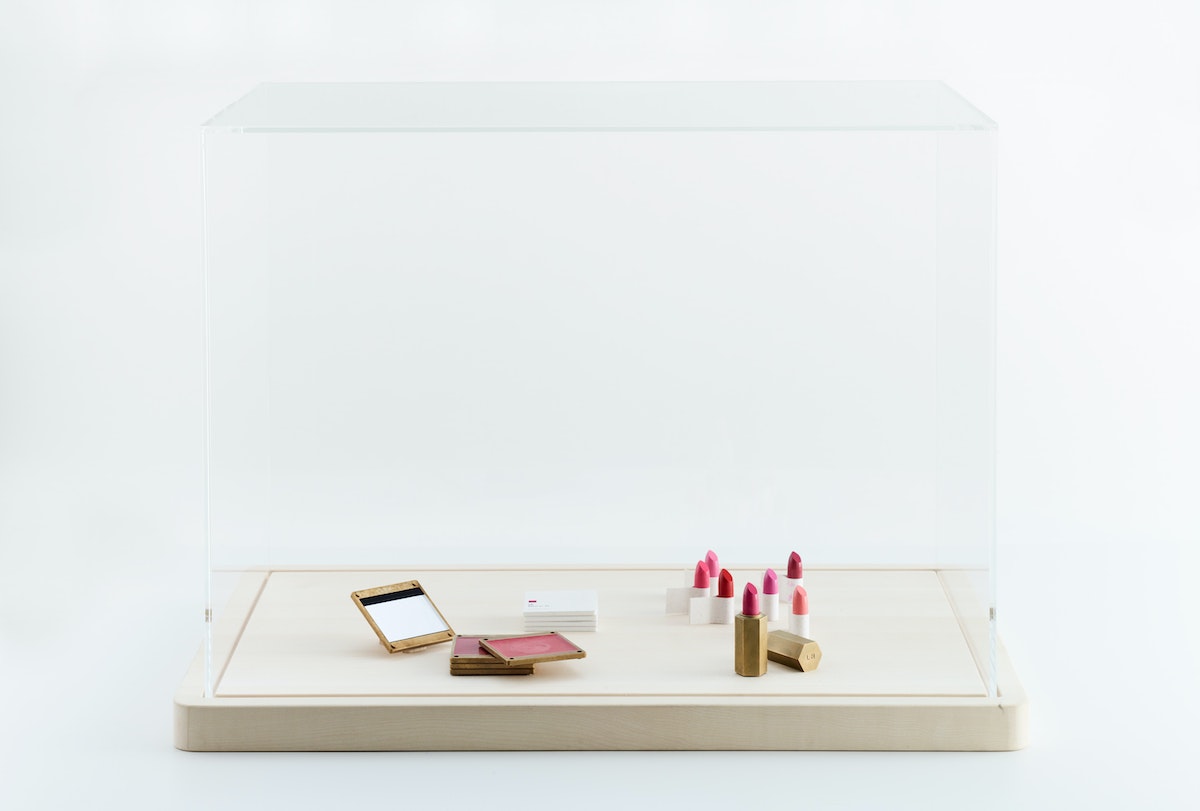
What if your makeup got better with age?
Infinity is a makeup service with packaging that is designed to get more beautiful, more useful, and more valuable as you use it. Housed in luxurious, long-lasting brass, Infinity’s lipstick holder and blusher case are designed to grow old with you. A built-in scanner (sensor) also captures skin health data, and orders (customized) refills when empty.
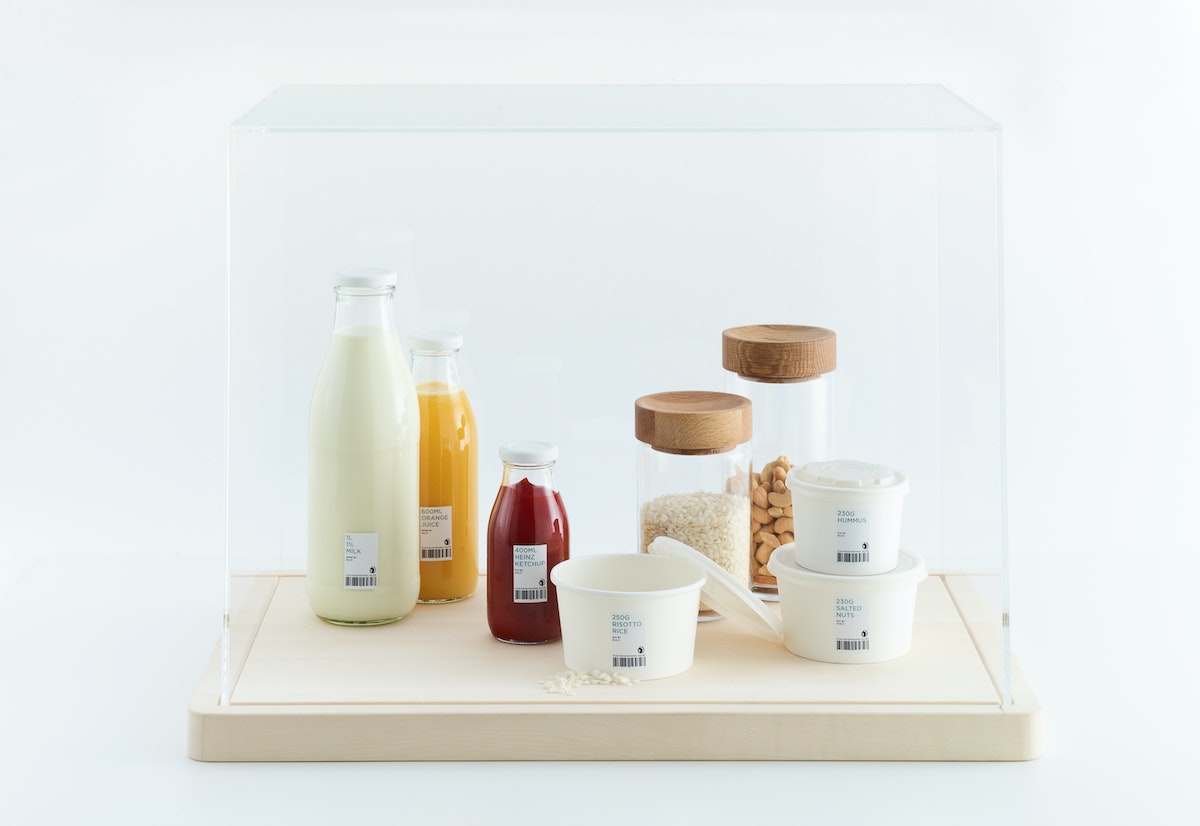
What if food packaging was redesigned for online shopping?
Food packaging is designed to attract people’s eye on a supermarket shelf, extend the lifespan of the product, and protect what’s inside from damage. But it’s over-engineered for online delivery, and it's hard to recycle. Clean is a new food packaging system designed for online delivery services. It’s refillable and easily decanted, recycled, or composted.
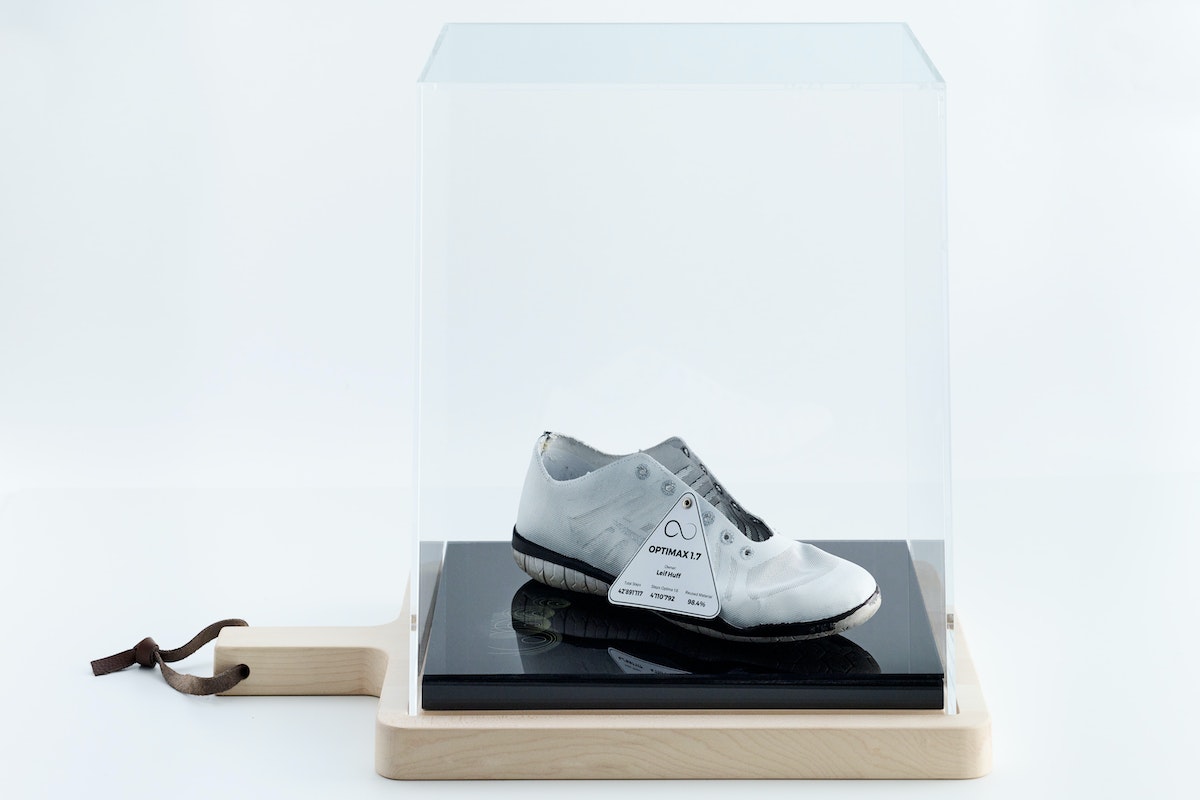
What if sneakers could be made better than new?
Once these sneakers are worn out, the owner simply bags them up in a pre-paid shipping pack and sends them back to the factory, where the sole is scanned and the materials are disassembled and processed for reuse. The factory then uses the scan of the sole to print a new shoe using the reclaimed materials—perfectly tailored to the user.
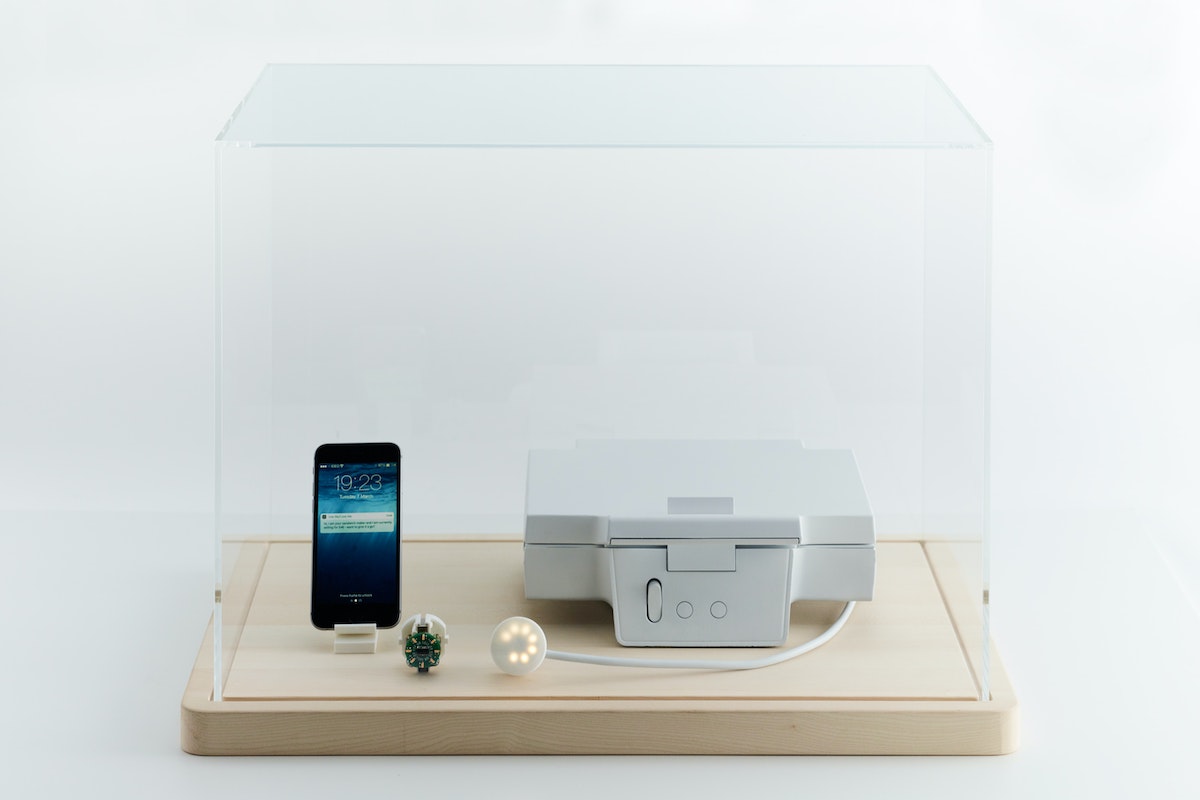
What if your household gadget sold itself?
Use Me/Lose Me is a usage-monitoring service that aims to get the most out of household appliances—even if that means changing owners. Using a web-connected chip, Use Me/Lose Me sends a text message to a gadget's owner quoting the latest price they could get for selling it. If the user wishes to sell, they can simply reply to the text message, which automatically uploads the item to an online auction site, arranging the entire sale, payment, and shipping.
We had a lot of fun pairing circular design principles with user needs. By exploring “what if” scenarios, we believe we have found more elegant solutions to the traditional linear path of make, use, dispose.
Of course, moving to a Circular Economy won’t be easy. Consumerism is a huge, gnarly, systemic problem, driven by shifting business models. But change will be driven by people who choose to buy products and services not because they’re circular, but because they are better.
We hope Never Finished feels like a gauntlet thrown down to you designers out there. Let’s make things that are better for the user, better for business, and better for the planet.
Already working on something circular? Tell us more!
What do you do with your stinky, worn out sneakers? How about that empty lipstick case? If you answered, “Toss it in the trash, of course!” you’d be completely normal. What other choice do we have?
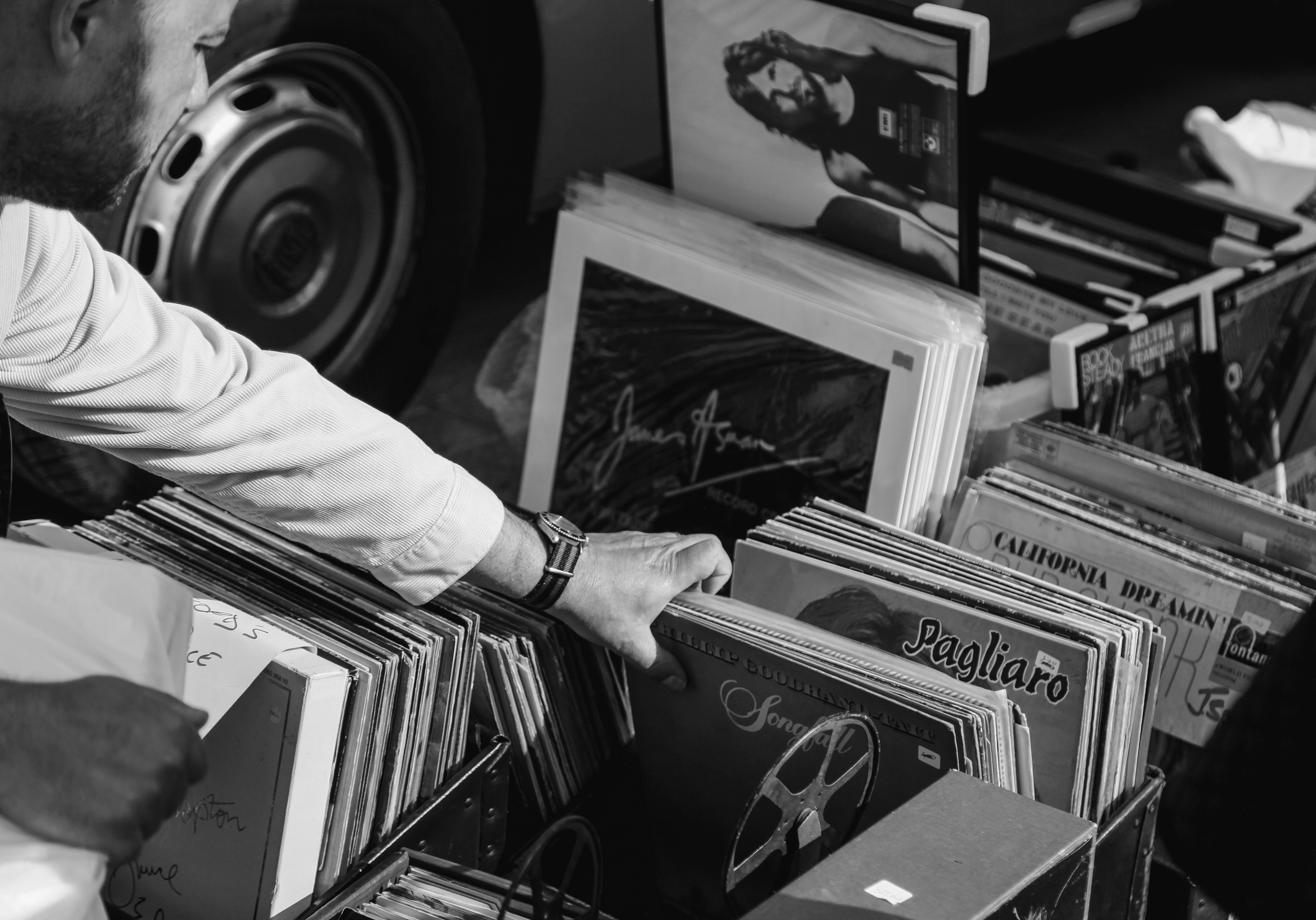
Designer’s Playlist #8
A few things IDEO SF's Katie Clark is digging right now
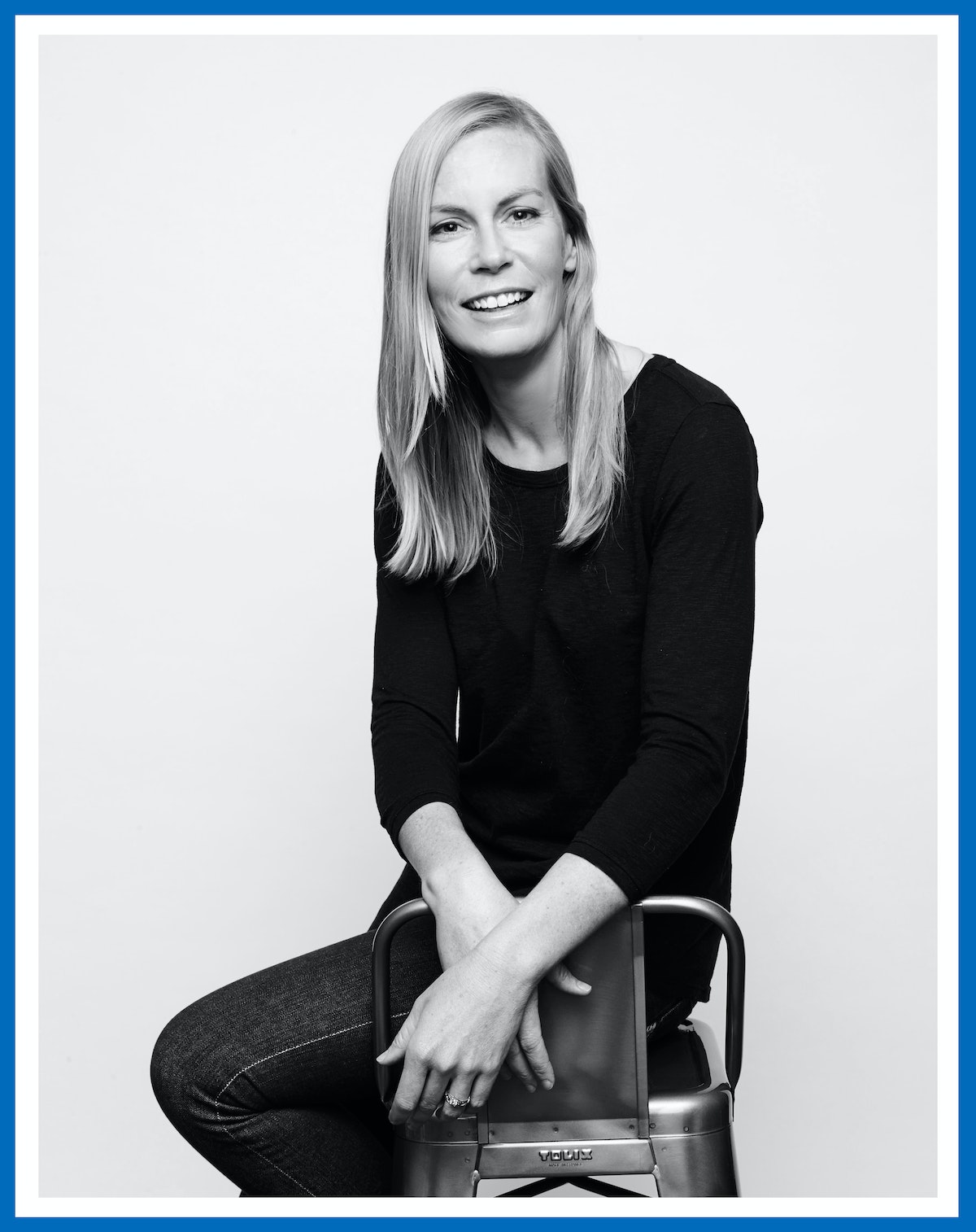
Name: Katie Clark
Location: San Francisco
Role at IDEO: Digital Marketing Director
Joined IDEO: 2003
Twitter: @katieclark
Instagram: @katieclark
Titillating Fact: I once ran a marathon on what turned out to be half a functioning heart. I had heart surgery one month later—good as new!

1. NASA Social
I grew up in Central Florida watching more space shuttle and satellite launches from Kennedy Space Center than I can count. We had astronauts and astrophysicists as neighbors, and I had some pretty great show-and-tells in my day. I can still remember watching the Challenger explode and knowing instantly, even at age 6, that something was wrong.
Needless to say, I’ve had a lifelong obsession with NASA and became involved with NASA Social events a few years ago. The event series is NASA’s way of emboldening and educating social media-savvy citizens around events, launches, and the incredible work NASA does. The ripple effect means more and more networks learn about the variety of things happening throughout the space nerd universe.
Here’s how it works: You apply for specific events and, if approved, you receive press-equivalent access—a.k.a. “social media credentials”—to briefings, tours, NASA personnel, etc. I even got to meet Charles Bolden at the last one I attended in Lompoc, California!
2. Angel Island
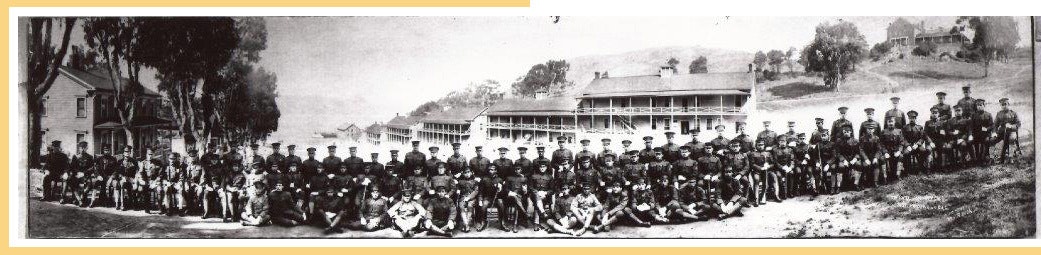
Growing up in the U.S., kids are steeped in the history of Ellis Island, but Angel Island seems to be its unknown little sister. This is one of my favorite places to visit in the San Francisco Bay Area for a number of reasons, and yet, many Bay Areans have never even heard of it, even though it’s right next to Alcatraz. I recently became an Angel Island Conservancy board member, so I like to evangelize its awesomeness every chance I get.
The history of this island is incredibly fascinating (and at times fraught), from its time as an Immigration Station carved with Chinese poetry to its service as the Cold War-era Nike Missile launch site. Angel Island even has an endemic mole, found nowhere else in the world, aptly named the Angel Island Mole. You can camp there overnight or just come for a day and finish your hike with a beer, a cheese plate, and live music at the Angel Island Cafe. Get on the boat!
3. Dub Nation
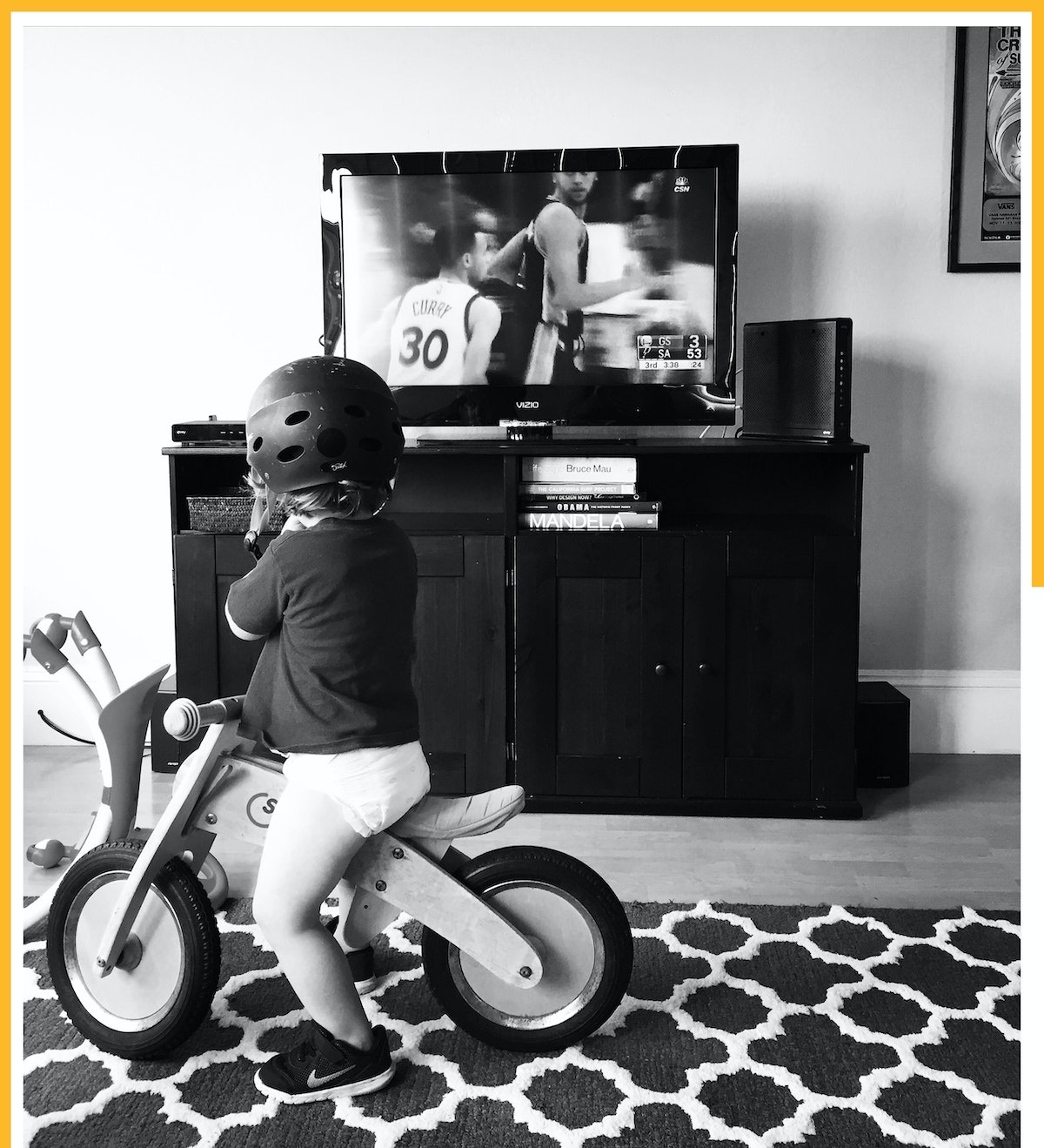
If you've heard of the NBA, you’ve heard of the Golden State Warriors. I know that loving the Warriors doesn't make me special, but my husband and I have been fans since long before they were considered a good team. (Read: we could actually afford tickets back then). Here are a few things that make this team inspiring:
- Head Coach Steve Kerr. This man has been through some of the most earth-shattering events anyone can imagine, and is still one of the most inspiring leaders in professional sports. To boot, he and his family are active in several sport-related nonprofits including Peace Players International. As I write this, he’s suffering from major post-surgical complications and his team’s response has been nothing short of tear-jerking.
- Point Guard Stephen Curry. If calm and collected had a name, it would be Steph Curry. His pregame tunnel shots alone are worthy of a few paragraphs, but I’ll just let you watch this (he does this before every game). You can catch a young Steph and his former-NBA dad in these clairvoyant 1990's Burger King commercials.
- Dub Nation. I'm a former college athlete who grew up in the football-crazed American south, so I thought I knew something about intense sports fans. Nope. Warriors fans (we call ourselves “Dub Nation”) are among the coolest humans I’ve ever met. I still love this 2013 article about jumping on the Warriors bandwagon. Some of it is still applicable today, particularly Steph Curry’s mouthpiece chewing, so it's not too late to jump on yourself.
Header image by Clem Onojeghuo.
In this series, we ask IDEO designers to share the stuff they're digging right now—tools, books, music, sites, people, places—so you, too, can drink from the fount of inspiration bubbling up here. This week's guest star: Katie Clark.
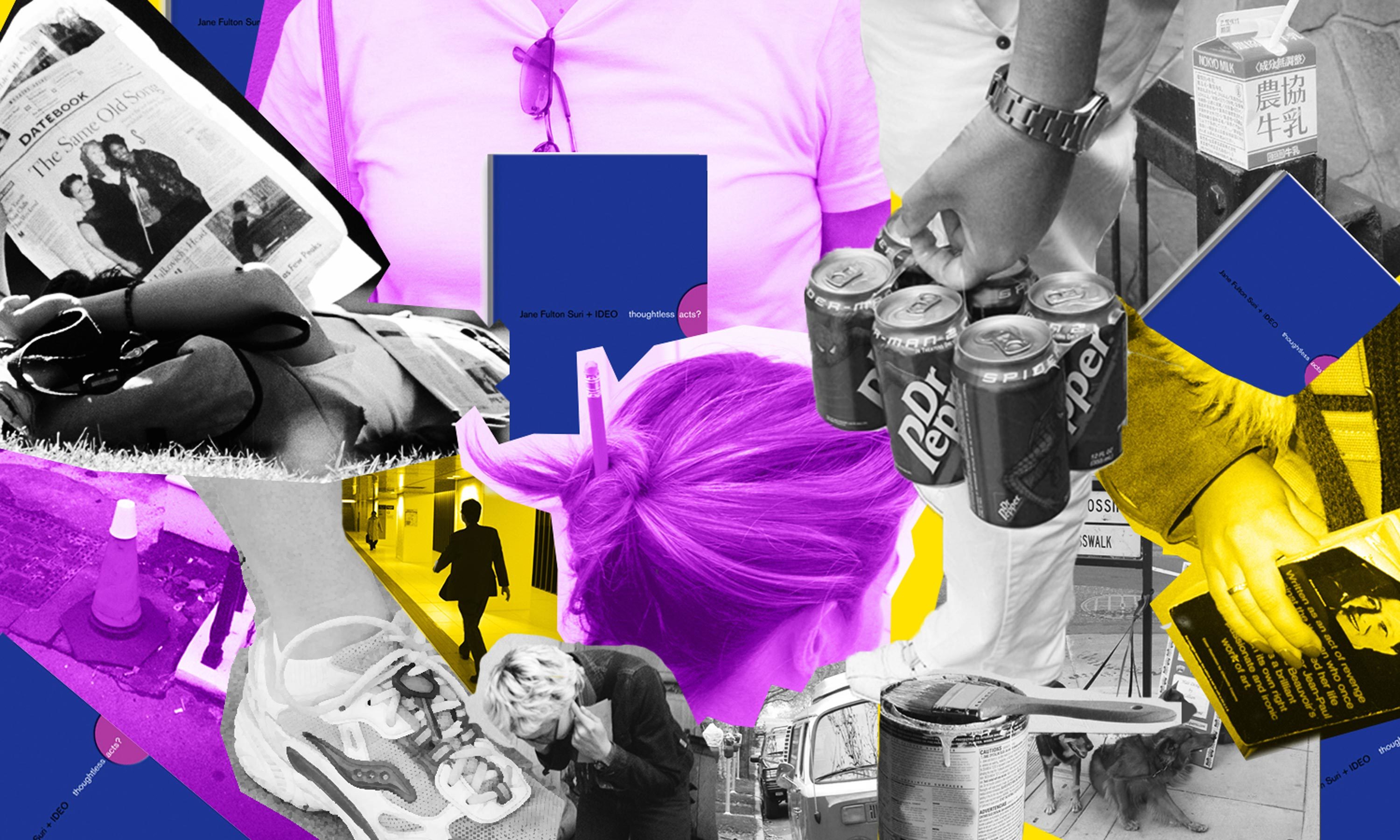
Thoughtless Acts: Urban Summer
Thoughtless Acts: Urban Summer. The intuitive ways we adapt and react to things in our environments
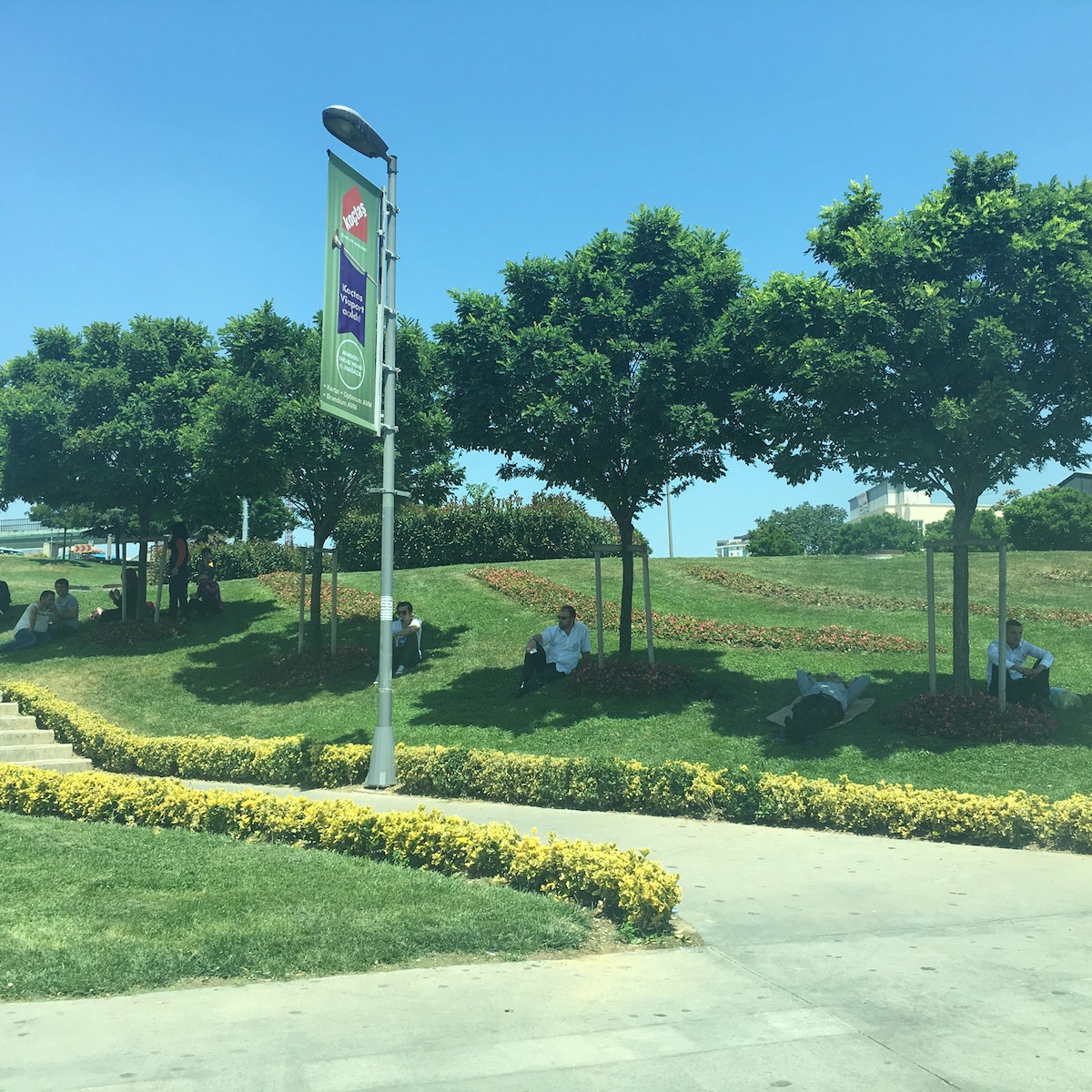
I took this picture last summer while I was back home in Istanbul. Summer in Istanbul is very, very hot. Sometimes the mercury in the city gets up to 113F. It’s pretty unbearable.
On toasty afternoon, I took this picture of a bunch of people capitalizing on the shade in a park to avoid the sun. At that time of day and year, the shadows defined the usable space within the park.
From a design researcher’s perspective, this picture says so much about how the sun and shade affect how we interact with cities and spaces. Sometimes design is all about constraints.
It’s a great reminder of all the factors to consider when we design for urban environments. Or a great reminder that nature is a designer, too.
Human-centered design requires us to observe human behavior with beginner's eyes, so that we can spot the innate ways people interact with the world around them. We call these intuitive and unconscious reactions thoughtless acts, and IDEO designers collect photos of them to inspire the invention of new products, services, and experiences.

Lindsey Turner
I’m passionate about building brands, products, and experiences that help organizations show up with meaning and momentum.
I help organizations cut through complexity by shaping how they show up, through brand strategy, identity, and storytelling.
Working at the intersection of brand and business, I bring an editorial eye and a bias toward making—turning ideas into tangible experiences that people can understand, trust, and believe in.
My work spans government, healthcare, financial services, media, and consumer goods, from launching Gen Z-focused ventures to building innovation labs and reimagining legacy brands. I relish moments of ambiguity and enjoy translating across teams, perspectives, and priorities to move ideas forward.
I started my career in editorial and digital design, shaping cross-platform experiences and identity systems in publishing and agency environments. That foundation still shapes how I work today: I’m detail-oriented, collaborative, and overreliant on the Oxford comma. I hold a BFA in Visual Communication from the School of the Art Institute of Chicago.

Rachel Young
My work helps organizations see who their products aren't working for—and build the will and the tools to do something about it
For 25 years, I've asked the same question: Who does this design exclude—and what are we going to do about it?
My work spans human-centered strategy, inclusive design, and qualitative research, with clients ranging from Microsoft, Google, and Verizon to the National Science Foundation, and San Francisco Unified School District.
Before IDEO, I taught elementary school in East Palo Alto and spent a decade doing design work with social service organizations—where I learned firsthand what it costs people when systems are built without them in mind.
I am currently writing User Error, a nonfiction book about digital access and the design decisions behind it. I live in Oakland, California.

Brian Pelsoh
I lead with craft, ensuring our work is creatively excellent: rooted in deep human insight and imagination, while also grounded in the realities of business and technology.
My expertise spans brand, communication, and product design across tech, education, the arts, and social impact.
I believe great work demands both high-level vision and obsessive attention to detail, and only happens through collaboration.
I bring an inclusive, hands-on approach and a deep understanding of business, which enables me to consistently deliver excellence while always asking why.
Before joining IDEO, I worked at the brand firms Pentagram and VSA Partners. I began my career as a designer, leading teams at the School of the Art Institute of Chicago and the Milwaukee Art Museum. I hold an MFA in graphic design from Maryland Institute College of Art and a BFA in communication design from the Milwaukee Institute of Art & Design, and have taught at some of the best design schools in the US.

Tony Wong
I am responsible for IDEO’s long-term success in China and working with clients to use design as a tool to enable growth.
I am responsible for IDEO’s long-term success in China and working with clients to use design as a tool to enable growth. Specifically, I have helped Chinese companies design holistic brand solutions through the development of their products, communication, services, and innovation teams, and I have helped multinationals expand their presence and influence in China.
I advise global leaders on developing China-led innovation and capabilities.
In over 15 years in IDEO Shanghai, I have worked on projects that use design to elevate the quality of the experience of healthcare products and services, streamline processes that increase productivity, create spaces and programs that promote and enable inclusive communities, and build next generation mobility solutions that are planet-positive.
Before joining IDEO, I worked at Philips Electronics and the Electrolux Group in Italy, the Netherlands, and Singapore on a number of breakthrough commercial products. I am a member of the Young President Organization in Shanghai.

Building a personal AI for the messiness of life: Sida Li
Most AI products today are built for work—a space with clear problems and established systems. One founder noticed a gap: personal life is messier, harder to systematize, and mostly left behind by the AI boom. So she built Cue, a personal AI that lives inside iMessage and group chats, to go where the other tools haven't.
In this episode, Becca Carroll, IDEO's Chief Strategy Officer, talks with Sida Li, co-founder and CEO of Shared Context Lab, about staying anchored to a human need while the technology around her keeps changing shape, why she treats her business model with the same rigor she'd bring to a product, and what it feels like to build a company at this particular, disorienting moment in AI.
The conversation also gets into how Sida makes design decisions: the language Cue uses to describe itself, the tradeoffs behind building inside iMessage instead of a new app, and a real story about a business idea that didn’t pan out.
This is the second in a two-part series profiling founders from IDEO's Startups-in-Residence program. The first conversation is with Johannes Seemann, founder of Sooner, on designing GenAI for the emotional side of money.

Designing GenAI for the emotional side of money: Johannes Seemann
Most personal financial tools are built to run the numbers and optimize towards a budget. While that works for some, most people experience money as a lived relationship that does not neatly fit into a spreadsheet. Johannes Seemann and Becca Carroll discuss why money is emotional before it is mathematical, and what a human-centered approach to building a generative AI financial product looks like in practice.

The curious leader's edge in uncertainty: Scott Shigeoka
Mina Seetharaman talks with Scott Shigeoka, author of Seek and Head of Curiosity Cultivation at the Eames Institute, about what distinguishes genuinely curious leadership from performative curiosity, how power dynamics shape curiosity, and why practicing curiosity can restore energy rather than drain it.

How constraints make us more creative: David Epstein
Mina Seetharaman talks with David Epstein, author of Inside the Box and Range, about why total freedom often produces average work, how leaders can design useful limits on purpose, and what organizations such as General Magic and Pixar reveal about the relationship between boundaries and creativity.
Looks like you might be in search of something very specific?
Or reset the filters above and try another angle.
Here’s some random inspiration

Podcasts about creative leadership

Articles about the power of prototyping
