
.svg)



Smarter, safer, data-driven driving
Designing an AI-powered dash cam system.
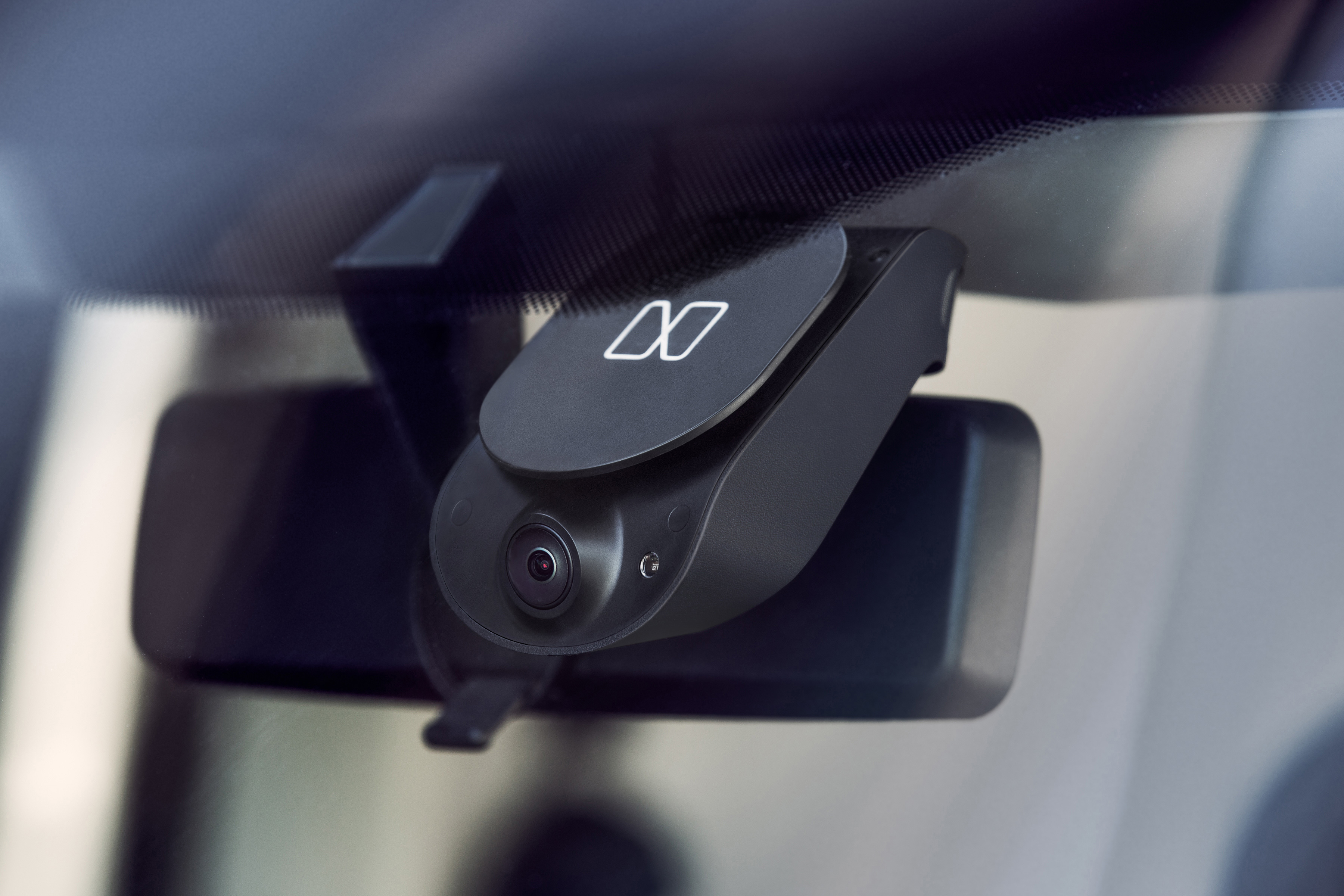
Nauto, a startup in the automotive industry that’s building a system to help make driving safer and smarter, approached IDEO to collaborate on the design of their latest device. It includes a proprietary dual-camera system that can be directly installed in just about any vehicle to enable safety features. Through real-time data analysis, high-definition recording, and LTE connectivity, Nauto’s device records and analyzes activity inside and outside the car, and automatically uploads information to a smart cloud.
The device can detect if drivers are distracted based on their eye and head movements, risky maneuvers such as tailgating or swerving, and dangerous environmental conditions such as unexpected obstacles. In these scenarios, the product alerts the driver through audio feedback inside the vehicle.
Over time, the data collected by Nauto reveals bigger insights and trends in driving behavior, ranging from causes of collisions to patterns in driver distraction. These insights are stored in a secure cloud platform and made accessible to both drivers and fleet managers. Drivers can benefit from Nauto’s VERA score—personalized feedback based on their driving performance—and fleet managers can gain access to a complete picture of how each of their drivers are performing across locations. Through these data-driven insights, Nauto gives drivers and fleet managers the tools to stay safe on the road.
To help launch Nauto’s device, IDEO prototyped several iterations of the product’s housing, cabling, and ergonomics, resulting in a clean aesthetic and an easy installation process for users. The engineering team also prioritized materials that would protect against extreme temperatures and sunlight exposure. Most importantly, IDEO helped design a camera device that can be seamlessly integrated into almost any model of any vehicle, greatly expanding its potential in the market.
Nauto’s latest system began rolling out to commercial fleets and strategic OEM and Insurance partners in late 2016.

Photos by Nauto.
Designing the future vision for HBO
Navigating an uncharted media landscape.
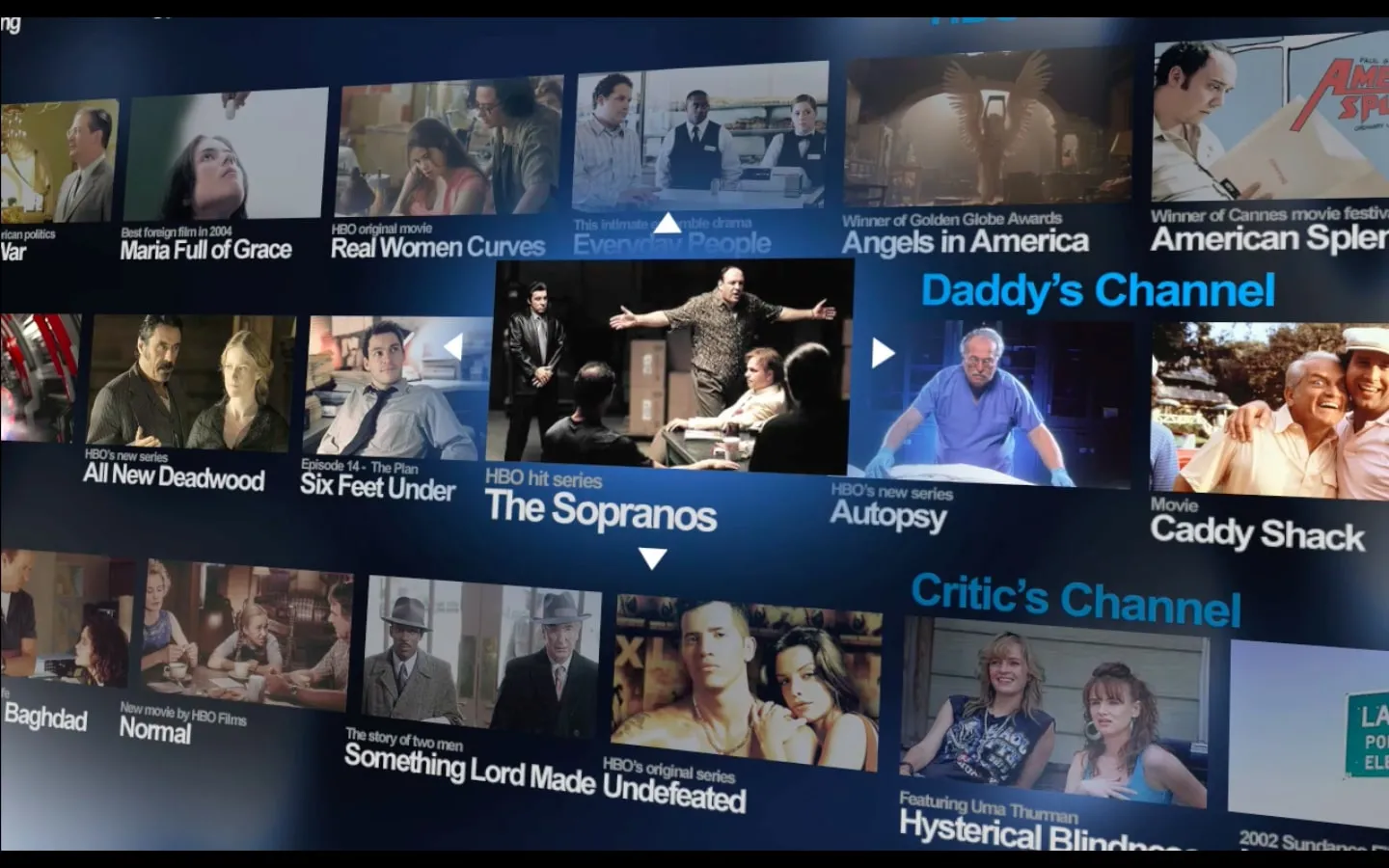
Most people are used to watching their favorite shows whenever and wherever they want these days. But 10 years ago, that wasn’t the case. Far ahead of the curve, HBO realized the potential for carving out its own audience, and created one of the first original on-demand offerings that allowed viewers to cut the cord from cable and satellite providers. HBO came to IDEO for help in navigating the future of its audience experience that would be distinguished from cable, and would put full control in the hands of the viewer.
With special emphasis on HBO’s Video On Demand offering, IDEO began early-phase research to explore people’s experience with the media brand and found that it centered largely on the viewing of HBO shows, the most critical part of the media experience. But other important media-related activities—learning about new shows, planning to watch new shows, creating the right viewing environment, saving and sharing viewing experiences—were either underserved or controlled by HBO’s cable and satellite partners. IDEO concluded that HBO’s challenge would be to develop a media service that holistically addressed the media consumer’s entire journey and allowed subscribers to experience HBO wherever and whenever they wanted.
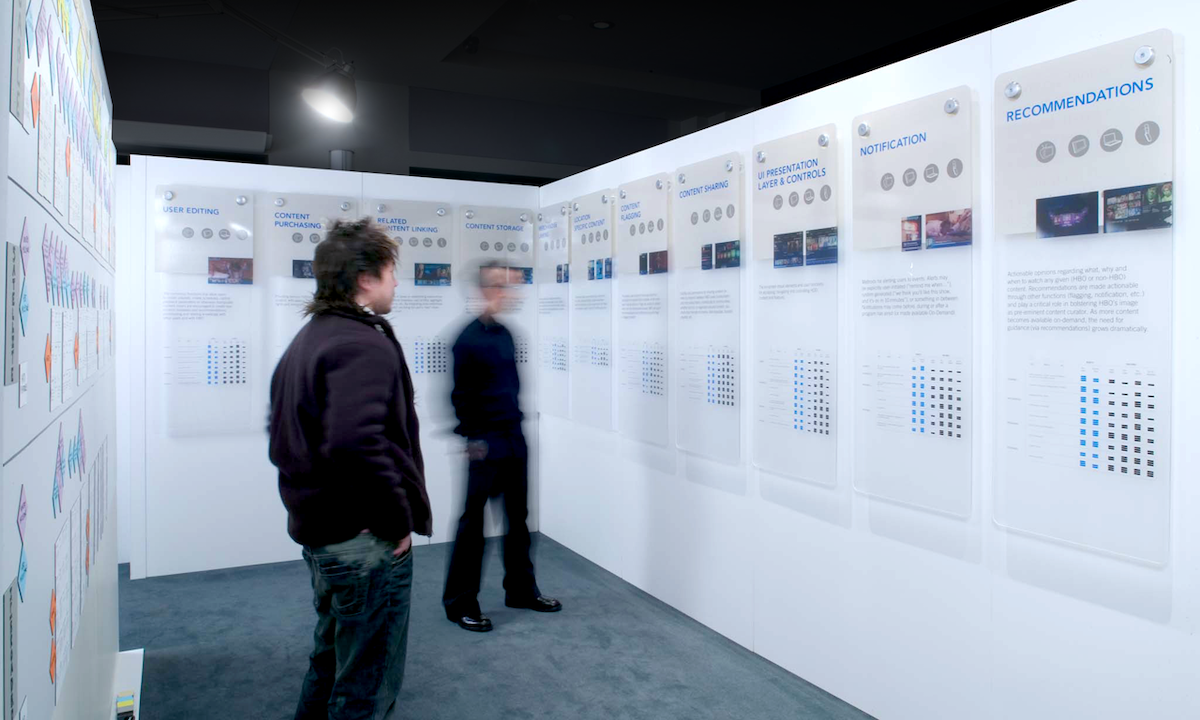
To demonstrate the value of the entire media consumption journey, IDEO created a comprehensive product development and user experience vision. This vision was delivered in the form of an immersive environment, built on-site at HBO, which conveyed key customer values and behaviors and presented a roadmap for building the appropriate products and services. Included in this roadmap were future scenarios and tools that invited prototyping and exploration.
"The collaboration was foundational for us, serving as our guidepost for creating more personalized on-demand and online viewer experiences. This early work influenced what would become our streaming presence—from categorization to how the products rolled out—and ultimately led us to design the next generation of user-inspired products for a more highly engaged audience," said Bernadette Aulestia, Executive Vice President of Global Distribution at HBO.
In the 10 years since the original collaboration with IDEO, HBO has pioneered the path forward for media brands by setting the standard for a world-class array of content and accompanying viewer experience model.
Sleek tools for everyday use
Designing a new family of multi-tools that fits every lifestyle.
While the designs of most cutting tools have evolved significantly over the years, multi-tools have remained largely the same. Recognizing this gap, SOG, an established leader in the specialty knife industry, collaborated with IDEO to identify new opportunities for innovation in the multi-tool space. The teams specifically aimed to expand SOG’s offerings into a more general lifestyle category and position them as adaptable tools for people’s everyday needs.
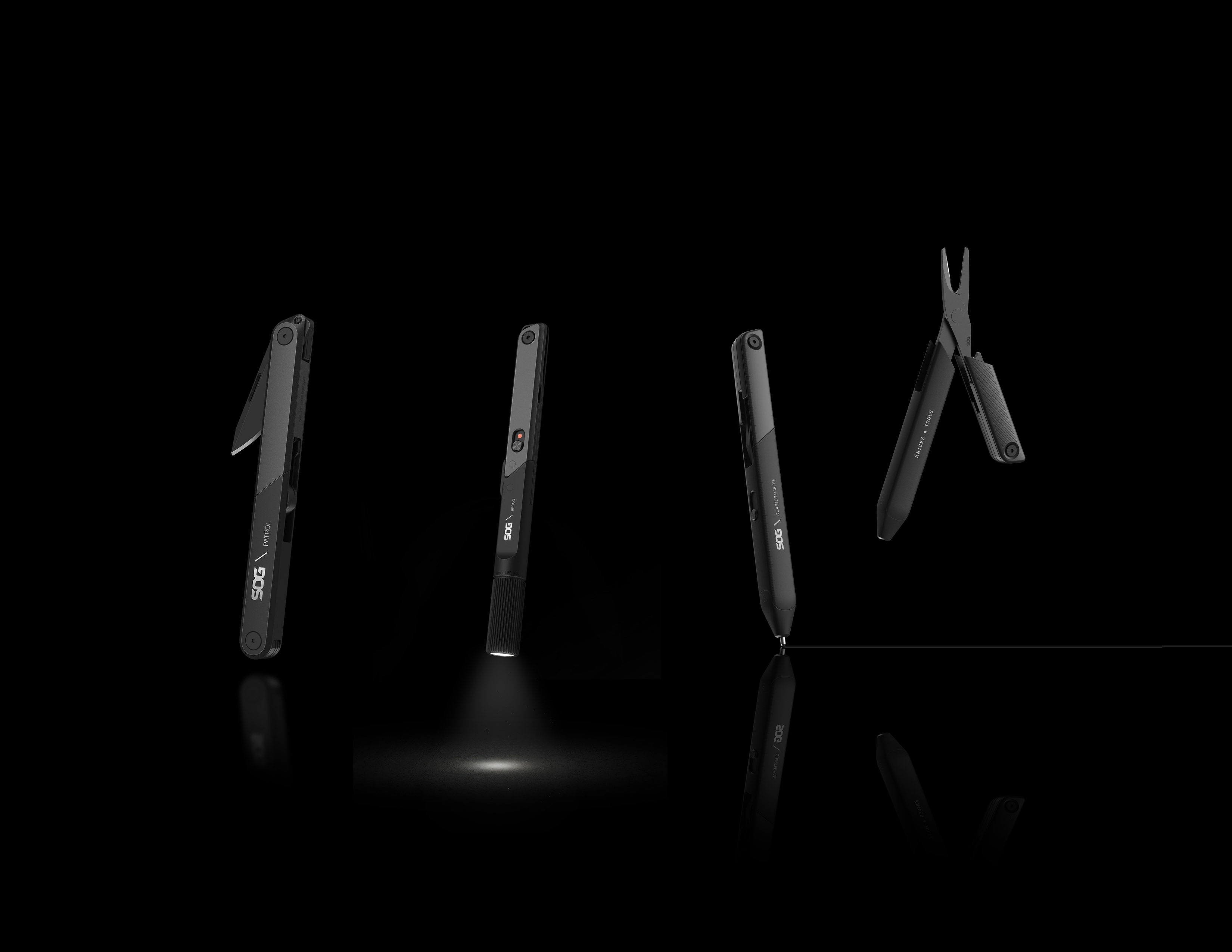
IDEO's research and industrial design work resulted in a family of four new multi-tools known as Baton. A sleek, black, minimal design ties together the complete set of tools, whose features vary to include bottle-openers, flashlights, scissors, pens, and pliers.
Each multi-tool’s range of capabilities, combined with its slim, compact structure that looks like a pen, makes it a travel-friendly companion for the office or the great outdoors. And its intuitive design makes it easy to use for anyone, regardless of their experience with multi-tools.
SOG’s new family of multi-tools launched in January 2017.


Reimagining career colleges for the 21st century
Redesigning for-profit career colleges into models for student success.
Every year, millions of students attend career colleges with hopes of landing jobs after graduation, but many end up unemployed and in debt, evidence of a significant disconnect between the goals of the students, educators, and institutions. Administrators are tasked with getting students in the door, but not getting them to graduation and students are focused on getting a degree to secure their future employment, while employers are looking for graduates who have professional skills beyond their new degrees.
In an effort to change this failing model, the ECMC Foundation engaged IDEO to help design a radical new vision for the future of career colleges. IDEO and the ECMC Foundation sought to develop a vision that could be used as a benchmark for the sector, showcasing a student-centered educational experience with a business model that aligns students, employers, and institutions as partners in advancement.
At the heart of the student experience is extended support along the learning journey, from path-finding and job placement to ongoing career support for alumni, helping students mindfully navigate their education from matriculation through employment.
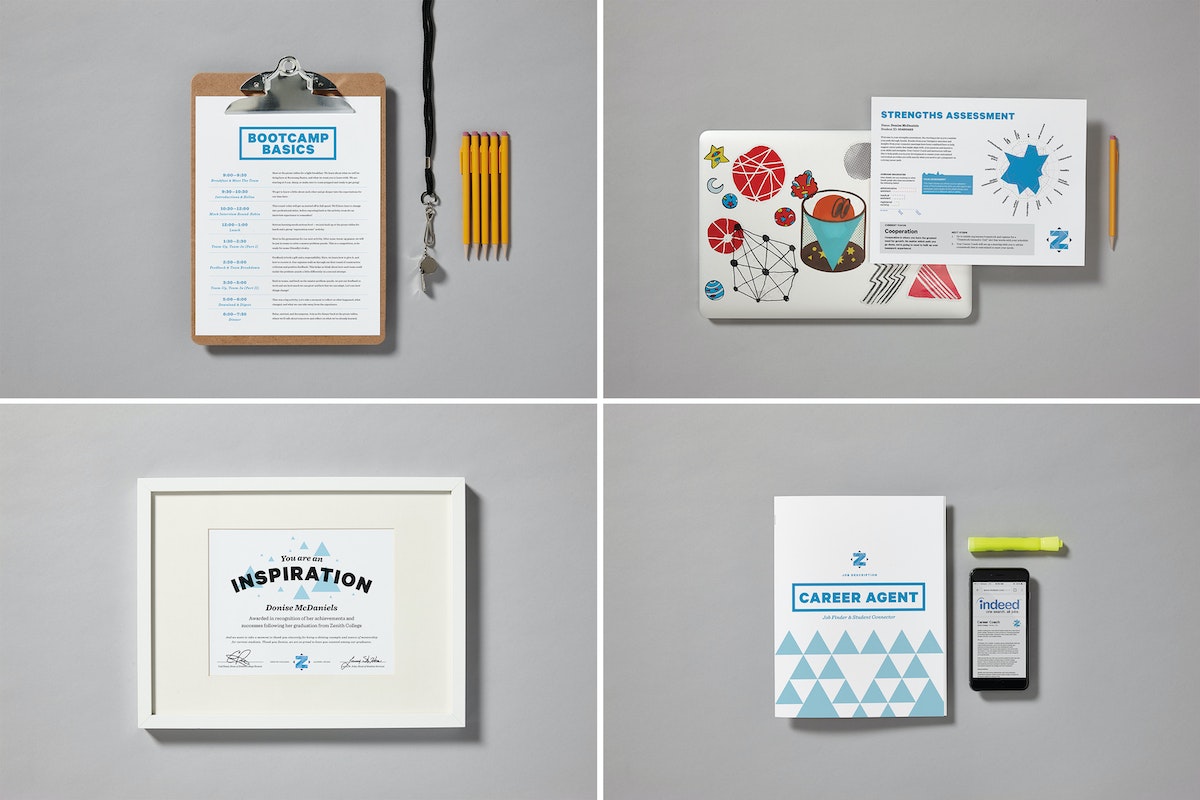
A key insight on the employer side was the need to prioritize the parallel development of students’ soft skills—like collaboration and communication styles—and hard skills, ensuring graduates are not only properly trained in the unique skills of their chosen career path, but also prepared to adapt to professional environments.
Institutional accountability became a core factor in the vision, directly linking the college system’s success to the student experience: as job placement improves, so do the school’s earnings and future enrollment rates. The final result is a student-centered educational experience and business model that aligns students and schools as true partners in a better life.
Key elements of IDEO’s recommendations are being implemented as pilot projects at Zenith Education Group—a nonprofit provider of career school training, funded by the ECMC Foundation.
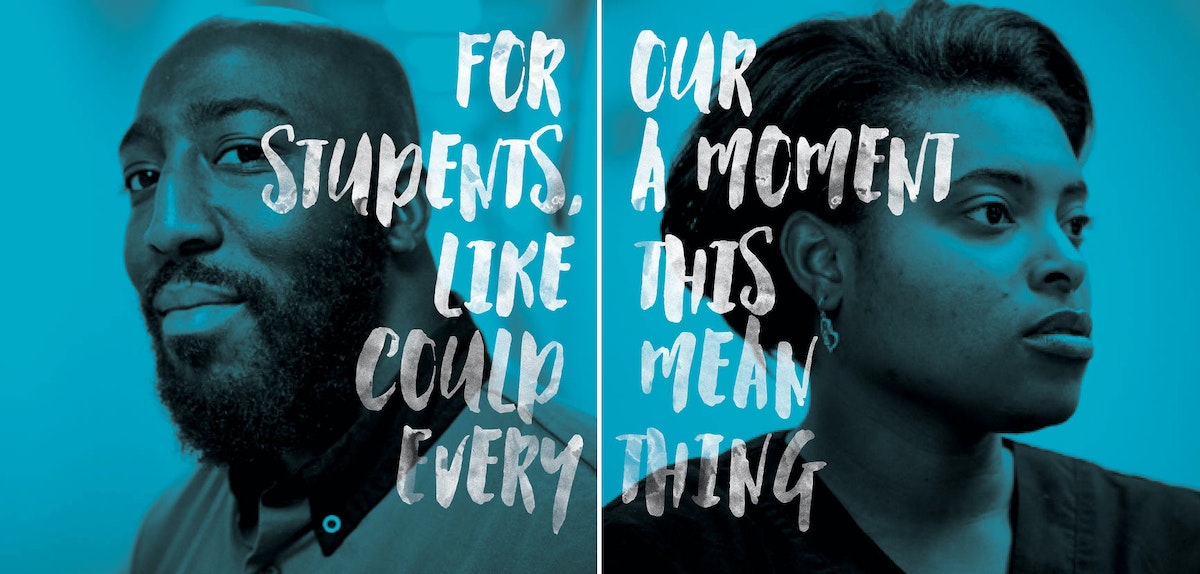
Many students have the motivation to pursue higher education, but are dealing with external pressures and realities that make completion challenging.

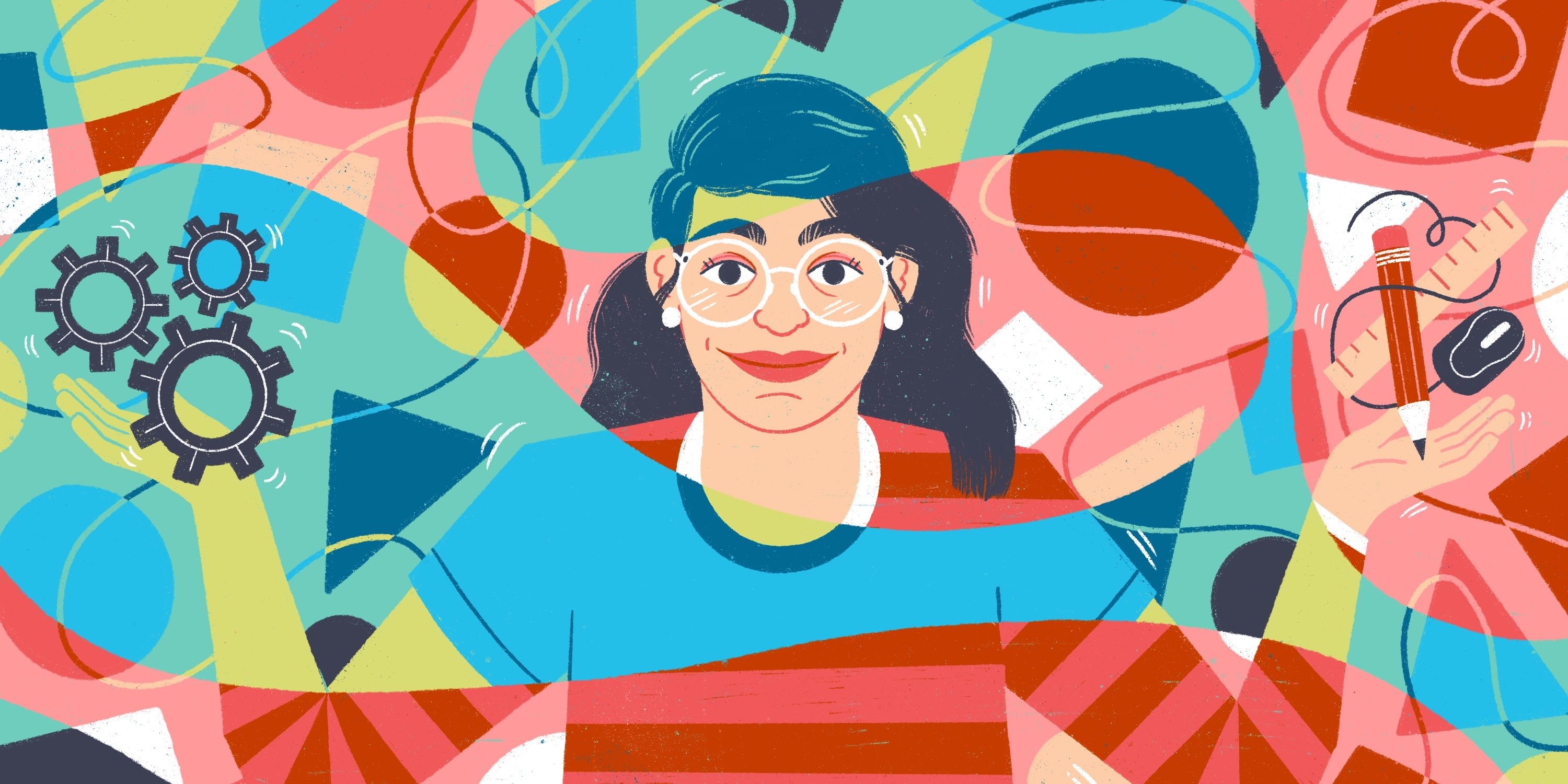
Why Coding Needs to be a Conversation, Not a List of Commands
4 tips for integrating your software developers into the design process
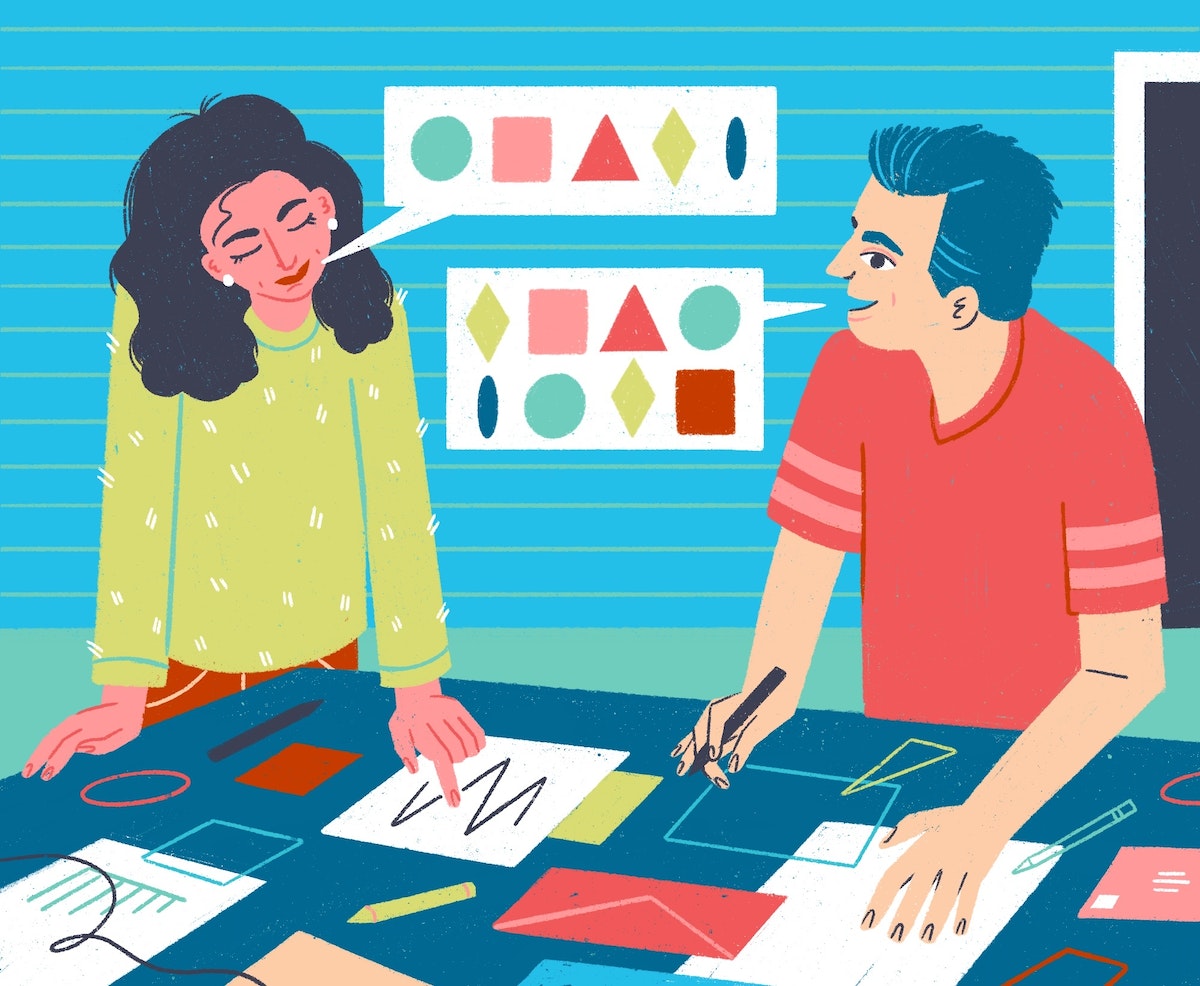
The role of an engineer on a product team may not exactly involve saving the world, but the scene has some origin in reality: Engineers and other team members often have to come together creatively to solve a problem, and they each have their own language and jargon for describing solutions. As teams practice leaner and leaner development cycles, the process of defining and agreeing on requirements, challenges, and solutions needs to be an ongoing conversation, where everyone comes away with a shared understanding and a feeling that their role’s needs have been met.
So how do you start that conversation, and keep it going successfully throughout the life of a product? Here’s a roadmap to get you started.
Start by developing a common language
Do some level-setting at the beginning of the project to agree on general terminology that everyone can understand. Sometimes, this piece can even be as small as defining your individual product’s features in a way that allows you to speak clearly about your product roadmap.
Early in a recent project, when we were going over wireframes, people were throwing around a lot of terms that referred to the same thing: Was a “folder” the same as a “collection”? What differentiated an “item” from an “object?” By coming together in the product’s infancy and agreeing upon these terms, we were able to define our system architecture and have meaningful database model names that we still use.
Share your vision for the product
Build in time to ask your team members how they feel about the product, and share your vision as well. Try to think outside the smaller details of what everyone’s currently working on, and find opportunities to share thoughts and feelings about the product at large. You might be surprised to hear that an engineer is anxious because they’re worried that the latest feature build is getting way more complicated than they originally planned, or that a designer is excited because users have been clamoring for the feature you’re working on. These small, casual interactions build a sense of trust and shared knowledge about the larger vision that each functional team has for the product as a whole.
Leverage disagreement to come together
It can often feel like product managers, designers, and engineers are at odds with each other. Between wanting to meet deadlines and stakeholder needs, pushing for a joyful and user-centric interface, and working toward robust and uncomplicated code, things can get tricky. The key is to take this source of potential conflict and turn it into a shared learning opportunity. Make sure that every side is not just arguing for a solution, but actually communicating the “why” of a solution. If an engineer understands the user research and decision-making that went into a proposed feature, it will help them communicate all the possible solutions that can meet that particular user need, and then the team can prioritize and make better decisions.
Find opportunities to translate for each other
This opportunity often presents itself when you’re integrating new members onto the team. For example, new engineers with fresh eyes often want to jump in and optimize and uncomplicate things. While that can be a good thing, there may be situations where the more experienced team member needs to explain the design decisions that led to certain features being a certain way—and suddenly the engineer is empowered to speak for the UX designer because they understand the shared vision.
Once you find your conversational rhythm, you’ll find that team members begin to understand each other’s roles better. Because the designer now understands why the engineer pushed back on a certain complicated feature, and the engineer understands why users have been wanting a different feature, both roles on the team are now better equipped to advocate for each other and push toward a common goal—whether that’s defusing the bomb on the bus, or building a successful product.
Illustrations by Cassandra Fountaine
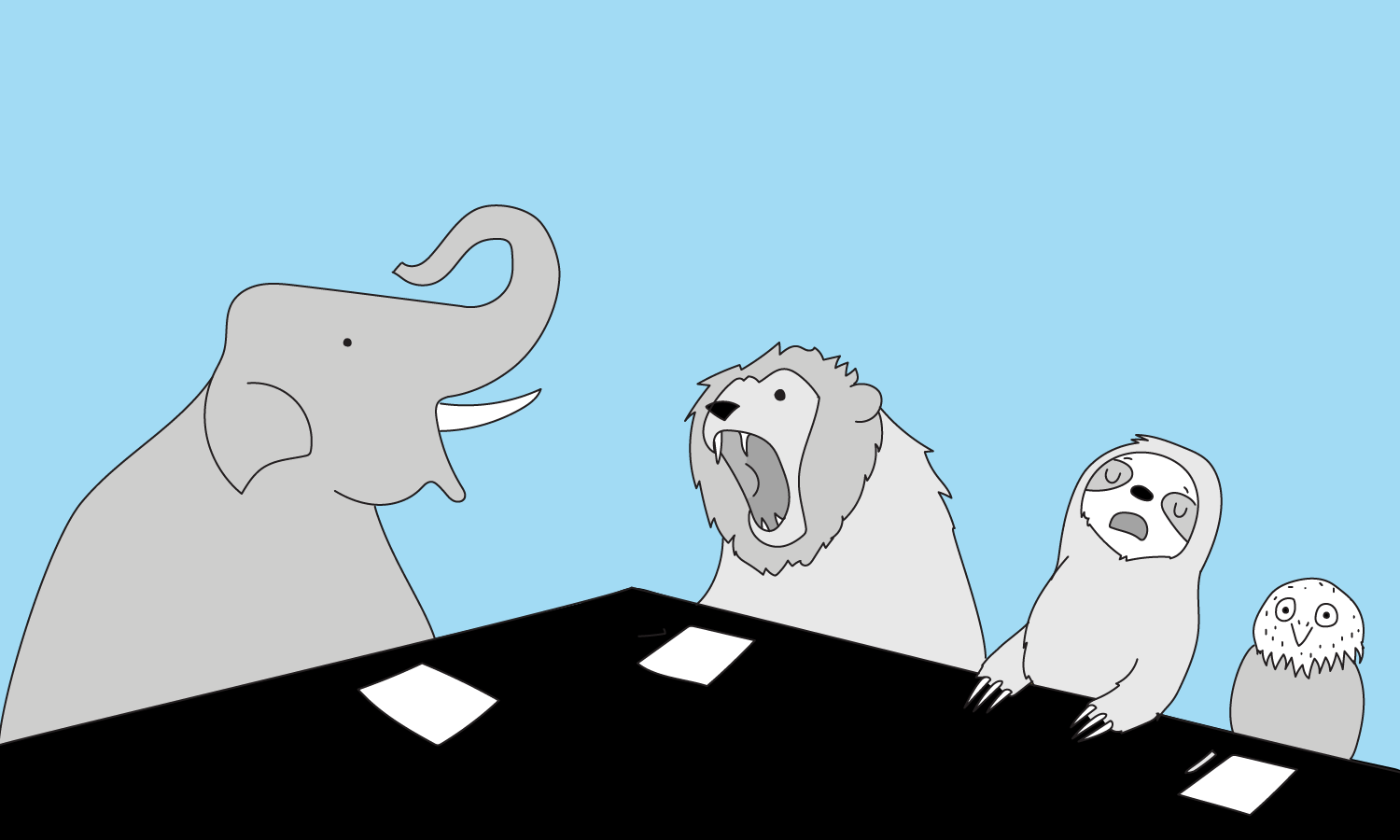
We’ve all seen the action movie trope where our hero needs to defeat a ridiculously complicated doomsday device, and the plucky engineer has to explain how to reverse the polarity or engage the spatio-temporal hyperlink. The hero inevitably responds, “In English, please?”
Why You Should Invest in Real Friendships at Work
The benefits go far beyond coffee breaks
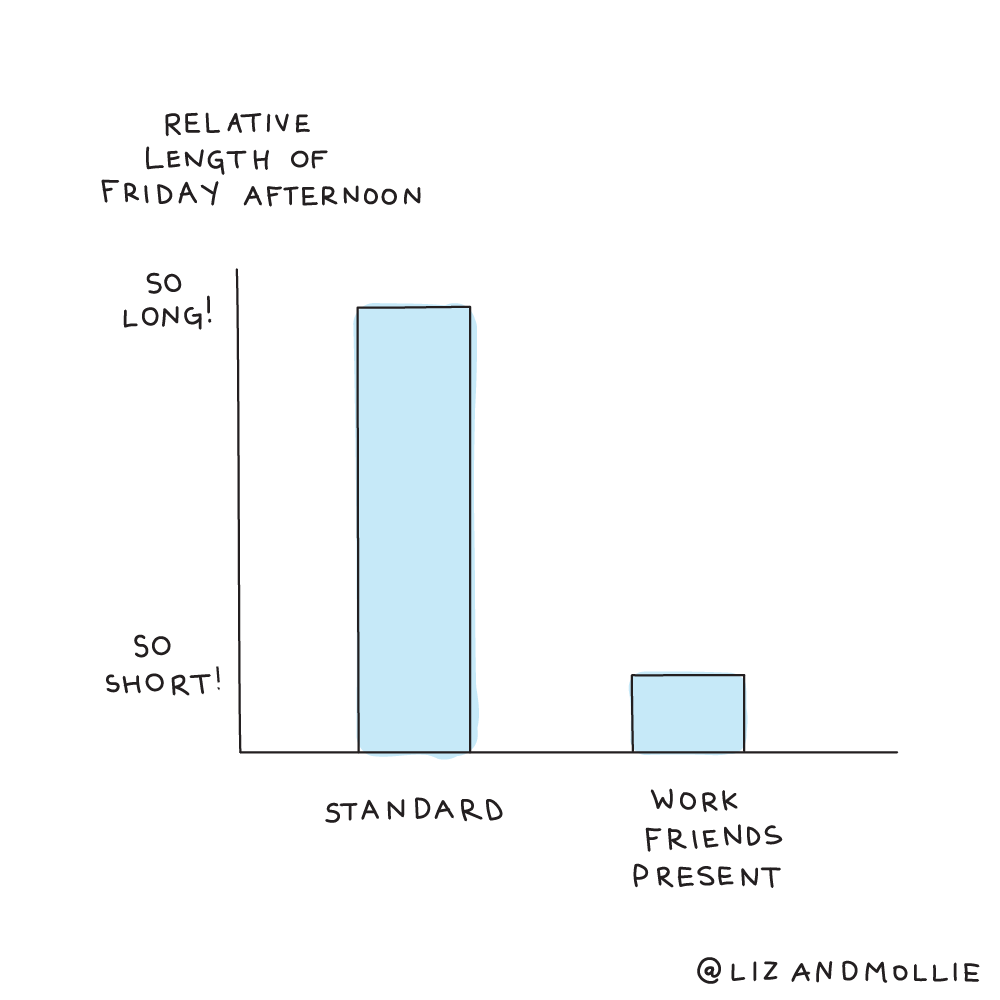
Work friends are very important, and different types of work friends can fill different needs. We’ll cover three: the confidante, the inspiration, and the frenemy. Understanding how and why you relate to these people will help you commit appropriate mental resources to developing workplace relationships that can bolster your motivation (and maybe even help get you out of bed on that Friday morning).
1. The confidante
This is the work friend who will commiserate when you’ve had a rough conversation with your boss, rush you to the bathroom when you’re about to cry, and give you honest feedback when you need it most. Confidantes make us feel like we can conquer the world—or at least ace a presentation and finally ask for that raise.
But these days, it can be tough to find a confidante at work. Because we tend to switch jobs more frequently, it can be hard to invest as heavily in workplace relationships. To counter that and find your confidente, start by building trust and sharing stories with a coworker you gravitate toward. Or initiate a get-together: People who provide social support to others—by organizing an office event or inviting colleagues to lunch—are ten times as likely to feel engaged at work than people who keep to themselves, says Shawn Achor, author of Before Happiness.
2. The inspiration
The inspiration is your platonic work crush: you don’t want to be with them, you simply want to be them.
This person can either be a colleague you deeply admire or a formal mentor. You probably could've guessed this, but mentors can help improve job satisfaction, teach us how to be effective leaders, and steer us towards the right career moves.
“They’ll bring a field to life for you. They’ll teach you how to find quality material in that field,” advises economist and author Tyler Cowen.
Pro tip: The best way to find a mentor isn't to ask, “Will you be my mentor?” but to start by asking someone for specific advice, then slowly work toward building a relationship.
3. The frenemy
We tend to choose friends who are similar to us, especially at work. But the more we have in common with someone, the more likely we are to compare ourselves to them. The frenemy is both our friend and our benchmark within the organization.
Another pro tip: Don’t feel guilty about experiencing the occasional twinge of envy! Frenemies account for almost half of all important members of our networks.

While frenemy relationships are linked to greater stress, they also motivate us to work harder. In a survey of consultants, those who had a frenemy made more of an effort to succeed and network. Leverage the positives of a tricky relationship by partnering on an important project; you’ll try harder to prove yourself and might end up with a real friendship.
But even the best work friendships have a dark side. Sometimes being close with our colleagues can leave us emotionally exhausted. Managing relationships we care deeply about while giving critical feedback or rushing to meet deadlines takes effort. Talk to anyone who has worked at a startup where coworkers describe themselves as a family, and you’ll inevitably hear how tiring it can be.
And for every friendship, there is also someone outside the friendship. The closer the relationship between two colleagues, the more others might feel left out, even if the friends aren’t actively excluding anyone.
Here are some concrete ways that you can engage with people at work to reap the rewards of having solid work-friends:
- Go for quality instead of quantity. High-quality connections don’t necessarily require deep or vulnerable relationships. Small moments of connection full of trust and engagement can be the beginning of something larger.
- Prevent silos from forming. IDEO structures all of its teams to include designers from different disciplines so each team is cross-functional. Our San Francisco office also has a ritual called tea time, in which people are invited to take a break from their work and mingle with people they don’t work with directly.
- Don’t rely on social events. Studies show that work parties aren’t always effective at helping people make friends. “People don’t mix much at mixers, and at company parties, they mostly bond with similar colleagues,” says Adam Grant.
- Spend casual time together. Google and Facebook plan times for employees to play games and eat meals together. At LinkedIn, the whole family can get in on the fun during Bring Your Parents to work day.
This post was adapted from Mollie and Liz's book No Hard Feelings: The Secret Power of Embracing Emotions at Work.
Choice, meaning, and opportunities for learning all make work more enjoyable. But on rainy Friday mornings when we’re low on sleep and irritated with our managers, research suggests our real motivation isn’t a what—it’s a who. People with friends at work find their jobs more satisfying, and are less affected by stress.

Thoughtless Acts: Monsoon Season
Thoughtless Acts: Monsoon Season. The intuitive ways we adapt and react to things in our environments

It's my first few hours in Bangkok, and by looking around the train, I can tell it's rainy season. Thin raincoats cover suits, and young mothers juggle both sunglasses and umbrellas.
As I exit the train, I look up, count to three and speed through a very thick rainstorm toward my Airbnb. After a much-needed nap, I open my eyes to a completely different climate. I peek through the shutters of my room and see an indigo sky, birds flying, and I am feeling the heat.
I pick up my fanny pack and leave the Airbnb immediately to explore the neighborhood. On a quiet side road, beside the fence of a wood craftsman shop, a thick black piece of tarp covers a corrugated fence. It’s held in place by a clever set of weights—filled plastic water bottles.
It strikes me that such an old trick can be found everywhere across the world. I start to wonder how can these four small bottles make it through such heavy, rainy days.
I stop to stare at a man approaching me. The woodchips on his shirt make it seem like he must be heading out from the shop nearby. He whispers something, unties a couple of bottles, and brings them to the shop's outdoor sink. These short bursts of sunlight heat must dry the water in them pretty quickly, I thought to myself. Regardless of the one million square meters of water falling over Bangkok each September, nothing beats the strength of a tropical sun, and the dedication of an old craftsman to keep his work tools dry.
Human-centered design requires us to observe human behavior with beginner's eyes, so that we can spot the innate ways people interact with the world around them. We call these intuitive and unconscious reactions Thoughtless Acts, and IDEO designers collect photos of them to inspire their work.

This Woodworker Puts a Modern Twist on an Age-Old Trade
Katie Gong's art is full of loops, curves, and elegant bends
After steaming smooth, straight pieces of wood, Katie sculpts them into loose knots, braids, and squiggles, inherently fluid shapes that defy the medium’s natural rigidity.
To me, Katie’s work represents open-mindedness, possibility, and the means to evolve beyond appearance, expectation, or past. Her sculpture that sits in our living room—a wooden braid that bends upwards in an elegant arc, like a ballerina’s arm extending over the bar—reminds me to be unafraid to challenge the seemingly accepted, even when it comes to myself.
Katie sat down with me to share more about her craft, plus her fondness for classic 80s movies and finding freedom in chaos.
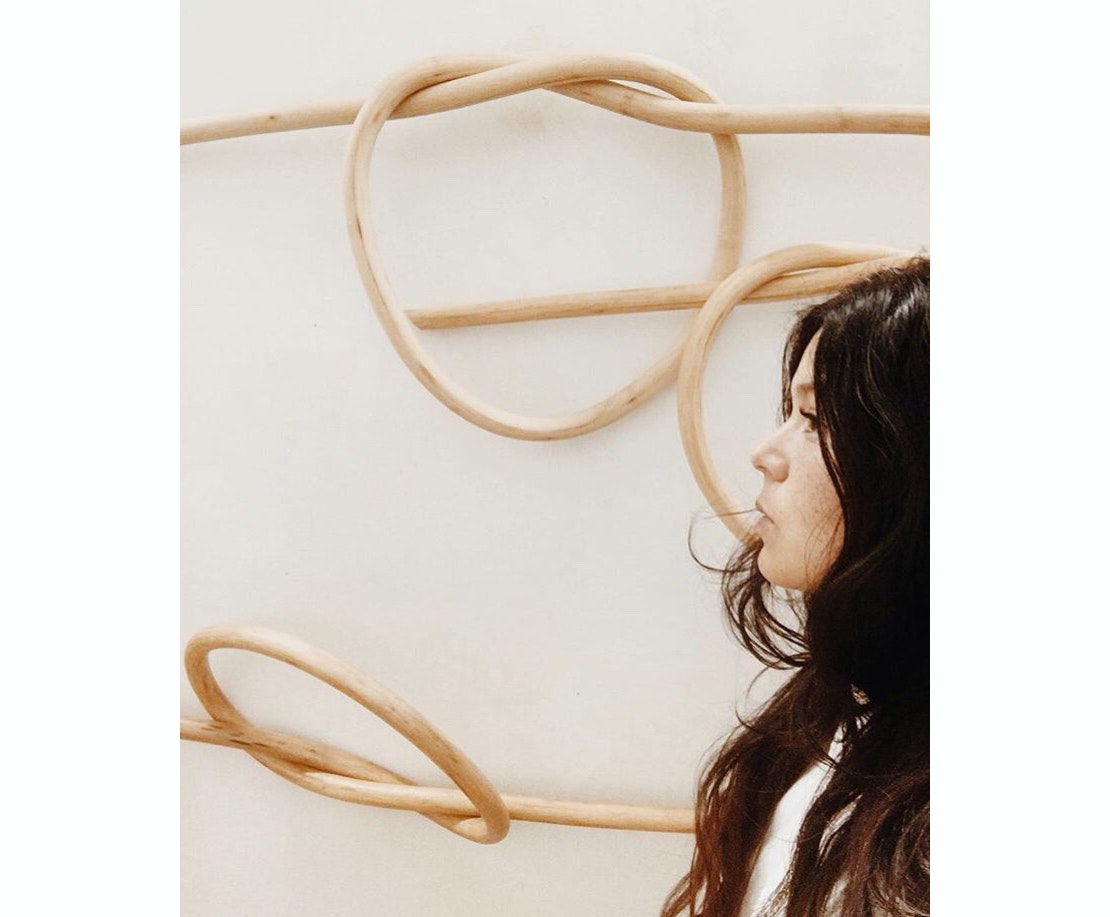
In one sentence, who are you?
I am many things: an artist, mother, wife, designer, and powerhouse.
What do you do? How did you learn it?
I’m an artist specializing in wood. I bend wood by steaming it, which is a unique and pioneering technique that challenges classic woodworking practices. I learned the craft from a young age. Growing up, my grandfather and father were both carpenters and taught me how to work with wood.

3 favorite possessions?
1. My father's Old Timer pocket knife. 2. My wedding rings and grandmother’s jewelry. 3. My adventure hat.
What does a typical work session look like?
I like to have a lot of projects going at once, so there are typically a couple things in the works at any one time. I tend to work a bit on each project all at once. Sometimes it can be a bit hectic, but there’s something in this chaos that allows me to move freely from project to project.
How do you get over creative block?
I try to take a step back. I change my surroundings and not think about the project. I find that once I zoom out, I find the solution I was searching for.
What was the last item on your to do list?
Getting a pedicure. Sometimes making time for myself can be tricky.
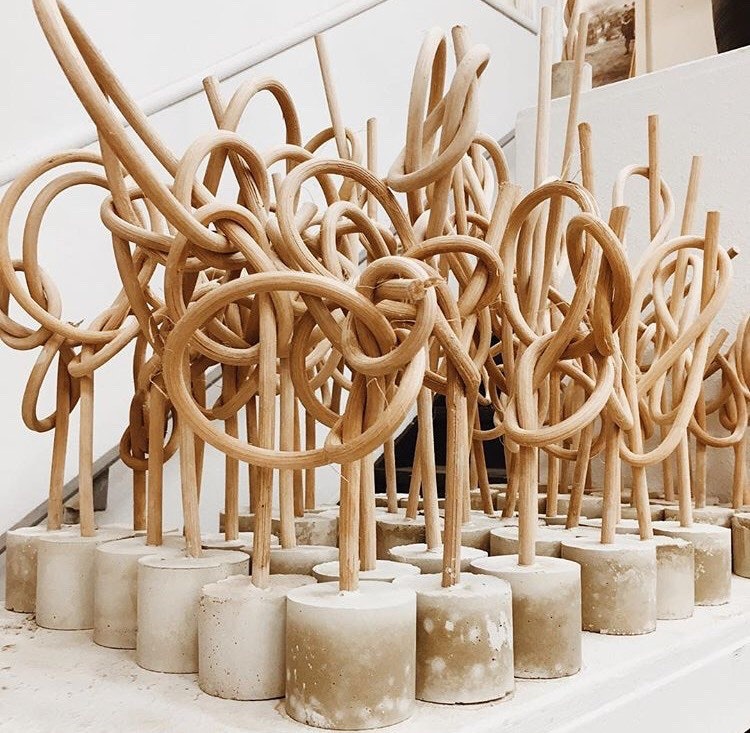
How do you see the world in 2078?
Hopefully I'll still be around then. Let’s see... I hope to be telling my grandchildren about growing up in the 80s, and blowing their minds by showing them ET and The Goonies. I hope that the world still holds on to the classics, like going for road trips, camping in cars, or reading books snuggled under a blanket while its raining outside. I hope that the world is similar to today and yesterday. Mostly, I just hope it’s not uninhabitable because of global warming or something crazy like a nuclear explosion.
What’s your number one bucket list item?
I’d like to have a solo exhibition in Japan.
Who are you creative crushin’ on lately?
My number one creative crush is always Aleksandra Zee. She's my creative sister. Windy Chein’s ombre knots are killing me, and Meryl Pataky is truly pushing the boundaries of neon art.
With a dose of hot moisture and a little imagination, San Francisco-based woodworker Katie Gong makes the seemingly stiff become supple. Kind of like my attitude after a bath.

Lindsey Turner
I’m passionate about building brands, products, and experiences that help organizations show up with meaning and momentum.
I help organizations cut through complexity by shaping how they show up, through brand strategy, identity, and storytelling.
Working at the intersection of brand and business, I bring an editorial eye and a bias toward making—turning ideas into tangible experiences that people can understand, trust, and believe in.
My work spans government, healthcare, financial services, media, and consumer goods, from launching Gen Z-focused ventures to building innovation labs and reimagining legacy brands. I relish moments of ambiguity and enjoy translating across teams, perspectives, and priorities to move ideas forward.
I started my career in editorial and digital design, shaping cross-platform experiences and identity systems in publishing and agency environments. That foundation still shapes how I work today: I’m detail-oriented, collaborative, and overreliant on the Oxford comma. I hold a BFA in Visual Communication from the School of the Art Institute of Chicago.

Rachel Young
My work helps organizations see who their products aren't working for—and build the will and the tools to do something about it
For 25 years, I've asked the same question: Who does this design exclude—and what are we going to do about it?
My work spans human-centered strategy, inclusive design, and qualitative research, with clients ranging from Microsoft, Google, and Verizon to the National Science Foundation, and San Francisco Unified School District.
Before IDEO, I taught elementary school in East Palo Alto and spent a decade doing design work with social service organizations—where I learned firsthand what it costs people when systems are built without them in mind.
I am currently writing User Error, a nonfiction book about digital access and the design decisions behind it. I live in Oakland, California.

Brian Pelsoh
I lead with craft, ensuring our work is creatively excellent: rooted in deep human insight and imagination, while also grounded in the realities of business and technology.
My expertise spans brand, communication, and product design across tech, education, the arts, and social impact.
I believe great work demands both high-level vision and obsessive attention to detail, and only happens through collaboration.
I bring an inclusive, hands-on approach and a deep understanding of business, which enables me to consistently deliver excellence while always asking why.
Before joining IDEO, I worked at the brand firms Pentagram and VSA Partners. I began my career as a designer, leading teams at the School of the Art Institute of Chicago and the Milwaukee Art Museum. I hold an MFA in graphic design from Maryland Institute College of Art and a BFA in communication design from the Milwaukee Institute of Art & Design, and have taught at some of the best design schools in the US.

Tony Wong
I am responsible for IDEO’s long-term success in China and working with clients to use design as a tool to enable growth.
I am responsible for IDEO’s long-term success in China and working with clients to use design as a tool to enable growth. Specifically, I have helped Chinese companies design holistic brand solutions through the development of their products, communication, services, and innovation teams, and I have helped multinationals expand their presence and influence in China.
I advise global leaders on developing China-led innovation and capabilities.
In over 15 years in IDEO Shanghai, I have worked on projects that use design to elevate the quality of the experience of healthcare products and services, streamline processes that increase productivity, create spaces and programs that promote and enable inclusive communities, and build next generation mobility solutions that are planet-positive.
Before joining IDEO, I worked at Philips Electronics and the Electrolux Group in Italy, the Netherlands, and Singapore on a number of breakthrough commercial products. I am a member of the Young President Organization in Shanghai.

Building a personal AI for the messiness of life: Sida Li
Most AI products today are built for work—a space with clear problems and established systems. One founder noticed a gap: personal life is messier, harder to systematize, and mostly left behind by the AI boom. So she built Cue, a personal AI that lives inside iMessage and group chats, to go where the other tools haven't.
In this episode, Becca Carroll, IDEO's Chief Strategy Officer, talks with Sida Li, co-founder and CEO of Shared Context Lab, about staying anchored to a human need while the technology around her keeps changing shape, why she treats her business model with the same rigor she'd bring to a product, and what it feels like to build a company at this particular, disorienting moment in AI.
The conversation also gets into how Sida makes design decisions: the language Cue uses to describe itself, the tradeoffs behind building inside iMessage instead of a new app, and a real story about a business idea that didn’t pan out.
This is the second in a two-part series profiling founders from IDEO's Startups-in-Residence program. The first conversation is with Johannes Seemann, founder of Sooner, on designing GenAI for the emotional side of money.

Designing GenAI for the emotional side of money: Johannes Seemann
Most personal financial tools are built to run the numbers and optimize towards a budget. While that works for some, most people experience money as a lived relationship that does not neatly fit into a spreadsheet. Johannes Seemann and Becca Carroll discuss why money is emotional before it is mathematical, and what a human-centered approach to building a generative AI financial product looks like in practice.

The curious leader's edge in uncertainty: Scott Shigeoka
Mina Seetharaman talks with Scott Shigeoka, author of Seek and Head of Curiosity Cultivation at the Eames Institute, about what distinguishes genuinely curious leadership from performative curiosity, how power dynamics shape curiosity, and why practicing curiosity can restore energy rather than drain it.

How constraints make us more creative: David Epstein
Mina Seetharaman talks with David Epstein, author of Inside the Box and Range, about why total freedom often produces average work, how leaders can design useful limits on purpose, and what organizations such as General Magic and Pixar reveal about the relationship between boundaries and creativity.
Looks like you might be in search of something very specific?
Or reset the filters above and try another angle.
Here’s some random inspiration

Podcasts about creative leadership

Articles about the power of prototyping
