
.svg)




Connecting the underserved to the digital economy
Designing inclusive digital financial services for the last mile.
Money works differently in communities traditionally excluded from formal banking, which makes designing products that really serve their needs a very different kind of challenge. People who live in the last mile often prefer cash because it’s physical. They can see it, touch it, and access it at any time.
While digital money offers many benefits, such as securely sending money over long distances and accessing new forms of credit, many don’t trust it because the places where they can access digital currency have often been too far away.
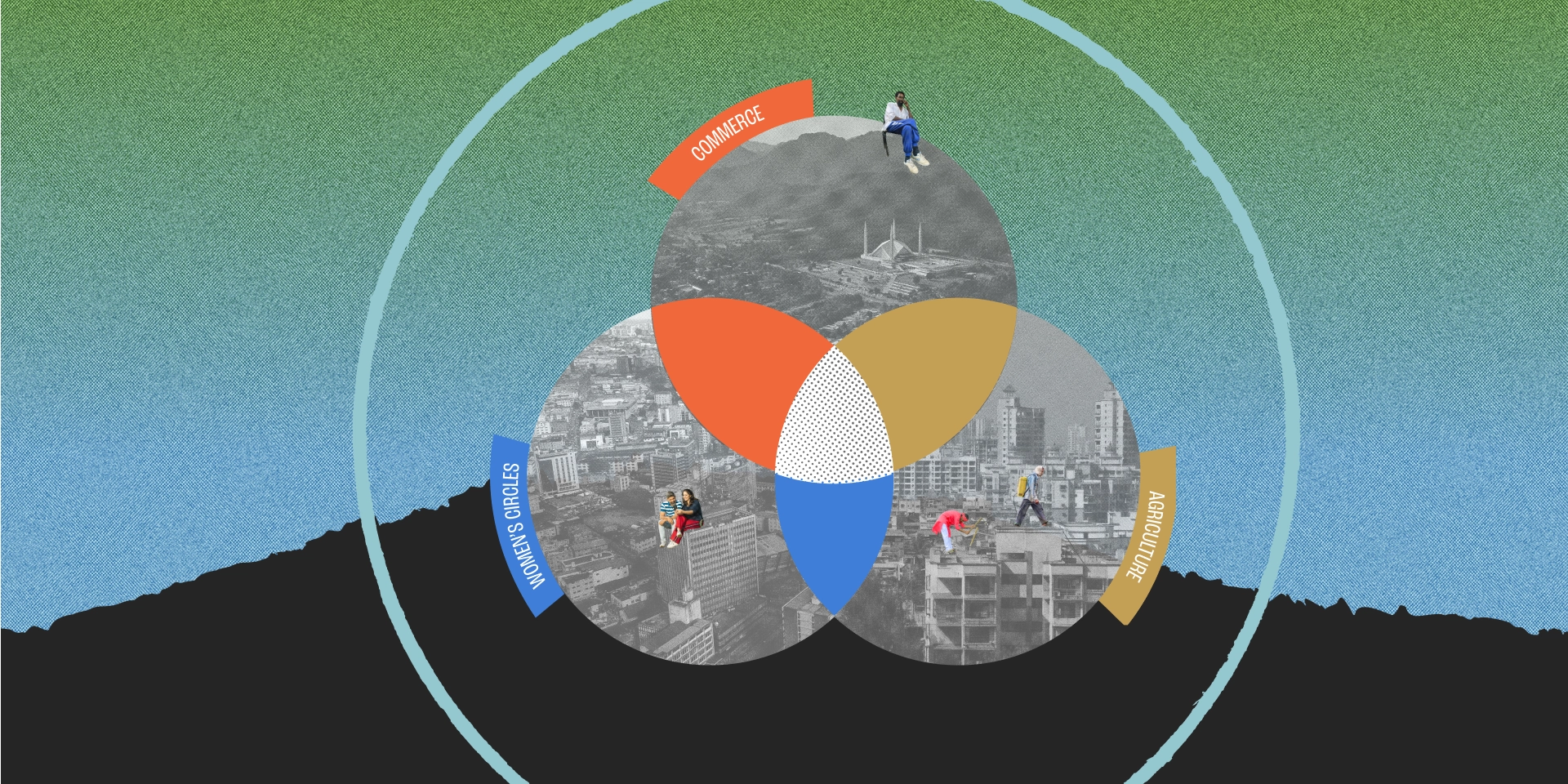
In 2017, over 500 million adults lived more than three miles from a financial access point in eight emerging markets studied by the Gates Foundation. This may not sound like much of a barrier, but for those living in the last mile, it means having to close their shops, lose a day of earnings, arrange family care, and pay for travel, which can be time-consuming and difficult, especially during rainy seasons. For low-income people, the inaccessibility of financial services has been a deal-breaker for adopting digital money. On the flip side, banks, telecoms, and other companies struggled to reach these customers because their products were not inclusively designed for them, and their distribution models failed to scale in rural areas.

Amid these myriad challenges, IDEO and the Gates Foundation saw an opportunity to introduce innovative ways to provide access to digital financial services even in the most remote areas of the world. And to make bold new bets: Could we design new digital experiences centered around the financial needs of people in the last mile? What would happen if we mobilized hundreds of actors to develop new ways to address financial access at the last mile? What if we took the most exciting financial innovations that worked in East Africa and piloted them in South Asia—and vice versa?
Working with more than 70 partners, including local startups, corporations, including Google, Unilever, Telenor, Standard Chartered, and BNI, as well as IDEO.org’s Women & Money program, LMM adopted a collaborative, ecosystem approach to drive and scale new digital financial products and systems.
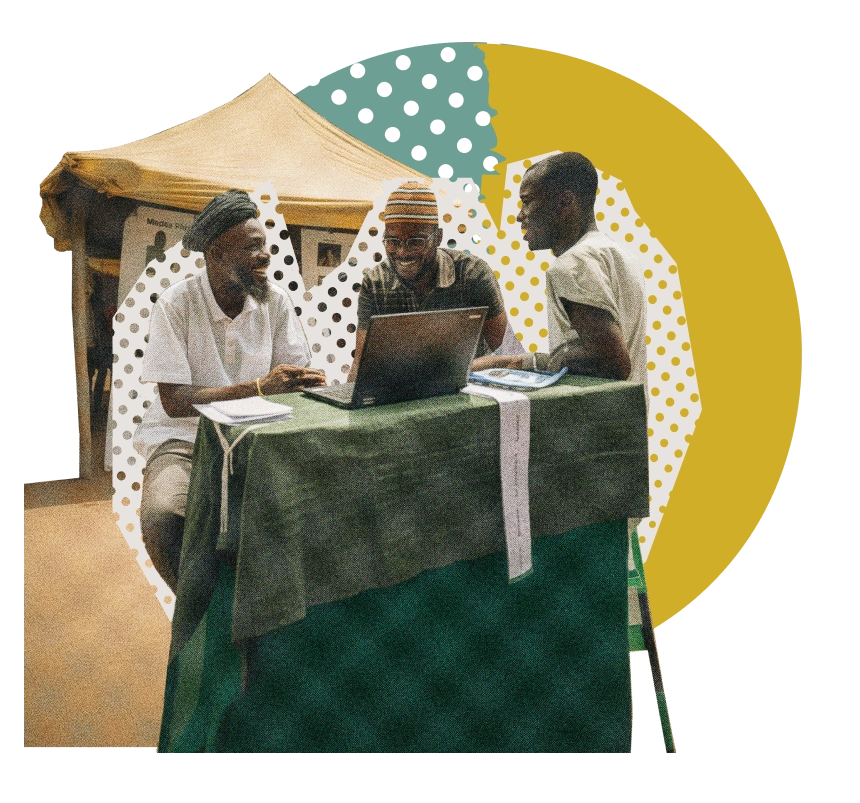
A few of the life-changing innovations launched by LMM and its partners include:
- Finja’s intuitive small-business app that helps micro-merchants in Pakistan access flexible, interest-avoiding Islamic credit to order products from fast-moving consumer goods companies like Unilever. Finja now serves 45,000 merchants and reaches 10.2 million customers.
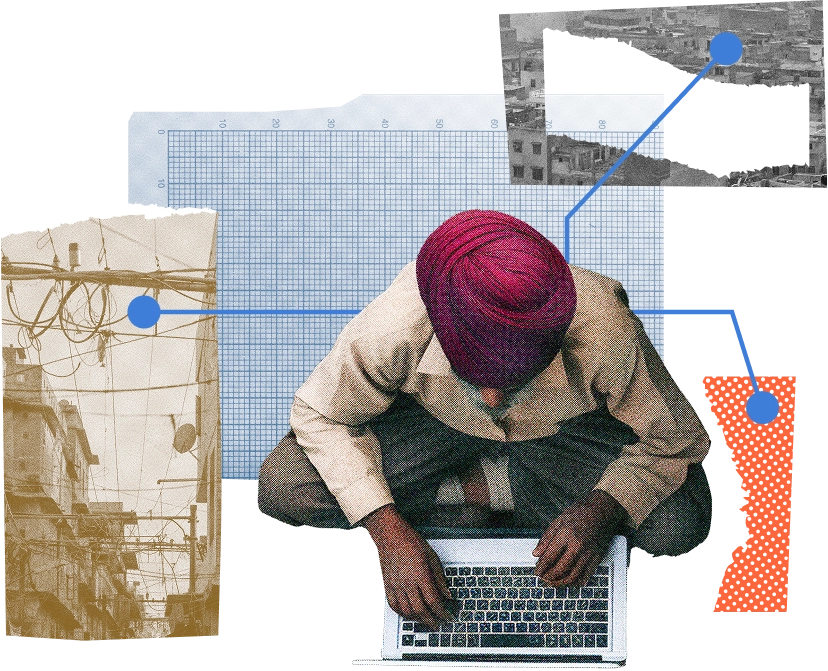
- Accessing government benefits can be a challenge, especially when it’s through a mobile phone, so IDEO helped Indian startup Haqdarshak develop a robust digital experience for its 52,000 community agents to facilitate access for low-income people. The agent network—70 percent of whom are women—now serves more than 7.6 million families and has unlocked $2.2 billion in social benefits for those who need it most.
- Making micro-credit nearly instantaneous was a solution that startup Kuunda offered to financial agents in Tanzania. IDEO helped adapt the product to deliver working capital for merchants in Pakistan. Today, Kuunda continues to grow across markets in Africa, totaling 6.1 million active users and distributing $1.1 billion in loans globally.
While the LMM program officially concluded in 2024, lessons, tools, and case studies from the program are accessible on IDEO’s Financial Futures website. Those looking to catalyze equity and inclusion in digital financial services for the last mile can consult LMM’s Financial Confidence Playbook, the open-source Digital Confidence Toolkit (created in collaboration with Google), or the Gender Evaluation Framework, among other helpful resources.
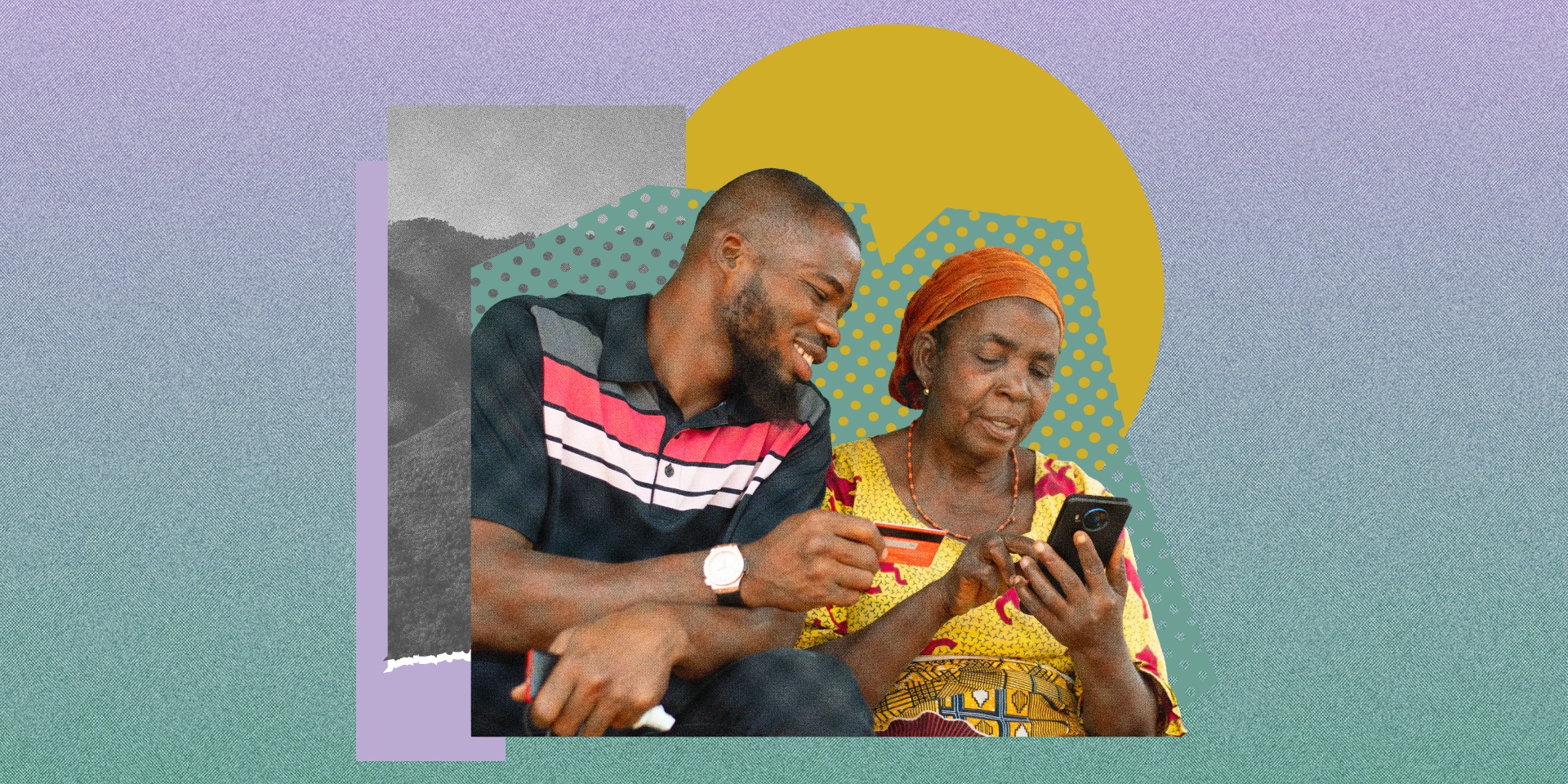
Over 1.3 billion people worldwide in poor and rural areas are excluded from formal financial services, including savings accounts, credit lines, and insurance, making it harder for them to move out of poverty.
34M
underserved users reached by 100+ new financial products, pilots, and prototypes
70+ LMM partners
including Google, Unilever, Grab, Standard Chartered, Cargill, Airtel, Celo Foundation, and BNI

Disrupting the beauty goliaths
How a new Peruvian brand overcame the odds—by design.
Multinational CPGs excel at creating popular, mass-market products for large countries. When they enter smaller countries like Peru, they often parachute their brands onto store shelves and skip consumer product testing altogether, largely relying on brand recognition to drive sales. This oversight presented Alicorp and IDEO with an opportunity: flip the script and invite young Peruvian women to work together with them to create a new hair care brand from scratch. Over the course of a four-year transformational journey, IDEO worked closely with Alicorp, adopting a “learn by doing” approach to foster a culture of innovation, launch a new brand, and drive growth for the company through consumer-centric design.
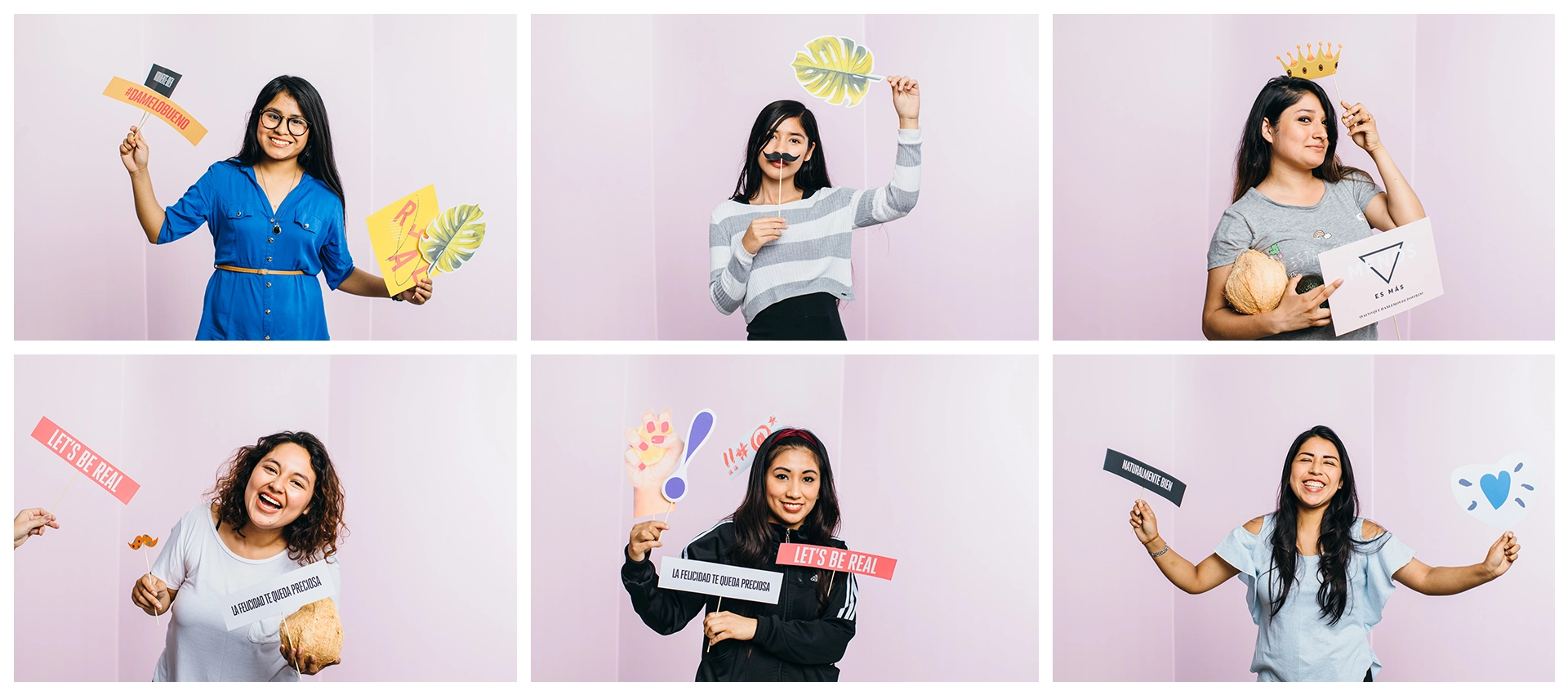
The collaboration began with an inspirational trip 10,000 miles away to Seoul, South Korea, the epicenter of global beauty trends. To expand their thinking, the Alicorp/IDEO team received K-Pop glow-ups and explored other cutting-edge beauty experiences. They were inspired by the Korean market’s unwavering focus on meeting the particular hair care and skin needs of Korean women.
Back in Peru, the team conducted multiple rounds of in-depth interviews with young women, teenagers, beauty influencers, and experts across the country. They learned about their beauty goals, personal care routines, and “mixto” hair texture. They heard about women’s struggles with regional weather—the Andean region’s extreme dryness versus Lima’s humidity and the city’s hard water. The research revealed that Peruvian women wanted natural products that worked hard, wouldn’t harm their hair, and celebrated what made them unique. They wanted a brand that spoke to them honestly and authentically. That represented and empowered them. That didn’t overpromise, underdeliver, or hold up European and American beauty ideals that didn't resonate with Latin American women like the multinationals did.
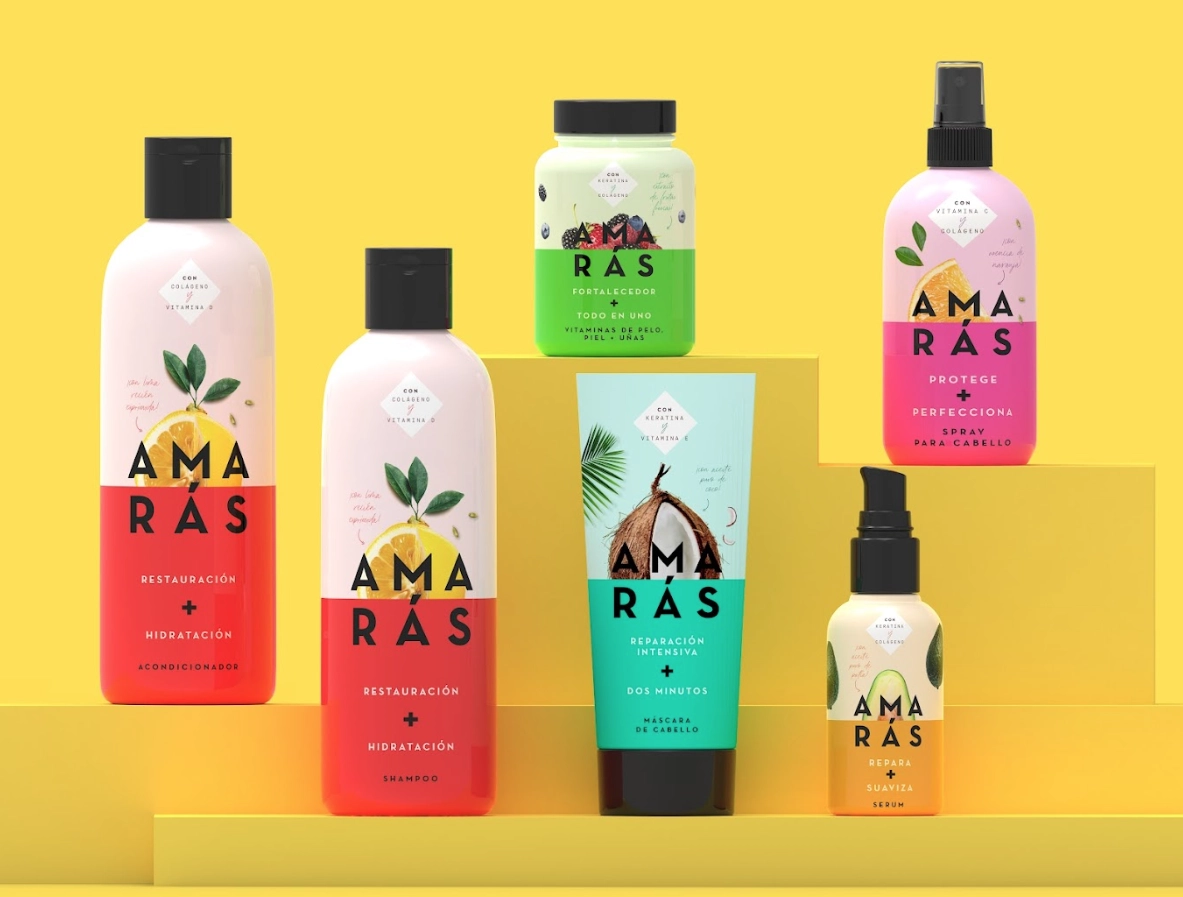
Armed with these insights, the Alicorp/IDEO team developed tangible brand prototypes for women to respond to during successive rounds of user research, including in a beauty pop-up store in Lima. The team shared various bottle types, ingredient mixtures, and brand positioning options. Should the new brand’s personality be an outspoken feminist or a gal pal? Au naturel or sophisticated? The iterative feedback cycles informed everything from brand strategy and ingredient recommendations to product line-up, brand and product naming, launch strategy, and digital activations.
The final design, Amarás (“you will love”), is a personal care line that centers the needs and aspirations of Peruvian women. Hitting shelves in 2022, its shampoos and conditioners feature local, bio-diverse ingredients, including mangoes, macadamia nuts, and goldenberries, that help address the specific hair texture needs of women in LATAM and the climate realities of the Andean region. The brand’s launch campaign included TV and print ads featuring Peruvian models from every region as well as commissioned murals celebrating local beauty by artists across Peru. Most notably, the unapologetically authentic Peruvian hair care brand became a TikTok sensation, garnering over seven million organic views and more than 300 viral videos from enthusiastic new fans.
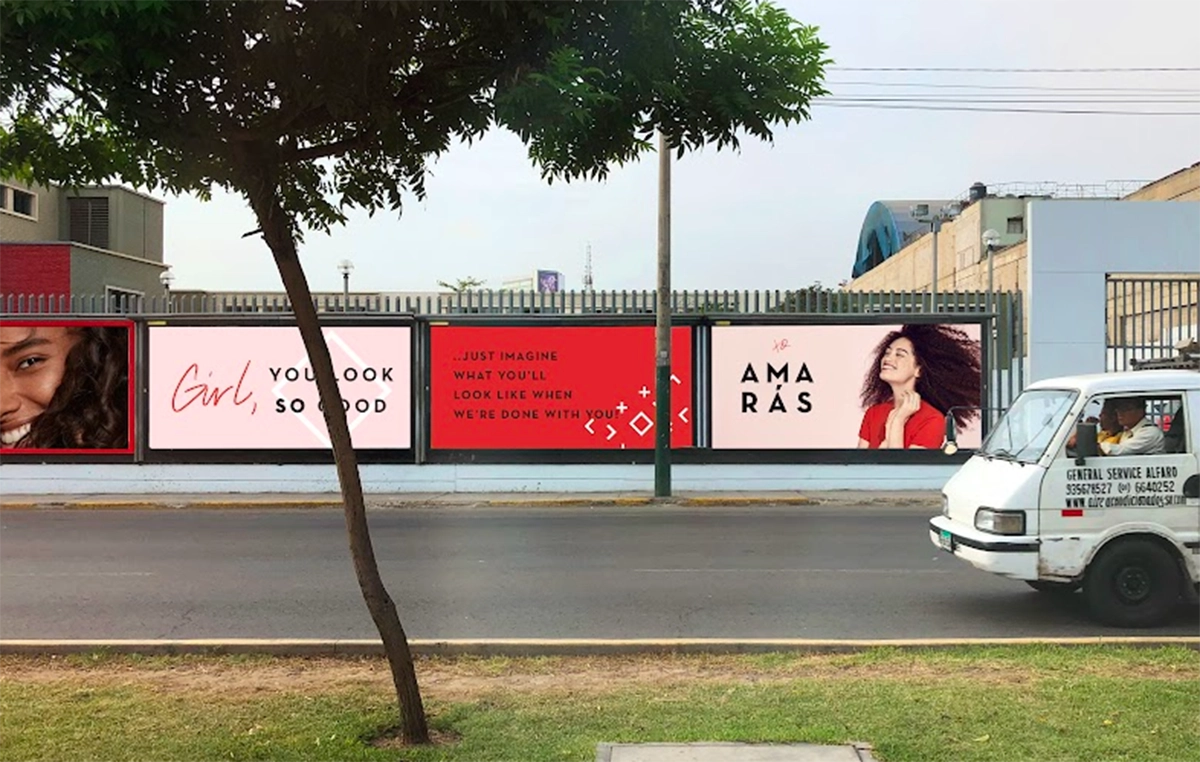
Three months after its launch, Amarás seized a 7.5 percent share of the personal care aisle—a remarkable goal it had set for year three.Since then, Alicorp has continued to expand its creative capabilities, designing personal care products tailored to the cultural and beauty needs of Latin American consumers.
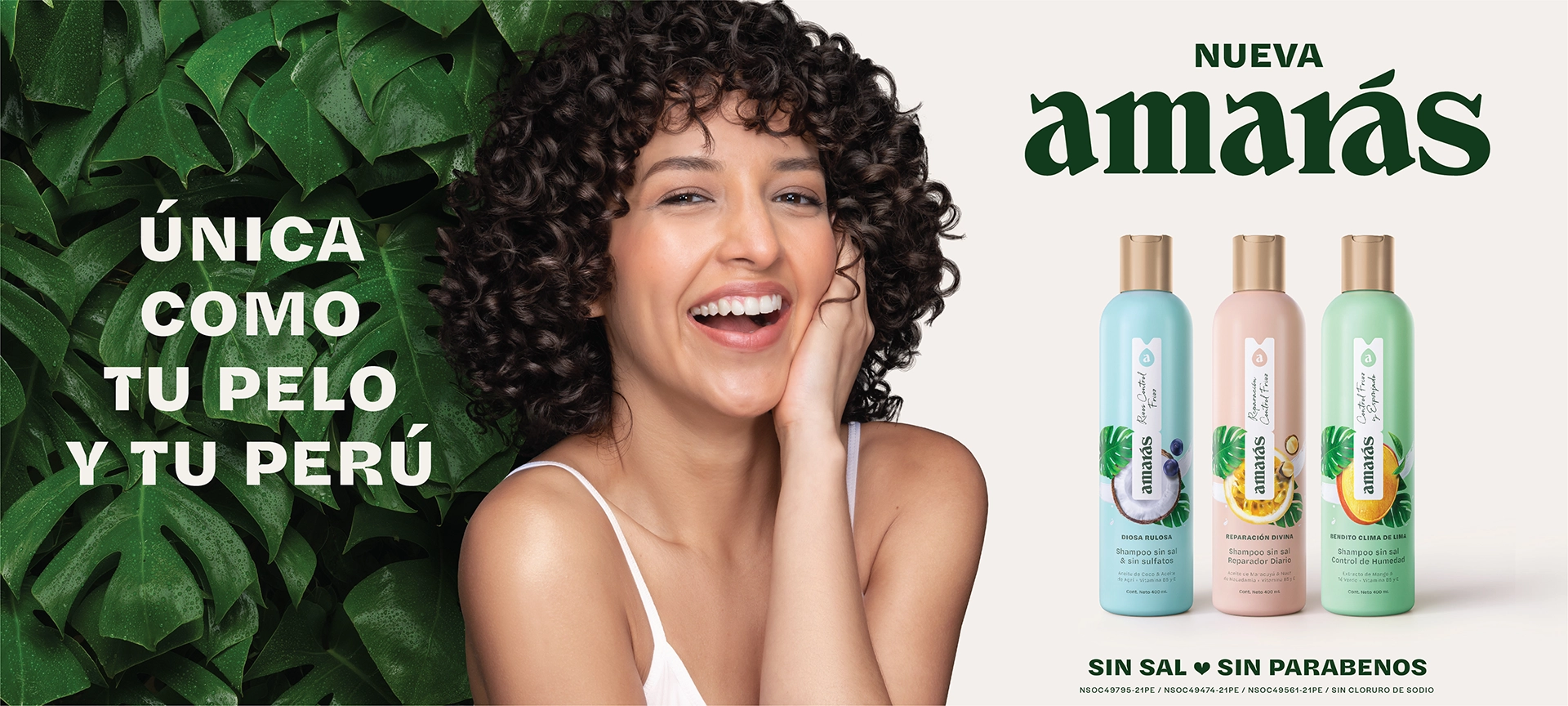
Alicorp launched numerous successful brand extensions across its food and home care categories, but was unable to crack the $340M USD hair care product market in its home country of Peru.
7.5%
Amarás’ share of the Peruvian hair care market 3 months after launch—a goal Alicorp had set for year 3
7M+ organic views and 300+ organic fan videos
created on TikTok during Amarás’ launch campaign
Enhancing garment worker well-being with AI
Introducing Aitu, “Smart Machines, Uplifting People.”
Thirty years ago, China-based Jack Technology started as a home sewing machine manufacturer. A decade ago, the innovative global leader began investing in robotics and exploring AI, a decision that positioned it well to address today’s urgent need for smarter manufacturing solutions.
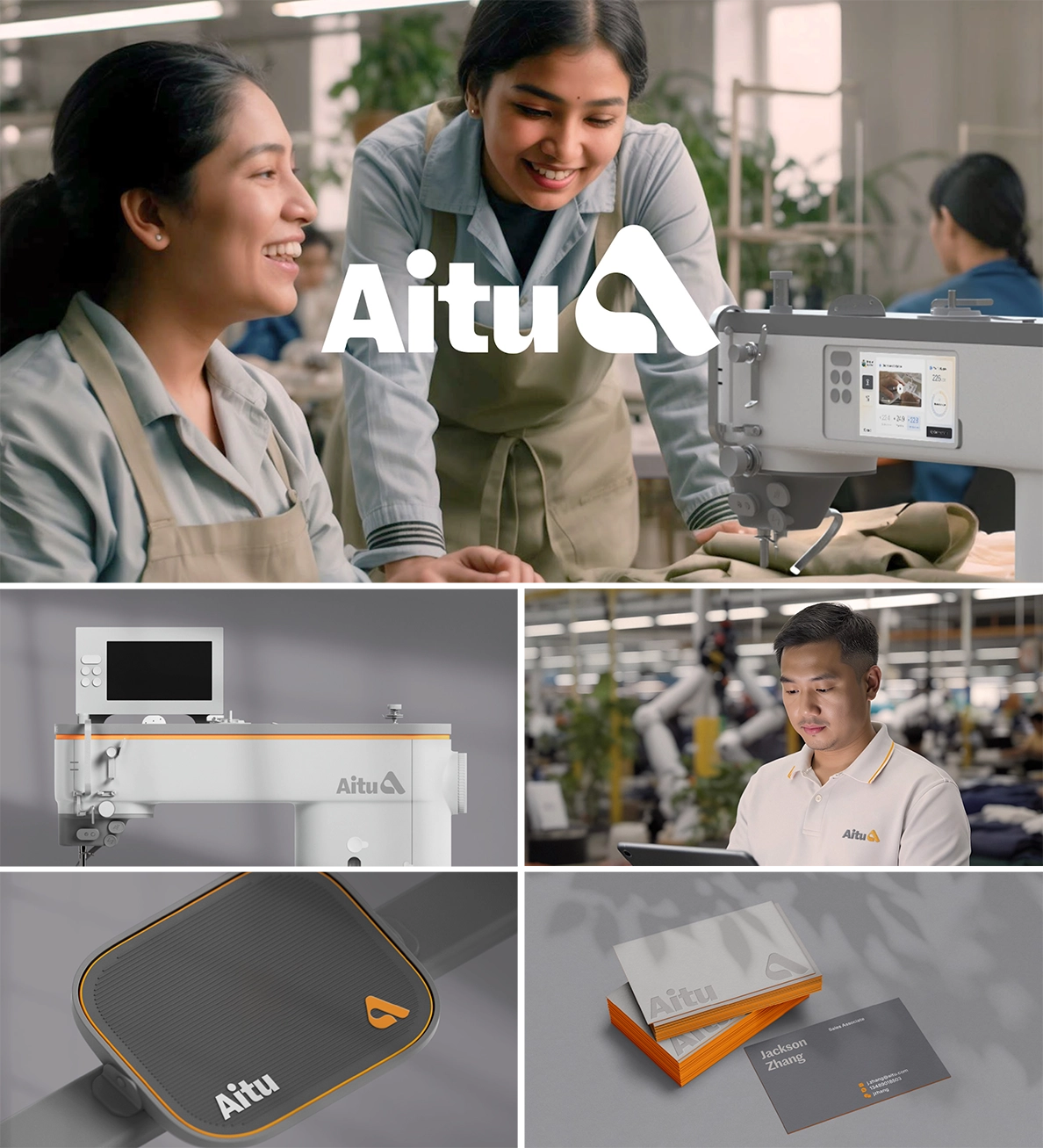
Believing that a new, strategically positioned sub-brand could draw in larger, more premium global manufacturing customers, Jack Technology and IDEO set out to understand their needs. IDEO began by visiting more than a dozen garment factories across China, Vietnam, and Bangladesh, conducting in-depth interviews with factory managers, industrial engineers, pattern-making leaders, and frontline workers. It soon became clear: the apparel manufacturing industry is at a critical juncture. The way apparel manufacturers navigate the promises of intelligent technology—while addressing deep-rooted structural issues like labor shortages and working conditions—will shape the industry's development for years to come.
For premium clothing brands, garment factory compliance and worker well-being are priorities when selecting production partners, so many owners proudly showcased their improvement efforts. They discussed investing in quieter machines and air conditioning, enhancing lighting, adding greenery, and implementing no-overtime policies. Amid rows of identical sewing stations, the IDEO team noticed small human gestures, such as a small vase of flowers. As one operator said, “I just want to uplift myself during work.”
The research helped IDEO identify a core opportunity for differentiation. Create human-centered products and services that further enhance working conditions in large apparel factories, strengthen their ability to attract and retain talent, and drive the industry toward a more sustainable future. Through multiple rounds of co-creation with the Jack Technology team and key apparel-sector stakeholders, a clear brand direction for Aitu began to take shape: “Smart Machines, Uplifting People.”
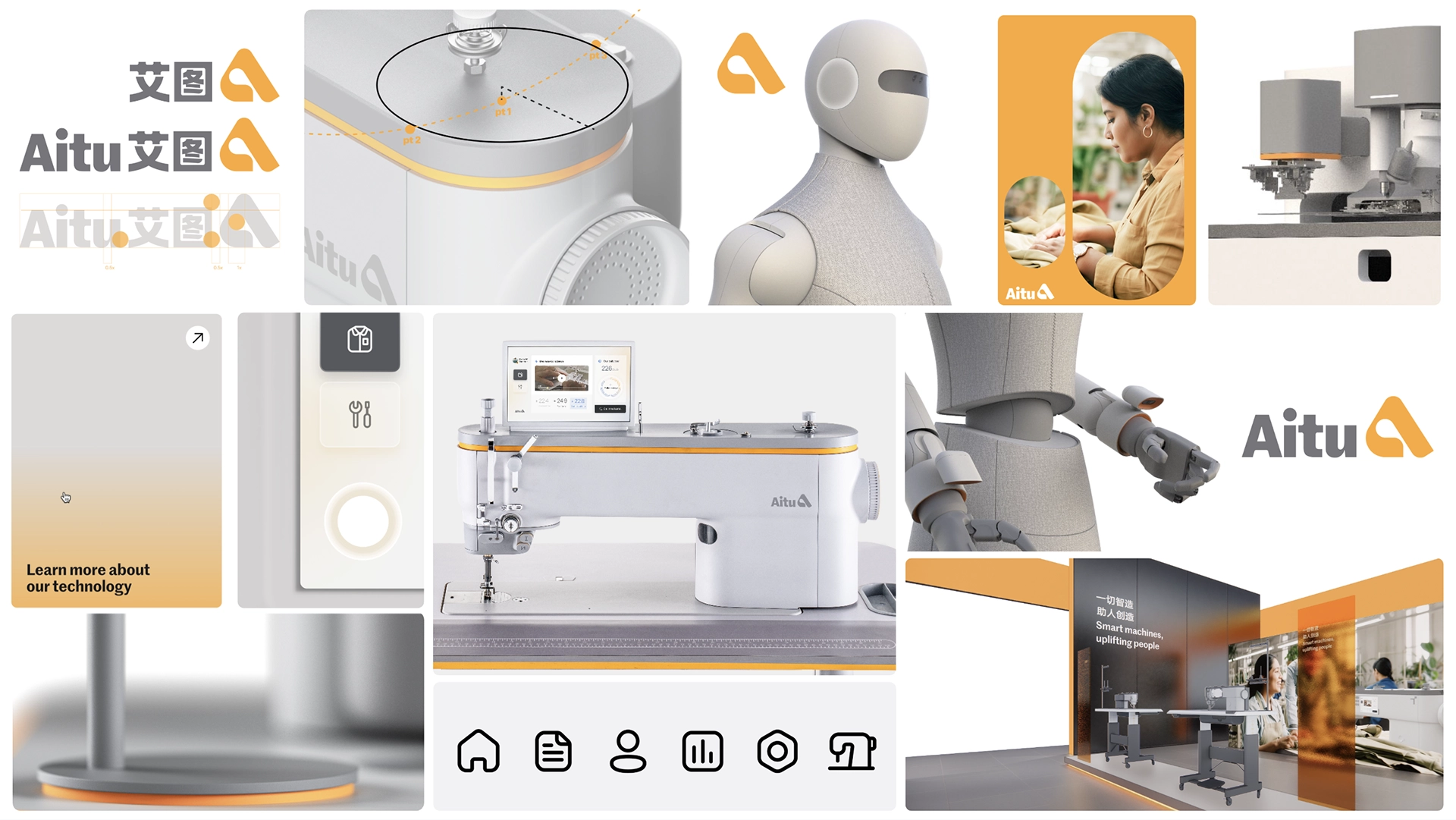
Guided by this human-centered ethos, IDEO helped build a comprehensive brand system for Aitu. The idea of “uplifting people” and showcasing garment workers’ professionalism and skill is expressed throughout all brand communications, the industrial design of its smart sewing machines, and the interaction and industrial design of a humanoid sewing robot.
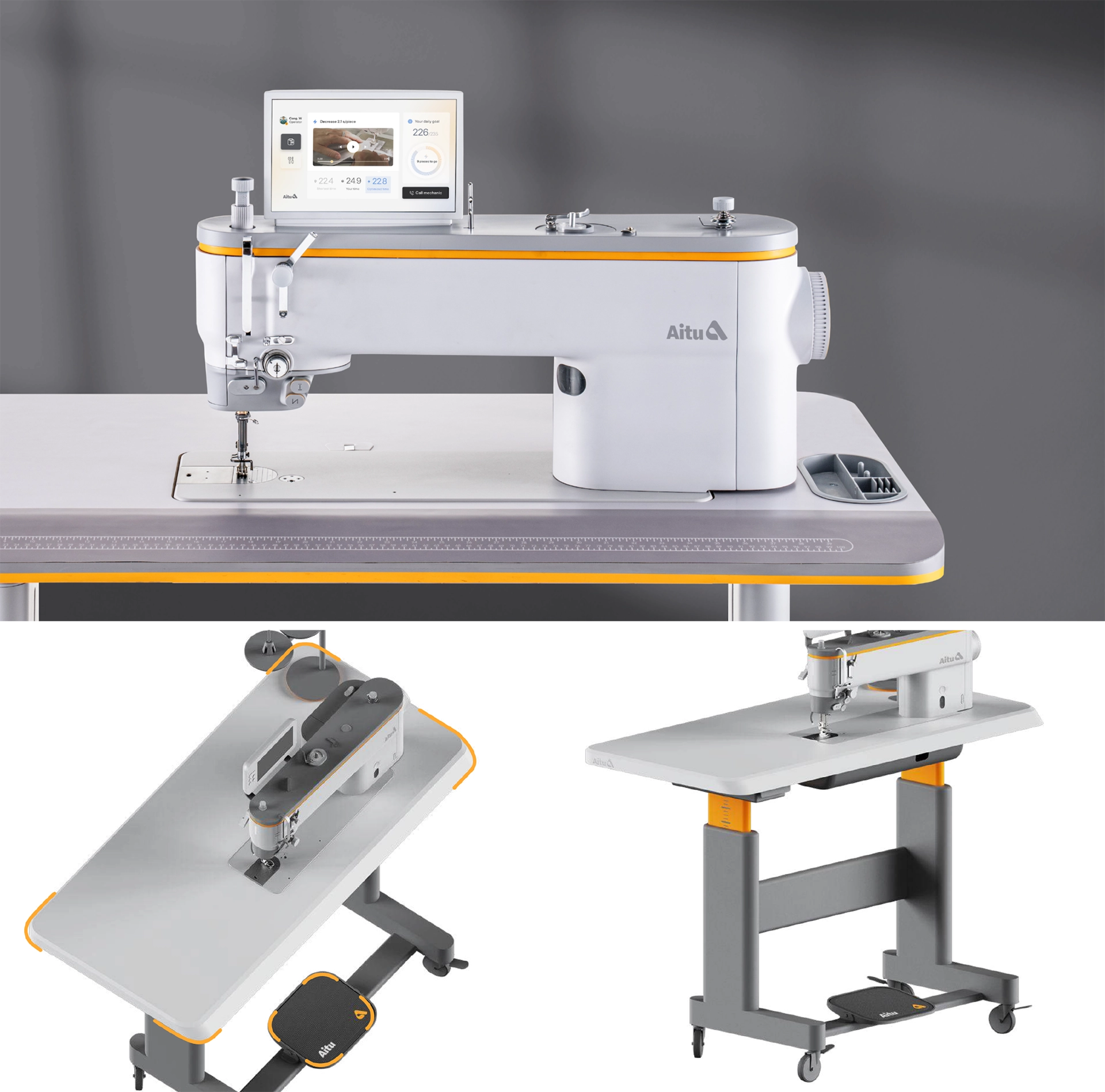
In the eyes of factory workers, this is the new work experience Aitu brings to life. Compared with traditional bulky industrial machinery, the clean lines and soft edges of Aitu’s new AI-powered sewing machines feel more like the professional office tools found in bright, organized workplaces. Concave surfaces and soft materials diffuse glare from overhead lighting, reducing eye strain, while clear interaction logic and icon-based visuals accommodate operators with varying levels of skill and education. AI technology, seamlessly embedded in the machine’s core functions, automatically adjusts parameters for different fabrics and tasks, allowing operators to achieve high-precision results with less effort. A soft halo-like light glows whenever the AI-assisted function is active, fostering users’ trust in both the technology and the AI-powered sewing machine as a whole. When hundreds or thousands of Aitu machines are arranged together in a factory, the overall effect is a modern, professional, and high-end work environment.
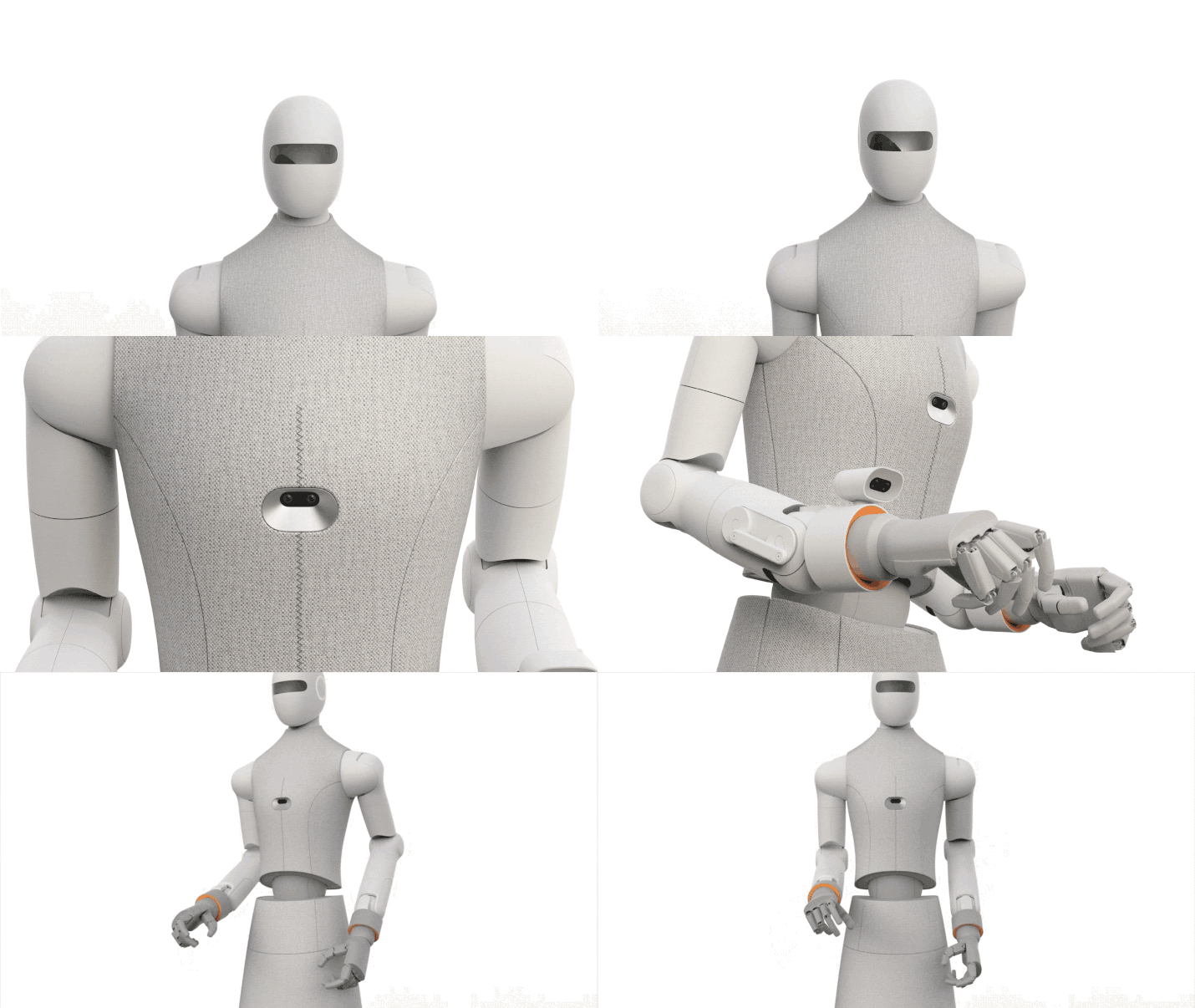
Working closely with Aitu’s robotics team, IDEO’s final design challenge was to bring a human-machine collaboration to life through a full-scale AI robot, AI10. The robot has an elegant, biomimetic silhouette. Its fabric-like outer finish features design elements commonly found in garment making, such as cutting and stitching lines, giving the robot the approachable look and the feel of a skilled tailor companion who can assist with simple, repetitive tasks. When AI10 is in operation, a circular light ring gently pulses at the sides of the robot’s ears as well as on the paired sewing machine’s display screen, clearly signaling the robot’s activity to its human co-workers.

In September 2025, Jack Technology debuted its new Aitu brand, along with its first AI sewing machine and a humanoid robot prototype, at a launch event at Shanghai Tower and at the China International Sewing Machine & Accessories Show. IFA Berlin, Europe’s largest trade show for consumer electronics, honored Aitu with a Gold Award for AI Product Innovation for seamlessly integrating AI technology and industrial design. Jack Technology’s humanoid robot is expected to go into full-scale production in 2026.
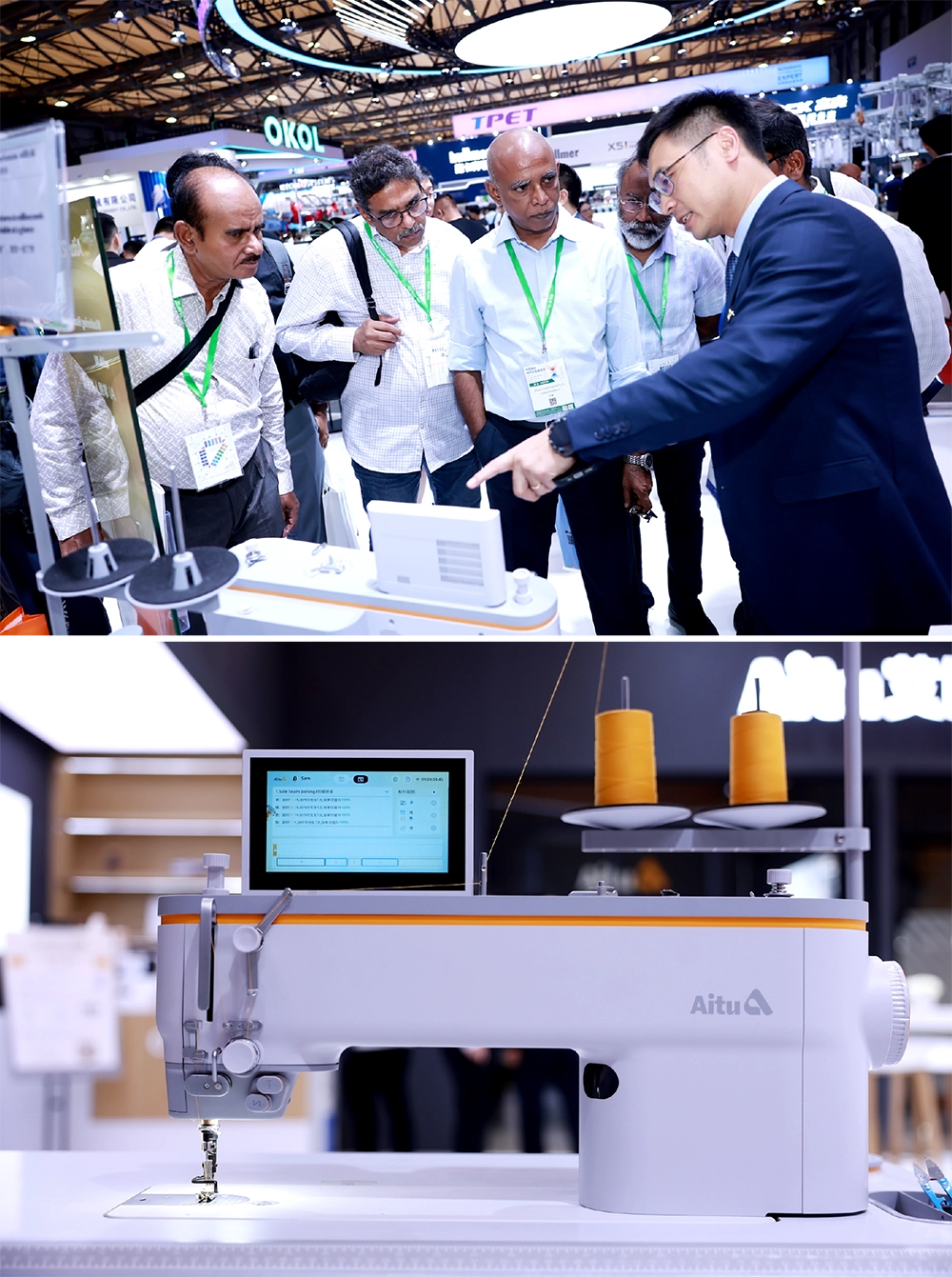
Before AI, the apparel manufacturing industry had experienced little fundamental change since the invention of the lockstitch sewing machine nearly two centuries ago.
2025 Gold Award for AI Product Innovation
from IFA, the world’s largest home and consumer tech event
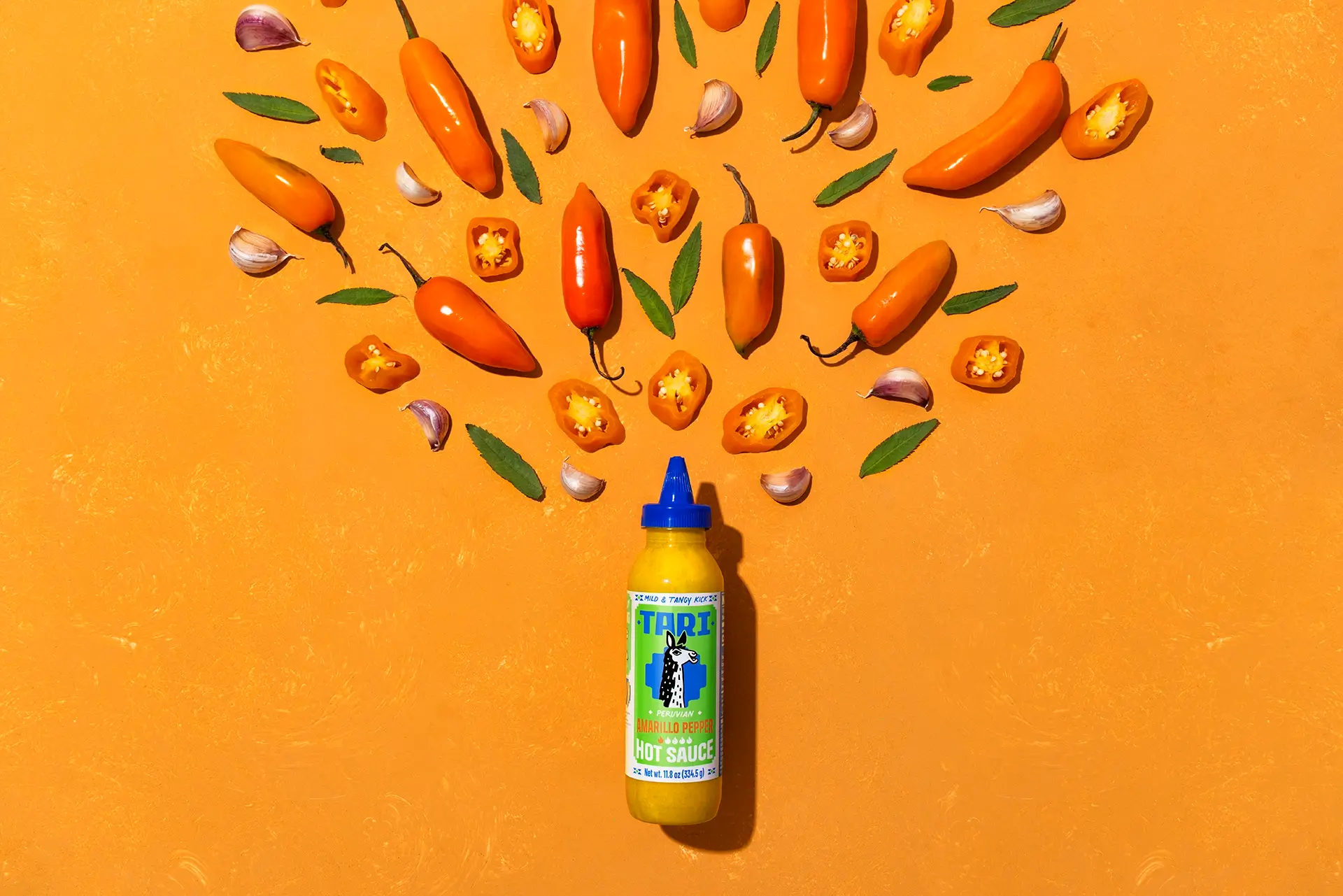
Helping Peru’s top hot sauce find US success
Introducing Tari, a flavorful new kick for everyday American foods.
Alicorp has direct operations in Peru, Bolivia, Ecuador, and Chile, manages export operations in more than 30 countries, and oversees over 150 brands. While its AlaCena sauces are ubiquitous in South America, the brand’s North American market primarily consisted of purchases made via Amazon by Peruvians living abroad. To help the CPG giant expand meaningfully and sustainably onto US grocery shelves—and achieve its ambitious $50 million retail sales goal in five years—Alicorp and IDEO collaborated on multiple projects over a two-year period. The partnership began in early 2020 with consumer research and product strategy, ultimately leading to the development of initial product branding, positioning for launch, and an in-market pilot in late 2021.
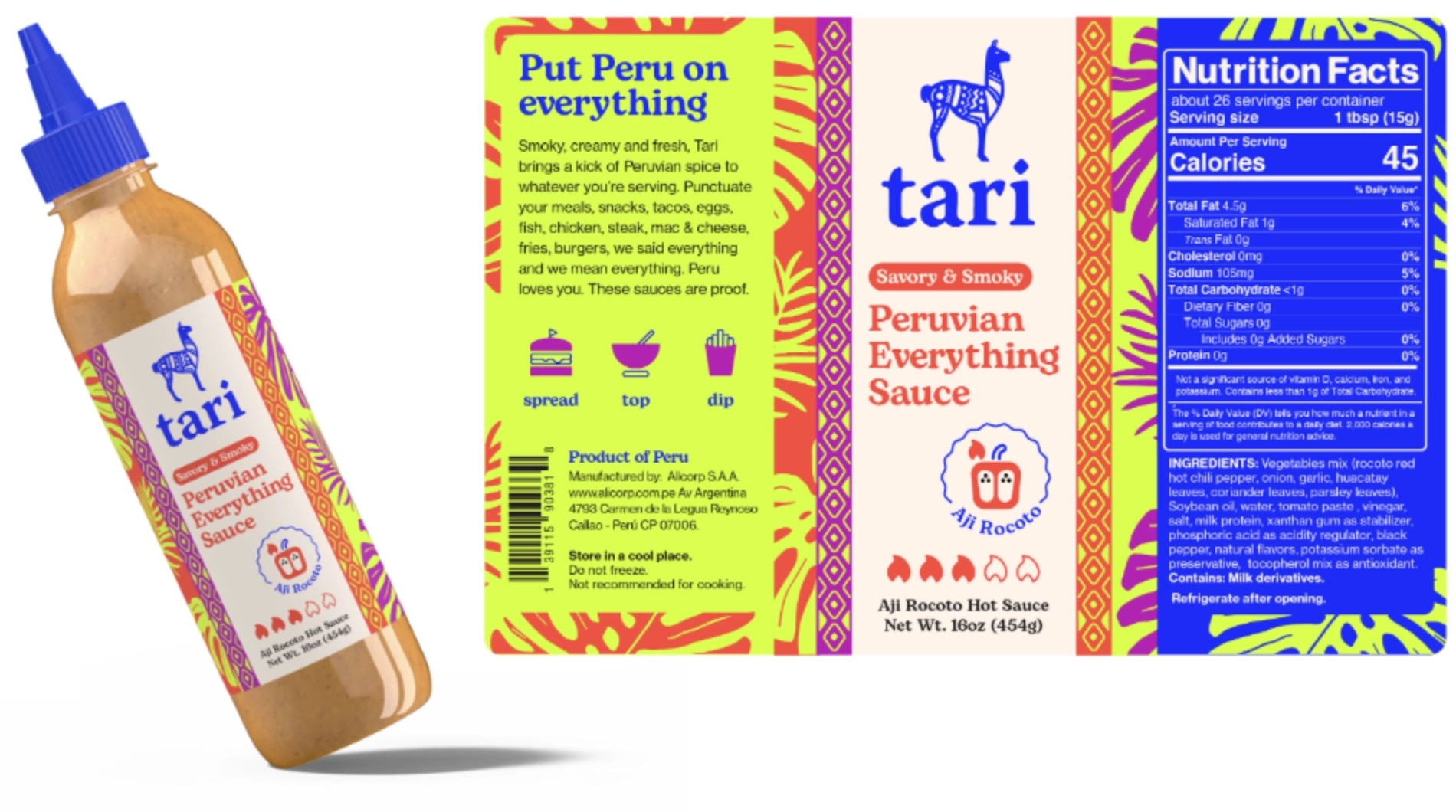
Through a combination of large-scale digital surveys and in-depth, in-person and remote research interviews, IDEO discovered that AlaCena’s Tari and Uchucuta’s hot sauce recipes resonated the most with US consumers. Made from native Aji Amarillo and Rocoto chili peppers ground using a traditional Andean “batán” technique, consumers appreciated their complex flavors and enjoyed how they enhanced, not overpowered, everyday foods like burgers and fries. The sauces’ authentic Peruvian culinary roots were also a key differentiator. In addition to consumers, IDEO consulted with industry experts—including executives from large-scale grocery chains and chief merchants of leading big-box stores—to explore retail and marketing trends and identify potential innovation partners for Alicorp in the US.
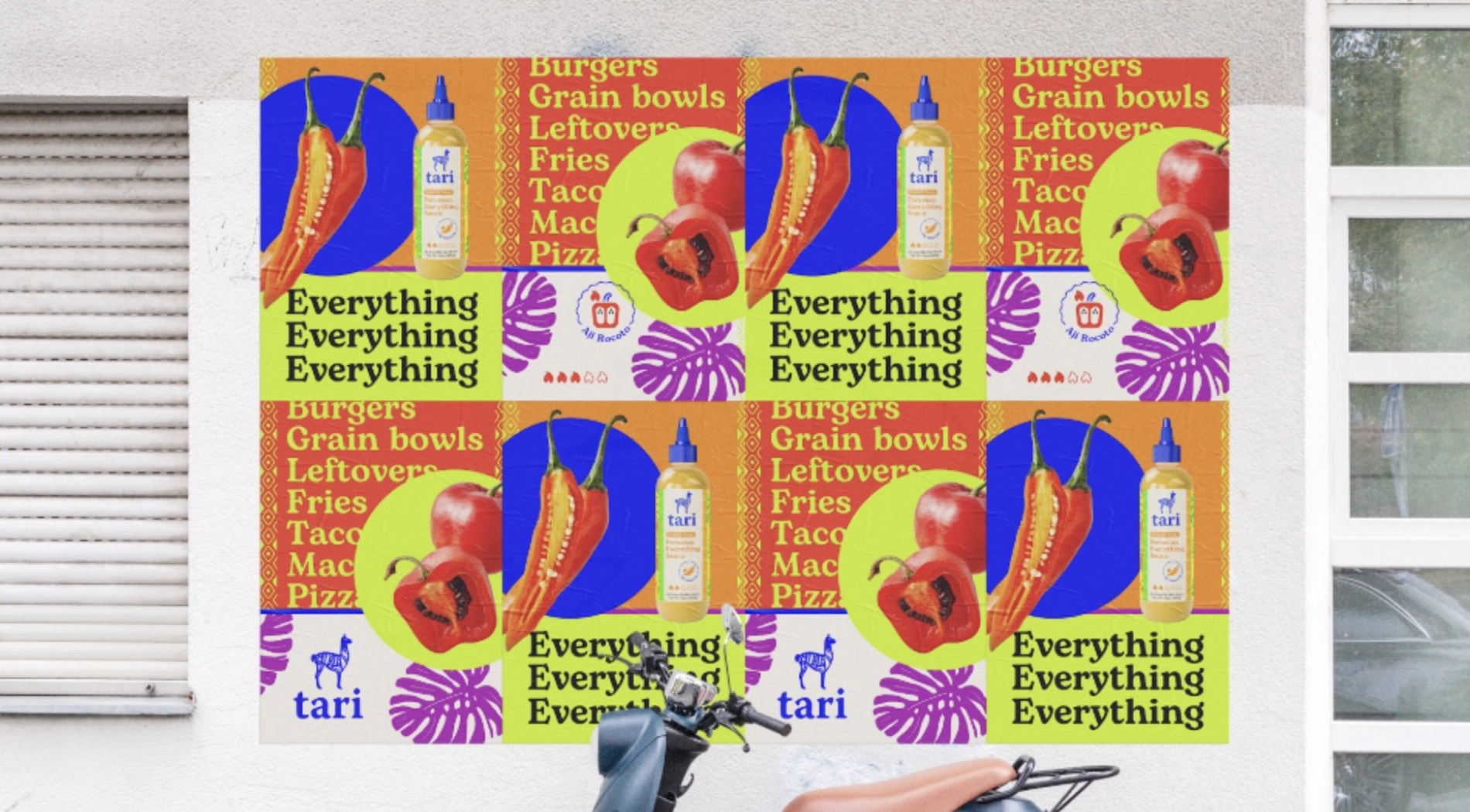
Based on the research, IDEO recommended a few changes to ensure a successful launch: Lead with the Tari brand, which was the most memorable and easiest to pronounce, and position it as an “everything sauce.” Change the packaging from a large plastic pouch to a smaller squeeze bottle to better align with consumers’ expectations and stand out on the inside of refrigerator doors. Adjust the product formulation to appeal to mainstream consumers looking for cleaner labels. And visually celebrate Tari’s Peruvian roots through bright colors, traditional textiles, and a llama, an animal closely associated with the Andes Mountains. In addition to these recommendations, IDEO provided a comprehensive go-to-market retail strategy that included potential US regions for launch, retail brokers, distributors, manufacturers, and R&D and pilot retail lab partners, as well as job descriptions for a new North American-based sales team.
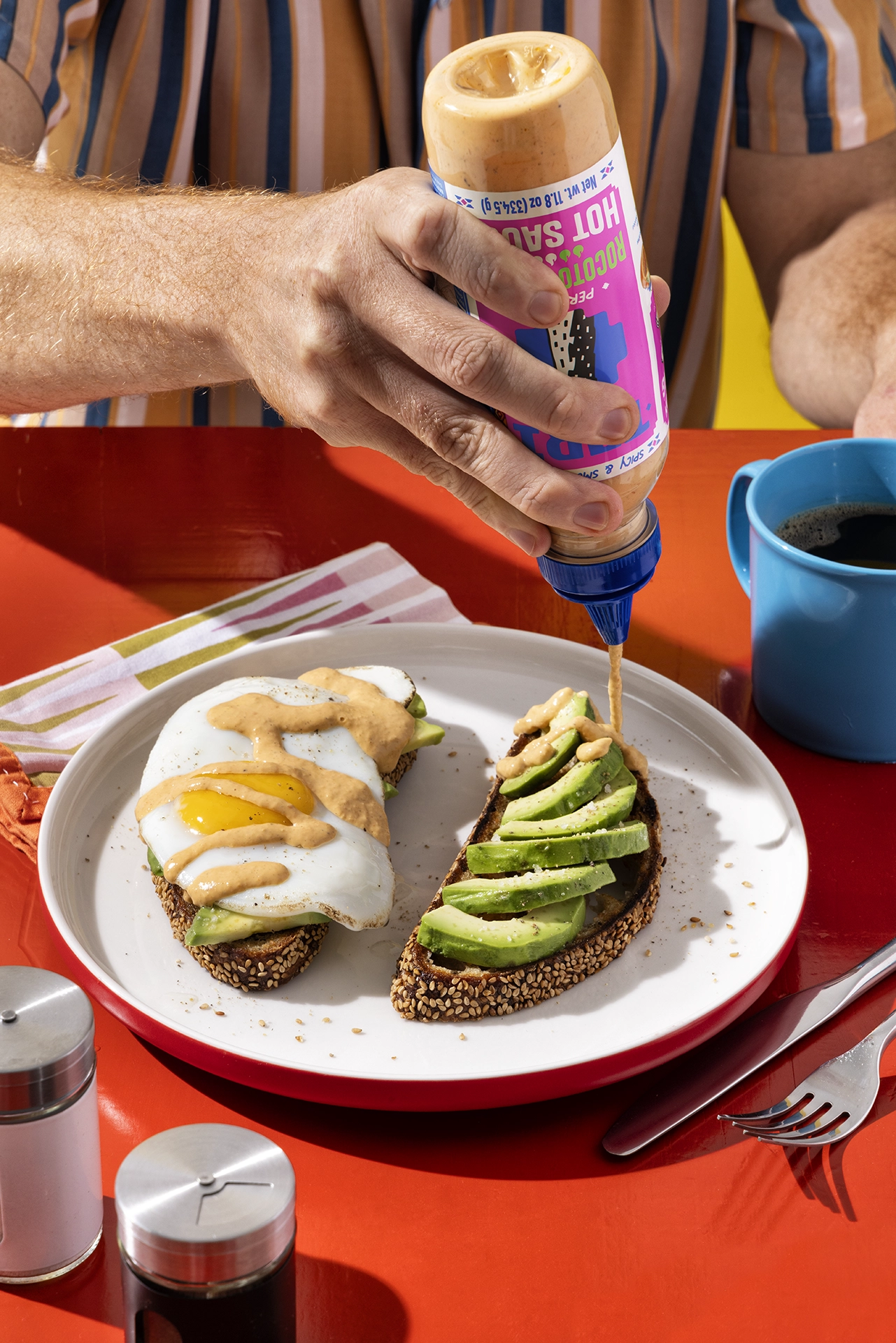
While Alicorp worked on reformulation and packaging strategies, IDEO refined Tari’s initial branding strategy. Steeped in Peruvian aesthetics, the brand’s new look and feel featured a vibrant color palette, geometric patterns, and—of course—a friendly llama icon, which could also be found on all in-store point-of-sale items IDEO designed for Tari's pilot launch in late 2021.
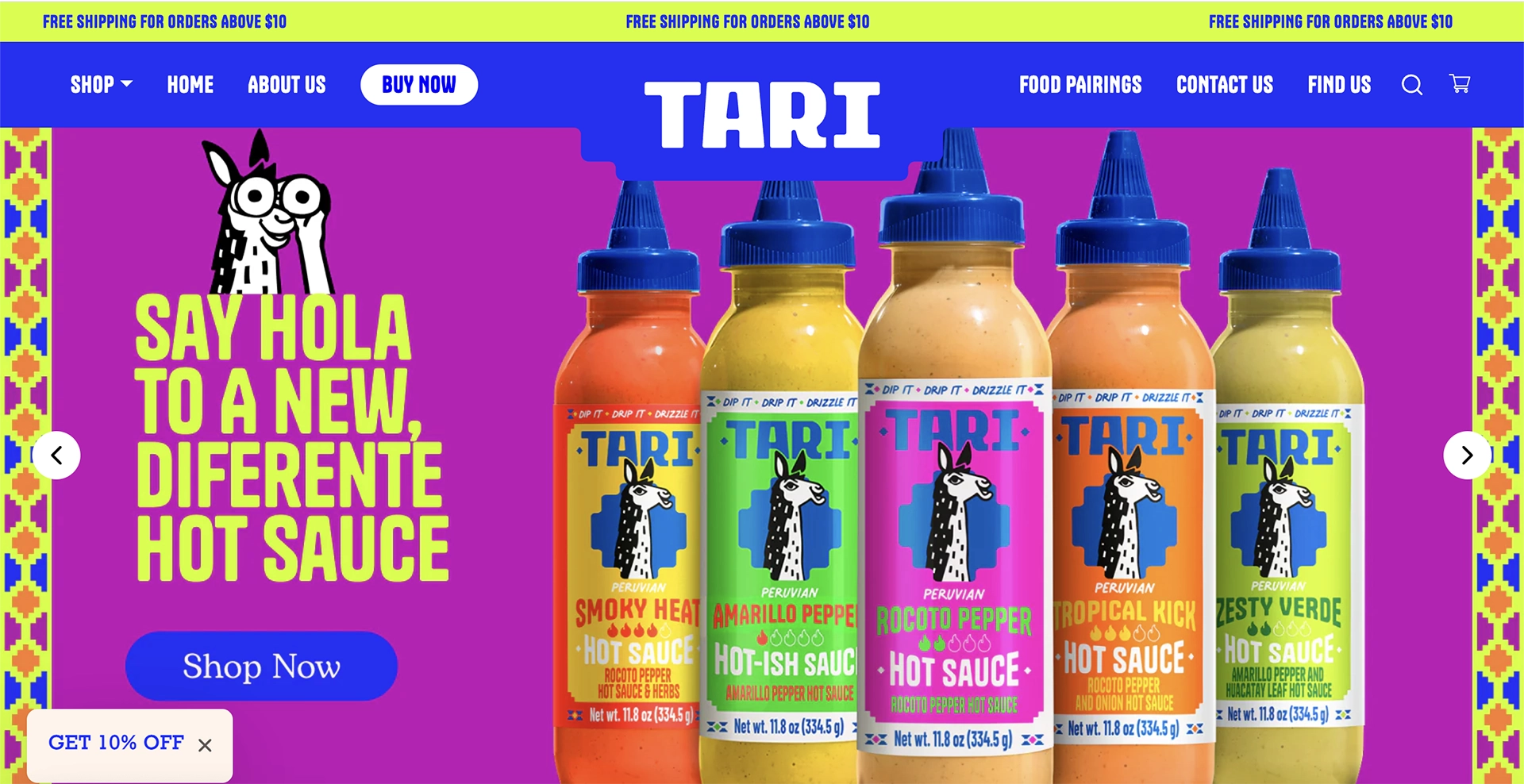
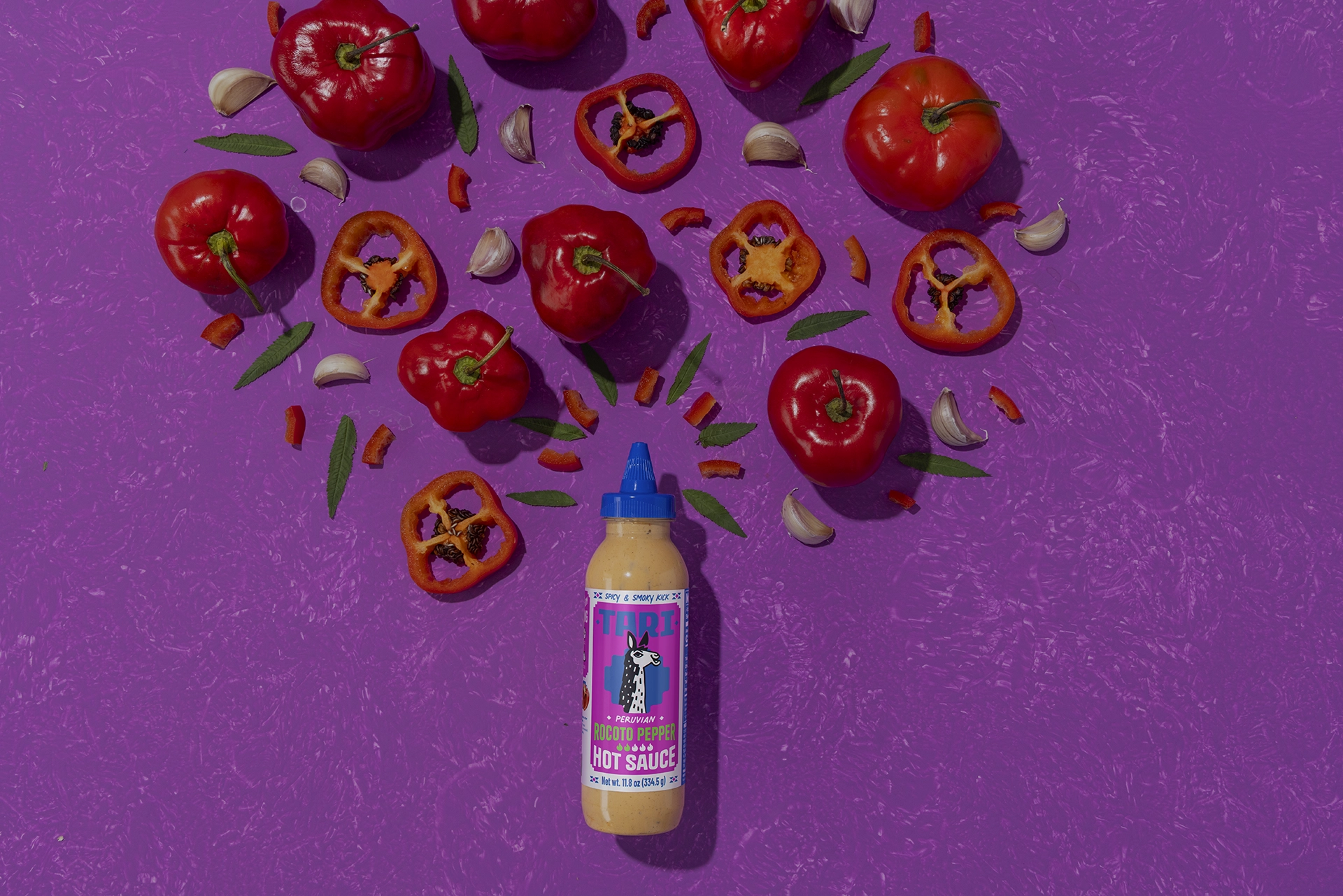
The successful 12-week in-market pilot in Tom Thumb grocery stores gave Alicorp the confidence to have its in-house design team make the brand even bolder and more eye catching, and to launch two flavors, Amarillo Pepper and Rocoto Pepper, on Amazon and in over 50 retail stores in late 2024.
Since then, the popular sauces consistently rank among the top 50 percent of the fastest-selling products on US shelves, with 80 percent of sales revenue representing new business. In 2025, Tari expanded its offerings with three additional flavors: Zesty Verde, Tropical Kick, and Smoky Heat. Today, Tari is in transit to 3,000 major grocery stores, including Wegmans, Meijer, Central Market, and The Fresh Market, as well as available for purchase on Amazon.
Alicorp had a vision to expand its beloved and delicious hot sauces to the US market, but needed help fine-tuning the brand and product for an American audience.
3,000
major US grocers, including Wegmans and Meijer, have signed on to sell Tari hot sauces
80%
of Tari’s sales revenue represents new business, a significant expansion of the overall category
Ranked in the top 50%
of the fastest-selling products on US grocery shelves
IKEA’s “Kitchen of the Future,” 10 years later
What we got right—and wrong—about our culinary vision for 2025.
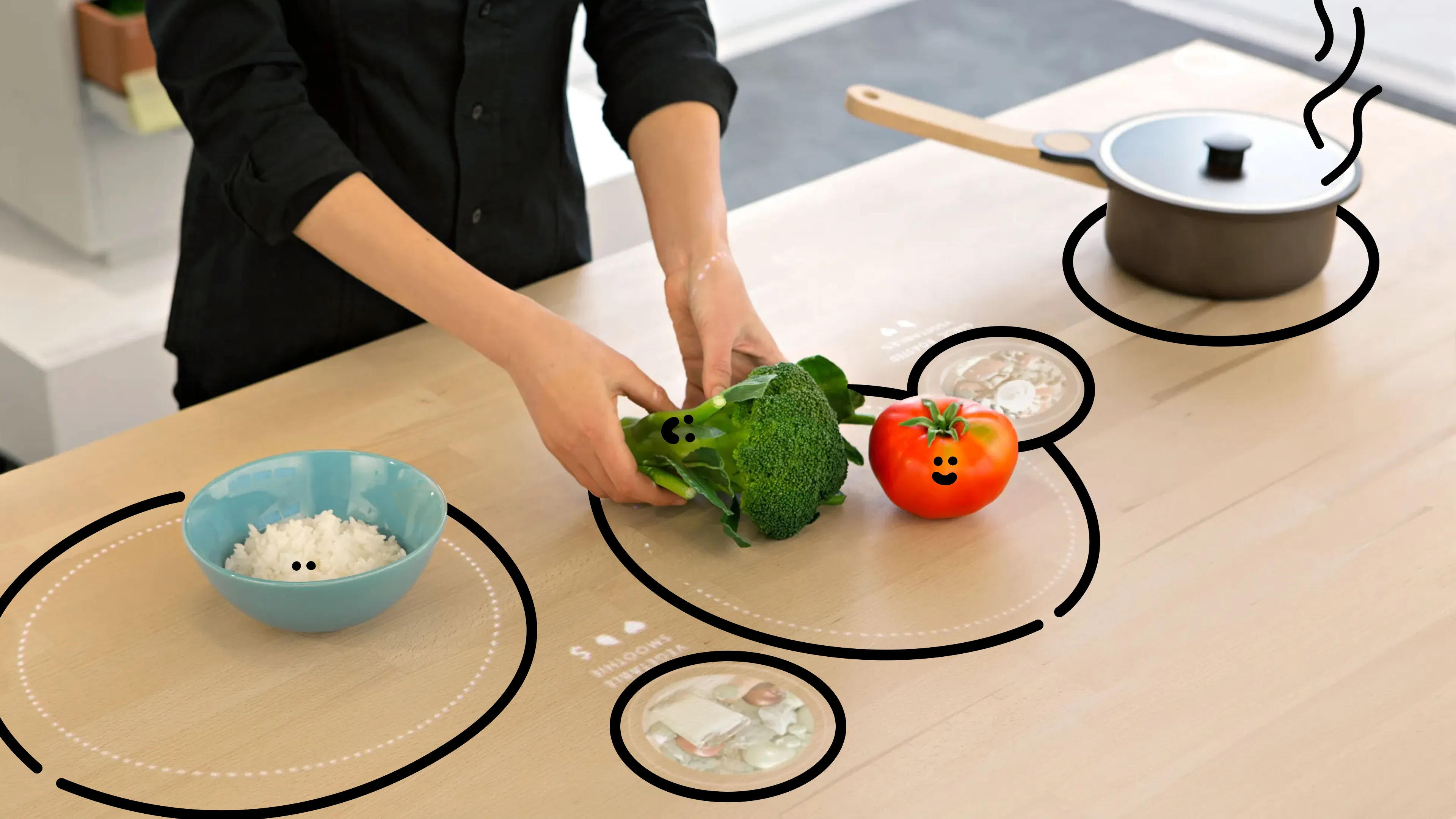
Way back in 2015, we collaborated with IKEA and students from Lund University and Eindhoven University of Technology on Concept Kitchen 2025, an exploration of how we might cook, eat, and socialize in our homes in the future. Our focus was on behaviors rather than specific technologies or devices. The intent was twofold. One, inspire IKEA’s product development teams to look far beyond normal product development timelines; and two, inspire suppliers, manufacturers—even food companies—to design for future ways of living that IKEA hoped to support. We unveiled the full-scale prototype kitchen for 250,000 visitors to explore during the 2015 Salone Del Mobile and EXPO Milano that spring and summer.
Fast forward a decade. Now that the future is here, we thought it would be fun to look back at a few of our predictions to see whether the 2025 we envisioned has come to pass.
👍 Cities are denser. Living spaces are smaller.
In 2015, we envisioned a future where cities would be more crowded and apartments more compact. Today, that’s more than an assumption—it’s a lived reality. Even in the US, a market not historically known for small living spaces, the average apartment size has decreased over the last decade.
Around the world, micro-apartments and co-living arrangements have gained traction, and most of us think twice before bringing home large, single-function, bulky appliances that crowd precious real estate (think countertop ice makers or one-trick bread makers).
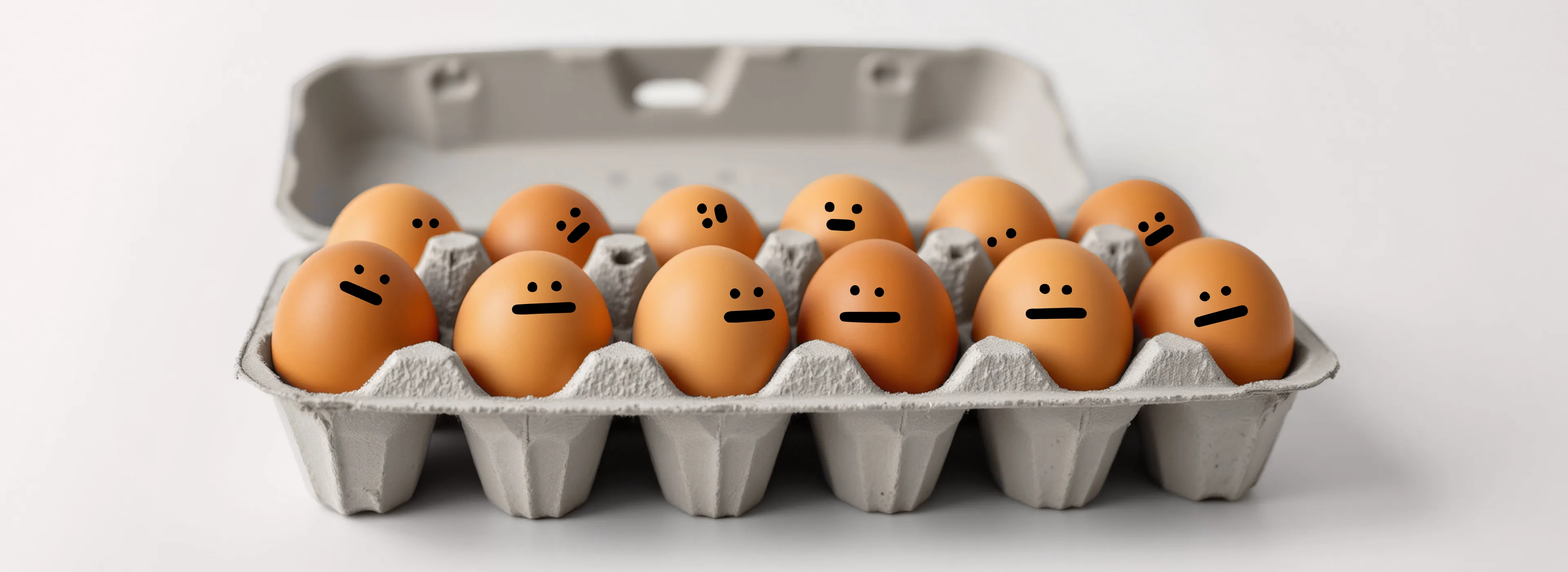
In our design, we explored how the kitchen might blend into other spaces of the home. What if cooktops could completely disappear when not in use? What would happen if we stored and celebrated our food like we do our most important mementos?
Now, the need to do more with less space is here. Not only do many IKEA products, such as mini kitchenettes and portable, hangable induction cookers, address this need, but modular kitchens, on the whole, are increasingly popular choices for their practicality, affordability, and instant nomadic style.
👍 Food waste remains a pressing issue.
During in-home research with consumers and interviews with chefs, we observed how small oversights—a bag of forgotten spinach in the back of the fridge or confusion over expiration dates—could quickly add up to mountains of wasted food. In 2015, an estimated 31 percent of the US’s total food supply was thrown away. Food waste was one of the key areas we wanted to address in Concept Kitchen 2025.
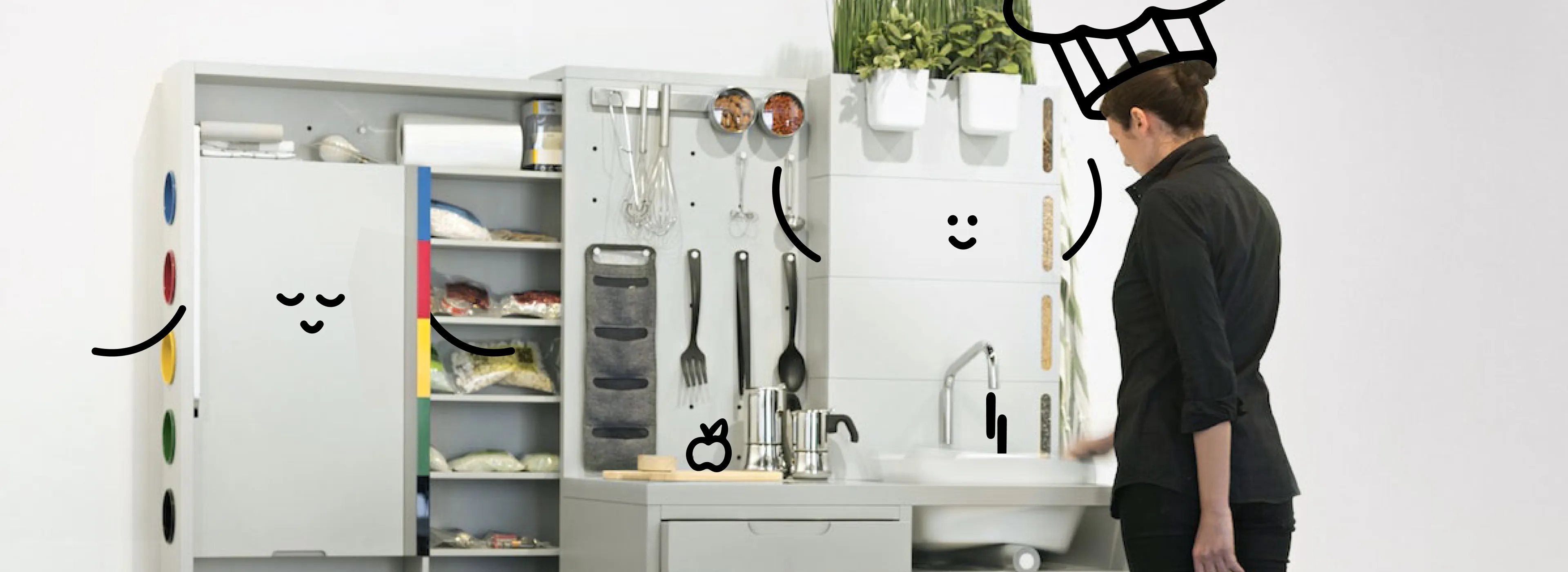
Back then, we designed a kitchen that keeps food visible and trackable, making it easy to use before it spoils. Open shelving with transparent containers put ingredients in plain sight, and a smart table recognized foods placed on its surface and suggested recipes to use them up. Another system tracked the freshness of foods, prompting timely action, while a compact composter turned unavoidable scraps into clean, odorless “pucks”—helping keep more food on plates and out of landfills.
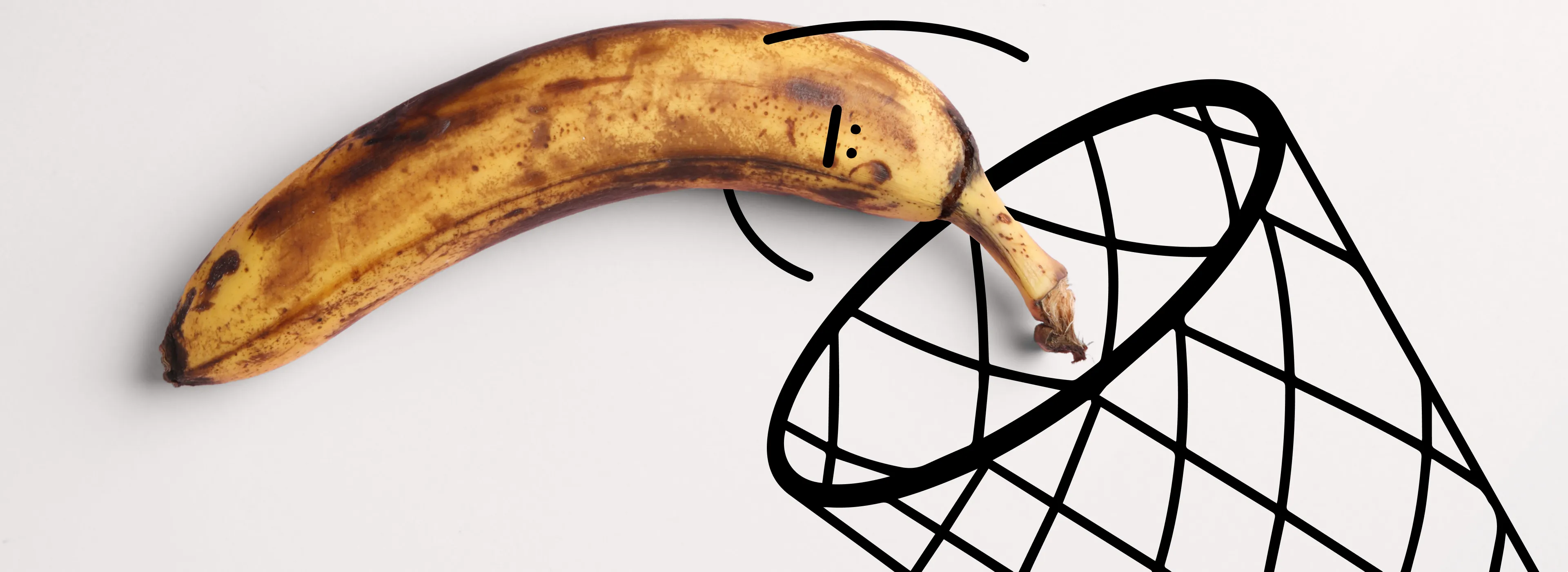
Fast forward to today. Despite growing awareness and efforts to reduce food spoilage, households around the world still discard a significant amount of groceries. According to the FDA, US food waste is now estimated to be between 30 and 40 percent, resulting in more spoiled food reaching landfills than any other waste product.
👎 People still use fridges—not induction-powered cooled pantries—to keep food fresh.
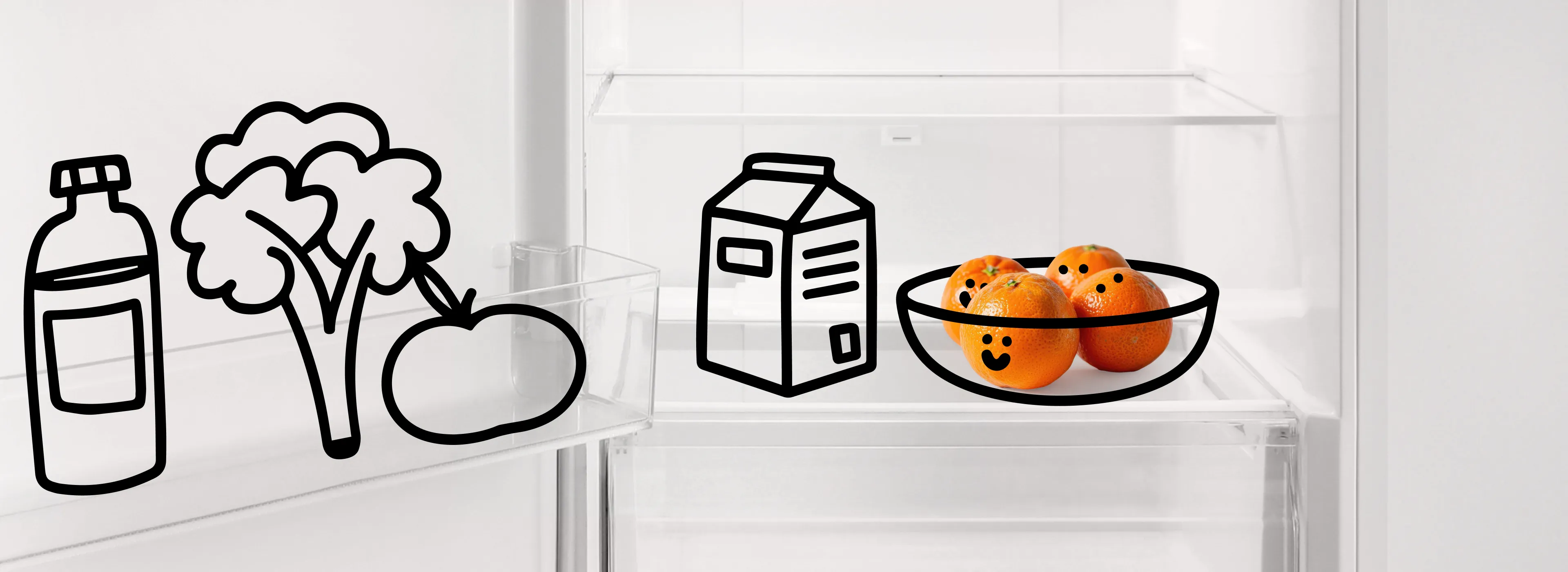
One of our more radical concepts? Eliminating bulky, energy-inefficient fridges from kitchens entirely, replacing them, instead, with induction-powered cooling technology embedded into pantry shelves. Food placed on these shelves in RFID-tagged transparent storage containers would automatically keep individual food items at just the right temperature. While this innovative concept didn’t make the journey to our current reality, more consumers today are buying glass-door refrigerators for their homes, which allow them to quickly see what food they already have on hand—a step in the right direction.
👎👍 Pivoting sinks, compost pucks, and gamified recycling stations haven’t exactly taken hold, but mindful waste reduction strategies are more commonplace.
In 2015, the European Commission adopted a new Circular Economy Package, and the Ellen MacArthur Foundation released its “Towards the Circular Economy” report, both of which encouraged the transition from a “take-make-dispose” economic model to one where resources are kept in use for as long as possible. They encouraged us to consider how the kitchen might help recycle and keep materials in closed loops—or even turn waste into value.
Our prototype kitchen’s thoughtful water disposal system (a pivoting sink basin that tipped to one side to drain off toxic “black” water and to the other to siphon off undrinkable, but otherwise safe “gray” water that could be used to wash dishes or water plants) pointed to a future where resourcefulness is second nature. A built-in grinder beneath the sink squeezed water from organic scraps to form tiny compost pucks, eliminating the mess (and odors) associated with traditional compost bins and providing fertilizer for indoor herb gardens. A sensor-driven recycling station even tallied how well (or poorly) recyclables were sorted, rewarding responsible behavior with energy credits.
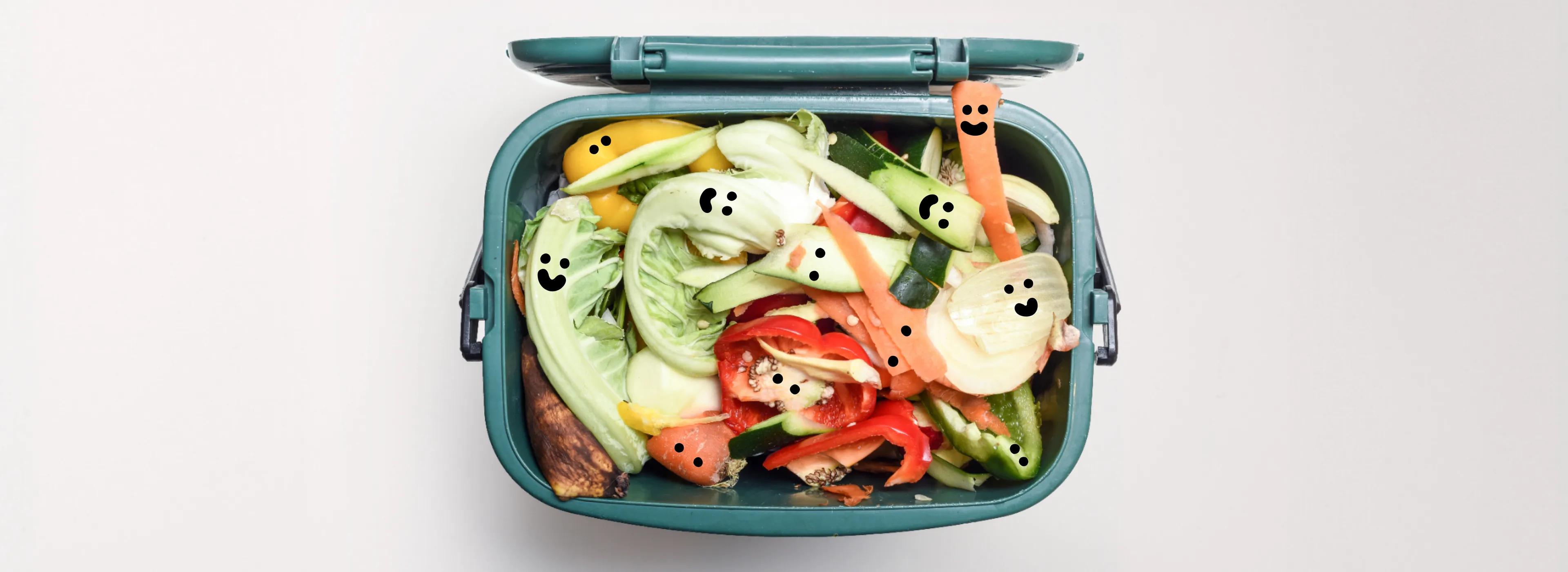
While teeter-totter sinks, compostable discs, and recycling bins that keep score aren’t commonly found in today’s homes, there is a larger societal push to reduce single-use plastics, and the concept of mindful disposal is more mainstream, thanks to companies like IKEA, Ridwell, and others. Many municipalities now offer compost bins alongside recycling bins, and several brands, including Patagonia and Kiehl’s, run take-back programs. Reusing gray water has become more commonplace, and zero-waste advocates on TikTok share tips to minimize waste. Additionally, there are compost solutions that aren’t too far off from our puck concept. With food prices rising in many places due to inflation, tariffs, and climate change, our initial focus on reducing food waste has become even more urgent.
👎👍 We’re not all cooking on AI-enabled induction tables—yet—but our kitchens are “smarter,” and we still crave coziness.
Our biggest challenge with Concept Kitchen 2025 was blending futuristic technology with the timeless, tactile pleasure of cooking. Our smart table concept—where you could place leftover vegetables under a camera that would then project recipes and cooking tips—predicted how multimodal large language models (LMMs) could radically simplify cooking routines. Today, AI can interpret images and text simultaneously, so the idea of a camera scanning your broccoli and instantly serving up recipe ideas is more realistic than ever. These new LLMs make visual interactions more intuitive, allowing you to rely on a single seamless system rather than juggling multiple apps or devices.
Today’s everyday home chef may not be chopping broccoli on a full induction cooktop table like we envisioned—even though they do exist!—but discreet smart speakers, subtle sensors, and AI-driven apps that suggest recipes based on what’s in your fridge are everywhere. While kitchens have indeed become smarter, the technology we continue to choose for them feels more like a thoughtful helper than a sci-fi intrusion, enabling our kitchens to stay cozy and comfortable. Ultimately, it’s about harnessing technology to enrich our culinary experiences, rather than overshadowing the human joys of cooking and connecting over good food.
👍 The kitchen continues to be the home’s social hub.
IKEA’s Concept Kitchen 2025 emphasized the kitchen as a communal, creative space—where a leftover tomato might spark a conversation, or a table’s camera might amuse and inspire friends who gather around it. A decade later, the kitchen endures as the heart of the home.
As part of our design investigations, the team also explored community kitchens for entire neighborhoods, ways to encourage kids to “play with their food,” and live-streaming cooking sessions via countertop cameras, indicating broader social, home-like experiences surrounding cooking. Today, cooking has indeed expanded its community dimension—from co-cooking apps to shared commercial kitchens—reinforcing the kitchen as a central gathering place, regardless of the level of technology involved.
👍 Prototyping remains a powerful way to explore future possibilities.
The future moves in spirals. Sometimes we adopt expected changes in unexpected ways, and sometimes we revert to old habits. What remains true, looking back at Concept Kitchen 2025, is the power of prototyping to make the future real.
A decade on, the project remains a fascinating blueprint for the kinds of everyday cooking and eating moments we’d see in our homes. Sure, not all details, such as shelves with RFID temperature tags or transparent cooling containers, may have become a reality, but that’s not the point. When we envision a decade or more in the future, we’re looking to identify the trajectory of desirable behaviors, rather than specific objects or technologies (as they are bound to change and evolve). By transforming the behaviors we hoped to see into an experiential prototype that 250,000 people could physically explore in Milan—and millions more online—we brought the optimistic reality of 2025 one step closer to the lived reality of 2015.
And that's the real takeaway: prototyping’s tangibility enables us to step into the future. It provokes conversations. Inspires us to make better decisions every day. And helps steer us toward a collectively brighter tomorrow.
Looking to do some futuring at your org? Get in touch. We'd love to help.
“Det er svært at spå, især om fremtiden.” —Danish proverb
(“It is difficult to make predictions, especially about the future.”)
Strategy only works if it sticks
3 tips for embedding it in your company’s DNA.
Strategy can’t just exist in a three-ring binder. It’s the culmination of choices leaders and employees make across companies, brands, and organizations every day. It influences how employees communicate, how leaders make decisions, which opportunities they choose to pursue, and which ones they decide to leave behind. For any new strategy to succeed, it must be embedded across an entire organization, with choices, mindsets, and behaviors that are supported by workplace culture.
That’s why the art of activating strategy is just as important as the art of crafting it. It takes creative thinking to get buy-in across organizations and make it easy for folks to take action. And then, when employees are living the strategy in their daily work, their efforts must be supported by the systems and people around them. As the legendary management theorist Peter Drucker reportedly once said, “Culture eats strategy for breakfast.”
We’ve found that involving employees in the strategy creation process, telling simple stories that stick with them, and fostering a culture that supports new ways of working can help pave the way for successful activation. Here’s how to do it.

1. Distribute ownership
“Socialization” is often tacked on to the end of strategy work, but simply publishing a framework can feel like the “Powers That Be” are dictating the “Grand Path Ahead.” Organizations can spend countless hours and significant resources on initiatives such as town halls, emails, and presentations, only for them to fall flat. This is not just a poor use of time and money; it’s a missed opportunity.
Instead, investing upfront in co-designing with a diverse group of stakeholders fosters a sense of ownership across all levels of the organization. When employees see their input in the strategy—or at least know someone who contributed—they are far more likely to engage, champion, and activate it. Beyond buy-in, this approach often leads to a stronger strategy, with a better understanding of its opportunities and risks, improving adaptability as the future unfolds.
In a recent engagement with KQED, a non-profit public media outlet in California, KQED leadership and IDEO took a deliberate and inclusive approach to designing a vision and strategy with the larger organization, not for them. We ensured that a broad cross-section of KQED employees, from on-the-ground reporters to board members, were involved throughout the process, not just at the end. We also created an interactive installation that showcased the work in progress, providing employees with a preview of the framework, an opportunity to give feedback, and a chance to connect with the KQED team members who were working shoulder-to-shoulder with IDEO. This approach gave everyone in the organization a sense of ownership over the strategy, while inspiring the core team to pursue new possibilities. “We did not want to just drop a new strategy on the organization,” says Michael Isip, President and CEO of KQED. “Quite the opposite. We wanted the organization to know that it was our shared responsibility to figure this out. We didn’t just need their buy-in, but their expertise and passion.”

2. Make the story stick
Human-centered design isn’t just about the end customer; it’s also about the people inside your company who do the day-to-day work to make things happen. These people are the lynchpins of change; the success or failure of your strategy lies squarely on their shoulders. That’s why it’s so important to help them understand their role in it and what it will take to bring it to life.
This is where storytelling comes in. A good story doesn’t just paint a picture of aspiration. A simple, tangible narrative—with a clear call to action—can inspire the entire organization to get excited about the future and clearly define the behaviors, changes, and decisions that will make it real.
On a project helping American Express expand its customer base, an IDEO team created a series of short, internal videos about a new product called “Pay It, Plan It.” These videos helped employees develop empathy for new types of customers, understand their needs, and, of course, demonstrate how this product could positively impact their lives. “I often talk about it in terms of learning a new language,” says Kyoko King, VP, Global Commercial Services at American Express. “Amex internally thinks of itself as a rational company based on CBAs and models. The breakthrough—and the thing I’m most proud of—was bringing that customer emotion into internal decision-making, seeing Amex become emotional rather than purely rational.”
Video can be an excellent medium for these kinds of stories, but it’s not the only way to create emotional resonance in your organization. When we worked with a large midwestern corporation, their leadership viewed strategy as a deeply complex and weighty concept rather than a series of collective choices. To help the organization embrace the concept—and details—of its strategy, we designed an interactive museum-style exhibit to help connect the choices their founders made to the choices leaders were currently making and the company’s aspirations for the future. This pairing of artifacts and memorabilia with forward-looking brainstorm moments helped make the strategy more tangible, approachable, and less abstract for shareholders.

3. Enable new ways of working
A new strategy often means fresh mindsets and new ways of working. It takes time to create new behaviors, and even more time for those behaviors to become ingrained in the culture. It all starts with leaders. They must demonstrate them through their actions—in meetings, the questions they ask, and the decisions they make. By visibly embracing these behaviors, they give others permission to do the same.
In a collaboration with a leading media and entertainment company, we developed and implemented an innovation strategy that necessitated a deliberate shift in priorities, working methods, and company culture. We hosted interactive sessions and panels to equip leaders with firsthand insights, tools, and mindsets that help foster innovation and identify behaviors that might be holding them back. To reach employees, we developed a communications strategy—including podcasts and videos—to celebrate small wins and new behaviors, and collaborated with their HR team to refine job descriptions and hiring strategies that aligned with the new direction. This is just the beginning of their efforts to support cultural change at scale, but already, they’re finding success and witnessing people change their behaviors and norms to align with the new strategy.
Bringing strategy to life can sound simple on paper: Engage with stakeholders early and often. Share stories, simply and widely. Foster new ways of working, from the top down and bottom up. And then, live happily ever after! The end!
But it’s never that simple. People have been hired and rewarded for driving the previous strategy, so shifting priorities and rethinking daily choices isn’t just a task—it’s a fundamental change that takes time to ingrain. It’s important to be patient, stay focused on the vision, and create space for initiatives that enable activation of the strategy. Because the most successful strategies aren’t just launched—they’re lived, every day, by the people who bring them to life.
Need help embedding strategy in your org's culture? Get in touch.
(The original version of this story attributed this quote to Peter Drucker. While it is often credited to him, the true source remains uncertain.)
This piece is part of a series. Check out the first two installments, focused on methods for defining your organization's purpose, and moving from purpose to strategy.
Here’s a riddle: If a company chooses to spend time and money creating a new strategy, but employees aren’t clear on how to implement it, will it ever guide company decisions or drive progress?

Nurturing the early sparks of innovation
How to move beyond past benchmarks to secure future potential.
Regardless of how much potential it holds, an idea in its early stages is like a flickering flame, easily extinguished by hesitation or misalignment.
Early-stage innovation is inherently fragile. It requires decision-makers to recognize this fragility and remain vigilant to potential oversights stemming from past success. Only then can organizations create the conditions of openness, encouragement, and support that nascent ideas need to take root and grow.
This is the story of how we helped a group of senior leaders move beyond the comfort of familiar formulas to create space for innovation.
Internal misalignment meets external pressure
In recent years, our client—a leading consumer goods company in China—had seen growth in its most successful product category begin to stall after decades of strong performance. In response, the company wanted to develop a new strategic offering in the same category to reignite sales. That’s where our collaboration began.
But from the outset, the project faced internal friction. The core challenge was aligning leadership levels on how to pursue future growth.
Senior executives prioritized scale: “Is the market big enough?” Earlier wins, where hero products had ridden the wave of urbanization to dominate their category, had shaped their expectations.
Business unit leaders, however, believed revitalizing the category required more than incremental change. They pushed to move beyond familiar playbooks and explore bolder directions, such as targeting higher-value customer groups. These approaches might not deliver immediate volume, but they offered long-term potential and a path to renewed relevance in a shifting market.
Yet, whenever these proposals reached the executive table, the conversation often came down to a single question: “How much volume can it deliver?” They dismissed ideas that didn’t meet past benchmarks before they had a chance to evolve.

Meanwhile, the market had already moved on. Competitors had introduced new offerings targeting younger middle-class consumers, with growing success—and our field research confirmed it. Across a wide range of households, we found consumers actively purchasing competitor products in the same category.
By the end of the research, the message was clear: the younger middle class represented a valuable growth opportunity. Whether the executive team could step beyond legacy benchmarks and make room for new thinking would shape not only this initiative but the future of the category and the company’s broader capacity to innovate.
Designing experiences that expand perspectives
Data and arguments weren’t enough to shift mindsets. So we turned to something more visceral: designing experiences to help leaders gently challenge their assumptions and expand their perspectives.
We kicked off a strategic workshop with an immersive exhibition in our IDEO Shanghai studio. The team turned key insights from internal research, market trends, and consumer home visits into tangible exhibits—concrete facts that couldn’t be ignored.
Some of the insights were blunt:
“Our so-called ‘new’ products are mostly cosmetic upgrades—not true innovations.”
Others hit harder:
“The biggest takeaway from this research? Young middle-class consumers are already buying products in this category—but not from us.”
Seeing these insights laid out physically prompted unfiltered reflection. The room fell quiet. One sticky note on a panel read: “Ouch.”
We followed with another activity—this time off-site. We took our clients to visit one of Shanghai’s most popular lifestyle destinations, known for its cutting-edge retail stores. Their task? Choose a gift they believed would resonate with a young middle-class consumer.
Many selections were easy to challenge: “Would this actually appeal to a young person?” Lively debates followed as our clients reflected on what younger consumers truly value.
One executive reflected aloud, “I’ve been in this industry for decades. But the pace of change is way beyond my experience... What should I do next? I really need to spend more time understanding this generation.”
A mindset shift was underway.
Building alignment through shared practice
As perspectives began to shift, we took the next step: building alignment through shared practices.
We designed a series of product innovation workshops. Participating client teams were intentionally diverse—spanning age groups, functions, and seniority levels—to simulate the kind of cross-functional collaboration innovation demands.
Each team was tasked with defining a product concept rooted in real consumer insight, building a quick prototype, and pitching their idea in a simulated live-streaming sales session to test resonance with the target audience.
The goal wasn’t to finalize a product. It was to rehearse the full cycle of consumer-centered innovation—from insight to positioning to storytelling.
To ground this work in real-life contexts, we recreated a series of “consumer life corners” in the space. Each corner depicted a typical lifestyle scenario based on our research, featuring everyday objects that illustrated the consumer’s routines and values.
For example, the “relaxed mom” corner included an air fryer, symbolizing this persona’s preference for convenience without compromising on quality.
Each scenario also included a puzzle. Certain key consumption choices—like what a young professional might eat for lunch during the workweek—were hidden behind covers. Teams need to decode them based on their understanding of consumers' true needs.
The exercise sparked rich dialogue. When a younger business unit leader suggested that busy professionals might opt for frozen konjac dumplings, a senior executive countered, waving a sandwich: “No way. There’s no time to cook those at noon!”
In those moments, hierarchy dissolved. Everyone was focused on a shared goal: What does the consumer actually need?
By the time teams took the stage for their live-stream-style pitches, the change was visible. The same executives who had once asked, “Is the market size big enough?” were now using phrases like “dopamine colors,” “punk wellness,” and “a feast for the eyes.”
The room buzzed with insight and energy.

Through this immersive journey, the executive team not only built a sharper understanding of the younger middle class, but also came to a deeper realization: bringing an innovation to life is far more difficult than it seems.
As one senior marketing executive said, “I thought I understood young consumers and trends. But actually designing for them? That’s a whole different challenge.”
This shared understanding created space for innovation to flourish. Leadership greenlit and fully resourced the initiative to develop a strategic new product line targeting younger middle-class consumers. The client is also investing in broader product innovations across the company.
The larger win, however, was cultural. As a team, they learned how to protect—and nurture—the fragile spark of what’s next.
“The Making of...” is a series of behind-the-scenes articles written by IDEO Shanghai designers about our innovation methods and work with major clients across industries in China. Read the original Chinese version here.
People often marvel at the impact of innovation once it lands, but reflect less on where it begins: with an idea.
The “used future” trap
5 techniques for avoiding outdated visions of tomorrow.
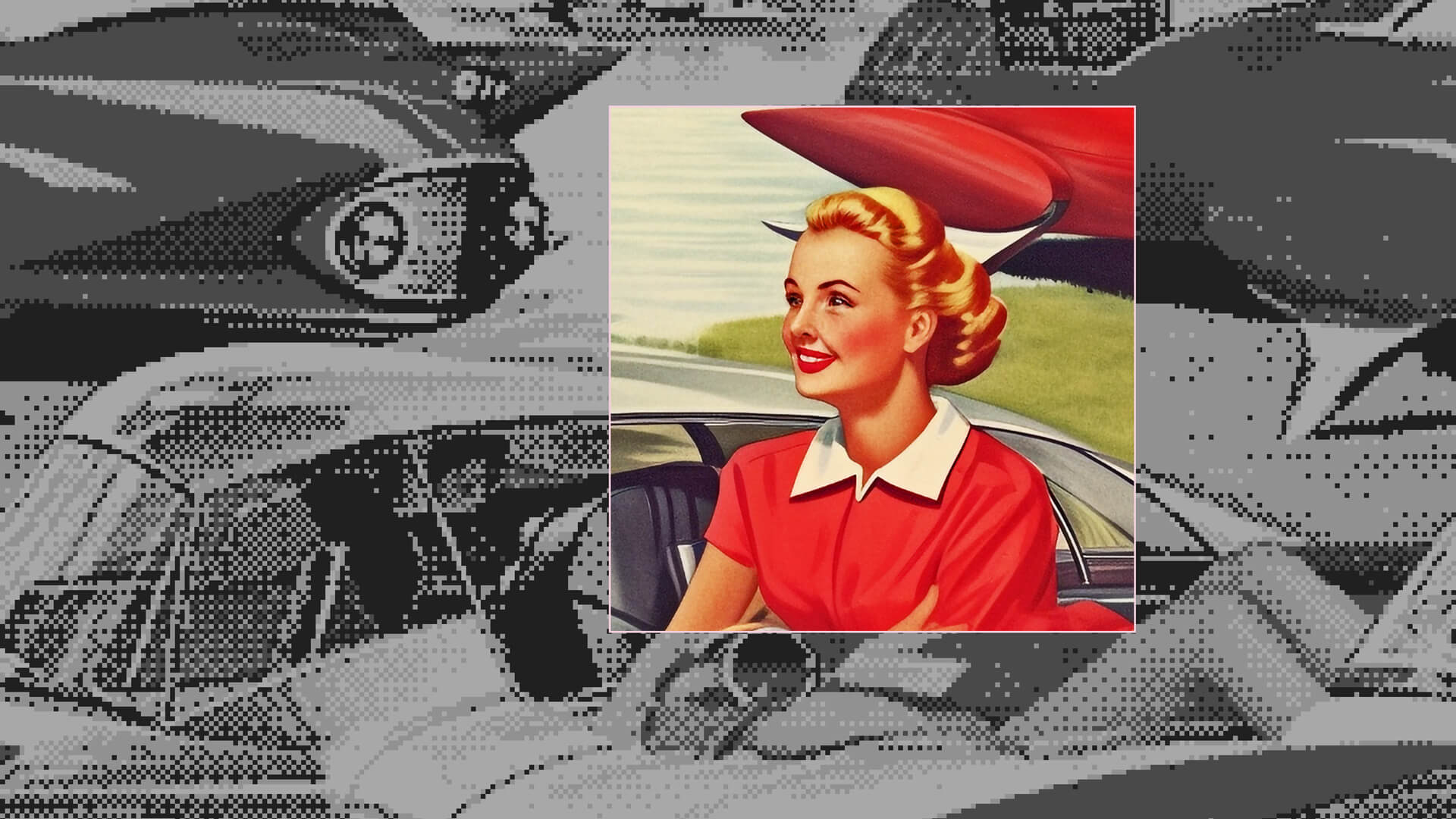
Growing up with a Jetsonian vision of push-button dinners and automated cleaning, I imagined coming home to a house managed by a trusty humanoid helper. In hindsight, that glimpse of the future wasn’t a bold vision of what could be in 2040; it was a 1960s dream.
In our pursuit of future-forward thinking, we often find ourselves recycling outdated paradigms. This phenomenon, known as the “used future,” refers to the adoption of established ideas and models without critical examination of their current relevance or efficacy. First introduced by Sohail Inayatullah, a pioneer and leading voice in the field of futures studies, “used futures” are ideas about the future that we inherit without criticism, ideas that resonated in the past but are no longer fit for our emerging realities. The image of a humanoid robot tidying the home is just that—a nostalgic picture of tomorrow that distracts us from the more systemic innovations we need today. Which, given our current context, should look more like redesigning entire systems for living, rather than just one gadget for individual efficiency.
As a futurist, I am fascinated with the concept of the used future. Many leaders and organizations I work with unintentionally operate on autopilot, constantly recycling old beliefs and assumptions about what people want, what good or better looks like, or what technology should enable. Even futurists unthinkingly adopt concepts developed in different contexts and timelines, leading to solutions that are inappropriate or even detrimental to current needs. Designers who go after used futures are at risk of building yesterday’s dreams without realizing they're already stale. This is evident in many of the “redesigned” systems we see in today’s world:
- Urban planning that continues to favor car-centric infrastructure despite growing awareness of the benefits of pedestrian-friendly and sustainable transportation.
- Educational systems that still mirror the industrial revolution's factory model, emphasizing standardization and conformity over creativity and critical thinking.
- Healthcare that focuses on acute, episodic care, neglecting holistic, preventative, and community-based wellness and public health approaches.
- Office designs that prioritize “modernized” cubicles and centralized workplaces, overlooking the potential of hybrid models and third spaces, and ignoring costly commutes and work-life balance issues.
Each of these systems carries the DNA of an older future that doesn’t fit the reality we’re living in or the expectations we have for the future. Most attempts to redesign or evolve these systems and so many others are myopic and incremental at best—more akin to remixing previous fixes than driving paradigmatic change.
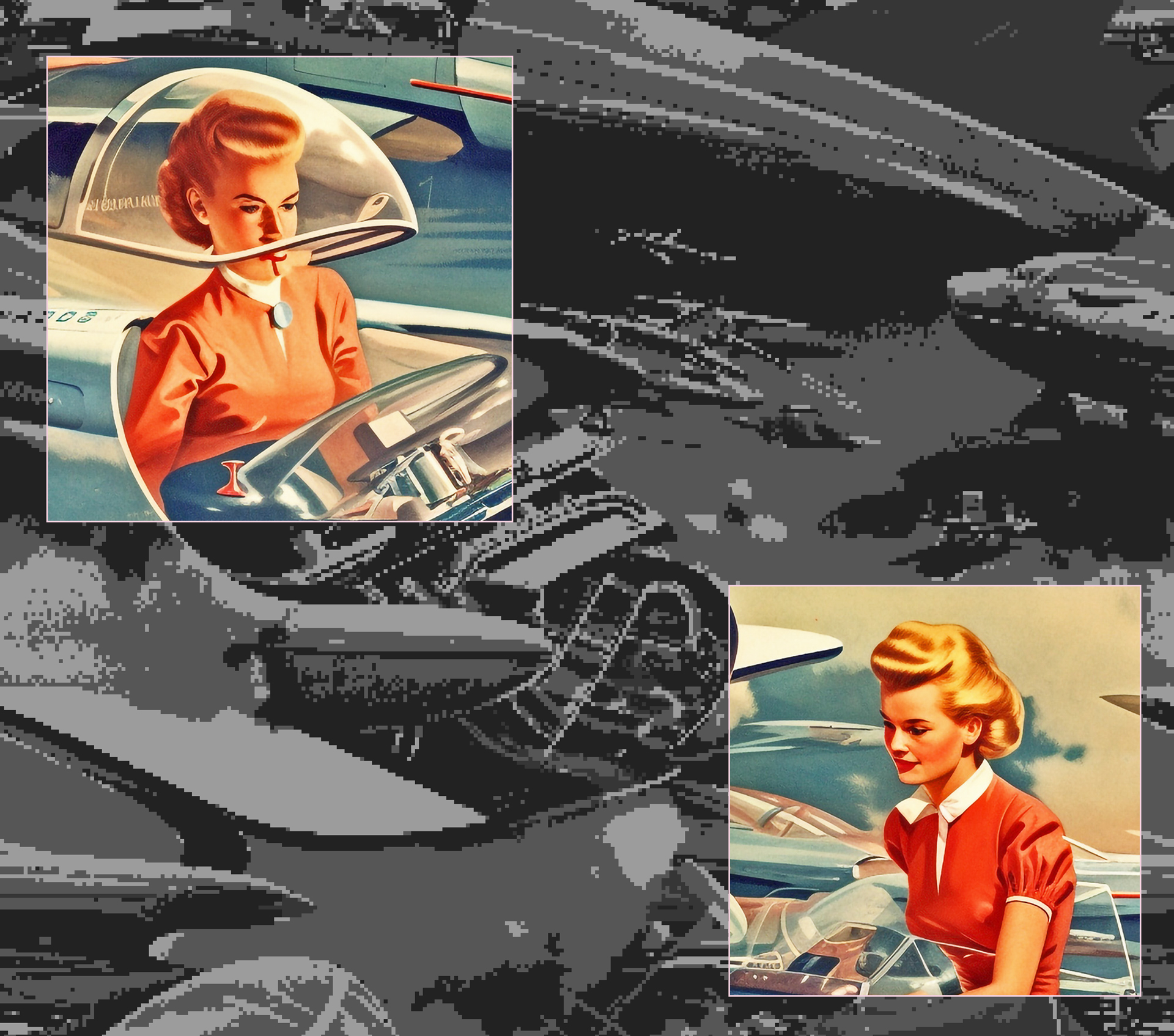
It’s an easy mindset to slip into. Over many years of doing futuring work with clients and graduate students, I’ve returned to the same exercise. I ask them to close their eyes and “imagine the year 2040.” Almost invariably, their minds leap to the familiar—flying cars, corporate dystopias, and neon-lit cityscapes of sometimes decades-old popular culture. The futures they could imagine are limited by inherited visions of what could be.
To break that loop, I’ve started changing the prompt. Instead of “What does 2040 look like?” I ask, “What does your birthday in 2040 feel like?” Suddenly, the answers are different. They talk about who they hope would be there, where they would be, and what they would be doing. The future becomes grounded in something personal, emotional, and ultimately, human.
And that’s where real futures thinking begins. The key is to notice when you are repeating someone else’s vision of tomorrow and get curious enough to imagine your own. But how, exactly, can you sidestep the used future?
Here are five techniques I use regularly that can help transcend the limitations of the used future:
1. Identify emerging signals
Looking past today’s dominant narratives means tuning into faint signals of the future, early indicators of change that hint at what might be plausible tomorrow. These signals are not trends yet; they’re provocations, cultural artifacts, early-stage experiments, or subcultures operating at the edge.
Consider IDEO’s Future of Automobility project from 2015. Introduced long before autonomous vehicles hit city streets, this work mapped a world where vehicles were shared, adaptive, and integrated into a broader urban ecosystem. It didn’t ask, “How do we make cars better?” It asked, “What happens when we stop designing around car ownership?” By interpreting early shifts in technology, social behavior, and city planning, the team envisioned new mobility platforms that anticipated today’s transformations in transportation infrastructure. Witnessing the most recent “carriage-style” entries into the autonomous market in the Bay Area, it’s impossible to miss the similarities between what IDEO imagined mobility could be and where it is today.
To avoid the trap of the used future, we need to be less obsessed with forecasting with certainty of what will happen and far more courageous in noticing signals for what is possible, no matter how speculative it feels.
2. Question the framing
Used futures often sneak in through the front door, via projects that frame the problem to be solved using assumptions, categories, or language that come from the past. That’s why it’s critical to ask: Is this work going after incremental improvement or transformational reimagining? “Better-than-today” efforts may optimize the status quo, but “future of” briefs open the door to strategic reinvention.
IDEO’s collaboration with Conservation International initially focused on protecting biodiversity hotspots. Through reframing, the team moved from traditional conservation messaging toward building a new cultural paradigm: helping people recognize nature as a source of emotional, physical, and spiritual well-being. This new context led them to think of nature as their client, shifting the way conservation is valued and communicated in human-centered terms. It was a significant reorientation of purpose rather than just a new message.
3. Prototype tangible futures
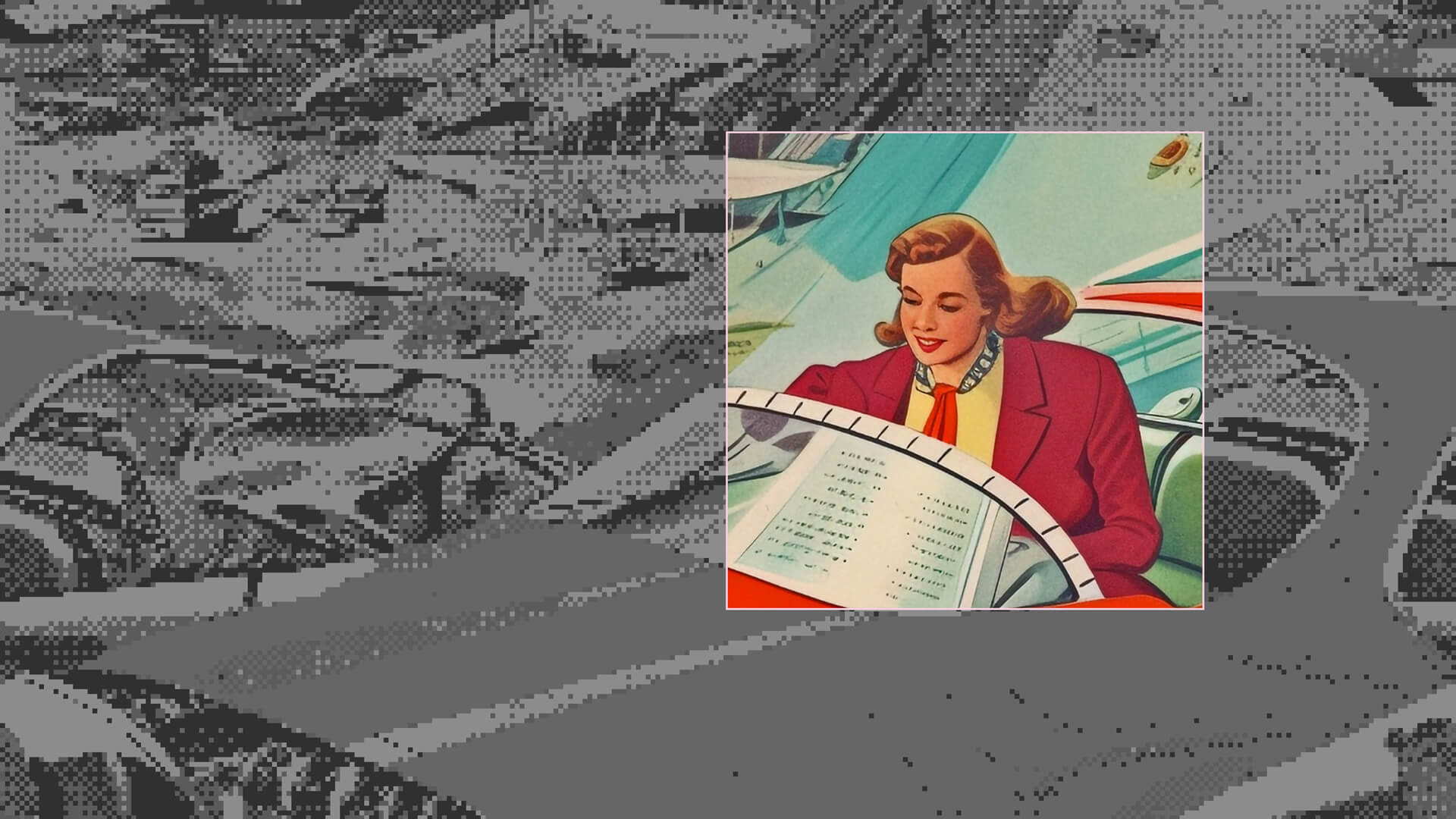
It’s hard to unlearn the futures we’ve inherited unless we see, touch, or experience alternatives. Prototyping tangible futures helps us push beyond habitual thinking and brings speculative ideas into experiential form. This might mean creating speculative artifacts like newspapers from the future, designing future rituals like a daily huddle with your AI agent, or simulating entirely new systems.
At IDEO, teams often use tangible futures techniques to prototype new products, new services, and new ways of behaving. When teams work on “future of health” projects, prototypes might include a mock clinic that embodies an alternative care model, a future policy pamphlet, or the interior of an autonomous ambulance. These prototypes for interactions are tools for stress-testing assumptions and unlocking insights creating momentum that stakeholders can react, iterate, and imagine together. You don’t need a time machine to imagine what could be; you simply need a prototype.
4. Create human narratives
Too many future visions center on technology, markets, or efficiency and miss the beating heart of change: human lives. Human-centered narratives illuminate the values, desires, tensions, and trade-offs that define meaningful futures. They help us imagine what the future brings as well as what it will feel like to live in it.
In several IDEO projects that reimagined the future of aging, teams resisted the common narrative of decline and dependency. Instead, they co-created stories with older adults that ranged from reimagining retirement as an opportunity to engage in lifelong purpose to redesigning death to helping the elderly live with intention, right up to the end. These future narratives inspired new product and service ideas and reshaped social attitudes and policy conversations.
Narrative is a strategic tool. By telling stories of a preferred future where people thrive in just, inclusive, and life-affirming ways, we can build the collective resolve to make them real.
5. Design nascent paradigms
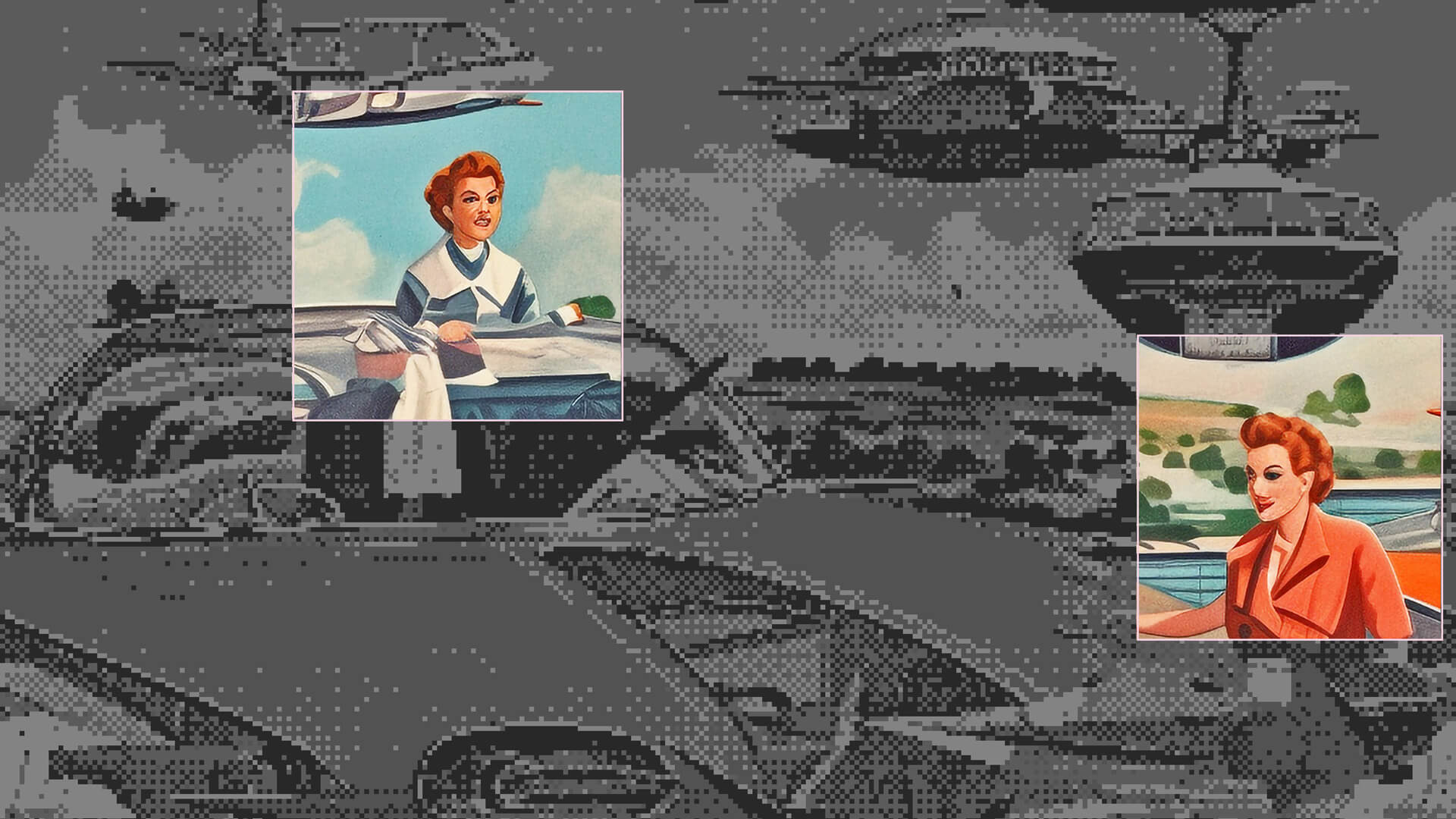
Sometimes it’s not enough to design for a new future; we also have to design the conditions and new thinking that make shaping nascent paradigms possible, reorienting how we define progress, value, and success
In the Beyond the Bag Challenge, IDEO worked with startups and major retailers to help define what it means to design solutions that restore and renew natural systems rather than deplete them. The collaboration led to a range of alternatives to single-use plastic bags, including biodegradable options and systems for recirculating bags. Within months, several prototypes were launched in major retailers and key markets.
Avoiding the used future in design means embracing techniques that encourage not just imagining transformative futures, but also those that help us surface and question possible outdated visions as well. If we don't notice the used future, we risk creating innovation theater, polishing legacy ideas instead of surfacing the truly new needs, emotions, and possibilities. By consciously moving beyond these old visions of what’s possible, we open ourselves to a broader spectrum of possibilities, enabling designs that are not only innovative but also deeply attuned to the evolving context of our world.
Looking to bring futuring into your own work? Get in touch.
I’ve been waiting for a housekeeper robot since I was a kid.

Lindsey Turner
I’m passionate about building brands, products, and experiences that help organizations show up with meaning and momentum.
I help organizations cut through complexity by shaping how they show up, through brand strategy, identity, and storytelling.
Working at the intersection of brand and business, I bring an editorial eye and a bias toward making—turning ideas into tangible experiences that people can understand, trust, and believe in.
My work spans government, healthcare, financial services, media, and consumer goods, from launching Gen Z-focused ventures to building innovation labs and reimagining legacy brands. I relish moments of ambiguity and enjoy translating across teams, perspectives, and priorities to move ideas forward.
I started my career in editorial and digital design, shaping cross-platform experiences and identity systems in publishing and agency environments. That foundation still shapes how I work today: I’m detail-oriented, collaborative, and overreliant on the Oxford comma. I hold a BFA in Visual Communication from the School of the Art Institute of Chicago.

Rachel Young
My work helps organizations see who their products aren't working for—and build the will and the tools to do something about it
For 25 years, I've asked the same question: Who does this design exclude—and what are we going to do about it?
My work spans human-centered strategy, inclusive design, and qualitative research, with clients ranging from Microsoft, Google, and Verizon to the National Science Foundation, and San Francisco Unified School District.
Before IDEO, I taught elementary school in East Palo Alto and spent a decade doing design work with social service organizations—where I learned firsthand what it costs people when systems are built without them in mind.
I am currently writing User Error, a nonfiction book about digital access and the design decisions behind it. I live in Oakland, California.

Brian Pelsoh
I lead with craft, ensuring our work is creatively excellent: rooted in deep human insight and imagination, while also grounded in the realities of business and technology.
My expertise spans brand, communication, and product design across tech, education, the arts, and social impact.
I believe great work demands both high-level vision and obsessive attention to detail, and only happens through collaboration.
I bring an inclusive, hands-on approach and a deep understanding of business, which enables me to consistently deliver excellence while always asking why.
Before joining IDEO, I worked at the brand firms Pentagram and VSA Partners. I began my career as a designer, leading teams at the School of the Art Institute of Chicago and the Milwaukee Art Museum. I hold an MFA in graphic design from Maryland Institute College of Art and a BFA in communication design from the Milwaukee Institute of Art & Design, and have taught at some of the best design schools in the US.

Tony Wong
I am responsible for IDEO’s long-term success in China and working with clients to use design as a tool to enable growth.
I am responsible for IDEO’s long-term success in China and working with clients to use design as a tool to enable growth. Specifically, I have helped Chinese companies design holistic brand solutions through the development of their products, communication, services, and innovation teams, and I have helped multinationals expand their presence and influence in China.
I advise global leaders on developing China-led innovation and capabilities.
In over 15 years in IDEO Shanghai, I have worked on projects that use design to elevate the quality of the experience of healthcare products and services, streamline processes that increase productivity, create spaces and programs that promote and enable inclusive communities, and build next generation mobility solutions that are planet-positive.
Before joining IDEO, I worked at Philips Electronics and the Electrolux Group in Italy, the Netherlands, and Singapore on a number of breakthrough commercial products. I am a member of the Young President Organization in Shanghai.

Building a personal AI for the messiness of life: Sida Li
Most AI products today are built for work—a space with clear problems and established systems. One founder noticed a gap: personal life is messier, harder to systematize, and mostly left behind by the AI boom. So she built Cue, a personal AI that lives inside iMessage and group chats, to go where the other tools haven't.
In this episode, Becca Carroll, IDEO's Chief Strategy Officer, talks with Sida Li, co-founder and CEO of Shared Context Lab, about staying anchored to a human need while the technology around her keeps changing shape, why she treats her business model with the same rigor she'd bring to a product, and what it feels like to build a company at this particular, disorienting moment in AI.
The conversation also gets into how Sida makes design decisions: the language Cue uses to describe itself, the tradeoffs behind building inside iMessage instead of a new app, and a real story about a business idea that didn’t pan out.
This is the second in a two-part series profiling founders from IDEO's Startups-in-Residence program. The first conversation is with Johannes Seemann, founder of Sooner, on designing GenAI for the emotional side of money.

Designing GenAI for the emotional side of money: Johannes Seemann
Most personal financial tools are built to run the numbers and optimize towards a budget. While that works for some, most people experience money as a lived relationship that does not neatly fit into a spreadsheet. Johannes Seemann and Becca Carroll discuss why money is emotional before it is mathematical, and what a human-centered approach to building a generative AI financial product looks like in practice.

The curious leader's edge in uncertainty: Scott Shigeoka
Mina Seetharaman talks with Scott Shigeoka, author of Seek and Head of Curiosity Cultivation at the Eames Institute, about what distinguishes genuinely curious leadership from performative curiosity, how power dynamics shape curiosity, and why practicing curiosity can restore energy rather than drain it.

How constraints make us more creative: David Epstein
Mina Seetharaman talks with David Epstein, author of Inside the Box and Range, about why total freedom often produces average work, how leaders can design useful limits on purpose, and what organizations such as General Magic and Pixar reveal about the relationship between boundaries and creativity.
Looks like you might be in search of something very specific?
Or reset the filters above and try another angle.
Here’s some random inspiration

Podcasts about creative leadership

Articles about the power of prototyping
