


Home / Design services / Case studies
Planes, supply chains, and automobiles
Vice President of Global EV Programs, Ford Motor Company
Featured work



A digital identity for the Royal Academy of Arts
Building new audiences and opportunities for a 250-year-old institution.
Great art requires great openness, a space large enough to contain all the tragedy and comedy of the human experience.
The limestone walls and Palladian arches of the Royal Academy of Arts (RA) hold such a space. The institution’s building in Mayfair contains galleries where a wanderer can appreciate the everyday miracle of a Caravaggio or amble through the former home of Academicians, a group led by some of the most eminent artists in the world, from Anish Kapoor to Sir Norman Foster. This revered site has also been home to the Summer Exhibition for 246 years, an event open to submissions from any living artist.
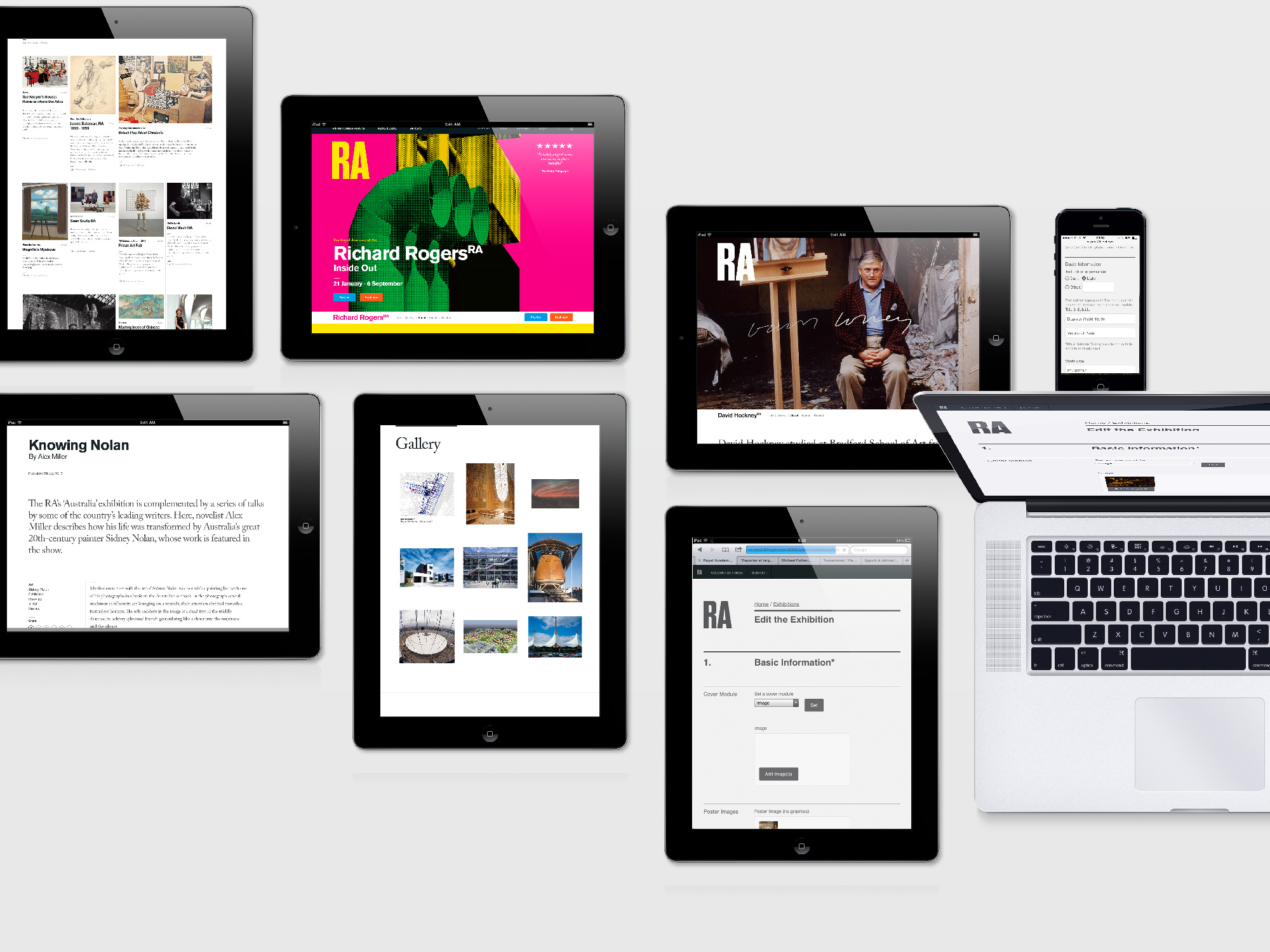
As the RA approached its 250th anniversary, the institution came to IDEO to help create a digital strategy that would open new doors to these resources, reveal hidden avenues to new experiences, and offer broad vistas of the collection.

After rounds of research with artists, staff members, and visitors, our designers immediately started building and testing. They ran workshops to refine digital tools, watched as patrons scribbled notes about things they wanted to know more about, and built pop-up design studios in RA’s galleries where they could generate insights on the fly.
The result is a rich, immersive site for different audiences. Art lovers can view stunning images of the works, artists can learn more about RA schools, and RA staff can share surprising stories about some of the most prized pieces.
Based around human needs rather than organizational structure, the new digital space allows audiences to wander freely in this immense storehouse of inspiration and awe. And perhaps most important, the RA organization has benefitted from a human-centered paradigm shift that will enable the institution to forge boldly into its next quarter millennium.
A creativity-building app for kids
Monster Moves teaches young kids dance choreography.
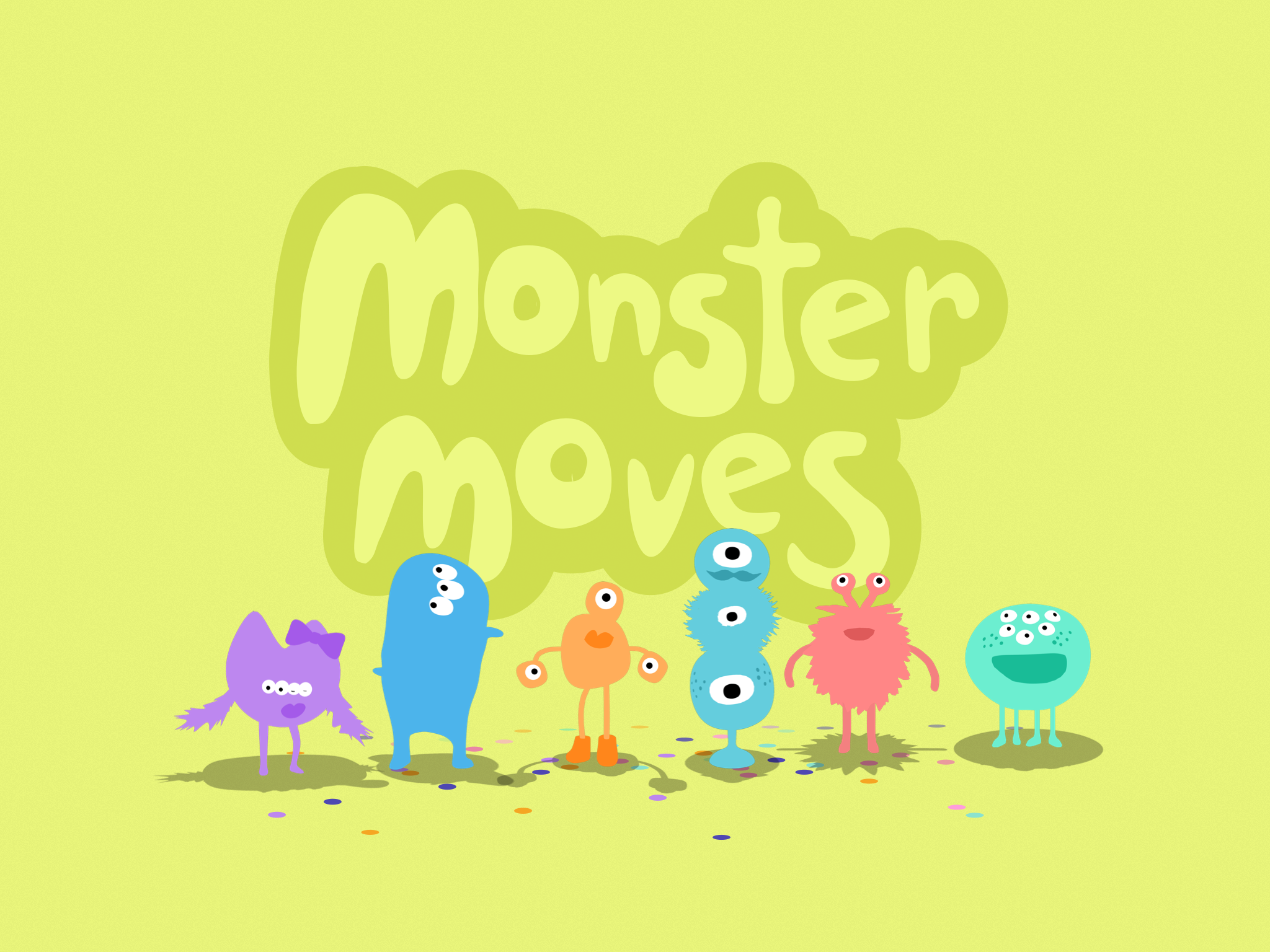
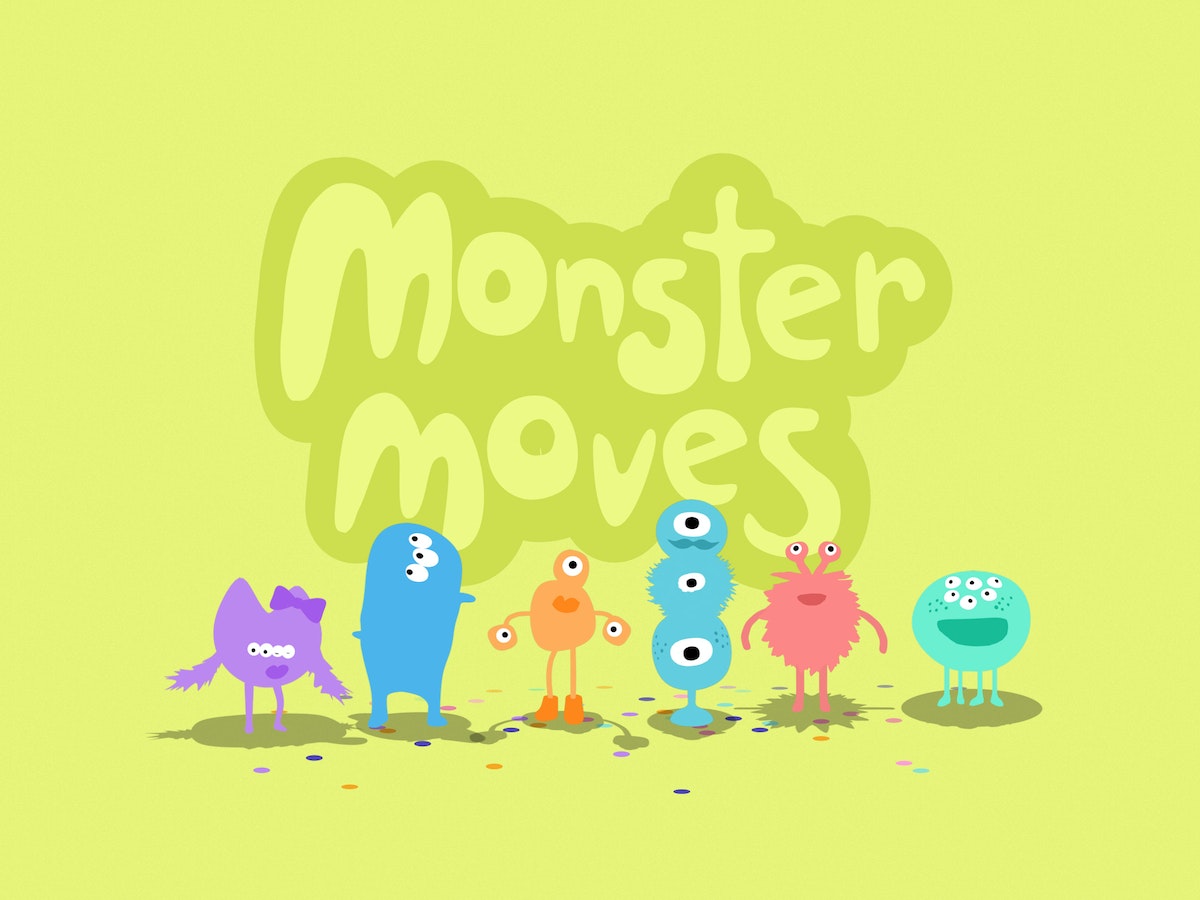
Monster Moves is an app that gives kids the ability to create their very own monster dance party. Kid-approved by a rambunctious team of tiny beta testers, the app encourages children 5 and younger to exercise their creativity as they choreograph dance moves for a troupe of monsters. Kids develop an awareness of their creative control by sequencing illustrated tiles that correspond to each monster’s unique set of dance moves.
Whether it’s a twirl, flap, swing, or sway, the app enables kids to cultivate decision-making skills by drawing connections between their choices and the monsters’ dance steps. Each monster has a full repertoire of dance moves and accompanying musical beats, so kids can compose an original soundtrack and dance along. To encourage kids around the world to create and design, the app is available in English, Simplified Chinese, Japanese, Korean, Spanish, Italian, French, and German.
Monster Moves—available on the App Store—joins a collection of apps, including Balloonimals and Balloonimal Babies, created by IDEO’s Play Lab, made up of a team of educators, designers and toy experts who foster kids’ curiosity, play, imagination, and creative confidence.
A drug-free alternative to chronic pain relief
Designing a revolutionary wearable device.
Chronic pain changes everything. Symptoms associated with chronic conditions can make activities that were a normal part of life—getting regular exercise or even a good night’s sleep—difficult to bear.
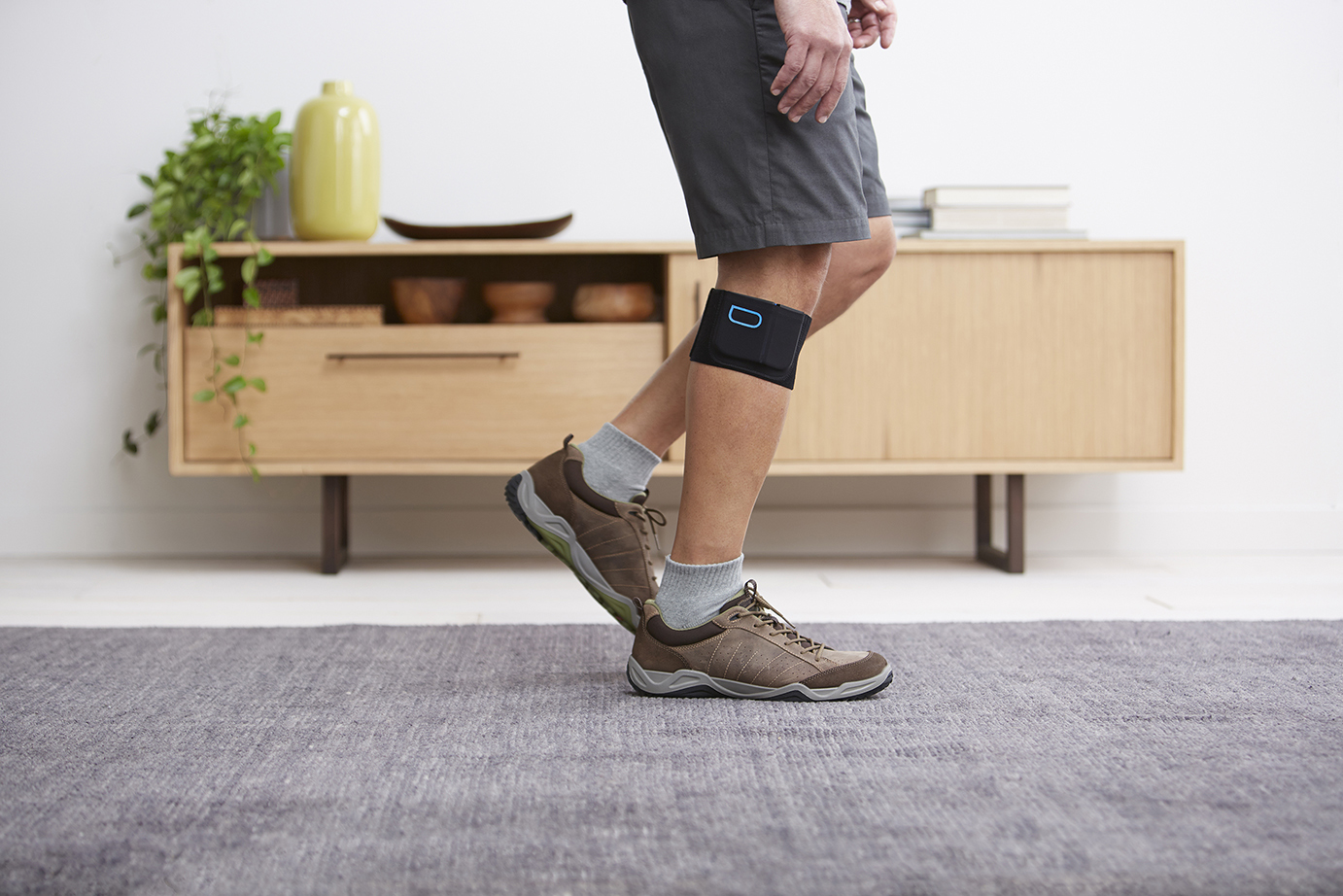
NeuroMetrix, an innovative health-care company based in Waltham, Massachusetts, developed Quell® to help treat chronic pain in people suffering from nerve, arthritic, back, leg, and foot conditions. Using a revolutionary technology called wearable intensive nerve stimulation (WINS), this device triggers widespread relief and, in a clinical study, reduced chronic pain and use of medication in thousands of users.
NeuroMetrix came to IDEO to help create the industrial design, interaction design, and mechanical engineering to bring Quell to the consumer market. Quell is a device that is placed in a sports band with a lightweight, slim design that fits comfortably on the upper calf and delivers therapy for chronic pain in the body. Its patented OptiTherapy™ technology is customized and automatically adjusts the therapy dose for optimal relief. An accompanying app, developed by Atomic Object, allows users to track treatment sessions, measure and understand the quality of their sleep as it relates to their pain, and personalize device settings.
IDEO’s work with Quell went beyond creating the product to something bigger—reframing chronic pain. For people who are in a constant state of suffering, the ability to take some measure of control allows them to feel more like active participants in their treatment plan, and to regain confidence.
A better scanning experience for patients and technicians
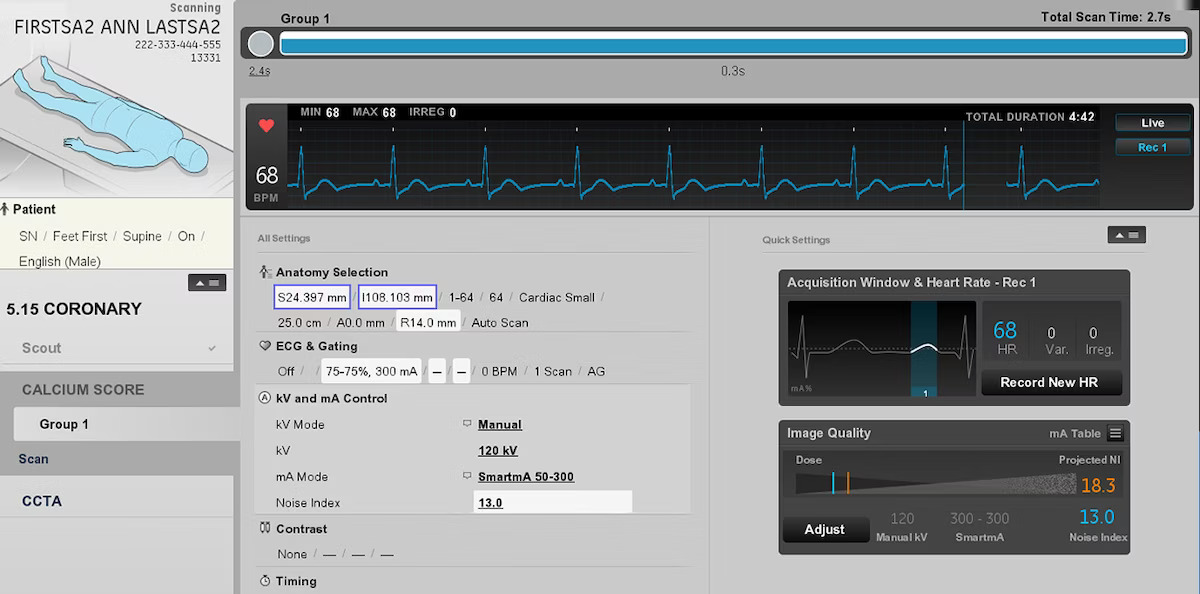
Creating a more streamlined user interface for CT scanners to maximize image quality, and minimize radiation.
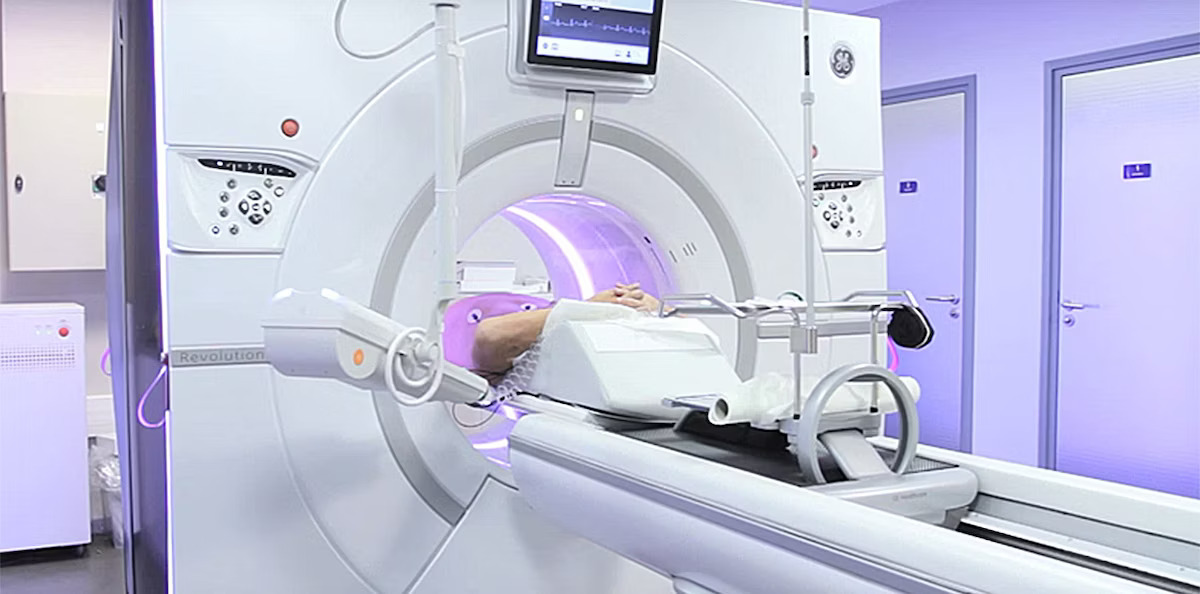
Operating a CT scanner is a delicate balancing act: The tech has to get a clear image for accurate diagnosis while reducing the patient’s overall radiation exposure. There are a lot of variables, and every second counts.
GE Healthcare, one of the country’s largest manufacturers of CT scanners, hired IDEO to redesign the console user interface to optimize the tech’s workflow, the patient experience, and the image quality. The key challenge was accommodating both junior and senior tech experience when designing a single interface, balancing support, flexibility and control. The final design allows techs to see their entire workflow up front, is optimized for “glanceability,” and draws technicians’ attention to important information. Threshold limits ensure the radiation dose never exceeds the determined amount. Ultimately, the streamlined design enables the tech to feel confident and focus on the patient’s physical and emotional well-being.
With several new hospitals using the new GE CT scanner, the impact has been evident. Within 24 hours, techs are up and running on the machines. The vision for the future looks bright and clear.
A blueprint for next-generation telecom
Helping a legacy telecom company stay relevant in the 21st century.
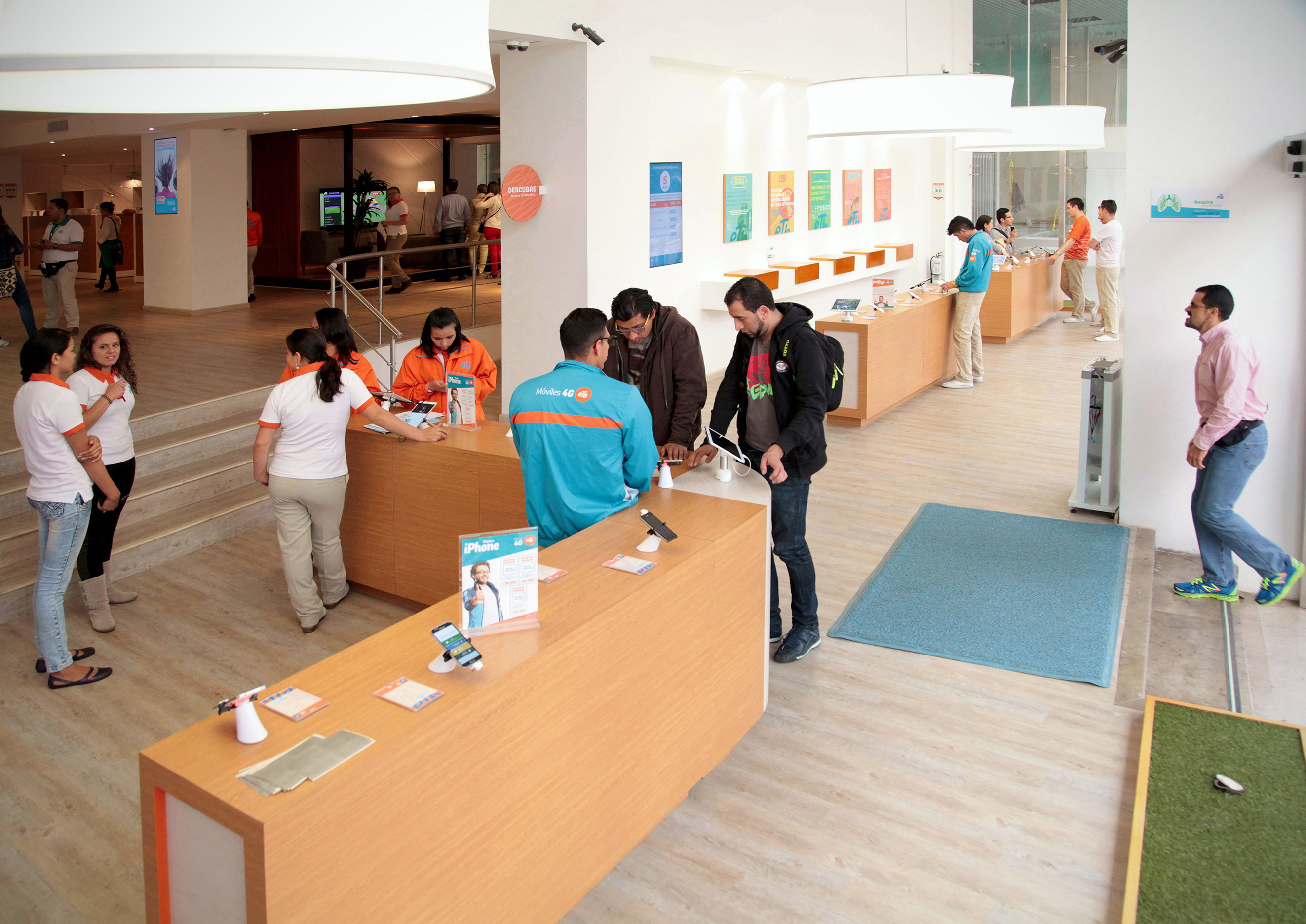
How does a 130-year-old telecom company in Bogotá appeal to a tech-savvy generation without alienating its most loyal customers? Faced with growing competition, ETB, Colombia’s oldest telecom business, wanted to modernize its entire retail shopping experience and update its branding.
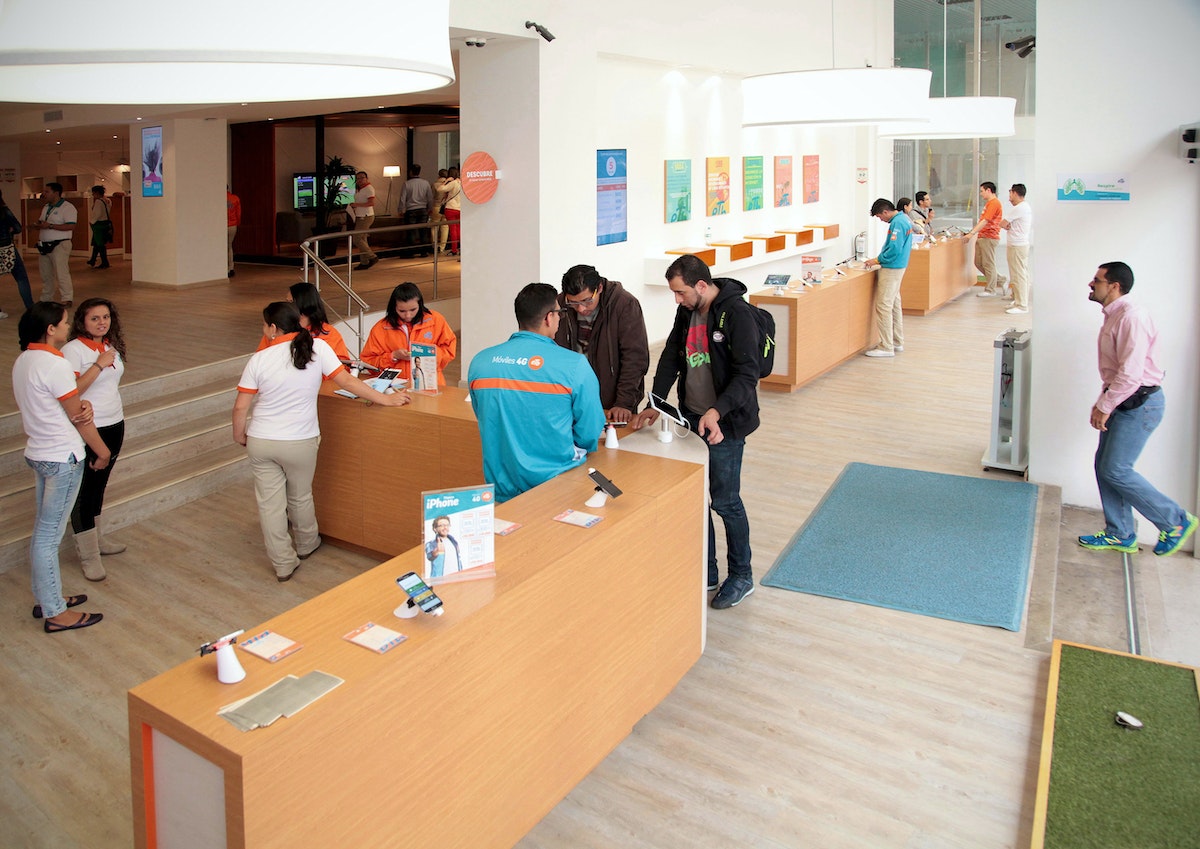
The company enlisted IDEO’s help in leveraging its already highly regarded brand. IDEO created a complete blueprint for the next generation of retail centers, including in-store spaces, digital services, and new personnel role descriptions. ETB’s new retail stores are warm and bright, and self-service kiosks eliminate the need for waiting in line. The company’s brand also got a face-lift with a new color palette and brand manual.
"Working closely with IDEO, we accomplished all of our goals,” said Vice President Carlos Alberto Gómez García, “from creating organizational change to reimagining interactions with our customers to evolving the brand identity of ETB."

Boston's new citizen-centered site
Designing a welcoming, intuitive platform for Bostonians.
The City of Boston was in need of a new digital home—one that emphasized a shift to a more welcoming tone and commitment to its citizens.
More than 7 million people each year came to the Boston.gov site to tap into all sorts of city services: reporting a pothole, learning the assessed value of their property, paying a parking ticket, checking recycling schedules.
Boston wanted to create a beautiful platform that would make the process of finding and navigating information easy and intuitive, one that prioritized the needs of its people.
The Boston.gov site had outgrown its existing structure and needed an overhaul. The user experience was mired by the fact that Boston City Hall has nearly 50 different departments, each with its own microsite, navigation and content standards that feed into a centralized site.
So the City of Boston hired IDEO to design its new digital home, Boston.gov. IDEO designers worked with the major stakeholders—department heads, employees, and Boston residents, with a focus on those in underserved communities and those with varying levels of technical proficiency—to gather insights into what users needed.
The objective was to design something that would simplify how people navigate the site, to make it easier for residents to find answers to common questions, and, in the process, serve as a community facilitator—an up-to-date, reliable resource that makes life in the city more manageable.
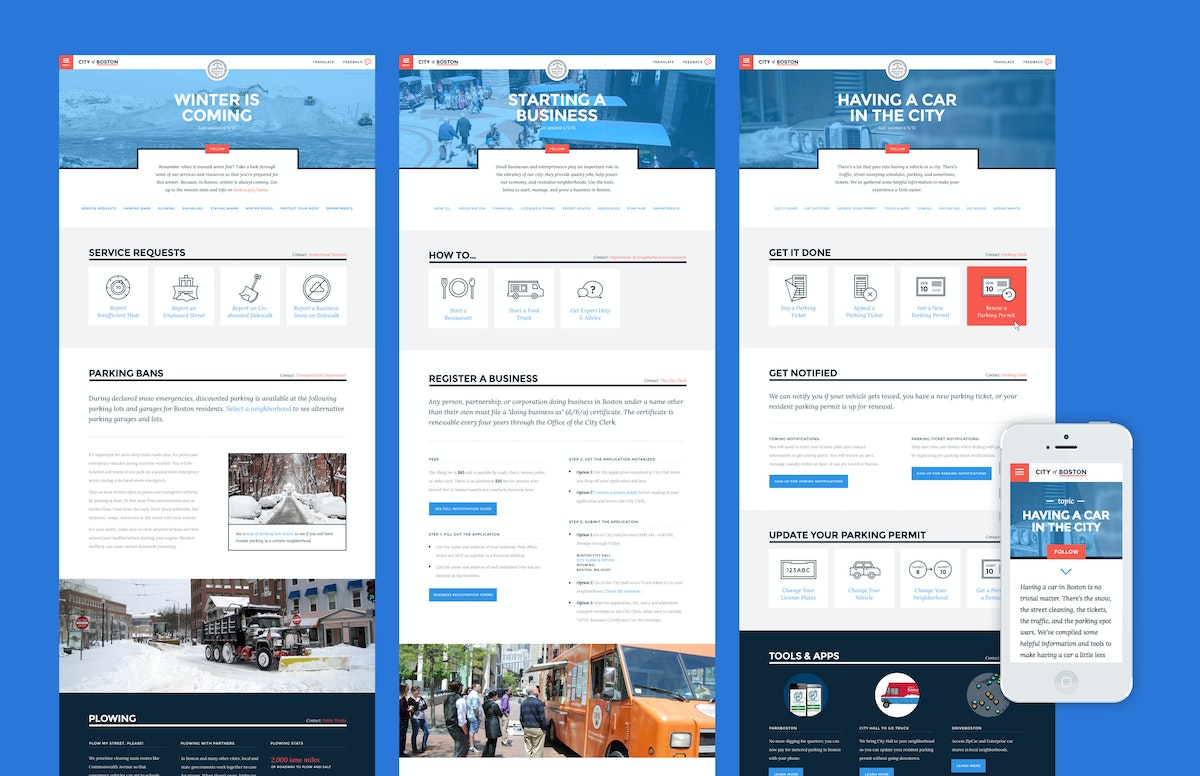
Rather than organize the site by the city’s departments, the design solution was rooted in illuminating relevant content by topics—people’s life moments—many of which overlapped through different branches of government. Owning a car in the city, for example, is closely related to preparing for winter, so bridging those common threads allowed for a more intuitive organizing principle.
In the process of the site redesign, IDEO also helped to create a visual identity system that underscores Boston’s strengths: the city’s confidence, humility, personality, and optimism.
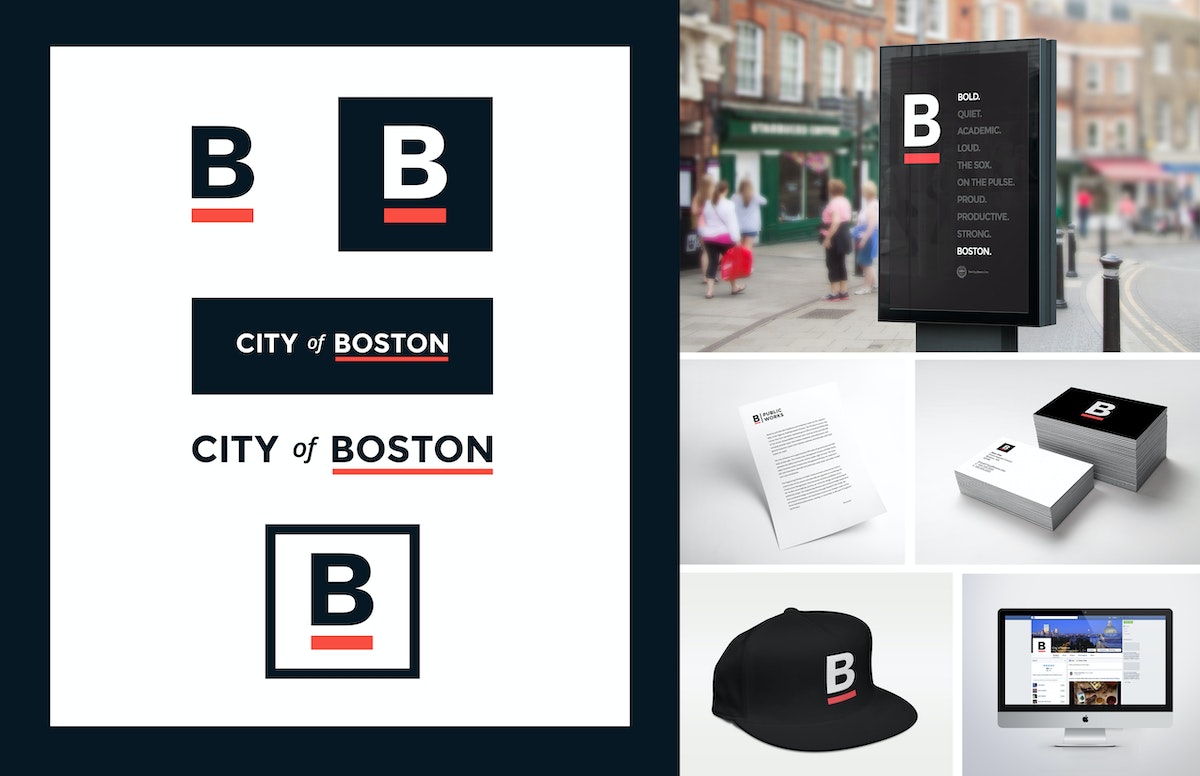
In addition to the web architecture and redesign, IDEO also produced a comprehensive style guide to help maintain design consistency, so departments can add content without compromising the overall integrity of the site, as well as a brand look that the city has decided to adopt across nearly all of its consumer-facing media. Now you’ll see the famous underlined B on T-shirts, banners, and even snow shovels.
Holding true to its mission to include Boston residents and all site users in its design process, the new Boston.gov site was piloted for six months, and the process document on the city’s blog (including the IDEO designed brand guide), before a full launch was rolled out in July 2016.
“The website should act like a helpful human. This is one of the big differences between the old site and the new site,” said Jascha Franklin-Hodge, the city’s chief of information technology in a Boston Globe article. “Oftentimes, when you looked at something on the old site, it would feel like you were interacting with some sort of lawyer-robot that was speaking to you in government-speak, using very formal language. We are trying to move away from that so your experience is akin to a person.”
Growing an American brand in China
How an outdoor retail company found a new audience through digital and physical shops.
In the West, The North Face, with its decades-long history, has long symbolized an adventurous, active lifestyle. In China, however, the outdoor market only began accelerating in the early 21st century.
Success in this growing market depends on building strong and deep connections with Chinese consumers.
In the Western Hemisphere, The North Face brand has long represented an active, sporty lifestyle that’s filled with challenges and adventures. But appreciating “the great outdoors” in China is less about extreme sports and more about connecting with nature in a communal, spiritual way. This research-based insight led the team to identify new opportunities for The North Face to better target its messaging.

Designers found a key opportunity: Encourage Chinese consumers to escape the pressures of hectic city life by enjoying the freedom and renewal that comes with spending time outdoors.
Today, as people find less time to enjoy the benefits that lie just beyond China’s large cities, there’s a tangible desire to return to the outdoors to refresh, reassess, and renew oneself. The North Face aims to help consumers do exactly that.
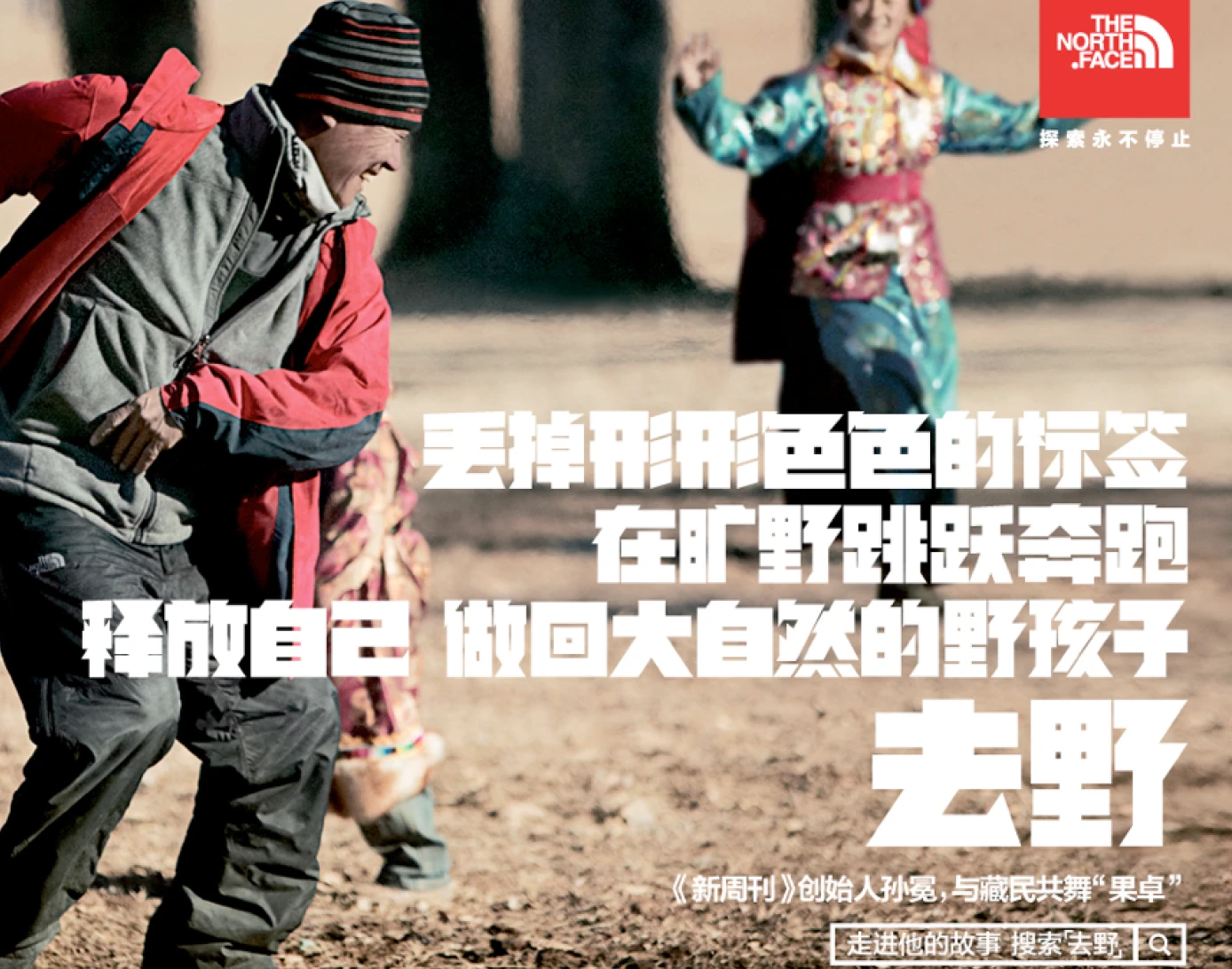
To create a compelling new brand vision for The North Face in China, the team’s design research tapped into Chinese ways of spending time outdoors. IDEO’s insights and creative brief provided the essential brand story for The North Face in China and informed the tagline of the company’s current marketing campaign, “Go Wild” (去野). The North Face brand’s new messaging links “old nature” and “new outdoors” through a combination of digital, retail, and interactive community channels.
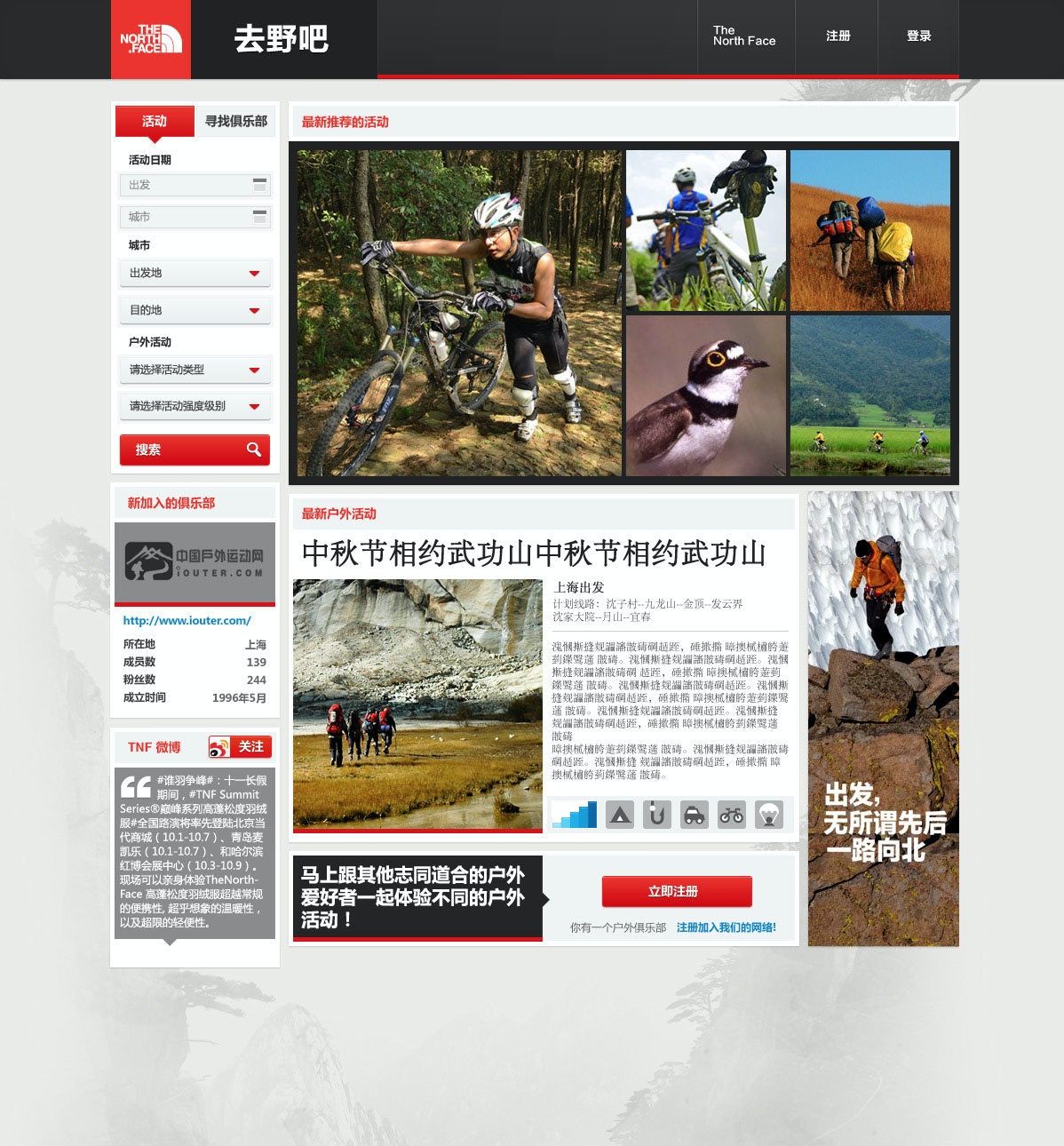
IDEO also collaborated with the company on designs and prototypes for a new digital platform and an updated store-within-a-store merchandising display. The digital community aims to attract newcomers and connect them with more experienced outdoors enthusiasts and clubs. As the platform evolves, it will help aspiring adventurers plan trips, learn skills, and share their experiences through photos.
The retail community space aims to integrate this digital community with in-store shoppers and an effort to turn the “buy-a-product moment” into a “join-the-outdoors moment.” Both will be integrated to provide a holistic brand experience in China centered on nature and community.
20% sales growth in China
from 2012 to 2013—the year the project was completed—propelling the brand from sixth place to a market-leading position
Nearly 40 years of designing pharmaceutical excellence
How a decades-long collaboration with Eli Lilly has transformed patients' lives and health outcomes.
In the 1990s and early 2000s, Eli Lilly had a number of new, life-changing medications and two big challenges: Most of its drugs were self-injectables, not pills, so patients were hesitant to take them. And its drug-delivery device platform lagged behind its drug pipeline.
Over the last 36 years, IDEO and Lilly, along with the pharmaceutical giant’s other design, development, and manufacturing partners, have collaborated on more than 250 projects. During this time, Lilly has not only honed its engineering-focused internal device-development team but also transformed into a human-centered organization with extensive, robust in-house innovation capabilities.
Early in the relationship, a team of IDEO designers and Eli Lilly leaders traveled the world to understand how people with diabetes live with the disease. Their findings led to the design of a series of award-winning insulin injection pens like SAVVIO. Portable, aesthetically pleasing, and discreet, the pens are suitable for use in both medical and personal settings. Combined with Lilly’s technical design prowess, this human-centered focus allows the devices to seamlessly integrate into patients’ lives and routines, making a challenging disease like diabetes feel more manageable.
Fast forward to today, Lilly’s innovative, easy-to-use auto-injectors are not only continuing to provide life-saving treatments to people with diabetes but also enabling the adoption of the popular GLP-1 weight-loss drugs Mounjaro and Zepbound, which together accounted for the majority of the company’s annual revenue in 2025. Perhaps most importantly, patients consistently rate the experience of using Lilly’s auto-injectors as relatively pain-free, easy to use, and preferable to competitors’ brands, improving adherence, satisfaction, and health outcomes.
This unwavering focus on driving innovation through a patient-first mindset is evident in some of the most impactful projects Lilly and IDEO collaborated on over the years:
GLP Auto-injectors
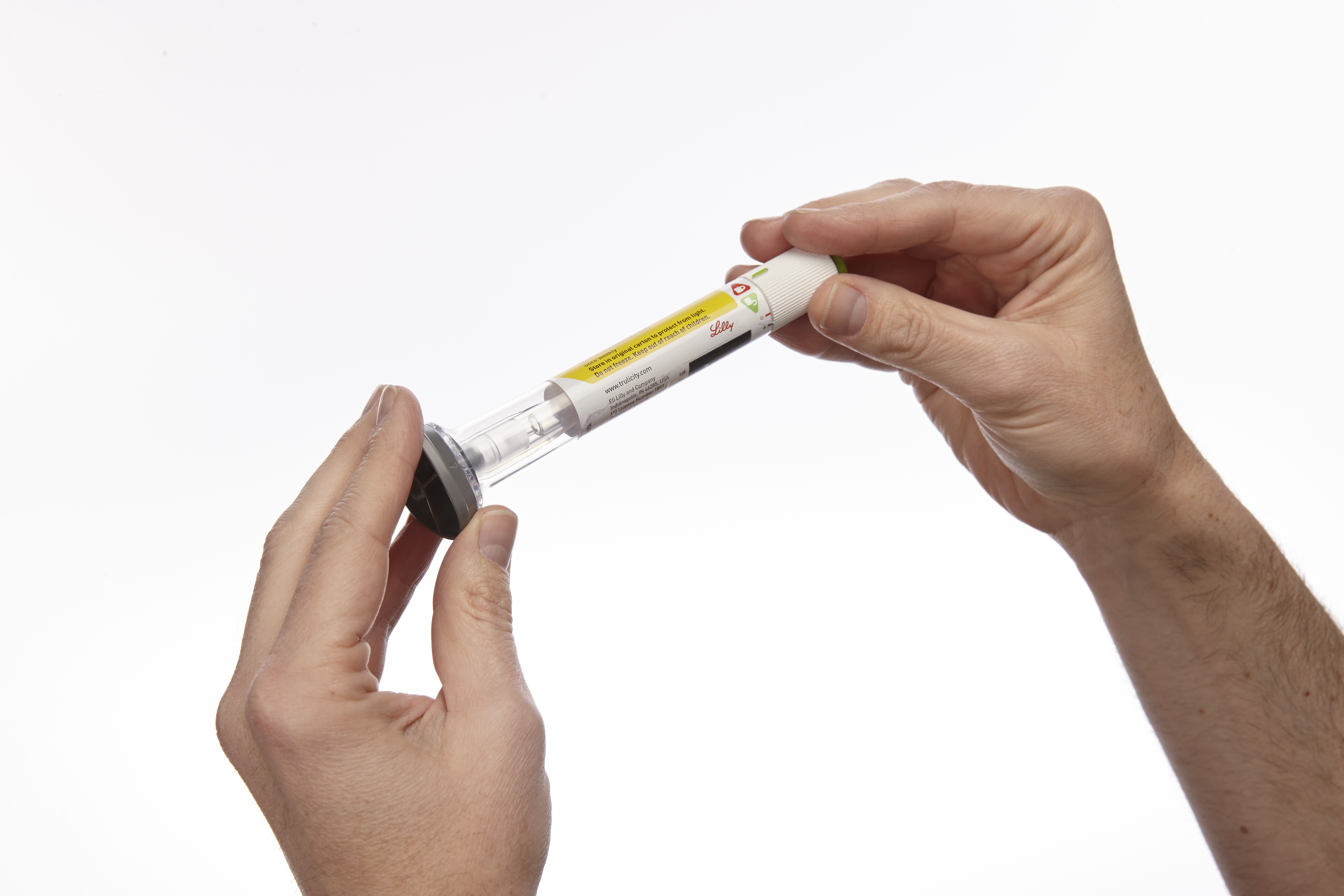
Convenient and cutting-edge, the first Trulicity injection device was originally designed to deliver the GLP-1 drug to treat type 2 diabetes. Today, it has been adapted for use with other GLP-1s, Mounjaro and Zepbound, which are increasingly popular weight-loss drugs and are also administered once weekly via fixed-dose injections. A wide base enables the pen to be held securely against the injection site, and the device automatically regulates the dose and needle depth.
Taltz Injectors
For most patients, living with severe plaque psoriasis means being your own medical technician—metering your drug dosage each time, and attaching and removing needles by hand. Taltz provides patients with clear visual and auditory feedback throughout the injection process through simple icons, bright colors, a translucent material, and clicking sounds. The devices are available in both autoinjector and prefilled-syringe formats and are adapted for Emgality, a preventive monthly migraine treatment, and Ebglyss, which helps treat eczema or atopic dermatitis.
HumaPen SAVVIO Injection Pen
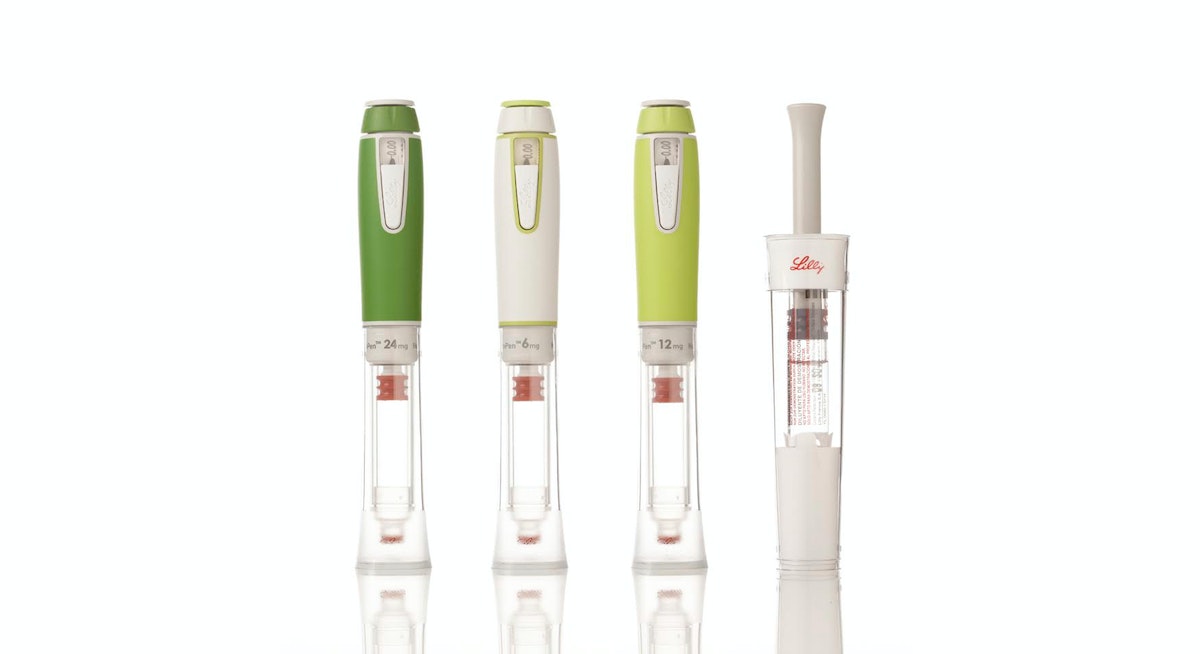
Key insights informed the design of SAVVIO, including patients’ preference for insulin pens that look less like medical devices and more like everyday objects you’d find in a backpack or purse. The sleek, colorful device was created to help patients feel comfortable and confident about fitting mealtime injections into their everyday lives.
Refillable Human Growth Hormone (HGH) Injector and Reconstitution Device
Designed to be kid-friendly, the Refillable HGH Injector leverages insights into pediatric treatment adherence to create a more integrated, systematic approach to treatment, while the Reconstitution Device makes mixing Lilly’s powder-and-liquid drug easier and less intimidating for parents and healthcare professionals alike.
KwikPen Insulin Pen
KwikPen is a next-generation, prefilled insulin injection pen that builds on the success of two previous designs, reducing its size to 5.7 inches and enhancing ease of use for patients.
HumaPen(R) Luxura™ Insulin Pen
HumaPen Luxura combines several innovations into a robust yet elegant pen that can be carried and used anywhere—an insulin pen solution that improves dosing accuracy, dose setting, and injection force.
In addition to designing products to meet the needs of people with diabetes, IDEO and Lilly have developed innovations in areas of oncology, autoimmunity, and men’s health. The results of this collaboration and expansion have won numerous design awards and produced one of the longest and most fruitful innovation relationships in IDEO’s history.