


Home / Design services / Case studies
Planes, supply chains, and automobiles
Vice President of Global EV Programs, Ford Motor Company
Featured work



Helping Peru’s top hot sauce find US success
Introducing Tari, a flavorful new kick for everyday American foods.
Alicorp had a vision to expand its beloved and delicious hot sauces to the US market, but needed help fine-tuning the brand and product for an American audience.
Alicorp has direct operations in Peru, Bolivia, Ecuador, and Chile, manages export operations in more than 30 countries, and oversees over 150 brands. While its AlaCena sauces are ubiquitous in South America, the brand’s North American market primarily consisted of purchases made via Amazon by Peruvians living abroad. To help the CPG giant expand meaningfully and sustainably onto US grocery shelves—and achieve its ambitious $50 million retail sales goal in five years—Alicorp and IDEO collaborated on multiple projects over a two-year period. The partnership began in early 2020 with consumer research and product strategy, ultimately leading to the development of initial product branding, positioning for launch, and an in-market pilot in late 2021.
Through a combination of large-scale digital surveys and in-depth, in-person and remote research interviews, IDEO discovered that AlaCena’s Tari and Uchucuta’s hot sauce recipes resonated the most with US consumers. Made from native Aji Amarillo and Rocoto chili peppers ground using a traditional Andean “batán” technique, consumers appreciated their complex flavors and enjoyed how they enhanced, not overpowered, everyday foods like burgers and fries. The sauces’ authentic Peruvian culinary roots were also a key differentiator. In addition to consumers, IDEO consulted with industry experts—including executives from large-scale grocery chains and chief merchants of leading big-box stores—to explore retail and marketing trends and identify potential innovation partners for Alicorp in the US.
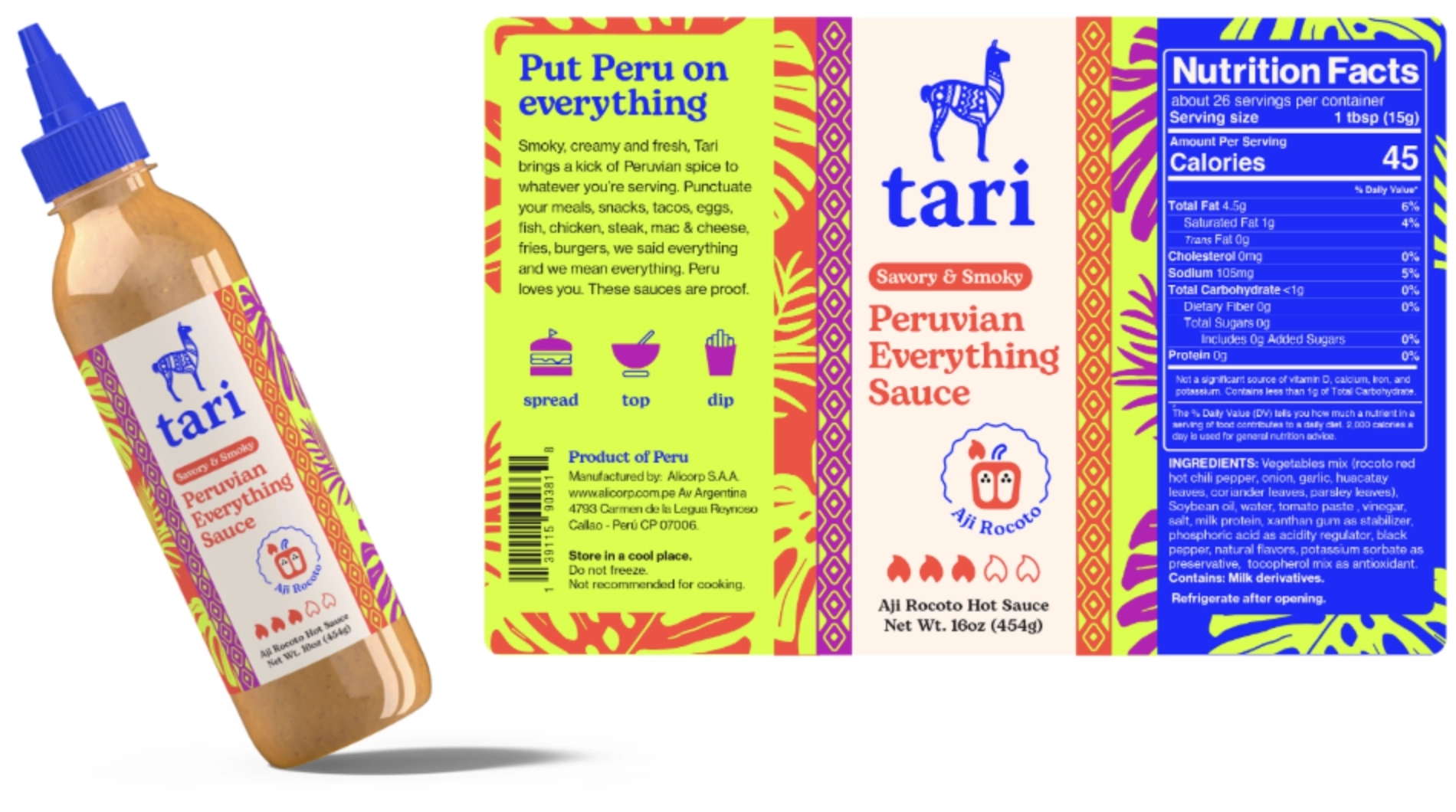
Based on the research, IDEO recommended a few changes to ensure a successful launch: Lead with the Tari brand, which was the most memorable and easiest to pronounce, and position it as an “everything sauce.” Change the packaging from a large plastic pouch to a smaller squeeze bottle to better align with consumers’ expectations and stand out on the inside of refrigerator doors. Adjust the product formulation to appeal to mainstream consumers looking for cleaner labels. And visually celebrate Tari’s Peruvian roots through bright colors, traditional textiles, and a llama, an animal closely associated with the Andes Mountains. In addition to these recommendations, IDEO provided a comprehensive go-to-market retail strategy that included potential US regions for launch, retail brokers, distributors, manufacturers, and R&D and pilot retail lab partners, as well as job descriptions for a new North American-based sales team.
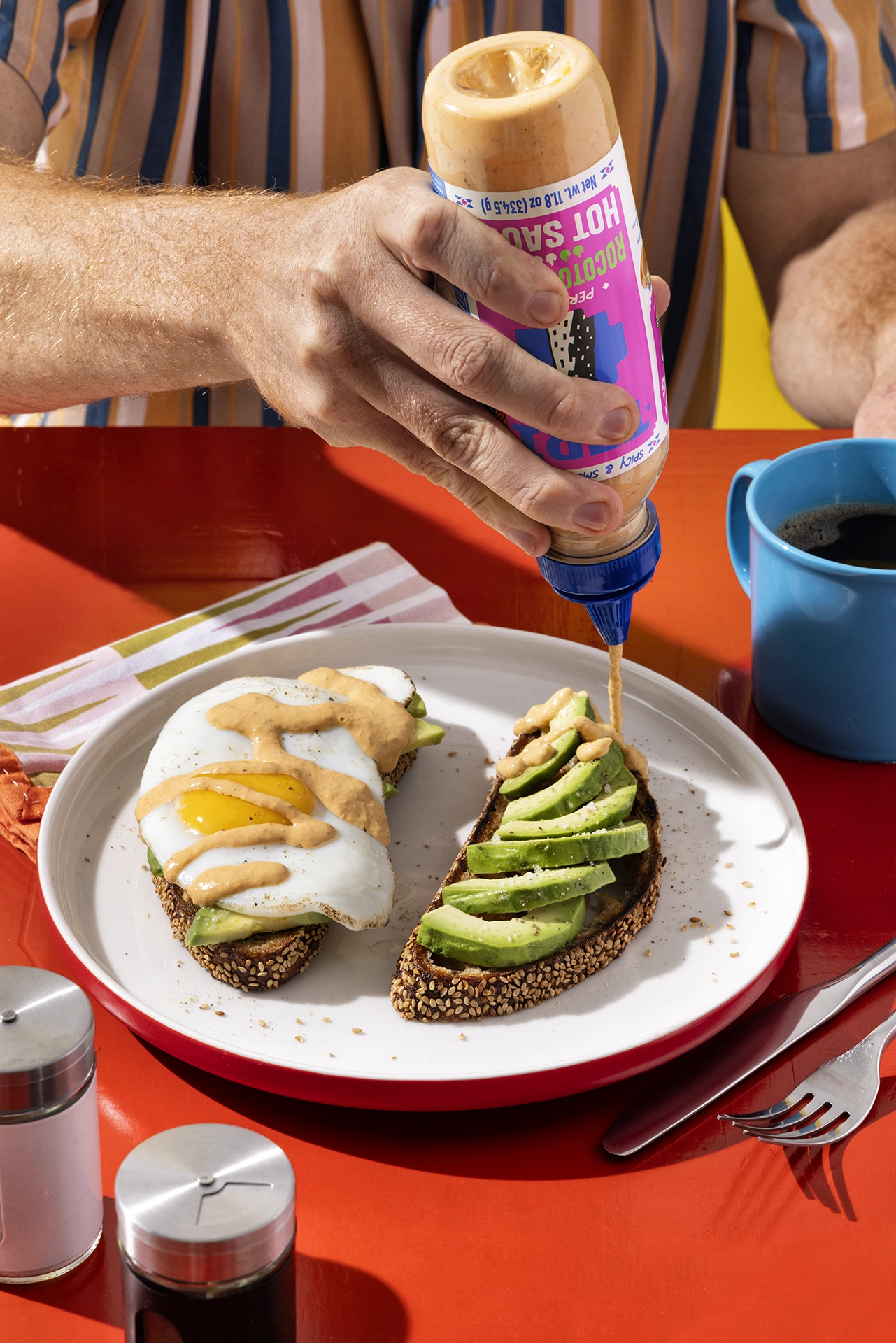
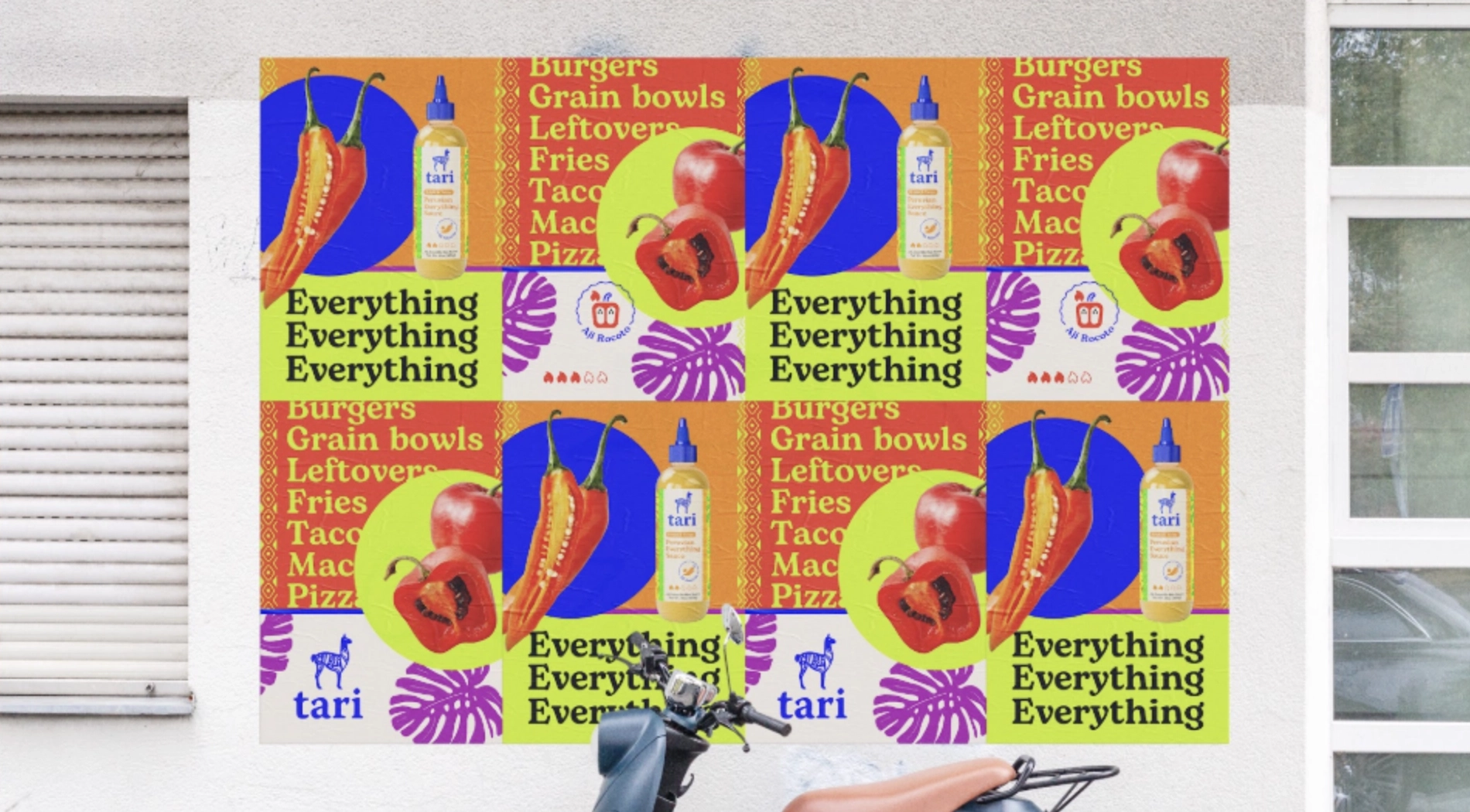
While Alicorp worked on reformulation and packaging strategies, IDEO refined Tari’s initial branding strategy. Steeped in Peruvian aesthetics, the brand’s new look and feel featured a vibrant color palette, geometric patterns, and—of course—a friendly llama icon, which could also be found on all in-store point-of-sale items IDEO designed for Tari's pilot launch in late 2021.
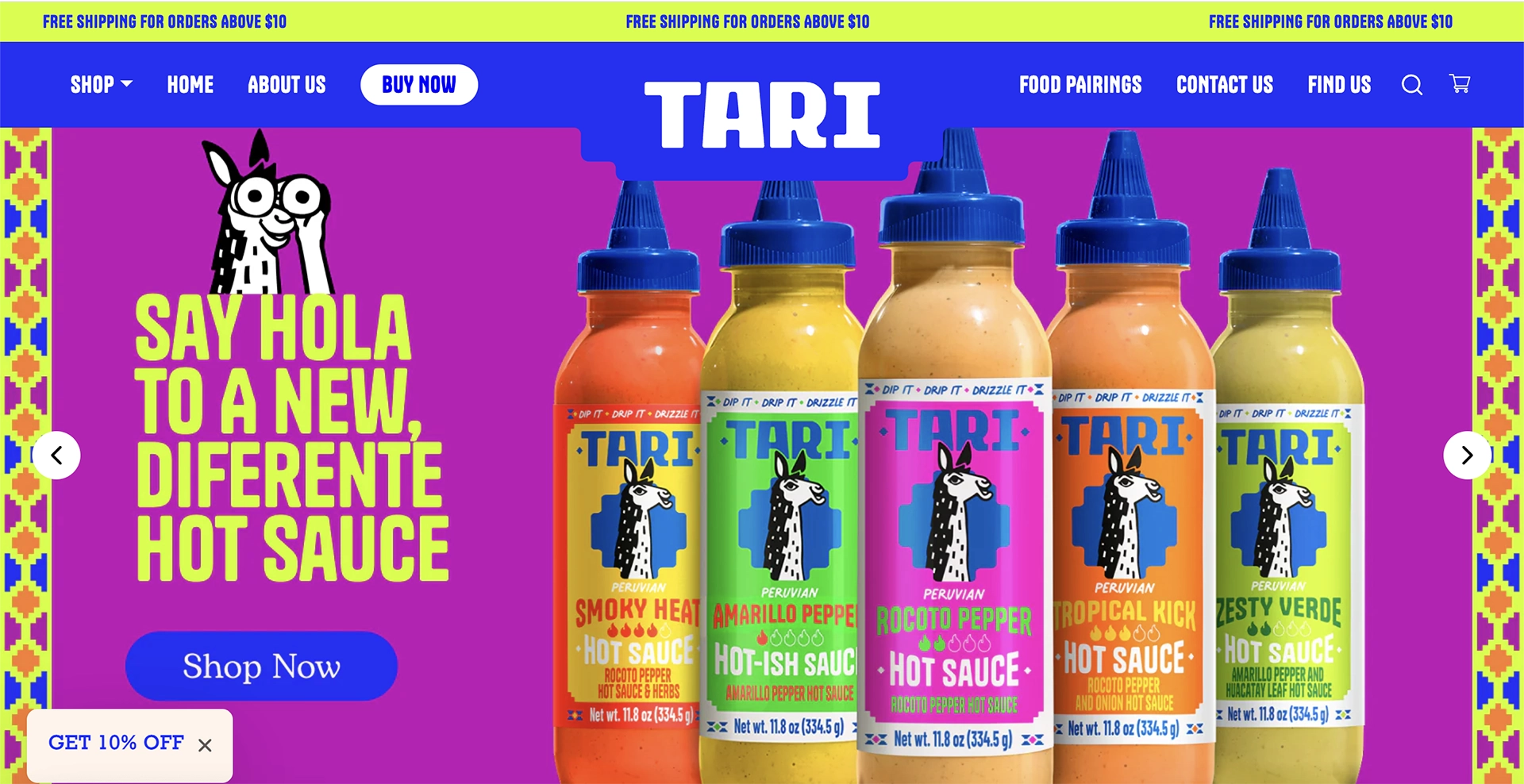
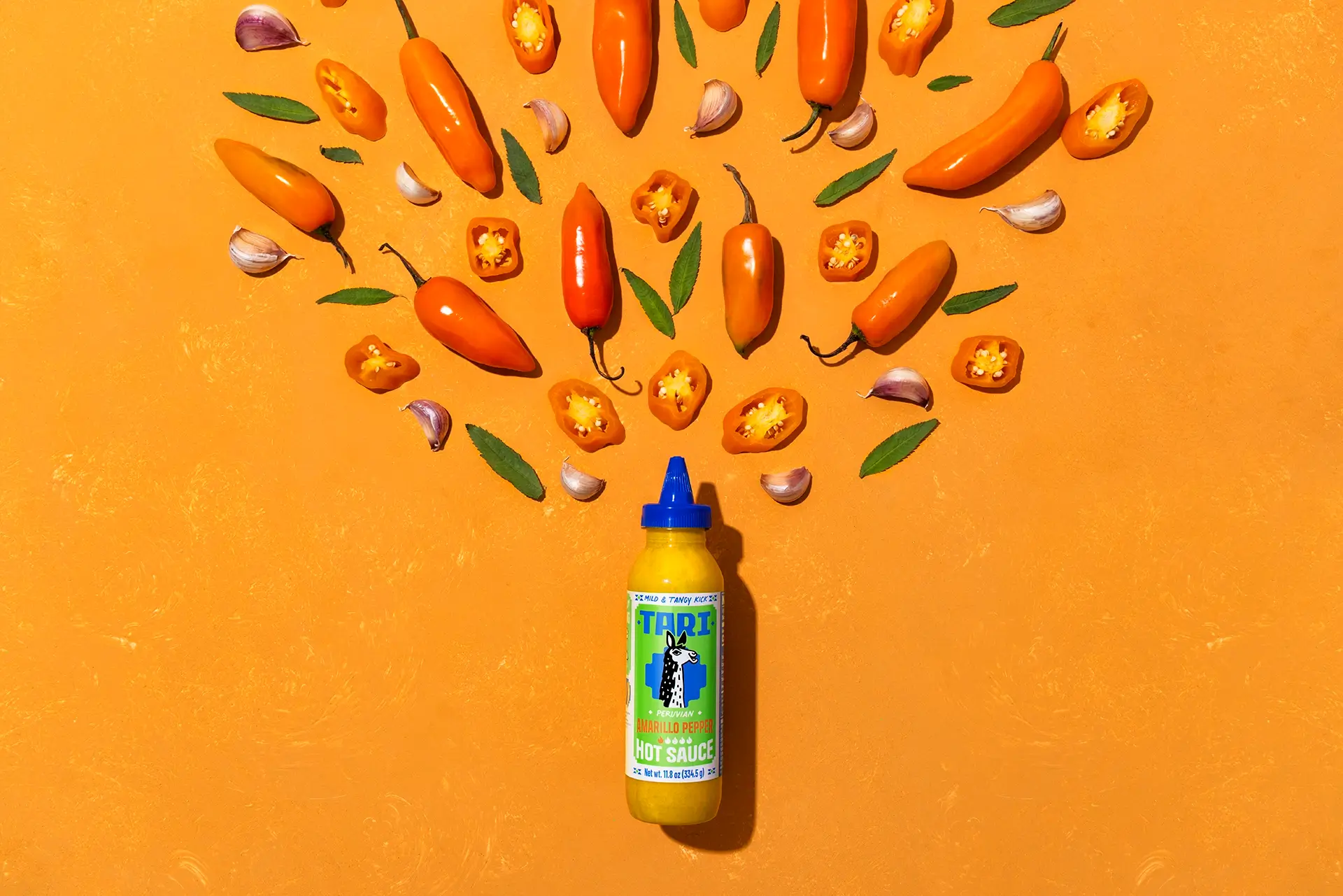
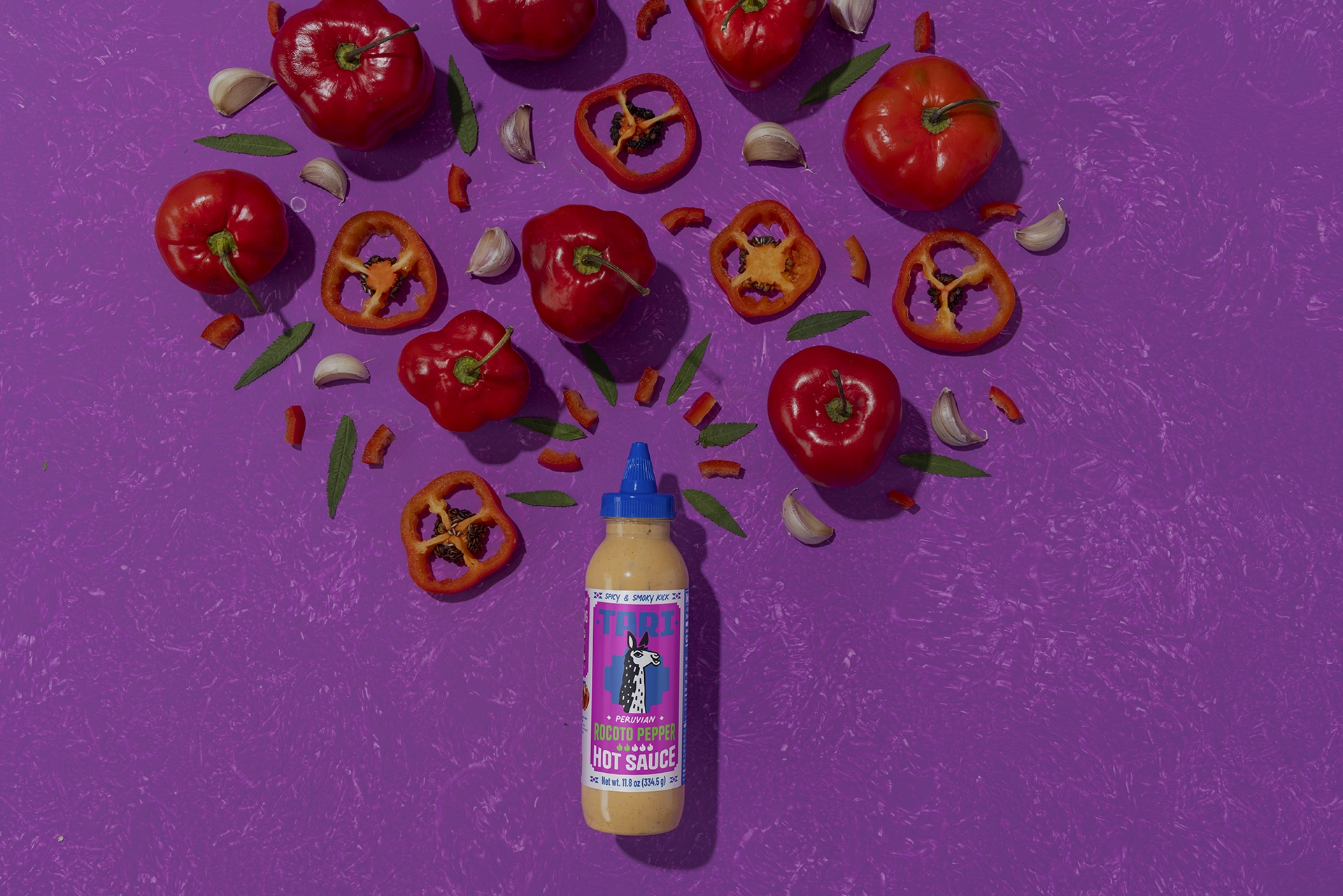
The successful 12-week in-market pilot in Tom Thumb grocery stores gave Alicorp the confidence to have its in-house design team make the brand even bolder and more eye catching, and to launch two flavors, Amarillo Pepper and Rocoto Pepper, on Amazon and in over 50 retail stores in late 2024.
Since then, the popular sauces consistently rank among the top 50 percent of the fastest-selling products on US shelves, with 80 percent of sales revenue representing new business. In 2025, Tari expanded its offerings with three additional flavors: Zesty Verde, Tropical Kick, and Smoky Heat. Today, Tari is in transit to 3,000 major grocery stores, including Wegmans, Meijer, Central Market, and The Fresh Market, as well as available for purchase on Amazon.
3,000
major US grocers, including Wegmans and Meijer, have signed on to sell Tari hot sauces
80%
of Tari’s sales revenue represents new business, a significant expansion of the overall category
Ranked in the top 50%
of the fastest-selling products on US grocery shelves
Transforming sick days with play
Playhouse MD brings comfort, connection, and a little joy to pediatric care.
Most companies design child healthcare devices with parents’ or doctors’ tastes in mind; none, however, focus on what will make kids smile, too.
Fevers. Boogers. Yucky meds. IDEO Play Lab designers dove deeply into the challenges of sick days and doctors’ appointments through video diaries, online surveys, and in-person interviews with parents, healthcare providers, and small children in homes and pediatric offices across the US. They heard about the struggles of giving medicines, wonky thermometer readings, kids having “stethoscope scaries,” and, worst of all, what happens when kiddos hear the “s-word”—shot.
The research confirmed Sydney and Kaitlin’s initial hunches about playful healthcare products and provided the team with insights on how to move forward. The answer was a formula of sorts. To help reduce kids’ anxiety and keep them calm at the doctor, give them a choice in their care whenever possible. Build familiarity with doctor’s visits and medical devices through playful moments at home. Redirect their attention away from fear. Design for multisensory richness. And provide age-appropriate narratives about healthcare experiences.

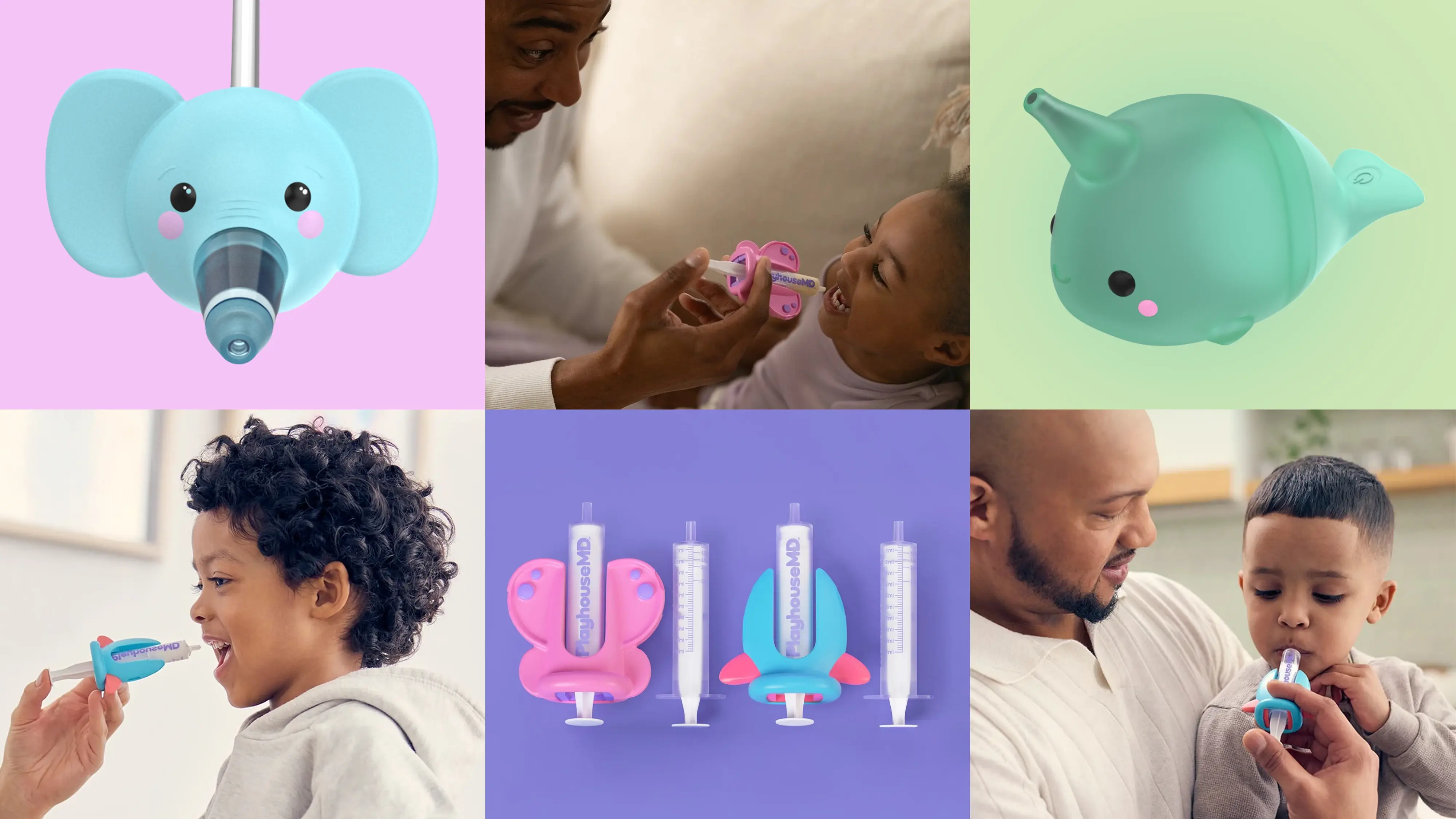
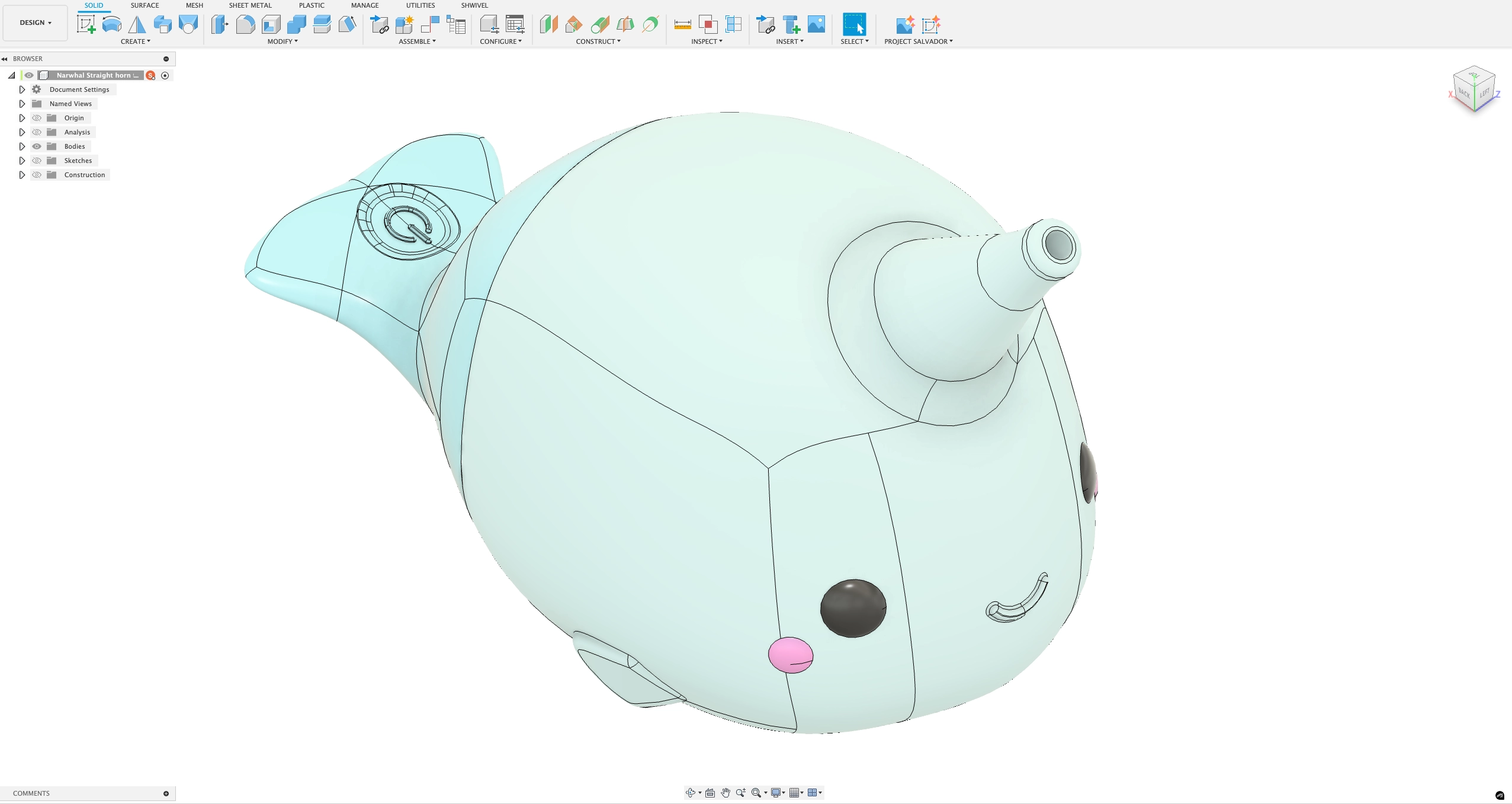
Inspired by this kid-centric formula, the IDEO Play Lab team worked closely with Sydney, Kaitlin, and their co-founder, Michael Kamins, to iterate on several designs, winnowing down more than 150 brainstorm ideas into a dozen tangible prototypes (or tinker models) that were shown to doctors, nurses, parents, and young kids for feedback. The designs—a rocket ship medicine dispenser, an elephant-shaped nose aspirator, and a narwhal nasal bulb, among others—were intended to evoke a sense of playfulness, comfort, and familiarity, with features designed for maximum cuteness. Some even lit up and played sounds, like popular toys.
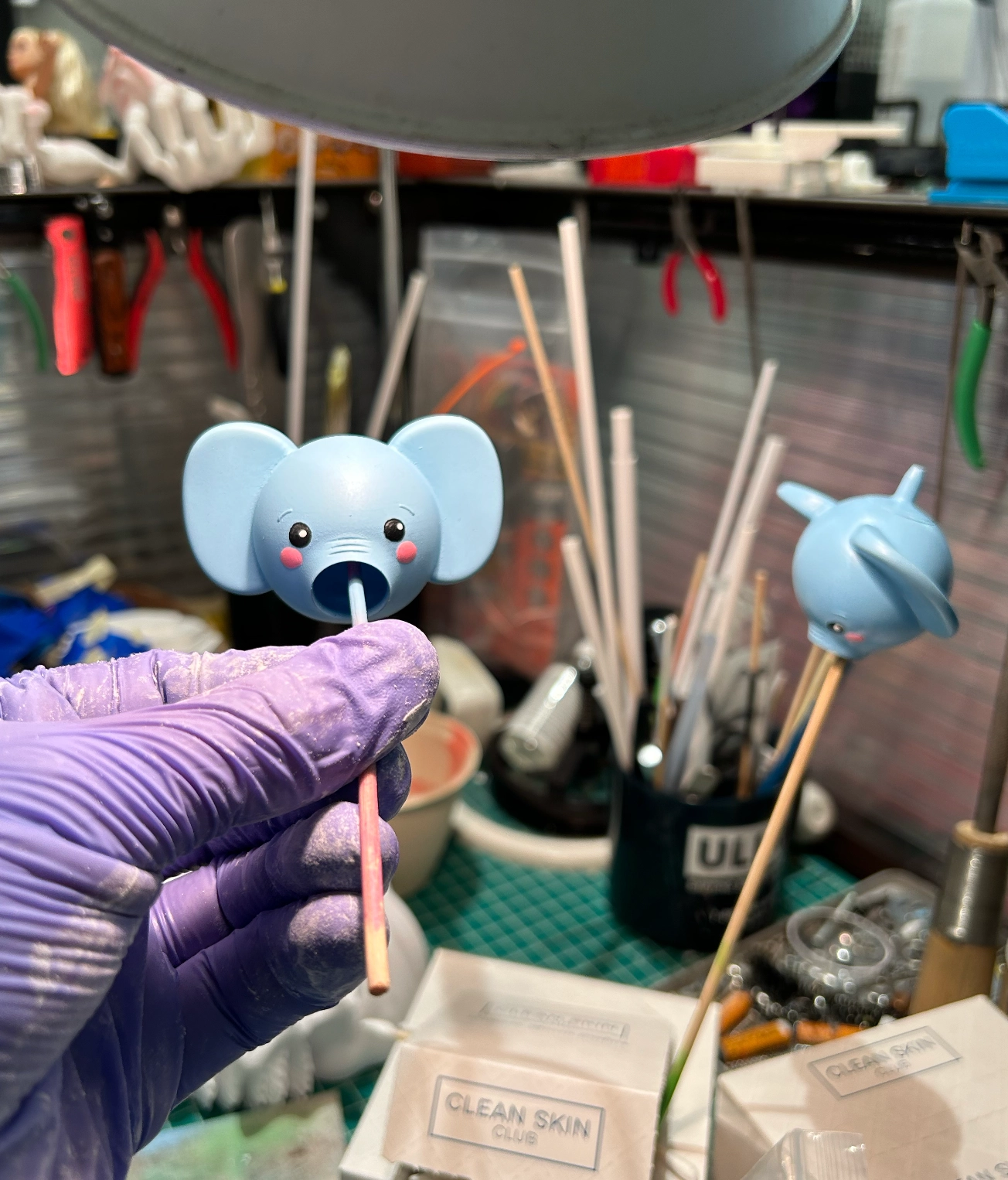
While the designs passed the fun test with kids, they also needed to be functional for parents, trusted by doctors, easily manufactured, and affordable. Eventually, they would need to be approved by the FDA as regulated medical devices. Playhouse MD also requested patentable innovations to help protect their products from imitation.
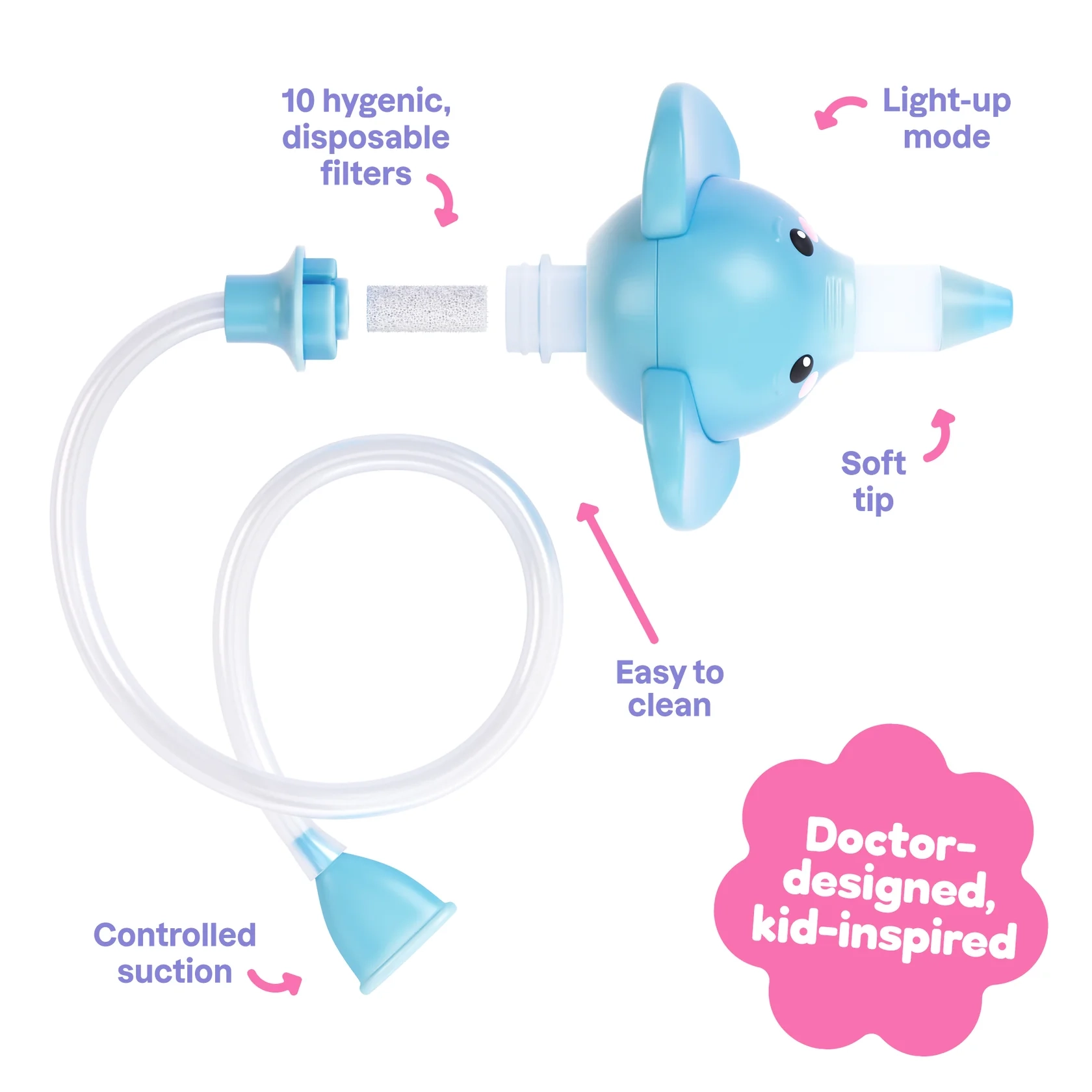
With these constraints in mind, IDEO Play Lab delivered a collection of nine unique, high-fidelity prototypes that add a dose of fun to caretaking challenges in homes and doctors’ offices. The final designs were durable, medically sanitizable, and safe for testing with real kids, which helped the startup secure multiple rounds of funding and bring its first products to market in 18 months.
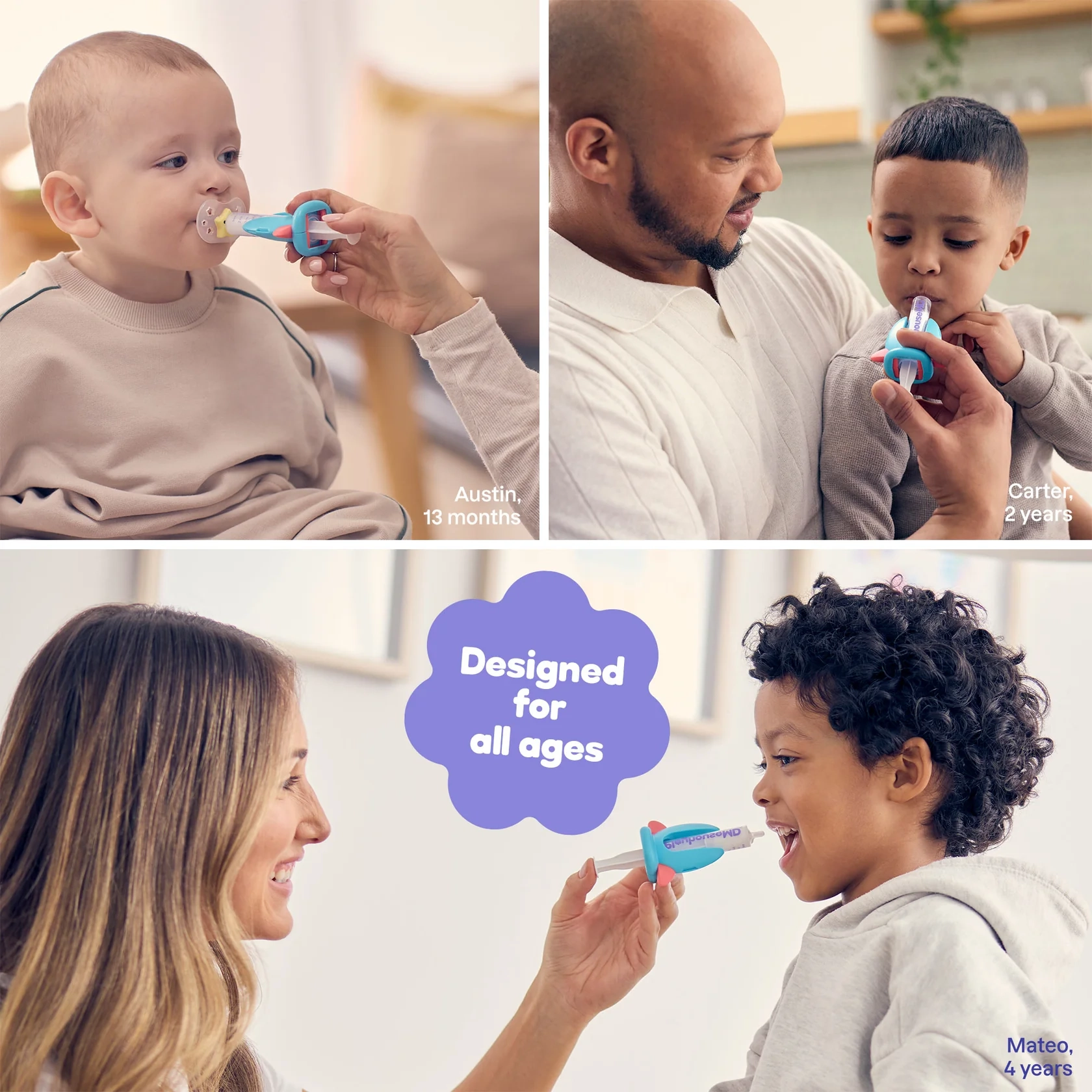
Playhouse MD began selling its first four direct-to-consumer products on its website in June 2025: two Medicine Buddies (medicine dispensers shaped like a rocket ship and a butterfly) and two Booger Buddies (a light-up nasal aspirator elephant called Luna and a light-up nasal bulb narwhal named Noa, which was named one of The Best Inventions of 2025 by TIME). The products are available at Target and Babylist stores, and on Amazon through leading medical distributor McKesson Medical-Surgical.
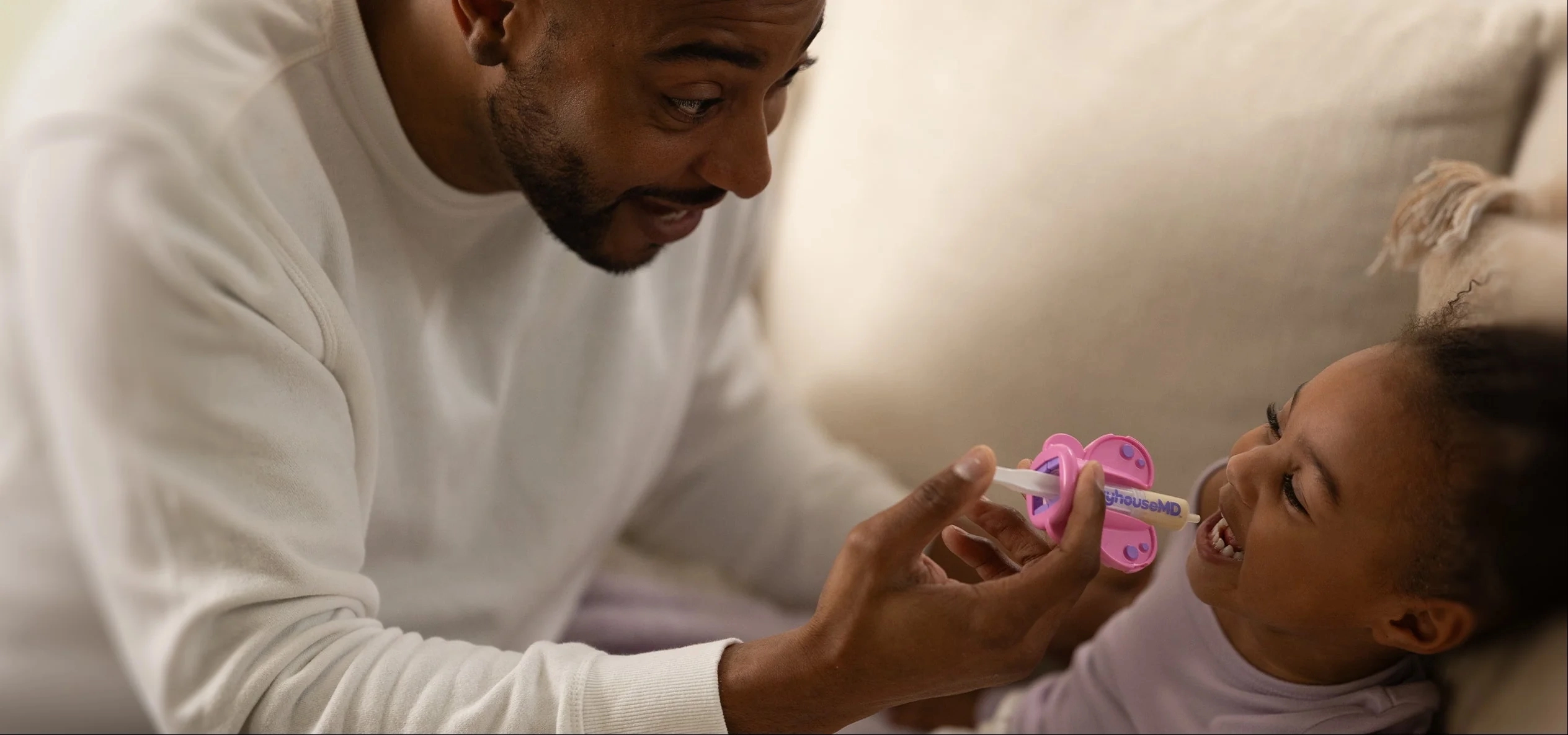
TIME Best Inventions of 2025
in the Parenting Category, Playhouse MD's Light-Up Nasal Bulb
1 ½ years
from initial brainstorms to in-market launch of 4 kid-centric medical products
Designing a next-gen airway visualization system
Improving patient outcomes with the GlideScope ClearFit Video Laryngoscope.
Verathon invented video laryngoscopy technology. Twenty years later, the COVID-19 pandemic spurred more competitors to enter the market.
Cutting-edge technologies like video laryngoscopes are critical—and costly—devices. Hospital systems want to invest in the most comprehensive, flexible, adaptable, and affordable tools for quality patient care
Verathon offers one of the broadest portfolios of video laryngoscopes on the market. While these life-saving devices increase the likelihood of successful first-time intubations, reducing trauma and speeding recovery times, they are more costly and can be more challenging to learn how to use than traditional mechanical ones, which rely on directly looking at the vocal cords. Wanting to make it easier for cost-conscious hospital administrators to transition from traditional laryngoscopes to Verathon’s video systems, the medical device manufacturer asked IDEO to technically and visually unite its next-gen reusable baton and stats, ensuring they worked together seamlessly, flexibly, and intuitively during the most routine and demanding healthcare moments.
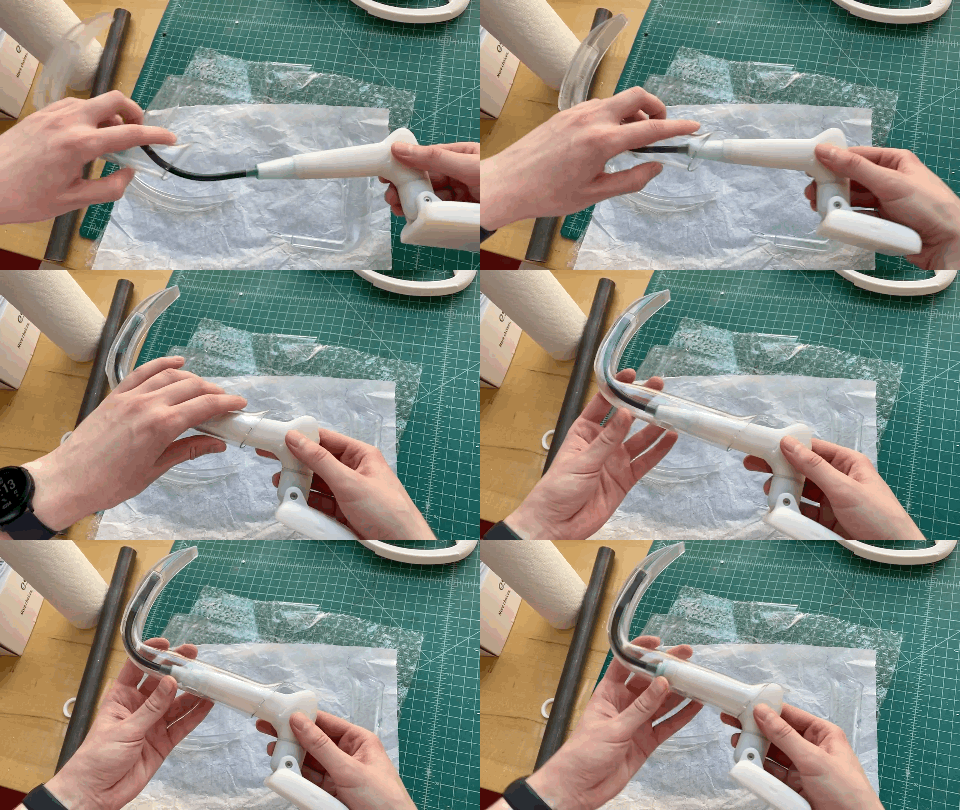
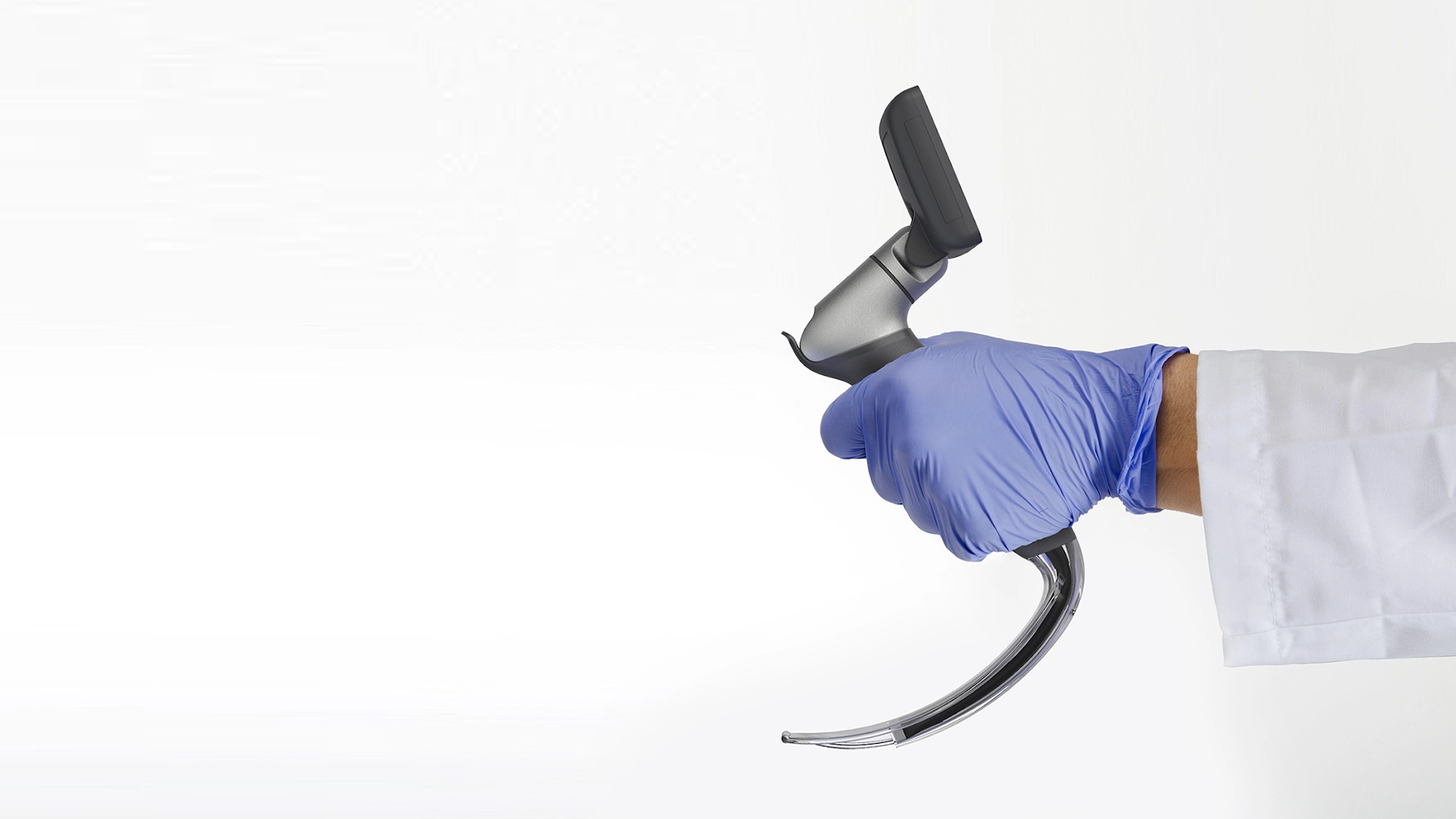
The IDEO and Verathon teams used a prototype-led approach to safely gain feedback from anesthesiologists and emergency physicians. Research participants were given various intubation models to simulate surgical use cases and understand ergonomic trade-offs between different design directions. Insights from the field led to design principles such as prioritizing device balance over weight reduction, providing flexibility to accommodate a variety of gripping positions, making connection points between various parts clear, intuitive, and secure, and ensuring the device was easy to clean.
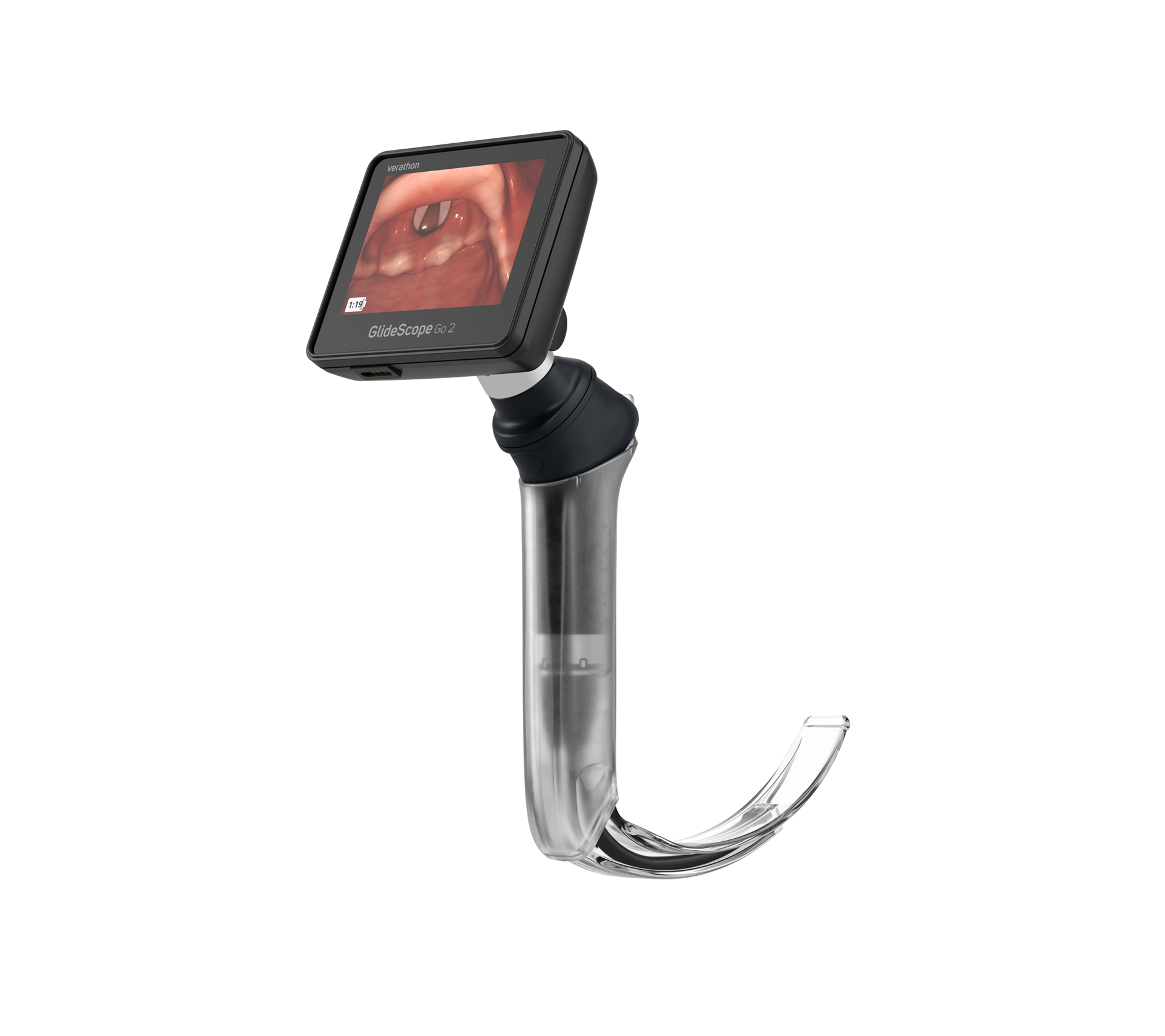
Inspired by physician feedback, the team designed an innovative video baton that felt both familiar and new, supported the ergonomics of diverse holding styles, and fit Verathon’s wide range of stat sizes (one of its competitive advantages). To prevent accidental disconnections, users receive clear tactile, visual, and sound feedback when the monitor and cover are correctly attached to the baton. IDEO chose color, materials, and finishes to help clinicians quickly distinguish between parts of the system and easily identify reusable components from single-use ones.
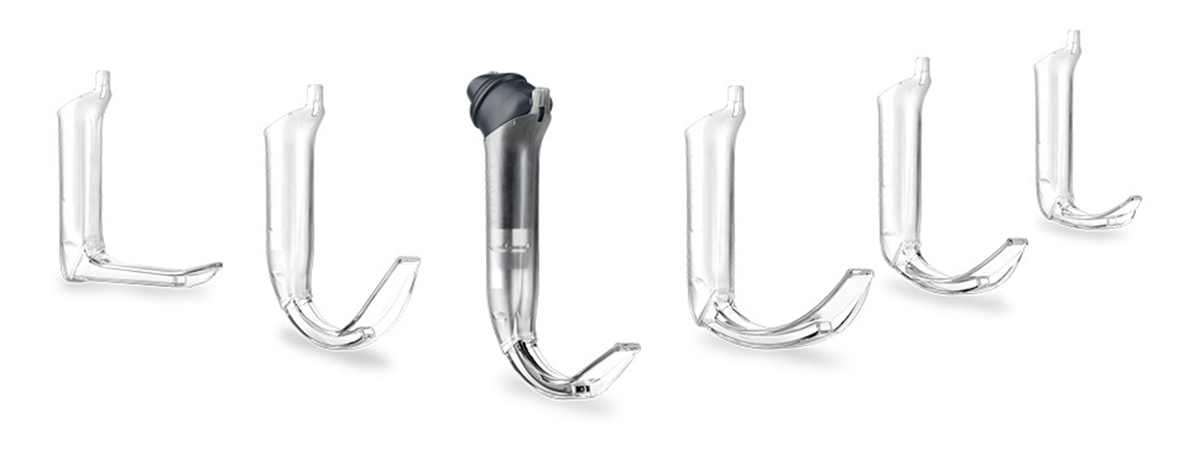
Verathon’s new GlideScope ClearFit stats-based video laryngoscope hit the market in August 2025. Combining one reusable baton with an industry-leading selection of six single-use stats, it’s compatible with both the GlideScope® Go™ 2 handheld and GlideScope® Core™ cart-based systems. Magnetic QuickConnect™ technology allows doctors to seamlessly switch between platforms, giving hospitals a standardized airway management solution that simplifies workflows, streamlines inventory, enhances medical education and training, and promotes cost-effective care.
6 shapes and sizes
of single-use covers fit one video baton, enabling health workers to quickly access different throat anatomies
Improving STEM education in the Philippines
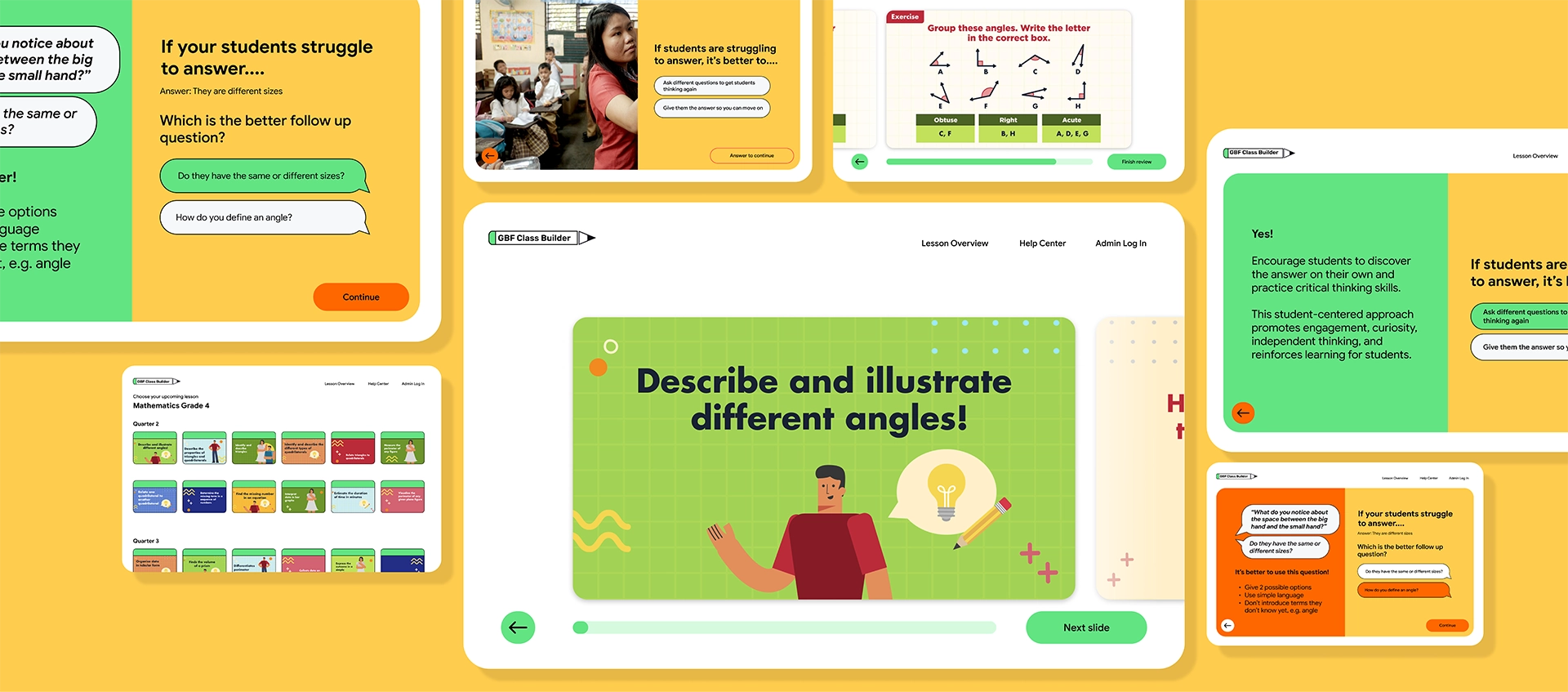
GBF Class Builder supports teachers to advance learning for students.
90% of 10-year-olds in the Philippines can’t read a simple text, according to a Southeast Asia Primary Learning Metrics report. Eighty-three percent of Filipino 10-year-olds lack minimum proficiency in math.
Since its founding in 1992 by the Gokongwei family, which also operates one of the nation’s largest conglomerates, JG Summit Holdings, GBF has supported Philippine education through student scholarships, teacher training funds, and donations to top universities. Over its 30-plus-year history, GBF has reached more than 200,000 teachers and impacted over 1.5 million learners nationwide. When the foundation approached IDEO in 2021, it wanted to move the needle on STEM education in the country’s struggling public schools.
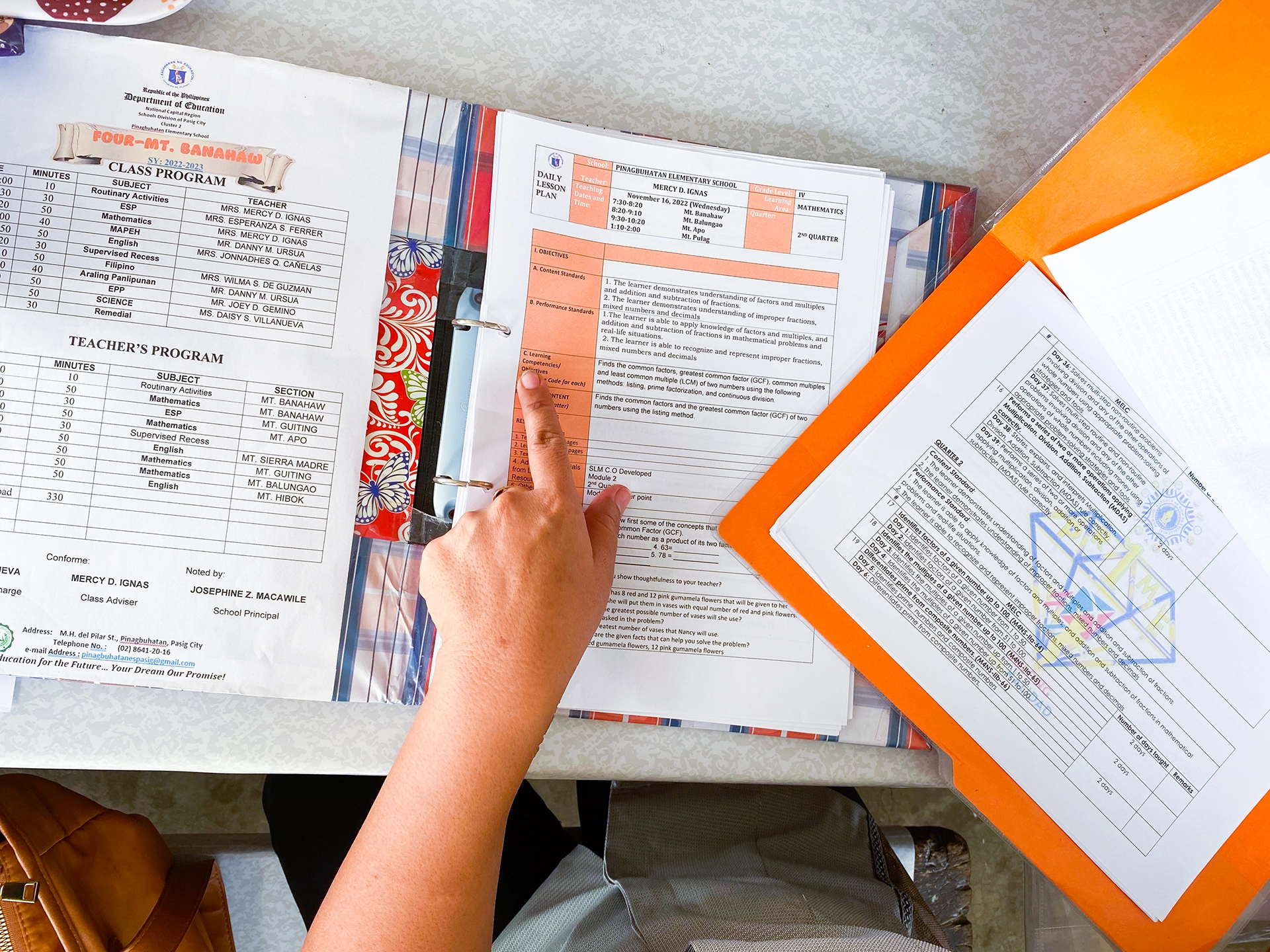
The IDEO and GBF teams interviewed more than 100 subject-matter experts across various government agencies, leading technology companies, and top national universities and educational institutions to build a comprehensive understanding of the current state of STEM in the Philippines. To experience classroom struggles firsthand, the team also shadowed STEM educators and principals. The research revealed that time-strapped teachers needed help mastering overall STEM content, preparing for their classes, and selecting the most suitable activities for their students. They also didn’t always feel supported in their own career development journeys. But the burden of daily responsibilities didn’t leave them any time for outside learning opportunities, either.
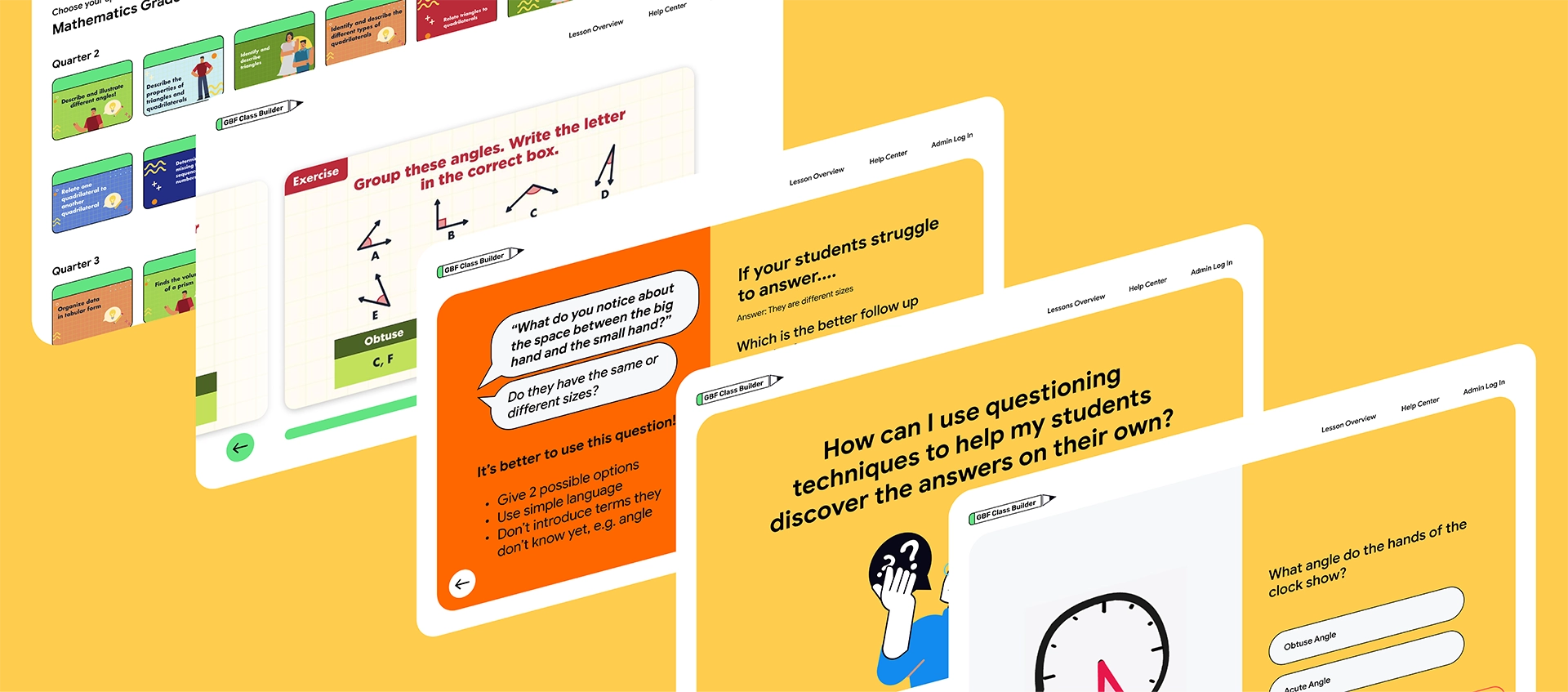
Recognizing that empowering teachers empowers students, the team created an innovative lesson prep tool, the GBF Class Builder, that's based on these insights. Using existing technology and course materials designed to align with school curricula, IDEO developed a working prototype of the Class Builder in under a week, with minimal investment. The team then systematically improved it over several “build-test-iterate” feedback cycles in real classrooms over the course of four months.
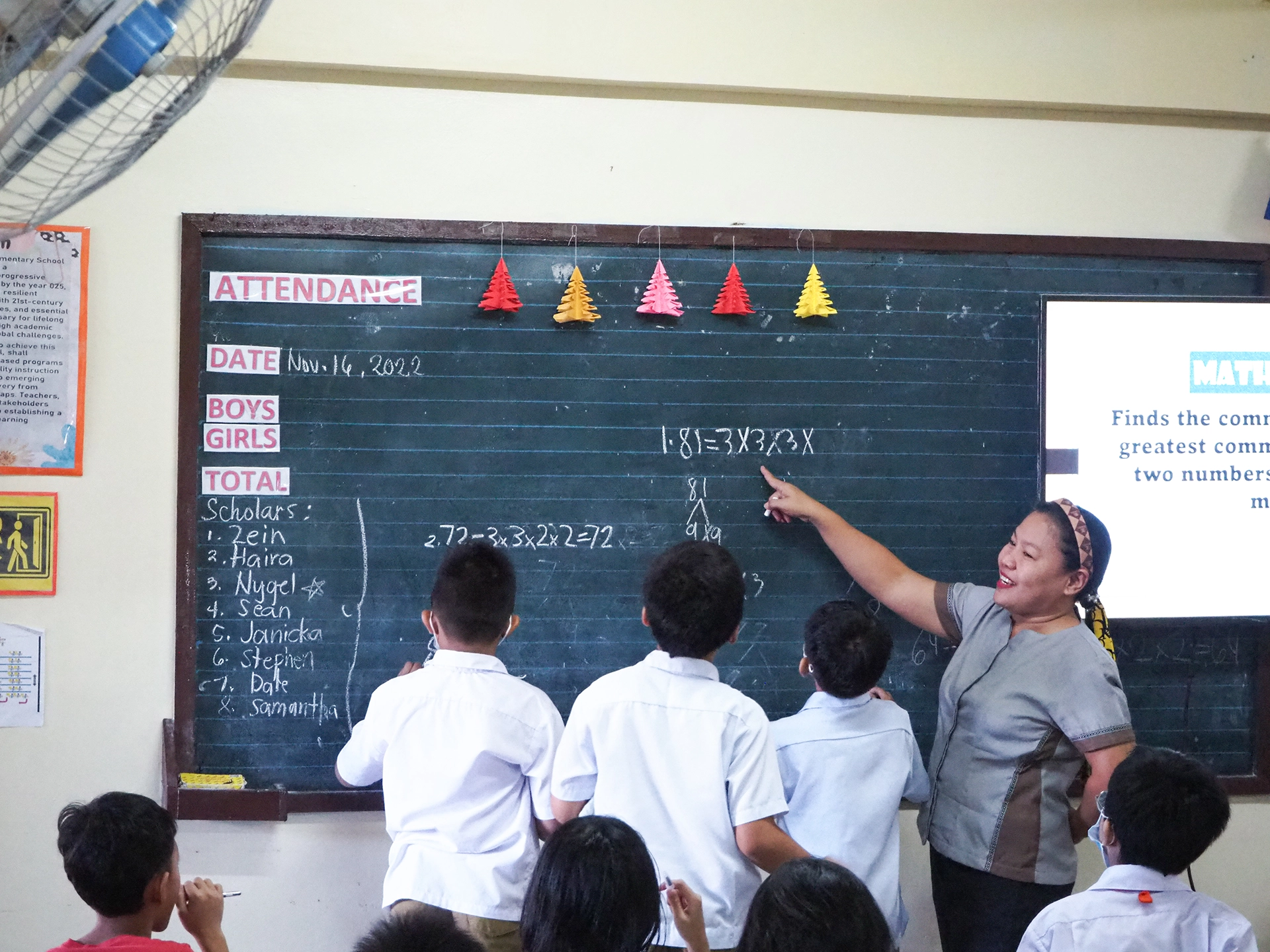
The final GBF Class Builder is a targeted program that helps STEM teachers deliver compelling lessons for their students, learn new teaching strategies, and build content mastery along the way. In addition to helping design the Class Builder, IDEO continues to advise GBF on key aspects of the program's piloting and rollout. This includes advising on how to implement the content development, think through the curriculum development process, support in designing feature iterations, define metrics for success, and decide which additional roles GBF will need to support the ambitious program going forward.
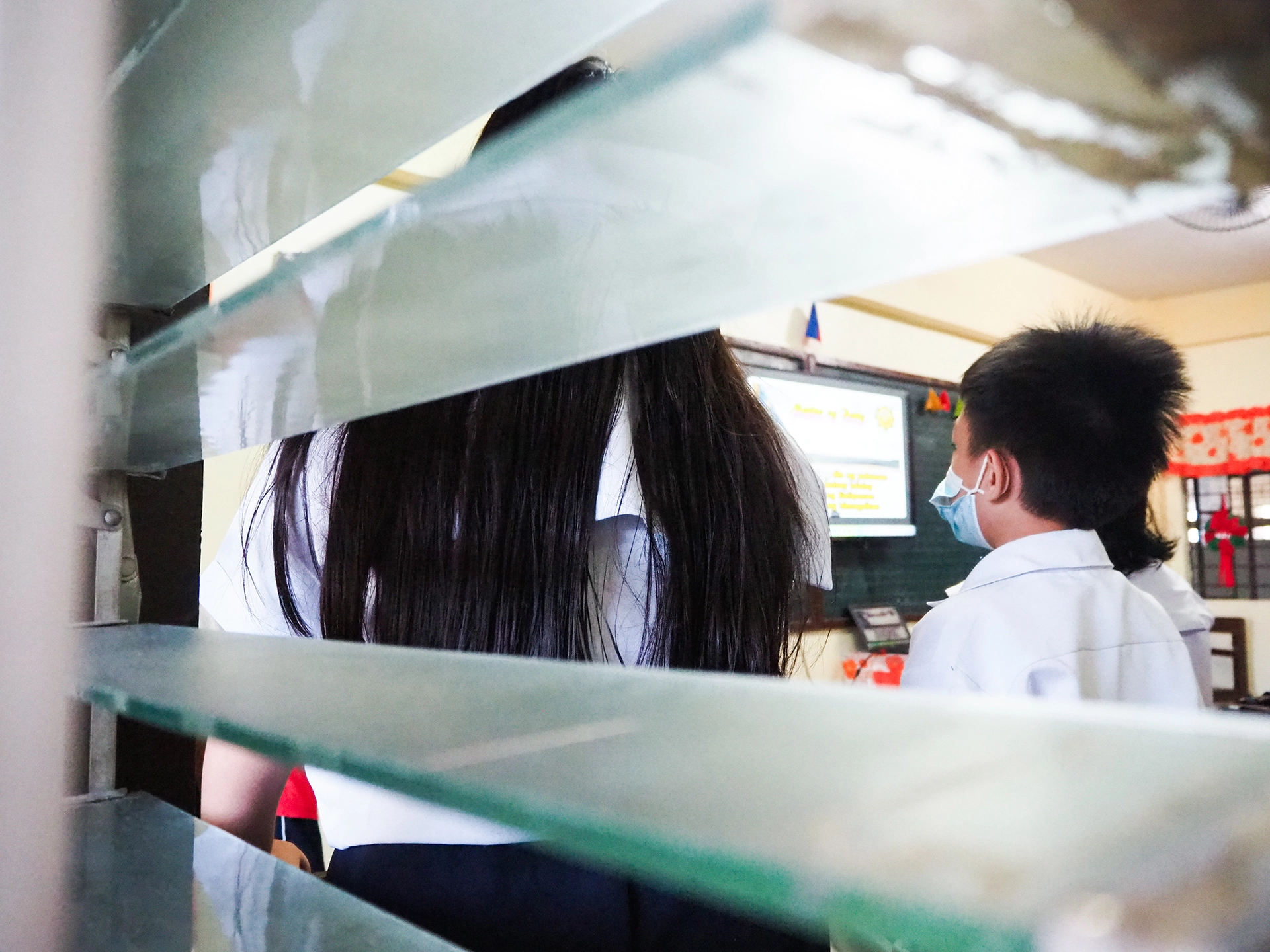
The foundation launched the GBF Class Builder at its 30th-anniversary celebration in 2023. Feedback from pilot 3,500 public schools and 15,000 teachers has been overwhelmingly positive. “Through the GBF Class Builder, we envision our teachers to be more confident and effective in class, more ready to face the challenges of the future, while enjoying every class—feeling proud to be a teacher, " says Grace Colet, Executive Director of GBF.
The ambitious program continues to scale and is on track to be rolled out in public schools nationwide by 2029.
More than 15,000 teachers in 3,500 public schools
are now using the innovative GBF Class Builder program
94%
of teachers report the GBF Class Builder has improved student engagement, while 89% say it saves them 1-2 hours in prep time per lesson

Making headroom in a new product category
Renowned cycling brand Fizik expands its offerings with a line of helmets.
Legendary cycling company Fizik was known for its high-performance bike seats and shoes, but wanted to be a fierce entrant in a challenging product category—helmets.
Fizik came to IDEO with the aim of entering the helmet market with a range of high-end performance options fit for road racing, mountain biking, time trials/triathlons, and everyday cycling. Fizik planned to use its world-class production and engineering capabilities (the company is part of the Selle Royal Group, which has over 1,400 employees and manages five other cycling brands, including Crankbrothers and Brooks England). IDEO’s task was to develop an on-brand design language that would unify its new helmet line and integrate seamlessly with the sleek, modern aesthetics of the company’s other products.
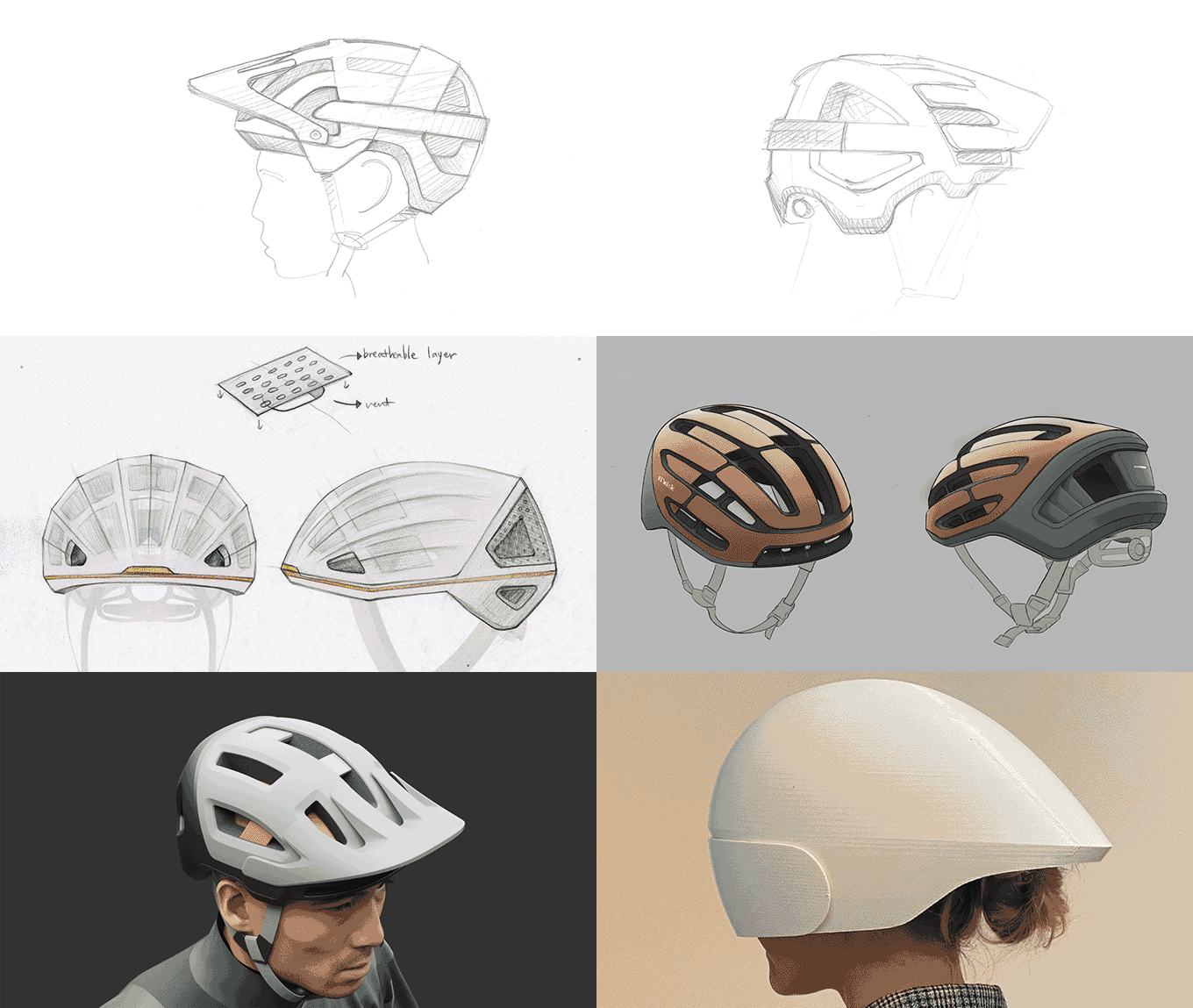
The design sprint began with in-context interviews with avid and professional cyclists to learn what they wanted—and didn’t—in a helmet. Unlike other accessories, such as shoes or shorts, riders viewed helmets as a necessity rather than an exciting or aspirational purchase. They also wanted a helmet that complemented their overall style, rather than standing out, and had a flattering silhouette. Avoiding making a cyclist look like a “mushroom” was key.
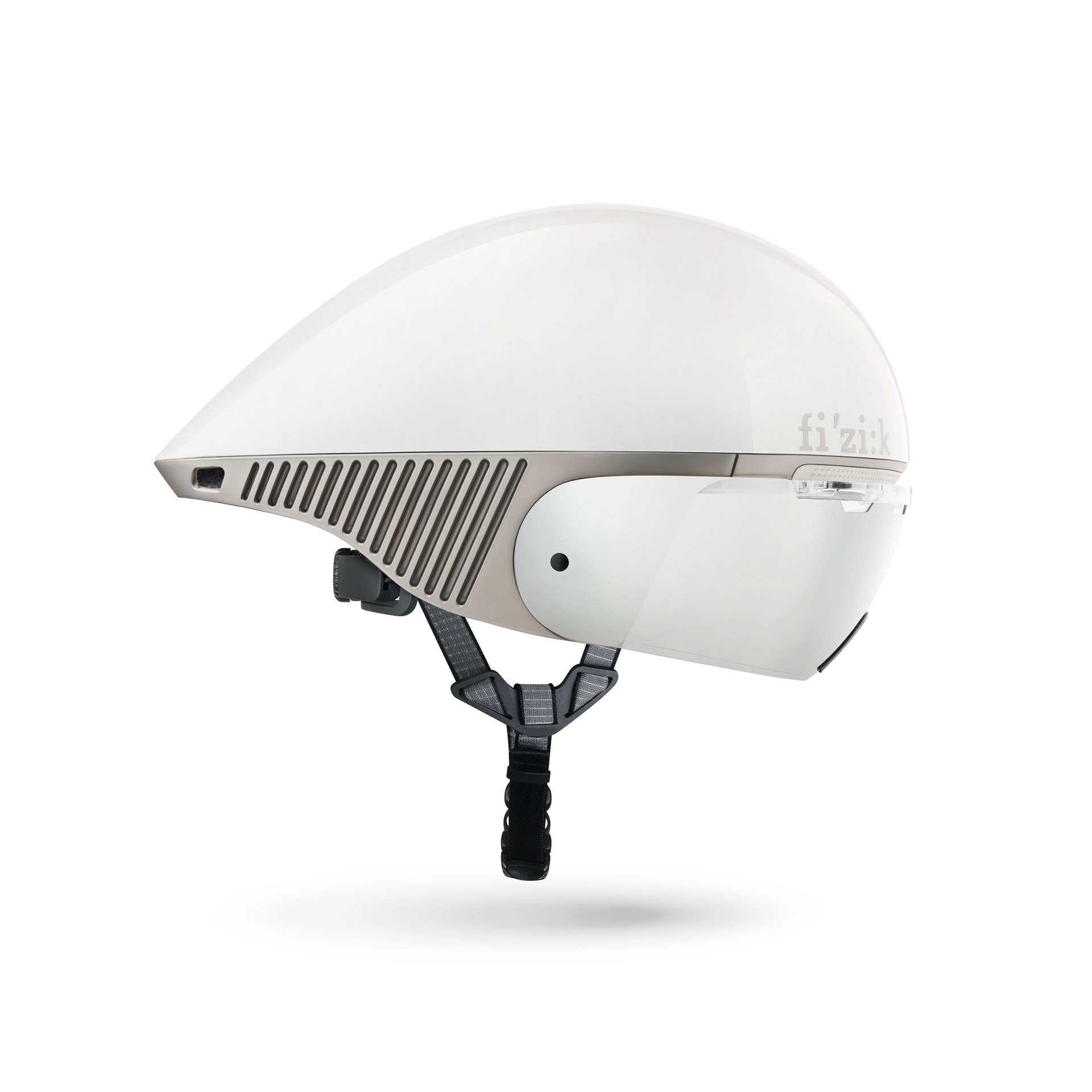
Different cycling styles involve varying riding postures, ranging from a dropped and horizontal position (time trial/triathlete) to an upright and vertical position (mountain biking). IDEO proposed a family of helmet designs that correspond accordingly. On the horizontal extreme, the time trial/triathlete helmet has the most fluid, organic, aerodynamic shape. A statement of refined simplicity and speed, it features minimal venting and a magnetic wrap-around visor to reduce drag that can be exchanged for the rider’s own cycling glasses.
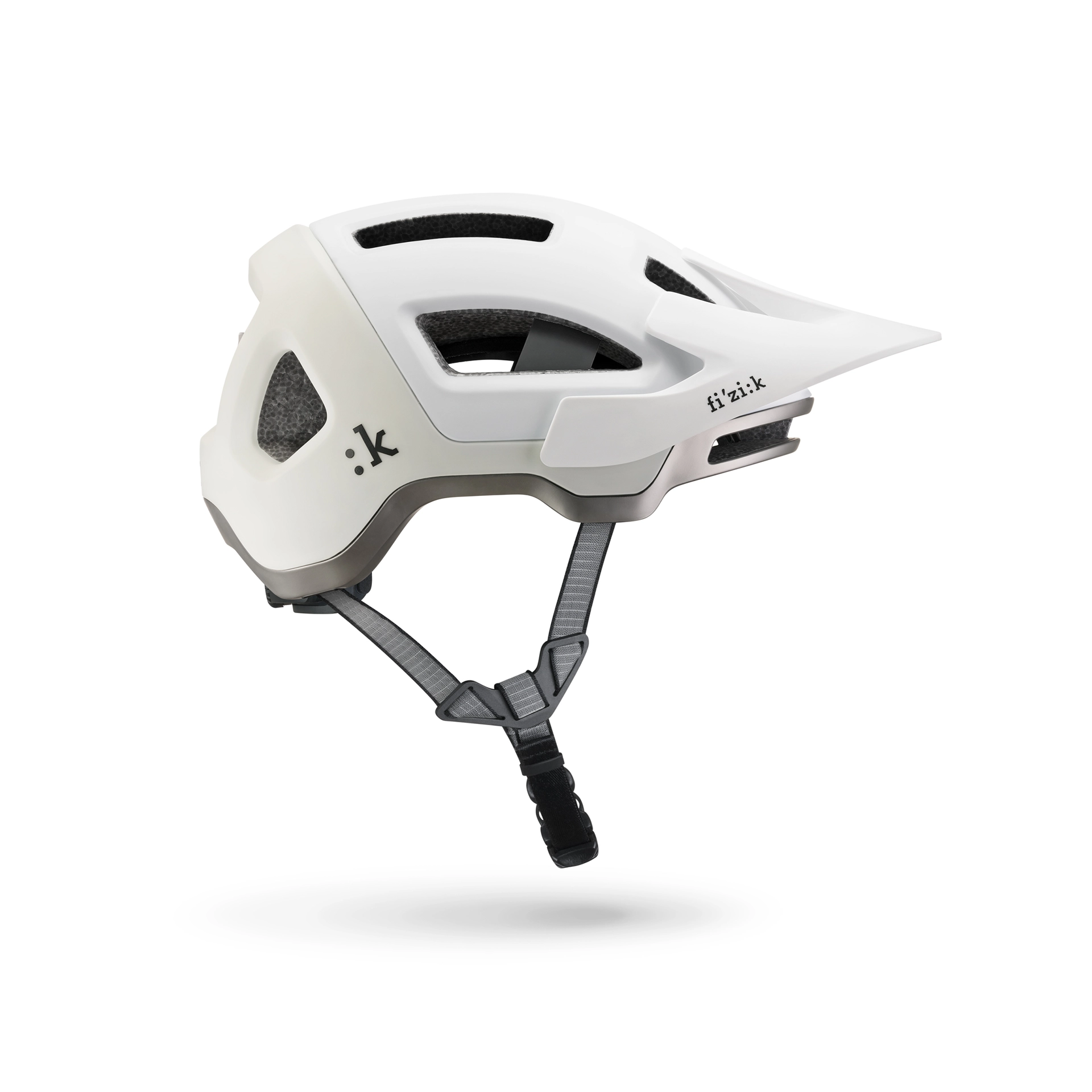
On the vertical extreme, the mountain biking helmet features a more rugged, angular form with an adjustable brim, rectangular venting, and boxier, back-of-the-head protection. It also offers affordances for goggles, sunglass storage, a GoPro mount, and an optional integrated rear light.
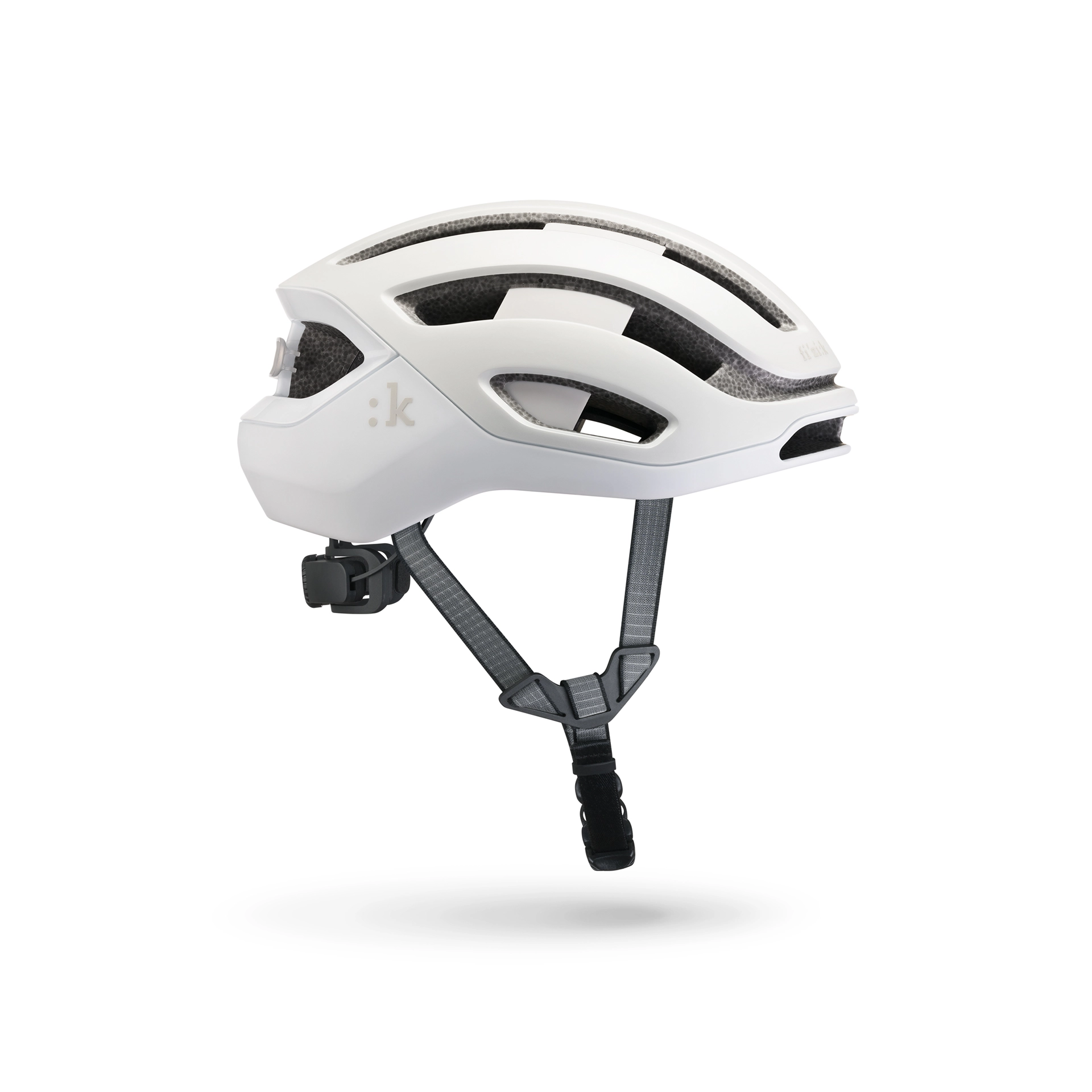
In between, a compact helmet for road racing features evolutionary variations on these design extremes, with more venting as well as a front glasses holder and integrated rear light. All four helmets strike a balance between lightness, comfort, safety, and performance, embodying Fizik’s signature modern style.
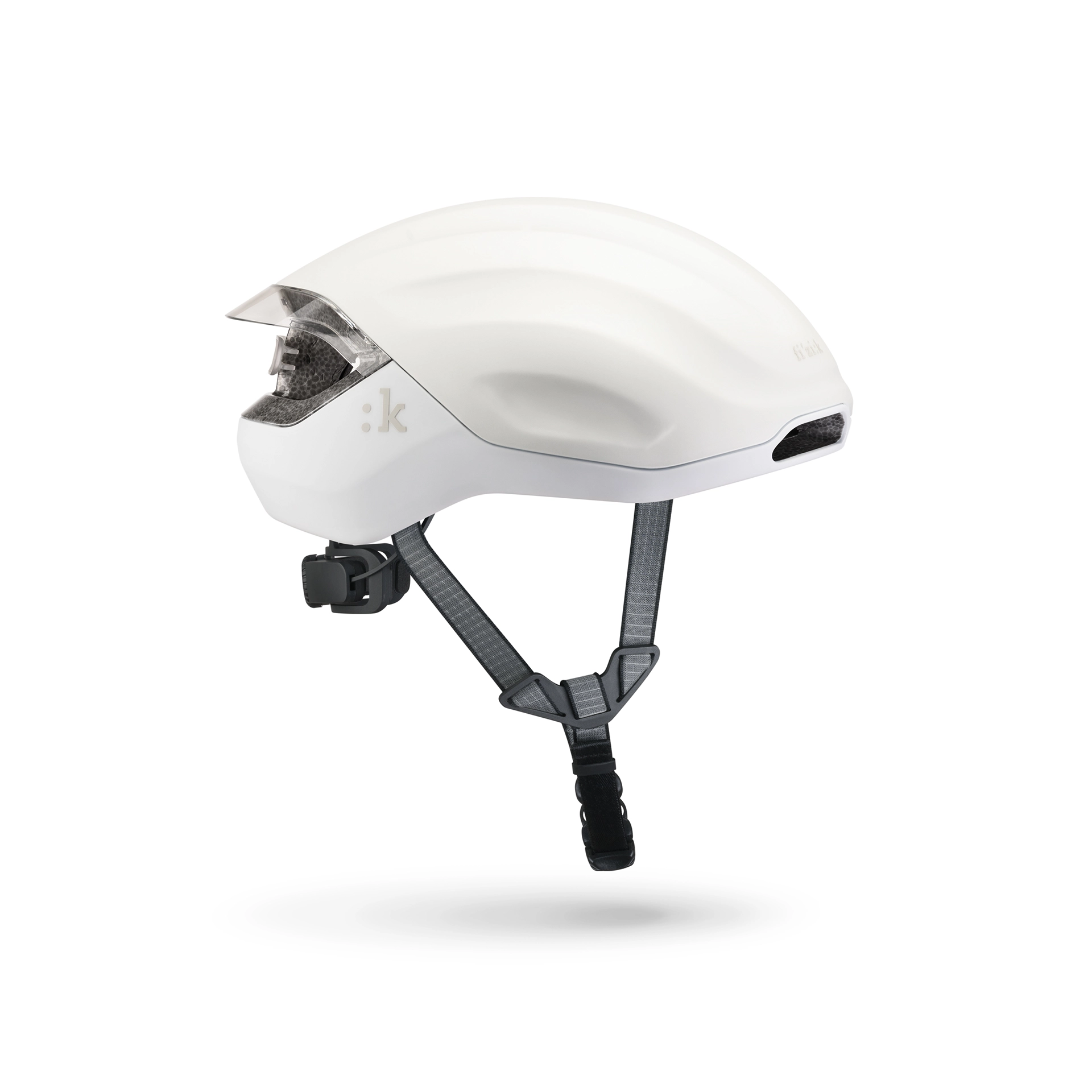
In April 2025, Fizik launched all four helmet models simultaneously: Kassis (mountain biking), Kunee (trial/triathlon), Kudo, and the more aerodynamic Kudo Aero for road and gravel. The helmets were greeted with critical acclaim from the cycling world, while Virginia Tech’s independent helmet-safety research lab gave them five-star performance ratings for their strength and durability.
4
new helmet designs
1
new product category
Reintroducing The Lawrence Hall of Science
A lively new brand reenergizes a STEM learning institution.
The Lawrence Hall of Science’s diverse offerings had grown extensively over the decades, creating a confusing and disjointed experience for its various audiences. On the eve of its 50th anniversary, Lawrence leadership sought a brand refresh to better connect with its target audiences and differentiate itself in the STEM education ecosystem.
Named after Ernest O. Lawrence, UC Berkeley’s first Nobel Laureate, The Lawrence Hall of Science’s wide-ranging products, services, and tools developed organically over half a century. To begin to make sense of the breadth and depth of its offerings, IDEO asked leadership and staff to surface the myriad activities, audiences, and relationships with external partners, enabling the group to visualize—and make sense of—the totality of The Lawrence brand.
During in-depth research with parents and kids, educators, and experts, IDEO discovered that each of these audiences had distinct mindsets. Parents and kids engaged with The Lawrence to explore, have fun, and dive deeper into a specific topic. Educators utilized it for professional learning opportunities and to discover new, exciting classroom tools. While experts, including UC Berkeley faculty, STEM educators across the US, and funders, viewed the center as a resource for best-in-class STEM education research. The mindsets highlighted The Lawrence’s unique capabilities, but the complexity also created some opportunity areas, including ways to use storytelling to create emotional resonance around The Lawrence’s core values and how to design a unified narrative to connect the dots across audiences and offers.
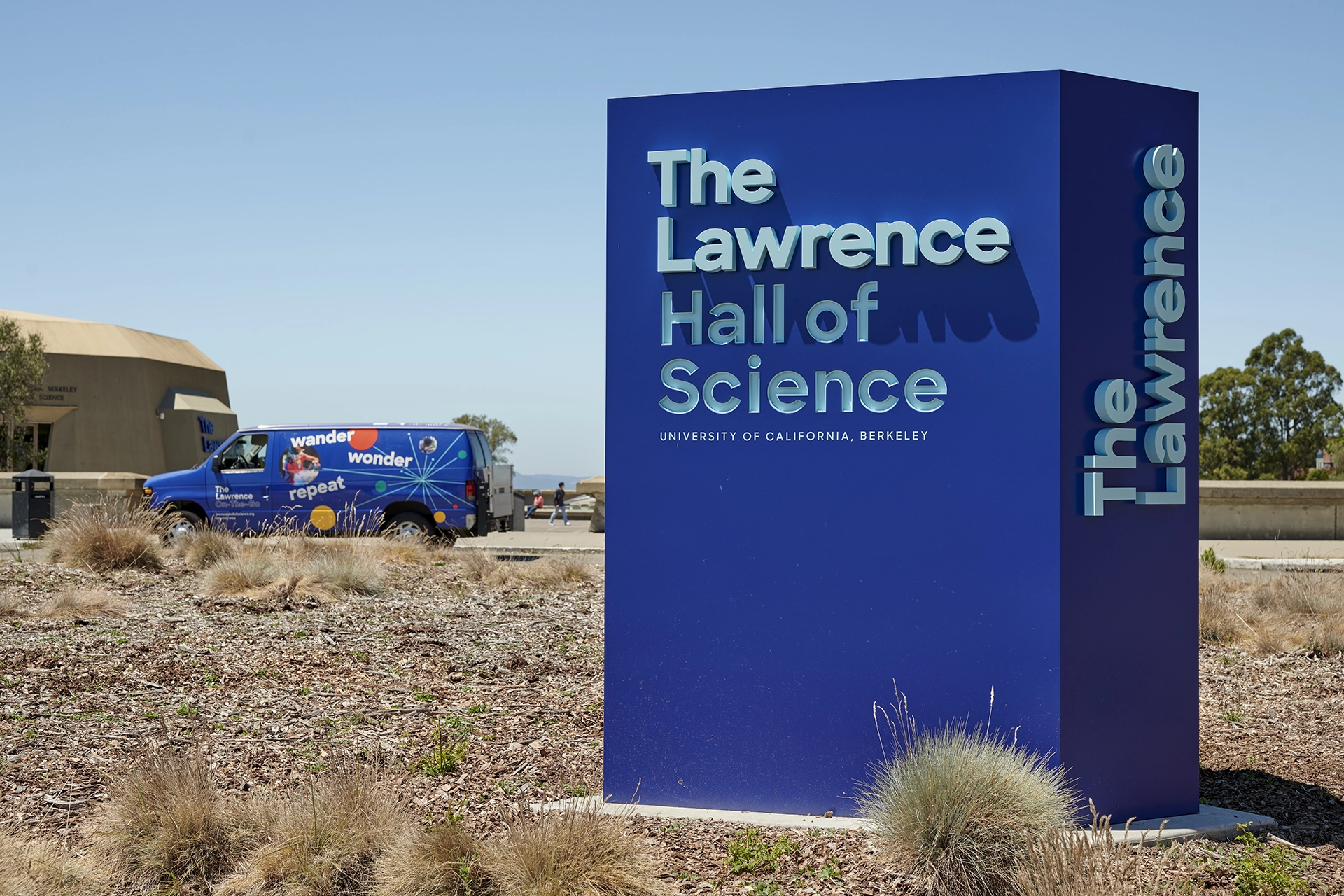
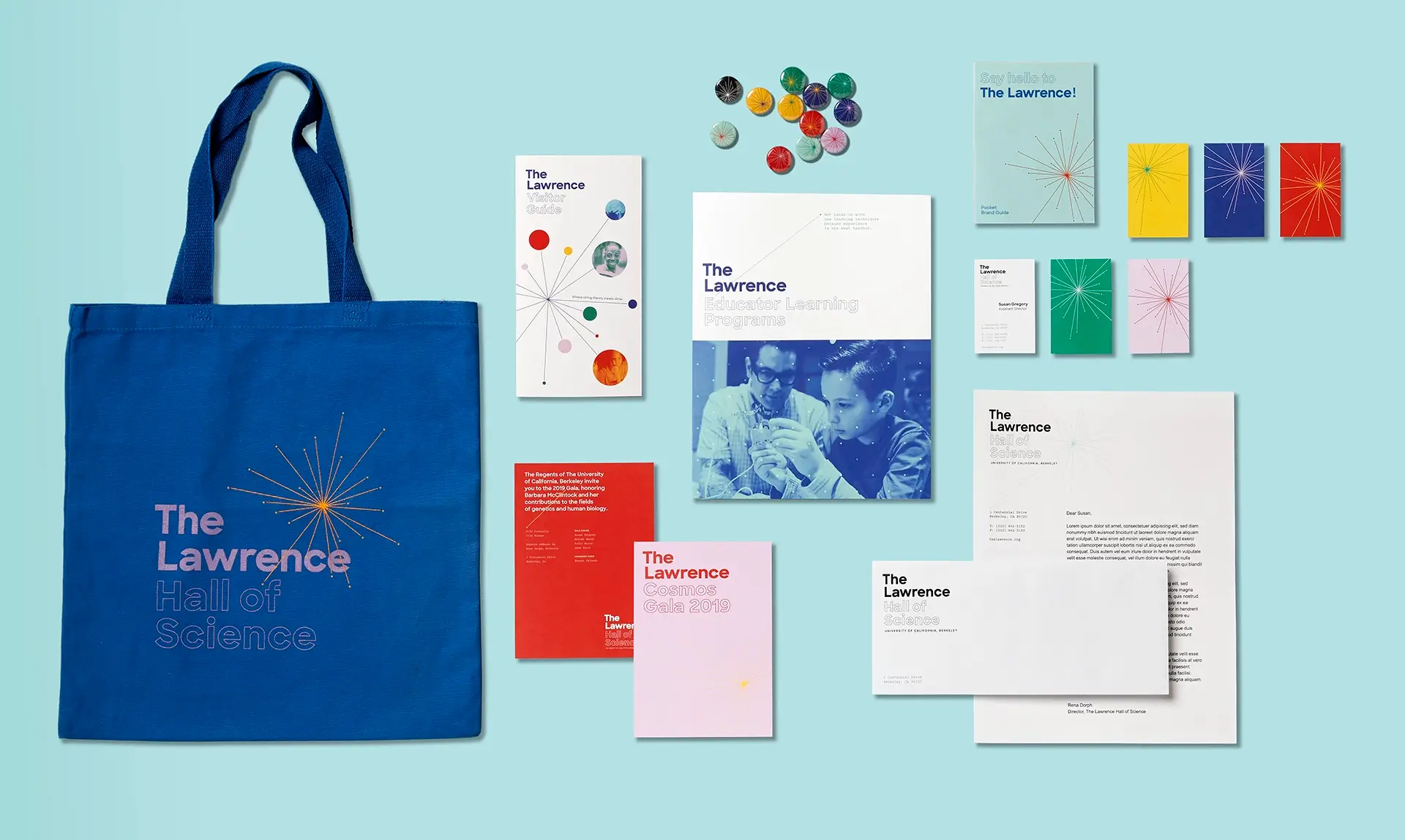
Building on its strengths as an institution and the identified opportunity areas, IDEO created a modern, vibrant, and flexible brand that strategically and visually unites all of The Lawrence’s offerings, working across digital and physical media. Grounded by a grid system, the updated brand identity is simultaneously rigorous and fun, featuring a bright color palette and signature retro-cool super-nova mark. Different offerings are bundled together based on different audience needs, preventing confusion and easing navigation. Even the name of the science museum, The Lawrence Hall of Science, was updated to a more contemporary and approachable, The Lawrence, inspired by The Met.
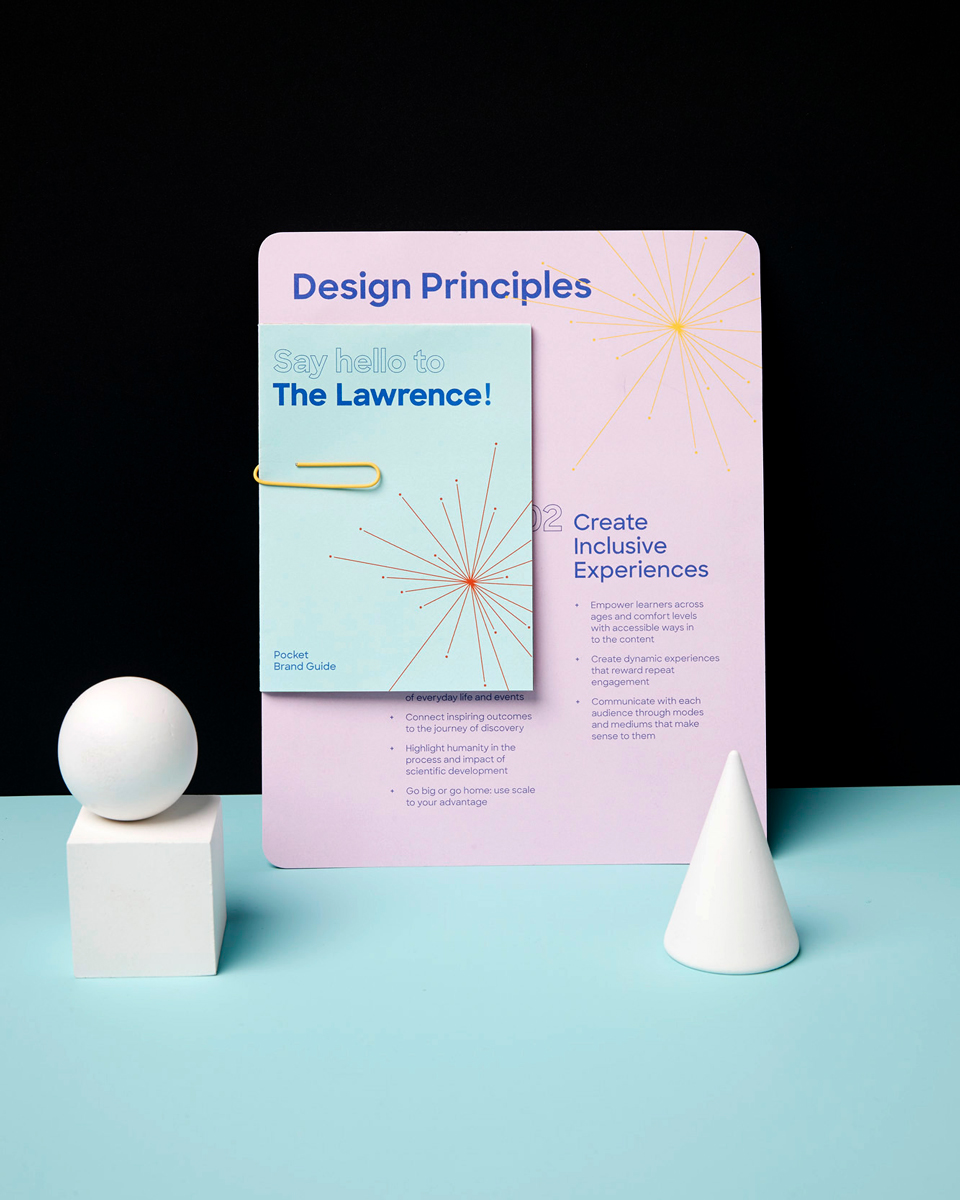
The Lawrence unveiled its new brand with much fanfare in late 2018 as part of its year-long 50th anniversary celebrations. Visitors can see the updated identity across all public-facing elements, including The Lawrence’s website, curriculum and educator materials, letterhead, collateral, and exhibition and wayfinding signage. The redesigned brand has been credited with bolstering the popularity of the science center among families and schools and causing ticket sales to return to—and exceed—pre-pandemic levels. Internally, the rebranding effort has helped generate excitement and energy across departments, helping solidify a collective future strategy and vision for its next 50 years.

Over $6M in new funding
raised to transform and modernize The Lawrence, thanks to IDEO's rebranding effort
Reinventing classic British pubs and inns
Greene King’s upscale Everly Hotels Collection combines modern comfort with local impact.
Greene King wanted guests to have a consistent brand experience while maintaining the storied charm that makes each property unique.
When Greene King approached IDEO in early 2022, it was (and still is) one of the UK’s leading hospitality brands, with over 2,600 pubs, restaurants, and hotels. At that time, consumers in the UK and other parts of the world were beginning to rediscover the joys of travel after years of pandemic lockdowns. Greene King’s newly formed Venture Hotels Team wanted to understand how guest expectations had shifted during Covid-19 and how a new customer-centric hotel brand and signature service experience might meet—or exceed—their expectations.
To get inspired, the IDEO team interviewed a range of travelers of different ages and backgrounds, met with hospitality and luxury experts, and conducted immersion visits, including visiting high-end hotels. The research revealed modern travelers want unique hotel experiences that cater to their curiosity, support local communities, and are environmentally sustainable. Luxury, which once meant “exclusive,” was now about enabling one-of-a-kind cultural experiences. Today’s travelers value inclusivity, accessibility, and well-being; they want to feel welcome, do things at their own pace and have thoughtfully curated options to choose from. They also expect hospitality practices to be ethical and sustainable, contributing to the welfare of local communities and the planet.
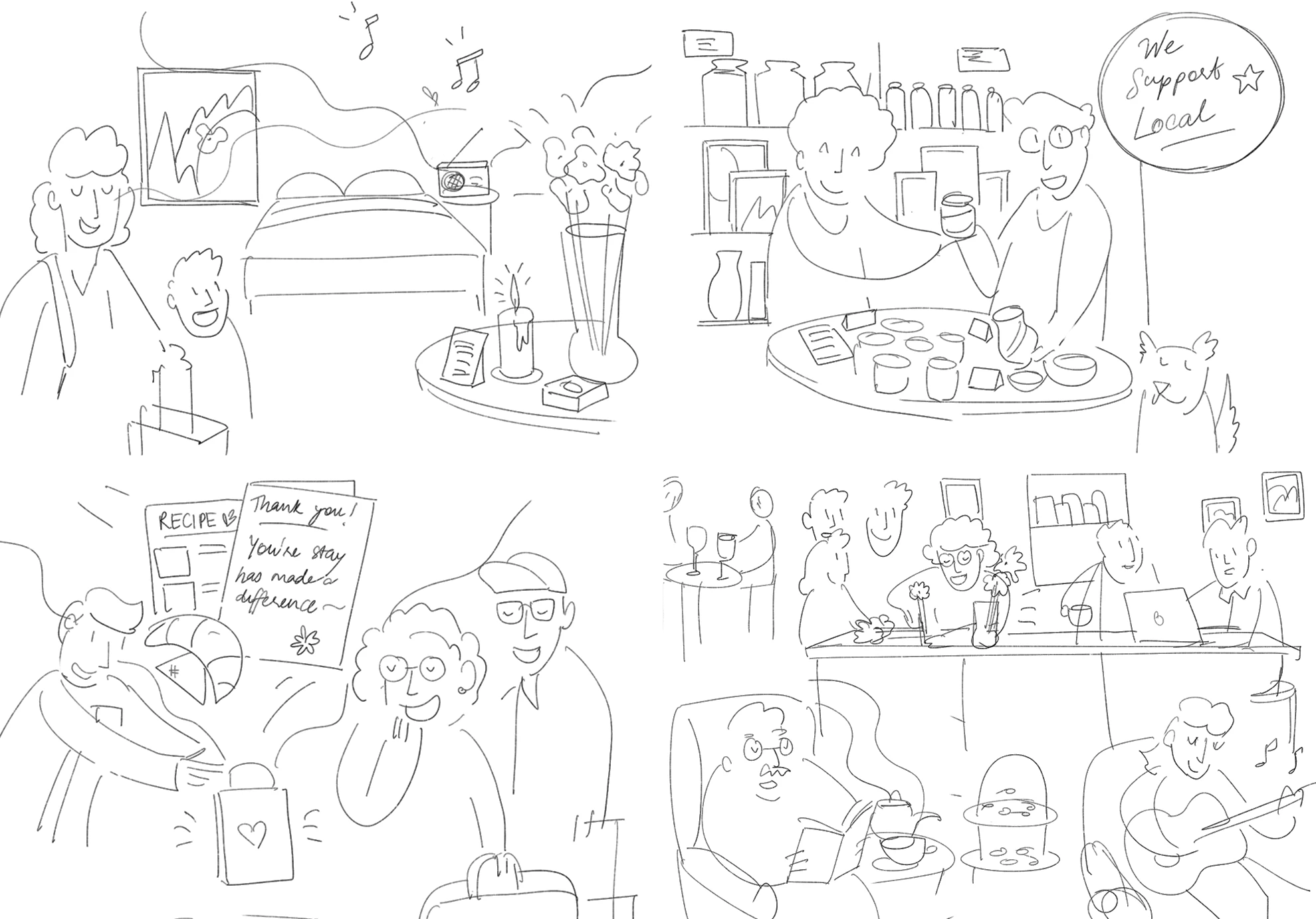
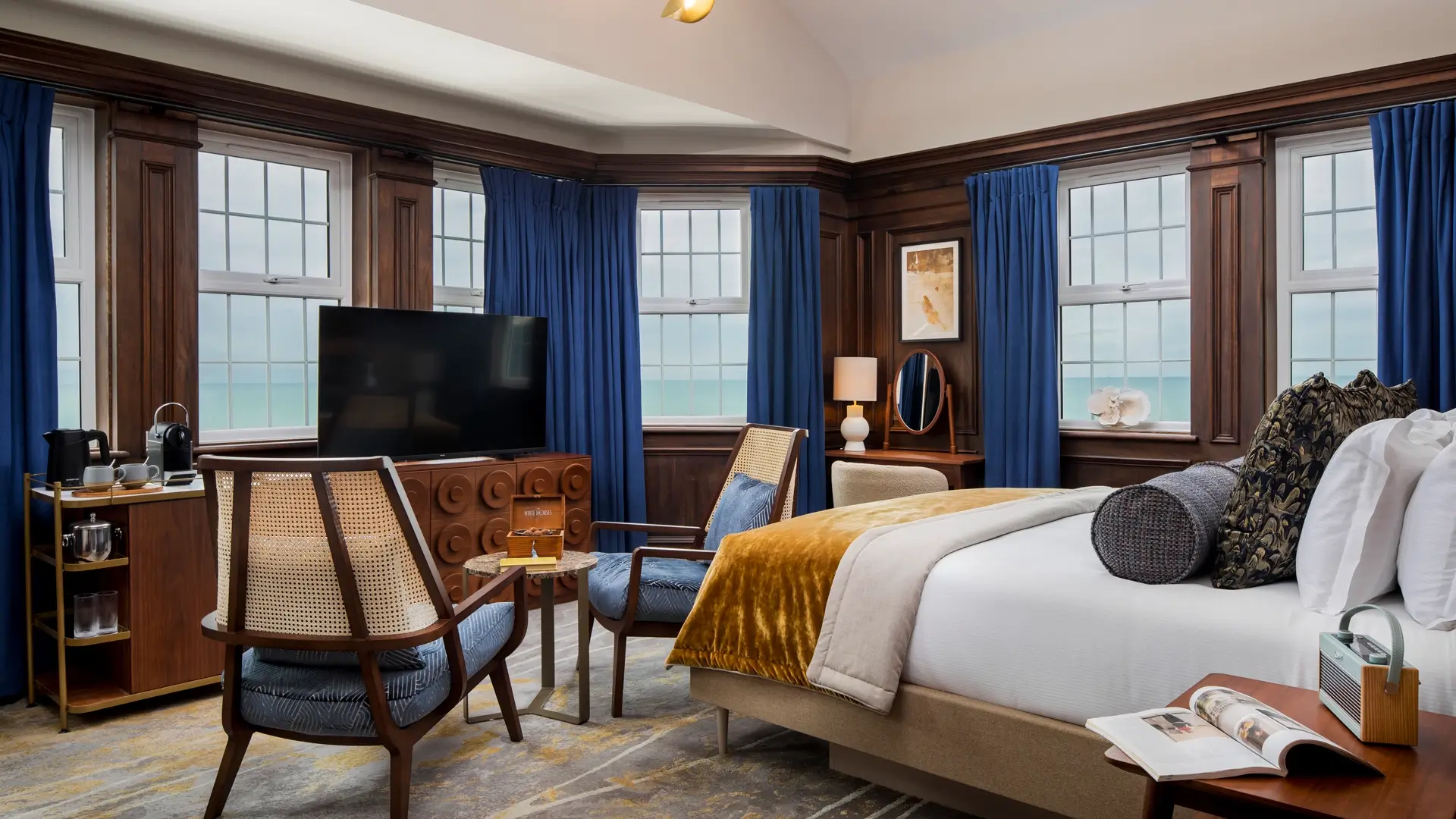
Building off this research, IDEO crafted a new entry proposition for Greene King’s new Everly Hotels Collection called “The Discover Collection,” which leverages the best parts of a classic British pub and inn—bespoke historic locations full of character, culture, and stories—while offering guests a modern experience from pre-arrival to departure, all grounded in supporting the communities they are in.
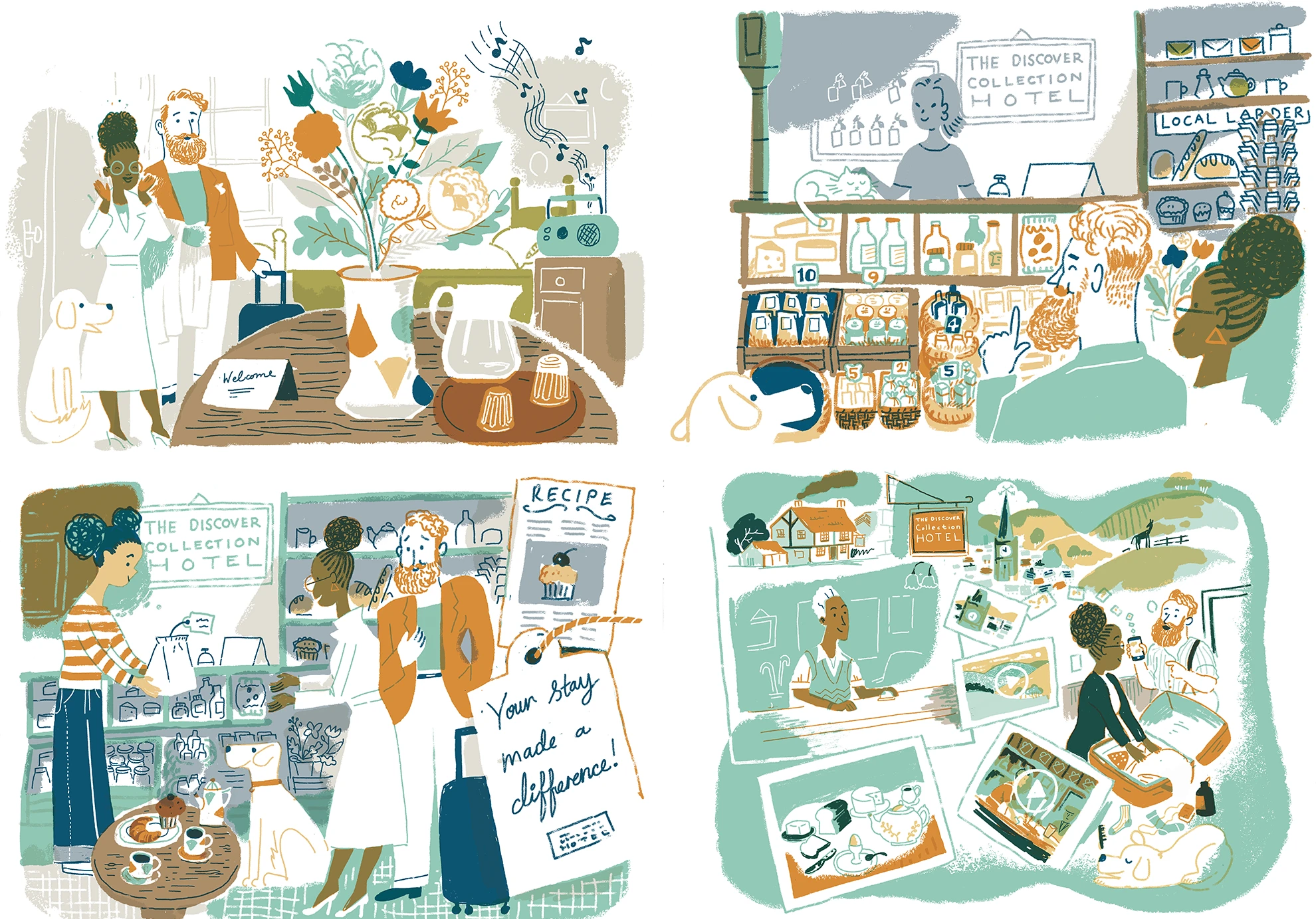
Signature moments include a warm welcome during check-in, as well as staff recommendations and local maps highlighting neighborhood gems. During their stay, guests enjoy expansive seasonal food menus, as well as a beverage menu that includes a wide variety of locally brewed, distilled, and crafted drinks by local suppliers. Rooms feature a smuggler's treasure chest with a surprise treat. Art and books from local talent are on display throughout the hotel, and local experts lead activities and events. Guests tangibly experience Greene King’s commitment to sustainability through its use of local materials, produce, talent, and partnerships, all designed to support the surrounding community. Upon departure, guests receive a personalized postcard.

In addition to the hotel experience moments, IDEO delivered branding recommendations for The Everly Hotels Collection, including visual identity and tone of voice that provide a cohesive look and feel for the collection of hotels while simultaneously showcasing each property's unique character. This was all packaged as an experience playbook, with design principles and briefs to help guide implementation decision-making across Greene King’s marketing, digital, interior design, and food and beverage teams.
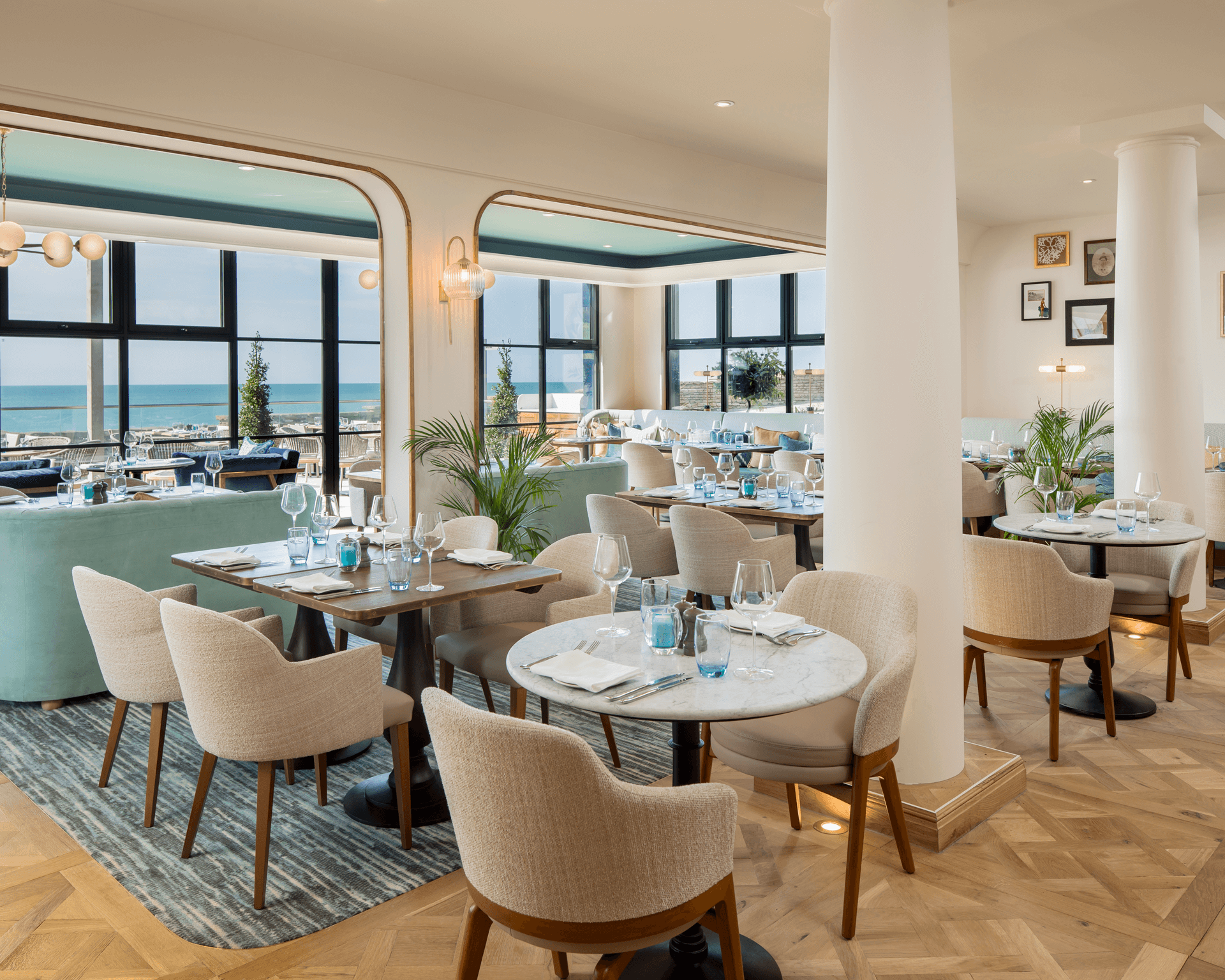
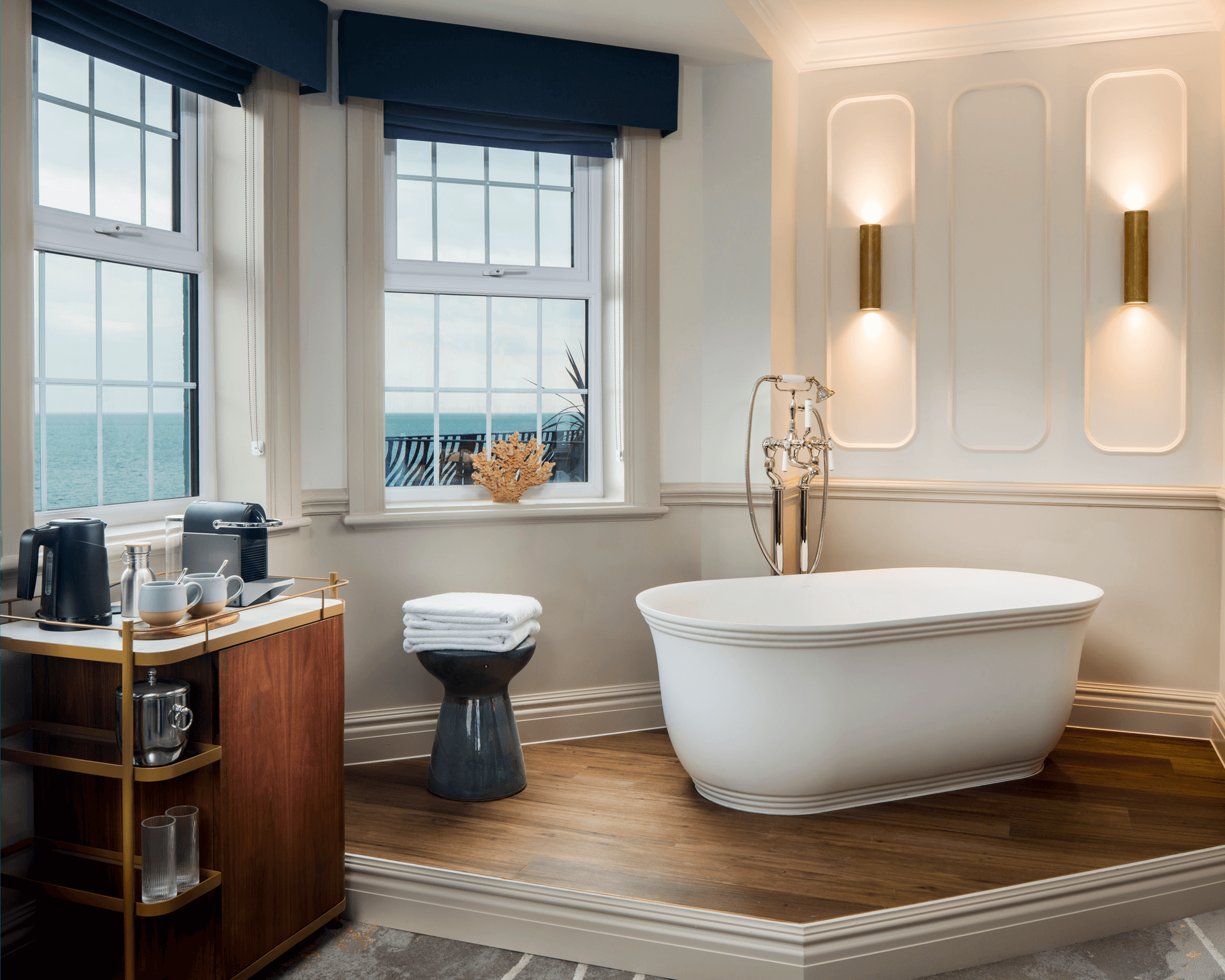
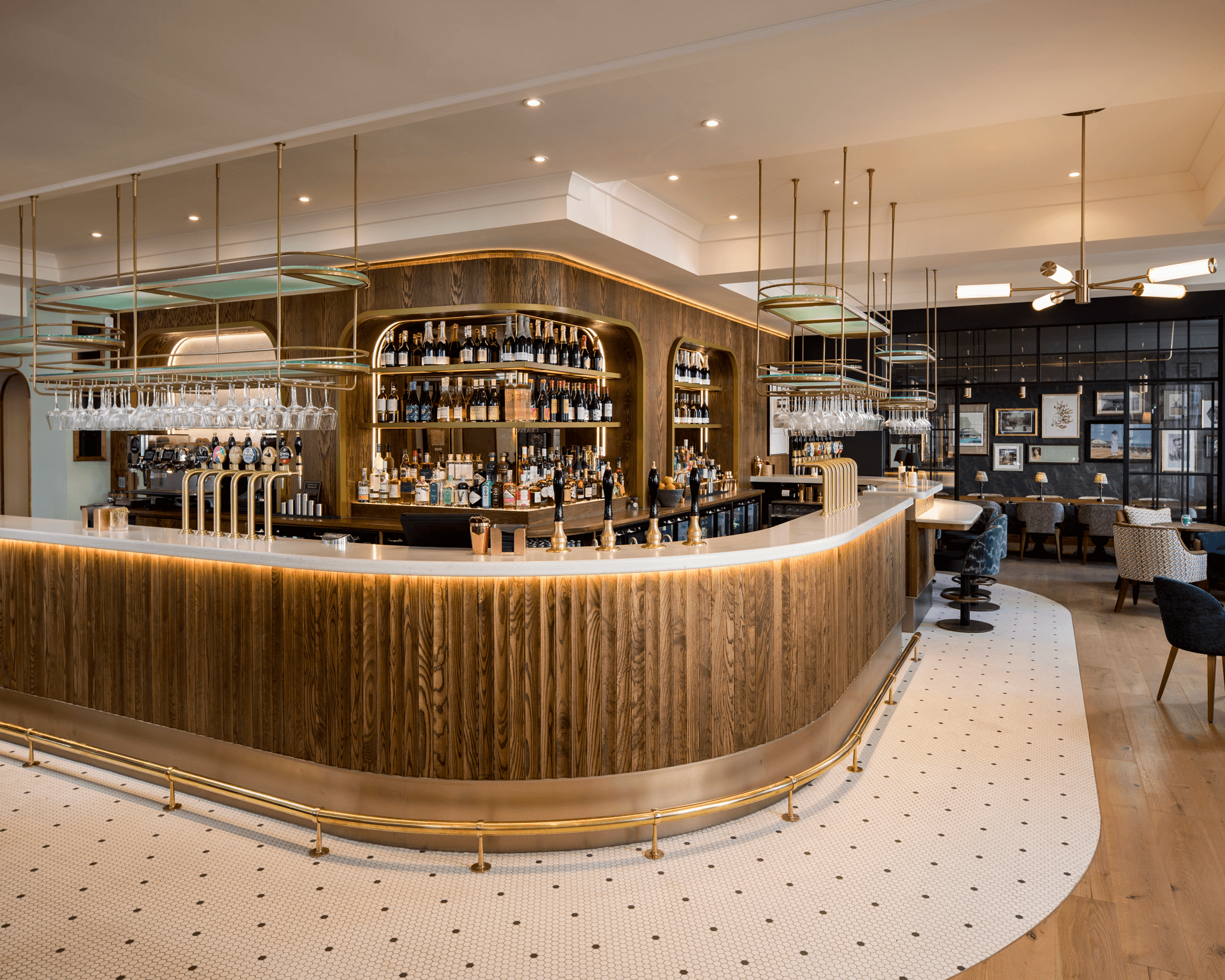
A few months after the project ended, Greene King launched The Everly Hotels Collection. Its pilot hotel, The White Horses in Rottingdean, East Sussex, opened within the year. The new brand and guest experience strengthened bonds with Greene King’s loyal customers and first-time guests, ensuring the brand's relevance and appeal in a competitive market. More hotels are planned in the future in other scenic UK locations.
2 years
from concept to the launch of Greene King’s boutique Everly Hotels Collection
1 pilot hotel
The White Horses opened in Rottingdean in 2024
A new paradigm in data storage
Designing the iodyne Pro Data and Pro Mini hard drives.
Hard drives are essential tools of the trade for people with large troves of media to store and transfer, like photographers and videographers. But beyond rolls of masking tape and label makers, there isn’t an easy way to see what’s on each drive without literally going through them one by one.
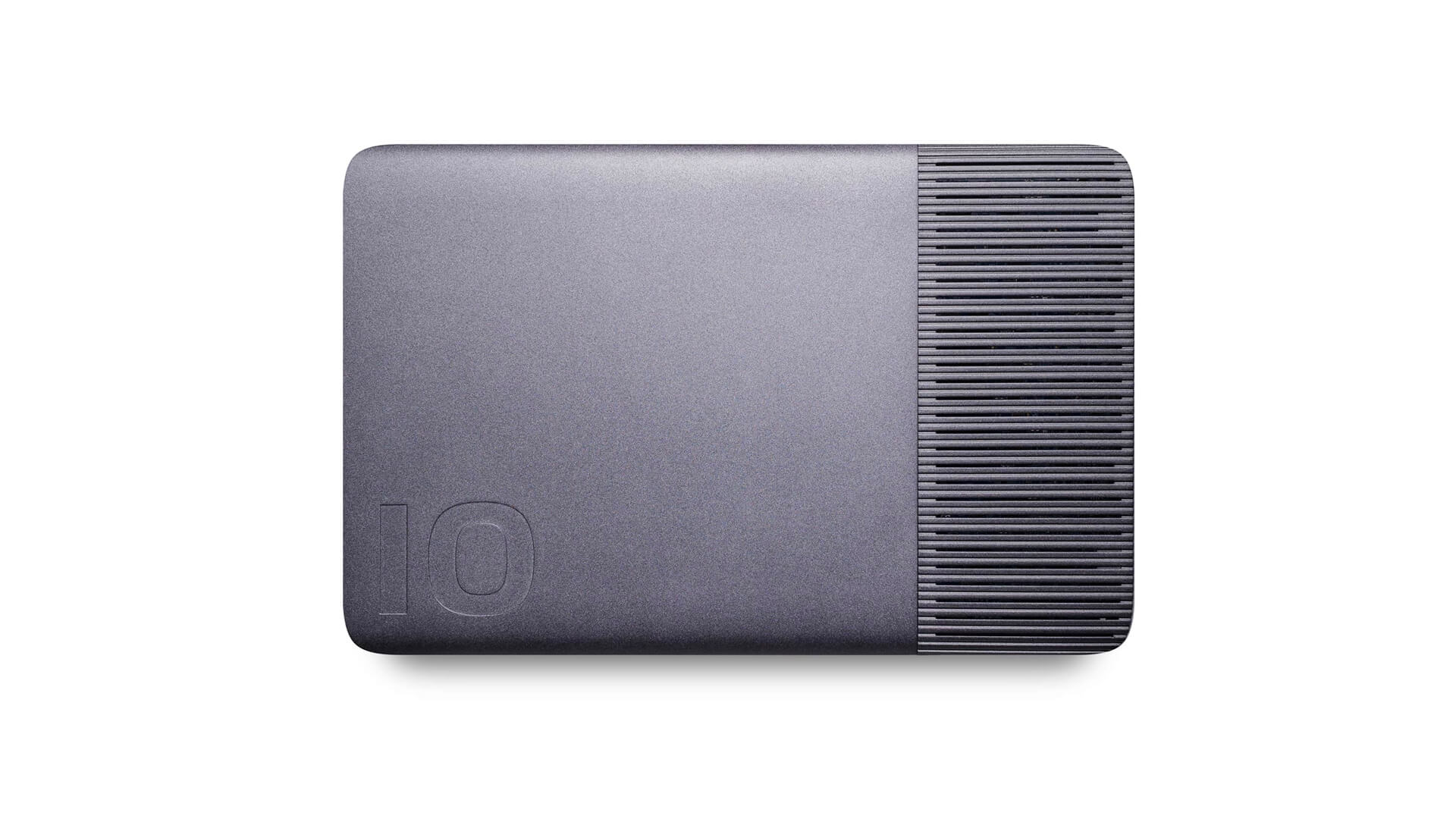
Traditional hard drives generate a lot of heat and need fans to cool them, making them bulky, loud, and slowing transfer speeds.
Many external hard drives are treated like commodities. They’re designed for mass production rather than for durability and aesthetics.
The hard drive space is full of companies competing over technology and performance. But iodyne wanted to add another layer, focusing on user needs and product aesthetics to better position the company to meet the values of a broader audience and create compelling new entrants into this crowded market.
Together, IDEO and iodyne jumped into in-depth discovery research to learn more about the needs of their end users. The team sat down with photographers, videographers, and digital imaging technicians, asking questions about their file management systems, how they used hard drives in the field, and how they stored them for transport and at home. They also headed to the source, visiting studios and home office set-ups to understand the full range of potential use cases.
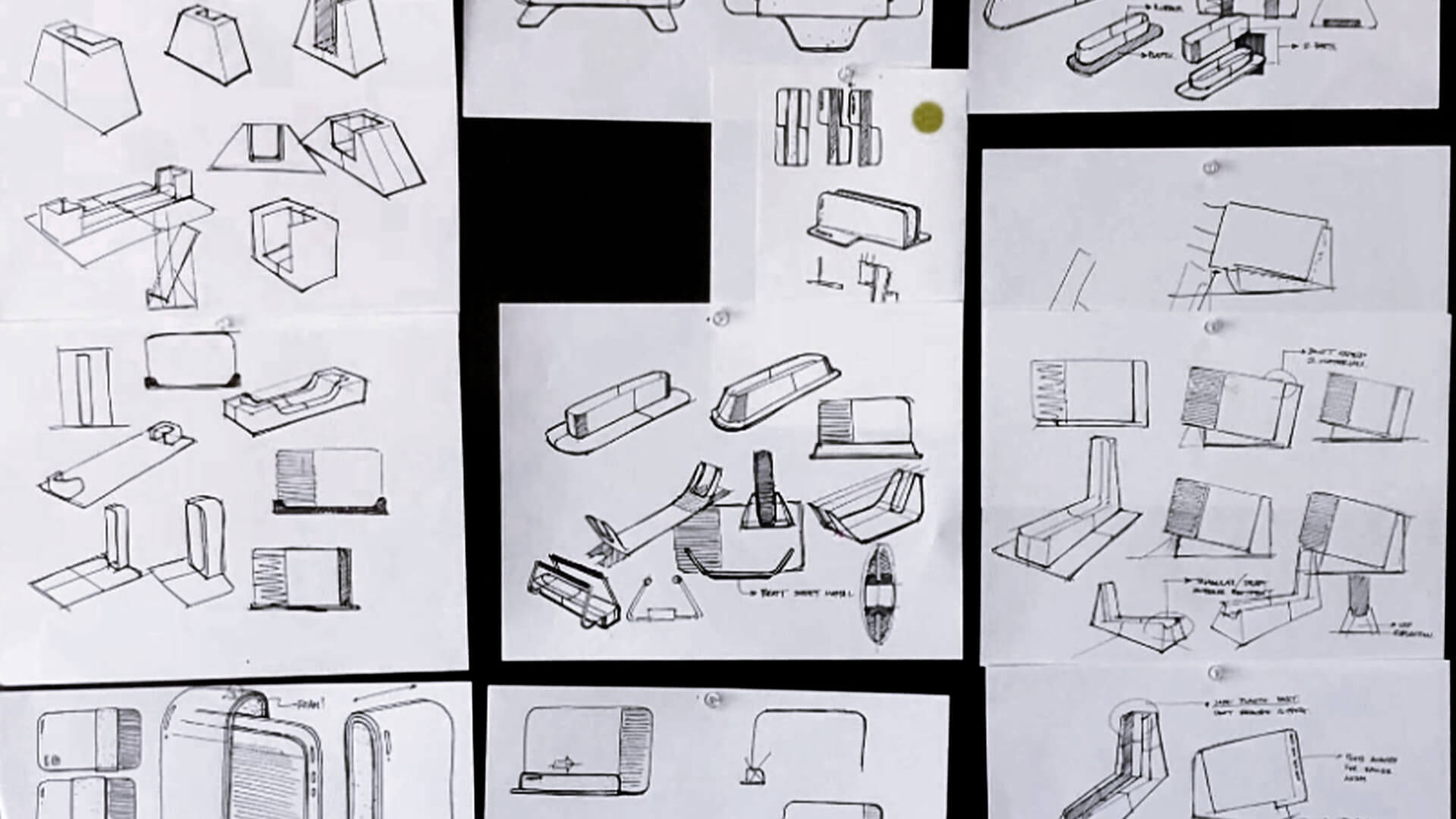
A few big discoveries leaped out. No one had a single storage solution to rely on. Users constantly transferred data from different hard drives designed for different purposes (in the field versus at home), accumulating hundreds of old hard drives over time. Traditional hard drives also don’t allow multiple users to work off them simultaneously or come with software systems that help keep projects and tasks organized, protected, and sharable. Meanwhile, the ever-shrinking size and weight of laptops—and people’s willingness to take them everywhere—set a new benchmark for portability, one that iodyne could lean into.
With these and other insights in hand, the team brought unrivaled performance and aesthetics together to create a far superior user experience. IDEO and iodyne developed Pro Data’s engineering architecture, collaborating on thermal performance analysis, material choice, inspection of sample parts, and even packaging design. By combining integrated venting, multiple laptop-quality fans, smart power management, and 20 thermal sensors, the team was able to minimize cooling fan loads and reduce noise and power consumption. A single, centralized, and consolidated storage space makes sharing data among teammates easy, too—up to four computers can connect to the Pro Data at the same time and access the same files. The redesigned Pro Data creates new value for consumers in a highly mobile, secure package that can go from desktop to backpack and back again.
The iodyne Pro Data hard drive launched in 2021 to overwhelmingly positive reviews. Storage Review wrote “Nothing else comes close to this level of performance in a package this size,” while Jemery Boros of StarGate Studios said “I don’t think I could have done the shoot without Pro Data. It was easy to use, fast, and kept all of our data safe on the other side of the world.” The drives have since been used in the making of major motion pictures from F1 to A Complete Unknown.
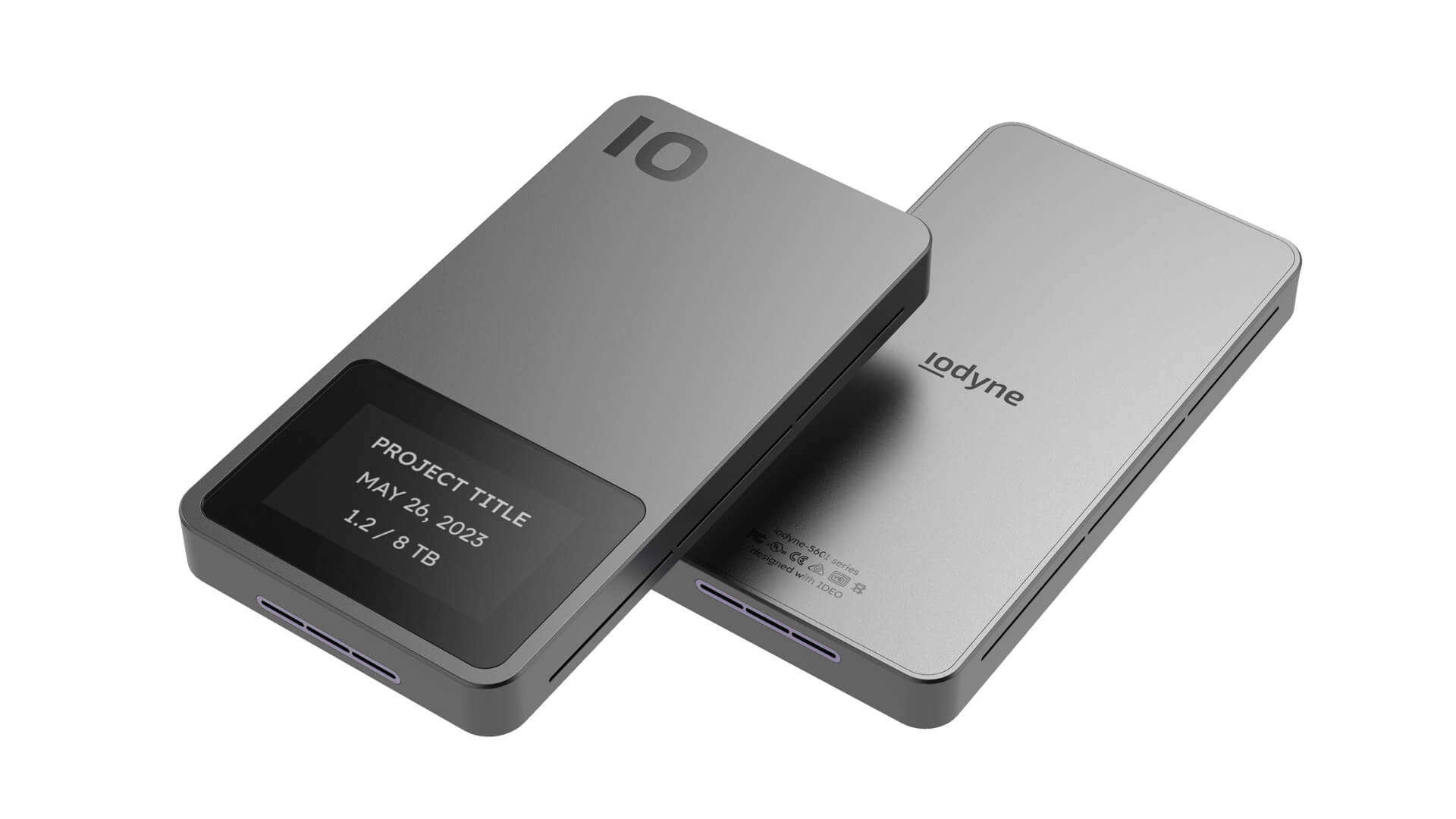
Spurred by Pro Data’s success, iodyne decided to create a second product with IDEO, a Pro Mini that could provide the same cutting-edge performance and sleek design but scaled down to fit the needs of customers who required less storage capacity in an even more portable package. Pairing Pro phone-quality industrial design with a unique internal solid-state cooling architecture that imposed key constraints on airflow was critical.
IDEO worked with iodyne to create the Pro Mini’s internal layout and collaborated with an emerging engineering company to incorporate novel solid-state cooling technology, positioning the vents to maximize airflow and optimizing how users physically interact with the device. The team also addressed users’ durability concerns, advising iodyne on part selection as samples came in from vendors. The new Pro Mini is set to ship in the second half of 2025.