


Home / Design services / Case studies
Planes, supply chains, and automobiles
Vice President of Global EV Programs, Ford Motor Company
Featured work


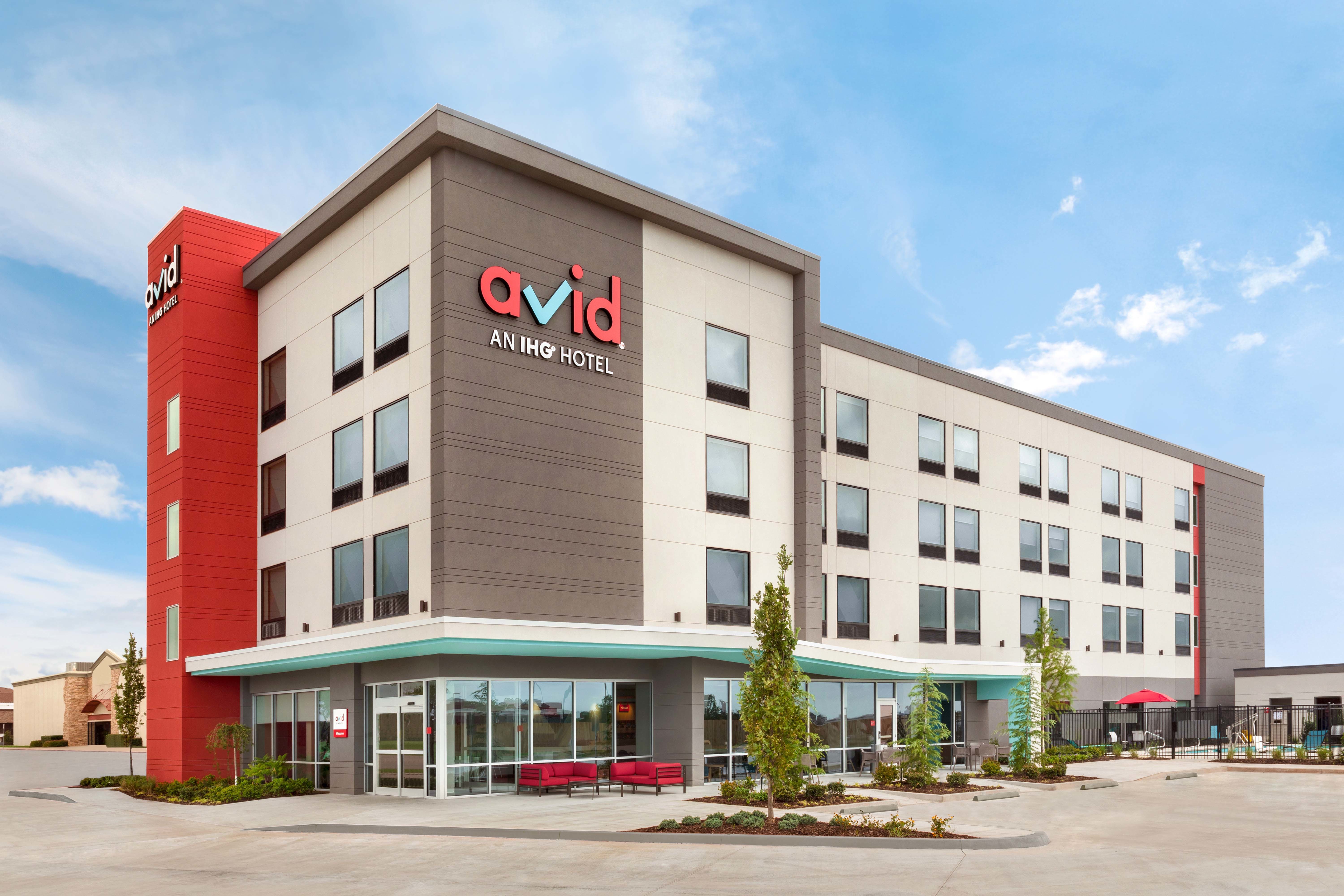

Reimagining everyday travel for America and beyond
Designing a new hotel experience that feels just right, every time.
IHG’s ambition is to grow in service of its guests around the world. IHG’s Atlanta-based team had identified a major opportunity for hotels in the midscale space—a market segment known for its inconsistency.
Alongside colleagues at London-based forpeople, IDEO was invited to help IHG shepherd that business opportunity into a human one, by asking how IHG might reimagine the everyday travel experience for people relying on this category of hotel. What kind of offer might resonate equally with guests and with the owner/operators who’d need to buy into a new brand and bring it to life?
IDEO began by talking to travelers to better understand their lives, values, and needs—travelers who spend one or two nights on the road a few times every year; travelers who regularly take short trips to small cities or away from city centers; and travelers who live on the road, moving from hotel to hotel. These included court stenographers, medical technicians, consultants, conference-goers, and more.
Early research insights evolved into two distinct concepts for a new hotel brand, which were built out into two full-scale physical prototypes at IHG’s design center in Atlanta. Over three weeks, IDEO and its IHG partners led potential guests and hotel owners through each model, gathering their feedback on new formats for breakfast offerings, service details, booking experiences, and overall tone.
The investment in prototyping paid off with surprising and actionable insights. Despite wide variation in occupation and income, these guests are sophisticated and self-reliant; they know what’s out there, and they know what’s reasonable to expect. In fact, many describe a syndrome IDEO dubbed “anticipation anxiety:” the sense of dread that comes from not knowing whether a lower-priced hotel is going to be clean or safe, or provide a bed that enables restful sleep. Many have so little confidence in the cleanliness of hotels in this price range that they travel with their own packs of wet wipes.
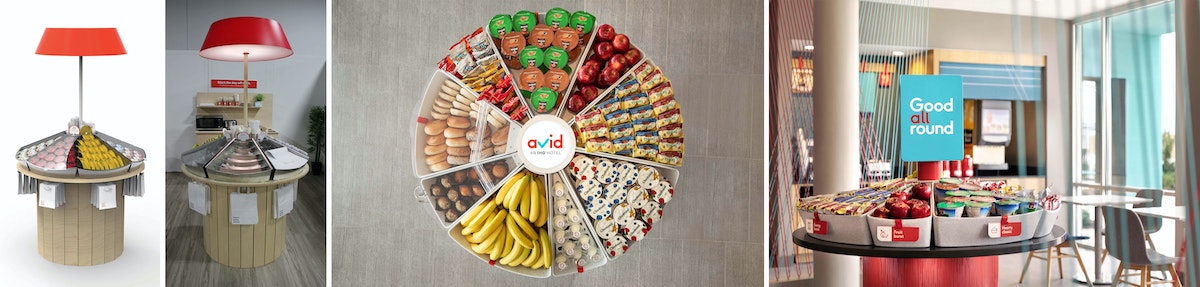
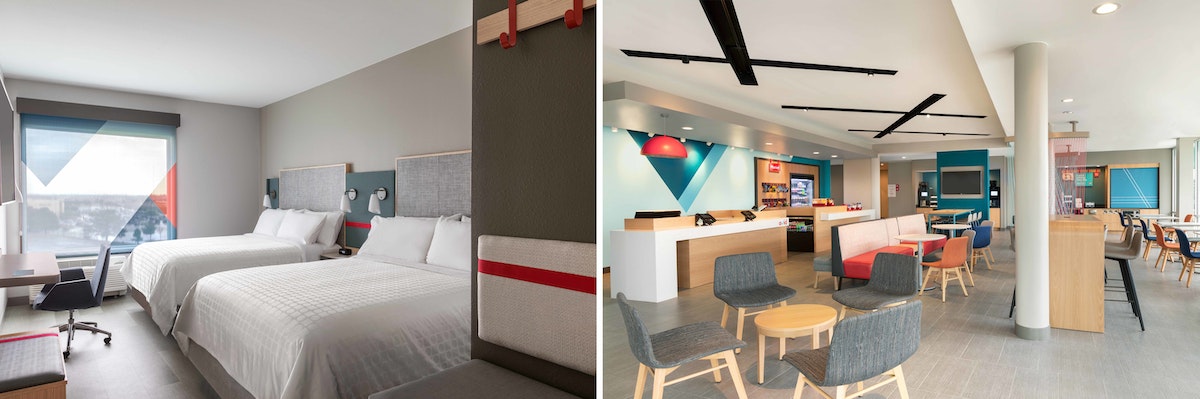
IDEO, along with the IHG team, recognized these behaviors as an unanswered cry in the market. The purpose of the new brand crystallized around extinguishing that anxiety and rewarding guests with something much better. avid hotels exceeds its competition by doubling down on quality in just a few select areas: an extraordinary mattress; rigorously high standards of cleanliness; a focused, high-quality, grab-and-go breakfast and coffee experience; and an overall tone of warmth and straightforwardness.
These guests made clear that for trips like this, they aren’t interested in bells and whistles, or communication that isn’t frank or to the point. That led to an insight that upends an industry truism: for these guests—and there are many of them—choosing a hotel is rarely only about the price of the room. avid guests can often afford to stay in a more expensive place for a honeymoon or a vacation or a trip with friends; they’ll spend more when they need more. But for functional stays of one or two nights, it just feels wasteful. It goes against their values and their principles.
IHG and IDEO heard a clear call for a sense of focus and affordability—but never at the expense of quality. Guests should be able to access a simple booking process, rooms designed for sound sleep, and a quality breakfast, all at a fair price. And hotel owners ought to be able to deliver that experience with confidence and consistency, at costs that build a compelling case for their own business.
That’s what avid hotels is designed to deliver, every single time. Early traveler reviews have been exceedingly positive and have noted specifically the unique differentiating offers avid brings to the market.
Within a year of partnering with IDEO, IHG had issued 150 avid hotels licenses to franchisees in the US, Mexico, and Canada, and announced a development deal for 15 avid hotel locations in Germany over the next five years—a scale of success that came at unprecedented speed for the industry. The collaborative, inclusive design process is now serving as a model for how to develop robust, guest-centered hospitality brands that deliver where it matters for people.
Sparking a conversation around policing in NYC
Helping the New York Civil Liberties Union activate a city-wide, nontraditional campaign centered on listening.
New Yorkers experience policing differently depending on who they are and where they live. Some communities are patrolled; others are profiled. When your neighbors’ experiences are starkly different from your own, it can be almost impossible to understand their perspective.
The New York Civil Liberties Union (NYCLU), a state branch of the ACLU, hoped to spark a dialogue around race and police tactics in over-policed communities, and to engage voters on this divisive issue before New York City’s mayoral election. But the NYCLU also understood that traditional slogans and billboards weren’t enough to foster deep personal conversations and effective political action—the city needed real talk.
The organization engaged IDEO to help create a city-wide, nontraditional campaign. In talking with New Yorkers, the NYCLU advocates and IDEO designers honed in on two simple truths: Transformative conversations happen only when people feel safe enough to listen—and to speak. And people become more compassionate listeners once they themselves feel heard. In a time of entrenched interests and growing social conflict, listening can be a radical act.
Together, IDEO and the NYCLU designed Listening NYC, a grassroots campaign to promote interpersonal listening, meaningful discussion, and collective action around policing.
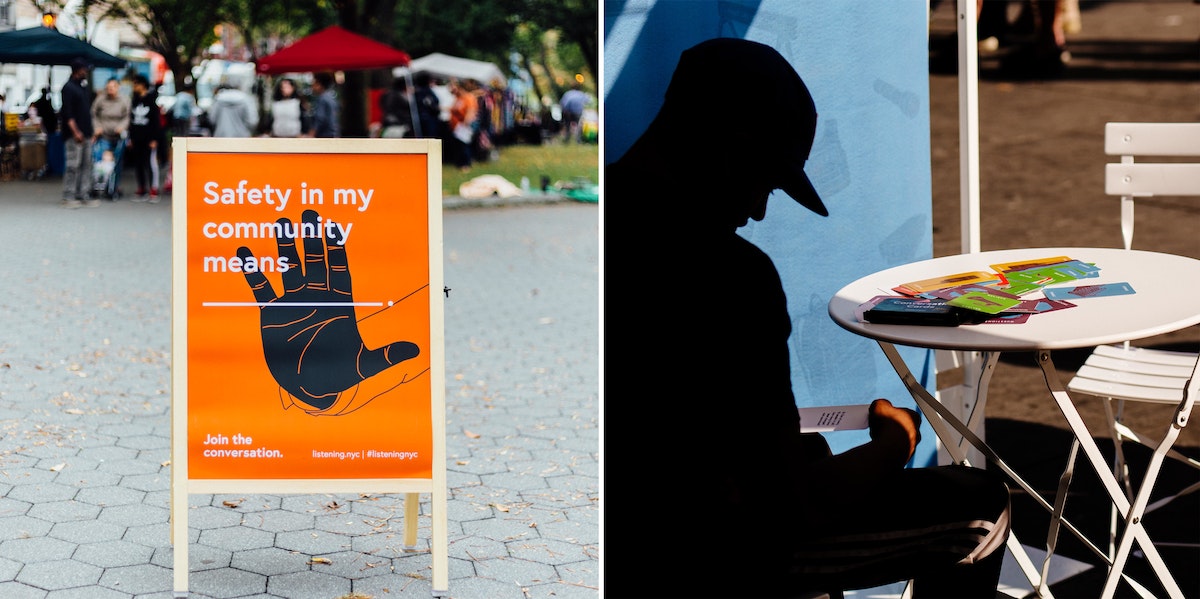
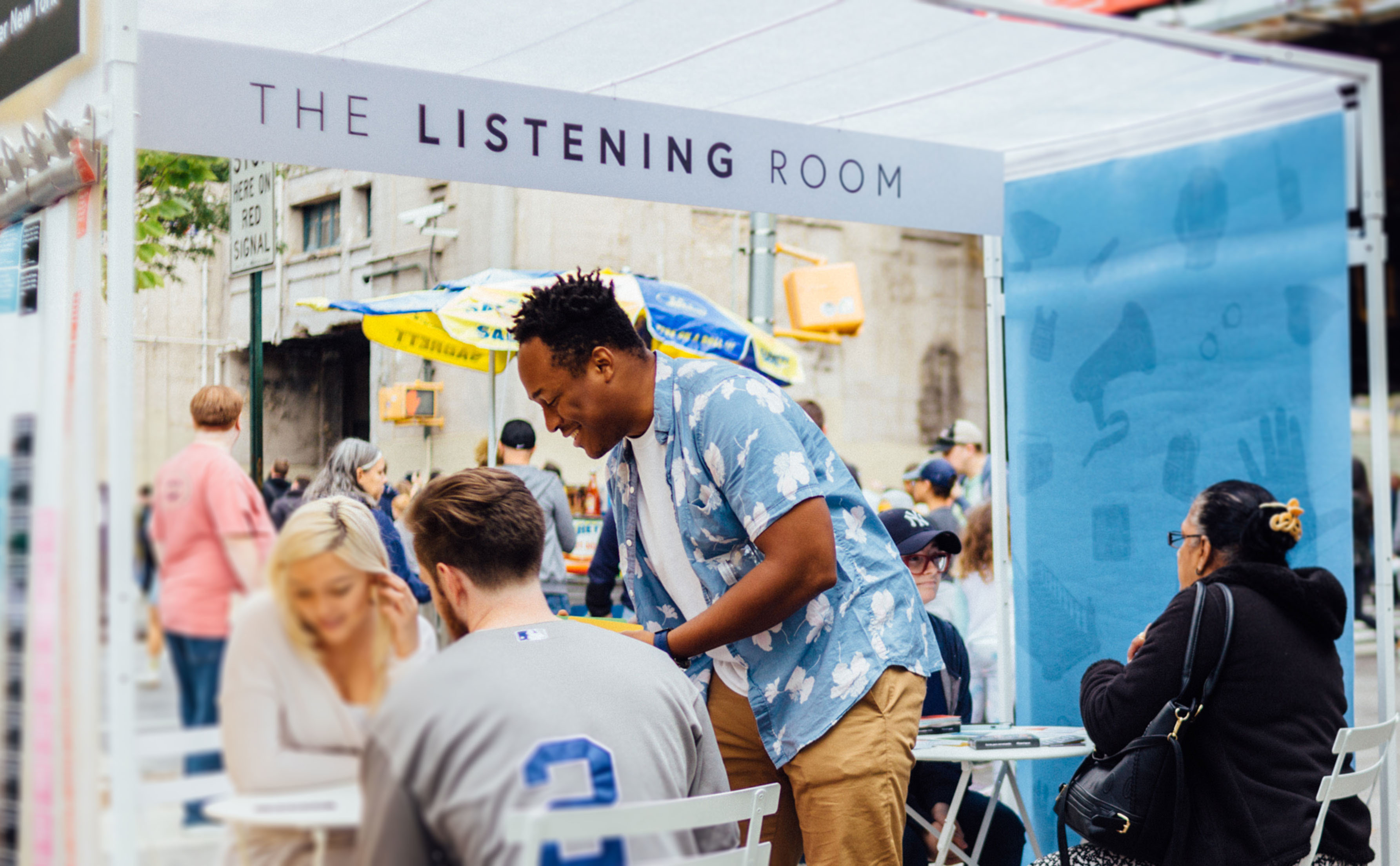
To get New Yorkers—famously brash and always bustling—to stop and listen to their neighbors, they created a pop-up installation called the Listening Room that travels through the city to catalyze one-on-one conversations. It’s a portable safe space, with tables, chairs, two walls that provide a degree of intimacy, and two sides left open for a feeling of psychological safety.
At the center of the experience is a deck of Conversation Cards that encourage New Yorkers to share their stories and hear those of others. Simple prompts like “I believe the role of police is to _____,” and questions like “A cop stops you in your neighborhood. What do you do?” empower people to find common ground. Through straightforward but structured activities like these, many New Yorkers who enter the Listening Room expecting to disagree instead find themselves sharing stories and opinions in ways they never imagined.
Beyond face-to-face dialogue, the Listening Room also features a radio loaded with stories from different neighborhoods across the city’s five boroughs. By turning the dial, visitors can learn about encounters with policing culture from fellow New Yorkers, including two NYPD officers.
To turn talk into action, visitors are invited to send a postcard to the mayor. People choose the policy proposals most important to them—from, “Police shouldn’t be disciplining kids in school” to, “If police want to read our emails, they should have to get a warrant”—and add them to a pre-stamped postcard dropped into a special “ballot box.” The NYCLU delivered more than 2,000 of these cards to Mayor Bill de Blasio upon his reelection in late 2017.
IDEO and the NYCLU also led an interactive campaign event at the Brooklyn Academy of Music. Residents, students, philanthropists, and police were led through an exercise called Creative Tensions, positioning themselves around the room according to their views on everything from surveillance technology to school safety. Experts helped guide the conversation including Sheriff Jerry Clayton, director Liesl Tommy, and NYCLU organizer Brandon Holmes. The process allowed participants to see how fluid people’s positions can be.
Listening NYC has now reached thousands of New Yorkers at more than 35 locations. Schools, from a public middle school to the John Jay College of Criminal Justice, have requested visits from the Listening Room, and the installation’s modular design has inspired new incarnations on topics including student safety and discipline.
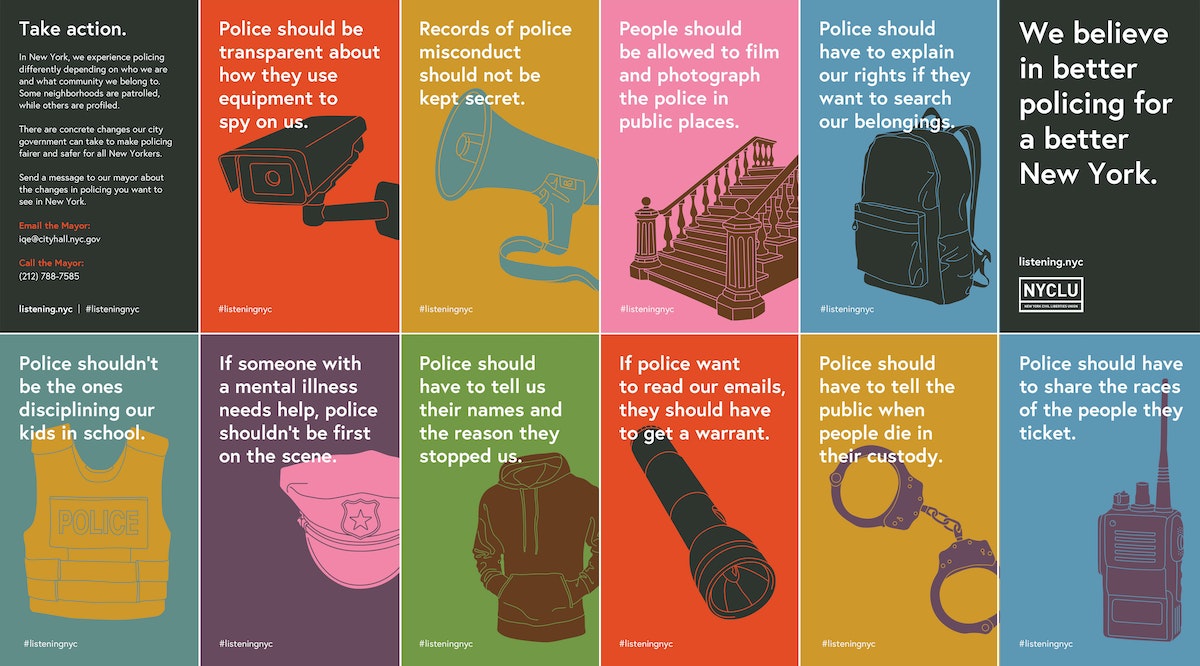
The NYCLU has sent Conversation Cards to celebrities, influencers, and every member of the New York City Council. Sending postcards to Mayor de Blasio and Conversation Cards to the city council led directly to passage of the Right to Know Act—legislation that incorporates some of the NYCLU’s proposals for police reform.
Today, the impact of Listening NYC has moved beyond city limits. The NYCLU’s Syracuse chapter is introducing the pop-up installation there, while in Boston, mayoral candidate Tito Jackson even promised a visit from the Listening Room if elected. To keep dialogue flowing, the ACLU plans to distribute Conversation Cards nationwide.
Driving growth at Europe’s largest online fashion retailer
How Zalando redesigned the way it works and saw profits soar.
Fashion thrives on reinvention. Now, digital platforms and tools are reinventing fashion. E-commerce has reshaped the shopping experience and social media has democratized the once-exclusive industry.
Amidst this furious whirl of change, the fashion platform Zalando, founded in 2008, has become one of Europe’s fastest-growing tech companies. Headcount has ballooned to 15,000 and revenues grew 23 percent year over year. More than €1 out of every €100 spent on clothing in Europe is spent at Zalando.
In 2014, Zalando’s co-founder and CEO Robert Gentz approached IDEO to help think about the organization’s future in the face of increasing competition. Gentz realized that building design thinking capabilities across the company would allow Zalando to make systemic business shifts, like building better experiences for customers, and balancing operational excellence and execution with innovation.
So, he invited a team of IDEO designers and Zalando employees to create an innovation lab in its Berlin headquarters. They called it The Studio, and in the three years since its launch, it has helped the company build new products, experiences, and modes of working that are powering a digital transformation across Zalando and in the broader fashion world.
Finding purpose
Gentz came to IDEO with a simple request: “I want my daughter to be proud of the company I created.” With that directive, the first order of business was to home in on the organization’s new strategy—to shift from an e-tailer to a full-blown fashion platform—and resurface purpose. After a series of interviews and workshops across the company, a unifying intent emerged:
Zalando exists to reimagine fashion, for the good of all.
To share that message, the team designed a five-day Festival of Purpose at the company’s Berlin headquarters and satellite locations, coupled with a long-term plan to help leaders and their teams weave that sense of purpose into everything they do.
WATCH: Learn how Zalando used purpose to mobilize its community
Building Innovation Capacity
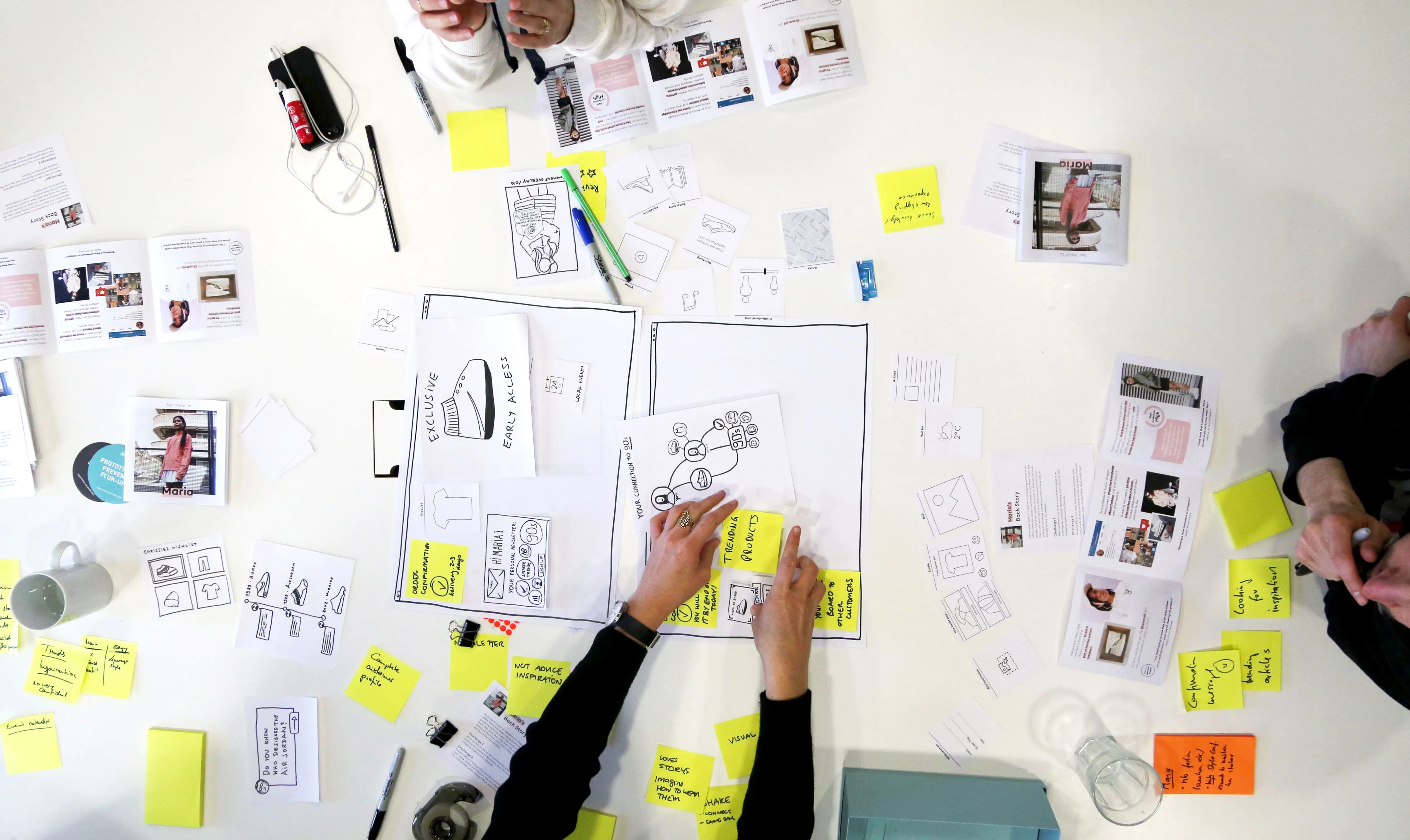
With a shared purpose to rally around, Zalando started to design and build at a clip. The Studio experimented and prototyped, launching products like Seen At, a mobile app that allows members to upload street style photos, and a digital tool called Collabary that connects online fashion influencers with brands. Projects are enabling cross-disciplinary teams to get into the practice of aligning around joint goals, making fast decisions, and building with agility.
But just as important as identifying growth opportunities for the company has been The Studio’s role as a hub. Zalando employees from across business units cycled into the Studio, teaching IDEOers about their business and the company’s culture, while IDEOers helped them master the design thinking process so they could lead future projects.
Studio graduates ensure that anything prototyped there is implemented, and integrate what they’ve learned into their day jobs. Their experience makes them design ambassadors who spread the practice of experimentation, prototyping, and storytelling across the organization.
WATCH: Learn how Zalando pioneered a new innovation studio
Teaching Leaders How to Scale Change
It’s one thing to start working differently in a small innovation lab, but how do you scale change across an organization and determine how it will affect each major business unit—product, technology, commercial, and logistics? IDEO interviewed Zalando employees to better understand how to embed what we called new Ways of Working (WoW), a method that combines design thinking with lean and agile approaches. WoW was then deployed by a centralized team that ran workshops and coaching sessions to help leaders adopt it, measure its impact through OKRs, KPIs, and NPSs, and help their teams understand the new processes.
Today, the Ways of Working method is being rolled out across the entire organization, reaching all 15,000 employees.
Together, the relationship between IDEO and Zalando and their multi-year project of change is spurring double-digit growth, and making good on the company’s vision of reimagining fashion, for the good of all.
WATCH: Learn how Zalando scaled new ways of working across their organization
Elevating the craft of Chinese cuisine
Helping a packaged foods company in China define its purpose and take its place on the international stage.
Despite the rapid growth of China's economy and increased access to a wider variety of food since the opening up, the market is saturated with unhealthy, processed snack foods. Consumers are increasingly seeking better-quality options, highlighting a significant gap in the food system.
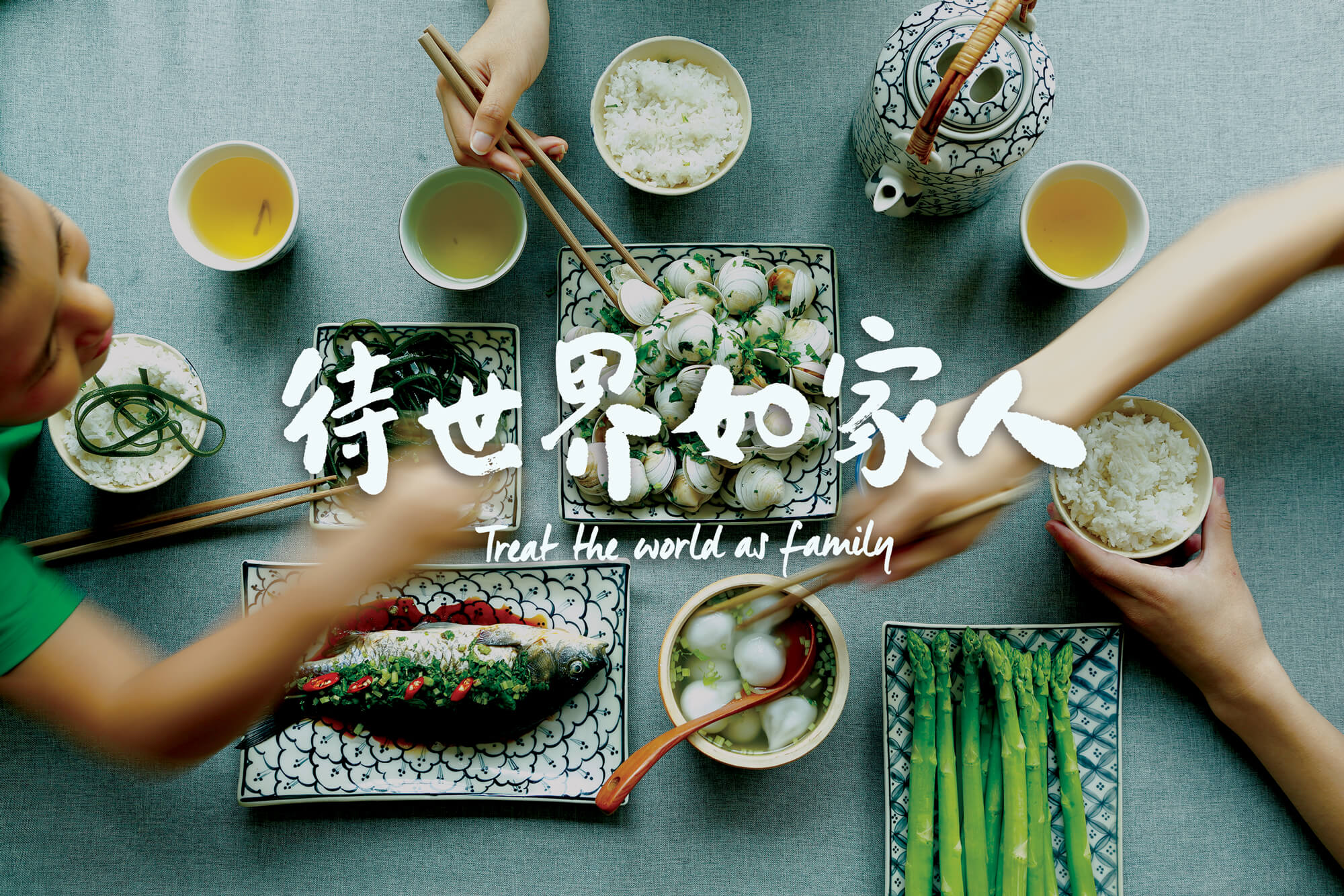
IDEO helped position Shinho’s ingrained respect for food, family, and good health as a guiding principle for how the organization interacts with its employees and the wider world. The IDEO team integrated a new motto—“treat the world as family”—into every part of Shinho’s work, from sourcing and hiring to new ventures to the care employees take in handling each bottle of sauce destined for someone’s table.
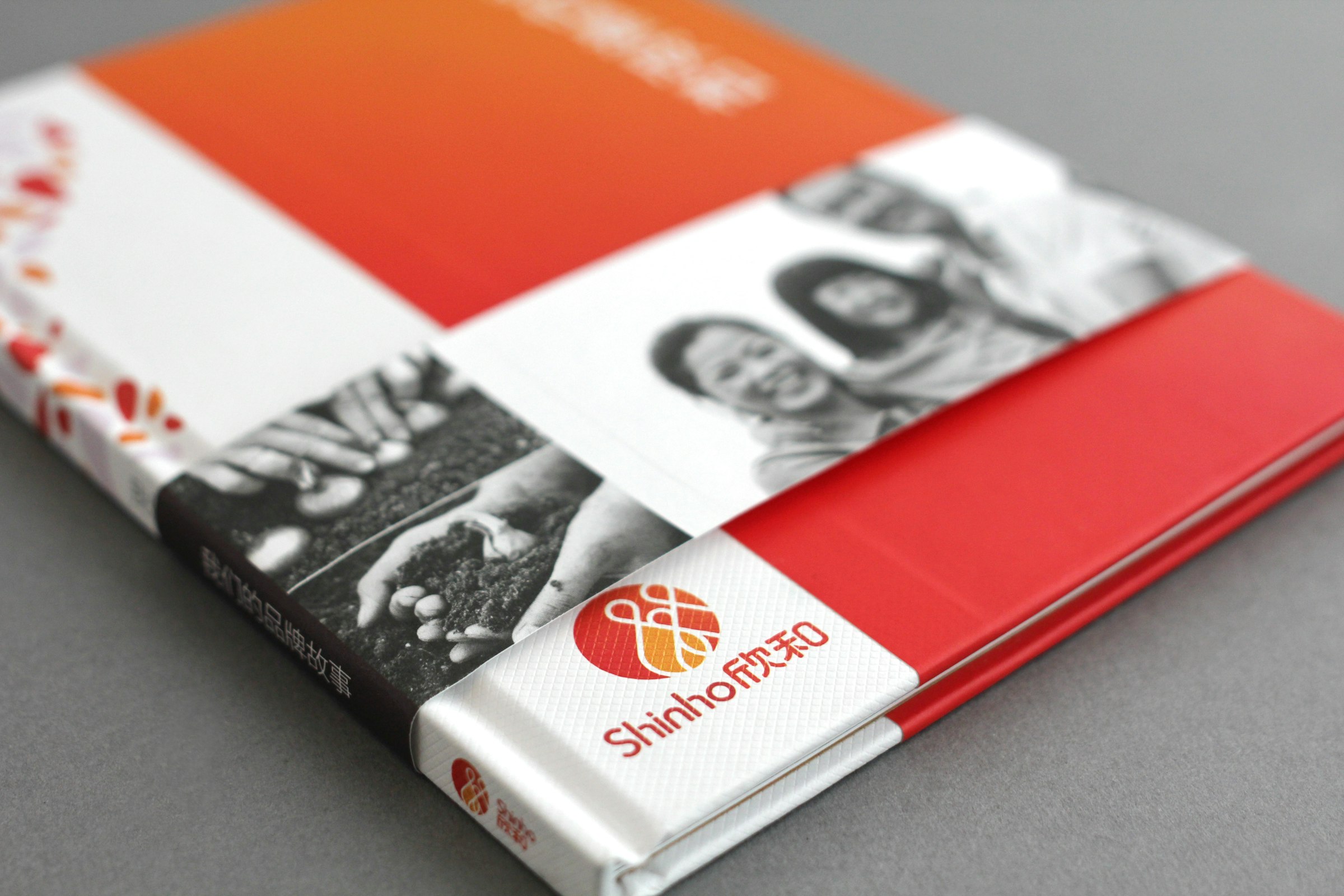
To help transform Shinho’s internal culture, the IDEO team also crafted a narrative to communicate the company’s beliefs to new staff and outside partners. The team expressed Shinho’s foundational story through a published brand book and film, reimagined logo, and codified employee values.
“My proudest moment was when we brought the brand identity IDEO developed to life, and interpreted Shinho’s mission and vision through that lens in front of 2,000 employees at our annual meeting,” said Hanzhong Dong, Shinho's Head of Product, “It made me feel that even though we’re a group of ordinary people, we’re working on a great and meaningful thing."
Shinho’s heightened confidence and focus on supporting families has empowered the company to expand beyond soy sauce and snacks and explore new offers, from culinary training to sustainable farming to food experiences.
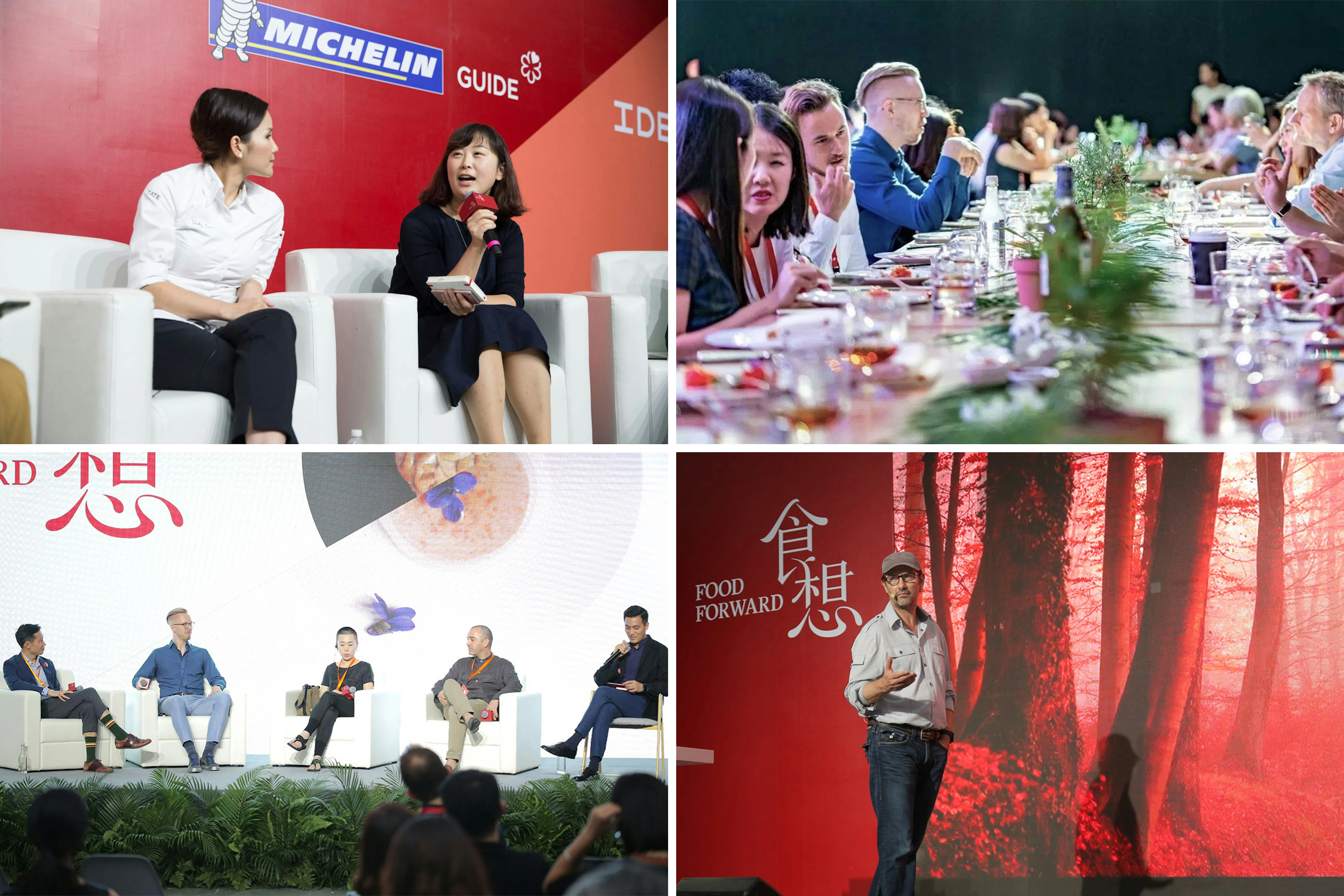
In July 2017, Shinho stepped onto the international stage as a tastemaker by participating in an event called Food Forward, hosted by the Michelin Guide and IDEO. Michelin-starred restaurants are synonymous with superb ingredients and service. Shinho crafts safe, organic, high-quality products that are staples for Chinese chefs, and the company shares the Michelin Guide’s aim to celebrate and expand the role of fine dining in China. IDEO brought all parties together with the shared goals of elevating China's culinary craft and culture, inspiring people around the future of food in China, and encouraging fruitful connections and partnerships.
IDEO and the Michelin Guide organized the day-long event, which included guest speakers, panel discussions, and tastings with four international, Michelin-starred restaurant chefs. Speakers and panelists discussed culinary education, inclusion, and the interplay between tradition and innovation in food. More than 200 people attended from across the food ecosystem: chefs, restaurateurs, journalists, investors, and educators. The event’s livestream garnered 30 million global views and 800,000 engagements.
Shinho’s products now reach 30 million families in 232 cities around the globe, driven by a cohesive mission and brand message. This kind of values-driven growth and hunger for new partnerships is setting the course for the future of food in China and throughout the region.
30M families
purchase Shinho’s products
60 countries
around the globe offer Shinho products
Defining values to set the stage for future growth
In helping a startup codify its values, IDEO prepared its team to scale—fast.
Narvar, a software-as-a-service startup that provides a post-purchase engagement platform for retail clients, was scaling fast. The company had grown from 20 to 90 employees, and was well on its way to reaching 300 over the next two years. As the company grew, its leaders wanted to make sure it could sustain its vibrant, innovative culture. Narvar came to IDEO for help identifying and defining its values in a way that would would scale with the organization.
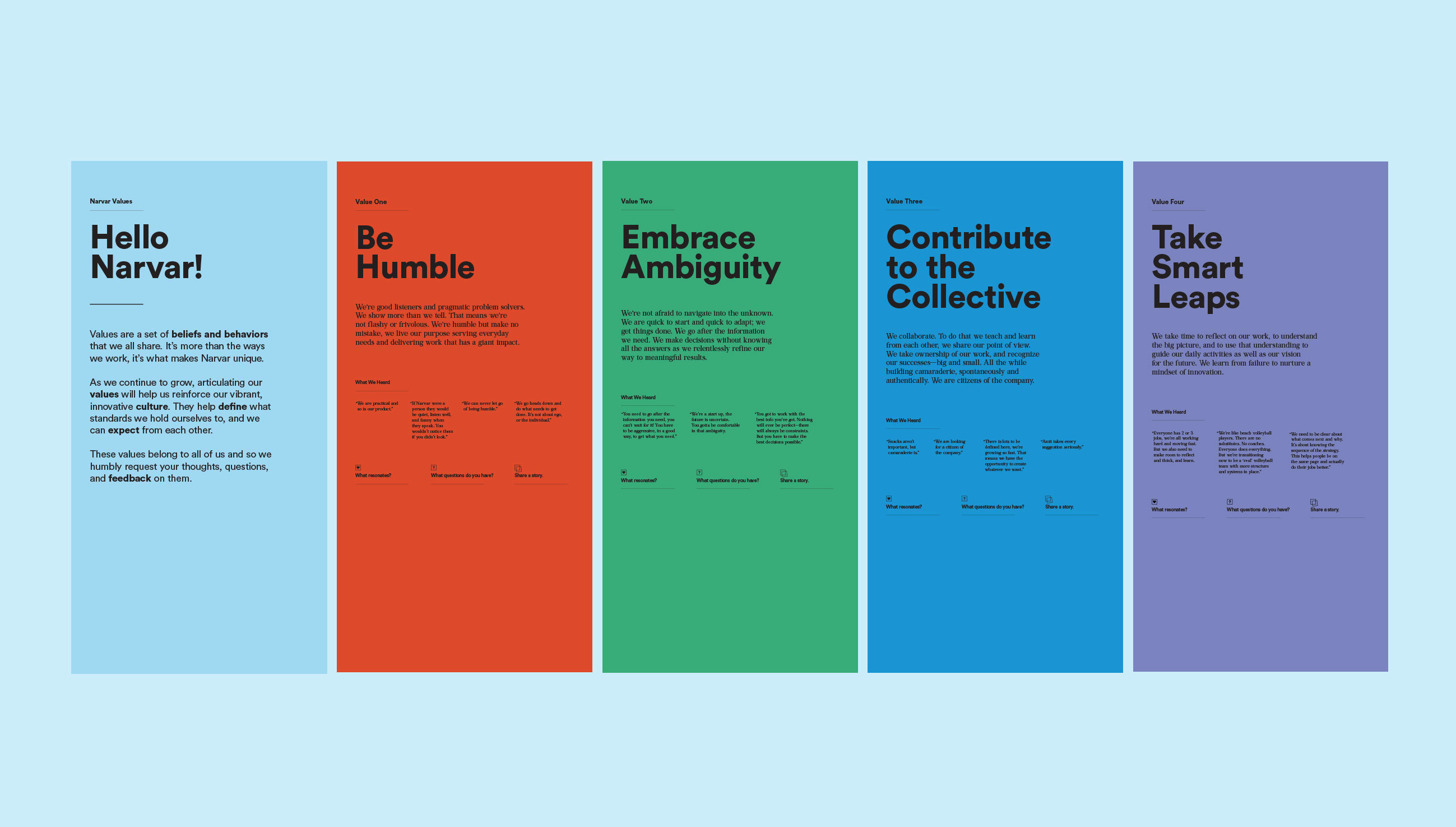
For the IDEO team, that meant articulating a system of values that supported existing behavior, reflected the company’s aspirations, and aided in evaluating new talent and development. The team started by interviewing key “culture carriers,” from the CEO to new hires, to learn what makes Narvar special. Based on this research, the team crafted a working set of values, then invited the entire company to share their feedback. In doing this work, IDEO was also able to surface organizational issues and tensions within the company for Narvar leaders to address.
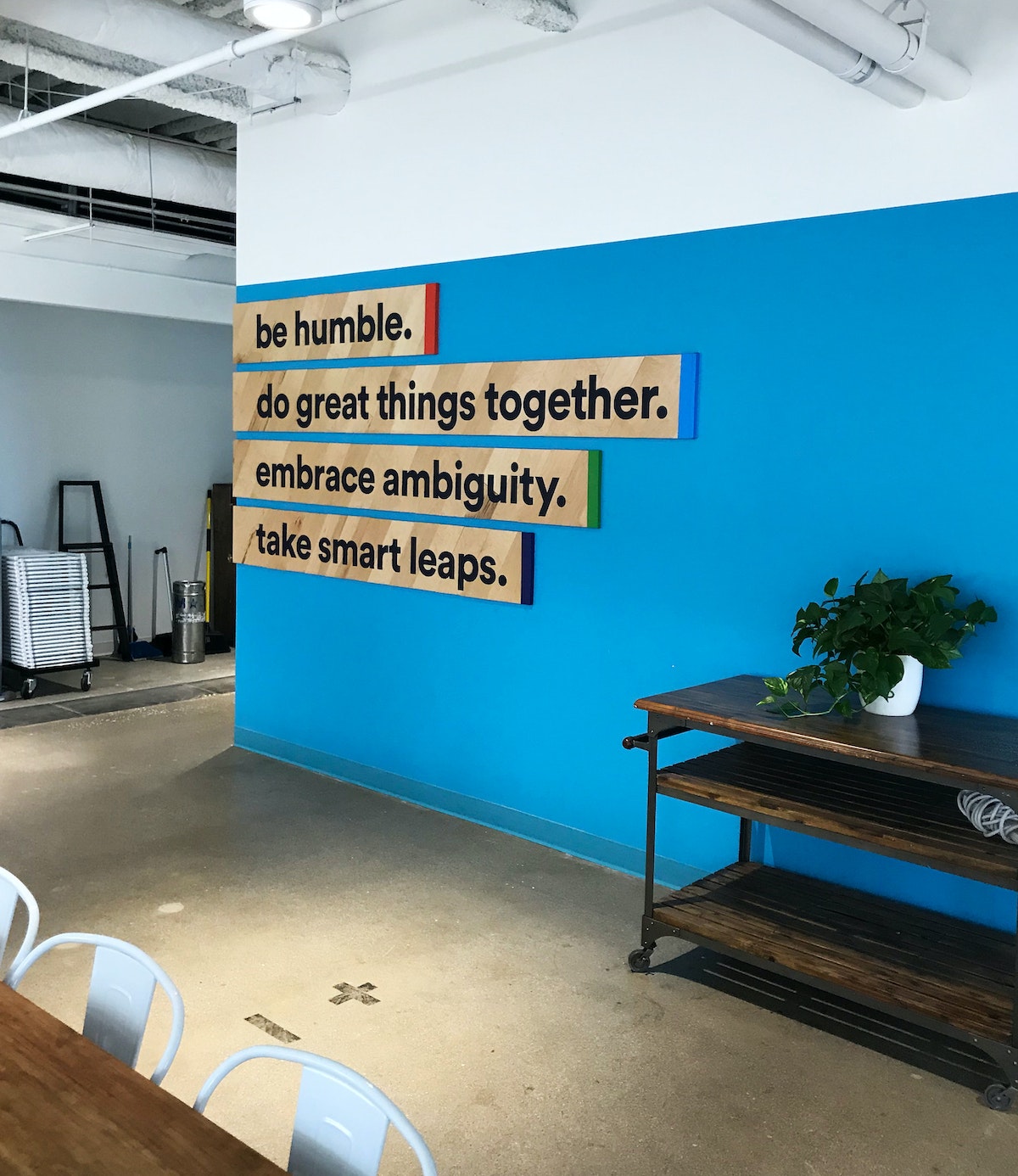
Now, Narvar lives its values every day. Team members use them during candidate interviews, employees see them daily on company walls, and managers reinforce them during performance reviews. Every quarter, leadership gives out a Narvar values award to reinforce their importance. Through this project, Narvar was able to not only capture its core values, but also use them as an active ingredient in the company’s growth.
“We engaged IDEO to really understand the challenges we faced as an organization, and IDEO helped us define and articulate our culture and values. I can honestly say that all the growth and success we’ve achieved in the past two years—we couldn’t have done that without the foundation from IDEO,” said Narvar CEO and founder Amit Sharma.
Designing for peace of mind with a leader in home security
Rethinking the hardware, experience, and interaction of connected products designed to protect you.
Only 20 percent of American homes are protected by security systems, and most of these systems are installed after a break-in.
Home security veteran SimpliSafe hoped to convince the other 80 percent of home-dwellers to invest in preventative technology so the break-in never happens. The company approached IDEO to refresh and simplify the look and feel of its connected products to reach this wider audience and help them feel safe.
Interviews with potential customers revealed insights that informed the new design. Families told the researchers that existing security systems are expensive, bulky, and hard to install and use. Instead, systems should be unobtrusive, but responsive to your needs. They should react appropriately in emergencies, while also protecting your privacy.
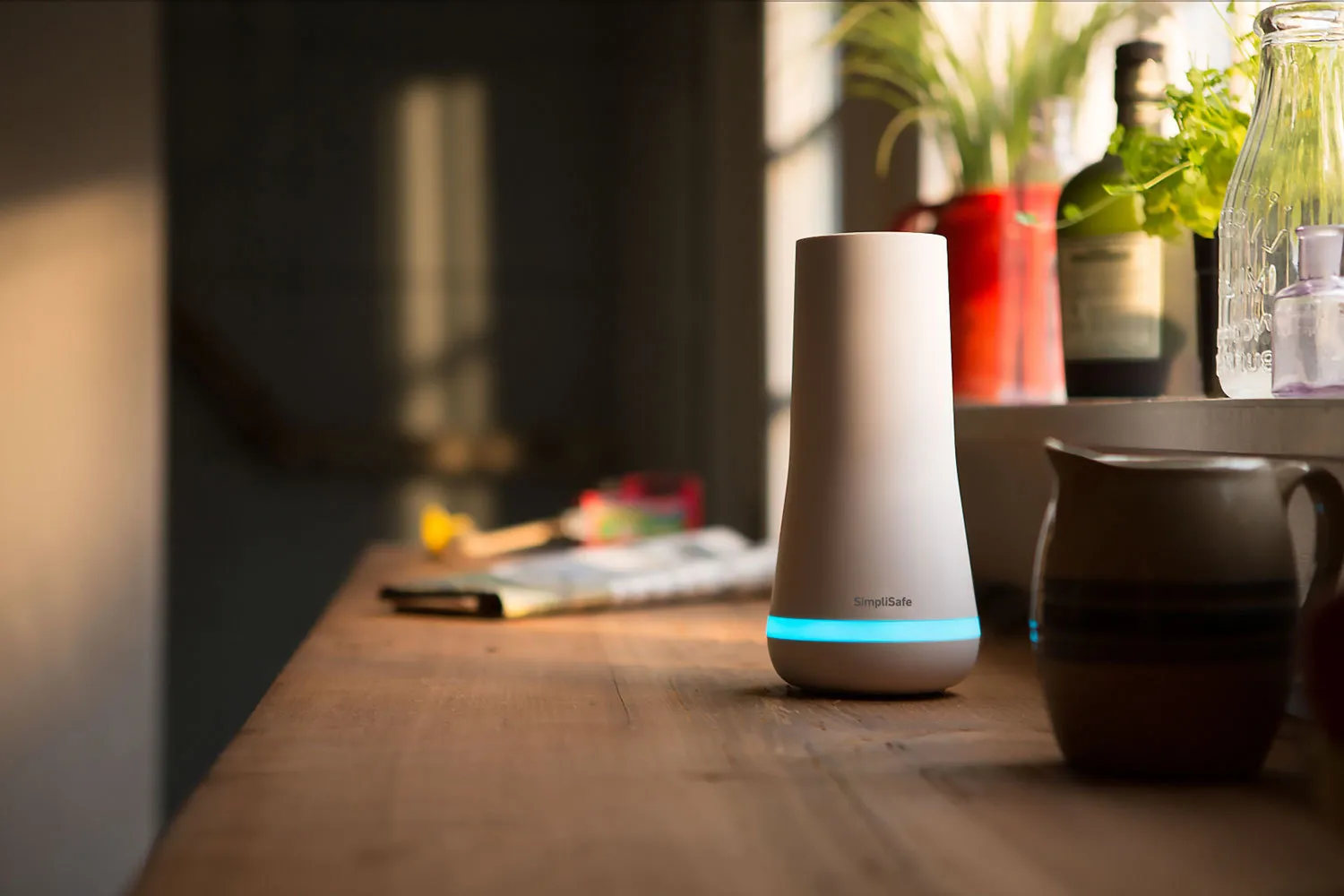
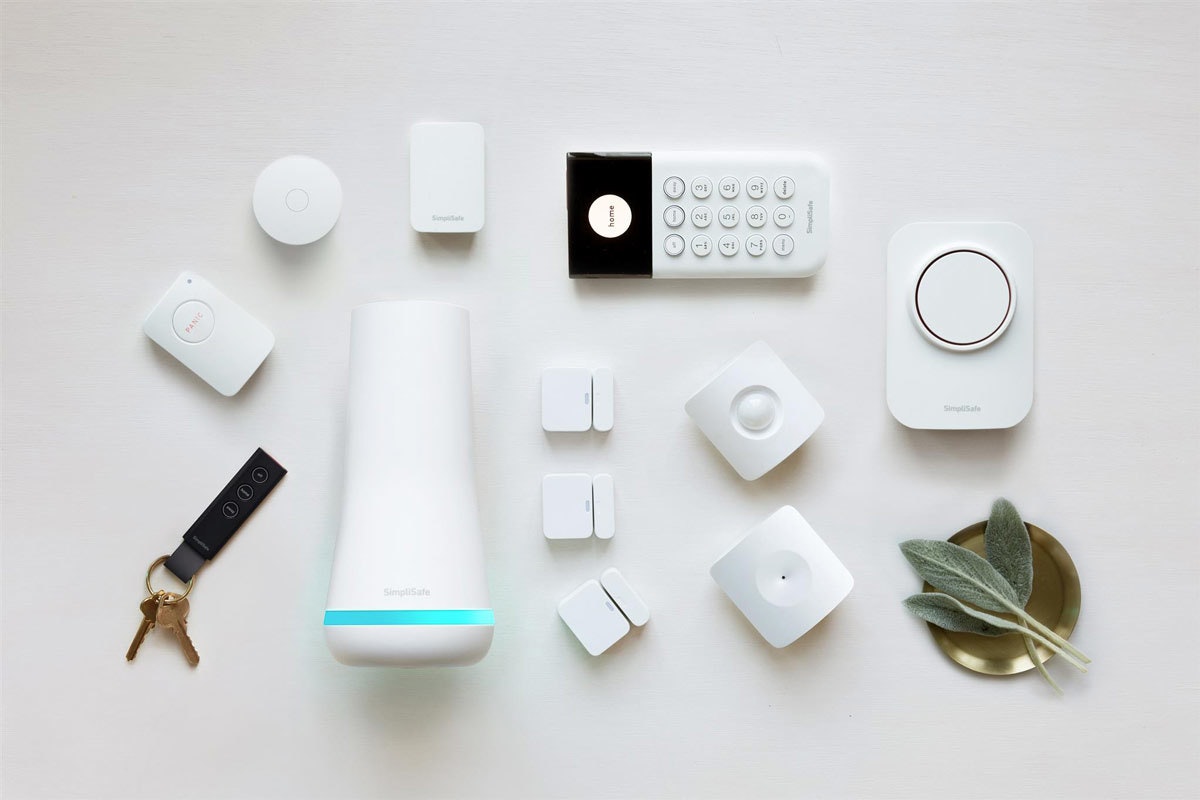
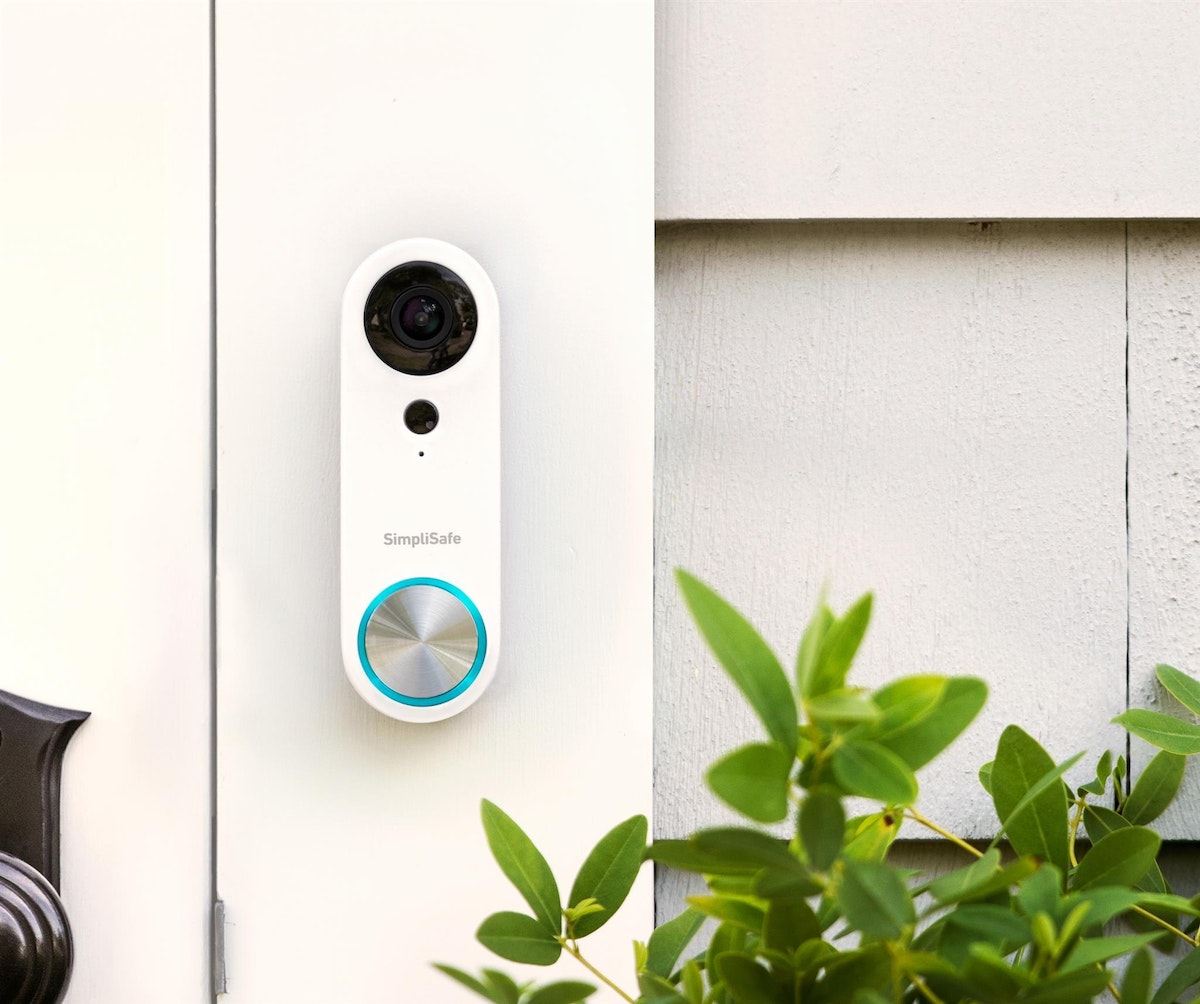
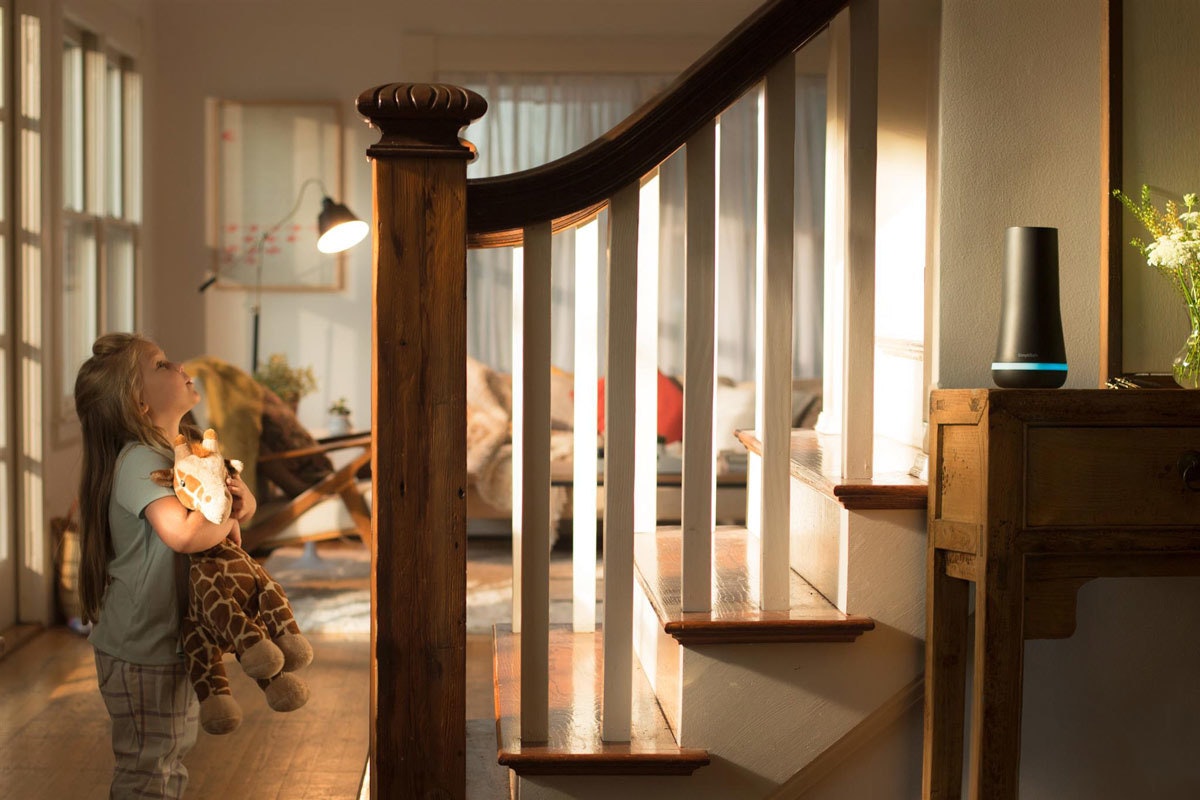
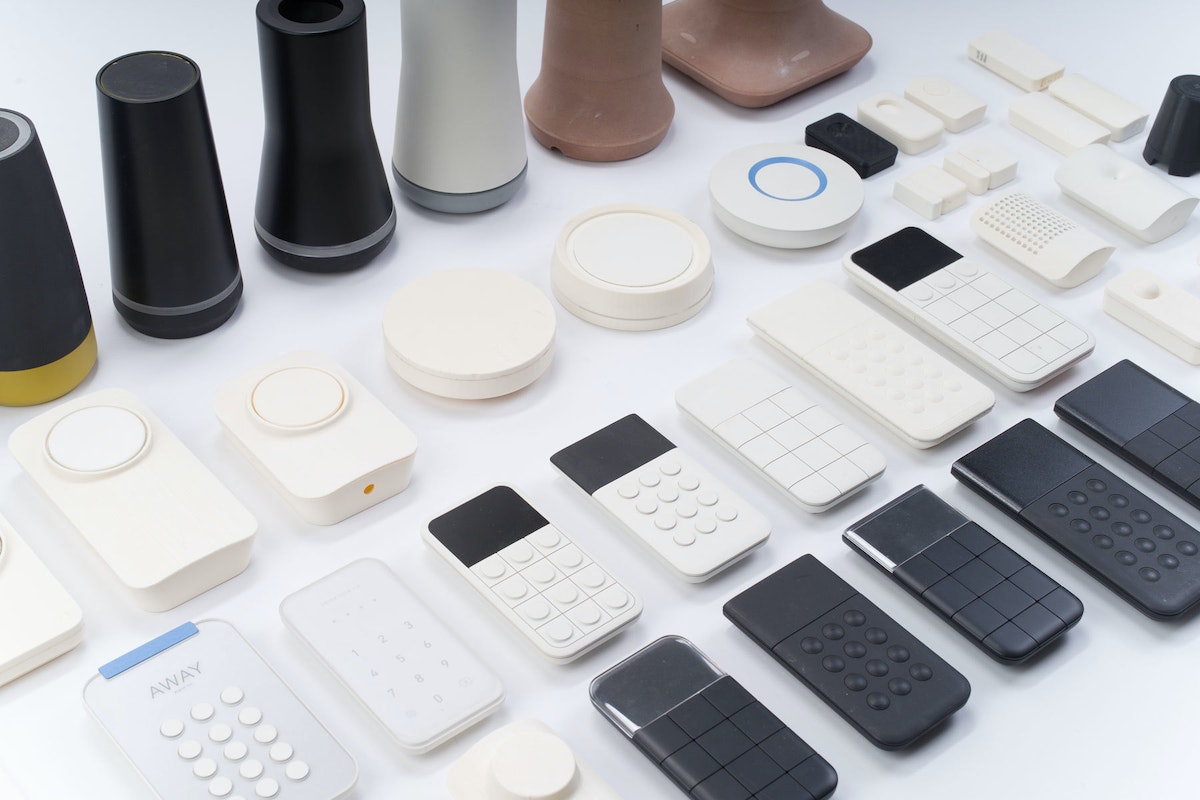
Responding to those requests, IDEO overhauled the design and interaction of more than a dozen SimpliSafe products, including a wireless, touch-to-wake keypad; easy to install sensors; and a smart home base that acts as the brains of the system. Additionally, IDEO designed SimpliSafe's first step outside of the home—a video doorbell that can be used in tandem with the namesake home security system or on its own. Making the system enjoyable and intuitive to use means families are more likely to use it consistently—and correctly.
The team developed a consistent design language across SimpliSafe’s physical products, user interface, and digital presence. That clear visual language lets you know what each component does right out of the box; for example, the glass break sensor looks like a human eardrum that might actually hear a window shattering. The design also reduced the size of entry sensors by four times, while improving their range and battery life. Tapered backs and swept-front surfaces for all of these sensors help them blend into your home. The new system’s clean, understated appearance instills confidence without stoking fear of what could happen.
SimpliSafe’s keypad and base station guide you through setting up the system with voice feedback, while gentle LED lights and sound cues let you know at a glance that the system is armed correctly and you’re in safe hands. The system is also equipped with multiple layers of backup, so you don’t have to worry if the power or Internet goes down.
And the system responds intelligently, tailoring the way it reacts to match different scenarios. For instance, it sends a gentle reminder if a window is left open but a police response if a window is broken in. The design team also incorporated a first-of-its-kind privacy shutter on the system’s security camera so families can opt out of being recorded at home.
SimpliSafe launched its redesigned security system in early 2018, replacing the company’s two previous generations of products at the same price point. Already, the revamped system has cut the number of support calls from new customers.
In June 2018, venture fund and private equity firm Hellman & Friedman acquired SimpliSafe in a deal that valued the company at about $1 billion.

Rethinking college admissions
Designing a more efficient and inclusive way to read applications.
With a record number of applicants, stiff competition for top students, and a desire to make classes more diverse, college admissions teams are feeling the strain. Bowdoin College in Maine, one of the top liberal arts schools in the U.S., received more applications for the class of 2022 than for any other in its 224-year history.
Whitney Soule, Bowdoin’s Dean of Admissions and Student Aid, saw her staff at risk of burning out. On the advice of Bowdoin’s president, Clayton Rose, she invited IDEO to embed at the college and help design a new way of working. The IDEO team studied Bowdoin’s workflow and zeroed in on the application process as an area ripe for redesign.
By observing how Bowdoin counselors read applications, IDEO learned what drove their decisions. Mindful of how their choices could impact young people’s lives, counselors prioritized a meticulous reading of each application. But this thorough approach meant they often engaged in redundant work or delayed making final decisions.
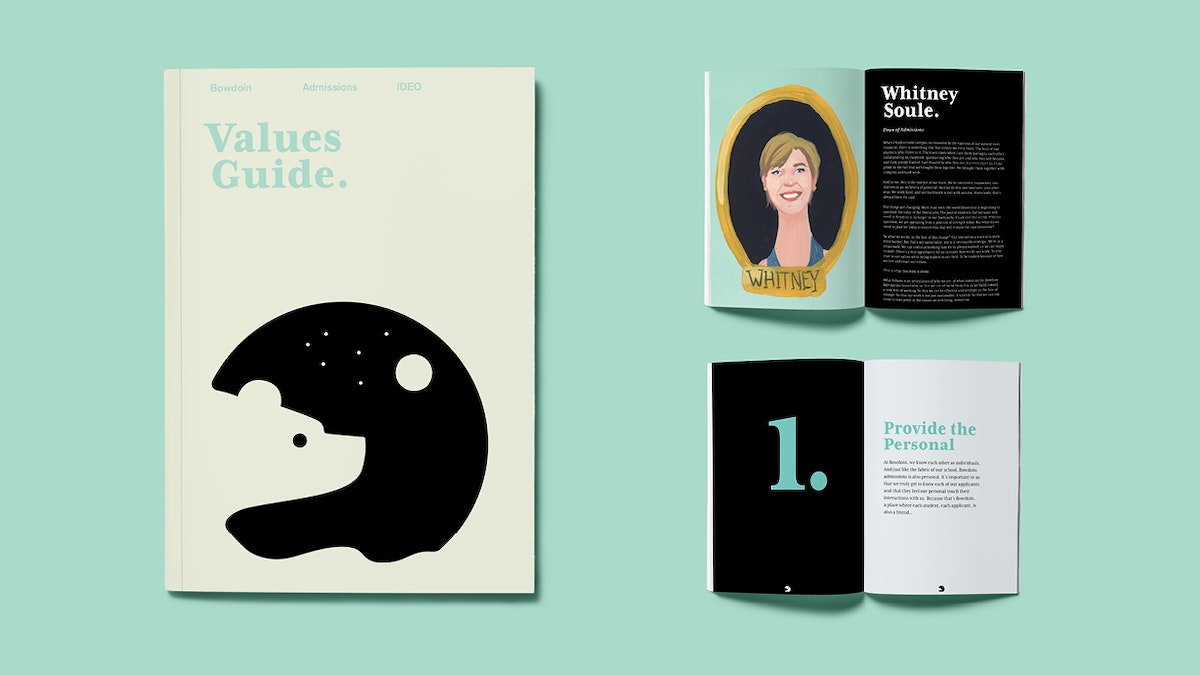
IDEO designers translated their insights into a book for staff, featuring watercolor portraits of the admissions team and a clear articulation of their values—from integrity to inclusion. The book was IDEO’s promise that introducing a new reading process wouldn’t mean sacrificing Bowdoin’s personal touch.
Then, the designers and counselors ran A/B tests using real applications from past years, unwinding long-held beliefs about how they “should” be read. Soule and her team experimented by adjusting timelines and other factors that determine when and how applications move from a first read to a second read to a committee discussion.
Soule gave her team explicit permission to toss their typical playbook. Seeing their own process with fresh eyes, counselors realized they could be more confident in their expertise and tweak their workflow to meet changing demands.
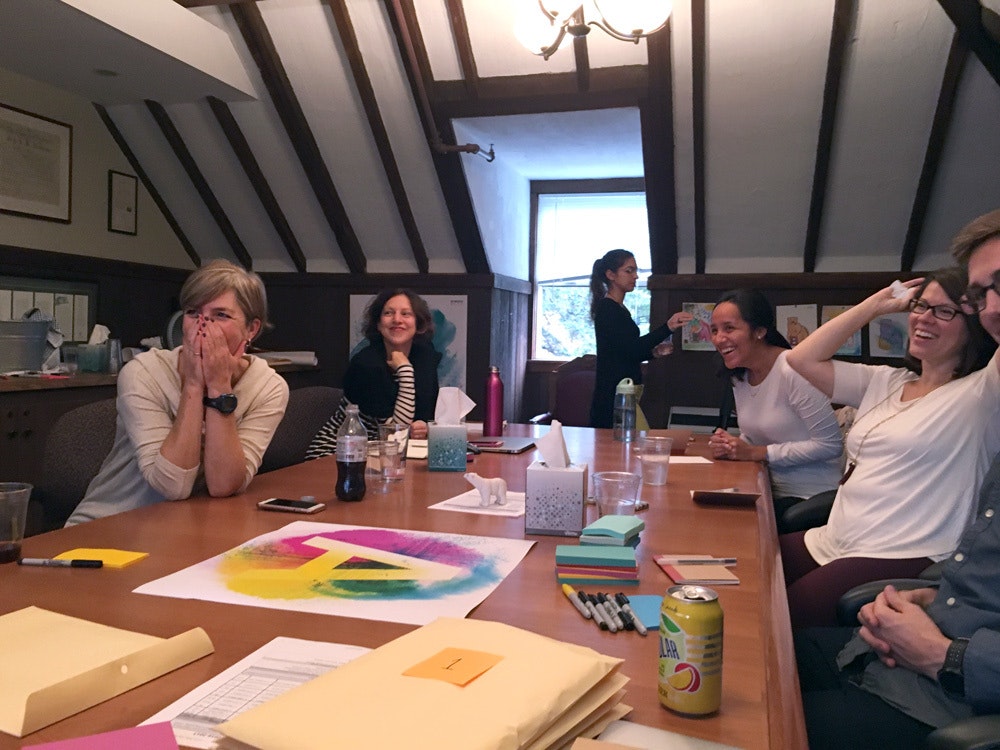
A/B testing proved that some variables had little effect on the team’s final admissions decisions. With that in mind, IDEO redesigned the reading process and included a system called “magic sort,” which helps parse groups of applications based on a new set of counselor assessments in order to route each to its next round of reviews more efficiently.
The IDEO-Bowdoin team put the revised technique to work right away, processing 300 new applications from the annual QuestBridge program for low-income students. Counselors found they were able to make equally valid decisions while cutting the amount of overlapping work they faced by 40 percent, compared to years past.
Working with IDEO challenged us to change the way we work together—and we learned a new method of problem solving that we continue to use. We are better equipped to elicit creativity, then channel it into the practical implementation of new solutions. It’s been transformative!
WHITNEY SOULE, DEAN OF ADMISSIONS AND STUDENT AID, BOWDOIN COLLEGE
The new reading method let staff cope with a growing volume of applications, while balancing the need to evaluate individual students with the need to think holistically about the makeup of Bowdoin’s student body. Counselors adapted the technique to the rest of the year’s admissions cycle, including early-decision, regular decision, and transfer applications.
To extend what her team learned to other departments, Soule has led several design thinking workshops across campus. Her success as a leader has mirrored the growth of her team and the college; by empowering staff with new tools and the freedom to experiment, Soule and Bowdoin are leading by example in the evolving world of higher education.
Reinventing the chandelier
Designing an elegant, modern lighting experience for an iconic brand.
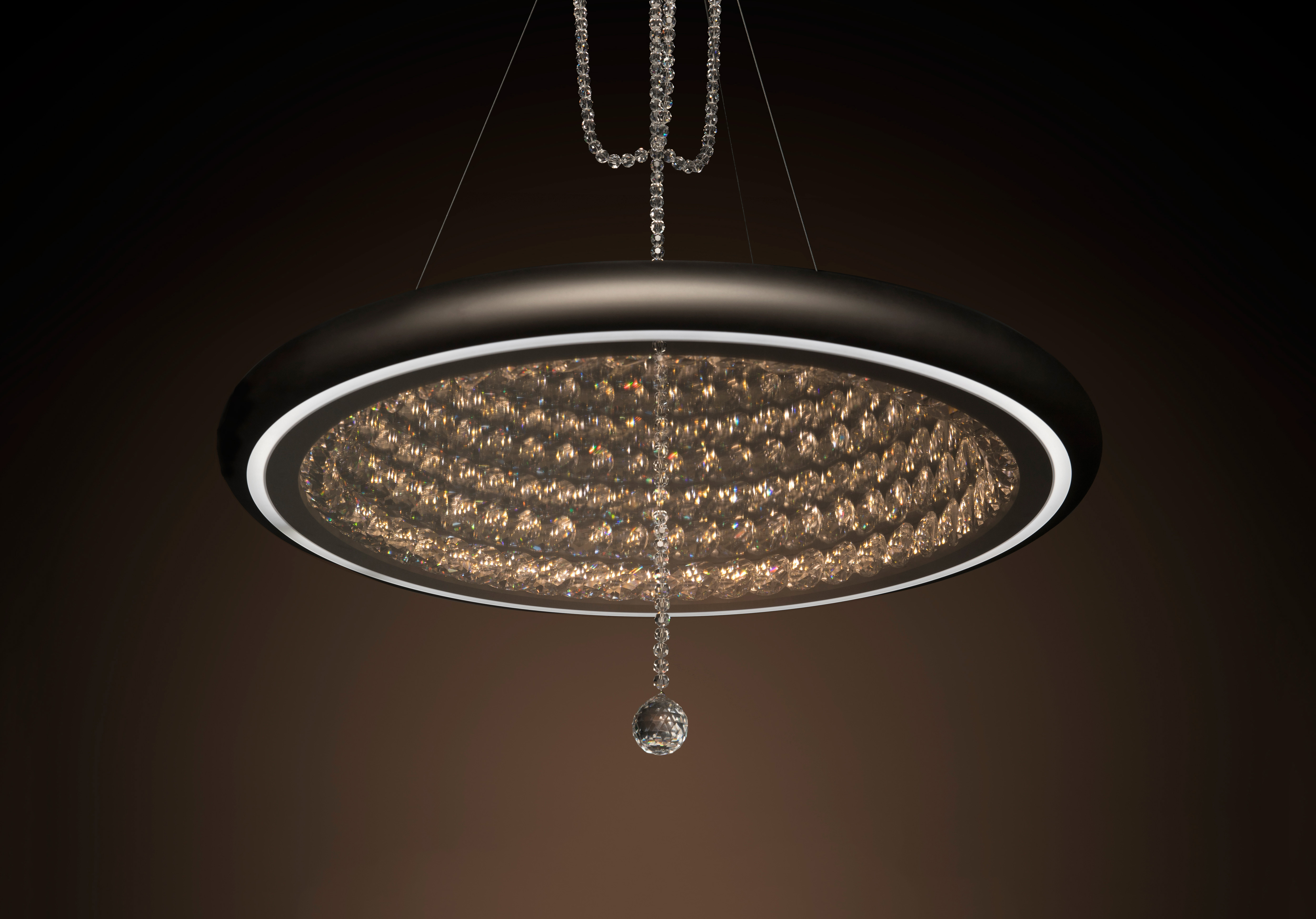
For half a century, Swarovski has crafted iconic chandeliers dripping with the brand’s signature crystals. With the rise of new interface technology, the company came to IDEO for help to design the chandelier of the future.
IDEO designers set out to create beautiful, emotional experiences by layering technology onto Swarovski’s lighting offerings. Whether it’s setting the tone for a sophisticated retail experience, creating subtle ambiance at a romantic dinner for two, or providing true quality light to read a book, the team considered how a chandelier can enrich personal moments throughout the day.
Swarovski and IDEO assembled a multidisciplinary group, including industrial and UX designers, brand experts, and engineers to quickly vet, build, test, and refine their ideas.
Designers from IDEO and Swarovski worked together to completely reimagine the crystal chandelier.
Together, the team designed a new tech-infused chandelier and family of other light fixtures. At first glance, the chandelier resembles a simple, sleek metal disc. But when you turn it on and peer inside, an endless number of crystals swirl far into the distance—an Infinite Aura.
The Infinite Aura collection also includes pendant and wall lights. The team developed a mobile app that proactively modifies light settings based on the time of day, and also lets users customize their experience—including adjusting brightness and color to set a personal mood, or “Aura.”
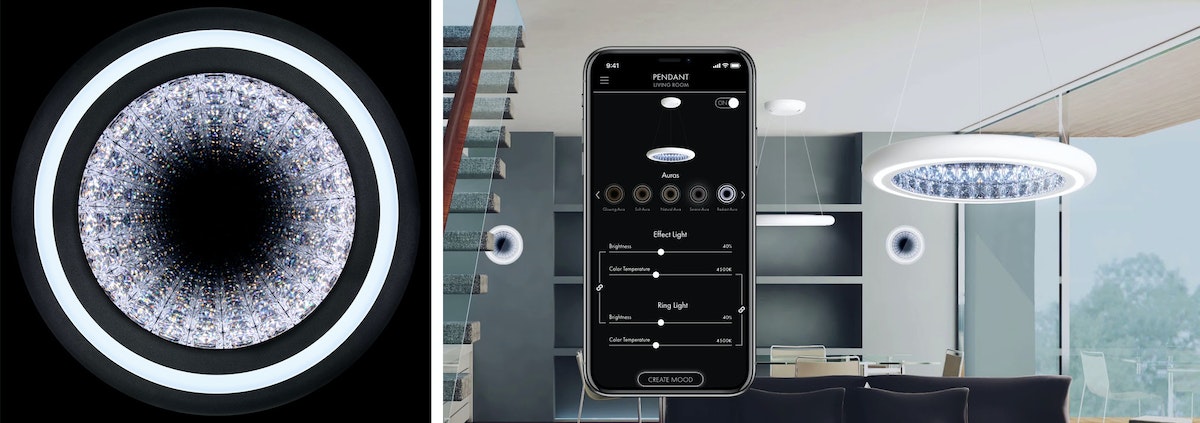
Unlike most fixtures, Infinite Aura doesn’t just give off ambient light; families can also benefit from high-quality functional light, directed downward to help them focus on a task or diffused upward and downward to create a subtle ambiance. In a similar way, the chandelier can expertly illuminate a library, hotel lobby, or concert hall.
The new lighting line adds greater functionality and emotional resonance to today’s smart buildings, while retaining Swarovski’s timeless elegance. Infinite Aura debuted in Frankfurt, Germany in March and will be available internationally in fall 2018.
