


Home / Design services / Case studies
Planes, supply chains, and automobiles
Vice President of Global EV Programs, Ford Motor Company
Featured work



Designing a new digital experience for a world-renowned Japanese railway
A new, human-centered wayfinding app for one of Japan's biggest railways.
The population of Tokyo’s metropolitan area is twice as big as New York, and the daily influx of workers from the suburbs increases that number sixfold. Congestion on trains traveling through the center of Tokyo during commuting hours is said to reach somewhere close to 200 percent of the trains’ capacity.
East Japan Railway Company (known as JR East) is the world’s largest railway company by revenue, operating 12,000 trains daily and serving 6.4 billion passengers per year.
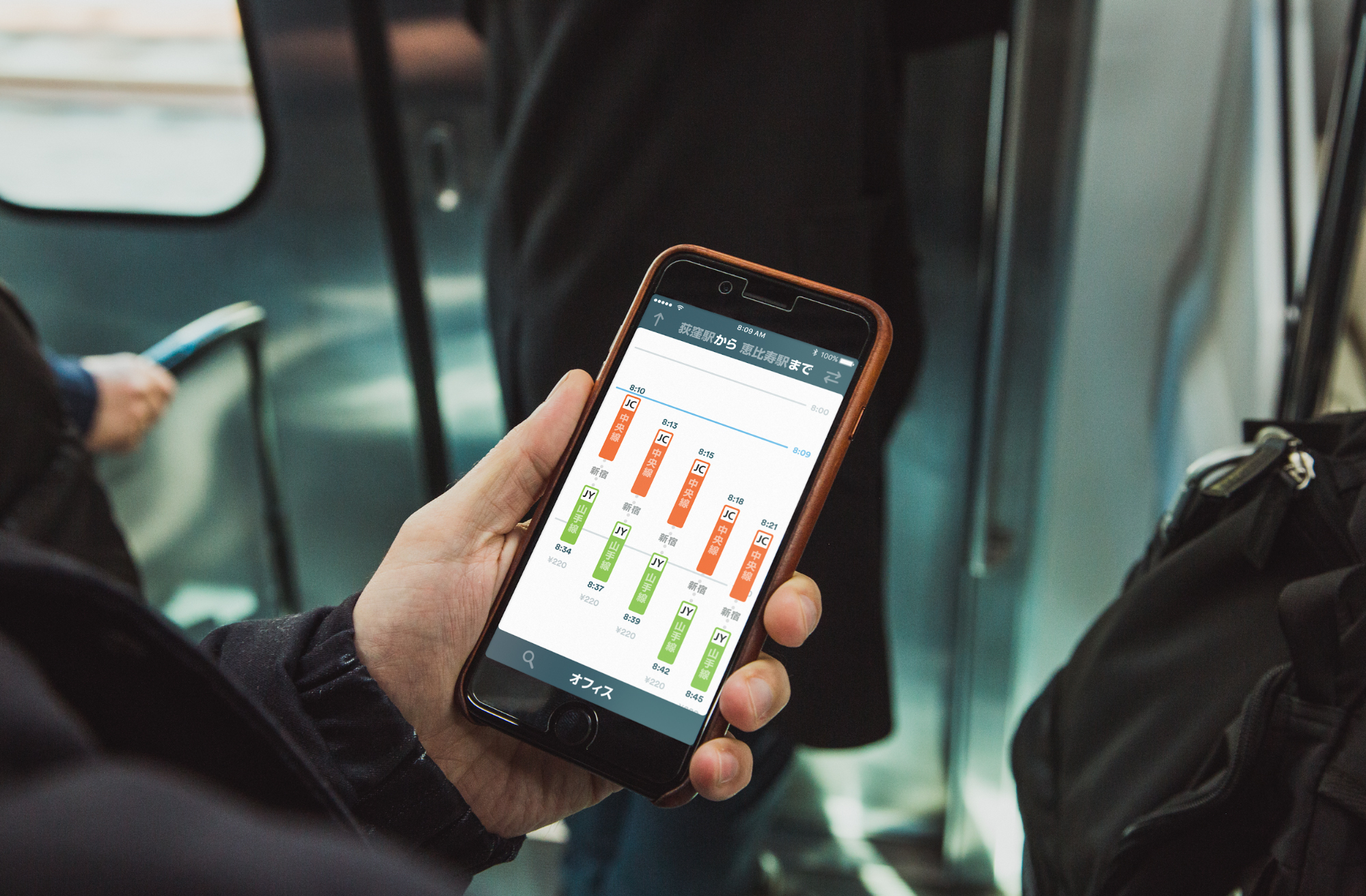
In March 2014, JR East leveraged their extensive operations and passenger data to publish a consumer app that provided train location information, congestion status, air conditioning temperature, and wayfinding tools.
The app was downloaded more than 3.8 million times; however, its features and usability proved unsatisfactory to users. In an attempt to be comprehensive in addressing passenger needs, the app was weighed down with data and worked sluggishly. Competitors’ apps were named above JR East in customer satisfaction surveys, highlighting the company’s need to address the tool’s usability.
JR East’s Technical Division approached IDEO to help design an attractive and consistent user-centered experience through its digital ecosystem. With a team of interaction designers, they launched a project to create a new version of their app.
During the research phase, the IDEO team observed passengers’ behaviors and decision-making processes and noticed that people were using several apps at once to get more personalized and complete information.
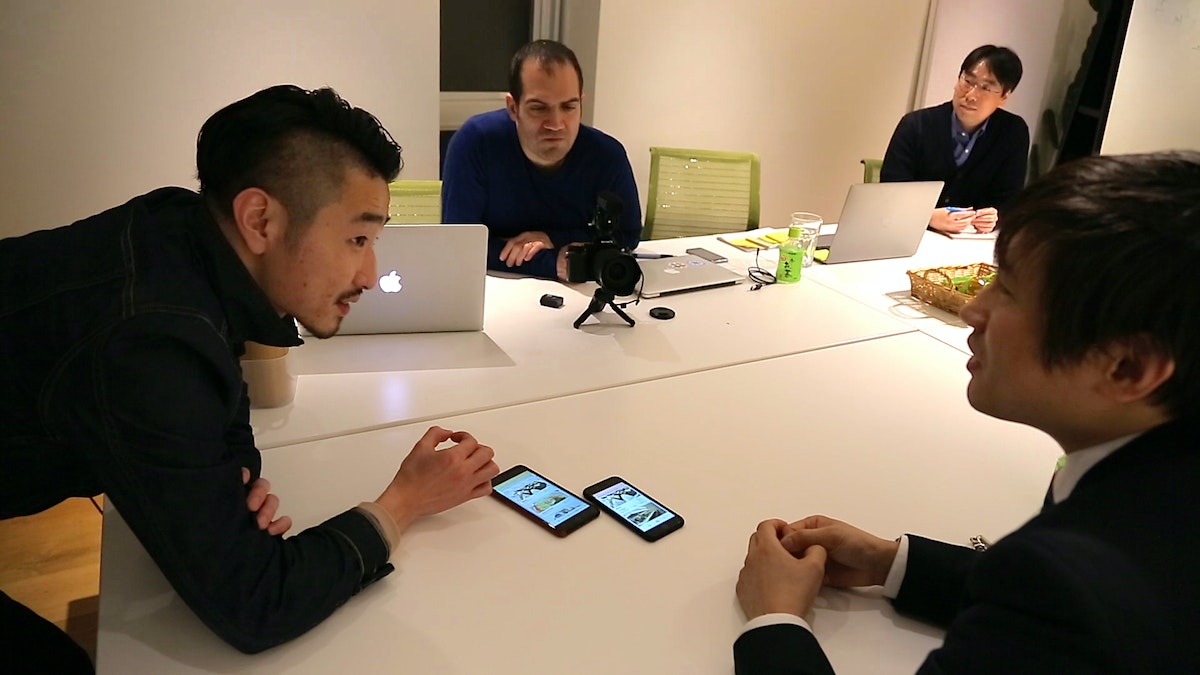
The team created a set of paper-based prototypes to test how users would react to various functionalities. Surprisingly, users ranked versions with limited functionalities higher than those with a broad range of features.
This insight informed a new prototype that enabled a customized user experience based on traveler needs. Wayfinding proved to be the most frequently selected feature, so the new app was designed around helping passenger navigate during their trips.
Although JR East had traditionally outsourced their app development, IDEO encouraged them to organize their own internal team. In cooperation with Pivotal—a frequent IDEO partner familiar with human-centered approaches—the internal team was trained in agile development and built the new app themselves. A prototype was released in November 2017 as “Go! by Train.” It was so successful in the market that the earlier JR East app was replaced entirely with the content of the new design.
JR East's internal development team was recognized by the company for their exceptional output, and will be integral to the company's human-centered digital transformation going forward.
Building a brand for a new, more nutritious rice
RightRice makes one of the world’s favorite foods healthier and easier to prep.
When it comes to food, we often have to choose between health, convenience, and taste. Parents struggle to get their kids to eat veggies. The same daily salad can become boring or bland over time. Produce often withers in the crisper drawer.
Betterer Foods set out to make one of the world's favorite foods healthier. Rice is a beloved food across many cultures, but many people now avoid simple carbohydrates due to diet restrictions or health concerns. Innovations and alternative options have mostly been limited to products in the freezer section, like riced cauliflower.
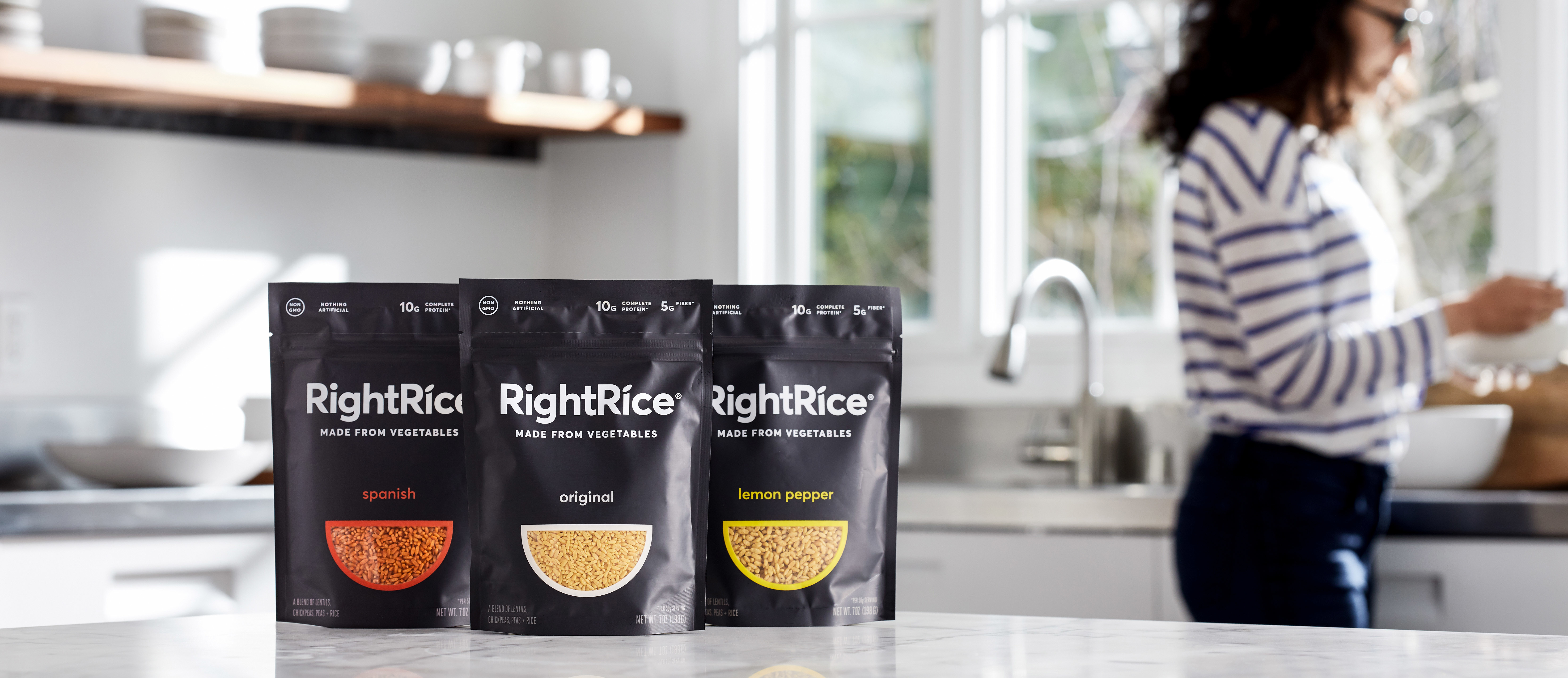
Betterer Foods created RightRice: a dry, shelf-stable grain made from rice and vegetables, including lentils, chickpeas, and green peas. RightRice has more than double the protein, five times the fiber, and 40 percent fewer net carbs than traditional rice. But the product still tastes and looks like rice, and is faster and easier to cook.
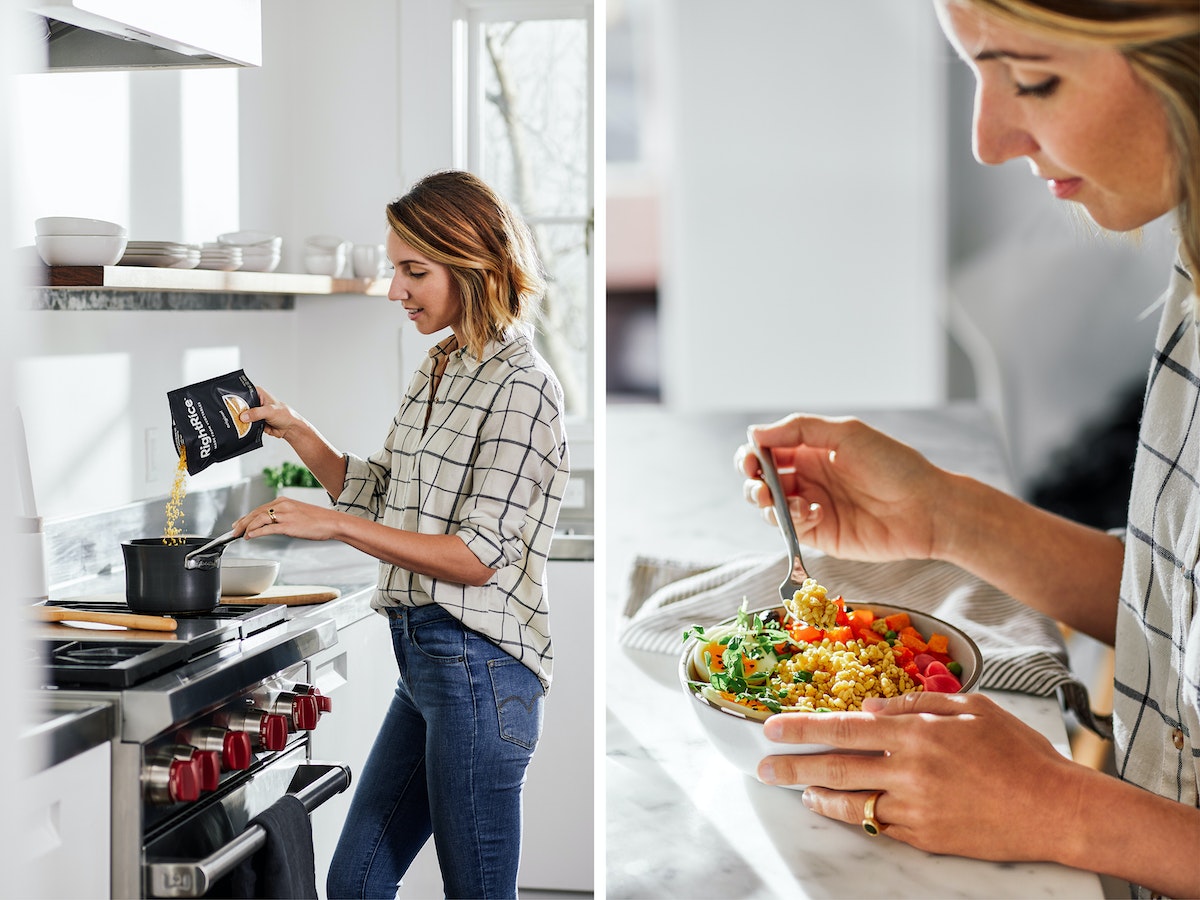
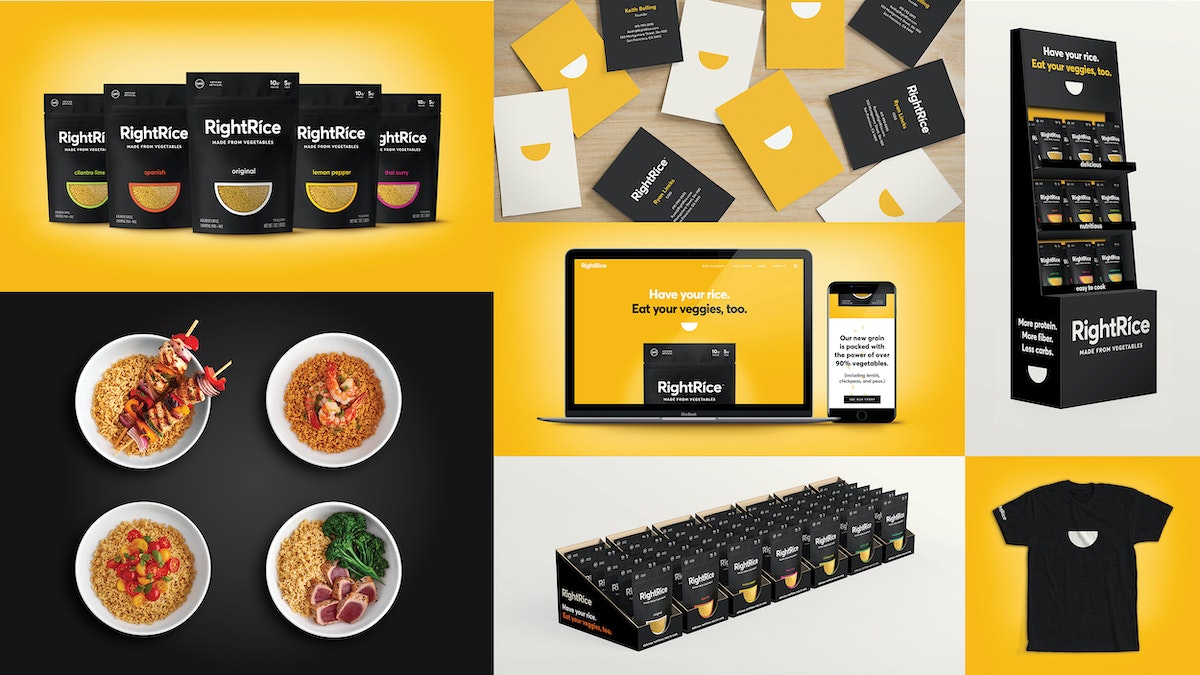
RightRice founder Keith Belling, the founder and former CEO of popchips, asked IDEO to design a brand that would communicate the product’s benefits. The start-up needed everything from a defined target consumer and brand story to a stand-out package design, website, and go-to-market materials.
The team listened to people's challenges with rice and eating healthfully: home cooks find it difficult to store fresh foods without them going bad, busy professionals are strapped for time when preparing balanced meals, and parents sneak vegetables into dishes like casseroles or mac and cheese. Some consumers say they avoid rice because it’s a carbohydrate, which is forbidden in so many of today’s diets. People describe themselves as “carb phobic” or say they consider rice a “guilty pleasure.” Others don’t eat rice because it makes them feel sluggish or bloated, or is too difficult or time-consuming to prepare. Overall, people wished rice could be healthier, simpler to cook, and still taste delicious.
IDEO translated these insights into a brand foundation that helped RightRice come to life on shelves, online, and in the world. The package messaging emphasizes the vegetable ingredients, and the cut-out window lets consumers see that the product looks like rice. The shape of the window simultaneously forms a bowl of rice and a smile.
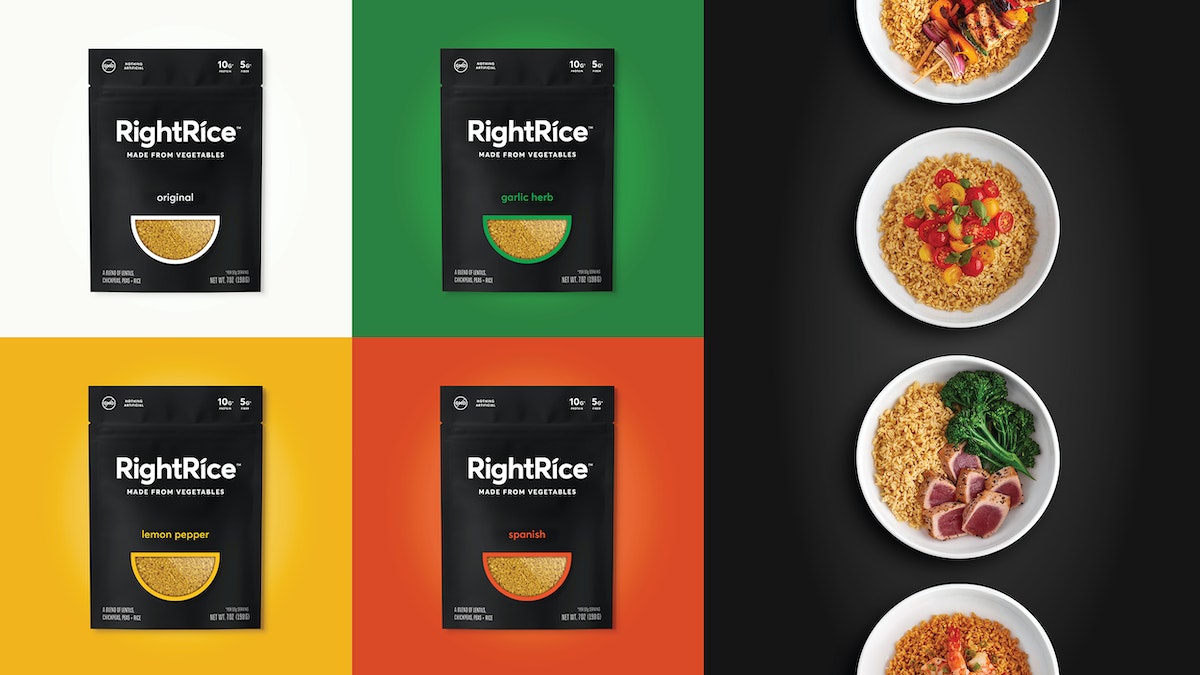
Rice is a household staple around the world. The RightRice brand makes it easier for consumers to have health, convenience, and good taste in one accessible product. RightRice launched nationwide in Whole Foods and Amazon in February 2019.
Since this launch, the company has expanded both its reach and product line. RightRice is now available in nearly 5,000 retailers nationwide in addition to Whole Foods and Amazon, including Sprouts, Wegmans, and approximately 1,800 Kroger stores. Over one million bags have been sold.
The company has received numerous awards and acclaim, including being named “Best Plant-Based” by People’s 2019 Food Awards. Building on the success of RightRice, Belling and his team launched RightRice Medley, a blend of RightRice, ancient grains, and vegetables, in 2020. This new product, which features the same branding the company created with IDEO, has doubled the company’s shelf presence at Whole Foods.
How creative leadership can transform companies and society
Joining hands with PBC School of Finance, Tsinghua University, and Tsinghua Academy of Fine Arts to create the first innovative leadership course with design thinking as the core in China.
After 40 years of rapid development, China's economic growth has reached a critical turning point.
However, looking at the world, today is also the most complex and uncertain era in human history. The traditional engine of economic development is slowing down, while innovation and other emerging ideas are helping the economy burst into dynamism. To ride this trend, China has already put in place comprehensive policies to ensure that the country can achieve this magnificent transformation—not only to maintain economic growth, but also to achieve high-quality development. To this end, what China needs most is a group of new business leaders with a sense of cooperation and innovation to lead and realize this change as a pioneering force.
People of insight can often see the situation clearly with a forward-looking eye. China's society and economy are undergoing transformation and upgrading, and market demands are constantly changing driven by technology. While seeking business development, many mature entrepreneurs with successful experience have realized that they need to explore some of the most essential issues inwardly, including: The original intention and mission of the enterprise and the role that enterprise leaders should play. However, without a systematic approach, transformation and upgrading, strategic decision-making, management mode and cultural construction cannot truly serve the enterprise
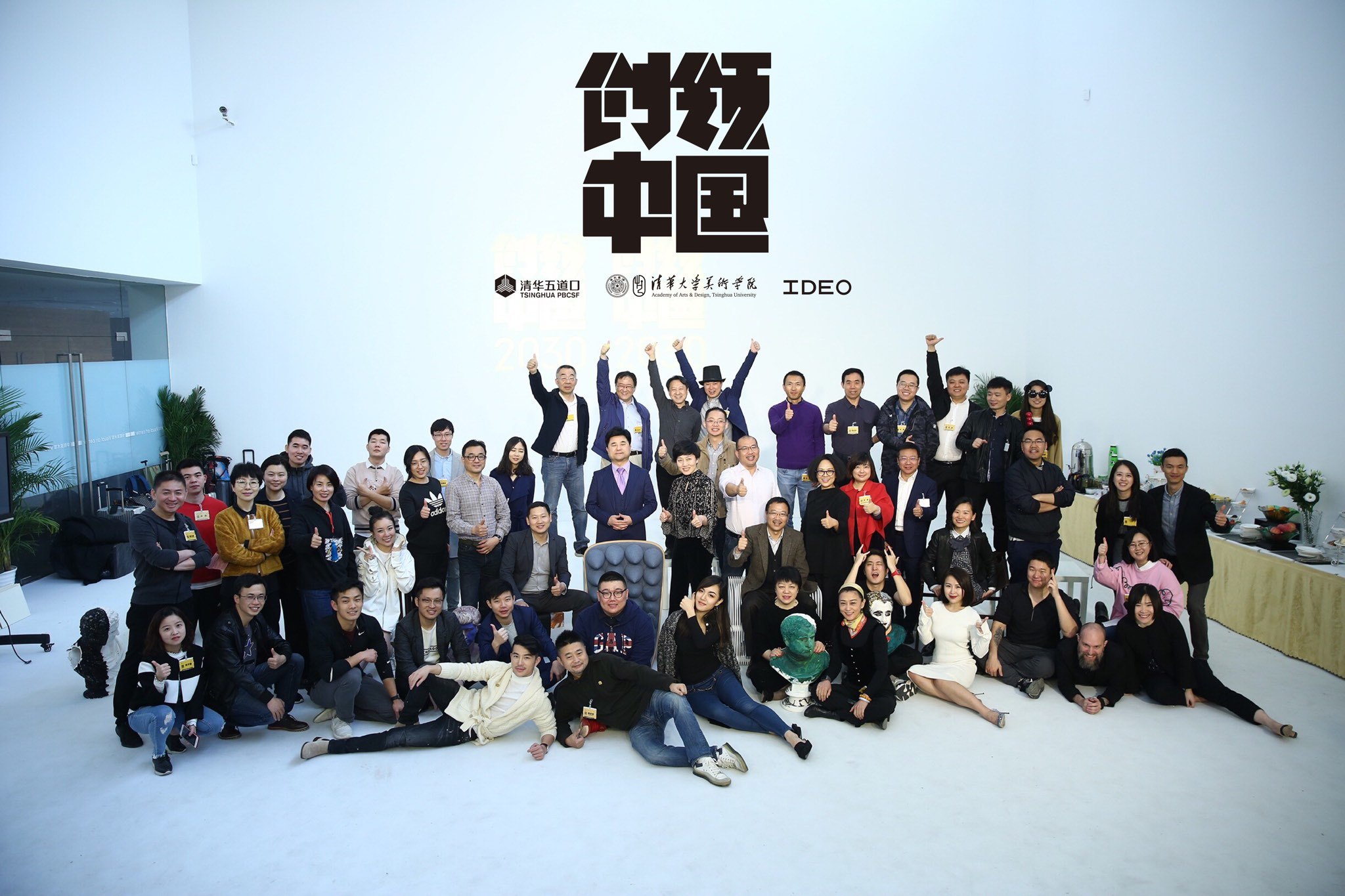
As a top institution of higher learning in China, Tsinghua University has always placed an important strategic position on cultivating innovative talents for China. IDEO is the world's leading design and innovation consulting firm. As a pioneer of design thinking, IDEO has always been committed to applying design and innovation capabilities to solve the world's most complex problems. After discovering the need for China's economic and social transformation and the need for innovative leadership by Chinese entrepreneurs, Tsinghua University and IDEO jointly launched the "Leading China" program in 2018. This program is aimed at senior management of Chinese enterprises, and aims to train entrepreneur trainees to use new perspectives and ideas through a one-year innovative leadership course to seek solutions for the systemic changes that need to be achieved in the process of social transformation in China.
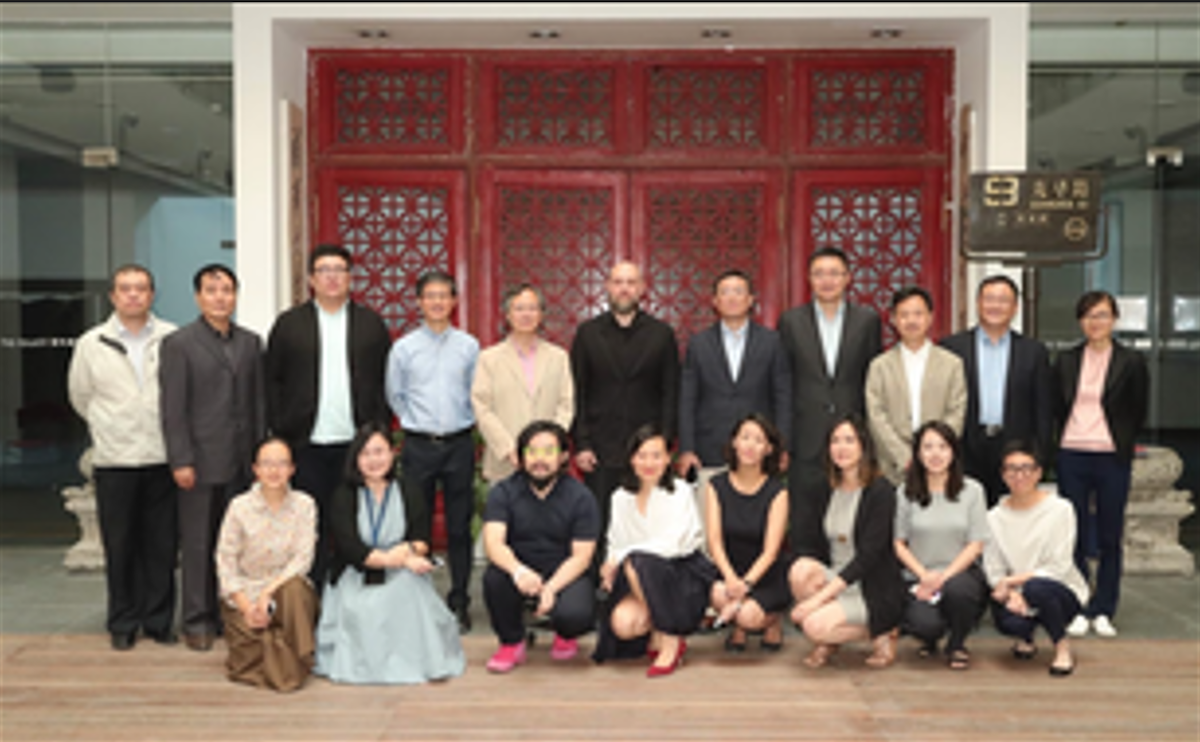
The students of the first "Leading China" program came from more than 30 entrepreneurs from 20 different industries. The teachers who participated in the lecture included 73 Chinese and foreign experts including Shan Jixiang, the former dean of the Forbidden City, Masahiro Kuroyama, the father of Japanese industrial design, and Jake Knapp, the inventor of "Design Sprint". As China's first innovative leadership course with design thinking as the core, the project is equipped with "design to open enterprise creativity", "reshape enterprise competitive advantage", "forge innovative business system", "innovate with the help of finance", "embracing Industrial Revolution 4.0" and "Win-win China Created 2030" six modules. The trainees traveled to nine cities in one year, and completed the courses in the interactive teaching of inspiration and the exchange and sharing of practical experience. Many students said that the course not only helped them find the direction and path of enterprise reform, but also improved their way of thinking, strategic planning and leadership models.
Liu Feng, the founder of Top Intelligence, gave an example of the inspiration brought by the six pillars of "vision-led" enterprise reform. Through "vision leadership", he not only sorted out the original intention and values of the company, but also launched a series of measures based on this starting point, which improved the company's various aspects from the telephone customer service process to the organization of the annual meeting, and mobilized the enthusiasm of employees. This greatly improves the company's efficiency and flexibility. Ting Zhihong, chairman of Hongtu Logistics Co., for example, said that the biggest change brought by the course is her awareness of the importance of empowering the team. The company has now built many platforms to give employees more room to play, to create markets, to put decision-making on the front line, and to let employees play the role of company operators. Her company doubled its profits in 2018. Hu Chao, founder and CEO of Leyou Pregnancy and Baby, introduced that what most executive courses learn is knowledge, and what this course learns is people-oriented values and ways of thinking.
The students of the first class of "Leading China" graduated in December 2018. Regarding the course of this year, Wang Jingwei, former assistant dean of the PBC School of Finance, Tsinghua University, commented: "Since the project was launched, we have not only witnessed the true value of design in a business context, but also experienced first-hand the use of people-oriented The difference between the designed executive courses is that the entrepreneurs who participated in the courses quickly entered a state of immersive learning, and many students quickly began to practice the methods they learned in the enterprise.”
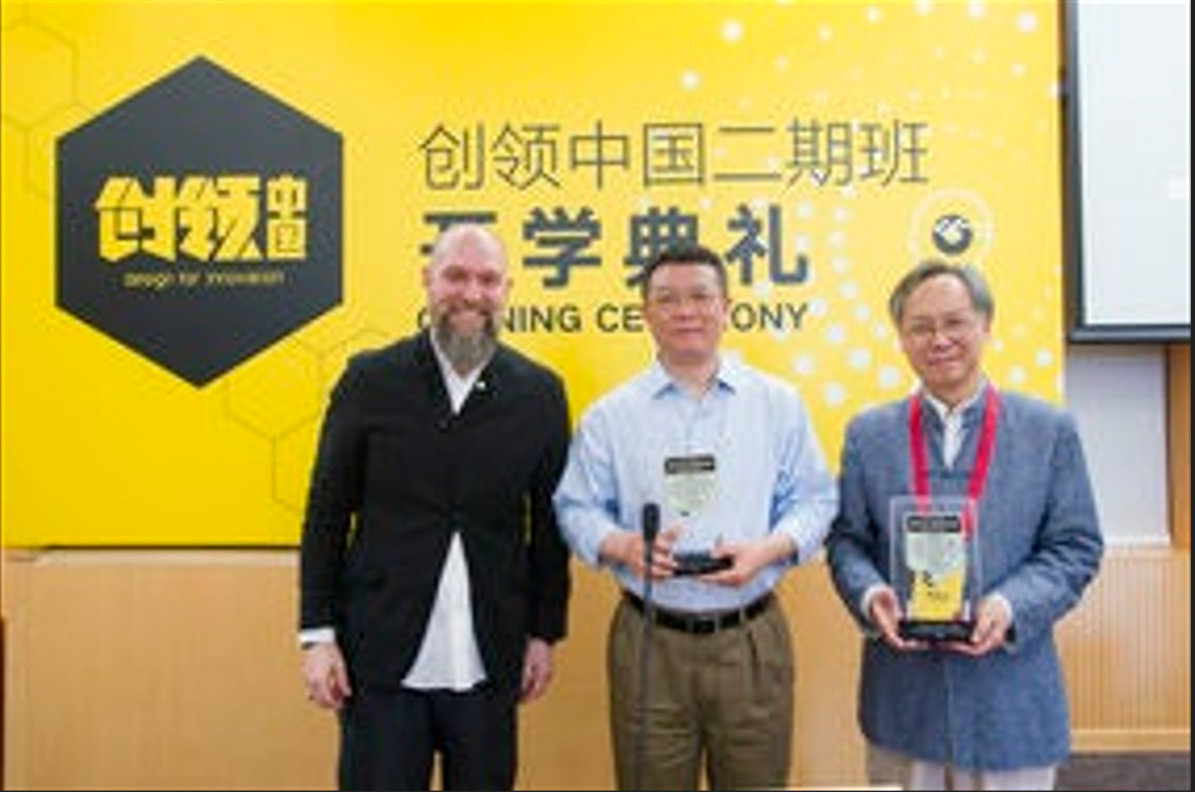
On April 8, 2019, the list of winners of the 3rd "Changing the World Innovation Award" was announced, and the "Leading China" project was shortlisted for case nomination, becoming the only Chinese innovation case in the education category. The "Change the World Innovation Award" was announced by Fast Company, one of the world's three major financial and business media organizations.

Helping a technology brand connect with China’s young consumer
Accelerating vivo's transformation journey from a smartphone manufacturer to a beloved technology brand.
As one of the world’s leading smartphone manufacturers, the Chinese brand vivo is widely known for its exceptional technological innovation and top-of-the-line photography and gaming hardware. But in an increasingly saturated phone market, vivo understood that it wasn’t enough to lead the pack based solely on technological excellence. To win the hearts of young Chinese consumers, they needed to become a beloved brand.
China consumes roughly 30 percent of the world’s smartphones, presenting a tremendous market opportunity to brands who wish to capture young consumers’ loyalty. In order to achieve that, vivo wanted to design a complete brand experience beyond the devices themselves—one that would express the joyful vivo brand spirit through services and retail experiences. One of their first key initiatives was to build its first concept store in an iconic building in Shenzhen, China.
Before building the concept store, vivo approached IDEO to explore what kind of in-store experience would resonate with young Chinese people. The concept store needed to convey joy in a meaningful, tangible way, while also setting the stage for vivo’s future brand systems. With this in mind, IDEO set out to explore how vivo’s young consumers experience fun.
After conducting research in four different cities, IDEO shared the stories of young Chinese consumers back with the vivo team. Their interviews revealed that young people value experiences that enrich their lives and create a feeling of positive personal transformation. They seek opportunities to expose themselves to new experiences, express themselves in different ways, expand and deepen their social connections, and build knowledge and skills.
Through this understanding of how young Chinese define “enjoyment,” IDEO helped vivo identify the value proposition of the concept store as expressing oneself in new and different ways. The store would allow every visitor to see something unique and find a fresh perspective. The vivo team took that value proposition into a design brief and later built out the space and interactive experiences.
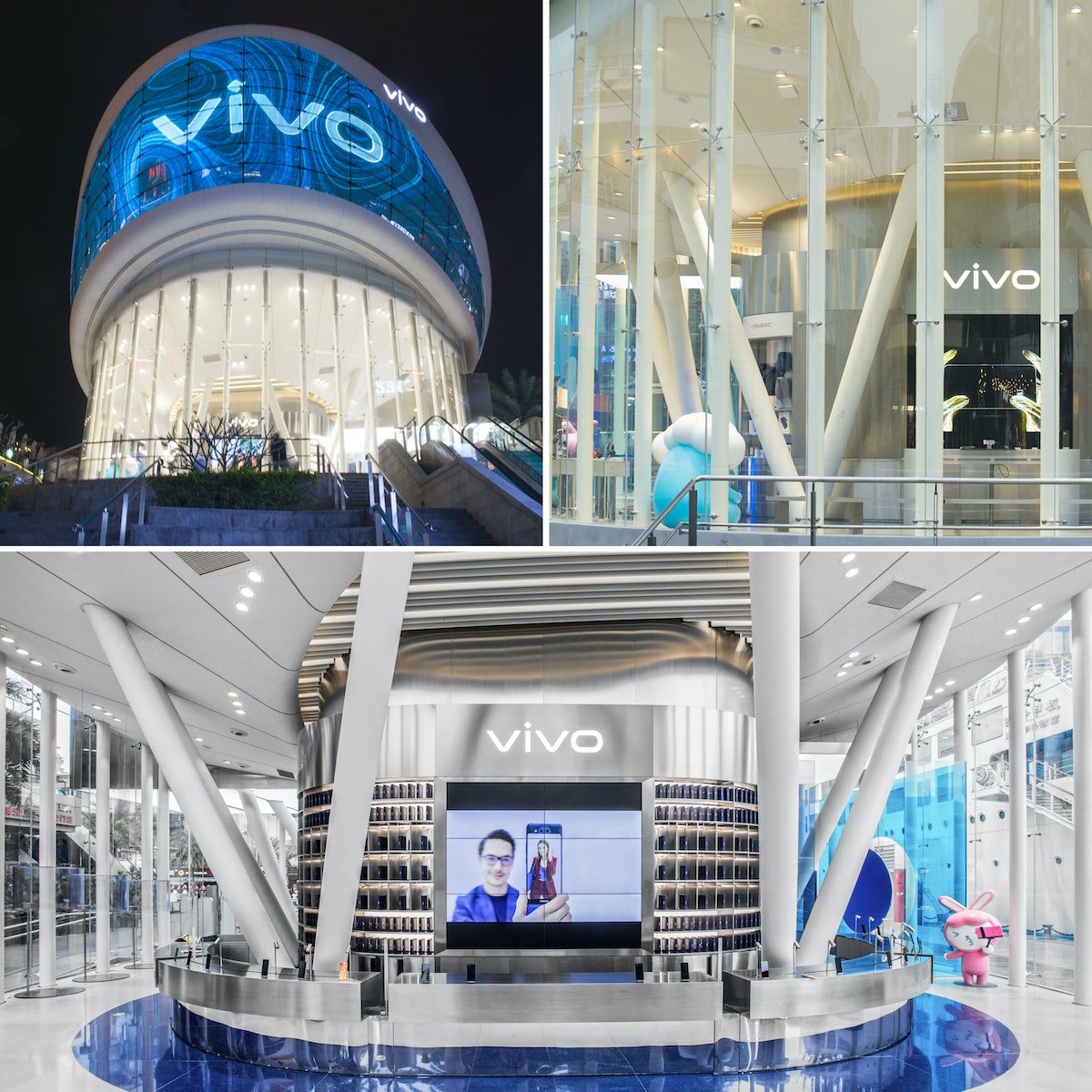
The concept store launched at Shenzhen on March 22, 2019, featuring an upper level dedicated entirely to interactive experiences with photo booths, sound recording, and lighting technology. The engaging, lively and positive atmosphere of the store represents a major milestone in vivo’s transformation from a smartphone maker to a consumer brand.
WATCH: Official launch video provided by vivo.
Equipping agricultural retailers to empower rural farmers in China
How Bayer Crop Science set out to scale its service to Chinese farmers in a highly fragmented market.
As China's agriculture moves towards scale and sustainability, helping farmers grow healthier food with resilience is a matter of national economic security and individual livelihoods.
Bayer Crop Science—with its mission to accelerate China's agricultural modernization and benefit Chinese farmers and consumers—has provided high-quality products for millions of growers in China over 18 years. Yet its service relies heavily on multi-layered distributors and retailers across the country. The last mile of Bayer’s product delivery spreads across tens of thousands of highly fragmented retail stores, making the quality of service difficult to monitor and control.
Together with IDEO, Bayer Crop Science aimed to uncover new ways to engage with local farmers and retailers, and develop design concepts for its diverse set of retailers—establishing local relevance as well as the potential to scale nationwide.
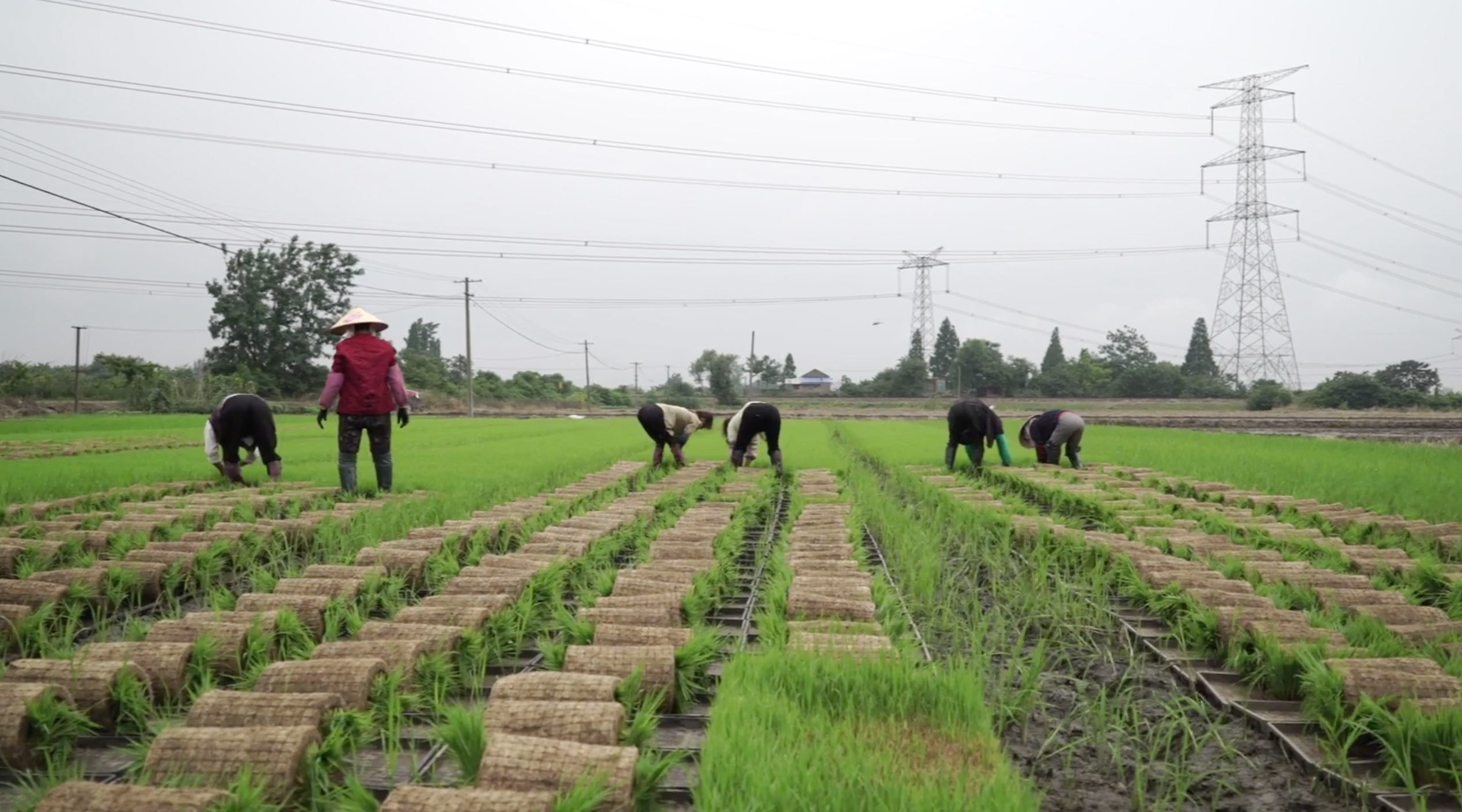
With this ambition in mind, a team formed by Bayer Crop Science and IDEO launched into a design sprint in the rice fields of China’s Anhui province. Field research uncovered multiple challenges facing Bayer Crop Science’s retailers. First, each store needed to serve more than one hundred farmers, many of whom rely solely on the store owner to understand how to use the products. Retailers struggled to meet a high daily demand for direct support in a way that provided a positive customer experience.
In turn, farmers felt they had insufficient access to expert advice. While many farmers shared similar needs, there was no system for aggregating requests or arranging group instruction. Given that many rice farmers are illiterate, pre-printed educational pamphlets had limited impact, and retailers lacked tools for providing targeted support. And because the retail stores were also used for storage, little space remained for educational or community programming.
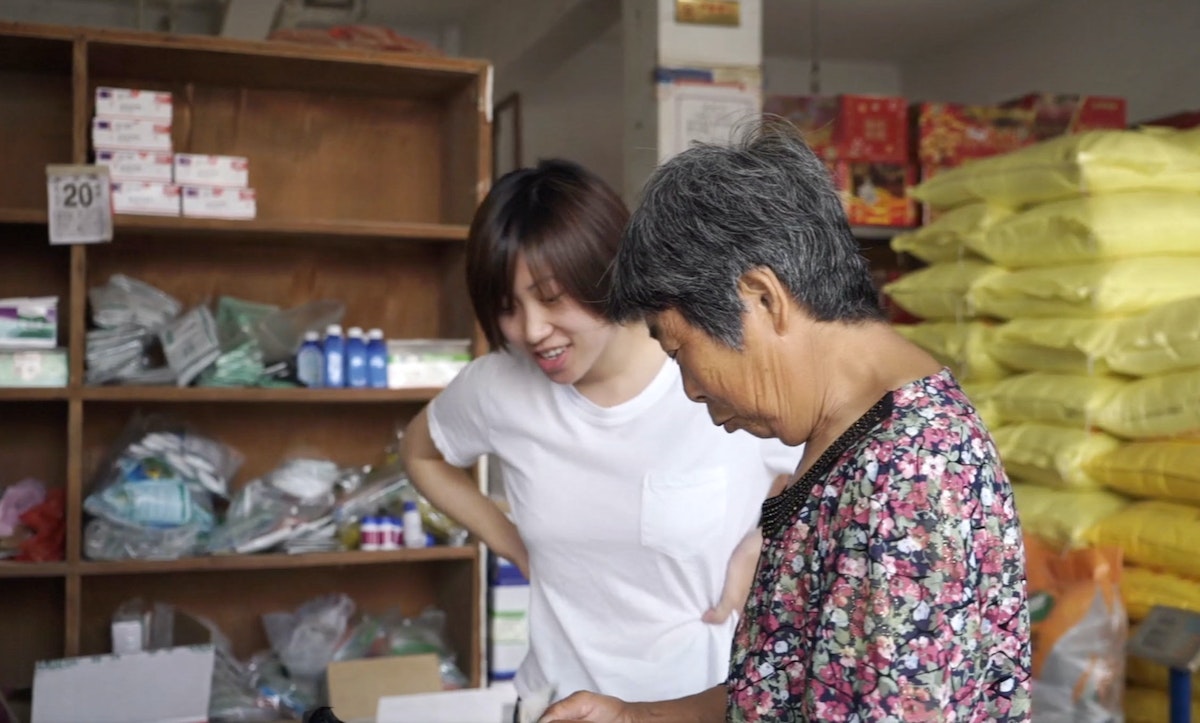
With these constraints in mind, the team needed to come up with ideas and design concepts that could be easily integrated into the daily lives of the retail store owners. The team brainstormed hundreds of concepts and quickly prototyped a select few. One retail store in Dangtu was transformed entirely into a live prototype set. Over three days, more than 50 farmers and retailers came through and provided feedback. From there, the team was able to make daily iterations of the concept, evolving the experience in real-time.
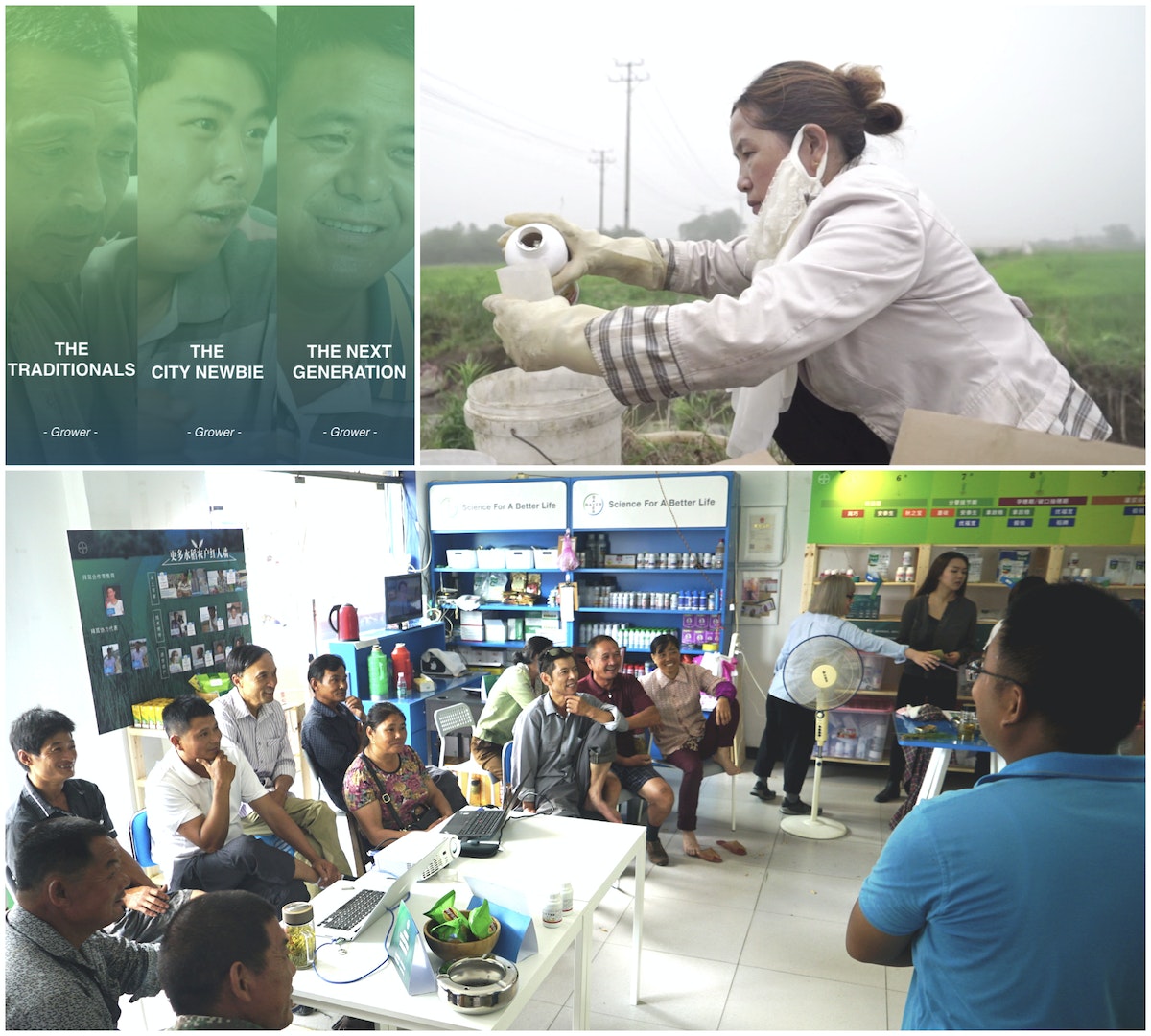
The Bayer team was energized by the potential of these prototypes to enable more customer-centered retail experiences. An exhibition of the concepts was set up during the National Annual Sales Conference of Bayer Crop Science in China, during which a much wider audience from Bayer experienced not only the concepts, but also the immediate feedback from farmers.
One year after the project’s completion, more than half of the design concepts have been included in Bayer's support kit for dealers. In 2019, these concepts will be rolled out in more than 1,000 flagship stores across China.
The work has also accelerated Bayer Crop Science’s efforts to build an ongoing engagement mechanism with its retailers and growers. Its online platform, Bayer Joy Grower, now has more than 10,000 retailers and will be expanded to growers soon.
Designing the connected future of diabetes management
Expanding IDEO's partnership with Ascensia to develop an engaging, internet-enabled blood glucose monitoring system.
Keeping diabetes in check isn’t easy. Between checking blood sugar multiple times a day, keeping a detailed activity record, and logging food intake, staying healthy can be daunting.
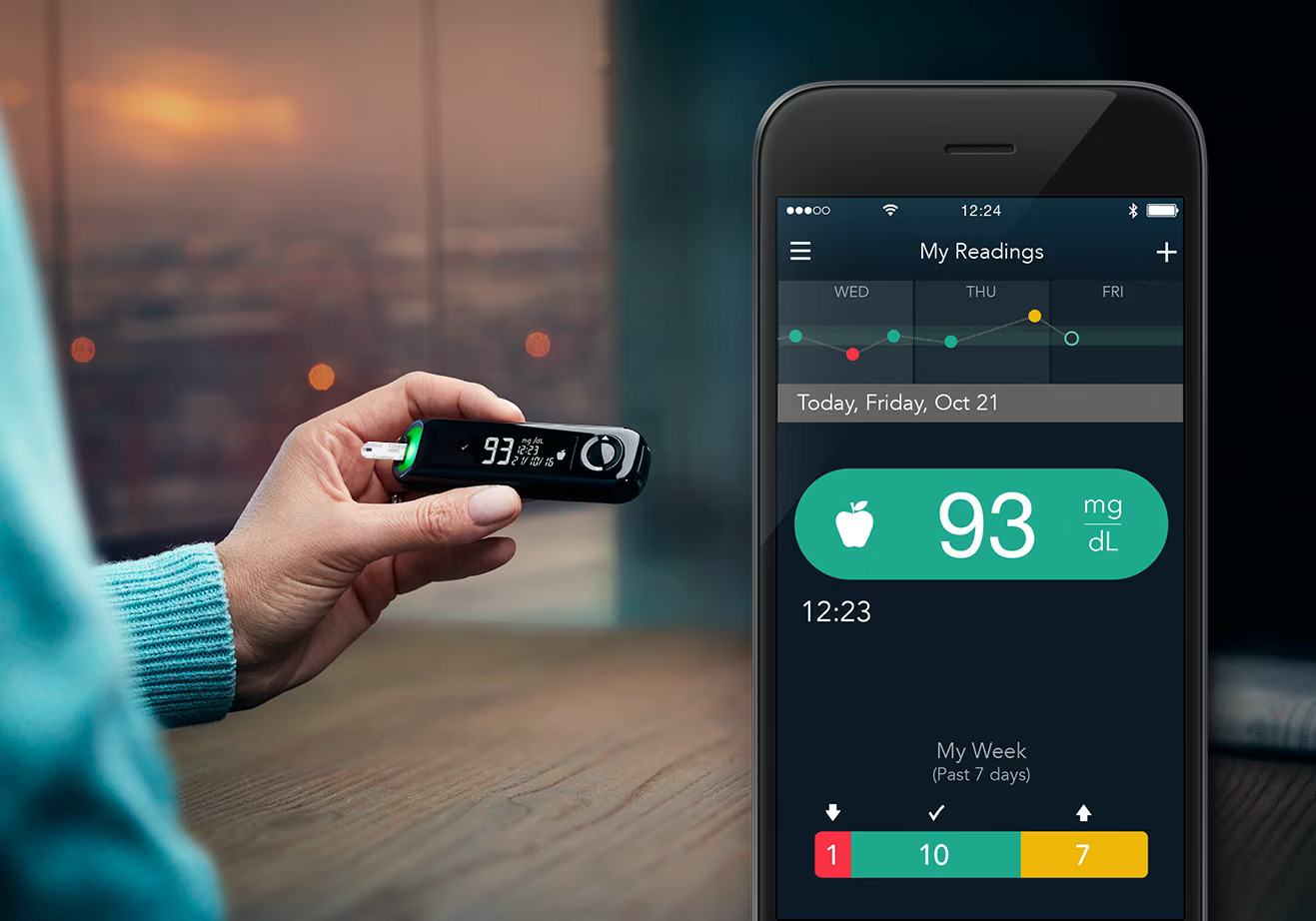
But a recent advance in smart diabetes management—Ascensia’s CONTOUR NEXT ONE blood glucose meter and the CONTOUR DIABETES app—can give patients more clarity and control.
The CONTOUR NEXT ONE is the latest product to spring from a multi-year collaboration between IDEO and Ascensia Diabetes Care (formerly Bayer Diabetes Care). In 2009, Ascensia and IDEO developed the award-winning CONTOUR USB blood glucose meter—the first meter to plug directly into a computer, providing patients and their doctors with instant access to blood sugar data and personal trend reports.
Buoyed by the success of the first collaboration, Ascensia asked IDEO to help design a next-generation diabetes management system (and the company’s first internet-connected device).
To help reduce the stigma of checking blood sugar in public, IDEO designed the CONTOUR NEXT ONE to look and behave like today’s modern tech devices. The highly simplified, seamless system allows patients to upload blood glucose readings automatically to the app, which helps guide informed, real-time decisions. The meter’s red, green, or yellow smartLIGHT feature gives instant feedback about whether blood sugar levels are below, within, or above the target range.
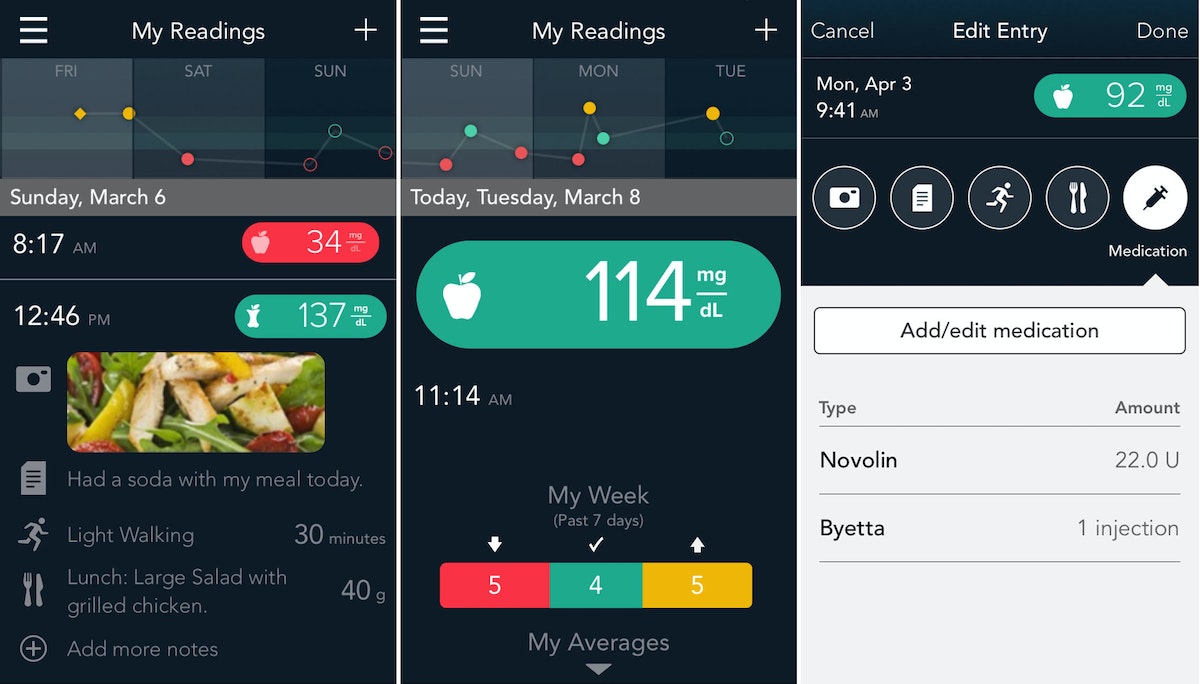
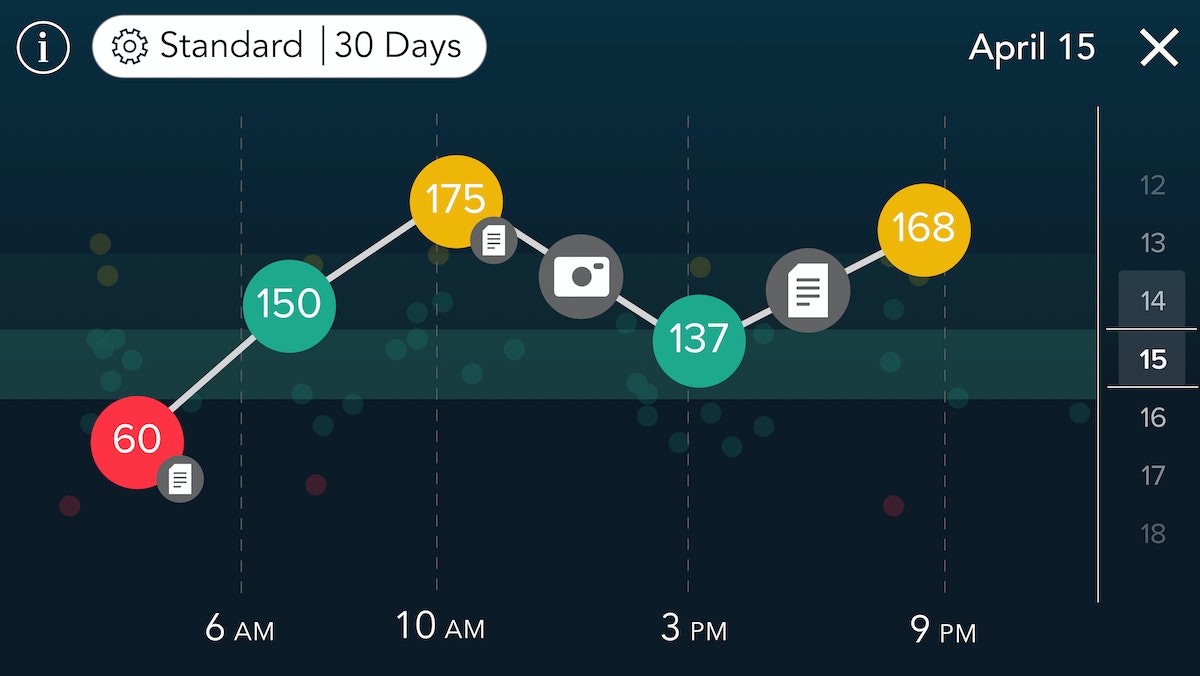
Seeing contextual data, which includes physical activity logs and photos of meals, paired with recent and historic blood sugar levels, nudges patients toward healthier lifestyle choices and better control of their condition.
For doctors, the accuracy and quantity of the data combined with the app’s easy-to-read pattern views invites more comprehensive, actionable conversations with patients.
The CONTOUR NEXT ONE hit shelves in Europe in 2016 and is now available in the U.S. Ascensia is poised to develop more products enabled by rich, personalized data to help people with diabetes live longer, healthier lives.

Designing the city skies of tomorrow
Designing the city skies of tomorrow.
The speed and scale of change in our world are unprecedented. As more people relocate to cities, our lives are impacted by urbanization problems such as pollution, congestion, depopulation of rural areas, resource, and energy deficiencies.
What if we could use the sky to provide alternative solutions to these problems, creating more space for living and transportation? What exciting future awaits us?
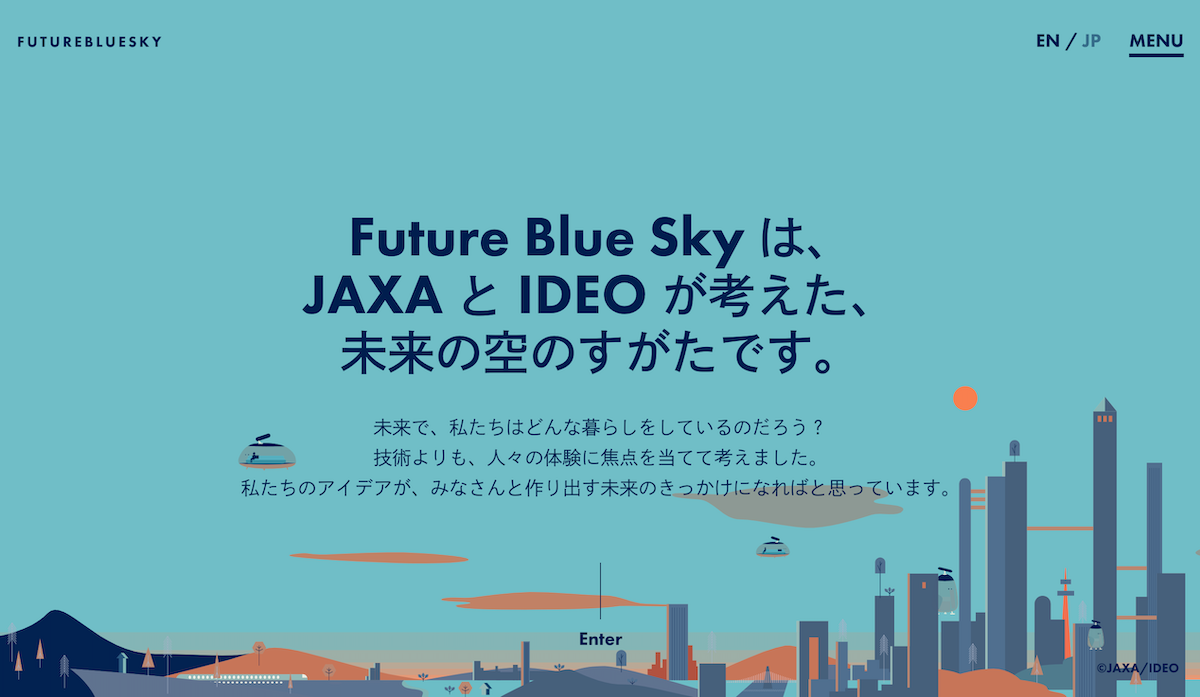
At JAXA’s Aeronautical Technology Directorate (ATD), researchers are conducting research and development on aviation science and technology for the future. They are working to affect positive impact through research like noise reduction of airframe and an integrated aircraft operation management system for disaster relief and crisis management.
Normally, JAXA begins their projects by examining the needs of the aircraft industry or comparing themselves against global technology standards. This approach often leads to ideas that are merely an extension of the current technology. JAXA needed a new approach in order to create radical ideas and real change.
The key question was: What solutions would emerge from prioritizing people’s needs over the most advanced technological possibility—taking a human-centered approach to tackling the most pressing societal challenges?
JAXA ATD voluntary partnered with IDEO to attempt to answer this question, identifying new research areas by envisioning people’s needs in the near future. Together, JAXA and IDEO developed four scenarios of future societies.
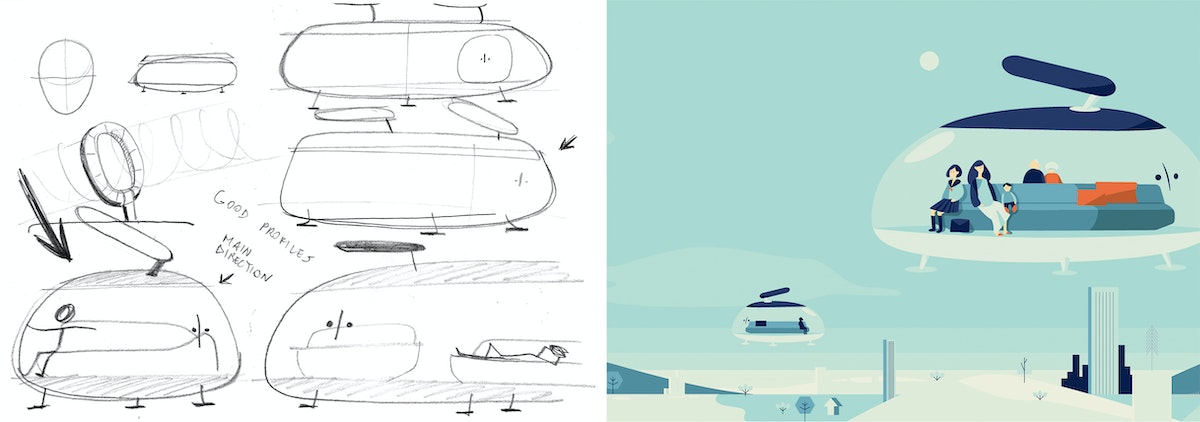
The scenarios do not necessarily focus on technologies. Rather, the focus is on telling stories that help readers put themselves in the shoes of the four personas. At the same time, the team worked with industrial designers to illustrate convincing demonstrations of the vehicles and machines of the future.
JAXA’s team embraces the belief that “technologies developed at JAXA should incorporate emotional aspects to blend seamlessly into people’s lives.” Driven by this philosophy, the visual design of the four scenarios used a friendly illustration style intended to be approachable and understandable for people of all ages.
In order to develop human-centered concepts from scratch, the IDEO and JAXA team first undertook research and inspiration-gathering. They skydived, observed cities from above, brainstormed with students from the department of architecture at Waseda University. They interviewed airline employees, a former Judo world champion, skyscraper lovers, a business producer who focuses on new working styles. Throughout the research phase, the team explored the possibilities of the sky as a “living space,” not just a place for transportation.
The team was surprised and excited when they learned from a former fighter pilot that old cockpit designs were inspired by the Japanese tea room, highlighting a historic precedent for taking inspiration from real life to inform new technology designs.
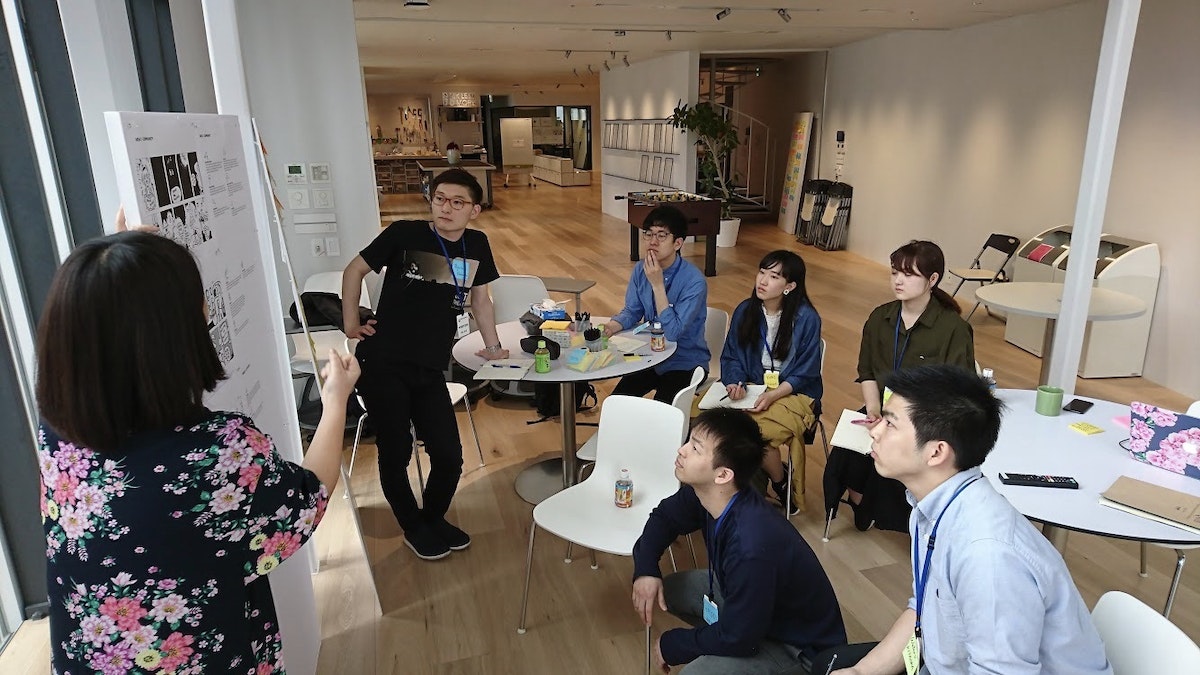
The team synthesized their research and developed several concepts, each informed by a different social issue or pressing concern. Each issue was brought to life through a fictional personal narrative.

How might we relieve city congestion and pollution using the sky, while still keeping it clean and blue? Floating public lights, a skyway that regulates air traffic, camouflaged planes that keep the sky blue—concepts introduced in this scenario were the closest to the technologies already being researched at JAXA ATD. They show us how the sky could become an infrastructure that supports our daily lives. Meet Ayame, a girl from Gunma prefecture, ready to begin her college life in Osaka.
How might we make travel feel easy for people of all ages, no matter how far they need to go? While the researchers at JAXA ATD are working to improve the mobility of aircraft, like reducing air friction or increasing the engine efficiency of aircraft, this scenario explored how people could travel door-to-door through the sky with or without aircraft. A day-in-the-life of Naoto, a 72-year-old man who commutes twice a month from Tottori to Tokyo for medical checkups.
How might we leverage the sky as a resource for reusable energy and economic growth? One of the criteria of JAXA’s R&D activities is to improve the environment. While JAXA has been focusing on “protecting” the environment, this scenario focused on “creating” new environments. A day-in-the-life of Toshi, who runs a “sky-to-table” farming business.
How might we help people live with peace of mind, even during a disaster? JAXA’s disaster relief technologies have been extremely valuable in countries like Japan, which frequently suffers from natural disasters. In this scenario, we approached the problem from victims’ point of view while exploiting the potential of a network of aircrafts and other flying objects. Here's the story of Yuri, a victim of an earthquake in Tokyo who reunites with her family after evacuating to the sky.
The purpose of the project website is not to present answers, but to introduce new directions towards an exciting future. By presenting JAXA ATD’s vision through these four scenarios, the team invited people from all industries and of all ages to participate in co-creating the future.
Just like movies, cartoons, and novels from childhood stimulate the imagination, this project aims to spark new conversation and vision for a radically different, positive future.
By illustrating and communicating a more human-centered future to a wider audience, Japan’s top aeronautical technology development agency may already be changing the future of the sky for the better.
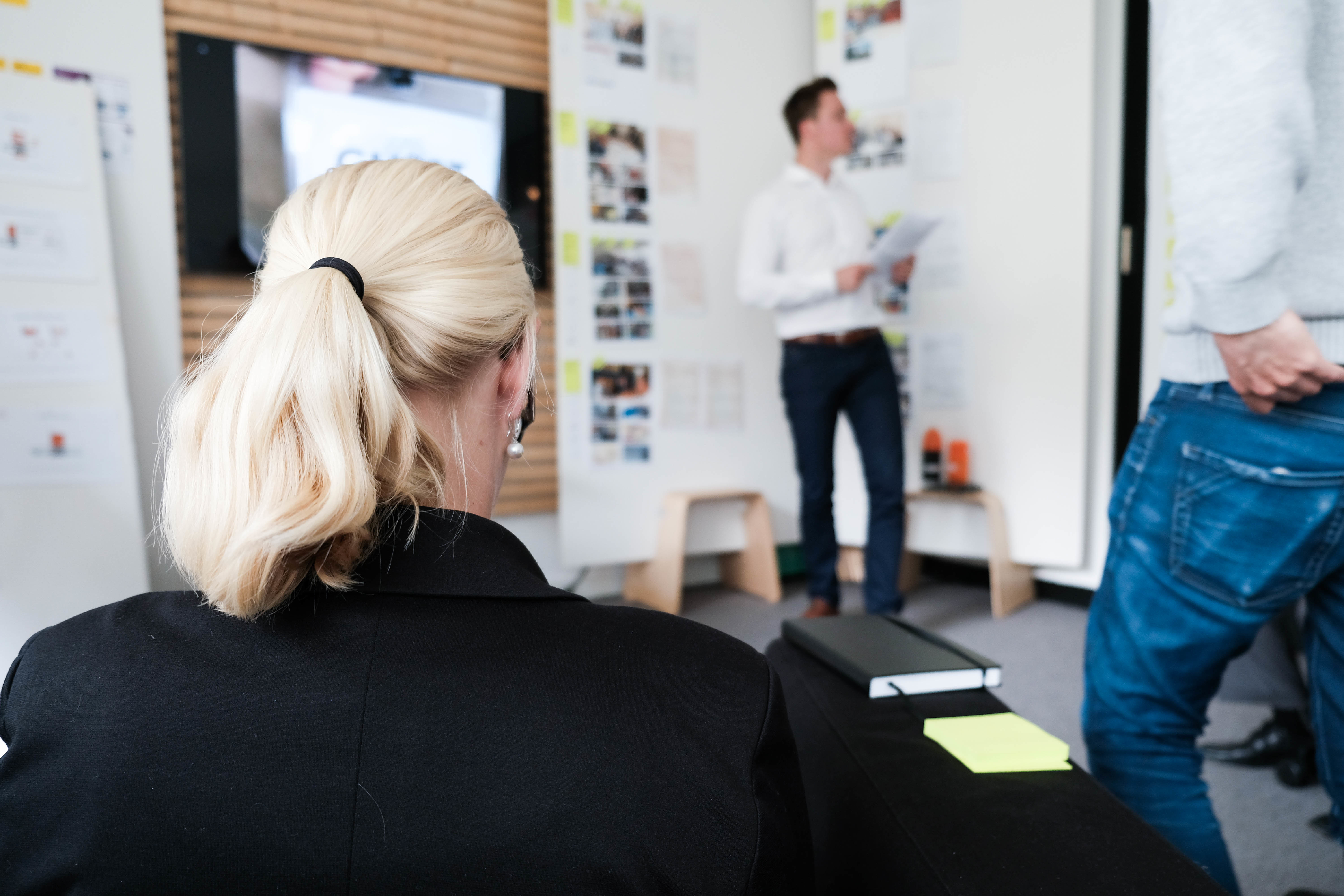
Preparing an industrial leader for the digital future
Changing the culture, mindset, and way of working at a global manufacturing firm.
For factory operators, a smart valve is a game-changer. It gathers data on how smoothly the system is running and feeds it to an app, making it easier to troubleshoot from anywhere. And when things get overheated, it can automatically shut down the machinery, avoiding a meltdown.
Georg Fischer (GF), the Swiss-based, B2B industrial manufacturer collaborated with IDEO to design that valve, along with a system that adds value for generations of engineers to come.
And there were some surprises along the way. When the team set out to interview customers, they learned a lot about their real needs. “We showed a customer a sacrificial concept of a smart valve and asked, what do you think about this?” says Laura Barrabia, GF’s Head of Corporate Design Thinking. “The customer answered, we don’t want your valve to be smart, we want to be smart. If GF is providing a smart valve, where is my value?”
For GF Piping Systems, these insights helped shape initial prototypes and guided the direction of the design to something that would tie parts together into smart systems and more efficient industrial facilities—a competitive advantage.
Yves Serra, GF’s CEO, recognized early on that his company needed to strengthen its customer-centricity and digital capacity, so he approached IDEO to begin shifting GF’s culture from engineering-led and procedural to customer-focused, multidisciplinary, collaborative, and flexible. That kicked off a decade-long relationship that would help GF take a design-based approach.
Learn what it means to move from being technology-driven to being truly customer-centric.
To help GF identify clients’ pain points and address them with new digital offers, IDEO proposed three “lighthouse” projects, one for each of GF’s divisions: Piping Systems, Casting Solutions, and Machining Solutions. Lighthouse projects (also called “Beacons”) are proofs of concept that light the way for an organization and help it shift its way of working.
For example, GF Machining Solutions built a prototype for an application that uses real-time data to help customers identify and fix problems in the machines, laying the foundation for truly predictive maintenance. Making data streams more transparent for customers also simplified life for the GF service engineers, who keep the machines running.
Learn how Georg Fischer is moving from hardware offerings to digital solutions.
For GF Piping Systems, the design team developed the GF Digital Line, a set of products, apps, dashboards, and other services that help customers plan, install, and maintain water and chemical piping systems. GF teams went back to customers to test several prototypes and gather feedback on the Digital Line and make sure it addressed current and future needs. They also built internal capabilities to support product development, laying the groundwork for future innovation.
Lastly, IDEO helped GF Casting Solutions escape the “commodity trap” of competing with foreign automotive suppliers. To better understand the pressures car manufacturers face, the design team explored the development cycles of two car manufacturers. They learned how challenging it is to implement solutions to reduce vehicle weight—essential for cutting fuel consumption. As an expert in aluminum die casting, GF was well positioned to help manufacturers meet that challenge, not just with quality parts, but also with digital engineering to deliver cutting-edge lightweight casting solutions, which are harder to replicate.
By the end of these lighthouse projects, GF had rolled out a global design thinking training program that had touched more than 1000 employees. After the training, employees throughout the organization adopted a new way of working and became passionate ambassadors. The enthusiasm spread from the R&D department to HR to finance and many other departments.
Today, GF has permanent design thinking and digital teams to continue this work. All three divisions aim to launch the first releases of their lighthouse projects by early 2019. And with every project, GF’s business—and solutions—get smarter about how to meet the needs of a fast changing world.