
.svg)




A blueprint for transforming pediatric obesity care
Charting a healthy path for children and families on Medicaid.
Obesity exists at the complex intersection of a clinical condition and a cultural force. Clinically, it comes with a diagnosis and treatment plan. Culturally, it is influenced by beliefs, identity, and self-worth, making it deeply personal and often taboo. Families, healthcare providers, and experts tend to avoid the fraught “o-word,” opting for euphemisms instead. For families on Medicaid, these challenges are even more pronounced. Award-winning health-tech startup Clarity Pediatrics, together with designers from IDEO, IDEO.org, and with support from Rise Together Ventures, sought to uncover the obstacles to healthier lifestyles and create a free report for US pediatricians who want to bend the curve on the childhood obesity epidemic.
Research with kids and parents on Medicaid in Dallas, Texas, and California’s Bay Area, along with interviews with healthcare providers and experts across the country, uncovered stories of stigma and frustration. Parents spoke of the daily challenges of balancing multiple jobs, sourcing affordable healthy food, and finding time to make necessary lifestyle changes. They described rushed pediatric visits that left them with unclear next steps and feelings of blame. Provider conversations echoed these struggles, noting time constraints and limited follow-up options.
Ultimately, food had become a daily torment for these families. Eating was unavoidable and also one of the few affordable indulgences low-income parents were able to provide. Once kids left their own homes, they were surrounded by unhealthy temptations, making it feel impossible for parents to maintain control. The popularity of costly new weight-loss medications and surgical procedures added another layer of complexity for families who had been underserved by—and therefore distrustful of—America’s healthcare system. With so much of the responsibility placed on parents to self-direct care, inequities deepened, adding to the burden of families already at a breaking point.
To design a path forward, IDEO and IDEO.org mapped a family’s needs before, during, and after pediatric visits. This work revealed critical parts of the journey where families needed more support: recognizing early signs of obesity, navigating provider conversations, and sustaining healthier habits at home.
These insights informed a theory of change framework that provides actionable guidance for stakeholders involved in obesity care. Grounded in three opportunity areas along the patient journey—building awareness, confidence, and capacity—the framework highlights how trust, dignity, and systemic support can lead to lasting outcomes.
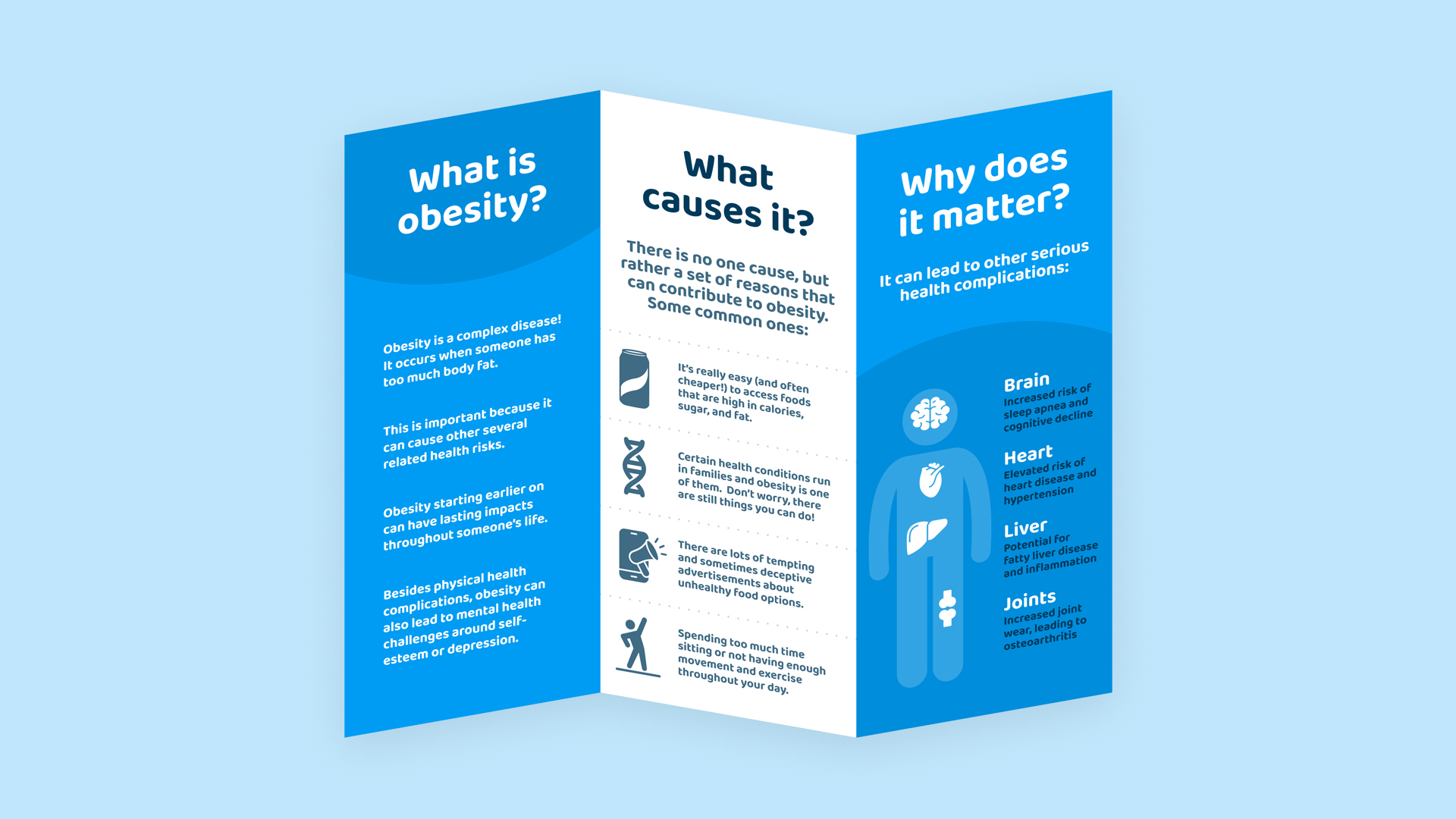
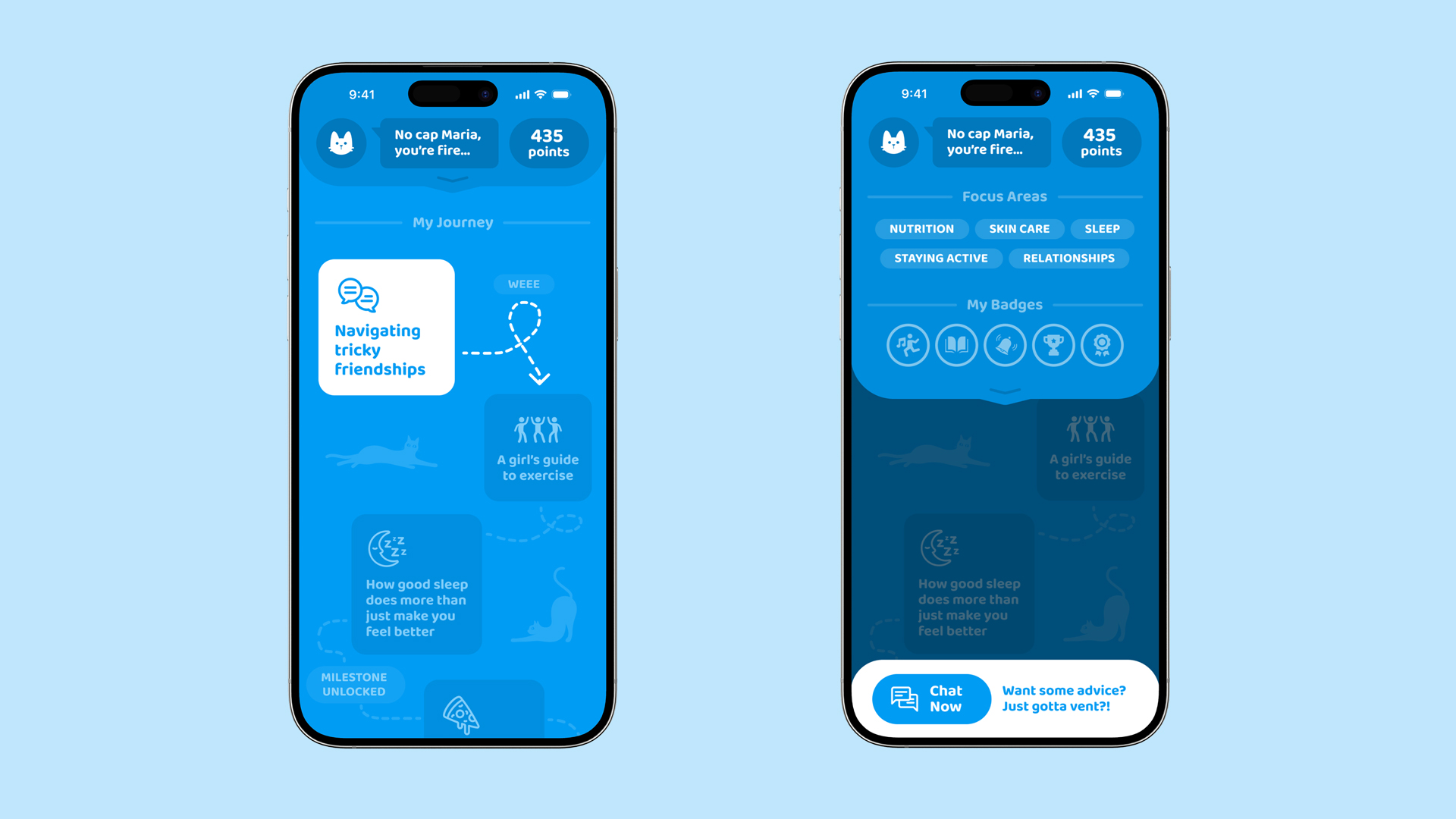
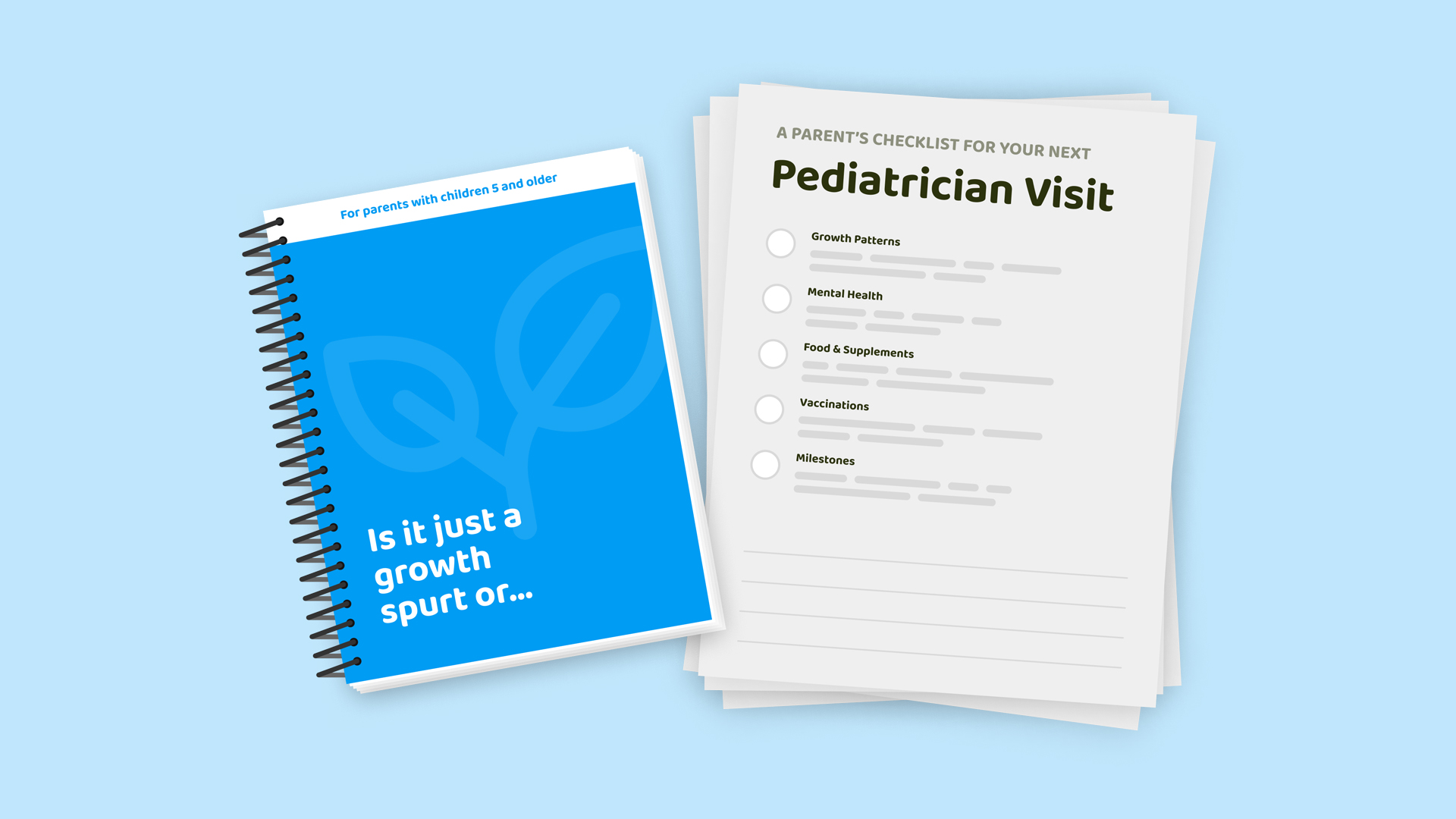
IDEO and IDEO.org also developed 10 user-centered concepts spanning digital, physical, and service offerings to reduce stigma and empower families to sustain healthier lives. These ideas address dignified diagnoses and structural inequities, among other pressing issues. Complementing these concepts, IDEO created a short documentary of a mother discussing her family’s experience navigating childhood obesity to help pediatric providers—many of whom have had very different lived experiences from the families and patients they serve—better understand the realities of the daily struggles of many families on Medicaid.
Designed for the public good, the interactive website and free downloadable report, Reimagining Childhood Obesity, contain research findings, design recommendations, and a theory of change framework. The goal: provide practical, actionable guidelines for pediatricians, educators, healthcare organizations, and innovators to meet families and kids where they are and support them as they move toward a healthier future.
21% of US children are obese. 40% of Latino youth are either overweight or obese.
26% of kids on Medicaid experience childhood obesity, compared with 11% on private insurance.
525,600 minutes: Total time per year parents spend caring for their children. 17 minutes: Average time a pediatrician spends with a child during their annual exam, a small window to address a complex chronic condition such as obesity.
10
user-centered ideas to help pediatricians reduce the stigma of childhood obesity in an accessible report
3
opportunity areas for building trust with young patients and providing family support
Building Acer’s Climate Lab
How a consumer electronics giant is turning sustainability into an engine for growth.
With its reach, Acer saw an opportunity to power positive choices in the billions.
But new products and services won’t succeed if consumers don’t want them, no matter how sustainable they are. A few years go, the Harvard Business Review’s report, "The Elusive Green Consumer," found that about two-thirds of those surveyed said they wanted to buy brands that advocated sustainability. But only a quarter actually did.
Meanwhile, the market for climate era products is only growing: In 2022, Forbes found that nearly 90 percent of the Gen X consumers they surveyed said they’d be willing to spend more on sustainable products, compared to just over a third two years before. The desire was only higher among Millennials and Gen Z; they just didn’t like what was on offer.
To drive sales and growth, and meet its sustainability commitments, Acer needed to capitalize on desirability, deepening the connection between Acer’s sustainable options and consumer needs, lowering the barrier to purchase. To that end, Acer and IDEO created the Acer Climate Lab, a cross-organizational team and initiative, to launch the company on a transformative journey to deepen the connection between Acer's conscious technology and the realities of people's lives and needs across four strategic areas.
Together, the combined team conducted extensive research to better understand consumer attitudes and behaviors toward sustainable products, and identified everyday areas where Acer’s conscious technology might be able to have the most significant impact: living, working, moving, and learning.
- Living: Envisions homes as hubs of energy efficiency and climate resilience, leveraging technology to optimize energy use, enhance air quality, and enable proactive climate management. These concepts include technologies like smart energy systems, adaptive air solutions, and integrated home management platforms explore how technology can support sustainable daily living.
- Working: Reimagines the workplace with flexible, sustainable technology solutions that prioritize resource optimization and circular practices. Concepts such as Acer Loop could provide a subscription-based model that ensures access to the latest technology, supports remote work, and reduces electronic waste through effective recycling and rehoming practices.
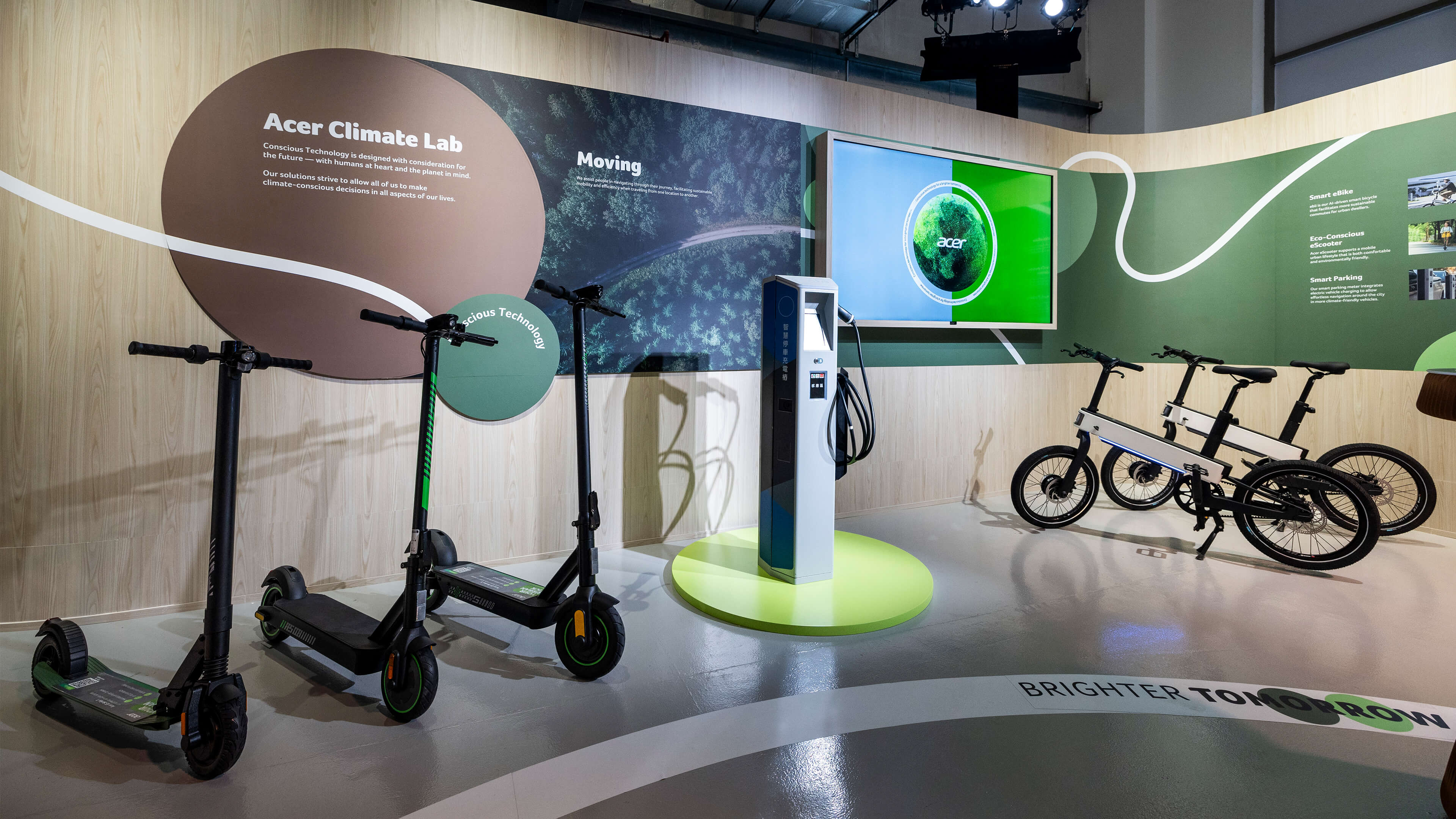
- Moving: Focuses on the transformation of urban mobility by integrating technology into systems that promote sustainable transportation. Concepts could include e-mobility hubs that highlight how urban spaces could offer seamless access to shared, low-emission travel options, reducing reliance on traditional carbon-heavy methods.
- Learning: Explores pathways to sustainable education by imagining environments where technology supports circularity and accessibility. This includes ideas like refurbished devices for students, repair and reuse programs, and educational spaces designed with climate-positive principles, nurturing eco-conscious habits in future generations.
Together with Red Peak and Sid Lee, the team launched the culmination of the work at COP28, the United Nations Climate Change Conference in Dubai, positioning Acer as a pioneer in climate positive technology. The exhibit included immersive experiences and interactive displays demonstrating how Acer's sustainable solutions seamlessly integrate into everyday life. Visitors could engage with scenarios depicting sustainable living, working, moving, and learning, emphasizing the practical benefits of Acer’s innovations.
Acer's journey through the Climate Lab project underscores a commitment to sustainability that goes beyond mere compliance. With this new cross-business team tackling the real-world barriers faced by consumers, Acer is paving the way for a more inclusive, sustainable future. This initiative not only aligns with global climate goals, but also sets a precedent for the tech industry, demonstrating that with the right approach, sustainability and innovation can go hand in hand.
In a survey, 65% of respondents said they want to buy brands that advocate sustainability, yet only about 26% actually do.
Nearly one in two consumers say they either don’t know what information to trust, or that nothing can influence how much they trust a business’s commitment to sustainability.
1 cohesive strategy
for climate era products across 6 different fields

A better way to teach writing, with AI
Ethiqly empowers time-strapped teachers to provide feedback at scale.
With the introduction of generative AI, Ethiqly and IDEO saw a unique opportunity to help teachers, by cutting down the time it takes to provide each student with feedback on their writing assignments. But to get there, they had to learn from the experts themselves. To kick off the project, the team headed into the classroom to co-design with students and teachers.
One of the first problems they discovered? Traditional methods of grading essays are laborious and inefficient for high school teachers, who are already notoriously busy and overworked. What teachers really wanted was to spend time giving each student the personalized feedback that helps them grow. Meanwhile, students really struggled to get started on their writing assignments, overwhelmed by looking at a blank page.
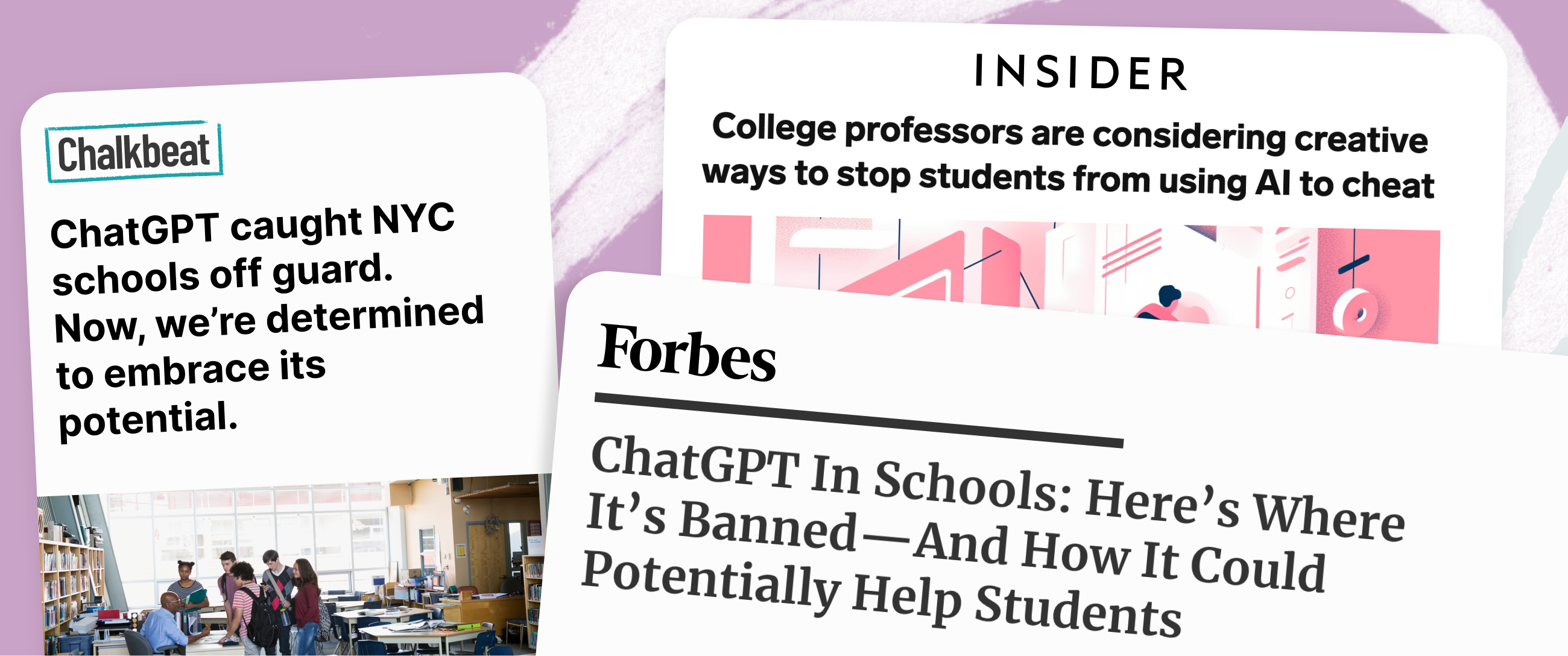
Together, the team started to think about how it could harness AI to make personalized instruction more accessible for all students, helping teachers provide better feedback at scale, and giving students the support they need to not only get started on their writing assignments, but improve their work.
With insights directly from students and teachers, the IDEO team built working prototypes, allowing them to beta test the product in schools, and demonstrate value to investors. They also developed a brand identity and style guide for launch, which came to life in a pitch deck, landing page, and other brand expressions.
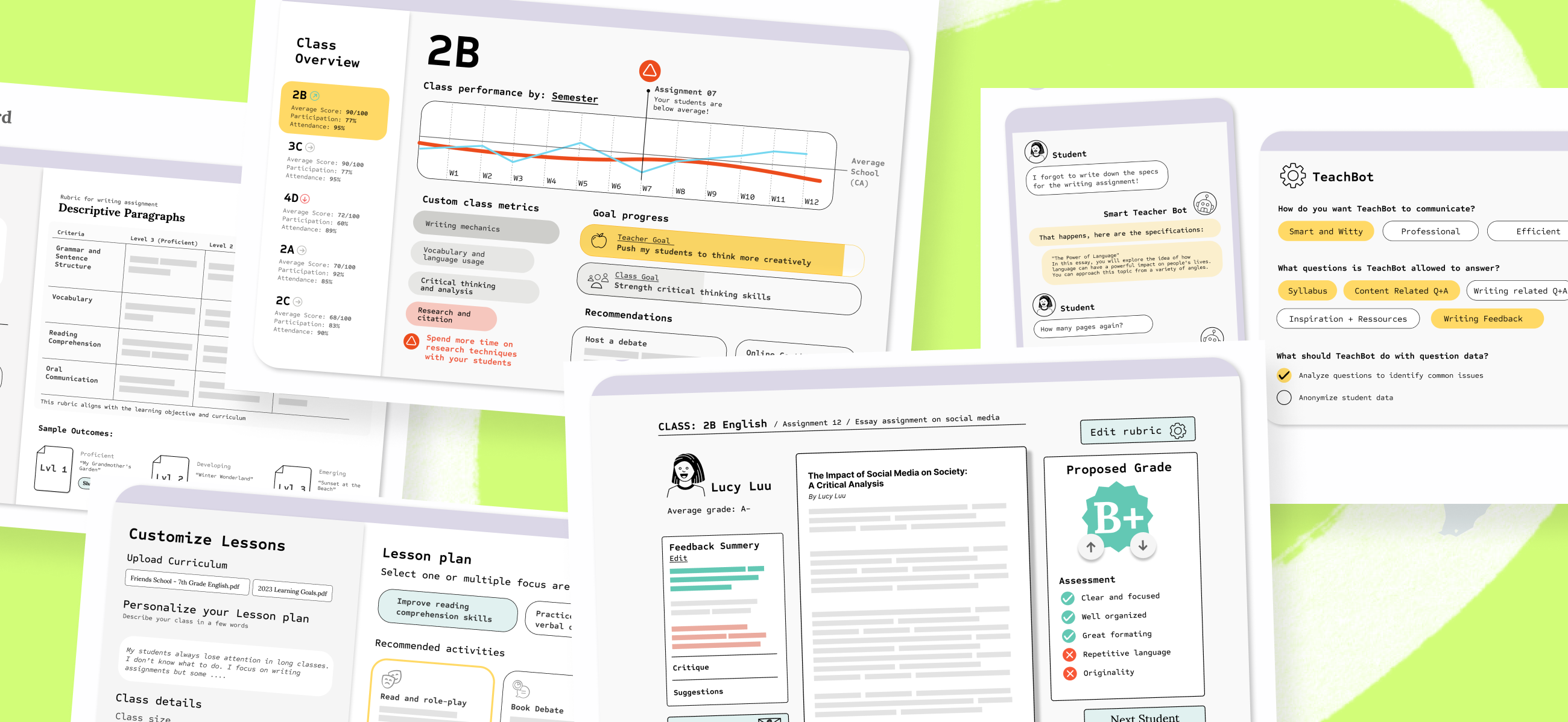
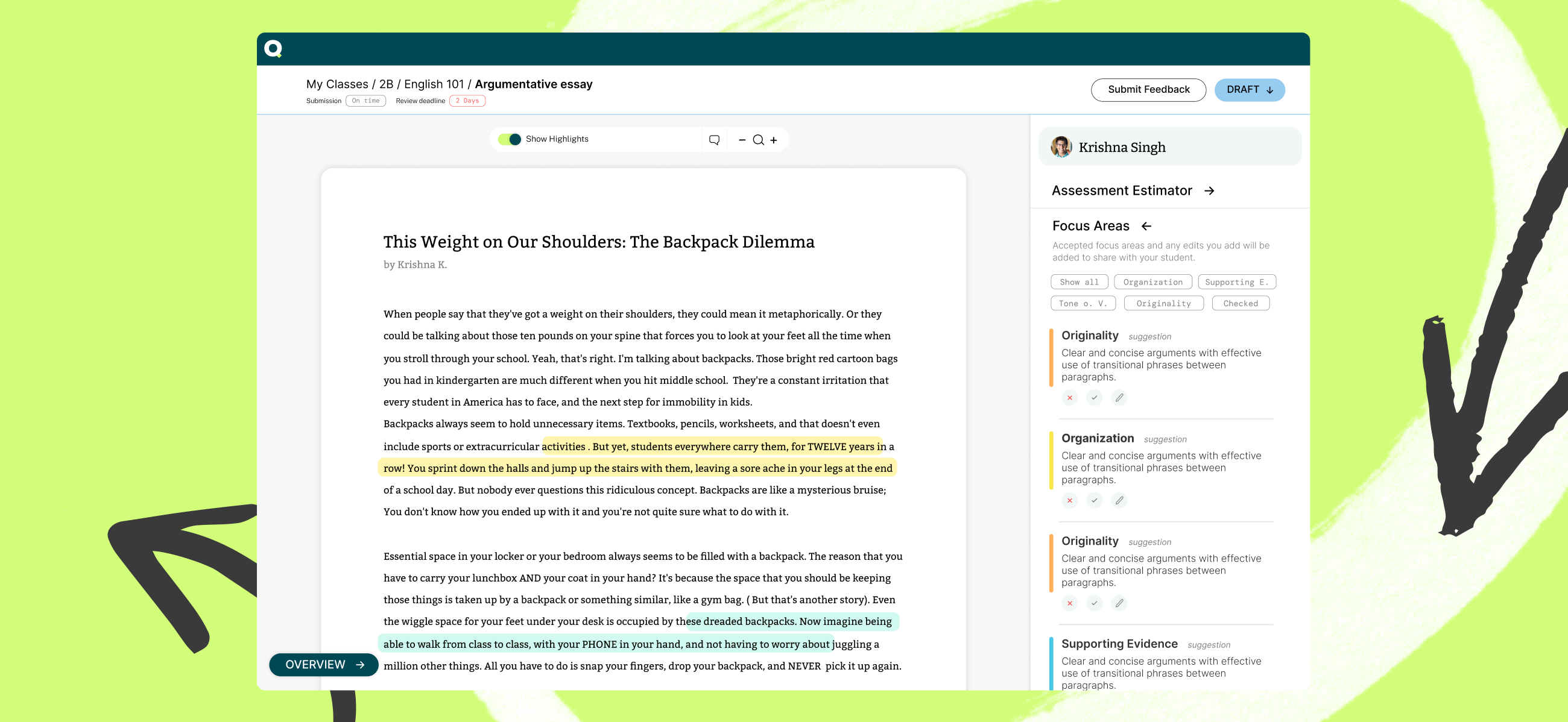
The resulting product is a sophisticated blend of AI technology and user-friendly interfaces that empower teachers and inspire students. The goal isn’t just to get to a finished essay, but to assist students in developing critical thinking skills. Ethiqly's tools help students organize their thoughts and get writing by providing contextual prompts and suggestions—without doing the work for them. And the AI assistant supports teachers by suggesting comments based on evaluation criteria they have set, and teachers choose which feedback is relevant for their individual students. Students never see it without teacher approval.
As one teacher told the team, “With leveraging AI more in education, there’s this fear that it’s deprofessionalizing the field or it’s a direct replacement of a teacher in a classroom. I think it gives us meaningful data, so that we can actually teach the way that we want to in order to support our students.” Now, Ethiqly is in use in classrooms in 25 countries, positively impacting students across the globe. In 2026, Carnegie Learning, a K-12 education company dedicated to helping teachers teach and students learn, acquired Ethiqly.
Teachers know 1:1 interaction is key to student success, but an EdWeek survey found only 46% of teachers’ time is spent teaching, while 25 hours/week goes to other tasks like grading and making lesson plans.
25 countries…and growing
Ethiqly’s reach in classrooms around the world
4 years
from launch to acquisition
Designing a park for generations to come
Frisco, Texas, imagines an ambitious city park for an evolving community.
Designing a piece of a city, like a park, doesn’t start with a blank slate. There are always traces of the past and the present, and the lived history of its residents.
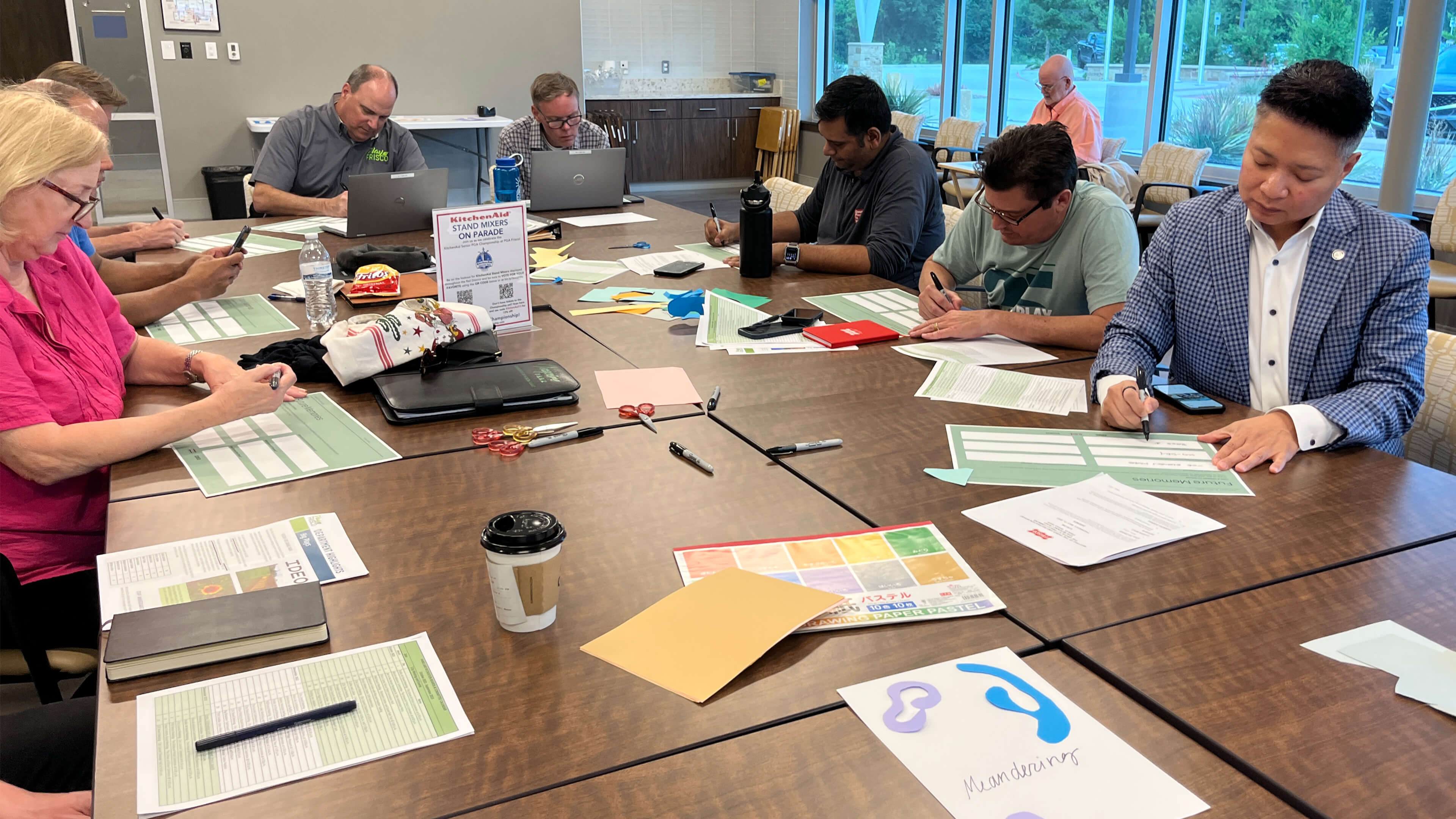
To create a full picture of that story, the IDEO team built workshops for the community centered around questions about the unique experiences of living in Frisco. They invited them to reflect on the communities they grew up in, the city of today, and the public spaces that have played formative roles for them.
From their answers, a common value emerged: heritage. Frisco is a rapidly growing city, with residents whose families have lived there for centuries living side-by-side with more recent neighbors from diverse cultures and ethnic groups. Participants shared a vision of Grand Park as a unifying, shared space, a backdrop where many families can form foundational memories in Frisco.
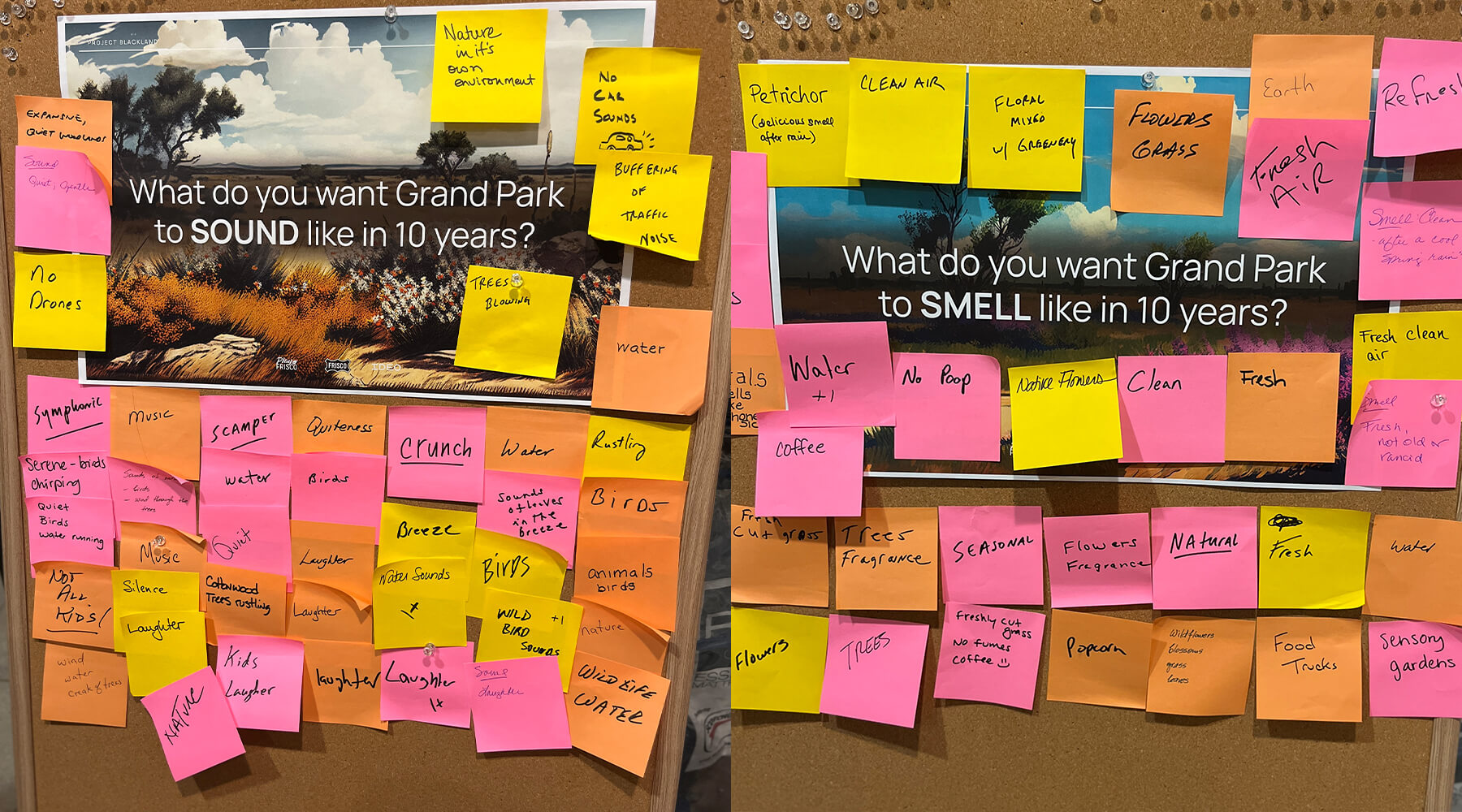
Next, IDEO brought in multisensory design prompts to help participants further conceptualize the park. How did they want it to feel, sound, and smell? In the built-up, suburban city of Frisco, residents imagined a space that was less planned, enabling guided wandering and exploration. They also hoped that the park would inspire loved ones and descendants to feel a sense of curiosity and wonder.
At the end of workshops and sessions with community groups, the IDEO team took Polaroids of participants, asking, “What’s one word you want to describe Grand Park in the future?” Those words informed the collective vision that IDEO delivered to the city of Frisco, which included spatial concepts, user journeys, and branding for the park, all designed to showcase its unique landscapes. In January 2024, Frisco City Council approved the vision statement, and officials expect to break ground in the second half of 2025.
The population of Frisco is growing rapidly; its population is up 516% since the year 2000.
At more than 1,000 acres, Grand Park in Frisco is even larger than Central Park in New York City.
Less than 1% of Blackland Prairie soil remains in the region, and some of it is in Grand Park.
94
Frisco residents were engaged in the process, from City Council members to high school students
200+
respondents shared anonymous feedback on what they imagined the park should be
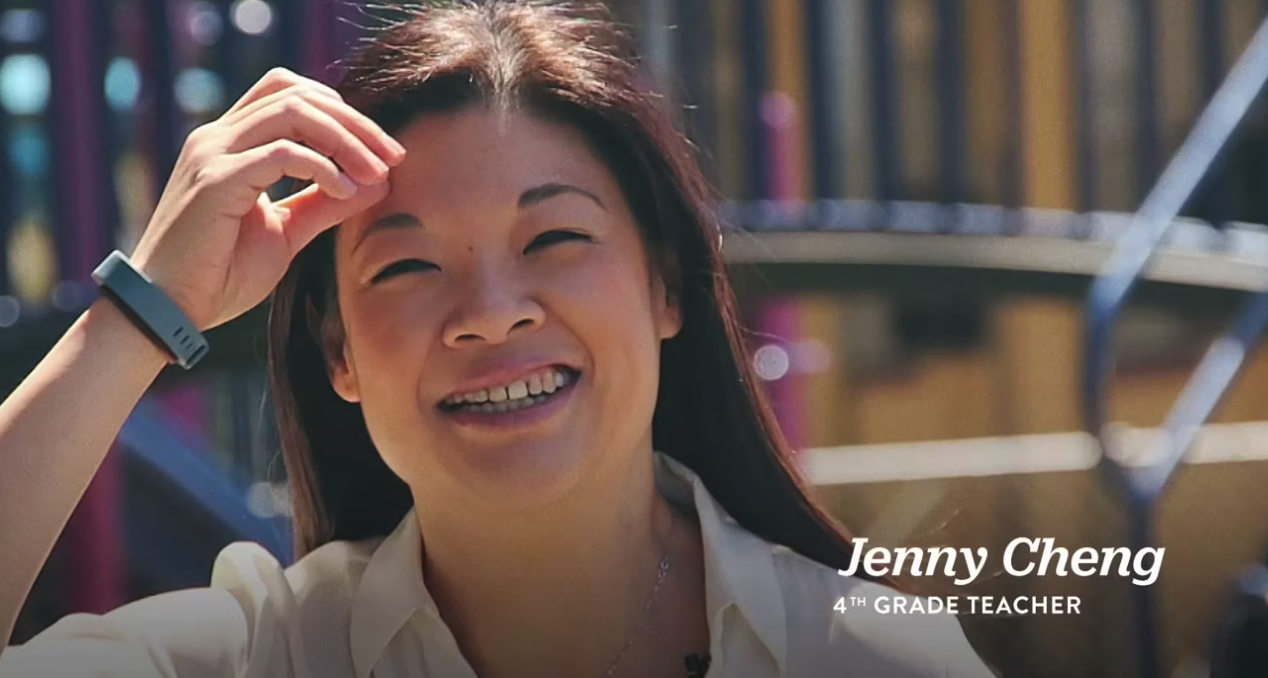
The Teachers Guild: Creating New Solutions for Students and Schools
The Teachers Guild is a professional community that activates teachers’ creativity to solve the biggest challenges in education today. While learning and doing design thinking, teachers build their creative muscles and connect to diverse partner organizations that are committed to bringing their solutions to life.
The Teachers Guild is a professional community that activates teachers’ creativity to solve the biggest challenges in education today. While learning and doing design thinking, teachers build their creative muscles and connect to diverse partner organizations that are committed to bringing their solutions to life. It’s an initiative run by a team of educators and designers from IDEO’s Design for Learning Studio and PLUSSED at Riverdale Country School.
Learn more about the Teachers Guild here.
WATCH: Welcome to the Teachers Guild!
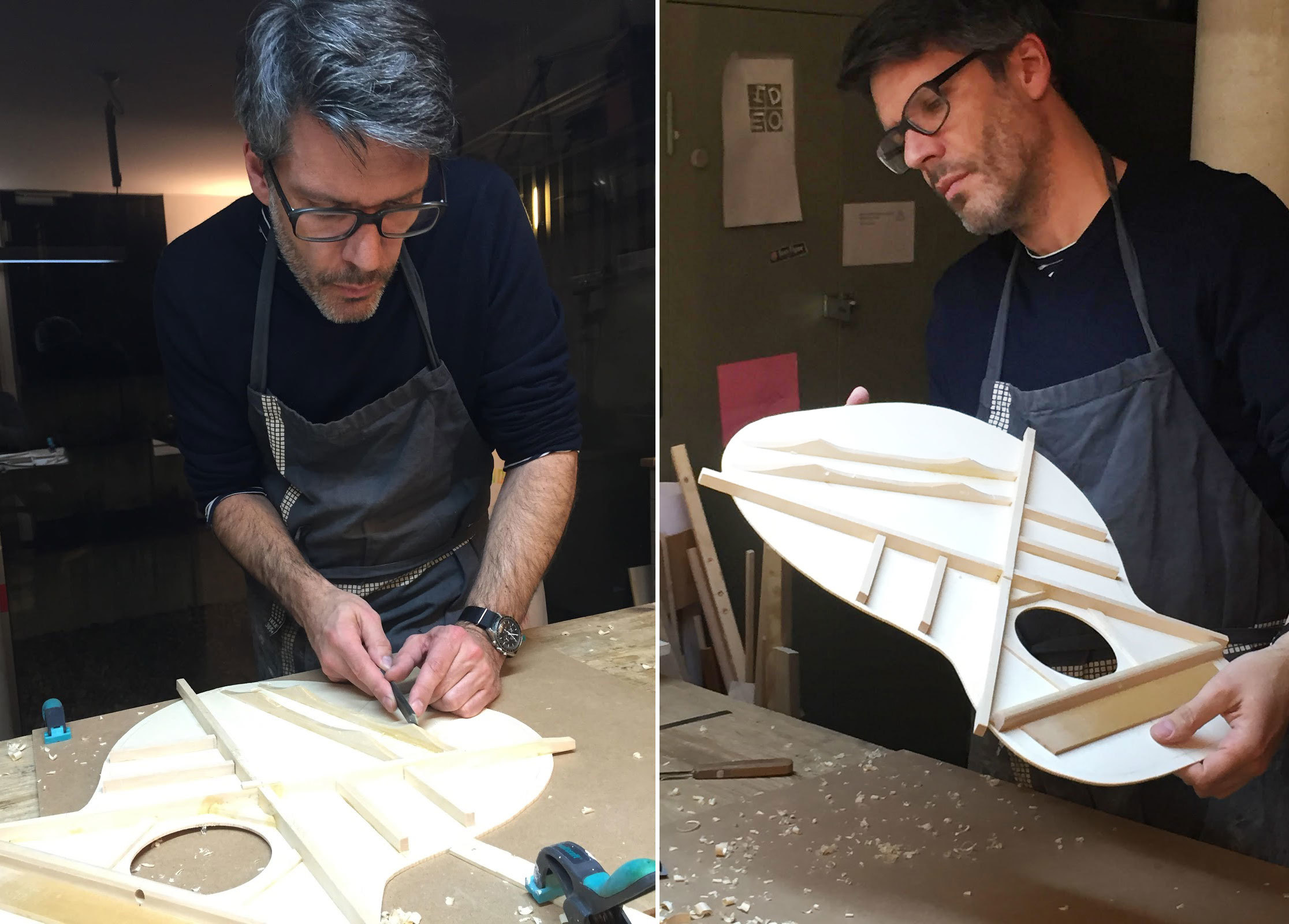
Make a Guitar (at the Office)
Leif Huff shares tips for crafting the perfect axe
Two years ago, I ordered wood, frets, a few parts, and a couple of guidebooks. After watching hours of instructional YouTube videos, I built a mold and got going.
I’m entirely self-taught. I learned mainly by doing, common sense, and from my experience building models as a product designer. There’s a violin maker next to our office who helped me understand old techniques like hot-bending wood, working with hot hide glue, and using and sharpening wood hand tools.
I’ve finished two guitars, and I’m working on a new one now. I do all of my work on them in our IDEO Munich workshop. The first took about 140 hours to make, over six months. The second one took less time. (A professional builder takes about 40 to 60 hours, for reference.) You can’t rush it and there’s not much room for iteration—it has to be right the first time. I sign the inside of each soundboard so people know where and when it was built, in case someone takes them apart after I’m gone.
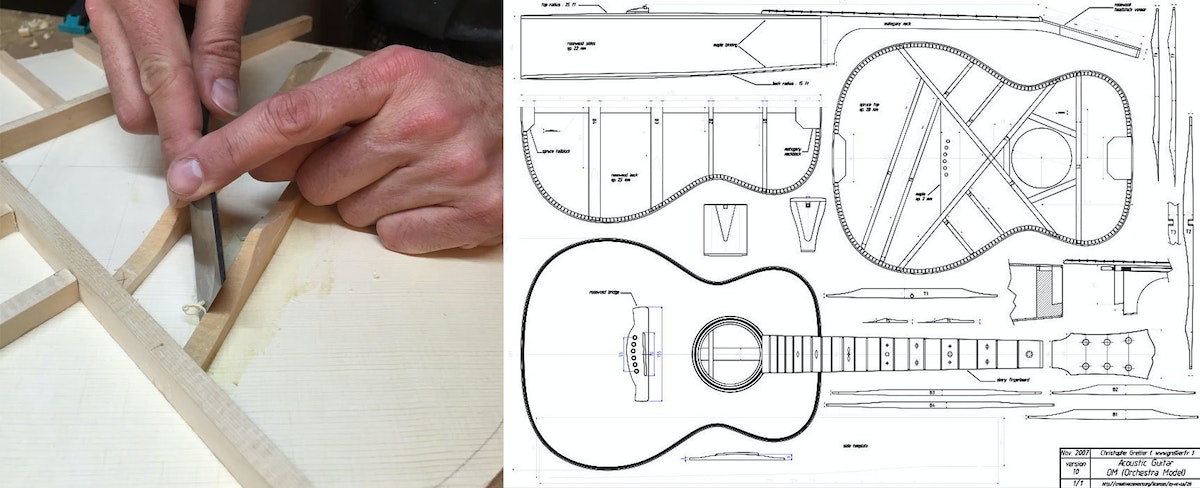
I build off a 1930s plan by CF Martin, a German who emigrated to the US in the late 1800s and founded the famous Martin Guitar Company. He invented the American steel-string guitar. The model is called OM (Orchestra Model). It was the biggest guitar made at the time, and was for playing in orchestras and, of course, without amplification. I find its shape beautiful, and it has a fine voice. It’s still built today. It has passed the test of time, I guess.
My latest build is European: a gypsy jazz guitar like one played by famous jazz guitar inventor Django Reinhardt. Created by an Italian guitarist named Maccaferri, it was produced by Selmer, Paris, from the 1930s to the late 1940s. I love that genre, and this guitar has a unique sound.
With the shift to a management position, I’m turning my design skills more towards consulting and away from product design. I miss the focussed work that goes deep, spending time on one project, and having a tangible result after hours of work.
Guitar making gives me all of that. It is extremely rewarding. The result of your work becomes increasingly evident, and at the end you can make music on your own creation, while other guitarists can enjoy what you’ve built. It is an exercise in learning, prototyping, craft, and design.
Guitars have been a love affair of mine since childhood. I was surrounded by music at home: My father plays guitar and taught me to play my first chords. Since I am an avid tinkerer, craftsman, and maker, it was a logical step to build them myself.

Design Thinking for Libraries
Design Thinking for Libraries is an approach to improving libraries through creative problem-solving.
This toolkit guides you through design thinking so you can start coming up with solutions to everyday challenges within the library. Design thinking, or human-centered design, is all about starting with people—the users that visit your library.
IDEO has been using similar methods to envision new products, services, spaces, and experiences that bring them to life. IDEO created this toolkit specifically for the library setting and is looking forward to seeing how you might create impact by seeing your work through a fresh perspective: the design thinking lens!
Learn more here.
Design Thinking for Libraries is an approach to improving libraries through creative problem-solving.
5 Invaluable Work Tips from Introverts
Introverts are the sleeping giants
Apparently I’m not the only one. Aya Jaffar’s exploration, “Introvert at IDEO”, reveals that I am healthier and far less freakish than I ever could have dreamed. As an intern, Aya took on the task of asking her fellow IDEOers how they embrace their introversion in such an extroverted environment.
IDEO is filthy rich with fascinating people. Every week we have stimulating lunch-hour talks and raucous happy hours. Our office is the ultimate embodiment of an extroverted workspace. We think out loud! We brainstorm together! We eat in teams! We have walk and talks, just like in The West Wing!
That’s all well and good for about half the population. But the best work cultures make space for those of us who seek occasional refuge from the chatter.
Here are a few comforting things I learned from Aya’s “Introvert” piece:
There's a spectrum
Carl Jung was a pretty smart fellow. He suggested that everyone falls somewhere on the Introvert <---> Ambivert <---> Extrovert scale, so none of us are purely one thing or another. Big Bird? Michelle Obama? Your bus driver? Probably all extroverts with introverted traits. Just like me.
Introverts recharge with solo time
Introverts aren’t shy! They’re exhausted and they need to step away from others to think things out or recharge. That’s also why they have monstrously large noise-cancelling headphones on. Always.
They've got skillzzzzz
While extroverts’ positive qualities are easy to identify and praise, we should be quick to notice the greatness and strengths of introverts too. They are world-class listeners, thoughtful synthesizers, and often gifted at lifting others up. They also thrive when working independently so they can get just about anything done if you leave them alone for a bit.
Introverts need thoughtful workspaces
While our colorful, collaborative work style might suggest otherwise, our office actually considers introverts more than we know. We have phone booths built for one, the hushed Lighthouse workroom, enclosed project spaces, and breakout couches that allow anyone to focus in a way that works best for them. Plus, IDEO expects us to manage our own space and schedule, allowing us the freedom to work from home on occasion without ever being judged.
So bring on that big dinner! And some wine! And a cheese platter!
You’ll find me in the bathtub, gearing up for tomorrow.
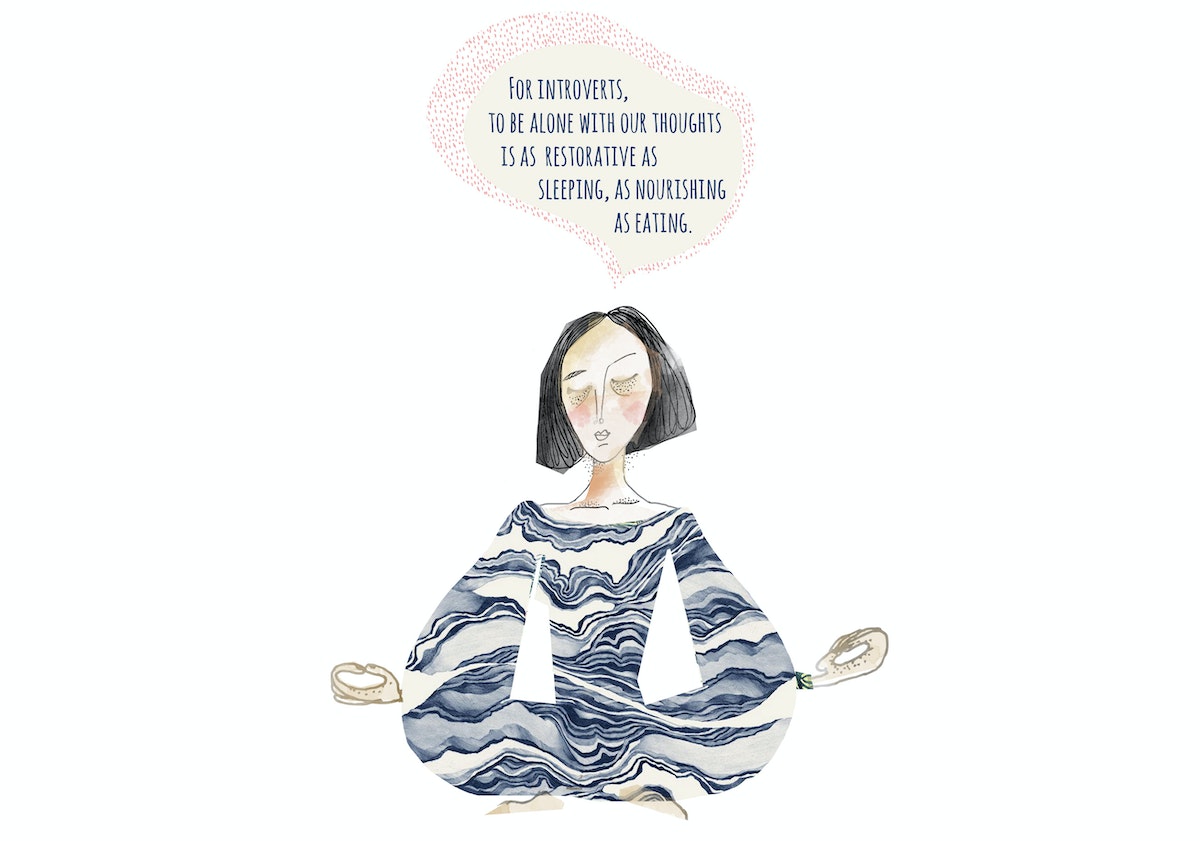
Hi. My name is Tal. I have to go home and hide in a bathtub. That’s not exactly a socially acceptable thing to say at a client dinner, but as an introvert in extrovert’s clothing, the thought has scurried through my head many times.

Lindsey Turner
I’m passionate about building brands, products, and experiences that help organizations show up with meaning and momentum.
I help organizations cut through complexity by shaping how they show up, through brand strategy, identity, and storytelling.
Working at the intersection of brand and business, I bring an editorial eye and a bias toward making—turning ideas into tangible experiences that people can understand, trust, and believe in.
My work spans government, healthcare, financial services, media, and consumer goods, from launching Gen Z-focused ventures to building innovation labs and reimagining legacy brands. I relish moments of ambiguity and enjoy translating across teams, perspectives, and priorities to move ideas forward.
I started my career in editorial and digital design, shaping cross-platform experiences and identity systems in publishing and agency environments. That foundation still shapes how I work today: I’m detail-oriented, collaborative, and overreliant on the Oxford comma. I hold a BFA in Visual Communication from the School of the Art Institute of Chicago.

Rachel Young
My work helps organizations see who their products aren't working for—and build the will and the tools to do something about it
For 25 years, I've asked the same question: Who does this design exclude—and what are we going to do about it?
My work spans human-centered strategy, inclusive design, and qualitative research, with clients ranging from Microsoft, Google, and Verizon to the National Science Foundation, and San Francisco Unified School District.
Before IDEO, I taught elementary school in East Palo Alto and spent a decade doing design work with social service organizations—where I learned firsthand what it costs people when systems are built without them in mind.
I am currently writing User Error, a nonfiction book about digital access and the design decisions behind it. I live in Oakland, California.

Brian Pelsoh
I lead with craft, ensuring our work is creatively excellent: rooted in deep human insight and imagination, while also grounded in the realities of business and technology.
My expertise spans brand, communication, and product design across tech, education, the arts, and social impact.
I believe great work demands both high-level vision and obsessive attention to detail, and only happens through collaboration.
I bring an inclusive, hands-on approach and a deep understanding of business, which enables me to consistently deliver excellence while always asking why.
Before joining IDEO, I worked at the brand firms Pentagram and VSA Partners. I began my career as a designer, leading teams at the School of the Art Institute of Chicago and the Milwaukee Art Museum. I hold an MFA in graphic design from Maryland Institute College of Art and a BFA in communication design from the Milwaukee Institute of Art & Design, and have taught at some of the best design schools in the US.

Tony Wong
I am responsible for IDEO’s long-term success in China and working with clients to use design as a tool to enable growth.
I am responsible for IDEO’s long-term success in China and working with clients to use design as a tool to enable growth. Specifically, I have helped Chinese companies design holistic brand solutions through the development of their products, communication, services, and innovation teams, and I have helped multinationals expand their presence and influence in China.
I advise global leaders on developing China-led innovation and capabilities.
In over 15 years in IDEO Shanghai, I have worked on projects that use design to elevate the quality of the experience of healthcare products and services, streamline processes that increase productivity, create spaces and programs that promote and enable inclusive communities, and build next generation mobility solutions that are planet-positive.
Before joining IDEO, I worked at Philips Electronics and the Electrolux Group in Italy, the Netherlands, and Singapore on a number of breakthrough commercial products. I am a member of the Young President Organization in Shanghai.

How to use AI as an editor, not a writer
Ed White shares how he uses AI as an editor—not a writer—to sharpen storytelling, rehearse ideas, and preserve the productive friction that makes creative work better.
Ed White has a rule he's tested on his own writing: hold yourself as the writer, and let AI be your editor. Ed is a Senior Design Director at IDEO's London studio, where he co-leads the firm's AI portfolio across Europe. Before IDEO, he spent 12 years as a writer and editor at the Financial Times, Wired, and Contagious. So when he talks about when to use AI for storytelling and when not to, it comes from two decades of crafting his storytelling skills.
In this episode, Mina Seetharaman talks with Ed about two specific tools he uses to keep AI in an editor's seat: a "roasting agent" prompted to critique his drafts without any sugarcoating, and a simulated audience he rehearses pitches on before the real thing. They also get into what Ed is hearing from design leaders at Anthropic, Lovable, Shopify, and Google Creative Lab about how creative work is changing, and why he thinks the friction of writing something yourself is worth protecting rather than automating away.

Building a personal AI for the messiness of life: Sida Li
Becca Carroll talks with Cue co-founder Sida Li about designing a personal AI for the messiness of everyday life—not just work. They explore how Sida stays anchored to human needs while navigating fast-changing technology, product tradeoffs, business-model experimentation, and the realities of building an AI company today.
Most AI products today are built for work—a space with clear problems and established systems. One founder noticed a gap: personal life is messier, harder to systematize, and mostly left behind by the AI boom. So she built Cue, a personal AI that lives inside iMessage and group chats, to go where the other tools haven't.
In this episode, Becca Carroll, IDEO's Chief Strategy Officer, talks with Sida Li, co-founder and CEO of Shared Context Lab, about staying anchored to a human need while the technology around her keeps changing shape, why she treats her business model with the same rigor she'd bring to a product, and what it feels like to build a company at this particular, disorienting moment in AI.
The conversation also gets into how Sida makes design decisions: the language Cue uses to describe itself, the tradeoffs behind building inside iMessage instead of a new app, and a real story about a business idea that didn’t pan out.
This is the second in a two-part series profiling founders from IDEO's Startups-in-Residence program. The first conversation is with Johannes Seemann, founder of Sooner, on designing GenAI for the emotional side of money.

Designing GenAI for the emotional side of money: Johannes Seemann
Designing financial tools around the feelings that shape money decisions.
Most personal financial tools are built to run the numbers and optimize towards a budget. While that works for some, most people experience money as a lived relationship that does not neatly fit into a spreadsheet. Johannes Seemann and Becca Carroll discuss why money is emotional before it is mathematical, and what a human-centered approach to building a generative AI financial product looks like in practice.

The curious leader's edge in uncertainty: Scott Shigeoka
How genuine curiosity helps leaders navigate uncertainty with greater confidence.
Mina Seetharaman talks with Scott Shigeoka, author of Seek and Head of Curiosity Cultivation at the Eames Institute, about what distinguishes genuinely curious leadership from performative curiosity, how power dynamics shape curiosity, and why practicing curiosity can restore energy rather than drain it.
Looks like you might be in search of something very specific?
Or reset the filters above and try another angle.
Here’s some random inspiration

Podcasts about creative leadership

Articles about the power of prototyping
