
.svg)


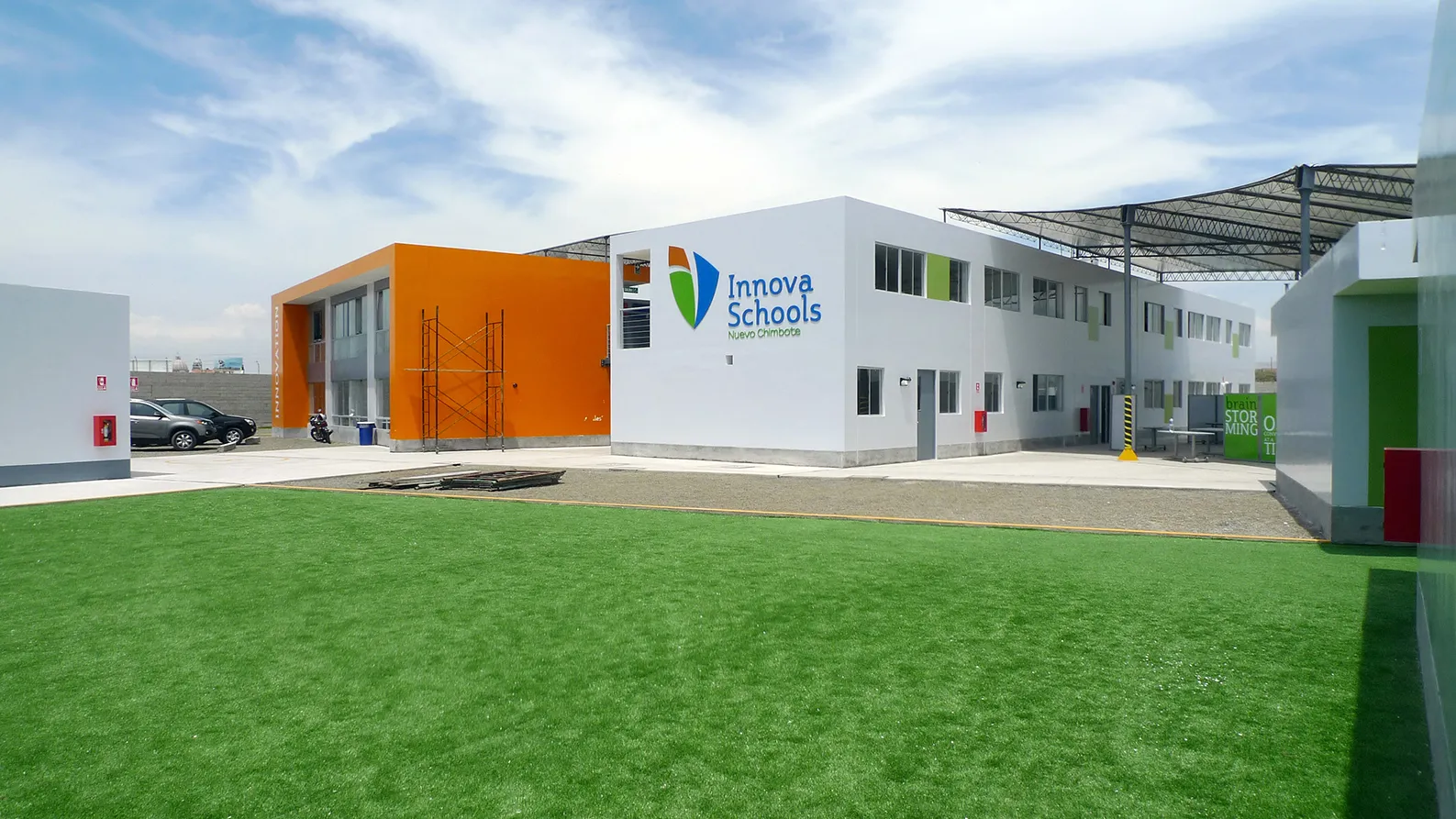

Designing a school system from the ground up
Scaling an entire network of schools for the growing Peruvian middle class.
How do you lift up the middle class in a developing country?
That was the challenge facing Peruvian entrepreneur Carlos Rodriguez-Pastor, who hired IDEO to build an entire network of schools powered by a progressive new learning model. IDEO’s mandate: to redesign Innova’s entire K–12 learning experience, from the curriculum to the teacher training to the school buildings, with an eye toward expansion and a goal to provide international-quality education at an affordable price—about $100 a month.
Innova Schools is a part of Intercorp, a family of 35 businesses that span everything from banks to retail stores and added schools to its portfolio. In 2010, the company had five existing schools but realized that its existing model could not grow. The shortage of well-trained, high-quality teachers in Peru, combined with rising land costs, meant the schools would need to radically change course to succeed.
To learn about scalable school models around the world, IDEO researchers visited inspirational schools and learning programs, and looked to analogous systems like retail, hospitality, and health care to understand their approaches to scale. Throughout the project, they collaborated with teachers, students, and the Innova Schools team in co-designing the work itself.
Together, Innova Schools and IDEO developed the curriculum, teaching strategies, buildings, operational plans, and underlying financial model to run the network of schools.
"I was blown away by Innova Schools," said Salman Khan, founder of Khan Academy. "It's inspiring to see such an affordable school deliver a quality of education that would rival schools in the richest countries."
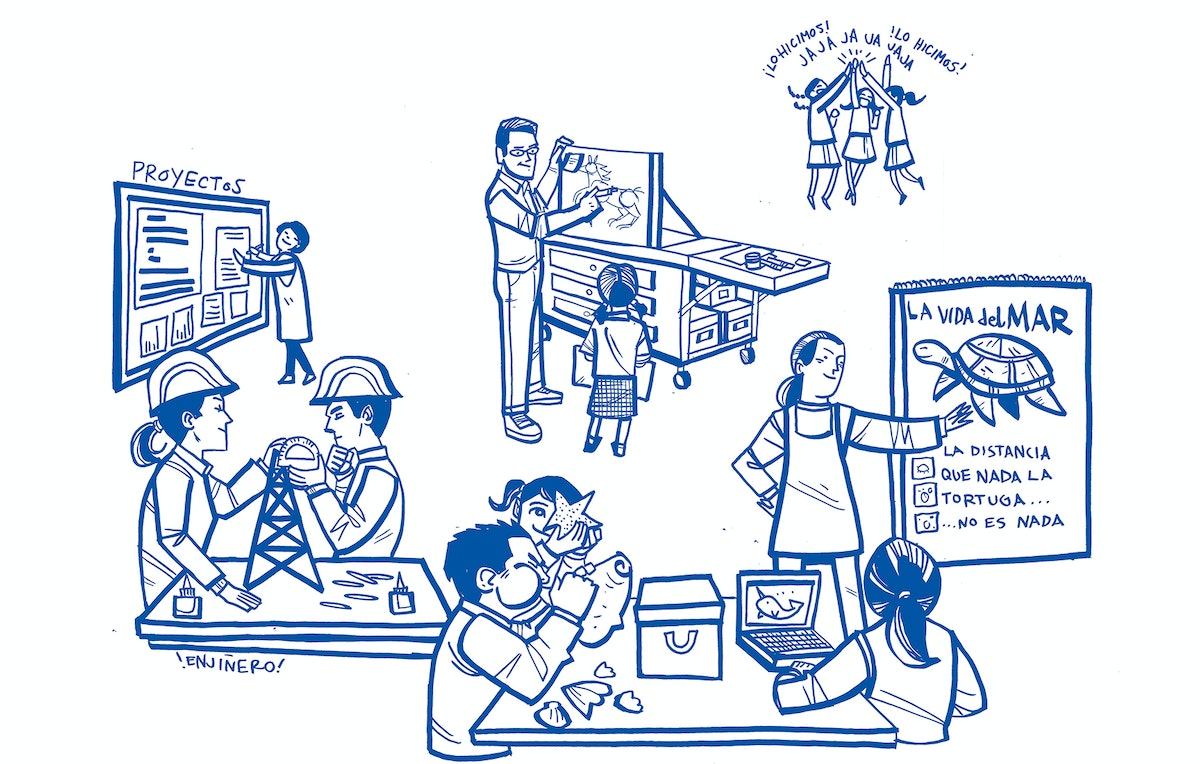
The new Innova Schools combine teacher-led, project-based learning in small groups with self-directed time using digital learning tools. Teachers monitor students’ work online and offer personalized guidance. Parents can view their children’s progress online as well.
Dynamic learning environments include community spaces, media labs, rooftop study areas, amphitheaters, and cafés that are optimized for flexibility: furniture on wheels, movable walls, and efficient uses of space to allow for different modes of learning.
An online Teacher Resource Center includes a database of more than 18,000 custom lesson plans based on a progressive new teaching approach. The center helps teachers learn their craft and gives them a chance to connect across the network.
The business model of Innova Schools was developed at the same time as the school experience. Designers leveraged the economies of scale that come from building a network of schools and centralized tools, such as data systems that allow all the schools to learn together.
The project has allowed Innova to open more schools at an affordable cost to families, ultimately giving more of Peru’s youth the chance to compete in the global economy. This comprehensive approach to system design ranks as one of Latin America’s most ambitious privately funded educational projects, and is on track to become the largest private school network in the region. To date, Innova has opened 63 schools in Peru that are serving more than 50,000 students.

A good system design doesn’t end with strategy. The work on Innova Schools also had a huge influence on the company, according to Rodriguez-Pastor. Through the creation of new roles and an aligned set of values, Innova’s central office has become a much more nimble and creative organization. They’re constantly scanning the world for inspiration in how to best educate their students, while building out the new innovations. They realize that design thinking can become an integrated part of their daily management of this growing network of schools.
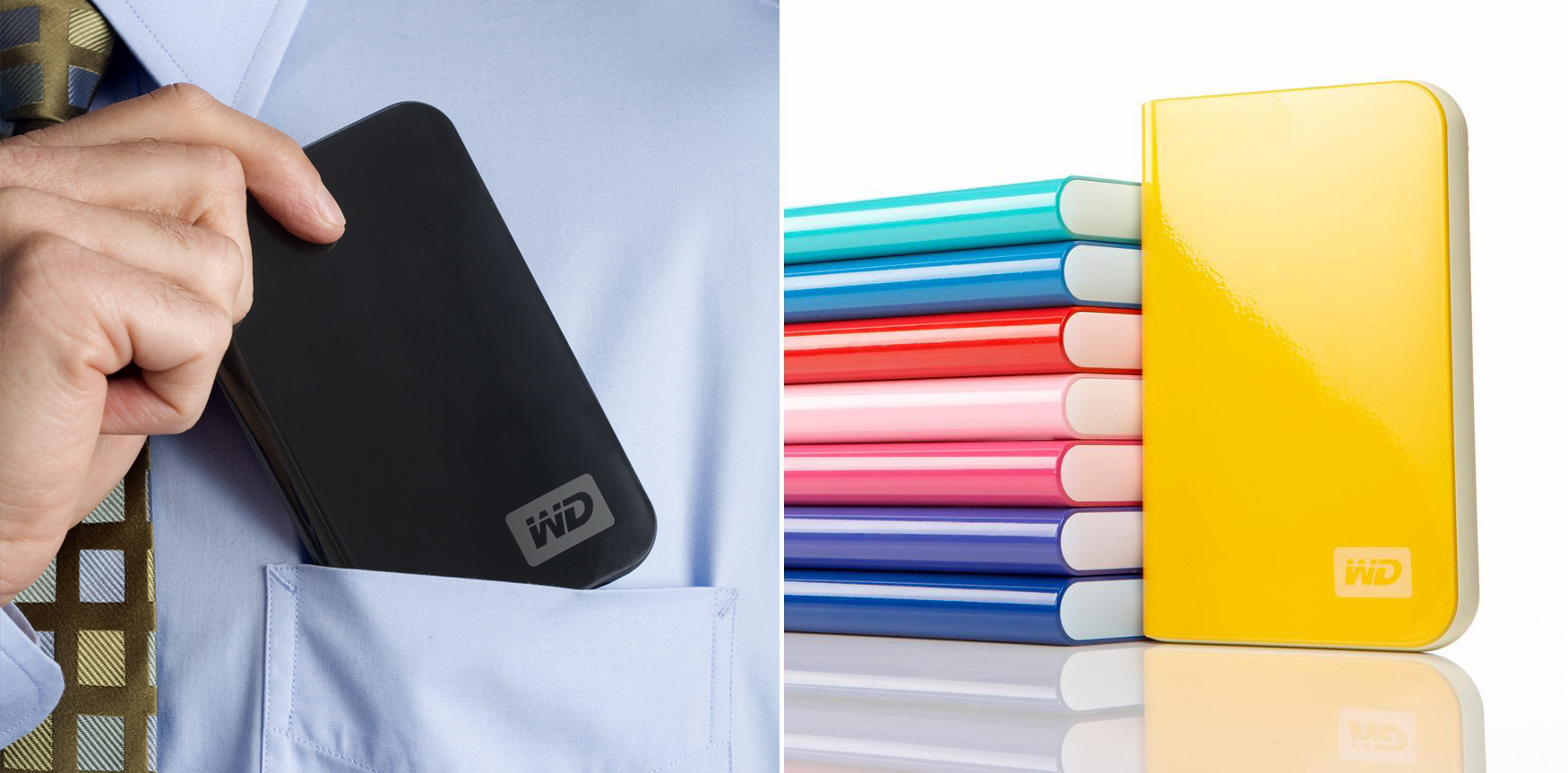
Designing a top-selling hard drive
Through a long-term collaboration, Western Digital and IDEO have created one of the world’s best-selling hard drives.
Western Digital, the leading provider of external digital-storage solutions and a pioneer in the field, and IDEO collaborated on a number of products that produced reliable, secure, high-performance hard drives for personal and professional use and have won numerous design awards.
The projects include:
- MyBook external hard drive: IDEO and Western collaborated to find a new design language for their external hard drive MyBook. In just six months, MyBook became the number-one hard drive in the Americas, and grew US market share by more than 50 percent.
- MyBook II: Looking to regain MyBook’s original number-one position in the hard drive market, IDEO and Western came together again to refresh the original design, finding ways to further differentiate the product and the brand, and winning a 2008 Spark Bronze Award.
- MyPassport: Western and IDEO designed the 320GB, ultra-portable USB-powered hard drive that appeals to the mobile user, which won both the 2008 IDEA Bronze Award from IDSA and BusinessWeek, and the 2009 iF Award.
- MyBook and MyPassport 3.0: Again, IDEO and Western collaborated on bringing the popular MyBook external hard drive to the next level in the hardware, the software, and the packaging. IDEO also created in-store merchandising, the graphics and information featured on product packaging (and the “out-of-box experience”).

Designing a city emergency plan
Helping cities prepare for emergencies with a resourceful toolkit.
The city of San Francisco wanted to help its people become better prepared in case of emergency. While no one feels totally prepared for a natural disaster, people who are most connected within a local network fare better in an emergency.
So the San Francisco Department of Emergency Management (SF DEM) and IDEO teamed up to create SF72, a revolutionary platform that helps to reach people where they are. In times of emergency, the city will need citizens to be self-supporting for 72 hours (or longer) before local services or outside help kicks in. With that in mind, IDEO developed an accessible platform to help people prepare for those 72 hours in simple ways that fit into their daily lives.
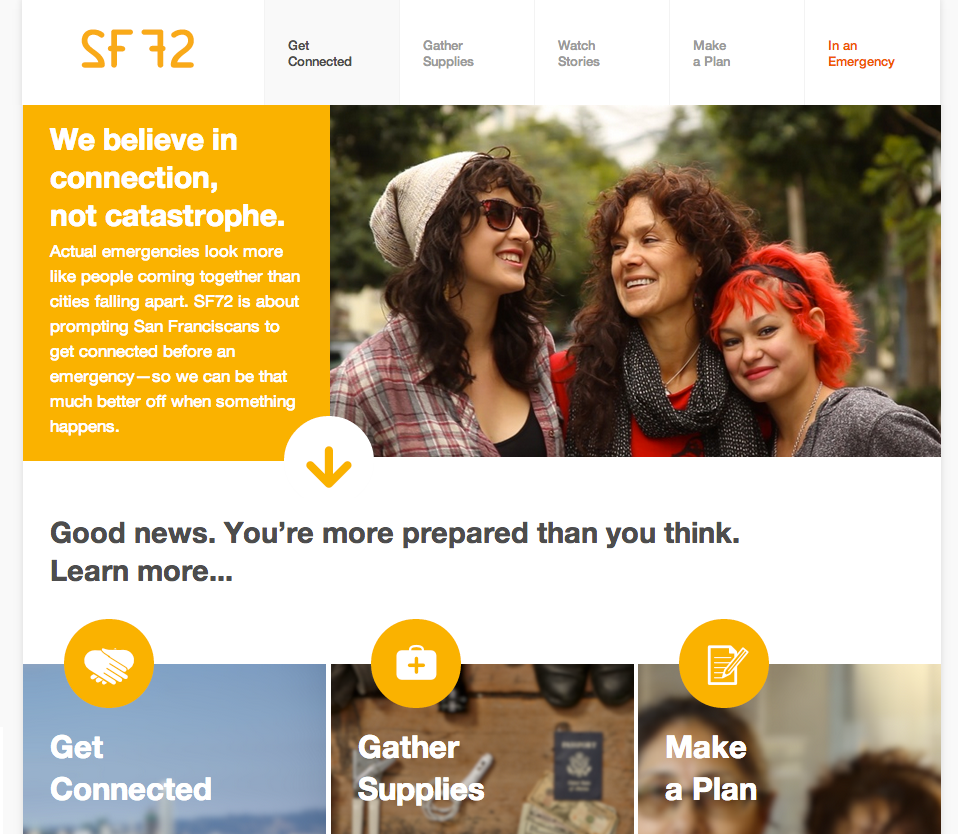
The SF72 website helps people with five important tasks: Get connected, gather supplies, watch stories, make a plan, and have access to an updated Google map. SF72’s content is hyperlocal, but IDEO and SF DEM also created an open-source toolkit for cities worldwide. From San Jose to Denver, other locales are using the simple toolkit to create a City72 platform of their own. Most recently, the city of Oakland collaborated with Code for America to develop its own platform. The City72 Toolkit enables SF72’s ethos of social connection for resilience to scale and grow—city by city.

Designing a global plan for disaster response
Creating a network that connects veterans across continents.
Team Rubicon, formed in 2010 as a response to the devastating earthquake in Haiti, is made up of former military veterans who swoop into help in times of disaster. The organization started with six vets in the US who were eager to transfer their battlefield readiness in to frontline relief efforts, and has grown to more than 28,000 volunteers across the world.
To explore its growing global effort and to shape the future of the organization’s venture, Team Rubicon approached IDEO for help. After an 11-week collaboration with government, military, and veteran groups, a vision for Team Rubicon Global emerged. Inspired by sources as diverse as TED and The Hell’s Angels, the three-tier model consisted of an anchor network to share best practices across the organization and two supporting platforms designed to help countries with varying capacity and needs.
Team Rubicon Global coordinated its first deployment in April 2015, when a quake struck Nepal, sending US and UK teams to double down on the rescue effort. According to Vince Moffit, Team Rubicon USA Incident Commander, that incident alone validated the network effect of IDEO’s work. “We couldn’t have done this without Team Rubicon UK,” he said.
And for the veterans who are part of Team Rubicon, the shared desire to serve—applying skills ideally suited for disaster response—creates a renewed sense of purpose, community, and leadership that helps reintegration to civilian life.
Our Bathroom Reading List
The average human spends 213 days in the bathroom over a lifetime. Might as well bring a good book.
Sometimes the questions are serious (“How might we better design for equity—inclusion, diversity, ageism, access, technology, etc—for all?) and sometimes they’re playful (“What’s your favorite restaurant in the Bay Area?”). But no matter what type of question goes up, the responses are always intriguing.
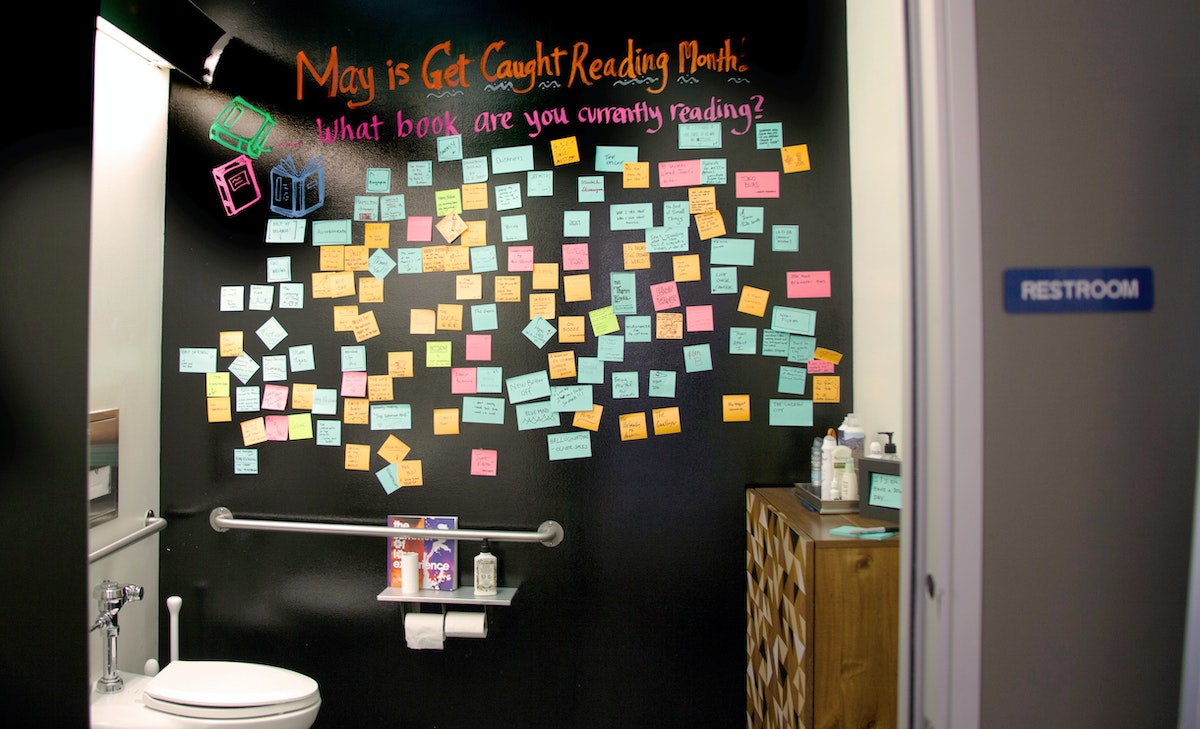
Our latest bathroom installation asked: “What book are you currently reading?” I’m always on the hunt for a good read, so I couldn’t be happier with the bonanza of recommendations. Dig in:
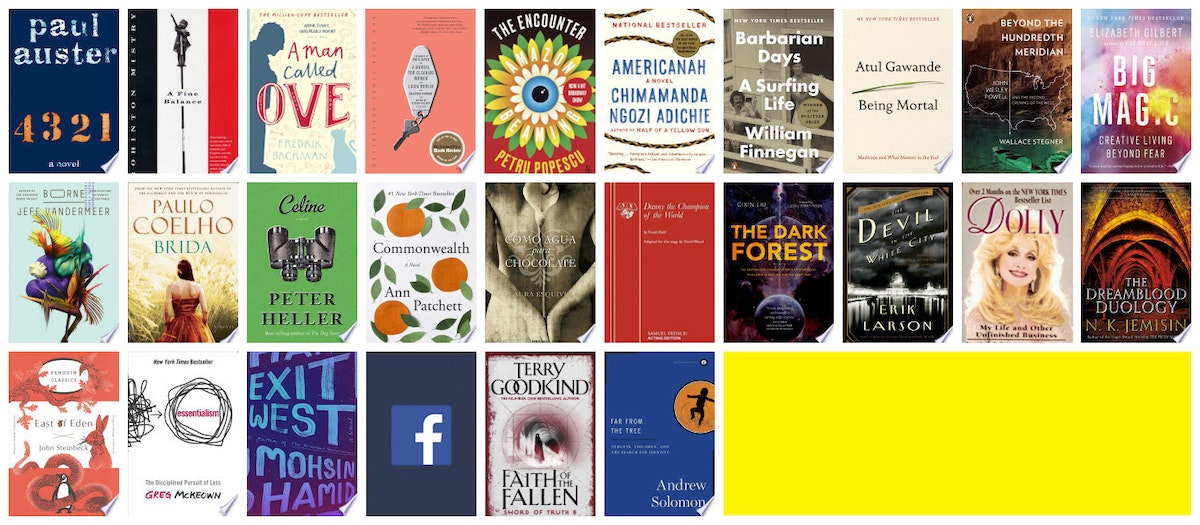
4321 ◆ A Fine Balance ◆ A Man Named Ove ◆ A Manual for Cleaning Women ◆ Amazon Beaming ◆ Americanah ◆ Barbarian Days ◆ Being Mortal ◆ Beyond the 100th Meridian ◆ Big Magic ◆ Borne ◆ Brida ◆ Celine ◆ Commonwealth ◆ Como Agua Para Chocolate ◆ Danny the Champion of the World ◆ Dark Forest ◆ Devil in the White City ◆ Dolly - My Life and Other Unfinished Projects ◆ Dreamblood Duology ◆ East of Eden ◆ Essentialism ◆ Exit West ◆ Facebook ◆ Faith of the Fallen ◆ Far from the Tree
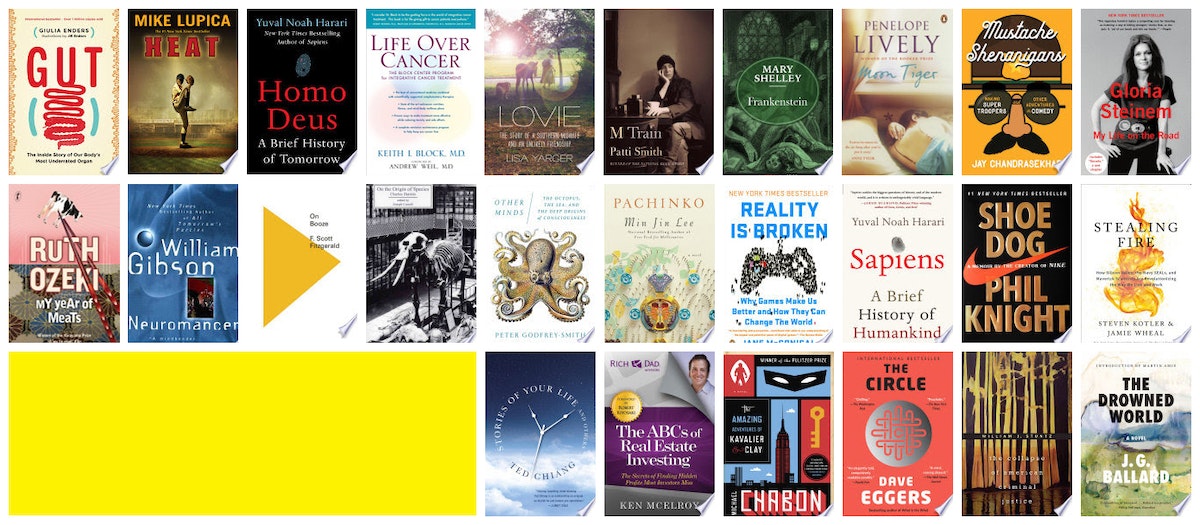
Gut ◆ Heat ◆ Homo Deus ◆ Life Over Cancer ◆ Lovie ◆ M Train ◆ Mary Shelley’s Frankenstein ◆ Moon Tiger ◆ Mustache Shenanigans ◆ My Life on the Road ◆ My Year of Meats ◆ Neuromancer ◆ On Booze ◆ Origin of the Species ◆ Other Minds ◆ Pachinko ◆ Reality is Broken ◆ Sapiens ◆ Shoe Dog ◆ Stealing Fire ◆ Stories of Life and Others ◆ The ABCs of Real Estate Investing ◆ The Amazing Adventures of Kavalier and Clay ◆ The Circle ◆ The Collapse of American Criminal Justice ◆ The Drowned World
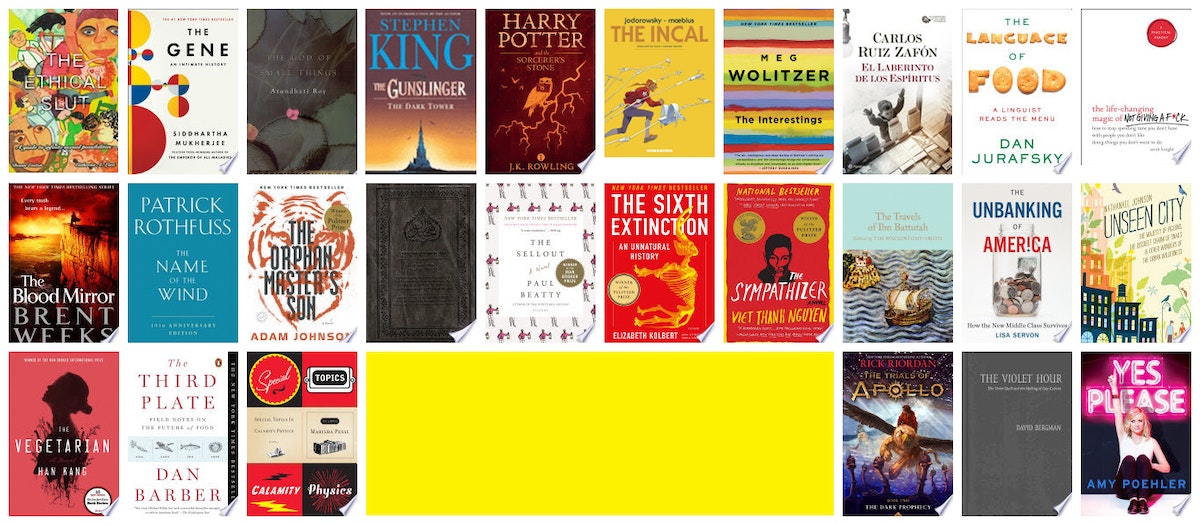
The Ethical Slut ◆ The Gene ◆ The God of Small Things ◆ The Gunslinger ◆ The Harry Potter Series ◆ The Incal ◆ The Interestings ◆ The Labyrinth of Spirits ◆ The Language of Food ◆ The Life-Changing Magic of Not Giving a F*ck ◆ The Lightbringer Series ◆ The Name of the Wind ◆ The Orphan Master’s Son ◆ The Quran ◆ The Sellout ◆ The Sixth Extinction ◆ The Sympathizer ◆ The Travels of Ibn Battutah ◆ The Unbanking of America ◆ The Unseen City ◆ The Vegetarian ◆ The Violet Hour ◆ Third Plate ◆ Topics in Calamity Physics ◆ Trials of Apollo II ◆ Yes, Please
What have you read (or listened to) on the list? And what are you curious to read? Tag your response on Twitter, Instagram, or Facebook with #bathroomread.
Visuals by Jane Ha.
There’s one IDEO tradition you’ll only get to witness if you stop by our San Francisco office with a full bladder. Every few weeks, a new question goes up on the bathroom wall. IDEOers pop into the loo throughout the day, spend a few moments minding their own business, so to speak, and the wall fills up with answers.

From Fungal Networks to Connected Businesses
What nature can teach us about collaboration
The podcast talks about how mycelium and mycorrhiza give plants a natural network for absorbing and sharing nutrients in soil. The fungi create connections with the rootlets of individual trees and grow further out to connect with the root networks of other plants. These networks create an “underground economy” by which trees can trade and share nutrients.

This method of sharing is a good lesson for business: A lack of connections can create inefficiencies and tensions between potential collaborators. Looking at these networks raised a question for us: How can we facilitate connections between real-world businesses that would allow them to share resources?
We got so excited about the idea we jumped right into building something: a prototype called Myko, a smart scale and sensors that create a mesh network allowing two businesses to share streaming data that benefits both parties. We took the opportunity to build with Nomad, an open source streaming protocol Reid Williams and Gavin McDermott have been developing at the CoLab.
Nomad works as a decentralized messaging system, an open source protocol to discover, publish, and remix live data streams from anyone, anywhere. Nomad is built on IPFS, a distributed network, engineered as universal infrastructure to be open, scalable, and durable.
The Nomad API is based on a publish and subscribe system. When someone creates a node, it can either publish data to peers on the network, or subscribe to other peer nodes on the network. Publishing nodes are called “atomic” nodes, while subscribing nodes are called “composite” nodes. When someone creates a node on the network, it’s given a unique ID. For a composite node to receive data from an atomic node, all that’s needed is this ID. From then on, any data that the atomic node publishes is delivered to the composite node in real time.

Warning, nerd paragraph:
Using a couple Particle Photons and force-sensitive resistors, we quickly set up two atomic nomad nodes capable of broadcasting real-time data from two connected objects. I used the particle event stream API to output data in a JSON format, so I could easily parse event objects just like I would with any REST API.
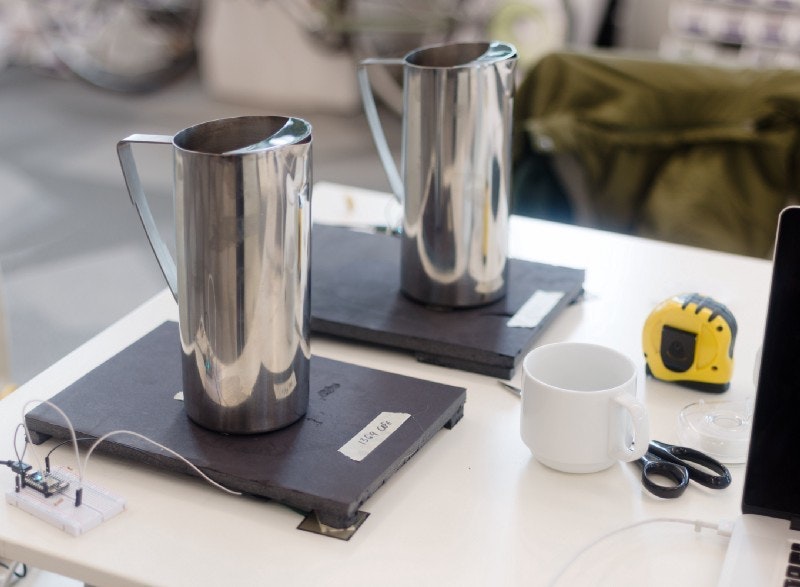
Since the Photons can broadcast anywhere with wifi and a power source, these nodes will always be running, providing a constant stream of data no matter how far apart they are.

In this prototype, we built two connected weight-sensing plinths for coffee pots to rest on. The weight data from the plinths allowed us to determine when new coffee was brewed, how old it was, how many cups had been poured, and how much was left (we could even see the cups being poured in real time). One pot sat in our office at the CoLab, and the other sat in a nearby coffee shop.
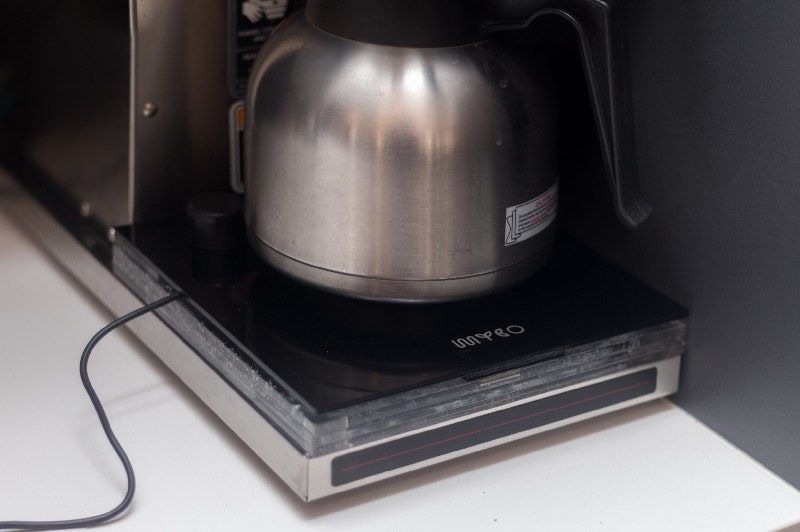
When the CoLab pot was old or out of coffee, and when the cafe’s pot was fresh or about to be emptied (which happens every 45 minutes at our local cafe — they’re serious about freshness!), a signal on the plinth at CoLab was activated to tell would-be coffee drinkers to head to the cafe for a walk outside and a fresh coffee. At the same time, a signal was activated on the cafe’s pot, letting them know that IDEOers were being sent over.
The partnership possibilities created by this workflow are endless. For example, what if CoLab diverted some of its monthly studio coffee budget to create a steady income stream for the cafe? Could the cafe institute dynamic pricing on its coffee to reduce food waste? What about baked goods that go stale the next day? Could neighboring cafes use infrared sensors to share their current occupancy to load-balance their wait times in line or their occupied seats?
These questions sparked a lot more ideas and another experiment, in which we used Nomad to reduce coffee and food waste at the cafe. When a barista brewed a fresh pot of coffee, they simply pressed a button to send a notification to customers with the app. After 15 minutes, the price of a cup of coffee dropped by 10%. After 20 minutes, it dropped by 45%, and so on. Since we knew the cafe threw out its coffee after 45 minutes, we could set a timer to reset the price to normal levels when a fresh pot was ready.
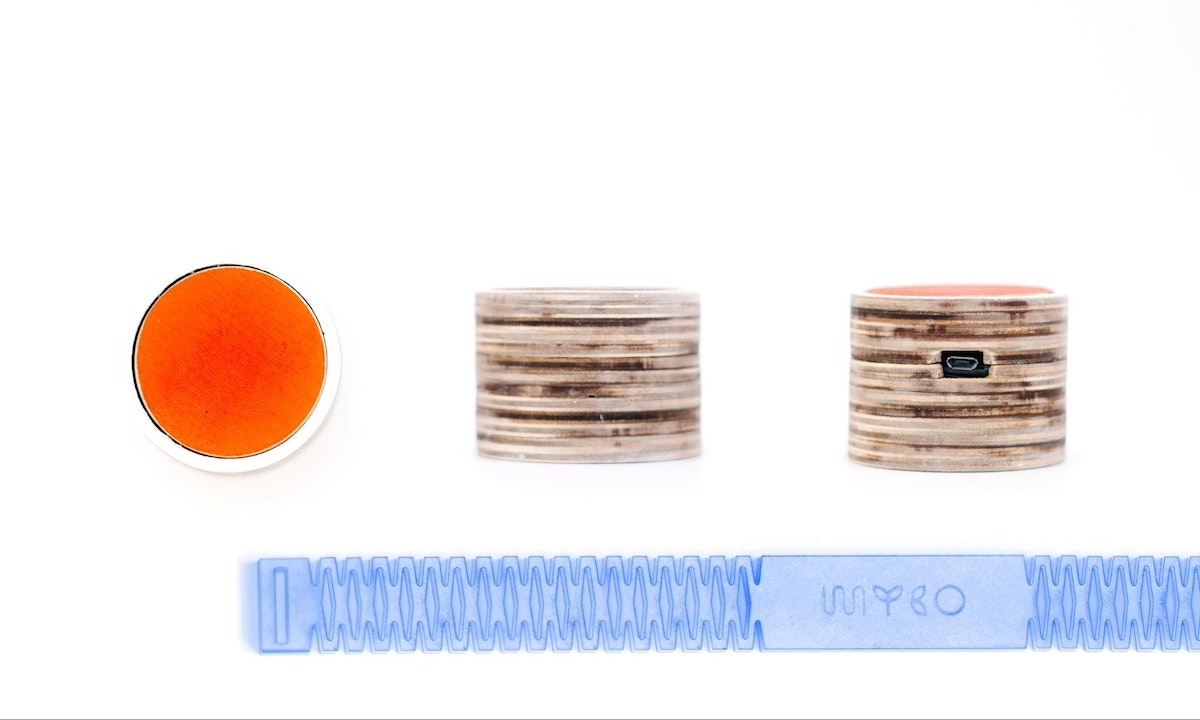
In our prototype, coffee drinkers could see dynamic pricing via an app. This website was a small nomad web app powered by data from the Myko button in the cafe.
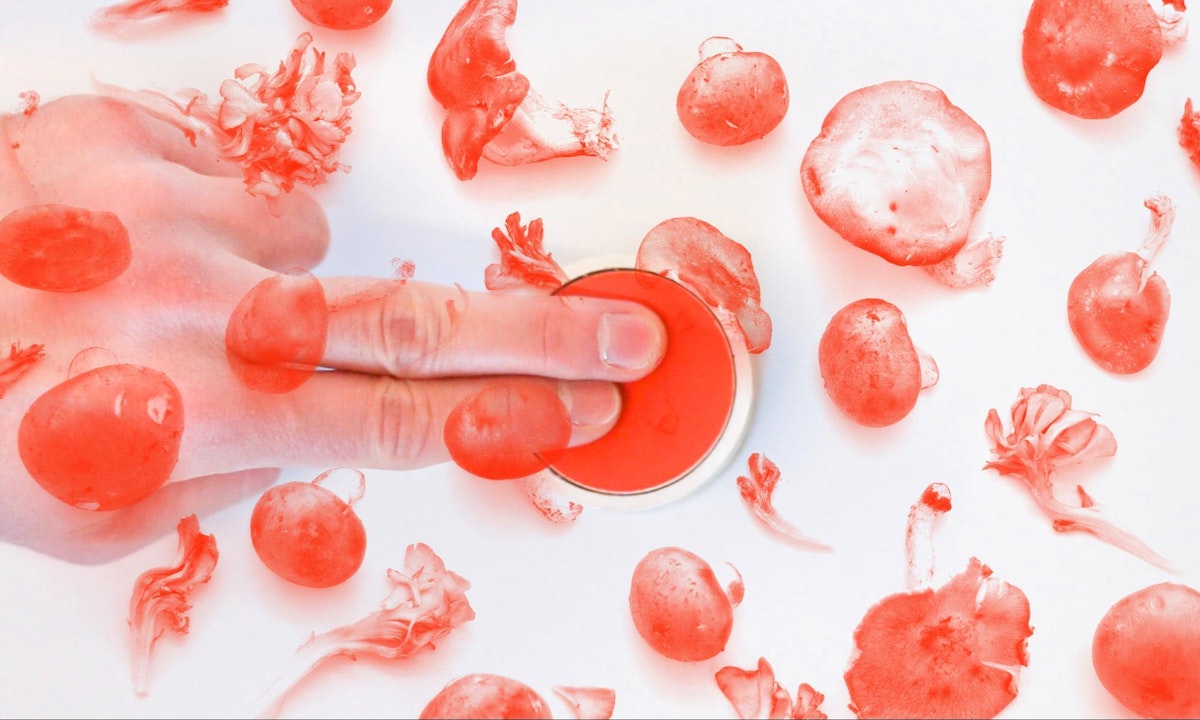
Whenever the user viewed the app, it displayed the current price of the coffee and a “buy now” button that used Stripe to create a purchase. When a user purchased a coffee, they received a unique code to redeem for the cup they purchased at the shop. The app operated off of a simple set of events whose time and content could be customized.
Something I didn’t have time to implement in the experiment was customization. Ideally, a cafe owner would be able to create new events themselves, adjusting elapsed time, content, and price with just a few taps. While this example isn’t a perfect design, we’re inspired by the live connections it can form between the cafe and its patrons.
Coffee isn’t a life-changing mechanism, but these prototypes represent a developing form of communication between objects and organizations. As we create digital twins of real world objects, our world becomes a living, breathing network, driven by data that we generate by going about our daily lives. Will smart cities be able to divert traffic through different routes based on live congestion data? Can a group of sensor-outfitted machines in a factory automatically organize a group-buy of replacement parts at a discount to the facility owner? These are questions that I’m hoping to answer through these digital fungal relationships.
Adapted from IDEO CoLab’s post on decentralizing chat here.
At IDEO CoLab, we love thinking about what nature can teach us about emerging technology. Recently, we revisited an old podcast from a source we adore: Radiolab. Their episode From Tree to Shining Tree inspired us when we were thinking about naturally-occurring mesh networks.

The Jam Session That Spanned Three Continents
Eight designers, five cities, three countries, one song
Since 2008, when I officially started making music under the name Crunchybird, I’ve learned a fair amount about recording and playing. One of the biggest lessons has been how awfully lonely being a one-man band can be—not just socially, but creatively. There's no pushing and pulling, no building on each other's ideas.
So I asked myself: How could I pull in some of my friends from around the globe to make music with me?
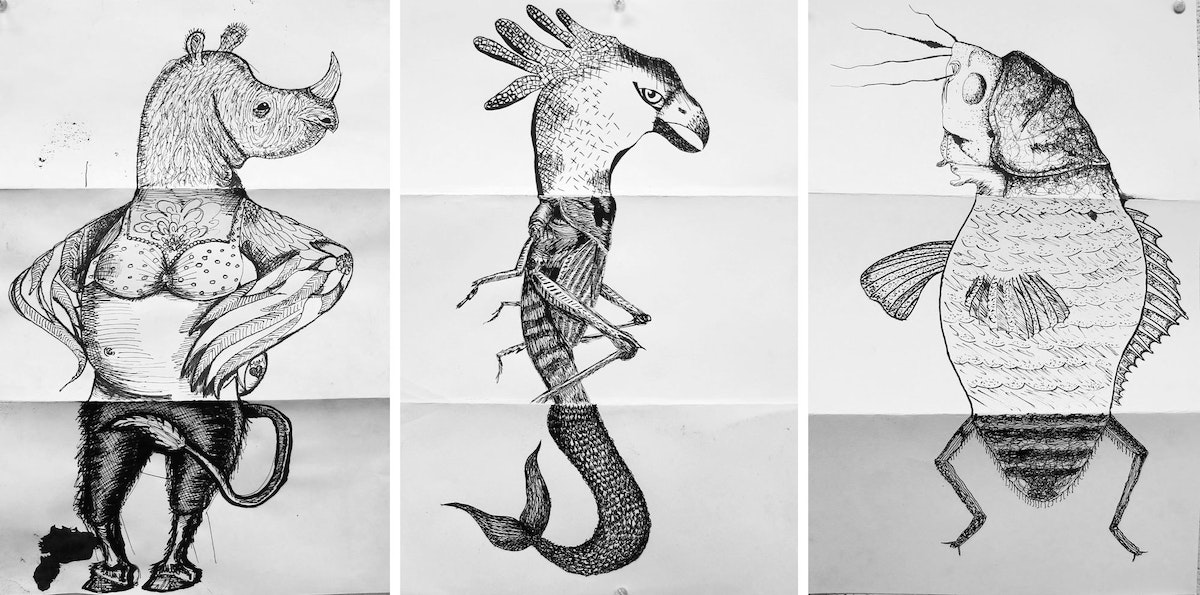
I’ve always loved the concept of Exquisite Corpse, the Surrealist parlor game where someone starts a drawing and passes it on to others to continue. The final artwork is always unexpected, occasionally horrifying, and unavoidably original. Could we pull off a musical version? I was curious to see where it could go, so I threw the challenge to a motley crew of musically-minded colleagues around the world.
The rules were simple: Start something and pass it to someone else, somewhere else. That person spends a day adding to it, then sends the track to the next collaborator. And so on. We called the project "Exquisite Chords."
I learned a lot from the process. Before I walk you through the track my friends and I built together, here are some design principles to get you going.
3 tips for creative collaboration
- Start small and let go. When you collaborate with others, it’s tempting to set up a very detailed structure with a lot of constraints. For this project, it was fun to start with something more basic and give people the room to interpret it and shape it their own way. Don’t overthink it. Just let everyone throw something into the mix.
- Make each other successful. It can be really cool to see how participants take each other's work and improve on it. It's the musical version of the classic improv response "Yes, And…" Take what’s awesome and make it more awesome.
- Guide the vision. Creative collaboration can be terrifying. You have no clue how something will turn out, and it can be a disaster—the phrase "too many creatives in the kitchen” comes to mind. But as the leader, you have the opportunity to influence the end result. It’s important to respect people’s contributions, but to also know when to take the wheel and shape the outcome.
Exquisite Chords, step by step
Here's how our musical experiment started: One night, while sitting on the couch on our tiny apartment in Tokyo, with my wife and kid sleeping in the next room, I recorded a one-bar bass line over a simple beat on my Mac. What you’ll hear is an insomniac trying to make some sound very quietly:
I tossed the track over to my friend George Joseph, a communications designer at IDEO San Francisco, and an actual musician. He laid down some sweet, dynamic goodness atop my track in just a couple of minutes because he is, as noted above, an actual bassist. He also recorded an awesome vocal take. The lyrics are still a mystery to me:
George then shared the track with our friend Simon Heather, a business designer at IDEO New York, who we had heard has some shreddy chops on the electric guitar. It was true:
Simon passed the ball to Nick Dupey, a design director at IDEO Cambridge. Nick has a toddler named Julian Rose, who he recorded making toddler sounds:
Nick punted it to merry Munich, where design directors Franz Blach and Trent Huon took the whole affair to another level. Franz busted out a cornucopia of manipulated acoustic guitar sounds. He then arranged the pieces into a more dramatic song structure—verse, chorus, bridge, and outro included:
Trent added a touch of madness, crooning about the changing of the seasons on top of the new arrangement, improving the melody George had created:
And then it went back to San Francisco, where interaction designer Zubin Pastakia tacked on some angelic synths to round out the crescendoing finale:
Once the track was back in my hands in Japan, I realized the bass line that started it all would work better on the piano, so I re-recorded the melody and added a few parts to fill in the new arrangement. The piano complemented Franz’s acoustic guitar, which unfurled into a nice little wandering outro that could probably go on to be another song.
Finally, I worked with my producer friend Hamacide (a.k.a. Yusuke Hama) here in Tokyo to help tuck everything in, smooth it out, and make some final mixing and mastering adjustments to bring it all up to the next level.
Here's the final track, “Leaving Light”:
Our first collaboration as Exquisite Chords was indeed unexpected (and not too horrifying, I hope). What started as quiet plucking on a sleepless Tokyo night had blossomed into a trip-hop adventure for eight people from five cities in three countries. We never spoke to one another—it all happened over email and Dropbox.
It may not be perfect, or even be for everyone, but it's ours.
Want to join our digital jam sesh? Download the tracks above, add your own layer of sound, and tag your new mix with #ExquisiteChords.
I’m not a trained musician. But music is my favorite way to carve things out creatively. That is to say, I tinker with instruments to make noises that sound good together until I am smiling a lot. I'm not spitting out perfect tracks, but I'm having fun.

7 Tips for Seamless, Sexy Typography
For more friends and fewer misunderstandings
1. Keep a steady rhythm with ideal line lengths
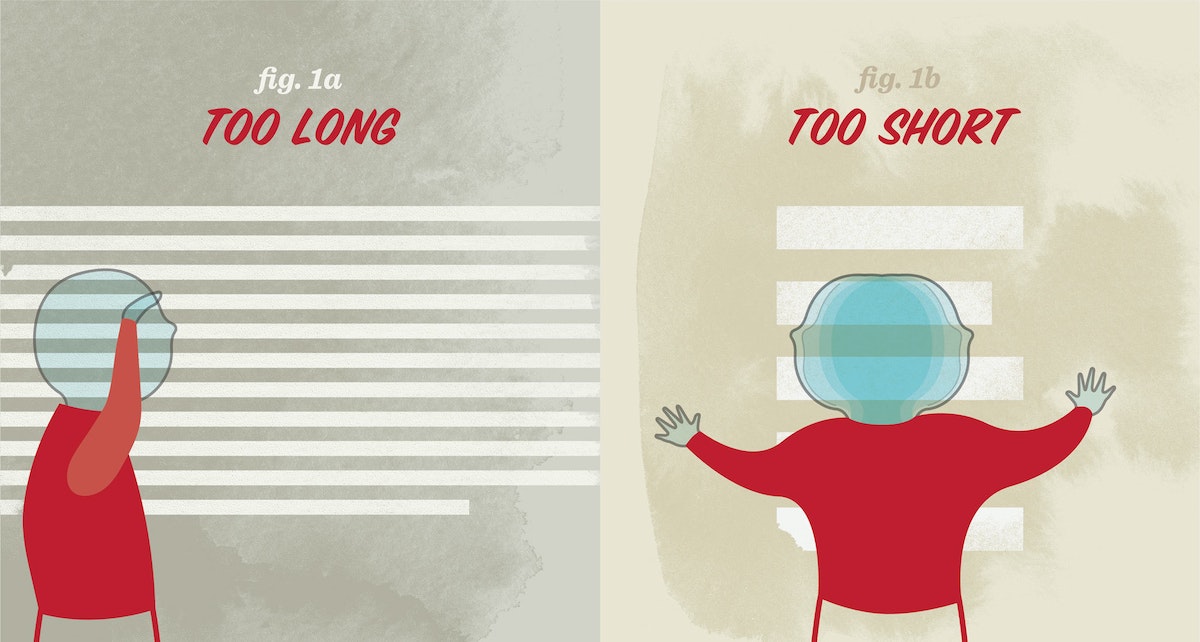
The length of a line determines how much distance the reader’s eyes must cover to read it from left to right. Long line lengths make the text seem never-ending. Short line lengths make the reading experience erratic, and can cause the reader to miss important words. An ideal line length is 66 characters (including letters and spaces). For one column of text, aim for 45–75 characters per line; for two columns of text, 40–50 characters per line.
2. Use the right kind of dash
Dashes, such as hyphens, vary in length depending on the typeface.
The em dash (—) is a long dash, the length of the uppercase “M.” It can be used as an alternate for commas, parentheses, or colons, and is an incredibly versatile way to create emphasis in your writing. When used in multiples, the em dash also indicates missing portions of a word (s——t).
The en dash (–) is half the length of the upper case “M”—shorter than the em dash, but longer than the hyphen. It is used to separate a range or span of numbers, and is sometimes used to connect a prefix to a proper noun.
Keyboard Shortcuts
Em dash (—): shift + option + hyphen
En dash (–): option + hyphen
3. Don't put hyphenation in auto-drive
In the digital age, we often take hyphenation for granted, opting to use the “auto-hyphenate” setting, but there are some best practices to keep in mind when typesetting with hyphens.
If you are breaking a word between two lines, keep at least two characters in the first line and at least three characters on the second line. Try not to hyphenate consecutive lines. To “un-break” a word between lines, use a soft return (shift + return) at the beginning of the word to force it onto the second line.
4. Know the difference between smart quotes and prime marks
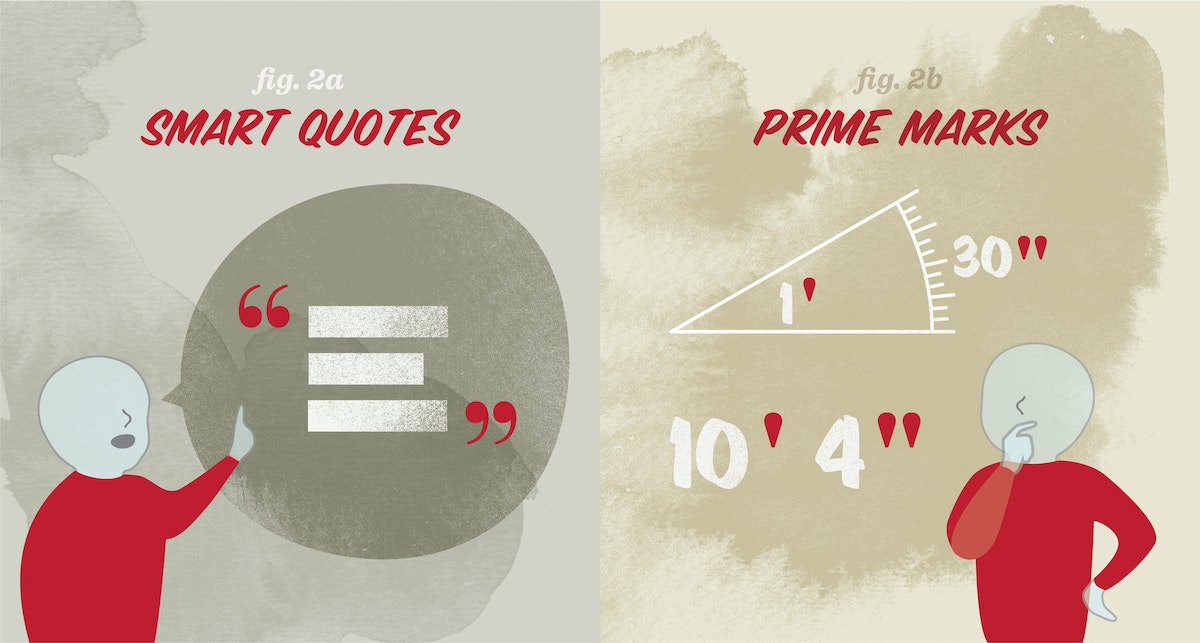
Prime marks ( ' ), also known as straight quotes or dumb quotes, are often accidentally used in place of smart quotes ( ‘ ), also known as curly quotes. Prime marks are a remnant of the typewriter, which only had prime marks to save space on the keyboard. So what’s the difference? Prime marks are used for units of measure (feet, inches, seconds, and minutes); smart quotes are used to indicate something someone has said.
Keyboard shortcuts
Left single quote ( ‘ ): option + ]
Right single quote ( ’ ): shift + option + ]
Left double quote ( “ ): option + [
Right double quote ( ” ): shift + option + [
5. Maintain a strong vertical axis
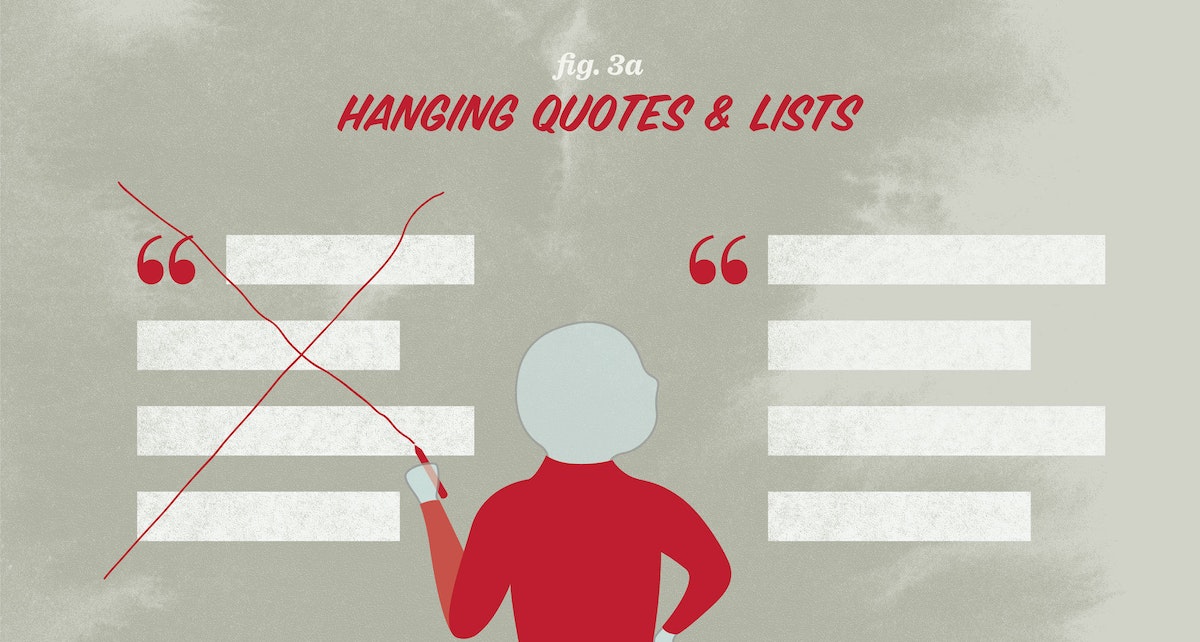
Hanging text, or outdenting, means moving typographic elements into the left margin. You do this to create a consistent vertical axis along the left end of the text. Quotes, bullets, and dashes do not take up as much visual space as a letter, so a list or quote that has not been hung, or outdented, can sometimes be mistaken for a new paragraph and cause unintended breaks in the reading rhythm.
6. Be on the lookout for widows and orphans
Try to avoid widows and orphans in your text. Widows and orphans are one or two words at the end of a sentence that are pushed to a new column or page; widows are at the end of a column, orphans are at the top of a page. They create very short lines and gaping holes of white space that can be visually disruptive for the reader. Maintain the flow of each sentence by using a soft return to eliminate stray words.
7. Track out all-caps text and use all-caps sparingly
When designing fonts, typographers must determine the amount of space around each letter so that letters of different sizes appear evenly spaced. The spacing around uppercase letters is often a little tighter, so that they can sit closer to the lowercase letters in a mixed-case word. When you typeset a word in all-caps, the letters will appear very close together. Remedy this by tracking out, or letter-spacing, all-caps words by about 10% of the point size height. For more details and examples on tracking (and how it’s different from kerning), take a look at Ellen Lupton’s book Thinking with Type, also available digitally here.
If your writing uses a lot of acronyms, consider selecting a typeface with a small caps font. Small caps are all-caps fonts designed within a typeface so that each letterform is only slightly taller than a lowercase letter. Small caps are automatically letter-spaced, and should not need any additional tracking.
Hungry for more on typesetting? Below are a couple of my favorite tried-and-true typesetting references:
A Type Primer by John Kane
The Elements of Typographic Style by Robert Bringhurst
Practical Typography by Matthew Butterick
Typography can be expressive, informational, or abstract. But sometimes it just wants to be invisible, allowing the content to take center stage. In this first installment of our Type Talks series—where IDEO designers nerd out about all things typographical—we offer tips for seamless, sexy typesetting (that you hardly notice).

Lindsey Turner
I’m passionate about building brands, products, and experiences that help organizations show up with meaning and momentum.
I help organizations cut through complexity by shaping how they show up, through brand strategy, identity, and storytelling.
Working at the intersection of brand and business, I bring an editorial eye and a bias toward making—turning ideas into tangible experiences that people can understand, trust, and believe in.
My work spans government, healthcare, financial services, media, and consumer goods, from launching Gen Z-focused ventures to building innovation labs and reimagining legacy brands. I relish moments of ambiguity and enjoy translating across teams, perspectives, and priorities to move ideas forward.
I started my career in editorial and digital design, shaping cross-platform experiences and identity systems in publishing and agency environments. That foundation still shapes how I work today: I’m detail-oriented, collaborative, and overreliant on the Oxford comma. I hold a BFA in Visual Communication from the School of the Art Institute of Chicago.

Rachel Young
My work helps organizations see who their products aren't working for—and build the will and the tools to do something about it
For 25 years, I've asked the same question: Who does this design exclude—and what are we going to do about it?
My work spans human-centered strategy, inclusive design, and qualitative research, with clients ranging from Microsoft, Google, and Verizon to the National Science Foundation, and San Francisco Unified School District.
Before IDEO, I taught elementary school in East Palo Alto and spent a decade doing design work with social service organizations—where I learned firsthand what it costs people when systems are built without them in mind.
I am currently writing User Error, a nonfiction book about digital access and the design decisions behind it. I live in Oakland, California.

Brian Pelsoh
I lead with craft, ensuring our work is creatively excellent: rooted in deep human insight and imagination, while also grounded in the realities of business and technology.
My expertise spans brand, communication, and product design across tech, education, the arts, and social impact.
I believe great work demands both high-level vision and obsessive attention to detail, and only happens through collaboration.
I bring an inclusive, hands-on approach and a deep understanding of business, which enables me to consistently deliver excellence while always asking why.
Before joining IDEO, I worked at the brand firms Pentagram and VSA Partners. I began my career as a designer, leading teams at the School of the Art Institute of Chicago and the Milwaukee Art Museum. I hold an MFA in graphic design from Maryland Institute College of Art and a BFA in communication design from the Milwaukee Institute of Art & Design, and have taught at some of the best design schools in the US.

Tony Wong
I am responsible for IDEO’s long-term success in China and working with clients to use design as a tool to enable growth.
I am responsible for IDEO’s long-term success in China and working with clients to use design as a tool to enable growth. Specifically, I have helped Chinese companies design holistic brand solutions through the development of their products, communication, services, and innovation teams, and I have helped multinationals expand their presence and influence in China.
I advise global leaders on developing China-led innovation and capabilities.
In over 15 years in IDEO Shanghai, I have worked on projects that use design to elevate the quality of the experience of healthcare products and services, streamline processes that increase productivity, create spaces and programs that promote and enable inclusive communities, and build next generation mobility solutions that are planet-positive.
Before joining IDEO, I worked at Philips Electronics and the Electrolux Group in Italy, the Netherlands, and Singapore on a number of breakthrough commercial products. I am a member of the Young President Organization in Shanghai.

How to use AI as an editor, not a writer
Ed White shares how he uses AI as an editor—not a writer—to sharpen storytelling, rehearse ideas, and preserve the productive friction that makes creative work better.
Ed White has a rule he's tested on his own writing: hold yourself as the writer, and let AI be your editor. Ed is a Senior Design Director at IDEO's London studio, where he co-leads the firm's AI portfolio across Europe. Before IDEO, he spent 12 years as a writer and editor at the Financial Times, Wired, and Contagious. So when he talks about when to use AI for storytelling and when not to, it comes from two decades of crafting his storytelling skills.
In this episode, Mina Seetharaman talks with Ed about two specific tools he uses to keep AI in an editor's seat: a "roasting agent" prompted to critique his drafts without any sugarcoating, and a simulated audience he rehearses pitches on before the real thing. They also get into what Ed is hearing from design leaders at Anthropic, Lovable, Shopify, and Google Creative Lab about how creative work is changing, and why he thinks the friction of writing something yourself is worth protecting rather than automating away.

Building a personal AI for the messiness of life: Sida Li
Becca Carroll talks with Cue co-founder Sida Li about designing a personal AI for the messiness of everyday life—not just work. They explore how Sida stays anchored to human needs while navigating fast-changing technology, product tradeoffs, business-model experimentation, and the realities of building an AI company today.
Most AI products today are built for work—a space with clear problems and established systems. One founder noticed a gap: personal life is messier, harder to systematize, and mostly left behind by the AI boom. So she built Cue, a personal AI that lives inside iMessage and group chats, to go where the other tools haven't.
In this episode, Becca Carroll, IDEO's Chief Strategy Officer, talks with Sida Li, co-founder and CEO of Shared Context Lab, about staying anchored to a human need while the technology around her keeps changing shape, why she treats her business model with the same rigor she'd bring to a product, and what it feels like to build a company at this particular, disorienting moment in AI.
The conversation also gets into how Sida makes design decisions: the language Cue uses to describe itself, the tradeoffs behind building inside iMessage instead of a new app, and a real story about a business idea that didn’t pan out.
This is the second in a two-part series profiling founders from IDEO's Startups-in-Residence program. The first conversation is with Johannes Seemann, founder of Sooner, on designing GenAI for the emotional side of money.

Designing GenAI for the emotional side of money: Johannes Seemann
Designing financial tools around the feelings that shape money decisions.
Most personal financial tools are built to run the numbers and optimize towards a budget. While that works for some, most people experience money as a lived relationship that does not neatly fit into a spreadsheet. Johannes Seemann and Becca Carroll discuss why money is emotional before it is mathematical, and what a human-centered approach to building a generative AI financial product looks like in practice.

The curious leader's edge in uncertainty: Scott Shigeoka
How genuine curiosity helps leaders navigate uncertainty with greater confidence.
Mina Seetharaman talks with Scott Shigeoka, author of Seek and Head of Curiosity Cultivation at the Eames Institute, about what distinguishes genuinely curious leadership from performative curiosity, how power dynamics shape curiosity, and why practicing curiosity can restore energy rather than drain it.
Looks like you might be in search of something very specific?
Or reset the filters above and try another angle.
Here’s some random inspiration

Podcasts about creative leadership

Articles about the power of prototyping
