
.svg)



Kickstarting Europe’s biggest smart energy company
Strategies to bring a new product to market.
Have you ever had that gnawing feeling, just as you’re sitting down to your computer at work, that you’ve left the central heating on at home? You’re not alone. Rising concern about wasted energy and the financial cost of unregulated thermostats, as well as the convenience of a connected and cozy home, all point to the rise of the smart thermostat. Berg Insights projects it’ll grow 64.7 percent over the next five years.
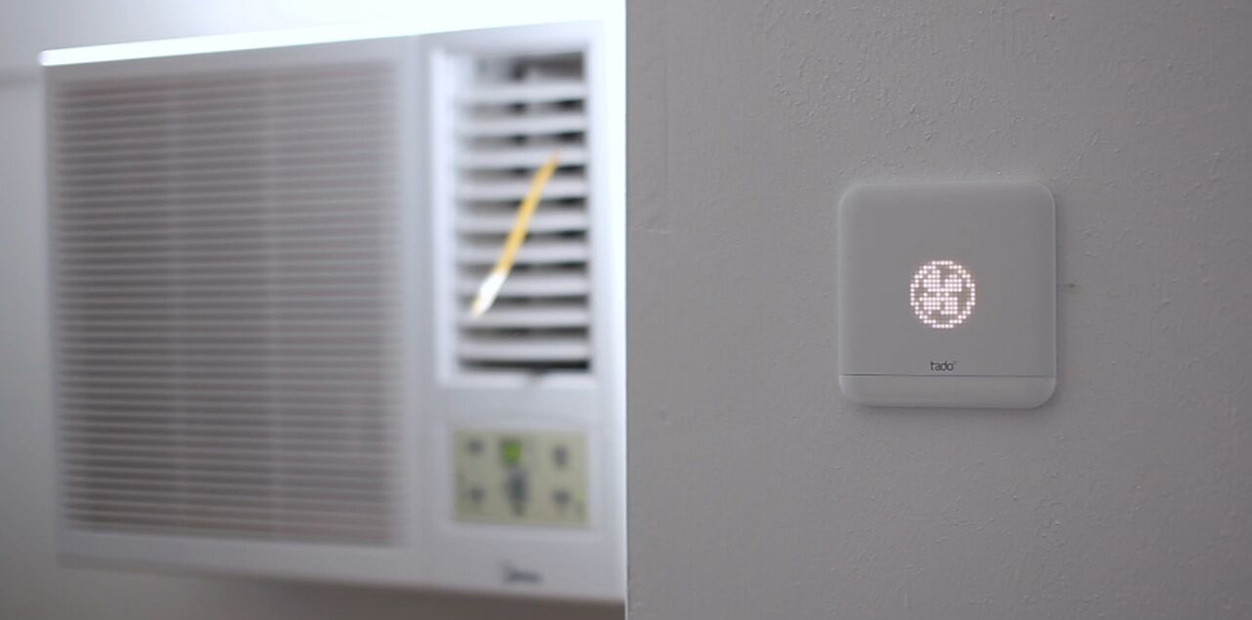
Founded in Munich in 2011, tado° is Europe’s biggest maker of smart thermostats and air-conditioning controls. Looking to grow, tado° approached IDEO, a longtime collaborator, with a late-stage prototype for a new, wall-mounted gadget to connect any air-conditioning unit to the web so it could be controlled remotely through a smartphone app.
Dubbed tado° Cooling, the device recognizes when people leave their house and heats or cools the house upon their return. The brand tasked IDEO with a three-fold goal: gauge interest in the device, raise brand awareness, and work out product/market fit.
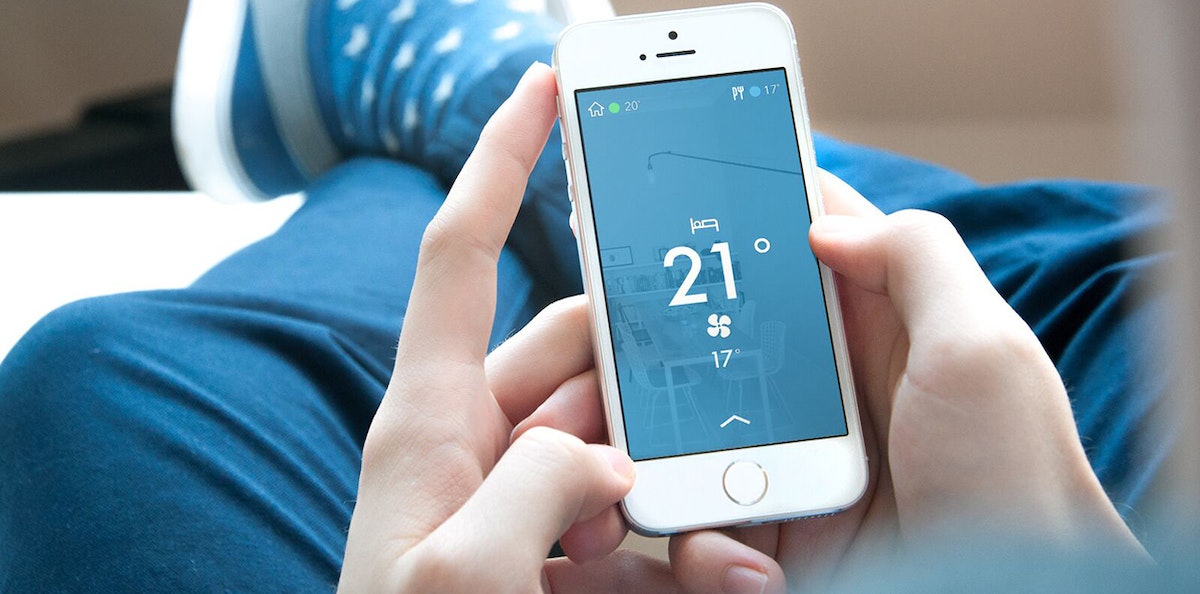
After stakeholder interviews, research, and prototyping, IDEO supported tado°’s team in refreshing the industrial design of the hardware and creating a distinctive yet unified user-interface language for the brand’s existing and future products.
To work out what potential customers thought of tado° Cooling, tado° turned to a novel research medium: Kickstarter. Its ultimate goal? Knowing whether people would part with their money for one. The IDEO team provided an overarching crowdfunding strategy, including funding goals, giving tiers, and marketing, and shot the brand’s Kickstarter campaign video.
As a result, the campaign burst through its $150,000 funding goal to $200,000, and scored coverage in a raft of tech media outlets including TechCrunch, GigaOm, TheNextWeb, Engadget, and PC Magazine. After hitting its “stretch goal,” tado° is adding non-A/C device controls, a Windows Phone app, and IFTTT and Jawbone Up integration.
In addition to media coverage, and showing the public’s appetite for the device, the Kickstarter community’s conversation unearthed further user insights that fed into product development, according to tado° head of design, Jens Pohl.
Buoyed by that success, tado° enlisted IDEO to translate user insights and a big-picture overview of the connected home sector into new services to enhance the device’s UX, and introduced new business models to strengthen its European brand strategy. Early visual concepts, learnings, and evidence from this exploration supported the brand’s investor pitch, securing a further round of $15 million venture capital.
Invigorating a pharmaceutical company’s culture
How four simple words helped a global company activate its purpose.
Dr. Reddy’s, a 36-year-old global pharmaceutical company headquartered in India, was growing at a rapid pace. Over the years, the company’s main focus had been on producing affordable generic medication. But with more than 24,000 employees and seven distinct business units operating in 100 countries, there was an urgent need to identify a core, unifying purpose—one that would articulate a set of shared values and align leaders on key business decisions and goals.
G.V. Prasad, the company’s Co-Chairman and Managing Director, knew that the vision had to be simple and elegant–an emotional drive that every employee across the company could relate to and act upon.
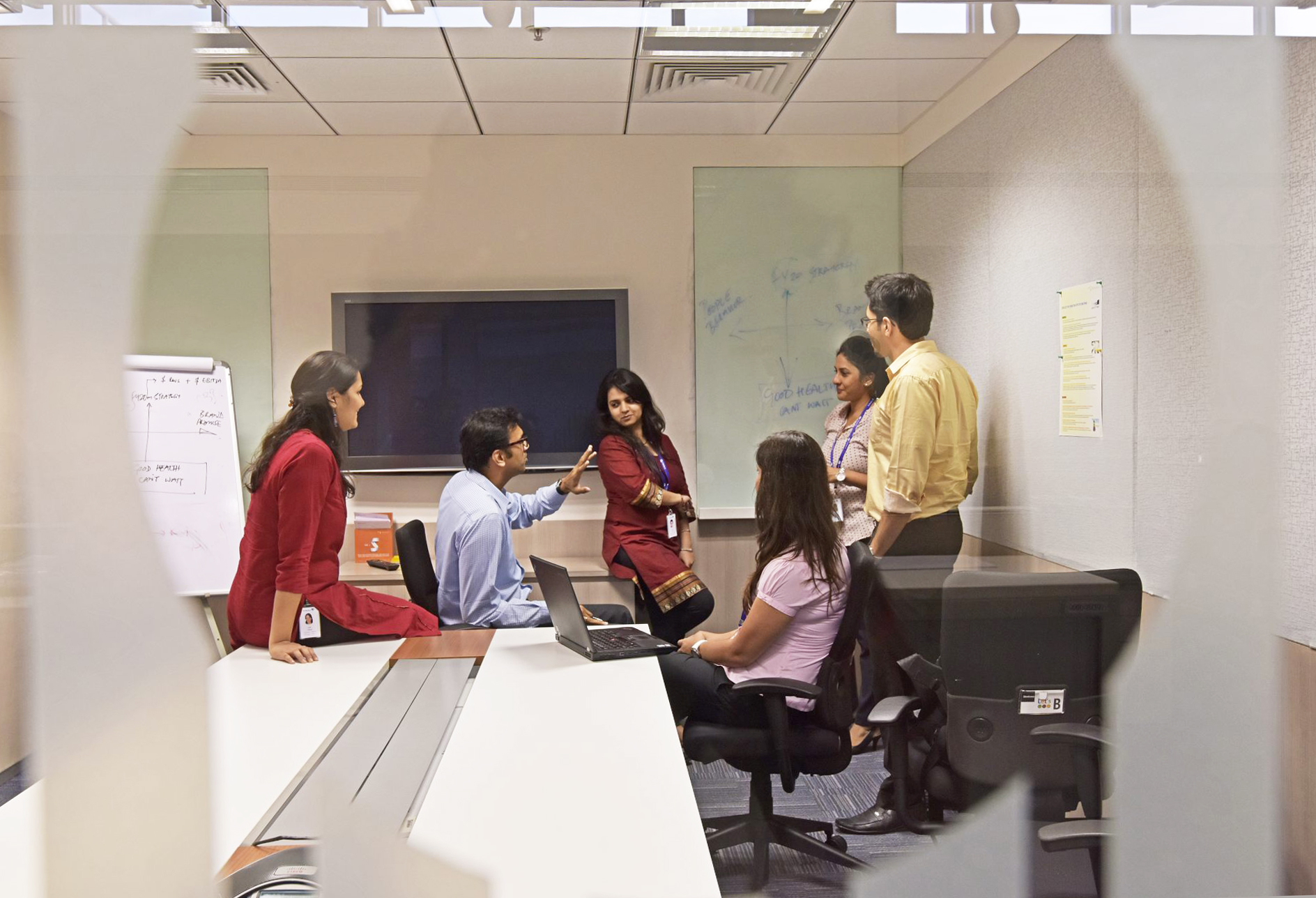
Prasad partnered with IDEO to distill the focus that would align the company. Over the course of several months, Dr. Reddy’s team worked with IDEO to learn about the needs of everyone, from shop floor workers to scientists, external partners and investors. Together, they defined and distilled the essence of the company, paring it down to four simple words that center on the patient: Good health can’t wait.
The simplicity of these words belie their power. According to Prasad, the newly articulated purpose has resonated across the company, changing the whole culture of the organization. The idea of infusing a sense of urgency and nimbleness to their systems as a means of serving their customers has had a direct application in almost every corner of the business. Employees connect the message to their own experience, and each of the different business units are now moving towards a common goal.
A Shift Inside
“Good health can’t wait” has become a powerful recruitment tool and employee rallying cry. It makes clear that the company is in the business of serving patients, not just creating products, no matter how innovative or affordable. This has given a new sense of meaning to all personnel, from frontline sales representatives to senior leaders to scientists. Many key decision-makers, including new CEO Erez Israeli, share that the purpose statement inspired them to join the company.
Articulating Dr. Reddy’s purpose has empowered these employees to take risks, experiment, and work together. For example, the marketing department has refocused its efforts on finding solutions that improve patients’ consistent use of their medications. And motivated by the idea that patients can no longer wait for a cure, employees from different disciplines are coming together to find inventive ways of bringing new products to market in record time.
“The website medznat.ru required immense collaboration between various teams—medical, information technology, marketing, and analytics,” says Mvsma Raja, Head of Strategy and Marketing for Emerging Markets. “This served as a platform to bring the latest happenings in the area of pain management to doctors in Russia, who we learned are looking for the latest medical updates on the go.” Building on this cross-functional collaboration and momentum, Dr. Reddy’s established an internal design studio dedicated to using consumer insights and rapid prototyping to drive innovation.
New Offerings
“Our brand belief has inspired how we’ve thought about our future growth,” says CEO Erez Israeli. The new purpose unlocked a series of initiatives, including the aforementioned website for Russian physicians and innovative pill packaging that helps patients better understand their instructions.
Purple Pack is a new type of pill package that ensures that vital information like the expiration date is not torn off and thrown away. Born out of Dr. Reddy’s in-house design studio, Purple Pack allows the pharmacist or patient to mark their daily dosage and reminders on the packaging itself, as paper prescriptions are often misplaced.
A Business Boost
“Good health can’t wait” has not only attracted and unified talent and inspired new offerings, it’s boosted both sales and profit. For example, Dr. Reddy’s generic oral diabetes medication, Metsmall, has become the fourth largest brand in India based on the number of pills sold. The medication is distinct from competitors’ versions in that the pill is smaller and easier to swallow—a clear embodiment of product development oriented around the patient. With its signature Purple Pack convenience packaging, the medication has been one of the fast-growing Indian pharmaceutical brands over the last two years.
Looking ahead, both Prasad and Israeli hope to continue building a purpose-led culture that influences the business from the inside out, inspiring employees to be empathetic and responsive and realizing its mission to deliver good health to all.
Creating a social enterprise to bring learning into the real world
Designing for youth, with a focus on learning as a lifestyle.
In 2006, the MacArthur Foundation made what became a big bet about the future of education, shifting its attention away from the traditional school-based model of reform toward a more youth-centered approach.
By 2014, the bet was starting to pay off, but for it to really succeed, it needed an innovative path to scale and an entrepreneurial approach to sustainability. That’s when MacArthur came to IDEO for help in designing a new organization.
Together, IDEO and MacArthur set out to transform the foundation’s efforts into a self-sustaining enterprise that could balance the social responsibilities of a nonprofit with the lasting viability of a business—an opportunity that was as much about designing a new infrastructure as it was about creating a new culture.
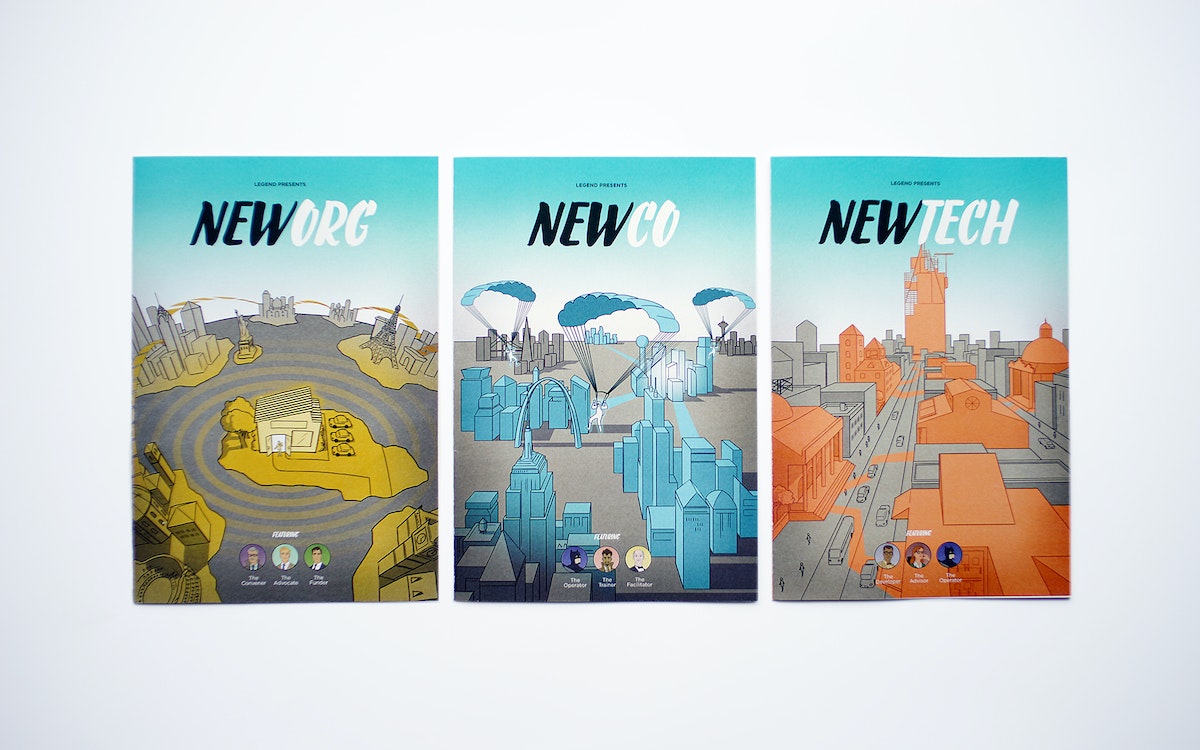
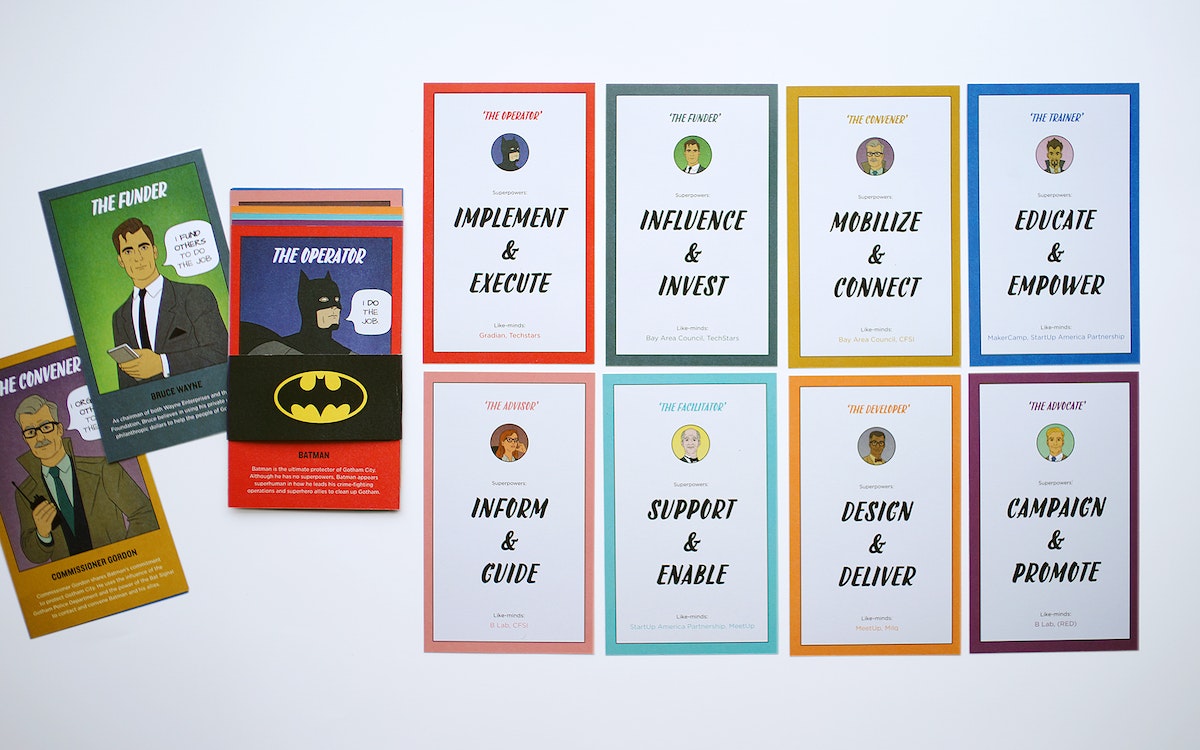
Using a novel prototyping process, IDEO created three illustrated scenarios to tell different versions of LRNG’s possible future, each with an alternative portraiture of its purpose, vision, operating structure, product portfolio, and business model. Through a playful, modular storytelling structure, the stakeholders considered the potential trade-offs of the different approaches and how to prioritize their organizational goals with clear definitions of success.
These different future-forward scenarios helped funders and partners grasp a radical organizational vision, as well as a clear operational model that was go-to-market-ready.
In October 2015, the MacArthur Foundation launched Collective Shift, the organization behind LRNG, with $25 million in seed funding and 30 partners, including Arizona State University, Gap Foundation, the Boys & Girls Clubs, Electronic Arts, and musical artist John Legend.
Based on the scenarios created by IDEO, LRNG is dedicated to creating a “learning as a lifestyle” movement that will transform the learning landscape and close the equity and opportunity gap for young people.
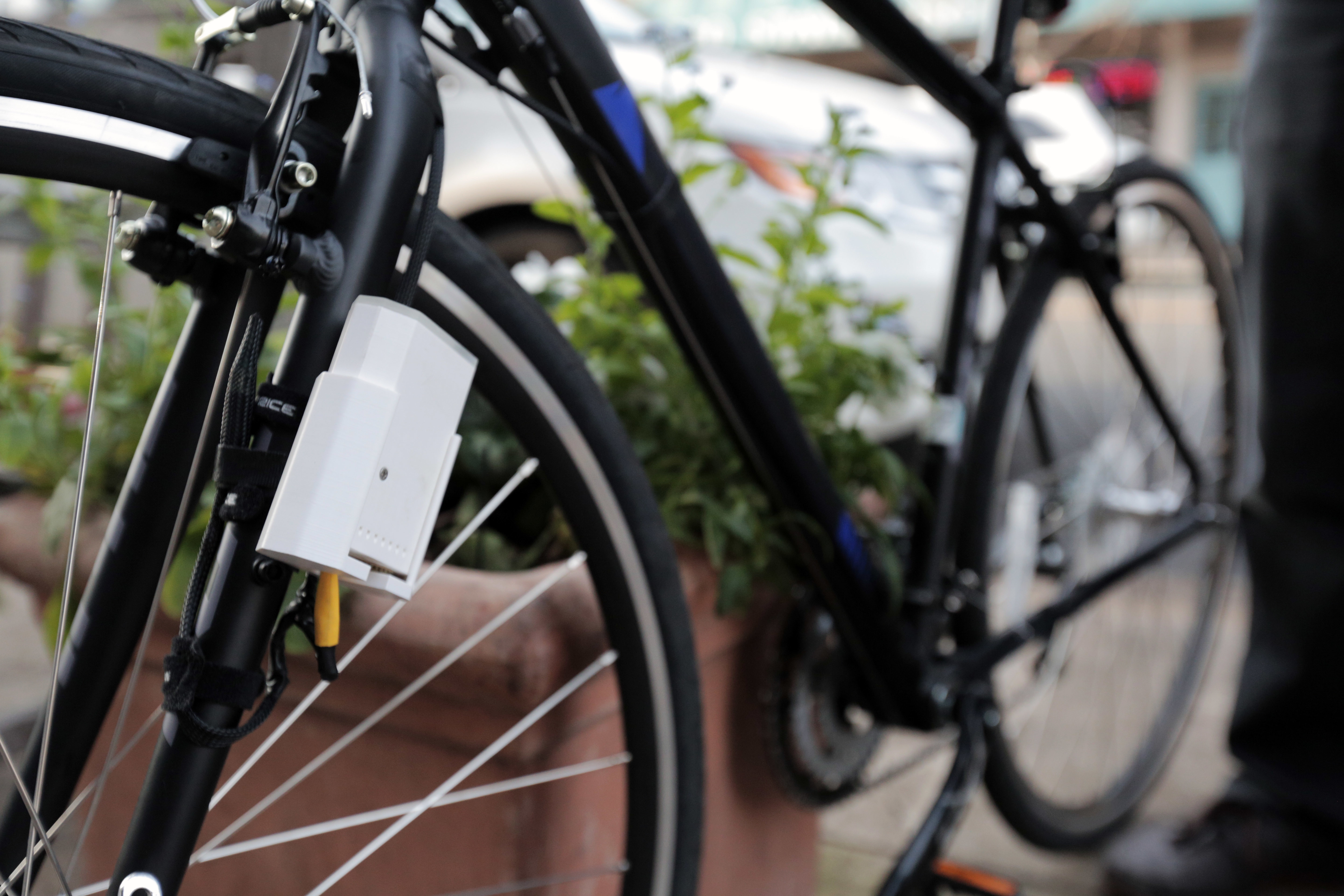
Designing for smarter mobility
Helping Ford evolve from an automaker to a mobility provider.
Hundreds of millions of people, from excitable teens driving their first hatchback, to new parents going in for a minivan, have driven Fords off lots around the world since the first Ford Model A was produced in 1903. And cars have changed how we shop, travel, and work; they’ve reshaped our homes, towns, and the world’s infrastructure.
Today, Ford, along with the entire industry, is at an inflection point. As millions around the world move into gridlocked, polluted cities, the allure of owning a shiny new car has dulled. In some places, young people are driving less, and getting their licenses later or not at all. Lightening their load, city dwellers are relying on ride-sharing services and other alternatives to individual ownership.
Technology underpins that shift from ownership to usership. Smartphones, sensors, and open data have enabled new ways of getting from point A to B: from car-sharing services like Zipcar to taxi services like Uber or clever transport apps like Citymapper that help people skip effortlessly between the bus, a shared bike scheme, and renting a car.
While the owner of the very first commercially available Model A—Chicagoan dentist, Ernest Pfennig—couldn’t see more than a century ago how cars would change the world, Ford is squinting into its future by prototyping it now. Building on a longstanding relationship with IDEO, the carmaker approached us, along with a number of other partners, to undertake two of 25 experiments exploring a car company’s place in the changing world of mobility.
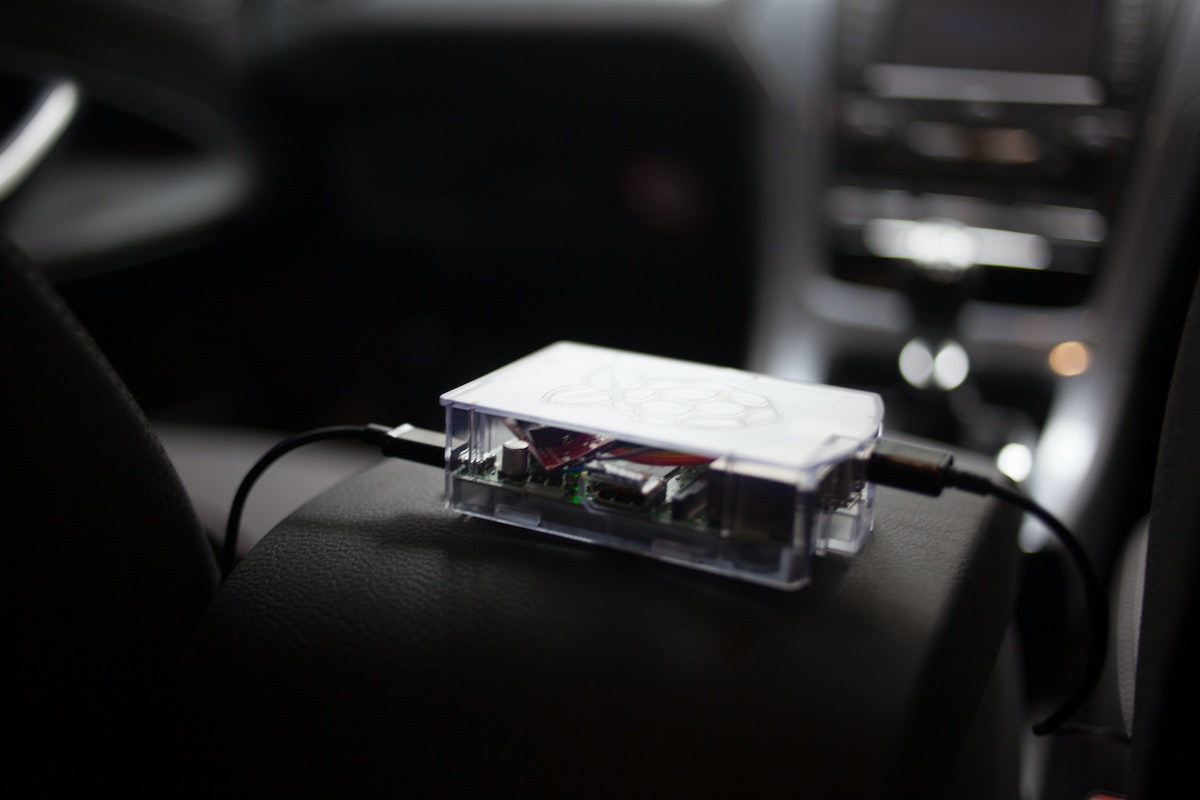
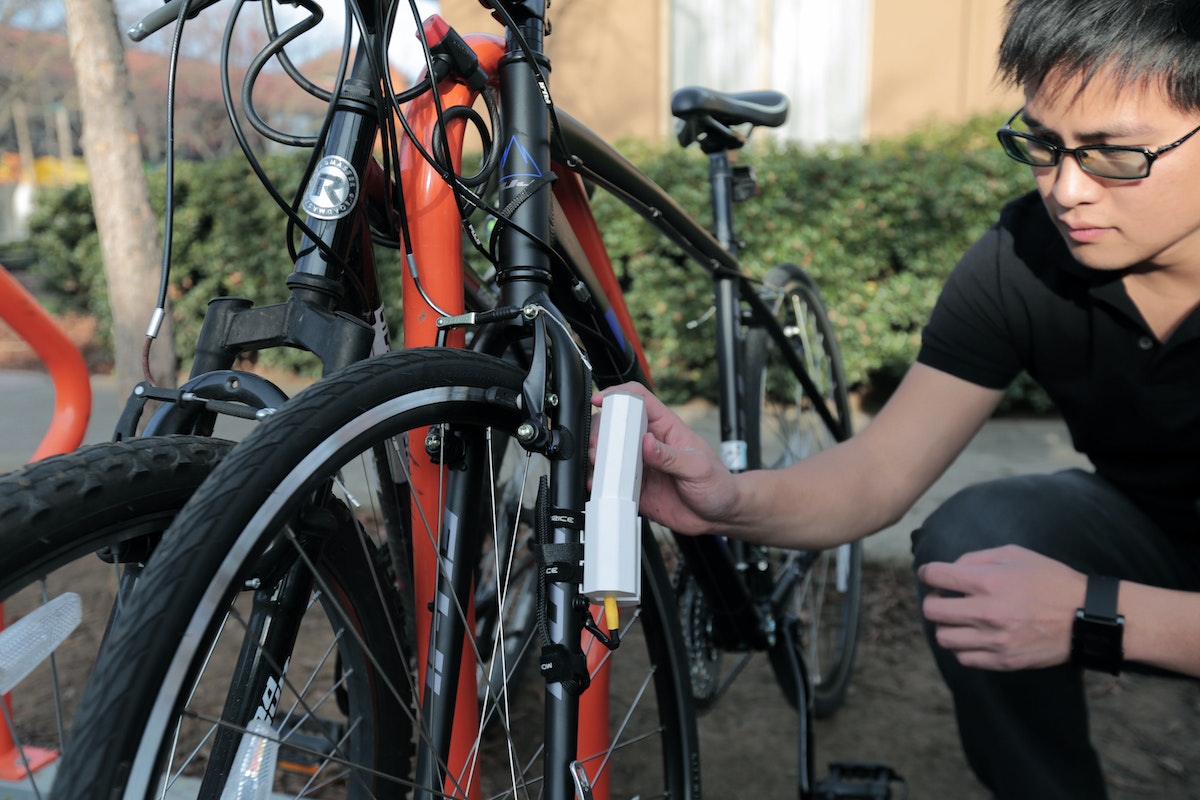
The first, Data-Driven Insurance, investigates a new pay-as-you-go insurance offer based on people’s driving behavior, as measured by a small adapter plugged into the car. The second, Infocycle, plots a snapshot of how bikes traverse the city and interact with cars and public transport by using Ford’s open source API, Open XC, to track cyclists around San Francisco.
Tackling the tangled ecosystems of bike sharing, private cars, and open city data proved an international effort. The two projects brought together a multidisciplinary team of researchers, hardware and software developers, data scientists, and interaction, industrial, and business designers from IDEO’s San Francisco, Palo Alto, Chicago, and London studios.
Have we cracked the future of mobility? Probably not. And that’s okay, says Fields. Smart mobility is simply part of Ford’s journey of evolution. Along with global competitions, collaborations with universities, and opening up their hardware and software platform Open XC, these experiments help Ford meet the needs of a fast-changing mobile world. “As we drive innovation in every part of our business,” Fields said, “we are determined to learn, to take risks, to challenge custom and question tradition, and to change our business going forward.”
More information on Ford’s Smart Mobility projects can be found here.
Creative New Year's Resolutions
After the ball drops and the champagne is gone, we have 365 days ahead of us to be more creative people
I have three. Instead of writing in a journal, I want to summarize each day in a creative drawing. I also plan to listen to more podcasts. And, whenever someone asks me, "How are you?", I will try to never to say "good," and instead use a more descriptive adjective.
—Katie Kirsch
I really want to work on being in the moment—which means putting down the phone, and being delighted by who and what is around me.
—Amy Bonsall
My creative resolution: Write, draw, or create more physical letters and postcards for friends and family (at least one per month!). And use more of the Airpost service that we helped design out of IDEO Tokyo!
—Mike Peng
I have two. One, to be more aware of what contexts and situations work in favor of my creativity. And two, to inspire others around me to be creative.
—Michaël Harboun
I plan to sew a new outfit and wear it, turn my photos into different series and make a portfolio website, and to read a Poem-A-Day.
—Rebecca Lee
I'm going to try to dedicate the first hour after waking up exclusively to creative pursuits, rather than looking at email, social media, or cat videos. This will require getting up early every day, so fingers crossed.
—Neil Stevenson
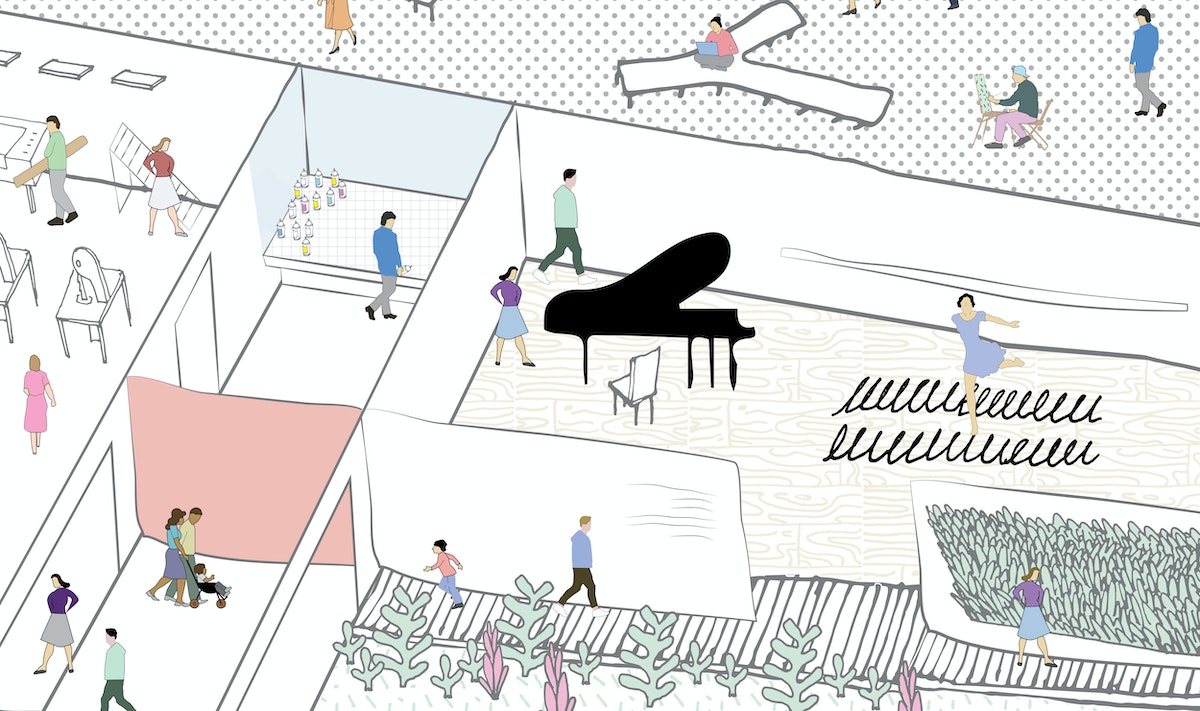
My resolution is inspired by Julia Cameron's morning pages. But since my practice is choreographic (I'm a dancer/choreographer outside of IDEO), I'm resolving to create a movement phrase everyday. I’m not sure yet what the dance equivalent to three pages of writing is, but I'll figure it out.
—Eileen Farrell
Slackline (or highline in this case) is both a new habit and skill. I find that balancing on a line is a powerful way of coming to terms with fear and a kind of forced meditation, counterintuitively creating fear and calm at the same time.
—Jonah Houston
I want to learn to lathe wooden baseball bats. I'm looking to make an art piece to show in a gallery.
—Samuel Bertain
I plan to find a living space that inspires me to do good work; to sign up for a class so I can make arts around other people and osmose creative energy (and hopefully give back too?); and to be more intentional about my passwords (I don't have a method to my madness, it's just madness).
—Momo Miyazaki
I am pushing my modern calligraphy for 2017. I did a class this year and for Christmas have ordered books and more pens. I am hoping to also try out brush lettering. I follow Seb Lester on Instagram and he makes it look so easy... even though it’s not.
—Bobbie Brightman
I will download and use the Headspace app.
—John Ravitch
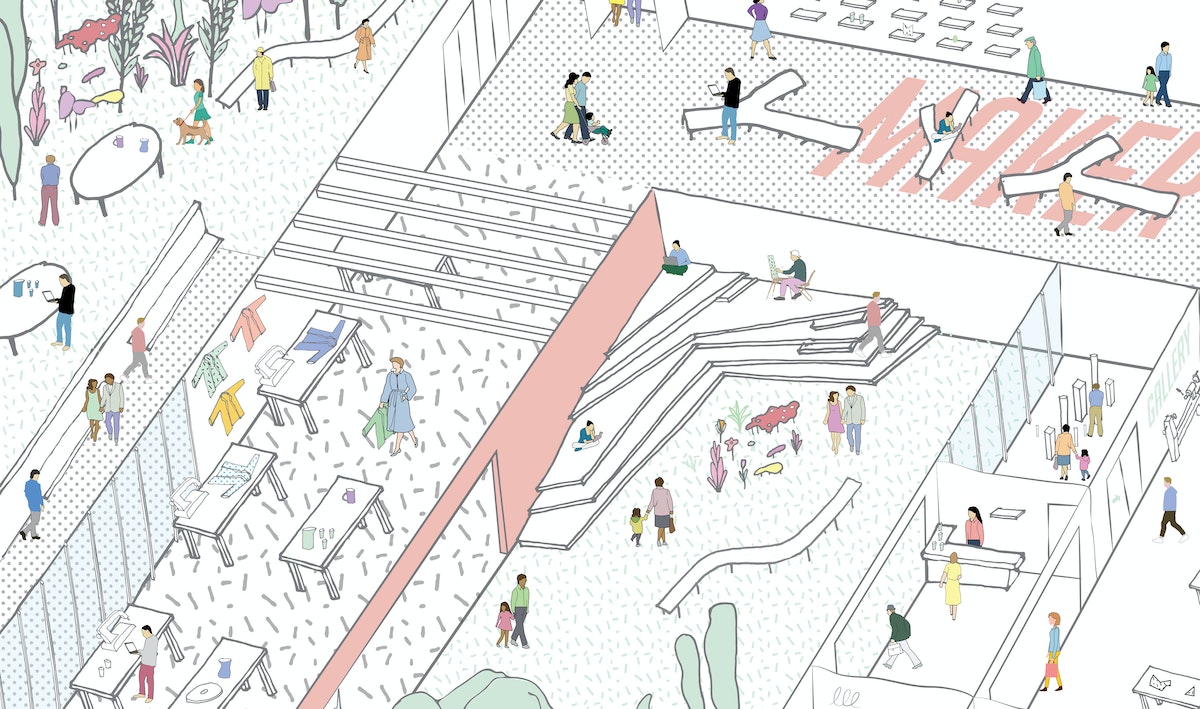
I want to channel Charlie Rose and learn how to host better video interviews on Creative Confidence. I also want to rock climb more.
—Suzanne Howard
In 2016, I did the 100 day project, which got me going on weaving and watercoloring. In 2017, I want to create my first large-scale tapestry. Who knows if it'll happen... we'll see!
—Emma Scripps
I want to to start writing again. I used to write a lot, both for fun and as a freelance advice columnist, but have gotten away from it in recent years. Doesn't matter to me if this manifests in jokes, stories, reflections, whatever—so long as pen meets paper and my brain is flexed regularly.
—Adam Moulter
I want to do at least one thing each week to celebrate the ubiquitous creativity in New York City. It can be a concert, a class, or just a walk around a new neighborhood to explore the graffiti and architecture. I moved here a year ago and have so much more to explore!
—Shauna Carey
I want to say "I don't know" more, so I learn something.
—David Good
Illustrations by Matt Avallone.
After the ball drops and the champagne is gone, we have 365 days ahead of us to be more creative people, with new and better habits, mindsets, and skills. Seeking inspiration? Here are some of IDEO designers’ resolutions for 2017.
12 Documentaries That Will Spark Your Creativity
IDEO designers nominate the documentaries they find most inspiring
1. Waste Land
“A social documentary framed around art. Brazilian artist Vik Muniz spent a couple of years at the world’s biggest landfill, and created art with the people whose job it was to pick through the garbage. This is an inspiring example of how you can take waste and transform it into something beautiful and meaningful.”
Waste Land Trailer
2. Iris
“Iris is a fearless and fiercely creative 95 year-old fashion icon and businesswoman. The film highlights her life, her creative pursuits, and her lust for a life drenched in accessories. She has inspired my take on interior design and fashion—there are no rules and if you love it, it works.”
Iris Trailer
3. Sky Ladder: The Art of Cai Guo-Qiang
“Famed for The Ninth Wave, an installation commenting on China’s environmental policies, Chinese artist Cai Guo-Qiang works with everything from taxidermy to fireworks. Sky Ladder documents Cai Guo-Qiang’s biggest dream yet: to build a ladder to connect the earth to the universe.”
Sky Ladder Trailer
4. Alive Inside
“Memory is inherently creative. Every time we reflect and look back, we use creativity to reimagine our past life experiences. But what happens when we lose our ability to remember? This film shows us the power of music, creativity, and imagination to bring back the memories of those who have been living without them.”
Alive Inside Trailer
5. Herb and Dorothy
“A charming look at a mailman and a librarian—Herb and Dorothy Vogel—in New York City who love (absolutely love) art. The Vogels live frugally, and over the years have filled their small, one-bedroom apartment with one of the most important collections of minimalist and conceptual art. Not only did they buy the art, they also built relationships—in many cases close friendships—with the artists. The documentary chronicles their lives as collectors—we see how they see, we see how they remember each work of art, and we hear from the many artists inspired by the Vogels' deep appreciation. You can't help but smile watching these two gallery hop or huddle in their tiny kitchen packed with art.”
Herb and Dorothy Trailer
6. Jiro Dreams of Sushi
“A lovely documentary about the spirit of the shokunin (craftsman) and the inscrutable Jiro. It’s inspiring to see the amount of time and effort that can go into the creation of great sushi. This movie is good for anyone who loves food, travel, and culture, and is also a great reminder of the power of craft.”
Jiro Dreams of Sushi Trailer
7. Eames, the Architect and the Painter
“The documentary illuminates how Ray and Charles Eames fused craft and thinking in their design process. It also chronicles the transformation of their work from furniture and products to ideas and communication, as they tackled larger and larger problems. There are many parallels with how IDEO's work has evolved over the years as we have honed our craft.”
Eames, the Architect and the Painter
8. American Movie
“Wisconsinite Mark Borchardt has dreams of making the ultimate psychological horror film on a micro budget. American Movie is an all-access look at his gritty and creative attempt to make his lofty dream a reality. It's a uniquely human documentary that's inspiring and entertaining for anyone who's ever been consumed by creative confidence.”
American Movie Trailer
9. Sans Soleil
“Sans Soleil is a genre-bending documentary about the limits of memory and how it affects history and current events. Chris Marker invites us into the scaffolding of his grand design, provoking us out of circumspect craft. “Frankly, have you ever heard of anything more stupid than to say to people…not to look at the camera?” Age has only increased its relevance.”
Sans Soleil Trailer
10. Bill Cunningham New York
“Way before Instagram, Bill Cunningham was the original street style photographer. This documentary paints a portrait of Bill and his quietly-obsessive creative pursuit that spanned half a century. Watch this this film to be inspired by this great human being's purity of passion and commitment to his craft.”
Bill Cunningham New York Trailer
11. Rivers and Tides: Andy Goldsworthy Working with Time
"This 2001 documentary follows Andy Goldsworthy as he makes art with nature, painstakingly assembling leaves, sticks, rocks, or blocks of ice to create beautiful, ephemeral sculptures. Not only is this the most calming movie you can imagine, it is also inspiring. It reminds me that there are opportunities all around us to create meaning and beauty, if we only have the vision and the persistence to make them real."
Rivers and Tides Trailer
12. A Ballerina's Tale
"Dance, to me, is a grossly under-appreciated art form. It takes a great deal of trying, failing, and perseverance. It's strikingly similar to the world of design in many ways. I love this documentary because it tells the story of Misty Copeland, a black ballerina. There's a lot of history there, as black dancers were often overlooked (and still are) for not having the "typical" ballet body. It makes her rise to the top of this extremely selective world that much more powerful and inspiring."
A Ballerina's Tale Trailer
Thanks to Sally Clark, Piper Loyd, Maura Cass, Chris Hill, Brett Brownell, and Mark Del Lima. Illustrations by Matt Avallone.
We all know that going out into the world and witnessing other peoples' lives is a powerful source of inspiration. But what about when you don't have time to get out in the field? Sometimes a documentary is the next best thing. We asked IDEO designers to nominate the documentaries that they find most inspiring.
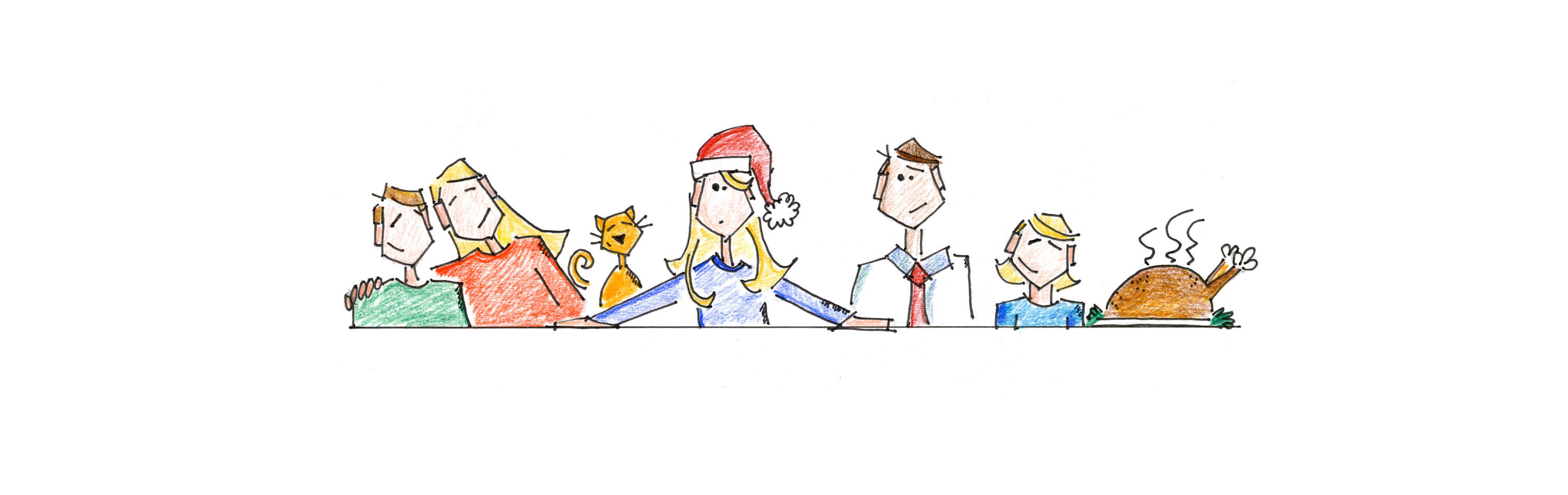
Our Best Holiday Hacks
Making the holidays great again, one handmade sous vide at a time.
I grab things that remind me of a loved one at any point during the year, then stash them in a box. By the holidays, I'm usually in fairly good shape, and it's fun to see what I've collected. It is like a pre-Christmas, as I forget what's in there! Early in December, I take stock and make a shopping plan based on what I already have.
I decorate for Christmas before I go out of town for Thanksgiving. Sure, it's oogey to jump the gun, but I'm grateful to come home to a winter wonderland, and it diminishes the time crunch and stress during my favorite time of the year.
Our family tradition was always to take down decorations on the Feast of the Epiphany (1/6), so this gives me permission to enjoy the season into January. Before taking down decor, I take pictures, so the following year I can look at how I did it before. It helps me feel less overwhelmed: I can either try new things or reconstruct favorite arrangements from years past.
—Katie Gorman

Surprisingly, a ton of yoga places are open on Christmas day. Last year, I took a yoga class on Christmas day in the afternoon. It's actually so great and magical to be giving yourself that space when you are SUPPOSED to spend the whole day with family.
—MADELINE ARMSTRONG
Honey! And no, I'm not calling you a name. Honey is a Chrome extension that automatically looks for discount codes for you, then applies them during your online shopping checkout. Saving money is fun!
—Magen McAfee
We use Elfster to facilitate our secret santa within the family because we can't be together to draw paper names like we used to.
Whenever they have a promotion, I order free 4x6 prints from Shutterfly, then tape them to handmade construction paper cards to send out at Christmas. I buy things at extreme discount as early as October and leave the original price tag on for gifts.
—Anonymous
I usually use the holidays to have some great food with my parents. And this is what happens when a product designer is afraid to fail at cooking steaks—a quick prototype of an Arduino sous-vide cooker. Happened to me last Christmas…
—NICKI SCHAEFER
For my husband and I, our gift to each other is permission not to buy gifts for each other. Once a year, we buy a piece of "anniversary art" together, and we get all year to shop for it. Other than that, it's nice to opt out of the consumerism that can cast a shadow on the holiday season.
—Denise Burchell
This year, we've decided to just make donations instead of buying gifts for our immediate family. For our extended family, everyone draws names, so we each only have to give one gift.
—Mollie West Duffy
(And a few from me!) My son is three years old and needs nothing—he’s got more toys and books than he knows what to do with. Whenever anyone feels they must give him a gift, we point them to a link that allows them to give directly to his college savings account. What better gift than to give to his future education? Ugift529.com.
Also, the gift of dinner out is awesome, but dinner with babysitting is amaaaazzzzing. UrbanSitter—our go-to for our favorite sitters—offers gift cards for childcare. Add an Uber gift card to make the whole night complete!
—Katie Clark
I'm traveling to my partner's home city this Thanksgiving. Her parents are very traditional so we'll be in separate bedrooms for the holiday. I plan to purposefully forget to pack things like socks so that we have an excuse to go on shopping excursions together to reconnect.
—ANONYMOUS
If you’re from a family that’s as opinionated and politically diverse as mine, the holidays can be an interesting time, to say the least. (I have been using this New York Times piece to prepare—wish me luck!) Even gift-giving can be fraught in these uncertain times, so I reached out to my fellow IDEOers for their favorite holiday hacks. From “forgotten socks” to Arduino-cooked steaks—they ginned up some gems.
Catching Ghosts
How we used sensors to unearth and capture real behavior for design research
What were you trying to accomplish in the redesigned space?
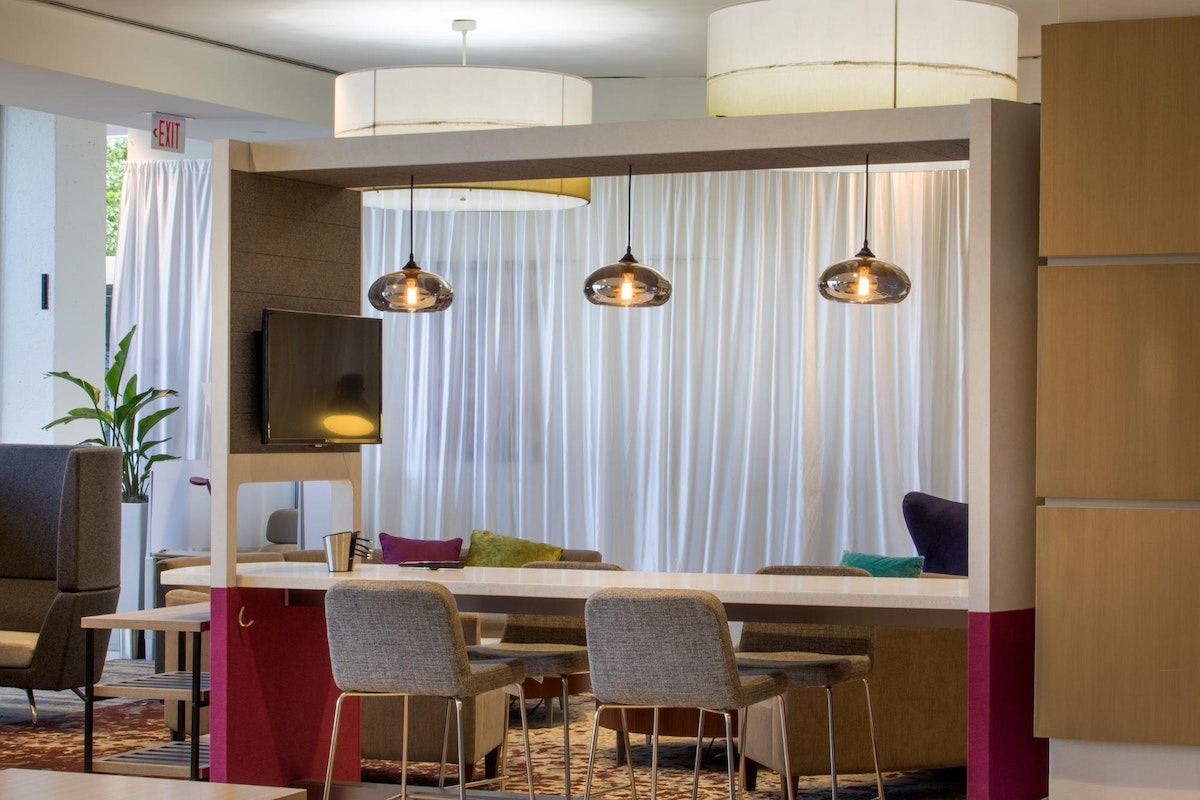
Jenny Winfield (JW): Business travelers are usually required to work their hardest when they travel—they need to win a pitch or clinch a deal. The stakes are high. So we came up with a concept we call “Ignition,” a new meeting and working space in the hotel lobby that makes it easy to work while on the road. It combines new spaces for group creative thinking or heads-down work, a work-friendly menu of healthy food options, a new staff member to handle business needs, and digital tools providing on-demand services.
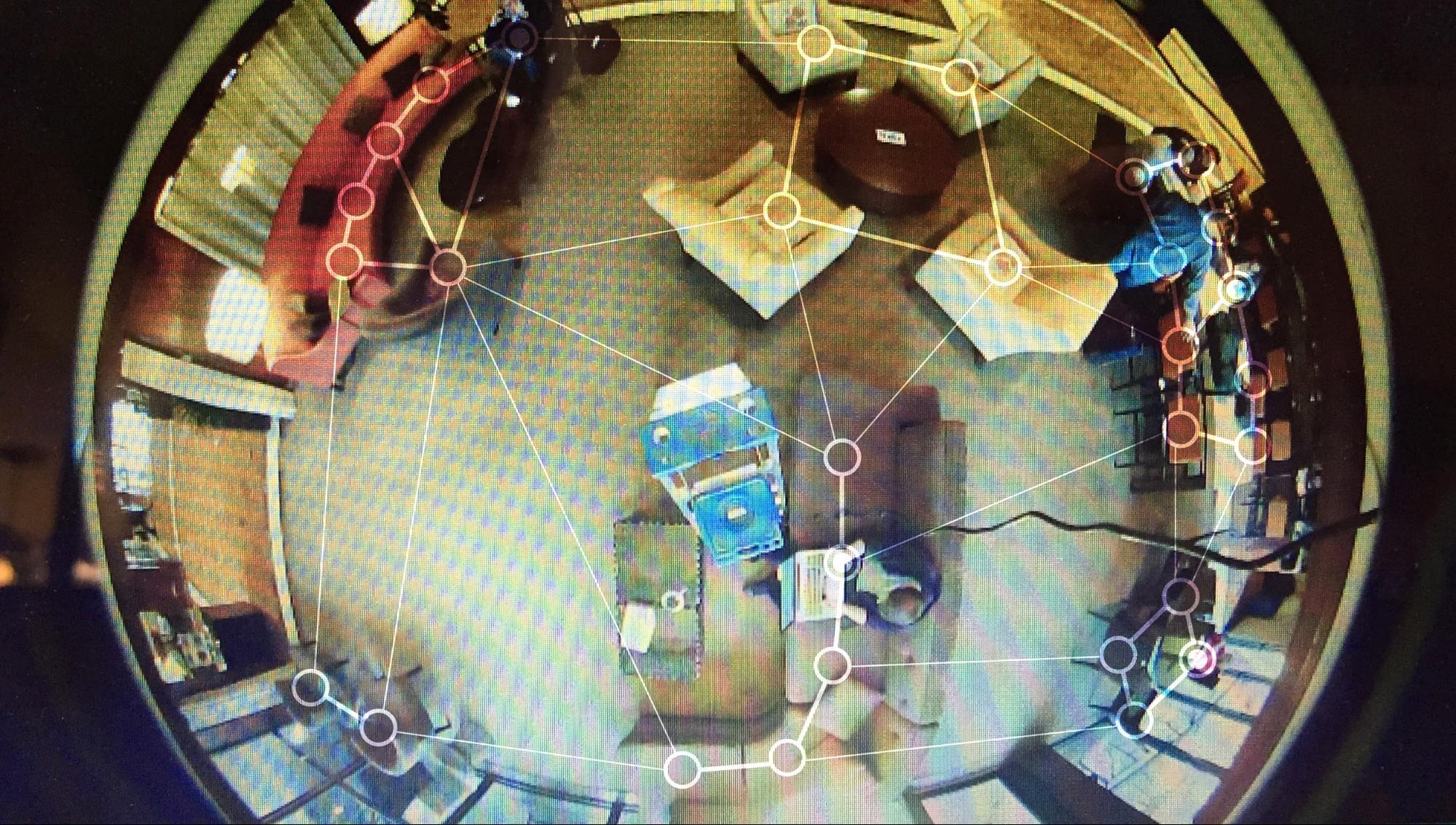
Last January, we were ready to test our concept live. Per usual, we would be there in person for a few weeks to do interviews and gather observations, but we also thought we should measure how our new solution performed when we weren’t there. That’s where the sensors came in.
How did the sensors help you make your case?
JW: The pilot was split into two phases in each location. First, we gathered data for the baseline—testing the lobby in its initial form—then the redesigned space. We wanted to make sure we improved on all fronts—not just sales metrics, but also, traffic through the space, and the number of people using each type of space.
What kind of equipment did you use to build your sensor setup?
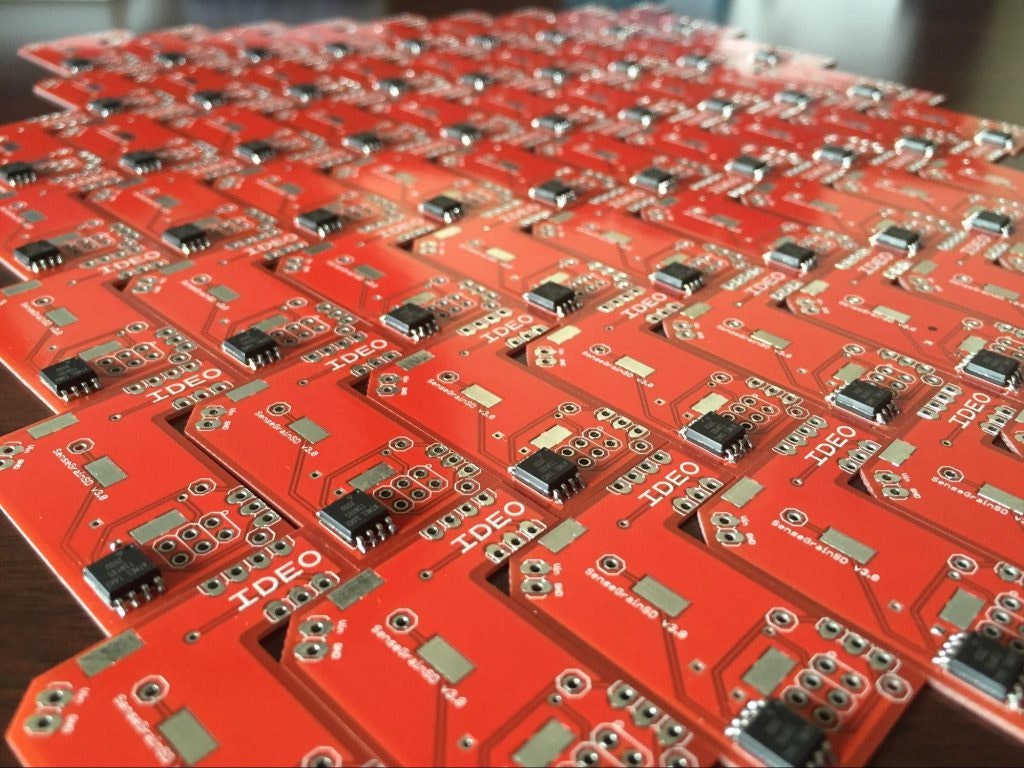
Miha Feus (MF): We used cameras to measure foot traffic and activity across different areas of the space, as well as sound sensors to gauge the volume level and infer the atmospheric buzz. And we also used seat and proximity sensors to measure occupancy and dwell time on different pieces of furniture. The actual sensing components (pressure and proximity sensors, and microphones) were off the shelf, but we built the brains for the sensors and the communication platform to gather the data from around the space wirelessly.
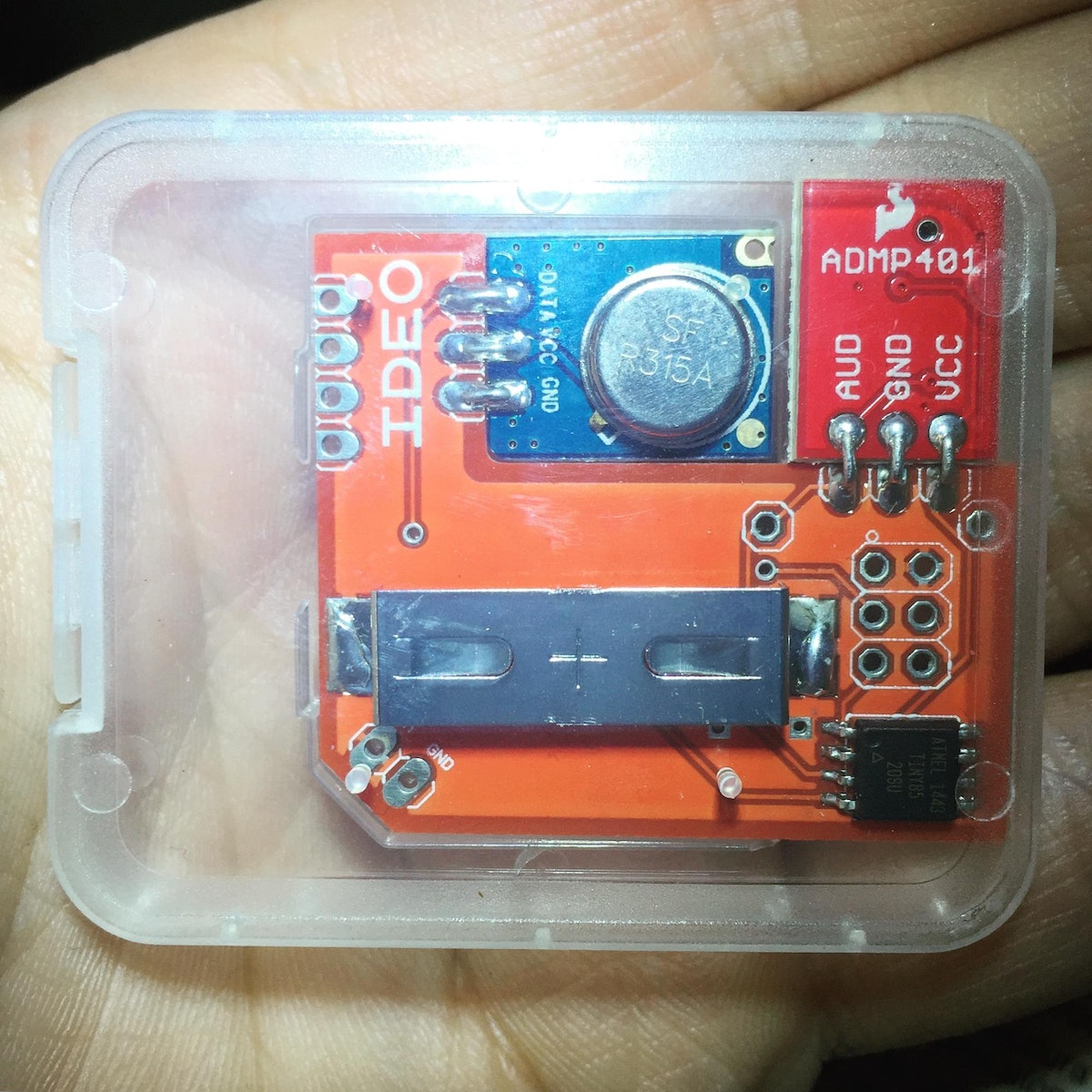
How did you rig up all the sensors, and what software did you use to record that data?
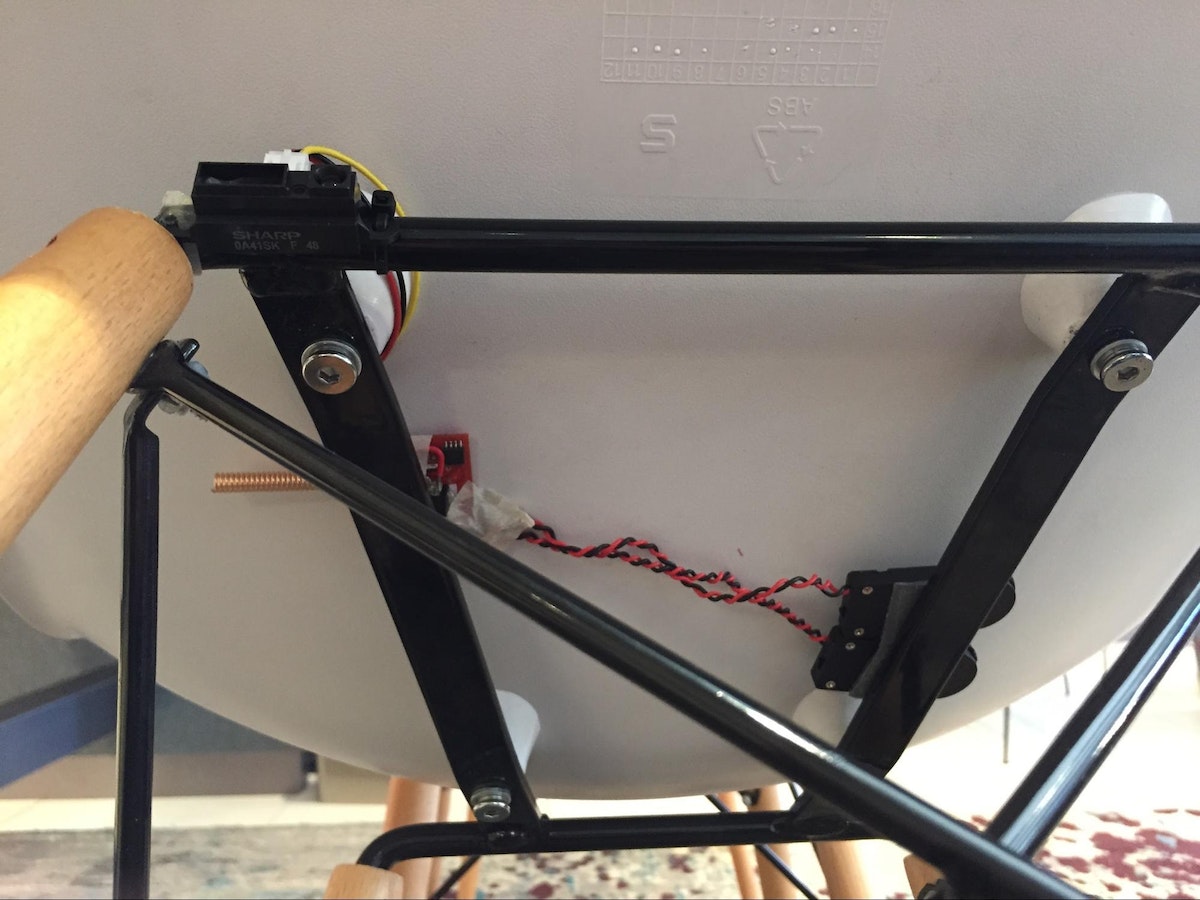
MF: Most of the sensors were held in place with double-sided tape. We taped cameras overhead and sound sensors on the ceiling, and placed seat sensors under seat cushions. All the data from the sensors was sent to an Arduino Yun, which served as a hub, routing the data via Wi-Fi to a Parse Database. The Arduino Yun also retained a local copy on an SD card, in case there were any Wifi issues.
To analyze data from the cameras, we used a software tool called Camlytics. It was able to capture the number of people passing through the space automatically, without the need to record visual data. This way, we didn’t infringe on people’s privacy.
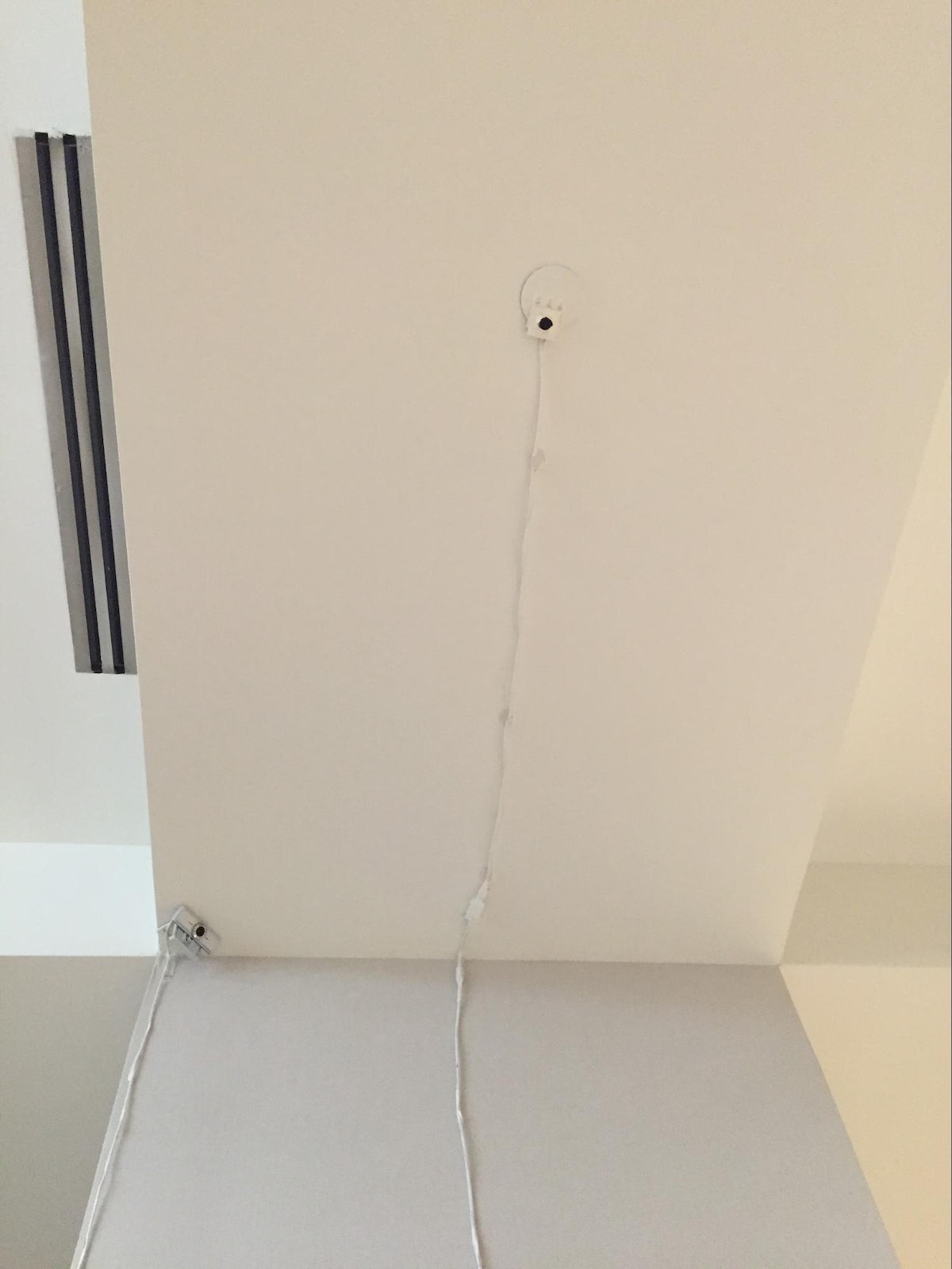
The proprietary hardware we created around the sensors was also built with privacy in mind. All the sensors only had transmitters, which means they couldn’t be hacked remotely. But even if someone had gained access to them, the chips and transmitters we were using were unable to process and transmit sound data at a level where someone could listen in on a conversation. The seat sensors worked similarly. The data we were getting only told us whether they were occupied.
JW: Ethically, we are committed to protecting our participants, whether they are explicitly taking part in our research, or they happened to wander into it. In any case, our main goal was to capture overall usage levels, so there was no reason to map or track specific users.
What was the hardest part about making this sensor system work?
MF: The most challenging thing was to design something that can run unsupervised for weeks on the other side of the ocean, something we’ve never done before. But we also had trouble with our “huddle spots”—bespoke pieces of furniture we created for this project. Because they were hard plastic stools without cushions, we couldn’t use pressure sensors to measure their use. Instead, we had to rely on proximity sensors, which are power hungry, and not the most reliable.
What useful takeaways did you learn from the sensor data?
JW: The new concept was definitely popular. We had a 79% increase in people coming through the space in our first test site.
Okay, so more people walked through your space but did they stop?
JW: The number of people who sat down in the space went up by 80 percent, predominantly at times when those areas are usually very quiet (the early afternoon, for example). So not only did we increase use of the space, timestamps in our data showed that we did it at a time when it used to be empty. That, combined with data that showed food orders were being made at a time when the regular restaurant was closed, was a great selling point.
The sensors also showed us that the average dwell time in the huddle spots and nooks—spaces designed for four to six people work together—was 20-35 minutes, which confirmed our idea that these pieces should be used for quick perches and catch ups. It sounds simple, but it was huge. It not only meant that the design of the space itself was right, it also confirmed the importance of having drinks delivered within a 5-minute window, or having technology that empowers users to make an order in less than 1 minute. If visitors only hang around for 30 minutes, everything has to be really fast.
What’s the most exciting potential for sensors in future design research?
MF: As data collection methods and analytics tools become easier to use, we’ll use them as prototyping materials, much like we are using foamcore and hot glue at the moment.
JW: The ability for us to learn about user behavior remotely is most exciting to me, given that it’s something we haven’t been able to do before. With sensors, remote research can mean much more than learning how people are using a digital tool that we built. Being able to track patterns and see how people naturally interact with our prototypes (both physical and digital) when we’re not there is huge. Then it's about looking at the resulting data in creative ways and telling a more nuanced story about the type of impact we expect our ideas to have out in the world.
Recently, at IDEO London, we’ve started to think more creatively about how to collect and use data for research during the design process. It’s easy to track user behavior when we work on digital design projects; the tools are built in. But what if we had those capabilities outside the digital space? On a recent project, design researcher Jenny Winfield and interaction designer Miha Feus found a way to collect user data in a physical/digital prototype, by using sensors to evaluate a redesigned hotel workspace for Crowne Plaza hotels. Here’s a little bit about how they did it, and how approaches like this one could change the future of design research.

Lindsey Turner
I’m passionate about building brands, products, and experiences that help organizations show up with meaning and momentum.
I help organizations cut through complexity by shaping how they show up, through brand strategy, identity, and storytelling.
Working at the intersection of brand and business, I bring an editorial eye and a bias toward making—turning ideas into tangible experiences that people can understand, trust, and believe in.
My work spans government, healthcare, financial services, media, and consumer goods, from launching Gen Z-focused ventures to building innovation labs and reimagining legacy brands. I relish moments of ambiguity and enjoy translating across teams, perspectives, and priorities to move ideas forward.
I started my career in editorial and digital design, shaping cross-platform experiences and identity systems in publishing and agency environments. That foundation still shapes how I work today: I’m detail-oriented, collaborative, and overreliant on the Oxford comma. I hold a BFA in Visual Communication from the School of the Art Institute of Chicago.

Rachel Young
My work helps organizations see who their products aren't working for—and build the will and the tools to do something about it
For 25 years, I've asked the same question: Who does this design exclude—and what are we going to do about it?
My work spans human-centered strategy, inclusive design, and qualitative research, with clients ranging from Microsoft, Google, and Verizon to the National Science Foundation, and San Francisco Unified School District.
Before IDEO, I taught elementary school in East Palo Alto and spent a decade doing design work with social service organizations—where I learned firsthand what it costs people when systems are built without them in mind.
I am currently writing User Error, a nonfiction book about digital access and the design decisions behind it. I live in Oakland, California.

Brian Pelsoh
I lead with craft, ensuring our work is creatively excellent: rooted in deep human insight and imagination, while also grounded in the realities of business and technology.
My expertise spans brand, communication, and product design across tech, education, the arts, and social impact.
I believe great work demands both high-level vision and obsessive attention to detail, and only happens through collaboration.
I bring an inclusive, hands-on approach and a deep understanding of business, which enables me to consistently deliver excellence while always asking why.
Before joining IDEO, I worked at the brand firms Pentagram and VSA Partners. I began my career as a designer, leading teams at the School of the Art Institute of Chicago and the Milwaukee Art Museum. I hold an MFA in graphic design from Maryland Institute College of Art and a BFA in communication design from the Milwaukee Institute of Art & Design, and have taught at some of the best design schools in the US.

Tony Wong
I am responsible for IDEO’s long-term success in China and working with clients to use design as a tool to enable growth.
I am responsible for IDEO’s long-term success in China and working with clients to use design as a tool to enable growth. Specifically, I have helped Chinese companies design holistic brand solutions through the development of their products, communication, services, and innovation teams, and I have helped multinationals expand their presence and influence in China.
I advise global leaders on developing China-led innovation and capabilities.
In over 15 years in IDEO Shanghai, I have worked on projects that use design to elevate the quality of the experience of healthcare products and services, streamline processes that increase productivity, create spaces and programs that promote and enable inclusive communities, and build next generation mobility solutions that are planet-positive.
Before joining IDEO, I worked at Philips Electronics and the Electrolux Group in Italy, the Netherlands, and Singapore on a number of breakthrough commercial products. I am a member of the Young President Organization in Shanghai.

How to use AI as an editor, not a writer
Ed White shares how he uses AI as an editor—not a writer—to sharpen storytelling, rehearse ideas, and preserve the productive friction that makes creative work better.
Ed White has a rule he's tested on his own writing: hold yourself as the writer, and let AI be your editor. Ed is a Senior Design Director at IDEO's London studio, where he co-leads the firm's AI portfolio across Europe. Before IDEO, he spent 12 years as a writer and editor at the Financial Times, Wired, and Contagious. So when he talks about when to use AI for storytelling and when not to, it comes from two decades of crafting his storytelling skills.
In this episode, Mina Seetharaman talks with Ed about two specific tools he uses to keep AI in an editor's seat: a "roasting agent" prompted to critique his drafts without any sugarcoating, and a simulated audience he rehearses pitches on before the real thing. They also get into what Ed is hearing from design leaders at Anthropic, Lovable, Shopify, and Google Creative Lab about how creative work is changing, and why he thinks the friction of writing something yourself is worth protecting rather than automating away.

Building a personal AI for the messiness of life: Sida Li
Becca Carroll talks with Cue co-founder Sida Li about designing a personal AI for the messiness of everyday life—not just work. They explore how Sida stays anchored to human needs while navigating fast-changing technology, product tradeoffs, business-model experimentation, and the realities of building an AI company today.
Most AI products today are built for work—a space with clear problems and established systems. One founder noticed a gap: personal life is messier, harder to systematize, and mostly left behind by the AI boom. So she built Cue, a personal AI that lives inside iMessage and group chats, to go where the other tools haven't.
In this episode, Becca Carroll, IDEO's Chief Strategy Officer, talks with Sida Li, co-founder and CEO of Shared Context Lab, about staying anchored to a human need while the technology around her keeps changing shape, why she treats her business model with the same rigor she'd bring to a product, and what it feels like to build a company at this particular, disorienting moment in AI.
The conversation also gets into how Sida makes design decisions: the language Cue uses to describe itself, the tradeoffs behind building inside iMessage instead of a new app, and a real story about a business idea that didn’t pan out.
This is the second in a two-part series profiling founders from IDEO's Startups-in-Residence program. The first conversation is with Johannes Seemann, founder of Sooner, on designing GenAI for the emotional side of money.

Designing GenAI for the emotional side of money: Johannes Seemann
Designing financial tools around the feelings that shape money decisions.
Most personal financial tools are built to run the numbers and optimize towards a budget. While that works for some, most people experience money as a lived relationship that does not neatly fit into a spreadsheet. Johannes Seemann and Becca Carroll discuss why money is emotional before it is mathematical, and what a human-centered approach to building a generative AI financial product looks like in practice.

The curious leader's edge in uncertainty: Scott Shigeoka
How genuine curiosity helps leaders navigate uncertainty with greater confidence.
Mina Seetharaman talks with Scott Shigeoka, author of Seek and Head of Curiosity Cultivation at the Eames Institute, about what distinguishes genuinely curious leadership from performative curiosity, how power dynamics shape curiosity, and why practicing curiosity can restore energy rather than drain it.
Looks like you might be in search of something very specific?
Or reset the filters above and try another angle.
Here’s some random inspiration

Podcasts about creative leadership

Articles about the power of prototyping
