
.svg)


Peripheral vision
A consumer electronics giant becomes a climate-era leader.
IDEO’s partnership with Logitech is a case study in bringing together the power of imagination and the rigor of business.
As much as we love to lead with creativity, it’s difficult to develop a business plan off ideas alone. So when Logitech asked the IDEO team to investigate a broad array of possible futures and report back, we brought our findings to life by inventing a board game. Instead of a dry presentation on circular solutions, our designers created a story about a mouse that turned into a webcam.
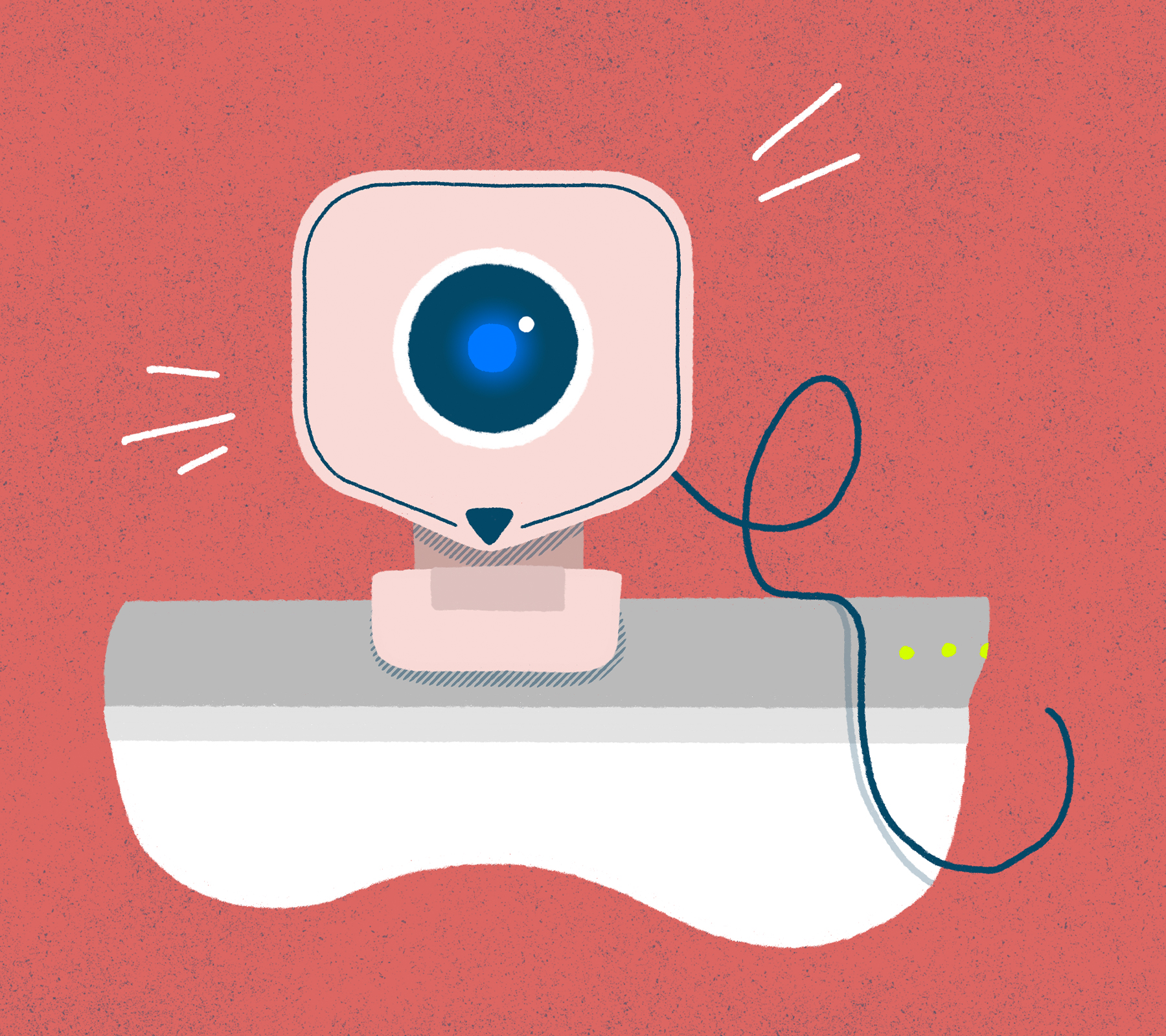
That imagination mattered. It fueled an exploration into expertise we collected from researching with people already living in futures destined to expand. And our rigor helped us hold more possibilities, and identify intersectionalities. Combined, they redefined what it means for ideas to be viable in business; they focused us on long-term sustainability; and they pushed us past immediate technical feasibility to ask if new ideas would be feasible for entire systems.
Our partnership with Logitech revealed that imaginative dreaming and business rigor aren’t opposing forces, but rather complementary tools in opening up new directions into a future demanding bold decisions.
As of 2019, e-waste was the fastest-growing waste stream globally, and only 20% of the 48.5+ million tonnes is disposed of properly.
Global emissions must be cut in half by 2030 to avert the worst impacts of climate change.
By 2030
Logitech has committed to becoming climate positive and removing more carbon than they create
The whole package
A global fashion brand pairs sustainability and growth.
Fast fashion keeps getting faster. But if the industry is to meet its climate commitments, its use of plastics has to slow down.
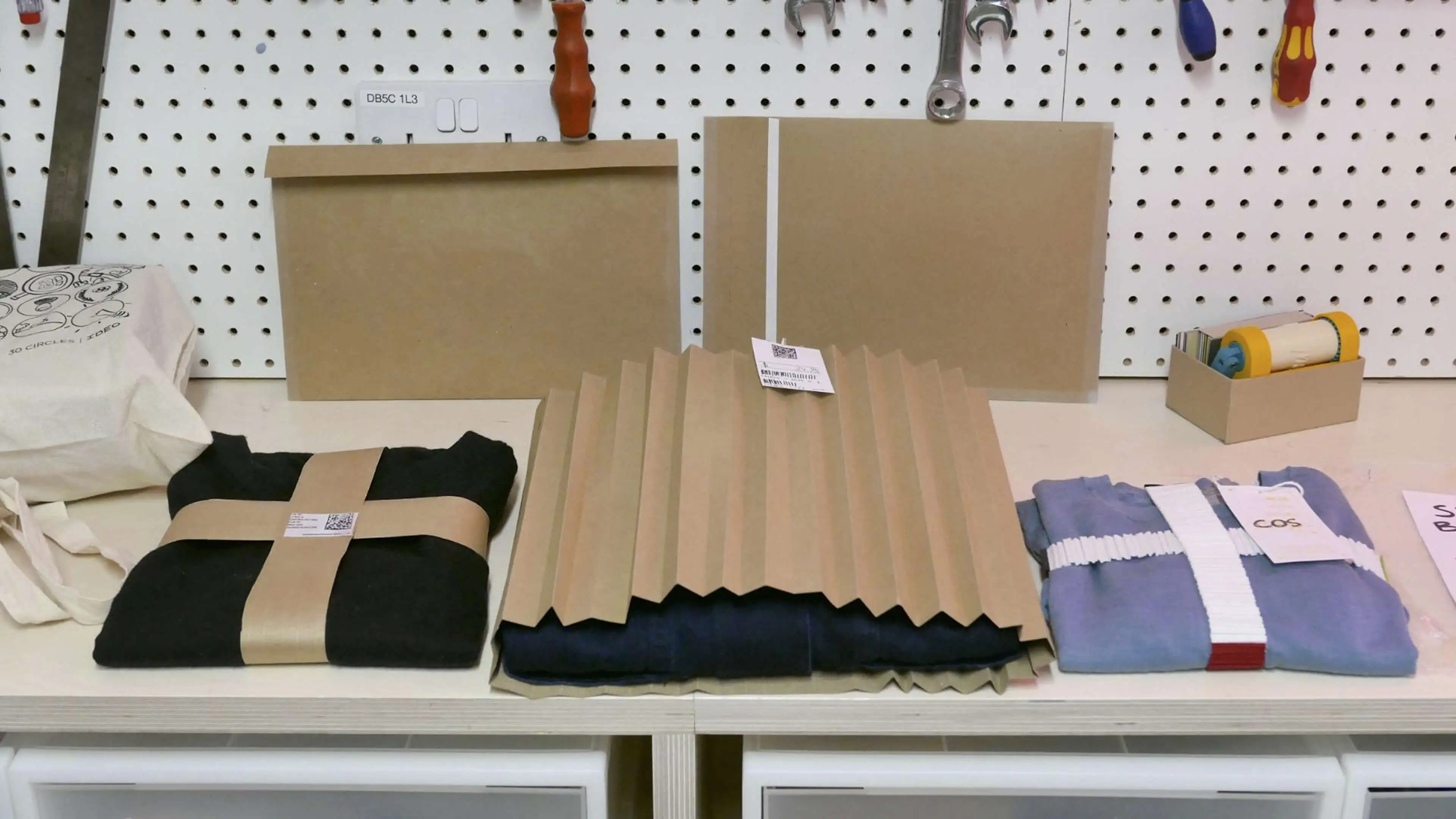
H&M chief executive Helena Helmersson set ambitious sustainability goals when she stepped into her role. She wanted to reduce the fashion giant’s impact on the environment and enable meaningful growth. But change is tough for any company, let alone one with eight brands operating across 74 markets. Together IDEO and the H&M Group created new plastic-free packaging, rallying around a more sustainable packaging solution that’s easily customizable.
By applying a design-led approach that went far beyond hiring a sustainability consultant, the H&M Group managed to reduce its use of plastic. But it didn’t stop there. A small team called Design Studio took what it learned and grew into an established strategic capability that pioneers new ways of working in the organization, tackling complex challenges in circularity, inclusion, supply chain, and customer experience. Sustainability isn’t a passing trend for H&M. It’s moving fashion forward.
Packaging accounts for 26% of plastics produced globally every year.
Fashion e-commerce is estimated to grow by 10% annually through 2024, requiring even more packaging.
100M
plastic-free packages shipped in 2022
2,000 tons
of plastic eliminated from H&M operations
The everywhere chair
In Japan, a mother works to build an inclusive child seat that closes the gap between children with and without disabilities.
For children with physical disabilities and their families, mobility is freedom. But in Japan, there are barriers to that freedom of movement.
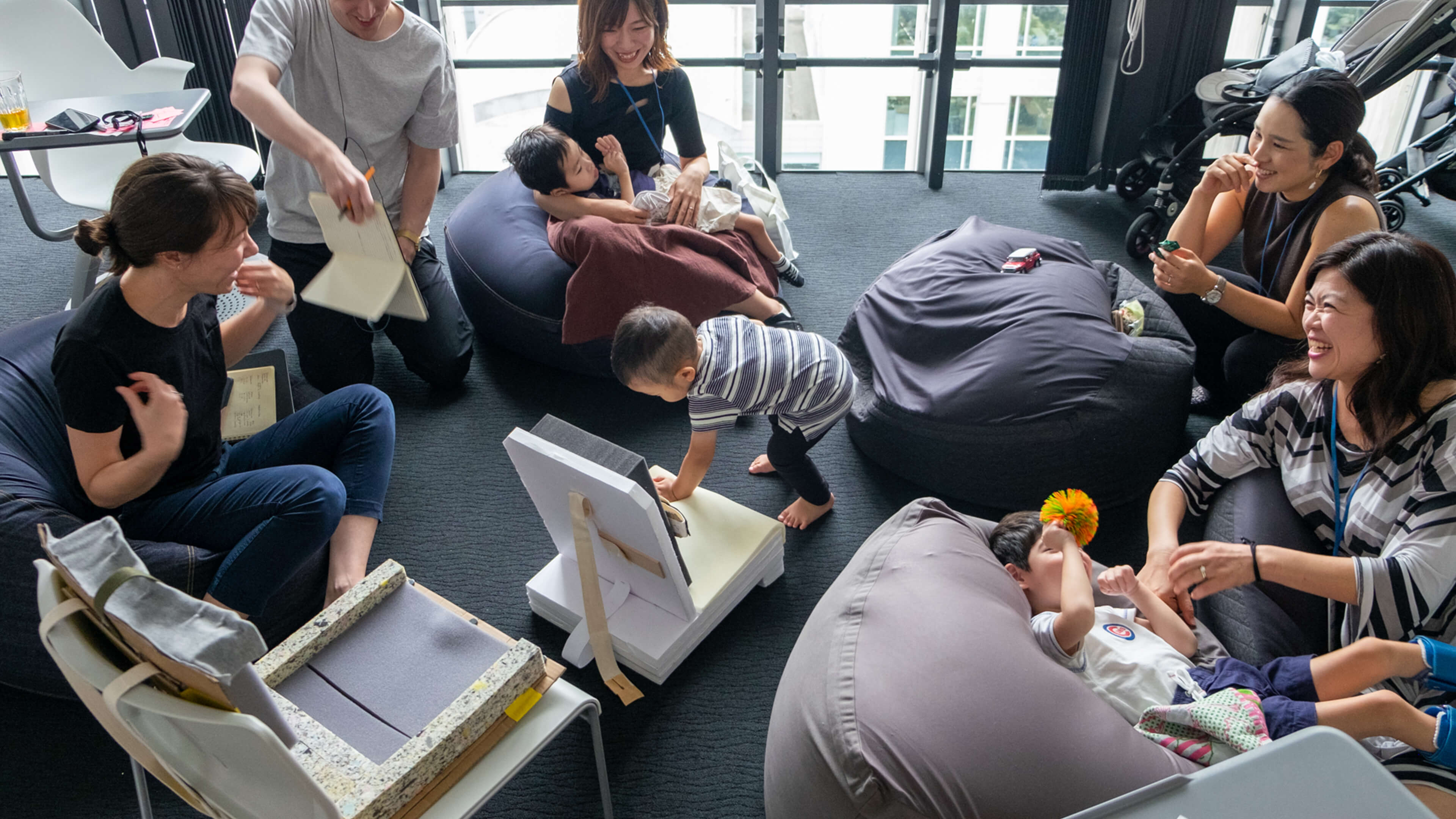
In raising a child with cerebral palsy, Yuri Matsumoto found that her son was separated from other kids during everyday activities. In Japan, children’s products are divided into two categories: those for children with disabilities and those for children without. Matsumoto aspired to close this gap with a product that would allow children of all abilities to use the same chair and be included in the same activities. To realize her idea, Matsumoto needed a strategic design company to refine the chair design, create a compelling visual identity, and arrive at a product road map to help set the business up for long-term success.
The result: a breakthrough product and supporting business that provides access for all kids, both for at-home activities like studying and eating, and also for family outings to restaurants, to the park, and to play with friends. Around the world, there are people like Matsumoto who see the need for better products in a very personal way. IDEO’s role is to help them realize their vision for a more inclusive future.
The Japanese health ministry categorizes 9.6 million people as disabled.
In Japan, children with disabilities are largely excluded from mainstream classrooms. Government subsidized support chairs are designed for posture and stability. Their bulk and rigidity make venturing out with them challenging.
Japanese children have fewer opportunities to learn about what it’s like to live with a disability than in the US.
Launched
officially in April 2022
5
restaurants and cafés in Tokyo are currently piloting the chair
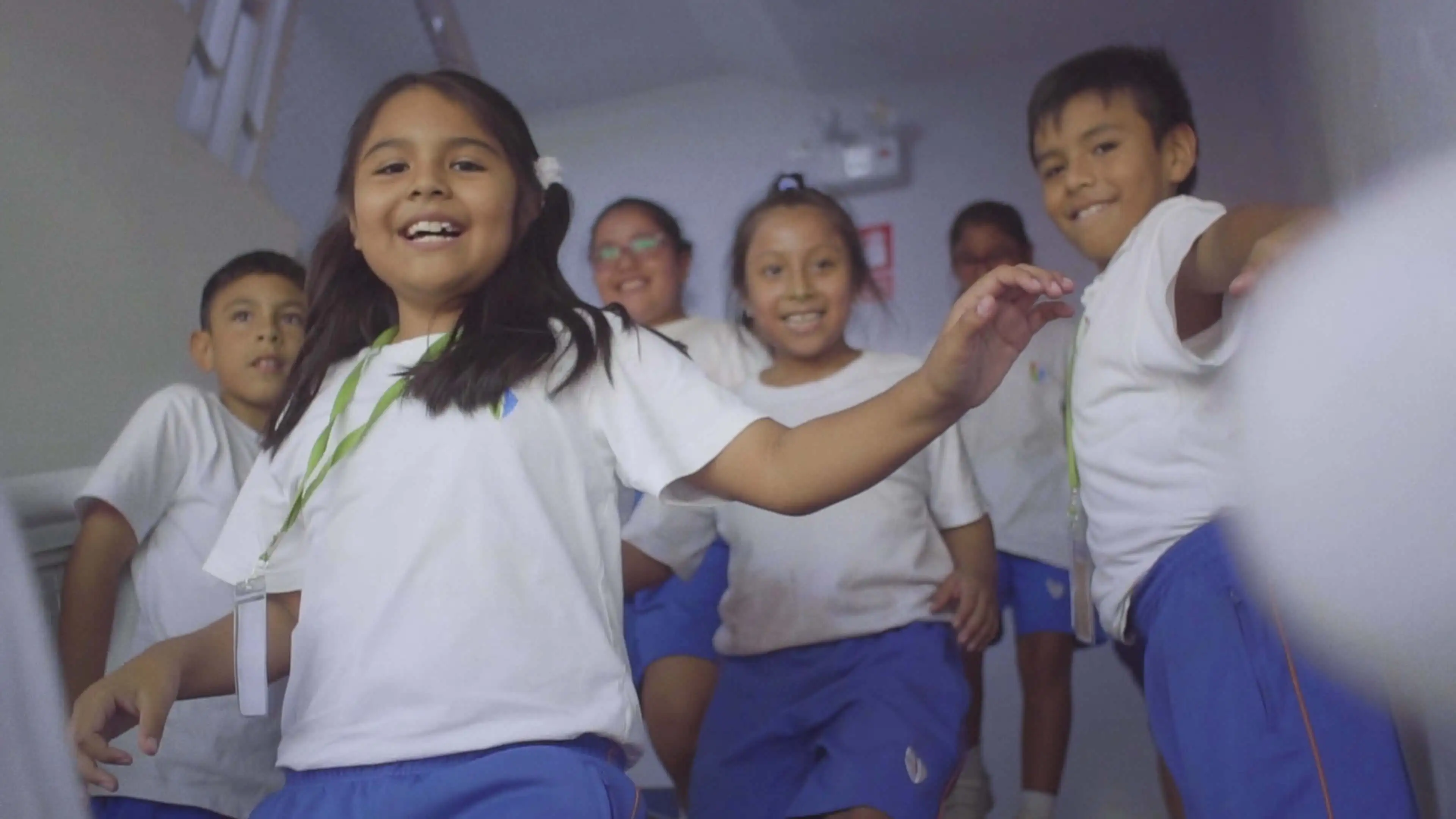
Serving families first
One organization transforms health care, education, finance, retail, and itself to meet the expectations of the people it serves.
There can be no growth for business if peoples’ basic needs aren’t met.
Carlos Rodríguez-Pastor, CEO of Intercorp, came to IDEO with an audacious goal: to address the most fundamental needs of his country’s people and grow his business at the same time. He’d been introduced to IDEO while attending business school in the U.S. and explained that he waited until he had a challenge that felt big enough to knock on our door. Together we built a high-quality school system that would cost just $100 per month—affordable for the middle class. That project convinced Rodríguez-Pastor and his colleagues of the power of human-centered design. Our blended teams launched an innovation hub to introduce new ways of working with the conglomerate’s 90,000 employees. And as we collaborated with Intercorp’s businesses in finance, retail, health care, and education, we learned more about how to serve the everyday needs of Peruvian families. Somewhere along the way, the ultimate design project became the organization itself.
And while Rodríguez-Pastor’s company has grown dramatically, he’s not one to rest on laurels. Instead, the company is becoming more ambitious: upskilling the country’s workforce through an online platform, and fulfilling its climate strategy by investing in Peru’s green economy. (The coastal nation is the world’s third most vulnerable to the effects of climate change.) While the pandemic dealt a blow to Peru’s economy, Intercorp remains steadfast in its commitment to supporting businesses that help the middle class thrive.
Peru’s PISA score of educational quality has grown by 10% in the past decade but still ranks in the bottom 10 worldwide.
In 2020, approximately 68% of the total employed population was in some form of informal employment—jobs that offered no protection and in which workers paid no taxes. Although that percentage decreased over the previous decade, Peru has one of the highest levels of informal employment in Latin America.
55,000
students enrolled across 68 locations in Peru, Mexico, and Colombia
2.5x
increase in revenue from $2.9 billion in 2011 to $8.5 billion in revenue in 2021

A Day in the Life of a Business Designer
It starts with a walk in the park and ends with a design sprint
While I occasionally geek out over numbers, I spend most of my time going deep with clients, sketching business models, and building prototypes to test our ideas with real people.
I’m currently working on a project to create a new taxi experience for Japan. We’re working to help our client, a taxi equipment supplier, stay relevant when taxis themselves are being disrupted.
There’s really no typical day for me at IDEO, but here’s a little peek at what a recent one looked like.
8:30am: Commute

On nice days I walk to work through Yoyogi Park, one of Tokyo’s largest. It’s hard to believe that I live in a concrete jungle with views like this! Most days, though, I take the train. It’s exactly 16 minutes to get to work. (Perk of living in Tokyo: Trains run like clockwork.)
10:00am: Team stand-up
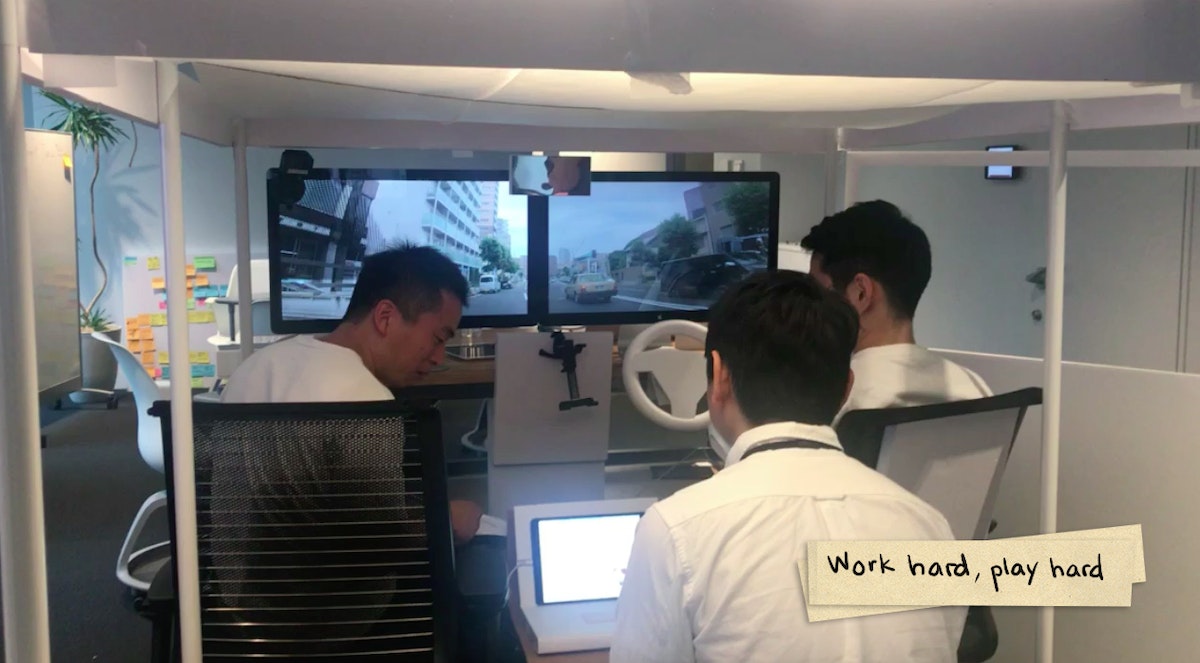
Our team has daily morning and evening stand-ups. We’re supposed to plan the day, but we get sidetracked and spend most of it playing with our taxi prototype.
10:30am: Business model review
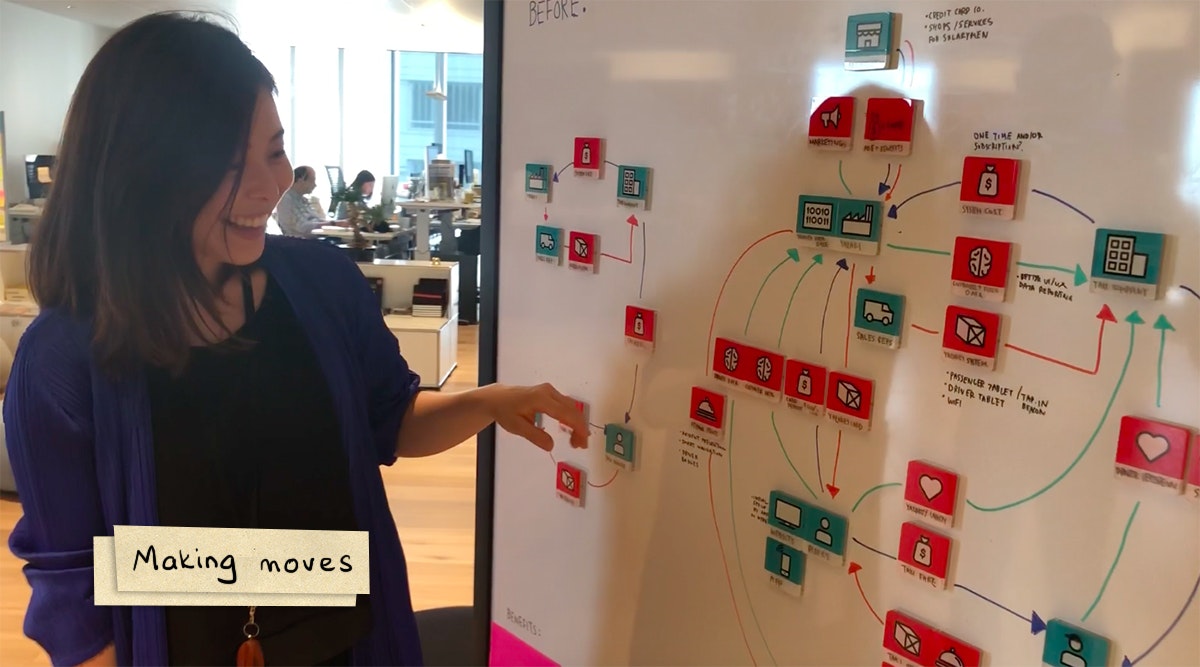
I sketch out our current idea using our Business Model Tiles. They’re a quick, visual way to bring our plan to life, and they make it easy enough for anybody to come in and iterate with me. (The team liked this version.)
12:00pm: Monday lunch meeting
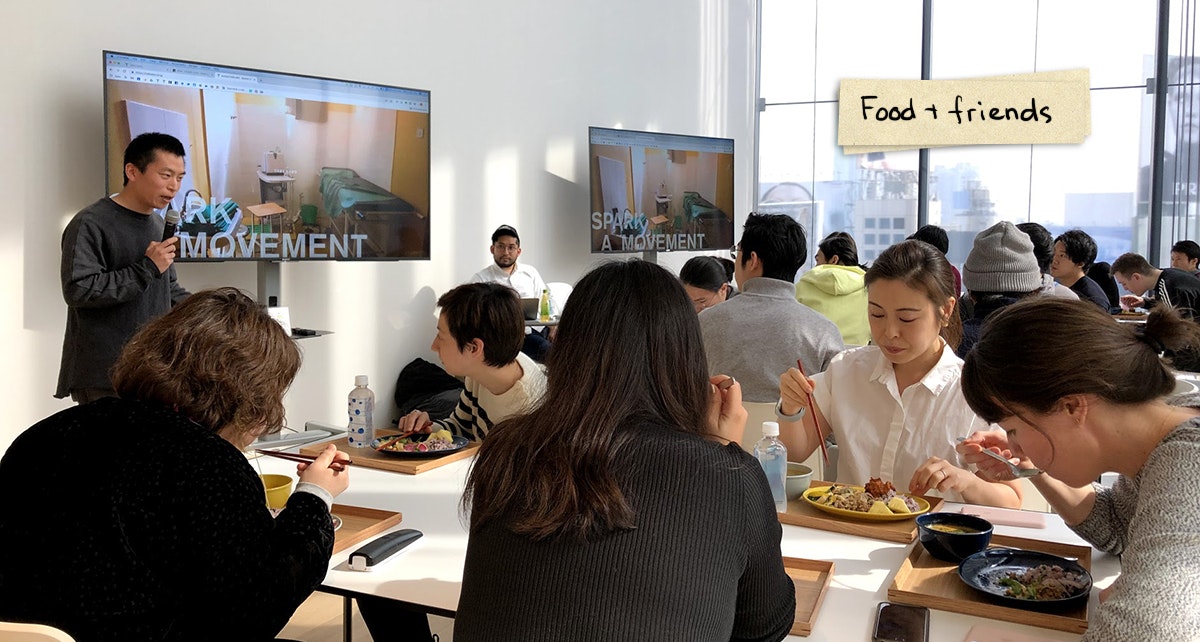
The entire studio gets together every Monday for lunch. The food is amazing—we have different caterers provide freshly cooked, seasonal dishes every week. Usually, we share silly photos from the previous week and studio/project updates. Everybody takes a turn as host, and shares personal inspiration. This week it's Ryo, introducing one of our new D4V (Design for Ventures) portfolio companies, Tabi Labo, to the studio. (More on that later!)
1:00pm: Crash course in graphic design
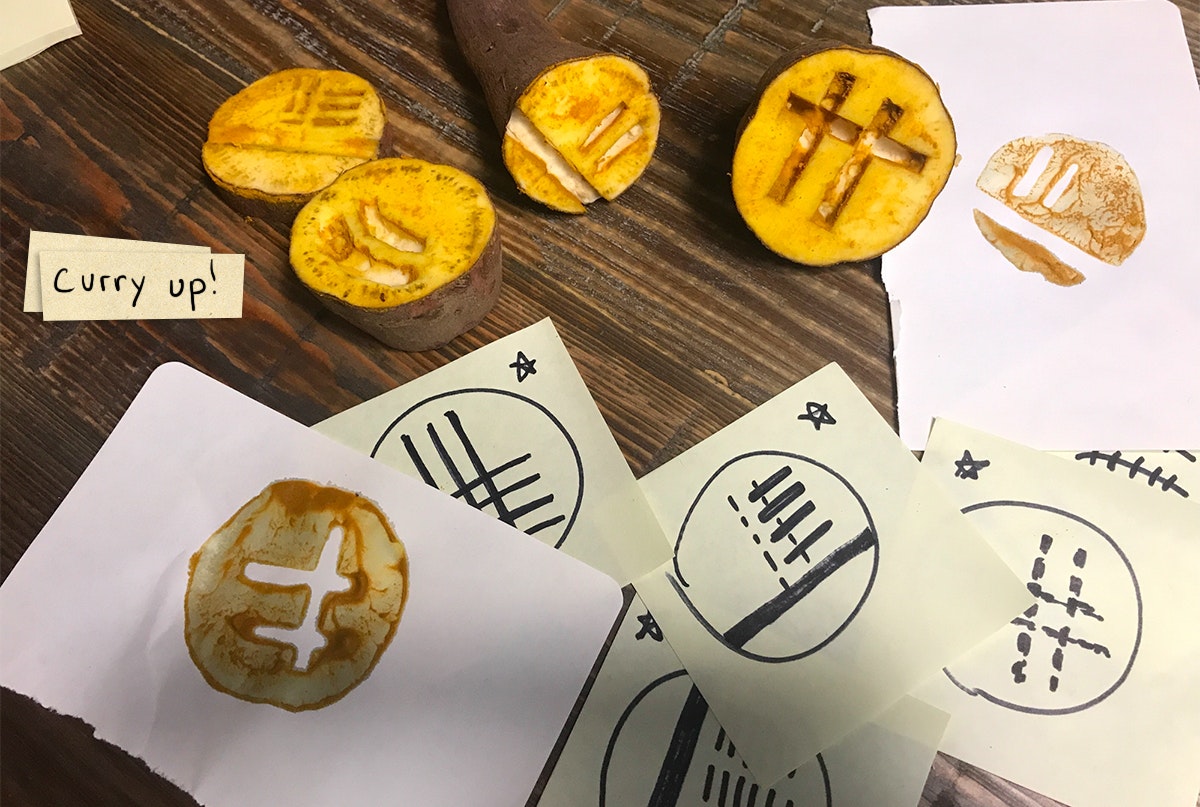
Outside of work, I run a pop-up curry shop with some friends. We make curry with a Japanese twist, using seasonal ingredients or flavoring that you might not usually find in curry. I’m lucky to be surrounded by talented graphic designers who helped me transform my very analogue potato stamp logo into a digital masterpiece.
2:00pm: Video shoot
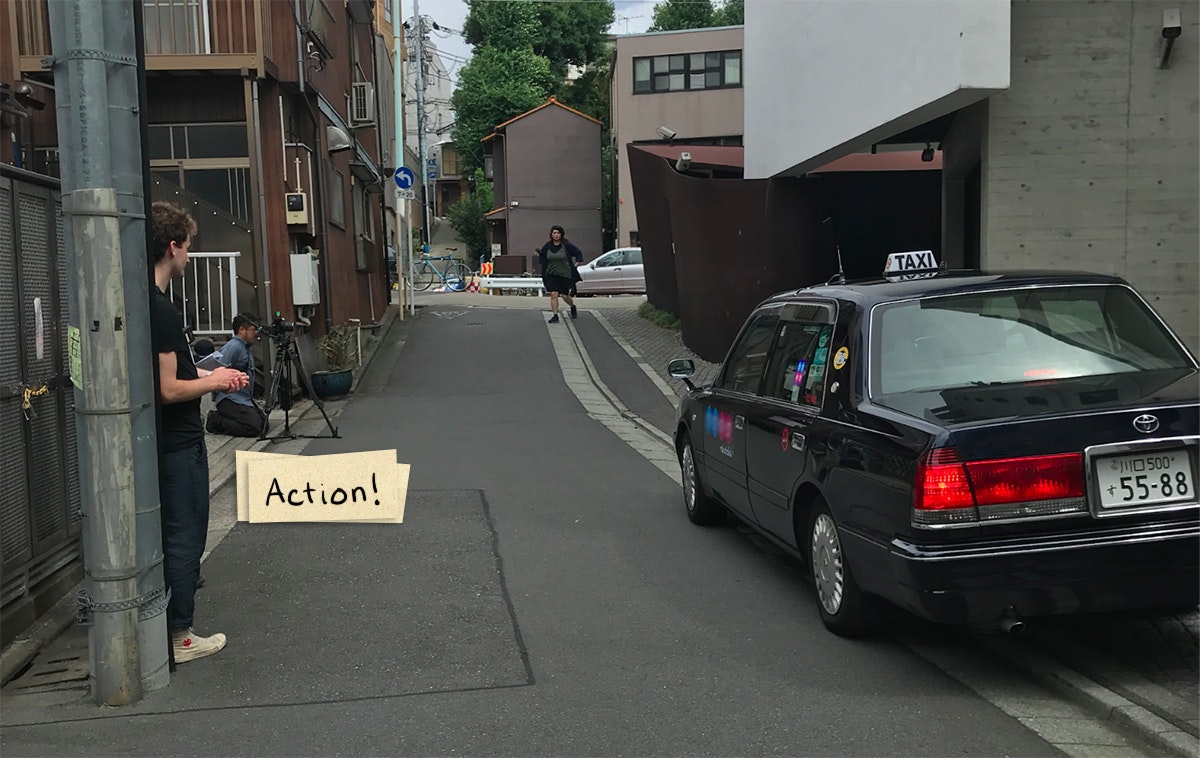
We’re making a short user journey video to showcase what our taxi service might look and feel like. As a business designer, making things tangible is important, because it makes the service feel real, and empowers clients to take risks and launch new businesses. Our client got really into it, and even starred in the video as the taxi driver!
5:00: Design sprint
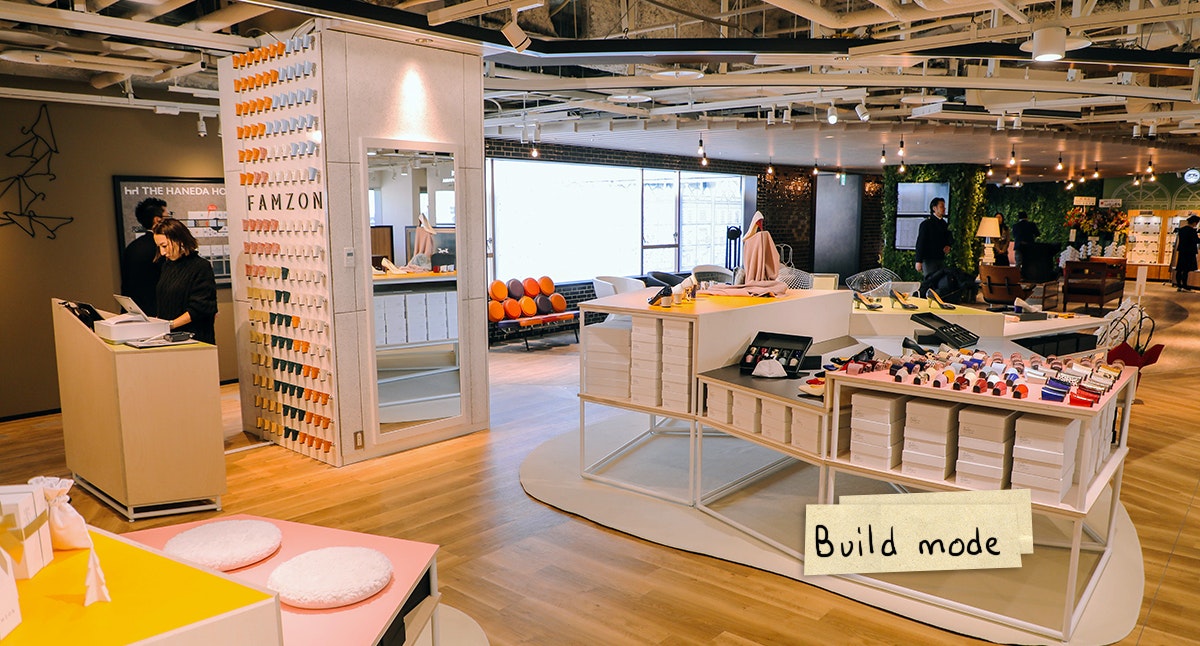
IDEO Tokyo is co-located with D4V (Design for Ventures), our in-house venture capital fund. I really enjoy working with the startups, which have different needs from our typical clients, and move really fast. Here, we’re helping Famzon (a company that makes shoes with interchangeable heels) create its first pop-up store in the Haneda Airport.
6:30pm: Heading home
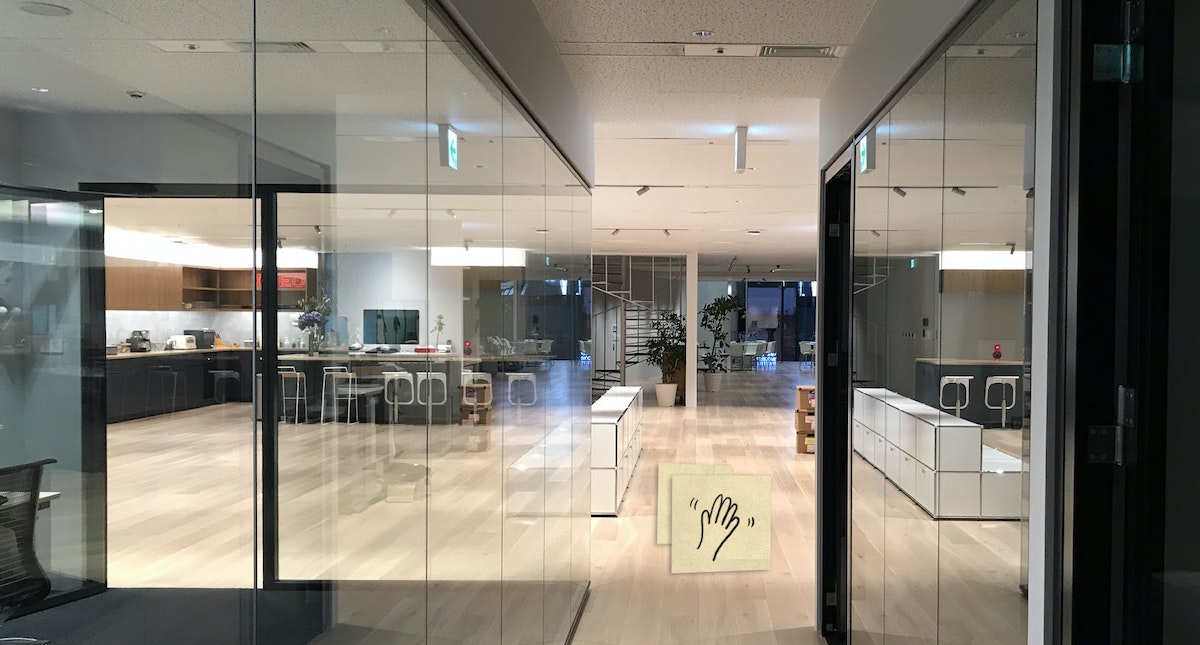
It’s been a long day. Can’t wait to go home, eat dinner, and recharge for tomorrow.
When people ask me what I do for a living, I say, “I find innovative ways for companies to transform and grow.” I think a lot about the intangible parts of creating a new service. How do we make money? Who do we partner with? What resources do we need to begin?
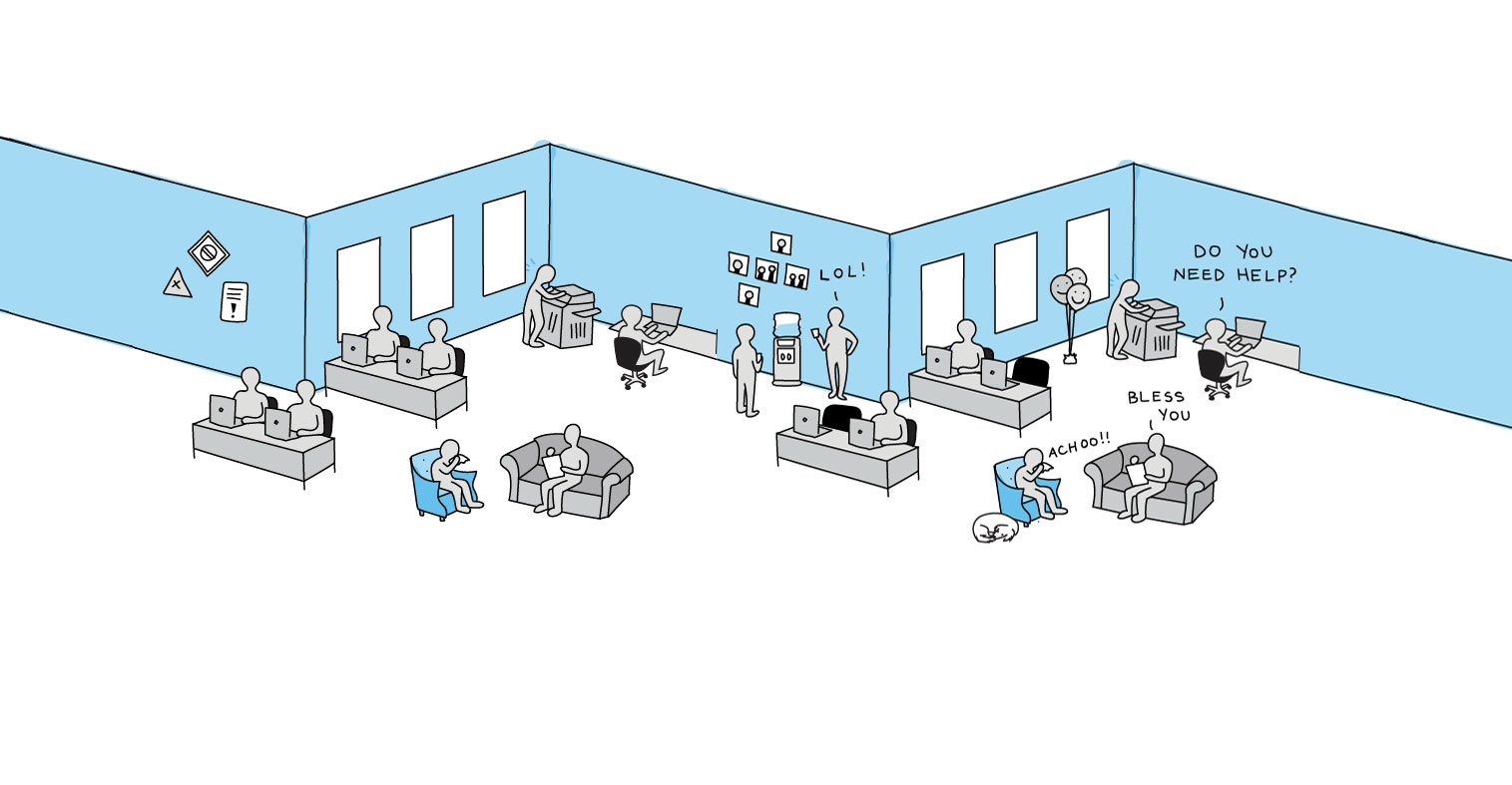
Turns Out Emotions Do Belong in the Workplace—Here’s Why
How and why feelings make a more functional, productive workplace
IDEO organizational designer Mollie West Duffy doesn’t buy it. “By ignoring our feelings at work, we overlook important data and risk preventable mistakes,” she says. “We send emails that cause unnecessary anxiety, we fail to make work meaningful, and we are more likely to burn out.”
Last month, West and her coauthor Liz Fosslien released No Hard Feelings: Emotions at Work and How They Help Us Succeed, which argues for harnessing emotions to push your career forward. “Most of us have never learned how to do this in our professional lives, let alone been allowed to admit how much feelings at work matter,” she says. IDEO’s Anna Moore Silverstein sat down with Mollie to learn more.
What inspired you to write this book?
The inspiration for this book came from the fact that when Liz and I started our first jobs, we thought professionals did not fail, did not fuss, and certainly did not feel. But we soon realized this view was not only unrealistic, it stood in the way of our sense of fulfillment—and of our success. Our goal as we began researching No Hard Feelings was to better understand our emotions—when are they useful and when are they just noise? Can we mold them to change how we experience work?
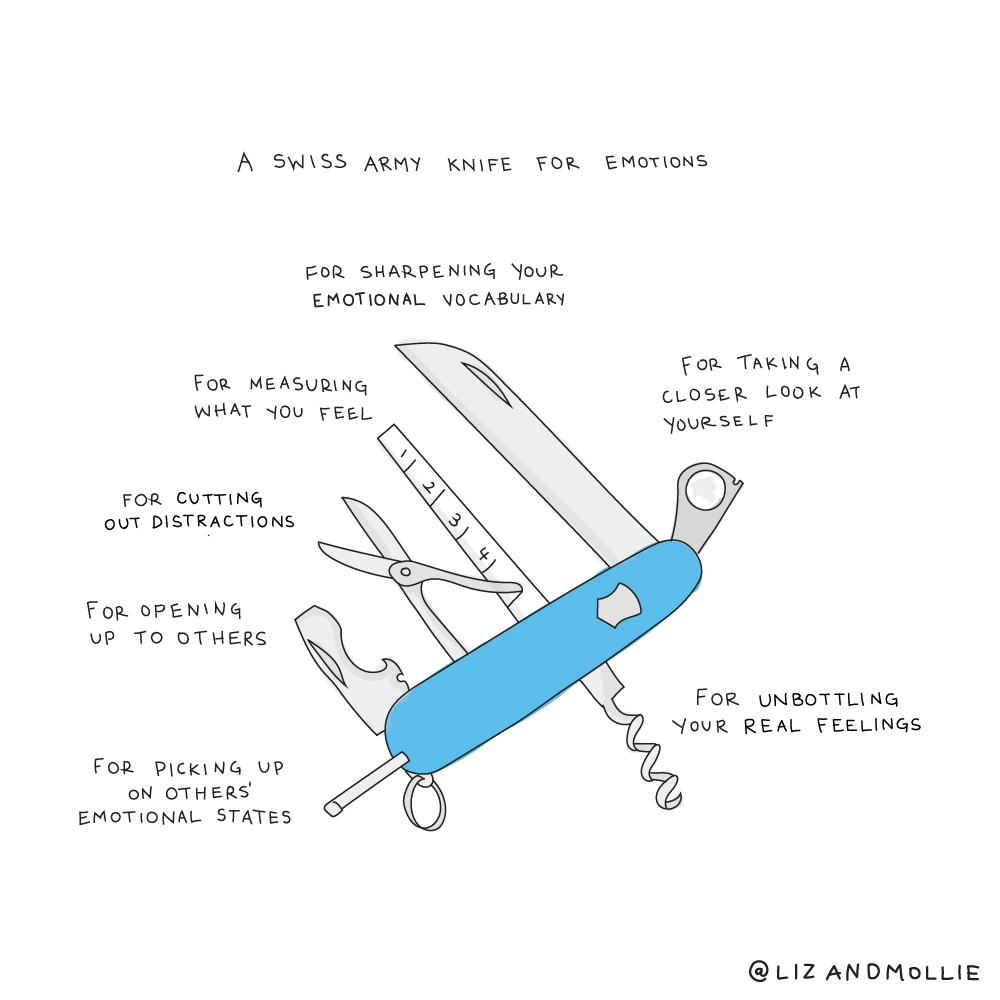
Can you explain the concept of an emotional work culture?
Emotional culture is how and to what extent employees of a company express feelings at work. Every office has one, though few companies talk about emotional norms. Emotional culture affects how much we enjoy our jobs, how stressed we might feel, and our ability to do work well and on time.
To instantly get a sense for a particular office’s emotional culture, Wharton professor Adam Grant suggests you say to an employee,“Tell me a story about something that would only happen here.” For example, at IDEO’s New York studio, Thursday lunches are dedicated to Make(believe) time. Creative activities like aromatic fingerpainting, writing group haiku poems, and blind contour drawing help employees get goofy. You can also look for more subtle cues that indicate what kind of emotions are acceptable in a work space. Do your coworkers seem more comfortable expressing frustration or joy? Are there tissues in meeting rooms (which might indicate it’s okay to cry)? Is it cool to respond to emails with a funny cat GIF?
Why does emotional culture matter so much?
When we feel supported and motivated by our colleagues, we are happier, more productive, and stick around longer. We’re also healthier and better able to cope with job stress. And when our bosses respond to our mistakes with patience instead of fury, we trust them more.
As an org designer, you help people design and scale change in their organizations, and change can be challenging. How do you account for emotions in client work?
Something we say a lot at IDEO is “Change is beautiful.” But change is also uncomfortable, and can be an emotional roller coaster
To help with this emotional journey, we try to set time for weekly check-ins. On my last project, we had a retrospective every Friday that included the client team. We asked everyone to go around and share one thing that went well, one thing they’d like to change, and their overall feelings about the week. This helped us all share our feelings in a dedicated time, so it felt less awkward.
I also have had to work on my own emotions with clients. I tend to be an under-emoter, which means I process my feelings inside. (You can take our emotional expression tendency assessment to see if you are an over-emoter or an under-emoter). So I’m working on trying to warm more quickly. I try to verbalize how excited I’m feeling about a project and a team, to help get our energy up. I also try to verbalize when I’m feeling overwhelmed and I need more help. It’s an ongoing process!
Are there other exercises you would recommend to help a company build a better emotional culture?
Awareness is a really powerful communication tool. Many of the CEOs interviewed by New York Times columnist Adam Bryant create “user manuals” or “how to work with me” guides to make collaboration easier. It’s one of the best ways to pre-empt potential misunderstandings—or hurt feelings. To achieve the same with your team, Adam recommends blocking off an hour to answer the questions below.
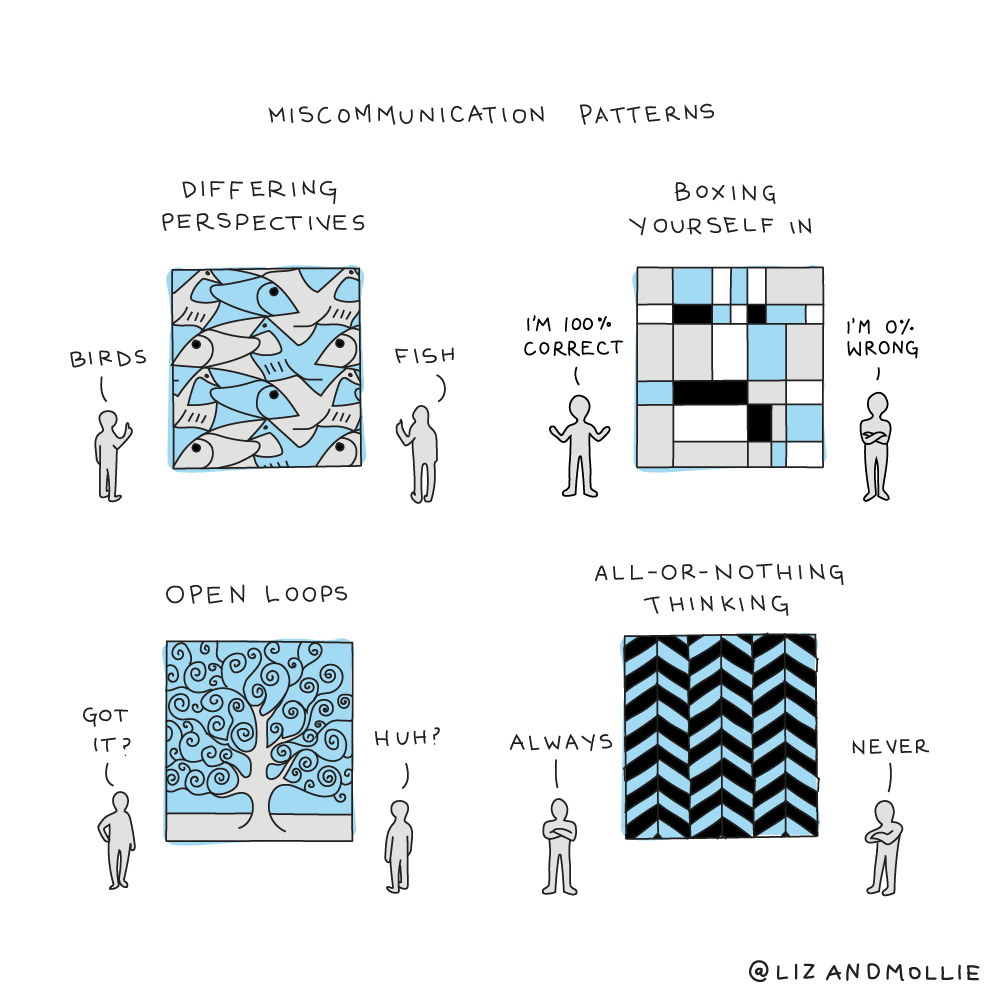
What everyone should know about you:
- What are some honest, unfiltered things about you?
- What drives you nuts?
- What are your quirks?
- What qualities do you particularly value in people who work with you?
- What are some things that people might misunderstand about you that you should clarify?
How to work with you:
- What’s the best way to communicate with you?
- What hours do we want to work together? Where and how do we want to work (same room, what kinds of meetings, what kinds of file sharing, etc)?
- What are our goals for this team? What are our concerns about this team?
- How will we make decisions? What types of decisions need consensus? How will we deal with conflict?
- How do we want to give and receive feedback (one-on-one, in a group, informally, or during a specified time each week)?
For me, answering these questions was about revealing that I warm up to people slowly. Once people get to know me, I think they find that I’m warm, generous, and even silly. But I can come across as more reserved and serious at first. For Liz, it was about showing people that she loves to be left alone when she works. For people who enjoy frequently emailing or messaging one another, her behavior could come across as antisocial, but she’s a person who needs to put her head down to work—cognitive switching is a productivity sinkhole.
Exercises like these make it easy for people to be honest up front, and set an emotional tone for your team or office. By sharing early, you can make it easier to meet people where they are, and set the stage for sharing of feelings and preferences throughout the process.
Emotions affect so many parts of work, from collaboration to decision-making, motivation, and communication between employees and managers. But in American work culture, “emotional” can be a dirty word. There’s a misconception that expressing feelings is unprofessional or out of place in the office.
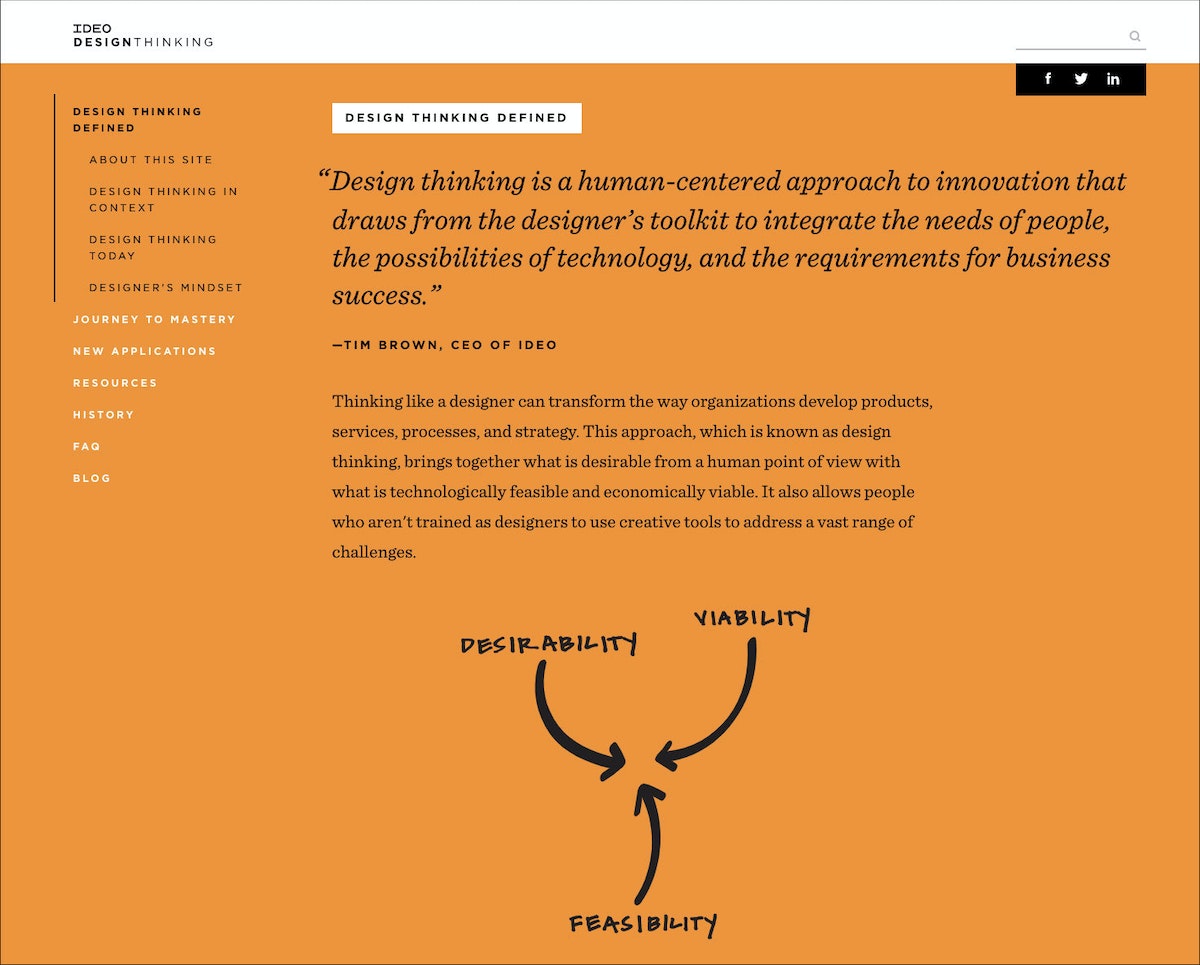
Perspectives, Practices, and Resources for Design Thinking
At IDEO, we’re often asked to share what we know about design thinking. We’ve developed designthinking.ideo.com in response to that request.
At IDEO, we’re often asked to share what we know about design thinking. We’ve developed designthinking.ideo.com in response to that request. On the site we introduce design thinking, how it came to be, how it is being used, and steps and tools for mastering it. You’ll find our particular take on design thinking, as well as the perspectives of others.
Build Your Creative Confidence: Nickname Warm-Up
While Speed Dating is useful in situations where people don’t know each other well, sometimes in group meetings you will encounter the opposite problem: a group where people know each other too well.
Creativity Challenge # 7: Eliminate hierarchy to improve idea flow.
While Speed Dating is useful in situations where people don’t know each other well, sometimes in group meetings you will encounter the opposite problem: a group where people know each other too well. Or, more specifically, a group in which hierarchy is so well established that the more junior members in the room self-edit and defer to the executives rather than putting their best ideas on the table.
To reduce hierarchy (which inhibits conversation) and self-censoring (which is equally limiting), the d.school has recently been experimenting with a “nickname warm-up.” Using a stack of colorful names the instructors have prepared in advance, the activity is a way to temporarily level out the organization during a creative working session. Each participant is given a persona to allow them to “try on” new behaviors.
Tool: Nickname Warm-up
Participants: Groups of 6-12 people per facilitator
Time: A few minutes per person
Supplies: Nametags for each person with the fake names written out. A hat and a ball for each facilitator.
Instructions
Step 1: Each participant reaches into the hat, draws out a name tag, and puts it on. Use names that lend themselves to humor and emotion. Teams tend to produce their best work when the group is having fun. Some of the monikers can imply a big dose of street credibility, while others suggest quirky personalities. For example: Dr. Fabulous, Squirt, Mr. Big Heart, The Clumsy Entertainer, or The Rooster.
Step 2: The facilitator gathers the group in a circle and tosses the ball. Whoever catches it introduces themselves using their new nickname and then tells a short story (created on the spot) about how they acquired this nickname as a child.
Step 3: After their self-introduction, they toss the ball to a new person, until everyone has had a chance to share their new name and story.
Step 4: The rule for the rest of the workshop—strictly enforced—is that everyone must use only these nicknames when referring to themselves or others.
Tips from the Field
Do the nametags work? Although this is a relatively new exercise, experience so far suggests that the answer is yes. At a recent management event, the CEO of a global hospitality company drew the “Squirt” nickname. There was a pregnant pause in the room as everyone waited to see how he would react. But he gamely played along through the rest of the workshop, and the organizers felt it contributed to an open environment in which people could speak freely.
The goal is to flatten out the hierarchy, so it’s important to get the senior people in the room to participate. Leading by example will naturally break some of the barriers to free-flowing collaboration.
This post was taken from Chapter 7 of Creative Confidence. Purchase the book for more on how to use creativity to solve problems, or read more from this series of creative exercises on the IDEO blog.
Everyone is creative. This belief runs through everything we do at IDEO, and in 2013, it led my brother David and me to write a book that would help others—even those who don’t think of themselves as “creative types”—to unleash their creative potential. Creative Confidence has inspired thousands of people to adopt a creative mindset and apply it to the diverse real-world challenges they face. In this series, we’ll share some exercises from the book that can help you approach your challenges from a new perspective.

Lindsey Turner
I’m passionate about building brands, products, and experiences that help organizations show up with meaning and momentum.
I help organizations cut through complexity by shaping how they show up, through brand strategy, identity, and storytelling.
Working at the intersection of brand and business, I bring an editorial eye and a bias toward making—turning ideas into tangible experiences that people can understand, trust, and believe in.
My work spans government, healthcare, financial services, media, and consumer goods, from launching Gen Z-focused ventures to building innovation labs and reimagining legacy brands. I relish moments of ambiguity and enjoy translating across teams, perspectives, and priorities to move ideas forward.
I started my career in editorial and digital design, shaping cross-platform experiences and identity systems in publishing and agency environments. That foundation still shapes how I work today: I’m detail-oriented, collaborative, and overreliant on the Oxford comma. I hold a BFA in Visual Communication from the School of the Art Institute of Chicago.

Rachel Young
My work helps organizations see who their products aren't working for—and build the will and the tools to do something about it
For 25 years, I've asked the same question: Who does this design exclude—and what are we going to do about it?
My work spans human-centered strategy, inclusive design, and qualitative research, with clients ranging from Microsoft, Google, and Verizon to the National Science Foundation, and San Francisco Unified School District.
Before IDEO, I taught elementary school in East Palo Alto and spent a decade doing design work with social service organizations—where I learned firsthand what it costs people when systems are built without them in mind.
I am currently writing User Error, a nonfiction book about digital access and the design decisions behind it. I live in Oakland, California.

Brian Pelsoh
I lead with craft, ensuring our work is creatively excellent: rooted in deep human insight and imagination, while also grounded in the realities of business and technology.
My expertise spans brand, communication, and product design across tech, education, the arts, and social impact.
I believe great work demands both high-level vision and obsessive attention to detail, and only happens through collaboration.
I bring an inclusive, hands-on approach and a deep understanding of business, which enables me to consistently deliver excellence while always asking why.
Before joining IDEO, I worked at the brand firms Pentagram and VSA Partners. I began my career as a designer, leading teams at the School of the Art Institute of Chicago and the Milwaukee Art Museum. I hold an MFA in graphic design from Maryland Institute College of Art and a BFA in communication design from the Milwaukee Institute of Art & Design, and have taught at some of the best design schools in the US.

Tony Wong
I am responsible for IDEO’s long-term success in China and working with clients to use design as a tool to enable growth.
I am responsible for IDEO’s long-term success in China and working with clients to use design as a tool to enable growth. Specifically, I have helped Chinese companies design holistic brand solutions through the development of their products, communication, services, and innovation teams, and I have helped multinationals expand their presence and influence in China.
I advise global leaders on developing China-led innovation and capabilities.
In over 15 years in IDEO Shanghai, I have worked on projects that use design to elevate the quality of the experience of healthcare products and services, streamline processes that increase productivity, create spaces and programs that promote and enable inclusive communities, and build next generation mobility solutions that are planet-positive.
Before joining IDEO, I worked at Philips Electronics and the Electrolux Group in Italy, the Netherlands, and Singapore on a number of breakthrough commercial products. I am a member of the Young President Organization in Shanghai.

How to use AI as an editor, not a writer
Ed White shares how he uses AI as an editor—not a writer—to sharpen storytelling, rehearse ideas, and preserve the productive friction that makes creative work better.
Ed White has a rule he's tested on his own writing: hold yourself as the writer, and let AI be your editor. Ed is a Senior Design Director at IDEO's London studio, where he co-leads the firm's AI portfolio across Europe. Before IDEO, he spent 12 years as a writer and editor at the Financial Times, Wired, and Contagious. So when he talks about when to use AI for storytelling and when not to, it comes from two decades of crafting his storytelling skills.
In this episode, Mina Seetharaman talks with Ed about two specific tools he uses to keep AI in an editor's seat: a "roasting agent" prompted to critique his drafts without any sugarcoating, and a simulated audience he rehearses pitches on before the real thing. They also get into what Ed is hearing from design leaders at Anthropic, Lovable, Shopify, and Google Creative Lab about how creative work is changing, and why he thinks the friction of writing something yourself is worth protecting rather than automating away.

Building a personal AI for the messiness of life: Sida Li
Becca Carroll talks with Cue co-founder Sida Li about designing a personal AI for the messiness of everyday life—not just work. They explore how Sida stays anchored to human needs while navigating fast-changing technology, product tradeoffs, business-model experimentation, and the realities of building an AI company today.
Most AI products today are built for work—a space with clear problems and established systems. One founder noticed a gap: personal life is messier, harder to systematize, and mostly left behind by the AI boom. So she built Cue, a personal AI that lives inside iMessage and group chats, to go where the other tools haven't.
In this episode, Becca Carroll, IDEO's Chief Strategy Officer, talks with Sida Li, co-founder and CEO of Shared Context Lab, about staying anchored to a human need while the technology around her keeps changing shape, why she treats her business model with the same rigor she'd bring to a product, and what it feels like to build a company at this particular, disorienting moment in AI.
The conversation also gets into how Sida makes design decisions: the language Cue uses to describe itself, the tradeoffs behind building inside iMessage instead of a new app, and a real story about a business idea that didn’t pan out.
This is the second in a two-part series profiling founders from IDEO's Startups-in-Residence program. The first conversation is with Johannes Seemann, founder of Sooner, on designing GenAI for the emotional side of money.

Designing GenAI for the emotional side of money: Johannes Seemann
Designing financial tools around the feelings that shape money decisions.
Most personal financial tools are built to run the numbers and optimize towards a budget. While that works for some, most people experience money as a lived relationship that does not neatly fit into a spreadsheet. Johannes Seemann and Becca Carroll discuss why money is emotional before it is mathematical, and what a human-centered approach to building a generative AI financial product looks like in practice.

The curious leader's edge in uncertainty: Scott Shigeoka
How genuine curiosity helps leaders navigate uncertainty with greater confidence.
Mina Seetharaman talks with Scott Shigeoka, author of Seek and Head of Curiosity Cultivation at the Eames Institute, about what distinguishes genuinely curious leadership from performative curiosity, how power dynamics shape curiosity, and why practicing curiosity can restore energy rather than drain it.
Looks like you might be in search of something very specific?
Or reset the filters above and try another angle.
Here’s some random inspiration

Podcasts about creative leadership

Articles about the power of prototyping
