
.svg)



In Mexico, redefining retail
FEMSA creates a digital ecosystem to increase customer value at its network of OXXO stores.
The IDEO team quickly discovered that the challenge of designing a Digital@FEMSA super app for tens of millions of customers was matched only by the operational complexity of bringing together different teams that had already created various apps with separate value propositions. Not to mention the 22,000 stores specifically tailored to local communities.
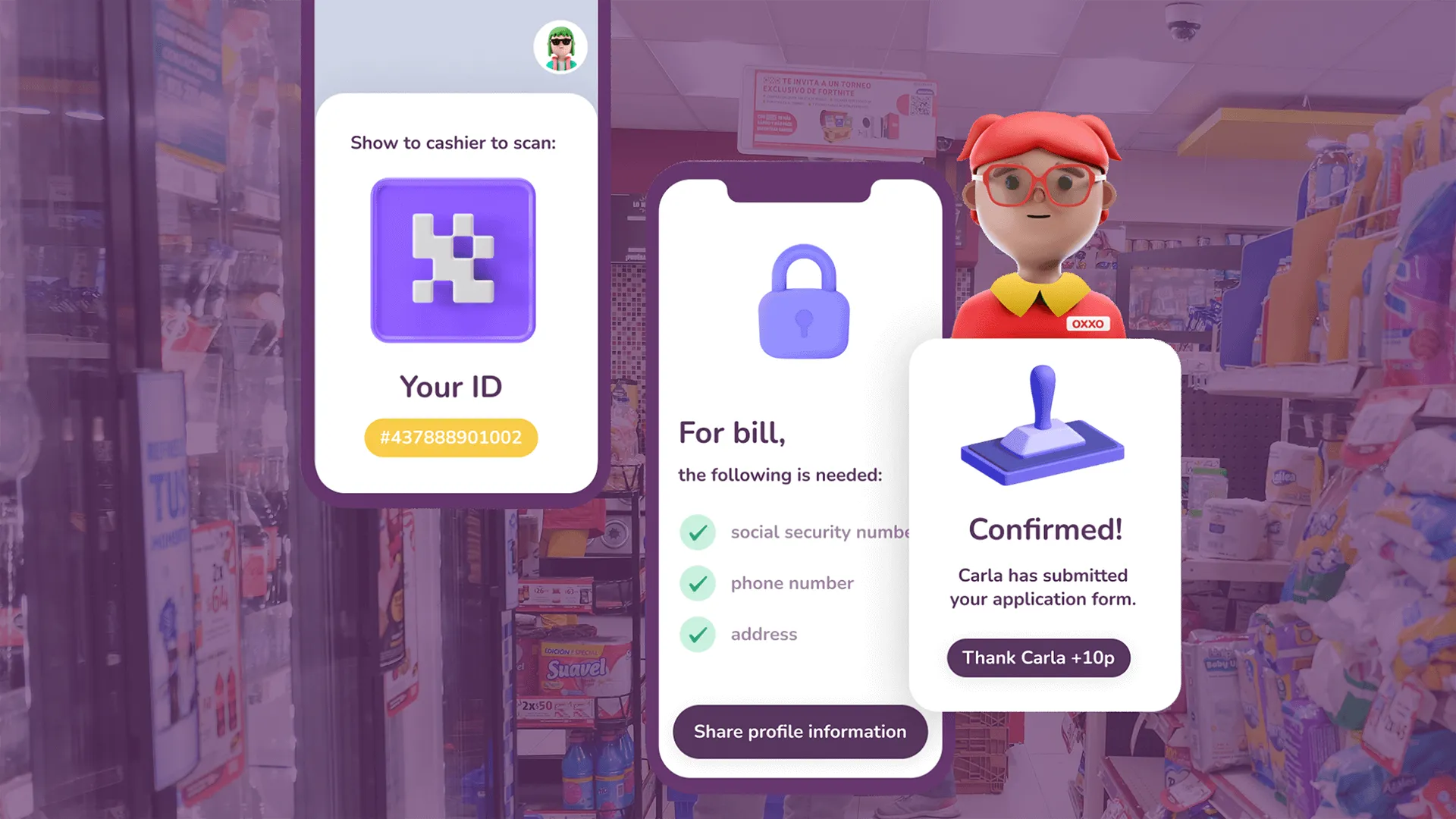
To kick off the project, the IDEO team built on FEMSA’s already deep understanding of its customers by meeting them in their homes and communities. The team discovered that users didn't care about long-term rewards; instead, they wanted everyday help to thrive long-term. Connecting omnichannel rewards to regular spending would allow them to save time and money—something they said was particularly important. Along with market research, insights like these directly informed the app's design, ensuring that it was compatible with users' everyday habits and preferences.
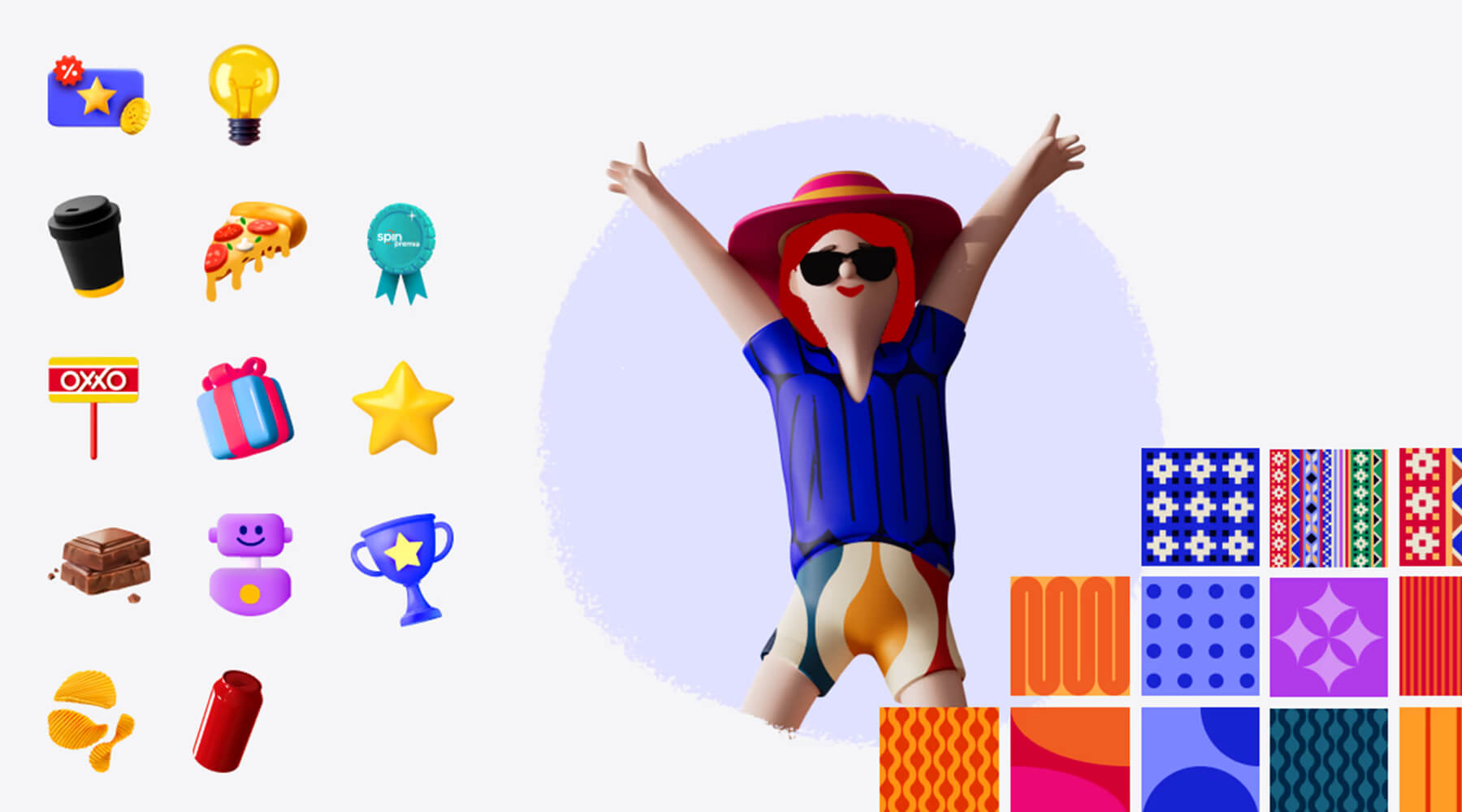
Meanwhile, the project team also worked to ensure the app fit the priorities of the various teams inside Digital@FEMSA, designing a comprehensive process for testing joint value propositions. Together, the team created a new design system, iconography, and set of unifying principles. IDEO also worked closely with the Digital@FEMSA teams to ensure that the app's design was in line with their strategic goals and technical capabilities, and built the app's initial information architecture. They incorporated secure transactions, effortless coupon redemption, personalized offers, and a cohesive loyalty program.
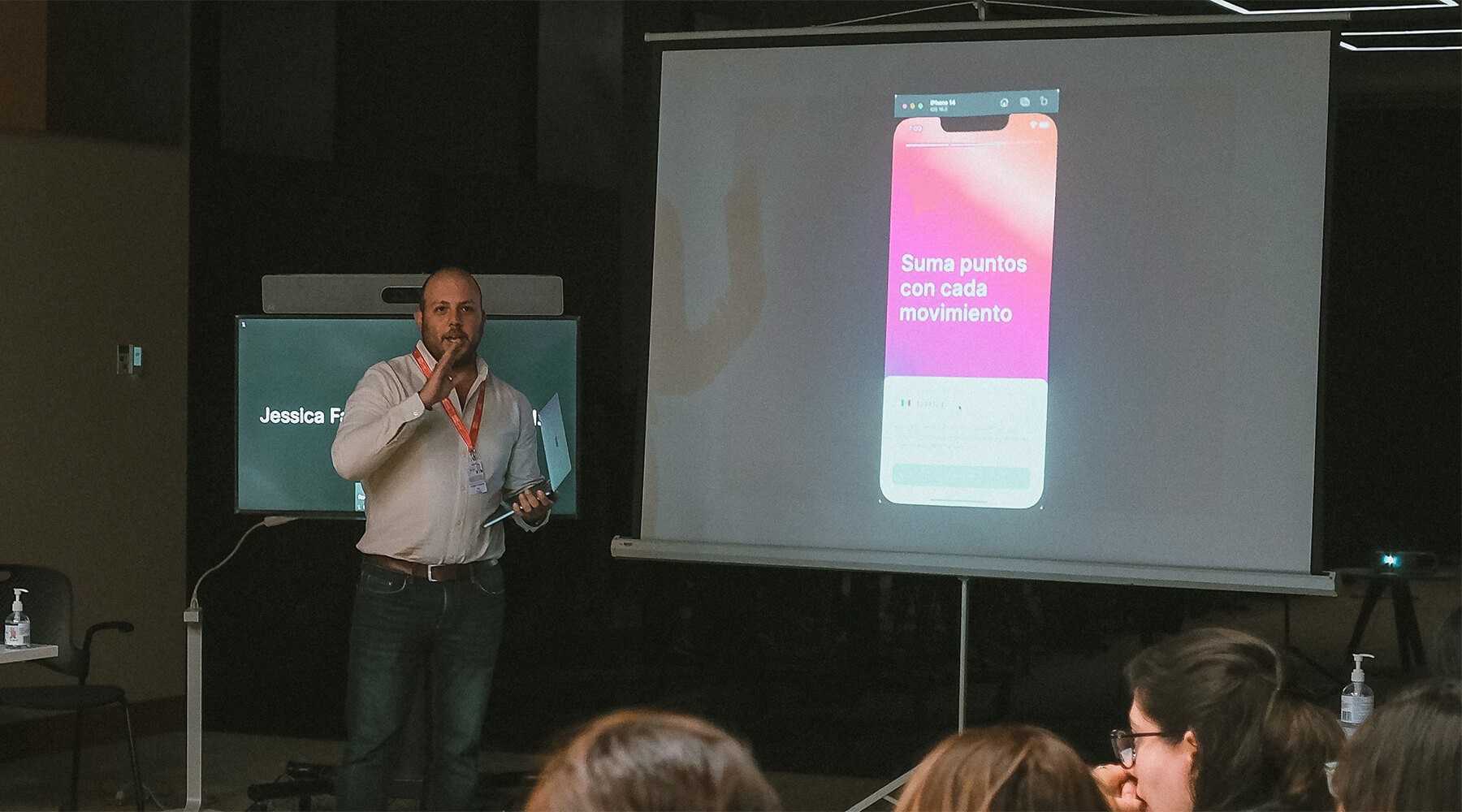
From there, the IDEO and Digital@FEMSA teams quickly transitioned into the design and development phase, producing prototypes of the new app, dubbed Spin Premia. With the help of user testing, they were able to continuously iterate to improve the app's features and functionalities, creating a user experience that was both seamless and intuitive. In just 10 months, they went from a small digital team with an ambitious idea, to a 150+ people product organization and an MVP launched in one region. And thanks to a tight partnership, the teams were able to seamlessly integrate Spin Premia into Digital@FEMSA's existing systems, resulting in a scalable implementation nationwide just a few months later.
The introduction of Spin Premia was a milestone in FEMSA's digital transformation path. Following a true ship and iterate model, just a few months into the project, the company released a smaller, focused version of the app in just one city in Mexico to quickly learn from customer experience before expanding to new regions. Since then, the Spin Premia app has quickly gained popularity, offering a safe and user-friendly platform that millions of Mexican consumers have embraced. It has also allowed FEMSA to broaden its digital portfolio and extend its customer base throughout Mexico, elevating customer satisfaction and fueling business expansion.
13 million Mexicans visit FEMSA’s OXXO convenience stores every day. But the company had ambitions to leverage digital experiences to increase customer engagement.
To get there, Digital@FEMSA needed to deliver exceptional digital products with the agility to serve an entire population.
4.7 stars
Spin Premia’s app store rating
22.8 million
active Spin Premia program users
A hotel brand for new travel paradigms
IHG introduces Garner, a midsize brand elevated by thoughtful design.
Midscale hotel brands are the fastest-growing hotel segment in the US, attractive to both travelers and hotel owners. But often, their messaging feels repetitive, and travelers have a tough time differentiating between them. With a warm, thoughtfully designed midscale brand, IHG had an enormous opportunity to distinguish itself in a crowded market.
IHG’s goal was to deliver a guest experience that felt genuinely unique and resonant—and quickly. With costs on the rise, many owners were motivated to turn toward conversion brands, which allow them to refurbish hotels under a new brand rather than invest in construction, a way to grow their portfolio in a tight financing market. Meanwhile, IHG’s competitors were set to introduce new conversion brands of their own. The company was looking for a partner that could work swiftly and iteratively to deliver a distinct brand.
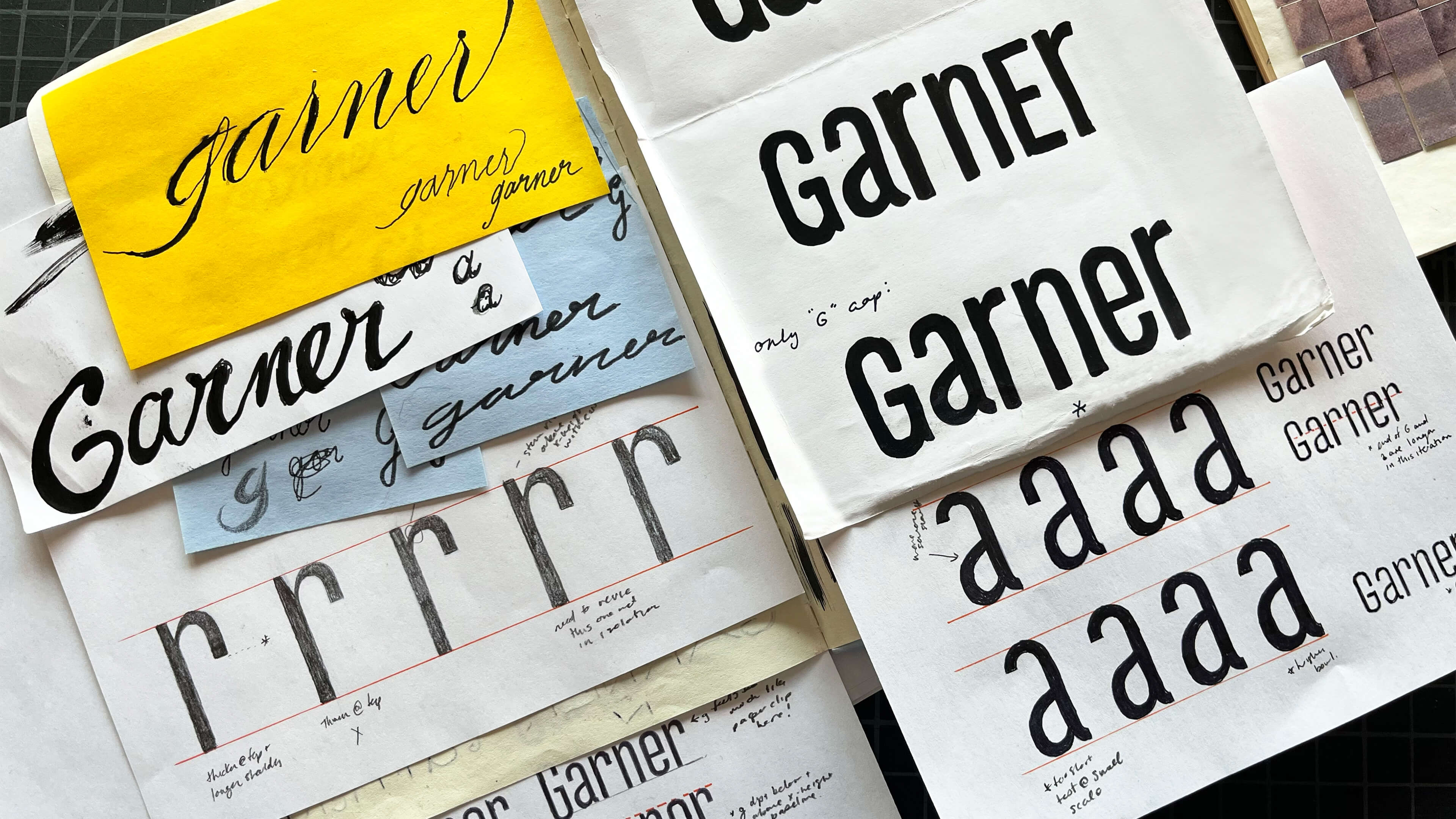
For the IDEO team, the answer lay in communicating the brand’s value, starting with a custom logo rendered by hand. Inspired by vintage sign painting and modernist typography, the team sketched different versions of the letterforms, reviewing them with IHG until they had a set that brought to life the generosity and sense of invitation associated with the hotel’s spaces. They also worked to ensure the wordmark was visually balanced and would translate well across a variety range of scales. From there, they built an expansive brand world, including bespoke navigation icons, a full interior and exterior signage system, and a video to support the Garner launch.
The result is a hotel brand that stands apart in its category for both travelers and owners: thoughtful and well-designed yet affordable. As competition in the midscale segment continues to increase, Garner has been central to IHG’s growth strategy. Launched in the fall of 2023, Garner opened 100 hotels worldwide in just 16 months, making it the fastest-ever IHG brand to scale globally. The brand’s increasing popularity among owners and developers is driven by the growing demand for conversion properties, which accounted for 52% of IHG’s room openings in 2025. Garner plans to continue its rapid expansion with nearly 80 additional hotels in 12 key markets, including the US, Mexico, Italy, and Japan.
Conversions account for 12% of the global hotel pipeline, enabling hotels to switch brands and refurbish, boosting revenue without expensive construction.
The US midscale hotel segment, valued at $14B, is expected to reach $18B by 2030.
100 new Garner Hotels
in less than 3 years—the fastest-scaling brand in IHG's history
500 Garner Hotels
planned in the next 10 years; 1,000 over the next 20

Moving dementia care forward
Together Senior Health provides digital solutions to combat cognitive decline.
Alzheimer’s and dementia are notoriously difficult to treat—and scientists estimate that some 50 percent of people who have dementia are undiagnosed. Recognition of symptoms and early intervention are key. Together and IDEO set out to conduct user research to inspire new products that would help patients with cognitive decline take charge of their brain health.
The first priority was to expand the reach of the Moving Together program, which combines group movement exercises with mindfulness techniques, led by a trained group instructor. The IDEO team conducted remote and in-person interviews in Florida, where one in five residents is age 65 and older, and rates of Alzheimer’s and dementia are among the highest in the country. One of the key insights the team discovered was that many older adults didn’t understand how behaviors like smoking, exercise, and diet can be risk factors for cognitive decline. Their input inspired a new design principle for the program: “No naked feedback.” Any time participants received health coaching advice about modifying their lifestyle, they would also be given resources on why and how to do it, so they would have a pathway to boosting their brain health.
The IDEO team folded insights like this one into the design for four new product offerings, including personalized brain health education, new online community engagement tools, partnership programs, and health coaching services, as well as a new user interface to illustrate them. Along with Together they also developed an implementation roadmap of next steps to bring the new digital product offerings to market, such as hiring a brain health coach and creating a new course curriculum. Now, Together has enrolled 165 people in the Boost Your Brain Health Clinical Trial, which is looking at outcomes such as reduced risk of Alzheimer's and maintenance of cognitive function for the Brain Health Together program. With trial completion in Q3 2024 and product launch in early 2025, growing numbers of people with MCI will have access to this exciting program. Together incorporated almost all of the elements from the IDEO roadmap into the final curriculum, and the team often refers back to insights the team gathered as guiding design principles.

Fighting barriers to diagnosis
With its online program growing, Together wanted to take on an even bigger problem: dementia underdiagnosis. Co-founder Dr. Deborah Barnes had recently developed an algorithm that uses patients’ health records to calculate their risk of undiagnosed dementia, called the electronic health record Risk of Alzheimer's and Dementia Assessment Rule (eRADAR). Together was looking to find creative ways to equip and empower providers to use risk scores like eRADAR in primary care settings.
One piece of the puzzle? Many primary care doctors are unaware that better management of Alzheimer’s disease and dementia can have a positive impact on other chronic health issues—like diabetes, hypertension, and depression. So by encouraging providers to prioritize dementia care, they can help support the overall health of older adults with cognitive decline. The IDEO team recommended a curriculum for continuing education courses for doctors that make that link clear—another step toward increasing dementia diagnosis and improving overall health.
Better help, sooner
To understand the patient experience, Together and IDEO decided to work directly with patients and caregivers to uncover what was stopping them from asking for dementia screening. The IDEO team quickly learned many patients were afraid of facing a diagnosis that signified a loss of agency and control, especially when they didn’t believe there were good treatment options. Often, they were unaware that there were things they could do to improve their brain health. They needed to know what steps to take after a diagnosis, and who could provide actionable advice. In response, the IDEO team designed a digital activity toolkit and physical booklet to guide patient families through the early stages of a dementia diagnosis, including recognizing the signs and symptoms, having better conversations with their doctor, and getting connected to support groups and programs like Moving Together.
Solving the problem of dementia underdiagnosis involves complex systems-level thinking and designing for the entire health ecosystem of patients, providers, and insurance payers, and solutions for Alzheimer’s and dementia care are still in their infancy. But already, this work is empowering patients and doctors to prioritize brain health and get screened sooner, and Together, which has since been acquired by Linus Health, is still working to move dementia care forward.
Approximately 12-18% of people aged 60 or older live with mild cognitive impairment, while memory loss, Alzheimer's and dementia affect more than 50 million people around the world.
An estimated 50% of people living with dementia are undiagnosed.
165 enrolled
in the Boost Your Brain Health Clinical Trial
Culture as catalyst
Moderna defines its Mindsets to preserve its future.
Many companies view culture-building initiatives as nice-to-haves. At Moderna, Mindsets are a business imperative, crucial to its plans to develop breakthrough products quickly.
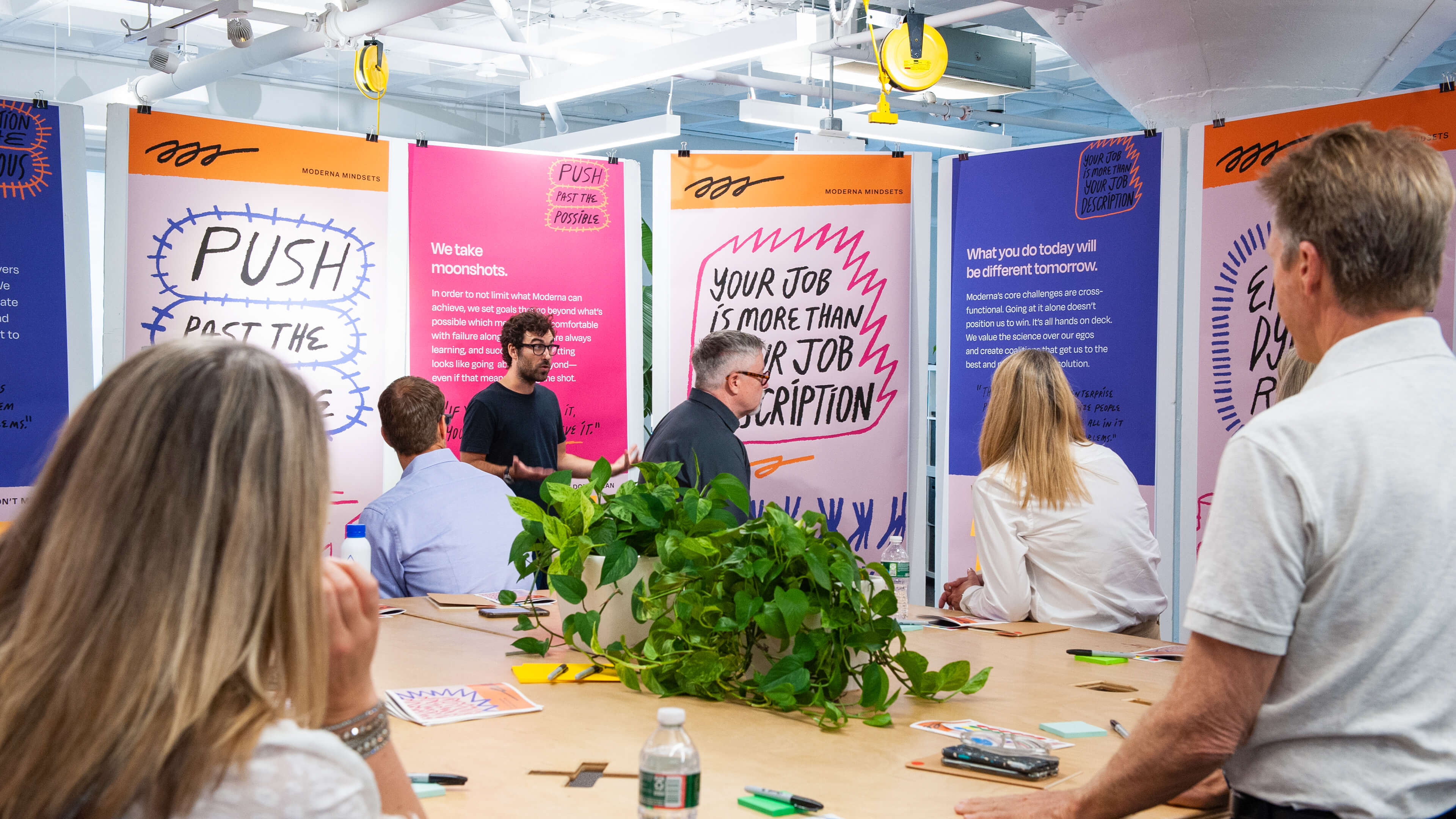
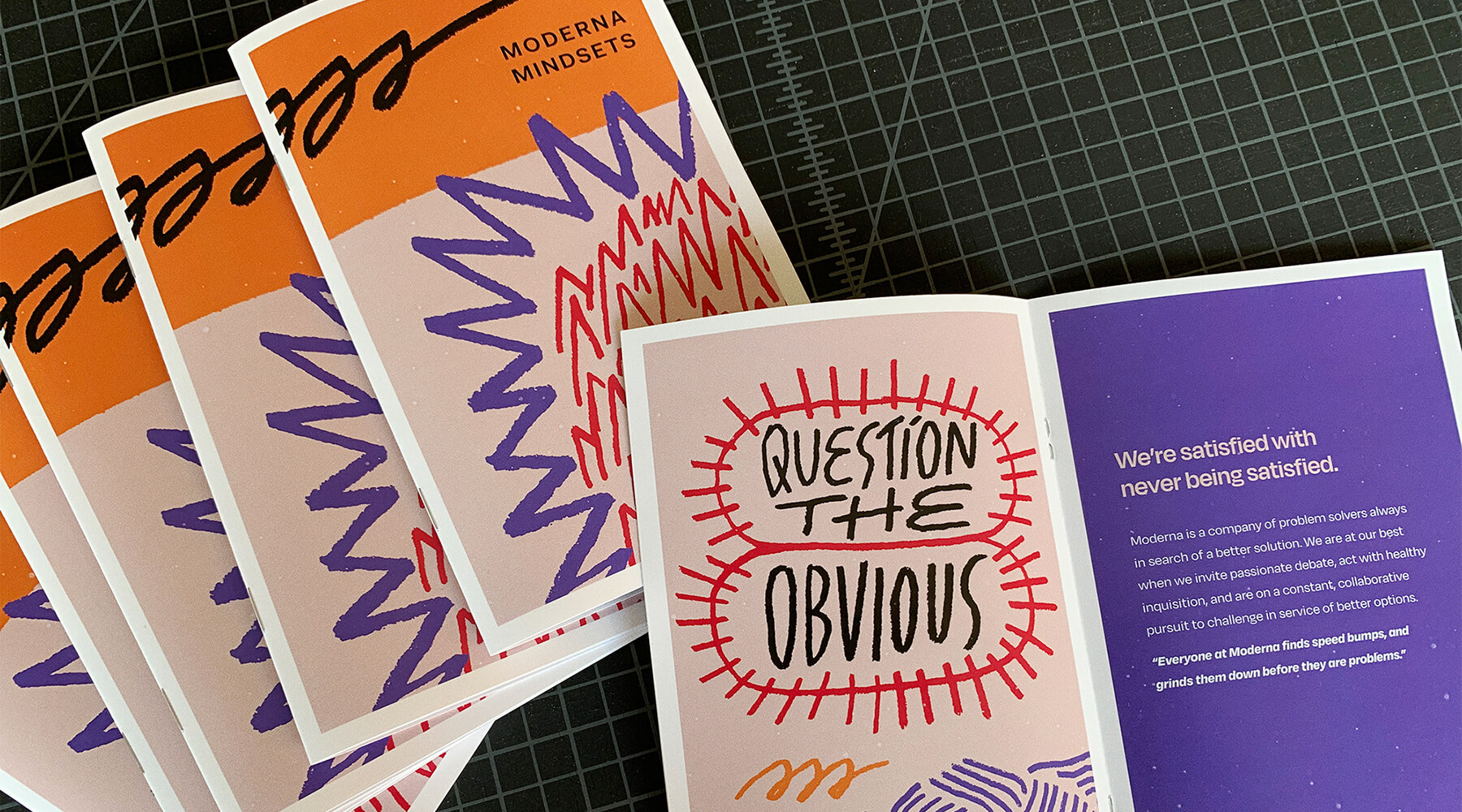
For companies working on solutions as vital as a COVID-19 vaccine, delays and mistakes don’t just mean missing a product launch date—they’re life-or-death, and on a large scale. Moderna had to ensure that its employees knew how to make the right decisions, evaluate risk, and move quickly—even if they came from organizations with more bureaucracy and less risk tolerance. In 2021, IDEO sat down with longtime Moderna veterans to hear stories about moments that exemplify the company's culture, like the day a critical piece of equipment arrived but was too big to fit through the door. Taking it apart would have added days to their timeline. So employees took sledgehammers to a wall instead. Stories like this one fed into the crafting of the list of Mindsets, such as “Act with urgency: Action today compounds the lives saved tomorrow” and “We behave like owners: The solutions we’re building go beyond any job description.”

To gather feedback, the team shared the draft Mindsets with a diverse set of employees—new hires, veterans, folks already closely aligned with the culture, folks for whom it wasn’t the most natural fit, and a plethora of employee resource groups. CEO Stéphane Bancel and the leadership team took crafting and iterating on the Mindsets very seriously, wordsmithing and tweaking them with the team until they were ready to share them officially. Now, new hires learn about the company’s Mindsets in Moderna ONE, an onboarding process that IDEO helped revamp, while existing employees attend a workshop to ensure everyone at the company knows not only what to do but also how to do it effectively. In a matter of weeks, IDEO helped Moderna codify its culture for employees and set the company up for continued success. Moderna continues to embed these Mindsets across the entire employee lifecycle to systematically scale its culture.
For employees new and old, the clarity of the Mindsets has made it easier to understand expectations and to understand the company itself. Long-term veterans responded with comments like, "These really help explain why we're working this way,” while one newbie said, "It feels like a homecoming to hear the culture that we’re trying to bring through.” But more than just solving a cultural issue, the new Mindsets have fulfilled a business imperative: Holding on to the secret sauce that made Moderna successful to begin with, setting the stage for its next five years of breakthroughs.
When the World Health Organization (WHO) declared the COVID-19 health crisis a pandemic in March of 2020, Moderna had fewer than 1,000 employees. Four years later, it’s more than five times the size.
Ranked #1
BioSpace Best Place to Work, large company in 2024
Ranked #6
Boston Consulting Group’s 50 Most Innovative Report in 2023
Ranked #4
Deloitte’s Technology Fast 500 List in 2023
This deck of cards will change the way you work
Creating a common language for critique
In the design world, the practice of critique relies on a universal language learned in art school. Students routinely pin their work up on a wall, and offer feedback in the same way that was modeled for them. From industrial to graphic design, students learn a shared form of expression that allows them to engage with each others’ work and make suggestions for how it could be better.
Perhaps leaning back, stroking one’s chin, and groupthinking creative work is like dancing about architecture, but at least in art school, everyone knows the steps to the dance.
In the modern world of design work, that’s no longer the case. I joined IDEO more than 10 years ago. Since then, the number of disciplines we practice have mushroomed from around 10 to 33. Our backgrounds vary wildly, as do our outputs—from artifacts to interventions, micro to macro, processes to systems. And we’re not the only ones working this way. Multidisciplinary teams are more and more common across industries, and each discipline or practice brings its own jargon—and methods of critique.
In other words, the language barriers teams have to deal with are increasing.
So, how does a data designer critique a teammate’s copywriting? How does a graphic designer articulate her intuition about business design? How does a multidisciplinary team find a universal language to discuss the strengths and weaknesses of a proposed solution?
These questions sent me and a few coworkers off on a assignment. We set out to create a shared vocabulary for critique that would be broad enough to serve the challenges of today. We started by asking: What qualities do we most associate with creative excellence in our work? And, how might critique help ensure our solutions have the desired impact? We came up with an initial prototype, and tested it with teams in the wild.
That experiment illuminated a few things:
- Different disciplines do use different language for talking about their work
- What good looks like is about both process and outcome
- Designers are hungry for this conversation
So, we continued to test the vocabulary. The list diverged and converged until we landed on a set of seven key words, knowing that each is but a doorway into a world of meaning with many interpretations.
- Beauty
- Brains
- Bravery
- Destiny
- Heart
- Magic
- Mastery
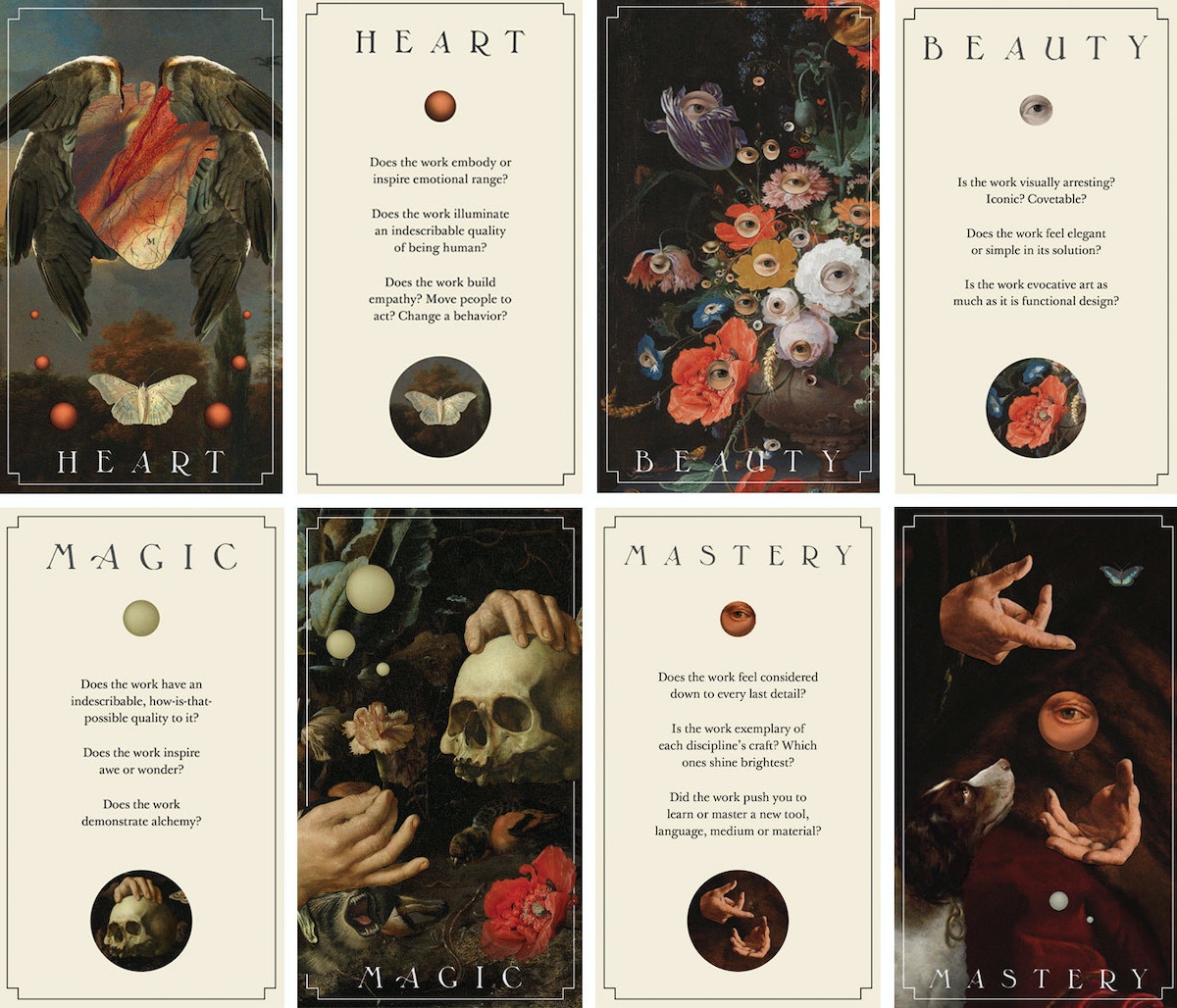
(You can download the cards here.)
The qualities are intentionally open-ended so that all designers (err, all humans) can relate, and so that they can be interpreted in ways that are appropriate in a given context.
The vocabulary was immediately valuable, helping designers move beyond binary sentiments of what is “working” and “not working,” to a more honest and nuanced discussion about the strengths and weaknesses of the work.
Imagine a critique that goes something like this:
Lauren (Software designer): How are you feeling about the content?
Jason (Writer): A little bored.
Lauren: Well, it’s a dry subject.
Jason: But people are people. If I’m bored writing it, they’ll be bored reading it.
Lauren: True. But if you’ve nailed the technical aspects maybe we can play a little...what do you think it needs?
Jason: Heart...maybe some Bravery...
Feels a little like dancing, right?
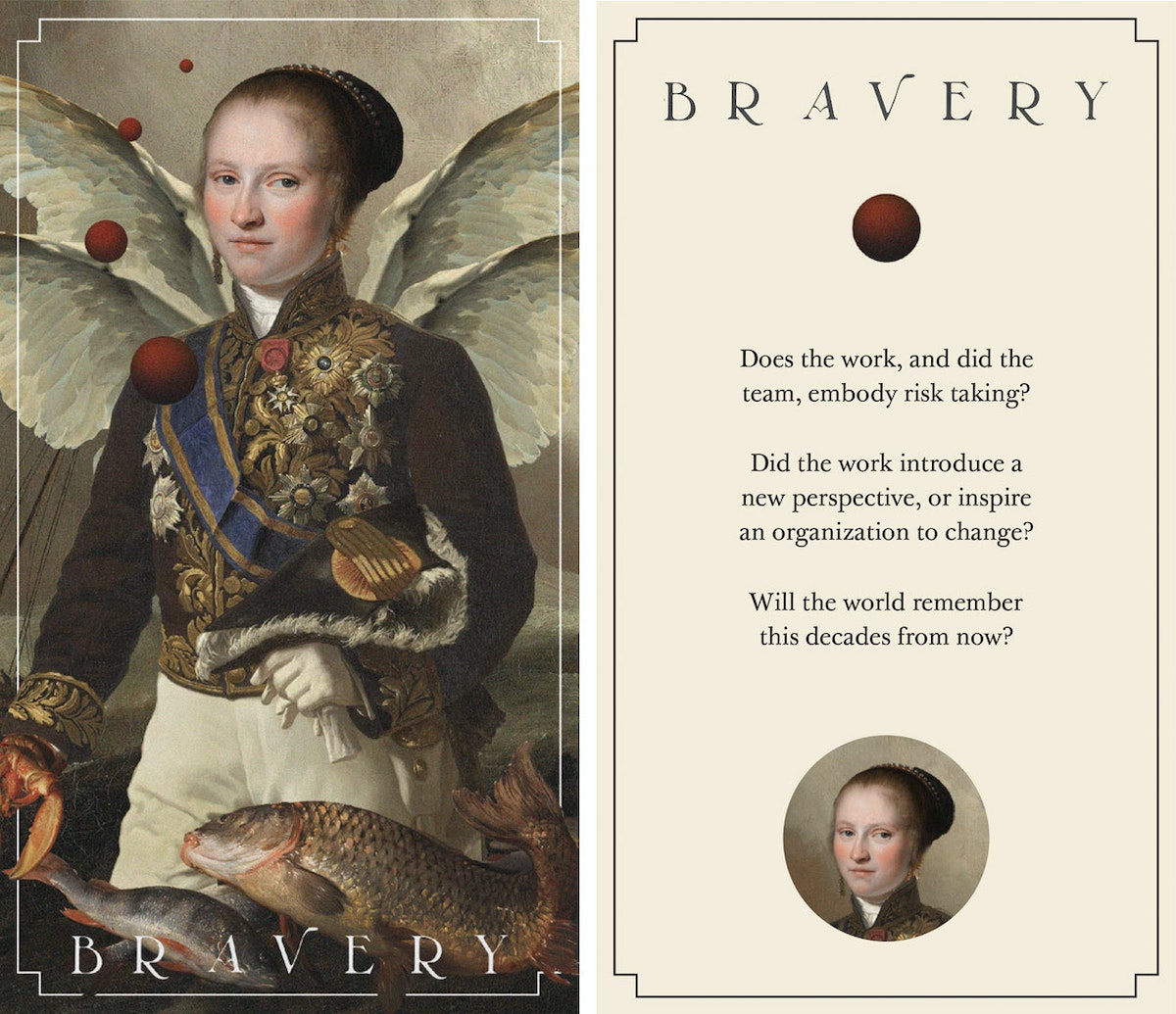
And that is just a snippet. The vocabulary provides an entry point into deep craft critiques that go well beyond aesthetics, or anything we can pin on a wall. As one coworker remarked to me, “We started thinking about beauty in relationship to an org chart—how it could be graceful and smart.”
The shared language is also useful outside of a design team.
Team member: We use this vocabulary to make sure our work is as bold, innovative, and effective as possible. How do you think your organization might respond to these prompts?
CMO: We are all about data...so that sounds like rigor. Teams are paralyzed until they have all the data. I don’t expect that will change over the course of this project, but I would love for you to help us see the value of beauty and bravery.
With a shared language, we are able to not only name our tendencies (as this CMO did), but identify strengths and weaknesses across the seven qualities, both specific to each discipline’s contribution, and as a whole. This builds empathy and understanding for individual efforts on a team, and creates agreements for how to further develop the work.
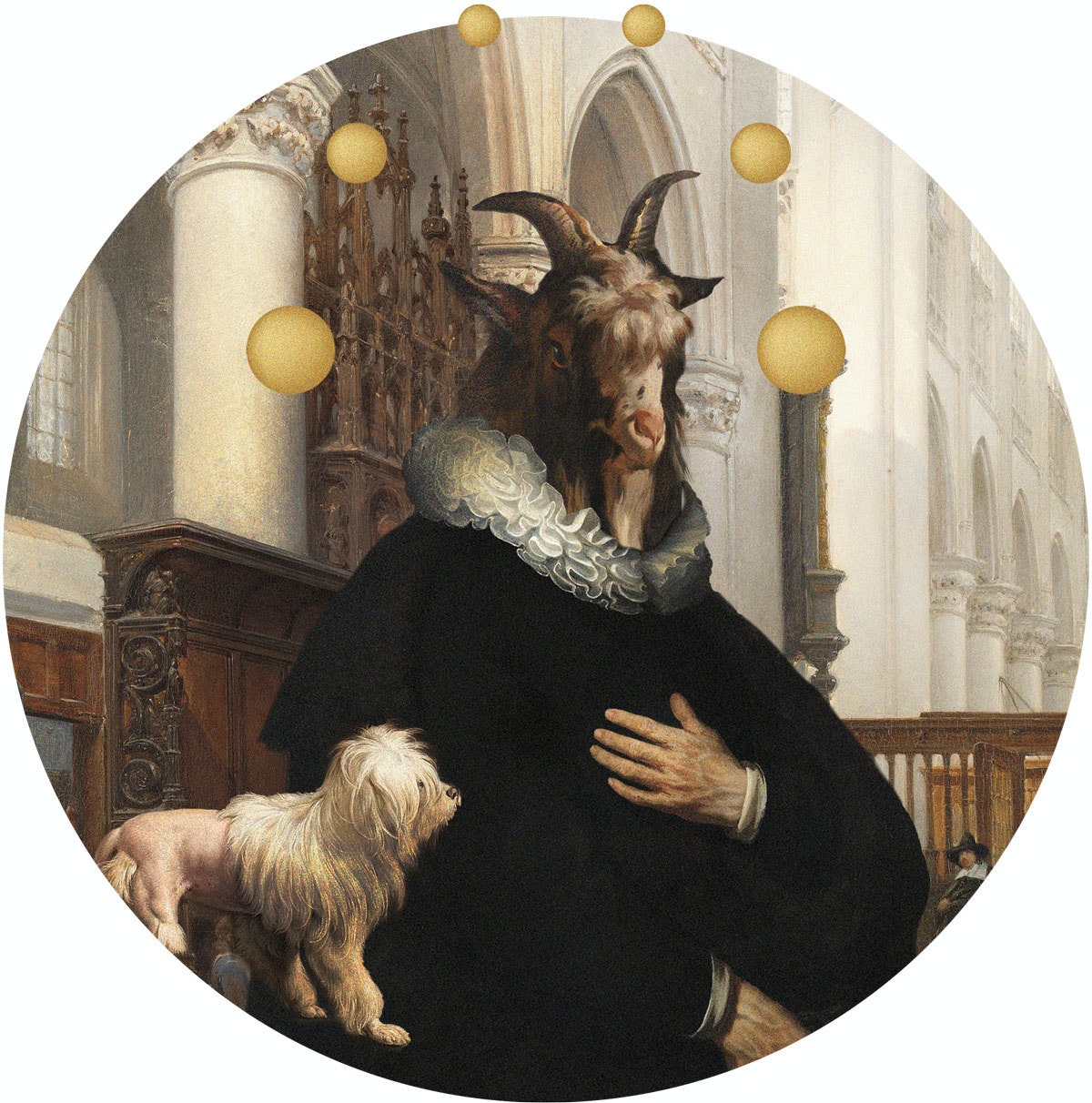
In our New York studio, we have been using the vocabulary as a way to reflect on our entire portfolio. As a community of intense New Yorkers, we had assumed that rigor and brains would surface. But as we critiqued our work from 2017, we realized that the work that embodied magic and heart in equal parts was what catalyzed clients and made us most proud.
Realizations like this brought up some compelling questions:
How do we embrace magic and heart in our business development process?
What does the resonance of magic and heart say about New York (and the world) today?
How do we want to stretch and grow in 2018?
In just over a year, the critique vocabulary has helped us reach a new level of discourse and awareness. It has pushed us in new ways, as individuals, teams, and a community. It has opened up new conversations with our clients, and given them language to more deeply engage in our work together.
And this is just the beginning.
Vocabulary is never fixed. It is a living organism that will evolve with time. We hope you will take this critique vocabulary and make it your own.
As we face increasingly complex design challenges, and creative, multidisciplinary teams are called upon to solve them, rigorous critique will be essential.
We can only hope it feels like dancing.
Shout out to IDEO Cambridge, Chicago, and New York for collaboration on these cards. Download the cards here.
Writing about music is like dancing about architecture. The adage has been used in countless ways since the early 1900s, and it’s still the best way I know to describe the challenge of critiquing creative work. What it means to me is, we’re using the wrong language, but it’s all we have.

How an art director at the New Yorker unwinds
When Rina Kushnir's not designing layouts, she can be found painting leaves

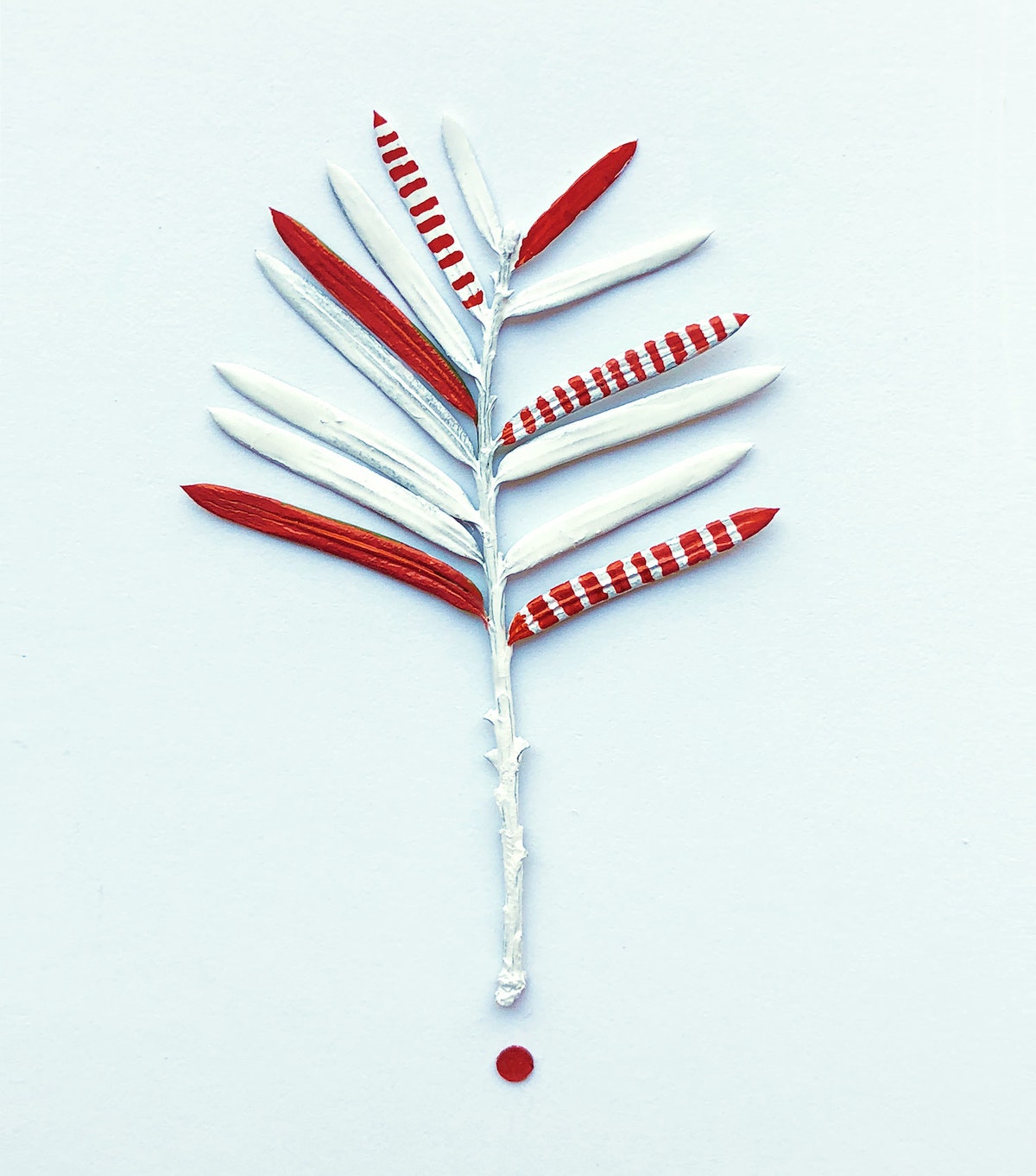
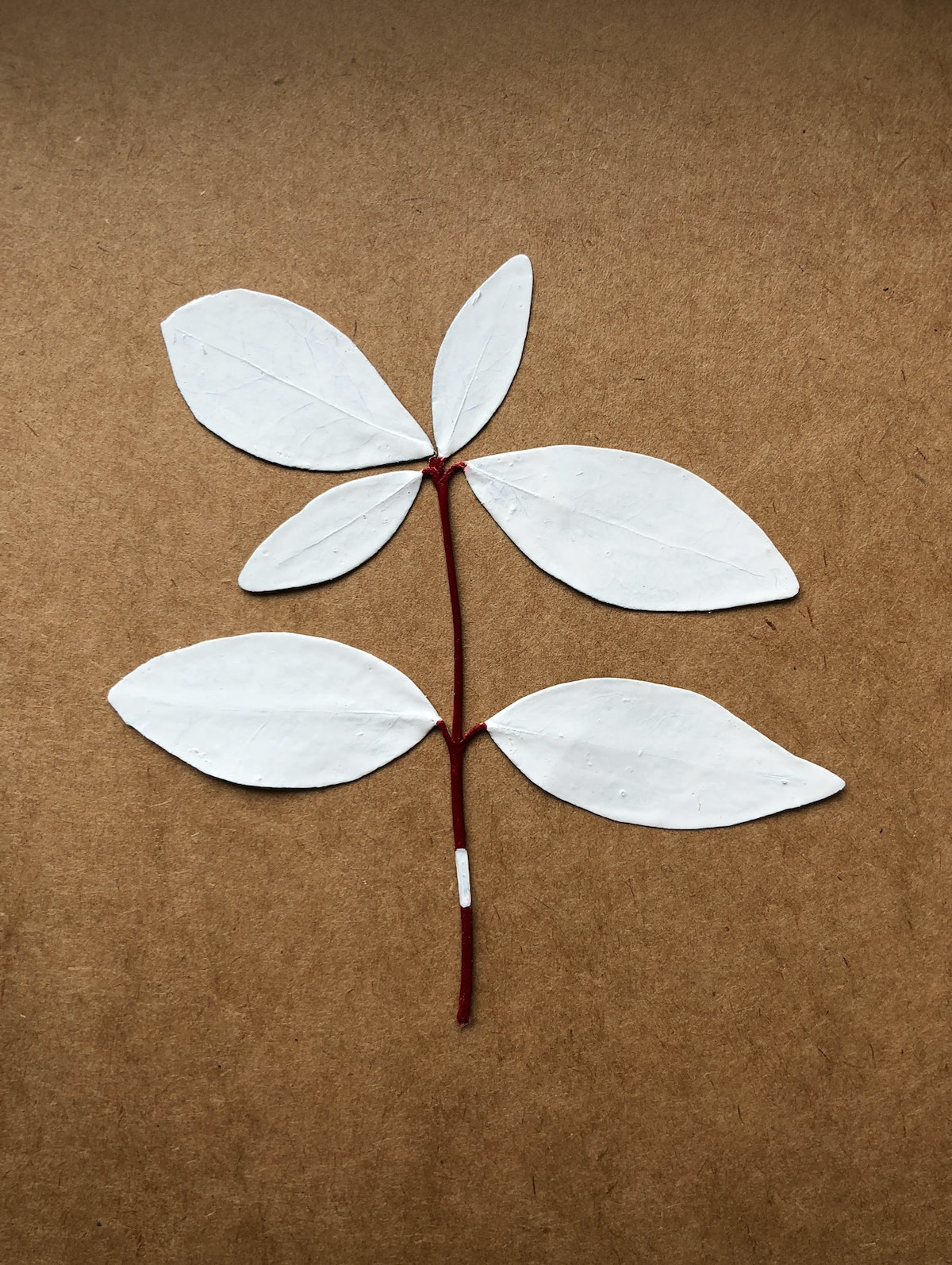
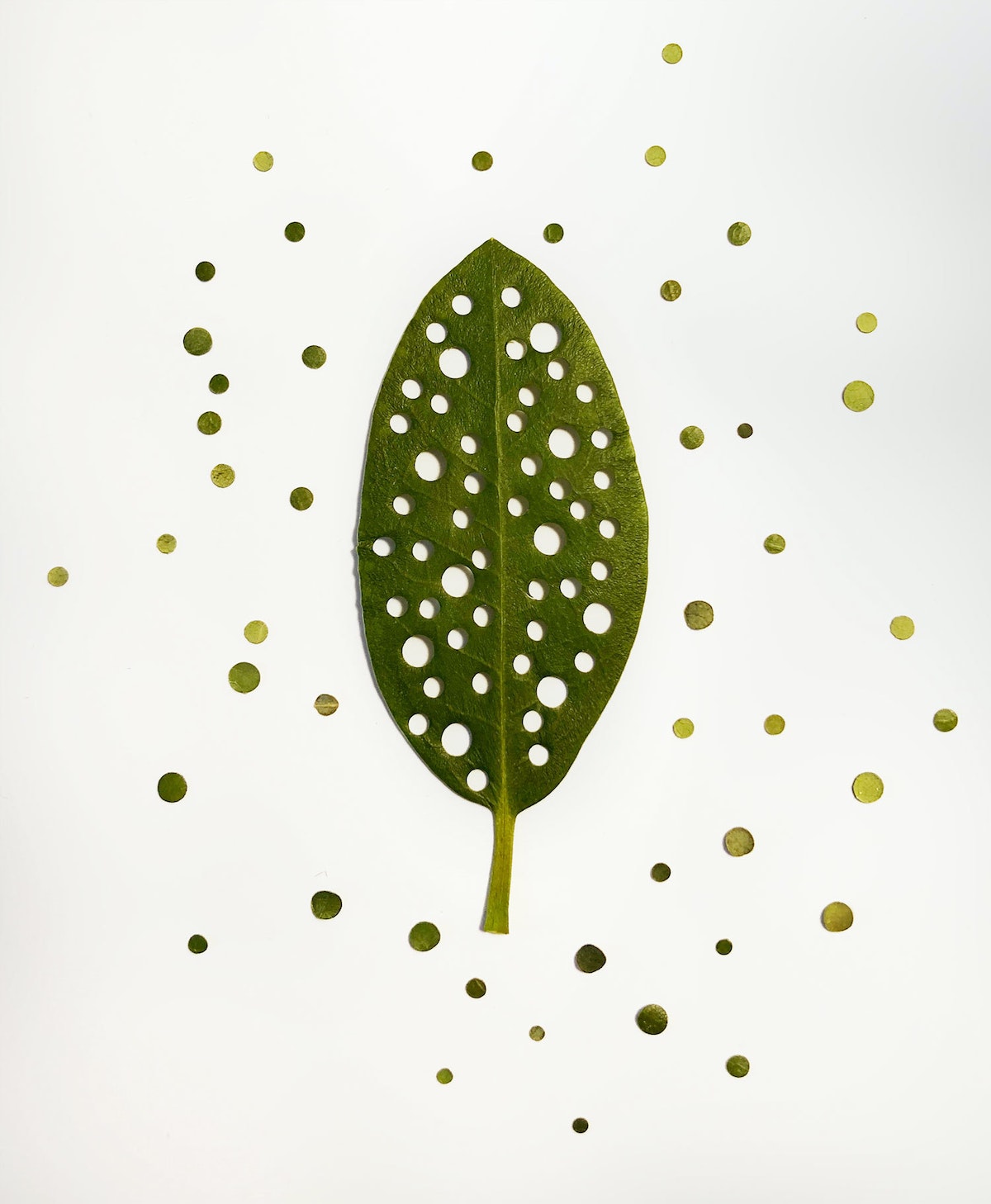
For Rina, these tiny pointillist masterpieces are about more than just a side project. “Because I have a fast-paced, collaborative job, I love having an environment that allows me to slow down and reflect,” she says.
Years after she and I worked together—back when she was an associate art director at Wired—a friend took me to see her show in a Brooklyn coffee shop. Though the concept was simple, the work was incredibly engaging. I caught up with Rina to learn more about her art, her process, and how “_leafiness_” (her handle on Instagram) helps her meditate and stay creative.
In one sentence, who are you?
An art director, artist, and nature lover.
What do you do? How did you learn it?
I was lucky to study at the School of Visual Arts in New York with amazing mentors and teachers.
In my free time, I paint leaves, though that happened by accident. I live in Park Slope, where the leaves are really beautiful in the fall. I started picking them up on walks, and I happened to have some oil-based pens from a glass project I had done. I got inspired by the shapes of the leaves, and started using the pens—it just happened without me even thinking that much about it. I find it extremely soothing. Many people work together to figure out what goes on a magazine page. It requires a lot of communication, understanding, and clarity. But with this, there’s no one else to weigh in. It’s my yoga.
3 favorite possessions?
1. Black and white photographs of my family in Russia, where I was born. I moved here with them from Moscow when I was 18.
2. Jewelry from my grandma that I never wear but always keep.
3. A collection of handmade paper that I haven’t found a project for yet.

What does a typical work session look like?
I usually get the idea for what I want to do with a leaf in the morning, then do the repetitive work in the evening. Most of the time, I don’t listen to music, but if I do, I listen to meditation music. Otherwise, I end up analyzing the music instead of focusing on what I’m doing. It’s important to be fully in control of your process. It really teaches me to make decisions and be confident in them.
How do you get over creative block?
Fortunately with leaves, I haven't encountered creative blocks yet. It really puts me in a different state, and helps quiet my mind when I make decisions.
What was the last item on your to do list?
Go to the New York Botanical Garden Herbarium. I want to learn different techniques for collection and preservation.
How do you see the world in 2078?
I hope that technology will get better at allowing us to manage and do things faster and easier, but I also hope that in the process of getting there, we can maintain the environment that we need to live.
What’s your number one bucket list item?
I want to live in Italy and speak Italian. The language is so beautiful.
Who are you creative crushin’ on lately?
My crush right now is the artist Sheila Hicks. The thing I absolutely love about her is that she’s still inspired and creating art at the age of 83. No matter how small or large her work—big, sculptural balls of wool fiber, or something tiny—it has this amazing impact. She’s so fluid in expressing any possible emotion. It’s so important to have that in your life, especially over such a long period. To me, she is the luckiest person on earth.
By day, Rina Kushnir works with illustrators and designs layouts for the New Yorker. But on her own time, she paints leaves she collects in her Brooklyn neighborhood, meticulously studying their patterns and adding dots of oil paint, punched holes, and patterns.
How to use conspiracy theories for good
The human behavior behind sticky stories
I had some time to kill so I asked a few questions. He neatly tied his theory to aliens, a league of physicists, and a deal with China. Crazy, you might say, but research suggests that the majority of us believe in at least one conspiracy theory.
We’re living in a tornado of misinformation, conspiracies, and fake news. But instead of simply lamenting that fact as you continue scrolling through your feed, let’s learn from it.
As a designer who works to help school systems become more innovative, it’s my job to help spread good ideas. Why not borrow from the sticky, sharable methods behind conspiracy theories to get some good ideas out into the world?
After chatting with my friend at the auto shop, I took a long look at what makes conspiracy theories so compelling and came up with a list of five practices we can nab to spread good. (Know Rogers’ Attributes of Innovations that spread? Conspiracies fit right in!)
1. Start with something recognizable
Memorable conspiracies begin with something familiar—an entrenched belief or a curious phenomena.
The “chemtrails” conspiracy, for example, says that planes leave behind biological agents with lasting effects on the population. People saw white lines in the wake of airplanes in the sky and wondered about it. From this, a new belief was formed.
There’s a lesson here for getting new ideas to take off! Try introducing new concepts through existing beliefs, habits or built-in systems. When we talk about design thinking with educators, for example, we often note that prototyping is just like doing a lesson twice in the same day, but differently. This helps educators reconcile a new practice with an old one.
2. Address a common pain point
Most conspiracies offer up a scapegoat.
It’s common to blame Big Pharma, for example, for withholding cures to diseases for profit.
Blaming large groups of people for complex problems isn’t a good habit. But, when sharing good ideas, we can change the script on scapegoats by proposing a partner to help solve a problem. Leaders in the civil rights movement, for example, helped to spur a broader conversation about women’s liberation—both movements were helped by the other.
3. Let people dream
Some of my favorite conspiracies allow farfetched wishes to come true. Tupac and Elvis, they’re still alive! These conspiracies are rooted in desire. To help new ideas take off, connect them with people’s wildest dreams.

4. Create iconography to build identity
When we see alien iconography out in the world, it gives us a sense—true or not—of how widespread belief in alien life may be. In Roswell, New Mexico, you can pick up all kinds of little green man kitsch—T-shirts with slogans like ALIENS ARE ALIVE and bug-eyed masks at the International UFO Museum. We’re much more likely to believe something when we think lots of other people do, too.
5. Keep it simple
Lasting conspiracies are easily explained in a sentence or less.
The Moon landing hoax, for example, makes a clear and simple argument: Americans wanted to outpace the Russians in space exploration, so they faked the landing on the Moon. The details of how and why may be a wormhole, but the thesis is simple.
Likewise, when you want to share a new idea, make sure that its value is explained simply and unambiguously. The #neveragain movement managed to powerfully convey its message with a simple hashtag.
Conspiracy theories and fake news teach us a lot about how information spreads—and that can be useful as we try to spread good in the world. Here’s one last lesson: All of us believe in something that’s not entirely true. Our shared habit of believing things we want to be true—regardless of what they are—unites us.
On a road trip up the coast of California, I ended up stuck at an auto repair shop with a man who had some interesting ideas. “The government has a zero-point energy machine that could end our reliance on fossil fuels,” he told me.

3 ways to get comfortable with ambiguity
When not having all the answers is the answer
From a very young age, we’re praised for knowing the right answer—and on the quick! But as designers, that’s almost never possible. Our job is to help create a future that is, by definition, uncertain; so we're forced to face ambiguity on every project. There are always times when we don’t know where to go next, don’t have an answer, or get stuck. So how do we deal? What are ways to get more comfortable with being uncomfortable?
Here are three things I’ve learned to help me remain calm in the face of uncertainty.

1. Plan to not know
Imagine you’re in a meeting, surrounded by important clients, when someone hits you with an unexpected hardball question. All heads turn to you, awaiting a brilliant response. You freeze up, your mouth goes dry. You know you should have an answer, but your mind goes blank.
Rather than going into a silent state of paralysis, take a breath and remember that you have an answer prepared for this very moment: “I don’t know yet.”
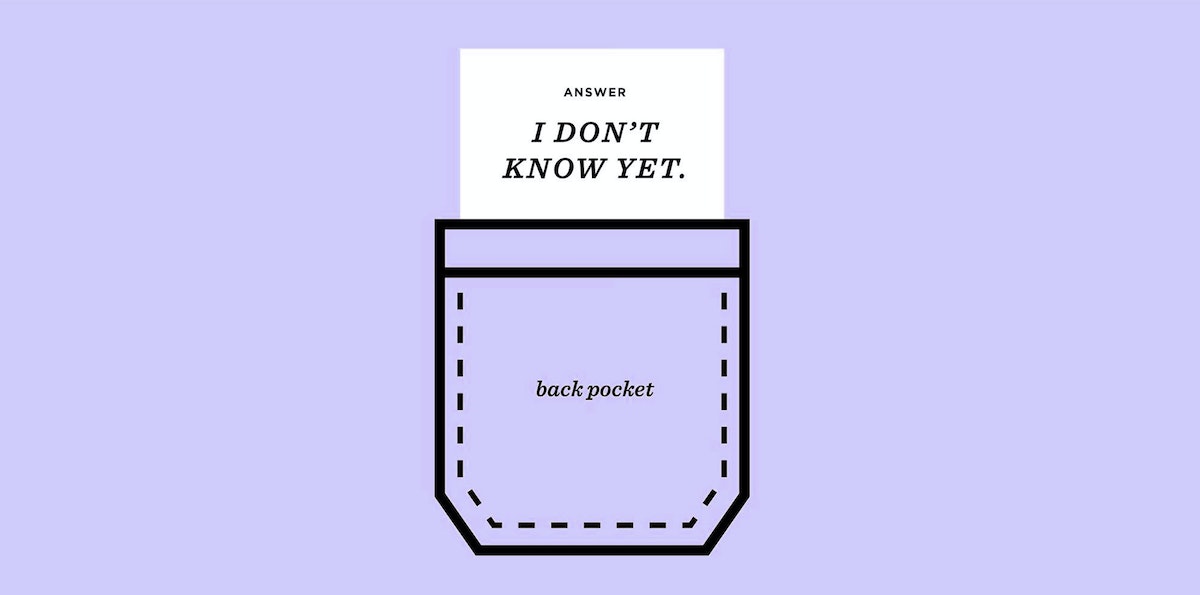
Obvious-sounding? Sure. Easy to own up to? Not so much.
I used to be afraid to say, “I don’t know yet,” because I thought I’d sound ill-equipped and uninformed. After all, our clients hire us to find answers, so to not have an answer when put on the spot can feel disconcerting.
But by allowing yourself to be vulnerable, you win trust. Owning the process makes you more credible as someone who’s calm and collected in the face of uncertainty. Because let’s be honest: No one has all the answers, not even the experts.

2. Shift from should to could
Let’s go back to the feeling in the meeting room when all eyes are on you and you feel like you should know what to do next (but don’t). You’re getting ready to go into panic mode.
Oh yes, I know the feeling well.
Ever since I was young, I felt the pressure to do things as they should be done. And that pressure has followed me through adulthood.
When I first started leading projects at IDEO, I often thought to myself:
“If I were smart enough, I should be able to impress the client with my answer.”
“If I were a great leader, I should know what to tell my team.”
“If I were talented enough, I should know exactly what to design next.”
Should, should, should. It’s the “shoulds” that block your way forward.
“Should” suggests that there is one way forward, which is a sure way to set yourself up for creative blackout — a high pressure situation where you must find the single, bright and shining solution. There is no one right answer.
So whenever I find myself questioning what should be, I remind myself to ask: what could be?
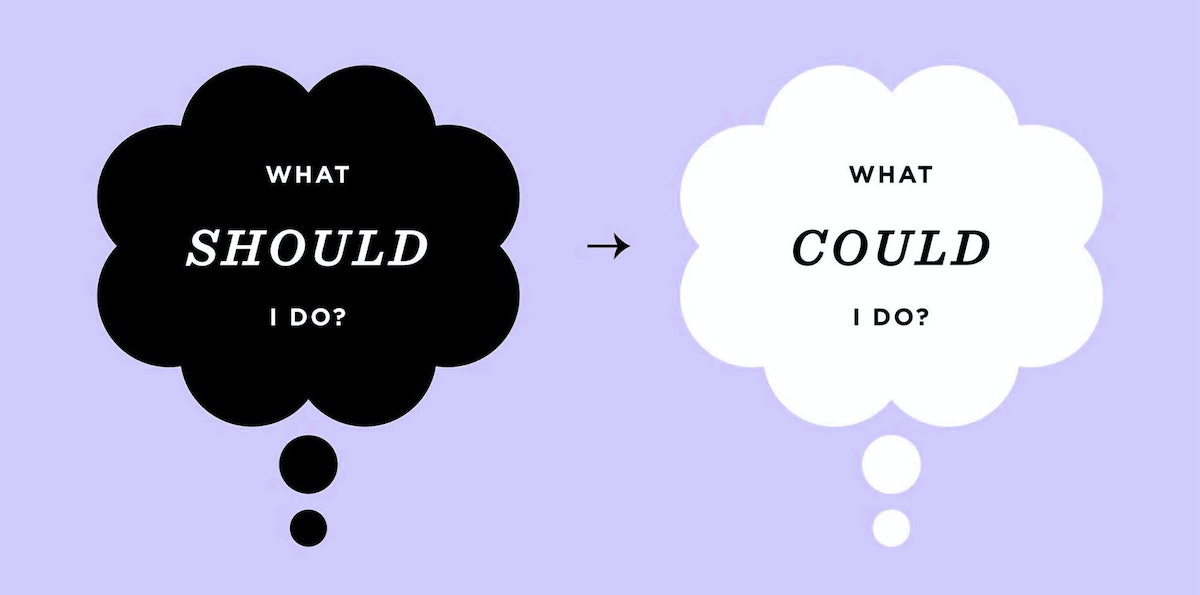
What could be is a springboard for generating new ideas, brainstorming options for what to do next. It takes me from a place of oppression to optimism.
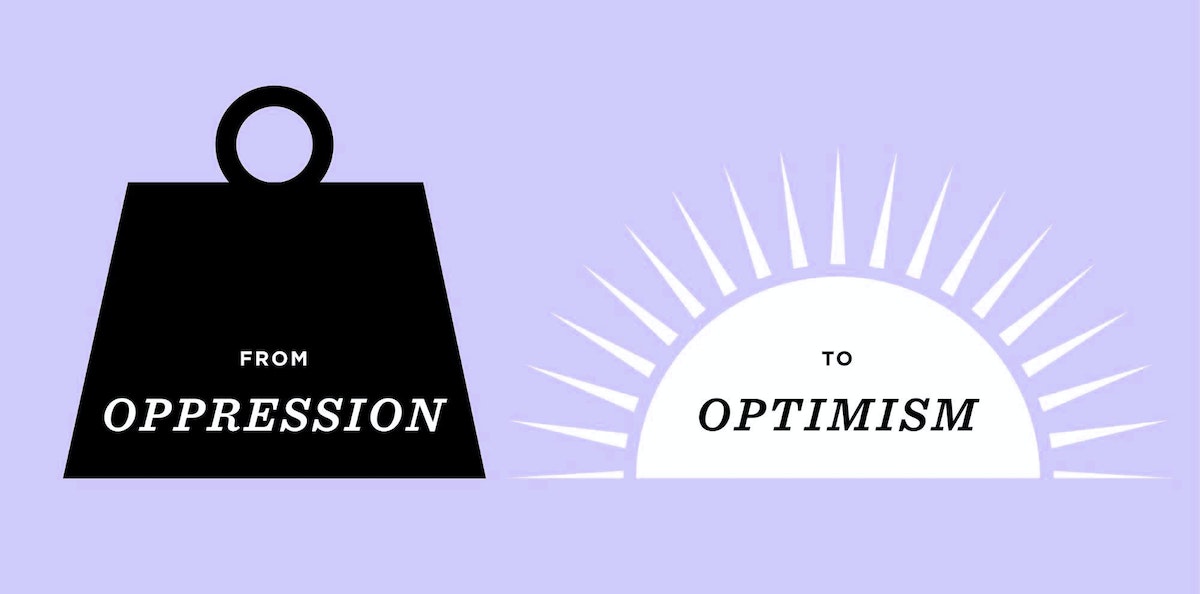
By shifting my mindset from should to could, I no longer have to come up with a single, right answer; instead, I have endless options for moving forward.
3. Change the context
Even when you are not under pressure, anxiety around not knowing the answer can find a way to creep in.
There are many times I’ve found myself glued to the screen, on the third cup of coffee, hardly stopping for a bite to eat. No matter how hard I try, it feels like I’m doing nothing more than pushing pixels around a screen.
How to get unstuck?
I have to force myself to remember that if I’m not getting anywhere (as hard as it may be to pry myself away from the screen), I need to stop, change my context, and gather new inputs.
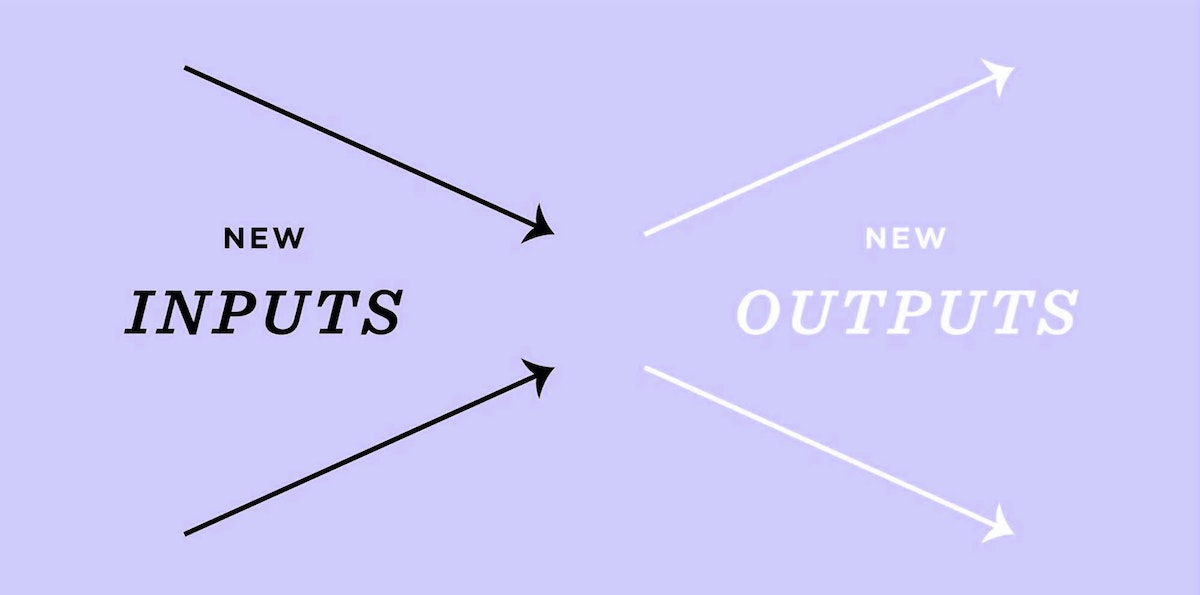
Stepping away from the screen and focusing on something else for a while can bring fresh perspective to the problem.
Go for a walk, tour an art gallery, seek out a new experience that takes you out of your comfort zone. Invite another designer to look at your work and offer feedback, revisit stories from your research. By stopping and taking a step back, you create more mental space for unexpected sparks of inspiration to slip through.
Sometimes the biggest barrier to finding a way through the darkness is the pressure we put on ourselves to have all the answers. To break through, make peace with the I don’t knows, the could bes, and take a step back in order to more confidently take a step forward.
“Embrace Ambiguity.” It's a value we take very seriously here at IDEO. The phrase invites designers to go with the flow in the face of the unknown. On paper, the freedom sounds liberating. But in practice, navigating ambiguity can be downright stress-inducing.

Lindsey Turner
I’m passionate about building brands, products, and experiences that help organizations show up with meaning and momentum.
I help organizations cut through complexity by shaping how they show up, through brand strategy, identity, and storytelling.
Working at the intersection of brand and business, I bring an editorial eye and a bias toward making—turning ideas into tangible experiences that people can understand, trust, and believe in.
My work spans government, healthcare, financial services, media, and consumer goods, from launching Gen Z-focused ventures to building innovation labs and reimagining legacy brands. I relish moments of ambiguity and enjoy translating across teams, perspectives, and priorities to move ideas forward.
I started my career in editorial and digital design, shaping cross-platform experiences and identity systems in publishing and agency environments. That foundation still shapes how I work today: I’m detail-oriented, collaborative, and overreliant on the Oxford comma. I hold a BFA in Visual Communication from the School of the Art Institute of Chicago.

Rachel Young
My work helps organizations see who their products aren't working for—and build the will and the tools to do something about it
For 25 years, I've asked the same question: Who does this design exclude—and what are we going to do about it?
My work spans human-centered strategy, inclusive design, and qualitative research, with clients ranging from Microsoft, Google, and Verizon to the National Science Foundation, and San Francisco Unified School District.
Before IDEO, I taught elementary school in East Palo Alto and spent a decade doing design work with social service organizations—where I learned firsthand what it costs people when systems are built without them in mind.
I am currently writing User Error, a nonfiction book about digital access and the design decisions behind it. I live in Oakland, California.

Brian Pelsoh
I lead with craft, ensuring our work is creatively excellent: rooted in deep human insight and imagination, while also grounded in the realities of business and technology.
My expertise spans brand, communication, and product design across tech, education, the arts, and social impact.
I believe great work demands both high-level vision and obsessive attention to detail, and only happens through collaboration.
I bring an inclusive, hands-on approach and a deep understanding of business, which enables me to consistently deliver excellence while always asking why.
Before joining IDEO, I worked at the brand firms Pentagram and VSA Partners. I began my career as a designer, leading teams at the School of the Art Institute of Chicago and the Milwaukee Art Museum. I hold an MFA in graphic design from Maryland Institute College of Art and a BFA in communication design from the Milwaukee Institute of Art & Design, and have taught at some of the best design schools in the US.

Tony Wong
I am responsible for IDEO’s long-term success in China and working with clients to use design as a tool to enable growth.
I am responsible for IDEO’s long-term success in China and working with clients to use design as a tool to enable growth. Specifically, I have helped Chinese companies design holistic brand solutions through the development of their products, communication, services, and innovation teams, and I have helped multinationals expand their presence and influence in China.
I advise global leaders on developing China-led innovation and capabilities.
In over 15 years in IDEO Shanghai, I have worked on projects that use design to elevate the quality of the experience of healthcare products and services, streamline processes that increase productivity, create spaces and programs that promote and enable inclusive communities, and build next generation mobility solutions that are planet-positive.
Before joining IDEO, I worked at Philips Electronics and the Electrolux Group in Italy, the Netherlands, and Singapore on a number of breakthrough commercial products. I am a member of the Young President Organization in Shanghai.

Building a personal AI for the messiness of life: Sida Li
Most AI products today are built for work—a space with clear problems and established systems. One founder noticed a gap: personal life is messier, harder to systematize, and mostly left behind by the AI boom. So she built Cue, a personal AI that lives inside iMessage and group chats, to go where the other tools haven't.
In this episode, Becca Carroll, IDEO's Chief Strategy Officer, talks with Sida Li, co-founder and CEO of Shared Context Lab, about staying anchored to a human need while the technology around her keeps changing shape, why she treats her business model with the same rigor she'd bring to a product, and what it feels like to build a company at this particular, disorienting moment in AI.
The conversation also gets into how Sida makes design decisions: the language Cue uses to describe itself, the tradeoffs behind building inside iMessage instead of a new app, and a real story about a business idea that didn’t pan out.
This is the second in a two-part series profiling founders from IDEO's Startups-in-Residence program. The first conversation is with Johannes Seemann, founder of Sooner, on designing GenAI for the emotional side of money.

Designing GenAI for the emotional side of money: Johannes Seemann
Most personal financial tools are built to run the numbers and optimize towards a budget. While that works for some, most people experience money as a lived relationship that does not neatly fit into a spreadsheet. Johannes Seemann and Becca Carroll discuss why money is emotional before it is mathematical, and what a human-centered approach to building a generative AI financial product looks like in practice.

The curious leader's edge in uncertainty: Scott Shigeoka
Mina Seetharaman talks with Scott Shigeoka, author of Seek and Head of Curiosity Cultivation at the Eames Institute, about what distinguishes genuinely curious leadership from performative curiosity, how power dynamics shape curiosity, and why practicing curiosity can restore energy rather than drain it.

How constraints make us more creative: David Epstein
Mina Seetharaman talks with David Epstein, author of Inside the Box and Range, about why total freedom often produces average work, how leaders can design useful limits on purpose, and what organizations such as General Magic and Pixar reveal about the relationship between boundaries and creativity.
Looks like you might be in search of something very specific?
Or reset the filters above and try another angle.
Here’s some random inspiration

Podcasts about creative leadership

Articles about the power of prototyping
