
.svg)


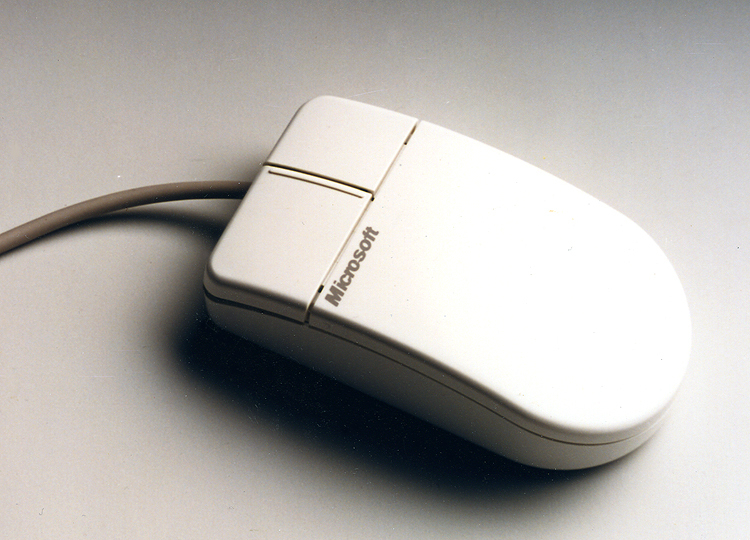

A hand-friendly, precisely controlled mouse
Ergonomic mouse design for better control and performance.
In 1987, the three companies that would later form IDEO worked together with Microsoft to create the world’s first ergonomically designed mouse. IDEO’s human factors research suggested a small but significant change: Moving the location of the mouse ball forward, from under the palm to under the fingertips, enabled more precise control and resulted in measurable performance differences compared with earlier models.
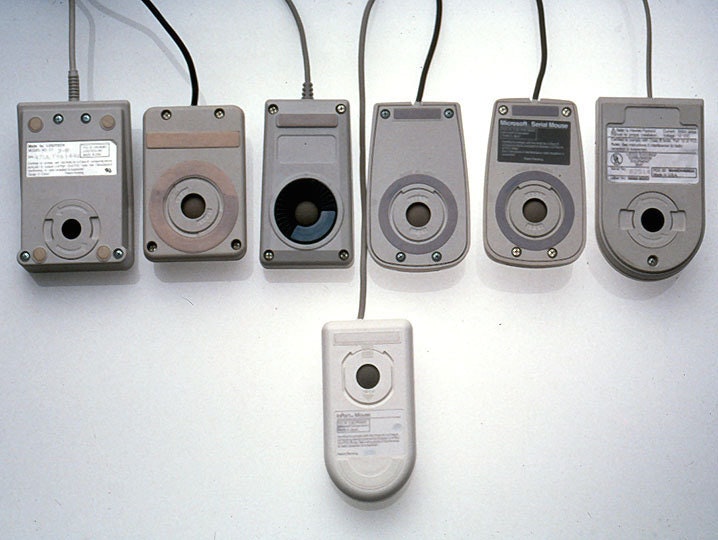
The industrial design effort examined and tested dozens of shapes in comfort and aesthetic studies that led to the famous “Dove Bar” form, a significant advance over the boxy mouses prevalent at the time. The resulting clean appearance, enhanced control, and improved reliability created enormous consumer appeal that replaced all earlier versions, and Microsoft sold more than 2 million units in its first two years.
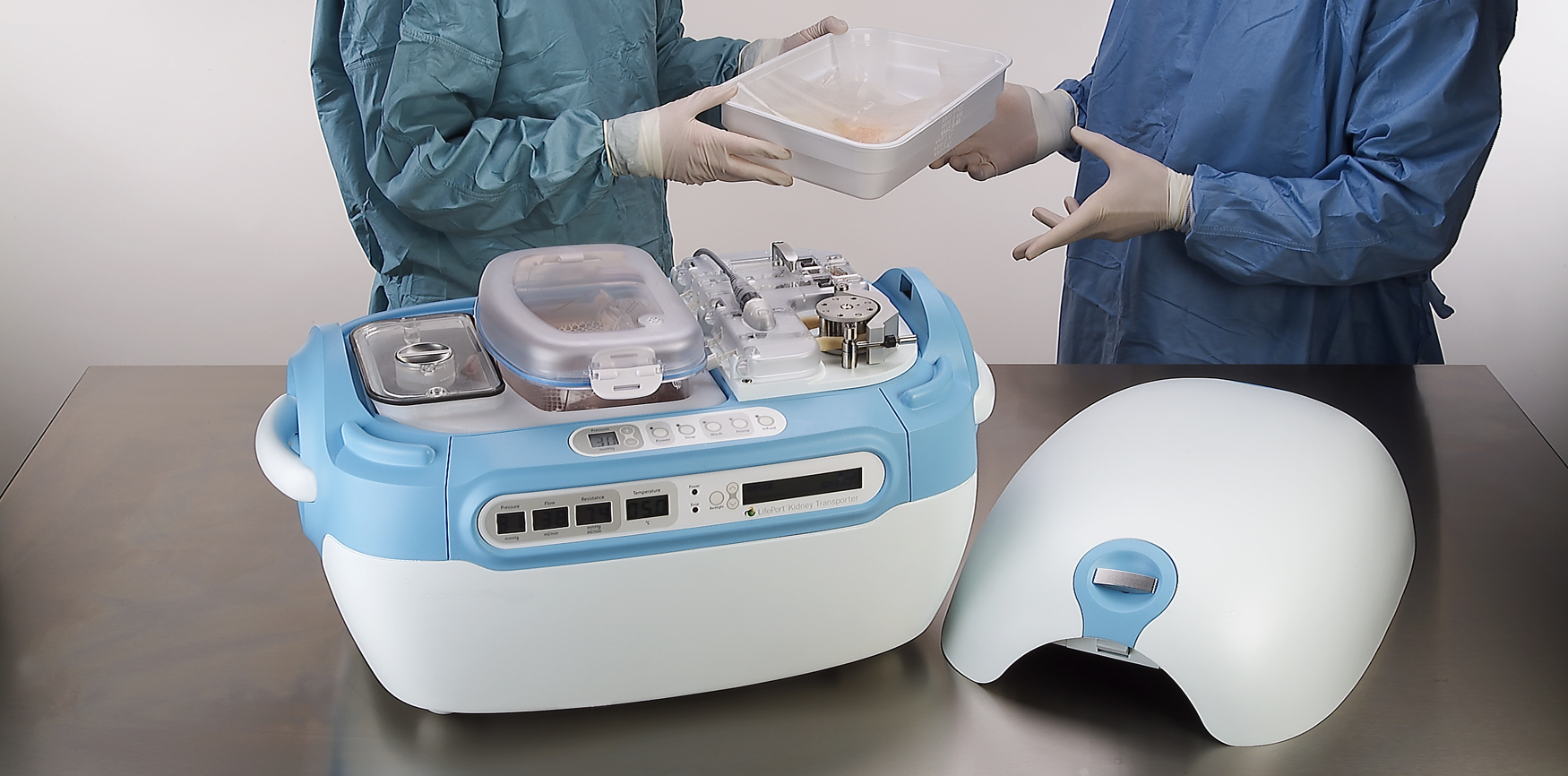
A high-tech kidney delivery system
A new standard in organ transport systems delivers kidneys in improved condition.
With approximately 55,000 Americans waiting to receive kidneys and a list that could double in the next 10 years, there is an acute and urgent need for new technology to increase the quality and number of organs available for transplant. Using the conventional method of organ storage and transportation—a cooler filled with ice—doctors and nurses needed to accompany the organ to ensure proper handling.
IDEO and Organ Recovery Systems created the LifePort Kidney Transporter to provide a new high-tech alternative. The LifePort gently perfuses, or pumps, the kidney with a cold liquid solution to improve its condition before transplantation, which can nearly double storage time and may increase the number of usable kidneys and improve patient outcomes. The device also provides critical data to monitor and evaluate kidneys during transport.
Organ Recovery Systems believes that perfusion has the potential to remove tens of thousands of patients from the waiting list and dialysis, and save the healthcare system more than $1 billion annually. In 2006, the LifePort Kidney Transporter was used to transport 350 kidneys per month in 12 countries, and was included in the permanent architecture and design collection at the Museum of Modern Art in New York City.
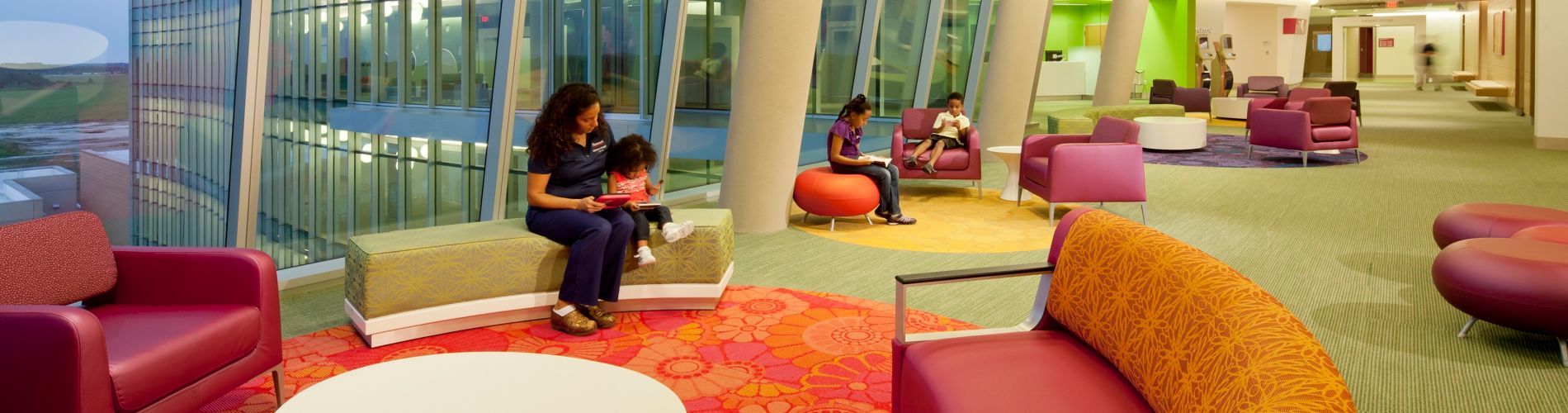
A hospital centered on the patient experience
Designing a pediatric hospital for children and parents.
Pediatric healthcare system Nemours provides primary, hospital, and clinic-based specialty care, prevention and health information services, and medical education programs in Delaware, Florida, New Jersey, and Pennsylvania. When Nemours wanted to strengthen its brand, it faced two challenges: Empowered patients had more access to information and choice than ever before, and new players—alternative-care centers, retail-based care clinics, and urgent-care centers—were entering the marketplace, diverting market share.
Nemours approached IDEO for help in creating an innovative, differentiated, and patient-centric experience for a new hospital in Orlando, with the goal of establishing Nemours as a destination care provider and industry leader. Together, they identified and clarified both family needs and key experience touchpoints in the patient journey, resulting in the state-of-the-art-designed, 60-acre, $400 million Nemours Children’s Hospital in Lake Nona Medical City, Florida. “The design team’s approach to defining key moments in the patient journey was highly instructive,” said Dr. David Milov, chief of clinical informatics at Nemours. “They captured insights otherwise unavailable to us.”
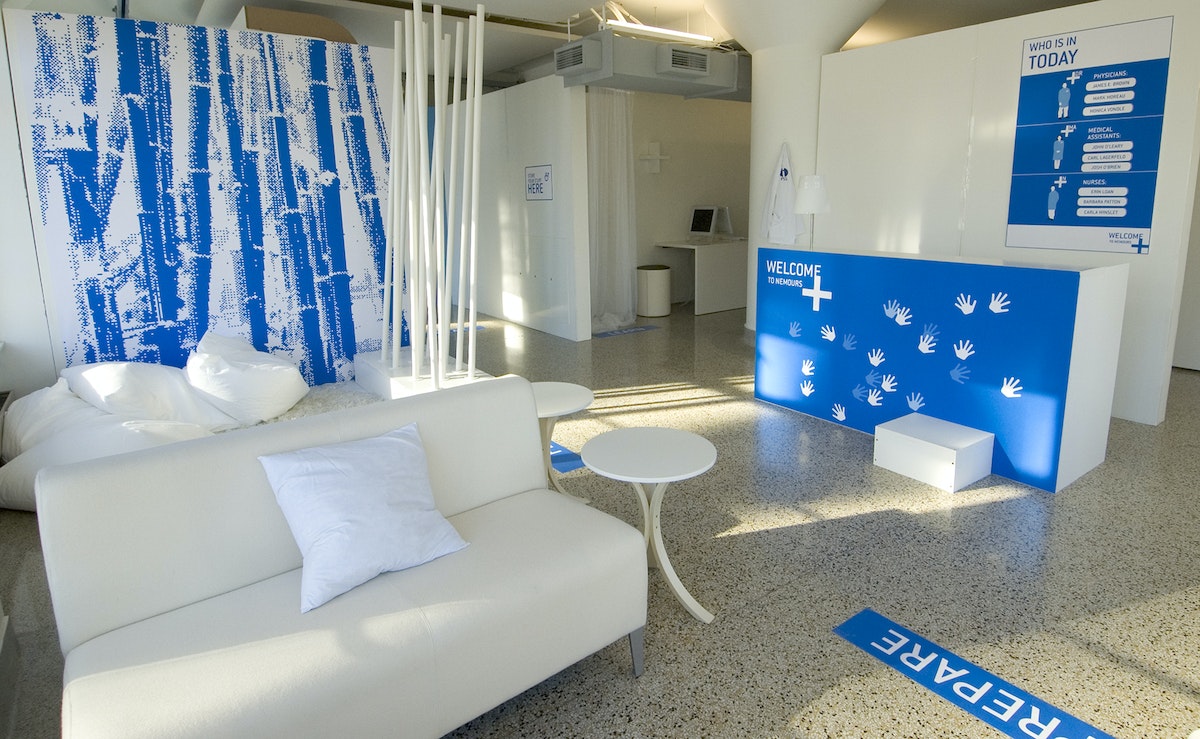
Concepts that were realized in the hospital’s final design include:
- Care Team Room ID: Patients and families are introduced to each member of their care team to ensure continuity of care.
- Floor Greeters: Concierge-like greeters welcome and orient families and answer questions.
- Family Lounges: Private dining rooms have kitchenettes, so families can cook and eat together.
- Emergency Department: Patients are greeted, sorted by medical condition, and immediately checked into rooms.
- Patient Information Screens: Doctors and nurses can access patient information prior to entering an exam room to enable informed conversations and build trust.
- Smart Bracelets: Personalized RFID-enabled bracelets keep track of the care team.
- Smart Rooms: Triggered by the Smart Bracelet, Smart Rooms “welcome” the patient upon entry.
To arrive at these designs, IDEO sought inspiration via analogous kid-friendly environments, such as museums, schools, toy stores, and zoos. Designers also conducted in-context interviews with patients, parents, families, doctors, nurses, support staff, and outside physicians. One key insight that led to the final design: Patients and families came to Nemours with varied levels of experience—first-timers, occasional visitors, and those who were chronically ill—but the hospital treated them all the same.
To address these needs, the team created an experience blueprint focused on welcoming, guiding, and supporting patients and families through unique environments, integrated service moments, and market-differentiating spaces and tools. To test the look, feel, and value of the designs, designers built full-scale foam core prototypes of welcome stations, waiting lounges, and exam rooms.

The results appeal to patients, families, and caregivers. According to Dr. Lane Donnelly, Nemours chief medical officer, “all the amenities at Nemours focus not only on the child but their parents and families as well.”
The hospital won two awards at the International Interior Design Association’s 2013 Best of the Best Gala (Georgia Chapter), one for the Healthcare Design category and one for best overall out of all 11 categories. Parenting.com writer Shawn Bean noted, “Set amidst a wooded expanse of central Florida, with theme park roller coasters peppering the horizon, Nemours Children’s Hospital is arguably the new high water mark for pediatric care in the United States.”

A global design movement led by children
A contest that teaches design-thinking skills to millions of kids across the globe.
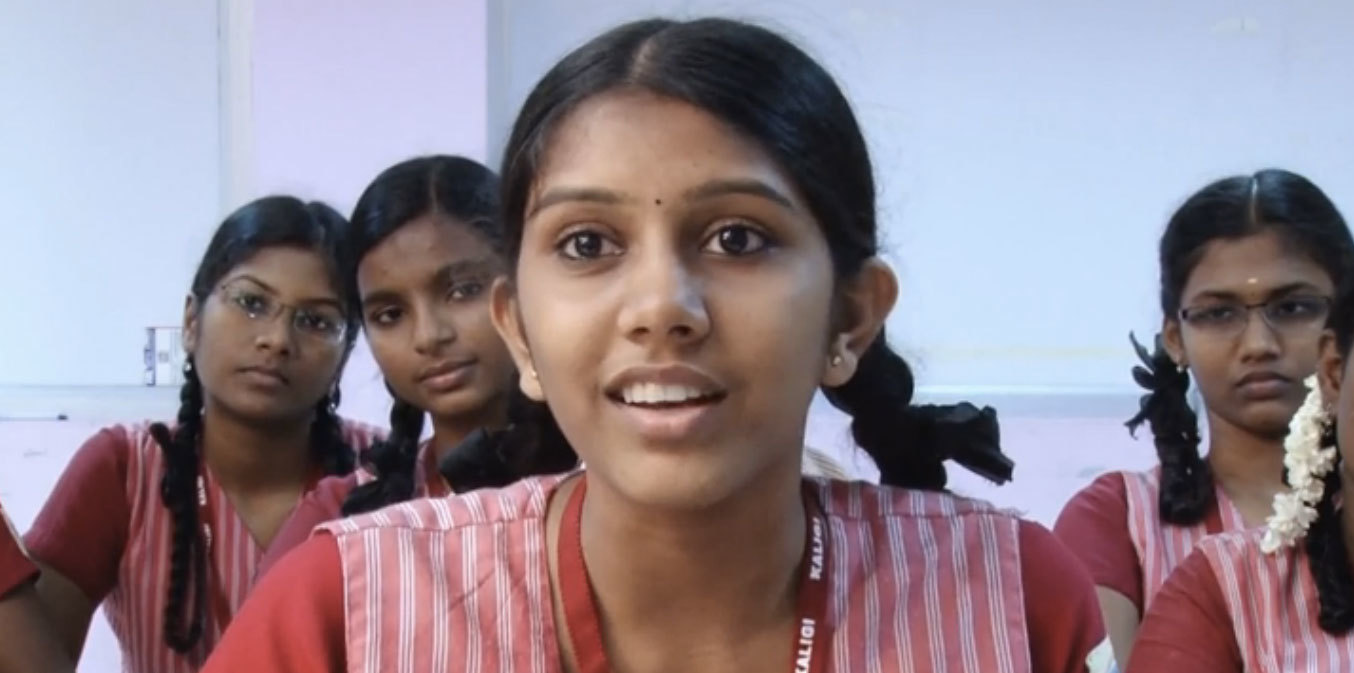
Designer turned educator Kiran Bir Sethi wanted to blur the boundaries between school and life to help young students become aware, enabled, and empowered to effect change in the world. In aiming to spread her message to millions of children across India , Sethi tapped IDEO and the d.school at Stanford to help create a design contest for youth that would show them that they could make a difference in their community.
Together with the d.school, IDEO designed a competition for middle school students called the Design for Change Contest. Adapting the human-centered design approach into a simple process that 10- to 13-year-old kids could follow on their own, the contest included rules, tools, and platforms that would be accessible to children and teachers throughout India regardless of their previous exposure to design.
The team shaped the rules so that students could learn core design-thinking skills such as empathy, brainstorming, collaboration, and reflection through the process of participating in the contest. And together, the group developed a toolkit to walk students through the simple four-step process.
The biggest challenges to the contest were overcoming the lack of infrastructure, language barriers, and a discrepancy in school resources. There was no national database of schools for easy outreach, so Riverside built relationships with NGOs across India to distribute the contest toolkit to more than 30,000 schools.
The contest receives about 2,000 entries from groups of youth in India each year. They have been addressing challenges such as illiteracy, pollution, traffic safety, care for the elderly, alcoholism, and the environment.
As of 2015, the Design for Change Contest has scaled far beyond India, and is being run in 30-plus countries, with millions of children participating. Each contest entry shows that kids really can make a big difference in the world.
Why We Make What We Make
In praise of white space time
For the better part of my career, I had been conditioned to believe that employees are either adding value to an organization by working in immediate service of its bottom line, or they are not, and should subsequently be disciplined. I was terrified I was in the latter camp. Over time, though, I began to take more deliberate notice of how my IDEO colleagues spent their “white space” time between projects.
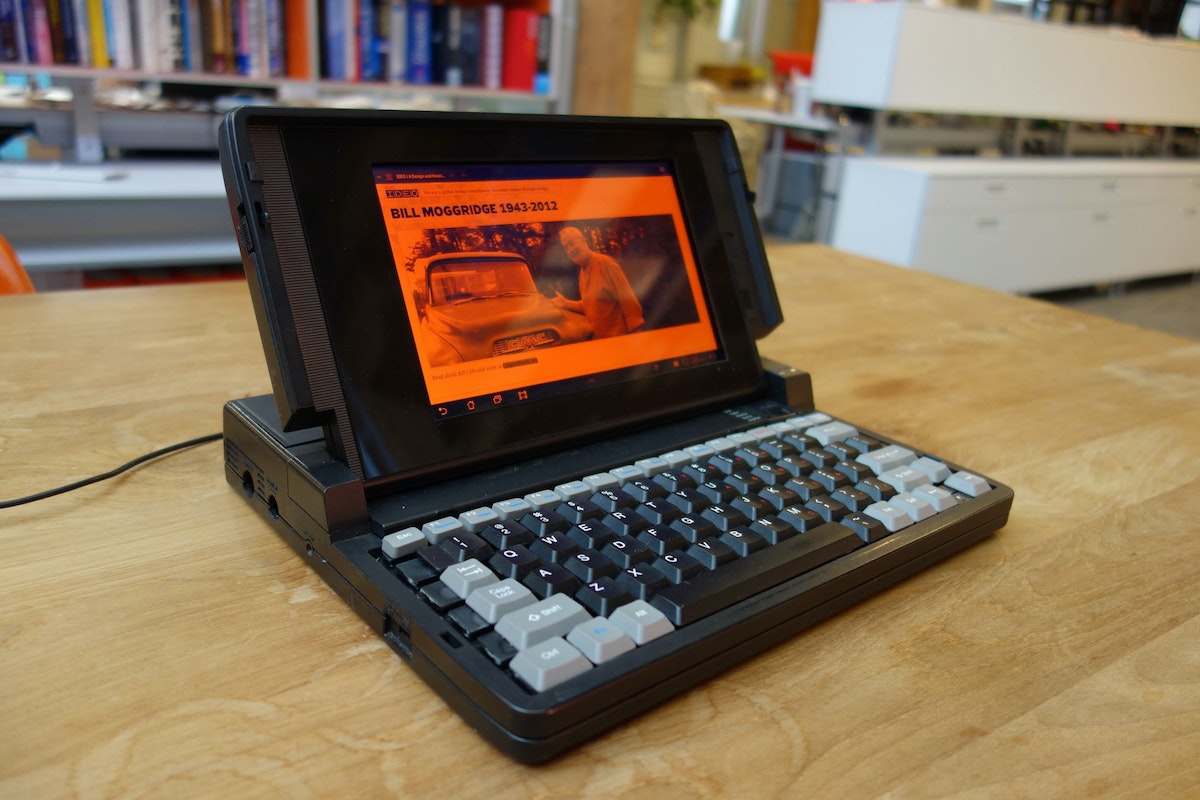
My friend, Dave hacked an Android tablet into the housing of a 1980s GRiD laptop to celebrate the life of IDEO cofounder Bill Moggridge. Three IDEO Chicago colleagues made an LED-powered, floating cloud installation that communicates current weather conditions by changing color. And a pair of engineers created an automated, Arduino-powered, steampunk-themed shandy machine to keep colleagues hydrated during summer parties on the Chicago studio's roof deck.
With my Pavlovian conditioning coming undone, I dove head first into the fray. During a few hours of project downtime, a teammate and I outfitted an old Mac Classic with an iPad for its screen. Was I reprimanded for using company equipment for a side project during work hours? Quite the opposite. I was told to post an image of our creation to the IDEO Instagram account.
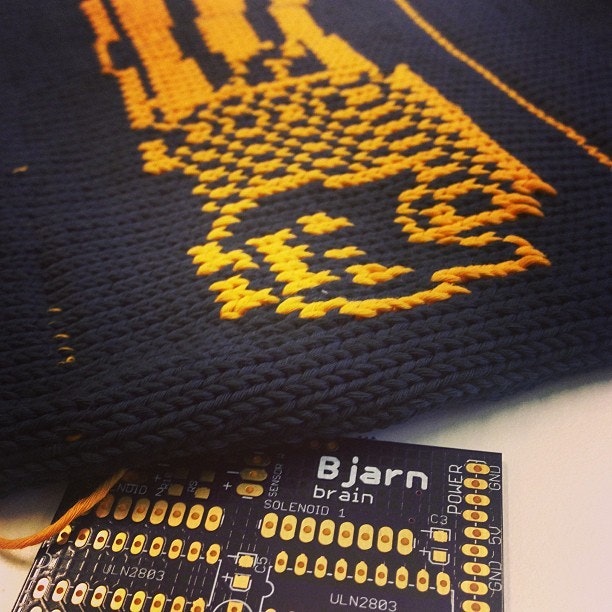
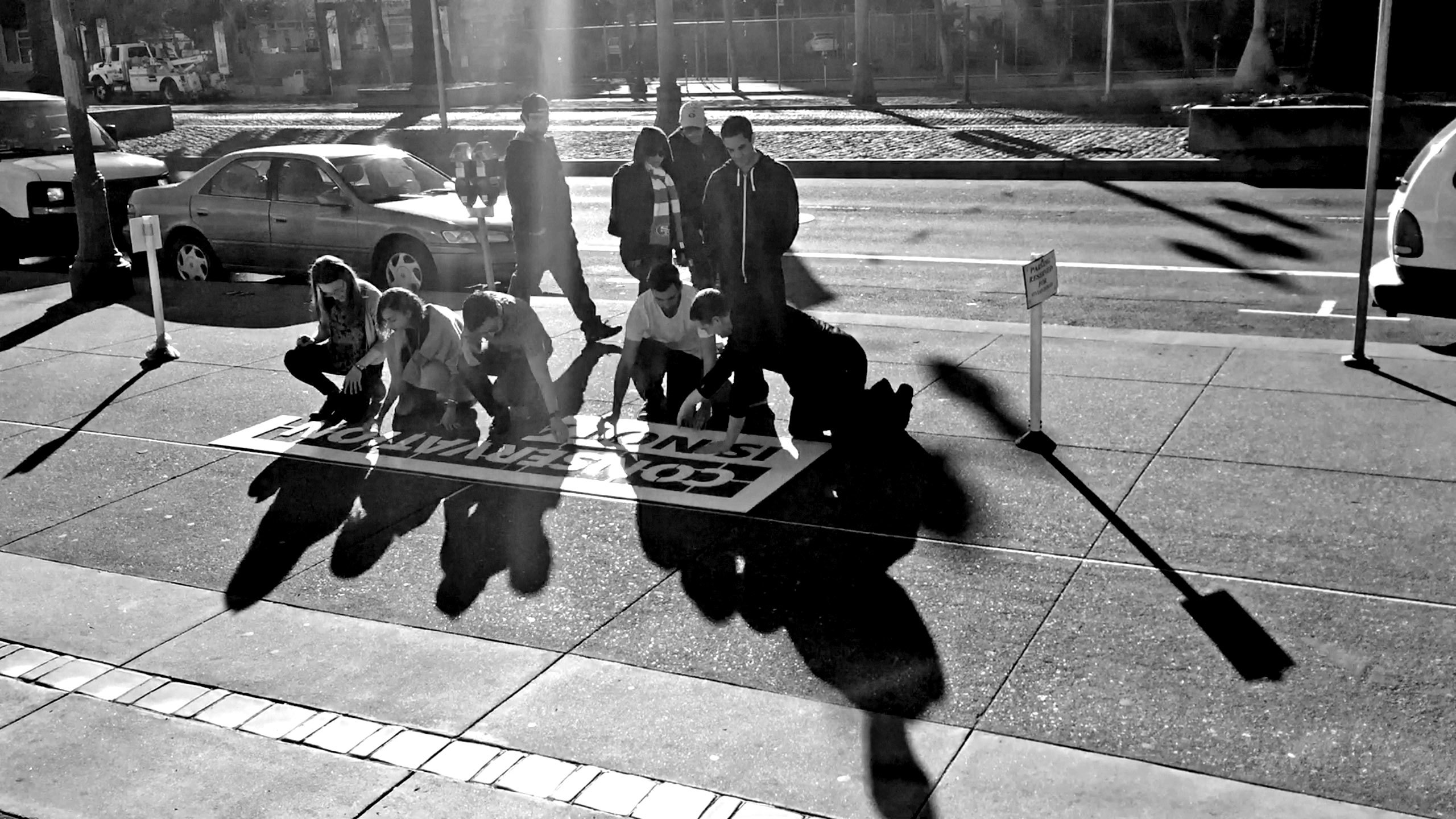
Since then, I have experimented with pumpkin carving via laser cutter; flown toy cars from rooftop ramps into frothy mugs of beer; teamed up with a friend to explore and film fluid dynamics studies using a syringe and typewriter ink; 'printed' Nyan Cat out of yarn via a hacked, decades-old electronic knitting machine; and twice stencil-graffitied IDEO’s San Francisco headquarters—once with moss and once with superhydrophobic solution.
So, why do we create these things? Because even before we’re designers, we’re makers. And taking a few moments away from our day-to-day work for unorthodox and inspiring creations often fulfills our need to make. When we bring this energy back to our teammates, we work better together, and we do better work.
Creating stuff makes us happy. And doing it together makes us better designers. This is why we make.
There is little more terrifying than having non-billable time at work. The first few weeks of my employment at IDEO were a nervous time for me. I was intermittently assisting a few project teams, but it would be an excruciating few weeks before I was staffed full time to a client project.

Design Lover’s Gift Guide
Something for the Helvetican on your list
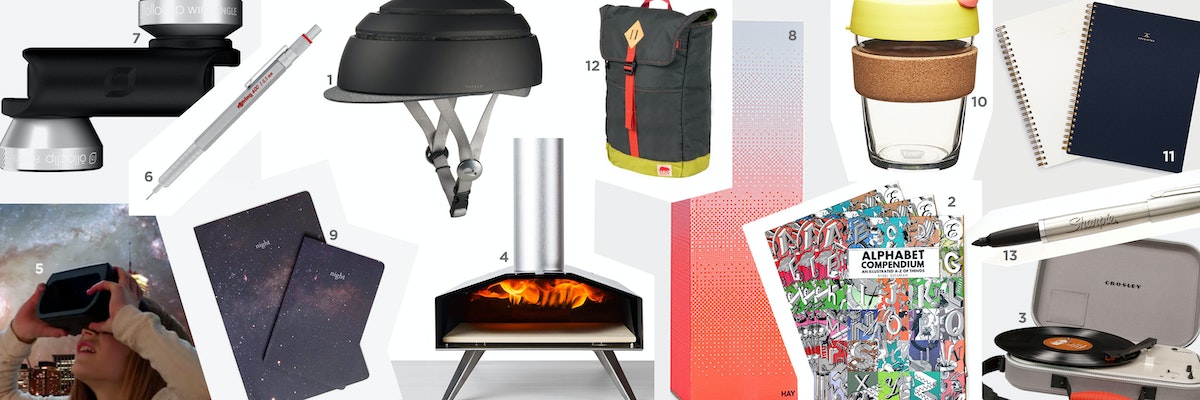
1. Closca Fuga Foldable Helmet, 2. Alphabet Compendium, 3. Crosley Messenger Turntable, 4. Uuni 2s Portable Pizza Oven, 5. Universe2go, 6. Roting 600 Drafting Pencil, 7. Olloclip 4-IN-1 Lens, 8. HAY Tower Block Notepad, 9. Night Notebook, 10. Keep Cup, 11. Appointed Workbook, 12. Alite West Bluff Pack, 13. Sharpie Stainless Steel Permanent Marker
Closca Fuga Foldable Helmet
Helmets are a total necessity, but carrying them around is a pain. The Closca foldable bike helmet solves that problem, collapsing down to half of its size (about 2.4 inches tall), making it possible to hide away in a backpack or purse. The 2015 Red Dot award winner is also certified to global safety standards, so all you have to worry about is picking the right color.
$140

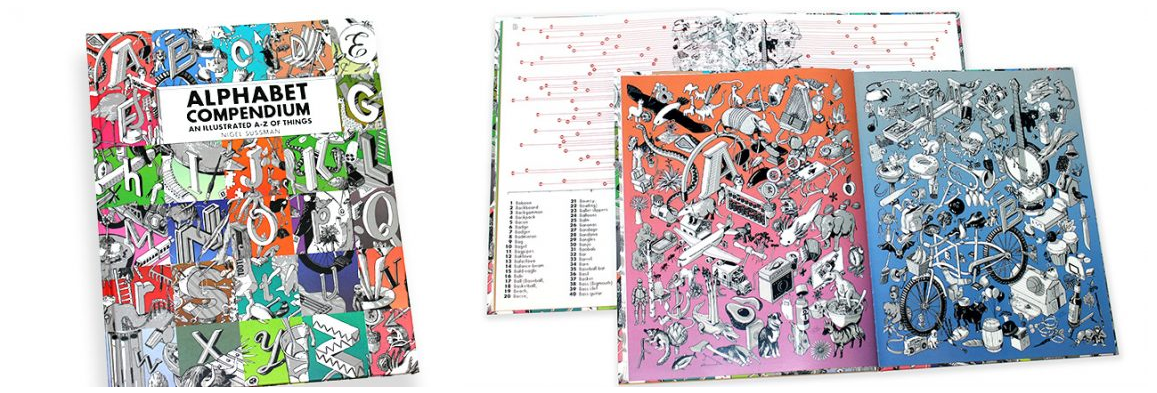
Alphabet Compendium: An Illustrated A-Z of Things
Isometric mural illustrator Nigel Sussman has poured the same style he's used to decorate the walls of tech companies like Google and eBay into his first book, Alphabet Compendium. His hyper-detailed drawings cover everything from the aardvarks to the zucchinis.
$29.95
http://alphabetcompendium.com/
Crosley Messenger Turntable
The Crosley Messenger Turntable lets you spin records anytime, anywhere, thanks to its messenger-bag style design. With built-in speakers and a headphone jack, you can share the music, or go it solo.
$90
crosleyradio.com/
Uuni 2s Portable Pizza Oven
Have a pizza lover in your life? This wood-burning oven goes from ambient temp to 932˚F in just ten minutes. Stainless steel construction means it can handle life in the great outdoors, and Uuni's wood pellets are sustainably sourced, so you don't have to feel guilty. They'll even plant a tree for every bag of pellets sold.
$299

Universe2go: My Personal Planetarium
This star viewer and app combo give you a closer look at the real night sky, not the dome of a planetarium. Take a guided tour of the stars above you—it will illustrate constellations, help you discover planets, and even point out moving objects like comets and satellites.
$99
Roting 600 Drafting Pencil
This is one serious pencil. The iconic, metal design has a comforting heft to it, and its hexagonal base makes it easier to hold in your hand. Better yet, it won't roll off your table. Choose between .5 or .7 lead.
$37
4-IN-1 Lens
Help your loved ones kick up their iPhone photography game with four quick-change lenses (fisheye, wide-angle, macro 10x and 15x) that fit right on top of the iPhone. Panoramas and extreme close ups are made easy with the 4-IN-1 Lens, which is small enough to fit in a pocket. It's a selfie-lovers' dream.
$80
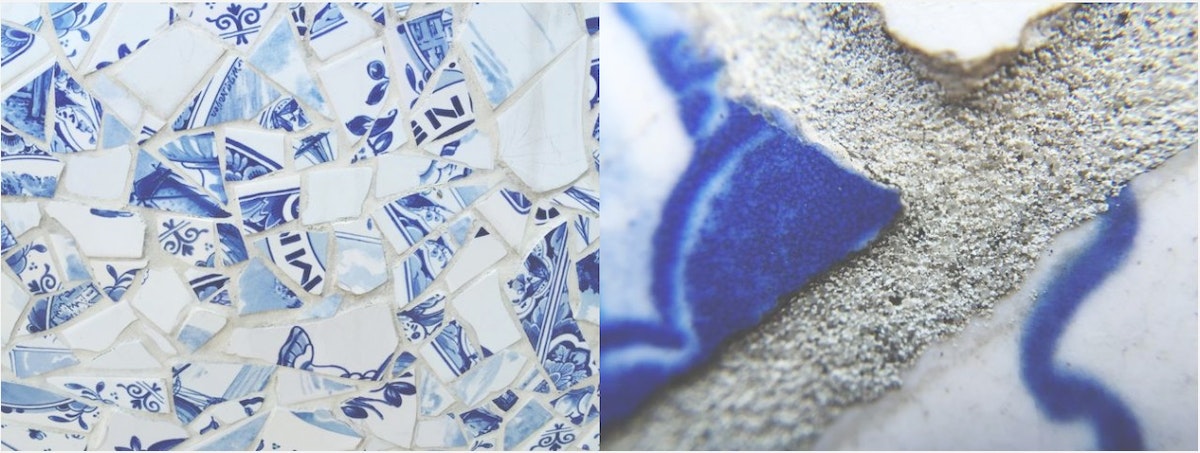
With the Macro 15x lens on the right. Without on the left.
HAY Tower Block Notepad
A beautiful, ombré tower of notes just waiting to be sketched on. Available in fade coral and fade orange. Drool.
$25.00
Night Notebook
Spare, beautiful, and conveniently on sale, this blank Poketo notebook is perfect for capturing your thoughts. And thanks to Smyth Sewn binding, it lies totally flat, making doodling in your notebook easier than ever.
$6

Morning, Day, Evening, and Night Notebooks
Keep Cup
These eco-friendly cups out of Australia are made using waste product from the manufacture of wine corks. Their designs include everything from basic colors to characters from the Star Wars universe. Now you just have to decide between the resistance and the evil empire.
$24
Appointed Workbook
A spare, utilitarian design with a durable cover, this notebook can handle the abuse of every day. Choose between classic navy or white.
$24
Alite West Bluff Pack
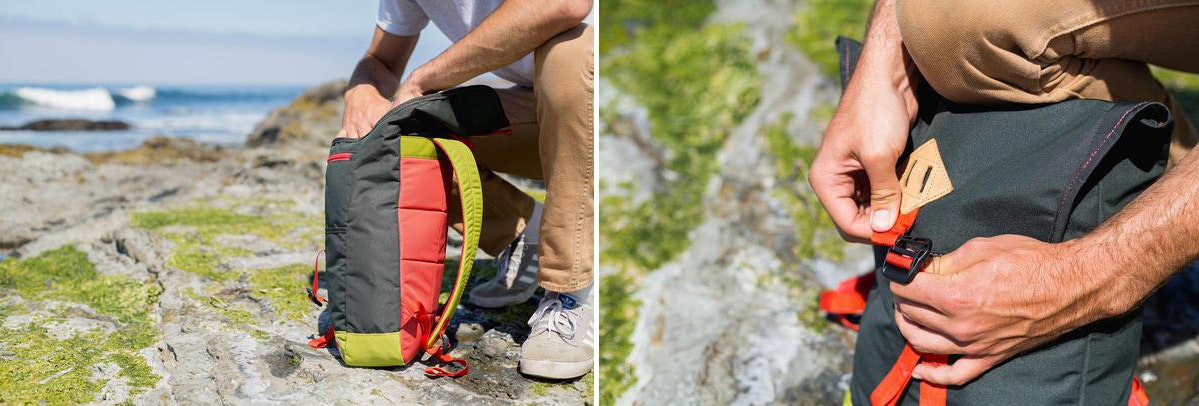
A backpack rugged enough for the outdoors, but designed with commuters in mind, the West Bluff pack has an interior laptop sleeve and a padded back built for comfort. It's perfect for the urban explorer in your life.
$48.99
Stainless Steel Permanent Marker
Add some cred to your brainstorms with this stainless steel Sharpie.
$9.50
Struggling to find ideas for the designers on your list? Browse our most coveted tools and trinkets, from notebooks to fine nibs to the perfect traveler's mug for your fixie pannier sidebag. Just beware: it's pretty tempting to pick up something for yourself.

How Meditation Can Make You More Creative
3 exercises to try out that should kick start your creativity
The meditation techniques below are designed to help you harness creativity by encouraging you to take time to pause and bring a more intentional approach to your work. They’ll help you cultivate a designer’s mind, characterized by:
- An open and curious mindset that can look at challenges from many angles.
- A rigorous and organized methodology for thinking holistically about a problem.
- Clear visual and verbal communication skills to work through and articulate potential solutions.
- A positive and optimistic outlook that can transform problems into solutions.
Here are 3 exercises to try out that should kick start your creativity:

1: Flowing River
If you’re feeling stuck with a problem you’ve been working on, taking a walk around the block or grabbing a breath of fresh air are both useful exercises, because they allow you to leave a problem behind and come back to it with fresh eyes. In that same vein, this first exercise is a highly visual and engaging way to clear some of the noise in your head.
Close your eyes and picture yourself sitting on a large, smooth rock in the middle of a river. It's up to you how big or powerful the river is, just make sure you feel comfortable on the rock you're on, and turn to face directly upstream. Sit there for a moment and start to breathe steadily, adjusting yourself to make sure you’re comfortable. Now look up the river, and whenever a thought enters your head allow it to float down towards you. Recognize what it is, give it a nod if you need to, and let it continue to float past you down the river. As other thoughts, worries, or memories come up, continue to picture them floating by until all you see is a clear-flowing river ahead. Take a deep breath and open your eyes.

2: Cloud of Gold
Sometimes when you feel overwhelmed by your to-do list, the natural tendency is to work harder and longer, and sacrifice things like taking walks, having an enjoyable lunch with a friend, or taking the time to let your mind wander. This exercise is designed to instill a feeling of optimism and positivity throughout your mind and body.
Close your eyes and imagine that a soft, delicate, golden mist is surrounding your head and shoulders. It might be swirling very slowly or just hanging there in space. It’s the most beautiful thing you can think of, and when you take a breath it fills your lungs with a wonderful sensation. Now start to focus on your breathing, taking steady and slow deep breaths. Start by focusing at the very top of your head, and as you inhale, visualize the mist filling that region. When you exhale, picture anything negative or unhealthy leaving that part of your body and being replaced by the gold mist. This might look like some kind of pollution leaving your system, maybe a dark mist that you want to expel and forget about. Once you’re comfortable breathing in the good and breathing out the bad, slowly start to move down from the top of your head, taking a breath or two for each area you recognize. You might want to spend more time on certain areas, like your eyes if they’re tired, your neck if you’re feeling sore, maybe somewhere inside your head if something’s been troubling you. Continue towards your toes until you’ve filled your entire body with the gold mist and can feel it moving through all your veins. Open your eyes and stand up.
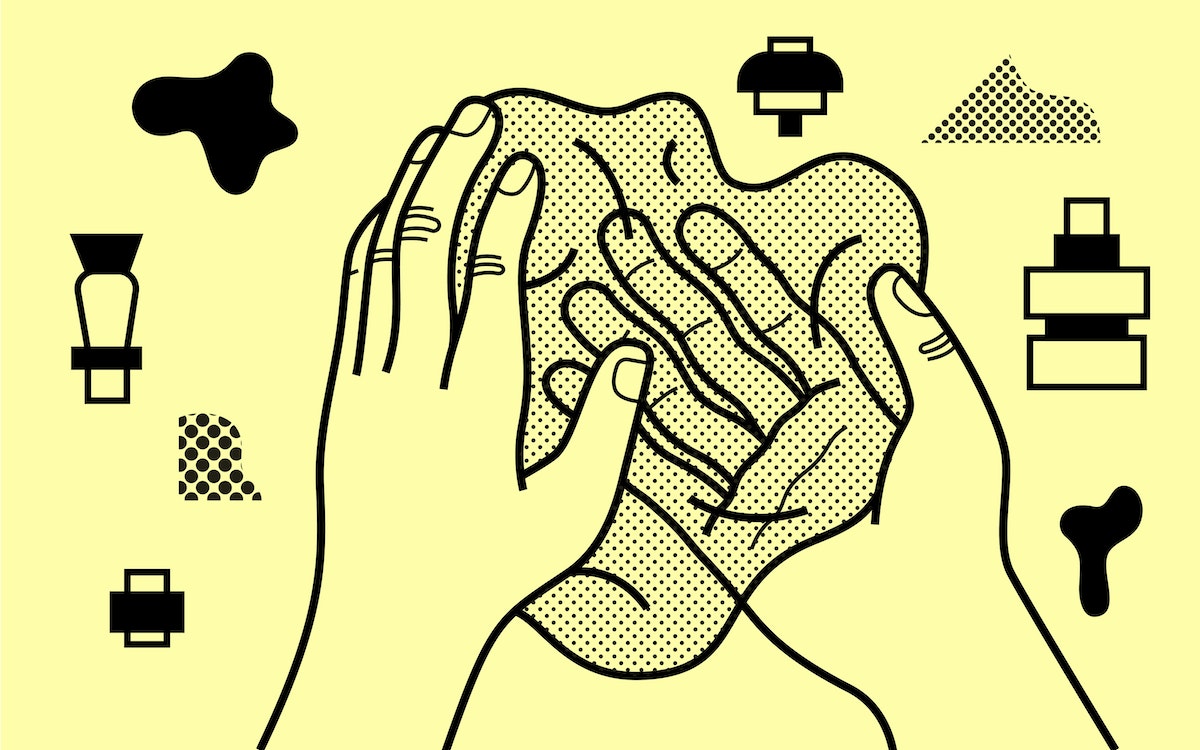
3: Clay Mind
Find a ball of clay, or something else you can sculpt with your hands. You want it to be about two inches in diameter.
Think about one thing you are working on at this moment. Now that your mind is clear and healthy, this is a chance to practice deep focus and put some love towards something you might be struggling with. Our brains are intimately connected with our hands, and this exercise takes advantage of the fact that we aren’t often reinforcing that connection.
With your eyes closed, hold the clay in your lap with both hands in front of you. Imagine that the ball of clay represents that challenge or problem you want to focus on. Take a minute to warm up the clay with your hands, not thinking too hard, just move the clay around and allow it to grow into different forms. What are different shapes it can take? Once it has turned into a smooth rounded shape, imagine that it represents everything connected with your chosen challenge, a tiny universe you can mold and explore freely. Continue to roll the shape around in your hands. Now stick your fingers into the center of that world and slowly turn it inside out. What do you see? Allow the inverse world to be worked back into a round shape once again. Next roll it between your palms into a long worm and think about what that represents. Could it be a timeline? An alternate reality? A way of looking at different elements of that world in a more linear way? Now divide your clay in two parts, assigning meaning to each part. Continue to subdivide into small pieces until you’ve exhausted the amount of elements you can assign a meaning or role to. What do you see? Is there anything you haven’t recognized before? Lastly, gather the pieces together and form them into a smooth shape again, and begin to slowly increase the pressure on it until your hands are holding it so tight they can’t move any more. Take a deep breath to allow that world inside you, and as you exhale let it go.
Illustrations by Adam Hilborn.
We live in a world that values extroversion, production, and a lean approach to business and product development. Companies that embrace those ideals may be effective at pushing an idea out into the world, but might they lose something valuable to the creative process along the way? Like reflection, mindfulness, and a clear head?
Short answer: Yes.

5 Creative Exercises from the Surrealists
There is more to surrealism than Salvador Dali's mustache or people wearing lobsters on their heads

In design and innovation projects, we are always trying to understand constraints, eliminate uncertainty, and ground ourselves in the problem. But in any creative exercise, there is always a moment when the individual or the team needs to take a leap. And when that leap happens, you want it to be as dramatic, confident, and exploratory as possible. Put another way: There is a moment in any creative process when you actually want to maximize uncertainty. The Surrealist methods were aimed at achieving this, by embracing randomness and accessing the unconscious.
Here are five of of our favorite Surrealist methods:
1. Word Spinner
Make a list of 16 words that you find interesting, and number them. Cut out a circular piece of paper, write the numbers 1-16 on the circumference, and stick a pencil through the paper to create a spinner, like you'd use in a board game. Use the spinner to generate three numbers. Now write a poem or short piece of prose that uses the three words that correspond to the numbers.
2. Automatic Writing
This writing habit has been broadly adopted; it was featured, for example in The Artist's Way by Julia Cameron. The method originated with the Surrealists, who believed that forcing yourself to write whatever comes into your head without self-editing will lead to surprising creative breakthroughs. The easiest way to practice this is to set a timer, and then write without pausing for that period. Though uncomfortable at first, this practice can quickly become a valuable source of ideas.
3. Surrealist Collage
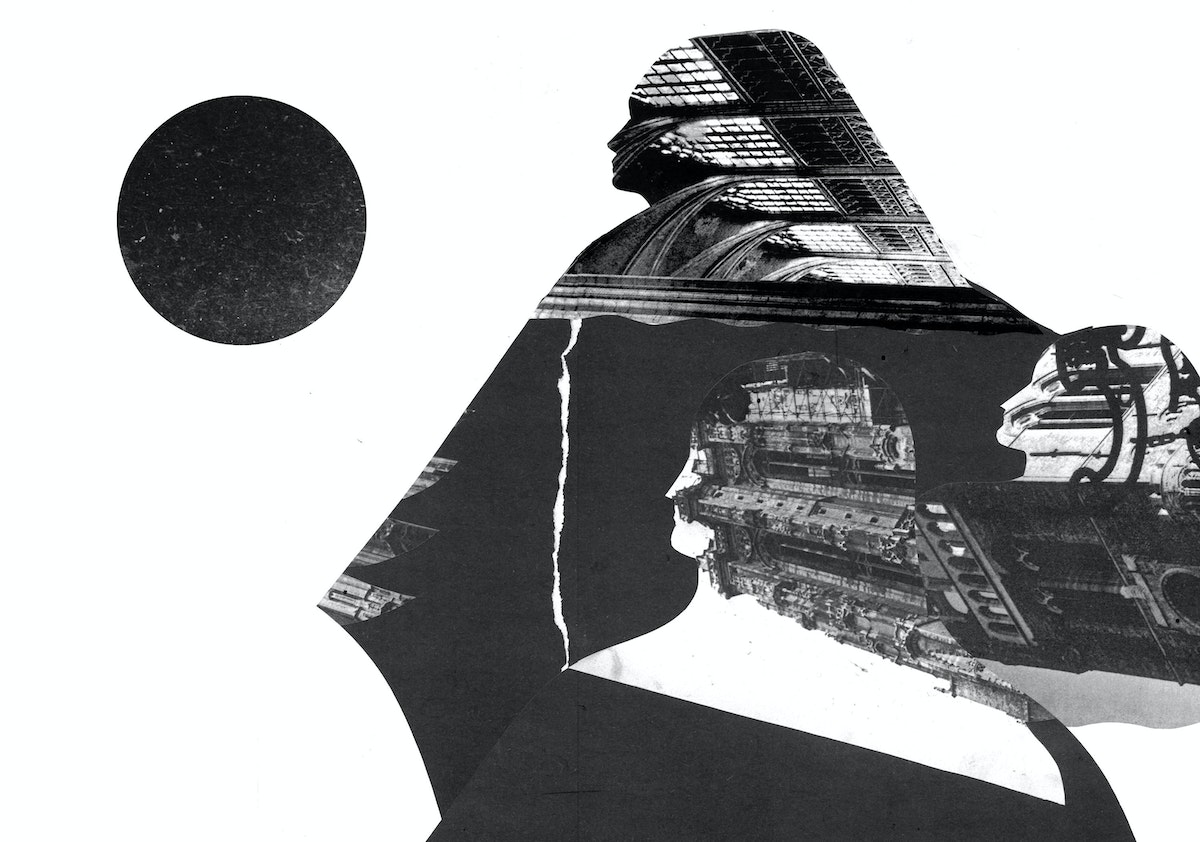
Artist Max Ernst invented this technique of cutting out imagery from multiple sources and reassembling it to create something surprising and new. He chose images of similar styles (for example, all black and white etchings) so that they all worked together in the final image. With so many images available to us in the form of magazines and junk mail, we all have the chance to become surreal collagers.
4. Frottage
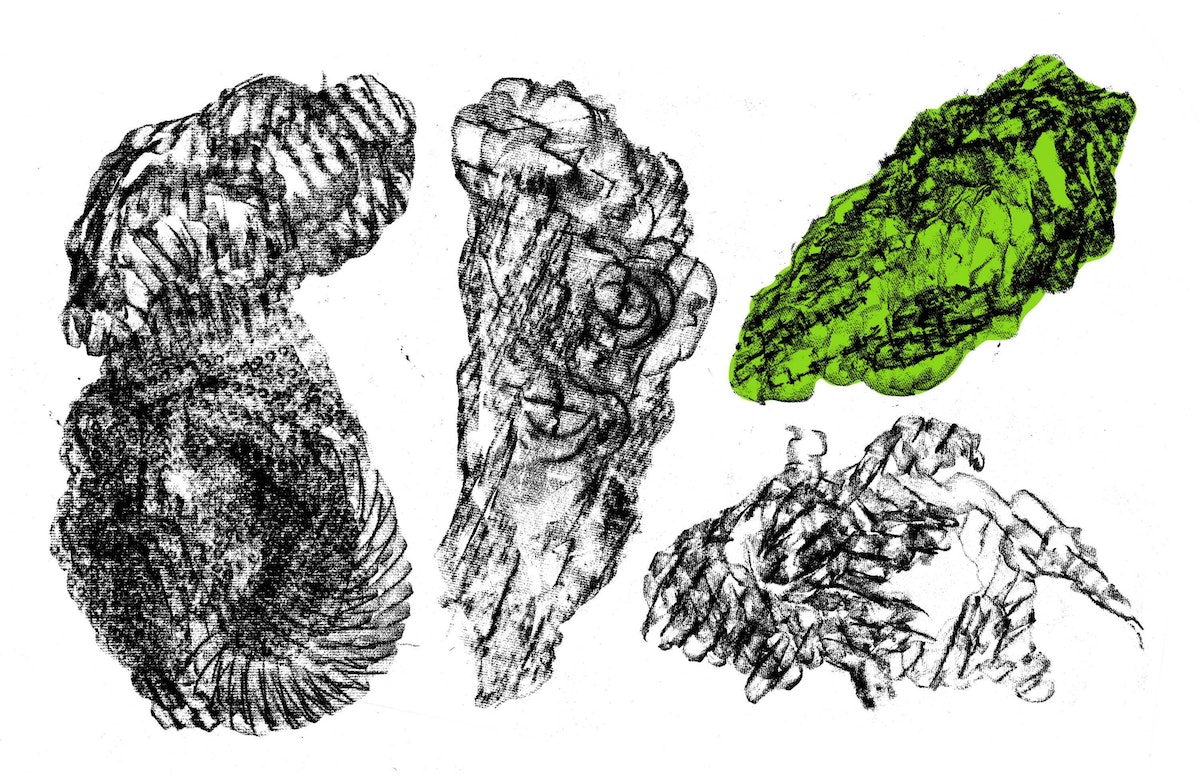
This is a variation on the "found image" technique of collating. Instead of cutting images out of source material, take a blank piece of paper and a crayon or charcoal and look for interestingly textured surfaces from which to take rubbings. Layer several rubbings on top of each other to create an entirely new image.
5. The Exquisite Corpse
The most famous of the Surrealist games, the Exquisite Corpse is an example of a chain game—a game in which a piece of creative work is passed from one player to another. This one began life as a writing exercise, with players taking turns writing nouns and verbs. (The game gets its name from the sentence that came from the first time it was played, "The exquisite corpse shall drink the new wine.")
Over time, the game morphed into its better-known sketching form, in which players fold a piece of paper so that one person can sketch a head, the next a body, and the last one the legs.

There is more to surrealism than Salvador Dali's mustache or people wearing lobsters on their heads. The movement, started one hundred years ago, was founded on the idea that creativity could be accessed by lessening the controls of the conscious brain, and giving free rein to the unconscious. Today's neuroscience supports their thinking: There is evidence that imagination and day-dreaming takes place when we are not focusing our conscious attention.

Lindsey Turner
I’m passionate about building brands, products, and experiences that help organizations show up with meaning and momentum.
I help organizations cut through complexity by shaping how they show up, through brand strategy, identity, and storytelling.
Working at the intersection of brand and business, I bring an editorial eye and a bias toward making—turning ideas into tangible experiences that people can understand, trust, and believe in.
My work spans government, healthcare, financial services, media, and consumer goods, from launching Gen Z-focused ventures to building innovation labs and reimagining legacy brands. I relish moments of ambiguity and enjoy translating across teams, perspectives, and priorities to move ideas forward.
I started my career in editorial and digital design, shaping cross-platform experiences and identity systems in publishing and agency environments. That foundation still shapes how I work today: I’m detail-oriented, collaborative, and overreliant on the Oxford comma. I hold a BFA in Visual Communication from the School of the Art Institute of Chicago.

Rachel Young
My work helps organizations see who their products aren't working for—and build the will and the tools to do something about it
For 25 years, I've asked the same question: Who does this design exclude—and what are we going to do about it?
My work spans human-centered strategy, inclusive design, and qualitative research, with clients ranging from Microsoft, Google, and Verizon to the National Science Foundation, and San Francisco Unified School District.
Before IDEO, I taught elementary school in East Palo Alto and spent a decade doing design work with social service organizations—where I learned firsthand what it costs people when systems are built without them in mind.
I am currently writing User Error, a nonfiction book about digital access and the design decisions behind it. I live in Oakland, California.

Brian Pelsoh
I lead with craft, ensuring our work is creatively excellent: rooted in deep human insight and imagination, while also grounded in the realities of business and technology.
My expertise spans brand, communication, and product design across tech, education, the arts, and social impact.
I believe great work demands both high-level vision and obsessive attention to detail, and only happens through collaboration.
I bring an inclusive, hands-on approach and a deep understanding of business, which enables me to consistently deliver excellence while always asking why.
Before joining IDEO, I worked at the brand firms Pentagram and VSA Partners. I began my career as a designer, leading teams at the School of the Art Institute of Chicago and the Milwaukee Art Museum. I hold an MFA in graphic design from Maryland Institute College of Art and a BFA in communication design from the Milwaukee Institute of Art & Design, and have taught at some of the best design schools in the US.

Tony Wong
I am responsible for IDEO’s long-term success in China and working with clients to use design as a tool to enable growth.
I am responsible for IDEO’s long-term success in China and working with clients to use design as a tool to enable growth. Specifically, I have helped Chinese companies design holistic brand solutions through the development of their products, communication, services, and innovation teams, and I have helped multinationals expand their presence and influence in China.
I advise global leaders on developing China-led innovation and capabilities.
In over 15 years in IDEO Shanghai, I have worked on projects that use design to elevate the quality of the experience of healthcare products and services, streamline processes that increase productivity, create spaces and programs that promote and enable inclusive communities, and build next generation mobility solutions that are planet-positive.
Before joining IDEO, I worked at Philips Electronics and the Electrolux Group in Italy, the Netherlands, and Singapore on a number of breakthrough commercial products. I am a member of the Young President Organization in Shanghai.

Building a personal AI for the messiness of life: Sida Li
Most AI products today are built for work—a space with clear problems and established systems. One founder noticed a gap: personal life is messier, harder to systematize, and mostly left behind by the AI boom. So she built Cue, a personal AI that lives inside iMessage and group chats, to go where the other tools haven't.
In this episode, Becca Carroll, IDEO's Chief Strategy Officer, talks with Sida Li, co-founder and CEO of Shared Context Lab, about staying anchored to a human need while the technology around her keeps changing shape, why she treats her business model with the same rigor she'd bring to a product, and what it feels like to build a company at this particular, disorienting moment in AI.
The conversation also gets into how Sida makes design decisions: the language Cue uses to describe itself, the tradeoffs behind building inside iMessage instead of a new app, and a real story about a business idea that didn’t pan out.
This is the second in a two-part series profiling founders from IDEO's Startups-in-Residence program. The first conversation is with Johannes Seemann, founder of Sooner, on designing GenAI for the emotional side of money.

Designing GenAI for the emotional side of money: Johannes Seemann
Most personal financial tools are built to run the numbers and optimize towards a budget. While that works for some, most people experience money as a lived relationship that does not neatly fit into a spreadsheet. Johannes Seemann and Becca Carroll discuss why money is emotional before it is mathematical, and what a human-centered approach to building a generative AI financial product looks like in practice.

The curious leader's edge in uncertainty: Scott Shigeoka
Mina Seetharaman talks with Scott Shigeoka, author of Seek and Head of Curiosity Cultivation at the Eames Institute, about what distinguishes genuinely curious leadership from performative curiosity, how power dynamics shape curiosity, and why practicing curiosity can restore energy rather than drain it.

How constraints make us more creative: David Epstein
Mina Seetharaman talks with David Epstein, author of Inside the Box and Range, about why total freedom often produces average work, how leaders can design useful limits on purpose, and what organizations such as General Magic and Pixar reveal about the relationship between boundaries and creativity.
Looks like you might be in search of something very specific?
Or reset the filters above and try another angle.
Here’s some random inspiration

Podcasts about creative leadership

Articles about the power of prototyping
