
.svg)




Designing new products based on cultural beliefs
Helping a Chinese manufacturer become a part of healthy living.
Midea, one of China’s largest appliance manufacturers, wanted to identify growth opportunities in the domestic consumer market, while focusing on people’s cultural beliefs around health and well-being. During the course of the project, IDEO found that Midea could play a key role in building a healthier nation.
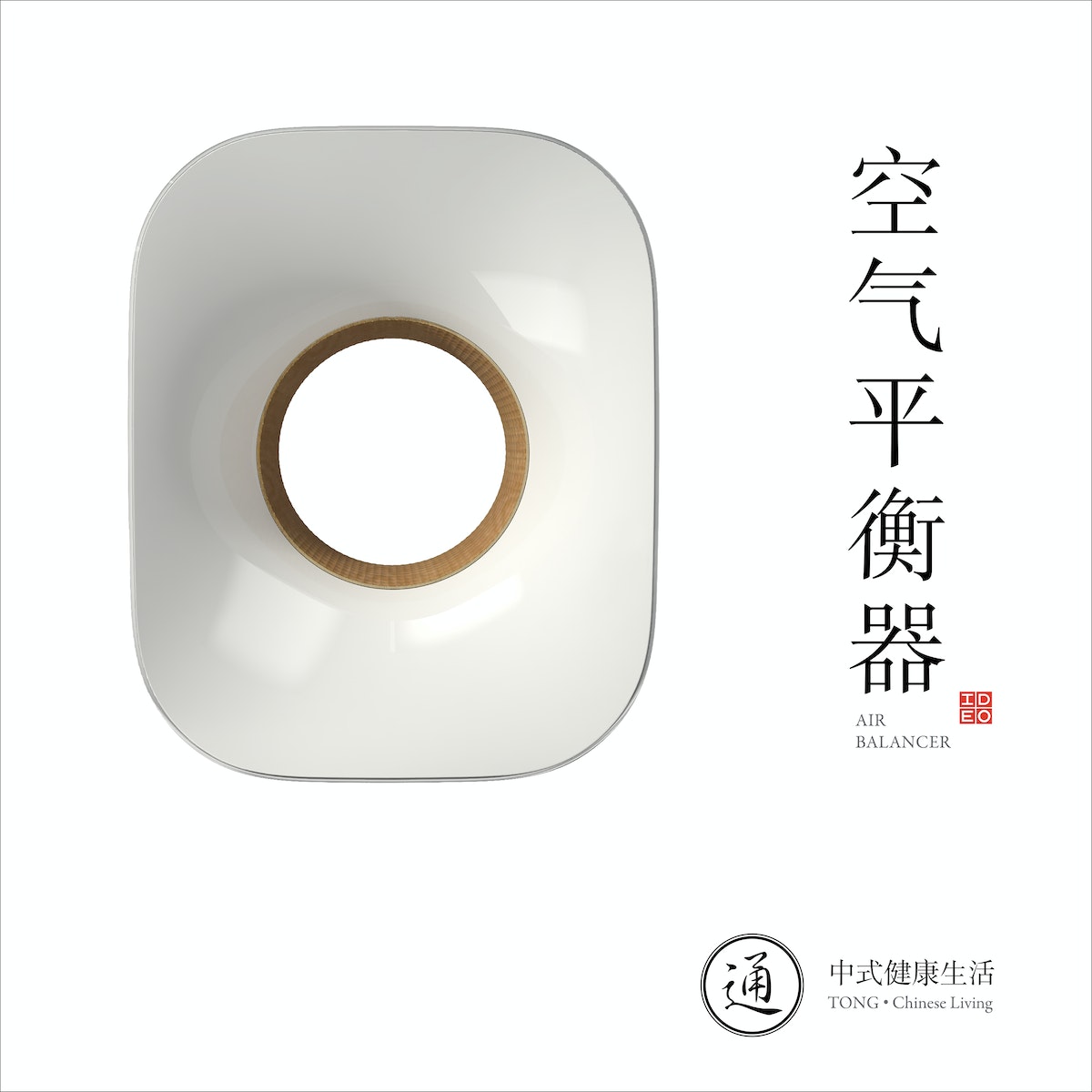
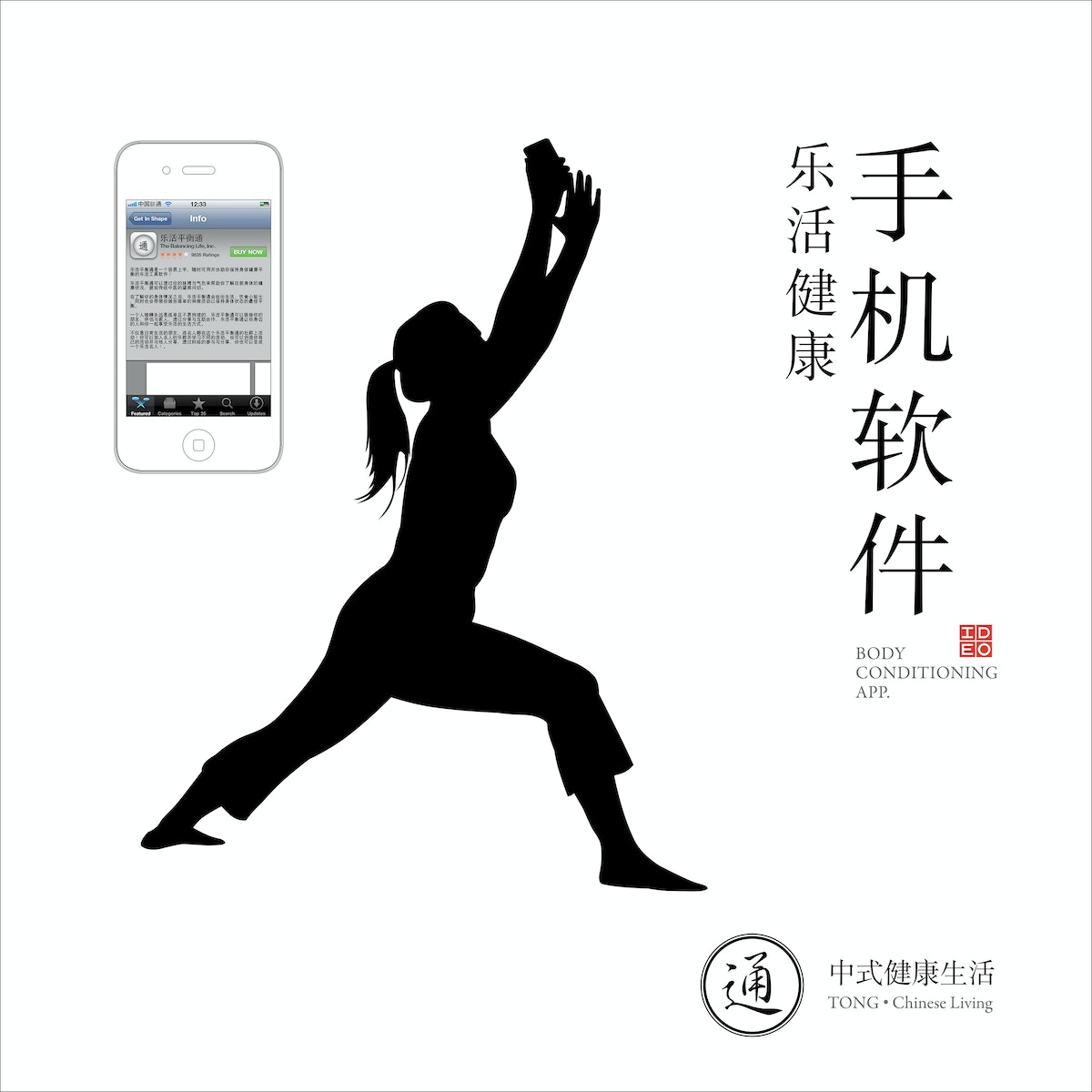
The team set out to design potential future products for Tong (“through, whole, and to understand”) that are built around the basic themes of eating, breathing, and being: an easy-to-use, hassle-free herbal tea dispenser, an air balancer that improves and balances the quality of air in the home, and a body-balancing mobile phone app that encourages users to rebalance their body condition where needed, through movements created with the Chinese philosophies of well-being in mind.
The Tong project was featured extensively in the press, and opened further conversations with Midea about creating new value and extending into new markets.
Customer-friendly utility bills
Improving how low-income customers manage their bills.
Put food on the table or keep the furnace running on a frigid day? It’s an unfortunate choice many low-income families in Flint, Michigan, face.
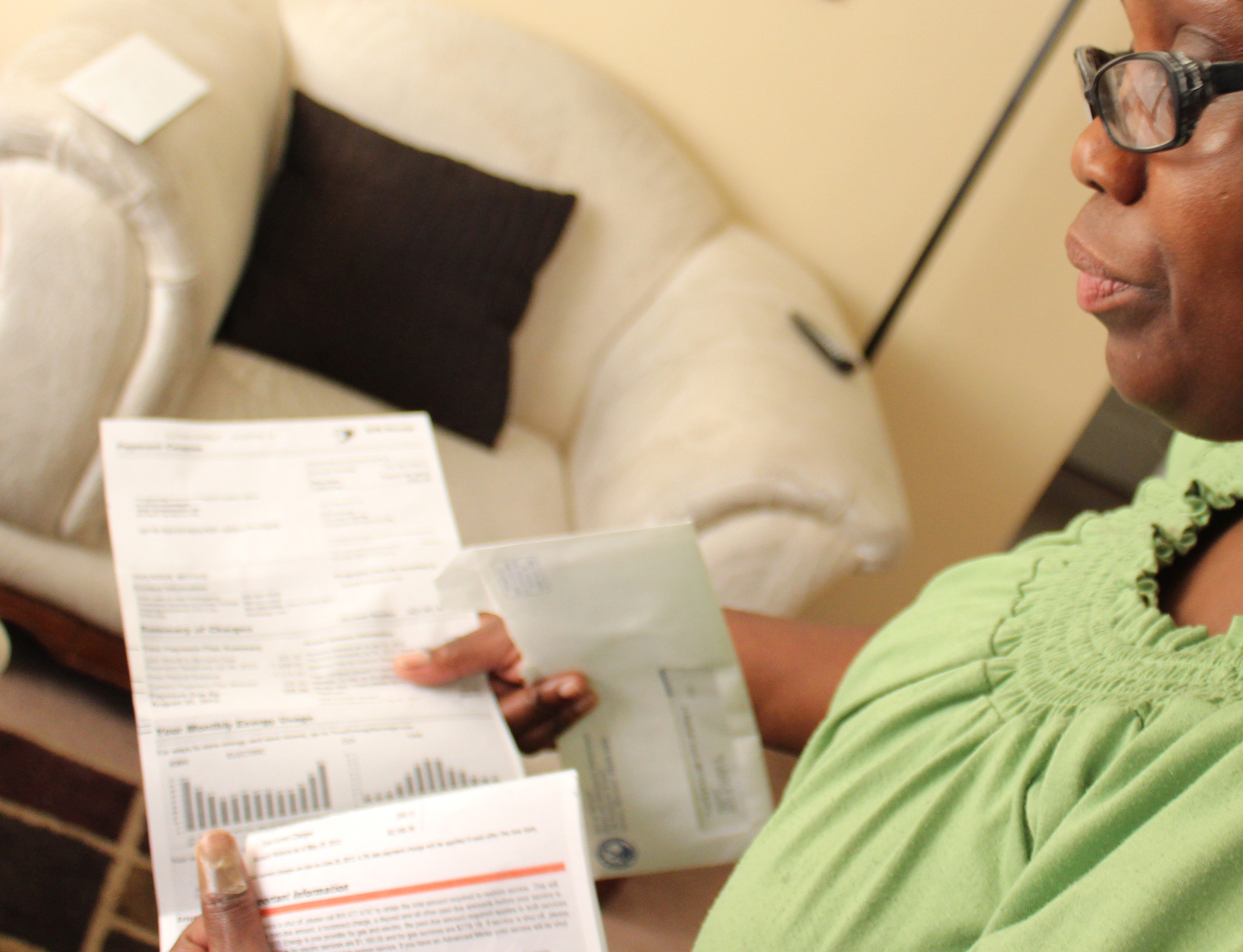
To help customers in Flint and other Michigan towns stay on top of their utility bills and better understand the relationship between their energy consumption and the resulting costs, Consumers Energy partnered with IDEO and utility assistance provider The Heat and Warmth Fund (THAW) to create an innovative pilot billing program called Clear Control in late 2013.
The pilot was designed with three major human-centered changes to the traditional utility experience:
- Instead of monthly bills, participants received two bills per month. Shorter billing periods allowed for smaller, more frequent payments, helping customers match available funds with their ability to pay.
- Daily text updates on energy usage and bill amounts kept consumption top of mind.
- Consumers Energy offered personalized, in-home audits to help customers make low-cost, high-impact changes to their energy bills.
A year later, the results of the pilot are energizing. Clear Control participants accumulated no new debt, while the control group owed $300; pilot customers used 20 percent less electricity, reducing their bills by $200 per year; and 95 percent of participants paid their bills in full and on time, compared with 35 percent in the control group. The utility company simultaneously benefited by avoiding arrearages, late-payment fees, and shutoffs. Consumers plans to incorporate Clear Control lessons into its overall energy assistance program design and development moving forward.
"It’s no longer ‘me’ against ‘them’—now it’s ‘us,’" said one Clear Control participant.

Creating the first usable mouse
IDEO designs the original mouse for Apple.
In 1980, Apple asked IDEO to develop a mouse for their radical new computer, the Lisa. Previous attempts at mouse design, by Douglas Englebart and Xerox PARC, yielded results that were too expensive and hard to make. The Apple mouse needed to be more reliable and less than 10 percent of the cost of the earlier versions.
To start, the design team created a cheaper, much-improved mechanism that would operate the mouse, and found that a complex, plastic "ribcage" would hold the pieces together. The team similarly tested and refined the mouse’s other key components, from the audible and tactile click of the button to the rubberized coating on the ball. A record turntable spun for days, logging “mouse miles” to check the reliability of the electromechanical assembly.
The resulting mouse proved mechanically and economically sound and was changed only slightly when adapted for use with the first Macintosh computer. The basic mechanism design is used in virtually all mechanical mouses produced to date.
Building a new venture to restore trust in China’s food system
Launching a new restaurant and retail venture that connects food from seed to table.
Food is the heart of most cultures. In China, one of the oldest cultures in the world, food is central to family gatherings and celebrations. It’s what binds people, a tangible way of showing love and respect. But in recent years, the Chinese food industry has suffered from concerns around safety.
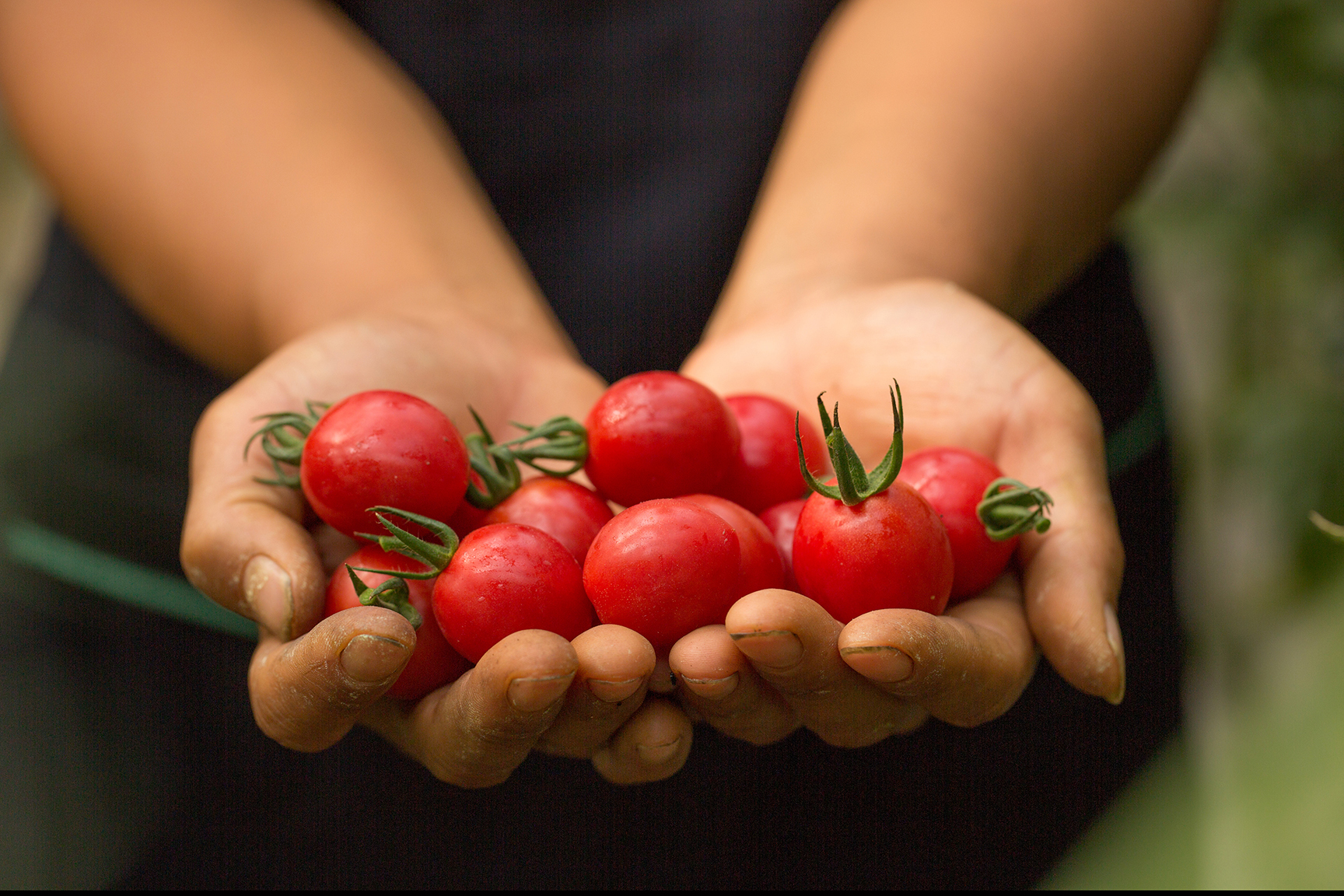
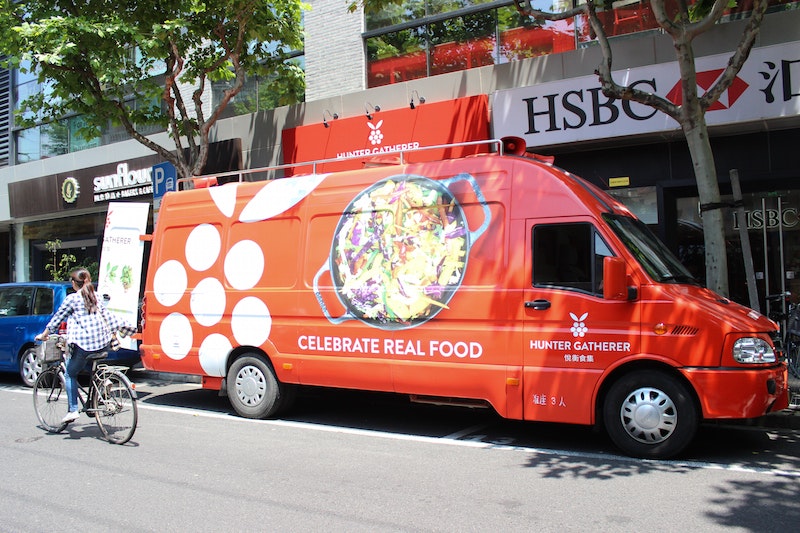
Two siblings, Harn and Anmao Sun, set out on an ambitious venture: to create a trusted source of food in China and, by setting an example, to instigate a movement around conscious farming practices. The American-born entrepreneurs launched Hunter Gatherer, a restaurant and retail food space built around a transparent supply chain, from farm to table to grocery shelves. The venture is based on growing and serving what they call real food: The ingredients are chemical-free and come from known and trusted sources—food they’d eat themselves. The purpose of the venture is simple: to serve people real food that is their right.
Having studied and worked in the US, Harn and Anmao grew accustomed to browsing farmers markets on Saturday mornings or picking up a burrito at Chipotle. But when they returned to China, they were unsure about the safety of the food they were eating.
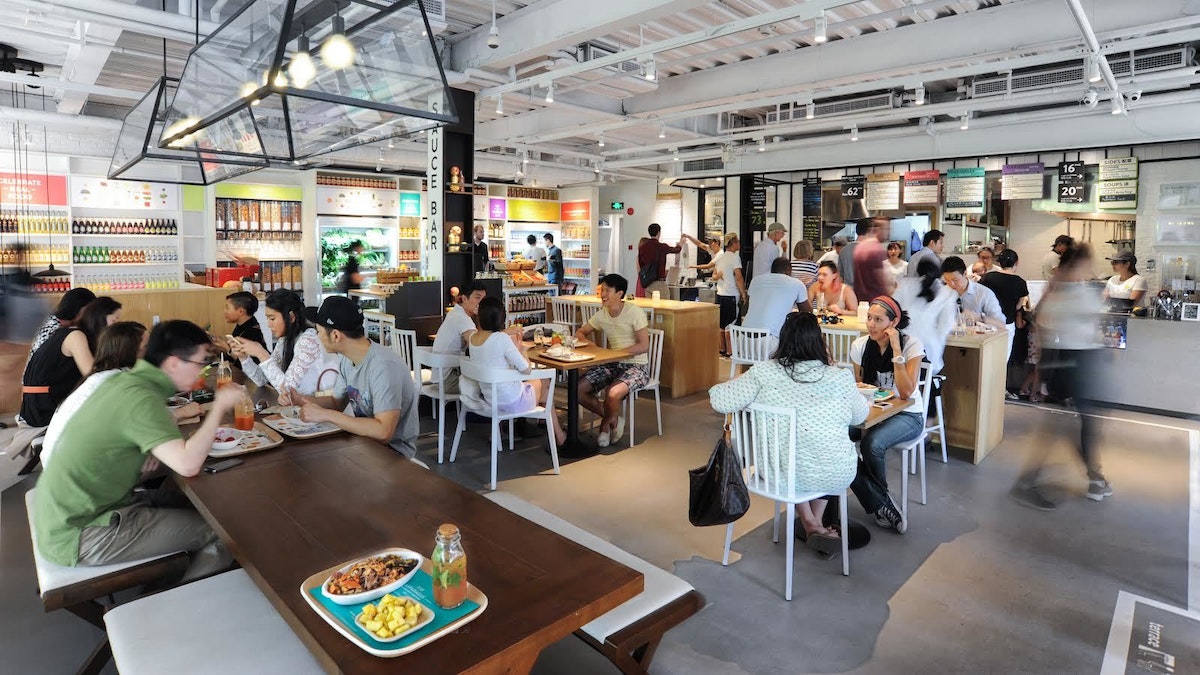
“In China, you wouldn’t go to a food stand, because you’d be concerned about the ingredients,” Anmao said. “You can’t take the safety for granted.”
Hunter Gatherer’s very existence challenges bedrock assumptions about how food is produced in China. A long and depressing list of scandals—milk contaminated with melamine, pork produced from diseased pigs, used cooking oil repackaged and sold as new—has rocked the public trust.
“In China, agriculture is going through a huge change,” Anmao said. “In the US, agriculture operations are regulated. Farmers’ practices are regulated. If they use pesticides, there are limits because these farmers understand that once a certain threshold is hit, additional pesticides will not yield more crops. But in China, pesticide use came about 30 years after the US and Europe, and because of a lack of full understanding, farmers in China incorrectly operate under the assumption that more pesticides means more crop yields. Also, with over 250 million farmers in China, it becomes immensely difficult to properly regulate everyone.”
New Ventures
Harn and Anmao wanted to restore trust in the simple act of eating in China, and they came to IDEO to build a scalable business based on that vision. This was essentially a startup, a shared commitment between IDEO and Hunter Gatherer.
“I’ve lived in Shanghai for the past seven years, and as a relatively active and health-conscious person, I’ve had to invest quite a bit of time in finding food that I trust,” said Charles Hayes, managing director of IDEO Shanghai. “That investment has been both in the time it takes to research the sources of ingredients but also a literal investment in paying a high price for imported food just for that extra peace of mind.”
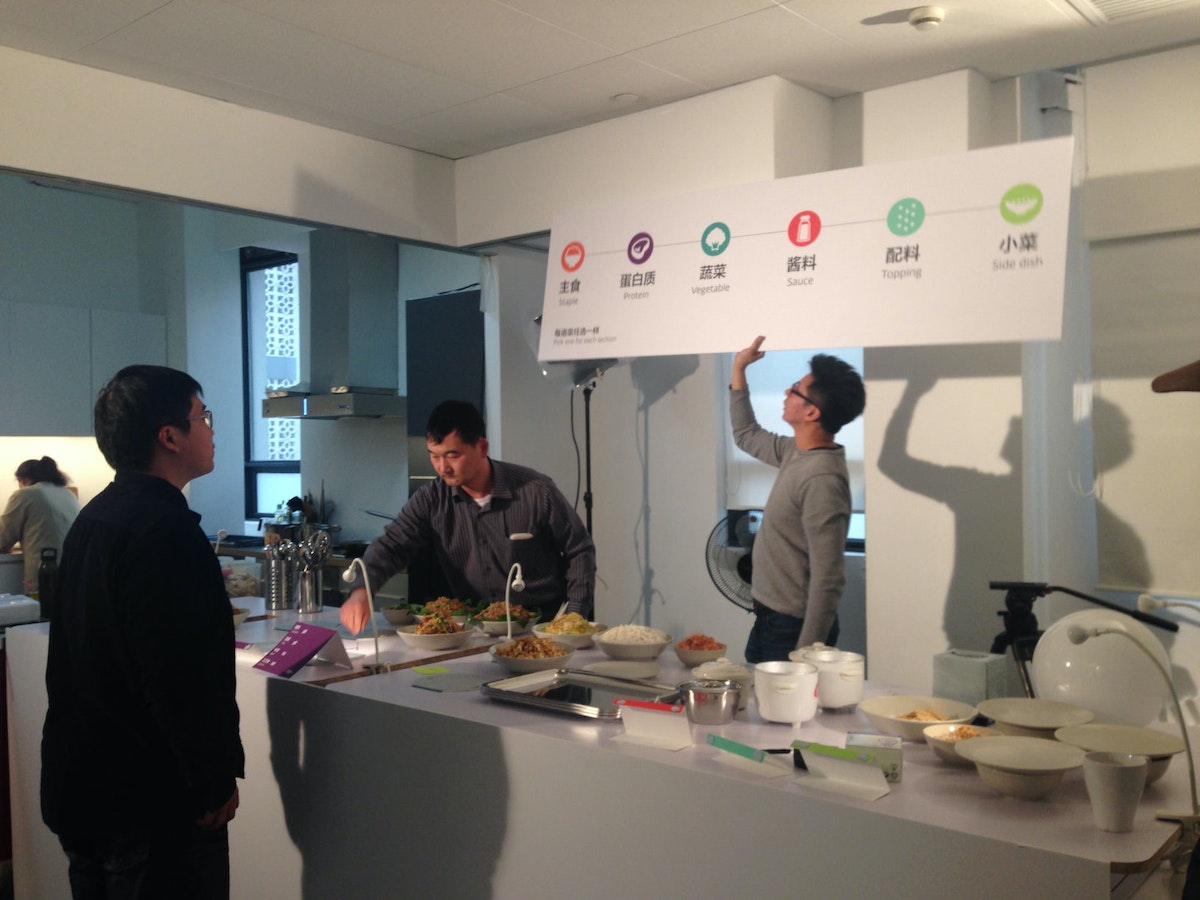
Anmao and Harn took up residence in the IDEO Shanghai offices to incubate their business. Together with IDEO designers, they tested packaging, cooked countless meals, and found ways to introduce unfamiliar ingredients to Chinese consumers. They discussed different concepts of lunch and dinner, and how notions of freshness in Chinese culture might affect cold-storage systems. In IDEO’s prototyping kitchen, the teams tested all manner of different foods, flavors, colors, mixes, and price points, and they brought consumers in to try them out. IDEO designers, along with the founding team, also worked on the brand and positioning of what would eventually become the Hunter Gatherer enterprise—its location, human resources, and marketing strategies.
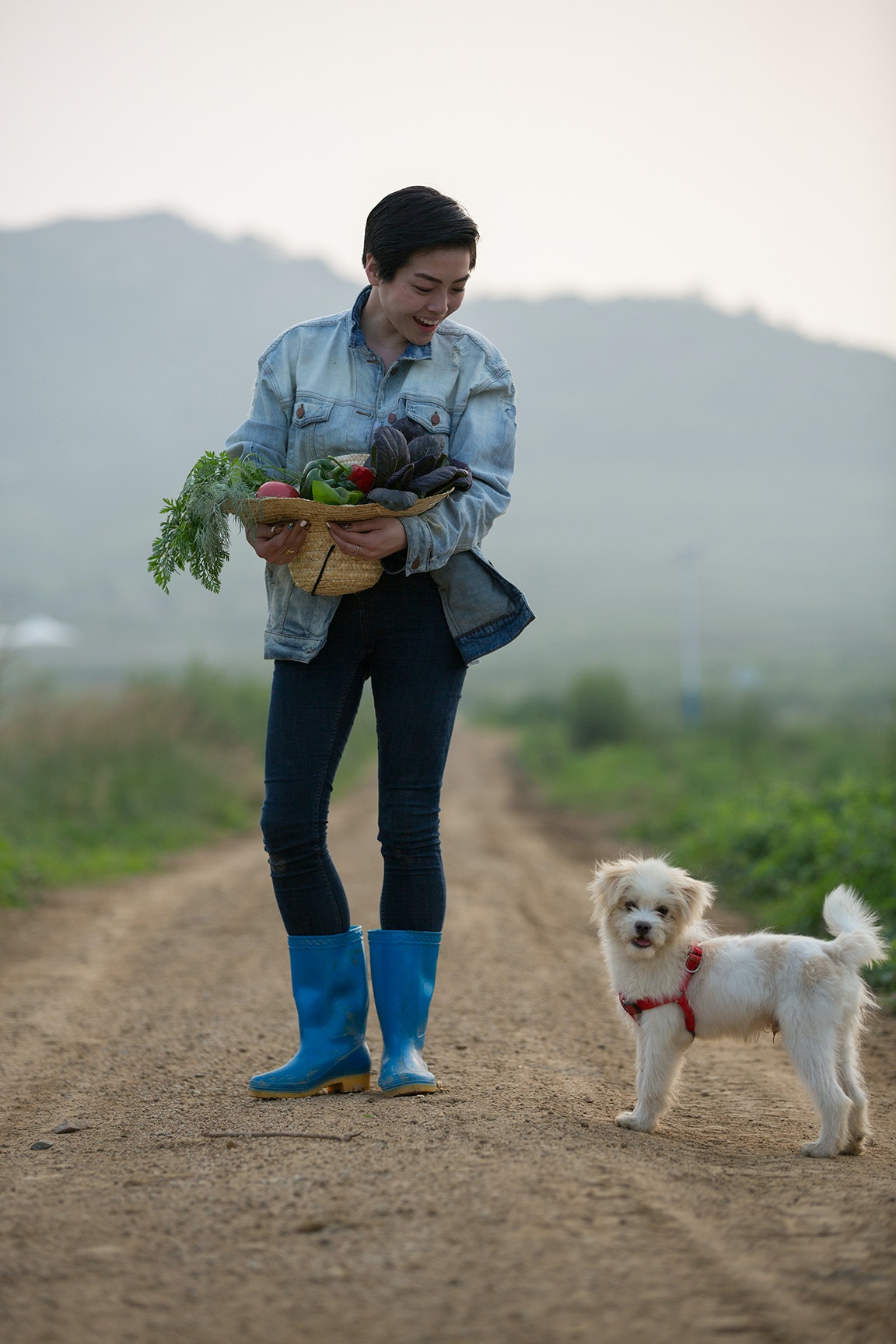
As the restaurant concept came together, finding the right food sources had to be addressed. Traditional agriculture couldn’t be trusted; organic certifications were available on the black market, and safety protocols around chemical use were nonexistent. Anmao and Harn decided to invest in their own farms. They met with farmers, asked questions about their methods, and walked in the fields to see for themselves. Eventually they settled on two plots of land outside Shanghai and began developing more than 80 different crops to be used in the restaurant.
From Seed to Table
When it came time to find the right space for the first location, Anmao and Harn discovered an open, airy storefront on Anfu Road in Shanghai’s tree-lined former French Concession area. They designed and built a retail space and kitchen, and along with IDEO designers, they trained the staff and organized workflows. The staff set the tables with Mason jars filled with flowers, hung photographs of the farmers who grew the food, and put up a sign that showcases the percentage of vegetables coming directly from the Hunter Gatherer farms, already more than 70 percent in less than a year after opening.
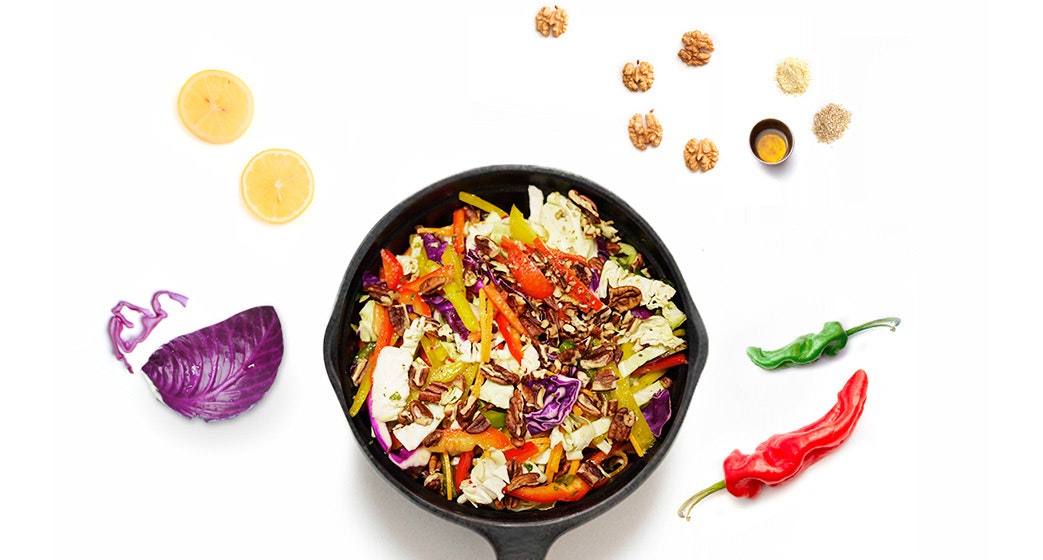
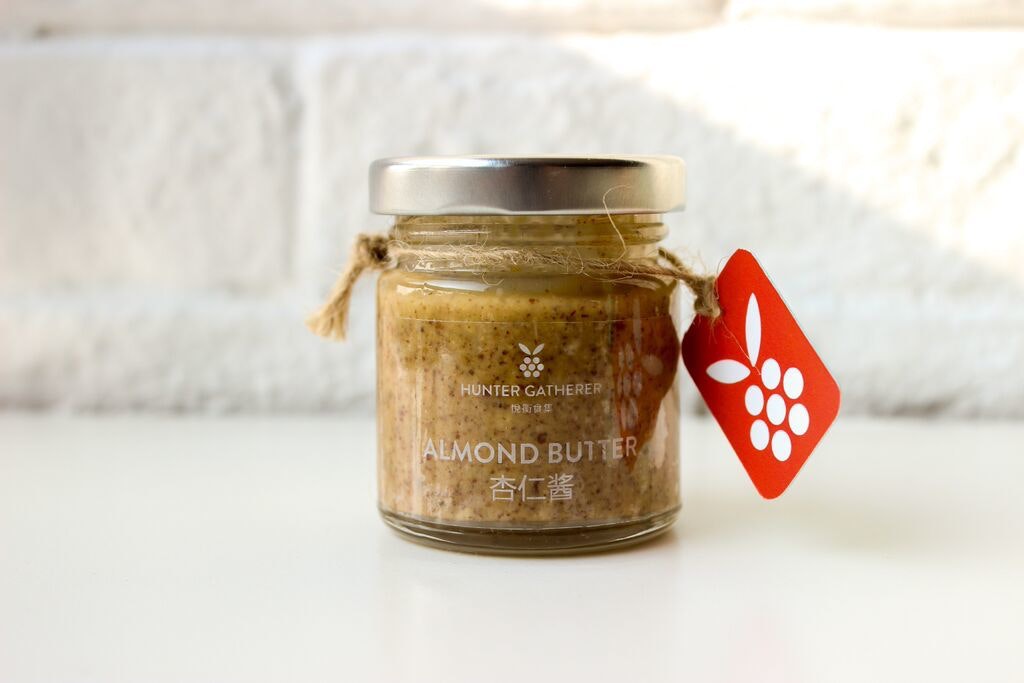
Customers can shop for fresh vegetables, locally sourced and imported canned and jarred goods, bins of cereal, freshly made smoothies, artisan sauces, and exotic chocolates. Upstairs, they can feast on delicious dishes in the homey restaurant.
Reviews have been glowing. One customer raved about the machine that grinds fresh nuts. Another loved the open space, the “good vibes,” and the refreshing cucumber water. Young people go there on dates, and families return for the delicious menu variety.
The convivial space has blossomed into more than just a restaurant and grocery store. It’s become a gathering place of sorts, both for the community and for partners who share the same vision. Farmers and food purveyors are invited to showcase their products at seasonal events and to mingle with customers and share recipes and stories.
“Hunter Gatherer has come to symbolize a kind of lifestyle the Chinese people have been looking for,” said Eugene Lin, an IDEO business designer. “A place they can enjoy hanging out with friends, as well as a movement and mission they can stand behind.”
A Digital Future
This is just the beginning of the venture. The plan is to open 40 more locations throughout China. But the vision for Hunter Gatherer’s growth is bigger than brick-and-mortar restaurants—where the business will truly scale is in the digital space. Eventually, the plan is to launch a Hunter Gatherer online grocery store from which anyone can buy food grown from trusted sources.
“We have to create trust with the consumer. It’s the most difficult and most valuable thing to do in China, especially with food,” Anmao said. “Our brick-and-mortar locations will establish that increased trust. Then we can go online and grow the idea to the rest of the country.”
Will Hunter Gatherer have a hand in changing the way that the world’s most populous nation thinks about food? Its principles are already spreading, from neighboring farmers adopting more sustainable planting methods, to a growing market for products like wine.
But the true sign of success will be almost invisible—the moment when an increase in demand will result in safe food for everyone and when real food becomes commonplace.

How to design rewarding loyalty programs
Turn them into a game customers love playing.
The question tossed out at checkout has become such a common refrain that it can feel like background noise. Perhaps you say no—worn down by membership fatigue, especially for stores you rarely visit. Or perhaps you say yes, lured by a one-time signup perk, only to join the 35 percent of shoppers who say they belong to a loyalty program they’ve never used.
Nearly 80 percent of Gen Z and millennial consumers believe a high-quality digital experience is essential for loyalty programs. But these reward systems, typically built around points, discounts, or tiers, rarely reflect what the brand actually stands for. And when the behavior being rewarded feels disconnected from the brand’s promise, it creates a subtle but powerful disconnect. We think of this as brand dissonance: a type of cognitive friction between what a company claims it values and how it invites people to engage.
When we design loyalty programs at IDEO’s Play Lab, we begin by recognizing that a brand exists at the intersection of what it says about itself and how people experience it, across hundreds of small, accumulated interactions. Done well, loyalty programs don’t just reflect a brand’s values—they embody them, shaping how people experience the brand in the countless moments that add up to brand loyalty.
On a project with JetBlue, for instance, we were tasked with introducing a new premium service that could compete with first-class perks—but without undermining their mission to “bring humanity back to air travel.” Rather than replicate a tiered status model, we grounded the work in a different philosophy: speak to modes of travel, not travel classes.
We designed for different player types—offering “power-up” benefits like faster security, better access to overhead bins, and higher quality food and beverage options. These upgrades honored JetBlue’s inclusive ethos and resonated more with the airline’s loyal passengers.
The result? The new offerings, introduced in 2011, drove its EvenMore line of perks, generating $230 million per year, with a 30 percent annual growth rate, and increasing revenue per customer by 20 percent. That success didn’t come from gamification for its own sake—it came from building a loyalty experience that reflected JetBlue’s values and aligned with travelers’ intrinsic motivations.
Designing for the next generation of consumers brings added complexity, as brands must account for shifting behaviors, rising expectations, and evolving definitions of loyalty. Programs that feel overly transactional or inaccessible often fall flat. Younger, digitally native audiences are highly discerning and research nearly every product online before buying—not just to find the best deal, but also to assess whether a brand aligns with their values and feels worth supporting. They gravitate toward brands that feel authentic, expressive, and purpose-driven. Think REI Co-op or Trader Joe’s. Earning their loyalty means creating experiences that reflect who they are and who they aspire to be—rather than how much they spend.
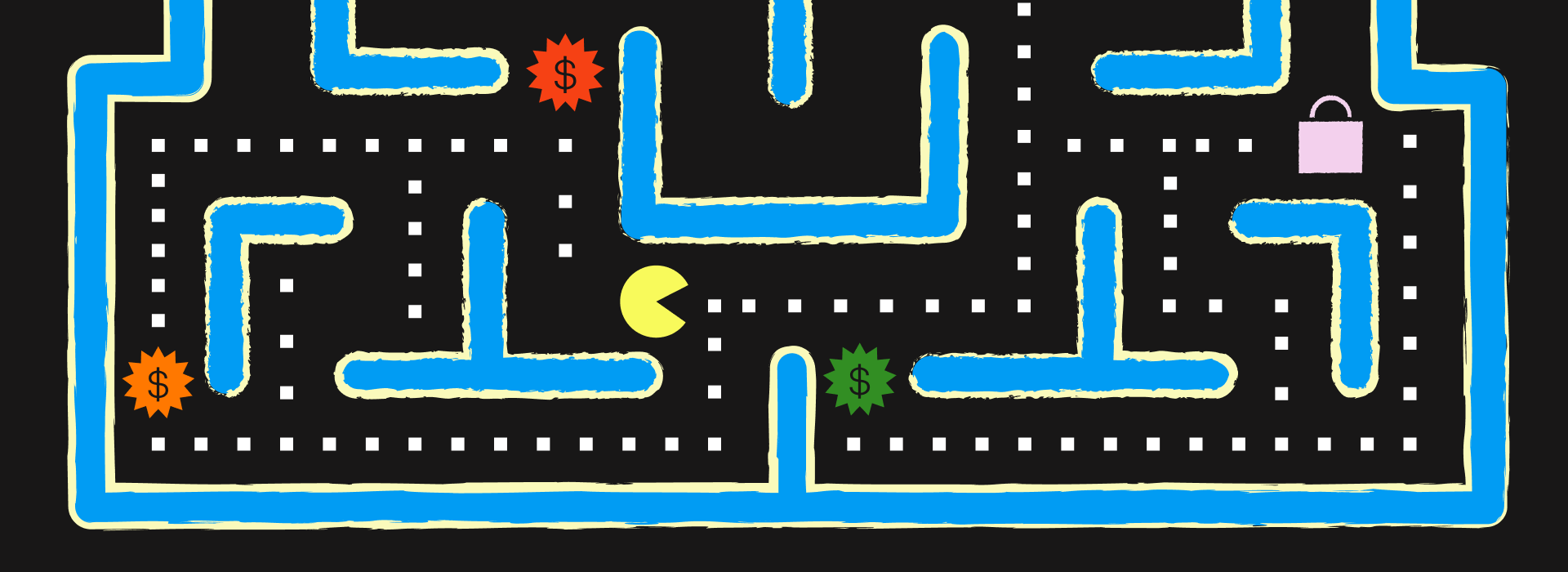
That’s where game design offers a powerful blueprint. The best programs go beyond transactions, building ecosystems of engagement that give people agency, align with their intrinsic motivations, and evolve over time. Not to be confused with basic gamification, which adds a superficial layer of points, badges, and leaderboards as a way to incentivize customers, game-inspired programs can go deeper and reward engagement in ways that are rooted in brand values and reflective of real-life consumer behavior and identity. Here are three ways we could design a more sophisticated game approach to loyalty programs across three industries: retail, restaurants, and hospitality.

Pokémon Go for retail
Imagine the goal for your brand is to tap into self-expression, identity, culture, and community through your loyalty program. Your app could include an AR feature that lets users scan physical environments—like storefronts, catalogs, or product tags—to reveal hidden offers, collect digital rewards, or unlock exclusive quests. Shoppers could level up based on their interests or shopping style (e.g., “Sustainable Shopper" or "Sneakerhead"), earning rewards that reflect their values and deepen their connection to the brand. Think Pokémon Go meets personalized product discovery.

Gamify the wait at restaurants
Every parent dreads the restless stretch between sitting down at a restaurant and the food arriving. It’s often when screen time rules go out the window—and then backfire when the meal arrives and a tantrum ensues as you try to pry the screens away. Now imagine you operate a chain of family-friendly restaurants. When families are seated, they can scan the table to unlock secret menu items or interactive mini-games that reward adventurous eaters (“no repeat dishes for two weeks”). Better yet, what if your kids could feel like they’re helping prepare the meal through a restaurant simulator game, synced to the real-time cooking process—turning wait time into a playful, immersive experience that reinforces family connection and the fun of dining out together?
Turn hotel stays into an open-ended travel adventure
Let’s say you run a hospitality brand that caters to travelers who care about connection, creativity, and belonging—not only price or convenience. Imagine if guests could earn recognition beyond the number of nights they stay, reflecting how they make travel a part of their lives. Like the cozy game of Animal Crossing, rewards are given to players for consistently returning and doing small, meaningful things over time—earning recognition for sending postcards, documenting hidden gems to help fellow travelers, or simply enjoying breakfast in bed. Each stay becomes a chapter in their story, where they can log snippets of music, photos, journal entries, and even scents as mementos to savor and relive later. Over time, their loyalty profile becomes a rich, emotional artifact of their journey and identity as a traveler—not just a status tier.
Gaming culture has reshaped how people shop, connect, and stay loyal to brands. The most effective loyalty programs operate like games: they offer agency, build a sense of progression, and create emotional resonance. Grounded in a brand’s core promise, they reward behaviors that reflect what the brand truly stands for and show up in the everyday moments that matter. And while they’re inspired by game design, they don’t need to look like games to make people want to keep playing.
So let’s build something better. Let’s co-create the future of loyalty—one that feels like a game your customers actually want to keep playing.
“Are you a member of our rewards program?”
Creating space for innovation
How one R&D team made room for design thinking—without blowing up their traditional development process.
On the one hand, product development processes are built for good reason: They bring structure, reduce risk, and ensure that what goes to market is feasible and viable. I’ve seen this firsthand across various industries, including mobility, real estate, home goods, and consumer products. Rigor is essential when you’re investing in a launch.
But here’s the rub: Those same processes that build confidence often constrain the ambiguity and risk that innovation demands. Design thinking is often touted as the solution, a concise methodology to inject creativity. But how does that square with a stage-gate model built to de-risk and control?
Is it a matter of choosing one or the other? Or is there a way to bridge the gap?
Here’s how one team figured it out.
The familiar question
“How can we integrate design thinking into our product development process?”
It’s a question I’ve heard many times in my career, and this time, it came from an engineer I was coaching on the R&D team at the headquarters of a globally renowned retailer in China.
The team leader had an ambitious vision: leverage their proximity to China’s robust supply chain and dynamic consumer market to build the world’s leading retail R&D center. A critical step was enhancing the engineers’ creativity and critical thinking skills, moving them beyond task execution toward collaborating more closely with their cross-functional partners to design solutions that meet real consumer needs.
That’s where IDEO came in. Building on an earlier innovation project, we embedded designers as advisors and coaches directly into their product development process.
In one of our sessions, the engineers had mapped out their four key development stages on a whiteboard:
- concept discovery
- product development
- product qualification
- launch
They had also been taught that design thinking contains four key steps.
“Maybe there’s a one-to-one match?” one engineer asked, hoping I could align each development stage with a corresponding design thinking step.
It was a reasonable guess, but not quite how design thinking works.
Getting past process
That day’s focus was prototyping and testing. At first glance, it seemed to align with the third stage of their product development process: product qualification.
“How does IDEO do prototyping and testing?” they asked. “At what stage should we use it? What role does it play?”
Instead of jumping into an explanation, I suggested an experiment.
“Let’s forget about process labels for a moment,” I said. “Write down all the questions you want to explore through prototyping, regardless of which stage or methodology they supposedly belong to.”
Before long, each engineer had a handful of sticky notes with their questions written on them.
“Now map these to your actual development stages based on when you’d naturally ask them.”
When they placed their questions across all four stages of their product development process, something clicked. They could suddenly see that design thinking wasn’t competing with their process.
“Can this product store spices?” belonged in the early concept discovery phase, where prototyping could help define the product.
“Does the product stay stable during movement?” fit into the product qualification phase, where prototyping could test structural performance.
Prototyping was clearly valuable across all stages.
The same is true for all the other so-called steps of design thinking: finding inspiration in consumer needs, translating needs into design opportunities, and generating concepts. They’re not fixed stages to complete in order; they’re ways of thinking and working that help teams ask better questions, explore possibilities, and make informed decisions, regardless of where they are within their own internal processes.
A mindset shift, not a process replacement
Back to the original question: “How can we integrate design thinking into our product development process?”
The answer, it turns out, isn’t about fitting one process into another.
Through the sticky note exercise, the engineers understood that design thinking and product development aren’t competing methodologies. Design thinking could add value by bringing curiosity, questioning, testing, and making ideas tangible throughout their existing process.
This insight shaped our collaboration model: embedding consultation sessions into real projects rather than trying to overhaul their established ways of working. We weren’t disrupting cross-department collaboration or the high-stakes requirements of mass production. We were expanding the potential for innovation and experimentation within their existing framework.
The results are still unfolding, but the engineers are already applying design thinking mindsets to ask meaningful questions, explore solutions, and test ideas, helping them think more expansively, make thoughtful trade-offs, and push concepts further.
That’s the bridge between structure and creativity: not new processes, but new ways of thinking within the ones you already have. Practiced over time, those habits make innovation both sustainable and rigorous.
“The Making of...” is a series of behind-the-scenes articles written by IDEO Shanghai designers about our innovation methods and work with major clients across industries in China.
As companies grow and their internal processes mature, the concept of innovation can start to feel like a contradiction.

To improve the NHS, we must look beyond it
4 ways design can help unburden the service that means so much to us.
Over the past decade, particularly through two pregnancies and deliveries, I have learned to navigate and deeply appreciate the complex network of healthcare providers and services that comprise the NHS.
I am far from alone in that deep appreciation. In England, the NHS is a national obsession. It determines election campaigns, shapes the budget, and perhaps most importantly, colors how we think about and act on our health. But alongside that feeling of national pride is an understanding that the institution is under far too much strain. There are currently 6.34 million people waiting for NHS treatment. Cutting waiting lists by making better use of the private sector is front and center of the Prime Minister’s latest NHS proposals. It is a top priority for the government as it looks to deliver on a promise to ensure that 92 percent of patients in England wait no longer than 18 weeks for treatment.
Over dinner recently, a close friend asked me: “You’re a designer. If you were going to fix the NHS, where would you start?”
My answer: “Anywhere but the NHS.”
The NHS is a world-class problem fixer. An emergency and acute care service that kicks into gear when we need it most. However, the NHS cannot purify the air we breathe, encourage us to move more, improve our relationships with others, help us develop healthy working patterns, or change the food we eat. To preserve our health, we need to address the causes of preventable lifestyle diseases like obesity, diabetes, and heart disease at their source.
That means turning to the spaces where our health must be built, maintained, and nurtured. Our workplaces, our schools, our communities, our supermarkets. That’s why the best way to improve the NHS actually lies outside of it.
Rethinking the way we generate health in the UK might sound ambitious, but for a designer who has focused on health for 20 years, it is very clearly the right brief.
So, where might we start?
1. Paint a new picture of health
My mentor, IDEO founder David Kelley, used to say, “Paint a picture of the future with your idea in it.” This is where design excels. We need to imagine a future where health thrives outside of healthcare settings, a future where preventable illnesses are dramatically reduced, and people live longer, healthier lives.
Imagine a future where waiting lists for heart surgery are a thing of the past, not because the NHS has magically become more efficient, but because fewer people need surgery in the first place. Or where at-home cancer screening frees up time for healthcare workers, and gives patients more control over their own health. One of our clients, Teal Health, partnered with us to create safe and accurate cervical cancer screenings that would allow patients to collect their own samples at home, giving them more agency over their own health.
Or consider mental health. Across the UK and the US, children and young people are in crisis. In California alone, more than 284,000 youth cope with major depression. Sixty-six percent of kids with depression do not receive treatment. Between 2019 and 2020, the suicide rate for kids ages 10-18 increased by 20 percent. These numbers are shocking. Imagine a future where children, their families, and schools had easy access to tools designed to combat those mental health challenges. This was the vision driving IDEO’s collaboration with Kooth, the State of California, and cohorts of young Californians to create Soluna, a digital mental health resource kids could access anywhere, anytime.
To drive a step change in the state of our health in the UK, we must allow ourselves to rethink the ways in which we keep ourselves and our families healthy. The National Health Service cannot be our sole partner in this endeavor.

2. Break taboos and engage in hard conversations
Taking health beyond the hospital will require us to confront awkward topics—conversations which we have become used to leaving at the door of the doctor’s office. We need to learn how to talk about menstruation, aging, mental health, and—dare I say it —poo, out in the open.
By normalizing these discussions and listening with empathy, we can begin to uncover the human challenges that impact our health, opening up opportunities for new products and services that improve health and drive economic growth.
Menopause is a great example. In our work with QVC, we learned that nearly 40 percent of menopausal women are being prescribed antidepressants to help manage their symptoms, despite four out of five describing the treatment as “inappropriate.” We also heard that nine out of 10 British menopausal women feel society and brands overlook them. Recognizing that its customer demographic makes QVC uniquely positioned to surface conversations and provide support to those dealing with menopause, the video commerce retailer partnered with IDEO to determine how it could not only meet customer needs but also flip the conversation about midlife, reframing it as a time of vibrancy and exploration.
3. Fix incentives to combat health pollution
The true financial cost to society of excessive sugar, saturated fats, and pollution is largely hidden. The sticker price is nothing compared to the cost of lost productivity, medicines, procedures, and NHS waiting lists they create.
Policy makers need to inspire innovative new alternatives and reward manufacturers who can create attractive products that do not come at the expense of our health.
In the US, an organization called Eat Real is working to scale access to nutritious, sustainable foods through healthier meal programs in public schools. Almost 30 million children in the US rely on public school lunches for more than 50 percent of their daily caloric intake, but these meals are often comprised of ultra-processed, unsustainable foods. IDEO collaborated with Eat Real to develop its branding and messaging in order to reach a new set of food philanthropists and scale their impact.
4. Be radically collaborative
Once we relinquish the notion that the healthcare system is solely responsible for our health, we are free to design a new system of collaborative forces to promote, maintain, and foster good health. What opportunities might we unlock if we brought together food producers, educators, employers, city planners, tech leaders, and content creators to co-design a new approach to health with policymakers? Already, some public/private partnerships have led to change. A few years ago, IDEO partnered with the NHS’s health tech unit and a company called Public Digital to create a suite of digital resources that enabled organizations across the NHS to transform their own services, allowing them to provide mental health support for the most vulnerable children and young people.
The opportunities extend far beyond the NHS
A healthier society is more productive and pays more taxes. It requires less healthcare funding and is less poverty-stricken. It can help us all to live happier, more fulfilling lives.
The tensions getting in our way—the short-term incentives to sell unhealthy products, reduce environmental regulations, and the challenge of breaking unhealthy habits—do not necessarily require a revolution in medical technology or vast sums of money to resolve.
They require a designer’s toolkit. A willingness to imagine a different approach to health in the public and private sectors, the courage to talk about health in the open, a realignment of incentives, and the willingness to experiment.
They also present a huge opportunity for any organization interested in building a business centered on improved health outcomes.
It’s time to take our health out of the hospital.
When I relocated from the US to the UK ten years ago, one of the biggest differences I experienced was my sudden access to the publicly funded National Health Service (NHS).
“What is AI doing to us?”
And 5 other spicy takeaways from Signals of TEDAI San Francisco.
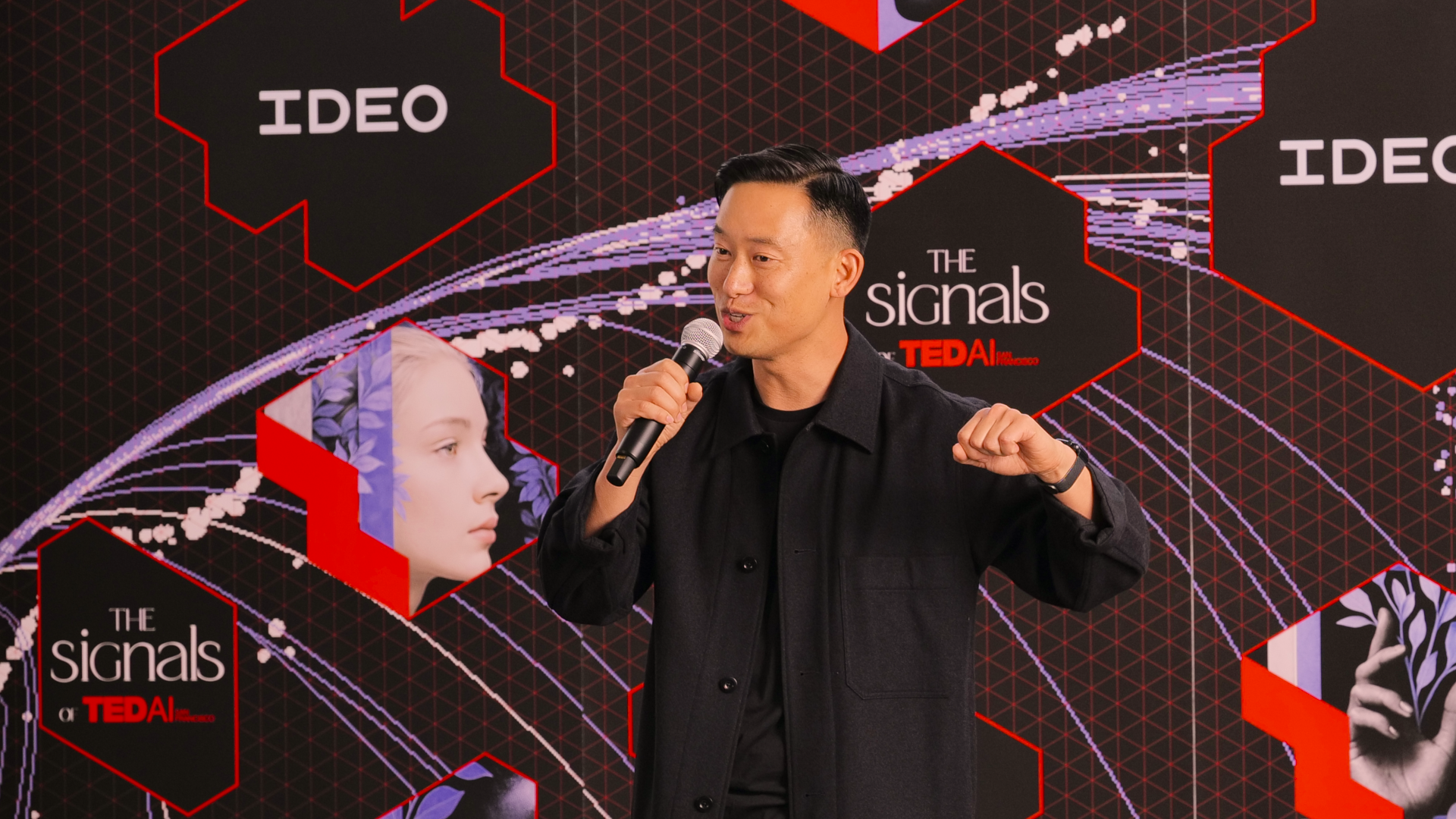
But in the middle of last week’s Signals of TEDAI event at IDEO’s San Francisco studio, where we explored the worth and value of AI in the future workplace and what corporations can learn about leveraging IP from battles currently playing out in the art world, Pat Pataranutaporn, technologist and researcher at the MIT Media Lab, surprised the panel he was on with a far more critical question: “What is AI doing to us?”
Focus on physical, in-person experiences, because that is what people will value.
As technology becomes easier to manipulate through deepfakes, AI-generated content, and misinformation, it will become increasingly difficult to distinguish what is real—and what is not. In that world, Tim Chang, a Venture Partner at Mayfield, argued that human connection may become our most reliable source of truth—and our only form of authentic experience. “Within a year or two, anything digitally created and transmitted will not be fundamentally trustable,” he said. “The only thing I count on is when I see you in person.” In a future where digital content can no longer be taken at face value, people may once again become the most trusted interface.
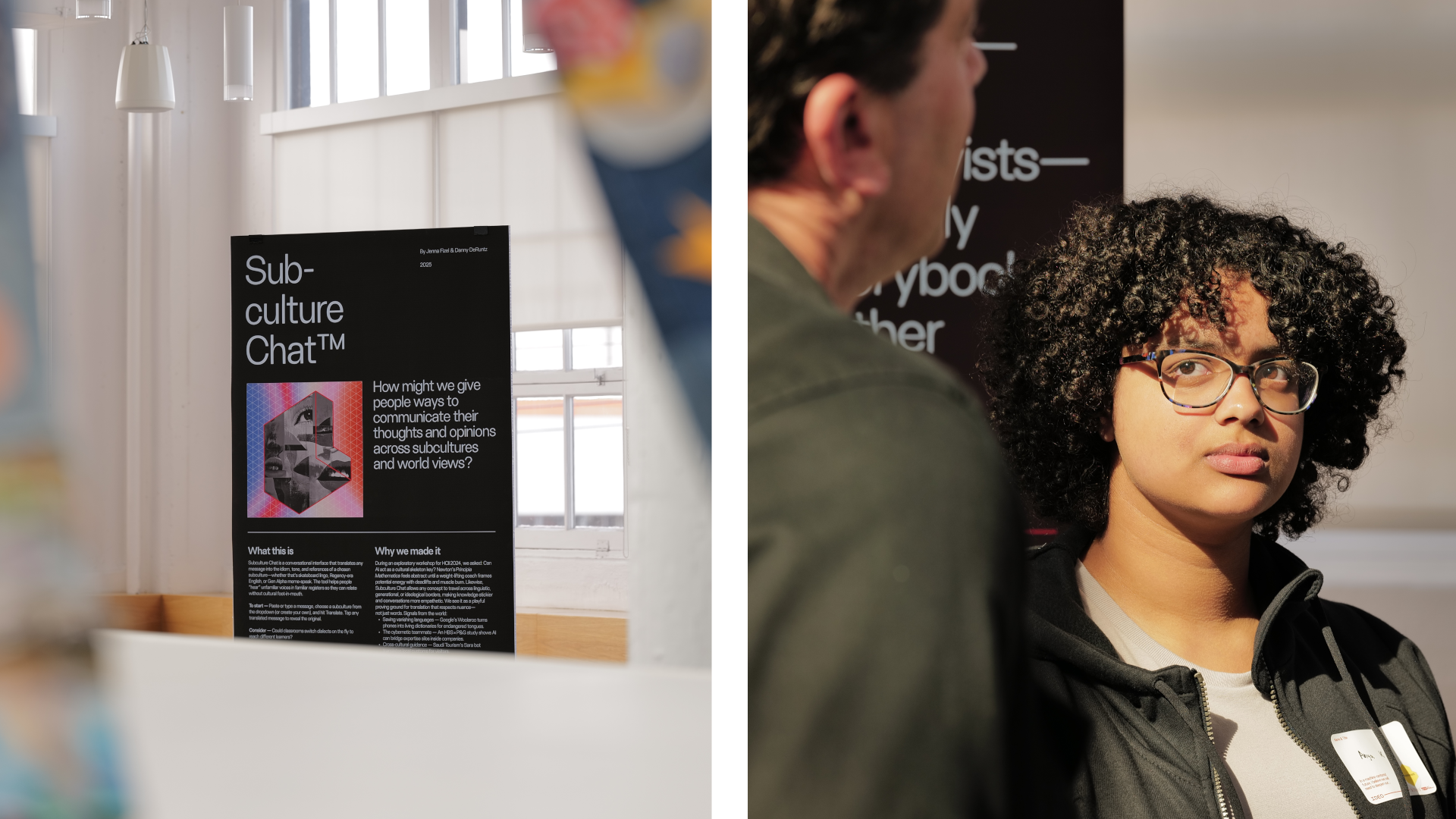
So, how can these two worlds stop competing and start to enhance one another? Authentic experiences and intelligent technology. Human intimacy and boundless connectivity. The next generation of social networks may not be entirely analog, but neither will they exist solely on our screens.
Why do tech companies get to change the rules?
Speakers like Ed Newton-Rex, founder of Fairly Trained, a non-profit certifying generative AI companies for fairer training data practices, and Amy Karle, an artist and futurist, critiqued the corporate appropriation of artists’ work under the guise of “fair use,” calling out the tech industry’s tendency to shift foundational norms (like copyright protections) without democratic consent. Newton-Rex pointed out that for years, “No AI companies trained their commercial models on copyrighted work without asking permission, because everyone knew it was illegal.” But now that several high-profile companies are doing it anyway, and reaping financial rewards, others are rushing to do the same. “We're doing a very, very bad job of holding those companies to account,” he said.
But we all know tech companies have been undervaluing artists for decades. Spotify pays artists between $0.003 and $0.005 per stream, meaning an artist needs approximately 250 streams to earn just one dollar. In 2015, Google won a 10-year battle with the Authors Guild to display excerpts of works without compensating the creators. The current AI conversation pours gasoline on these precedents. And unless we want to upheave society and consider more radical concepts like universal basic income for artists, as Alvin Wang Graylin posited, tech companies need to change the way they value art and artists; not just because it’s the right thing to do, but because creatives have always helped design the future of technology. We can't have great tech without creatives, and creativity won’t evolve without great tech. There should be mutual benefits for both parties involved in the process.
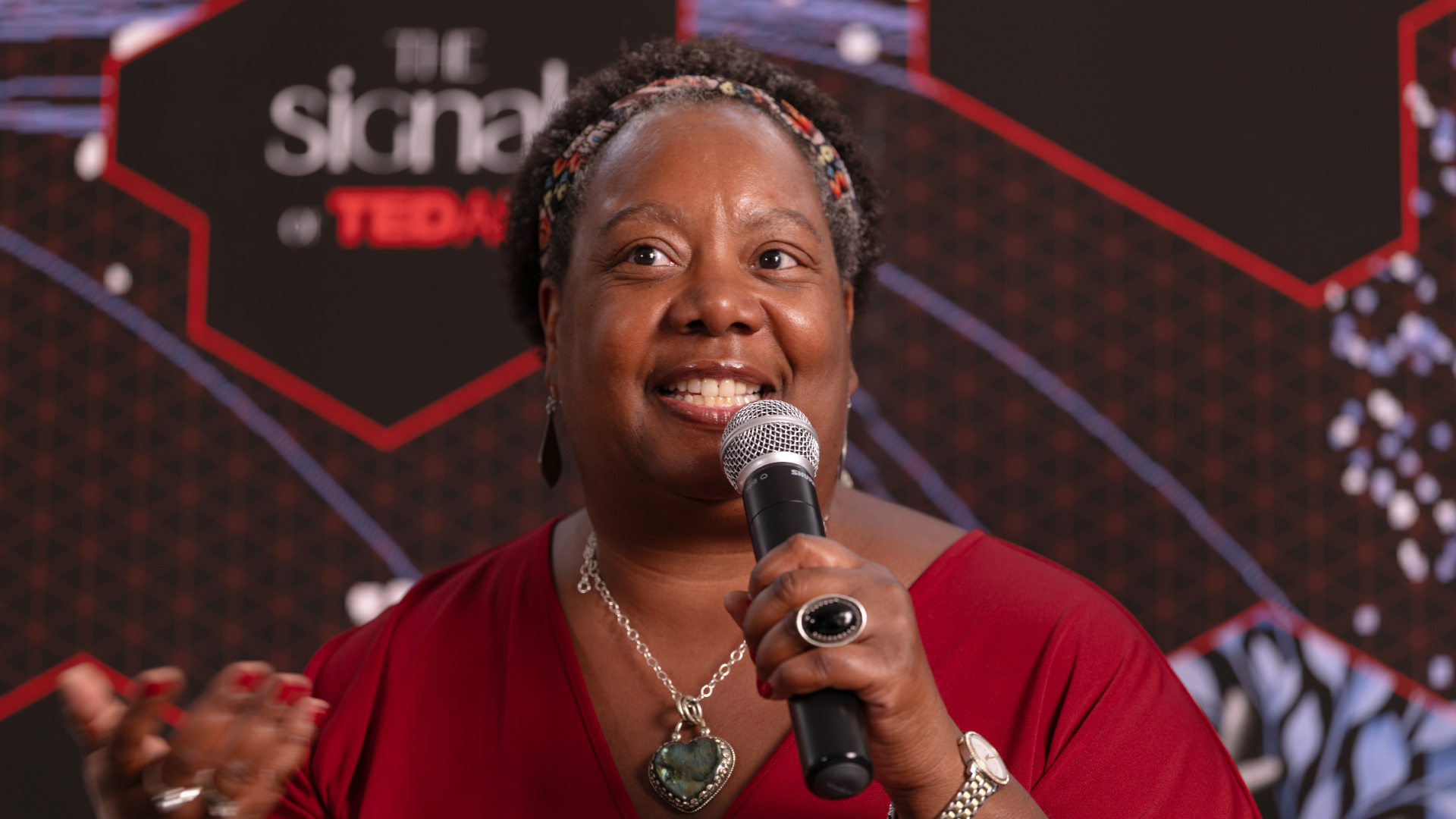
“Artificial intelligence is not artificial and it’s not intelligent.”
Ovetta Sampson, founder and owner of Right AI, reminded us that AI is only as strong as the people who shape it—and in many cases, they are the marginalized people behind the scenes who are exploited to moderate, clean, and categorize the training data. It’s something we explored back in 2020, when we were working with Mozilla on the consequences of the Surveillance Economy. Back then, we found that “invisible practices enable invisible human exploitation” via the role of mechanical turks. Current LLM practices are similar; that labor is not artificial.
As responsible designers seeking a less biased and more equitable model, we must find ways to shed light on those exploited communities and educate users and organizations on the importance of diversity and transparency in the system.
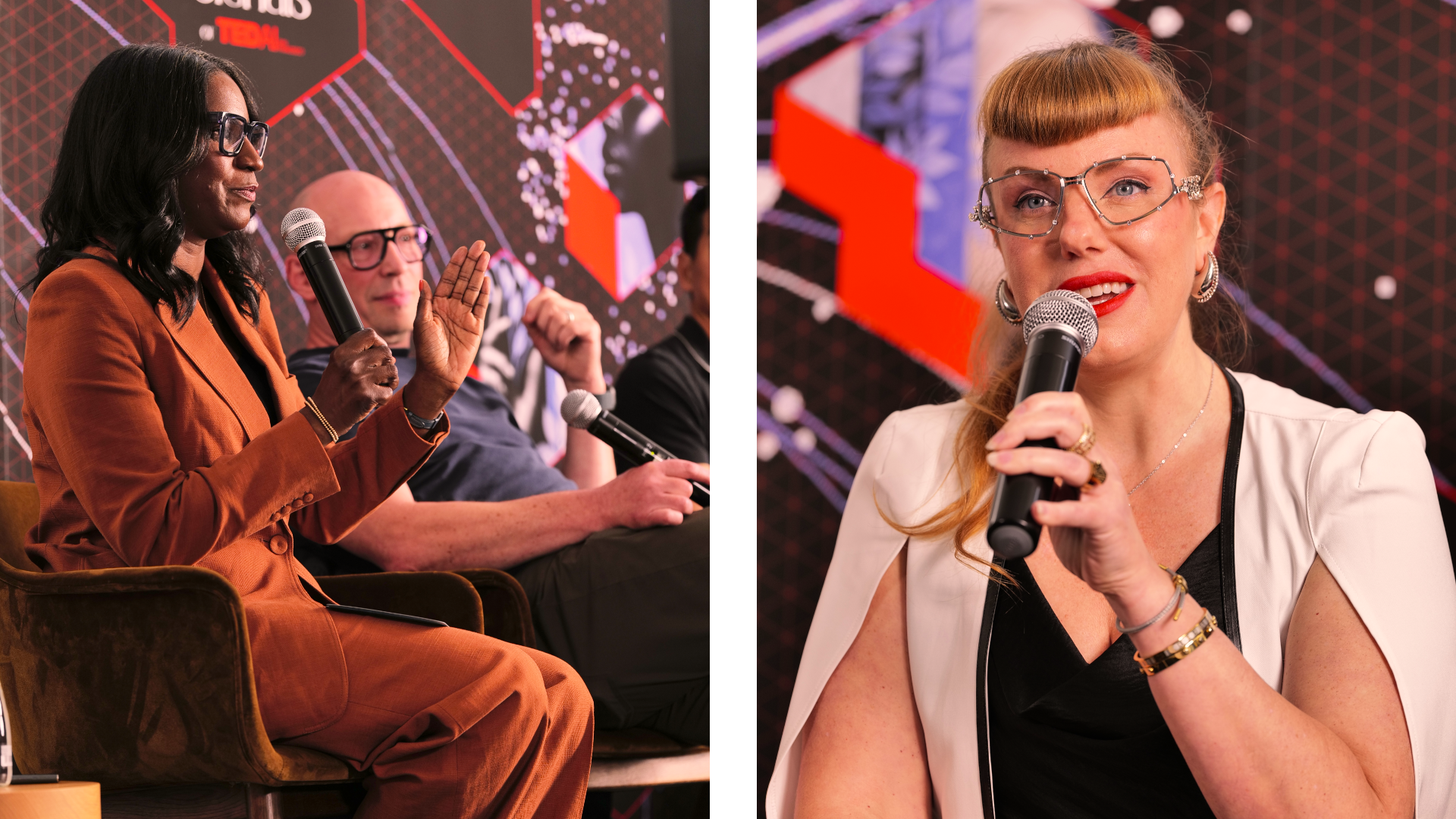
“Who are the designers?”
Over and over, panelists emphasized that designers must get AI right and create products and systems that meet real human needs while minimizing damaging consequences. Then Rashida Hanif, Founding CEO of RepresentEd, asked a seemingly simple yet fundamental question: “Who are the designers?”
If we consider the scale of impact that “design” will have in this space, then we need to dial up the importance of some of design’s most talked-about shortcomings: diversity, equity, and inclusion. Another interesting moment arose when Chang and Hanif pointed out that too often, the consternation over a lack of female-owned startups overlooks the lack of investment in female founders—not to mention gaps in education and support systems that exist before they even reach that stage. This gender chasm is just the tip of one iceberg. But we need to learn from our past and remember that, “if you invite someone to the table, it’s too late… because you’ve already built the table.” As a design community, we need to do better.
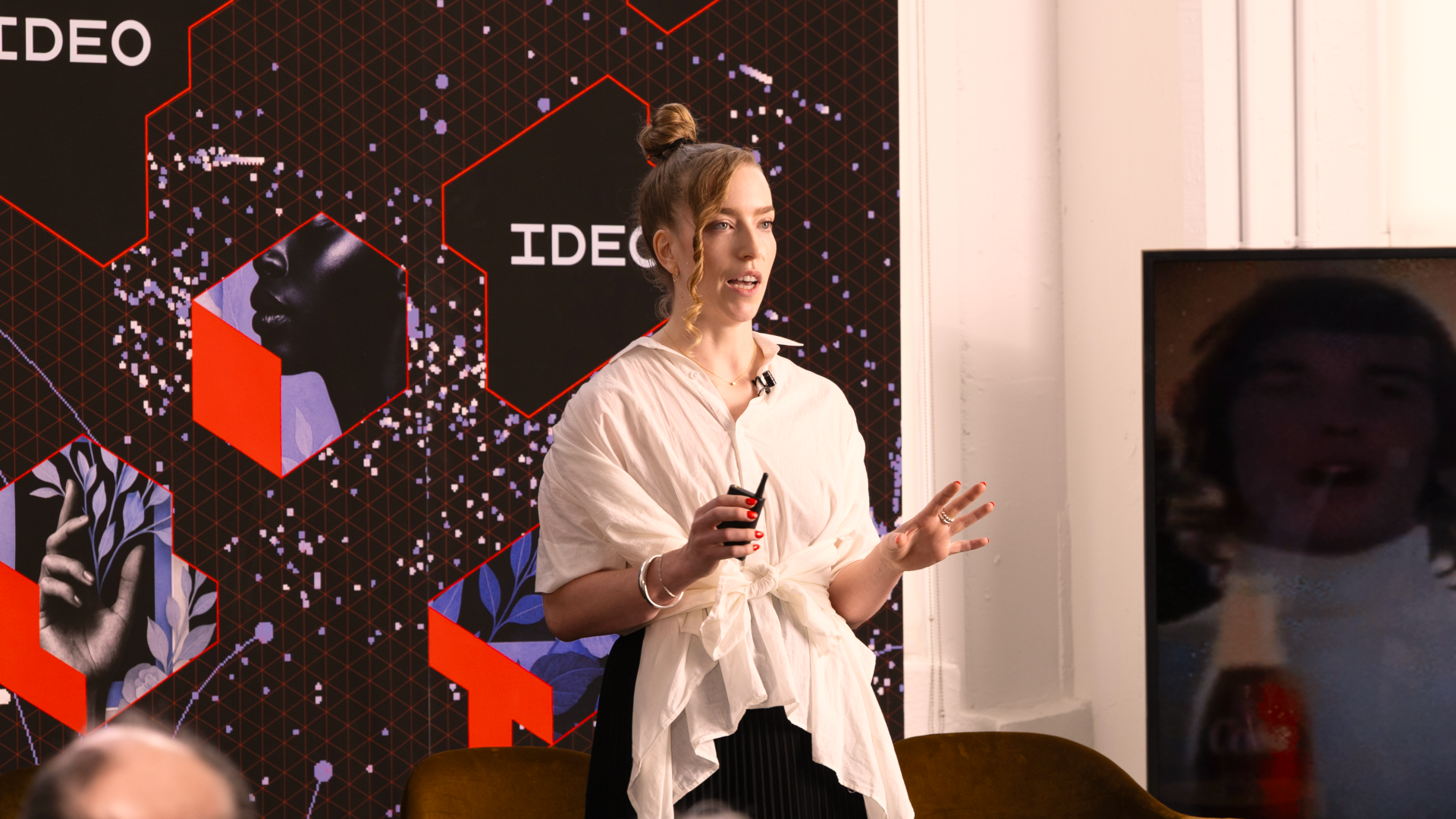
“The revolution has to start, and it has to start with you.”
Sampson reminded us of the most important point of all. It’s easy to say, “the designers need to…” But we all have a say in making this future. “We really need to participate in the AI revolution and not accept the narrative that is given to us by the tech bros,” she said. “We have the resources and the access, and it’s up to us to make the future we’re asking for.”
For us, that’s a future that understands there is no choice between human creativity and technology; and it’s a refrain we’re hearing over and over. We heard it at Figma's AI-heavy Config conference, we've explored it with clients like Ethiqly, and it was clearly resounding in this conversation, for technologists, artists, and business folks alike. AI is going to be able to do a lot, and yes, of course, it will replace jobs and upend entire industries. But its intelligence will only be truly valuable when it’s paired with human creativity to create meaningful human experiences.
So many people are putting so much work (and money) into figuring out what we are going to do with AI.

Lindsey Turner
I’m passionate about building brands, products, and experiences that help organizations show up with meaning and momentum.
I help organizations cut through complexity by shaping how they show up, through brand strategy, identity, and storytelling.
Working at the intersection of brand and business, I bring an editorial eye and a bias toward making—turning ideas into tangible experiences that people can understand, trust, and believe in.
My work spans government, healthcare, financial services, media, and consumer goods, from launching Gen Z-focused ventures to building innovation labs and reimagining legacy brands. I relish moments of ambiguity and enjoy translating across teams, perspectives, and priorities to move ideas forward.
I started my career in editorial and digital design, shaping cross-platform experiences and identity systems in publishing and agency environments. That foundation still shapes how I work today: I’m detail-oriented, collaborative, and overreliant on the Oxford comma. I hold a BFA in Visual Communication from the School of the Art Institute of Chicago.

Rachel Young
My work helps organizations see who their products aren't working for—and build the will and the tools to do something about it
For 25 years, I've asked the same question: Who does this design exclude—and what are we going to do about it?
My work spans human-centered strategy, inclusive design, and qualitative research, with clients ranging from Microsoft, Google, and Verizon to the National Science Foundation, and San Francisco Unified School District.
Before IDEO, I taught elementary school in East Palo Alto and spent a decade doing design work with social service organizations—where I learned firsthand what it costs people when systems are built without them in mind.
I am currently writing User Error, a nonfiction book about digital access and the design decisions behind it. I live in Oakland, California.

Brian Pelsoh
I lead with craft, ensuring our work is creatively excellent: rooted in deep human insight and imagination, while also grounded in the realities of business and technology.
My expertise spans brand, communication, and product design across tech, education, the arts, and social impact.
I believe great work demands both high-level vision and obsessive attention to detail, and only happens through collaboration.
I bring an inclusive, hands-on approach and a deep understanding of business, which enables me to consistently deliver excellence while always asking why.
Before joining IDEO, I worked at the brand firms Pentagram and VSA Partners. I began my career as a designer, leading teams at the School of the Art Institute of Chicago and the Milwaukee Art Museum. I hold an MFA in graphic design from Maryland Institute College of Art and a BFA in communication design from the Milwaukee Institute of Art & Design, and have taught at some of the best design schools in the US.

Tony Wong
I am responsible for IDEO’s long-term success in China and working with clients to use design as a tool to enable growth.
I am responsible for IDEO’s long-term success in China and working with clients to use design as a tool to enable growth. Specifically, I have helped Chinese companies design holistic brand solutions through the development of their products, communication, services, and innovation teams, and I have helped multinationals expand their presence and influence in China.
I advise global leaders on developing China-led innovation and capabilities.
In over 15 years in IDEO Shanghai, I have worked on projects that use design to elevate the quality of the experience of healthcare products and services, streamline processes that increase productivity, create spaces and programs that promote and enable inclusive communities, and build next generation mobility solutions that are planet-positive.
Before joining IDEO, I worked at Philips Electronics and the Electrolux Group in Italy, the Netherlands, and Singapore on a number of breakthrough commercial products. I am a member of the Young President Organization in Shanghai.

Building a personal AI for the messiness of life: Sida Li
Most AI products today are built for work—a space with clear problems and established systems. One founder noticed a gap: personal life is messier, harder to systematize, and mostly left behind by the AI boom. So she built Cue, a personal AI that lives inside iMessage and group chats, to go where the other tools haven't.
In this episode, Becca Carroll, IDEO's Chief Strategy Officer, talks with Sida Li, co-founder and CEO of Shared Context Lab, about staying anchored to a human need while the technology around her keeps changing shape, why she treats her business model with the same rigor she'd bring to a product, and what it feels like to build a company at this particular, disorienting moment in AI.
The conversation also gets into how Sida makes design decisions: the language Cue uses to describe itself, the tradeoffs behind building inside iMessage instead of a new app, and a real story about a business idea that didn’t pan out.
This is the second in a two-part series profiling founders from IDEO's Startups-in-Residence program. The first conversation is with Johannes Seemann, founder of Sooner, on designing GenAI for the emotional side of money.

Designing GenAI for the emotional side of money: Johannes Seemann
Most personal financial tools are built to run the numbers and optimize towards a budget. While that works for some, most people experience money as a lived relationship that does not neatly fit into a spreadsheet. Johannes Seemann and Becca Carroll discuss why money is emotional before it is mathematical, and what a human-centered approach to building a generative AI financial product looks like in practice.

The curious leader's edge in uncertainty: Scott Shigeoka
Mina Seetharaman talks with Scott Shigeoka, author of Seek and Head of Curiosity Cultivation at the Eames Institute, about what distinguishes genuinely curious leadership from performative curiosity, how power dynamics shape curiosity, and why practicing curiosity can restore energy rather than drain it.

How constraints make us more creative: David Epstein
Mina Seetharaman talks with David Epstein, author of Inside the Box and Range, about why total freedom often produces average work, how leaders can design useful limits on purpose, and what organizations such as General Magic and Pixar reveal about the relationship between boundaries and creativity.
Looks like you might be in search of something very specific?
Or reset the filters above and try another angle.
Here’s some random inspiration

Podcasts about creative leadership

Articles about the power of prototyping
