
.svg)



Designing new products based on cultural beliefs
Helping a Chinese manufacturer become a part of healthy living.
Midea, one of China’s largest appliance manufacturers, wanted to identify growth opportunities in the domestic consumer market, while focusing on people’s cultural beliefs around health and well-being. During the course of the project, IDEO found that Midea could play a key role in building a healthier nation.
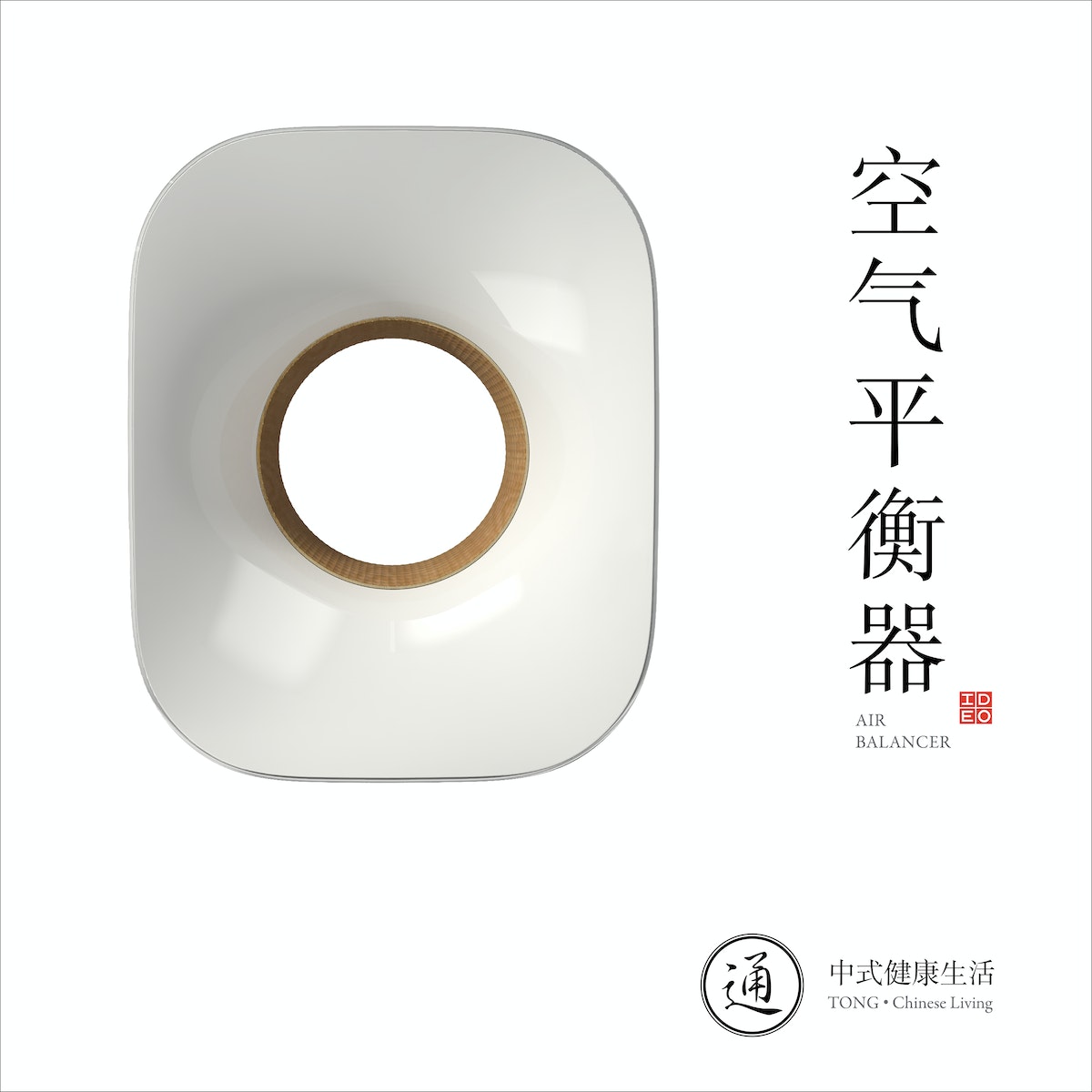
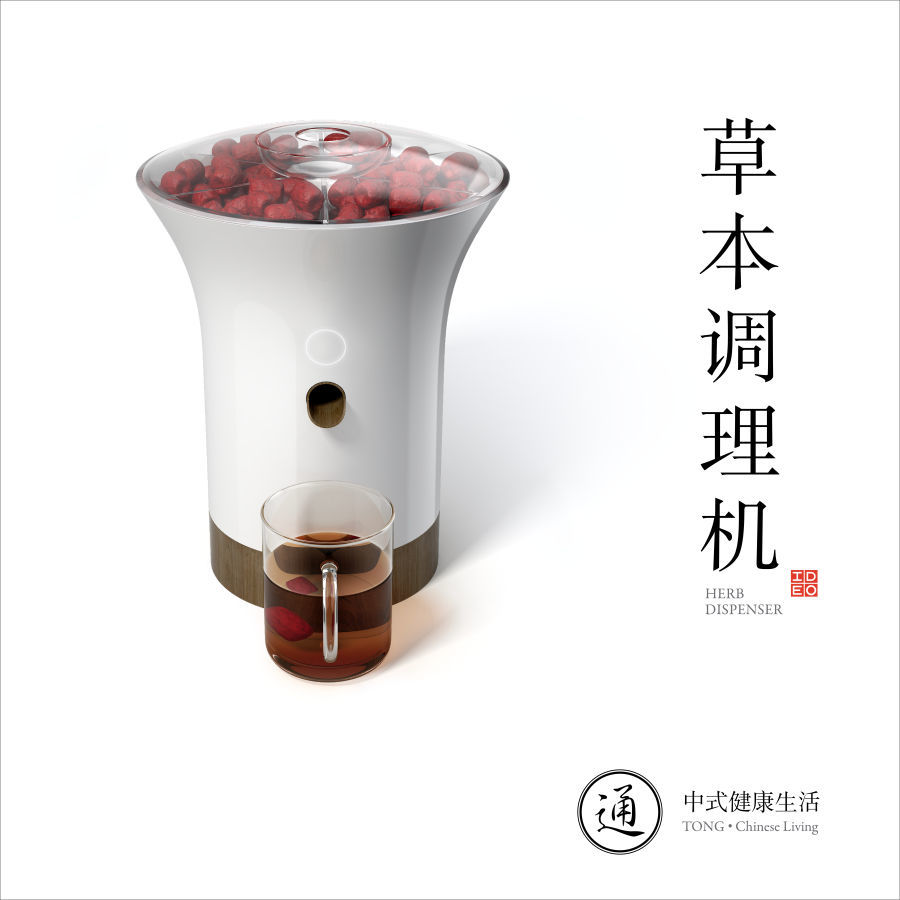
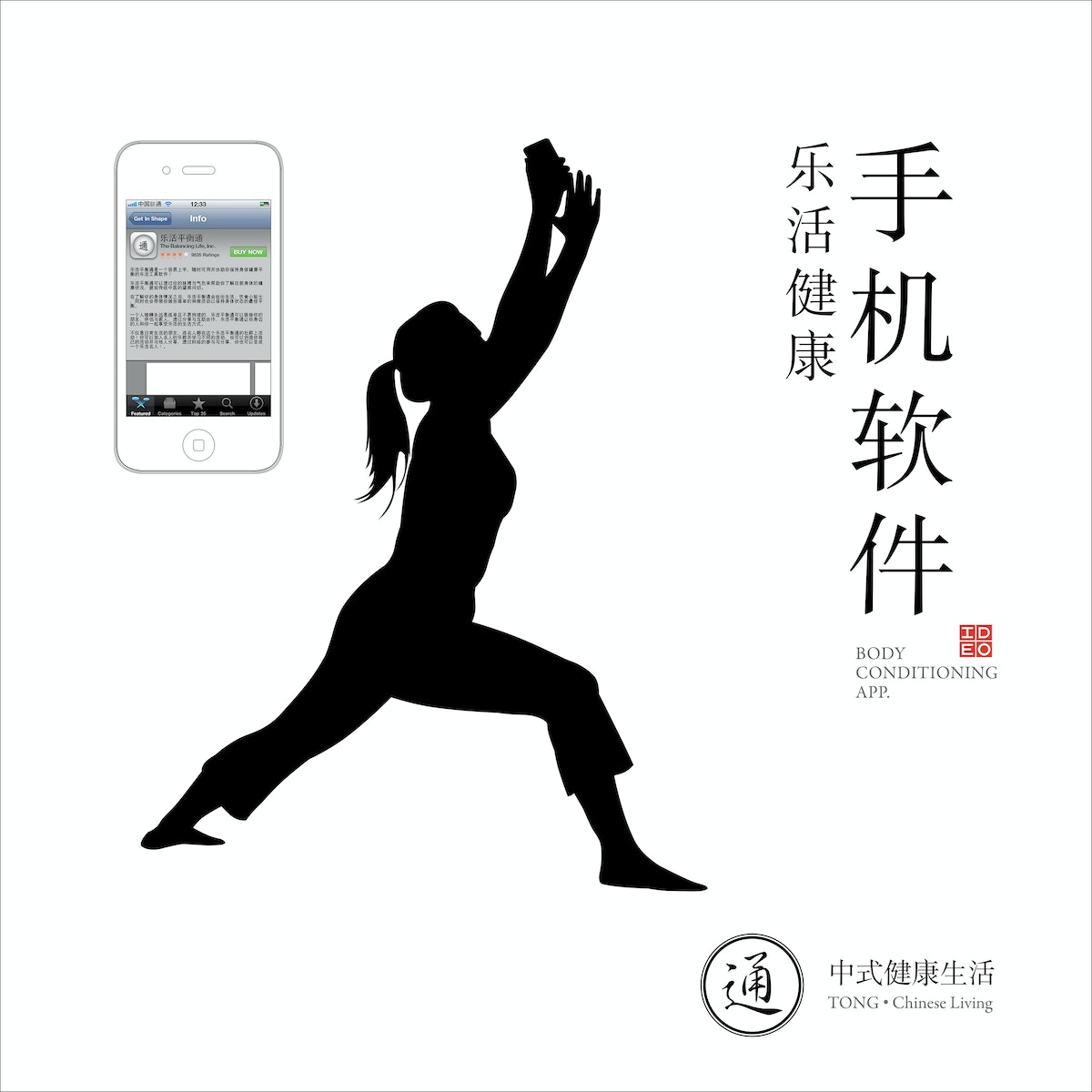
The team set out to design potential future products for Tong (“through, whole, and to understand”) that are built around the basic themes of eating, breathing, and being: an easy-to-use, hassle-free herbal tea dispenser, an air balancer that improves and balances the quality of air in the home, and a body-balancing mobile phone app that encourages users to rebalance their body condition where needed, through movements created with the Chinese philosophies of well-being in mind.
The Tong project was featured extensively in the press, and opened further conversations with Midea about creating new value and extending into new markets.
Customer-friendly utility bills
Improving how low-income customers manage their bills.
Put food on the table or keep the furnace running on a frigid day? It’s an unfortunate choice many low-income families in Flint, Michigan, face.
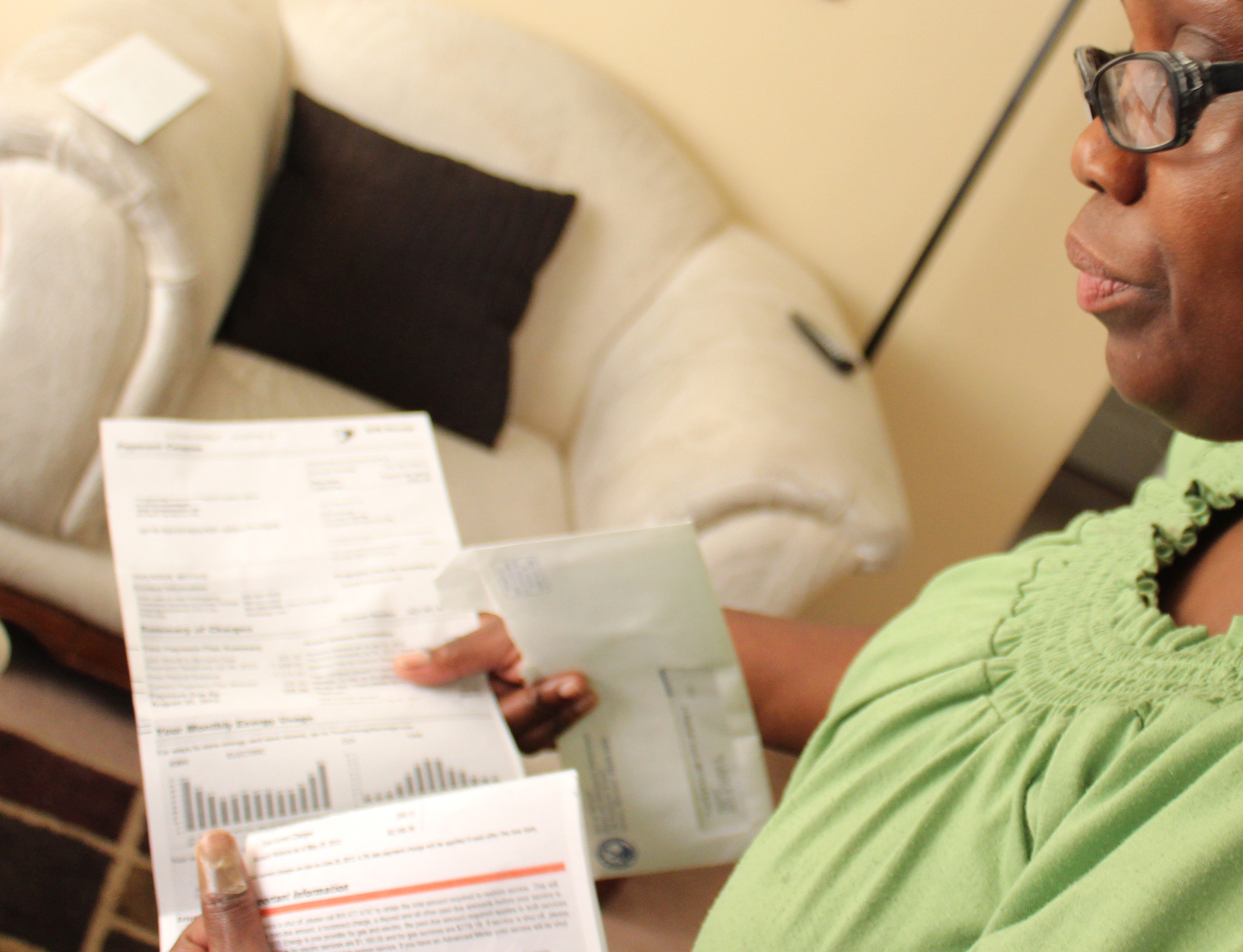
To help customers in Flint and other Michigan towns stay on top of their utility bills and better understand the relationship between their energy consumption and the resulting costs, Consumers Energy partnered with IDEO and utility assistance provider The Heat and Warmth Fund (THAW) to create an innovative pilot billing program called Clear Control in late 2013.
The pilot was designed with three major human-centered changes to the traditional utility experience:
- Instead of monthly bills, participants received two bills per month. Shorter billing periods allowed for smaller, more frequent payments, helping customers match available funds with their ability to pay.
- Daily text updates on energy usage and bill amounts kept consumption top of mind.
- Consumers Energy offered personalized, in-home audits to help customers make low-cost, high-impact changes to their energy bills.
A year later, the results of the pilot are energizing. Clear Control participants accumulated no new debt, while the control group owed $300; pilot customers used 20 percent less electricity, reducing their bills by $200 per year; and 95 percent of participants paid their bills in full and on time, compared with 35 percent in the control group. The utility company simultaneously benefited by avoiding arrearages, late-payment fees, and shutoffs. Consumers plans to incorporate Clear Control lessons into its overall energy assistance program design and development moving forward.
"It’s no longer ‘me’ against ‘them’—now it’s ‘us,’" said one Clear Control participant.
Creating the first usable mouse
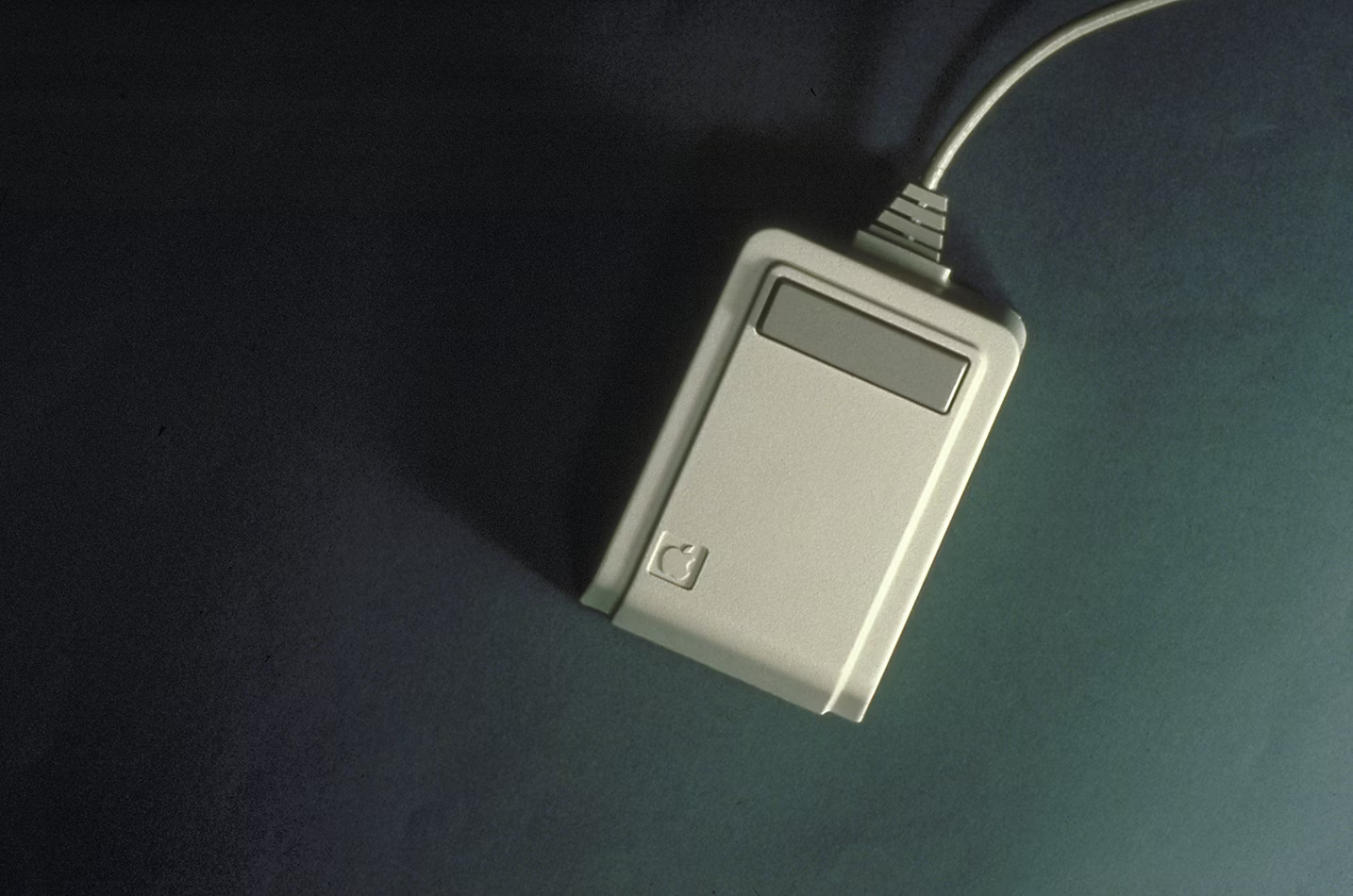
IDEO designs the original mouse for Apple.
In 1980, Apple asked IDEO to develop a mouse for their radical new computer, the Lisa. Previous attempts at mouse design, by Douglas Englebart and Xerox PARC, yielded results that were too expensive and hard to make. The Apple mouse needed to be more reliable and less than 10 percent of the cost of the earlier versions.
To start, the design team created a cheaper, much-improved mechanism that would operate the mouse, and found that a complex, plastic "ribcage" would hold the pieces together. The team similarly tested and refined the mouse’s other key components, from the audible and tactile click of the button to the rubberized coating on the ball. A record turntable spun for days, logging “mouse miles” to check the reliability of the electromechanical assembly.
The resulting mouse proved mechanically and economically sound and was changed only slightly when adapted for use with the first Macintosh computer. The basic mechanism design is used in virtually all mechanical mouses produced to date.
Building a new venture to restore trust in China’s food system
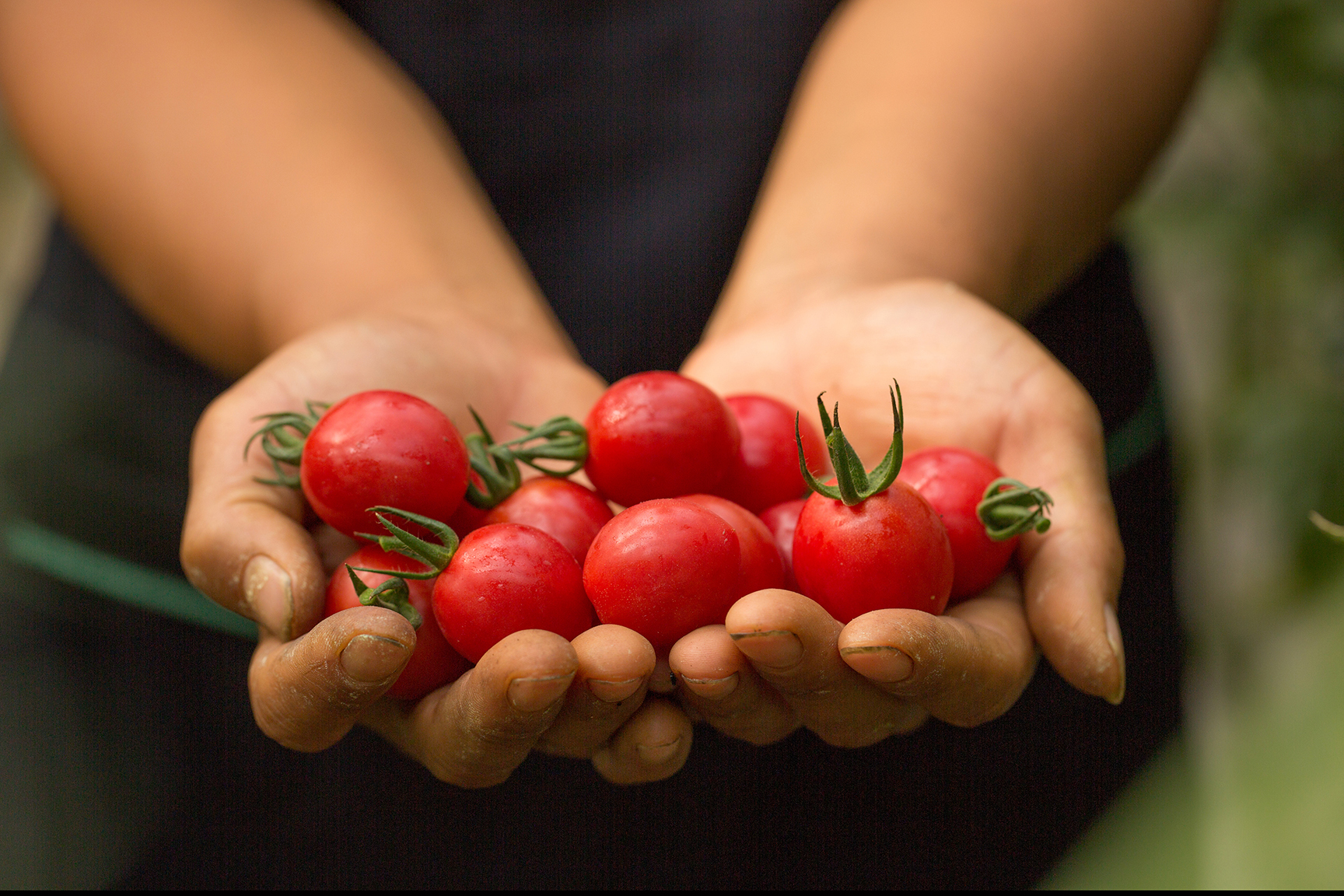
Launching a new restaurant and retail venture that connects food from seed to table.
Food is the heart of most cultures. In China, one of the oldest cultures in the world, food is central to family gatherings and celebrations. It’s what binds people, a tangible way of showing love and respect. But in recent years, the Chinese food industry has suffered from concerns around safety.
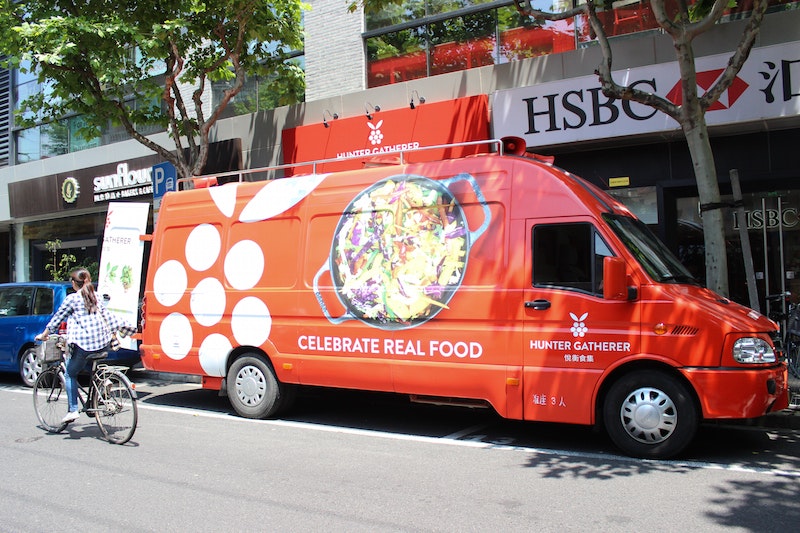
Two siblings, Harn and Anmao Sun, set out on an ambitious venture: to create a trusted source of food in China and, by setting an example, to instigate a movement around conscious farming practices. The American-born entrepreneurs launched Hunter Gatherer, a restaurant and retail food space built around a transparent supply chain, from farm to table to grocery shelves. The venture is based on growing and serving what they call real food: The ingredients are chemical-free and come from known and trusted sources—food they’d eat themselves. The purpose of the venture is simple: to serve people real food that is their right.
Having studied and worked in the US, Harn and Anmao grew accustomed to browsing farmers markets on Saturday mornings or picking up a burrito at Chipotle. But when they returned to China, they were unsure about the safety of the food they were eating.
“In China, you wouldn’t go to a food stand, because you’d be concerned about the ingredients,” Anmao said. “You can’t take the safety for granted.”
Hunter Gatherer’s very existence challenges bedrock assumptions about how food is produced in China. A long and depressing list of scandals—milk contaminated with melamine, pork produced from diseased pigs, used cooking oil repackaged and sold as new—has rocked the public trust.
“In China, agriculture is going through a huge change,” Anmao said. “In the US, agriculture operations are regulated. Farmers’ practices are regulated. If they use pesticides, there are limits because these farmers understand that once a certain threshold is hit, additional pesticides will not yield more crops. But in China, pesticide use came about 30 years after the US and Europe, and because of a lack of full understanding, farmers in China incorrectly operate under the assumption that more pesticides means more crop yields. Also, with over 250 million farmers in China, it becomes immensely difficult to properly regulate everyone.”
New Ventures
Harn and Anmao wanted to restore trust in the simple act of eating in China, and they came to IDEO to build a scalable business based on that vision. This was essentially a startup, a shared commitment between IDEO and Hunter Gatherer.
“I’ve lived in Shanghai for the past seven years, and as a relatively active and health-conscious person, I’ve had to invest quite a bit of time in finding food that I trust,” said Charles Hayes, managing director of IDEO Shanghai. “That investment has been both in the time it takes to research the sources of ingredients but also a literal investment in paying a high price for imported food just for that extra peace of mind.”
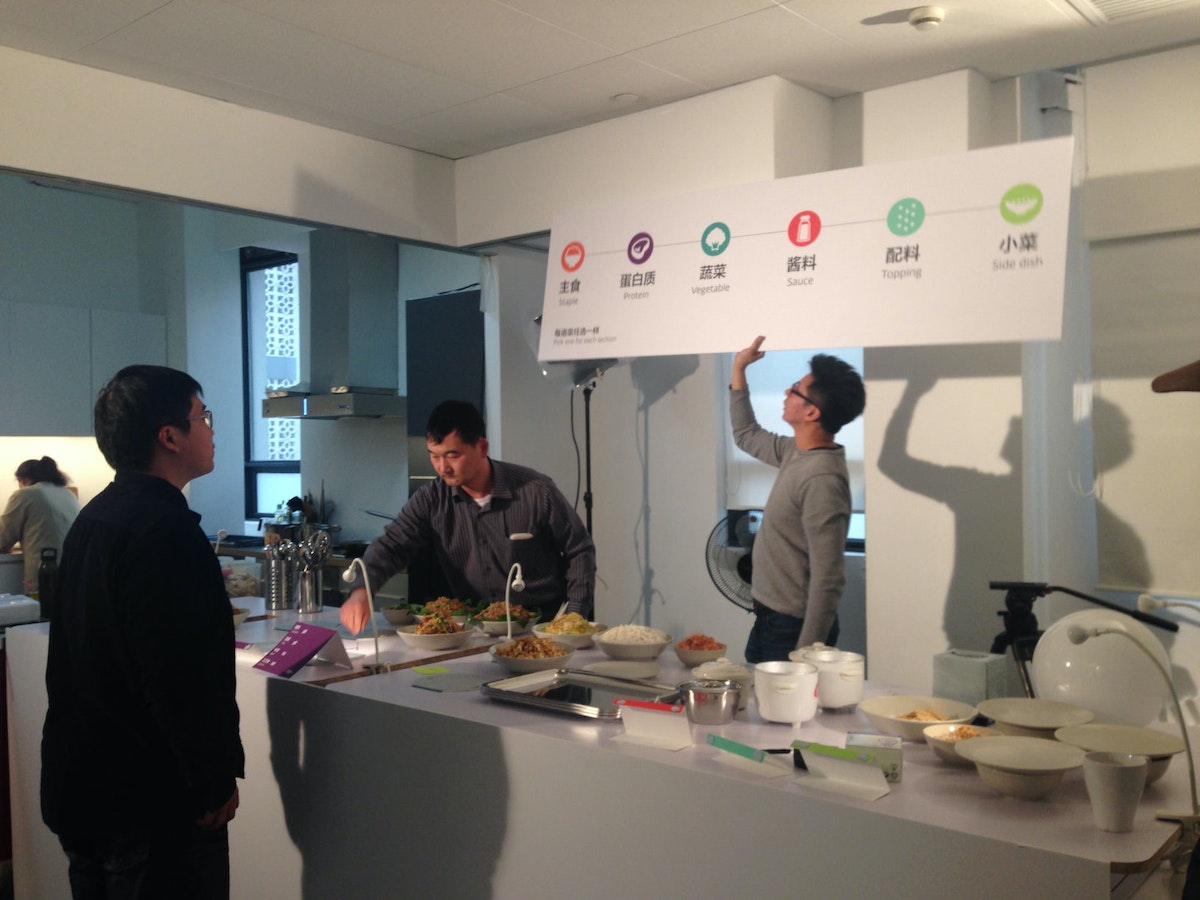
Anmao and Harn took up residence in the IDEO Shanghai offices to incubate their business. Together with IDEO designers, they tested packaging, cooked countless meals, and found ways to introduce unfamiliar ingredients to Chinese consumers. They discussed different concepts of lunch and dinner, and how notions of freshness in Chinese culture might affect cold-storage systems. In IDEO’s prototyping kitchen, the teams tested all manner of different foods, flavors, colors, mixes, and price points, and they brought consumers in to try them out. IDEO designers, along with the founding team, also worked on the brand and positioning of what would eventually become the Hunter Gatherer enterprise—its location, human resources, and marketing strategies.
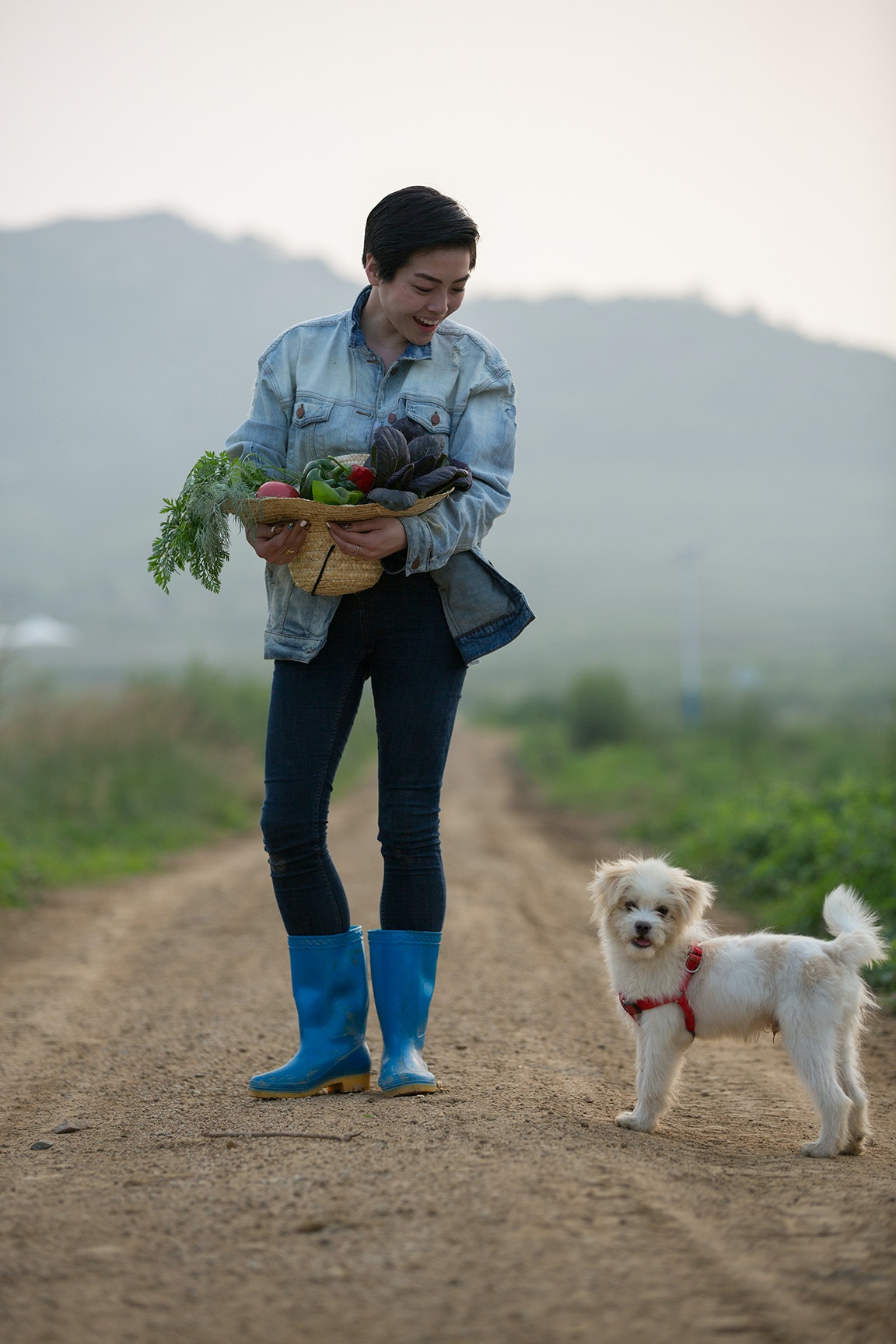
As the restaurant concept came together, finding the right food sources had to be addressed. Traditional agriculture couldn’t be trusted; organic certifications were available on the black market, and safety protocols around chemical use were nonexistent. Anmao and Harn decided to invest in their own farms. They met with farmers, asked questions about their methods, and walked in the fields to see for themselves. Eventually they settled on two plots of land outside Shanghai and began developing more than 80 different crops to be used in the restaurant.
From Seed to Table
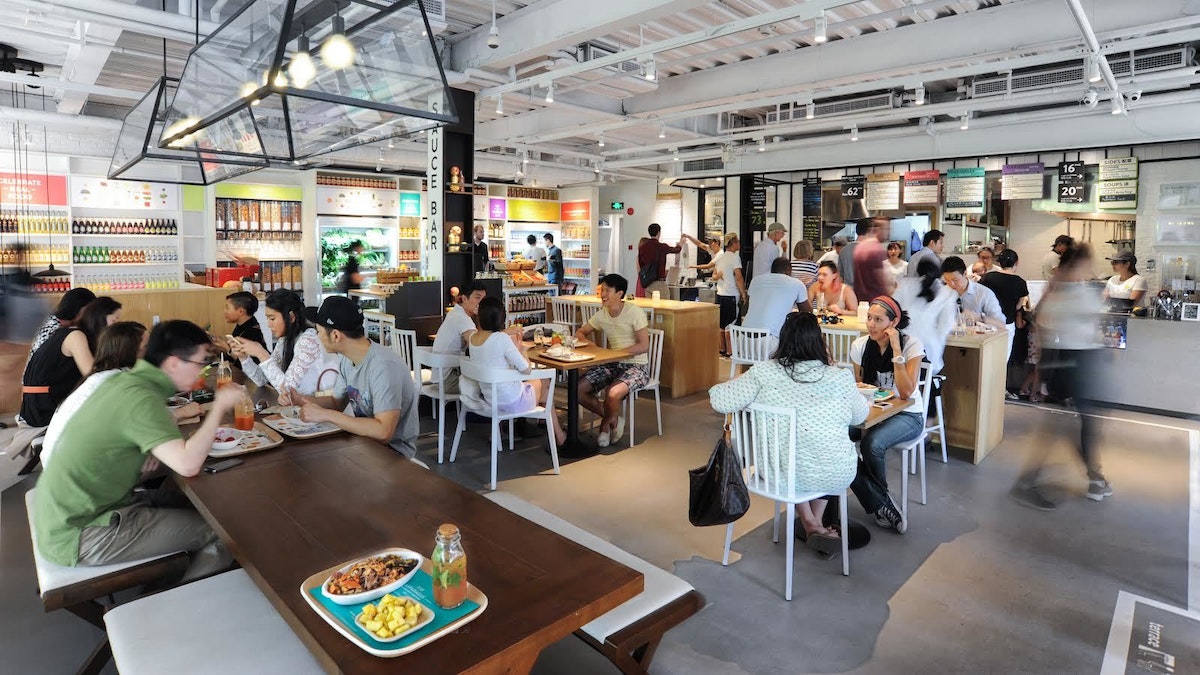
When it came time to find the right space for the first location, Anmao and Harn discovered an open, airy storefront on Anfu Road in Shanghai’s tree-lined former French Concession area. They designed and built a retail space and kitchen, and along with IDEO designers, they trained the staff and organized workflows. The staff set the tables with Mason jars filled with flowers, hung photographs of the farmers who grew the food, and put up a sign that showcases the percentage of vegetables coming directly from the Hunter Gatherer farms, already more than 70 percent in less than a year after opening.
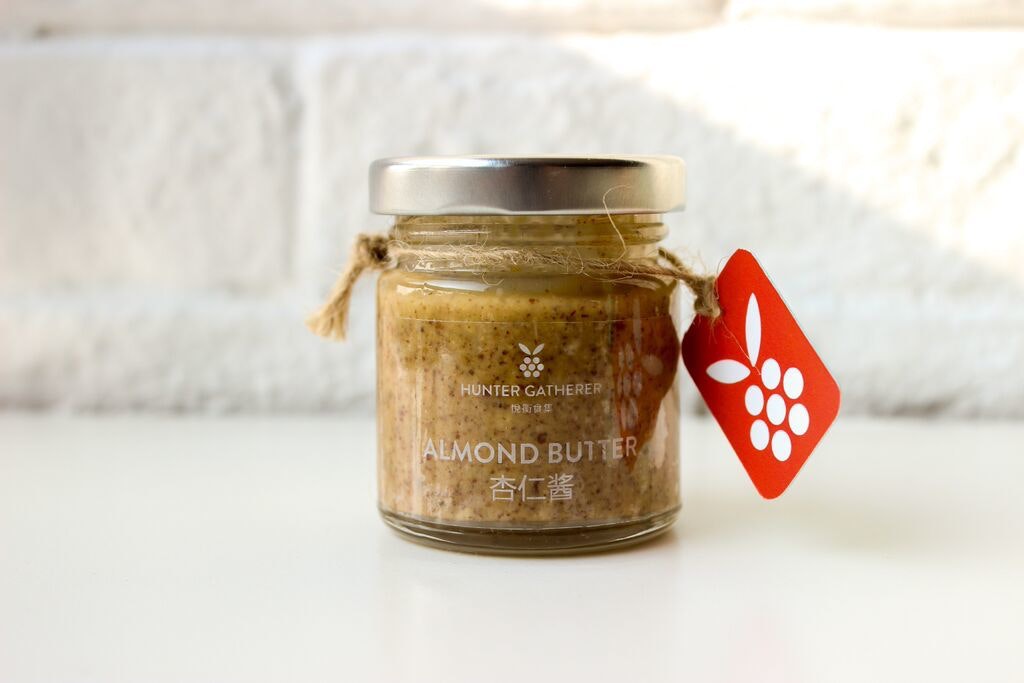
Customers can shop for fresh vegetables, locally sourced and imported canned and jarred goods, bins of cereal, freshly made smoothies, artisan sauces, and exotic chocolates. Upstairs, they can feast on delicious dishes in the homey restaurant.
Reviews have been glowing. One customer raved about the machine that grinds fresh nuts. Another loved the open space, the “good vibes,” and the refreshing cucumber water. Young people go there on dates, and families return for the delicious menu variety.
The convivial space has blossomed into more than just a restaurant and grocery store. It’s become a gathering place of sorts, both for the community and for partners who share the same vision. Farmers and food purveyors are invited to showcase their products at seasonal events and to mingle with customers and share recipes and stories.
“Hunter Gatherer has come to symbolize a kind of lifestyle the Chinese people have been looking for,” said Eugene Lin, an IDEO business designer. “A place they can enjoy hanging out with friends, as well as a movement and mission they can stand behind.”
A Digital Future
This is just the beginning of the venture. The plan is to open 40 more locations throughout China. But the vision for Hunter Gatherer’s growth is bigger than brick-and-mortar restaurants—where the business will truly scale is in the digital space. Eventually, the plan is to launch a Hunter Gatherer online grocery store from which anyone can buy food grown from trusted sources.
“We have to create trust with the consumer. It’s the most difficult and most valuable thing to do in China, especially with food,” Anmao said. “Our brick-and-mortar locations will establish that increased trust. Then we can go online and grow the idea to the rest of the country.”
Will Hunter Gatherer have a hand in changing the way that the world’s most populous nation thinks about food? Its principles are already spreading, from neighboring farmers adopting more sustainable planting methods, to a growing market for products like wine.
But the true sign of success will be almost invisible—the moment when an increase in demand will result in safe food for everyone and when real food becomes commonplace.
The Freelancer's Guide to Hustling
3 ways to fuel your freelancing
Between the allure of the WFH lifestyle, more flexible working hours, and be-your-own-boss independence, it’s no wonder more people are staying home. But the other side of that coin is that everyone and their mother is freelancing, so it's harder than ever to stand out. We asked our freelance IDEOers and those who hire them to tell us the best ways to make it work.
Here are the top three ways to rethink and refuel your freelancing:
1. Turn ‘networking’ into ‘helpworking.’
Before you audibly groan at the word “networking,” hear us out. Let’s try an exercise: Write down a favor you might ask of someone in your field. Pause. How do you feel? A little anxious? Maybe kinda bummed?
Now, imagine how you might offer to help one of your clients. Jot down three provocative ideas you have for them. Pause. How do you feel? Energized?
We thought so. And that’s the thing. It turns out that while asking for help is hard and can make us feel bad, giving help is actually invigorating and makes us happy. Huh.
So what does this mean for your freelancing? It means looking for opportunities to come together with other collaborators or companies in a way that generates good vibes all around. You can make this happen by bringing together other freelancers for your own hackathon-style event. (Maybe even get a company to sponsor it in exchange for your combined thinking). Or you can join a community-based network. There are tons of places to find like-minded creative people, like co-working spaces or meet-ups.
Whether one-on-one or one-on-many, flip networking from the downer of asking for help, to the booster of giving help—and upgrade the kinds of projects and people you work with as a result.
2. Show all your angles. #nofilter
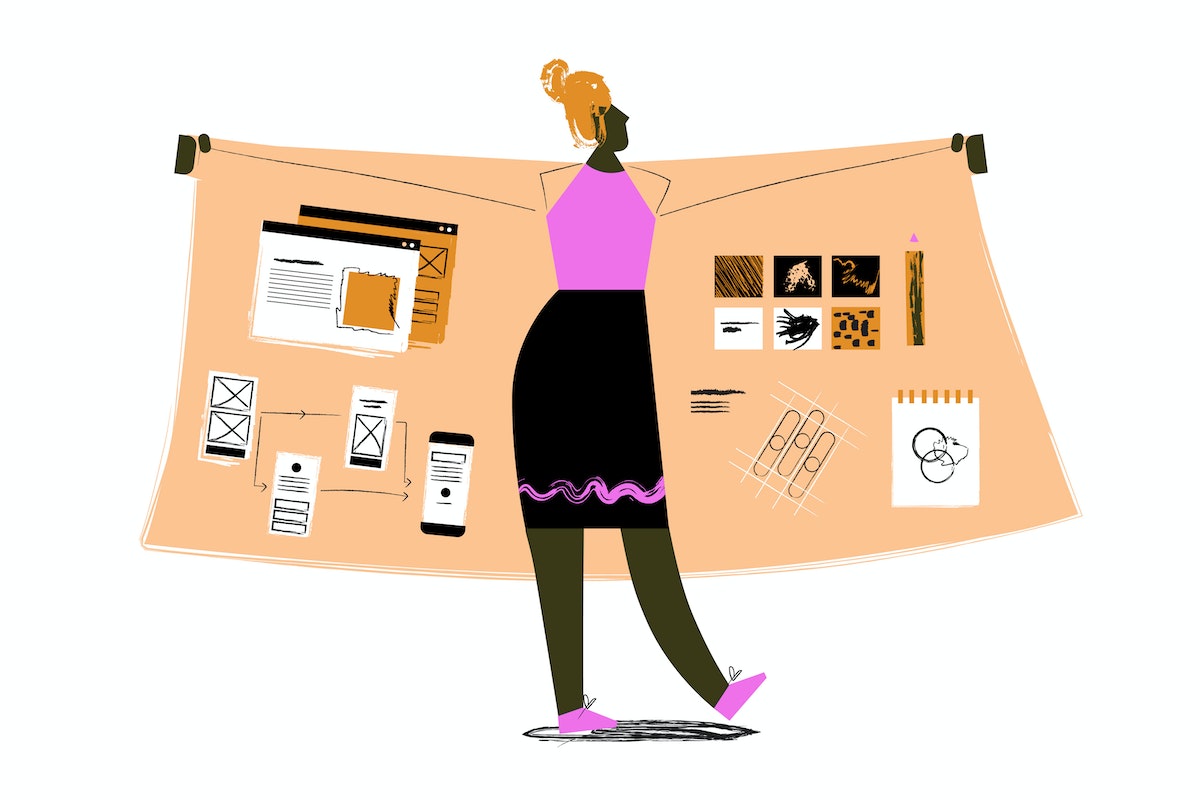
Help companies hire you by showing them all the kinds of work that you do. Are you a medical illustrator with expertise drawing physiological diagrams? That's exactly what we need for one of our health-related projects. When you say “interaction designer,” explain the very specific range of interactions you design. And if you worked on a group project, add a sentence to call out the parts of the project you did.
There’s a fear that by being very specific in what you do and don’t do, you’ll pigeonhole yourself. But the truth is that when a company needs to hire a freelancer, it’s almost certainly because of a very specific task that requires a skill or resource that the company doesn’t already have. If you happen to do that very niche craft… you’re hired!
So don’t leave the range or specificity of what you can do to the imaginations of your prospective clients. Lay it all out (preferably on your website, in emails, on LinkedIn—the Skills section is great for this), and you’ll be increasing the likelihood of a “swipe right” when it comes to new collaborations and projects.
3. Repetition does not spoil the prayer.
So you met a prospective client or collaborator at an event (perhaps the recent Break the News brainstorm we hosted in our Cambridge office), you clicked, you exchanged information, and then… crickets.
It’s tempting to think that the prospective partner will keep you top-of-mind for future projects. The reality is that, while they probably felt the spark too, life happens. And in the chaos they might not remember important details—like how to contact you! So make it easy for them by reminding them regularly of your work, what you’re up to, when you’re available, and how to get in touch.
There’s a reason advertisers commonly reference the number seven as the sweet-spot in terms of “effective frequency”—the number of times a customer needs to see an ad’s message before they buy. Think creatively about how you stay in touch and top-of-mind for potential partners. Send them a monthly email showcasing your latest work. Mail them a beautiful poster you made. Send a note praising their most recent project. Continue to show up to more events. Aim for more. To you, it might seem repetitive, but to a prospective client, it’s a reminder that you’re there, ready to co-create.
In the end, more is more. That’s the key to navigating today’s ambiguous (and exciting) un-9-to-5.
With the rise of the gig economy, the workplace has changed dramatically—and for the better, we think. The definition of a “long and successful career” has been flipped on its head. (Hint: It’s no longer about walking into the same office building for 30 years). And who’s leading the charge? Freelancers.

Thoughtless Acts: A Seat on the Street
Thoughtless Acts: A Seat on the Street. The intuitive ways we adapt and react to things in our environments
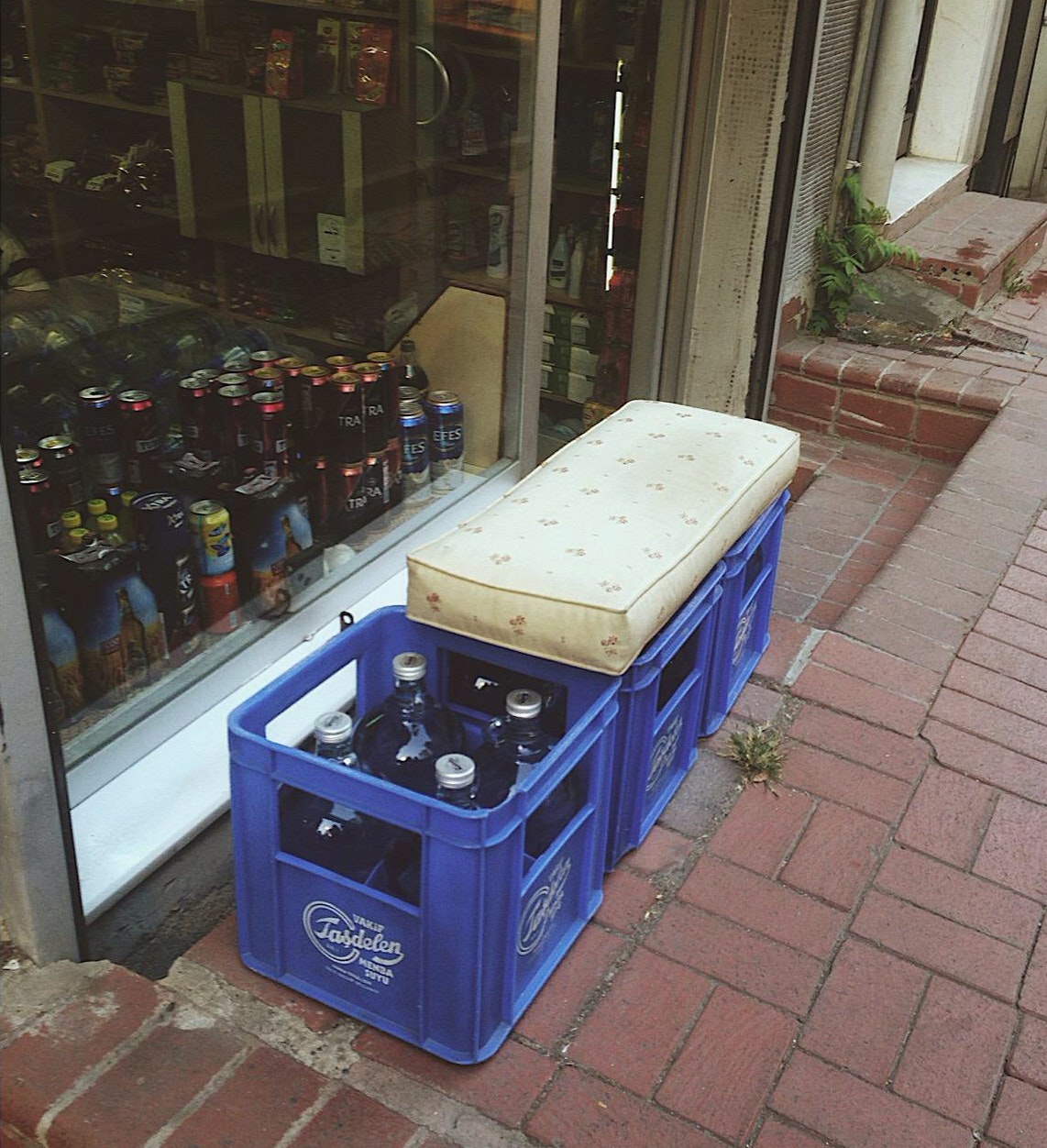
I took this picture last summer while I was back home in Istanbul. Istanbul is a city that people mold to fit their needs. Market owners, residents, even kids always find ways to reimagine the streets. Sometimes it’s a group of kids turning a cul-de-sac into a football field. Sometimes it’s the residents of the neighborhood having tea on the stairs of a building, treating the street as a café.
Growing up in there made me look at sidewalks in a completely different way. Last summer, while I was wandering around my neighborhood, I noticed this amazing piece of furniture that our neighborhood market owner made. He put a pillow on top of the water containers and turned them into a bench. It’s a perfect temporary seating arrangement.
Human-centered design requires us to observe human behavior with beginner's eyes, so that we can spot the innate ways people interact with the world around them. We call these intuitive and unconscious reactions Thoughtless Acts, and IDEO designers collect photos of them to inspire their work.

Writing a Novel? Harness the Power of Design Thinking
Your novel is a prototype. Treat it that way.v
But that’s the thing. Finding readers who have the time to slog through an unpublished manuscript is hard. Like, really hard. Many people said they would read it, but never got further than the first few chapters. Was it because they hated the book? Or just because they got busy watching season four of Orange is the New Black? And the wonderful friends who did read it—were they actually honest with me? Or pulling punches because, who wants to make a friend cry?
That’s when a friend who actually finished my book had an idea: What if we could take some of the best aspects of the design thinking process (such as collaboration, multidisciplinary perspectives, prototyping) and adapt them for the writing and publishing space by connecting authors with a diverse pool of readers who could provide thoughtful, honest feedback? Meet The Spun Yarn.
We hypothesized that there was a whole universe of potential readers out there—moms and dads and students and grandparents who might be interested in earning a bit of extra cash by providing thoughtful feedback on an unpublished novel. So we placed a Craigslist ad in four cities to see what would happen. Within 24 hours, we had to pull the posting because we were flooded with wonderful applicants. A traveling musician from Wisconsin. A cookbook author from Georgia. A retiree and jewelry maker from San Jose. We hired these folks and others and created the framework and the process to provide honest and actionable feedback on people’s novels—including mine.
Here's how it works:
Every novel that we receive is matched with three readers, each of whom reads the entire book and provides feedback using the same evaluation matrix (a mix of qualitative and quantitative input).
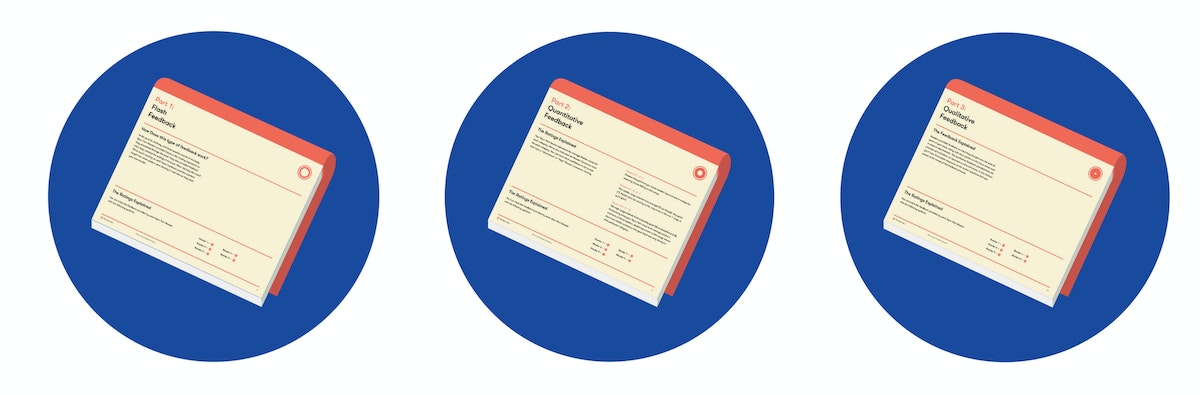
Once this stage is complete, our Spun Yarn team crunches the reader input and identifies the themes and patterns that have emerged about the manuscript. We deliver this synthesized feedback report to the writer. In a sense, what we’re doing is helping writers understand that a draft of their book is just like a design prototype. Most of the time, what we’re finding is pretty straightforward stuff. A main character needs to be fleshed out. An author’s ending ties things up way too neatly. Readers absolutely loved the glimpse into the world of surgery that a certain novel provides. Double down on that in a future prototype (I mean, draft) of the novel.
There’s a saying attributed to IDEO founder David Kelley that there’s no such thing as one magic idea. What I’ve learned from the Spun Yarn is that the same goes for novel writing. It turns out (based upon input from three very thoughtful and very honest Spun Yarn readers), that I haven’t written a masterpiece. There is a ton of work that still needs to be done. But thanks to help from my own multi-disciplinary design team (based in Minnesota, Rhode Island, and Berkeley, respectively), the next draft of my novel will be just a little bit closer.
Have you written a novel? Want some honest feedback? Visit thespunyarn.com.
About a year ago, I finished a novel. After much editing in the early morning hours, I arrived at that place where I could no longer see any flaws in the book. What I needed next was feedback (on what I hoped was a masterpiece, but couldn’t be quite sure).

Time to Burst Your Research Bubble
Why you should make this one simple change to your research plan
From a business perspective, I can appreciate why this demographic is appealing. It makes economic sense to consider a customer segment primed to understand the company's proposed product or service.
But limiting research to the East and West Coasts is exclusionary, and can even be discriminatory. Following recent events in our national story, there’s been a lot of chatter about ignorance—about a hidden America. And this isn’t just our problem: Events like Brexit, the Catalonian referendum, and the rise of populism at large all point to the need to address different perspectives. The context has shifted, and it’s our responsibility to respond.
So, a Cambridge-based team of designers decided to do something about it. We know that addressing geographic bias begins by identifying your blind spots, so to kick things off, my colleague Graham Gardner helped us prototype a simple yet elegant solution: a data-rich Google Map.
For every engagement, we document where the team conducts research and upload this information to the map. It’s the first step in visualizing hotspots, as well as potential design research deserts. Just seeing the spread of icons across the country helps teams realize if their sample population is skewed or appropriately representative.
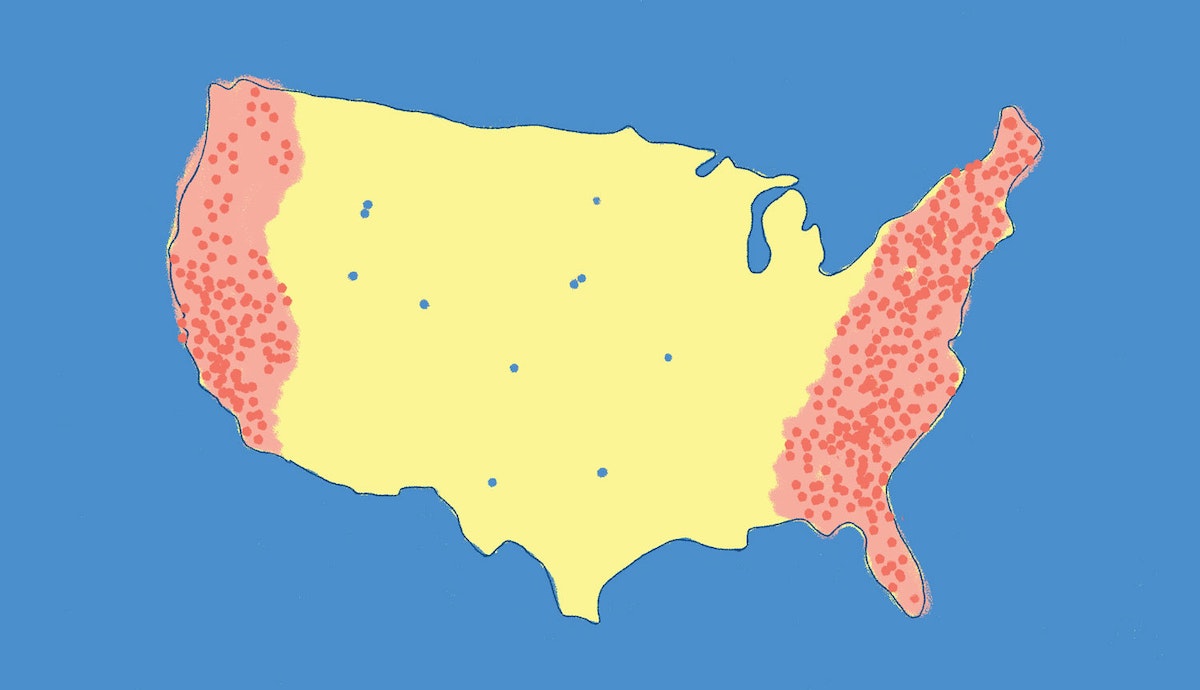
Mapping is a simple hack that keeps teams accountable, and it’s easy to do yourself. Here's how:
- While signed into your Google account, open the “My Maps” page on Google Maps.
- Click on Create a new map in the upper-left corner.
- Click on Untitled map and give your new map a name, for example, “Design Research Phase 1".
- Search for the addresses of locations you’ve selected for your research.
- Click + Add to map to create a marker at that location.
- Zoom out to see a birds-eye view of your research plan.
It’s that easy. And it’s incredibly effective.
Maps motivate action. This isn’t a revolutionary perspective. Organizations across the globe use maps to identify blind spots in their work. Consider the USDA’s Food Access Research Atlas (designed to prompt policymakers to close the gap to healthy foods) or the New York Times’ powerful piece on "Mapping Segregation," which was intended to spark dialogue about systemic segregation.
Now, we're designing ways to burst our own design research bubble, and I’ve already begun to notice some changes. On a recent client engagement, we revised our plan and suggested a few days of research in Kansas and Missouri, instead of just Boston.
To our delight, the client loved the idea. Two weeks later, we were on a flight to Kansas City. While there, we noticed the importance of community relationships in a much stronger way than we did at home base. This pushed us to reconsider how we incorporated community advice into our final product design.
Inclusive, forward-thinking design doesn’t mean replicating what works well or feels right in our backyard. It means getting out there, dialing up your inner listener, and sitting down with someone completely unlike you. Your perspective will never be the same.
At IDEO, we take listening pretty seriously. That means talking to people who are outside of our comfort zone. That said, in my years conducting design research interviews, I’ve found that our targets fit a certain profile: Coastal. Millennial. Liberal. Globally-minded.

Lindsey Turner
I’m passionate about building brands, products, and experiences that help organizations show up with meaning and momentum.
I help organizations cut through complexity by shaping how they show up, through brand strategy, identity, and storytelling.
Working at the intersection of brand and business, I bring an editorial eye and a bias toward making—turning ideas into tangible experiences that people can understand, trust, and believe in.
My work spans government, healthcare, financial services, media, and consumer goods, from launching Gen Z-focused ventures to building innovation labs and reimagining legacy brands. I relish moments of ambiguity and enjoy translating across teams, perspectives, and priorities to move ideas forward.
I started my career in editorial and digital design, shaping cross-platform experiences and identity systems in publishing and agency environments. That foundation still shapes how I work today: I’m detail-oriented, collaborative, and overreliant on the Oxford comma. I hold a BFA in Visual Communication from the School of the Art Institute of Chicago.

Rachel Young
My work helps organizations see who their products aren't working for—and build the will and the tools to do something about it
For 25 years, I've asked the same question: Who does this design exclude—and what are we going to do about it?
My work spans human-centered strategy, inclusive design, and qualitative research, with clients ranging from Microsoft, Google, and Verizon to the National Science Foundation, and San Francisco Unified School District.
Before IDEO, I taught elementary school in East Palo Alto and spent a decade doing design work with social service organizations—where I learned firsthand what it costs people when systems are built without them in mind.
I am currently writing User Error, a nonfiction book about digital access and the design decisions behind it. I live in Oakland, California.

Brian Pelsoh
I lead with craft, ensuring our work is creatively excellent: rooted in deep human insight and imagination, while also grounded in the realities of business and technology.
My expertise spans brand, communication, and product design across tech, education, the arts, and social impact.
I believe great work demands both high-level vision and obsessive attention to detail, and only happens through collaboration.
I bring an inclusive, hands-on approach and a deep understanding of business, which enables me to consistently deliver excellence while always asking why.
Before joining IDEO, I worked at the brand firms Pentagram and VSA Partners. I began my career as a designer, leading teams at the School of the Art Institute of Chicago and the Milwaukee Art Museum. I hold an MFA in graphic design from Maryland Institute College of Art and a BFA in communication design from the Milwaukee Institute of Art & Design, and have taught at some of the best design schools in the US.

Tony Wong
I am responsible for IDEO’s long-term success in China and working with clients to use design as a tool to enable growth.
I am responsible for IDEO’s long-term success in China and working with clients to use design as a tool to enable growth. Specifically, I have helped Chinese companies design holistic brand solutions through the development of their products, communication, services, and innovation teams, and I have helped multinationals expand their presence and influence in China.
I advise global leaders on developing China-led innovation and capabilities.
In over 15 years in IDEO Shanghai, I have worked on projects that use design to elevate the quality of the experience of healthcare products and services, streamline processes that increase productivity, create spaces and programs that promote and enable inclusive communities, and build next generation mobility solutions that are planet-positive.
Before joining IDEO, I worked at Philips Electronics and the Electrolux Group in Italy, the Netherlands, and Singapore on a number of breakthrough commercial products. I am a member of the Young President Organization in Shanghai.

Building a personal AI for the messiness of life: Sida Li
Most AI products today are built for work—a space with clear problems and established systems. One founder noticed a gap: personal life is messier, harder to systematize, and mostly left behind by the AI boom. So she built Cue, a personal AI that lives inside iMessage and group chats, to go where the other tools haven't.
In this episode, Becca Carroll, IDEO's Chief Strategy Officer, talks with Sida Li, co-founder and CEO of Shared Context Lab, about staying anchored to a human need while the technology around her keeps changing shape, why she treats her business model with the same rigor she'd bring to a product, and what it feels like to build a company at this particular, disorienting moment in AI.
The conversation also gets into how Sida makes design decisions: the language Cue uses to describe itself, the tradeoffs behind building inside iMessage instead of a new app, and a real story about a business idea that didn’t pan out.
This is the second in a two-part series profiling founders from IDEO's Startups-in-Residence program. The first conversation is with Johannes Seemann, founder of Sooner, on designing GenAI for the emotional side of money.

Designing GenAI for the emotional side of money: Johannes Seemann
Most personal financial tools are built to run the numbers and optimize towards a budget. While that works for some, most people experience money as a lived relationship that does not neatly fit into a spreadsheet. Johannes Seemann and Becca Carroll discuss why money is emotional before it is mathematical, and what a human-centered approach to building a generative AI financial product looks like in practice.

The curious leader's edge in uncertainty: Scott Shigeoka
Mina Seetharaman talks with Scott Shigeoka, author of Seek and Head of Curiosity Cultivation at the Eames Institute, about what distinguishes genuinely curious leadership from performative curiosity, how power dynamics shape curiosity, and why practicing curiosity can restore energy rather than drain it.

How constraints make us more creative: David Epstein
Mina Seetharaman talks with David Epstein, author of Inside the Box and Range, about why total freedom often produces average work, how leaders can design useful limits on purpose, and what organizations such as General Magic and Pixar reveal about the relationship between boundaries and creativity.
Looks like you might be in search of something very specific?
Or reset the filters above and try another angle.
Here’s some random inspiration

Podcasts about creative leadership

Articles about the power of prototyping
