
.svg)


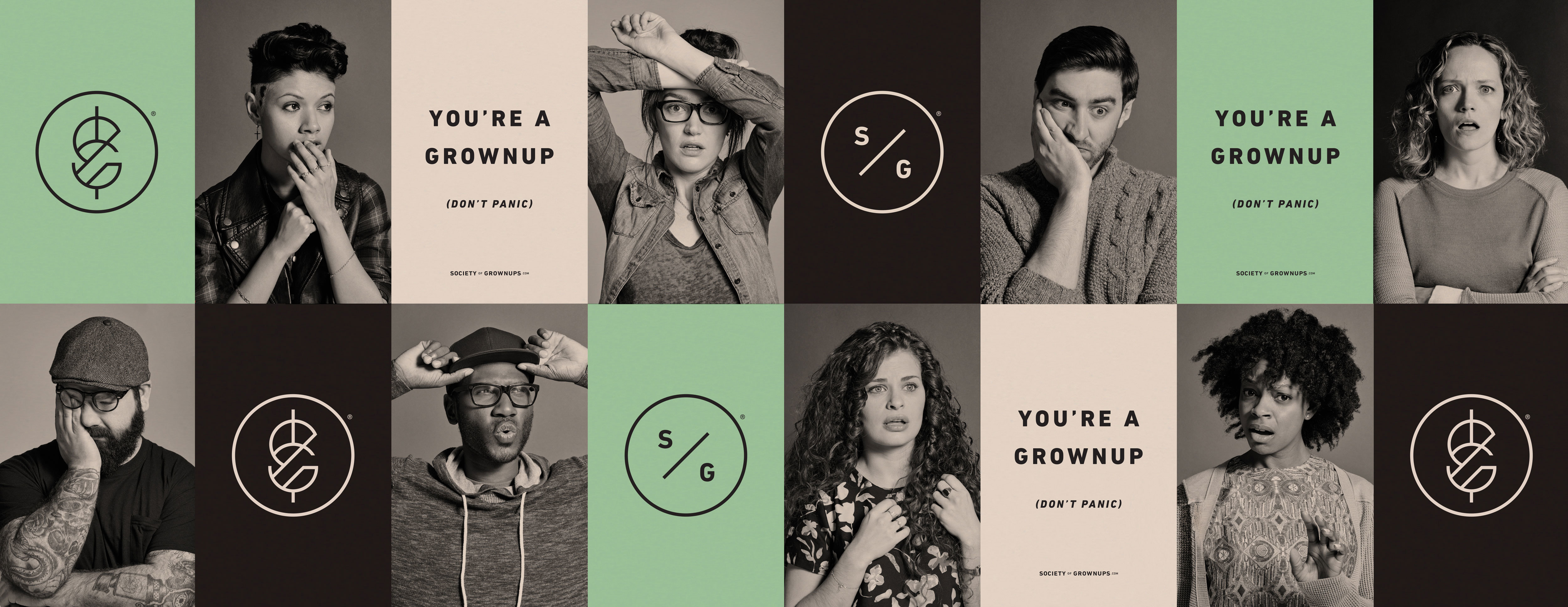

Helping young adults make smart money decisions
Society of Grownups offers financial advice to those who need it most.
When you’re under 40, buying a life insurance policy may seem about as practical as buying a Humvee. That makes insurance a tough sell for a 165-year-old company like MassMutual. To find a way to become relevant to this generation, MassMutual partnered with IDEO with a mission to get young people interested in their own spending habits.
Over the course of two years, the teams set out to learn about how people across the US spend and save their money, and they uncovered a simple theory: you either have a smart money mindset or you don’t. When it comes to being mature about financial issues—chipping away debt, saving to buy a car—it doesn’t always come naturally. If anything, many feel disconnected from money-related matters, even if it’s in their best interest to know more.
"I hate going to a bank and not really knowing what I am doing when it comes to money," said Simon Bowers, a 31-year-old who works in public relations, featured in an article in Fast Company about the MassMutual-IDEO collaboration. "They don’t seem to take into account that this might be scary for us."
So how to invite this wary demographic to the table? Design an accessible way to meet them wherever they are: online and on their phones. IDEO helped build the new venture from the ground up—designing a brand identity and experience focused on transparency, meeting users where they are, and helping people navigate complicated financial situations so they can live life on their own terms. It’s called Society of Grownups, and you can think of it as a sort of master’s program for adulthood. Each piece of the program builds on a common vision that continues to iterate every day.
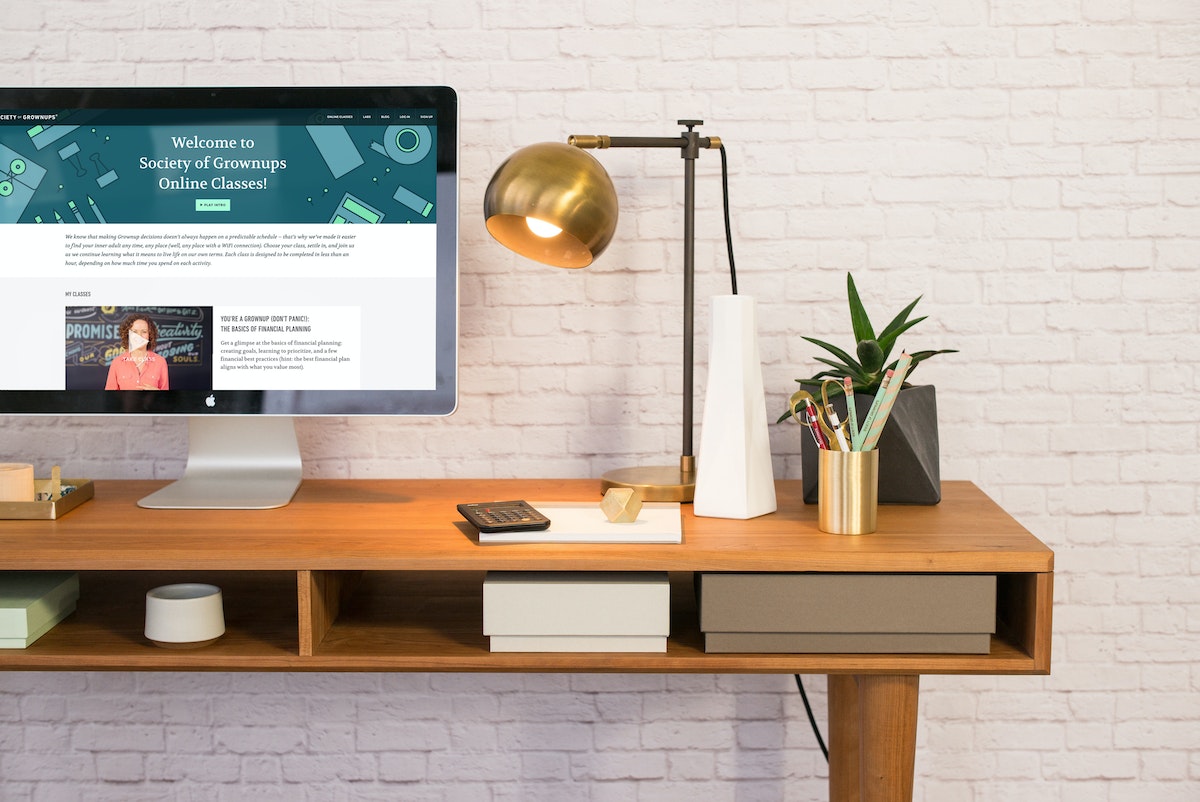
After building and testing full-scale, live prototypes, the brick-and-mortar Boston location opened in 2014 and operated much like a supper club—a warm, inviting space where young people could hang out, feast on delicious meals, attend talks, and learn about things like 401Ks, living on a budget, and how to pick good, cheap wine. After two years of continued prototyping, MassMutual recognized that the digital channel has the most potential to grow and closed the brick-and-mortar location to focus their investment in building out the bespoke online financial tools to reach more people across the nation.

Helping a digital healthcare startup to scale up
A redesign, a rebrand, and a new focus.
From leeches to gene therapy, how we treat sickness has changed beyond recognition over the centuries. But one question asked by ancient healers and modern doctors alike remains the same: “How are you feeling?”
“We’ve had the ‘quantified self’ for a number of years—sensors that measure steps, weight, blood pressure,” said Bruce Hellman, cofounder of UK-based digital health startup uMotif. “But by only focusing on the quantitative, we miss the whole picture of a person.”
Hellman cofounded uMotif in 2012, inspired by the self-awareness he gained when tracking his sleep after his baby was born. uMotif gives people the tools to record and track their mood, sleep, and clinically relevant symptoms like dizziness or breathlessness on their mobile phone app, and share the resulting data with their doctor and care team to better inform appointments, and treatment plans.
Named as one of 50 UK "scale-ups" that could grow to over £100m in revenue by not-for-profit organization Silicon Valley Comes to the UK, uMotif’s software and apps have been deployed in dozens of hospitals, and profiled in The Guardian, The Daily Telegraph, and The London Times. With a view to scaling strategically, Hellman applied to IDEO Europe’s first Startup in Residence, a three-month-long program to accelerate companies through design thinking. “We brought the whole of uMotif to IDEO: product, organization, branding, approach, and business model,” said Hellman. “We were keen to re-consider just about everything.”
During the residency, the uMotif team embedded with IDEO’s London studio to work closely with an eclectic team of interaction, business, and communication designers, and design researchers, to explore every aspect of the business.
The team found that although uMotif’s organic growth had reflected the rapidly expanding digital health market, the offer was somewhat fragmented as a result. In response, uMotif decided to tighten its sales focus from 14 branches of medicine to just two: oncology and cardiology (with mental health as an R&D area).
In-depth interviews with patients, nurses, doctors, and executives revealed a clear opportunity: “simple symptom tracking for people going through an acute or serious period in their health, to activate and extend the patient-care team relationship,” Hellman says. The focus switched from the Quantified Self to the Qualified Self, coined by the team to reference uMotif’s unique approach to measuring how people feel.
Designers set about reconfiguring and prototyping aspects of the brand, product, business, and organizational model for delivery. Whereas the original uMotif product had been designed with a single clinician in mind, the team designed a new dashboard catering for the reality of modern healthcare—multiple caregivers.
Ultimately, uMotif’s offer is not just about helping patients understand their own health; it’s about providing meaningful insights that enable them to have richer conversations with their care teams—allowing them to work together to improve care plans and outcomes.
“We are a much more focused, confident, and clear organization, truly prepared to scale sales, delivery and clinical impact,” says Hellman, referring to the impact of their participation in the Startup in Residence program. Now back in its own headquarters, the team takes with it a toolkit of IDEO systems and processes with which to run their business and to apply to new projects, products, and services.
“Health systems around the world are quickly adopting digital channels,” he said. “We aim to be at the forefront of this inevitable shift, using design thinking to put people at the centre of their care, improving quality of life, treatment outcomes, and healthcare experience.”
WATCH: uMotif: Sam's Story.

Helping kids make healthy choices
Three design concepts that help kids make healthier choices around food and exercise.
IDEO designers wanted to take on a challenge: How might we help kids make better decisions around food and being active?
Designers moved forward with three concepts that addressed this challenge from three completely different directions:
- Top Chops, a hands-on cooking adventure that builds kids’ confidence in the kitchen by working toward becoming a Top Chop “master chef.”
- Daredevils, a wearable device that measures the intensity of energy exerted, but doesn’t prescribe the activity, which kids can use to dare each other to reach activity goals.
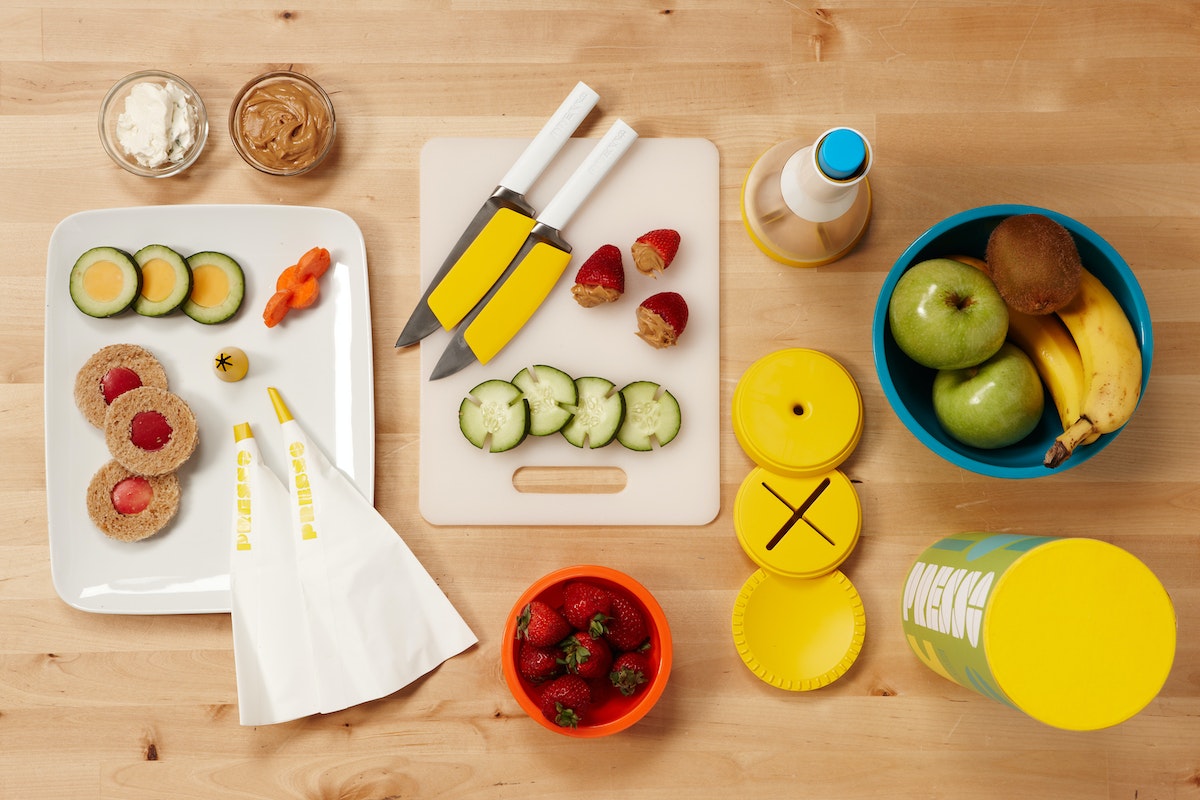
- Presso, a set of child-size kitchen tools that slice and dice fresh food in imaginative ways, making cooking fun and helping kids feel they have a role in making their own healthy food.
The design team behind this work was featured on 60 Minutes, and some of the resulting concepts were featured on CBS This Morning.

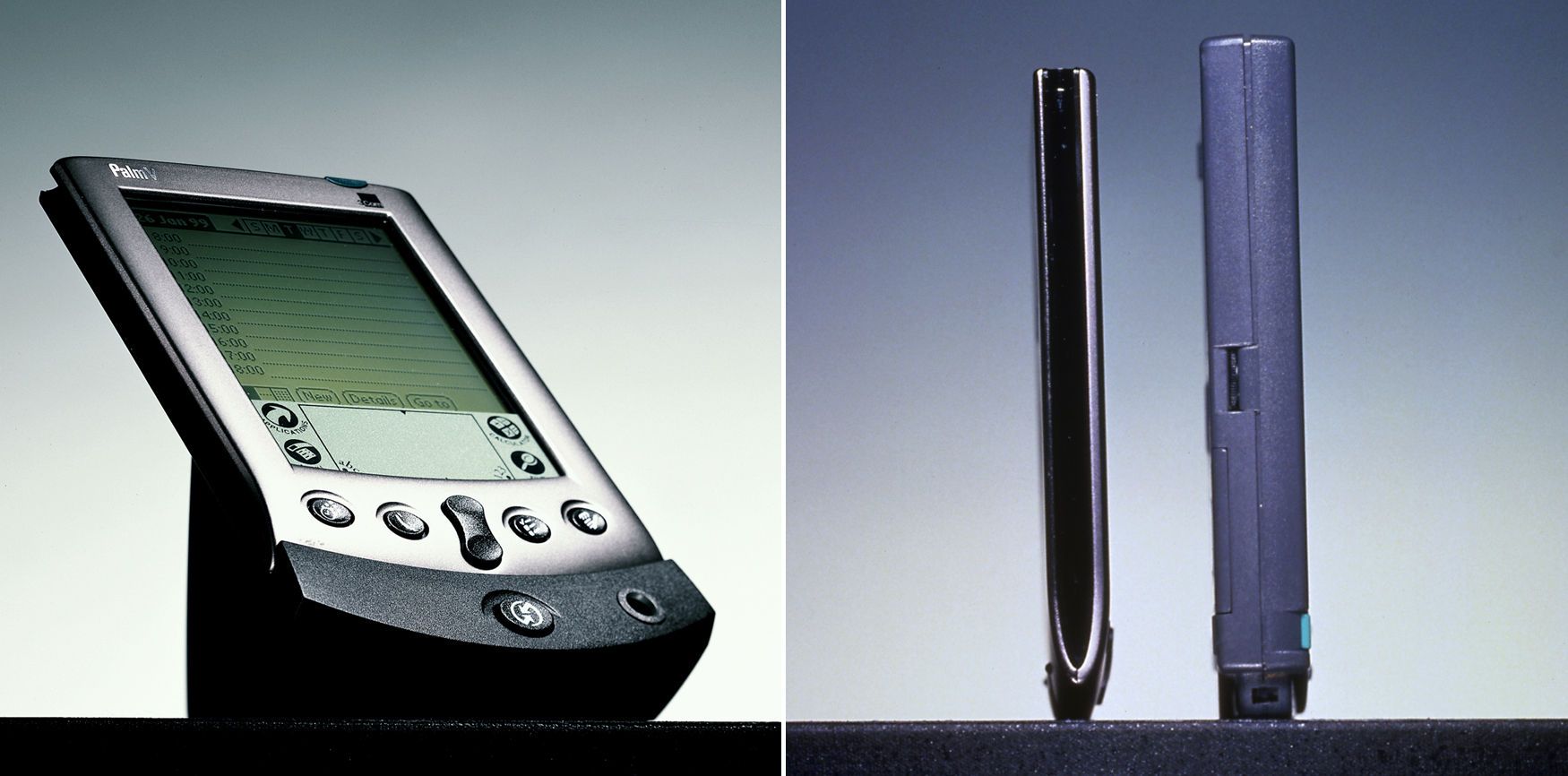
Handheld organizer becomes a sleek accessory
Redesigning a utilitarian tool to set it apart from imitators.
In updating the popular and industry-defining PalmPilot, Palm Computing wanted to reposition the next-generation Palm V as a high-design accessory to set it apart from its many imitators.
Together with IDEO, it crafted a sleek, elegant device, half the thickness of the original in an anodized aluminum housing. Incorporating an internal lithium-ion battery that recharges in the dock, the side rails act as an open architecture to provide attachment for a variety of styluses, cases, and other add-ons.

3 Questions for Zach Hobbs
A short Q&A with Zach Hobbs, communication designer from IDEO Chicago
1. What inspired #clientwork?
I had been drawing for about six months, specifically for an art show, and I was sorta cashed and looking for the next rabbit hole. We hosted another Fortnight (our artist-in-residency program) in the Chicago studio, and I was really lucky to act as a mentor to C.M. Ruiz, from Seattle.
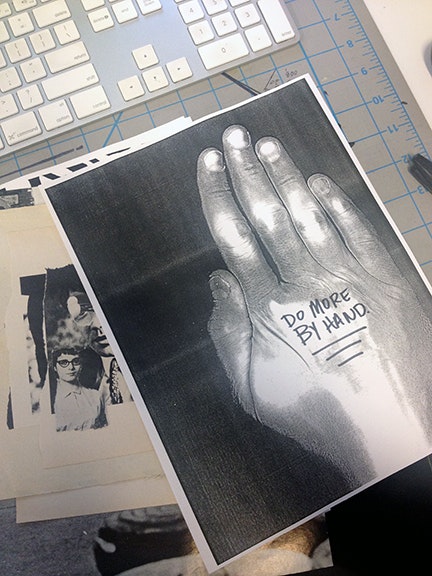
He is a Xerox machine master; he just makes incredible art with the most humble tools. We spent a lot of time just hanging out in the studio talking about art and making shit. It was a three-week jam session and I got super inspired and just started making the ugliest designs possible using only the Xerox and markers, paints, etc. FUN.
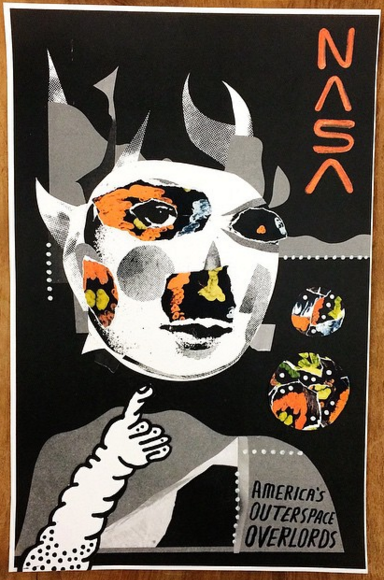
The Clientwork hashtag is just something that has bounced around in my brain for the past few years. We as makers, designers, artists, etc., often try to separate our lives into two buckets: the work we get paid to do (Clientwork) and the other, fun stuff. I really dislike that idea! I feel like the entire body of making should just be THE WORK, dig? My IDEO jams for Allstate or Chicago Fire or ConAgra should feed my weirdo artlife and my weirdo artlife should come with me inside project spaces.
Freelancer and IDEO contractor Kyle Fletcher has been influential in helping me learn this lesson, as he is constantly bouncing back and forth between design and art, yet it all feels very KYLE FLETCHER.
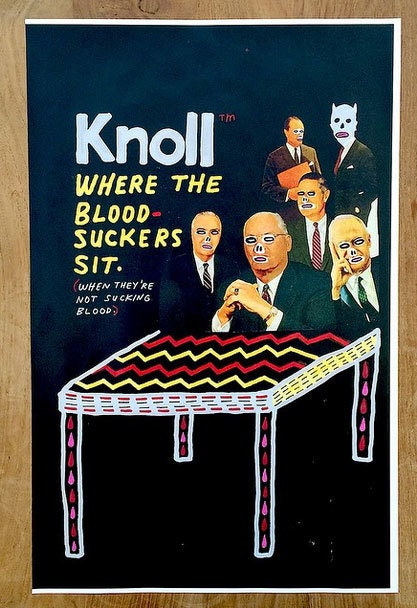
I tag things with #clientwork that obviously are not client work to (hopefully) push this idea. The idea of doing really dumb, silly, sometimes provocative ads for companies that aren’t paying me is scary. I’m making something and I think it looks AWESOME and I write NIKE or VANS on there because, to me, IT SHOULD BE A VANS AD. I suppose that part is my own little secret joke. No one knows if I actually like Nike or not, or if I eat Hormel Chili (I do, duh). It’s not like I’m tagging them super hard or trying hard to be seen by the brand puppet masters… but there’s something really frightening about half-assedly drawing a corporate logo on a terrible collage or drawing and sending it into cyberspace. I’ve told myself that I’ll either do this as long as it’s fun or until I receive a cease-and-desist. I actually sorta worried if anyone from IDEO was going to come down hard on me, but so far only a minor slap on the wrist that I deserved.
2. Does this work make doing your day job easier?
Easier is a strong word. DESIGN IS HARD, and I’m not taking the piss. Doing the daily art jams does help keep my brain active. I’m trying so hard to get in the zone and stay there. IDEO can be so stimulating sometimes that I find it hard to focus. Everyone knows what it’s like to get that precious two hours of heads-down time when you have to work FAST to get something on paper. Trying to think like a designer/artist 24/7 takes practice. It’s hard to be in the zone all day!
3. Name one artist or designer you consider unassailable and tell us why.
Ian MacKaye will never re-form Fugazi to play Coachella for millions of dollars. And for that I am very grateful.
If you're not following designer Zach Hobbs on Instagram, you're not truly living. The sheer volume of artwork he posts there and on his website makes us wonder how he manages to stay awake in the office. We asked him about a pleasingly tart series titled #clientwork (which is occasionally #NSFW).
The Day I Broke the Intranet
Cosmos-blasting innovation
I had just relocated to the Bay Area after five inspiring years at IDEO Chicago. The Chicago studio is a tight-knit family of roughly 70 or so friends, often known for taking extra moments out of our day to inspire, uplift, thank or prank one another in the course of the work we do.
The IDEO San Francisco mothership, however, is much larger; nearly 200 strong across four independent studios. As such, it can be difficult for a new guy to know exactly how our forgiveness in lieu of permission culture manifests itself across locations.
It turns out quite well, I found.
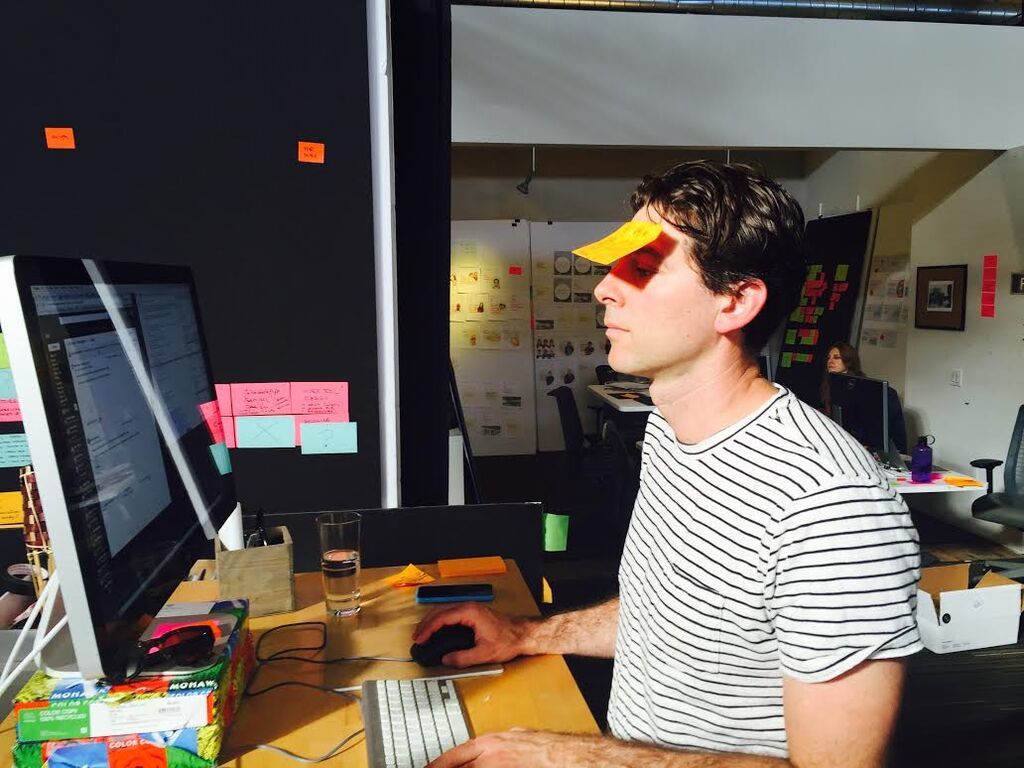
Nine days into my tenure at IDEO SF, someone snapped a photo of Ethan, who had come up with a clever solution to shade his eyes from the passing sunlight as he worked (see above). The photo went out in an email to the entire location. The subject line: "Innovation".
If you're anything like me, you simply cannot see a photo like this without your mind beelining to Photoshop Battle. So, I made a few quick edits and offered up my reply-all:
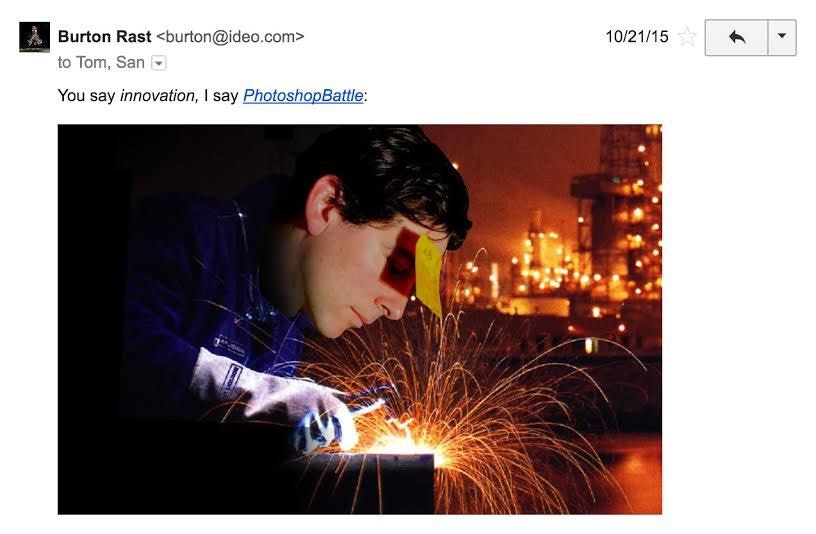
It would be an understatement to say that I succeeded in learning what I set out to about my new colleagues. When the dust had finally settled, the thread was comprised of more than 50 unique entries submitted over three days.
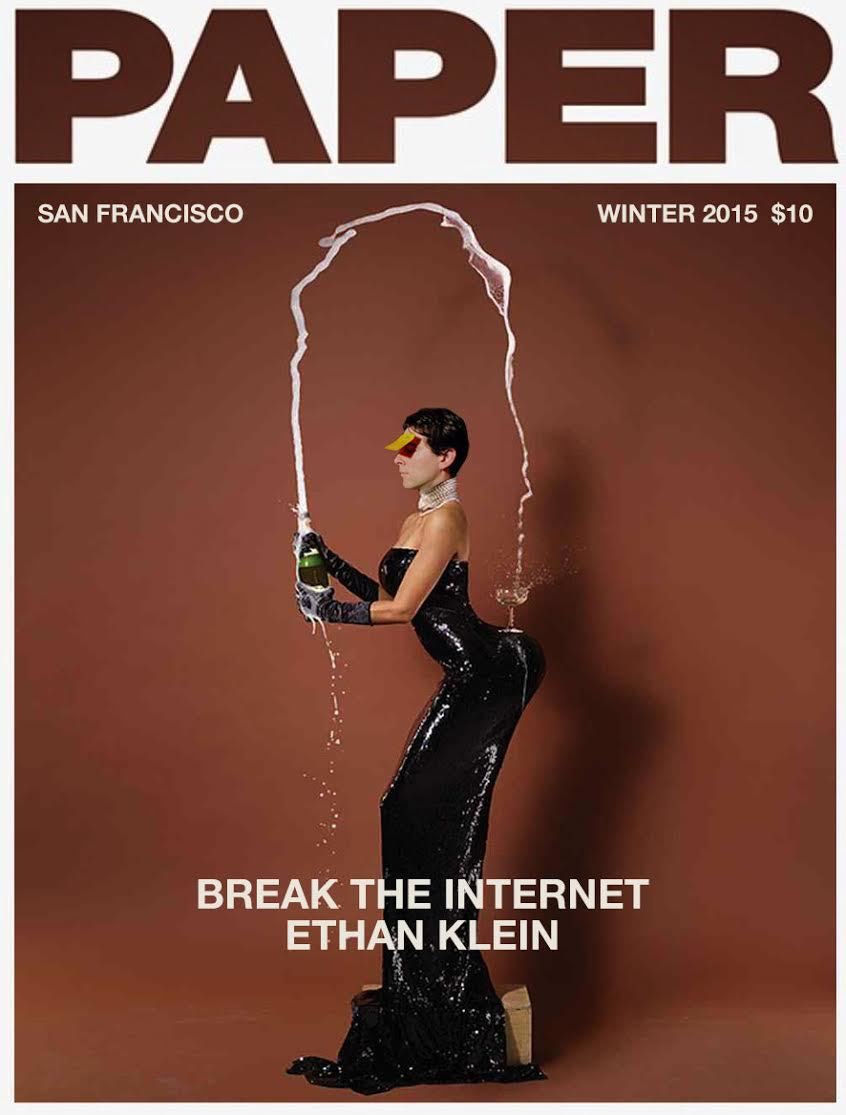
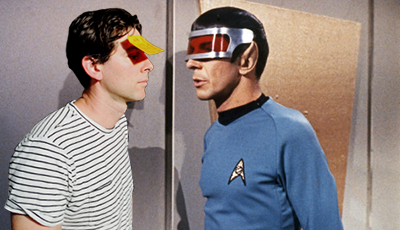
Check out some of our favorites, below:

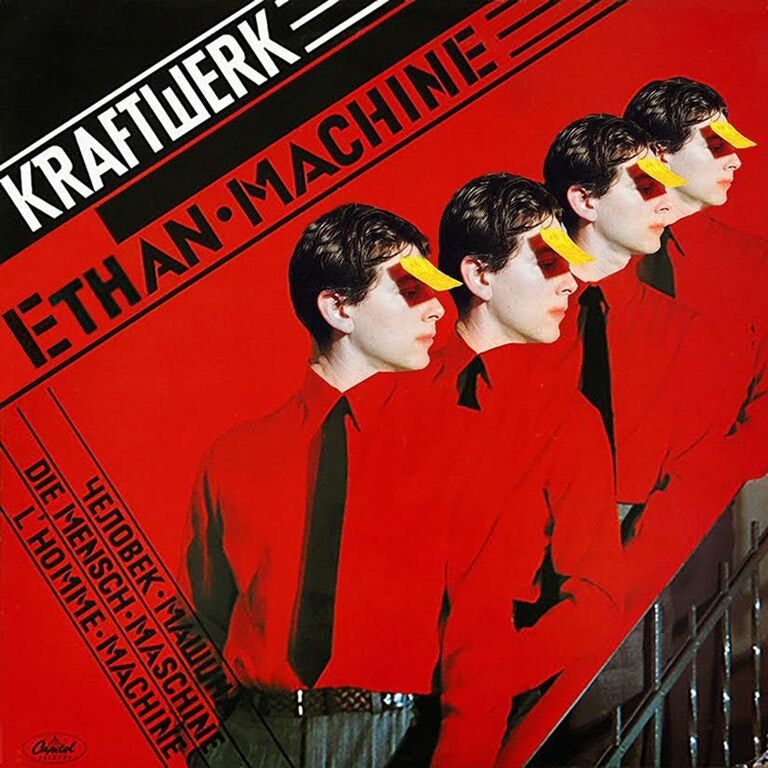




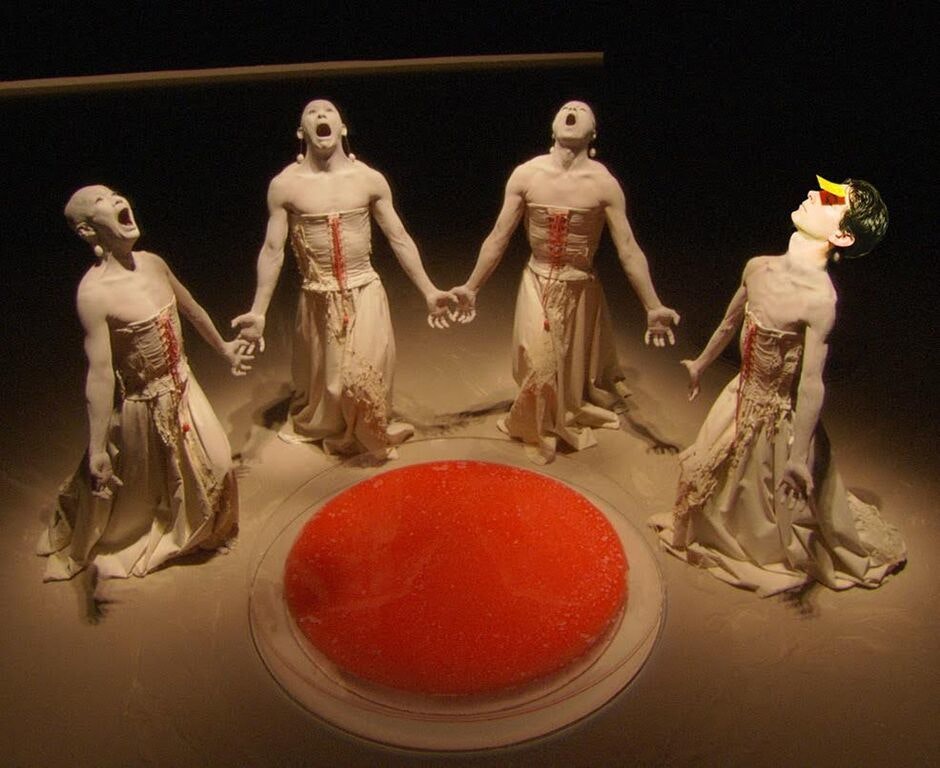
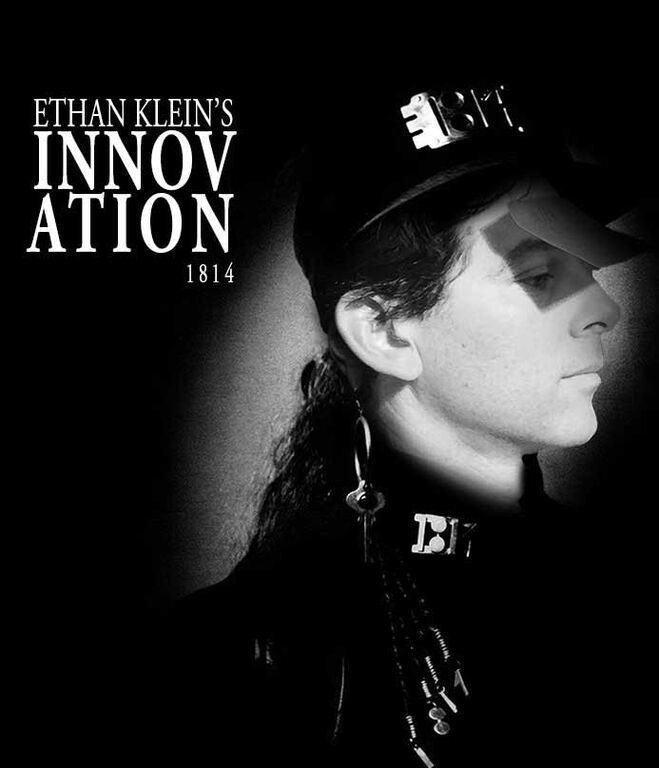

The original photo is on Instagram now. Share our glory.
I was barely into my second week at IDEO's San Francisco location when a particular opportunity to get to know my new colleagues presented itself.
.png)
Poster Children
How poster design at IDEO became a thing.
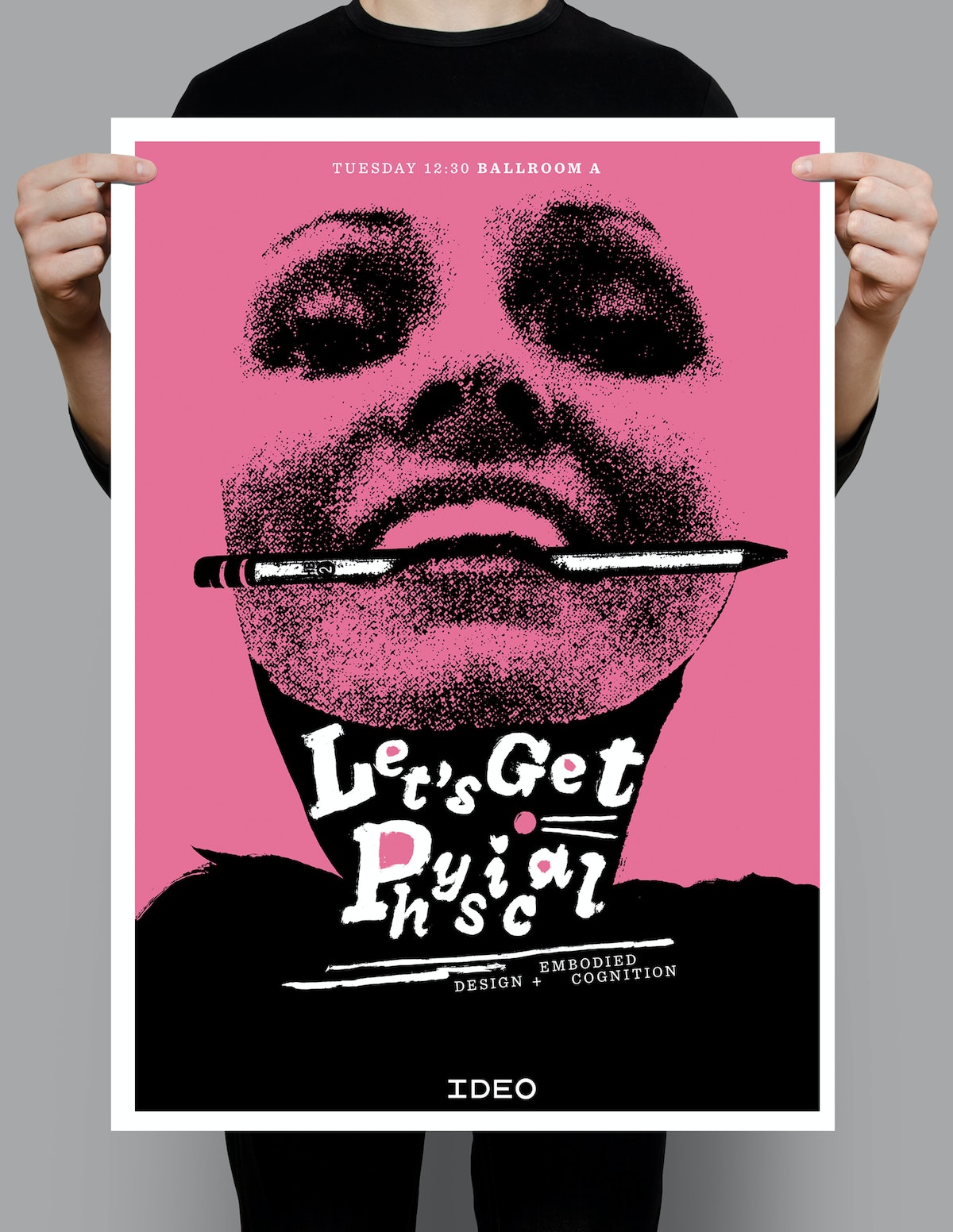
Less apparent to outsiders is the fact that the creative license that comes with making IDEO eye-candy serves a very important purpose: It’s an antidote to the intense and often prescriptive nature of designing for clients. Event posters allow us to stretch our legs, color outside of the lines, and take a new tool for a walk around the block. And in a collaborative culture that is driven by the “we” and not the “me”, these one-offs offer a rare moment in the spotlight for the artist.
Check out the entire collection on Pinterest.
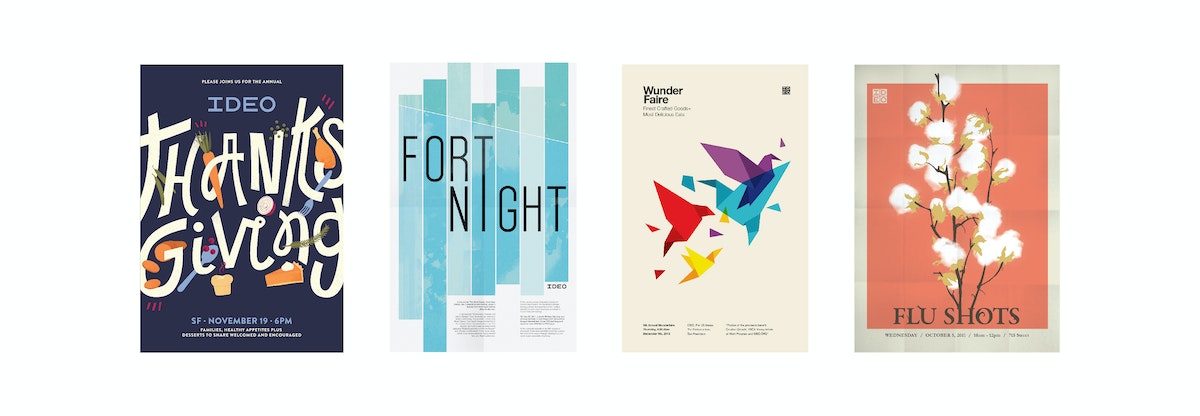
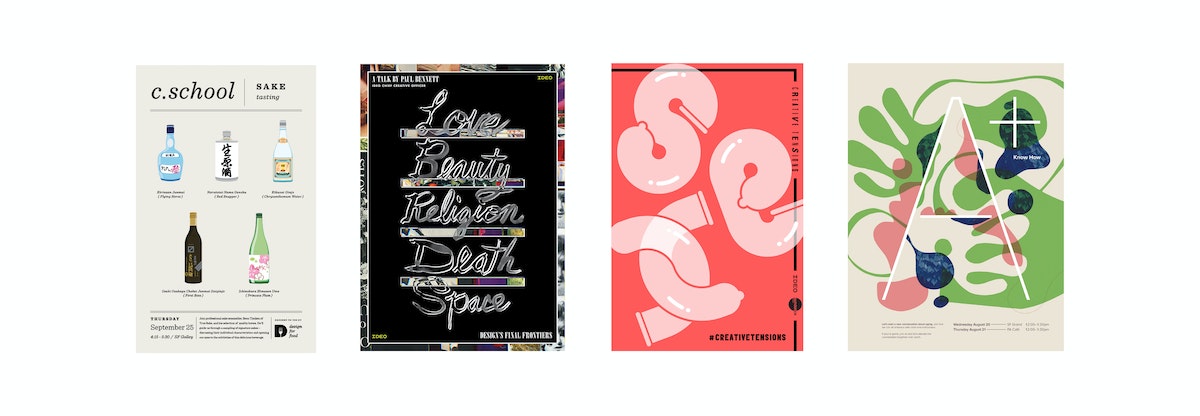
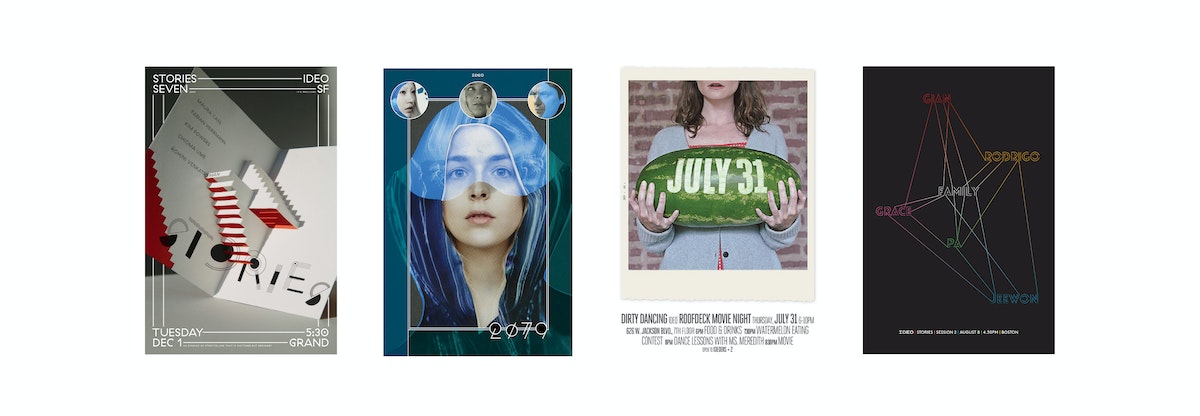
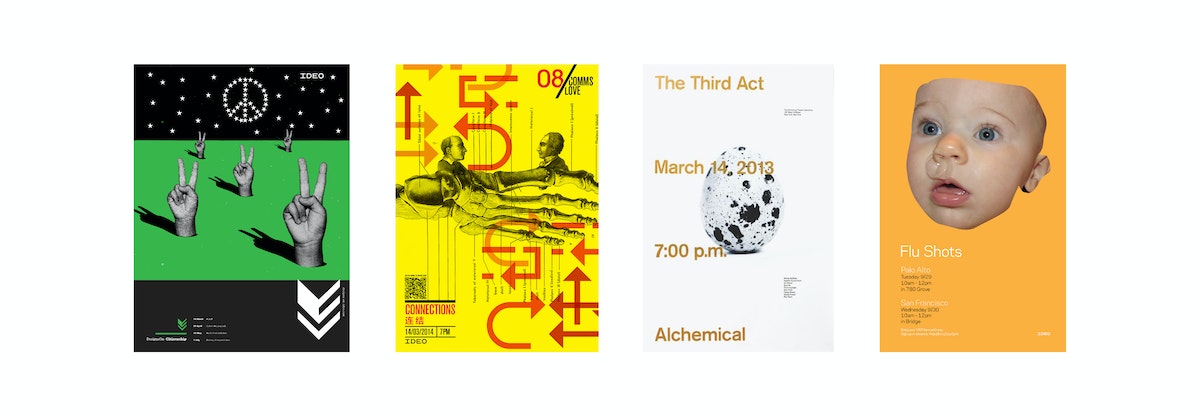
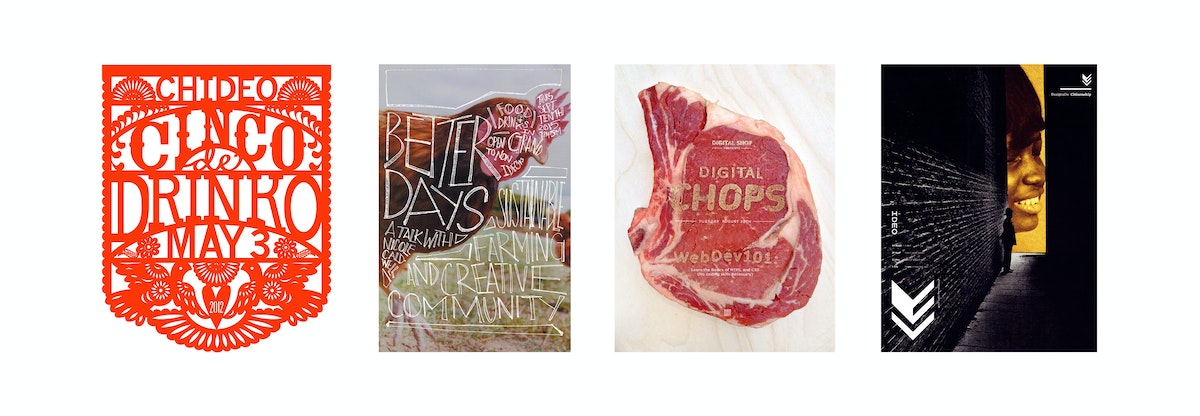
Be visual. It’s one of IDEO’s seven rules of brainstorming. Not too tall an order for those who are quick to start sketching when attempting to communicate pretty much anything. So when a special event gets dropped on our calendar, lots of hands shoot up volunteering to design a poster.
This Story Will Save Lives
How do you explain complex medicine to kids? Cartoonify it
Where did the idea for Antibotics come from?
Stina Jonsson: It started as a simple brainstorm idea. I was doing a project in Boston around nerve monitoring, and I drew a small pill on a Post-It that looked like a little character. It had nothing to do with pills really, or the project at hand, but I liked it so much that I brought the Post-It back with me.
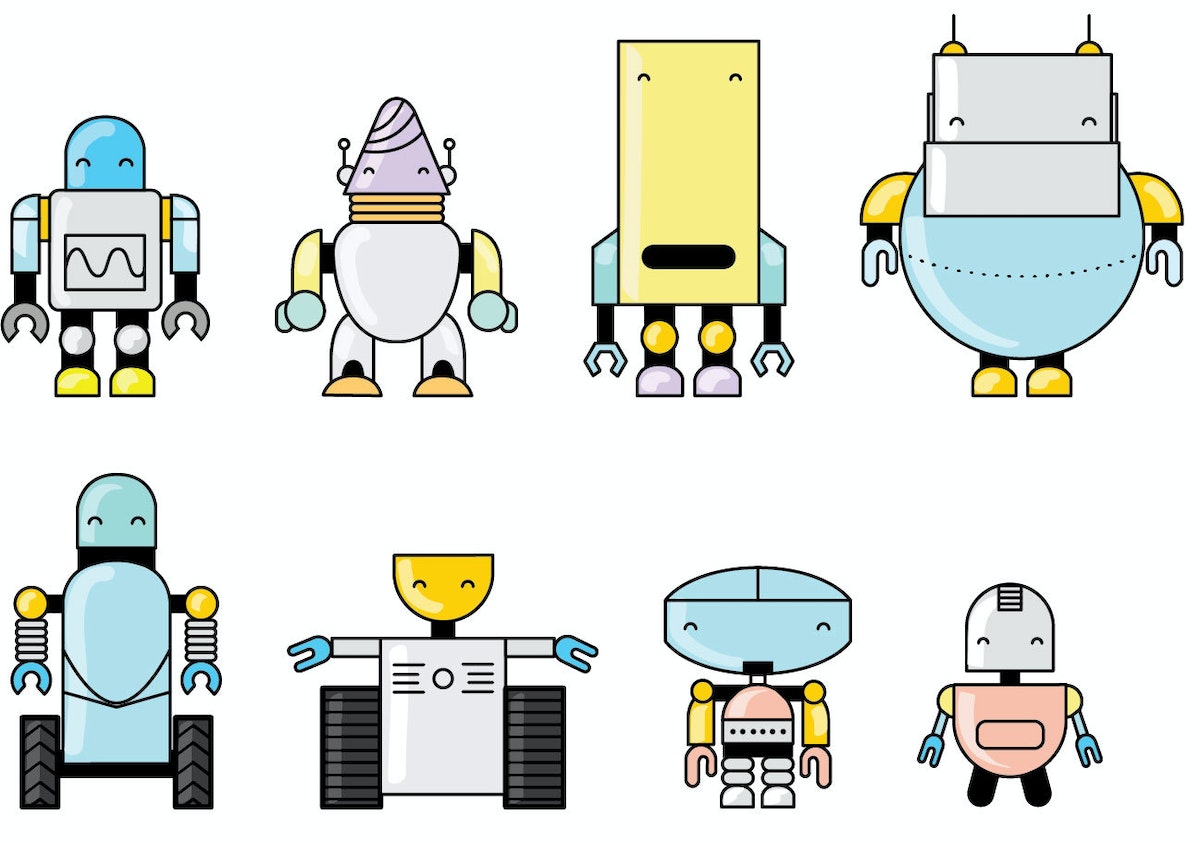
From that initial idea grew a larger one, to think about how we could use these characters and storytelling to help people with their medication. We’d done a ton of adherence work for rheumatoid arthritis sufferers, as well as helping people take their insulin. Eventually the characters become little robots and the Antibotics were born.
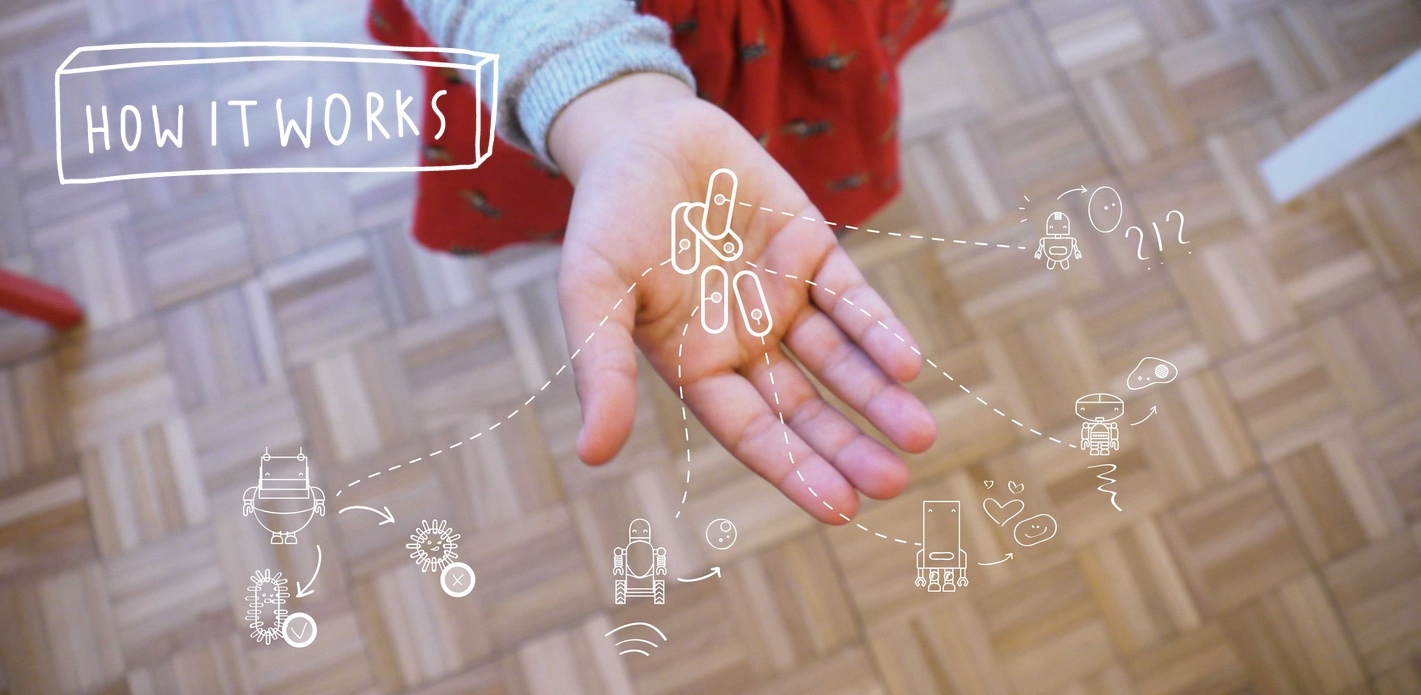
Can you explain how the Antibotics work?
When a child is prescribed antibiotics, their parent receives a pack of the Antibotics. The pack holds clear pills that have individual robots inside them. The child picks one and swallows it. Their parent then logs onto a computer or tablet, and along with the child, proceeds to read the first chapter of a fun, educational story about the robot-fighting bacteria inside the child’s stomach. Each day after that, parent and child pick another robot to join the crew, and with each episode learn more about how antibiotics work, until the course and story finishes.
What problem is Antibotics trying to solve?
The overuse and incorrect usage of antibiotics—not finishing the entire course, for example— can make bacteria multi-resistant. Without effective antibacterial drugs, a simple operation might lead to an infection that can kill. And the economic consequences are huge, one estimate puts it at £1bn annually in the UK alone.
You’ve got a background in cognitive psychology. Can you explain the science behind using storytelling to improve adherence?
Research on the impact of storytelling on memory shows that the human brain is better at retaining and recalling information and concepts when they are presented in a story format.
Information structured through a narrative makes for very powerful mnemonic devices because stories provide order, allowing new information to slot into existing schemas and cognitive maps we already have about the world.
The story format provides familiarity and predictability, setting us up to take in new information and vicariously deal with emotional stress and conflict through the the story’s protagonists.
Studies have also shown that stories affect brain chemistry, which is connected to behavior change.
What’s next for the concept?
At this stage Antibotics is only a concept, but we’re looking for someone to work with to take it further.
*The Antibotics were brought to life with help from communications designer Jack Haslehurst and interaction designer Miha Feus.
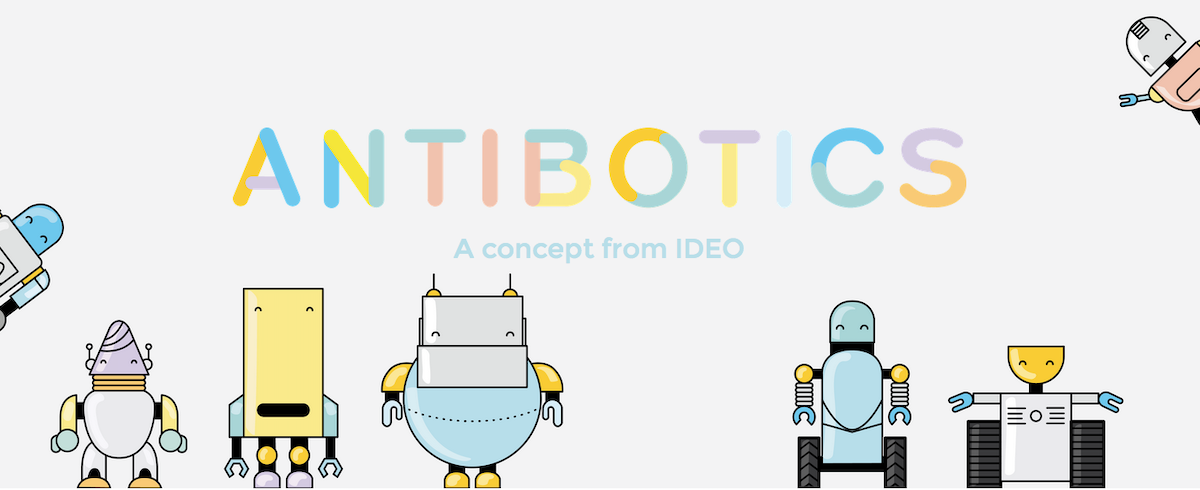
Bacteria beware, here come the Antibotics. Created by London-based interaction designer Stina Jonsson, these cute robotic germ-fighters educate kids and parents alike on how to take antibiotics properly, and defeat the rising army of resistant germs. We asked Jonsson to tell us more about how the 'botics came to life.

Lindsey Turner
I’m passionate about building brands, products, and experiences that help organizations show up with meaning and momentum.
I help organizations cut through complexity by shaping how they show up, through brand strategy, identity, and storytelling.
Working at the intersection of brand and business, I bring an editorial eye and a bias toward making—turning ideas into tangible experiences that people can understand, trust, and believe in.
My work spans government, healthcare, financial services, media, and consumer goods, from launching Gen Z-focused ventures to building innovation labs and reimagining legacy brands. I relish moments of ambiguity and enjoy translating across teams, perspectives, and priorities to move ideas forward.
I started my career in editorial and digital design, shaping cross-platform experiences and identity systems in publishing and agency environments. That foundation still shapes how I work today: I’m detail-oriented, collaborative, and overreliant on the Oxford comma. I hold a BFA in Visual Communication from the School of the Art Institute of Chicago.

Rachel Young
My work helps organizations see who their products aren't working for—and build the will and the tools to do something about it
For 25 years, I've asked the same question: Who does this design exclude—and what are we going to do about it?
My work spans human-centered strategy, inclusive design, and qualitative research, with clients ranging from Microsoft, Google, and Verizon to the National Science Foundation, and San Francisco Unified School District.
Before IDEO, I taught elementary school in East Palo Alto and spent a decade doing design work with social service organizations—where I learned firsthand what it costs people when systems are built without them in mind.
I am currently writing User Error, a nonfiction book about digital access and the design decisions behind it. I live in Oakland, California.

Brian Pelsoh
I lead with craft, ensuring our work is creatively excellent: rooted in deep human insight and imagination, while also grounded in the realities of business and technology.
My expertise spans brand, communication, and product design across tech, education, the arts, and social impact.
I believe great work demands both high-level vision and obsessive attention to detail, and only happens through collaboration.
I bring an inclusive, hands-on approach and a deep understanding of business, which enables me to consistently deliver excellence while always asking why.
Before joining IDEO, I worked at the brand firms Pentagram and VSA Partners. I began my career as a designer, leading teams at the School of the Art Institute of Chicago and the Milwaukee Art Museum. I hold an MFA in graphic design from Maryland Institute College of Art and a BFA in communication design from the Milwaukee Institute of Art & Design, and have taught at some of the best design schools in the US.

Tony Wong
I am responsible for IDEO’s long-term success in China and working with clients to use design as a tool to enable growth.
I am responsible for IDEO’s long-term success in China and working with clients to use design as a tool to enable growth. Specifically, I have helped Chinese companies design holistic brand solutions through the development of their products, communication, services, and innovation teams, and I have helped multinationals expand their presence and influence in China.
I advise global leaders on developing China-led innovation and capabilities.
In over 15 years in IDEO Shanghai, I have worked on projects that use design to elevate the quality of the experience of healthcare products and services, streamline processes that increase productivity, create spaces and programs that promote and enable inclusive communities, and build next generation mobility solutions that are planet-positive.
Before joining IDEO, I worked at Philips Electronics and the Electrolux Group in Italy, the Netherlands, and Singapore on a number of breakthrough commercial products. I am a member of the Young President Organization in Shanghai.

Building a personal AI for the messiness of life: Sida Li
Most AI products today are built for work—a space with clear problems and established systems. One founder noticed a gap: personal life is messier, harder to systematize, and mostly left behind by the AI boom. So she built Cue, a personal AI that lives inside iMessage and group chats, to go where the other tools haven't.
In this episode, Becca Carroll, IDEO's Chief Strategy Officer, talks with Sida Li, co-founder and CEO of Shared Context Lab, about staying anchored to a human need while the technology around her keeps changing shape, why she treats her business model with the same rigor she'd bring to a product, and what it feels like to build a company at this particular, disorienting moment in AI.
The conversation also gets into how Sida makes design decisions: the language Cue uses to describe itself, the tradeoffs behind building inside iMessage instead of a new app, and a real story about a business idea that didn’t pan out.
This is the second in a two-part series profiling founders from IDEO's Startups-in-Residence program. The first conversation is with Johannes Seemann, founder of Sooner, on designing GenAI for the emotional side of money.

Designing GenAI for the emotional side of money: Johannes Seemann
Most personal financial tools are built to run the numbers and optimize towards a budget. While that works for some, most people experience money as a lived relationship that does not neatly fit into a spreadsheet. Johannes Seemann and Becca Carroll discuss why money is emotional before it is mathematical, and what a human-centered approach to building a generative AI financial product looks like in practice.

The curious leader's edge in uncertainty: Scott Shigeoka
Mina Seetharaman talks with Scott Shigeoka, author of Seek and Head of Curiosity Cultivation at the Eames Institute, about what distinguishes genuinely curious leadership from performative curiosity, how power dynamics shape curiosity, and why practicing curiosity can restore energy rather than drain it.

How constraints make us more creative: David Epstein
Mina Seetharaman talks with David Epstein, author of Inside the Box and Range, about why total freedom often produces average work, how leaders can design useful limits on purpose, and what organizations such as General Magic and Pixar reveal about the relationship between boundaries and creativity.
Looks like you might be in search of something very specific?
Or reset the filters above and try another angle.
Here’s some random inspiration

Podcasts about creative leadership

Articles about the power of prototyping
