
.svg)


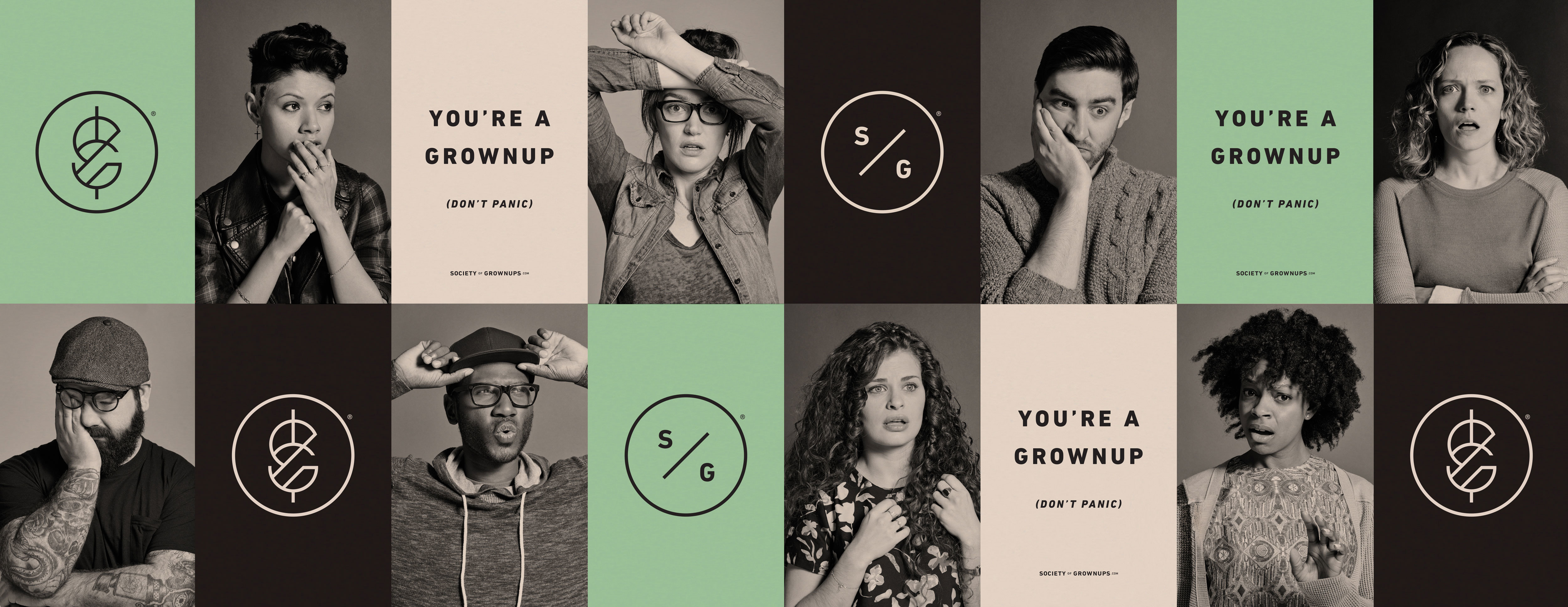

Helping young adults make smart money decisions
Society of Grownups offers financial advice to those who need it most.
When you’re under 40, buying a life insurance policy may seem about as practical as buying a Humvee. That makes insurance a tough sell for a 165-year-old company like MassMutual. To find a way to become relevant to this generation, MassMutual partnered with IDEO with a mission to get young people interested in their own spending habits.
Over the course of two years, the teams set out to learn about how people across the US spend and save their money, and they uncovered a simple theory: you either have a smart money mindset or you don’t. When it comes to being mature about financial issues—chipping away debt, saving to buy a car—it doesn’t always come naturally. If anything, many feel disconnected from money-related matters, even if it’s in their best interest to know more.
"I hate going to a bank and not really knowing what I am doing when it comes to money," said Simon Bowers, a 31-year-old who works in public relations, featured in an article in Fast Company about the MassMutual-IDEO collaboration. "They don’t seem to take into account that this might be scary for us."
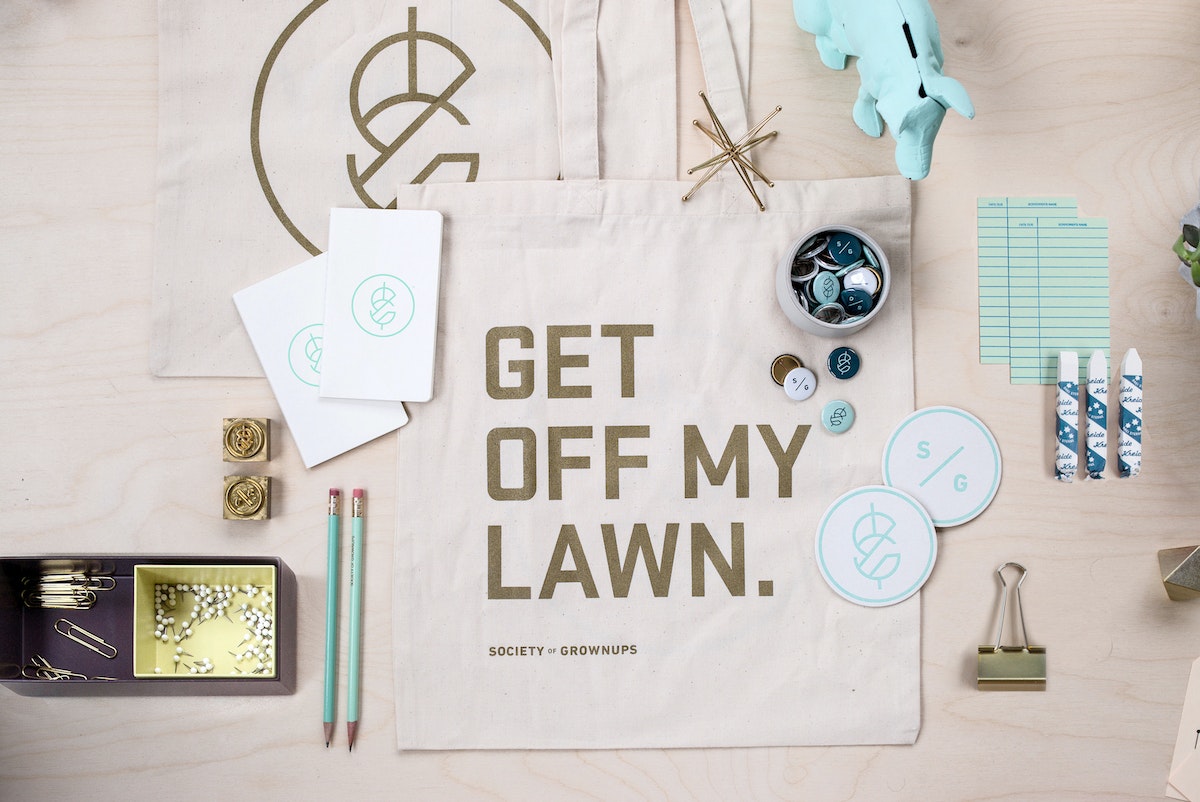
So how to invite this wary demographic to the table? Design an accessible way to meet them wherever they are: online and on their phones. IDEO helped build the new venture from the ground up—designing a brand identity and experience focused on transparency, meeting users where they are, and helping people navigate complicated financial situations so they can live life on their own terms. It’s called Society of Grownups, and you can think of it as a sort of master’s program for adulthood. Each piece of the program builds on a common vision that continues to iterate every day.
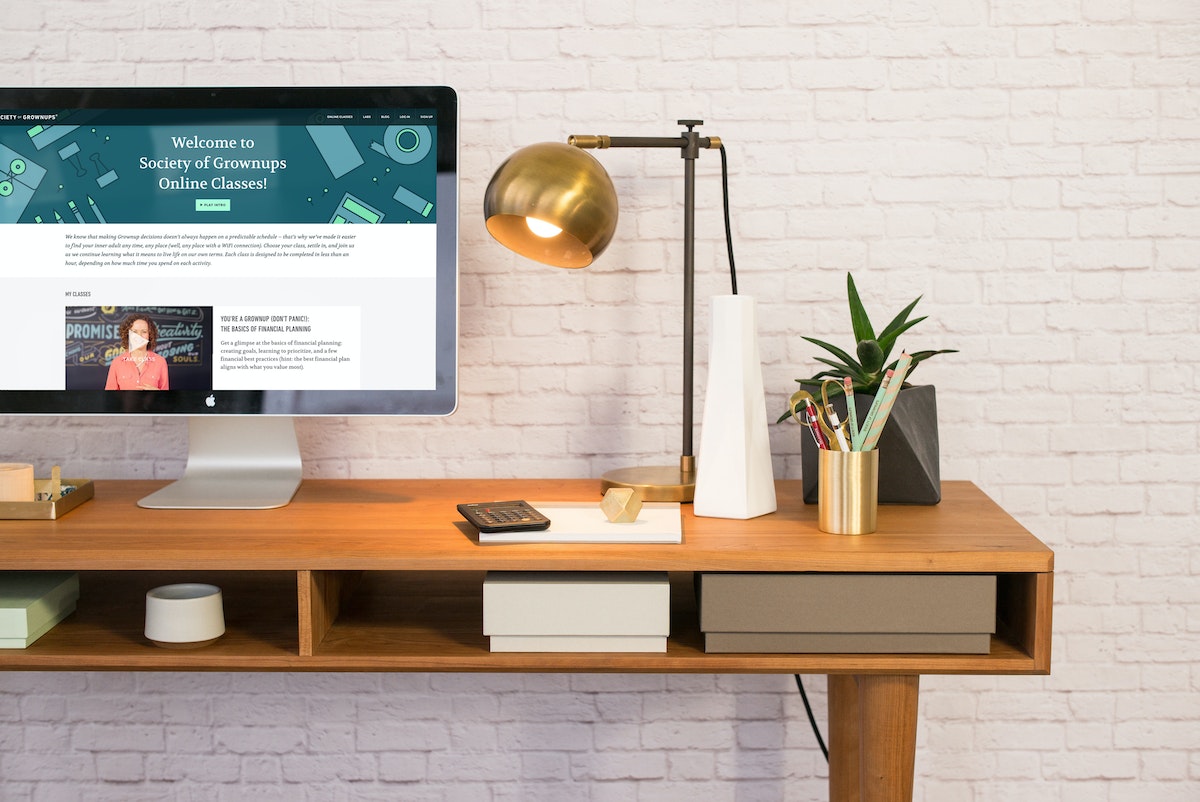
After building and testing full-scale, live prototypes, the brick-and-mortar Boston location opened in 2014 and operated much like a supper club—a warm, inviting space where young people could hang out, feast on delicious meals, attend talks, and learn about things like 401Ks, living on a budget, and how to pick good, cheap wine. After two years of continued prototyping, MassMutual recognized that the digital channel has the most potential to grow and closed the brick-and-mortar location to focus their investment in building out the bespoke online financial tools to reach more people across the nation.

Helping a digital healthcare startup to scale up
A redesign, a rebrand, and a new focus.
From leeches to gene therapy, how we treat sickness has changed beyond recognition over the centuries. But one question asked by ancient healers and modern doctors alike remains the same: “How are you feeling?”
“We’ve had the ‘quantified self’ for a number of years—sensors that measure steps, weight, blood pressure,” said Bruce Hellman, cofounder of UK-based digital health startup uMotif. “But by only focusing on the quantitative, we miss the whole picture of a person.”
Hellman cofounded uMotif in 2012, inspired by the self-awareness he gained when tracking his sleep after his baby was born. uMotif gives people the tools to record and track their mood, sleep, and clinically relevant symptoms like dizziness or breathlessness on their mobile phone app, and share the resulting data with their doctor and care team to better inform appointments, and treatment plans.
Named as one of 50 UK "scale-ups" that could grow to over £100m in revenue by not-for-profit organization Silicon Valley Comes to the UK, uMotif’s software and apps have been deployed in dozens of hospitals, and profiled in The Guardian, The Daily Telegraph, and The London Times. With a view to scaling strategically, Hellman applied to IDEO Europe’s first Startup in Residence, a three-month-long program to accelerate companies through design thinking. “We brought the whole of uMotif to IDEO: product, organization, branding, approach, and business model,” said Hellman. “We were keen to re-consider just about everything.”
During the residency, the uMotif team embedded with IDEO’s London studio to work closely with an eclectic team of interaction, business, and communication designers, and design researchers, to explore every aspect of the business.
The team found that although uMotif’s organic growth had reflected the rapidly expanding digital health market, the offer was somewhat fragmented as a result. In response, uMotif decided to tighten its sales focus from 14 branches of medicine to just two: oncology and cardiology (with mental health as an R&D area).
In-depth interviews with patients, nurses, doctors, and executives revealed a clear opportunity: “simple symptom tracking for people going through an acute or serious period in their health, to activate and extend the patient-care team relationship,” Hellman says. The focus switched from the Quantified Self to the Qualified Self, coined by the team to reference uMotif’s unique approach to measuring how people feel.
Designers set about reconfiguring and prototyping aspects of the brand, product, business, and organizational model for delivery. Whereas the original uMotif product had been designed with a single clinician in mind, the team designed a new dashboard catering for the reality of modern healthcare—multiple caregivers.
Ultimately, uMotif’s offer is not just about helping patients understand their own health; it’s about providing meaningful insights that enable them to have richer conversations with their care teams—allowing them to work together to improve care plans and outcomes.
“We are a much more focused, confident, and clear organization, truly prepared to scale sales, delivery and clinical impact,” says Hellman, referring to the impact of their participation in the Startup in Residence program. Now back in its own headquarters, the team takes with it a toolkit of IDEO systems and processes with which to run their business and to apply to new projects, products, and services.
“Health systems around the world are quickly adopting digital channels,” he said. “We aim to be at the forefront of this inevitable shift, using design thinking to put people at the centre of their care, improving quality of life, treatment outcomes, and healthcare experience.”
WATCH: uMotif: Sam's Story.
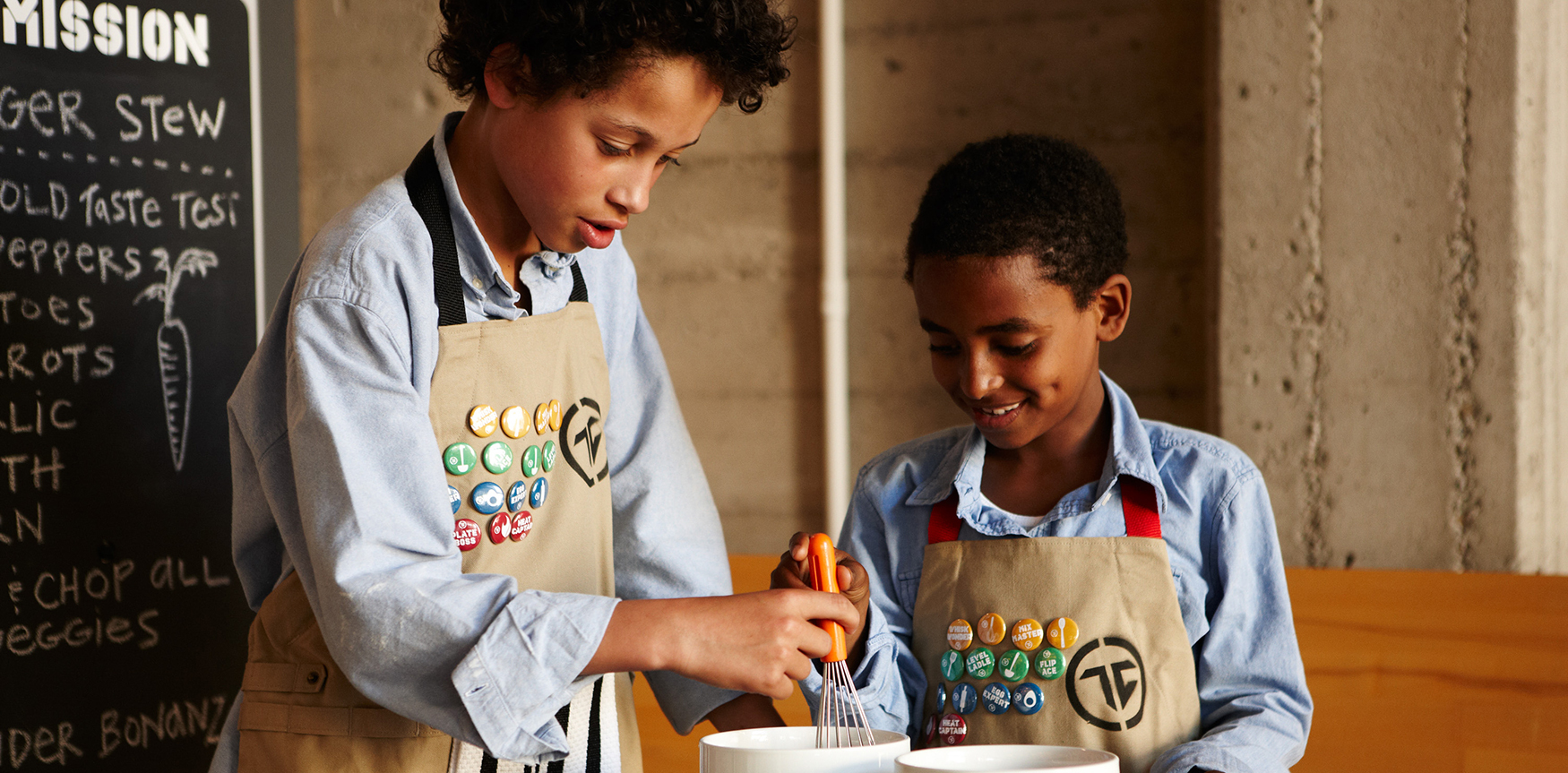
Helping kids make healthy choices
Three design concepts that help kids make healthier choices around food and exercise.
IDEO designers wanted to take on a challenge: How might we help kids make better decisions around food and being active?
Designers moved forward with three concepts that addressed this challenge from three completely different directions:
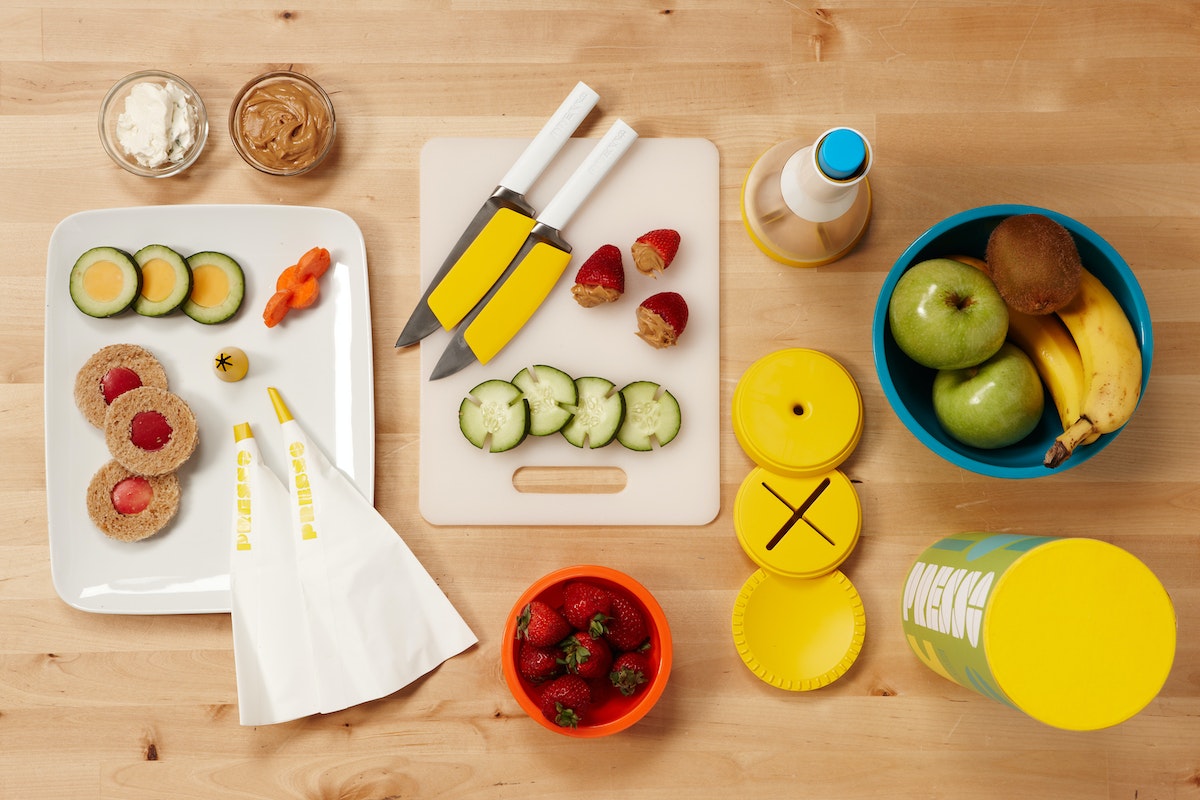
- Top Chops, a hands-on cooking adventure that builds kids’ confidence in the kitchen by working toward becoming a Top Chop “master chef.”
- Daredevils, a wearable device that measures the intensity of energy exerted, but doesn’t prescribe the activity, which kids can use to dare each other to reach activity goals.
- Presso, a set of child-size kitchen tools that slice and dice fresh food in imaginative ways, making cooking fun and helping kids feel they have a role in making their own healthy food.
The design team behind this work was featured on 60 Minutes, and some of the resulting concepts were featured on CBS This Morning.


Handheld organizer becomes a sleek accessory
Redesigning a utilitarian tool to set it apart from imitators.
In updating the popular and industry-defining PalmPilot, Palm Computing wanted to reposition the next-generation Palm V as a high-design accessory to set it apart from its many imitators.
Together with IDEO, it crafted a sleek, elegant device, half the thickness of the original in an anodized aluminum housing. Incorporating an internal lithium-ion battery that recharges in the dock, the side rails act as an open architecture to provide attachment for a variety of styluses, cases, and other add-ons.
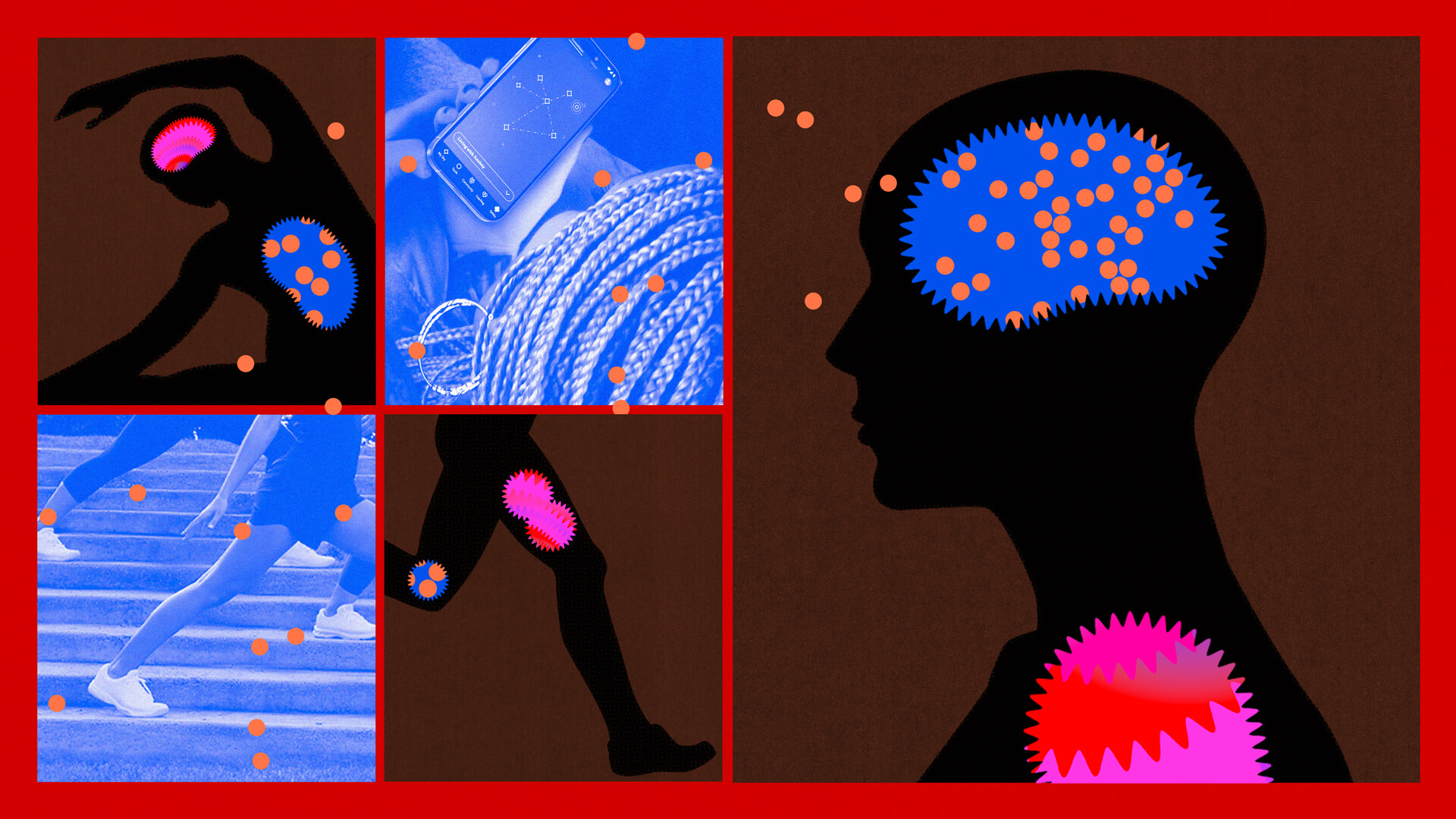
6 opportunities for digital health in 2025
And why human-centered design is crucial to solving for them.
At the time, even telehealth appointments were a rarity, until COVID-19 forced us to adapt. We brought human-centered design to the front-lines of the pandemic, helping design and launch new virtual care platforms, patient health and education platforms, and smart at-home diagnostics. Since then, digital tools have become a normal piece of the toolbox for providers and patients.
Now, digital health is shifting into another new era. M&A is accelerating, AI is shifting from back-office automation to real patient care. And a new administration is actively reshaping the regulatory landscape at a moment where patients are craving choice and transparency.
We’ve been designing for healthier human futures for over 45 years, shaping everything from patient therapeutics like digital diabetes programs to connected medical devices like smarter drug injectors, and clinical software like drug discovery tools. As part of that work, we’re always tracking the signals for what’s coming. Here’s what we see on the horizon in 2025.
1. Co-design is the key to M&A survival
Many digital health ventures that raised post-pandemic bridge rounds or early AI funding are running out of capital, which will trigger a new wave of mergers and acquisitions. The companies that survive won’t be the ones with the best tech or the most funding. They’ll be the ones that have built deep, system-wide relationships with health systems and payers.
Too many startups fail because they design for only one stakeholder—patients, providers, or payers. But viability only happens when all three are aligned. And the only way to achieve that is by designing at the intersection of desirability (what people want and need), feasibility (what is technically and operationally possible), and viability (what is financially and systemically sustainable). The solutions that last won’t just check one of these boxes—they’ll be deeply integrated into the way healthcare actually works. And to do that, the companies behind them will need to co-design with all three categories of stakeholders.
That’s what we did in 2024, when we partnered with the California Department of Mental Health and Kooth to create and launch Soluna, a free mental health and coaching platform for youth across California. To create a resource young people would actually use, we worked with more than 150 youth between 13 and 25 across the state to understand their needs, habits, and wants, shaping a platform that felt accessible, engaging, and supportive. To ensure Soluna could scale and actually work within the behavioral health system, we also navigated the constraints of government needs and co-designed with mental health practitioners to create back-office tools adapted to existing workflows. This is what co-design looks like—not just designing what’s desirable for users, but making sure it actually fits into existing systems.
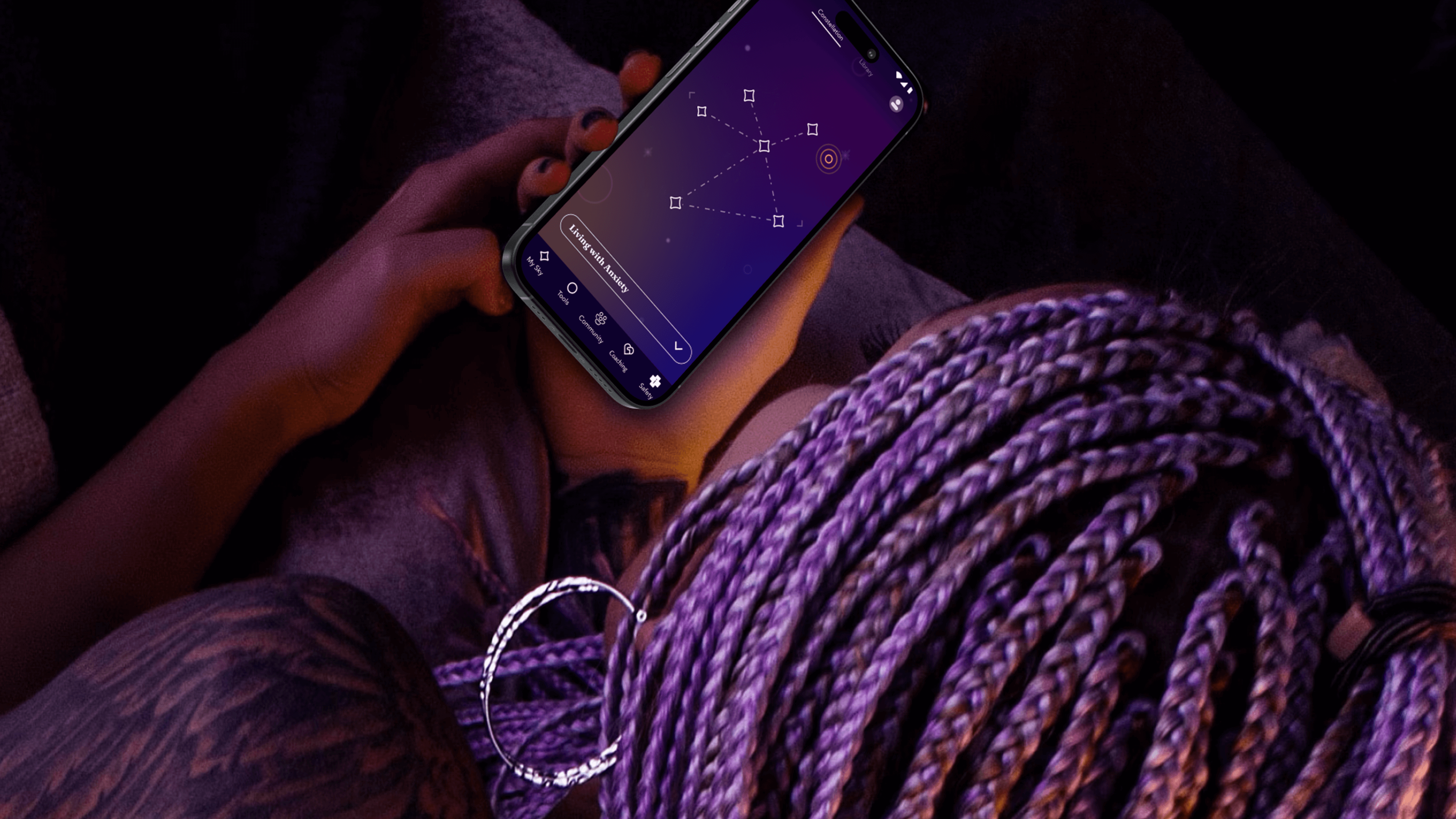
2. Trust is crucial for high-stakes AI products
Some 70 percent of payers and providers have invested in AI to help with documentation, scribing, and automatable admin work. But the true potential lies in patient-facing care, like diagnostics, care delivery, and even clinical trials—but only if we design AI tools that providers and patients actually trust. This year, AI will increasingly move into at-home care, especially in metabolic health and mental health. With GLP-1 drugs and metabolic surgeries on the rise, patients are going to need long-term personalized behavioral support. AI is perfect for that. In mental health, AI could help close the massive access gap by offering real-time support where no providers are available.
But none of this will happen unless AI is designed with patient trust in mind. We’ve seen firsthand how hesitant health plans are to extend AI beyond internal operations. But AI in healthcare isn’t just a data problem—it’s a human problem. The companies that figure out how to make AI feel safe, clear, and integrated into care delivery will define the next era of digital health.

3. Point solutions are great—but human-centered integration will make them more effective
Digital health is full of point solutions—condition-specific digital therapeutics like in diabetes, sleep issues, and brain health. These solutions have been critical in proving that traditional models of care can be improved with technology. But now, patients are juggling a phone-full of apps; a patient who downloads an app for meditation might need another for virtual primary care, another for weight management, and still another for chronic stress, each siloed in care team, data, and clinical recommendations.
The real opportunity lies in figuring out how to integrate these point solutions into conservative care models, trusted patient-facing brand names, and existing technology/EHR workflows. That means linking them to primary care, specialty care, and the broader health system—not expecting people to manage their own fragmented ecosystem of tools.
Maven Clinic does this well. Its mental health offering isn’t just a standalone app; it’s a wraparound service that connects to broader care. That’s the kind of design work we are hoping to see across digital health. As funding tightens and patient adoption slows, the future of digital health will be defined by integration.
4. AI-driven tools will soon replace entire departments
Digital health companies aren’t just pitching software anymore; they’re pitching end-to-end replacements for what were once human-run functions. Startups like InpharmD are using AI to deliver pharmaceutical recommendations at the clinic level, while Hippocratic AI is exploring drop-in AI nursing roles. These aren’t just AI-powered tools—they’re AI-powered workforces.
This isn’t just a shift in technology; it’s a shift in how healthcare organizations operate. If AI agents are going to supplant entire human functions, we need to think beyond just efficiency and automation. What happens to oversight? To decision-making? To the patient experience? The challenge is no longer just about designing better workflows. It’s about reimagining the future of work in healthcare.

5. New consumer choice offers a design opportunity
As people lose trust in the system, they’re looking for ways to take control of their healthcare choices. The question is: How will they actually make them?
With pricing transparency, new payment models where employees buy their own insurance and get reimbursed, potential regulation of pharmacy benefit managers, and a growing dissatisfaction with employer-based insurance, consumers are increasingly getting to choose which provider to see, what treatment to try, and how much they are willing to spend. But the interaction for how that all happens is still up for grabs. Will it happen through provider-led conversations? Employer benefits and brokers? Text-based interfaces like ChatGPT? Or will a new wave of agentic AI help people weigh cost, risk, and treatment options in real time?
So far, no one has cracked the interaction model for healthcare choice. IDEO and Newton-Wellesley Hospital pioneered one method with a concept called “Care Modes,” that allowed patients to decide the approach for how they receive care. The chosen mode flowed into every interaction at the hospital, even adjusting how health information gets logged in the EHR. But options like this are just the beginning. The future of how people interact with complex healthcare decisions is still wide open. The challenge ahead isn’t just about giving people more data—it’s about designing how they engage with it, trust it, and act on it.
6. Designing for behavior change is still the foundation
Designing for behavior change is one of the most competitive and well-researched areas in healthcare, but there’s still so much room to grow. For the last decade, I’ve taught a course on Designing for Behavior Change at Stanford, where students work directly with patients to develop real lifestyle changes. Over the years, we’ve learned that the most effective interventions involve more than just habit tracking or designing nudges; they also create systems of accountability, community, and self-awareness in a way that aligns with people’s actual lives. That’s why observation and in-context research matter so much.
There’s a big opportunity to rethink how digital health supports long-term lifestyle change—whether that’s reimagining SNAP and WIC programs, integrating AI into personalized coaching, or pulling insights from the most engaging consumer and social platforms.
Prioritizing human-centered design
With so many problems to solve in our health care system (not to mention new ones popping up), there’s no limit to the possibilities for innovation in digital health. But our job as designers is bigger than just making things work; it’s to make a healthcare system that prioritizes user choice, deepens trust in the system, and uses the newest cost-saving technology, while integrating into the existing ways patients access care. That’s how we can drive radical transformation, by putting people—not just business or technology—at the center.
Thanks to Jennifer Lo, Ari Adler, Juho Parviainen, and Jesse Fourt for suggestions.
Four years ago, my colleagues and I were frantically working to bring the promise of digital health to a world in crisis.

The case against AI-generated users
And alternative suggestions for design research.
What really brings value—and for what purpose—particularly in an era when budgets are tight? Similarly, folks focused on UX research argue that we are in the middle of a “reckoning,” questioning its ROI in certain contexts. Others disagree.
As this tension builds, the world of generative AI offers a new proposition: AI-generated—aka synthetic—users. Here’s the pitch: Are you sick and tired of going through the cost, time, and difficulty of crafting a research plan, finding participants, and creating thoughtful questions? Are moderated exploratory sessions and usability tests taking too long to conduct and synthesize into something actionable? There is a solution: generative AI tools that will simulate what real people might say and then feed it back to you instantaneously. Perhaps even synthesize it automatically!
The synthetic users proposition is meant to be a silver bullet. Already, folks are using it, skipping the time, cost, and hassle of doing research with real people. As leaders in this space, we felt obligated to take it seriously enough to try it out (with a healthy mix of skepticism and optimism).
As one of our teams kicked off a project to improve rural healthcare, they decided to enlist the help of ChatGPT to provide synthetic patient and practitioner insights, using several GenAI tools to create artificial users to interview. It turns out, after three weeks of swimming in a lukewarm sea of AI-generated information, all we needed was one hour with one real flesh-and-blood patient and a human physician who works with marginalized communities in rural areas to show us just how deep and complex real human experiences are—far more than our artificial users could convey.
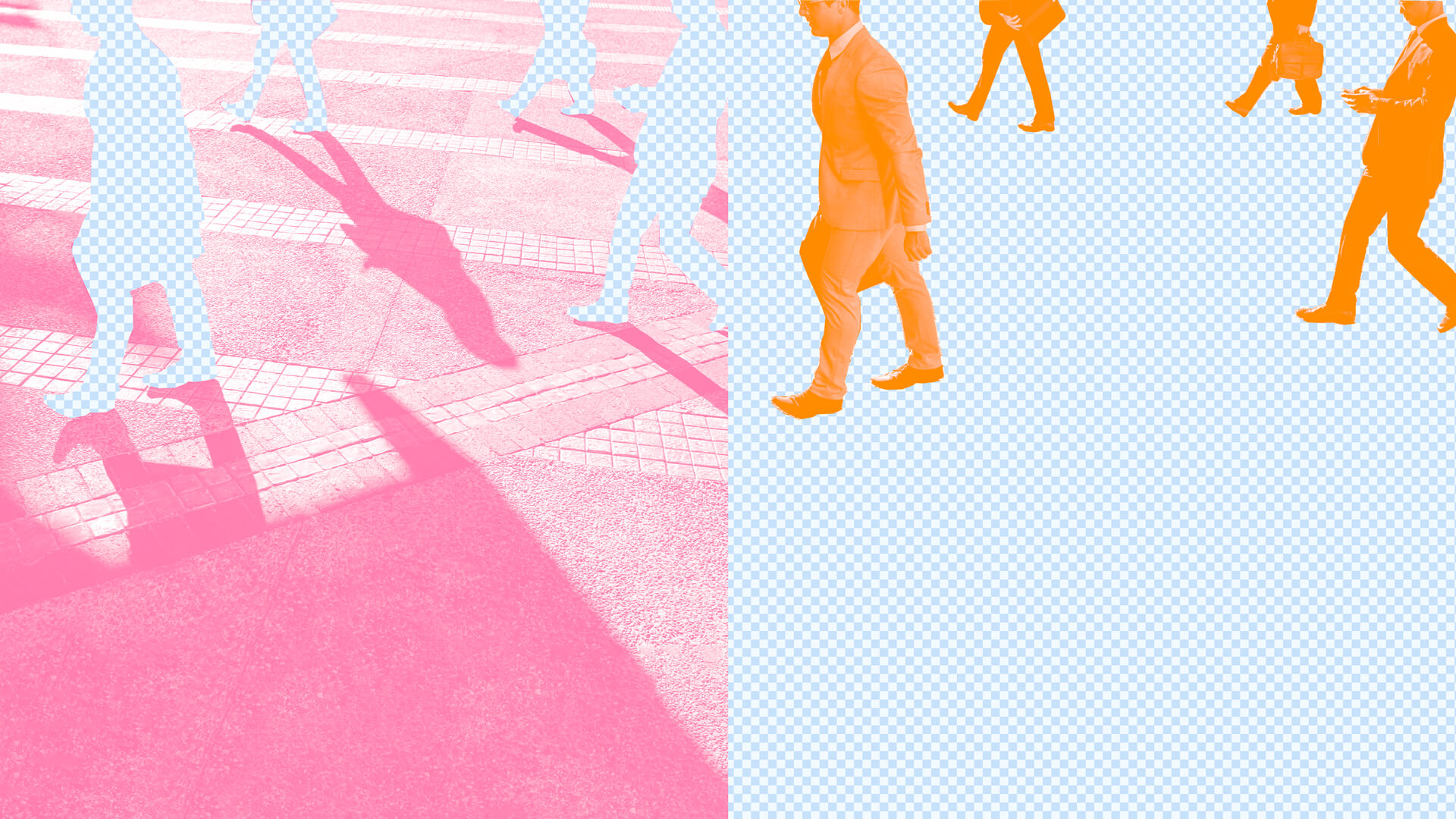
What design research accomplishes vs. what LLMs can deliver
Relying on synthetic users—really just a lot of data in an LLM model—isn’t just bad for practitioners; it’s bad for business outcomes, and the people we’re designing for and with. AI is unable to provide the key ingredients of research that are critical to our work:
Important tangents
In open-ended interviews, we follow the lead of participants, inviting them to take us on their journey, even when—or especially when—it seems to deviate from what we thought we were going to talk about.
Unexpected insights
Looking at something from research participants’ points of view leads to things we never would have learned otherwise, and creates sparks of insight that help us shift priorities or radically reimagine the problem we’re trying to solve, as well as potential business outcomes.
Context clues
When you spend time in someone’s home or place of work, their artifacts, photos, prized possessions, accidental intrusions from family members—and a host of other things—can dramatically alter the course of a research experience and lead to new insights.
Contemporary generative AI products enshrine design principles and methods of working that run counter to what we know about good research practice.
People pleasers
They are designed and trained to please you and be helpful. Sometimes participants try too hard to be helpful as well, but researchers are trained to sense this and dig further. There’s nowhere to dig further with a synthetic user.
Emotionless entities
Contemporary LLMs lack authentic emotion. They don’t leave the markers and cues that participants often drop to signal there might be more to learn. And if you want a more emotional response, then it’s up to you as a researcher to prompt it—which defeats the whole purpose of doing research in the first place.
A shallow context pool
LLMs have to be fed the right context. They can’t say unexpected things beyond what you’re already asking about. Meanwhile, researchers are only able to define what’s relevant as the process unfolds.
Forced assumptions
Actually writing a prompt that gets you meaningful answers requires you to make a ton of assumptions about what you might learn.
A disembodied “person” composed entirely of data, which has been synthesized by an LLM looking at vast collections of other disembodied artifacts or words, simply cannot provide the insights and discoveries that research is designed to produce.
Others agree. Even ChatGPT. When we asked it, “Is it ethical to use synthetic users instead of real ones?” ChatGPT told us, “Users provide valuable qualitative feedback, emotions, and insights that synthetic users cannot replicate. Overuse of synthetic users might result in missing these important human factors in design.”
Or, as researcher Christopher Roosen puts it, “Using synthetic humans for direct research is like navel gazing, but not at our own navels, but into the great messy, cluttered, and often- disgusting navel of the Internet-with-a-capital-I. The solution isn't to make up fake people. It’s getting better access to real people.”

Scrappy ways to accomplish the same goals
Design research can feel like it takes too long or is too speculative or unrewarding. Sometimes, it can lead to a lot of swirl, creating an anxiety gap between insights and the creation of new solutions. There’s also the real problem of resources. Or maybe your stakeholders are looking for immediate results. It’s reasonable for teams to wonder how they can take a more direct path.
But that doesn’t mean you have to discard human-centered research and design altogether. We too are often working on tight timelines, and having to find scrappy ways to get real data from real people. Here are some practical strategies for even the most shoe-string budget.
Friend and family interviews
You should strive to recruit a balanced sample of research participants and work to eliminate any bias baked into the sample design. But doing design research—especially in the early stages of the process—is different. At this stage, it’s actually beneficial to embrace the bias of the sample and use it as a tool to learn. Talking to friends and family to get feedback on early concepts is a viable way to recruit research participants—so long as those people care deeply about the subject matter and you understand the limitations of their perspectives.
Diary studies
When you want to quickly get data from people’s daily lives, often over a specific period of time, diary studies—having people log daily activity or respond to specific prompts throughout their day—come in handy. The size and scope of data you can study can be tailored to meet your immediate needs: You can ask participants to log their habits and thoughts throughout the day in a text or audio journal, take photos and videos, and reflect on your product or similar ones. There are even platforms like dscout that streamline the recruitment, data collection, and analysis process. In one diary study, we asked a couple dozen participants to show us the moments that mattered in their week—which completely changed how we design for major TV moments in the streaming era.
Intercepts
An intercept is a quick conversation with someone in a physical context. Where better to discuss a hospital’s waiting room experience than in that same waiting room? While the insights from intercepts are often targeted and specific, they’re ideal for quick, actionable feedback—and relatively inexpensive, too. On one project, we showed up at a major home appliance retailer to talk to customers and associates about the problems they were trying to solve together. We discovered that people often came in for a face-to-face interaction that would help them decide whether to repair or replace their home appliance. But while associates were eager to solve the problem, they felt incredibly ill-equipped to do so and could only offer anecdotes based on personal experience.
Expert interviews
Experts not only bring knowledge, but also intuition that can only be acquired through lived experiences, critical perspectives, and sometimes even information that may not be widely accessible. When our colleagues worked on that project to improve access to healthcare for rural populations, talking to one expert in that field gave them the broadest view of all the challenges that population is facing and helped them design for it with greater empathy. Instead of trying to create something purely digital, the team pivoted to creating solutions that foster trust and understanding between the doctor and patient.
Expert interviews are typically more expensive (they can range from $250 to $1000/hr depending on your expert) but luckily, you don’t need too many of them. You can also think broadly about what qualifies someone as an expert. Communities tied together by a common interest (e.g. Reddit) may get you a different kind of expertise than the capital E experts available for hire.
Social signals
If all else fails, sometimes it’s more impactful to hear the opinions of people directly through the data they leave behind online in the form of posts, comments, and reviews. Subreddits visited by particular interest demographics, trending topics on social media sites, and product reviews can uncover deeper insights around people’s true feelings and experiences, both bad and good. When we worked with a music gear manufacturer dealing with increased returns and customer dissatisfaction, a simple analysis of their own review data helped us identify specific problems, and customers’ suggested solutions.
Looking ahead
Generative AI and LLMs are very useful tools that we’ve embraced in many of our distinct design crafts. And we still believe that there is an opportunity to use LLMs in design research. They can help us think about problems in new ways, help shape a research plan, and guide interviews. After all, LLMs do have access to a wide variety of material that could be quite inspirational in planning phases—so long as we realize they are not providing insights from real people. At least, for now. (We remain open to what the future might bring.) Because today, unless you’re designing for LLMs, not accounting for real human input is a shortcut to nowhere.
Design research is at an inflection point. Practitioners and budget-setters are going back and forth over whether it’s worth the time and money.

Design lessons from the cultural exchange on Red Note
What the Chinese/American digital mash-up can teach us
Her home page had been crowded with English content and an attention-grabbing hashtag: #TikTokRefugee.
For years, Chinese and American netizens have largely lived in separate digital spheres, playing within their own ecosystems. But thanks to the change in TikTok’s legal status in the U.S., all of a sudden, we’re seeing a digital cultural exchange. On Red Note, people from the two countries are helping each other solve math problems and complete English assignments. They’re sharing photos of their pets, homes, food, and cities. They’re even fact-checking with each other about life on the “other side”—like what authentic Chinese food looks like beyond what’s offered at Panda Express.
We don’t know how long this migration of users will last, but it hints at what could be the beginning of a social experiment that could reshape norms, trends, and the way global internet cultures interact.
For us, two technologists, one currently living in Shanghai, working on a project on Chinese content creation and e-commerce platforms, this digital mingling kicked off a big conversation about what designers from different cultures can learn from each other. After all, firewalls have led to us building our tech ecosystems in totally different ways, with different design sensibilities and cultural use cases. And it’s really fun to see these two digital cultures coming together in one app.
Here’s what we’re learning from exploring this cultural exchange.
💫 The power of shared digital spaces to bring people together
We’re always fascinated to see what happens when two people who are siloed connect with each other as human beings. On Red Note, people are finding ways to learn from each other, sharing photos of their pets and families, and asking authentic questions like, “May I have the pleasure of seeing the streets of America as you see them? ” Meanwhile, the folks who came from TikTok are trying to learn Chinese terms, and even taking quizzes. These spontaneous exchanges are more than casual interactions; they hold immense potential to create a powerful inspiration pool for intentionally designing spaces for connection and positive interaction. It’s an opportunity to uncover design hints and signals for commercial and social innovations, inspired by shared values, behaviors, and the nuanced differences between users.

🔮 Cultural cross-pollination
Behaviors that developed organically in one context are already getting adopted by the other. For example, the "😺 cat tax" concept from Reddit—a friendly requirement to share a photo of your cat to participate—has made its way into Chinese social platforms, blending humor and engagement strategies from Western online spaces with local norms. Slang from both sides is proliferating; American terms like LOL, AMA, JK, as well as Chinese ones: XSWL (laughing to die), NB (really really good). This cross-pollination feels like a preview of a future where internet cultures from the U.S. and China become even more intertwined.
📲Shifting data privacy norm
On a recent project on interaction design in content creation platforms, we found that some users from China, the U.S., and the EU were unfazed by the idea that the platforms are collecting and using their data. As one participant told us, “It’s okay to use my data for training if it gives me a better experience as the payoff.” Meanwhile, some American users on Red Note said they were knowingly trading data privacy for community (in slightly less polite terms).
While this sentiment doesn’t align with traditional data privacy ideals—prioritizing minimal data collection, strong user consent, and transparent usage practices—it highlights how people crave connection and great experiences, and are sometimes willing to pay for that with their data. It’s a nuanced area that presents both opportunities and challenges for designers and tech creators—and one where they need to tread carefully. Consent is extremely important, and experiences need to highlight choices to opt in, surfacing microexplanations for new users clarifying how their data will be used or implementing scenario-based toggles that help users understand data sharing.

😻Unique engagement strategies
While researching Chinese digital products, we noticed a fascinating norm: many apps cultivate unique ways for users to address each other. On Red Note, for instance, users don’t call each other "bro" or "buddy" but instead use "sister." This stems from Red Note’s design strategy, which intentionally engages female users by fostering a female-friendly community that feels safe, authentic, and supportive. It’s a small detail with a big impact, shaping how users interact and building trust through thoughtful, culturally-tailored design. It’s also a great lesson in intentionality.
👥A wider range of features and use cases
Many apps created in Western context have one function that they do really well. Think Pinterest, Uber, Zillow. But if you spend time using various apps in the Chinese tech market, you’ll discover there’s a lot more usability and depth to the products. For example, at face value, an app like Red Note could be seen as an Instagram-style app focused on real-life story sharing. But it also has a ton of deeper features: it’s heavily social, commenting with self-moderation on things like political speech, livestream, notes, and more. China’s UX designers have figured out how to distill the purpose of a product, and create deeper dimensionality in a way that aligns with user needs, and makes it easier to express yourself and accomplish goals on the platform..
🌎Protecting culture
The influx of new users and ideas is transforming platforms like Red Note into vibrant spaces for creativity, commerce, and cultural exchange. This evolution raises questions about how global norms and trends will influence—and be influenced by—local platforms, potentially reshaping the landscape for content creators and businesses.
As delighted as we are to watch and learn from these interactions, we’re very aware of the power of globalized social media to flatten cultures. Part of the fun and learning here is that they are so different. But that offers yet another design provocation: How can we balance connection and understanding and cat memes between people without flattening culture? That’s a question we’ll continue to explore.
Last Wednesday, when Zoey opened Xiaohongshu ( aka 小红书” or Red Note), her go-to Chinese social media app, to scroll through some of her favorite local food, fashion trends, and K-Pop content, she discovered something unexpected.

CES 2025: What we saw—and wish we had seen
Raising AI kids responsibly, an avalanche of smart glasses, and more.
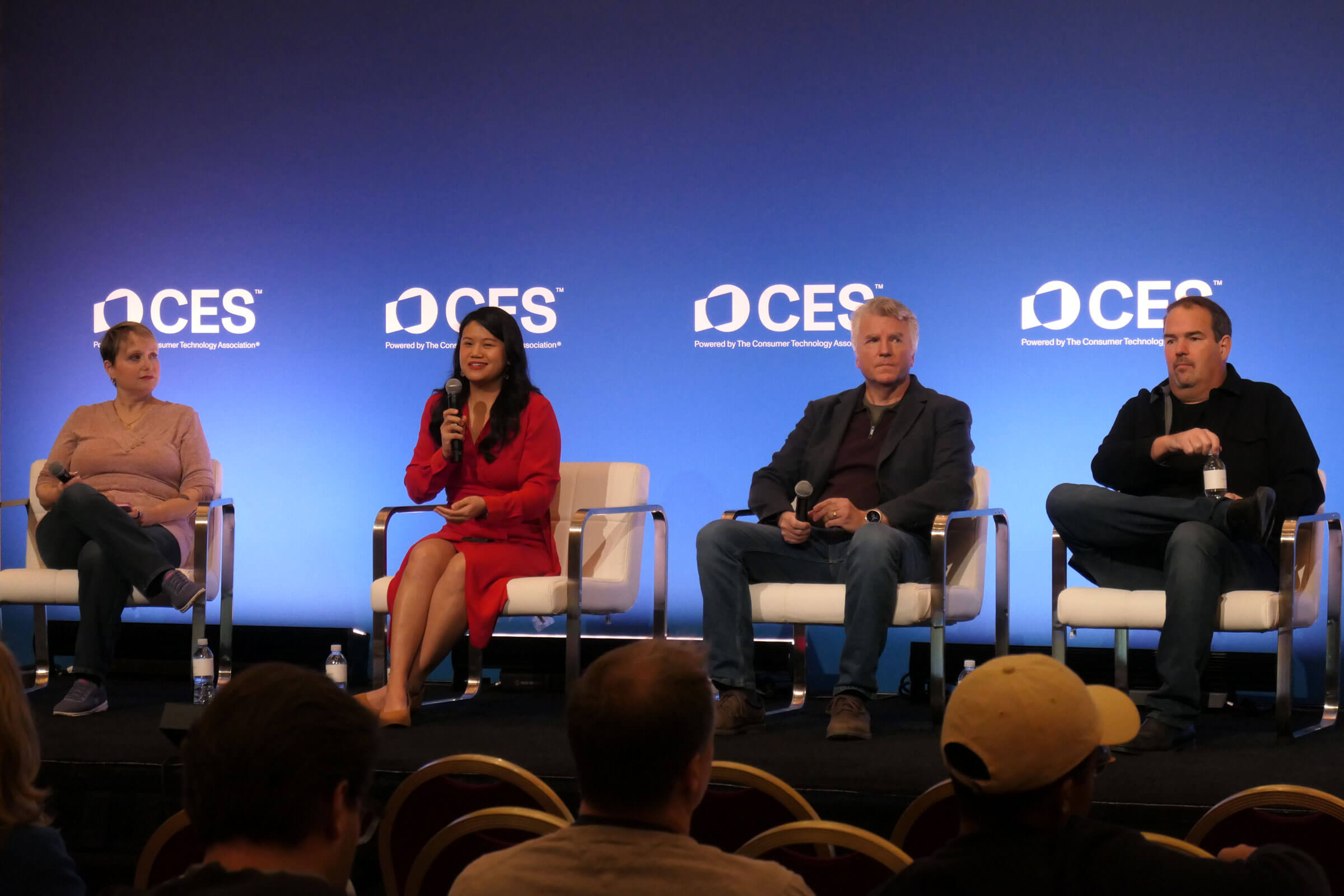
We headed there together—Keren to speak on a panel about raising AI kids responsibly, and Dan to meet with clients and partners and check out what’s coming in the world of media and technology.
What stood out most was the contrast between our panel discussion—where we focused on how AI can genuinely enhance kids’ lives in meaningful ways—and the exhibit halls, where much of the tech seemed designed to become the centerpiece of daily life. There were some promising ideas, like digital health assistants and travel concierges, but it was clear that many companies were betting on people reorganizing their lives around their products. That could be a tough sell for consumers, and one that leaves a big opportunity for companies to design technology that integrates into people’s lives, amplifying what they already value and care about.
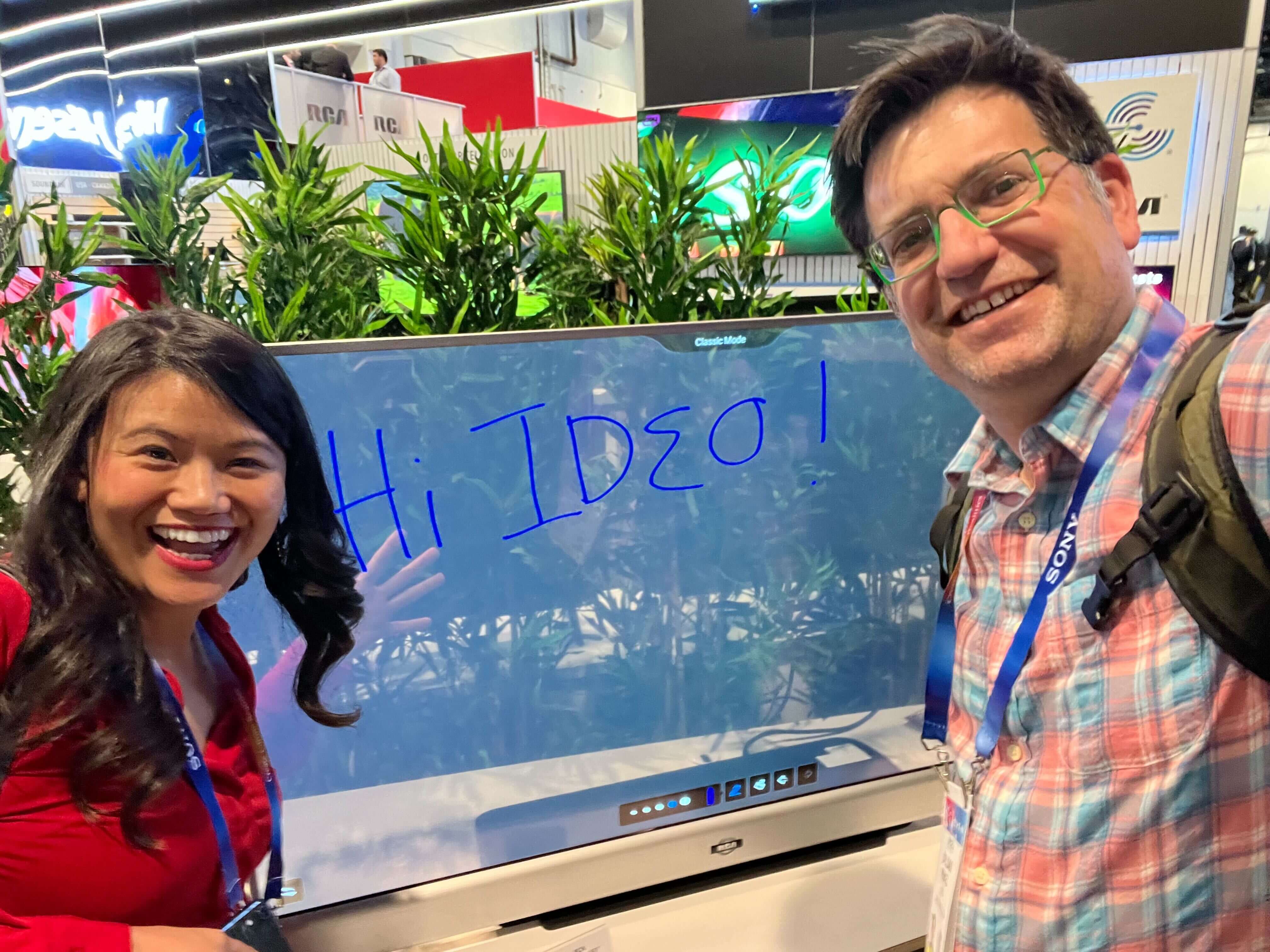
Here were the most interesting things we saw, heard—and wished we’d seen.
Things we heard
Kids aren’t impressed by AI alone: While adults can go ga-ga over everything AI, Keren’s co-panelist, Joshua Garrett, COO of Readyland, astutely pointed out that though adults might feel an experience is magical because of a novel tech interface or capability, kids aren’t wowed by the flash if the experience itself doesn’t deliver. At the IDEO Play Lab, we often see that adults will try to figure out how to make a product work because they're too embarrassed to admit they don’t get it. But kids will tell you right away if something isn’t intuitive. Youth have also told us directly: They want a chance to learn how to form relationships with real people, not a chatbot that might stunt their emotional growth during their formative years. While these insights were focused on designing for kids and youth, the idea of novelty wearing off applies to any audience. During our panel, there was consensus: Just because something can be automated or replaced, doesn’t mean it should be. There are the human moments we should hold on to and protect.
Things we saw
Smart glasses galore (or wearables that go anywhere but your wrist): On the way out of the CES showroom we were overwhelmed (well, almost) by just how many versions of smart glasses there were, not to mention all the people in line waiting to try them out. The Xreal/BMW partnership was particularly packed, and won a bunch of “Best of CES” awards. We were particularly intrigued by Rokid’s approach to the device, which included a separate controller and ability to take off your prescription glasses (a big win for Dan!) and adjust the image quality in the lens. For now, it seems like the smart glasses market is still in flux, and popularity will be determined by how well these companies pitch something that fits different social moments (e.g. being the passenger of a car, sitting on an airplane, hanging out in cafe, walking down the street, just saying hi to a friend, etc). One thing that still felt way underdesigned? The audio experience and the relationship between the glasses and the audio devices you might already have.
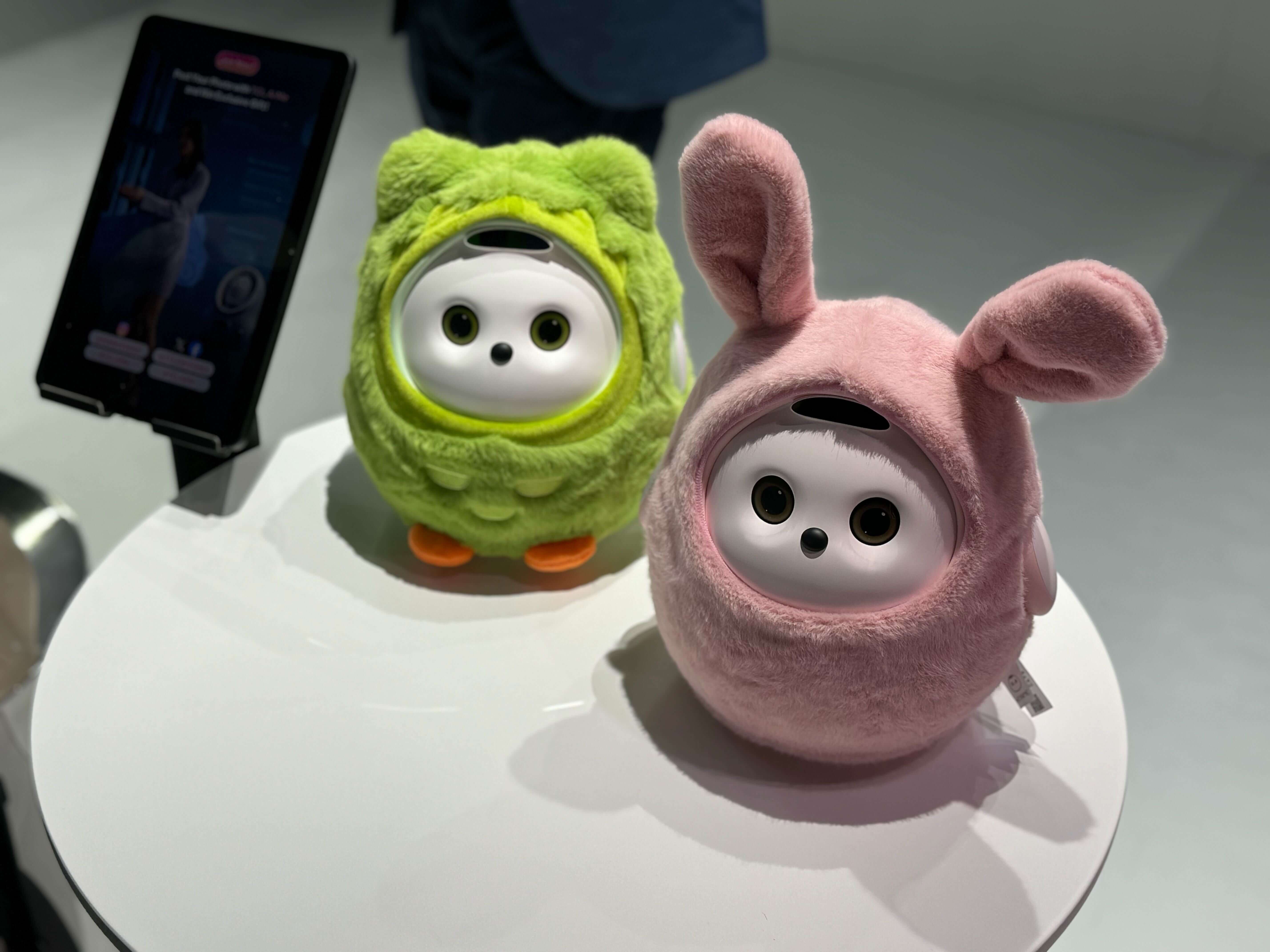
Creator tech ISO heart: As with most hype cycles, buzz around the creator economy has risen and fallen many times over the past few years. Are we on our third spring? We saw plenty of “pro creator” tools that can empower users to do everything from quickly capturing human motion (inertia-based motion capture and animation—no room sensors needed) to importing image assets with nothing more than a bluetooth connection and to software developer kits (SDKs) that enhance immersive experiences. Before, only professionals could access these powerful tools; now anyone (with the budget) can build an immersive game. Still, amid all this progress, it felt very refreshing to have dinner with execs in the creative space who emphasized the need for human stories and heart. The challenge isn’t just making creation faster; it’s ensuring the stories these tools help tell resonate on a deeper level, connecting with audiences in ways that transcend the tools themselves. After all, it’s the heart in the work that keeps audiences coming back.
IP content flywheel: Some of the longest lines we saw at this very techy tech convention were for the The Last of Us proof-of-concept immersive experience and the Demon Slayer photo opp at Sony. The uptick in location-based entertainment (aka, experiences that let people live out their fandom IRL) is a good reminder that characters and connections are the thing. The tech was in service of the experience. On the other end of the spectrum of the storytelling medium, at the Variety Summit, we heard about how webtoons and anime—long popular in the Asian market—are now finding incredible traction in other geographies. It was somewhat of a full circle moment for those of us who were coming of age during the era of LiveJournal and lo-fi sketches. There’s something nostalgic and comforting about the quick drawings and the 2D experience of absorbing a story in that way that appeals to users in the age of high-speed and seamless experiences. It’s a good reminder that some experiences benefit from slowing things down.
Things we wish we had seen
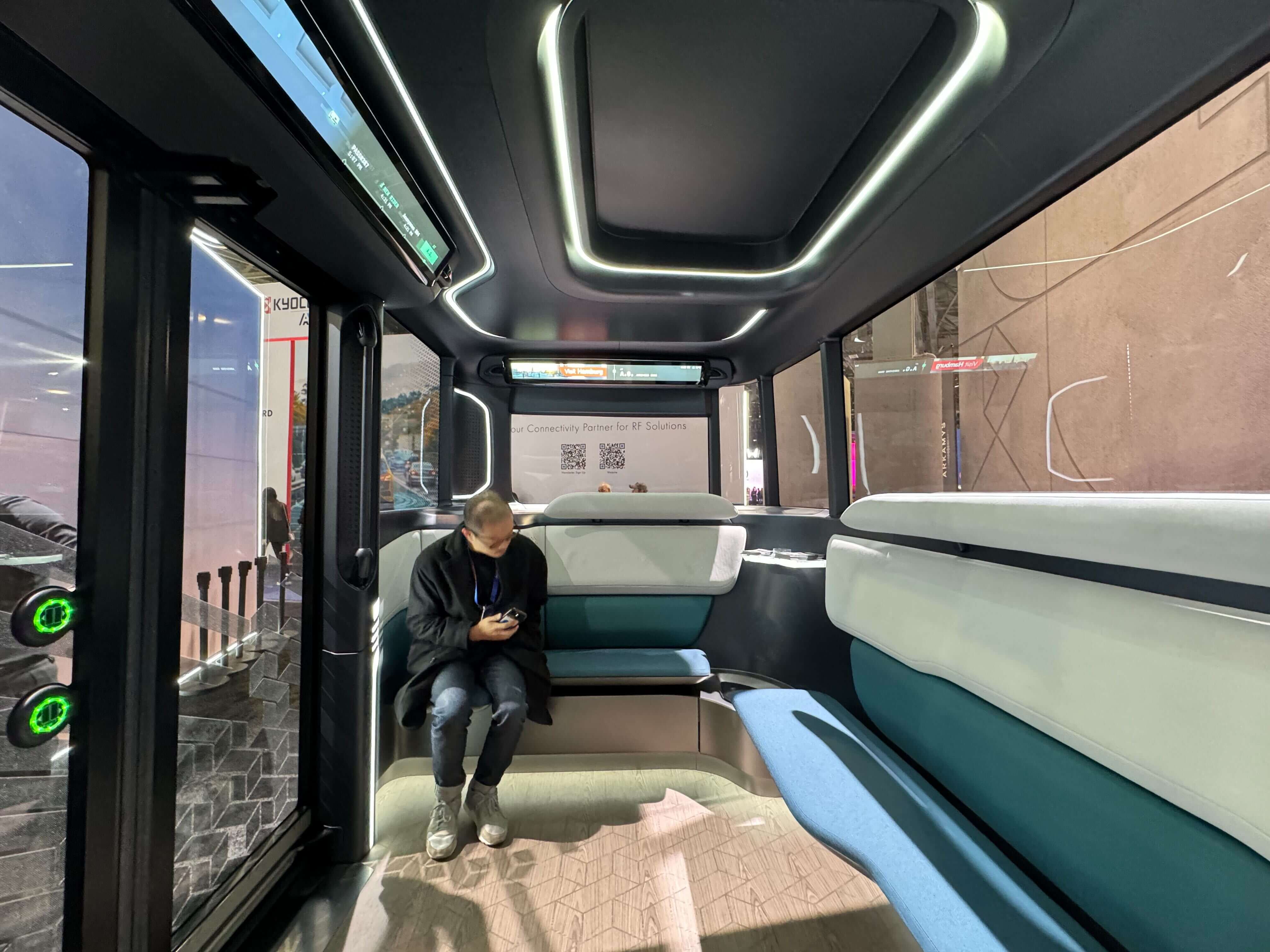
Solutions to big human problems: We were really hoping to see some innovative approaches to some of the looming problems we’re eager to get working on—like decades (centuries?!) of under-investment in women’s health. (And we’re not talking about period-tracking apps, either.) There is such a large opportunity area here.
We did really appreciate the AgeTech section, which was sponsored by AARP. Believe it or not, 2024 was actually known as “peak 65,” the year when the largest-ever number of Americans ever hit 65 at once. We need new solutions and interventions to support dignity and care in the aging process, improving not just the physical health experience, but mental and emotional health too. Some of the things we saw were cool and fun, like versions of classic games, tailored to audiences of different abilities, making it easier for families to connect. We’re hoping to see more solutions like this, that extend care beyond capturing health metrics, designing for delight and connection, which are important for longevity and joy.
Need help solving a problem in one of these opportunity areas? Get in touch. We’d love to hear from you.
This year’s Consumer Electronics Show (CES) was a whirlwind of AI—in your kitchen! In your car! In your bedroom!—smart glasses, “pro-creator tools,” and new media experiences (see-through tv screens, anyone?).

Lindsey Turner
I’m passionate about building brands, products, and experiences that help organizations show up with meaning and momentum.
I help organizations cut through complexity by shaping how they show up, through brand strategy, identity, and storytelling.
Working at the intersection of brand and business, I bring an editorial eye and a bias toward making—turning ideas into tangible experiences that people can understand, trust, and believe in.
My work spans government, healthcare, financial services, media, and consumer goods, from launching Gen Z-focused ventures to building innovation labs and reimagining legacy brands. I relish moments of ambiguity and enjoy translating across teams, perspectives, and priorities to move ideas forward.
I started my career in editorial and digital design, shaping cross-platform experiences and identity systems in publishing and agency environments. That foundation still shapes how I work today: I’m detail-oriented, collaborative, and overreliant on the Oxford comma. I hold a BFA in Visual Communication from the School of the Art Institute of Chicago.

Rachel Young
My work helps organizations see who their products aren't working for—and build the will and the tools to do something about it
For 25 years, I've asked the same question: Who does this design exclude—and what are we going to do about it?
My work spans human-centered strategy, inclusive design, and qualitative research, with clients ranging from Microsoft, Google, and Verizon to the National Science Foundation, and San Francisco Unified School District.
Before IDEO, I taught elementary school in East Palo Alto and spent a decade doing design work with social service organizations—where I learned firsthand what it costs people when systems are built without them in mind.
I am currently writing User Error, a nonfiction book about digital access and the design decisions behind it. I live in Oakland, California.

Brian Pelsoh
I lead with craft, ensuring our work is creatively excellent: rooted in deep human insight and imagination, while also grounded in the realities of business and technology.
My expertise spans brand, communication, and product design across tech, education, the arts, and social impact.
I believe great work demands both high-level vision and obsessive attention to detail, and only happens through collaboration.
I bring an inclusive, hands-on approach and a deep understanding of business, which enables me to consistently deliver excellence while always asking why.
Before joining IDEO, I worked at the brand firms Pentagram and VSA Partners. I began my career as a designer, leading teams at the School of the Art Institute of Chicago and the Milwaukee Art Museum. I hold an MFA in graphic design from Maryland Institute College of Art and a BFA in communication design from the Milwaukee Institute of Art & Design, and have taught at some of the best design schools in the US.

Tony Wong
I am responsible for IDEO’s long-term success in China and working with clients to use design as a tool to enable growth.
I am responsible for IDEO’s long-term success in China and working with clients to use design as a tool to enable growth. Specifically, I have helped Chinese companies design holistic brand solutions through the development of their products, communication, services, and innovation teams, and I have helped multinationals expand their presence and influence in China.
I advise global leaders on developing China-led innovation and capabilities.
In over 15 years in IDEO Shanghai, I have worked on projects that use design to elevate the quality of the experience of healthcare products and services, streamline processes that increase productivity, create spaces and programs that promote and enable inclusive communities, and build next generation mobility solutions that are planet-positive.
Before joining IDEO, I worked at Philips Electronics and the Electrolux Group in Italy, the Netherlands, and Singapore on a number of breakthrough commercial products. I am a member of the Young President Organization in Shanghai.

Building a personal AI for the messiness of life: Sida Li
Most AI products today are built for work—a space with clear problems and established systems. One founder noticed a gap: personal life is messier, harder to systematize, and mostly left behind by the AI boom. So she built Cue, a personal AI that lives inside iMessage and group chats, to go where the other tools haven't.
In this episode, Becca Carroll, IDEO's Chief Strategy Officer, talks with Sida Li, co-founder and CEO of Shared Context Lab, about staying anchored to a human need while the technology around her keeps changing shape, why she treats her business model with the same rigor she'd bring to a product, and what it feels like to build a company at this particular, disorienting moment in AI.
The conversation also gets into how Sida makes design decisions: the language Cue uses to describe itself, the tradeoffs behind building inside iMessage instead of a new app, and a real story about a business idea that didn’t pan out.
This is the second in a two-part series profiling founders from IDEO's Startups-in-Residence program. The first conversation is with Johannes Seemann, founder of Sooner, on designing GenAI for the emotional side of money.

Designing GenAI for the emotional side of money: Johannes Seemann
Most personal financial tools are built to run the numbers and optimize towards a budget. While that works for some, most people experience money as a lived relationship that does not neatly fit into a spreadsheet. Johannes Seemann and Becca Carroll discuss why money is emotional before it is mathematical, and what a human-centered approach to building a generative AI financial product looks like in practice.

The curious leader's edge in uncertainty: Scott Shigeoka
Mina Seetharaman talks with Scott Shigeoka, author of Seek and Head of Curiosity Cultivation at the Eames Institute, about what distinguishes genuinely curious leadership from performative curiosity, how power dynamics shape curiosity, and why practicing curiosity can restore energy rather than drain it.

How constraints make us more creative: David Epstein
Mina Seetharaman talks with David Epstein, author of Inside the Box and Range, about why total freedom often produces average work, how leaders can design useful limits on purpose, and what organizations such as General Magic and Pixar reveal about the relationship between boundaries and creativity.
Looks like you might be in search of something very specific?
Or reset the filters above and try another angle.
Here’s some random inspiration

Podcasts about creative leadership

Articles about the power of prototyping
