
.svg)




Using design thinking to create a better car
A legacy car brand embraces design thinking and collaboration to develop the luxury crossover Lincoln MKC.
Designing a new car takes years and requires strong collaboration between thousands of people. So when the Lincoln Motor Company began developing the luxury crossover Lincoln MKC, they invited IDEO to share key design-thinking methods to employees and departments to improve the process and to land on a better product.
IDEO built a pop-up studio inside an old manufacturing bay at the company’s Dearborn, Michigan, headquarters, and organized a collaboration between IDEO designers-in-residence and Lincoln employees from different departments. During the six-month collaboration, the IDEO team built a full-scale interactive car prototype to make various in- and out-of-car experiences tangible, and collected user feedback along the way. And they shared key design-thinking methods, which helped galvanize action across different teams, and sped up understanding of design thinking.
The MKC is credited with helping the Lincoln brand outpace growth in the luxury segment by more than two-to-one over competitors. Next up is turning the heads of luxury customers in China, where Lincoln plans to open 60 stores in 50 cities by 2016.
"By bringing together all our key internal stakeholders, the MKC meets and exceeds customer expectation," said Scott Tobin, Director, Lincoln Product Development.
Transforming the banking experience
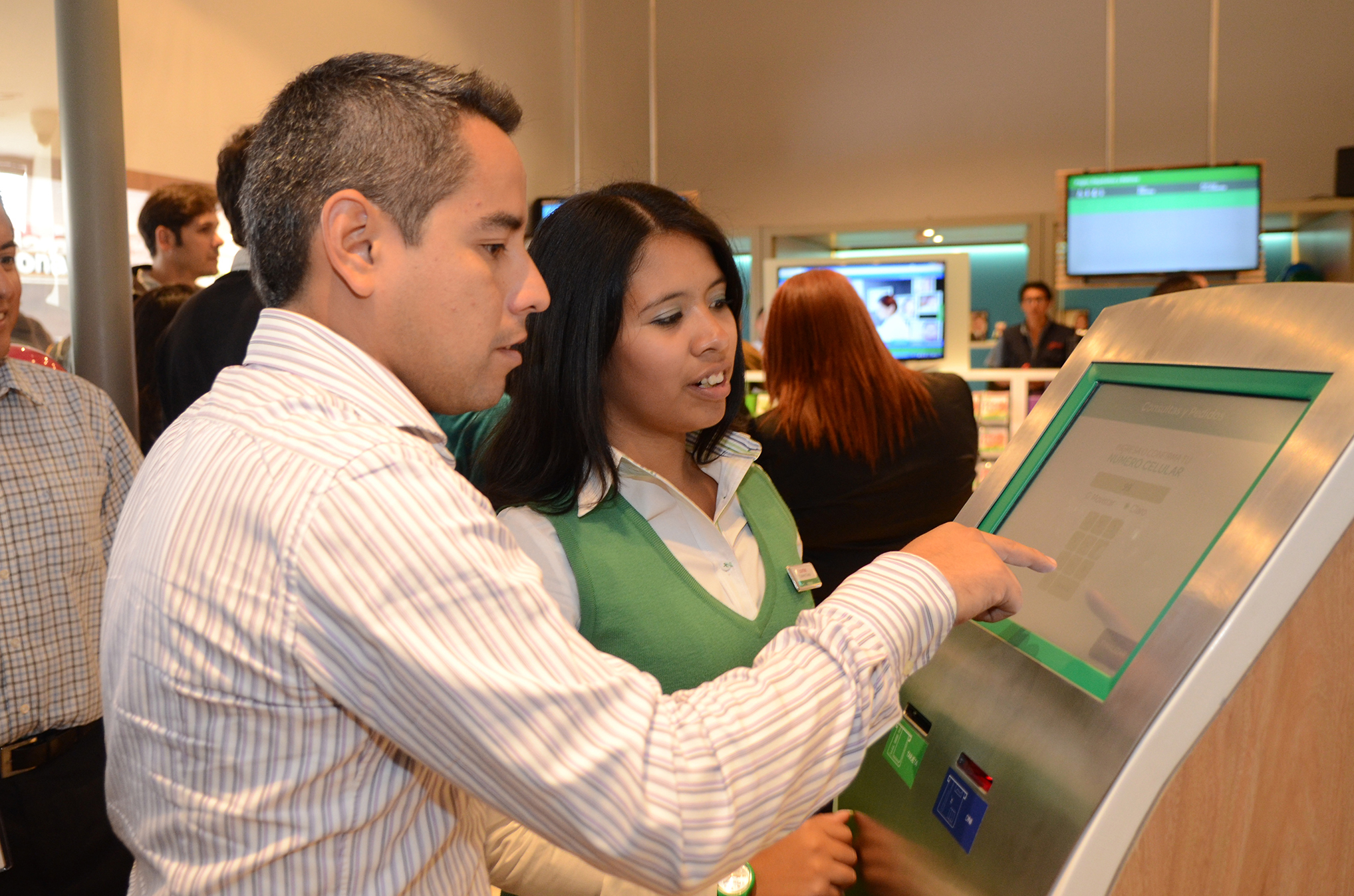
A Peruvian bank creates a more welcoming environment for customers.
Despite recent advances in Peru's banking infrastructure, the Peruvian public remains largely disengaged with its country’s banks. About 75 to 80 percent of the population lacks a bank account, preferring to safeguard cash at home versus entrust it to any institution. This represents a huge challenge—and opportunity—for Interbank, one of Peru’s largest financial-services firms.
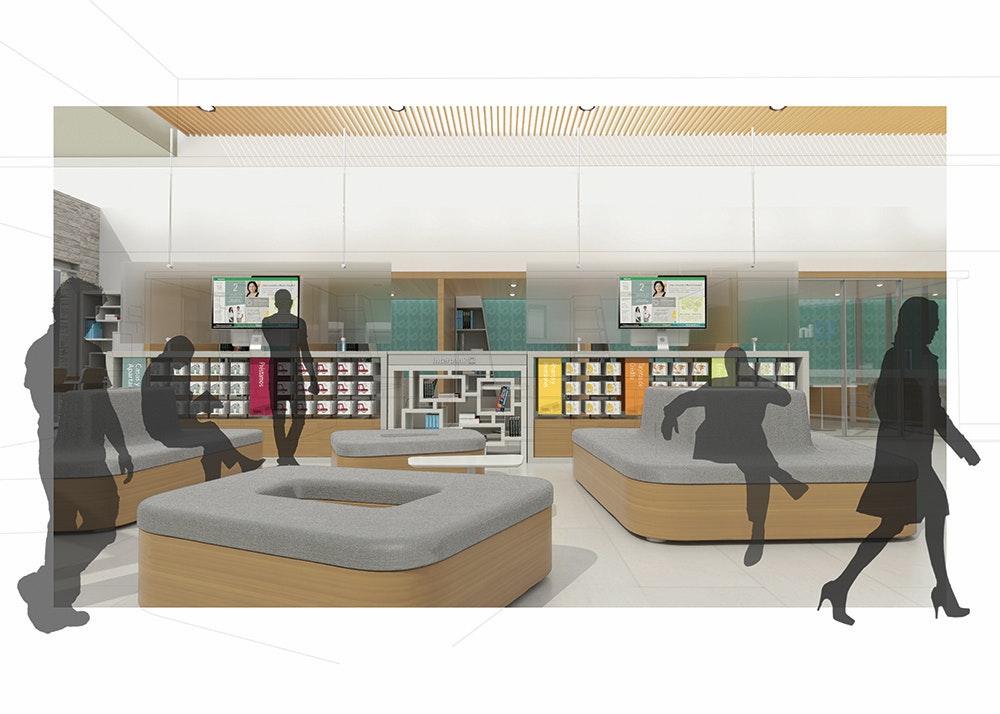
Interbank and IDEO designed a customer experience that would differentiate the Interbank brand and capture a larger share of market. The result, an experimental space called Interbank Explora, is intended to serve as an “innovation lab,” where the company can continue to try the most advanced financial service offerings and get feedback from clients.
This fun and expressive environment—designed for customers, with customers—provides a sharp contrast to competing banks in Peru, which tend to be sterile, formal places that look like hospitals and have long lines. In its initial 60 days of operation, Explora exceeded expectations: Sales more than doubled overall, customer satisfaction rates improved from 33 to 84 percent, and profitability grew, including a 138 percent gain in non-interest-income activities.

The next-generation hotel experience
Getting the details right to improve travelers' stays.
Whether it’s the receptionist’s smile at check-in, the tasty snack at the bar, the thoughtfully designed lobby, or an easy-to-use mobile app, a hotel is no longer just a place to sleep—every detail plays a part in how much customers enjoy their stay.
Multinational hotel company IHG asked IDEO to help revamp its Holiday Inn Express brand in Europe—everything from public spaces to food and beverage, digital, and guest room interiors. Through their research, designers learned that the brand’s guests are independent and value-conscious, and appreciate a human touch. And yes, they prize good design.
Designers created a series of principles that informed every part of the hotel chain’s next-generation experience—things like a to-go concept for breakfast, an easy way for guests to stream their own media through their room’s TV, and assigned quiet floors for business-weary travelers.
As IHG rolls out the next-generation guest experience in the UK and across Europe, smart travelers can expect to check in to a high-touch, well-designed hotel.
“A hotel room is no longer just a place to sleep. This investment in guest insight and innovation is enabling us to stay ahead of the game,” said Mike Greenup, Vice President, Brand Management, Holiday Inn Brand Family, Europe.

This startup revolutionized an industry through design
Launching a nationwide venture that redefines and simplifies how customers engage with their pharmacy.
Dealing with medication can often be a bigger pain than the ailment itself. Standing in long lines at the pharmacy, keeping up with expiration dates, making sure you take this medicine with food and that one on an empty stomach—it can be overwhelming.
An online pharmacy called PillPack had a mission to make it easier. PillPack worked to build a prescription home-delivery system that takes the pain out of the whole process. The venture brought their business to IDEO’s Cambridge office as a startup-in-residence, and worked with designers to fine-tune their offer and showcase it to the world.
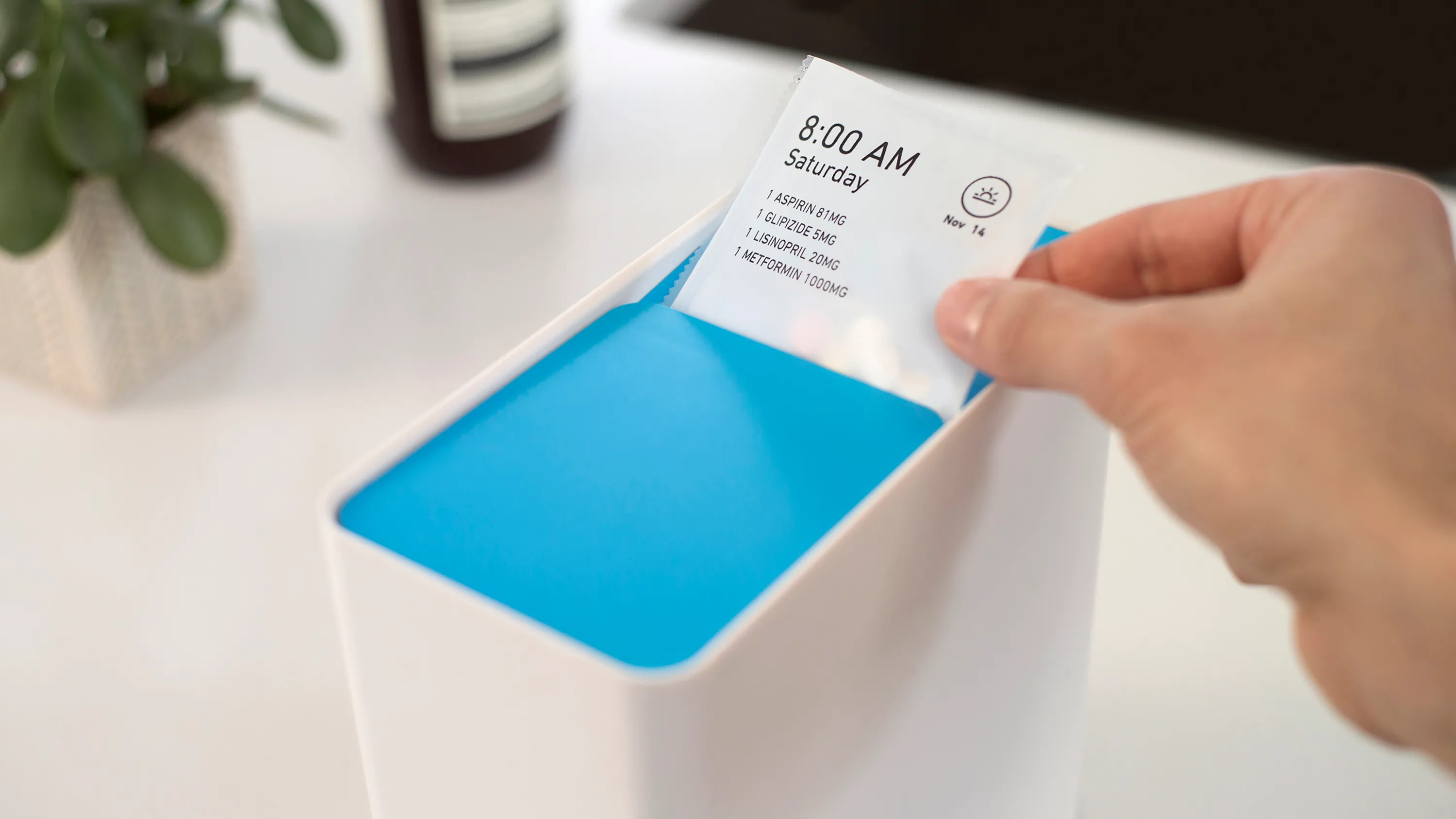
Here’s how it works: Your doctor sends your prescriptions straight to the pharmacists at PillPack, who organize the medications—including refills, over-the-counter drugs, vitamins, and supplements—into presorted, personalized packets. These tidy little packets are labeled by date and time and delivered to your doorstep. Every 14-day supply of medication fits neatly into an IDEO-designed durable dispenser that is meant to become part of customers’ routines and fit seamlessly into their homes. IDEO also designed a travel pouch that makes taking medicine on-the-go simple and discreet. For those who need a human to talk to, pharmacists at PillPack's pharmacies are available anytime via phone or email to answer questions.
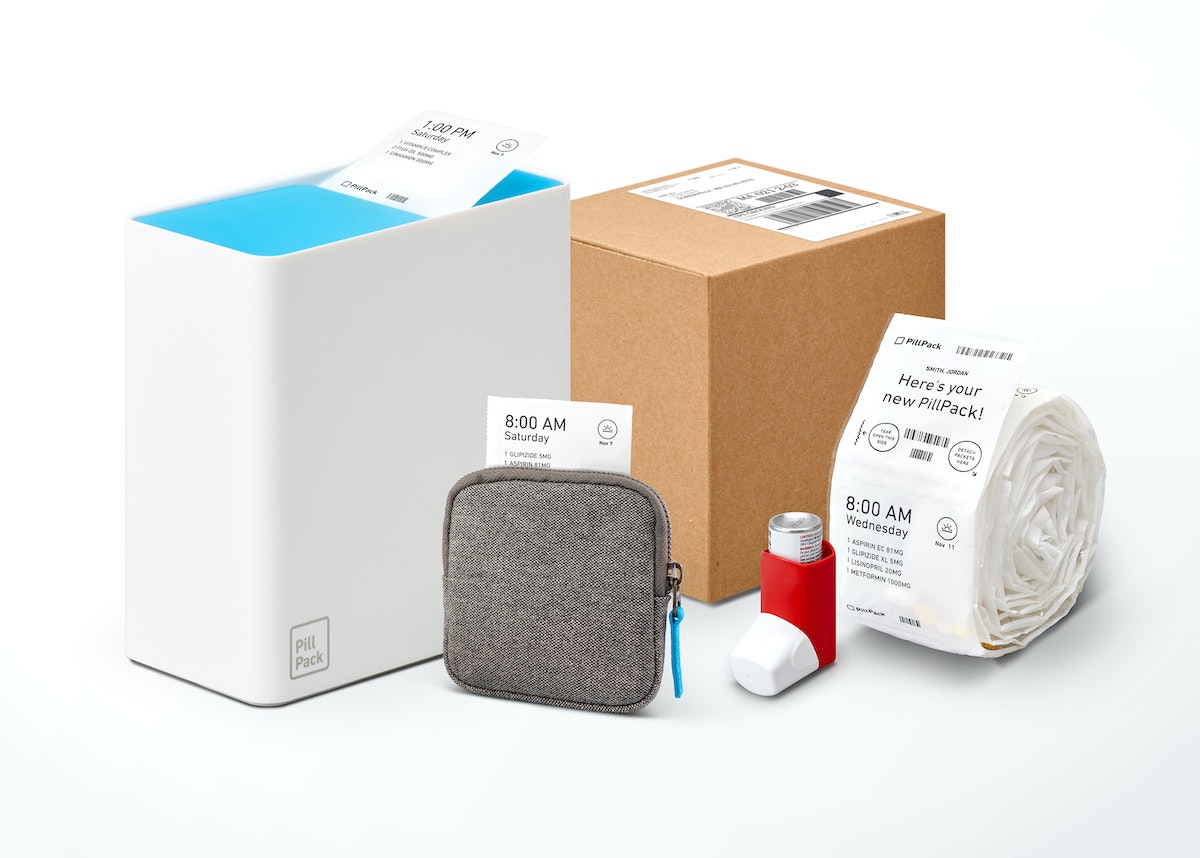
PillPack was the second startup-in-residence to work with IDEO Cambridge. Company founders Elliot Cohen and TJ Parker joined forces with the design team to redefine how consumers engage with their pharmacy. During the three-month residency, the teams focused on making sure that every customer interaction with PillPack—from signing up for the service online to using its product daily—was straightforward and reassuring.
Designers worked to refine the company’s brand vision, strategy, and identity across channels, and used this framework to completely redesign PillPack’s website, as well as a private dashboard for customers and a suite of physical products.
The result was a set of tools that reflected a true understanding of PillPack’s customers, a well-articulated product and service, and a human-centered approach. PillPack is still the only independent pharmacy in the U.S. that serves customers nationwide.
“PillPack has revealed the massive potential of combining design thinking and the drug market... This simple innovation makes life easier for seniors who can be a bit forgetful and have difficulty with bottles,” Wired wrote in an article about the company. “Younger patients with active lifestyles and chronic diseases can just pull as many packets as they need and go. All told, PillPack means you’ll never have to help your grandma sort pills into a tacky day-of-the-week organizer again.”
In June 2018, Amazon outbid other retailers to acquire PillPack for $1 billion.

If You Can’t Have Fewer Meetings, Have Better Ones
Our best tips to help you design a non-boring meeting (yes, it's possible)
At IDEO, we like to breathe new life into the mundane with design. In an effort to shape a new paradigm of meeting-dom, here are some of our best resources on making your next conference-room gathering stand out—in a good way.
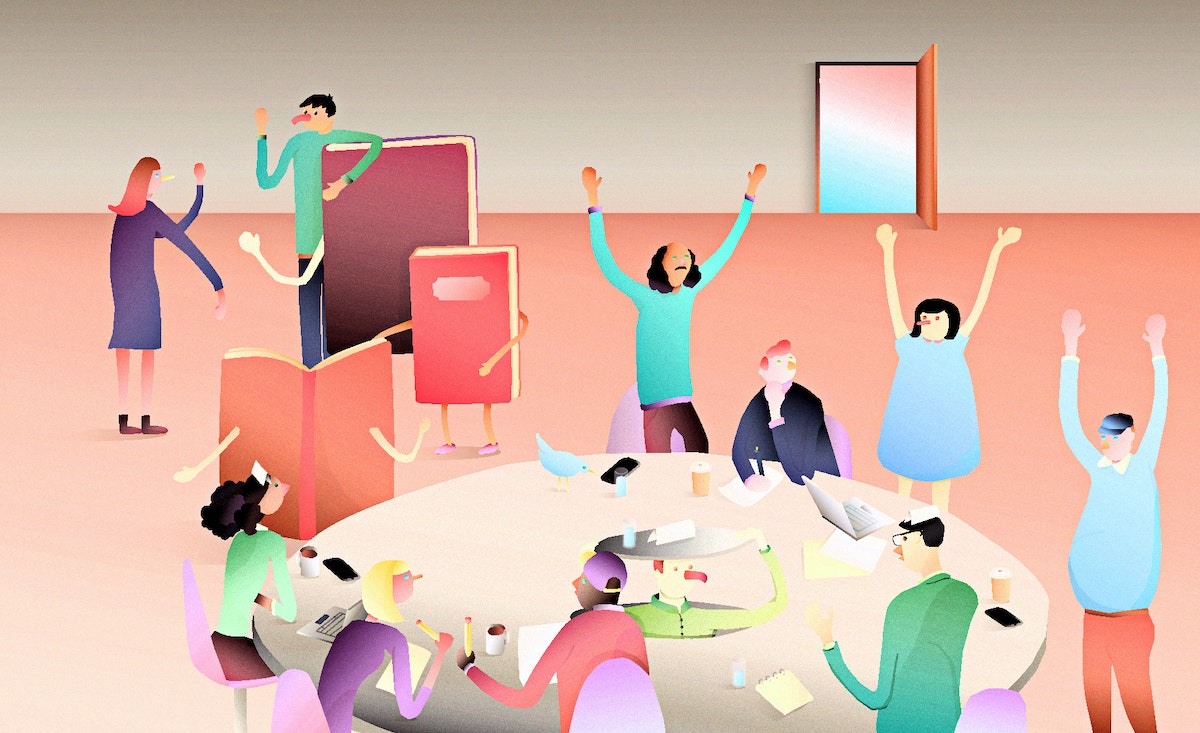
1. When you want to kick things off with a bang
Stretch! Sketch! Dance! Build in a few minutes for a new opening exercise and you’ll have a team that’s fully present and ready to get down to business.
READ: 6 Ways to Kick Off Creative Meetings
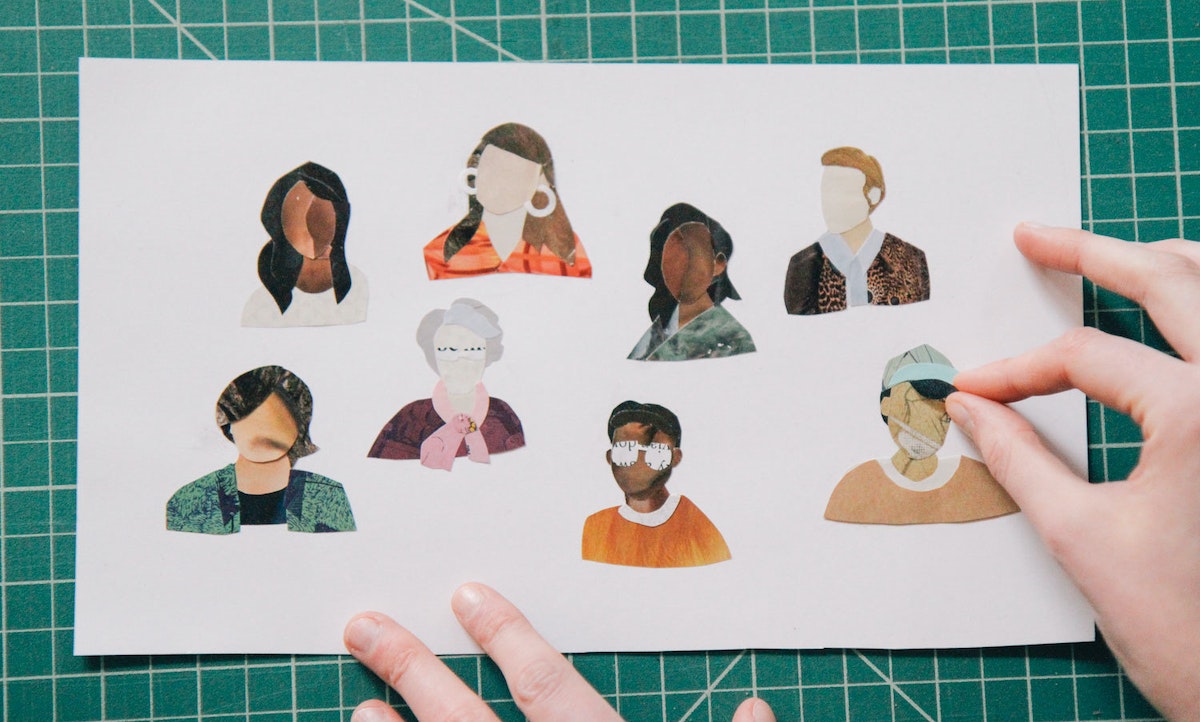
2. When you have a mixed bag of introverts and extroverts
An IDEOer once called the San Francisco space an “extroverted office full of introverts.” If you have a team of folks all across that spectrum, these exercises will strike a balance between team-together-time and solitude.
READ: 5 Brainstorming Exercises for Introverts
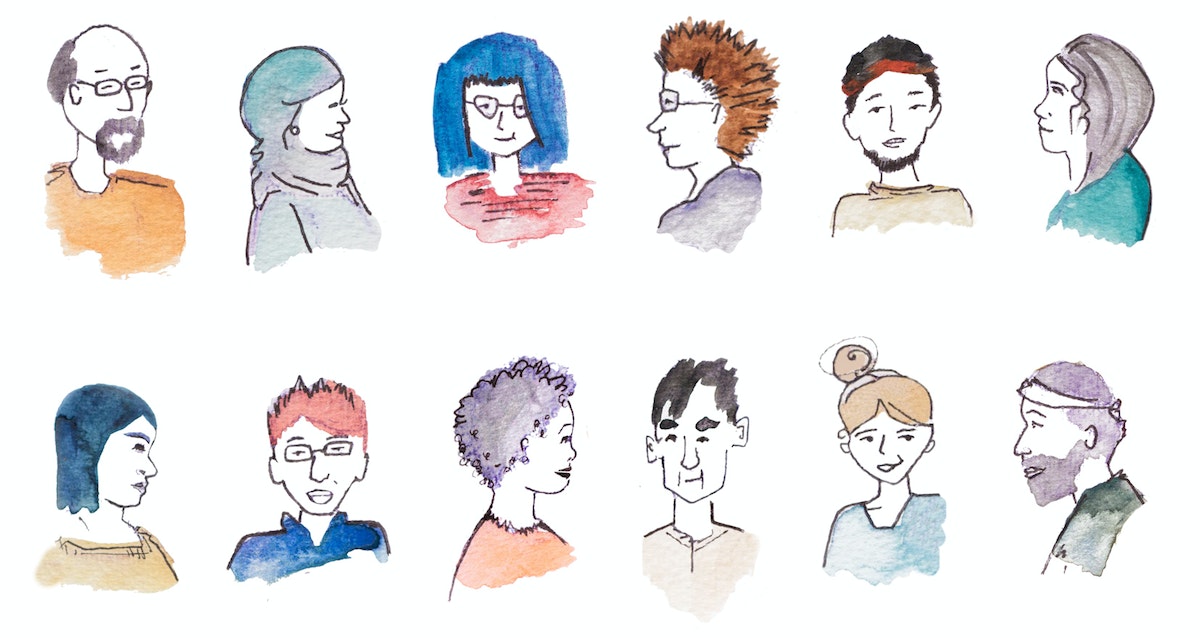
3. When you want people to really get to know each other
Whether bringing together a brand new team or sitting down with old colleagues, a jam-packed room can make for an overwhelming and impersonal experience. Ditch the canned icebreakers and try one of these instead—any of these exercises will help reveal your group’s commonalities.
READ: 5 Exercises for Breaking Down Barriers
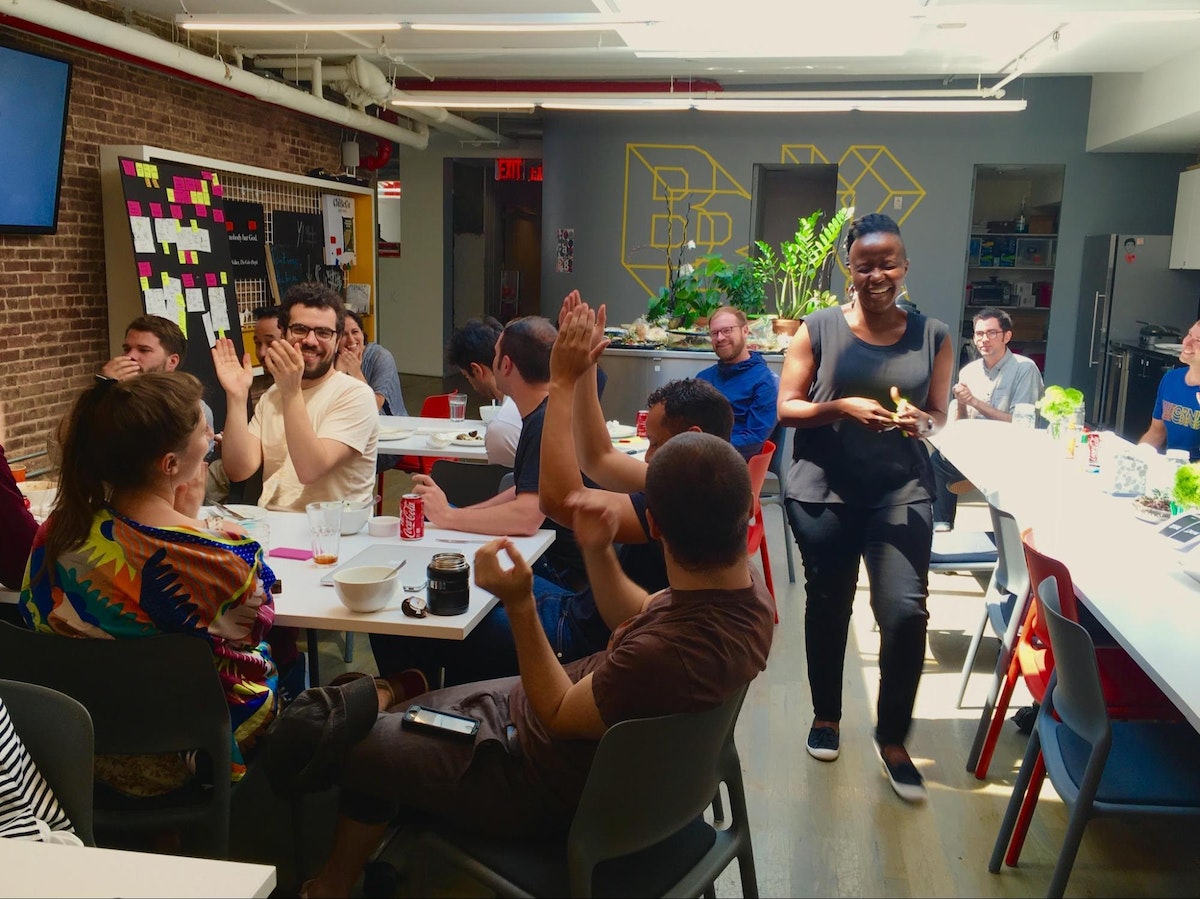
4. When morale needs a boost
Do any of your meetings have a jingle? Didn’t think so. Reset your whole meeting philosophy with some out-of-the-box tips.
READ: How to Design a Meeting That Doesn’t Suck
Meetings. Maybe you’re in one right now. (Are you paying attention?) Maybe you have one in ten minutes. (Are you prepared?) We know them well—and we know they’re not usually the highlight of your day. In fact, they can be quite the opposite.
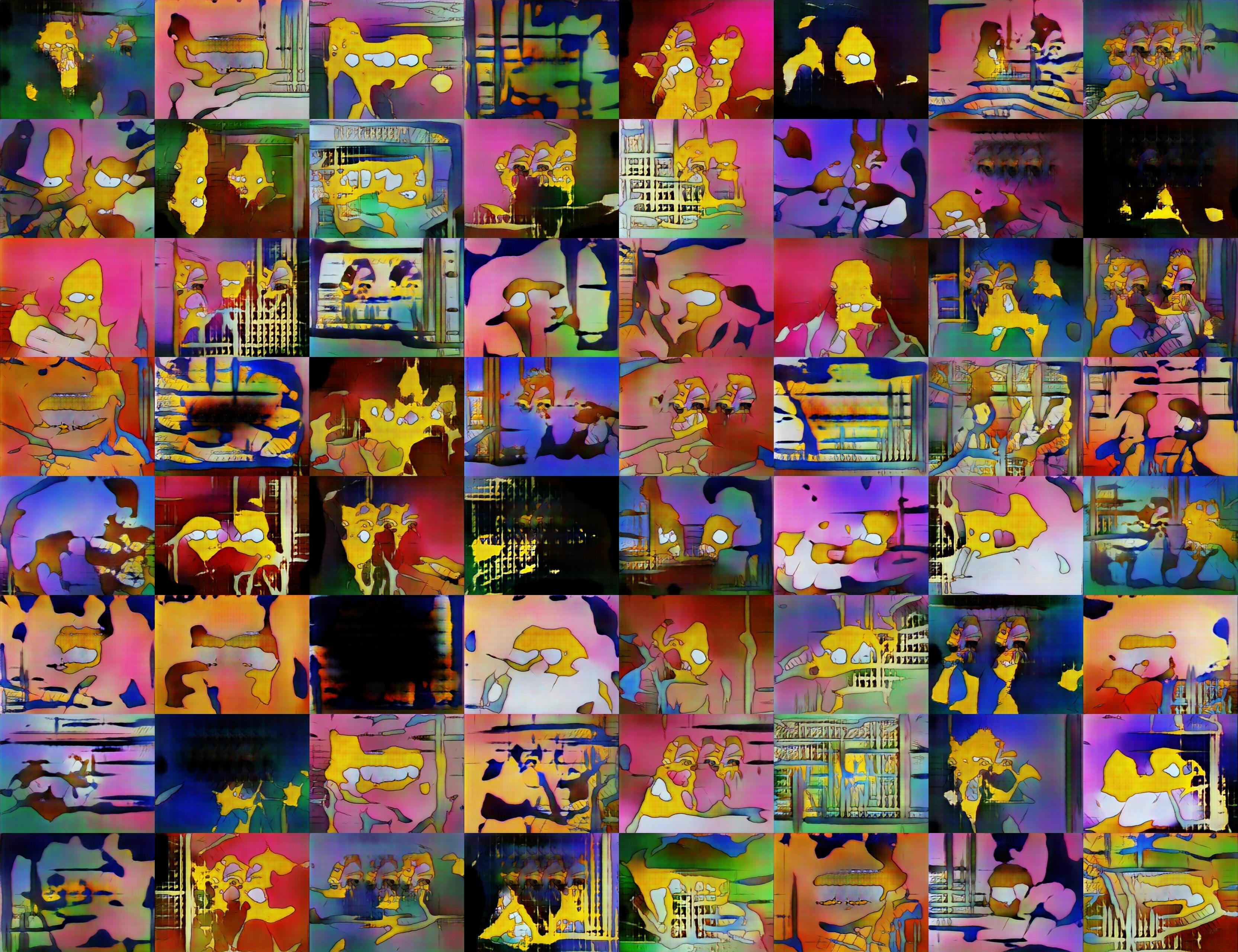
What a Computer Learns From Watching Hours of Cartoons
Exploring how an AI’s output is shaped by the data we provide it
A GAN (Generative Adversarial Network) is a type of AI that pits two neural networks against each other, each one training the other to improve its ability. Unlike other types of AI, GANs don’t just recognize objects—they can create them. GANs borrow a feature from biology and pit two competing neural networks against each other. One network, the “generator,” produces synthetic images, while another network, the “discriminator,” tries to guess whether the images are synthetic or real. The discriminator learns from both synthetic and real images, getting better over time. As it improves, it challenges the generator to produce ever more realistic synthetic images.
During a bite-sized sabbatical from my day job at IDEO CoLab, I dove head first into building and exploring the visual potential of GANs. I learned a lot about the differences between how humans and computers see the world, and how an AI’s output is shaped by the data we provide it. As designers, it’s important for us to understand the limitations of emerging technologies likes GANs—or else we risk creating products that harm, rather than help, humans. Here’s what I created, and what I learned. (Want to learn how to set up your own GAN? Read more here.)
1. Choosing a dataset
GANs can generate convincing fake pictures of almost anything—faces, cats, and even anime characters. How do they do it? It all depends on the dataset. GANs need to be fed a large set of images (think tens of thousands or more) so they can learn patterns. For example, GANs that produce faces learn that they tend to be roughly round, have two eyes, one nose, one mouth, and possibly hair on top. They learn pixel-level patterns, too—the textures that make up skin, eyes, and hair.
The trick with GANs is finding sets of images large enough and diverse enough for a network to pick out patterns. There are plenty out there—like CelebA (hundreds of thousands of celebrity faces) or LSUN (images of scenes like rooms and buildings)—but these are all meant for this kind of research, and training with them tends to illustrate how successful GANs can be.I wanted to do the opposite. What if we try to stretch GANs to their limit, so that we can get a better understanding of how they work? In this case, we’re using images from The Simpsons.

2. Training the GAN
Once I had my dataset of images from the show, it was time to train the GAN. For those familiar with machine learning, read my step-by-step process here. For everyone else, here’s the gist of it: I installed an open-sourced machine learning software called TensorFlow on my computer, which I souped up with a hefty graphics card originally bought for virtual reality and gaming. I then used a series of tools to reformat and resize images from my Simpsons dataset.
I trained the network overnight (sometimes over multiple days) and saved examples of images created by the generator network. The video below documents the learning process of the generator. With time, the images began look more and more like the actual Simpsons.
Scrub through the video to see the network’s progress. At 1:10 (about 13 hours of training), the first outlines of Simpsons eyes appear. At 2:00 (about 23 hours), the color scheme becomes noticeably brighter and figures start to emerge. At 3:00 (about 34 hours), there is less variation as shapes start to solidify and the networks reach some stabilization on what is classified as “real.” At 5:00 (about 57 hours) and beyond, the shapes start to vaguely resemble Simpsons characters, though the result is still too psychedelic and abstract for us to truly classify the images as real Simpsons frames.
3. Making sense of the output
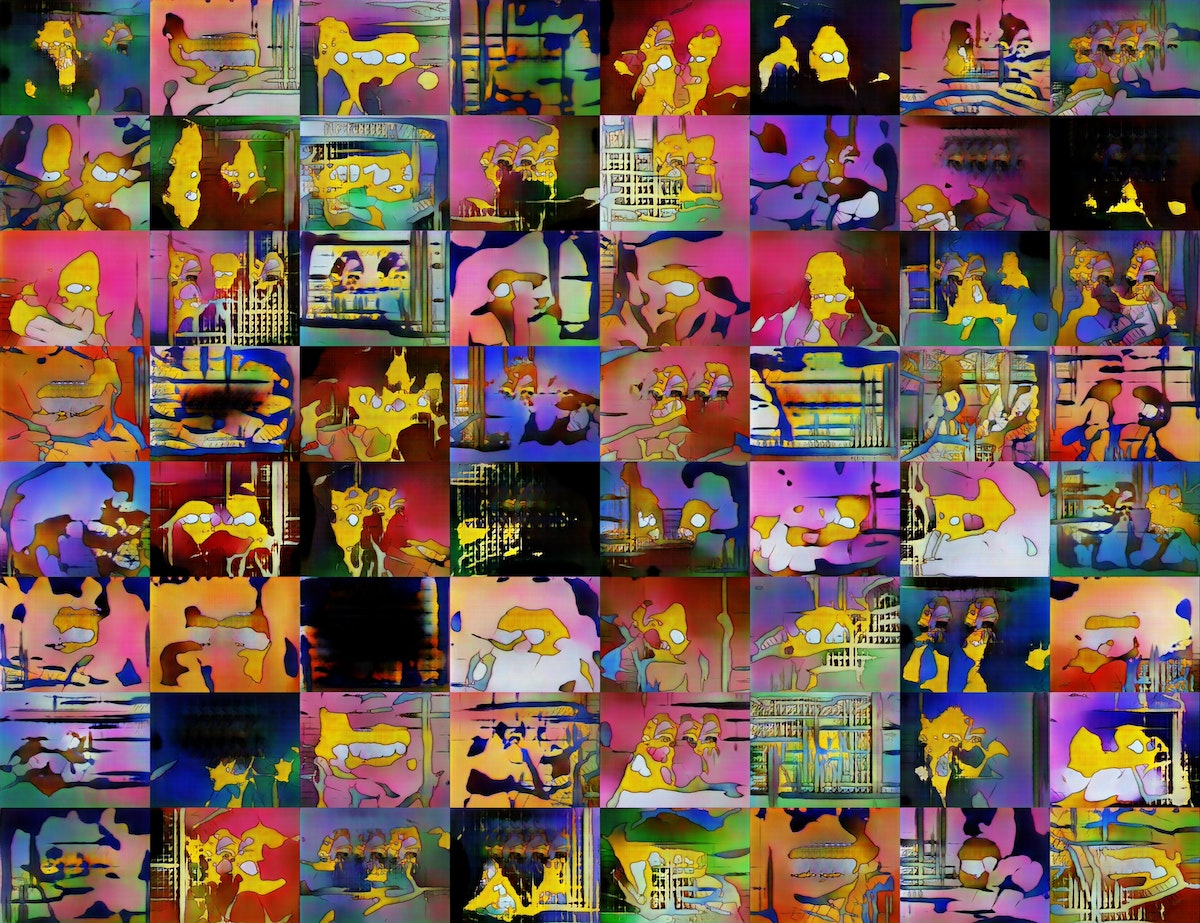
The GAN manages to generate very Simpsons-esque images, but they’re definitely not going to fool the human eye. What’s going on? GANs (and any neural network or machine learning method, for that matter) only learn patterns that are in the training data. As humans, we have a deep and complex understanding of what people and objects should look like, including Simpsons characters and scenes in the show. The GAN, however, doesn’t bring any preexisting knowledge. It has to learn everything from the raw pixel values of the images it sees, and more complex patterns take more examples to learn.
In this case, the GAN easily learns the color palette of The Simpsons and its simple, flat illustration style, and starts to learn the features of each character. With enough training data, it may learn more complex patterns, like complete images of characters, or which characters show up in which settings (like the Simpson family at home, or Mr. Burns at the power plant).
What’s it all mean?
The varied and strange outputs of these networks are a succinct example of both the promise and risks of building products, services, or systems with machine learning inside. They’re seemingly magical, learning from patterns in data without being told what to look for, but they’re also limited by that data. Imagine you came into this world yesterday and had to make sense of it all just from still frames of The Simpsons—how would that inform your thinking?
Biases in training data, intended or not, will be reflected in the output of the network, which, if embedded into a product or service, can codify the bias at an unprecedented scale. As designers, we are uniquely positioned to help with this problem. As Kate Crawford, cofounder of the AI Now Institute has said, the problem is neither a specifically social nor technical problem: It’s a socio-technical problem. Designers have a responsibility to understand the unique role data plays in machine learning, so that we can create networks that equitably serve human needs.
Learn more about training GANs on IDEO Labs. Special thanks to CoLab’s Adam Lukasik for his help wrangling GANs for this post.
Pop quiz: What the heck is a GAN? You might not have heard the term, but you’ve likely seen one in action. From generating images of fake celebrities, to creating training data for self-driving cars, and even recreating suggestive (and weird) nude portraits, GANs are everywhere these days. But what exactly is this bleeding-edge technology, and what can we do with it?
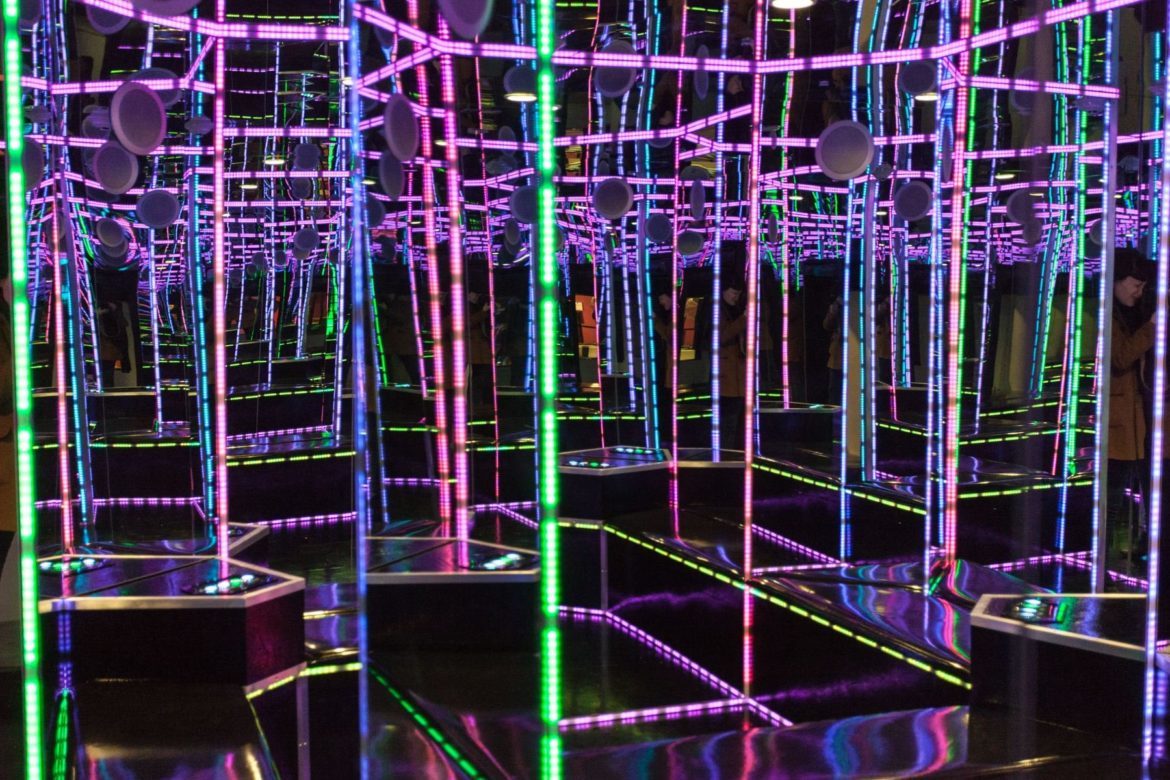
This Artist-CEO Built a Collective That Tells Immersive Stories Through Art
Meow Wolf's mysterious, larger-than-life work dots New Mexico's desert—with more coming soon
In one sentence, who are you?
I am Vince Kadlubek, CEO and cofounder of Meow Wolf in Santa Fe, New Mexico.
What do you do? How did you learn it?
I am a momentum artist. I have dedicated my life to the study and sculpting of momentum, which primarily entails finding authentic, collaborative understandings and influences with the brilliant people around me.

What does a typical work session look like?
I'm usually dealing with these questions: What is the brightest vision? How do we articulate that vision? What steps are necessary for the most effective articulations? Work sessions are meetings or checking email. Those are the two kinds of work sessions I have these days. Sometimes I get to have creative work sessions, which are really just big meetings with beer and Indian food.
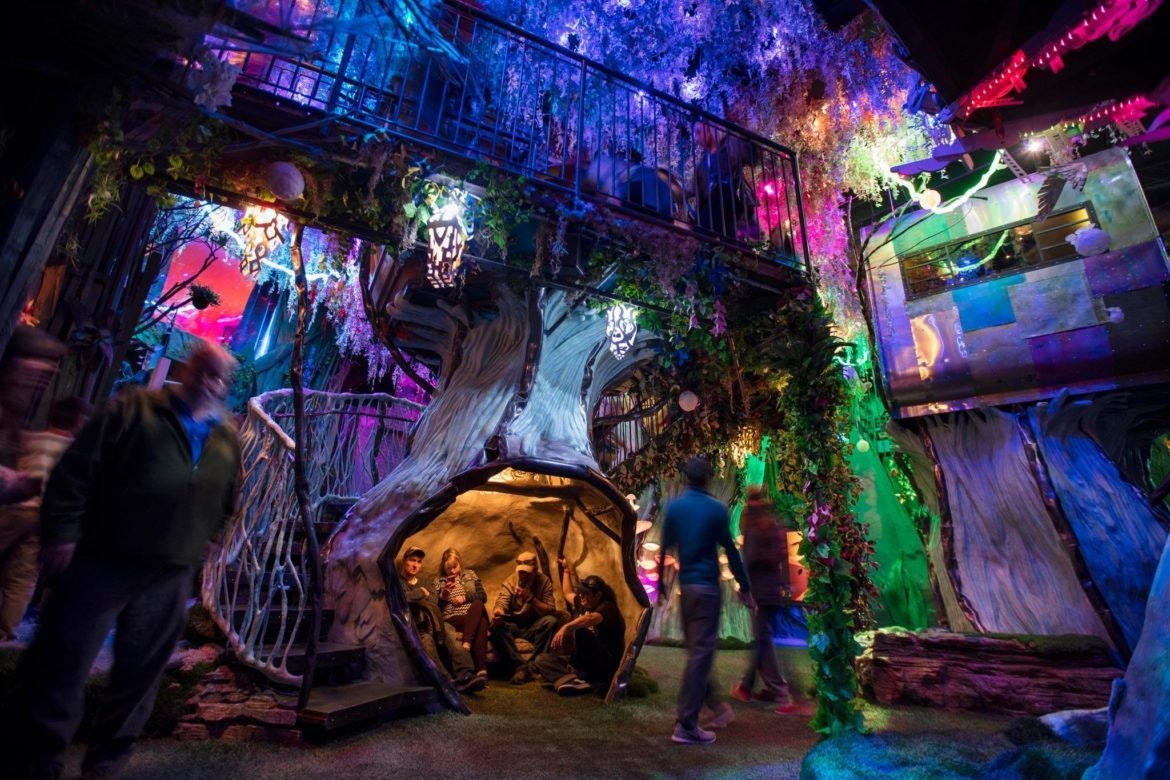
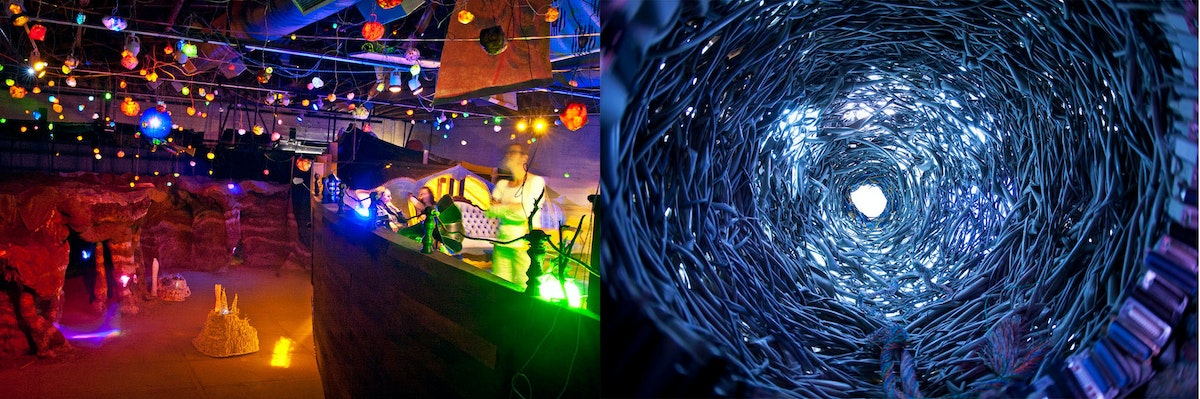
When it came to building something like the House of Eternal Return, we imagined, then found scrap armature materials, started producing structure and skin, utilized a bunch of air drying sculpting medium, and started turning large amounts of the exhibit into plaster forms. Lots of stuff was sculpted around the armature produced by the architects and general contractors, using more standard finish practices like painting.
3 favorite possessions?
Oh gosh. Together, “favorite” and “possession” are kinda an oxymoron for me. All I can think about are non-physical things like my memory, my spirit, and my compassion.
How do you get over creative block?
Collaborate with someone who is not stuck in a creative block.
What was the last item on your to-do list?
The last item on my to-do list was to donate money to Beto O'Rourke. But as for work, my last to-do item was to send our SVP of art direction a copy of a PowerPoint that she can use in an upcoming presentation.
How do you see the world in 2078?
Um... well, warm. And I also see a massive network of interconnected spatial computing, photo-realistic artificial intelligences, the liveable internet, monumental creator tools that result in instant manifestation—essentially, we will have transitioned into the 5th dimension.
What’s your number one bucket list item?
Chilling poolside in the Oia Village in Santorini, Greece with a bottle of Krug Clos d’Ambonnay 1998 and three of my closest friends.
Who are you creative crushin’ on lately?
Young Thug, constantly. It is actually a problem. I have a hard time getting excited for any other musician. And I have recently fallen for food and cocktails, so Grant Achatz from Alinea in Chicago is on my mind a lot. LeBron James is creating a reality that is mind-blowing and way beyond basketball; the world is wrapped in his storytelling. And finally, I am a huge coaster guy and what RMC is doing in the coaster world is unbelievable—Steel Vengeance at Cedar Point has completely flipped the script.
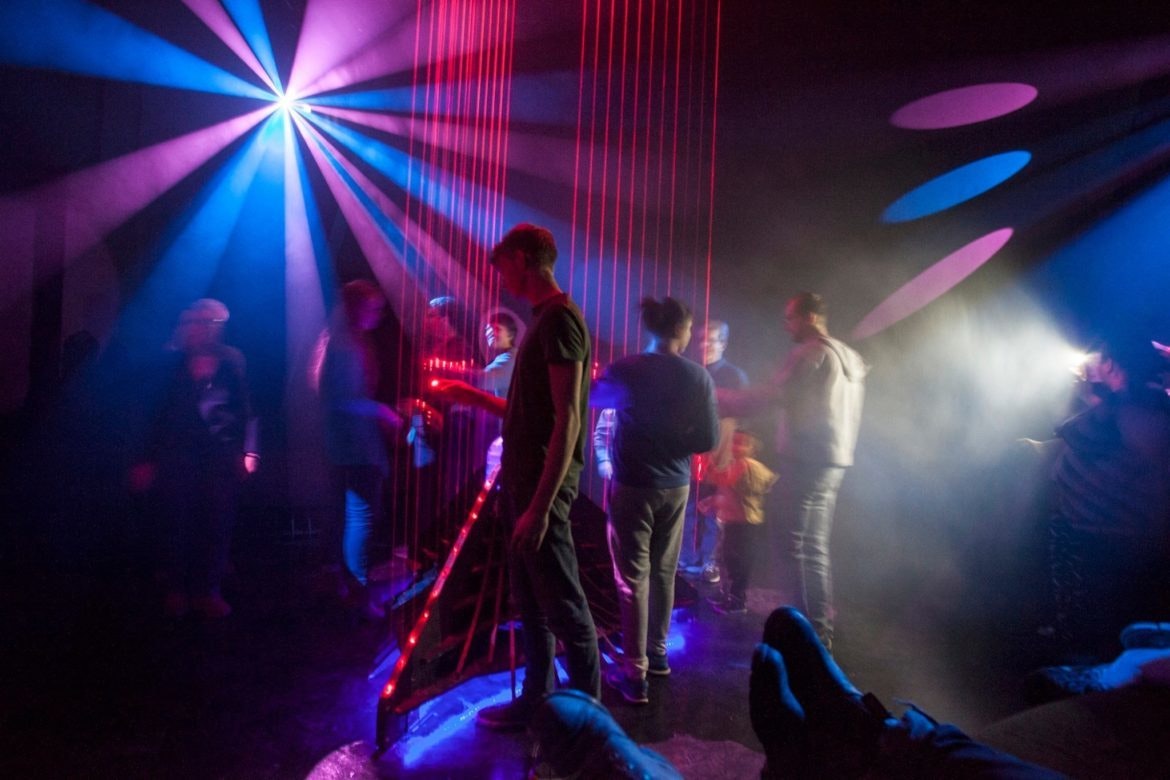
Vince Kadlubek is a visionary. He leans into tension, ruffles feathers, and has spent more than a decade constructing new worlds with the art collective Meow Wolf. In 2016, they transformed an abandoned 20,000-square-foot bowling alley into the House of Eternal Return—an immersive experience full of creativity and curiosities—drawing more than a million people to Santa Fe, New Mexico for a dose of childlike wonder. Now their sights are set on two new activations in Las Vegas and Denver, as they aim to create the modern-day Disneyland. As an immersive experience designer, I’ve been personally inspired by Meow Wolf and the big-thinking and resourcefulness of Vince, the collective's CEO. I was stoked to chat with him about his inspiration and aspirations for the future.
5 Business Leaders Share Their Best Advice for Organizational Change
Put your company on a self-improvement regimen
The answer is yes, of course. And when companies don’t fix themselves, we feel it in our products and services. The company has designed something—often a digital thing—that fails to give us what we need, and we walk away cursing the air, wondering if the leaders of the company have ever used the service themselves.
But making things that work for humans isn’t easy. We change every five minutes. How can organizations be confident that what works today will work tomorrow? It’s a lot easier to just slap on a Band-Aid and hope it won’t rip off with the first sudden move.
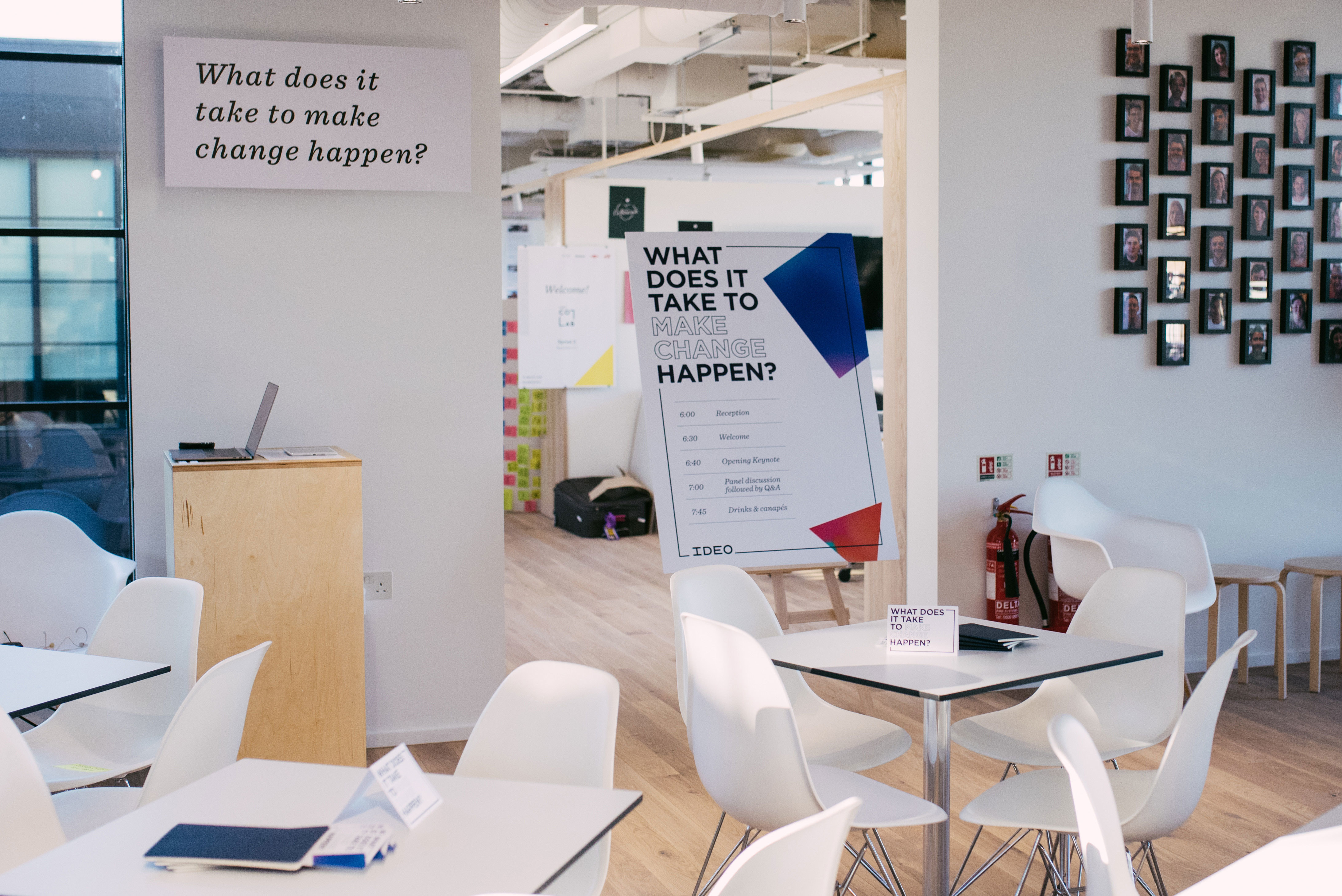
There are vastly different perspectives out there about how to make change happen and stick, and we’re curious about them all, so this fall, we invited five friends who’ve led major transformation projects at their companies to IDEO’s London studio and for an open conversation.
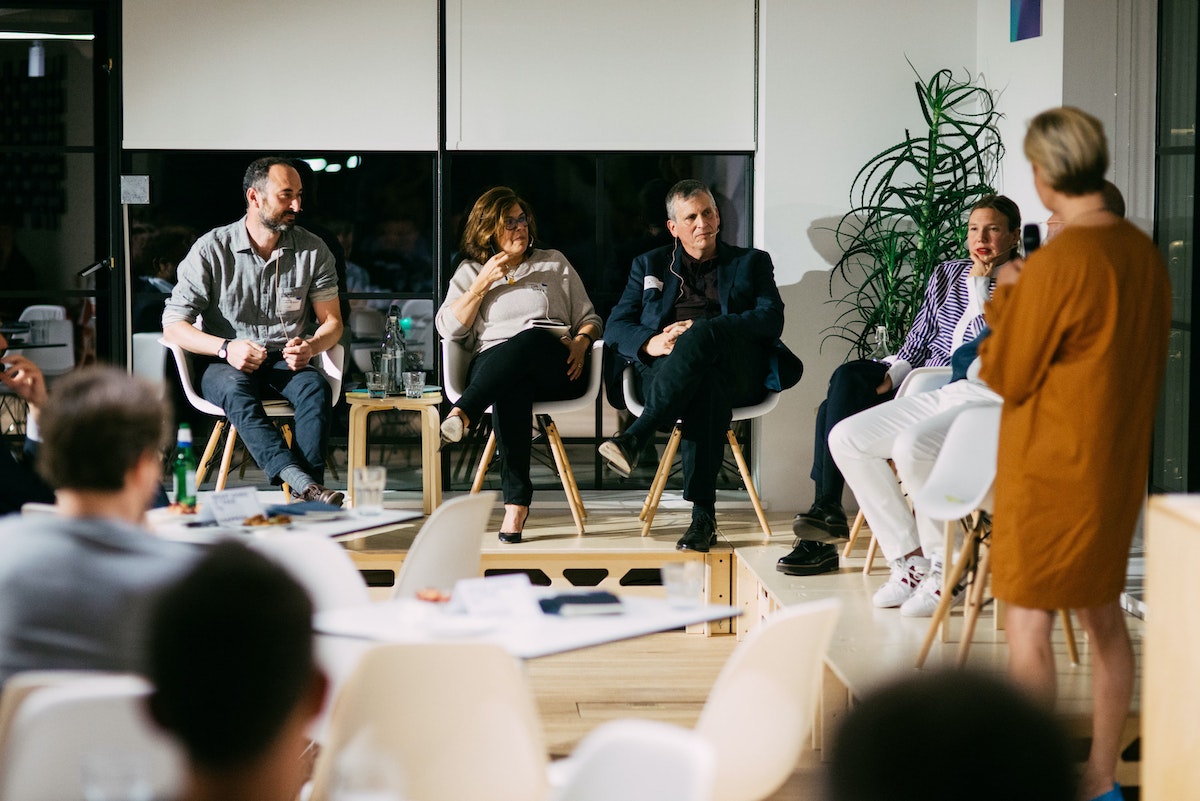
Here are the top 5 takeaways from our Make Change event:
1. Be a curious leader
“The problem I see in a lot of organizations is they have a lot of great tools but the top leaders don’t use them. If you’re not prepared to do what you’re asking everyone else to do, then why should you expect them to? If you want to understand what’s broken in your company, try entering your own expenses.”
—Mike Bracken (Public Digital), the guy who led digital transformation for the UK government (GDS), a model that’s been replicated in Canada, Argentina, Peru, Australia and the U.S. (and he has a letter from Obama to prove it).
If Mike had one piece of advice for making change happen, it would be this: “Go and sit next to a user when they’re using your service or product. I make sure to do six hours of that every month.”
2. Question accepted behaviors
“If you’re in a self-contained moment as an organization, I’d highly recommend that you build an innovation team that sits on the side and role models something really weird and strange, questioning the accepted behaviors. Having a constant dialogue and exchange with other perspectives is what makes companies competitive. But not a team that sits in the ivory tower. Our innovation team has reinvented itself three times in three years according to what the business needs."
—Anne Pascual, VP of Design at Zalando, Europe’s leading online fashion platform, which delivers to 24 million customers and grew its revenue to around €4.5 billion last year.
Anne's advice? “Think big. We tend to be obsessed with the details, but there’s much bigger opportunities out there.”
3. Don't build an innovation lab
“Innovation is far too important to be outsourced. I’m not a believer in gluing an innovation lab onto the side of your organization. If your culture is not innovative, that’s not going to sustain. You’ve got to fix your culture first if you want to be in this for the long term. It’s got to be everyone’s job when they wake up in the morning. And you then have to create the air cover as a leader for that to happen, which is all about creating a no-blame culture. You can’t innovate as fast as we do without sometimes screwing up. We do it regularly, and when we do, we try to learn from it, but we know it just goes with the territory of being a disruptor.”
—Paul Clarke, Chief Technology Officer at Ocado. After a deal with Kruger in May, Ocado’s market cap blew past Marks & Spencer's—a sign of the tectonic shift happening in retail.
Paul's advice would be this: “Tell the truth about what's broken.”
4. Be a DJ
“A good leader is like a DJ—they play the music that makes people move, but they should accept that people will move in different ways and what’s important is that you move to the same rhythm and move forward.”
—Beatriz Lara Bartolomé, former Chief Innovation Officer of BBVA, and EMEA Advisor Director of Globant, a digitally-native technology services company.
To make change happen, Beatriz would advise you to “ask your teams what they think should be improved.”
5. Launch beacon projects
“Launching a product to market in a short period of time is the best organizational change program—you’re going to learn the most about how the company behaves. We call these projects that have a change agenda 'beacons.' Select them for their ability to help you build a new muscle. If you’re not building a new muscle with every project, you’re wasting an opportunity to learn.”
—Luis Cilimingras, IDEO partner and managing director of our London studio. He leads digital transformation and change projects, including starting an innovation studio called La Victoria Lab that creates new products, services, and experiences for Peru’s emerging middle class.
Luis's best advice: “Keep seeking out inspiration. It’s your job to be inspired.”
Take a behind-the-scenes look at the event.
People are always looking for ways to improve themselves. But what about companies? Companies are just collections of people, so it makes sense that they’d build up all kinds of bad habits over time. Shouldn’t our organizations be on a self-improvement regimen, continuously trying to fix what’s broken?

Lindsey Turner
I’m passionate about building brands, products, and experiences that help organizations show up with meaning and momentum.
I help organizations cut through complexity by shaping how they show up, through brand strategy, identity, and storytelling.
Working at the intersection of brand and business, I bring an editorial eye and a bias toward making—turning ideas into tangible experiences that people can understand, trust, and believe in.
My work spans government, healthcare, financial services, media, and consumer goods, from launching Gen Z-focused ventures to building innovation labs and reimagining legacy brands. I relish moments of ambiguity and enjoy translating across teams, perspectives, and priorities to move ideas forward.
I started my career in editorial and digital design, shaping cross-platform experiences and identity systems in publishing and agency environments. That foundation still shapes how I work today: I’m detail-oriented, collaborative, and overreliant on the Oxford comma. I hold a BFA in Visual Communication from the School of the Art Institute of Chicago.

Rachel Young
My work helps organizations see who their products aren't working for—and build the will and the tools to do something about it
For 25 years, I've asked the same question: Who does this design exclude—and what are we going to do about it?
My work spans human-centered strategy, inclusive design, and qualitative research, with clients ranging from Microsoft, Google, and Verizon to the National Science Foundation, and San Francisco Unified School District.
Before IDEO, I taught elementary school in East Palo Alto and spent a decade doing design work with social service organizations—where I learned firsthand what it costs people when systems are built without them in mind.
I am currently writing User Error, a nonfiction book about digital access and the design decisions behind it. I live in Oakland, California.

Brian Pelsoh
I lead with craft, ensuring our work is creatively excellent: rooted in deep human insight and imagination, while also grounded in the realities of business and technology.
My expertise spans brand, communication, and product design across tech, education, the arts, and social impact.
I believe great work demands both high-level vision and obsessive attention to detail, and only happens through collaboration.
I bring an inclusive, hands-on approach and a deep understanding of business, which enables me to consistently deliver excellence while always asking why.
Before joining IDEO, I worked at the brand firms Pentagram and VSA Partners. I began my career as a designer, leading teams at the School of the Art Institute of Chicago and the Milwaukee Art Museum. I hold an MFA in graphic design from Maryland Institute College of Art and a BFA in communication design from the Milwaukee Institute of Art & Design, and have taught at some of the best design schools in the US.

Tony Wong
I am responsible for IDEO’s long-term success in China and working with clients to use design as a tool to enable growth.
I am responsible for IDEO’s long-term success in China and working with clients to use design as a tool to enable growth. Specifically, I have helped Chinese companies design holistic brand solutions through the development of their products, communication, services, and innovation teams, and I have helped multinationals expand their presence and influence in China.
I advise global leaders on developing China-led innovation and capabilities.
In over 15 years in IDEO Shanghai, I have worked on projects that use design to elevate the quality of the experience of healthcare products and services, streamline processes that increase productivity, create spaces and programs that promote and enable inclusive communities, and build next generation mobility solutions that are planet-positive.
Before joining IDEO, I worked at Philips Electronics and the Electrolux Group in Italy, the Netherlands, and Singapore on a number of breakthrough commercial products. I am a member of the Young President Organization in Shanghai.

Building a personal AI for the messiness of life: Sida Li
Most AI products today are built for work—a space with clear problems and established systems. One founder noticed a gap: personal life is messier, harder to systematize, and mostly left behind by the AI boom. So she built Cue, a personal AI that lives inside iMessage and group chats, to go where the other tools haven't.
In this episode, Becca Carroll, IDEO's Chief Strategy Officer, talks with Sida Li, co-founder and CEO of Shared Context Lab, about staying anchored to a human need while the technology around her keeps changing shape, why she treats her business model with the same rigor she'd bring to a product, and what it feels like to build a company at this particular, disorienting moment in AI.
The conversation also gets into how Sida makes design decisions: the language Cue uses to describe itself, the tradeoffs behind building inside iMessage instead of a new app, and a real story about a business idea that didn’t pan out.
This is the second in a two-part series profiling founders from IDEO's Startups-in-Residence program. The first conversation is with Johannes Seemann, founder of Sooner, on designing GenAI for the emotional side of money.

Designing GenAI for the emotional side of money: Johannes Seemann
Most personal financial tools are built to run the numbers and optimize towards a budget. While that works for some, most people experience money as a lived relationship that does not neatly fit into a spreadsheet. Johannes Seemann and Becca Carroll discuss why money is emotional before it is mathematical, and what a human-centered approach to building a generative AI financial product looks like in practice.

The curious leader's edge in uncertainty: Scott Shigeoka
Mina Seetharaman talks with Scott Shigeoka, author of Seek and Head of Curiosity Cultivation at the Eames Institute, about what distinguishes genuinely curious leadership from performative curiosity, how power dynamics shape curiosity, and why practicing curiosity can restore energy rather than drain it.

How constraints make us more creative: David Epstein
Mina Seetharaman talks with David Epstein, author of Inside the Box and Range, about why total freedom often produces average work, how leaders can design useful limits on purpose, and what organizations such as General Magic and Pixar reveal about the relationship between boundaries and creativity.
Looks like you might be in search of something very specific?
Or reset the filters above and try another angle.
Here’s some random inspiration

Podcasts about creative leadership

Articles about the power of prototyping
