
.svg)



Transforming sick days with play
Playhouse MD brings comfort, connection, and a little joy to pediatric care.
Fevers. Boogers. Yucky meds. IDEO Play Lab designers dove deeply into the challenges of sick days and doctors’ appointments through video diaries, online surveys, and in-person interviews with parents, healthcare providers, and small children in homes and pediatric offices across the US. They heard about the struggles of giving medicines, wonky thermometer readings, kids having “stethoscope scaries,” and, worst of all, what happens when kiddos hear the “s-word”—shot.
The research confirmed Sydney and Kaitlin’s initial hunches about playful healthcare products and provided the team with insights on how to move forward. The answer was a formula of sorts. To help reduce kids’ anxiety and keep them calm at the doctor, give them a choice in their care whenever possible. Build familiarity with doctor’s visits and medical devices through playful moments at home. Redirect their attention away from fear. Design for multisensory richness. And provide age-appropriate narratives about healthcare experiences.

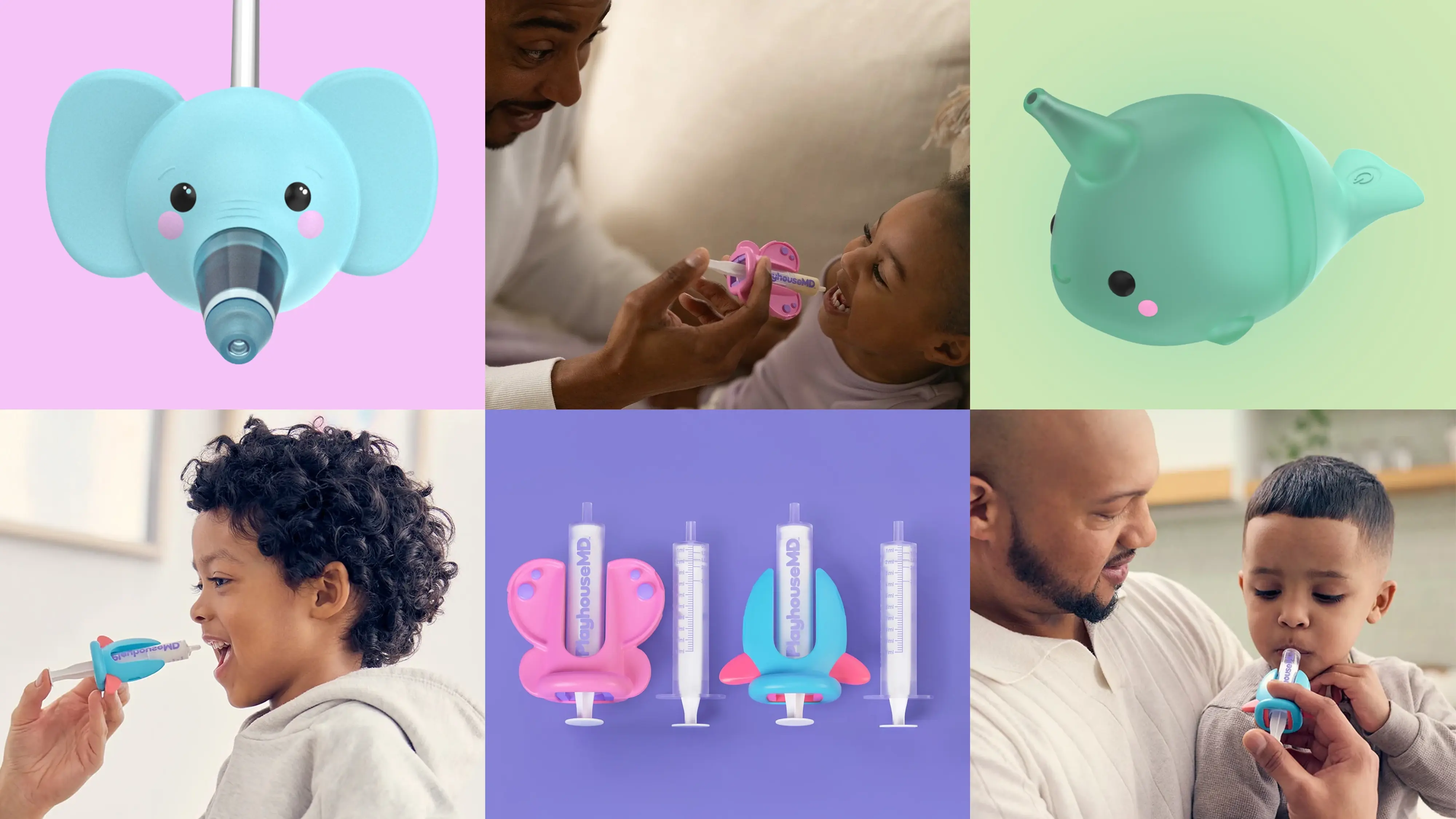
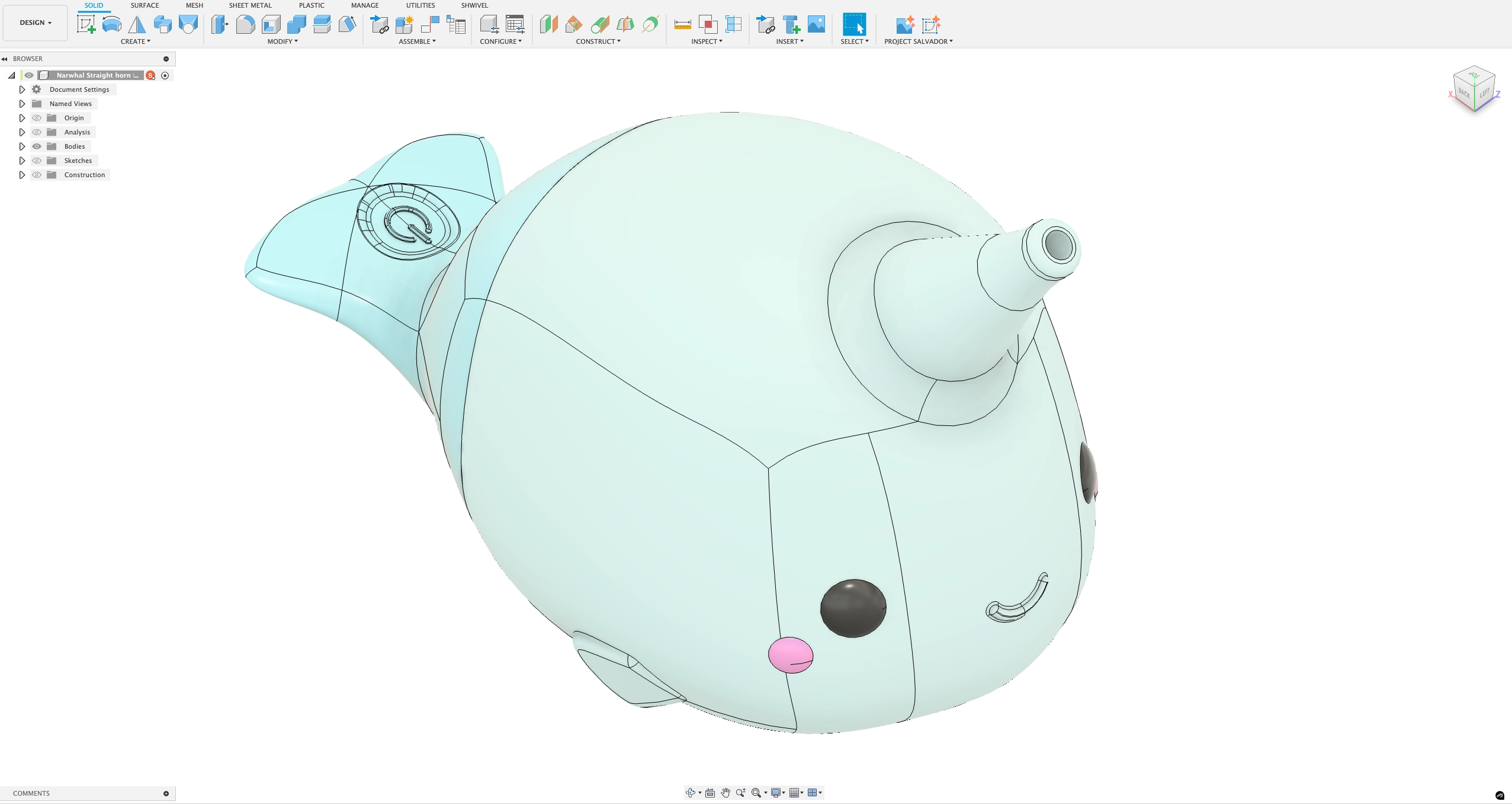
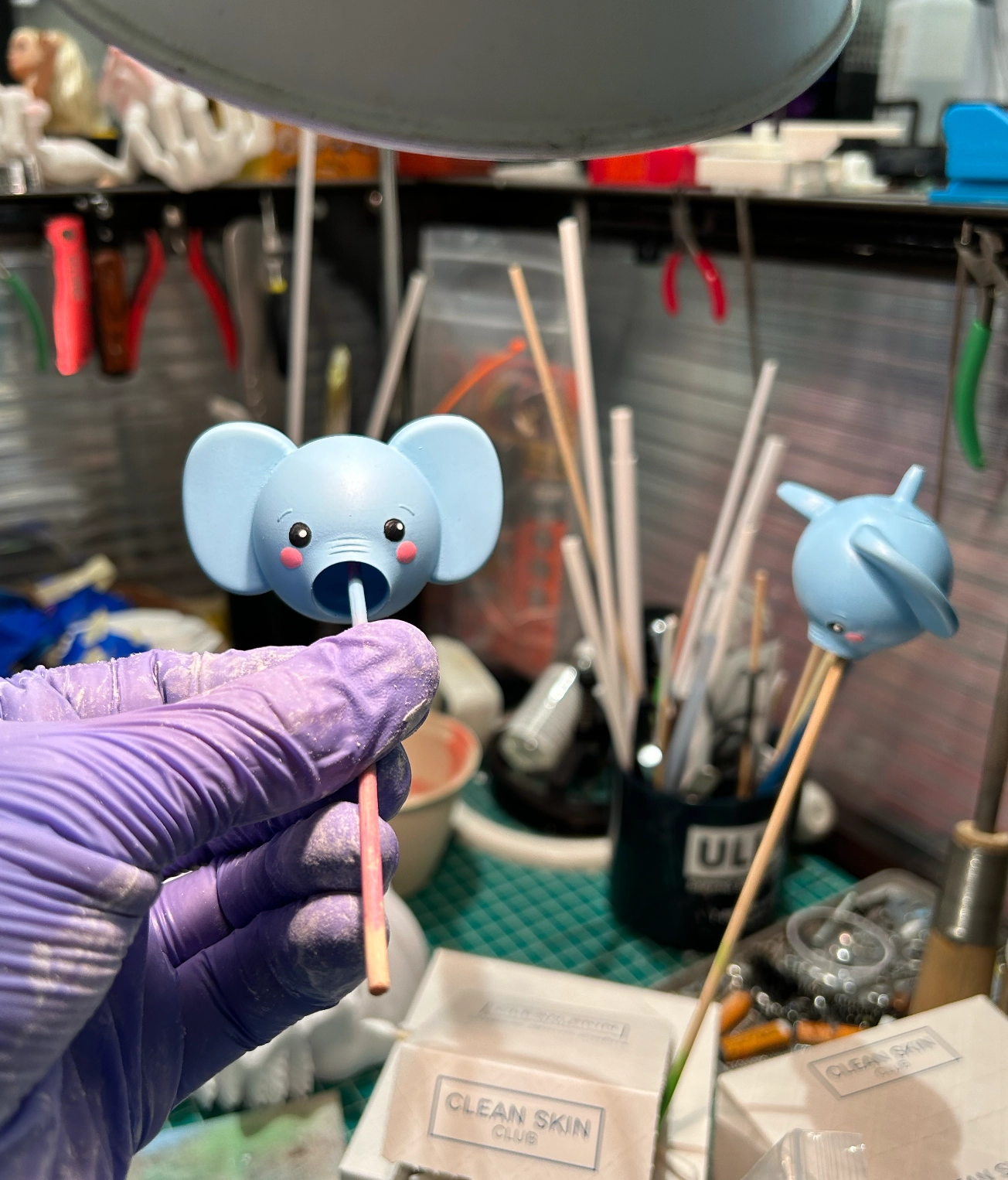
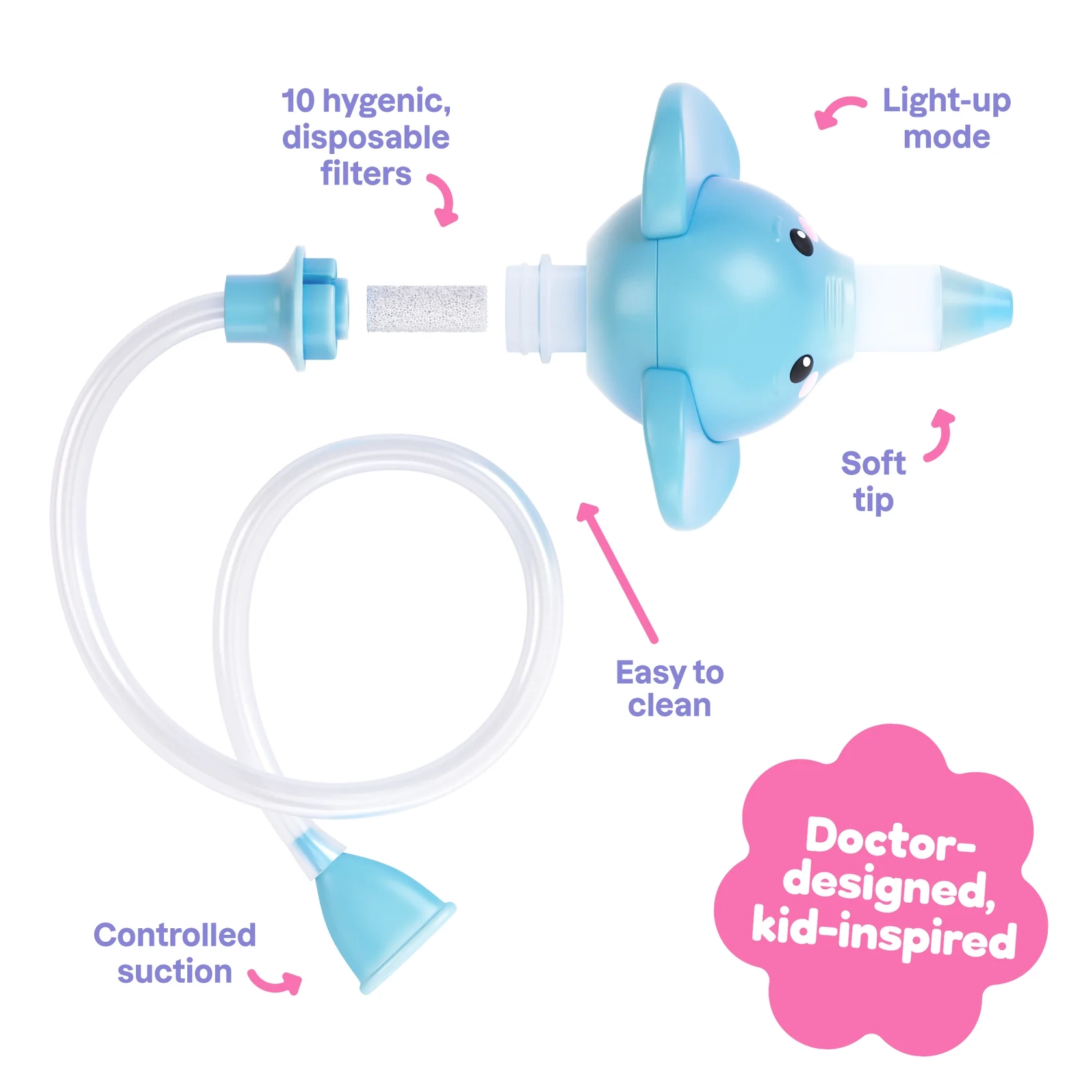
Inspired by this kid-centric formula, the IDEO Play Lab team worked closely with Sydney, Kaitlin, and their co-founder, Michael Kamins, to iterate on several designs, winnowing down more than 150 brainstorm ideas into a dozen tangible prototypes (or tinker models) that were shown to doctors, nurses, parents, and young kids for feedback. The designs—a rocket ship medicine dispenser, an elephant-shaped nose aspirator, and a narwhal nasal bulb, among others—were intended to evoke a sense of playfulness, comfort, and familiarity, with features designed for maximum cuteness. Some even lit up and played sounds, like popular toys.
While the designs passed the fun test with kids, they also needed to be functional for parents, trusted by doctors, easily manufactured, and affordable. Eventually, they would need to be approved by the FDA as regulated medical devices. Playhouse MD also requested patentable innovations to help protect their products from imitation.
With these constraints in mind, IDEO Play Lab delivered a collection of nine unique, high-fidelity prototypes that add a dose of fun to caretaking challenges in homes and doctors’ offices. The final designs were durable, medically sanitizable, and safe for testing with real kids, which helped the startup secure multiple rounds of funding and bring its first products to market in 18 months.
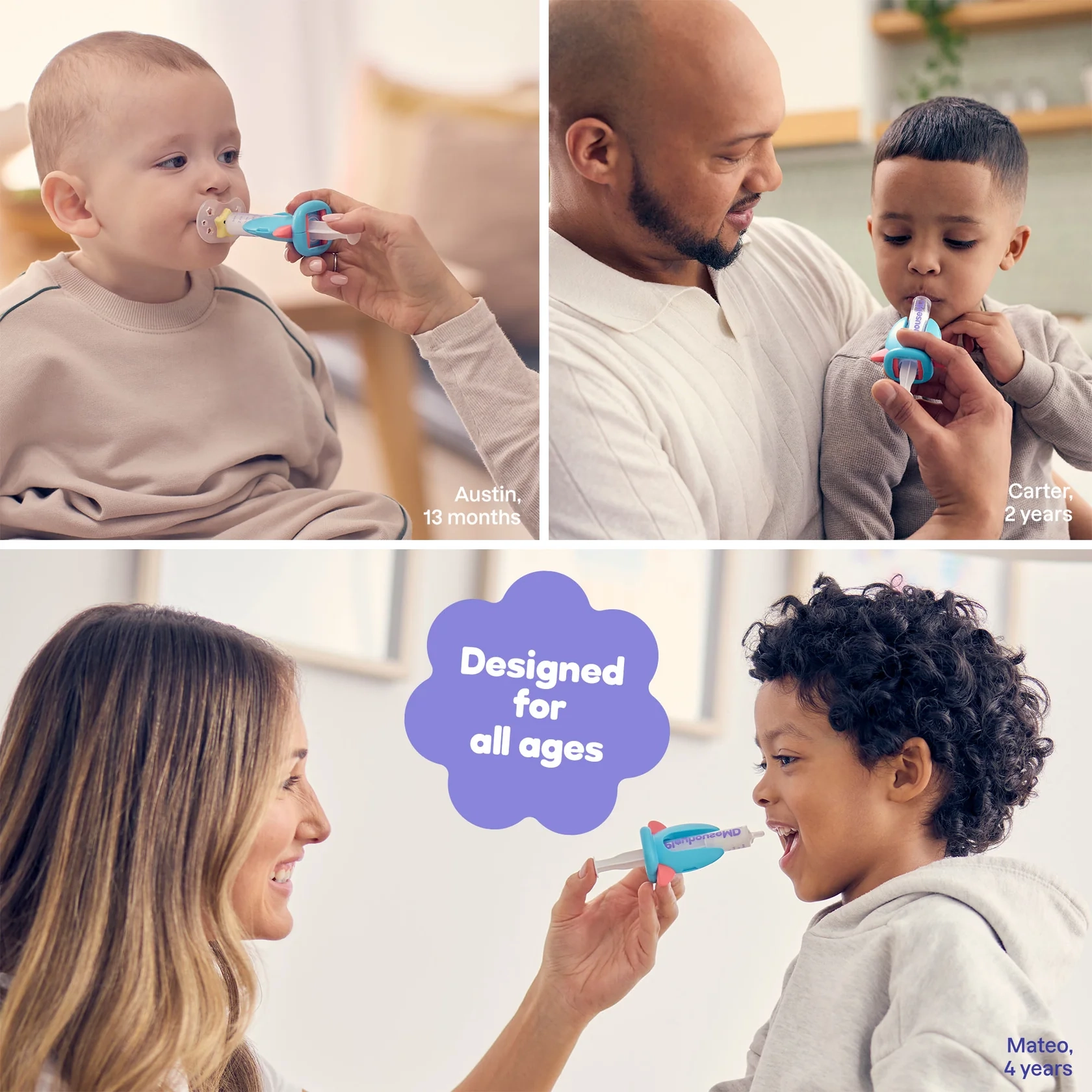
Playhouse MD began selling its first four direct-to-consumer products on its website in June 2025: two Medicine Buddies (medicine dispensers shaped like a rocket ship and a butterfly) and two Booger Buddies (a light-up nasal aspirator elephant called Luna and a light-up nasal bulb narwhal named Noa, which was named one of The Best Inventions of 2025 by TIME). The products are available at Target and Babylist stores, and on Amazon through leading medical distributor McKesson Medical-Surgical.
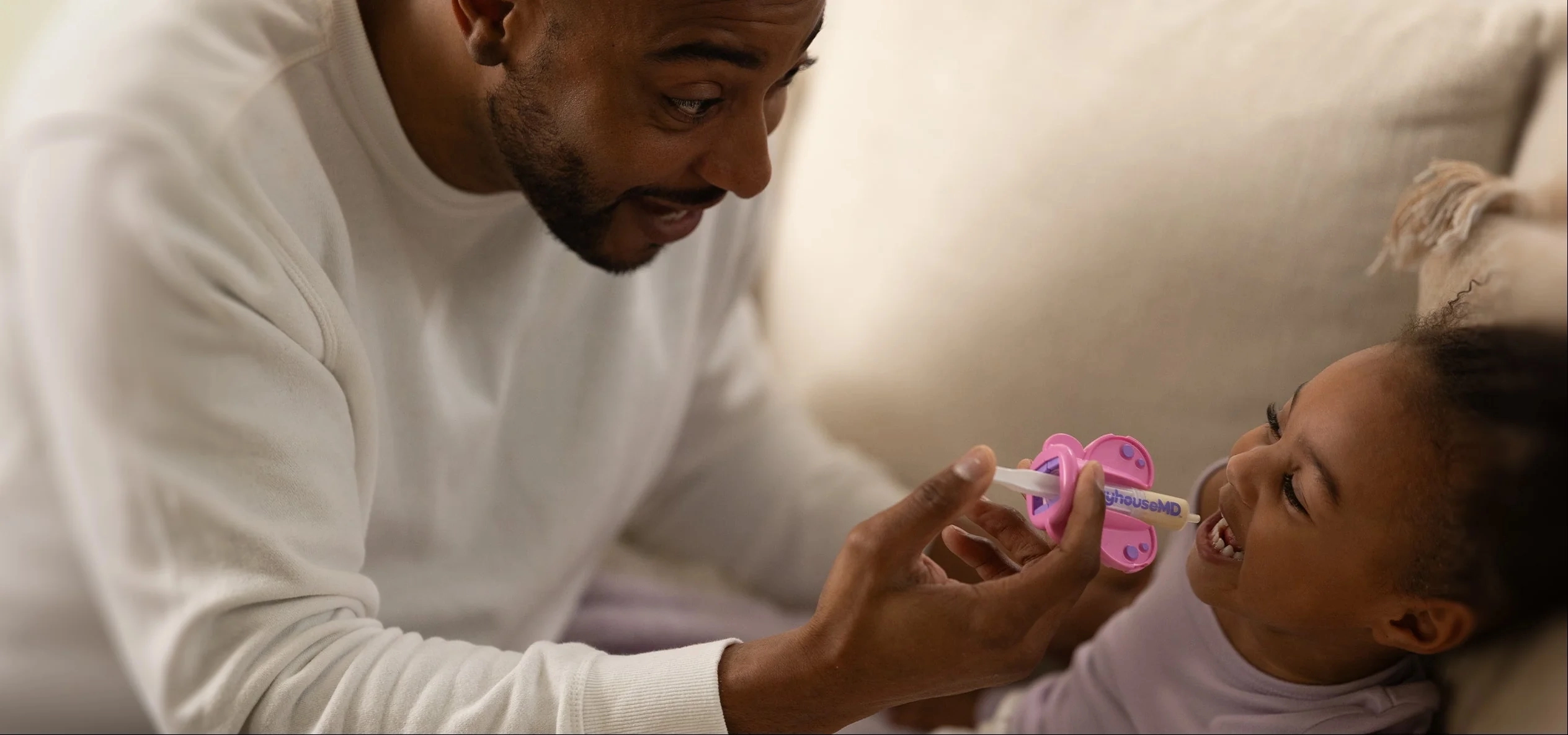
Most companies design child healthcare devices with parents’ or doctors’ tastes in mind; none, however, focus on what will make kids smile, too.
TIME Best Inventions of 2025
in the Parenting Category, Playhouse MD's Light-Up Nasal Bulb
1 ½ years
from initial brainstorms to in-market launch of 4 kid-centric medical products
Designing a next-gen airway visualization system
Improving patient outcomes with the GlideScope ClearFit Video Laryngoscope.
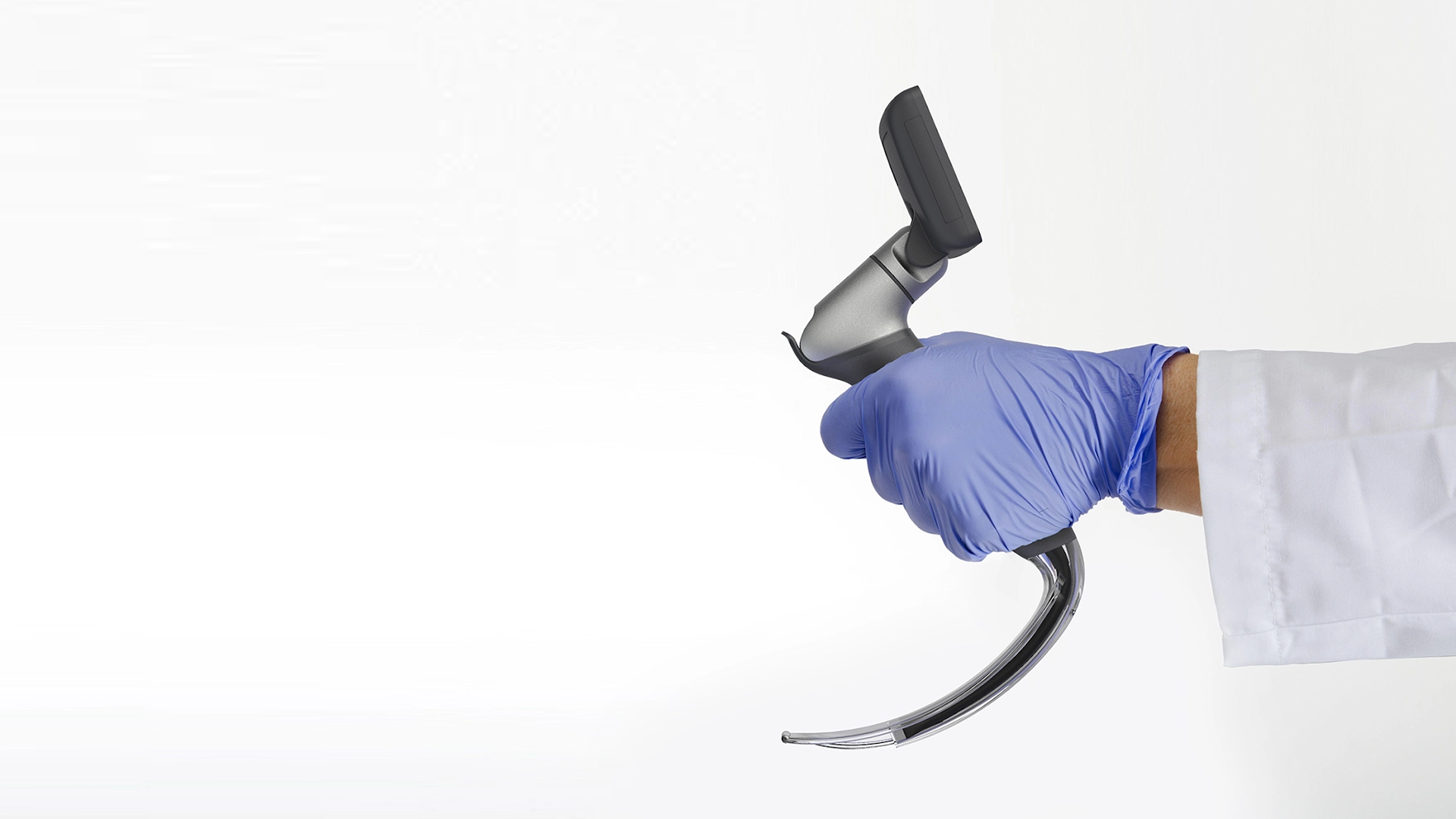
Verathon offers one of the broadest portfolios of video laryngoscopes on the market. While these life-saving devices increase the likelihood of successful first-time intubations, reducing trauma and speeding recovery times, they are more costly and can be more challenging to learn how to use than traditional mechanical ones, which rely on directly looking at the vocal cords. Wanting to make it easier for cost-conscious hospital administrators to transition from traditional laryngoscopes to Verathon’s video systems, the medical device manufacturer asked IDEO to technically and visually unite its next-gen reusable baton and stats, ensuring they worked together seamlessly, flexibly, and intuitively during the most routine and demanding healthcare moments.
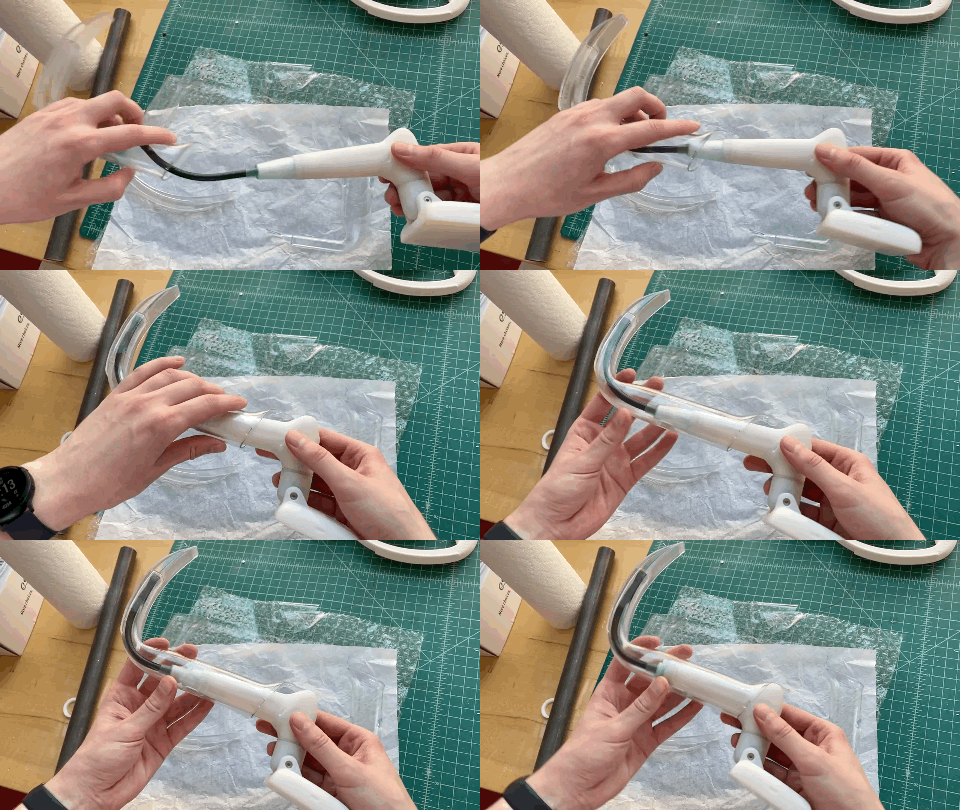
The IDEO and Verathon teams used a prototype-led approach to safely gain feedback from anesthesiologists and emergency physicians. Research participants were given various intubation models to simulate surgical use cases and understand ergonomic trade-offs between different design directions. Insights from the field led to design principles such as prioritizing device balance over weight reduction, providing flexibility to accommodate a variety of gripping positions, making connection points between various parts clear, intuitive, and secure, and ensuring the device was easy to clean.
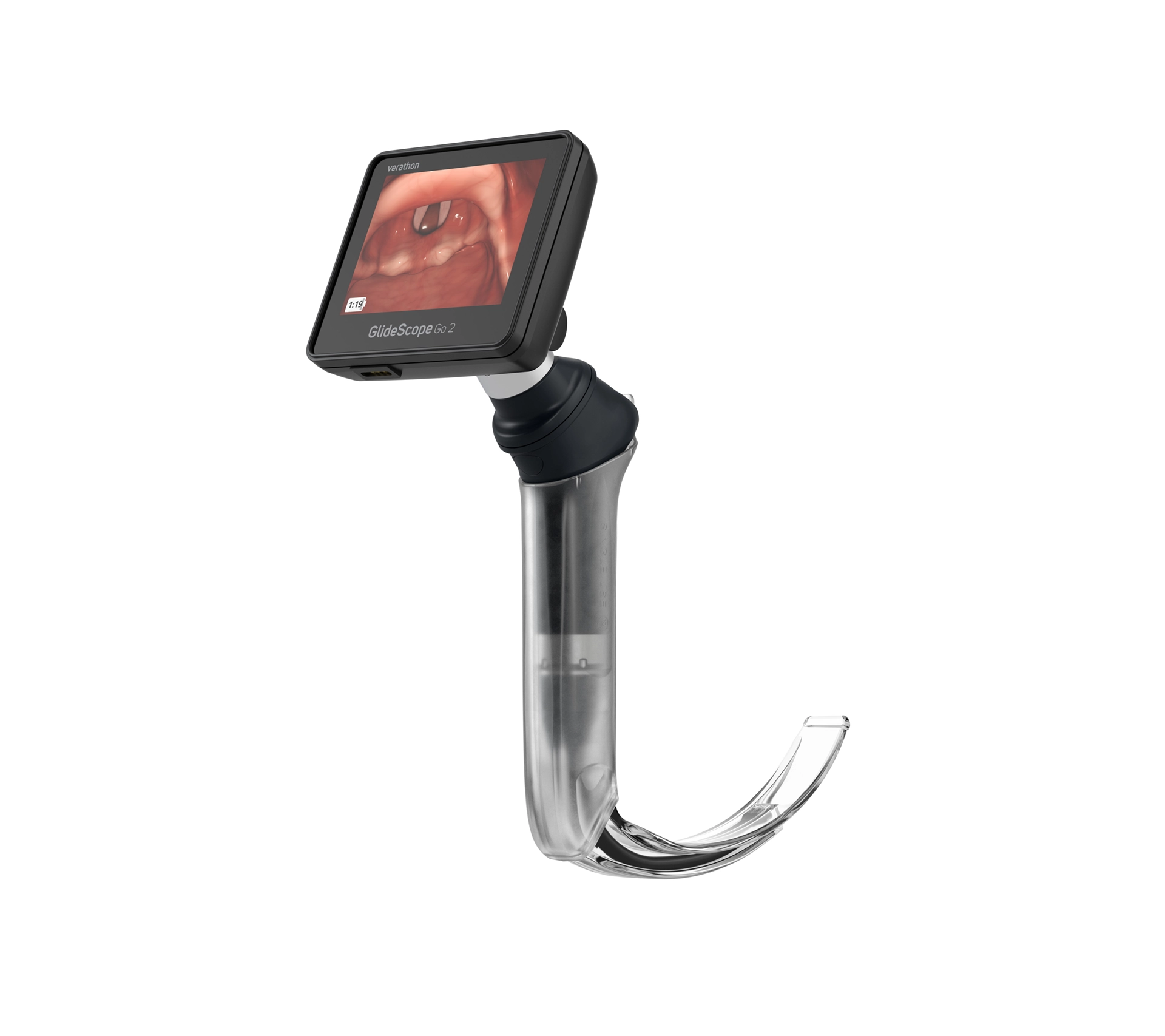
Inspired by physician feedback, the team designed an innovative video baton that felt both familiar and new, supported the ergonomics of diverse holding styles, and fit Verathon’s wide range of stat sizes (one of its competitive advantages). To prevent accidental disconnections, users receive clear tactile, visual, and sound feedback when the monitor and cover are correctly attached to the baton. IDEO chose color, materials, and finishes to help clinicians quickly distinguish between parts of the system and easily identify reusable components from single-use ones.
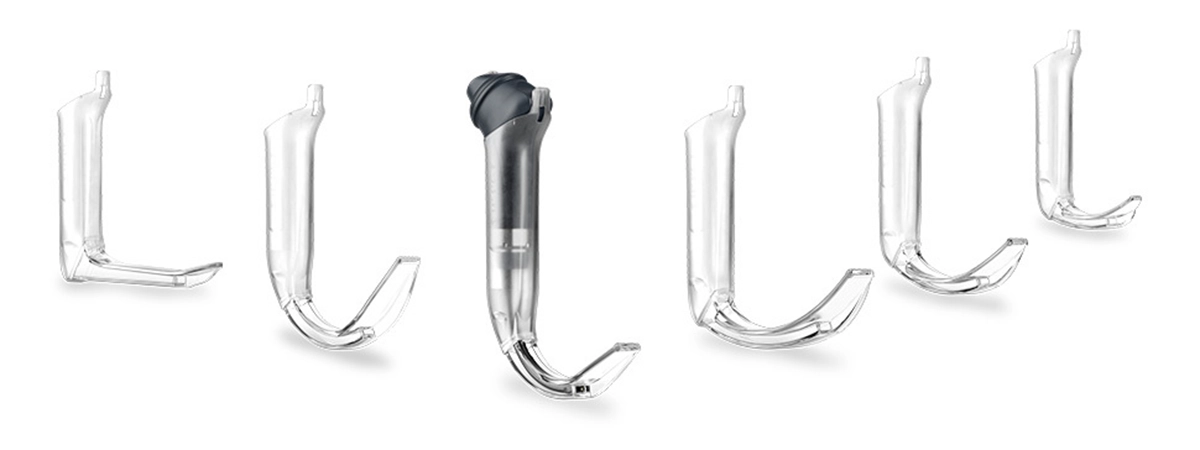
Verathon’s new GlideScope ClearFit stats-based video laryngoscope hit the market in August 2025. Combining one reusable baton with an industry-leading selection of six single-use stats, it’s compatible with both the GlideScope® Go™ 2 handheld and GlideScope® Core™ cart-based systems. Magnetic QuickConnect™ technology allows doctors to seamlessly switch between platforms, giving hospitals a standardized airway management solution that simplifies workflows, streamlines inventory, enhances medical education and training, and promotes cost-effective care.
Verathon invented video laryngoscopy technology. Twenty years later, the COVID-19 pandemic spurred more competitors to enter the market.
Cutting-edge technologies like video laryngoscopes are critical—and costly—devices. Hospital systems want to invest in the most comprehensive, flexible, adaptable, and affordable tools for quality patient care
6 shapes and sizes
of single-use covers fit one video baton, enabling health workers to quickly access different throat anatomies
Improving STEM education in the Philippines
GBF Class Builder supports teachers to advance learning for students.
Since its founding in 1992 by the Gokongwei family, which also operates one of the nation’s largest conglomerates, JG Summit Holdings, GBF has supported Philippine education through student scholarships, teacher training funds, and donations to top universities. Over its 30-plus-year history, GBF has reached more than 200,000 teachers and impacted over 1.5 million learners nationwide. When the foundation approached IDEO in 2021, it wanted to move the needle on STEM education in the country’s struggling public schools.
The IDEO and GBF teams interviewed more than 100 subject-matter experts across various government agencies, leading technology companies, and top national universities and educational institutions to build a comprehensive understanding of the current state of STEM in the Philippines. To experience classroom struggles firsthand, the team also shadowed STEM educators and principals. The research revealed that time-strapped teachers needed help mastering overall STEM content, preparing for their classes, and selecting the most suitable activities for their students. They also didn’t always feel supported in their own career development journeys. But the burden of daily responsibilities didn’t leave them any time for outside learning opportunities, either.
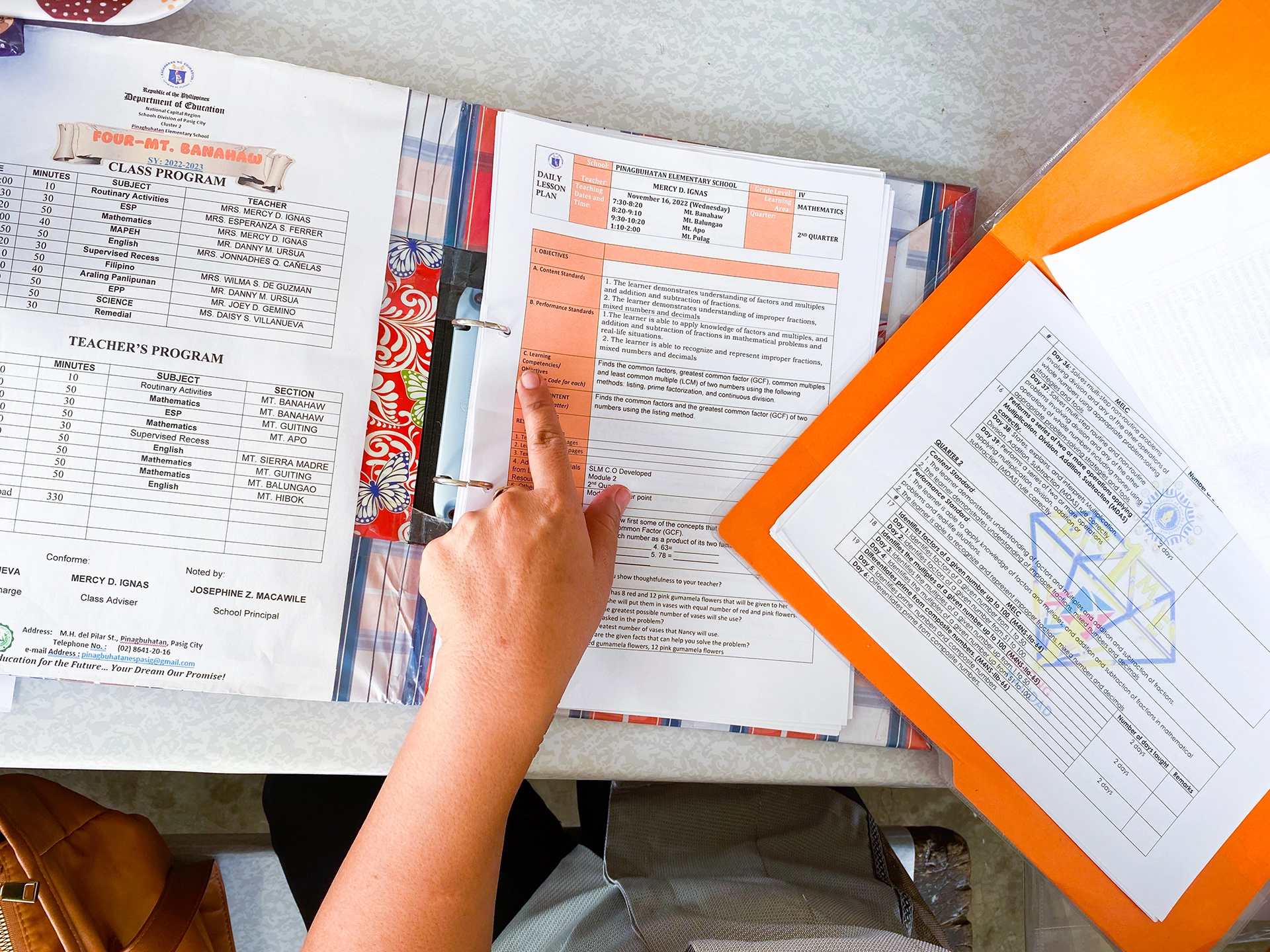
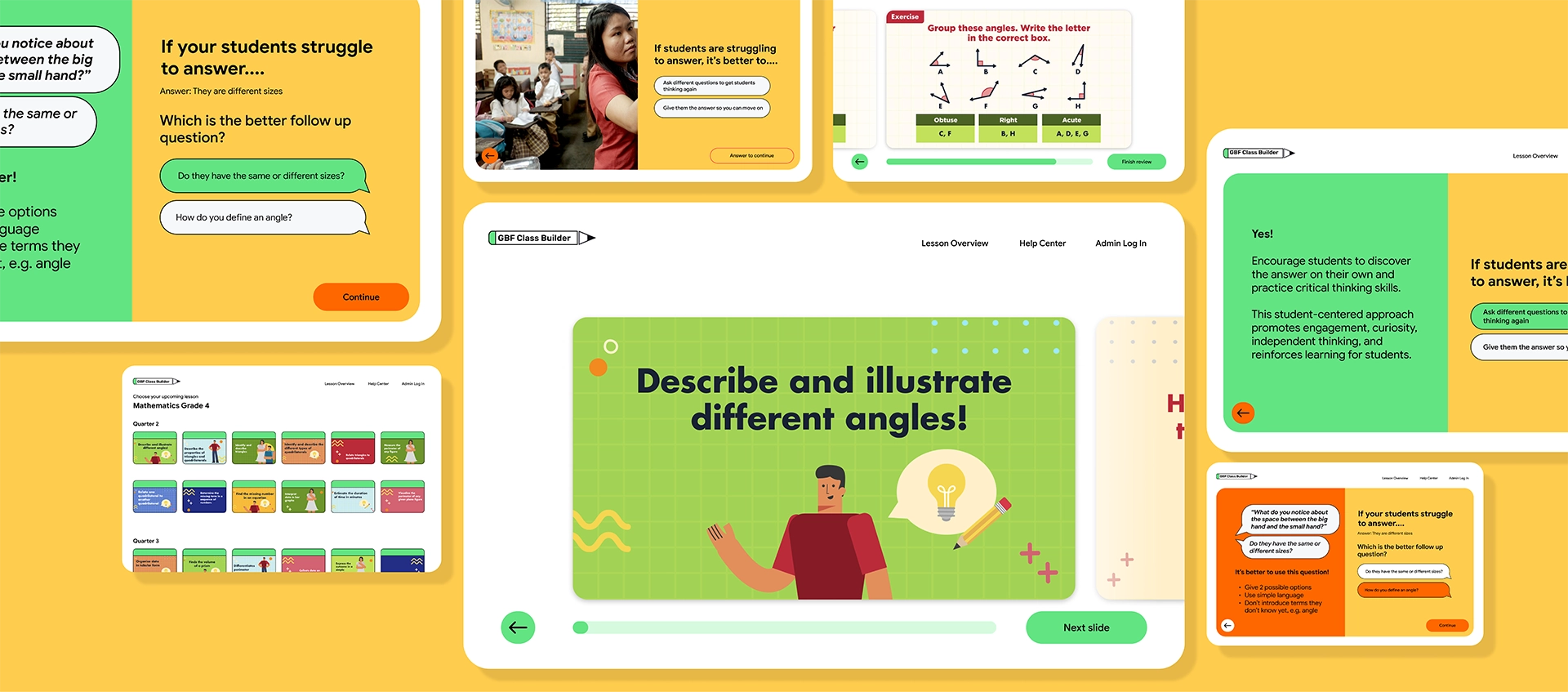
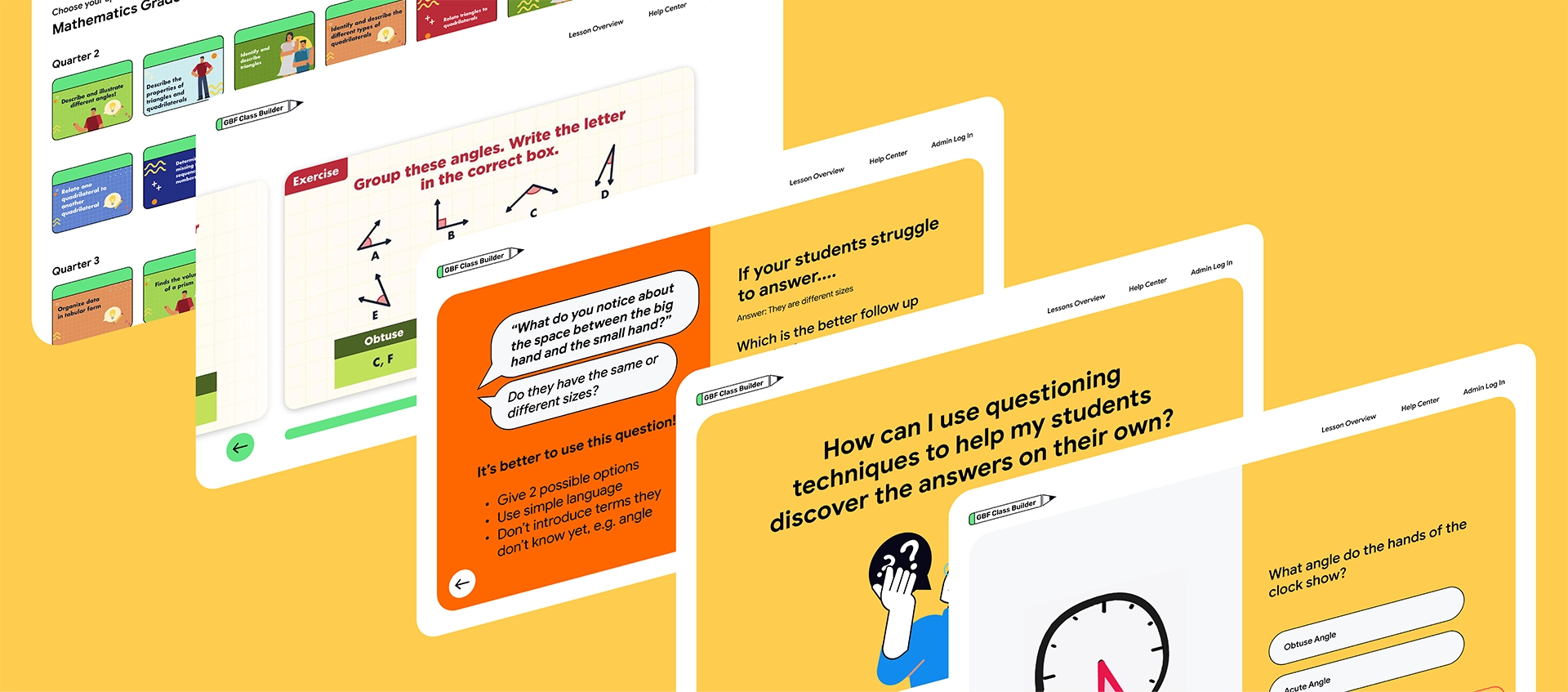
Recognizing that empowering teachers empowers students, the team created an innovative lesson prep tool, the GBF Class Builder, that's based on these insights. Using existing technology and course materials designed to align with school curricula, IDEO developed a working prototype of the Class Builder in under a week, with minimal investment. The team then systematically improved it over several “build-test-iterate” feedback cycles in real classrooms over the course of four months.
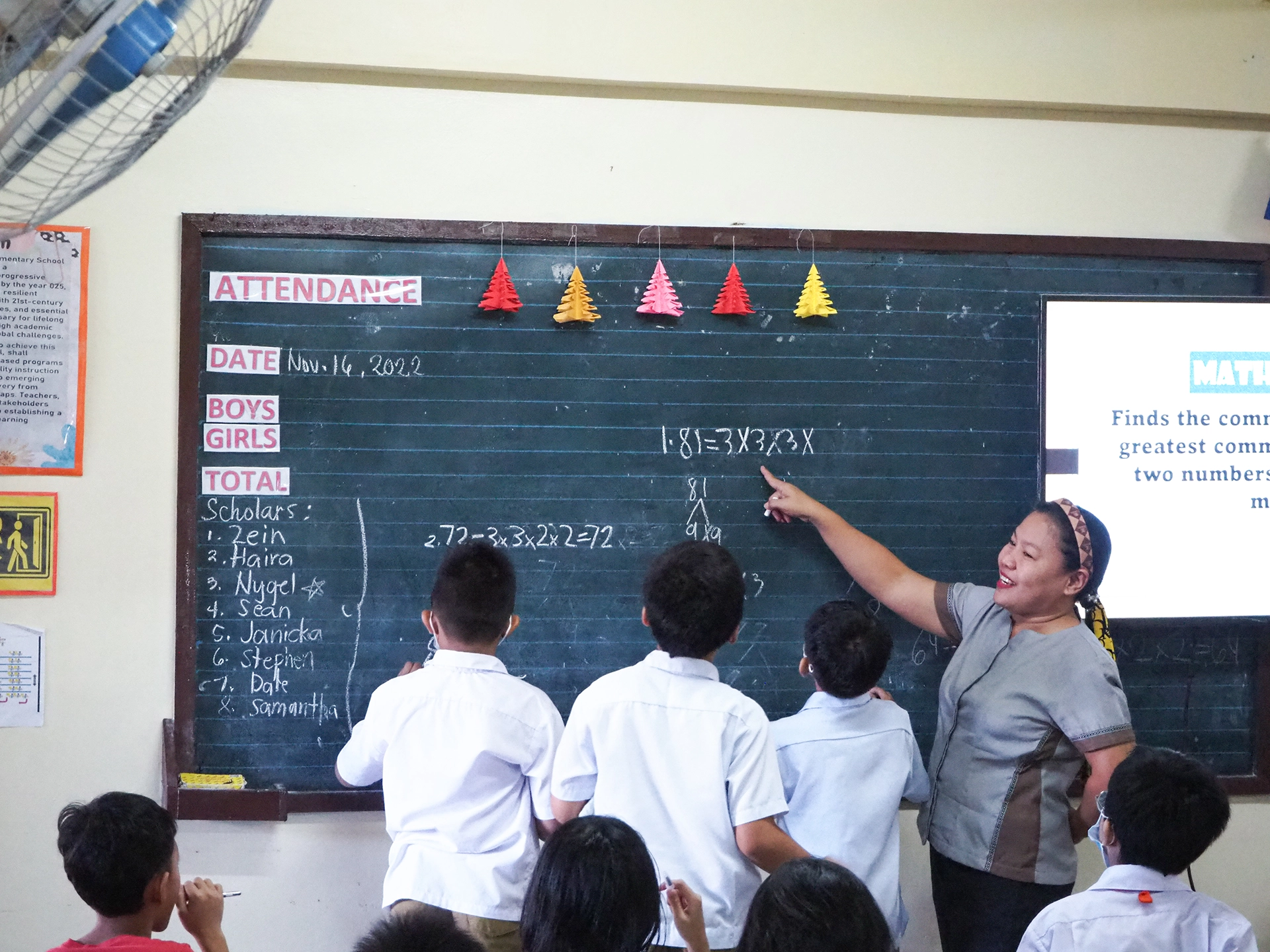
The final GBF Class Builder is a targeted program that helps STEM teachers deliver compelling lessons for their students, learn new teaching strategies, and build content mastery along the way. In addition to helping design the Class Builder, IDEO continues to advise GBF on key aspects of the program's piloting and rollout. This includes advising on how to implement the content development, think through the curriculum development process, support in designing feature iterations, define metrics for success, and decide which additional roles GBF will need to support the ambitious program going forward.
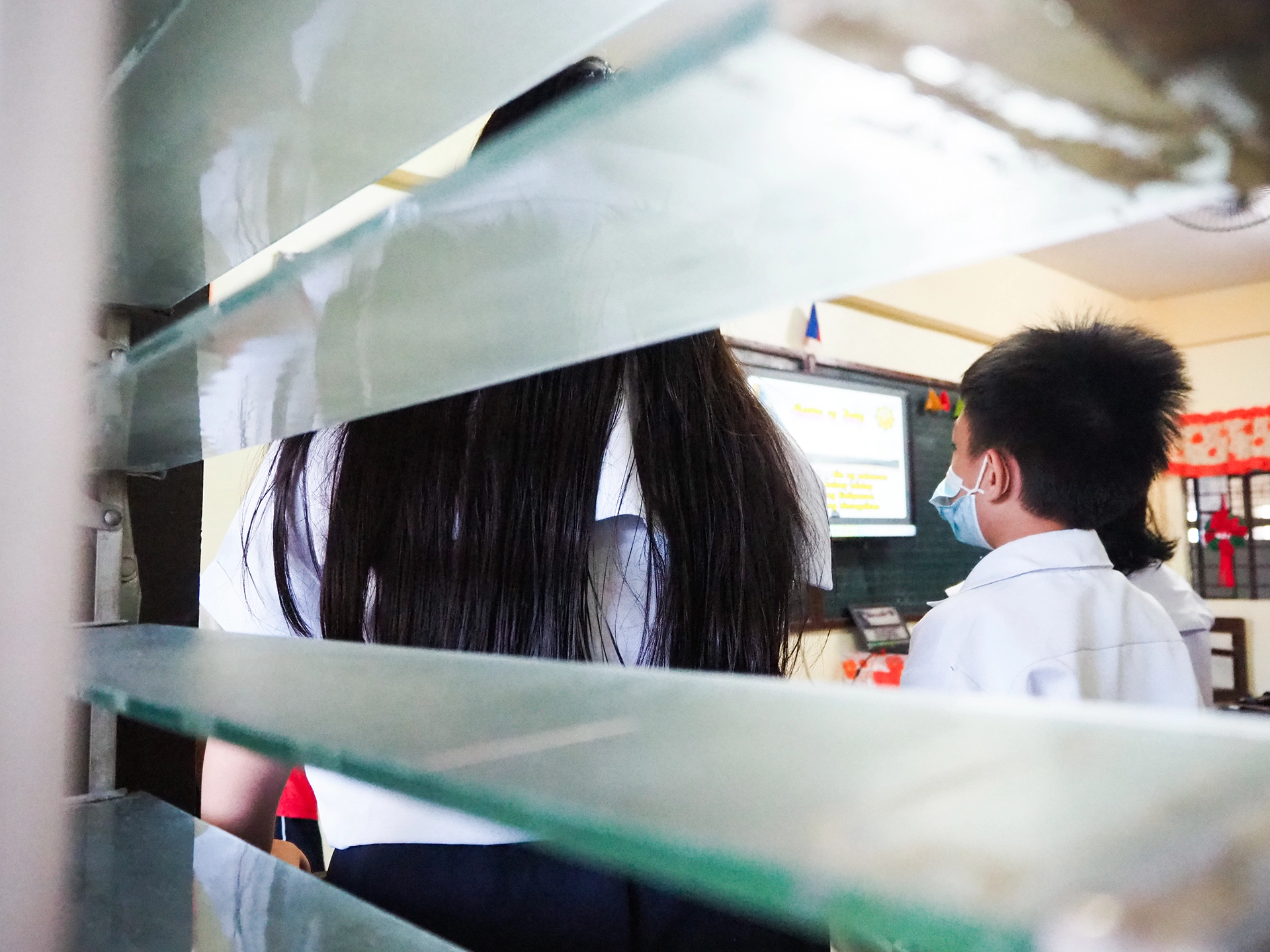
The foundation launched the GBF Class Builder at its 30th-anniversary celebration in 2023. Feedback from pilot 3,500 public schools and 15,000 teachers has been overwhelmingly positive. “Through the GBF Class Builder, we envision our teachers to be more confident and effective in class, more ready to face the challenges of the future, while enjoying every class—feeling proud to be a teacher, " says Grace Colet, Executive Director of GBF.
The ambitious program continues to scale and is on track to be rolled out in public schools nationwide by 2029.
90% of 10-year-olds in the Philippines can’t read a simple text, according to a Southeast Asia Primary Learning Metrics report. Eighty-three percent of Filipino 10-year-olds lack minimum proficiency in math.
More than 15,000 teachers in 3,500 public schools
are now using the innovative GBF Class Builder program
94%
of teachers report the GBF Class Builder has improved student engagement, while 89% say it saves them 1-2 hours in prep time per lesson

Making headroom in a new product category
Renowned cycling brand Fizik expands its offerings with a line of helmets.
Fizik came to IDEO with the aim of entering the helmet market with a range of high-end performance options fit for road racing, mountain biking, time trials/triathlons, and everyday cycling. Fizik planned to use its world-class production and engineering capabilities (the company is part of the Selle Royal Group, which has over 1,400 employees and manages five other cycling brands, including Crankbrothers and Brooks England). IDEO’s task was to develop an on-brand design language that would unify its new helmet line and integrate seamlessly with the sleek, modern aesthetics of the company’s other products.
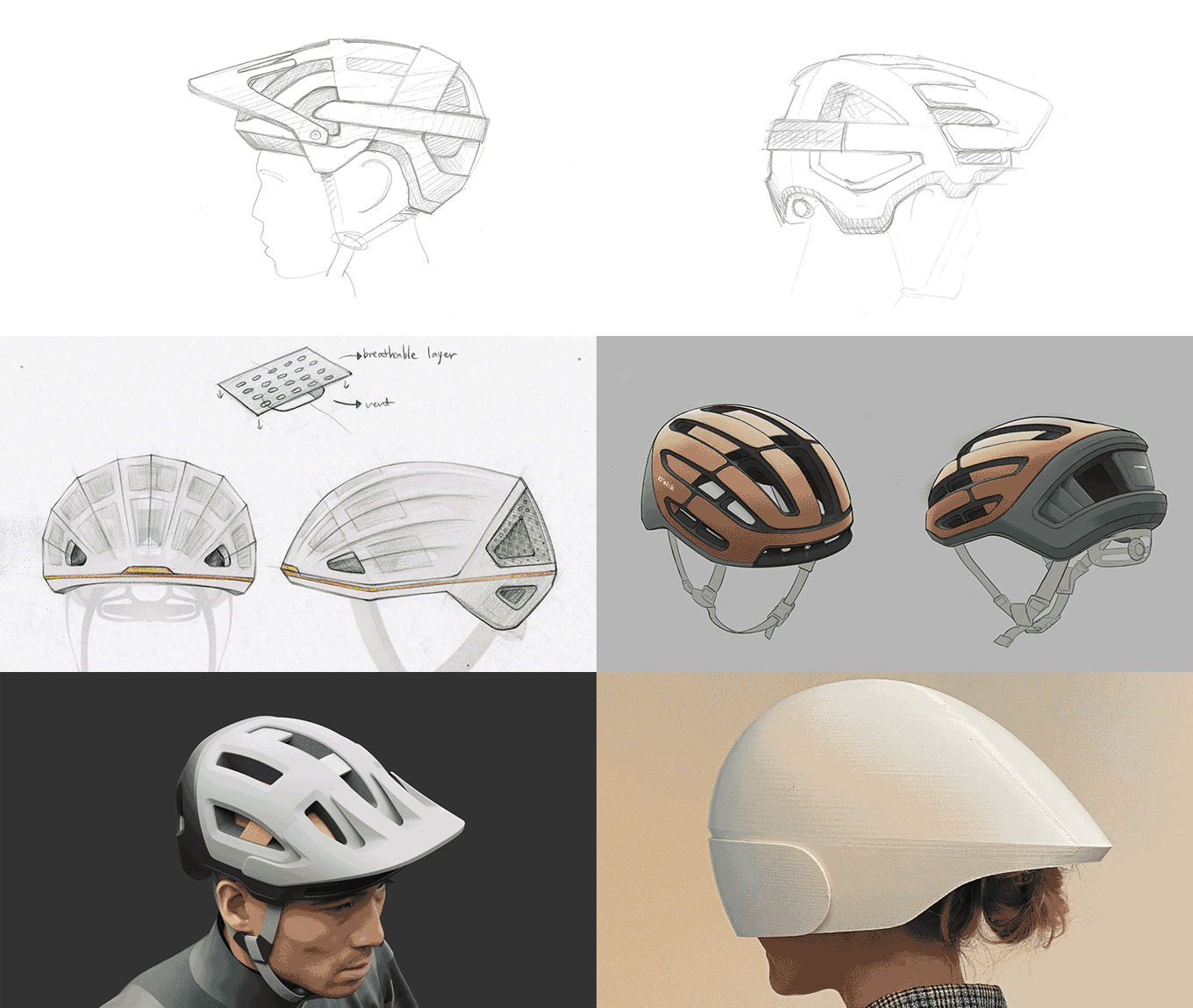
The design sprint began with in-context interviews with avid and professional cyclists to learn what they wanted—and didn’t—in a helmet. Unlike other accessories, such as shoes or shorts, riders viewed helmets as a necessity rather than an exciting or aspirational purchase. They also wanted a helmet that complemented their overall style, rather than standing out, and had a flattering silhouette. Avoiding making a cyclist look like a “mushroom” was key.
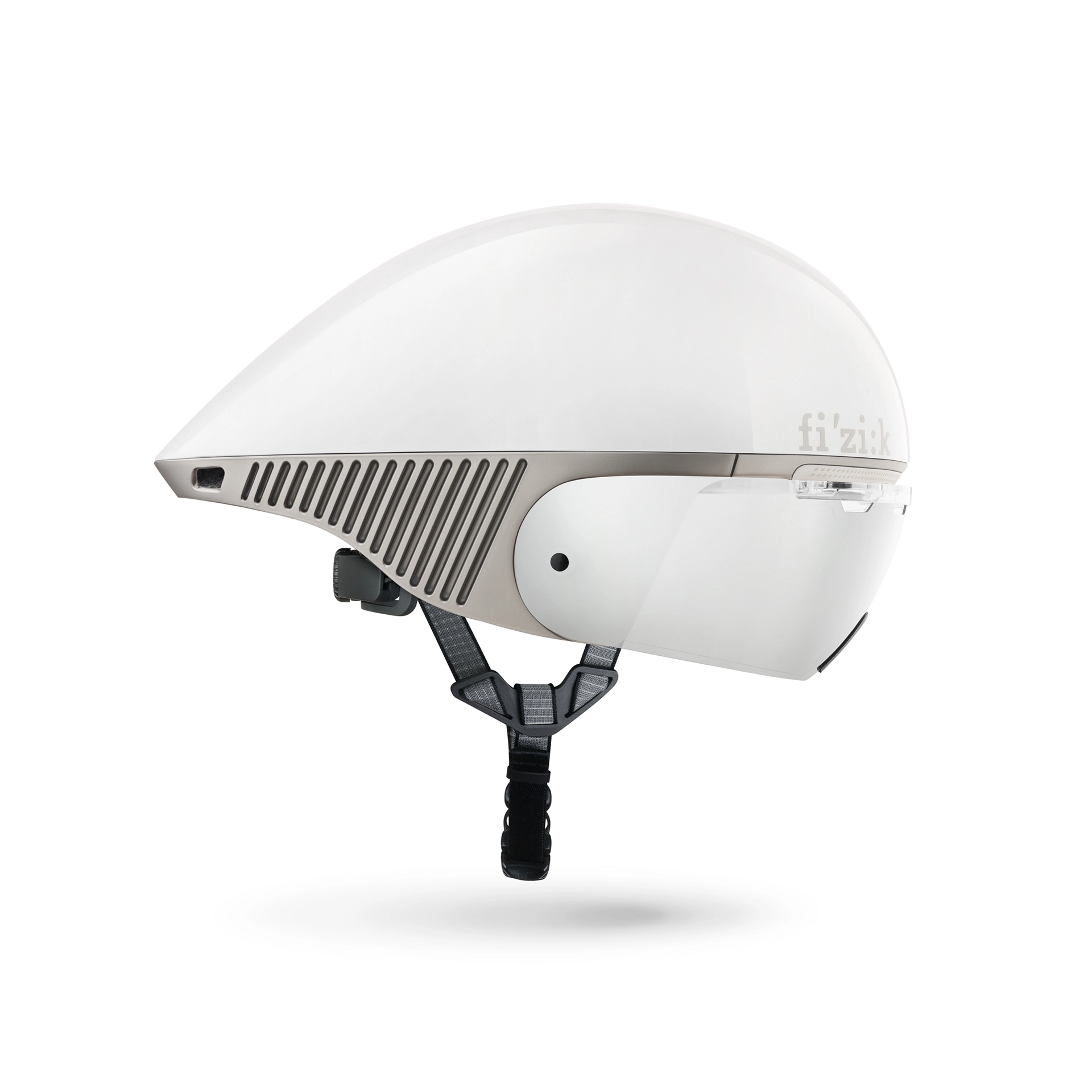
Different cycling styles involve varying riding postures, ranging from a dropped and horizontal position (time trial/triathlete) to an upright and vertical position (mountain biking). IDEO proposed a family of helmet designs that correspond accordingly. On the horizontal extreme, the time trial/triathlete helmet has the most fluid, organic, aerodynamic shape. A statement of refined simplicity and speed, it features minimal venting and a magnetic wrap-around visor to reduce drag that can be exchanged for the rider’s own cycling glasses.
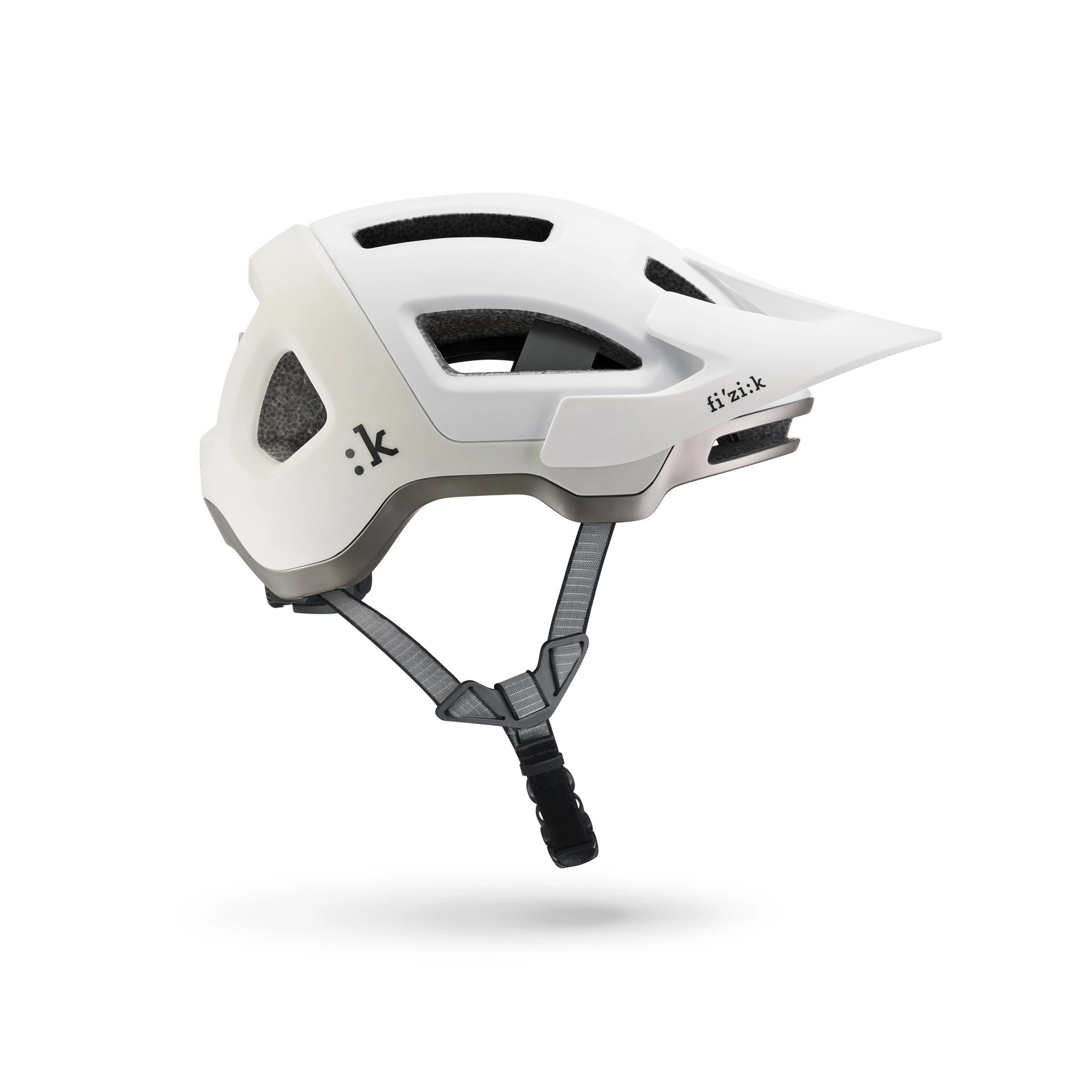
On the vertical extreme, the mountain biking helmet features a more rugged, angular form with an adjustable brim, rectangular venting, and boxier, back-of-the-head protection. It also offers affordances for goggles, sunglass storage, a GoPro mount, and an optional integrated rear light.
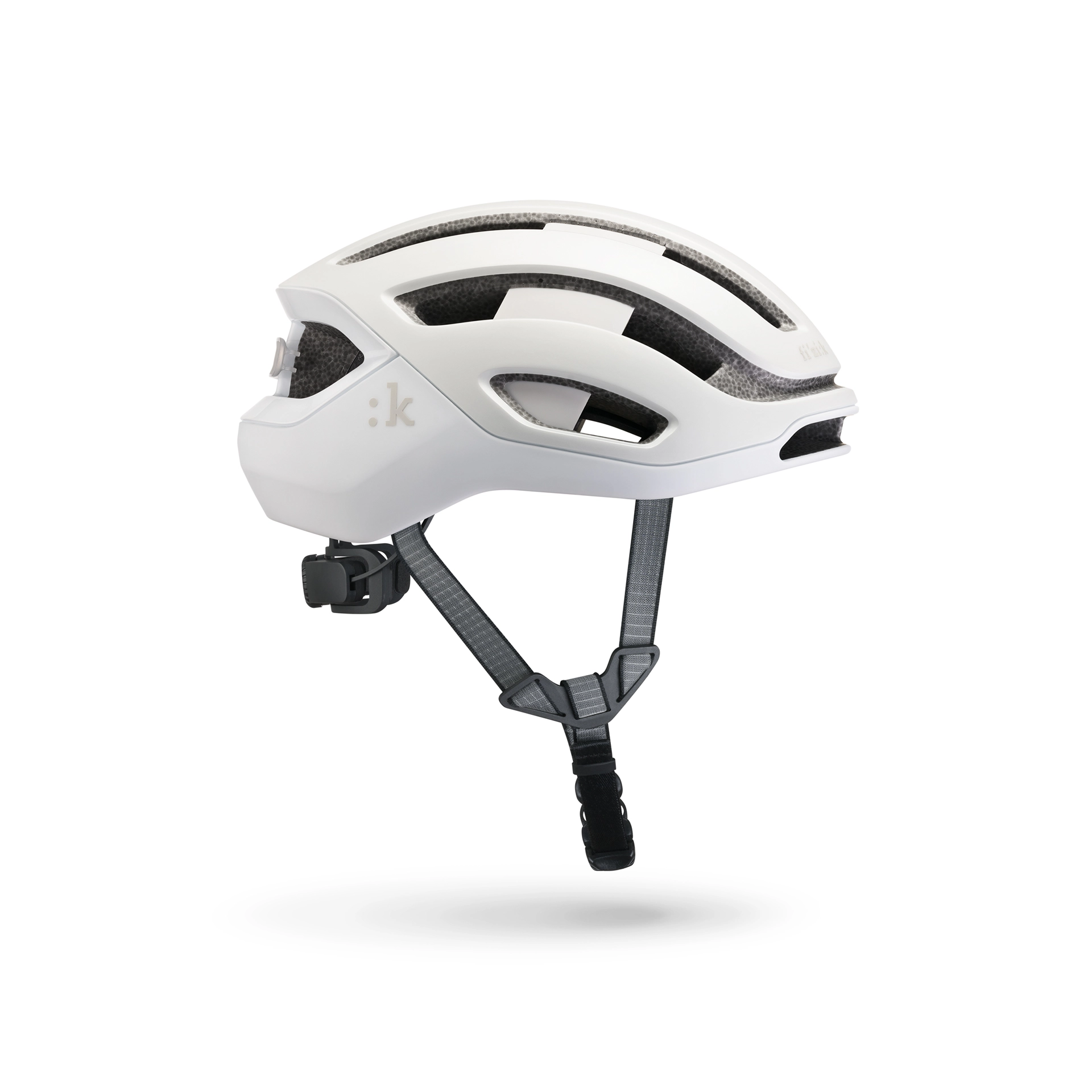
In between, a compact helmet for road racing features evolutionary variations on these design extremes, with more venting as well as a front glasses holder and integrated rear light. All four helmets strike a balance between lightness, comfort, safety, and performance, embodying Fizik’s signature modern style.
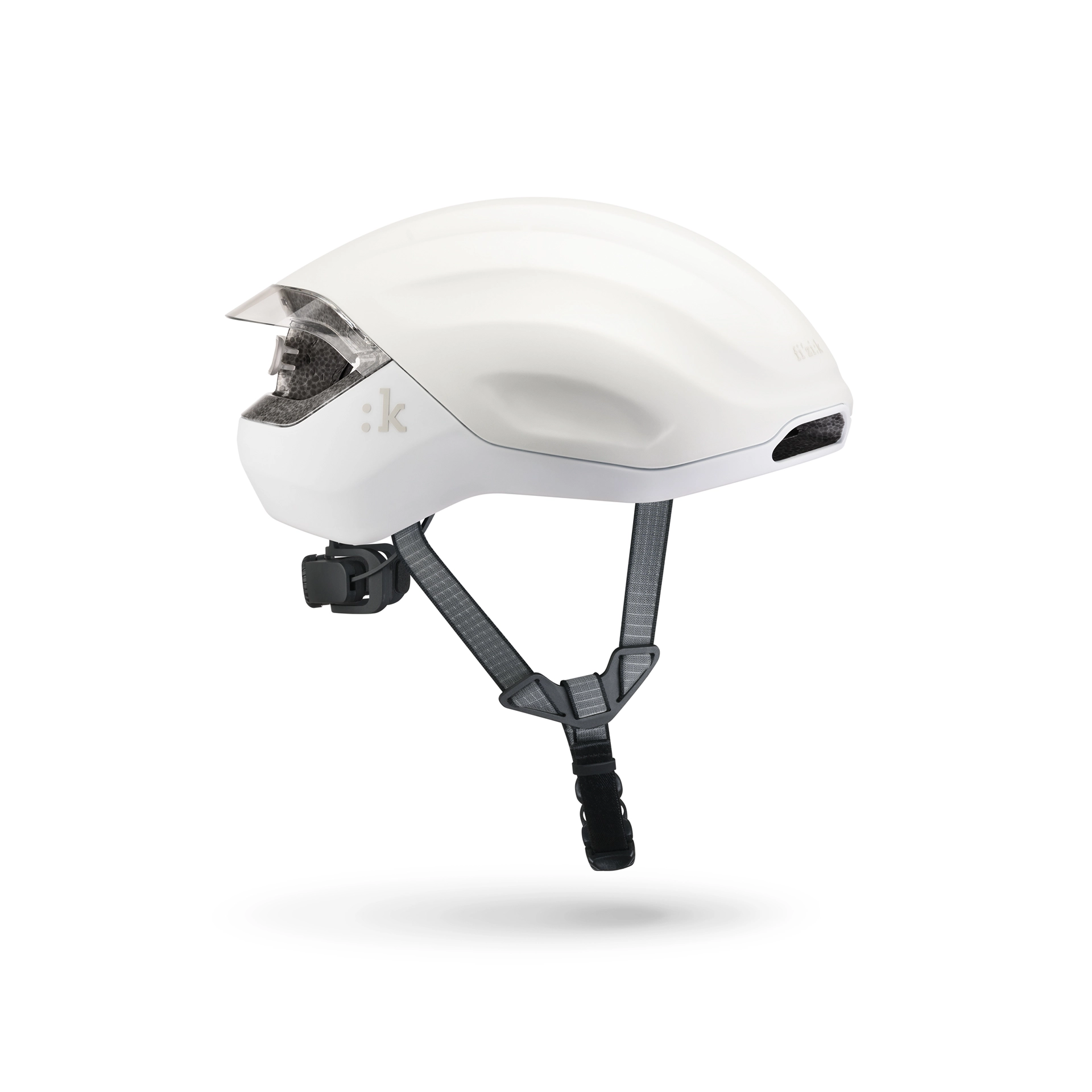
In April 2025, Fizik launched all four helmet models simultaneously: Kassis (mountain biking), Kunee (trial/triathlon), Kudo, and the more aerodynamic Kudo Aero for road and gravel. The helmets were greeted with critical acclaim from the cycling world, while Virginia Tech’s independent helmet-safety research lab gave them five-star performance ratings for their strength and durability.
Legendary cycling company Fizik was known for its high-performance bike seats and shoes, but wanted to be a fierce entrant in a challenging product category—helmets.
4
new helmet designs
1
new product category

What the sustainable food future we’re working toward looks like
Over the last decade, we have been working with people, companies, governments, and organizations across the food industry.
When it comes to sustainability and the food system, looking ahead five or ten years and making eventual environmental commitments are not enough. There is a limited time to act if we want to head off the worst of what’s to come, from major supply chain disruptions to even higher levels of agriculture-related carbon emissions. That’s a challenging reality in the face of a climate crisis that can feel overwhelmingly abstract and a business environment that has long prioritized what is happening in the next quarter, not the next decade.
IDEO is a future-oriented firm, and over the last decade, we have been working with people, companies, governments, and organizations across the food industry who share our exploratory mindset and growing sense of urgency around addressing climate change. We have partnered with global nonprofits seeking to reduce food loss on farms, helped food brands launch products with better and healthier ingredients, are examining corporate procurement’s role in mainstreaming regenerative agriculture, and are working with food companies to help them achieve their environmental, social, and governance (ESG) commitments. It has left us sure of the food future we’re aiming for: one in which the extractive, linear model is replaced by a circular economy that regenerates the environment, builds thriving communities, and develops more nourishing food and beverage products that everyone can access. Design is a vital tool in getting us there.
Circular design recognizes that each individual, from farmers to food workers to consumers, factors into an interconnected and constantly changing system. It allows us to position the human perspective alongside technological and economic constraints and arrive at ways to make food truly equitable, regenerative, and nourishing for both people and the planet.
As we work toward that climate-positive future using the tools of design, here are three things that are on our mind and directing our actions:
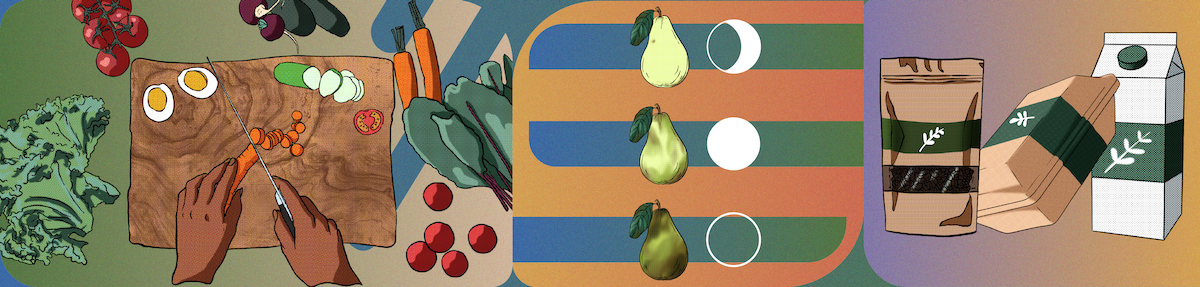
The system has made headway in reducing food waste, but there’s more to be done
Globally, about one-third of food is lost or wasted each year. The loss and waste account for 8% of global greenhouse gas emissions and are occurring at the same time that 1 in 9 people are undernourished. “Preventing food waste is ... the food sector’s single most important direct climate action,” is how Sodexo CEO Denis Machuel put it.
Within the US, some 40% of food waste is tied to businesses that serve consumers, like hotels and restaurants. That point was driven home when we partnered with The Rockefeller Foundation and Hyatt Hotels to develop novel ways to tackle food waste at the hotel buffet. We found nearly half of the food put out for guests wasn’t eaten, and at most only 15% of that could be donated or repurposed.
The fear of shortage was a driver, with the hotel kitchen overproducing to ensure they would have ample food for guests, and guests overloading plates so as not to miss out. Knowing that allowed us to introduce simple but effective solutions like displaying small sample plates of meat and cheeses that guests can order, rather than laying out extensive platters.
But a third of global food waste occurs upstream, at the agricultural harvest and production stage. Our work with Japanese growers while developing the fudoloop app highlighted one reason why: a disconnect between supply and demand. Agricultural wholesalers were generally in the dark about coming crop volumes and details, which made it harder to negotiate with buyers—resulting in food waste—while the labor-intensive nature of the harvest left farmers without the time and energy to pursue a solution. The app gets crop information from farmers to wholesalers one day in advance to allow for much more effective coordination.
Similarly, when the World Wildlife Foundation asked us to help minimize food loss on farms in the United States, labor availability emerged as one of the main reasons crops are not fully harvested and packed. Together we prototyped a model that connects farms and local people in need of part-time paid work to harvest surplus produce otherwise left in the fields, and tested the concept on a California tomato farm. Under this model, the harvested fruits and vegetables would then be made accessible to those who need them through a virtual platform that matches a grower’s surplus with a food bank’s demand.
Downstream, food banks and pantries serve as a way to mitigate both food waste and hunger, but challenges abound there too. According to the USDA's Household Food Insecurity in the United States in 2020 report, 61% of food insecure Americans do not use them.
In some cases, schedules and transportation are deterrents, which inspired our work with the Northern Illinois Food Bank. We helped them launch a first-of-its-kind digital pantry that allows individuals to order groceries and select a pick-up time and location in advance. The approach gives food bank users agency and choice, eliminating food waste that can occur when individuals are given foods they dislike or that don’t align with their dietary restrictions. It also allows the food bank to track data—a key element to understanding waste—in order to have better supply and demand signaling.
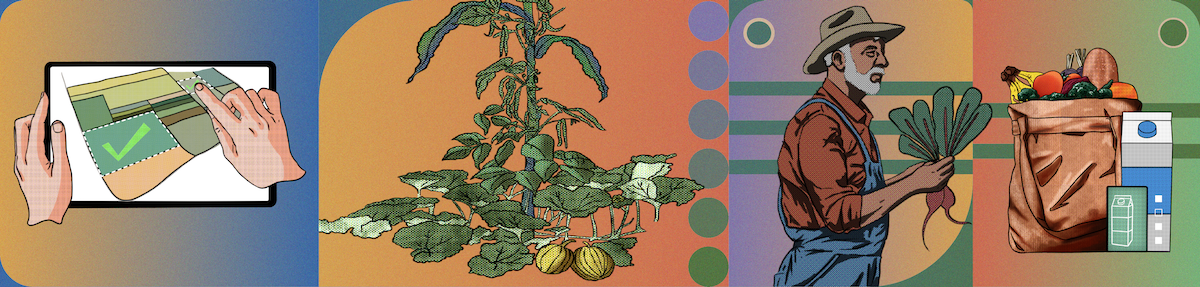
Food companies need to reimagine their product portfolios with biodiversity in mind
For more than a decade IDEO has worked with CPG clients to create food that is healthier. Biodiversity is the next step in the journey, and it’s a particularly exciting one because of the dual impacts to the planet and human health. In a little more than a century the planet has lost 75% of the genetic plant diversity in agriculture, and per a 2020 report, some 20% of countries risk seeing their ecosystems collapse due to the decline in biodiversity.
The linear economy got us here. Prioritizing efficiency and profit brought us to a place where 75% of the global food supply is sourced from just 12 plant and five animal species. Rice, maize, and wheat account for almost 60% of calories all of humanity gets from plants, curtailing consumption of vital nutrients. The monoculture farming responsible for that shortlist of crops makes the food supply more vulnerable. Monocultures are less able to withstand climate extremes and pests. Diversifying these farms is a way of building resilience.
Transforming dietary diversity at scale requires efforts on production, procurement, manufacturing, product design, and consumption levels. In a recent WBCSD & One Planet Business for Biodiversity report, product design is the most commonly cited area of opportunity when it comes to “staple crop diversification along the value chain.” As designers we believe that individual product design decisions about formulation, sourcing, packaging, and branding collectively shape the food system—and have the ability to send positive ripple effects across it.
We have helped CPG clients advance on their path towards using more biodiverse ingredients through product launches that emphasize healthier and alternative ingredients. That has included working with Betterer Foods to design their RightRice brand, based on an ingredient they developed that tastes and looks like rice but is made from rice and vegetables and has more than twice the protein of regular rice; partnering with Green Onyx, an Israeli company that developed an in-home growing method to produce a tiny aquatic vegetable called khai nam; and working with Bitty Foods to find new product innovation for products made with their high-protein cricket flour.
Through our work, we’ve learned that sustainability is often not the driver when it comes to food choices—yet flavor often is. Biodiversity expands the palate for a food R&D team to think about flavors, textures, and ingredients. It also has the potential to make us healthier. The 2020 WHO report on biodiversity noted one risk factor associated with the loss of biodiversity is “increased consumption of ultra-processed foods high in energy, saturated and trans fats, sugars and salts.” Biodiversity won’t inherently make us healthier if we diversify ingredients but continue to put them into highly processed foods. It's important that R&D teams still consider nutrition as they explore a wider variety of ingredients for their products.

Product design alone isn’t enough. Companies must transform their supply chains
A 2019 study of the 50 largest food and beverage companies in the US found that, of those who disclose the data, scope 3 emissions constituted on average 89% of total reported company emissions. Failure to monitor, disclose, and transform operations to lessen these emissions poses “substantial material risk” for the industry—risk that will only increase. The IPCC Report on Climate Change and Land found that without intervention, emissions from agriculture are likely to increase 30% to 40% by 2050.
We understand the heaviness of this challenge for food companies: How do they design an entirely new system while still operating their businesses in the current system? How can they encourage regenerative farming among different stakeholders along the supply chain to reduce their carbon footprint overall?
With the Circular Economy of Food CoLab, we have been able to use collaboration and rapid prototyping to make those questions less daunting and quickly surface potential solutions. The Food CoLab is anchored by member companies Danone, Kroger, and Electrolux and builds on a network of farmers, food companies, startups, NGOs, and experts.
Since 2018, the Food CoLab has built over 30 prototypes that promote a circular food system: where waste becomes a resource, natural systems and farming communities are uplifted, and all materials realize their highest value. A major focus is reimagining how retailers and food and beverage companies source ingredients and products. Today’s commodity-centric model leads to overproduction on farms, reinforces intensive farming approaches, and shifts the risk of diversifying operations to growers. Yet supporting regenerative production and choosing lower impact, upcycled, and biodiverse ingredients has the potential to realize significant emissions reduction and greater profitability for farmers.
Together we are prototyping new procurement models that support regenerative agriculture, with input from farmers and experts in soil health, ecosystem services measurement, and agriculture innovation. We’re exploring ways that design can help food and beverage companies partner with growers to build soil health and biodiversity, equitably collect and share data, and collaborate across industries and supply chains.
While there are new business models and technologies that might help achieve goals around nature-positive food production, it’s important to acknowledge that regenerative farming is not new. The quest for efficiency and the consolidation of power in global supply chains undermines resilient farming models in the United States and many other places around the world. Many people and communities who hold this agricultural expertise have been denied access to land, capital, research, and other support—and now they face the brunt of food insecurity and climate change impacts. It's imperative to help right these wrongs as we seek to design a more climate-positive food system.
**
Addressing these food- and climate-related challenges requires we consider and involve all the players. The cost of reducing food waste, restoring biodiversity, and transforming the supply chain may impact one segment of the food value chain while another segment reaps the benefit. Indeed, one of the biggest challenges to overcome is to realign who makes decisions and who bears the cost. Figuring out how to share both the risk and the reward requires collaboration. Design is a powerful and effective tool to leverage. Human-centered design surfaces the role each player has individually, how they relate to each other, and the amount of influence and power that each has.
The design process enables us to zoom in and out between a potential solution to the challenge at hand and the larger system. It highlights the leverage points, the places where a successful intervention could touch several aspects of the problem, and allows us to quickly start prototyping. We iterate, we learn, we refine the question.
Design is relentlessly optimistic, but it’s also grounded in reality. The climate crisis has gotten where it is because we’ve taken from the earth with little concern for any consequence beyond profit. That’s by design, which means we can also fix it. The redesign can’t wait.
In 2015, we helped IKEA envision the kitchen of 2025. Thinking that far into the future was a visionary move on IKEA’s part. Now, that kind of perspective and action are a requisite.

Our first step toward Net Zero
Estimating IDEO's carbon footprint.
We quickly realized the complexity of the challenge. There are hundreds of people across IDEO, and each of them make purchases on behalf of the firm in the running of our business—from video conference subscriptions to user research project expenses. With at least 80-90% of any organization’s carbon footprint coming from Scope 3 emissions (including upstream suppliers), calculating one’s carbon footprint is a significantly distributed issue.
But we knew we had to get started. We began by exploring a wide variety of emissions accounting solutions, from countless start-ups in the space to corporations like Salesforce repurposing their internal tools for emissions accounting. In our view, the ideal carbon accounting solution possessed several qualities. It would be accessible and intuitive enough for IDEOers to understand the tradeoffs they are making during everyday purchases. It would be shareable with our clients who are increasingly invested in our sustainability efforts. It would be reasonably priced for a small-to-medium sized business that intends to spend in the low six figures on carbon offsets and hopes to reduce its emissions by 7-8% per year. Most importantly, it would track emissions down to the company level to make it possible for us to vote with our dollars when considering prospective suppliers.
Unfortunately, most of the existing carbon accounting solutions haven’t met our particular set of needs. They often involve cumbersome, manual data entry. The carbon footprint is often estimated at an industry, not company, level. And when you’re hoping to use such a tool to save 7-8% of low six figures per year off your carbon offset budget, emissions accounting solutions can be disproportionately expensive. These are early days for the greenhouse gas accounting industry and, as momentum builds, so will the quality of accounting options available.
After exploring the many solutions in the market, we ultimately embraced a carbon accounting technique shared by Jane Yang, former Head of Data & Senior Policy Analyst at Basecamp, who used academic literature to convert dollars spent in a particular category into the equivalent greenhouse gas emissions. This method gave us a framework to pull data from our Enterprise Resource Planning (ERP) systems and estimate the carbon footprint of emissions-intensive categories like energy consumption, travel, and food. While this technique is not perfect, it was a critical step in better understanding which areas of our business contribute most to our global carbon footprint.
Of these areas, airline travel was having the most detrimental environmental impact. As a consulting firm with offices, clients, and research across the world, we will need to be very thoughtful in how we balance the benefits, and environmental costs, of travel. More on this in a subsequent post.
Estimating IDEO’s carbon footprint also revealed another dilemma: our ERP systems had no data on the downstream impact of our work with our clients. In speaking with experts, we received mixed messages on how to properly account for emissions outcomes from consulting firms like IDEO. On the one hand, our deliverables are often digital assets that have a negligible carbon footprint. But on the other hand, these deliverables represent strategic recommendations or new products and services that could have significant environmental implications. It’s complicated. While we have a clear ethical responsibility to set our clients and the planet up for success, we have chosen not to include the downstream impact of our client work at this time. This is a decision that we will continue to assess going forward.
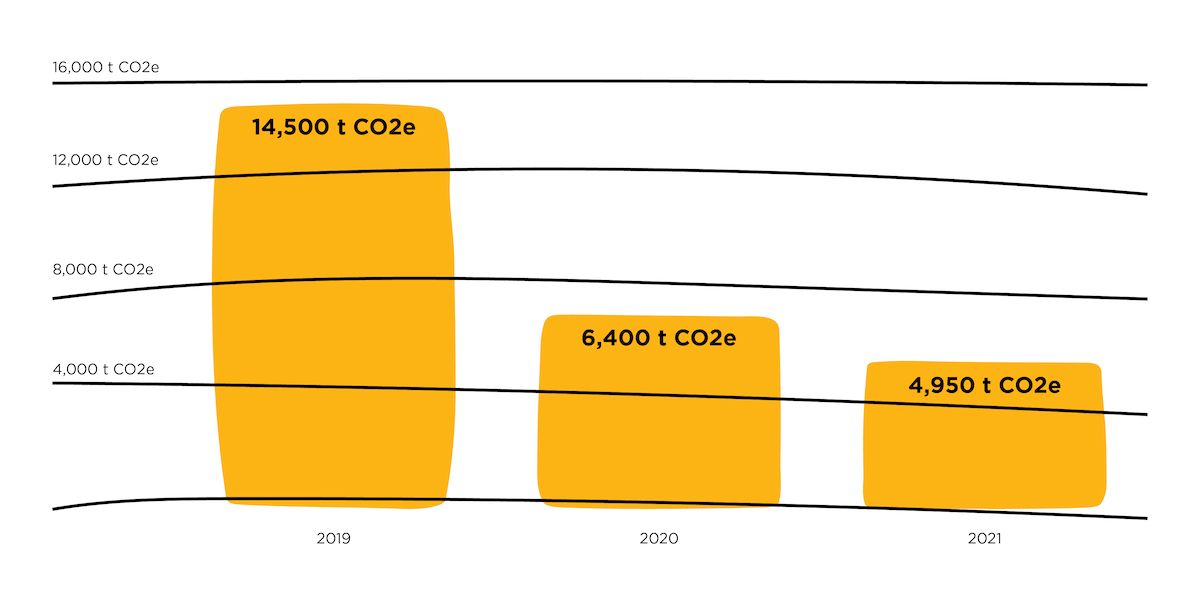
With that, we turned our attention to the data on hand. Our team’s background in scientific research gave us enough familiarity with the academic literature to find relevant conversion factors for the emissions per dollar spent on different categories of expenses like travel, for example. Using this methodology, we estimated IDEO’s carbon footprint at around ~14,500 t CO2e in 2019, ~6,400 t CO2e in 2020, and ~4,950 t CO2e in 2021. The good news is that these numbers are trending in the right direction, although these improvements were largely side effects of the pandemic (as with many companies). As we plan ahead, we intend to take another look at third-party products to see if any have started to gain an edge, and we’d enjoy the opportunity to learn alongside others that are going through a similar process. Any takers?
This article is part of a series detailing IDEO’s journey to becoming Net Zero, the lessons we’ve learned, and our continued commitments to addressing climate change.
For IDEO to commit to Net Zero or to prioritize emissions reductions initiatives, we first needed to understand the magnitude of our global carbon footprint and which factors were the greatest contributors.

“You’ve just got to get started!”
The conversation that fueled IDEO’s path towards Net Zero.
We were at a conference that IDEO was hosting in the Bay Area. We’d just been jamming on the approach Allbirds was taking to carbon labeling its products and he was chastising me for IDEO’s lack of visible progress in addressing the climate crisis.
His feedback stung. But isn’t that what friends are for—to call you on your BS?
I went home and dug into IDEO’s growing portfolio of work in the climate space. We had written a guide to circular design with the Ellen MacArthur Foundation, hosted open innovation challenges to redesign single-use cups and plastic bags with Closed Loop Partners, explored potential scenarios around the future of regenerative food systems, and had begun coaching many of our clients towards work that directly tackled climate change and sustainability. But in poring over our work, I realized that what we were doing so well for our clients, we were failing to do for ourselves. How could we expect our clients to partner with us on such important challenges when our own house wasn’t in order?
Luckily, I wasn’t alone in my desire to catalyze IDEO’s efforts around addressing climate change. Many of my colleagues were grappling with the same questions, including IDEO Partner, Dean Malmgren. As we dug into where we could and should take action, we began to grapple with the impact of Scope 3 emissions.
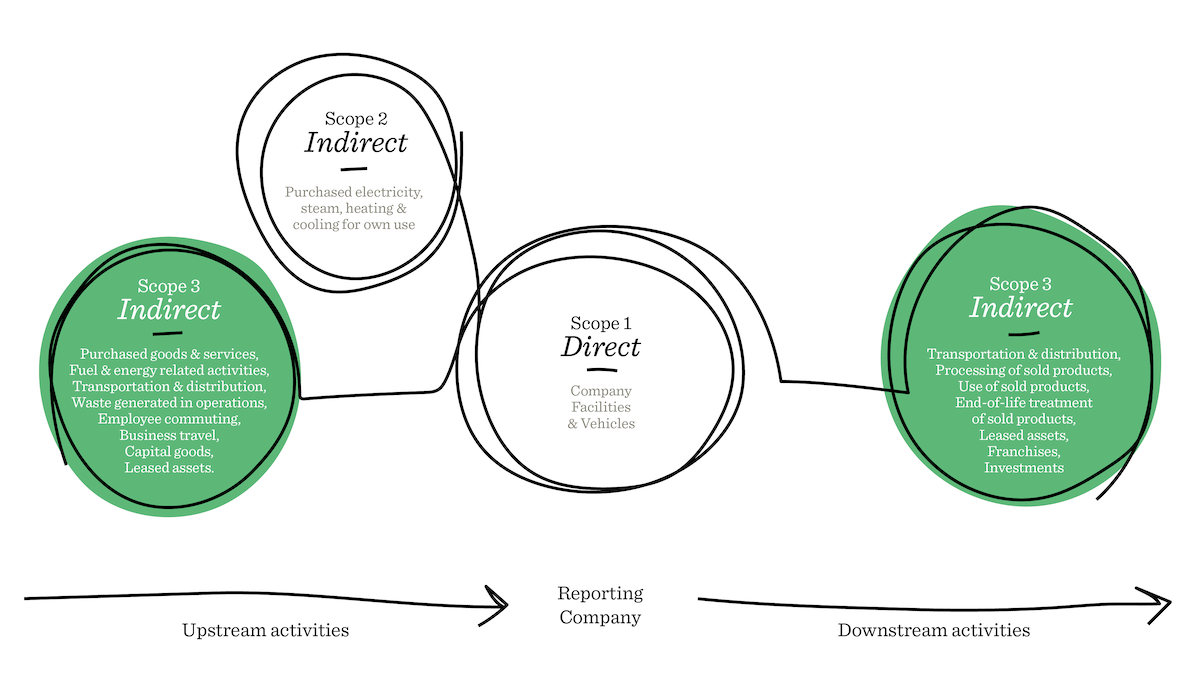
What are Scope 3 emissions? Greenhouse gas (GHG) emissions are categorized into three “scopes” according to the world’s most widely used accounting standard, the GHG Corporate Protocol. Scope 1 emissions cover direct emissions from sources an organization owns or controls. Scope 2 emissions include indirect emissions associated with the purchase of electricity, heat, steam, or cooling. Scope 3 emissions, or “value chain emissions,” are the result of activities from assets not owned or controlled by an organization. These indirect emissions occur outside of an organization’s operations—think business travel, commuting, or purchased goods.
Interestingly, 80-90% of an organization's carbon footprint comes from Scope 3 emissions—or from their upstream and downstream suppliers. So in order to reduce IDEO’s carbon footprint, we would need to carefully consider the suppliers with which we work and the impact of the work IDEO delivers.
At the same time, we’ve seen many of our clients wrestling with this challenge. While comforting to see, it also gave us a second, much needed, wake up call.
If our clients—many of whom have made public Net Zero commitments—were working on the same problem, they’d quickly arrive at a similar conclusion and start considering the climate impact of their business partners to manage-down their own footprint. We immediately saw the future: IDEO was going to increasingly be put under the microscope to understand whether we were the right partner for their business.
As we socialized this realization, we quickly learned that we’d already seen a steady uptick in clients and procurement partners requesting details about IDEO’s sustainability programs (and rightly so!). Not only are climate initiatives a moral imperative, but there was also a clear case for business risk associated with languishing. We were staring that business risk straight in the face.
And so Dean, I, and many others across IDEO made the decision to “just get started.” Because it’s the right thing to do for the planet. And because it’s the necessary thing to do for our business and for our clients’ businesses.
We made a commitment for IDEO to reduce our emissions in line with the Paris Agreement and to be Net Zero effective Jan 1, 2021. We estimated our carbon footprint. We purchased voluntary carbon offsets for our 2021 emissions. We switched to renewable energy across all of our locations globally. We experimented with addressing emissions offsets in our project plans and contracts. We offered more responsible investments in our 401(k). We have been regularly meeting with our sibling firms across kyu and the broader design consulting industry to share learnings and best practices for evolving our business model for the climate era. And many of IDEO’s locations have taken on a smorgasbord of initiatives to make their operations more climate-friendly as well, from switching to LED lighting, to serving local food and composting whatever we can.
We have made progress, but we are far from perfect. There’s much more work to do. And unfortunately, we are unlikely to be perfect any time soon. That’s where you, dear readers, come into play. Over the next few weeks, we’ll share some of the work we have done and the dilemmas that we have run into along the way. We’re hoping that this is the start of many conversations, ones that not only help us consider different perspectives and approaches, but also help others get started too.
To progress, together!
This article is part of a series detailing IDEO’s journey to becoming Net Zero, the lessons we’ve learned, and our continued commitments to addressing climate change.
Those were the words that Tim Brown, co-founder and co-CEO of Allbirds, uttered to me just before the pandemic began.
How play can lead the way to a sustainable future
Work, when accompanied by a playful mindset, can be highly effective, even joyful.
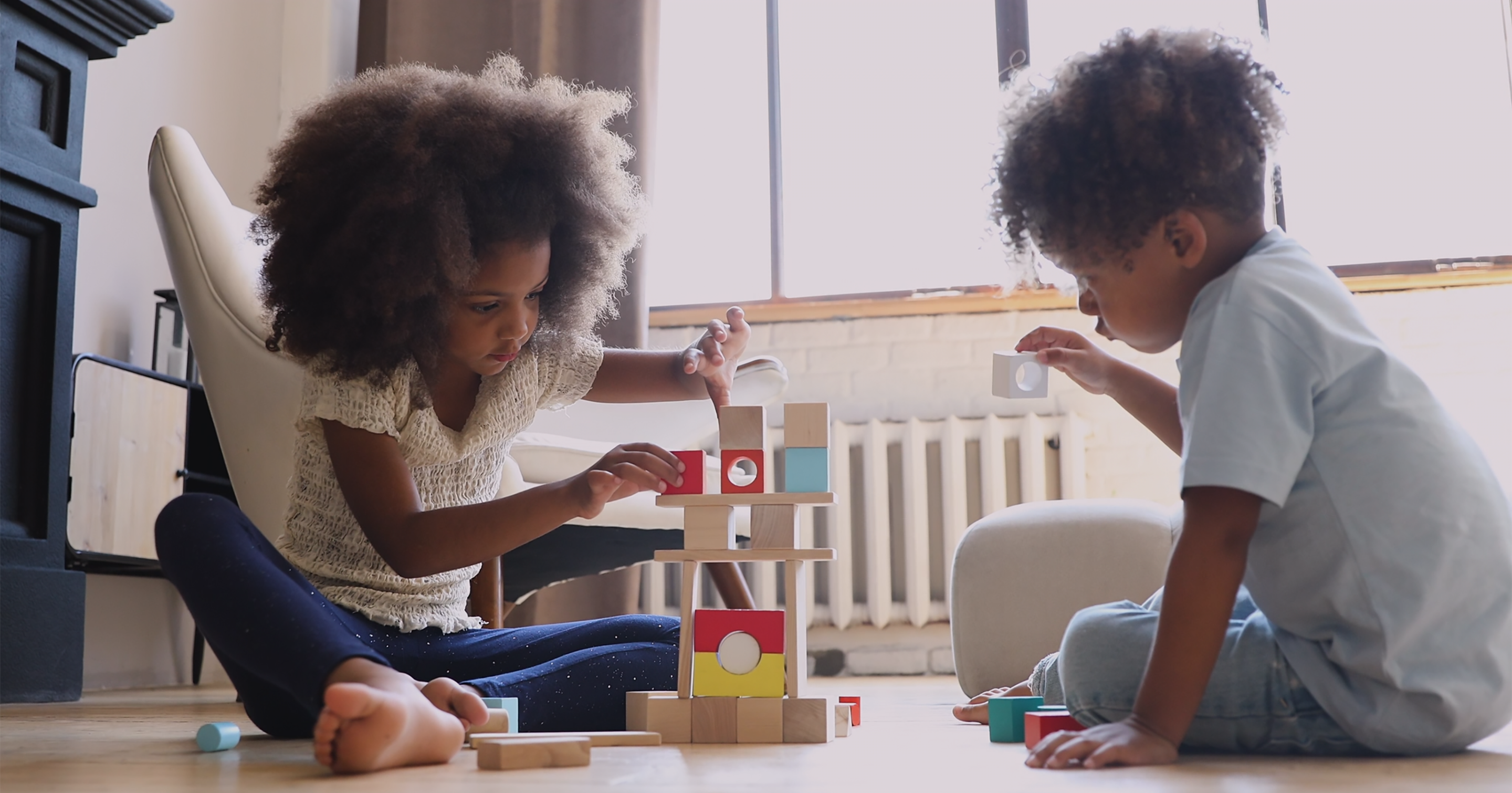
Picture the tower teetering and collapsing. Undeterred, you start over, stacking the blocks a little higher before the same thing happens again. With each attempt, your structure gets a little bit taller until you finally get the base just right, the balance just so and manage to build a magnificent tower that brings a big smile to your face.
How would you describe what just happened? Was this work or play? While one may initially see this as play, a deeper exploration surfaces what could actually be seen as an ideal work scenario. The child you imagined was focused, driven, and resilient as they worked towards achieving their vision.
When play is observed in this way, we understand that play and work aren't opposites. In fact, work—when accompanied by a playful mindset—can be highly effective, even joyful. So, instead of shunning play when taking on hard work, how might we embrace it? How might we take on today's toughest challenges—like the climate crisis—through play?
IDEO’s Play Lab has spent 25 years not only designing toys and games, but also developing deep expertise in understanding how play can shift consumer behaviors, overcome organizational blockers and empower us to take action—three important lessons that can help us make significant strides in transitioning our world to a circular economy.
Play is key for: Driving consumer behavior change
Changing consumer habits in support of a circular model can be an admittedly big ask. We’ve become all too comfortable with a linear economy model where the most intuitive path is to simply throw an object away after use. Knowing this, how might we convince consumers to choose new climate-friendly behaviors that may not be as familiar, easy or cheap as what they’re currently doing?
Telling people “the world is burning!” might catch someone’s attention. However, research has shown that fear-inducing appeals can actually be counterproductive in the long run, as audiences become overwhelmed or desensitized. Rather than sparking action, many climate messages are stoking climate anxiety and contributing to a growing mental health crisis that prompts despair, not action.
Fear isn’t an effective motivator, but what about play? Can we use play to tap into feelings of joy, satisfaction, achievement, and community to achieve long-term behavior change? Growing scientific evidence is demonstrating the benefits of positive psychology in supporting pro-environmental practices.
According to Barbara Fredrickson’s “broaden and build” theory, positive emotions promote growth and build human capacity to learn and gain skills, as opposed to negative emotions, which tend to narrow one’s thinking. When we can align with what brings people joy, it’s easier to ignite passion, and passion is what helps people carry through on their promises—even if those promises require tough trade-offs.
We sought to drive environmentally-minded behavioral change through the Beyond the Bag Challenge, which was launched by the Consortium to Reinvent the Retail Bag alongside the Managing Partner, Closed Loop Partners, and Founding Partners CVS Health, Target and Walmart. In reinventing the retail bag, we asked innovators to rethink the way consumers transport goods from store to home. It’s a mountain of a problem, both literally and figuratively, and replacing a wildly optimized plastic bag is no easy feat.
The nine challenge winners developed solutions ranging from a returnable system to a tag-and-app system that allows consumers to track environmental impact and earn rewards via the reusable bags they already own. Each of these solutions requires new behaviors, and aspects of play were leveraged to drive long-term engagement with the bag services.
For instance, customers could earn points for reusing bags and returning bags. We tested various ratios of points-to-reward to determine how we might motivate the desired behavior, while remaining financially sustainable. We had to determine what rewards (like being able to redeem points for coupons or carbon offsets) most resonated and what points system was easiest to understand, with a clear correlation between action and reward. Moreso, the reward system had to act as direct feedback for customers to see how their behaviors were aligning with intrinsic goals and feelings of pride and identity, versus falling into the all-too-common gamification trap of only serving up extrinsic rewards, which can often stop short of driving long-term motivation. Unless this system was designed with care, customers would lose trust and revert back to previous behaviors.
In addition to a thoughtful rewards system, we used narrative to align the program’s principles with customers’ personal values, reinforcing intrinsic motivation to encourage sustained behavior over time. A cohesive narrative can serve as a valuable frame of reference, validating the customer’s actions and reinforcing their decision to participate in a reuse program. With environmental efforts, customers often ask “why bother?” To answer this question, we discovered an opportunity to offer meaningful statistics in a way that feels relevant, human and tangible—for example, “If you commit to ditching the single use habit, you can save 72 plastic bags this year. If every adult in the US did the same, that would be a CO2 offset equivalent to shutting down a coal power plant for 7 years.”
Play is key for: Overcoming organizational blockers
The transition to being a more sustainably minded organization is not an easy one. As a manufacturing company, how do you convince your employees to buy into a circular economy, change work processes and contribute to new climate goals? How does the lone sustainability expert transform an organization that desperately clings to existing processes, even while facing pressure from impending government regulations and changing customer sentiment? It can be truly daunting to have built your business selling goods and now realize that the rules of the game have changed to require you to extract fewer resources from the Earth and produce less waste.
It’s natural to feel stuck. When faced with constraints of cost, optimized tooling and processes, existing manufacturing and transport partners, as well as consumer expectations for a rotating assortment of fresh, new products, how can one even think about doing anything that might upset this perfectly balanced machine?
Rather than be paralyzed by these constraints and the need to get it right from the start, adopting a playful mindset can help an organization reframe the move to a circular economy as an opportunity for innovation—a chance to try creative new approaches and processes that haven’t been evolved for decades.
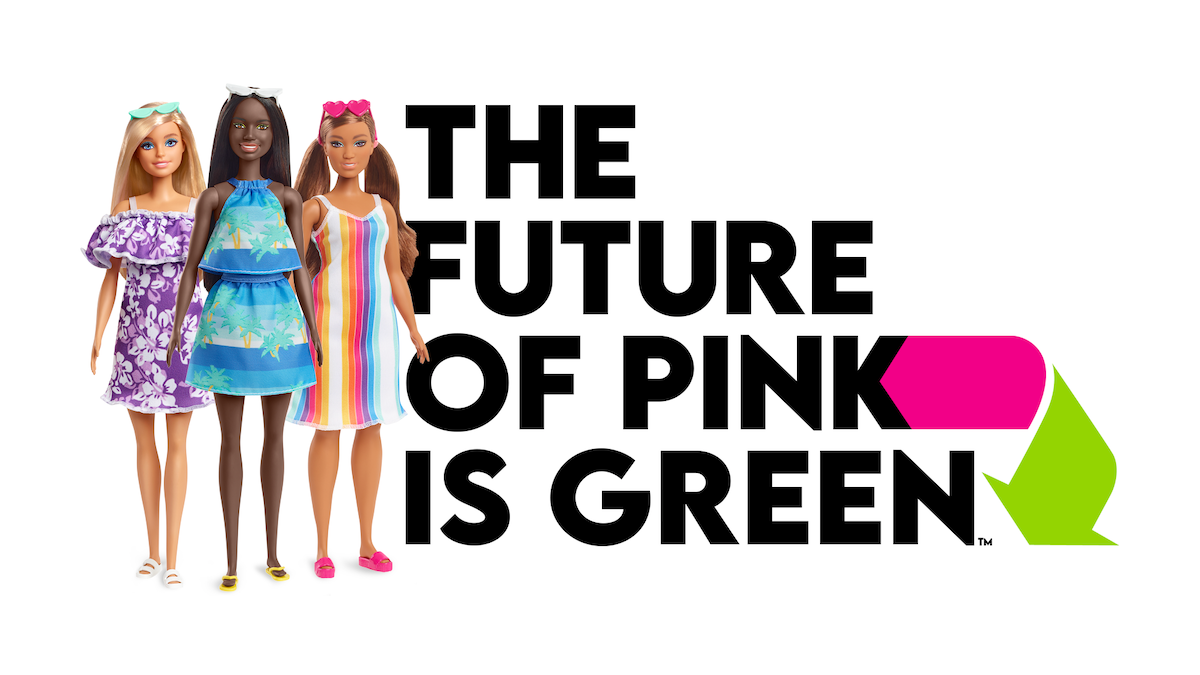
When Pam Alabaster, Mattel’s Head of Global Sustainability, joined forces with IDEO to develop a series of Circular Economy Workshops for the company, she came to us with an inspiring mantra of “Progress, not Perfection.” Through play, we could introduce circular design principles while creating a protected space insulated from real-world stakes, so that participants could temporarily put aside the constraints of their jobs, challenge assumptions and dream of new possibilities.
By imagining how they might battle the “villains” of a linear economy—like the Monstrous Hybrid, with multiple materials fused together, or Packagus Maximus, who is surrounded in excess packaging—designers from various departments at Mattel had permission to step out of long-held boundaries and experiment, while removing the heavy mantle of "this is overwhelming and impossible."
“Through education and a common understanding across the organization of what we can do together, we’re equipping our amazing group of talented and passionate people with the tools they need to not stand on the sidelines but be part of this transition and help move us forward,” says Alabaster.
Indeed, in polling the designers at the beginning and end of the workshops, we saw them grow increasingly confident in their company’s ability to achieve its sustainability goals. Many people entered feeling uncertain about what a more sustainable path might look like but left with practical tools and a mindset that made it seem possible.
Play is key for: Piloting and prototyping sustainable solutions quickly
When considering climate action there are many good intentions but there’s not always a lot of forward movement advancing solutions. Because the consequences of our actions don’t feel immediate, it can be easy to spend more time talking and strategizing than diving in to implement plans to see what might actually work.
Play, on the other hand, is active. This is obvious when you watch kids play. Rather than sit and read the directions, they’d much rather dive in and just start experimenting to see how a new toy might work. Often, because of this, they find ways to interact with products that the product’s designers never even imagined.
In Tom Wujec’s Spaghetti/Marshmallow Tower experiment, kindergarteners regularly outperform CEOs and recent business school grads because, when asked to build the tallest possible tower with the given supplies, the kindergarteners bias towards action, trying different configurations and iterating with each lesson learned. Younger children don’t stop to wonder what’s possible—or worse, what isn’t possible. They simply jump in and try. For them, failures aren’t seen as obstacles; they’re learning opportunities to fail fast and succeed sooner.
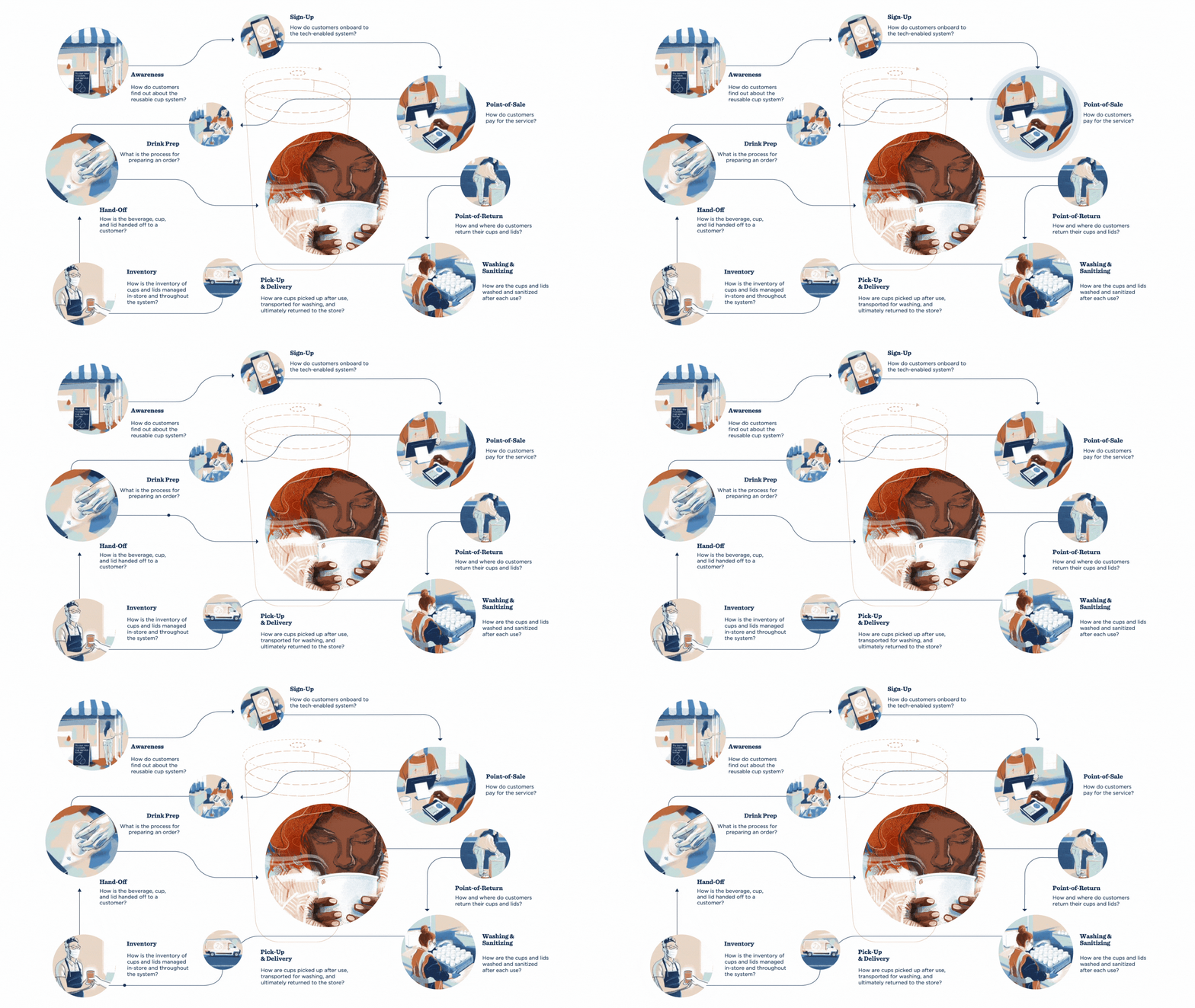
IDEO partnered with the NextGen Consortium, convened by Closed Loop Partners, to explore the question: “How might we design the next generation fiber cup to be recoverable on a global scale, while maintaining the performance standards we know and trust?” Tackling it meant creating innovation at a systems level and considering the entire cup ecosystem: brands, suppliers, municipalities, materials recovery facilities and mills, the general public, and more.
There’s the cup itself, and there’s also the way it’s used: changing how customers order, how baristas select and serve the cup, how customers dispose of or return the cup, and how the cup is washed or thrown out. The sheer scale can feel so big as to be immovable. Adopting a mindset of play helped us get moving quickly.
The NextGen Pilot Readiness Program was a series of live, in-market pilots in the San Francisco Bay Area to further test and refine promising reusable and single-use solutions in local cafes. As compared to a traditional retail pilot, we weren’t trying to validate the solutions but rather identify challenges and test solutions around those.
On the very first day, we engaged in role play activities to work out how the cashier would engage with the customer about the service. Every time we played through it, participants’ explanations of the service became clearer, and it became obvious how we could change the order of operations to run smoothly. It allowed us to arrive at a script we had confidence in sharing with the cashiers in the field.
This process is representative of our approach: start on a smaller scale in an environment with limited risk. From there, gather feedback to iterate, experiment and test. By prototyping not just at the end but throughout the process, we come to see how elements of the solution can readily be re-evaluated and evolved. When it comes to prototypes, very little is sacred. This is an opportunity to push wide, experiment, and learn in service of surfacing new ideas and approaches.
In the course of role playing, one of the participants told us they felt a little silly engaging in this way. The comment was unsurprising. As adults, we often regard play as fun and lighthearted, as something extracurricular to our working lives. We don’t always see the connection between play and progress, but it’s there. There may have been elements that felt a little silly in role play (we actually believe that laughter throughout the creative process is an indicator that it’s going well!), but this was also a very concrete first step. It started an important conversation, underpinned with excitement about innovation and problem solving.
These are the kinds of conversations that companies and organizations need to be having if we are to move the needle with sustainable solutions. Sustainability sounds good to just about everyone, but the process of getting there may be fraught with challenges. In order to overcome obstacles and change behaviors for a broad audience, we have to make sustainability feel good, and we have to make it easier to get started. Play can help get us there.
- A collaborative piece by IDEO Play Lab with special thanks to Takashi Wickes, Matt Callahan, Matt Hovde, Keren Wong and Michelle Lee
Try something with us: close your eyes and imagine yourself as a child stacking blocks higher and higher.

Lindsey Turner
I’m passionate about building brands, products, and experiences that help organizations show up with meaning and momentum.
I help organizations cut through complexity by shaping how they show up, through brand strategy, identity, and storytelling.
Working at the intersection of brand and business, I bring an editorial eye and a bias toward making—turning ideas into tangible experiences that people can understand, trust, and believe in.
My work spans government, healthcare, financial services, media, and consumer goods, from launching Gen Z-focused ventures to building innovation labs and reimagining legacy brands. I relish moments of ambiguity and enjoy translating across teams, perspectives, and priorities to move ideas forward.
I started my career in editorial and digital design, shaping cross-platform experiences and identity systems in publishing and agency environments. That foundation still shapes how I work today: I’m detail-oriented, collaborative, and overreliant on the Oxford comma. I hold a BFA in Visual Communication from the School of the Art Institute of Chicago.

Rachel Young
My work helps organizations see who their products aren't working for—and build the will and the tools to do something about it
For 25 years, I've asked the same question: Who does this design exclude—and what are we going to do about it?
My work spans human-centered strategy, inclusive design, and qualitative research, with clients ranging from Microsoft, Google, and Verizon to the National Science Foundation, and San Francisco Unified School District.
Before IDEO, I taught elementary school in East Palo Alto and spent a decade doing design work with social service organizations—where I learned firsthand what it costs people when systems are built without them in mind.
I am currently writing User Error, a nonfiction book about digital access and the design decisions behind it. I live in Oakland, California.

Brian Pelsoh
I lead with craft, ensuring our work is creatively excellent: rooted in deep human insight and imagination, while also grounded in the realities of business and technology.
My expertise spans brand, communication, and product design across tech, education, the arts, and social impact.
I believe great work demands both high-level vision and obsessive attention to detail, and only happens through collaboration.
I bring an inclusive, hands-on approach and a deep understanding of business, which enables me to consistently deliver excellence while always asking why.
Before joining IDEO, I worked at the brand firms Pentagram and VSA Partners. I began my career as a designer, leading teams at the School of the Art Institute of Chicago and the Milwaukee Art Museum. I hold an MFA in graphic design from Maryland Institute College of Art and a BFA in communication design from the Milwaukee Institute of Art & Design, and have taught at some of the best design schools in the US.

Tony Wong
I am responsible for IDEO’s long-term success in China and working with clients to use design as a tool to enable growth.
I am responsible for IDEO’s long-term success in China and working with clients to use design as a tool to enable growth. Specifically, I have helped Chinese companies design holistic brand solutions through the development of their products, communication, services, and innovation teams, and I have helped multinationals expand their presence and influence in China.
I advise global leaders on developing China-led innovation and capabilities.
In over 15 years in IDEO Shanghai, I have worked on projects that use design to elevate the quality of the experience of healthcare products and services, streamline processes that increase productivity, create spaces and programs that promote and enable inclusive communities, and build next generation mobility solutions that are planet-positive.
Before joining IDEO, I worked at Philips Electronics and the Electrolux Group in Italy, the Netherlands, and Singapore on a number of breakthrough commercial products. I am a member of the Young President Organization in Shanghai.

Building a personal AI for the messiness of life: Sida Li
Most AI products today are built for work—a space with clear problems and established systems. One founder noticed a gap: personal life is messier, harder to systematize, and mostly left behind by the AI boom. So she built Cue, a personal AI that lives inside iMessage and group chats, to go where the other tools haven't.
In this episode, Becca Carroll, IDEO's Chief Strategy Officer, talks with Sida Li, co-founder and CEO of Shared Context Lab, about staying anchored to a human need while the technology around her keeps changing shape, why she treats her business model with the same rigor she'd bring to a product, and what it feels like to build a company at this particular, disorienting moment in AI.
The conversation also gets into how Sida makes design decisions: the language Cue uses to describe itself, the tradeoffs behind building inside iMessage instead of a new app, and a real story about a business idea that didn’t pan out.
This is the second in a two-part series profiling founders from IDEO's Startups-in-Residence program. The first conversation is with Johannes Seemann, founder of Sooner, on designing GenAI for the emotional side of money.

Designing GenAI for the emotional side of money: Johannes Seemann
Most personal financial tools are built to run the numbers and optimize towards a budget. While that works for some, most people experience money as a lived relationship that does not neatly fit into a spreadsheet. Johannes Seemann and Becca Carroll discuss why money is emotional before it is mathematical, and what a human-centered approach to building a generative AI financial product looks like in practice.

The curious leader's edge in uncertainty: Scott Shigeoka
Mina Seetharaman talks with Scott Shigeoka, author of Seek and Head of Curiosity Cultivation at the Eames Institute, about what distinguishes genuinely curious leadership from performative curiosity, how power dynamics shape curiosity, and why practicing curiosity can restore energy rather than drain it.

How constraints make us more creative: David Epstein
Mina Seetharaman talks with David Epstein, author of Inside the Box and Range, about why total freedom often produces average work, how leaders can design useful limits on purpose, and what organizations such as General Magic and Pixar reveal about the relationship between boundaries and creativity.
Looks like you might be in search of something very specific?
Or reset the filters above and try another angle.
Here’s some random inspiration

Podcasts about creative leadership

Articles about the power of prototyping
