
.svg)




Better sales, less waste
H&M transforms its operations to cut excess inventory.
Globally, the European Commission reports, a truckload of textiles heads to landfills or is incinerated every single second.
The fashion industry accounts for some 10 percent of greenhouse gas emissions worldwide.
Less than 1 percent of the materials used to make clothing is recycled, according to a report by the Ellen MacArthur Foundation.
The best way to keep clothes out of a landfill? Don’t make them.
Picture this: Not long ago, it wasn’t unusual for a customer to walk into an H&M store and not be able to find a basic white t-shirt in their size. Why? Like most long-established retail operations, H&M was operating with a push model—placing seasonal bets on what the demand for a given item of clothing might be, locking orders far in advance, and hoping that they were able to sell out. Make a mistake in that kind of model, though, and you can end up with customers unable to find the basics they rely on, or excess inventory you can’t sell. That’s a problem for the business, but for the environment as well—and one that doesn’t fit H&M’s aggressive sustainability goals.
Though H&M had tried to tackle the problem before, the launch of the H&M Group Design Studio, co-created with IDEO, gave the retailer the confidence to go after it again. The team started out by mapping out the complex network of people that make up its supply chain across the globe, meeting with everyone from designers to garment suppliers, logistics managers, and even folks selling the final product in H&M stores.
They then created an algorithm for more precise ordering, as well as a tool that provides a shared view of information. Instead of placing orders, the new automated flow—dubbed “Cruise Control"—allows staff to work with a demand forecast that gives them more time to focus on customer-centric operations, like providing guidance and inspiration. It also makes it easier for H&M to follow the demands of the market, and place much more accurate bets on what consumers will want, when. Already, H&M has significantly increased sales while cutting excess inventory—a result that improves its bottom line, as well as its environmental impact.
Estimates project that by 2030, global apparel consumption will hit 102 million tons.
22%
reduction in stock during a pilot program
34%
increase in sales during a pilot program
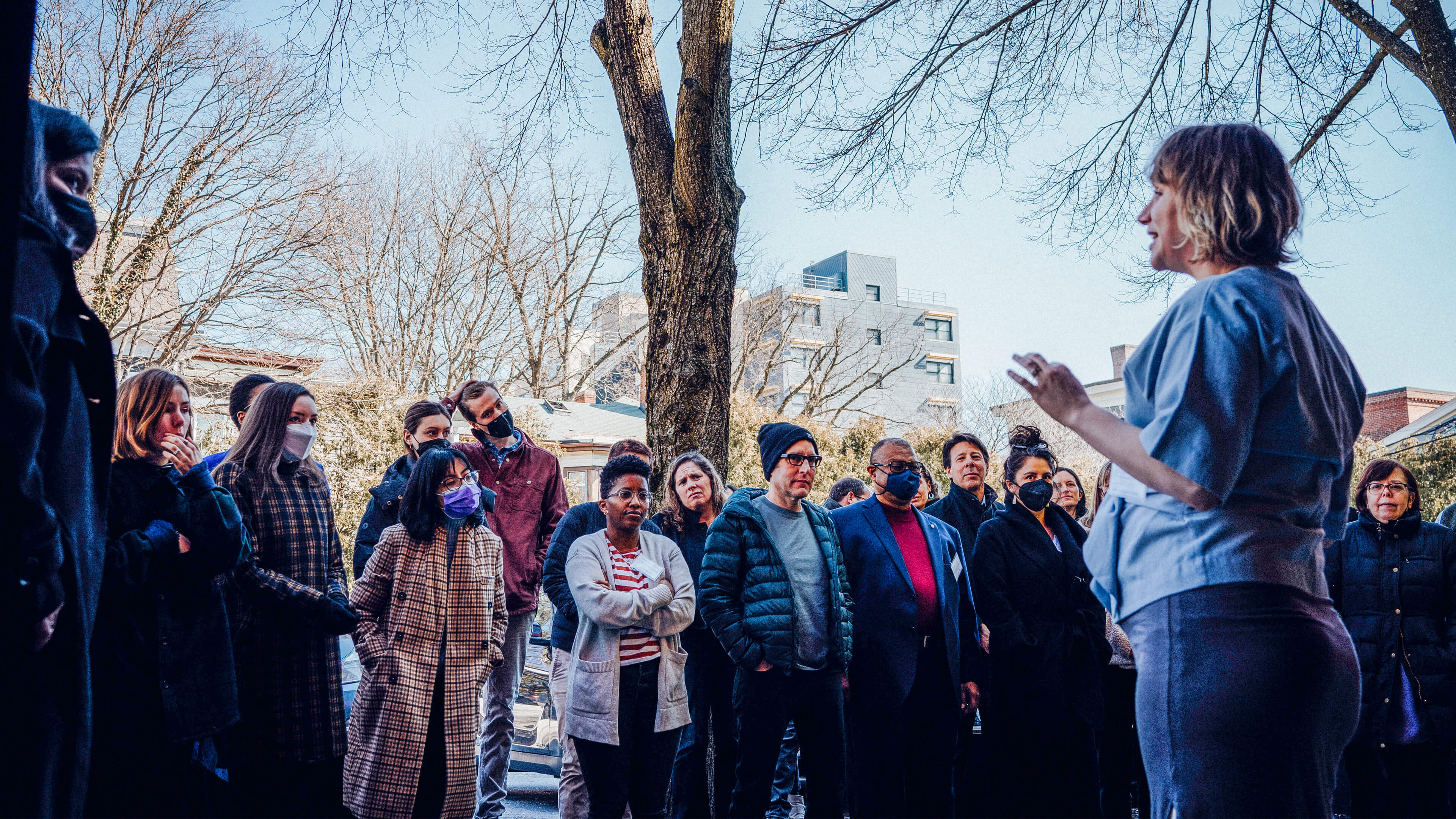
Fueling innovation in Boston
How the Boston Society for Architecture is leveraging member expertise to increase its impact.
To foster creative projects that spoke to the needs of local communities and environments, the BSA began to engage its members in collaborative, user-led design. The organization launched its first-ever innovation challenge, putting out a call for all members to pitch their ideas for projects in the built environment.
The BSA expected those pitches to have dollar signs attached. To the organizer’s surprise, only one asked for funding. The rest requested less tangible, but equally meaningful support: advice, connections, specific expertise. Those are resources that the BSA has aplenty, but hadn’t learned how to leverage well.
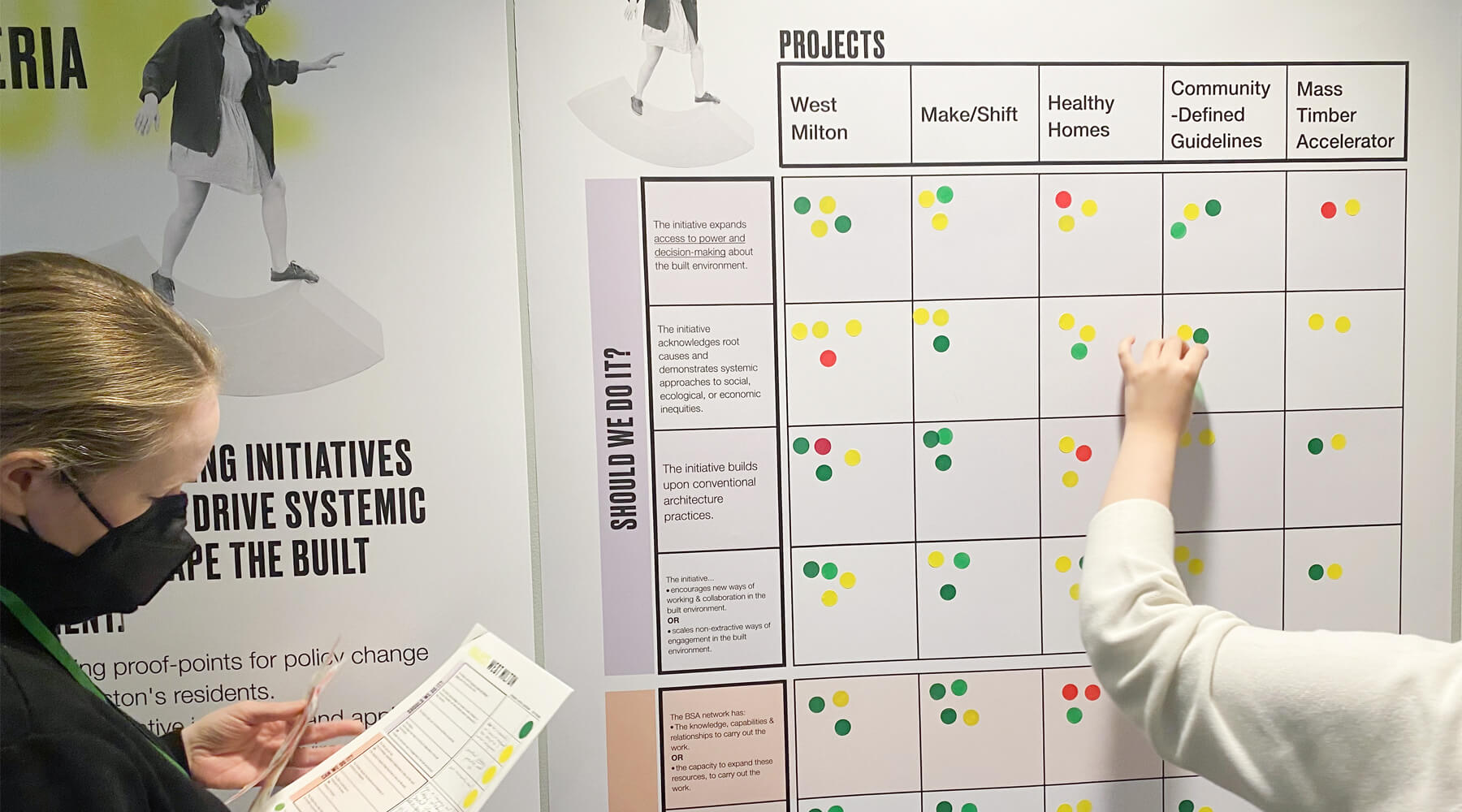
From that first go at an innovation challenge, the BSA learned how to better support its members. It also learned that to lead with purpose and make strategic choices, one must develop the confidence to say no. Instead of spreading itself thin across many projects, the organization decided to take small steps, focusing on one initiative at a time, so that it can deliver focused impact and stay true to its evolving mission.
With 36% of global energy going to buildings and 8% of global emissions caused by cement alone, the architectural community is inextricably intertwined with both the causes and solutions related to climate change.
According to a survey conducted by the AIA, the architecture profession in the US is less diverse than the population as a whole. This lack of diversity can contribute to a disconnect between architects and the communities they serve.
31
submissions received from innovators in the Boston region working on equity and sustainability challenges
5
innovation teams invited to pitch ideas
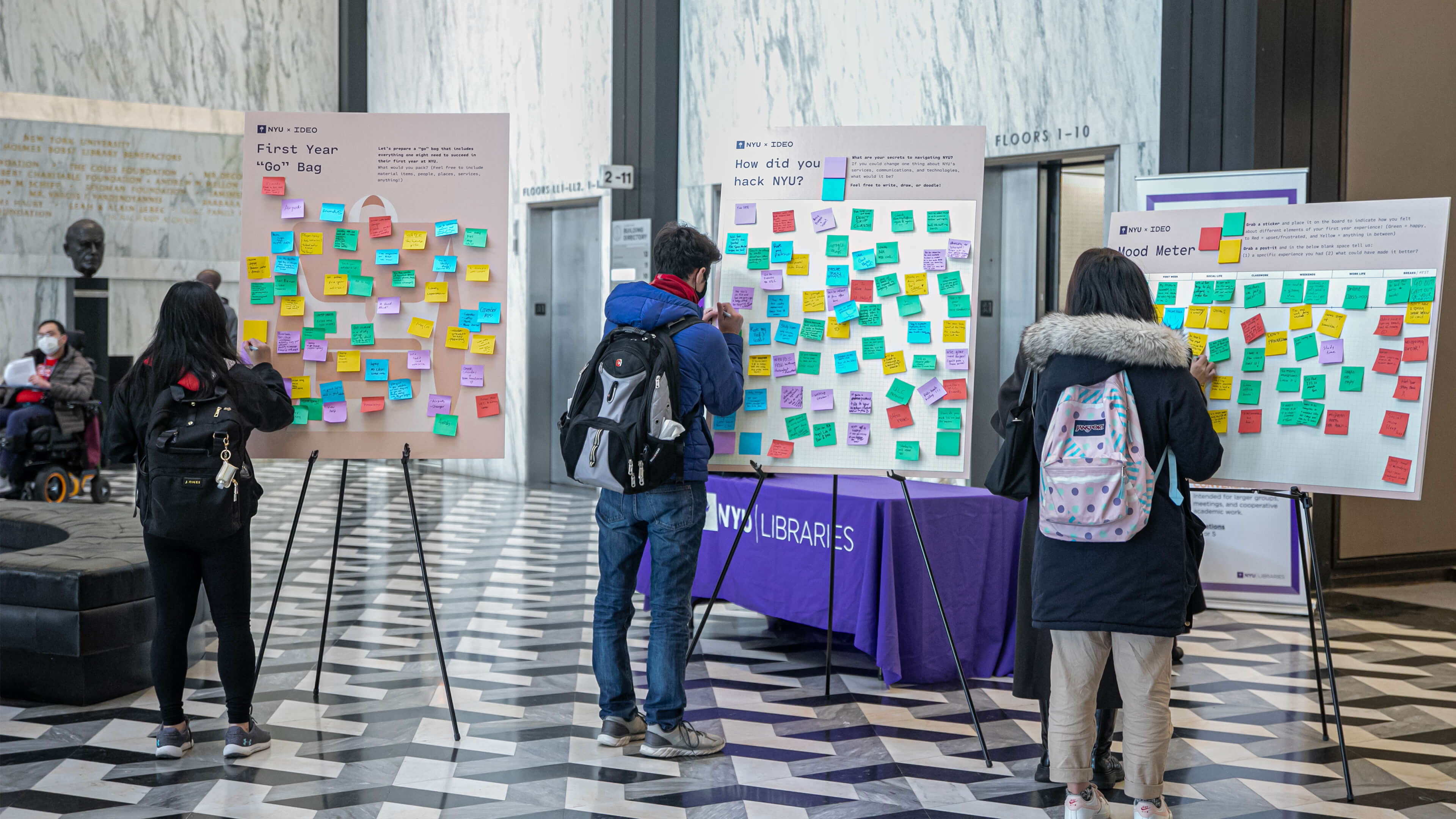
Student-centered solutions
How an organizational culture change is helping newbies at NYU navigate campus life.
The resources that NYU students needed were organized by administrative department, and buried on disparate websites and calendars. But students don’t think in terms of departments—they just need to know where their classes are.
All of this became patently clear as IDEO shadowed students. Team members visited classrooms, walked with them through their days, and hosted pop-ups in highly trafficked areas to get ideas from passersby. That helped the team develop a common understanding of the overall student journey and grounded employees in the key moments that can either make or break a student’s experience. Visualizing their journey helped departments gain a shared understanding of the fractured communications challenge and develop possible solutions.
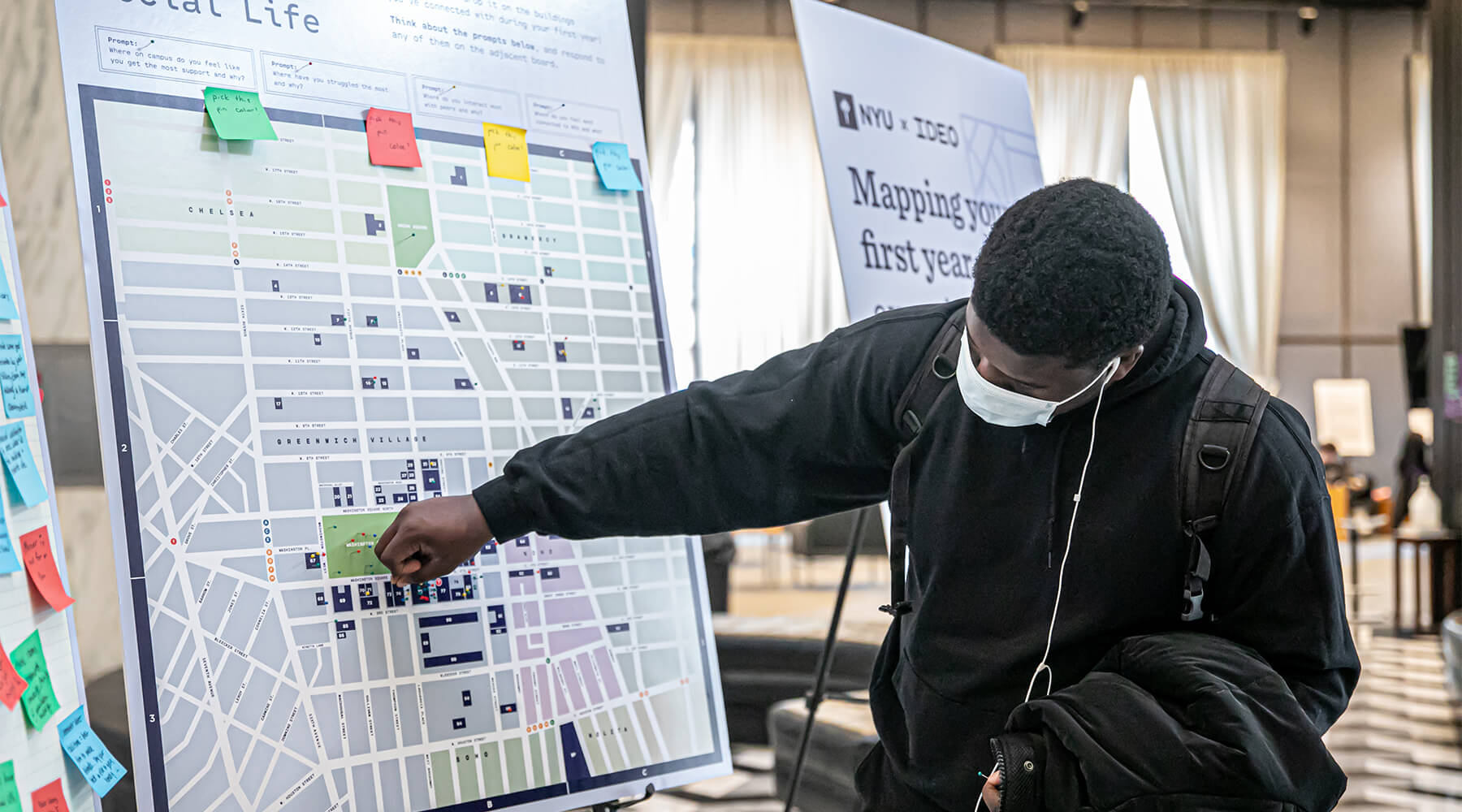
To synthesize those insights, we formed cross-functional action learning groups, challenging existing practices at the university and coming up with new ways of working. Participants came from a diverse set of departments, including enrollment management, student affairs, marketing and communications, IT, global inclusion, student services, the provost’s office, digital communications, and more. The cohorts sketched early hypotheses and got feedback from faculty, administrators, and students from all of NYU's undergraduate schools to refine initial concepts.
Collaborating with students gave staff a first-hand look at what students were struggling with and a way to engage students directly in addressing those challenges. Just as importantly, there was an overall culture shift at NYU: Administrators started with questions instead of agendas, came together around a table, and reached beyond their job descriptions to meet the needs of students.
First-year students reported receiving hundreds of paper forms, and email from more than 70 unique senders.
NYU needed to offer students the right resources at the right time—and collaborate to serve them as a unified administration.
New services
in-production include centralized calendars, dynamic campus mapping, and customized notifications
Design-thinking cohorts
now support the student experience

She knows best
A major athleisure brand passes the mic so women can define community for themselves.
Diversity alone isn’t enough—in marketing or any other facet of business. Today’s brands must authentically engage with and create the conditions for co-design with existing communities.
That sort of deep, meaningful engagement with customers doesn’t happen over Instagram. It requires a playbook, a prototype, and a healthy amount of trust. So, IDEO worked with Athleta and Gap to tap into the wisdom of a council of women who represent intersectional identities and lived experiences. The council surfaced powerful insights for the brand, like the fact that active women don’t need a brand to empower them—they already feel powerful.

After only a few weeks, Athleta experienced the difference between research and a truly reciprocal relationship. The way their brand engages with communities is adding depth, understanding, and authenticity to Athleta’s content, products, and experiences. And women can feel the difference.
76% of US adults say that the media promotes an unattainable body image for women.
Fewer than 1 in 10 businesses review for inclusion as part of product design and marketing campaigns.
>2X
user growth in 2022
13,000+
Athleta WellPro well-being providers active on the platform
.jpeg)
Why Being Obsessively Organized Makes You More Creative
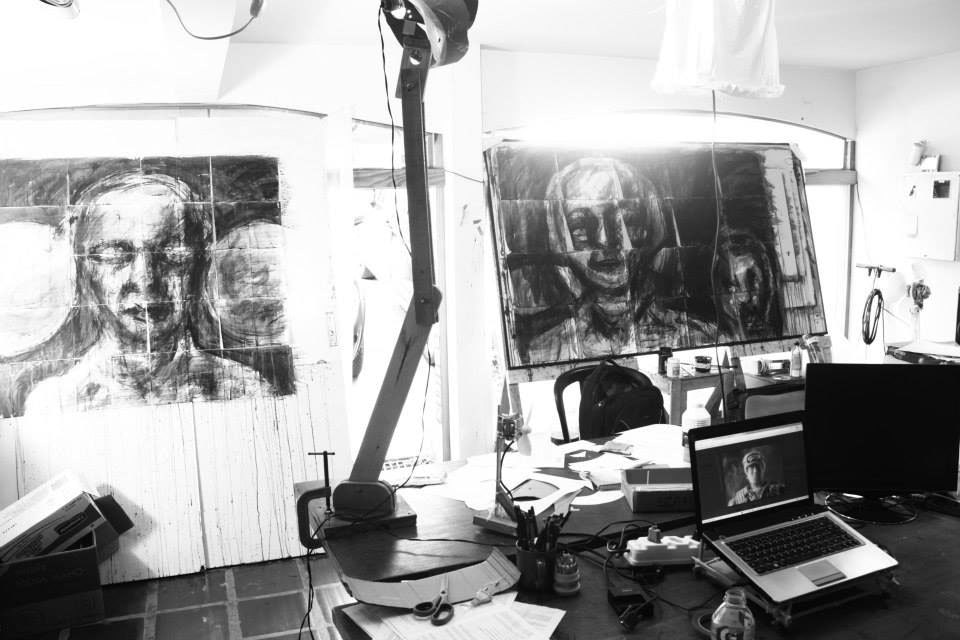
In 2015, I spent a month in an Airbnb that doubled as an art studio. Upstairs, there was an airy drawing room where my host taught scientific watercolor classes. In the garage, a multimedia artist named Diego had built his own 3D printer and spent his time creating furiously—everything from ink paintings to cardboard sculptures to warped digital imagery.
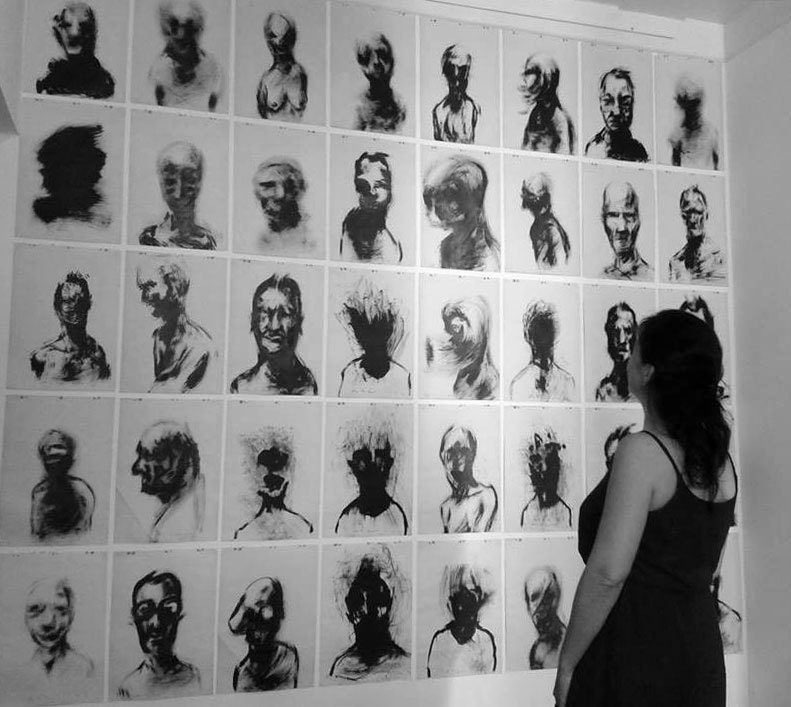
In 2015, I spent a month in an Airbnb that doubled as an art studio. Upstairs, there was an airy drawing room where my host taught scientific watercolor classes. In the garage, a multimedia artist named Diego had built his own 3D printer and spent his time creating furiously—everything from ink paintings to cardboard sculptures to warped digital imagery. I started spending my afternoons in the garage, watching him work and quietly editing travel photos, hoping to soak up some of the creative juices.
One day, after over-contemplating whether the photo of three chairs I had just edited was art, I worked up the courage to ask, “What do you do with all of the stuff you make? When does it become art? What does it even mean to be an artist?”
First, he laughed.
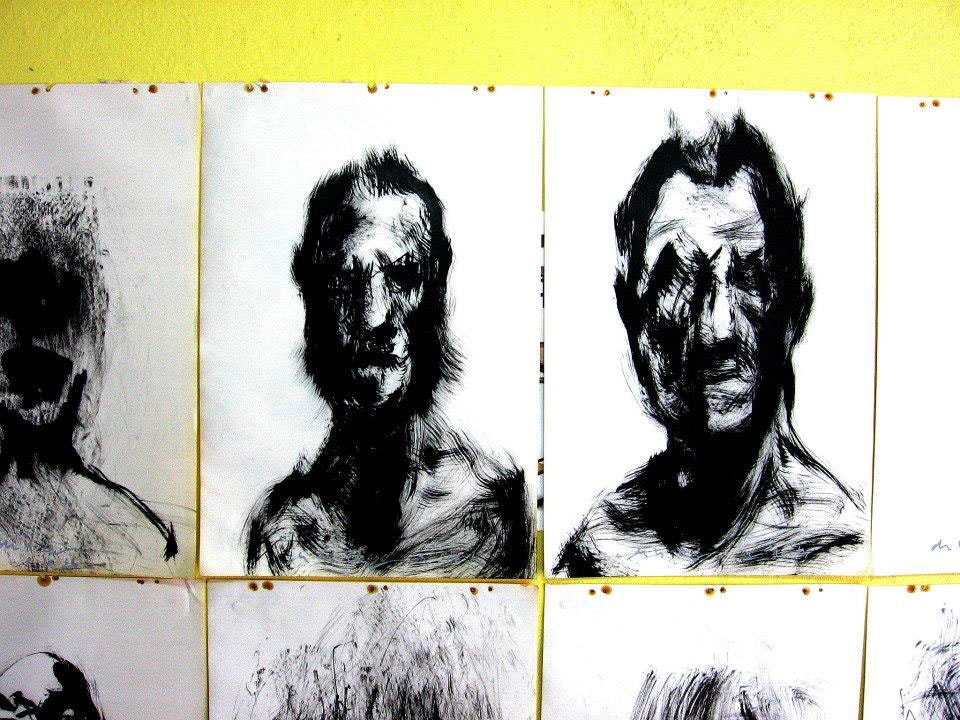
Then, Diego opened up his laptop and plugged in his external hard drive. A few clicks later and we were deep inside his folders, files, and spreadsheets. "This," he said, "is what I do with all of the stuff I make." He showed me how he edited and selected images in Photoshop, created cohesive photo series, added titles and captions, wrote artist statements, meticulously noted the date/medium/size of each piece and how they should be displayed, exported PDFs, and organized the files by theme. He showed me his spreadsheet of deadlines and requirements and contact information for calls for entries, residencies, conferences, and shows.
I felt like I had just pulled back the curtain on the Wizard of Oz. The image I had in my head of the artist as natural born creator was just the front end, hiding the logistics of what it takes to really make it work as an artist. Creativity as an effortless, inherited talent was a myth.
I found comfort and familiarity in Diego’s near-obsessive organization and realized that my love of structure and systems isn’t actually at odds with artistry. In fact, formal processes can unlock new ways of thinking and doing. Structure can reduce the mental and digital clutter that often blocks people from actually making things. If categorizing and list-making and data visualization gives me creative confidence, then so be it. Knowing I have an entry point into the world of creativity has made it much easier to dive in.
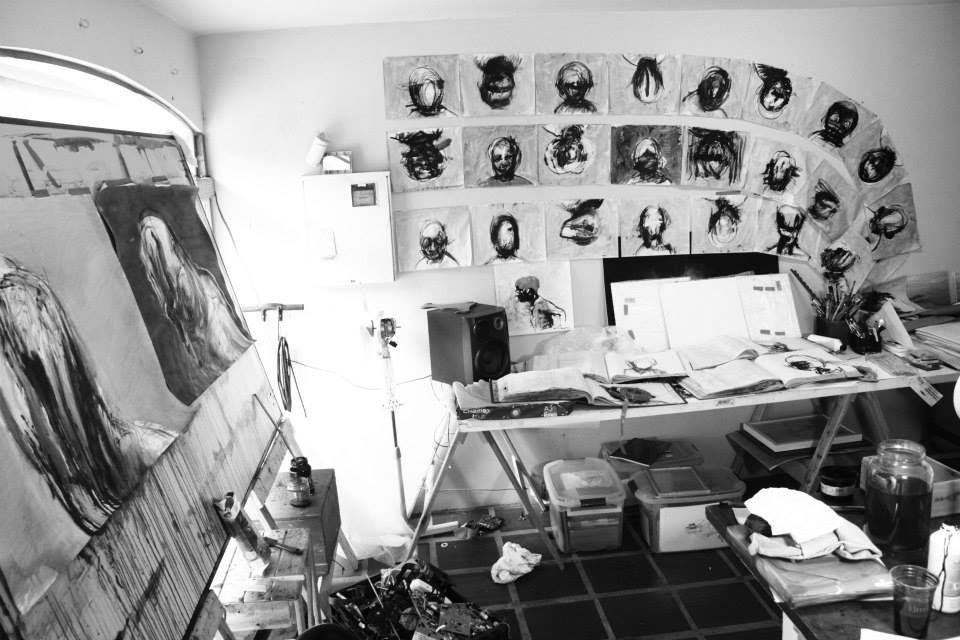
Today, as a business development associate at IDEO, I sit at the intersection of creativity and strategy, art and operations, design and business. Though I am in near-constant awe of the making and creating that seems to flow from the fingertips of my deeply talented colleagues, I know that design doesn’t just happen. Behind the curtain of creativity, there are layers and layers of order, process, painstaking detail, and hard work. These days, I find just as much beauty (and madness) in the back end.
Diego de los Campos is a multimedia artist from Uruguay who currently resides in Florianópolis, Brazil. His work can be found at diegodeloscampos.wordpress.com
I’ve never considered myself an artist. My handwriting is too neat, I enjoy coloring between the lines, and I don’t always get poetry. I imagine artists as forces of raw, unbridled creativity—messy, like mad scientists, but with more color, magic flowing out of their fingertips like a scene from Fantasia. I, on the other hand, live and die by my Google Calendar.
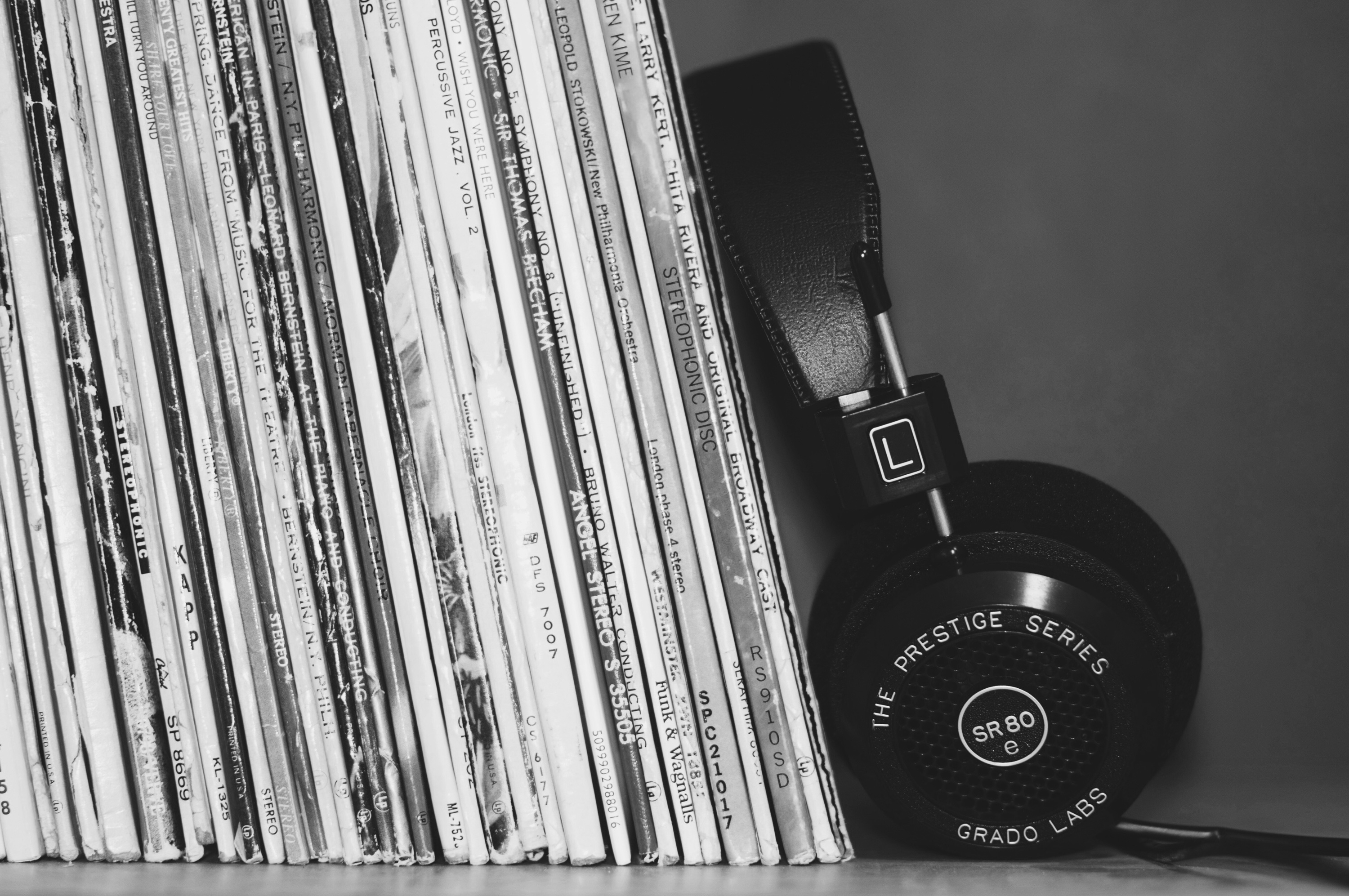
Designer’s Playlist #7
A few things IDEO Tokyo's Evin Dempsey can't stop thinking about

Name: Evin Dempsey
Location: Tokyo
Role at IDEO: Communications Design Lead
Joined IDEO: Freelanced from 2010 to 2012 in IDEO Shanghai; joined IDEO Tokyo in 2013
Social Media: I abstain. Better for the heart and soul :)
Titillating Fact: At the age of 10, I had about 46 hamsters in my garage in cages that I made myself from scrap pieces of timber. I used to breed them and sell them back to the petshop for a quid each.
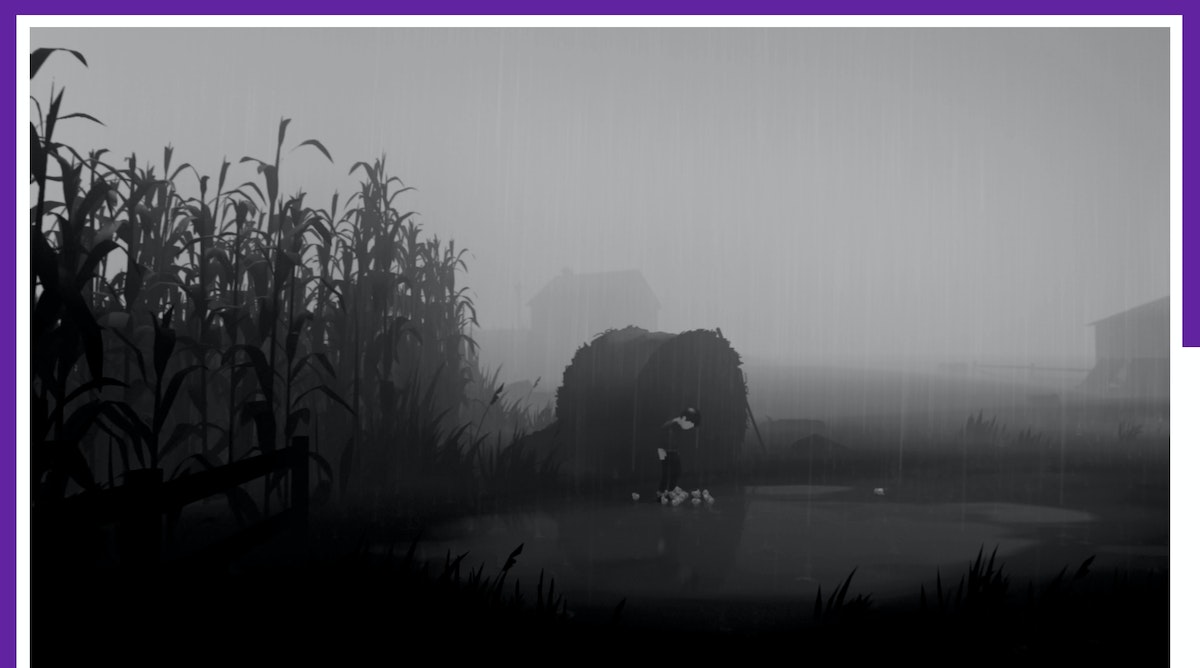
1. Inside
Inside is a puzzle platform game from Playdead, a small, independent game studio in Denmark. It’s an absolute masterpiece of storytelling, art direction, animation, sound design, and even camera work. Each frame of this game is meticulously designed, from the bubbles in the water to the flicker of the torch. It’s the culmination of a very talented team of designers, programmers, and storytellers. The plot follows a young boy as he attempts to escape from a forest. Along the way, he encounters various puzzles and obstacles that help to reveal more details about his predicament. It's quite possibly the best game I've ever played.
2. Nozawa Onsen
Though it’s not very well known outside of Japan, Nozawa Onsen is a mecca for Japanese snowboarders. Located in the northeast of Nagano prefecture in western Japan, it is home to waist-deep powder as well as several onsens, or natural hot springs. It’s a winter sports enthusiast’s dream come true. The hot springs scattered all over town are also free for anyone to enjoy. I try to go at least twice a season. If you like powder, or japow as we foreigners like to call it, then you'll love Nozawa.
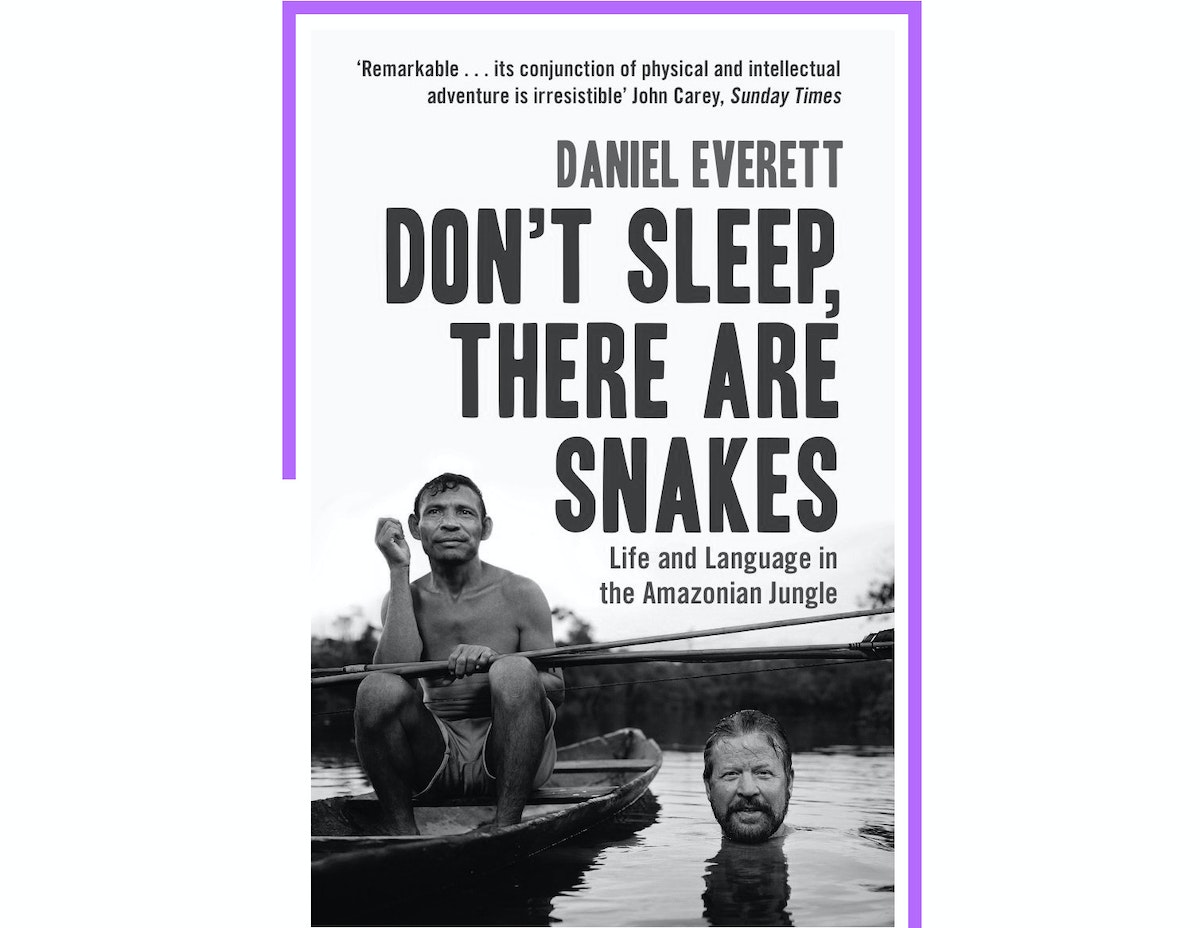
3. Don't Sleep, There Are Snakes by Daniel Everett
A man moves to a country he knows absolutely nothing about, learns a language, changes his outlook on life, and loses his faith. Having spent my life split between eight different countries, and having a special affection for nearly all of them, this tale rings true to me. It’s an amazing account of one man's evolution as he makes his home in the Amazon rainforest. The story is universal, but the book is of special interest to people who are intrigued by linguistics and language. I couldn't put it down.
Header image by Mark Solarski.
In this series, we ask IDEO designers to share the stuff they're digging right now—tools, books, music, sites, people, places—so you, too, can drink from the fount of inspiration bubbling up here. This week's guest star: Evin Dempsey.
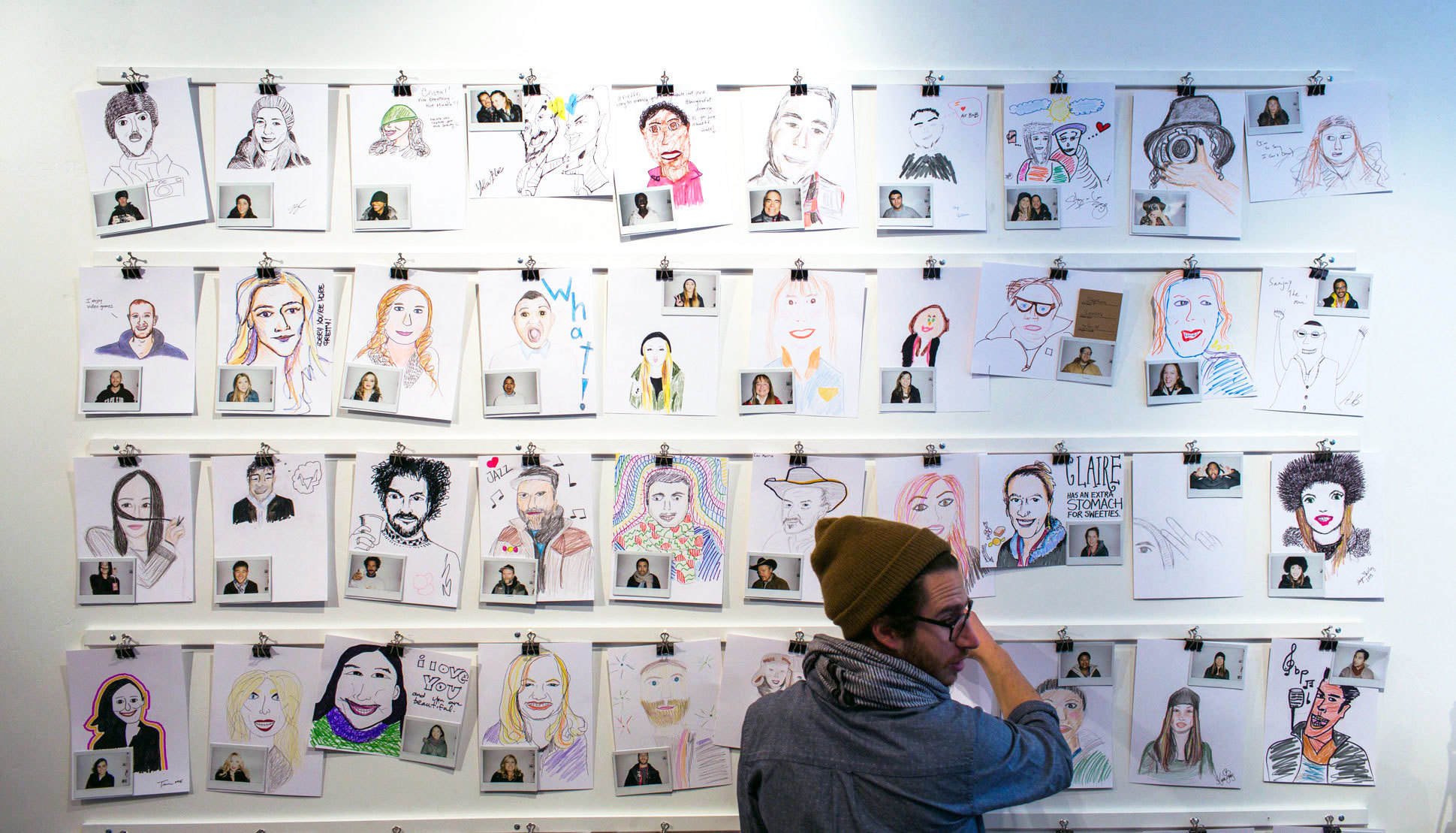
What the Photos You Take Say About You
Ivan Cash got his first job in advertising by getting arrested. No joke.

In one sentence, who are you?
I am a human being who creates art, films, and cultural movements that inspire curiosity and connection.
What do you do? How did you learn it?
I do a lot of things, all of which are self-taught. First, I was an art director at Venables Bell and Wieden+Kennedy Amsterdam. Then I became an interactive artist making large-scale community driven projects, like Selfless Portraits, Last Photo, and Snail Mail My Email, and I published a book. And more recently, I’ve become a film director.
A lot of my work explores human connection and connecting with strangers, which comes from getting bullied as a kid and becoming fascinated with how people interact and treat each other. My biggest piece of advice in learning a creative skill is to stay curious, keep experimenting, and try reaching out to those who inspire you. That’s basically what I’ve done over and over again to get to where I am today.
Snail Mail My Email is a community art project where volunteers transform strangers’ emails into handwritten letters, free of charge.
What are your three favorite possessions?
- My stuffed animal Snuffleupagus, which I’ve had since I was born.
- Handwritten letters from over the years.
- My data.
I had a house fire five years ago and lost nearly everything. It showed me that most possessions are replaceable. It’s my creative ideas and material that are most prized.
What does a typical work session look like for you?
I don’t really have a typical work session; my days are split between working in the studio, traveling to give a talk, going out to make a film, or working on-site with a client. I really like this balance of working with a team and working in solitude. I need this constant mix of circumstances to keep me both energized and recharged.
Signs of the Times explores the personal, human stories behind protest signs, without ever showing the sign holders’ faces.
How do you get over creative block?
I can’t really work if I’m in a messy or loud environment. So my studio needs to be immaculately tidy and quiet. That’s the first thing.
Secondly, I’m very sensitive, and so often a creative block means an unresolved emotional conflict. Taking the time to journal, find closure in a relationship, or talk to my therapist are all good things.
Finally, I get over creative blocks by making new work (that may not be great) and not judging myself for it. Creative block happens when my standards get so high that I become fearful of not meeting some expectation and get paralyzed. The important thing I have to keep reminding myself is to have fun and to not take everything so seriously, because nothing really matters and we’re all going to die!
The ‘Last Photo’ Project is an ongoing video series where Ivan asks strangers in different cities to share the last photo on their phones.
How do you see the world in 2078?
Optimistic version: We’ll live in a post-digital age where we've gone back to appreciate the simpler things like nature and meditation. Our lives will still be digitally integrated, but it'll be much more seamless and we’ll place greater value on taking breaks from tech.
Dystopic version: Life will be lived within a virtual reality headset and/or brands will be more invasive than they are now. On cars. On skin. In our homes. We will make money by consuming ads.
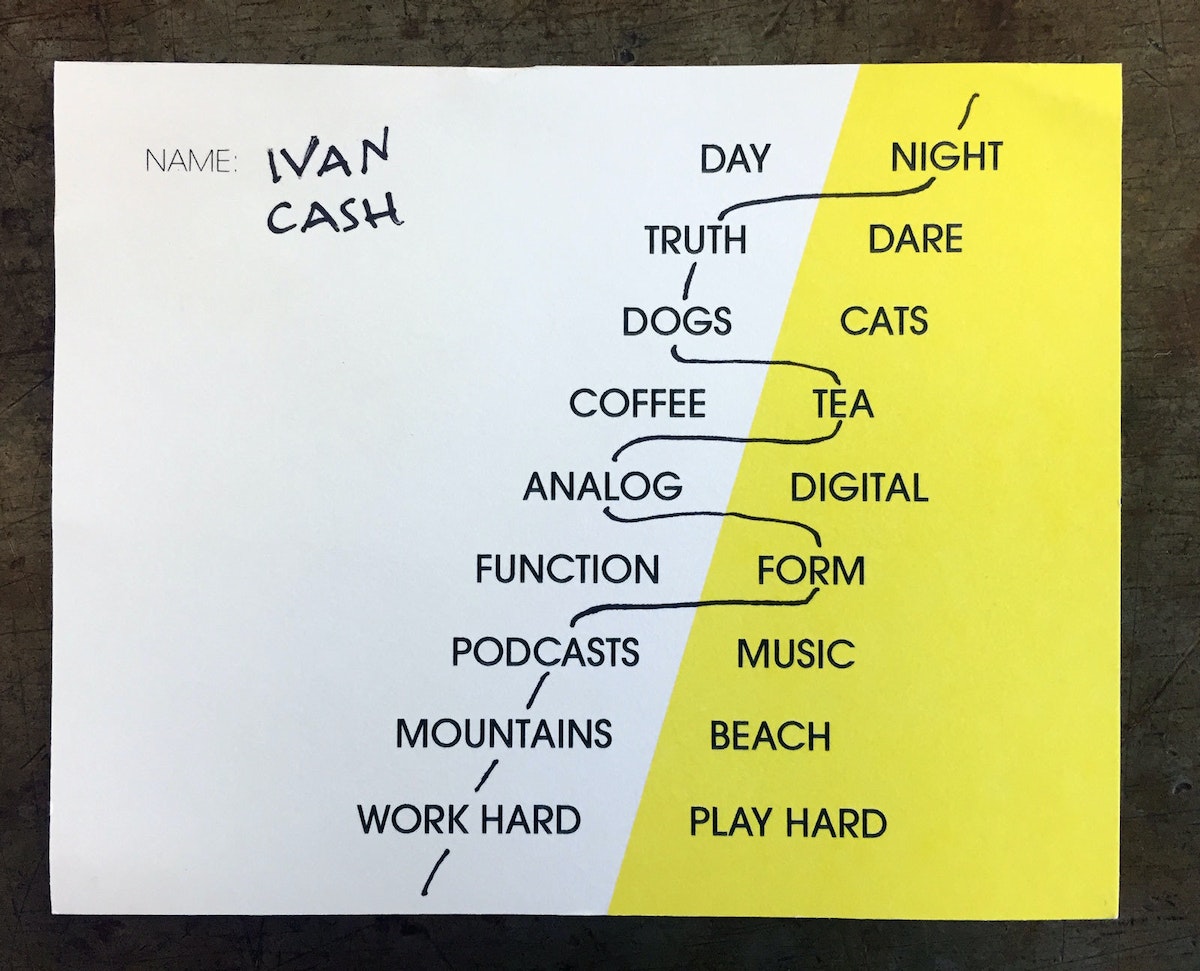
Who are you (creative) crushing on lately?
My dancer/choreographer friend Jacob Jonas who is killing it right now.
Moonlight director Barry Jenkins.
Valerie Luu and Andria Lo’s photography project Chinatown Pretty.
American Honey director Andrea Arnold.
Ivan Cash got his first job in advertising by getting arrested—for selling t-shirts advocating for the firing of Knicks coach Isaiah Thomas. No joke. After a stint in that world working for Venables Bell & Partners and Wieden+Kennedy, he set out on his own to explore a different kind of client—everyday people. His projects, whether about protest signs or the last photo someone took on their phone, are a deep dive into how the images we create help tell our stories. In this first installment of Creative Crushes, I caught up with him over coffee to find out what he's been up to.

Borrow Principles of Theater for Better Design
It starts with suspension of disbelief.
The next time you enter a theater, take special note of the black curtains hanging onstage. I can almost promise they’ll be there. Short ones above the stage (called “trim”) obscure the overhead lights, while long ones on the side (called “legs”) hide the backstage performers. Black curtains are a set designer’s secret weapon.
Theater strives for suspension of disbelief. It’s the reason we cry when Romeo and Juliet kill themselves… even though we know the actors aren’t really dead. (They’re not even Romeo and Juliet, for that matter.) It allows an audience to imagine the world of the play far beyond the elements we see in front of us. In our heads, the vivid and colorful streets of Verona extend well behind the black curtains that frame the stage. And all the set designer had to do to create that illusion was hang some fabric.
Designers need to stop making slide decks and start hanging black curtains. As projects become more complex, it becomes impossible to represent an entire concept through words, images, and prototypes alone. Truly innovative designs can’t exist in our present world—they change it into something new. Taking cues from theater is one way to help people suspend their disbelief and bring them inside these new ideas. Here are three ways in:
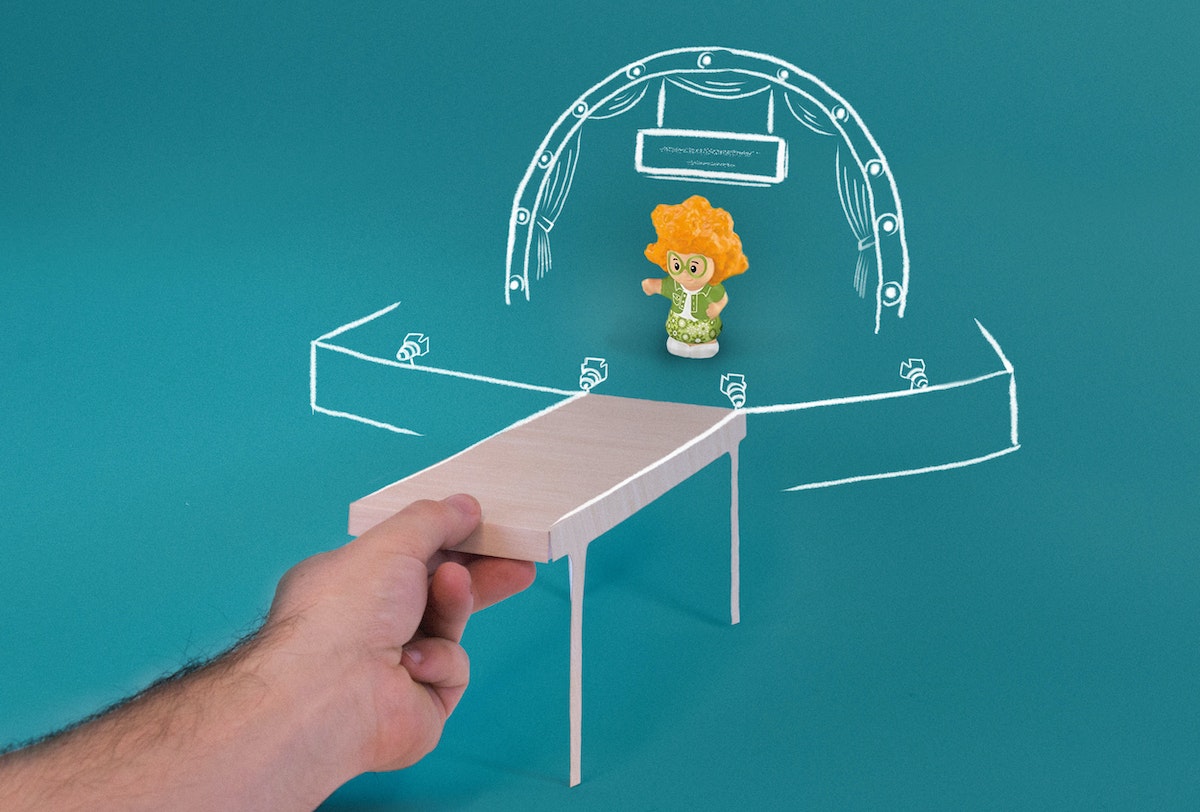
Embrace Set Design
“Space creates behavior” is a mantra used by interior designers. But there’s a step missing in that equation: Space creates new mindsets, and new mindsets create new behaviors.
When we go to the theater, the curtain rises and we get our first glimpse into the world of the play. It’s the moment when an audience is asked to leave the reality of the theater (velvet seats, half-finished wine, smartphones, etc.) and enter an alternative reality crafted by the show.
Boardrooms are not a good place for achieving that effect. If we want people to engage with unprecedented ideas, we need to transport them out of their current reality. It’s absurd to assume that people will think differently when they are sitting in the same chair, at the same table, staring at the same drop-down projection screen they see everyday.
Even simple changes to a physical environment can drastically shift the way an audience (in this case, clients, investors, etc.) will approach a meeting.
Consider:
Lighting—a darkened room creates a sense of possibility and wonder.
The unexpected reveal—bring out a hidden element part-way through the meeting.
Sound—background noise or music helps guide people to an emotional state before, during, and after the show.

Play the Role of Director
Another way to shift a viewer’s mindset is to go at it directly. Direct them, as if they were an actor, and give them a new role to play and a new way to think.
At IDEO, mid-project meetings are often the most crucial point of contact with our clients. In those meetings, they must assess the opportunities we’ve uncovered through research, and decide which ones to pursue. If the audience defaults to their standard decision-making metrics, engineers will choose the most technically-feasible option, while the CFO might choose the most cost-effective path forward. Innovative ideas are difficult to judge in this way, so they can easily be left behind.
But asking these same people to make decisions from a different perspective can open up the room to new possibilities, and create excitement around the more difficult to imagine, yet more innovative ideas.
Here, you accomplish two things. First, by having them embody a new viewpoint, they are forced to drop their default mode of interaction and pick up a new way of thinking. Second, because the exercise feels inherently contrived, it offers participants a mental safety net. It’s not real—it’s make believe. When people let their guard down, that’s often when the real insights emerge.
Think about:
Directed actions—as soon as people are required to do something, they leave the passive audience state.
Physical movement—if people are required to stand up and move around, they automatically engage in a more meaningful way.
Assigning new roles—if people are required to observe and respond as someone other than themselves, they will come at the experience from a position of empathy.
Be a Reviewer
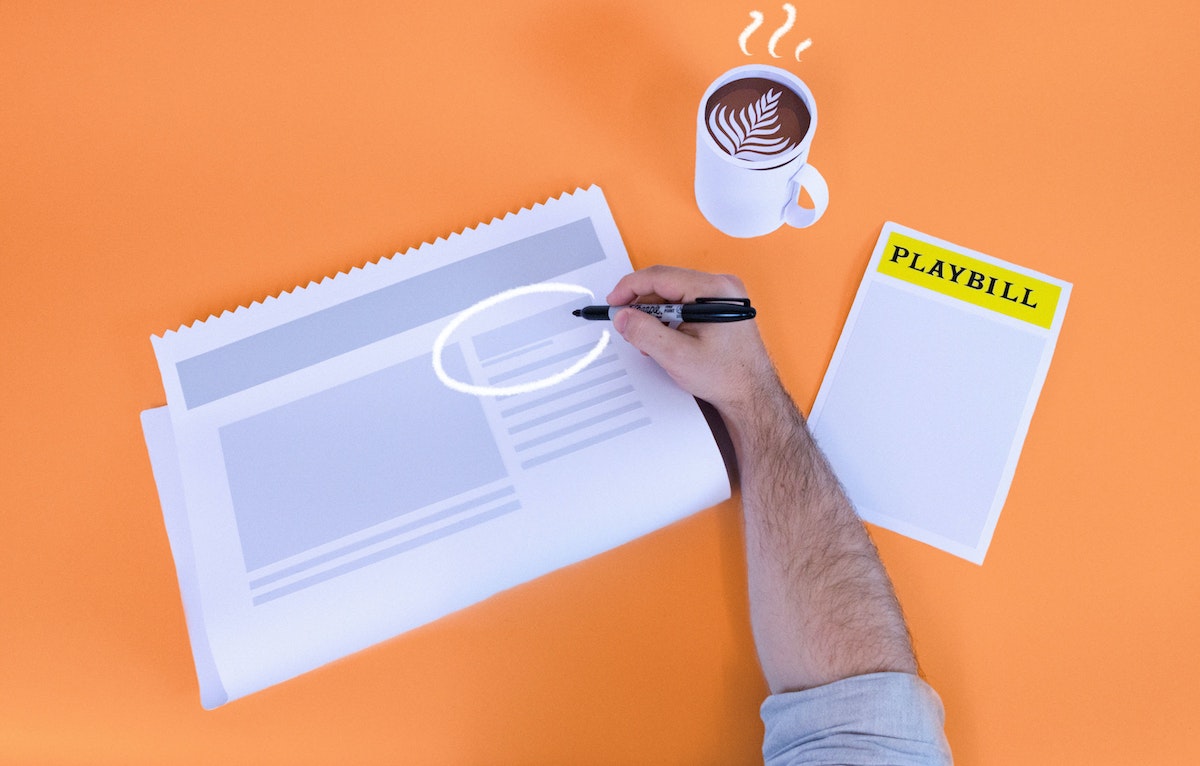
Anytime you engage with an unprecedented experience, the take-aways are not always clear. In the world of theater, new audience members might walk out of a show thinking, “I loved it!” or “I was bored!” or “I was bawling, but I’m not totally sure why.” A good theatrical experience should elicit some type of emotional reaction from the audience, but people may not have the necessary vocabulary to analyze it. Good reviewers can help translate the experience for the rest of the world and direct attention to what is important or meaningful.
In design, crafting the takeaway message becomes a crucial exercise. It’s important to tell people how ideas and concepts can translate back to their real-world experience. If the most brilliant concepts can’t be understood beyond the context of a highly theatricalized presentation, there’s no way it will ever have impact in the world.
Consider:
A summary—what's the essence of what they just experienced?
Analysis—what's the deeper meaning or purpose this connects to?
Drafting a plan—what actions should take place as a result of the experience?
Innovation is a tricky business. As designers, we are tasked with creating unprecedented experiences that help shift the world into the future, yet we are stuck discussing them in the present. Creating innovative work is not enough. We must create innovative ways of sharing that work to help audiences suspend their disbelief and imagine the future that might exist.
Illustrations by Megan Crabtree.
Two things are required for design success: the right idea, and the ability to convince people of its value. In recent years, designers have become more interested in storytelling to make the case for their solutions. I'd like to take that method a step further, by embracing theater.

Lindsey Turner
I’m passionate about building brands, products, and experiences that help organizations show up with meaning and momentum.
I help organizations cut through complexity by shaping how they show up, through brand strategy, identity, and storytelling.
Working at the intersection of brand and business, I bring an editorial eye and a bias toward making—turning ideas into tangible experiences that people can understand, trust, and believe in.
My work spans government, healthcare, financial services, media, and consumer goods, from launching Gen Z-focused ventures to building innovation labs and reimagining legacy brands. I relish moments of ambiguity and enjoy translating across teams, perspectives, and priorities to move ideas forward.
I started my career in editorial and digital design, shaping cross-platform experiences and identity systems in publishing and agency environments. That foundation still shapes how I work today: I’m detail-oriented, collaborative, and overreliant on the Oxford comma. I hold a BFA in Visual Communication from the School of the Art Institute of Chicago.

Rachel Young
My work helps organizations see who their products aren't working for—and build the will and the tools to do something about it
For 25 years, I've asked the same question: Who does this design exclude—and what are we going to do about it?
My work spans human-centered strategy, inclusive design, and qualitative research, with clients ranging from Microsoft, Google, and Verizon to the National Science Foundation, and San Francisco Unified School District.
Before IDEO, I taught elementary school in East Palo Alto and spent a decade doing design work with social service organizations—where I learned firsthand what it costs people when systems are built without them in mind.
I am currently writing User Error, a nonfiction book about digital access and the design decisions behind it. I live in Oakland, California.

Brian Pelsoh
I lead with craft, ensuring our work is creatively excellent: rooted in deep human insight and imagination, while also grounded in the realities of business and technology.
My expertise spans brand, communication, and product design across tech, education, the arts, and social impact.
I believe great work demands both high-level vision and obsessive attention to detail, and only happens through collaboration.
I bring an inclusive, hands-on approach and a deep understanding of business, which enables me to consistently deliver excellence while always asking why.
Before joining IDEO, I worked at the brand firms Pentagram and VSA Partners. I began my career as a designer, leading teams at the School of the Art Institute of Chicago and the Milwaukee Art Museum. I hold an MFA in graphic design from Maryland Institute College of Art and a BFA in communication design from the Milwaukee Institute of Art & Design, and have taught at some of the best design schools in the US.

Tony Wong
I am responsible for IDEO’s long-term success in China and working with clients to use design as a tool to enable growth.
I am responsible for IDEO’s long-term success in China and working with clients to use design as a tool to enable growth. Specifically, I have helped Chinese companies design holistic brand solutions through the development of their products, communication, services, and innovation teams, and I have helped multinationals expand their presence and influence in China.
I advise global leaders on developing China-led innovation and capabilities.
In over 15 years in IDEO Shanghai, I have worked on projects that use design to elevate the quality of the experience of healthcare products and services, streamline processes that increase productivity, create spaces and programs that promote and enable inclusive communities, and build next generation mobility solutions that are planet-positive.
Before joining IDEO, I worked at Philips Electronics and the Electrolux Group in Italy, the Netherlands, and Singapore on a number of breakthrough commercial products. I am a member of the Young President Organization in Shanghai.

Building a personal AI for the messiness of life: Sida Li
Most AI products today are built for work—a space with clear problems and established systems. One founder noticed a gap: personal life is messier, harder to systematize, and mostly left behind by the AI boom. So she built Cue, a personal AI that lives inside iMessage and group chats, to go where the other tools haven't.
In this episode, Becca Carroll, IDEO's Chief Strategy Officer, talks with Sida Li, co-founder and CEO of Shared Context Lab, about staying anchored to a human need while the technology around her keeps changing shape, why she treats her business model with the same rigor she'd bring to a product, and what it feels like to build a company at this particular, disorienting moment in AI.
The conversation also gets into how Sida makes design decisions: the language Cue uses to describe itself, the tradeoffs behind building inside iMessage instead of a new app, and a real story about a business idea that didn’t pan out.
This is the second in a two-part series profiling founders from IDEO's Startups-in-Residence program. The first conversation is with Johannes Seemann, founder of Sooner, on designing GenAI for the emotional side of money.

Designing GenAI for the emotional side of money: Johannes Seemann
Most personal financial tools are built to run the numbers and optimize towards a budget. While that works for some, most people experience money as a lived relationship that does not neatly fit into a spreadsheet. Johannes Seemann and Becca Carroll discuss why money is emotional before it is mathematical, and what a human-centered approach to building a generative AI financial product looks like in practice.

The curious leader's edge in uncertainty: Scott Shigeoka
Mina Seetharaman talks with Scott Shigeoka, author of Seek and Head of Curiosity Cultivation at the Eames Institute, about what distinguishes genuinely curious leadership from performative curiosity, how power dynamics shape curiosity, and why practicing curiosity can restore energy rather than drain it.

How constraints make us more creative: David Epstein
Mina Seetharaman talks with David Epstein, author of Inside the Box and Range, about why total freedom often produces average work, how leaders can design useful limits on purpose, and what organizations such as General Magic and Pixar reveal about the relationship between boundaries and creativity.
Looks like you might be in search of something very specific?
Or reset the filters above and try another angle.
Here’s some random inspiration

Podcasts about creative leadership

Articles about the power of prototyping
