


Home / Design services / Case studies
Planes, supply chains, and automobiles
Vice President of Global EV Programs, Ford Motor Company
Featured work



Designing a park for generations to come
Frisco, Texas, imagines an ambitious city park for an evolving community.
The population of Frisco is growing rapidly; its population is up 516% since the year 2000.
At more than 1,000 acres, Grand Park in Frisco is even larger than Central Park in New York City.
Less than 1% of Blackland Prairie soil remains in the region, and some of it is in Grand Park.
Designing a piece of a city, like a park, doesn’t start with a blank slate. There are always traces of the past and the present, and the lived history of its residents.
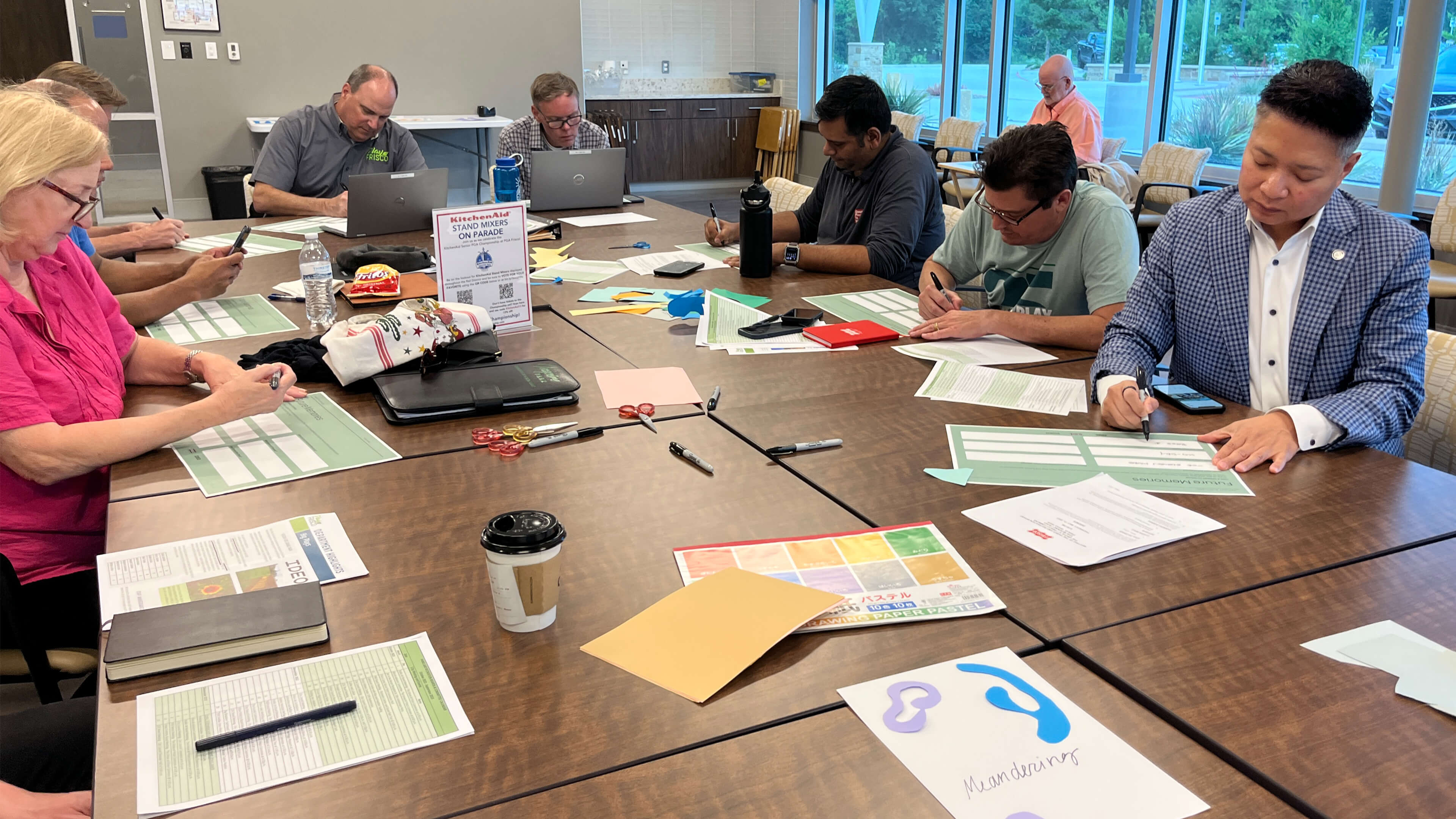
To create a full picture of that story, the IDEO team built workshops for the community centered around questions about the unique experiences of living in Frisco. They invited them to reflect on the communities they grew up in, the city of today, and the public spaces that have played formative roles for them.
From their answers, a common value emerged: heritage. Frisco is a rapidly growing city, with residents whose families have lived there for centuries living side-by-side with more recent neighbors from diverse cultures and ethnic groups. Participants shared a vision of Grand Park as a unifying, shared space, a backdrop where many families can form foundational memories in Frisco.
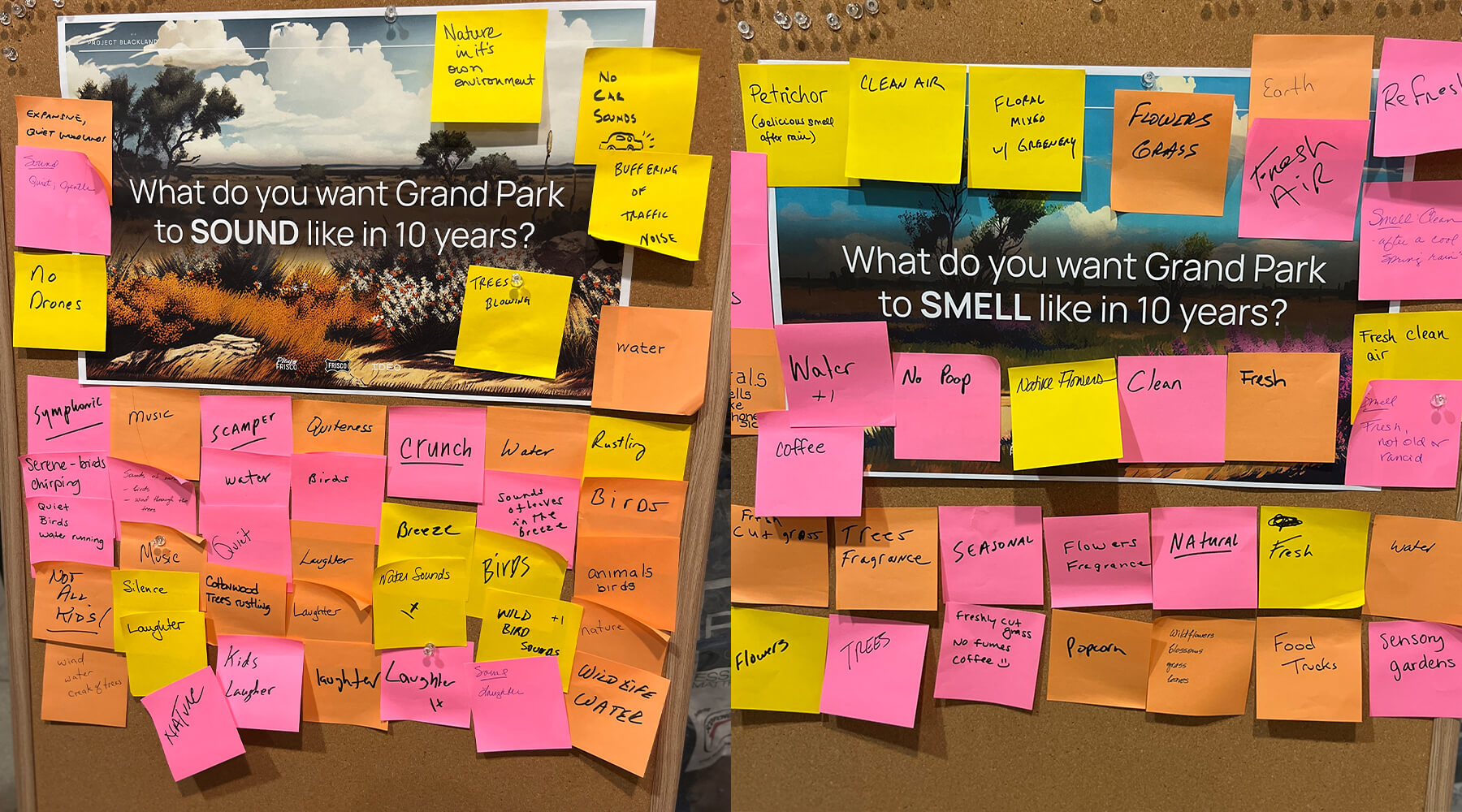
Next, IDEO brought in multisensory design prompts to help participants further conceptualize the park. How did they want it to feel, sound, and smell? In the built-up, suburban city of Frisco, residents imagined a space that was less planned, enabling guided wandering and exploration. They also hoped that the park would inspire loved ones and descendants to feel a sense of curiosity and wonder.
At the end of workshops and sessions with community groups, the IDEO team took Polaroids of participants, asking, “What’s one word you want to describe Grand Park in the future?” Those words informed the collective vision that IDEO delivered to the city of Frisco, which included spatial concepts, user journeys, and branding for the park, all designed to showcase its unique landscapes. In January 2024, Frisco City Council approved the vision statement, and officials expect to break ground in the second half of 2025.
94
Frisco residents were engaged in the process, from City Council members to high school students
200+
respondents shared anonymous feedback on what they imagined the park should be
In Mexico, redefining retail
FEMSA creates a digital ecosystem to increase customer value at its network of OXXO stores.
13 million Mexicans visit FEMSA’s OXXO convenience stores every day. But the company had ambitions to leverage digital experiences to increase customer engagement.
To get there, Digital@FEMSA needed to deliver exceptional digital products with the agility to serve an entire population.
The IDEO team quickly discovered that the challenge of designing a Digital@FEMSA super app for tens of millions of customers was matched only by the operational complexity of bringing together different teams that had already created various apps with separate value propositions. Not to mention the 22,000 stores specifically tailored to local communities.
To kick off the project, the IDEO team built on FEMSA’s already deep understanding of its customers by meeting them in their homes and communities. The team discovered that users didn't care about long-term rewards; instead, they wanted everyday help to thrive long-term. Connecting omnichannel rewards to regular spending would allow them to save time and money—something they said was particularly important. Along with market research, insights like these directly informed the app's design, ensuring that it was compatible with users' everyday habits and preferences.
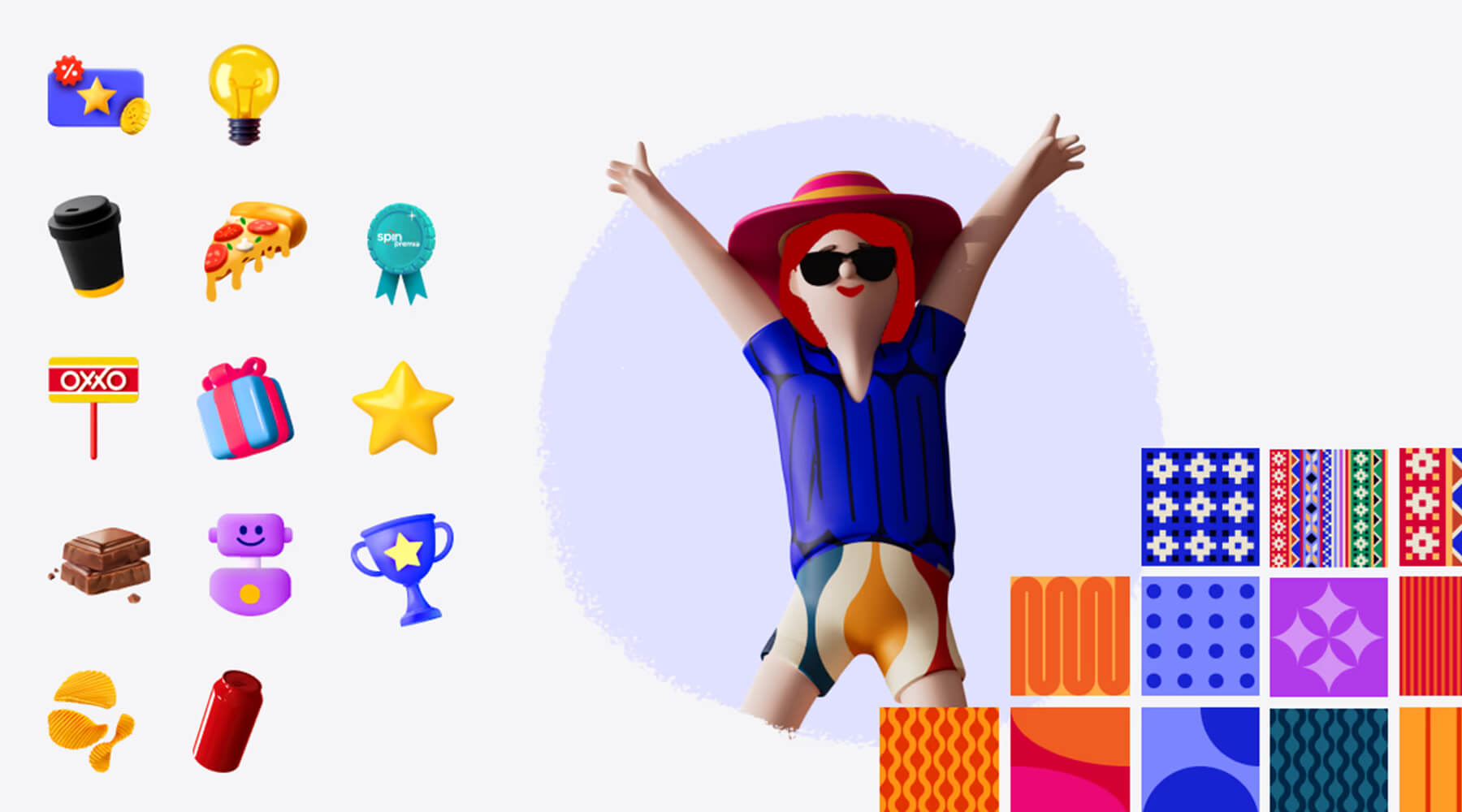
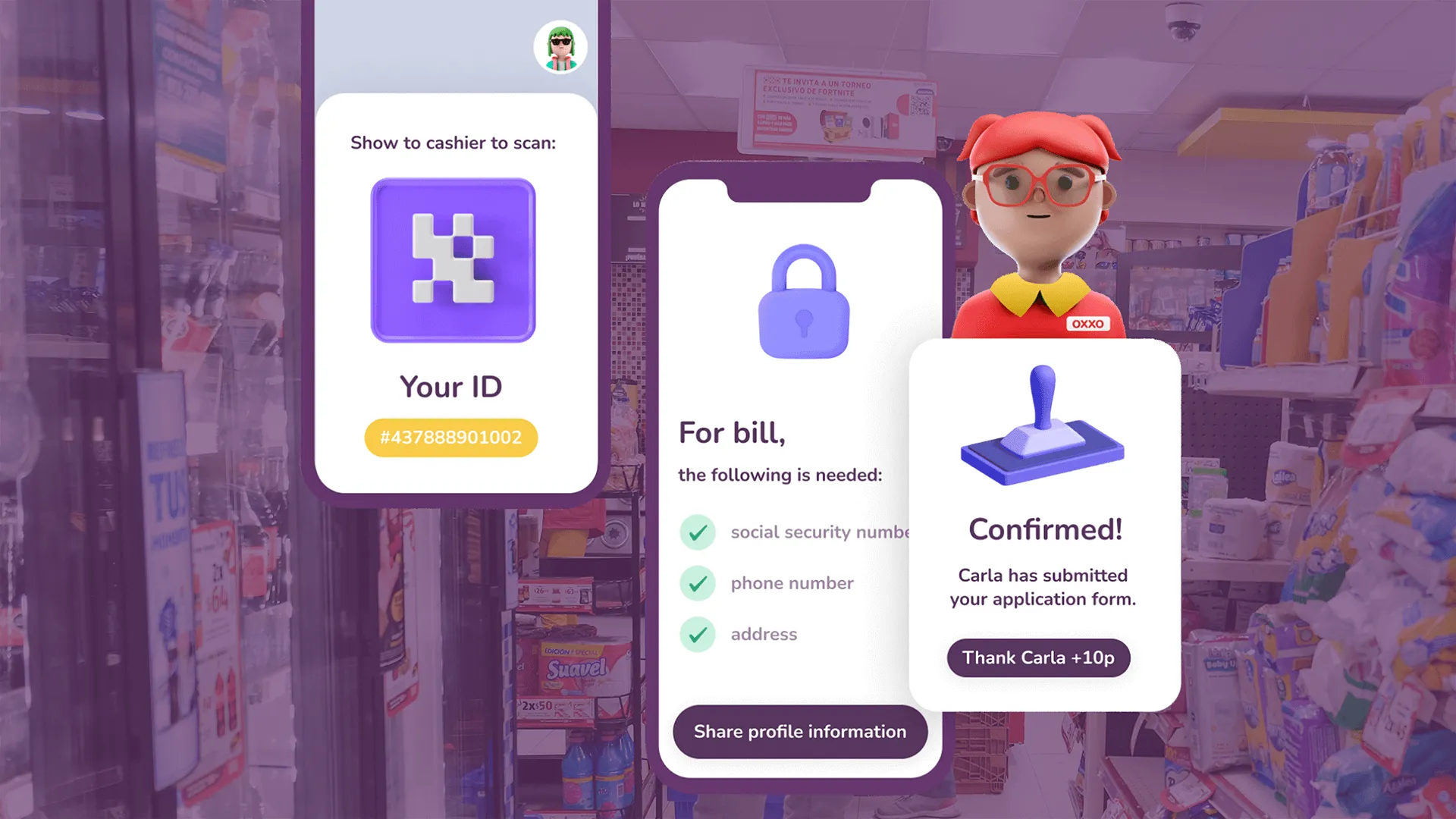
Meanwhile, the project team also worked to ensure the app fit the priorities of the various teams inside Digital@FEMSA, designing a comprehensive process for testing joint value propositions. Together, the team created a new design system, iconography, and set of unifying principles. IDEO also worked closely with the Digital@FEMSA teams to ensure that the app's design was in line with their strategic goals and technical capabilities, and built the app's initial information architecture. They incorporated secure transactions, effortless coupon redemption, personalized offers, and a cohesive loyalty program.
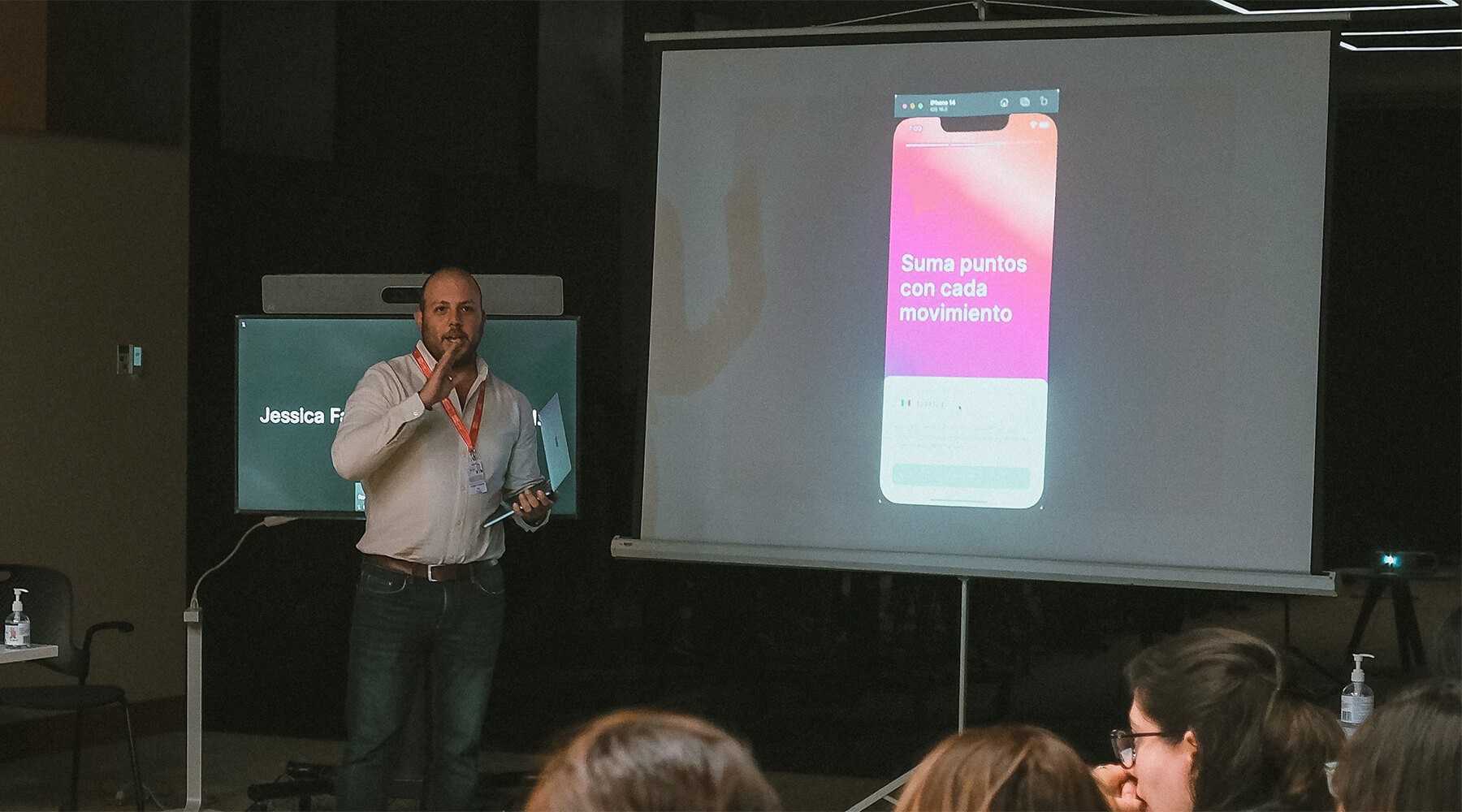
From there, the IDEO and Digital@FEMSA teams quickly transitioned into the design and development phase, producing prototypes of the new app, dubbed Spin Premia. With the help of user testing, they were able to continuously iterate to improve the app's features and functionalities, creating a user experience that was both seamless and intuitive. In just 10 months, they went from a small digital team with an ambitious idea, to a 150+ people product organization and an MVP launched in one region. And thanks to a tight partnership, the teams were able to seamlessly integrate Spin Premia into Digital@FEMSA's existing systems, resulting in a scalable implementation nationwide just a few months later.
The introduction of Spin Premia was a milestone in FEMSA's digital transformation path. Following a true ship and iterate model, just a few months into the project, the company released a smaller, focused version of the app in just one city in Mexico to quickly learn from customer experience before expanding to new regions. Since then, the Spin Premia app has quickly gained popularity, offering a safe and user-friendly platform that millions of Mexican consumers have embraced. It has also allowed FEMSA to broaden its digital portfolio and extend its customer base throughout Mexico, elevating customer satisfaction and fueling business expansion.
4.7 stars
Spin Premia’s app store rating
22.8 million
active Spin Premia program users
A hotel brand for new travel paradigms
IHG introduces Garner, a midsize brand elevated by thoughtful design.
Conversions account for 12% of the global hotel pipeline, enabling hotels to switch brands and refurbish, boosting revenue without expensive construction.
The US midscale hotel segment, valued at $14B, is expected to reach $18B by 2030.
Midscale hotel brands are the fastest-growing hotel segment in the US, attractive to both travelers and hotel owners. But often, their messaging feels repetitive, and travelers have a tough time differentiating between them. With a warm, thoughtfully designed midscale brand, IHG had an enormous opportunity to distinguish itself in a crowded market.
IHG’s goal was to deliver a guest experience that felt genuinely unique and resonant—and quickly. With costs on the rise, many owners were motivated to turn toward conversion brands, which allow them to refurbish hotels under a new brand rather than invest in construction, a way to grow their portfolio in a tight financing market. Meanwhile, IHG’s competitors were set to introduce new conversion brands of their own. The company was looking for a partner that could work swiftly and iteratively to deliver a distinct brand.
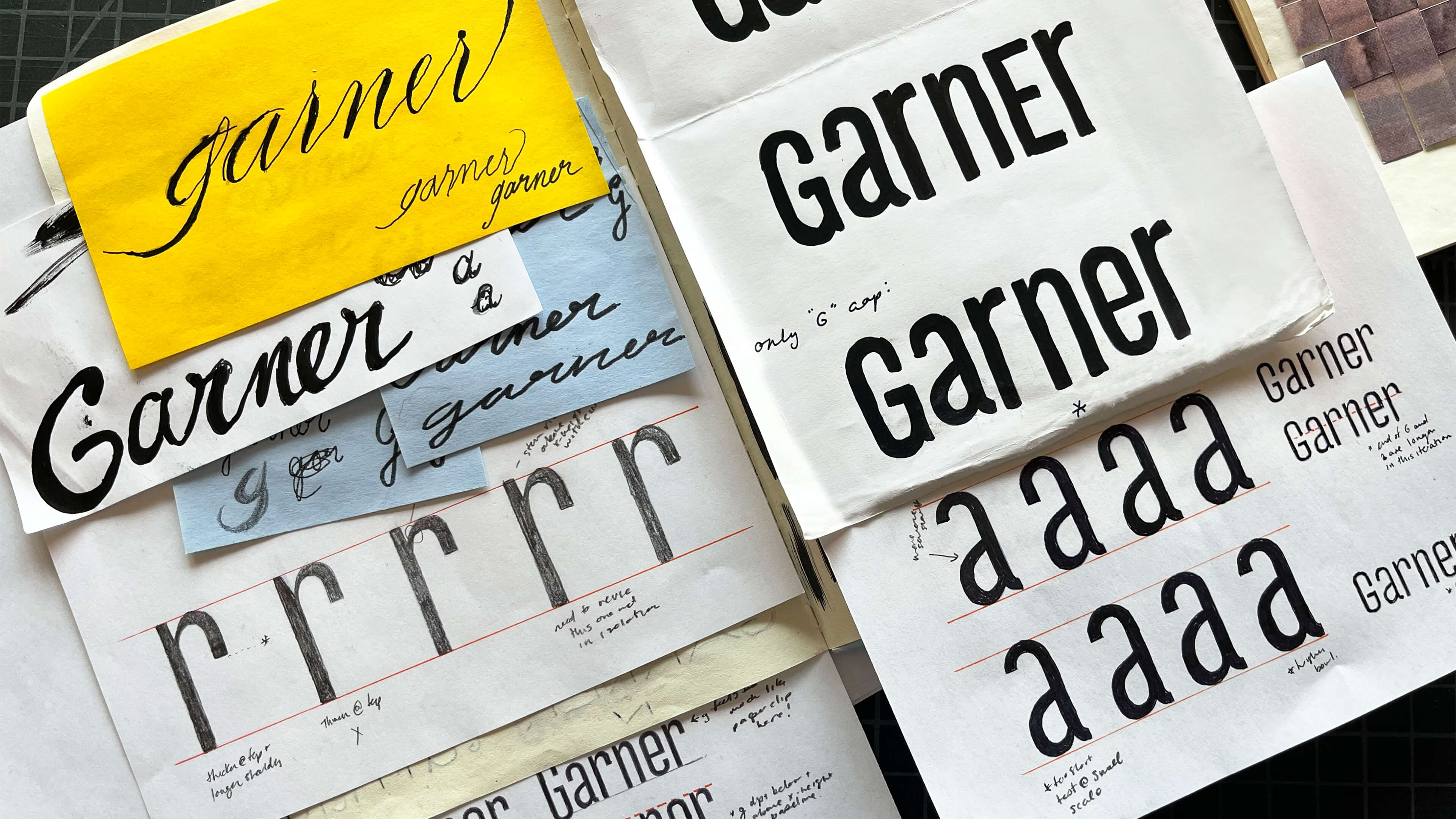
For the IDEO team, the answer lay in communicating the brand’s value, starting with a custom logo rendered by hand. Inspired by vintage sign painting and modernist typography, the team sketched different versions of the letterforms, reviewing them with IHG until they had a set that brought to life the generosity and sense of invitation associated with the hotel’s spaces. They also worked to ensure the wordmark was visually balanced and would translate well across a variety range of scales. From there, they built an expansive brand world, including bespoke navigation icons, a full interior and exterior signage system, and a video to support the Garner launch.
The result is a hotel brand that stands apart in its category for both travelers and owners: thoughtful and well-designed yet affordable. As competition in the midscale segment continues to increase, Garner has been central to IHG’s growth strategy. Launched in the fall of 2023, Garner opened 100 hotels worldwide in just 16 months, making it the fastest-ever IHG brand to scale globally. The brand’s increasing popularity among owners and developers is driven by the growing demand for conversion properties, which accounted for 52% of IHG’s room openings in 2025. Garner plans to continue its rapid expansion with nearly 80 additional hotels in 12 key markets, including the US, Mexico, Italy, and Japan.
100 new Garner Hotels
in less than 3 years—the fastest-scaling brand in IHG's history
500 Garner Hotels
planned in the next 10 years; 1,000 over the next 20

Moving dementia care forward
Together Senior Health provides digital solutions to combat cognitive decline.
Approximately 12-18% of people aged 60 or older live with mild cognitive impairment, while memory loss, Alzheimer's and dementia affect more than 50 million people around the world.
An estimated 50% of people living with dementia are undiagnosed.
Alzheimer’s and dementia are notoriously difficult to treat—and scientists estimate that some 50 percent of people who have dementia are undiagnosed. Recognition of symptoms and early intervention are key. Together and IDEO set out to conduct user research to inspire new products that would help patients with cognitive decline take charge of their brain health.
The first priority was to expand the reach of the Moving Together program, which combines group movement exercises with mindfulness techniques, led by a trained group instructor. The IDEO team conducted remote and in-person interviews in Florida, where one in five residents is age 65 and older, and rates of Alzheimer’s and dementia are among the highest in the country. One of the key insights the team discovered was that many older adults didn’t understand how behaviors like smoking, exercise, and diet can be risk factors for cognitive decline. Their input inspired a new design principle for the program: “No naked feedback.” Any time participants received health coaching advice about modifying their lifestyle, they would also be given resources on why and how to do it, so they would have a pathway to boosting their brain health.
The IDEO team folded insights like this one into the design for four new product offerings, including personalized brain health education, new online community engagement tools, partnership programs, and health coaching services, as well as a new user interface to illustrate them. Along with Together they also developed an implementation roadmap of next steps to bring the new digital product offerings to market, such as hiring a brain health coach and creating a new course curriculum. Now, Together has enrolled 165 people in the Boost Your Brain Health Clinical Trial, which is looking at outcomes such as reduced risk of Alzheimer's and maintenance of cognitive function for the Brain Health Together program. With trial completion in Q3 2024 and product launch in early 2025, growing numbers of people with MCI will have access to this exciting program. Together incorporated almost all of the elements from the IDEO roadmap into the final curriculum, and the team often refers back to insights the team gathered as guiding design principles.

Fighting barriers to diagnosis
With its online program growing, Together wanted to take on an even bigger problem: dementia underdiagnosis. Co-founder Dr. Deborah Barnes had recently developed an algorithm that uses patients’ health records to calculate their risk of undiagnosed dementia, called the electronic health record Risk of Alzheimer's and Dementia Assessment Rule (eRADAR). Together was looking to find creative ways to equip and empower providers to use risk scores like eRADAR in primary care settings.
One piece of the puzzle? Many primary care doctors are unaware that better management of Alzheimer’s disease and dementia can have a positive impact on other chronic health issues—like diabetes, hypertension, and depression. So by encouraging providers to prioritize dementia care, they can help support the overall health of older adults with cognitive decline. The IDEO team recommended a curriculum for continuing education courses for doctors that make that link clear—another step toward increasing dementia diagnosis and improving overall health.
Better help, sooner
To understand the patient experience, Together and IDEO decided to work directly with patients and caregivers to uncover what was stopping them from asking for dementia screening. The IDEO team quickly learned many patients were afraid of facing a diagnosis that signified a loss of agency and control, especially when they didn’t believe there were good treatment options. Often, they were unaware that there were things they could do to improve their brain health. They needed to know what steps to take after a diagnosis, and who could provide actionable advice. In response, the IDEO team designed a digital activity toolkit and physical booklet to guide patient families through the early stages of a dementia diagnosis, including recognizing the signs and symptoms, having better conversations with their doctor, and getting connected to support groups and programs like Moving Together.
Solving the problem of dementia underdiagnosis involves complex systems-level thinking and designing for the entire health ecosystem of patients, providers, and insurance payers, and solutions for Alzheimer’s and dementia care are still in their infancy. But already, this work is empowering patients and doctors to prioritize brain health and get screened sooner, and Together, which has since been acquired by Linus Health, is still working to move dementia care forward.
165 enrolled
in the Boost Your Brain Health Clinical Trial
Culture as catalyst
Moderna defines its Mindsets to preserve its future.
When the World Health Organization (WHO) declared the COVID-19 health crisis a pandemic in March of 2020, Moderna had fewer than 1,000 employees. Four years later, it’s more than five times the size.
Many companies view culture-building initiatives as nice-to-haves. At Moderna, Mindsets are a business imperative, crucial to its plans to develop breakthrough products quickly.
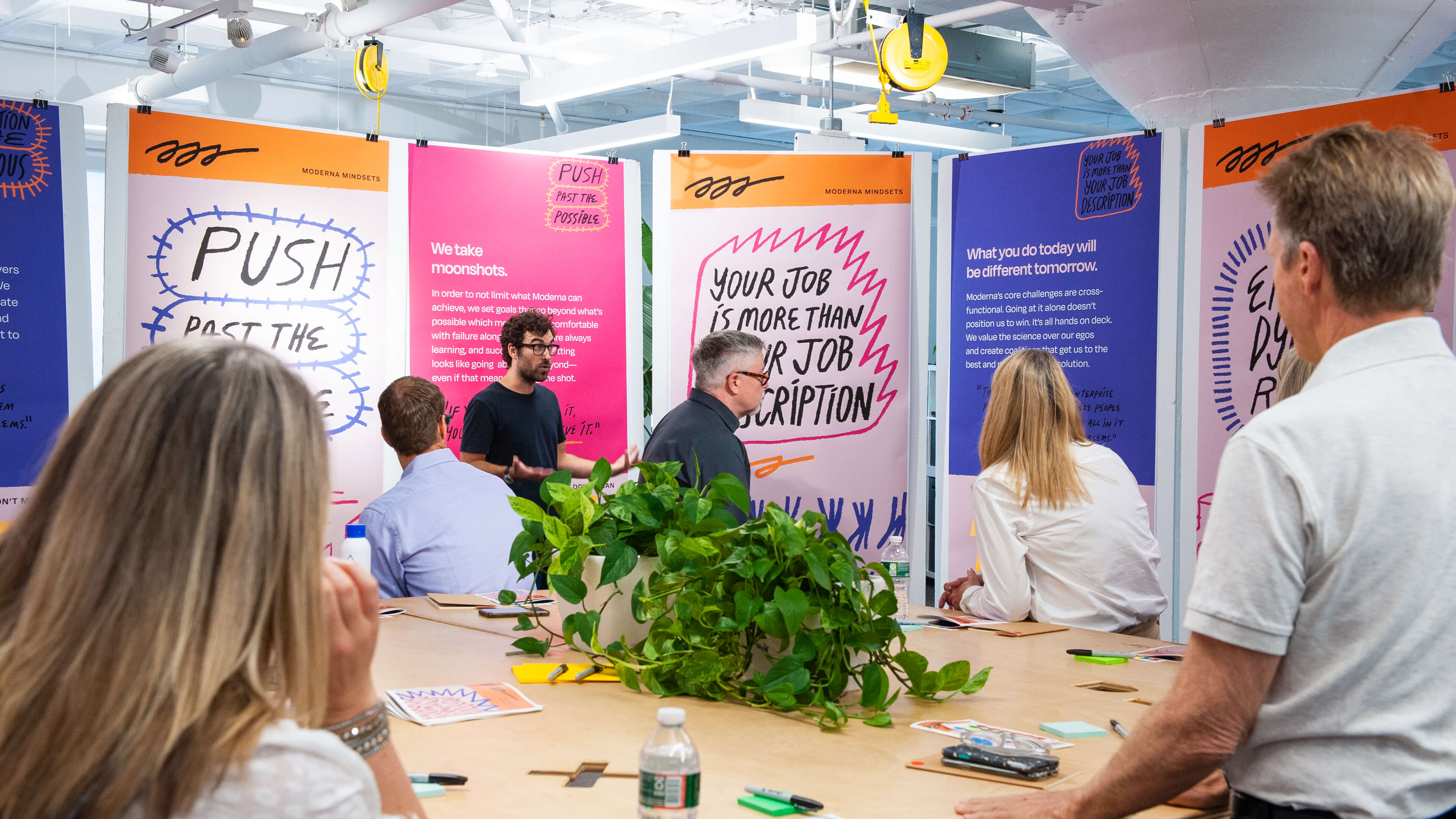
For companies working on solutions as vital as a COVID-19 vaccine, delays and mistakes don’t just mean missing a product launch date—they’re life-or-death, and on a large scale. Moderna had to ensure that its employees knew how to make the right decisions, evaluate risk, and move quickly—even if they came from organizations with more bureaucracy and less risk tolerance. In 2021, IDEO sat down with longtime Moderna veterans to hear stories about moments that exemplify the company's culture, like the day a critical piece of equipment arrived but was too big to fit through the door. Taking it apart would have added days to their timeline. So employees took sledgehammers to a wall instead. Stories like this one fed into the crafting of the list of Mindsets, such as “Act with urgency: Action today compounds the lives saved tomorrow” and “We behave like owners: The solutions we’re building go beyond any job description.”

To gather feedback, the team shared the draft Mindsets with a diverse set of employees—new hires, veterans, folks already closely aligned with the culture, folks for whom it wasn’t the most natural fit, and a plethora of employee resource groups. CEO Stéphane Bancel and the leadership team took crafting and iterating on the Mindsets very seriously, wordsmithing and tweaking them with the team until they were ready to share them officially. Now, new hires learn about the company’s Mindsets in Moderna ONE, an onboarding process that IDEO helped revamp, while existing employees attend a workshop to ensure everyone at the company knows not only what to do but also how to do it effectively. In a matter of weeks, IDEO helped Moderna codify its culture for employees and set the company up for continued success. Moderna continues to embed these Mindsets across the entire employee lifecycle to systematically scale its culture.
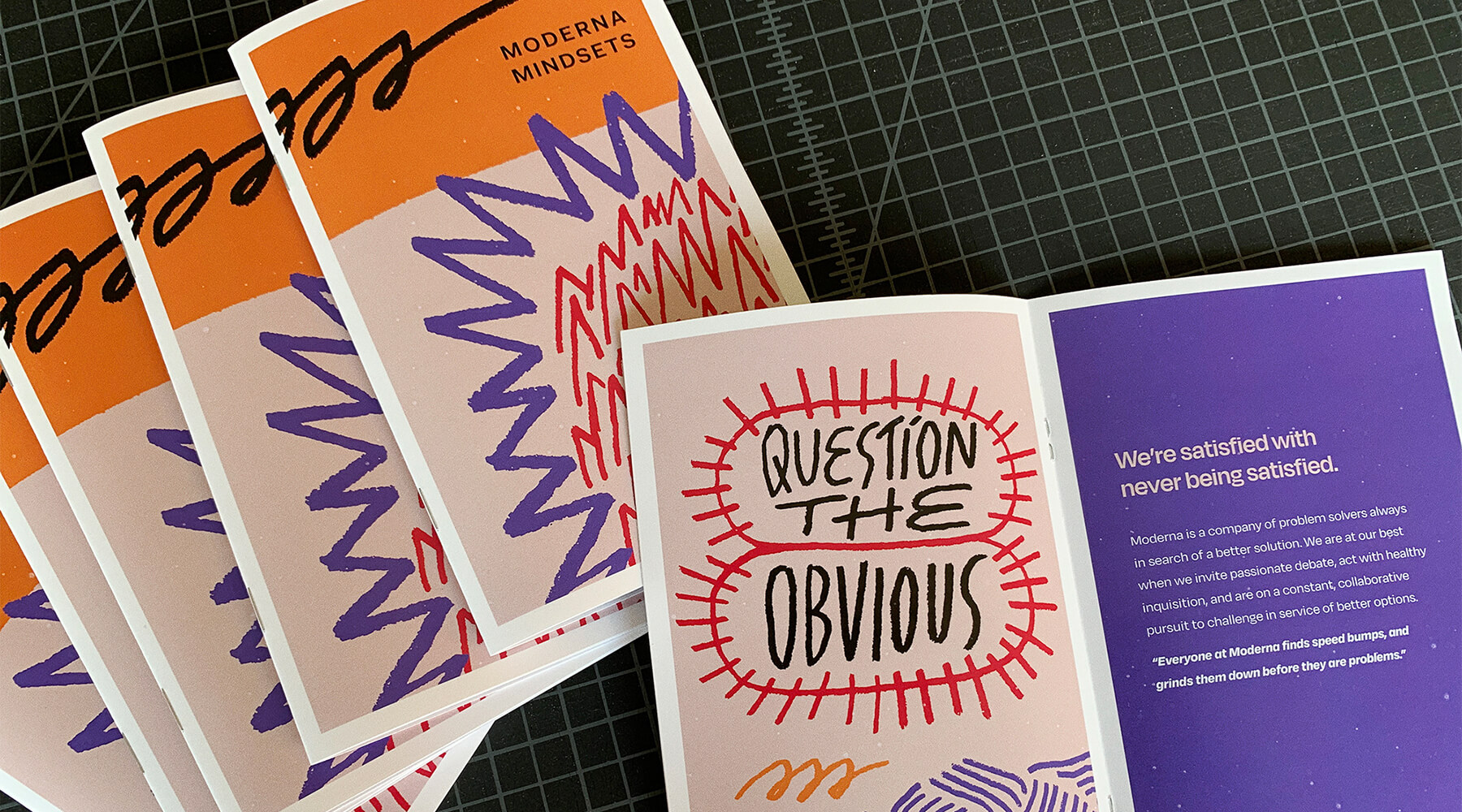
For employees new and old, the clarity of the Mindsets has made it easier to understand expectations and to understand the company itself. Long-term veterans responded with comments like, "These really help explain why we're working this way,” while one newbie said, "It feels like a homecoming to hear the culture that we’re trying to bring through.” But more than just solving a cultural issue, the new Mindsets have fulfilled a business imperative: Holding on to the secret sauce that made Moderna successful to begin with, setting the stage for its next five years of breakthroughs.
Ranked #1
BioSpace Best Place to Work, large company in 2024
Ranked #6
Boston Consulting Group’s 50 Most Innovative Report in 2023
Ranked #4
Deloitte’s Technology Fast 500 List in 2023
Mental health, co-designed
Kooth partners with young people to create Soluna, a mental health resource for California youth.
The US Surgeon General named mental health “the defining public health crisis of our time,” and cited social media, online bullying, and the isolation exacerbated by the COVID-19 pandemic as major drivers that have significant negative outcomes for youth.
In California alone, more than 284,000 youth cope with major depression. 66% of kids with depression do not receive treatment. Between 2019-2020, the suicide rate for kids ages 10-18 increased by 20%.
In 2022, California Governor Gavin Newsom’s Master Plan for Kids’ Mental Health set aside $4.6 billion to increase access to mental health and substance abuse support, the largest commitment to youth mental health ever made by a state.
Increasingly, digital spaces are proving detrimental to youth mental health. By co-designing with youth, Kooth and IDEO set out to flip the script, creating a positive digital space for young people to safely explore their mental wellbeing.
When Kooth, IDEO, and Blackbird, IDEO’s longtime development partner, first started working on the project, the window of opportunity was narrow, and the stakes were high. The group was up against a nine-week deadline to create a working proof of concept app. Also on the line: a $188 million contract with the Department of Health Care Services (DHCS)—one that would open an entirely new line of business for Kooth.
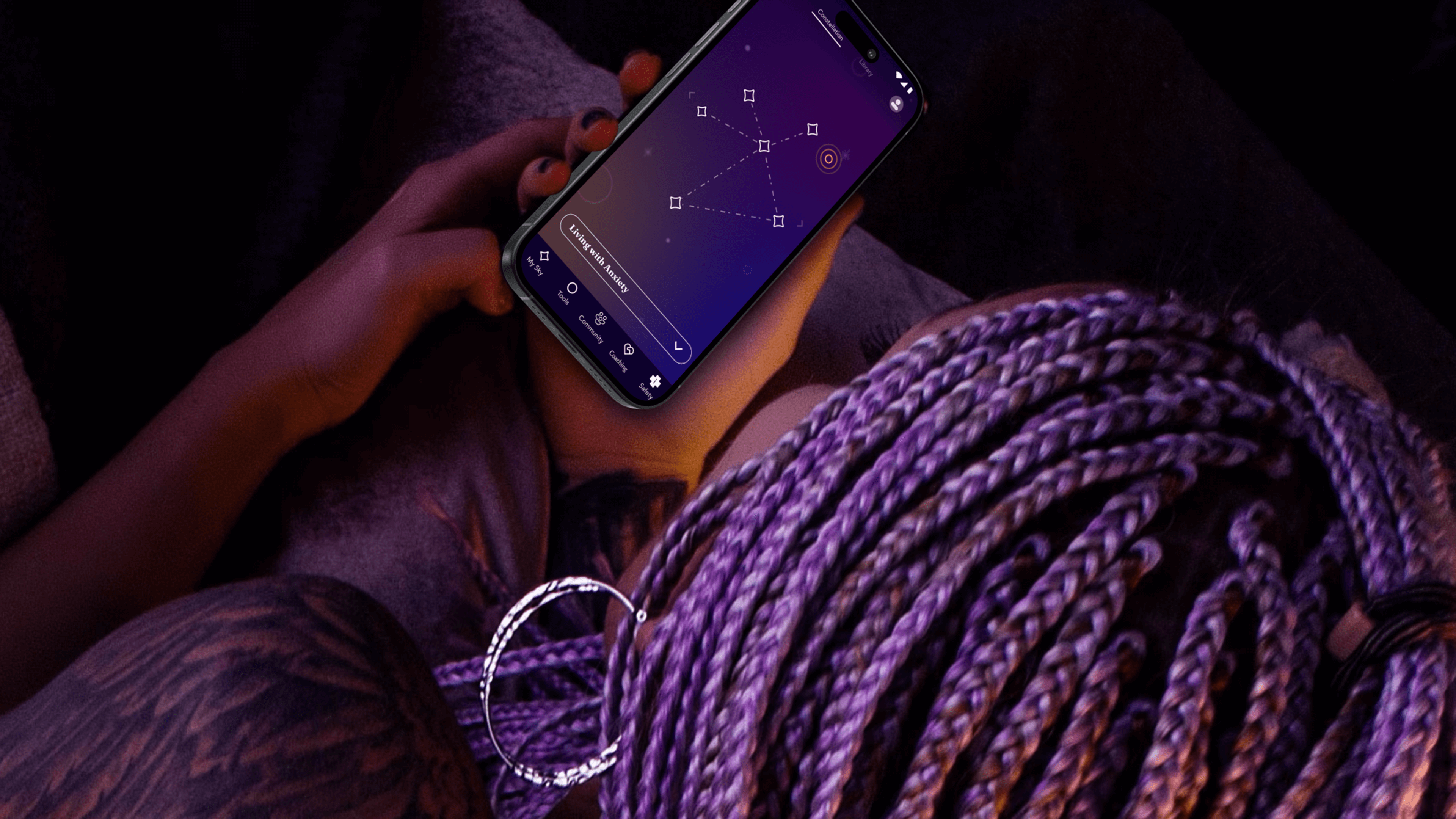
The app needed to do more than demonstrate functionality—it needed to prove its value. To ensure that they were creating an asset that truly fit the needs of young people, the team turned to an initial cohort of 13-25 year-old co-designers who explored early features, created video diaries, and shared their questions about and experiences with mental health. These young people often gravitated toward self-service tools that helped them take action based on their feelings. With their feedback, the team created new expressions of clinically-validated behavioral health tools like journaling, breathwork and white noise—and built novel tools, such as Starboard, an expressive drawing tool and a nod to art therapy.
The team took inspiration from content the co-designers liked to consume, such as story-driven video games that enable freedom of exploration, deepened by a unifying mythology. That led them to a constellation theme, which made the experience more intriguing and playful. The co-designers also recommended a dark color palette, because they preferred exploring the app at night.
With these insights, the team refined the proof of concept, and then conducted a one-week pilot with another 50 young people across California. Their positive feedback gave the State the confidence to invest in a $188 million, four-year contract for Kooth to bring the app to a platform at scale.
Over the next year, the team engaged another 150 young people to help design, shape, and test the app. At the same time, Kooth and IDEO created a clinical oversight group, which included a pediatrician, therapists, and other clinical specialists. This group anchored the platform in the practices of Acceptance and Commitment Therapy (ACT), cultivating psychological flexibility—the mindful acceptance of positive and negative emotions. Young people are invited to complete short reflections and surveys throughout their journey with the app, which includes rigorous, science-backed measurements to assess the therapeutic benefits.
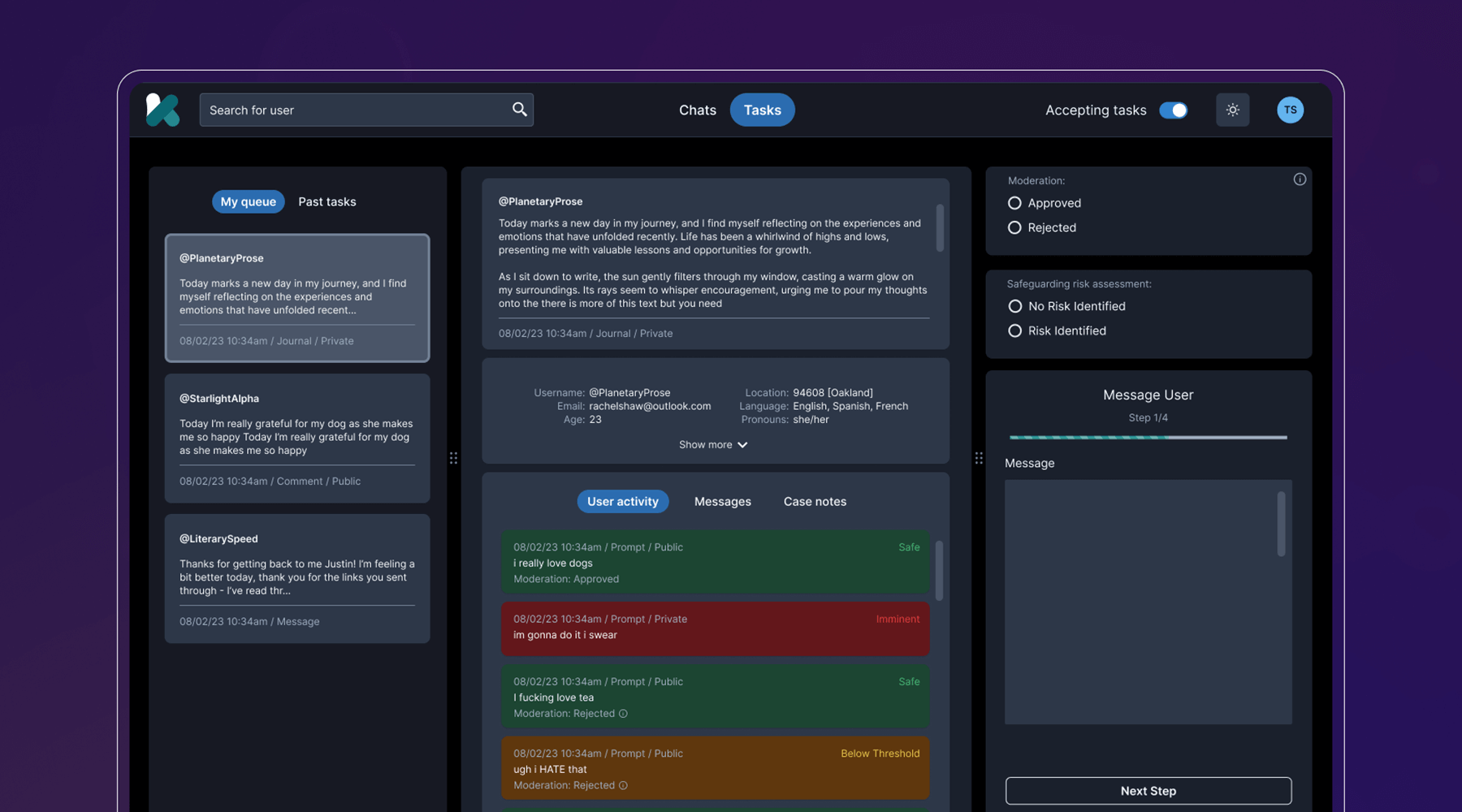
Behind the scenes, the team developed a clinical-facing service and digital platform that empowers Kooth’s peer specialists, social workers, community curators, and clinicians to support the youth experience, all while protecting privacy and confidentiality. They also navigated a complex landscape of state requirements and government legislation, ensuring that the platform could cover topics like substance abuse and gender identity, and that users could access coaching within 24 hours, and choose from a diverse set of experts.
The last step was to select a name that worked across multiple languages, trademarks, and competitor branding, and didn’t come off as a mental health service, something the youth co-designers believed was critical. IDEO and Kooth landed on Soluna, a name that alludes to the app’s presence in both the bright (“sol” for sun) and the dark times (“luna” for moon).
Now, Soluna is available for free to all youth in California, and the state has set ambitious targets for reaching all young people at scale. Soluna is a living platform that will continue to receive product and design updates for years to come, all deeply rooted in youth co-design.
94%
of proof-of-concept app users would recommend the Soluna app to a friend, and believe that engaging with the app would be a positive addition to their daily/weekly routine
6 million
young people in California had access to Soluna at launch in January 2024
A more comfortable Pap smear
Teal Health creates a system for at-home cervical cancer screening.
Cervical cancer is nearly 100% preventable when it’s caught early, yet one in four women in the US are not up to date on their screenings.
More than 12,000 people in the US are being diagnosed with cervical cancer every year, and more than 4,000 people die of the disease, which disproportionately impacts Black, Asian, and Hispanic women.
More than half of cervical cancer cases are found in women that are not up-to-date on their screenings.
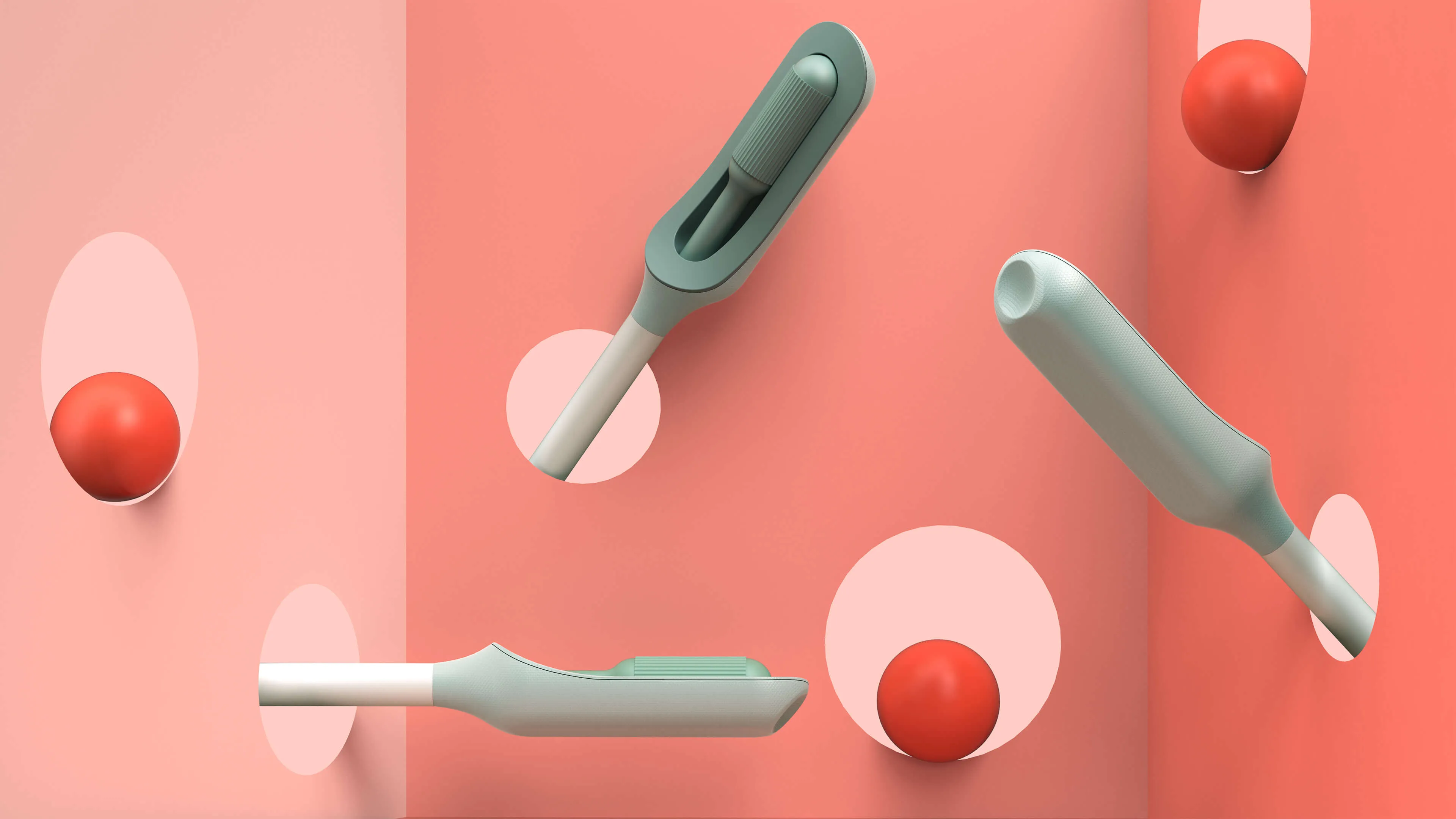
Creating a better cervical cancer screening experience is an important mission, but also a challenging one. Not only would Teal have to address the regulations that face healthcare device companies, it would also need to build a comprehensive telehealth platform and a physical product—a wand that could easily collect an adequate cell sample, even in the hands of an untrained person.
The first challenge was to create the wand. The device would need to do a lot: It’s impossible for a person to see their own cervix, so the user would have to be able to find the cervix blind, collect the sample themselves, and remove the wand from their bodies without contaminating it on other parts of their anatomy. Because this is something users are likely to do in their bathrooms, where there is no space to lie down, they would need to be able to use the device while standing—and with one hand. From the beginning, the IDEO team set out to design functional, testable prototypes to make sure the idea was viable, and incorporate diverse voices into the research process, including trans, minority, and disabled women.
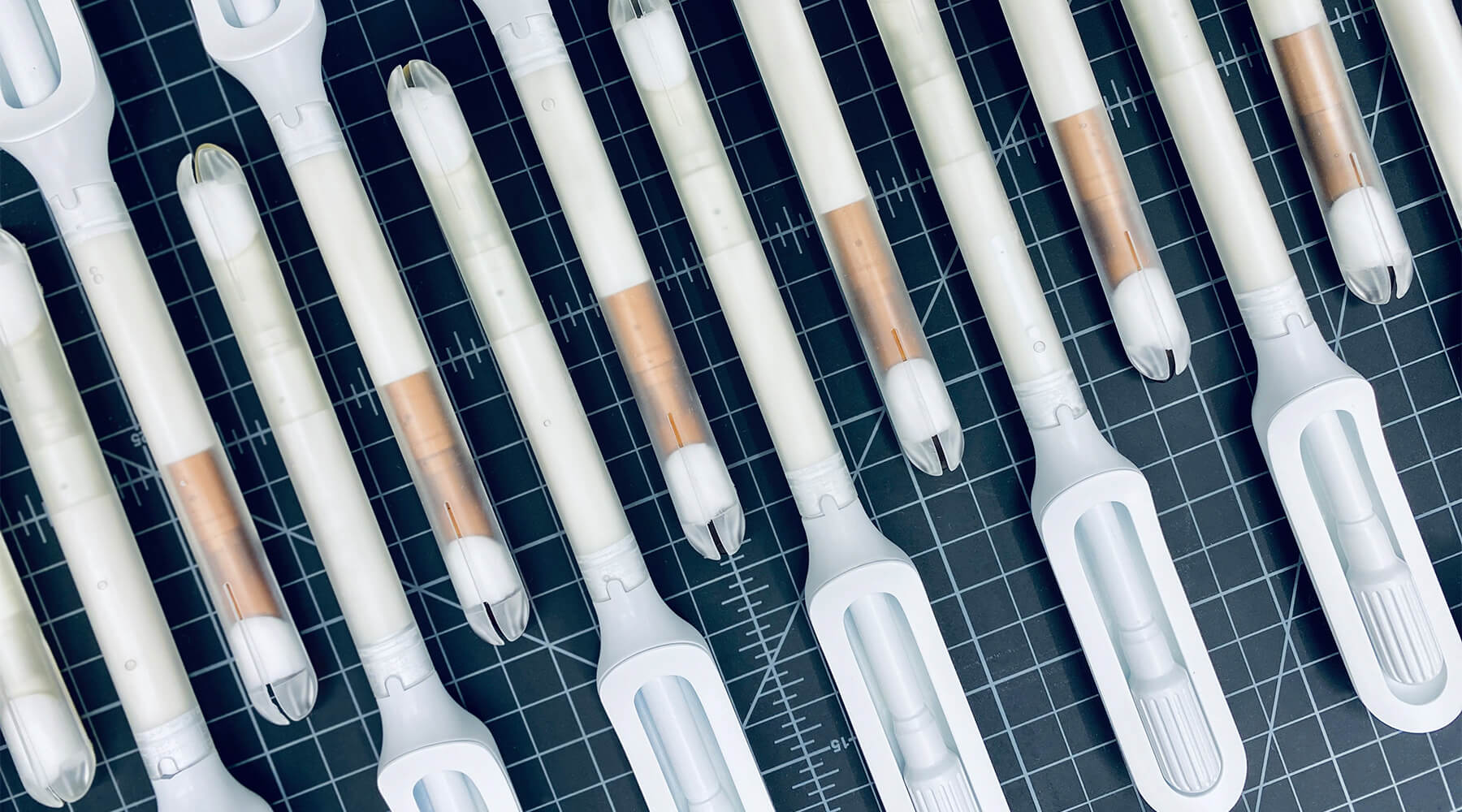
Because the product is meant for people who aren’t medical professionals, the team worked to design something as simple, intuitive, and unintimidating as possible. They used a 3-D printer to create multiples of every prototype, autoclaves to make sure that the designs they were creating were sterile, and leaned into shapes women are already used to, like the cylindrical shape of a tampon. The wand they created has that same basic form, but with a soft sponge that the user can deploy with the turn of a dial to collect the sample, then close to protect it from contamination on the way out of the body.
With working prototypes in hand, Teal set out to test their efficacy. In an initial study with 220 participants varying in age, race, socioeconomic status, and geography, Teal found that not only were participants able to successfully self-collect samples, they also preferred them over the speculum, the device doctors typically use during a screening. Some 92 percent said if they knew the results were equal they would prefer self-collection, while 87 percent reported they would stay current with screening if Teal Wand was an option. Self-collection took the vast majority under two minutes to complete, and 97% of study participants reported it was very easy or easy to use. The Teal Wand recently received a patent for its unique design.
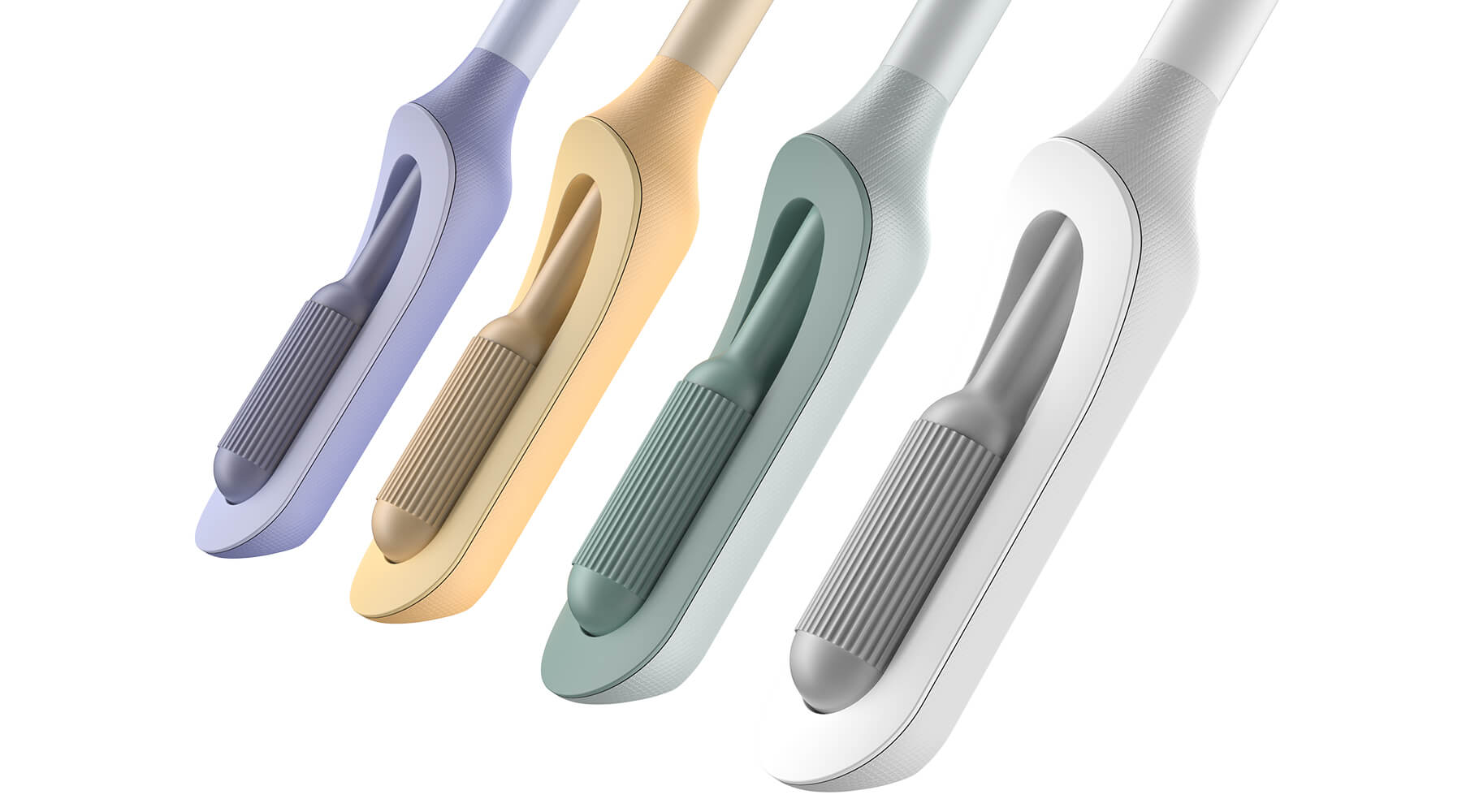
The IDEO team also worked on the packaging and unboxing experience, which plays an important role in supporting the user through the self-screening process. The team built in thoughtful design cues to give users reassurance that they are using the wand correctly, and to provide the same level of confidence they would have in the results of an in-clinic screening.
In January 2023, Teal raised $8.8 million in a seed funding round from Serena Ventures, Emerson Collective, and Metrodora. Later that year, the company launched a nationwide clinical trial with leading health organizations including Johns Hopkins University, Yale University, the University of Colorado, and Washington University, among others. In 2025, the Teal Wand became the first FDA-authorized device for at-home cervical cancer screening, with virtual medical provider support, and became available in all 50 states. Due to soaring consumer demand and increased insurance coverage starting in January 2027, Teal Health secured $22 million in Series A funding to expand access to the Teal Wand. It’s an enormous step toward the company’s North Star: catching cervical cancer earlier and saving lives.
$22M
raised in a Series A round to expand access to the most accurate FDA-authorized at-home HPV cervical cancer screening
97%
of clinical study participants said the Teal Wand was very easy or easy to use.
87%
of participants said they would be more likely to stay current with screening guidelines if Teal Wand was an option.
94%
of participants said they would choose to collect their own sample from home rather than the current standard of care where a clinician collects it in-office.
Amplifying a movement
Cities United rebrands to create safe, healthy, hopeful communities for Black men and boys.
Cities United is committed to reducing the epidemic of homicides and shootings among young Black men and boys ages 14-to-24 by 50%.
Between 2009 and 2019, the number of Black children who “did not go to school at least one day in the past month because they felt unsafe at school or on their way to or from school” increased by 84%, according to Cities United.
Homicide is the leading cause of death for Black men and boys from birth to age 44, according to the Centers for Disease Control and Prevention.
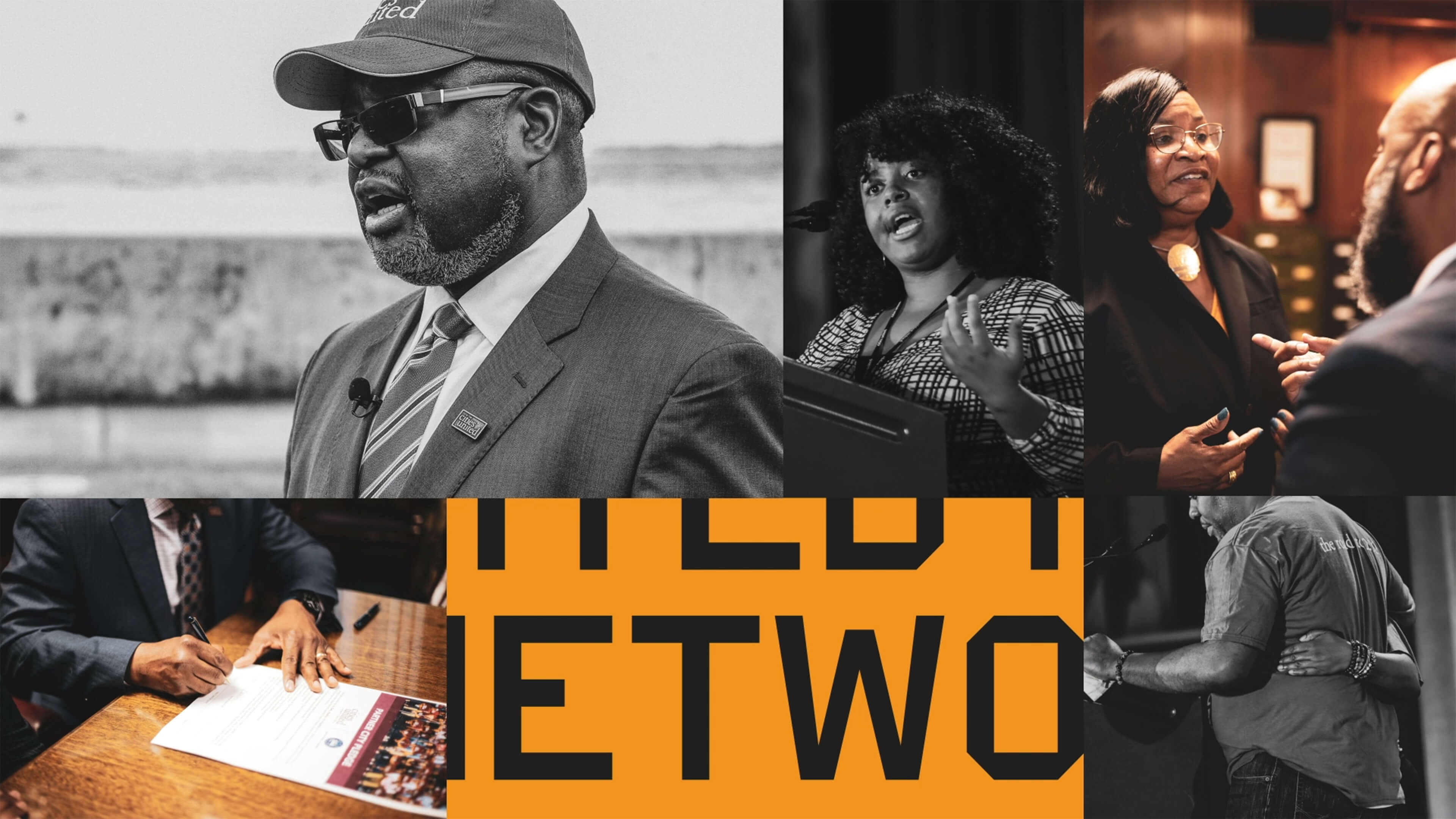
Cities United already had a strong foundation with its stated mission, vision, and values. IDEO brought those to life with a new visual and verbal brand identity system that celebrates Cities United’s inclusive approach to building relationships and reimagining public safety.
To help Cities United with its verbal identity, the IDEO team defined the organization's voice, tone, and key messages, making it easier to tell its story more consistently and clearly, a crucial step toward engaging stakeholders.
To define the new visual identity, the team created a new logo, a letter C composed of interwoven shapes that represent the three tenets of their vision—“safe, happy, and hopeful;” a new design language that references city grids; and a typographic system anchored by the typeface VTC DuBois, inspired by W.E.B. DuBois’s own custom lettering and designed by the Black-owned Vocal Type Co. The team also designed a color palette that embodies the textures of city life with hues reminiscent of asphalt, sunrise, and brick.
To amplify the refreshed branding, the team designed a new responsive website, citiesunited.org. The intuitive site shares the organization’s mission, resources, ongoing projects, and partner network, inviting stakeholders to join in their transformative work. IDEO also created a video to humanize Cities United’s mission and showcase its nationwide impact. It underscores the unity, resilience, and hope embodied by the organization through a chorus of voices.
This comprehensive rebranding widens Cities United’s reach and impact, helping the organization share its goal of creating safe, healthy, hopeful communities for young Black men, boys, and their families, and reintroduces the organization to a national audience.
The Cities United work was supported by IDEO’s Racial Justice Impact Fund, part of a commitment IDEO made in 2020 to address systemic racism and advance equity within our own organization, our client work, and beyond.