
.svg)


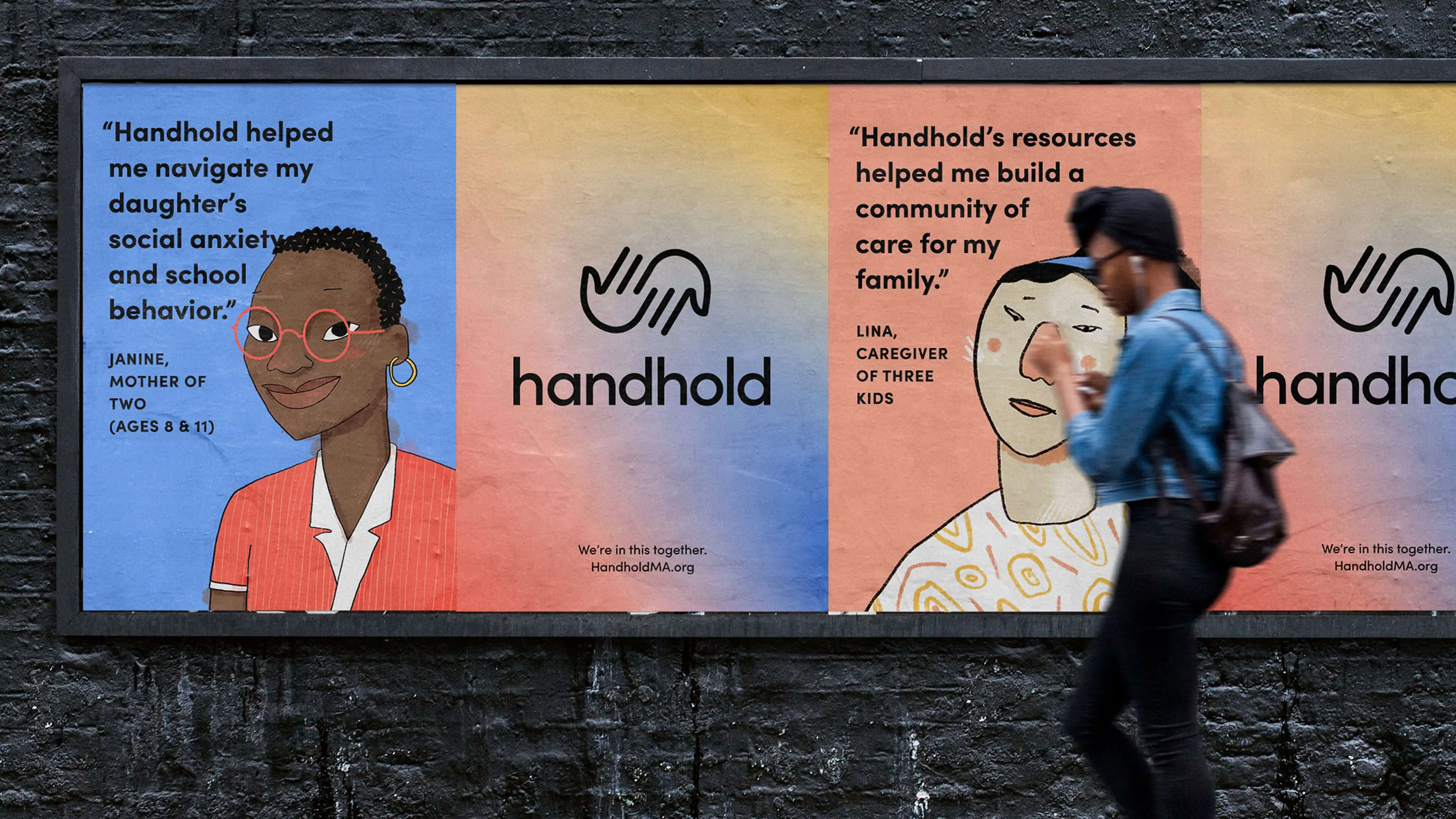

A helping hand
Massachusetts puts families at the heart of mental health.
The urgency of attending to our children’s mental health cannot be overstated.
Concern about their well-being was already on the rise in the decade prior to the pandemic. Alongside social inequity, the COVID era has seen soaring rates of depression, anxiety, trauma, loneliness, and suicidal thoughts. Knowing that mental health is influenced by numerous systemic factors, we met with families of all income levels and heard from practitioners throughout Massachusetts. In some communities, mental health is candidly discussed, in others it remains a taboo subject. Through these conversations, we learned that mental health requires both individuals and their families to be educated, supported, and empowered.
HandholdMA.org helps families find services that work for them and gives them easy access to information on a range of mental health topics. It allows parents to learn from and support one another as they navigate the landscape of mental health together. We took special care to make resources feel approachable for those in communities of color, and curated new resources for everyone from preschoolers to teens—because mental health challenges do not discriminate.
In 2020, a coalition of the nation’s leading experts in pediatric health issued an urgent warning that the mental health crisis among children had become a national emergency.
The percentage of emergency department visits for mental health crises rose by 24% for children between the ages of 5 and 11, and 31% for those 12 to 17, compared with 2019.
87,000
site visits to to HandholdMA.org since launch
223,000
people reached in bilingual social media campaign
Evolving to meet young consumers
Accelerating vivo’s transformation journey to connect with China’s young consumer.
To help shift vivo’s thinking from a focus on products to a focus on brand-building, IDEO set out to help the company understand how young consumers experience fun—a core tenet of the vivo brand. The new concept store needed to convey joy and fun in a meaningful and memorable way. The project was about more than just designing the space; it was also about piloting into vivo’s future brand systems.
To kick off the project, the IDEO team conducted user research in four different cities in China, then shared the stories of young Chinese consumers with the vivo team. Their interviews revealed that young people value experiences that enrich their lives and create a feeling of positive personal transformation. They seek opportunities to discover new experiences, express themselves in different ways, expand and deepen their social connections, and build knowledge and skills. By leaning on this definition of “enjoyment,” IDEO helped vivo identify the value proposition of the concept store, helping consumers express themselves in new and different ways. The store would allow every visitor to see something unique and find a fresh perspective.
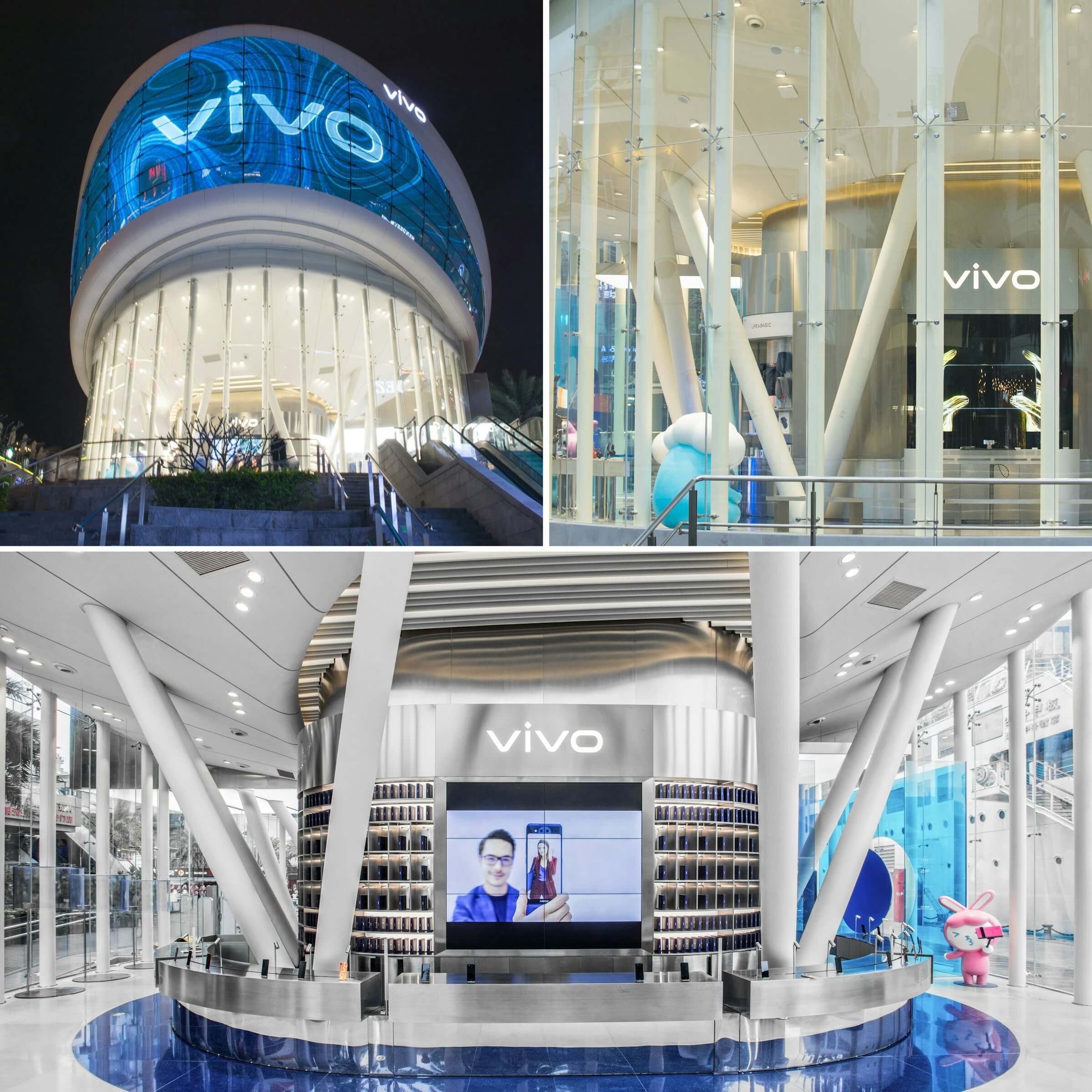
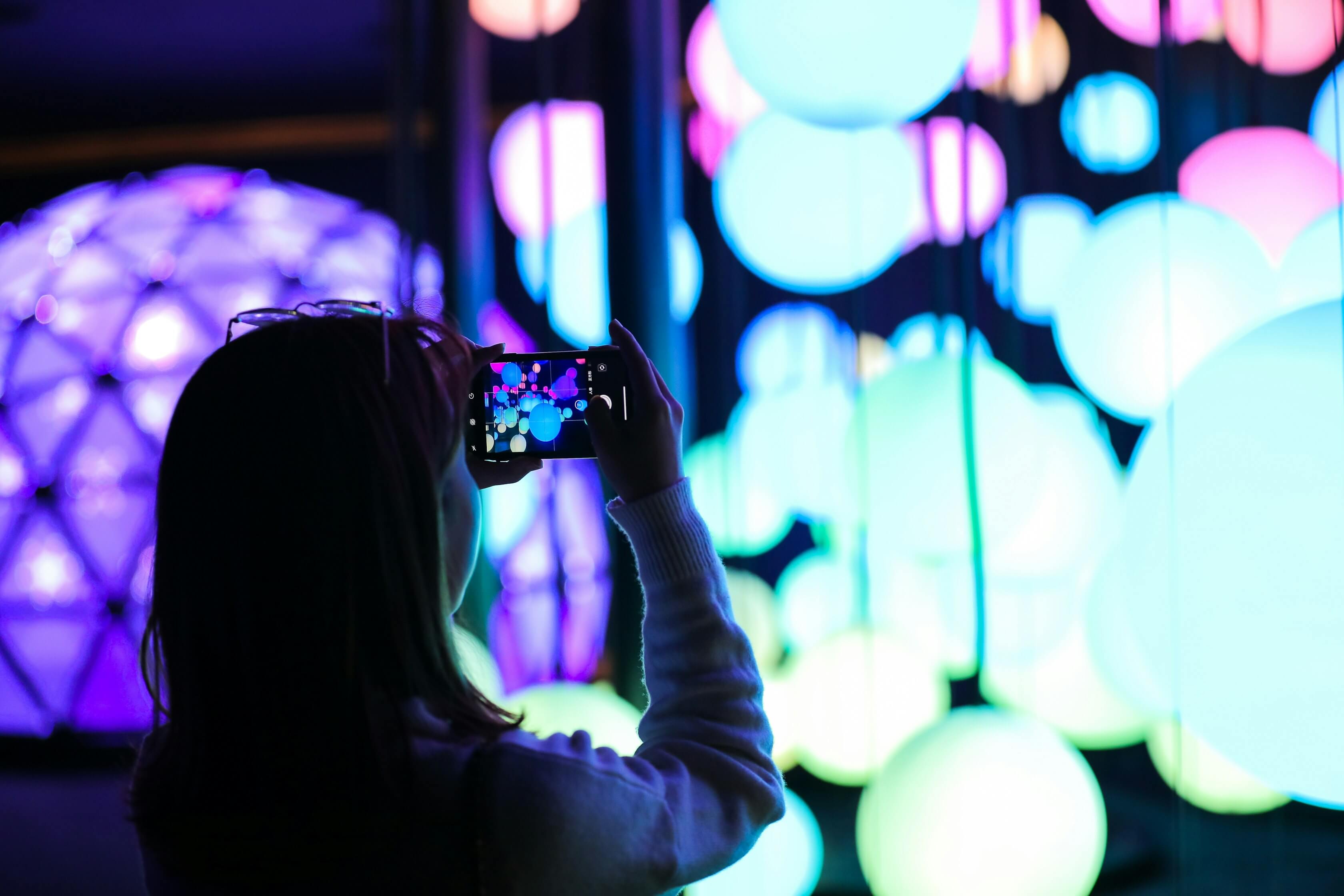
The vivo team took that value proposition into a design brief and later built out the space and interactive experiences. The second floor of the store is dedicated entirely to interactive experiences using photo booths, sound recording, and lighting technology, designed to provide consumers with the kind of enjoyment they seek. vivo launched the concept store in Shenzhen on March 22, 2019, marking an important milestone in vivo’s transformation from a smartphone maker to a consumer brand.
China consumes roughly 30% of the world’s smartphones—which presents a tremendous market opportunity for brands looking to capture young consumers’ loyalty.
Top 1
in China's smartphone market, topping both shipments (sale-in) and retail sales (sale-out), in the first half of 2024
260M active users
within two years of vivo Lab's official opening, with 70% of them young users
Transformation through creative leadership
Tsinghua University launches China’s first leadership course focused on design thinking.
The program Tsinghua and IDEO created together consisted of six modules focused on creative leadership: Rediscover Design, Build Design as a Core Competency, Creating the Conditions for Creativity, The Financial Levers for Innovation, Designing for the Fourth Industrial Revolution, and Leading for Tomorrow. 73 Chinese and foreign experts helped teach the modules, including former Forbidden City Palace Museum director Shan Jixiang, the father of Japanese industrial design, Masayuki Kurokawa, and Jake Knapp, author of the book Sprint.
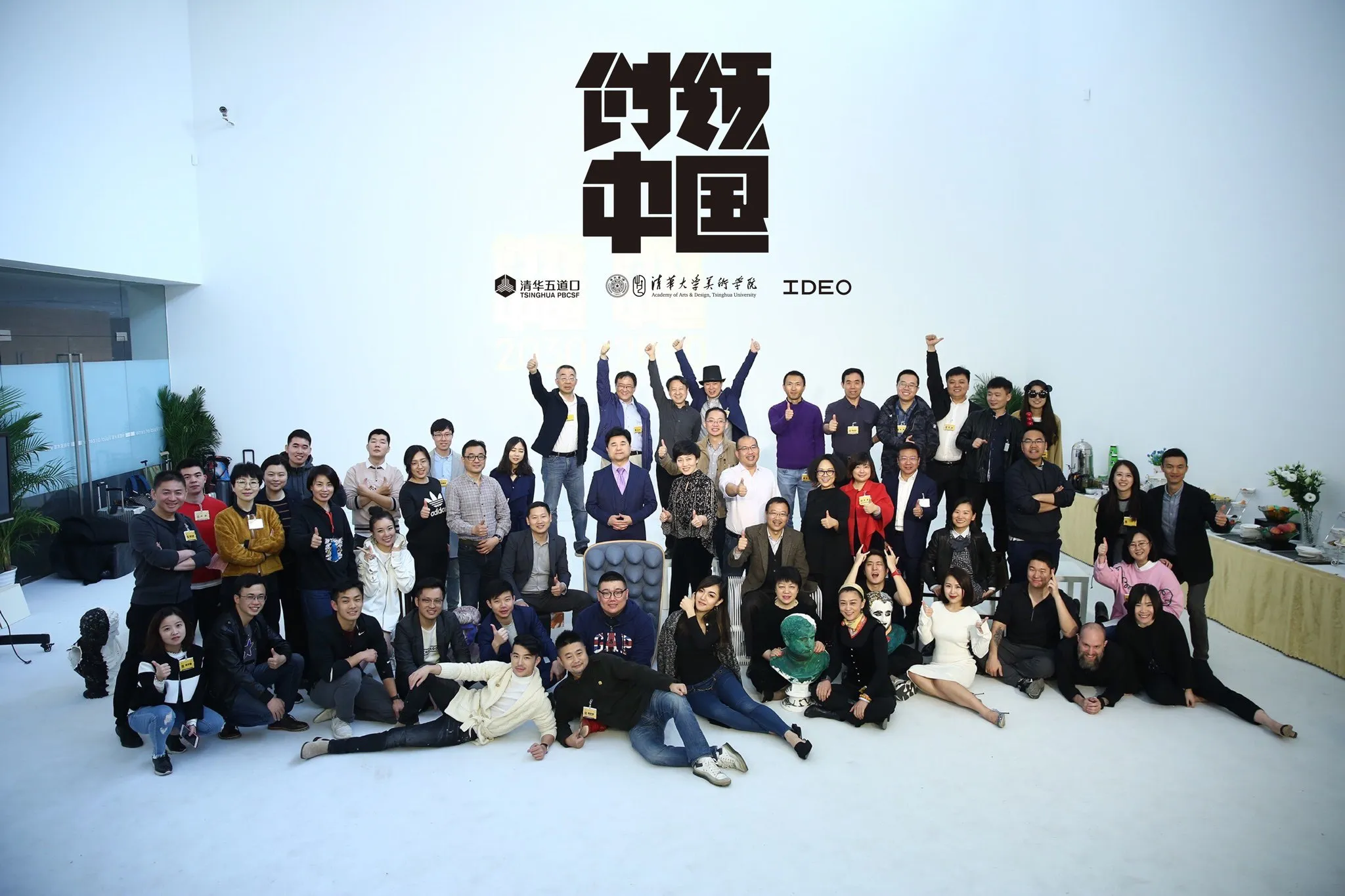
The program’s first cohort included more than 30 entrepreneurs from 20 different industries across nine cities. Participants completed the courses throughout the year, taking full advantage of holistic, interactive teaching and the opportunity to share their own practical experiences. Their feedback consistently demonstrated how the course had given them fresh approaches to problems their companies faced, whether improving internal communication or helping them see the clients they serve from a new perspective.
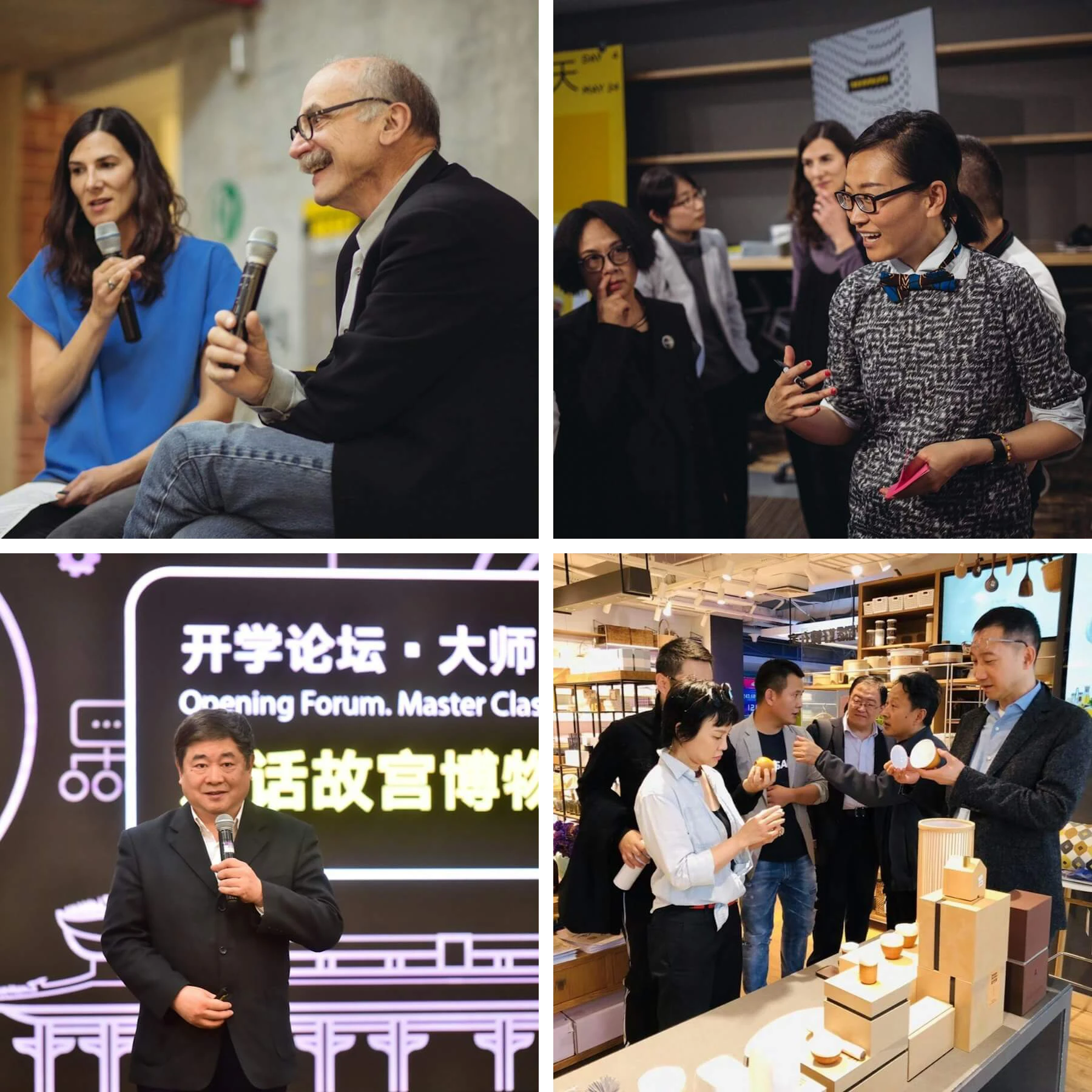
Liu Feng, the founder of a fast growing tourism development company, was particularly inspired by the Creating the Conditions for Creativity module’s six pillars of corporate transformation concept. Using these pillars, he not only refined the mission and value of his company, but also launched a series of measures to improve all aspects of its operations, from customer service to annual company gatherings. With a newly empowered team, he significantly increased the agility of the organization.
Ting Zhihong, the chairwoman of China’s leading logistics technology company, managed to double its profit during the course. She said her biggest takeaway from the course was how important it is to empower the team. Her company has now set up several platforms that give employees more room to experiment, create, and take part in frontline decision-making, bringing them closer to the company’s management.
Hu Chao, founder and CEO of China’s largest e-commerce platform for childcare goods, found that while other executive courses simply teach knowledge, Lead a Creative China taught him the importance of placing people at the center of what his company is doing.
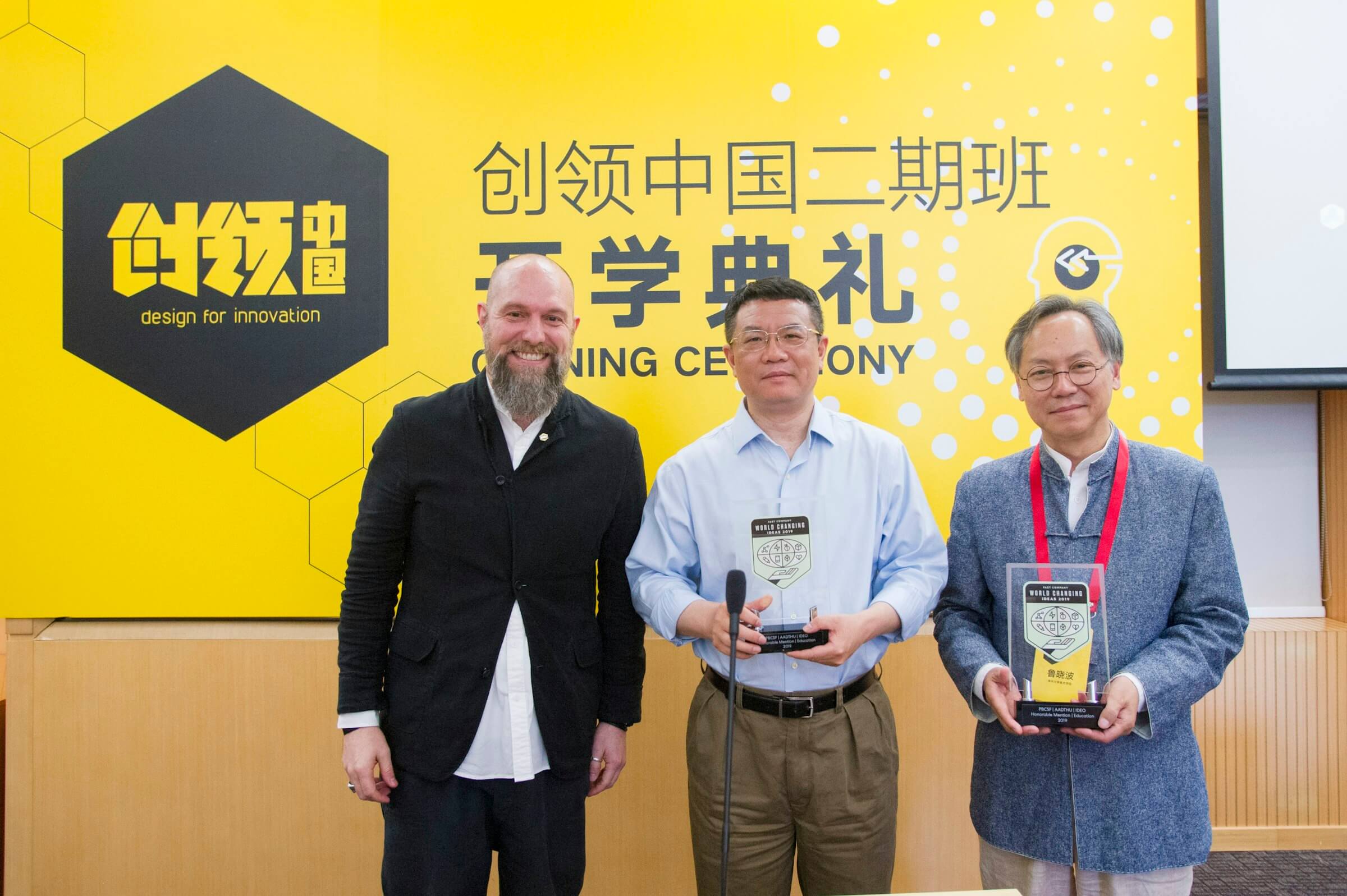
The first cohort of the program graduated in December 2018. On April 8th, 2019, the Lead a Creative China program received an honorable mention in the education category as part of Fast Company’s 2019 World Changing Ideas Awards, becoming the only award-winning Chinese project in the category.
After 40 years of rapid change, China has reached a pivotal point in its growth trajectory. Across the globe, traditional drivers of economic growth have slowed down, creating opportunity define the new economy.
The Chinese government has laid out a wide range of ambitious policy plans to ensure that China successfully manages this transition, and that the country continues to grow and lead.
Honorable Mention
education category, Fast Company’s 2019 World Changing Ideas Awards
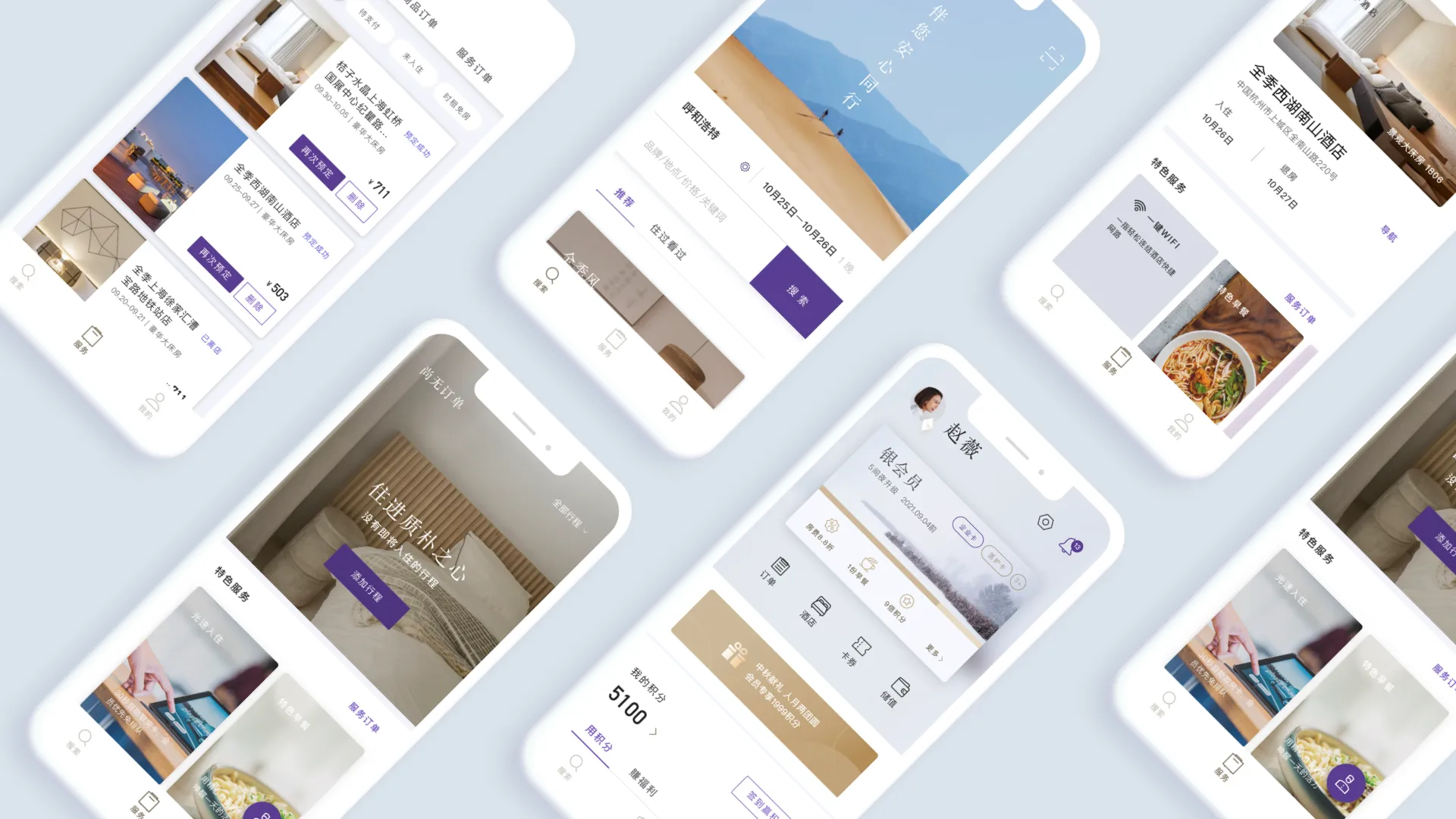
Human-centered hospitality via a tech-forward app
Huazhu Hotels Group translates its renowned hospitality brand into a seamless digital ecosystem for guests.
China’s digital landscape is dominated by highly integrated mobile apps like WeChat and Alipay that seamlessly combine messaging, shopping, bill payment, and finance management. This shift toward digital-first interactions that are hyper-convenient, personalized, and intuitive has significantly shaped consumer expectations for experiences like finding, booking, and staying in a hotel. To stay competitive and meet—or exceed—young guests’ expectations, Huazhu needed to redesign its Membership App 3.0 to prioritize guest needs across all touchpoints of the hotel journey.
Through in-depth research and member feedback, IDEO discovered the true pain point the Huazhu membership app needed to address: seamlessly integrating the hotel brand’s online and offline experiences. The Huazhu Membership App 3.0 adopted “simple, stable, and real” design principles, simplifying user operations, optimizing the interface, fixing lingering experience issues, maximizing page load speed, and reducing crash rates.

The IDEO team discovered users have different functional needs. Sometimes, users want to search for hotel information quickly. Other times, they prefer to explore and browse content slowly. To meet both needs, the app needed to be optimized for efficiency and exploration. So, the IDEO team upgraded the interface of the Huazhu Membership App, adding quick operation modules and information blocks on the main page, as well as a downward scrolling interface that gradually slows the experience, offering channels for detailed exploration.
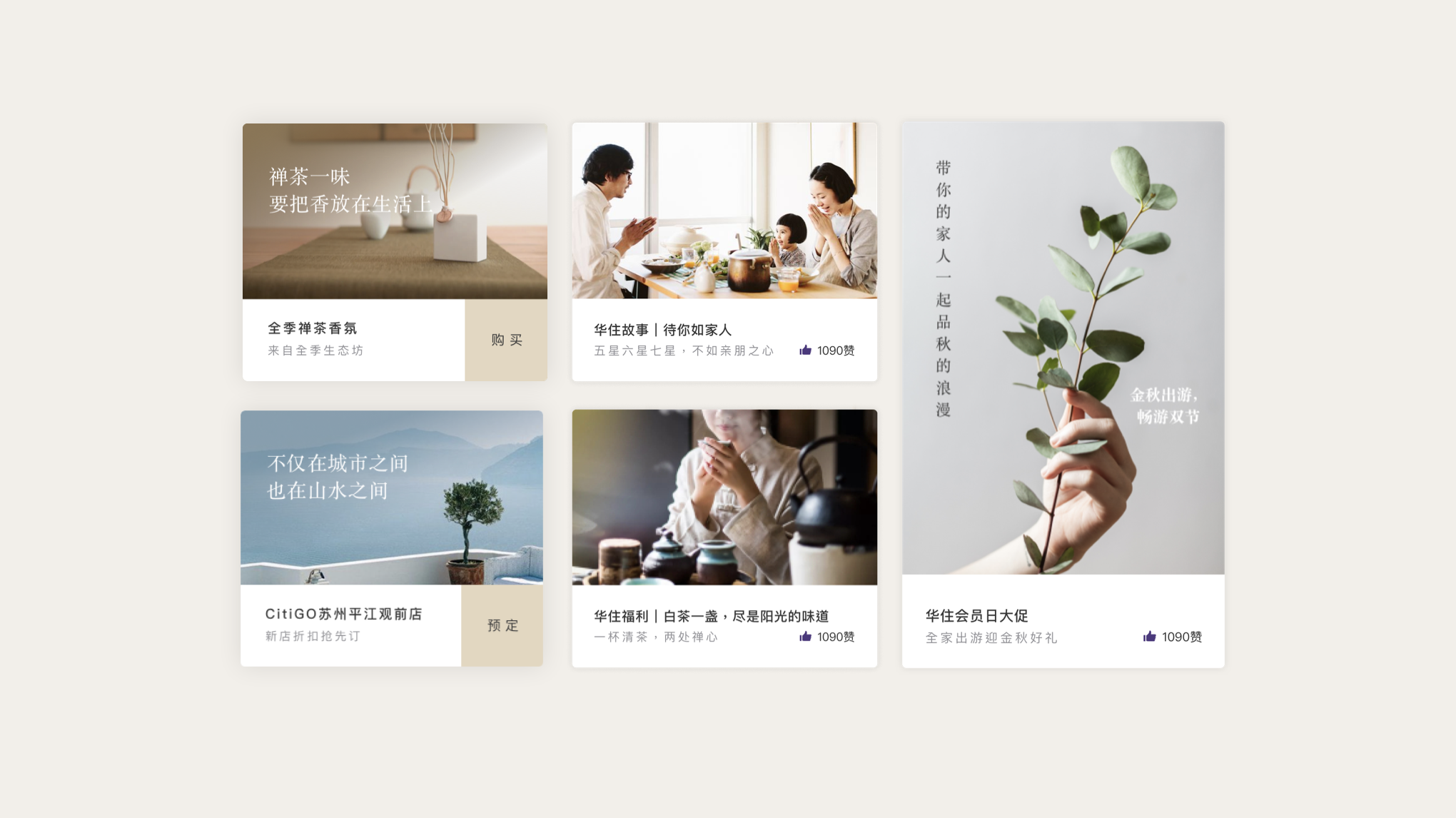
Customers also had different needs at different points in their travel journey: before, during, and after their stays. IDEO designed the language and user interface to provide personalized service information for each stage, from booking to post-stay. The app’s content adapts to the user’s travel phase, showing the most relevant service experiences at each point. The content displayed on the app also changes based on user habits, helping the app flex to meet their needs. The design aligns with the Huazhu Hotels Group’s mission to provide personalized service to a diverse clientele.

The team also worked to inject Huazhu’s brand characteristics by offering an upgraded experience in booking, stay, dining, and member benefits and adding features like a 30-second, automatic check-in experience. These thoughtful, personalized updates integrate Huazhu Hotels Group’s meticulous service philosophy, providing customers with a welcoming, human-centered hospitality experience. The updated Huazhu Membership App 3.0 is now available in major app stores, shaping a new generation of user experiences for Huazhu Hotels Group.
Young travelers in China expect the first touchpoint with a hotel brand to be digital.
5% increase
in monthly active users after the launch of the App's 2.0 version in 2021

The business case for responsible design
From Gen Z customers to impending regulation, 5 reasons it’s a critical part of the work.
But where is “here” exactly? Here is a tense political environment amidst a divisive battle over “woke” values. It’s a challenging business climate with companies deprioritizing DEIB budgets and sometimes removing entire teams. It’s a design community questioning when and where to push on inclusive practices, in service of moving all of us forward.
Even amidst these hurdles, many of us are still seeking a world where our commercial systems reinforce the world we want to live in. That’s our “there.” To those who believe, the path to more inclusive design practices is not some cherry-on-top afterthought; it’s an imperative facet of our evolving global culture. And for some designers, it’s why we wake up and go to work every day.
Responsible design (or inclusive design, ethical design, or even respectful design, as design leader Dr. Dori Tunstall has dubbed it) has been an emerging focus of design for decades, most often helmed by BIPOC and marginalized folks at design-led organizations. At IDEO, it’s been a movement most recently organized by the Inclusive Design Collective (IDC), a fast-growing crew that meets regularly to discuss design, interrogate our processes, and consider the potential consequences of our work, socially and environmentally.
The IDC has been experimenting with design tools and resources to use throughout the design thinking process (many of these interventions build on tools and best practices from across the worlds of design, engineering, and business). Most of the tools we’ve developed and adopted make space in the project journey to question privilege, power dynamics, biases, and access—all to unlock better outcomes for people and the planet.
Meanwhile, we can feel business shifting. Not all decisions are being driven by profit and shareholder value anymore. We see in our research and in our client work that commerce is becoming more values- and responsibility-driven choice-making. (And in many cases, it’s already there.) Here are five reasons we believe centering inclusive practices in design is the way things are going:

1. Inclusive design is at the heart of global scaling
Capitalism is built on a premise of continual growth. Increasingly, businesses are looking globally to find that growth—but doing so requires that we design thoughtfully and inclusively for consumers and producers in those new markets. For decades now, emerging markets have produced goods for the world, leading to a wave of consumerism. The internet accelerated this change in consumption and exacerbated a trade imbalance that does not serve the needs of people in emerging markets.
But now, we're seeing a shift, especially as historically marginalized countries are experiencing population and economic gains that far outpace the rate of change in other markets. Companies have begun trying to sell products and services to people in emerging markets, delivering to an entirely new set of customers with different values, systems, cultures, needs, and motivations. The businesses that will win—as always—are the ones that deeply understand their customers and how the products they deliver meet those customers’ needs. That means the businesses that will win will be the ones who design alongside them.
We’ve seen this firsthand. Our Last Mile Money program, funded by the Gates Foundation, was a great use case for responsible design. Our work focused on helping companies launch more inclusive products and greater financial access in emerging markets at what is called “the last mile”—underserved women, people in rural areas, and others facing barriers like literacy and internet access. Even companies that were committed to designing for underrepresented users were facing a challenge: Products were often designed with urban, tech-savvy, mostly-male users in mind. Despite pouring money into marketing, promotions, and rebrands, new users weren't adopting their wares. To unlock real growth, these companies needed to expand far beyond their existing users.
In response to these challenges, IDEO developed tools like Designing for Digital Confidence, the Gender Evaluation Framework, and the Financial Confidence Playbook. We centered underserved users throughout the design process, constantly going back to them for feedback to help product teams understand a range of barriers that have kept many people from using and benefiting from digital products. We listened and then took action, redesigning and improving products for needs that have often been ignored.
In India, major e-commerce platform FlipKart (owned by Walmart) redesigned its app to be more intuitive for first-time internet users, helping them serve hundreds of millions of customers. In Kenya, a startup called Leja streamlined its product’s onboarding experience for female small-business owners, leading to 30 percent more sign-ups, and more than quintupling transaction growth. We're seeing many more companies integrate responsible design into how they operate, not just because it’s the right thing to do—but because their own future growth depends on it.

2. Gen Z won’t mess with anything that’s not inclusive—no cap
The number of Gen Z workers—those born between 1997 and 2012—is projected to grow to 51 million by 2030 (overtaking Boomers, who had long reigned as the largest generation of full-time workers, from the late 1970s-2011). Gen Zers are digital natives who grew up in the era of rapid technology development, possess a unique set of skills and perspectives, and are the most diverse generation of our time. Gen Z's strong sense of social awareness and values-driven choice-making guides everything they do. It now has begun to guide business. Companies are shifting their calculus—lack of inclusivity means fewer customers. And businesses who don’t heed this may go the way of Crystal Pepsi.
Meanwhile, external signals reflect a similar sentiment, like the rise in demand for environmental, social, and corporate governance-related investment (82 percent of Gen Z have exposure to ESG investments, and 40 percent say their investment decisions are driven by companies with purpose), or the way Gen Z has redefined consumption from ownership to access, show that they're demanding more from the companies, products, and technologies they adopt. Gen Zers hate labels, love “slow fashion,” and more than half of them identify as “not straight.” For them, DEIB needs to be built in, and authentic, and their loyalty will follow.
As many companies are scrambling to build AI products as quickly as possible, we took a different approach: working directly with Gen Zers to learn more about what they really want from AI. As we tested and prototyped product concepts, they sent us a clear message: They only want products that align with their values. Too many of us assumed that as digital natives, they would take to all-new tech like ducks to water; instead their preferences have many folks really considering the ethical and climate consequences of emerging technology.

3. In many sectors, responsible design won’t be a choice—it will be an obligation
We all know that businesses today are not nearly as motivated as they need to be to make the changes our planet will need. When we worked with H&M’s CEO at the time, the company had made aggressive sustainability goals, driven by their own aspirations for the business. However, they were also aligned with global regulations, calling for less plastic and less waste in manufacturing processes, and placed them ahead of the market in this transition by streamlining their supply chain, and cutting excess inventory, and producing less waste.
It’s too early for this latest AI growth spurt to have spurred much regulation—but it is coming. IDEO’s Emerging Tech Lab is putting ethics first and sees AI and climate at an intersection, ripe with opportunity for designing more responsibly—for the good of the world, but also because one day, companies simply won’t have a choice.

4. Consumer preferences are changing, and businesses that only care about shareholder growth may be penalized
Values-based consumption is not just having a moment—it has redefined consumption. More people are choosing to support companies that align with their values. In fact, in a McKinsey survey, 70 percent of Gen Z respondents said they try to purchase products from companies they consider ethical. Nielsen tells us that 75 percent of Millennials are so eco-conscious, they’ll change their buying habits to favor environmentally-friendly products.
Consider Patagonia. With an estimated value of about $3 billion dollars, and $1 billion in annual revenue, the outdoor company announced in 2022 that Mother Earth would be its only shareholder, and “every dollar that is not reinvested … will be distributed as dividends to protect the planet.” Patagonia has made a name for itself with aggressive environmental goals, like completely eliminating virgin petroleum material in its products by 2025, and becoming net zero by 2040. Patagonia products aren’t cheap, yet sales have quadrupled over the past decade, and it has also expanded offerings into food. The company is a great example of how a brand can be very clear about what it stands for, and still find that people will pay for quality—even at a time when consumers are feeling the pain of inflation. Meanwhile, fast fashion, which offers customers lower quality goods at a much cheaper price point, has seen a steady decline in sales. If businesses continue to only value cost savings, they may learn: Cheap isn’t cheap when it loses you a customer.

5. Responsible design creates better products
We're big admirers of the healthtech startup Kasha, which has leaned into responsible design to unlock pent-up demand with healthtech. Founder Joanna Bichsel saw that millions of women lacked access to health products in Rwanda. So, Kasha listened to customers’ needs and pain points, and it designed a service that delivered tampons, contraceptives, and other women’s products in accessible and responsible ways. Kasha tapped into massive demand by offering unprecedented product choice, high quality, and perhaps most importantly, confidentiality to its customers, who are 65 percent low-income women. Kasha has seen 10 times revenue growth, and has now expanded to multiple markets across Africa. The woman-led startup isn’t stopping there: It’s adding pharmaceuticals, telehealth, and credit services—all to help women better access quality health care. Kasha learned that centering the unmet needs of the voices that are so often unheard was not just the path to more inclusivity, but also to create products specifically tailored for their customers, and succeed as a company.
The opportunities ahead
Whether it’s the values-based consumption habits of the next generation, new opportunities in growth markets, a coming wave of regulations in climate and Gen AI—Bob Dylan said it best—“the times, they are a-changin.”
Companies that plan for this future, this “there,” with value-loving consumers, more diverse needs, more access, more expansive geographies—will not only get “there,” they will reap the benefits, too. If you’re trying to make it through this tough, ever-changing market—inclusive design might be the best way to survive, and we’d love to help.
(The figure for Patagonia's annual revenue has been updated for accuracy.)
We won’t get “there” by doing what got us “here.”
3 methods for igniting culture change at scale
Get ready to experiment.
The question was a daily prompt, an experiment to help teams to have more candid conversations and increase their ability to collaborate with each other. Instead, an awkward silence followed.
The exercise was part of a partnership exploring the power of making with a global healthcare company. Together, we were designing for the organizational culture the company wants to have to achieve their strategic ambitions. This team’s role was to instill new ways of working for the whole company. They wrote the culture code. But they couldn’t quite articulate how they themselves were living it. Yet.
Their trouble answering the question wasn’t a failure—this work is hard. And it requires changing ingrained behaviors every day. So together, we worked with the team to make culture change tangible through real-world experiments (not just decks and frameworks) that helped ignite new behaviors through actions, not words.
What does that mean, exactly? As Roger L. Martin, strategy advisor to some of the world’s most successful organizations, explains, “The truth about culture is that the only way you can change it is by changing the way individuals work with one another. If you can change that, then you will find the culture has changed.” Changing how individuals work takes more than words, or artifacts, or processes (although those things definitely have a role to play). It requires action. That’s where design comes in. And that’s where our team started, by making a series of cultural experiments.
The goal was to learn about how we can change people’s behaviors and enable them to work differently. We collaborated with key teams and people who identified themselves as culture ambassadors. Together, we created tools and activities that would inspire action, and teach us how to change culture in this specific environment, because every org is different.
Here are some of the experiments we used to ignite action.

Unblocking decisions and flex support styles with a card deck
The organization wanted to become “networked”— meaning people would work more autonomously, with high accountability and clear communication between teams and their leaders (rather than linear, siloed teams). But if communication is lacking, and accountability isn’t clear, decisions in a network are made by consensus, and people don’t feel empowered to take ownership and use their ingenuity to solve problems. So we created two sets of cards to prompt better conversations between people and their managers.
One set of cards focused on unblocking decisions, by sharing questions (Is there psychological safety within the team making decisions?) and assigning clear roles that defined the level of involvement people have in making different decisions. Is someone supposed to drive a decision, or simply consult on it?
The other set of cards helped people articulate the type of support they need from their managers in a given moment, like coaching vs. problem solving—facilitating more open conversation about the type of leadership they need to thrive. These cards empowered managers to better support their teams, while empowering teams to be clear about what they need to drive good outcomes. They also proved that specific structure and language could prompt desired behaviors at scale.
One participant shared that after an initial conversation where she told her boss she was looking for a coach, he helped her strategize to draw on her strengths to achieve her goals. And when she wanted to share her “value with a broader group outside of customer-facing work and my immediate team,” she felt empowered to put that into action, which “would've never happened if it weren't for the initial coaching.”

Implementing a daily ritual to prompt collective reflection and candor
One of the most critical behaviors for creating a collaborative culture is regular, honest feedback between people. Done well, it builds trust and psychological safety among teams, leading to better performance. In this organization, teams rarely found time and space to give or gather informal feedback on the way they work. When it was positioned as a mandatory, formal task, it could feel exhausting.
Intead, we wanted to prompt small, regular conversations about collaboration. So we created a fun reflective tool based on a spin-the-wheel format:, an online generator that surfaces topical questions (like the one at the beginning of this article) to prompt candid chats. The questions run the gamut from silly to serious, and taught us the importance of making something fun if you want teams to build it into their existing routines. Questions like, “When has a new perspective helped you make a decision recently?” encouraged people to feel safe in opening up and reflecting on their behavior as a group.
Over time, reflection moments became something teams looked forward to. The questions changed the narrative so that employees could surface issues without fear of consequence, and resolve issues before they became problems. As one participant told us, “The energy was palpable in our group. It got to five minutes before the end of the session, and they still wanted to talk. Everyone wanted to do it again. It’s turning into something wonderful that we needed.”

Introducing an action journal to increase leaders’ self awareness
Many leaders recognize the importance of regular reflection and feedback sessions, but competing priorities get in the way.
To address that need, we designed a personalized action journal that fit into leaders’ daily work flow. The goal was to learn whether a tool that prompts regular self-reflection will result in an increase in leaders' self-awareness, helping them identify how they want to grow, and prompting them to seek more support.
Through this simple experiment, we were able to learn that creating dedicated space and time for reflective practices not only boosts leaders’ confidence, it models the value of continual learning and growth for others. One participant told us, “I've found it a nice and simple way to reflect on the things I've been doing, and connect that back to conversations with my own manager.”
Each of these experiments made new behaviors tangible by giving form, fun, and structure to otherwise abstract concepts. They helped people experience the potential value of new ways of working for themselves, demonstrating their function, and connecting theoretical culture change concepts with day-to-day work.
Culture change at any scale requires more than words; it requires action and application in people’s everyday experiences. Making change tangible through experiments is the quickest way to surface stories, build belief, and gather the evidence to support change at scale. Not every organization is trying to solve the same problem, and the same experiments won’t work everywhere. But for every culture problem at every company, there are tangible ways to drive change.
In a recent meeting with a new client, we asked the team, “What smart risks have you or your team taken recently?”

5 takeaways from New York Climate Week
Imagination is making an impact, but what could intentional match-making unlock?
We believe that period of time is fleeting and precious; it demands action, now.
We’ve jumped into the work with our clients, like Conservation International, Sage, The Earthshot Prize, and the Rockefeller Foundation. We’ve also headed to critical events, like COP 27, and, just a handful of days ago, New York Climate Week 2024 (NYCW). This year’s theme, It’s Time, reflected a clear focus on progress and case studies over goal-setting, both exemplifying the urgency of the work and highlighting the places where it’s actually in motion and making a difference.
On the ground, a group of IDEO design leaders hosted events at the kyu House to share how we can explore opportunities to tackle the climate crisis with creativity. We also heard from companies large and small, governments, activists, scientists and more about the state of the planet, the places where the damage continues, and brilliant and creative ways people are fighting to turn the tide.
Here are five insights from our time at NYCW.

1. The power of imagination was everywhere
The scale of the climate crisis demands action that matches its magnitude. Much of that progress is slow and deliberate for good reason. (It allows for thorough research, careful policy development, technological advancements, and proper stakeholder engagement to ensure effective and equitable long-term solutions.) But there’s also a need for bold, paradigm-shifting moves that can propel climate action forward at speed—and that requires imagination.
This year at New York Climate Week, I witnessed incredible creative solutions in spaces where regulation often leads the conversation. Hearing Vermont’s Attorney General, Charity Clark, share how the state used consumer protection laws to win its lawsuit against Exxon for greenwashing demonstrated how existing legal frameworks can be repurposed to address climate challenges. The state also created the nation’s first "Climate Superfund" to hold Big Oil accountable. This law empowers Vermont's Attorney General to pursue payment from major oil companies for a share of climate change costs incurred by the state since 1995, based on their products' global contributions to the problem.
This case exemplifies how challenging the status-quo with courageous creativity can make a real impact on climate challenges. Imagination isn't just a tool—it's a catalyst for real change.
—Nazlican Goksu

2. The Climate Era calls for integrating AI and nature—not choosing between them
In the early months of 2024, I observed a concerning trend: leaders shifting priorities and budgets toward AI innovation at the expense of climate initiatives, as if the two are mutually exclusive. This is a false choice. The Climate Era demands a transformation where technology and nature are not opposing forces but complementary allies.
However, it was reassuring to see numerous events and active participation on the topic of Climate and AI, with leading organizations from unexpected industries—like big tech—leaning into the conversation with practical applications aimed at tackling complex planetary challenges. AI, technology, and nature will be the foundational building blocks of future organizations.
Good design starts upstream; it begins by questioning why we seek technical solutions and how they can align with sustainable goals. When harnessed thoughtfully, AI can amplify our efforts against climate challenges—from faster wildfire detection to monitoring coral reef health and predicting deforestation. My takeaway is clear: Integrating AI into climate action isn’t just possible; it’s essential. But ensuring that all eight billion people on the planet can participate in designing and benefiting from AI climate solutions in an equitable way remains one of the most critical challenges of today.
—Sergio Fregoni
3. Approaching tipping points underscores the importance of fresh visions
NYCW and the UN General Assembly converged at a moment of realized tipping points. A big one? For the first time, the Amazon rainforest has shifted to a net emissions source. That context flavored a week that felt urgent, deep in execution, and…joyfully rebellious. To meet this shifting moment, we created an experiential journey focused on the question “What if we get it right?” with the Rockefeller Foundation, scientist Dr. Ayana Elizabeth Johnson, journalist Elizabeth Kolbert, and climate change leaders from Amazonia and Latin America.
Design has an immersive power to reach hearts beyond minds, and we explored realistic but proactive climate futures through the senses: tasting Ecuadorian biodiverse forests in a gummy, seeing arid landscapes through a viewfinder, touching seeds of regeneration, and hearing indigenous voices. Inspiration, but also rigorous practicality, driven by those living at the frontlines.
These experiences brought into relief how important it is to make big bets to break and transform consumption, value, and culture. Incredible people are building pathways (lifeboats) to the future on this swiftly tilting planet, but those with the power to change course continue to drive us toward collapse. I’m heartened by those working around this system. Onwards.
—Natalia Vasquez

4. Connecting with inspiration and support beyond your area might be critical...
Imagine you could float above New York during Climate Week and take stock of all the people, ideas, and resources present in the city at the same time. Much of what we need to address the challenges of the Climate Era already exists. But it’s extraordinarily difficult for various pieces of the puzzle to find each other—if they even know they’re there at all.
This year, I was privileged to hear about a set of amazing projects being pioneered across Latin America by the first cohort of The Rockefeller Foundation’s Big Bets Fellowship; I was grateful to moderate an energetic conversation among sustainability leaders from the global business travel sector; and I was excited to be in the room as teams from some of the world’s leading businesses advanced their ambitions for climate action by asking themselves seemingly impossible questions.
But what if all these people had met each other, and perhaps helped each other? And what if that happened not just by happenstance, but by design, so that people who perhaps aren’t even aware of each others’ potential can find each other faster and more meaningfully? What might that have unlocked? My takeaway from NYCW is this: We need to design better ways to build the jigsaw puzzle to bring these changemakers together—and fast.
—Alex Gallafent
5. …but exploring new ideas and relationships internally is just as important
During our Space Between Urgent and Impossible session, focused on pushing past boundaries to find novel solutions, I was struck by the response from one of the teams. They realized that they never get together to talk about big or new ideas. We all spend plenty of time networking with others outside our organizations on the climate challenge, but maybe there is an opportunity to spend more time having conversations, building relationships, and exploring bigger ideas inside. These conversations benefit from being structured and intentional—a safe space where new thinking can emerge outside the constraints of short term considerations.
—Tim Brown
Did we miss you at Climate Week? Need help kickstarting a climate project of your own? Get in touch.
Much of our work at IDEO is framed by the idea of the Climate Era: that we are now in a fixed period of time when humanity's understanding of the challenges of the climate crisis is still matched by its ability to meet them.

AI is already reshaping healthcare
Here are the key applications that are leading the way.
It’s helping us better understand fundamental biological processes like protein folding, and bringing the open source movement to human gene editing. But as designers and technologists, our focus extends beyond the data to consider how AI can impact the human experience. We are committed to harnessing AI’s potential to not only improve processes, but also to enhance lives.
William Gibson once said, "The future is already here–it's just not evenly distributed." This is particularly true in healthcare, where the adoption and impact of AI varies widely. In some health systems, experimentation with AI is already having an effect on patient and provider experiences. In others, it's primarily a tool to cut back office costs. And in far too many, it’s nowhere at all. Our goal is to smooth this distribution a bit, uncovering the benefits of AI that can address the core human need to be seen, understood, and cared for. Here are some key applications that could move that effort forward.

Close observation
AI’s ability to be omnipresent, listening, and interpreting is one of its most promising capabilities. Tools like Abridge Inside are transforming patient interactions by summarizing provider-patient conversations and generating care plans in real-time, directly integrating them into medical records. This kind of ambient documentation is changing how both providers and patients relate to care visits by reducing the administrative burden on providers and improving patient understanding of their care plans with clearer and more tailored visit summaries.
In skilled nursing facilities, where high patient-to-staff ratios are common, Care.ai’s Smart Care Facility Platform uses ambient intelligent sensors to monitor patients closely, reducing the workload on healthcare providers. This technology is a step toward integrating AI into clinical settings, allowing for more efficient and personalized care, and making sure that no patients fall through the cracks.
Early combinations of AI and robotics have pushed the possibilities of who—or what—might be able to deliver care. During the COVID-19 pandemic, Boston Dynamics, MIT, and Brigham and Women’s Hospital used a Spot robot equipped with sensors to remotely monitor patient vitals, with the goal of reducing healthcare worker exposure to COVID-19.
We’ve seen similar innovations in more everyday settings, hinting at what might happen when these kinds of ideas scale. At the MIT Media Lab, the Fluid Interfaces group has developed a conversational memory aid designed to assist with daily tasks. This device, which works on commercially-available hardware, offers a glimpse into the future of AI-driven, unobtrusive memory augmentation. It’s a small but powerful example of how AI could be used to support cognitive functions in everyday life, improving everyone’s ability to navigate logistics and to make more meaningful social connections.
At IDEO, we’ve experimented with similar AI in more informal settings. Our colleague Danny DeRuntz developed a Slackbot that helps users catch up on conversations by summarizing messages and even creating whimsical “sauces” that capture the week’s vibe. While this may seem light-hearted, it underscores the potential for AI to bridge gaps in communication and reduce the cognitive load in professional environments.
Hyper dynamic tools
Healthcare has long been plagued by poorly-implemented and difficult-to-use technology, particularly when it comes to electronic health records (EHRs). AI is now driving the development of hyper-dynamic tools that can adapt to the needs of individual patients and providers, from device technicians to specialized neurologists. Epic, the premier EHR provider, is currently trialing more than 60 AI-driven use cases across health systems, with the ambition to significantly improve the user experience by making EHRs more responsive and less cumbersome. Of course, efforts like this to significantly decrease the time burden of using EHRs have been tried before, with very mixed success.
Startups are also using AI to address healthcare’s continued reliance on outdated technology. Tennr, for example, is using AI to interpret and send faxes—which are still used surprisingly often in healthcare—while Hippocratic AI is automating workflow calls like discharging patients, remote monitoring of health conditions, and pre-procedure preparation that would otherwise require human intervention. These innovations suggest that new technology may even be able to solve some of the problems created by older ones.
Beyond healthcare, we’ve seen AI used in similar ways to tackle everyday tasks. Google’s Duplex AI is a prime example, capable of autonomously booking appointments by making phone calls that sound eerily human. This kind of task-specific AI reflects the adaptability we hope to see in healthcare tools, enabling them to meet the unique needs of each user. Importantly, this use case is from 2018, long before our current and much more capable crop of AI tools came to market. Imagine Duplex being applied for appointment scheduling, medical supply chain tracking, and even up-to-date clinical fact-checking. We are likely close to a future of customizable, or potentially even fully-DIY tools that can take on some of our daily health tasks.
Enhancing empathy
One of AI’s most human, and therefore most controversial, potentials lies in enhancing empathy within healthcare. Studies have shown that AI tools, like ChatGPT, can often deliver more compassionate responses than human physicians. This raises important questions about how scalable machine empathy could be and what it means for patient care.
In simulation environments, AI is being used to model entire hospital systems, where each staff member and patient is represented by an AI agent. These simulations can not only improve AI performance, but also reveal the emotional pressures of a workflow and the impact of misaligned incentives, offering new insights into how we design and manage healthcare systems.
Cultural projects have also explored the concept of AI-driven empathy. For example, Laurie Anderson worked with the University of Adelaide’s Australian Institute for Machine Learning to create a Lou Reed AI that replicates her late husband’s voice and style. While acknowledging that this bot is not her husband, she finds value in the creative collaboration she gets from writing with it. Although this might seem like its applications are a long way from healthcare, this project highlights AI’s potential to engage human empathy through emulating personality and style—an area that could have profound implications for patient interactions in the future.
.png)
Escalating negotiations
The automation of prior authorization processes is a double-edged sword. AI can streamline the filing process, making it faster and more efficient, but speed can come at a cost. The recent revelations about Cigna's use of AI to deny claims in mere seconds is a concrete example of how AI can be used to prioritize efficiency over compassion, leading to significant concerns about denial of patient care.
Similar dynamics have played out in consumer markets. Amazon’s Hands Off the Wheel program, which automated pricing negotiations between Amazon and third party sellers, led to significant changes within the company, including layoffs and a restructuring of teams. AI-driven automation can fundamentally alter business processes, a trend that could similarly impact healthcare as AI continues to evolve.
AI is even transforming the landscape in businesses like telemarketing. The Jolly Roger Telephone Co. uses AI to keep telemarketers on the line, wasting their time and protecting consumers from unwanted calls. This creative use of AI highlights the ethical considerations that come with automation—questions that are equally relevant in the high-stakes world of healthcare.
Custom weirdness
Personalized medicine has long been a buzzword, but AI is pushing the boundaries of what personalization can truly mean. Gene therapies, for example, have seen breakthroughs with 36 FDA-approved treatments and hundreds more in the pipeline. AI’s ability to better map our bodies and molecules promises even more tailored treatments, but it also raises important questions about safety, responsibility, and the ethics of such deeply-personalized interventions.
In mental health, companies like Tripp VR are using AI to create hyper-personalized, generative meditation experiences. While this might not appeal to everyone, it demonstrates the breadth of care opportunities that AI is opening up, particularly in areas like anxiety and chronic pain management.
Beyond the clinic, platforms like Character.ai, where users create and interact with custom AI personalities, highlight how quickly consumers are adopting AI-driven personalization. This trend could spill over into healthcare, where patients might soon expect—and demand—highly-personalized AI presenting care solutions.
At the fringes of this trend are biohacking enthusiasts who are pushing the limits of personalized health. Some are experimenting with gene-edited bacteria that produce alcohol instead of lactic acid (preventing cavities), or antibiotics that kill competing oral bacteria. While these innovations are not yet FDA-approved, they signal a potential Cambrian explosion of personalized health interventions driven by consumer demand.
The road ahead
AI has the potential to be a true collaborator in healthcare, helping practitioners see patterns across modalities that are not visible to individual people. It is our responsibility as designers, technologists, and healthcare professionals to ensure that AI tools are developed with the needs and perspectives of all stakeholders in mind.
As we move forward, we must embrace experimentation and collaboration, ensuring that AI not only enhances healthcare efficiency but also contributes to a more humane and empathetic system. The future of AI in healthcare is promising, but it requires us to actively engage with these tools and guide their development to serve the greater good.
For us, that means leaning into human-centered design, and putting people and their needs at the center of the process. That’s how we work with our clients to build desirable and responsible futures, and to understand how our technology choices will impact participants in the health system. It’s also why we believe so strongly in co-design, working alongside the folks we’re building new health tools for, as we did with teenagers in California to build Soluna, a mental wellbeing app for the state’s young people, which we made in partnership with Kooth. Because when we’re building health tools with emerging technologies like AI, it’s critical that we go beyond doing no harm, and build the right solutions for patients and providers.
(This piece was adapted from a talk delivered at the American Medical Informatics Association® Clinical Informatics conference.)
AI is broadening how we derive meaning from data, offering new perspectives that were previously inaccessible to most.

Lindsey Turner
I’m passionate about building brands, products, and experiences that help organizations show up with meaning and momentum.
I help organizations cut through complexity by shaping how they show up, through brand strategy, identity, and storytelling.
Working at the intersection of brand and business, I bring an editorial eye and a bias toward making—turning ideas into tangible experiences that people can understand, trust, and believe in.
My work spans government, healthcare, financial services, media, and consumer goods, from launching Gen Z-focused ventures to building innovation labs and reimagining legacy brands. I relish moments of ambiguity and enjoy translating across teams, perspectives, and priorities to move ideas forward.
I started my career in editorial and digital design, shaping cross-platform experiences and identity systems in publishing and agency environments. That foundation still shapes how I work today: I’m detail-oriented, collaborative, and overreliant on the Oxford comma. I hold a BFA in Visual Communication from the School of the Art Institute of Chicago.

Rachel Young
My work helps organizations see who their products aren't working for—and build the will and the tools to do something about it
For 25 years, I've asked the same question: Who does this design exclude—and what are we going to do about it?
My work spans human-centered strategy, inclusive design, and qualitative research, with clients ranging from Microsoft, Google, and Verizon to the National Science Foundation, and San Francisco Unified School District.
Before IDEO, I taught elementary school in East Palo Alto and spent a decade doing design work with social service organizations—where I learned firsthand what it costs people when systems are built without them in mind.
I am currently writing User Error, a nonfiction book about digital access and the design decisions behind it. I live in Oakland, California.

Brian Pelsoh
I lead with craft, ensuring our work is creatively excellent: rooted in deep human insight and imagination, while also grounded in the realities of business and technology.
My expertise spans brand, communication, and product design across tech, education, the arts, and social impact.
I believe great work demands both high-level vision and obsessive attention to detail, and only happens through collaboration.
I bring an inclusive, hands-on approach and a deep understanding of business, which enables me to consistently deliver excellence while always asking why.
Before joining IDEO, I worked at the brand firms Pentagram and VSA Partners. I began my career as a designer, leading teams at the School of the Art Institute of Chicago and the Milwaukee Art Museum. I hold an MFA in graphic design from Maryland Institute College of Art and a BFA in communication design from the Milwaukee Institute of Art & Design, and have taught at some of the best design schools in the US.

Tony Wong
I am responsible for IDEO’s long-term success in China and working with clients to use design as a tool to enable growth.
I am responsible for IDEO’s long-term success in China and working with clients to use design as a tool to enable growth. Specifically, I have helped Chinese companies design holistic brand solutions through the development of their products, communication, services, and innovation teams, and I have helped multinationals expand their presence and influence in China.
I advise global leaders on developing China-led innovation and capabilities.
In over 15 years in IDEO Shanghai, I have worked on projects that use design to elevate the quality of the experience of healthcare products and services, streamline processes that increase productivity, create spaces and programs that promote and enable inclusive communities, and build next generation mobility solutions that are planet-positive.
Before joining IDEO, I worked at Philips Electronics and the Electrolux Group in Italy, the Netherlands, and Singapore on a number of breakthrough commercial products. I am a member of the Young President Organization in Shanghai.

How to use AI as an editor, not a writer
Ed White shares how he uses AI as an editor—not a writer—to sharpen storytelling, rehearse ideas, and preserve the productive friction that makes creative work better.
Ed White has a rule he's tested on his own writing: hold yourself as the writer, and let AI be your editor. Ed is a Senior Design Director at IDEO's London studio, where he co-leads the firm's AI portfolio across Europe. Before IDEO, he spent 12 years as a writer and editor at the Financial Times, Wired, and Contagious. So when he talks about when to use AI for storytelling and when not to, it comes from two decades of crafting his storytelling skills.
In this episode, Mina Seetharaman talks with Ed about two specific tools he uses to keep AI in an editor's seat: a "roasting agent" prompted to critique his drafts without any sugarcoating, and a simulated audience he rehearses pitches on before the real thing. They also get into what Ed is hearing from design leaders at Anthropic, Lovable, Shopify, and Google Creative Lab about how creative work is changing, and why he thinks the friction of writing something yourself is worth protecting rather than automating away.

Building a personal AI for the messiness of life: Sida Li
Becca Carroll talks with Cue co-founder Sida Li about designing a personal AI for the messiness of everyday life—not just work. They explore how Sida stays anchored to human needs while navigating fast-changing technology, product tradeoffs, business-model experimentation, and the realities of building an AI company today.
Most AI products today are built for work—a space with clear problems and established systems. One founder noticed a gap: personal life is messier, harder to systematize, and mostly left behind by the AI boom. So she built Cue, a personal AI that lives inside iMessage and group chats, to go where the other tools haven't.
In this episode, Becca Carroll, IDEO's Chief Strategy Officer, talks with Sida Li, co-founder and CEO of Shared Context Lab, about staying anchored to a human need while the technology around her keeps changing shape, why she treats her business model with the same rigor she'd bring to a product, and what it feels like to build a company at this particular, disorienting moment in AI.
The conversation also gets into how Sida makes design decisions: the language Cue uses to describe itself, the tradeoffs behind building inside iMessage instead of a new app, and a real story about a business idea that didn’t pan out.
This is the second in a two-part series profiling founders from IDEO's Startups-in-Residence program. The first conversation is with Johannes Seemann, founder of Sooner, on designing GenAI for the emotional side of money.

Designing GenAI for the emotional side of money: Johannes Seemann
Designing financial tools around the feelings that shape money decisions.
Most personal financial tools are built to run the numbers and optimize towards a budget. While that works for some, most people experience money as a lived relationship that does not neatly fit into a spreadsheet. Johannes Seemann and Becca Carroll discuss why money is emotional before it is mathematical, and what a human-centered approach to building a generative AI financial product looks like in practice.

The curious leader's edge in uncertainty: Scott Shigeoka
How genuine curiosity helps leaders navigate uncertainty with greater confidence.
Mina Seetharaman talks with Scott Shigeoka, author of Seek and Head of Curiosity Cultivation at the Eames Institute, about what distinguishes genuinely curious leadership from performative curiosity, how power dynamics shape curiosity, and why practicing curiosity can restore energy rather than drain it.
Looks like you might be in search of something very specific?
Or reset the filters above and try another angle.
Here’s some random inspiration

Podcasts about creative leadership

Articles about the power of prototyping
