
.svg)


Peripheral vision
A consumer electronics giant becomes a climate-era leader.
IDEO’s partnership with Logitech is a case study in bringing together the power of imagination and the rigor of business.
As much as we love to lead with creativity, it’s difficult to develop a business plan off ideas alone. So when Logitech asked the IDEO team to investigate a broad array of possible futures and report back, we brought our findings to life by inventing a board game. Instead of a dry presentation on circular solutions, our designers created a story about a mouse that turned into a webcam.

That imagination mattered. It fueled an exploration into expertise we collected from researching with people already living in futures destined to expand. And our rigor helped us hold more possibilities, and identify intersectionalities. Combined, they redefined what it means for ideas to be viable in business; they focused us on long-term sustainability; and they pushed us past immediate technical feasibility to ask if new ideas would be feasible for entire systems.
Our partnership with Logitech revealed that imaginative dreaming and business rigor aren’t opposing forces, but rather complementary tools in opening up new directions into a future demanding bold decisions.
As of 2019, e-waste was the fastest-growing waste stream globally, and only 20% of the 48.5+ million tonnes is disposed of properly.
Global emissions must be cut in half by 2030 to avert the worst impacts of climate change.
By 2030
Logitech has committed to becoming climate positive and removing more carbon than they create
The whole package
A global fashion brand pairs sustainability and growth.
Fast fashion keeps getting faster. But if the industry is to meet its climate commitments, its use of plastics has to slow down.
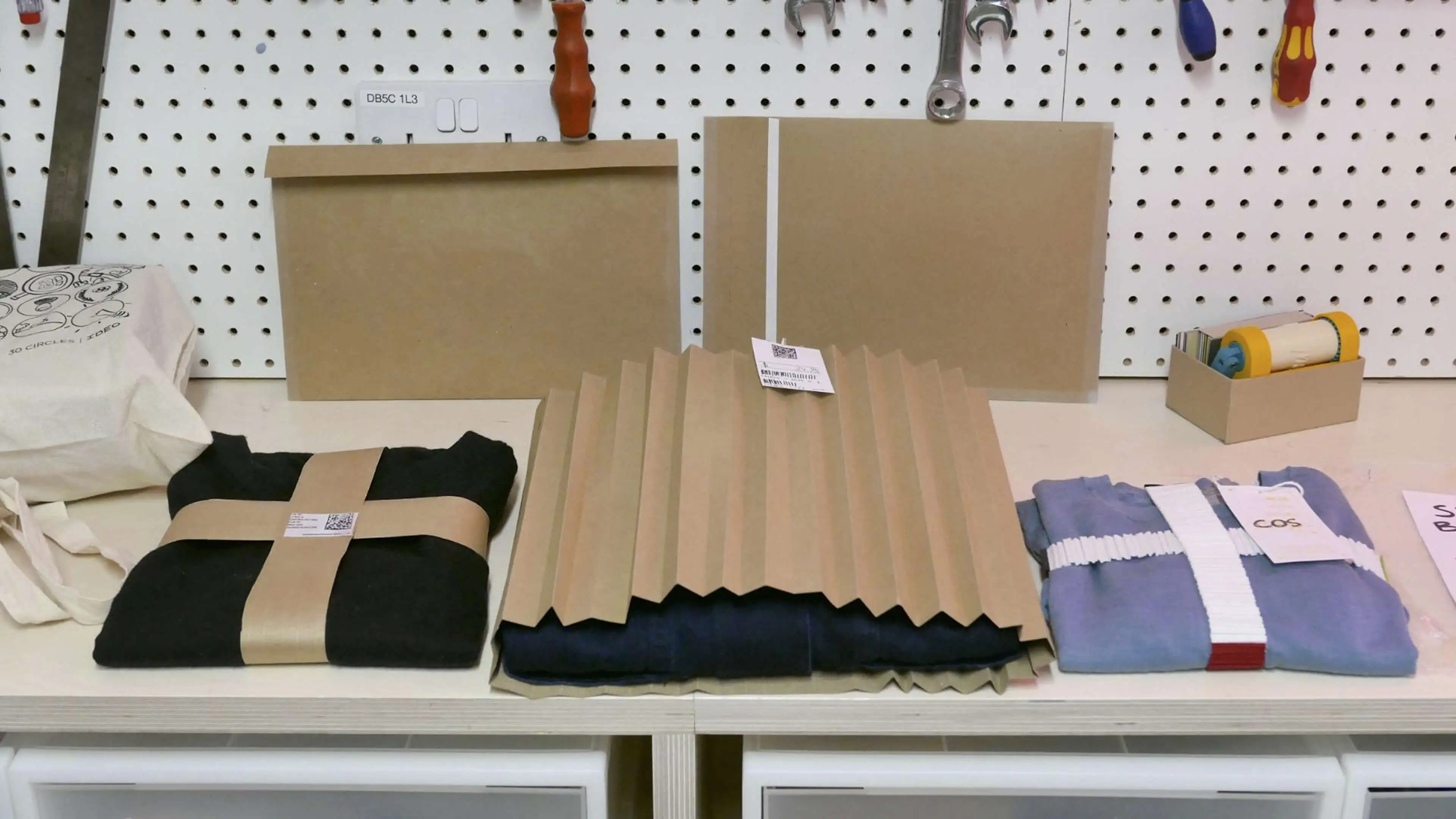
H&M chief executive Helena Helmersson set ambitious sustainability goals when she stepped into her role. She wanted to reduce the fashion giant’s impact on the environment and enable meaningful growth. But change is tough for any company, let alone one with eight brands operating across 74 markets. Together IDEO and the H&M Group created new plastic-free packaging, rallying around a more sustainable packaging solution that’s easily customizable.
By applying a design-led approach that went far beyond hiring a sustainability consultant, the H&M Group managed to reduce its use of plastic. But it didn’t stop there. A small team called Design Studio took what it learned and grew into an established strategic capability that pioneers new ways of working in the organization, tackling complex challenges in circularity, inclusion, supply chain, and customer experience. Sustainability isn’t a passing trend for H&M. It’s moving fashion forward.
Packaging accounts for 26% of plastics produced globally every year.
Fashion e-commerce is estimated to grow by 10% annually through 2024, requiring even more packaging.
100M
plastic-free packages shipped in 2022
2,000 tons
of plastic eliminated from H&M operations
The everywhere chair
In Japan, a mother works to build an inclusive child seat that closes the gap between children with and without disabilities.
For children with physical disabilities and their families, mobility is freedom. But in Japan, there are barriers to that freedom of movement.
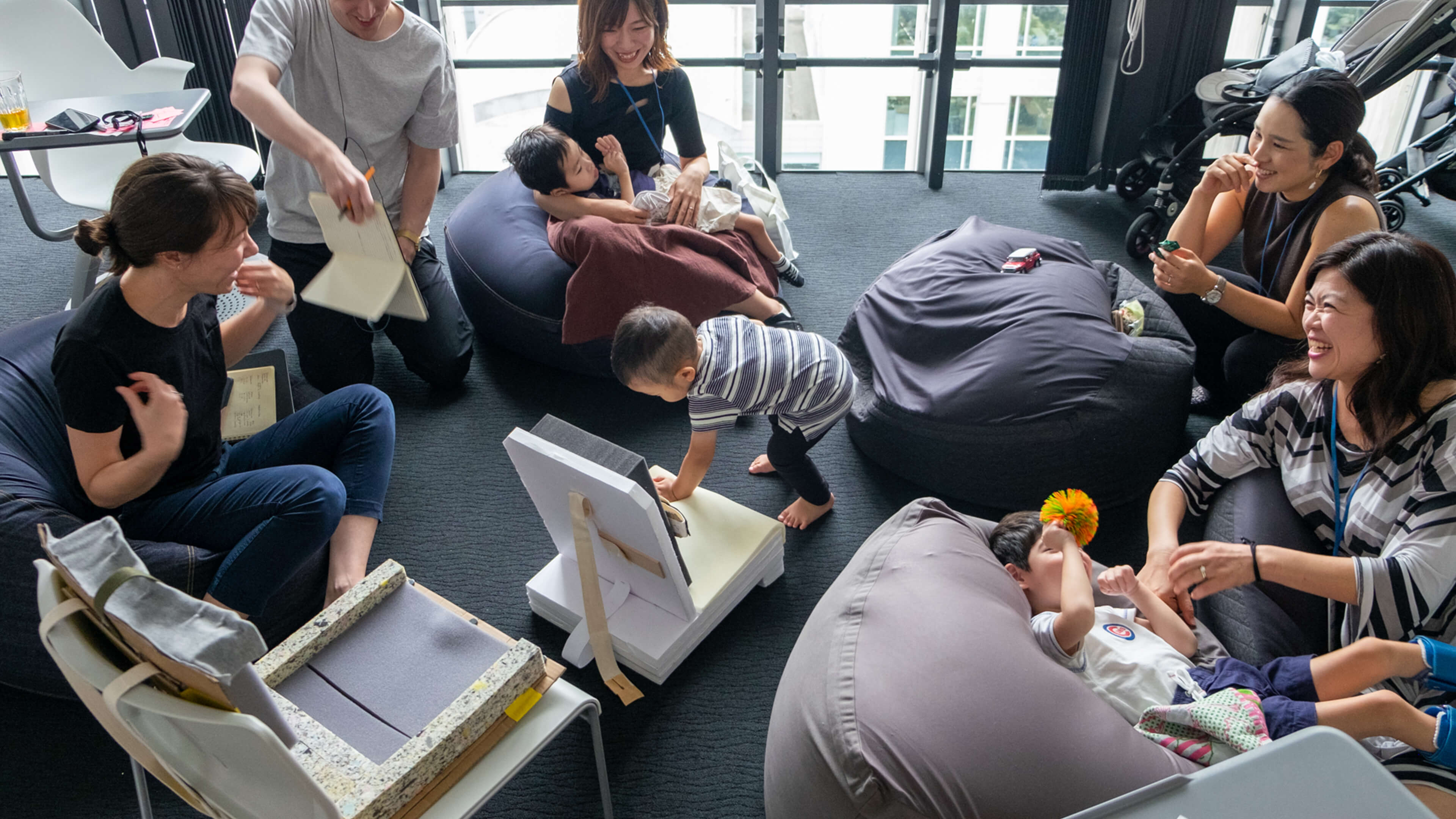
In raising a child with cerebral palsy, Yuri Matsumoto found that her son was separated from other kids during everyday activities. In Japan, children’s products are divided into two categories: those for children with disabilities and those for children without. Matsumoto aspired to close this gap with a product that would allow children of all abilities to use the same chair and be included in the same activities. To realize her idea, Matsumoto needed a strategic design company to refine the chair design, create a compelling visual identity, and arrive at a product road map to help set the business up for long-term success.
The result: a breakthrough product and supporting business that provides access for all kids, both for at-home activities like studying and eating, and also for family outings to restaurants, to the park, and to play with friends. Around the world, there are people like Matsumoto who see the need for better products in a very personal way. IDEO’s role is to help them realize their vision for a more inclusive future.
The Japanese health ministry categorizes 9.6 million people as disabled.
In Japan, children with disabilities are largely excluded from mainstream classrooms. Government subsidized support chairs are designed for posture and stability. Their bulk and rigidity make venturing out with them challenging.
Japanese children have fewer opportunities to learn about what it’s like to live with a disability than in the US.
Launched
officially in April 2022
5
restaurants and cafés in Tokyo are currently piloting the chair

Serving families first
One organization transforms health care, education, finance, retail, and itself to meet the expectations of the people it serves.
There can be no growth for business if peoples’ basic needs aren’t met.
Carlos Rodríguez-Pastor, CEO of Intercorp, came to IDEO with an audacious goal: to address the most fundamental needs of his country’s people and grow his business at the same time. He’d been introduced to IDEO while attending business school in the U.S. and explained that he waited until he had a challenge that felt big enough to knock on our door. Together we built a high-quality school system that would cost just $100 per month—affordable for the middle class. That project convinced Rodríguez-Pastor and his colleagues of the power of human-centered design. Our blended teams launched an innovation hub to introduce new ways of working with the conglomerate’s 90,000 employees. And as we collaborated with Intercorp’s businesses in finance, retail, health care, and education, we learned more about how to serve the everyday needs of Peruvian families. Somewhere along the way, the ultimate design project became the organization itself.
And while Rodríguez-Pastor’s company has grown dramatically, he’s not one to rest on laurels. Instead, the company is becoming more ambitious: upskilling the country’s workforce through an online platform, and fulfilling its climate strategy by investing in Peru’s green economy. (The coastal nation is the world’s third most vulnerable to the effects of climate change.) While the pandemic dealt a blow to Peru’s economy, Intercorp remains steadfast in its commitment to supporting businesses that help the middle class thrive.
Peru’s PISA score of educational quality has grown by 10% in the past decade but still ranks in the bottom 10 worldwide.
In 2020, approximately 68% of the total employed population was in some form of informal employment—jobs that offered no protection and in which workers paid no taxes. Although that percentage decreased over the previous decade, Peru has one of the highest levels of informal employment in Latin America.
55,000
students enrolled across 68 locations in Peru, Mexico, and Colombia
2.5x
increase in revenue from $2.9 billion in 2011 to $8.5 billion in revenue in 2021
The Mix Master 2000: How to build an automated shandy machine
Creating the perfect beer-lemonade ratio—on your own terms.
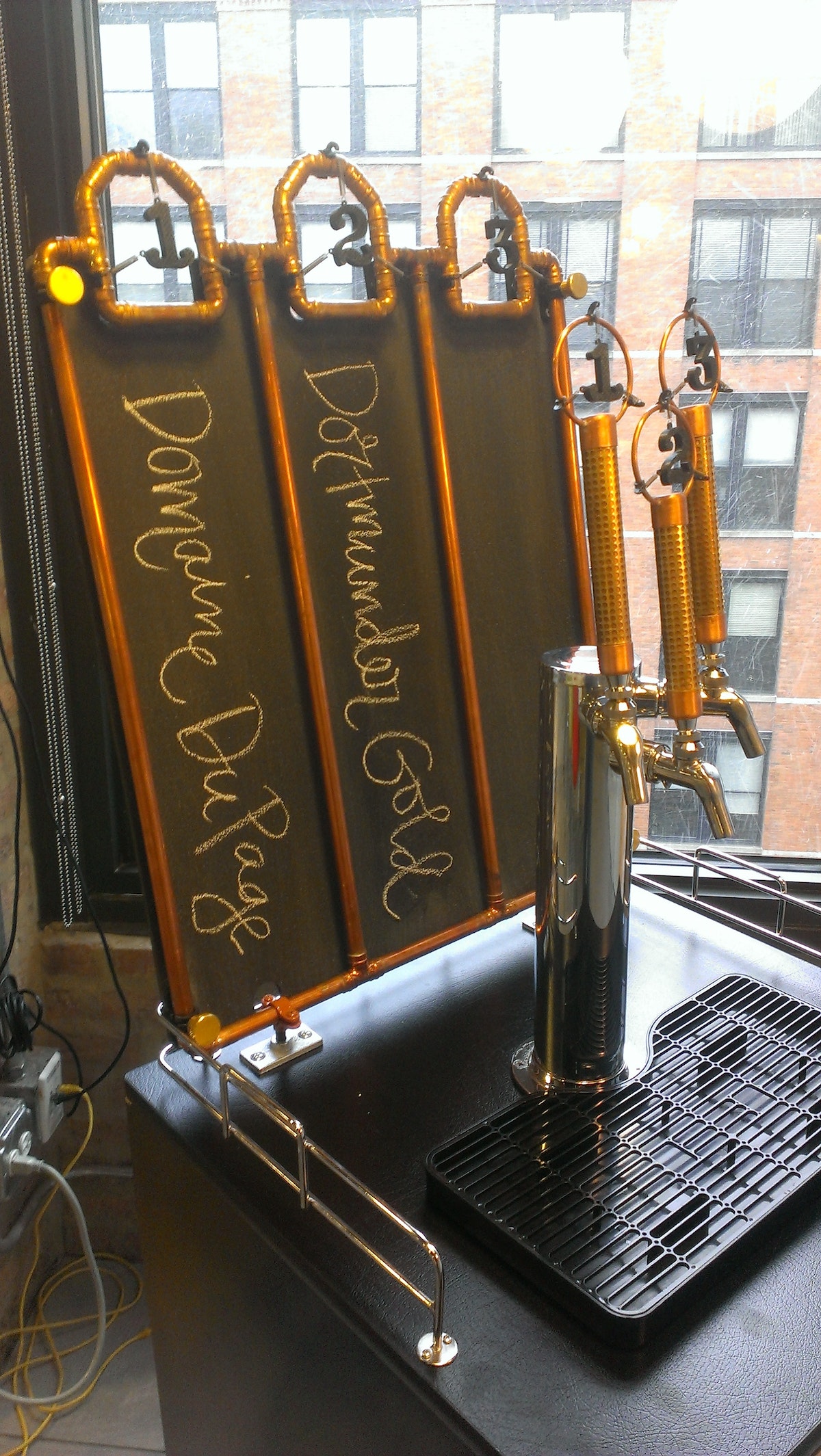
When we were asked to whip up a special brew this July for a big Creative Confidence book-preview event featuring David Kelley, one of IDEO’s founders, and his brother, best-selling author Tom Kelley, we knew we had to kick things up a notch.
Challenge #1: Two guests of honor called for not one brew, but two! We heard Tom enjoys light, Japanese-style beers and that David doesn’t really drink, so we decided to make a Belgian-style wit for Tom and sparkling organic lemonade for David and then mix them together to create a shandy, a refreshing summer drink.
Challenge #2: Now that we had two beverages, we needed to come up with a unique way to dispense them. Luckily, we like tough build challenges with tight deadlines even more than we like beer. A few shop hours here and there between projects, and before we knew it, we said “cheers” to the Mix Master 2000 Shandy Machine!
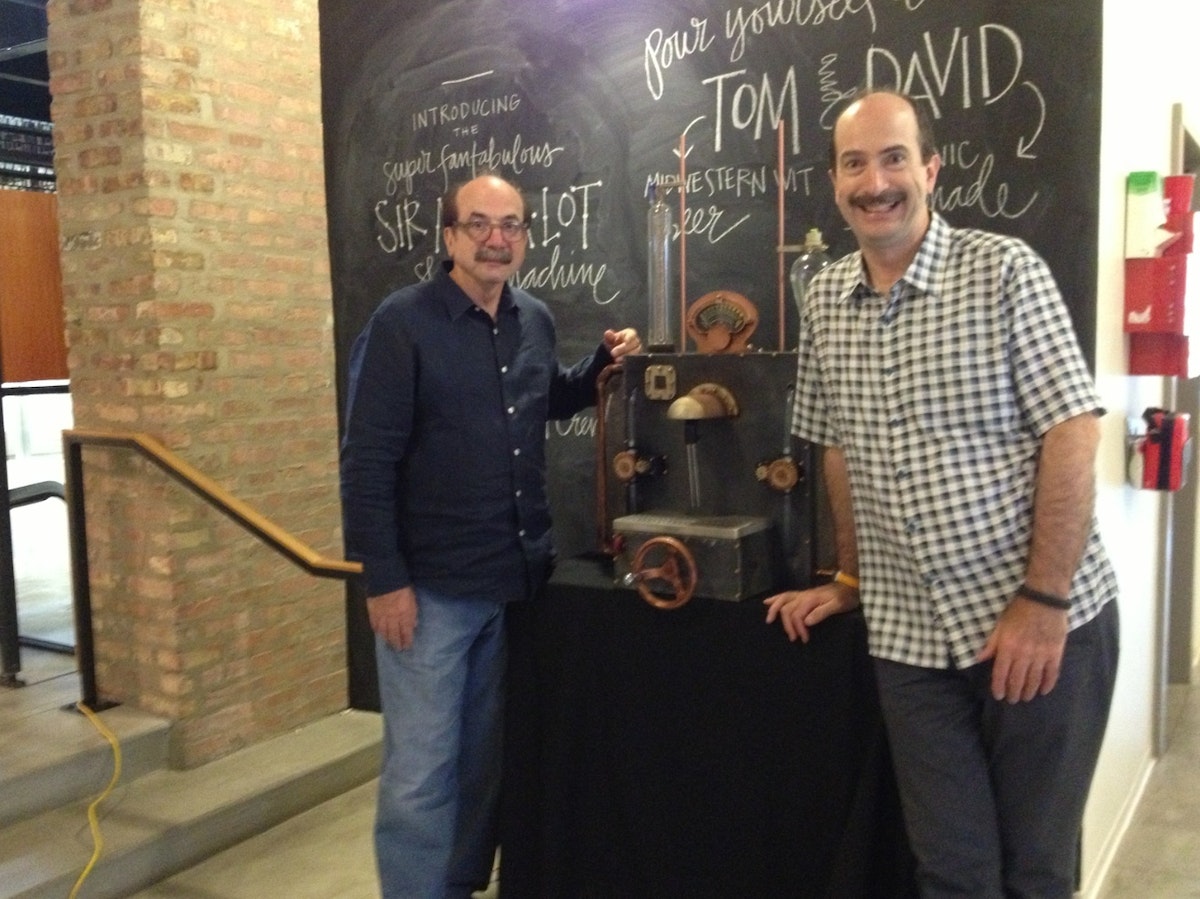
Introducing the Mix Master 2000
How it works
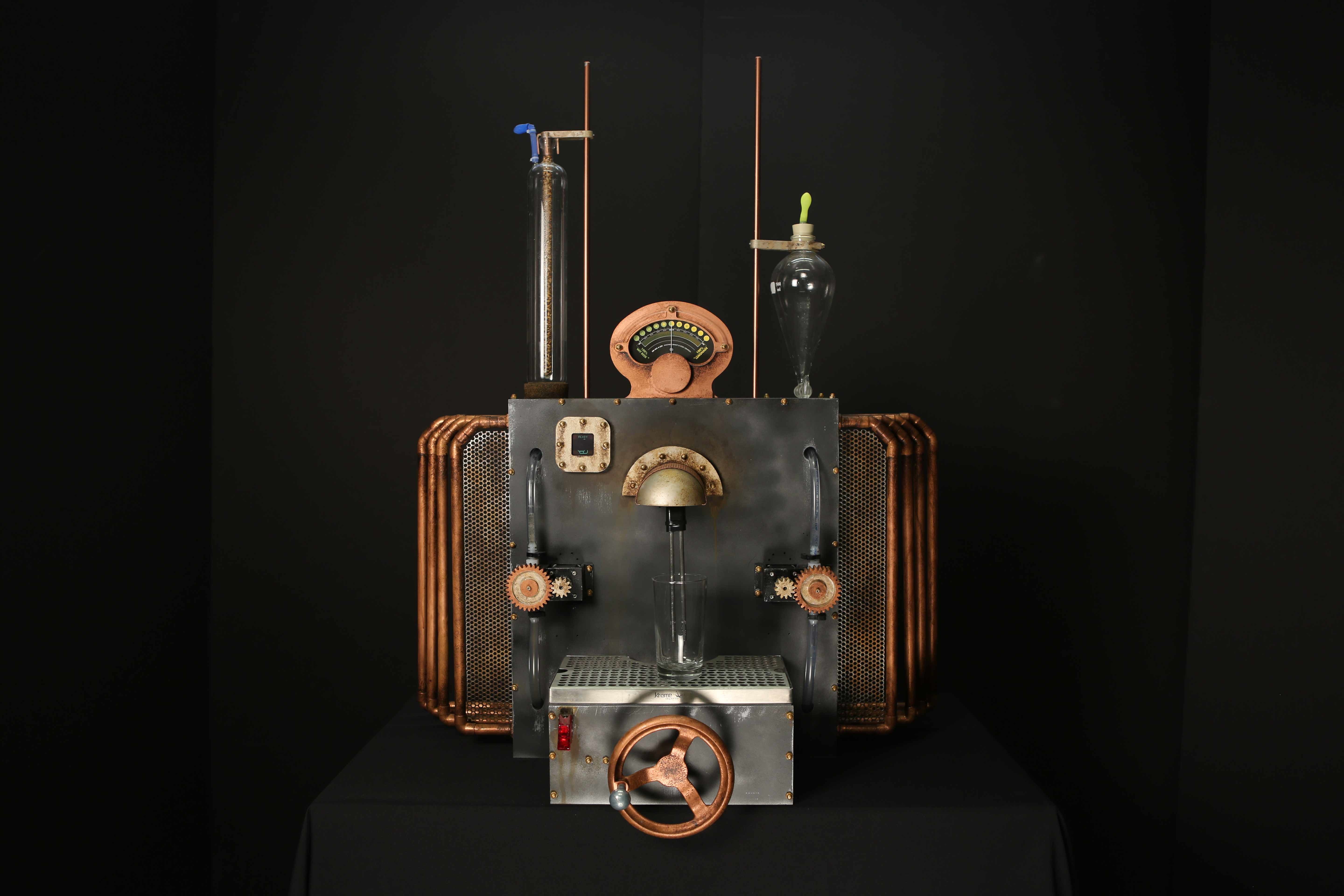
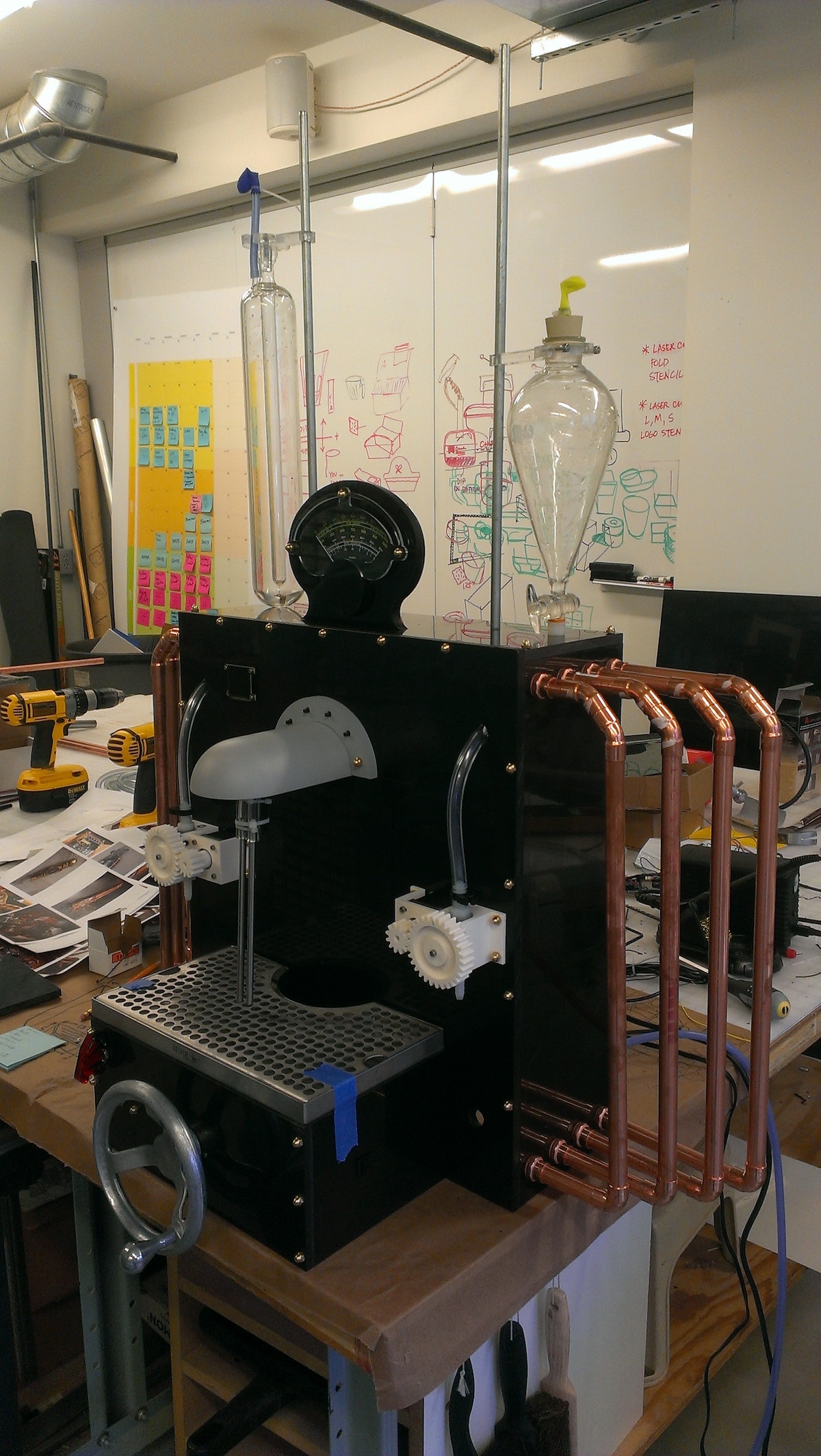
The Mix Master 2000 Shandy Machine’s look was inspired by the retro-futuristic steampunk movement.
The machine sits on top of a standard, top-loading freezer replumbed to hold two kegs (one containing wit, the other sparkling organic lemonade).
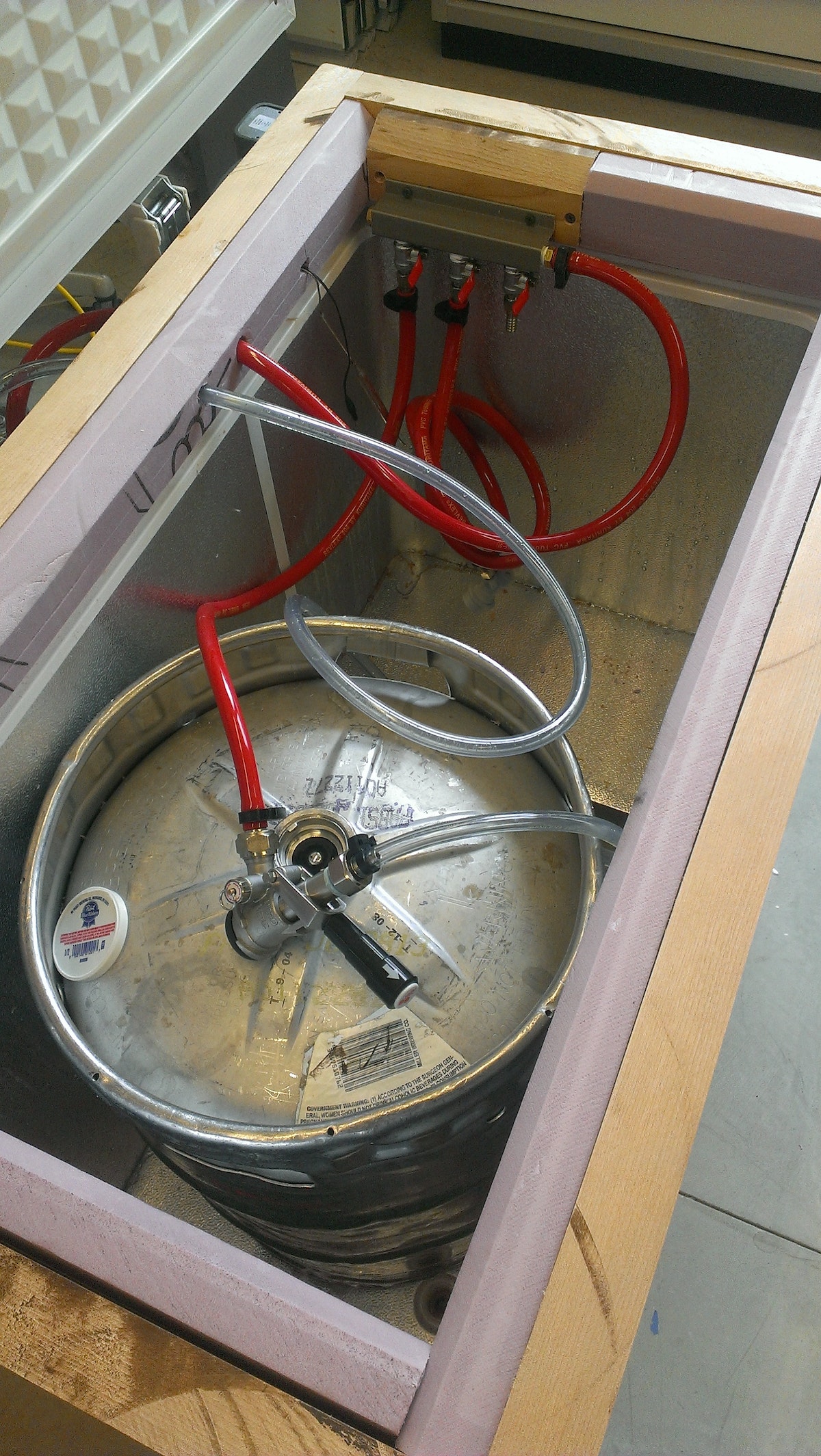
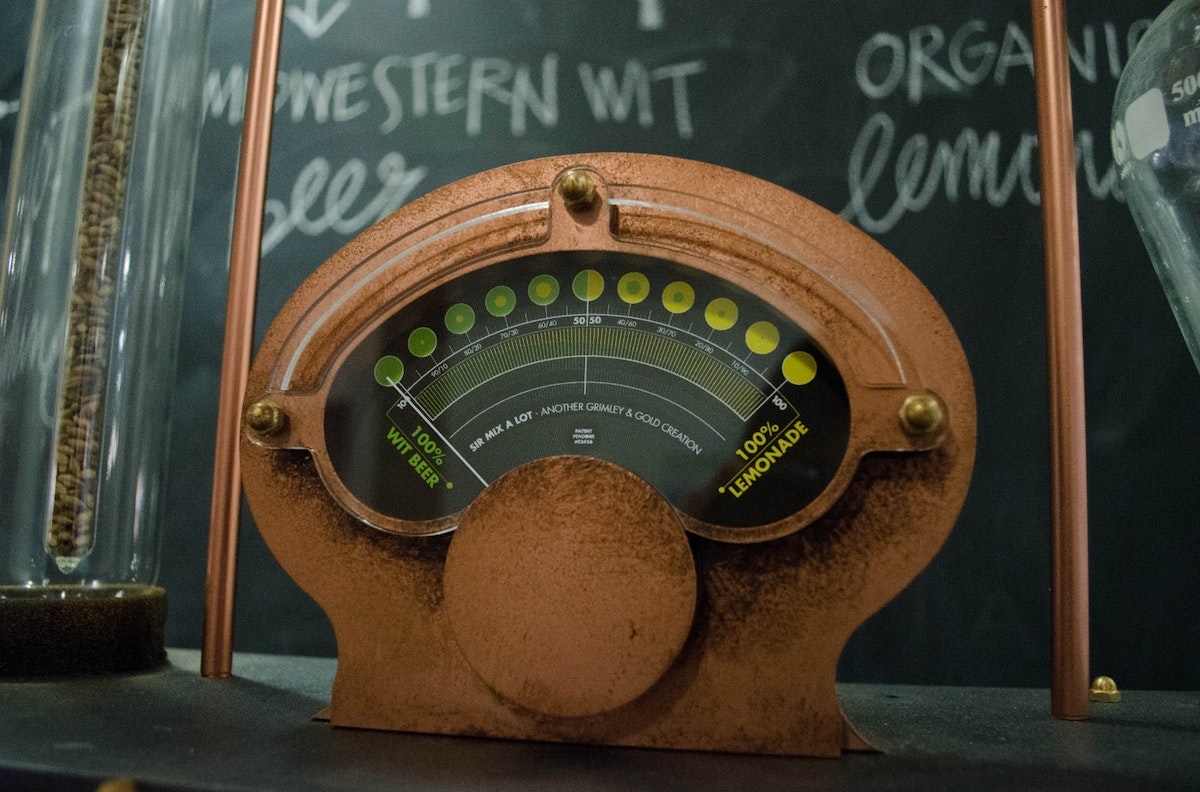
Thirsty partygoers begin by turning the large hand crank on the front to select their preferred beer-to-lemonade ratio (from 0–100%). When the analog meter on top points to the desired proportions, they flip a missile switch to open the valves. The two glass vessels on either side of the machine fill with beer and lemonade, respectively, then send the home-brewed concoctions into their waiting pint via a dispensing tube.
Beer recipe
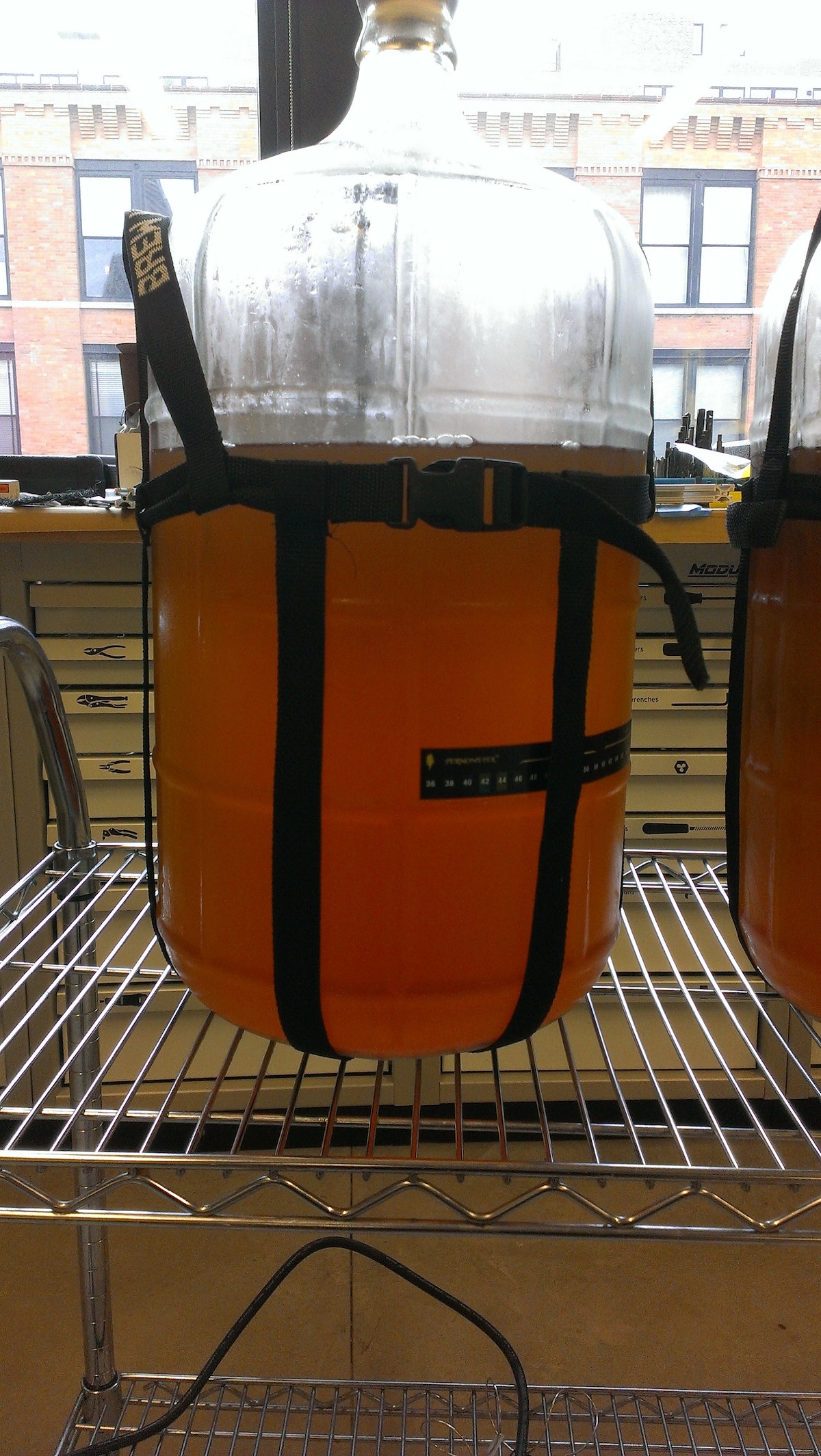
We wanted to brew a beer that would pair well with lemonade, so we decided on a nice, light, citrus-wheat ale. The goal: around 5% ABV, or alcohol by volume. We used 2-row pale as our main grain along with wheat and wheat malt with a bit of coriander, chamomile, and orange peel. You can find the complete recipe on Brewtoad.
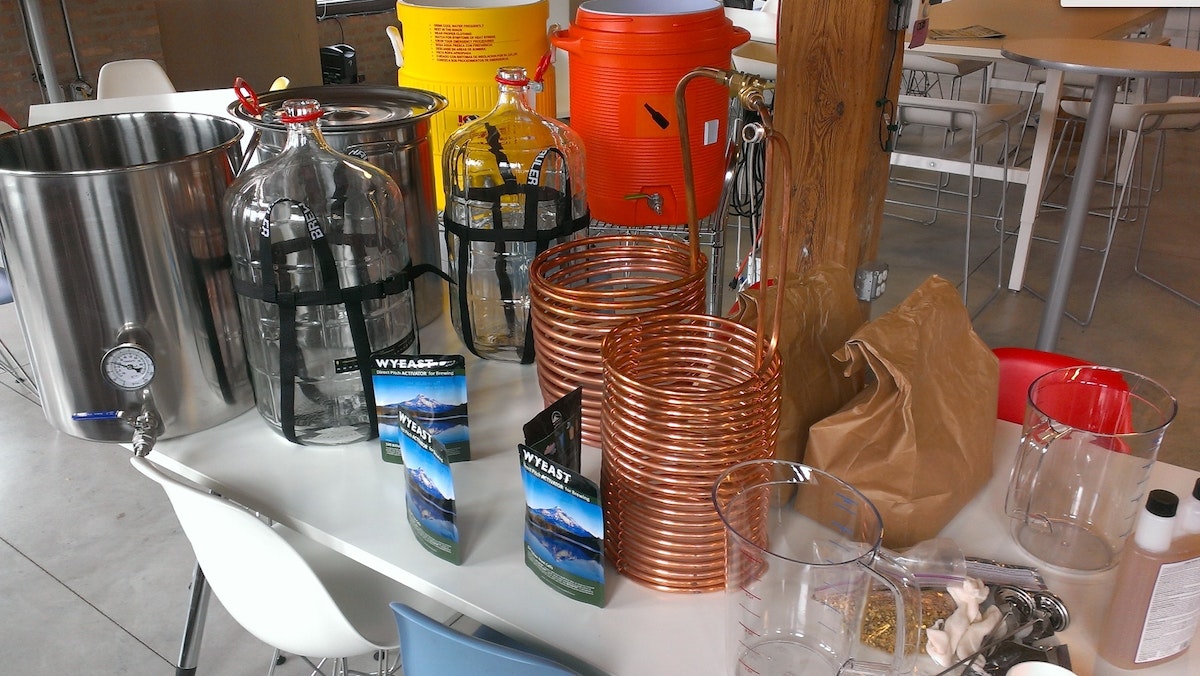
Lemonade recipe
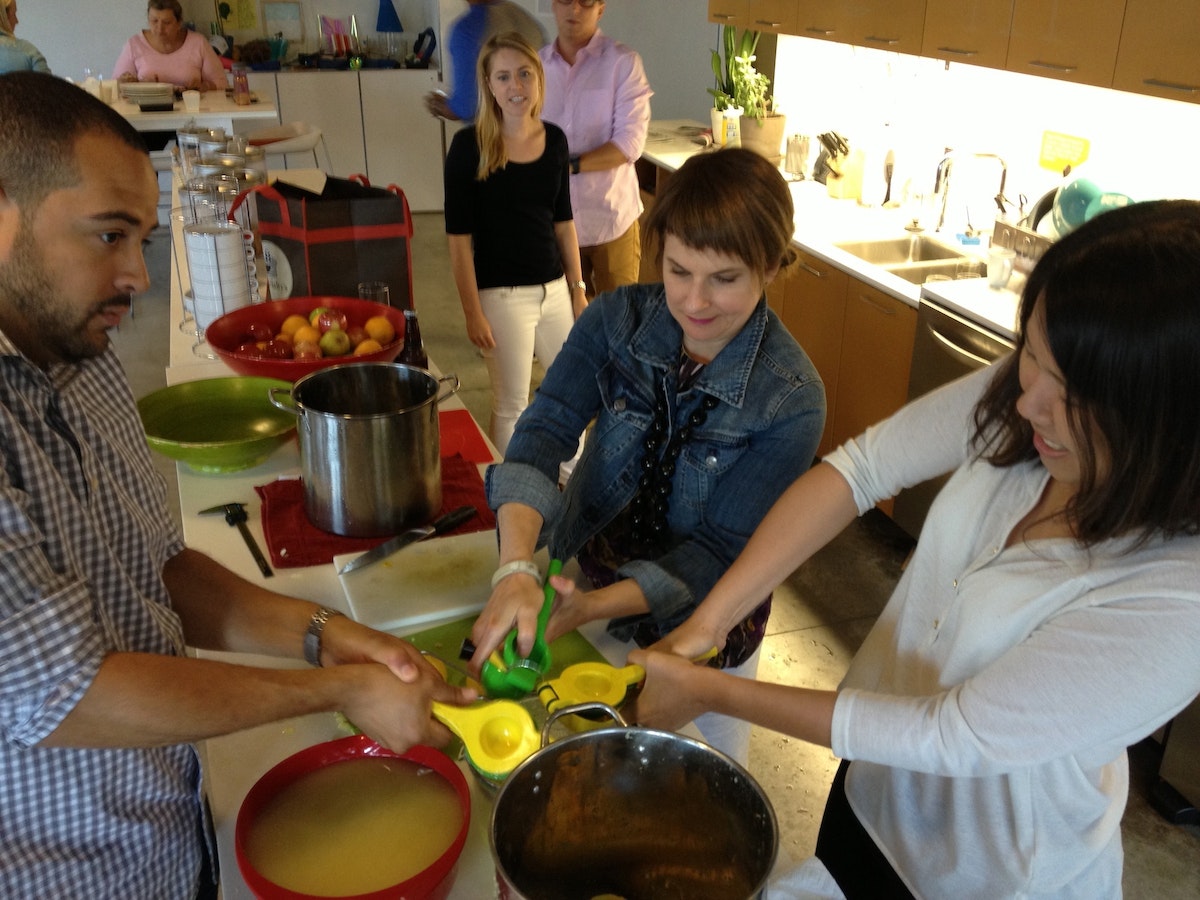
Making homemade lemonade is pretty straightforward. It only has three ingredients: lemon juice, sugar, and water. Batch-processing 10 gallons of the stuff, however, is a bit trickier, especially when you don’t have an electric juicer. In our case, we landed on a ratio of 1:1:8 (1 part lemon juice, 1 part sugar, 8 parts water), and ended up using 160 lemons, 2.5 gallons of simple syrup, and several man-hours of squeezing time. Yikes.
Early testing
After we figured out what we wanted our shandy machine to do, we found some glass vessels lying around the shop.
They looked straight out of a science lab, which was cool, but we thought we’d have some foaming issues because of their small openings. We hooked up a hose from the tap in our kegerator and tried filling them with beer. Sure enough, the beer started foaming immediately and it took several minutes to drain using gravity. Not good if you want a proper pour...
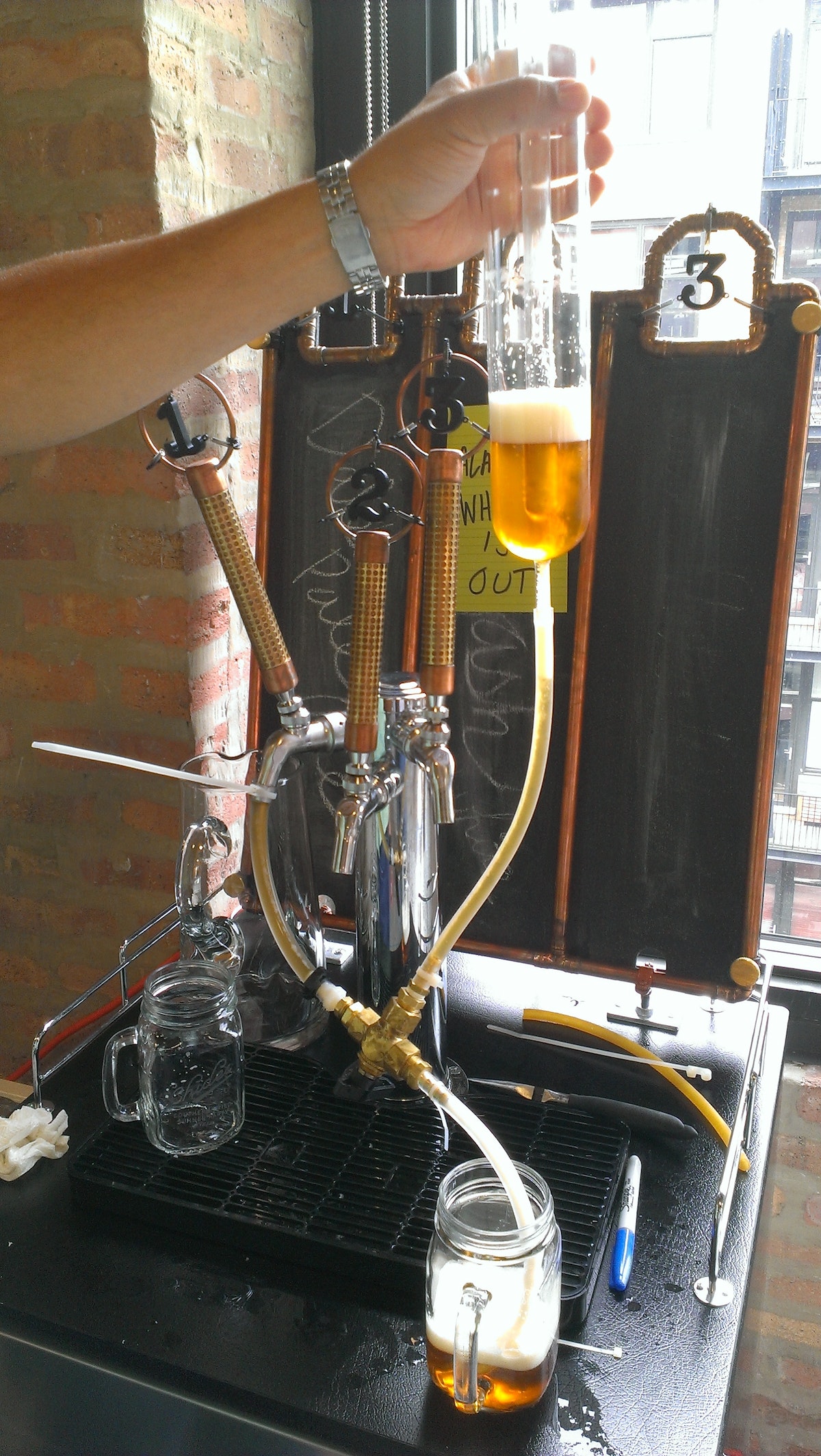
We needed to do something about the foaming issue in order to make this thing usable more than once. We did some experimenting and learned several things:
- There couldn’t be any kinks in the tubing.
- A colder vessel worked best.
- The first pour was really foamy, but subsequent pours were better.
- Filling the glass from the bottom via a tube prevented overflow and allowed any foam that did bubble up to dissipate quickly.
- Adding some back pressure to the vessel made the biggest difference in preventing foam. (To give you an idea of the really rough type of prototyping we love, we used the finger of a rubber glove to make a makeshift balloon on top of the vessel.)
Architecture
The basic plumbing layout of the system is pretty simple. We have three-way ball valves that direct flow from the keg to the vessel, from the vessel to the dispenser tube, or block flow entirely.
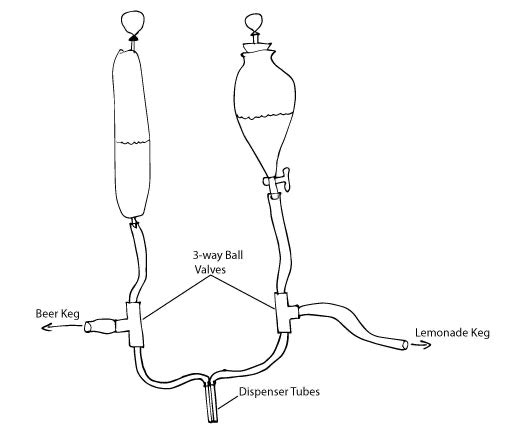
To control the valves, we 3D-printed some gears to fit onto the lever controls. To drive the valves, we fitted stepper motors with smaller, 3D-printed gears.
Inputs
For the main shandy mixture-control system, we settled on a large hand crank.
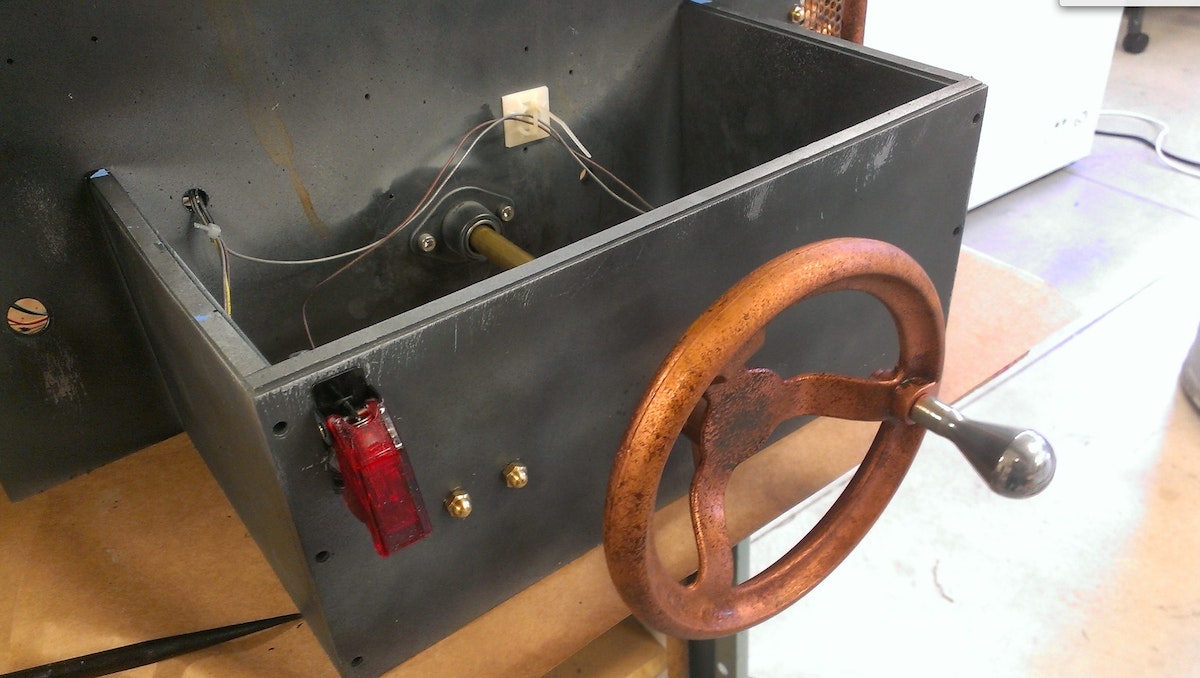
We machined a shaft and attached an encoder to the end. We added some detents to the wheel to make sure the crank had a nice hand-feel and gave solid feedback so people could precisely dial in their desired mixture ratio (the detent mechanism is equivalent to putting a baseball card in the spokes of a bike tire).
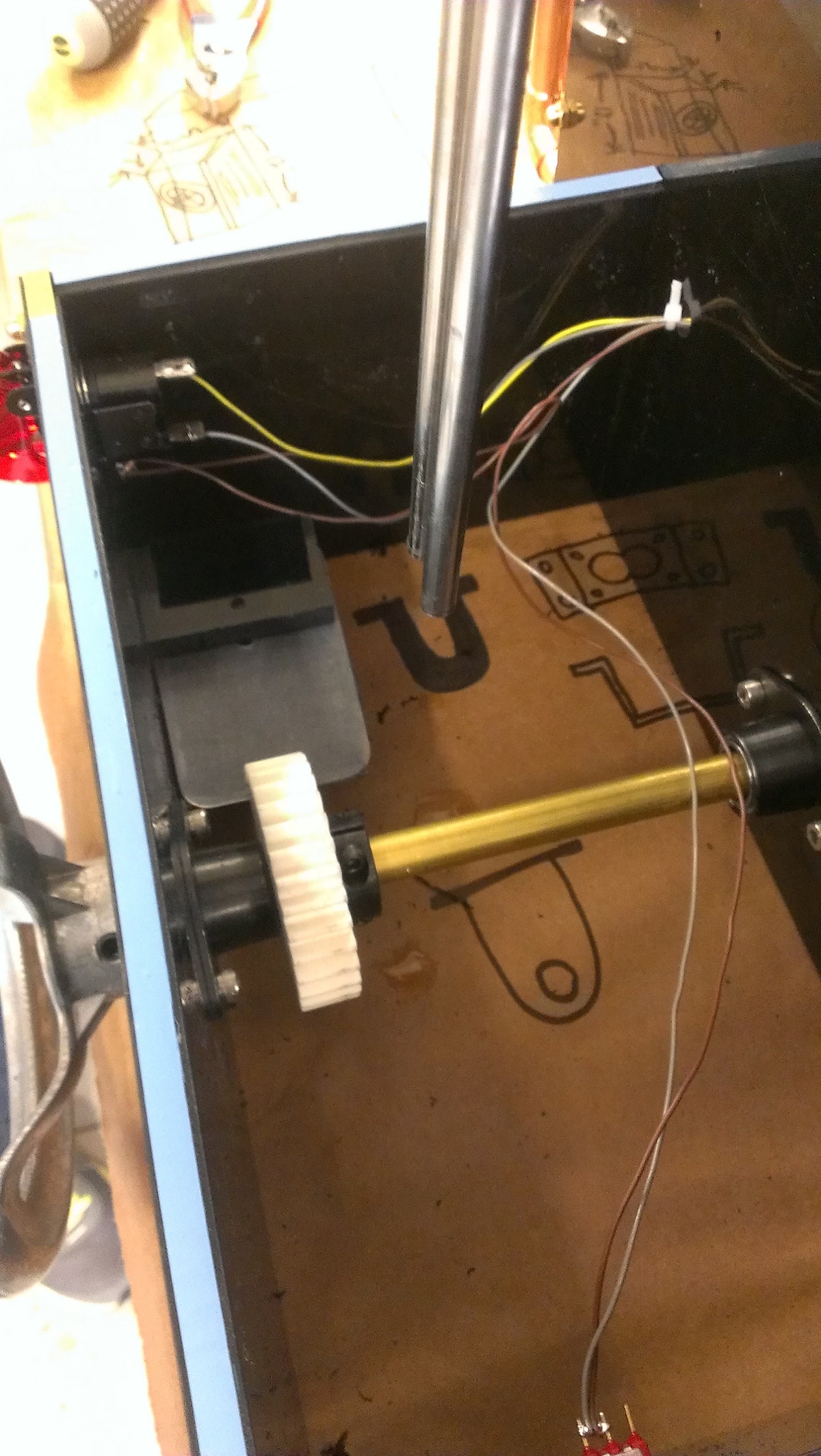
We used a 3D-printed gear and flexible plastic leaf to engage the gear. We had to play around with some adhesive foam in order to damp the vibrations and get just the right sound and feel we were looking for. We added a covered, mission control-style toggle switch to start the cycle and a cancel button to round out the inputs.
Feedback
The main source of feedback on the machine is the large analog meter on the top of the machine. We searched online in vain for a large meter that would fit our steampunk style, have an appropriate measuring range, and could be controlled by Arduino. In the end, we found an old automotive meter that measured voltage from 0-16v.
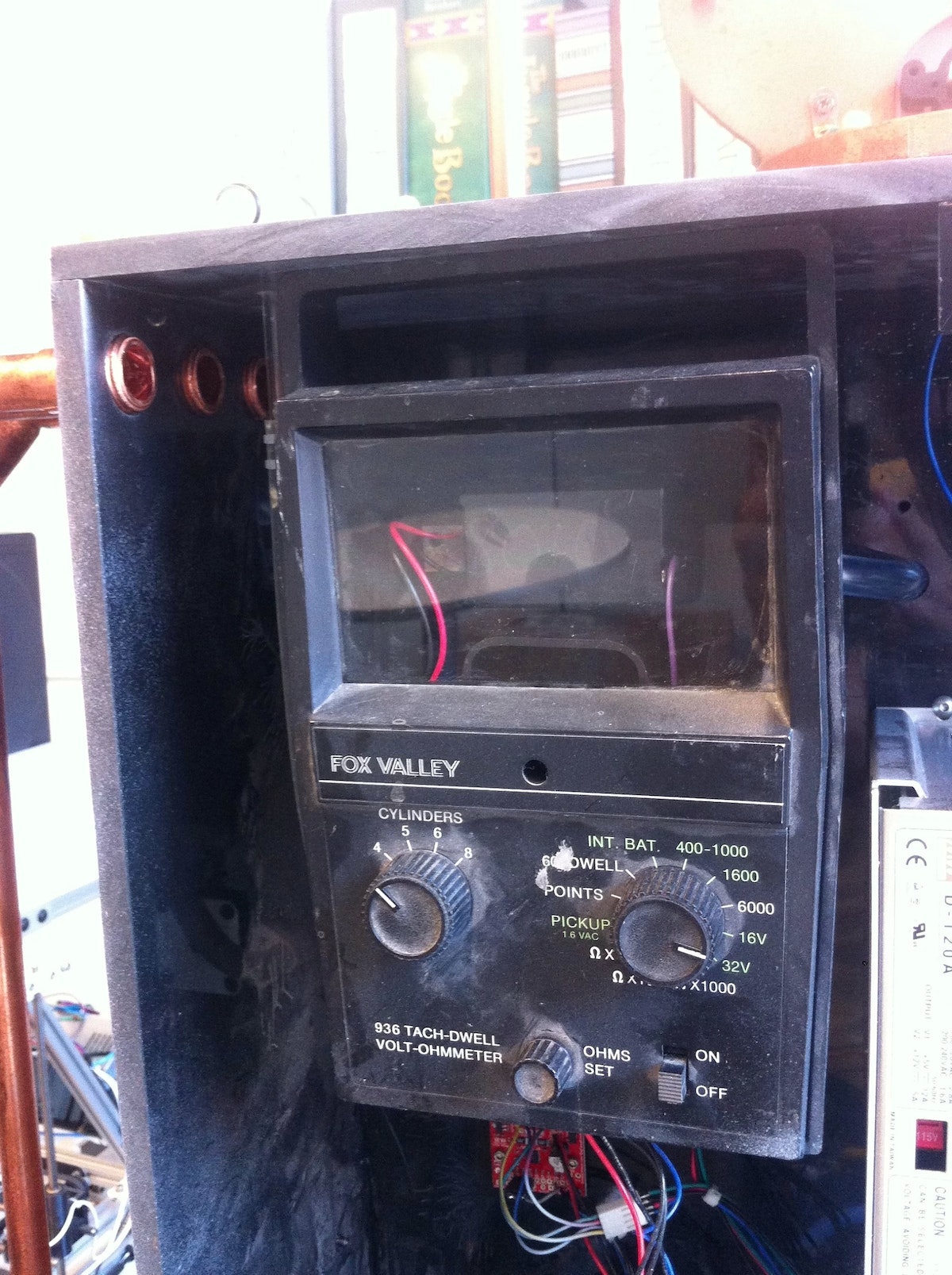
We replaced the scale with one designed by our colleague Joe Graceffa and added a custom housing around it.
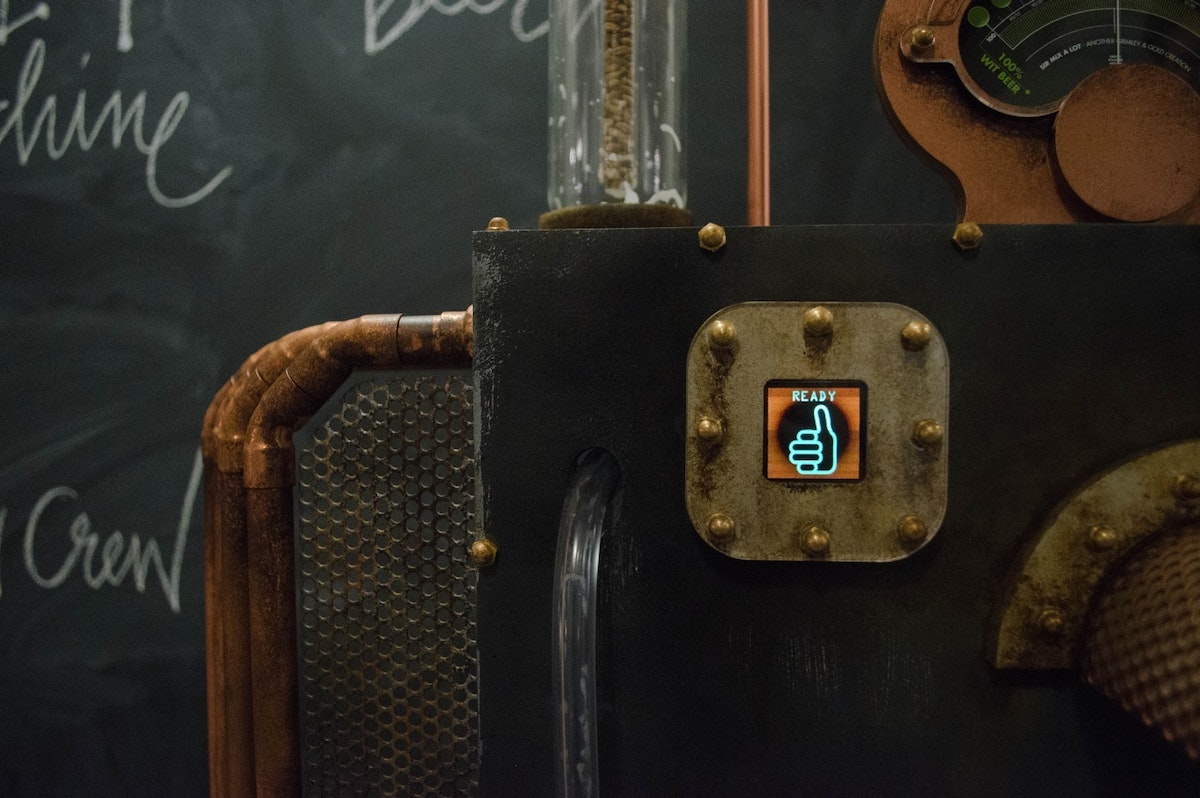
When we were testing the Mix Master 2000, we found ourselves staring at the Arduino serial output a lot to figure out where the machine was in its cycle. To make this easier, we added a small OLED display with an onboard SD card slot. Simple serial commands trigger bitmap images that signal Startup, Ready State, Beer Filling, Lemonade Filling, Pouring, and Error State.

Electrical layout
An Arduino Mega controls the shandy machine. This diagram shows how all of the components are connected:
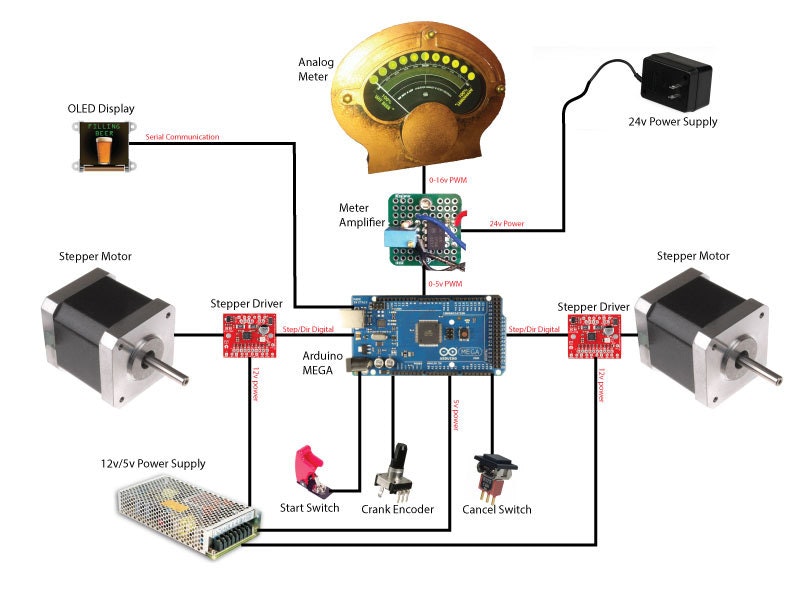
To drive the meter, we needed to boost the 0-5v PWM output of the Arduino Mega to 0-16v. We built a simple, non-inverting amplifier circuit to increase the voltage. A fine-adjustment potentiometer allowed us to fine-tune the maximum voltage and made the meter read full scale.
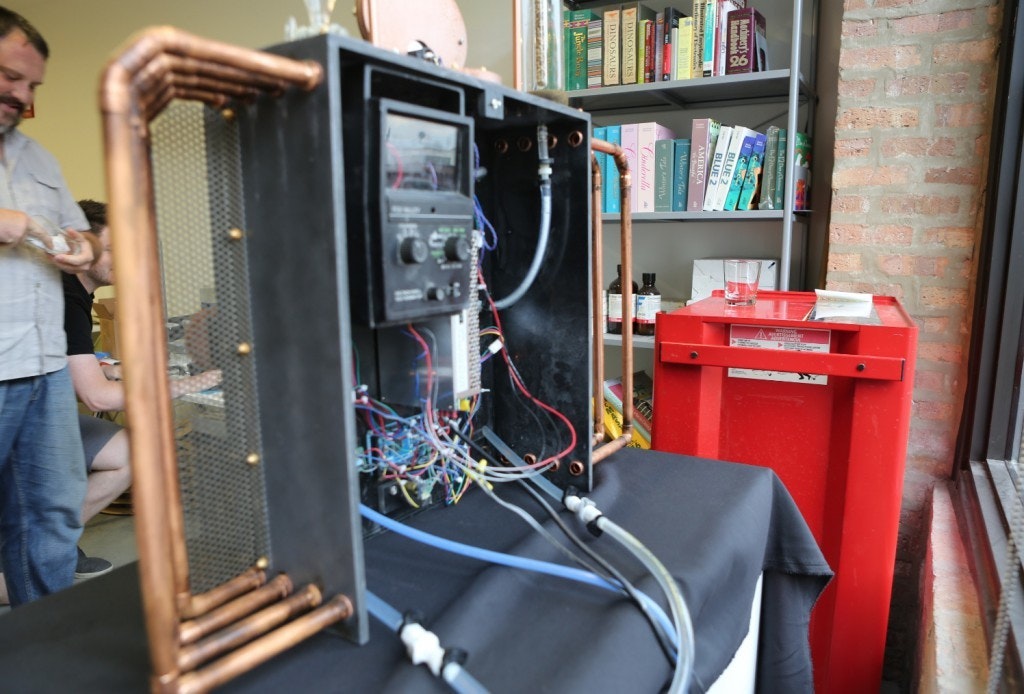
Code
When the Mix Master 2000 is first powered on, we can’t be sure that the valves are in the correct position. Each motor is stalled against the valve hard stop to establish a home position (the valve hard stop is in the dispense position so there’s no risk of keg leakage). Once the machine’s ready, the crank encoder state is polled and the meter PWM is updated to reflect changes in the shandy-mixture percentage. As soon as the start switch is thrown, the pour cycle begins. During our early testing, we figured out how long it would take to fill a glass with each liquid (the times turned out to be different because of varying carbonation levels). The parameters for beer and lemonade fill times are used to calculate the on times for both valves using the selected shandy ratio.
The cycle sequence starts by opening the beer valve and filling the beer vessel for a predetermined amount of time. When the beer valve closes, the lemonade valve opens for a predetermined amount of time. Finally, both valves move to the dispense position to allow liquid to flow from the two vessels and into the person’s glass. A built-in wait time prevents the start of another cycle, ensuring all the liquid is dispensed.
If necessary, a cancel button throws an interrupt, immediately moving both valves to the safe home position and halting program execution until the Arduino reset button is pressed.
The final touches: steampunking & aging
We’re big fans of steampunk, so from the beginning, we knew we wanted the Mix Master 2000 to look quasi-Victorian. First, we used as much copper and brass as possible, then, drawing on John’s background as a Hollywood set designer, we “antiqued” it using various scenic techniques.
We started by stripping everything off the main body of the machine and painting it all silver. After that dried, we sprayed it again with black paint. While that was drying, we took Scotchbrite pads and scratched the corners, edges, and anywhere else we thought needed a little character. After the black paint layer dried completely, we started to reattach all the other pieces. We painted them copper or brass and scratched them up here and there to add wear and tear.
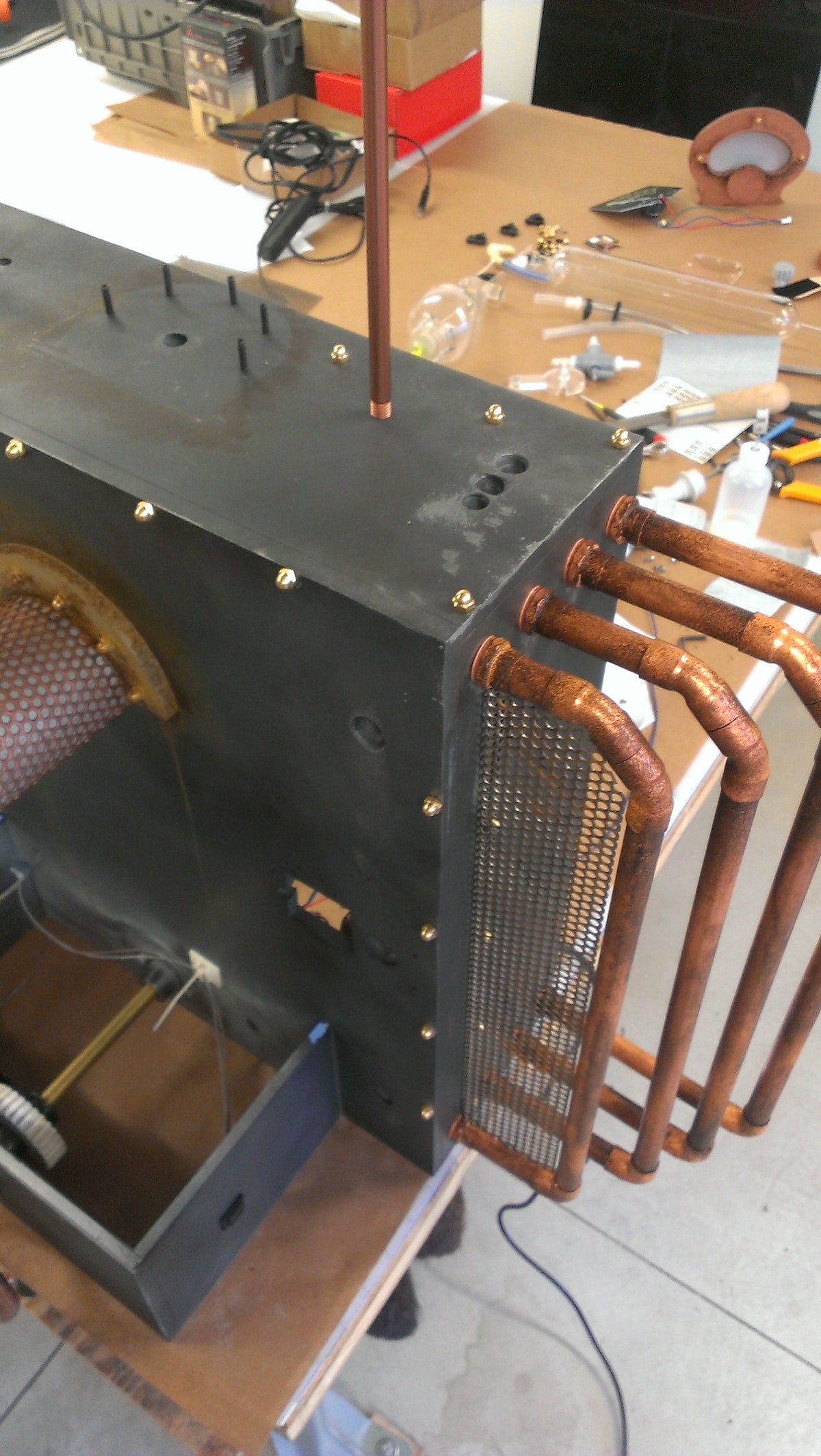
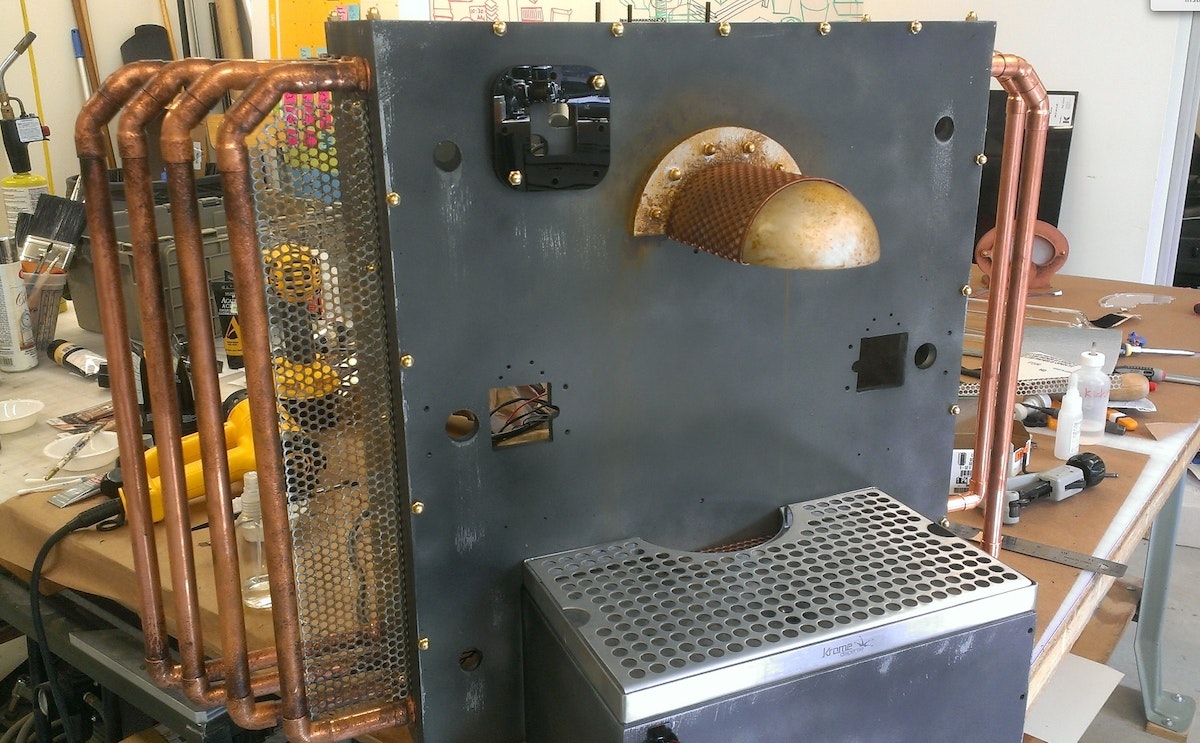
Once the whole machine was reassembled, we decided it should look a bit dirtier. To do this, we mixed different brown-toned acrylic paints with denatured alcohol. We brushed this onto key places like the corners of the motors so it looked like dirt had accumulated and it was streaked with rain (we wiped off the paint before it dried so the effect didn’t look too heavy handed). For sanitation purposes, we didn’t paint the drain tray or the stainless tubes that dispense the shandy.
What’s next
We think the Mix Master 2000’s pretty cool as-is, but there’s always room for improvement. One issue we’d like to address is foaming. The balloon we added on top of the beer vessel helped, but pouring a lot of shandies in succession caused major foam build up. Increasing the amount of back pressure in the vessel could improve this situation, so we’re experimenting with adjustable pressure-relief valves. Coupled with the relief valve, a low-pressure aquarium pump could help to push out the foam more quickly, avoiding a buildup.
While we’re using the Mix Master 2000 for shandies at the moment, it really could be used for any number of two-part drinks: Black & Tans, mixed drinks, or custom non-alcoholic concoctions are all ideas we’re toying around with. As beer geeks, we’re particularly keen to brew two similar beers, one with a bland base and another that has a lot of hops so we can all dial up the perfect hoppy pour.
Parts List
- Main housing — ?” ABS
- Ball valves — McMaster # 4757K52
- Valve gears — FDM
- Valve housing — FDM
- Crank — McMaster #6020K35
- Stepper motors — Lulzbot #817752011303
- Stepper drivers — Sparkfun #ROB-11699
- Arduino Mega
- Display — 4D systems 128x128 Sparkfun #LCD-11377
- Power supply — 12V 5A, 5V 12A
- Meter — salvaged autometer 16v range
- Glass vessels — found in shop
- Glass holders — FDM
- Meter housing — Laser cut acrylic
- Start switch — Sparkfun #COM-11310
We couldn’t have made the Mix Master 2000 without the help of Joe Graceffa’s graphic design skills, Aaron Ferber’s awesome lemonade-making abilities, and Momo Miyazaki's amazing video. This post was co-written with John Grimley.
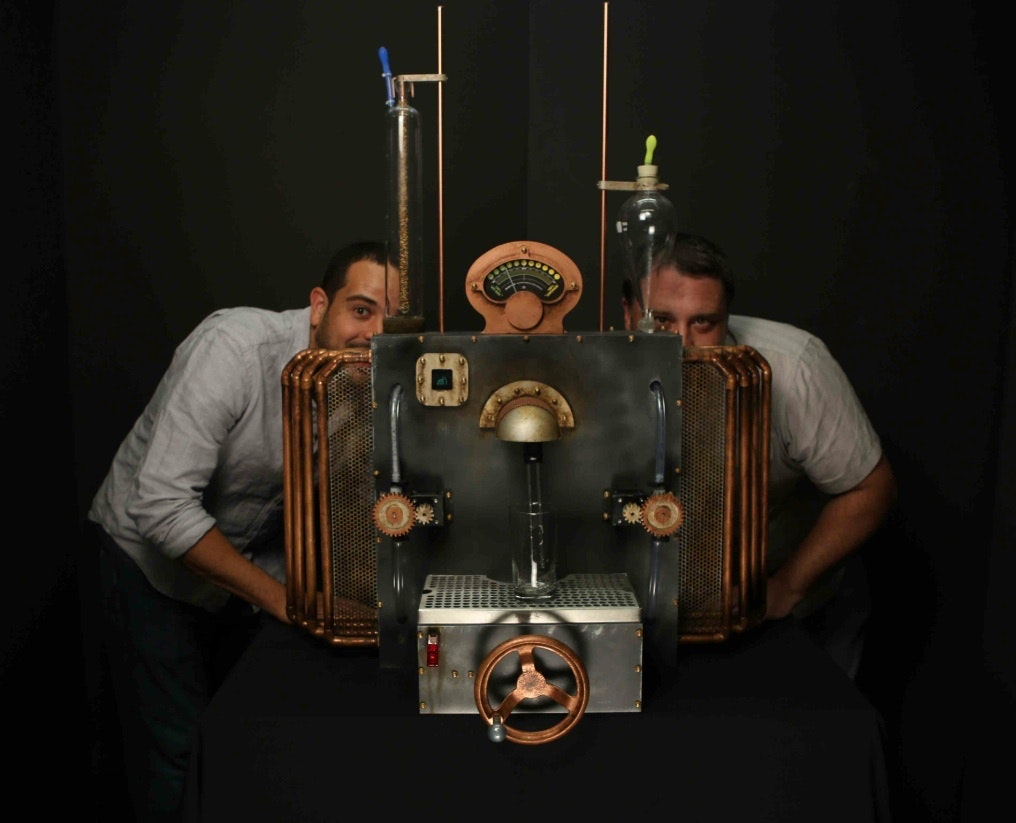
The creators of the Mix Master 2000, Chris Gold and John Grimley.
Here at IDEO Chicago, we like beer. A lot. And we don’t just love drinking the stuff, we like brewing it, too. Our ChIDEO Brew Crew started about two years ago and since that time, we’ve made more than 60 gallons, mostly for studio events like Rocktoberfest or St. Paddy’s Day, but sometimes just because it’s Tuesday and we feel like it. We even have a customized kegerator in our kitchen to showcase our drafts.
Tribute to Bill Moggridge: GRiD Laptop For Sharing Stories
Remembering Bill Moggridge through reanimating one of his iconic designs
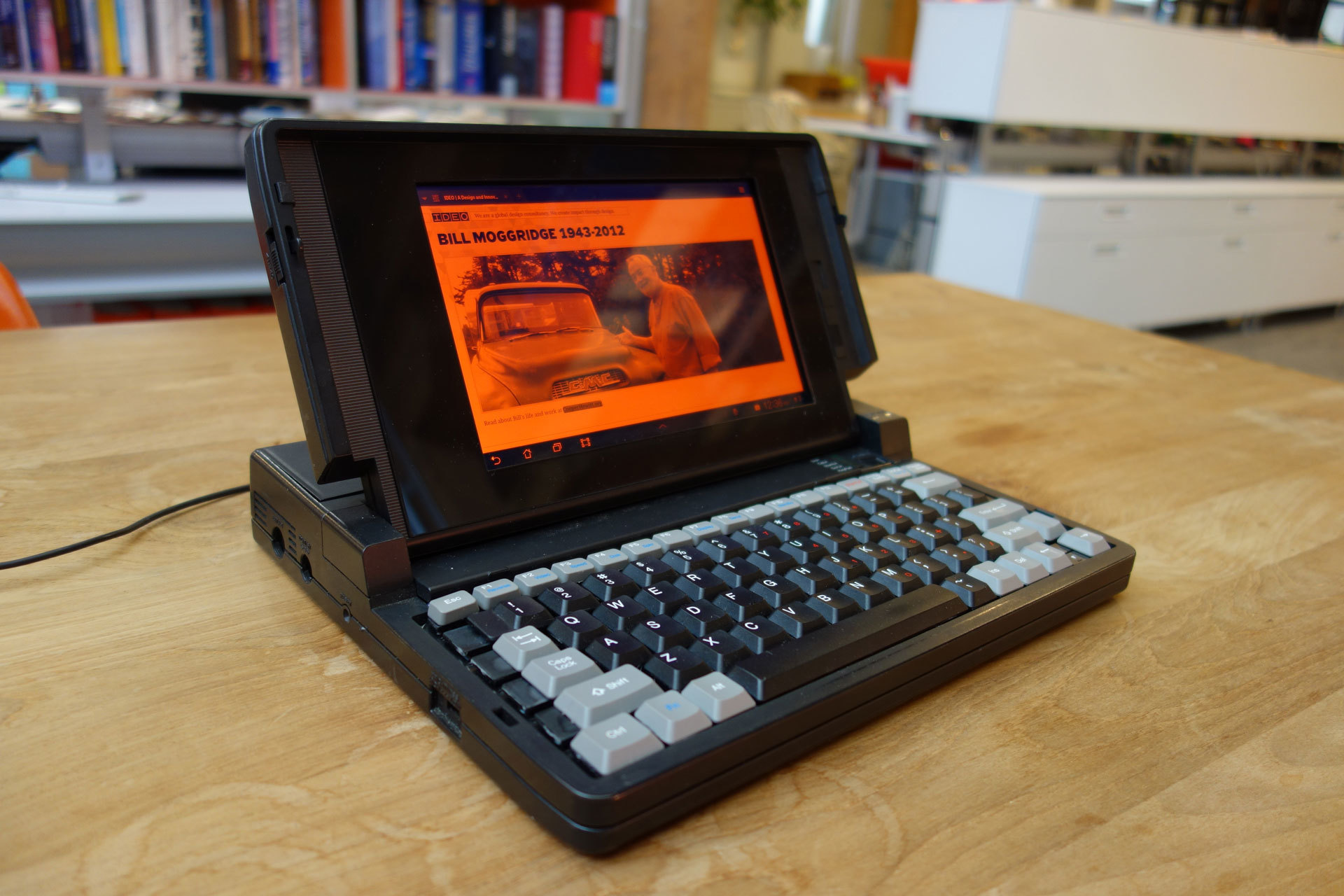
Perhaps one of the most iconic objects Bill designed was the GRiD Compass, the world's first laptop computer. Bill's design was the original clamshell design that all current laptops have descended from. We wondered if we could use a GRiD as a way to collect stories about Bill from around the office.
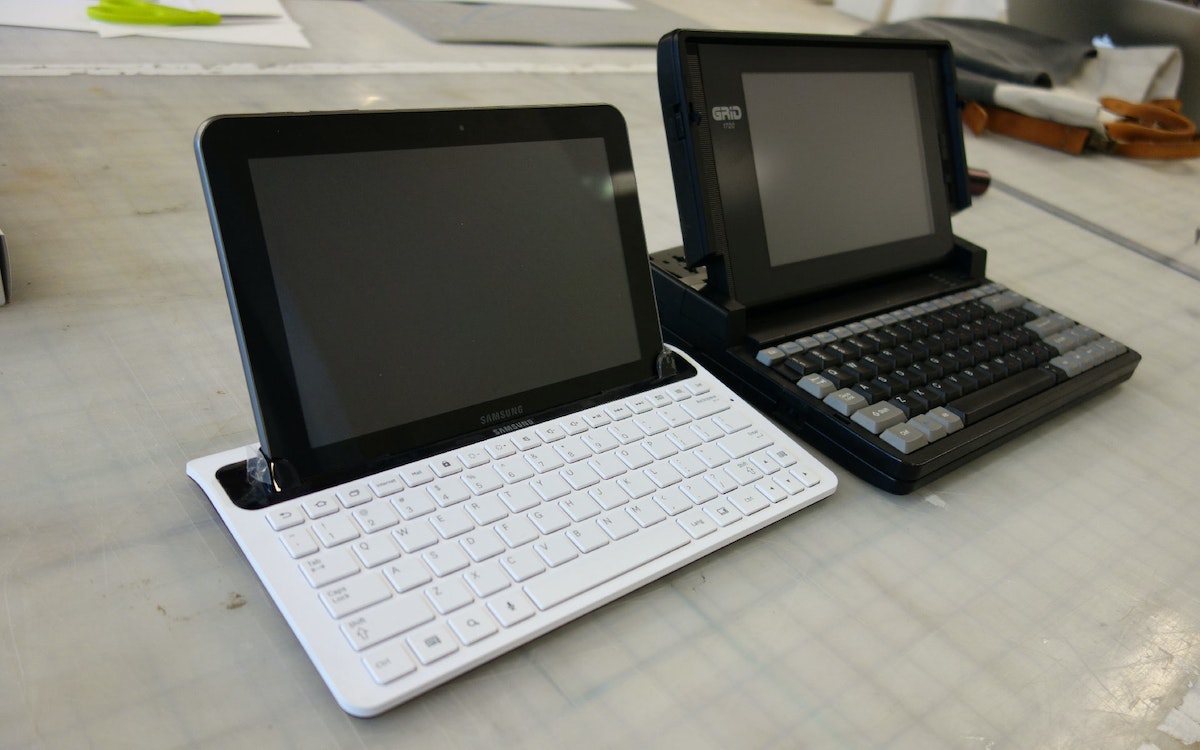
The result is this GRiD Laptop that has been modified to house a Galaxy Tab. It renders everything in orange and black similar to the original GRiD, boasts a working keyboard, and can be plugged in to charge at the base behind the original door that housed the ports.
We are using this laptop as a way to add content to billmoggridge.com which has been created to honor him by sharing our favorite moments, Moggridge-isms, photos, videos, songs, and more.
I hope this puts a smile on your face, just as Bill has done for so many others during his lifetime.
As per usual, I tried to document and share all the details of the build process for others to learn from. Click through for the full details of what went into this build:
Parts:
- Broken GRiD 1720 from Ebay
- Refurbished Samsung Galaxy Tab 8.9 w/ dock and keyboard
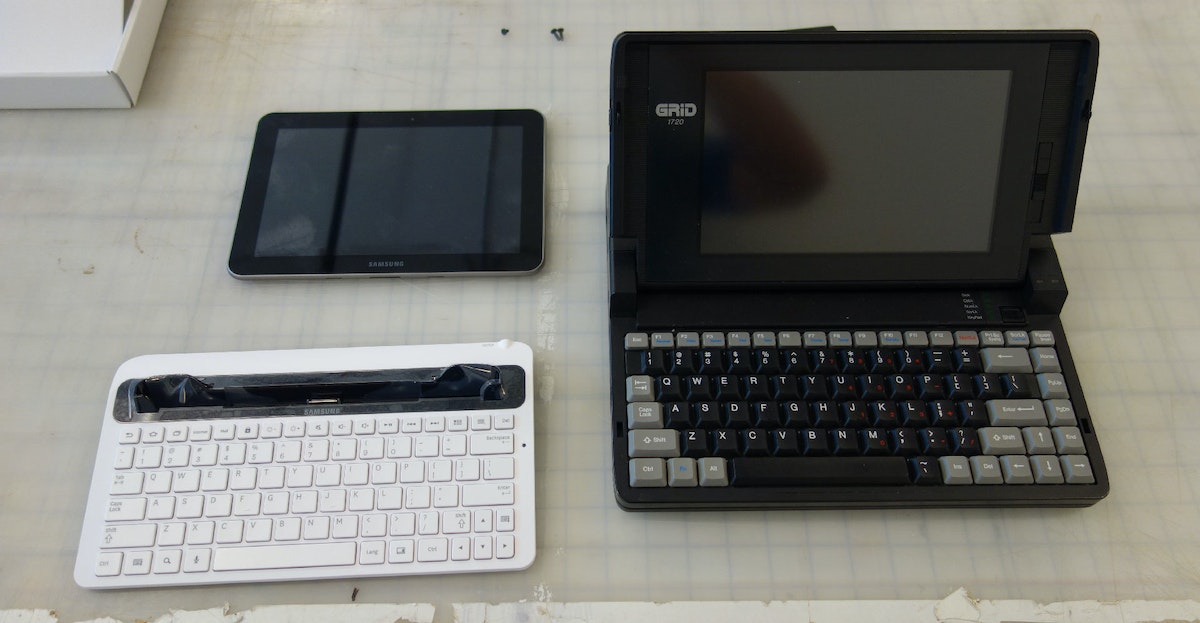
Before we start taking things apart, look at this! Things may not have changed as much as we think...
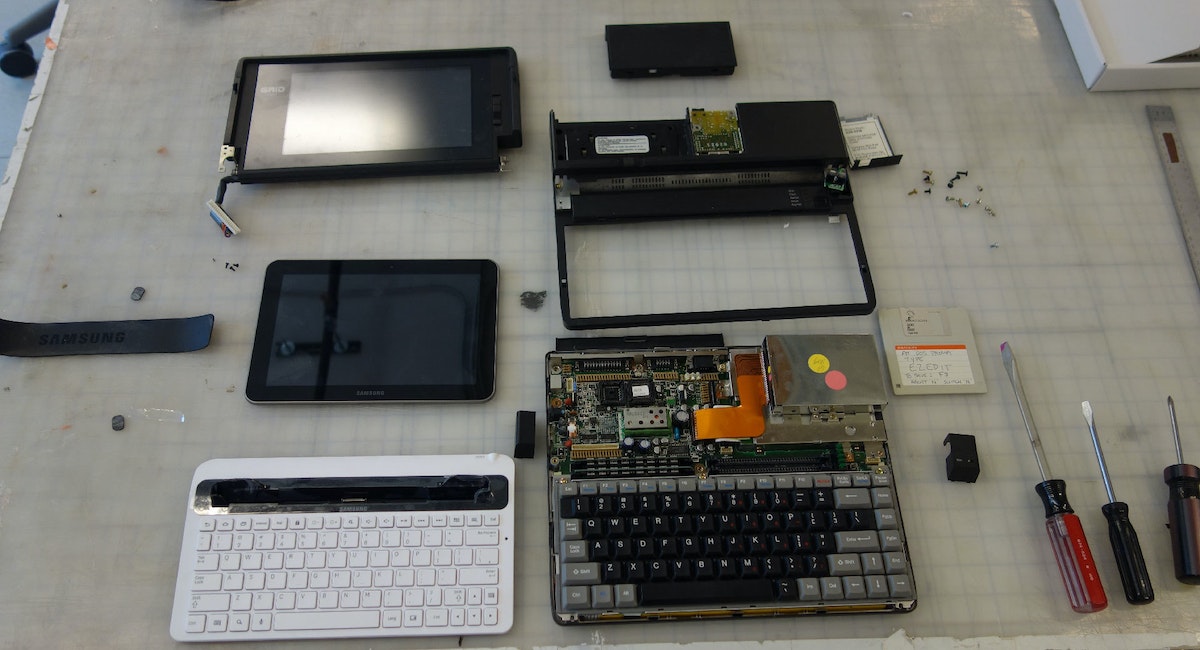
Taking apart the GRiD:
The Display
I wanted to have the charger on the base of the computer and not in the screen. For that we would need to make an extension cable that will work like the original cable that connected the screen. Luckily I have the dock and the keyboard dock to hack. I end up using both.
Here is the dock taken apart:

All we need is this part. This will connect to the bottom of the tablet:
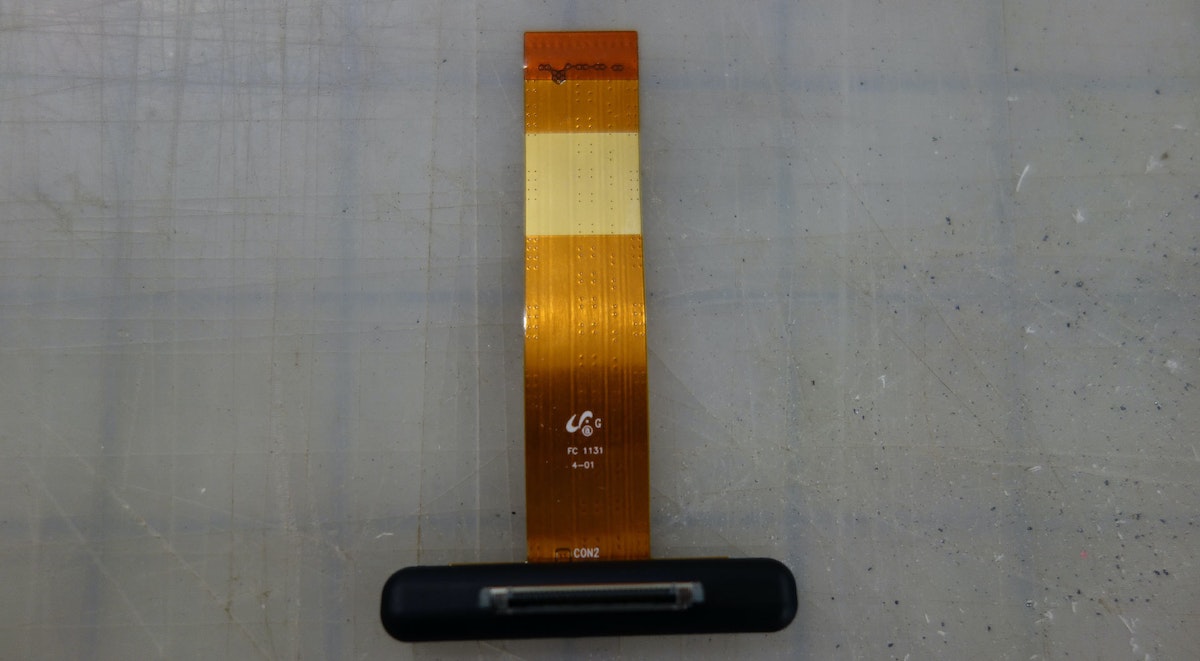
This is the part inside the keyboard dock. I use this as the port to glue into the base of the laptop:
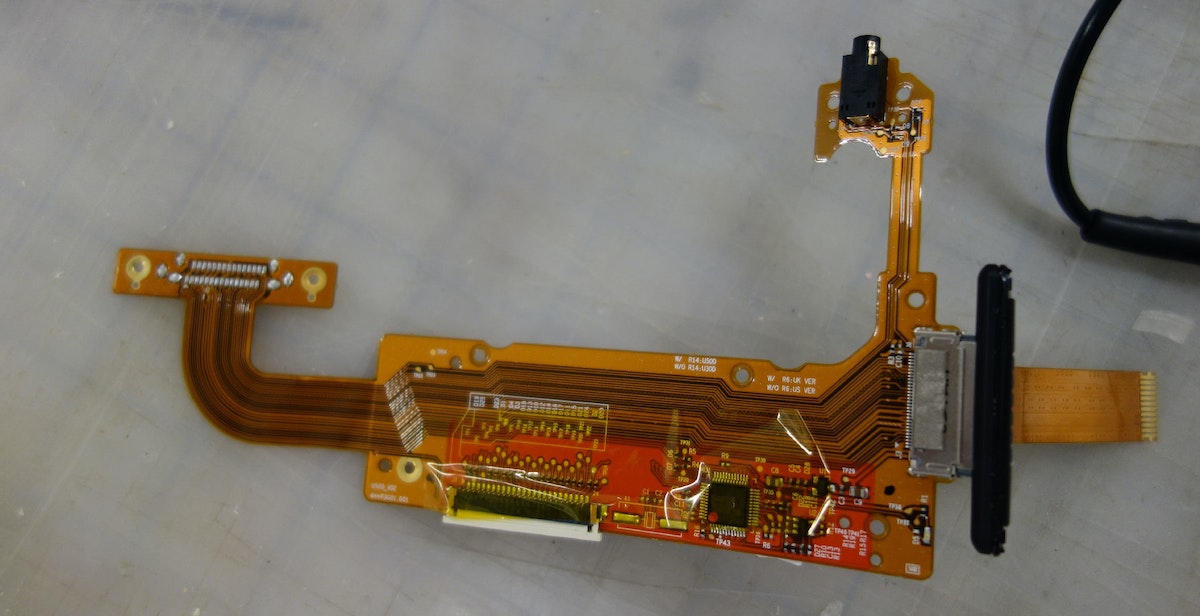
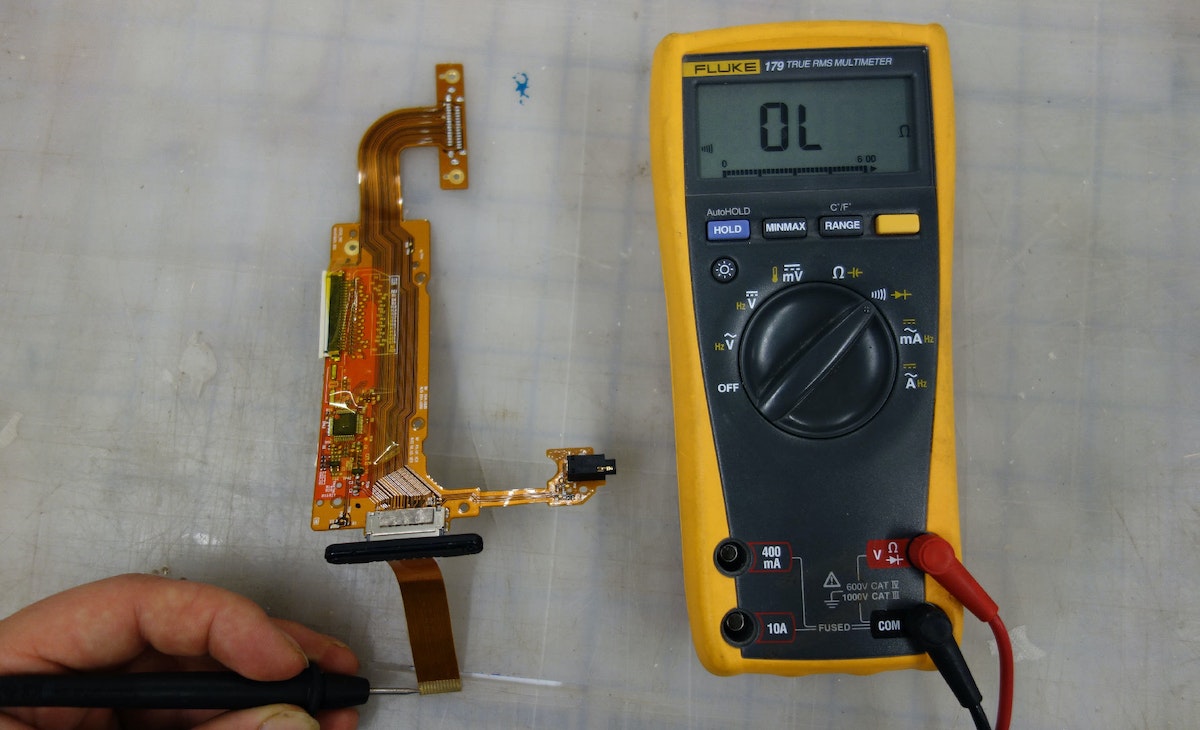
First I de-soldered the connector that originally would have plugged into the tablet. Then I connected the dock part to this keyboard part. Now I can use the multimeter in conductivity mode to probe the connections to learn which pad on the keyboard part will need to go to which pad on the dock part:
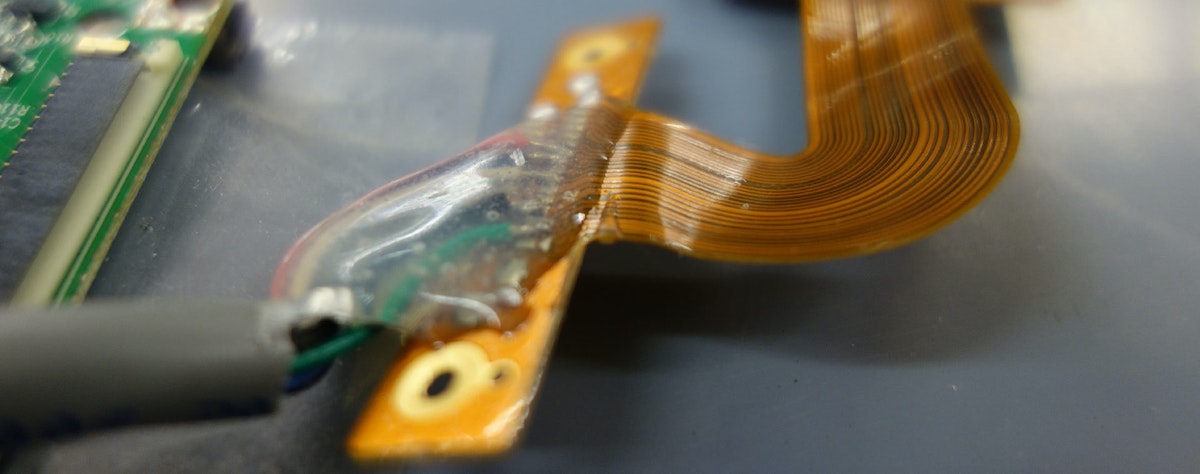
Then I (very carefully) soldered everything up with an ample length of cable to make my extension cable:
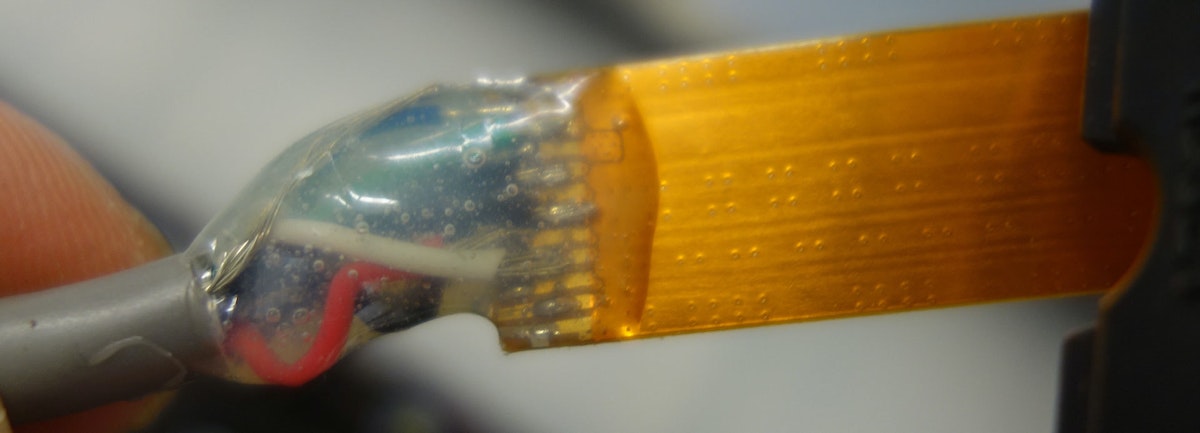
Once I verify the connections are sound, I blob on some 5 minute epoxy to lock everything up so it won't break later.

I couldn't have asked for better luck on fitting this in there! This is the bottom of the connector touching the base of the screen housing:

Lastly, there was no way to wake up the tablet once I put it in the housing, so I put a bolt in the lathe and turned a button that sits in the casing and allows you to press the button from the outside:
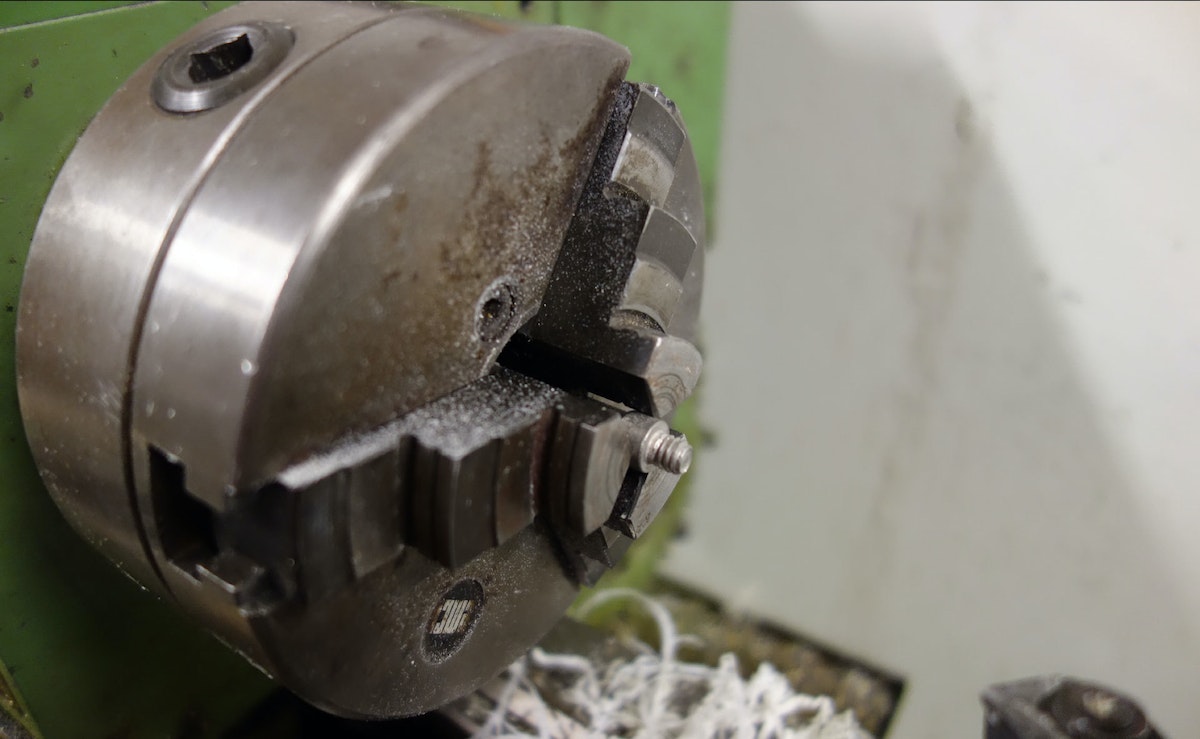
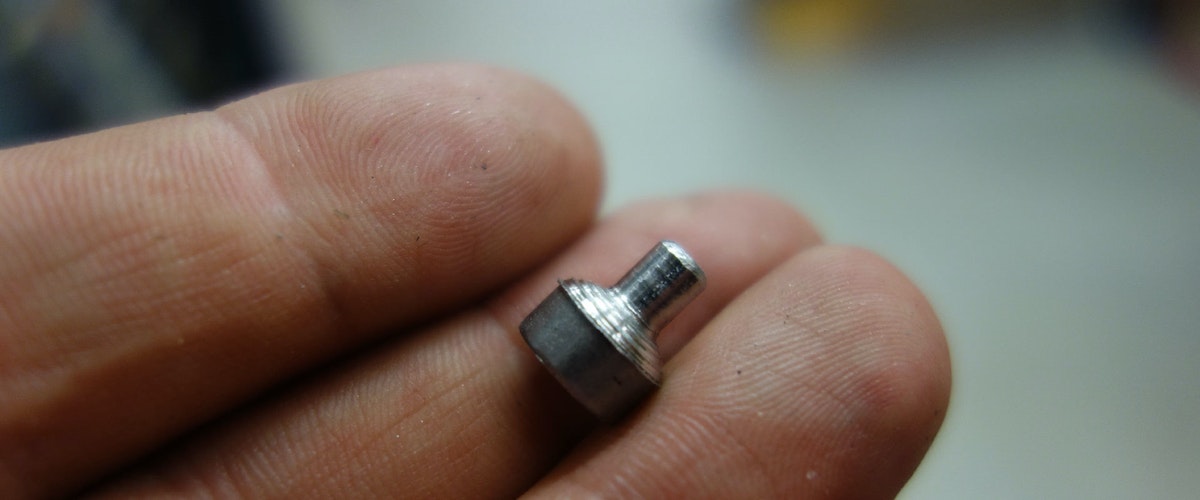
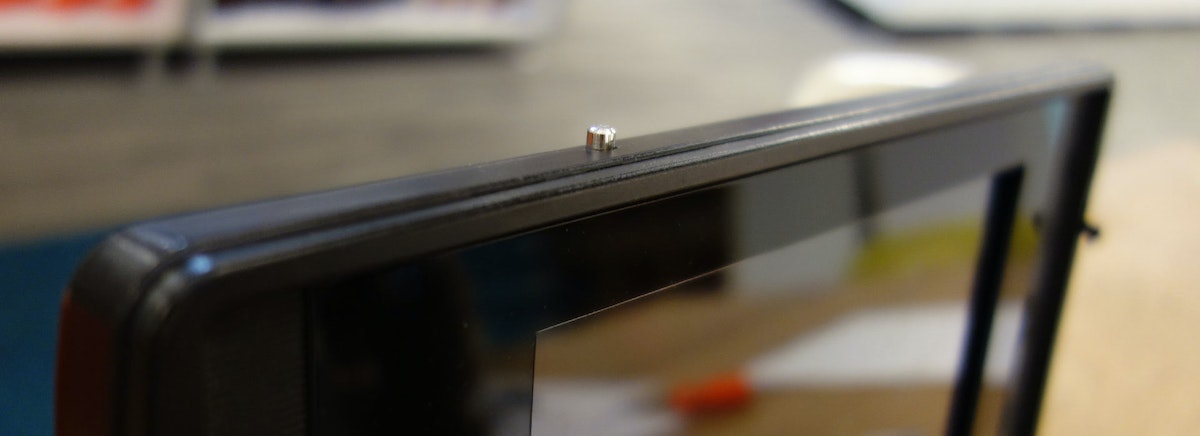
Lastly, I had to cut a hole in the display window so you can touch the screen of the tablet. I tried doing this with an x-acto and failed miserably. Luckily, our model-maker extraordinaire, John Grimley, came to the rescue and laser-cut / backpainted a replacement bezel. Thanks!
The Keyboard
Now on to the keyboard. I used a bluetooth keyboard from Motorola. The Samsung one that came with the tablet was too small. I was pretty lucky to find one with almost the exact size of the original GRiD keyboard:
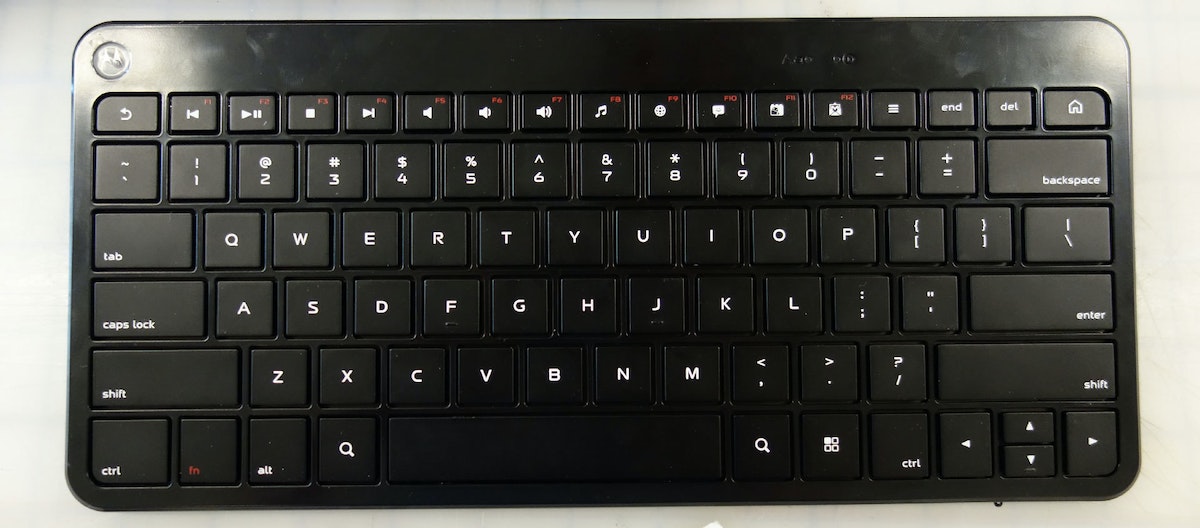
I took all the keys off the GRiD and sanded them down so I could glue them flush to the bluetooth keyboard:
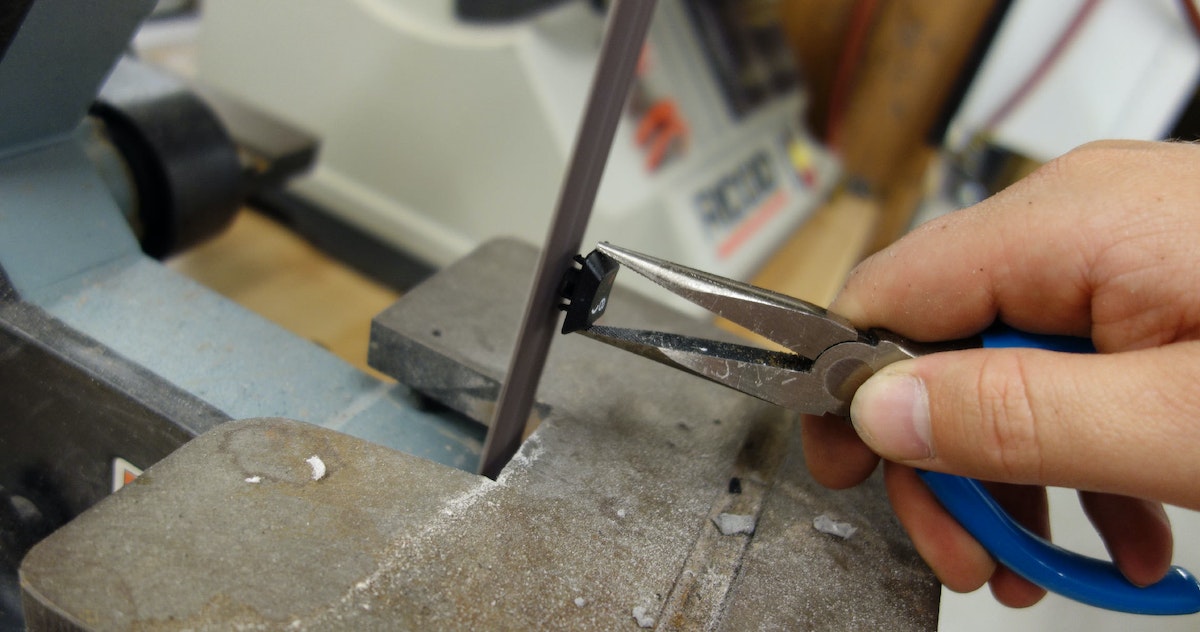
I used hot glue, a steady hand, and a lot of patience:
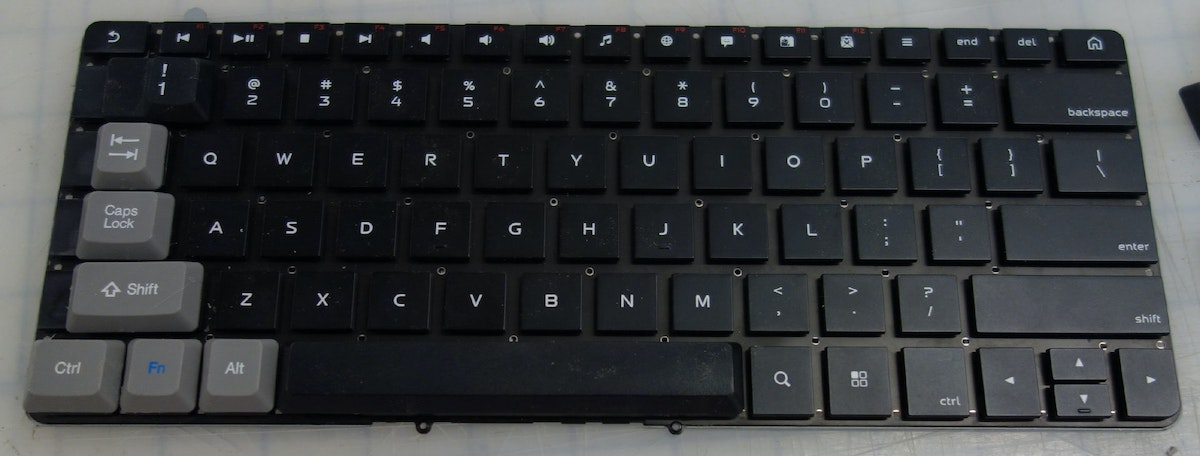
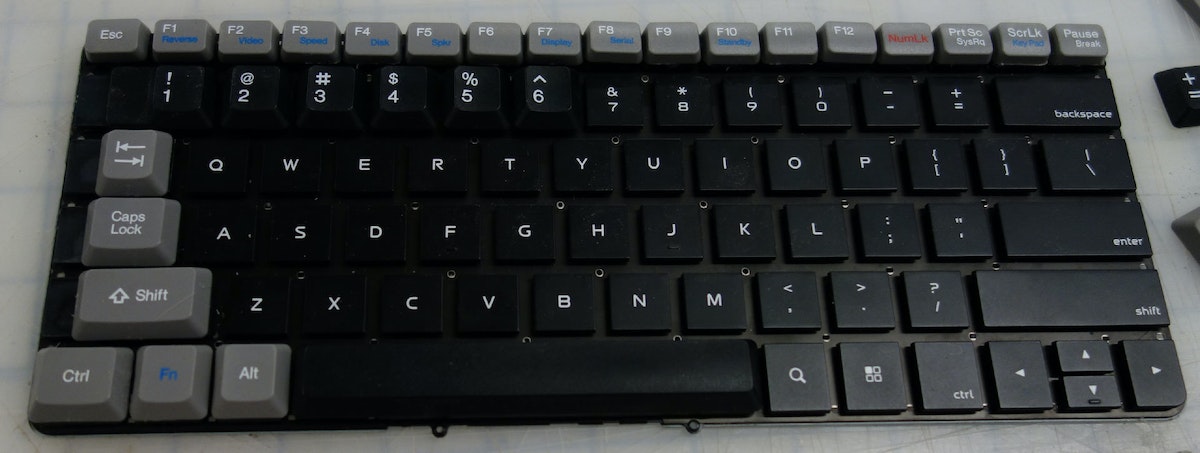
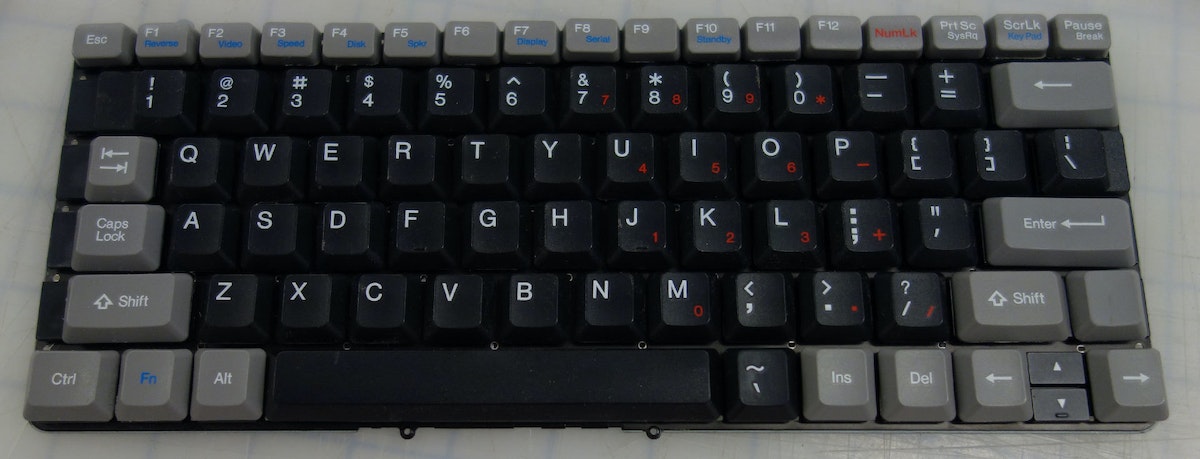
Now we have a proper keyboard, we need to wire it up. I wired the pairing button to the original power button of the GRiD because you have to press the pair button every time you power on. One reason I made that cable using the keyboard dock circuit board earlier is because the board breaks out power and ground which I can wire to power the bluetooth keyboard. This way there are no batteries to replace.
The Bluetooth Board:
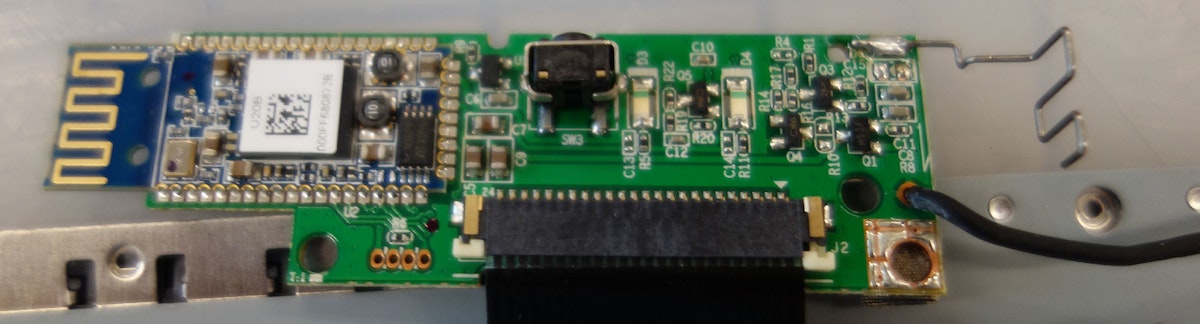
Wired onto the keyboard dock:
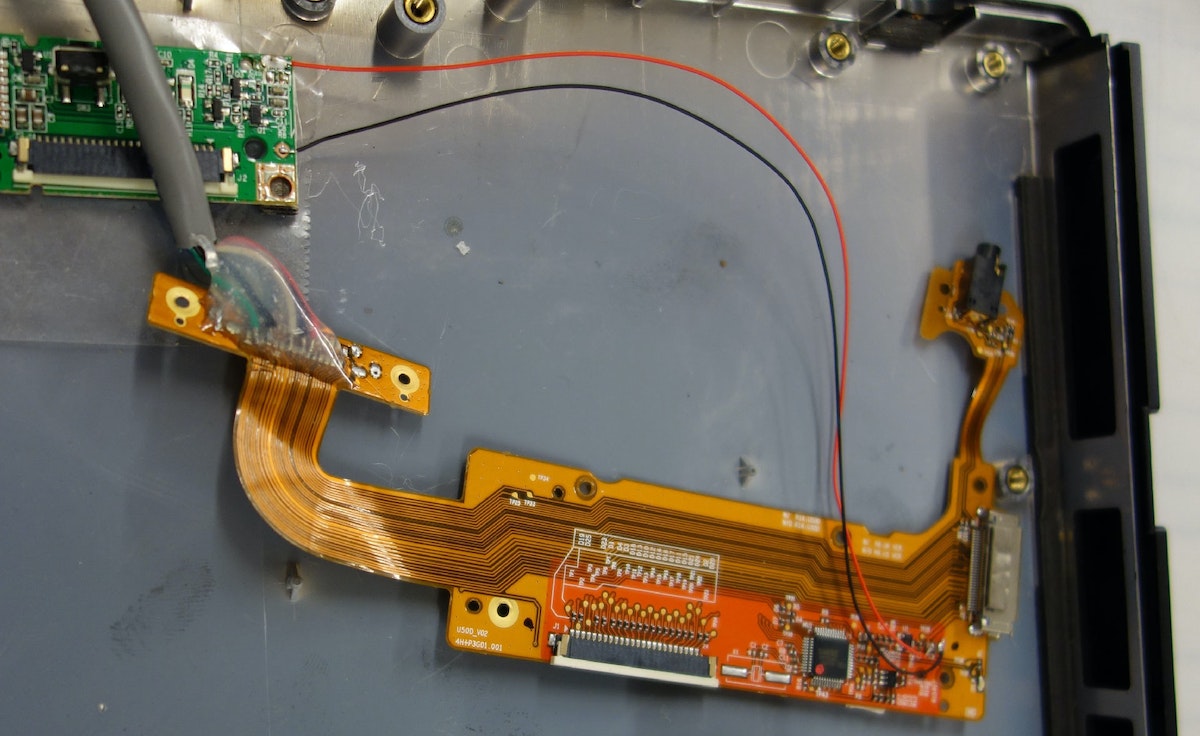
Now everything is wired together, so I just place the connector in the original slot for the parallel port:
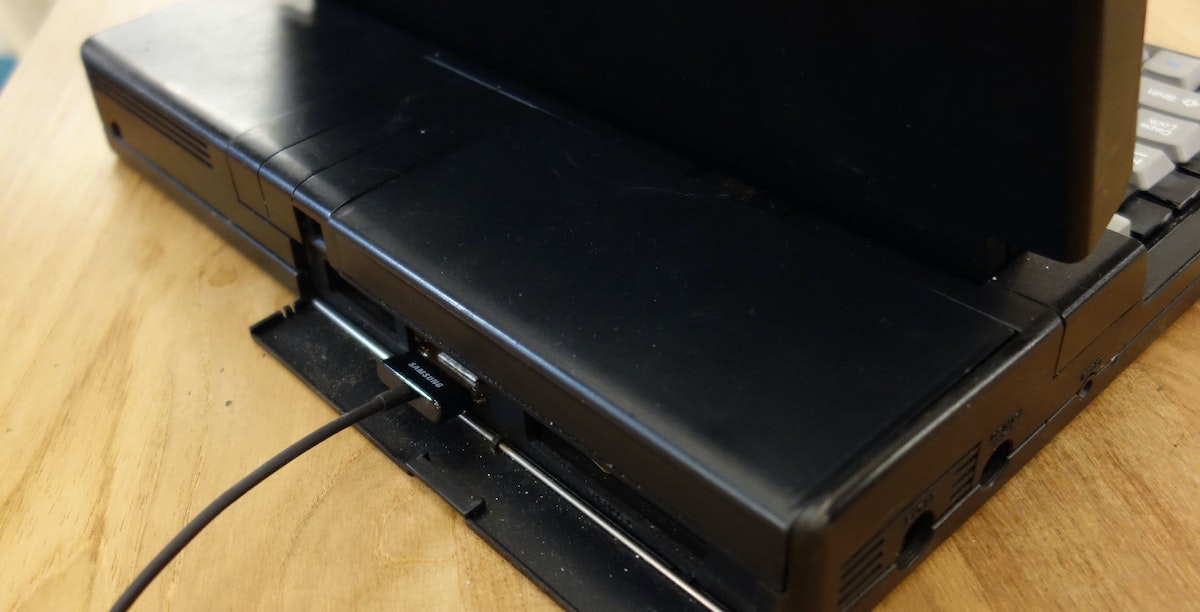
The Software:
This was actually the most difficult part to figure out. I wanted to have the display be yellow-orange on black like the original GRiD. I started poking around on the Android XDA-developers forum to dig up information. I won't go through all the steps in detail, but after trying versions of Android Ice Cream Sandwich, Jelly Bean, Cyanogen Mod, etc. etc. I found that I had to re-install Android Honeycomb (which was on there in the first place!) and install Chainfire 3D:

This app calls itself “an intermediary OpenGL Driver“ so it sits in the middle and can mess with commands going to the GPU. This requires a rooted device. There's a guy on YouTube who does an awesome walkthrough on how to root a Galaxy Tab 8.9. If you are looking to do something similar.
Chainfire 3D has a “Night Mode“ that allows you to mess with which colors function and to what degree:
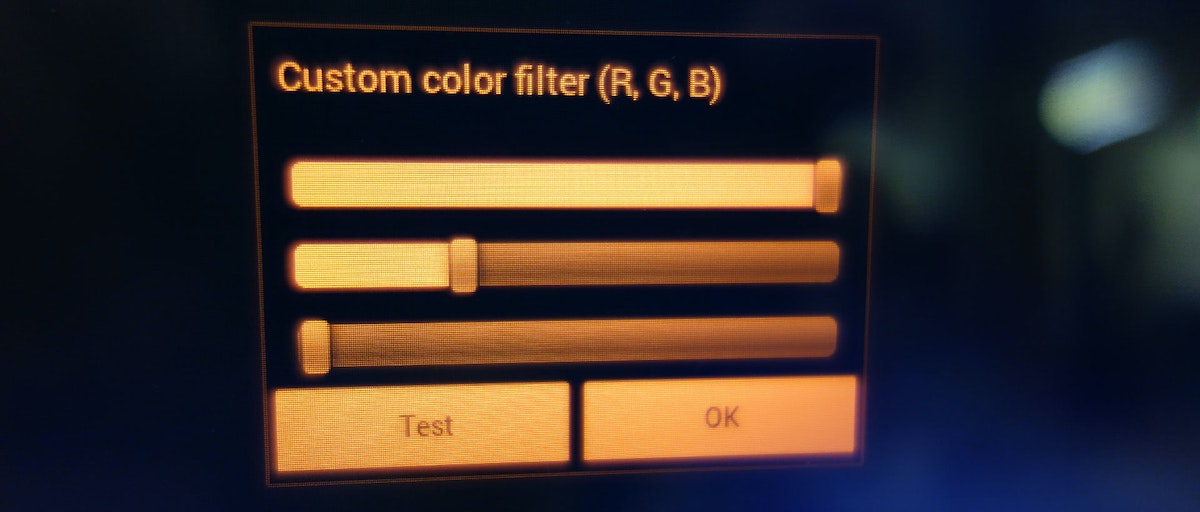
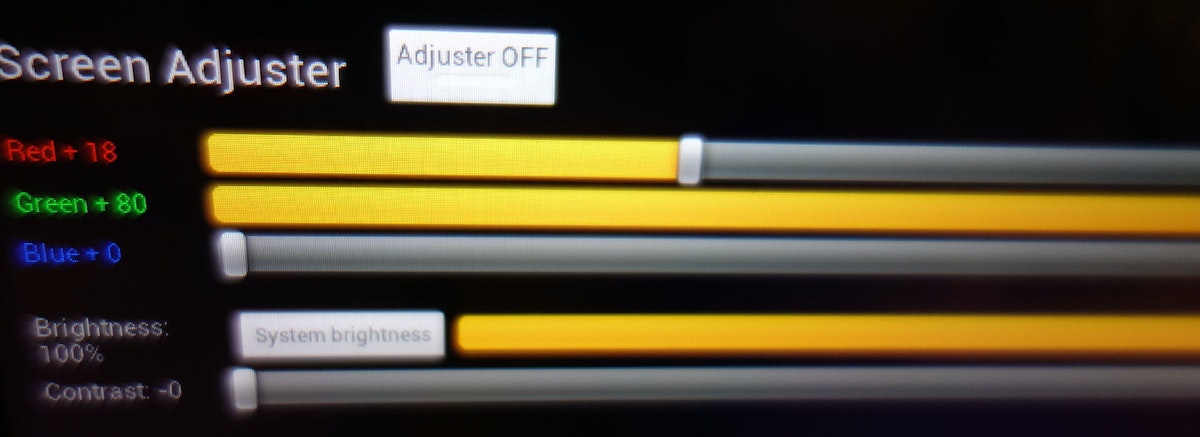
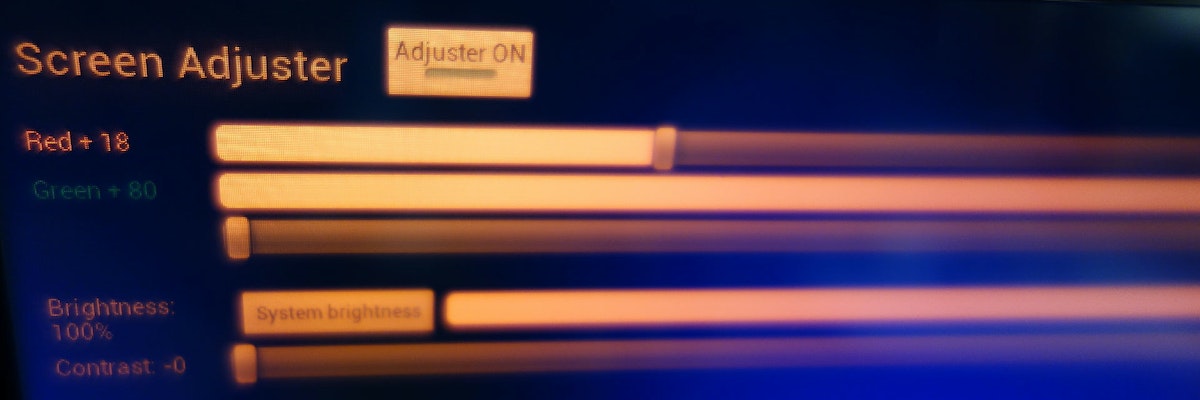
However, it still wasn't changing the color! It would change only during screen transitions when there was some sort GPU task happening. I decided to try some hacks to force the GPU to constantly be running letting Chainfire have the ability to intercept things. I had seen some other “screen tinting“ apps that on their own didn't accomplish what I wanted, but added a level of something going on so Chainfire could do it's job. The one I used is called “Screen Adjust.“
Before:
After!
The Website
While I was working on the GRiD, IDEOers Arjun Mehta and Katie Clark—along with several others including Lance Birtcil, Ben Booth, Francis Tseng, Ivy Hu, Danny Stillion, Tom Hardin and Tim Brown—were putting together the tribute website that the laptop was built to access: billmoggridge.com.
It's really beautifully done, so go check it out to see what kinds of fantastic stories have been shared.

With the passing of IDEO co-founder Bill Moggridge, we have been reflecting on the ways he has influenced our lives and made the world a better place. Bill has had an enormous impact on the field of interaction design and professed the importance of making interactions delightful.
The Ten Faces of Innovation
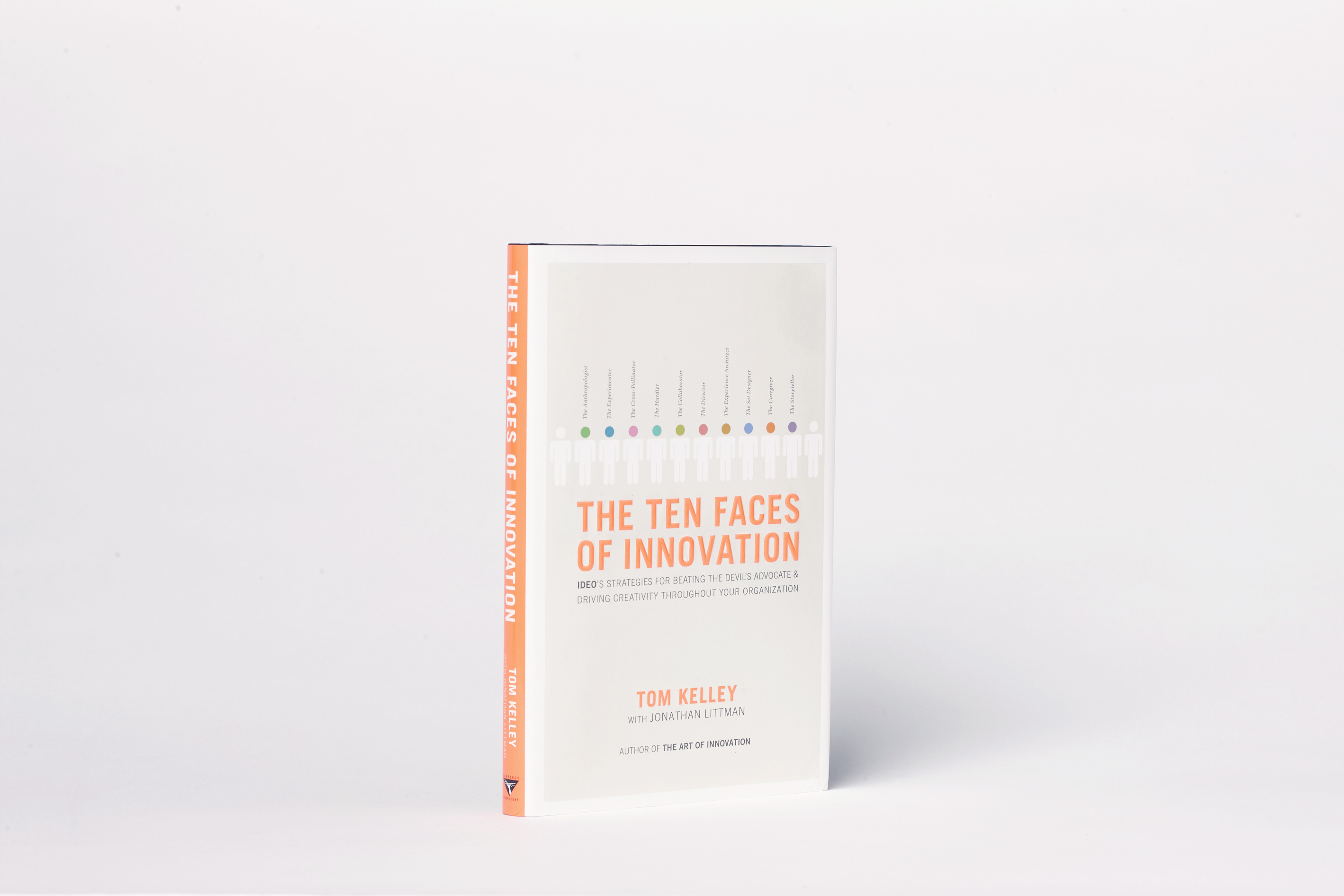
IDEO Partner Tom Kelley shares IDEO's strategies for driving creativity and overcoming devil's advocates within an organization.
Over the years, Tom Kelley has observed the roles that people can play in an organization to foster innovation and new ideas, while offering an effective counter to naysayers. He shares these strategies for driving creativity forward in The Ten Faces of Innovation.
Among these approaches are the "Anthropologist," the person who goes into the field to see how customers use and respond to products, to come up with new innovations; the "Cross-Pollinator," who mixes and matches ideas, widely disparate people, and technologies to create new ideas that can drive growth; and the "Hurdler," who instantly looks for ways to overcome the limits and challenges to any situation.
Filled with engaging stories of how companies such as Kraft, Samsung, and Procter & Gamble have incorporated IDEO’s thinking to transform the customer experience, The Ten Faces of Innovation is an extraordinary guide to nurturing and sustaining a culture of continuous innovation and renewal.
About the Ten Faces
The Learning Personas
Individuals and organizations need to constantly gather new sources of information in order to expand their knowledge and grow, so the first three personas are learning roles. These personas are driven by the idea that no matter how successful a company currently is, no one can afford to be complacent. The world is changing at an accelerated pace, and today's great idea may be tomorrow's anachronism. The learning roles help keep your team from becoming too internally focused, and remind the organization not to be so smug about what you “know”. People who adopt the learning roles are humble enough to question their own worldview, and in doing so they remain open to new insights every day.
The Anthropologist is rarely stationary. Rather, this is the person who ventures into the field to observe how people interact with products, services, and experiences in order to come up with new innovations. The Anthropologist is extremely good at reframing a problem in a new way, humanizing the scientific method to apply it to daily life. Anthropologists share such distinguishing characteristics as the wisdom to observe with a truly open mind; empathy; intuition; the ability to "see" things that have gone unnoticed; a tendency to keep running lists of innovative concepts worth emulating and problems that need solving; and a way of seeking inspiration in unusual places.
The Experimenter celebrates the process, not the tool, testing and retesting potential scenarios to make ideas tangible. A calculated risk-taker, this person models everything from products to services to proposals in order to efficiently reach a solution. To share the fun of discovery, the Experimenter invites others to collaborate, while making sure that the entire process is saving time and money.
The Cross-Pollinator draws associations and connections between seemingly unrelated ideas or concepts to break new ground. Armed with a wide set of interests, an avid curiosity, and an aptitude for learning and teaching, the Cross-Pollinator brings in big ideas from the outside world to enliven their organization. People in this role can often be identified by their open mindedness, diligent note-taking, tendency to think in metaphors, and ability to reap inspiration from constraints.
The Organizing Personas
The next three personas are organizing roles, played by individuals who are savvy about the often counter-intuitive process of how organizations move ideas forward. At IDEO, we used to believe that the ideas should speak for themselves. Now we understand what the Hurdler, the Collaborator, and the Director have known all along: that even the best ideas must continuously compete for time, attention, and resources. Those who adopt these organizing roles don't dismiss the process of budget and resource allocation as “politics” or “red tape.” They recognize it as a complex game of chess, and they play to win.
The Hurdler is a tireless problem-solver who gets a charge out of tackling something that's never been done before. When confronted with a challenge, the Hurdler gracefully sidesteps the obstacle while maintaining a quiet, positive determination. This optimism and perseverance can help big ideas upend the status quo as well as turn setbacks into an organization's greatest successes—despite doomsday forecasting by shortsighted experts.
The Collaborator is the rare person who truly values the team over the individual. In the interest of getting things done, the Collaborator coaxes people out of their work silos to form multidisciplinary teams. In doing so, the person in this role dissolves traditional boundaries within organizations and creates opportunities for team members to assume new roles. More of a coach than a boss, the Collaborator instills their team with the confidence and skills needed to complete the shared journey.
The Director has an acute understanding of the bigger picture, with a firm grasp on the pulse of their organization. Subsequently, the Director is talented at setting the stage, targeting opportunities, bringing out the best in their players, and getting things done. Through empowerment and inspiration, the person in this role motivates those around them to take center stage and embrace the unexpected.
The Building Personas
The four remaining personas are building roles that apply insights from the learning roles and channel the empowerment from the organizing roles to make innovation happen. When people adopt the building personas, they stamp their mark on your organization. People in these roles are highly visible, so you’ll often find them right at the heart of the action.
The Experience Architect is that person relentlessly focused on creating remarkable individual experiences. This person facilitates positive encounters with your organization through products, services, digital interactions, spaces, or events. Whether an architect or a sushi chef, the Experience Architect maps out how to turn something ordinary into something distinctive—even delightful—every chance they get.
The Set Designer looks at every day as a chance to liven up their workspace. They promote energetic, inspired cultures by creating work environments that celebrate the individual and stimulate creativity. To keep up with shifting needs and foster continuous innovation, the Set Designer makes adjustments to a physical space to balance private and collaborative work opportunities. In doing so, this person makes space itself one of an organization's most versatile and powerful tools.
The Storyteller captures our imagination with compelling narratives of initiative, hard work, and innovation. This person goes beyond oral tradition to work in whatever medium best fits their skills and message: video, narrative, animation, even comic strips. By rooting their stories in authenticity, the Storyteller can spark emotion and action, transmit values and objectives, foster collaboration, create heroes, and lead people and organizations into the future.
The Caregiver is the foundation of human-powered innovation. Through empathy, they work to understand each individual customer and create a relationship. Whether a nurse in a hospital, a salesperson in a retail shop, or a teller at an international financial institution, the Caregiver guides the client through the process to provide them with a comfortable, human-centered experience.
Purchase
Know someone who might love this book? Here are some options for purchasing The Ten Faces of Innovation:
- Order the US version from Amazon
- Order the Japanese version from Amazon
- Order the UK version from Amazon
Essential reading for every single person in your organization—even the CEO should read it! Each page contains a nugget that's worth the price of the entire book. Wow. - Seth Godin, Author of Purple Cow and Tribes
Tom Kelley has unlocked the magic box of innovation for corporate America. - Bruce Nussbaum, BusinessWeek
The role of the devil’s advocate is nearly universal in business today. It allows individuals to step outside themselves to raise questions and concerns that effectively kill new projects and ideas, while claiming no personal responsibility. Nothing is more potent in stifling innovation.

Method Cards
IDEO Method Cards are a tool to showcase methods we use to inspire great design and keep people at the center of our design process. Each of the 51 cards describes one method and includes a brief story about how and when to use it.
IDEO Method Cards are a tool to showcase methods we use to inspire great design and keep people at the center of our design process. Each of the 51 cards describes one method and includes a brief story about how and when to use it.
It's not a "how to" guide—it's a design tool meant to explore new approaches and help you develop your own. Use the deck to gain a new perspective, inspire a team, turn a corner, or try a new approach.
Created in response to requests from clients, colleagues, students, and teachers, IDEO Method Cards are intended as inspiration for practicing and aspiring designers, as well as those seeking a creative spark in their work.
I use the Method Cards mainly as tools for process design. They are great for groups who are working on solving a particular 'How do we get from here to there?' kind of problem.
~Craig Pelkey Landes, Fast Company
Here's where you can get the IDEO Method Deck:
IDEO Method Cards are available exclusively from William Stout Architectural Books in San Francisco. Call them at 415-391-6757 or click here to purchase online.

Lindsey Turner
I’m passionate about building brands, products, and experiences that help organizations show up with meaning and momentum.
I help organizations cut through complexity by shaping how they show up, through brand strategy, identity, and storytelling.
Working at the intersection of brand and business, I bring an editorial eye and a bias toward making—turning ideas into tangible experiences that people can understand, trust, and believe in.
My work spans government, healthcare, financial services, media, and consumer goods, from launching Gen Z-focused ventures to building innovation labs and reimagining legacy brands. I relish moments of ambiguity and enjoy translating across teams, perspectives, and priorities to move ideas forward.
I started my career in editorial and digital design, shaping cross-platform experiences and identity systems in publishing and agency environments. That foundation still shapes how I work today: I’m detail-oriented, collaborative, and overreliant on the Oxford comma. I hold a BFA in Visual Communication from the School of the Art Institute of Chicago.

Rachel Young
My work helps organizations see who their products aren't working for—and build the will and the tools to do something about it
For 25 years, I've asked the same question: Who does this design exclude—and what are we going to do about it?
My work spans human-centered strategy, inclusive design, and qualitative research, with clients ranging from Microsoft, Google, and Verizon to the National Science Foundation, and San Francisco Unified School District.
Before IDEO, I taught elementary school in East Palo Alto and spent a decade doing design work with social service organizations—where I learned firsthand what it costs people when systems are built without them in mind.
I am currently writing User Error, a nonfiction book about digital access and the design decisions behind it. I live in Oakland, California.

Brian Pelsoh
I lead with craft, ensuring our work is creatively excellent: rooted in deep human insight and imagination, while also grounded in the realities of business and technology.
My expertise spans brand, communication, and product design across tech, education, the arts, and social impact.
I believe great work demands both high-level vision and obsessive attention to detail, and only happens through collaboration.
I bring an inclusive, hands-on approach and a deep understanding of business, which enables me to consistently deliver excellence while always asking why.
Before joining IDEO, I worked at the brand firms Pentagram and VSA Partners. I began my career as a designer, leading teams at the School of the Art Institute of Chicago and the Milwaukee Art Museum. I hold an MFA in graphic design from Maryland Institute College of Art and a BFA in communication design from the Milwaukee Institute of Art & Design, and have taught at some of the best design schools in the US.

Tony Wong
I am responsible for IDEO’s long-term success in China and working with clients to use design as a tool to enable growth.
I am responsible for IDEO’s long-term success in China and working with clients to use design as a tool to enable growth. Specifically, I have helped Chinese companies design holistic brand solutions through the development of their products, communication, services, and innovation teams, and I have helped multinationals expand their presence and influence in China.
I advise global leaders on developing China-led innovation and capabilities.
In over 15 years in IDEO Shanghai, I have worked on projects that use design to elevate the quality of the experience of healthcare products and services, streamline processes that increase productivity, create spaces and programs that promote and enable inclusive communities, and build next generation mobility solutions that are planet-positive.
Before joining IDEO, I worked at Philips Electronics and the Electrolux Group in Italy, the Netherlands, and Singapore on a number of breakthrough commercial products. I am a member of the Young President Organization in Shanghai.

How to use AI as an editor, not a writer
Ed White shares how he uses AI as an editor—not a writer—to sharpen storytelling, rehearse ideas, and preserve the productive friction that makes creative work better.
Ed White has a rule he's tested on his own writing: hold yourself as the writer, and let AI be your editor. Ed is a Senior Design Director at IDEO's London studio, where he co-leads the firm's AI portfolio across Europe. Before IDEO, he spent 12 years as a writer and editor at the Financial Times, Wired, and Contagious. So when he talks about when to use AI for storytelling and when not to, it comes from two decades of crafting his storytelling skills.
In this episode, Mina Seetharaman talks with Ed about two specific tools he uses to keep AI in an editor's seat: a "roasting agent" prompted to critique his drafts without any sugarcoating, and a simulated audience he rehearses pitches on before the real thing. They also get into what Ed is hearing from design leaders at Anthropic, Lovable, Shopify, and Google Creative Lab about how creative work is changing, and why he thinks the friction of writing something yourself is worth protecting rather than automating away.

Building a personal AI for the messiness of life: Sida Li
Becca Carroll talks with Cue co-founder Sida Li about designing a personal AI for the messiness of everyday life—not just work. They explore how Sida stays anchored to human needs while navigating fast-changing technology, product tradeoffs, business-model experimentation, and the realities of building an AI company today.
Most AI products today are built for work—a space with clear problems and established systems. One founder noticed a gap: personal life is messier, harder to systematize, and mostly left behind by the AI boom. So she built Cue, a personal AI that lives inside iMessage and group chats, to go where the other tools haven't.
In this episode, Becca Carroll, IDEO's Chief Strategy Officer, talks with Sida Li, co-founder and CEO of Shared Context Lab, about staying anchored to a human need while the technology around her keeps changing shape, why she treats her business model with the same rigor she'd bring to a product, and what it feels like to build a company at this particular, disorienting moment in AI.
The conversation also gets into how Sida makes design decisions: the language Cue uses to describe itself, the tradeoffs behind building inside iMessage instead of a new app, and a real story about a business idea that didn’t pan out.
This is the second in a two-part series profiling founders from IDEO's Startups-in-Residence program. The first conversation is with Johannes Seemann, founder of Sooner, on designing GenAI for the emotional side of money.

Designing GenAI for the emotional side of money: Johannes Seemann
Designing financial tools around the feelings that shape money decisions.
Most personal financial tools are built to run the numbers and optimize towards a budget. While that works for some, most people experience money as a lived relationship that does not neatly fit into a spreadsheet. Johannes Seemann and Becca Carroll discuss why money is emotional before it is mathematical, and what a human-centered approach to building a generative AI financial product looks like in practice.

The curious leader's edge in uncertainty: Scott Shigeoka
How genuine curiosity helps leaders navigate uncertainty with greater confidence.
Mina Seetharaman talks with Scott Shigeoka, author of Seek and Head of Curiosity Cultivation at the Eames Institute, about what distinguishes genuinely curious leadership from performative curiosity, how power dynamics shape curiosity, and why practicing curiosity can restore energy rather than drain it.
Looks like you might be in search of something very specific?
Or reset the filters above and try another angle.
Here’s some random inspiration

Podcasts about creative leadership

Articles about the power of prototyping
