
.svg)




Designing new products based on cultural beliefs
Helping a Chinese manufacturer become a part of healthy living.
Midea, one of China’s largest appliance manufacturers, wanted to identify growth opportunities in the domestic consumer market, while focusing on people’s cultural beliefs around health and well-being. During the course of the project, IDEO found that Midea could play a key role in building a healthier nation.
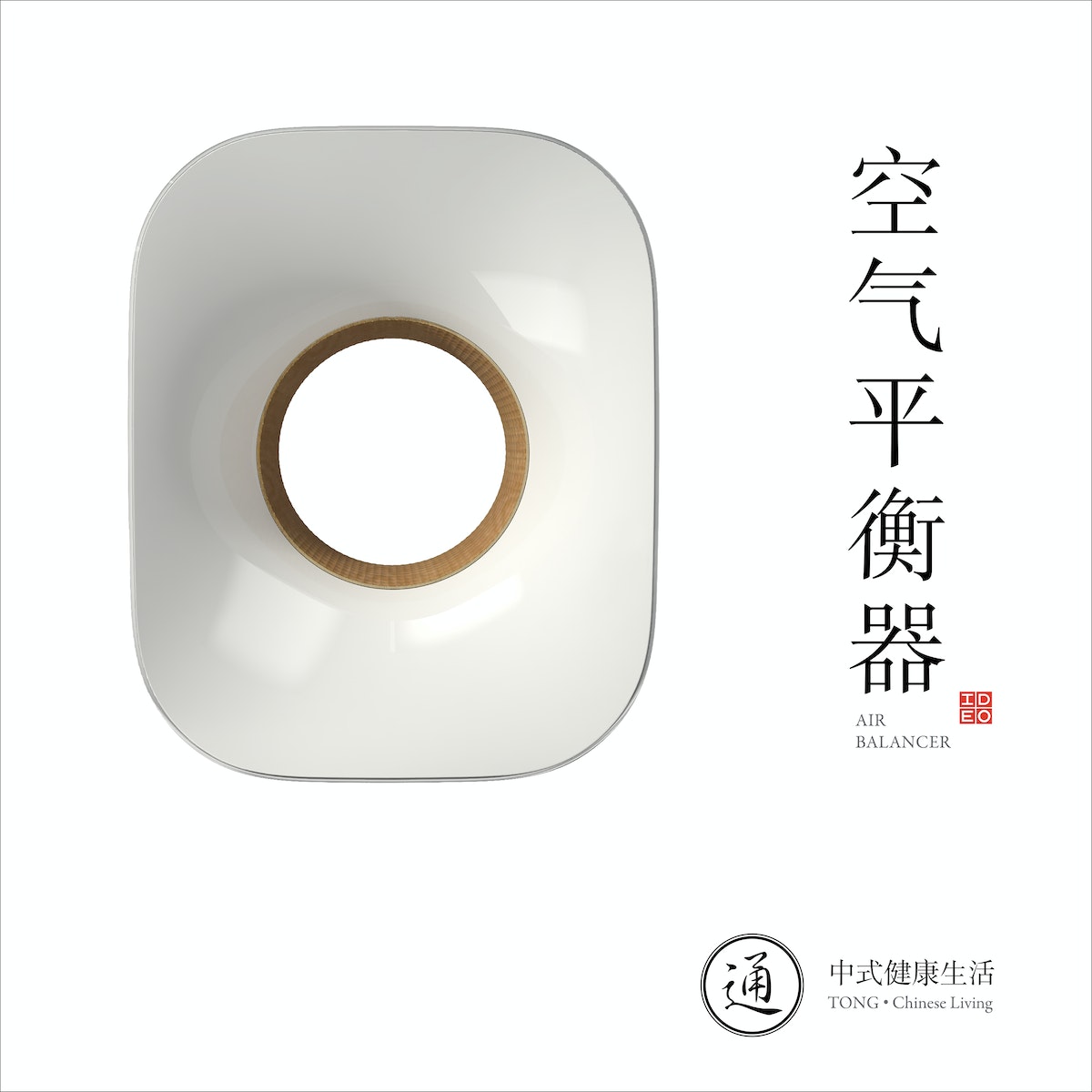
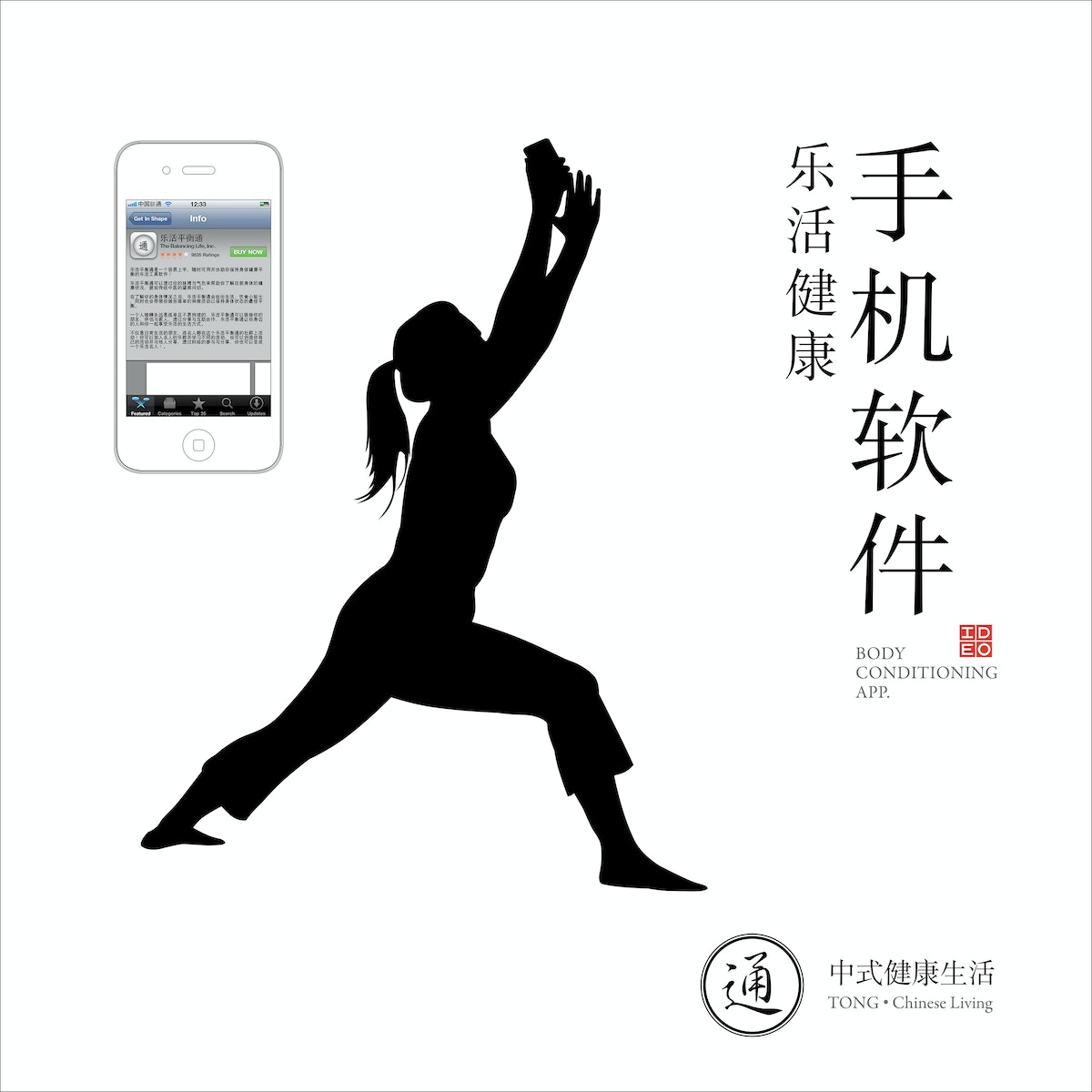
The team set out to design potential future products for Tong (“through, whole, and to understand”) that are built around the basic themes of eating, breathing, and being: an easy-to-use, hassle-free herbal tea dispenser, an air balancer that improves and balances the quality of air in the home, and a body-balancing mobile phone app that encourages users to rebalance their body condition where needed, through movements created with the Chinese philosophies of well-being in mind.
The Tong project was featured extensively in the press, and opened further conversations with Midea about creating new value and extending into new markets.
Customer-friendly utility bills
Improving how low-income customers manage their bills.
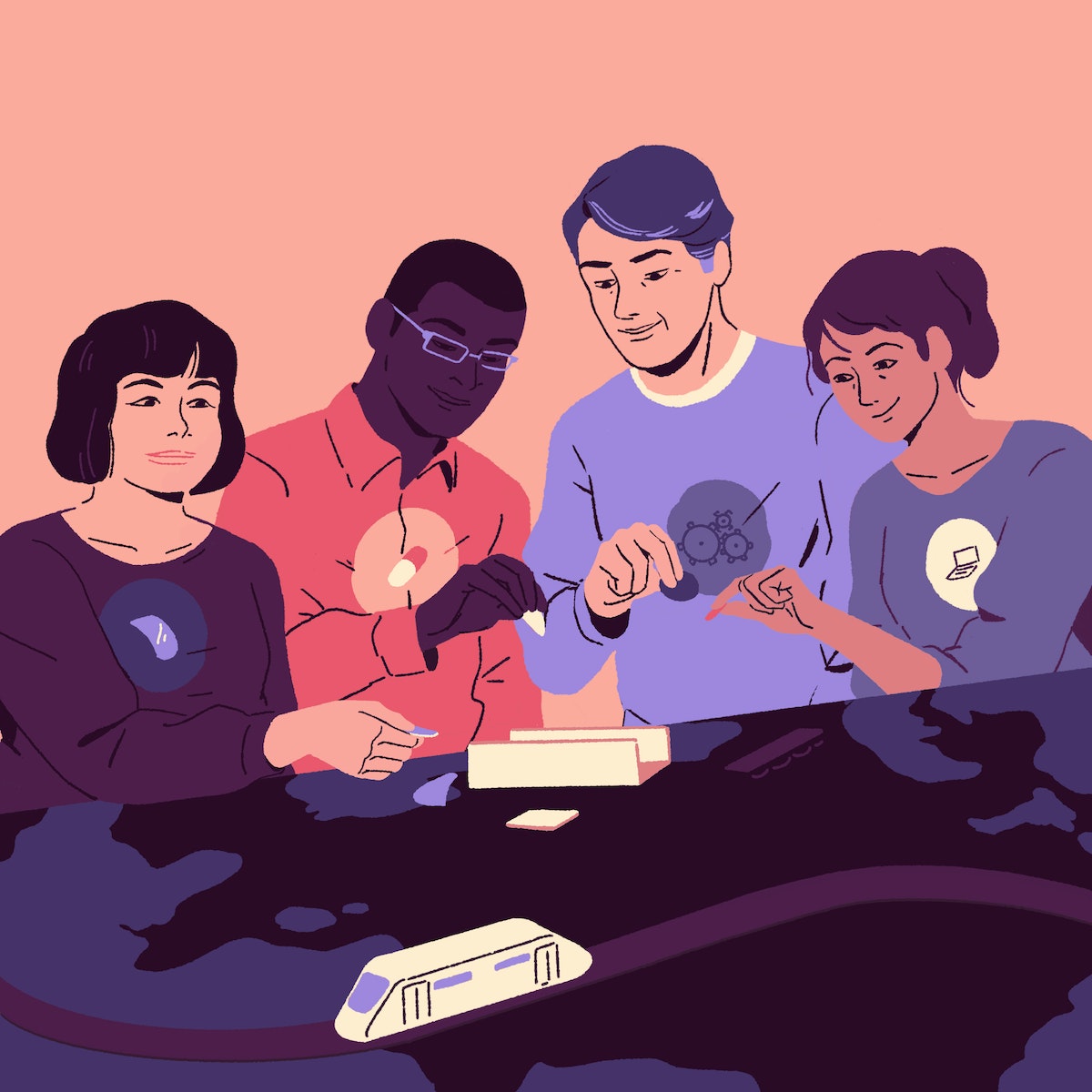
Put food on the table or keep the furnace running on a frigid day? It’s an unfortunate choice many low-income families in Flint, Michigan, face.
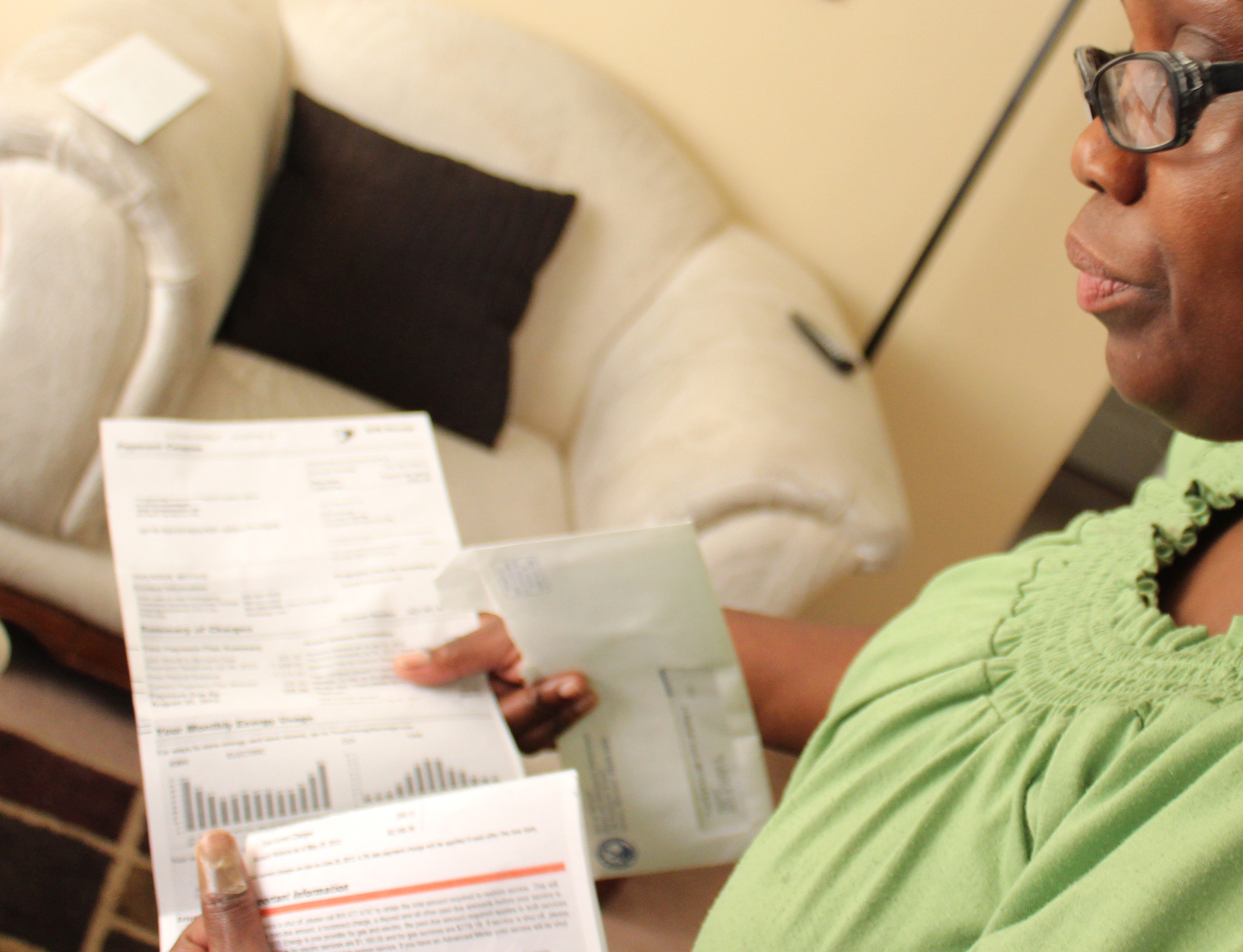
To help customers in Flint and other Michigan towns stay on top of their utility bills and better understand the relationship between their energy consumption and the resulting costs, Consumers Energy partnered with IDEO and utility assistance provider The Heat and Warmth Fund (THAW) to create an innovative pilot billing program called Clear Control in late 2013.
The pilot was designed with three major human-centered changes to the traditional utility experience:
- Instead of monthly bills, participants received two bills per month. Shorter billing periods allowed for smaller, more frequent payments, helping customers match available funds with their ability to pay.
- Daily text updates on energy usage and bill amounts kept consumption top of mind.
- Consumers Energy offered personalized, in-home audits to help customers make low-cost, high-impact changes to their energy bills.
A year later, the results of the pilot are energizing. Clear Control participants accumulated no new debt, while the control group owed $300; pilot customers used 20 percent less electricity, reducing their bills by $200 per year; and 95 percent of participants paid their bills in full and on time, compared with 35 percent in the control group. The utility company simultaneously benefited by avoiding arrearages, late-payment fees, and shutoffs. Consumers plans to incorporate Clear Control lessons into its overall energy assistance program design and development moving forward.
"It’s no longer ‘me’ against ‘them’—now it’s ‘us,’" said one Clear Control participant.

Creating the first usable mouse
IDEO designs the original mouse for Apple.
In 1980, Apple asked IDEO to develop a mouse for their radical new computer, the Lisa. Previous attempts at mouse design, by Douglas Englebart and Xerox PARC, yielded results that were too expensive and hard to make. The Apple mouse needed to be more reliable and less than 10 percent of the cost of the earlier versions.
To start, the design team created a cheaper, much-improved mechanism that would operate the mouse, and found that a complex, plastic "ribcage" would hold the pieces together. The team similarly tested and refined the mouse’s other key components, from the audible and tactile click of the button to the rubberized coating on the ball. A record turntable spun for days, logging “mouse miles” to check the reliability of the electromechanical assembly.
The resulting mouse proved mechanically and economically sound and was changed only slightly when adapted for use with the first Macintosh computer. The basic mechanism design is used in virtually all mechanical mouses produced to date.
Building a new venture to restore trust in China’s food system
Launching a new restaurant and retail venture that connects food from seed to table.
Food is the heart of most cultures. In China, one of the oldest cultures in the world, food is central to family gatherings and celebrations. It’s what binds people, a tangible way of showing love and respect. But in recent years, the Chinese food industry has suffered from concerns around safety.
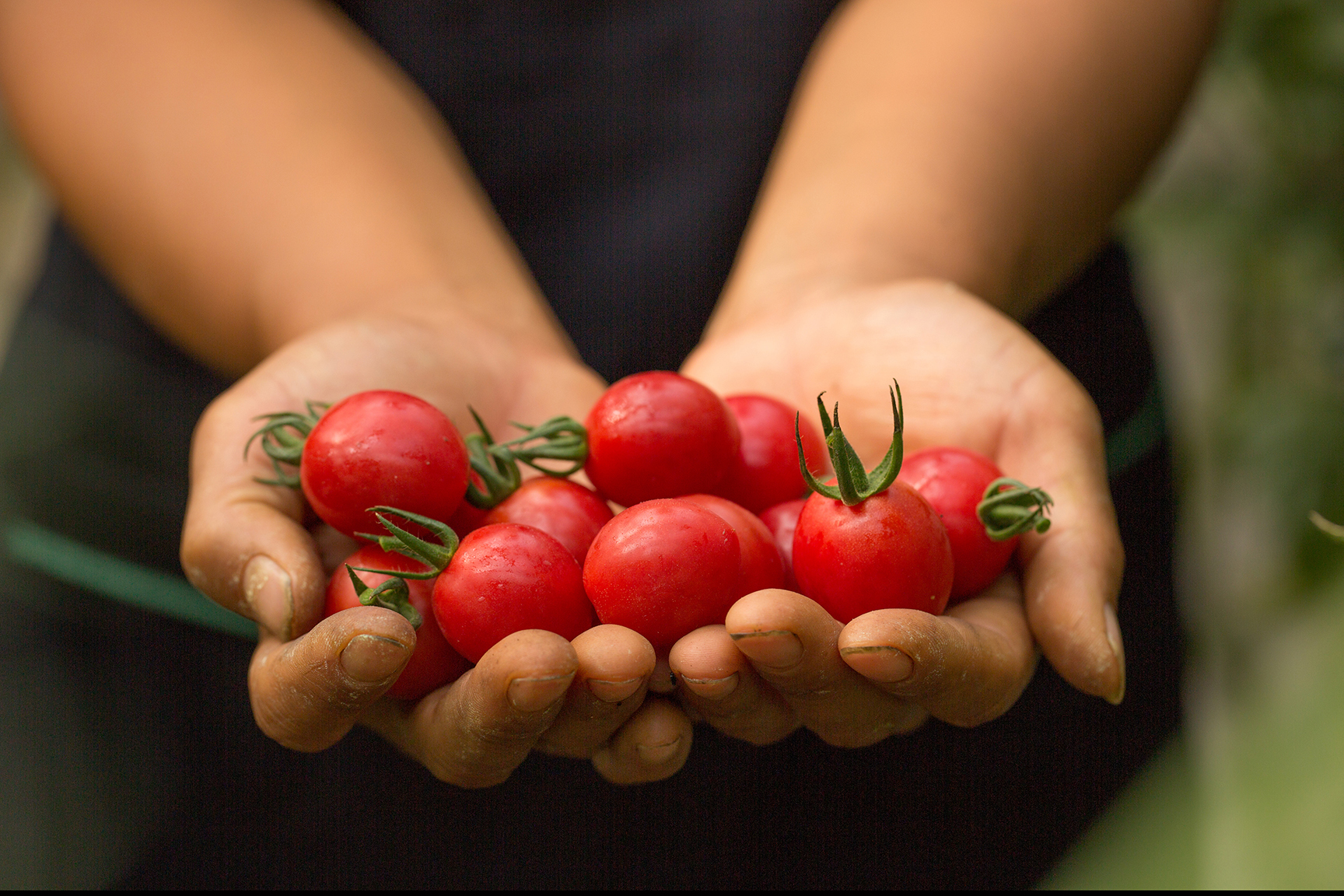
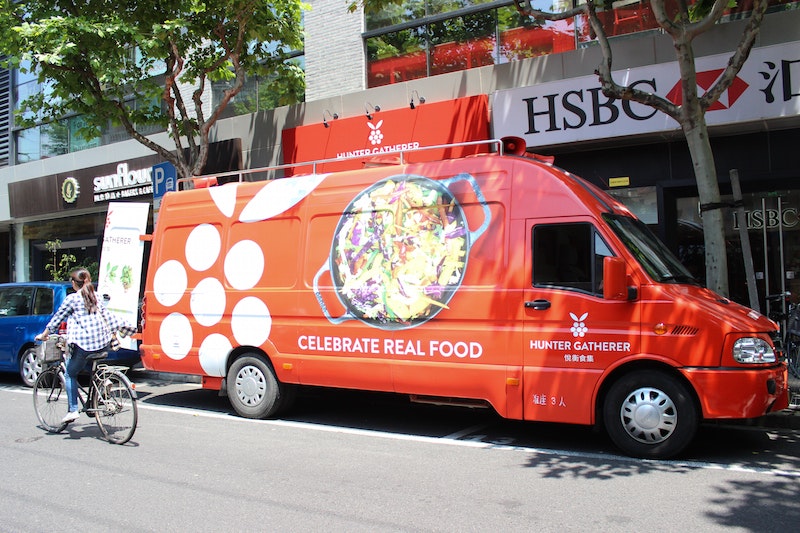
Two siblings, Harn and Anmao Sun, set out on an ambitious venture: to create a trusted source of food in China and, by setting an example, to instigate a movement around conscious farming practices. The American-born entrepreneurs launched Hunter Gatherer, a restaurant and retail food space built around a transparent supply chain, from farm to table to grocery shelves. The venture is based on growing and serving what they call real food: The ingredients are chemical-free and come from known and trusted sources—food they’d eat themselves. The purpose of the venture is simple: to serve people real food that is their right.
Having studied and worked in the US, Harn and Anmao grew accustomed to browsing farmers markets on Saturday mornings or picking up a burrito at Chipotle. But when they returned to China, they were unsure about the safety of the food they were eating.
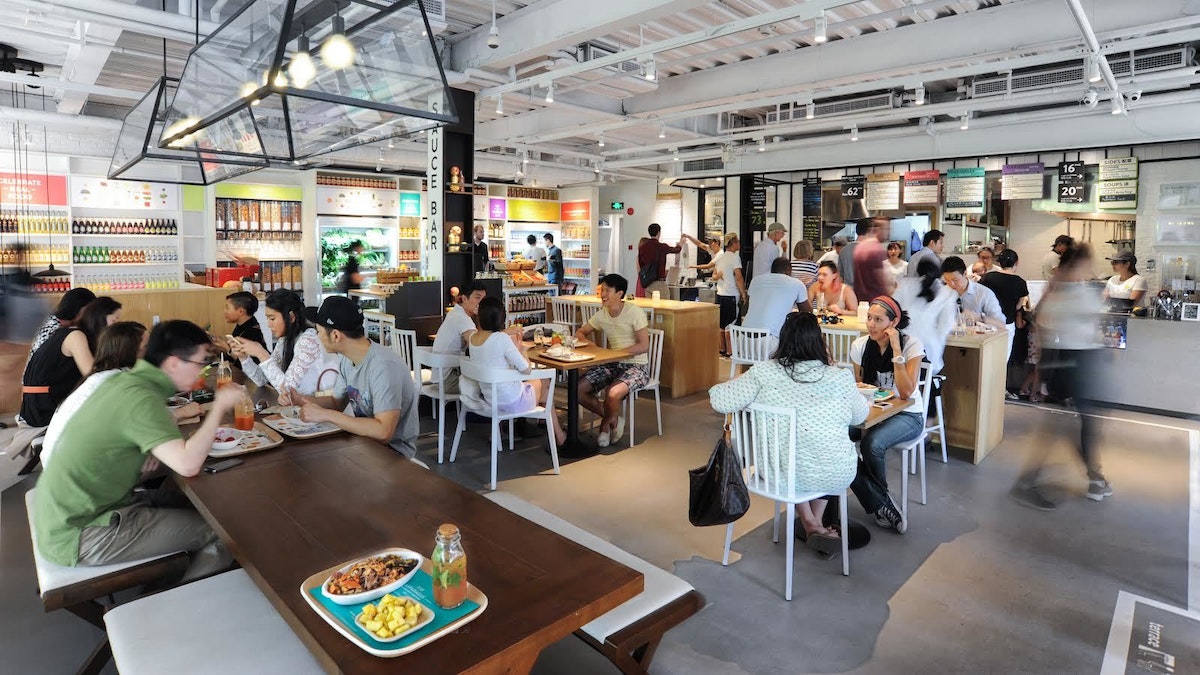
“In China, you wouldn’t go to a food stand, because you’d be concerned about the ingredients,” Anmao said. “You can’t take the safety for granted.”
Hunter Gatherer’s very existence challenges bedrock assumptions about how food is produced in China. A long and depressing list of scandals—milk contaminated with melamine, pork produced from diseased pigs, used cooking oil repackaged and sold as new—has rocked the public trust.
“In China, agriculture is going through a huge change,” Anmao said. “In the US, agriculture operations are regulated. Farmers’ practices are regulated. If they use pesticides, there are limits because these farmers understand that once a certain threshold is hit, additional pesticides will not yield more crops. But in China, pesticide use came about 30 years after the US and Europe, and because of a lack of full understanding, farmers in China incorrectly operate under the assumption that more pesticides means more crop yields. Also, with over 250 million farmers in China, it becomes immensely difficult to properly regulate everyone.”

New Ventures
Harn and Anmao wanted to restore trust in the simple act of eating in China, and they came to IDEO to build a scalable business based on that vision. This was essentially a startup, a shared commitment between IDEO and Hunter Gatherer.
“I’ve lived in Shanghai for the past seven years, and as a relatively active and health-conscious person, I’ve had to invest quite a bit of time in finding food that I trust,” said Charles Hayes, managing director of IDEO Shanghai. “That investment has been both in the time it takes to research the sources of ingredients but also a literal investment in paying a high price for imported food just for that extra peace of mind.”
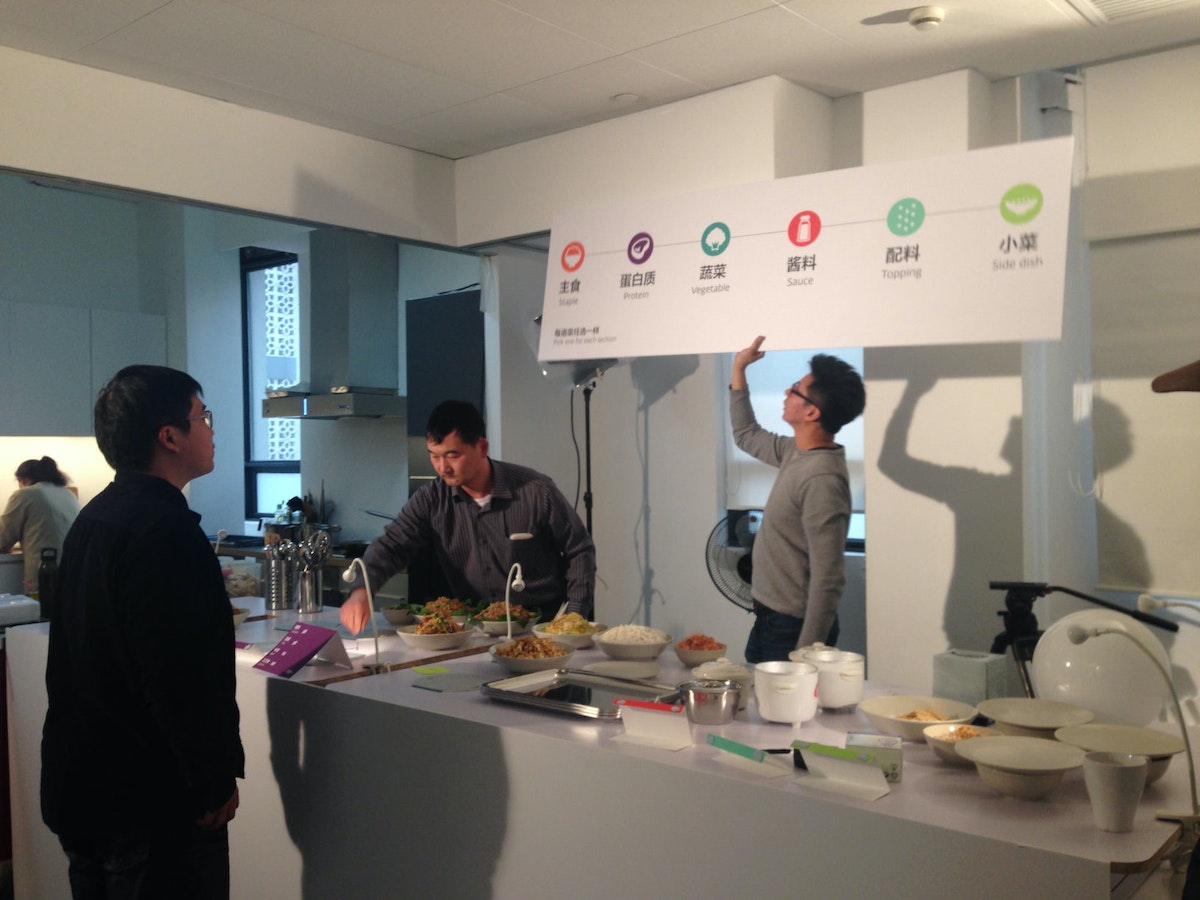
Anmao and Harn took up residence in the IDEO Shanghai offices to incubate their business. Together with IDEO designers, they tested packaging, cooked countless meals, and found ways to introduce unfamiliar ingredients to Chinese consumers. They discussed different concepts of lunch and dinner, and how notions of freshness in Chinese culture might affect cold-storage systems. In IDEO’s prototyping kitchen, the teams tested all manner of different foods, flavors, colors, mixes, and price points, and they brought consumers in to try them out. IDEO designers, along with the founding team, also worked on the brand and positioning of what would eventually become the Hunter Gatherer enterprise—its location, human resources, and marketing strategies.
As the restaurant concept came together, finding the right food sources had to be addressed. Traditional agriculture couldn’t be trusted; organic certifications were available on the black market, and safety protocols around chemical use were nonexistent. Anmao and Harn decided to invest in their own farms. They met with farmers, asked questions about their methods, and walked in the fields to see for themselves. Eventually they settled on two plots of land outside Shanghai and began developing more than 80 different crops to be used in the restaurant.
From Seed to Table
When it came time to find the right space for the first location, Anmao and Harn discovered an open, airy storefront on Anfu Road in Shanghai’s tree-lined former French Concession area. They designed and built a retail space and kitchen, and along with IDEO designers, they trained the staff and organized workflows. The staff set the tables with Mason jars filled with flowers, hung photographs of the farmers who grew the food, and put up a sign that showcases the percentage of vegetables coming directly from the Hunter Gatherer farms, already more than 70 percent in less than a year after opening.
Customers can shop for fresh vegetables, locally sourced and imported canned and jarred goods, bins of cereal, freshly made smoothies, artisan sauces, and exotic chocolates. Upstairs, they can feast on delicious dishes in the homey restaurant.
Reviews have been glowing. One customer raved about the machine that grinds fresh nuts. Another loved the open space, the “good vibes,” and the refreshing cucumber water. Young people go there on dates, and families return for the delicious menu variety.
The convivial space has blossomed into more than just a restaurant and grocery store. It’s become a gathering place of sorts, both for the community and for partners who share the same vision. Farmers and food purveyors are invited to showcase their products at seasonal events and to mingle with customers and share recipes and stories.
“Hunter Gatherer has come to symbolize a kind of lifestyle the Chinese people have been looking for,” said Eugene Lin, an IDEO business designer. “A place they can enjoy hanging out with friends, as well as a movement and mission they can stand behind.”
A Digital Future
This is just the beginning of the venture. The plan is to open 40 more locations throughout China. But the vision for Hunter Gatherer’s growth is bigger than brick-and-mortar restaurants—where the business will truly scale is in the digital space. Eventually, the plan is to launch a Hunter Gatherer online grocery store from which anyone can buy food grown from trusted sources.
“We have to create trust with the consumer. It’s the most difficult and most valuable thing to do in China, especially with food,” Anmao said. “Our brick-and-mortar locations will establish that increased trust. Then we can go online and grow the idea to the rest of the country.”
Will Hunter Gatherer have a hand in changing the way that the world’s most populous nation thinks about food? Its principles are already spreading, from neighboring farmers adopting more sustainable planting methods, to a growing market for products like wine.
But the true sign of success will be almost invisible—the moment when an increase in demand will result in safe food for everyone and when real food becomes commonplace.



8 Emerging Trends That Can Help Companies Understand Their Future Consumer
IDEO’s global teams reported the patterns they’re seeing heading into 2020
We heard back from colleagues around the world with reflections on technology, identity, health, food, aging, climate, and more; then synthesized the observations into a series of glimpses into a near-future reality where meat is grown in a lab and remote teams holo-call into all their meetings.
At the moment, many of these patterns exist at the periphery of our lived experience, hinting at emergent realities. But as we head into what will surely be an eventful 2020, they can offer some clarity, set expectations, and trigger new thinking about where we’re going as organizations, as individual leaders, and as a society in pursuit of a bright future.
1. Attention Economy Backlash
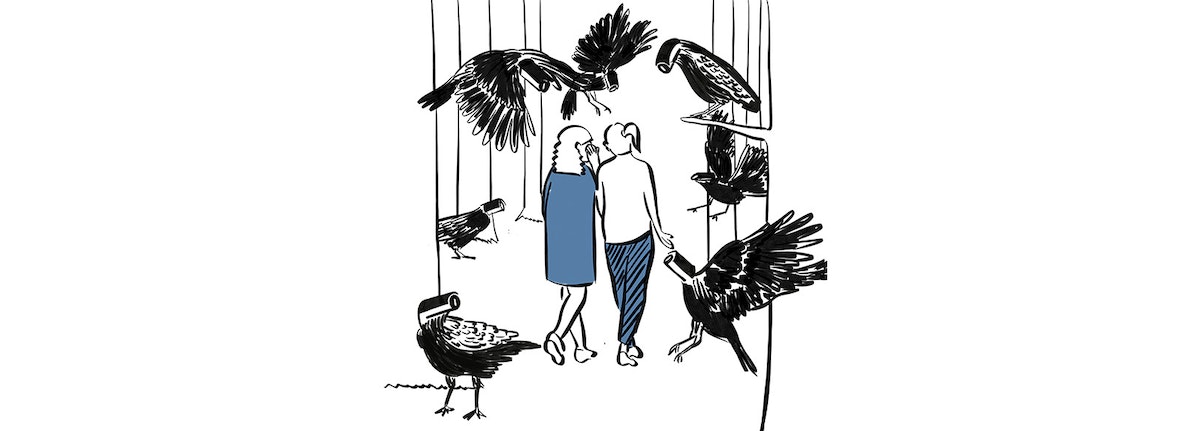
We love our phones, but will they ever love us back? Despite round-the-clock connectedness, millennials are being called “the loneliest generation,” suffering endemic anxiety and depression as social media activity replaces in-person interactions. Along with our privacy and attention, we give away our data—which is for sale, but we don’t get the profits. Clickbait lures us with content that causes outrage, disgust, or anguish; but we click anyway, and that has measurable impacts on our mental and physical health (not to mention society).
Such concerns have spawned a movement to regulate big tech. We see it already in the growing practice among tech moguls of sending their children to Waldorf schools and insulating them from technology, even as it’s the root of their fortune. Meanwhile scientists at Northeastern University and MIT-IBM Watson AI Lab are working on “adversarial T-shirts,” printed with a specific pattern that can confuse facial-recognition algorithms, thereby protecting people’s identity in surveilled public spaces.
As we watch these phenomena unfold, new questions help us begin to fill in our picture of the future: Will all organizations soon have a Chief Ethics Officer? Will “surveillance-free space” become the new “non-nuclear zone?” Will there be a course-correction in social media, where "positive antisocial" digital experiences emerge?
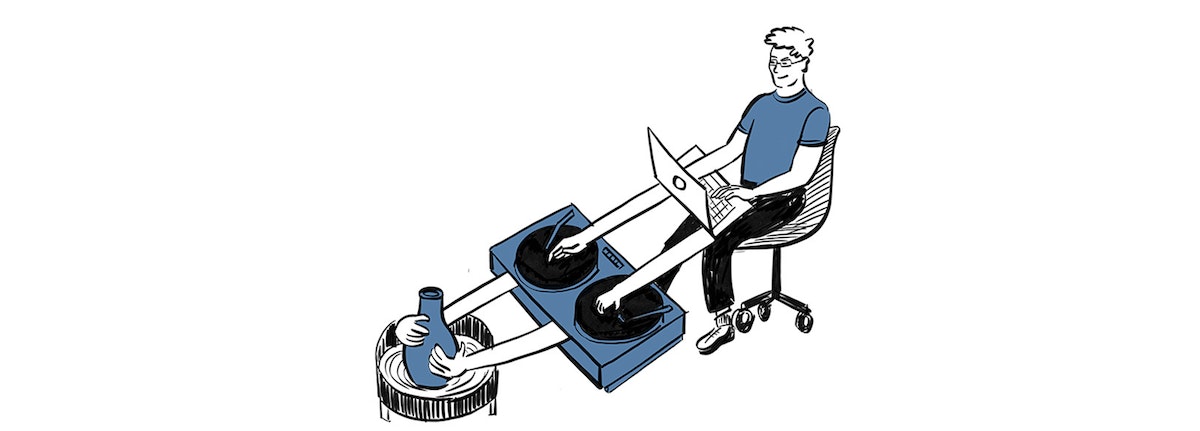
2. Multi-Track Mind
It’s increasingly common to have multiple careers, many side gigs, and several simultaneous committed relationships over the course of adult life. As digital tools become the means to finding work, partners, and new interests, the bios we use to present ourselves on social media reflect the hybridity and fluidity of the moment. Identity itself is often a composite that includes profession, religion, gender, family, geography, ethnicity, personal passions, and the list goes on.
These currents are already taking shape through organizations like Live in the Grey, which empowers people to blend what they like to do with what earns them a living. As AI replaces many tasks, there will be less need for full-time work, and employers may offer part-time roles to retain people.
To help think through these evolving identities and aspirations, we’re asking: Will banks have to design “rainy-day” funds as people increasingly lack one consistent stream of employment? Will universities have to create hybrid departments, teaching positions, and curricula sourced from multiple disciplines? Will people identify as both their physical and digital identities in the world?
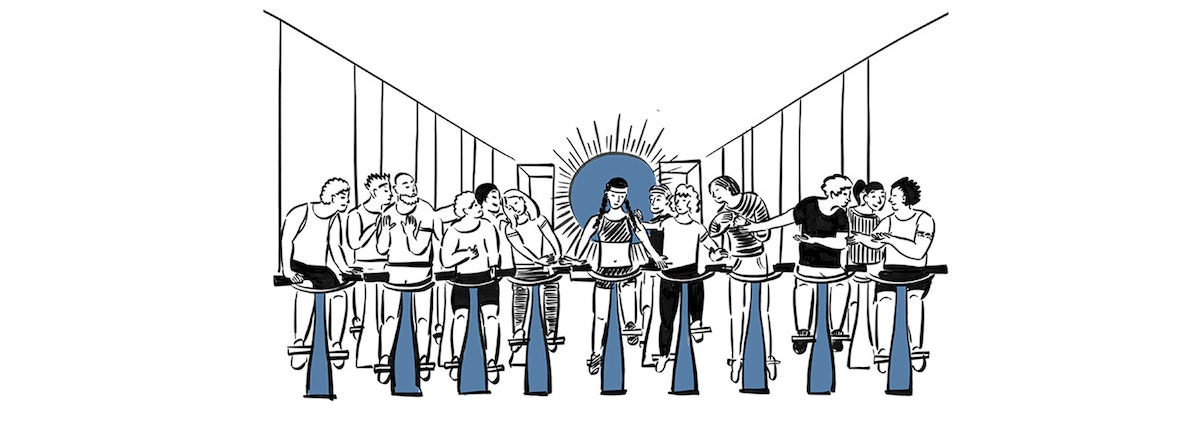
3. Distributed Devotion
Although younger generations are less affiliated with organized religion, they have no less drive to find a sense of belonging, meaning, and spiritual connection. But they’re finding it in a much wider array of locations and communities. Yoga studios, supper clubs, and forest bathing all offer a sense of communion. Megachurches hold rock concerts and sell Starbucks; Kanye West has his own ministry. For some, transcendence can be found at CrossFit.
Sacred Design Lab, a research and design consultancy, explores how modern millennials “gather” to seek out meaning, community, and ritual in the absence of organized religion. The People’s Supper uses shared meals to build trust and connection among people of different identities and perspectives. Intentional communities are having a resurgence among people who want to live and raise children beyond the nuclear family, and reduce consumption by sharing resources. One example, Kin, is a co-living concept specifically for people with young families.
This prompts us to wonder: Will brands soon have a Chief Belief Creator? Will micro spiritual sects replace organized religion? And will physically distributed workforces and the growing gig economy generate a new longing for community at work?

4. The New Normal
Transgression is the new norm. In large U.S. cities, cannabis has replaced alcohol for recreation and relaxation; psychedelics are administered in therapeutic settings; and gender is understood to exist on a spectrum. Aid in dying is now law in nine states (plus DC). This will be a slow moving pattern in many cultures, but is a fast moving train in many major cities.
Last year, Oakland, California unanimously passed a resolution to decriminalize hallucinogenic fungi, otherwise known as “magic mushrooms.” Aside from academic clinical trials at Johns Hopkins, NYU, and elsewhere, German company ATAI Life Sciences and Compass Pathways (for-profit biotech platforms) are testing psilocybin and other psychedelic substances for therapeutic use. The Multidisciplinary Association for Psychedelic Studies (MAPS) is pioneering the use of MDMA for anxiety.
All this has us asking: Will cannabis corporations trade on the S&P 500? Will the option of assisted dying be part of any conversation on end-of-life care?
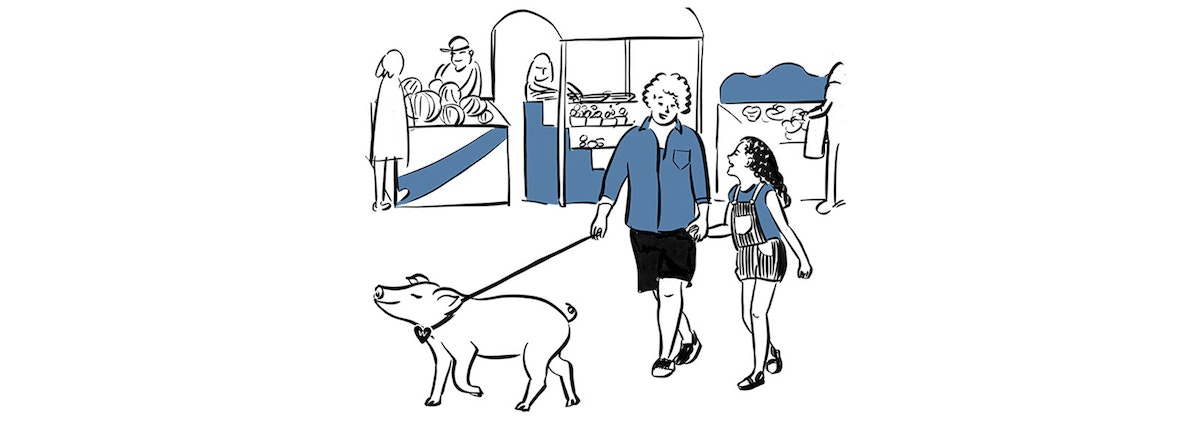
5. G.R.A.S.-fed*
The threat of climate-induced food scarcity is driving a rise in precision agriculture, analytics, IoT, and CRISPR gene editing. Indoor farming heralds a future where even food deserts can produce nourishment. Lab-grown meat and fish have arrived, as have molecular whiskey and wine.
Clara Foods is a so-called “cellular agriculture” company that produces egg whites without hens, using yeast to grow proteins that mimic the animal-derived version. Aleph Farms is growing cultured meat in a lab. And a company called Endless West is creating Glyph, a whiskey made in a test tube rather than a barrel, mapping the flavor profile at a molecular level and building the product in less time and with fewer resources than its traditional predecessor.
We wonder: Will GRAS become the new “natural” on food packaging? Will prehistoric life forms be replicated for contemporary consumption? Will prescription diets be the norm?
*The FDA’s acronym GRAS, or “generally regarded as safe,” is emerging as the framework for accepting scientifically modified food.
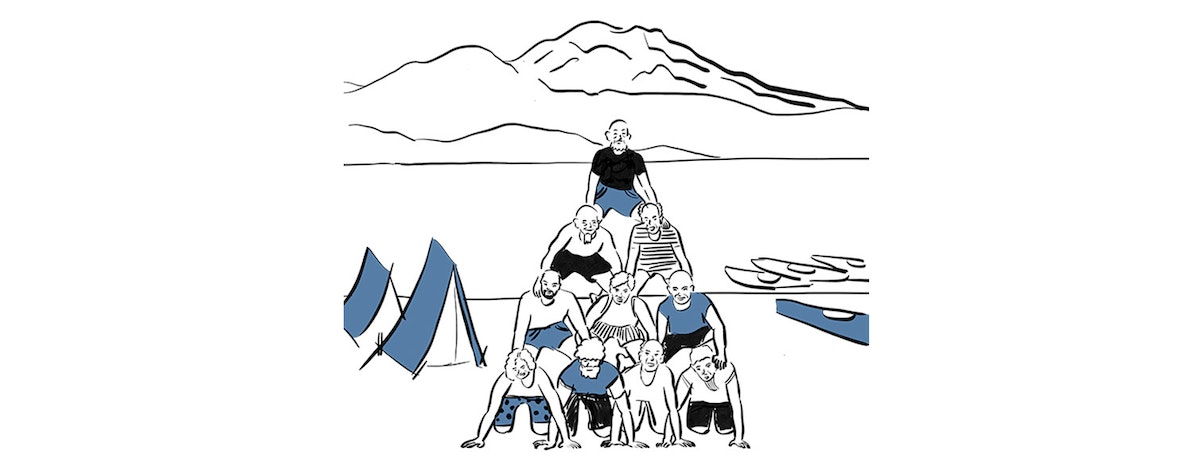
6. Peter-Panning
As boomers age, lifespans extend, and full-grown adults reject “growing up,” typical kid activities—video games, escape rooms, summer camp—are marketed to every age. Many millennials shun “adulting” and choose not to have children. Meanwhile, people are working into their 70s and 80s as “middle age” extends and salaries stagnate. Must we "do it all" in our 20s, 30s, and 40s only to peter-pan for 30+ years afterward? As younger people prioritize careers over children, perhaps hearty elders will do the child-rearing while parents play.
Google, Facebook, and other startups choose office design that mimics college dorms. Silvernest is an online home sharing service geared towards seniors. Papa, a service that bills itself as “grandkids on demand,” offers assistance and socialization for seniors. And in 2014, Google launched Calico, a billion-dollar longevity lab.
It begs the question: Will retirement plans have to be redesigned to accommodate longer work lives? Will multi-generational “village” housing become the norm? Will people upload their brains, holograms, and other likenesses to the cloud to gain a form of eternal life?
7. Blue Marble Thinking
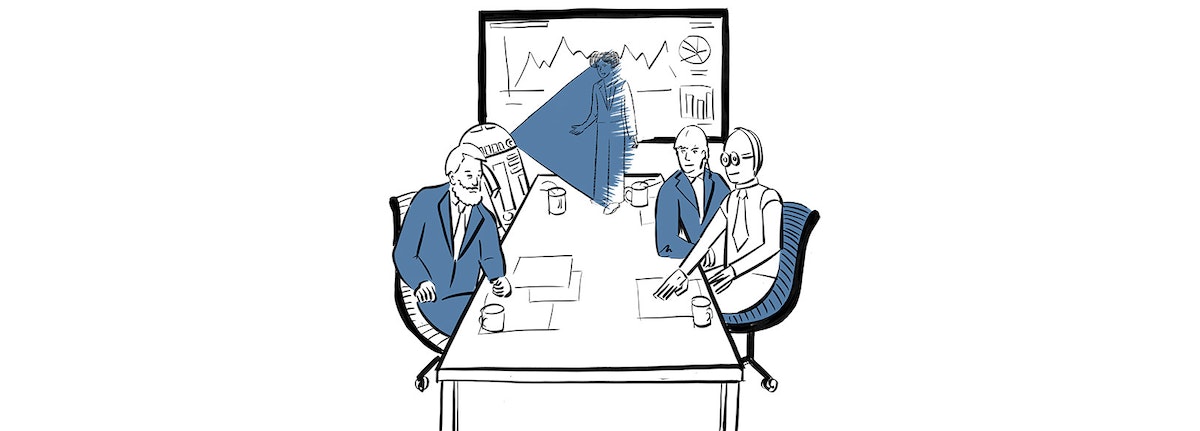
Climate anxiety is real and it’s changing behavior. Swedish advertisements shame jet travelers. Consumers at the top of Maslow’s pyramid make decisions based on organizational ethics and potential waste streams. Corporations are being held to account by employees on every front, from sustainability to privacy; and “benefit corporations” (B-Corps) are increasingly common.
Technologies like Rumii allow people to collaborate in VR, preventing the need to travel to meetings, and Microsoft’s Hololens is developing holograms to stand in for in-person meetings. H&M, Everlane, Patagonia, and other clothing lines are focusing on circularity and sustainability in their supply chain.
In a climate-conscious, globalized world, what sacrifices might the West have to make to help developing economies catch up without the pollution toll? Will “Circular” become a product designation, like HE (high-efficiency) washing machines? Will Thunberg-activated youth drive new consumption patterns?
8. Skipping School
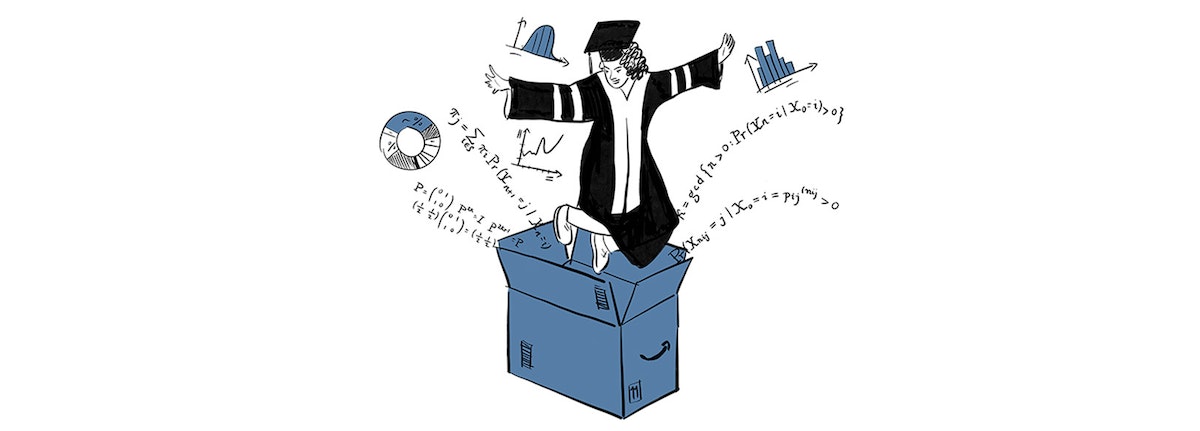
The fourth industrial revolution demands new skills, which entails different approaches to how and where we learn. Corporations have brought learning and development programs in-house. In some countries, the aging population means fewer college applicants. Students are also rethinking the investment in and financial burden of college, and instead heading to coding bootcamps; while budding entrepreneurs follow the Zuckerberg/Thiel route and quit school to launch and learn in startups.
Amazon and Salesforce are starting programs to train their internal employees for roles that are hard to fill. There is a profusion of coding bootcamps like CodingDojo, and institutions like General Assembly, that are reinventing vocational education and providing alternatives to college. Lambda School and Flatiron take the ROI of education literally, only charging after graduates find a job.
In the near future, will we see vocational education replace the B.A.? Will kids apply to Google straight out of high school? Will cities—alongside corporations—invest in reskilling their workforces with new guilds and trade schools? Will teachers end up ditching schools in favor of teaching for plum salaries in private industry?
Header image by Brian Pelsoh; illustrations by Joanne Cheung
A few months ago, with the end of 2019 in our sights, a group of IDEO designers and researchers sent out a query to all of our studios and locations. We asked a simple question: What emerging patterns are you seeing in your work that few are talking about?
Here’s What it Takes For Designers and Developers to Truly Collaborate
4 tips to help blended teams stay human-centered, from concept to launch
As an interaction design director at IDEO, I’ve seen teams fall into this trap countless times. Once you jump into building a product, it’s easy for the intricacies of features, backlogs, and bugs to take priority over the human problem you’re trying to solve. When I’m guiding multidisciplinary teams through product development, my goal is to anchor the user at the heart of the process, from ideation through implementation.
Here are some tips for helping design and development teams work better, together—and for keeping the user top of mind from concept to launch.
1. Let big needs inform small tasks
As a team transitions from design into build, it’s inevitable that the focus shifts to practical details. Most development teams that I’ve worked with use some version of an agile process. Teams identify a set of features to build in short sprints. These features are then broken down into even smaller bite-sized tasks. For example, in a digital build, tasks could include “a user can rotate an item” or “a user can skip a step in on-boarding.” When you're working at a level this granular, it’s easy to lose sight of deeper human needs.
One way to prevent this is to articulate and make visible the user goals that your team is trying to achieve. In a recent sprint, we identified our goals as, “Help users collaborate and share, inspire users to create content, and provide relevant advice.” The product manager wrote this statement on Post-its that she stuck to each team member’s monitor. Throughout the sprint, it was always visible and top of mind, and our team would constantly refer to it in conversation. We used it to prioritize our work as requests crept in to tweak features; if a request didn’t support the user goal, it was cut.
2. Make digital work physical
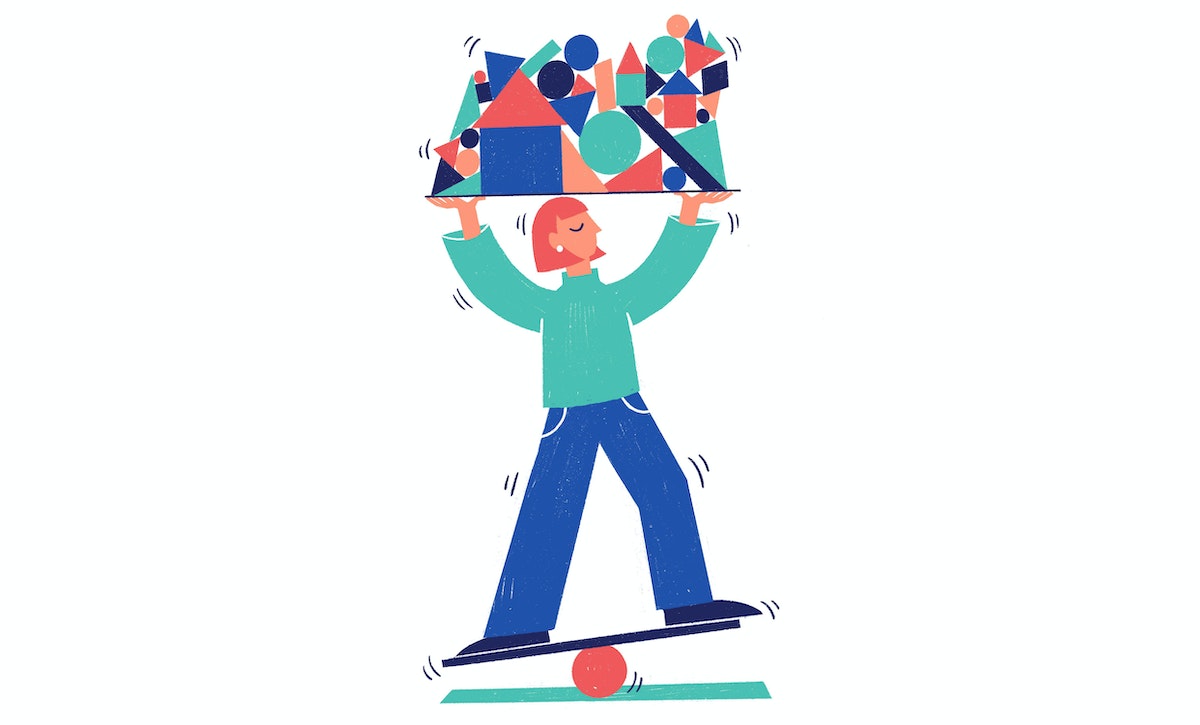
In addition to keeping user needs top of mind, it’s critical to also keep an eye on the holistic experience. When your team is moving quickly through sprints, there is a risk that it will build one group of features and quickly move on to the next without making a connection between the two. At a larger scale, product teams are often organized around features (such as check-out, product page, or search). If these teams don’t communicate, and no one owns the full experience, it creates a confusion for customers.
This is an instance where tangible visual reminders can be useful—in making your digital work physical. During a collaboration with an agile team, I recognized that we were losing sight of the full user journey for our product. I hunted down a large foam core board, printed out all the screens we had designed, and arranged them into user flows. The engineers were baffled by my paper-based technique, but it gave us view of the full experience. We scribbled on the printed screens, added sketches, and continually tacked up new versions. As we went deep on building certain features, we made sure to look across the system to ensure consistency.
3. Prototype while building
A common pitfall among product teams is to jump to a single solution and then tweak details through usability testing. This type of testing may reveal how a user best engages with an interface (do they expect to click or swipe?) but it may not prove that a feature meets core needs.
It’s beneficial to keep prototyping with users through implementation to ensure that the team is continually building the right thing. Take a few hours or a few days to throw together a quick prototype (with paper, a prototyping tool, or code) to de-risk the process and potentially save hours of development time (not to mention budget).
I worked with an online retail team that wanted to build a new feature that would respond to shoppers' desire for more targeted recommendations. The team had jumped to a solution based on the best technical solve—a feature attached to the user profile that mimicked a closet with drawers.
While the virtual closet was an easy tech solve, I questioned whether the complexity met the need. The team took a few days to do lightweight testing of multiple concepts. They discovered that shoppers actually preferred to receive tips while shopping. Eventually, we landed on a simpler solution that not only saved hours of development time, but created an experience that customers actually wanted.
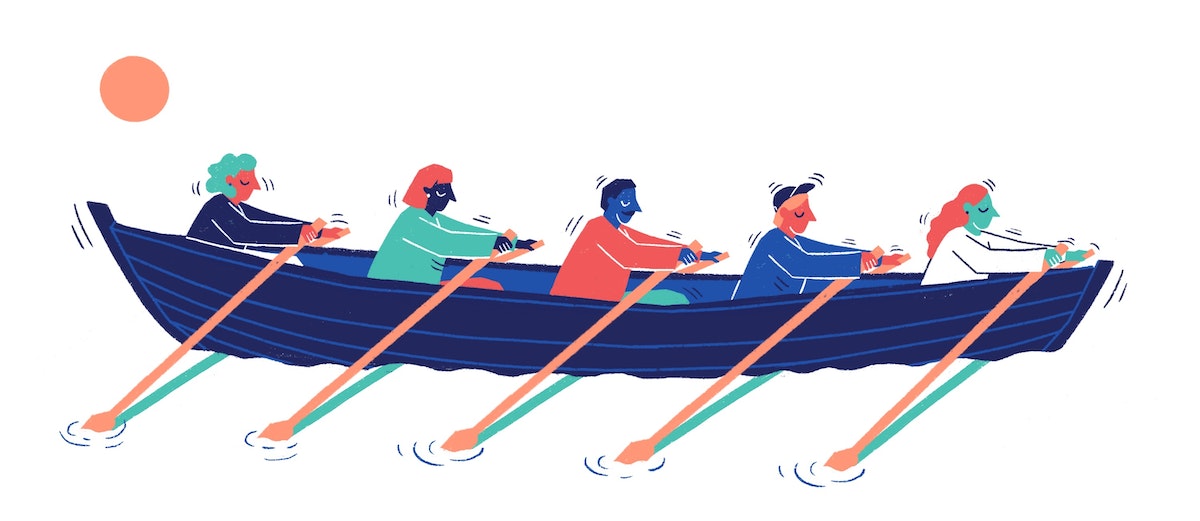
4. Create one team
The best way to remain human-centered is to create a healthy overlap between design and development teams. Merging methods and rituals can be a messy process, but ultimately, it’s worth it. Engineers become open to creative problem solving and designers are willing to be more flexible with their ideas when they understand what it takes to build them. In the best case, a multidisciplinary team is located together in one space, and a designer can simply roll their chair over to an engineer to chat. When this is not possible, we do our best to make remote teams feel connected, in one case setting up a video “wormhole” between designers and developers in different cities.
Beyond co-locating, it can be surprisingly useful to intentionally create a shared culture and team identity. I came around to it after seeing many teams with awkward beginnings eventually bond around shared identity, jokes, and rituals. One project that I worked on brought together designers and developers from three different companies. They were tackling a mobility challenge, so they aptly named themselves “Mötormouth.” They devised a back story about a ‘90’s metal band, printed sweatshirts, and even took a break during a grueling sprint to take band photos. By the end of the project, I was convinced that this wacky band identity helped a diverse group work effectively as a team.
The best digital products are the ones that solve a human problem. And the best digital design teams are the ones that keep that human at the center of their process, from early ideas through final build. By combining disciplines, prototyping often, and allowing the user to guide decisions, teams set themselves up for success. And along the way, it's important to not neglect play—it may seem extraneous, but it’s the glue that bonds teams around a common purpose.
Illustrations by Cassandra Fountaine
Picture this: You’re three weeks deep in a digital product build, under pressure to hit a launch date. You’re in the zone, typing out tasks and churning out features. But in the chaos, you start to lose sight of why these features matter. You pause, push back from your desk, and ask the team, “Wait, why are we building this feature again?”
The 5-Year Collaboration to Turn Canada’s Busiest Airport Into Its Best
How human-centered design helped Toronto Pearson rise to the top of North American airport rankings
The following oral history recounts that process, which has been defined by an unusual collaboration: Greater Toronto Airport Authority (GTAA) manages the airport with a staff of 1400 employees, while the airport as a whole employs approximately 50,000 people across 400+ organizations. How do you bring them together?
The voices telling this story come from both sides of the relationship: Scott Collier is the Vice President of Customer and Terminal Services at GTAA, and Mike Ross is GTAA’s Director of Commercial Development. On the IDEO side, the project was led by Owen Rogers, a Partner and Senior Design Lead; along with Mat Chow, Director and Organizational Designer; and Nic Pajerski, former IDEO Design Lead.
Setting the Scene
In 2014, Scott Collier became GTAA’s Vice President, Customer and Terminal Services, a role that left him responsible for the Commercial and Terminal Operations of the airport—all of those things most visible and arguably most frustrating for passengers. He had an unusual background for an airport executive, having spent his career primarily at PepsiCo across North America.
WHY SCOTT TOOK THE JOB AT TORONTO PEARSON
Scott Collier, Vice-President, Customer and Terminal Services, GTAA: As a Toronto area native and an admittedly frequent traveller through Pearson, I was always fascinated by the incredible complexity of the airport, yet the apparent disregard for the interests and concerns of the traveling public. It felt as though every point within the travel journey was designed to frustrate the passenger, and, in most cases, for no apparent reason. I also knew that there are many industries that run hyper-complex operations but still manage to put the customers first. It seemed logical to me that we should be able to do that at an airport as well. If nothing else, it would be a heck of a challenge.
HOW DO YOU SOLVE A PROBLEM LIKE AN AIRPORT?
Mat Chow, Director and Organizational Designer, IDEO: Toronto Pearson—or really any airport—exists to move three things: people, planes, and baggage. But ironically, airports are never organized that way. They’re siloed. There is very little ownership of the airport as a whole. But at IDEO we have this principle: we organize around the work, not work around the organization.
Nic Pajerski, Design Lead, IDEO: Airports are gnarly because everything is no one's responsibility. Or at least that's what it felt like.
Mike Ross, Director of Commercial Development, GTAA: I like to joke that it says "authority" on my business card, but we really don't have “authority” over anything. The many tens of thousands of frontline employees, working for over 400 companies, all have their own mandates, their own safety rules, their own way of operating. We just house and host them.
Scott Collier, GTAA: Think about the passenger's journey through the airport. Where do you park? How fast is the check-in process? Will my carry-on bag be allowed? How long does it take to get through screening? Are the bathrooms clean? The number of decision points are insane! And if any one of those steps starts to break down, you're done—and we’re done. Our performance falls apart and we have let the passenger down. If they're running to their gate—and we proved this—our passengers aren’t spending any money. We know for a fact that improving wait times by one minute translates into about a million and a half dollars for the airport in sales. It's crazy, but what is even more appalling is that no one cares. You can’t make this stuff up! So long story short, unless the entire enterprise is aligned around the one thing we all have in common—the passenger—we will never achieve our aspiration to be the best in the world. And that’s the cool thing about working for an airport: bringing all of the organizations together toward a common cause. That's the challenge. The question, therefore, was “How?”
The Kickoff
In 2016, IDEO and GTAA began working together to improve the airport, kicking off the project with an exercise meant to let everyone see the airport with fresh eyes. Armed with a checklist, the two teams went out together to observe how different types of people moved through the terminal.
AN EPIPHANY AT SECURITY
Owen Rogers, Partner and Senior Design Lead, IDEO: We walked around the airport for about four or five hours, and we would stop and watch. Scott’s very inquisitive. He'd say, "What do you think about this? What do you think about that?"
Scott Collier, GTAA: I remember we were at domestic screening in Terminal One—our biggest. It was summertime. There are kids crying. And we see a mother losing her mind trying to keep her kids together while navigating through a massive wait line. It was so disheartening to watch her have to endure that in our airport. Welcome to Toronto Pearson! How do you like us so far?
Nic Pajerski, IDEO: She had a stroller and a baby in a sling, and her bags, and she was also trying to navigate the thing that everyone else is doing.
Owen Rogers, IDEO: We all stopped and watched. Scott’s team was with us as well. And they all kind of rushed over to help her—because that's what they do, they're customer service.
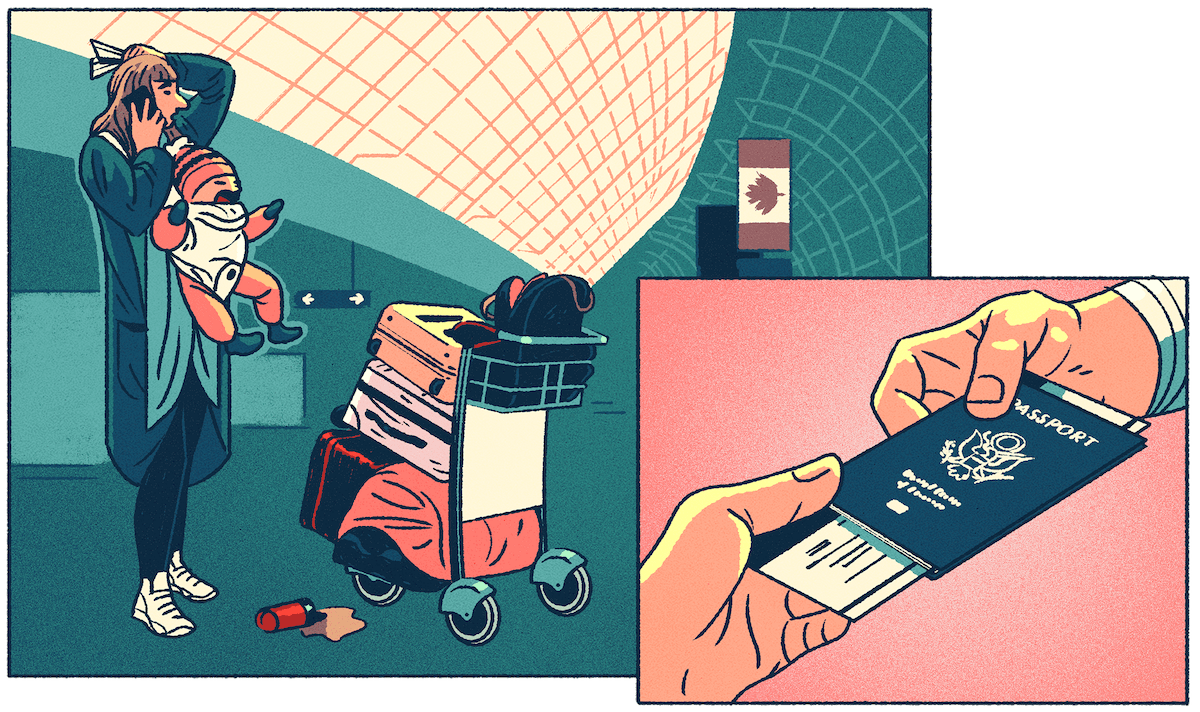
Nic Pajerski, IDEO: We had sent everyone out to do this design research activity as a team, thinking that they'd be able to dig deeper. But this was very demonstrative of how broken everything was. It was an enlightening moment: obviously the thing that we have isn't working. For everyone.
Scott Collier, GTAA: Owen and I were just kind of looking at each other and shaking our heads. And I said to him, “So, can you help us?”
Owen Rogers, IDEO: Scott seemed to realize in that moment, "Oh my God, this is what we're dealing with." But I said, "As a designer, all I see here is opportunity.” Airports have really driven themselves down to a place where—for a designer—there's nothing but upside. You could tweak the simplest thing and be heralded as a genius because it's so bad. I mean, they're all trying really hard, it's just, you know, they’re running around trying to fight fires the whole time. Nobody is actually stepping back and saying, “How can we make this whole thing better?”
WHAT IDEO COULD (AND COULDN’T) DO
Scott Collier, GTAA: Owen said to me, "We can work on this but it's a very different problem than you think it is.” And I said, “Oh really? What is it?” I'm thinking he's got the magic bullet. Instead he turns to me and he says, "The problem is you." And I go, “The problem is me? I'm new! I'm nine months into this! What do you mean?” He says, "You guys don't get it. You don't know how to empower this crazy place called an airport to get all the people who work here, the various stakeholders, the airlines, to work together. You act like an authority. You like to tell people what to do. And in this very complex ecosystem that's never gonna happen. So I can do this little project and we can come up with some suggestions. But fundamentally, unless you change the way you behave, and you demonstrate a willingness to others that you're going to think about this differently, you're wasting your time."
A CATALYTIC REALIZATION
Scott Collier, GTAA: Roughly 50,000 people work here. Over 450 different organizations. The airport authority is 1,500 people, and truth be told, we really don’t have much control over anything—although we delude ourselves sometimes into thinking we do. Our mindset was: We know better. We like to tell people what to do. We know what's right. But that wasn’t the right kind of leadership. It wasn't inspiring, wasn't passenger friendly, wasn't commercially successful. It had created an airport that was, quite frankly, not particularly effective. And it had to change. That one comment from Owen, that one sentence—"the problem is you"—was the turning point for me.
A Gnarly Problem
In 2016, IDEO and GTAA began their first project together, working to rethink the security screening process. But it soon became much bigger than that.
REGULATIONS AND RISK
Scott Collier, GTAA: In the U.S. you have TSA; in Canada we have CATSA (Canadian Air Transport Security Authority). At Pearson we had among the worst wait times in North America, certainly in the bottom 10% of any large airport. Worse, it was a horrendous experience. The staff weren't particularly friendly. Different sectors had different procedures. Different times of day were different. You never knew what you were going to get. Above all, our relationship with CATSA was broken. And their relationship with Air Canada, our flag carrier, was, to be blunt, toxic. We couldn’t have a conversation about improving things because we didn’t talk to each other at all! We talked over one another. And it was a real shame because the fact was all the people involved were really good folks. But I knew that unless we get our passengers through check-in and security quickly, they'll be running to the gates, they will be late, the airline's on-time performance will suffer, everyone is miserable, and it's a debacle all around. No winners, just losers. So it was kind of like, "I’ve got to fix this, but I have no idea where to start."
Mat Chow, IDEO: Airports are a place where safety and security is—and should be—the first concern. But that changes people's attitudes towards risk, and trying new things. When we started, we tried to encourage people to see the difference between taking risks unnecessarily—jeopardizing the safety and security of passengers—and challenging the status quo; not just doing things the same way because that’s how they’d always been done.
Owen Rogers, IDEO: When we first started working at the airport, whenever anything would happen—it could be a bit of paper on the floor, a light bulb not working, or god forbid an airplane crashing—everybody just points to someone else: "Wasn't me!" It was the biggest early insight we had. At IDEO, the way in which we design, the way in which we take on problem solving, is inherently collaborative. This wasn’t that.
THE MOMENT THINGS BEGAN TO CHANGE
Owen Rogers, IDEO: We had a workshop where we brought all the stakeholders together. We had groups of four to six people around a table. We'd framed the problem and we talked about it, but they're all pissed off that they have to be there. Their job is to run CATSA and it's really hard and nobody understands.
Nic Pajerski, IDEO: Going in, CATSA had this feeling that everyone in the airport kind of hates them, that their job is to be slow, to be meticulous, and it had built up into this kind of self-fulfilling aura. But then at the workshop, we presented all this inspirational work, and suddenly they get a lot of people outside of their organization thinking about their problems.
Owen Rogers, IDEO: We did one of IDEO’s creative exercises—we call it the spaghetti bridge—where we work in teams to build a cantilever out of spaghetti. Not one of them had done it before, and they started out suspicious. But next thing you know, they're all completely absorbed in the exercise! The yellow team wants to get the longest cantilever bridge! And the yellow team's winning! Everybody's whooping and cheering—and they don't even realize the CATSA people are working with the airline people!
Nic Pajerski, IDEO: By the end of the day, CATSA realized they had a lot of other people being sympathetic to the problems that they’d been dealing with all on their own. It was a powerful moment and a big milestone in the journey toward greater empathy and connection across disparate teams. This was the moment when human-centered design began to make sense across a large enough swathe of the airport population that it could take hold and start to facilitate change.
Owen Rogers, IDEO: So then we take the issue on: "What would you like to see the security experience of the future be like?" And they all lean into that question—together! And they make these amazing scenarios of what could be if, lo and behold, everyone works together and the passenger is at the center. Four hours later we finished this workshop, and the guy who ran CATSA stood up and said that: "Wow, if we could really put the passenger at the center of this, and we could all do this together, we could really change things." Up until that point, Scott and GTAA were measuring us on, "Have you solved it with your silver bullet?" And after that they understood, "This is about transforming our organization, writ large. This isn’t trying to fix baggage. This is about uniting the 50,000 people that work in this airport, regardless of which team they’re on." And that's where the second project came from.
Starting A Movement
A NEW MISSION STATEMENT
Scott Collier, GTAA: When I first arrived at GTAA, we had this nonsensical vision that nobody understood. So, thanks to Howard’s leadership, we put a new one in place. It was simple: our vision was to become the best airport in the world, which at the time was rather amusing because we were not very well regarded at all. We consistently ranked in the bottom quartile of any major passenger experience surveys (including our own)! We knew if we wanted to be the best airport in the world, we'd need to change the way we work, the way we think, and who we were ultimately serving. Instead of ourselves, we needed to all unite around our passengers. Our new mission statement reflected just that: "Passengers are our passion." I remember I got up in front of a crowd of our carriers, the airlines, and when I said it, they started laughing! They go, "Well, reallllly? The best? You've got a loooong way to go before you're that."
Mike Ross, GTAA: In the past we at GTAA had been the cops and the rule-makers and the ones who tried to put up all the signs that say, "Don't do this and don't do that." We knew if the airport experience was going to change, that had to change.
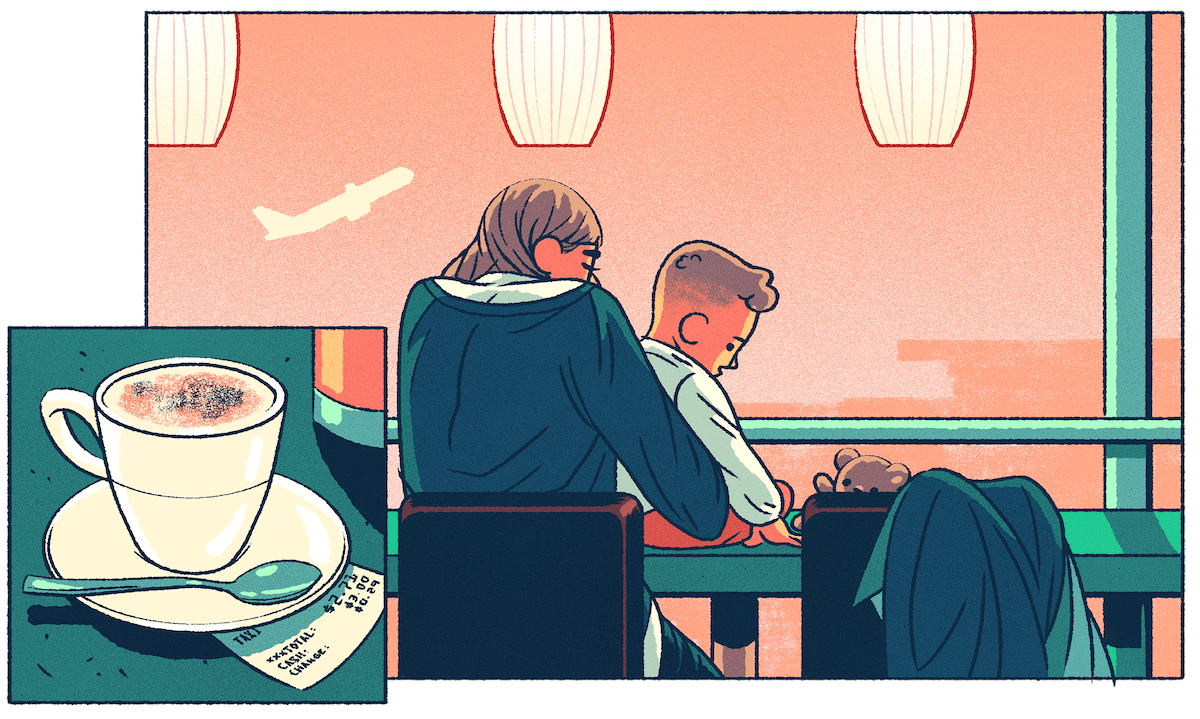
Scott Collier, GTAA: Fundamentally, we had been telling everyone what to do—just top-down. Instead, we said, "You know what? You guys know how to run this airport. You tell us how to do it.” We went to our friendlies—the commercial operators, the food and beverage, the duty-free retailers—and we said, “We don't want anything from you. We don't have a training program for you. We don't want any money. We just want to share an idea with you. And if you think it's a good idea, we'd like you to join us on this journey." We explained, we have this journey to become the best airport in the world. And we believe we can't be the best airport in the world unless we make you the best food and beverage retail operators in the world. And we want to start giving your people permission to start talking about it. We want to make your staff the heroes of Toronto Pearson. To a person, they signed off without any equivocation whatsoever!
GETTING PEOPLE ON BOARD FOR THE JOURNEY
Scott Collier, GTAA: IDEO asked us to think about how we—as the airport authority, just the 1,500 of us—could empower all 50,000 people who work here at the airport. How were we actually going to excite them? I realized that we had to change the conversation from "we" to "I.” Of course, at first everyone said, “That's not very Canadian," because Canadians are charmingly egalitarian. But I said, trust me on this, we've gotta figure out a way to make people personally accountable, and we can't go in and be the heroes on the high horse and say we're going to do it by ourselves. Until we start making people accountable for owning their business and doing what they say, this whole notion of going on a journey towards being the best will never happen.
Mike Ross, GTAA: There had been a very successful beer campaign in Canada called “I am Canadian,” and in the early days we were thinking of something similar to inspire that kind of spirit at the airport. But then IDEO prompted us to think about movements and see if we could make more than a campaign out of it, and really get something that was ground-up and not top-down. Ultimately we ended up calling that movement I Am Toronto Pearson.
I AM TORONTO PEARSON
Mike Ross, GTAA: We started with groups of ten people. We put them in a comfortable room and asked them to share their story of why they worked at the airport.
Scott Collier, GTAA: Calling it a “workshop” doesn't do it justice. We started a conversation. They started telling us stories about why they work at Pearson and their experiences with customers. These were front line people, these weren't middle managers and directors, these were everyday people who do the best they can, who struggle to get to the airport, and do magical things to make this place special. And just to watch them and see their pride was inspirational.
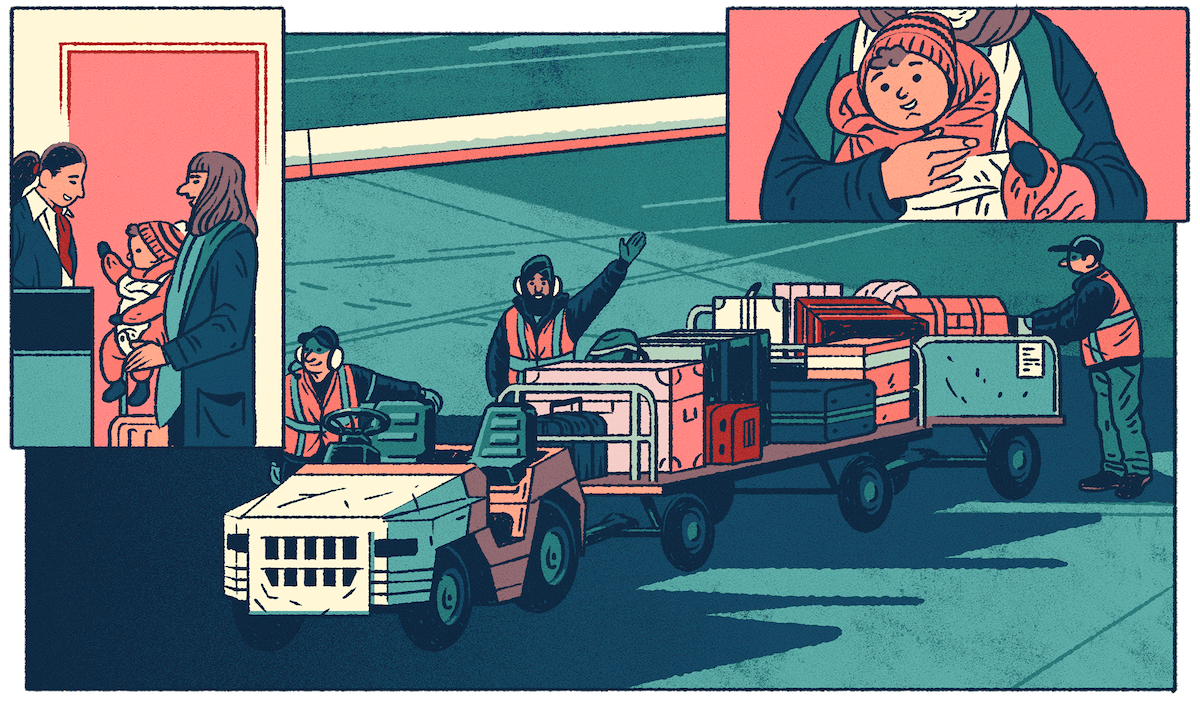
Mike Ross, GTAA: We learned that people could do the same work elsewhere—probably for more money and less hassle—but there was this pride in working at the airport, in such an emotionally charged place that moves millions of people a year. It turned out that this is a really sticky place to work. And that made people want to achieve that higher goal of being the best airport in the world.
Mat Chow, IDEO: I Am Toronto Pearson just played on what was already there: this deep sense of pride among so many airport employees for the human experiences they provided. You know, the airport can be this magical place of excitement—people are going somewhere or coming back, they’re meeting loved ones, there are these constant, intense, human-to-human connections. I Am Toronto Pearson gave people a moment to surface those human stories and really did tap into their pride in serving their customers, in serving Toronto, and really being ambassadors for Canada. When you're in the airport and you get to see the moments of gratitude and joy, that's incredibly infectious. Tapping into that broke down a lot of walls around the airport.
Scott Collier, GTAA: These first participants started to talk about it with their colleagues and it started to snowball! We learned as we went, and by the end of the year, roughly a thousand people had joined the movement. By the end of 2016, it was up to 5,000, and by the end of 2019, we will have 25,000 people as members of the club called I Am Toronto Pearson. It's remarkable.
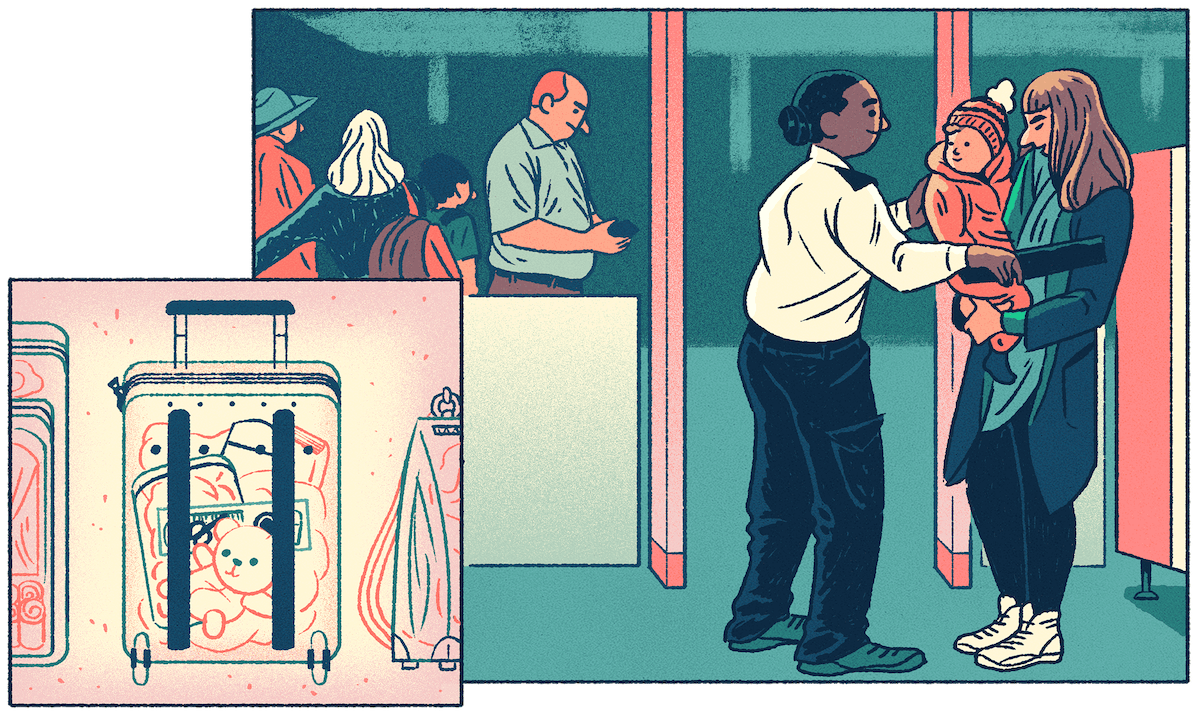
Owen Rogers, IDEO: People went deeper than we'd ever imagined. They found reasons why they worked at the airport that even they hadn't seen. It was profound, the ability for so many people to truly show up. One participant shared that he and her family had fled a war in their native country and ended up in Toronto. She ended up getting a job at Pearson, and she recalled with gratitude the warm welcome her family had received there when they first arrived. Another employee spoke of her network of airport workers coming together to help find a child’s lost teddy bear—a moment that showed her how much individual workers care, and how much power they have when they work together.
CHANGING THE WAY THE ORGANIZATION THINKS
Scott Collier, GTAA: This was the key thing: creating a movement ultimately means changing the way an organization thinks. You don't show up to work to just grind away at the airport. You want to be part of something bigger than yourself. It's just extraordinary how powerful this idea is. It drives innovation. It creates better relationships. And—get this—it's damn good for business. I have become a believer. It works! But it takes courage, it takes leadership, and it takes trust.
More Gnarly Problems
APPLYING THE LESSONS TO BAGGAGE HANDLING
Scott Collier, GTAA: Well, they say imitation is the greatest form of flattery and some of my colleagues began to apply this approach as well. My amigos on the aviation side wondered, "How might I use human-centered design to reimagine how we do baggage?” Once again, we had a poor reputation for on-time baggage delivery, even though we at the “authority” don't handle any bags. So how do we engage the people who work on bags? How do we think about it differently to get them empowered and inspired?
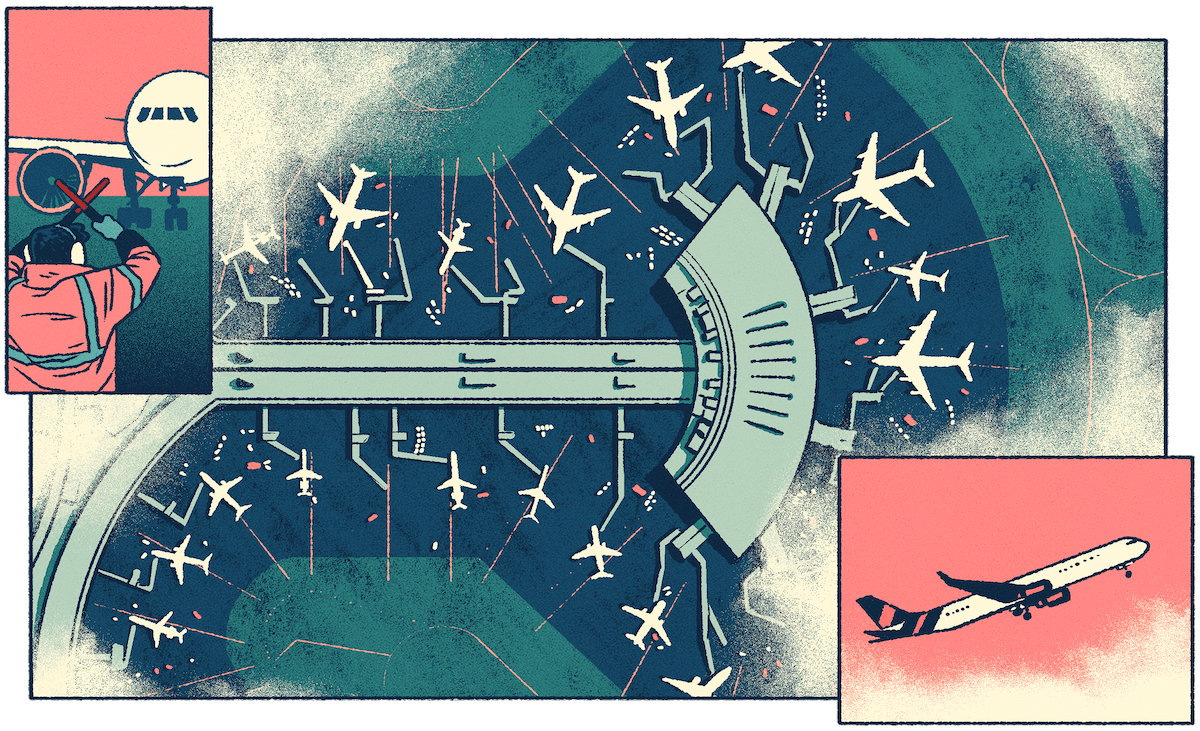
Owen Rogers, IDEO: Scott’s counterpart Craig Bradbrook, Vice President of Aviation Services at GTAA, saw the work we had done together and called me into his office. He said, we're about to spend half a billion dollars on a new baggage system. And he drew this thing up on a whiteboard of like thirty-two stakeholders and said, “After all the work that I've seen you guys do, I've got to believe we're missing something. I want you to go and look at re-imagining baggage through a human lens.” We ended up changing things: different signage, cleaning up the washrooms, better lighting everywhere, new technology. But fundamentally it was about changing the culture of the people.
IT’S STARTING TO CATCH ON!
Scott Collier, GTAA: So something special is happening—the design-led movement is catching fire. One of my colleagues says, “Well, what about immigration?” So we think about a design project to help us reimagine customs and immigration. And another says, “We should do a design project on X, Y, and Z because this actually works!” But the best news is that the people who do the work are actually contributing to it. They're getting excited. Engagement scores are going up, performance scores are going up. Human-centered design and the design thinking process are a force multiplier. When you get like-minded people in a room together, and you take away all the nonsense and egos, when everybody shows up without an agenda—which is hard to do!—it is remarkable how quickly you can design a solution rather than just band-aid a problem. But you have to have the courage to do this. Everybody thinks they’re the smartest person in the room, but you know what? We’re not. Trust your people. It's amazing the stuff they'll do.
Illustrations by Michael Meier
Toronto Pearson is North America's second largest international airport and far and away the busiest in Canada. But despite the completion of a gleaming new Terminal 1 in 2004, its passenger satisfaction scores—as measured by Airports Council International—remained dismal. Beginning in 2014, a new executive team, led by CEO Howard Eng, was determined to change those results. It began with embracing a new vision—admittedly audacious—of becoming “the best airport in the world.” For help, they partnered with IDEO, launching a journey of transformation that continues today, and has been marked by many surprising, illuminating, and sometimes hilarious moments.
How design is driving Ford to reimagine what a car company can be
One of the world's earliest automakers is designing the future of transportation
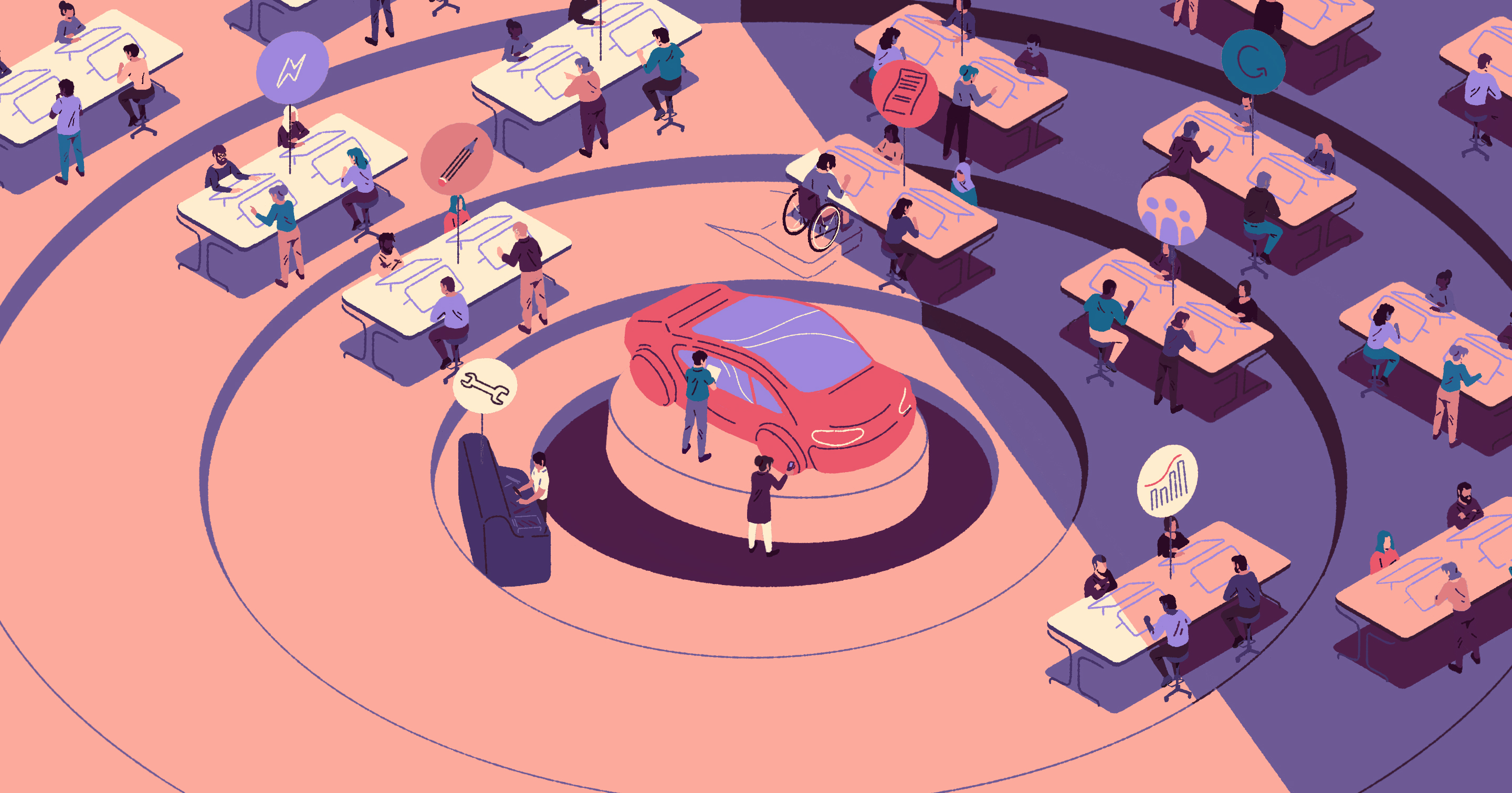
On that day, they pulled us into a room that resembled a basketball court. Wide, open decks were marked by signs and little flags identifying team workspaces: Purchasing Boulevard, Operations Corridor, and Design Central. The walls of the space were adorned with customers stories, insights, and frameworks that had been collected during design research and now pointed toward new opportunities. At the center of the room sat a new kind of prototype of a vehicle, which had been the focus of a startup-style development team made up of members of purchasing, HR, legal, design, accounting and more. The process of creating the low-fidelity prototype had been entirely new for this cross-functional team—defined by collaboration and experimentation—but the prototype that now appeared before us proved the value of their approach.
This was just one of dozens of war-rooms now filling the buildings of Ford's Dearborn campus, and also in Ford’s campuses around the world. This new kind of problem solving and rapid prototyping were new to the greater Ford team. And while the IDEO team had been alongside Ford through many projects, we had not touched this prototype.
When developing a new vehicle, defining the concept is a significant investment in time and resources. Using this approach, the team achieved a massive reduction in design development time, in turn reducing cost to the company and accelerating the time to market. It was a light-bulb moment for us. We suddenly saw that a comprehensive organizational change was in motion here—design thinking now lived in Ford’s DNA and they were taking it forward.
Over many years of deep collaboration with designers at Ford, we’ve worked primarily on specific projects or initiatives, all the while broadening our points of connection within the company. Early on, the IDEO team functioned like a pirate brigade on the edge of the business, with a mandate to run fast and break the rules—but you can’t scale that up.
Where scale has been achieved is in the aggregate, as numerous individual projects have exposed more and more members of Ford to the power of human-centered design. Although we did not do the work to create some of the vehicle prototypes we viewed that spring day, our deep collaboration with Ford over many years has helped enable the organization to shift its way of working, and that may be the greatest and most lasting success of our partnership. Together, we’ve moved with Ford toward the precipice of becoming a new kind of company, suited to lead not just auto manufacturing, but a radical revolution in mobility.
Mapping the entire span of our time with Ford, it’s clear that the way we’ve been working is its own kind of strategy. Design thinking has been permeating the organization system-wide, often spearheaded by inspired employees eager to explore new ways of working. At its best, design enables people to tackle complex, systemic challenges. Within a large organization, the work isn’t so much about applying a process, but helping the company itself improve its resilience and uptake of new ideas. We can push the edge by asking tough questions about what people—the customers or users of their products and services—really want, and figuring out what needs to change in order to fulfill those desires.
That unifying anchor point during this shift has been Jim Hackett, who took over as Ford’s CEO in 2017. Hackett came from Steelcase, a world-class furniture company that has been instrumental in applying design to shape the future of work. It was at Steelcase where Hackett first worked with IDEO, and through that collaboration cultivated an approach to business that put the customer at the center, evolving the company from simply a furniture manufacturer to a hub of leadership in the changing workplace landscape. When he came to Ford, he brought this human-centered approach with him.
The whole purpose of a business, ultimately, is to meet a customer’s need. Many legacy businesses that have been operating decades or centuries find themselves with very established business models. They know how to make money through those methods. But the consequence of entrenched models is that everything drives toward efficiencies and returns. If you live in that mode, you lose your customer. It’s easy to say legacy companies need to change the lens through which they’re viewing and operating their business; it is everything to get it done well.
During his tenure, Hackett has built an ecosystem that enables design to spread from the core innovation teams out to all corners of the more than 190,000-person organization. Creating change is about convincing networks of people to make different choices, which means unconvincing them of their current behaviors and helping seed the potential of doing things differently. By helping them align in new ways around ideas, they gain the bravery to make choices that may not be supported by their corporate or cultural DNA.
In an effort to be more intentional and comprehensive with this diffusion of ideas, Ford is moving forward with two primary initiatives: First, a global design lab network called D-Ford, with teams around the world focusing not on products, but on customers. And second, a robust, enterprise-wide learning program to give everyone at Ford access to the design tools and skill sets that the collaborative team of Ford and IDEO spent years refining together. With these two efforts in operation, design thinking can be disseminated from the inside out, spreading throughout the organization.
Ford’s global innovation labs represent the design-intensive core of the company. The D-Ford studios are housed in Detroit, London, Palo Alto, and Shanghai. In each, a nimble group of design practitioners gets their hands dirty iterating, fixing, and prototyping possibilities for the next era of mobility.
To be human-centered doesn’t just mean to put humans at the center of the design problem, but to put humans at the center of the design solution and empower them in different ways. The D-Ford Labs, and the associated learning program, are creating a radically new way of working that is accelerating Ford's evolution. It's not IDEO, it's not Ford, it's a third way.
Outside of these hands-on labs, the uptake of design thinking is more variable and sometimes controversial. Thousands of employees cross paths with the small group of radical experimenters so transformation happens more slowly. Communicating the value of design in this broad population requires moving from provocation to persuasion and proof, demonstrating how much leverage design can provide in solving problems that have seemed intractable through more conventional approaches.
Design requires being on the ground with the people who will use and experience any new offerings from Ford, but it also means reaching across aisles and opening dialogues where previously deep, daily collaboration has been unheard of.
This never would have happened had they not felt invited into the room to help with the design. Having cross-functional teams from engineering, design, purchasing and more, has been a breakthrough, because they gain empathy and respect for each other’s practices and work together, rather than sitting in silos that tend to block each other’s effort.
Perhaps one of the clearest proof points for Ford’s new way of working is the groundbreaking, all-electric SUV Mustang Mach-E, which was unveiled in Los Angeles late last month. The Mustang Mach-E came to life just a few blocks away from Henry Ford’s first factory in Detroit, through a development process grounded in human-centered design, concentrated entirely on customer needs and desires.
The development team, called Team Edison, was made up of broad expertise, including members leading the design, charging strategy, infotainment, and marketing of electric vehicles. Thanks to the company-wide shift toward human-centered design, Team Edison was truly able to exercise creative license and operate in a different way. The Mustang Mach-E represents change not only within Ford, but worldwide. Customer outlooks and desires are evolving, and by listening to what’s true for their user, the team created a vehicle that aligns with the changing world.
While this new mindset is thriving within the walls of the labs, it’s a feat to communicate the nuance and potential of human-centered design to parts of Ford where design itself isn’t necessarily top of mind. Across every level and department, the principles can apply, but putting them in context matters. In order to activate that deeper saturation, Ford has developed an internal learning program that guides employees through the different phases of design thinking. From teams assembling child safety seats in Nanjing, to a Dearborn group researching the nighttime patterns of taxi drivers, to sales representatives in London, Design Thinking at Ford unifies people across the organization around the mission of putting humans at the center of their work.
The learning tools and experience are available to anyone at Ford who wants to better understand design. Practical tools include methods cards that can be applied at intervals in the development process, and videos illustrating how design thinking has come to life at Ford in the past.
Ford believes that all of its employees will benefit from a human-centered perspective, and is making progress in its enterprise-wide effort to create a unique, design-led creative culture.
One of the most exciting aspects of the early learning about design is realizing just how many areas it encompasses. From making autonomous rideshare vehicles to designing an ecosystem of connected services around sustainable transit, human-centered design in particular enables individuals to rethink how they go about their lives and how they look at the world around them.
As a designer, I was always taught it’s valuable to be able to say, I designed that—it’s on a shelf somewhere. Now we’re getting to a moment when it’s more valuable to create impact and influence rather than an object in space. We’re beginning to see new ways to measure impact, and better ways to affect change.
If you teach people to question what they do, and to collaborate and take cues from others with diverse skills, they will learn to change on their own, and the company will follow suit. This is how large-scale transformation happens. This radically different approach is what will determine the future of Ford.
Illustrations by Johan Papin
On a warm spring day in Dearborn, Michigan, where Ford Motor Company has its world headquarters, our team met up with some of Ford’s senior leadership. It’s a visit we’ve made regularly during the 15 years IDEO has worked with the century-old carmaker.

Lindsey Turner
I’m passionate about building brands, products, and experiences that help organizations show up with meaning and momentum.
I help organizations cut through complexity by shaping how they show up, through brand strategy, identity, and storytelling.
Working at the intersection of brand and business, I bring an editorial eye and a bias toward making—turning ideas into tangible experiences that people can understand, trust, and believe in.
My work spans government, healthcare, financial services, media, and consumer goods, from launching Gen Z-focused ventures to building innovation labs and reimagining legacy brands. I relish moments of ambiguity and enjoy translating across teams, perspectives, and priorities to move ideas forward.
I started my career in editorial and digital design, shaping cross-platform experiences and identity systems in publishing and agency environments. That foundation still shapes how I work today: I’m detail-oriented, collaborative, and overreliant on the Oxford comma. I hold a BFA in Visual Communication from the School of the Art Institute of Chicago.

Rachel Young
My work helps organizations see who their products aren't working for—and build the will and the tools to do something about it
For 25 years, I've asked the same question: Who does this design exclude—and what are we going to do about it?
My work spans human-centered strategy, inclusive design, and qualitative research, with clients ranging from Microsoft, Google, and Verizon to the National Science Foundation, and San Francisco Unified School District.
Before IDEO, I taught elementary school in East Palo Alto and spent a decade doing design work with social service organizations—where I learned firsthand what it costs people when systems are built without them in mind.
I am currently writing User Error, a nonfiction book about digital access and the design decisions behind it. I live in Oakland, California.

Brian Pelsoh
I lead with craft, ensuring our work is creatively excellent: rooted in deep human insight and imagination, while also grounded in the realities of business and technology.
My expertise spans brand, communication, and product design across tech, education, the arts, and social impact.
I believe great work demands both high-level vision and obsessive attention to detail, and only happens through collaboration.
I bring an inclusive, hands-on approach and a deep understanding of business, which enables me to consistently deliver excellence while always asking why.
Before joining IDEO, I worked at the brand firms Pentagram and VSA Partners. I began my career as a designer, leading teams at the School of the Art Institute of Chicago and the Milwaukee Art Museum. I hold an MFA in graphic design from Maryland Institute College of Art and a BFA in communication design from the Milwaukee Institute of Art & Design, and have taught at some of the best design schools in the US.

Tony Wong
I am responsible for IDEO’s long-term success in China and working with clients to use design as a tool to enable growth.
I am responsible for IDEO’s long-term success in China and working with clients to use design as a tool to enable growth. Specifically, I have helped Chinese companies design holistic brand solutions through the development of their products, communication, services, and innovation teams, and I have helped multinationals expand their presence and influence in China.
I advise global leaders on developing China-led innovation and capabilities.
In over 15 years in IDEO Shanghai, I have worked on projects that use design to elevate the quality of the experience of healthcare products and services, streamline processes that increase productivity, create spaces and programs that promote and enable inclusive communities, and build next generation mobility solutions that are planet-positive.
Before joining IDEO, I worked at Philips Electronics and the Electrolux Group in Italy, the Netherlands, and Singapore on a number of breakthrough commercial products. I am a member of the Young President Organization in Shanghai.

Building a personal AI for the messiness of life: Sida Li
Most AI products today are built for work—a space with clear problems and established systems. One founder noticed a gap: personal life is messier, harder to systematize, and mostly left behind by the AI boom. So she built Cue, a personal AI that lives inside iMessage and group chats, to go where the other tools haven't.
In this episode, Becca Carroll, IDEO's Chief Strategy Officer, talks with Sida Li, co-founder and CEO of Shared Context Lab, about staying anchored to a human need while the technology around her keeps changing shape, why she treats her business model with the same rigor she'd bring to a product, and what it feels like to build a company at this particular, disorienting moment in AI.
The conversation also gets into how Sida makes design decisions: the language Cue uses to describe itself, the tradeoffs behind building inside iMessage instead of a new app, and a real story about a business idea that didn’t pan out.
This is the second in a two-part series profiling founders from IDEO's Startups-in-Residence program. The first conversation is with Johannes Seemann, founder of Sooner, on designing GenAI for the emotional side of money.

Designing GenAI for the emotional side of money: Johannes Seemann
Most personal financial tools are built to run the numbers and optimize towards a budget. While that works for some, most people experience money as a lived relationship that does not neatly fit into a spreadsheet. Johannes Seemann and Becca Carroll discuss why money is emotional before it is mathematical, and what a human-centered approach to building a generative AI financial product looks like in practice.

The curious leader's edge in uncertainty: Scott Shigeoka
Mina Seetharaman talks with Scott Shigeoka, author of Seek and Head of Curiosity Cultivation at the Eames Institute, about what distinguishes genuinely curious leadership from performative curiosity, how power dynamics shape curiosity, and why practicing curiosity can restore energy rather than drain it.

How constraints make us more creative: David Epstein
Mina Seetharaman talks with David Epstein, author of Inside the Box and Range, about why total freedom often produces average work, how leaders can design useful limits on purpose, and what organizations such as General Magic and Pixar reveal about the relationship between boundaries and creativity.
Looks like you might be in search of something very specific?
Or reset the filters above and try another angle.
Here’s some random inspiration

Podcasts about creative leadership

Articles about the power of prototyping
