
.svg)




A sleek, seamless Apple Watch camera band
A six-week design sprint for a startup results in a market-ready wearable.
Glide, a video communication software startup, came to IDEO to collaborate on the design of its first hardware product. With current Apple Watch models not including cameras, Glide sought to design a compatible band that would empower users to capture and share photos and videos directly from their wrist.
Faced with this challenge, IDEO designers embarked on a six week-long design sprint, involving users in the research to understand how they might use the band for interactions such as taking reminder snapshots and intuitively sharing photo and video messages with friends. The team then brought these ideas to life through a comprehensive industrial design and engineering process, working to meet a range of technical and performance requirements along the way.
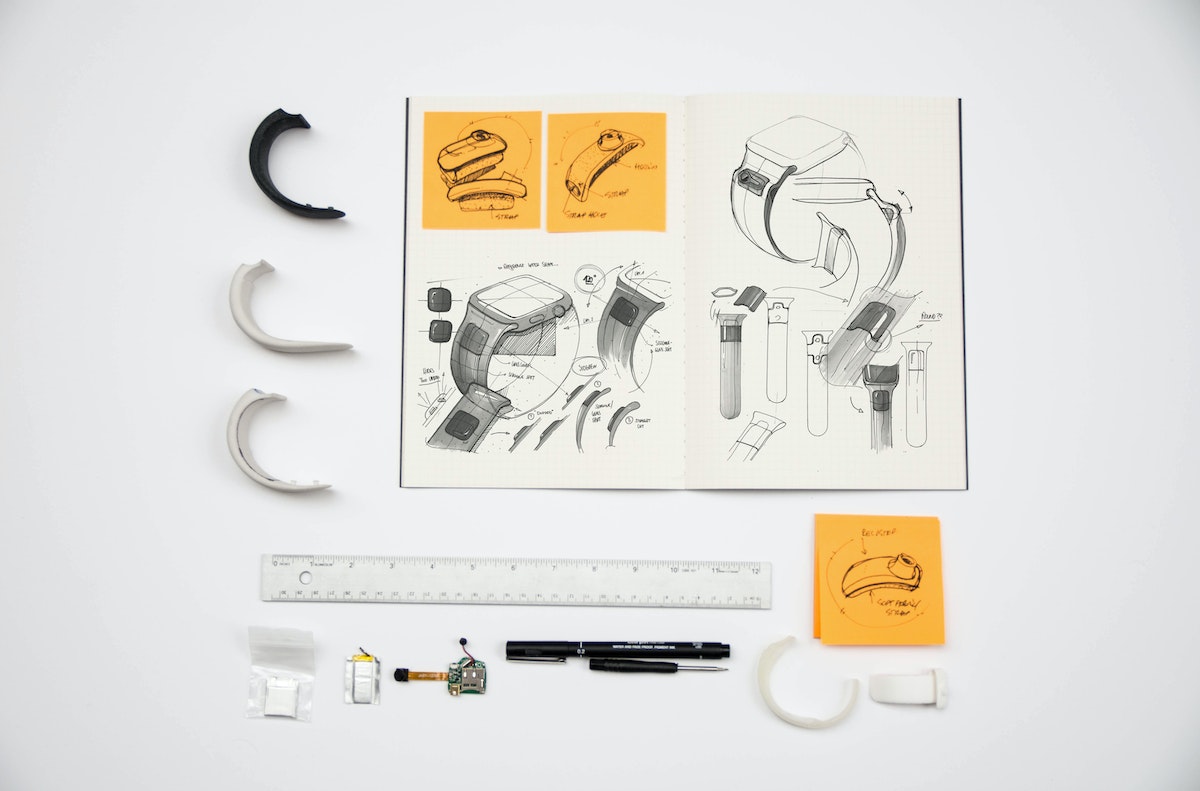
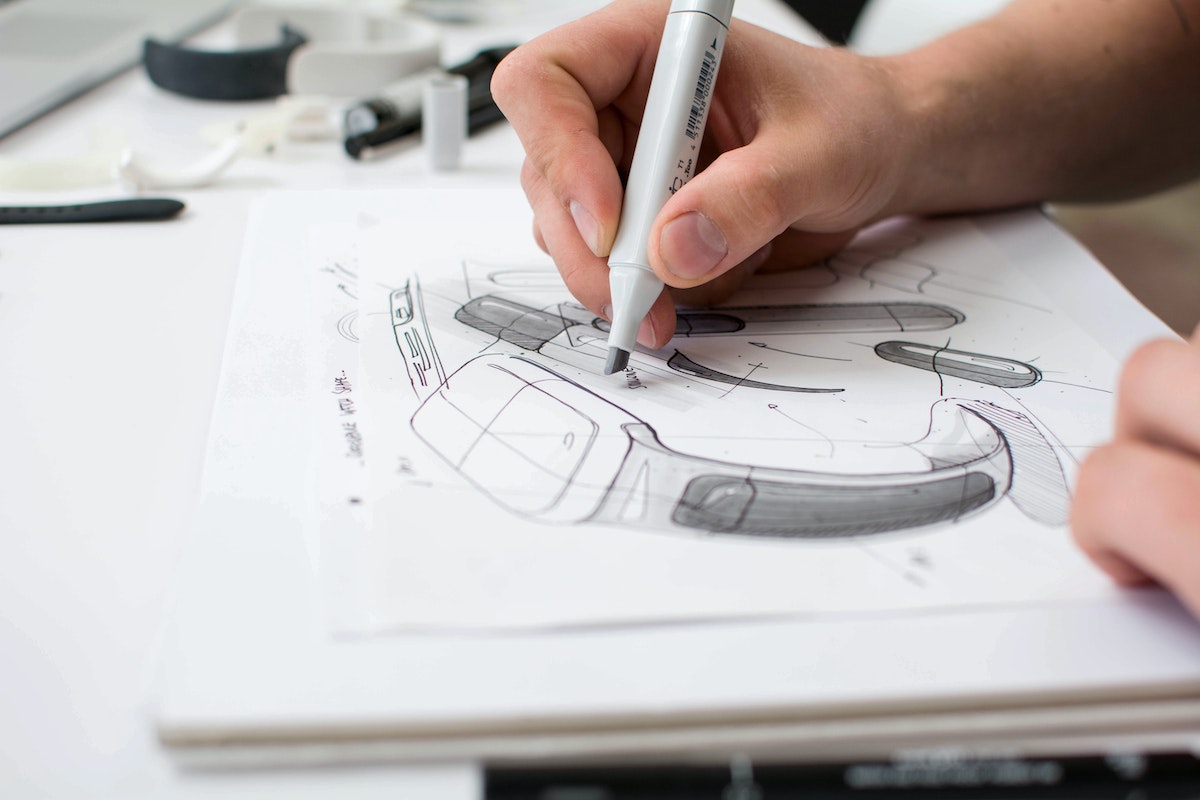
IDEO’s final band design elegantly integrates two cameras—one nestled in a wave-shaped notch above the watch face, and the other on the band’s outward-facing surface. Together, the cameras ensure that, between recording themselves and the vibrant world around them, users never miss capturing a moment worth sharing.
IDEO also designed a compatible, on-the-go charging dock that conveniently refuels both the watch and band with a single plug-in, completing an effortless user experience.

Designing a modern work experience for business travelers
Helping a top hotel brand better support its guests' productivity needs.
Today’s younger workers are more comfortable dressed casually. They prefer an impromptu meeting over coffee, than at the conference table. They’re used to working flexibly, collaboratively and creatively. And, via smartphones, tablets and laptops, they’re accustomed to having everything from hailing a cab, to doing work, to getting groceries, at their fingertips.
Tech-savvy, independent, entrepreneurial, demanding: this new generation of business people and the lingering impact of the financial crisis, are reshaping hospitality.
To that end, Crowne Plaza approached IDEO to understand the needs of this audience, the macro trends impacting them, and to develop a new meeting and work offer that expressed the brand’s values.
Research, sensor data, surveys, interviews with potential customers revealed what modern travelers wanted, but lacked: informal, flexible experiences; energizing and uplifting spaces; peer-style service; curated choices; and integrated technology to control it all.
IDEO translated those customer insights, and Crowne Plaza’s promise—Making Business Travel Work—into an integrated, designed and built-out branded offer. Launched with two pilot schemes in Atlanta, Ignition is a free-to-use, innovative new meeting and working experience, housed in the lobby of Crowne Plaza hotels.

Spanning space, food and beverage, service, and digital, every touchpoint is designed to keep travelers in a state of flow, and heightened productivity. From single-person Pods, to the Nooks and Huddles for four-person impromptu meetings, to the 10-person Apartment (bookable by the hour), Ignition’s spaces cater to every professional’s needs, whether they’re on the road or in their home city.
Food and beverage offerings have been redesigned specifically for work meetings. Delivered to where you’re working, it’s non-drippy, made to be eaten one-handed, and served on square plates to sit neatly alongside laptops. Out of hours, a new self-service marketplace offers 24-hour premium sustenance.
A new role, the Host, provides peer-style support, whether greeting guests’ guests, helping with meetings, or sourcing local restaurants for a client dinner.
Underpinning Ignition is a new tablet-based ordering system (Food To You), and Host chat platform, to easily get everything from photocopies to coffees.
But ultimately, IHG’s ambition for Ignition goes beyond its existing guests. It’s designed to become a local business fixture in its own right, attracting people to meet, and work, irrespective of whether they’re staying. As one guest summed it up: “There is nothing any hotel brand in this range is doing to stand out. This concept, however, could completely change that. It could even live on its own. It’s what you would seek out.”


An acoustic amp that steals the show
Balancing high-tech performance with the warm, natural sound of acoustic for an iconic brand.
Fender, a brand that’s been synonymous with rock ’n’ roll since 1946, is best known for its iconic electric guitars—think Stratocaster—played by everyone from Eric Clapton to The Edge, the lead guitarist of U2. Less well known is the imprint Fender has made on the acoustic space. IDEO worked with the company to design a new family of acoustic amplifiers: one professional and one with stereo effects.
After gathering insights from amateurs, professionals, music magazine editors, and producers, the team explored portability, storage, materiality, and form through a series of early prototypes that they tested with users.
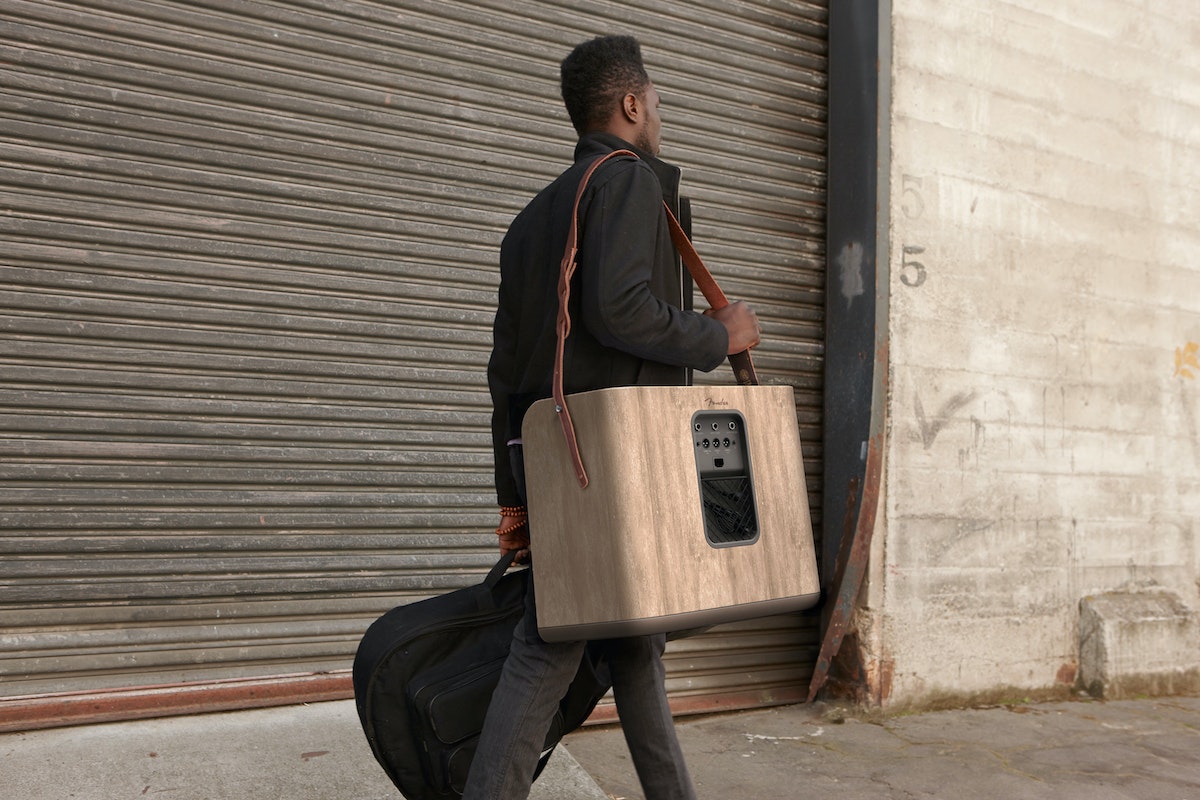
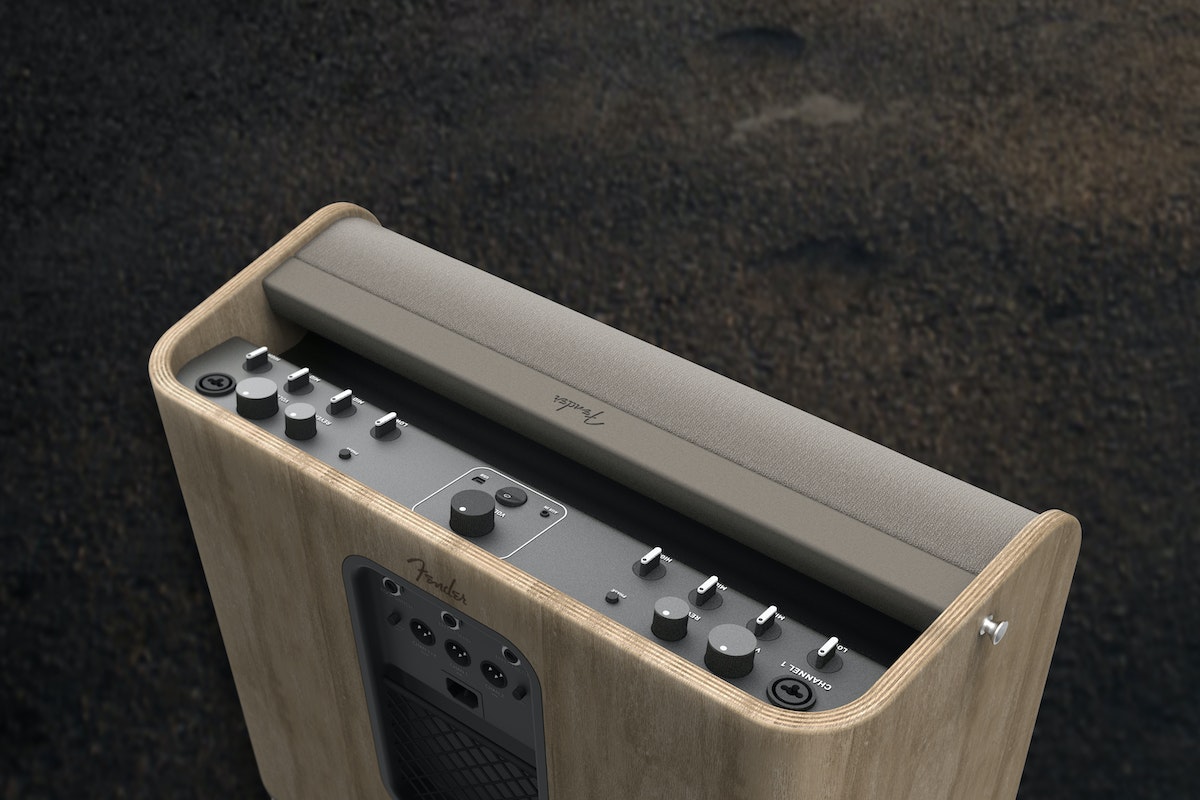
While most acoustic amps in the market don’t look all that different from their electric cousins, the new Fender product line reflects the pure, natural sound at the core of acoustic. This new line of amps uses a unique manufacturing technique with bent plywood that’s new to acoustic amp design. Not just a design statement, the innovation also improves sound quality.
The acoustic amps were also designed with simple, intuitive controls, and with illuminated features that balance high-tech performance with a satisfyingly analog experience. The design emphasizes portability and maneuverability, targeting the acoustic artist who often may have to make a tough choice between traveling light and using the often unreliable house PA.
Pi Jacobs, a singer-songwriter who participated in the design research process, said acoustic sound requires its own unique medium. "Acoustic is raw, pure, no bells and whistles. You see someone playing and singing, it’s like looking through a window into someone’s soul," he said.
For Fender, the work proved to be transformative. "Working with IDEO was an eye-opening and refreshing experience," said James Gifford, vice president of design for Fender. "The result of the work that was done with IDEO on the acoustic amp project was a game-changer that challenged the traditional definition of the design and experience received from using acoustic guitar amplifiers."

A better box of tea
Updating Bigelow Tea’s packaging to convey family-owned quality.
To better articulate the Bigelow family values—obsessive about ingredients, environmentally conscious, community-oriented—the company asked IDEO to help convey its story to a younger demographic, for whom tea was popular but the Bigelow brand was not. Any changes to the product or its packaging would have to improve the offering without alienating Bigelow Tea’s loyal customers.
IDEO worked with the company to update its positioning statement, brand identity, and packaging. After many interviews with tea drinkers, IDEO and Bigelow executives learned that the brand could differentiate itself by crafting a strong point of view—one that cultivates and celebrates tea enthusiasts with a superior yet accessible product. With a refined positioning statement in hand, a refreshed identity system followed.
The new packaging ties together all of Bigelow’s lines of tea. Each box features bold graphic elements like a larger, easier-to-read logo, instructions for brewing a perfect cup of tea, a caffeine “caff-o-meter,” and the name of the team member who packed the box. Bigelow boxes now stand out when stacked on store shelves, winning over tea drinkers and retailers alike.
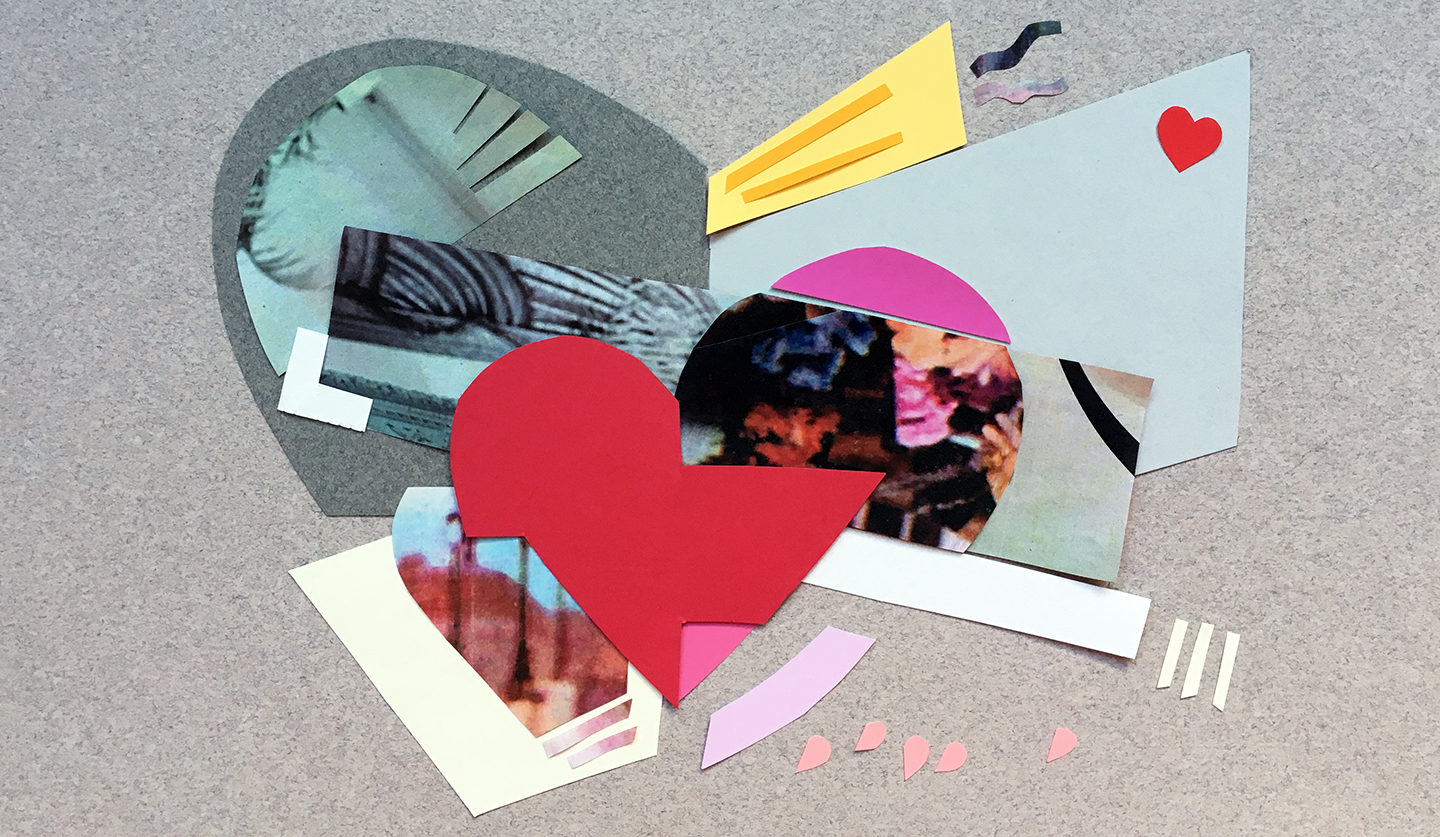
The GIF that Keeps on Giving
Forget flowers—make your loved one a custom GIF this Valentine's day
Not wanting to disappoint her, I started searching for some craft that would satisfy that messy complexity. I tried what I knew. Illustration might bring my imaginary characters and stories to life. But my skills were limited. Collage answered the urge for messy assembly, but lacked precision.
Then I tried making a GIF, that looping relic of the old web that’s come back as an art form. The beauty of GIFs is that they preserve a single moment, with all of its feeling, and play it back forever. It was imperfect. It was messy. I was mesmerized. It struck the balance me and my inner teenager needed.
I’ve found that custom GIFs can be made for all sorts of scenarios—to show thanks, explain an idea, even tell someone you’re thinking of them. Flowers pale in comparison to a custom-made GIF for your loved one this Valentine’s Day.
With my internship at IDEO ending soon, I decided to create a parting GIF to share my gratitude. Here’s how to make your own:
1. Find a concept. Don’t dwell here. Get to making quickly and don’t overthink it! I landed on the metaphor of a rising sun, symbolizing illumination and a new beginning thanks to my experience here.
2. Gather supplies. Don’t spend any money on materials—they’re all around you. I rounded up old San Francisco brochures from my landlord’s supply closet.
3. Form a composition. Clear a workspace or spread out on the floor (as I did here), collect your supplies, and start cutting. Cue Bob’s Burgers.
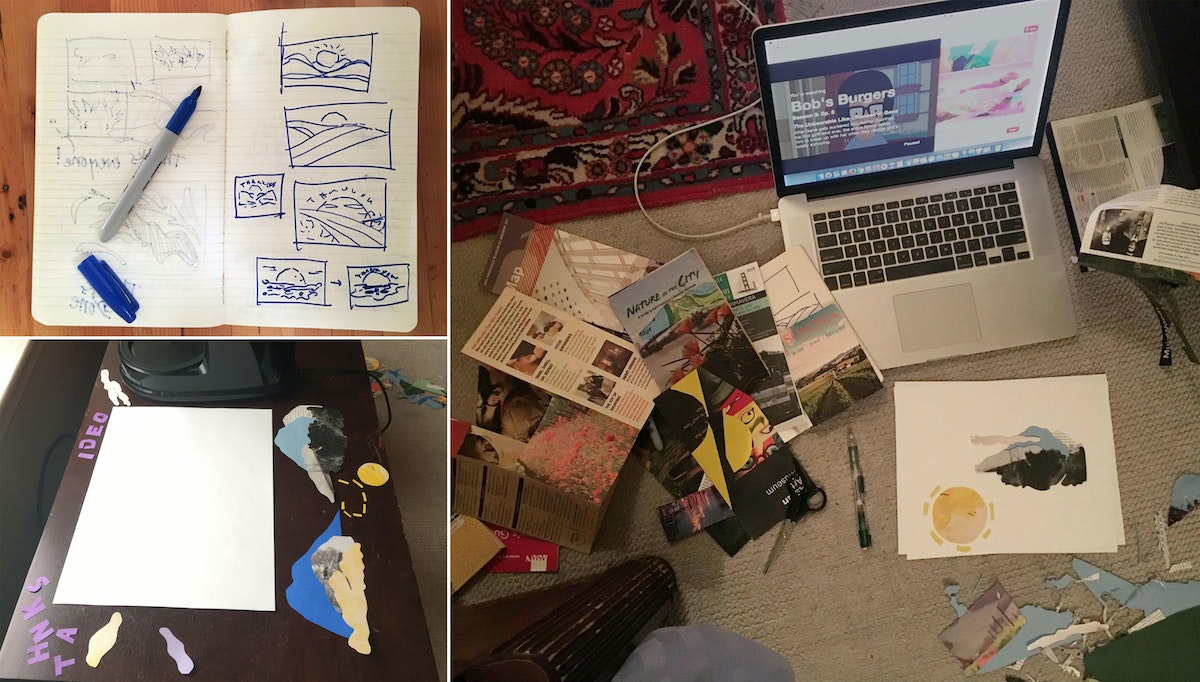
4. Photograph. Find a space by a bright window and a makeshift hand stabilizer—in this case it was an empty coffee machine. I shoot about 30 frames with my iPhone, moving each piece of paper by hand, frame after frame.
5. Assemble in Photoshop. With your batch of photos loaded into a Photoshop file, click “Create Frame Animation” from your Photoshop Timeline (pictured on the bottom of the screenshot below). This allows you to create a frame-by-frame animation, revealing one photo in your sequence per frame. Make any adjustments in light balance and cropping, and manually tweak the alignment of any shaky photos here, too.
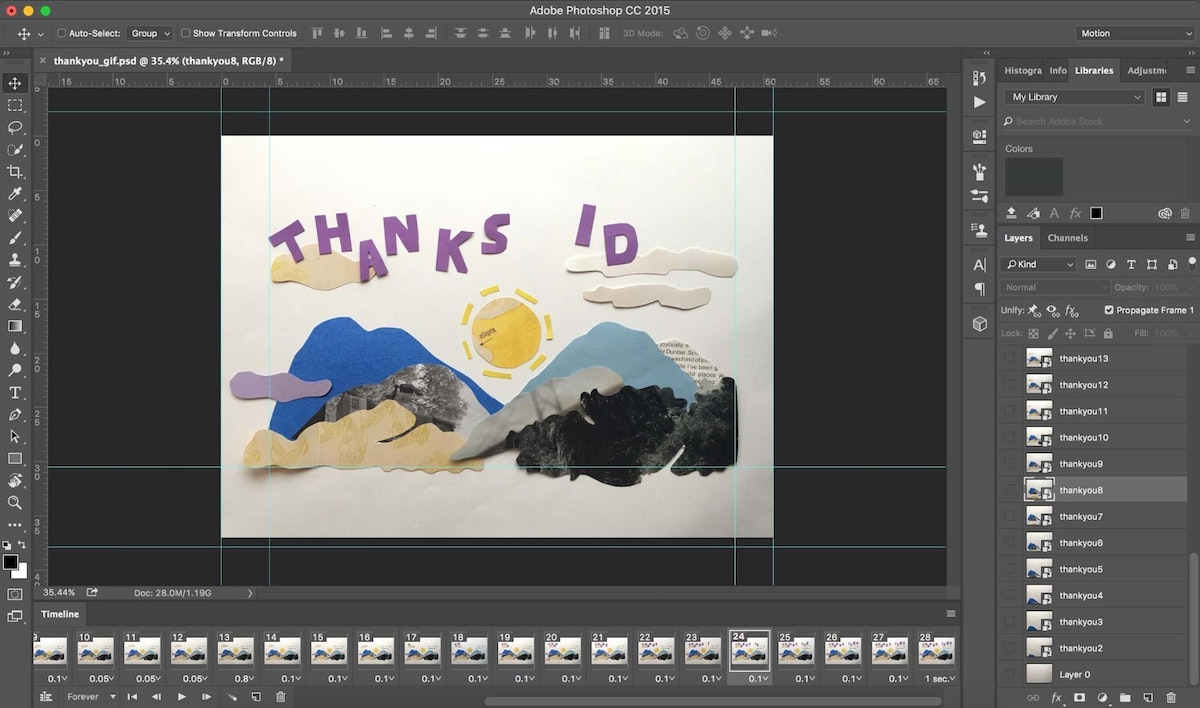
6. Save and export. To export your finished GIF from Photoshop, choose “Save for Web (Legacy).” Adjust the export settings to pare your GIF down to a manageable file size. Add a watermark or signature if you want to ensure you'll get credit for your work.
7. Let it fly! GIFs can be embedded in email, posted on social media, even texted.
I’m an intern at IDEO who’s training to be an interaction designer. But one morning at 4 a.m., after an all-nighter studying a maze of sterile, methodically made wireframes, I felt the 15-year-old me frowning at my career choice. Who was this person obsessing over digital simplicity and efficiency? What happened to the girl who loved drama? Who loved a mess?

3 Ways to Fight Impostor Syndrome
A sense of belonging can be cultivated, if you know how
There I sat, staring at this person whom I deeply admired, witnessing a fleeting moment of vulnerability, and I realized that I’m not the only one that feels this way.
I’m someone who will walk by the espresso machine multiple times, trying catch a glimpse of how to make a latte, just so when I decide to do it myself, I’ll look like I know what I’m doing. I avoid confrontations, so as not to tarnish what others think of me. I convince myself I am where I am because of luck. I’ve spent the first few years of my professional life trying to be a good pretender, trying to ignore this voice in my head that takes over and says I don’t belong.
But, there are ways to shake off those feelings, to help you remember the value you have, that you should trust yourself, and that you belong in your job. It took me a while to figure it out, but I’ve developed ways to cope. If I could take a time machine back to when I first started out, here are the three things I would remind myself:
1. NEVER STOP ASKING FOR FEEDBACK
I’m an introvert who, for years, kept my vulnerabilities wrapped up. Fake it til you make it was a subconscious motto. What I didn’t realize was how empowering it is to openly admit the things you are afraid of, and the empathy and advice you get from others when you do. The sooner you are able to identify these fears and voice them, the sooner others will be able to help you through these challenges. Don’t try to pretend your insecurities don’t exist—voicing them is the first step to overcoming them.

2. GET OUT OF YOUR WORLD OF EXPERTISE
Throughout school, I was laser-focused on learning everything I could about design. When I came to IDEO, this passion for design was no longer something that made me unique. It’s what you know beyond design that allows you to come up with a solution that your peers haven’t considered. Good design skills are most powerful when they are applied with another discipline or two, or three. I found the designers I most admired were experts in some other area—neuroscience, climbing, magic, baking.
3. MEASURE YOURSELF BY YOUR OWN YARDSTICK
It’s so easy to be consumed by other people’s talents, but comparing yourself to others is an impossible game to win. Instead, try competing with yourself. Where were you a year ago? Six months? Can you measure your improvement over time? It’s a commitment to continuously learning that will make you grow as a designer. You went from getting coffee at an internship to distributing the first magazine article you designed? Growth!

I first heard the term impostor syndrome from a fellow designer. We were chatting about the projects we were on, and comparing each other’s work to our peers: designers we knew, designers we didn’t know, even super-influential icons we swooned over, like Stefan Sagmeister and Jessica Hische.
“How did we even get hired?” he asked me. “It’s like I have perpetual impostor syndrome—it’s bad.”

Escape Your Filter Bubble and Enhance Your Creativity
Filter bubbles are a problem for democracy. We believe they’re a problem for creativity, too.
How so? A classic rookie mistakes in design work is “me-search”—doing research on yourself and creating something tailor-made for your needs, rather than seeking broader inspiration from the outside world. So, in service of greater creativity—and maybe a more clear-eyed body politic—here are four ways to escape your bubble.
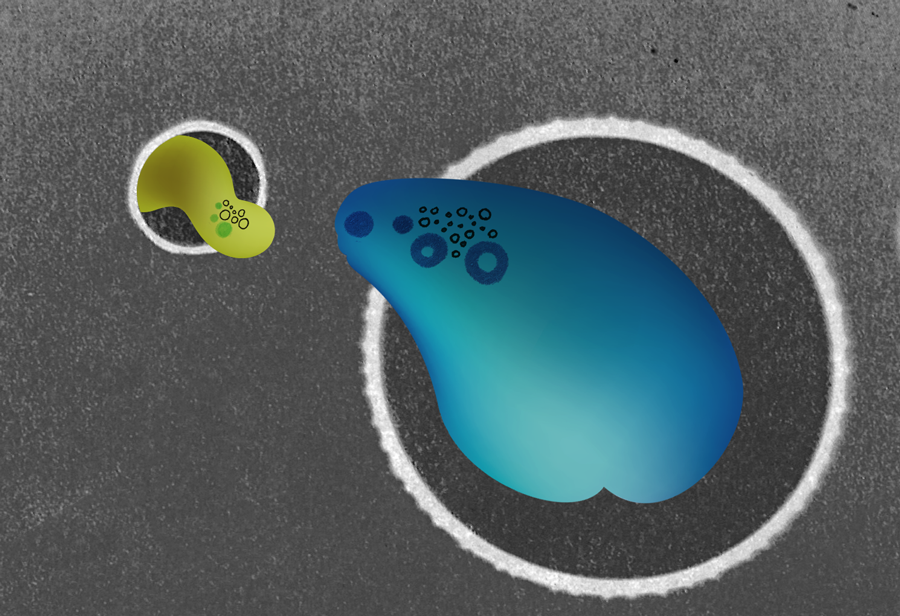
1. Talk to Strangers
Now that the time and directions are available on every smartphone, it's amazing how little we need to talk to strangers. But think about what is lost when you never have a serendipitous encounter. To reignite this habit, seek out contexts that are naturally social: bars, book clubs, craft circles. Go alone, so you're required to interact with someone new. Going solo not your bag? Here's another approach: Follow Bill Murray’s advice and strike up a conversation with every taxi driver you ride with. Ask them plenty of questions beginning with the word “why.” Maybe you’ll figure out, as Murray did, what’s preventing them from doing what they love.
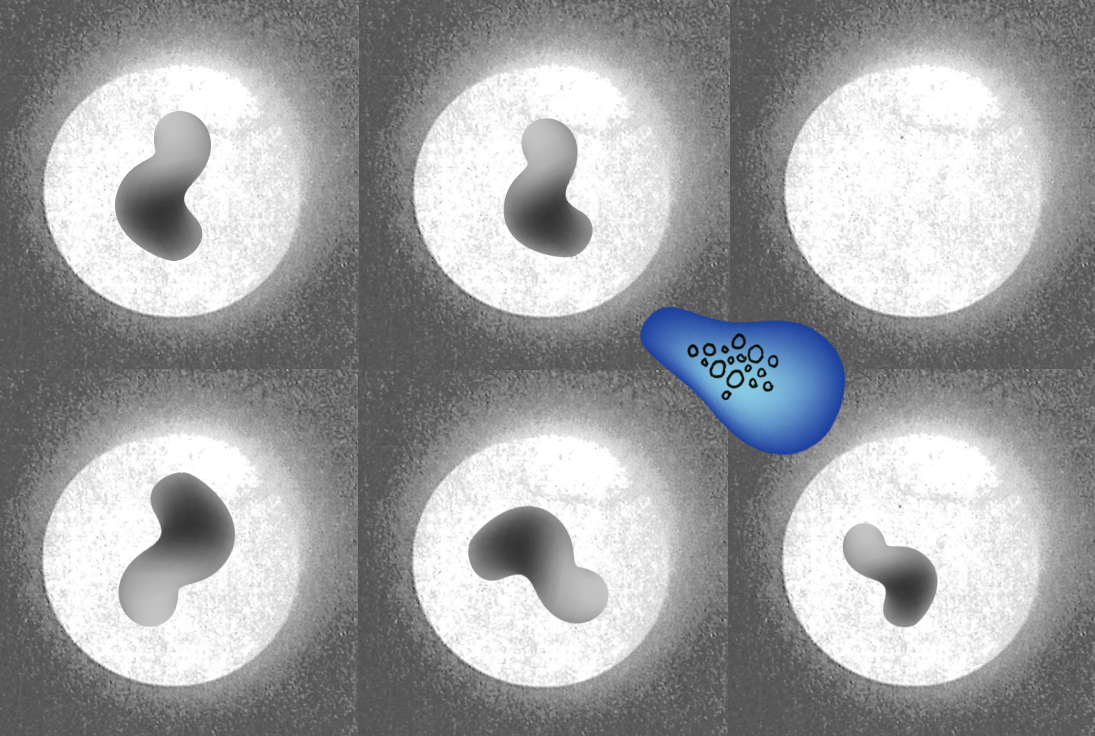
2. Unfollow People Like You
If you're choosing to hear from people who think exactly like you, you're going to get sucker punched every time public opinion swings the other way. Are you a bleeding-heart liberal? Try following conservative pundits, think tanks, and some of the average Joes who tune into them. Lean to the right? Look to the left! Hat tip to Harper Reed, CTO of the 2008 Obama campaign, for this one. Reed recently unfollowed most of the white men in his Twitter feed, instead directing his attention to women, people of color, and people with disabilities. Just to be clear, this was not an act of political correctness—his motivation was to expose himself to different points of view, in service of inspiring his personal creativity.
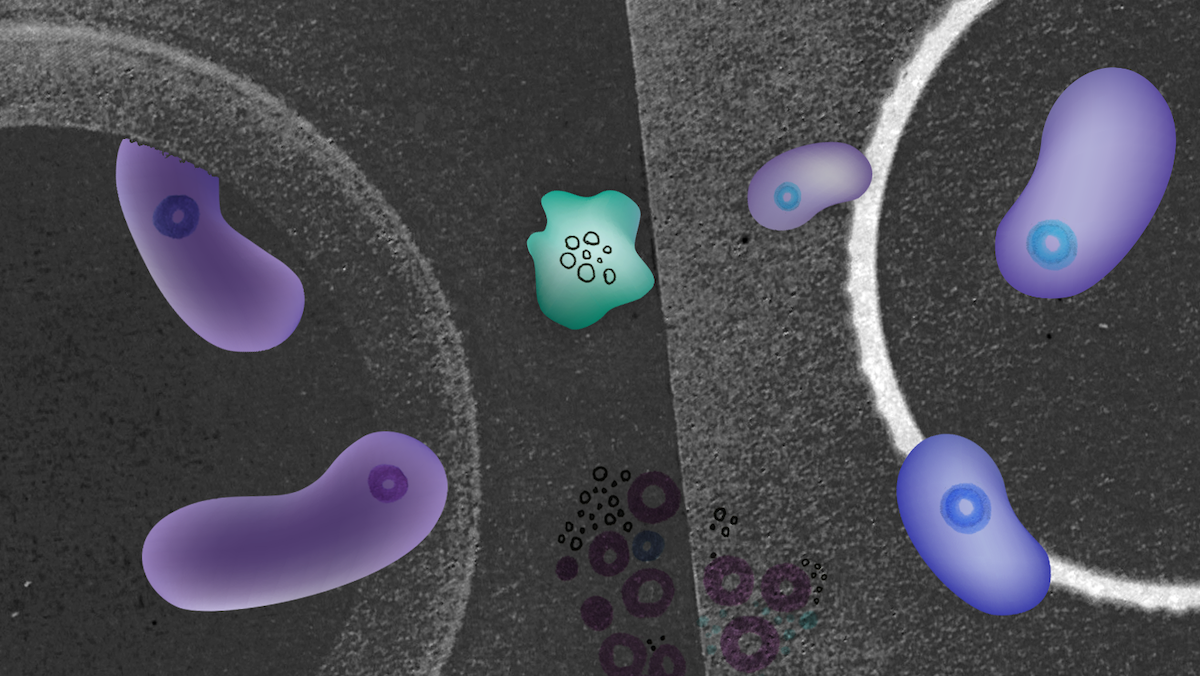
3. Join a Different Demographic
When it comes to picking a night out, most of us choose something that we know we're going to enjoy. And chances are, we’ll be surrounded by people just like us. As an alternative, go for an evening activity in which you're immersed in a completely different demographic. If you're a millennial, hit up bingo night with seniors. If you're a Boomer, grit your teeth and shake it off at a concert full of teenagers. If you're visiting a new city, seek out a comedy open mic and see what people are talking about. Yes, there's every chance that this evening’s experiment won't be as comfy as your usual fare... but we bet that it will help you understand people’s needs in a different way, making you better suited to creating new things for them.
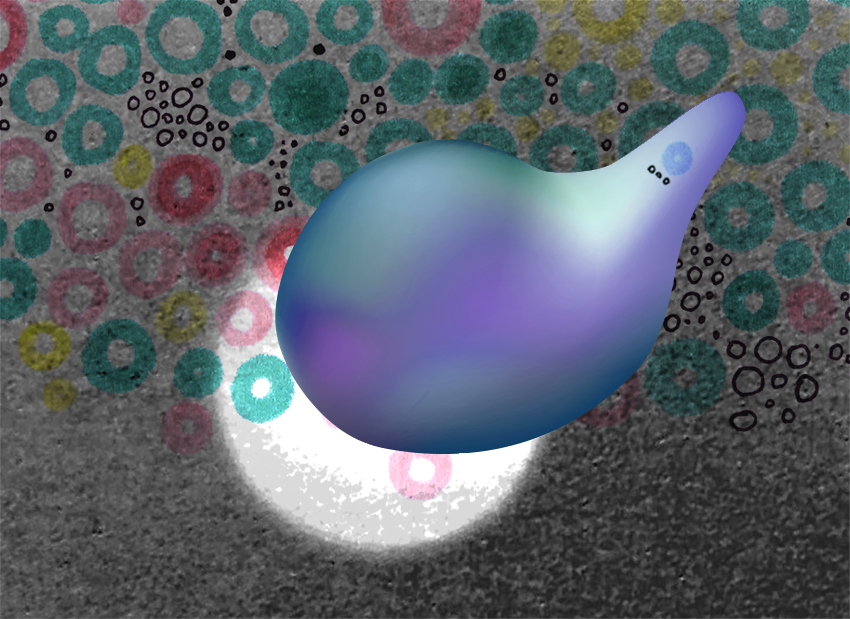
4. Volunteer
Giving back is always the right thing to do, and it has the seldom-mentioned added benefit of easing you out of your filter bubble. Whether you're helping the homeless, people with disabilities, or any other group, you will be eye-to-eye with people you rarely encounter on your Facebook feed. The fact that you're serving others is a bonus. The person you may be helping most is yourself.
Illustrations by Ashley Holtgraver.
In the aftermath of the 2016 election, there has been a new focus on the “filter bubble”: the phenomenon of being fed news and social media that is tuned to your existing point of view, rather than challenging it.
Filter bubbles are a problem for democracy. We believe they’re a problem for creativity, too.

10 Graphic Novels to Read Right Now
Visual books help us understand complex issues, here are some of the best out there
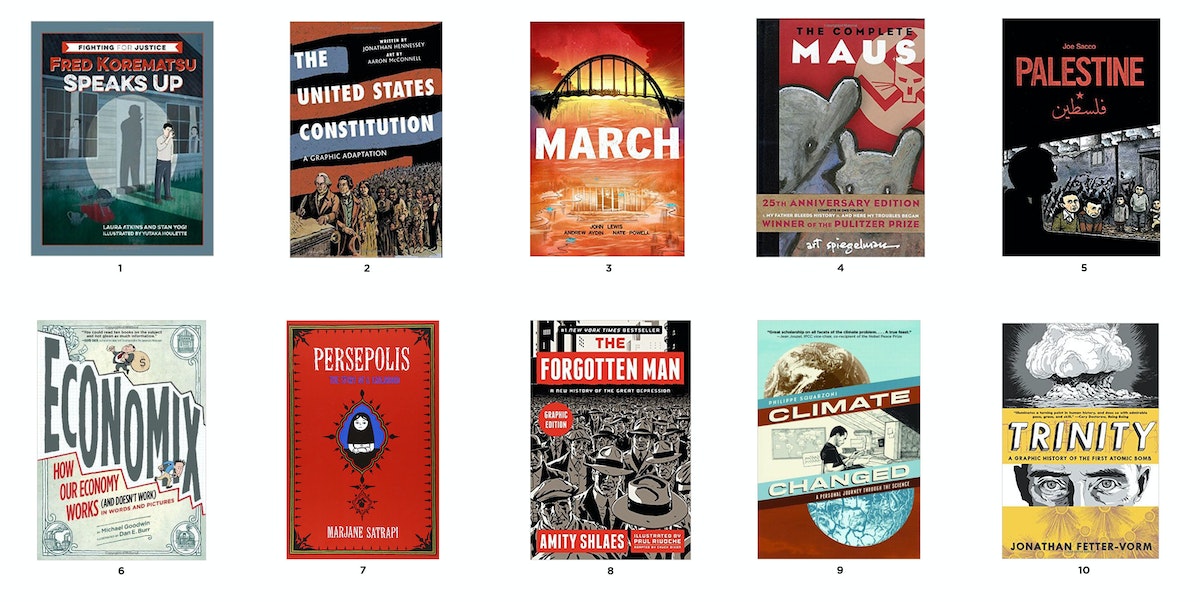
10 graphic novels to read right now:
1. Fred Korematsu Speaks Up (Fighting for Justice) by Laura Atkins (Author), Stan Yogi (Author), Yutaka Houlette (Illustrator) profiles a Japanese-American man who went into hiding to avoid being relocated into an internment camp, and was later arrested and put in a camp until 1945. (For 10 - 13-year-olds)
2. The United States Constitution: A Graphic Adaptation by Jonathan Hennessey (Author), Aaron McConnell (Illustrator) breathes life into our nation's central document of values and principles.
3. March by John Lewis (Author), Andrew Aydin (Author), Nate Powell (Illustrator) chronicles the life of the Congressman and civil rights leader John Lewis as he fought to end segregation.
4. The Complete Maus, 25th Anniversary Edition by Art Spiegelman tells the tale of a Holocaust survivor and his son and how they grapple with the past.
5. Palestine by Joe Sacco is an eyewitness account of the Israeli occupation of the West Bank and Gaza Strip in the early 1990s.
6. Economix: How Our Economy Works (and Doesn't Work) by Michael Goodwin (Author), David Bach (Author), Joel Bakan (Author), Dan Burr (Illustrator) is an accessible, eye-popping guide to understanding the economy.
7. Persepolis: The Story of a Childhood by Marjane Satrapi is a memoir of growing up in Iran during the Islamic Revolution.
8. The Forgotten Man: A New History of the Great Depression by Amity Shlaes (Author), Chuck Dixon (Adapter), Paul Rivoche (Illustrator) is the graphic version of Amity Shlaes's nonfiction book. It highlights the struggles of the men and women of the Great Depression, and argues that the New Deal actually prolonged it.
9. Climate Changed: A Personal Journey through the Science Paperback, by Philippe Squarzoni is a stark, black and white depiction of our dependence on fossil fuels and how that's affecting our planet. French author Squarzoni sweeps through the science, economics, international policies, and politics that influence our climate.
10. Trinity: A Graphic History of the First Atomic Bomb by Jonathan Fetter-Vorm is a historical glance back at the race to build and decision to drop the first atomic bomb during WWII. (For young adults)
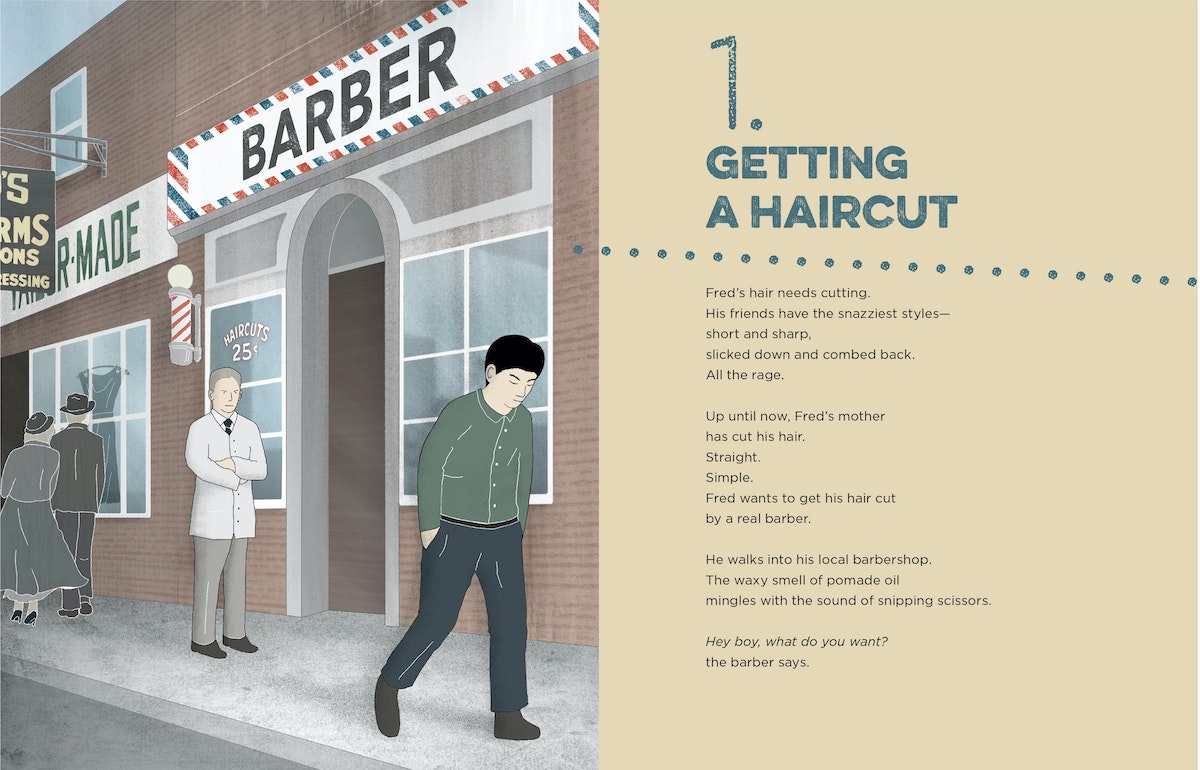
A spread from Fred Korematsu Stands Up about the daily grind of discrimination.
We spoke to Laura Atkins, coauthor of the new graphic novel for 4th-6th graders, Fred Korematsu Stands Up (#1 in our list, above). Google put Korematsu, the Japanese-American civil rights figure who went into hiding to avoid being relocated into an internment camp, and was later arrested, on its U.S. homepage yesterday to commemorate what would have been his 98th birthday (he died in 2005).
IDEO: Why were you drawn to the topic?
Laura Atkins: It’s such an important theme for us to pass along to kids today. I was an activist growing up, arrested twice in high school protesting against apartheid and nuclear weapons. We are entering a renewed period of activism and protest. I feel honored to have been part of a creating a book that introduces young people to a remarkable man who stood up when it was so hard to do so.
I’ve worked in the children’s book world for over twenty years on the editorial side, and with a focus on multicultural children’s books. So a book, and series, focused on people who fought for their rights, was a perfect project for me. Fred Korematsu stood up against Japanese American incarceration when very few people did. He was ostracized within his own community and rejected by his family at the time. He shows the courage needed to stand up for your beliefs. But people did rally around him over time, and he was not the only person to fight.
Why are graphic novels good ways to deal with complicated historical, cultural, and political subjects?
This isn’t quite a graphic novel, though we were definitely influenced by the graphic novel look. We did want to create a book that used visuals in a predominant way, in an effort to make the book attractive and inviting for young readers. My nine-year-old daughter will always choose a graphic novel first. And I’ve found some graphic novels that introduced me to socio-historical contexts better than just fiction (Persepolis by Marjane Satrapi and Palestine by Joe Sacco come to mind). John Lewis just received multiple awards from librarians for his March graphic novel.
I actually wrote my MA thesis on graphic novels that depicted personal memory and collective history, focusing on WWII (coincidentally). Drawing from Understanding Comics by Scott McCloud, I looked at how the interaction between text and visual elements can create a deep and complex reading experience. This is true for readers of all ages. I think graphic novels offer some of the most innovative and exciting reading opportunities today.

What did you look at for inspiration? Are there other great examples of graphic novels or other graphic treatments of historic figures/movements that you could point us to?
I read a lot of children’s book depicting history, especially in terms of our diverse country. Voice of Freedom, a picture book biography about Fanny Lou Hamer, a civil rights activist, was a big influence. I love how the author, Carole Boston Weatherford, wrote in a first person present tense voice to bring us deeply into Hamer’s experience. Marilyn Nelson writes powerful poetry to introduce us to historical figures and events. Her biography, Carver, is one of my favorite books of all time. She uses photos and a variety of voices to introduce readers to George Washington Carver, going way beyond just inventing peanut butter. Her picture book, A Wreath for Emmett Till, shows how deep and complex picture books can be. Ashley Bryan just won awards for his gorgeous and moving book, Freedom Over Me. He deals with the lack of primary source records from slave times to create and give voice to several enslaves characters, along with transcendent artwork. Freedom in Congo Square by Carole Boston Weatherford and illustrated by Gregory Christie, Javaka Steptoe’s recent biography of Basquiat, Radiant Child—so many great books out there. Kids can learn about Josephine Baker and the Shackleton expedition. I could go on and on…
When trying to gain empathy for people unlike you, panels can be more powerful than headlines. Some of the best books published in recent years have used comics to crack open sensitive political, cultural, and historical topics. You'll note that this list isn't without bias. Graphic nonfiction is a tool more frequently used by the left, and it's hard to find many examples with a more conservative outlook—trust us, we tried. But we believe that all of the books on this list have a different perspective to offer, and can help us look at the world in a new way. Did we miss any others? Tweet us. We'd love to hear what you think.

Lindsey Turner
I’m passionate about building brands, products, and experiences that help organizations show up with meaning and momentum.
I help organizations cut through complexity by shaping how they show up, through brand strategy, identity, and storytelling.
Working at the intersection of brand and business, I bring an editorial eye and a bias toward making—turning ideas into tangible experiences that people can understand, trust, and believe in.
My work spans government, healthcare, financial services, media, and consumer goods, from launching Gen Z-focused ventures to building innovation labs and reimagining legacy brands. I relish moments of ambiguity and enjoy translating across teams, perspectives, and priorities to move ideas forward.
I started my career in editorial and digital design, shaping cross-platform experiences and identity systems in publishing and agency environments. That foundation still shapes how I work today: I’m detail-oriented, collaborative, and overreliant on the Oxford comma. I hold a BFA in Visual Communication from the School of the Art Institute of Chicago.

Rachel Young
My work helps organizations see who their products aren't working for—and build the will and the tools to do something about it
For 25 years, I've asked the same question: Who does this design exclude—and what are we going to do about it?
My work spans human-centered strategy, inclusive design, and qualitative research, with clients ranging from Microsoft, Google, and Verizon to the National Science Foundation, and San Francisco Unified School District.
Before IDEO, I taught elementary school in East Palo Alto and spent a decade doing design work with social service organizations—where I learned firsthand what it costs people when systems are built without them in mind.
I am currently writing User Error, a nonfiction book about digital access and the design decisions behind it. I live in Oakland, California.

Brian Pelsoh
I lead with craft, ensuring our work is creatively excellent: rooted in deep human insight and imagination, while also grounded in the realities of business and technology.
My expertise spans brand, communication, and product design across tech, education, the arts, and social impact.
I believe great work demands both high-level vision and obsessive attention to detail, and only happens through collaboration.
I bring an inclusive, hands-on approach and a deep understanding of business, which enables me to consistently deliver excellence while always asking why.
Before joining IDEO, I worked at the brand firms Pentagram and VSA Partners. I began my career as a designer, leading teams at the School of the Art Institute of Chicago and the Milwaukee Art Museum. I hold an MFA in graphic design from Maryland Institute College of Art and a BFA in communication design from the Milwaukee Institute of Art & Design, and have taught at some of the best design schools in the US.

Tony Wong
I am responsible for IDEO’s long-term success in China and working with clients to use design as a tool to enable growth.
I am responsible for IDEO’s long-term success in China and working with clients to use design as a tool to enable growth. Specifically, I have helped Chinese companies design holistic brand solutions through the development of their products, communication, services, and innovation teams, and I have helped multinationals expand their presence and influence in China.
I advise global leaders on developing China-led innovation and capabilities.
In over 15 years in IDEO Shanghai, I have worked on projects that use design to elevate the quality of the experience of healthcare products and services, streamline processes that increase productivity, create spaces and programs that promote and enable inclusive communities, and build next generation mobility solutions that are planet-positive.
Before joining IDEO, I worked at Philips Electronics and the Electrolux Group in Italy, the Netherlands, and Singapore on a number of breakthrough commercial products. I am a member of the Young President Organization in Shanghai.

Building a personal AI for the messiness of life: Sida Li
Most AI products today are built for work—a space with clear problems and established systems. One founder noticed a gap: personal life is messier, harder to systematize, and mostly left behind by the AI boom. So she built Cue, a personal AI that lives inside iMessage and group chats, to go where the other tools haven't.
In this episode, Becca Carroll, IDEO's Chief Strategy Officer, talks with Sida Li, co-founder and CEO of Shared Context Lab, about staying anchored to a human need while the technology around her keeps changing shape, why she treats her business model with the same rigor she'd bring to a product, and what it feels like to build a company at this particular, disorienting moment in AI.
The conversation also gets into how Sida makes design decisions: the language Cue uses to describe itself, the tradeoffs behind building inside iMessage instead of a new app, and a real story about a business idea that didn’t pan out.
This is the second in a two-part series profiling founders from IDEO's Startups-in-Residence program. The first conversation is with Johannes Seemann, founder of Sooner, on designing GenAI for the emotional side of money.

Designing GenAI for the emotional side of money: Johannes Seemann
Most personal financial tools are built to run the numbers and optimize towards a budget. While that works for some, most people experience money as a lived relationship that does not neatly fit into a spreadsheet. Johannes Seemann and Becca Carroll discuss why money is emotional before it is mathematical, and what a human-centered approach to building a generative AI financial product looks like in practice.

The curious leader's edge in uncertainty: Scott Shigeoka
Mina Seetharaman talks with Scott Shigeoka, author of Seek and Head of Curiosity Cultivation at the Eames Institute, about what distinguishes genuinely curious leadership from performative curiosity, how power dynamics shape curiosity, and why practicing curiosity can restore energy rather than drain it.

How constraints make us more creative: David Epstein
Mina Seetharaman talks with David Epstein, author of Inside the Box and Range, about why total freedom often produces average work, how leaders can design useful limits on purpose, and what organizations such as General Magic and Pixar reveal about the relationship between boundaries and creativity.
Looks like you might be in search of something very specific?
Or reset the filters above and try another angle.
Here’s some random inspiration

Podcasts about creative leadership

Articles about the power of prototyping
